Mexican Shredded Beef Salad
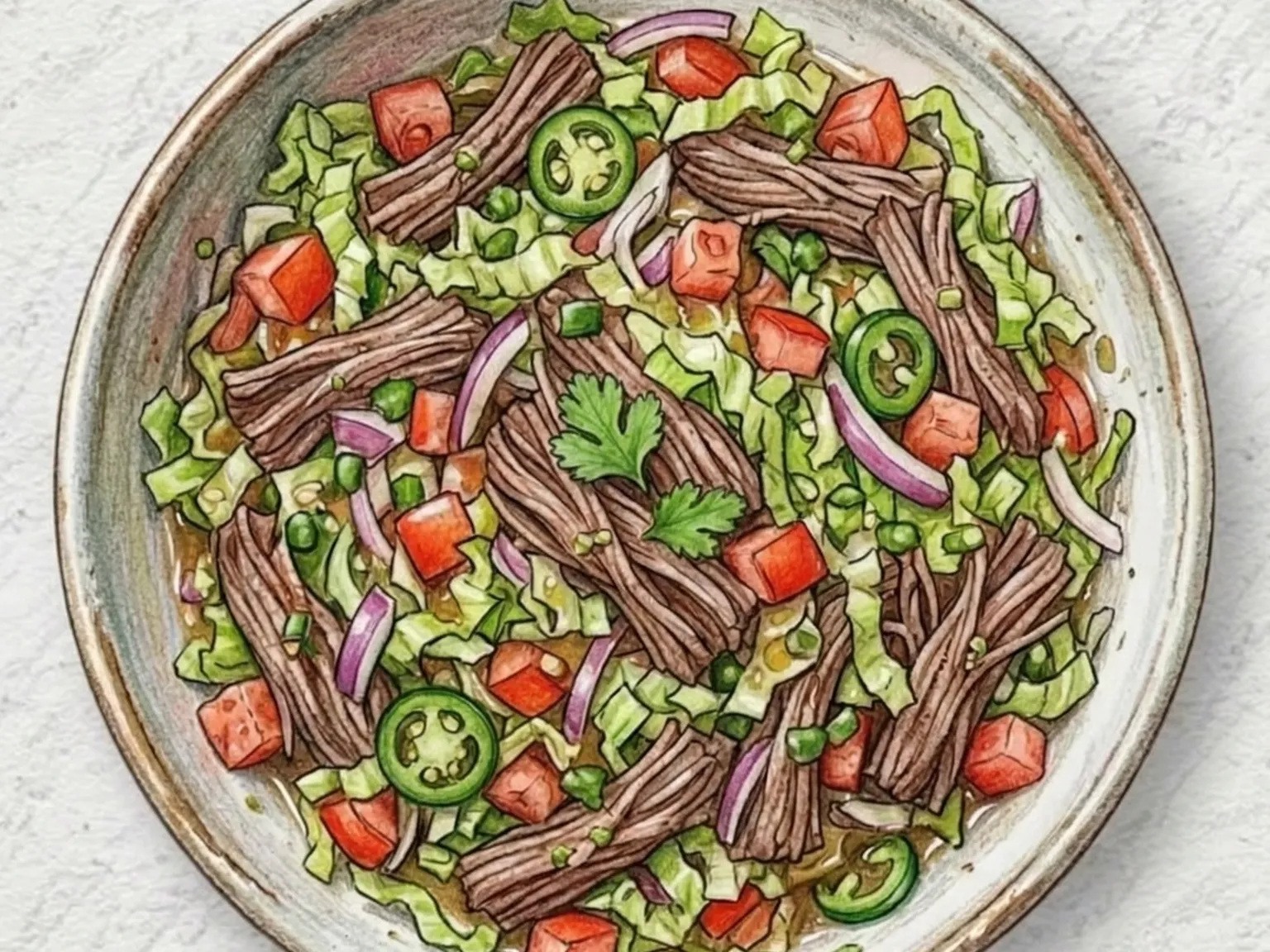
Beef brisket is simmered until tender, cooled completely and shredded into fine strands, then tossed with lettuce, tomato, red onion and jalapeño in lime juice and cider vinegar and eaten cold.
278 recipes. Page 12 of 12
As an Amazon Associate, we may earn from qualifying purchases.
Beef brisket is simmered until tender, cooled completely and shredded into fine strands, then tossed with lettuce, tomato, red onion and jalapeño in lime juice and cider vinegar and eaten cold.
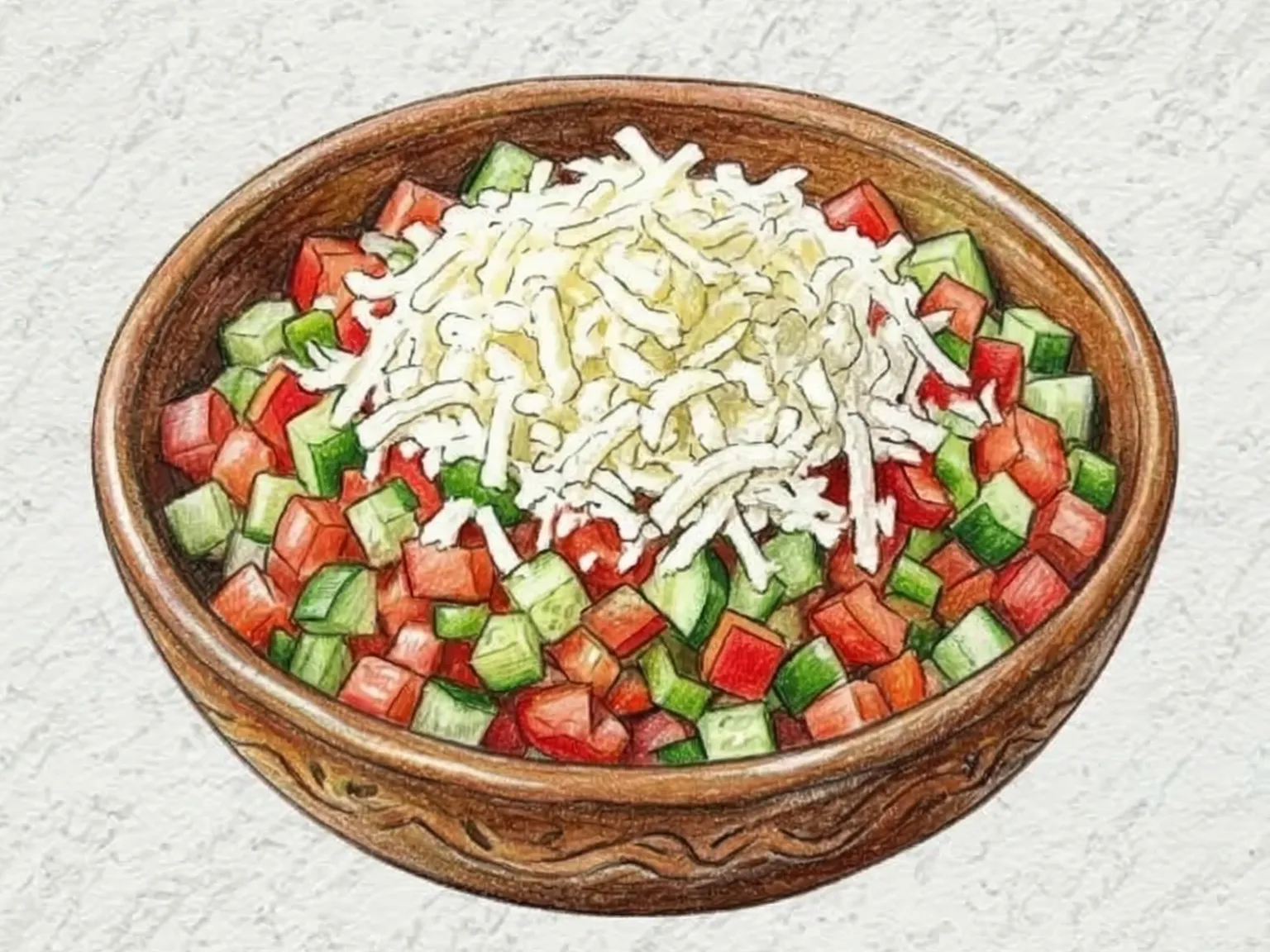
Finely grated feta covers chopped tomato, cucumber, green pepper, and onion like a layer of snow in Bulgaria's best-known salad. There is no separate dressing: juice from ripe tomatoes mixes with the olive oil and red wine vinegar and becomes the sauce at the bottom of the bowl. Green pepper's grassy bitterness keeps the salty cheese and watery vegetables from tasting one-note. The feta brings plenty of salt on its own, so the vegetables get only a light seasoning to start. Scraping out the cucumber's seed section means less water diluting that sauce, and tossing right before eating keeps the vegetables firm.
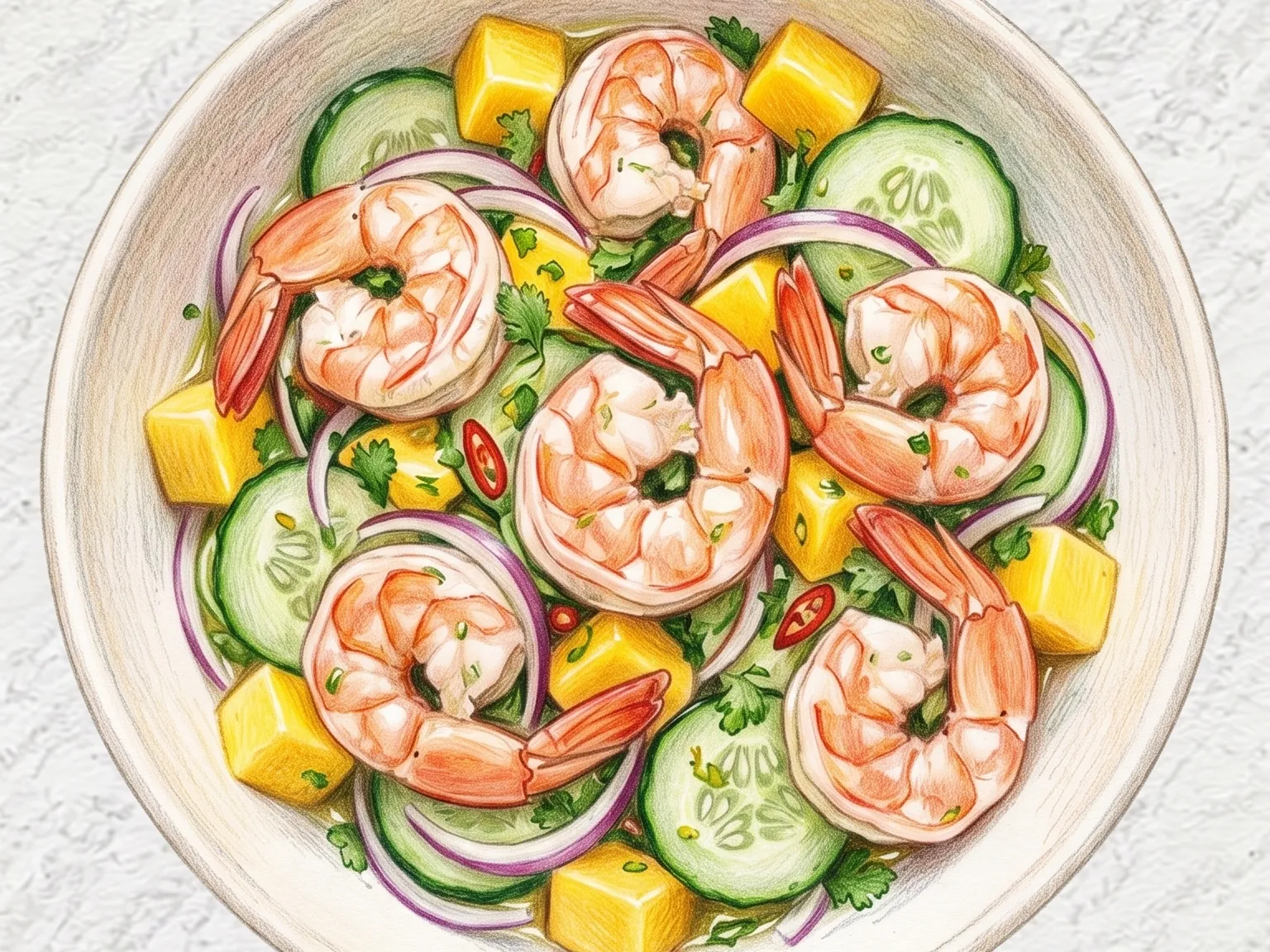
Snappy shrimp and soft, ripe mango are pulled together by lime juice and fish sauce, salty and sour at once. It is best eaten cold, soon after tossing, before the mango and shrimp start shedding liquid into the bowl.
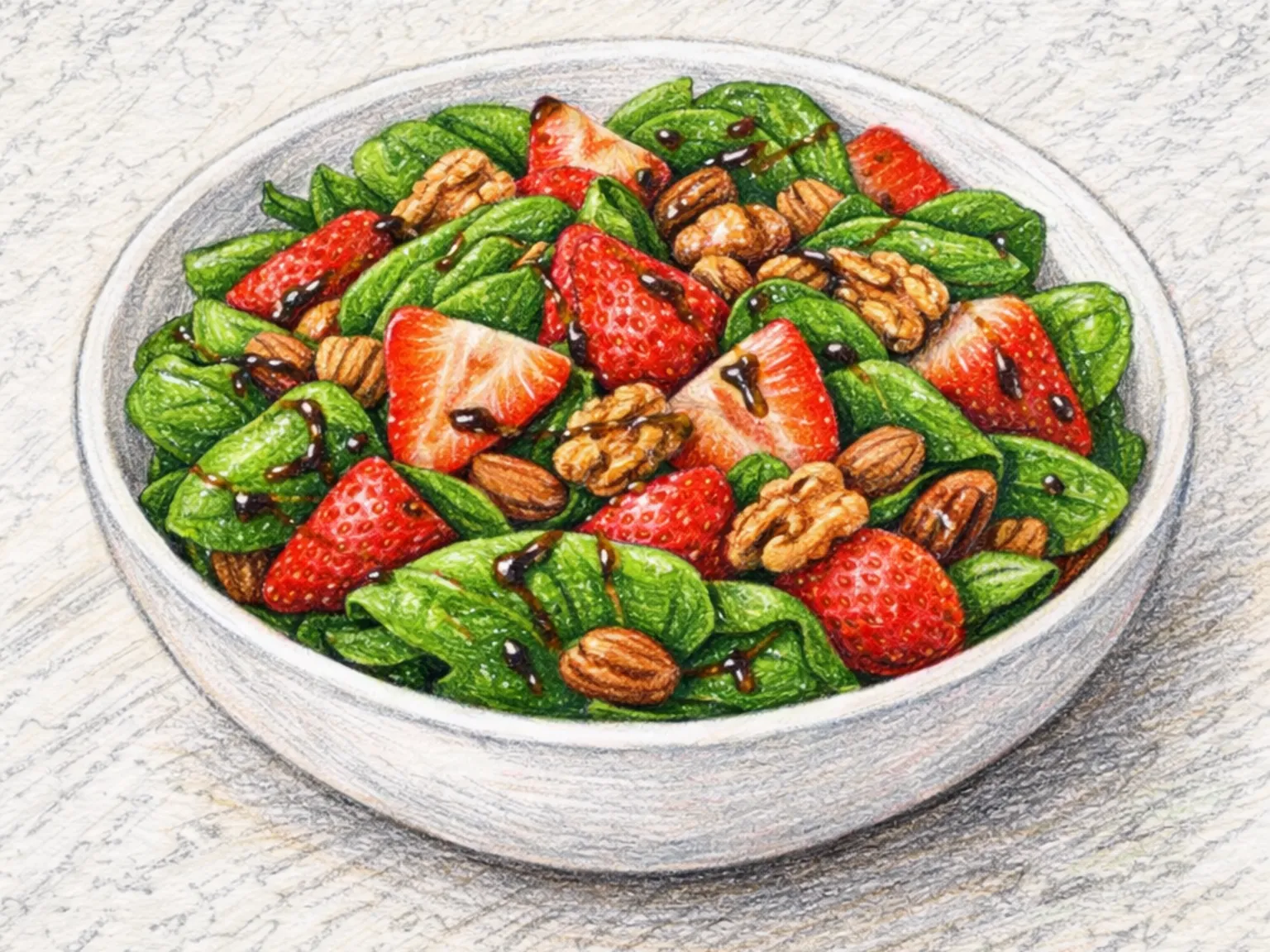
Thin slices of strawberry and a honey-balsamic dressing lay sweet and tart notes over tender baby spinach. Toasted walnuts and very thin red onion keep the salad from tipping into dessert, one with crunch and the other with a sharp bite.
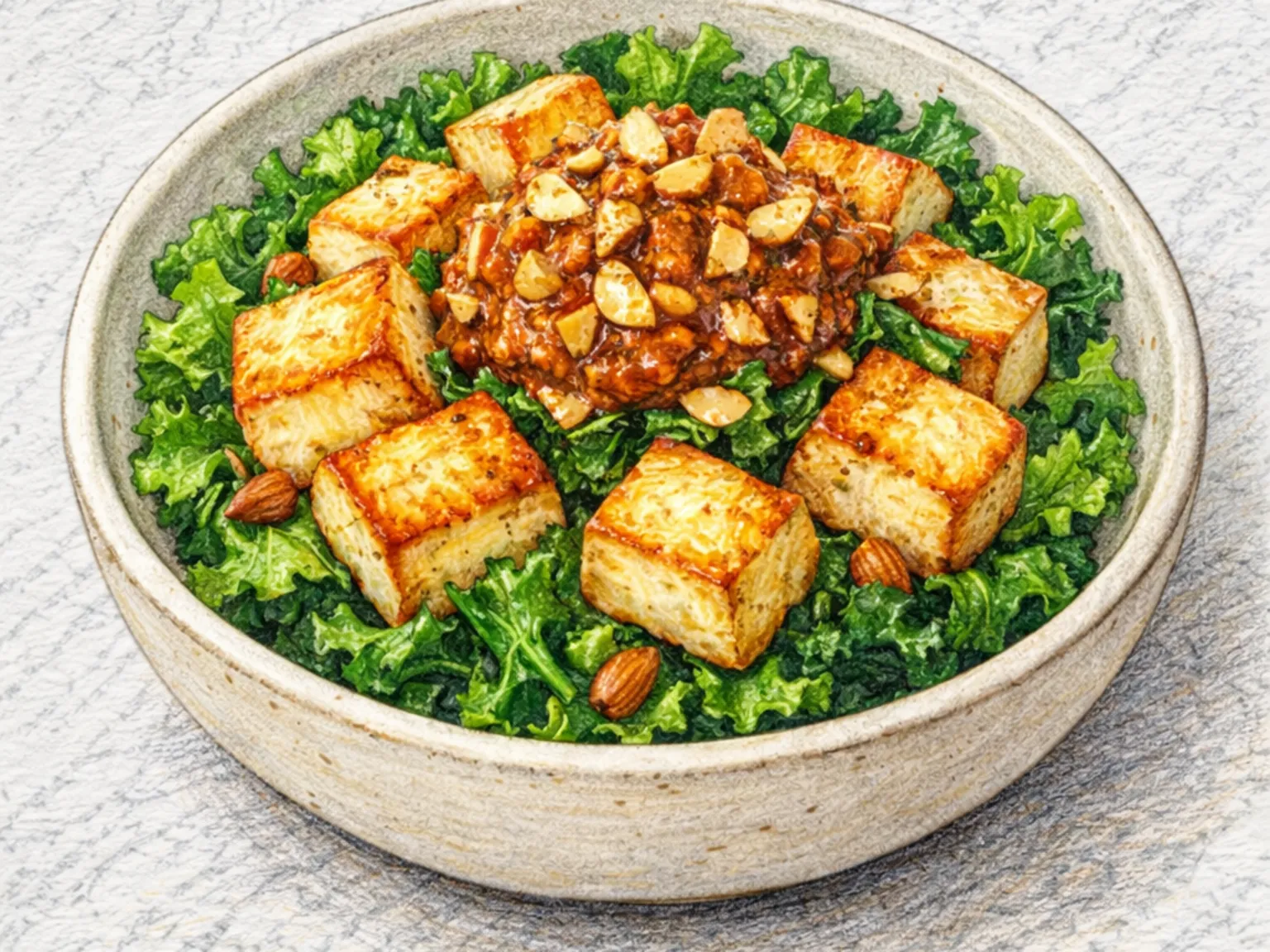
Thinned with lemon juice, ssamjang (the soybean and chili dipping paste used for Korean lettuce wraps) becomes a savory dressing sturdy enough for raw kale. The kale's slight bitterness suits that nutty, salty depth, and red cabbage and cucumber add juicy crunch. Golden pan-seared tofu edges and sliced almonds supply the crunch in the name; scatter the almonds at the last minute so they stay crisp.
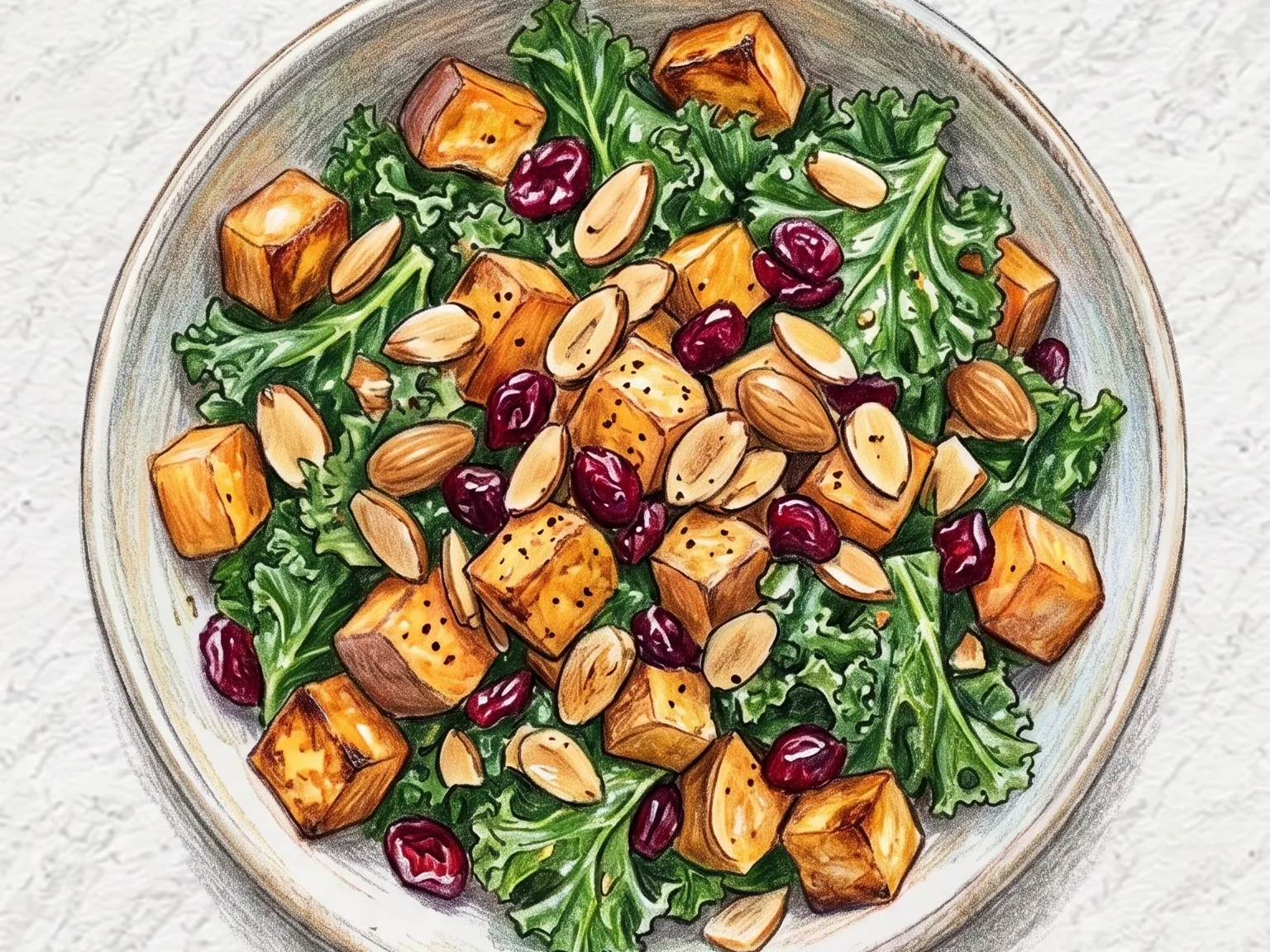
Sweet potato roasted until its edges caramelize gives sturdy, bitter kale a sweet counterweight, enough to make this a filling bowl on its own. Almonds add crunch and dried cranberries a sour note, while a Dijon, lemon, and honey dressing keeps it bright. Cool the roasted cubes completely before they meet the kale, since leftover heat softens the leaves too far, and lift gently from underneath when mixing so the cubes stay intact.
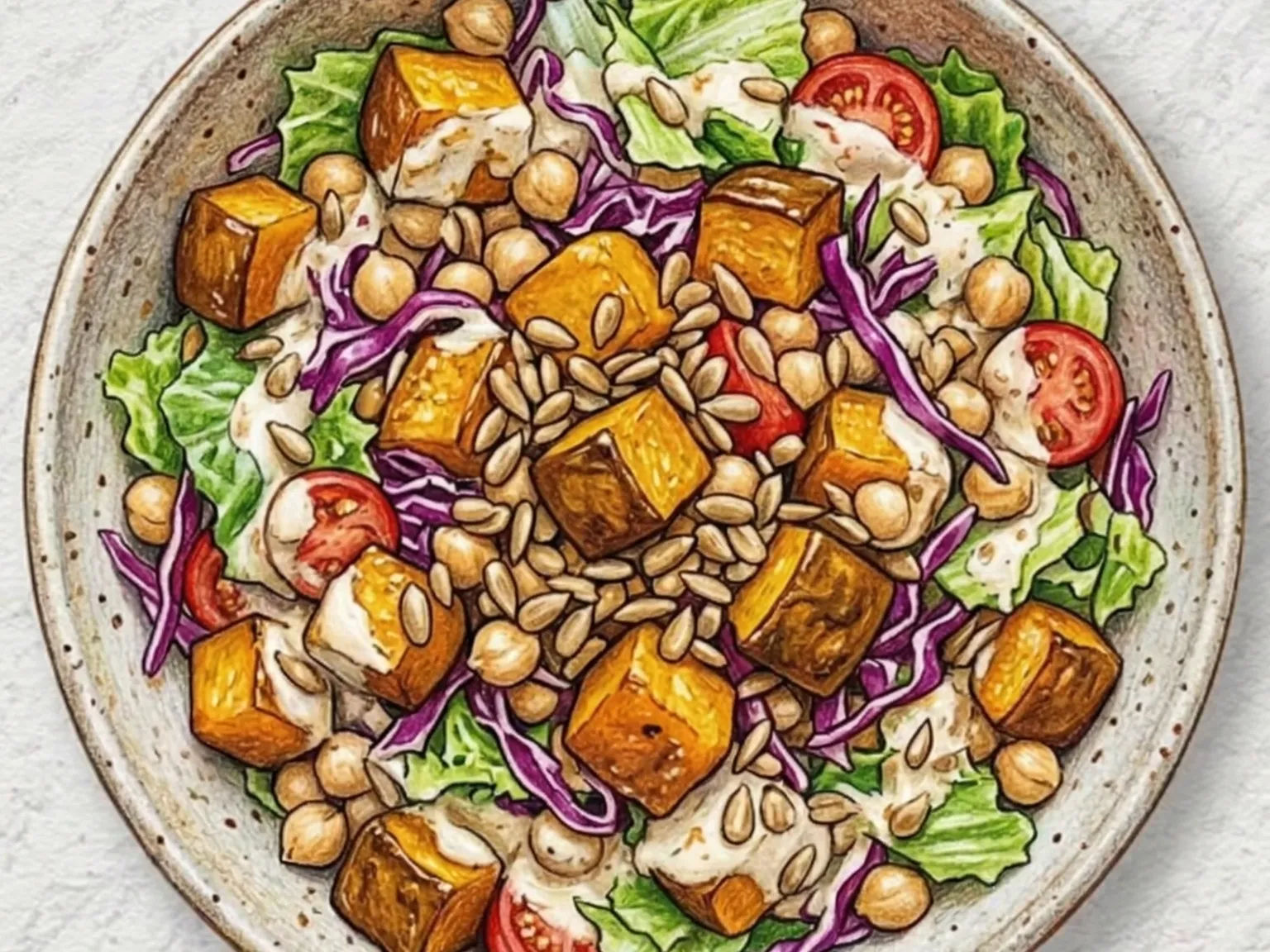
Whisking doenjang (Korean fermented soybean paste) into plain yogurt gives a dressing that starts tangy and finishes savory and salty, a lighter alternative to the usual mayonnaise. Roasted kabocha and chickpeas make the bowl filling, while lettuce, red cabbage, and grape tomatoes keep it crisp and juicy. Sunflower seeds go on at the very end so they keep their crunch.
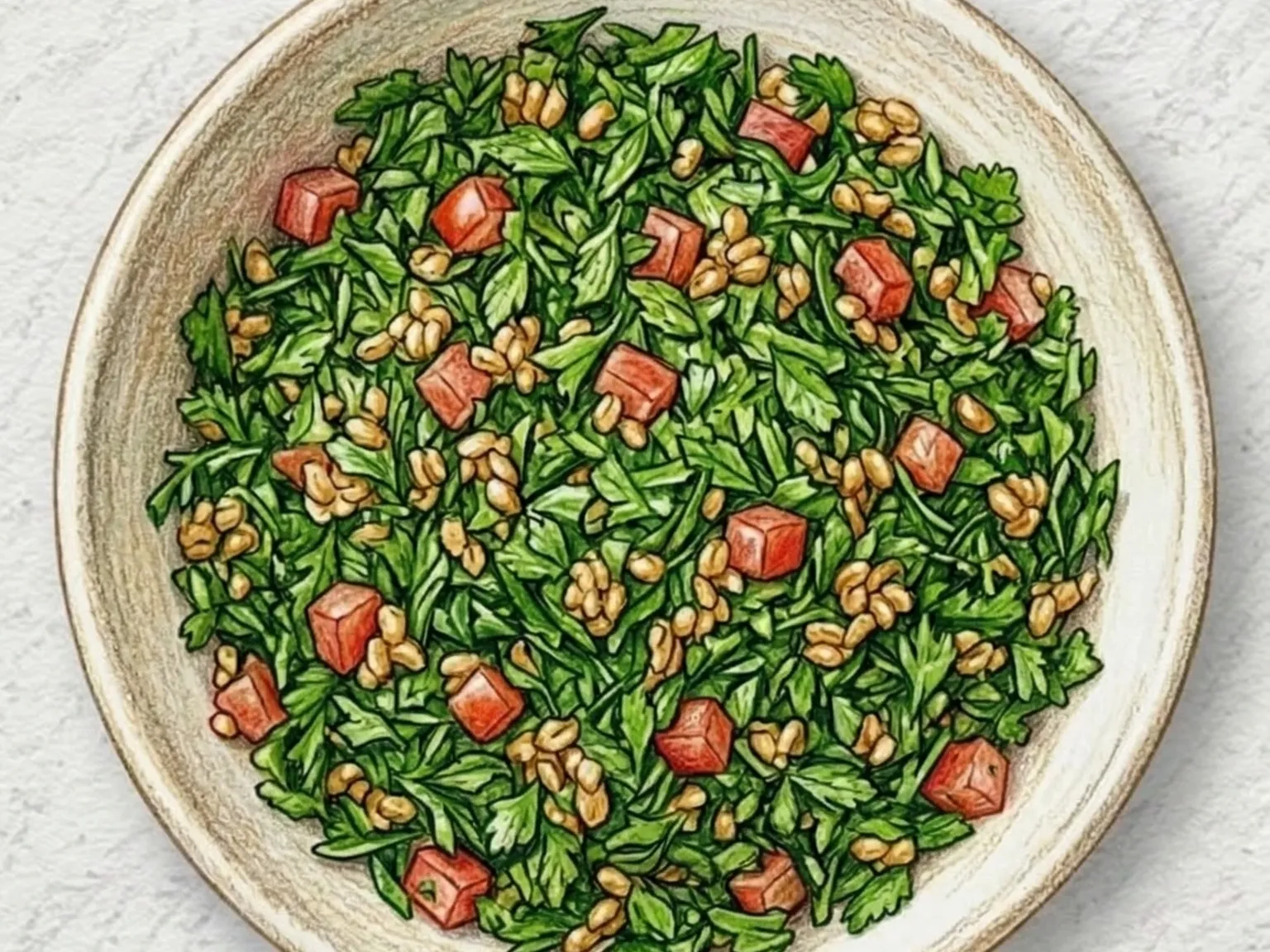
Parsley makes up most of the bowl, with grains of bulgur scattered through the chopped green rather than the other way round. Mint and lemon juice bring a cool, sour lift, and thinly sliced green onion adds a sharp edge. The herbs are chopped with a sharp, upright knife so the leaves are cut, not crushed, and keep their aroma. Mushy bulgur blurs into the herbs, and the soak stops while the grains are tender with a little chew left. Water from any of three places, the soaked bulgur, the washed herbs, or the tomato's seedy center, ends up as thin dressing pooled in the bowl. The cooled bulgur takes the dressing first and is seasoned on its own before the vegetables join it.
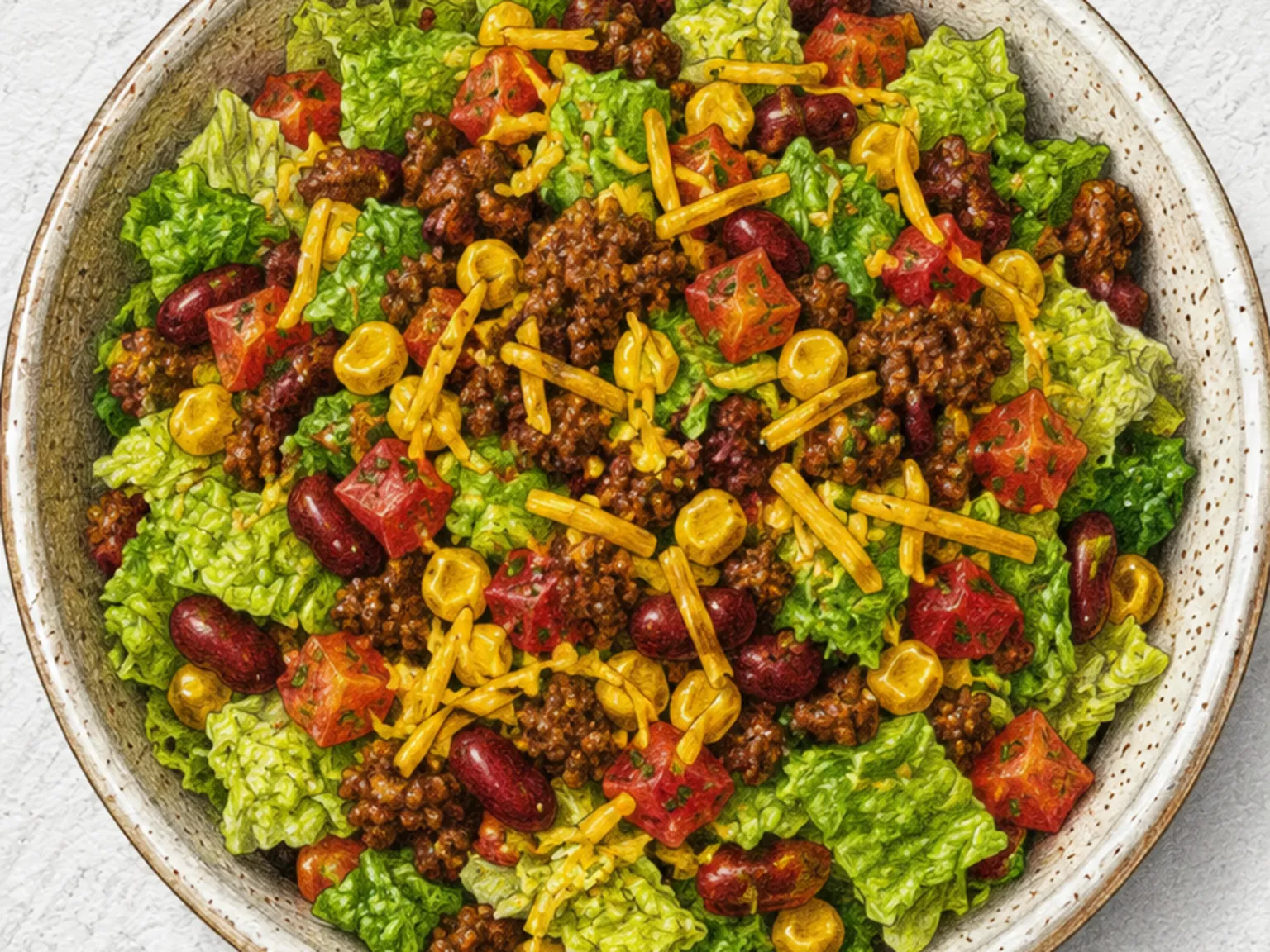
All the fillings of a taco, minus the tortilla: browned ground beef, kidney beans, corn, cheddar, and salsa piled over crisp romaine and finished with lime. Any water left on the romaine, beans, or corn joins the liquid from the salsa and lime and ends up pooled at the bottom of the bowl. Assemble just before eating, since the warm beef starts wilting the lettuce as soon as it lands.
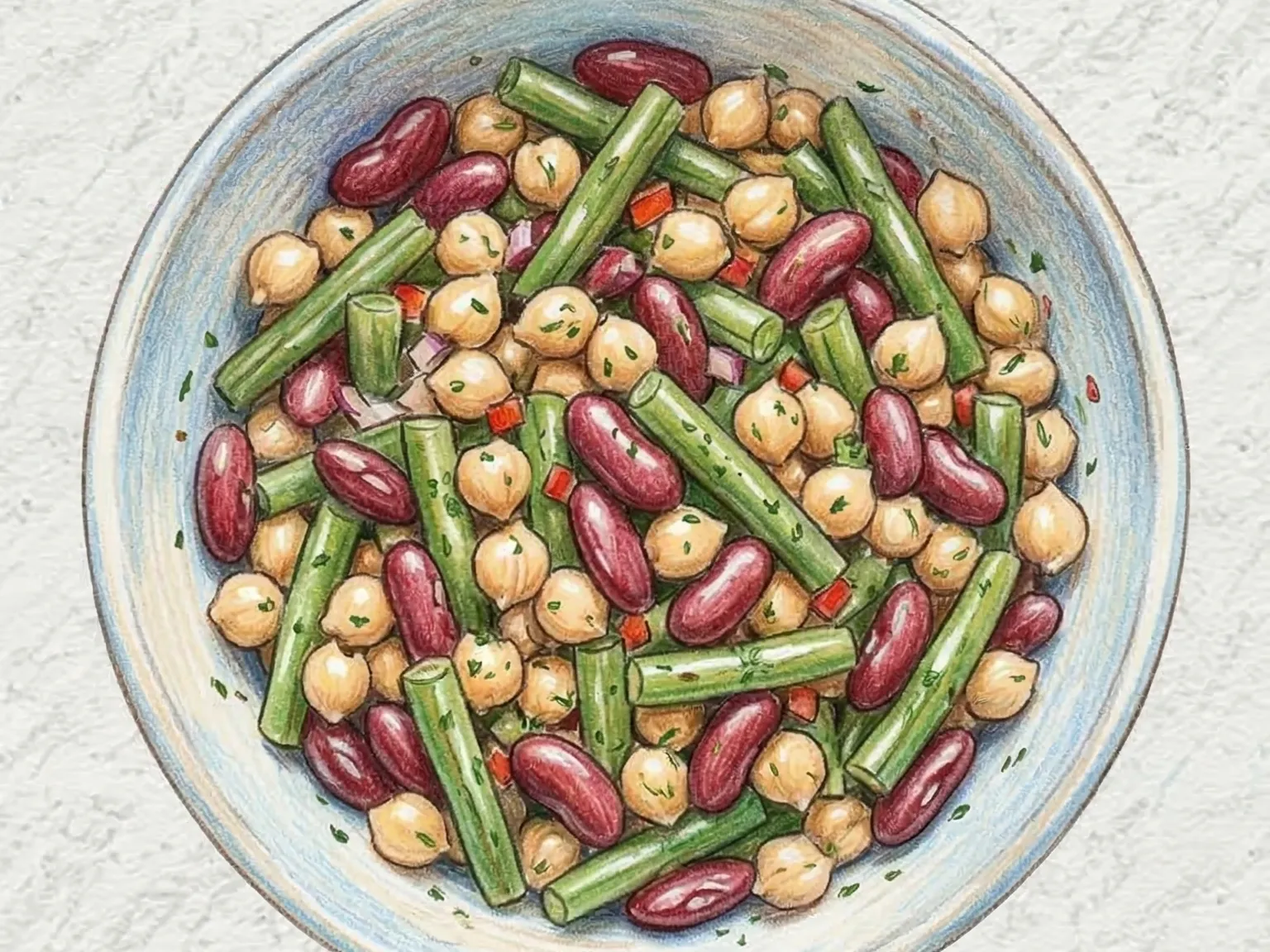
Canned kidney beans and chickpeas get blanched green beans for crunch and a dressing of cider vinegar and Dijon mustard. A night in the fridge lets the dressing work into the beans, and it tastes better the next day.
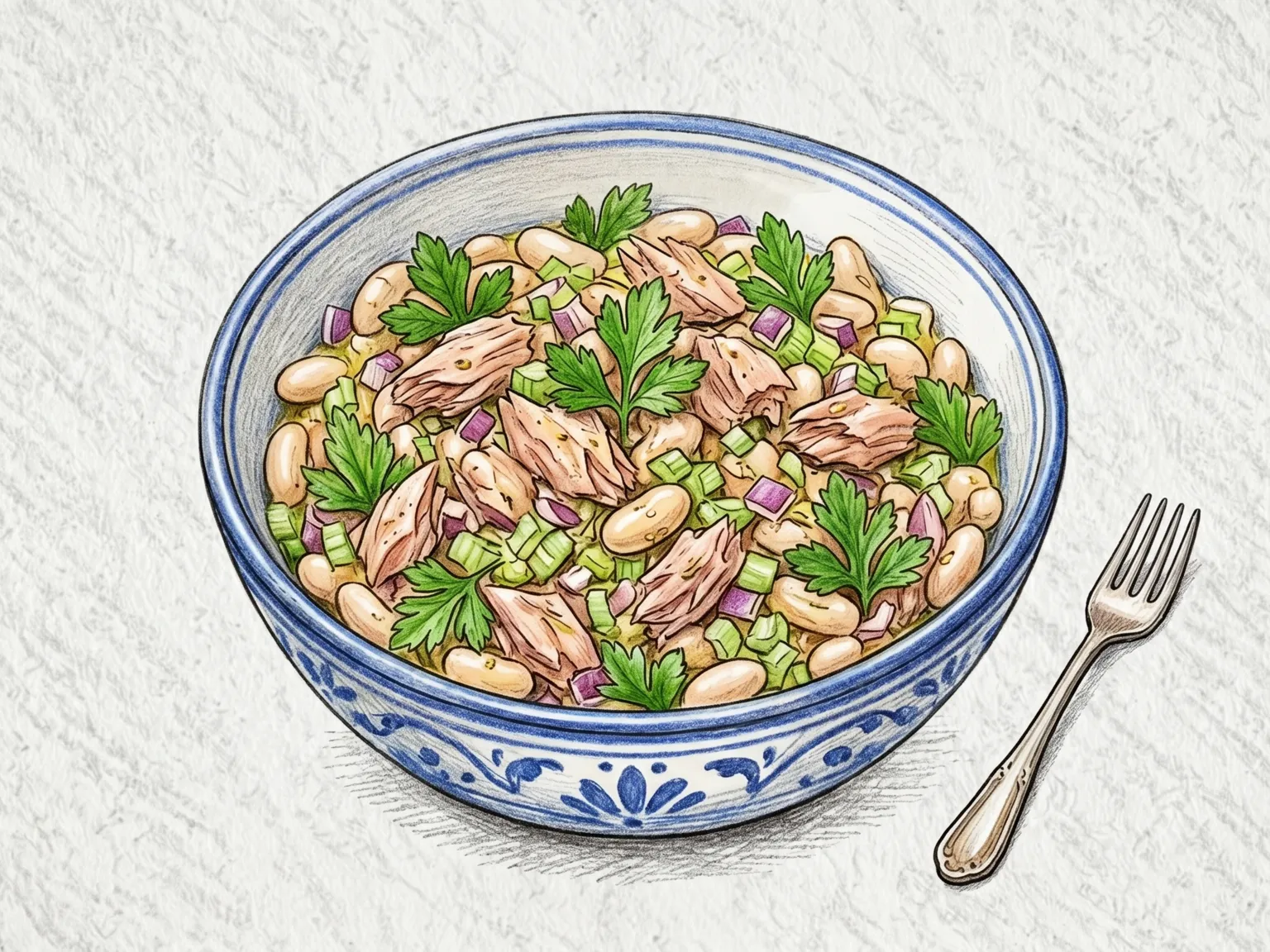
With olive oil and lemon doing the binding instead of mayonnaise, the canned tuna and white beans stay bright and sharp rather than heavy. Both sit in a sieve for at least 5 minutes first, since leftover liquid would thin the measured dressing. Celery and red onion bring crunch and bite against the soft beans, and parsley leaves finish it with a grassy note. The beans meet the dressing first, and the tuna, added afterward, stays in large flakes instead of turning into paste. Folding rather than stirring keeps the beans whole as well, and if dressing pools at the bottom after chilling, one gentle turn brings it back up.
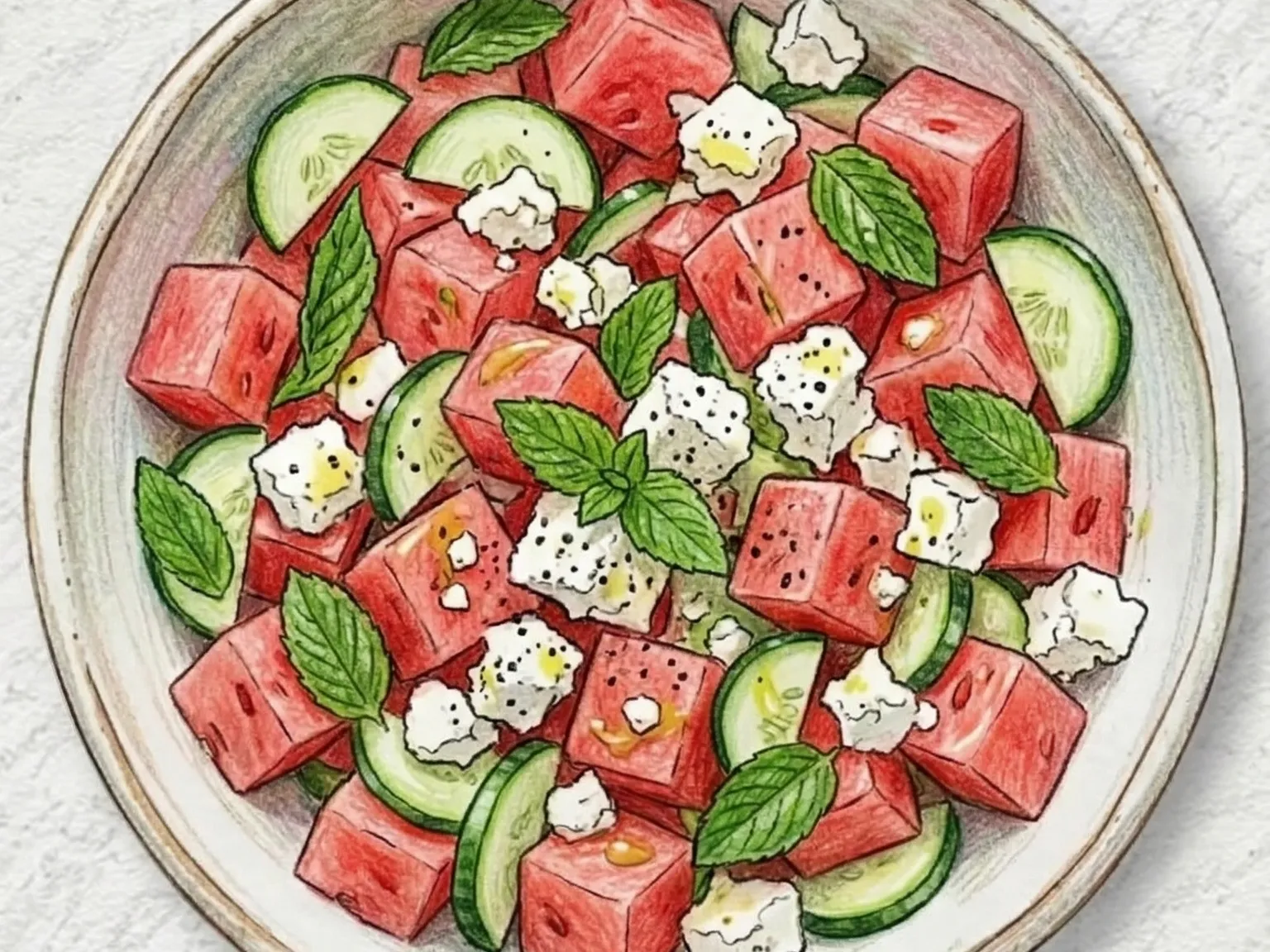
Cold, juicy watermelon against salty crumbled feta gives the sweet-salty contrast this salad is built on. Lime juice and mint keep the finish cool, while thin half-moons of cucumber add a different, firmer crunch. Because watermelon softens and leaks quickly, the salad suits eating right away on a hot day rather than making ahead.
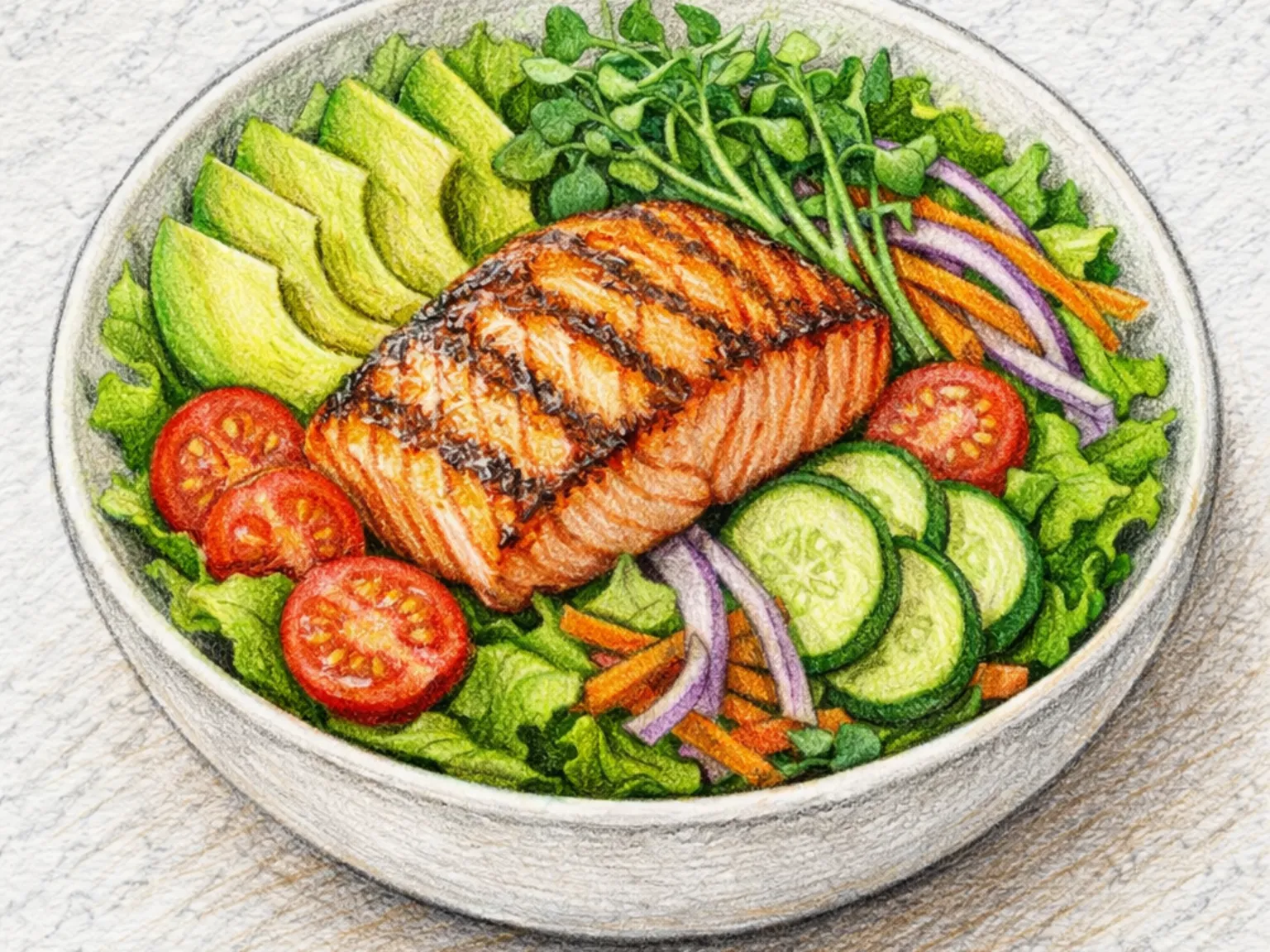
Salmon seared skin side down and broken into large flakes makes the plate eat more like a warm piece of fish with greens than a tossed salad. Searing time depends on thickness and heat, so doneness is judged by the thickest part reaching at least 63°C rather than by the color of the flesh. A soy, vinegar and garlic dressing cuts the oiliness, avocado adds creaminess, and red cabbage with radish sprouts brings crunch and a peppery edge.
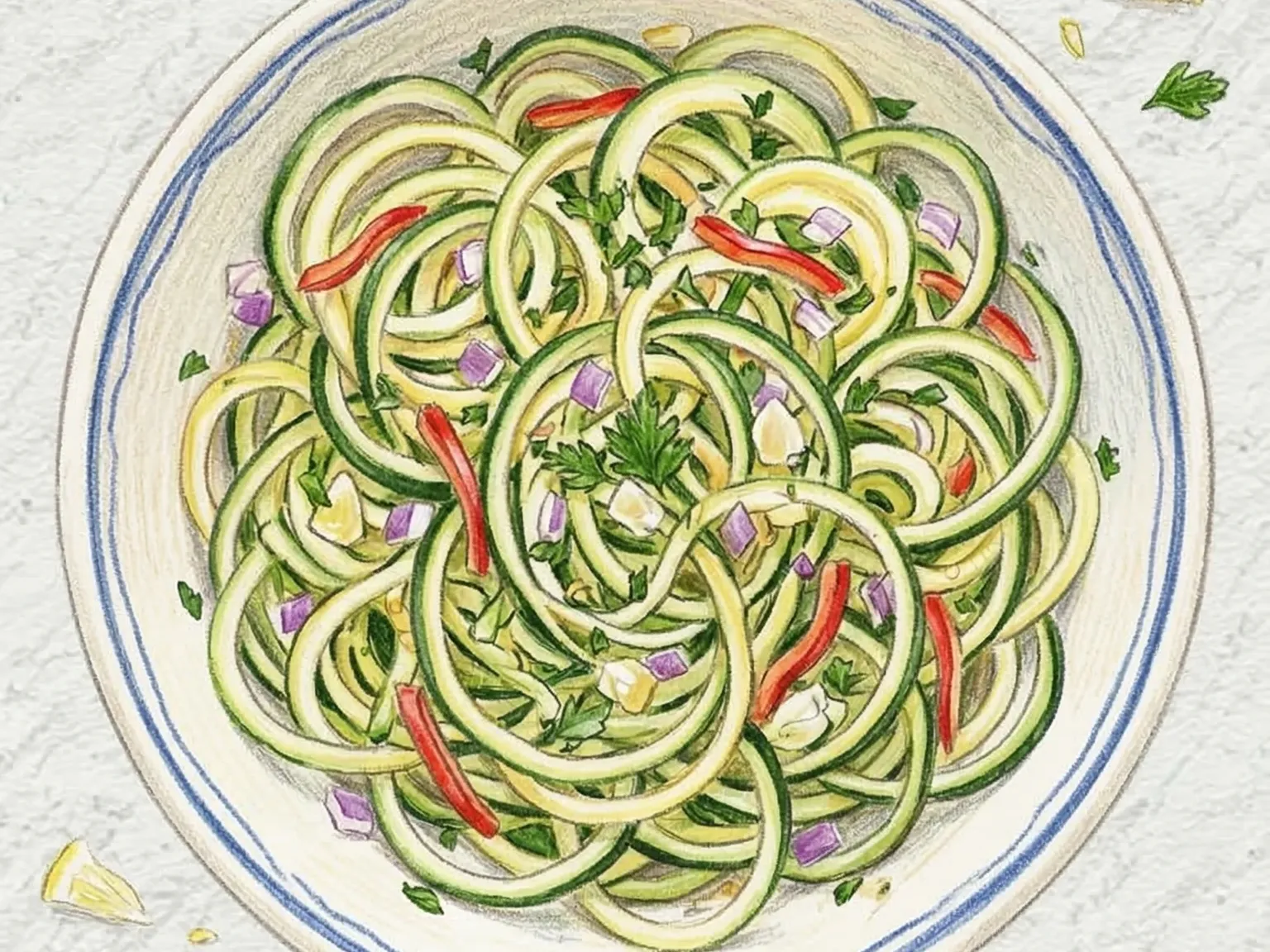
Raw zucchini shaved into long ribbons looks like pasta but bites crisp and juicy, since it never sees heat. Lemon juice and olive oil with finely minced garlic make a light, tart dressing, and Parmesan and basil add salt and fragrance on top. The watery, seedy core is left behind when shaving, and without it the strands stay firm longer. Zucchini releases water the moment it touches the dressing, and the ribbons are tossed only right before eating, once the dressing and toppings are ready. Lift the strands with tongs instead of pressing them, and move everything to the plate as soon as water begins to pool in the bowl.