Recipes with pork shoulder

61 recipes. Page 3 of 3

Buy pork shoulder
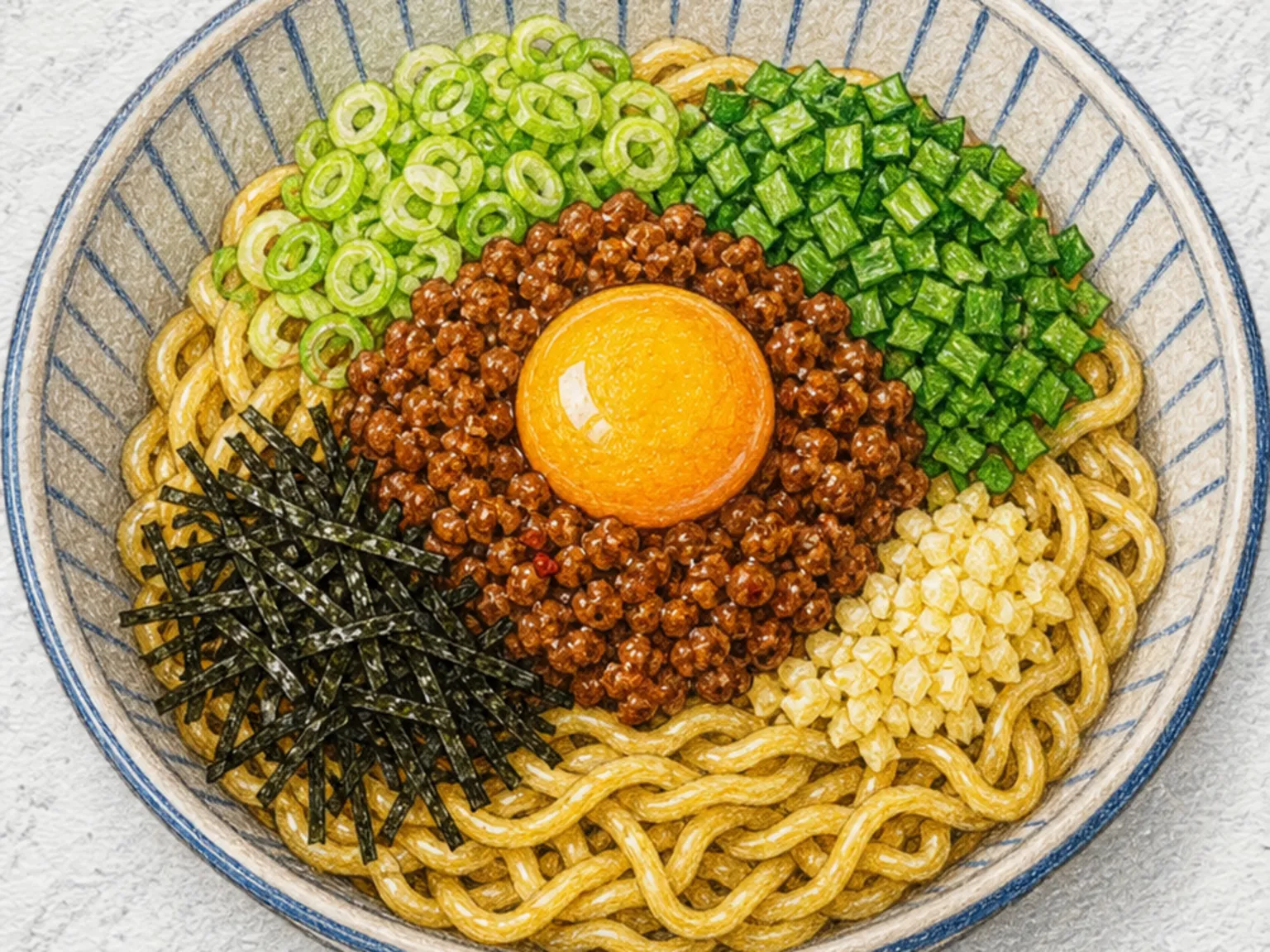
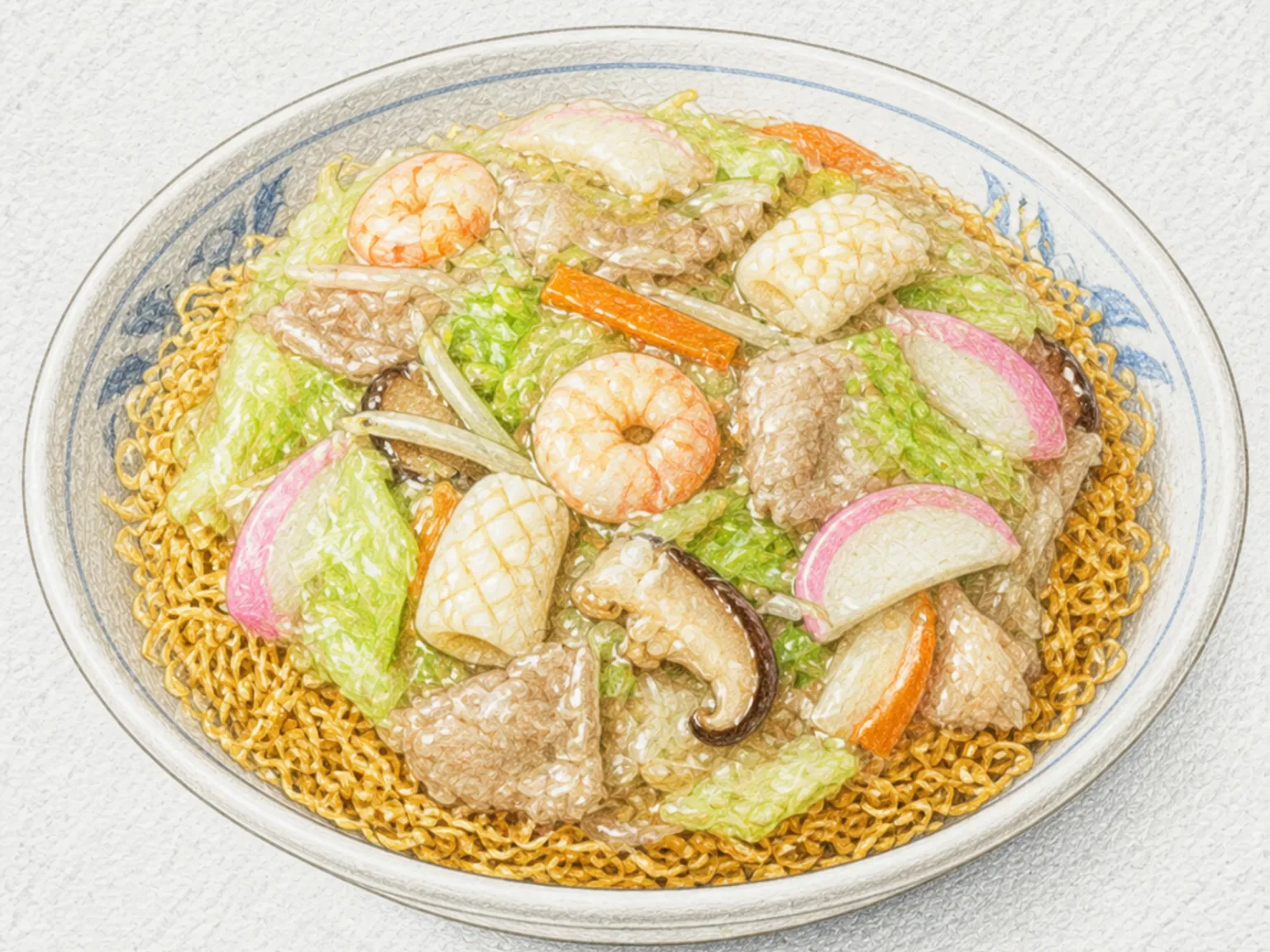
Platter Jjajang Noodles
Asian Easy

Platter Jjajang Noodles

A shared platter style of black bean noodles stir-fried directly with fresh squid, shrimp, and vegetables in savory chunjang sauce.

🏠 Everyday
Prep 15min Cook 15min 2 servings
Kai Jeow (Crispy Thai Omelette)
Asian Easy

Kai Jeow (Crispy Thai Omelette)

Kai jeow is a Thai home-style omelet that differs fundamentally from Western versions in its cooking method. Eggs seasoned with fish sauce and sugar are whisked until genuinely foamy, then poured into oil hot enough to be smoking. That contact heat makes the egg batter puff and blister on impact, creating lacy, deeply crisped edges while the center stays thick and pillowy. The amount of oil matters as much as the temperature -- use enough for shallow frying rather than a thin film, otherwise the egg sits flat and turns greasy instead of lifting. Ground pork or chopped shrimp can be mixed directly into the batter for a more filling meal, though a plain version with nothing added is just as common in everyday Thai cooking. After the omelet is done, it goes briefly on paper towels to drain, then lands on a mound of jasmine rice. The fish sauce does double duty as the sole seasoning, supplying salt along with a rounded, fermented depth that plain salt cannot replicate. The defining pleasure of kai jeow is the contrast -- a crackly perimeter giving way to a soft, almost custardy interior -- and that texture only happens when the oil temperature is exactly right.

🍱 Lunchbox ⚡ Quick
Prep 10min Cook 10min 2 servings
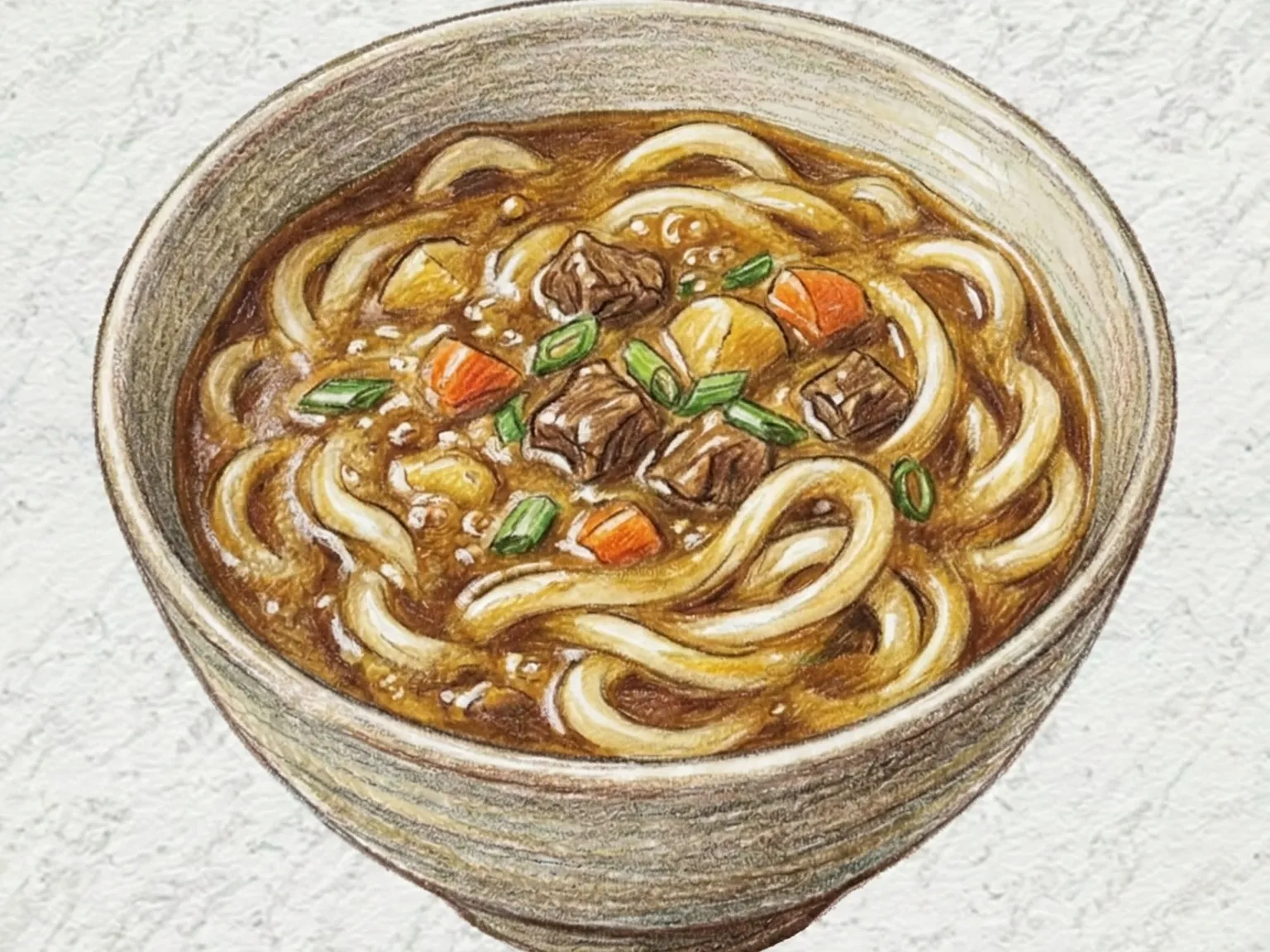
Curry Udon
Asian Easy

Curry Udon

Kare udon is a Japanese curry noodle dish built on dashi stock, which separates it from curry rice despite sharing the same roux. Thinly sliced pork and onion are stir-fried in oil first, then dashi made from katsuobushi and kombu is added and brought to a boil. Curry roux blocks are stirred in next, transforming the stock into a thick, clinging sauce that coats the pot and every strand of noodle. The heat must drop to low the moment the roux goes in, with constant stirring to prevent the starchy sauce from scorching. Katsuobushi and kombu contribute an umami depth that the curry spices intensify rather than mask, producing a broth more layered than either element alone. The fat, chewy udon strands absorb the sauce and carry it from pot to mouth with each lift of the chopsticks. Finishing with sliced scallions or shichimi adds fragrance and a mild bite. Though the same roux block appears in kare raisu, the presence of dashi and noodles makes this a distinctly different dish in taste, texture, and character.

🏠 Everyday 🌙 Late Night
Prep 10min Cook 20min 2 servings
Khua Kling (Southern Thai Dry-Fried Spiced Minced Pork Curry)
Asian Medium

Khua Kling (Southern Thai Dry-Fried Spiced Minced Pork Curry)

Khua kling is the dry-fried curry that defines the cooking of southern Thailand, built around minced meat stir-fried with an intense red curry paste until every trace of liquid has been cooked away. The paste goes into a dry, preheated pan first, and it fries in its own aromatic oils until the raw edge is gone and the kitchen fills with its fragrance. Ground pork is then added and the cook stirs without pause, working the meat against the hot surface and driving off all moisture until each grain of meat is separate, dry, and coated in a concentrated layer of spice. Fish sauce brings salt, a small measure of sugar tempers the raw heat, and finely shredded kaffir lime leaves push a bright citrus fragrance through the heavy chili and shrimp paste base. Extra sliced red chilies are standard in the southern version, and the heat level here far exceeds what most central Thai dishes offer. There is no sauce at all in the finished dish: the texture is crumbly and almost granular, which is precisely the point. A single spoonful carries enough concentrated flavor to carry several bites of plain steamed rice. The dish is best served immediately off the heat, while the aromatics are still vivid and the meat still steaming.

🍺 Bar Snacks 🎉 Special Occasion
Prep 15min Cook 12min 2 servings
Lion's Head Meatballs (Chinese Braised Large Pork Meatballs with Cabbage)
Asian Medium

Lion's Head Meatballs (Chinese Braised Large Pork Meatballs with Cabbage)

Ground pork is mixed with scallion, ginger, egg, starch, soy sauce, and cooking wine until sticky, shaped into large meatballs, and braised on napa cabbage. The cabbage cushions the meatballs from direct heat at the bottom of the pot, while foam is skimmed from the water and soy broth as it cooks. Check the center of the thickest meatball and serve it with the cabbage and broth when the juices run clear.

🎉 Special Occasion 🍱 Lunchbox
Prep 25min Cook 35min 4 servings
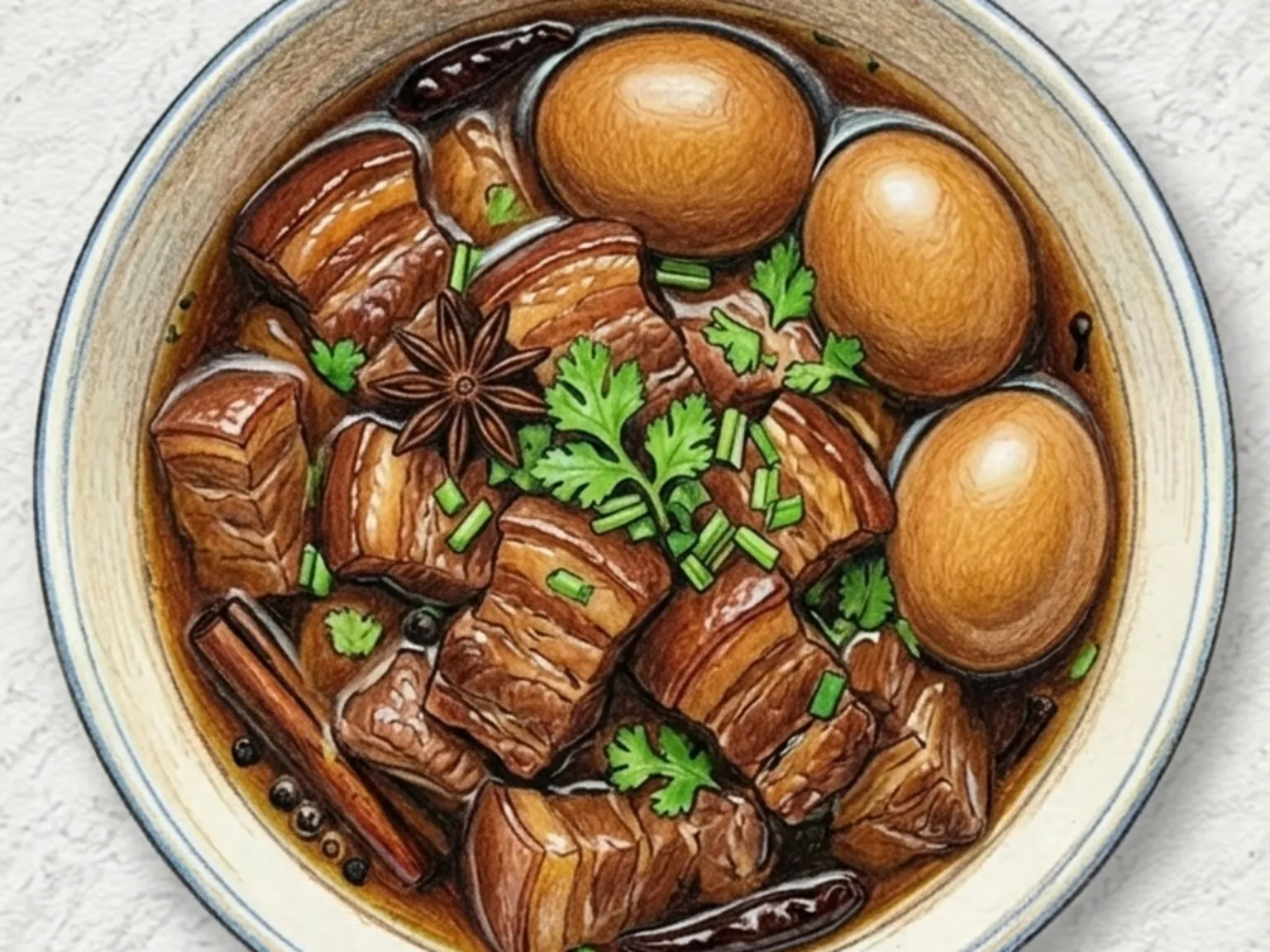
Lu Rou Fan (Taiwanese Braised Ground Pork Rice Bowl)
Asian Easy

Lu Rou Fan (Taiwanese Braised Ground Pork Rice Bowl)

Lu rou fan is Taiwan's most deeply embedded comfort food, a bowl of steamed white rice topped with minced pork that has been braised low and slow in soy sauce, rice wine, and five-spice powder until the fat renders completely and the cooking liquid reduces into a thick, glossy sauce. Star anise and cinnamon permeate the meat during the long simmer, contributing a warm, aromatic layer that is present but never sharp enough to dominate. Sold from roadside stalls and neighborhood restaurants across Taiwan at all hours and at minimal cost, it is both an everyday staple and a dish people return to throughout their lives. Pickled daikon served alongside cuts through the richness of the braising sauce with its crunch and acidity, providing the contrast that makes the combination more satisfying than either element alone. A soy-braised egg with a jammy yolk adds another textured component, and a small bunch of blanched greens rounds out the bowl with something light and clean. The braising liquid deepens significantly with time, so simmering for at least thirty minutes over gentle heat is what separates a properly developed lu rou fan from a rushed version.

🏠 Everyday 🎉 Special Occasion
Prep 15min Cook 45min 4 servings
Lumpiang Shanghai (Filipino Deep-Fried Pork Spring Rolls)
Asian Medium

Lumpiang Shanghai (Filipino Deep-Fried Pork Spring Rolls)

Lumpiang Shanghai is the spring roll that appears without fail at every Filipino celebration, from birthday parties to holiday feasts and town fiestas. Ground pork is mixed with finely diced carrots, onions, and scallions, seasoned with soy sauce and black pepper, then rolled into finger-length cylinders using thin spring roll wrappers before being deep-fried to a golden, audibly crisp shell. The moment teeth break through the shattering exterior, well-seasoned and juicy meat pours out from within, and that contrast is the core of its appeal. Served alongside a sweet chili dipping sauce or a sharp vinegar sauce, the richness of the pork and the acidity of the condiment lock together in a way that makes stopping at one piece genuinely difficult. The rolls hold their crispness at room temperature far longer than most fried foods, which is why trays of them tend to disappear within minutes at any gathering. Adding shrimp to the pork filling introduces a springy bite and a layer of brininess that takes the flavor a step further.

🎉 Special Occasion 🍺 Bar Snacks
Prep 30min Cook 15min 4 servings
Sichuan Spicy Tofu (Mapo Tofu)
Asian Medium

Sichuan Spicy Tofu (Mapo Tofu)

Mapo tofu is the dish that defines Sichuan cooking for much of the world, and it earns that reputation through an uncompromising combination of heat and numbing spice. Blocks of silken tofu are slid carefully into a wok with ground pork, doubanjiang (fermented chili bean paste), and a generous measure of ground Sichuan pepper, then cooked at high heat until the sauce tightens and coats every cube completely. The doubanjiang provides fermented depth and an unmistakable rusty-red color that signals its flavor before the first bite, while the Sichuan pepper delivers the numbing, tingling sensation known as ma that separates this dish from any other spicy food. Each cube of tofu absorbs the sauce at its edges while remaining silken at the center, creating a contrast between the spiced exterior and the cool, neutral interior that makes each bite dynamic. Spooned generously over steamed rice, the thick sauce penetrates between every grain, pulling together the entire bowl into a single cohesive experience. The interplay of ma (numbing) and la (spicy heat) is the defining characteristic of Sichuan cuisine, and mapo tofu demonstrates that pairing with more clarity and intensity than almost any other dish in the repertoire.

🍺 Bar Snacks 🏠 Everyday
Prep 12min Cook 15min 2 servings
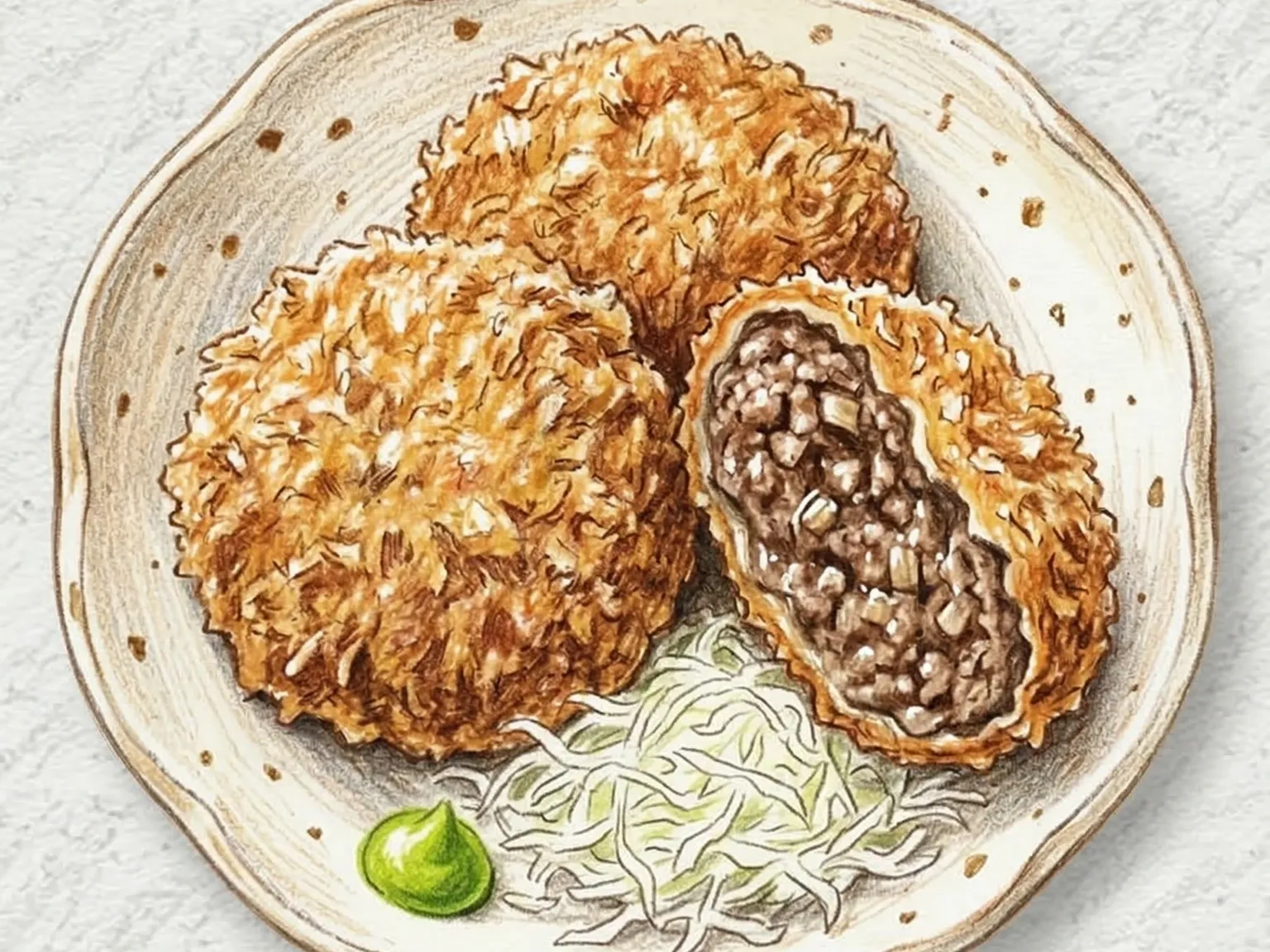
Menchi Katsu (Japanese Deep-Fried Breaded Minced Meat Patty)
Asian Medium

Menchi Katsu (Japanese Deep-Fried Breaded Minced Meat Patty)

Menchi katsu is a Japanese deep-fried minced meat cutlet that combines ground pork and beef with caramelized onion, shaped into thick patties, coated in flour, egg wash, and coarse panko breadcrumbs, then fried at 170 degrees Celsius until the crust turns a deep, shattering golden brown. The onion must be cooked down properly in oil and cooled before mixing into the meat so that the patties hold their shape and do not leak moisture into the breading. Coarse panko, applied generously and pressed firmly, builds a layered, craggy shell with multiple breaks and ridges that shatter on the first bite. Cutting the finished katsu open releases a rush of steaming, savory juice, and the sweetness of the cooked onion rounds out the richness of the two meats. Worcestershire or tonkatsu sauce is the standard accompaniment, though Japanese hot mustard works equally well as a sharp contrast. In Tokyo, neighborhood butcher shops fry fresh batches daily, displaying them in glass cases for customers to buy and eat on the street while still hot. The menchi katsu sandwich, where a freshly fried cutlet is pressed between thick slices of milk bread with shredded cabbage, has grown into a regional specialty category of its own.

🍺 Bar Snacks 🧒 Kid-Friendly
Prep 20min Cook 15min 3 servings
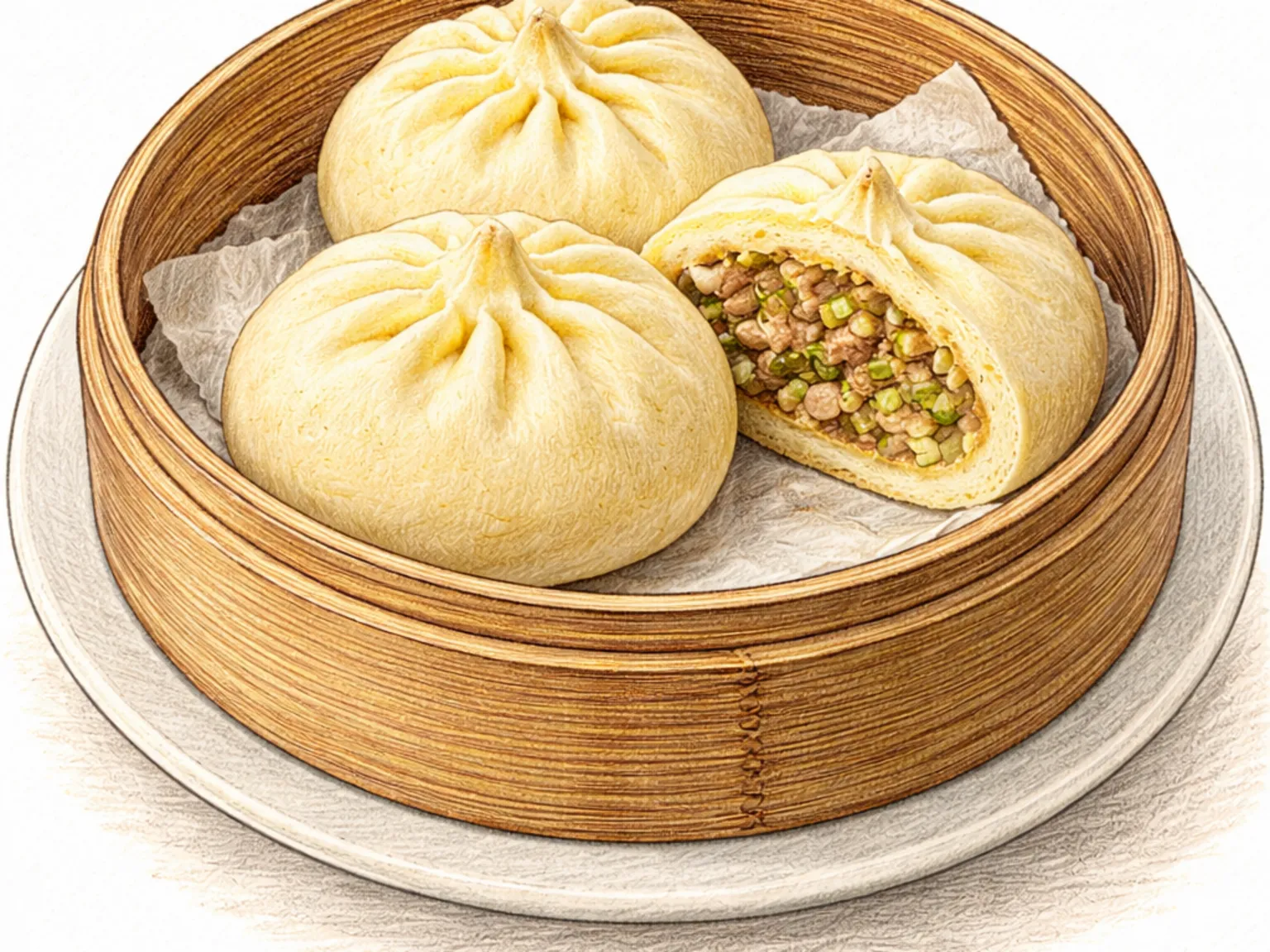
Steamed Pork Buns
Asian Hard

Steamed Pork Buns

Nikuman is a Japanese steamed pork bun descended from Chinese baozi but adapted to local tastes over generations. Yeasted wheat dough is kneaded, left to rise, then filled with a mixture of ground pork seasoned with soy sauce, ginger, and sesame oil, along with finely chopped cabbage. After pleating and steaming, the bun emerges snow-white and pillowy, with a moist, savory filling inside. Opening the steamer releases a cloud of fragrant steam carrying notes of ginger and soy. In Japan, nikuman is the defining winter convenience-store snack -- warming your hands around the bun before biting into the hot, juicy filling.

🎉 Special Occasion
Prep 40min Cook 20min 4 servings
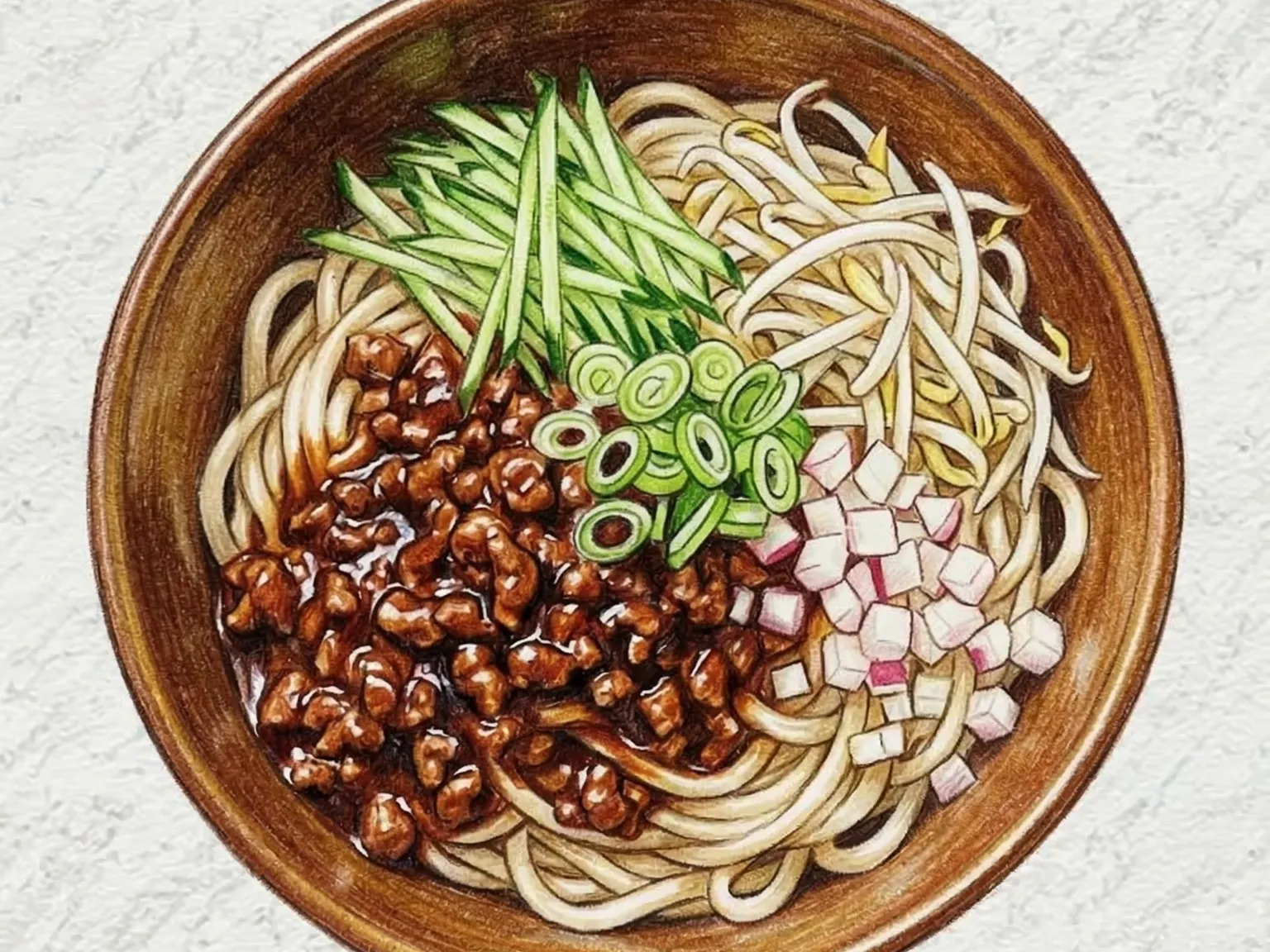
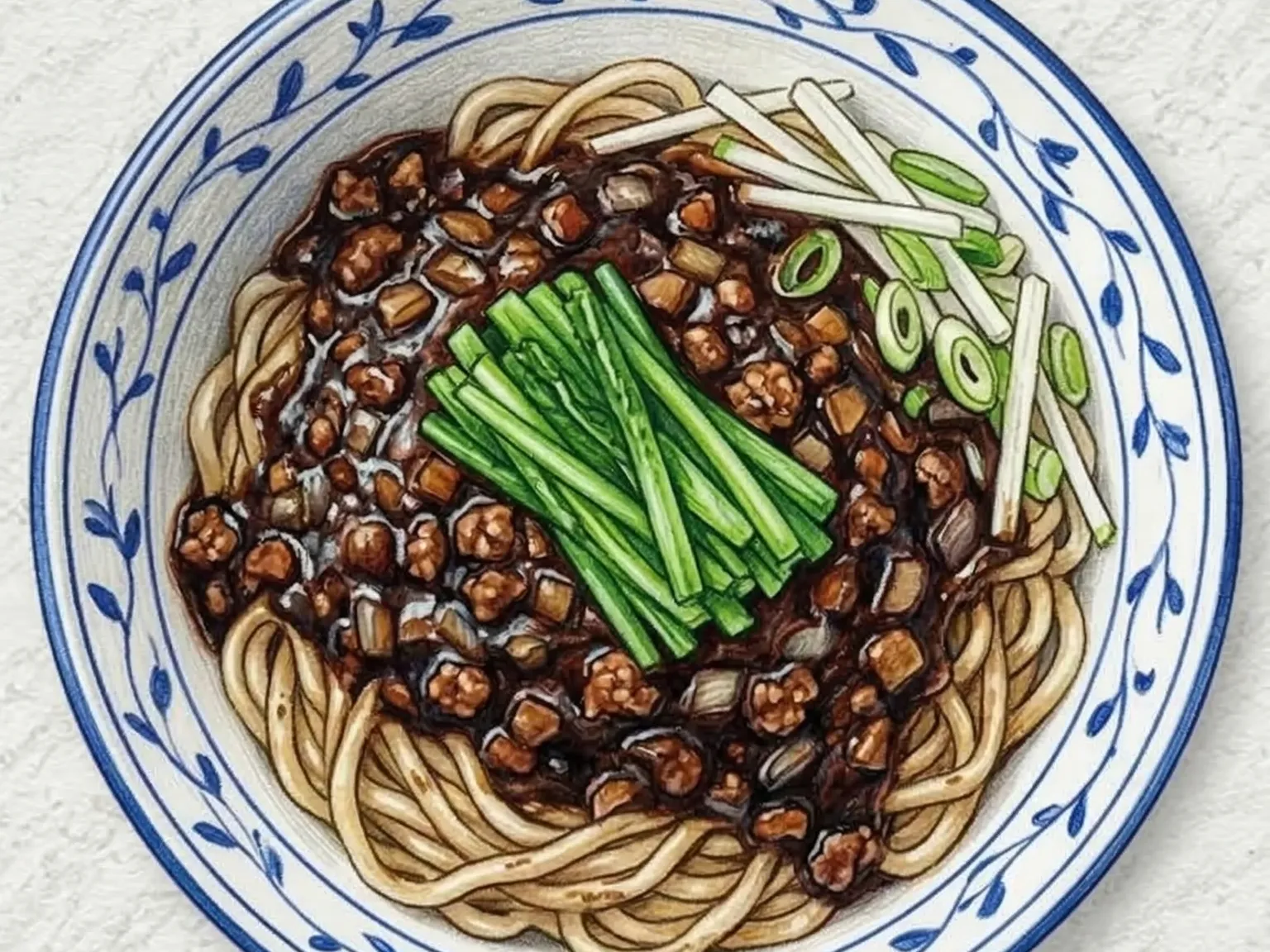
Beijing Zhajiangmian (Northern Chinese Fermented Bean Paste Noodles)
Asian Medium

Beijing Zhajiangmian (Northern Chinese Fermented Bean Paste Noodles)

Beijing zhajiangmian is the northern Chinese ancestor of Korean jajangmyeon, though the two have diverged significantly in flavor and presentation. The sauce is built from ground pork stir-fried with huangjiang, a fermented soybean paste darker and saltier than miso, until the fat separates and the paste turns glossy. Thick hand-pulled or machine-cut wheat noodles form the base, and an array of raw garnishes - julienned cucumber, radish sprouts, bean sprouts, and shredded scallion - are arranged neatly on top. The dish is meant to be tossed vigorously at the table so the sauce coats every strand. The contrast between the warm, intensely savory paste and the cool, crisp vegetables defines the eating experience. In summer, the noodles are often rinsed in cold water before serving.

🏠 Everyday 🎉 Special Occasion
Prep 20min Cook 25min 4 servings
Sisig (Filipino Crispy Chopped Pork with Chili and Calamansi)
Asian Medium

Sisig (Filipino Crispy Chopped Pork with Chili and Calamansi)

Sisig is a Filipino bar food built around chopped pork that is boiled first for tenderness, then pan-fried in butter until the edges turn deeply crisp. Diced onion and fresh chilies are tossed in briefly, adding crunch and a sharp bite that cuts through the richness. Calamansi juice-a small citrus native to the Philippines-brings a tart brightness that lifts the entire dish, while a finishing fold of mayonnaise binds everything together in a creamy coating without dulling the flavor. The mixture is traditionally served on a sizzling cast-iron plate so it arrives at the table still popping and hissing. Each forkful delivers a layered experience: the crunch of the fried pork, the cool tang of citrus, and the lingering heat of the chili. Sisig is inseparable from Filipino drinking culture and remains one of the country's most iconic street-to-table dishes.

🍺 Bar Snacks
Prep 20min Cook 25min 2 servings
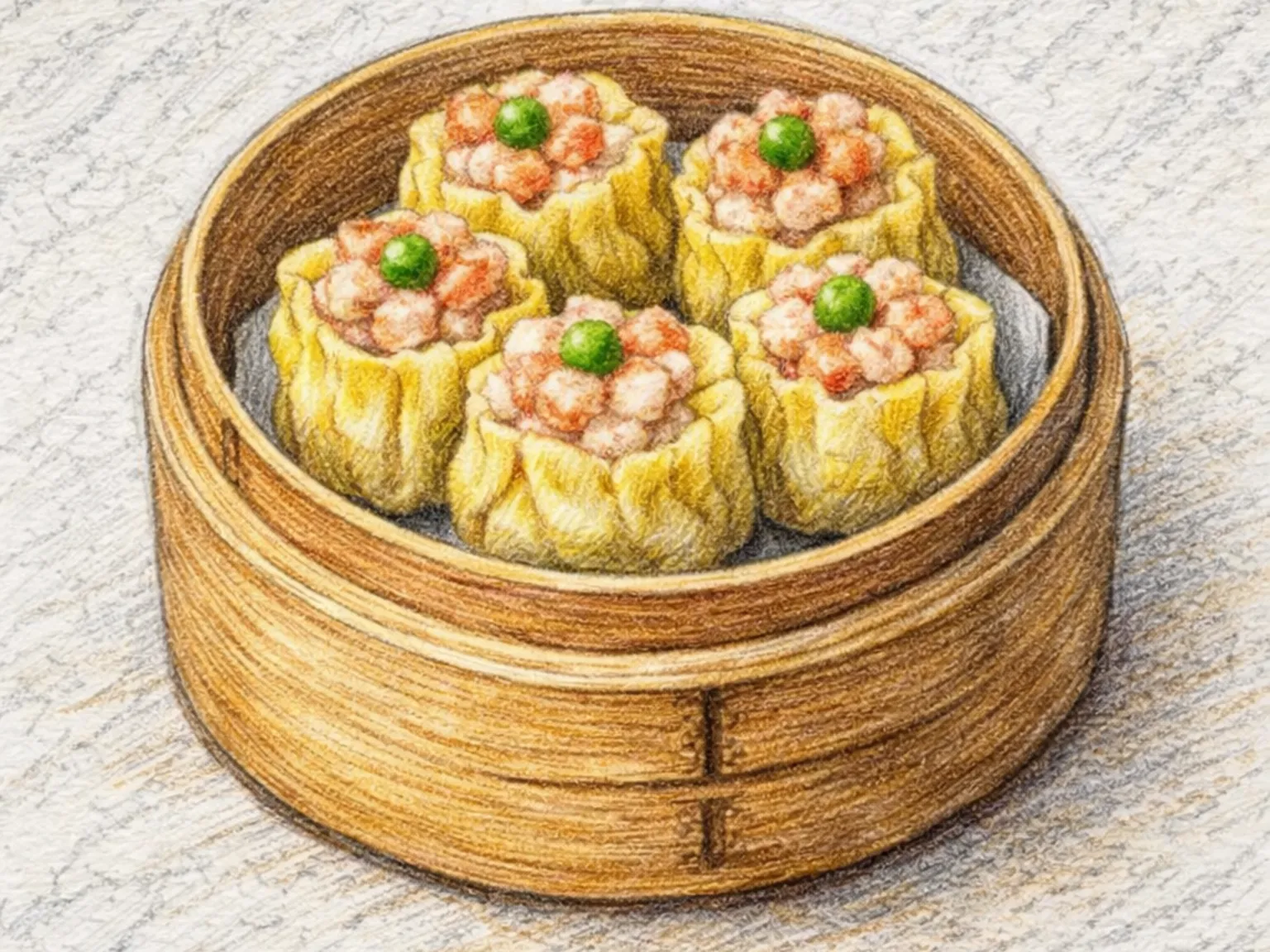
Siu Mai (Cantonese Open-Top Steamed Pork and Shrimp Dumpling)
Asian Hard

Siu Mai (Cantonese Open-Top Steamed Pork and Shrimp Dumpling)

Siu mai is a Cantonese dim sum dumpling that wraps a seasoned filling of ground pork and chopped shrimp inside a thin wheat wrapper left open at the top. The filling is mixed vigorously with soy sauce, sesame oil, minced ginger, and cornstarch until it develops a sticky, springy texture that holds together when steamed. Shaped into small cylinders with the tops exposed, each dumpling reveals its filling like a tiny cup. A ten-to-twelve-minute stint in a bamboo steamer turns the wrappers translucent and lets the pork and shrimp meld their flavors-earthy pork fat meeting clean, briny sweetness. The cornstarch traps the juices inside so each bite releases a burst of savory liquid. Siu mai is a cornerstone of the yum cha table, eaten alongside tea and other small plates in an unhurried, communal style of dining.

🎉 Special Occasion
Prep 30min Cook 12min 4 servings