Recipes with pork shoulder

61 recipes. Page 1 of 3

Buy pork shoulder
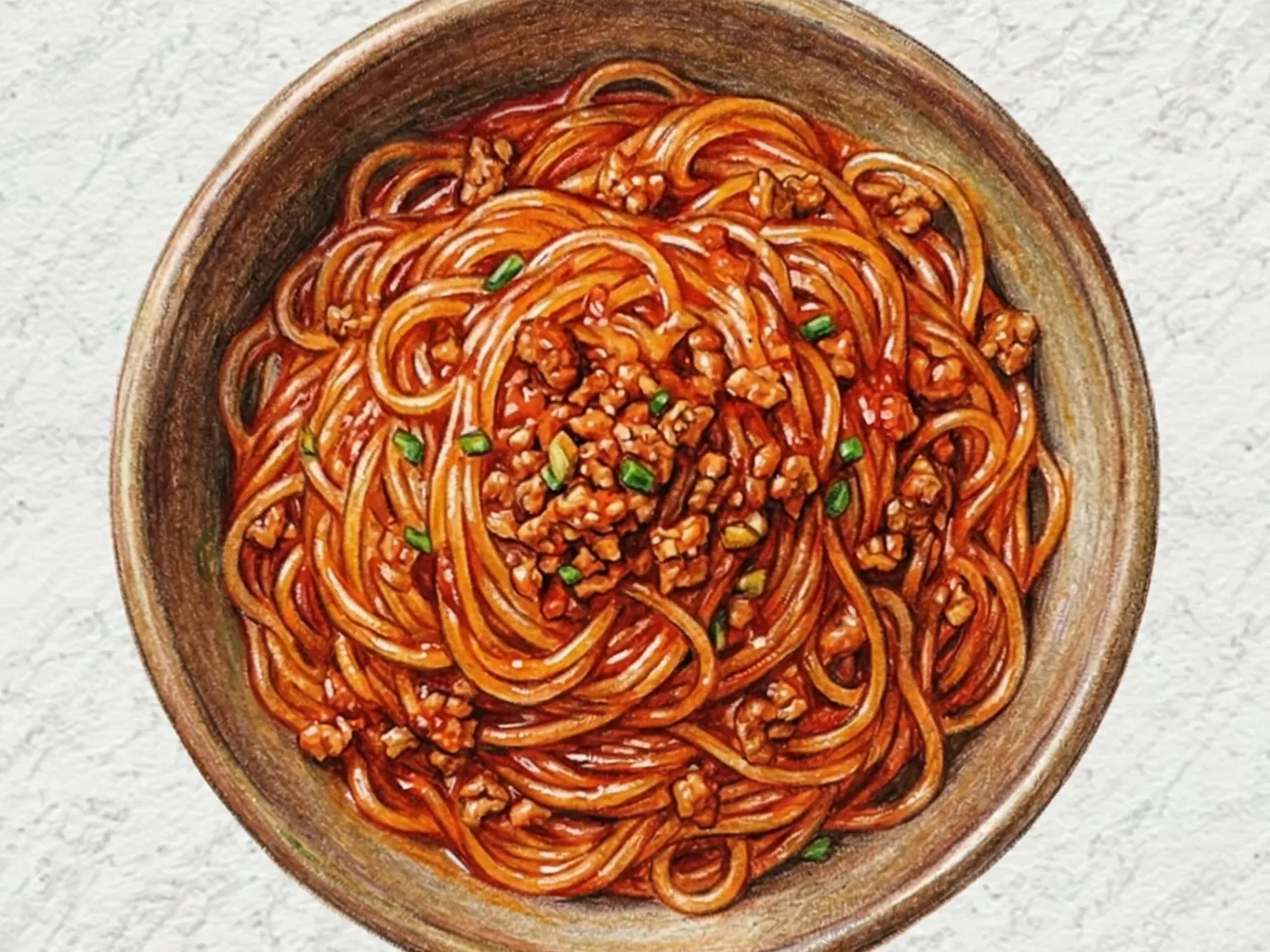
Ants Climbing a Tree (Sichuan Glass Noodles with Minced Pork)
Asian Easy

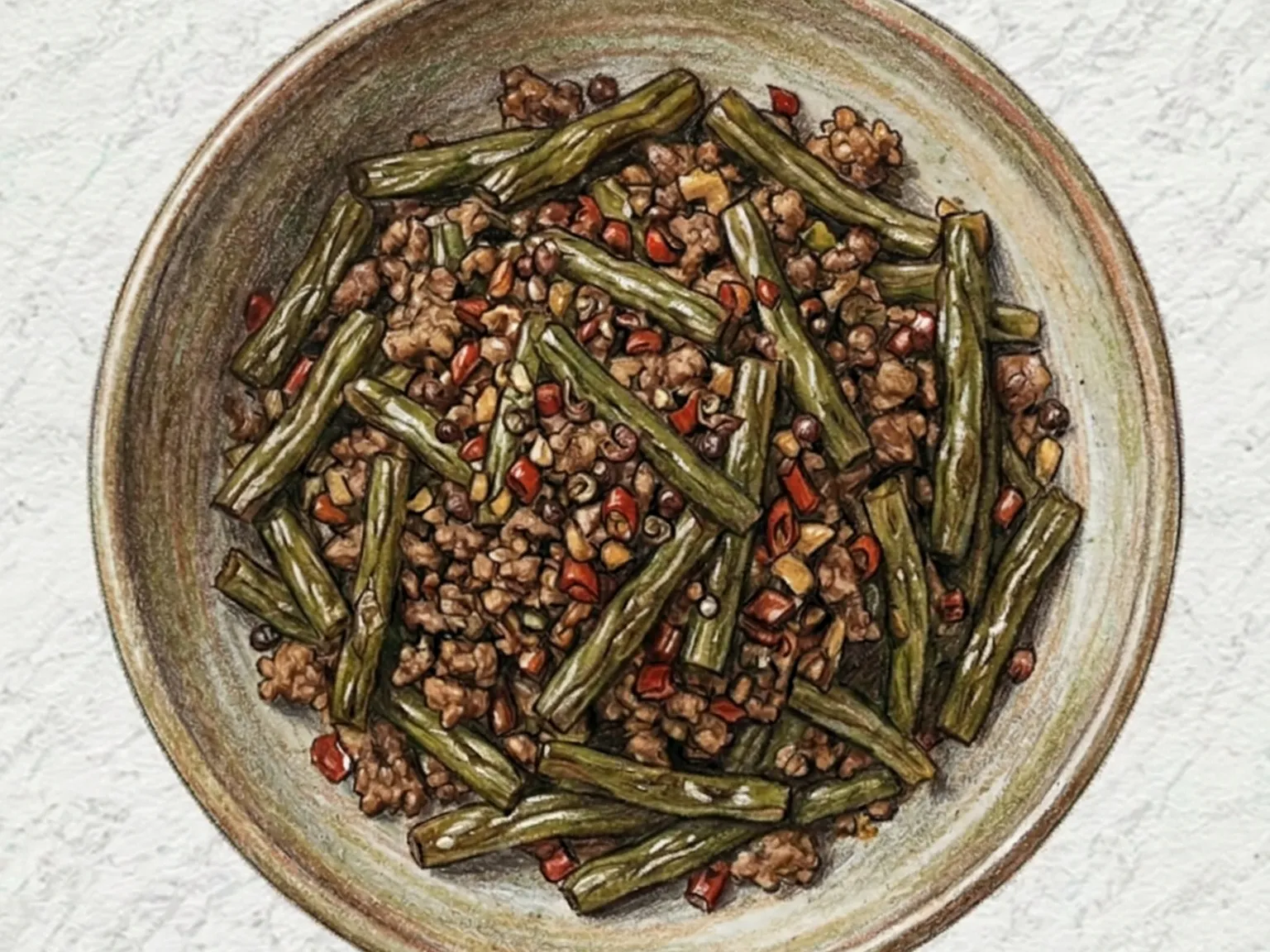
Ants Climbing a Tree (Sichuan Glass Noodles with Minced Pork)

Ants Climbing a Tree combines glass noodles and ground pork with doubanjiang and soy sauce. Soak the noodles in lukewarm water for only 10 minutes and drain while they bend but remain slightly firm in the center. This lets them finish in the pan without breaking as they absorb the seasoned liquid. Loosen large clumps of pork before cooking and press the meat into fine crumbles with a spatula. Once no pink remains, add the doubanjiang and soy sauce and stir without scorching, then add the water and noodles. Finish when the noodles are translucent and almost no liquid remains on the pan bottom, then mix in the green onion and serve.

🏠 Everyday 🌙 Late Night
Prep 15min Cook 12min 2 servings
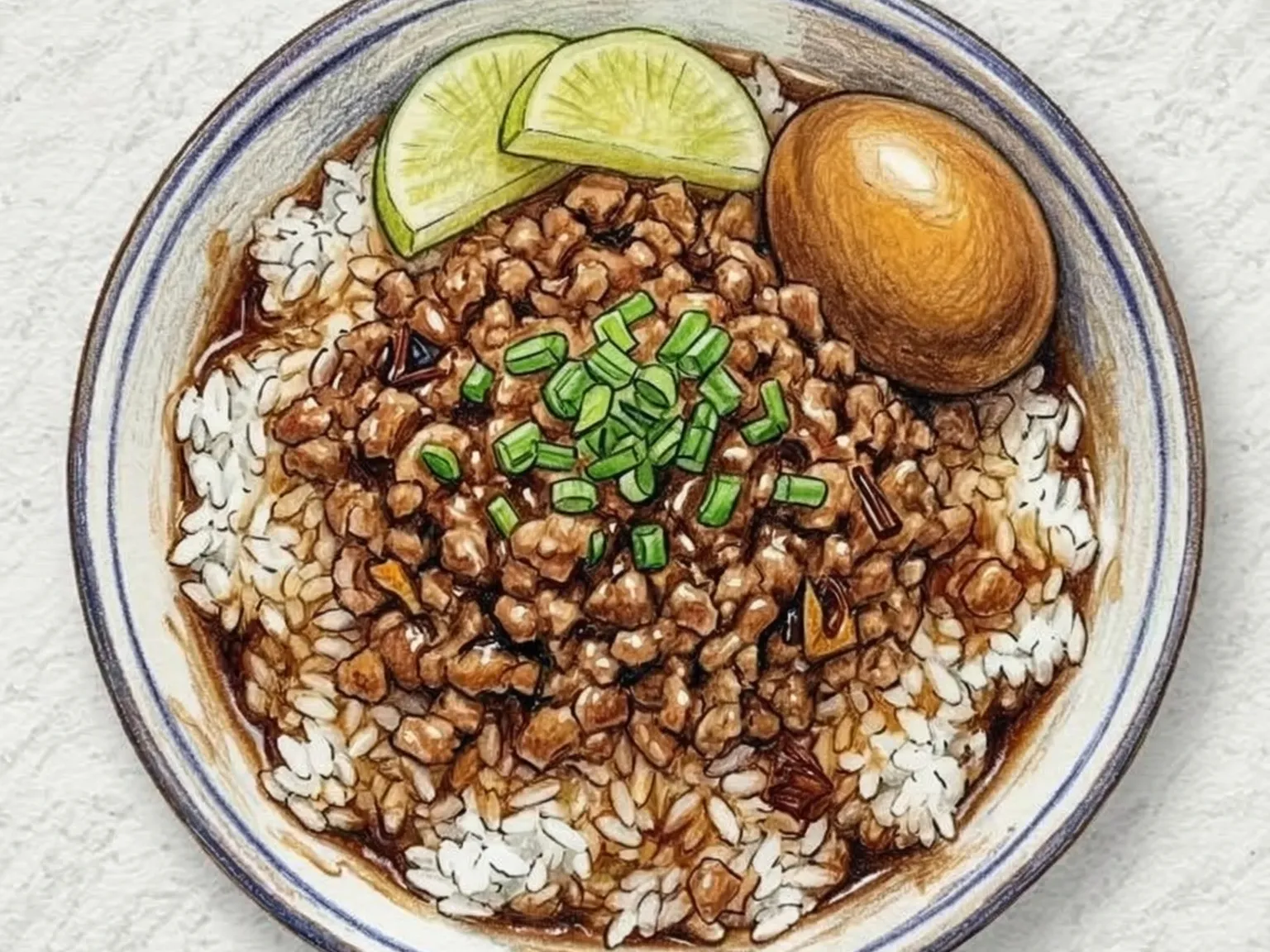
Eggplant Rice
Rice Easy

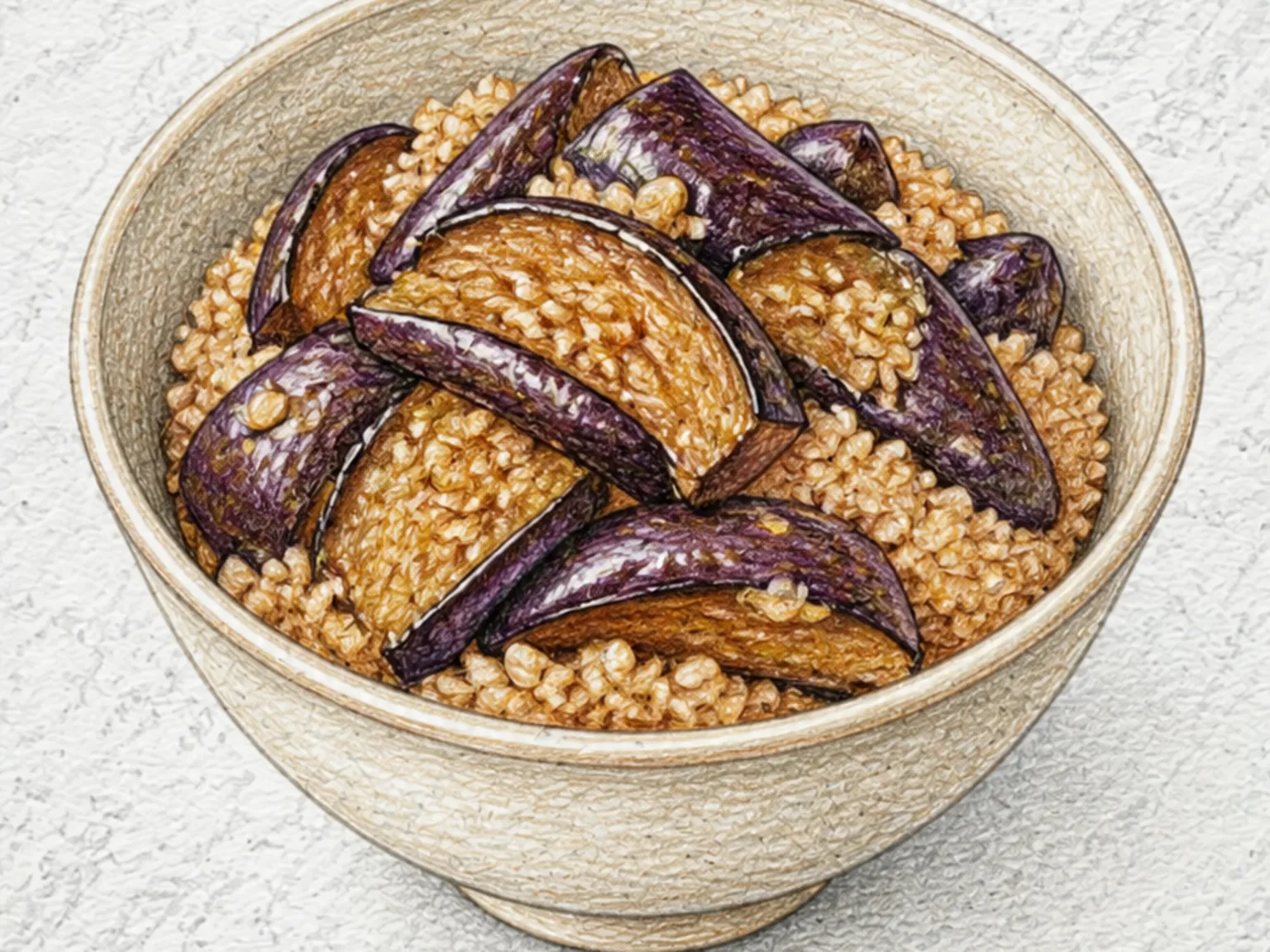
Eggplant Rice

A comforting one pot rice dish cooked with eggplants sautéed in a savory soy sauce seasoning. Warm, soft, and rich in flavor.

🏠 Everyday 🍱 Lunchbox
Prep 15min Cook 25min 2 servings
Korean Tofu and Kimchi Stir-Fry
Stir-fry Easy

Korean Tofu and Kimchi Stir-Fry

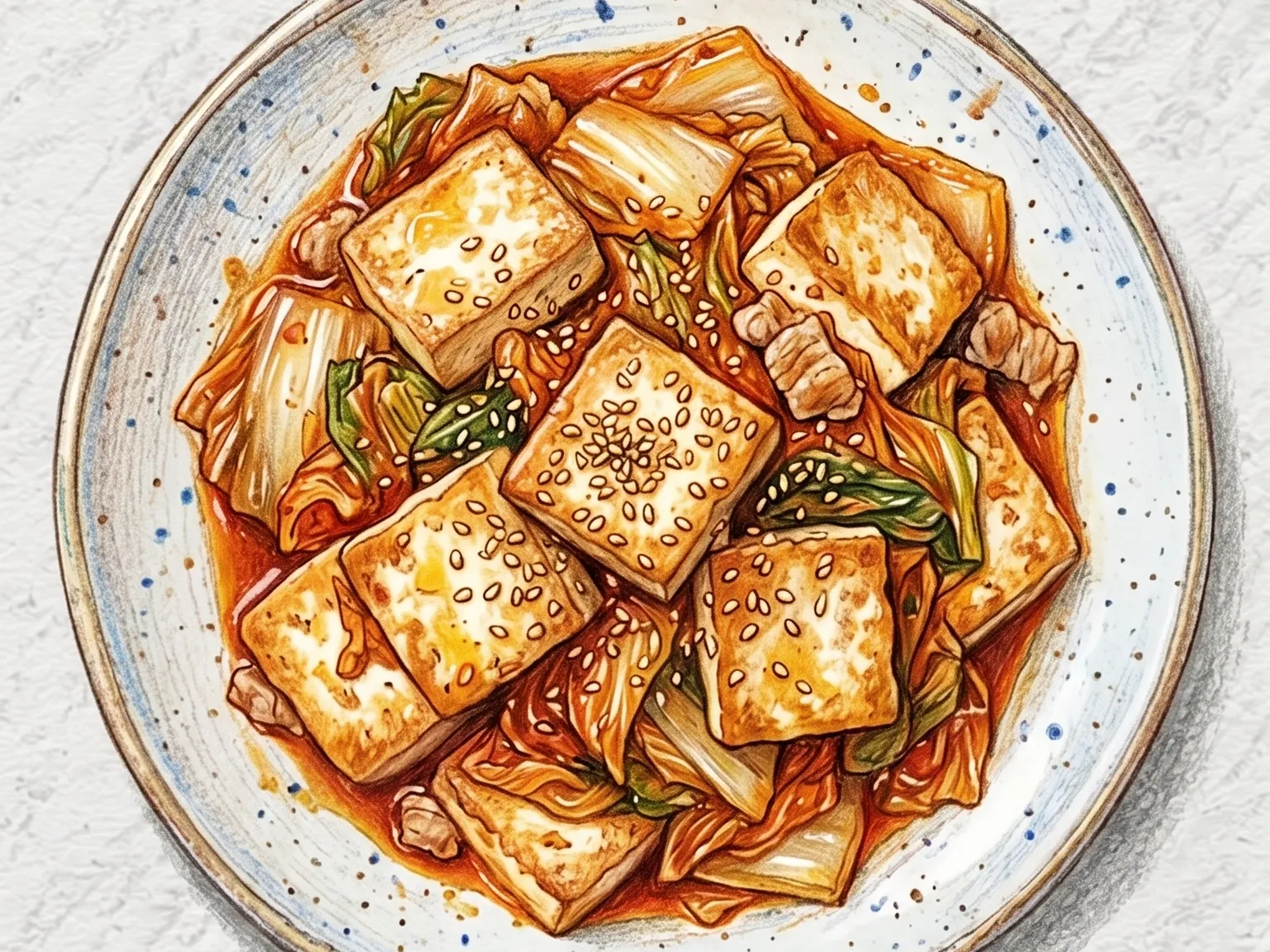
Dubu-kimchi-bokkeum is a Korean home-cooking classic that pairs pan-fried tofu with well-fermented napa cabbage kimchi in a quick stir-fry. The tofu is browned first on both sides until a thin crust forms, which keeps the pieces intact during the subsequent frying and gives each bite a firm exterior against the softer interior. A small amount of pork belly, rendered first, contributes fat that mellows the sharp acidity of the kimchi and acts as a flavor bridge between the two main components. The contrast between the mild, slightly nutty tofu and the tangy, spicy kimchi is the defining dynamic of the dish: neither dominates, and each makes the other taste more distinct. Deeply fermented kimchi, aged past the fresh stage, works best here because the stir-fry heat drives off the raw sourness and amplifies the underlying umami. Sesame oil and toasted sesame seeds are scattered over the finished dish, adding a nutty fragrance that rounds out the heat. Served as a snack with drinks or as a side over steamed rice, it occupies a reliable place on the Korean home table.

🏠 Everyday 🌙 Late Night
Prep 10min Cook 15min 2 servings
Pork Baozi (Chinese Steamed Pork Cabbage Bun)
Street food Hard

Pork Baozi (Chinese Steamed Pork Cabbage Bun)

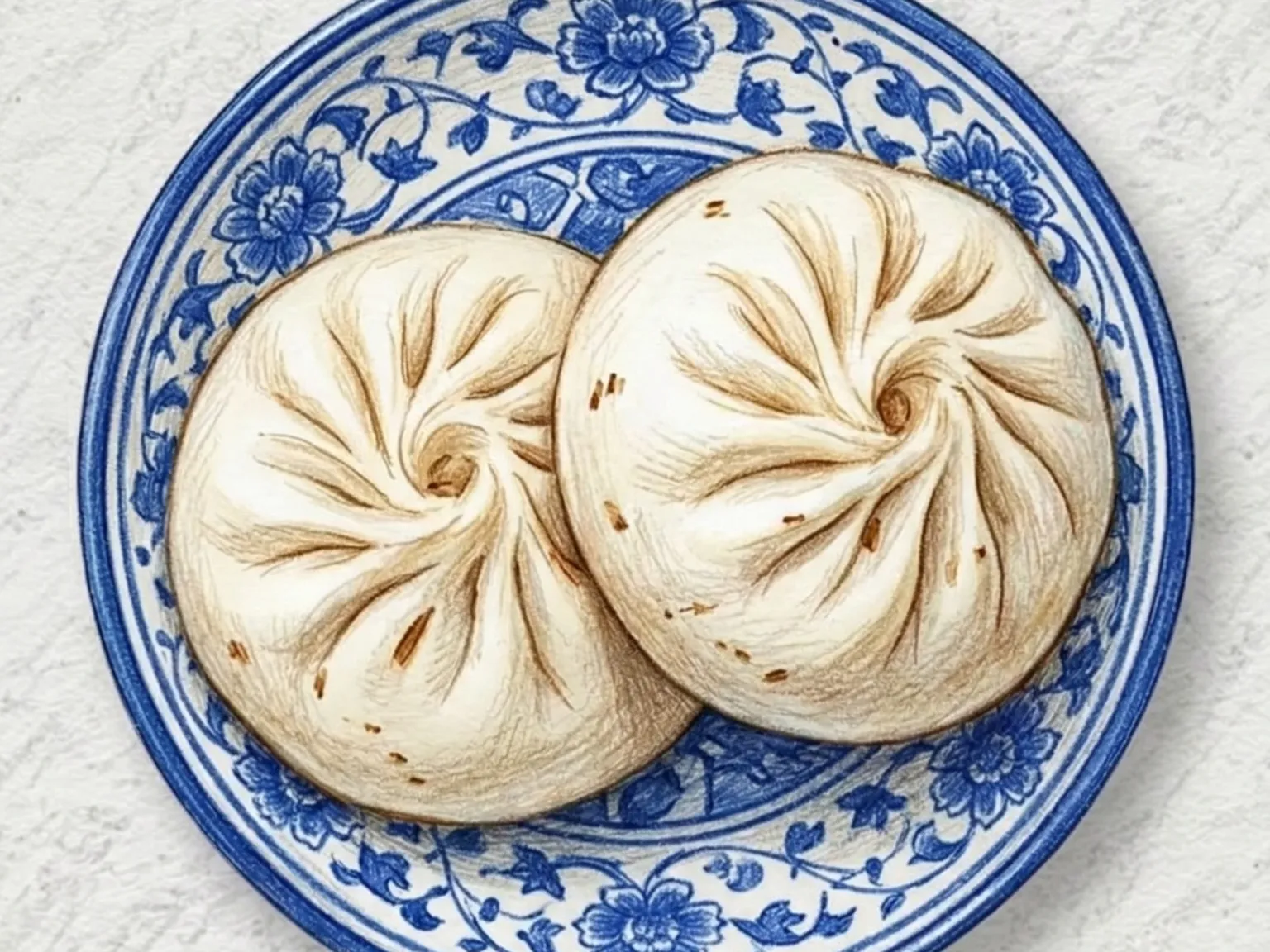
Baozi is a Chinese steamed bun made from yeast-leavened wheat dough filled with seasoned ground pork, cabbage, and scallion. The dough proofs for 40 minutes, during which the yeast activity creates the open crumb structure that gives the finished bun its soft, pillowy texture when steamed. The filling is seasoned with soy sauce and sesame oil, which brings savory depth and aroma to the minced pork and vegetables. Pleating the top of each bun seals in the juices during the 15-minute steam and also creates the ridged crown that visually identifies a well-made baozi. Resting the buns for two minutes with the lid off after turning off the heat prevents the delicate skin from collapsing from the sudden temperature change between the steam environment and the open air. In China, baozi appears on breakfast tables and as a midday snack, and shares ancestry with the broader family of dim sum dumplings, though home kitchens make this version far more regularly than the restaurant varieties.

🎉 Special Occasion 🧒 Kid-Friendly
Prep 55min Cook 15min 4 servings
Korean Stuffed Chili Pepper Pancake
Grilled Medium

Korean Stuffed Chili Pepper Pancake

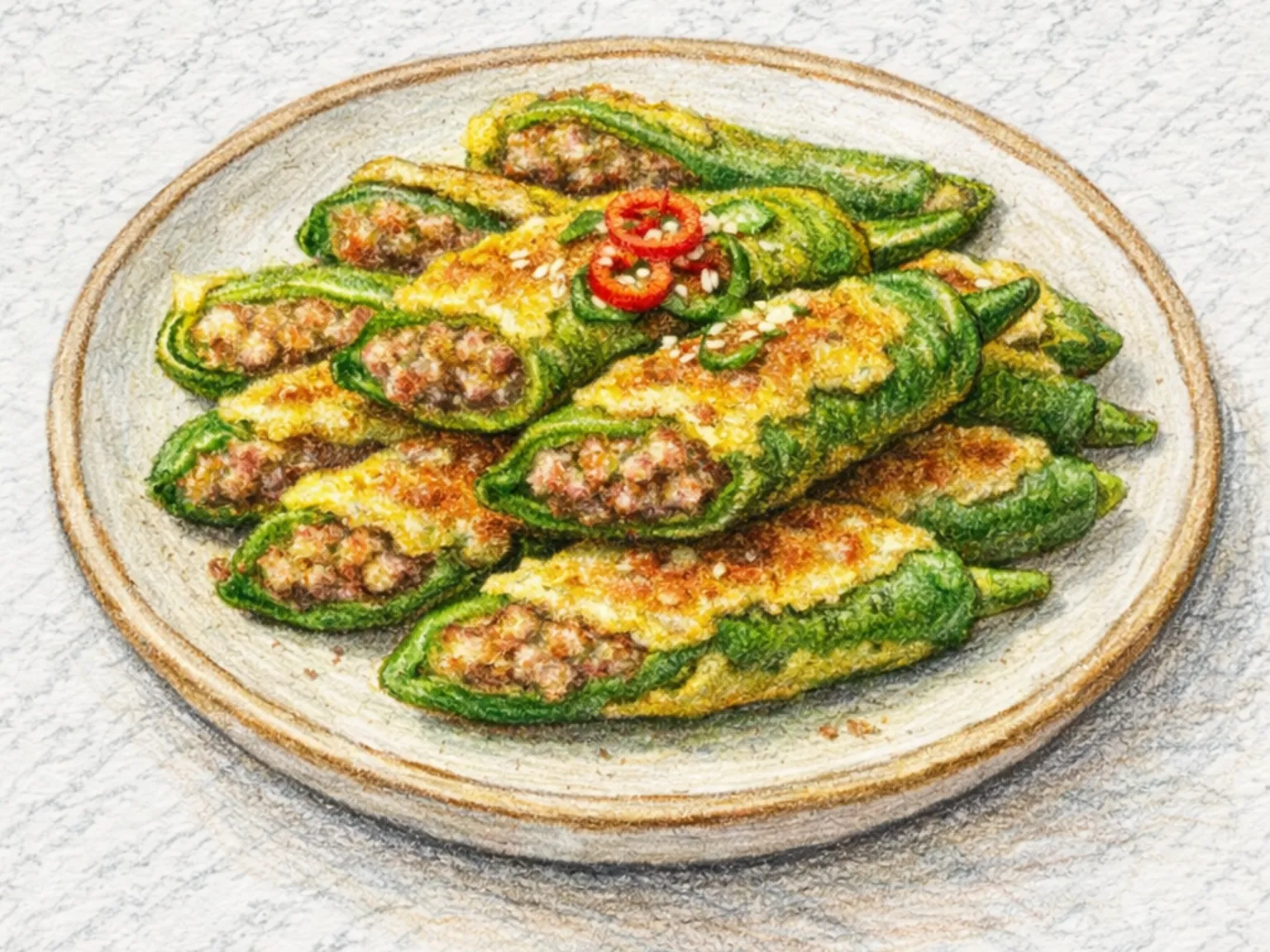
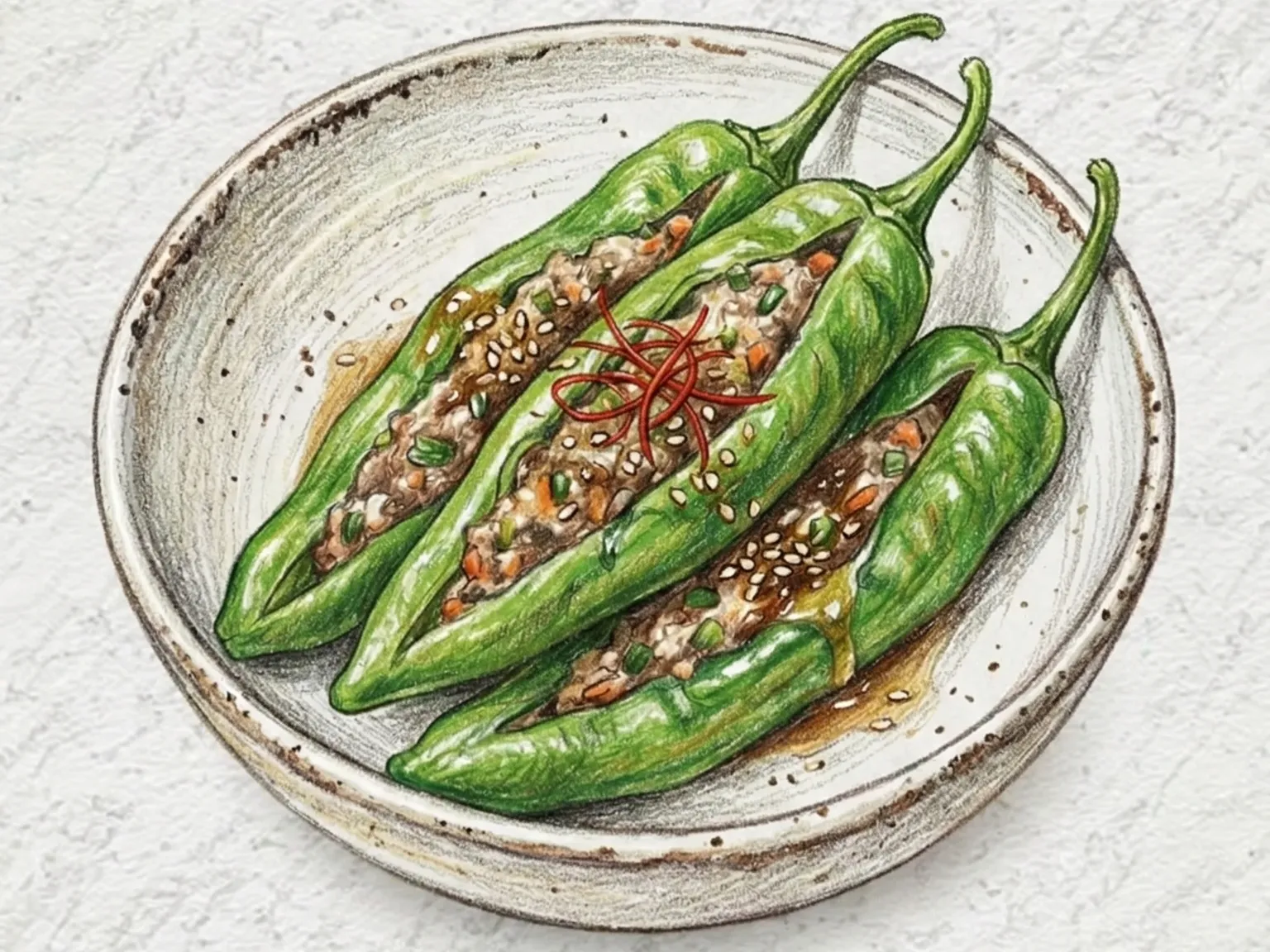
Gochu-jeon is a Korean holiday pancake made by splitting mild green chili peppers in half lengthwise, removing the seeds, and stuffing them with a filling of ground pork, pressed tofu, and minced garlic that is seasoned before being spooned in. The mixture is then coated in flour and egg before being pan-fried until golden on both sides. The pepper's gentle heat wraps around the pork's savory richness and the tofu's silky interior, creating a layered contrast of flavor and texture in every bite. Squeezing all moisture out of the tofu in a cloth is essential; any remaining water causes the oil to splatter and the filling to fall apart during frying. Using cucumber peppers or shishito peppers instead of regular green chilies eliminates nearly all spiciness for those with lower heat tolerance, and filling each pepper to about seventy percent capacity prevents the shell from bursting as the filling expands with heat. This jeon has a fixed place on Seollal and Chuseok ancestral tables and everyday holiday spreads alike, and it tastes best served immediately while still hot, alongside a soy-vinegar dipping sauce that sharpens the meat filling's umami and complements the pepper's fresh aroma.

🍺 Bar Snacks 🎉 Special Occasion
Prep 25min Cook 15min 4 servings
Kuurijishi (Okinawan Pork, Winter Melon, and Egg Soup)
Soups Medium

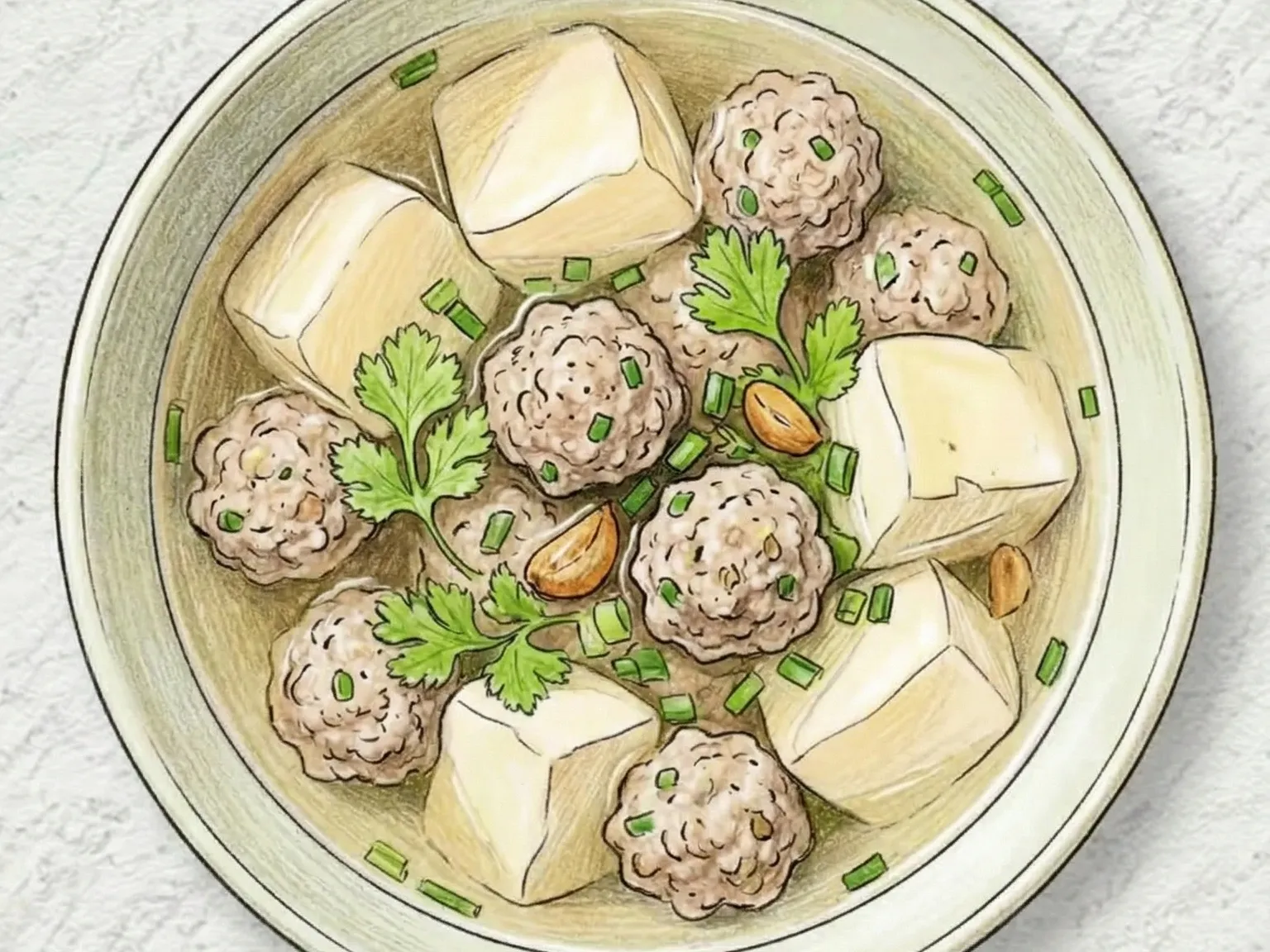
Kuurijishi (Okinawan Pork, Winter Melon, and Egg Soup)

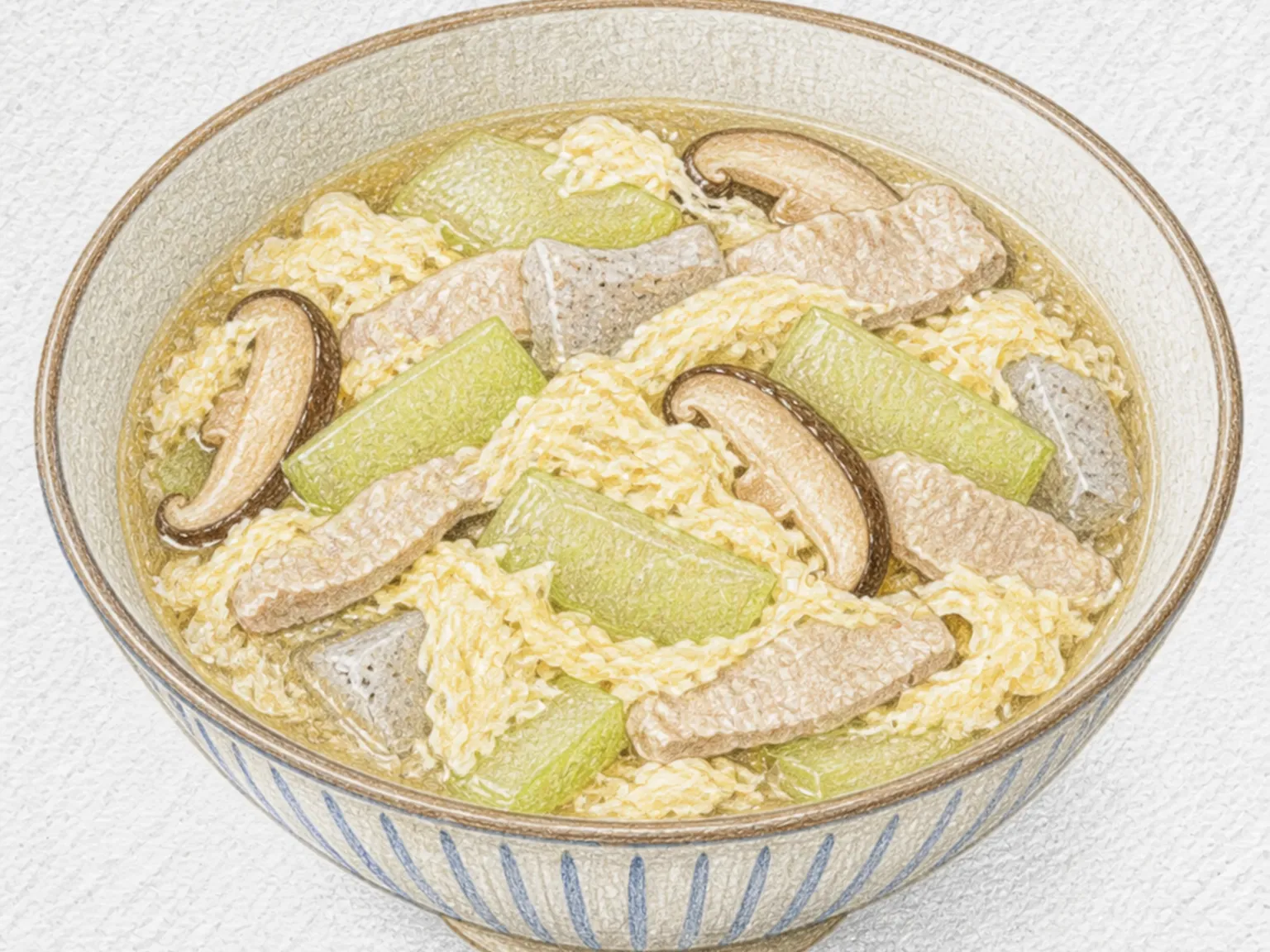
Kuurijishi is an Okinawan clear soup of boiled, thinly cut pork, winter melon, shiitake, and konnyaku in bonito stock, seasoned lightly with salt and soy sauce and finished with softly streamed egg. In the name, kuuri means ice and jishi means meat, but ice refers to the white egg spreading across the bowl like snow rather than to serving temperature. Before the war, when eggs were precious, families prepared it during Obon to express welcome for ancestral spirits. Firm winter-melon flesh near the skin is preferred because the soft portion around the seed cavity breaks down easily. The soup is served warm with the egg barely set and fluffy.

🏠 Everyday
Prep 20min Cook 30min 4 servings
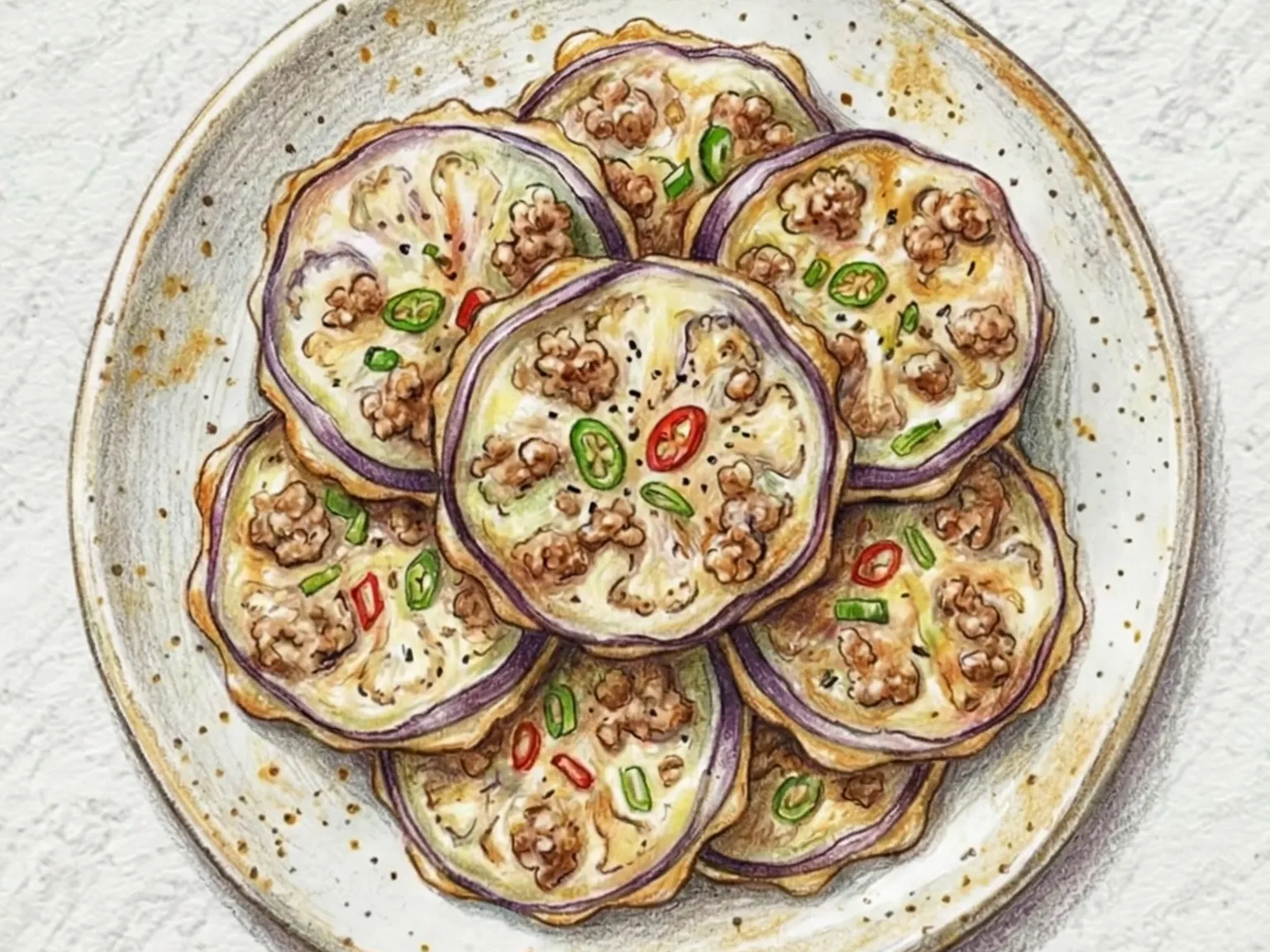
Korean Eggplant & Pork Pancake
Pancakes Medium

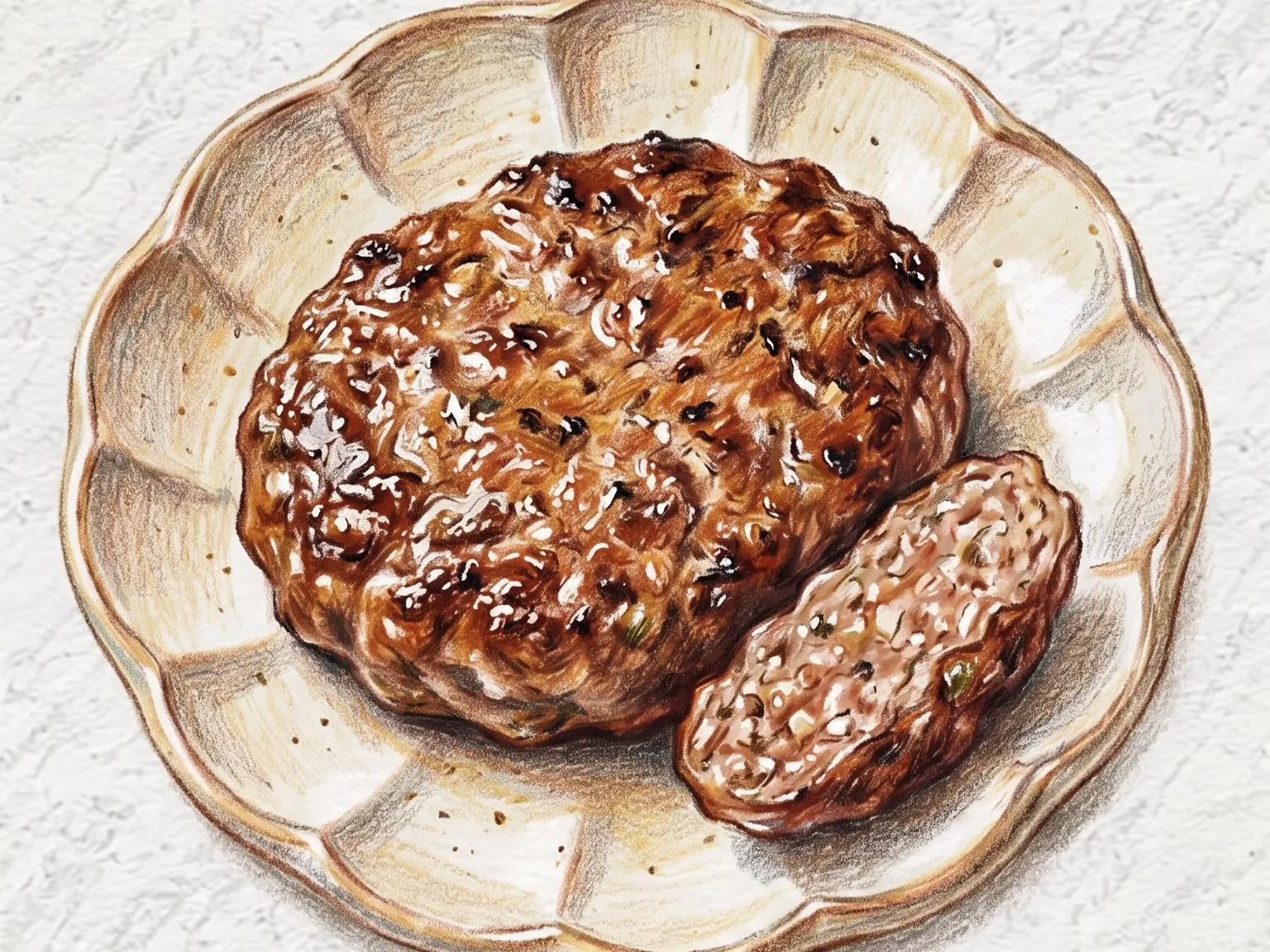
Korean Eggplant & Pork Pancake

Thick eggplant slices are topped with seasoned ground pork, coated in Korean pancake batter, dipped in beaten egg, and pan-fried until golden on both sides. As the eggplant absorbs oil over heat, it cooks through to a silky, yielding texture, and the pork filling stays juicy inside the batter crust. Minced garlic and onion season the pork mixture and mask any gaminess, while the egg coating forms a thin, evenly browned exterior. A soy-based dipping sauce sharpens the mild eggplant and savory pork into a balanced bite.

🍺 Bar Snacks 🏠 Everyday
Prep 20min Cook 15min 4 servings
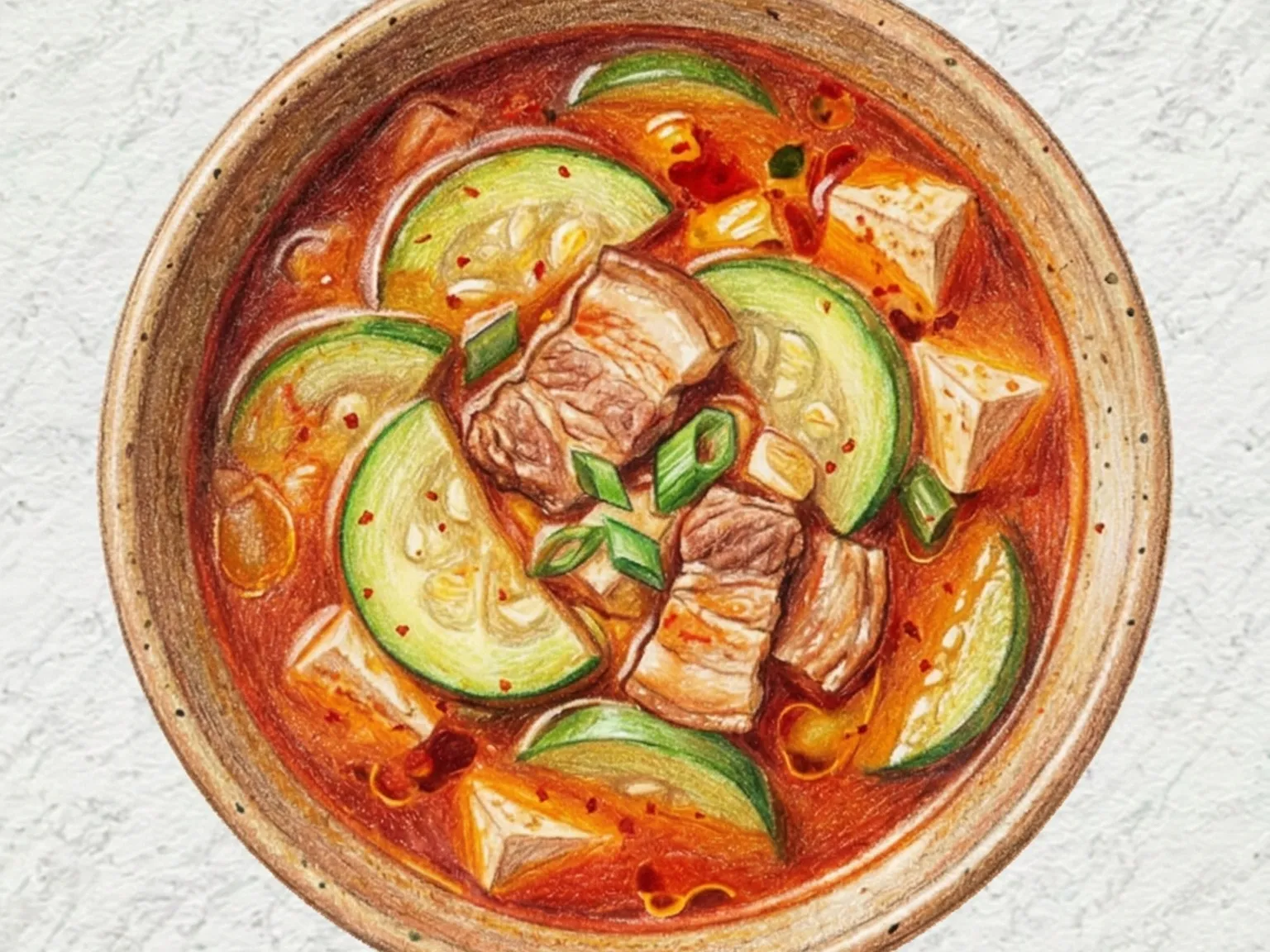
Korean Zucchini Pork Stew
Stews Easy

Korean Zucchini Pork Stew

Aehobak-jjigae makes a convincing case that modest ingredients and correct technique outperform a long shopping list. The base is pork, zucchini, gochujang, and gochugaru - nothing more - but the order of operations matters. Stir-frying the pork with garlic until the fat renders creates a savory base on the bottom of the pot; then gochujang goes in and toasts in that rendered fat before any liquid is added. Pouring anchovy broth into this spiced oil produces a broth with body and cohesion that simply boiling everything together cannot replicate. Zucchini cut into half-moons enters the simmering broth and cooks for six minutes, just long enough to absorb the seasoning without losing structure. Timing here is important - overcooking collapses the zucchini into mush. The finished broth reads as spicy upfront, but pork fat and vegetable sugars sustain a low sweetness underneath that keeps the heat from feeling one-dimensional. The broth is dense enough to spoon over rice, and the dish comes together entirely from a standard Korean pantry with no special shopping required.

🏠 Everyday
Prep 15min Cook 20min 2 servings
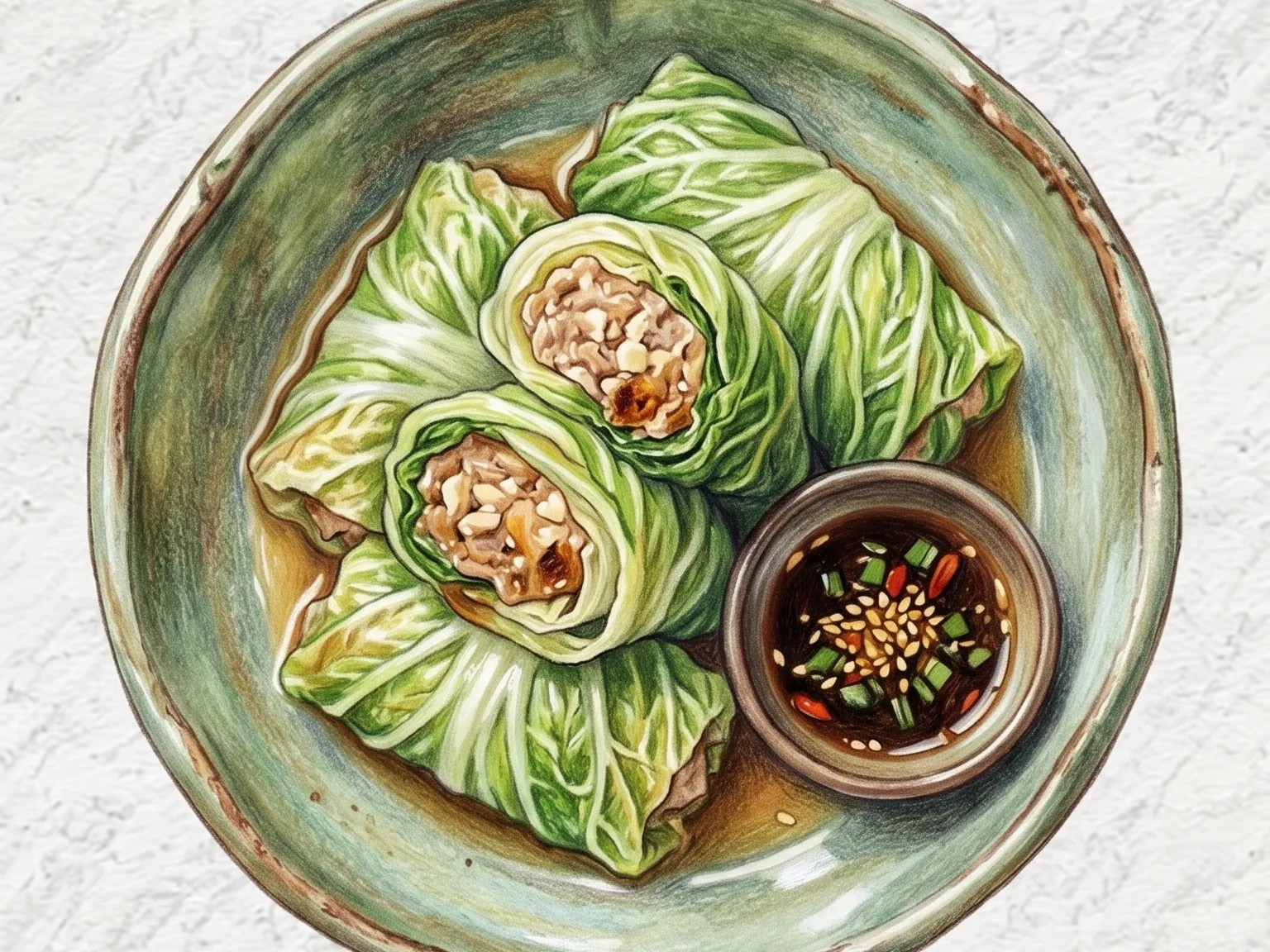
Korean Steamed Napa Cabbage Rolls
Steamed Medium

Korean Steamed Napa Cabbage Rolls

Baechu jjim consists of blanched napa cabbage leaves wrapped tightly around a filling of minced pork and mashed tofu, then steamed until fully cooked through. The filling uses pork and tofu at a 2:1 ratio, seasoned with soy sauce, sesame oil, and minced garlic, then kneaded until the mixture develops enough cohesion to stay intact during steaming. Tofu serves a functional purpose here beyond flavor - its moisture content prevents the pork from drying out over the extended steaming time, while the pork fat renders slowly into the surrounding cabbage leaf, adding richness to every bite. The cabbage leaves are blanched for thirty seconds to soften the stems, then squeezed dry and rolled from the stem end toward the tip with the filling placed at the base. In the steamer, rolls are arranged seam-side down so they hold their shape without any fastening, and cooked over vigorous steam for twelve to fifteen minutes. During this time, the meat juices work their way outward into the cabbage. The natural sweetness of napa cabbage - more pronounced after blanching - envelops the savory filling without sharpness, producing a mellow, layered result. A soy-based dipping sauce adds the saltiness needed to anchor the dish as a proper rice accompaniment, and leftovers reheat well without significant textural loss.

🏠 Everyday 🎉 Special Occasion
Prep 30min Cook 22min 4 servings
Vietnamese Grilled Pork Vermicelli
Noodles Medium

Vietnamese Grilled Pork Vermicelli

Charcoal-grilled pork is placed over cold rice vermicelli and eaten mixed with nuoc cham in this southern Vietnamese noodle bowl. The pork marinates in fish sauce, sugar, and garlic before grilling, so direct heat caramelizes the surface sugars into a deep brown crust while the interior holds its moisture. Fresh mint, cilantro, and coarsely crushed roasted peanuts are scattered on top, layering herbal fragrance with crunch. Nuoc cham, built from lime juice, sugar, fish sauce, and chili, is the sweet-sour-salty binding agent that pulls together the warm meat, cool noodles, and raw herbs into a single coherent bowl. The temperature contrast between hot pork and chilled vermicelli is central to the eating experience. Pickled daikon and carrot add a final note of acidity that keeps each bite clean. No broth is needed; the bowl is filling and bright.

🎉 Special Occasion 🏠 Everyday
Prep 20min Cook 15min 2 servings
Banh Cuon (Hanoi Steamed Rice Rolls with Pork and Mushroom)
Asian Hard

Banh Cuon (Hanoi Steamed Rice Rolls with Pork and Mushroom)

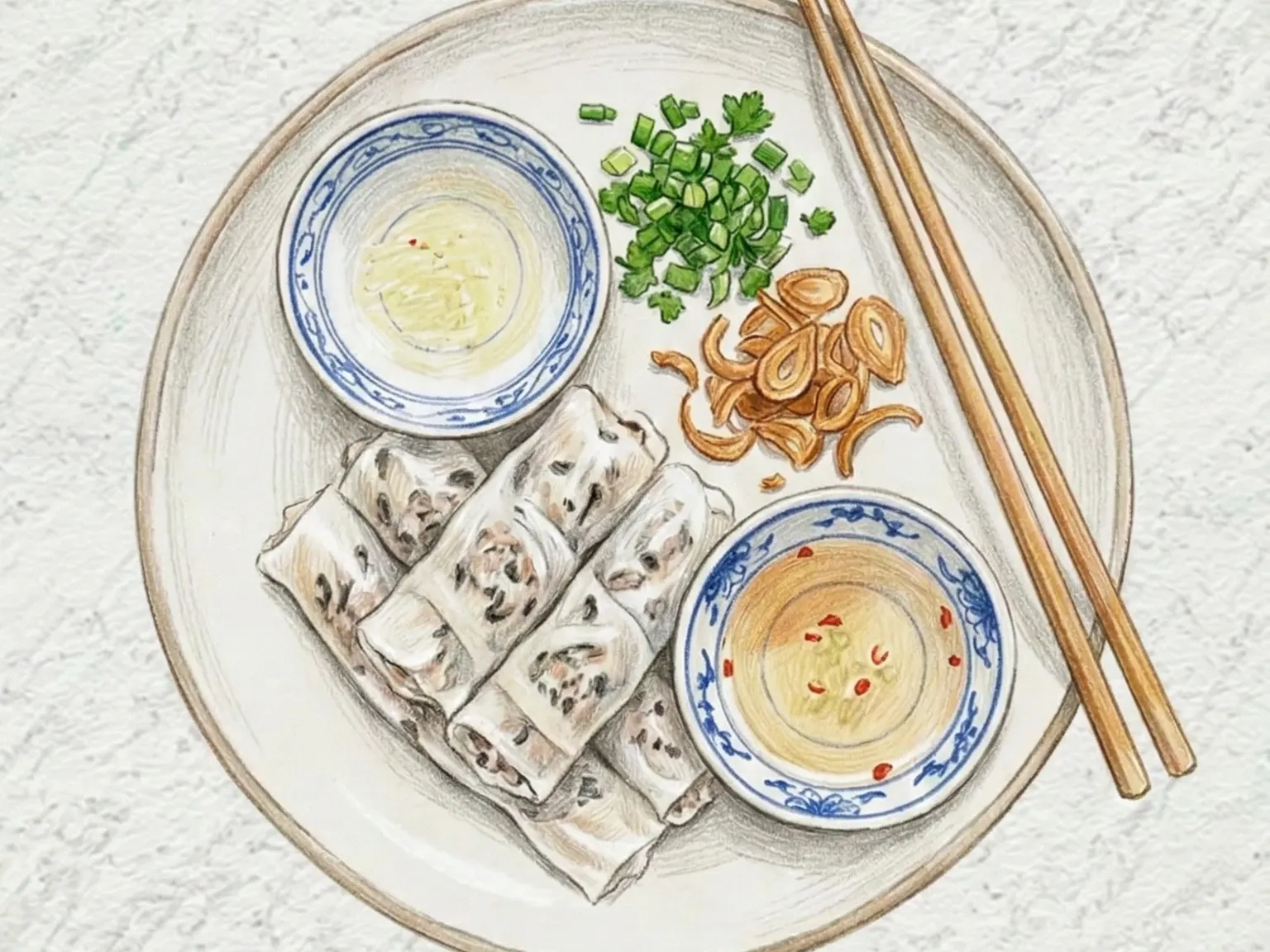
Banh cuon is a Hanoi breakfast specialty - translucent rice sheets steamed on fabric stretched over boiling water, then filled and rolled within seconds by practiced hands. The batter contains nothing but rice flour and water, spread tissue-thin to produce a wrapper so delicate it tears under rough handling. Inside sits a filling of minced pork and finely chopped wood ear mushrooms, delivering a savory, slightly crunchy core against the soft sheet. The rolls come to the table at room temperature alongside fried shallots and sliced Vietnamese sausage, with a bowl of nuoc cham for dipping. What separates banh cuon from other rice-based wraps is texture: silky and almost slippery on the tongue, with none of the resistance or chew found elsewhere.

🎉 Special Occasion
Prep 30min Cook 25min 3 servings
Korean Soft Tofu Stew Rice Bowl
Rice Easy

Korean Soft Tofu Stew Rice Bowl

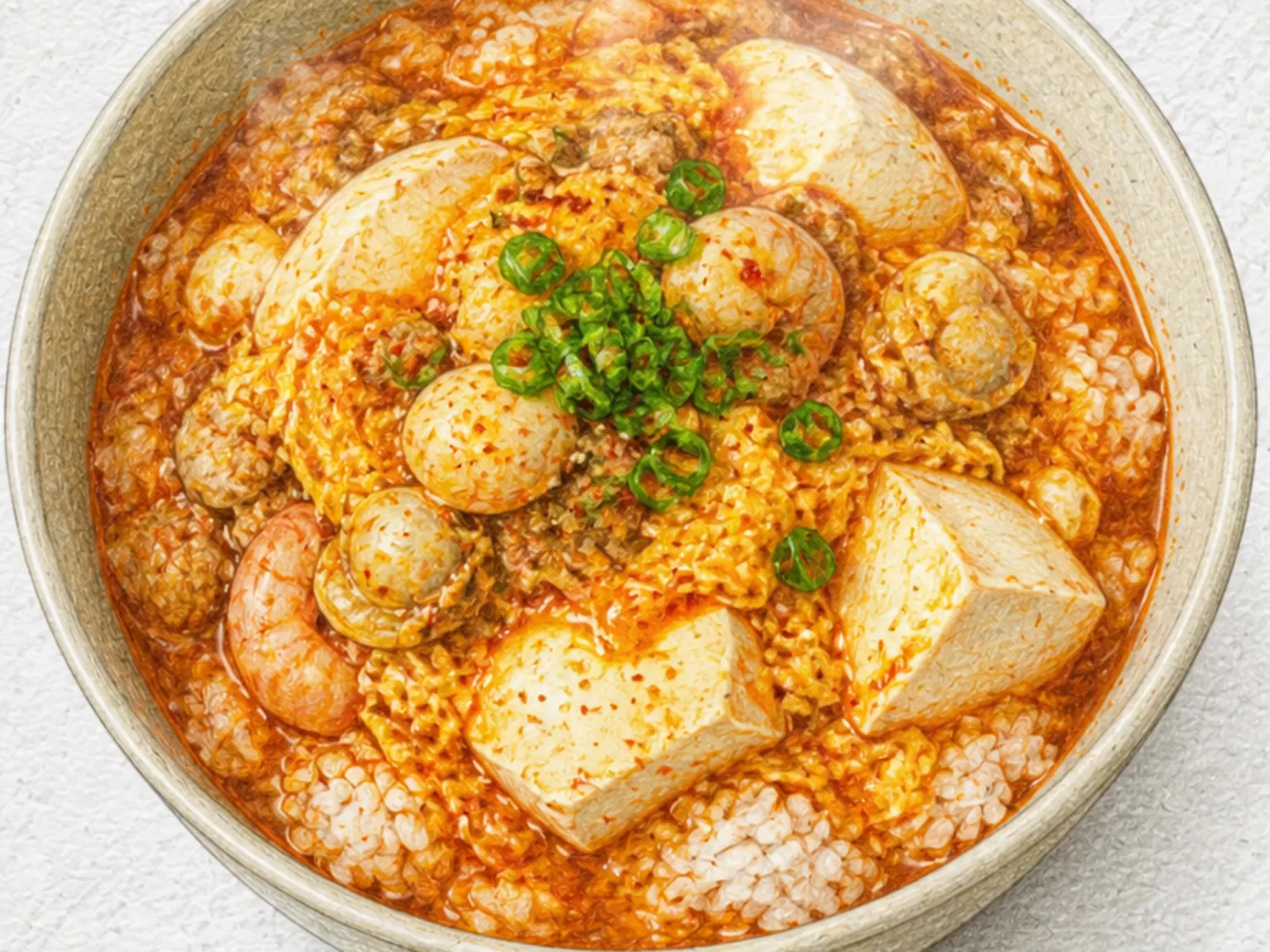
Fiery soft-tofu stew is cooked until bubbling and poured directly over a bowl of rice so the spicy broth seeps into every grain. The silky tofu breaks apart gently, creating pockets of creamy texture within the chili-laced soup. Cracking a raw egg into the simmering pot softens the heat and adds body to the broth. Variations with shrimp, clams, or pork each shift the base flavor in a different direction, making this a versatile single-bowl meal. Serving it soon after cooking keeps the intended texture clearer, while brief resting lets the sauce or broth settle into the dish.

🏠 Everyday ⚡ Quick
Prep 10min Cook 15min 1 servings
Korean Spicy Pork Stir-fry
Stir-fry Easy

Korean Spicy Pork Stir-fry

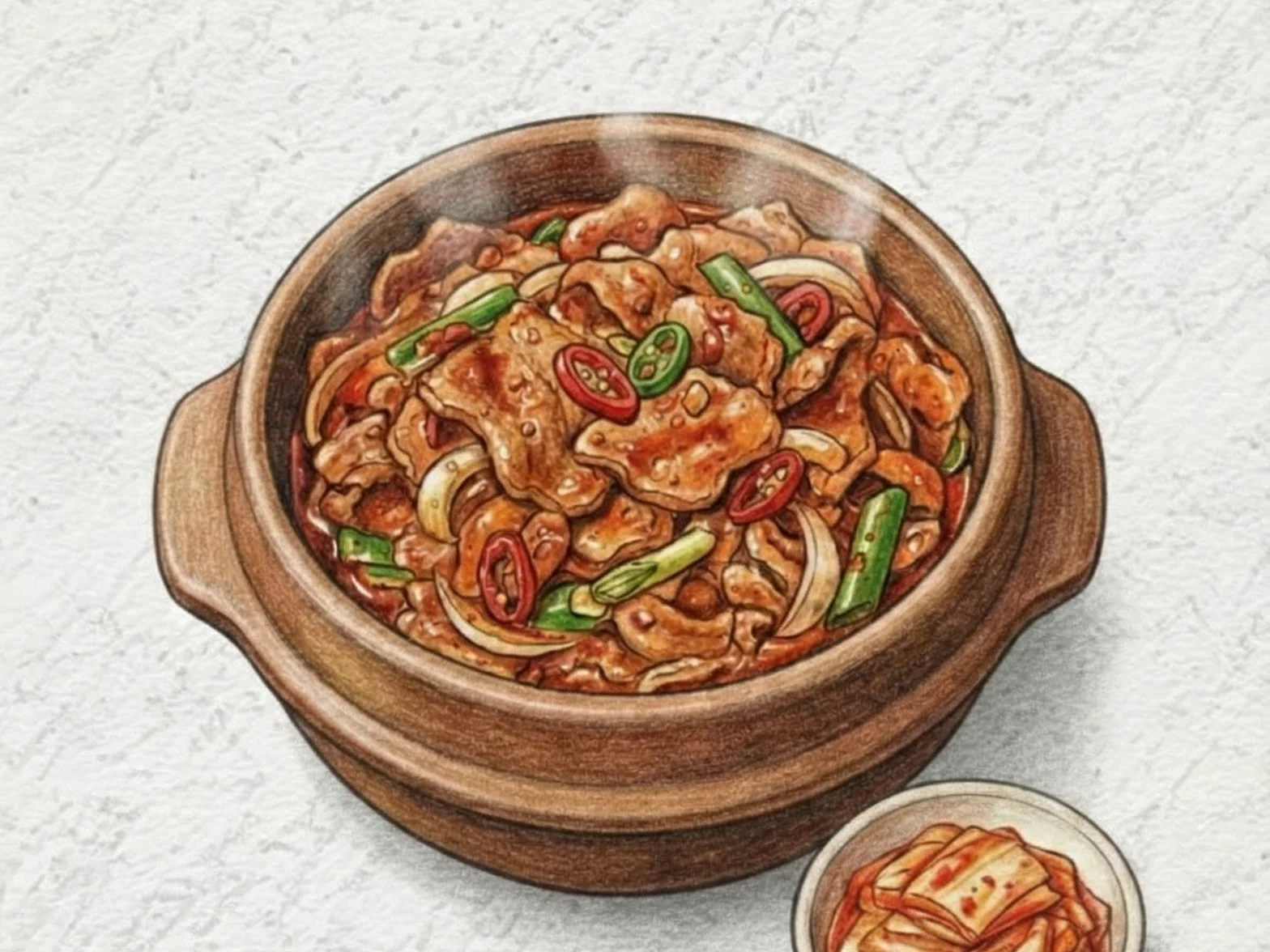
Jeyuk-bokkeum is a Korean spicy pork stir-fry where sliced pork is marinated in gochujang, soy sauce, sugar, and garlic, then wok-tossed with vegetables over high heat. The marinade sinks into the meat, combining chili heat with caramelized sweetness, while onions and scallions release moisture that balances the bold seasoning. Quick cooking at high temperature lets the pork develop a lightly charred exterior that adds another layer of flavor. It is commonly served over rice as a donbap or wrapped in lettuce leaves.

🏠 Everyday 🍱 Lunchbox
Prep 15min Cook 15min 2 servings
Stuffed Korean Chili Fritters
Street food Medium

Stuffed Korean Chili Fritters

A dish made by removing the seeds of green chili peppers, stuffing them with minced pork and tofu filling, and deep-frying until crispy. It combines the crunch of pepper with juicy meat.

🏠 Everyday 🌙 Late Night
Prep 25min Cook 15min 2 servings
Korean Buckwheat Crepes with Kimchi Filling
Grilled Medium

Korean Buckwheat Crepes with Kimchi Filling

Memil-jeonbyeong is a buckwheat crepe from Korea's Gangwon province, filled with stir-fried aged kimchi, tofu, ground pork, green onion, and gochugaru, then rolled and pan-fried again until the exterior crisps. The batter is made from buckwheat flour and water mixed to a thin consistency, but buckwheat contains no gluten and the batter tears easily on the pan if used immediately. Resting it for at least ten minutes allows the flour particles to hydrate fully, giving the batter enough cohesion to be spread thin without breaking. The thinner the crepe is spread, the more pronounced the characteristic chewy texture of the buckwheat becomes after cooking. The filling is prepared separately. Aged kimchi may be rinsed to moderate its acidity, but leaving it unwashed preserves the deep, funky sourness that forms the backbone of the filling's flavor. Ground pork contributes richness, tofu adds a mild, clean counterpoint, and together with the fermented kimchi they produce a filling with several distinct flavor layers. The filling is placed along one edge of the crepe, which is then rolled tightly and pressed closed. The rolled jeonbyeong is returned to the pan and turned slowly on all sides until the outside is golden and crisp. The contrast between the chewy, slightly earthy buckwheat wrapper and the spiced, savory interior is the defining characteristic of the dish.

🍺 Bar Snacks
Prep 30min Cook 20min 4 servings
Kagoshima Tonjiru (Pork and Vegetables in Barley Miso Soup)
Soups Easy

Kagoshima Tonjiru (Pork and Vegetables in Barley Miso Soup)

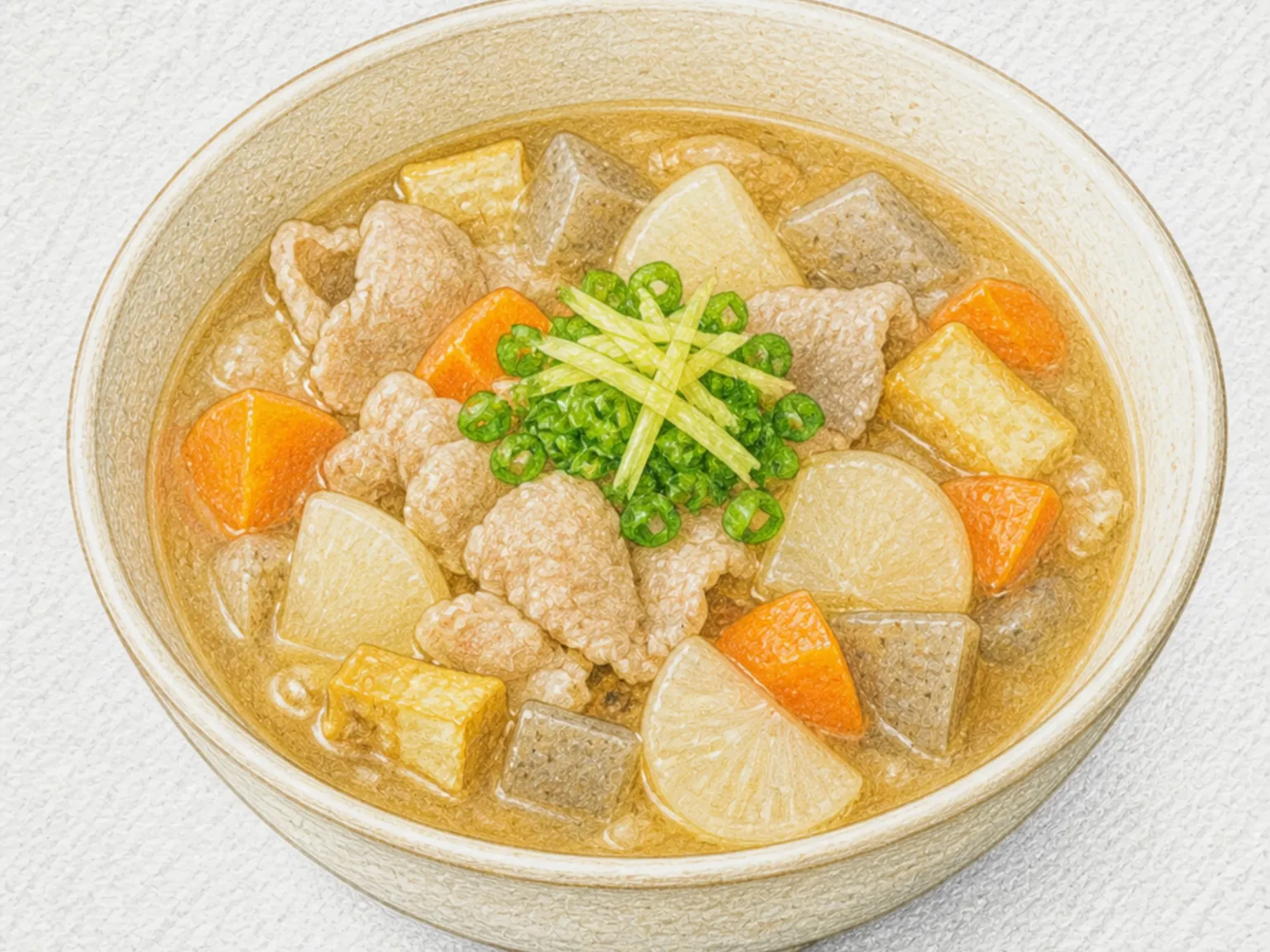
Kagoshima tonjiru is a substantial soup in which thin pork is browned first, then daikon, carrot, taro, konjac, and atsuage are tossed in the rendered fat before dried-sardine broth is added. Once everything is tender, sweet local barley miso seasons the pot. Among the many tonjiru styles eaten across Japan, this formula brings together two Kagoshima staples, pork and barley miso. Dissolve the miso separately in broth only after the pork and vegetables are fully cooked, and do not return it to a hard boil. Fine green onion and ginger strips added to each bowl keep a fresh, sharp aroma against the rich soup.

🏠 Everyday
Prep 20min Cook 30min 4 servings
Gyoda Furai (Scallion and Pork Griddle Pancake)
Pancakes Easy

Gyoda Furai (Scallion and Pork Griddle Pancake)

Gyoda furai is a griddled snack from Gyoda in Saitama, despite a name that sounds like the English word fry. A loose flour batter is spread into a thin 20cm round, topped with scallion and pork, drizzled with more batter, then flipped and pressed repeatedly against the hot surface. The pressure binds the filling to the wrapper and develops browned spots without deep-frying. The pancake is finished with savory sauce only after the pork has cooked completely through.

🏠 Everyday ⚡ Quick
Prep 15min Cook 24min 4 servings
Korean Soy Pulp Stew (Okara with Aged Kimchi and Pork)
Stews Easy

Korean Soy Pulp Stew (Okara with Aged Kimchi and Pork)

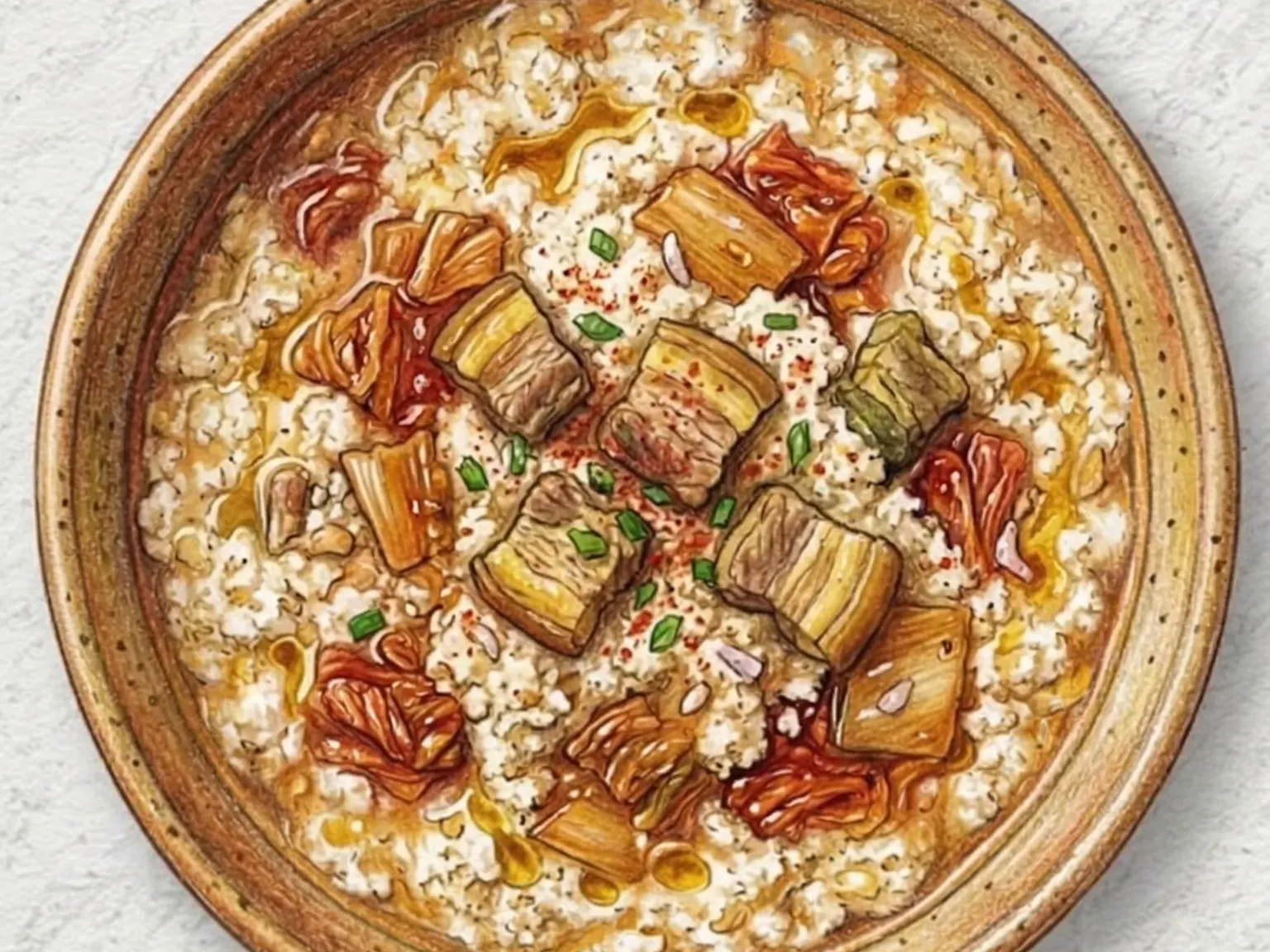
Biji jjigae is a Korean stew built around soy pulp - the dense, grainy byproduct of tofu making - cooked together with well-fermented aged kimchi and pork. The soy pulp dissolves gradually into the cooking liquid, giving the broth a thick, porridge-like body and a mild nuttiness. Salted fermented shrimp adds a concentrated umami punch, and perilla oil contributes a roasted, savory fragrance. The deep tang of old kimchi and the rendered fat from the pork slowly permeate the soy pulp as the pot simmers, producing a heavy, richly flavored stew. Soy pulp is high in protein and dietary fiber, making the finished dish both filling and nutritious. Starting over high heat and reducing to a low simmer for at least twenty minutes allows the pork to cook through fully and the stew to thicken and deepen.

🏠 Everyday
Prep 12min Cook 20min 2 servings
Korean Steamed Stuffed Chili Peppers
Steamed Medium

Korean Steamed Stuffed Chili Peppers

Gochu-jjim is a traditional Korean banchan in which mild green chili peppers are hollowed out, dusted inside with a light coating of flour, then packed with a filling of ground pork, crumbled firm tofu, garlic, and scallion before being steamed until cooked through. The flour coating is not decoration; it creates a thin binding layer that keeps the filling anchored inside the pepper during the entire steaming process, so each piece arrives at the table intact and firmly stuffed. Soy sauce and sesame oil work through the filling as it cooks, producing a savory, slightly nutty flavor that contrasts with the clean bitterness of the pepper skin. The steamed pepper itself stays slightly firm at the bite while the stuffing is soft and moist, and the interplay of those two textures is what makes a simple list of ingredients into a dish worth returning to. Gochu-jjim appears as a regular everyday banchan alongside rice and also earns a place on Korean holiday tables for its restrained elegance.

🏠 Everyday 🍱 Lunchbox
Prep 20min Cook 15min 3 servings
Chinese Chow Mein
Noodles Easy

Chinese Chow Mein

Chinese chow mein stir-fries boiled noodles with vegetables and protein over fierce wok heat. The noodles are parboiled, lightly oiled, then tossed in a screaming-hot wok until the exterior crisps while the interior stays chewy. A sauce of soy, oyster sauce, and sesame oil lacquers each strand with salty depth and umami, while bean sprouts, cabbage, and carrot contribute crunch. The hallmark smoky flavor known as wok hei comes only from sustained high heat, so home cooks achieve the closest result by working in small batches and letting the pan fully recover between additions. Chicken, shrimp, or beef can replace one another as the main protein, making chow mein endlessly adaptable. A squeeze of lime at the table brightens the overall flavor.

🏠 Everyday 🌙 Late Night
Prep 15min Cook 12min 2 servings
Bánh Mì (Vietnamese Crispy Baguette Sandwich with Pork and Pickles)
Asian Medium

Bánh Mì (Vietnamese Crispy Baguette Sandwich with Pork and Pickles)

Banh mi is the product of French colonialism meeting Vietnamese resourcefulness. A baguette made partly with rice flour results in a bread lighter and airier than its French counterpart, with a shattering crust that flakes on the first bite. The bread is the foundation and everything else is built around its texture. Fillings vary by region and stall, but the classic Saigon version layers pate, cold cuts, pickled daikon and carrot, sliced cucumber, cilantro, and jalapeno. The pickled vegetables provide sharp, tangy crunch that cuts through the fattiness of the meat and pate. At street carts across Ho Chi Minh City, a banh mi is assembled in under a minute and costs less than a dollar, delivering crispy, sour, herbal, spicy, and fatty elements in every bite. The bread was introduced during French colonial rule in the nineteenth century, and Vietnamese bakers gradually reduced the density and adapted the loaves to local ovens and ingredient availability. Today, variations include a tofu version for vegetarians and a shrimp version common in coastal cities. The key to a proper banh mi is bread baked the same day, eaten while the crust is still intact.

🎉 Special Occasion 🍱 Lunchbox
Prep 20min Cook 10min 2 servings
Eight Treasure Seafood Stir-fry
Stir-fry Hard

Eight Treasure Seafood Stir-fry

Palbochae is a Korean-Chinese banquet stir-fry that brings together shrimp, squid, pork, bamboo shoots, shiitake mushrooms, and bok choy in a single wok. Each ingredient is added in sequence according to its cooking time, then finished in an oyster-sauce glaze thickened with a light cornstarch slurry. The high-heat technique imparts a pronounced wok char, while the variety of proteins and vegetables creates contrasting textures in every bite. It is a dish traditionally reserved for special occasions, built on the interplay of seafood brine, pork fat, and crisp greens.

🏠 Everyday 🎉 Special Occasion
Prep 25min Cook 18min 4 servings
Korean Crispy Kimchi Fried Dumplings
Street food Easy

Korean Crispy Kimchi Fried Dumplings

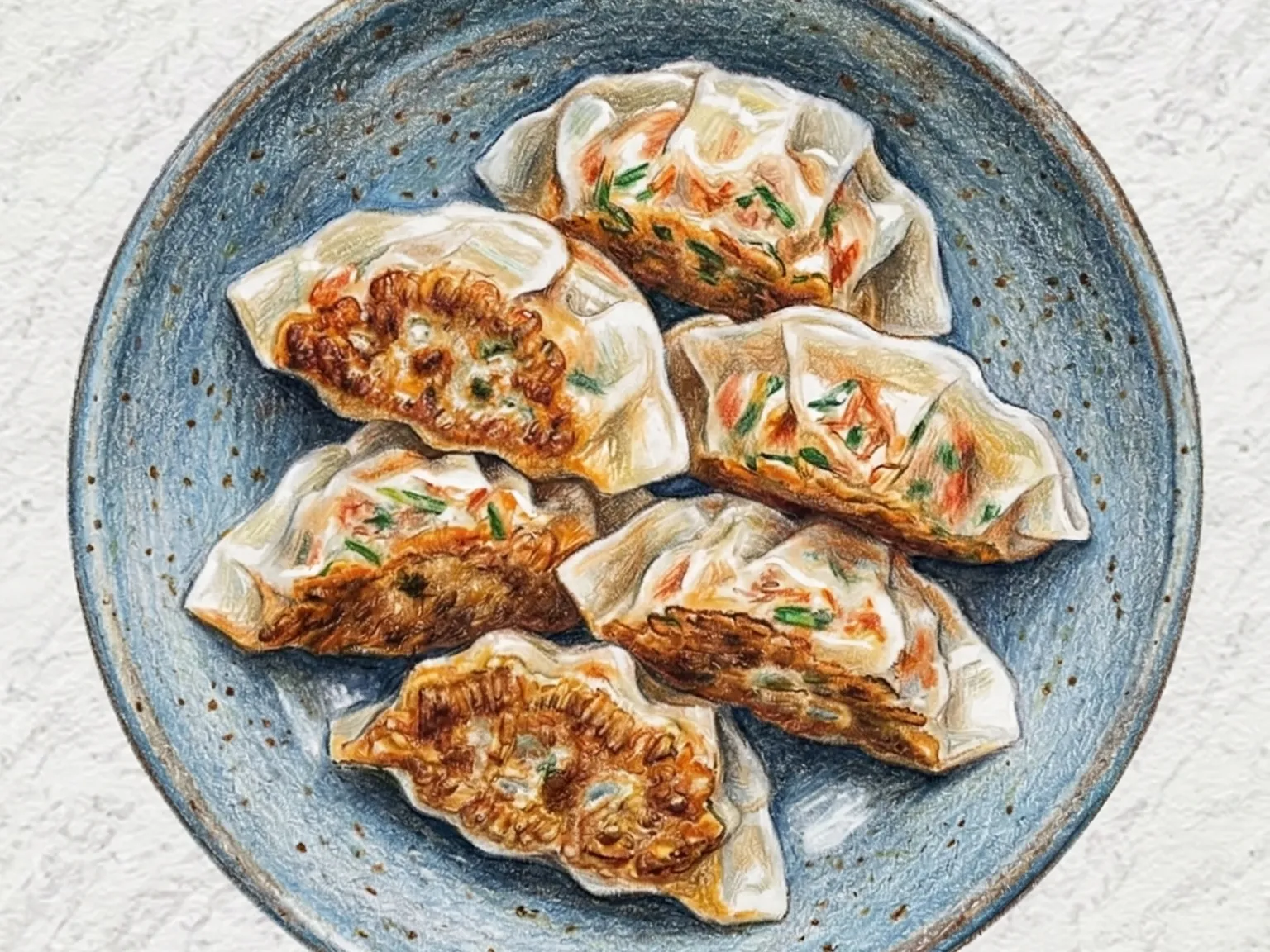
Kimchi gun mandu are pan-fried dumplings filled with finely chopped kimchi, squeezed tofu, ground pork, and green onion seasoned with soy sauce and garlic, shaped into half-moons. The bottoms are first crisped in oil, then water is added and the pan is covered for four minutes to steam the tops, achieving a contrast of crunchy base and moist upper wrapper. The kimchi's acidity and heat permeate the pork fat to create a more assertive umami than plain dumplings, and the tofu smooths out the filling's texture. A splash of vinegar in the soy dipping sauce cuts any greasiness.

🧒 Kid-Friendly 🏠 Everyday
Prep 20min Cook 12min 2 servings
Korean Stuffed Shiitake Jeon
Grilled Medium

Korean Stuffed Shiitake Jeon

Pyogo-jeon is a Korean holiday dish of fresh shiitake mushroom caps stuffed with seasoned ground pork, coated in flour and egg batter, and pan-fried until golden. After removing the stems, the inner surface of each cap is dusted with flour-this thin starch layer acts as glue that prevents the meat filling from separating during cooking. Placing the meat side down first allows the filling to set from the heat before flipping, so the stuffed mushroom holds its shape throughout. Three to four minutes per side over medium heat is enough to turn the egg coating golden-brown while cooking the pork through completely. The shiitake's deep, earthy umami merges with the pork juices inside the sealed egg shell, delivering a concentrated savory bite.

🍺 Bar Snacks 🎉 Special Occasion
Prep 30min Cook 18min 4 servings