Recipes with pork shoulder

61 recipes. Page 2 of 3

Buy pork shoulder
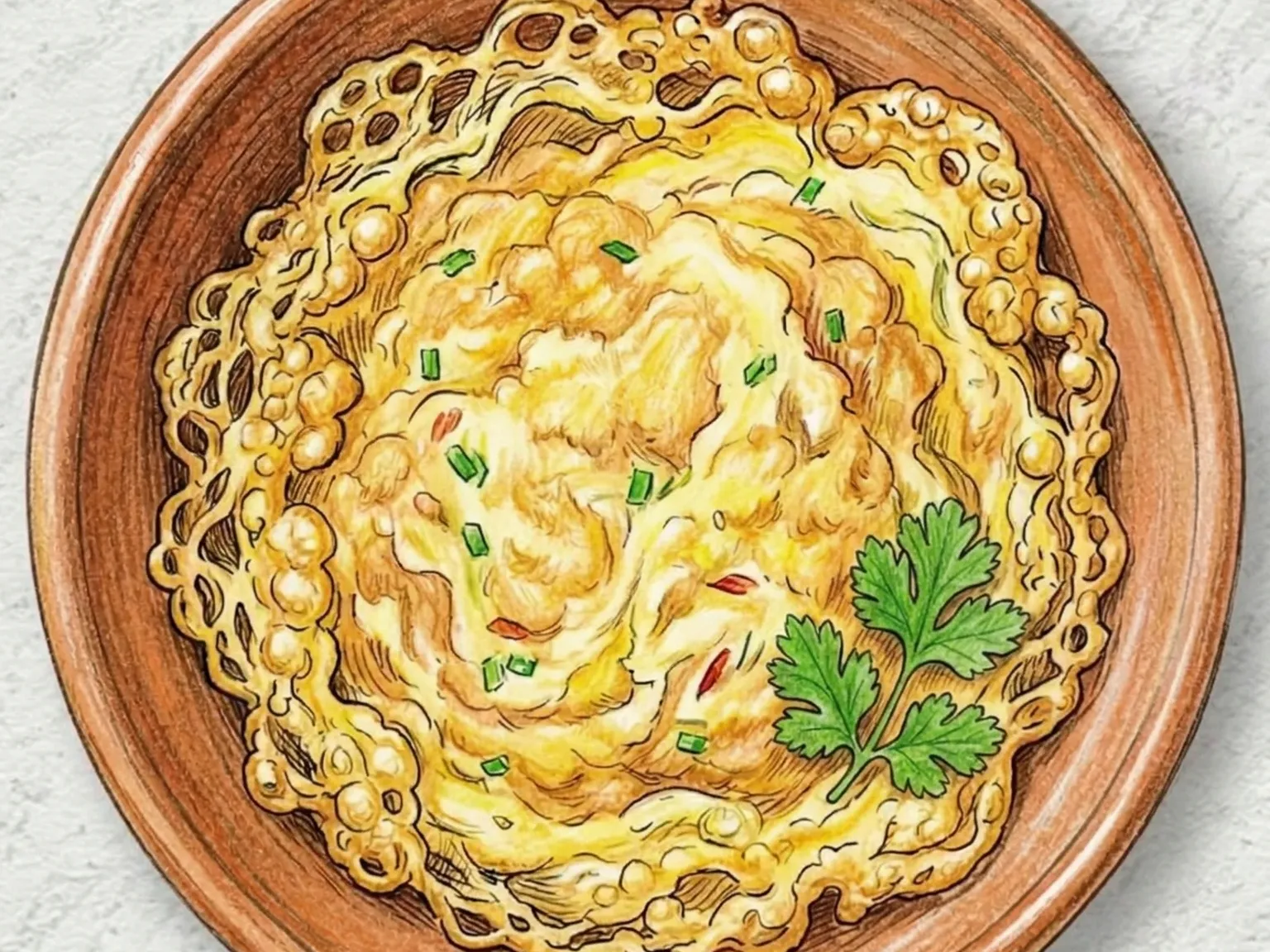
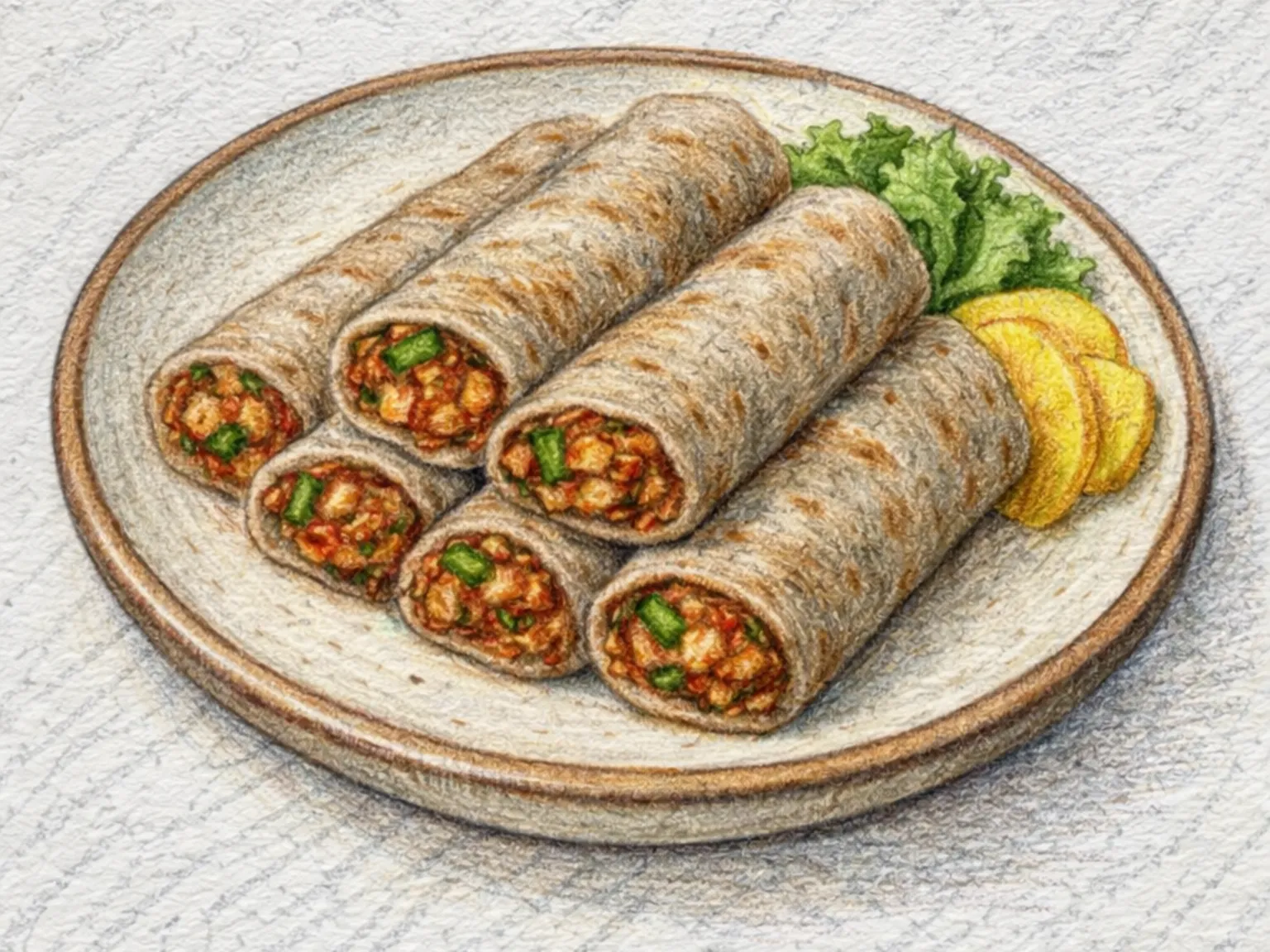
Korean Stuffed Perilla Leaf Pancakes
Pancakes Medium

Korean Stuffed Perilla Leaf Pancakes

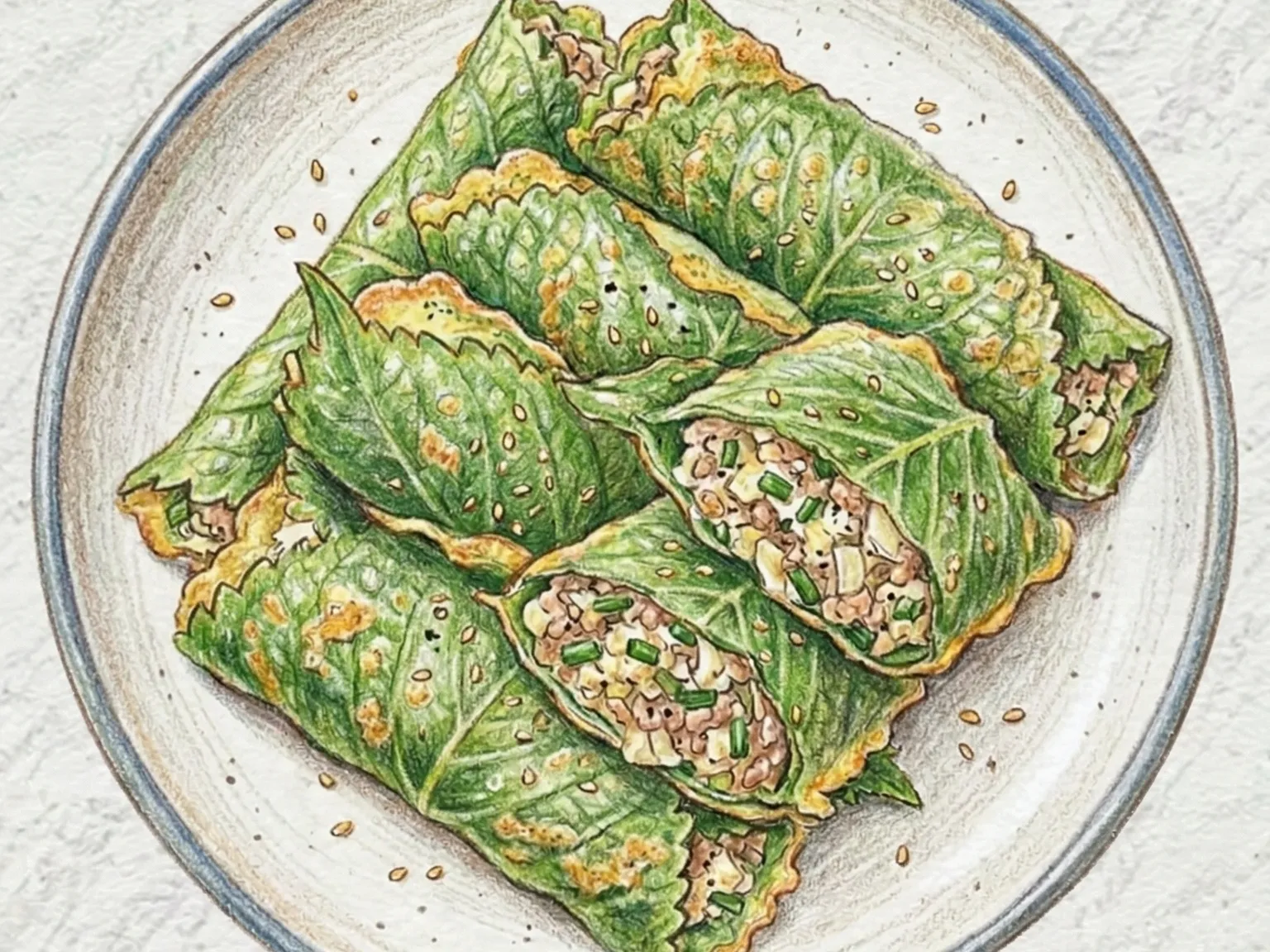
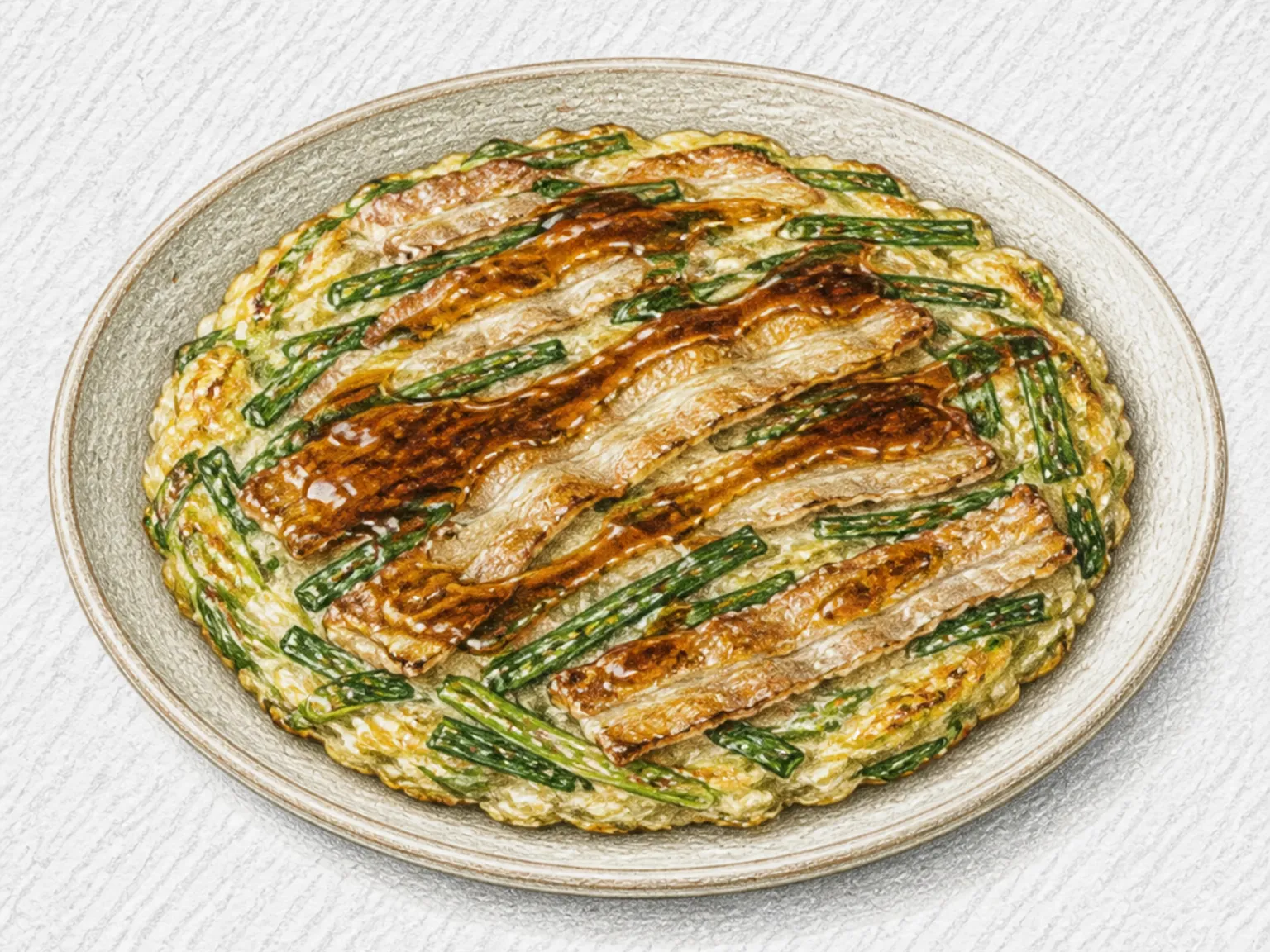
Kkae-ip-jeon are pan-fried perilla leaf parcels stuffed with a filling of ground pork and firm tofu, coated in flour and egg. The tofu must be squeezed dry in a cloth before mixing; excess moisture causes the filling to spread and stick to the pan. Garlic chives and onion add crunch and fragrance to the mix, and the filling seasoned with soy sauce and black pepper pairs cleanly with the perilla's strong herbal character. Dusting with flour first, then dipping in egg, produces an even coating, and frying covered over medium-low heat for two minutes per side ensures the filling is cooked through to the center. The bite-sized pieces work well as a packed lunch side or as bar food.

🍺 Bar Snacks 🎉 Special Occasion
Prep 22min Cook 12min 2 servings
Korean Potato Stew (Pork & Potato Spicy Gochujang Pot)
Stews Easy

Korean Potato Stew (Pork & Potato Spicy Gochujang Pot)

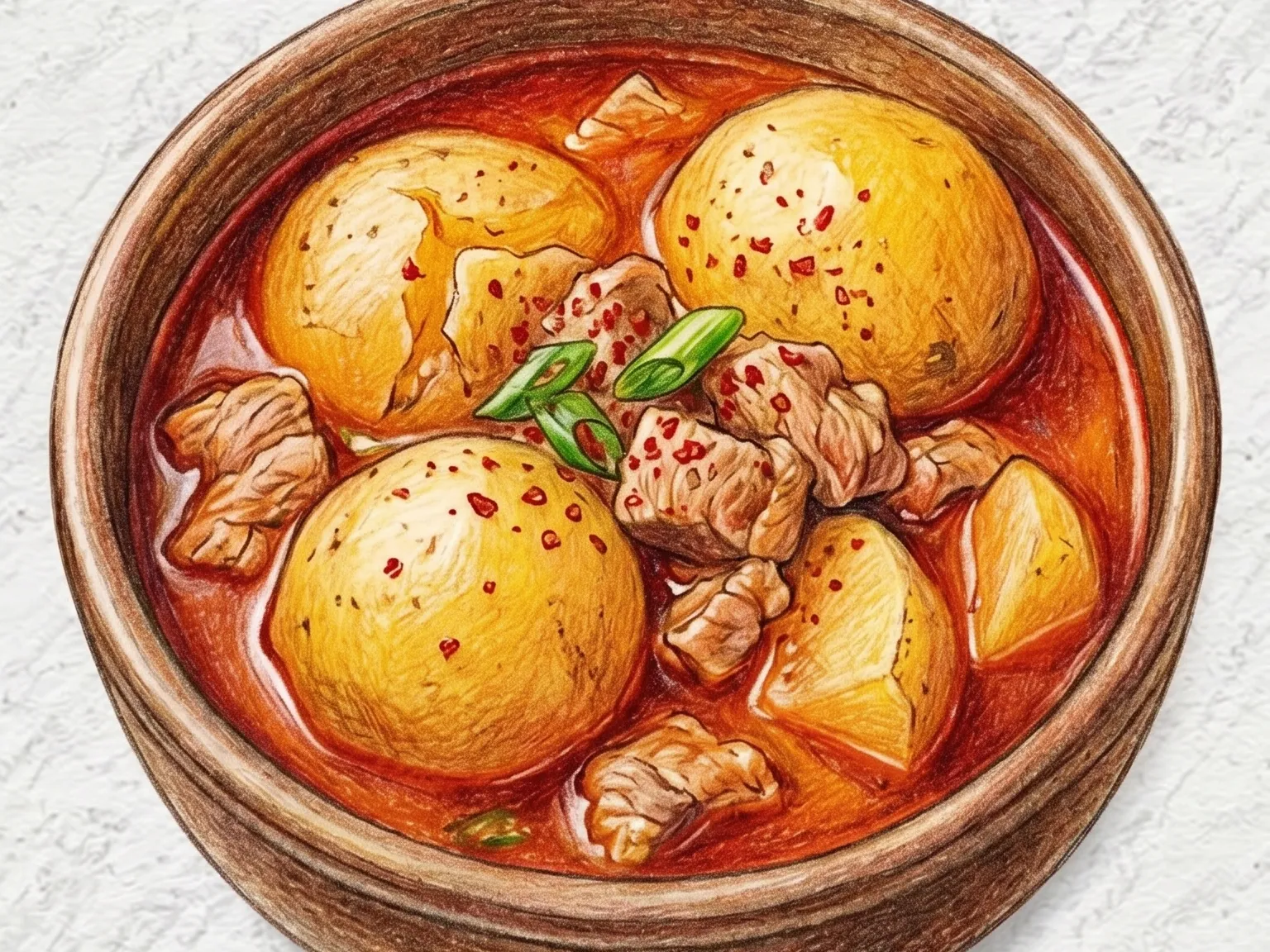
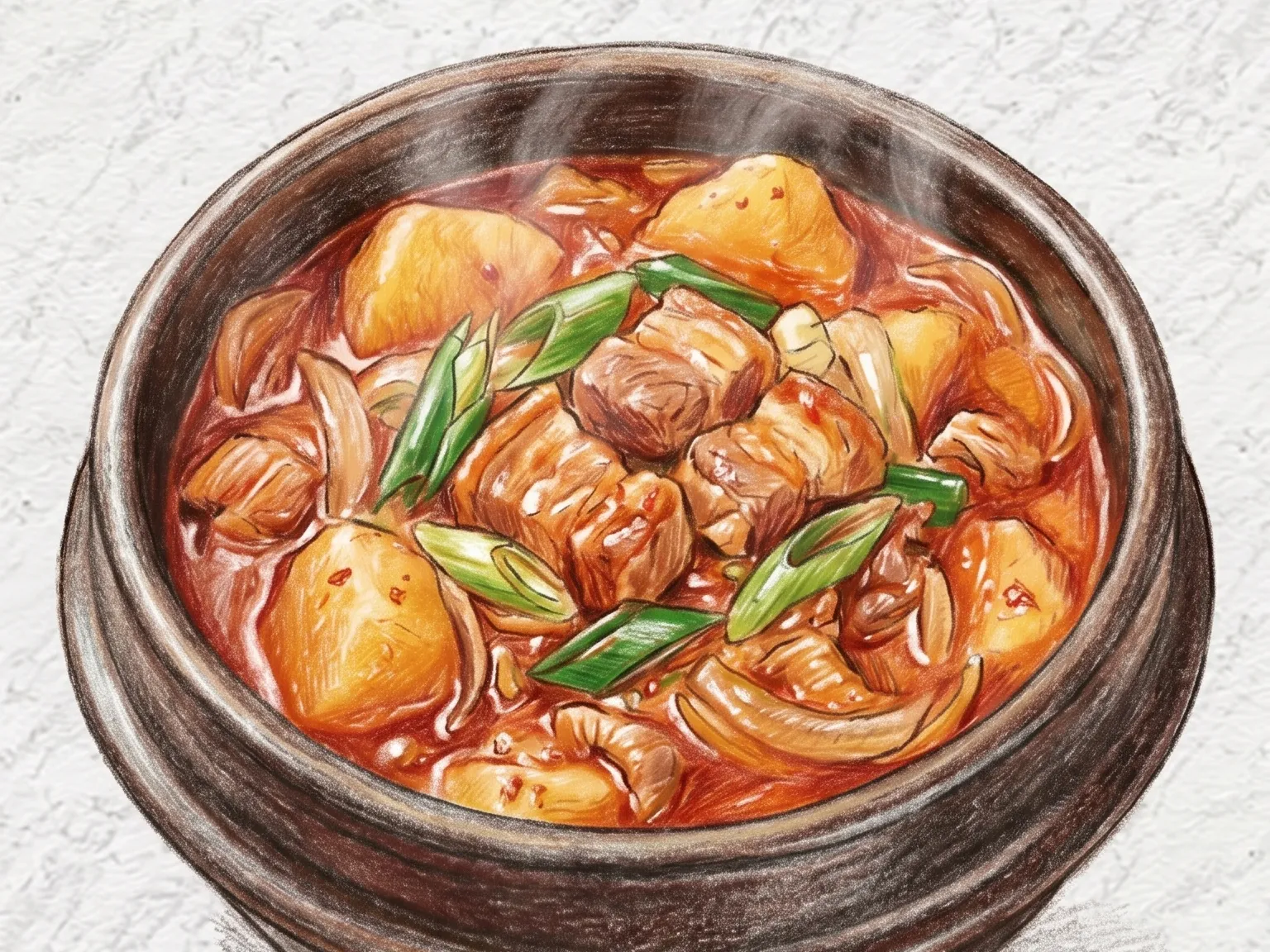
Gamja-jjigae is a straightforward Korean stew of potatoes and pork seasoned with gochujang and gochugaru. The potatoes are added in large pieces and cooked until completely soft, releasing starch into the broth as they break down and giving the liquid a naturally thick, hearty consistency without any thickening agent. Pork provides a mild, clean meatiness that anchors the stew without overwhelming it, while the gochujang contributes a fermented depth and slight sweetness and the gochugaru adds a sharper, drier heat. The seasoning builds gradually as the ingredients cook together, and by the time the potatoes are done the broth has absorbed the flavors from both the meat and the chili paste. With a short ingredient list and no complex steps, this is a reliable home-style stew that comes together quickly.

🏠 Everyday
Prep 10min Cook 25min 2 servings
Thai Five-Spice Braised Pork and Eggs
Steamed Medium

Thai Five-Spice Braised Pork and Eggs

Moo palo is a Thai home-cooked braise of pork belly and soft-boiled eggs simmered slowly in a sauce built from soy sauce, palm sugar, and five-spice powder. The palm sugar goes into a dry pot first, caramelized until it turns a deep amber before the pork is added, which gives the meat a rich lacquered surface rather than a pale stew color. Five-spice powder draws together cinnamon, star anise, clove, fennel seed, and Sichuan pepper into a layered fragrance that permeates the braising liquid from the start, setting moo palo apart from simpler soy-based stews. Peeled eggs submerged in the liquid take on a uniform mahogany tint as they cook, absorbing the seasoning all the way to the yolk over the long simmer. Pork belly or shoulder with a good ratio of fat to lean is the right cut here, as the fat melts into the liquid and keeps the meat from drying out during the extended cooking time. Spooned over a bowl of steamed jasmine rice, the braise delivers a warm, sweet-salty depth punctuated by gentle spice heat, the kind of satisfying everyday meal that is central to Thai home cooking.

🎉 Special Occasion
Prep 20min Cook 70min 4 servings
Korean Black Bean Noodles
Noodles Medium

Korean Black Bean Noodles

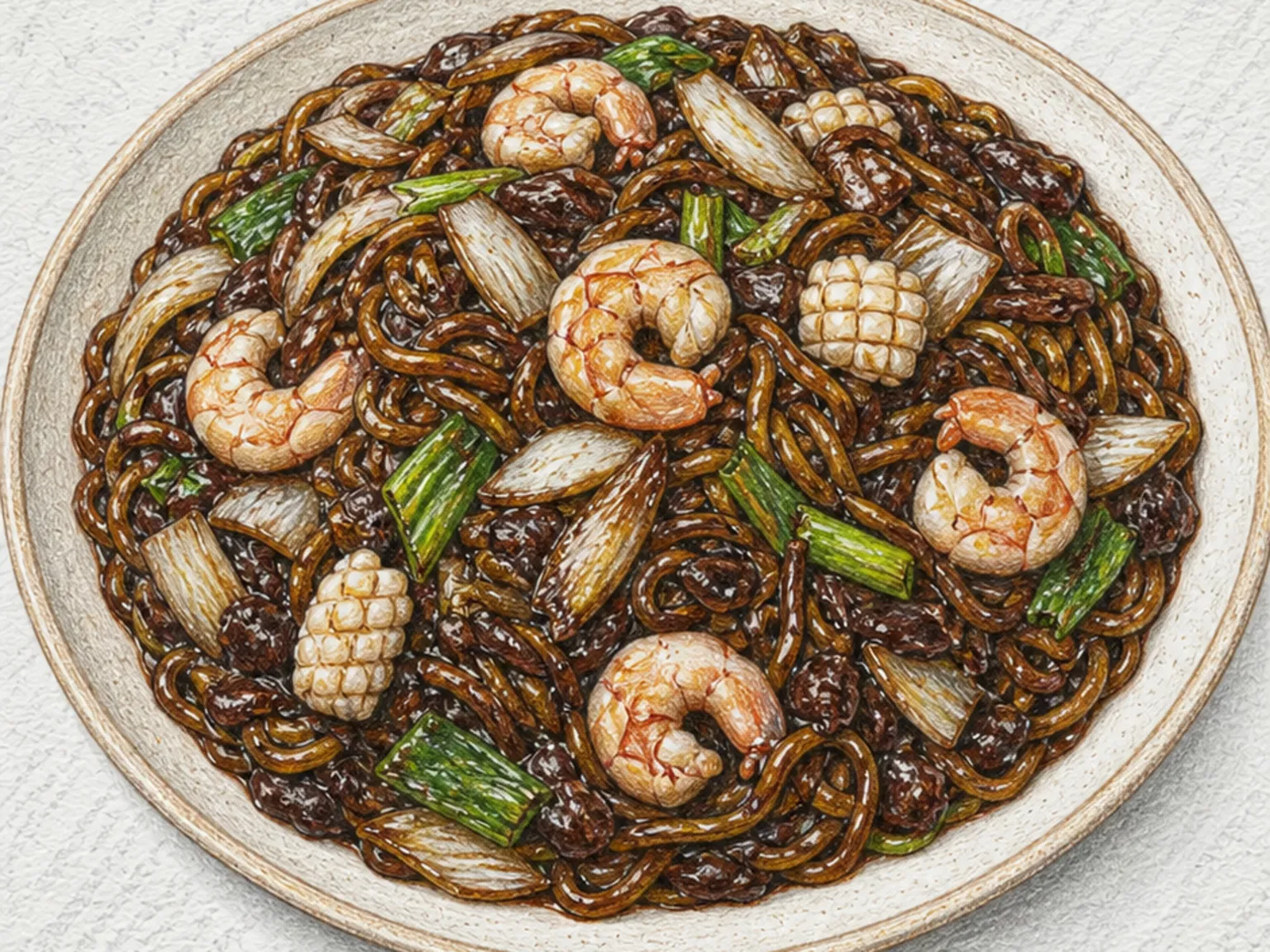
Jjajangmyeon is Korea's most iconic Chinese-Korean noodle dish, featuring thick, chewy wheat noodles buried under a glossy black sauce built from chunjang, a fermented black bean paste. Frying the paste in a generous amount of oil is the foundational step: the raw, slightly bitter edge of the chunjang burns off and transforms into a mellow, toasty sweetness that forms the soul of the dish. Diced pork belly, onion, potato, and zucchini are stirred into the oil-fried paste and cooked until soft, contributing natural sweetness and body to the sauce. A starch slurry thickens the sauce to a dense, velvety consistency that clings to every strand of noodle without pooling at the bottom of the bowl. Shredded raw cucumber piled on top offers a cool, crisp contrast to the warm, sticky sauce. In Korean daily life, jjajangmyeon carries cultural weight well beyond its ingredients: it is the instinctive order on moving day, graduation day, and military send-off gatherings.

🏠 Everyday 🌙 Late Night
Prep 15min Cook 15min 2 servings
Bun Rieu (Vietnamese Crab and Pork Tomato Noodle Soup)
Asian Hard

Bun Rieu (Vietnamese Crab and Pork Tomato Noodle Soup)

Bun rieu is a Vietnamese noodle soup from the north built on two unconventional foundations: freshwater paddy crabs and fermented shrimp paste. Together they produce a broth of unusual complexity that is simultaneously sweet, savory, and funky in ways that fish-sauce-based soups are not. Small river crabs are pounded whole, shell and all, in a mortar, then mixed with water and strained through a sieve to extract a turbid, intensely crab-scented liquid. This liquid is heated gently over low flame until the crab proteins coagulate into a soft, custard-like mass that floats to the surface, forming the crab cake that defines the dish. Tomatoes are added to the simmering broth and break down over time, tinting it red and contributing a fruity acidity that balances the crab richness. Mam tom, the fermented shrimp paste, is kept tableside and stirred in individually according to each diner's tolerance for pungency. A single spoonful transforms the broth into something considerably more intense and complex. Rice vermicelli provides a neutral base, while fried tofu puffs absorb broth during cooking and release it in each bite. Morning glory greens add a vegetable counterpoint. In Hanoi, bun rieu vendors typically specialize in this one soup, ladling hundreds of bowls from a single pot each morning before selling out by noon.

🎉 Special Occasion 🌙 Late Night
Prep 25min Cook 40min 4 servings
Yu Xiang Eggplant (Sichuan Spicy Garlic Pork Eggplant)
Stir-fry Medium

Yu Xiang Eggplant (Sichuan Spicy Garlic Pork Eggplant)

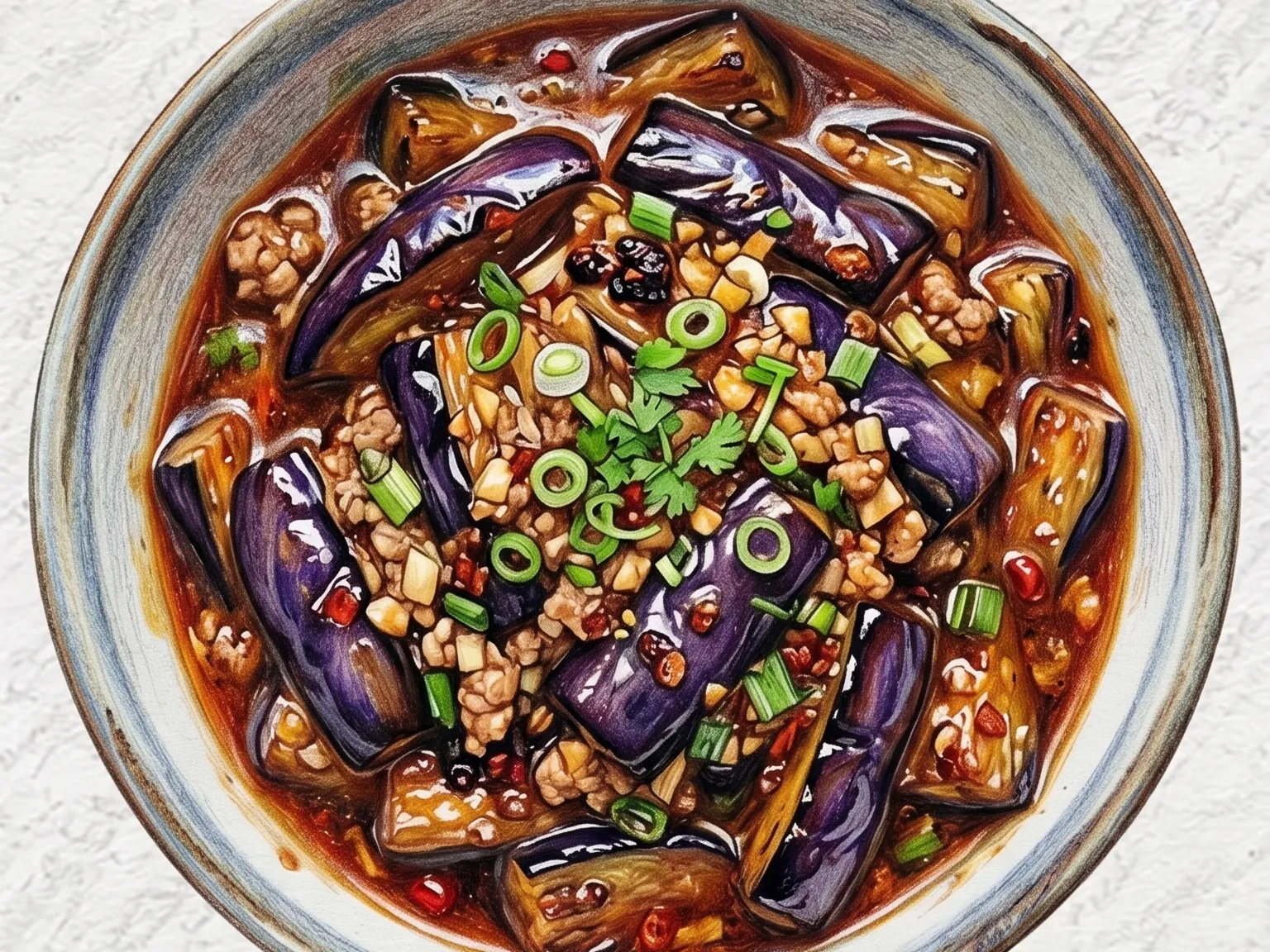
Yu Xiang Qiezi is a Sichuan-style eggplant stir-fry with ground pork, doubanjiang, black vinegar, and sugar. The eggplant is pre-fried to firm it up so it holds its shape in the sauce, while the pork and doubanjiang create a spicy, aromatic oil base. Soy sauce, vinegar, and sugar layer sweet and sour notes over the heat, producing the characteristic Yu Xiang flavor profile. Garlic and ginger add fragrance, and the eggplant absorbs the sauce deeply so every bite releases a concentrated burst of seasoning.

🏠 Everyday 🌙 Late Night
Prep 15min Cook 12min 2 servings
Korean Kimchi Pork Crispy Dumplings
Street food Medium

Korean Kimchi Pork Crispy Dumplings

Kimchi pork gunmandu are pan-fried dumplings with a filling of ground pork, well-drained kimchi, garlic chives, firm tofu, soy sauce, garlic, and sesame oil. The near-equal ratio of 180g pork to 150g kimchi puts the kimchi's fermented tang front and center. Garlic chives add a sharp, onion-like depth, and the tofu absorbs excess moisture from the filling to prevent wrapper breakage. The dumplings are first pan-fried to crisp the bottoms, then steamed with a splash of water, and finished uncovered to evaporate remaining liquid.

🍺 Bar Snacks 🧒 Kid-Friendly
Prep 25min Cook 12min 2 servings
Korean Grilled Tteokgalbi Patties
Grilled Medium

Korean Grilled Tteokgalbi Patties

Ground beef and ground pork are combined in a two-to-one ratio with finely diced onion (squeezed dry), soy sauce, sugar, minced garlic, sesame oil, and breadcrumbs, then kneaded for at least three minutes until the mixture develops a sticky, elastic consistency. Thick oval patties are seared four minutes per side on medium heat, then finished on low for three to four more minutes, resulting in a caramelized exterior and a moist center. The blend of beef and pork creates a more layered flavor than either meat alone - the beef brings depth while the pork adds fat and smoothness. These patties hold up well at room temperature, making them a staple for Korean lunch boxes.

🍺 Bar Snacks 🍱 Lunchbox
Prep 25min Cook 16min 4 servings
Korean Jjageuli Pork Stew
Stews Easy

Korean Jjageuli Pork Stew

Jjageuli jjigae is a Korean pork and potato stew characterized by its thick, reduced broth and spicy seasoning. The cooking process starts by searing diced pork over high heat to render its fat, then stir-frying it with gochujang, chili flakes, and soy sauce to build a flavorful base. Thickly diced potatoes and water are added to the pot and simmered. As the potatoes cook and break down, their natural starches dissolve into the liquid, thickening it into a rich sauce. Onions are simmered in the pot to add sweetness, and green onions are stirred in during the final minute of cooking to release their aroma. Unlike typical soupy stews, this dish is intentionally reduced to a concentrated consistency. This makes it ideal for spooning over warm rice and mixing together as a hearty meal.

🍺 Bar Snacks 🏠 Everyday
Prep 15min Cook 25min 2 servings
Korean Steamed Stuffed Squid
Steamed Hard

Korean Steamed Stuffed Squid

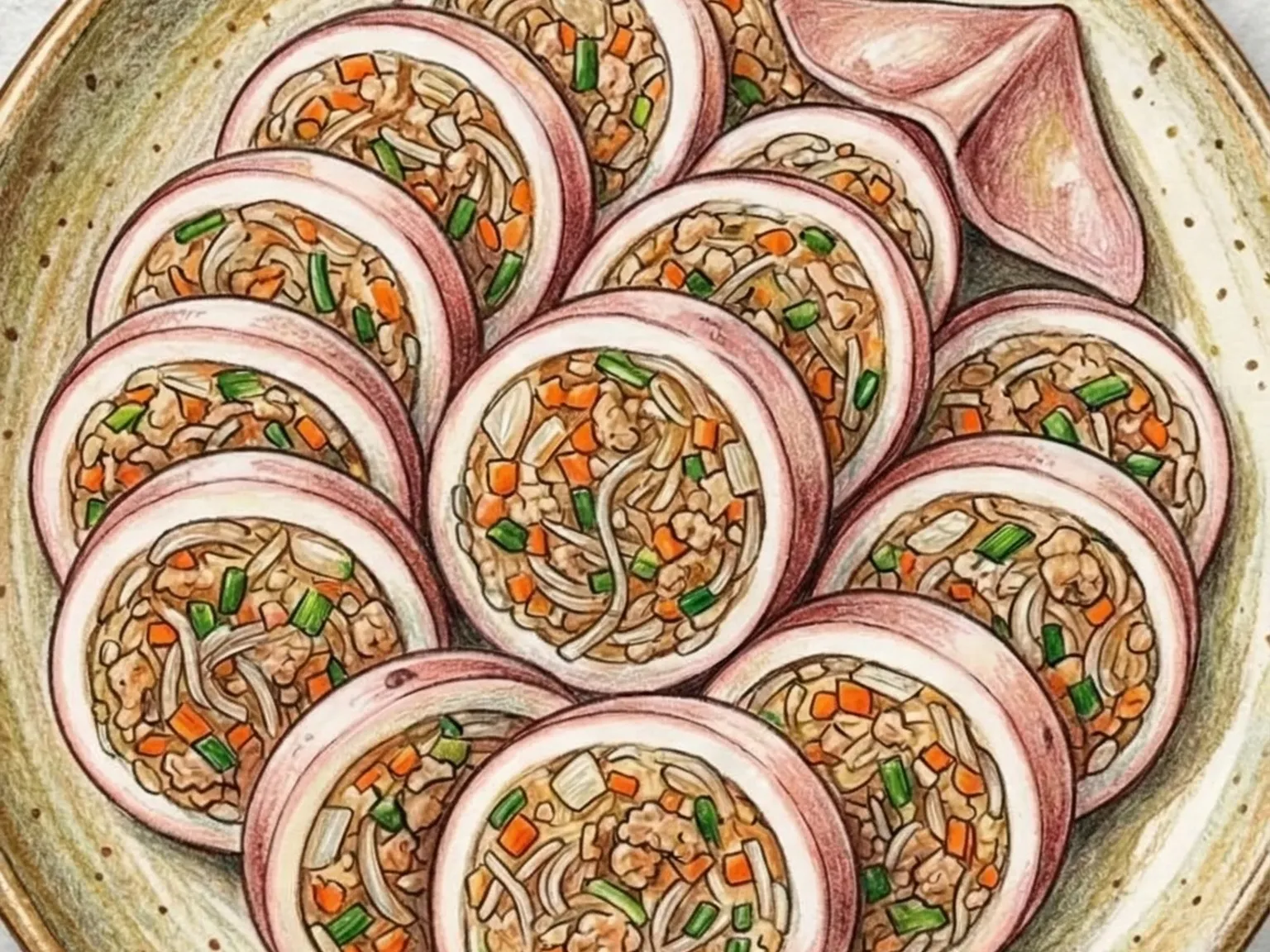
Ojingeo sundae jjim is a Korean stuffed squid dish from the Gangwon-do region, where whole squid bodies are filled with a mixture of glass noodles, ground pork, onion, carrot, and garlic chives, then steamed. The chewy squid exterior encases a moist, savory stuffing that melds together during cooking. Soy sauce and sesame oil in the filling season it from within, and the squid's own moisture keeps everything from drying out. Slicing the squid after a brief rest reveals clean, attractive cross-sections with the noodles and vegetables visible inside. This dish is a common choice for home gatherings where a visually striking centerpiece is wanted.

🎉 Special Occasion 🍺 Bar Snacks
Prep 25min Cook 20min 3 servings
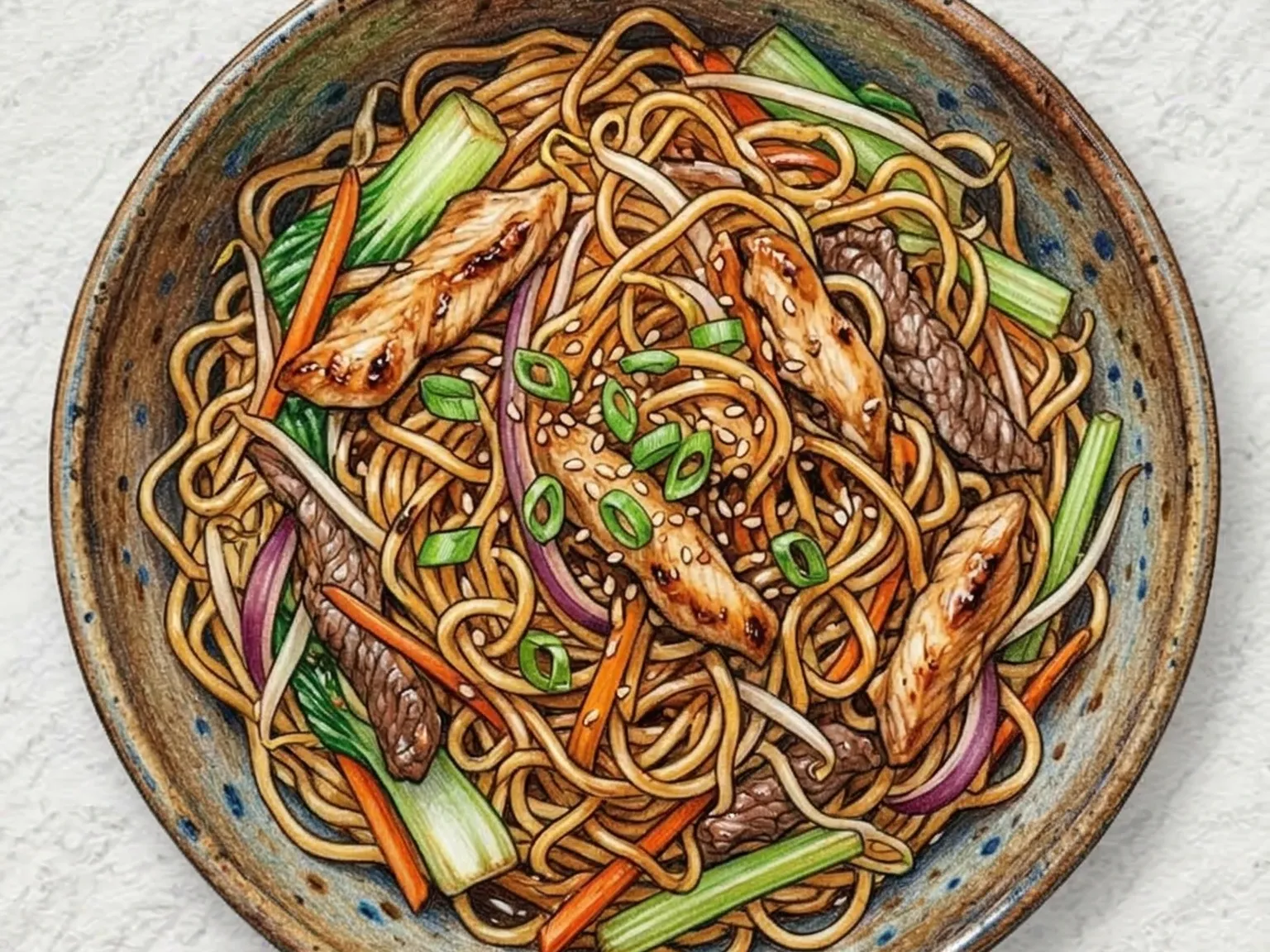
Mazesoba (Japanese Brothless Mixed Noodles with Minced Pork)
Noodles Medium

Mazesoba (Japanese Brothless Mixed Noodles with Minced Pork)

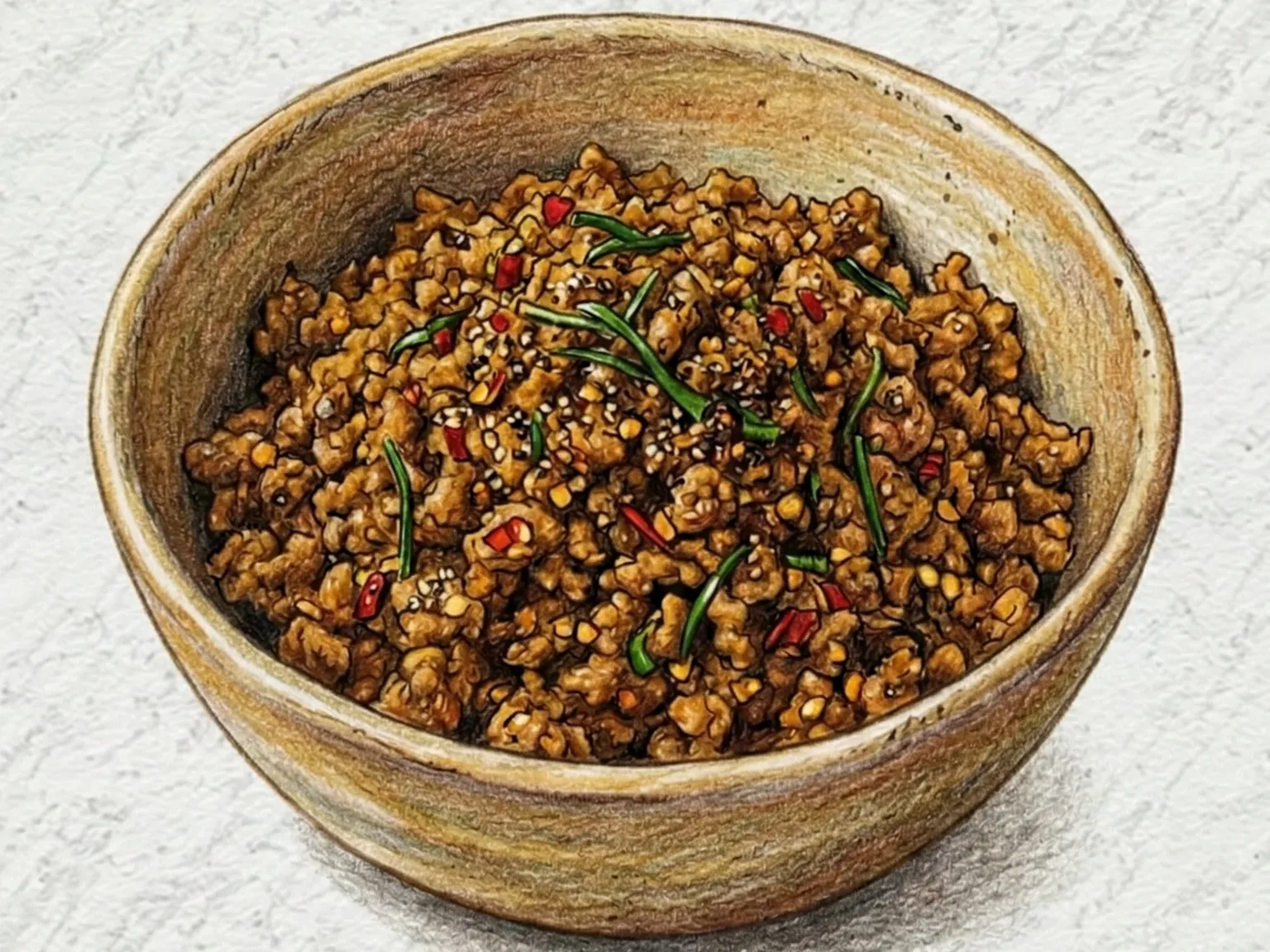
Ground pork and garlic are fried in chile oil and reduced with soy sauce and mirin for a meat topping over hot thick ramen. Add chives, scallion, seaweed, fish powder, and egg yolk, then mix everything thoroughly just before eating.

🏠 Everyday 🍱 Lunchbox
Prep 20min Cook 15min 2 servings
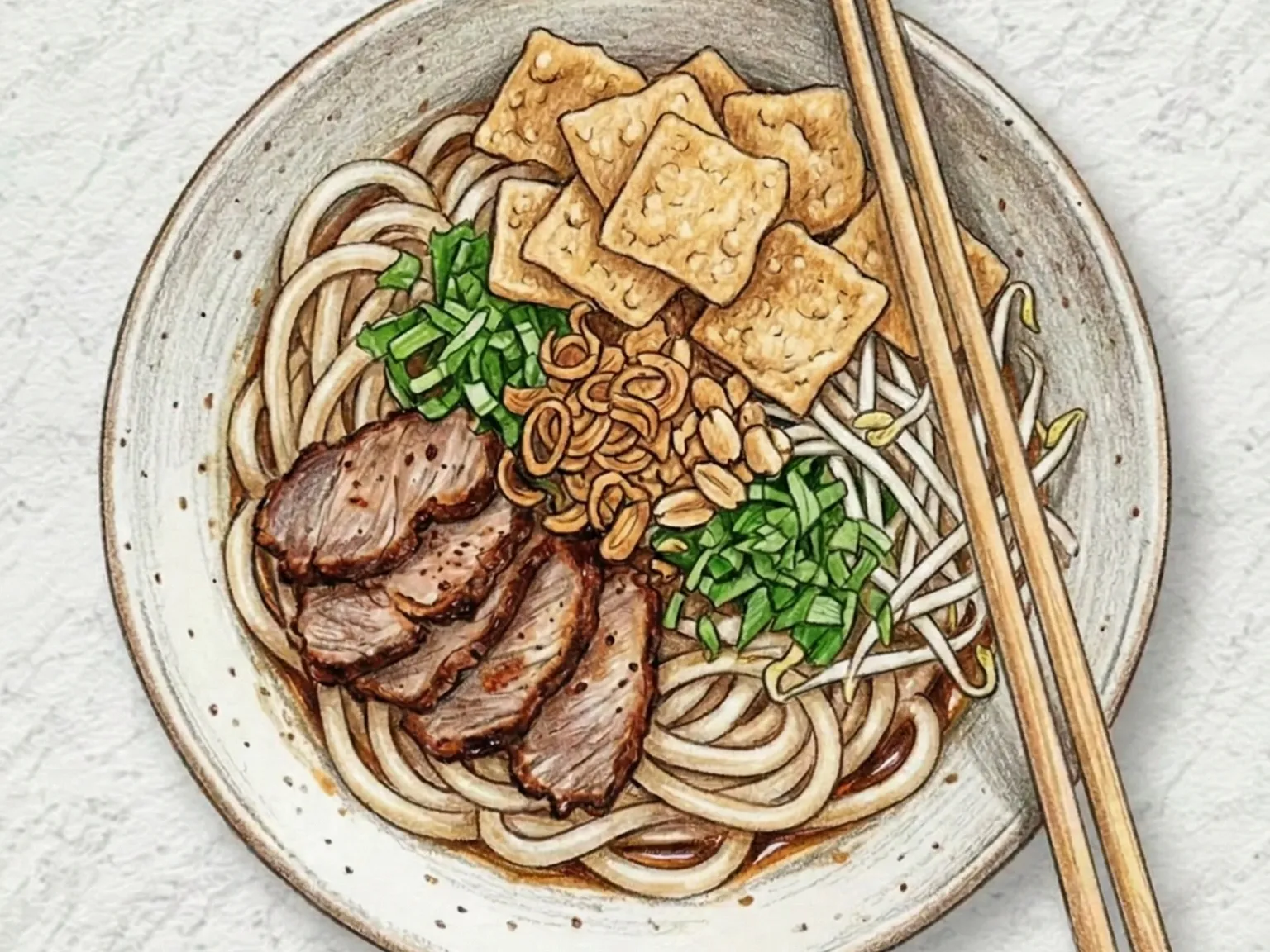
Cao Lau (Hoi An Chewy Rice Noodles with Braised Pork)
Asian Medium

Cao Lau (Hoi An Chewy Rice Noodles with Braised Pork)

Cao lau is a dish with a single origin: Hoi An, a UNESCO-designated port town on Vietnam's central coast. Its defining characteristic is the noodle, which was traditionally prepared using water drawn from a specific ancient Cham well and lye derived from the ash of trees grown on the nearby Cham Islands. The combination of that mineral-rich water and alkaline lye gives the noodles a firm, dense chew and a distinctive amber color that no other Vietnamese noodle shares. Sliced pork braised in soy sauce, five-spice, and sugar until the exterior deepens and caramelizes is the main protein, placed on top of the noodles along with a handful of fresh herbs, crunchy bean sprouts, and torn pieces of fried wonton skin that have been crisped separately. Only a small amount of the pork braising liquid is spooned over the bowl - cao lau is a dry noodle dish, not a soup, and the absence of broth is essential to how the textures work together, each component staying distinct rather than softening in liquid. The flavors encoded in the dish are a record of the trading cultures that moved through Hoi An over several centuries: the soy-based braising sauce reflects Japanese culinary influence, the five-spice points to Chinese cooking traditions, and the abundant fresh herb garnish is unmistakably Vietnamese. The result is a dish whose full identity cannot be separated from its place of origin, making it one of the most geographically specific preparations in Southeast Asian cuisine.

🎉 Special Occasion 🍱 Lunchbox
Prep 20min Cook 30min 2 servings
Korean Street Burger (Soy-Garlic Beef Pork Patty in a Bun)
Street food Easy

Korean Street Burger (Soy-Garlic Beef Pork Patty in a Bun)

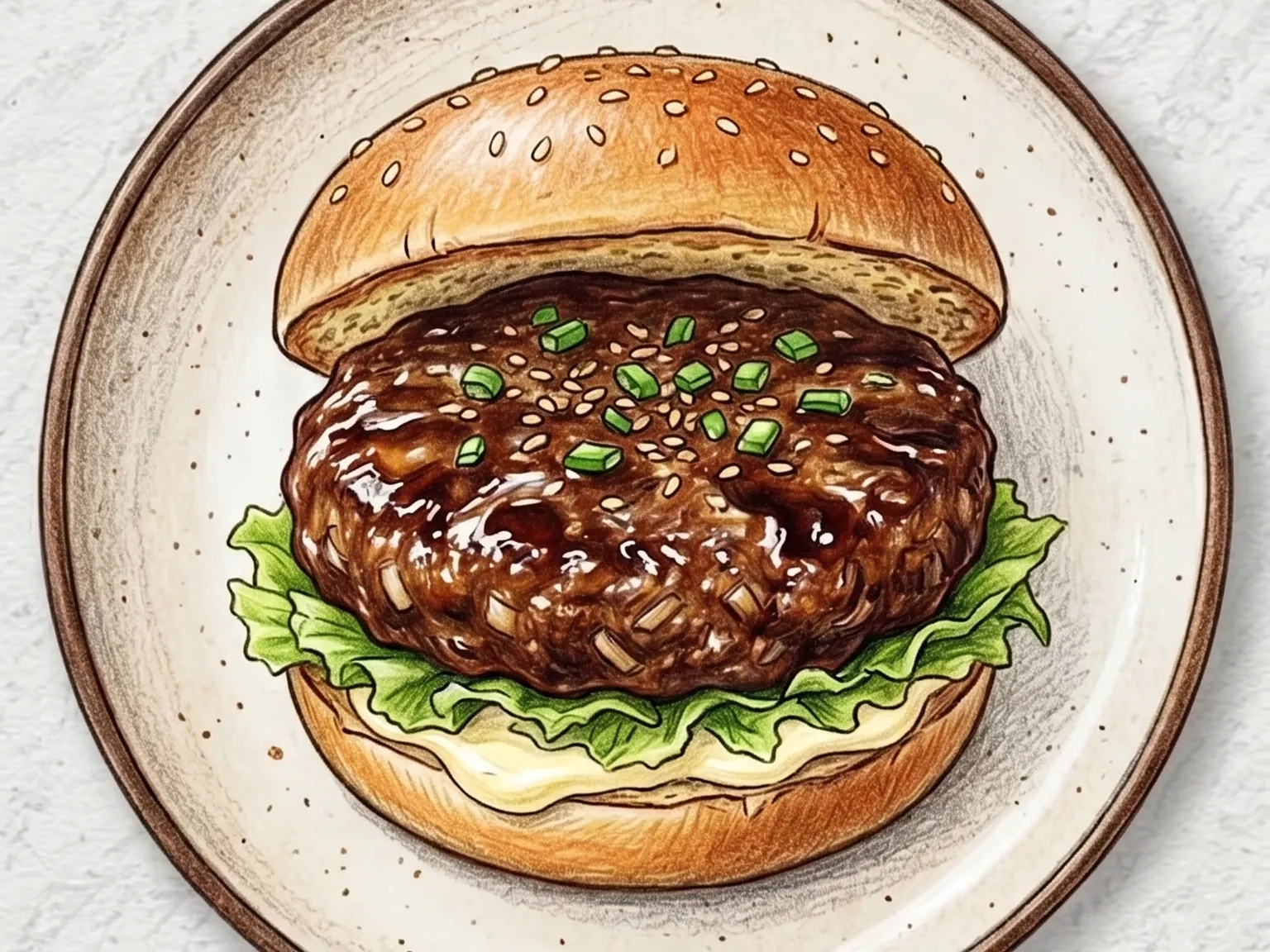
Tteokgalbi burger takes the flavors of traditional Korean grilled short-rib patties and fits them into a handheld bun format. Ground beef and pork are seasoned with soy sauce, sugar, minced garlic, and sesame oil, then shaped into flat patties and pan-seared over medium heat. Finely diced onion worked into the meat traps moisture during cooking, keeping the interior juicy even as the surface builds a caramelized crust from the soy-sugar marinade. That thin, browned exterior replicates the glossy lacquer that distinguishes proper tteokgalbi from a plain beef patty, delivering a sweet-savory depth without additional condiments. A toasted bun spread with mayonnaise and lined with crisp lettuce gives the rich patty a cool, crunchy counterpart. A small drizzle of soy glaze over the top just before serving intensifies the lacquered finish and ties the whole sandwich back to its Korean origins.

🧒 Kid-Friendly 🌙 Late Night
Prep 20min Cook 15min 2 servings
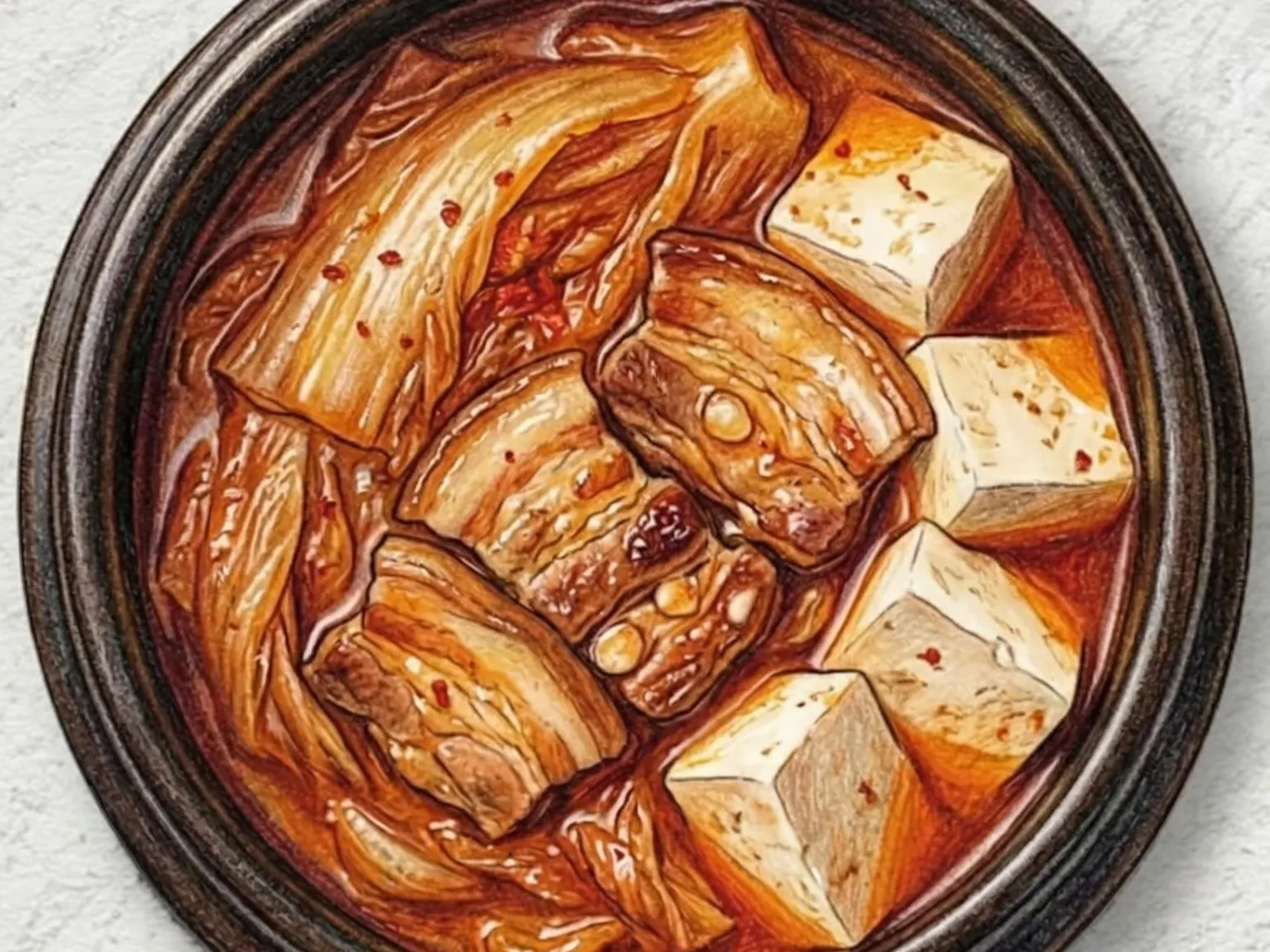
Korean Aged Kimchi Stew (Deep-Fermented Pork Belly Broth)
Stews Easy

Korean Aged Kimchi Stew (Deep-Fermented Pork Belly Broth)

Mugeunji jjigae is a traditional Korean stew featuring deeply aged and fermented kimchi cooked with pork belly and tofu. The preparation begins by stir-frying sliced pork belly in a pot for a few minutes until the rich pork fat renders out. The aged kimchi is then added and stir-fried in the pork fat, which helps to soften its sharp, pungent acidity. Water and red pepper flakes are introduced to the pot, and the mixture is brought to a boil. It is essential to simmer the stew over medium heat for at least twenty minutes; this extended cooking time draws the deep, sour flavors from the fermented kimchi into the broth. Finally, sliced tofu is placed in the pot and simmered briefly to absorb the spicy and savory liquid without breaking. The combination of rich pork fat and aged kimchi creates a complex flavor profile that requires no additional seasonings.

🍺 Bar Snacks 🏠 Everyday
Prep 10min Cook 30min 2 servings
Vietnamese Mi Quang (Turmeric Noodles with Pork and Shrimp)
Noodles Medium

Vietnamese Mi Quang (Turmeric Noodles with Pork and Shrimp)

Mi quang is a noodle dish from the Quang Nam province in central Vietnam, built on wide, turmeric-tinted rice noodles dressed with pork, shrimp, and a deliberately small amount of intensely concentrated broth. The defining characteristic of the dish is that ratio. Where most noodle soups are meant to be submerged, mi quang uses just enough broth to moisten the noodles, making it closer to a dressed noodle than a soup bowl. Pork is marinated in fish sauce and turmeric before cooking, which simultaneously tints the meat yellow and saturates it with fermented savory depth. Simmering it briefly with chicken stock draws out a small volume of broth with a concentrated, meaty intensity that would taste overwhelmingly strong on its own but calibrates perfectly when distributed across a full serving of noodles. Shrimp are kept separate and cooked quickly by sautéing or grilling rather than simmering, which keeps them springy rather than soft. The noodles are cooked, rinsed under cold water so they do not stick, and placed in a bowl before the meat, shrimp, and broth go on top. Bean sprouts add a raw crunch that contrasts directly with the soft noodles, while crushed roasted peanuts contribute a dry, nutty texture that absorbs some of the broth. A squeeze of lime at the end sharpens the entire flavor profile and balances the richness.

🎉 Special Occasion 🏠 Everyday
Prep 20min Cook 20min 2 servings
Cha Gio (Southern Vietnamese Crispy Rice Paper Spring Rolls)
Asian Medium

Cha Gio (Southern Vietnamese Crispy Rice Paper Spring Rolls)

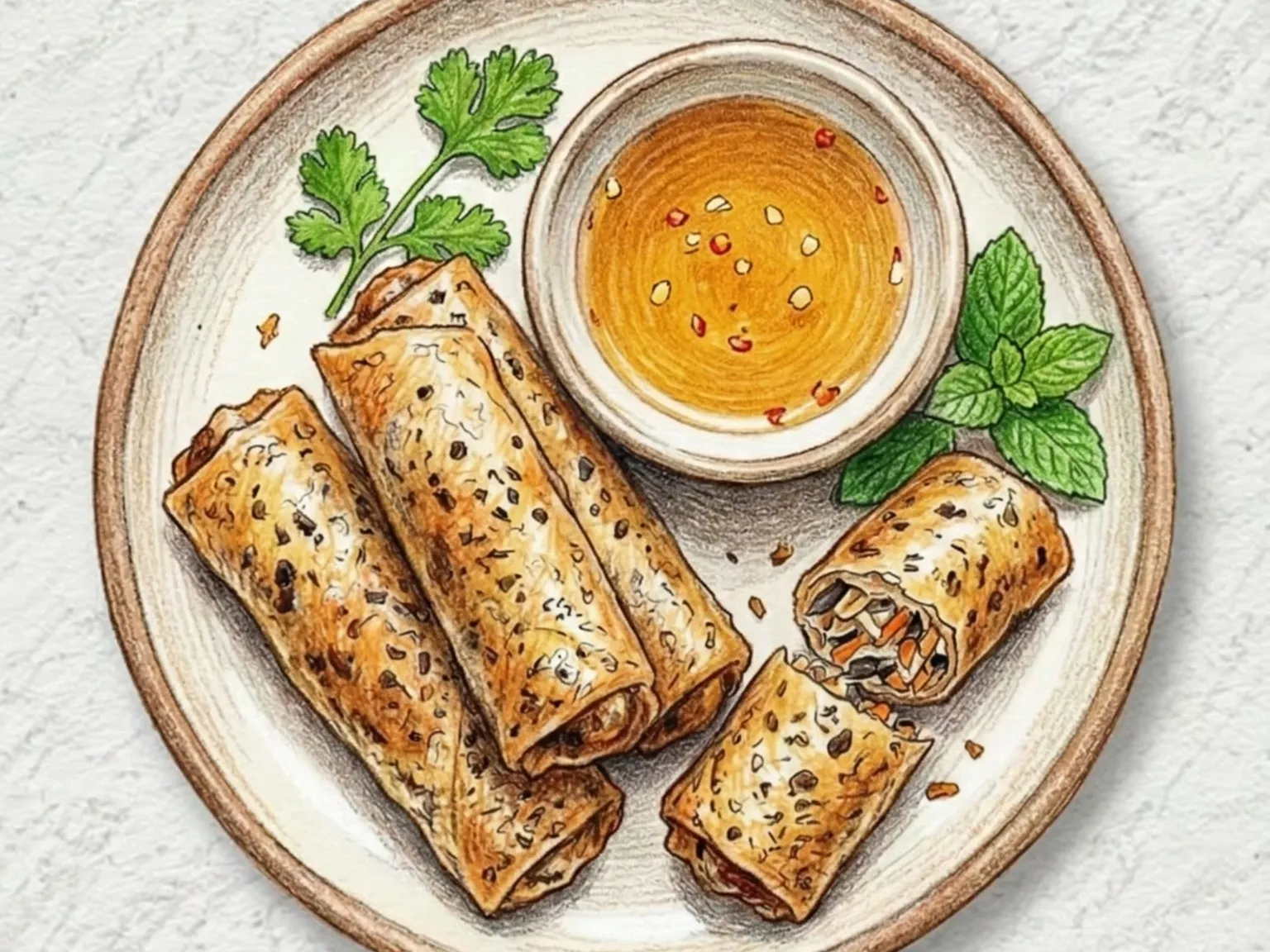
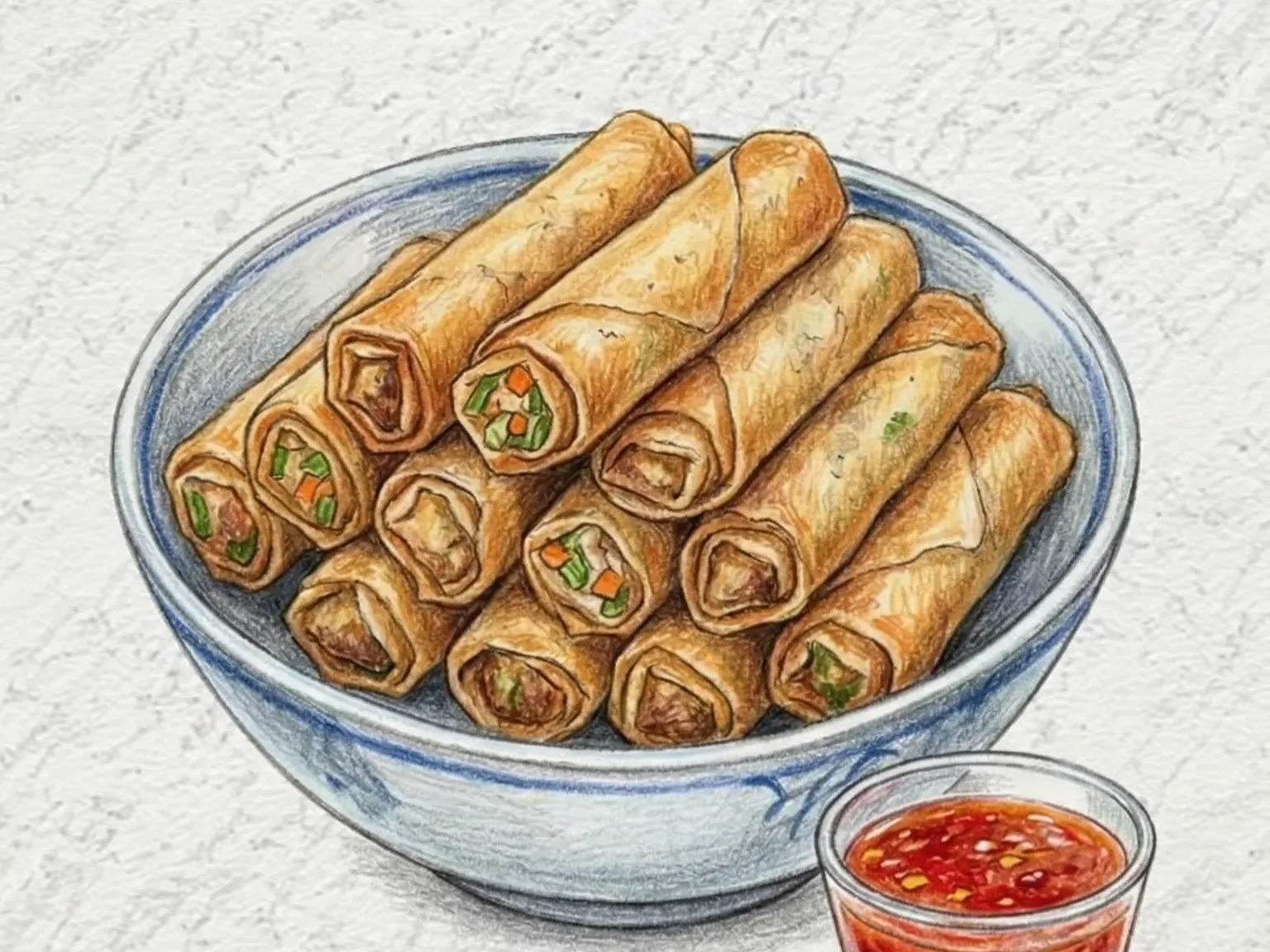
Cha gio are fried spring rolls from southern Vietnam, distinct from the north's nem ran in both wrapper and filling. Southern cooks use rice paper instead of wheat-based wrappers, which produces an exceptionally thin, blistered shell on frying - one that shatters with a louder, sharper crack than a Chinese egg roll. The filling is ground pork, shrimp, glass noodle threads, wood ear mushroom, and grated carrot, seasoned with fish sauce and black pepper. Rolling technique directly affects the result: too loose, and the roll bursts in the oil; too tight, and the filling compresses into a hard, dense core. Oil temperature is managed in two stages - the rolls go in at 160°C to cook the filling through without scorching the wrapper, then the heat rises to 180°C for a final crisping that leaves the shell nearly translucent. The traditional presentation is wrapped in mustard greens or lettuce with fresh mint, Thai basil, and perilla, then dipped in nuoc cham. In southern Vietnamese households, the Tet (Lunar New Year) preparation of cha gio is itself a ritual: the entire family gathers to roll hundreds at once, an act that marks the holiday as much as eating them does. Frozen unbaked rolls fry from frozen with almost no loss in texture.

🍺 Bar Snacks 🎉 Special Occasion
Prep 30min Cook 20min 4 servings
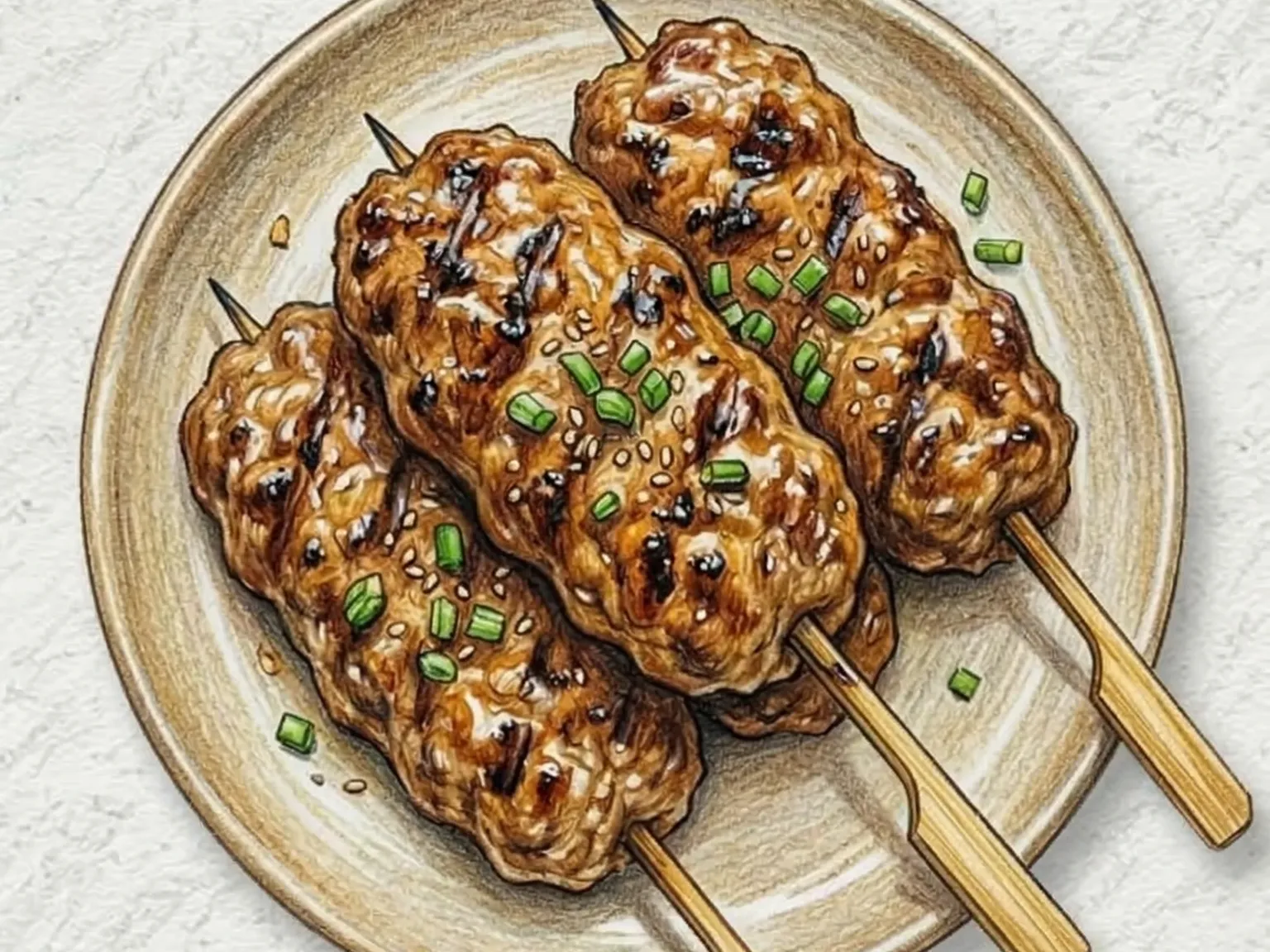
Korean Grilled Patty Skewers
Street food Medium

Korean Grilled Patty Skewers

Tteokgalbi-kkochi are skewered patties made from a thoroughly kneaded mixture of ground beef, ground pork, soy sauce, sugar, garlic, and sesame oil, shaped into ovals and threaded onto wooden skewers before grilling. A small amount of starch mixed into the meat and at least three full minutes of kneading are what give the mixture enough tackiness to stay firmly anchored to the skewer throughout cooking; skip either step and the patties slide or crack apart on the grill. Moistening your hands with water while shaping prevents the mixture from sticking and helps produce smooth, even ovals. Grilling over medium heat first develops a golden Maillard crust on both sides, then lowering the heat and continuing to cook allows the interior to reach the center without the outside drying out, concentrating the meaty flavor at the core. A thin brushing of soy-and-corn-syrup glaze applied just before flipping and again right before removing from the heat builds a glossy, sweet-salty lacquer on the exterior. Served alongside tteokbokki sauce or ketchup, the skewers carry the unmistakable energy of Korean street food stalls.

🍺 Bar Snacks 🧒 Kid-Friendly
Prep 25min Cook 15min 4 servings
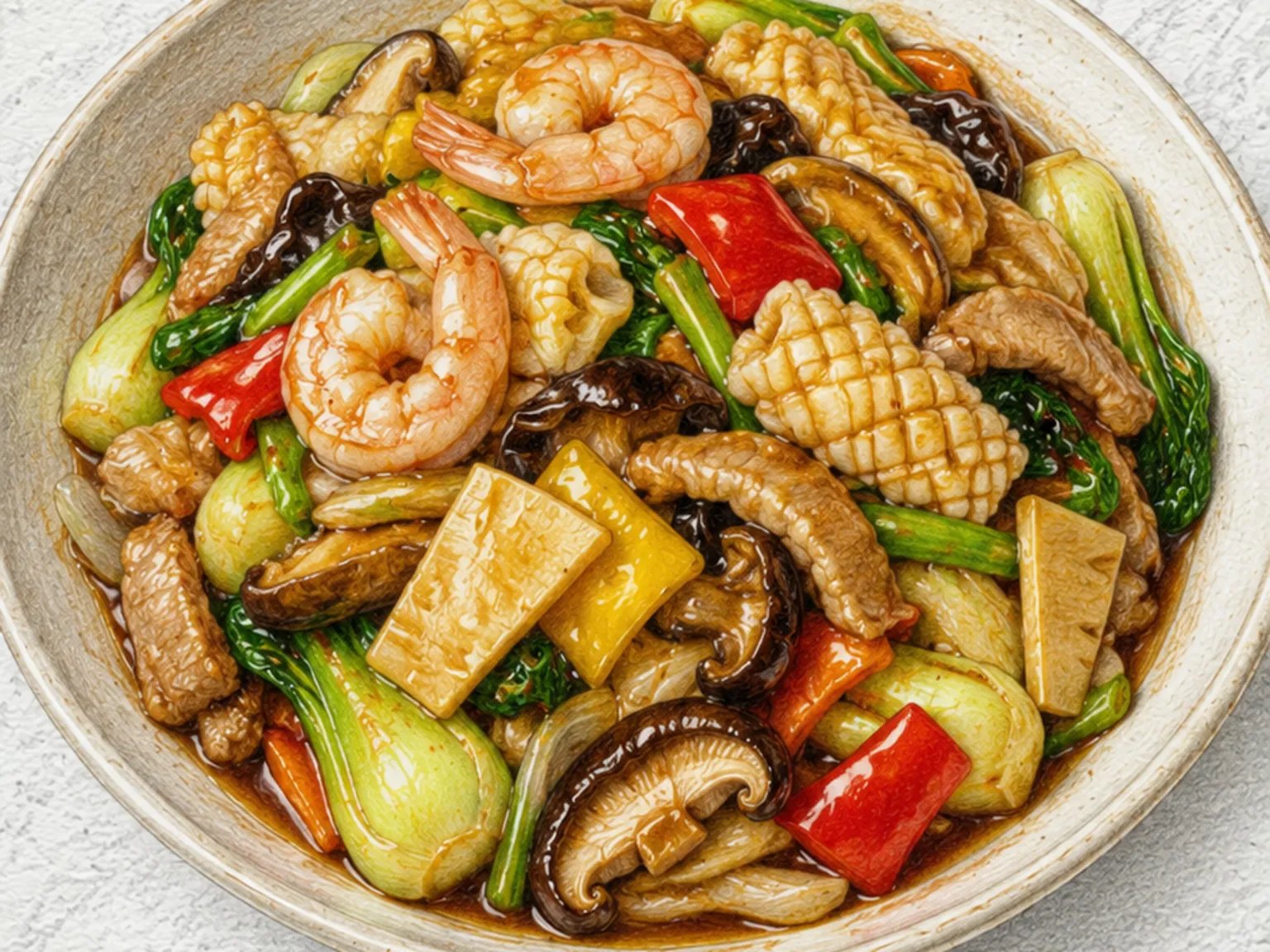
Nagasaki Champon
Noodles Medium

Nagasaki Champon

Nagasaki champon is a noodle dish built by stir-frying pork, shrimp, squid, clams, cabbage, bean sprouts, carrot, shiitake, and fish cake over high heat, adding a chicken-based seasoned broth, and simmering thick champon noodles in that soup. It is said to have begun in 1899 when Chin Heijun, owner of the Chinese restaurant Shikairo, cooked scraps of meat and vegetables with noodles and a substantial broth as an affordable, nourishing meal for Chinese students. Cooking the many ingredients in one wok and finishing the noodles directly in the broth lets their flavor enter both the soup and the chewy noodles.

🏠 Everyday
Prep 25min Cook 15min 2 servings
Sichuan Dry-Fried Green Beans
Asian Medium

Sichuan Dry-Fried Green Beans

Sichuan dry-fried green beans, gan bian si ji dou, showcase the dry-frying technique at the center of Sichuan home cooking. Beans are blistered in a scorching wok with little or no oil until their skins wrinkle and develop brown spots, a process that drives off moisture and concentrates the natural sweetness locked inside each pod. The exterior collapses from snappy and raw into something chewy and almost leathery, while the interior retains a slight give. Minced pork, ya cai (Sichuan preserved mustard greens), dried red chilies, and Sichuan peppercorns go in during the final minute. The pork adds meaty depth, the ya cai contributes a funky, saline punch, the chilies supply sustained heat, and the peppercorns deliver the characteristic numbing tingle known as ma la that coats every bean surface. If ya cai is unavailable, a spoonful of doubanjiang or finely chopped fermented cabbage provides a comparable layer of fermented salt. The finished dish holds a textural duality that belongs entirely to the gan bian method: tough skin outside, yielding core within. It appears on Chinese restaurant menus as a palate-cleansing vegetable course between heavier meat dishes, and it works just as well as a rice accompaniment or a cold-beer snack.

🍱 Lunchbox 🍺 Bar Snacks
Prep 12min Cook 12min 2 servings
Sara Udon (Crispy Noodles with Seafood Thick Sauce)
Noodles Medium

Sara Udon (Crispy Noodles with Seafood Thick Sauce)

Sara udon is a Nagasaki noodle dish in which a hot, thickened stir-fry of pork, shrimp, squid, and vegetables is poured over fine crispy noodles arranged on a plate. Pork cooks first, followed by carrot, cabbage, shrimp, and squid; kamaboko, bean sprouts, and shiitake are added afterward so their textures remain distinct. Water, soy sauce, chicken stock powder, and potato starch form a glossy sauce that settles between the brittle strands. The dish was created in 1899 by Chin Heijun of the Shikairo restaurant as a brothless version of chanpon. Nagasaki residents distinguish the original thick-noodle style from the more recent fine crispy style. This recipe follows the latter, so the sauce is poured on only at serving time to preserve contrast between crisp noodles and soft topping.

🏠 Everyday 🧒 Kid-Friendly
Prep 25min Cook 15min 2 servings
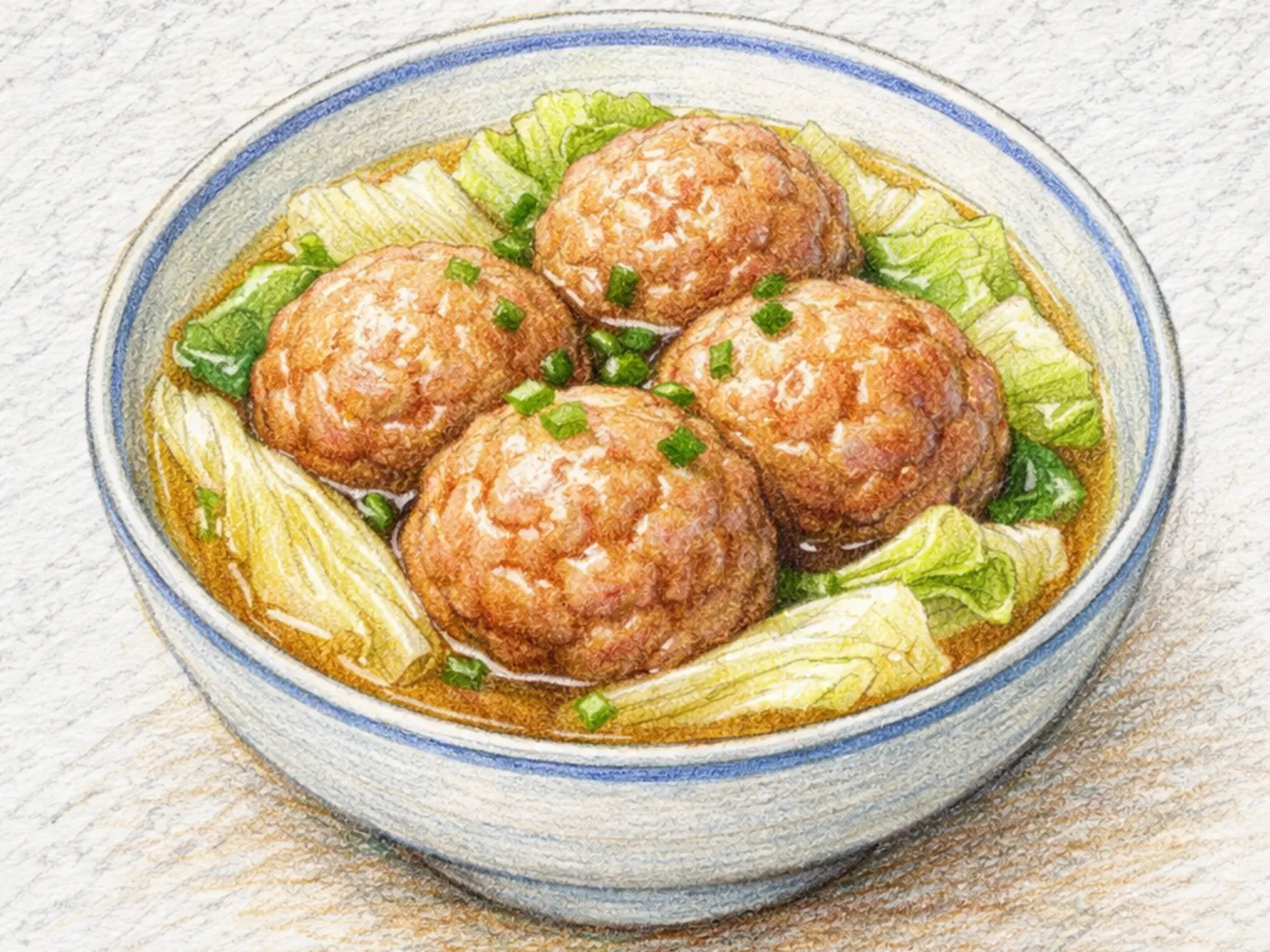
Gaeng Jued Tofu Soup (Thai Clear Tofu Soup)
Asian Easy

Gaeng Jued Tofu Soup (Thai Clear Tofu Soup)

Gaeng jued - literally 'bland soup' in Thai - is not tasteless despite its name; it is the one Thai dish that deliberately seeks gentleness in a cuisine famous for intensity. A clear broth simmered from pork bones or chicken holds soft tofu, small pork meatballs, glass noodles or squash. The meatballs are seasoned with garlic, white pepper, and coriander root - the aromatic trinity of Thai cooking - which infuse the clear broth with a subtle depth that belies the soup's transparent appearance. Fresh cilantro leaves and fried garlic are scattered on top for aroma and crunch, but the overall tone stays soothing and stomach-settling. On a Thai family table, gaeng jued sits alongside fiery dishes like som tam and tom yum, serving as a palate cleanser between bites of heat. It is the soup Thai parents make for children and for anyone feeling unwell - comfort food in its most literal sense.

🥗 Light & Healthy 🏠 Everyday
Prep 15min Cook 20min 4 servings
Taipiien (Kumamoto Glass Noodle Soup)
Noodles Medium

Taipiien (Kumamoto Glass Noodle Soup)

Taipiien is a substantial glass noodle soup served in Chinese restaurants and homes across central Kumamoto. Ginger, pork, onion, carrot, wood ear, and napa cabbage are stir-fried before shrimp, squid, and kamaboko join a clear chicken broth. Separately boiled glass noodles are cut to an easy length and warmed in the soup, which is finished with light soy sauce, green onion, and sesame oil. A firm hard-boiled egg cut in half tops each bowl. The dish traces its roots to celebratory soup from Fuzhou in China's Fujian Province, brought through Nagasaki to Kumamoto in the late Meiji period and adapted with local ingredients.

🏠 Everyday 🌙 Late Night
Prep 30min Cook 25min 2 servings
Hu Tieu Nam Vang (Vietnamese Pork & Shrimp Noodle Soup)
Asian Medium

Hu Tieu Nam Vang (Vietnamese Pork & Shrimp Noodle Soup)

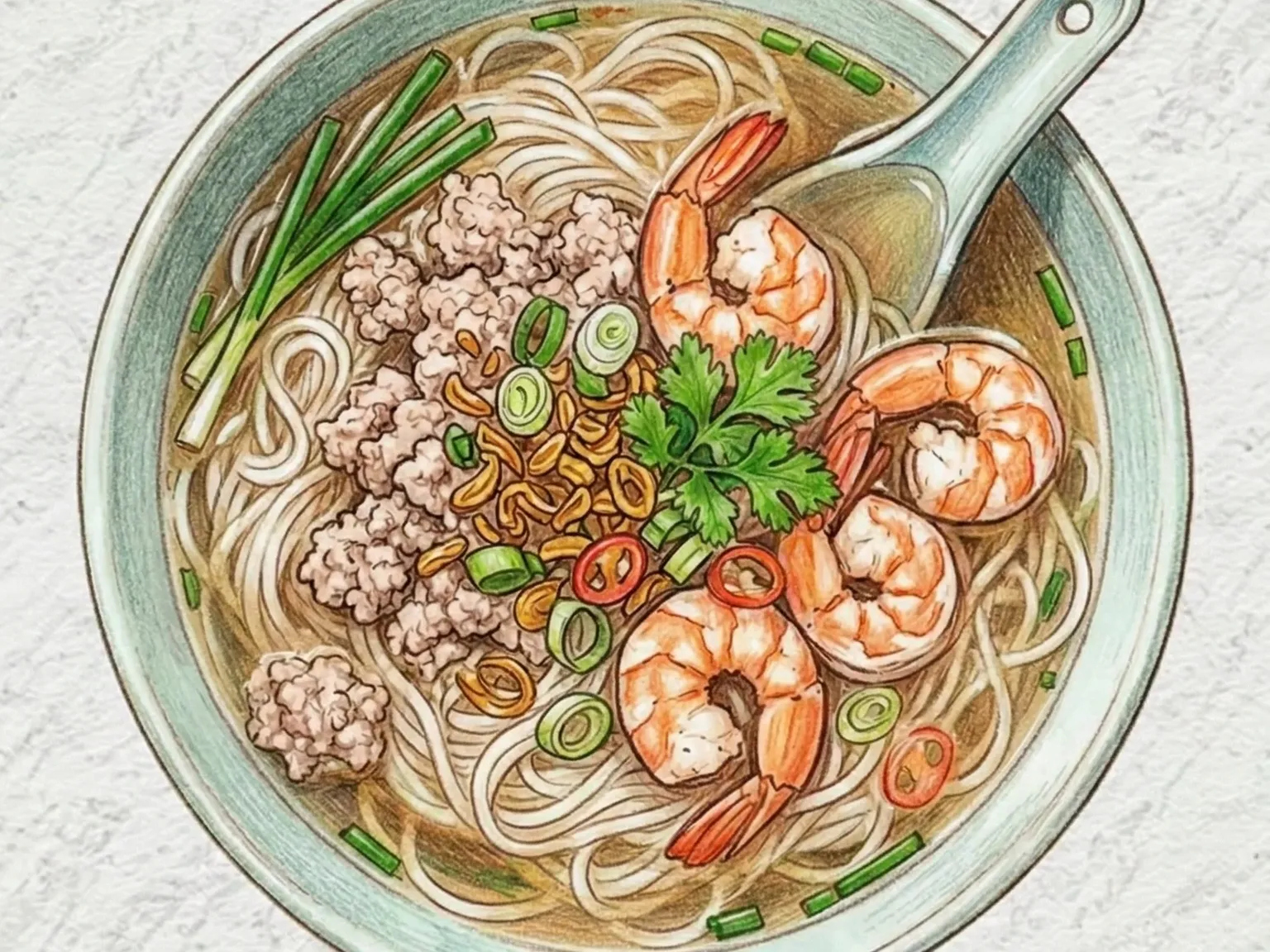
Hu tieu nam vang is a clear-broth rice noodle soup from southern Vietnam, originating in the Cambodian immigrant communities of Phnom Penh and now thoroughly embedded in Saigon street food culture. Pork bones are simmered at low heat for an extended time while the surface is skimmed repeatedly to keep the broth transparent and clean-tasting. Fish sauce and a measured amount of sugar season the broth with a savory-sweet balance that is distinctively southern Vietnamese. Ground pork is pan-fried with garlic until the moisture cooks off and the meat turns crumbly and lightly browned, creating a textured topping that contrasts with the silky broth. Whole shrimp are blanched for one minute only, enough to set the flesh without turning them rubbery. Rice noodles go into the bowl first, raw bean sprouts are piled on top, and boiling broth is ladled over, wilting the outer layers of the sprouts while leaving their cores crisp. A spoonful of garlic-infused oil floated on the surface releases fragrance with each sip and deepens the overall aroma. Green onion and black pepper finish the bowl simply, and the long-cooked broth does the work of pulling every element together. Lime wedges and fresh chilies on the side let each diner adjust acidity and heat to their own preference.

🎉 Special Occasion 🌙 Late Night
Prep 25min Cook 40min 2 servings
Zhajiangmian (Chinese Black Bean Paste Noodles with Ground Pork)
Noodles Medium

Zhajiangmian (Chinese Black Bean Paste Noodles with Ground Pork)

Zhajiangmian coats fresh wheat noodles with a sauce of ground pork, onion, and fried chunjang. Cook the pork until the pink color and excess moisture are gone, add the onion, then stir the paste over medium-low heat until glossy and less sharp-smelling. Soy sauce and sugar reduce into a thick coating over low heat. Briefly rinse the cooked noodles, drain them well, and add the cucumber just before mixing.

🏠 Everyday 🌙 Late Night
Prep 20min Cook 20min 2 servings