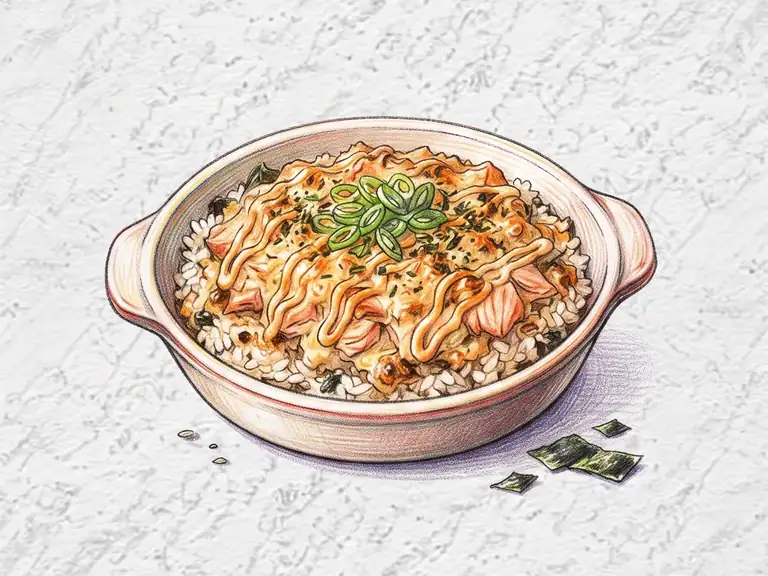
Sushi Bake
Each person uses a roasted nori snack sheet to scoop a bite from the hot dish and wrap it up. The salmon is roasted through and flaked before it goes in, so ordinary fillets work and there is no need for sashimi-grade fish.
190 recipes. Page 8 of 8
As an Amazon Associate, we may earn from qualifying purchases.
Each person uses a roasted nori snack sheet to scoop a bite from the hot dish and wrap it up. The salmon is roasted through and flaked before it goes in, so ordinary fillets work and there is no need for sashimi-grade fish.
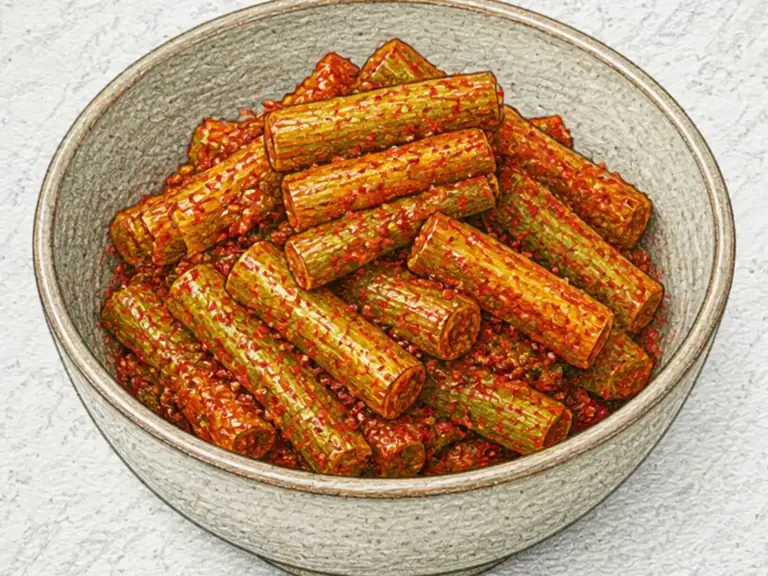
How long the stems simmer decides this kimchi: seven minutes in salted water, then half an hour in cold water, takes out the bitterness and the toughness, and undercooked stems keep both. Unlike the soy-pickled version, these butterbur stems are tossed in a red chili paste thickened with glutinous rice porridge. Gentle tossing matters, since squeezing hard breaks the crisp fibers.
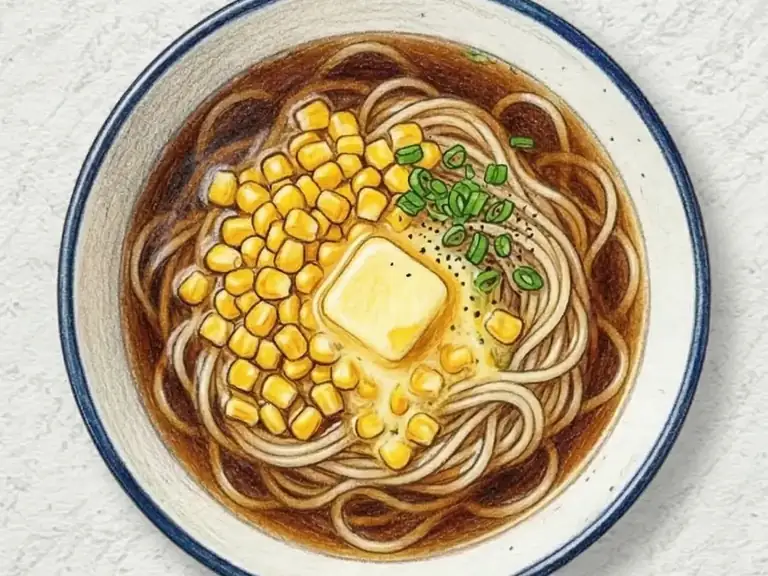
Butter melts slowly into a clear chicken and soy broth, leaving a rich, toasty aroma floating on top. Sweet corn and crunchy bean sprouts keep the salty broth from feeling heavy. The noodles boil in their own pot so their starch never clouds the soup, and the broth itself stays at a gentle simmer because hard boiling reduces it and pushes the salt up.
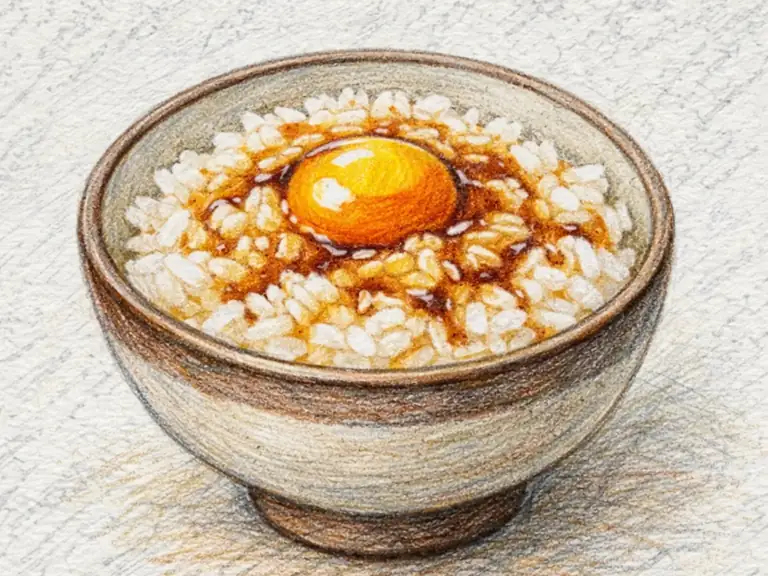
This is the Japanese home standby of raw egg and soy sauce over rice, with butter added. The butter melts in the middle of freshly cooked rice, and the raw egg cracked on top warms just enough in that heat to coat each grain in a silky layer. Since the egg is eaten raw, it should be very fresh.
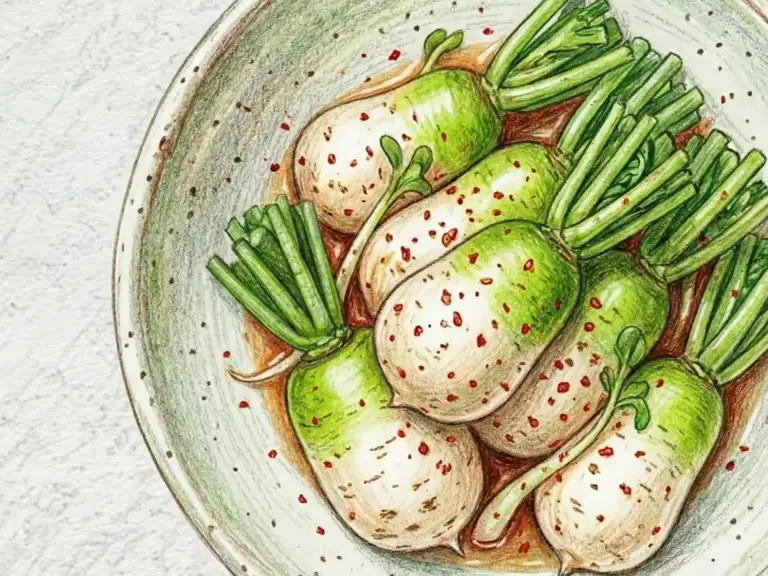
Radish sprouts are so thin that any pressure squeezes out water and a grassy smell, which keeps the tossing down to about 20 seconds with the fingertips, and the vinegar is added last for a brighter tang. Eaten right away, before the sprouts wilt, it is light and crisp; leftovers keep, chilled and sealed, for a day or two.
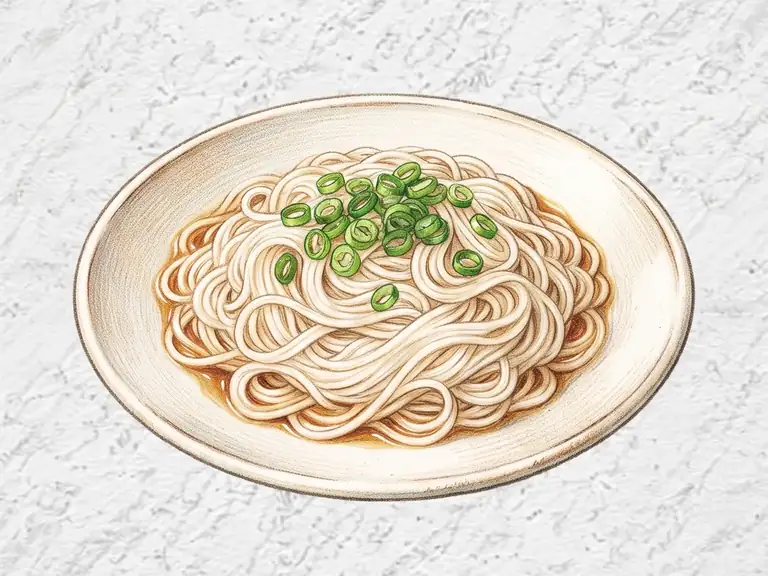
In Okinawa, champuru means a stir-fry with fried tofu in it, which is why somen tossed in the pan without tofu goes by tashiya instead. The somen comes out of the pot as soon as it returns to a boil and is fried over high heat while chopsticks keep the strands apart. Made soft and sticky with plenty of dashi, the same noodles become a different dish called somin putturu.
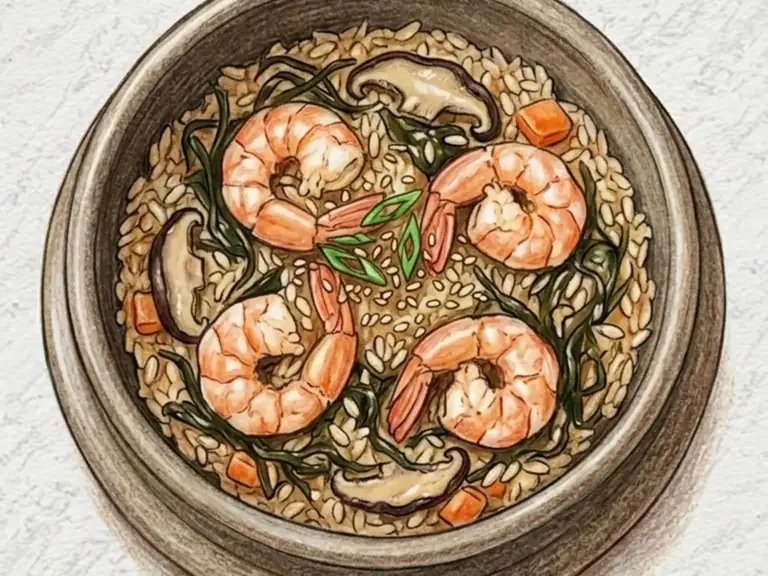
The soaked hijiki is rinsed twice in cold water to cut its saltiness and any off smell, then sauteed in sesame oil with shiitake and carrot before the rice goes in. As the pot cooks, the deep sea flavor of the hijiki gets into the rice, and shrimp seasoned with soup soy sauce and garlic sit on top. For a crust on the bottom, turn the heat up a little for the last minute.
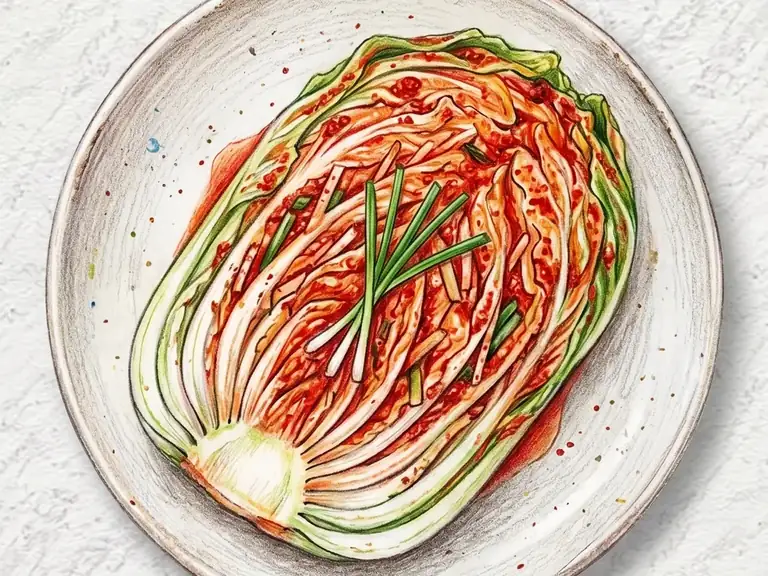
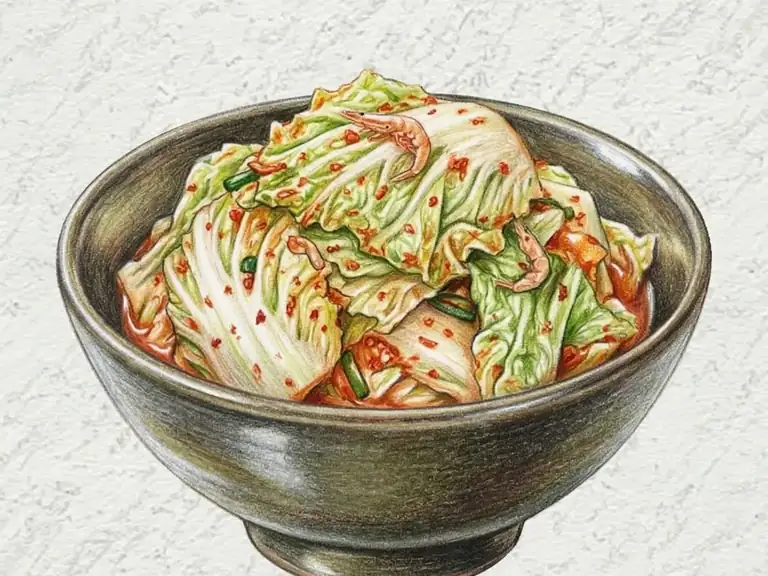
Skipping the usual long salting, raw napa cabbage goes straight into the chili seasoning and the leaves stay crunchy, cool, and full of juice. Green plum syrup brings a rounded sweetness that fermentation would otherwise supply, softening the salt of the anchovy sauce. Tossing stops as soon as the red paste coats the leaves evenly, because any water left on the cabbage, or too much mixing, thins the seasoning.
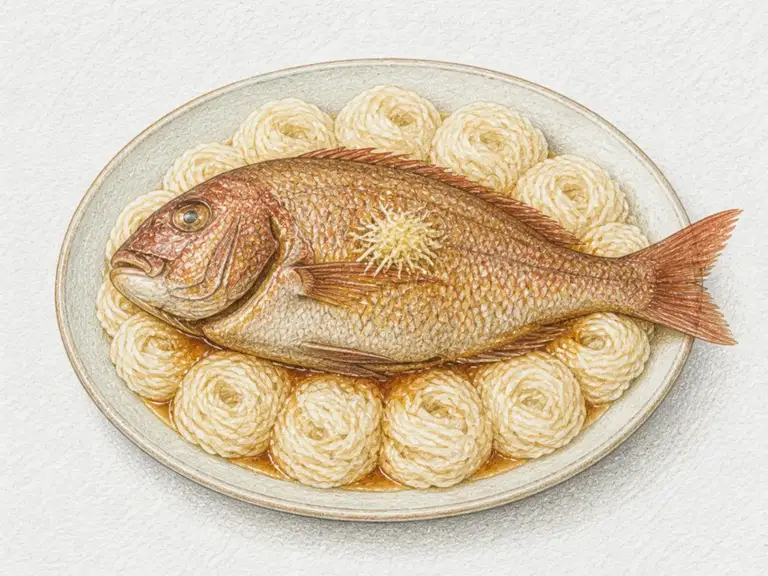
A whole red sea bream braised in soy and sake sits in the middle of a large platter, ringed by coils of somen for five people to share. In Kumamoto it is a celebration platter, and pairing a fish with long noodles carried hopes for a lasting marriage and ties between two families. Mamihara in Yamato keeps the grand wedding form, with the noodles laid out like white waves, while Amakusa makes a practical version from the head and bones left after sashimi. The braising liquid combines light and dark soy sauce with akazake (red sake) and regular sake, so the fish comes out glossy and sweet-savory. The strained liquid is spooned over the noodles only at the table, keeping them from turning soft before serving.
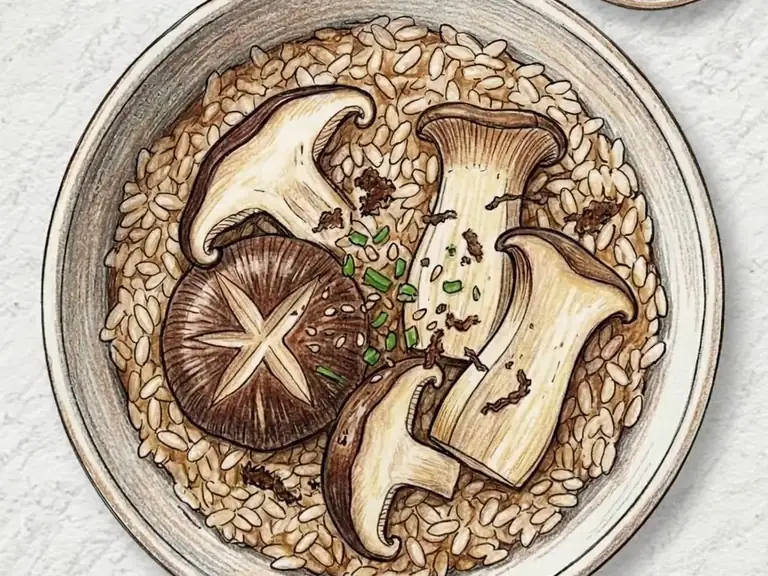
The truffle oil goes on only after the rice has finished resting. Heat drives off its aroma, so it never cooks in the pot. The rice itself is cooked in vegetable stock with shiitake, king oyster mushroom and onion that were first sauteed in butter, and the king oyster is cut thick enough to give a real bite.
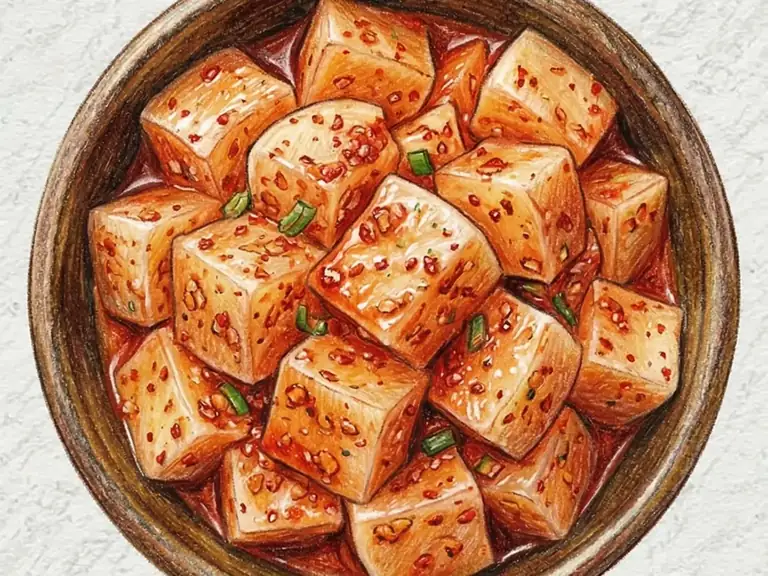
Big chunks of radish and plenty of cool, tangy brine make seokbakji a natural partner for rich bone broth soups like seolleongtang. Salted shrimp does more than season the chili paste; it lays down a fermented, savory base. A day at room temperature followed by two days in the fridge turns the water drawn from the radish into a refreshing, lightly sour brine. The salted radish is drained but not rinsed, so the salt it holds seasons the kimchi from inside.
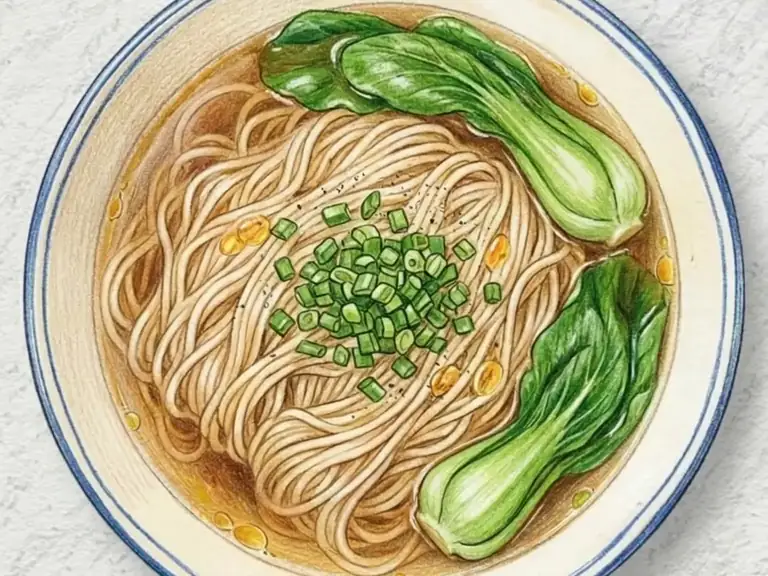
With only blanched bok choy and sliced scallions on top, the clear chicken broth seasoned with light soy sauce and the springy fresh noodles carry nearly all the flavor. White pepper and a few drops of sesame oil, added at the end, give the plain broth its aroma. This Shanghai noodle soup comes together quickly, which suits a fast breakfast or a light meal.
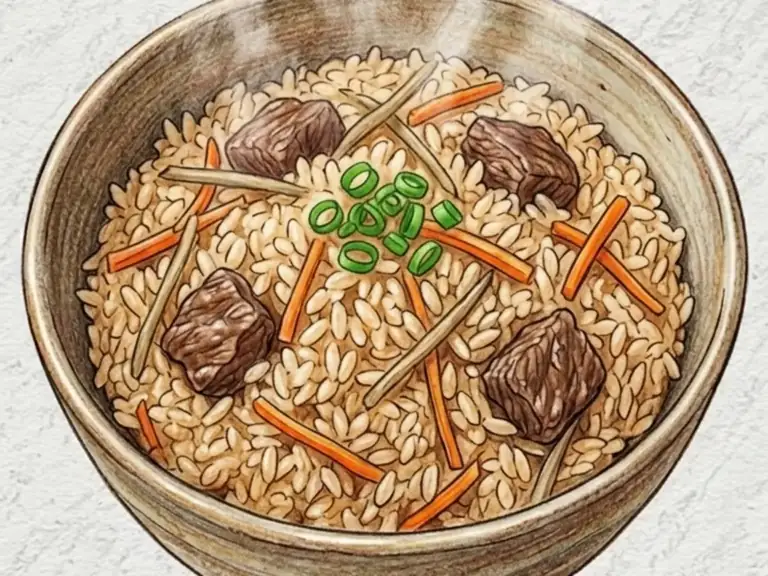
Strips of beef round marinate in soy sauce and cooking wine for 10 minutes, get stir-fried with burdock and carrot, and then the soaked rice is toasted in the same pot before the water goes in. The marinade carries over into the rice, so no sauce is served on the side. The burdock, soaked briefly in vinegar water first, still has its crunch after cooking.
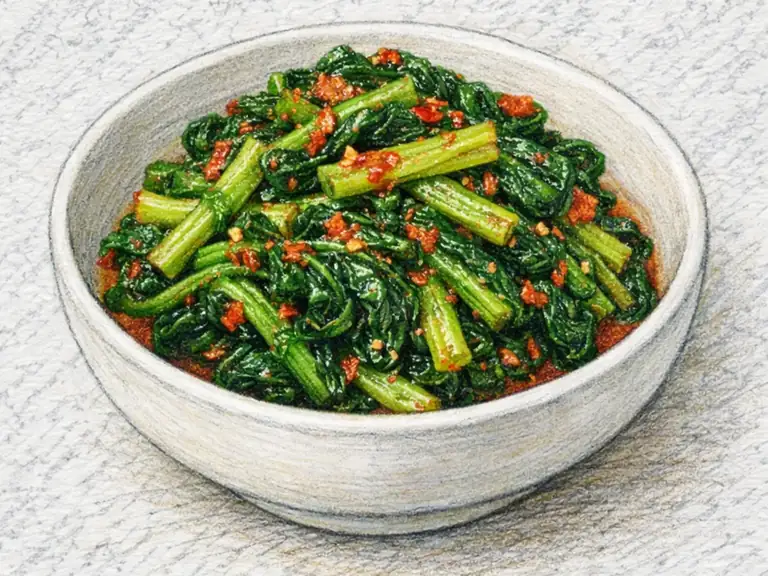
A brief 12-minute salting wilts spinach leaves while the stems keep their snap, giving two textures in each bite. Sand lance fish sauce adds salty depth to the green, grassy flavor, and green plum syrup rounds off the salt. Thick stems are split in half so they season at the same pace as the leaves. Once it has chilled for at least six hours, it goes to the table cold with rice.
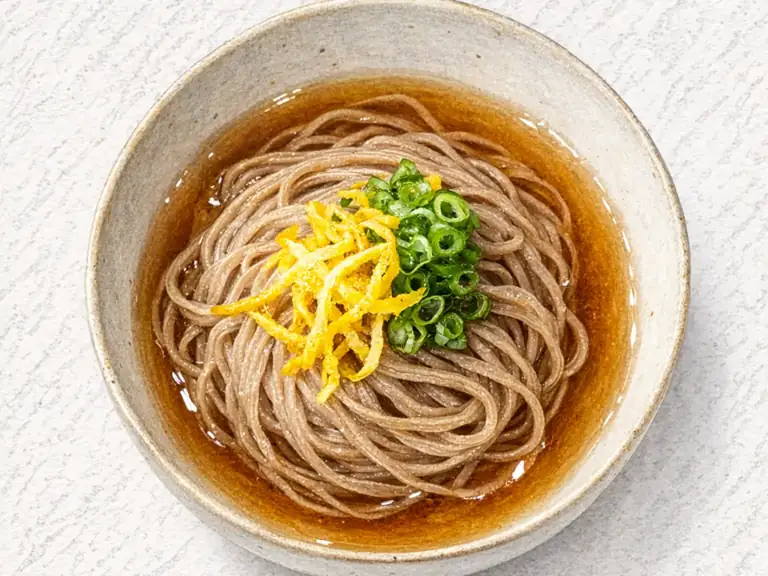
Chilled buckwheat noodles get dipped in tsuyu sweetened and perfumed with yuzu marmalade, a softer, fruitier sauce than plain soba dipping broth. The sauce needs thorough mixing before it goes cold, because undissolved lumps of marmalade make some dips sugary and others flat. Any water clinging to the noodles thins that sauce with every dip. Grated radish, scallion, and wasabi stay on the side and go in a little at a time.
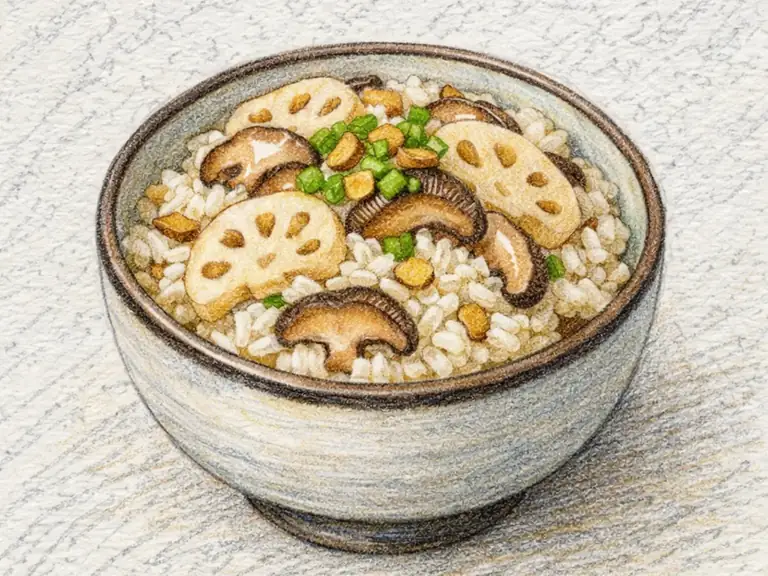
Perilla oil is the only source of aroma. Shiitake, carrot, the rice and the lotus root are all sautéed in it before cooking, so the grains come out glossy, with thin slices of lotus root staying crisp throughout.
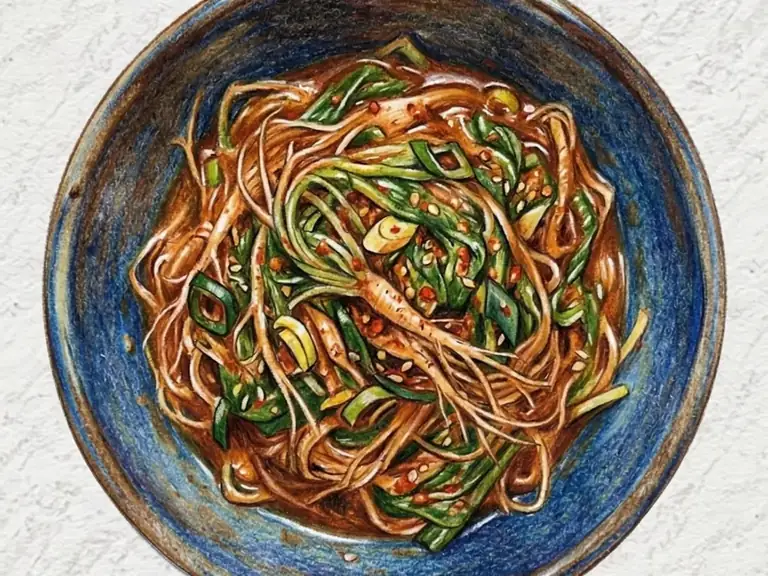
Sseumbagwi, a sharply bitter spring herb, soaks in cold water for 20 minutes before it ever meets the seasoning. Some bitterness is meant to remain: after a first ferment at room temperature and a stretch of refrigeration, savory and sour notes build over it, and the balance is best around day three. Sand lance fish sauce is milder than the anchovy sauce used for cabbage kimchi, so it leaves the herb's character intact, while sweet rice paste helps the dressing cling to thin stems.
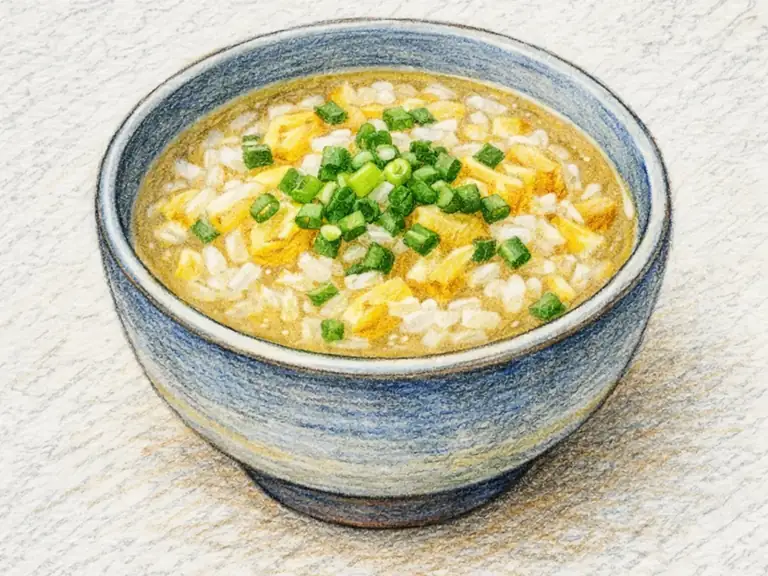
In Japan, zosui is what happens to the broth left at the end of a hot pot, with rice simmered in it. Here it is made from scratch with dashi. Rinsing the rice once keeps the broth clear, and it is much looser than Korean juk, eaten as rice and broth together.
Diced turnip ferments submerged in a gochugaru broth, landing between cubed radish kimchi and water kimchi: more liquid than the first, redder and spicier than the second. Turnips are scrubbed with the skin on and only bruised spots are cut away, keeping their sweetness and firm texture. Salting lasts 25 minutes, and the water it draws out is poured away so no bitterness carries over. If turnip greens are on hand, a few chopped in with the roots ferment alongside and improve the aroma. After a day at room temperature, small bubbles and a light sour smell signal that the jar should move to the fridge for two more days.
Green cabbage leaves are thinner and firmer than napa, so they take salt quickly and turn tough rather than soft when left too long. Wide leaves and thick stems are cut to a similar size so one part does not finish salting before the other. The moment to stop salting is when a leaf bends but still snaps between the teeth. Draining matters more than it seems: leftover rinse water slides the chili paste off the leaves and thins the brine that forms later. Julienned carrot and scallion keep the color bright, and the jar moves to the fridge once liquid starts pooling after a short room-temperature ferment.
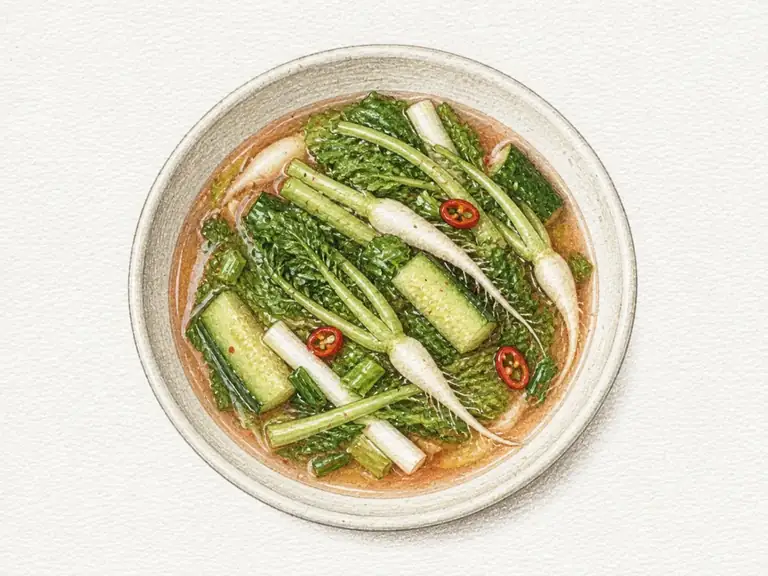
The broth stays clear because garlic and ginger are wrapped in cheesecloth and squeezed in cold water for their aroma alone, leaving no solids floating around. Young radish greens (yeolmu) are salted just until they slump slightly, so the stems keep some snap, and thin slices of radish let the broth pick up flavor quickly. Ginger is the one ingredient to hold back on: too much, or left steeping too long, turns the broth bitter. Filtered cold water gives the cleanest taste, since nothing is boiled.
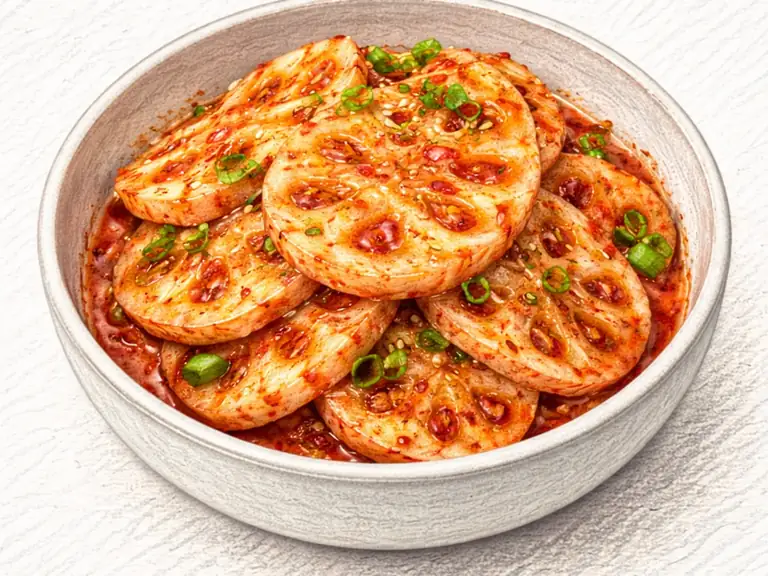
Starting with sliced lotus root boiled in vinegar water helps remove bitterness while keeping the vegetable pale and crisp. The seasoning combines gochugaru, minced garlic, and anchovy fish sauce with the addition of fresh pear juice. This pear juice provides natural sugars and necessary moisture so the chili paste coats each slice evenly without becoming dry or clumping. Even after the fermentation process begins, the lotus root maintains its signature firm and crunchy texture. Sliced scallions are tossed in to add a fresh aromatic quality that balances the spicy garlic paste. One full day of refrigeration allows the flavors to settle into the flesh before serving. Because the seasoning gets trapped inside the characteristic holes of the root, the paste should remain thick rather than watery to ensure consistent flavor. When left to ferment for a few more days, the developing acidity helps cut through the richness of grilled meats or fried dishes.