Recipes with scallions

157 recipes. Page 7 of 7

Buy scallions

As an Amazon Associate, we may earn from qualifying purchases.

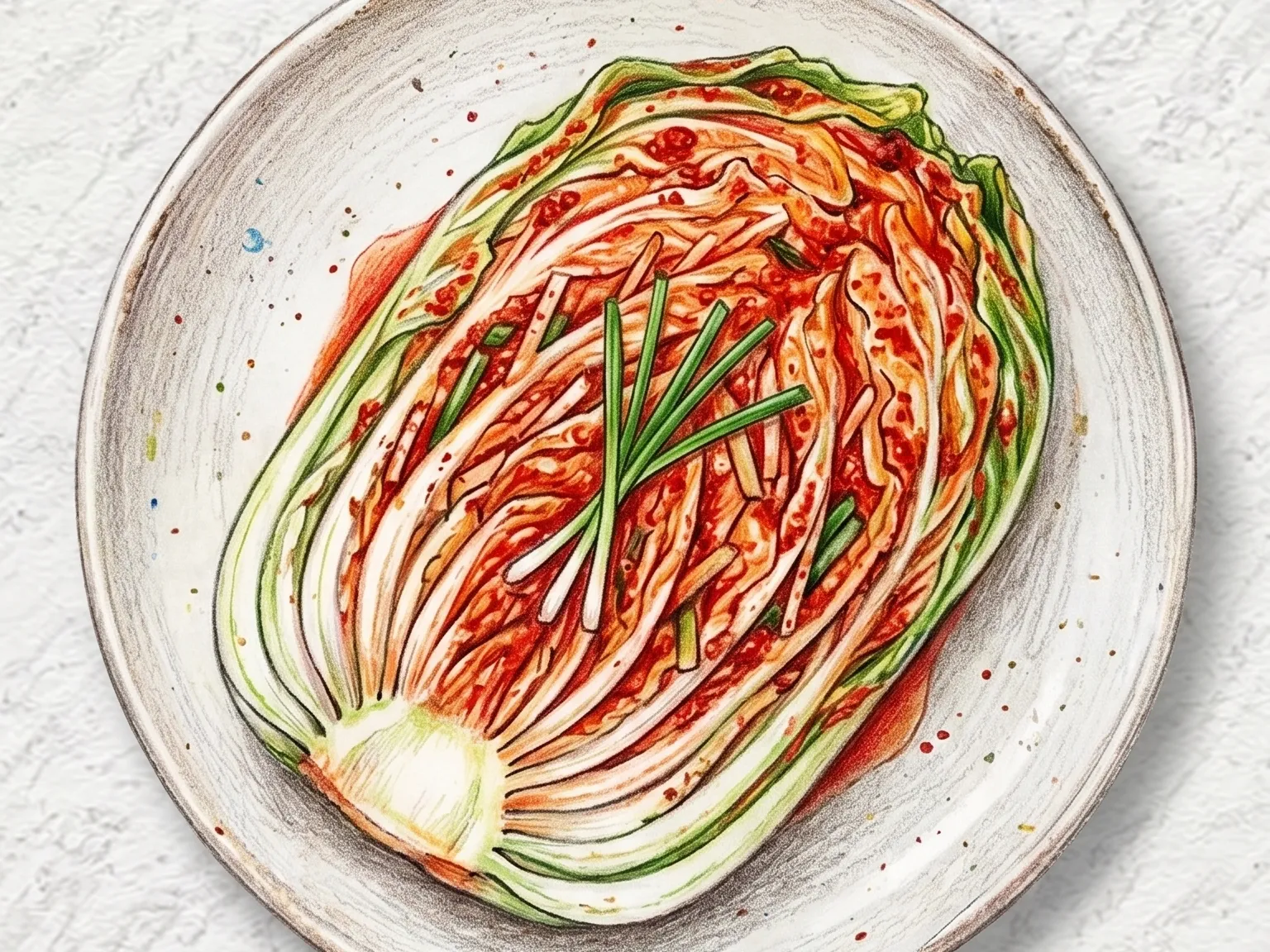
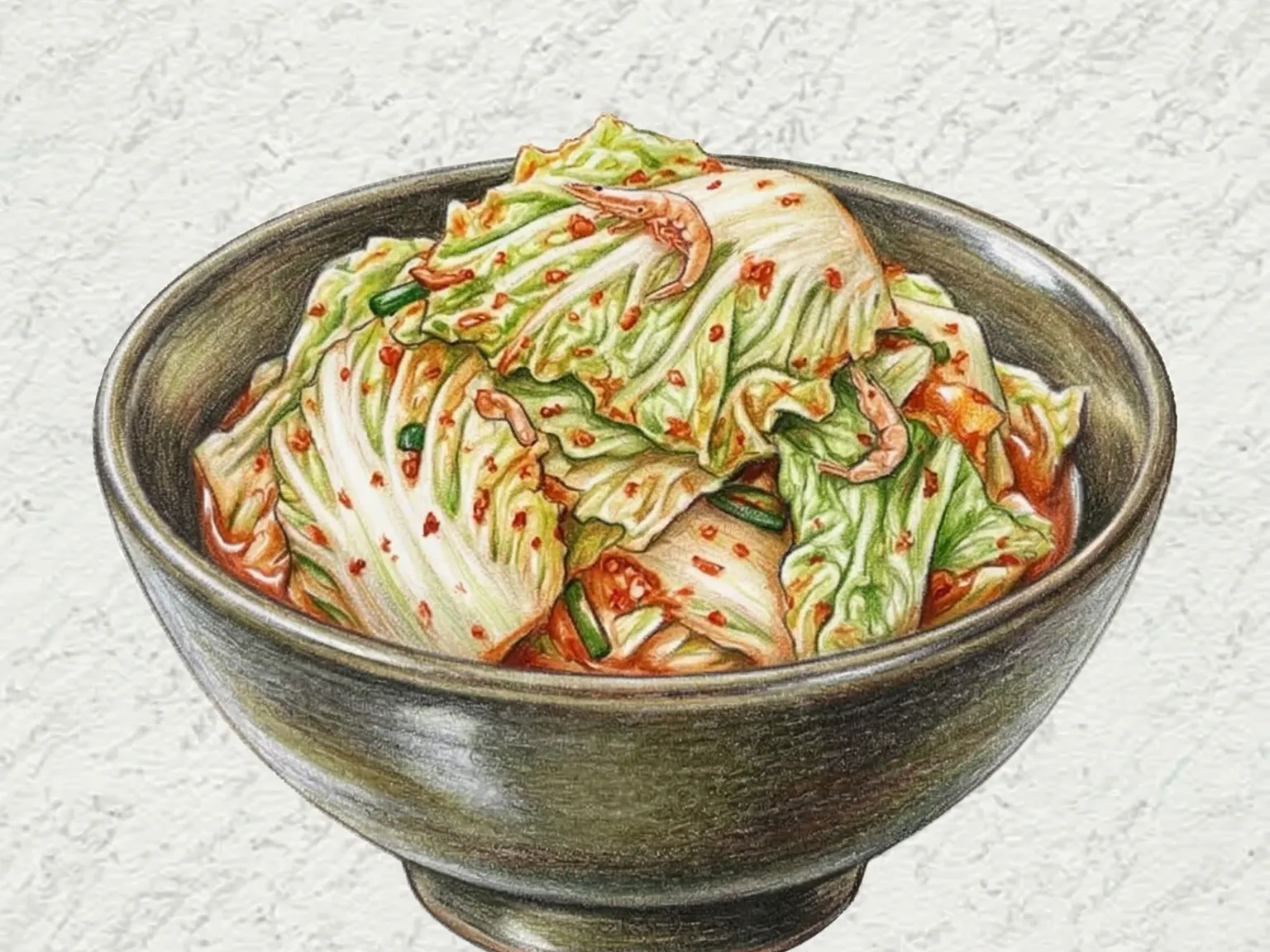
Fresh Whole Cabbage Kimchi
Kimchi Medium

Fresh Whole Cabbage Kimchi

Skipping the usual long salting, raw napa cabbage goes straight into the chili seasoning and the leaves stay crunchy, cool, and full of juice. Green plum syrup brings a rounded sweetness that fermentation would otherwise supply, softening the salt of the anchovy sauce. Tossing stops as soon as the red paste coats the leaves evenly, because any water left on the cabbage, or too much mixing, thins the seasoning.

Prep 40min Cook 15min 4 servings
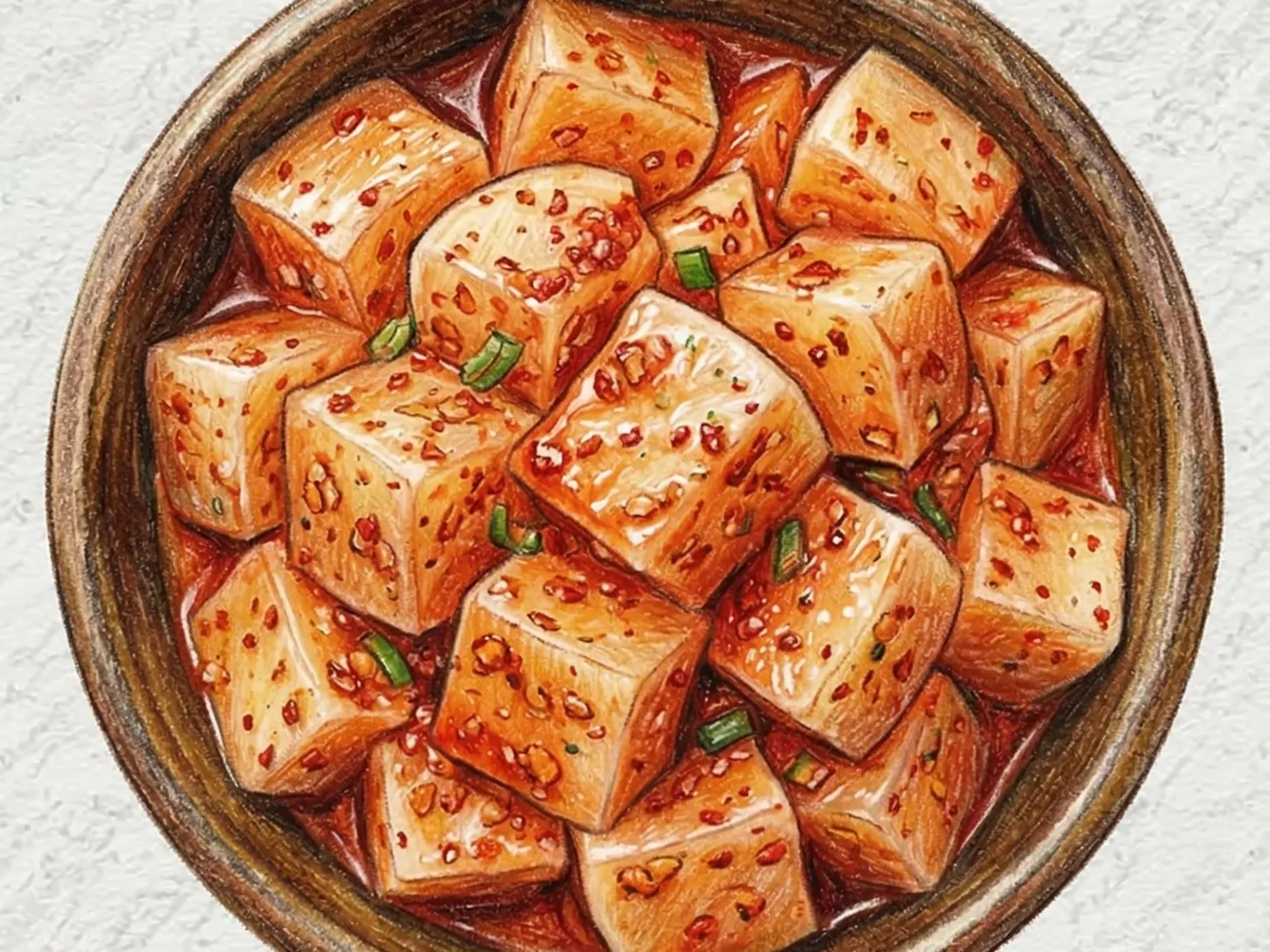
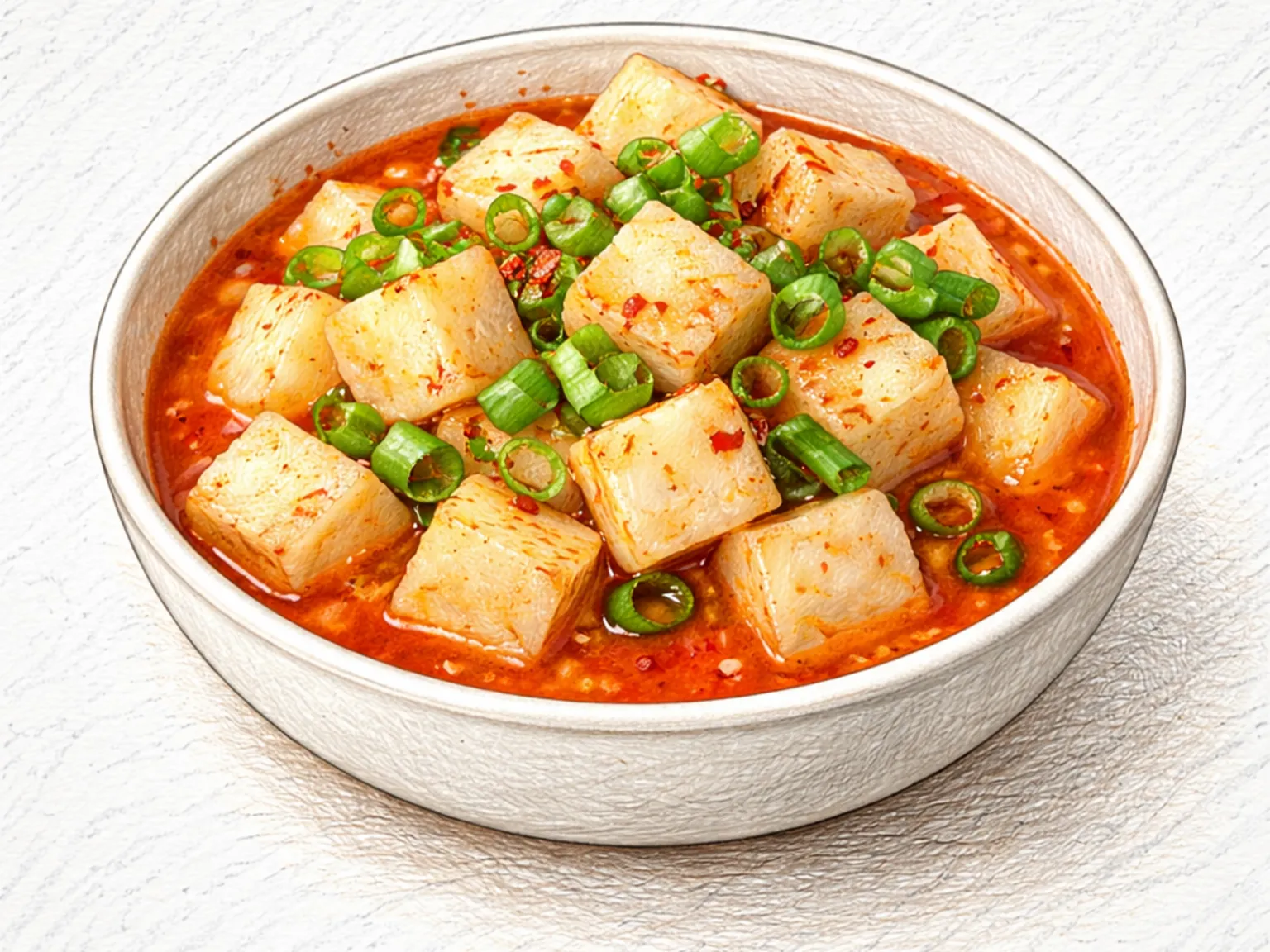
Korean Seokbakji Radish Kimchi
Kimchi Easy

Korean Seokbakji Radish Kimchi

Big chunks of radish and plenty of cool, tangy brine make seokbakji a natural partner for rich bone broth soups like seolleongtang. Salted shrimp does more than season the chili paste; it lays down a fermented, savory base. A day at room temperature followed by two days in the fridge turns the water drawn from the radish into a refreshing, lightly sour brine. The salted radish is drained but not rinsed, so the salt it holds seasons the kimchi from inside.

Prep 35min Cook 10min 4 servings
Korean Bitter Herb Kimchi
Kimchi Hard

Korean Bitter Herb Kimchi

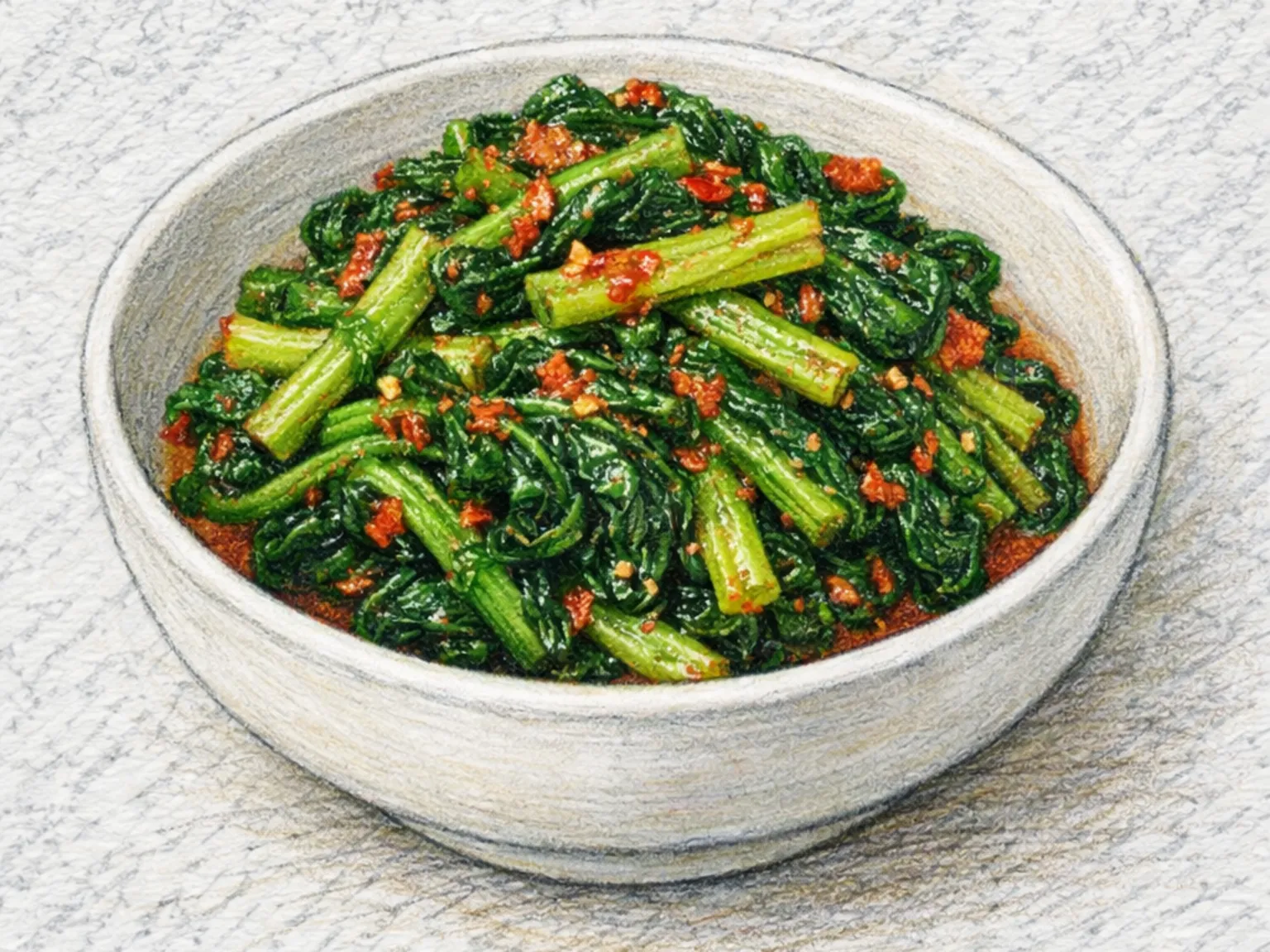
Sseumbagwi, a sharply bitter spring herb, soaks in cold water for 20 minutes before it ever meets the seasoning. Some bitterness is meant to remain: after a first ferment at room temperature and a stretch of refrigeration, savory and sour notes build over it, and the balance is best around day three. Sand lance fish sauce is milder than the anchovy sauce used for cabbage kimchi, so it leaves the herb's character intact, while sweet rice paste helps the dressing cling to thin stems.

At least 1 day 5 hr 35 min 4 servings
Korean Turnip Kimchi (Diced Gochugaru Water Fermented)
Kimchi Easy

Korean Turnip Kimchi (Diced Gochugaru Water Fermented)

Diced turnip ferments submerged in a gochugaru broth, landing between cubed radish kimchi and water kimchi: more liquid than the first, redder and spicier than the second. Turnips are scrubbed with the skin on and only bruised spots are cut away, keeping their sweetness and firm texture. Salting lasts 25 minutes, and the water it draws out is poured away so no bitterness carries over. If turnip greens are on hand, a few chopped in with the roots ferment alongside and improve the aroma. After a day at room temperature, small bubbles and a light sour smell signal that the jar should move to the fridge for two more days.

Prep 30min Cook 10min 4 servings
Korean Cabbage Kimchi (Crunchy Green Cabbage Kimchi)
Kimchi Easy

Korean Cabbage Kimchi (Crunchy Green Cabbage Kimchi)

Green cabbage leaves are thinner and firmer than napa, so they take salt quickly and turn tough rather than soft when left too long. Wide leaves and thick stems are cut to a similar size so one part does not finish salting before the other. The moment to stop salting is when a leaf bends but still snaps between the teeth. Draining matters more than it seems: leftover rinse water slides the chili paste off the leaves and thins the brine that forms later. Julienned carrot and scallion keep the color bright, and the jar moves to the fridge once liquid starts pooling after a short room-temperature ferment.

Prep 30min Cook 10min 4 servings
Korean Young Radish Water Kimchi
Kimchi Medium

Korean Young Radish Water Kimchi

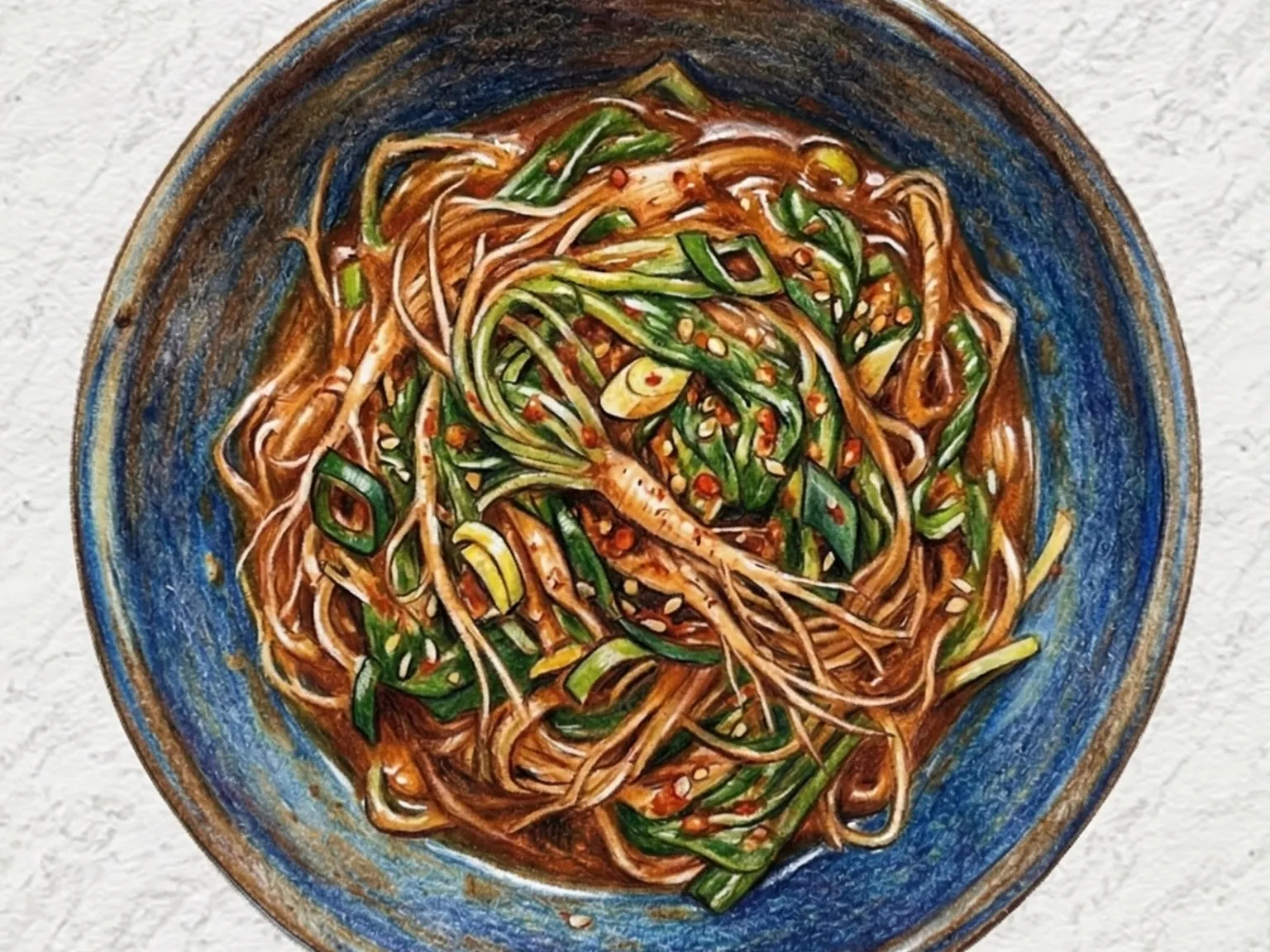
The broth stays clear because garlic and ginger are wrapped in cheesecloth and squeezed in cold water for their aroma alone, leaving no solids floating around. Young radish greens (yeolmu) are salted just until they slump slightly, so the stems keep some snap, and thin slices of radish let the broth pick up flavor quickly. Ginger is the one ingredient to hold back on: too much, or left steeping too long, turns the broth bitter. Filtered cold water gives the cleanest taste, since nothing is boiled.

Prep 30min 0 4 servings
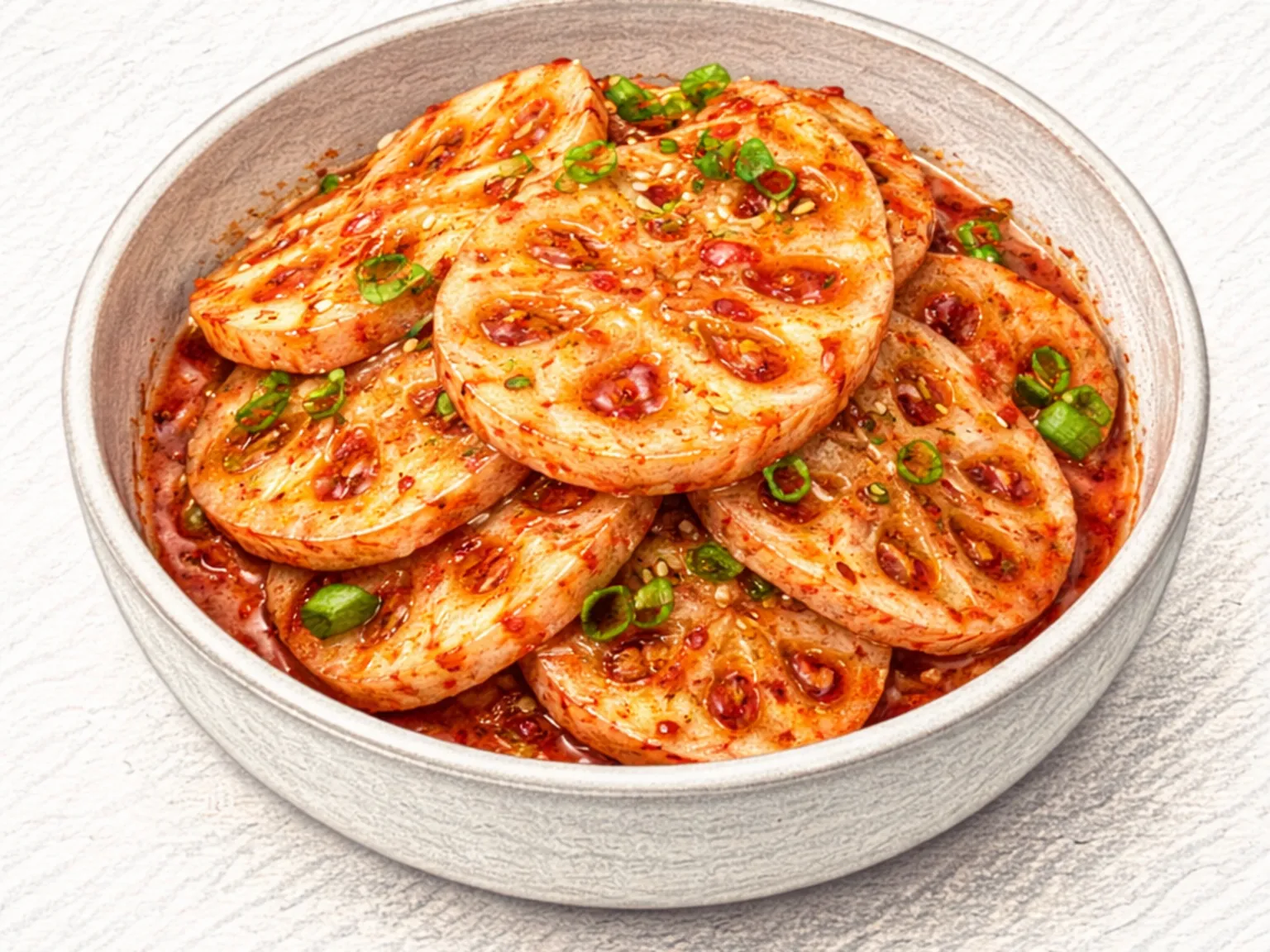
Korean Lotus Root Kimchi (Crunchy Spiced Root Kimchi)
Kimchi Medium

Korean Lotus Root Kimchi (Crunchy Spiced Root Kimchi)

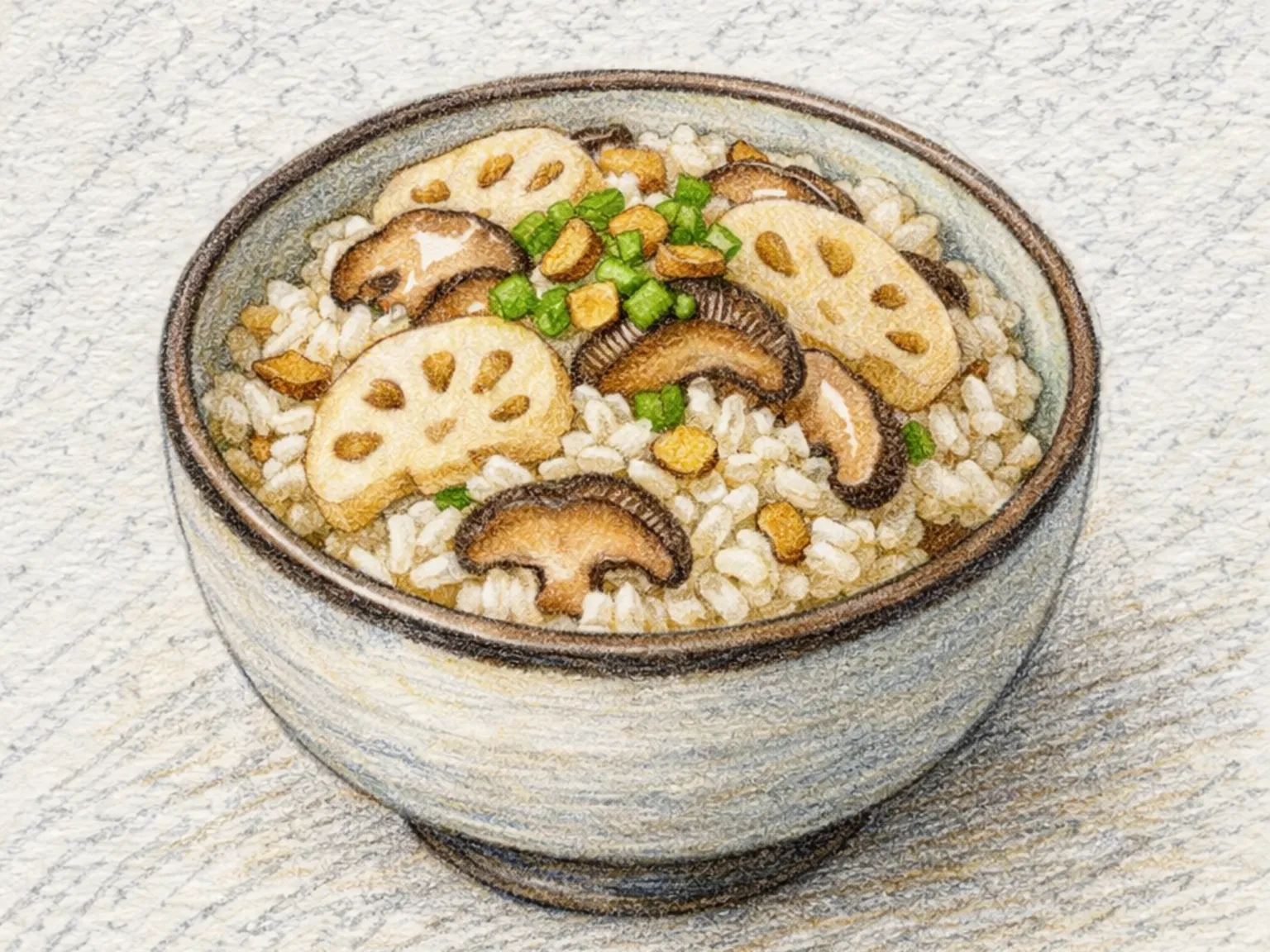
Starting with sliced lotus root boiled in vinegar water helps remove bitterness while keeping the vegetable pale and crisp. The seasoning combines gochugaru, minced garlic, and anchovy fish sauce with the addition of fresh pear juice. This pear juice provides natural sugars and necessary moisture so the chili paste coats each slice evenly without becoming dry or clumping. Even after the fermentation process begins, the lotus root maintains its signature firm and crunchy texture. Sliced scallions are tossed in to add a fresh aromatic quality that balances the spicy garlic paste. One full day of refrigeration allows the flavors to settle into the flesh before serving. Because the seasoning gets trapped inside the characteristic holes of the root, the paste should remain thick rather than watery to ensure consistent flavor. When left to ferment for a few more days, the developing acidity helps cut through the richness of grilled meats or fried dishes.

At least 1 day 17 min 4 servings