Charim

2686 Korean & World Recipes

2686+ Korean recipes, clean and organized. Ingredients to instructions, all at a glance.

Recipes with scallions

24 recipes

Buy scallions
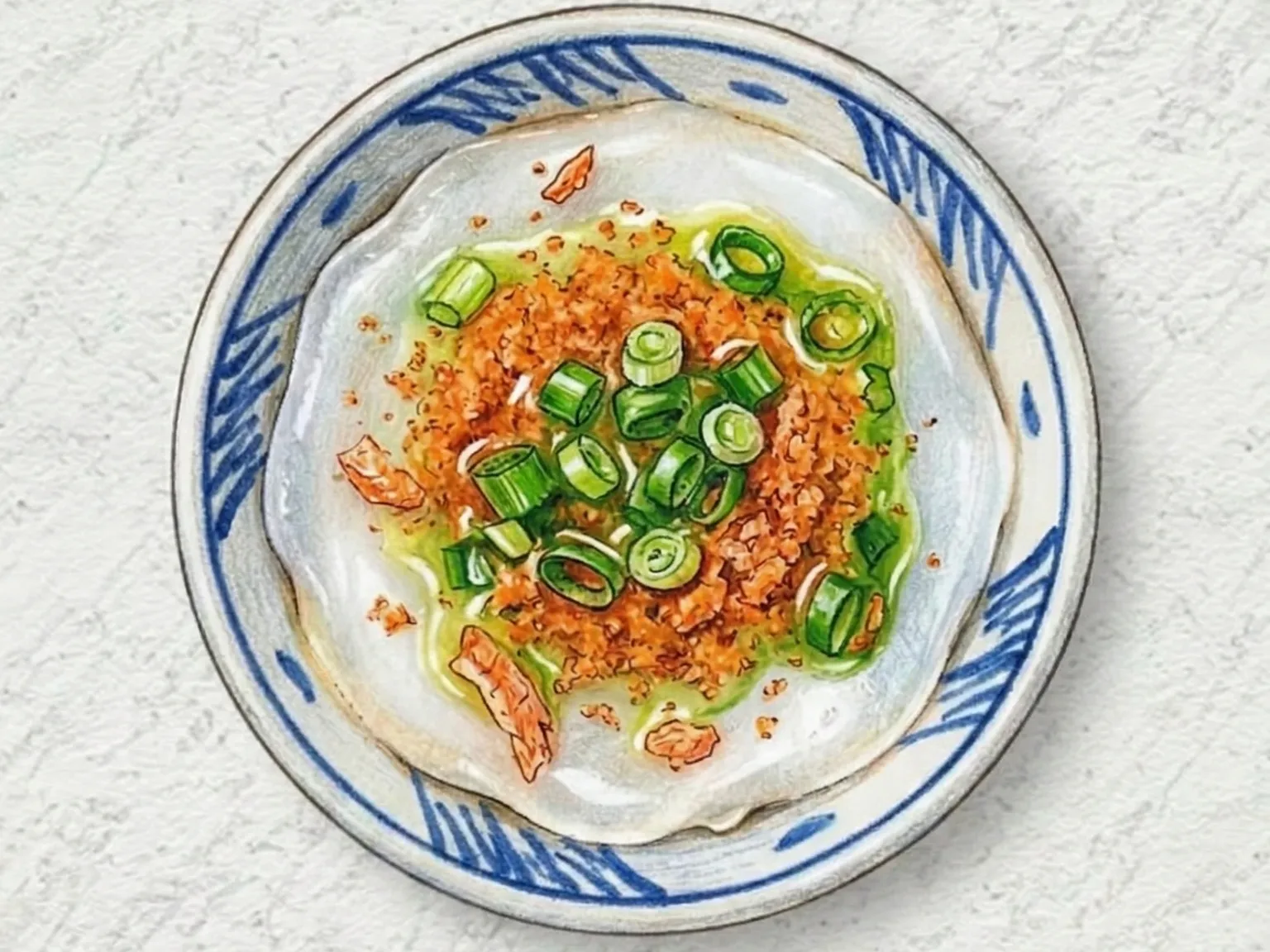
Banh Beo (Hue Steamed Rice Cakes with Shrimp and Scallion Oil)
AsianMedium

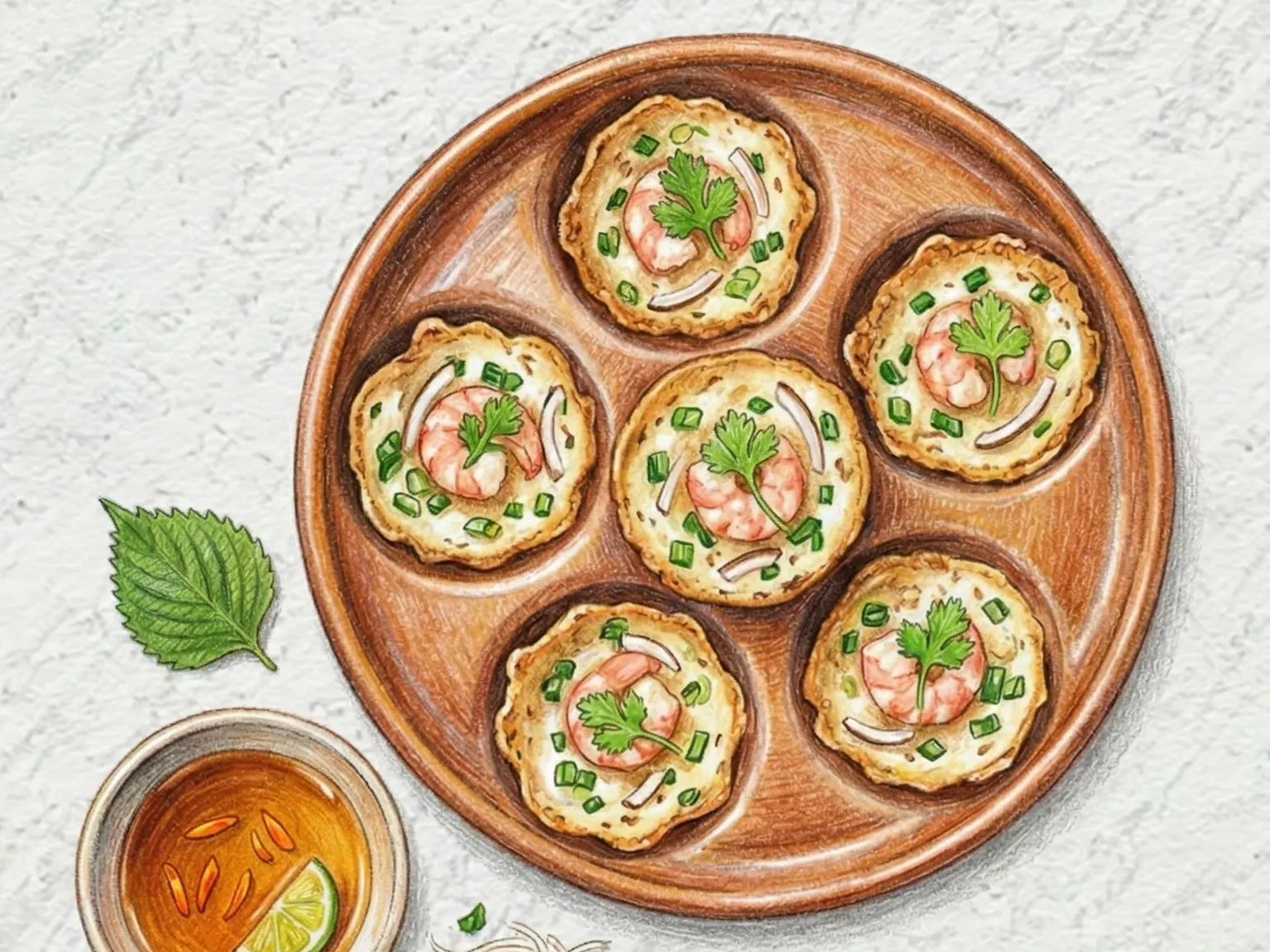
Banh Beo (Hue Steamed Rice Cakes with Shrimp and Scallion Oil)

Banh beo comes from Hue, the old imperial capital of central Vietnam, and it is served as a snack on tiny saucer-shaped plates, each holding a single steamed rice cake. A thin rice flour batter is poured into each dish and steamed until it sets into a soft, slightly sticky disc - translucent and thin at the edges, opaque and a little thicker at the center. The topping formula is minimal and exact: dried shrimp ground to a coarse, fragrant powder, crispy deep-fried shallots, and scallion oil drizzled into the concave surface of the rice cake so it pools rather than runs off. The dipping sauce is nuoc cham - fish sauce, lime, sugar, and chili balanced into a sweet-sour-salty liquid that pulls everything together. Eating banh beo requires scraping each small cake off its plate with a flat spoon, one at a time, in a slow and deliberate rhythm that has become part of the experience. The dish traces back to Hue's imperial court cuisine, and the restrained, precise presentation reflects that origin.

🎉 Special Occasion
Prep 25minCook 20min4 servings
Gyeran-ppang Muffin Tray (Korean Egg Bread)
BakingEasy

Gyeran-ppang Muffin Tray (Korean Egg Bread)

This recipe recreates Korea's beloved street-food egg bread at home using a standard muffin tray and a conventional oven. A lightly sweetened batter fills each cup to the halfway point, then a whole egg is cracked directly on top. As the batter rises during baking, it folds up around the egg, merging bread and egg into one self-contained, portable piece. The bread portion carries a restrained sweetness from a small addition of sugar, while the egg inside cooks to somewhere between soft-set and fully firm, allowing the yolk's richness to play against the sweet dough. The muffin tray produces pieces of uniform shape that sit comfortably in one hand, making them well-suited for breakfast or an afternoon snack. Filling each cup only halfway before adding the egg is important since the batter needs room to expand around it. Oven temperature and tray size affect cooking time, so the point at which the egg white turns fully opaque is the clearest indicator of doneness. Folding in shredded cheese, diced bacon, or chopped parsley before baking opens up a savory direction. These are best eaten immediately after coming out of the oven, while steam still rises from the surface.

🧒 Kid-Friendly
Prep 15minCook 22min4 servings
Korean Perilla Soybean Sprout Namul
Side dishesEasy

Korean Perilla Soybean Sprout Namul

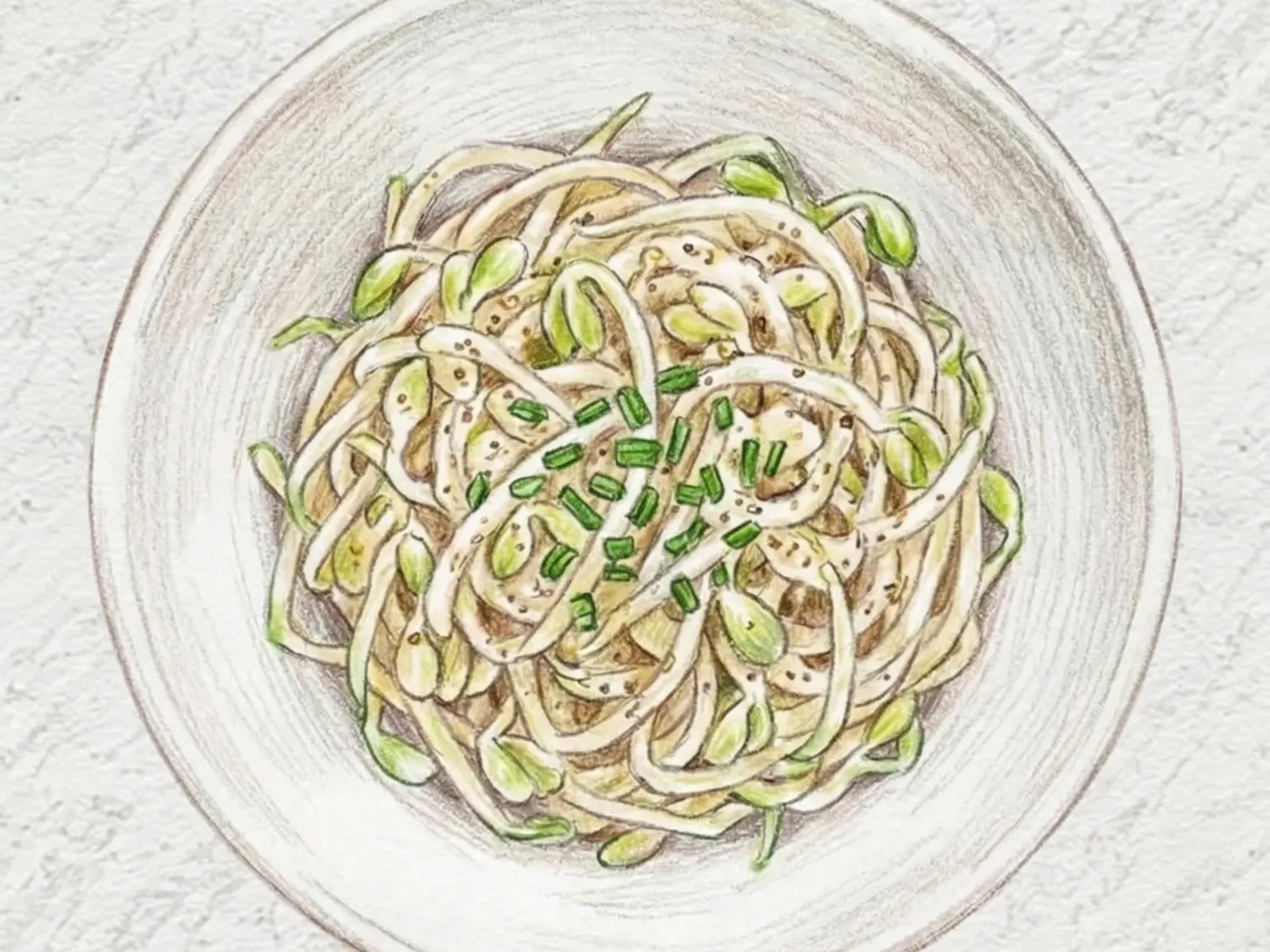
Kongnamul, soybean sprouts, are among the most consumed vegetables in Korea, and this perilla-dressed version adds a nutty, full-bodied depth that the plain sesame oil variety lacks. The sprouts are steamed with the lid sealed for five minutes, which drives off the raw bean smell while keeping the heads firm and crunchy. Tossed with perilla powder, soup soy sauce, garlic, and sesame oil while still warm, the powder absorbs the moisture and dissolves into a pale coating that makes each sprout feel creamy on the tongue. Chopped scallion contributes a sharp, grassy contrast that balances the richness, and resting the finished dish for five minutes before serving lets the seasoning penetrate evenly so the flavor comes together more completely.

🥗 Light & Healthy🏠 Everyday
Prep 10minCook 8min4 servings
Korean Clam and Radish Pot Rice
RiceMedium

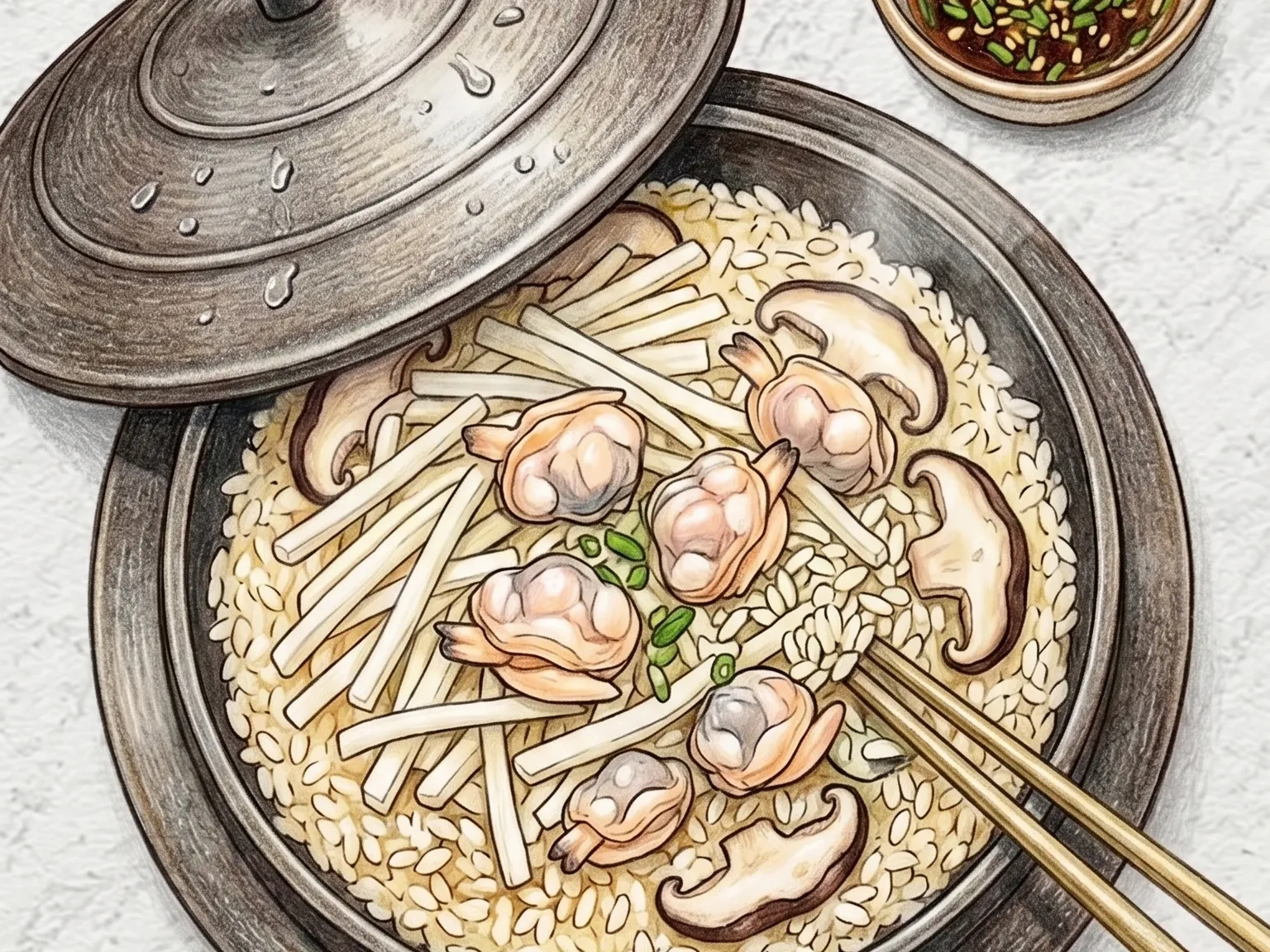
Korean Clam and Radish Pot Rice

Baekhap mu sotbap is a Korean pot rice dish where soaked rice is cooked with radish, shiitake mushrooms, and hard clam meat using kelp-infused water. The kelp water establishes a deeper umami base than plain water, and the glutamic acid released by shiitake mushrooms compounds with the clams' briny character to build layered savory depth. Radish sits on top of the rice and steams as the pot cooks, losing moisture while concentrating its natural sweetness into the surrounding grains. The clam meat must be added just before the resting phase rather than at the start, because prolonged heat toughens shellfish; residual steam finishes the cooking gently while keeping the clams firm. The resting period is critical - ten minutes with the lid sealed after the flame is turned off allows steam to redistribute evenly through the rice and all the toppings. A seasoning sauce of soy sauce, sesame oil, and chopped scallion is mixed in at the table, adding a salty richness that ties the seafood and vegetable components together. Hard clams require thorough purging before use; soaking in salted water for at least two hours removes sand, and any clam that does not open during this process should be discarded.

🎉 Special Occasion
Prep 18minCook 22min2 servings
Korean Kollabi Saeu Bokkeum (Kohlrabi Shrimp Stir-fry)
Stir-fryEasy

Korean Kollabi Saeu Bokkeum (Kohlrabi Shrimp Stir-fry)

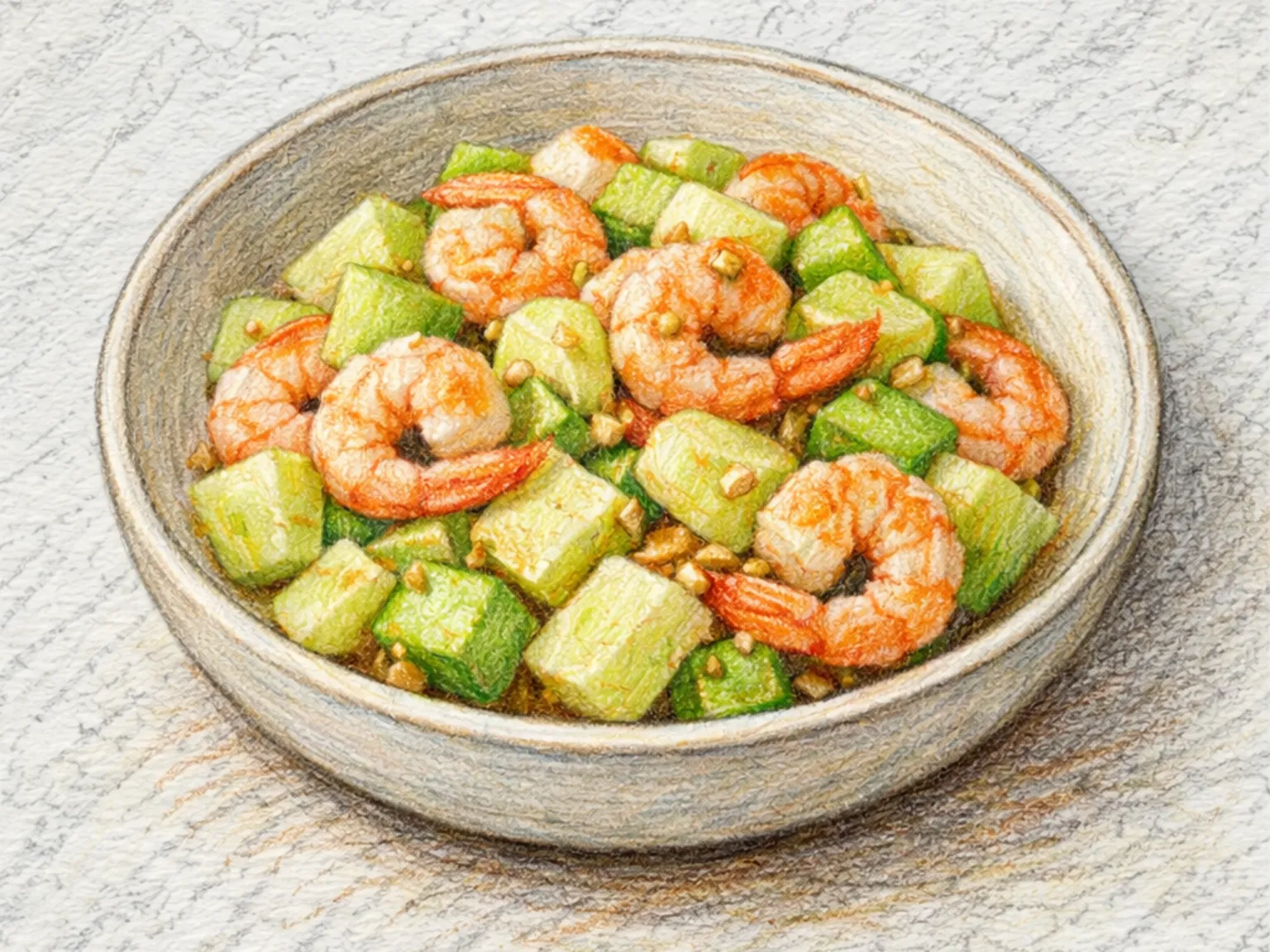
Kolrabi saeu bokkeum is a quick stir-fry of shrimp marinated in cooking wine and julienned kohlrabi, cooked over high heat in garlic-infused oil and seasoned with soy sauce and oyster sauce. Spreading the shrimp in a single layer and letting one side sear properly before flipping is the key to a firm, bouncy texture rather than a steamed one. Kohlrabi, a cross between turnip and cabbage, brings a natural sweetness and firm crunch that pairs well with the shrimp, and keeping the cooking time short preserves that crisp bite. Red bell pepper adds a contrasting color to the dish, and the deep savory quality of oyster sauce amplifies the shrimp's natural sweetness. Preheating the pan thoroughly before adding ingredients prevents excess moisture from releasing, which keeps the stir-fry dry and the textures distinct. Scallion and a finish of sesame oil round out the dish. The calorie count is low relative to the protein content, making it a practical side dish for everyday meals.

🥗 Light & Healthy🏠 Everyday
Prep 12minCook 10min2 servings
Korean Chili Oil Boiled Dumplings
Street foodEasy

Korean Chili Oil Boiled Dumplings

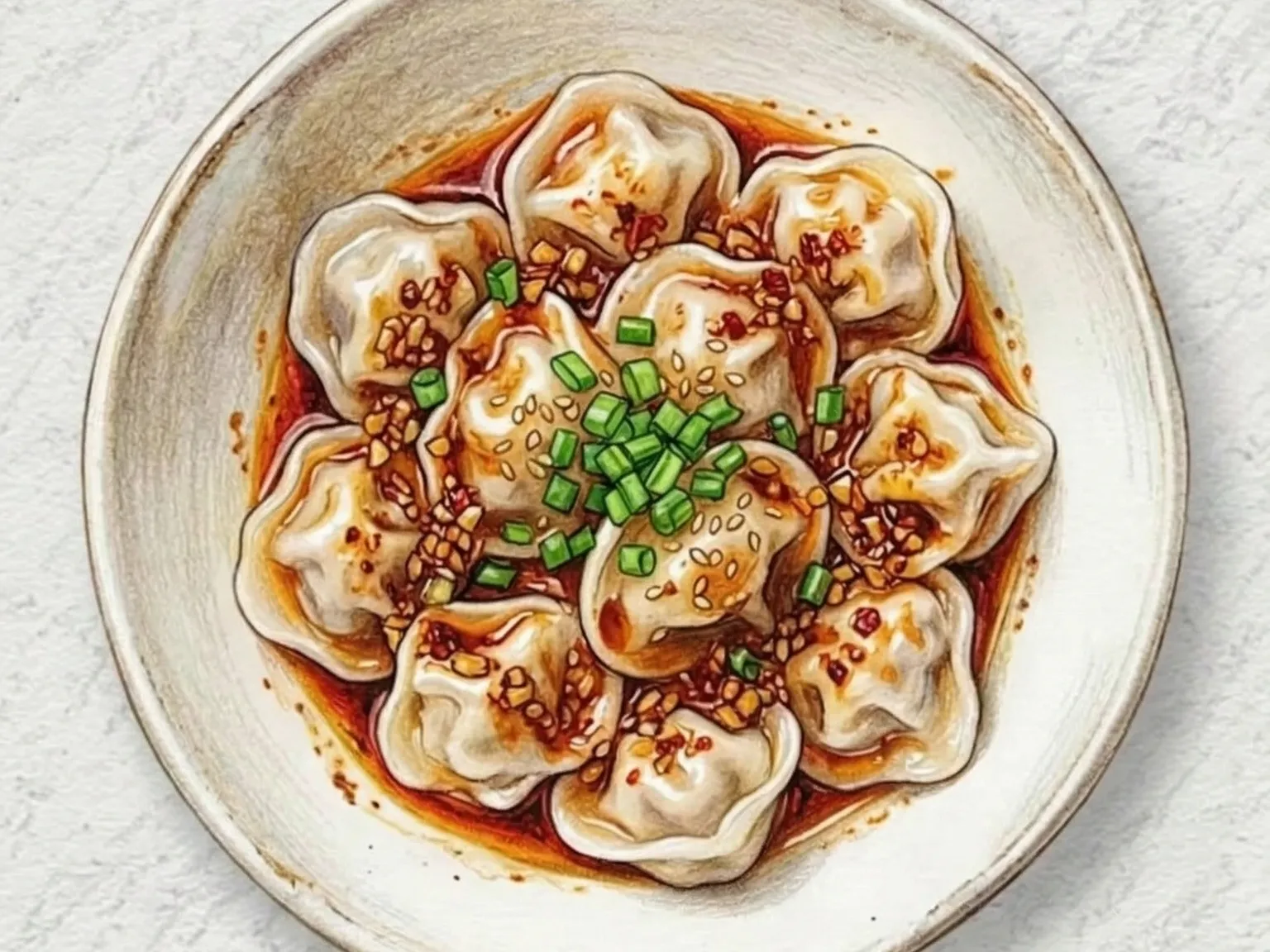
Boiling dumplings until they float and then giving them an extra two minutes in the water results in a springy texture that holds up well to a heavy dressing. Effective draining is crucial to prevent residual water from thinning the sauce, which consists of soy sauce, vinegar, minced garlic, sugar, and chili oil. The vinegar and soy sauce establish a sharp and salty foundation, while the chili oil provides a warm spice and a slick, red sheen across the surface of the wrappers. Folding the ingredients together gently ensures the skins remain intact while becoming fully coated. Adding fresh scallions provides a crisp element that balances the weight of the oil. For a profile closer to Sichuan cuisine, a dusting of Sichuan pepper powder introduces a characteristic numbing sensation alongside the heat. Heat levels are easily controlled by varying the amount of chili oil used in the mixture. Replacing the soy sauce with oyster sauce creates a thicker, more savory base for the dressing. This preparation works with frozen dumplings by extending the boiling time by a minute or two to account for the temperature difference. The sauce is compatible with various fillings including pork, shrimp, or vegetable varieties.

🌙 Late Night Quick
Prep 10minCook 8min2 servings
Korean Butter-Grilled Mushrooms
DrinksEasy

Korean Butter-Grilled Mushrooms

This dish takes thickly sliced king oyster and button mushrooms, sears them in melted butter over high heat for about four minutes until golden on both sides, then finishes with a quick toss of soy sauce for a glossy coating. Garlic goes in with the butter at the start, releasing its fragrance into the fat before the mushrooms hit the pan. Soy sauce added just before the heat is cut keeps the finish clean rather than acrid. A crack of black pepper and a scatter of chopped chives complete the plate, delivering concentrated umami without any meat. The preparation is straightforward and fast, making it a practical choice to put together quickly at the table.

🍺 Bar Snacks Quick
Prep 10minCook 10min2 servings
Korean Domi Sogeum Gui (Salt-Grilled Sea Bream)
GrilledEasy

Korean Domi Sogeum Gui (Salt-Grilled Sea Bream)

Domi-sogeum-gui is a Korean pan-grilled sea bream dish where fillets are seasoned with nothing more than coarse salt and black pepper, then cooked skin-side down for the majority of the cooking time. Sea bream sits at a favorable point among white fish varieties, carrying enough natural fat to produce a clean, rounded umami from salt alone without needing additional marinades or sauces. Patting the surface completely dry with paper towels before the fish goes into the pan is essential, as any surface moisture will cause the skin to steam rather than crisp. Placing the fillet skin-side down first and keeping it there for roughly seventy percent of the total cooking time allows the skin to turn crackling and golden while the heat travels up through the flesh from below. A brief flip to finish the flesh side is all that is needed, since overcooking removes moisture from the delicate meat quickly. Minced garlic and chopped scallions placed on top after cooking add a fresh, pungent note, and a squeeze of lemon from the side wedge sharpens the bream's mild, clean sweetness by cutting through any lingering fish aroma.

🍺 Bar Snacks🏠 Everyday
Prep 15minCook 16min2 servings
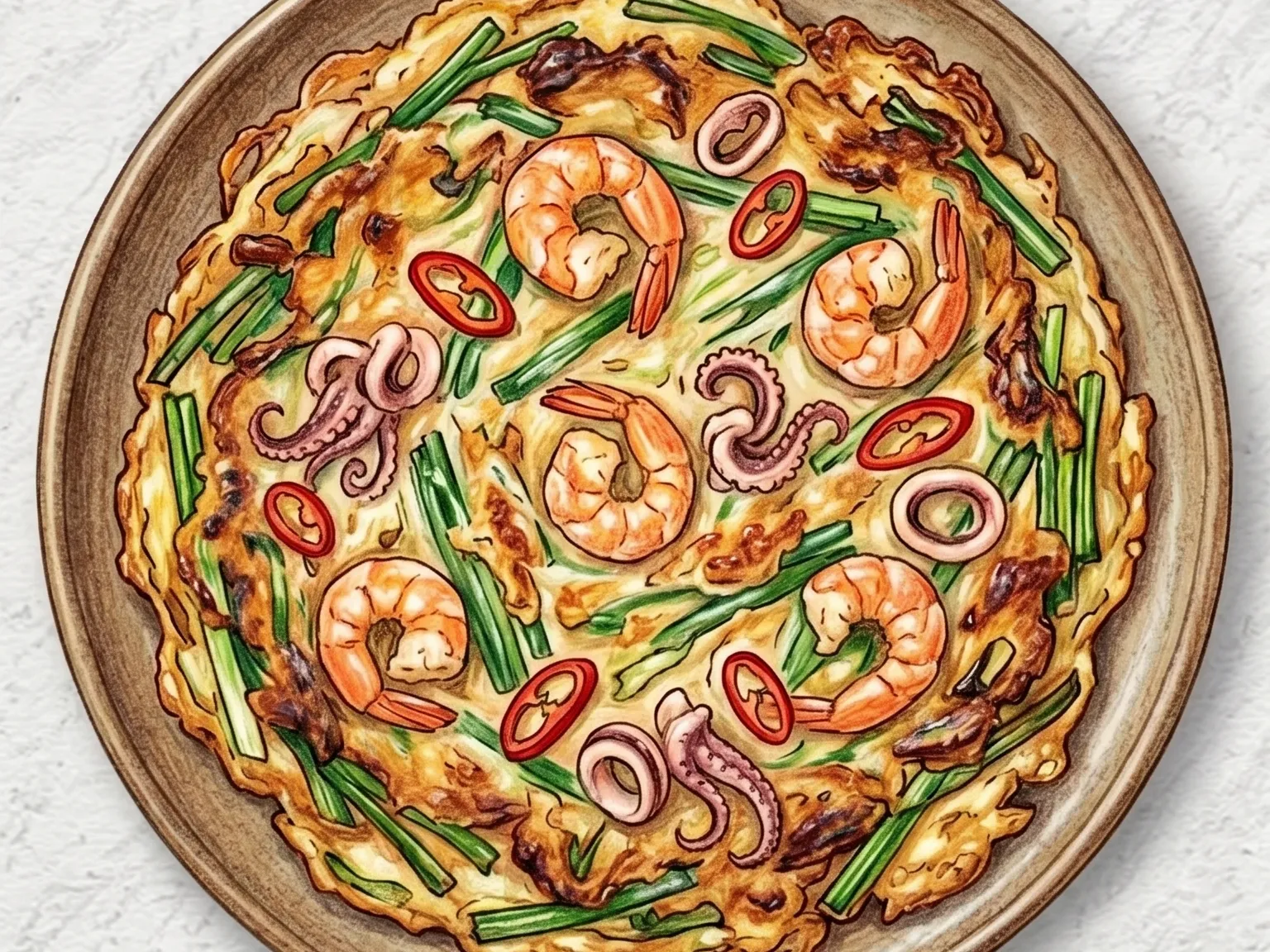
Korean Radish & Shrimp Pancake
PancakesEasy

Korean Radish & Shrimp Pancake

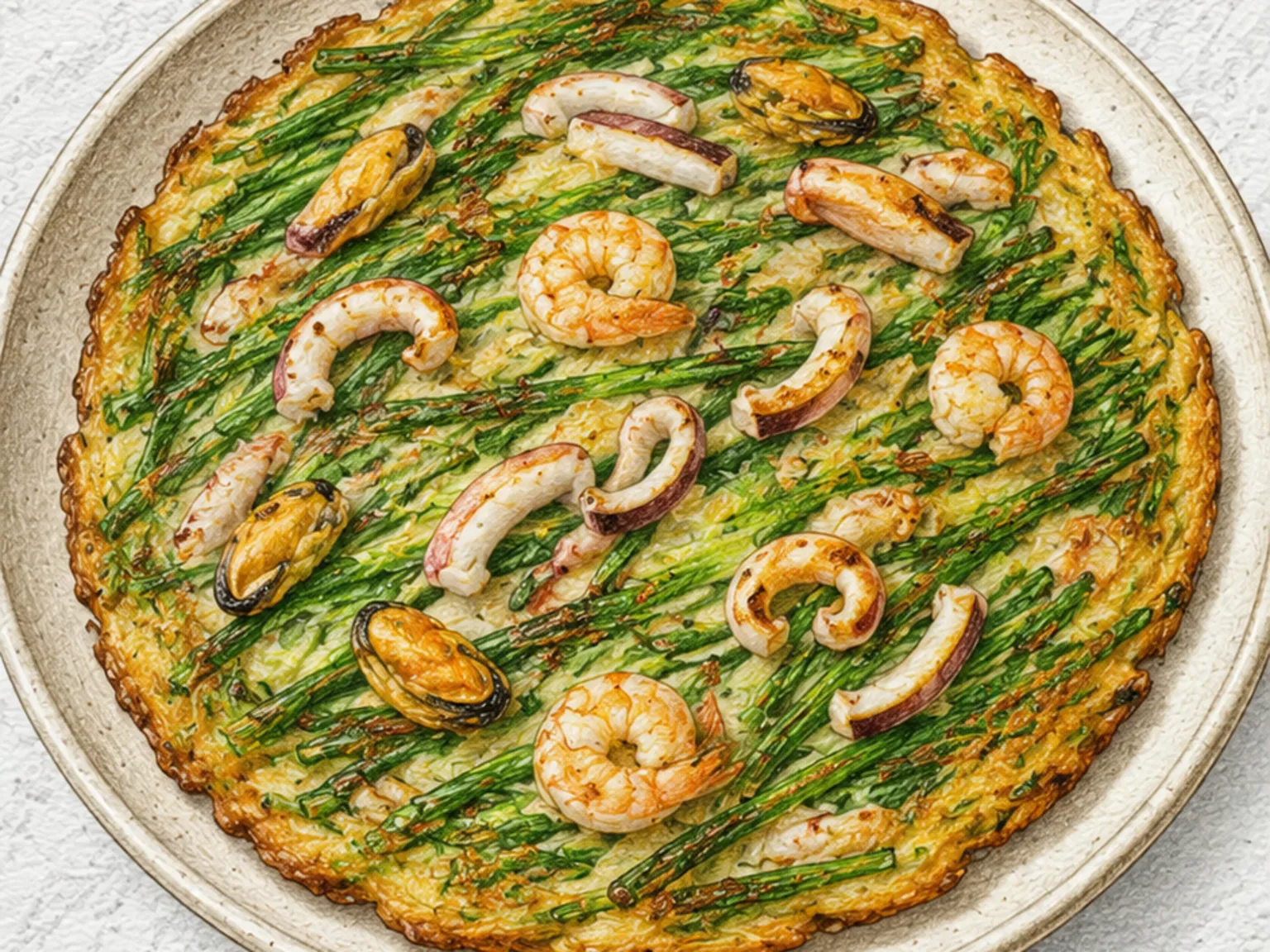
Julienned Korean radish and small peeled shrimp are combined in a pancake batter fortified with a measured amount of potato starch for added crispiness. Egg is mixed into the batter to improve binding and keep the pancake intact when flipped. Scallions are distributed throughout for a mild, grassy fragrance. Radish releases notable moisture as it cooks, so frying over high heat is essential to drive off that liquid quickly and achieve a crisp outer surface. The sharp, slightly bitter edge of raw radish disappears with heat and gives way to a gentle natural sweetness that pairs cleanly with the mild, delicate flavor of the shrimp. Pressing the center of the pancake down with a spatula while frying encourages even browning all the way through.

🍺 Bar Snacks
Prep 15minCook 12min2 servings
Korean Braised Eggplant in Seasoned Soy Sauce
SteamedEasy

Korean Braised Eggplant in Seasoned Soy Sauce

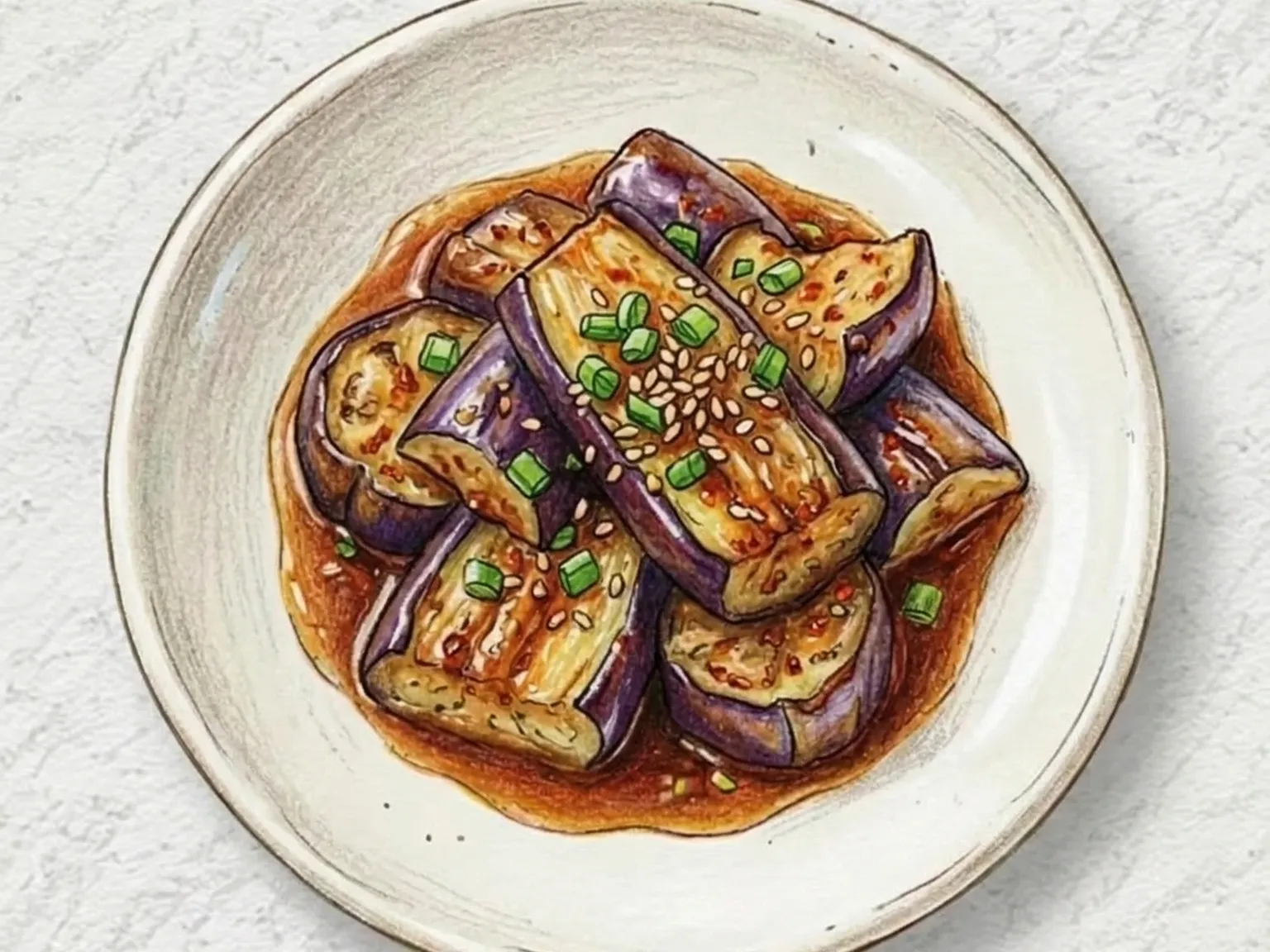
Gaji yangnyeom jorim is a Korean braised eggplant side dish made with soy sauce, gochugaru, garlic, and sesame oil. Briefly sauteing the eggplant in oil before adding the braising liquid is important: pre-cooking the surface prevents the eggplant from releasing too much water into the sauce, which keeps the seasoning concentrated and helps it penetrate evenly. A small amount of sugar or plum extract is added to the sauce, giving the finished dish its characteristic glossy sheen. Scallions are stirred in only after the heat is off to preserve their color and texture. The result is a compact, salty-spicy banchan with a deep lacquered surface on each piece. Keeping a batch in the refrigerator means it is available as a side dish for three or more days, and the leftover braising liquid works well as seasoning in bibimbap.

🥗 Light & Healthy🏠 Everyday
Prep 10minCook 15min2 servings
Korean Napa Cabbage Kimchi
KimchiMedium

Korean Napa Cabbage Kimchi

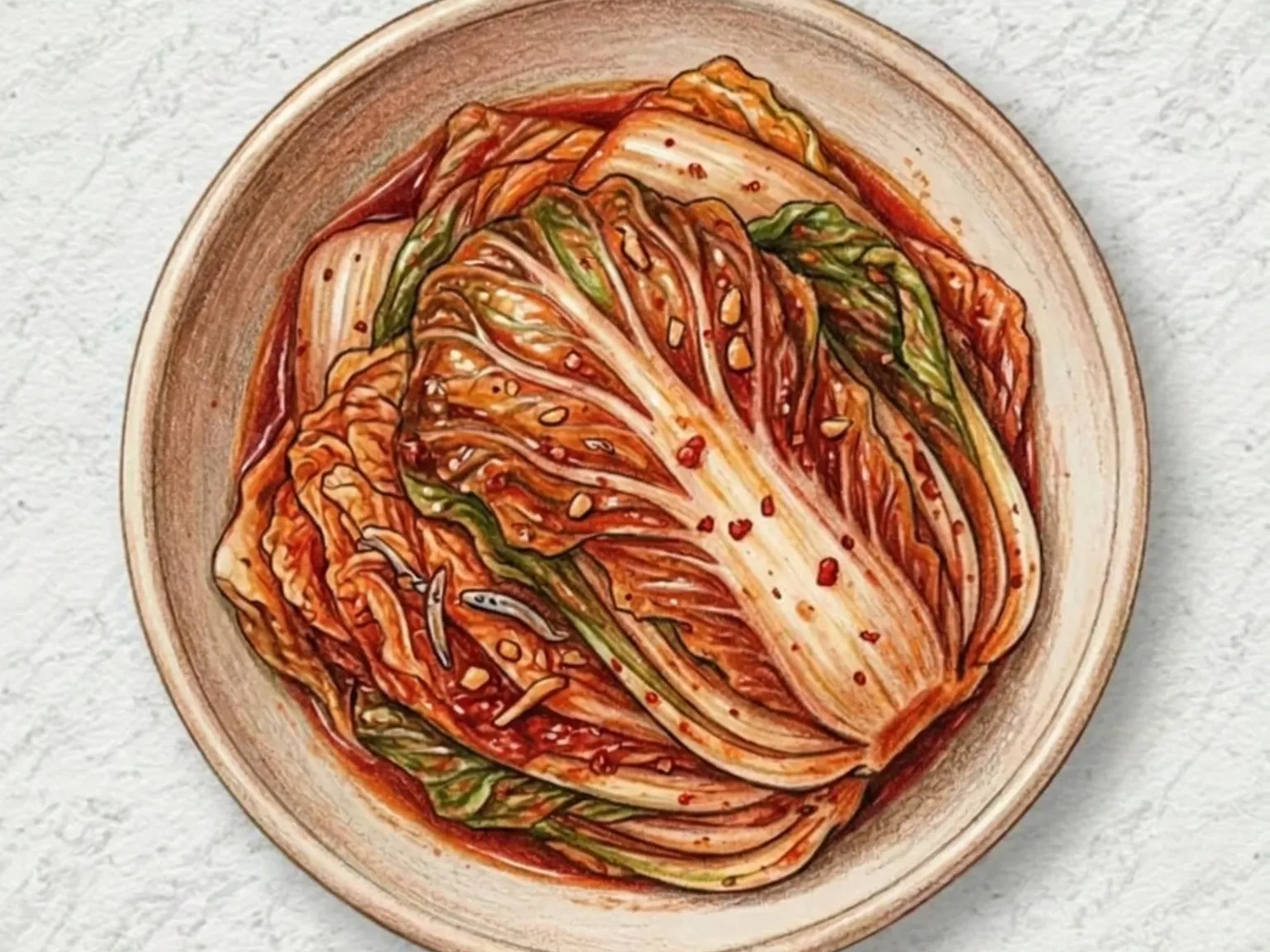
Baechu kimchi is Korea's definitive fermented food - salted napa cabbage layered with a seasoning paste of gochugaru, anchovy fish sauce, garlic, ginger, and glutinous rice paste, then fermented at controlled temperatures until the correct balance of salt, heat, umami, and lactic acid develops. Kimchi is not a pickled vegetable in the Western sense; it is a living fermented food whose character changes continually from the moment it is made. The salting step is the technical foundation. Coarse sea salt draws moisture from the cabbage over six to eight hours, making the stems flexible while leaving the characteristic crunch intact. Under-salting results in kimchi that weeps too much liquid during fermentation and turns mushy; over-salting suppresses microbial activity and masks the seasoning. The glutinous rice paste in the seasoning serves two purposes simultaneously: it acts as an adhesive that keeps the seasoning paste clinging to each leaf rather than sliding off, and it provides fermentable sugars that give the lactobacillus bacteria an early food source, accelerating the initial fermentation. Julienned radish adds textural contrast, and scallions contribute a layer of savory depth. After one day at room temperature to establish the bacterial culture, the kimchi moves to cold storage where lactic acid accumulates slowly. At two to three weeks, the heat from gochugaru, the umami from fish sauce, and the acidity from fermentation reach their optimal equilibrium. Older kimchi - four weeks or more - develops a pronounced sourness and deeper, more fermented flavor that makes it better suited for cooking in kimchi-jjigae or kimchi-bokkeum than for eating raw.

🍱 Lunchbox
Prep 50min4 servings
Korean Gamtae Sesame Oil Somyeon
NoodlesEasy

Korean Gamtae Sesame Oil Somyeon

Gamtae chamgireum somyeon is a Korean cold noodle dish where boiled thin wheat noodles are dressed with sesame oil and soy sauce, then covered with a generous layer of gamtae seaweed. Gamtae is a type of fine seaweed closer to green laver than to the roasted sheets most commonly associated with Korean cuisine, and its oceanic fragrance is considerably more intense and raw-edged than standard gim. The moment gamtae is placed over the noodles, a strong marine aroma rises that defines every subsequent bite. The dressing itself is deliberately minimal: sesame oil provides a heavy, toasted nuttiness and soy sauce contributes a salty, savory base, and together they carry the dish without competing with the seaweed's character. A measured amount of minced garlic adds a sharp, pungent undercurrent that gives the straightforward flavors a point of direction. Rinsing the noodles thoroughly in cold water after boiling removes excess surface starch, which is essential to prevent clumping and to allow the dressing to coat each strand individually rather than pooling at the bottom. The result is a clean, focused dish where ocean fragrance and nuttiness do all the work.

🏠 Everyday
Prep 10minCook 12min2 servings
Kimchi Garlic Butter Shrimp Spaghetti
PastaEasy

Kimchi Garlic Butter Shrimp Spaghetti

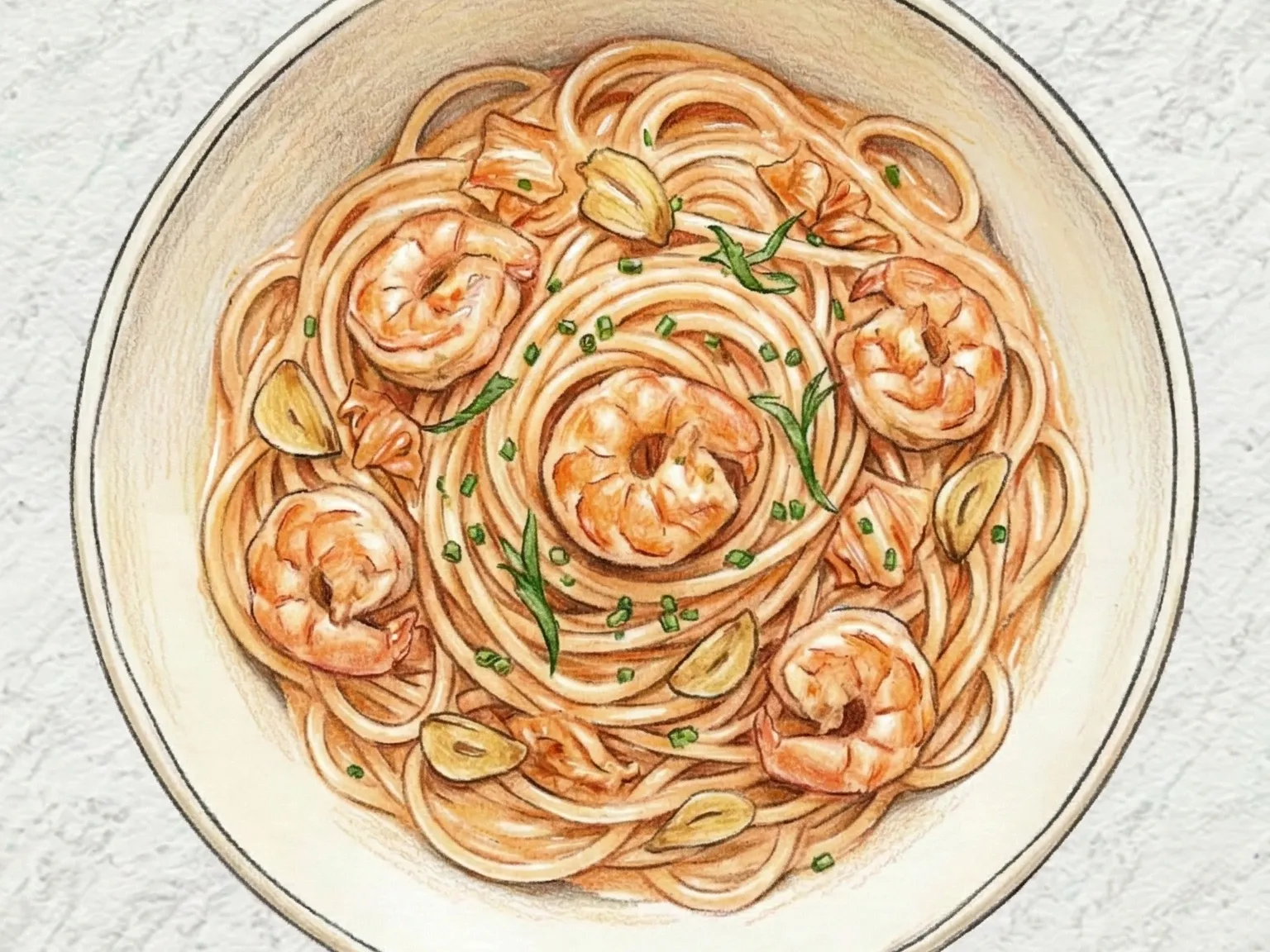
Kimchi garlic butter shrimp spaghetti is an oil-based pasta where garlic browned in butter and fermented kimchi together amplify the natural sweetness of shrimp. The shrimp are seared first in olive oil to build fond on the pan, then garlic and chopped kimchi go into the same pan to absorb those flavors. Butter and starchy pasta water are emulsified into a glossy, light coating rather than a heavy sauce. Gochugaru provides a gentle background heat, and a squeeze of lemon at the end lifts the richness. Sliced scallions finish the dish with color and a mild onion note.

🍺 Bar Snacks🏠 Everyday
Prep 12minCook 18min2 servings
Charred Corn Bulgur Gochujang Salad
SaladsEasy

Charred Corn Bulgur Gochujang Salad

Charred corn bulgur gochujang salad dry-chars corn kernels in a hot pan for three minutes to caramelize their natural sugars, then combines them with bulgur wheat cooked for eight minutes to a chewy, al dente finish. A smooth dressing of gochujang, olive oil, apple cider vinegar, and maple syrup coats the grains in spicy-sweet Korean flavor, and diced cucumber with halved cherry tomatoes provides moisture and bright acidity. Pulling the bulgur while still slightly firm prevents it from turning mushy, and resting the assembled salad for 10 minutes at room temperature allows the grains to absorb the dressing fully, deepening the flavor. Thinly sliced scallions add a mild onion note at the end. The whole salad comes together in about 30 minutes, making it practical as a weekday lunch or a light standalone meal.

🥗 Light & Healthy🎉 Special Occasion
Prep 15minCook 12min4 servings
Loaded Baked Potato
WesternEasy

Loaded Baked Potato

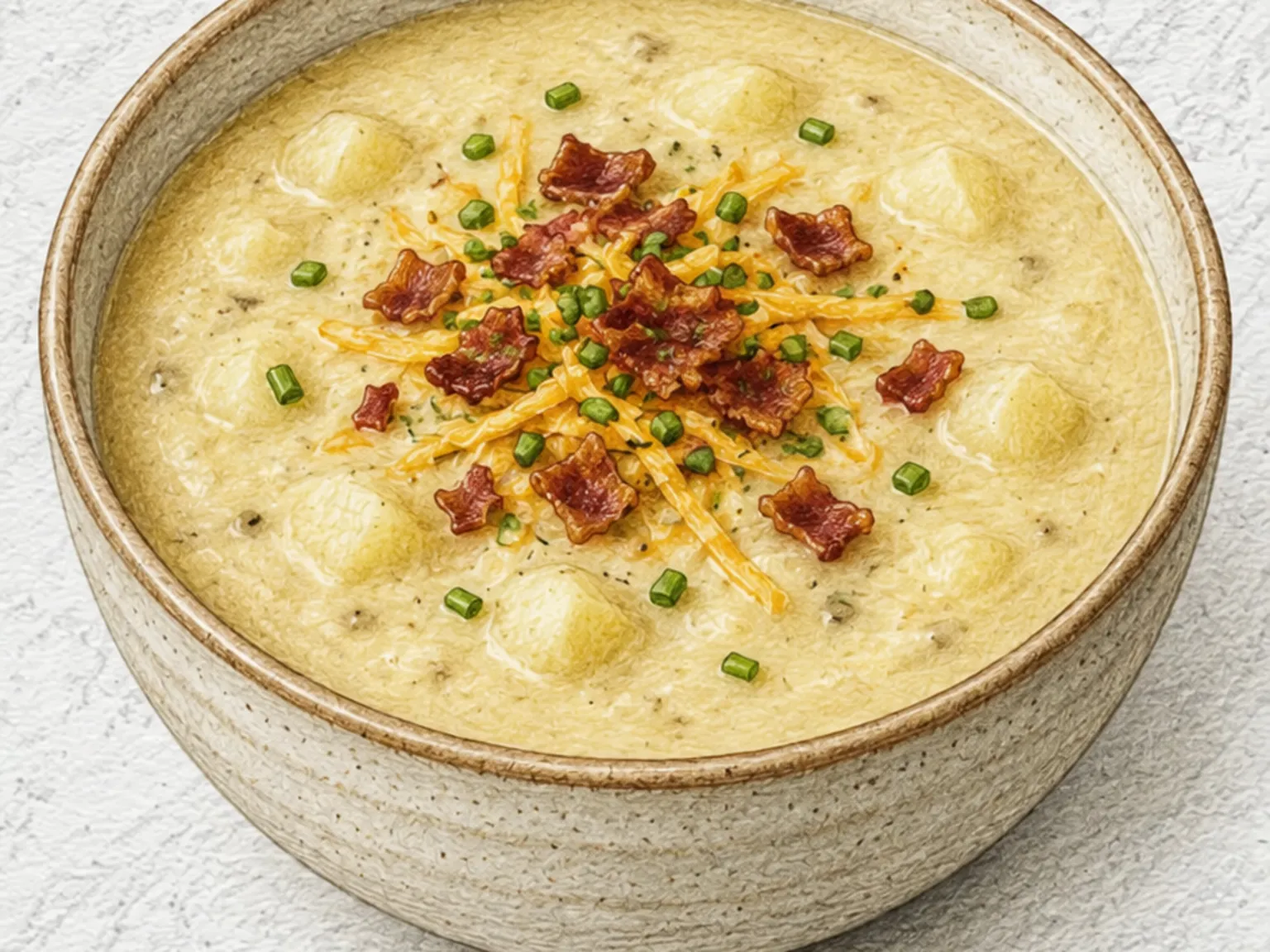
Loaded baked potato starts with a russet potato baked whole at 200 degrees Celsius for about 50 minutes until the inside is fluffy and the skin is crisp. Rubbing the skin with salt and butter before baking and poking holes with a fork ensures even heat penetration and a thin, crunchy shell. The hot potato is split open, the flesh is fluffed with a fork, then piled with shredded cheddar cheese - which melts on contact - crumbled crispy bacon, cold sour cream, and chopped chives. The sour cream's cool tang balances the salty bacon and rich cheese, while the chives add a mild onion freshness. No additional cooking is needed beyond the bake itself, making it equally suited as a side dish or a full meal.

🍺 Bar Snacks🏠 Everyday
Prep 10minCook 50min2 servings
Banh Canh Cua (Vietnamese Thick Crab and Pork Noodle Soup)
AsianMedium

Banh Canh Cua (Vietnamese Thick Crab and Pork Noodle Soup)

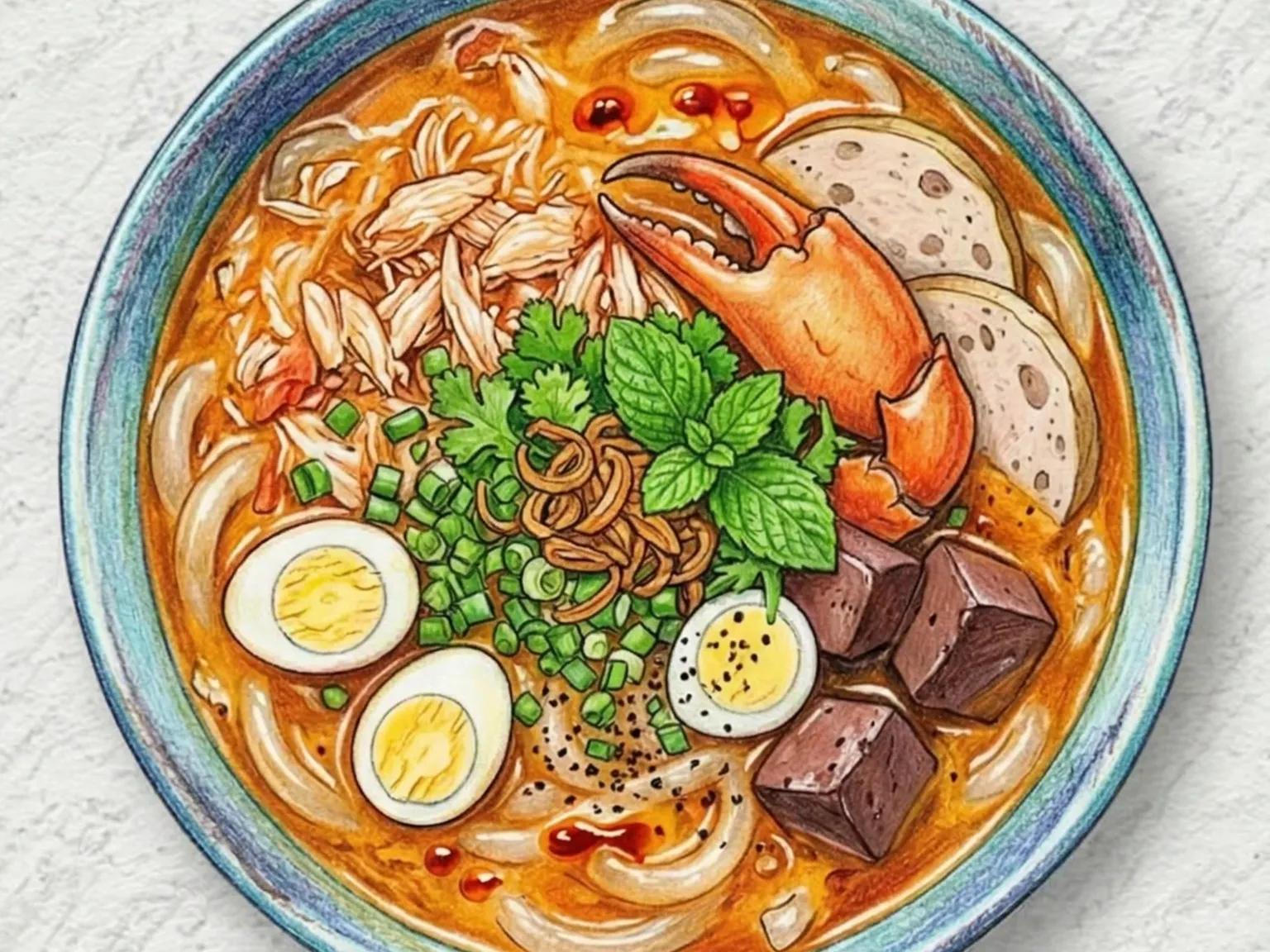
Banh canh cua is a southern Vietnamese noodle soup built for maximum richness - both the broth and noodles are thick, a deliberate contrast to the clear, refined soups of Hanoi. The base is drawn from crab shells and pork bones simmered together for hours, then strained and thickened with tapioca starch until it coats the back of a spoon. Hand-formed tapioca-rice noodles have a quality unlike any wheat or standard rice noodle: slippery on the surface and densely chewy at the core. Chunks of crab meat and a crab-paste egg custard float in the milky broth, making each spoonful intensely oceanic. Street vendors in Ho Chi Minh City and Can Tho ladle it from giant pots at dawn, serving it as a morning meal alongside fried shallots and fresh herbs that cut through the fat. The soup has no equivalent in northern Vietnamese cooking - it is distinctly southern, a bowl that prioritizes depth and substance over delicacy.

🎉 Special Occasion
Prep 20minCook 30min2 servings
Korean Tofu with Spicy Soy Dressing
Side dishesEasy

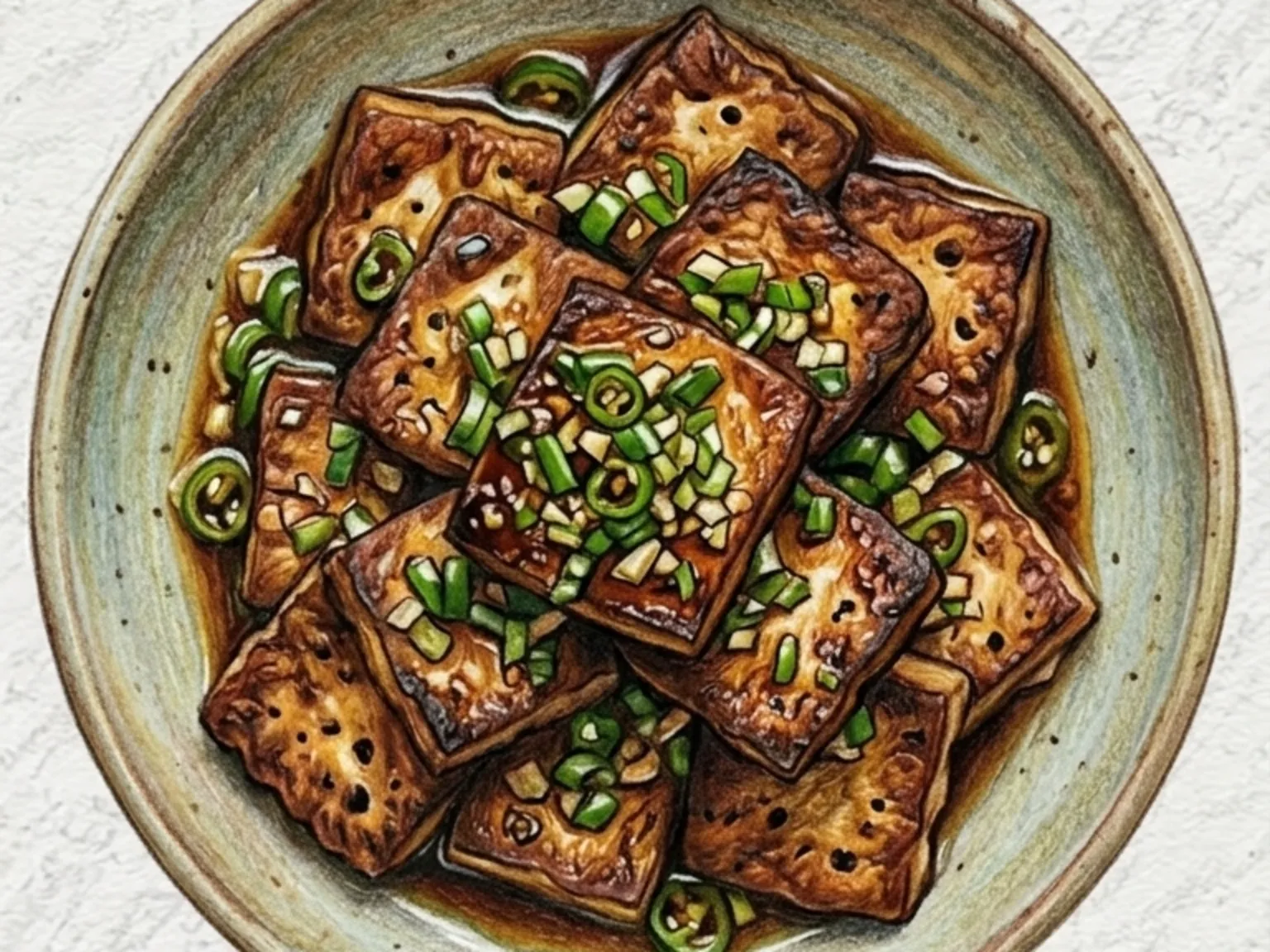
Korean Tofu with Spicy Soy Dressing

Dubu cheongyang ganjang muchim is a pan-fried tofu banchan that takes the classic dubu buchim in a sharper direction by centering the dressing on cheongyang chili, the hottest pepper in everyday Korean cooking. The most important part of the technique is getting a proper mahogany crust on the tofu. The pan must be hot before the tofu goes in, and the heat must stay high throughout. Too low a flame causes the tofu to steam in its own released moisture rather than sear, resulting in a soft surface with no textural contrast. When seared correctly, the outer layer becomes a firm, slightly chewy barrier while the interior stays silken and creamy. The dressing is raw and uncooked: soy sauce, minced cheongyang chili, scallion, garlic, and sesame oil combined without heat. It is poured over the tofu while the tofu is still steaming hot, which causes the raw garlic and chili to bloom slightly in the residual heat and release their full aromatic sharpness. Cheongyang pepper heat is clean and immediate rather than slow-building - it registers on the tongue quickly and fades without lingering the way dried gochugaru does. The dish is a natural pairing for mild, smooth soups like miyeok-guk, where the chili's sharpness provides a sharp counterpoint to the gentle seaweed broth. It also works alongside plain steamed rice as a standalone side.

🥗 Light & Healthy🏠 Everyday
Prep 10minCook 6min4 servings
Plain Korean Rice Porridge
RiceEasy

Plain Korean Rice Porridge

Baekjuk is the most fundamental Korean porridge, made with nothing more than soaked rice and water cooked together over a long, slow heat. Toasting the rice in sesame oil before adding liquid coats each grain in a thin fat layer that slows starch release, preventing the porridge from turning excessively glutinous while laying down a nutty, roasted aroma as the foundation of the dish. Water is added at six to seven times the volume of rice, brought to a boil, then reduced to the lowest heat and stirred continuously for at least thirty minutes. Over that time the grains break down entirely into a smooth, pourable consistency. Regular scraping with a wooden spatula is not optional - without it, the bottom scorches and changes both the taste and color of the porridge. Seasoning is held to a minimum of salt alone to let the natural sweetness of the rice come through, with shredded dried seaweed and sliced scallion placed on top for small bursts of contrast. A single drop of sesame oil added just before serving closes the dish with a clean, nutty fragrance. The porridge has long been used as a recovery meal for unsettled stomachs and low appetite, and it pairs easily with nearly any Korean side dish to become a complete meal.

🥗 Light & Healthy🏠 Everyday
Prep 5minCook 35min2 servings
Korean Pollock Roe Egg Butter Stir-fry
Stir-fryEasy

Korean Pollock Roe Egg Butter Stir-fry

Myeongran-dalgyal-butter-bokkeum gently cooks pollock roe and eggs in butter with diced onion, producing soft, creamy curds studded with tiny pops of briny roe. The roe sacs are split open and the eggs are scraped out, then stir-fried for just 30 seconds before the milk-enriched egg mixture is poured in and slowly folded into large, pillowy curds. Half the butter goes in at the start for cooking, and the remaining half is stirred in off-heat for richness. Chopped chives and black pepper finish the dish, which goes from pan to plate in under eight minutes.

🏠 Everyday🍱 Lunchbox
Prep 10minCook 8min2 servings
Kimchi Octopus Balls (Korean-Style Takoyaki with Fermented Kimchi)
Street foodMedium

Kimchi Octopus Balls (Korean-Style Takoyaki with Fermented Kimchi)

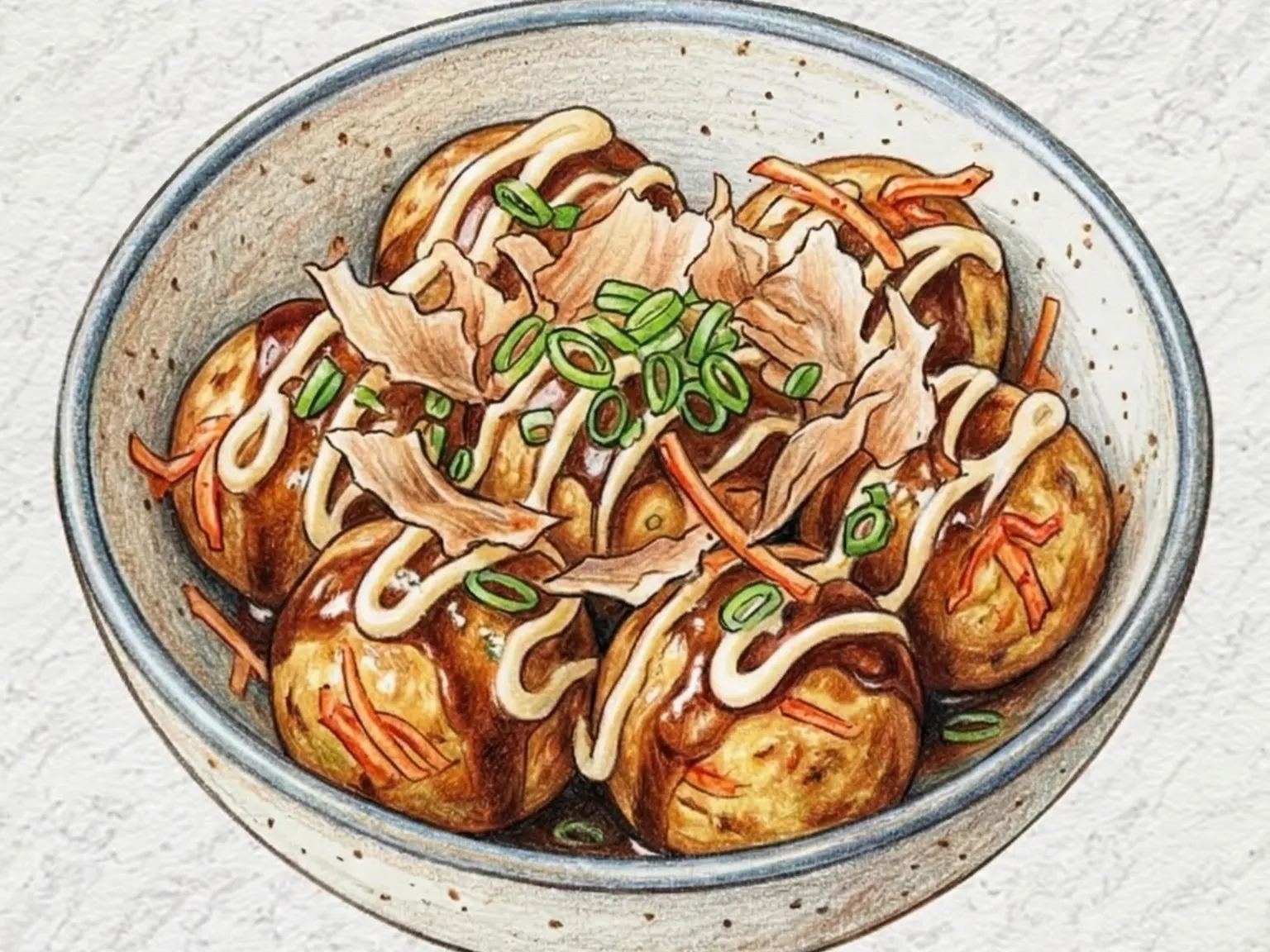
Kimchi takoyaki fills a takoyaki pan with a thin batter of takoyaki flour, water, and egg, then drops boiled octopus, drained kimchi, and chopped scallion into each well before rotating the rounds with a skewer as they set. The exterior crisps into a thin, golden shell while the inside stays loose and creamy, and the octopus's springy resistance meets the kimchi's tangy heat within the mild, savory batter. Squeezing the kimchi thoroughly dry before adding it is essential - residual liquid thins the batter and prevents clean browning. Leaving the balls untouched for a full minute allows the bottom to set before any turning begins. Finished with takoyaki sauce, mayonnaise, and a flutter of bonito flakes on top, each piece delivers a layered combination of salty, rich, and umami.

🧒 Kid-Friendly
Prep 18minCook 15min2 servings
Korean Gwangeo Yuja Ganjang Gui (Yuja Soy Grilled Flounder)
GrilledMedium

Korean Gwangeo Yuja Ganjang Gui (Yuja Soy Grilled Flounder)

Gwangeo yuja-ganjang-gui is a Korean grilled flounder dish where fillets are brushed with a glaze of soy sauce, yuzu marmalade, minced garlic, and ginger juice, left to marinate for ten minutes, then cooked in olive oil over medium heat for three minutes per side. The yuzu marmalade introduces a bright citrus acidity that sits cleanly on top of the soy sauce depth, building a layered flavor profile over the neutral, clean-tasting flesh of the flounder. The two elements do not compete: the soy provides the savory foundation and the yuzu supplies the brightness that keeps the dish from feeling heavy or monotonous. Brushing the remaining glaze over the fish during a final two to three minutes on low heat is what creates the glossy, lacquered sheen on the surface, caramelizing slightly as the sugars in the yuzu marmalade concentrate and reduce against the hot pan. Lemon zest and thinly sliced green onion scattered over the finished fish add a final layer of fragrance that lifts the dish just before serving. Flounder is a delicate fish with thin fillets that break easily if handled carelessly, so flipping the fish only once with a wide spatula in a single, confident motion is the technique that keeps the flesh intact and the presentation clean. The combination of fermented soy and citrus suits the mild white fish without masking its natural flavor.

🍺 Bar Snacks
Prep 18minCook 14min2 servings
Korean Shiitake Tofu Pancake
PancakesEasy

Korean Shiitake Tofu Pancake

Shiitake-tofu jeon is a savory Korean pancake made by finely chopping fresh shiitake mushrooms and firm tofu, then mixing them into a batter of pancake mix, egg, and a touch of sesame oil before pan-frying. The shiitakes contribute a meaty chew and pronounced umami depth, while the tofu lightens the texture and keeps the interior moist. Carrot and chives are added for color contrast and a fresh, slightly pungent bite. The egg binds everything together, and the sesame oil in the batter gives a nutty fragrance. Cooked uncovered over medium-low heat until both sides are golden, the exterior crisps up while the inside stays tender. When using dried shiitakes, soaking them in water first is worthwhile because the soaking liquid can be reserved for use in soups or braising liquid. Served with a dipping sauce of soy sauce and vinegar, the salty acidity sharpens the overall savory flavor.

🏠 Everyday🍺 Bar Snacks
Prep 20minCook 14min2 servings
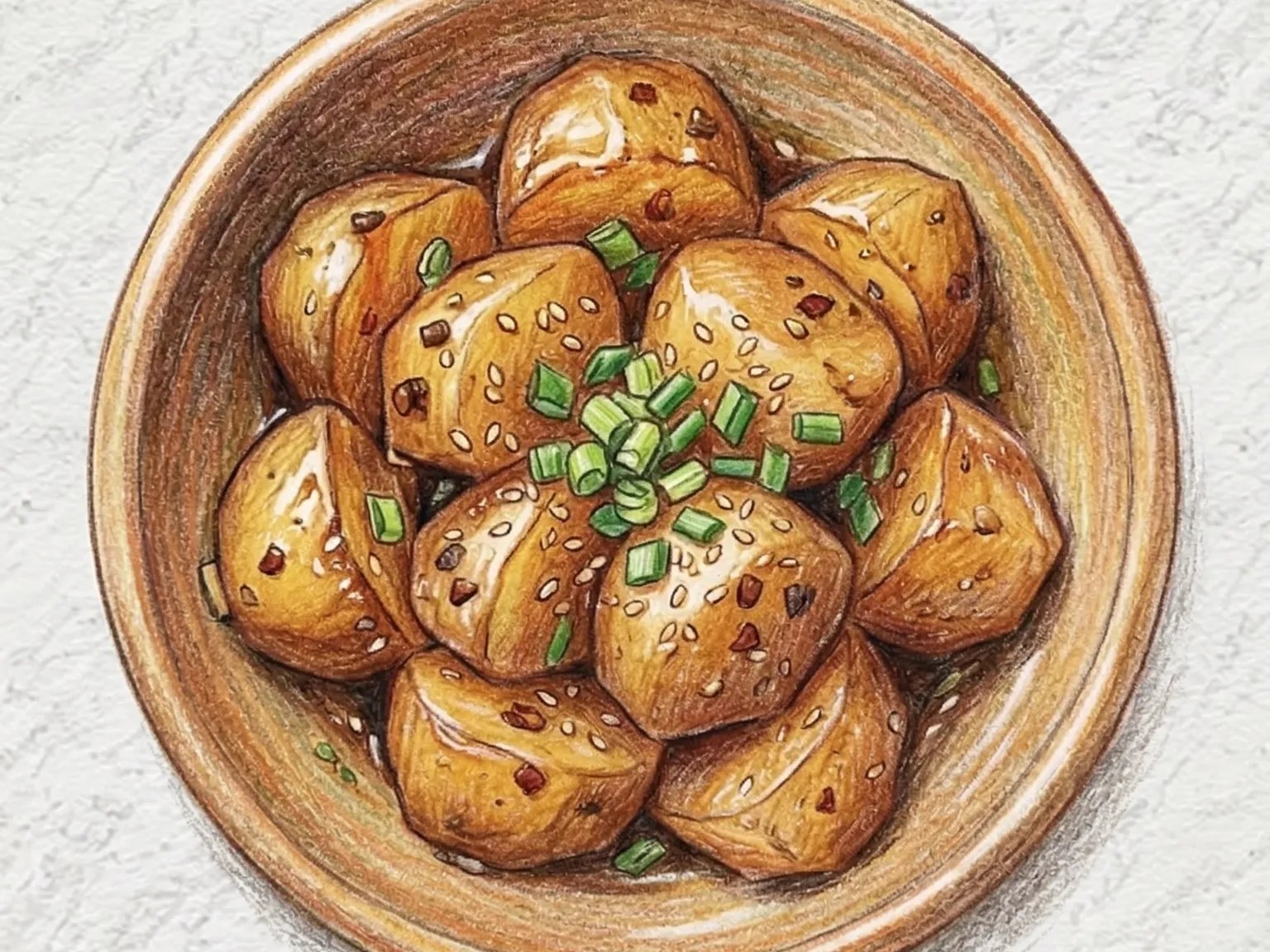
Korean Soy Steamed Potatoes
SteamedEasy

Korean Soy Steamed Potatoes

Gamja-jjim is a Korean braised potato banchan made by simmering potato pieces in a sauce of soy sauce, sugar, and minced garlic until the liquid reduces to a thick, glossy glaze. As the sauce concentrates, it coats every cut surface of the potato with a lacquered sheen while the seasoning penetrates through to the center, so the flavor is consistent from the outside in. The sugar caramelizes slightly during the final minutes of reduction, adding a faint toffee-like sweetness to the soy's deeper, saltier notes. Minced garlic breaks down in the heat and melds into the sauce, providing an umami backbone that rounds out the simpler flavors. Finishing with sesame oil and a generous scatter of sliced chives introduces a toasted, nutty aroma and a fresh herbal brightness. The potato itself holds its shape but is cooked through to a fluffy, yielding interior beneath the sticky exterior. Simple to make and requiring few ingredients, it is the kind of side dish that disappears from the table without much fanfare, pairing effortlessly with a bowl of rice.

🏠 Everyday🧒 Kid-Friendly
Prep 12minCook 25min2 servings
Korean White Kimchi (Non-Spicy Napa Pear Fermented)
KimchiMedium

Korean White Kimchi (Non-Spicy Napa Pear Fermented)

Baek kimchi is a Korean white kimchi made without gochugaru, producing a completely non-spicy, clear-broth fermented vegetable. Napa cabbage is salted and wilted, rinsed, then layered with julienned radish, sliced garlic, and ginger tucked between the leaves. Pureed pear serves as a natural sugar source that feeds fermentation, while dried jujubes add a subtle background sweetness to the brine. Salted water is poured over the assembled cabbage, the container is sealed, and after one day at room temperature the kimchi moves to the refrigerator for a slow ferment. Without chili heat, the flavor centers on the clean lactic acidity that develops over time, balanced by the natural sweetness of pear and jujube and the warm bite of garlic and ginger dissolved into the brine. The fermentation is slower than standard kimchi, reaching optimal taste at two to three weeks. It is eaten with its brine, either on its own or as a palate-clearing side alongside fatty meat dishes. Before chili peppers were introduced to the Korean peninsula in the late sixteenth century, kimchi without gochugaru was the standard form, and baek kimchi is considered the closest modern equivalent to those pre-chili preparations.

🏠 Everyday🍱 Lunchbox
Prep 50minCook 20min4 servings