Recipes with rice

89 recipes. Page 4 of 4

Buy rice
Korean Red Bean Rice (Steamed Rice with Adzuki Beans)
Rice Easy

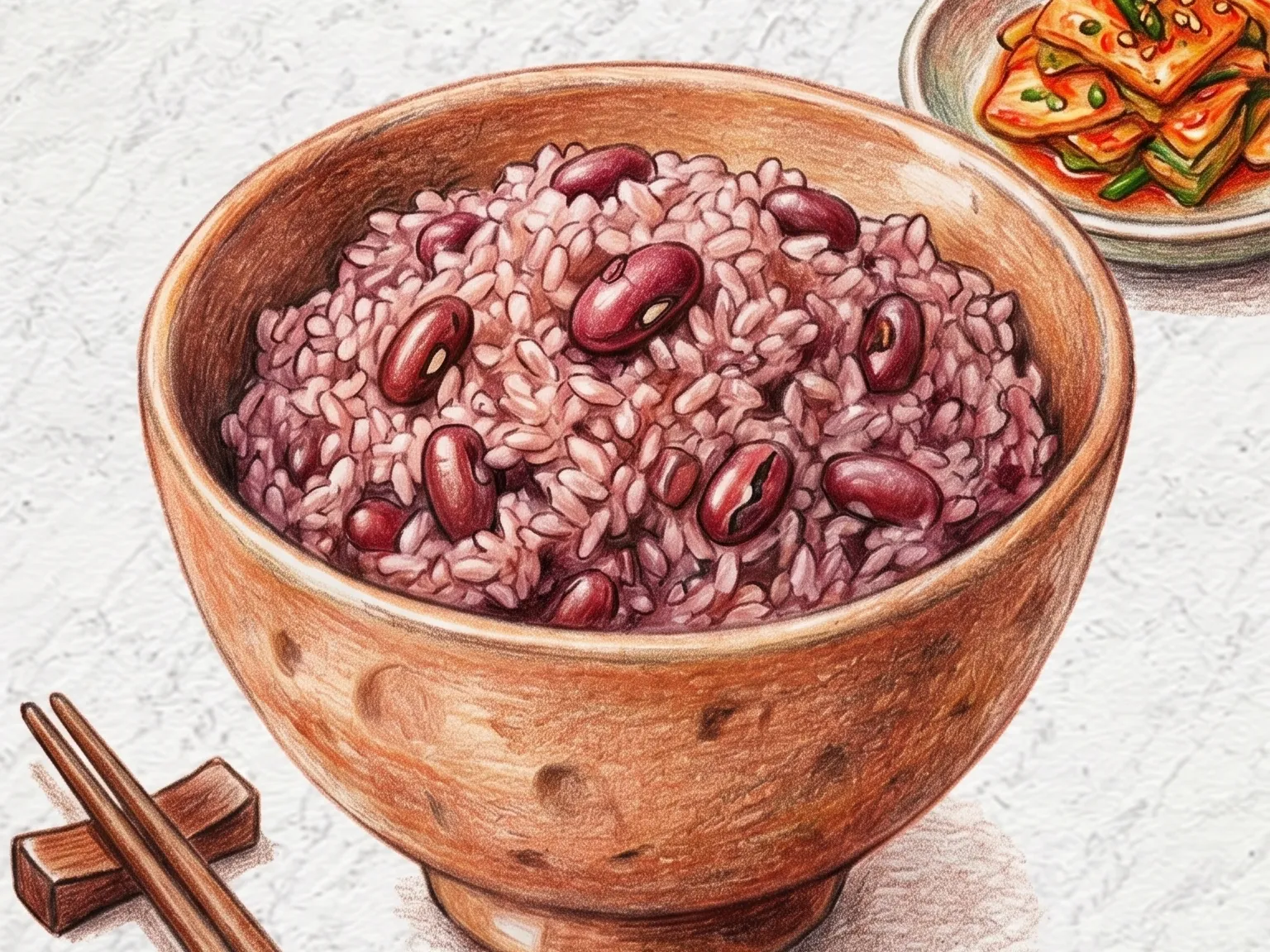
Korean Red Bean Rice (Steamed Rice with Adzuki Beans)

Pat-bap is Korean red bean rice, a traditional dish that has been tied to the winter solstice for centuries as a food believed to ward off misfortune and bad spirits for the coming year. Dried red beans are boiled until they are nearly at the point of splitting, then removed from the liquid so the deep-tinted cooking water can be used to soak and cook the rice, staining every grain with a soft reddish hue that sets the dish apart visually from plain white rice. The beans are folded back into the pot during cooking, and their starchy, earthy sweetness blends with the sticky bite of the short-grain rice, deepening with each chew in a way that plain rice does not. A light dusting of salt draws out the beans' natural, understated sweetness and sharpens the overall flavor without overpowering the grain's own character. The dish is deliberately plain in approach, and that simplicity is the point: a bowl of pat-bap alongside kimchi forms a complete, filling meal grounded in centuries of Korean seasonal food culture. Though historically associated with ritual occasions and seasonal festivals, pat-bap is equally suited to everyday meals.

🏠 Everyday
Prep 4min Cook 40min 4 servings
Korean Shiitake Mushroom Rice
Rice Easy

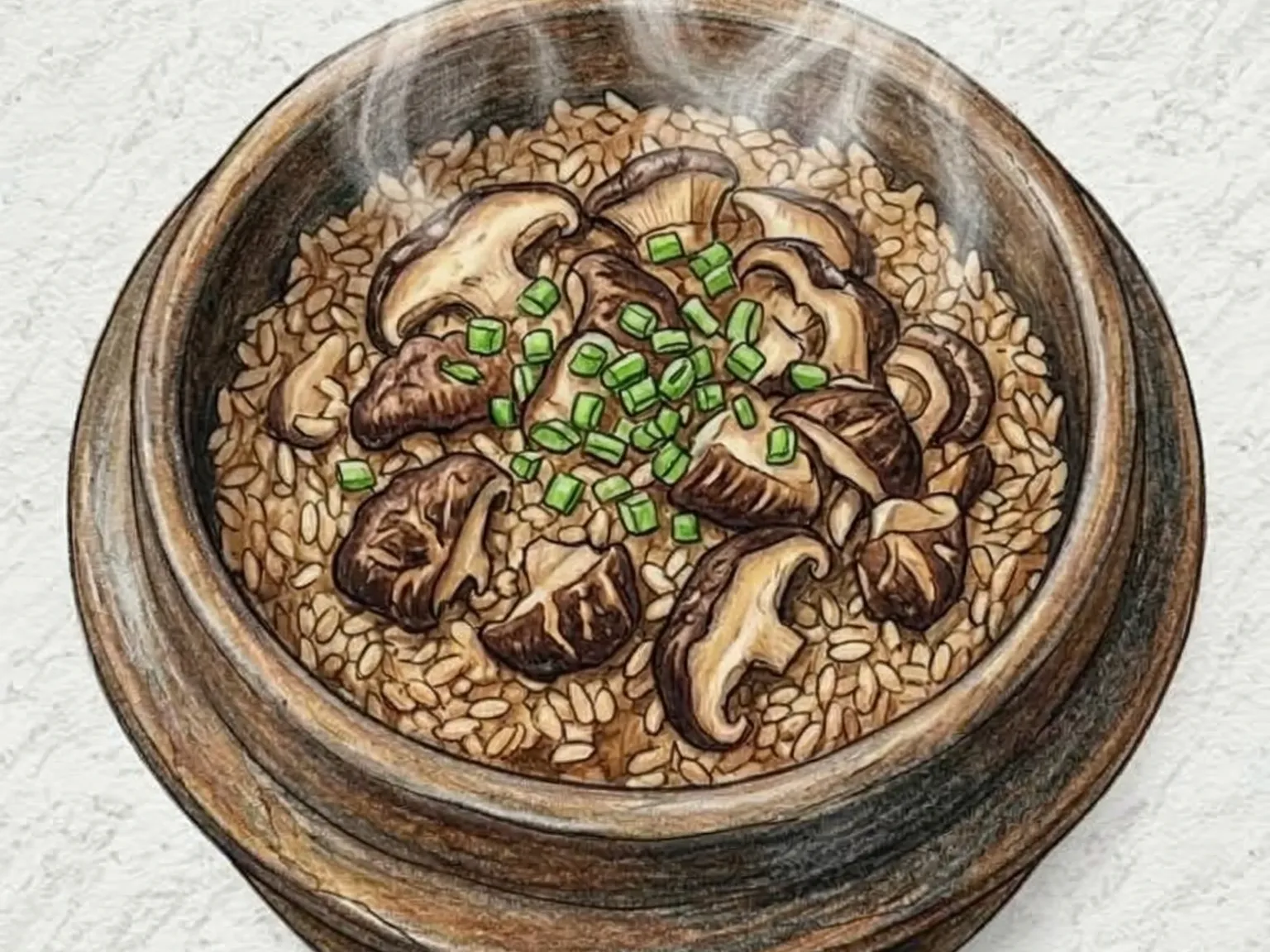
Korean Shiitake Mushroom Rice

Pyogo-beoseot-bap is a Korean pot rice that cooks thickly sliced fresh shiitake mushrooms directly on top of soaked rice, allowing the mushrooms' concentrated umami and earthy aroma to infuse every grain as steam circulates inside the sealed pot. Once the rice is done, it is mixed with a soy-sesame dipping sauce made from soy sauce, sesame oil, chopped scallion, and toasted sesame seeds, which amplifies the earthy depth already present in the rice and ties all the flavors into a cohesive bowl. The shiitake mushrooms retain a satisfying meaty chew even after the cooking process, giving the dish a substantive bite that rivals meat-based rice bowls and makes the absence of protein go unnoticed. Adding julienned carrot to the pot introduces a subtle natural sweetness and a vivid splash of color to the cross-section when the rice is served. This is a classic vegetarian option in Korean home cooking, valued for the remarkable way a single key ingredient can carry an entire meal without requiring broth, seasoning, or complexity beyond the mushroom itself.

🏠 Everyday
Prep 15min Cook 25min 2 servings
Sake-zushi (Layered Sushi Rested with Local Sake)
Rice Hard

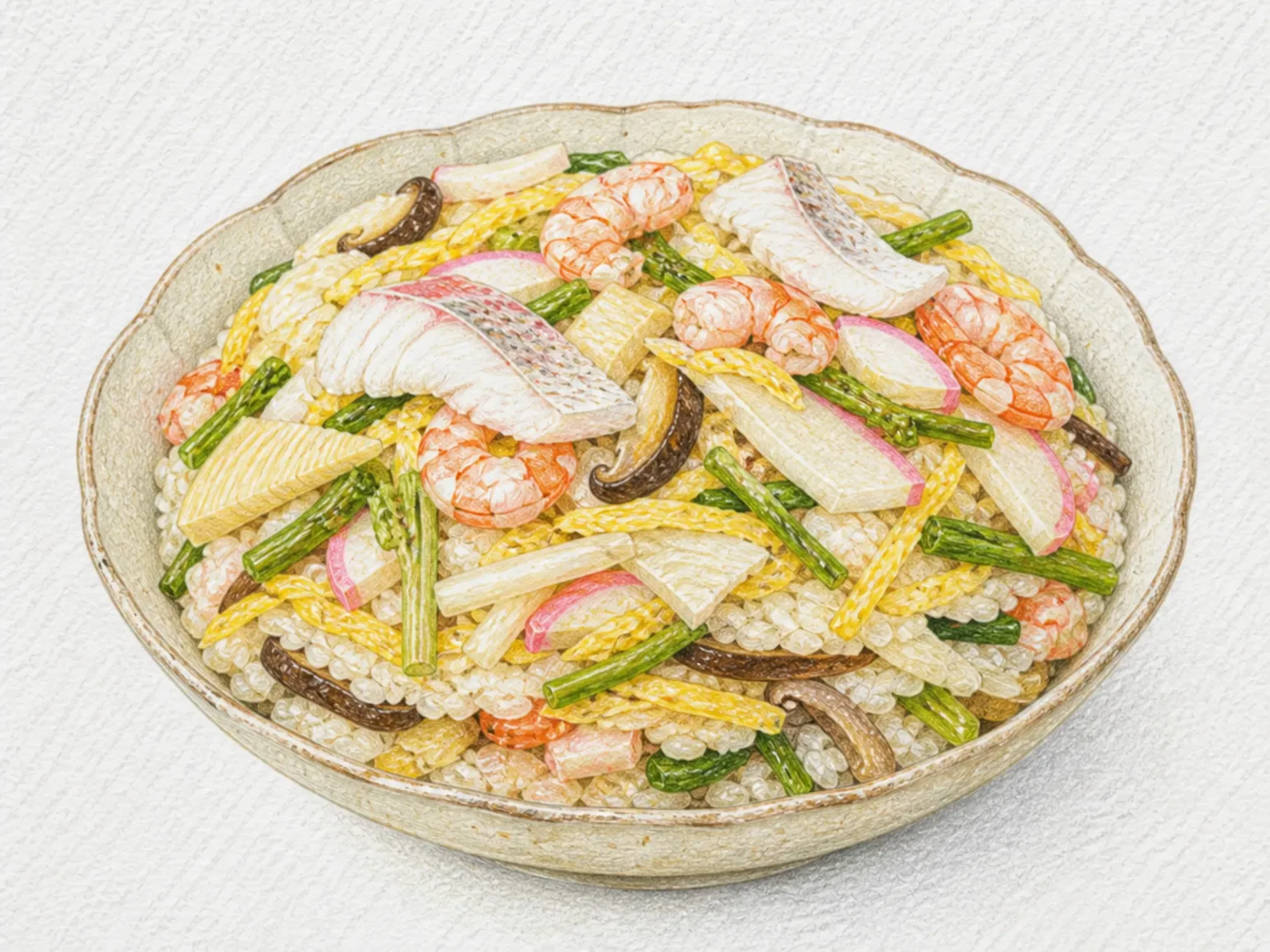
Sake-zushi (Layered Sushi Rested with Local Sake)

Sake-zushi is a Kagoshima regional pressed sushi in which rice is seasoned with akumochizake, the local ash-treated sake, instead of ordinary sushi vinegar. Spring vegetables such as dried daikon, shiitake, butterbur, and bamboo shoot are prepared separately, then layered with sea bream, shrimp, fish cakes, and rice. Traditional versions rest for several hours or half a day so the aromas mingle. This home version cooks all seafood fully and rests the covered sushi at 4°C or below for 6 to 8 hours rather than fermenting it at room temperature. Because a large amount of unheated sake remains, it is for adults only and is unsuitable for pregnancy, children, driving, or anyone avoiding alcohol.

🎉 Special Occasion
Prep 120min Cook 60min 10 servings
Korean Dried Radish Leaf Rice
Rice Medium

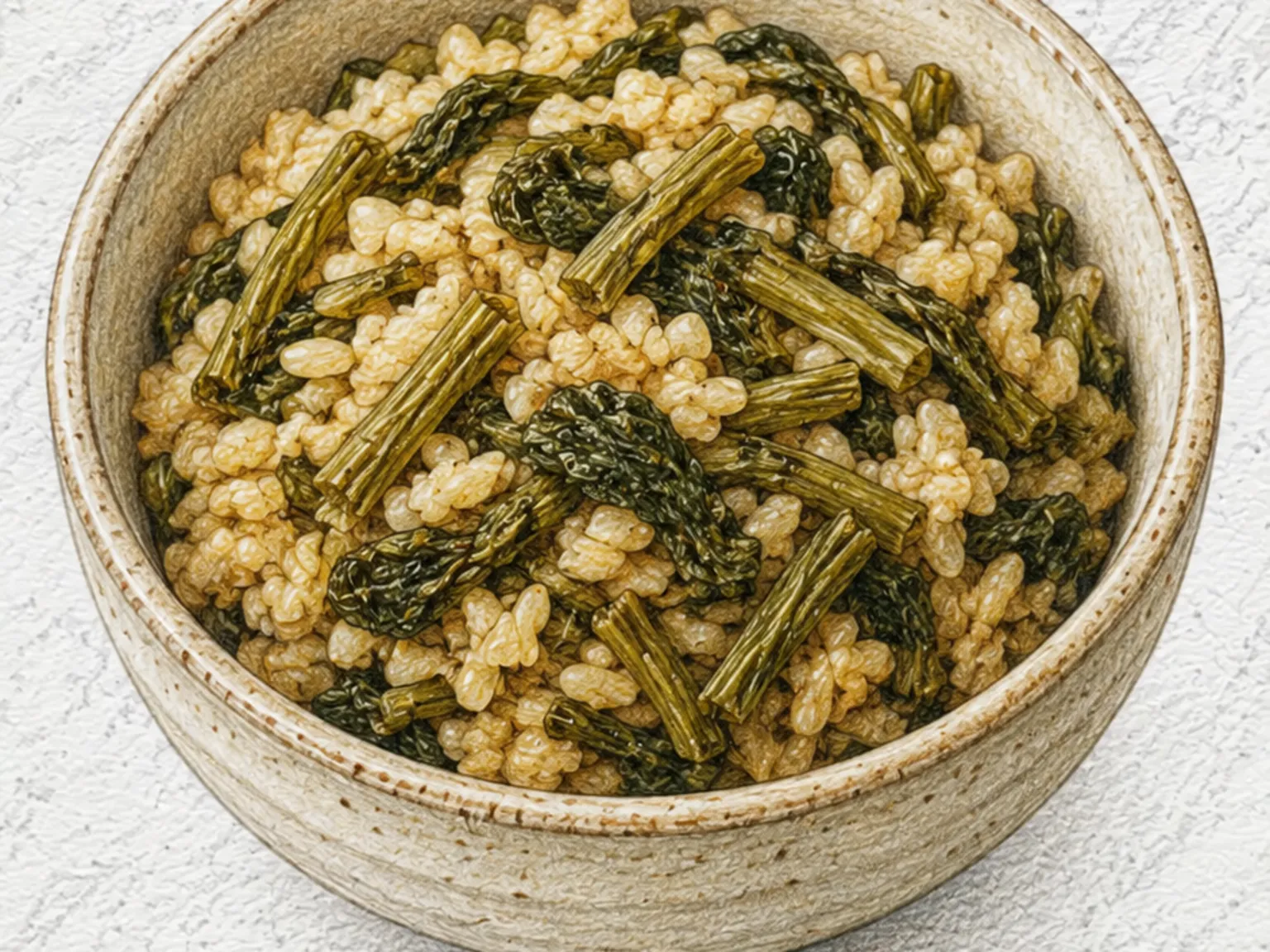
Korean Dried Radish Leaf Rice

Sirae-gi-bap cooks dried radish greens with rice, then mixes everything with a doenjang-based seasoning sauce for a deeply savory bowl. The dried greens are first boiled until soft and pliable, cut into bite-size pieces, and layered over soaked rice before the pot is sealed. As the rice steams, the greens release their concentrated earthy aroma into every grain. The dipping sauce - doenjang, soy sauce, sesame oil, chili flakes, and scallion - is folded in at the table, adding layers of salty, nutty, and mildly spicy flavor. The fibrous texture of the reconstituted greens provides a satisfying chew that makes the meal feel substantial. This is a traditional Korean home-cooked dish that turns humble winter-dried vegetables into a warm, filling meal.

🏠 Everyday
Prep 20min Cook 30min 2 servings
Korean Dried Radish Greens Chicken Porridge
Rice Easy

Korean Dried Radish Greens Chicken Porridge

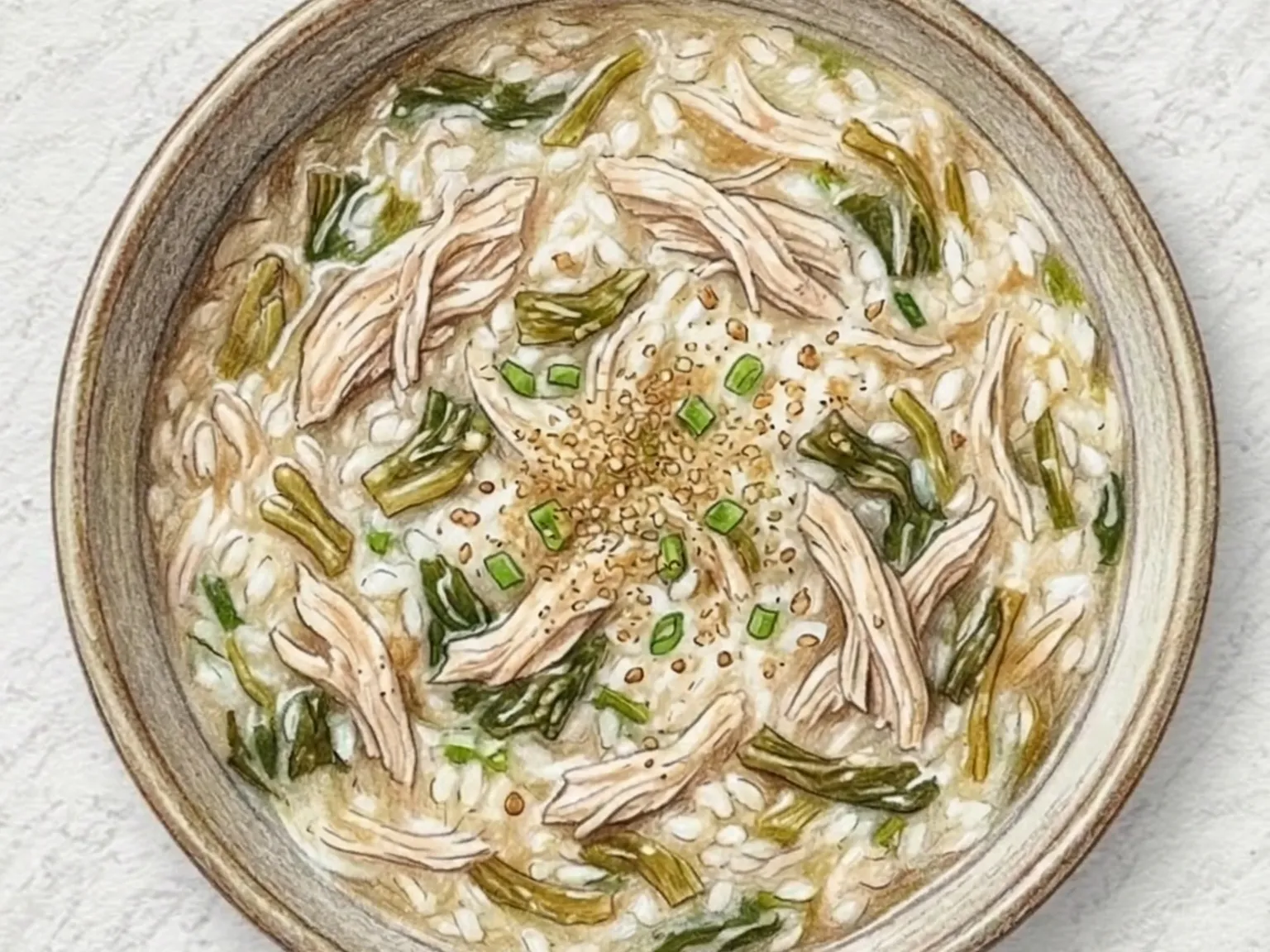
This porridge combines shredded poached chicken breast with siraegi (dried radish greens) and rice for a clean, protein-rich bowl. The siraegi lends a grounding earthiness to the porridge base, while the hand-torn chicken provides a fibrous, lean texture in every spoonful. Rice is first stir-fried in sesame oil to add a nutty layer before water is poured in and everything simmers slowly until the grains dissolve into a thick, smooth consistency. Scallion and garlic build aromatic depth, and a splash of light soy sauce ties the flavors together without heaviness. Low in fat and easy to digest, this is a restorative meal that feels light on the stomach while still delivering substance and warmth.

🏠 Everyday
Prep 25min Cook 35min 4 servings
Korean Dried Radish Greens Beef Pot Rice
Rice Medium

Korean Dried Radish Greens Beef Pot Rice

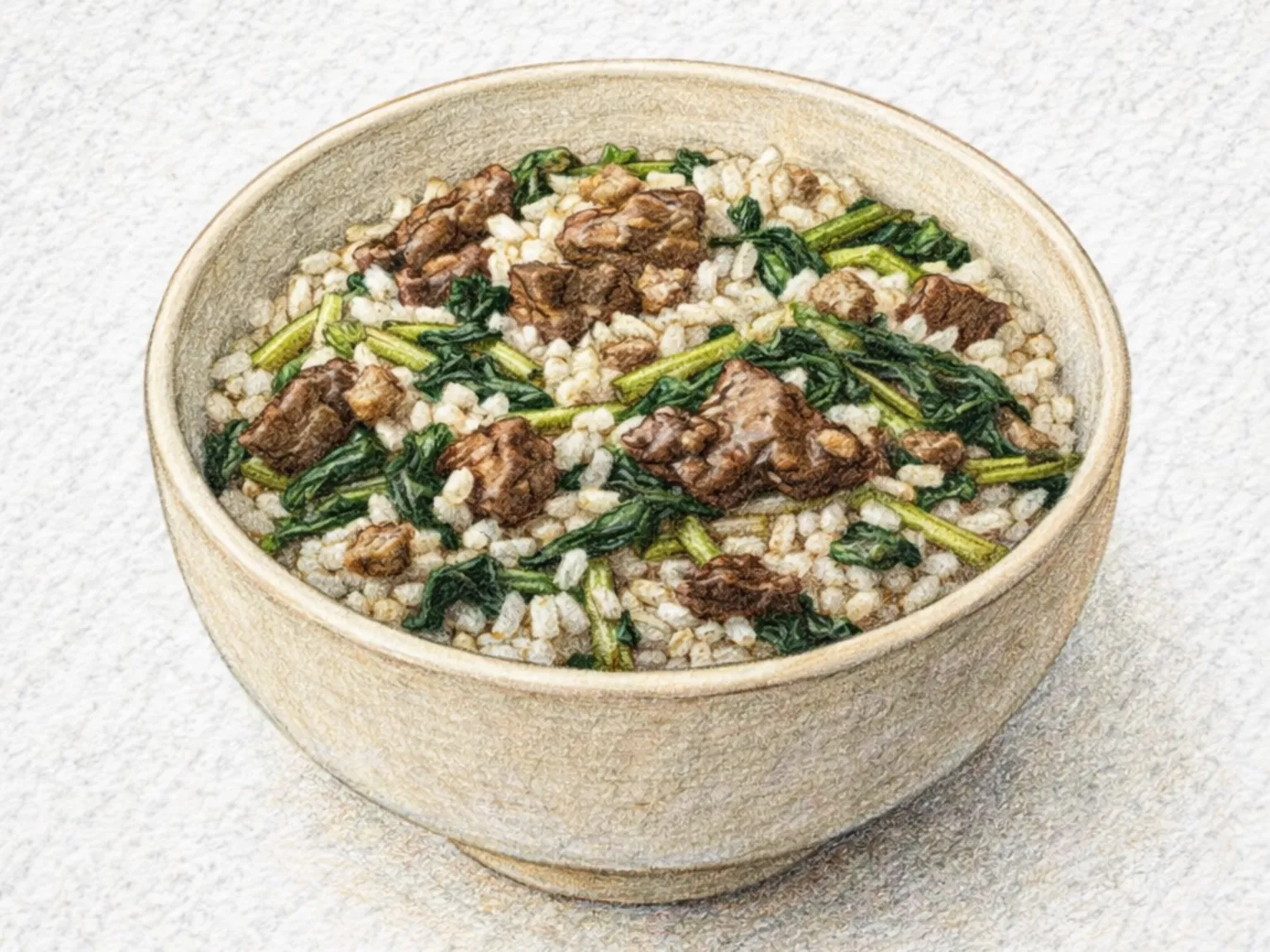
This pot rice layers soy-garlic marinated beef and softened siraegi over soaked rice, then cooks everything together in a heavy pot so the meat juices and earthy green flavors permeate every grain. Perilla oil is added to the pot, giving the finished rice a glossy sheen and a distinctly nutty aroma. As the rice cooks, the beef releases its savory juices downward while the siraegi steams on top, creating a gradient of flavor from meaty bottom to herbaceous top. A doenjang-based sauce mixed in at the table adds a salty, fermented punch that amplifies both the beef and the greens. The crispy scorched rice - nurungji - that forms at the bottom of the pot provides a crunchy finish to an otherwise soft, deeply flavored meal.

🏠 Everyday
Prep 25min Cook 35min 4 servings
Chagayu (Yamaguchi Bancha Rice Porridge)
Rice Easy

Chagayu (Yamaguchi Bancha Rice Porridge)

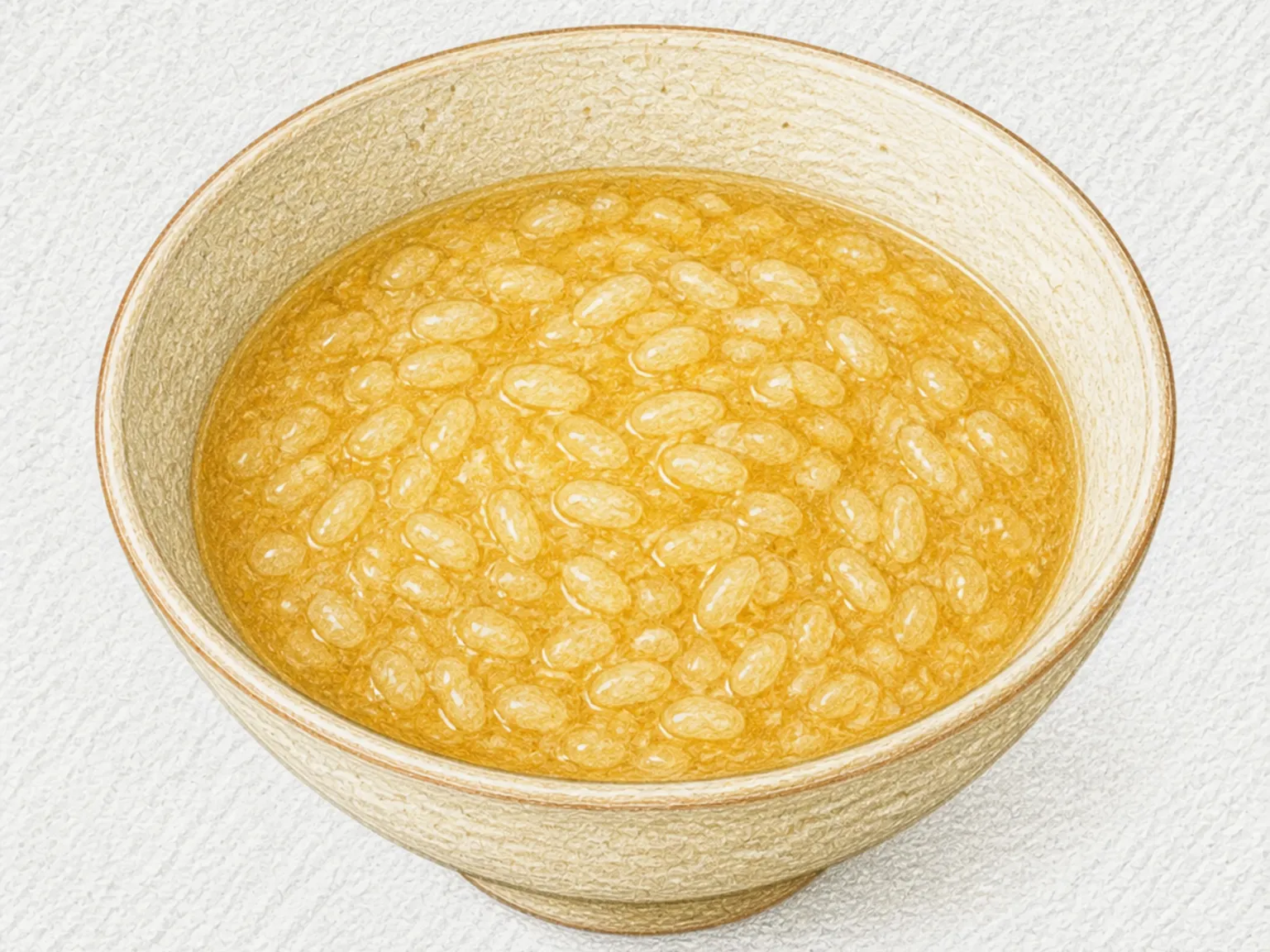
Chagayu is a loose rice porridge from Yamaguchi made by simmering unwashed rice in strongly brewed bancha until the liquid turns amber and the grains lose their hard centers. Tea is first simmered in a cloth or paper bag and removed once sufficiently dark; rice then cooks at the strongest heat that will not make the pot boil over for 17 to 18 minutes. Frequent stirring releases starch and makes the porridge sticky, so it is left largely undisturbed for a light, flowing texture. The dish reportedly spread through Yanai, Suo-Oshima, Iwakuni, and Hagi after the Iwakuni lord encouraged it to conserve rice in the early seventeenth century. It is eaten hot in winter and often chilled in summer.

🏠 Everyday ⚡ Quick
Prep 5min Cook 18min 5 servings
Korean Taro Porridge (Perilla Oil-Toasted Rice with Taro Root)
Rice Medium

Korean Taro Porridge (Perilla Oil-Toasted Rice with Taro Root)

Soaked rice is toasted in perilla oil until fragrant, then simmered with peeled taro in a generous amount of water until the porridge reaches a thick, flowing consistency. Some taro pieces dissolve into the liquid and naturally thicken it, while others hold their shape and offer a starchy, crumbly bite. The gentle nuttiness of perilla oil and the mild earthiness of taro create a soothing combination with no sharp flavors. Seasoning with just salt preserves the delicate taste of the taro without masking it.

🏠 Everyday 🍱 Lunchbox
Prep 20min Cook 35min 4 servings
Korean Seaweed and Shrimp Pot Rice
Rice Medium

Korean Seaweed and Shrimp Pot Rice

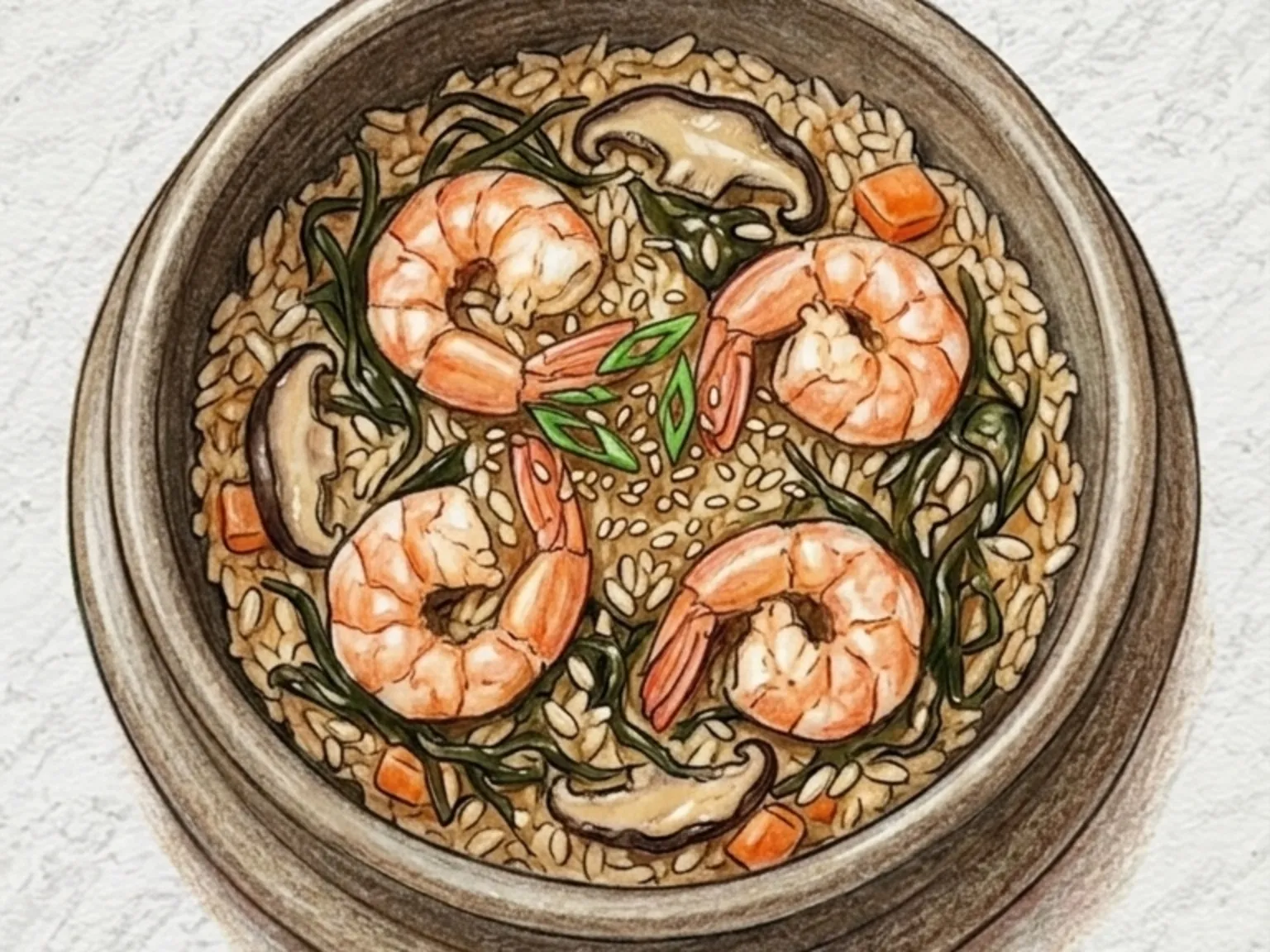
Rehydrated hijiki seaweed and whole shrimp are layered over rice in a heavy pot and cooked together so the briny ocean flavor permeates every grain. Sliced shiitake mushrooms and carrot sit beneath the seafood, lending umami depth and a mild sweetness to the base. When the lid comes off, the concentrated aroma of seaweed and shrimp fills the room. Stirring in a soy-based sauce ties the flavors together, and scraping the crispy rice crust from the bottom adds a toasty finish. Controlling resting time and grain texture helps the ingredients cook evenly while keeping the final seasoning balanced.

🏠 Everyday
Prep 15min Cook 25min 2 servings
Korean Truffle Mushroom Pot Rice
Rice Medium

Korean Truffle Mushroom Pot Rice

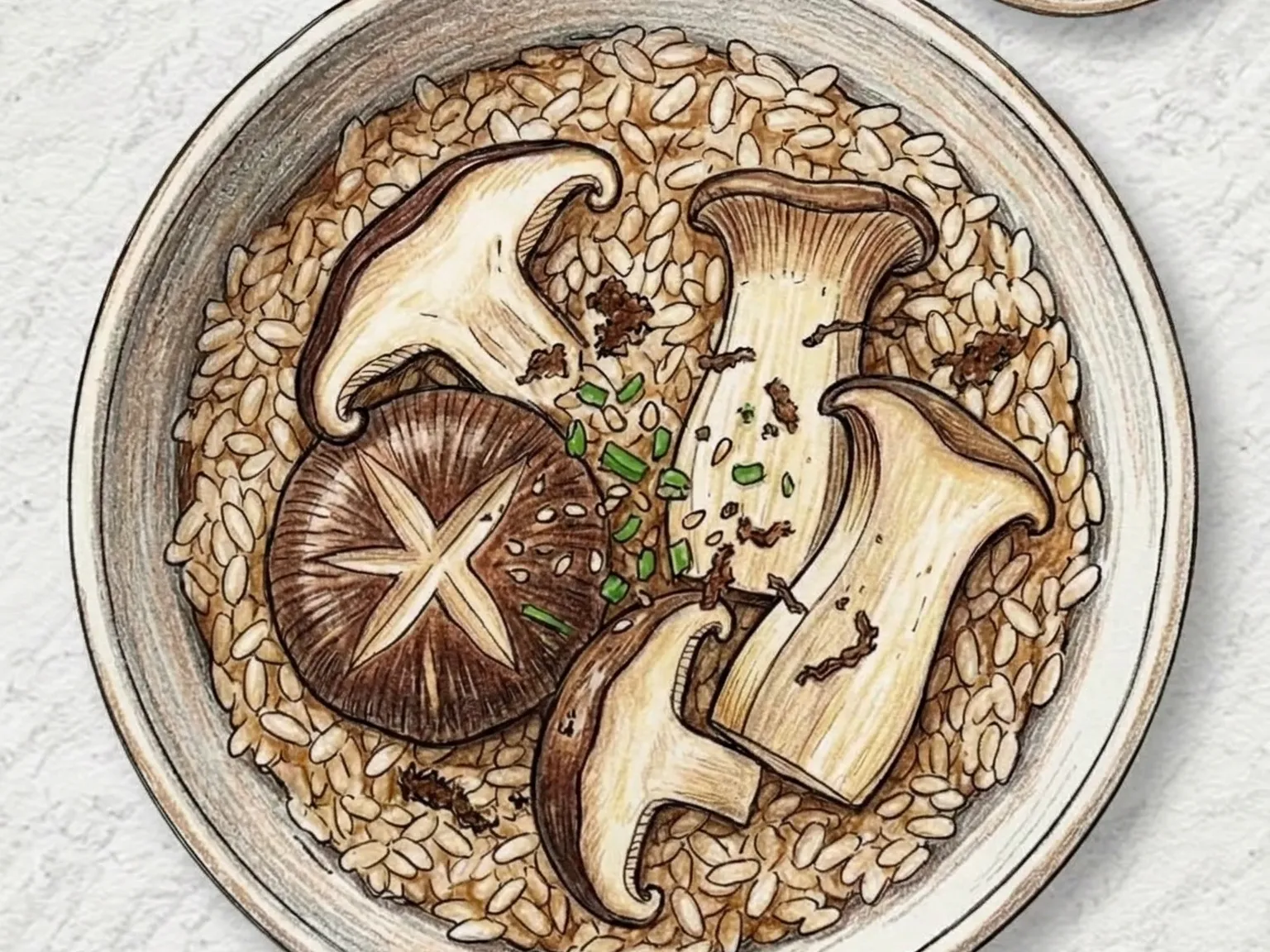
Shiitake and king oyster mushrooms are generously added to a pot of rice and cooked so their released moisture and earthy fragrance infuse every grain. The shiitake stays chewy while thick-sliced king oyster offers a meaty, substantial bite. Once the rice is done, a few drops of truffle oil are drizzled over the top, layering the mushrooms' natural earthiness with the truffle's deep, aromatic intensity. Mixing in a soy-seasoned sauce adds a salty edge that brings the whole bowl into balance. Controlling resting time and grain texture helps the ingredients cook evenly while keeping the final seasoning balanced.

🎉 Special Occasion
Prep 20min Cook 30min 4 servings
Korean Ueong Dak Juk (Burdock Chicken Porridge)
Rice Medium

Korean Ueong Dak Juk (Burdock Chicken Porridge)

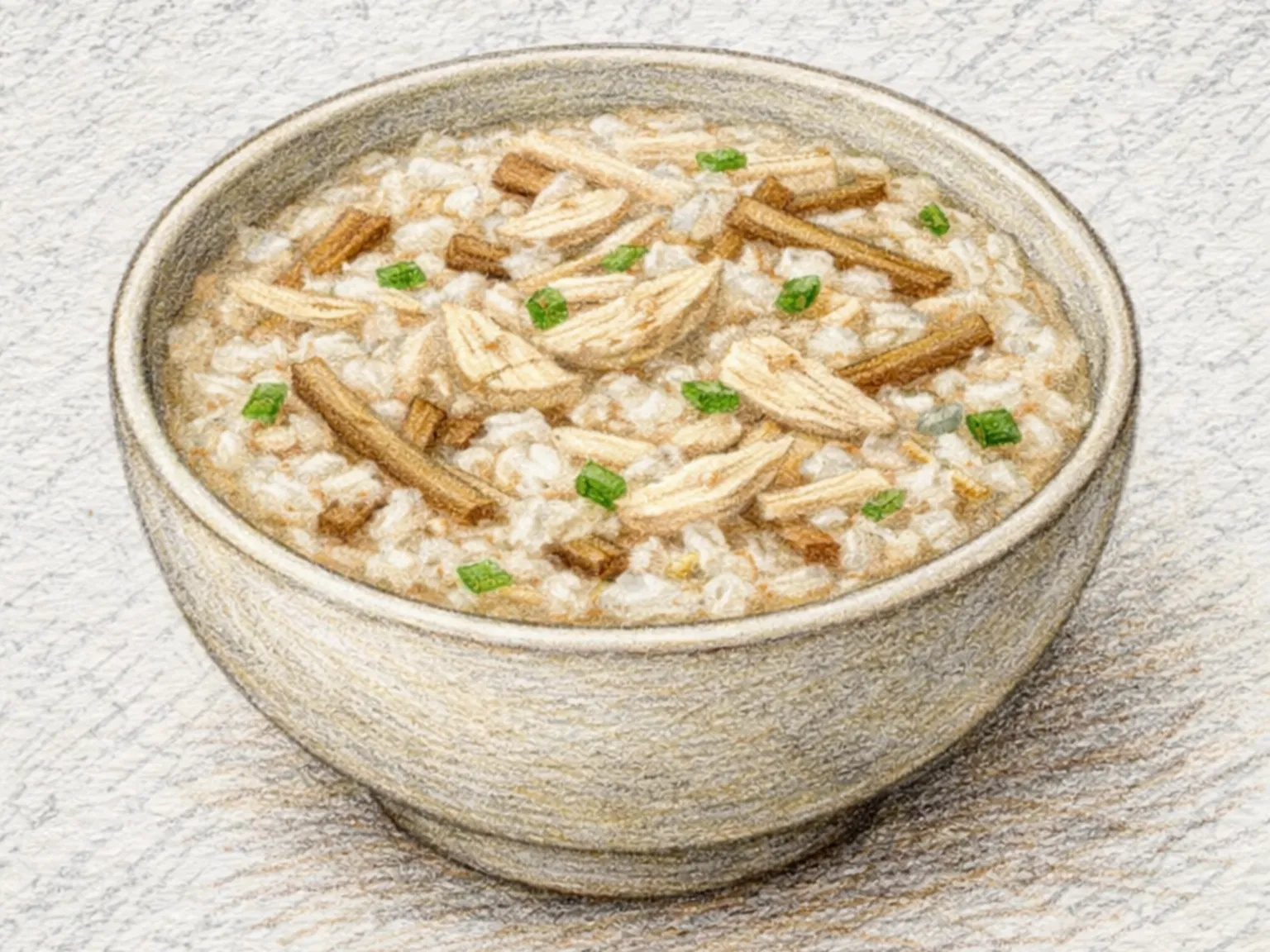
Shredded chicken tenderloin and julienned burdock root are simmered together in a long, slow cook until the porridge turns thick and smooth. The chicken releases a clean, mild broth that forms the base flavor, while the burdock contributes a subtle earthy aroma and slight crunch that adds dimension. Toasting the rice in perilla oil before adding liquid deepens the nuttiness and gives the porridge a silkier body. The result is a gentle, nourishing bowl that sits easy on the stomach. The main ingredients are Short-grain rice, Chicken tenderloin, Burdock root, and Carrot, and the recipe depends on careful handling of rice moisture and the order of toppings.

🏠 Everyday
Prep 25min Cook 40min 4 servings
Korean Burdock Beef Pot Rice
Rice Medium

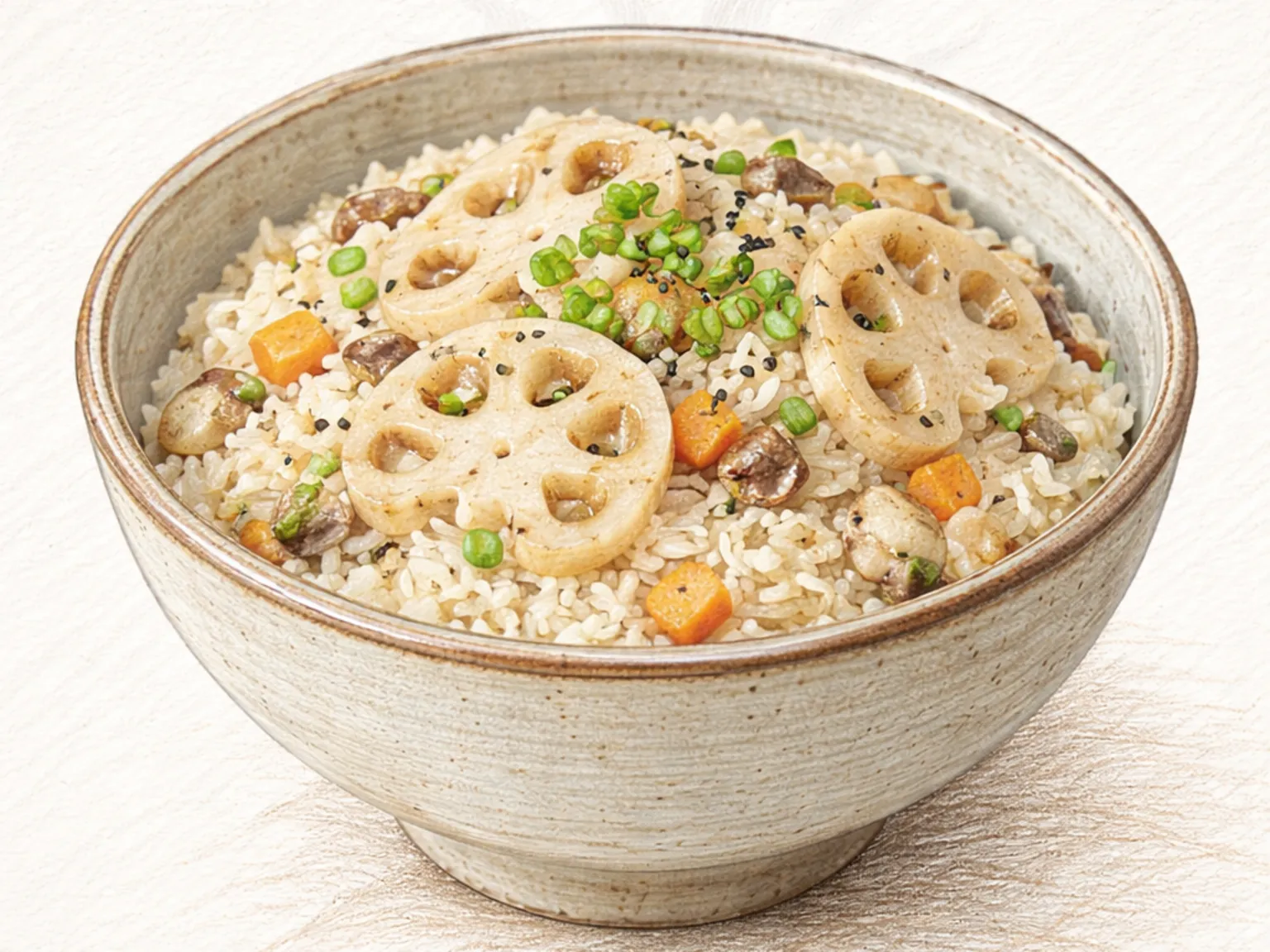
Korean Burdock Beef Pot Rice

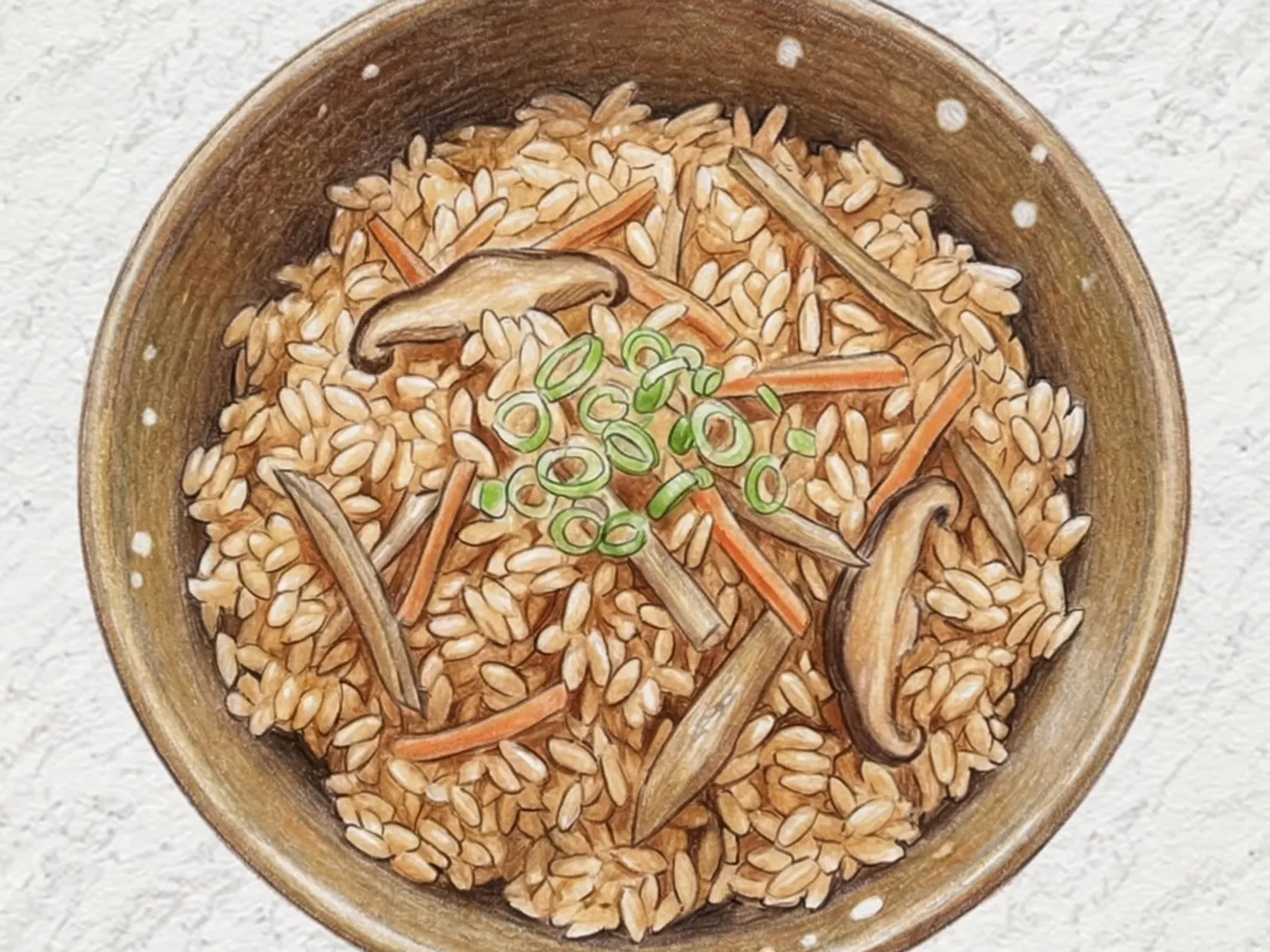
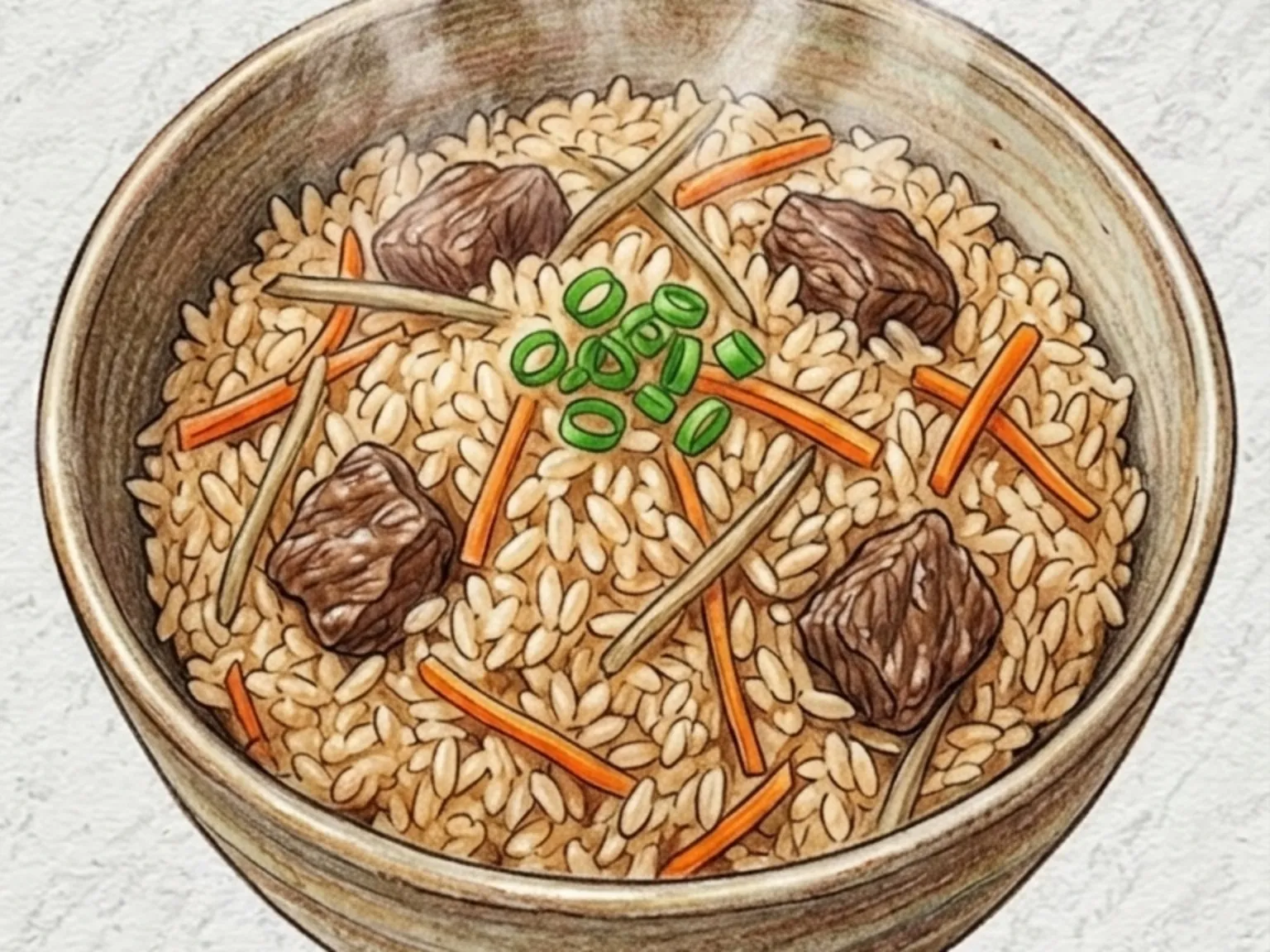
Beef is marinated in soy sauce to build savory depth, then placed on top of rice with crisp-cut burdock root and cooked together in a heavy pot. The marinated beef releases its juices during cooking, and they soak into the rice so each grain carries flavor without any extra sauce. Burdock retains its firm texture even after pot-cooking, releasing an earthy sweetness with every chew. Adding carrot brings a gentle sweetness and color that rounds out the bowl. Adding seasoning in stages makes it easier to adjust saltiness, sweetness, and heat without covering the base ingredients.

🎉 Special Occasion
Prep 20min Cook 35min 4 servings
Korean Salmon Pot Rice (Salmon Fillet Steamed Directly on Rice)
Rice Medium

Korean Salmon Pot Rice (Salmon Fillet Steamed Directly on Rice)

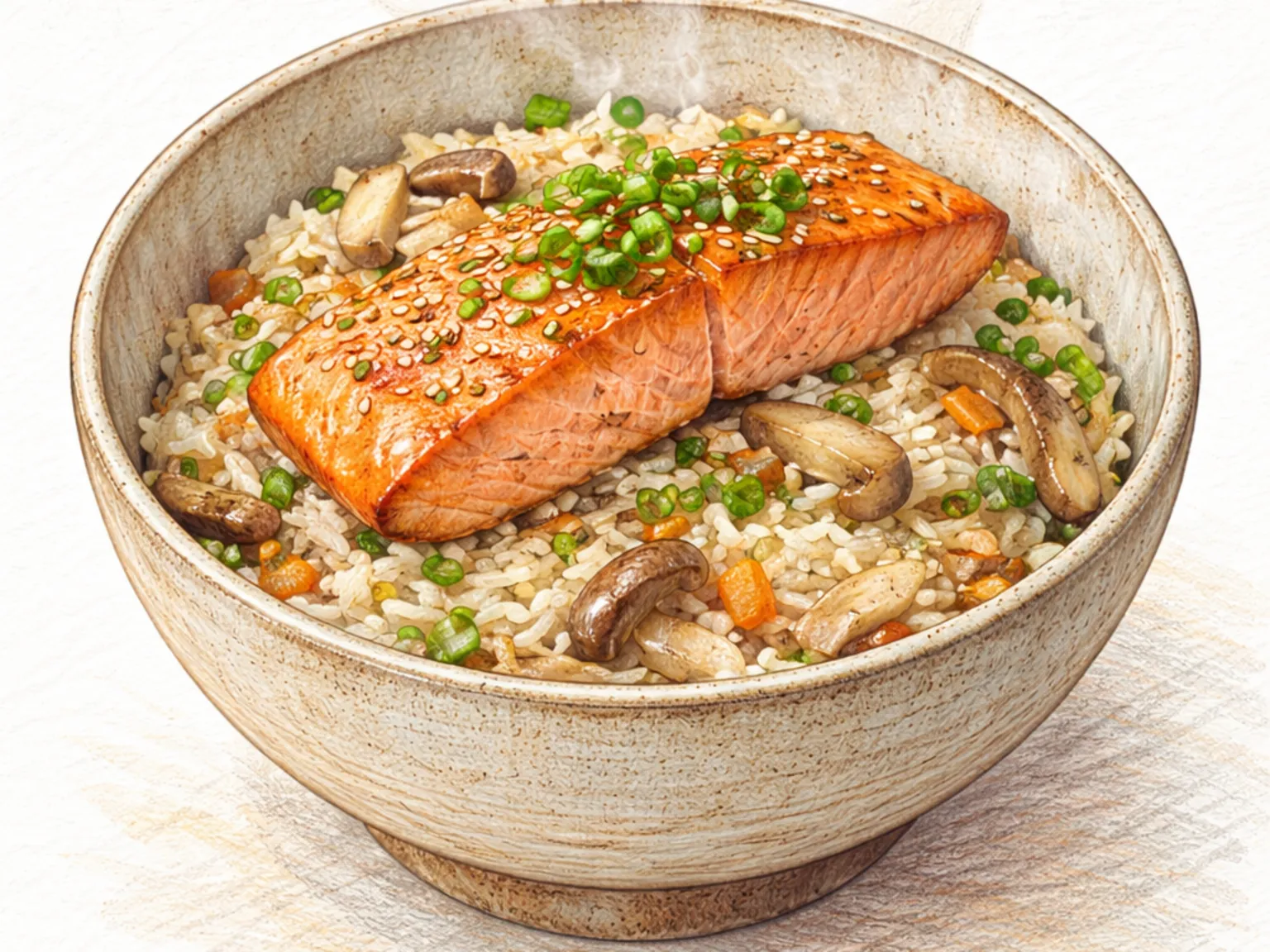
A whole salmon fillet is placed directly on top of rice in a heavy pot before cooking begins. As the rice steams, the salmon's oils melt downward and seep between the grains, lending a natural richness and sheen without any added fat. During the resting stage the fish finishes cooking gently, turning tender enough to flake apart with chopsticks and mix evenly through the rice. A soy-wasabi sauce drizzled over the bowl and stirred in adds a sharp, salty kick that carries through to the last spoonful.

🎉 Special Occasion 🏠 Everyday
Prep 10min Cook 25min 2 servings
Korean Lotus Root Rice (Steamed Rice with Crunchy Lotus Root Slices)
Rice Easy

Korean Lotus Root Rice (Steamed Rice with Crunchy Lotus Root Slices)

Yeongeun-bap is Korean rice cooked together with sliced lotus root, which keeps a distinctive crunch even after steaming. As the lotus root heats, its starch turns slightly sticky on the surface while the core stays firm, giving each bite a layered texture. A simple seasoning sauce of soy sauce and sesame oil is mixed in at the table. The lotus root's natural mild sweetness permeates the entire pot, making this a satisfying one-bowl meal on its own. The main ingredients are rice, lotus root, and soy sauce, and the recipe depends on careful handling of rice moisture and the order of toppings.

🏠 Everyday
Prep 15min Cook 35min 3 servings
Korean Lotus Root Chicken Porridge
Rice Medium

Korean Lotus Root Chicken Porridge

Yeongeun-dak-juk is a Korean porridge that simmers diced lotus root and shredded chicken breast in a rice base. The finely chopped lotus root introduces small pockets of crunch throughout the otherwise creamy porridge. Green onion and ginger remove any gaminess from the chicken while adding a clean aroma. Since the porridge uses chicken stock as its foundation, it carries depth of flavor without heavy seasoning. The result is a light yet filling bowl suited to mornings or recovery meals. It can be served as a one-bowl meal, with simple accompaniments chosen to match the sauce, broth, or topping.

🏠 Everyday
Prep 20min Cook 40min 4 servings
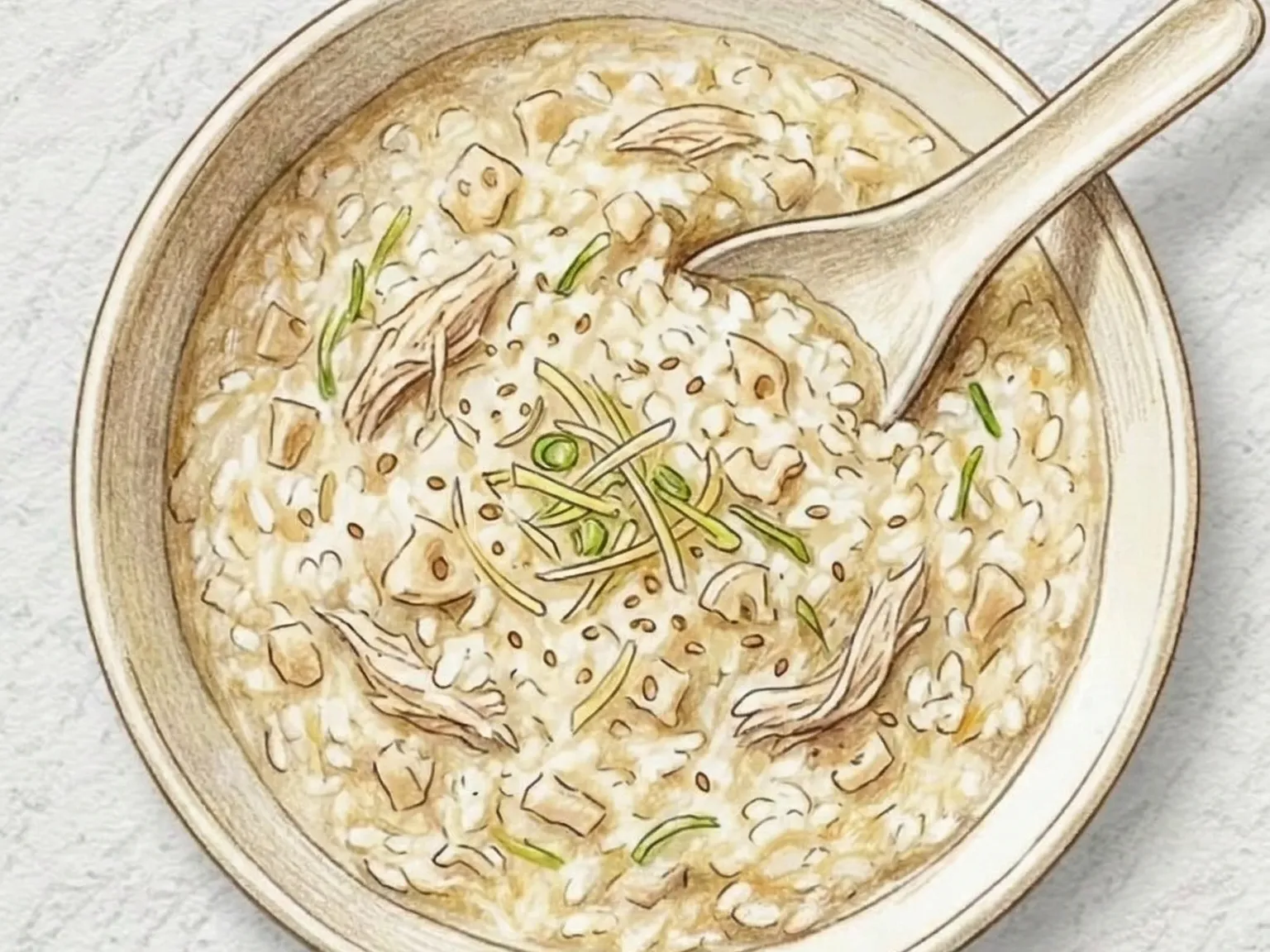
Korean Lotus Root Shiitake Pot Rice
Rice Medium

Korean Lotus Root Shiitake Pot Rice

Yeongeun-pyogo-sotbap is a Korean pot rice dish that combines short-grain rice with crisp lotus root and chewy shiitake mushrooms. The process begins by soaking the rice for thirty minutes, then draining it. Minced garlic, diced shiitake, and carrots are sautéed in perilla oil to release moisture. The rice and thinly sliced lotus root are added next, coating the grains in oil to ensure a glossy texture and nutty flavor. Water and soy sauce are poured in, and the pot is simmered on low heat for fourteen minutes. Resting the covered pot off the heat for ten minutes is the key step to settle the aroma and finalize the texture. Before serving, fresh scallions and toasted sesame seeds are scattered over the top and fluffed gently to prevent crushing the rice.

🎉 Special Occasion
Prep 20min Cook 30min 4 servings
Korean Lotus Root Shrimp Pot Rice
Rice Medium

Korean Lotus Root Shrimp Pot Rice

This pot rice pairs shrimp with lotus root, creating a contrast between the bouncy shellfish and the crunchy root vegetable. Shiitake mushroom deepens the umami layer, and garlic weaves a steady aroma throughout. Light soy sauce seasons the rice just enough to let the natural flavors of each ingredient come through. A drizzle of sesame oil at the end gives the grains a glossy sheen and nutty finish. When the lid comes off, the red of the shrimp against the white lotus root cross-sections makes for a striking presentation.

🏠 Everyday
Prep 20min Cook 25min 2 servings