Charim

2686 Korean & World Recipes

2686+ Korean recipes, clean and organized. Ingredients to instructions, all at a glance.

Recipes with short grain rice

24 recipes

Buy short grain rice
Korean Gangwon Gondre Rice
RiceEasy

Korean Gangwon Gondre Rice

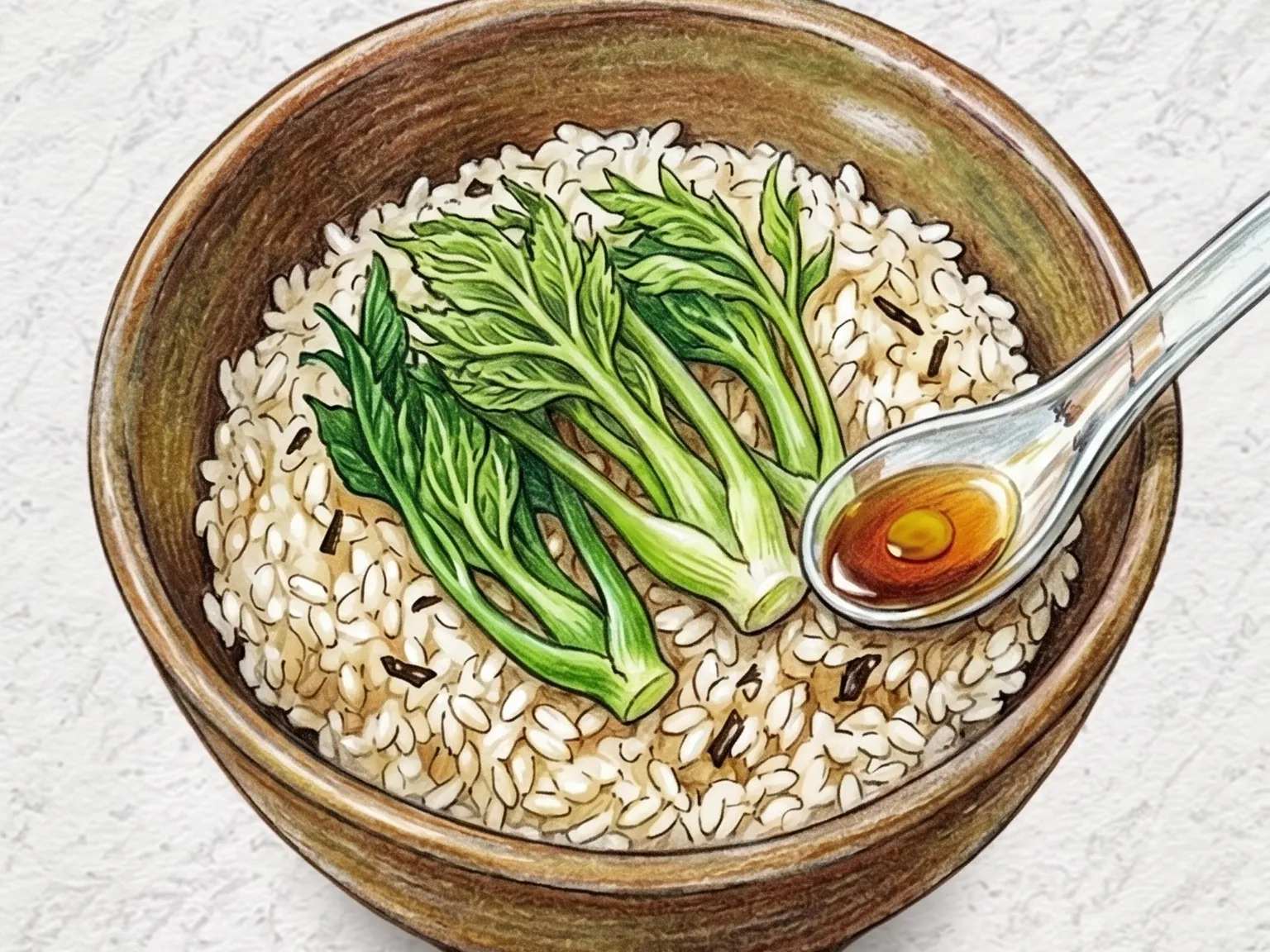
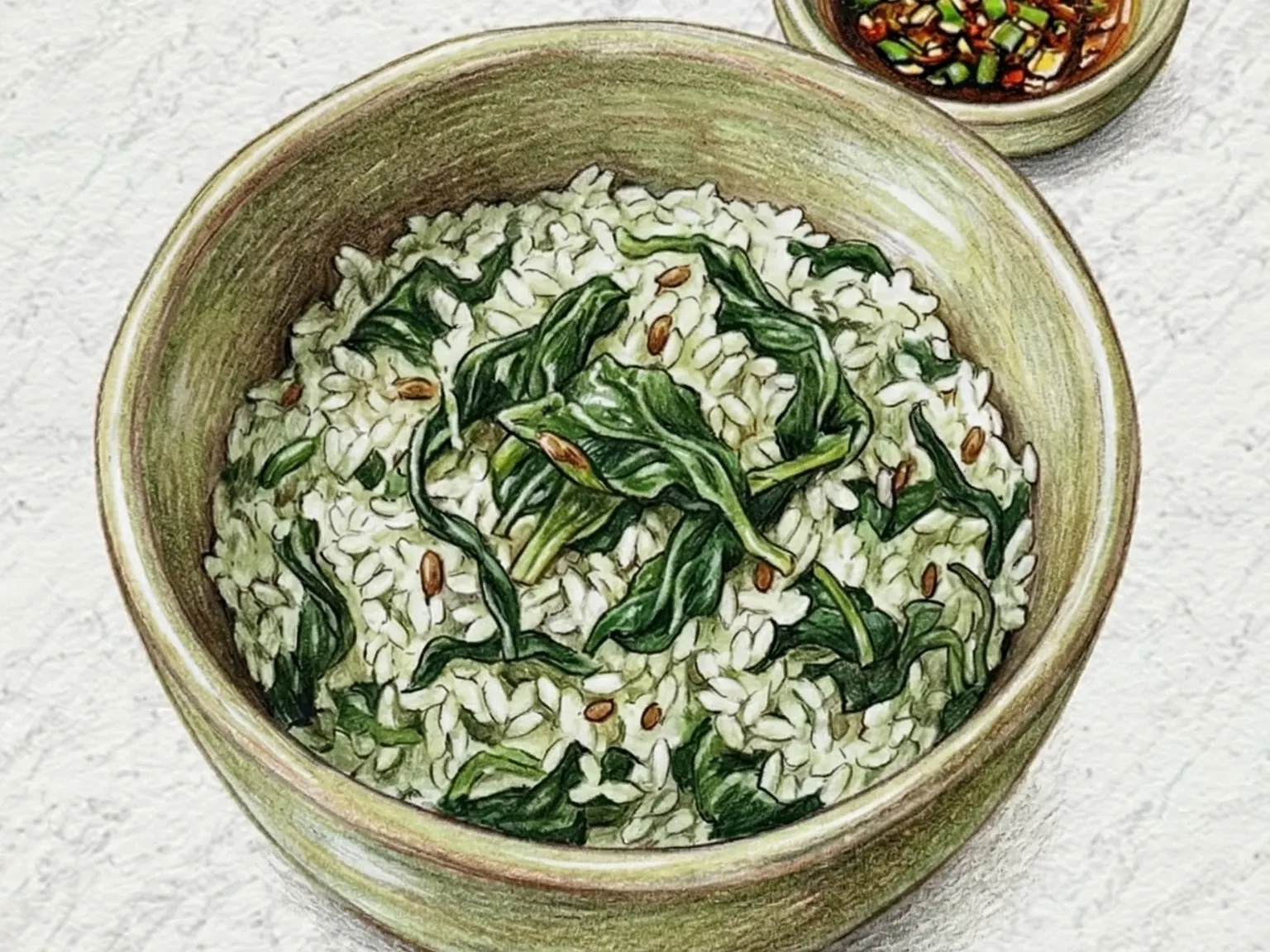
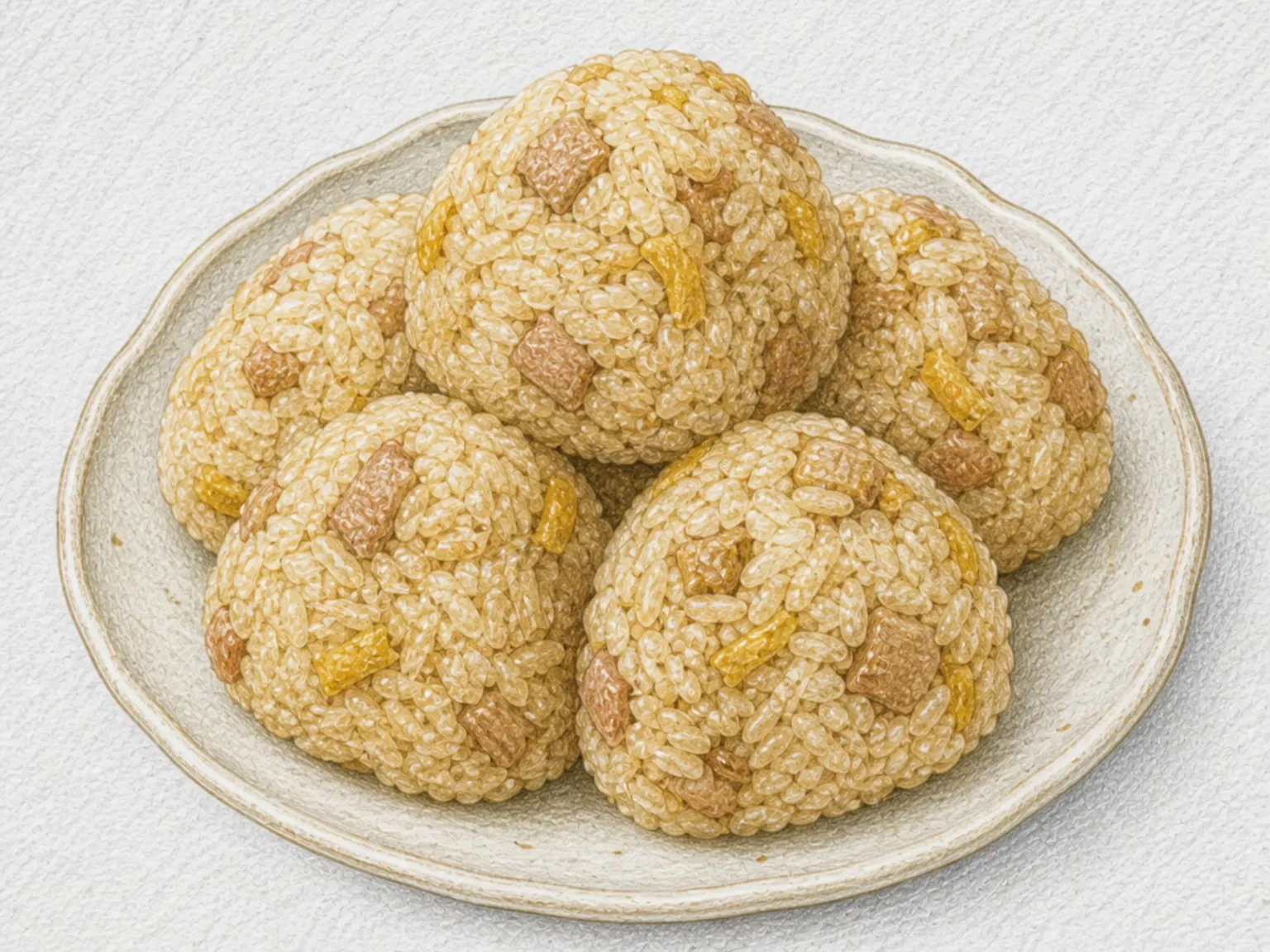
Gondre, a wild thistle green long foraged in the mountains of Gangwon province, is soaked, squeezed thoroughly dry, and spread in an even layer over uncooked rice before the pot goes on the heat. The three-stage cooking method, starting at high heat for five minutes, then dropping to medium-low for ten and finishing at low for ten more, followed by a ten-minute covered rest off the heat, produces evenly cooked grains infused with the greens' earthy, grassy scent. Squeezing out the soaking water is not optional; any excess moisture left in the gondre will make the rice mushy. The rice itself is deliberately plain, designed to carry a soy-based dressing of garlic, green onion, chili flakes, and sesame oil that is mixed in at the table. That dressing provides a sharp, savory contrast to the mild, herbaceous notes of the gondre. Fresh spring gondre harvested at peak season delivers the most intense fragrance, though well-soaked dried gondre comes close and extends the dish to all four seasons. Making a larger batch of the dressing allows the same pot of rice to be eaten over several days.

🏠 Everyday
Prep 20minCook 30min4 servings
Takikomi Gohan (Japanese Mixed Rice Cooked with Vegetables and Dashi)
AsianMedium

Takikomi Gohan (Japanese Mixed Rice Cooked with Vegetables and Dashi)

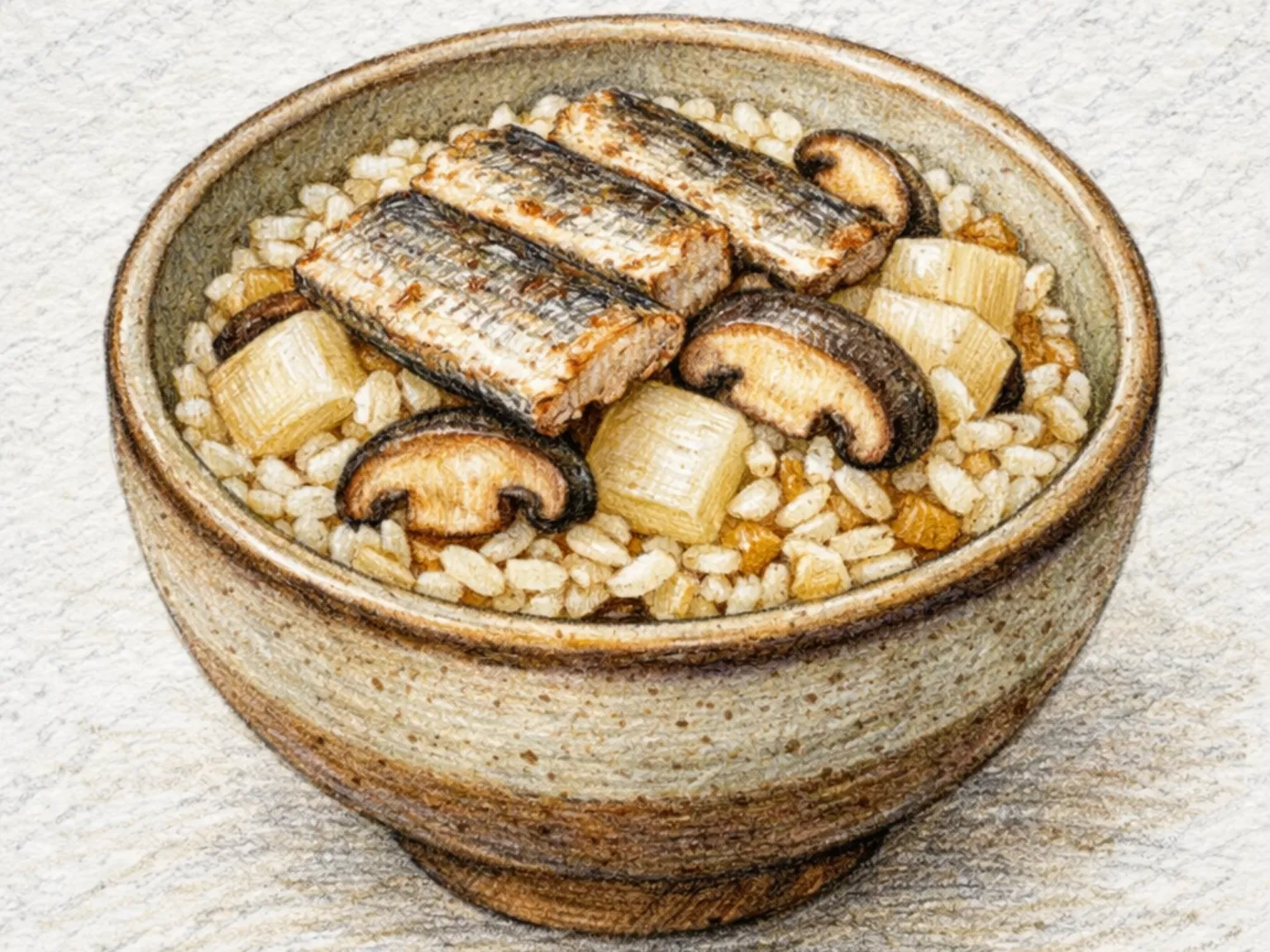
Takikomi gohan is a Japanese mixed rice dish in which short-grain rice is cooked together with seasonal vegetables, mushrooms, and a seasoned dashi-soy-mirin liquid instead of plain water. Shiitake mushrooms, carrot, and burdock root are julienned and placed on top of the soaked, drained rice-never stirred in-so the grains cook evenly and stay distinct rather than clumping. As the rice cooker runs its normal cycle, the dashi infuses every grain with a savory depth while the soy sauce adds a gentle salinity and the mirin a whisper of sweetness. After a ten-minute rest with the lid closed, the rice is fluffed and the toppings folded through, releasing an earthy, woodsy aroma from the mushrooms and burdock. The dish is a staple of Japanese home cooking, simple enough for a weeknight yet considered enough for a guest meal when made with premium seasonal ingredients.

🏠 Everyday🎉 Special Occasion
Prep 15minCook 35min4 servings
Korean Geomeun Kong Juk (Black Bean Porridge)
RiceMedium

Korean Geomeun Kong Juk (Black Bean Porridge)

Black beans are soaked for at least four hours, then boiled until the skins wrinkle and the flesh softens through to the center. They are blended with their cooking liquid into a thick, smooth slurry that forms the base of the porridge. This bean puree is combined with separately soaked rice and the mixture is simmered over low heat, stirred regularly to prevent the starch from catching on the bottom of the pot. As the rice breaks down and the starch gelatinizes, the porridge thickens gradually into a smooth, velvety consistency. The anthocyanins in the black bean skins stain the porridge a deep purple-gray, and the flavor is earthy and distinctly nutty, unlike the lighter taste of plain rice porridge. Passing the finished porridge through a sieve removes the bean skins for a cleaner texture. Seasoned with salt alone, it reads as a savory meal; a tablespoon of sugar shifts it toward something gently sweet. Pine nuts and sesame scattered on top layer in additional nuttiness, and the porridge is frequently made as restorative food given the beans nutritional density.

🥗 Light & Healthy🏠 Everyday
Prep 25minCook 35min4 servings
Korean Oyster Rice (Winter Pot Rice with Plump Oysters)
RiceMedium

Korean Oyster Rice (Winter Pot Rice with Plump Oysters)

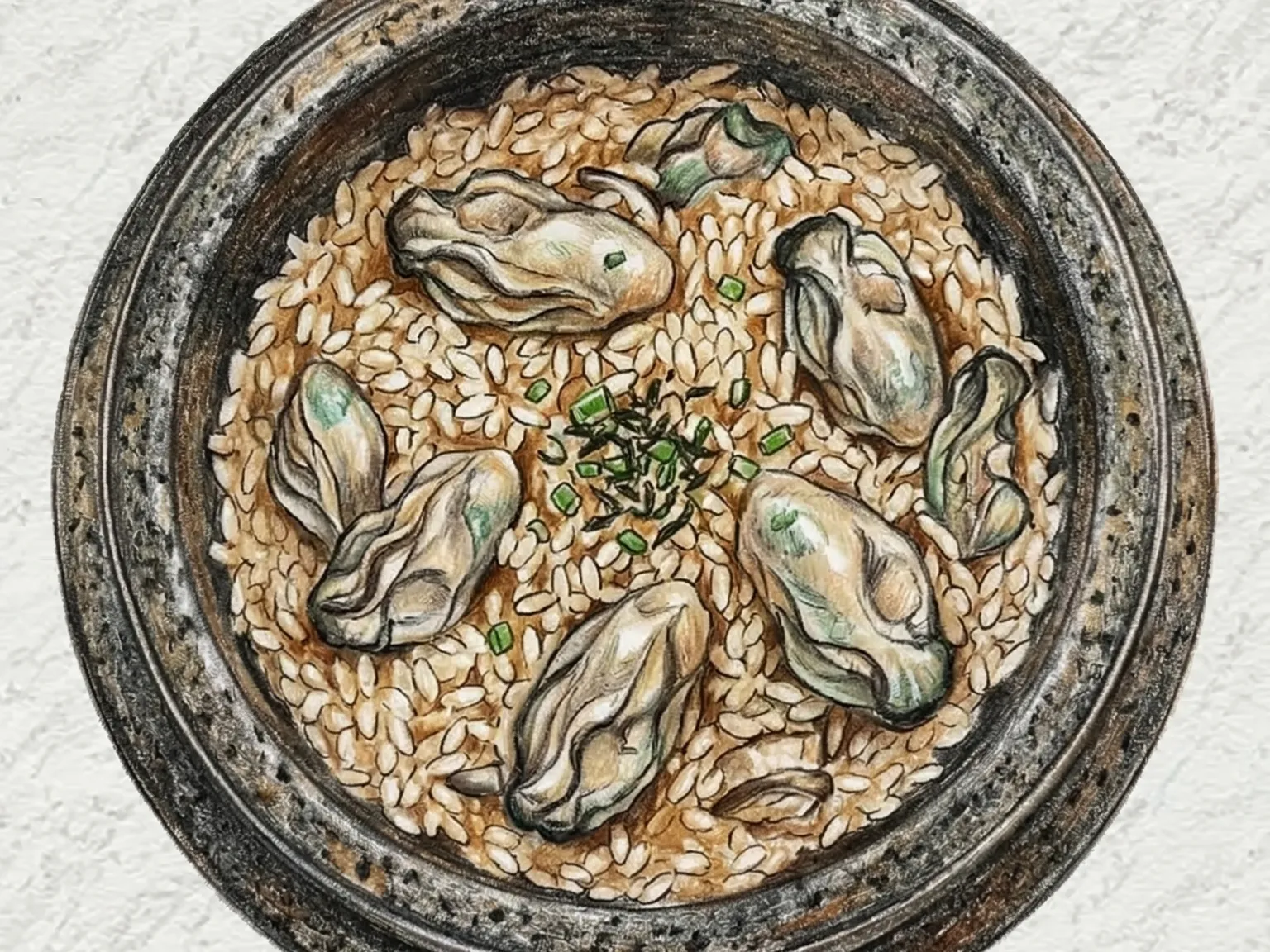
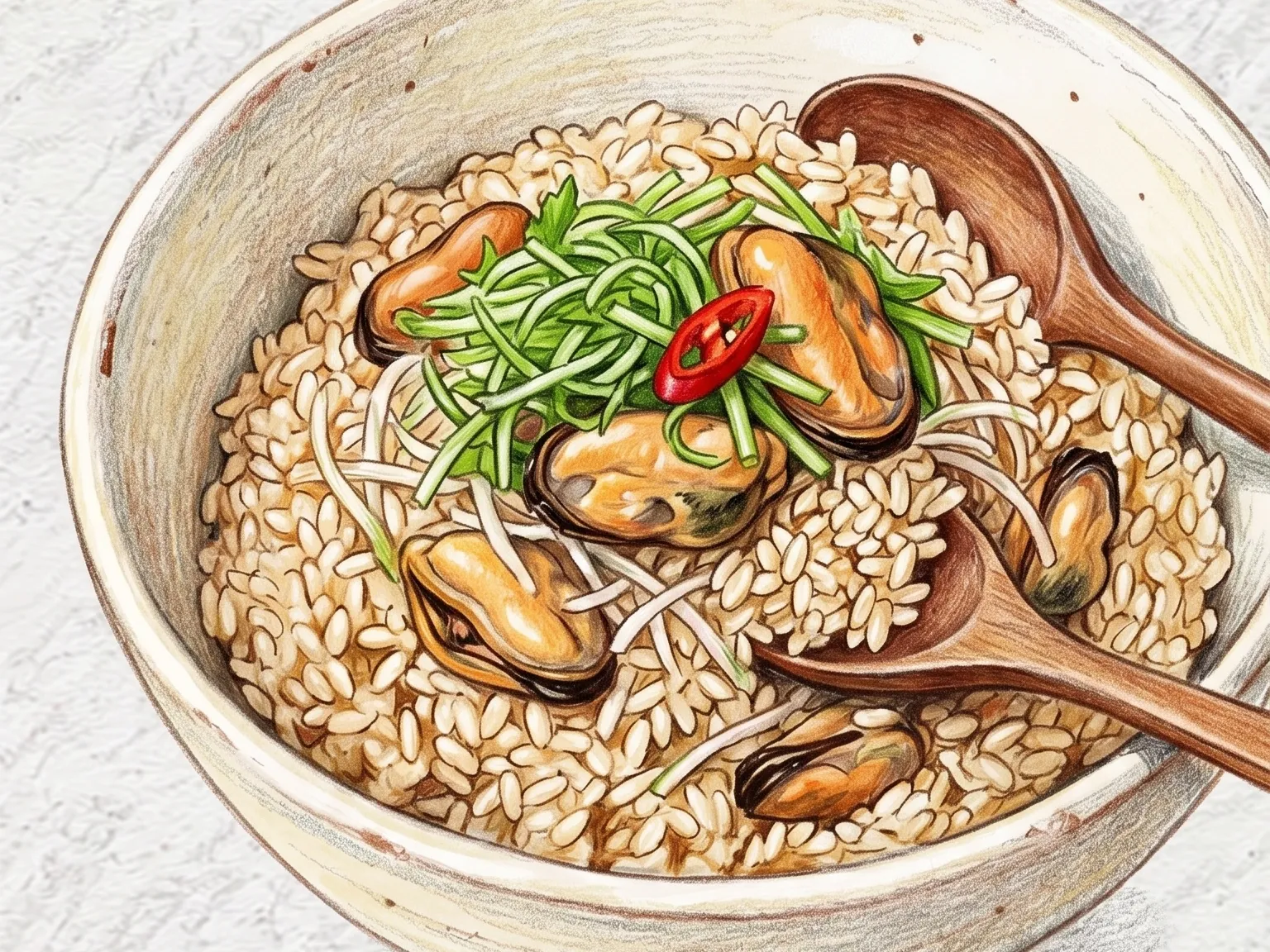
Gul-bap is a pot rice dish built around plump winter oysters, which are placed on top of the nearly-finished rice during the final resting stage rather than added at the beginning of cooking. This timing is deliberate. Oysters introduced too early shrink, toughen, and lose their sweetness to the surrounding liquid. Cooked only by residual steam, they remain tender, full-sized, and briny-sweet. Julienned Korean radish lines the bottom of the pot, serving two purposes: it keeps the rice from scorching, and it releases its own moisture and mild natural sweetness into the grains as they cook. The result is rice that is subtly enriched without any additional seasoning beyond the ingredients themselves. The dish is served alongside a dipping sauce of soy sauce, sesame oil, gochugaru, and chopped green onion. Mixed into the bowl, the sauce ties the clean oceanic flavor of the oysters to the savory, nutty dressing in a way that makes the whole thing hard to stop eating. The oysters should be cleaned gently with coarse salt and rinsed quickly to preserve their natural sweetness.

🎉 Special Occasion
Prep 15minCook 25min2 servings
Korean Oyster Porridge (Savory Briny Rice Porridge)
RiceMedium

Korean Oyster Porridge (Savory Briny Rice Porridge)

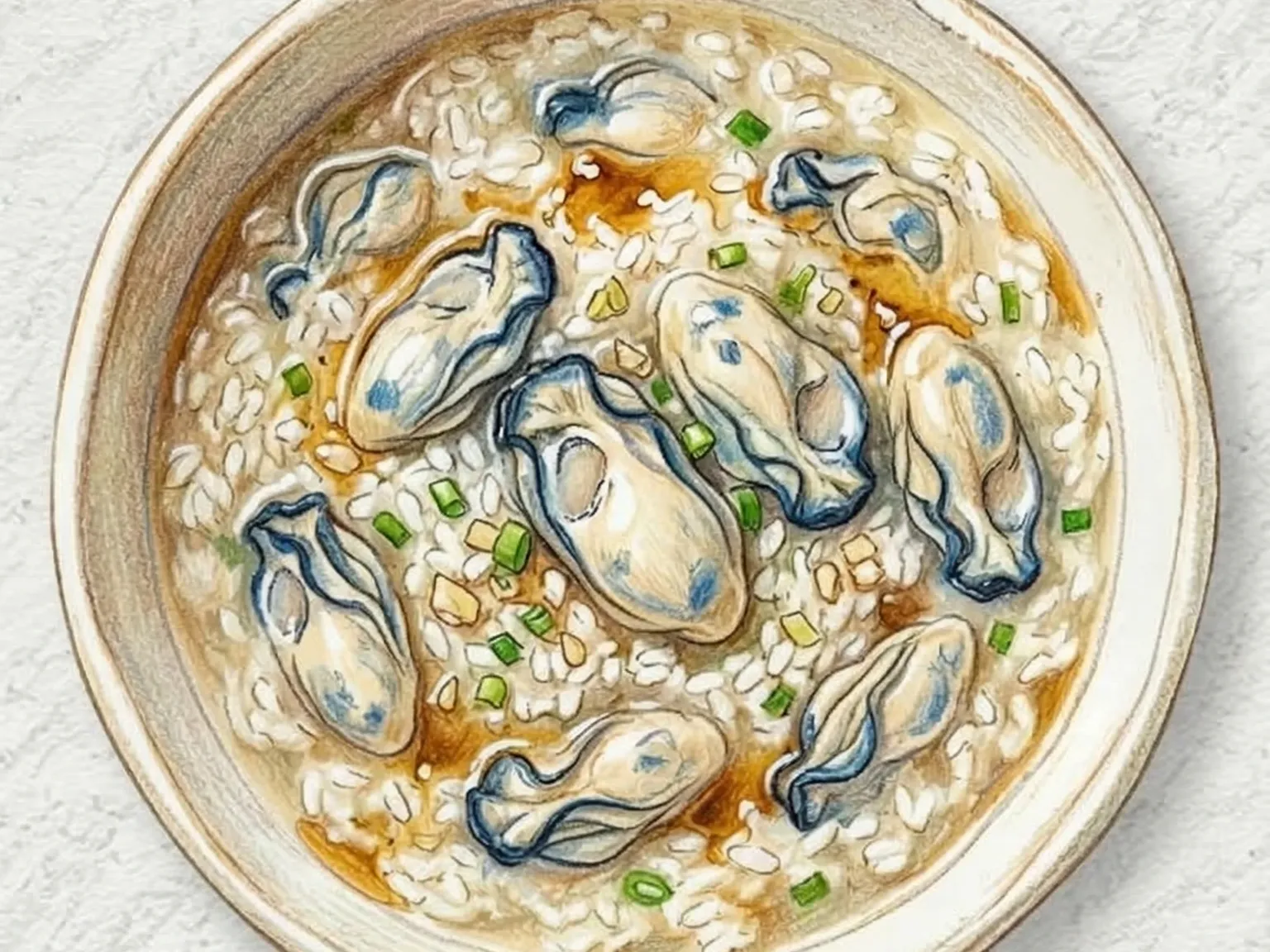
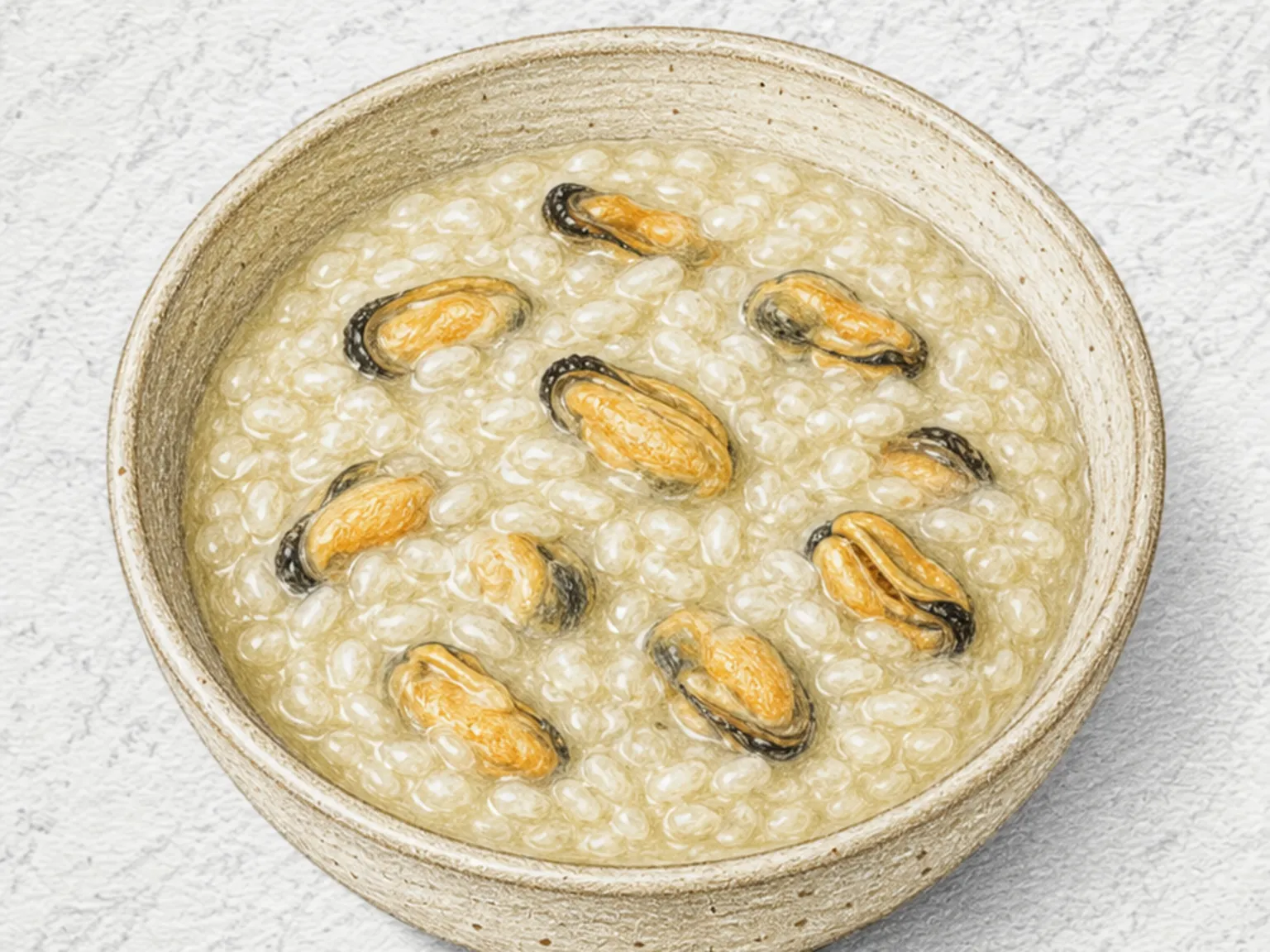
Guljuk is a Korean oyster porridge made by first sauteing soaked rice in sesame oil until the grains turn slightly translucent at the edges, then adding water or light kelp stock and simmering over gentle heat for thirty minutes or more until the rice breaks down into a thick, cohesive porridge. Finely diced radish is added partway through and cooks until tender, contributing a quiet, natural sweetness to the broth. The oysters go in only during the final seven minutes of cooking, a timing that is non-negotiable: added too early, they turn rubbery and lose their sea-fresh flavor entirely. Kept brief, they emerge plump and tender with a clean oceanic brine at the center of each one. Soup soy sauce seasons the porridge without staining it dark, keeping the bowl pale and clear so the natural aroma of the shellfish can come through undisguised. A small pour of ginger juice can be stirred in to temper any fishiness if needed. Protein-rich and easy on the stomach, the porridge is a natural fit for winter mornings, recovery meals, and any occasion when the body needs something warming without the weight of a full meal.

🎉 Special Occasion
Prep 20minCook 35min2 servings
Korean Black Sesame Porridge
RiceEasy

Korean Black Sesame Porridge

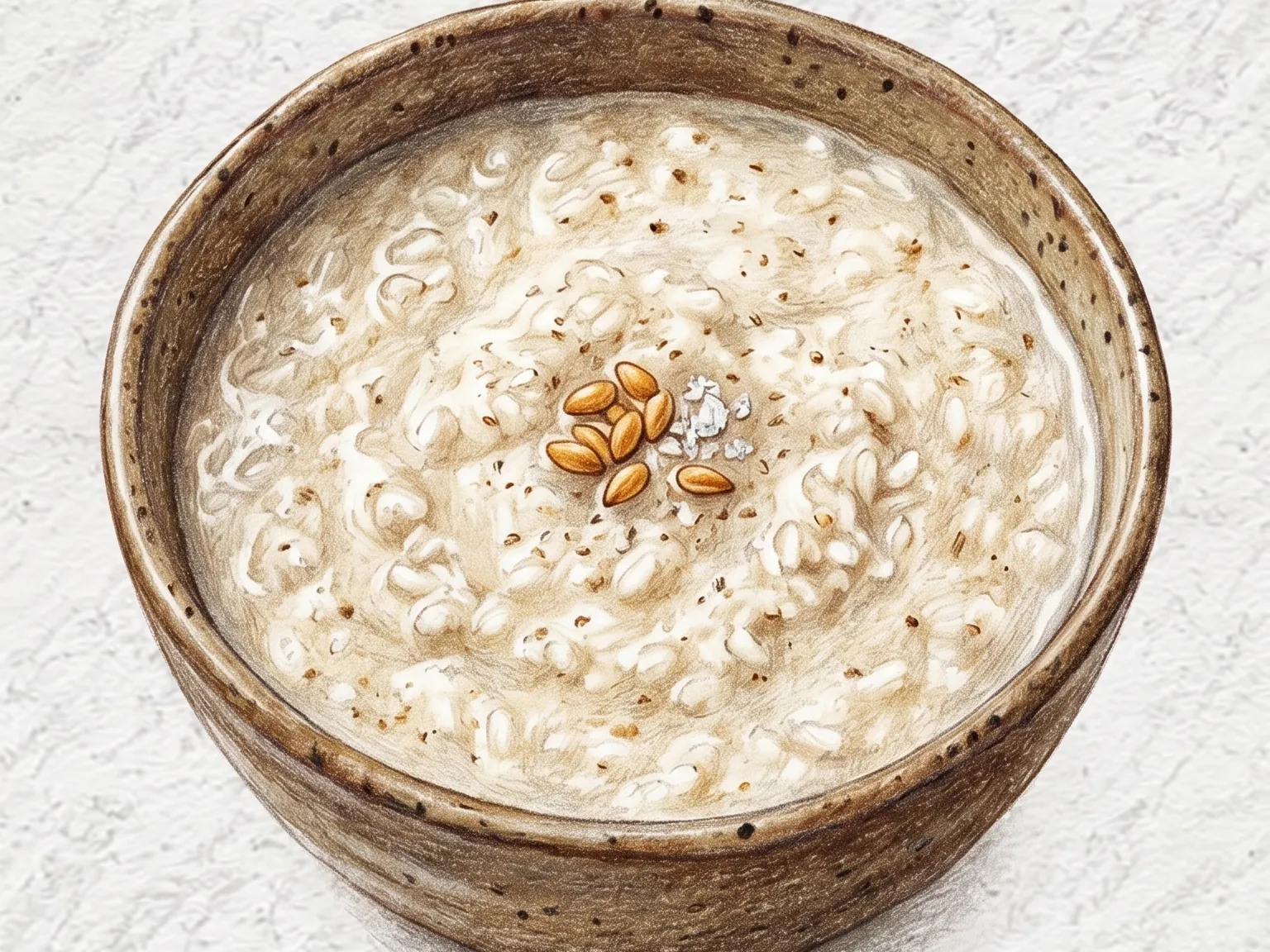
Black sesame seeds are blended smooth with water to form a dark, fragrant paste, which is stirred into softened soaked rice over low heat until the porridge turns a deep charcoal color. Pre-toasting the sesame seeds before blending amplifies their nutty intensity, producing a layered flavor that sits between toasted grain and roasted nut. Adding the sesame liquid after the rice has already softened makes it easier to dial in the final consistency, and a measured amount of sugar introduces a quiet sweetness beneath the nuttiness without masking it. Black sesame is naturally dense in anthocyanins and unsaturated fats, which is why this porridge has long served as a restorative meal during recovery or as a nourishing breakfast. Among Korean rice porridges, it stands apart for its dark color and particularly pronounced aroma.

🥗 Light & Healthy🏠 Everyday
Prep 10minCook 30min2 servings
Korean Abalone Mung Bean Porridge
RiceMedium

Korean Abalone Mung Bean Porridge

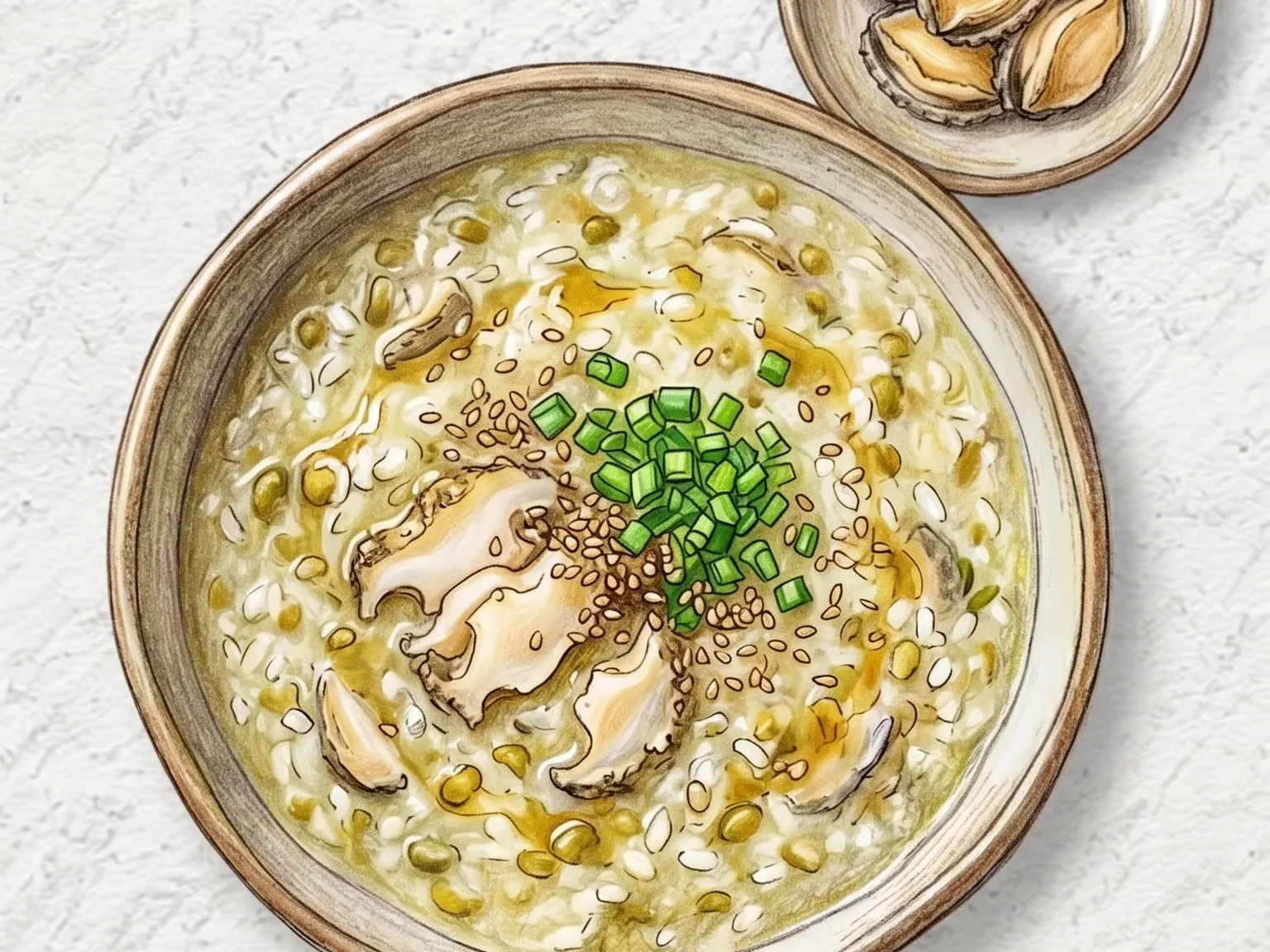
Jeonbok nokdu juk is a Korean restorative porridge that soaks and simmers mung beans alongside rice to build a thickened base, then incorporates abalone for a combination of nutty creaminess and ocean flavor. Mung beans break down considerably during cooking, giving the finished porridge a noticeably denser and more velvety consistency than standard abalone porridge made with rice alone. Abalone innards are sauteed with garlic in sesame oil before joining the porridge, a step that draws out a deep, toasty aroma and forms the flavor backbone of the dish. Replacing plain water with kelp stock adds a layer of clean umami to the liquid base and enriches the overall taste. The abalone flesh is added during the final five minutes only to prevent overcooking, which would tighten the muscle and make it tough rather than springy. Throughout the long cooking, the porridge must be stirred regularly over low heat so the mung beans and rice dissolve completely into a smooth, uniform texture without catching on the bottom of the pot. Chopped scallion scattered over the finished bowl introduces a pop of green color and a fresh, bright fragrance that lightens the rich porridge.

🎉 Special Occasion
Prep 20minCook 35min2 servings
Korean Abalone Pot Rice (Ocean-Scented Sesame Base Grain Pot)
RiceMedium

Korean Abalone Pot Rice (Ocean-Scented Sesame Base Grain Pot)

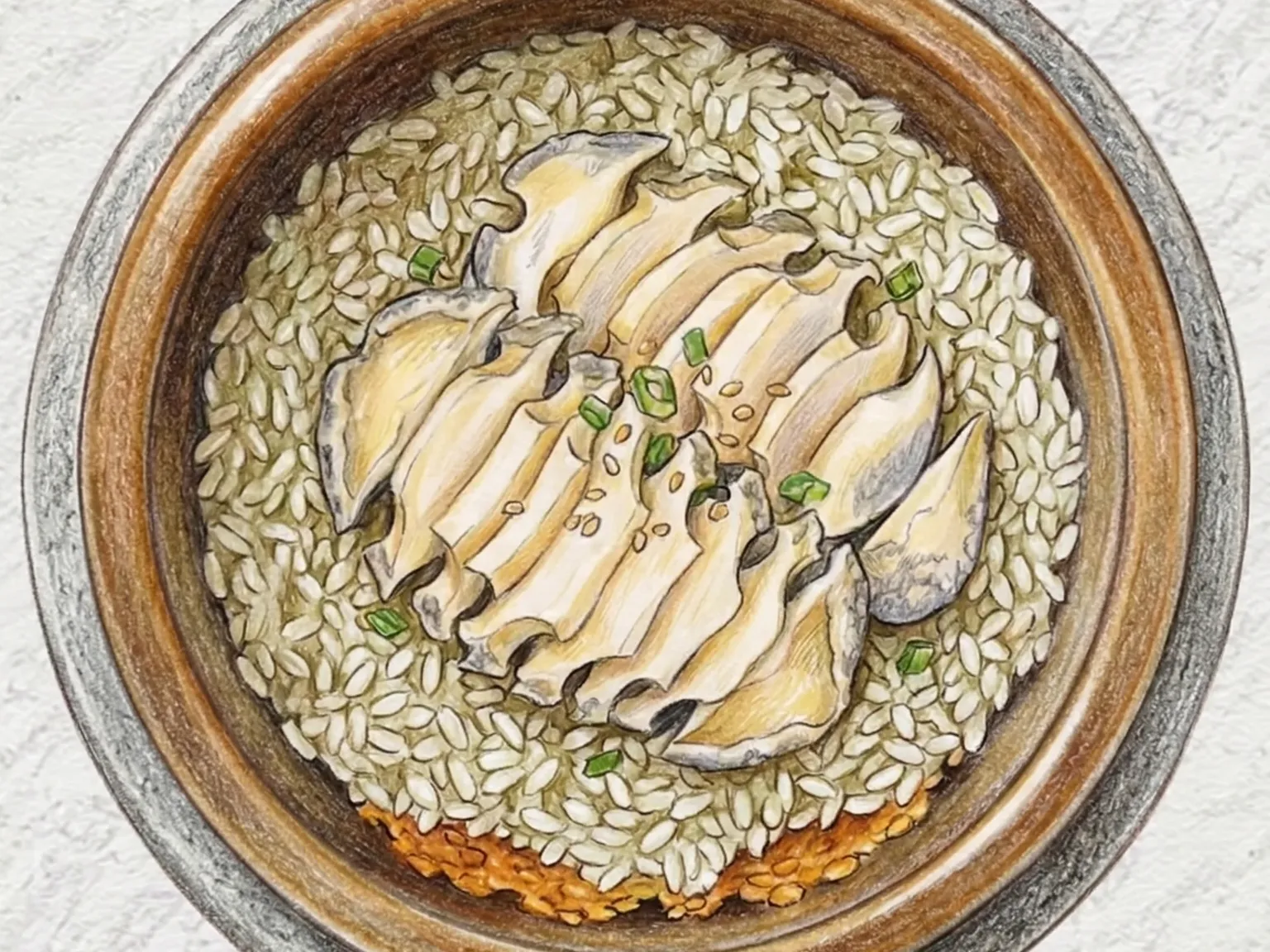
Jeonbok sotbap is an abalone and rice dish cooked in a heavy-bottomed pot, where the process of building flavor begins before the rice itself goes in. Abalone innards are sauteed directly in the cooking vessel with sesame oil, and their distinctive green pigment dissolves into the fat and spreads a deep, marine-tinged aroma throughout the pot. Soaked rice and water are added to this scented base and the rice is cooked in the usual way, absorbing the briny fragrance into each grain. Sliced abalone meat is placed on top of the rice only when it is nearly done, then the lid is replaced for a five-minute steam that gently cooks the abalone without toughening it. Extending this resting time by two or three minutes generates a layer of nurungji, scorched rice at the bottom of the pot, that adds a crisp textural counterpoint. A sauce of soy sauce, sliced chives, minced garlic, and sesame seeds is mixed into each bowl at the table, bringing a savory, nutty accent that complements the abalone's subtle flavor.

🎉 Special Occasion
Prep 20minCook 25min2 servings
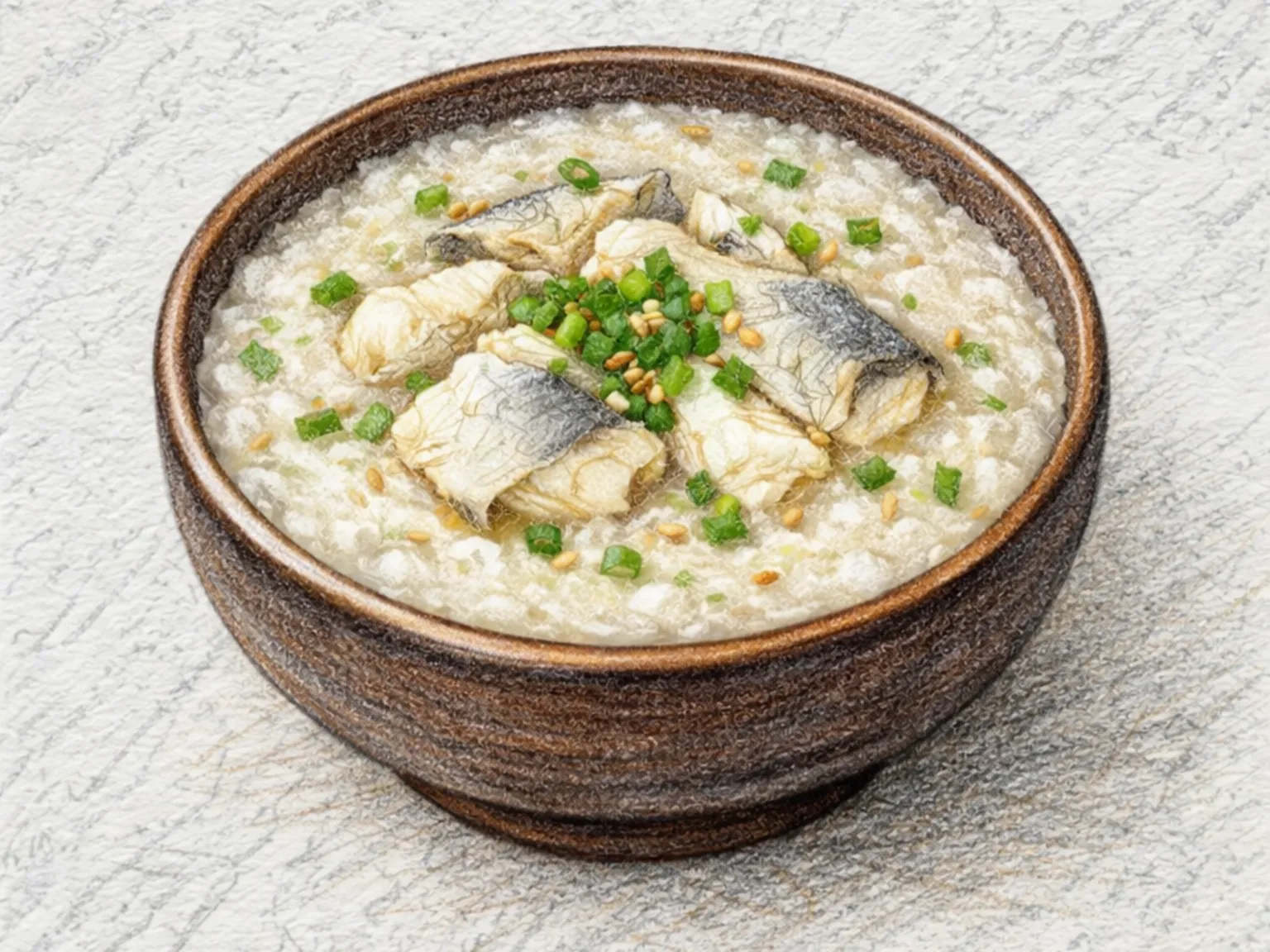
Korean Butterfish Porridge
RiceEasy

Korean Butterfish Porridge

Byeongeo (butterfish) is cut into pieces and placed in a pot with rice and water, then cooked slowly over low heat until the fish flesh breaks apart and dissolves into the porridge. This lean white fish carries minimal fat, and as it simmers, it gradually releases a gentle sweetness and clean savoriness that enriches the rice without making it heavy. Thorough bone removal before cooking is essential because the soft flesh disperses through the porridge and bones become difficult to pick out later. Seasoning is kept to a minimum: salt only, with a drop of sesame oil stirred in at the end. With so few ingredients, the freshness of the fish determines the quality of the finished bowl. This is a traditional Korean restorative dish, long favored when the stomach needs something soothing, when recovering from illness, or whenever something nourishing but easy to digest is called for. Stirring occasionally as the rice swells and thickens keeps the porridge from catching on the bottom.

🏠 Everyday
Prep 10minCook 30min2 servings
Korean Kimchi Porridge (Fermented Kimchi Pork Rice Porridge)
RiceEasy

Korean Kimchi Porridge (Fermented Kimchi Pork Rice Porridge)

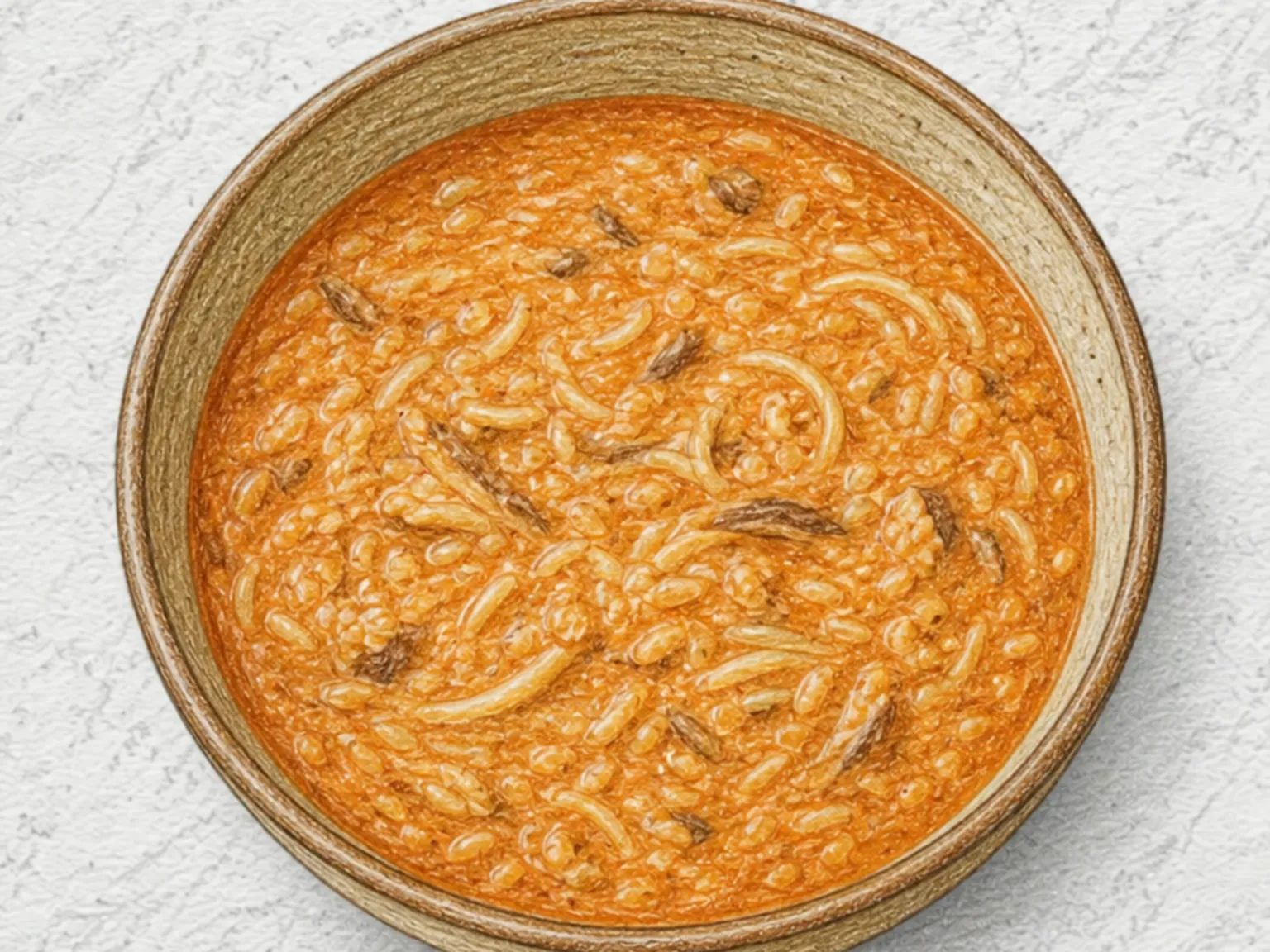
Well-fermented napa kimchi is chopped into small pieces and stir-fried with ground pork in sesame oil first, building a savory, aromatic base before the soaked rice and water go in for a slow, gentle simmer of thirty minutes. The extended cooking time is what fundamentally changes the character of the dish: the raw, sharp edge of the chili fades and the fermentation tang disperses through the porridge evenly, becoming deep and mellow rather than assertive, while the pork contributes a rich savory backbone that plain kimchi alone could not provide. Soup soy sauce is added toward the end to adjust the salt, and sesame seeds scattered over the finished bowl add a final nutty aroma. The more sour and deeply fermented the kimchi used, the more complex and layered the finished juk becomes -- bright red in color and bold in flavor. This is a traditional Korean porridge associated with recovery and comfort, eaten warm when the stomach is unsettled, appetite has gone quiet, or the cold calls for something deeply nourishing. Diced silken tofu added during the last few minutes of simmering introduces a new texture and adds protein without disrupting the clean, porridge-like consistency.

🏠 Everyday
Prep 10minCook 40min2 servings
Korean Sesame Porridge (Toasted Sesame Silky Rice Porridge)
RiceEasy

Korean Sesame Porridge (Toasted Sesame Silky Rice Porridge)

Kkaejuk is a traditional Korean porridge made by grinding toasted sesame seeds to a fine powder and simmering them with soaked rice, water, and milk until the mixture reaches a silky, cream-soup consistency. Toasting the seeds before grinding is not optional -- raw sesame lacks the deep, roasted fragrance that defines the dish, and the heat of toasting develops oils and aroma compounds that grinding alone cannot produce. Constant stirring over low heat prevents the mixture from scorching and coaxes the rice grains into breaking down completely, merging with the sesame base so no distinct texture remains. Milk enriches the body beyond what water alone provides and gives the finished porridge a warm ivory color. The simplest version is seasoned with nothing but salt and served with a drizzle of honey or rice syrup, letting the roasted sesame flavor carry the bowl without distraction. Easily digestible and gentle on the stomach, kkaejuk has a long tradition as a morning meal, a recovery food for the sick, and a postpartum nourishment dish in Korean households.

🥗 Light & Healthy🏠 Everyday
Prep 15minCook 30min2 servings
Korean Blue Crab Doenjang Pot Rice
RiceHard

Korean Blue Crab Doenjang Pot Rice

Cleaned blue crab sits atop soaked rice in a heavy pot, cooked in anchovy-kelp stock that has been infused with dissolved doenjang. Garlic and vegetables are sauteed first in perilla oil to build an aromatic base before the stock-doenjang mixture is poured in and brought to a boil. The crab goes on top and the pot is covered for five minutes on high heat, fifteen minutes on low, then ten minutes off the heat to rest and steam through. The crab's briny sweetness and the doenjang's fermented, earthy depth soak into every grain of rice during the long, slow cook. Zucchini and shiitake mushrooms add a mild sweetness that tempers the saltiness and rounds out the bowl. One additional minute on low heat after resting creates a golden, nutty nurungji crust at the bottom, a prized texture in Korean pot rice. Doenjang saltiness varies by brand, so tasting the diluted stock before adding rice lets you calibrate without oversalting. A few slices of cheongyang chili on top cut through the fermented richness and add a sharp finishing heat.

🏠 Everyday🎉 Special Occasion
Prep 20minCook 35min4 servings
Korean Bean Sprout Rice (Pot-Steamed Rice with Soy Sprouts)
RiceEasy

Korean Bean Sprout Rice (Pot-Steamed Rice with Soy Sprouts)

Kongnamul-bap is a simple Korean home dish of soaked rice cooked together with a generous pile of bean sprouts in a covered pot. Timing and the closed lid are the two things that define the result. The pot starts on high heat until the water boils, then drops to low for fifteen minutes of steady cooking followed by five minutes of resting. Opening the lid at any point during this process releases steam and allows a raw, beany smell to develop in the finished rice. Once the resting period is complete, the sprouts have steamed through and their moisture has been absorbed into the rice grains. The seasoning sauce is mixed directly into the bowl at the table: soy sauce, sesame oil, gochugaru, finely sliced green onion, and a scatter of sesame seeds. Each spoonful combines the soft, starchy rice with the firm snap of the sprout stems, and the soy dressing pulls everything into a coherent flavor. The dish asks very little from the cook and costs almost nothing to make, yet it produces the kind of deeply satisfying meal that is difficult to improve upon. Some versions add daikon cut into thick batons, which contribute a cool, clean sweetness to the broth that forms at the bottom of the pot.

🏠 Everyday
Prep 10minCook 25min2 servings
Korean Beef and Water Parsley Pot Rice
RiceMedium

Korean Beef and Water Parsley Pot Rice

Soy-marinated beef is layered with rice in a heavy pot and cooked until the meat juices soak into every grain. Onion and beef are first seared on high heat for depth, then soaked rice and water go in for a slow, covered cook. Water parsley added just before resting contributes a fresh, aromatic lift that cuts through the richness of the beef. The heavy-bottomed pot also creates an even layer of crispy scorched rice at the bottom, adding a satisfying crunch to every serving.

🏠 Everyday
Prep 20minCook 25min2 servings
Korean Seaweed Rice Porridge
RiceEasy

Korean Seaweed Rice Porridge

Miyeok-juk is a Korean porridge made by first stir-frying rehydrated dried seaweed in sesame oil before simmering it with soaked rice over low heat. The stir-fry step is what distinguishes this porridge: it drives off the seaweed's raw marine edge and allows sesame oil's nutty fragrance to permeate the entire pot. As the soaked rice cooks down with the seaweed, the grains break apart and release their starch, producing a smooth, thick consistency without the need for any thickener. Soup soy sauce seasons the porridge lightly so the natural depth of the seaweed comes through without salt overpowering it. A final drop of sesame oil just before serving revives the aroma. Because the result is easy to digest and gentle on the stomach, this porridge has long been a fixture at Korean breakfast tables, served to anyone recovering from illness, and prepared specifically for mothers in the weeks following childbirth. The tradition of eating miyeok-juk on birthdays traces back to this postpartum association, as mothers consumed it to rebuild strength and nourish their infants through nursing. Mild, warming, and requiring nothing more than pantry staples, the porridge remains one of the most reliably comforting dishes in the Korean kitchen.

🥗 Light & Healthy🏠 Everyday
Prep 15minCook 30min2 servings
Korean Radish Rice (Julienned Radish Steamed with Short-Grain Rice)
RiceEasy

Korean Radish Rice (Julienned Radish Steamed with Short-Grain Rice)

Mu-bap is Korean radish rice made by placing finely julienned radish directly on top of uncooked rice before steaming, so the radish releases its natural moisture and mild sweetness into each grain as it cooks. The result is rice that is slightly more moist and subtly sweeter than plain cooked rice, with softened radish distributed throughout. The dish is eaten with a seasoning sauce of soy sauce, sesame oil, sliced scallion, red pepper flakes, and sesame seeds mixed in right before eating, because adding it any earlier makes the rice clump and turn mushy. Cutting the radish into thin, uniform strips is not just about presentation: thin strips cook through in the same time as the rice, while thick pieces remain underdone when the rice is already ready. Winter radish contains more natural sugar than radish harvested at other times of year, so the same recipe tastes noticeably sweeter when made with winter produce. Served alongside fermented sides like kkakdugi or kimchi, the mild sweetness of the radish rice provides a clean, neutral contrast to the sharp acidity and salt of fermented foods.

🏠 Everyday
Prep 15minCook 25min2 servings
Korean Corn Cheese Pot Rice
RiceEasy

Korean Corn Cheese Pot Rice

Oksusu cheese sotbap is a Korean pot-cooked rice dish built on butter-sauteed onions and corn that infuse the grains with sweetness as the rice steams, then topped with mozzarella placed on after the heat is cut so it melts into long, stretchy strands rather than browning. Each spoonful delivers the pop of individual corn kernels alongside the soft, creamy pull of melted cheese, with butter coating every grain in a glossy richness. Replacing part of the cooking water with milk deepens the creamy texture and gives the finished rice a density and smoothness that plain water cannot achieve. With the lid closed for two to three minutes after the heat is off, the residual steam inside the pot is sufficient to melt the cheese completely without any additional heat. The combination of sweet corn, buttery rice, and stretchy mozzarella lands in a flavor register that needs no side dishes to feel complete, and it appeals across a wide age range without effort.

🧒 Kid-Friendly🍱 Lunchbox
Prep 10minCook 22min2 servings
Korean Red Bean Rice (Steamed Rice with Adzuki Beans)
RiceEasy

Korean Red Bean Rice (Steamed Rice with Adzuki Beans)

Pat-bap is Korean red bean rice, a traditional dish that has been tied to the winter solstice for centuries as a food believed to ward off misfortune and bad spirits for the coming year. Dried red beans are boiled until they are nearly at the point of splitting, then removed from the liquid so the deep-tinted cooking water can be used to soak and cook the rice, staining every grain with a soft reddish hue that sets the dish apart visually from plain white rice. The beans are folded back into the pot during cooking, and their starchy, earthy sweetness blends with the sticky bite of the short-grain rice, deepening with each chew in a way that plain rice does not. A light dusting of salt draws out the beans' natural, understated sweetness and sharpens the overall flavor without overpowering the grain's own character. The dish is deliberately plain in approach, and that simplicity is the point: a bowl of pat-bap alongside kimchi forms a complete, filling meal grounded in centuries of Korean seasonal food culture. Though historically associated with ritual occasions and seasonal festivals, pat-bap is equally suited to everyday meals.

🏠 Everyday
Prep 4minCook 40min4 servings
Korean Shiitake Mushroom Rice
RiceEasy

Korean Shiitake Mushroom Rice

Pyogo-beoseot-bap is a Korean pot rice that cooks thickly sliced fresh shiitake mushrooms directly on top of soaked rice, allowing the mushrooms' concentrated umami and earthy aroma to infuse every grain as steam circulates inside the sealed pot. Once the rice is done, it is mixed with a soy-sesame dipping sauce made from soy sauce, sesame oil, chopped scallion, and toasted sesame seeds, which amplifies the earthy depth already present in the rice and ties all the flavors into a cohesive bowl. The shiitake mushrooms retain a satisfying meaty chew even after the cooking process, giving the dish a substantive bite that rivals meat-based rice bowls and makes the absence of protein go unnoticed. Adding julienned carrot to the pot introduces a subtle natural sweetness and a vivid splash of color to the cross-section when the rice is served. This is a classic vegetarian option in Korean home cooking, valued for the remarkable way a single key ingredient can carry an entire meal without requiring broth, seasoning, or complexity beyond the mushroom itself.

🏠 Everyday
Prep 15minCook 25min2 servings
Korean Dried Radish Greens Chicken Porridge
RiceEasy

Korean Dried Radish Greens Chicken Porridge

This porridge combines shredded poached chicken breast with siraegi (dried radish greens) and rice for a clean, protein-rich bowl. The siraegi lends a grounding earthiness to the porridge base, while the hand-torn chicken provides a fibrous, lean texture in every spoonful. Rice is first stir-fried in sesame oil to add a nutty layer before water is poured in and everything simmers slowly until the grains dissolve into a thick, smooth consistency. Scallion and garlic build aromatic depth, and a splash of light soy sauce ties the flavors together without heaviness. Low in fat and easy to digest, this is a restorative meal that feels light on the stomach while still delivering substance and warmth.

🏠 Everyday
Prep 25minCook 35min4 servings
Korean Dried Radish Greens Beef Pot Rice
RiceMedium

Korean Dried Radish Greens Beef Pot Rice

This pot rice layers soy-garlic marinated beef and softened siraegi over soaked rice, then cooks everything together in a heavy pot so the meat juices and earthy green flavors permeate every grain. Perilla oil is added to the pot, giving the finished rice a glossy sheen and a distinctly nutty aroma. As the rice cooks, the beef releases its savory juices downward while the siraegi steams on top, creating a gradient of flavor from meaty bottom to herbaceous top. A doenjang-based sauce mixed in at the table adds a salty, fermented punch that amplifies both the beef and the greens. The crispy scorched rice - nurungji - that forms at the bottom of the pot provides a crunchy finish to an otherwise soft, deeply flavored meal.

🏠 Everyday
Prep 25minCook 35min4 servings
Korean Taro Porridge (Perilla Oil-Toasted Rice with Taro Root)
RiceMedium

Korean Taro Porridge (Perilla Oil-Toasted Rice with Taro Root)

Soaked rice is toasted in perilla oil until fragrant, then simmered with peeled taro in a generous amount of water until the porridge reaches a thick, flowing consistency. Some taro pieces dissolve into the liquid and naturally thicken it, while others hold their shape and offer a starchy, crumbly bite. The gentle nuttiness of perilla oil and the mild earthiness of taro create a soothing combination with no sharp flavors. Seasoning with just salt preserves the delicate taste of the taro without masking it.

🏠 Everyday
Prep 20minCook 35min4 servings
Korean Seaweed and Shrimp Pot Rice
RiceMedium

Korean Seaweed and Shrimp Pot Rice

Rehydrated hijiki seaweed and whole shrimp are layered over rice in a heavy pot and cooked together so the briny ocean flavor permeates every grain. Sliced shiitake mushrooms and carrot sit beneath the seafood, lending umami depth and a mild sweetness to the base. When the lid comes off, the concentrated aroma of seaweed and shrimp fills the room. Stirring in a soy-based sauce ties the flavors together, and scraping the crispy rice crust from the bottom adds a toasty finish.

🏠 Everyday
Prep 15minCook 25min2 servings
Korean Truffle Mushroom Pot Rice
RiceMedium

Korean Truffle Mushroom Pot Rice

Shiitake and king oyster mushrooms are generously added to a pot of rice and cooked so their released moisture and earthy fragrance infuse every grain. The shiitake stays chewy while thick-sliced king oyster offers a meaty, substantial bite. Once the rice is done, a few drops of truffle oil are drizzled over the top, layering the mushrooms' natural earthiness with the truffle's deep, aromatic intensity. Mixing in a soy-seasoned sauce adds a salty edge that brings the whole bowl into balance.

🎉 Special Occasion
Prep 20minCook 30min4 servings