Bombay Potatoes
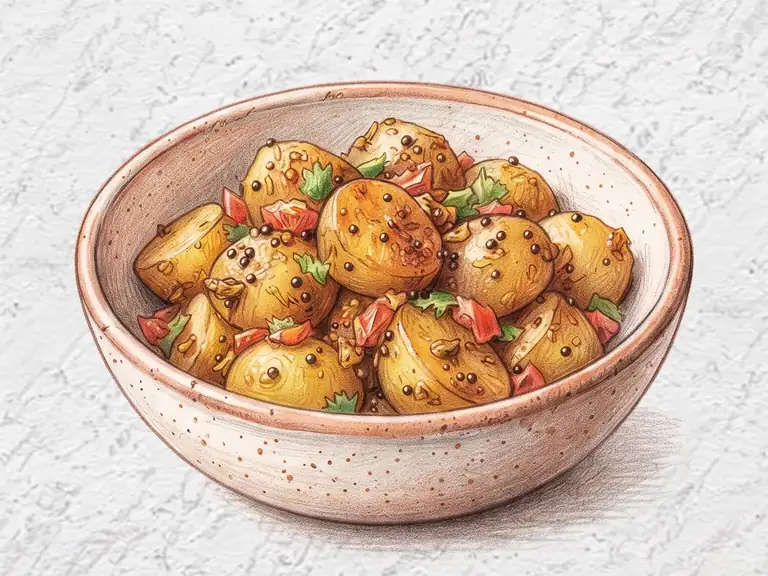
Served next to a vegetarian or meat curry, these potatoes are a dry side with no sauce, just spiced oil and butter clinging to them. Because the potatoes are parboiled first, they spend only about 15 minutes in the pan.
77 recipes. Page 1 of 4
As an Amazon Associate, we may earn from qualifying purchases.
Served next to a vegetarian or meat curry, these potatoes are a dry side with no sauce, just spiced oil and butter clinging to them. Because the potatoes are parboiled first, they spend only about 15 minutes in the pan.
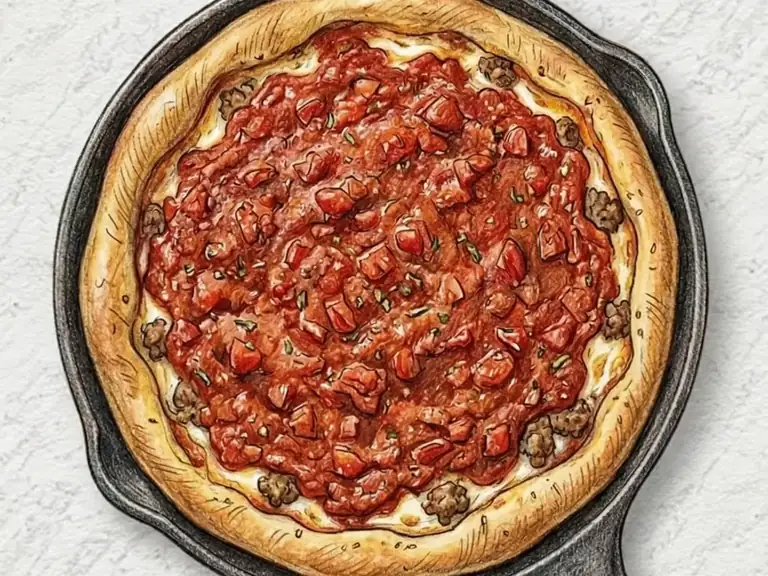
The layers are stacked in the reverse of a usual pizza: mozzarella on the bottom, sausage in the middle, and crushed tomatoes on top. Dough pressed up the sides of a deep cast-iron pan holds it all like a pie crust. Cooking the sausage and onion until the watery bubbling stops keeps that thick base from going soggy. The style dates to Pizzeria Uno in Chicago in 1943.
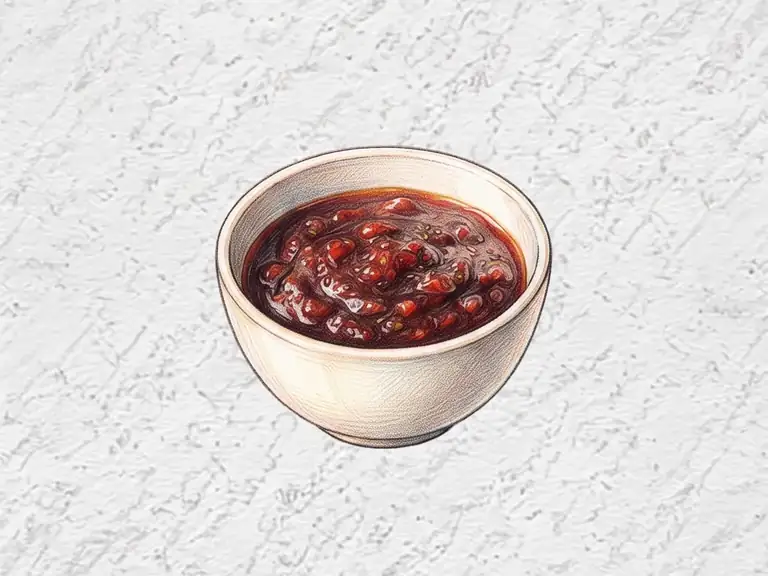
A quarter teaspoon each of coriander and cumin runs a faint spice note through the sweetness, and with no pectin the jam sets only as far as the tomatoes cook down. About 1.36 kg of tomatoes ends up as roughly 240 ml of jam after an hour, so a pot that looks far too full at the start is normal.
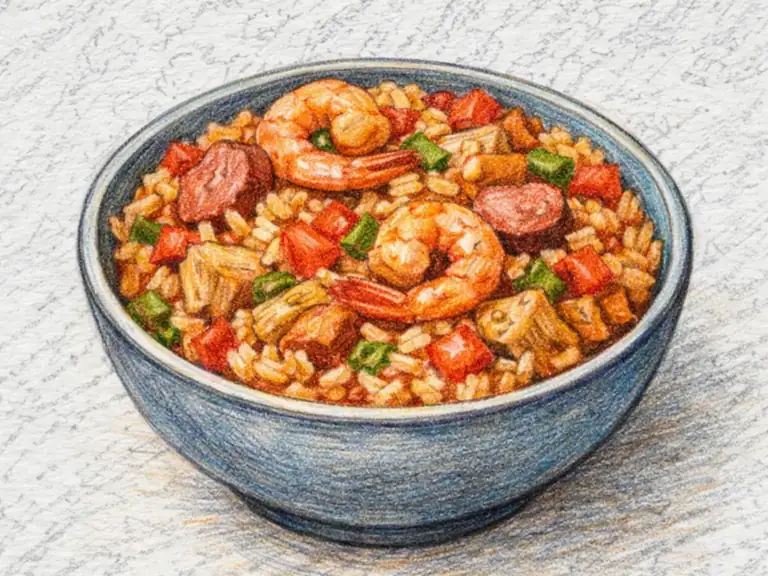
The browned bits left in the pot after searing chicken and andouille sausage end up soaked into every grain of rice. This Louisiana one-pot rice is not a stir-fry: tomatoes, Cajun seasoning, and stock go in, the lid goes on, and the rice absorbs the liquid over low heat.
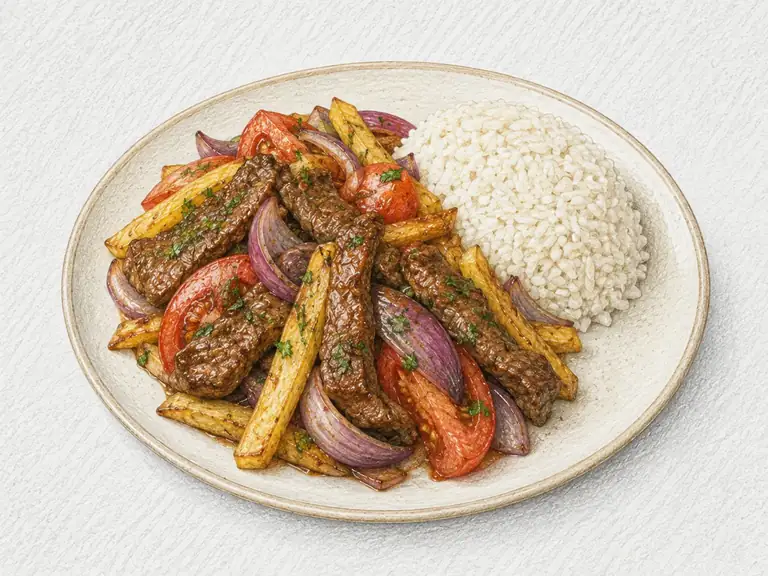
In this Peruvian beef stir-fry, French fries get tossed right into the pan and rice sits on the side of the plate. Soy sauce and red wine vinegar bring salt and sourness together, and only half a teaspoon of ajรญ amarillo, a yellow chili paste, goes in. Plate it as soon as the fries have taken on a little sauce, before they go limp.
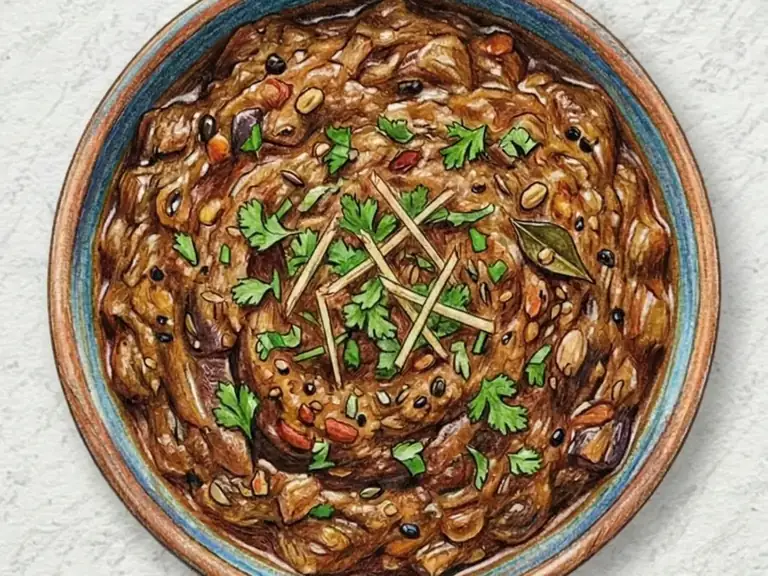
Charring whole eggplant over an open flame until the skin turns completely black is what puts the smoke into this Punjabi mash. The flesh is mashed only roughly with a fork, so small pieces stay visible instead of becoming a smooth puree. Watery bharta usually comes from tomato that was not cooked down; the onion and tomato base should already be a dense paste before the eggplant is added.
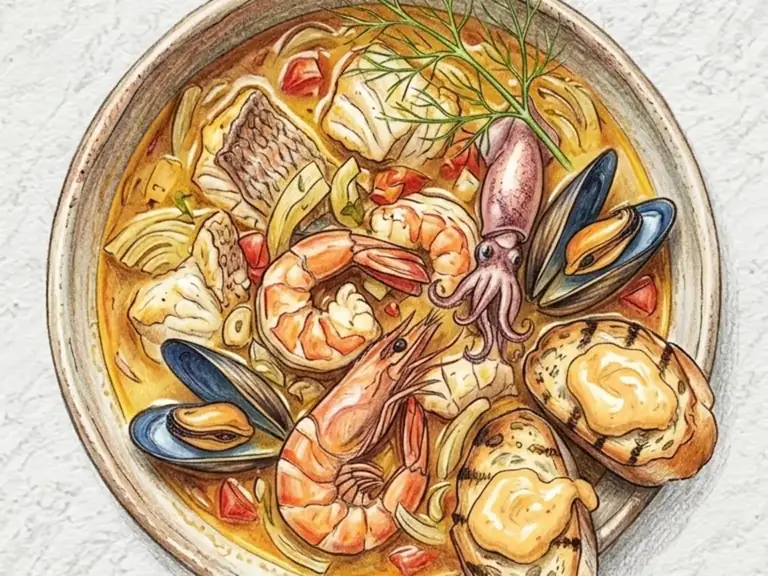
Saffron soaks first in a few spoonfuls of warm fish stock until it turns deep gold, then joins the rest of the stock; that is where the color of the stew is set. The seafood goes in by stages: firm white fish, then the softer pieces and shrimp, and mussels last. In the end, the freshness of the fish decides how it tastes.
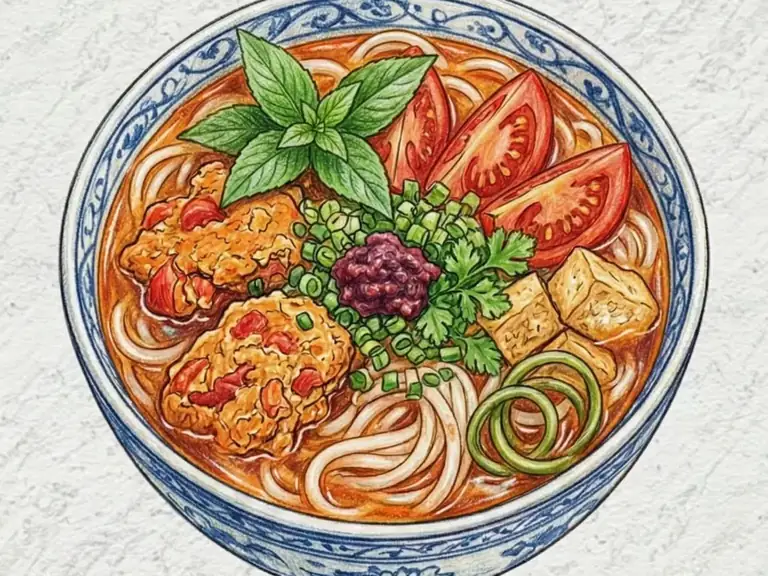
Soft crab balls rise through a red, tomato-sour broth in this Vietnamese noodle soup. In northern Vietnam the traditional version pounds whole paddy crabs and strains the liquid, which sets into a custard-like layer as it heats, while this recipe mixes crabmeat, ground pork and egg into a sticky paste instead. Everything rides on the balls holding together: the paste goes by the spoonful into broth that is barely moving and stays unstirred until the pieces firm up. Shrimp paste goes in a little at a time because it is strongly salty.
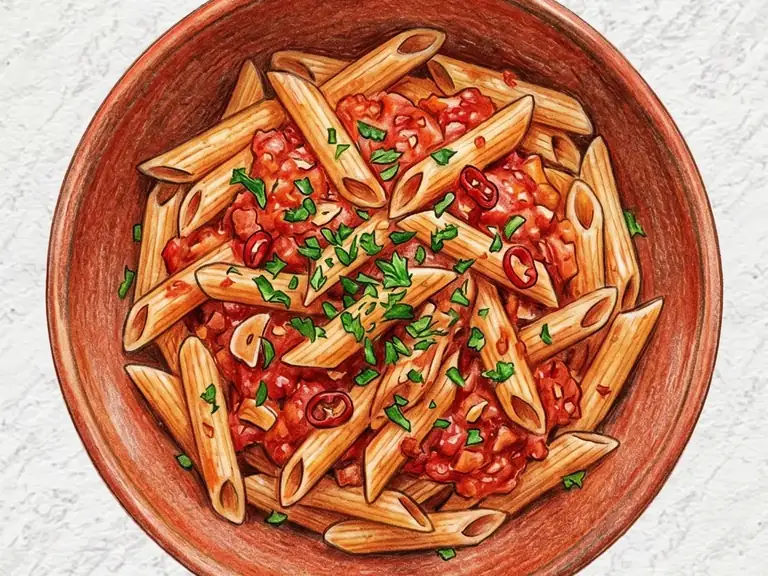
All of the heat in this penne comes from the peperoncino, so adjusting that one teaspoon sets the spice level. The chili gets only 10 seconds in the garlic oil before the tomatoes go in; blackened garlic or chili leaves a bitter streak through the sauce. Simmered uncovered for 8 minutes, the tomatoes thicken enough to coat the outside of each tube and fill the hollow. A pinch of sugar rounds off tomatoes that taste too sharp.
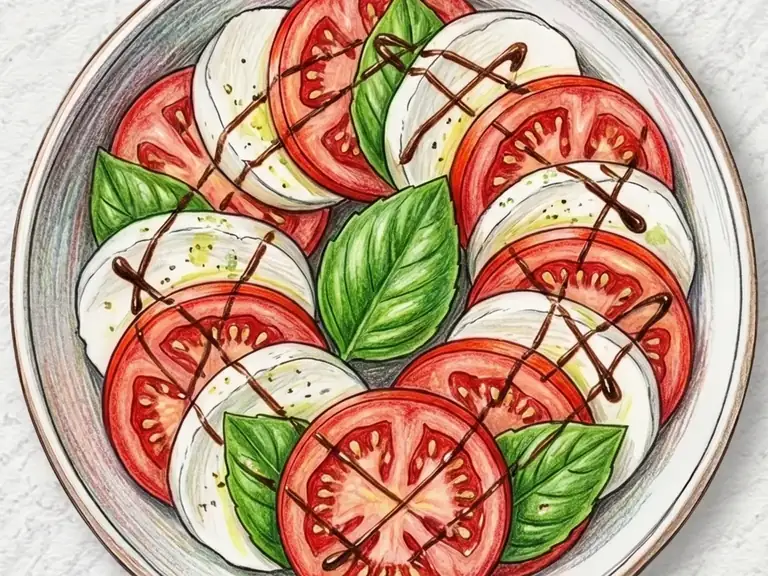
With no cooking involved, the whole dish rests on ripe tomatoes, fresh mozzarella, and basil-scented olive oil. Slices of red, white, and green overlap on a wide plate, and a thin thread of balsamic glaze adds sweet acidity without pooling in one spot. Salting too early draws water from the tomatoes and floods the plate, which is why seasoning waits until just before serving.
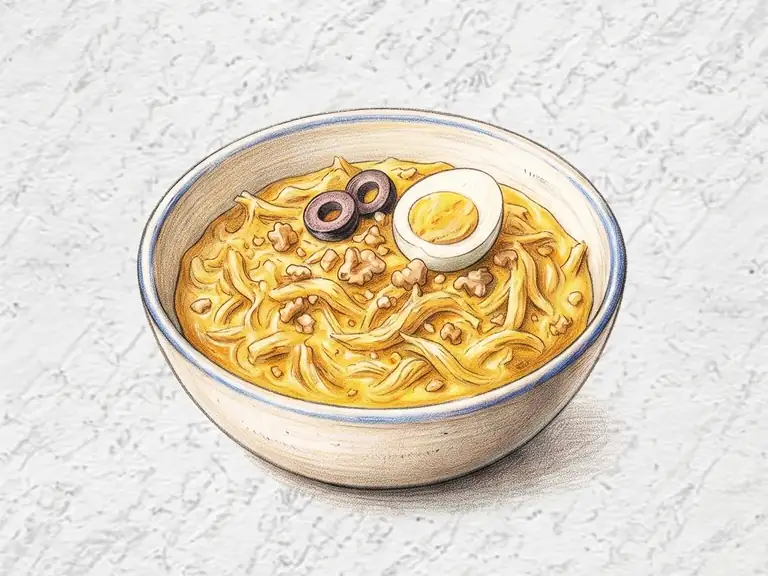
The sauce is thickened with milk-soaked bread, walnuts and Parmesan, with no cream at all. If aji amarillo powder is hard to find, use the same amount of another yellow chile powder or plain chile powder.
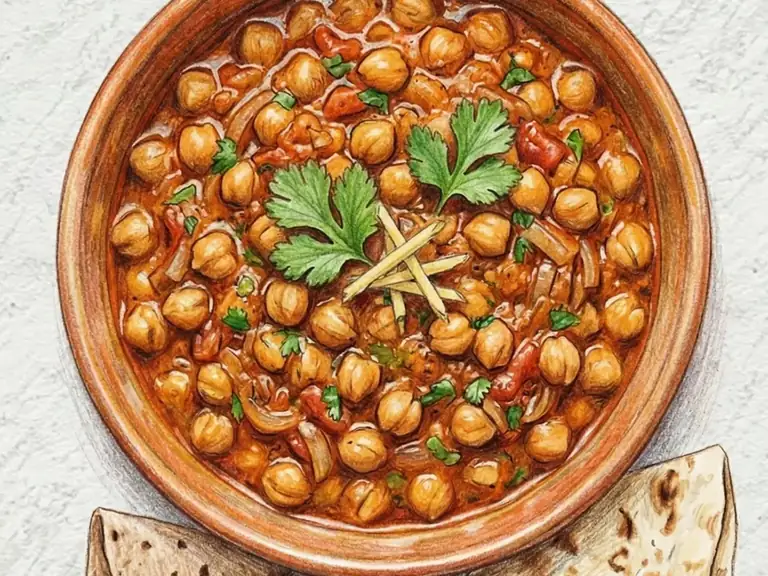
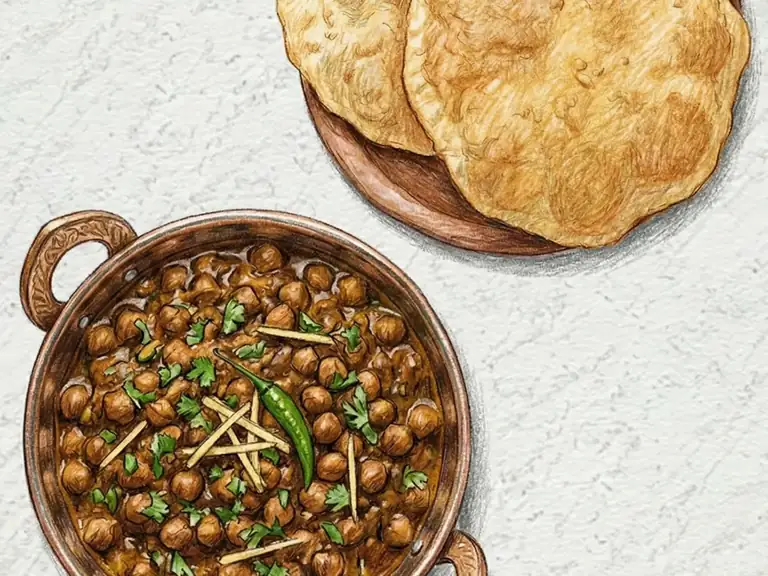
No cream goes into this sauce; its sweetness and body come from onions cooked for 15 to 20 minutes until deep brown. A staple of Punjabi home cooking, it is scooped up with roti on an ordinary weeknight, and paired with fried bhatura it becomes chole bhature.
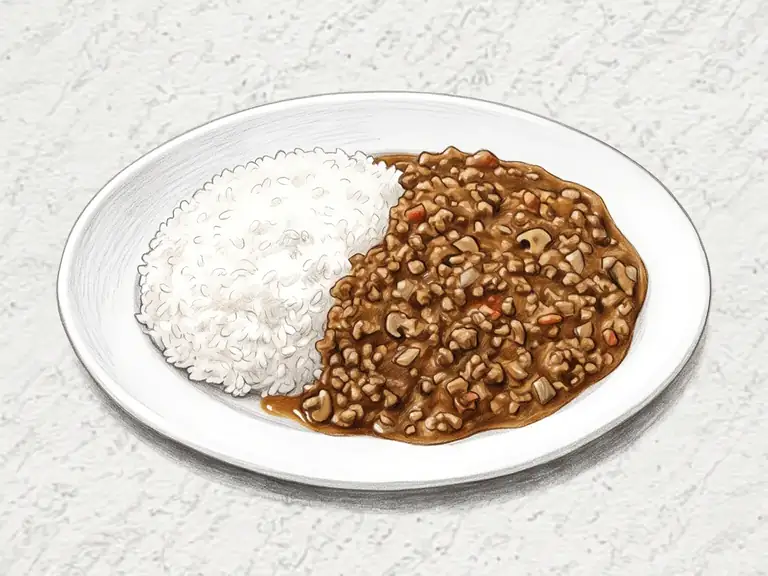
This curry should sit in a mound on the rice rather than run across the plate. That calls for only 300 ml of water with 95 g of curry roux, while the tomatoes supply the rest of the moisture. With that little liquid the roux catches on the bottom of the pot easily, so it is melted with the heat off, and once the pot is back on the stove it simmers over low heat while the bottom is scraped. Ground meat and minced or finely cut vegetables cook through quickly, so the curry needs no long simmer after the roux goes in.
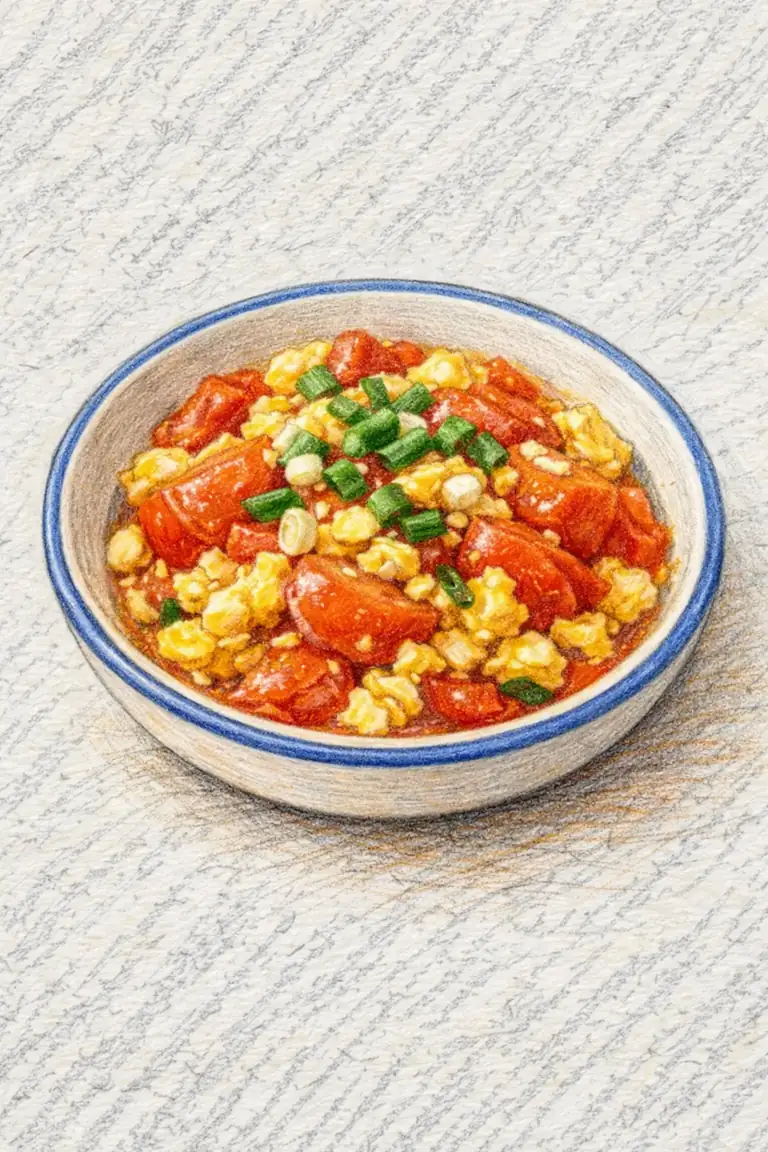
The eggs are cooked only about 70 percent of the way, set aside, and folded back in at the end, which keeps the curds soft. Tomatoes cut a little larger than bite size can release their juice without collapsing right away.
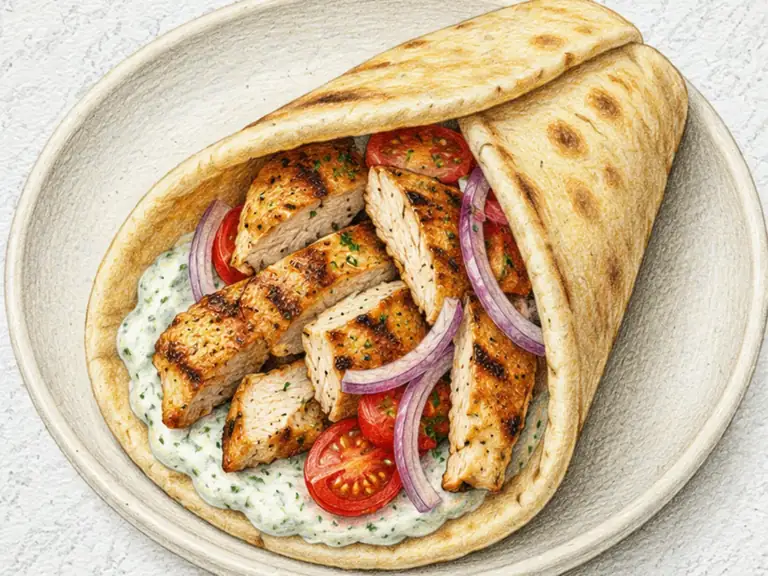
Chicken thigh charred over high heat and cold cucumber yogurt go into a warm pita together. Hot meat against cold sauce in the same bite is the whole point of the wrap, and it is eaten the moment it is rolled. The cucumber gets a light squeeze before it meets the yogurt, which keeps the sauce from turning thin.
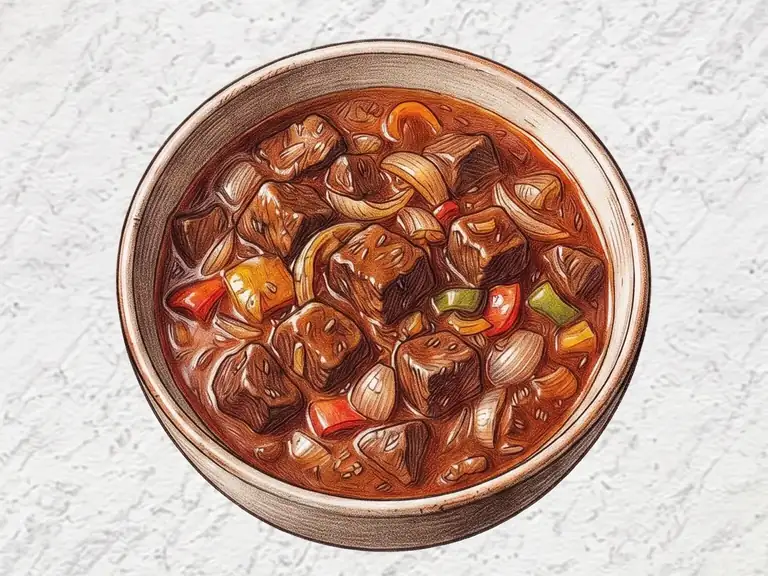
With top sirloin cut into 2.5 cm (1 inch) cubes, the whole stew is done in about 30 minutes. No water or stock goes in: the gravy is the juice the beef releases while it cooks covered, poured off partway through and returned with the tomato sauce.
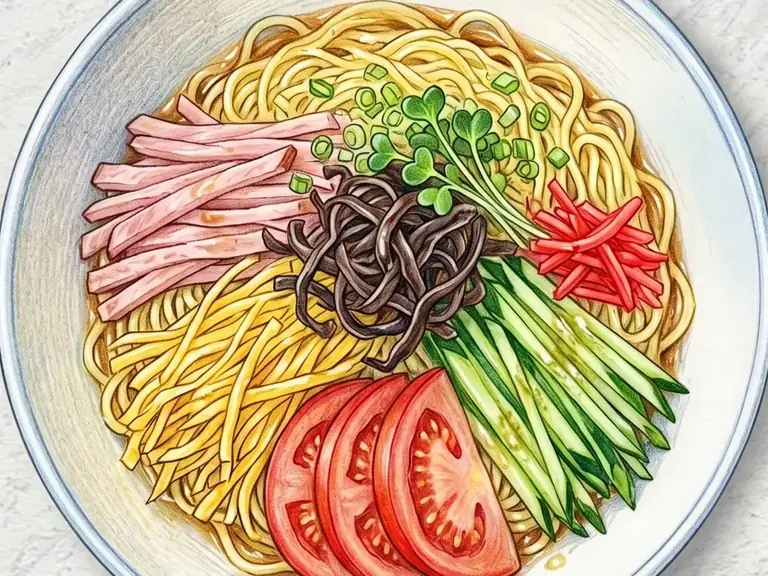
Ice-chilled ramen noodles topped with neat stripes of egg crepe, ham, cucumber and tomato get a tangy soy-vinegar dressing poured over instead of a broth. Because the sauce is a drizzle, not a soup, each topping keeps its own flavor and color. Cutting the egg, ham and cucumber to the same thin width makes the plate look tidy and lets every bite pick up a bit of everything, and the dressing goes on only at the table so the noodles stay springy.
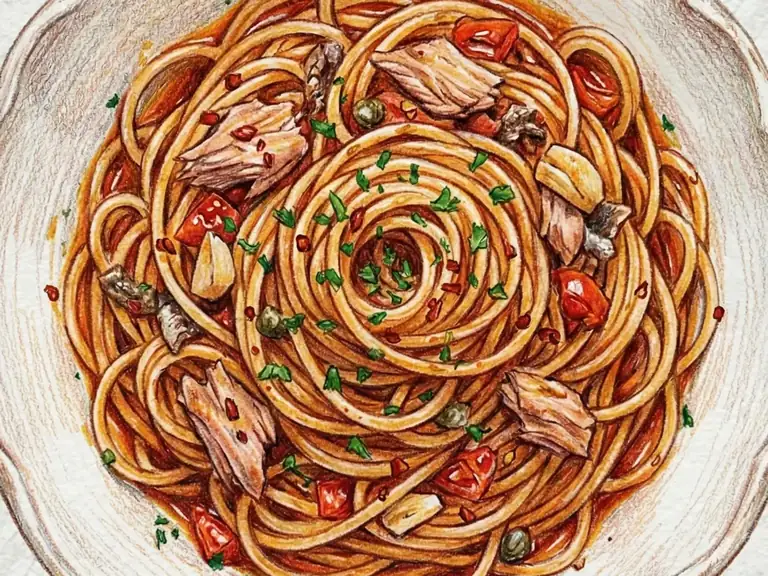
There is no extra cooking oil: garlic and anchovies cook in the olive oil from the tuna can, spiked with chili oil, and that fat already carries the taste of tuna and heat. Capers, black olives and anchovies bring the briny, salty edge of a puttanesca, while the tuna flesh is added late and left in big flakes you can actually bite into.
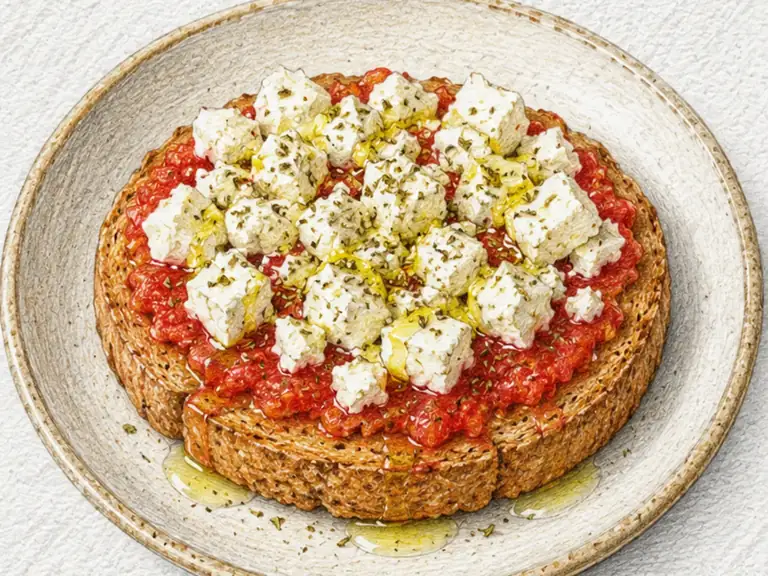
On Crete, dakos piles grated ripe tomato, juice and all, onto a hard barley rusk, putting bread and salad on one plate. The rusk slowly drinks in the tomato juice, leaving a soft, moist center and an edge that still crunches. That is why the rusk gets only a light sprinkle of water on top, as a long soak would take away the crisp rim altogether. Crumbled feta adds salt against the tomato's acidity, while black olives and dried oregano rubbed between the fingers bring aroma. Islanders eat it as a summer starter or a light meal on its own, and the riper the tomato, the better it tastes.
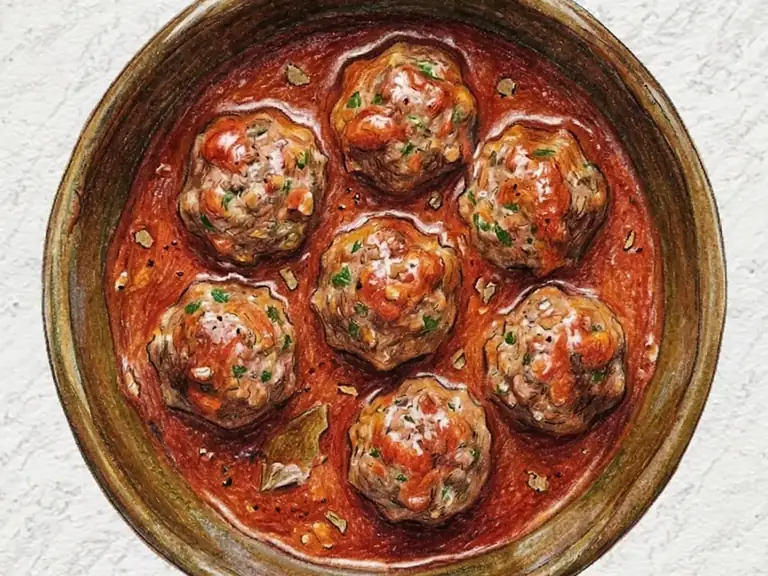
Small beef meatballs are browned only on the outside, then finish cooking in an onion and tomato sauce with a little paprika. The sauce tastes fuller after a day, so it can be made ahead and served with bread or rice.
Bhature balloon up the moment they hit the oil. In Punjab and Delhi, people tear them apart to scoop up chole, a thick chickpea curry, and that is breakfast. Dough for bhature is usually left until it ferments a little; here yogurt and baking powder go in and it rests for just 20 minutes.
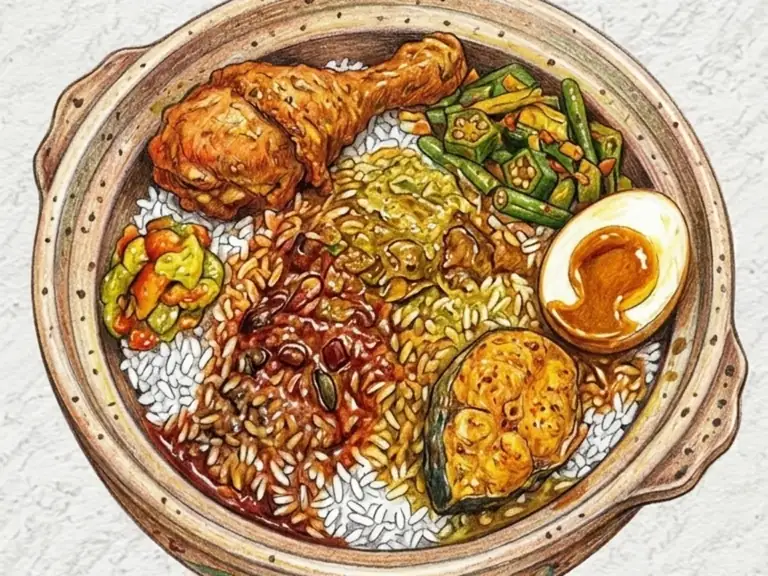
In Penang, nasi kandar usually means rice flooded with several curry gravies mixed together, a style called kuah campur. This version keeps it to a single coconut chicken curry with halved boiled eggs. The curry is deliberately left thin so it seeps between the grains, and the rice is cooked a little drier than usual so it can soak up that gravy without going soft.
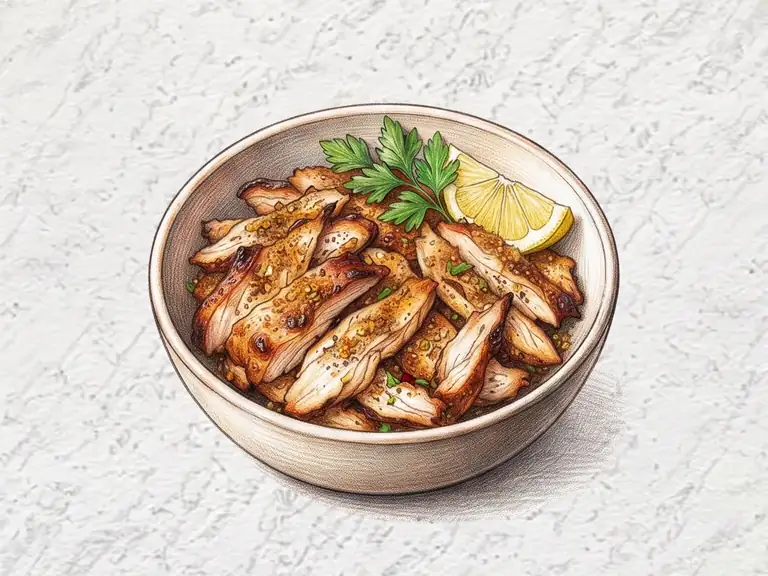
At shawarma shops the meat is stacked on a slowly turning vertical spit and shaved off as it roasts. At home, chicken thighs sliced thin while still raw are pressed into a loaf pan layer by layer, and they bake into one block that cuts easily into small pieces. The chicken spends at least 4 hours in the spiced lemon marinade; for dinner, it goes in by the morning.
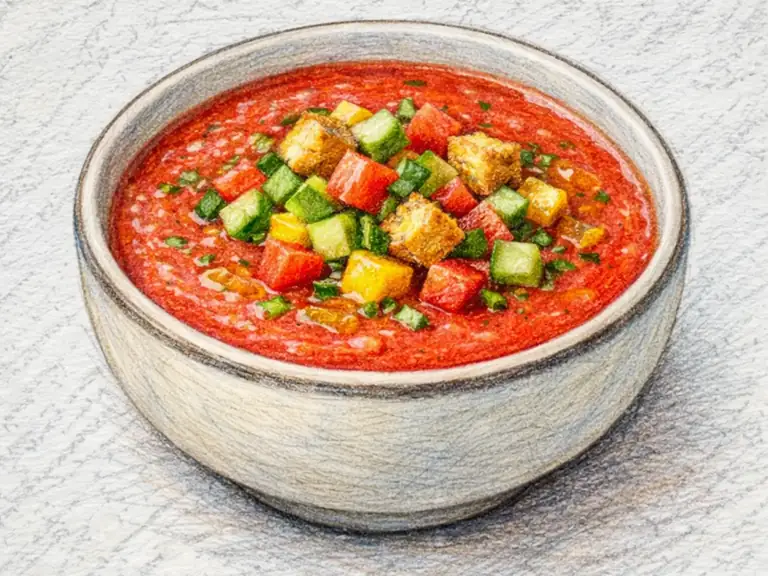
Stale bread soaked in water goes into the blender with the tomatoes, cucumber and pepper, and it makes the soup heavier and smoother than vegetable juice. No heat is involved at all, only two hours or more in the fridge. This Andalusian cold soup is only as good as its tomatoes, which need to be fully ripe.