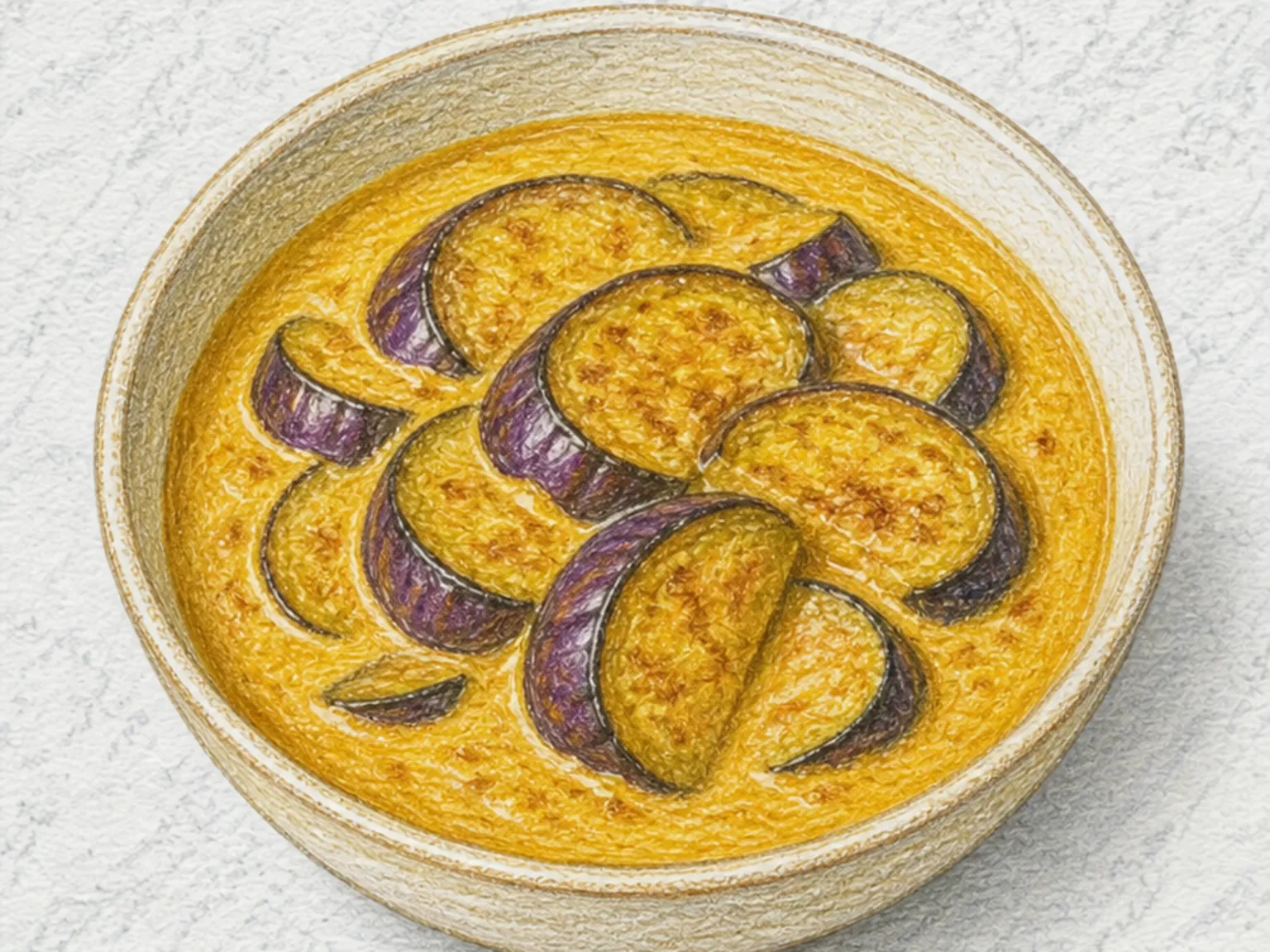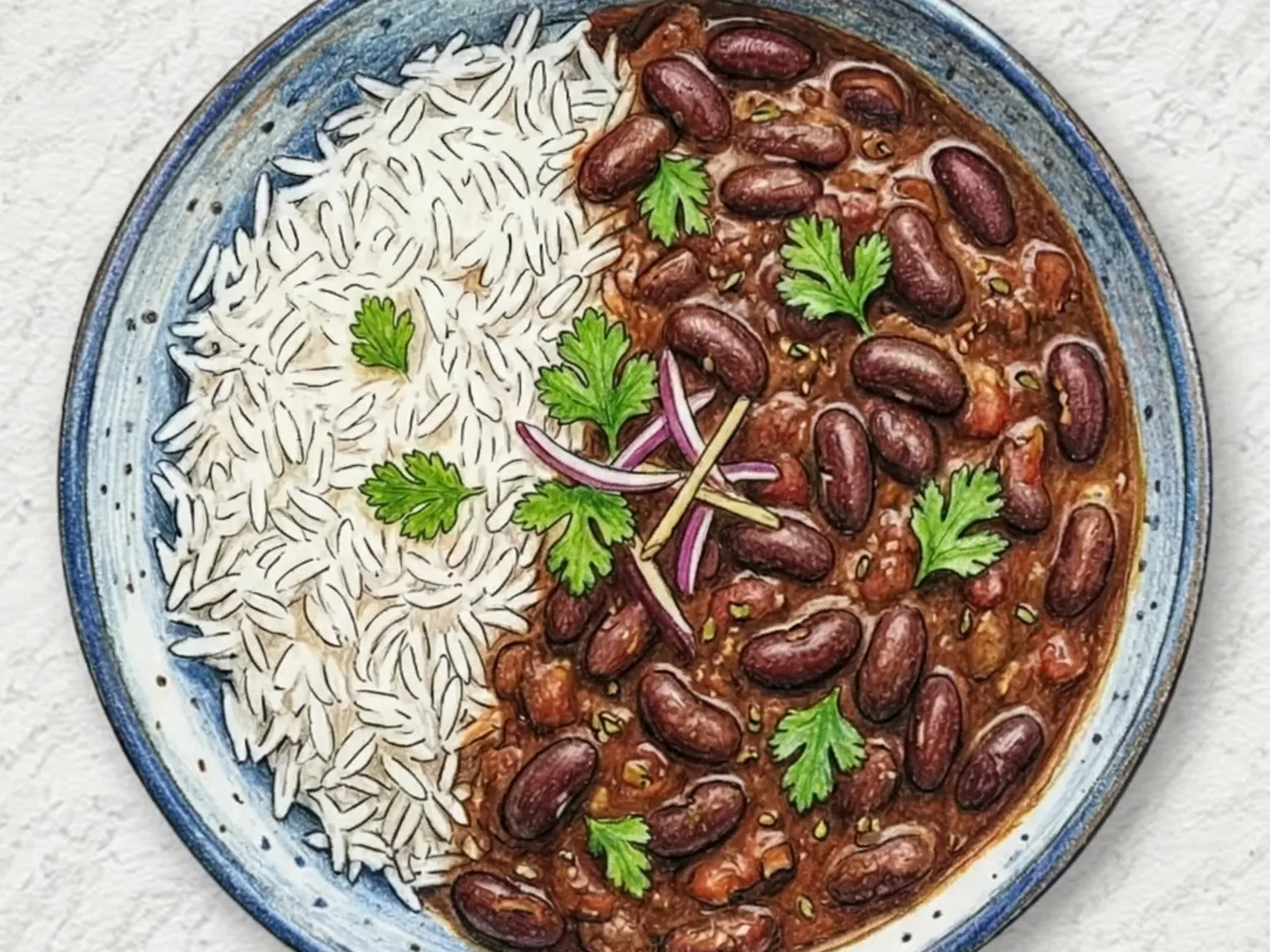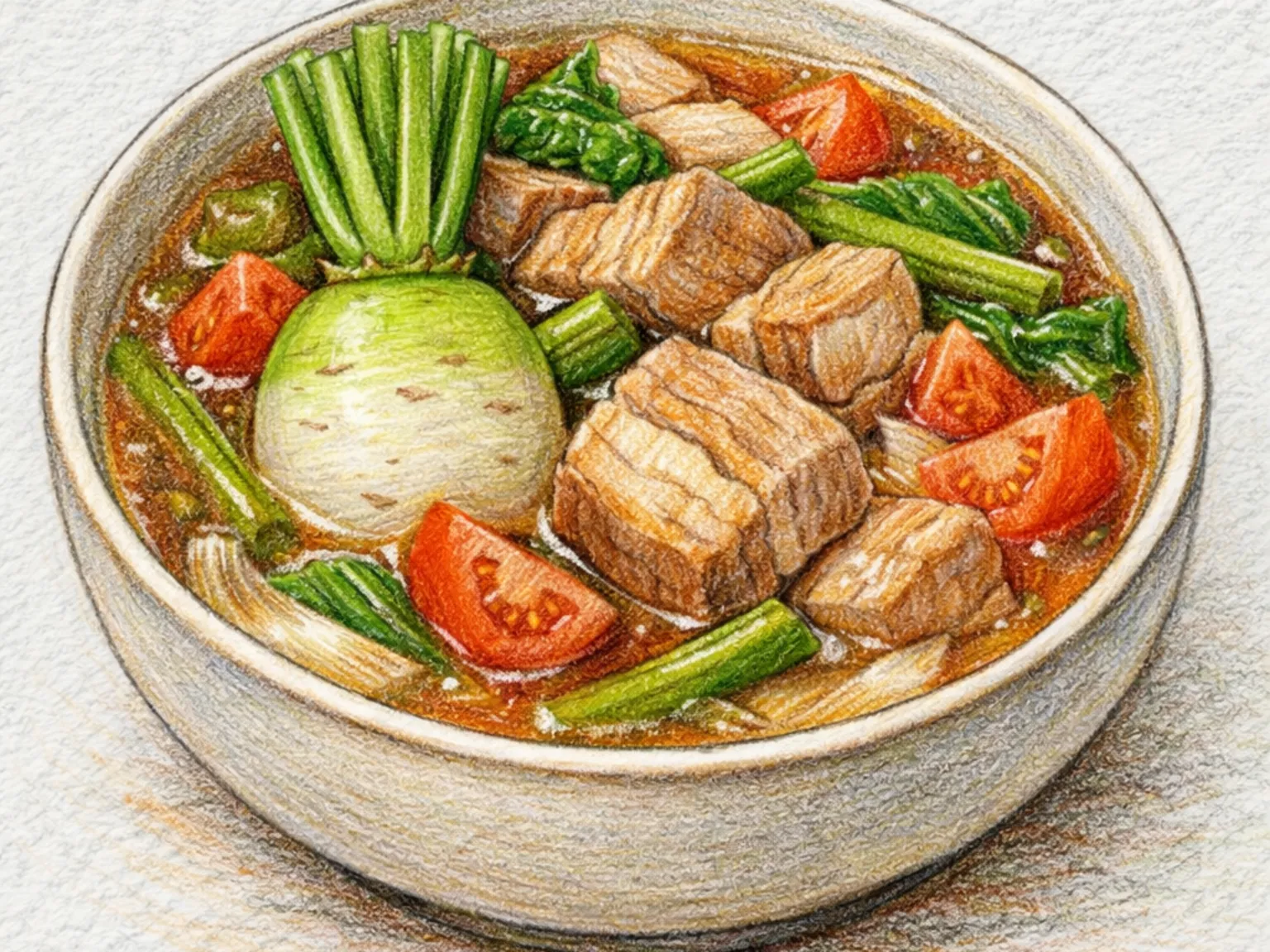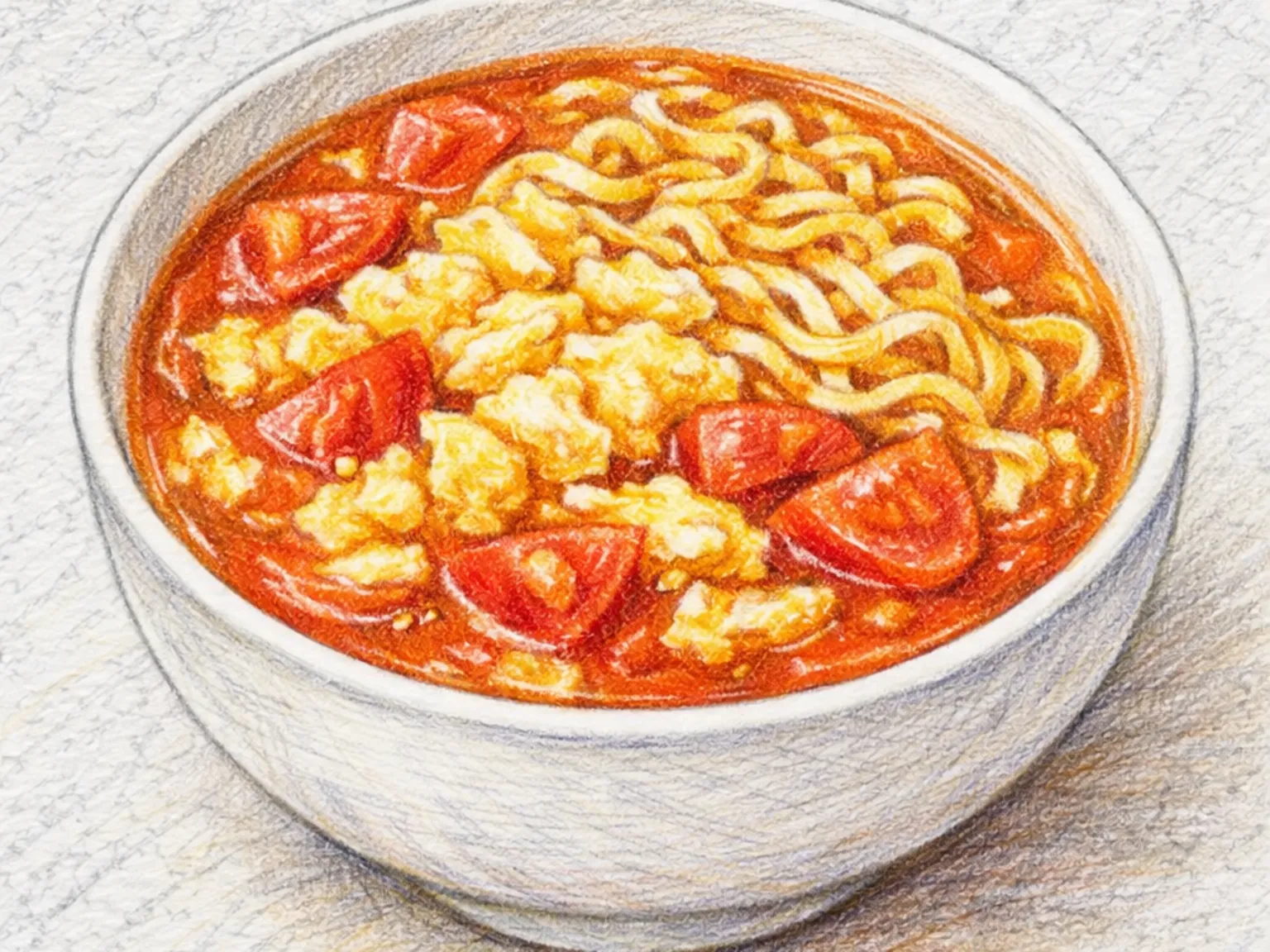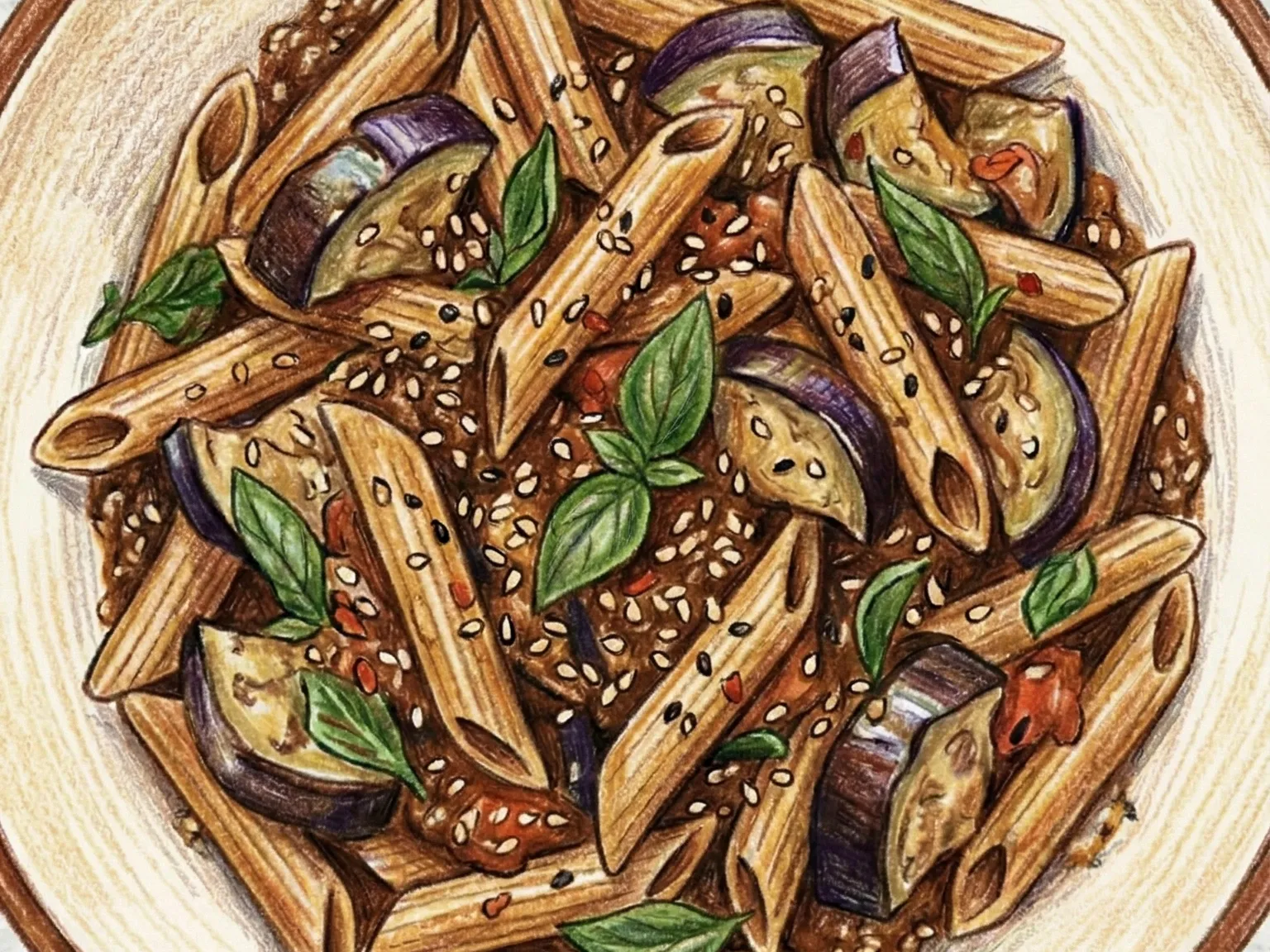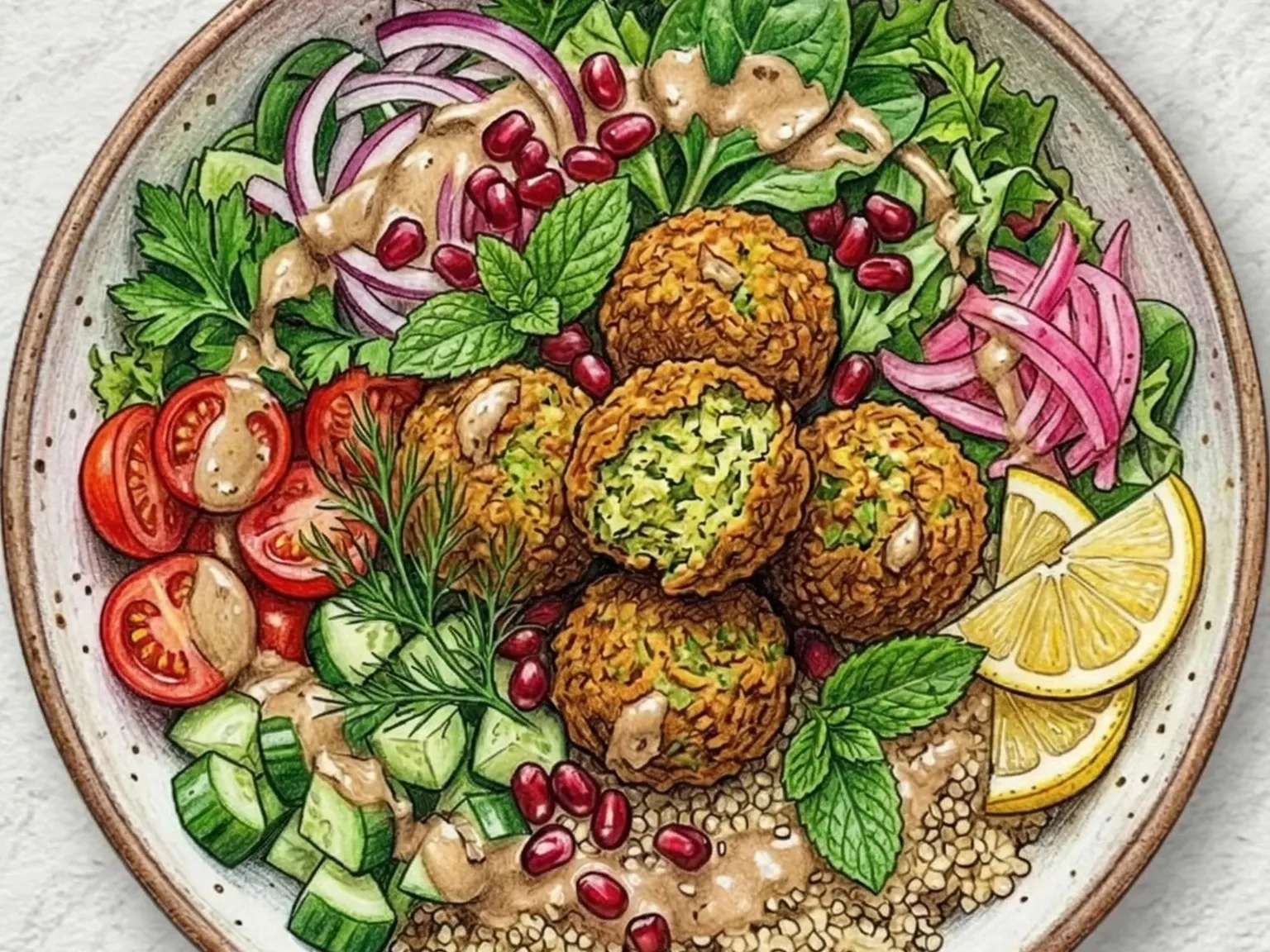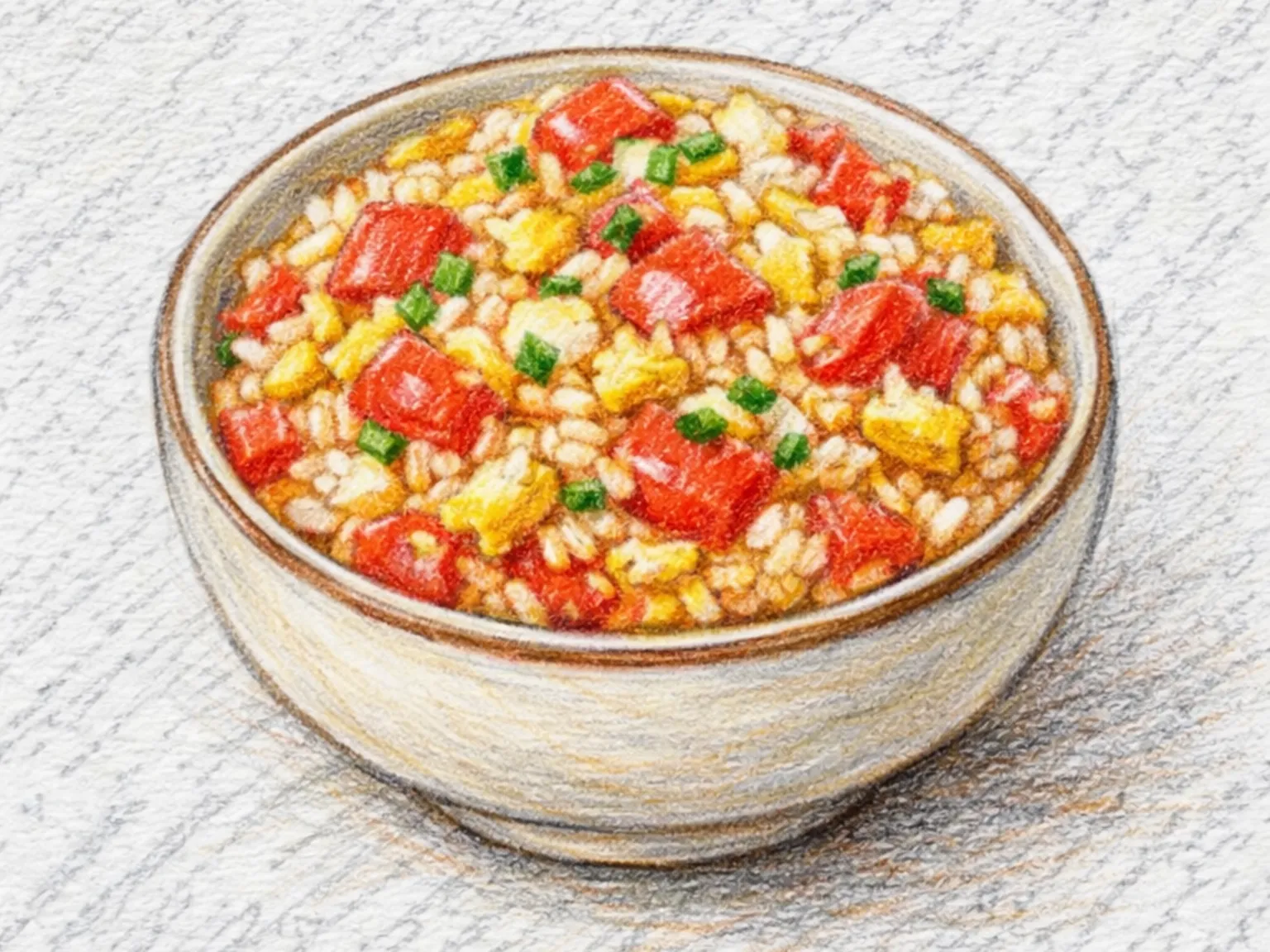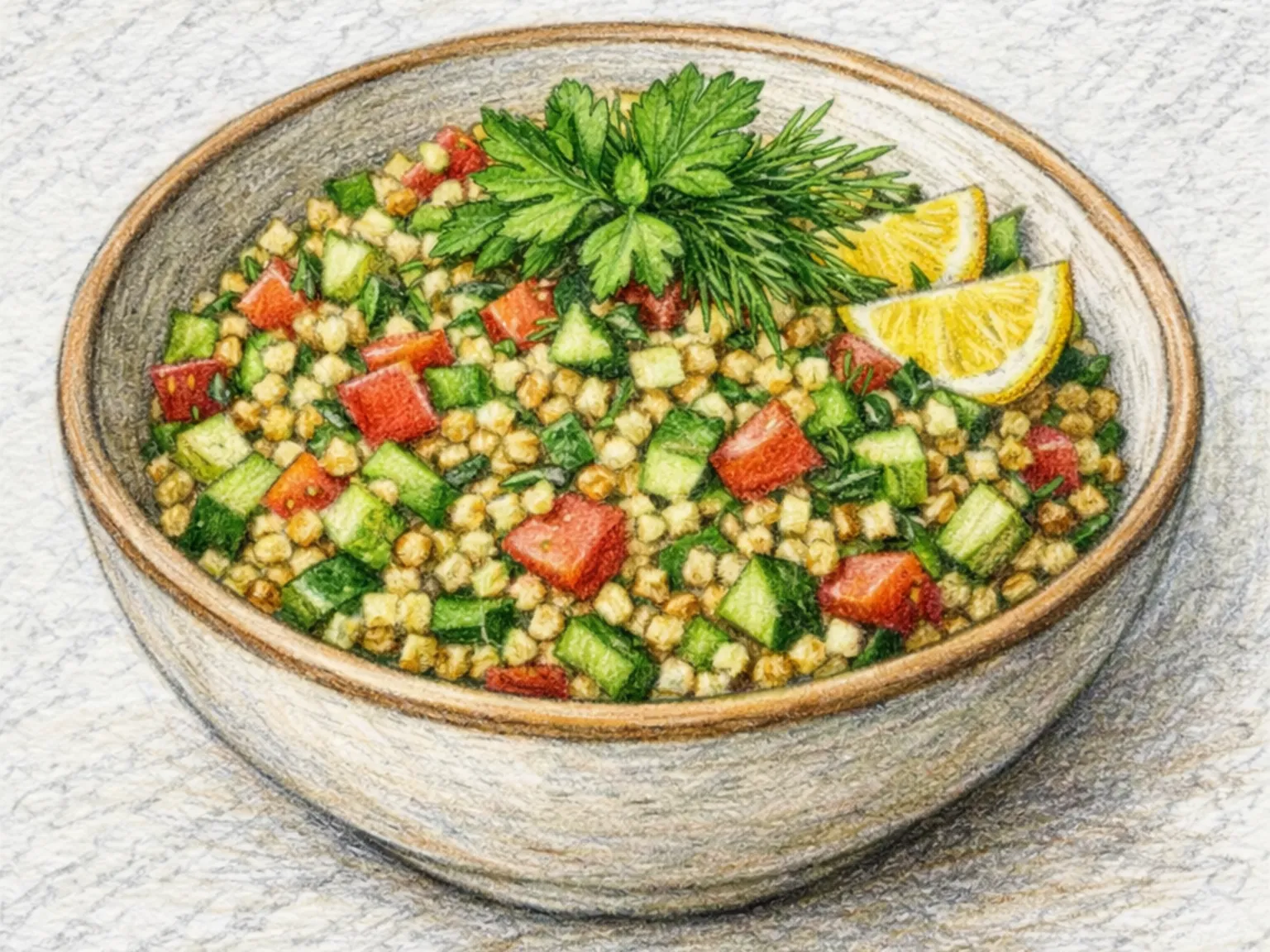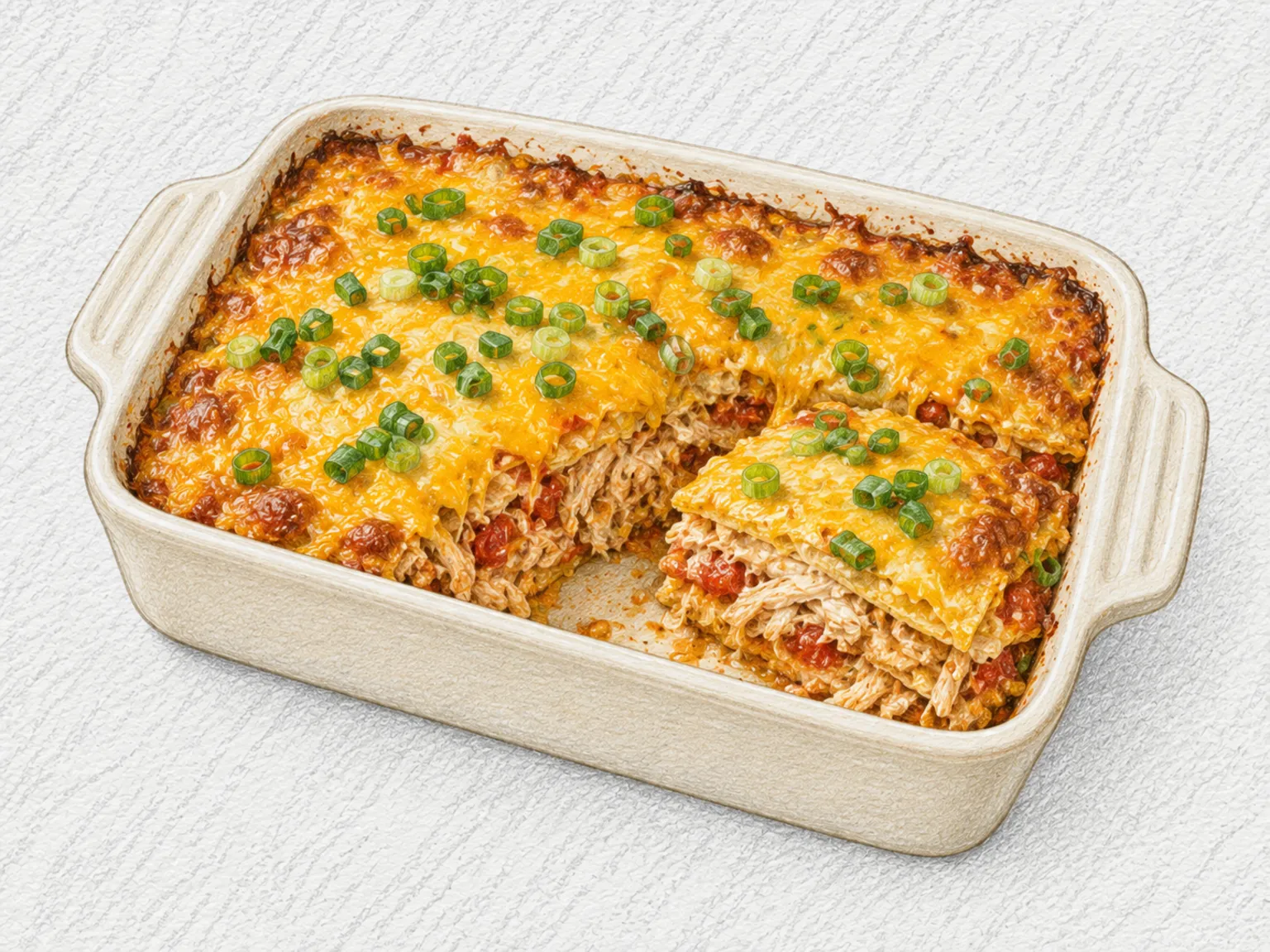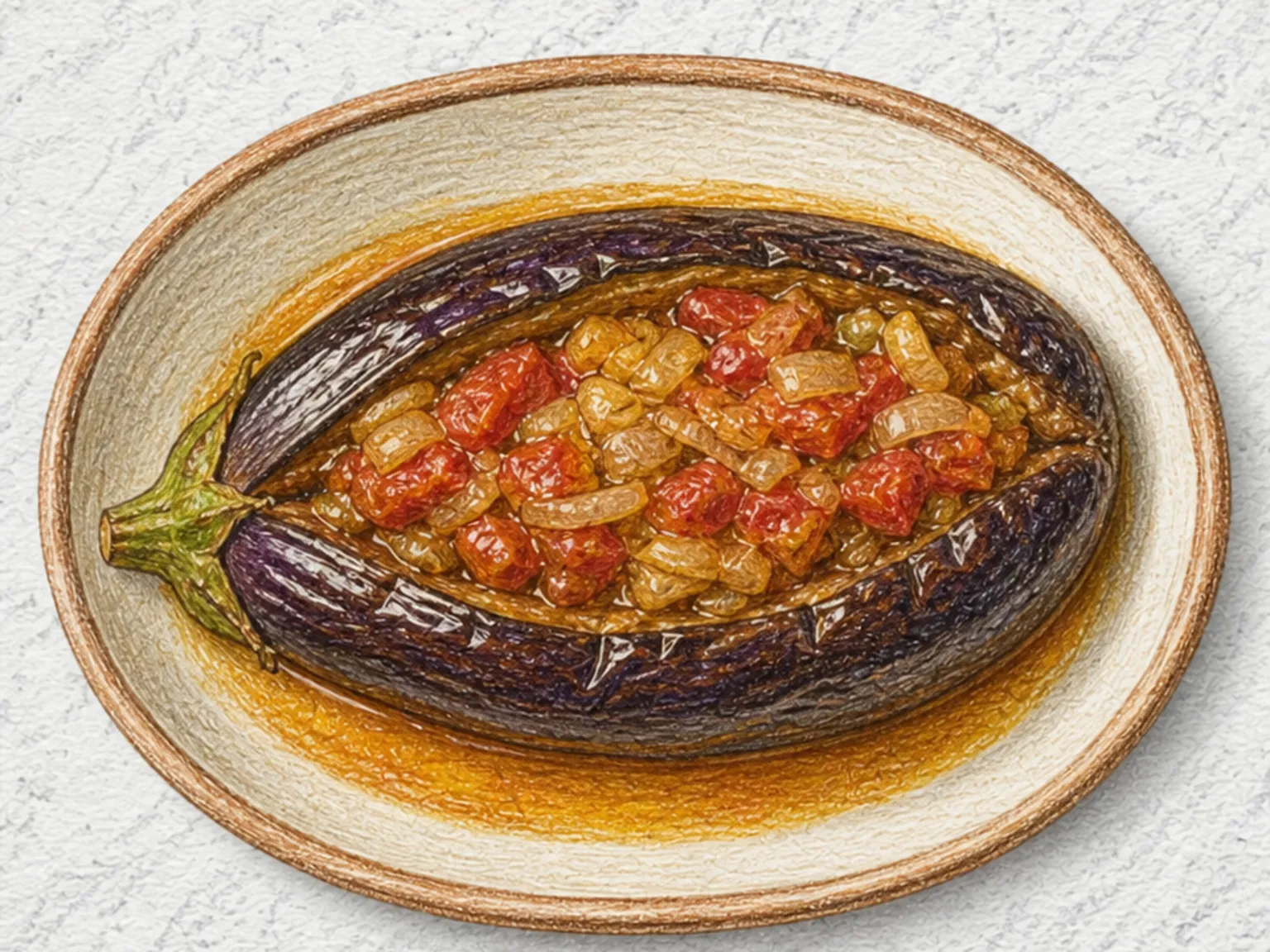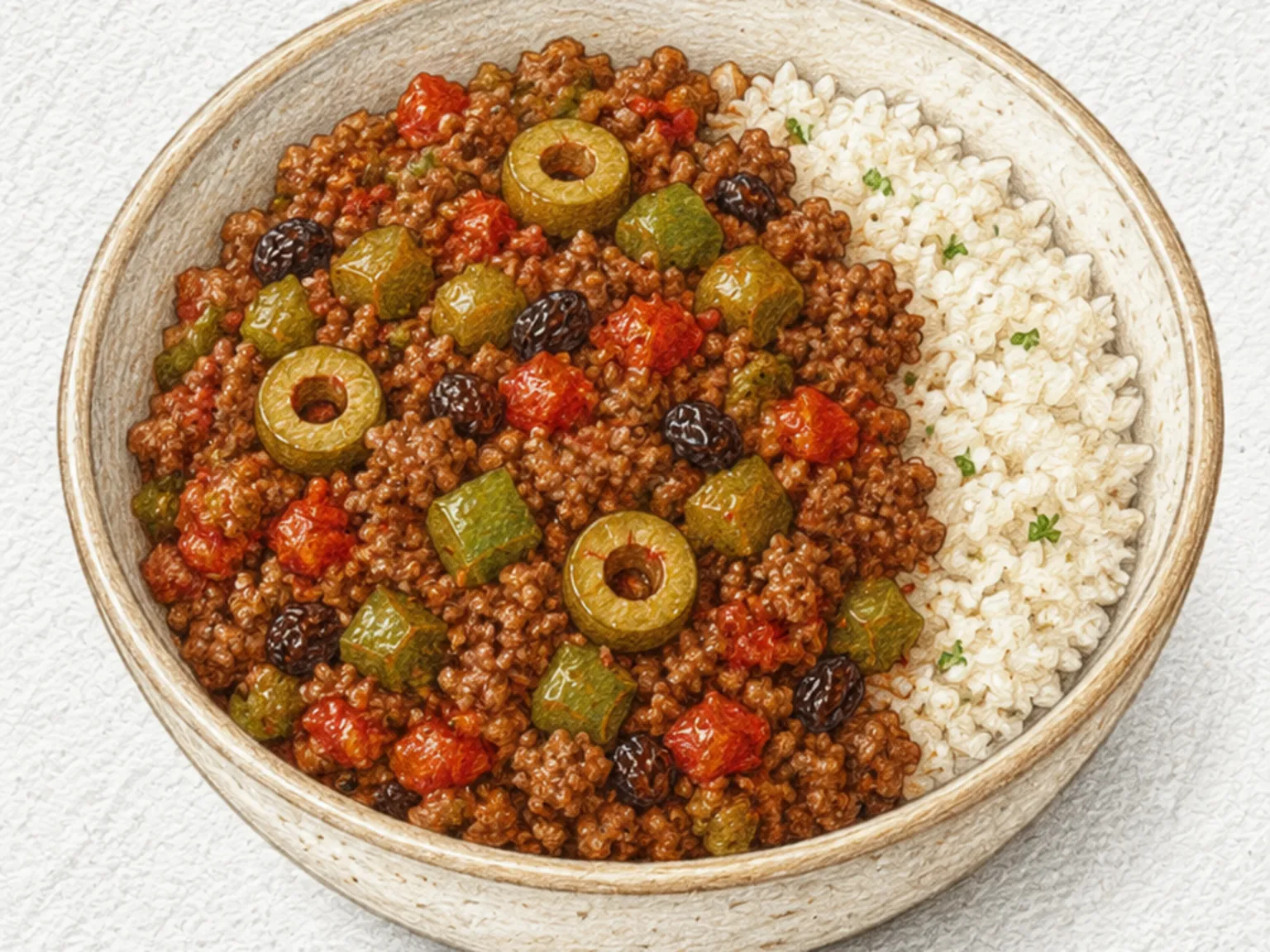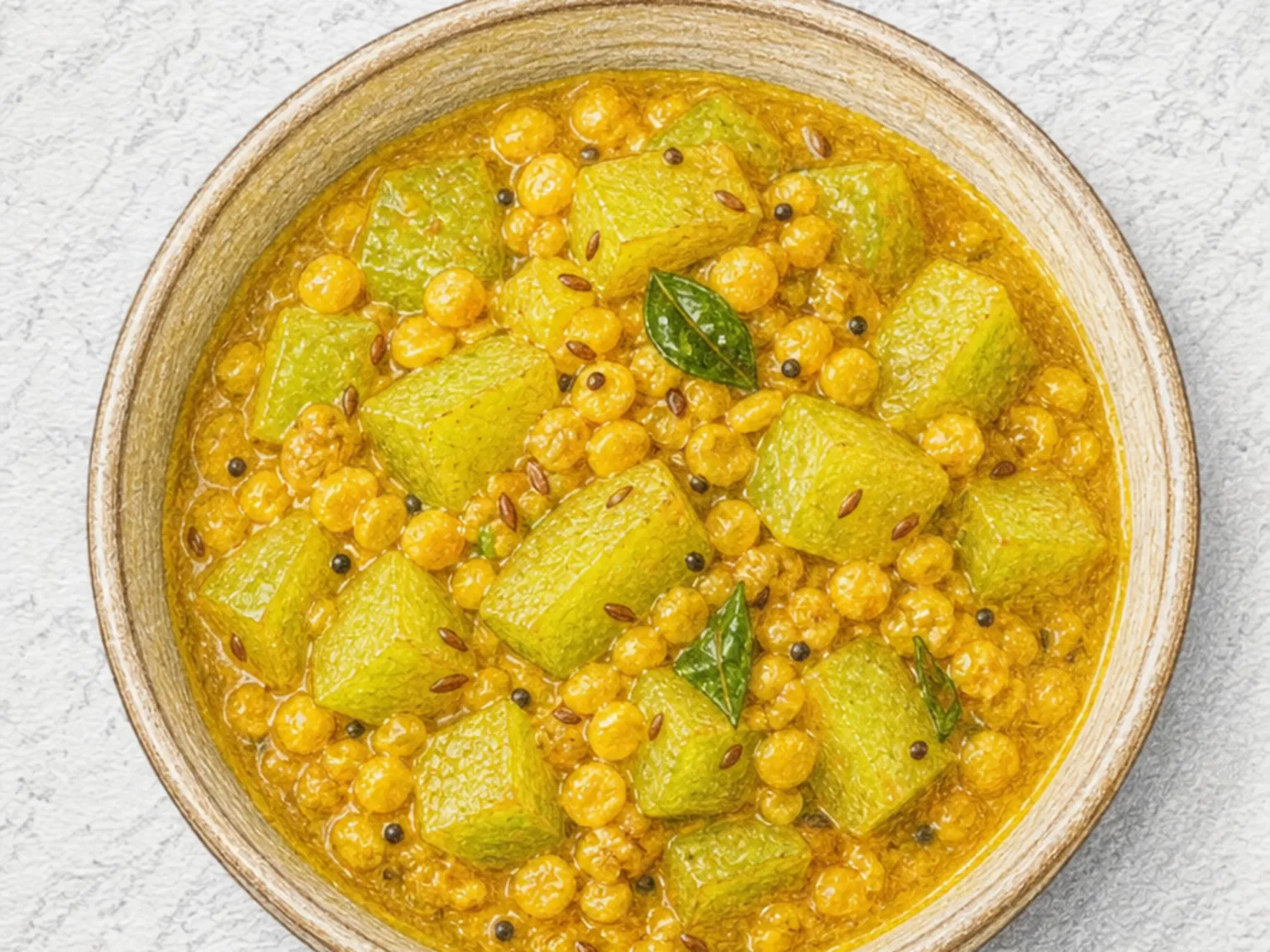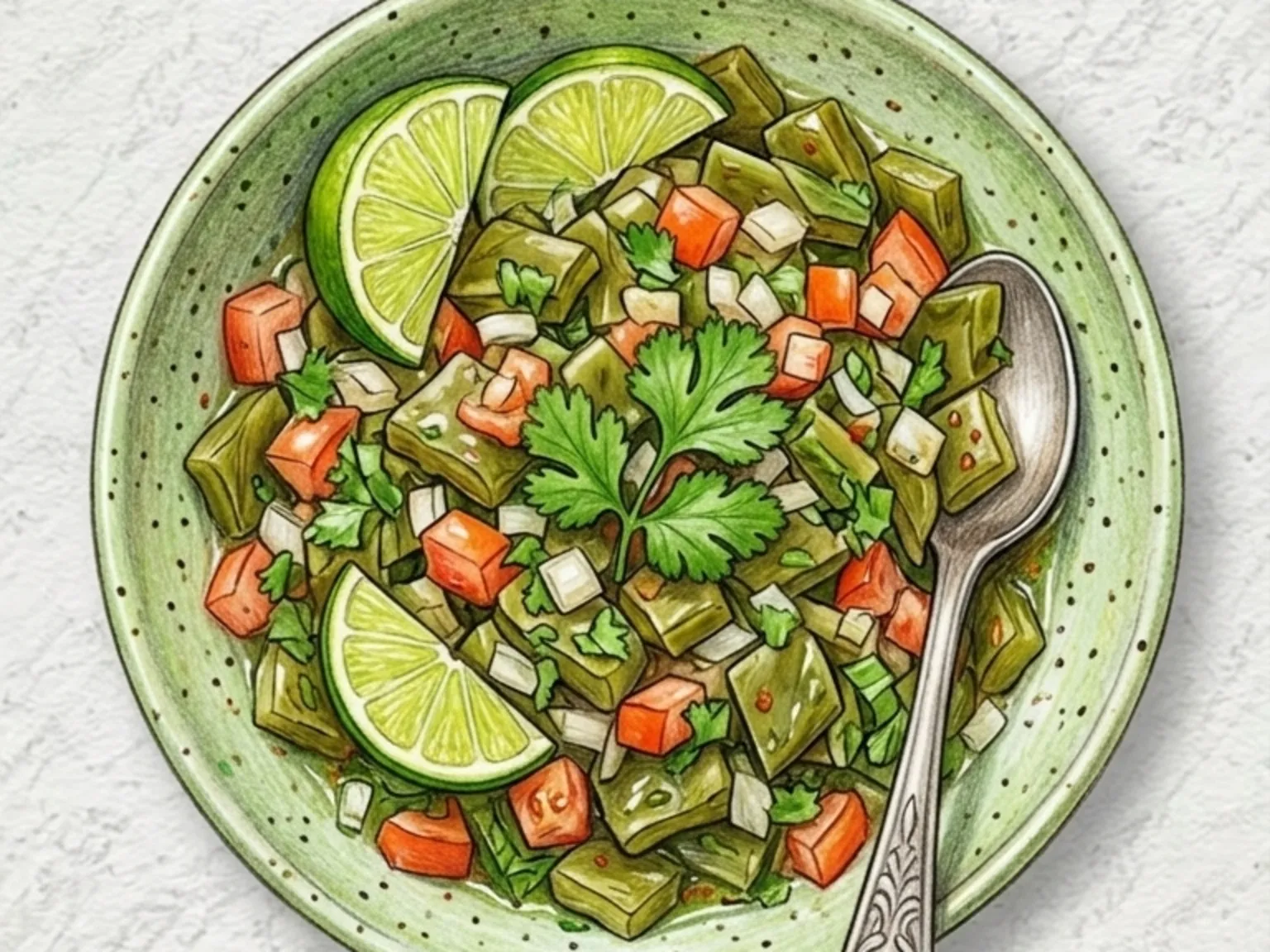
Freekeh Herb Salad (Smoky Roasted Wheat & Fresh Herbs)
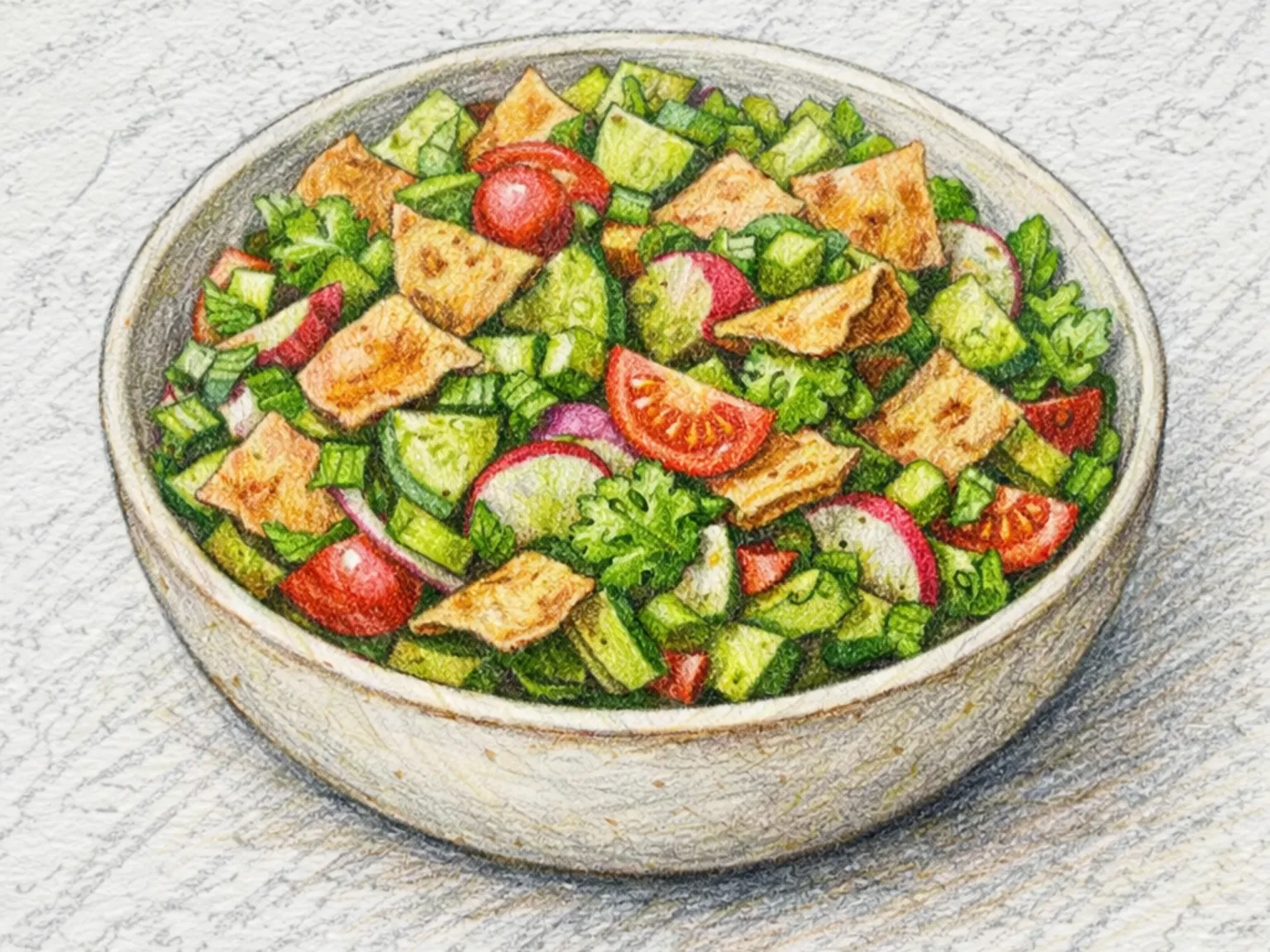
Freekeh is an ancient Middle Eastern grain produced by harvesting wheat while the grain is still immature and green, then roasting the harvested stalks over an open fire. The outer chaff burns away while the moist interior of each grain survives the flame, and it is this controlled scorching that gives freekeh its defining characteristic: a pronounced smoky aroma layered over the nutty, grassy quality of young wheat. When boiled, the grains hold their shape and retain a firm chew that standard wheat varieties lose after cooking, making freekeh particularly suited to salads that must hold up at room temperature. In this preparation, the cooked grain is combined with generous quantities of fresh parsley, mint, and dill, whose cool, bright flavors complement rather than compete with the smoke. A dressing of fresh lemon juice and extra-virgin olive oil is enough to bring the bowl together, as the grain itself provides sufficient depth without a complex sauce. Diced cucumber and halved cherry tomatoes add moisture and acidity, and crumbled feta cheese contributes salt and a creamy richness that ties the components into a coherent whole. The salad benefits from resting for at least an hour before serving, as the dressing absorbs into the grain and the herb and grain flavors gradually merge.
Chicken Gyro
Chicken gyro is a Greek pita wrap in which chicken thigh is marinated in olive oil, lemon juice, salt, pepper, and dried oregano before being grilled or pan-seared until the skin side develops a golden, crisp char. Chicken thigh withstands high-heat cooking far better than breast because its higher fat content keeps the meat moist and tender even when the exterior is well caramelized. Tzatziki is made by squeezing excess water out of grated cucumber and mixing it into plain Greek yogurt with minced garlic, fresh dill, a small pour of olive oil, and a pinch of salt. Its cold, sharp acidity is the necessary counterweight to the richness of the grilled meat, cooling every bite. Thinly sliced red onion adds a pungent crunch while halved cherry tomatoes or diced tomato bring bright juiciness inside the wrap. The pita should be warmed on a dry pan or grill for about thirty seconds per side immediately before assembling so it stays soft and pliable enough to wrap without cracking under the filling. Assembled and eaten immediately, the contrast between the hot, charred chicken and the cold sauce defines the dish.
Idli Sambar (Steamed Rice Cakes with Lentil Stew)
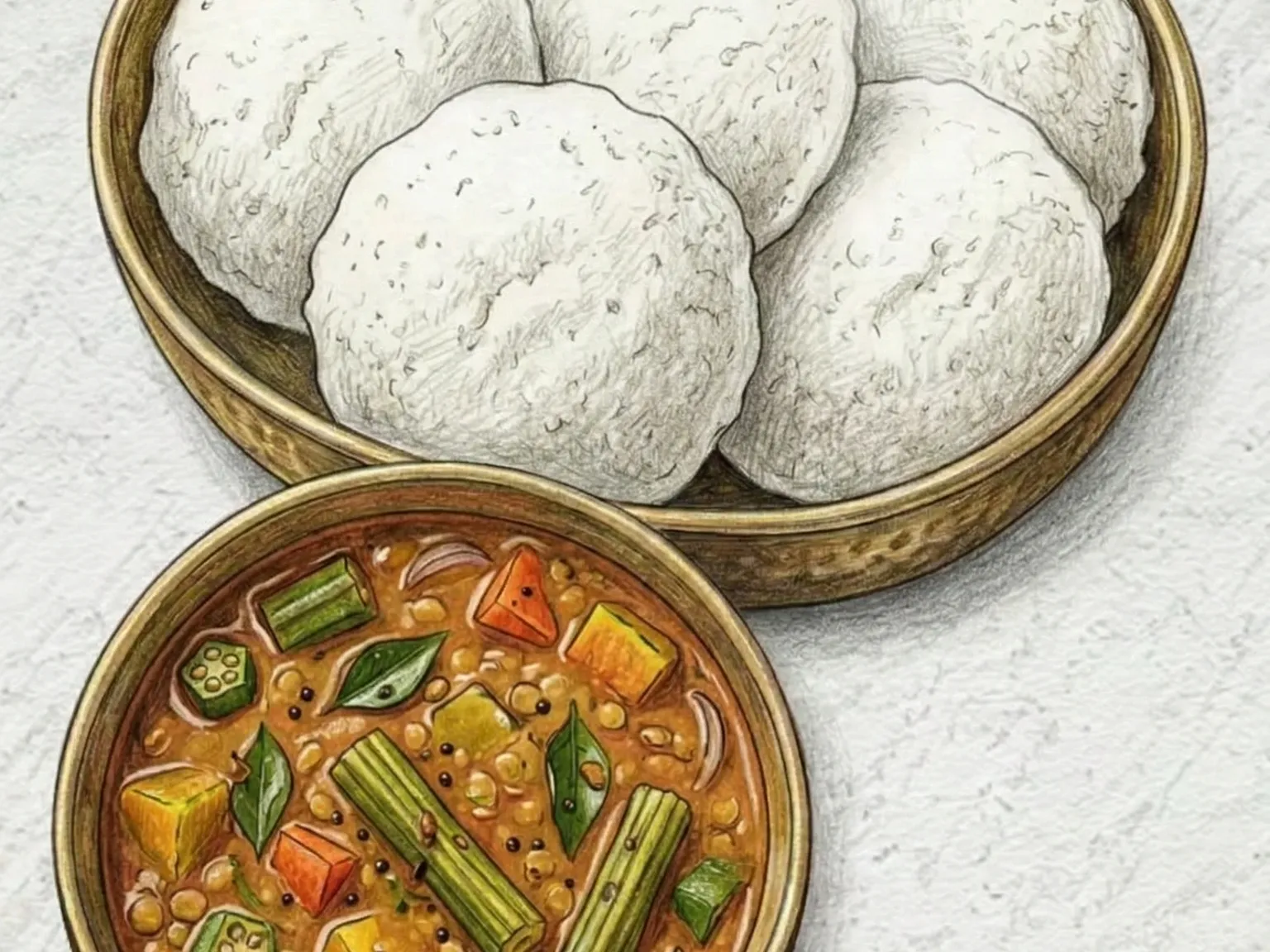
Idli sambar is a foundational South Indian breakfast that pairs soft, steamed rice cakes with a deeply spiced lentil and vegetable stew. The idli batter is made by soaking and grinding rice and urad dal separately, then mixing and leaving the combination to ferment overnight; this fermentation is what produces the airy, spongy texture when the batter is poured into molds and steamed for ten to twelve minutes. The resulting discs absorb sauces readily and have a mild, slightly tangy flavor from the fermentation. The sambar starts with toor dal simmered until completely soft and partially mashed to give the broth body, then combined with sauteed onion and tomato along with sambar powder and tamarind water for a ten-minute simmer. Tamarind's pronounced sourness balances the earthiness of the lentils and keeps the broth from tasting heavy, while the spice blend in sambar powder adds a warm background heat without becoming harsh. The final and essential step is tempering: mustard seeds are dropped into very hot oil until they pop and scatter, then the spiced oil is stirred into the finished stew, releasing a nutty, aromatic burst that threads through the whole pot. Dipping or soaking the mild, fluffy idli in the bold, tangy sambar creates the contrast that defines this combination and distinguishes it from eating either component alone. Coconut chutney served alongside adds a cool, creamy counterpoint.
Israeli Salad
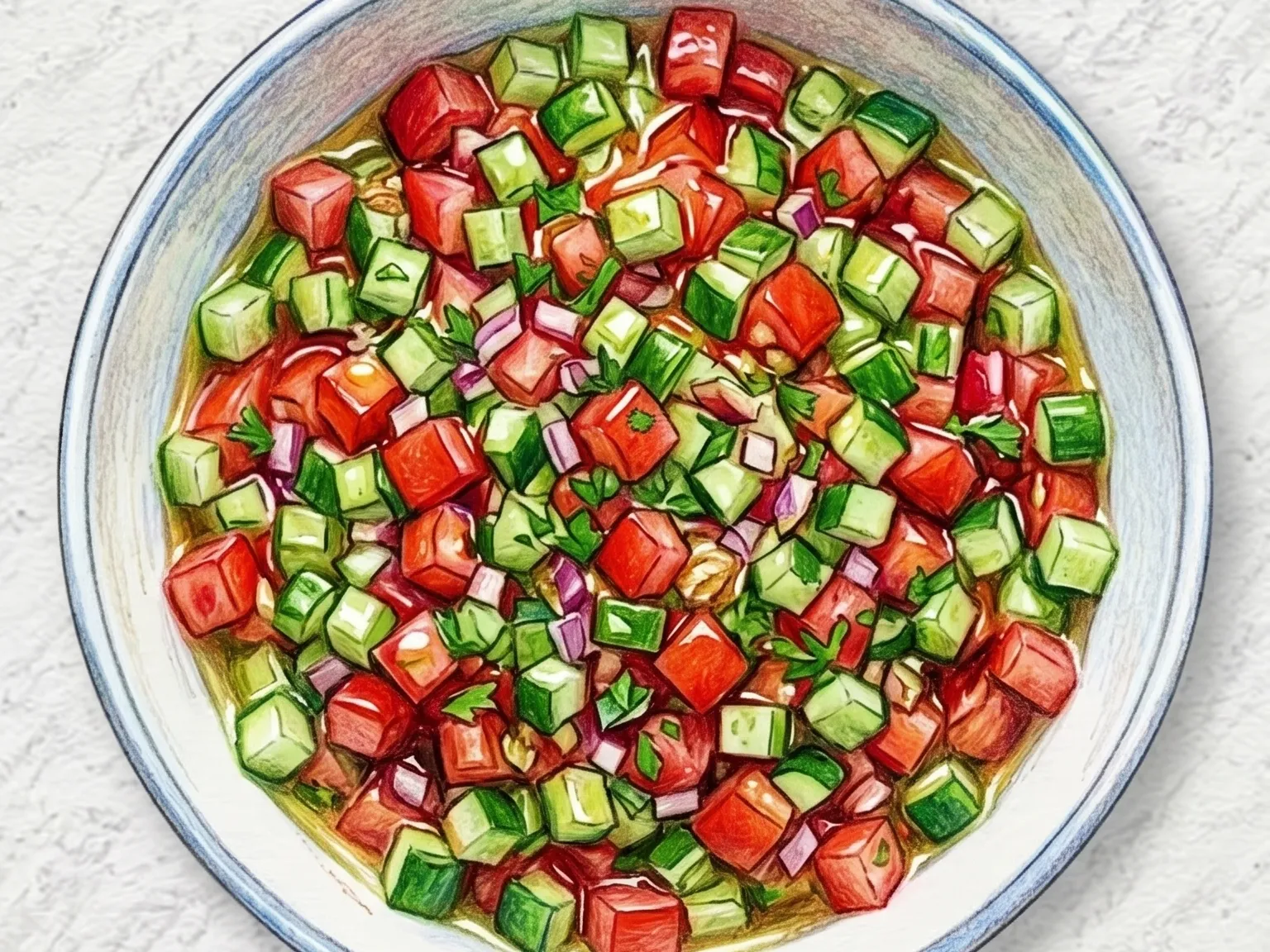
Israeli salad is the foundational everyday salad of the Middle East, built from tomato, cucumber, red onion, and parsley diced to pieces under 0.5 cm and dressed simply with lemon juice, olive oil, and salt. The uniformly small cut is the defining technique, and it is not merely aesthetic. When every component is the same tiny size, a single spoonful carries equal amounts of tomato juice, cucumber crunch, and the sharp bite of raw onion, so the balance does not shift from one mouthful to the next. The dressing is deliberately kept to two ingredients so that the natural acidity and sweetness of ripe tomatoes can dominate without interference from added vinegar or sweeteners. Resting the salad for about five minutes after tossing draws juice from the cut tomatoes, which merges with the lemon and oil to form a light, self-made brine that deepens the flavor of the entire bowl. Across Israel and throughout the broader Middle East, this salad appears at the breakfast table alongside eggs and bread as commonly as it does beside grilled meats at dinner. Its quality depends entirely on the freshness of the produce rather than any technique or seasoning.
Chicken Paprikash (Hungarian Paprika Chicken Stew with Sour Cream)
Chicken paprikash is a Hungarian stew that starts by browning chicken thighs in a hot pan to develop color and fond, then builds a sauce around slowly cooked onion, sweet paprika, and tomato before finishing with sour cream. The onion is cooked low and slow until completely soft and sweet, and only then is the paprika added over reduced heat to bloom its color and release its earthy, lightly smoky aroma without any risk of scorching. Paprika forms the entire foundation of the sauce's flavor and its characteristic deep red hue, while tomato contributes the acid needed to balance the richness of dark meat through a 25-minute gentle simmer. The chicken stays submerged in the sauce throughout cooking, absorbing the paprika-infused liquid and becoming very tender. Sour cream must be added at the very end with the heat turned low; stirring it in while the pot is still at a boil causes it to curdle, whereas adding it gently over low heat integrates it into a smooth, creamy sauce with a mild tang. The traditional presentation ladles the sauce over wide egg noodles or spaetzle, whose tender chew is well suited to catching and holding the rich, paprika-scented sauce.
Keema Matar (Indian Spiced Minced Meat and Pea Curry)
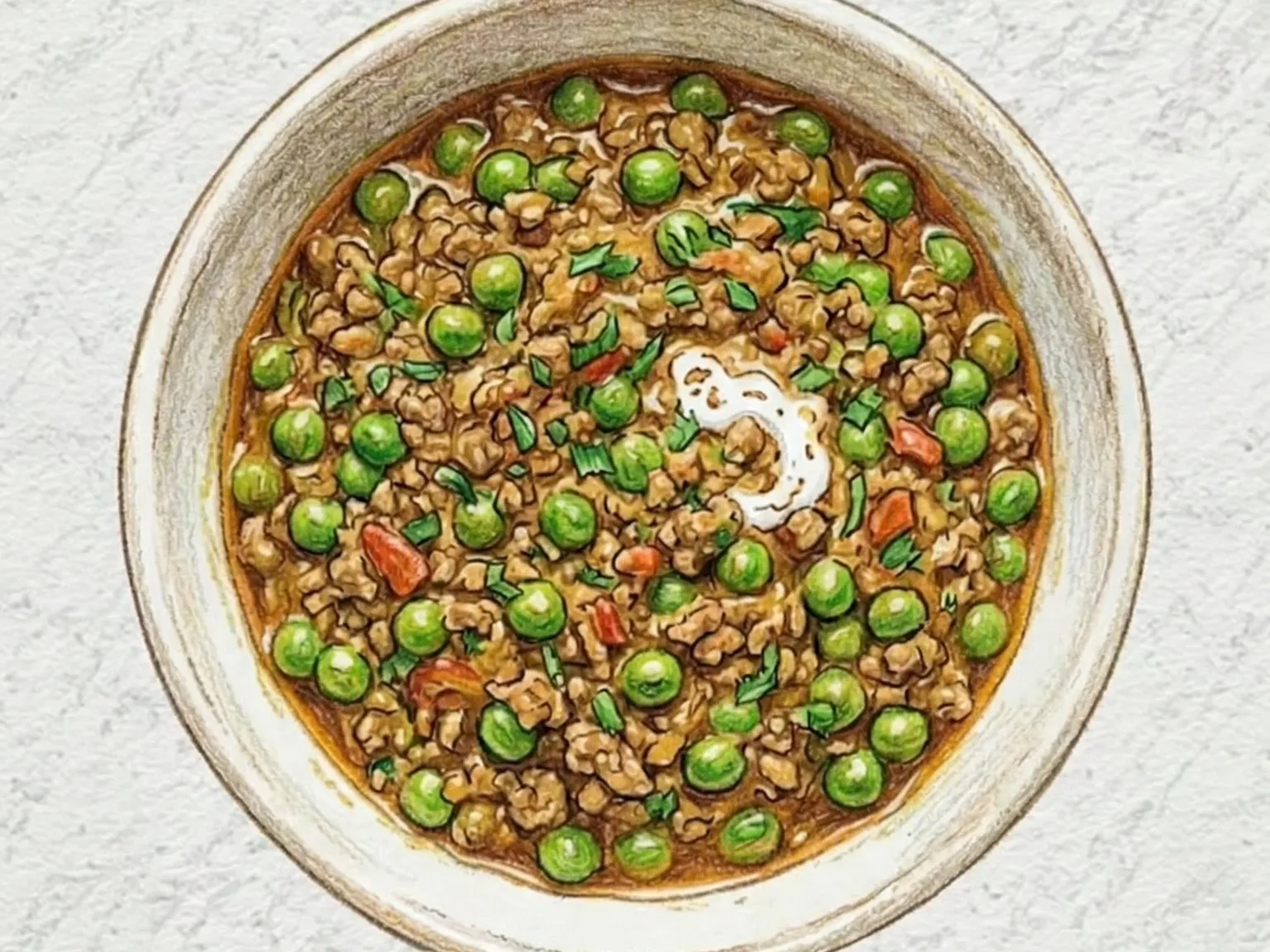
Keema matar is a North Indian curry of seasoned minced meat and green peas cooked down into a thick, almost dry gravy. Onions are fried until deep golden to form a sweet, caramelized base, followed by garlic and ginger that release their sharpness into the fat. Ground lamb or beef is added and stirred continuously to break up clumps before the spices go in. Turmeric, cumin, garam masala, and chili powder build the spice profile, while diced tomatoes provide acidity and moisture that allow the spices to cook through without scorching. Green peas are added near the end of cooking so they retain a pop of texture and natural sweetness. Because the finished dish is relatively dry with little sauce, it clings well to flatbreads such as naan or chapati and also works as a topping over plain steamed rice. The whole preparation takes under forty-five minutes with minimal knife work, making it one of the more practical Indian curries for weeknight cooking. Blooming the cumin in hot oil at the start, using the tadka technique, deepens the aroma significantly and lifts the overall flavor of the dish.
Kachumber Salad (Indian Kachumber salad)
Kachumber salad finely dices cucumber, tomato, and red onion, then tosses them with chopped cilantro, lime juice, ground cumin, chaat masala, and salt in a quick Indian raw vegetable preparation. Removing some of the seeds from the cucumber and tomato limits excess moisture so the dressing stays concentrated rather than watery. Soaking the diced red onion in cold water for three minutes draws out its harsh sharpness, letting it blend more smoothly with the other ingredients. Ground cumin lays down a warm, earthy undertone, and chaat masala layers a tangy, salty complexity over the lime acidity, lifting a simple combination of vegetables into something distinctly Indian. Chopping cilantro stems together with the leaves releases more of the herb's aromatic oils than leaves alone provide. Letting the dressed salad rest for about fifteen minutes before serving allows the flavors to meld so the final result is noticeably more cohesive.
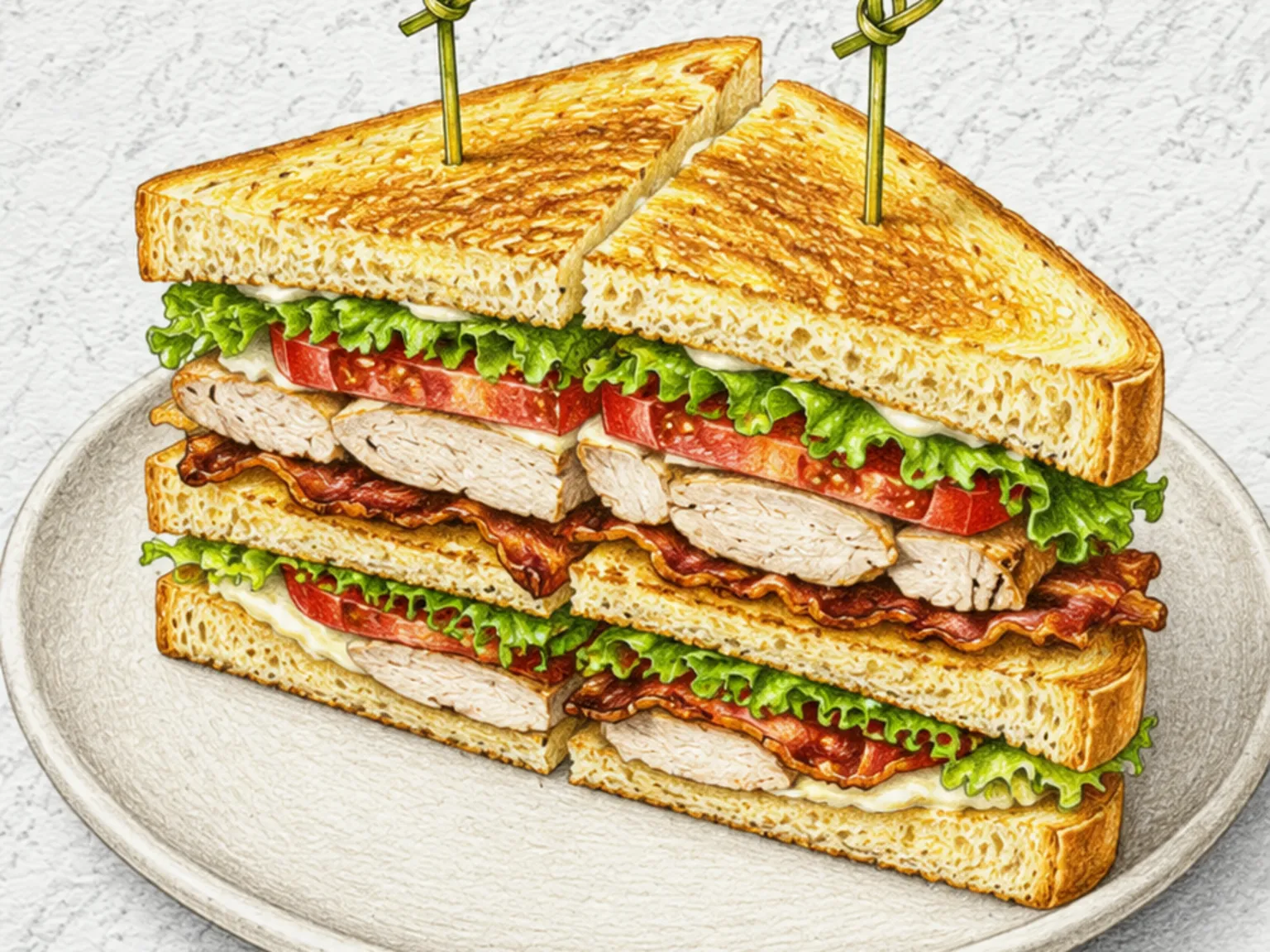
Club Sandwich
A club sandwich is built across three slices of buttered, golden-toasted bread with sliced chicken breast, crisp bacon, fresh lettuce, and tomato arranged in two distinct layers. The salty crunch of bacon meets the lean, mild protein of chicken breast, and juicy tomato slices and crisp lettuce introduce freshness and textural contrast throughout. Mayonnaise spread on each bread layer functions as a binder that smooths each bite and brings the savory components into balance. Drying the lettuce completely before assembly is essential - any residual moisture will soften the toast within minutes. Securing all layers with cocktail picks and cutting diagonally produces clean cross-sections and keeps the layers from sliding during eating. The order of fillings and the degree of toasting both affect the final texture noticeably.
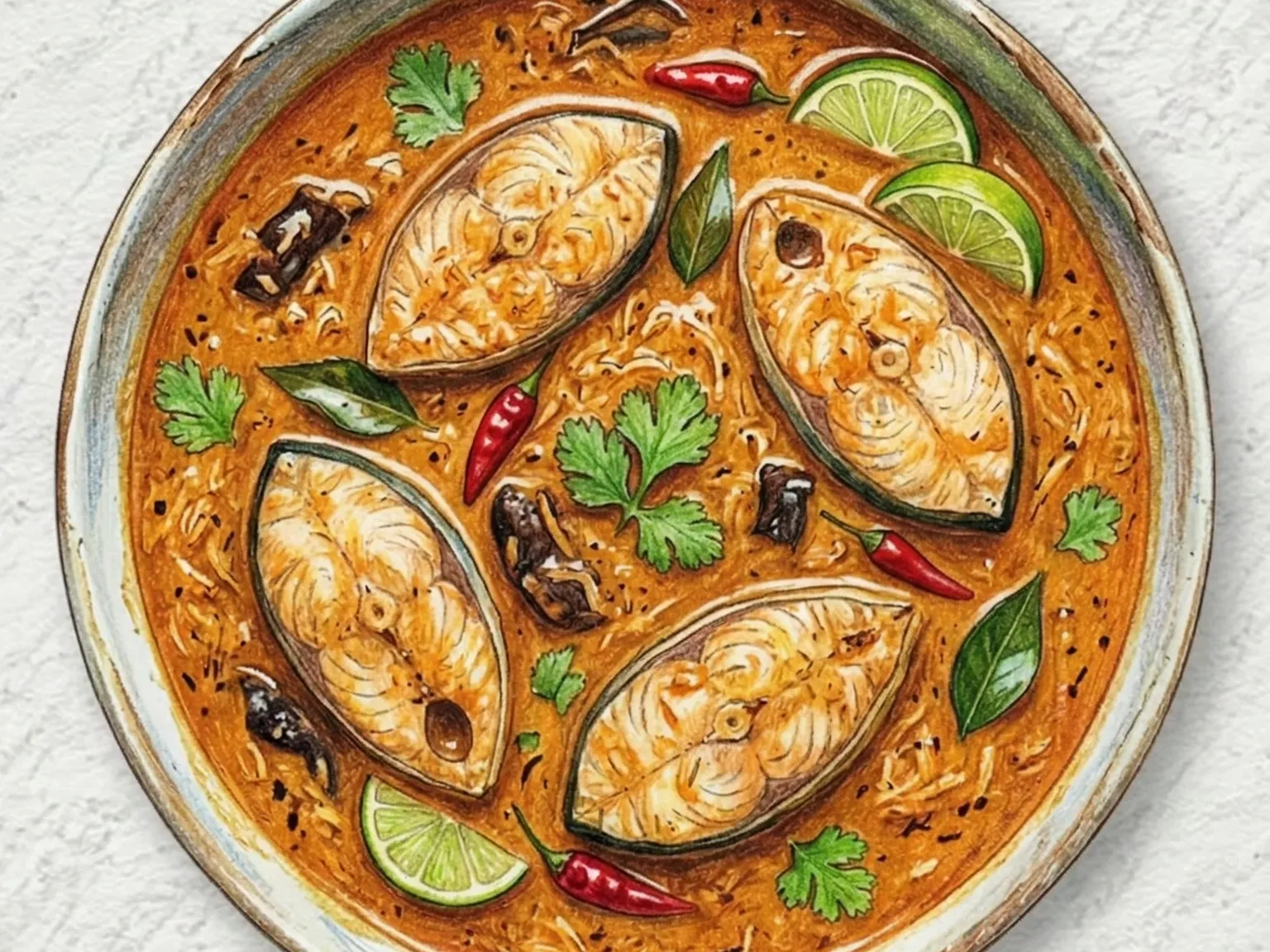
Nasi Kandar (Penang Indian-Muslim Rice with Mixed Curries)
Nasi kandar is a Penang-born rice dish rooted in the culinary traditions of Malaysia's Indian-Muslim community. A mound of steamed white rice is doused with multiple curry gravies and accompanied by a choice of protein and vegetable sides. The defining technique is kuah campur - the deliberate mixing of different curry sauces so they pool together and soak into the rice, creating a layered complexity no single curry could achieve alone. Coconut milk lends a gentle richness, curry powder supplies aromatic depth, and chili brings lingering warmth. Diners select their own combination from a counter full of dishes, making each plate unique.
Laphet Thoke (Burmese s signature salad)
Laphet thoke is Myanmar's signature salad, built entirely around fermented tea leaves whose tannic bitterness and concentrated umami form the flavor foundation from which everything else is assembled. The leaves undergo a long fermentation that softens their rawness, coaxing out a layered sourness and complex savory depth that explains why laphet holds a ceremonial significance in Burmese food culture beyond its role as an everyday dish. Shredded cabbage provides a neutral, crunchy base, while chopped tomato adds juicy acidity that lightens the tea leaves' intensity and keeps the salad from feeling heavy. Roasted peanuts contribute a nutty richness, and fried garlic chips deliver a salty, crispy element that introduces textural contrast in every bite. The essential technique is dressing the tea leaves first with lime juice, sesame oil, and chili flakes, allowing the seasoning to soak fully into the leaves before the vegetables and nuts are folded in, so the bold flavors distribute evenly throughout the bowl rather than pooling at the bottom.
Gazpacho
The secret to an authentic gazpacho lies in the interaction between stale bread and fresh garden vegetables. While tomatoes, cucumbers, and red bell peppers form the base, the addition of water-soaked bread creates a thick, velvety consistency that distinguishes this Andalusian specialty from a simple puree. Blending these ingredients with red onion, garlic, extra virgin olive oil, and red wine vinegar produces a smooth texture where the oil emulsifies the vegetable juices and the vinegar sharpens the natural sugars of the tomatoes. Patience is required after the blending is complete; the soup must rest in the refrigerator for at least two hours to allow the flavors to settle and integrate, a process that does not occur effectively at room temperature. Serving requires a final touch of drizzled olive oil and a handful of finely diced vegetables to create a crisp contrast against the liquid base. For the most refined results, passing the mixture through a fine-mesh sieve ensures a silky finish. Using fully ripened summer tomatoes provides the ideal acidity levels, and storing the leftovers in the fridge for a day or two often leads to a more developed profile.
Palak Paneer (Indian Spinach Curry with Paneer Cheese)
Palak paneer is one of North India's most beloved vegetarian curries, pairing a bright spinach puree with cubes of mild, milky paneer cheese. Fresh spinach is blanched briefly and blended into a green sauce, combined with a base of sauteed onions, garlic, ginger, and tomatoes seasoned with garam masala. The paneer cubes are typically pan-seared first to form a light skin that holds their shape in the sauce while the interior stays soft and creamy. A swirl of heavy cream at the end rounds out the flavors, blending the earthy depth of spinach with warm spice and dairy richness.
Moroccan Green Bean Salad
Loubia is a Moroccan warm salad where green beans are cooked down with crushed tomato, garlic, and spices until the sauce coats each bean thoroughly. Paprika and cumin layer smoky warmth and an earthy depth over the tomato's natural acidity, while garlic sauteed slowly at low heat releases a mellow sweetness that carries through the entire dish. A squeeze of fresh lemon juice at the end cuts through the richness and lifts the finish. If the tomatoes release a large amount of liquid, a brief blast of high heat will reduce the sauce back to a clinging consistency. The flavors develop noticeably after an overnight rest in the refrigerator, as the spices have time to penetrate the beans and the tomato sauce thickens further. This makes loubia an especially practical dish for preparing a day ahead.
Greek Salad (Chunk-Cut Vegetable Toss with Feta)
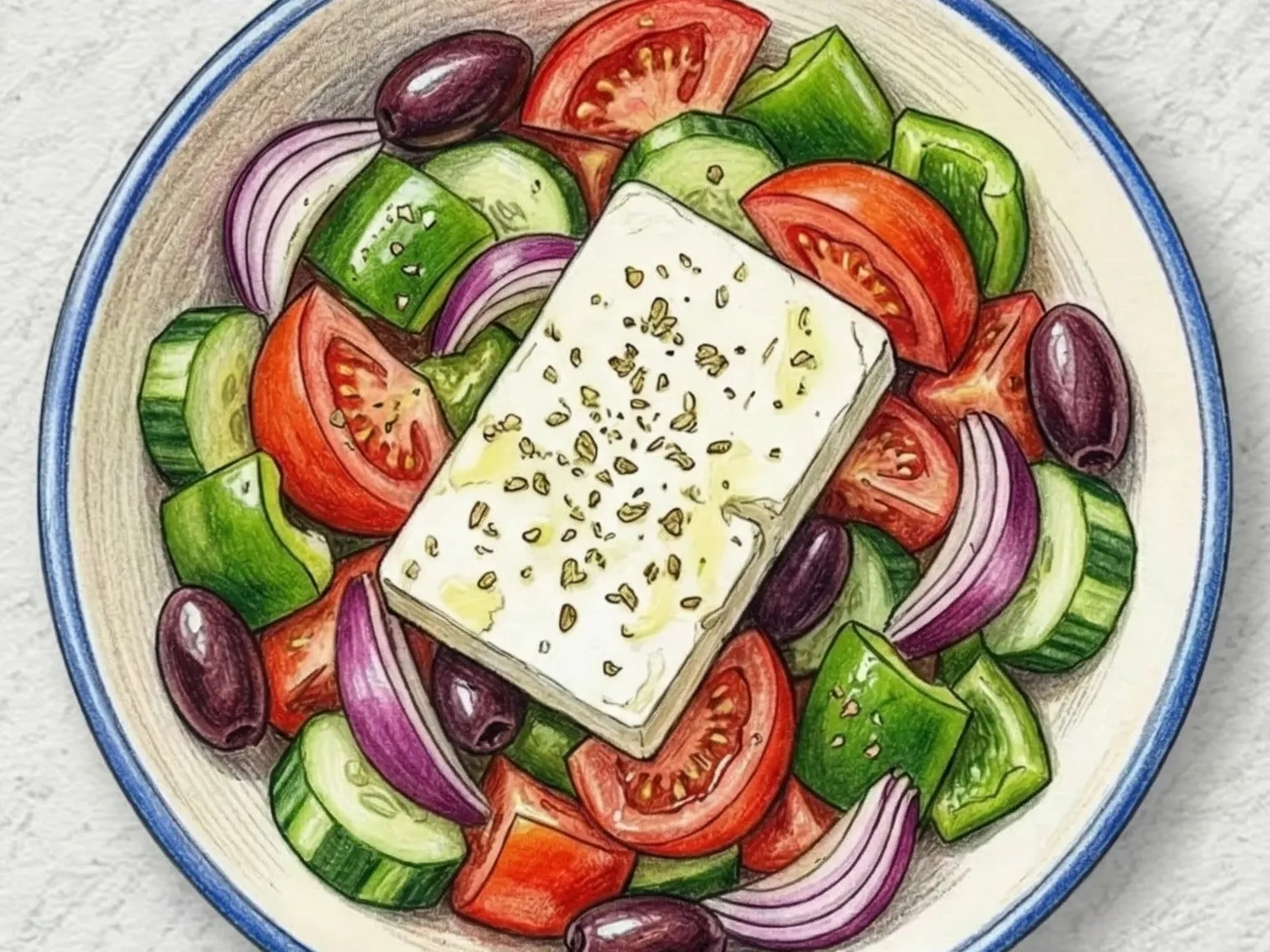
Greek salad, known as horiatiki, is a traditional dish that arranges large-cut tomatoes, cucumber, bell pepper, and red onion with Kalamata olives, topped with a whole block of feta cheese and finished with extra virgin olive oil and dried oregano. The vegetables are intentionally cut into large chunks rather than finely diced, preserving each ingredient's distinct texture and flavor. The olive oil coats the fresh vegetables in richness, while a small amount of red wine vinegar adds a sharp acidity that balances the natural sweetness of the tomatoes. Feta is placed whole on top in the traditional Greek manner - diners break it themselves, and as the crumbled cheese mixes with the olive oil, it forms a natural dressing that clings to the vegetables.
Pav Bhaji (Mumbai Street Food Spiced Mashed Vegetable Curry with Bread)
Pav bhaji is a street-food staple born on the pavements of Mumbai. A medley of boiled potatoes, cauliflower, peas, and carrots is mashed together on a hot griddle, then cooked down with generous amounts of butter and a proprietary spice blend called pav bhaji masala. Tomatoes and onions form the aromatic base, while the masala contributes warm, earthy heat that deepens with each pass of the spatula. The accompanying soft bread rolls are split and toasted on a buttered griddle until golden on the cut side. Raw onion rings, a wedge of lemon, and a knob of extra butter placed on top of the simmering bhaji are the traditional garnish. The dish is designed to be eaten fast and hot, scooped directly from the communal pan.
Mediterranean Chickpea Salad
This Mediterranean salad centers on cooked chickpeas for their starchy, satisfying chew, surrounded by diced cucumber, halved cherry tomatoes, black olives, and thinly sliced red onion. A stripped-down vinaigrette of red wine vinegar and olive oil keeps the dressing from overpowering any single ingredient, and crumbled feta added at the end provides a salty, creamy contrast that pulls the whole bowl together. The red onion should soak in cold water for five minutes before going in so its sharpness softens and it blends smoothly with the milder components. No heat is needed anywhere in the preparation, and the whole salad takes about twelve minutes to assemble. A twenty-minute rest in the refrigerator allows the vinaigrette to distribute evenly and deepens the overall flavor. Pita bread for dipping or grilled chicken laid across the top turns this easily into a full meal.
Hearty Minestrone Soup
Hearty minestrone soup is an Italian vegetable soup that begins by patiently sauteing onion, carrot, celery, and zucchini in olive oil to draw out their natural sweetness before adding crushed tomatoes and vegetable broth. Taking time to cook the vegetables over medium heat allows caramelization to occur, building a clean yet deep flavor base for the broth. Kidney beans contribute plant-based protein and a starchy thickness, while small pasta cooked directly in the soup releases additional starch that enriches the overall texture. Adding a Parmesan rind during the simmer infuses the broth with a quiet umami depth. A final garnish of grated Parmesan and a drizzle of olive oil just before serving rounds out the bowl with richness and savory warmth.
Rajma Chawal (North Indian Kidney Bean Curry with Rice)
Rajma chawal is a weekday comfort meal across northern India, particularly beloved in Delhi and Punjab households. Dried red kidney beans are soaked overnight and pressure-cooked until creamy inside, then simmered in a gravy of slow-cooked onions, crushed tomatoes, and a combination of garam masala, cumin, and coriander powder. As the beans continue to cook in the gravy, their starch thickens the sauce naturally, producing a rich, almost velvety consistency without any added cream. The dish is always served alongside plain steamed basmati rice, which absorbs the spiced gravy and carries its warmth. A squeeze of lemon and a side of sliced raw onion cut through the richness. Rajma reheats exceptionally well, and many cooks insist the second-day version is the better one.
Mediterranean White Bean Salad
White beans anchor this salad with a soft, slightly mealy texture that makes the dish genuinely satisfying without relying on meat or grains. Diced cucumber and tomato bring moisture and fresh acidity to the mild legume base, while black olives add a briny, savory depth that pairs naturally with the simple lemon-and-olive-oil dressing. Finely chopped parsley brightens the bowl with herbal fragrance, and red onion is sliced thin enough that only a whisper of its sharpness remains, leaving room for everything else to come through. The entire salad requires no cooking and comes together in under fifteen minutes. Letting it rest for twenty to thirty minutes before serving allows the dressing to work into the beans and noticeably rounds out the flavor. Choosing an olive variety with dense, firm flesh like Kalamata adds a satisfying chew to every forkful, and a small spoon of Dijon mustard whisked into the dressing smooths the acidity into something rounder.
Huevos Rancheros (Fried Eggs on Tortilla with Salsa)
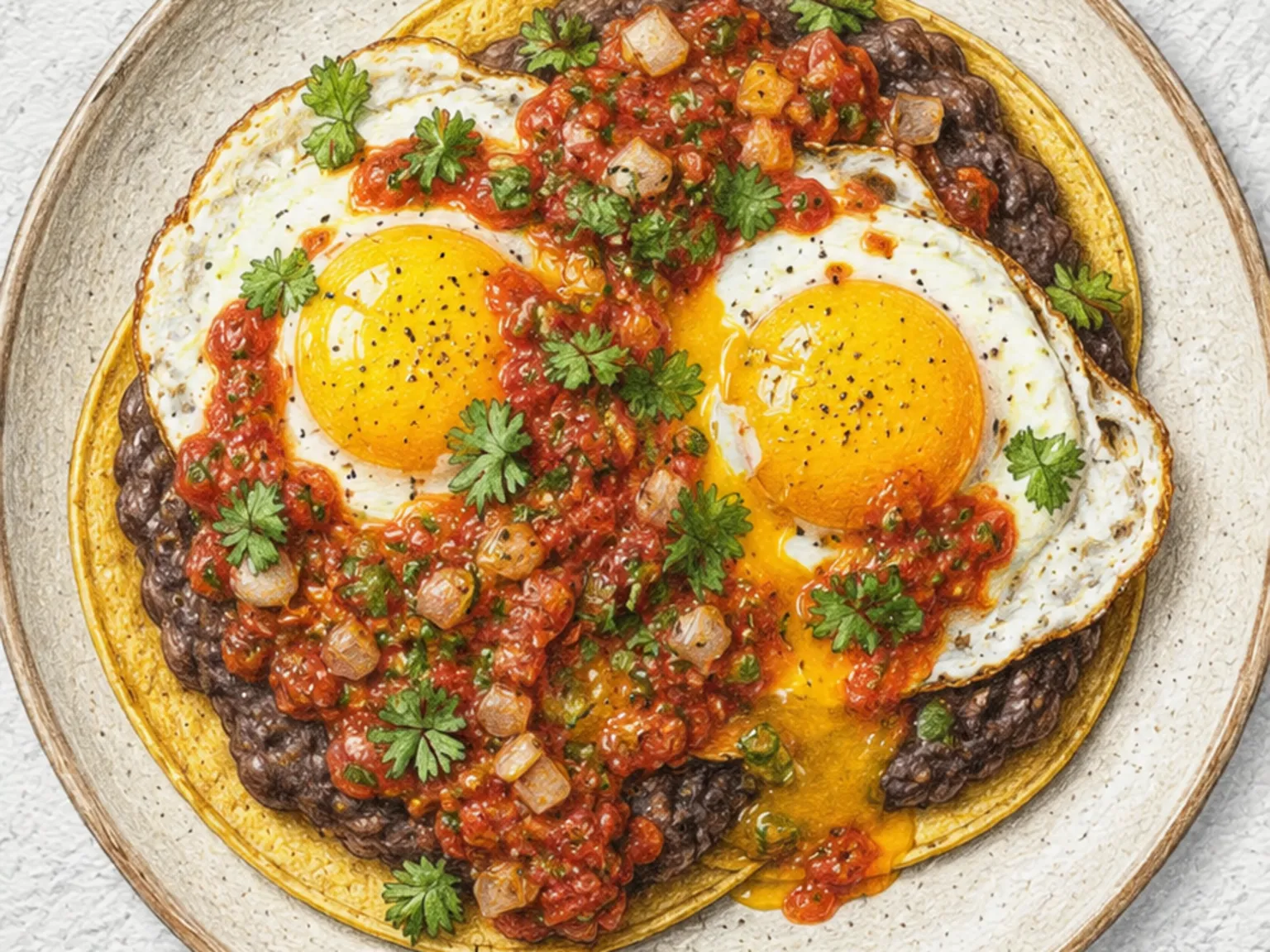
Huevos rancheros is a traditional Mexican breakfast of corn tortillas topped with sunny-side-up eggs, a homemade tomato-chili salsa, and lightly mashed black beans. Onion and jalapeno are sauteed in olive oil, then chopped tomatoes are added and simmered until the salsa thickens into a concentrated, spicy-tangy sauce. Keeping the salsa thick is important so the tortillas stay firm rather than turning soggy. The eggs are fried with set whites and runny yolks - breaking the yolk at the table lets it run into the salsa and create a rich, natural sauce. Fresh cilantro scattered on top adds a herbal brightness that lifts the heat and acidity, and a squeeze of lime juice sharpens the entire plate.
Sinigang na Baboy (Filipino Tamarind Sour Pork Rib Soup)
Sinigang na baboy is a Filipino sour soup that appears on family tables across the Philippines with the comforting regularity of a weekly ritual. Pork ribs are simmered until the meat loosens from the bone, then the broth is sharpened with tamarind - either fresh pods pounded and strained, or a spoonful of tamarind paste for convenience. Tomatoes, onions, and daikon radish go in early and soften into the broth, while eggplant, long green beans, finger chilies, and leafy greens like water spinach are added toward the end so they keep their color and bite. The resulting broth is clear, tart, and savory all at once, with the pork fat adding a subtle richness beneath the acidity. Filipinos ladle the soup generously over steamed rice, and the sourness is said to sharpen the appetite rather than satisfy it, which explains why second helpings are almost mandatory.
Panzanella Salad (Italian Ciabatta Bread Salad)
Stale ciabatta is torn into rough chunks, drizzled with olive oil, and toasted in the oven until the exterior is crisp while the interior remains slightly chewy. Ripe tomatoes are cut into large pieces and salted briefly to draw out their juice, and that released liquid soaks into the bread and becomes the sweet-tart flavor that defines the dish. Cucumber and red onion add crunch and pungency, while torn basil leaves release their fragrance across the plate. A vinaigrette of red wine vinegar and good olive oil binds everything together. The salad reaches its best point after resting fifteen to twenty minutes, once the bread has absorbed enough dressing and tomato juice to soften slightly without going completely soggy, a balance that is the defining characteristic of a well-made panzanella. Using genuinely stale bread matters here: fresh bread soaks through too quickly and disintegrates, while properly dried ciabatta holds its structure and provides a textural contrast with the juicy tomatoes and crisp vegetables. Panzanella originated as a practical summer dish in Tuscany, where leftover bread was too valuable to discard, and it remains most rewarding when made with ripe summer tomatoes at the peak of the season.
Jambalaya
Jambalaya is a Louisiana Creole one-pot dish where chicken, andouille sausage, and shrimp cook together with rice in a spiced tomato broth. Browning the sausage and chicken first renders fat and develops deep flavor, then the Cajun holy trinity of onion, celery, and bell pepper is sauteed in the drippings until softened. Tomatoes, Cajun seasoning, rice, and chicken stock are added and brought to a boil, then covered and simmered on low heat so the rice absorbs the seasoned liquid as it cooks. The shrimp go in only during the final two to three minutes - adding them earlier causes them to toughen and lose their firm, bouncy texture. Each grain of rice carries the smoky, spicy character of the broth, making the dish a complete meal from a single pot.
Mexican Shredded Beef Salad
Salpicon de res simmers beef brisket for 50 to 60 minutes until the connective tissue breaks down, then shreds the cooled meat along the grain and tosses it with romaine lettuce, tomato, red onion, and jalapeno in a lime-and-apple-cider-vinegar dressing. The long braise converts collagen into gelatin, which makes the fibers pull apart cleanly and creates a rough surface that traps the dressing in every strand. The double acidity of lime and vinegar cuts through residual fat with precision, and jalapeno delivers a grassy heat that lingers without overwhelming. Shredding the beef only after it has cooled completely produces clean, distinct strands rather than a mushy pile.