🍺 Bar Snacks Recipes
Perfect pairings for beer, soju & wine
705 recipes. Page 23 of 30
In Korean drinking culture, anju (drinking snacks) are just as important as the drink itself. Beer goes with fried chicken, soju pairs with grilled pork belly and dubu-kimchi, and makgeolli calls for pajeon and bindaetteok. This tag gathers recipes designed to accompany a drink.
Great anju complements the beverage without overwhelming it. Salty, savory, and spicy options - prepare a few and you will be ready for any gathering.
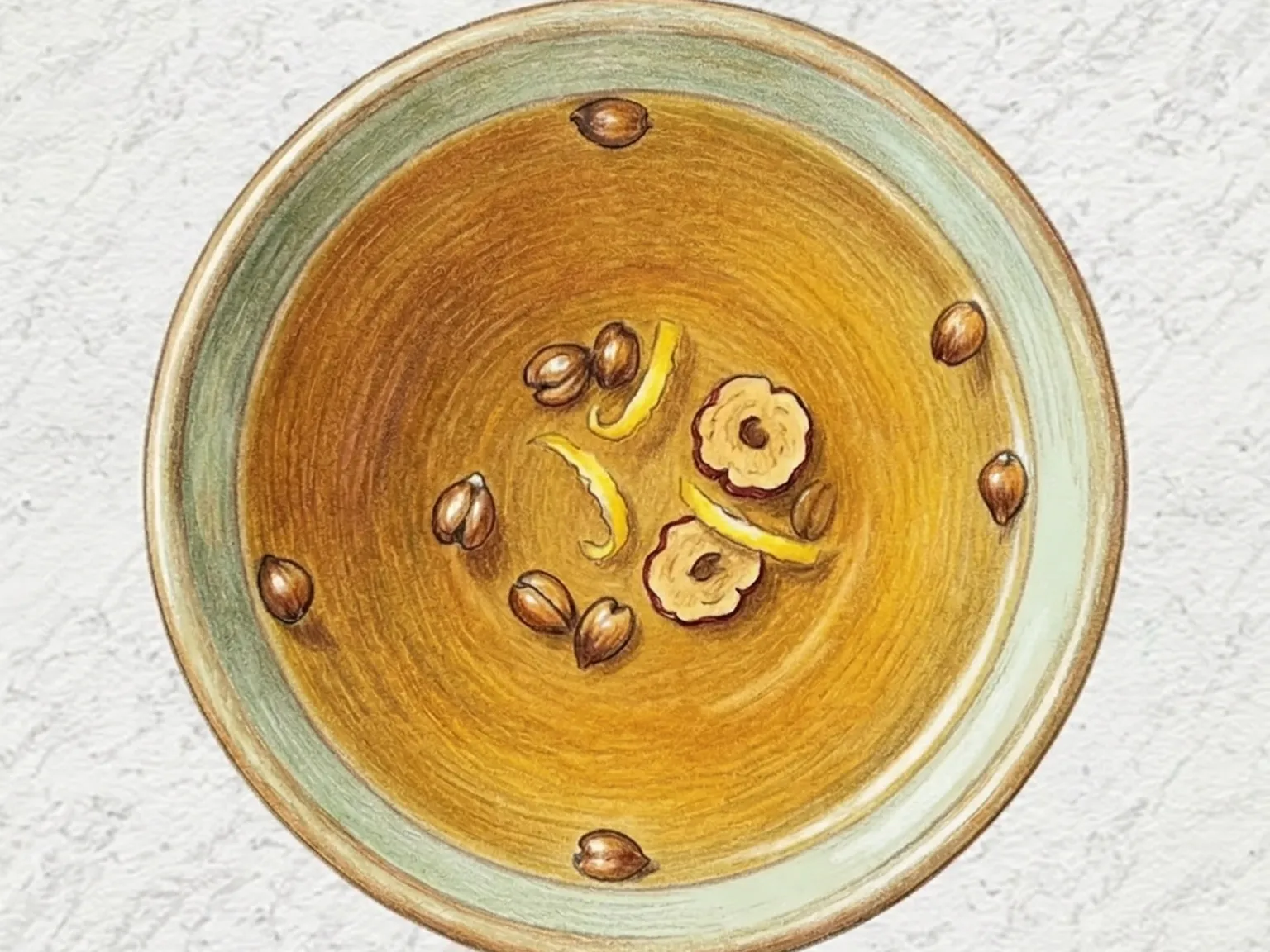
Korean Roasted Buckwheat Tea
Memil-cha is a traditional Korean beverage prepared from roasted buckwheat groats. To make this tea, the groats are toasted and then simmered in water, followed by a ten-minute steeping period over a low flame. The initial roasting process is critical because it caramelizes the exterior of the buckwheat, which releases a profound and earthy grain fragrance. This aroma gradually transfers into the liquid during the steeping stage. Incorporating dried jujubes and a thin strip of lemon peel provides a subtle sweetness along with a light citrus undertone. These additions help to complete the flavor profile while ensuring that the distinct natural character of the buckwheat remains the primary focus. Because the infusion contains no caffeine, it serves as a suitable drink for the late evening or for times when a gentle option is preferred for the digestive system. The addition of a single spoonful of honey and a very small amount of salt functions to define the various tastes more clearly and brings the entire beverage into a stable balance. This tea is versatile enough to be enjoyed as a hot drink during the colder winter months or as a cold beverage served over ice when the weather is warm in the summer. Such flexibility allows it to remain a consistent staple on the dining table throughout the entire year.
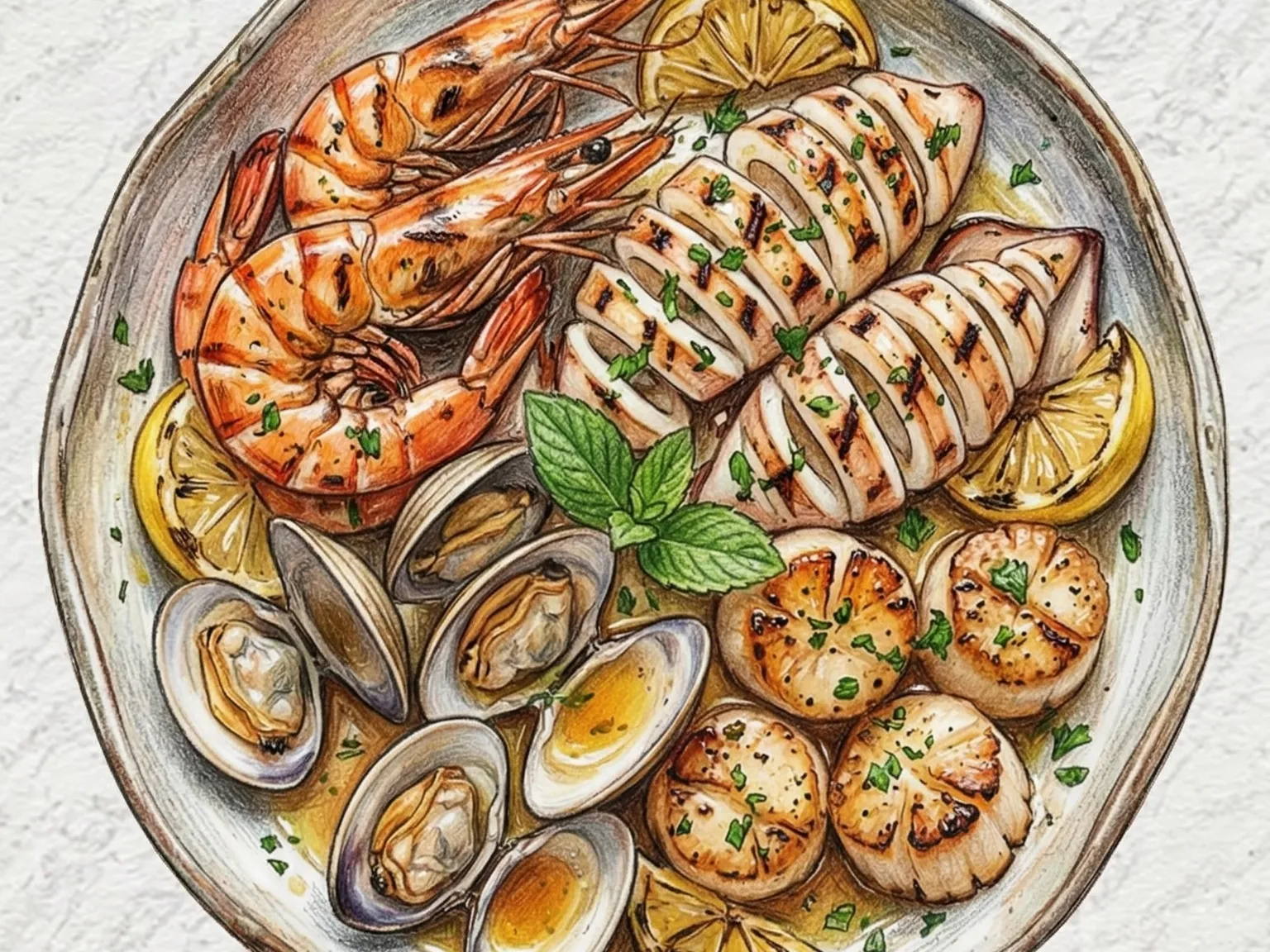
Korean Mixed Grilled Seafood
Haemul-gui modeum is a Korean mixed grilled seafood platter where shrimp, squid, Manila clams, and scallops are lightly dressed in olive oil, salt, and black pepper, then grilled at different intervals to account for each ingredient's cook time. Shrimp and scallops need only two to three minutes, squid takes three to four, and clams stay on the grill just until their shells pop open-staggering the timing ensures everything finishes together at peak texture. Overcooking any element by even a minute turns it rubbery, so close attention is the most important ingredient in this dish. A squeeze of fresh lemon juice over the entire platter at the table brightens the natural sweetness of each shellfish and ties the assortment into a cohesive, clean-tasting spread.
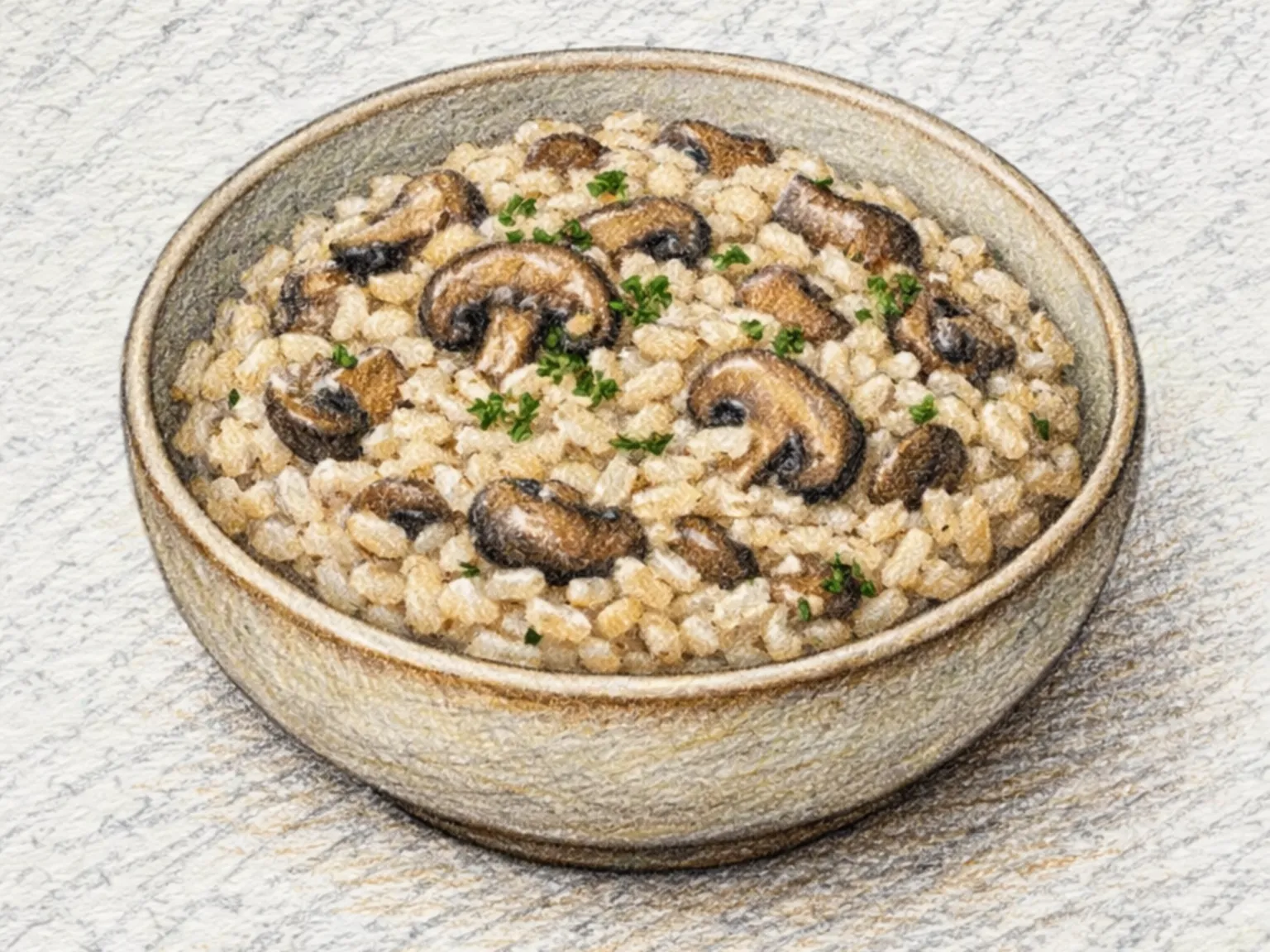
Mushroom Risotto
Mushroom risotto cooks unwashed arborio rice in olive oil and butter to activate the surface starch, then adds warm chicken stock one ladle at a time over 18 to 20 minutes of continuous stirring. Not rinsing the rice is essential - the starch released during cooking is what creates the signature creamy consistency without any cream. The mushrooms are sauteed on high heat until their moisture evaporates and they develop a deep brown color, which concentrates the earthy aroma. White wine is added to the toasted rice and stirred until absorbed, leaving behind a subtle acidity once the alcohol cooks off. Finishing off the heat with cold butter and grated Parmesan - a step called mantecatura - gives the risotto its glossy, velvety texture.

Black Tea Milk Tea (British Condensed Milk Sweet Tea)
Milk tea is prepared by steeping black tea bags in boiling water for exactly four minutes to extract a strong, tannic base, then combining it with whole milk and condensed milk over low heat. Steeping shorter than four minutes leaves the tea pale and thin; longer than four minutes introduces bitterness and astringency that no amount of milk can fully mask. The milk rounds out the tea's sharpness and adds a creamy body, while condensed milk layers on a dense, caramel-like sweetness that sets this version apart from tea simply sweetened with sugar. Regular sugar dissolved early provides the baseline sweetness, and the condensed milk fine-tunes the richness and texture in the final moments. Warming the milk before combining it with the brewed tea helps both blend more smoothly. For an iced version, the mixture must be cooled completely before pouring over ice, since adding hot liquid directly to ice dilutes the drink and washes out the flavor.
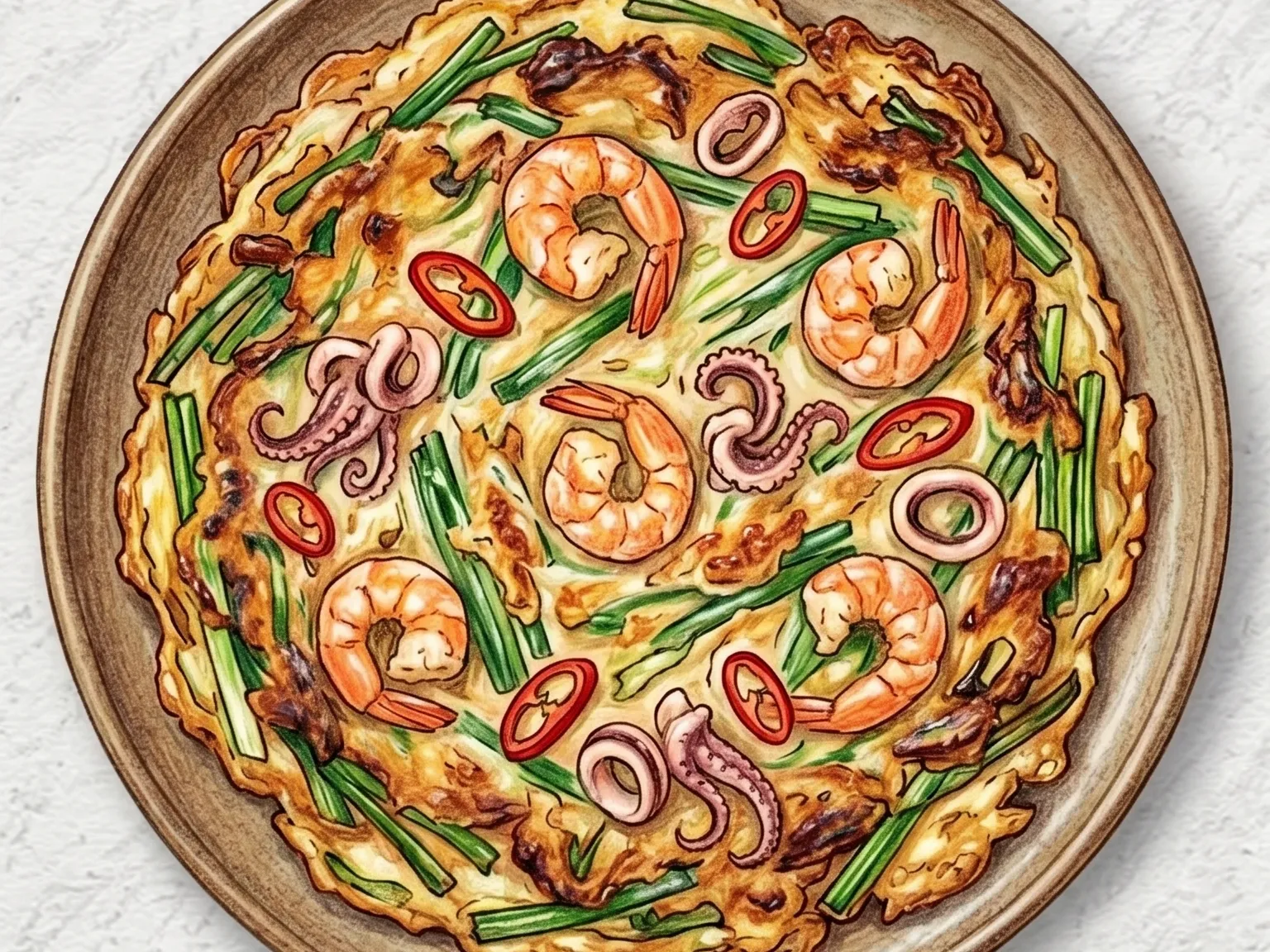
Korean Seafood Scallion Pancake
Haemul-pajeon is a Korean seafood scallion pancake built by laying scallion segments cut to six or seven centimeters in an oiled pan, topping them with sliced squid and peeled shrimp, then pouring a thin batter of Korean pancake mix and cold water over everything and cooking on medium heat. Cold water inhibits gluten development, which is the secret to shatteringly crisp edges, and the scallions pressed directly against the hot oil caramelize underneath the batter, releasing a sweet, aromatic fragrance unique to pajeon. Shaking the pan before flipping confirms the bottom has released cleanly-forcing a stuck pancake tears the delicate structure-and adding a drizzle of oil around the edges for the second side crisps the perimeter into a golden, almost fried ring. Thinly sliced red chili on top adds color and a gentle heat, completing the dish that is Korea's most iconic pairing with makgeolli rice wine.
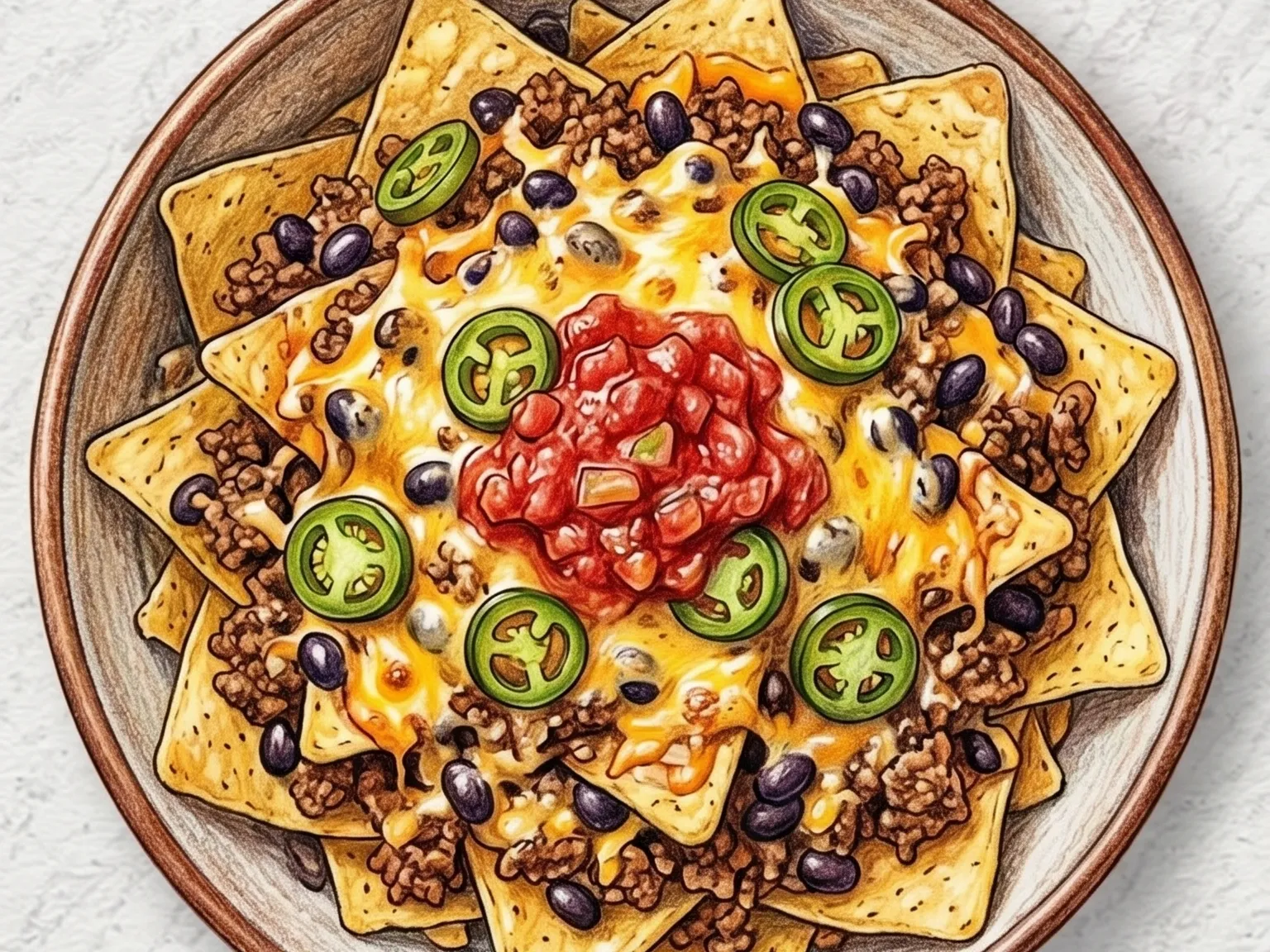
Nachos Supreme
Nachos supreme spreads tortilla chips on a baking tray and tops them with seasoned ground beef, black beans, shredded cheddar cheese, and sliced jalapenos before baking at 200 degrees Celsius for 8 to 10 minutes until the cheese is fully melted. Building two layers of chips ensures even topping distribution so every chip comes loaded. The beef should be cooked and drained of moisture beforehand to prevent the chips from turning soggy. Jalapenos add a sharp heat that cuts through the richness of the melted cheese, and salsa is added only after the nachos come out of the oven to preserve the chips' crunch. The shareable format and minimal prep time make nachos supreme a natural choice for game-day gatherings and casual entertaining.

Korean Minari Apple Juice
Minari apple juice is a Korean green juice made by blending fresh water dropwort, apple, and cucumber with cold water until smooth. Water dropwort carries a sharp, herbaceous bite that anchors the drink in clean, green territory, while the apple's natural juice sweetens the blend without any added sugar. Cucumber brings lightness and hydration, softening the overall texture so each sip goes down easily. A small piece of fresh ginger adds quiet warmth underneath the green notes, and lemon juice keeps water dropwort's grassy edge in check while honey rounds out the tart finish. Drinking the blended mixture straight gives a fuller, fiber-rich texture, but straining through cheesecloth or a fine-mesh sieve transforms it into a clear, polished juice with a noticeably smoother feel. Spring water dropwort harvested at peak season delivers the most concentrated herbal fragrance, and choosing a tart apple variety prevents the sweetness from overpowering the other ingredients.
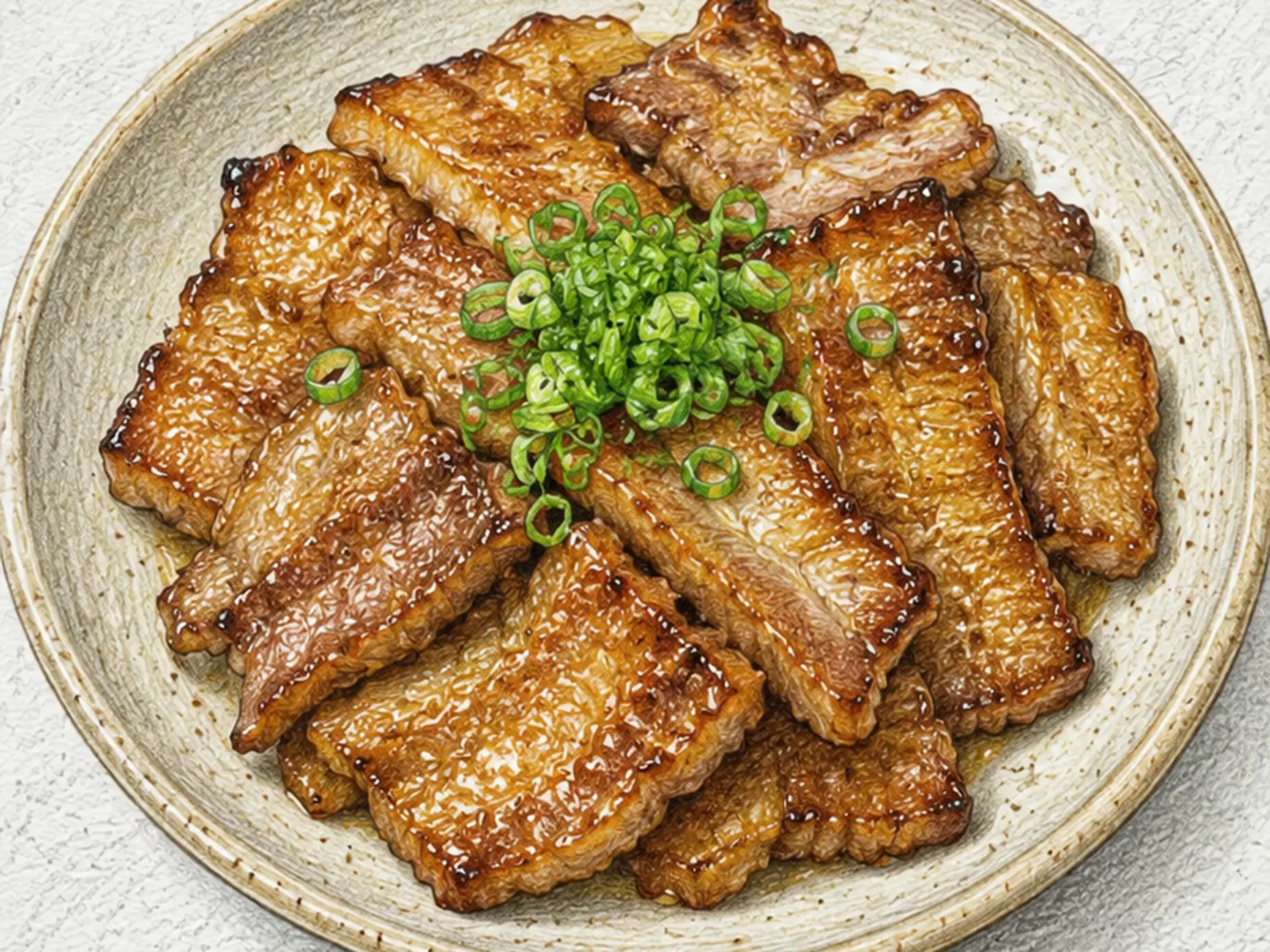
Korean Doenjang-Grilled Pork Jowl
Hangjeongsal doenjang-gui is a Korean doenjang-marinated pork jowl dish where the meat is sliced five millimeters thick, coated in a mixture of doenjang, minced garlic, sesame oil, cooking wine, honey, and black pepper for fifteen minutes, then grilled three minutes per side over medium-high heat. Pork jowl carries more evenly distributed intramuscular fat than loin or shoulder, so it renders its own cooking oil from the moment it hits a dry pan without any added fat. As that fat melts across the hot surface, it merges with the fermented savoriness of the doenjang, building a concentrated, layered umami coating on every grilled face. Starting with a conservative tablespoon of doenjang and adjusting to taste prevents oversalting, since the paste's sodium concentrates further as moisture evaporates during grilling. The honey contributes a faint sweetness while encouraging a glossy caramelized crust that catches the eye and holds the seasoning. After the edges brown, reducing to medium-low for a final two minutes cooks the center through without scorching the glaze, and a finish of sliced green onion adds a sharp, fresh contrast that lifts the richness. The doenjang marinade suppresses any gamey undertone in the pork while simultaneously deepening the umami, delivering the paste's complexity through a grilling method that differs entirely from the way doenjang performs in a stew.
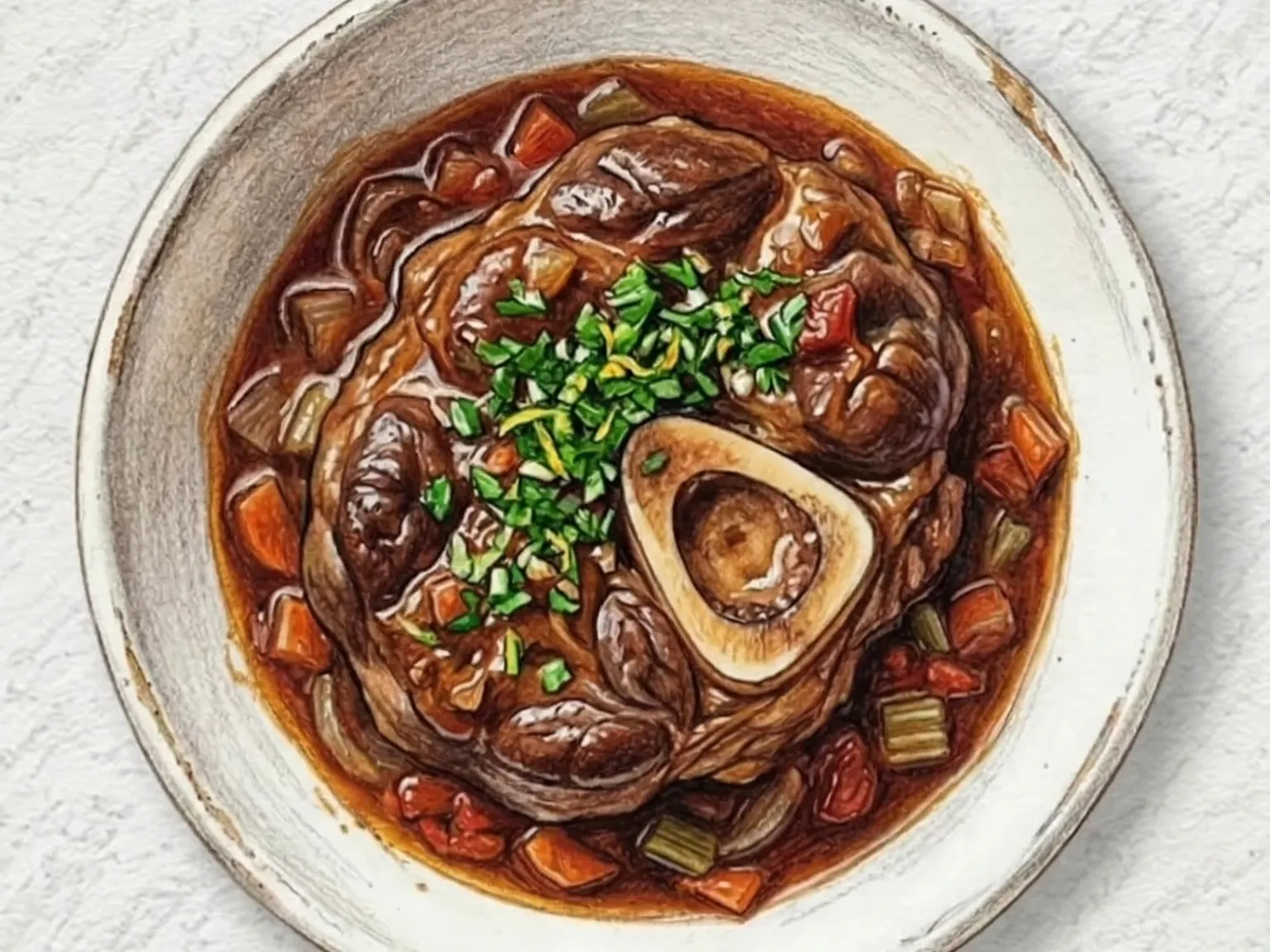
Osso Buco (Milanese Braised Veal Shank with Gremolata)
Osso buco dredges thick-cut veal shanks in flour and sears them in olive oil on all sides, then braises them with sauteed onion, carrot, and celery in a mixture of white wine, whole tomatoes, and chicken stock at 160 degrees Celsius for one and a half to two hours. The long, slow cooking converts the tough connective tissue around the bone into gelatin, making the meat fork-tender, while the marrow inside the bone melts into the sauce and enriches it with a deep, silky body. A gremolata of finely chopped parsley, lemon zest, and garlic is scattered over the finished dish - the lemon's bright acidity and the raw garlic's sharpness cut through the heavy braising liquid and lift the entire plate. Careful handling of the shanks throughout cooking is important to keep the prized marrow intact inside the bone.
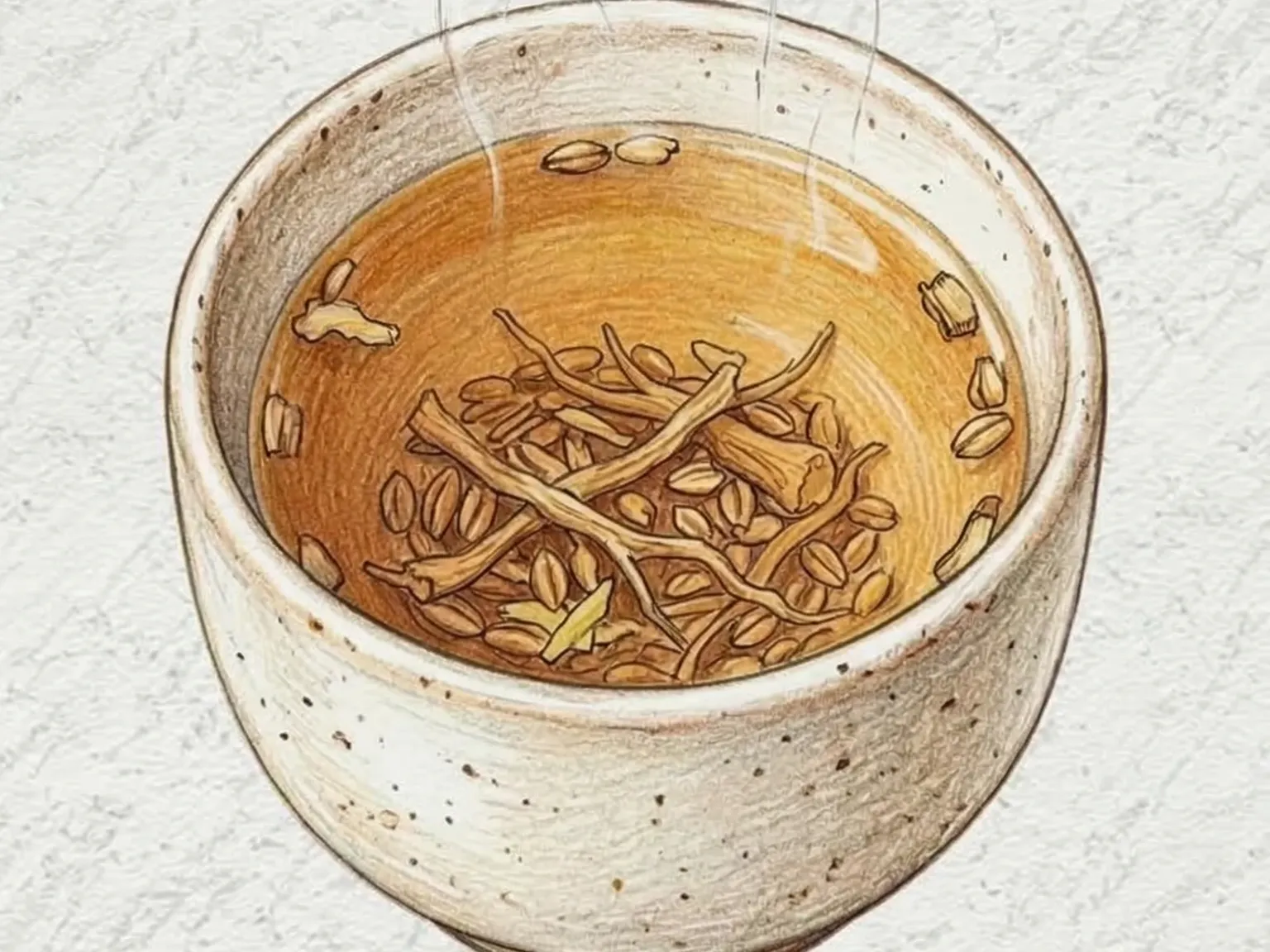
Korean Dandelion Root Tea
Mindeulle-cha is a Korean herbal root tea made by dry-roasting dried dandelion root and barley in a pot, then simmering them with water, sliced ginger, and licorice root for eighteen minutes. The roasting step drives off the earthy rawness of the root and replaces it with a toasty, grain-like aroma, while licorice and ginger soften any remaining bitterness into a warm, rounded finish. Rice syrup stirred in at the end adds a malty sweetness that gives the tea more body and depth. Dandelion root contains inulin and choline, and it has been used in traditional Korean medicine as recorded in the Dongui Bogam to support liver function and digestion. Adding barley to the dry-roast blends in a cereal nuttiness that makes the tea more approachable than dandelion root brewed alone. Naturally caffeine-free, it can be sipped comfortably in the evening, and it chills well over ice for summer.
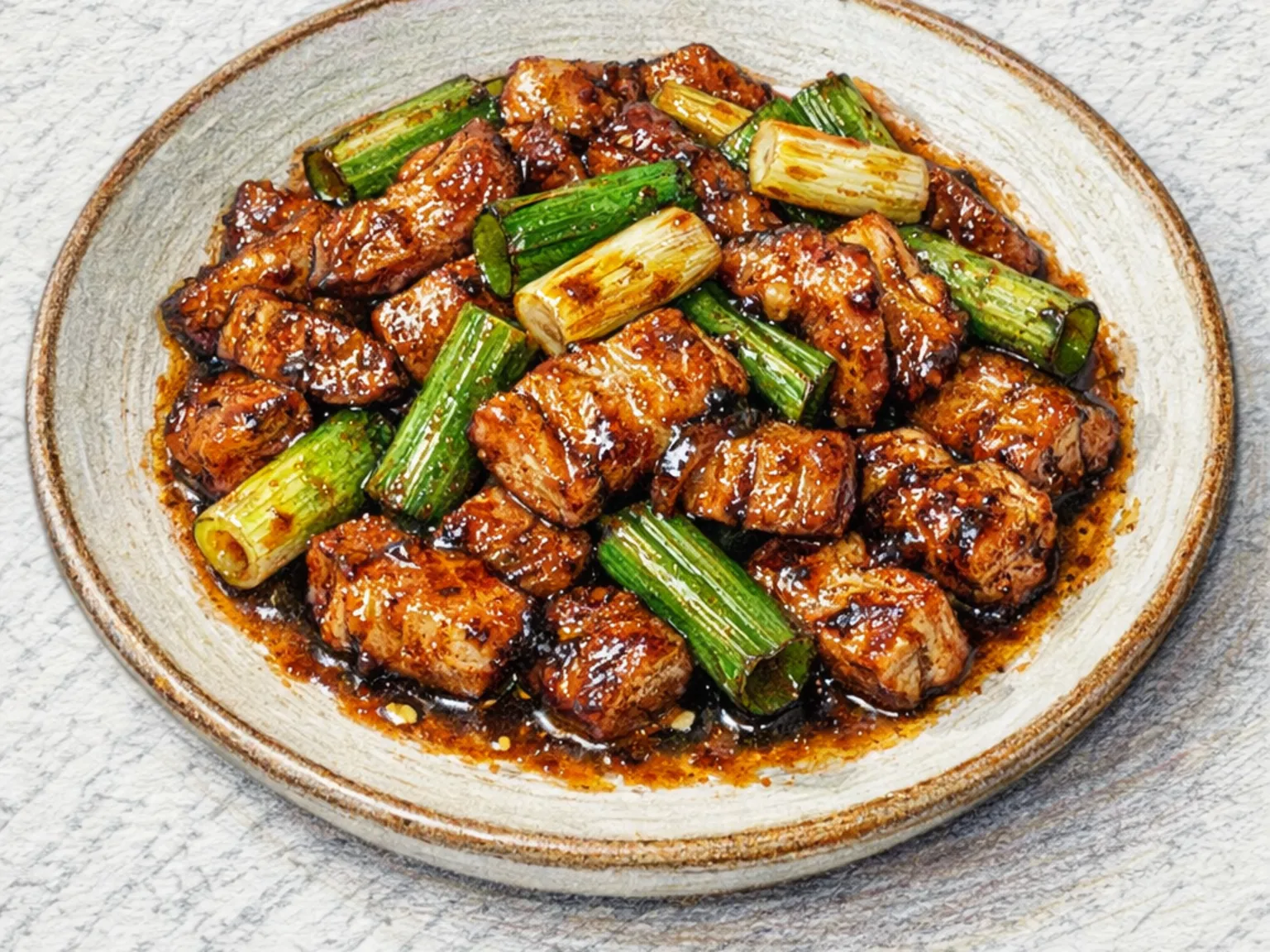
Korean Soy Scallion Grilled Pork Jowl
Hangjeongsal ganjang-pa-gui is a soy-scallion grilled pork jowl dish where one-centimeter-thick slices are marinated for fifteen minutes in a sauce of dark soy sauce, cooking wine, minced garlic, sugar, sesame oil, and black pepper, then grilled alongside thick-cut scallion segments over medium-high heat for three to four minutes per side. Hangjeongsal, the jowl cut taken from a narrow strip along the neck, is one of the rarest and most prized cuts of the pig, yielding only a small amount per animal. Its fine intramuscular fat and firm yet springy chew set it apart from belly or collar cuts that are more readily available. The technique of reserving one-third of the marinade to baste during the final minute of cooking is what gives the dish its signature lacquered surface: the fresh sauce hits a hot, already-caramelized pan and almost instantly transforms into a sweet-salty glaze that coats each slice. The scallions are left largely untouched until the last moments over high heat, where the exterior chars while the interior moisture turns to steam, concentrating natural sugars into something close to caramel and adding a layer of smokiness to the soy-based glaze. Keeping the marinating time strictly under twenty minutes is essential because extended contact with soy sauce draws moisture from the meat through osmosis, oversalting the interior and dulling the richness that makes this particular cut worth seeking out.
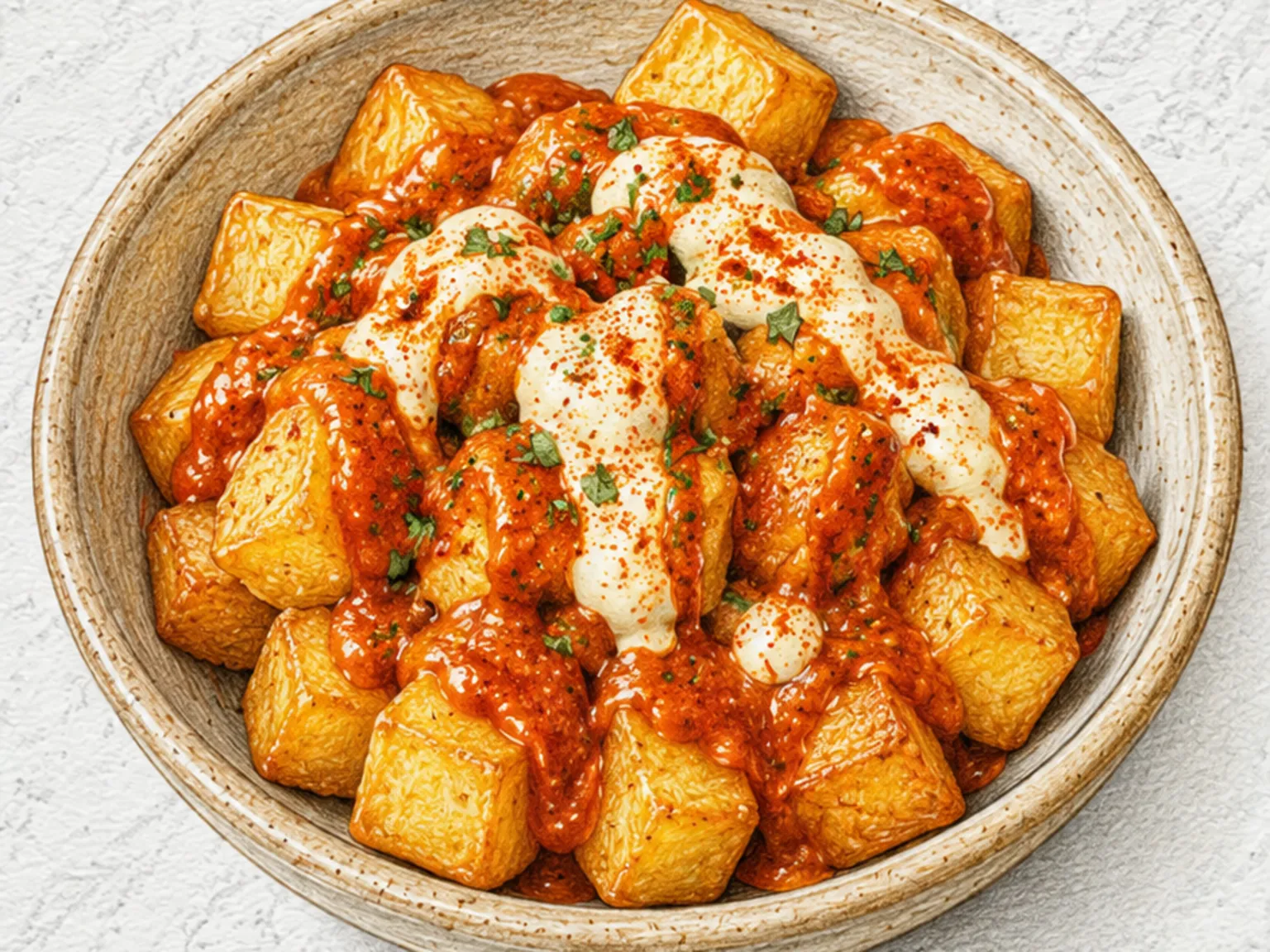
Patatas Bravas (Spanish Crispy Potatoes with Spicy Tomato Sauce)
Patatas Bravas is one of Spain's most iconic tapas, served in nearly every bar alongside beer or wine. Potatoes are cut into rough chunks, parboiled in salted water to activate surface starch, then fried twice at high temperature to achieve a crispy shell encasing a fluffy interior. The bravas sauce is built by blooming garlic and smoked paprika in olive oil before adding tomato puree and simmering until reduced - the smokiness of the paprika and the direct heat of chili flakes create a layered spiciness. Some regions serve a garlic aioli alongside the bravas sauce, allowing diners to alternate between the sharp tomato heat and the cooling richness of the emulsified garlic cream.
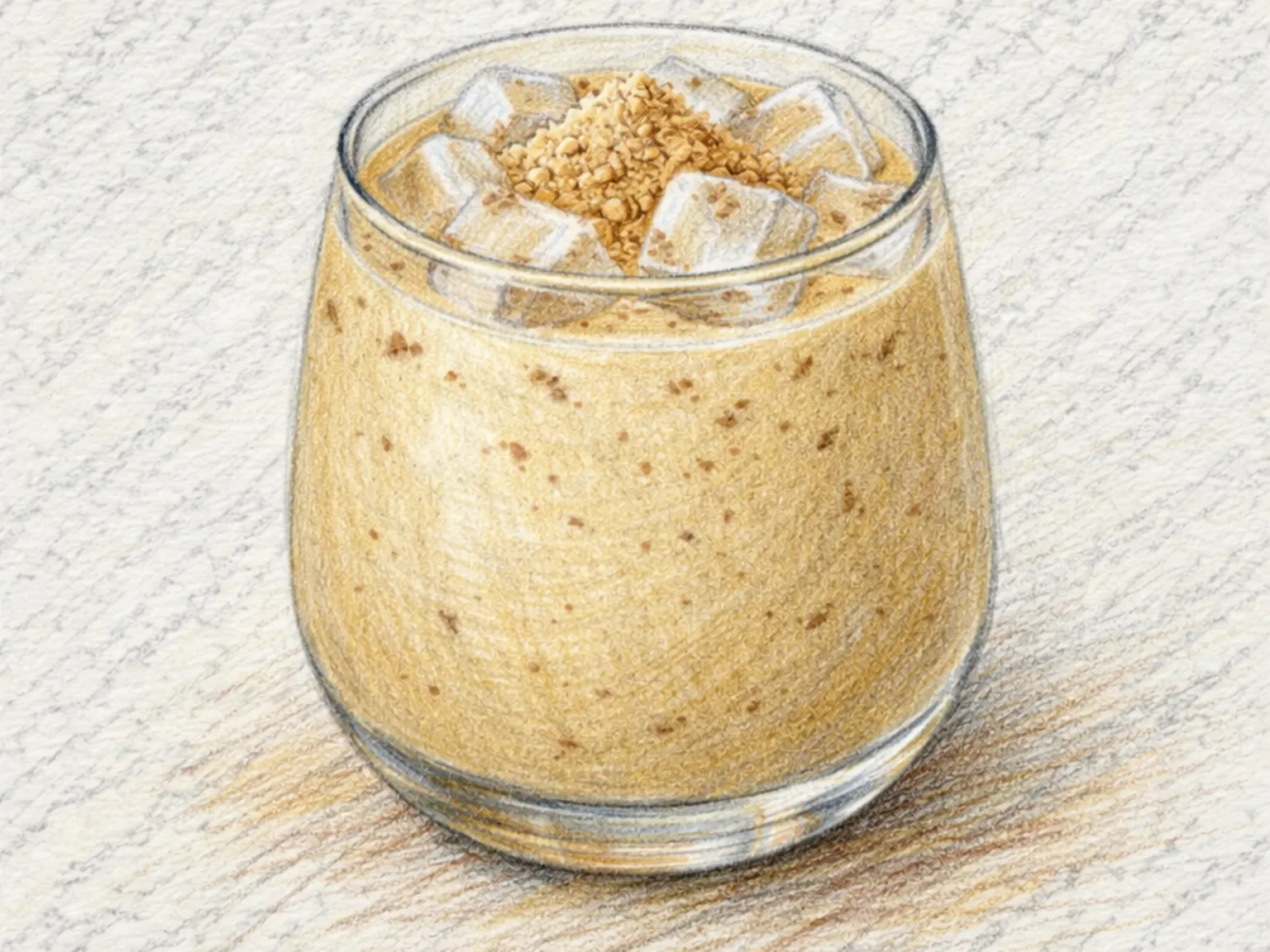
Korean Misutgaru Latte (Roasted Multigrain Milk Drink)
Misutgaru latte is a Korean multigrain drink made by whisking roasted grain powder into cold milk and sweetening with honey. The misutgaru powder -- roasted barley, rice, and other grains ground together -- brings a deep, toasty nuttiness that milk carries into a smooth, substantial beverage. A tiny pinch of salt sharpens the grain flavors, and a dusting of roasted soybean powder on top adds another aromatic layer. Substituting part of the milk with soy milk intensifies the nutty profile for a richer, more complex grain latte, and serving it over ice makes it a satisfying cool drink through summer.
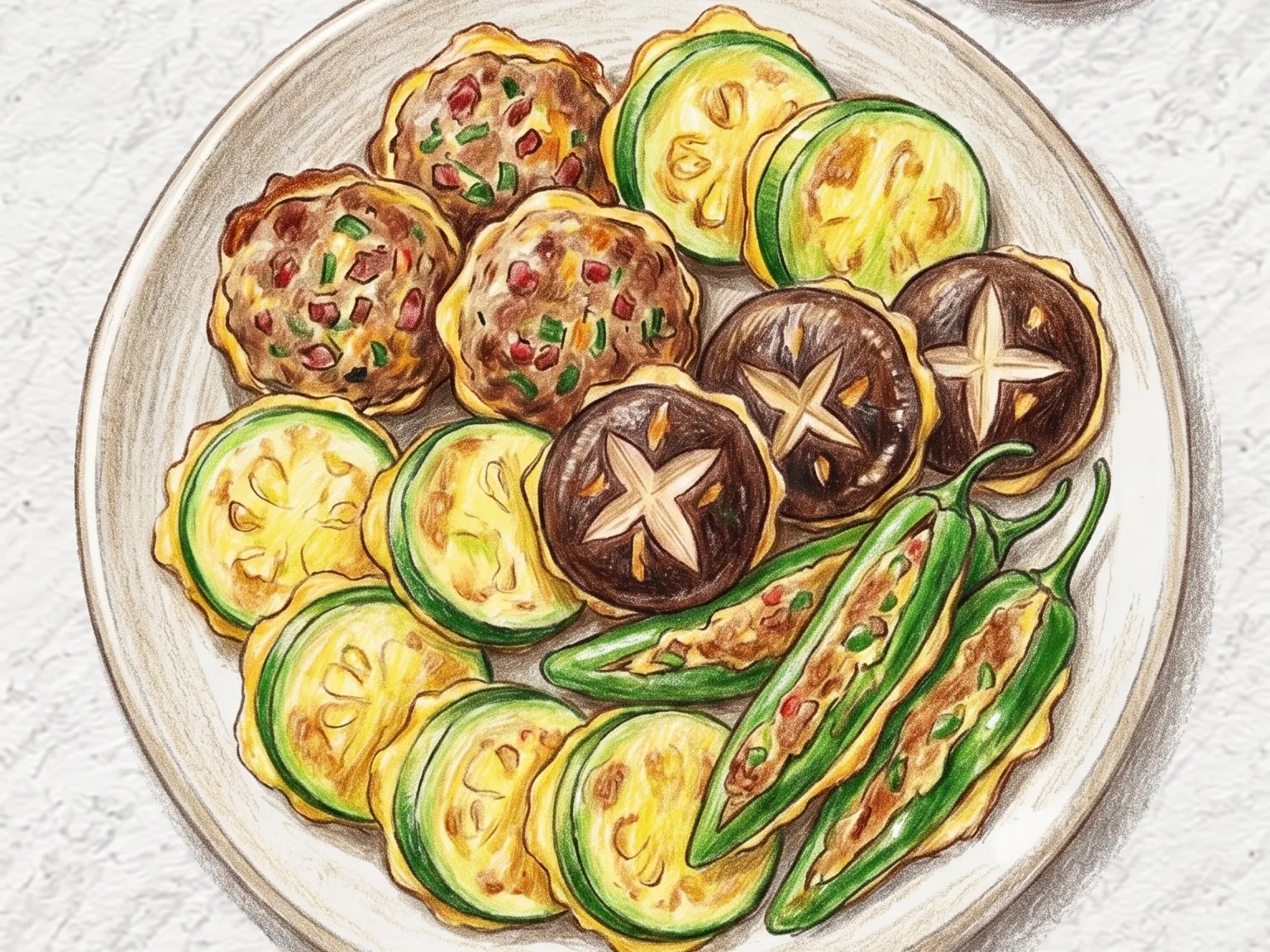
Assorted Korean Pancakes (Holiday Mixed Jeon Platter)
Hanjeongsik jeon-modeum is a mixed Korean pancake platter that brings together meat patties, zucchini jeon, shiitake mushroom jeon, and stuffed green chili jeon on a single serving board, forming the visual and gastronomic centerpiece of Seollal and Chuseok holiday tables. Each ingredient is cut to portion size, dusted lightly in flour, coated in beaten egg, and pan-fried over medium heat until both sides turn a deep golden. The single most important rule is to fry in small batches of three to four pieces at a time -- overcrowding drops the pan temperature sharply and causes the egg batter to absorb oil rather than set, leaving the jeon heavy and greasy instead of crisp and light. Meat patties made from a balanced mix of tofu, beef, and pork hold their shape while staying tender, and zucchini rounds need to be salted and pressed dry beforehand to prevent oil spatter during frying. For shiitake, removing the stem and dusting flour onto the inner gill side ensures the egg coating adheres evenly. A small dipping bowl of cho-ganjang -- soy sauce sharpened with a splash of rice vinegar -- cuts through the richness of the oil and draws out the contrast between the patties' deep savory flavor, the mild sweetness of zucchini, and the subtle heat of the peppers.

Patty Melt
Patty Melt is an American diner classic that sits between a burger and a grilled cheese sandwich, combining a thin beef patty with deeply caramelized onions and melted cheese between slices of toasted bread. The onions require at least twenty minutes over low heat to lose their moisture and concentrate their sugars into a dark, sweet jam-like consistency. The patty is shaped thin and wide to match the bread's footprint, and spreading a thin layer of mayonnaise on the outer surface of the bread before griddling produces a more even and deeper golden crust than butter. When the cheddar melts over the patty and mingles with the caramelized onions, each bite delivers saltiness from the beef, sweetness from the onions, and richness from the cheese in a single layer.
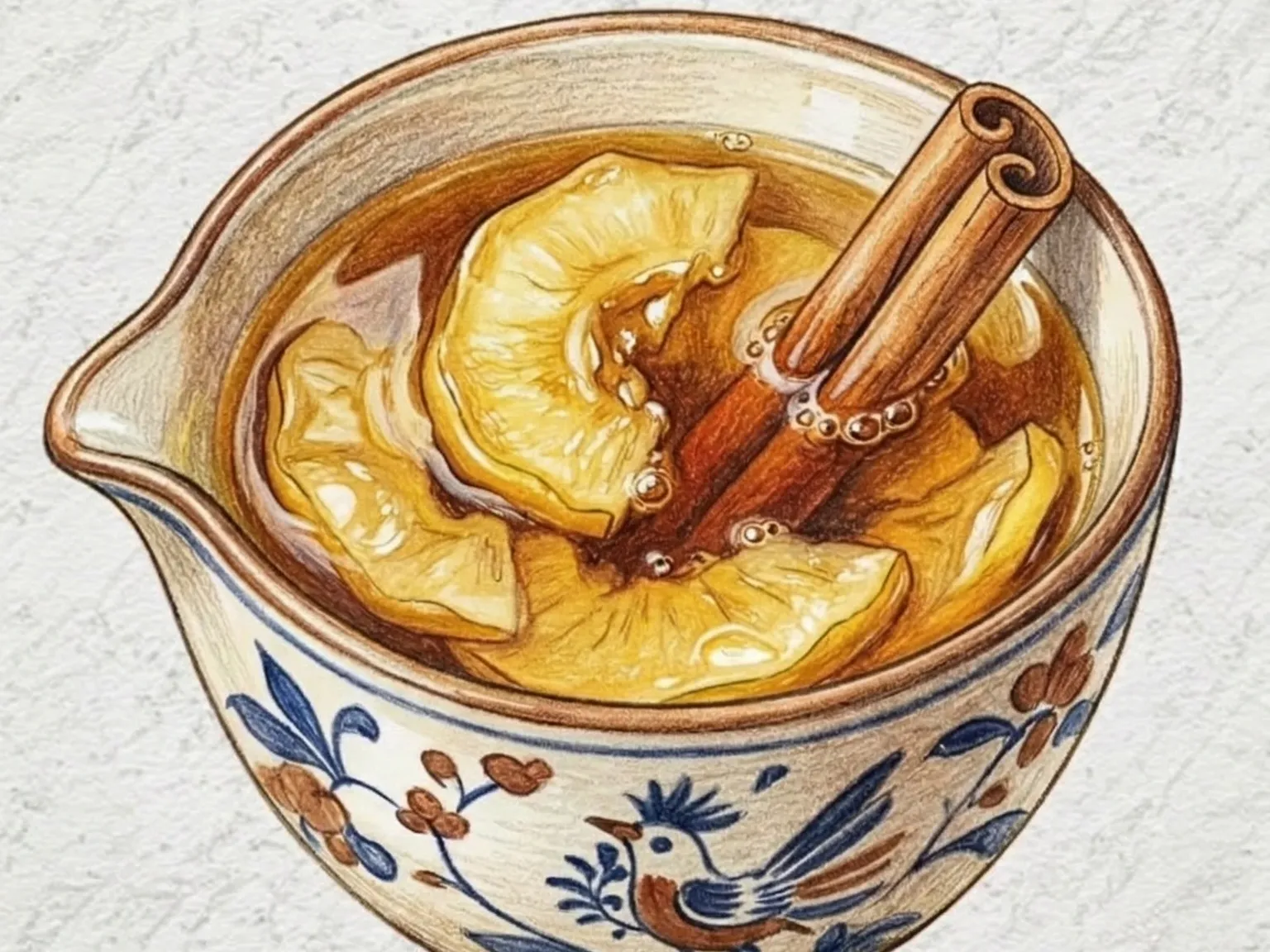
Korean Quince Tea (Spiced Quince Honey Preserve Tea)
Mogwa-cha is a Korean quince tea served by dissolving homemade quince preserve in hot water. The preserve is made by simmering thin quince slices with sugar, honey, lemon juice, and a cinnamon stick until a fragrant, amber syrup forms. Quince brings a distinctive floral-citrus aroma that intensifies as the sugar draws out the fruit's essential oils. Stored in a sealed jar and refrigerated, the syrup keeps well and yields a fragrant cup of tea with just a few spoonfuls and boiling water. The tea is traditionally drunk in cool weather for its soothing effect on dry throats and mild coughs.
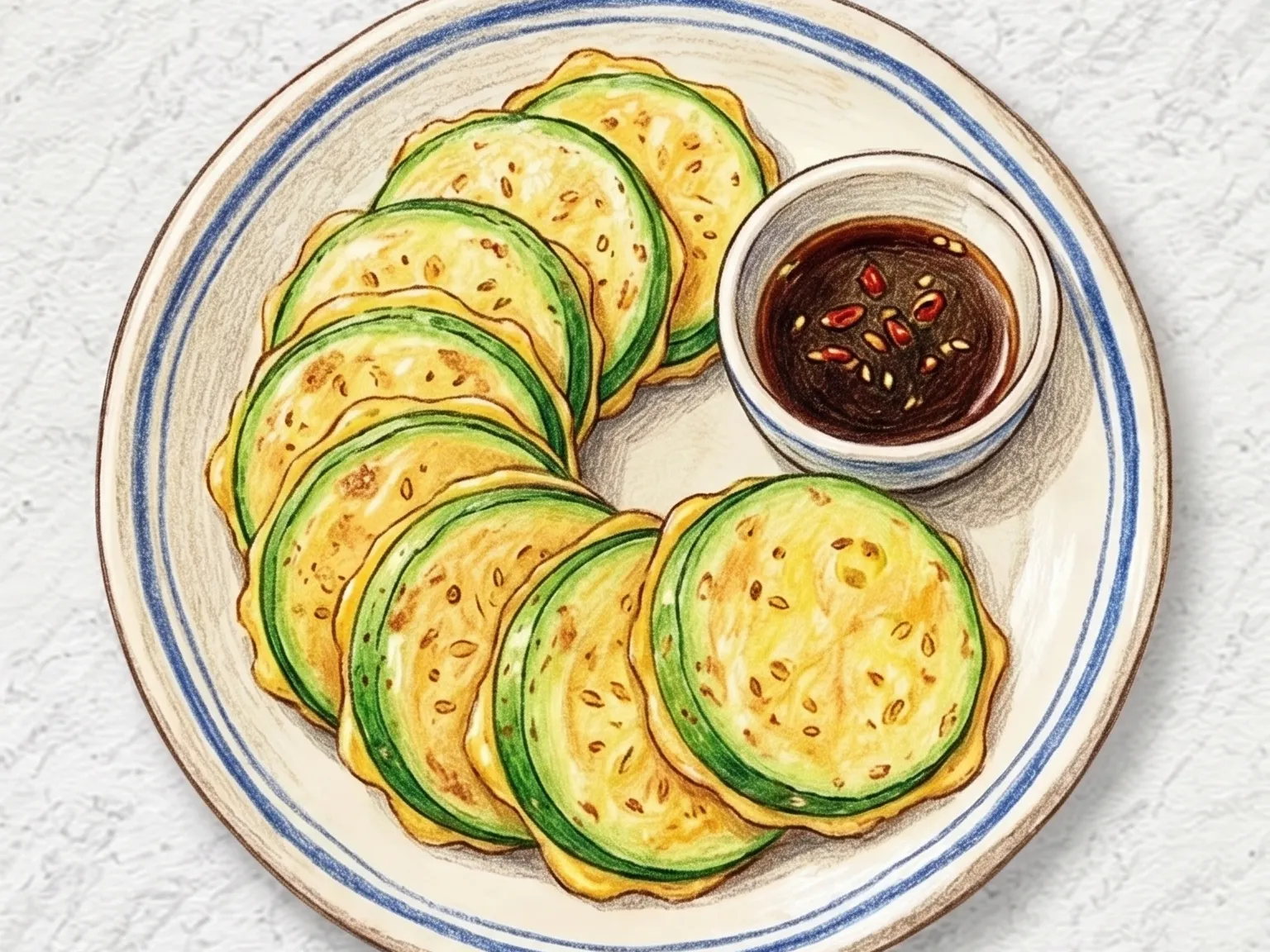
Korean Pan-fried Zucchini Jeon
Hobak-jeon is a Korean pan-fried zucchini pancake made by slicing Korean zucchini into uniform half-centimeter rounds, salting them for five minutes, then dusting in flour, dipping in beaten egg, and frying over medium heat for two to three minutes per side. The salting step does two things at once: it pulls out the moisture that would otherwise make the pancakes soggy, and it concentrates the zucchini's mild sweetness into a more distinct flavor. The egg coating acts as a gentle heat buffer, keeping the interior soft and moist while the exterior develops an even, pale golden color with a subtle nuttiness from the cooked egg. The yellow hue adds color to the table, and the jeon pairs naturally with soy sauce or a vinegared soy dipping sauce. It is one of the most versatile banchan in Korean cooking, suitable for a child's lunchbox, an everyday dinner table beside soup or stew, or stacked on a holiday platter for ancestral rites and guests alike. The simplicity of the method and the availability of the ingredients mean it appears on Korean tables year-round.
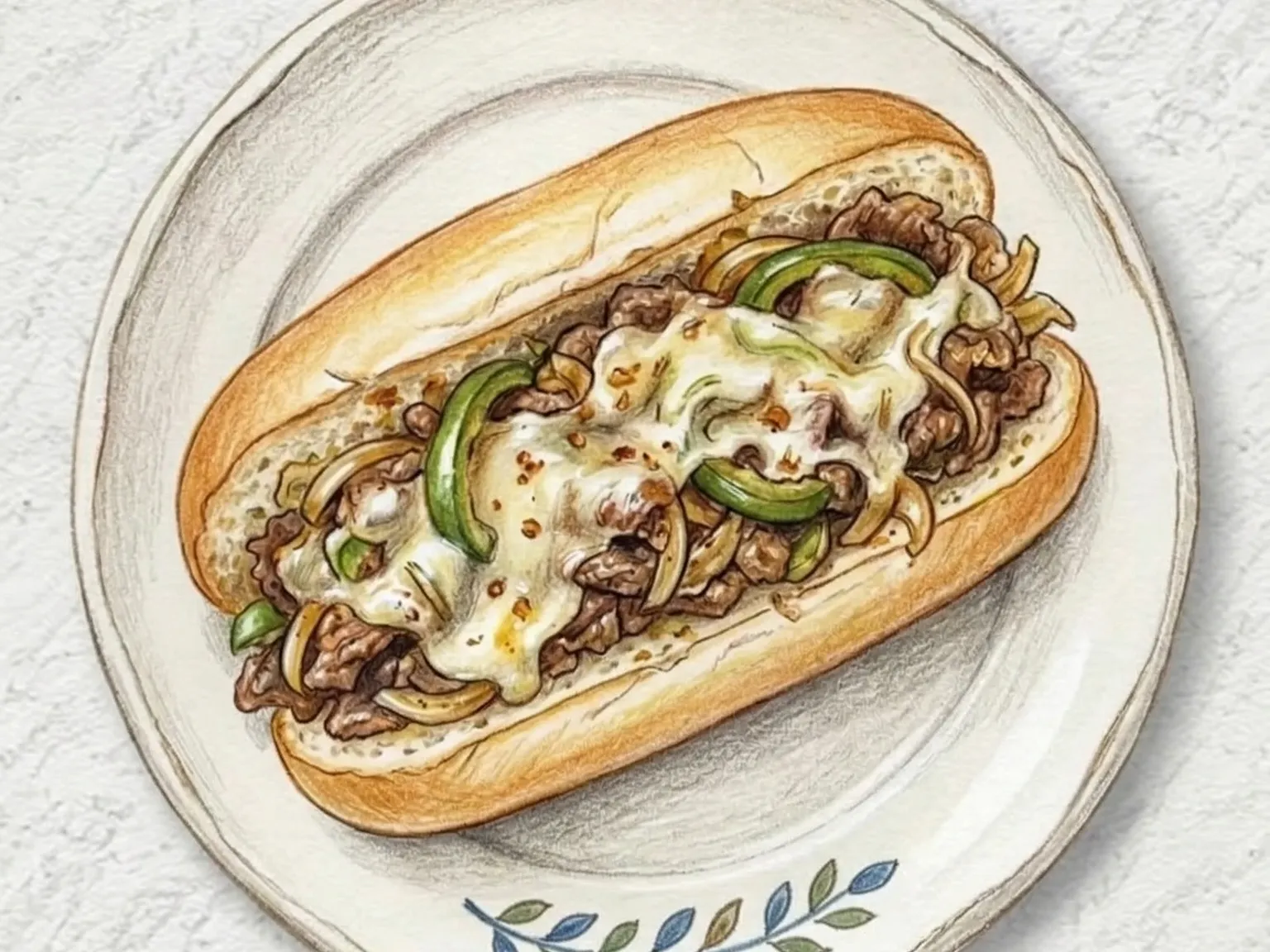
Philly Cheesesteak Sandwich
Philly Cheesesteak Sandwich originated in 1930s Philadelphia and remains one of America's defining street foods. Ribeye or top round is partially frozen for about thirty minutes so it can be sliced paper-thin, and these razor-thin slices are seared on a screaming-hot flat griddle where they caramelize almost instantly, developing char and retaining their juices. Onion and green bell pepper are cooked on the same griddle to absorb the beef's rendered fat and fond, and provolone cheese is draped over the pile of meat before a dome lid traps steam to melt it into a blanket that binds everything together. The hoagie roll provides the crucial structural balance - a lightly crisp exterior that gives way to a soft crumb capable of absorbing juices without becoming soggy or falling apart.
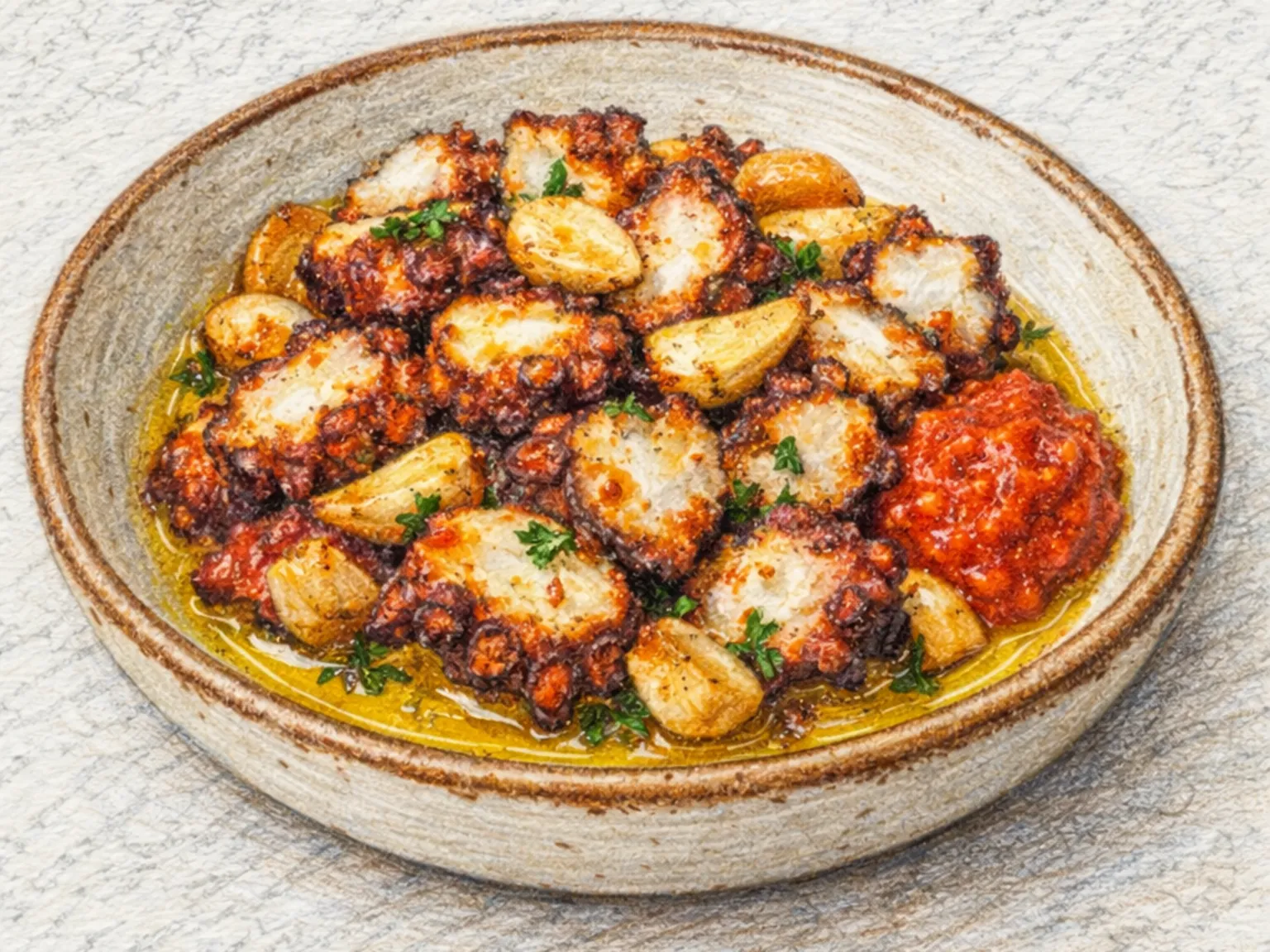
Korean Garlic-Grilled Octopus
Muneo-garlic-gui is a Korean seafood drinking snack made by slicing pre-boiled octopus into bite-size pieces, seasoning them with salt, pepper, and red chili flakes, then searing them hard in olive oil with minced garlic over high heat. The garlic goes in first at low heat to bloom slowly in the oil, then the flame is raised and the octopus is added so the exterior chars rapidly while the interior stays springy and resilient. The olive oil coats the surface at high temperature and locks in moisture, producing a scorched crust outside and a genuinely tender bite within. A squeeze of fresh lemon juice at the finish cuts through the oil and brings the natural brininess of the octopus into sharp relief. The octopus should go straight to the table after cooking, as the texture toughens quickly, and thorough pan preheating is essential to getting the sear right.
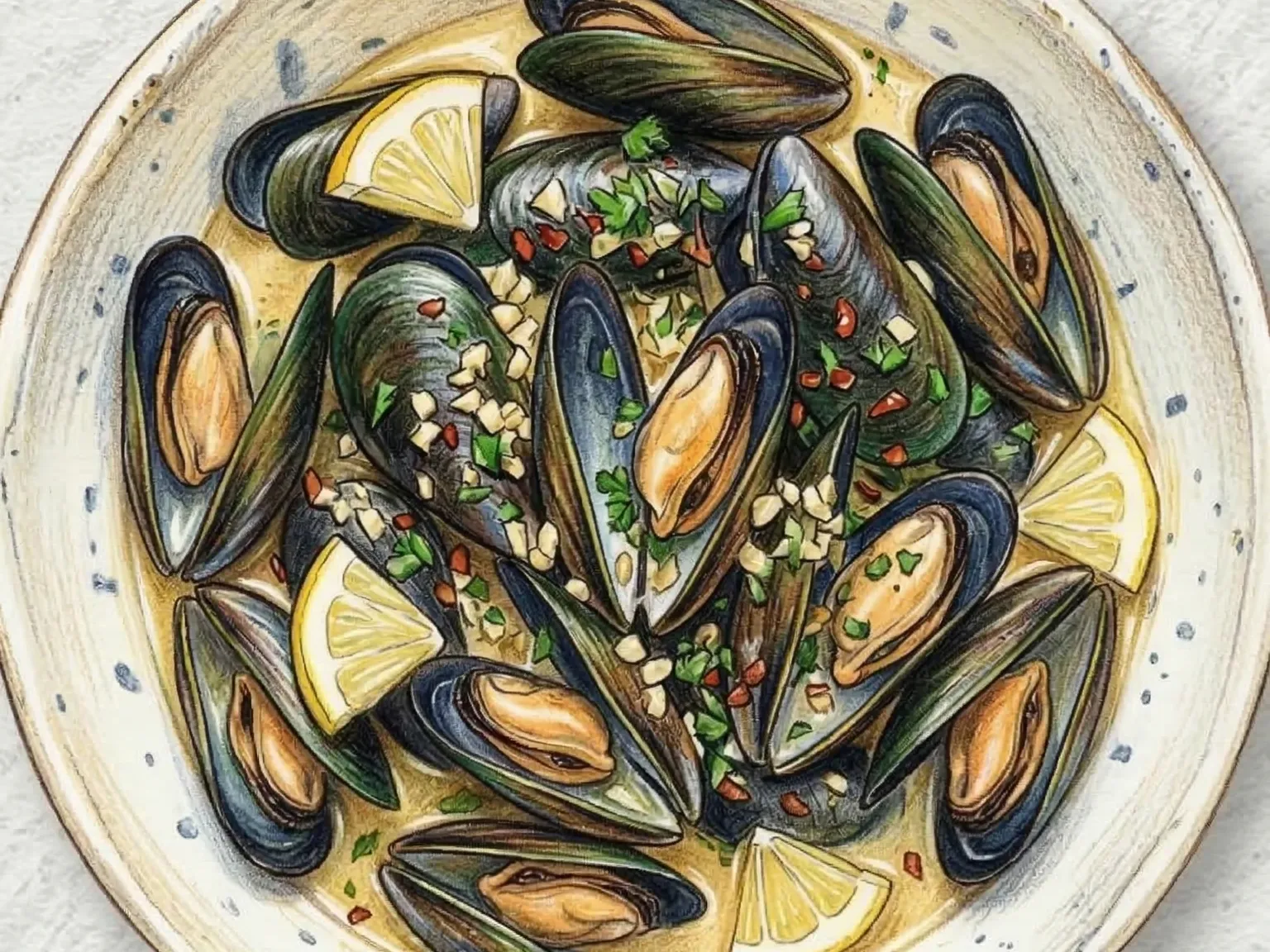
Korean Butter-Grilled Mussels
Mussels are steamed open with white wine, then tossed in melted garlic butter for a second round of cooking. The wine lifts the brininess while the butter adds a nutty depth that clings to each shell. A squeeze of lemon at the end cuts through the richness, keeping the finish clean. Scattered chives bring color and a mild onion note. Serving with crusty bread alongside to soak up the buttery broth rounds out the dish into a satisfying starter or bar snack. It can be served as a grilled side dish or drinking food, with simple accompaniments chosen to match the sauce, broth, or topping.
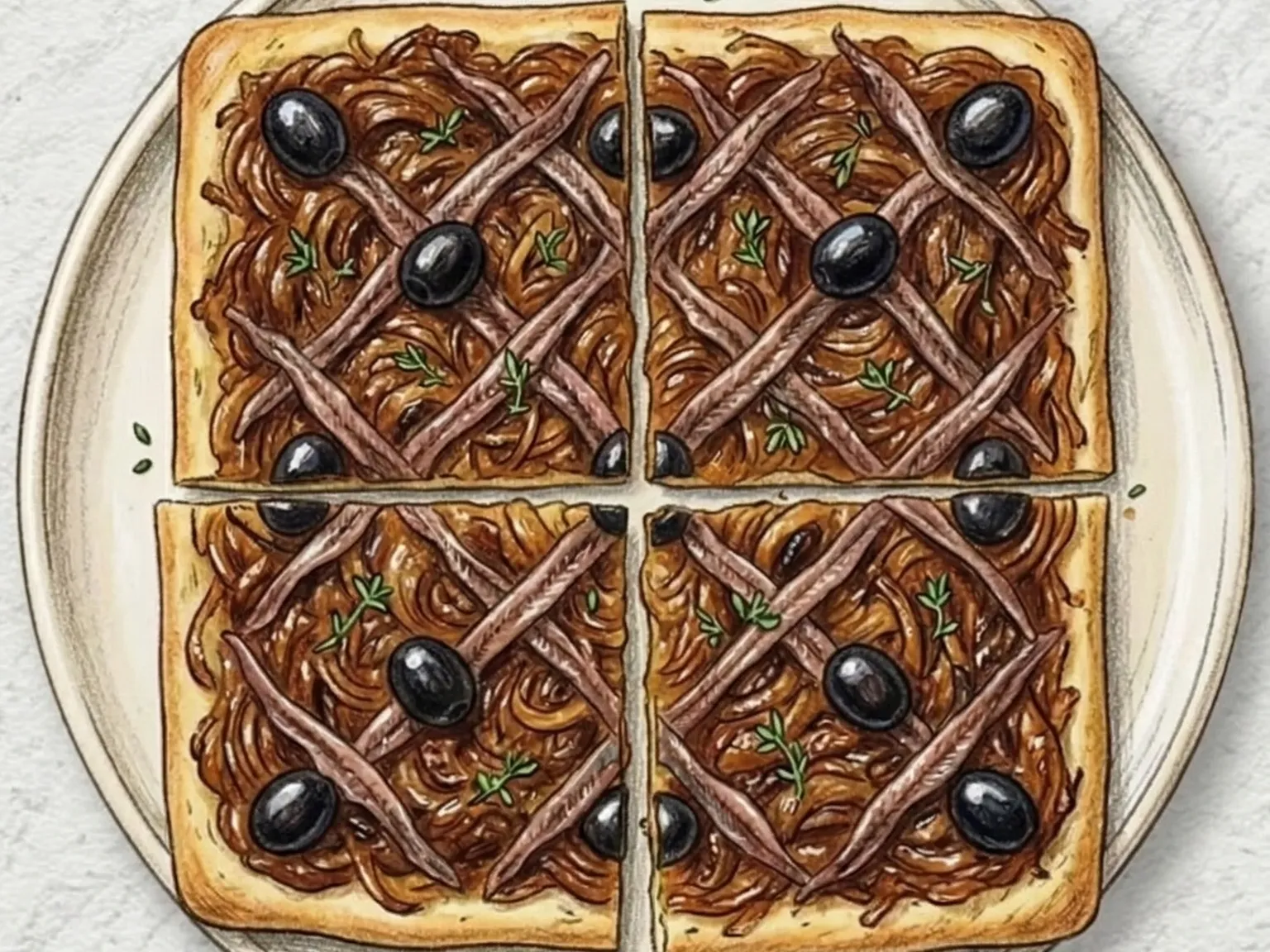
Pissaladiere (Provencal Caramelized Onion Anchovy Tart)
Pissaladiere is a traditional tart from Provence in southern France, built on a thin bread dough blanketed with slowly cooked onions and adorned with anchovy fillets and black olives arranged in a lattice pattern. The onions must cook in olive oil over low heat for at least forty minutes until their moisture evaporates completely and their natural sugars caramelize into a dark, jam-like sweetness. This thick layer of onion jam makes the tart resemble a pizza visually, but the absence of tomato sauce and the primacy of onion sweetness make it an entirely different dish. The anchovies contribute sea-salt brininess and umami, while the olives add a bitter, savory counterpoint that balances the onion's sweetness. Fresh thyme leaves scattered on top before baking introduce an herbal brightness that lifts the dense, concentrated flavors.
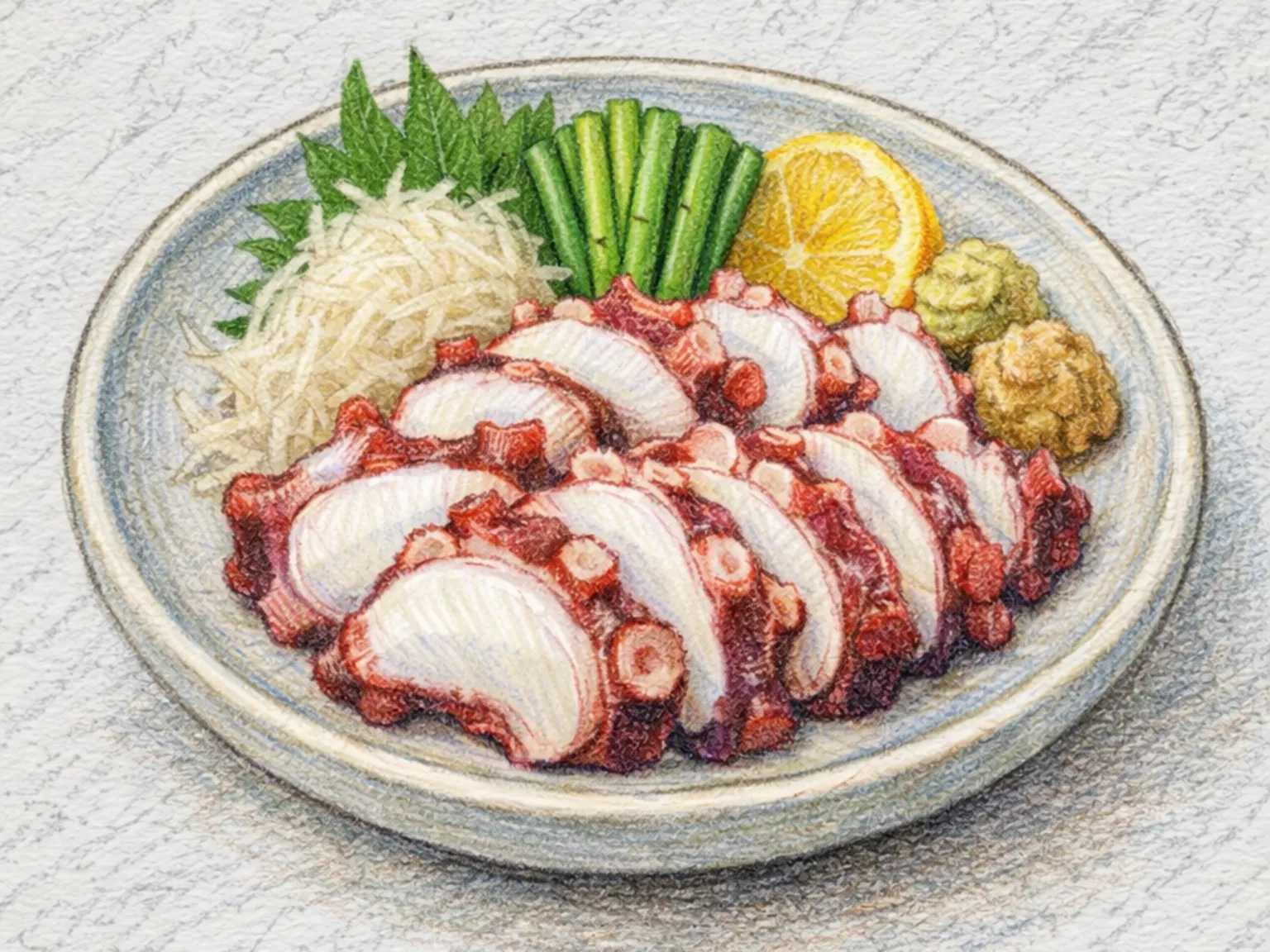
Korean Poached Octopus Slices
Muneo-sukhoe is poached octopus prepared by simmering a whole raw octopus in water with radish, green onion, and ginger for about 20 minutes, then slicing it thin and serving it with vinegared gochujang dipping sauce. Before cooking, the octopus is vigorously rubbed with salt to strip away the slippery surface mucus, which is the single most important step for removing any unpleasant ocean odor. When lowering the octopus into the hot water, the tentacles go in first: submerging them before the body causes the legs to curl inward, giving the cooked octopus a cleaner shape. After the cooking time, the heat is turned off and the octopus rests undisturbed in the pot for five minutes, allowing the muscle fibers to relax and produce a chewy but not tough texture. Radish in the poaching liquid absorbs impurities; ginger suppresses fishiness, leaving the flesh tasting clean and mild on its own. Thick diagonal slices bring out the natural sweetness of the octopus, and the tangy-spicy dipping sauce amplifies the savoriness rather than masking it. The dish works equally well as a drinking snack or a summer seafood side.
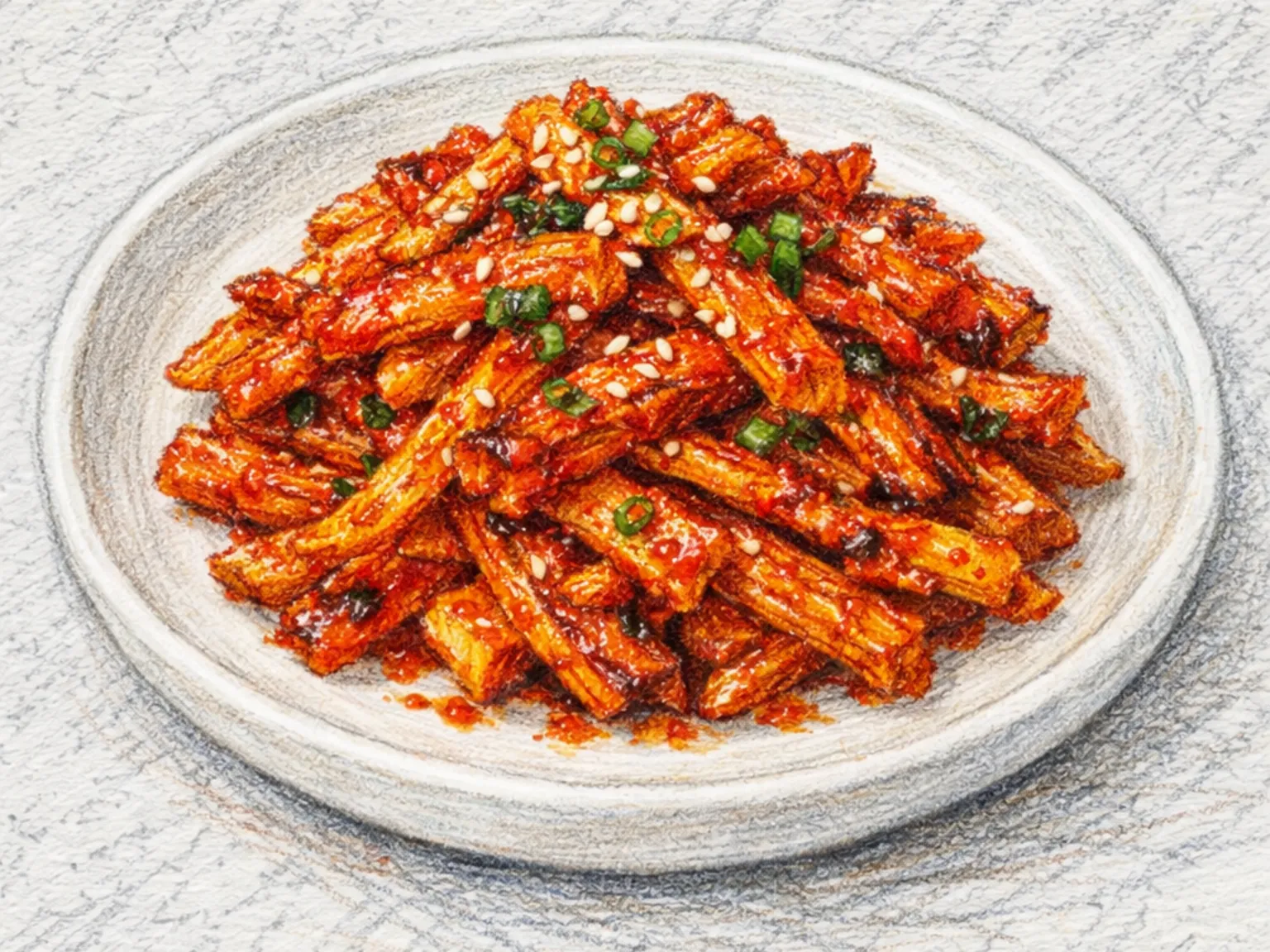
Korean Grilled Dried Pollack
Dried pollack strips are briefly moistened, coated in a paste of gochujang, soy sauce, and oligosaccharide syrup, then grilled low and slow. The slow heat lets the glaze seep into the chewy dried fish without charring, building layers of spicy-sweet flavor. A touch of sesame oil applied at the finish adds a toasted aroma that rounds out the dish. The sweet-spicy glaze filling the kitchen with fragrance as the fish grills is part of what makes this a beloved home-cooked snack. Controlling surface browning and internal doneness helps the ingredients cook evenly while keeping the final seasoning balanced.
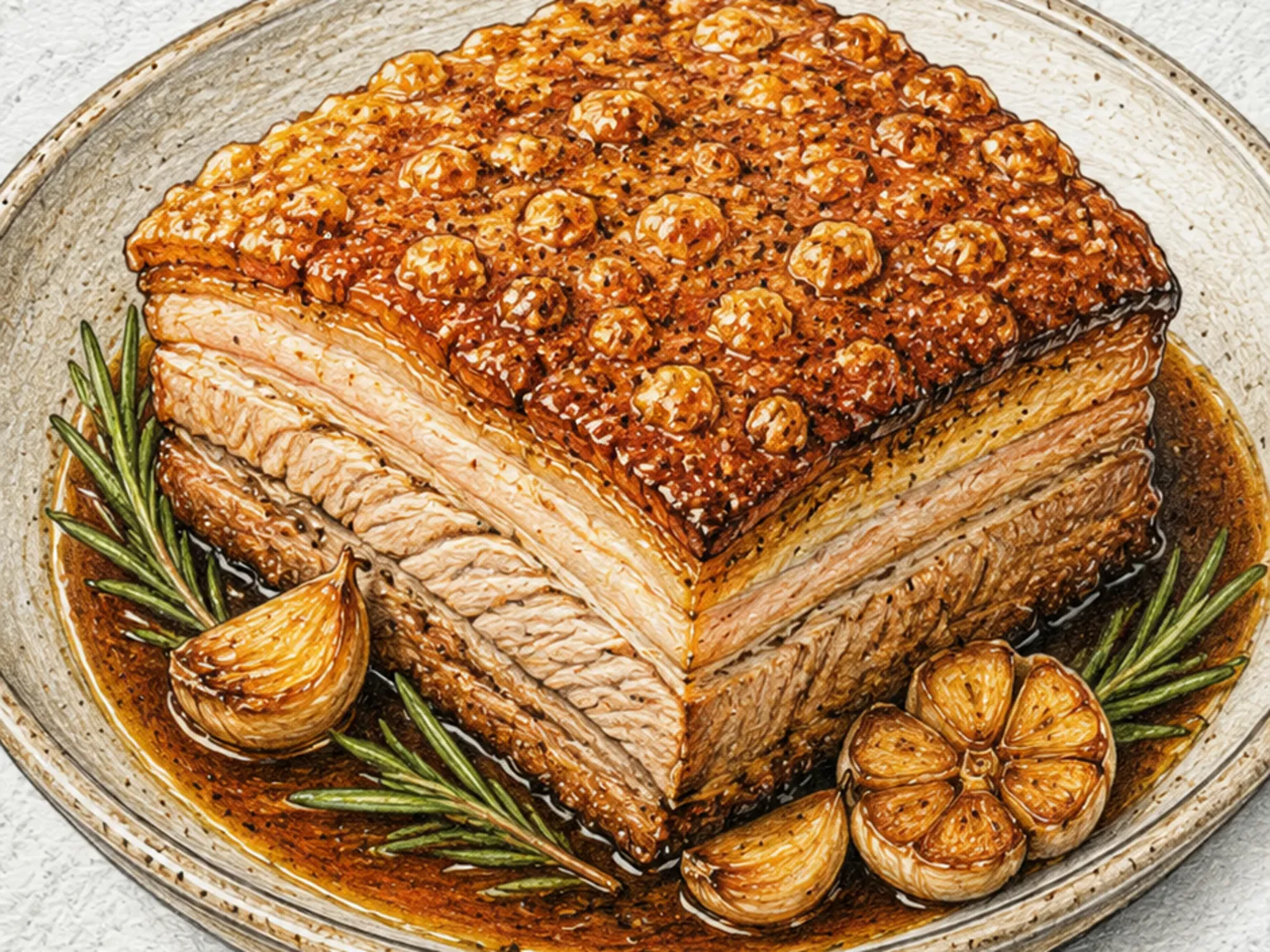
Crispy Pork Belly Roast
Crispy Pork Belly Roast is a British oven roast focused on achieving a perfectly shattered crackling atop tender, slow-rendered meat. The skin is scored in tight parallel lines and rubbed with coarse salt, then left uncovered in the refrigerator overnight to draw out surface moisture - the first condition for crackling that actually cracks. The initial thirty minutes at 230 degrees Celsius or higher blisters the skin and sets its structure, after which the temperature drops to 160 degrees to slowly melt the internal fat layer, leaving the meat soft and the skin glass-crisp. Garlic cloves and rosemary sprigs placed beneath the belly perfume the meat from below as the oven heat circulates. The rendered pan juices are deglazed to make a quick gravy that carries the pork's own flavor. A rest of at least ten minutes before slicing is essential to keep the juices locked inside the meat.