🥗 Light & Healthy Recipes
Light, healthy, low-calorie dishes
712 recipes. Page 20 of 30
These low-calorie recipes prove that healthy eating does not have to be boring. High-protein meals, vegetable-forward dishes, and low-carb options - all designed to support weight management and better eating habits.
Diet-friendly does not mean small portions or bland flavors. Chicken breast, tofu, konjac, and eggs provide lasting satiety, while smart seasoning and cooking methods keep the taste appealing. Build a sustainable, healthy routine with these recipes.
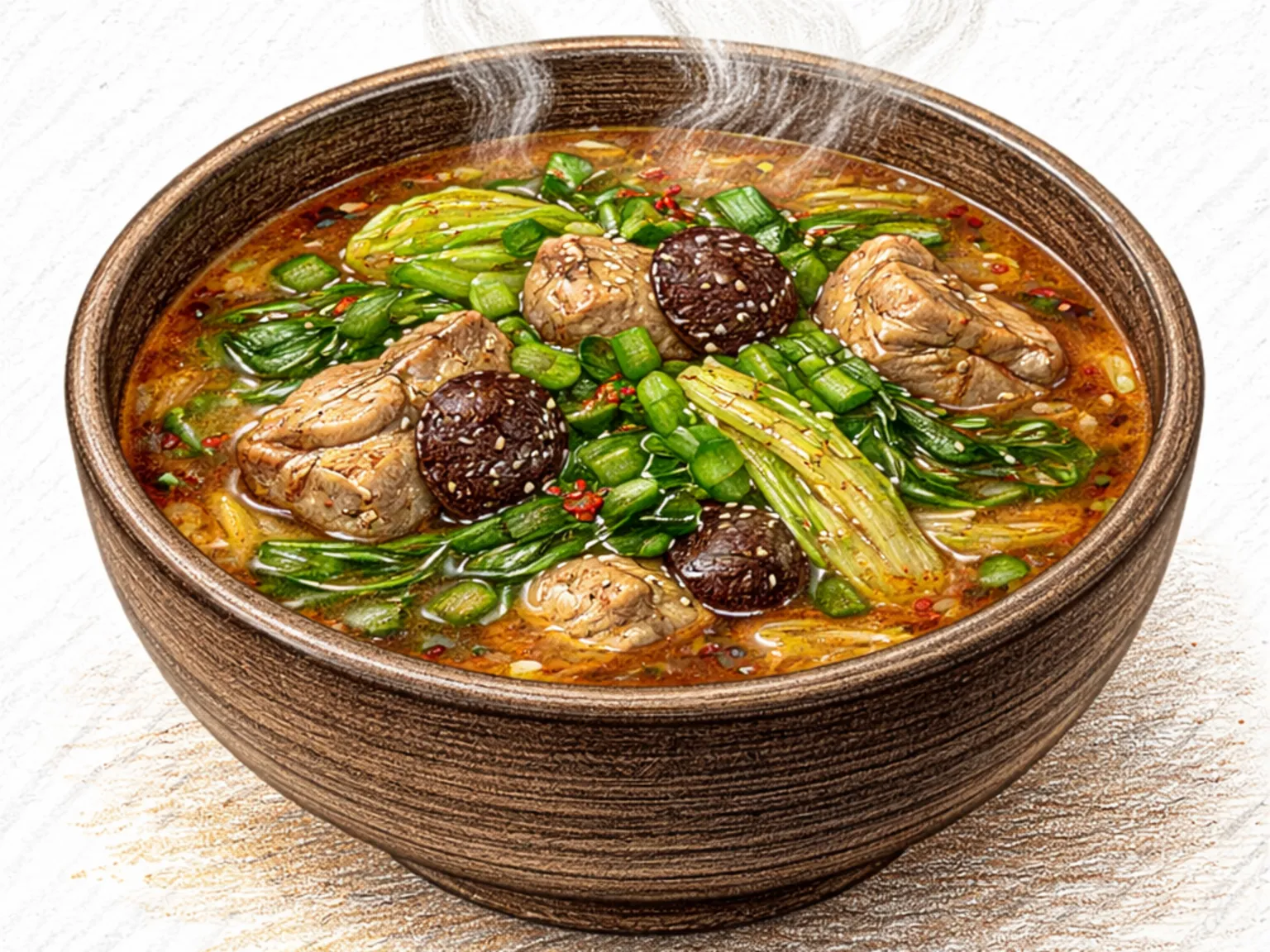
Haejangguk (Korean Pork Bone Hangover Soup)
Haejangguk is Korea's iconic hangover soup, a thick and fiery bowl built to restore the body after a long night of drinking. The base is a pork spine broth simmered for several hours until it turns milky, opaque, and deeply savory, carrying a weight that sits in the stomach rather than passing through it. Outer napa cabbage leaves called ugeoji are seasoned with doenjang and garlic before being added to the broth, contributing fibrous, chewy texture alongside the soup's fermented depth. Congealed blood, known as seonji, is a traditional inclusion cut into thick blocks: iron-dense and high in protein, it provides serious nutritional restoration and a visually striking dark contrast in the stone pot. Gochugaru delivers heat strong enough to draw sweat to the forehead, and Koreans have long held that this intensity helps flush toxins from the body and clear the mind after a night of drinking. The finished soup arrives still bubbling in its dolsot, and the first few spoonfuls tend to produce an involuntary exhale of relief. Dedicated haejangguk restaurants open before dawn to serve construction workers and late-night revelers, and the dish has occupied a fixed position in Korean culinary and drinking culture for centuries.
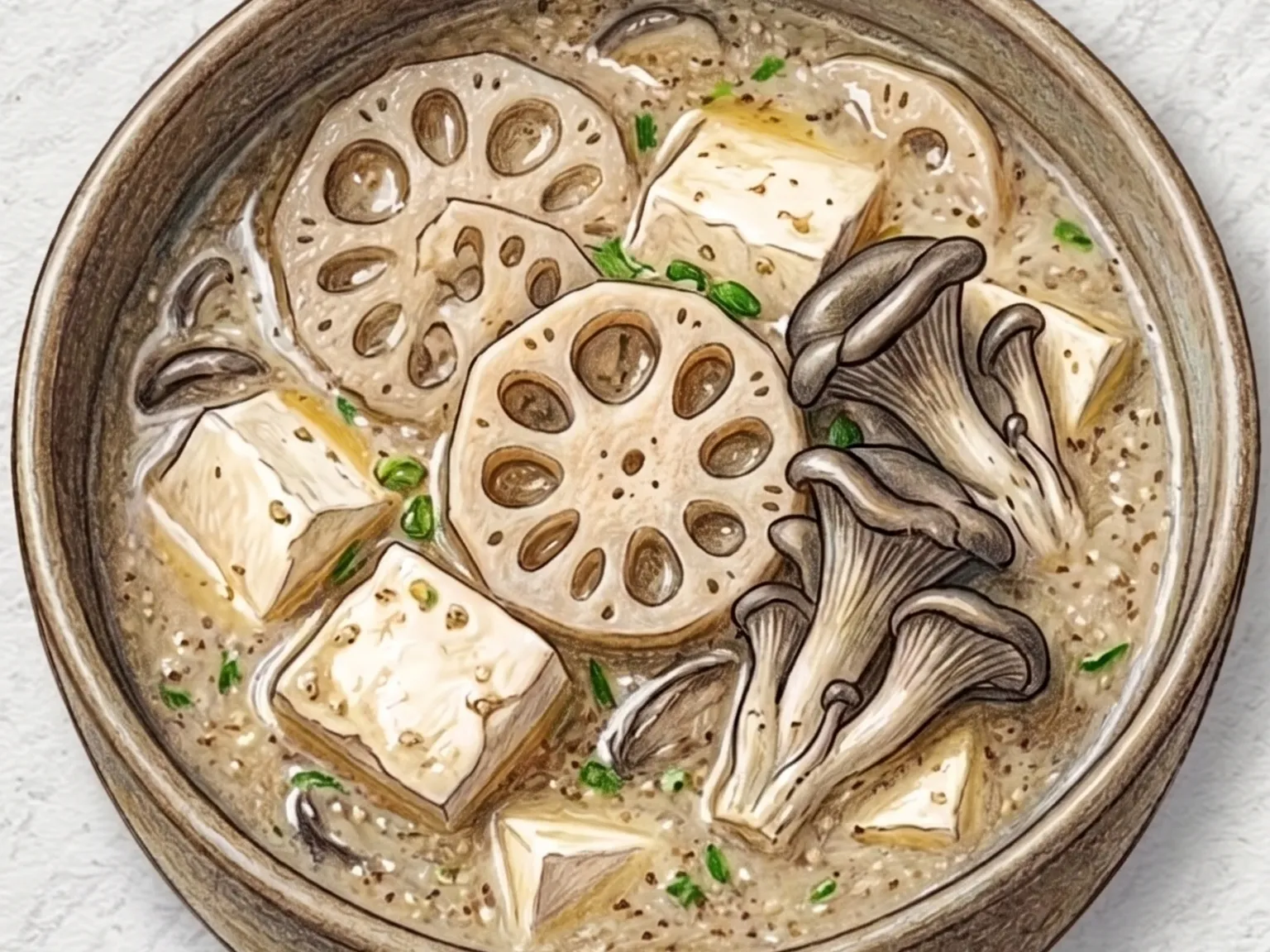
Korean Lotus Root Perilla Seed Stew
Korean lotus root perilla seed stew is a vegetable stew that features crisp lotus root and oyster mushrooms cooked in a thick perilla seed broth. The process begins by soaking sliced lotus root in vinegar water for five minutes to prevent browning and reduce astringency. Onion and oyster mushrooms are stir-fried in sesame oil before adding the lotus root and vegetable stock. After simmering until the lotus root is tender, soup soy sauce and minced garlic are stirred in. Finally, four tablespoons of perilla seed powder are dissolved into the soup along with tofu, and the stew is heated over low heat. Adding the perilla powder at the end preserves its rich, nutty aroma without making the broth chalky. Built on vegetable stock without meat or fish, this dish offers a clean taste and varied textures.
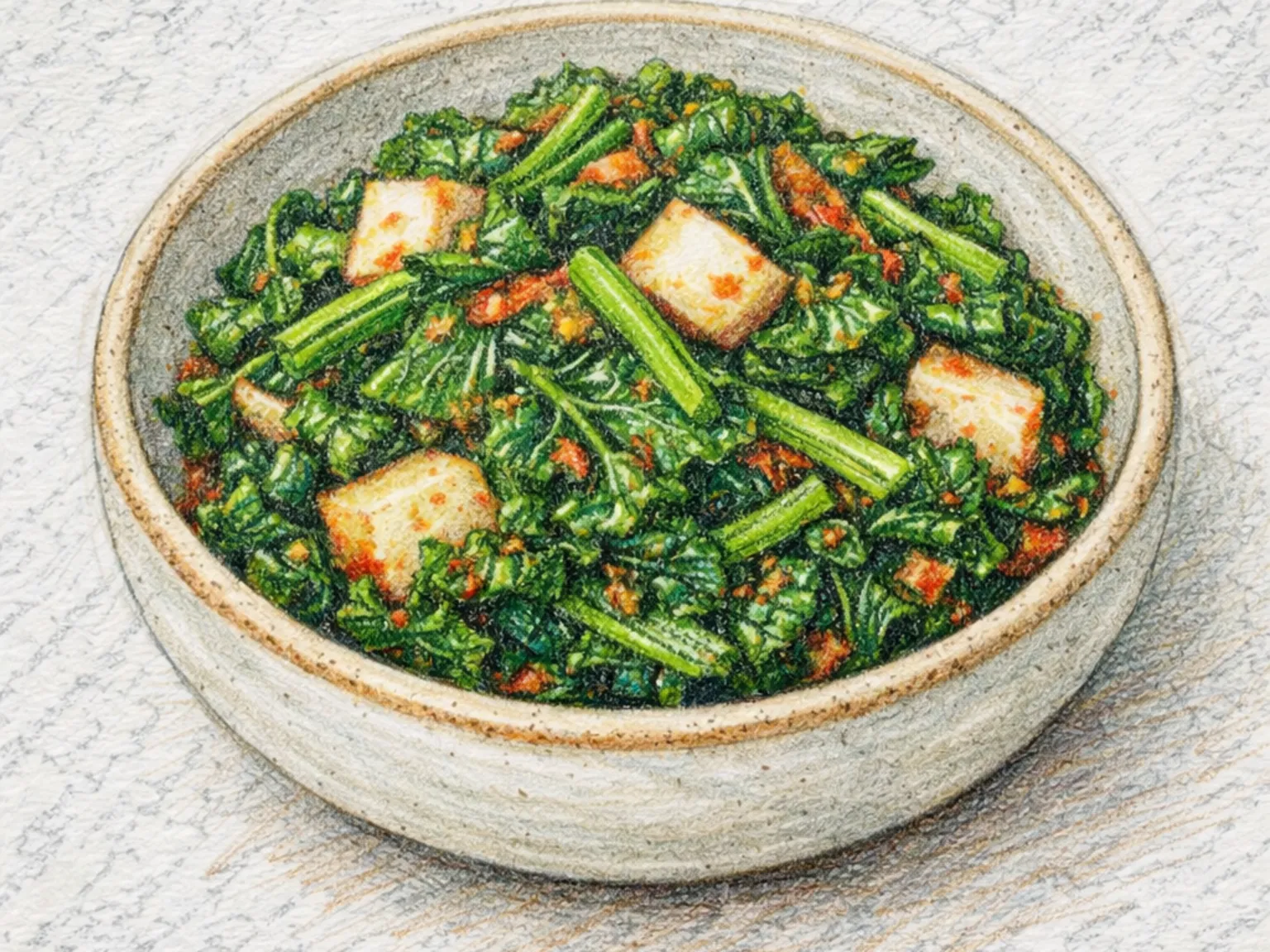
Korean Fermented Kale Kimchi
Kale kimchi is made by wilting kale leaves in coarse salt, then tossing them with julienned radish, scallions, gochugaru, soup soy sauce, and pear puree before fermenting. The kale's strong green flavor mellows during fermentation while its sturdy leaf structure maintains a satisfying chew, and the radish strips add a crisp counterpoint to the soft seasoning. Pear puree wraps around the chili heat with fruit sweetness, and soup soy sauce anchors the seasoning with a quiet umami depth. Made using the same technique as napa cabbage kimchi but carrying kale's distinctive slight bitterness, this version adds a layer of complexity and nutritional density to the traditional format. Kale requires less salting time than napa cabbage, and weighting it down evenly during the process ensures consistent wilting throughout the batch.
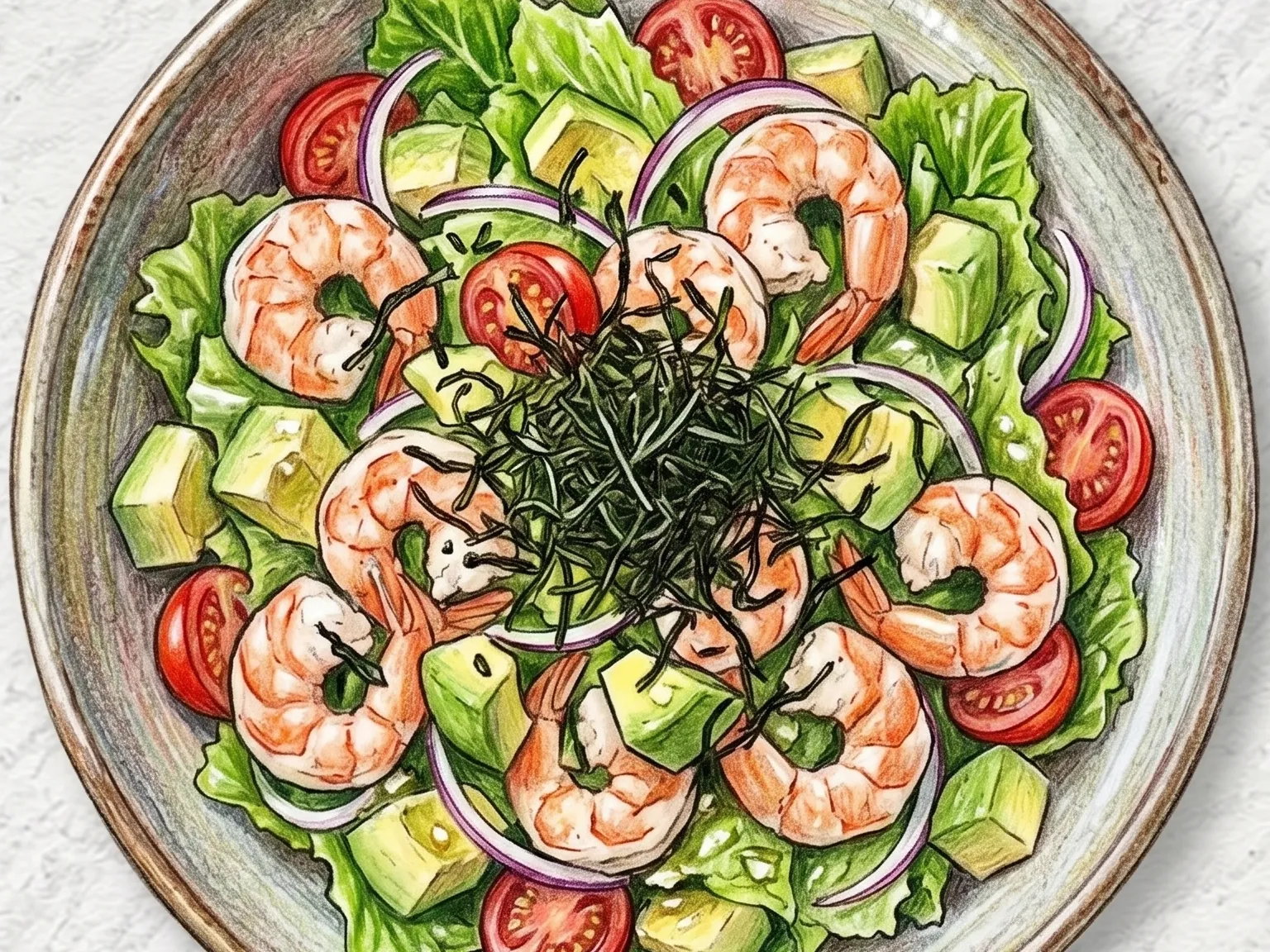
Gamtae Avocado Shrimp Salad
Gamtae avocado shrimp salad pairs blanched shrimp with sliced avocado, romaine, and cherry tomatoes in a lime-soy dressing, finished with crumbled gamtae seaweed. Blanching the shrimp for exactly two minutes and plunging them immediately into cold water keeps the exterior springy while preserving a moist, tender interior - longer cooking makes them rubbery and dry. The dressing of lime juice, soy sauce, olive oil, and honey layers sharp citrus acidity against soy umami, cutting neatly through the richness of the avocado rather than letting it weigh down the bowl. Gamtae seaweed absorbs moisture rapidly and turns limp within minutes, so it must be crumbled over the salad only at the very moment of serving to retain its crunch and oceanic fragrance. Thinly sliced red onion should be rinsed briefly in cold water to remove the raw, sharp edge, letting it blend more quietly with the other ingredients. Domestic gamtae has a finer, more delicate structure than regular dried laver, so it crumbles cleanly by hand without any tool.
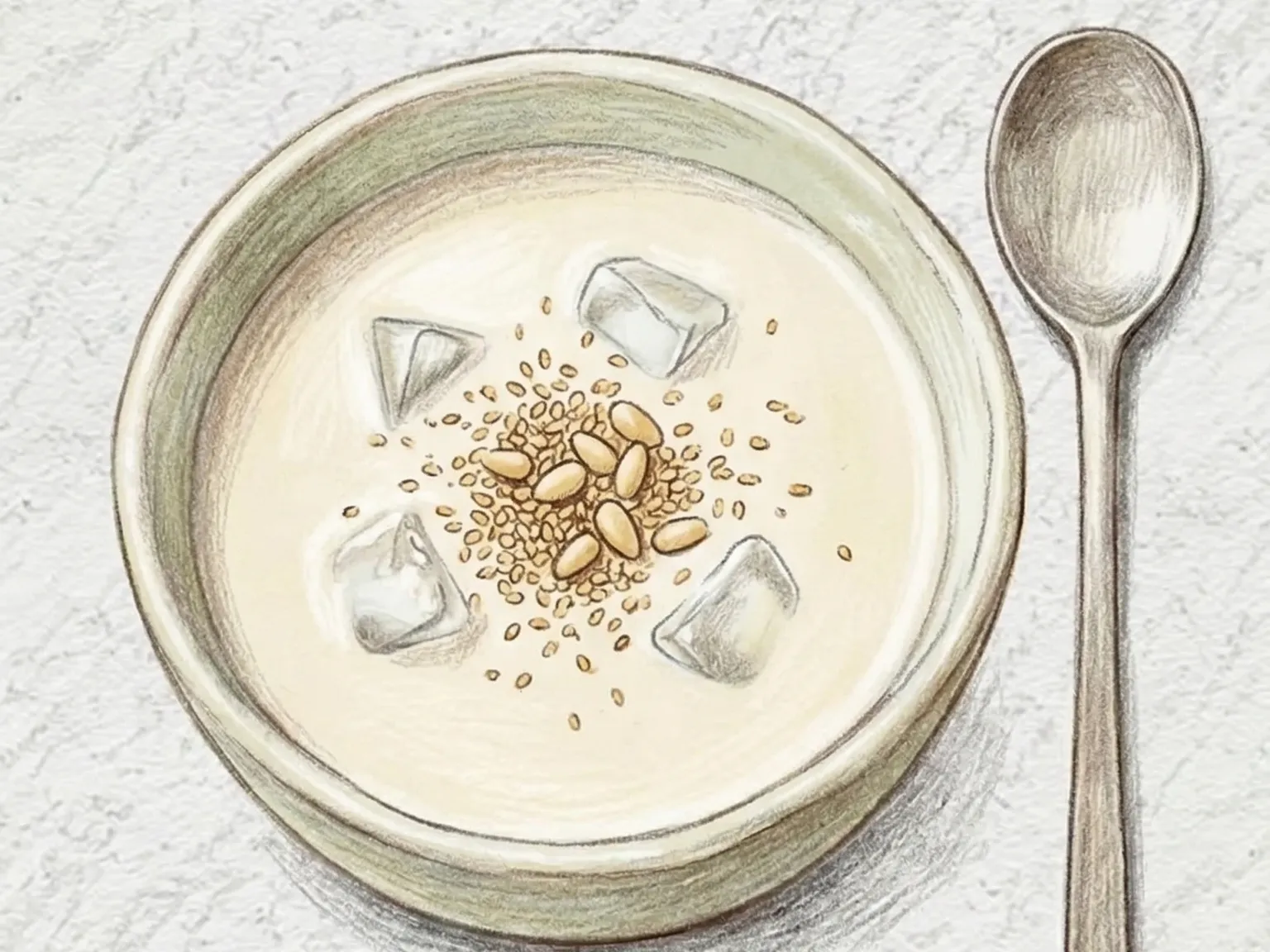
Korean Soybean Drink (Creamy Blended Soybean Milk)
Kongmul is a traditional Korean soybean drink made by soaking dried white soybeans for at least eight hours, boiling them until fully tender, and blending them smooth together with toasted sesame seeds and pine nuts. Straining the blended mixture through a fine cloth produces a silky, cream-colored liquid with a deep, layered nuttiness. A pinch of salt and a drizzle of honey clarify and sharpen the clean bean flavor without masking it. Served chilled over ice, it functions as a protein-rich meal replacement during hot months. Kongmul is also used as the cold broth for noodle dishes, where plain cooked noodles are served submerged in the chilled liquid. Unlike commercial soy milk, kongmul contains no additives and captures only the flavor of the bean itself.
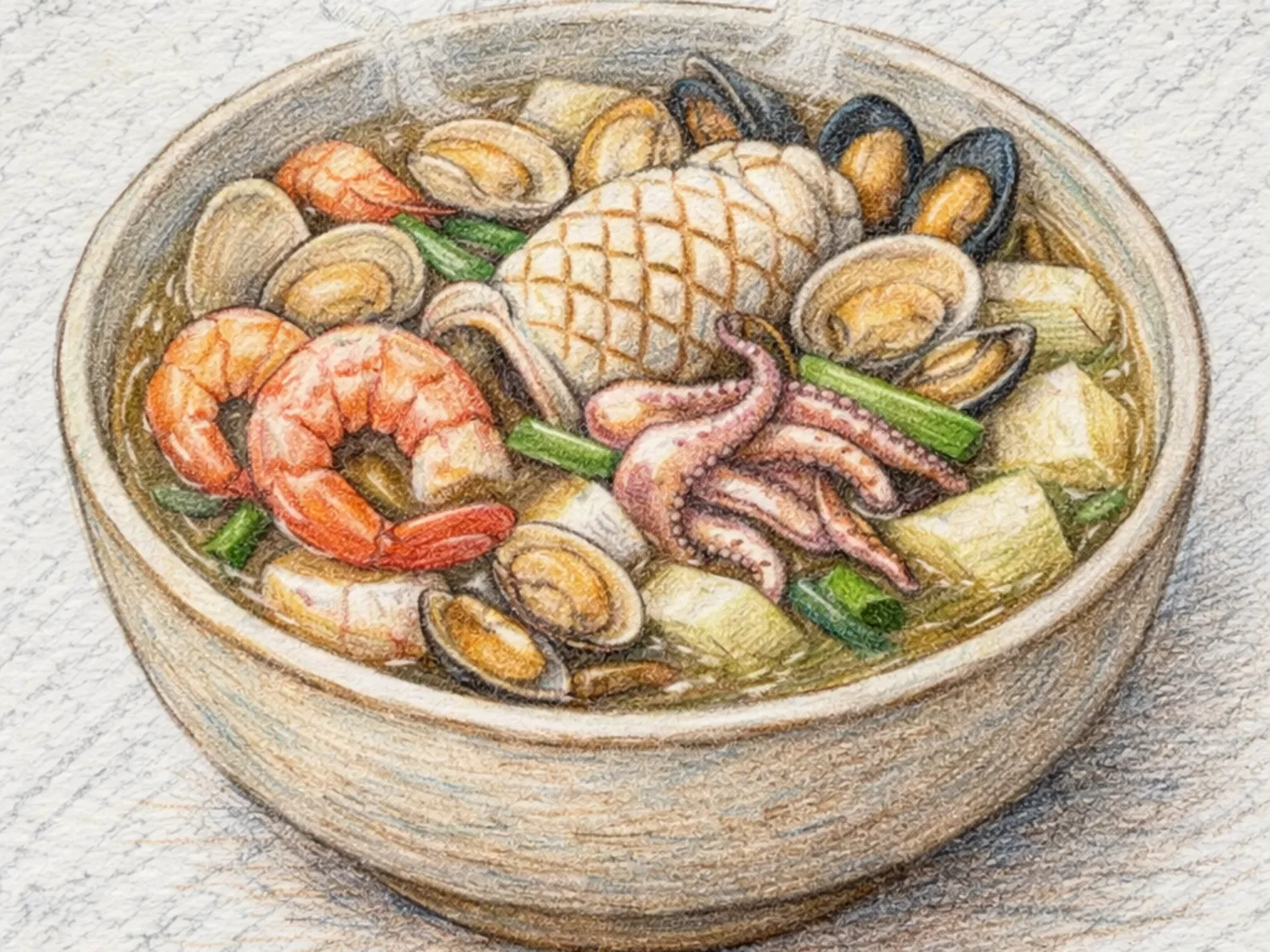
Korean Boiled Seafood Broth
Haemul suyuk-tang is a clear Korean seafood soup where clams, shrimp, and squid are simmered together in lightly seasoned water with garlic and green onion. The defining quality of this dish is its restraint: no gochujang, no doenjang, no complex spice paste, just salt and the natural briny liquor each ingredient contributes to the pot. The clams open first and release their saline juice into the water, establishing the initial salinity of the broth. As the shrimp cook they turn pink and contribute a sweet current beneath the salt. The squid firms and curls into rings, adding a chewy textural counterpoint to the soft clam meat and the tender shrimp. Each of these three seafoods produces a different form of marine umami, and together they layer into a broth that reads as remarkably full despite being completely transparent. There is no competition from fermented paste or chili, so the ocean flavor comes through cleanly and directly. The visual effect of the finished bowl is also appealing: open clam shells scattered through the pot, curved pink shrimp, and white squid rings give the bowl a sense of abundance without heaviness. The soup works well as a light meal alongside rice, and it is the dish to reach for when the goal is to taste the seafood itself without interference from heavier seasonings.
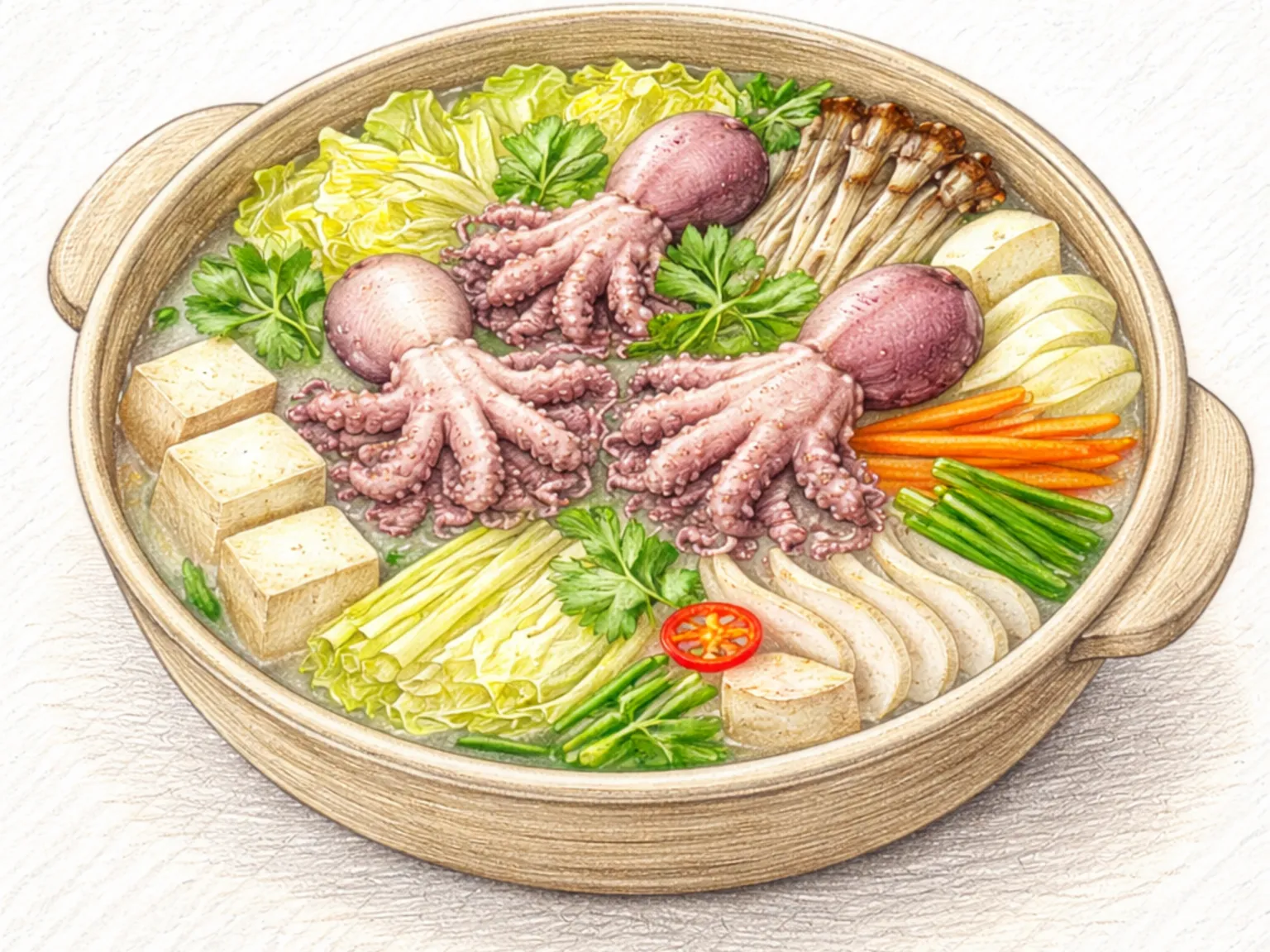
Korean Octopus and Tofu Hot Pot
This Korean hot pot features fresh octopus and soft tofu cooked in a clear, savory anchovy broth. The preparation starts by simmering thinly sliced Korean radish in the broth for eight minutes to extract a natural sweetness and refreshing depth. After seasoning the base lightly with soup soy sauce and minced garlic, the sliced tofu and cleaned octopus are added to cook for five minutes. Precise timing is essential, as the octopus must only simmer until its legs curl and turn opaque to prevent the flesh from becoming tough. To finish, fresh water dropwort and green onion are placed on top and simmered for another three minutes. The water dropwort adds a bright herbal aroma that neutralizes any seafood odor while providing a crisp texture. This dish is served hot at the table, allowing diners to enjoy the tender octopus and clean broth together.
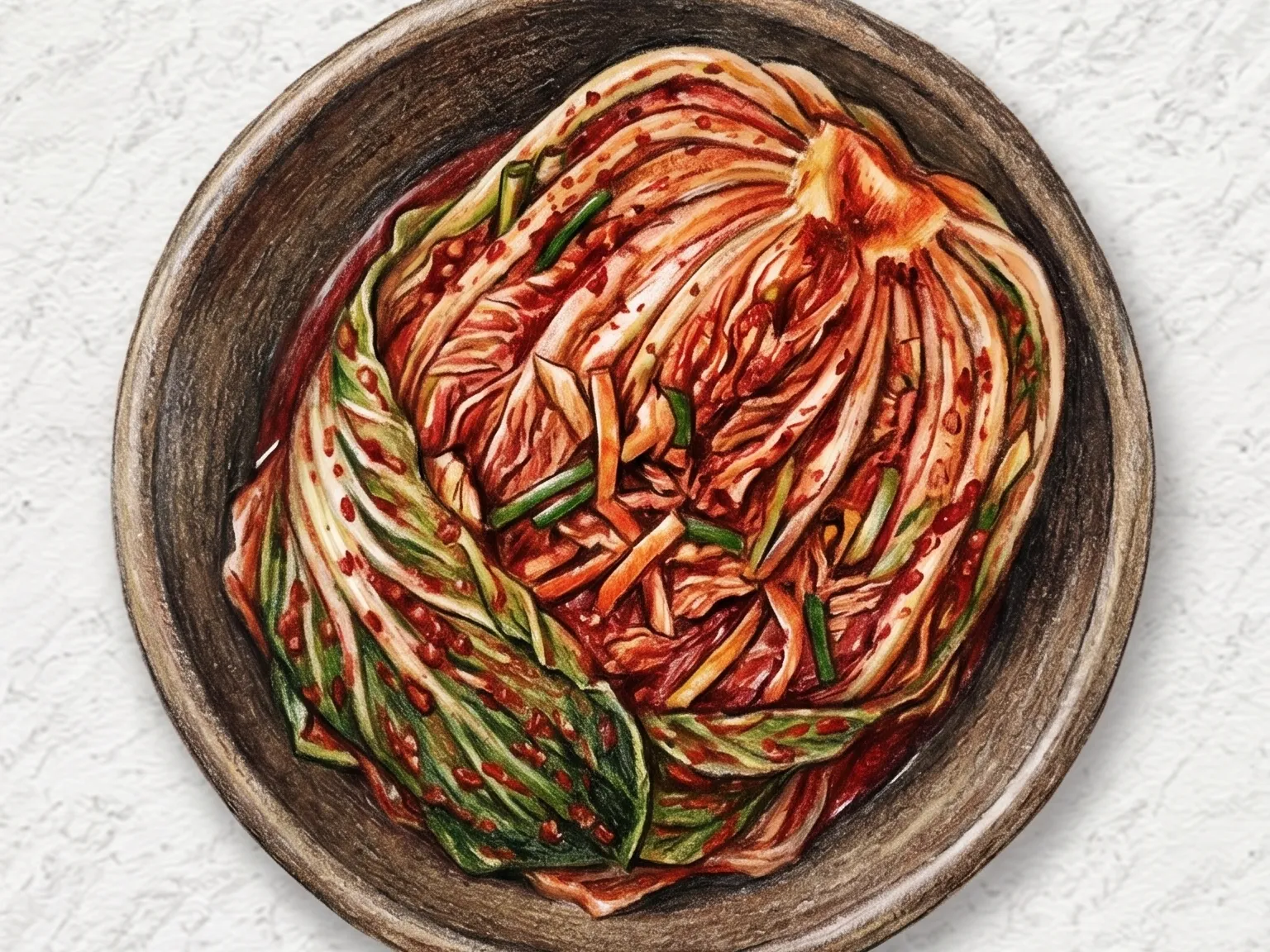
Traditional Kimjang Cabbage Kimchi
Traditional Kimjang Cabbage Kimchi is a staple winter preparation made by seasoning salted cabbage with various vegetables and spices. The recipe calls for coating julienned radish with chili flakes first to secure a deep red color before mixing in anchovy fish sauce, fermented shrimp, and minced garlic. Fresh mustard greens and water parsley are cut and folded in, adding crisp and slightly bitter herbal notes to the mixture. Rinsed fresh oysters can be optionally folded in at the end to add a refreshing oceanic flavor. Each cabbage leaf is packed with this seasoning mixture and wrapped securely with its outer leaves. The seasoned cabbage is pressed tightly into airtight containers to minimize air contact, fermented at room temperature for one to two days, and then stored in the refrigerator to develop its flavor.
Gochujang Chickpea Crunch Salad
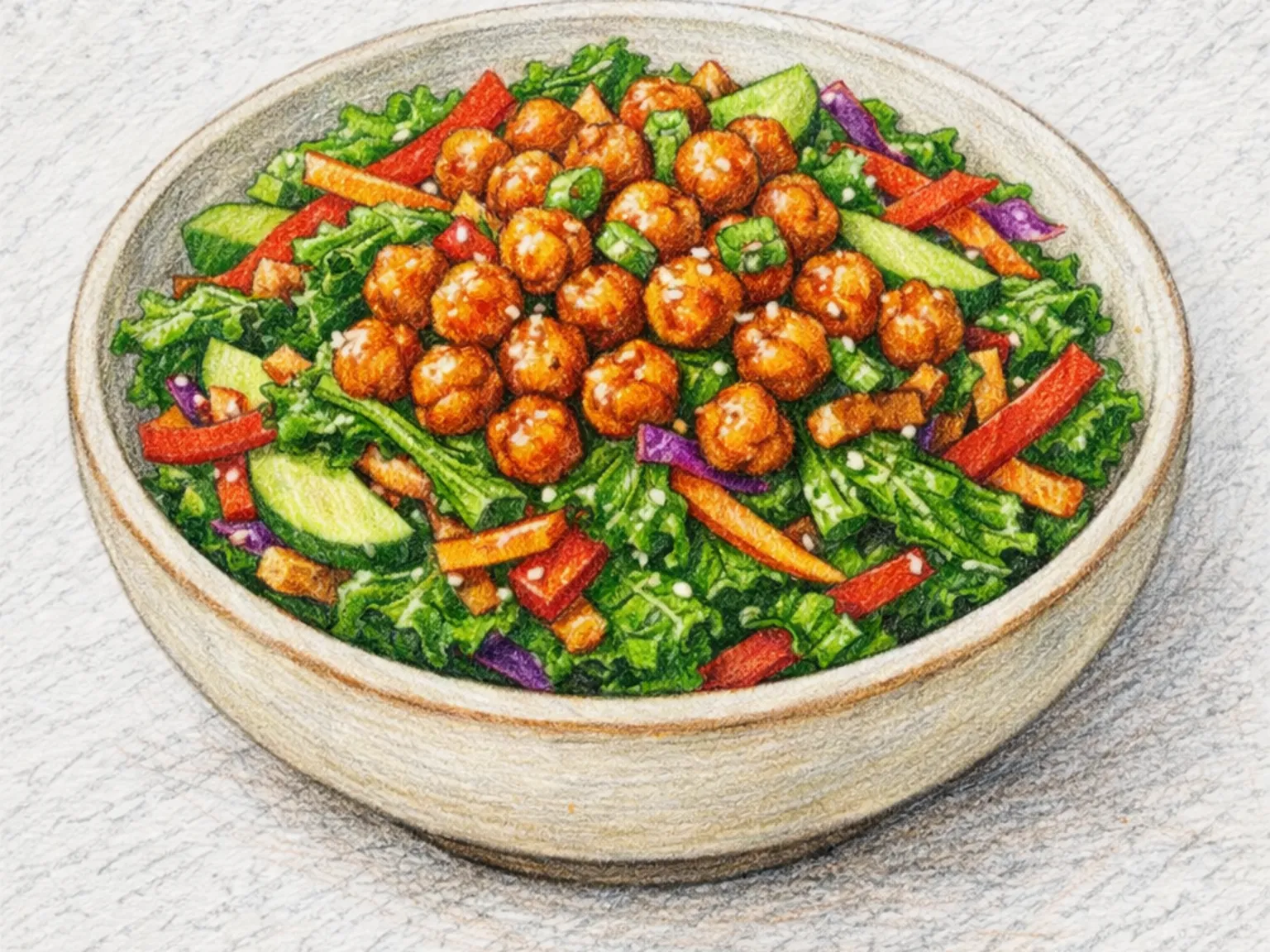
Gochujang chickpea crunch salad is a Korean-American fusion salad built around chickpeas roasted at 200 degrees Celsius for twenty minutes until the exterior becomes dry and crisp. The chickpeas must be patted completely dry before roasting and spread in a single layer on the pan so that steam can escape freely rather than trapping moisture against the surface. Allowing them to cool fully before they are dressed is equally important, because residual heat accelerates softening once the dressing makes contact. The base is hand-massaged kale from which the tough center ribs have been removed. Pressing and squeezing the leaves for at least one minute breaks down the fibrous cell walls, mellows the bitterness, and opens the surface so the dressing can penetrate rather than simply coat the outside. Shredded red cabbage and julienned carrot add color and additional crunch, while half-moon cucumber slices contribute a cooling note. The dressing combines gochujang with soy sauce, maple syrup, rice vinegar, and sesame oil, layering fermented heat against a sweet and tart backbone that amplifies both the bitterness and the natural sweetness present in the vegetables. The contrast between the crunchy, nutty chickpeas and the yielding greens is what gives this salad its textural character, making each forkful different from the last.

Korean Pear Juice
Korean pear juice is a clean, naturally sweet fruit drink made by blending ripe Korean pear with cold water and straining out the pulp through a fine mesh or cheesecloth. The pear delivers a mild, floral sweetness without any assertive acidity, and adding a tablespoon of lemon juice alongside a small amount of ginger juice sharpens the finish with a crisp, slightly spicy edge. Honey can be adjusted to the ripeness of the pear, and a fully ripe specimen usually needs none. Using partially frozen pear chunks produces a thicker, slushier consistency that holds its chill longer. Soaking peeled pear pieces in cold water for twenty minutes before blending slows oxidation and keeps the juice a brighter, cleaner white.
Hobeop-guk (Korean Zucchini Shrimp Soup)
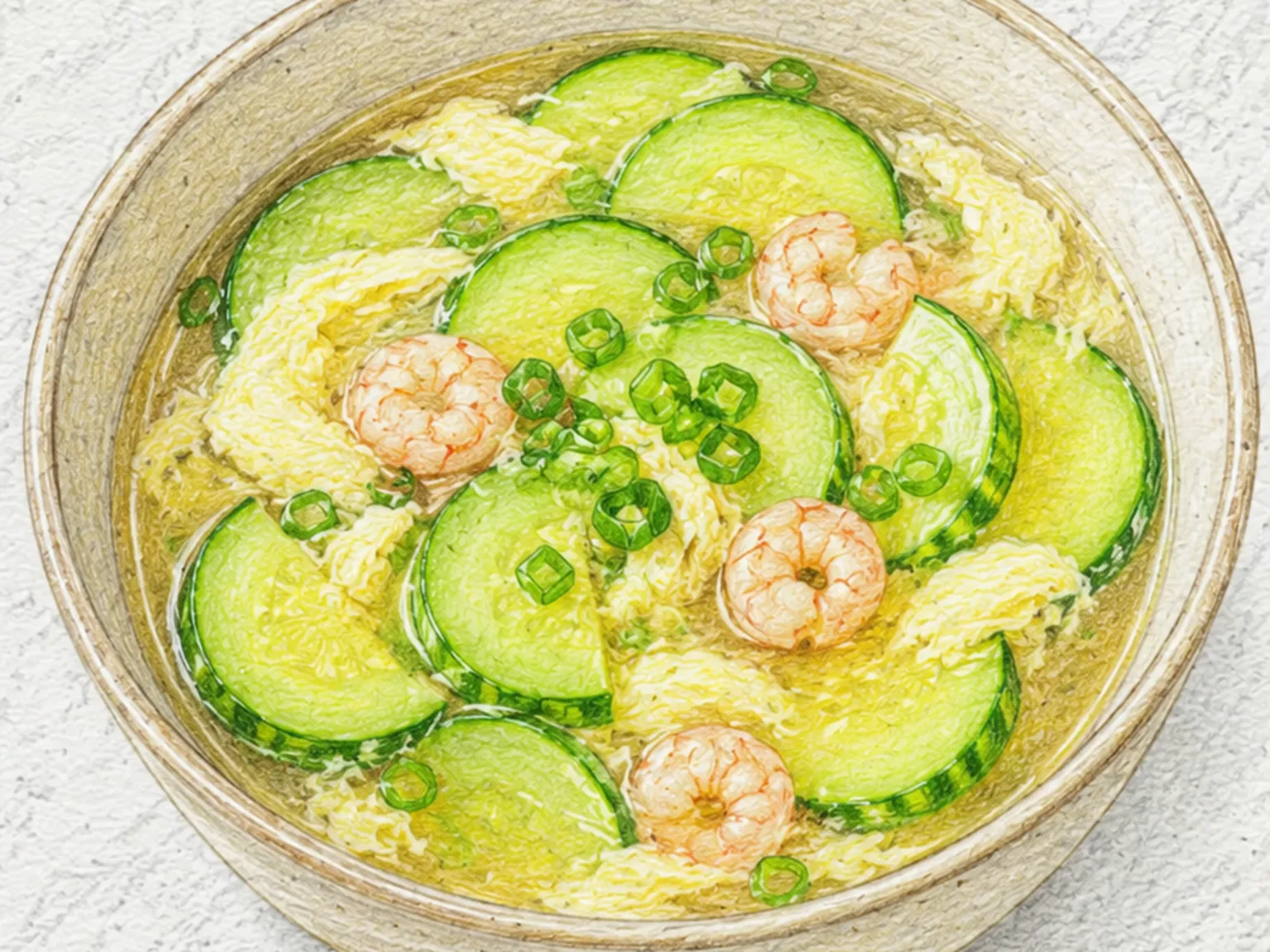
Hobak-guk is a mild, clear Korean soup built around thinly sliced half-moon zucchini. Small shrimp go in with the zucchini, infusing the broth with a gentle seafood sweetness that supports rather than overpowers the vegetable's own delicate flavor. The seasoning is deliberately restrained - soup soy sauce and minced garlic only - so the zucchini's natural softness and subtle sweetness define the bowl. As the slices simmer, they turn translucent and tender while still holding their shape on a spoon. The entire soup comes together in about fifteen minutes, making it one of the fastest and most low-effort side soups in the Korean home kitchen. A handful of sliced green onion stirred in at the end brings a bright herbal finish to an otherwise quiet, comforting bowl.
Korean Clear Broth Tofu Stew
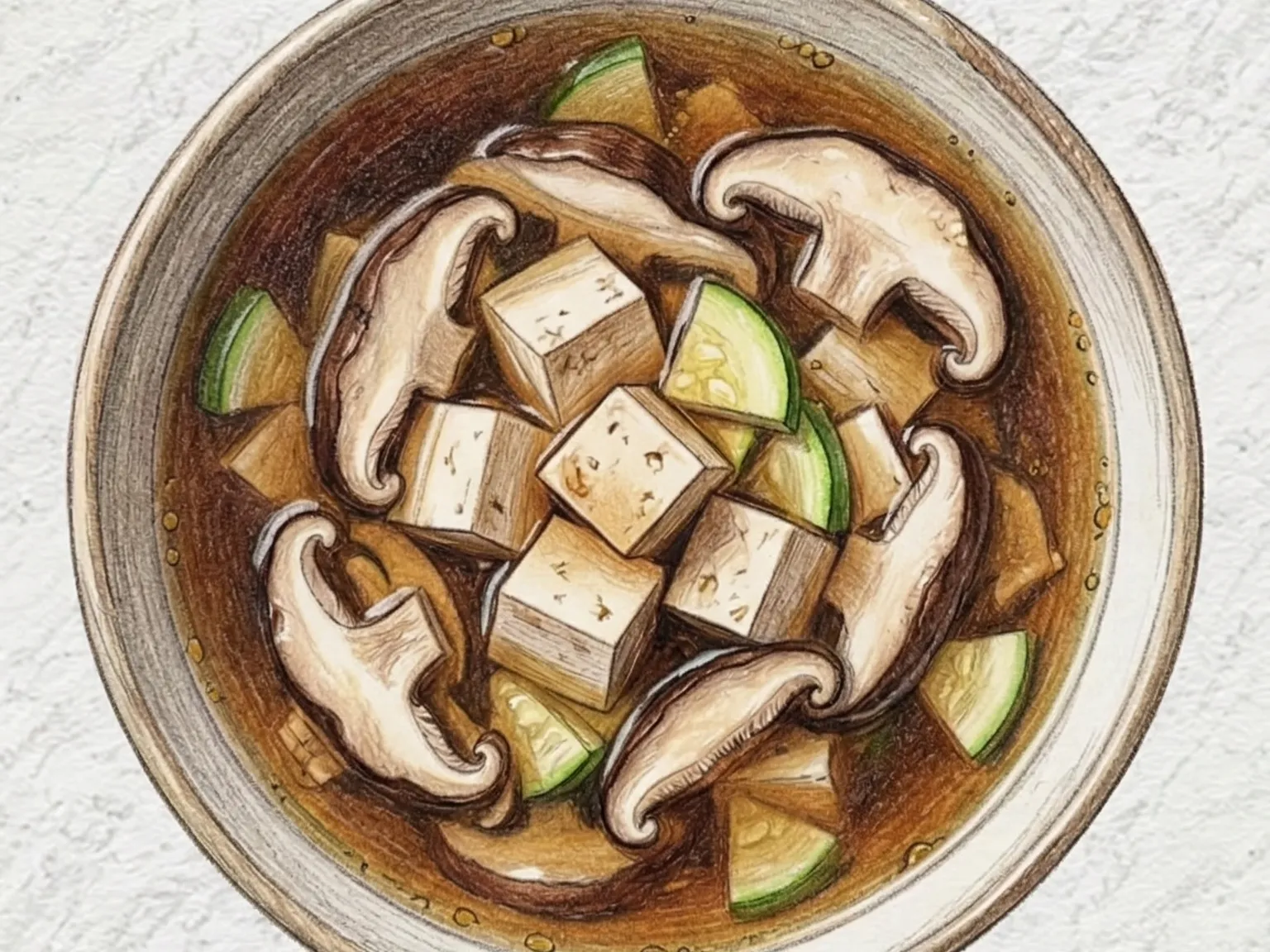
This clear Korean tofu stew is prepared by simmering tofu cubes, shiitake mushrooms, and zucchini in seasoned beef stock. The base relies on a rich beef broth, enhanced by the earthy umami of sliced shiitake mushrooms. Zucchini slices add a mild sweetness as they cook to a tender, translucent state. Seasoned simply with Korean soup soy sauce, salt, and minced garlic, the broth maintains a clean, savory taste without chili heat. To prevent the tofu from breaking, the cubes are gently settled into the pot and simmered over medium-low heat. Sliced green onions are added at the end of cooking to infuse a mild herbal note. Serving the stew hot after letting it rest briefly highlights the natural flavors of the ingredients. The tofu can be lightly pan-seared beforehand to add a nutty flavor and firmer texture.
Korean Soy Pickled Perilla Leaves
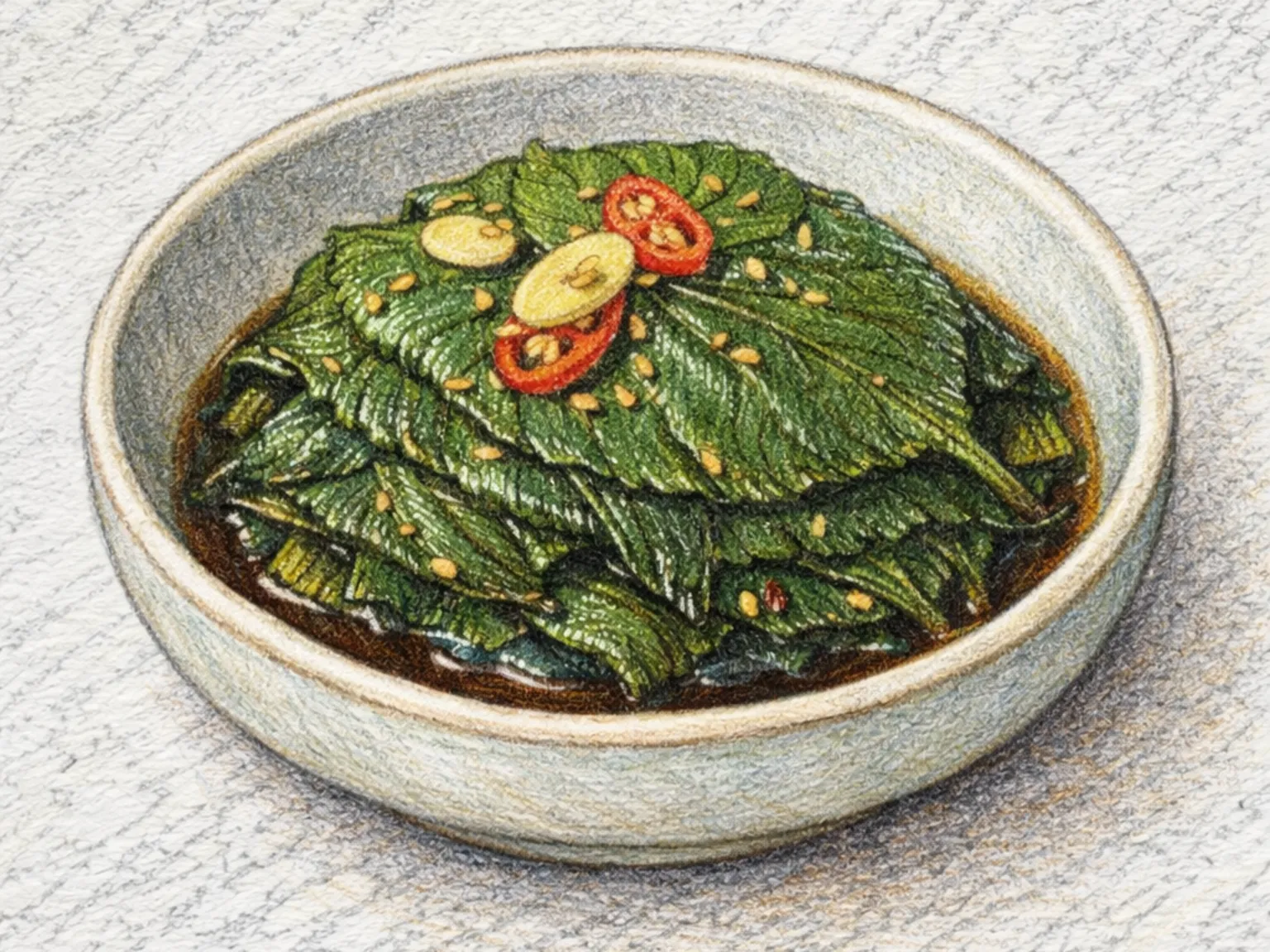
Kkaennip jangajji is a Korean soy-pickled perilla leaf side dish made by layering thoroughly dried leaves in a brine of boiled soy sauce, rice vinegar, and sugar with garlic and cheongyang chili. One of the most important steps is bringing the brine to a full boil and then allowing it to cool completely before pouring it over the leaves. Hot brine wilts the leaves immediately and collapses their structure, while a cooled brine preserves their shape and allows the seasoning to penetrate evenly over the resting period. The perilla's bold herbal fragrance becomes rounder and less sharp when it comes into contact with the salty depth of the soy sauce, and the vinegar prevents the saltiness from becoming overwhelming, keeping the finish clean and bright. Cheongyang chili leaves a quiet but definite heat at the back of each bite, and garlic threads a pungent undercurrent through the entire flavor profile. Wrapped around a spoonful of plain white rice, a single leaf delivers its full herbal, savory character in one mouthful, and the combination is one of the most satisfying pairings in Korean home cooking. Stored in the refrigerator, the pickled leaves keep for well over a month, making this one of the most practical side dishes to prepare in advance.
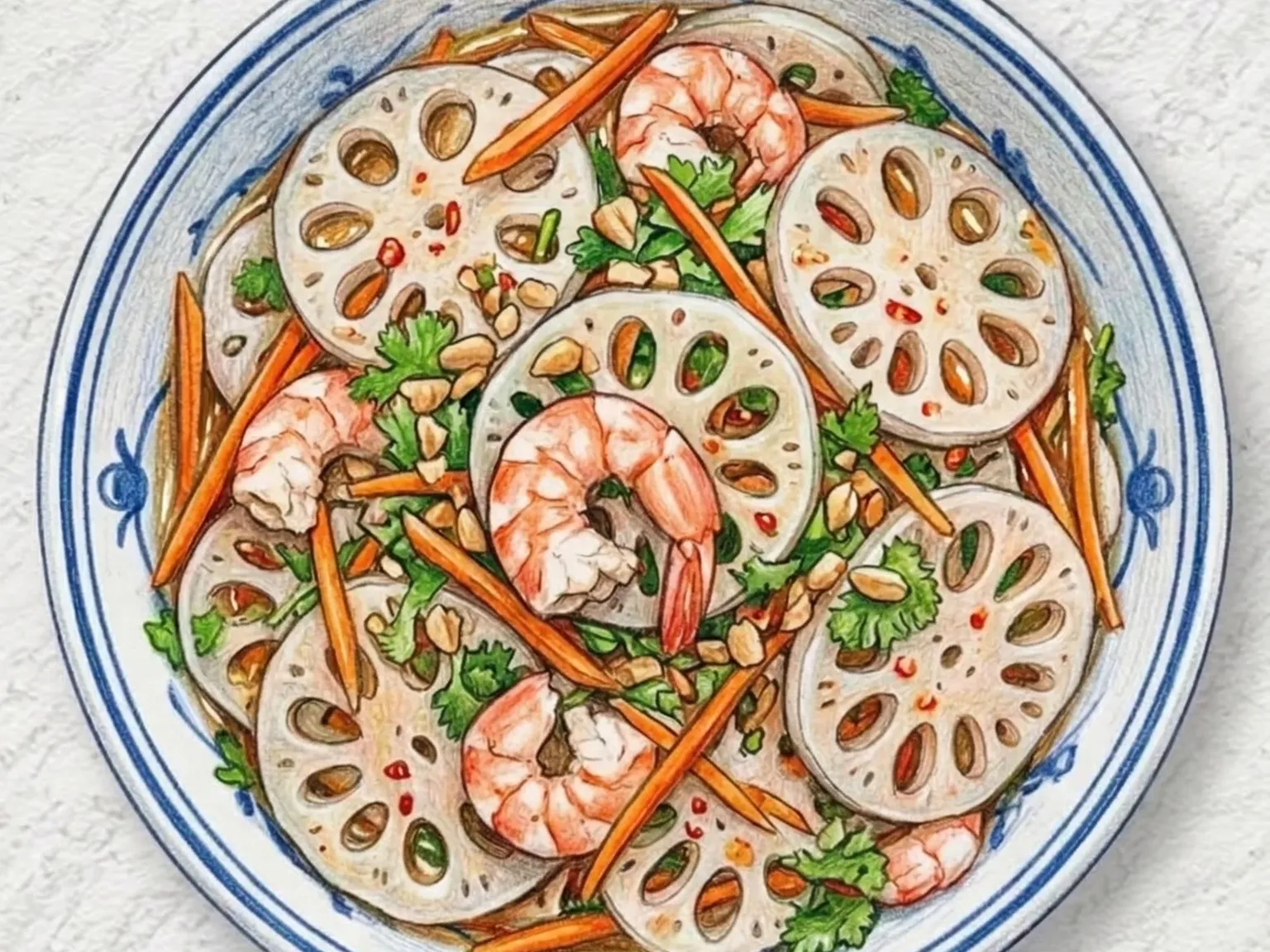
Vietnamese Lotus Stem Shrimp Salad
Goi ngo sen is a traditional Vietnamese salad of thinly sliced lotus stem, blanched shrimp halved lengthwise, julienned carrot, and cilantro dressed in a fish sauce and lime vinaigrette. Soaking the lotus stem in diluted vinegar water for ten minutes is not optional: it removes the astringent edge while keeping the crisp, snapping texture that defines the dish, and skipping this step leaves a rough, bitter aftertaste no amount of good dressing can fix. Blanching the shrimp for two to three minutes and splitting them open lengthwise exposes more cut surface for the dressing to penetrate. The dressing combines fish sauce, lime juice, and sugar in a ratio that hits salty, sour, and sweet simultaneously, making the natural umami of the seafood stand out rather than recede. Letting the salad rest for at least five minutes after tossing gives the dressing time to soak into each ingredient and allows the flavors to settle into one another.

Fresh Lemon Ade
Fresh lemonade is a citrus drink assembled by pouring hand-squeezed lemon juice and simple syrup over ice, then topping slowly with sparkling water. The sharp acidity of fresh lemon is tempered by the syrup's rounded sweetness, creating a balance that bottled juice cannot replicate. A tiny pinch of salt amplifies both the sweet and sour notes simultaneously, a small addition with a noticeable effect. Lemon slices and mint leaves added to the glass release fragrance continuously as the drink sits. Pouring the sparkling water last and gently preserves the carbonation through every sip, so the order of assembly matters as much as the ingredients themselves.
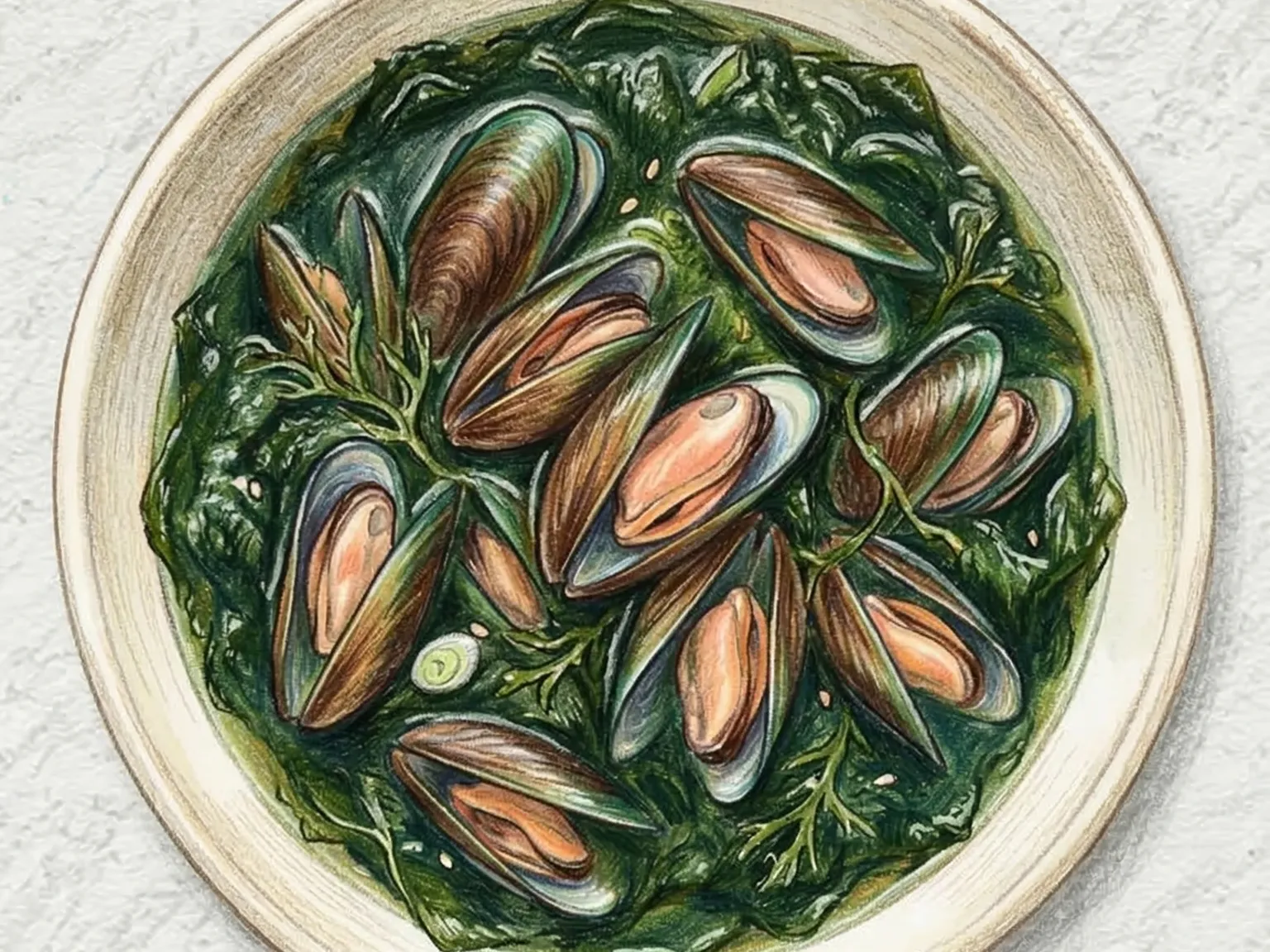
Korean Mussel Seaweed Soup
Honghap-maesaengi-guk is a winter specialty from Korea's southern coast that pairs fresh mussels with maesaengi, a hair-thin green seaweed harvested in cold water. The seaweed is briefly sautéed in sesame oil before water and mussels are added, and as the pot simmers, the broth turns a deep green with a mineral-rich ocean fragrance. Soup soy sauce and garlic provide just enough seasoning to frame the natural salinity without masking it. The textural contrast is central to the experience: maesaengi slides across the palate in silky strands while the mussels offer a firm, meaty chew. Each spoonful delivers both the vegetal depth of seaweed and the concentrated brininess of shellfish, making it a dish greater than the sum of its two main ingredients.
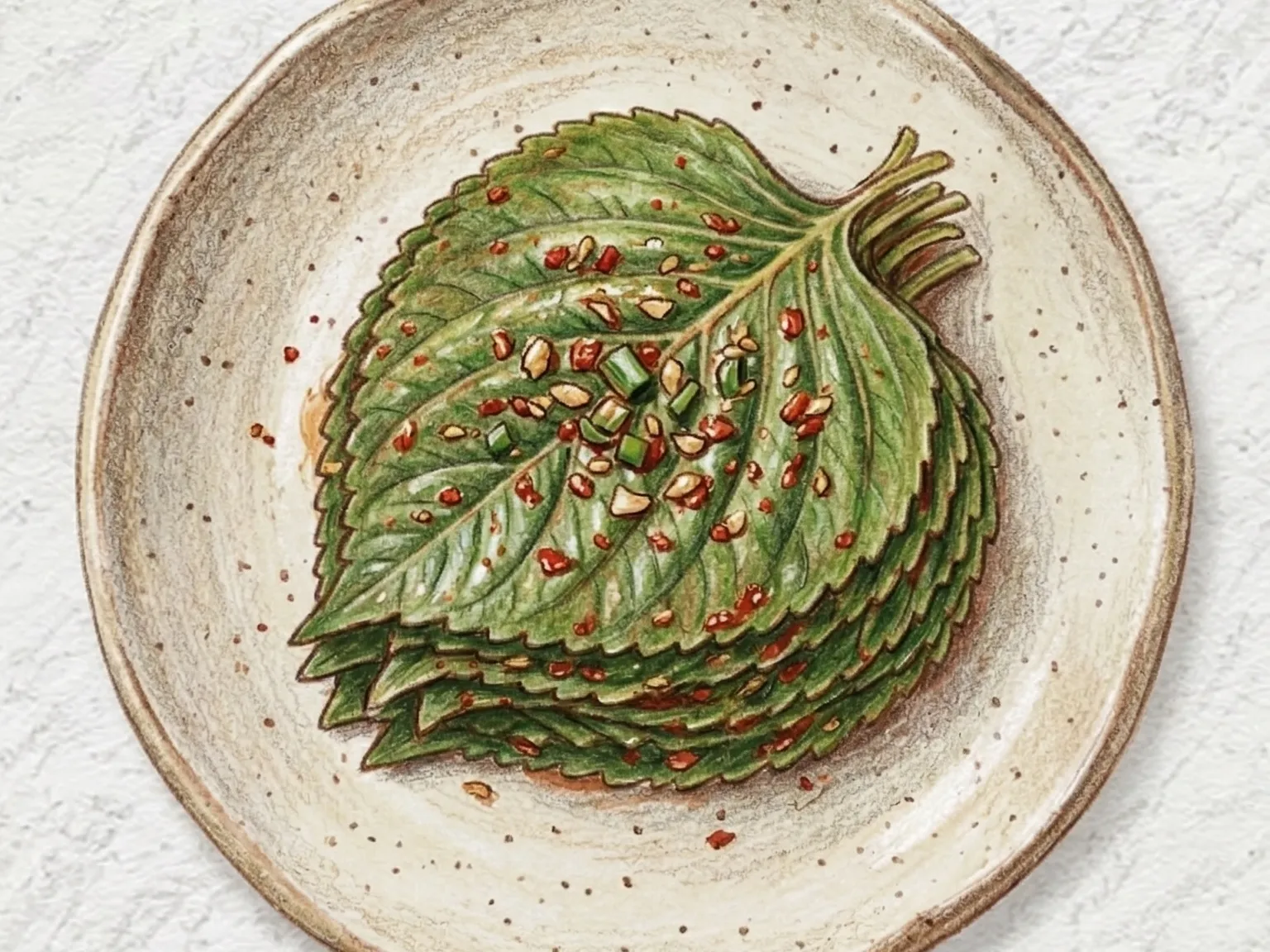
Korean Perilla Leaf Kimchi
Preparing kkaennip kimchi involves layering a seasoning mixture of soy sauce, Korean red chili flakes, minced garlic, and toasted sesame oil between individual perilla leaves. Unlike traditional cabbage kimchi, this version functions as an instant pickle that requires no fermentation period, making it ready to serve as soon as the assembly is finished. The sharp, herbal aroma of the raw perilla leaf softens when integrated with the toasted richness of sesame oil, while the chili flakes provide a controlled level of heat that complements rather than masks the natural characteristics of the leaves. Soy sauce establishes a savory and salty foundation, which is further elevated by the addition of finely chopped scallions. For a different visual result, using soup soy sauce produces a lighter color that allows the dark green hue of the perilla leaves to remain prominent. Small amounts of anchovy fish sauce can also be added to the marinade to introduce a complex layer of saltiness similar to fermented kimchi. This side dish maintains its quality well in the refrigerator throughout the week. While the seasonings are distinct and bright on the first day, the flavors fully penetrate the leaves after two or three days, resulting in a more integrated profile. The seasoned leaves are commonly draped over warm steamed rice or used as an aromatic alternative to lettuce when wrapping grilled meats. Because it requires few ingredients and minimal preparation time, it is a practical choice for home cooking.
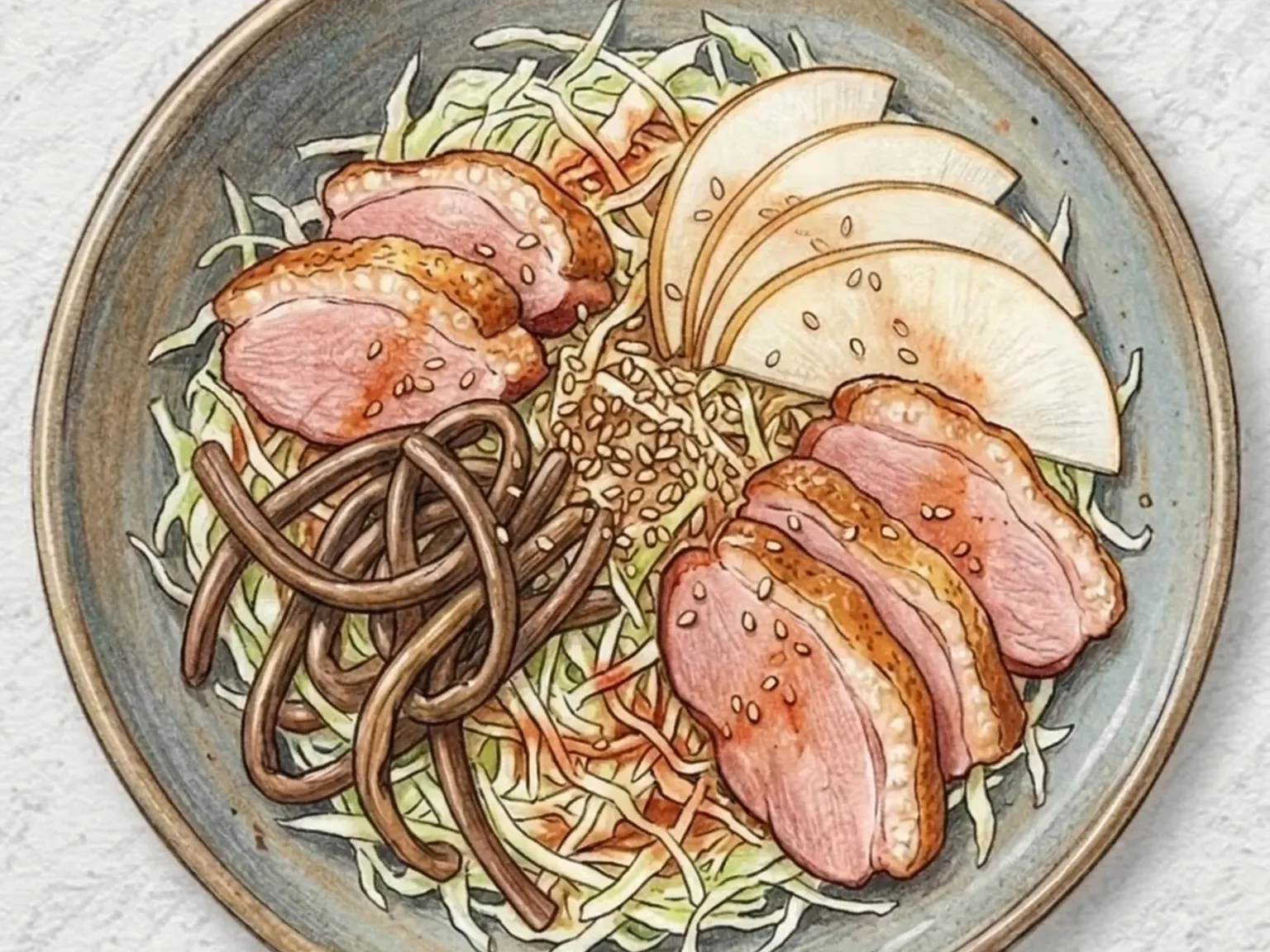
Gosari Smoked Duck Salad (Smoked Duck & Bracken Fern Salad)
Gosari smoked duck salad is a Korean-style salad that pairs briefly seared smoked duck, blanched bracken fern, shredded cabbage, and thinly sliced Korean pear in a spicy soy-vinegar dressing. The smoked duck is placed skin-side down in a dry pan and cooked over medium heat for about three minutes, just enough time for the surface fat to render and the smoky aroma to intensify without drying out the interior. Going past that point causes the lean meat underneath to tighten and lose its moisture, which flattens the flavor. Bracken fern is blanched in boiling water for one minute and immediately rinsed under cold water to eliminate the slightly bitter, astringent quality it has when raw while preserving the chewy, springy resistance that makes it worth using instead of a softer green. Korean pear slices are added for both texture and function, since the clean, high-water-content fruit releases juice on each bite that washes through the fat left by the duck and refreshes the palate. The dressing combines soy sauce, vinegar, chili oil, and minced garlic into a sharply acidic and mildly spicy mixture that pushes against the deep, sweet smokiness of the duck rather than simply complementing it. Scattered toasted sesame seeds at the end add a final layer of warm, nutty fragrance.
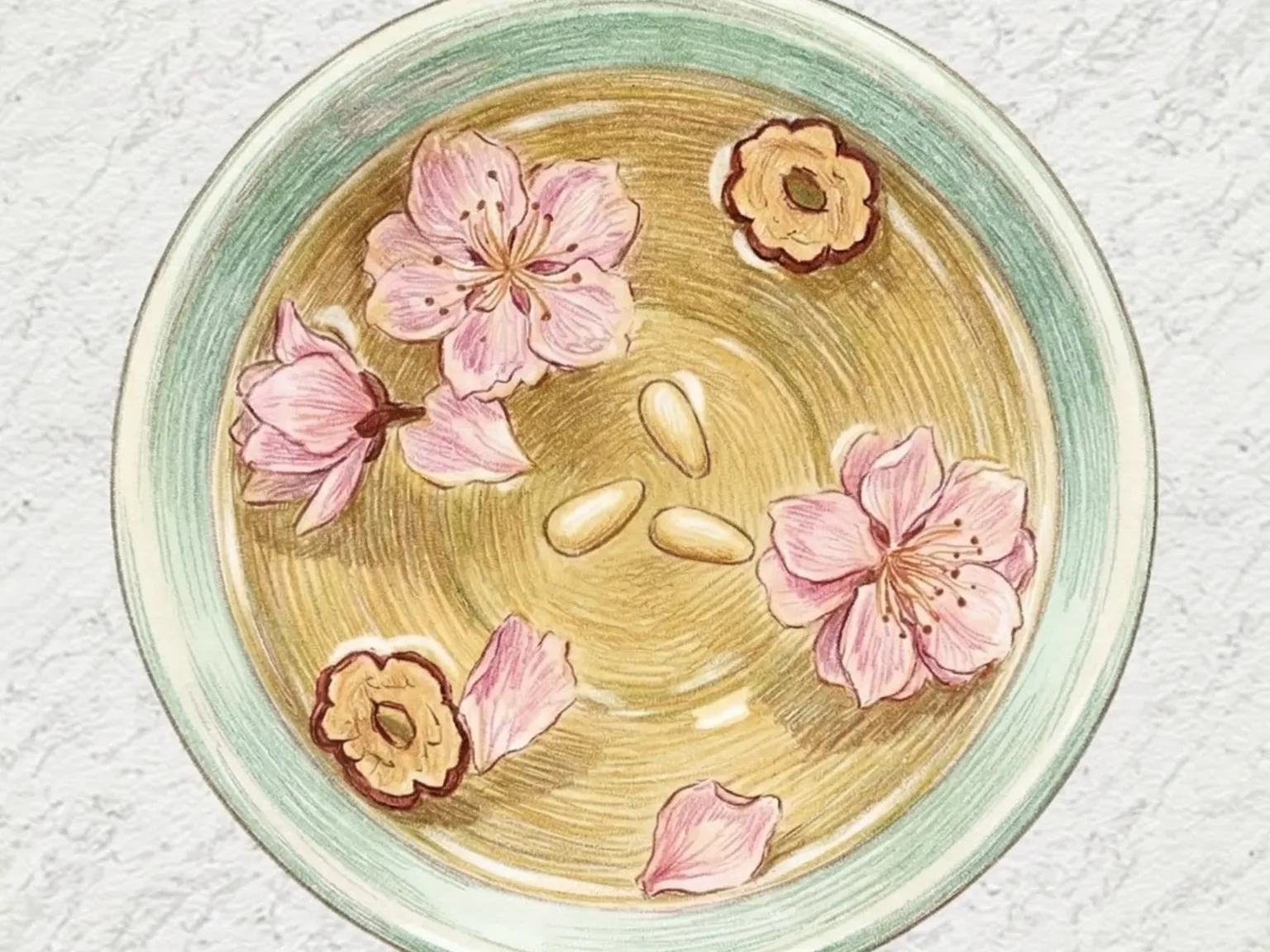
Korean Plum Blossom Tea (Floral Jujube Honey Brew)
Maehwa-cha is a Korean floral tea brewed by gently steeping dried plum blossoms in water first simmered with pitted jujubes. The jujubes lay down a soft, rounded sweetness in the base liquid, and honey stirred in below 80 degrees Celsius blends into the broth without dulling the flower's fragrance. The resulting tea is transparent, almost colorless, carrying a scent that is airy and faintly sweet rather than heavy or perfumed. A few pine nuts floated on the surface add a faint nutty warmth with each sip, giving the cup a more layered finish. Because plum blossoms turn bitter and astringent when boiled too long, the dried flowers are added only after the heat is off, steeped for no more than two minutes before the petals are lifted out. The resulting cup captures the fleeting quality of early spring in its aroma.
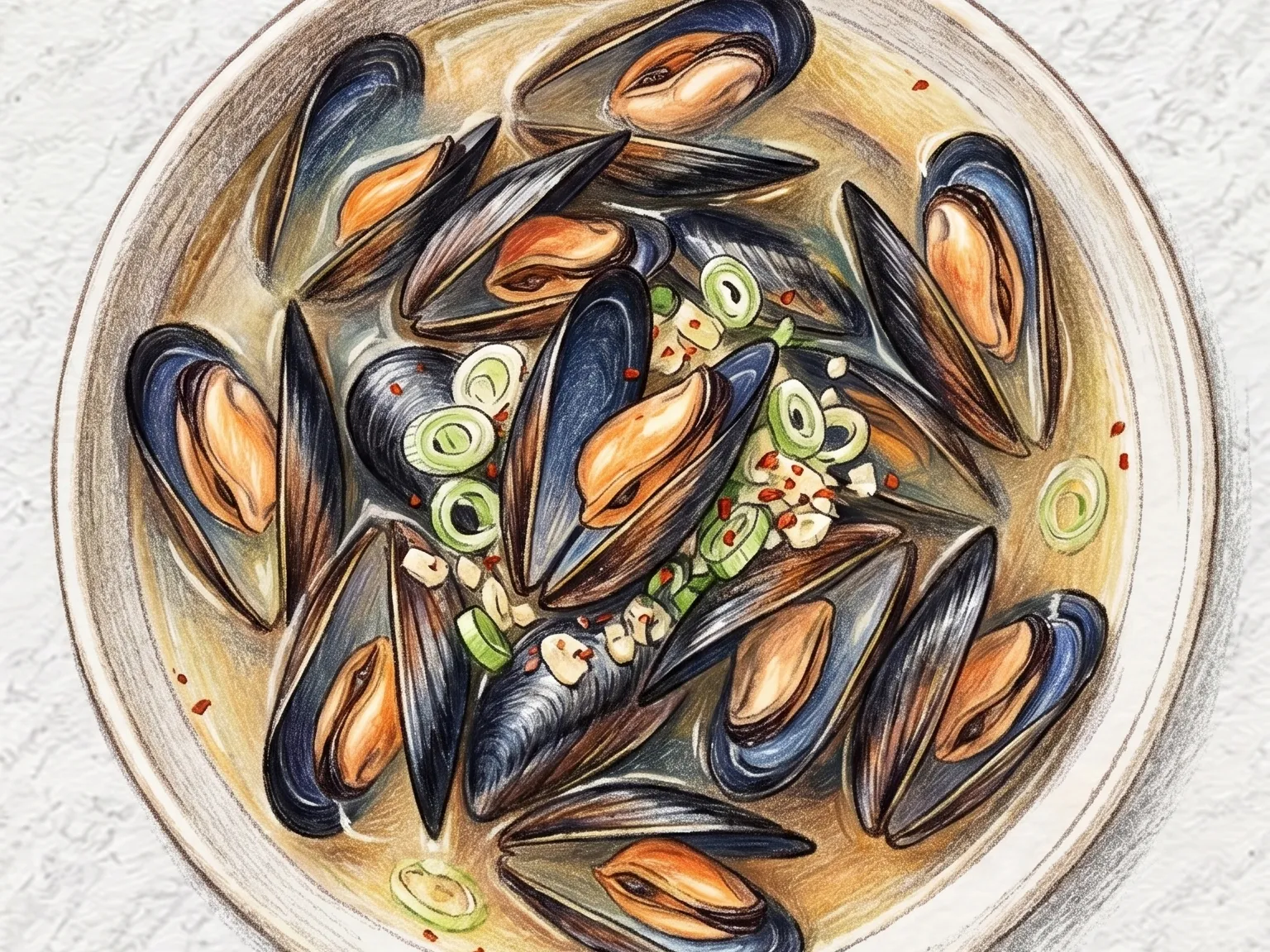
Honghap-tang (Korean Mussel Garlic Broth)
Honghap-tang is a Korean mussel soup that proves how much flavor a single shellfish can deliver with almost no help. Shell-on mussels are placed in water with sliced green onion, garlic, and a light dusting of gochugaru, then brought to a boil. As the shells open, they release a briny, faintly sweet liquor that becomes the broth itself, clear in appearance but surprisingly concentrated in taste. The entire process takes about fifteen minutes. Timing matters here: once the shells have opened and the flesh has puffed, the pot comes off the heat immediately or the meat turns rubbery. In Korea, honghap-tang is a standard drinking companion, sipped between shots of soju while the mussel meat is pulled from the shells and dipped in vinegary chojang sauce. The combination of the bold, oceanic broth and the chilled sauce creates a cycle that is hard to stop. Mussels caught during the colder months, when they are fatter and richer, produce the most intensely flavored broth.
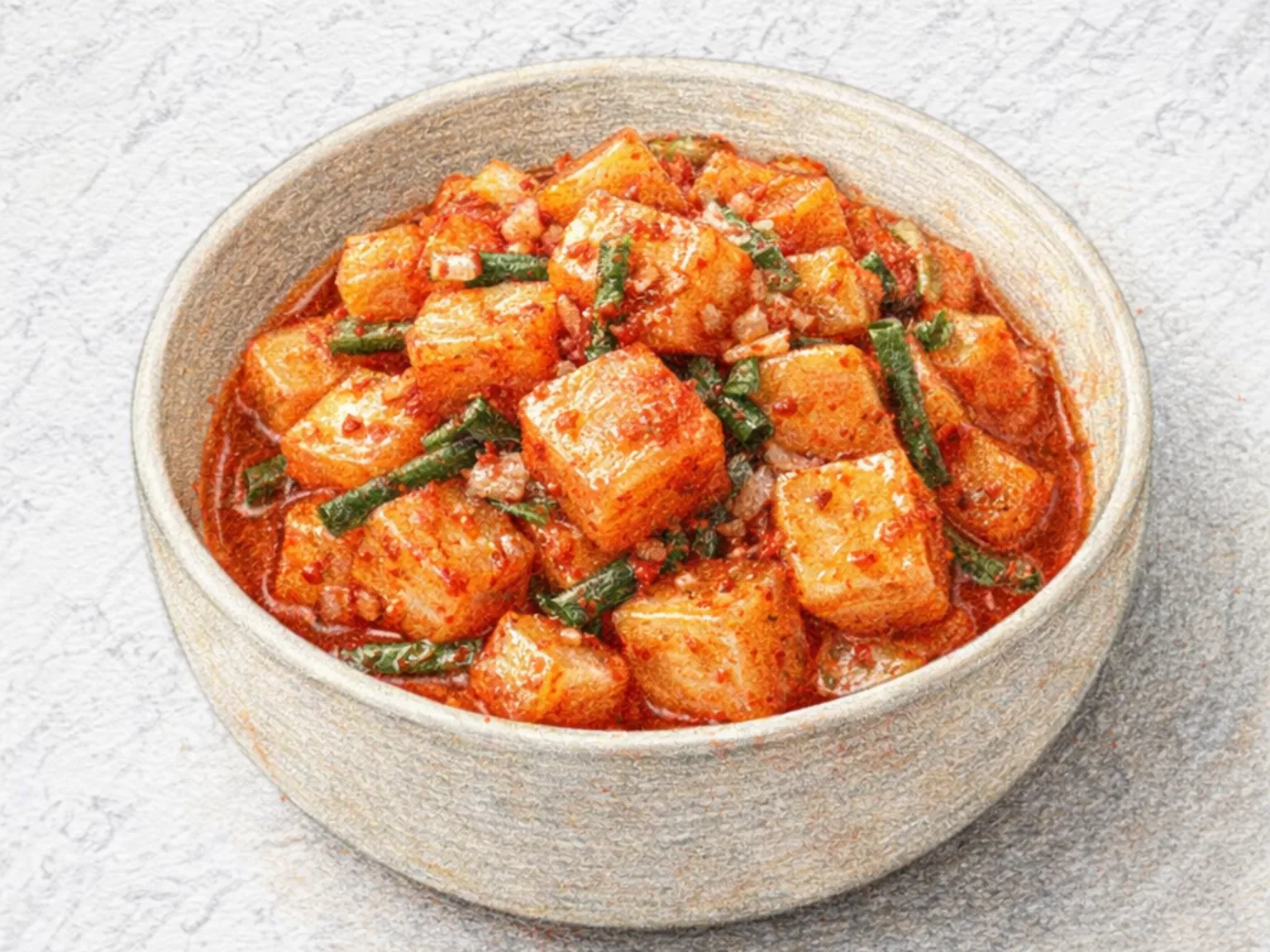
Korean Cubed Radish Kimchi
Kkakdugi is a staple Korean kimchi made from radish cut into 2 cm cubes, brined in coarse salt, then seasoned with gochugaru, salted shrimp, garlic, and ginger before fermentation. Salting draws out moisture from the cubes, creating a contrast between the damp interior and the snappy outer surface. Salted shrimp layers its briny seafood depth beneath the chili heat, and as fermentation progresses, the radish's natural sugars emerge to balance the spice with a clean sweetness. Brining time should be kept to thirty minutes to one hour since over-salting softens the radish and robs it of its characteristic crunch. Adding a small drizzle of perilla oil during the seasoning step deepens the nutty undertone of the finished kimchi, and substituting grated pear or apple for sugar provides a gentler, fruit-derived sweetness that integrates more seamlessly into the overall flavor. The accumulated brine at the bottom of the jar develops a refreshing tang that makes kkakdugi the essential companion to rich, milky soups like seolleongtang and gomtang.
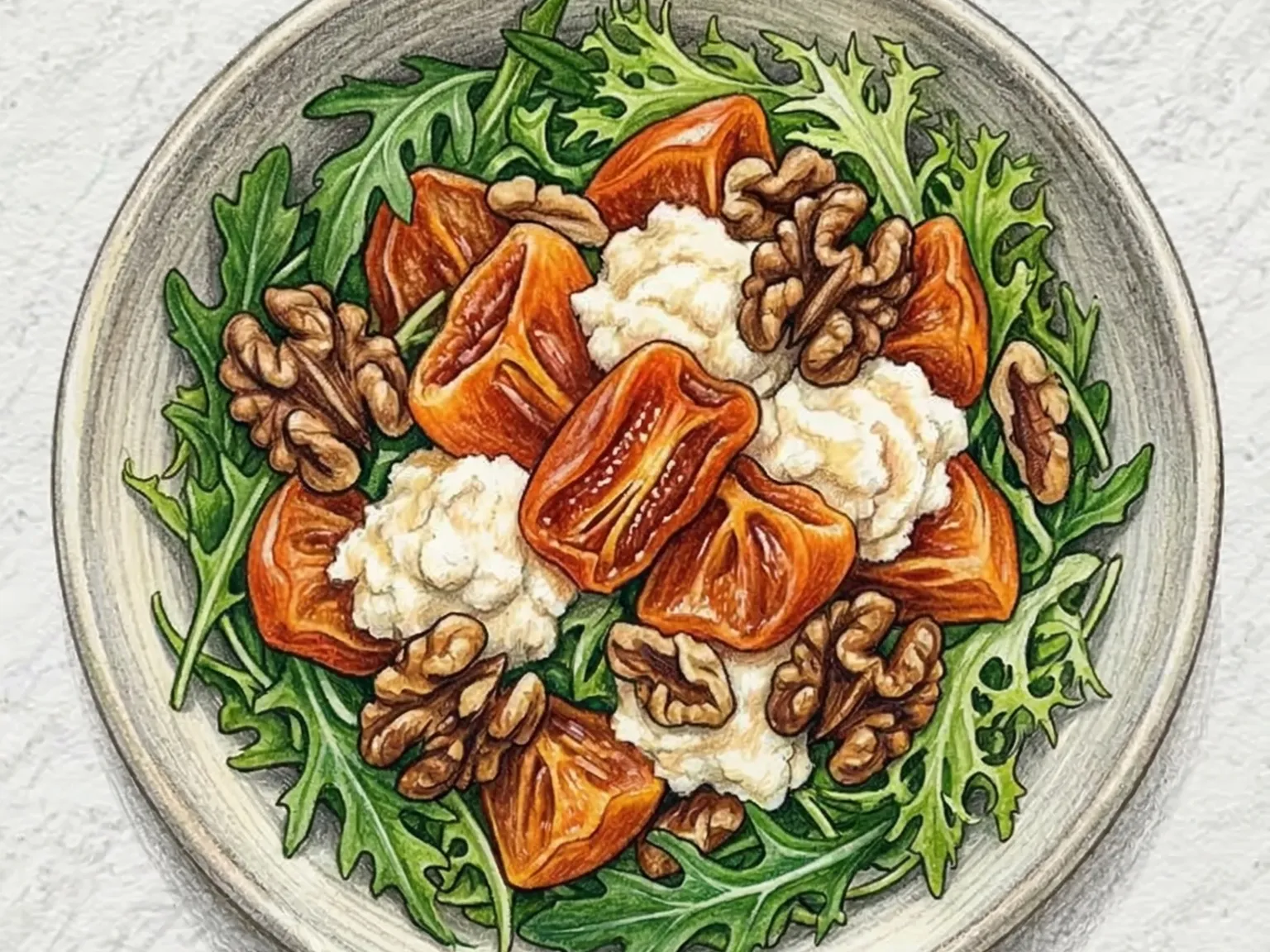
Dried Persimmon Ricotta Nut Salad
Dried persimmon ricotta nut salad arranges chewy sliced gotgam and soft ricotta cheese over arugula and chicory greens, topped with toasted walnuts and pine nuts and dressed with balsamic vinegar and olive oil. Slicing the persimmon into 0.7 cm rounds exposes the dense, sticky interior, creating a textural contrast against the creamy, mild ricotta. Toasting the nuts in a dry pan over low heat for two to three minutes draws their oils to the surface and deepens the nutty fragrance noticeably. When the persimmon is especially sweet, an extra half-teaspoon of balsamic vinegar brings the acid needed to restore balance. Ricotta releases moisture quickly on contact with dressed greens, so it should be added only at the moment of serving. The bitter edge of chicory cuts through the persimmon's concentrated sweetness, providing the structural contrast that keeps each bite from feeling one-dimensional.
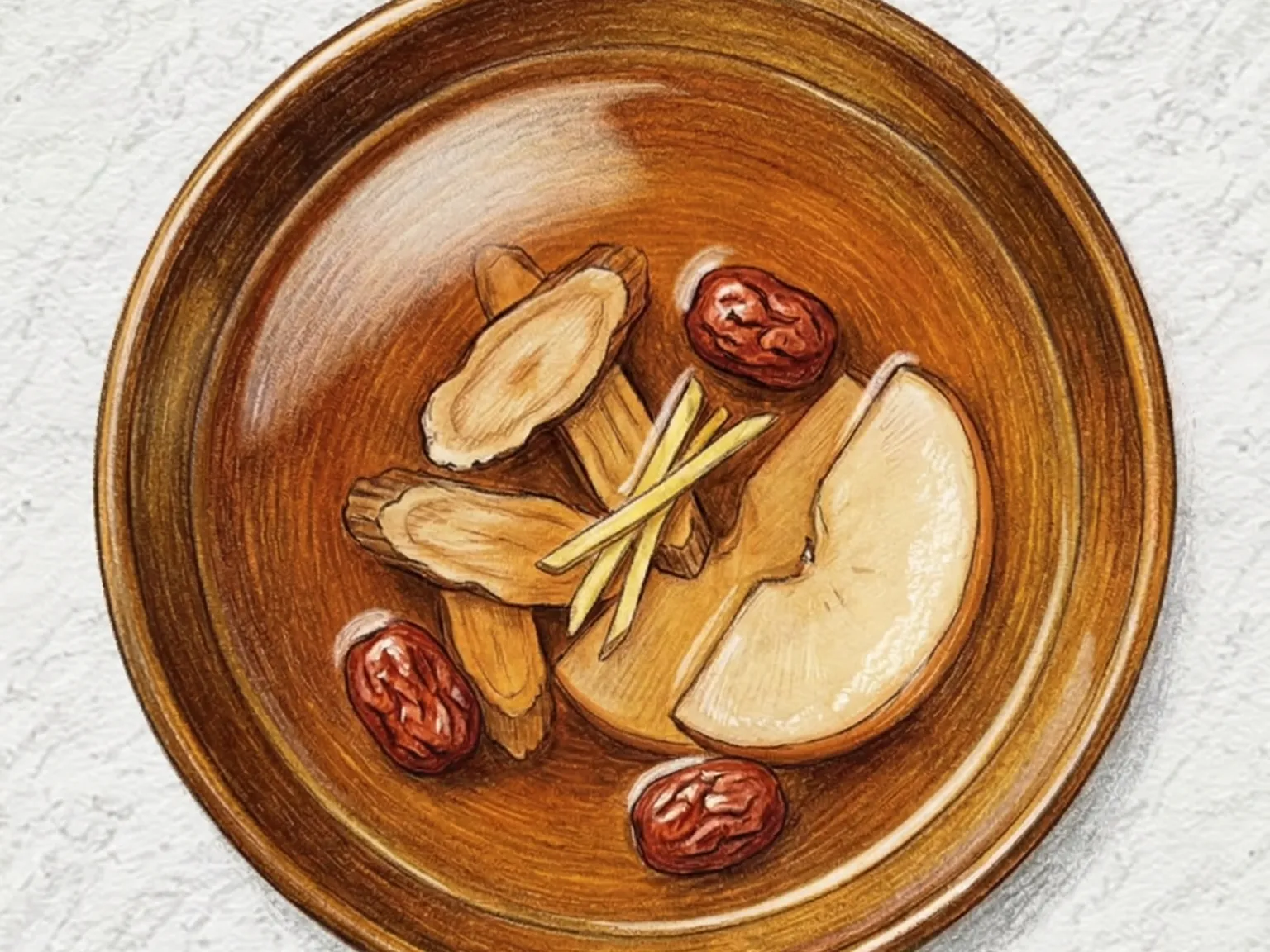
Korean Liriope Root Tea (Herbal Pear Ginger Brew)
Maekmundong-cha is a Korean herbal tea made by slowly simmering dried liriope root with sliced Korean pear, fresh ginger, and dried jujubes over medium-low heat for twenty minutes. Liriope root produces a mildly bitter herbal fragrance as it steeps, and the pear's natural sweetness and juice balance that bitterness without adding any processed sugar. Ginger stays in the background rather than dominating the flavor, leaving only a quiet, spreading warmth in the throat and chest after each sip. Jujubes contribute a deep reddish amber color and a concentrated natural sweetness that rounds the overall taste of the broth. Stirring in a spoonful of rice syrup at the end draws all the individual flavors together and gives the finish a smooth, malt-like quality. The tea reheats without losing its layered aroma after refrigeration, making it practical to simmer a larger batch and drink it over several days. It is traditionally regarded as soothing for a dry throat and useful during periods of fatigue.
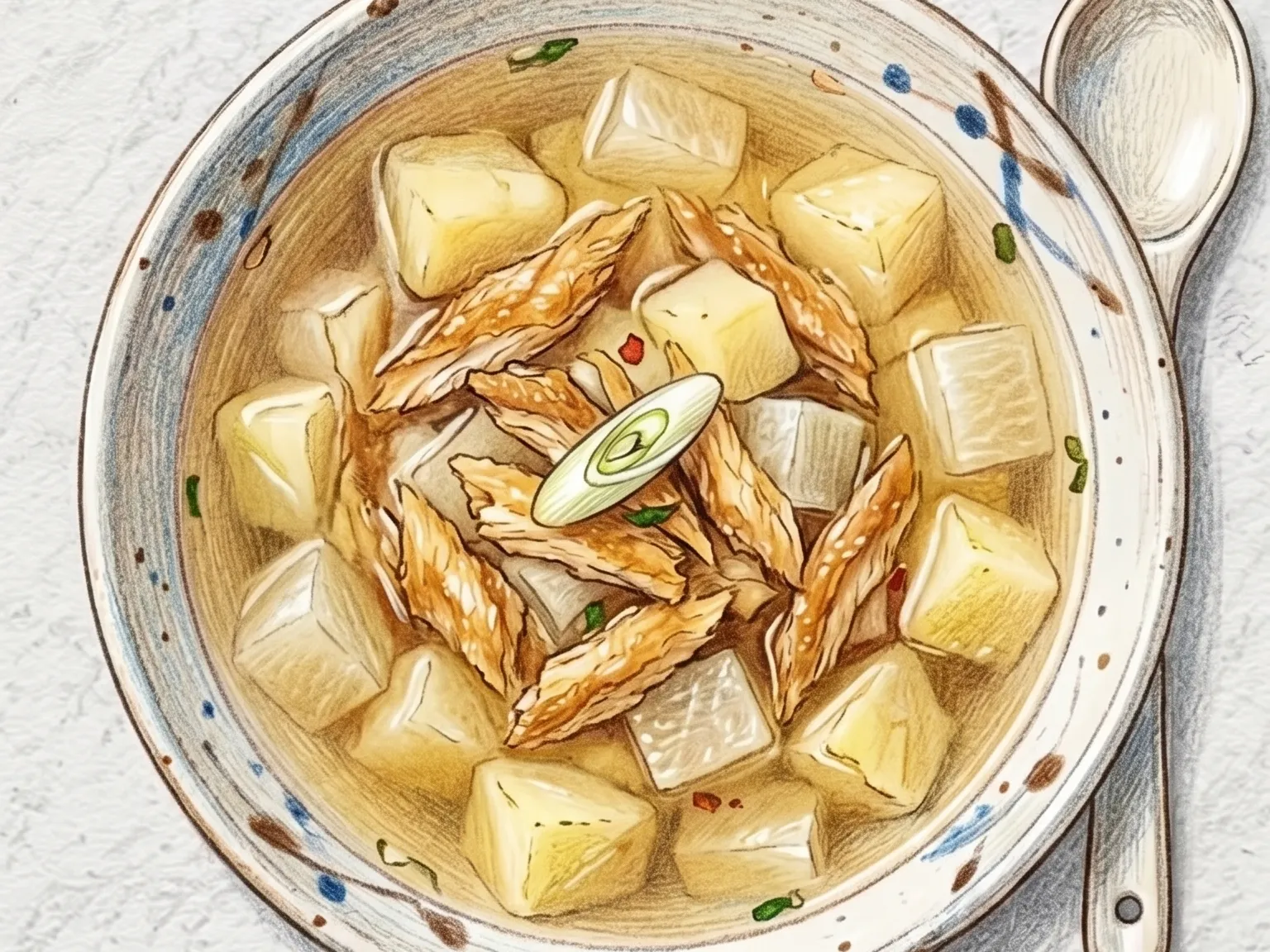
Korean Dried Pollock Potato Soup
Hwangtae-gamja-guk is a clear Korean soup built around dried pollock strips that have been wind-dried and then sauteed in sesame oil before any liquid is added. That initial stir-fry step is what separates this soup from simpler broth dishes: the heat releases a toasty, nutty fragrance from the pollock that permeates the entire pot and melds with the anchovy-kelp stock poured in afterward. Potato slices simmer alongside radish, and as they soften their edges gradually break down, giving the broth a mild, natural body without the use of starch or thickener. Radish contributes a clean, cooling sweetness that tempers the concentrated umami of the dried pollock. Soup soy sauce and minced garlic handle the seasoning, keeping the flavor profile clear and uncluttered. The pollock itself stays pleasantly chewy even after prolonged simmering, providing a protein-rich bite that makes the bowl genuinely filling. This soup is a fixture on Korean breakfast tables, valued for its ability to settle the stomach and restore energy.