🥗 Light & Healthy Recipes
Light, healthy, low-calorie dishes
712 recipes. Page 19 of 30
These low-calorie recipes prove that healthy eating does not have to be boring. High-protein meals, vegetable-forward dishes, and low-carb options - all designed to support weight management and better eating habits.
Diet-friendly does not mean small portions or bland flavors. Chicken breast, tofu, konjac, and eggs provide lasting satiety, while smart seasoning and cooking methods keep the taste appealing. Build a sustainable, healthy routine with these recipes.
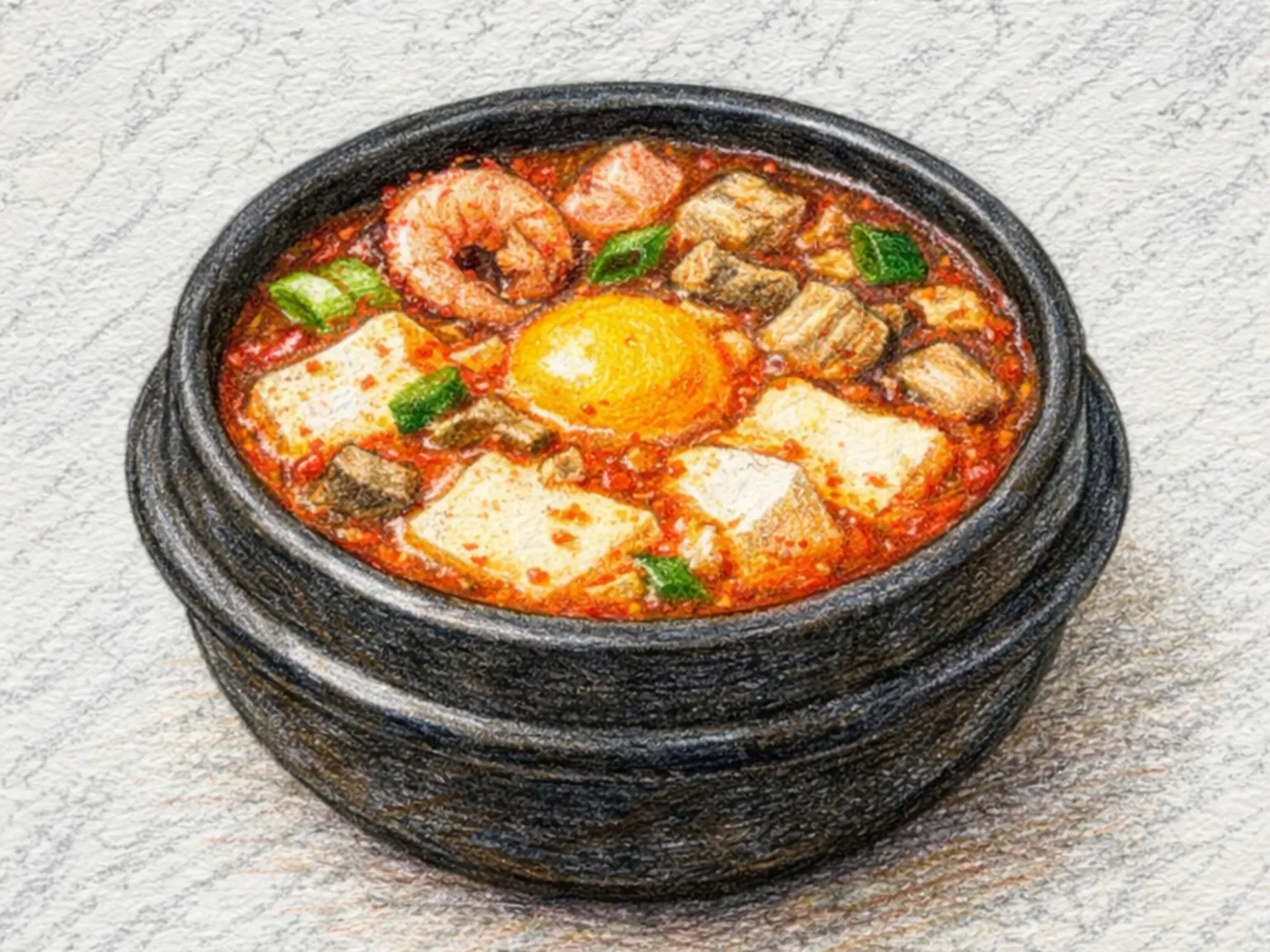
Korean Soft Tofu Stew (Silken Tofu in Spicy Clam Broth)
Sundubu-jjigae is one of Korea's most recognizable stews, built around silken soft tofu simmered in a fiery broth with clams, ground pork, and gochugaru. The process starts by frying sesame oil, chili flakes, and garlic together until the fat turns red and fragrant, which becomes the flavor foundation of the entire pot. Stock is poured in and brought to a hard boil, then two eggs are cracked directly onto the surface of the stew and left to set into a soft, barely-cooked yolk. Clams bring a clean oceanic salinity to the broth while the pork provides a meatier, rounder depth, and the two work together to create a layered complexity that neither delivers alone. The stew is served still boiling in an earthenware pot because the clay retains heat far longer than metal, keeping every spoonful scalding from first to last. A scoop of rice stirred into the leftover broth absorbs the spicy, savory liquid completely.
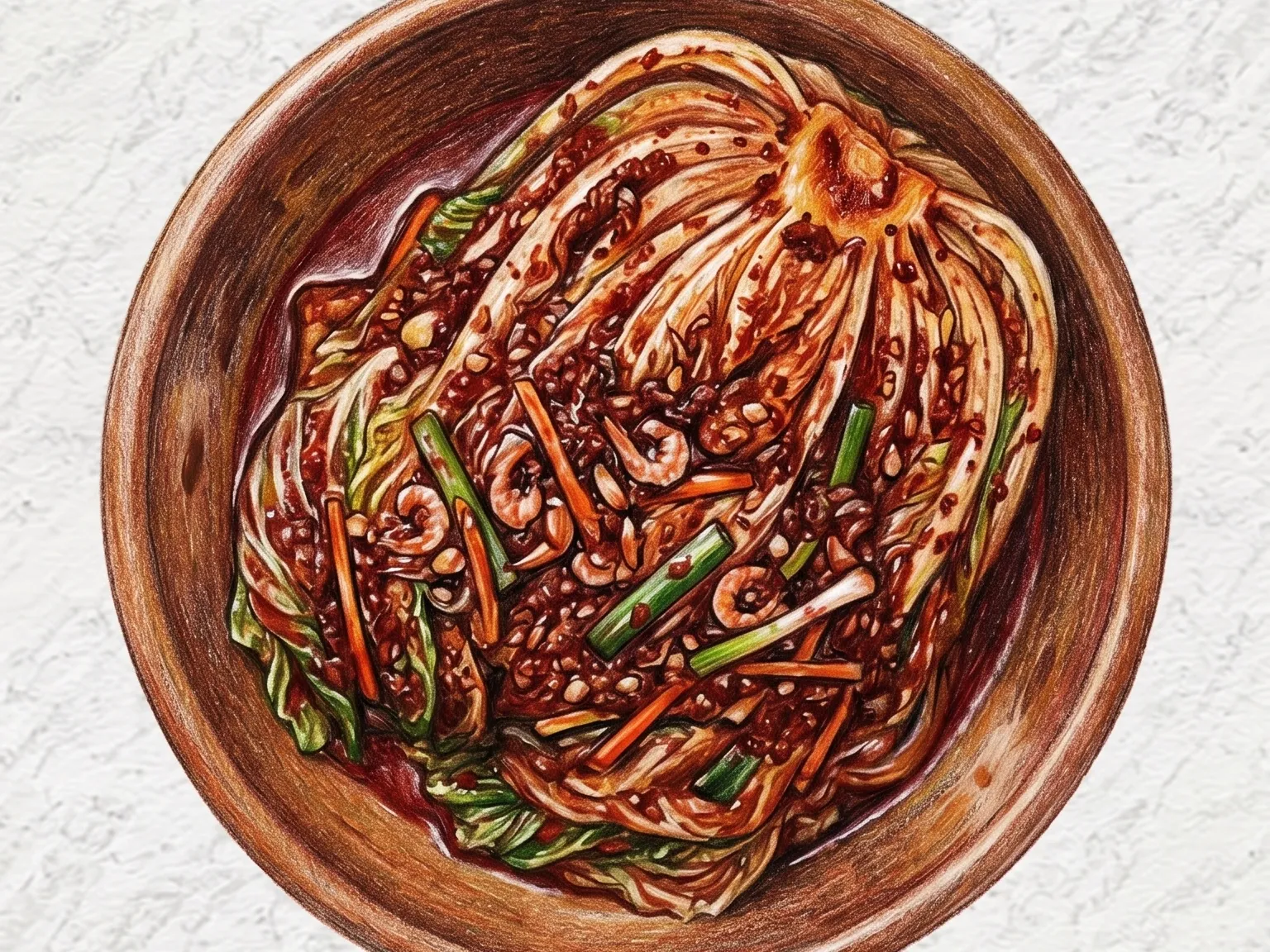
Authentic Jeolla-style Kimchi
Authentic Jeolla-style Kimchi is a traditional Southern-style cabbage kimchi featuring a rich, deep flavor profile. The sauce is built on a base of glutinous rice paste combined with chili flakes, minced garlic, and chopped sea staghorn, which adds a refreshing oceanic note as it ferments. A distinct savory depth is achieved by combining rich anchovy fish sauce with yellow croaker sauce. Shredded radish and green onions are tossed into this paste before stuffing it generously between each leaf of the salted cabbages. The cabbages are then wrapped with their outer leaves to lock in the seasonings. Packing the kimchi tightly into containers to minimize air exposure during fermentation prevents off-odors and ensures a clean, intense flavor profile typical of Southern Korean cuisine.
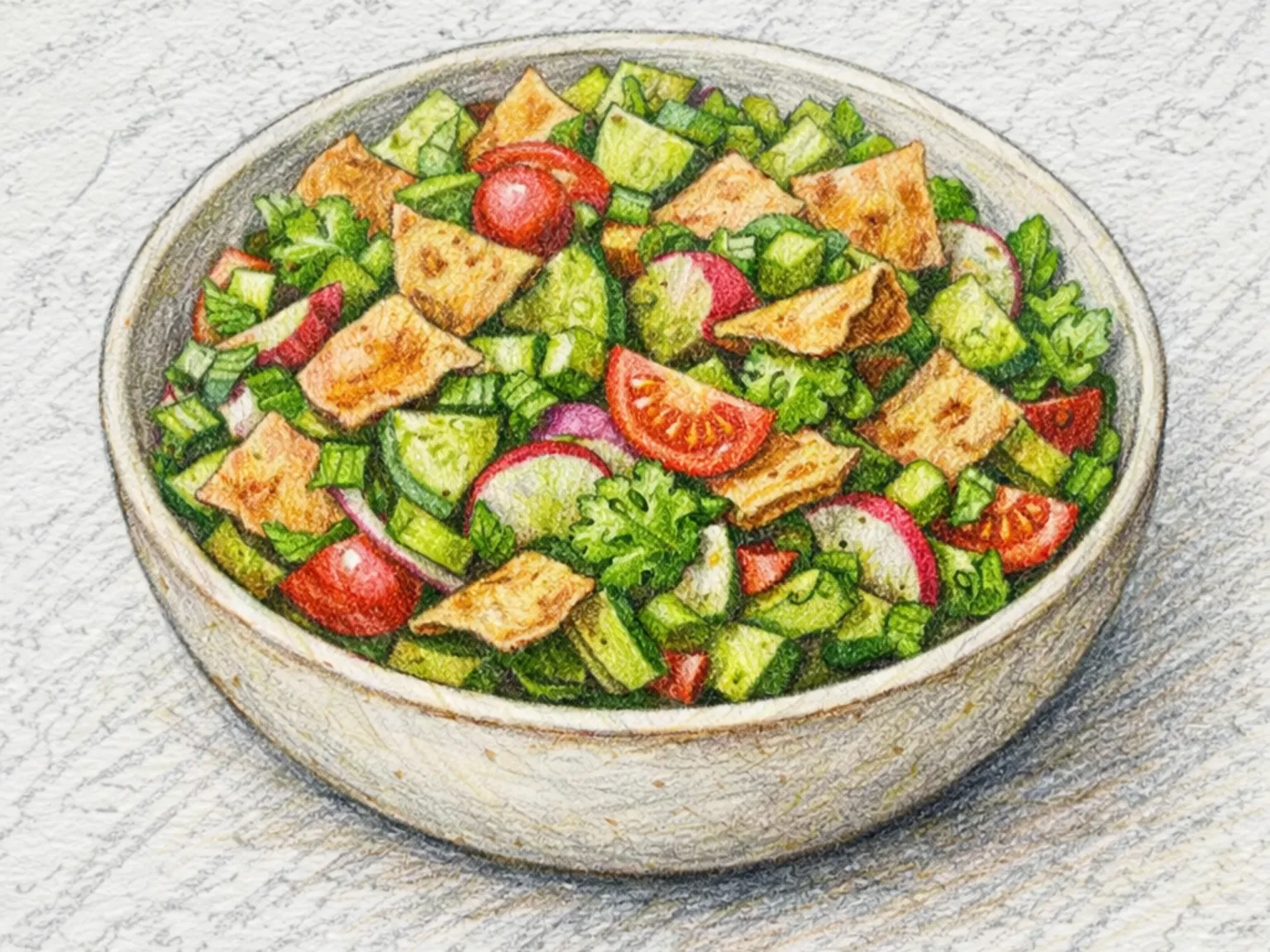
Fattoush Salad (Crispy Pita & Sumac Veggie Salad)
Fattoush is a Levantine bread salad in which crisped pita chips are as important as the vegetables surrounding them, providing a textural anchor that elevates the dish beyond a simple green salad. Tomatoes, cucumber, radishes, and romaine are cut into generous pieces and tossed with a dressing of lemon juice, olive oil, and ground sumac. Sumac brings a flavor that resists easy comparison - a tart, fruity sourness distinct from lemon and unrelated to vinegar - and its reddish hue stains the dressing a deep rose color that coats every surface. Added to lemon juice, sumac creates a layered acidity with more dimension than either ingredient alone. Pita chips must be added immediately before serving and eaten without delay, because the juicy vegetables and dressing begin softening them within minutes. The ideal bite captures both the residual crunch at the center of the chip and the moistened, flavor-soaked edge. Fresh mint and flat-leaf parsley contribute a clean herbal brightness that lifts the heavier elements of the dressing. Pomegranate seeds scattered over the top add bursts of sweet-tart juice and a jewel-like visual contrast that is characteristic of Levantine presentation.
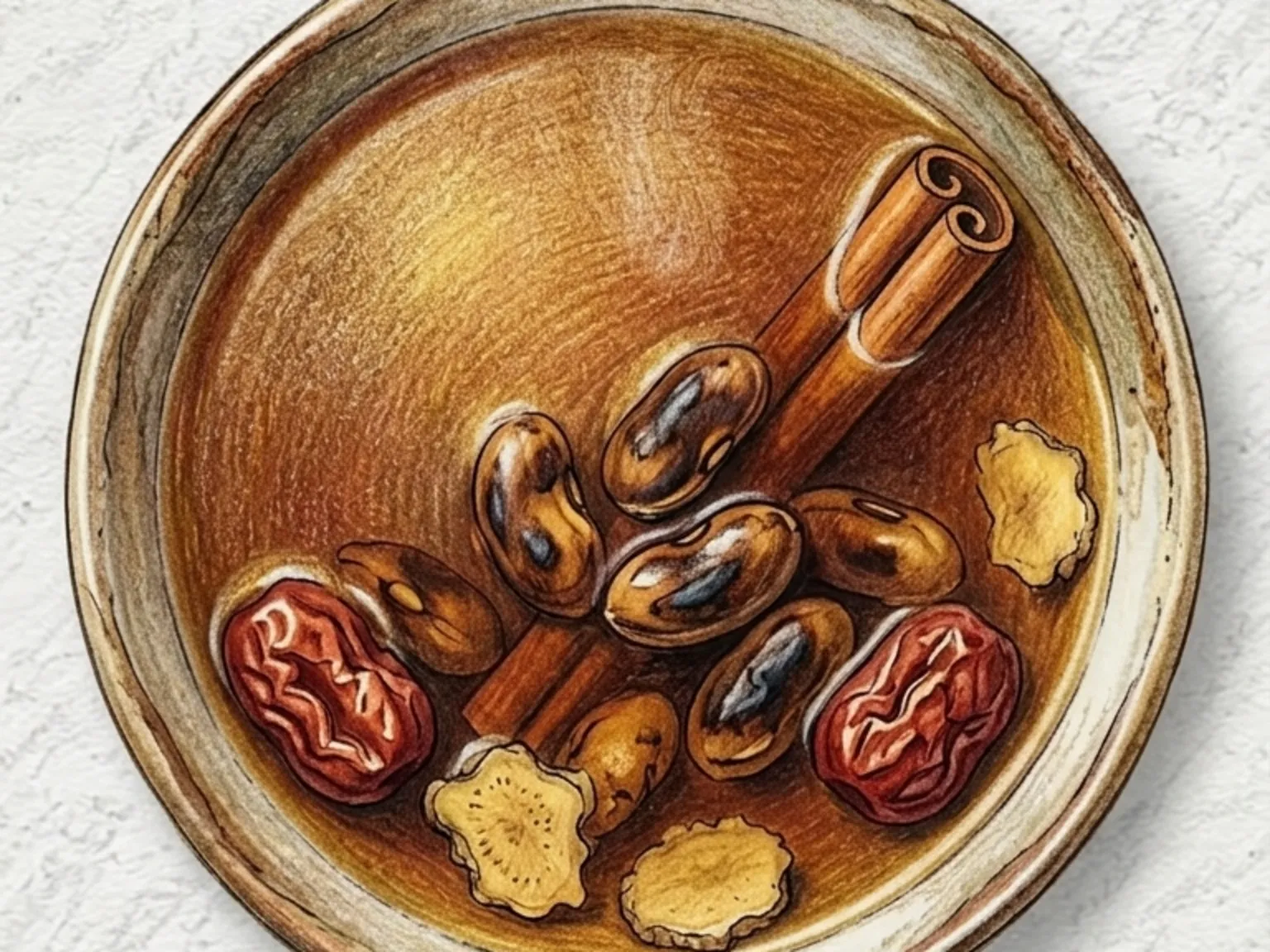
Korean Roasted Sword Bean Tea
Jakdukong-cha is brewed from roasted sword beans, legumes three to four times larger than common beans, simmered with dried jujubes, fresh ginger, and a cinnamon stick for about twenty-five minutes. Roasting the sword beans until their surfaces brown develops a heavy, toasty grain aroma that forms the structural base of the tea. Ginger and cinnamon build warm spice notes on top of that roasted foundation, and the dried jujubes contribute a fruity sweetness that rounds off any astringency left by the legume. Honey is added at the very end to adjust sweetness rather than cooking it into the brew. Before roasting, the beans should be sorted for debris, rinsed, and dried completely so they toast evenly rather than steaming in residual moisture. Brewed beans can be steeped a second time for a lighter cup, making the ingredient economical. The tea contains no caffeine, which makes it suitable for drinking in the evening or on days when the stomach is unsettled.
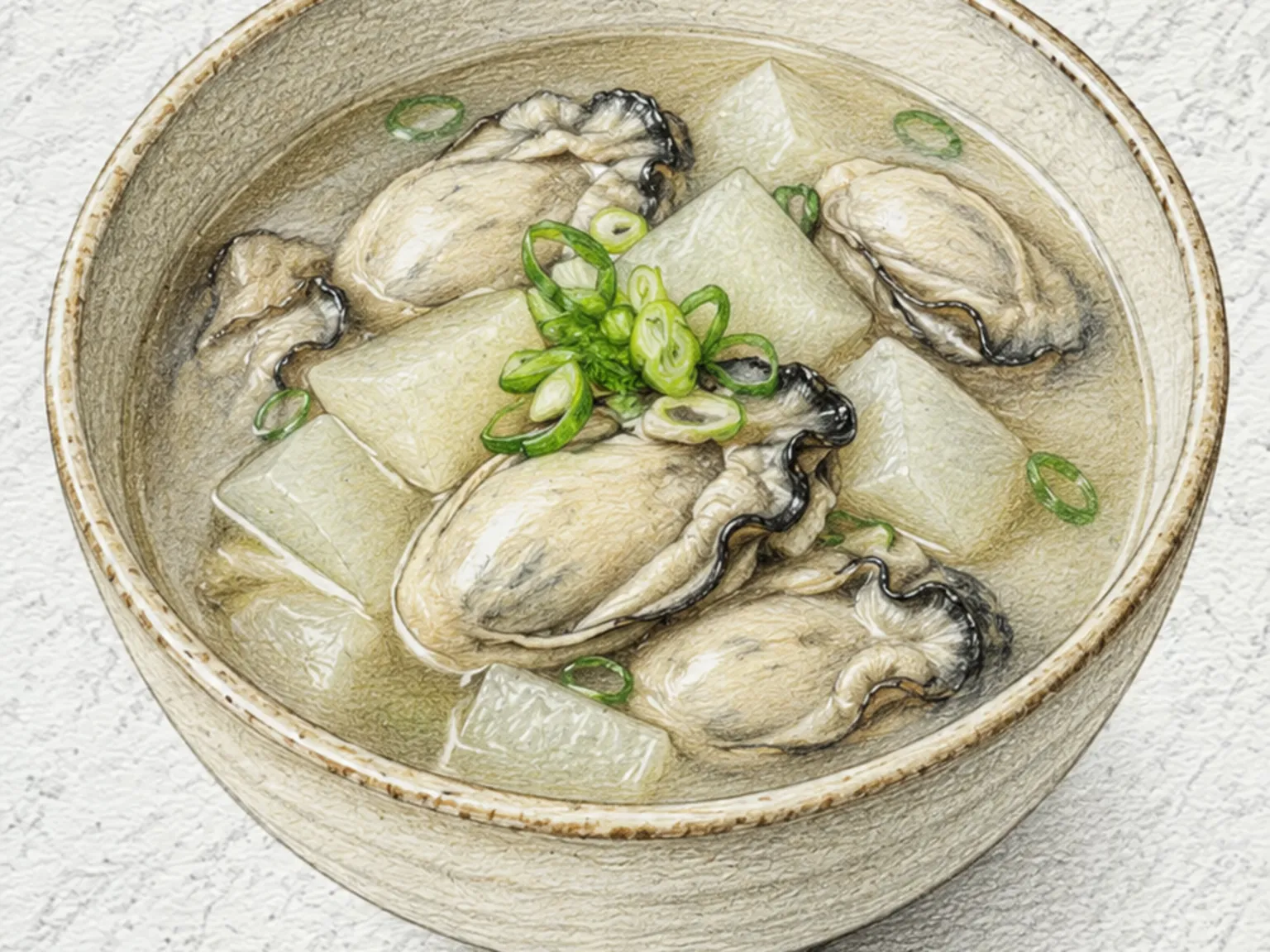
Gul-guk (Clear Oyster Radish Soup)
Gul-guk is a clear Korean oyster soup built on the simplest possible base: water, radish, and fresh winter oysters. Radish goes in first and simmers long enough to give the broth a clean, cool sweetness before the oysters are added near the end to keep them plump and springy. Seasoning is deliberately restrained; soup soy sauce and minced garlic are sufficient because the oysters themselves deliver an intense, briny depth that needs no reinforcement. The marine aroma of the oysters and the refreshing quality of the radish combine to produce a broth that is light in appearance but full in flavor. A bowl spooned over hot rice makes a restorative breakfast or hangover remedy, and along Korea's southern coast this soup is one of the most common preparations during the winter oyster harvest.
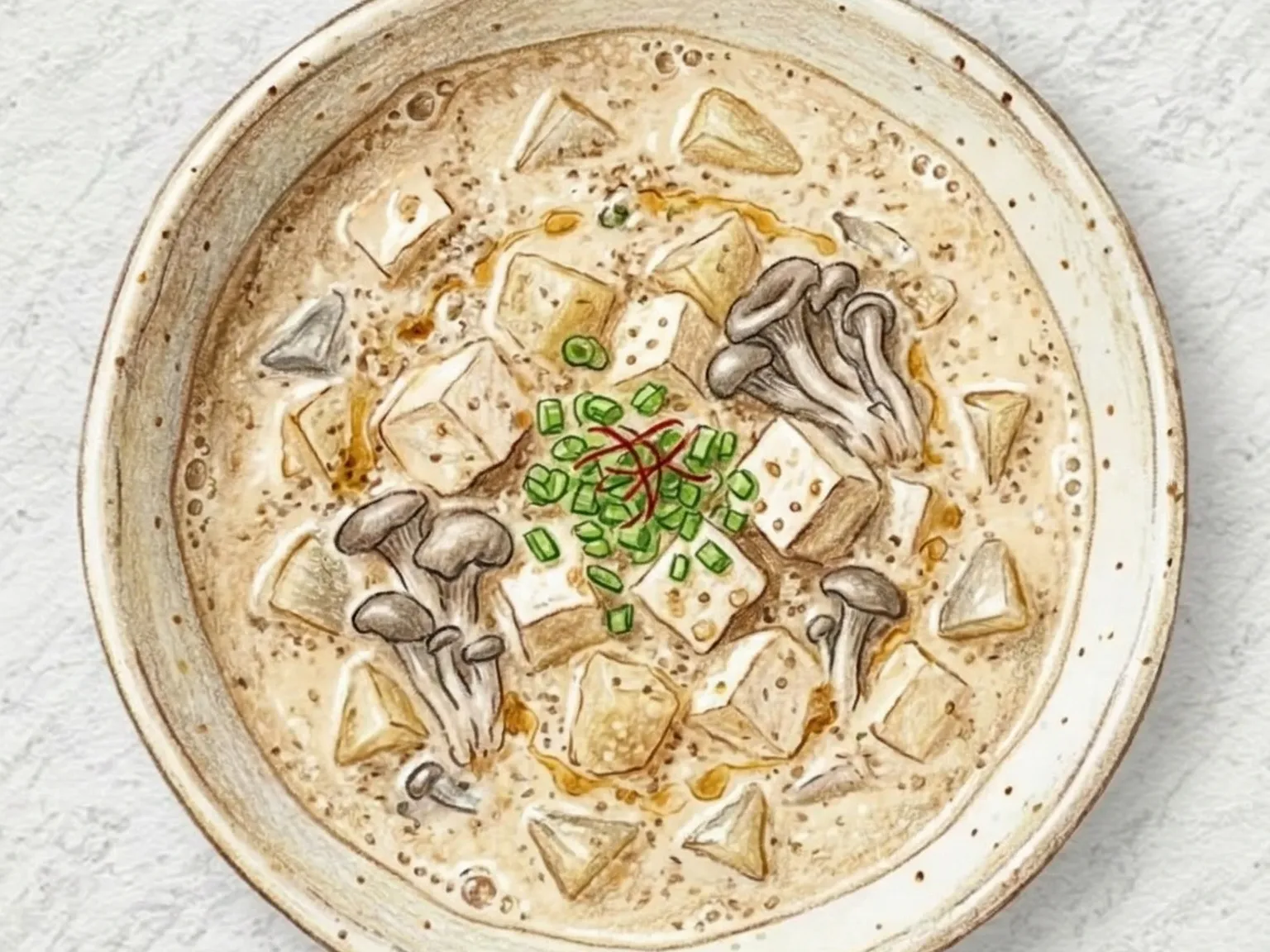
Korean Turnip Perilla Seed Stew
Sunmu deulkkae jjigae is a gentle Korean stew that simmers turnip with ground perilla seed in a kelp stock base. As the turnip cooks slowly, it softens and releases a quiet natural sweetness, while the perilla powder thickens the broth into a creamy, nutty layer that coats each spoonful. Oyster mushrooms add a chewy bite and soft tofu contributes protein, rounding out the bowl into a balanced meal on its own. Adding the perilla powder late in the cooking process preserves its aroma, and the stew should be finished within two to three minutes of the broth returning to a boil to prevent any bitterness from developing. Seasoned with soup soy sauce and a drizzle of sesame oil at the end, the result is a clean, quietly satisfying stew that is easy on the stomach.
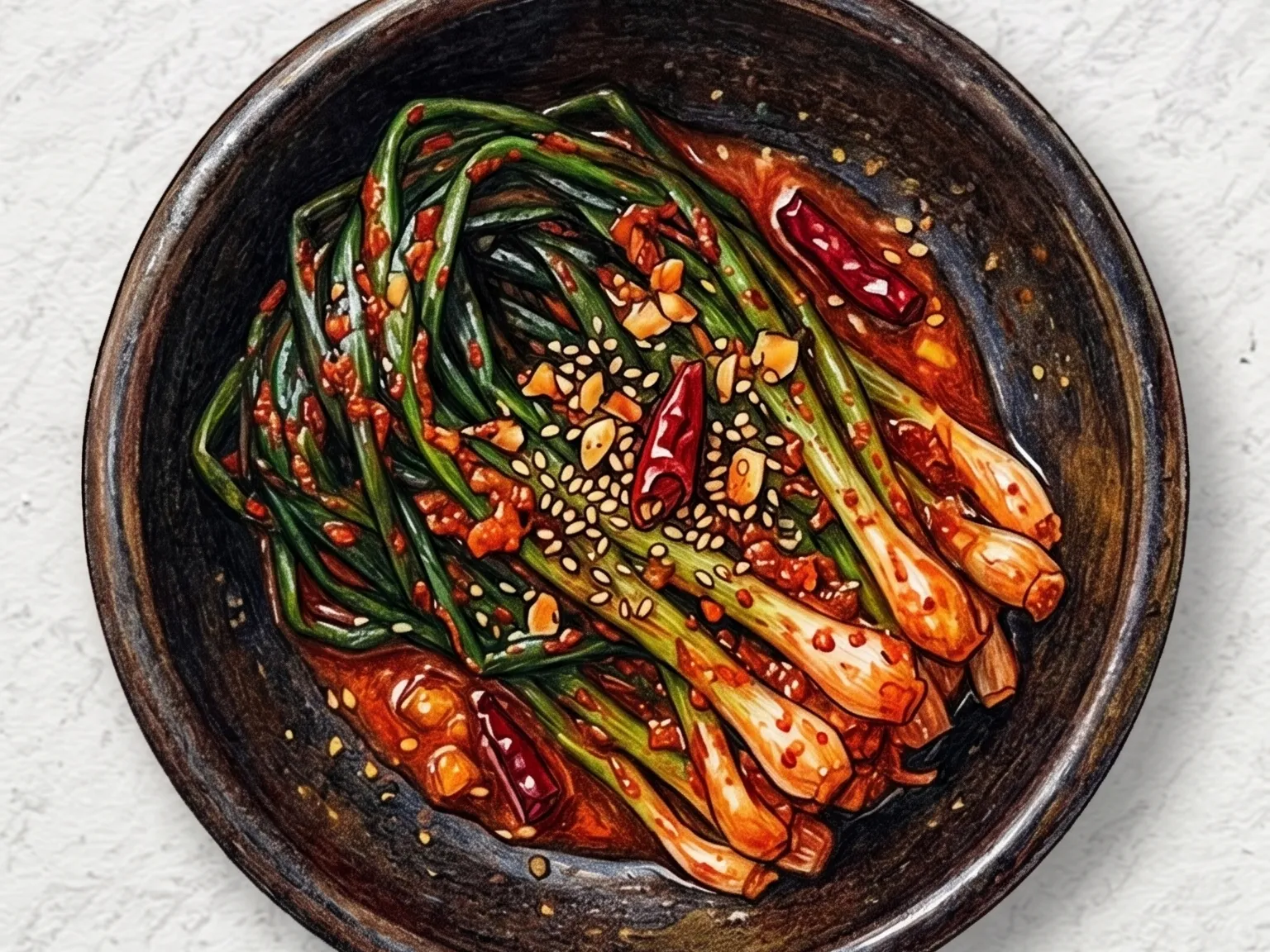
Jeolla-style Green Onion Kimchi
Jeolla-style Green Onion Kimchi is a traditional Korean side dish featuring intense umami and deep seasoning. This recipe combines scallions, chili flakes, fermented shrimp, and glutinous rice paste. Half a cup of strong fermented anchovy sauce pre-brines the white bases of the scallions for twenty minutes. This process seasons the white parts without crushing the plant cells. The seasoning paste is sweetened with pear juice instead of sugar, feeding lactic acid bacteria during fermentation. When applying the thick paste, start from the firm white bases and gently coat the green leaves to prevent a grassy taste. Tightly rolling the green onions into bundles reduces air exposure for even fermentation. After fermenting at room temperature for one day, refrigerate the kimchi and serve from the second day.
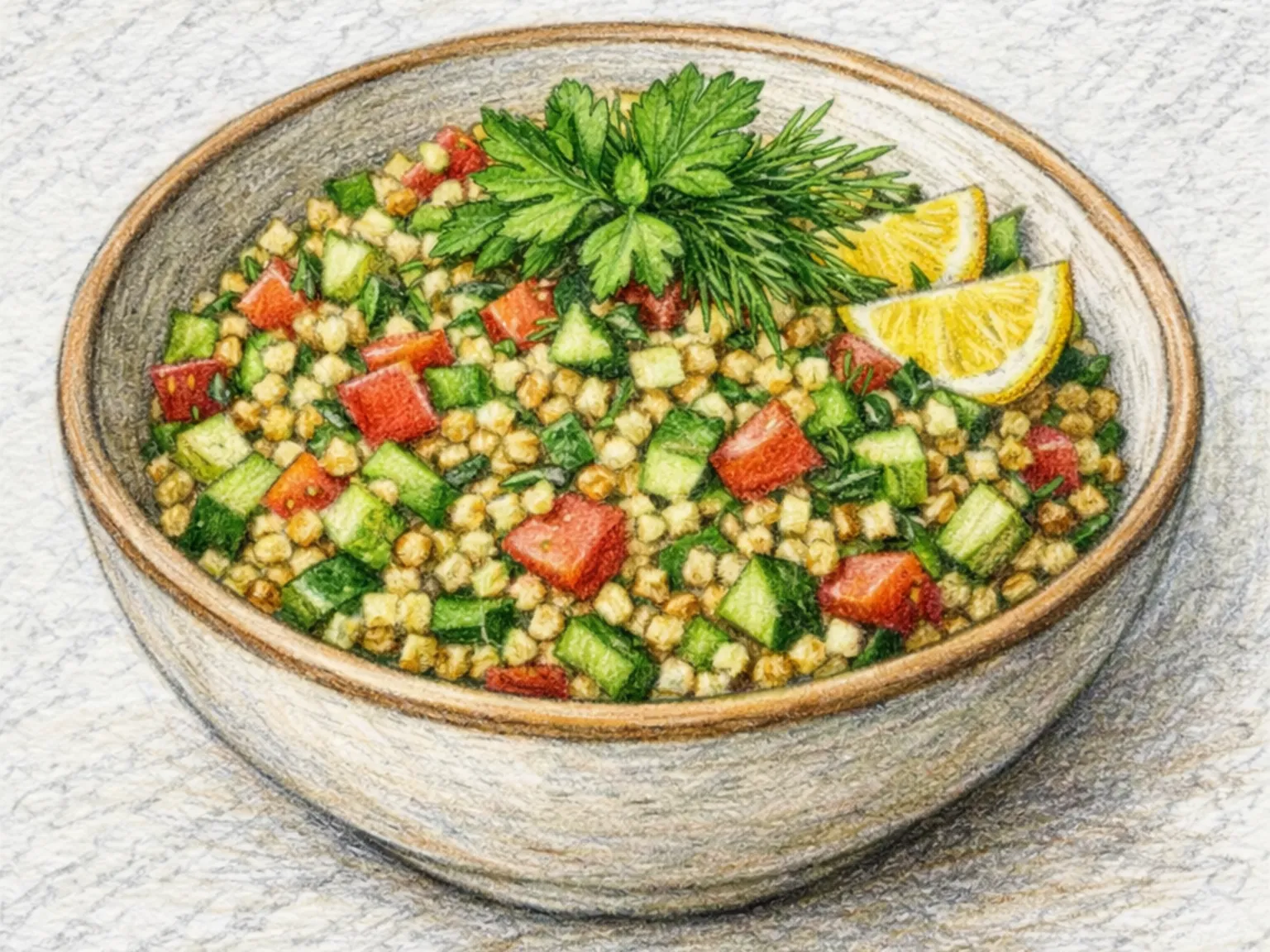
Freekeh Herb Salad (Smoky Roasted Wheat & Fresh Herbs)
Freekeh is an ancient Middle Eastern grain produced by harvesting wheat while the grain is still immature and green, then roasting the harvested stalks over an open fire. The outer chaff burns away while the moist interior of each grain survives the flame, and it is this controlled scorching that gives freekeh its defining characteristic: a pronounced smoky aroma layered over the nutty, grassy quality of young wheat. When boiled, the grains hold their shape and retain a firm chew that standard wheat varieties lose after cooking, making freekeh particularly suited to salads that must hold up at room temperature. In this preparation, the cooked grain is combined with generous quantities of fresh parsley, mint, and dill, whose cool, bright flavors complement rather than compete with the smoke. A dressing of fresh lemon juice and extra-virgin olive oil is enough to bring the bowl together, as the grain itself provides sufficient depth without a complex sauce. Diced cucumber and halved cherry tomatoes add moisture and acidity, and crumbled feta cheese contributes salt and a creamy richness that ties the components into a coherent whole. The salad benefits from resting for at least an hour before serving, as the dressing absorbs into the grain and the herb and grain flavors gradually merge.

Korean Honey Grapefruit Tea
Jamong-cha is a Korean fruit tea brewed from grapefruit preserves dissolved in hot water, and the quality of the finished drink depends almost entirely on how those preserves are made. The first step is cleanly separating the flesh from the white pith, which carries most of the fruit's bitterness; leaving even a thin strip of pith in the jar will tip the balance from pleasantly tart to sharp and astringent. Once the flesh is packed in sugar and left to macerate for at least twenty-four hours, the juice slowly pulls away and thickens into a fragrant, amber syrup. Honey replaces some of the sugar to round its hard edge, and a spoonful of fresh lemon juice added at the end sharpens the overall acidity without competing with the grapefruit's floral notes. A pinch of salt simultaneously amplifies the bitter-citrus perfume and the sweetness, a trick that keeps the flavor from reading as flat when diluted in water. The same preserves work equally well over ice with sparkling water as a chilled ade, and refrigerated in a sealed jar they last two to three weeks.
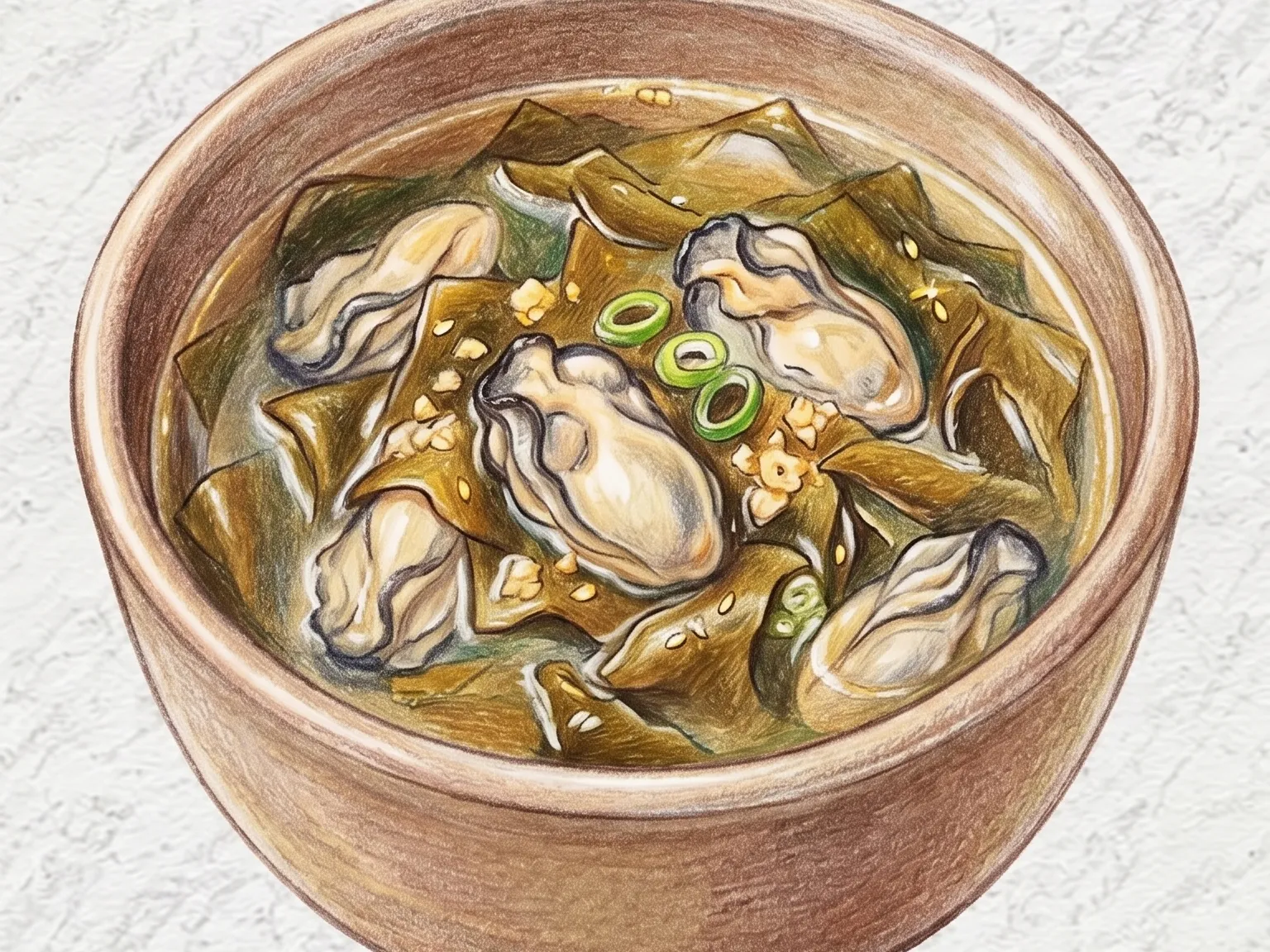
Korean Oyster Seaweed Soup
Gul-miyeok-guk is a Korean seaweed soup with fresh oysters, traditionally served for postpartum recovery and birthday meals. The dish begins by sauteing rehydrated seaweed and oysters together in sesame oil, which coats every strand and shell in a nutty fragrance before water is added. As the soup simmers, the seaweed releases minerals and a subtle brininess that merges with the deep ocean flavor the oysters contribute. Soup soy sauce and minced garlic keep the seasoning clean and grounded without masking the seafood. Oysters reach their peak fat and sweetness between November and January, and using them during this season noticeably enriches the broth with a creamy, briny depth. The seaweed should be sauteed for no more than one or two minutes with the oysters to keep it tender rather than chewy before the water goes in.
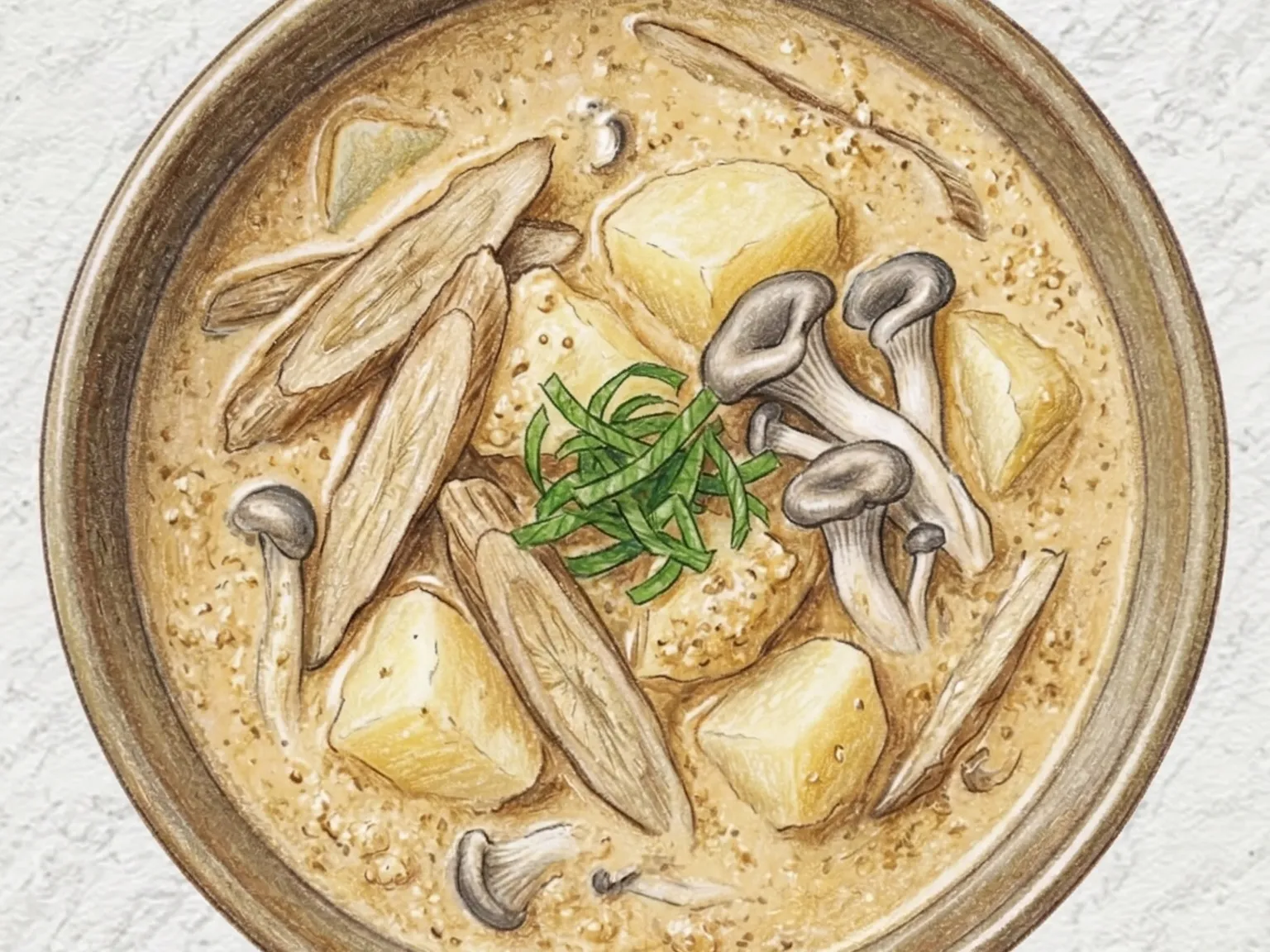
Korean Burdock Perilla Seed Stew
Ueong-deulkkae-jjigae is a Korean stew built on burdock root, potatoes, and oyster mushrooms simmered in an anchovy-kelp broth and thickened with perilla seed powder. The burdock root holds a firm, earthy crunch through the cooking while the potatoes soften and begin to break at the edges, and the oyster mushrooms add a pulling, fibrous chew that makes the stew feel substantial without any meat. Anchovy-kelp broth forms a clean, savory base, and a generous measure of perilla seed powder stirred in at the end creates a creamy, nutty consistency that coats every piece of vegetable and makes each spoonful feel round and warming. Soaking the burdock in cold water before cooking draws out bitterness and prevents the cut surfaces from darkening, which keeps the broth clear. Adding the potatoes after the burdock has partly cooked prevents them from collapsing entirely. Perilla seed powder should go in just before the heat is turned off so the toasted, nutty fragrance stays sharp rather than cooking away.
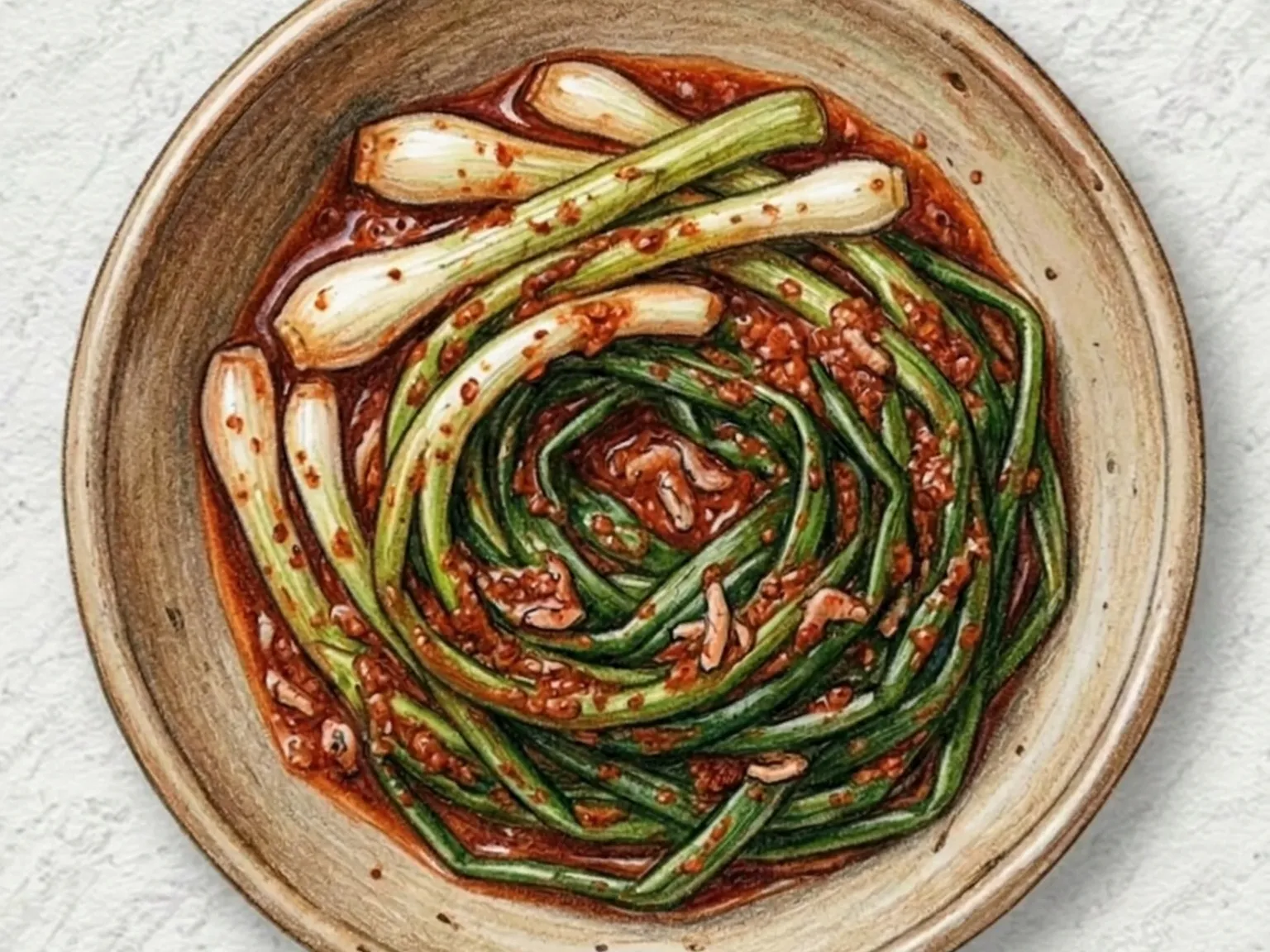
Korean Scallion Kimchi (Whole Stalk Anchovy Shrimp Paste)
Jjokpa kimchi is a traditional Korean scallion kimchi made by briefly brining whole scallions in coarse salt, then coating them from root to tip with a seasoning paste of anchovy fish sauce, fermented shrimp, gochugaru, and sweet rice flour paste. Using both anchovy fish sauce and salted shrimp together is intentional: the two condiments each carry a different profile of seafood umami, and combining them produces a more complex, layered depth than either alone could achieve. The sweet rice flour paste acts as a binder, adhering the seasoning evenly to the surface of each scallion and keeping it in place as moisture releases during fermentation. Without this paste, the pickling liquid would dilute the coating and the flavor would fade over time. The white bulb sections of the scallion hold their crunch through the brining and fermentation process while absorbing the spice of the gochugaru, and the green tops wilt to a silky texture that releases the scallion's characteristic sweet, pungent aroma. After six hours at room temperature followed by a day of refrigeration, the seasoning has fully penetrated the scallion and the kimchi is ready to eat alongside grilled pork belly or bossam. After three or more days of fermentation, a gentle lactic acidity develops that makes the kimchi equally useful as an ingredient in stews or stir-fries.

Fruit Cottage Cheese Bowl
This high-protein bowl requires no cooking and comes together in under five minutes. A generous scoop of cottage cheese forms the base, and fresh strawberries, blueberries, and banana are arranged on top in whatever combination looks appealing. The cheese's mild, lactic saltiness pairs naturally with the fruit's sweetness without needing any added dressing or seasoning. Sliced almonds contribute crunch and a layer of healthy fats, while chia seeds provide omega-3s and a subtly gel-like texture once they have had a moment to absorb the moisture around them. A light drizzle of honey brings all the components together with a unifying sweetness. The simplicity of the bowl makes it a practical choice for a quick breakfast or a post-workout meal when protein matters but time is short.

Korean Traditional Spiced Honey Drink
Jehotang is a traditional Korean royal summer drink prepared by the court medical office and presented to the king as a cooling remedy against the summer heat. Cinnamon sticks, fresh ginger, and licorice root are simmered together over a low flame for an extended period to draw out the full depth of each spice, then the liquid is strained and blended with plum syrup and honey once it has cooled. The result is a chilled, aromatic drink that balances sweet and tart notes while layering the warmth of multiple spices underneath. Cinnamon and ginger were considered warming in nature even when drunk cold, believed to revive a body worn down by summer heat from the inside. A few floating pine nuts on top add a subtle nuttiness that rounds out each sip. Adjusting the amount of honey or water to account for the sweetness of the plum syrup allows the drink to be tuned to personal preference.
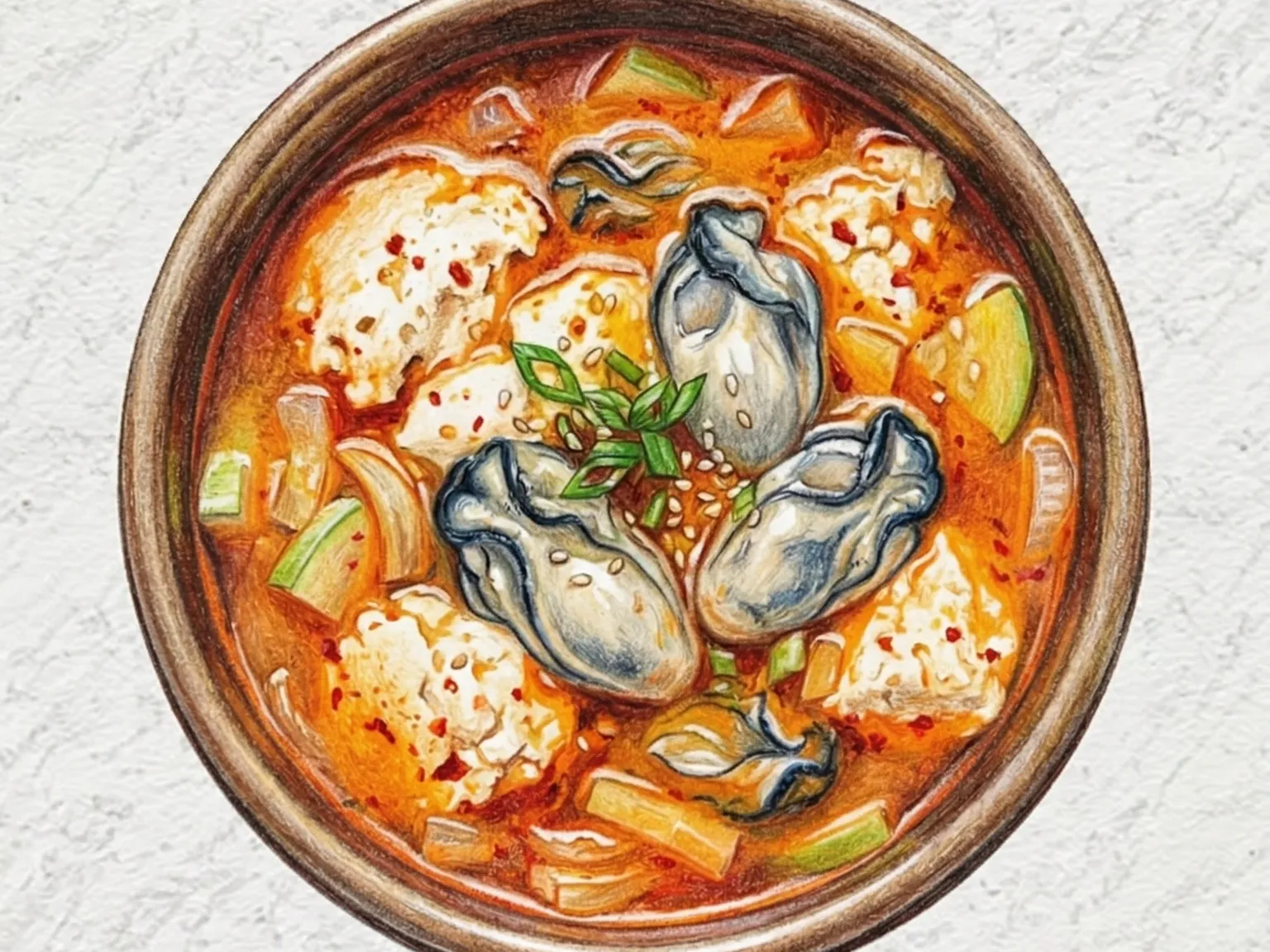
Korean Oyster Soft Tofu Soup
Gul-sundubu-tang is a Korean soup that brings together briny fresh oysters and silky soft tofu in a lightly spicy broth. The flavor base starts with garlic and gochugaru bloomed in sesame oil, giving the entire pot a warm, aromatic heat from the first minute. Sliced zucchini and onion go in next, contributing a natural sweetness that tempers the chili. Water is added, and once simmering, spoonfuls of wobbly sundubu tofu are dropped in. The oysters go in at the very last moment so they stay plump and tender rather than shrinking into rubbery nuggets. Soup soy sauce adjusts the salt. The finished bowl is rust-red, gently spicy, and layered: the tofu melts on the tongue, the zucchini offers a mild crunch, and the oysters deliver bursts of sea flavor throughout.
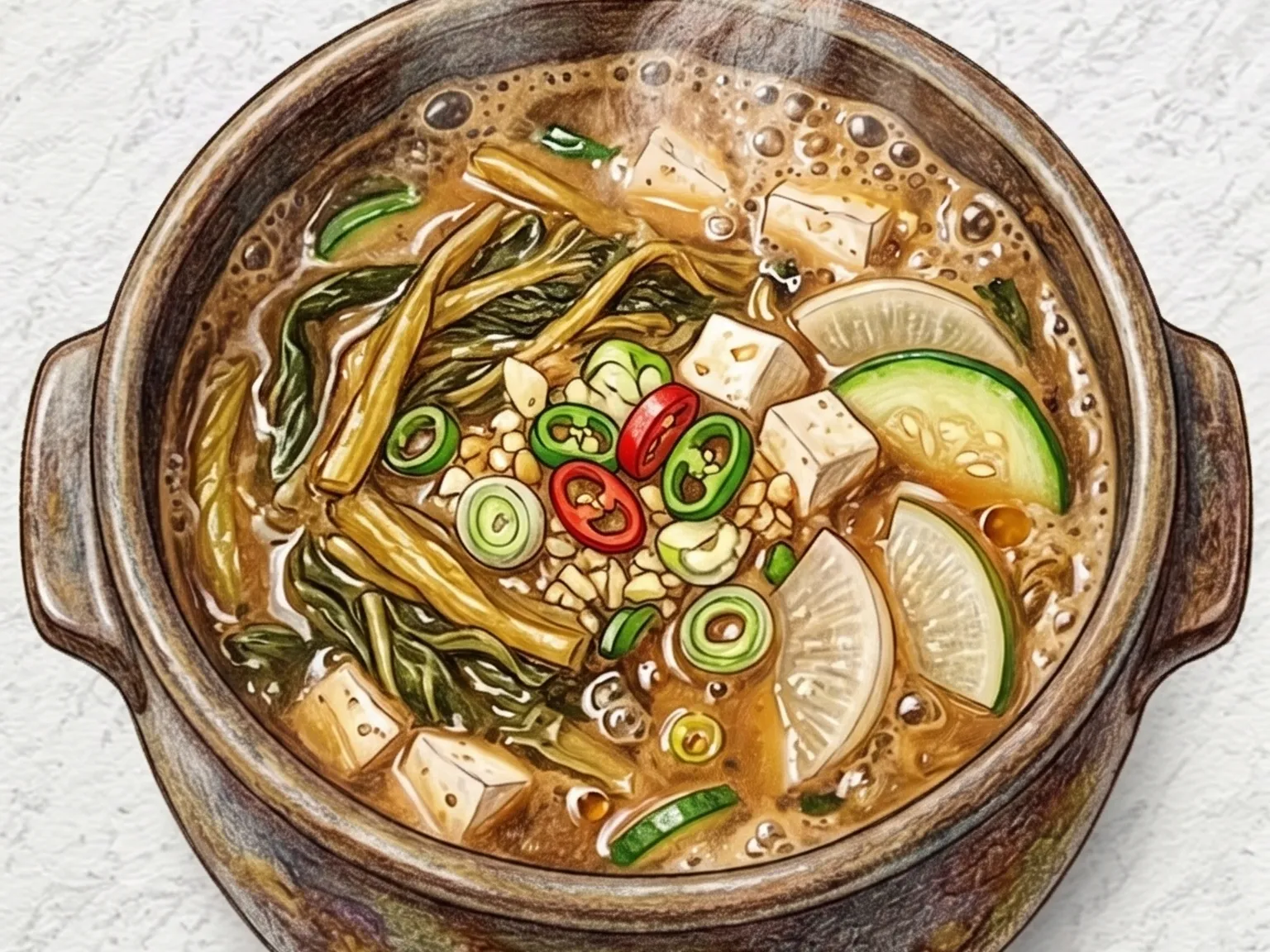
Korean Ugeoji Doenjang Stew
Ugeoji-doenjang-jjigae simmers the tough outer leaves of napa cabbage in rice-rinse water with doenjang and a spoonful of gochujang into a deeply savory, comforting stew. The outer leaves are blanched in salted water, rinsed in cold water, and squeezed out firmly before use, a step that removes bitterness and opens the fibrous leaves to absorb the seasoning. The starchy rice-rinse water gives the broth a naturally smooth and slightly thickened body without any added starch, and adjusting the amount of rice water controls the final consistency. Korean radish, zucchini, and tofu contribute natural sweetness that balances the saltiness of the fermented paste, while garlic and cheongyang green chili add heat and depth. A tablespoon of perilla oil added just before the pot comes off the heat releases a distinctive nutty fragrance that permeates the entire stew and deepens its character. Served in a dolsot earthenware pot that keeps the stew bubbling at the table, every spoonful stays hot to the last. The longer the ugeoji simmers, the more it softens and melds with the doenjang broth, producing the layered, slow-cooked depth that defines this classic Korean home-cooked stew.
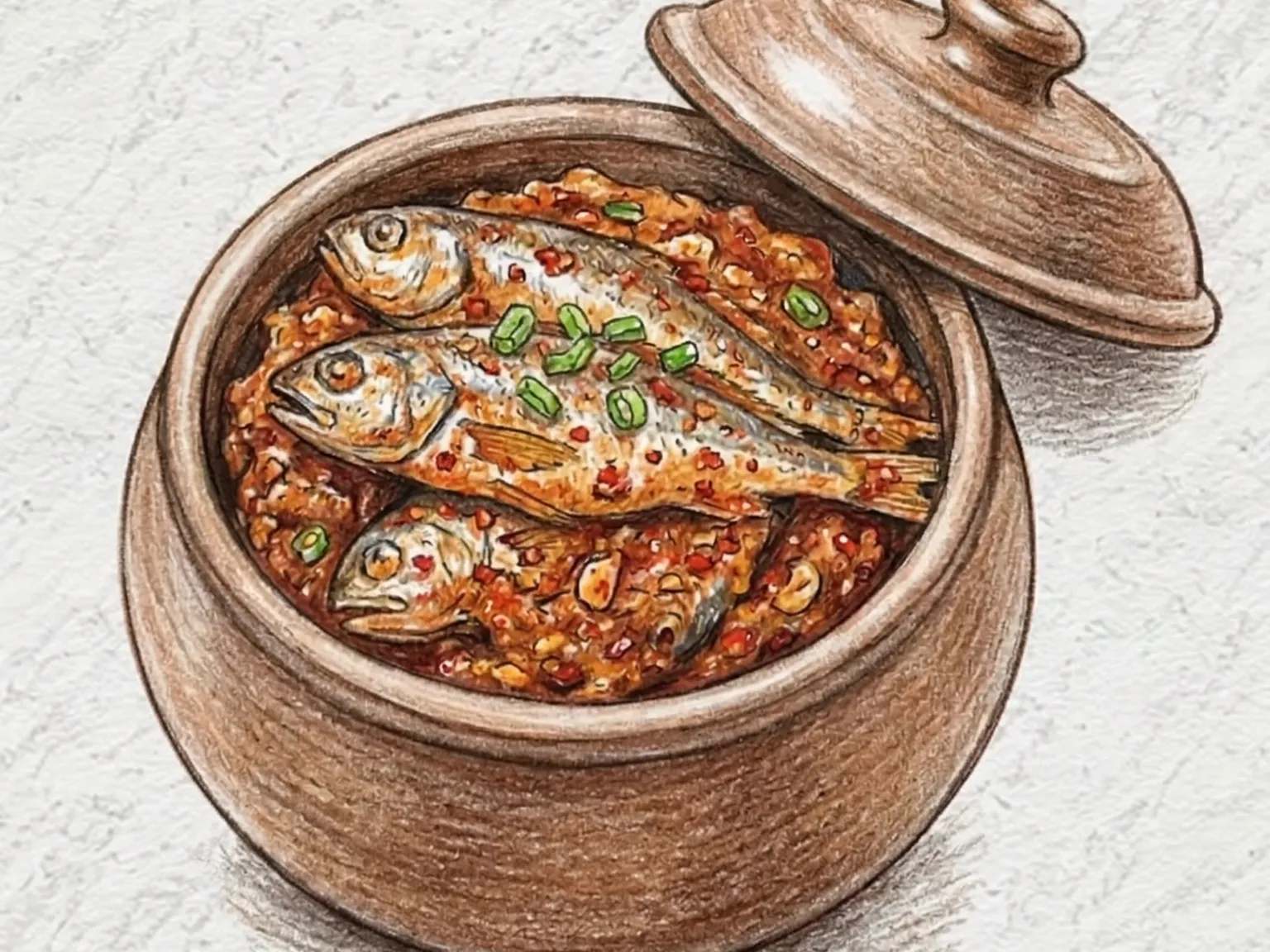
Korean Salted Yellow Croaker Jeotgal
Jogi jeotgal is a Korean salted and fermented yellow croaker made by gutting the fish, layering it in coarse sea salt for an initial multi-day cure in the refrigerator, then folding in gochugaru, garlic, ginger, and rice wine for a second stage of aging. Over the extended fermentation, fish protein breaks down into a concentrated savory depth that bears no resemblance to the raw ingredient, while the sea salt continuously draws out moisture and causes the flesh to contract and firm. Gochugaru and ginger suppress the fermentation smell and add a mild heat and aromatic warmth, while rice wine smooths out the sharp, rough edges that develop early in the process. The finished jeotgal is used in small amounts, placed over rice or added to kimchi jjigae as a flavor amplifier, a condiment that delivers significant depth from a very small quantity.
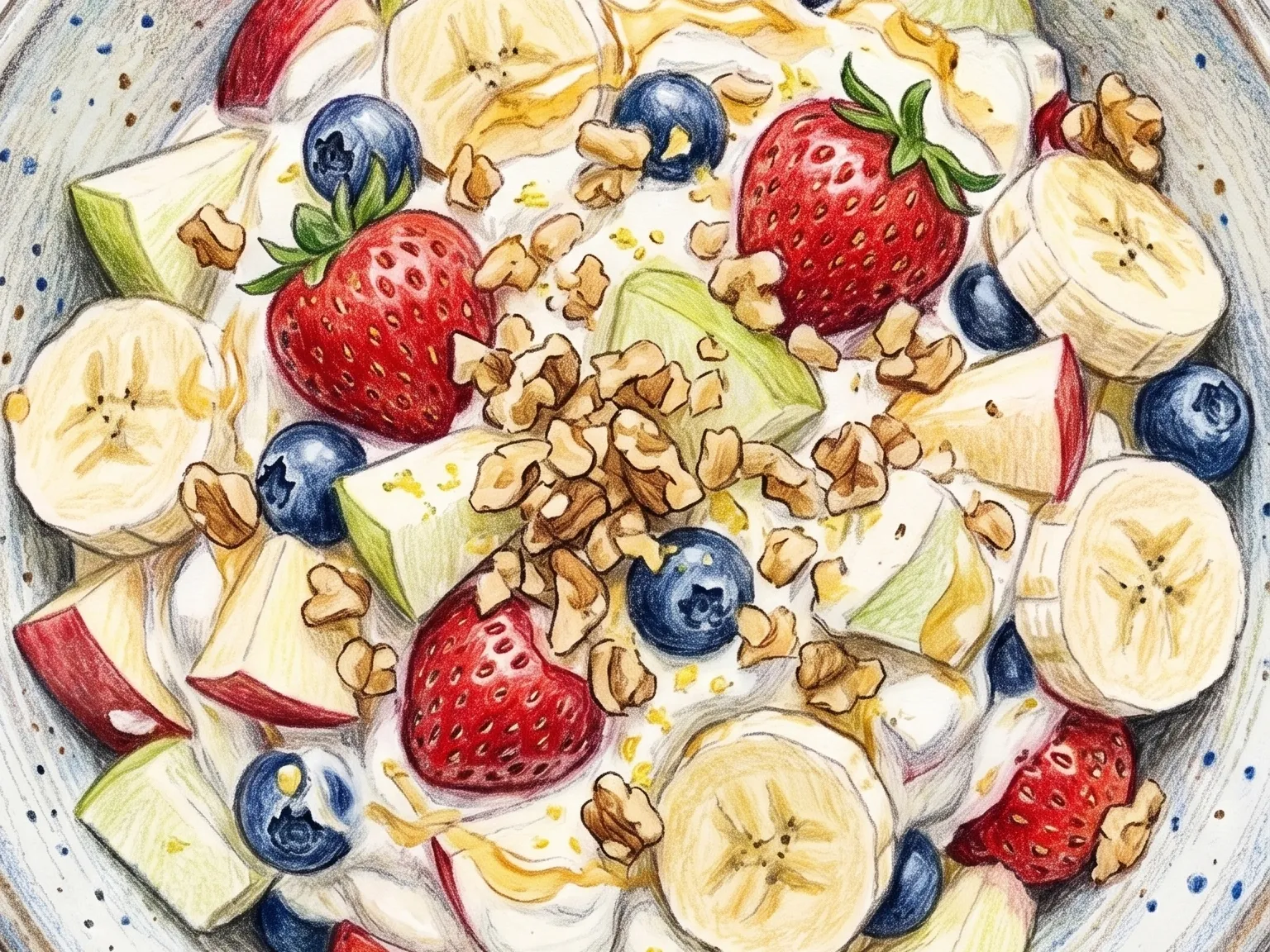
Fruit Yogurt Salad
Apple, banana, strawberry, and blueberry are cut into bite-sized pieces and folded into plain yogurt for a fruit salad where the dressing serves as background rather than centerpiece. The yogurt provides gentle acidity that anchors the sweetness of the fruit without overwhelming it. Honey softens the sharper edge of the yogurt, and a squeeze of lemon juice does double duty: it slows the browning of cut apple and banana while leaving a clean citrus note on the finish. Roughly chopped walnuts scattered over the top introduce a crunchy, slightly bitter contrast to the soft fruit and smooth yogurt, breaking the monotony of texture. Swapping in seasonal fruit makes the recipe adaptable year-round without adjusting the base formula - peaches and melon in summer, persimmon and pear in autumn all work within the same yogurt, honey, and lemon framework. Light enough for a morning meal and refreshing enough after a heavy dinner, it sits comfortably in either role.
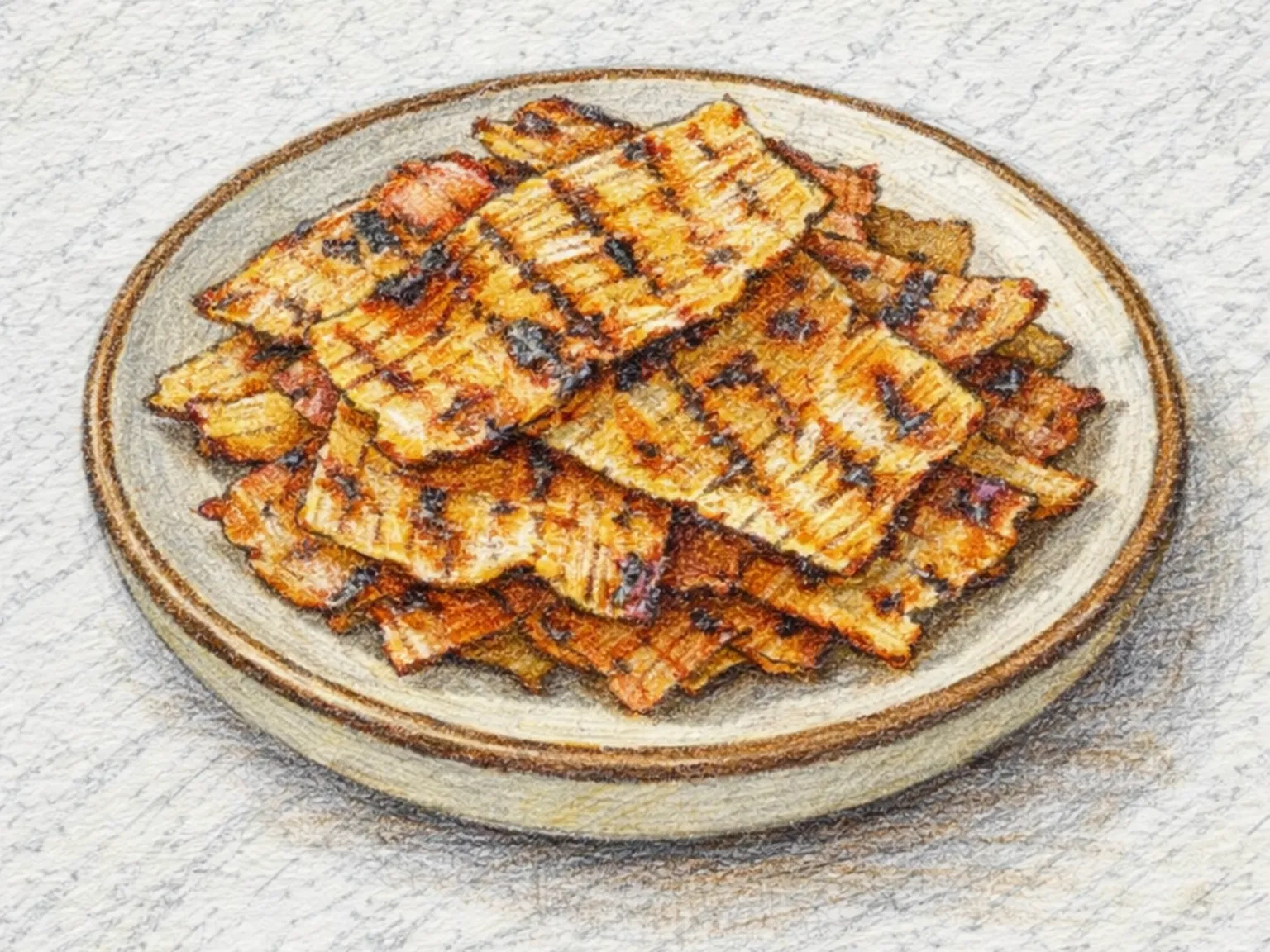
Korean Grilled Filefish Jerky
Jjipo-gui is a Korean bar snack made by pan-grilling dried filefish jerky in melted butter until golden on both sides. Jjipo - dried and pressed filefish - has a dense, chewy texture and a concentrated umami that intensifies the longer you chew, which is what makes it so effective as drinking food alongside beer or soju. Grilling it in butter rather than oil adds a rich, nutty fat quality that complements the inherent savoriness of the dried fish in a way that neutral oil cannot. A thin glaze of soy sauce and oligosaccharide syrup applied near the end of cooking transforms the surface into a glossy, sweet-savory crust that caramelizes without burning, and a pinch of red chili flakes dusted over the top adds a mild heat that persists through the finish. The key to getting the glaze right is temperature control - medium-low heat allows the sugars to caramelize gradually and evenly without scorching, while too high a flame will burn the coating and turn it bitter before the fish has fully grilled through. Too low, and the moisture simply steams off without the glaze setting properly. Cutting the grilled jjipo into long strips with kitchen scissors before serving preserves the chewy pull of the jerky and makes it easier to share and eat in pieces without tearing.
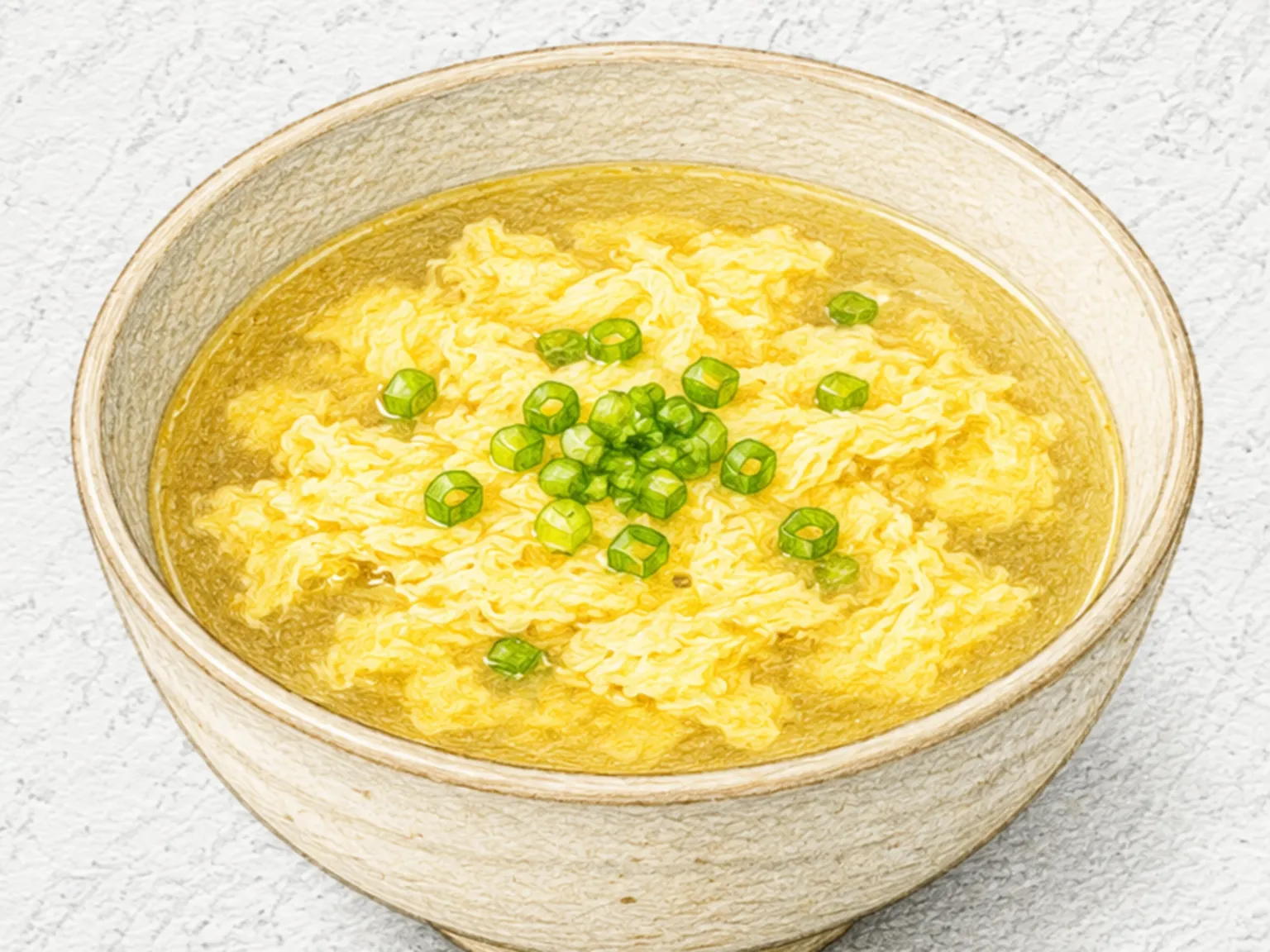
Gyeran-guk (Egg Drop Anchovy Broth Soup)
Gyeran-guk is Korea's most accessible comfort soup: a clear, golden broth seasoned with soy sauce and garlic into which a beaten egg is drizzled in a thin stream. When the egg hits the rolling boil, it sets almost instantly into delicate, flower-like ribbons that drift through the liquid in pale yellow sheets. Sliced green onion and a drop of sesame oil added at the end bring a gentle fragrance that lifts the otherwise clean, mild broth. The result is soothing and restorative, mild enough for a sick day yet substantial enough to anchor a full meal of rice and side dishes. Its near-universal appeal on Korean dinner tables comes partly from the fact that nearly every household keeps eggs, soy sauce, and garlic on hand, making it the soup most likely to appear with no planning at all. From start to finish the bowl is ready in under ten minutes.
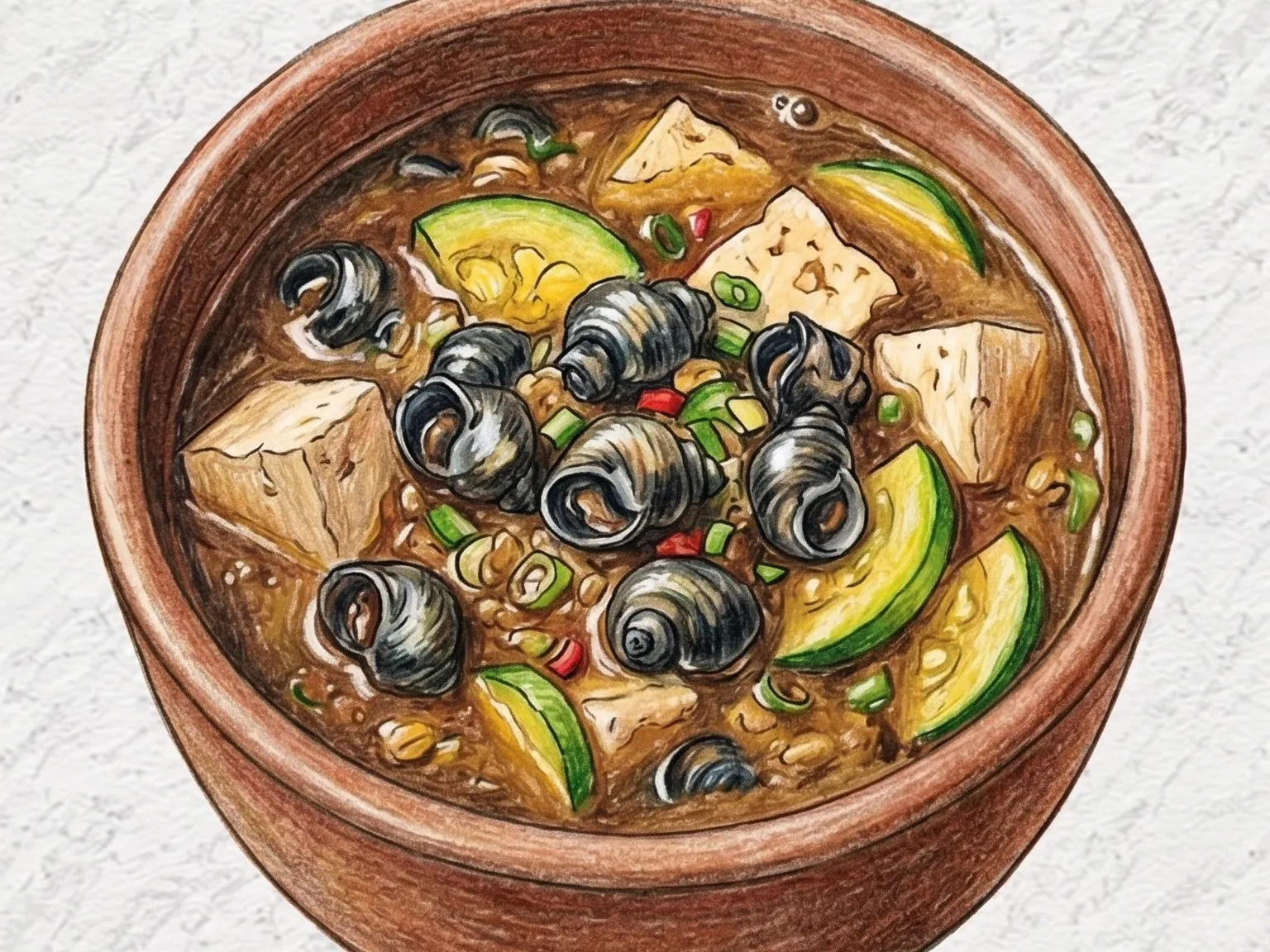
Korean Apple Snail Doenjang Stew
Ureong doenjang jjigae is a rustic Korean stew featuring chewy apple snails and fermented soybean paste in an anchovy broth. Rooted in traditional Korean countryside cooking where snails were gathered from rice paddies, this dish highlights the contrast between the mild, chewy snails and the deep flavor of the doenjang. Preparing the dish begins by rubbing the snails in salted water to remove grit. Next, doenjang is dissolved into boiling anchovy broth, and sliced zucchini is added to cook until tender. The cleaned snails are added along with minced garlic and simmered briefly. It is important to cook the snails for only five to six minutes, as overcooking makes them tough. Tofu and green onions are added at the very end to complete the stew. The resulting dish offers a rich broth with a pleasant contrast of soft tofu and chewy snails.
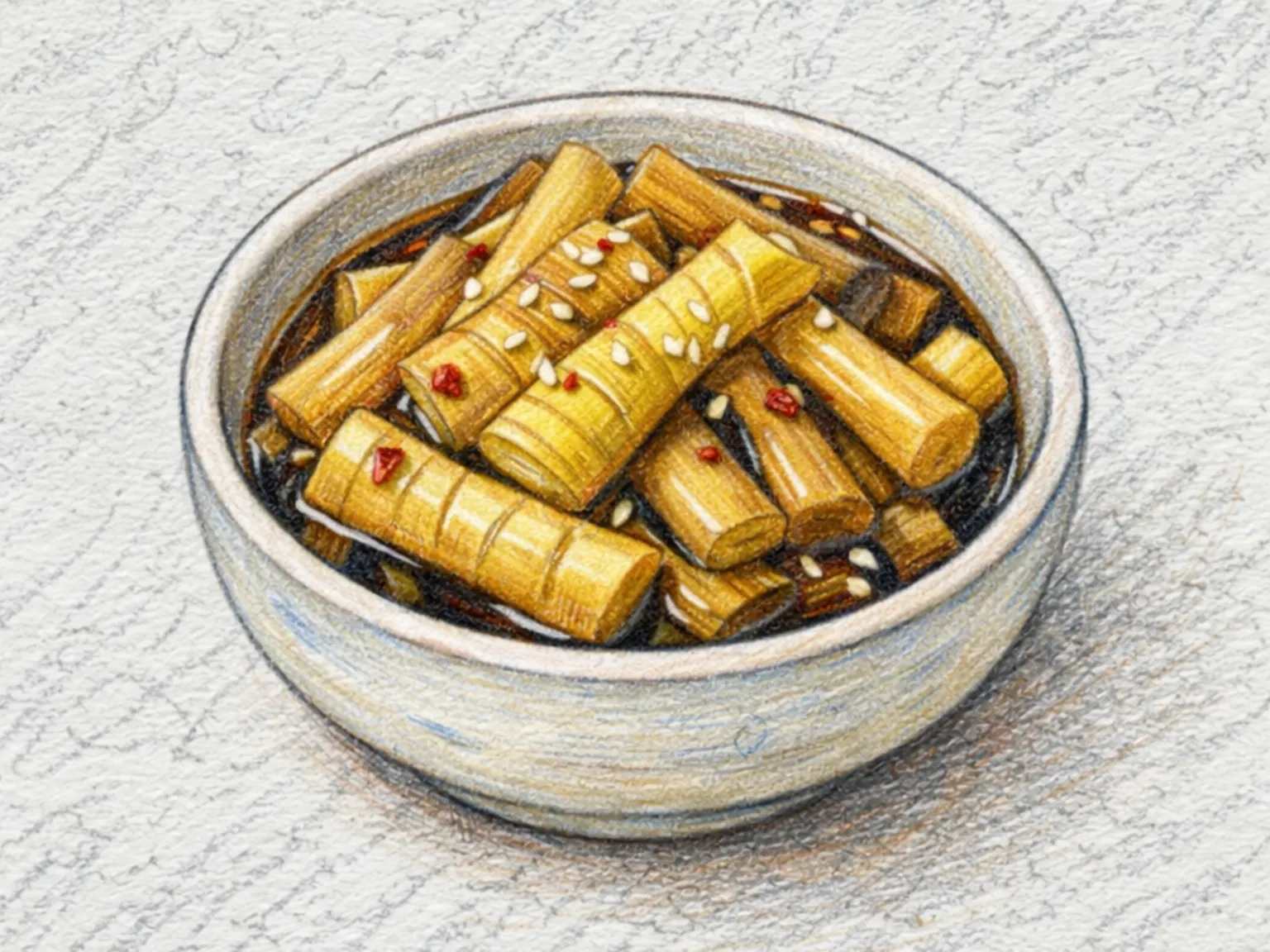
Korean Bamboo Shoot Pickle
Juksun jangajji refers to a Korean side dish consisting of pickled bamboo shoots. The preparation begins by boiling the raw bamboo shoots in water, a necessary preliminary step that removes the naturally occurring astringency and the sharp, harsh qualities found in the fresh plant. Once the shoots are softened and neutralized, they are placed into a container and covered with a hot pickling liquid. This brine is a mixture of soy sauce, vinegar, and sugar, which is brought to a boil together with dried bay leaves and whole black peppercorns to provide a subtle aromatic complexity. Because bamboo possesses a particularly dense and tightly packed cellular structure, it does not absorb the flavors immediately. Instead, the shoots slowly take in the salty, sweet, and acidic properties of the brine over the course of at least twenty-four hours while resting in a refrigerator. This slow penetration allows the bamboo to retain its characteristic firm and crunchy texture even after it has been submerged in the liquid for several days. The inclusion of bay leaf and whole peppercorns introduces a quiet, layered spice profile that differentiates this version from simpler soy and vinegar preparations. It is important to perform the initial blanching, as skipping this step results in a persistent bitterness that the pickling brine is unable to mask. In terms of serving, the sharp acidity of these pickles functions effectively as a palate cleanser when eaten alongside fatty meats such as grilled pork belly or marinated galbi. The textured shoots can also be utilized as a crisp topping for rice bowls or integrated into sandwiches to add a structural element.
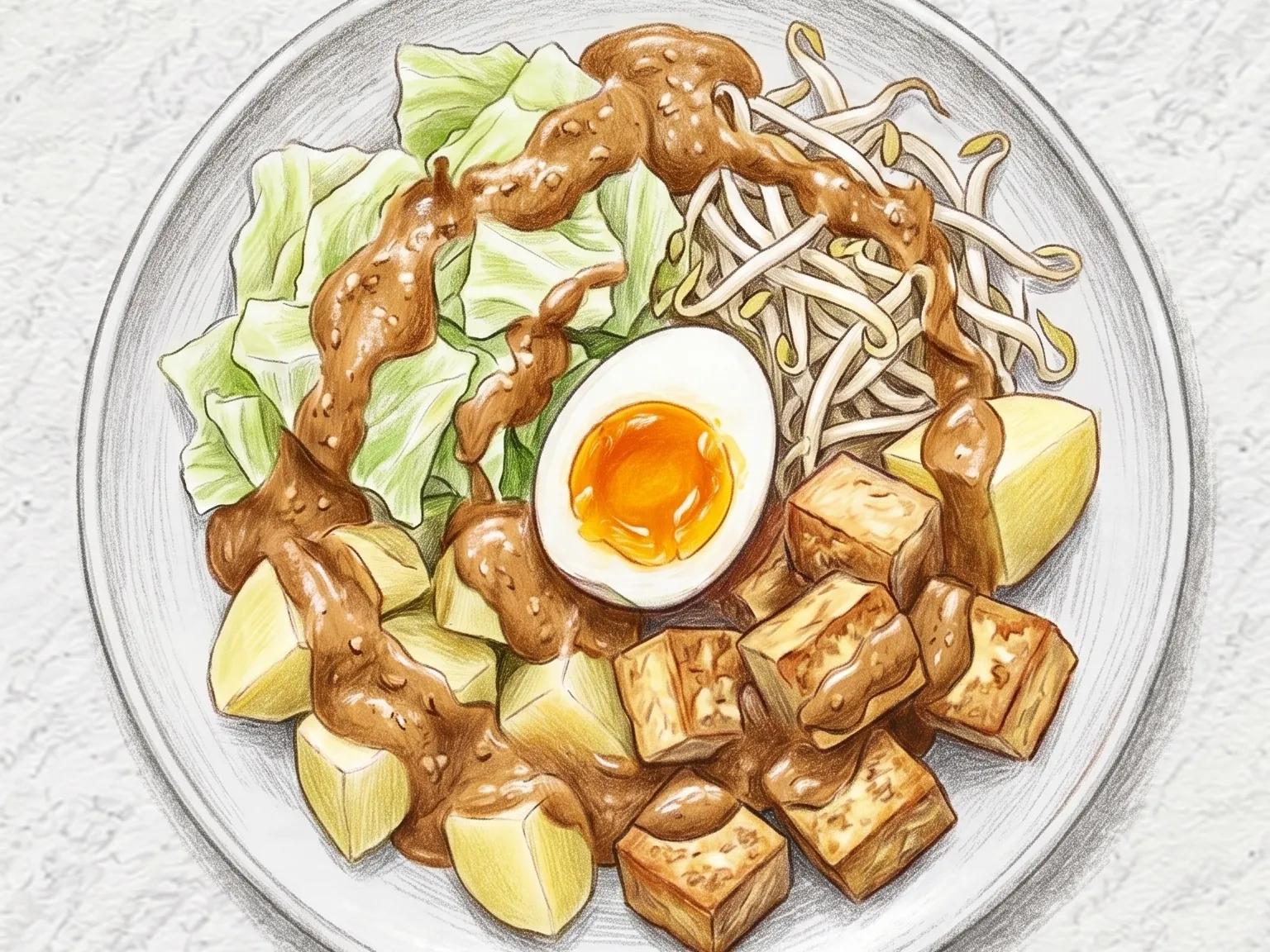
Gado-Gado Salad (Indonesian Peanut Sauce Veggie Plate)
Gado-gado salad is an Indonesian composed dish that brings together blanched cabbage, bean sprouts, boiled potato wedges, pan-seared firm tofu, and halved soft-boiled eggs on a single plate, then finishes them with a thick, glossy peanut sauce. The sauce combines peanut butter, lime juice, and soy sauce into a base that layers nuttiness over a sharp, salty-sour foundation, lifting the mild flavors of every vegetable and the tofu in a single pour. Each vegetable is blanched separately and pulled from the water at a different moment: cabbage stays crisp, while bean sprouts are allowed to soften just slightly, so the finished plate holds distinct textures rather than a uniform mush. The tofu must be pressed or patted completely dry before it goes into the pan; residual moisture prevents proper browning and causes the cubes to crumble when tossed with the sauce. If the peanut sauce thickens as it sits, a tablespoon of warm water at a time is all it takes to bring it back to a pourable, coating consistency that drapes over the vegetables rather than clumping on top.

Korean Kiwi Mint Ade
Kiwi mint ade is a sparkling fruit drink built from a base of muddled fresh kiwi, sugar, and lemon juice, finished with well-chilled sparkling water poured in just before serving. The bright, almost tart acidity of ripe kiwi plays against the cool green note of lightly bruised mint leaves, producing a layered freshness that wakes the palate from the first sip. Floating thin rounds of sliced kiwi on top adds a visual element and gives the drink bursts of fruit texture between sips of carbonated liquid. Mint should be pressed gently rather than crushed hard, since breaking the leaves too aggressively extracts bitter compounds that muddy the clean kiwi flavor. Serving over plenty of ice keeps the carbonation lively and the overall impression as crisp as possible.