🧒 Kid-Friendly Recipes
Sweet and fun snacks kids will love
516 recipes. Page 3 of 22
Kid-friendly snacks should be tasty and nutritionally balanced. This tag includes sweet treats children love alongside healthier options with hidden vegetables - potato cheese balls, sweet potato sticks, fruit skewers, and more.
Making snacks at home means full control over ingredients, with no additives or preservatives. Cooking together can also be a fun activity for the family. Browse these simple recipes designed to please young palates.
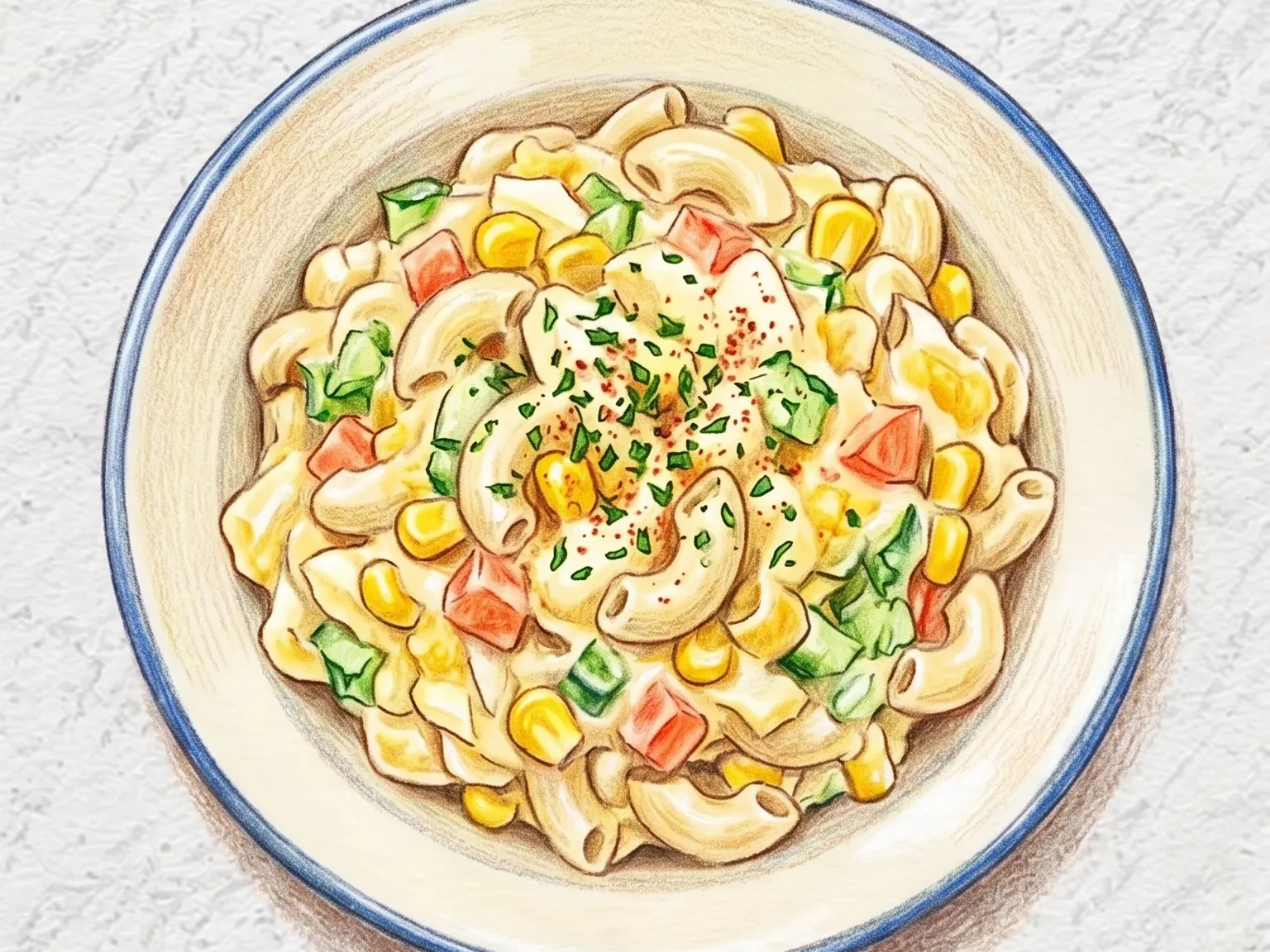
Korean Macaroni Salad (Sweet Mayo Pasta from Retro Diners)
Korean macaroni salad is a retro banchan that became a fixture of bunsikjip snack bars and gyeongyangsik Western-style restaurants during the 1970s and 80s, and it has remained a nostalgic staple ever since. The Korean version differs from its Western counterpart in two notable ways: sugar is added to the dressing, making the whole salad distinctly sweeter, and sweet corn kernels replace the mustard or herbs common in American recipes, contributing a pop of juicy sweetness with each bite. The pasta is boiled for eight minutes or longer, well past al dente, because softer noodles tangle more effectively with the mayonnaise and hold the dressing inside rather than letting it slide off. Cucumber must be salted and then squeezed firmly to extract moisture before it goes into the salad; skipping this step causes the dressing to thin and puddle at the bottom over time. Carrot is blanched for exactly one minute to preserve its crunch, and crushed hard-boiled egg stirred into the dressing gives the salad a richer, denser body. The finished salad needs at least twenty minutes in the refrigerator for the mayonnaise to firm up and adhere to the pasta so it holds its shape on the plate. This salad is a standard side at gyeongyangsik restaurants alongside donkatsu and hamburger steak, and it appears regularly as a complimentary banchan at gimbap shops. A dusting of paprika powder or chopped parsley adds color to the otherwise pale presentation.
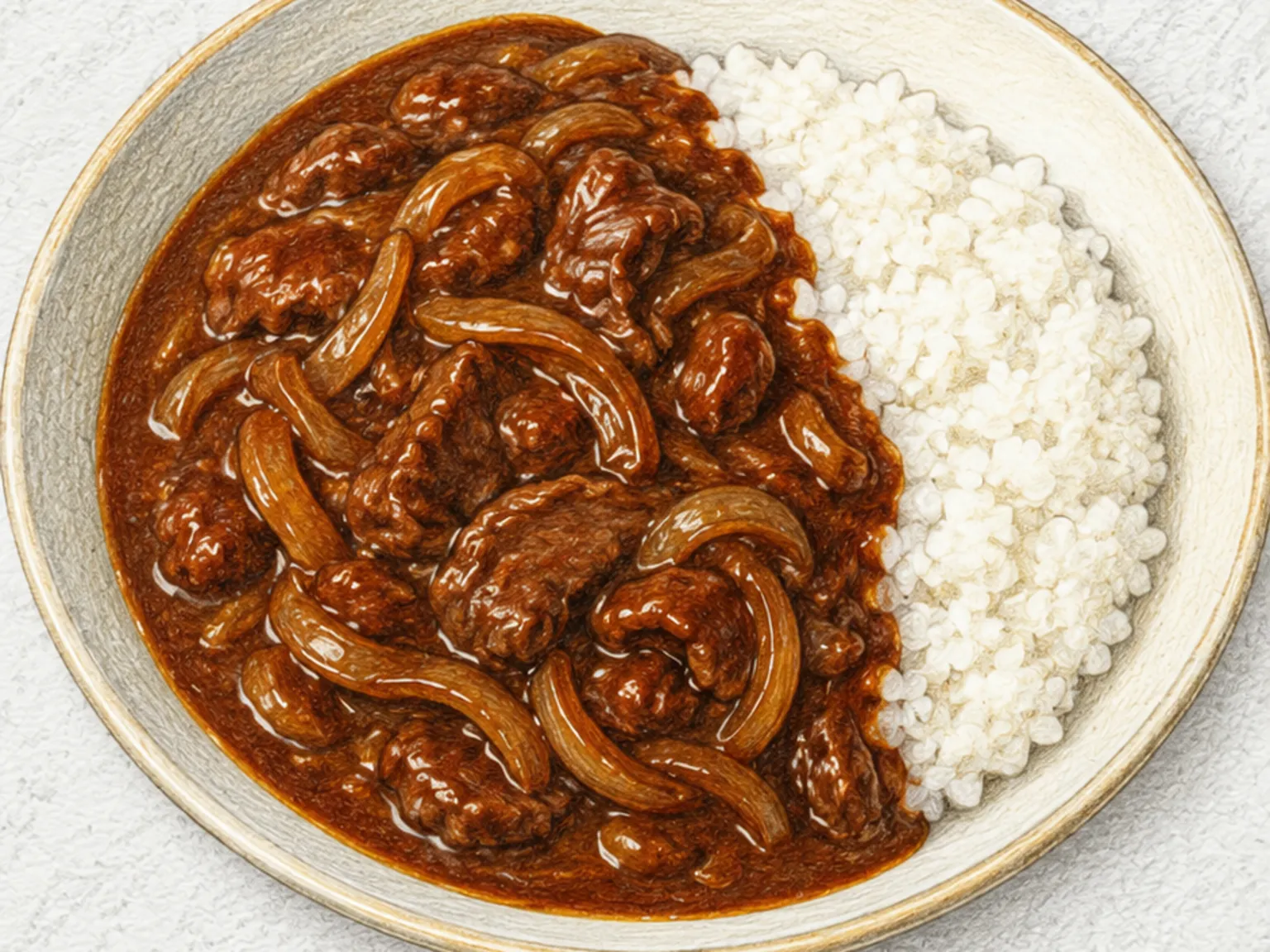
Hayashi Rice (Japanese Beef and Onion Brown Sauce Rice)
Hayashi rice is a Japanese home-cooking dish in which thinly sliced onions are caramelized in butter for at least eight minutes until deeply golden, then simmered with thin-cut beef, tomato paste, Worcestershire sauce, and flour into a glossy, thick brown sauce served over warm rice. The caramelization of the onions is the single most important step in the recipe. Rushing this stage produces onions that have lost moisture but not developed sweetness, resulting in a flat sauce with no depth. Extended browning converts the onion's natural sugars into a rich, almost candy-like sweetness that forms the foundation of the entire dish and cannot be replicated by any shortcut. Tomato paste adds acidity and deepens the color, Worcestershire sauce contributes a layered spice complexity, and flour gives the sauce enough body to sit on top of the rice without running. The sauce is spooned generously over one side of the rice in the same manner as curry rice, and the complete absence of spicy heat makes it a mild, accessible dish that appeals to both children and adults.
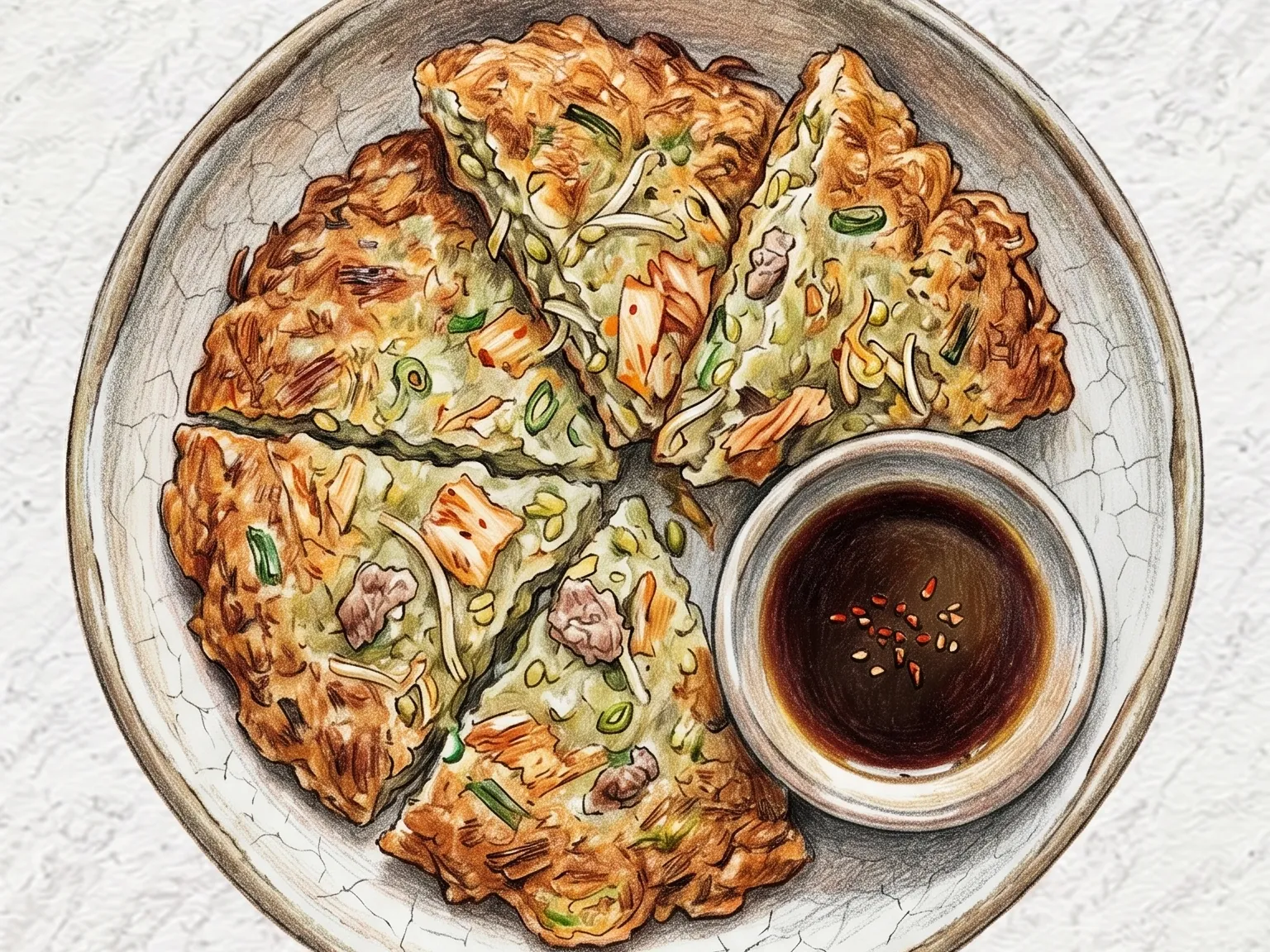
Korean Mung Bean Street Pancake
Bindaetteok-street is a Korean market-style mung bean pancake made by grinding soaked mung beans into a thick batter, then pan-frying it loaded with bean sprouts, kimchi, ground pork, and scallion in generous oil. The batter crisps into a deep golden shell while the interior stays moist and creamy. Kimchi weaves in a gentle spiciness alongside its fermented depth, and pork releases savory fat throughout the pancake. Bean sprouts provide a light crunch that offsets the density of the batter. Skimping on oil leaves the crust chewy rather than crisp, so a generous pour is part of the technique. A soy-vinegar dipping sauce served alongside cuts through the richness and ties the dish together.
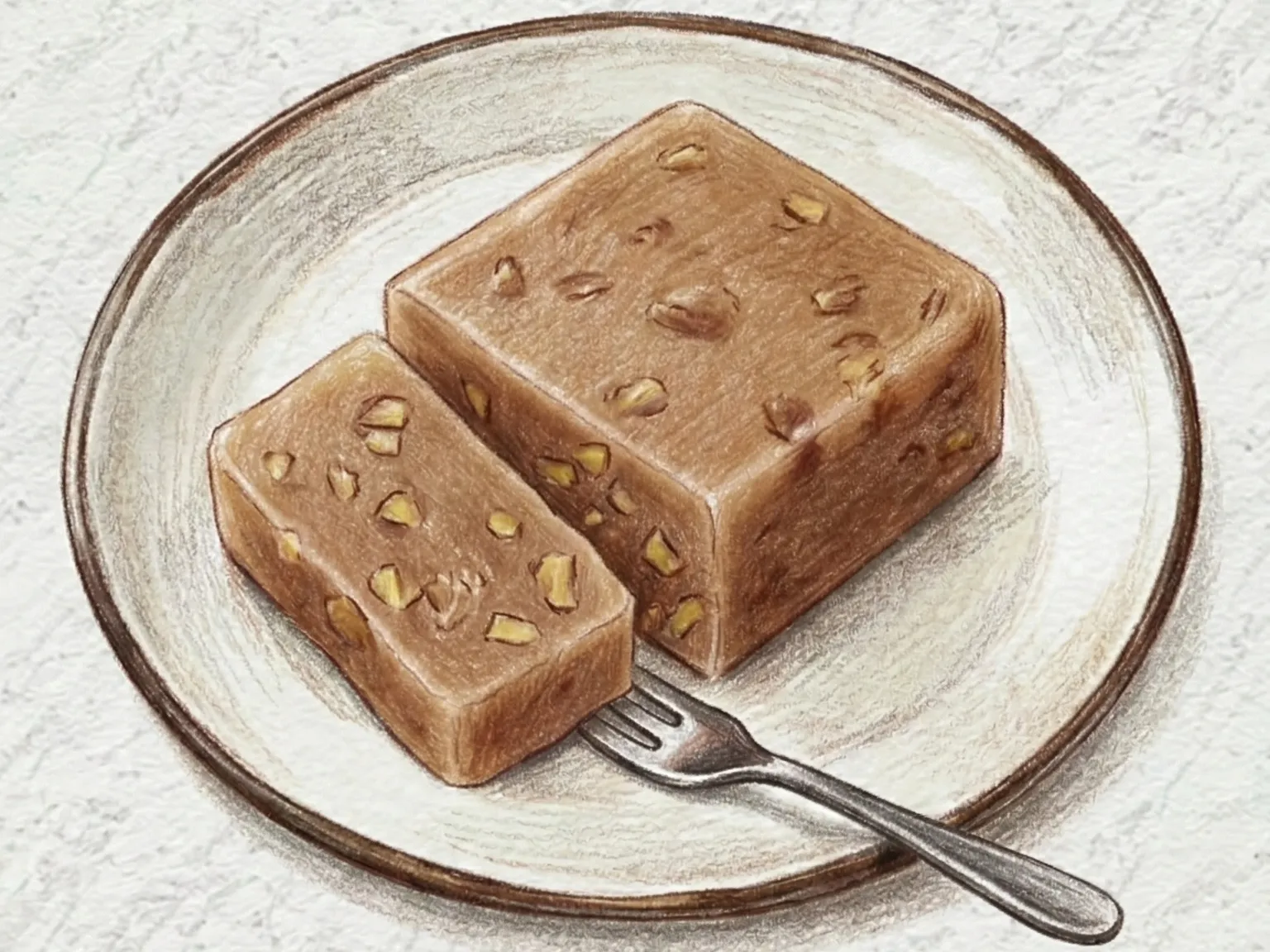
Chestnut Sweet Jelly (Korean Agar-Set Chestnut White Bean Confection)
Bam yanggaeng is built from three components: chestnut puree, white bean paste, and agar powder. Boiled chestnuts are mashed fine and combined with the bean paste, then dissolved agar, sugar, and honey are stirred into the mixture before it is brought to a brief boil. Poured into a mold and left to cool at room temperature, the agar sets the block into firm, clean-slicing slabs - a texture that comes from agar's sharp recrystallization as it cools, which produces a harder and more abrupt snap than gelatin-based confections. The starchy density of chestnuts gives the cross-section a smooth, fine-grained quality that plain bean paste lacks. A small amount of salt is critical: it draws the sweetness into focus rather than muting it. Skimming air bubbles before pouring ensures a flat, even surface. Prepared as a holiday gift in Korean households for generations, the finished block keeps in the refrigerator for about a week without losing texture.

Einspanner (Espresso with Vanilla Whipped Cream)
The Einspanner is a coffee beverage originating from Austria that features a distinct layered structure consisting of espresso at the bottom and a dense portion of whipped cream on top. This cream is typically seasoned with a small amount of sugar and vanilla extract to provide a subtle sweetness that complements the coffee. A primary characteristic of this drink is the sharp visual and textural contrast between the dark espresso base and the thick, pale cream that rests on the surface. Proper preparation of the cream is essential for the beverage to function as intended. It must be whipped until it reaches a specific consistency of approximately seventy percent stiffness, which allows it to remain fluid enough to float and spread evenly across the entire surface of the espresso. If the cream is over-whipped and becomes too firm, it will form clumps and fail to integrate naturally with the coffee as the person drinks it. The assembly process involves cooling the espresso for a short period before pouring it into a glass containing ice. The whipped cream is then added slowly by using the back of a spoon to guide it onto the surface of the coffee. This specific technique is used to ensure that the two layers remain separate and do not mix prematurely. To finish the preparation, a fine layer of cocoa powder is dusted over the top of the cream. This addition provides a light chocolate flavor that serves as a bridge between the bitter notes of the espresso and the sweet taste of the whipped cream. Customarily, an Einspanner is consumed without the use of a straw. The standard method is to sip the coffee directly through the layer of cream so that both components reach the palate at the same time. This allows for the simultaneous experience of the concentrated coffee and the flavored cream in every mouthful.
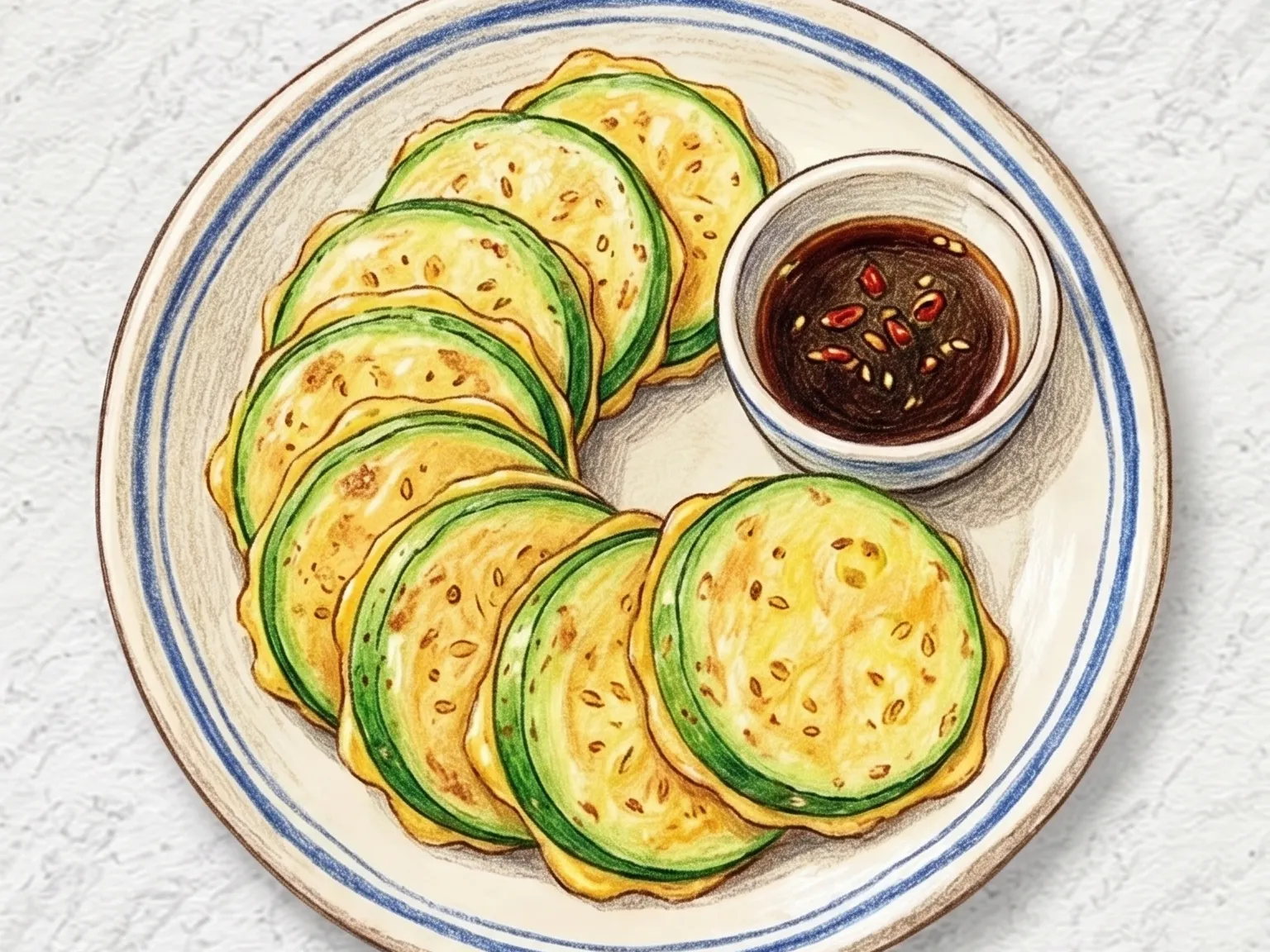
Korean Pan-fried Zucchini Jeon
Hobak-jeon is a Korean pan-fried zucchini pancake made by slicing Korean zucchini into uniform half-centimeter rounds, salting them for five minutes, then dusting in flour, dipping in beaten egg, and frying over medium heat for two to three minutes per side. The salting step does two things at once: it pulls out the moisture that would otherwise make the pancakes soggy, and it concentrates the zucchini's mild sweetness into a more distinct flavor. The egg coating acts as a gentle heat buffer, keeping the interior soft and moist while the exterior develops an even, pale golden color with a subtle nuttiness from the cooked egg. The yellow hue adds color to the table, and the jeon pairs naturally with soy sauce or a vinegared soy dipping sauce. It is one of the most versatile banchan in Korean cooking, suitable for a child's lunchbox, an everyday dinner table beside soup or stew, or stacked on a holiday platter for ancestral rites and guests alike. The simplicity of the method and the availability of the ingredients mean it appears on Korean tables year-round.
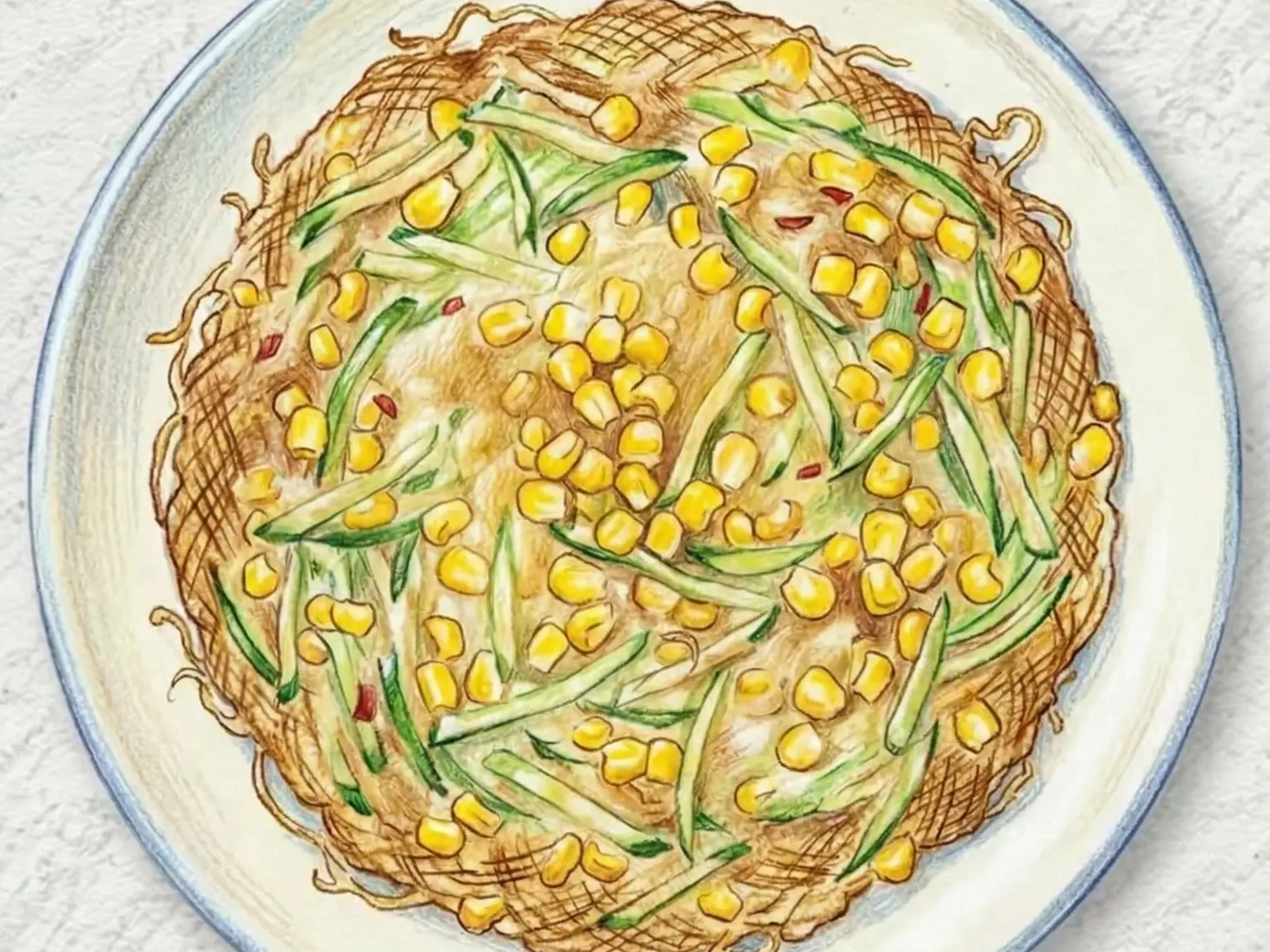
Korean Zucchini Corn Jeon
Shredded zucchini and sweet corn kernels are folded into a pancake-mix batter and pan-fried until golden. Julienning the zucchini to a uniform thickness ensures even cooking throughout, while the corn kernels pop with sweetness in each bite. Egg enriches the batter and improves cohesion, and black pepper adds a light seasoning. Using cold water keeps the batter thin and airy, which helps the vegetables maintain their distinct textures after frying. The pan and oil must be fully heated before the batter goes in to achieve a crisp exterior, and spreading the batter wide makes the edges thin enough to turn properly crunchy. Let one side set completely over medium heat before flipping to keep the pancake intact.
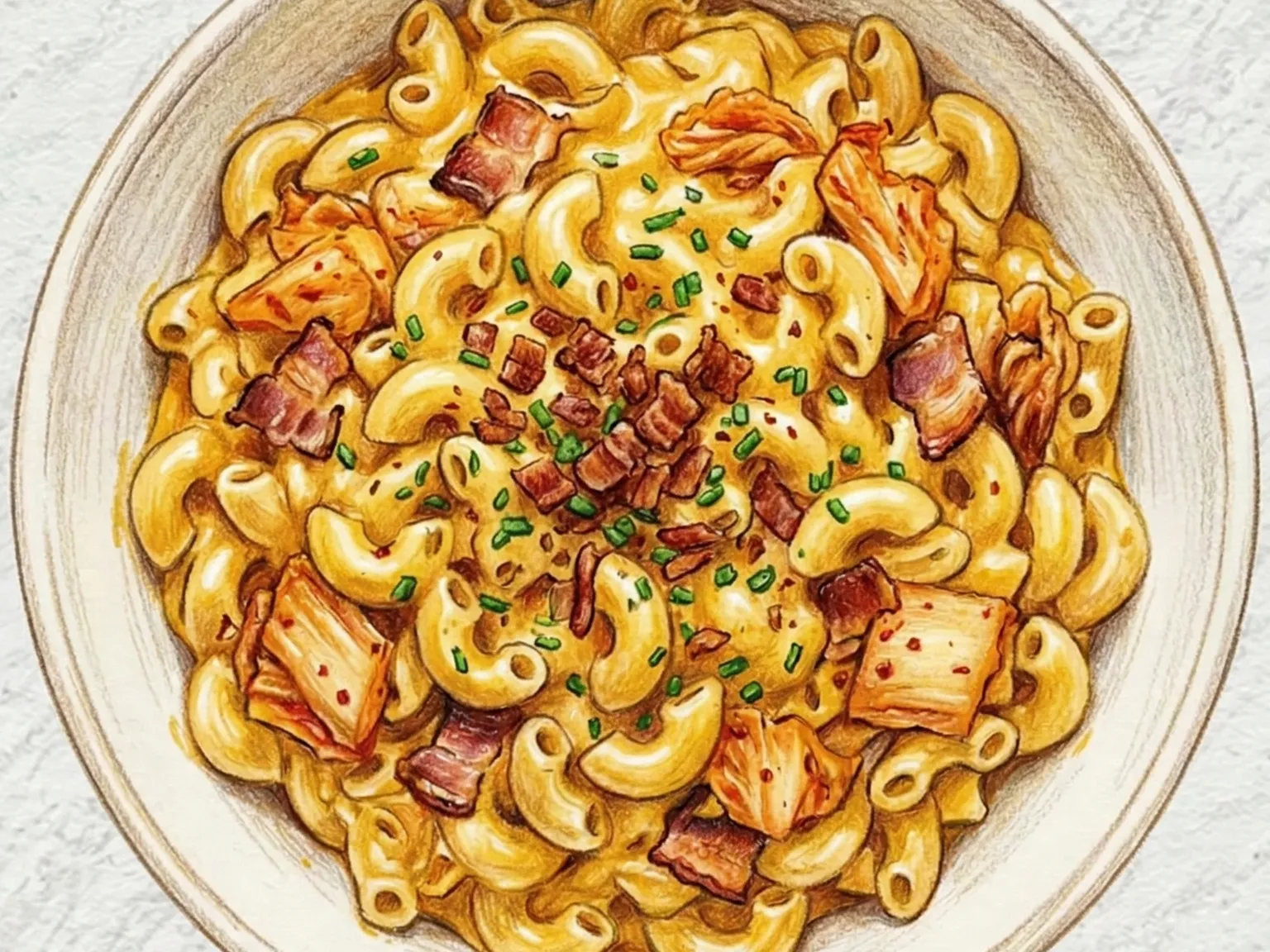
Kimchi Bacon Mac and Cheese
Kimchi bacon mac and cheese layers aged kimchi's lactic tang and smoky bacon into a classic American cheddar cheese sauce over elbow macaroni. A butter-flour roux forms the base, with milk whisked in to build a béchamel before cheddar is melted into a thick, clinging sauce. Crisp bacon pieces add salt and crunch throughout, while chopped ripe kimchi introduces fermented acidity that counteracts the richness of the cheese. A pinch of gochugaru runs underneath with mild, warming heat. The tubular macaroni shape traps sauce inside and out, ensuring each forkful carries the full spectrum of creamy, tangy, and smoky flavors.

Fruit Salad (Fresh Seasonal Fruit in Yogurt)
Fruit salad dices apple, banana, kiwi, strawberries, and blueberries into uniform bite-sized pieces and folds them gently into a light dressing of plain yogurt, honey, and lemon juice. Cutting everything to a similar size ensures an even mix of crisp, soft, and juicy textures in every spoonful. The lemon juice serves two purposes - it adds a bright acidity that ties the different fruits together and slows the oxidation that turns apple flesh brown. Banana should be added last to prevent it from turning mushy under the weight of the other ingredients. Using unsweetened yogurt lets the natural sweetness of the fruit stand out more clearly, and chilling the finished salad for about ten minutes allows the fruit juices to merge with the dressing for a more cohesive flavor.

Classic Beef Burger
A classic beef burger shapes seasoned ground beef into a thick patty and sears it over high heat until a deep brown crust forms on the outside while the interior stays juicy. The Maillard reaction on the hot surface concentrates the beef flavor into that crust, and a slice of cheddar melted on top adds a salty, creamy layer. Crisp lettuce and a thick tomato slice bring moisture and freshness, while pickle slices cut through the richness with vinegar acidity. A brioche bun absorbs the rendered juices and condiments without falling apart, holding the stack together so every bite delivers all the components at once.
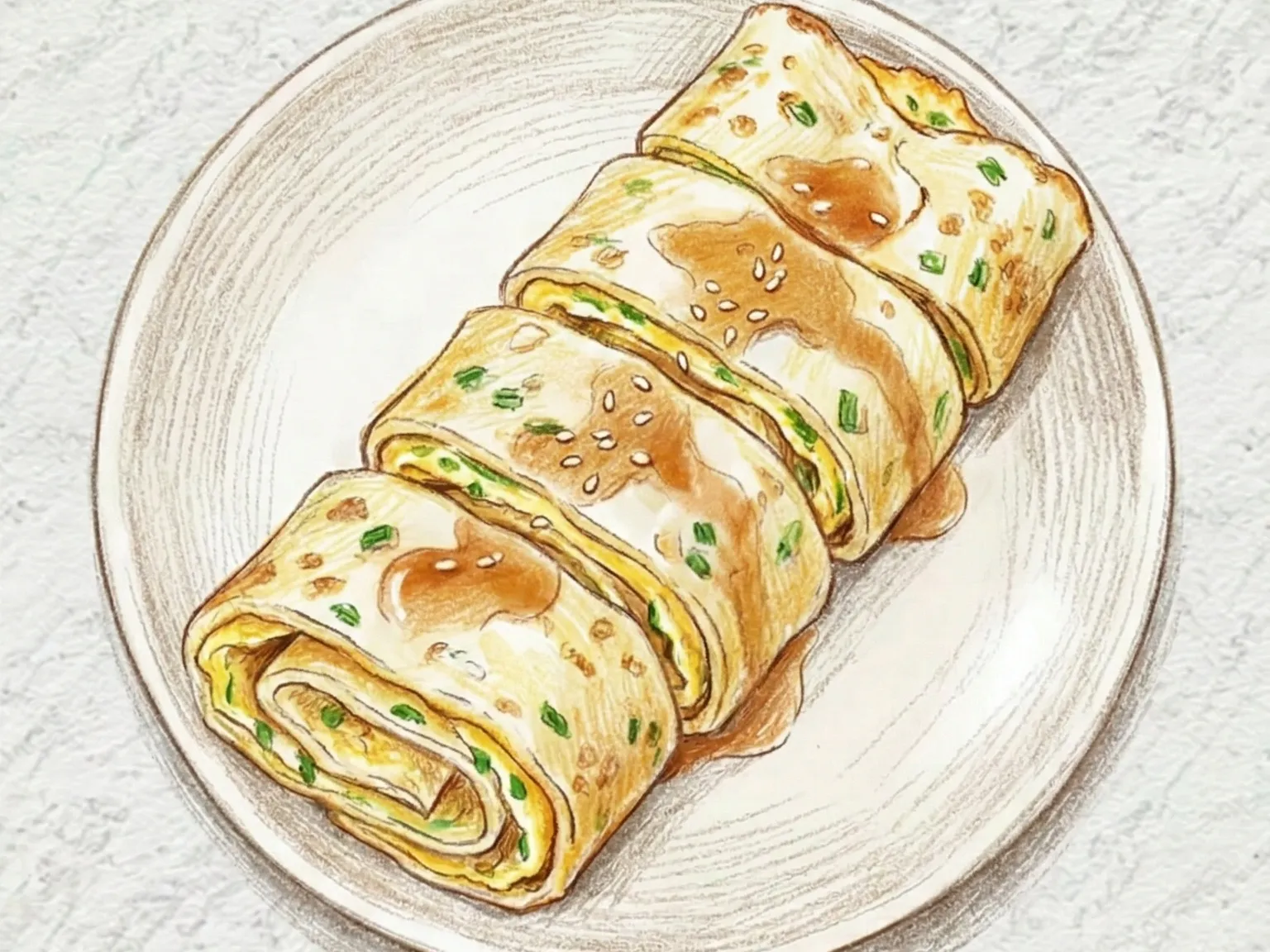
Dan Bing (Taiwanese Egg Crepe Roll)
Dan bing is the cornerstone of Taiwan's breakfast culture, sold at nearly every zaocan dian (morning eatery) across the island. For many Taiwanese, no morning is complete without one. A thin wheat-flour batter is spread on a flat griddle, then an egg is cracked directly on top and spread across the crepe. As the egg sets, it bonds with the dough to create a dual texture: slightly chewy pastry on the outside and a soft, custardy egg layer within. Beyond the classic plain version, fillings range from corn and tuna to cheese and bacon, with each stall guarding its own batter recipe that keeps regulars loyal. A brush of soy paste adds salty depth, while a drizzle of chili oil sharpens the overall flavor. At 30-50 TWD (roughly one U.S. dollar), dan bing is assembled in under a minute, making it the grab-and-go fuel of Taiwan's scooter-riding commuters. The minor differences between stalls, the precise thickness of the batter, the exact moment the egg is spread, the ratio of soy paste to chili oil, are what turn a simple street food into a deeply personal daily ritual that regulars return to morning after morning.
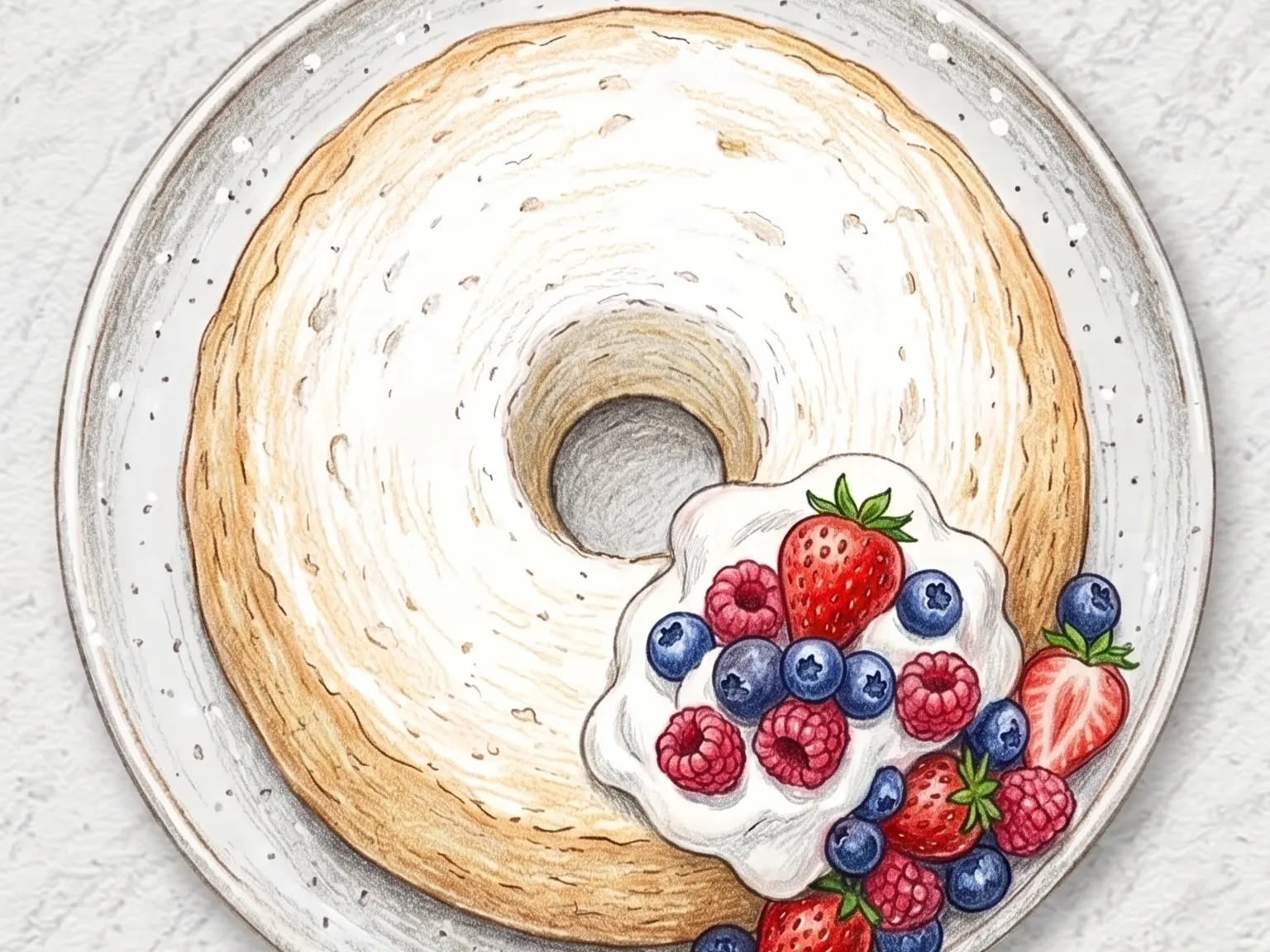
Angel Food Cake
Angel food cake appeared in the United States in the late 19th century, most likely as a way to use the egg whites left over after making yolk-rich custards. The formula is unusually restrained: no butter, no oil, no yolks. Structure comes entirely from whipped egg whites stabilized with cream of tartar, folded into a mixture of cake flour and sugar. Baking produces a tall white ring with a snow-white crumb and a slightly chewy top crust that behaves like the skin of a marshmallow. After baking, the pan must be inverted and allowed to cool upside-down; leaving it right-side up allows the delicate foam structure to collapse under its own weight. The flavor is clean and vanilla-forward, without any of the richness that butter introduces into a conventional layer cake. Traditionally served with fresh berries and whipped cream, it has long been a fixture at American church socials and summer gatherings.
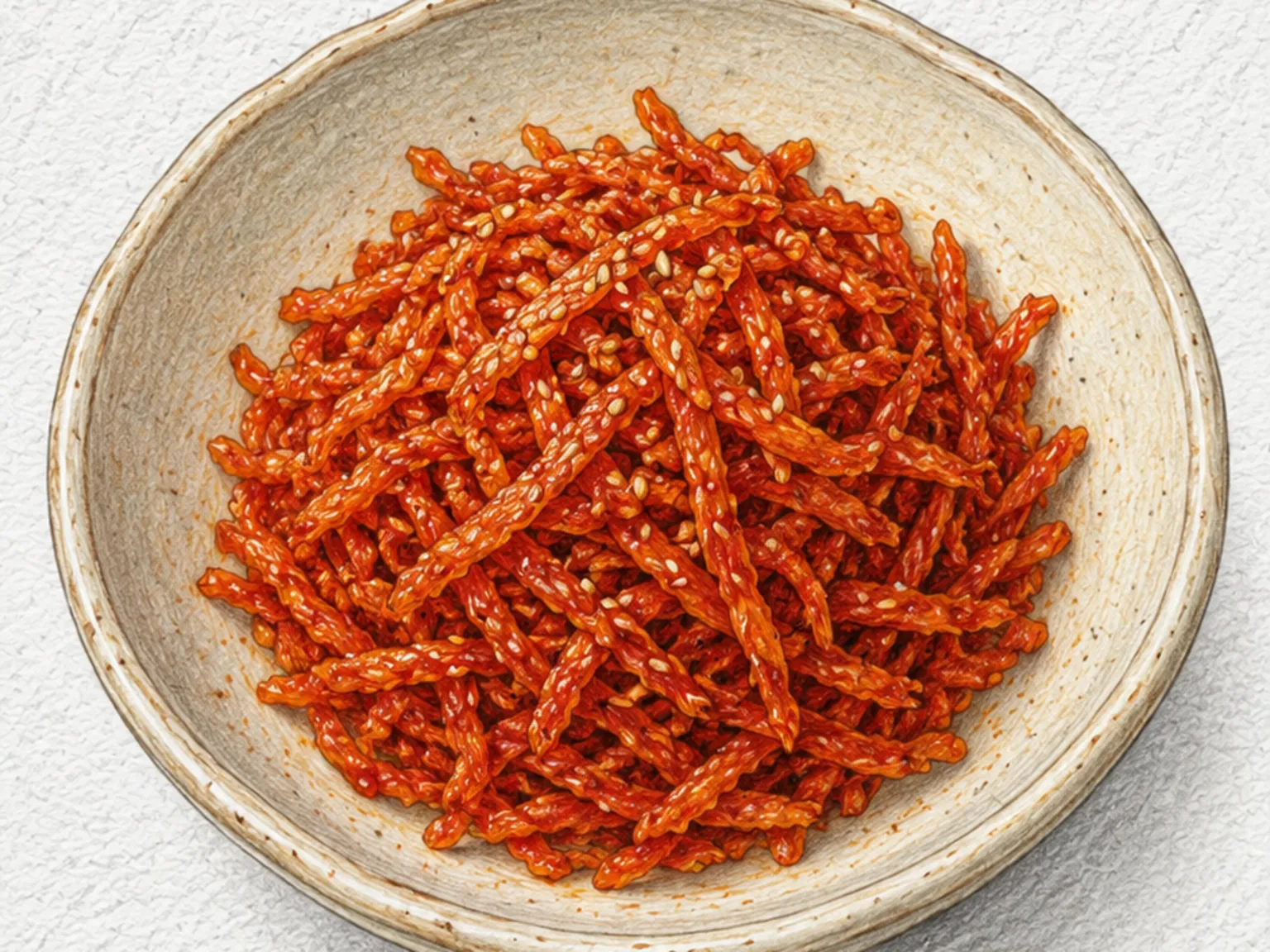
Korean Sweet Spicy Pollock Floss Stir-fry
Myeongyeopchae-bokkeum stir-fries finely shredded dried pollock floss in gochujang and oligosaccharide syrup until each fiber strand is evenly coated and moist. Myeongyeopchae is thinner and softer-fibered than hwangtaechae, the wider dried pollock strips, arriving in a dense cotton-like bundle that must be loosened strand by strand before cooking. Running your fingers along the grain separates the fibers cleanly, allowing the seasoning to penetrate evenly and preventing the finished banchan from clumping together in the mouth. A dry toast of thirty seconds in an oil-free pan drives off residual moisture and coaxes out a toasted fish aroma before gochujang, gochugaru, oligosaccharide syrup, soy sauce, and minced garlic go in over the lowest heat for a rapid coating. The fine fibers absorb the sauce almost immediately and turn pliant and glistening, but heat held too long draws the moisture back out, leaving them tough and stiff, so the entire stir-fry must be completed within two minutes. A finishing drizzle of sesame oil and a scatter of sesame seeds deepen the nutty aroma. The resulting banchan occupies a middle ground between the chewier, more aggressively seasoned hwangtaechae-muchim and the bolder jinmichae-bokkeum, its mild sweet-spicy profile approachable enough for children. The relatively dry finish means the seasoning does not bleed into adjacent items in a lunchbox, and stored in an airtight container in the refrigerator the flavor holds well for up to five days.
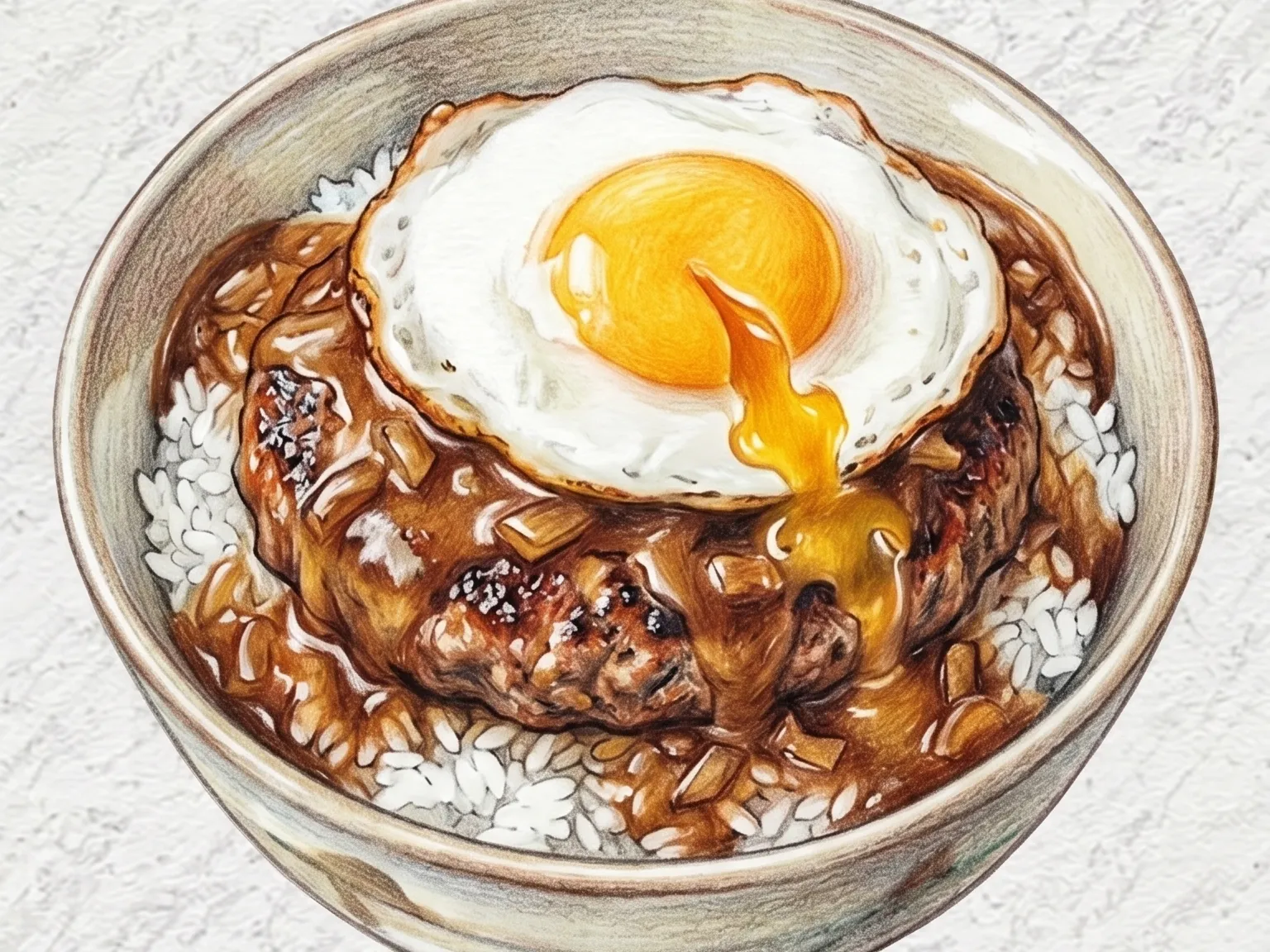
Loco Moco Rice Bowl (Hawaiian Beef Patty Gravy Rice Bowl)
Ground beef is mixed with minced onion, shaped into patties, and pan-seared for four to five minutes per side until a crisp crust forms outside while the center stays moist. The same pan - still coated with beef drippings - gets butter, the remaining onion, and flour to build a quick roux, then water and Worcestershire sauce transform it into a smooth, glossy gravy that captures all the fond. Assembly is straightforward: rice on the bottom, patty on top, gravy ladled over, and a sunny-side egg crowning the bowl. Breaking the runny yolk into the gravy creates a rich, velvety sauce that ties the Hawaiian-born dish together into a hearty, deeply satisfying plate.
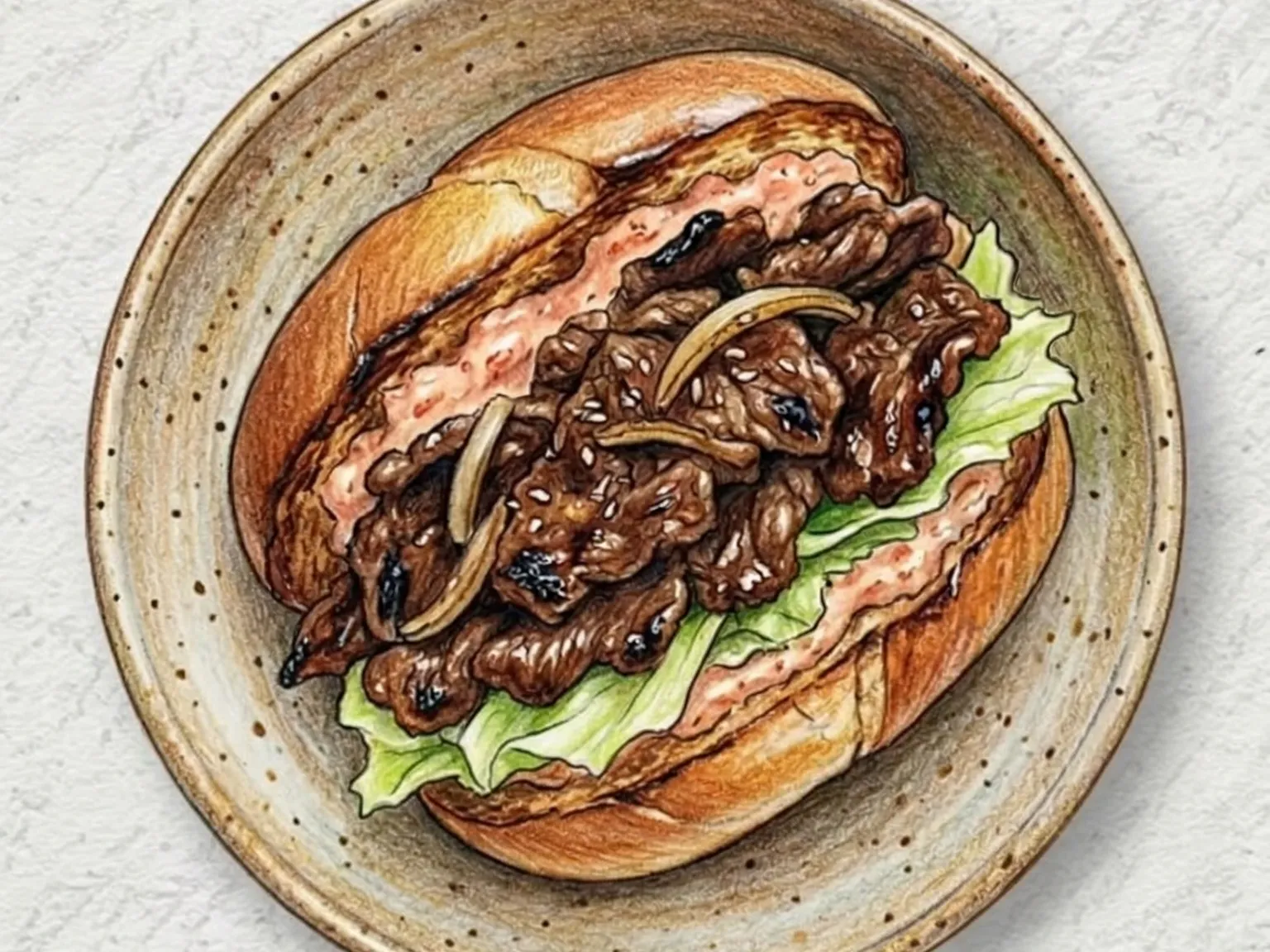
Korean Bulgogi Sandwich (Soy-Marinated Beef Toast with Mayo Lettuce)
The preparation of a bulgogi sandwich begins with beef marinated in a mixture of soy sauce, sugar, minced garlic, and sesame oil before meeting a scorching pan. A surface heated to its limit is essential because only extreme heat can evaporate moisture instantly, allowing the sugars in the marinade to caramelize into a savory-sweet exterior. If the temperature is insufficient, the meat stews in its own liquid rather than searing. A generous layer of mayonnaise on the toasted bread acts as a structural barrier, preventing the beef juices from making the sandwich soggy while softening the intensity of the seasoning. Fresh, crisp lettuce provides a textural contrast to the warm meat. Folding ssamjang into the mayonnaise introduces fermented and spicy elements that emphasize the Korean origin of the dish. A slice of cheese adds a smooth layer between the bread and the beef, and increasing the vegetable portion creates a lighter meal. With the meat prepped ahead of time, the entire assembly takes under ten minutes, offering a practical solution for a busy morning or a simple lunch.

Korean Black Raspberry Jelly
Bokbunja jelly cups are a chilled Korean dessert made by setting bokbunja, the Korean black raspberry, with gelatin sheets and a measured addition of lemon juice for acidity balance. The process requires dissolving the bloomed gelatin sheets into sugar syrup that has been removed from the heat; adding gelatin to boiling liquid breaks down its protein chains and compromises its setting ability. A single pass through a fine strainer removes air bubbles and sediment, producing a perfectly smooth surface that lets the deep purple of the bokbunja come through cleanly and without distortion. Topping each cup with fresh blueberries and a mint leaf reinforces the berry flavor while providing a sharp visual contrast against the dark jelly beneath. Bokbunja is well known in Korea as a traditional medicinal ingredient and as the base of the country's signature fruit wine; these jelly cups translate its tartness and intense pigmentation into a simple refrigerator dessert that can be prepared ahead and served straight from the cold. The result is a bright, clean finish that sits light on the palate.

Black Tea Milk Tea (British Condensed Milk Sweet Tea)
Milk tea is prepared by steeping black tea bags in boiling water for exactly four minutes to extract a strong, tannic base, then combining it with whole milk and condensed milk over low heat. Steeping shorter than four minutes leaves the tea pale and thin; longer than four minutes introduces bitterness and astringency that no amount of milk can fully mask. The milk rounds out the tea's sharpness and adds a creamy body, while condensed milk layers on a dense, caramel-like sweetness that sets this version apart from tea simply sweetened with sugar. Regular sugar dissolved early provides the baseline sweetness, and the condensed milk fine-tunes the richness and texture in the final moments. Warming the milk before combining it with the brewed tea helps both blend more smoothly. For an iced version, the mixture must be cooled completely before pouring over ice, since adding hot liquid directly to ice dilutes the drink and washes out the flavor.
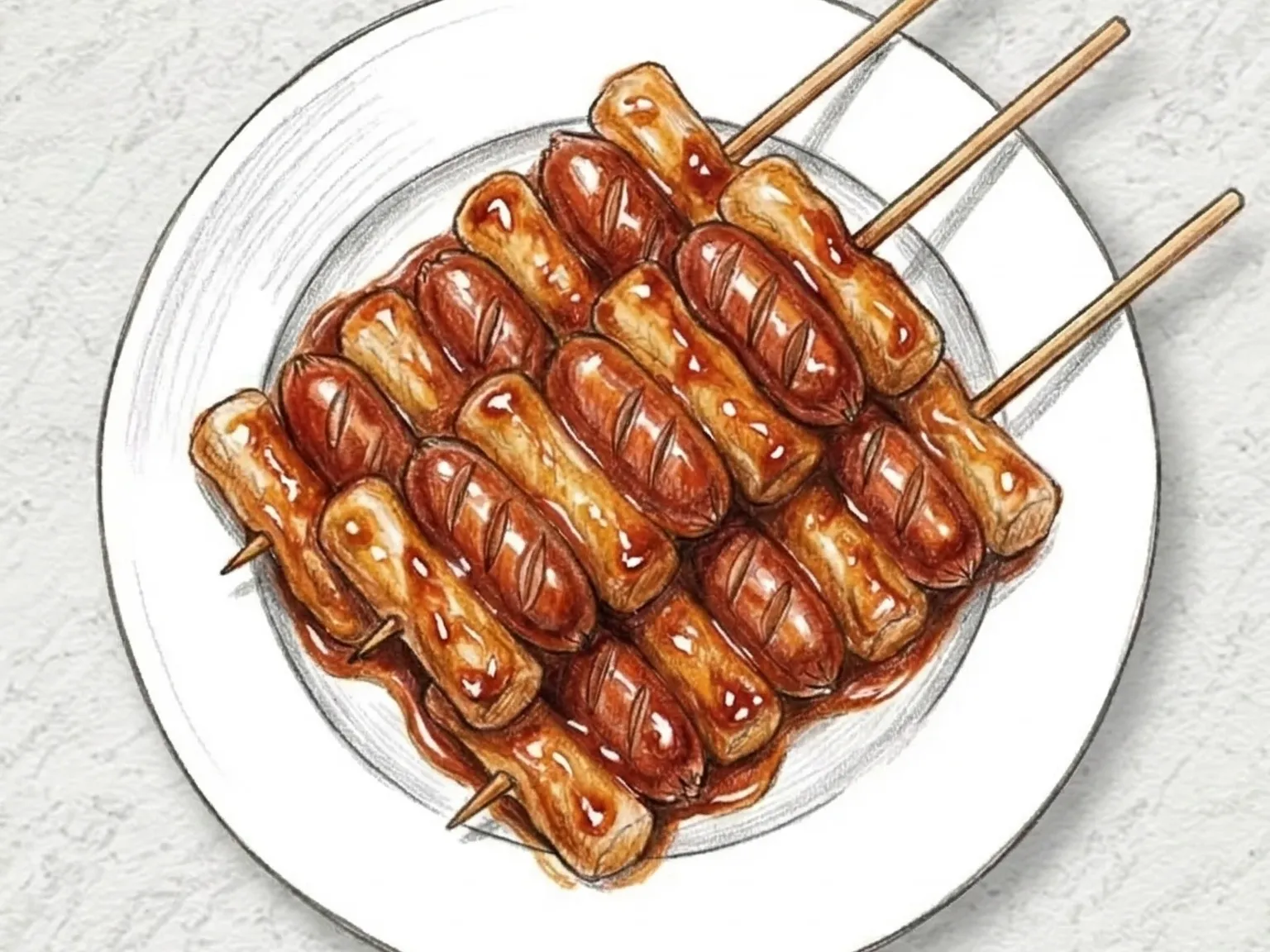
Korean Sotteok-Sotteok Skewers
Cylinder-shaped rice cakes and mini sausages are skewered in alternating order, then pan-grilled for six to seven minutes until the surfaces turn golden. A glaze made from gochujang, ketchup, soy sauce, oligosaccharide syrup, and minced garlic is brushed on and cooked for two to three more minutes until glossy and sticky. Each skewer delivers a contrast between the dense chew of rice cake and the snappy bite of sausage, unified by the sweet-spicy coating. Originally a Korean street-food staple, sotteok-sotteok is also popular for camping trips and can be made quickly in an air fryer.
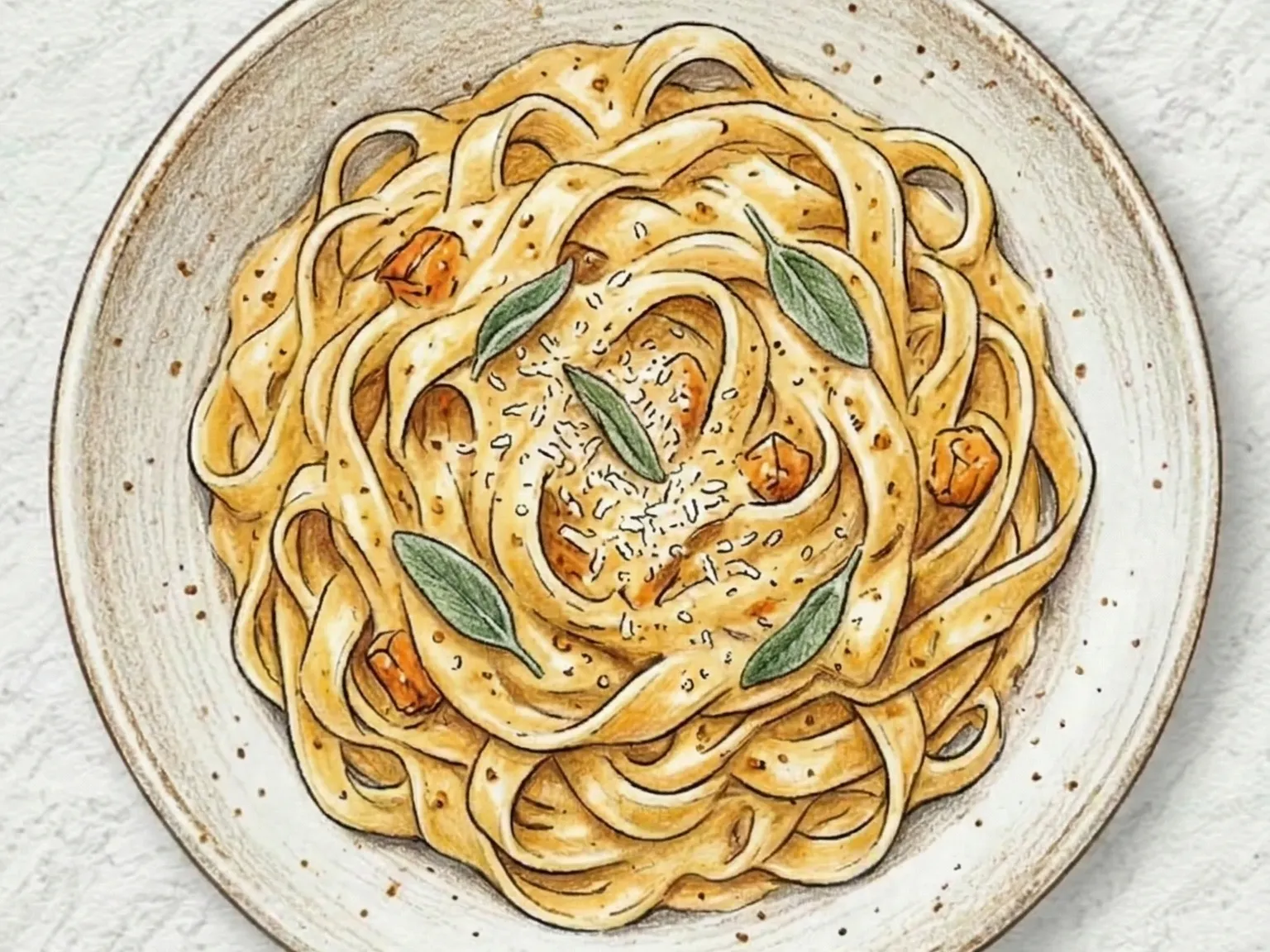
Roasted Pumpkin Alfredo Fettuccine
This pasta dish incorporates a smooth purée of kabocha squash roasted until the edges reach a caramelized state at 200 degrees Celsius. The roasting process concentrates the natural starches, providing a thick body to the sauce without additional thickening agents. Onions and garlic sautéed in butter form the aromatic base, which is then blended with the squash and heavy cream for a uniform texture. Grated Parmigiano-Reggiano introduces a salty, nutty profile, while a small measure of ground nutmeg provides a warm complexity that balances the sweetness of the squash. The wide ribbons of fettuccine are chosen specifically to hold the heavy sauce effectively. For improved efficiency, the squash can be prepared a day in advance and stored in the refrigerator. Using a ladle of starchy pasta water during the blending stage allows for precise control over the final consistency. To finish the plate, sage leaves fried in brown butter offer a bitter herbal contrast to the squash. White pepper adds a subtle heat while preserving the bright orange color of the sauce. Butternut squash serves as a functional substitute if kabocha is unavailable.
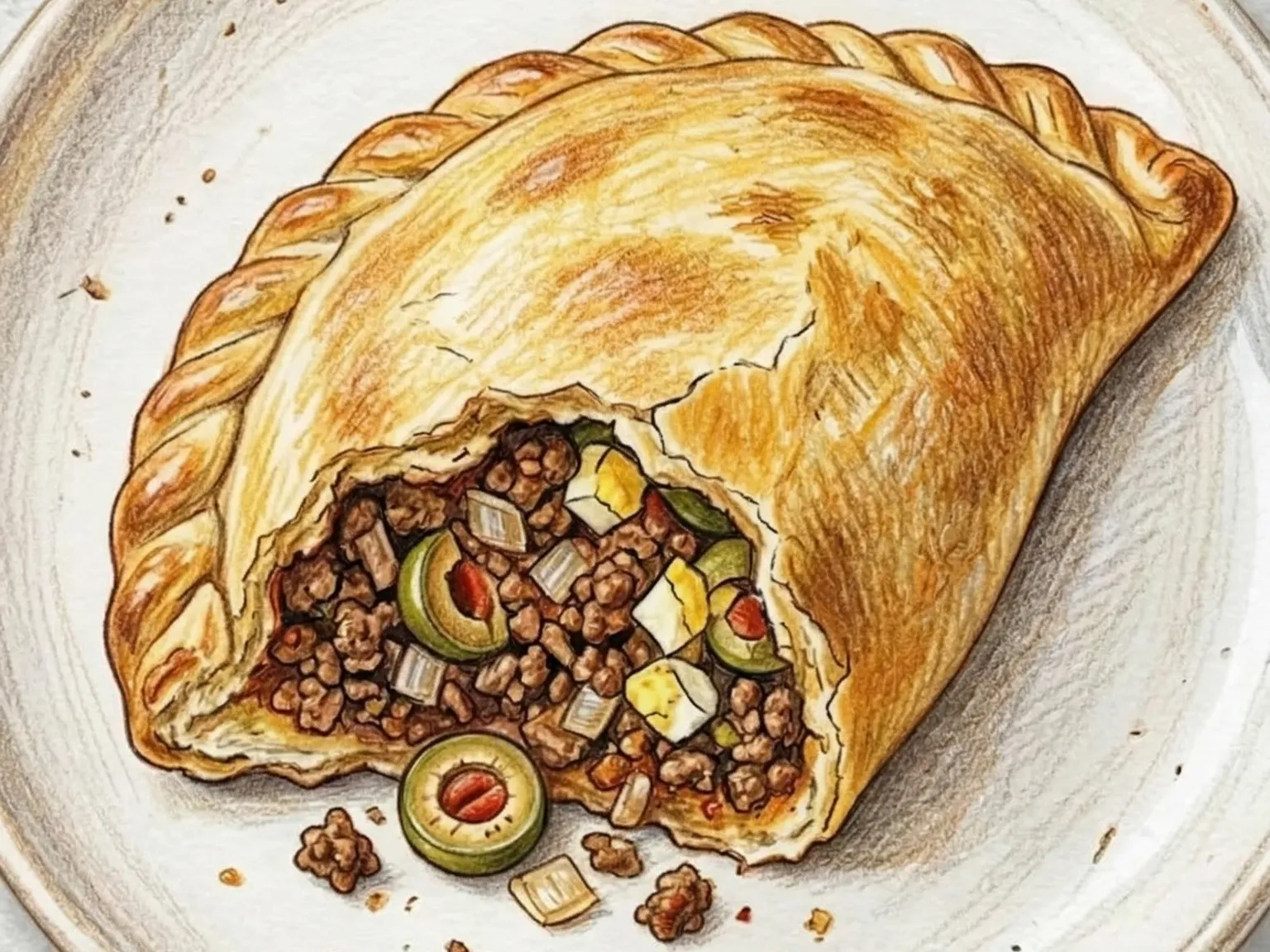
Beef Empanadas
Beef empanadas wrap a cumin-and-paprika-seasoned filling of ground beef, onion, olives, and boiled egg inside flour dough, folded into a half-moon shape and baked until the crust turns golden and flaky. The oven heat crisps the outer shell while the meat filling steams inside, staying moist against the dry exterior. Cumin gives the beef a deep, earthy warmth that distinguishes these from other stuffed pastries; olives add pockets of briny saltiness, and sliced boiled egg introduces a softer texture throughout the interior. Pressing the edges firmly with a fork before baking is essential to keep the juices sealed inside. Compact enough to eat with one hand, each empanada delivers a burst of concentrated, layered flavor the moment the crust breaks, earning its place as both a convenient snack and a genuinely satisfying one.
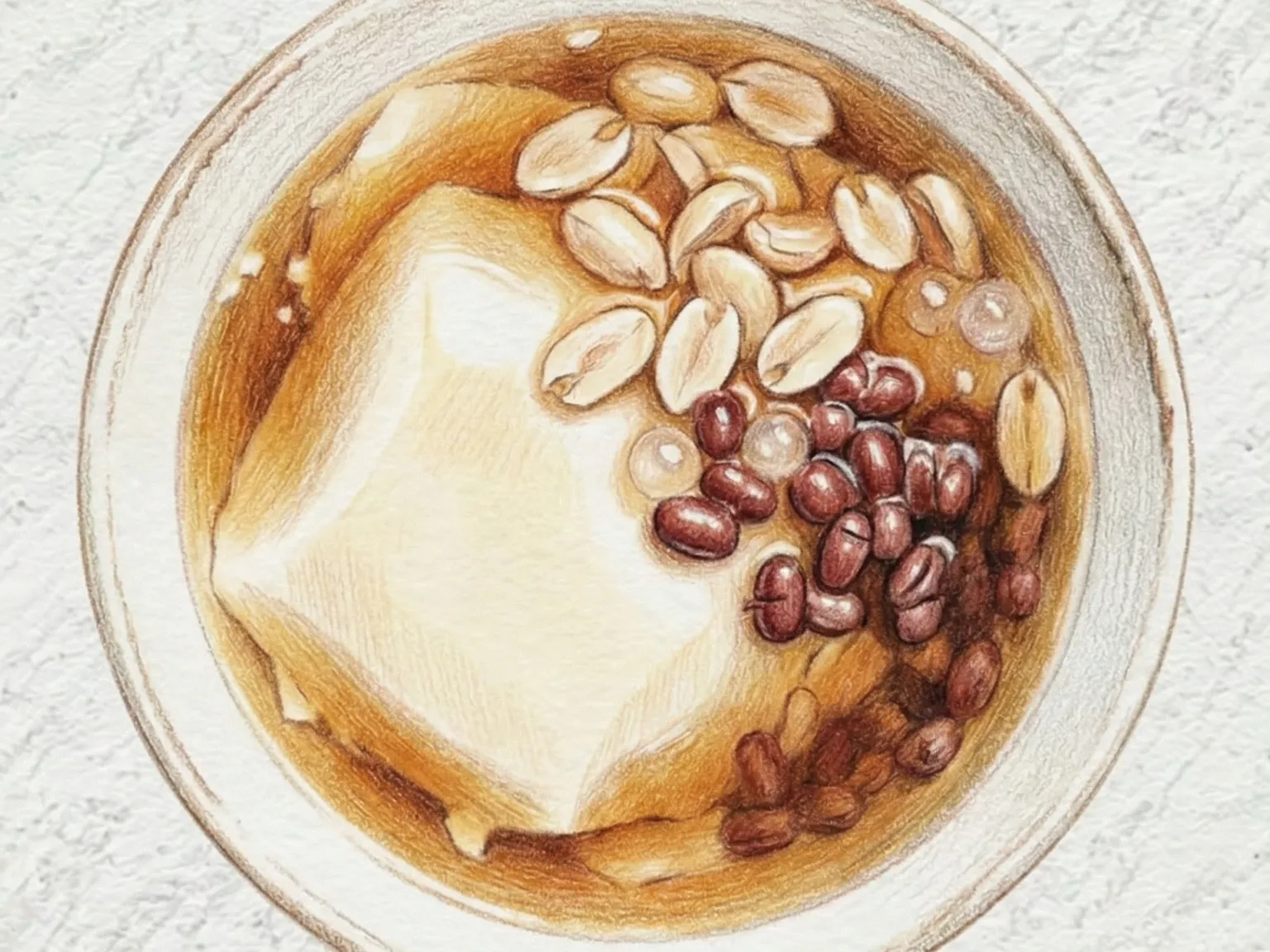
Douhua (Silky Tofu Pudding Dessert)
Douhua, known in English as tofu pudding, has anchored the street dessert culture of China, Taiwan, and overseas Chinese communities throughout Southeast Asia for centuries. Freshly pressed soy milk is mixed with a coagulant, typically gypsum or glucono delta-lactone, and left undisturbed at a precise temperature until it solidifies into a curd that sits somewhere between custard and liquid: barely set, trembling on the spoon, yielding to the slightest pressure. The texture is the point. Toppings and serving temperature vary dramatically by region. In Taiwan, the standard version arrives cold, scattered with brown sugar syrup, tapioca pearls, sweet red beans, or boiled peanuts. In Hong Kong, the same curd is ladled into bowls and doused with hot ginger sugar syrup. In Malaysia and Singapore, pandan syrup and longan often appear alongside. The tofu itself contributes almost nothing beyond a faint nuttiness from the soybean; every bowl's personality comes from what surrounds it. Sold for pocket change at night markets across Taiwan, douhua appears effortless but demands close attention during coagulation. Too much heat and the curd turns grainy. Too little and it never firms. The margin between perfect and failed is narrow, and experienced vendors develop an eye for reading the surface of the milk to judge the moment.
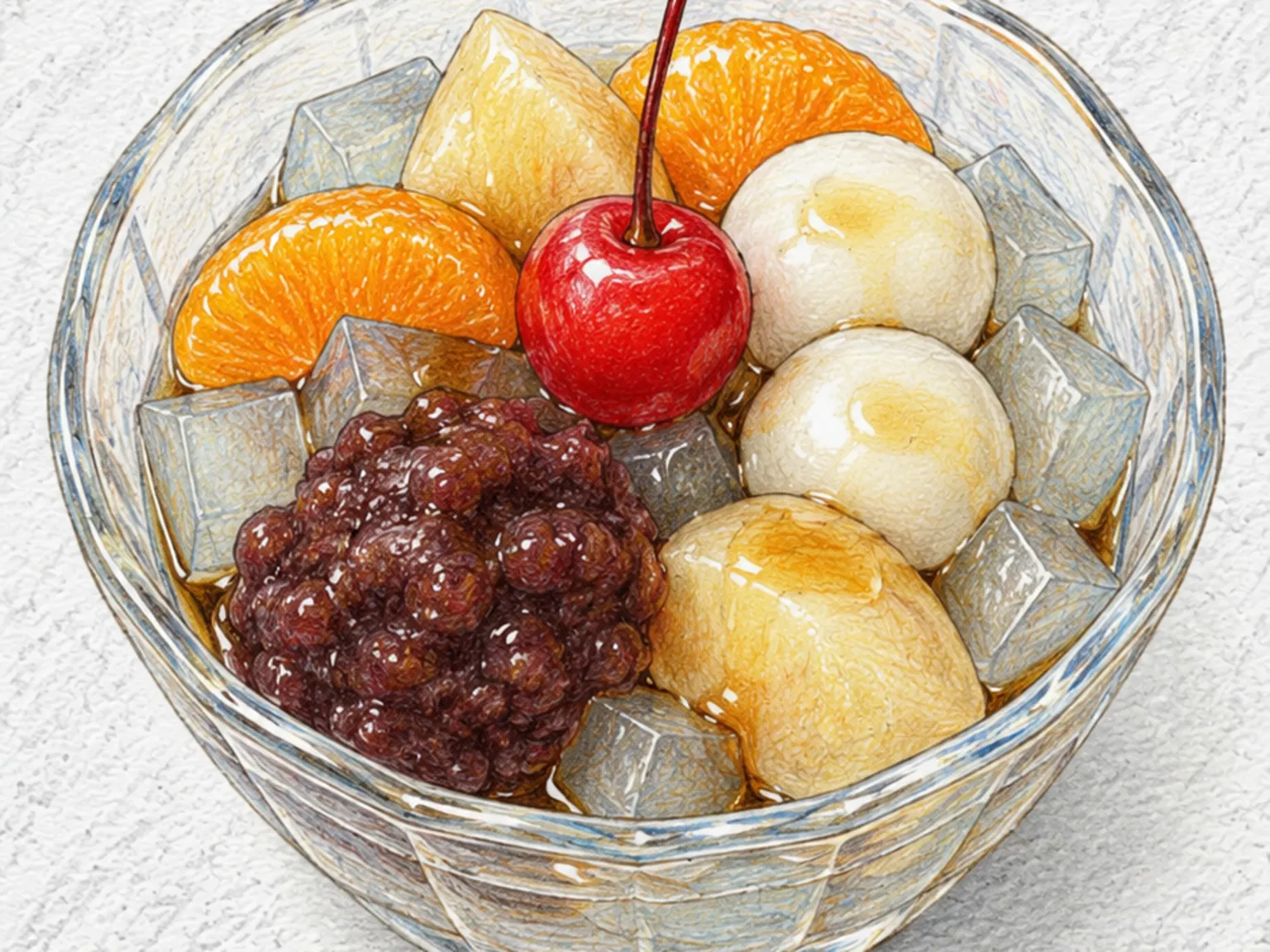
Anmitsu (Japanese Agar Jelly Red Bean Fruit Dessert)
Anmitsu is a Japanese dessert with roots in the Meiji era, developed from mitsumame - a simpler preparation of agar cubes and boiled peas - when sweet azuki bean paste was added to create a more fully composed treat. The structural foundation is kanten jelly: agar-agar dissolved in water, set into a firm translucent block, and cut into cubes that have a clean, rigid snap distinct from the soft wobble of gelatin. Around the jelly, the bowl holds seasonal fruits - mandarin segments, peach slices, cherries - alongside a mound of tsubuan, which is coarsely mashed sweet red beans that retain some grain and texture, and small balls of shiratama mochi whose sticky, glutinous chew contrasts with everything else in the bowl. A small ceramic pitcher of kuromitsu - dark sugar syrup made from Okinawan black sugar - arrives separately and is poured over at the table, its molasses-deep sweetness acting as a unifying sauce across the disparate elements. No single spoonful of this dessert tastes the same as the last: the ratio of crisp jelly, soft fruit, sticky mochi, and grainy bean paste shifts with every bite.
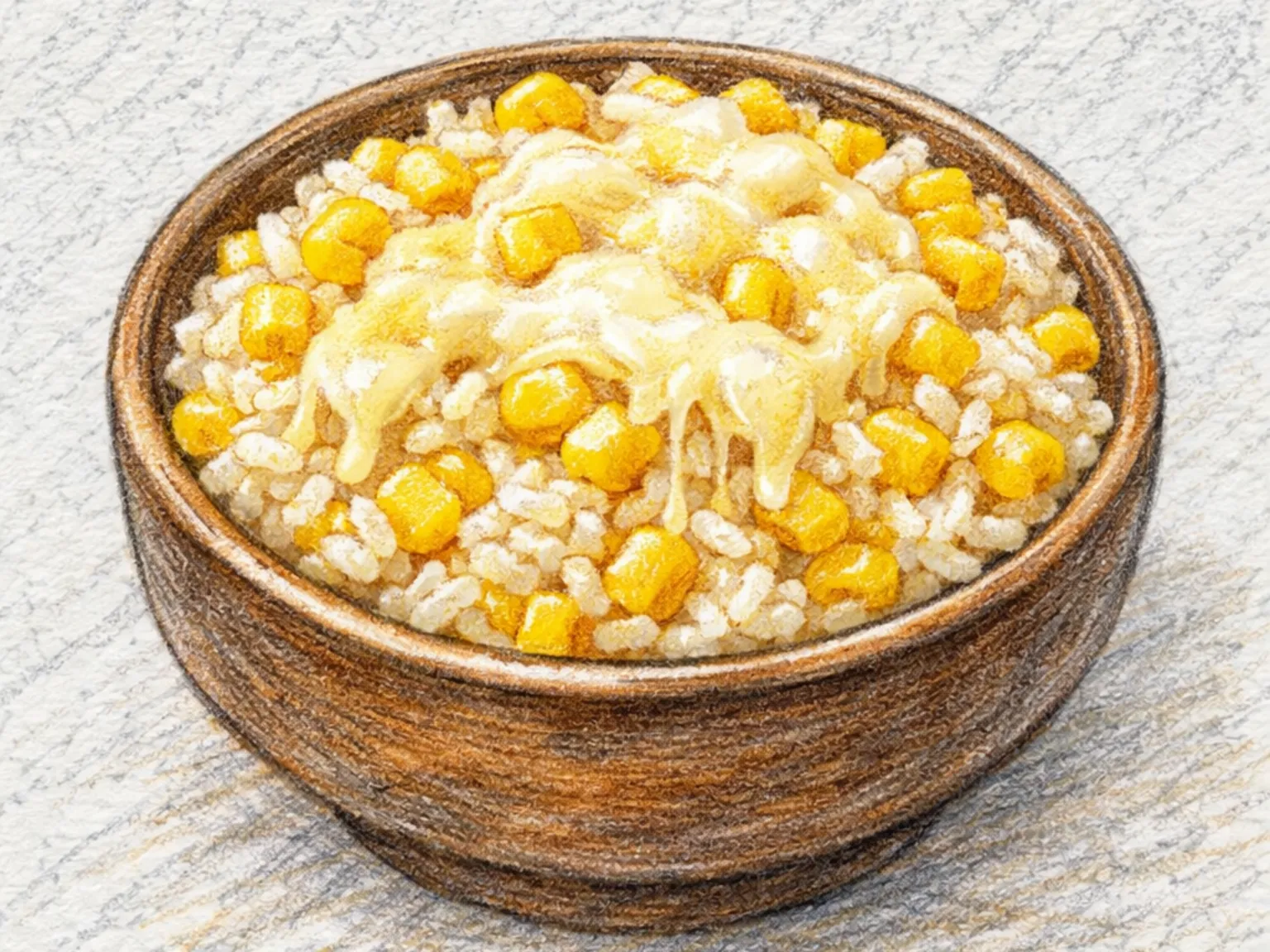
Korean Corn Cheese Pot Rice
Oksusu cheese sotbap is a Korean pot-cooked rice dish built on butter-sauteed onions and corn that infuse the grains with sweetness as the rice steams, then topped with mozzarella placed on after the heat is cut so it melts into long, stretchy strands rather than browning. Each spoonful delivers the pop of individual corn kernels alongside the soft, creamy pull of melted cheese, with butter coating every grain in a glossy richness. Replacing part of the cooking water with milk deepens the creamy texture and gives the finished rice a density and smoothness that plain water cannot achieve. With the lid closed for two to three minutes after the heat is off, the residual steam inside the pot is sufficient to melt the cheese completely without any additional heat. The combination of sweet corn, buttery rice, and stretchy mozzarella lands in a flavor register that needs no side dishes to feel complete, and it appeals across a wide age range without effort.
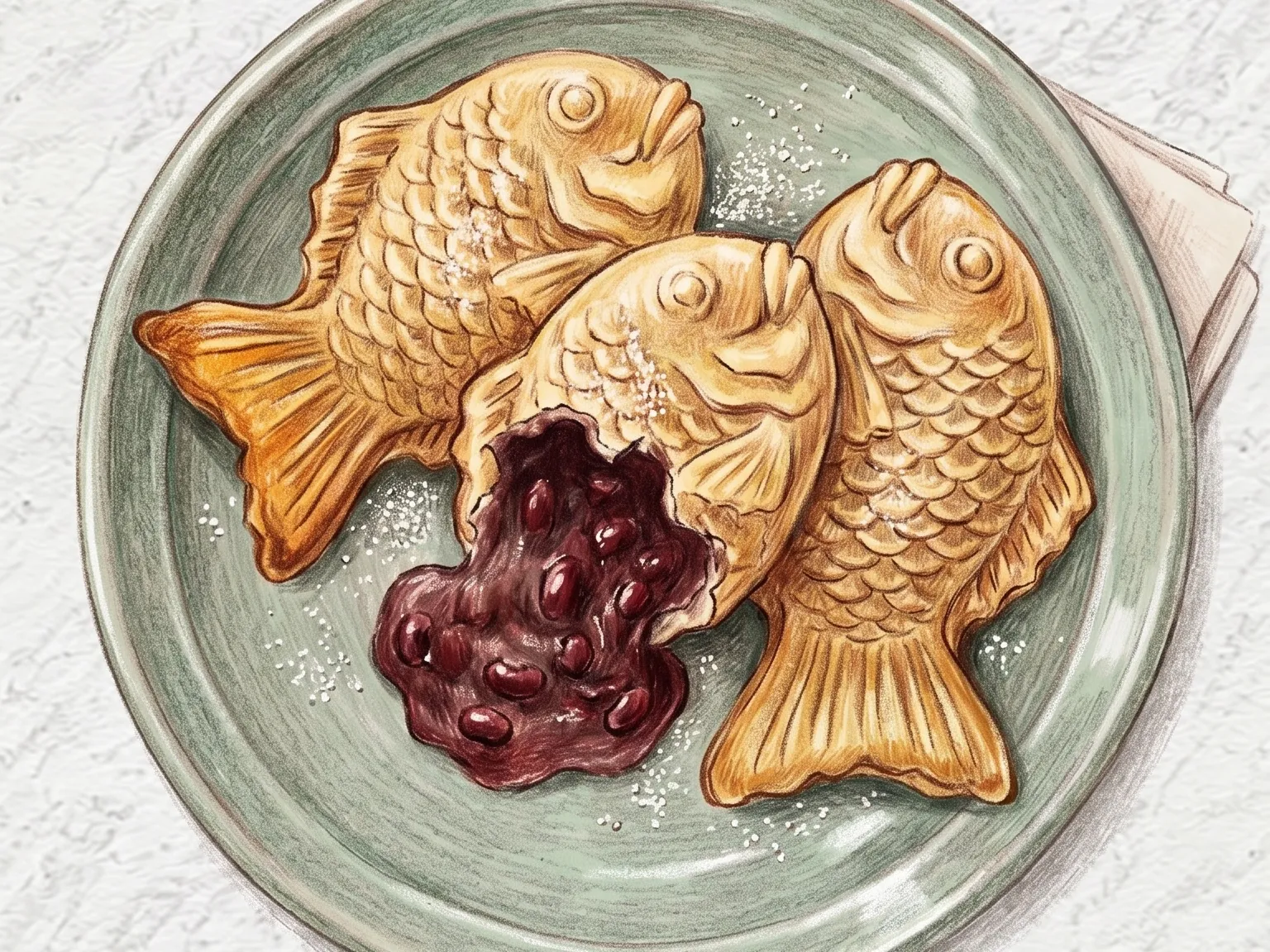
Korean Fish-Shaped Bread (Sweet Red Bean Filled Wheat Waffle)
Bungeoppang is a Korean fish-shaped pastry made by filling a heated iron mold with wheat batter and sweet red bean paste. The preheated mold creates a thin, crisp shell on the outside while the interior bakes into soft, pillowy dough cradling the dense, smooth bean filling. The red bean paste has a thick consistency that flows slowly when bitten into, delivering a concentrated sweetness. The tail section bakes crispiest because the batter layer is thinnest there, while the belly holds the largest pocket of filling - giving each part of the fish a distinct texture. A staple of Korean winter street stalls, it is eaten hot, straight from the mold.