Asian Recipes
806 recipes. Page 16 of 34
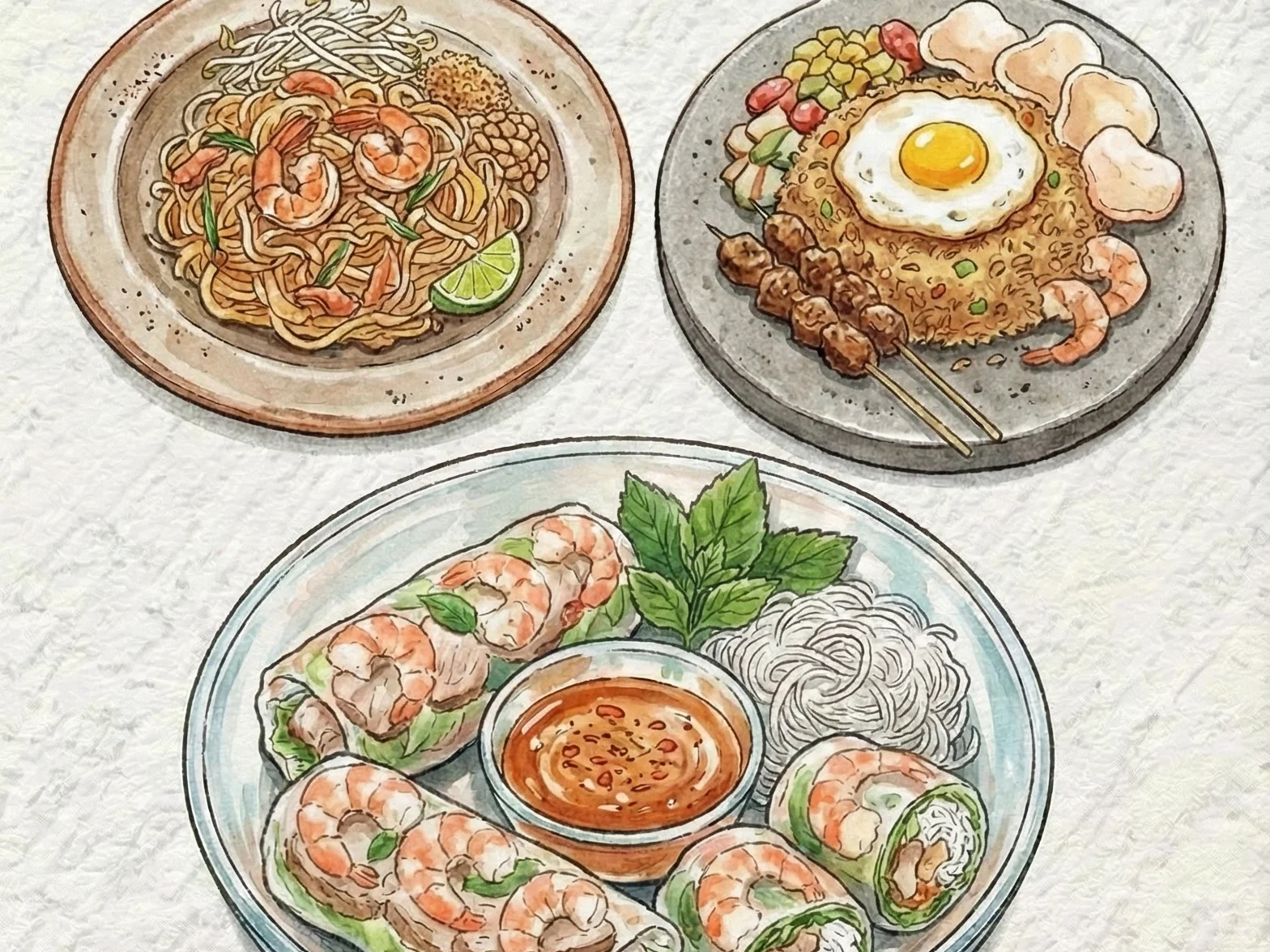
The Asian category gathers popular dishes from Japan, China, Thailand, Vietnam, India, and beyond. Curry, stir-fried noodles, mapo tofu, pad Thai, and pho are among the Asian favorites commonly enjoyed in Korean households.
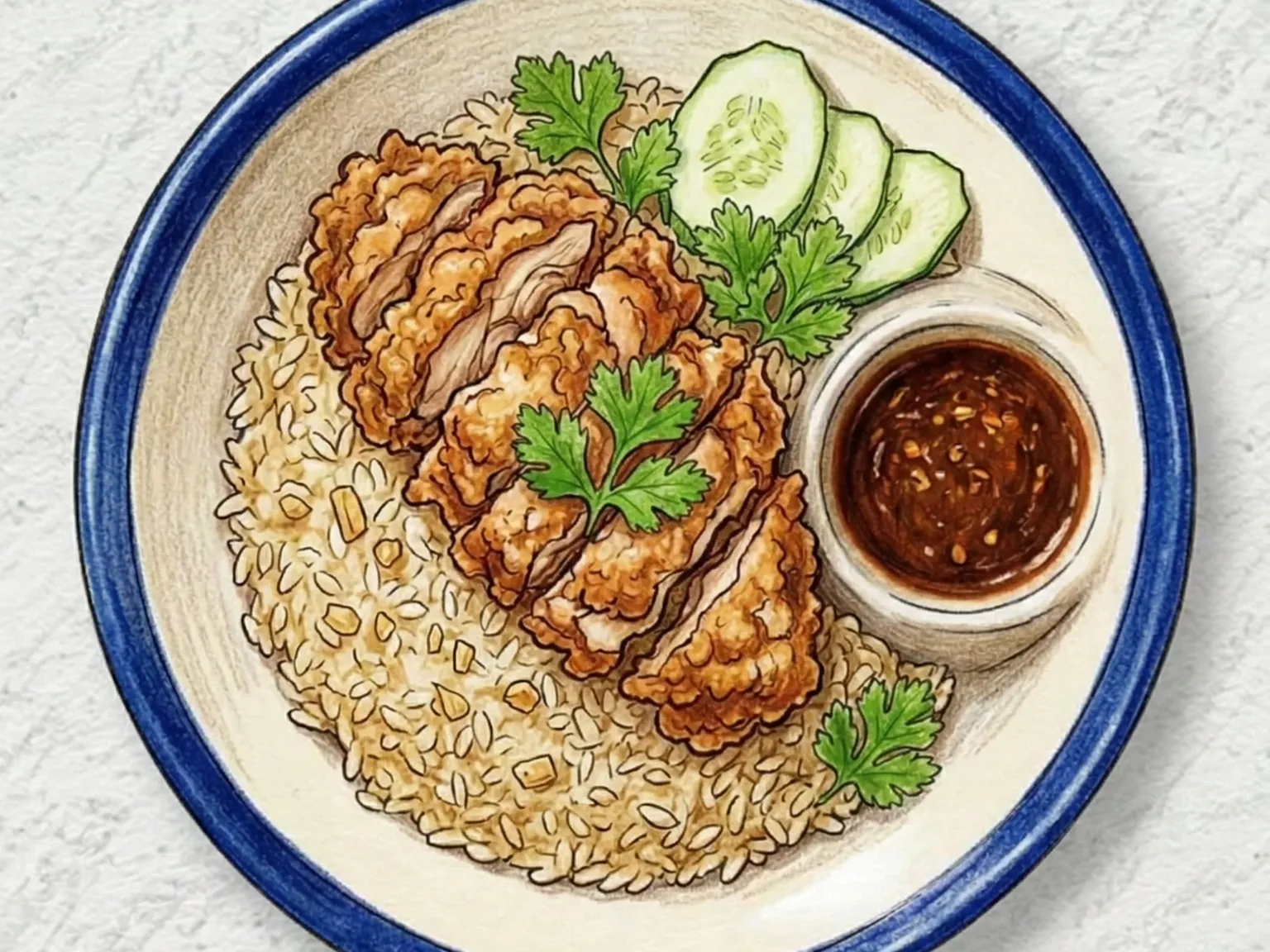
Khao Man Gai Tod (Thai Fried Chicken Rice Bowl)
Khao man gai tod is the fried variation of Thailand's beloved chicken rice, replacing the poached bird with a crispy deep-fried version that adds texture and caramelized flavor to an already satisfying dish. Chicken pieces are marinated in garlic, white pepper, and fish sauce, then dusted in seasoned flour and fried until the crust turns deep golden and audibly crunchy. The rice is cooked in chicken broth with garlic and ginger, absorbing the fat and aroma of the stock into each grain so that it tastes rich on its own before any sauce is added. What ties the plate together is the sweet chili dipping sauce, a mix of fermented soybean, vinegar, chili, and sugar that delivers a sharp, funky counterpoint to the rich fried chicken and oily rice. Sliced cucumber and a small bowl of clear broth with winter melon round out the standard serving and provide relief between bites. Street vendors across Bangkok keep vats of oil at the ready for this dish throughout the day, and the crackling sound of chicken hitting hot oil is a reliable signal to stop and eat.
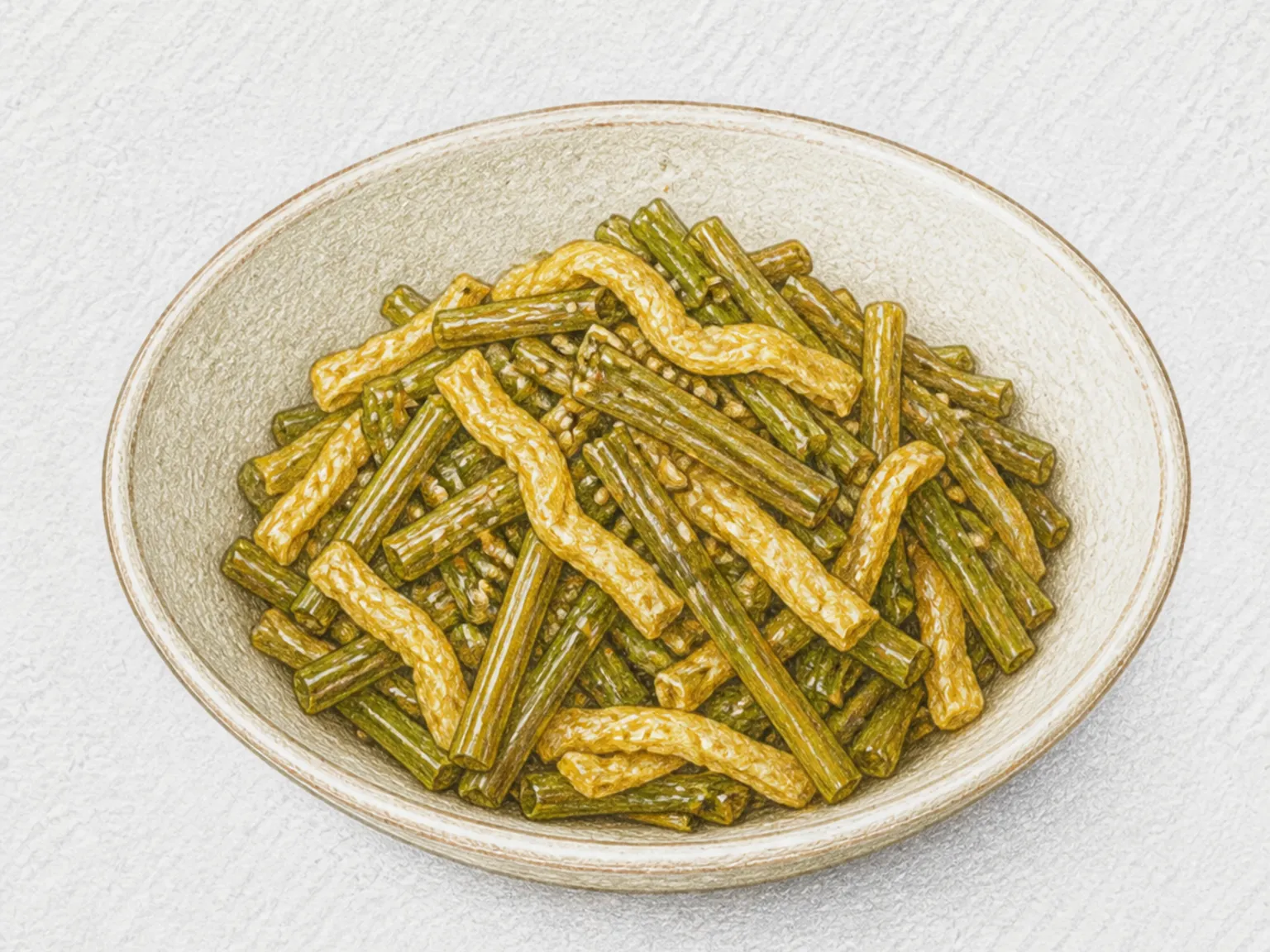
Tsuwabuki no Abura-itame (Stir-Fried Leopard Plant Stems)
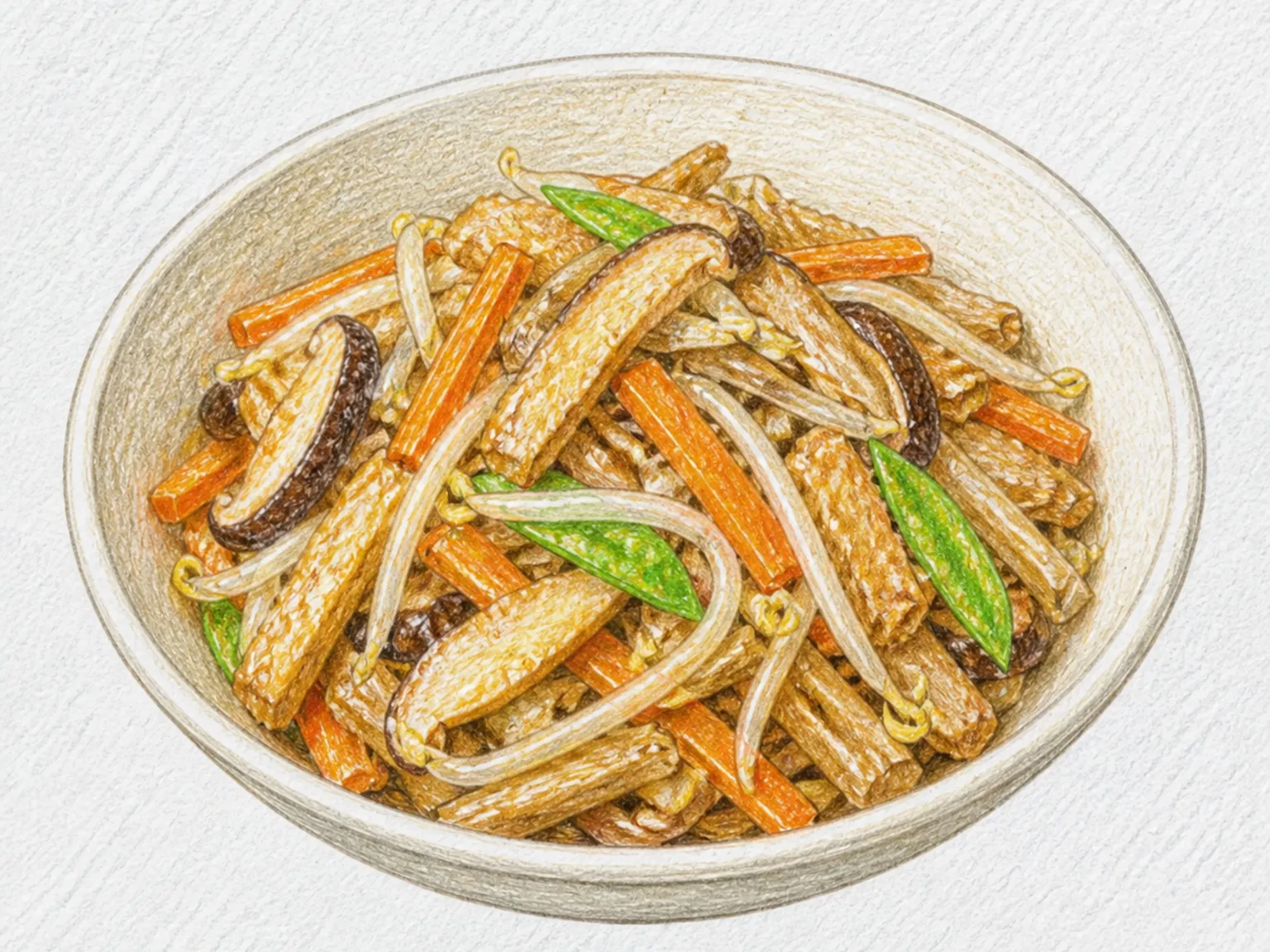
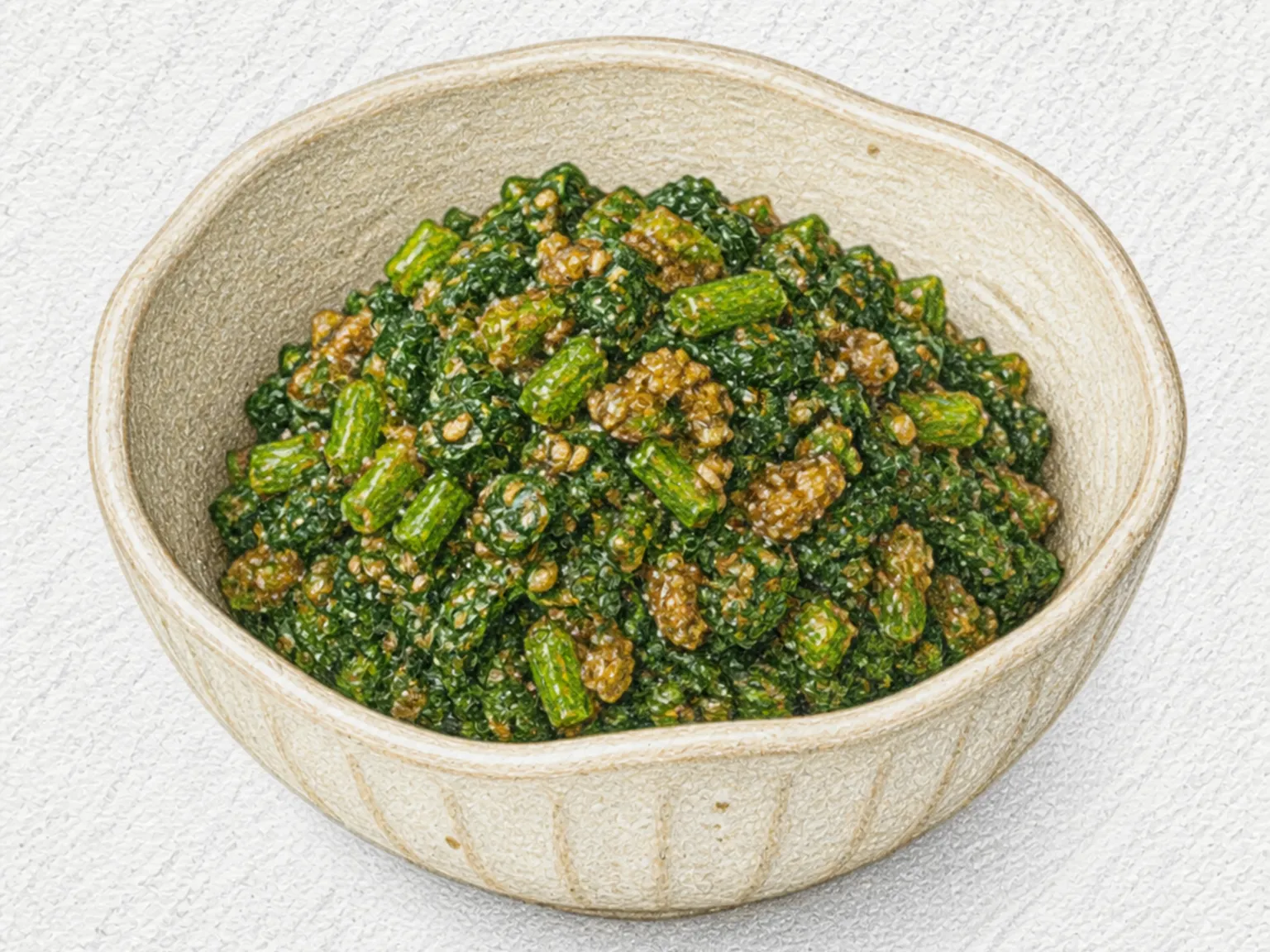
Tsuwabuki stems need both peeling and two wet preparation stages before they are fried with tofu and soy seasoning. Pull the tough outer skin and coarse fibers from 500 g stems and cut them into 5 cm lengths. Cover the pieces with cold water for 20 minutes, change the water once, and extend the soak by no more than 10 minutes if the thick stems remain rigid. Bring plenty of water to a boil, add half of the 1 teaspoon salt, and boil the stems for 5 minutes. Check a thick piece, then continue in 1-minute increments without exceeding 8 minutes, stopping when it bends without snapping. Drain thoroughly and press once more with a dry cloth so water does not spit in the oil or dilute the seasoning. Cut 1 piece of fried tofu or atsuage into strips 4 cm long and about 5 mm wide; keep atsuage near 5 mm thick as well. Warm 3 tablespoons cooking oil in a wide pan over medium heat and fry the boiled stems for about 5 minutes. Once oil coats them evenly, add the tofu, 2 tablespoons sugar, 2 tablespoons soy sauce, and the remaining salt. Keep the mixture moving for 4 minutes. If liquid still pools at the bottom, cook for 1 minute more, stopping when the seasoning adheres to the stems. Turn off the heat before rubbing 1 tablespoon toasted sesame seeds between the fingers and scattering them through the pan.
Mizu Manju Chilled Translucent Bean-Paste Dumplings
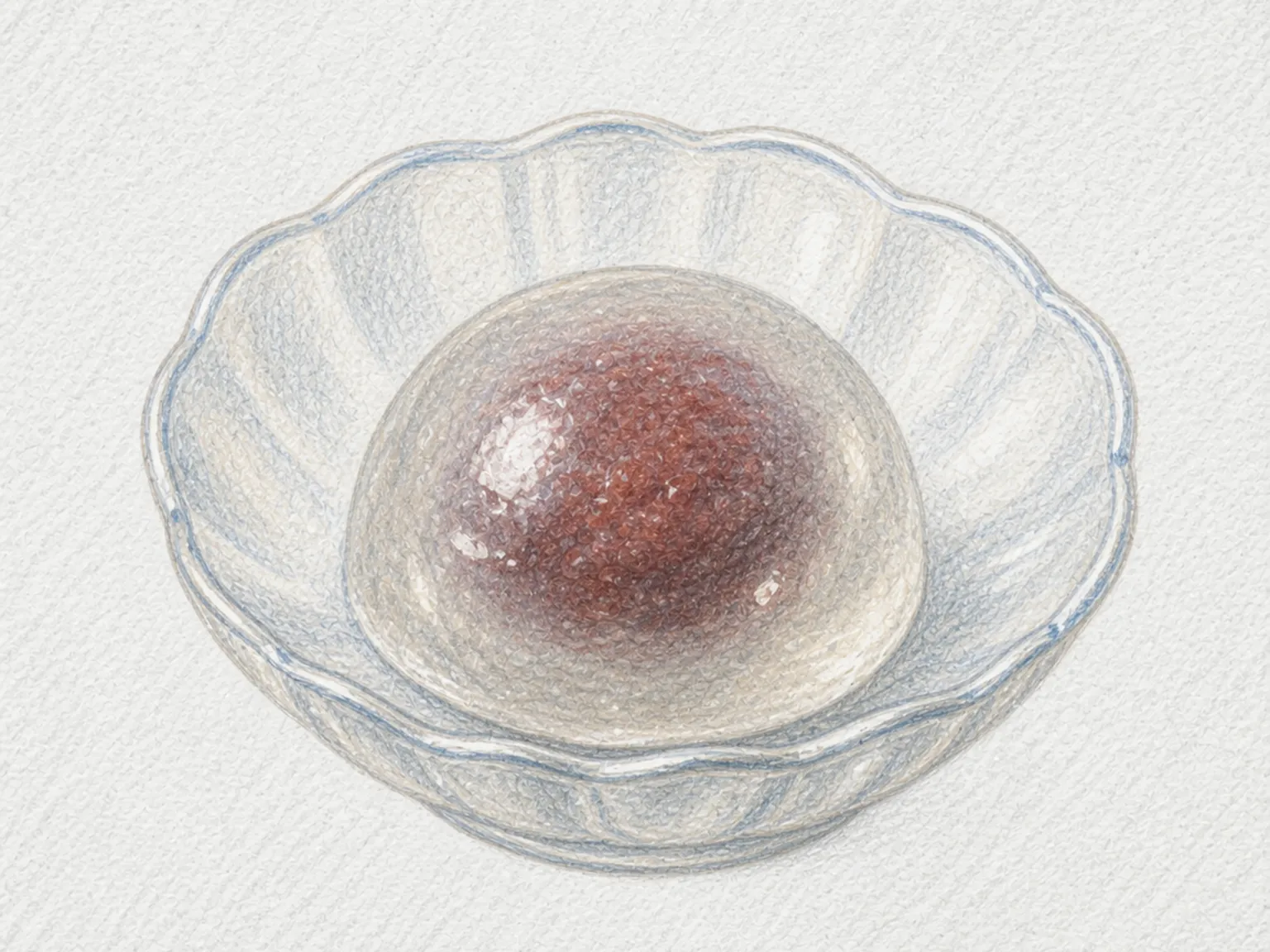
Mizu manju is an Ogaki summer confection from Gifu that encloses red bean paste in a translucent dough of kudzu and warabi starch, steams it in small sake-cup molds, and cools it in water. Ogaki, long called a city of water because households used abundant groundwater to chill produce, is said to have developed the sweet during the Meiji era as a cold summer treat. Kudzu starch alone can disperse in water and become hard when chilled, so warabi starch is blended in for water resistance and a tender chew. Both powders must dissolve completely in cold water before sugar is added and the mixture is cooked with constant scraping until it resembles translucent paste. Dough, bean filling, and more dough are layered in each mold, then steamed for ten minutes until clear. At home, potable ice water replaces an open well for rapid safe cooling. The chilled wrapper remains soft while revealing the bean paste within.
Aizu Kozuyu
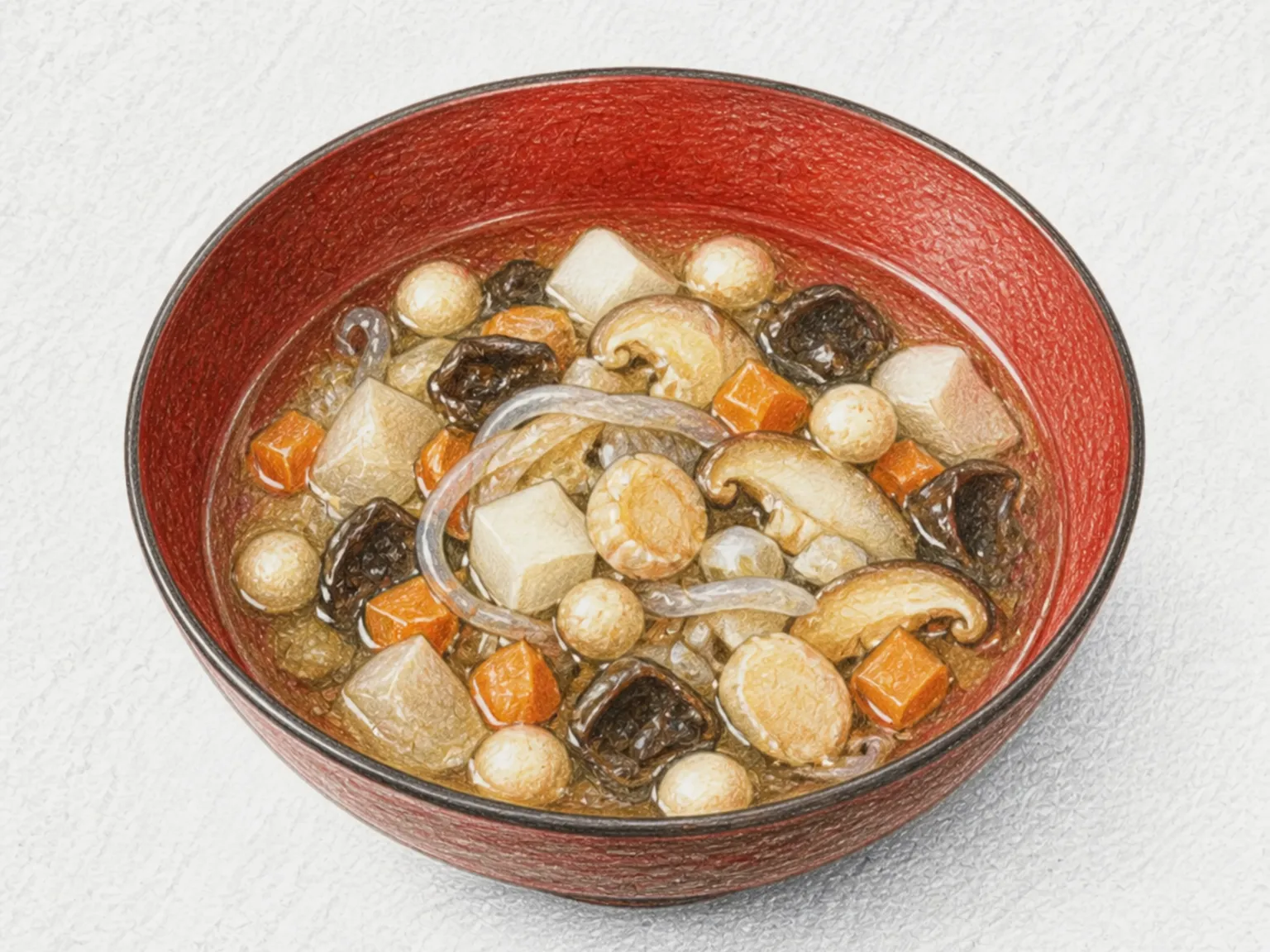
Kozuyu is an Aizu hospitality soup from Fukushima. Dried scallops and shiitake are soaked, their strained liquids are combined with bonito dashi, and small pieces of wood ear, shirataki, carrot, taro, warabi, and mame-fu are simmered into a clear broth. It is traditionally served in a shallow red Aizu-lacquer dish called a teshio-zara, and its name is said to have evolved from koju no tsuyu. For more than a century it has appeared at weddings, memorials, festivals, and other occasions for guests. Because it was also enjoyed with sake, diners were free to request repeated bowls. Households often choose an auspicious odd total of seven or nine ingredients while keeping shiitake restrained so the dried scallop remains distinct.
Hokkien Mee (Prawn Broth Stir-Fried Noodles)
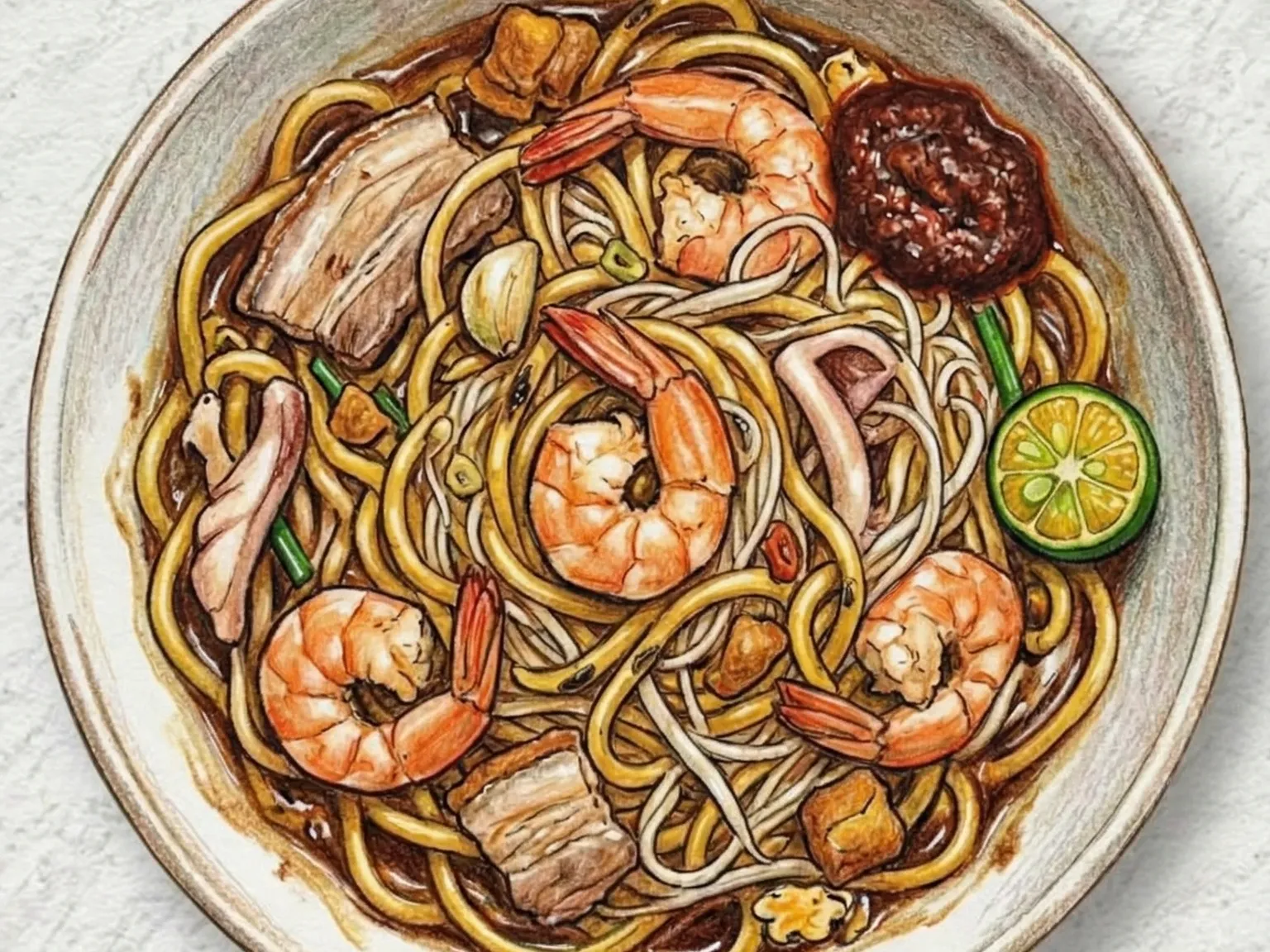
Hokkien mee stir-fries yellow noodles and rice noodles with shrimp, squid, bean sprouts, prawn stock, and soy sauce. Soak the yellow noodles in hot water for 30 seconds and the rice noodles in cold water for 20 minutes. When the shrimp turns pink and the squid edges begin to curl, add both noodles and toss over high heat for 2 minutes. Add the prawn stock and soy sauce and cook for 2 to 3 minutes more, until the liquid is mostly absorbed and the noodles look glossy. Add the sprouts for only 30 seconds and serve before the noodles clump.
Tabbouleh Salad (Middle Eastern herb salad)
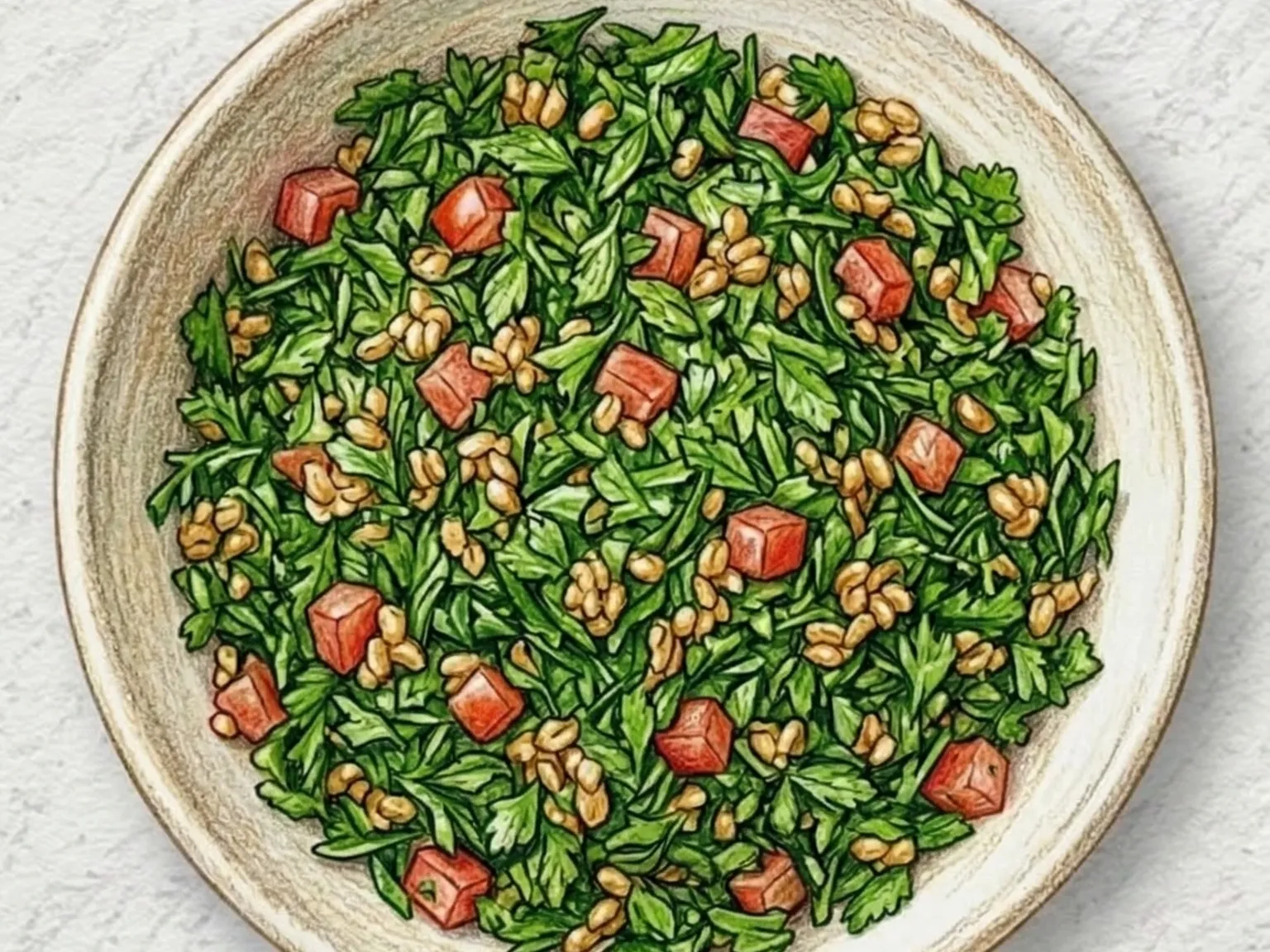
Tabbouleh salad combines soaked bulgur with parsley, mint, tomato, and green onion in a lemon and olive oil dressing. Place 80 g bulgur in a roomy bowl, cover it with boiling water, and soak it for 8 to 10 minutes. Drain when the grains look slightly translucent and feel tender with a little chew remaining. Press lightly with a spoon to remove excess water, then spread the bulgur out and cool it until no steam remains. Dry 60 g parsley and 15 g mint thoroughly before chopping them finely, and slice 30 g green onion thinly. Halve 160 g tomato, remove the seeds and watery center, and cut the flesh into small pieces. In a large bowl, whisk 2 tbsp lemon juice with 2 tbsp olive oil and 0.5 tsp salt until the salt disperses. Toss the cooled bulgur in this measured dressing first so the grains are seasoned before the vegetables are added. Add the chopped herbs, green onion, and tomato, then fold gently from the bottom. Refrigerate the finished salad for at least 10 minutes and serve it cold. Thorough draining matters at three points: the cooked bulgur must not carry soaking water, the herbs need to be dry before chopping, and the watery portion of the tomato is removed. Together, those steps keep the dressing from collecting as diluted liquid in the bowl.
Cantonese Steamed Fish
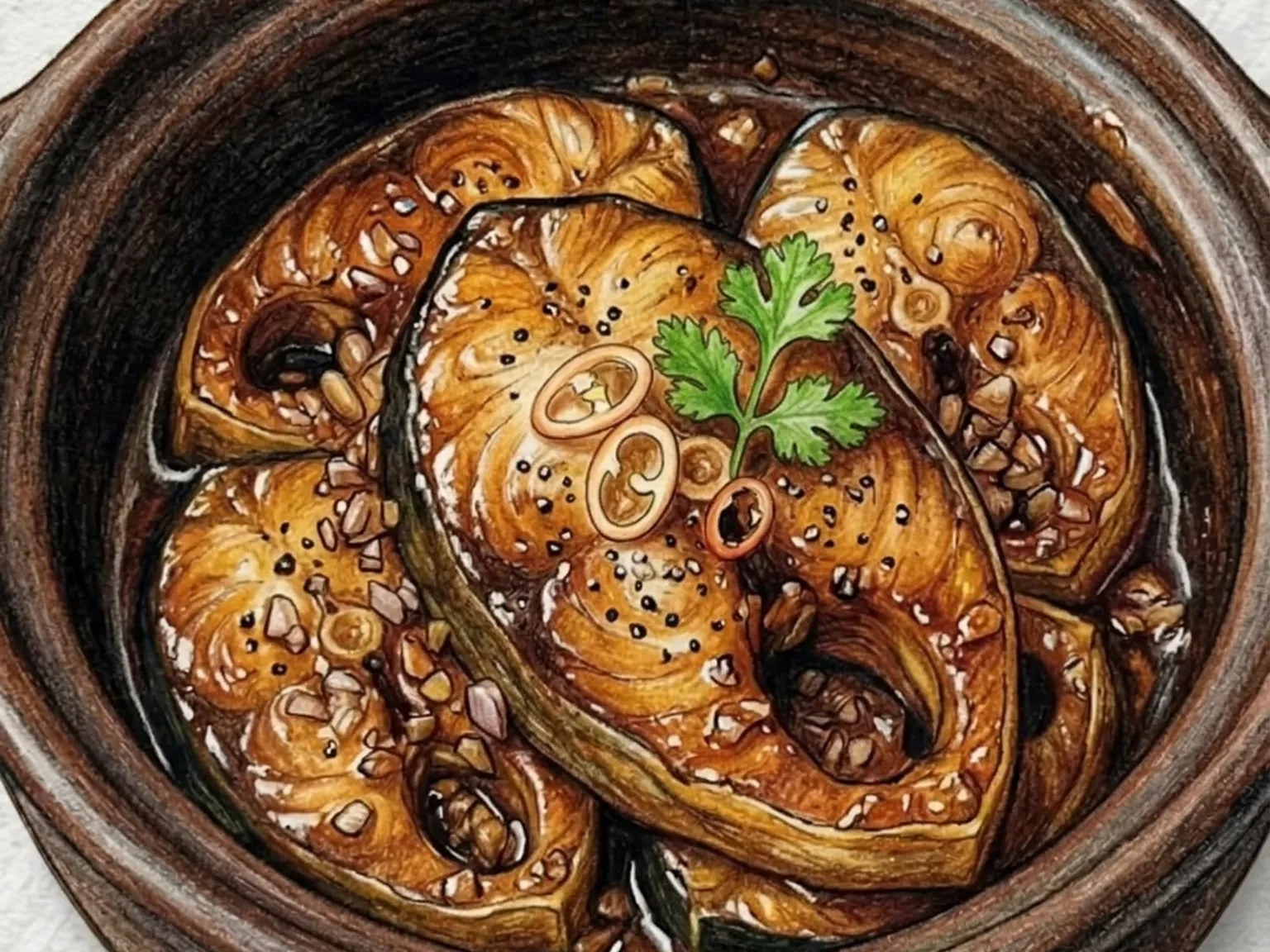
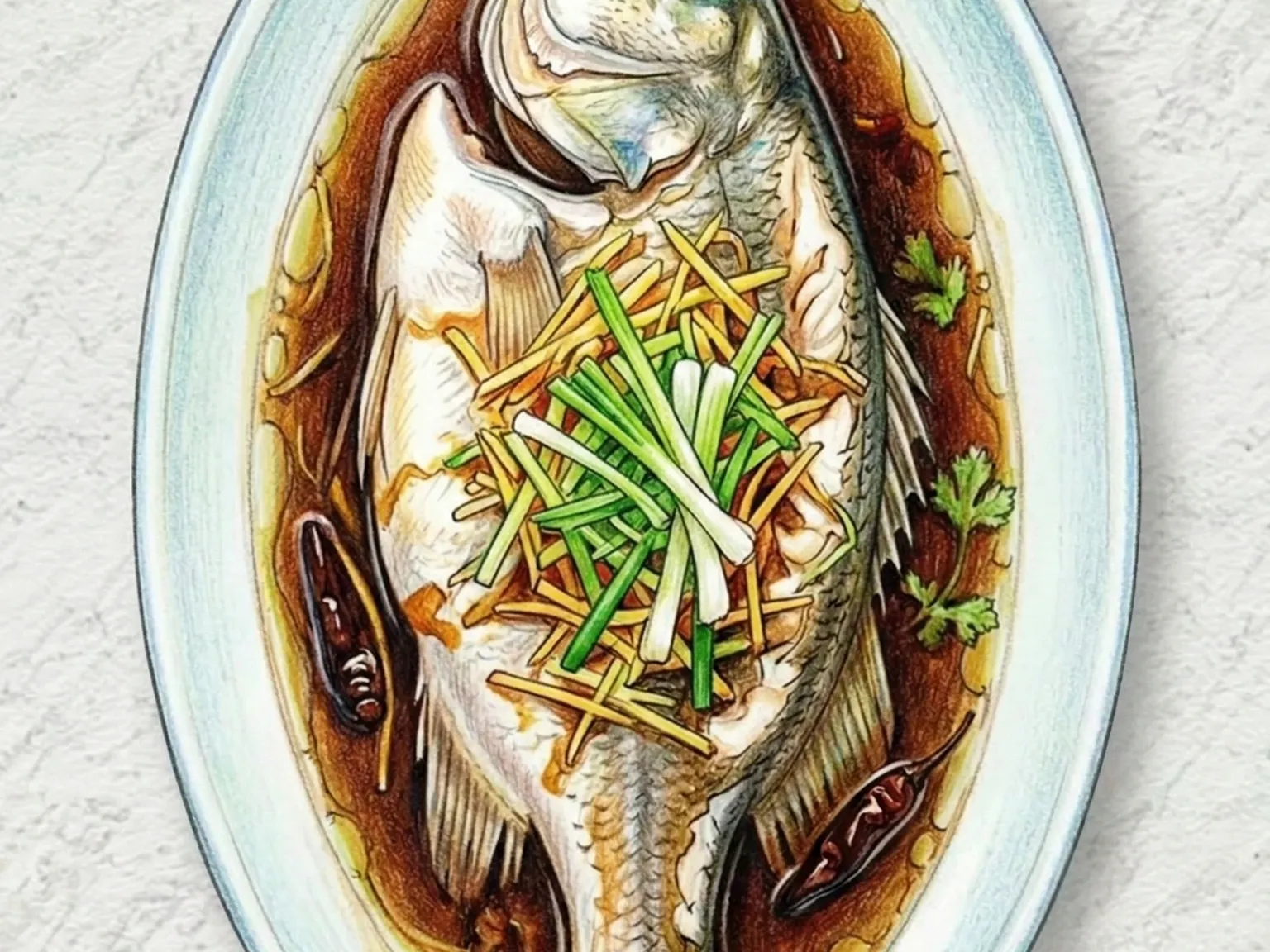
Cantonese steamed fish - ching jing yu - is the clearest expression of the Cantonese philosophy of letting premium ingredients speak for themselves with minimal interference. The technique requires the freshest possible whole fish - sea bass, grouper, or pomfret are the standard choices - because steaming conceals nothing. Any fish that is even slightly past its peak will betray itself the moment it comes off the heat. The fish is scored on both sides to allow even heat penetration, placed on a plate with thin ginger slices tucked underneath and inside the cavity to neutralize any fishiness, then steamed over vigorously boiling water for exactly eight to ten minutes depending on thickness. Even one minute of overcooking transforms the silky, translucent flesh into something dry and dull - timing is the entire technique. The moment the fish leaves the steamer, all accumulated liquid on the plate must be poured off immediately, because that liquid carries concentrated fishiness that would spoil the clean finish. A generous pile of julienned scallion and fresh ginger is arranged on top, then a ladle of oil heated until just beginning to smoke is poured directly over the aromatics. The sizzling releases their fragrance in a single burst that infuses the fish. Seasoned soy sauce and a few drops of sesame oil complete the dish. In Cantonese banquet culture, the steamed fish course is typically the most expensive item on the table, with guests selecting a live fish directly from the restaurant tank.
Khao Mok Gai (Thai-Muslim Spiced Chicken Biryani)
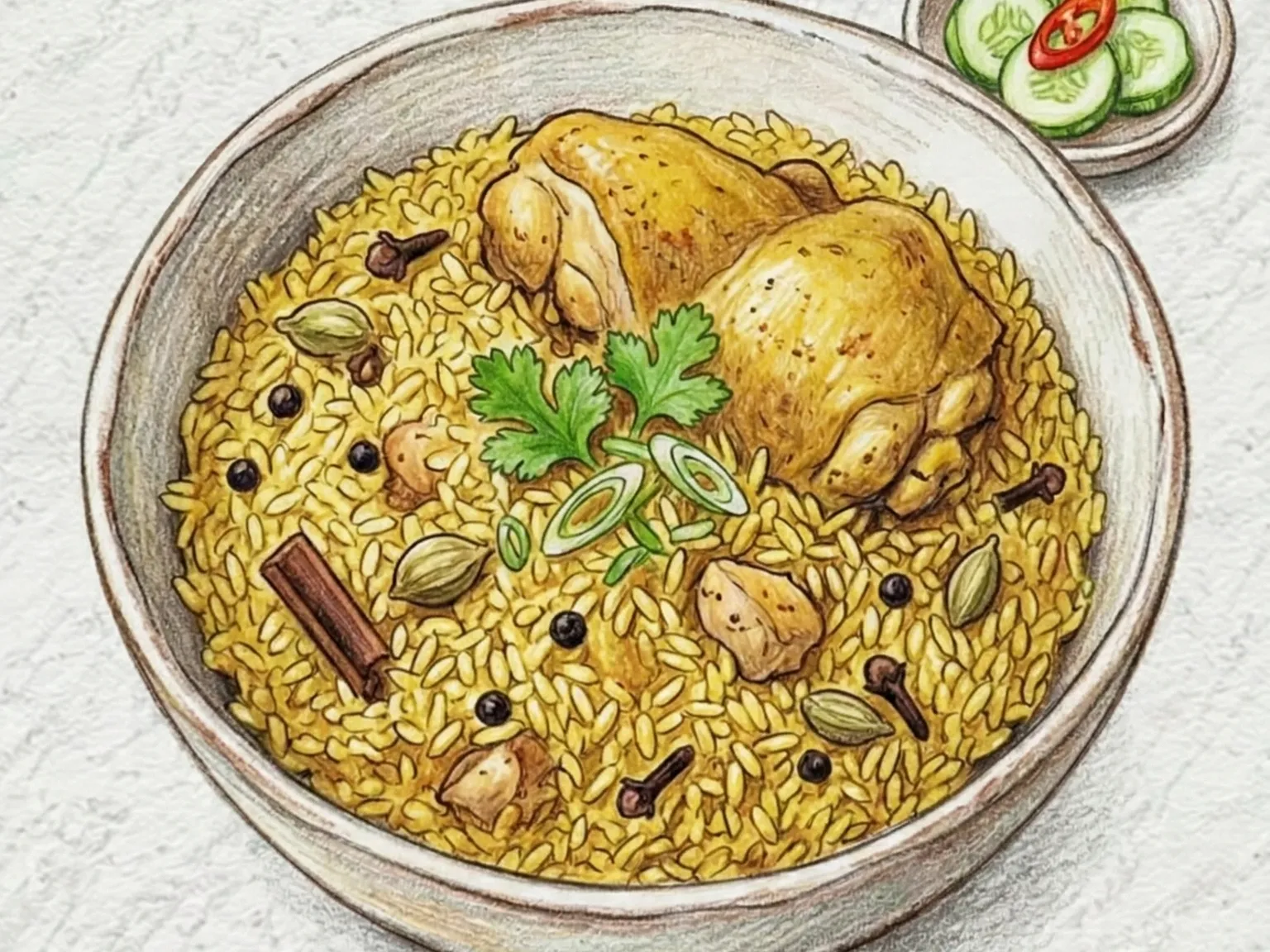
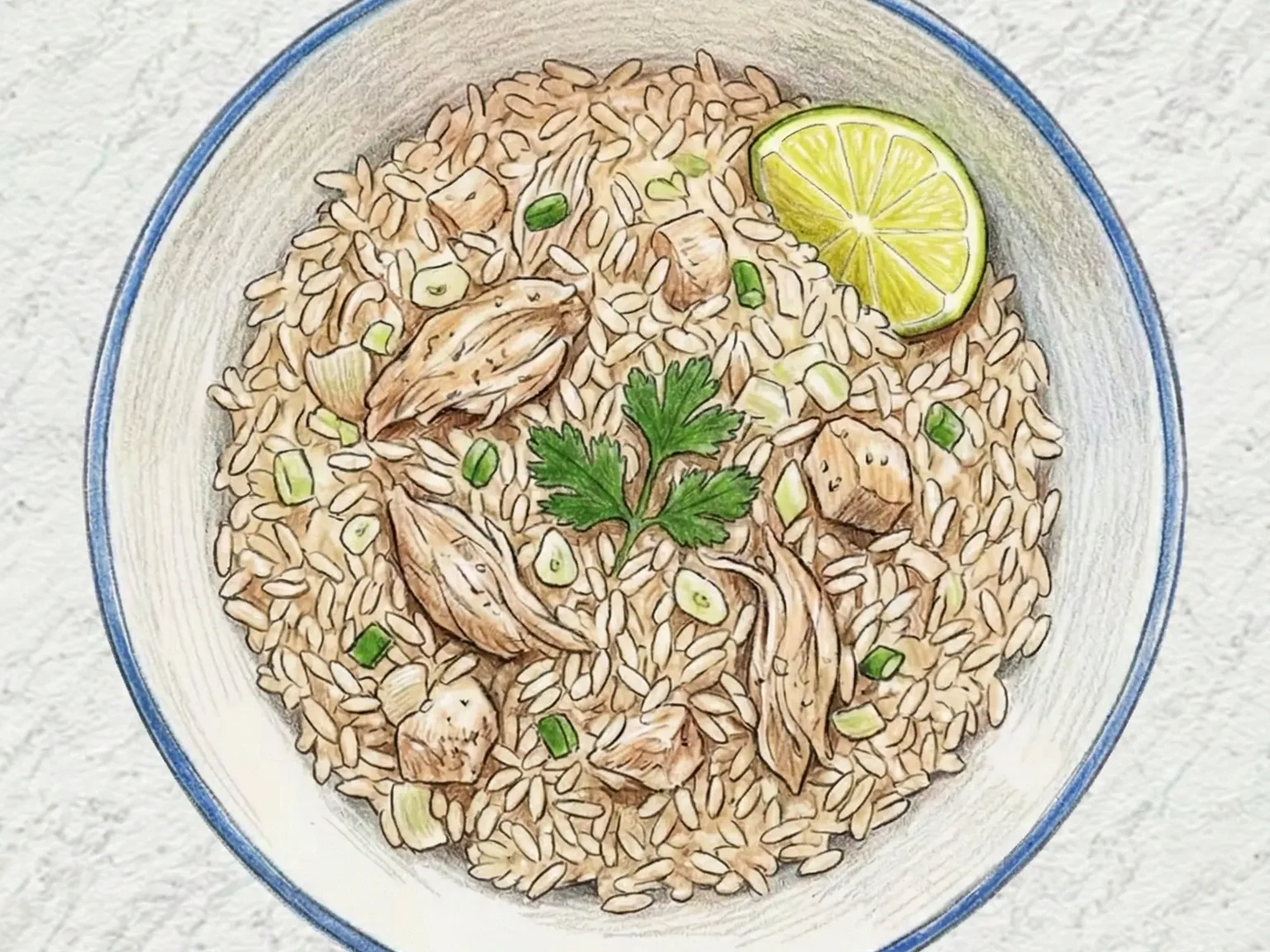
Khao mok gai cooks turmeric-cumin chicken and coconut jasmine rice together in one covered pot. Five hundred grams of chicken thigh is patted dry, rubbed evenly with 1 teaspoon turmeric, 1 teaspoon cumin, and a little salt, then left for 15 minutes so the spices cling to the surface. Meanwhile, 320 g jasmine rice is rinsed until the water runs mostly clear and drained in a sieve for 10 minutes. Removing excess surface water helps control the final texture once coconut milk is added. One tablespoon cooking oil is warmed over medium heat, and 120 g onion is cooked for about 5 minutes. Three garlic cloves go in when the onion edges turn golden and cook for only 1 minute, stopping before they brown. The drained rice is stirred through the aromatic oil for 1 minute, then 180 ml coconut milk and just enough water to barely cover the grains are added. The marinated chicken is laid flat over the rice rather than mixed through it. As soon as the liquid begins to bubble, the heat is reduced to low and the pot is covered for 25 to 30 minutes. Keeping the lid closed allows steam to cook both layers without losing moisture. After the heat is turned off, a further 10-minute covered rest completes the rice. The chicken should be cooked through, and the rice should loosen gently when fluffed. A spicy sauce served on the side adds contrast without changing the turmeric, cumin, coconut, onion, and garlic seasoning built into the pot.
Urakami Soboro (Pork and Burdock Stir-Fry)
Urakami soboro uses sturdy strips rather than minced meat, then finishes the cooked ingredients with filtered shiitake liquid and briefly heated sprouts. Soak 6 g dried shiitake in 150 ml lukewarm water for 20 minutes. Remove the stems, cut the caps into 4 mm strips, and pass the soaking liquid through a fine filter before measuring exactly 50 ml. Cut 50 g pork belly, 20 g fried fish cake, 50 g konnyaku, and 15 g carrot into sturdy 5 cm strips. Shave 25 g burdock, cover it with cold water, leave for 5 minutes, and drain. Rinse and drain 100 g bean sprouts. Blanch the konnyaku for 2 minutes. In the same water, blanch 10 g green beans for 90 seconds, chill, dry, and slice them 4 mm wide on the diagonal. Warm 2 teaspoons oil over medium heat and spread in the pork. Cook for 3 minutes, then check for pink and continue for no more than 1 minute if needed. The thickest strip must reach at least 63°C. Add the fish cake, konnyaku, carrot, burdock, and shiitake for another 4 minutes. Pour in the 50 ml mushroom liquid, scrape the pan bottom, and bring it to a boil. Add 1 tablespoon light soy sauce, 2 teaspoons sugar, and 1 tablespoon sake and simmer for 3 minutes. Finish the sprouts over medium-high heat for only 90 seconds. Stop while they remain crisp and a little liquid is still present, then scatter over the green beans.
Mochi Daifuku (Soft Rice Cake Stuffed with Red Bean Paste)
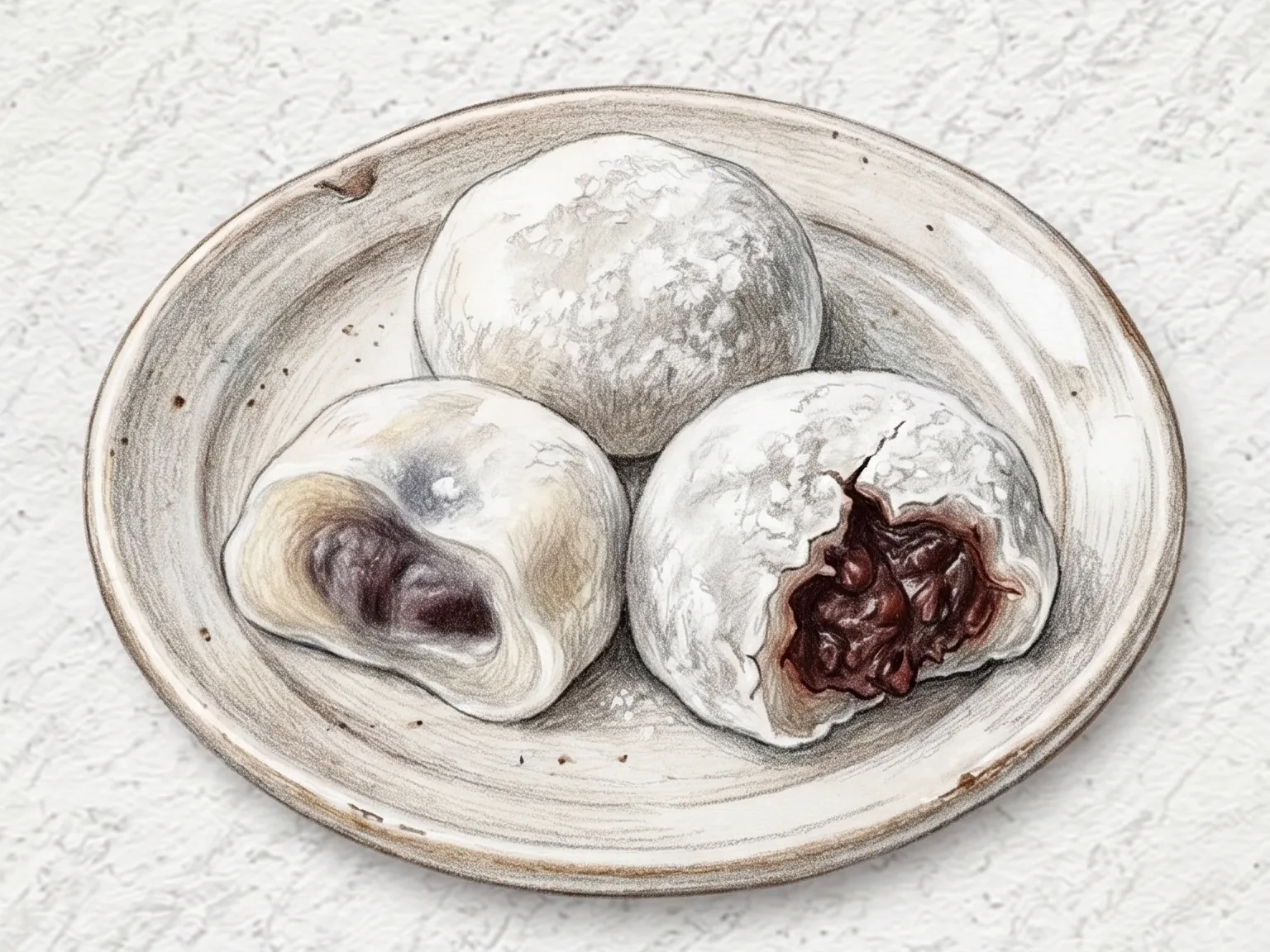
Glutinous rice flour is mixed with water and sugar, steamed or microwaved until it becomes a translucent, stretchy mass, then dusted with starch and wrapped around a ball of sweet red bean paste. The outer mochi shell is soft and pliable, yielding to the teeth with a slow, elastic pull before giving way to the dense sweetness of the filling inside. Because the dough begins to firm and lose its characteristic chew within hours, daifuku is best eaten the day it is made. Swapping the red bean for fresh strawberry or ice cream produces popular seasonal and modern variations. The starch coating - typically potato or cornstarch - serves a dual purpose: preventing the pieces from sticking to each other and adding a dry, powdery contrast to the otherwise tacky surface.
Kuurijishi (Okinawan Pork, Winter Melon, and Egg Soup)
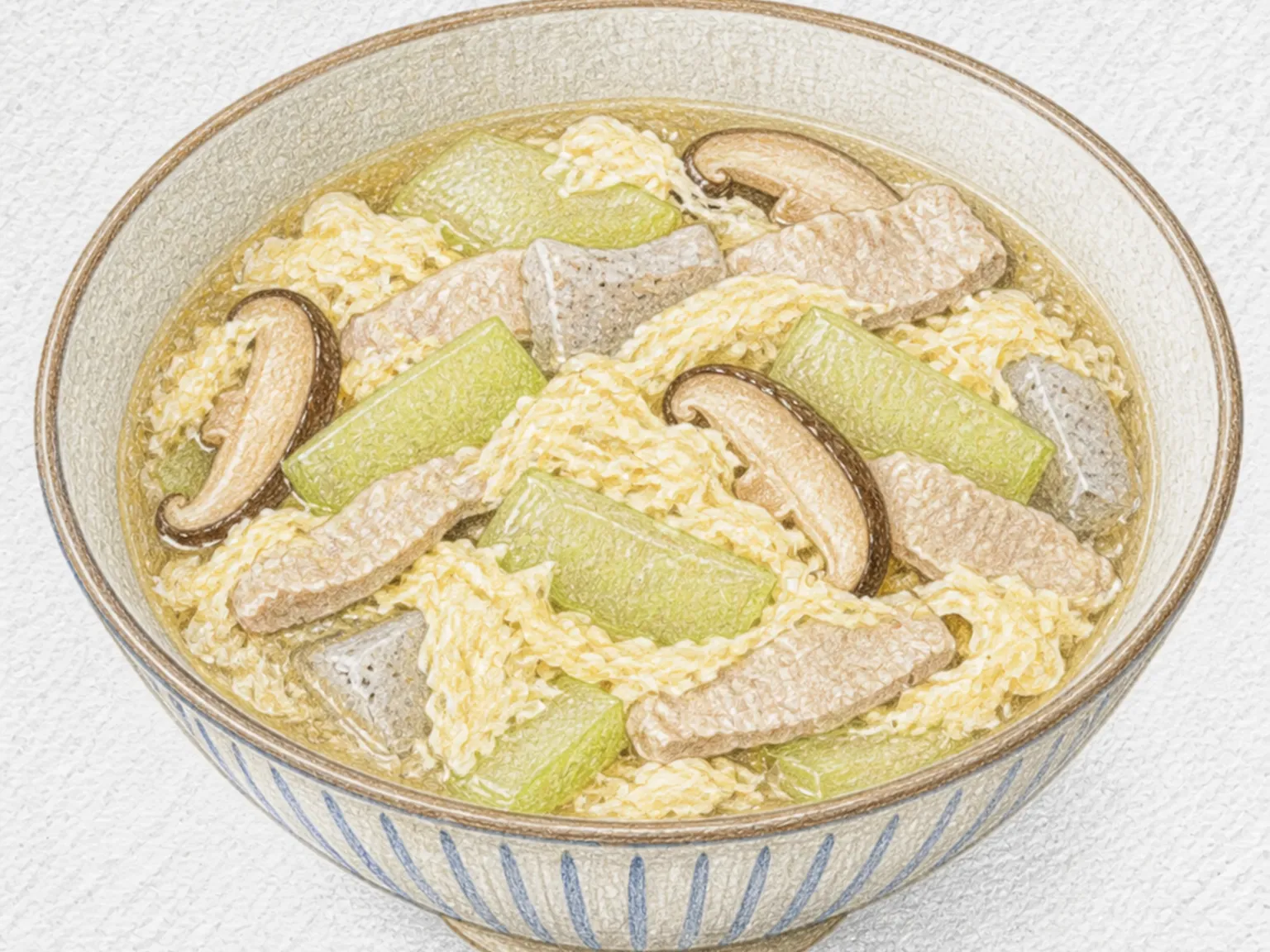
Kuurijishi is an Okinawan clear soup of boiled, thinly cut pork, winter melon, shiitake, and konnyaku in bonito stock, seasoned lightly with salt and soy sauce and finished with softly streamed egg. In the name, kuuri means ice and jishi means meat, but ice refers to the white egg spreading across the bowl like snow rather than to serving temperature. Before the war, when eggs were precious, families prepared it during Obon to express welcome for ancestral spirits. Firm winter-melon flesh near the skin is preferred because the soft portion around the seed cavity breaks down easily. The soup is served warm with the egg barely set and fluffy.
Hokkien Prawn Mee (Spicy Prawn Noodle Soup)
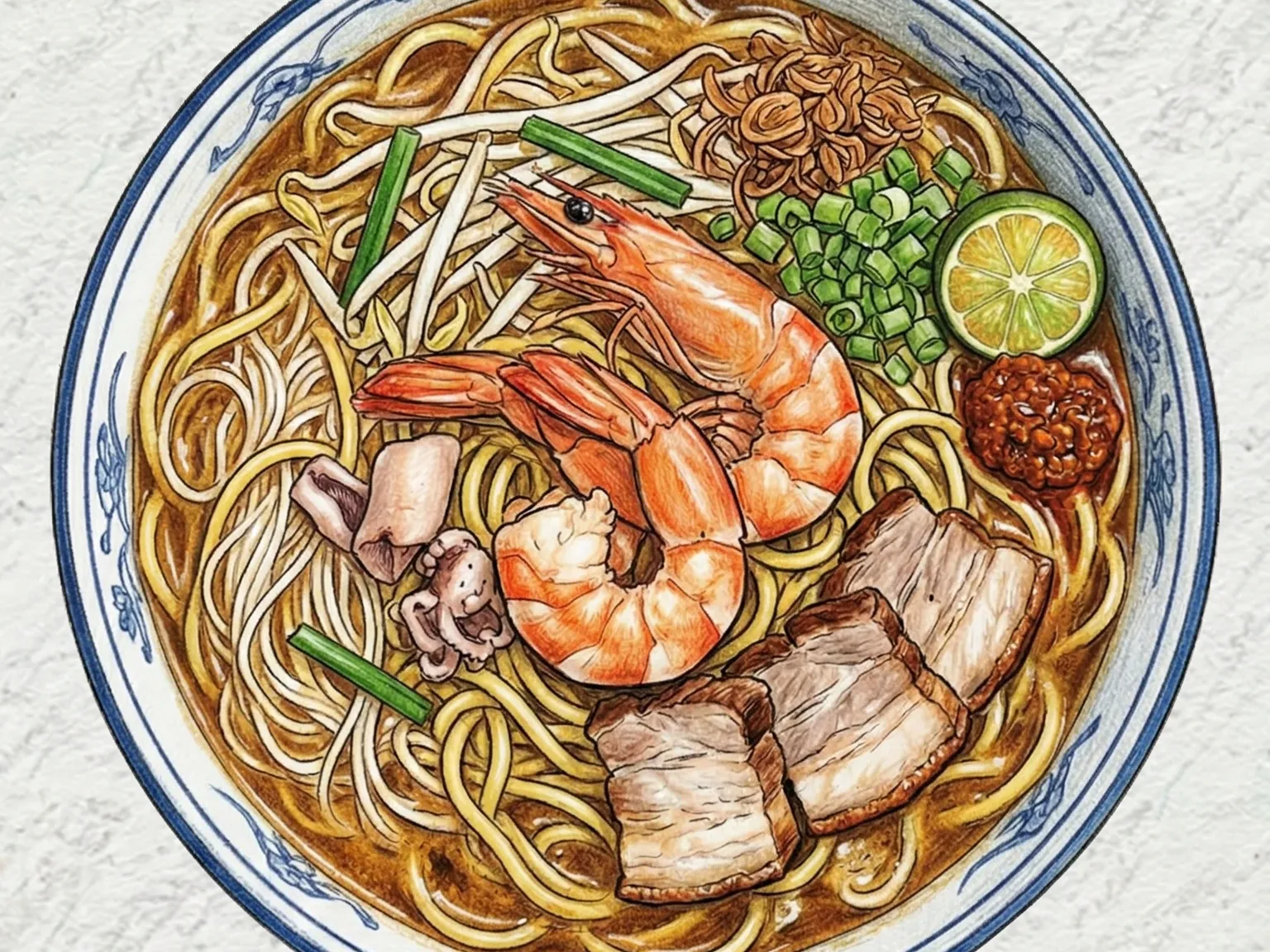
Hokkien prawn mee is one of the defining noodle dishes of Singapore's hawker culture, built on a dual stock of roasted shrimp shells and slow-simmered pork bones. The shrimp are broken down into shells and meat before cooking begins - the shells are fried in oil with garlic until deeply browned and fragrant, and this step alone sets the ceiling of flavor the final broth can reach. Pork stock is added to the pan and the combined liquid simmers for twenty minutes before being strained, producing a broth that appears almost clear but carries a concentrated marine and pork depth. Egg noodles and the reserved shrimp meat are cooked directly in this strained liquid, and fish sauce is stirred in to reinforce the ocean character. A spoonful of sambal chili paste rests on the surface and gradually dissolves into the soup as the bowl is eaten, intensifying with each sip. Chopped scallion adds a fresh green note against the rich, amber broth.
Tofu Satay Salad Bowl
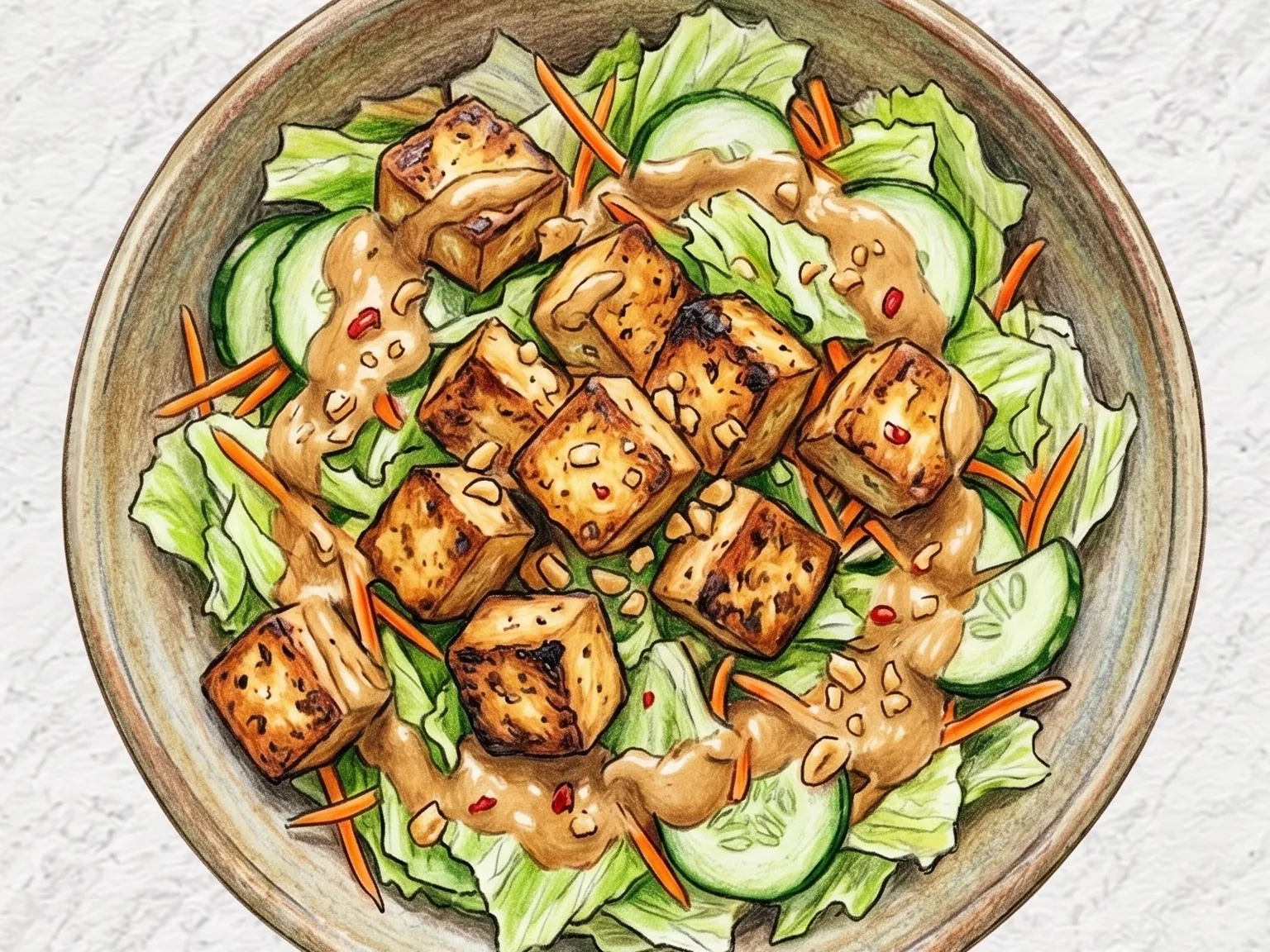
Tofu satay salad bowl combines pan-seared tofu, lettuce, carrot, and cucumber with a peanut butter dressing. Wrap 250 g firm tofu in paper towels and press it for about 10 minutes, then cut it into thick pieces. Tear 100 g lettuce into bite-size pieces, cut 80 g carrot and 80 g cucumber into thin strips, and shake off their surface water. Preheat a pan over medium heat for about 1 minute and arrange the tofu in a single layer. Leave each side in contact with the pan for about 3 minutes, turning only when the underside looks golden and feels firm. For the dressing, whisk 2 tbsp peanut butter with 1 tbsp soy sauce, 1 tbsp lime juice, and 1 tsp chili sauce. If the combined dressing remains too stiff to drizzle, mix in 1 tbsp water. Put the lettuce, carrot, and cucumber in the serving bowl and toss them lightly with half of the dressing without pressing the leaves. Set the warm tofu over the vegetables and spoon the remaining dressing across the top, then serve immediately. Pressing the tofu and waiting for the first side to firm make the thick pieces easier to turn without breaking. Removing surface water from the vegetables keeps it from diluting the peanut dressing after the bowl is assembled.
Cha Ca La Vong (Hanoi Turmeric Cod with Dill)
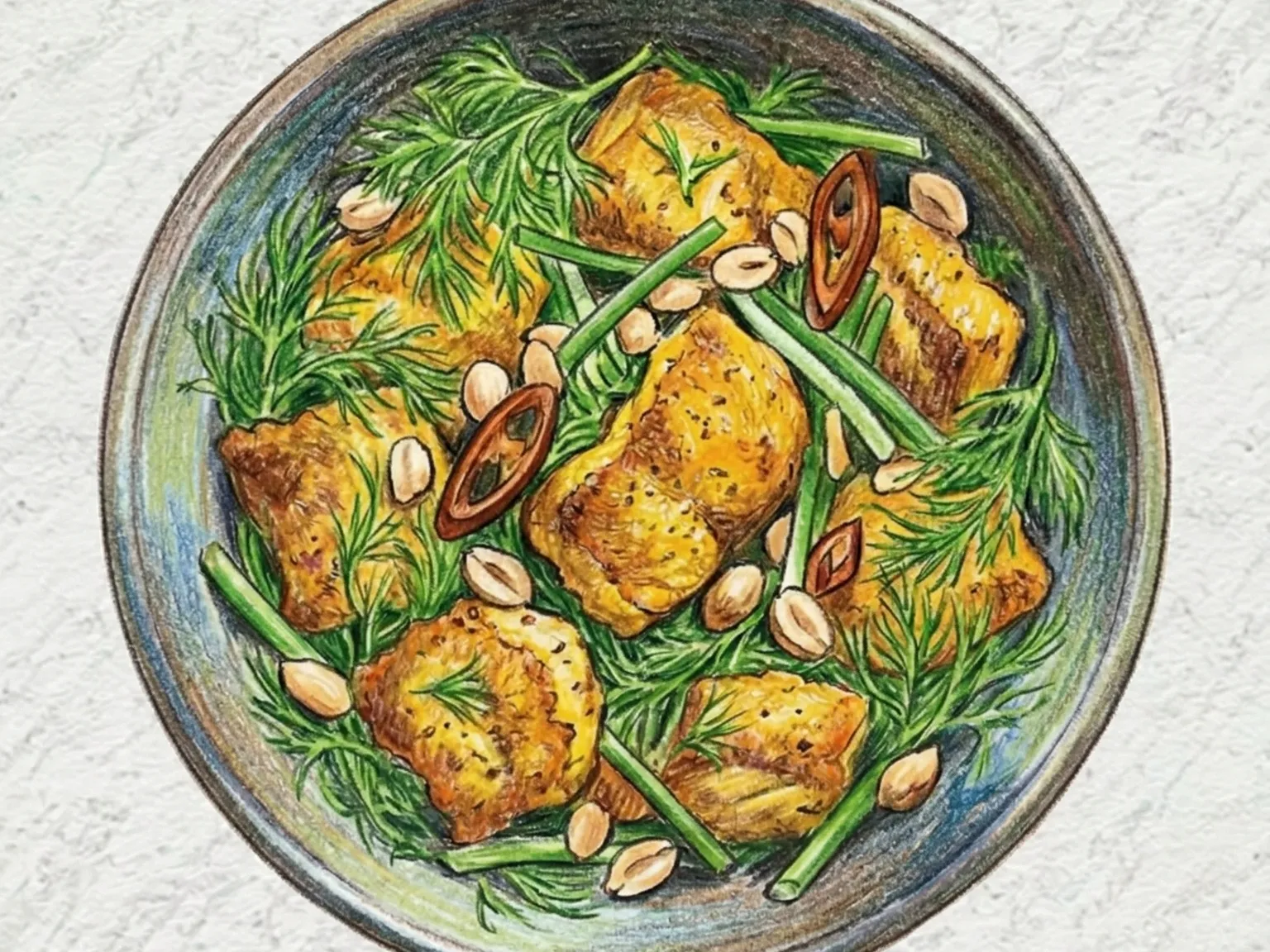
Cha ca La Vong is the defining dish of a single street in Hanoi's Old Quarter - Cha Ca Street takes its name from the restaurant that has been serving this one recipe and nothing else since the late nineteenth century. The dish is almost exclusively Hanoian; it barely appears in southern Vietnamese cooking, and the original La Vong restaurant remains open at the same address today. Firm white fish fillets, traditionally snakehead or catfish, are marinated in a paste of turmeric, galangal, fermented shrimp paste, and rice flour, then pan-fried in oil until the turmeric stains the surface a vivid, saturated yellow and a thin crust forms along the outside. The sizzling pan arrives at the table set over a small tabletop burner and the fish continues to cook as diners add large handfuls of fresh dill and scallion directly into the pan. The herbs wilt almost instantly on contact with the hot oil, and dill's intense anise-forward fragrance fills the table as they do. The visual impact of yellow-stained fish against the bright green dill collapsing into the pan is one of the dish's most recognizable qualities. The fish is eaten spooned over thin rice vermicelli and accompanied by roasted peanuts and additional fresh herbs. The critical element is the dipping sauce: mam tom, a pungent fermented shrimp paste thinned with fresh lime juice and a little sugar, whose funk and acidity cut through the oil and turmeric and transform the flavor of every bite. Few dishes anywhere can claim a single-item restaurant with over a century of unbroken operation, and Cha ca La Vong is one of them.
Thai Fried Rice
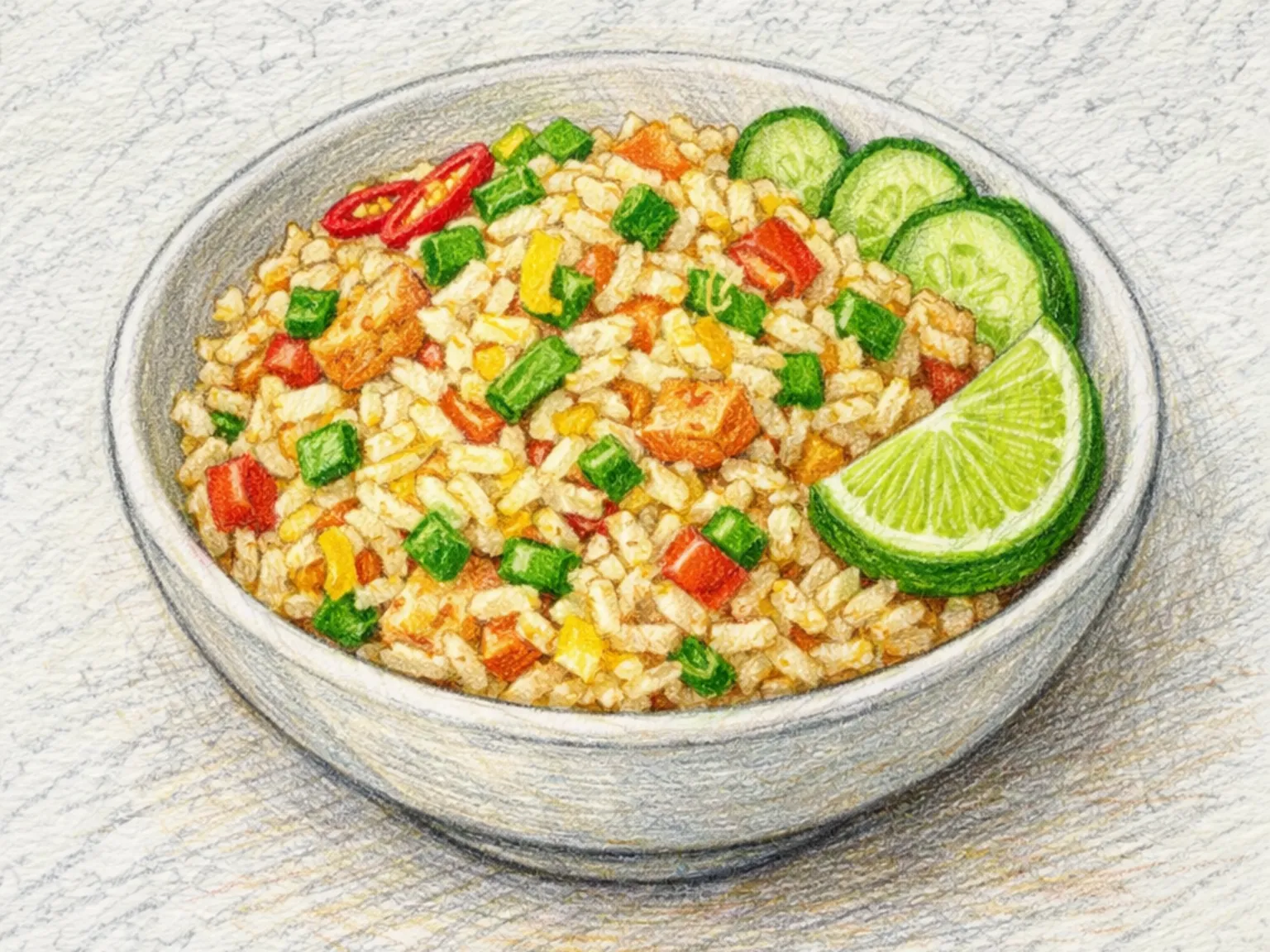
Khao pad is Thailand's definitive fried rice, and the entire dish depends on one preparatory decision made the day before: using cold, day-old rice rather than freshly cooked grains. Freshly steamed rice retains too much moisture and clumps together in the wok, steaming rather than frying and resulting in a heavy, gummy texture. Cold rice separates easily under the heat, allowing the individual grains to coat in oil and achieve the distinct, lightly chewy texture that defines good khao pad. The wok is heated until it smokes before garlic goes in, building a fragrant base in seconds. Eggs are scrambled into large, soft curds alongside the garlic before the rice is added and tossed vigorously with fish sauce, soy sauce, and a small pinch of sugar, which rounds the saltiness into something rounder and more complex. The most important quality that separates a superior khao pad from a mediocre version is wok hei: the faint, smoky breath that comes from sustained contact between the ingredients and a very hot wok surface. A plate of khao pad is always accompanied by a lime wedge, sliced cucumber, and chopped scallion. In its simplest form it needs no protein, but shrimp, chicken, or crab are common and equally traditional additions.
Yogoshi (Finely Chopped Greens with Sesame Miso)
Yogoshi uses 100 g daikon leaves, blanched until tender, squeezed completely dry, and chopped to 3 to 5 mm before miso and sesame seasoning is attached in the pan. Discard yellow leaves and tough bases and wash away all soil. Put the stems into a large pot of boiling water first and blanch for 2 minutes. Allow only 1 additional minute if the thick portions remain firm. Move the greens immediately to cold water, rinse once, and squeeze repeatedly with both hands. Chop them evenly, then press once more to confirm that no water runs out; retained moisture would dilute the miso and require excessive cooking. Warm 1 teaspoon sesame oil over medium heat and separate the greens with a spatula for 2 minutes. If the pan bottom remains wet, continue for no more than 1 minute. Add 1 tablespoon each of miso, sugar, and chopped sesame seeds with 1 teaspoon mirin, then reduce the heat to low. Mix for 1 minute, extending by only 1 minute if the seasoning has not yet clung to the greens. Stop when no loose liquid remains and divide into four portions. If the dish is prepared for later, spread it in a shallow container to cool quickly and refrigerate within 2 hours rather than leaving it at room temperature overnight.
Nagasaki Milkshake
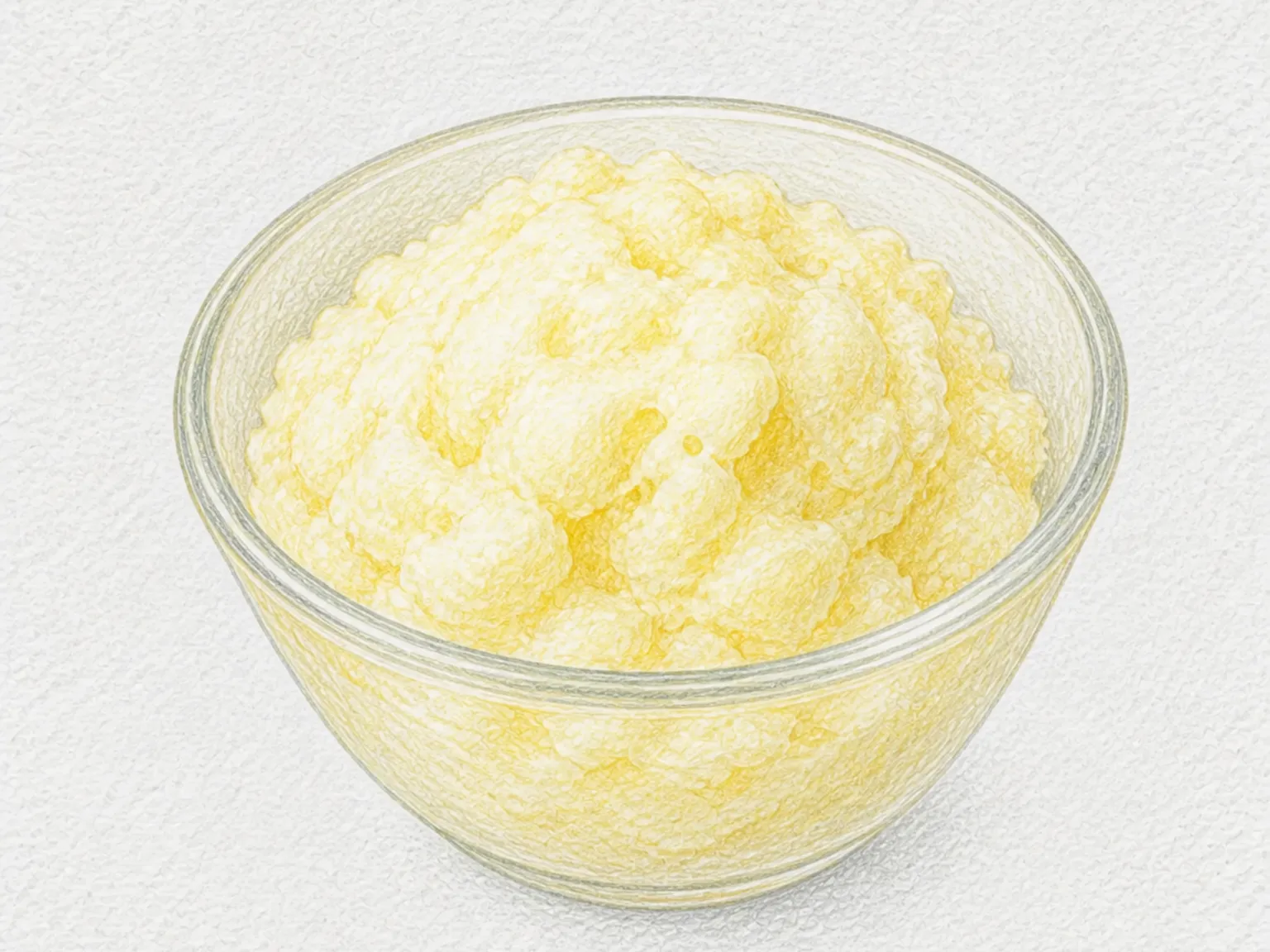
Nagasaki milkshake is an iced dessert from Nagasaki City, blended from milk, egg yolk, sugar, condensed milk, vanilla, and plenty of ice. Unlike a drinkable shake, it is thick enough to eat with a spoon and retains tiny ice crystals among its smooth custard flavor. It is said to have originated between the late Taisho and early Showa periods at Tsuruchan, regarded as Kyushu's first tearoom, as relief from Nagasaki's intense summer heat. Once limited to warm months, it became a year-round local specialty and an easy home dessert. The crucial technique is to stop blending while a little crushed ice remains, before friction melts it into a thin drink.
Kyanokko-jiru (Akita Vegetable and Bean Soup)
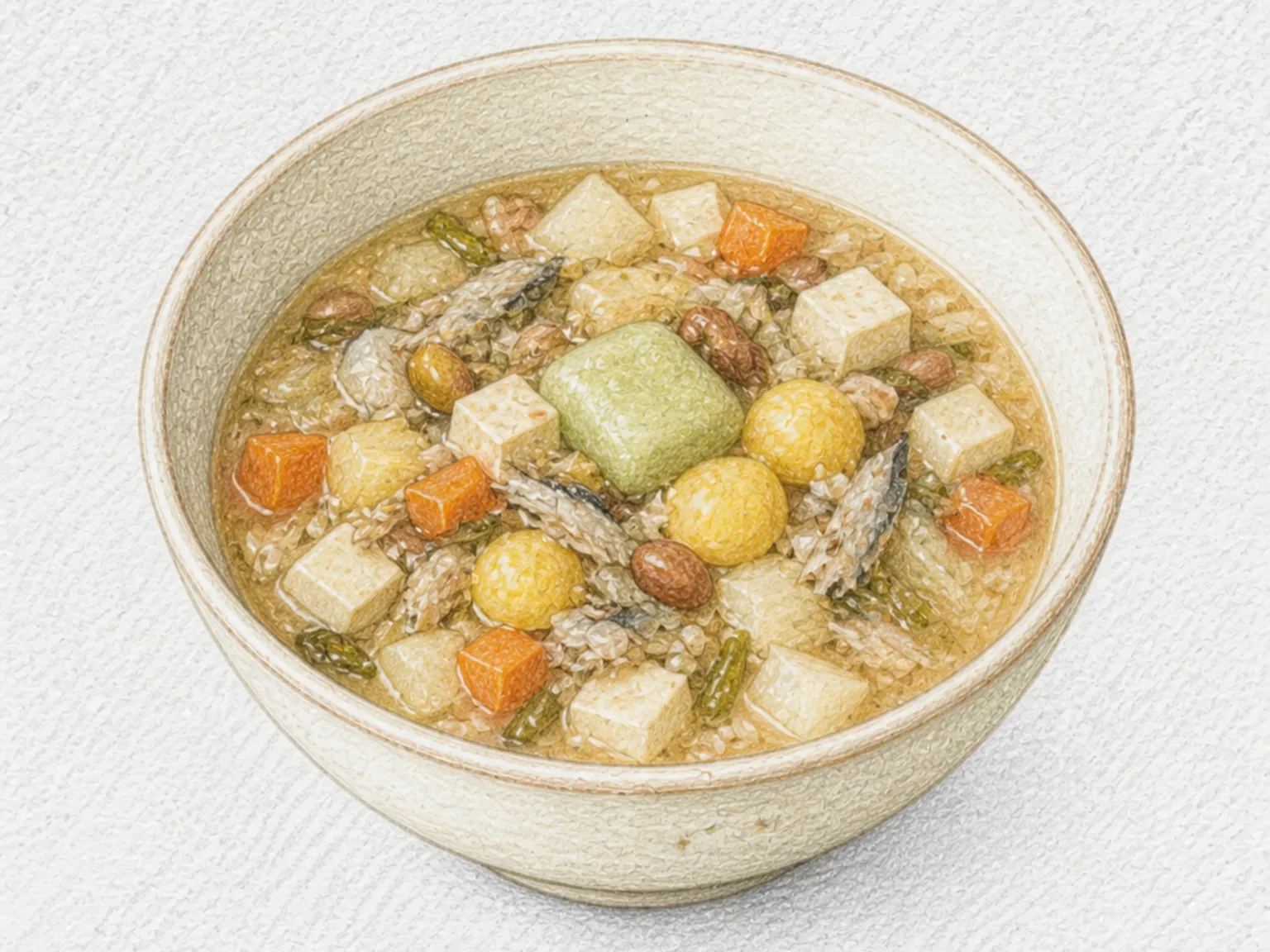
Kyanokko-jiru is an Akita Little New Year soup of daikon, carrot, potatoes, mountain yam, prepared mountain vegetables, tofu, kidney beans, and chestnuts in a kombu, dried sardine, and bonito stock seasoned with miso. This large recipe makes 20 servings and finishes with 30 grilled yaki-zunda cakes made from 500g green soybean flour and 100g glutinous rice flour. Soak 80g dried kidney beans for 8 hours, then cook them in fresh water for 45 to 60 minutes until tender inside but still intact. For the stock, soak 10g kombu and 15g cleaned dried sardines in 6L water for 30 minutes. Remove the kombu just before boiling, simmer the sardines for 5 minutes, add 15g bonito flakes, rest for 2 minutes, and strain. Dice 1kg daikon to 8mm and boil it separately for 15 minutes. Cut the potatoes and sweet potato to 1.5cm, and the mountain yam and carrot to 8mm. Use commercially prepared, desalted butterbur, bracken, and zenmai; do not improvise the processing of wild plants. Knead the yaki-zunda mixture with lukewarm water, shape 30 flat ovals, and cook each side on a dry pan for about 4 minutes. In the strained stock, cook the potatoes, yam, prepared greens, tofu, aburaage, and mushrooms for 25 minutes. Add the boiled daikon, sweet potato, beans, and drained candied chestnuts for another 12 minutes. Dissolve 180g miso in hot broth before returning it to the pot. Add the lily bulb and grilled cakes for the final 5 minutes so the yaki-zunda keeps its shape. Refrigerate leftovers in shallow containers within two hours and use them within three days. Reheat each portion to a vigorous boil throughout for at least one minute.
Houtou Pumpkin Miso Noodles
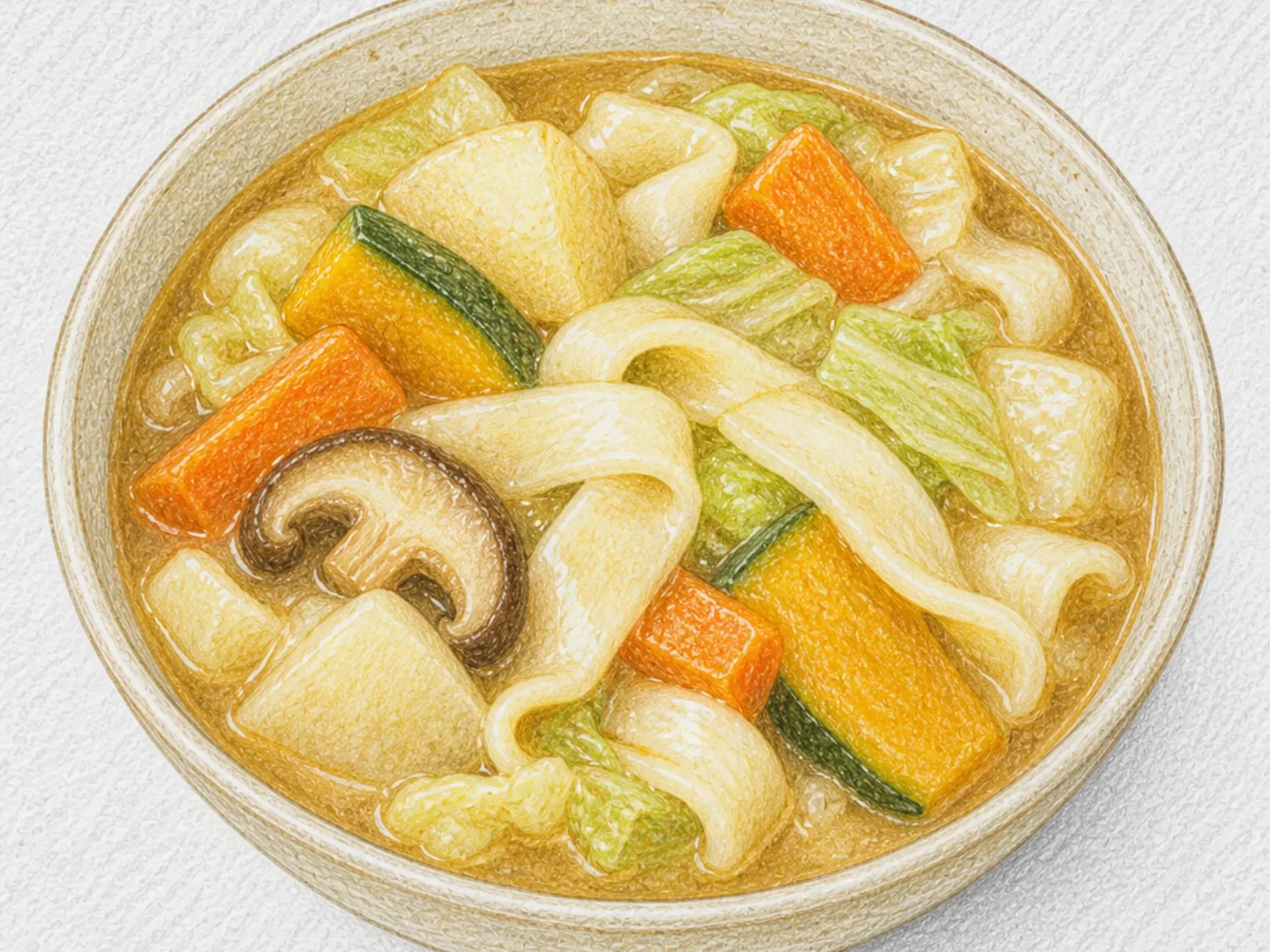
Houtou is a representative Yamanashi noodle dish. A salt-free dough of wheat flour and lukewarm water is rolled thin, cut into wide strips about 1cm across, and simmered directly in dried-sardine dashi and miso with potato, pumpkin, daikon, carrot, napa cabbage, and shiitake. Because the floured noodles are not boiled separately, their starch thickens the broth and helps it retain heat. Houtou has long served as a staple in mountainous areas poorly suited to rice cultivation, and making the noodles was once treated as an important household skill. It is eaten throughout the year but appears more often in winter as a filling, warming meal.
Tsushima (Crumbled Tofu and Vegetable Salad)
This tofu and vegetable salad combines dry-cooked crumbled tofu with shiitake, carrot, burdock, and konjac simmered in dashi and finished with a vinegar dressing. Crumble 400g tofu into a pan and dry-fry over medium heat for 8 to 10 minutes. When moisture has emerged and the tofu is loose, drain in a sieve and cool completely. Combine the shiitake, carrot, burdock, konjac, 100ml dashi, 4g simmering sugar, and 6ml simmering soy sauce. Cook about 10 minutes until nearly dry, spread out, and cool. Mix the fully cooled tofu and simmered vegetables in a large bowl. Pour over the vinegar dressing, toss gently, fold in the green beans, and serve or chill.
Cha Gio (Southern Vietnamese Crispy Rice Paper Spring Rolls)
Cha gio are fried spring rolls from southern Vietnam, distinct from the north's nem ran in both wrapper and filling. Southern cooks use rice paper instead of wheat-based wrappers, which produces an exceptionally thin, blistered shell on frying - one that shatters with a louder, sharper crack than a Chinese egg roll. The filling is ground pork, shrimp, glass noodle threads, wood ear mushroom, and grated carrot, seasoned with fish sauce and black pepper. Rolling technique directly affects the result: too loose, and the roll bursts in the oil; too tight, and the filling compresses into a hard, dense core. Oil temperature is managed in two stages - the rolls go in at 160°C to cook the filling through without scorching the wrapper, then the heat rises to 180°C for a final crisping that leaves the shell nearly translucent. The traditional presentation is wrapped in mustard greens or lettuce with fresh mint, Thai basil, and perilla, then dipped in nuoc cham. In southern Vietnamese households, the Tet (Lunar New Year) preparation of cha gio is itself a ritual: the entire family gathers to roll hundreds at once, an act that marks the holiday as much as eating them does. Frozen unbaked rolls fry from frozen with almost no loss in texture.
Thai Chicken Fried Rice
Khao pad gai is Thai chicken fried rice, one of the most consistently available single-plate meals sold at street stalls and sit-down restaurants across Thailand from morning until late at night. Bite-size pieces of chicken breast or thigh are seared first in a ripping-hot wok to develop color and a slight char, then minced garlic and a cracked egg follow in rapid succession. Day-old jasmine rice, cold from the refrigerator, is added next because its reduced moisture allows each grain to separate cleanly and pick up oil rather than clumping. Constant tossing over the highest possible heat is what produces the characteristic wok fragrance that sets Thai fried rice apart from versions cooked at lower temperatures. Fish sauce provides the primary saltiness, soy sauce adds a brown color and a layer of savory depth, and white pepper delivers a warm, earthy heat that lingers in the background. The mound of finished rice is tipped onto a plate and surrounded by a lime wedge, cucumber slices, and tomato to provide cool, acidic relief between bites. At the table, diners season their own portion from a small tray holding fish sauce, dried chili flakes, white sugar, and vinegar - the standard four-condiment set present at virtually every Thai table. The combination of all these adjustments makes a single dish capable of tasting quite different from person to person, which is part of its enduring appeal.
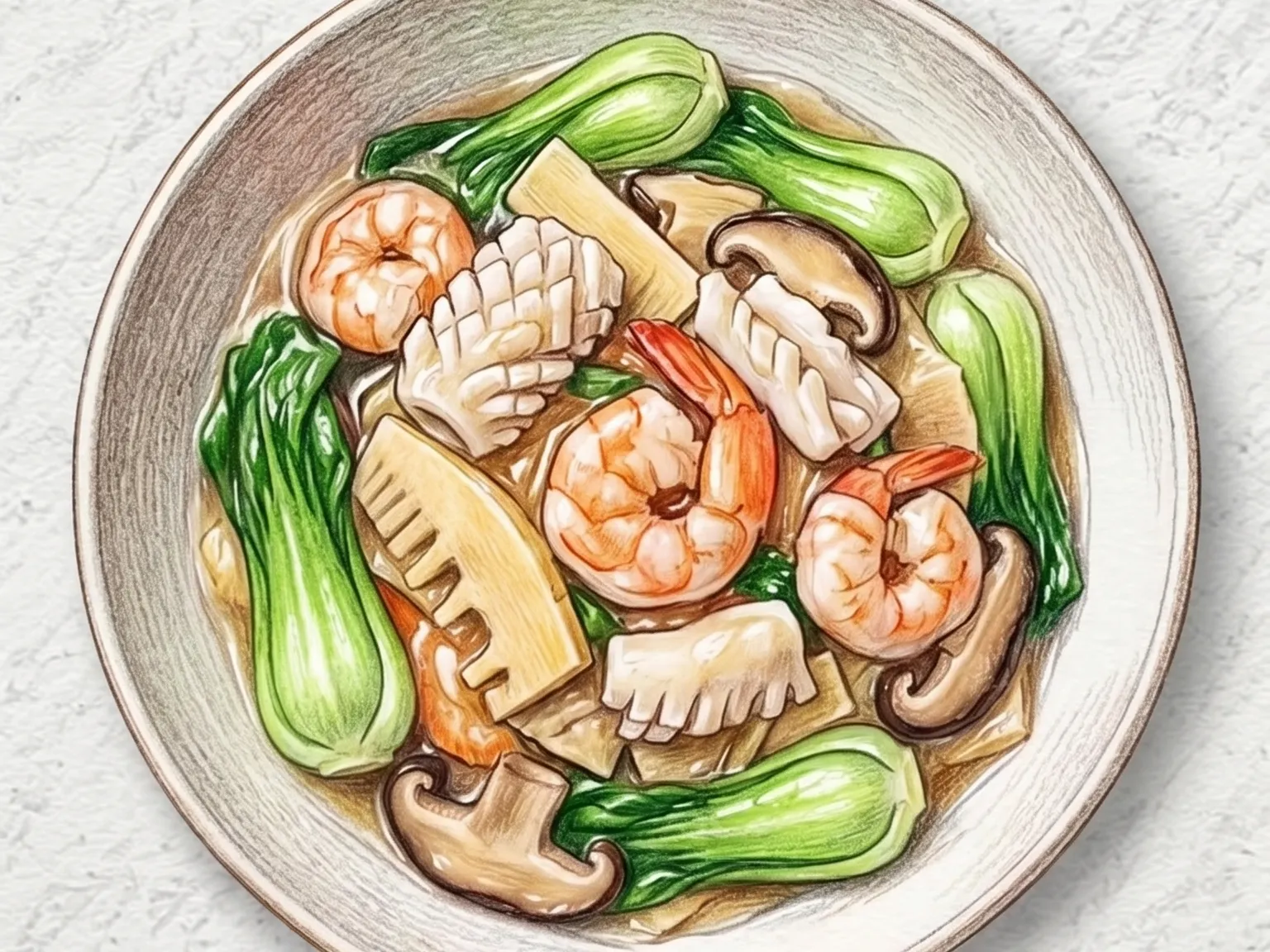
Mixed Seafood and Vegetable Stir-fry
Yusanseul brings together 180 g shrimp, 150 g squid, 120 g bamboo shoots, 80 g shiitake mushrooms, and 120 g bok choy in a chicken-stock sauce thickened at the end. Pat the prepared seafood dry and cut the vegetables to similar lengths so they cook more evenly. Mix 1.5 tablespoons starch with water until smooth, then stir it again immediately before use because the starch settles while the other ingredients cook. Heat the pan thoroughly, add a thin layer of oil, and keep the heat high. Stir-fry the shrimp and squid for only 1.5 to 2 minutes, stopping that stage when their surfaces turn opaque. Add the bamboo shoots and shiitake mushrooms for about 1 minute. The bok choy goes in later and remains in the pan only until its leaves soften slightly while the stems retain their bite. Pour in 200 ml chicken stock and 1 tablespoon oyster sauce, scraping the bottom as the liquid is mixed through. Once it bubbles, cook over medium-high heat for about 2 minutes. Add the starch slurry in two portions rather than all at once, stirring quickly after each addition. Stop when the sauce looks translucent and glossy and lightly coats each piece. If the first portions produce the desired thickness, leave out the remainder. Turn off the heat and remove the food from the hot pan promptly so the brief initial cooking of the seafood is not undone by a long finish.
Nerikuri (Sweet Potato Glutinous Rice Cake)
Nerikuri is a large-batch sweet potato mochi made by pounding steamed glutinous rice smooth, working in hot sweet potato, then absorbing sugar and salt into the combined dough before it sets between layers of kinako. Rinse 1.5kg glutinous rice three times, soak it in 3L water under refrigeration for 10 hours, and drain it for 30 minutes. Cut 3kg peeled sweet potato flesh into 4cm pieces, cover the pieces with cold water, hold them there for 10 minutes, and drain. Line both tiers of a steamer with damp cloth and keep the ingredients separate. Steam the rice for 35 minutes and the potato for 25 minutes over strong steam. Both should crush easily between the fingers. Pound the hot rice alone for 8 to 10 minutes, stopping only when individual grains are no longer visible. Add the hot sweet potato in three portions and pound for 3 minutes after each addition. Combine 1kg white sugar with 1 tablespoon salt and add this mixture in four portions. Work for 2 minutes after every addition so each one disappears before the next goes in. The yellow dough is ready when it contains no white sugar streaks, intact rice grains, or separate potato lumps. If either steamed component cools before mixing, return it to the steamer in its cloth for 3 minutes so both enter the pounding bowl hot. Spread 200g roasted soybean flour 5mm deep across the bottom of a large tray. Press the hot dough over it to an even 4cm thickness, cover the top with the remaining 100g kinako, and leave the tray at room temperature for 3 hours. Cut the set slab into 40 pieces. The flour above and below keeps the sticky surface manageable, while a clean interior confirms that the potato and rice were fully incorporated.
About Asian
Each country brings its own signature spices and sauces, so even the same ingredients can produce completely different flavors. With a few key pantry items - coconut milk, fish sauce, curry powder, doubanjiang - you can recreate the tastes of Asia at home.