Rice

Rice Recipes

334 recipes. Page 5 of 14

Rice is the foundation of Korean cuisine, appearing not only as steamed white rice but also as fried rice, bibimbap, clay-pot rice (sotbap), and gimbap rolls. Porridge (juk) - made by slow-cooking rice into a silky consistency - is comfort food for cold days or when you need something gentle on the stomach. Abalone porridge, pumpkin porridge, and chicken porridge are all classics.

Rice
Korean Pork Soup with Rice
Rice Hard

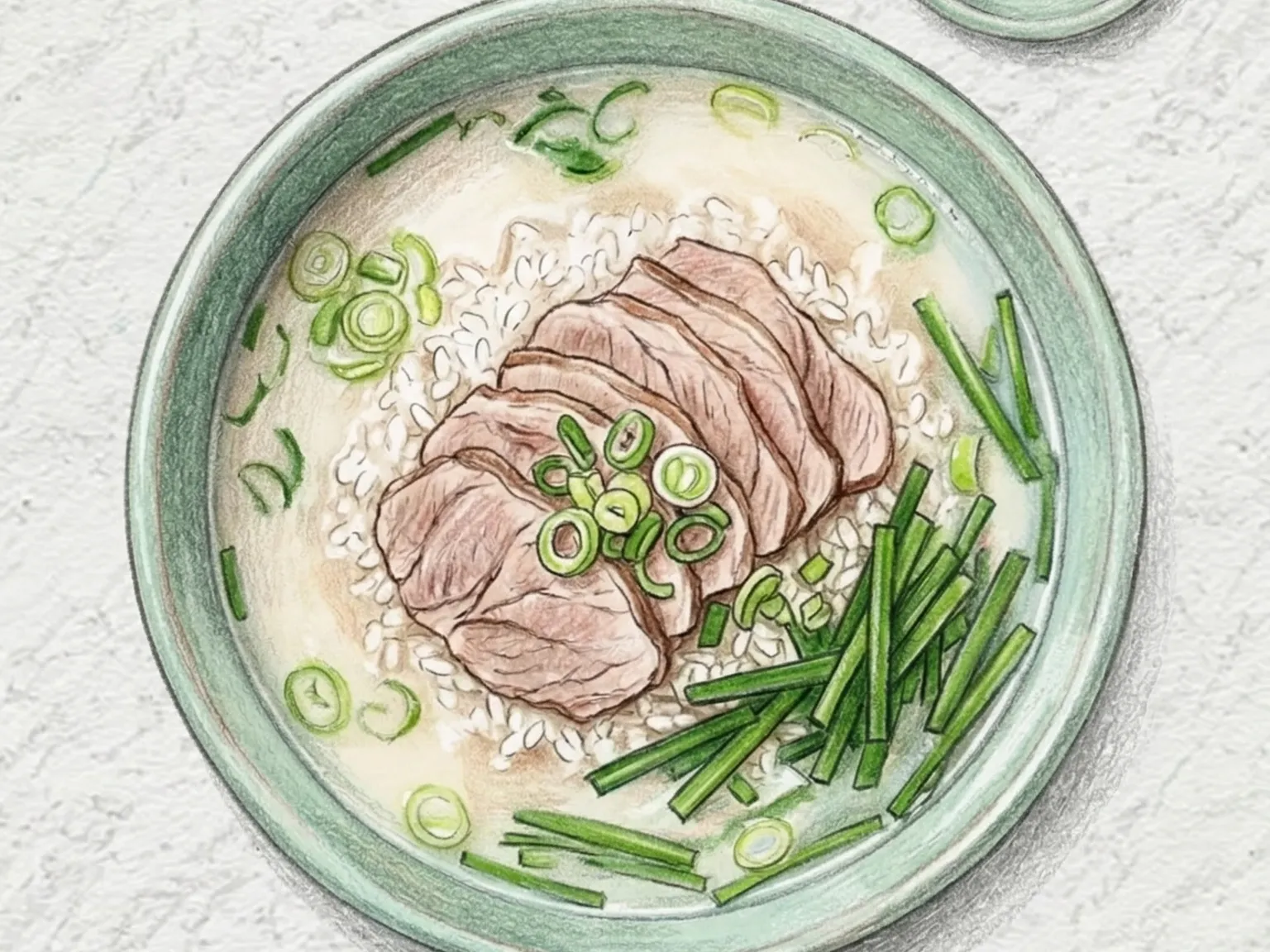
Korean Pork Soup with Rice

Dwaeji gukbap is Busan's definitive pork and rice soup, constructed around a broth that simmers pork shoulder or neck in a bone stock base for well over an hour, until the liquid becomes pale, rich, and deeply flavored. The pork is always blanched in plain water first and the water discarded, removing blood and impurities that would cloud the broth or introduce an off-flavor. After blanching, the meat transfers to the main pot where it cooks long and low until the muscle fibers loosen and the collagen begins to dissolve into the liquid, adding a gentle body that coats the inside of the bowl. That collagen-thickened base absorbs the mineral depth of the simmered bones beneath it, building a broth that cannot be rushed or replicated quickly. The cooked pork is sliced thin across the grain, arranged over a bowl of steamed rice, and doused with a generous pour of the boiling broth, which soaks into the rice and makes each spoonful carry the flavor of both. Sliced green onion and garlic chives piled on top add a fresh, grassy brightness that cuts through the richness. Fermented shrimp paste and minced fresh chili sit on the side for each diner to season individually - a ritual that is specific to this dish. In Busan, gukbap shops that have kept the same stockpot simmering for decades are treated with the same reverence as landmarks.

🎉 Special Occasion
Prep 20min Cook 80min 2 servings
Eojuk (Korean Freshwater Fish Porridge)
Rice Hard

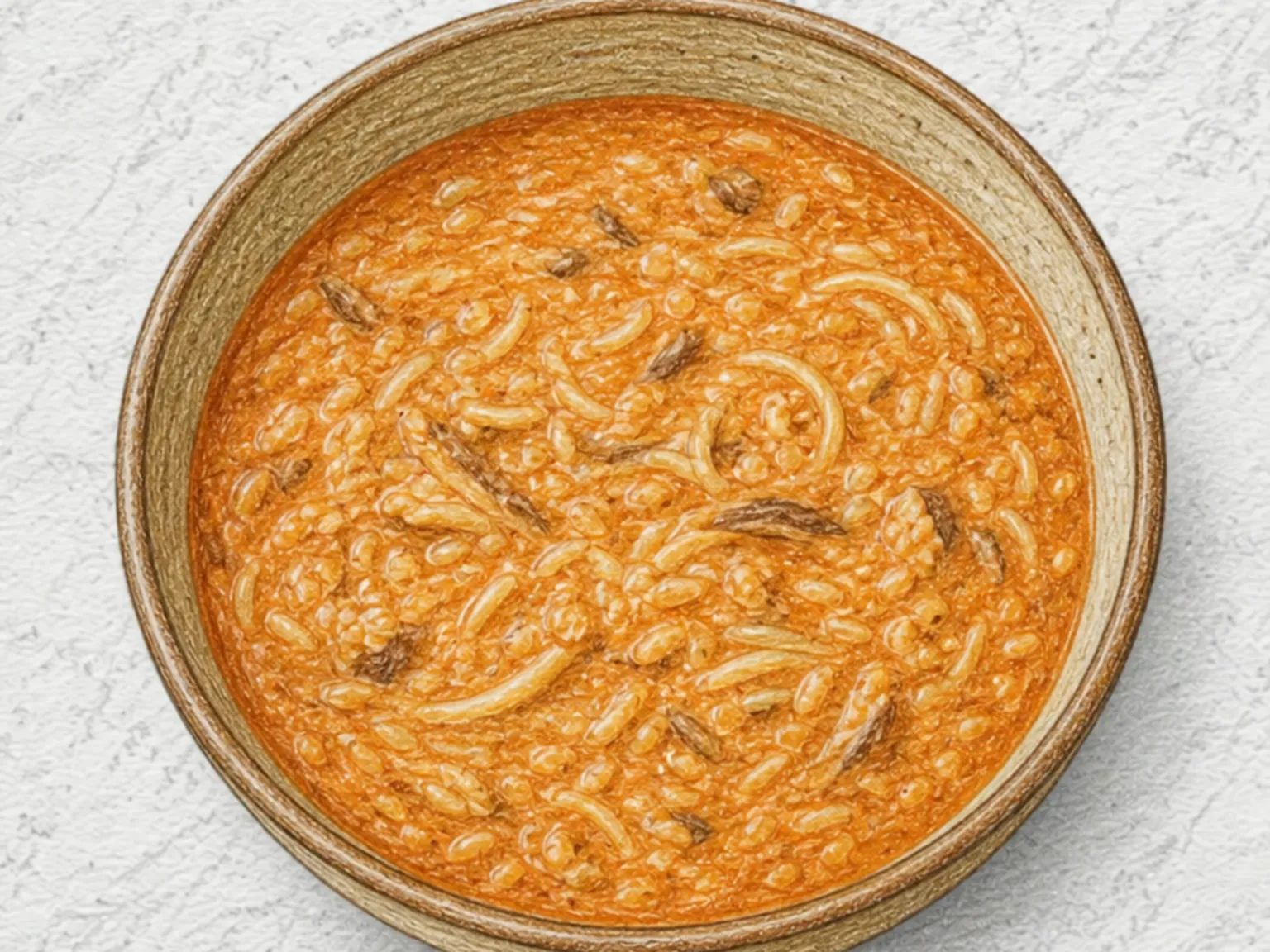
Eojuk (Korean Freshwater Fish Porridge)

Eojuk is a thick porridge made by simmering freshwater fish until the flesh separates, passing the broth through a fine sieve repeatedly to remove bones, and then cooking rice and thin noodles in that liquid. Rinse 100 g rice and soak it in water for 30 minutes. Remove the innards from 500 g freshwater fish and wash both the cavity and exterior carefully. Put the prepared fish in a pot with 2 L water and simmer for 40 minutes, until the meat is soft enough to fall away from the skeleton. Do not rely on a single pass when straining. Pour the cooked fish and broth through a fine-mesh sieve, press the flesh through with the back of a spoon, and discard every bone and sharp fragment left above the mesh. Pass the liquid through the fine sieve again to reduce the risk of small bones that are difficult to see. Return the strained broth to a clean pot and add 2 tablespoons red chili paste, 1 tablespoon soybean paste, 1 tablespoon minced garlic, and the soaked rice. Bring it to a simmer over medium heat. Rice settles and catches easily in the thickening fish broth, so stir frequently along the bottom and corners until the grains soften and spread. Add 50 g thin noodles and 10 sliced perilla leaves, then cook for 3 to 4 minutes more. Once the noodles are tender, stir in 2 tablespoons perilla powder to finish the body and aroma. The porridge becomes more prone to sticking after the powder is added, so turn off the heat once it is evenly dispersed. Serve hot and continue to eat carefully in case any fine fish bone escaped the repeated straining.

🏠 Everyday
Prep 30min Cook 50min 2 servings
Korean Fish Cake Fried Rice
Rice Easy

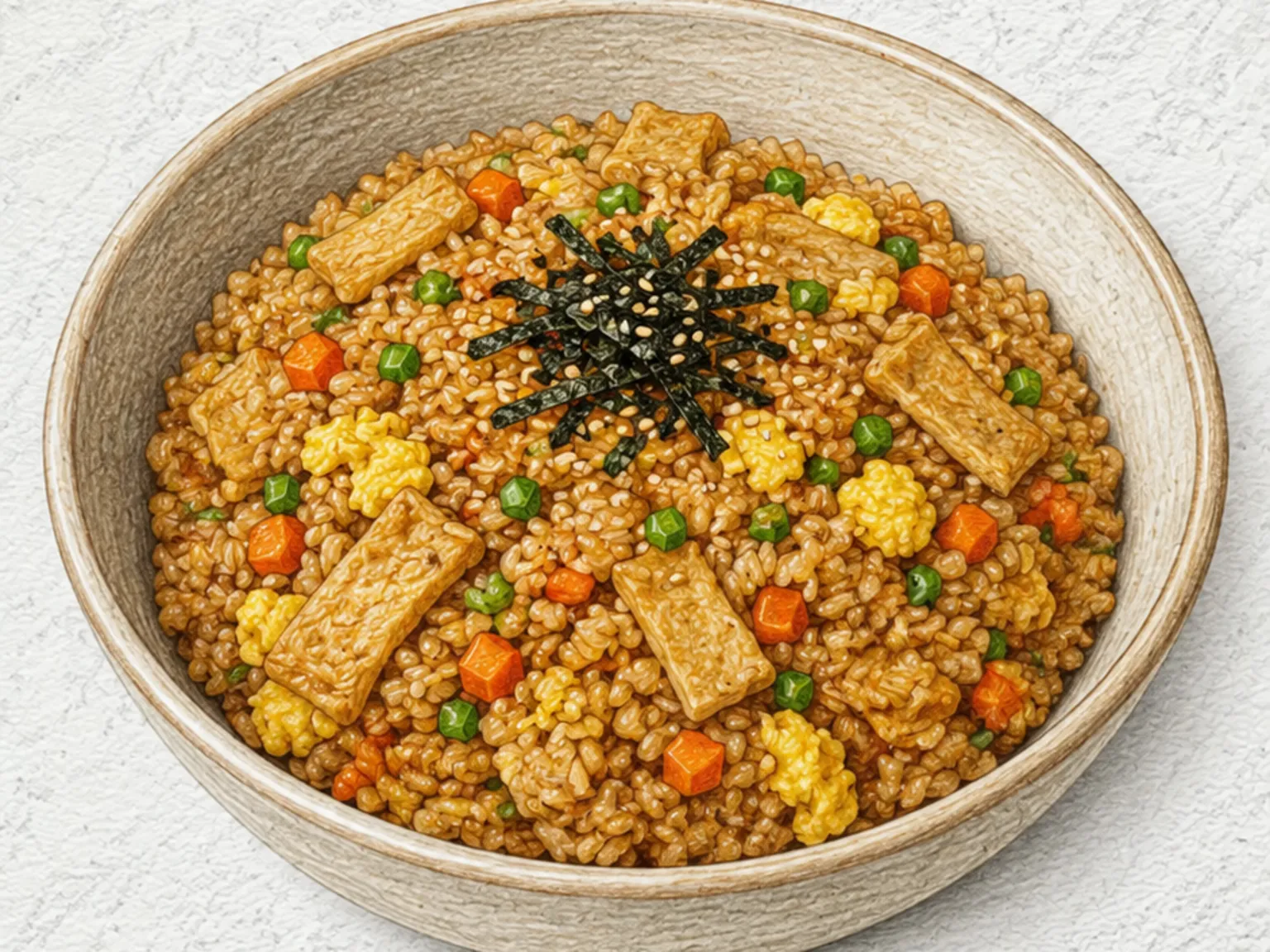
Korean Fish Cake Fried Rice

Eomuk bokkeumbap is a Korean fried rice built around diced fish cake, carrot, egg, and soy sauce -- a dish that earns its place precisely because it comes together in under ten minutes from pantry basics. The fish cake develops a lightly crisped exterior when stir-fried in hot oil, and as it cooks, its mild, briny savoriness infuses every grain of rice it comes into contact with. Egg is scrambled on one side of the pan before being folded through, adding a layer of richness without complicating the overall flavor. Soy sauce seasons the rice throughout while a drizzle of sesame oil at the very end coats the finished dish with a glossy, nutty finish. Chopped green onion tossed in just before plating provides a fresh, aromatic contrast to the savory base. The saltiness can be dialed up or down easily by adjusting the soy sauce, and a scatter of toasted sesame seeds or crumbled dried seaweed over the top adds both flavor and visual appeal. The dish requires nothing more than leftover rice and a few pieces of fish cake, making it one of the most reliable quick-meal options in the Korean home kitchen, practical for a rushed lunch or a light after-school snack for children.

🏠 Everyday 🍱 Lunchbox
Prep 10min Cook 10min 2 servings
Korean Fried Rice (Simple Leftover Rice Stir-Fry)
Rice Easy

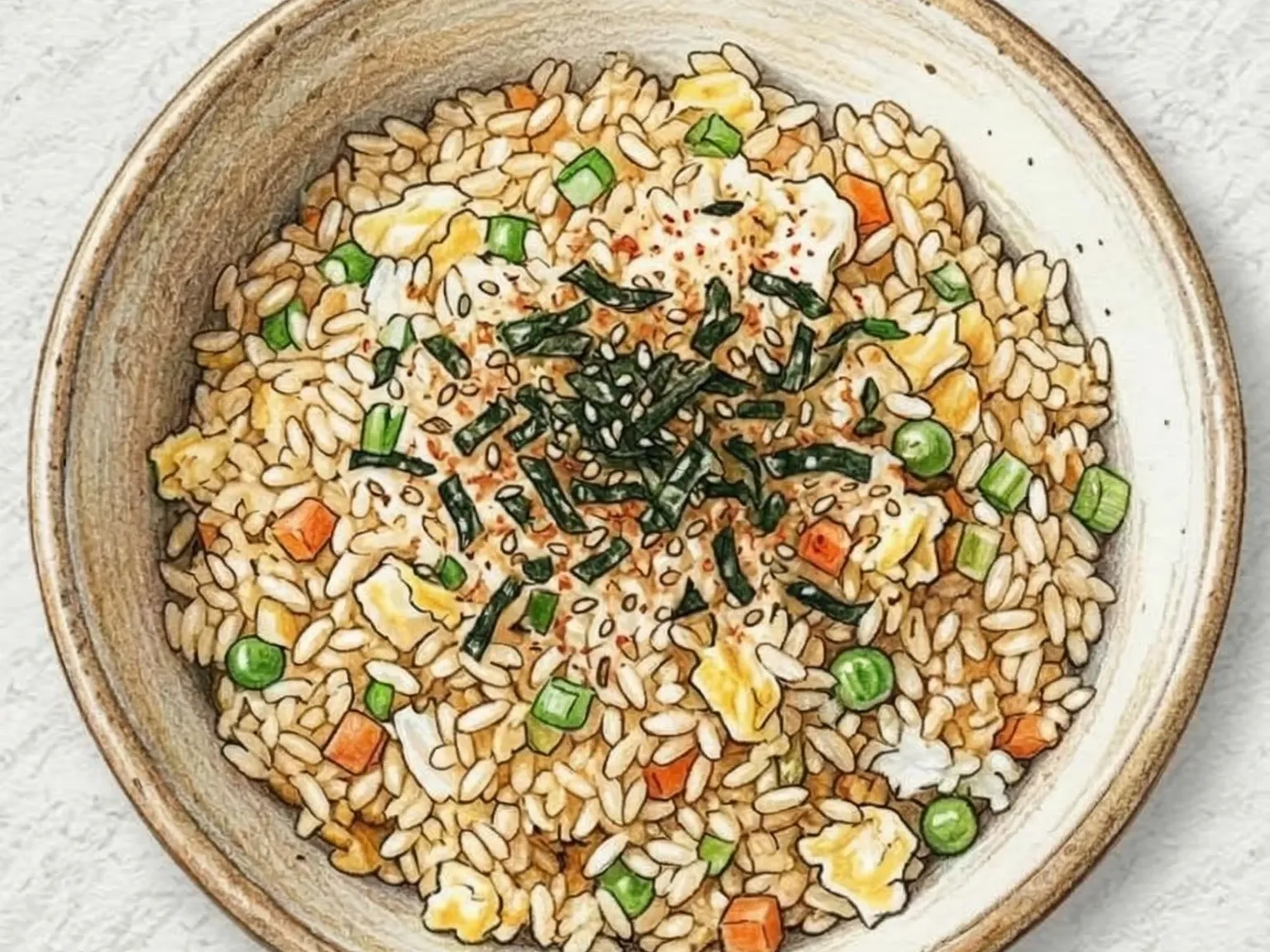
Korean Fried Rice (Simple Leftover Rice Stir-Fry)

Korean fried rice is the ultimate utility dish, built to turn leftover rice and whatever vegetables remain in the refrigerator into a satisfying meal in under ten minutes. Green onion hits the hot oil first to create a fragrant scallion-infused base, followed by diced carrot and beaten egg that gets scrambled into rough curds before the rice goes in. Cold rice is essential here - its lower moisture content prevents clumping and allows a thin film of oil to coat each grain, carrying seasoning evenly through the whole pan. Soy sauce poured along the rim sizzles on contact with the hot metal, developing a toasted depth that distinguishes a well-made fried rice from a mediocre one. A crack of black pepper and a final swirl of sesame oil complete the seasoning. The recipe is intentionally open-ended: ham, kimchi, shrimp, canned tuna, or any leftover protein slots in without altering the basic method, which is why this dish appears on Korean dinner tables more often than almost any other. The total active cooking time rarely exceeds five minutes, making it the default choice on busy weekdays and late nights alike.

🏠 Everyday ⚡ Quick
Prep 5min Cook 10min 2 servings
Fukagawa Meshi
Rice Easy

Fukagawa Meshi

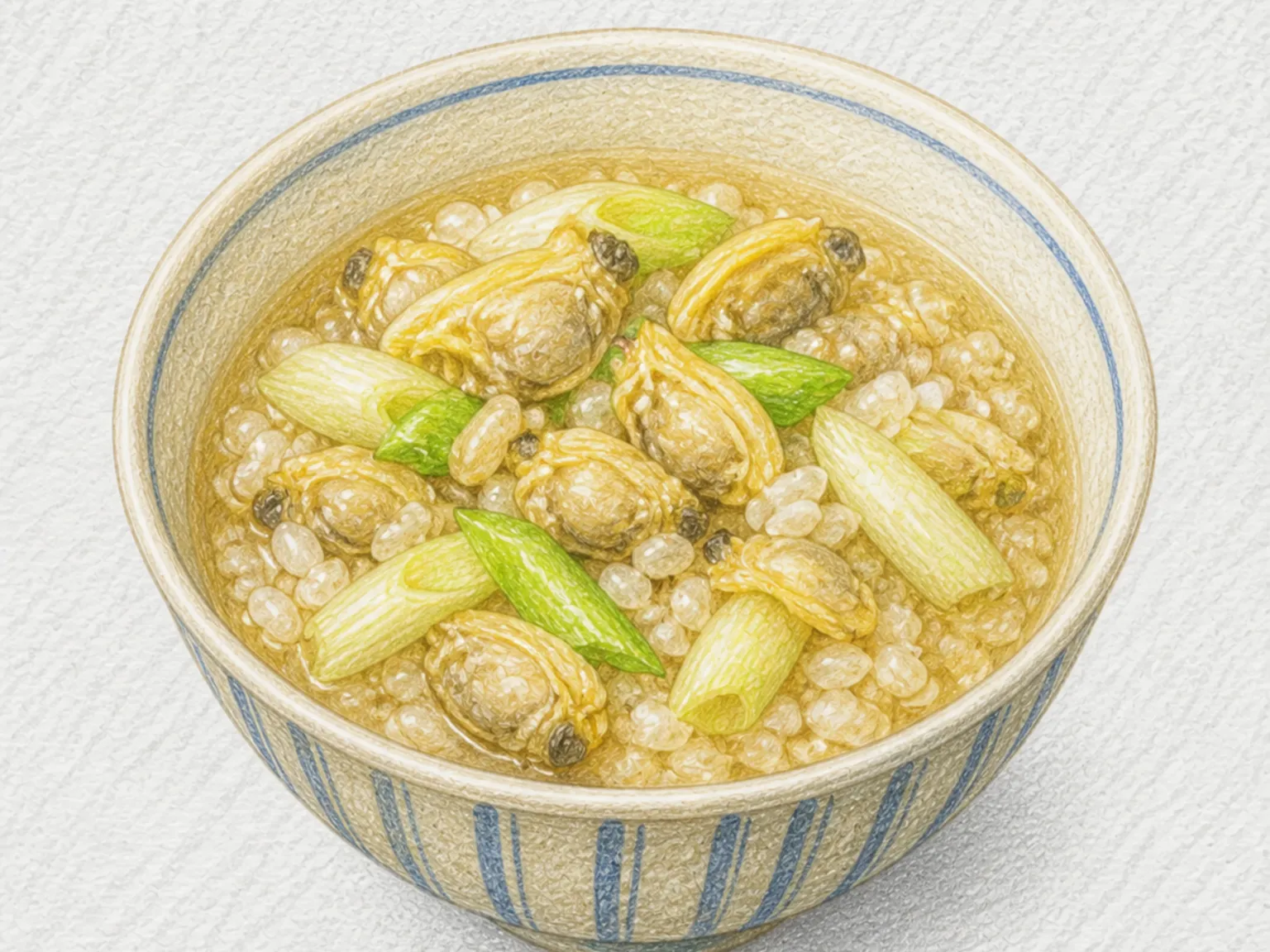
Fukagawa meshi is an Edo-style fisherman's rice bowl from Fukagawa in Tokyo's Koto ward. Fresh shucked clams and coarsely cut scallion are briefly simmered in miso broth and poured, liquid and all, over hot rice. During the Edo period, Fukagawa-ura was a tidal fishing settlement rich in clams, and vendors sold nukimi, shellfish already removed from their shells. Fishers could quickly cook that meat and eat it between work. Today both this poured-over version and a seasoned rice version cooked with clams carry the same name. Brief cooking keeps the clam meat tender, and the bowl is eaten immediately as its savory broth runs between the grains.

⚡ Quick 🏠 Everyday
Prep 10min Cook 8min 1 servings
Funa-Meshi (Okayama Minced Crucian Carp Rice Bowl)
Rice Medium

Funa-Meshi (Okayama Minced Crucian Carp Rice Bowl)

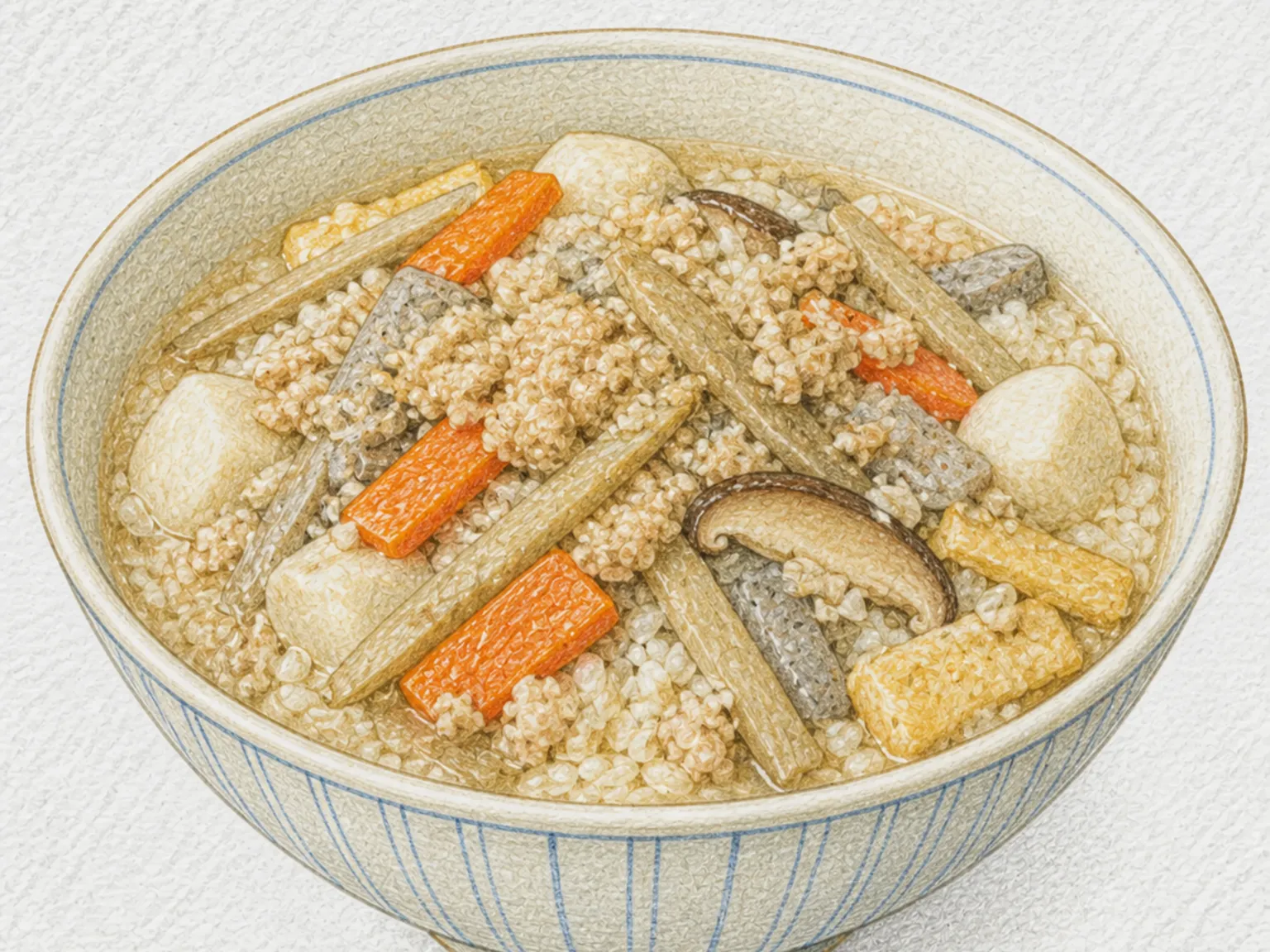
Funa-meshi is a rice bowl from southern Okayama made by loosening minced crucian carp in vegetable and sesame oils, briefly frying it with burdock, Kintoki carrot, taro, fresh shiitake, konnyaku, and fried tofu, then simmering everything in dashi seasoned with dark and light soy sauces, mirin, sake, and sugar. The hot, richly flavored soup is ladled generously over rice and finished with sliced onion and torn nori. Cooking the mince gently until pale before adding the vegetables reduces the freshwater aroma and keeps it granular. The dish grew alongside reclamation around Kojima Bay, where rice fields, canals, rivers, and Kojima Lake supported plentiful crucian carp. It was also called tontoko-jiru or tontoko-meshi after the rhythmic chopping sound made when winter fish were minced on a board.

🏠 Everyday
Prep 25min Cook 30min 4 servings
Fusube Mochi (Rice Cakes with Spicy Loach and Burdock Sauce)
Rice Medium

Fusube Mochi (Rice Cakes with Spicy Loach and Burdock Sauce)

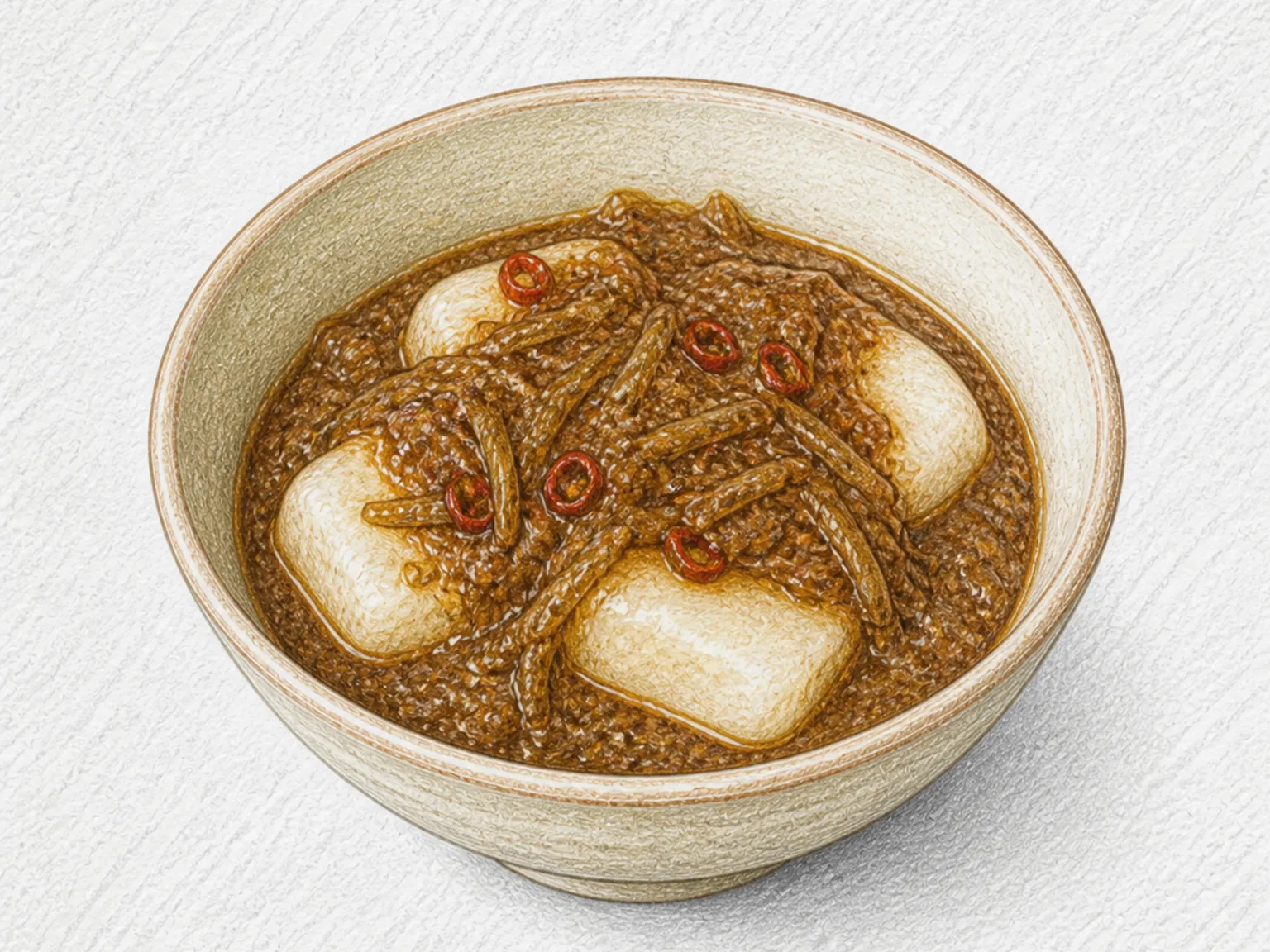
Fusube mochi is a rice-cake dish from Kurihara City in Miyagi Prefecture, eaten at New Year, weddings, memorial services, seasonal observances, and pauses in farm work. Grilled, dried loach powder is combined with grated burdock and daikon. The burdock is sautéed first in oil, followed by the daikon, a seeded red chili, and the loach powder. Water is added with attention to the moisture released by the radish. Soy sauce and sake season the mixture, which then simmers gently for about one hour while foam is removed carefully. The roots soften into the liquid and the loach powder gives it body. Freshly pounded, hot mochi is placed in bowls and covered with the spicy sauce just before eating. The name comes from fusuberu, the local term for smoking the grilled loaches dry above the hearth, linking inland Kurihara's freshwater fish traditions with Miyagi's mochi culture.

🎉 Special Occasion
Prep 20min Cook 70min 4 servings
Japanese Thick Sushi Roll
Rice Medium

Japanese Thick Sushi Roll

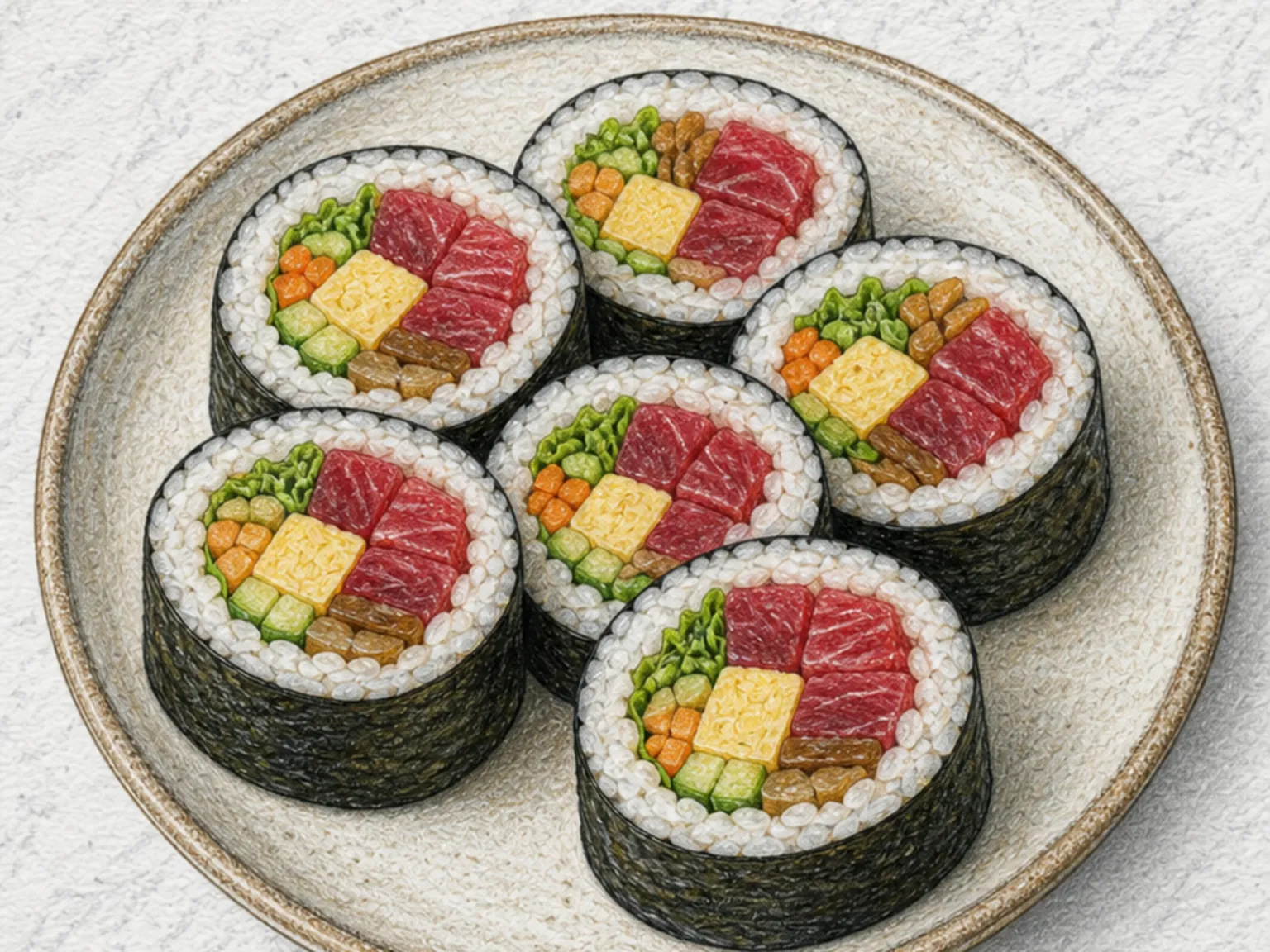
Futomaki is a thick Japanese sushi roll filled with raw tuna intended for sashimi, a tsuyu-seasoned rolled omelet, cucumber, pickled radish, and simmered burdock. The 150 g tuna is cut lengthwise into bars about 1.5 cm thick, and 40 g pickled radish is shaped to a similar size so the fillings form an even core. Eighty grams of cucumber is finely shredded to fit between the larger pieces. Three eggs are beaten with 1 tablespoon tsuyu and cooked into a thick rolled omelet. It must cool completely before it is cut to roughly the same thickness as the tuna, since residual heat and steam would affect the rice and seaweed during assembly. On a bamboo mat, one seaweed sheet is laid down and another half sheet is attached to extend the wrapping area. A total of 350 g seasoned sushi rice is spread broadly and evenly across the joined seaweed. The tuna, cooled omelet, cucumber, pickled radish, and 30 g simmered burdock are then arranged together in a straight line. The mat is lifted while fingertips hold the fillings in place, producing a firm roll without scattering the center. A sharp knife cuts the finished futomaki into 2 cm sections. Joining the seaweed sheets provides enough surface to enclose the generous filling and helps prevent the wrapper from splitting as the roll is tightened.

🏠 Everyday 🎉 Special Occasion
Prep 25min Cook 15min 2 servings
Eggplant Rice
Rice Easy

Eggplant Rice

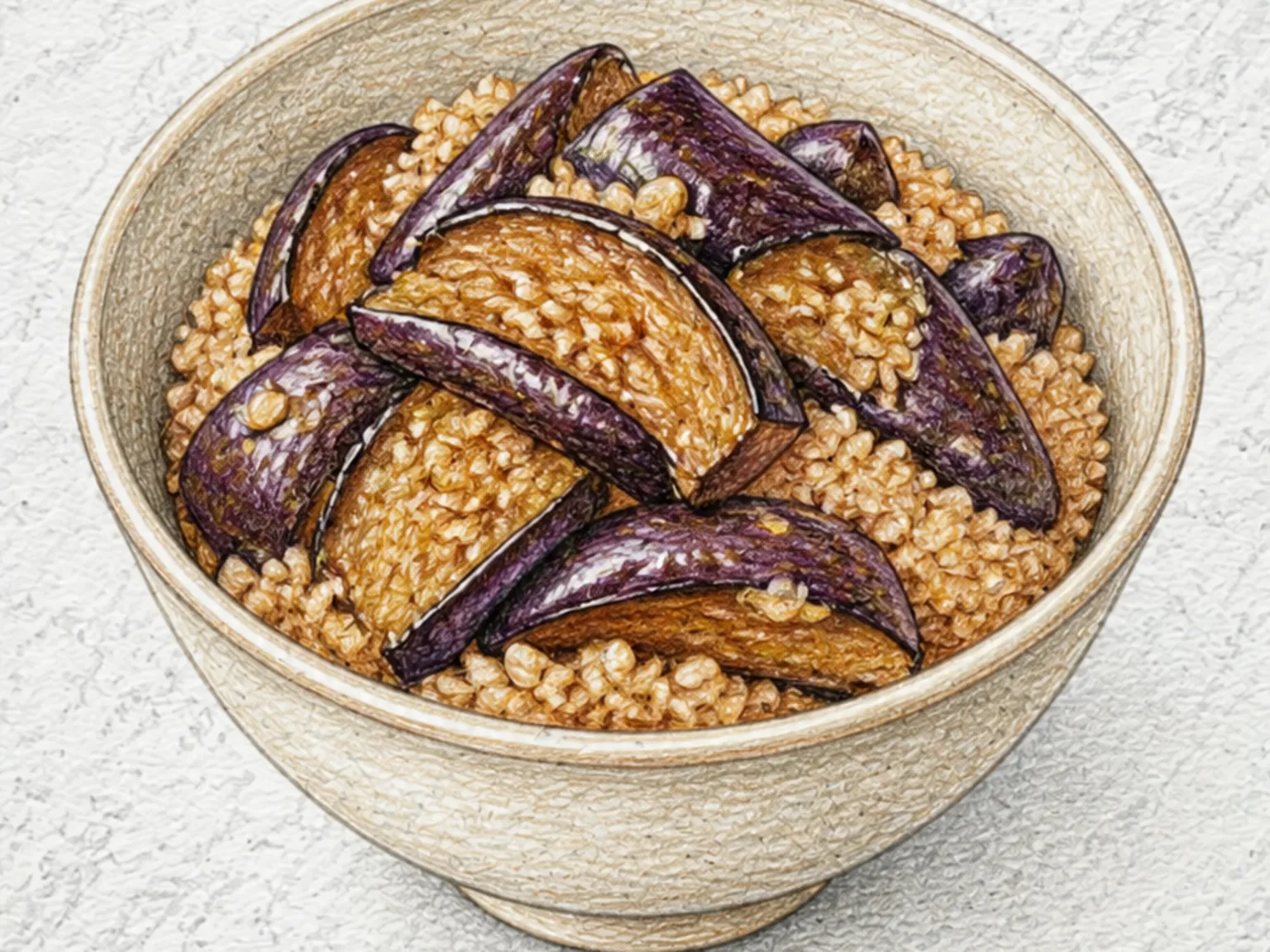
Gaji-bap is a one-pot rice dish that places briefly sautéed eggplant and minced pork over soaked rice, cooks them together, and folds in sesame oil at the end. Rinse 180 g short-grain rice until the water is mostly clear, soak it in cold water for 30 minutes, and drain it completely. Halve 2 eggplants lengthwise and cut them into substantial 1.5 cm pieces. Keeping the pieces thick at this stage helps them retain some shape through the rice-cooking cycle. Finely slice 40 g green onion. Heat 2 tablespoons vegetable oil with the green onion over low heat until its aroma enters the oil. Add 80 g minced pork and 1 tablespoon mirin and cook until no raw pink remains. Add the eggplant and toss only until the cut surfaces receive a thin coating of oil. Before the pieces collapse, pour 2 tablespoons soy sauce around the hot edge of the pan, let it bubble, and mix it through the pork and eggplant. Overcooking the eggplant here will leave it shapeless after steaming with the rice. Put the soaked rice and 160 ml water in a pot or rice cooker. Spread the sautéed eggplant and pork over the top, including the seasoned oil left in the pan. Eggplant releases moisture during cooking, so retain the listed reduced water amount rather than using the quantity for plain rice. Start the normal rice cycle without stirring the topping deeply into the raw grains. When cooking is complete, add 1 teaspoon sesame oil. Use a rice paddle to lift from the bottom and fold gently, distributing the pork and eggplant without crushing them. Serve while hot once the seasoning and toppings are spread evenly through the rice.

🏠 Everyday 🍱 Lunchbox
Prep 15min Cook 25min 2 servings
Korean Eggplant Rice Bowl
Rice Easy

Korean Eggplant Rice Bowl

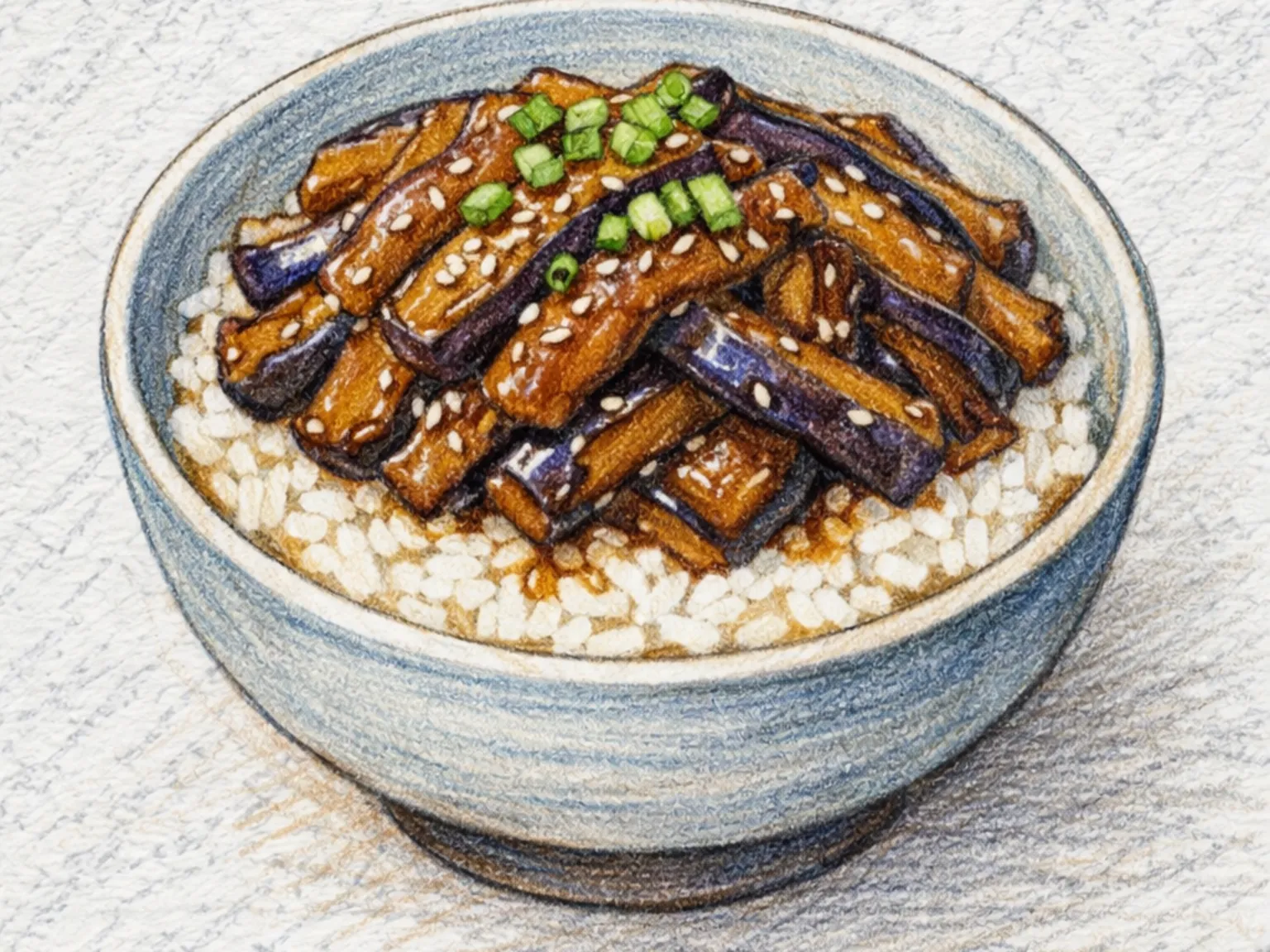
Gaji deopbap is a Korean eggplant rice bowl where sliced eggplant is pan-fried quickly in generous oil and then braised briefly with ground pork in a soy-based sauce. Soaking the eggplant in salted water for five minutes before cooking draws out bitterness and moisture. High heat is essential - eggplant absorbs oil rapidly, and fast searing creates a lightly crisp exterior while the inside collapses into a silky, almost creamy texture. The soy, sugar, and garlic sauce reduces in two minutes into a dark glaze that coats each piece, while the ground pork adds a savory depth that makes the dish feel more substantial. The sauce pools around the base of the rice and soaks into the grains, ensuring consistent flavor throughout the bowl. Green onion and sesame oil finish the dish. Summer eggplant, when the flesh is at its softest and most yielding, produces the best results. Kept cold, the eggplant holds its texture well enough to pack as a side dish for lunch.

🏠 Everyday ⚡ Quick
Prep 10min Cook 10min 2 servings
Korean Braised Short Rib Rice Bowl
Rice Medium

Korean Braised Short Rib Rice Bowl

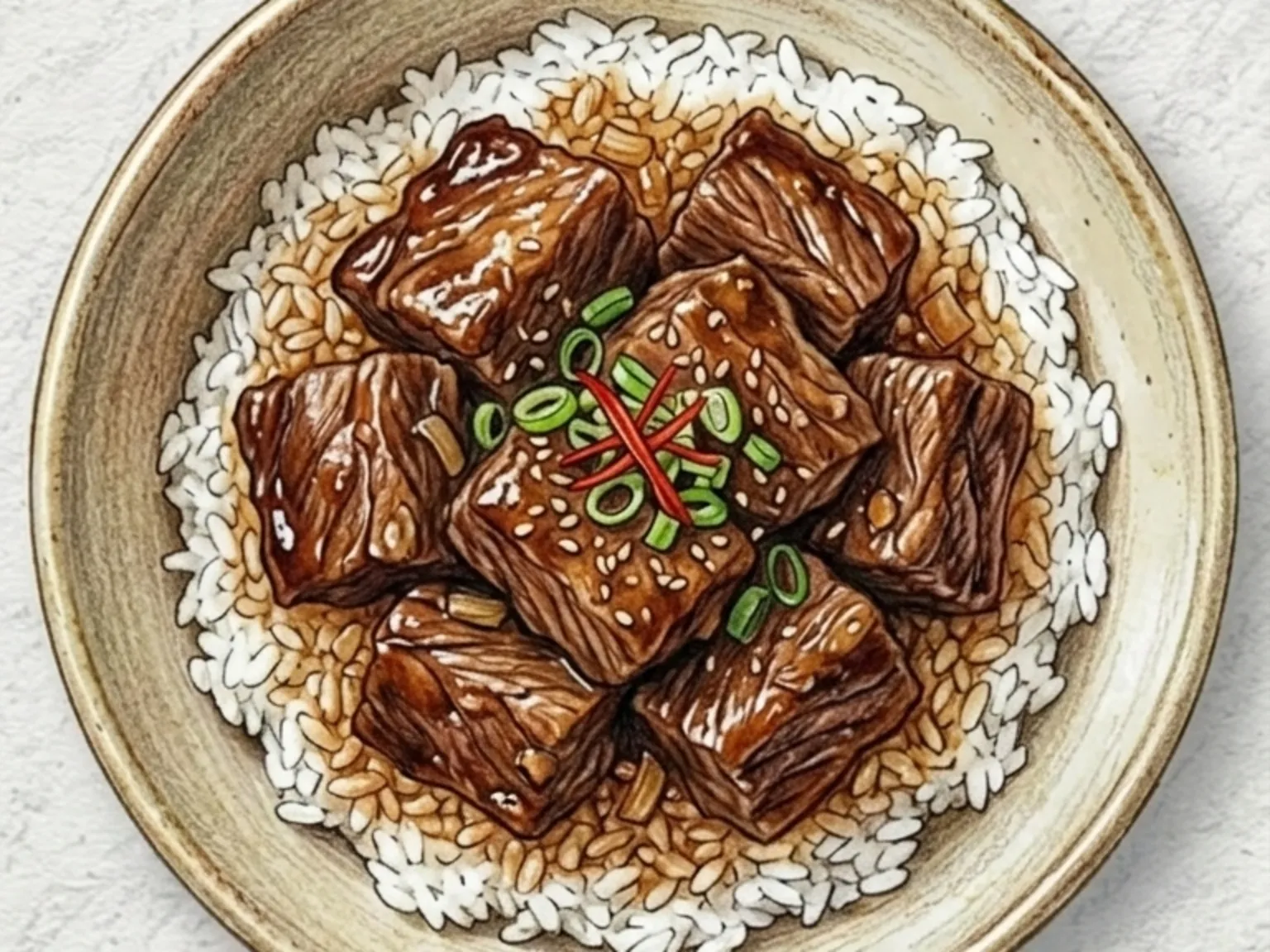
Galbi deopbap is a Korean rice bowl topped with beef short ribs slow-braised in a soy, sugar, and grated Asian pear marinade until the connective tissue dissolves and the meat separates from the bone at the lightest touch. Grated pear serves a dual purpose in the braise: the enzymes break down tough muscle fibers while the juice introduces a gentle fruit sweetness that sets the dish apart from heavier, wine-based braises. Grated onion dissolves completely into the braising liquid over the long simmer, deepening the savory foundation without leaving visible pieces. As the liquid reduces over one hour or more, it transforms into a dark, glossy sauce that coats the ribs and drips down onto the rice below. Spooning the sauce generously over the steamed rice allows each grain to absorb the soy-sweet glaze from the bottom up, making the rice itself as flavorful as the meat. Despite the long cooking time, the dish demands minimal active attention because the braise works inside the pot without stirring. Scattered sliced green onion on top provides a crisp, fresh contrast against the richness of the braised ribs.

🎉 Special Occasion
Prep 20min Cook 90min 2 servings
Korean Cutlassfish Pot Rice
Rice Medium

Korean Cutlassfish Pot Rice

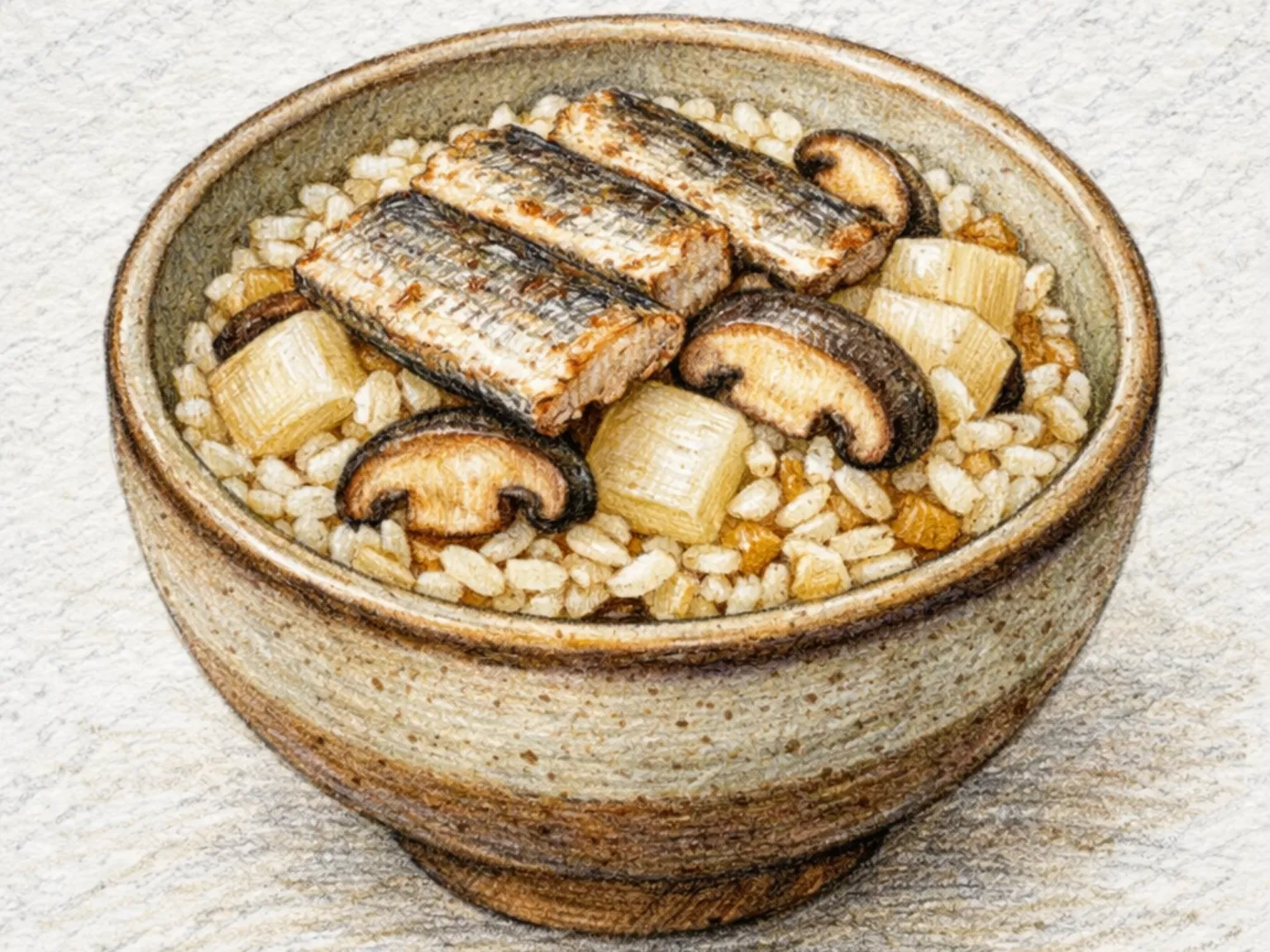
Galchi sotbap is a Korean one-pot rice dish in which cutlassfish seasoned with soy sauce and ginger is arranged on top of soaked rice along with sliced radish and shiitake mushroom, then cooked together in a heavy pot over direct heat. As the rice steams, the oils from the fish seep down through the grains, carrying a clean, rich marine savoriness into every layer of the pot. Radish softens slowly alongside the rice and releases a gentle sweetness that supports the fish without competing with it. Ginger handles any potential fishiness, keeping the overall flavor bright and unclouded. Shiitake mushroom contributes earthiness, added umami, and a chewy counterpoint to the tender fish and rice. The aroma released when the lid is lifted - soy-seasoned fish, steamed grain, and caramelized crust - is a considerable part of the eating experience. A soy-sesame dipping sauce is provided for mixing through the rice, layering in salt and nuttiness. The rice crust that forms at the base of the pot, called nurungji, adds a toasted crunch. The dish is finest in autumn when cutlassfish from the waters around Jeju Island and Korea's southern coast carry their peak fat content.

🎉 Special Occasion
Prep 25min Cook 30min 4 servings
Korean Potato Cheese Porridge
Rice Easy

Korean Potato Cheese Porridge

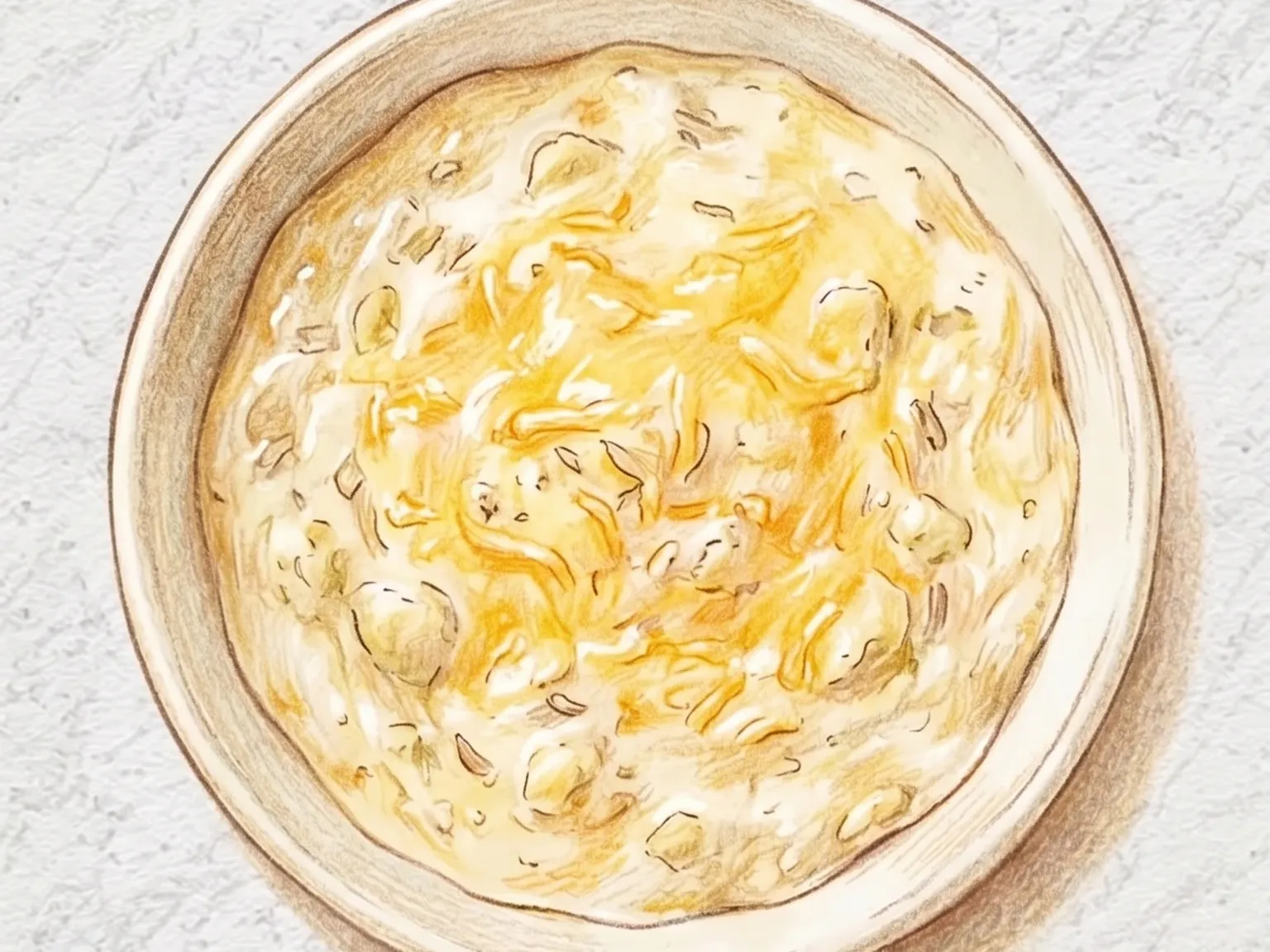
Gamja-cheese-juk is a creamy Korean rice porridge in which finely diced potato and onion are first sauteed in butter to draw out their natural sweetness before soaked rice and milk are added and the whole pot is brought to a slow simmer. As the potato cooks, its starch releases into the liquid and thickens the porridge from within, producing a smooth, dense base without the need for any thickening agent. Cheddar cheese is stirred in near the end of cooking, contributing salt and richness that eliminates the need for much additional seasoning -- the combination of buttery saute, starchy potato, and melted cheese produces a flavor deep enough to stand without extra condiments. Partially mashing the potato pieces against the side of the pot while the porridge cooks creates an even creamier consistency, and because different cheeses carry varying levels of salt, adding the final seasoning only after the cheese has fully melted prevents over-salting. The porridge is mild, warm, and velvety, suited to children and comforting as a light breakfast or recovery meal on a cold morning.

🧒 Kid-Friendly 🏠 Everyday
Prep 12min Cook 25min 2 servings
Korean Seaweed Jangjorim Rice Bowl
Rice Medium

Korean Seaweed Jangjorim Rice Bowl

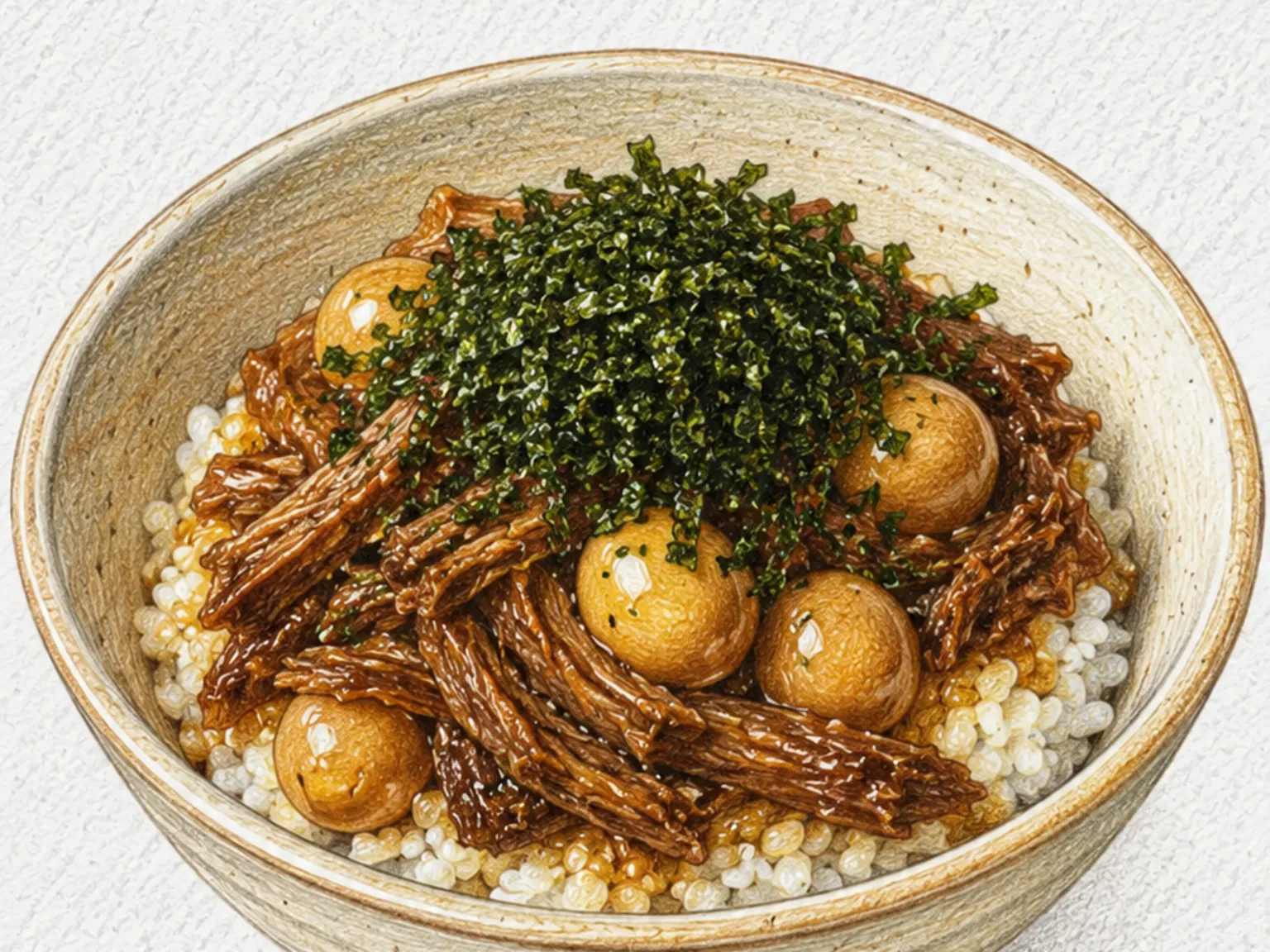
Beef eye of round is simmered slowly in soy sauce, sugar, and garlic until deeply seasoned throughout, then pulled apart by hand along the grain and braised again with quail eggs so they absorb the concentrated braising liquid. The jangjorim is spooned generously over warm white rice and finished with a heavy crumble of gamtae seaweed, whose crisp, ocean-fresh fragrance contrasts sharply with the salty-sweet braised meat beneath. Gamtae is a winter seaweed harvested from Korean coasts that carries a toasty, sesame-adjacent aroma when dried, and its papery crunch disappears quickly once exposed to moisture, making timing essential. The braising liquid left over in the pot is too flavorful to discard and can be repurposed as a mixing sauce for bibimbap or used to season blanched greens. Adding the gamtae at the very last moment before eating, rather than during plating, preserves both its texture and its fragrance. The bowl layers salt, sweetness, deep umami from the soy-reduced meat, and the clean smell of the sea into a compact, satisfying combination.

🏠 Everyday 🍱 Lunchbox
Prep 15min Cook 25min 2 servings
Korean Seaweed Roe Pot Rice
Rice Medium

Korean Seaweed Roe Pot Rice

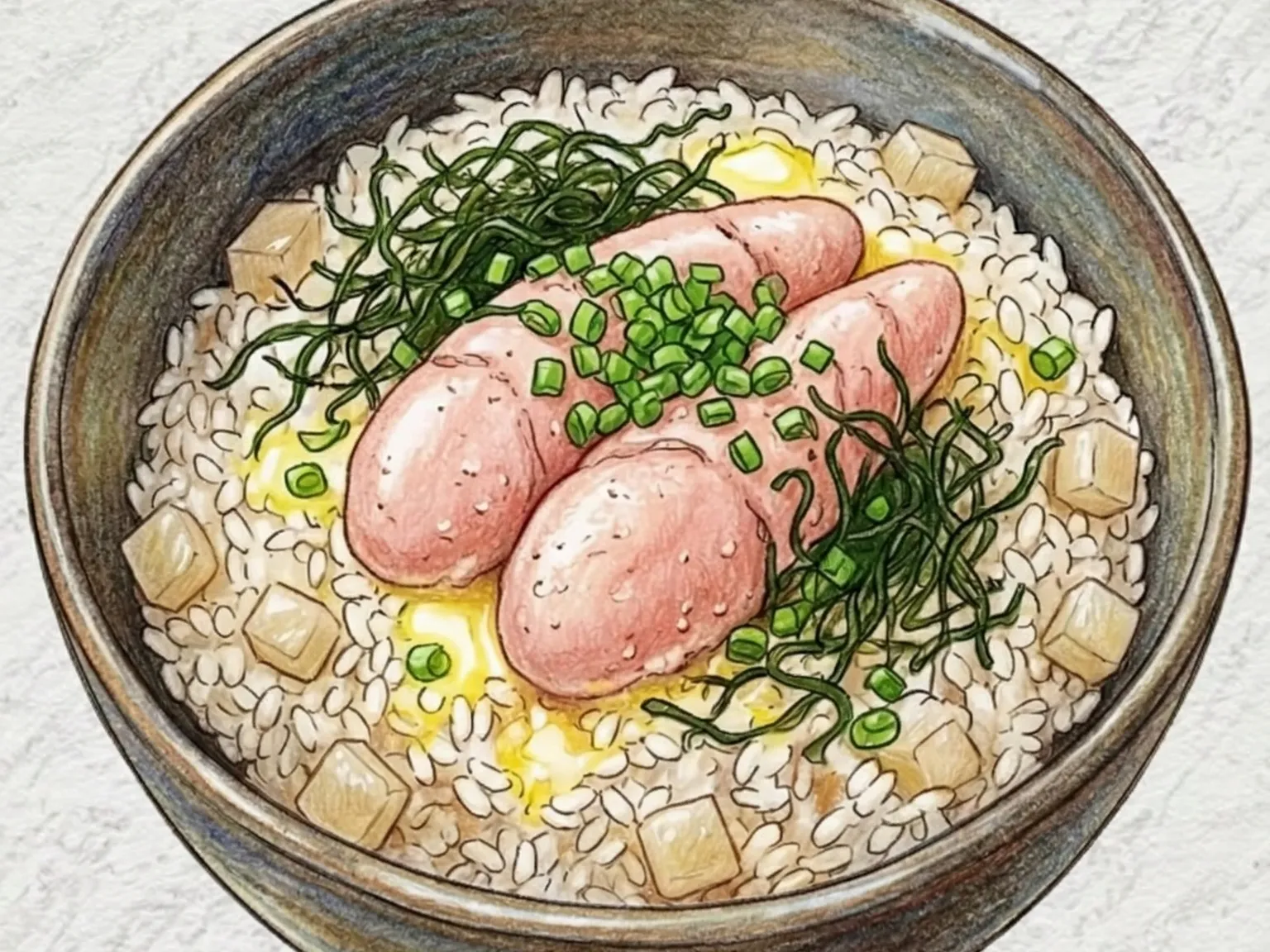
The preparation starts by layering finely diced radish at the bottom of a heavy pot before adding soaked rice. A specific technique defines this dish: warming the salted pollock roe and butter using only the residual heat of the vessel after the flame is extinguished. Avoiding direct heat prevents the roe's proteins from tightening into a dry or crumbly texture. Instead, the indirect warmth maintains a soft consistency where individual eggs pop and release their salty essence into the grains. As the butter melts, it coats each piece of rice, acting as a bridge between the sharp saltiness of the fish roe and the mild nature of the rice. Throughout the cooking process, the radish pieces release moisture upward, ensuring the rice remains hydrated while contributing a subtle sweetness and a clean finish. Before the meal begins, crumbling gamtae over the surface introduces a distinct oceanic scent that sits above the savory layers of butter and roe. Sliced scallions provide a sharp, crisp contrast to the overall richness. Pouring hot water into the pot at the end creates a toasted rice water that clears the palate. It is important to place the roe and butter within four minutes of turning off the heat to ensure the remaining warmth is sufficient to soften the ingredients.

🎉 Special Occasion 🏠 Everyday
Prep 15min Cook 25min 2 servings
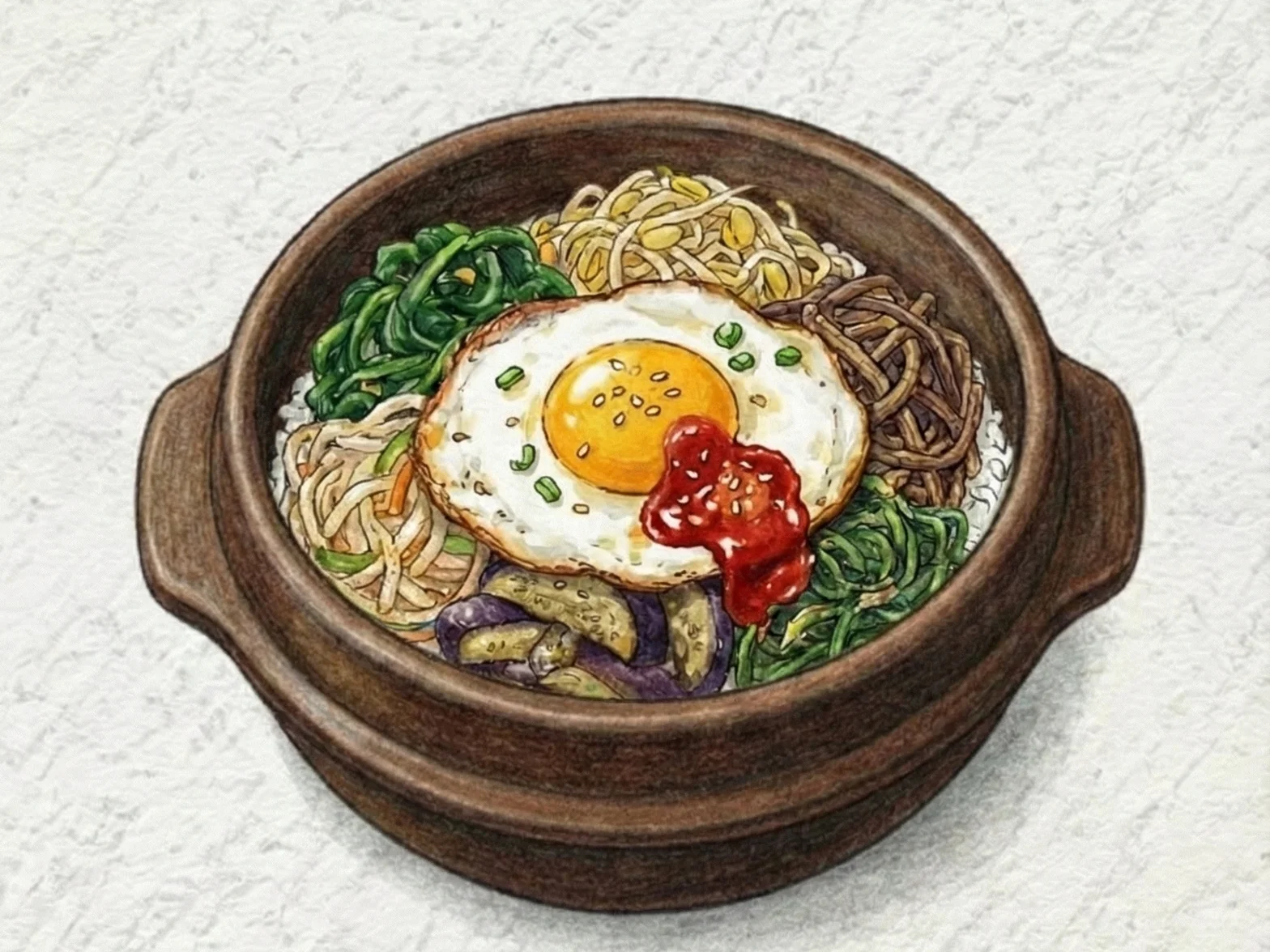
Korean Thick Doenjang Bibimbap
Rice Easy

Korean Thick Doenjang Bibimbap

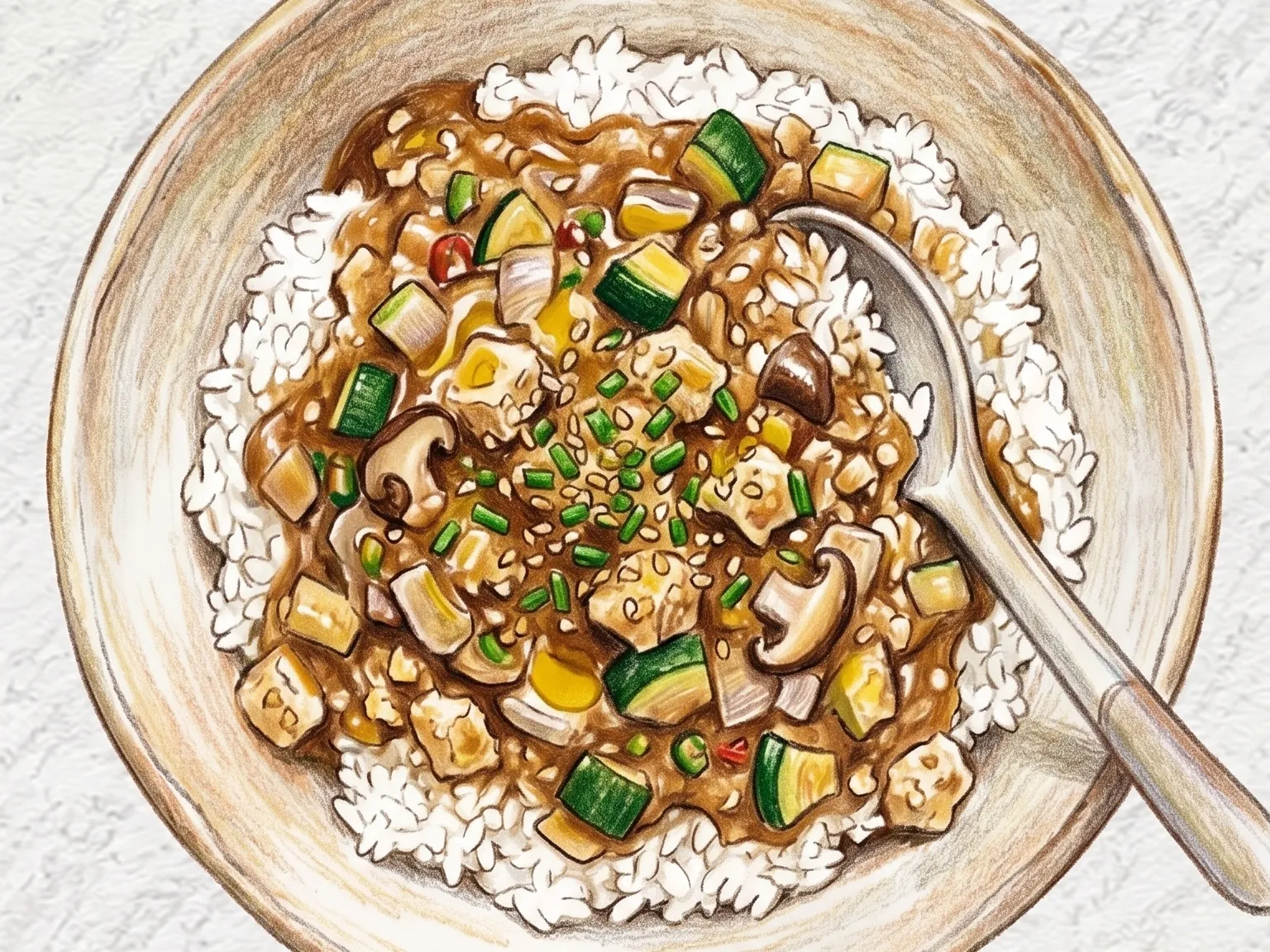
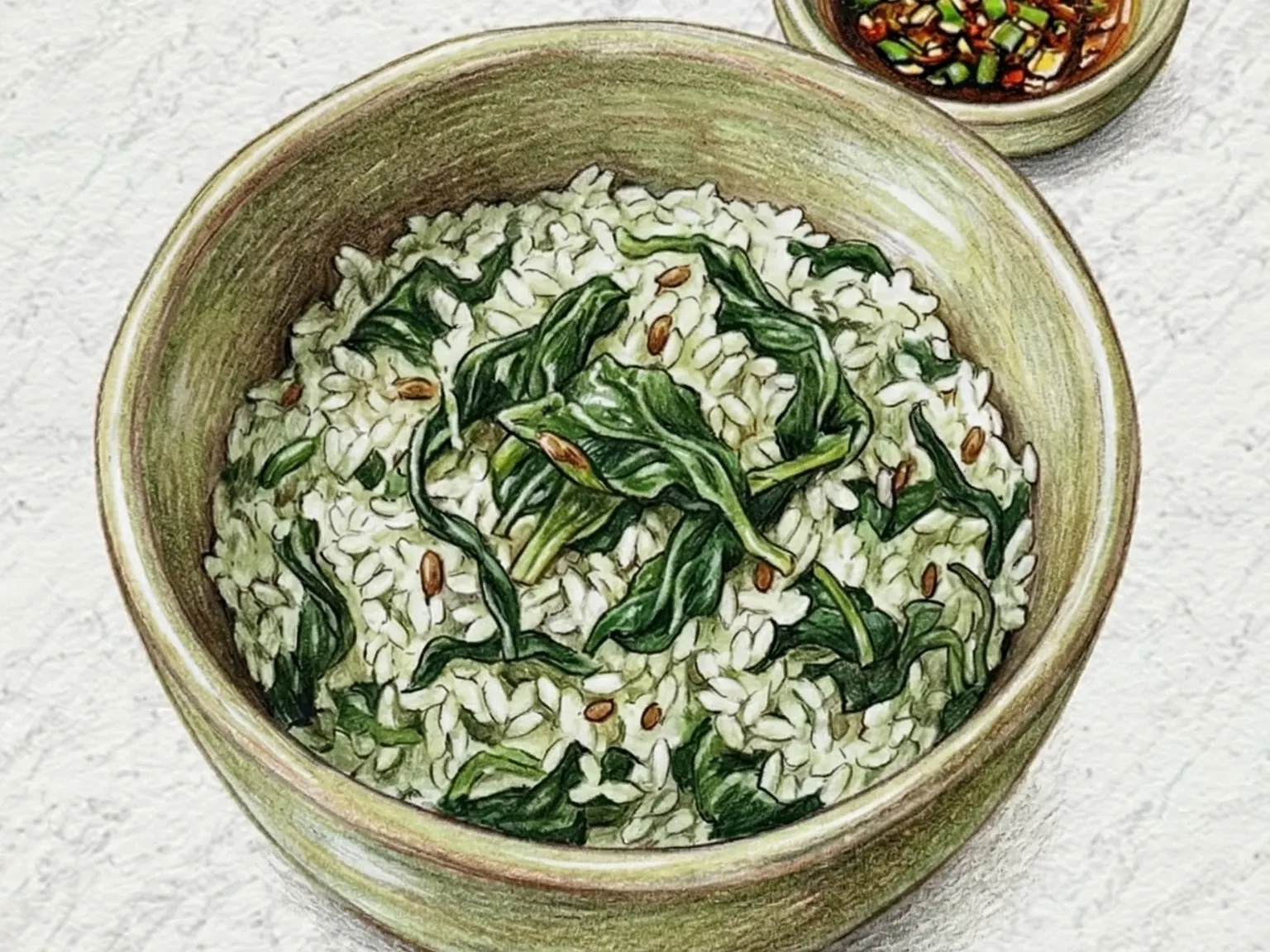
Gangdoenjang-bibimbap is a rice bowl built around gangdoenjang, a reduced and concentrated version of the fermented soybean paste cooked down with vegetables and tofu until most of the moisture has evaporated. Where ordinary doenjang jjigae centers on broth, gangdoenjang is intentionally reduced to intensify the fermented depth, allowing the paste to cling to rice like a thick sauce when spooned over and mixed in. Minced garlic is bloomed in sesame oil first, then diced onion and zucchini are added and cooked through before the dissolved doenjang and minced shiitake go into the pan to reduce over gentle heat. Firm tofu is crumbled in during the final stage, breaking apart as it cooks and giving the sauce a heavier, more substantial body. Water is added in 20 to 40 milliliter increments to adjust consistency depending on the saltiness of the paste. A chopped cheongyang chili raises the heat and sharpens the savory quality of the doenjang. An extra drizzle of sesame oil when mixing amplifies the nuttiness, and a fried egg or crumbled dried seaweed on top turns the bowl into a complete and filling meal.

🏠 Everyday 🌙 Late Night
Prep 15min Cook 18min 2 servings
Korean Gangwon Gondre Rice
Rice Easy

Korean Gangwon Gondre Rice

Gondre, a wild thistle green long foraged in the mountains of Gangwon province, is soaked, squeezed thoroughly dry, and spread in an even layer over uncooked rice before the pot goes on the heat. The three-stage cooking method, starting at high heat for five minutes, then dropping to medium-low for ten and finishing at low for ten more, followed by a ten-minute covered rest off the heat, produces evenly cooked grains infused with the greens' earthy, grassy scent. Squeezing out the soaking water is not optional; any excess moisture left in the gondre will make the rice mushy. The rice itself is deliberately plain, designed to carry a soy-based dressing of garlic, green onion, chili flakes, and sesame oil that is mixed in at the table. That dressing provides a sharp, savory contrast to the mild, herbaceous notes of the gondre. Fresh spring gondre harvested at peak season delivers the most intense fragrance, though well-soaked dried gondre comes close and extends the dish to all four seasons. Making a larger batch of the dressing allows the same pot of rice to be eaten over several days.

🏠 Everyday
Prep 20min Cook 30min 4 servings
Korean Geomeun Kong Juk (Black Bean Porridge)
Rice Medium

Korean Geomeun Kong Juk (Black Bean Porridge)

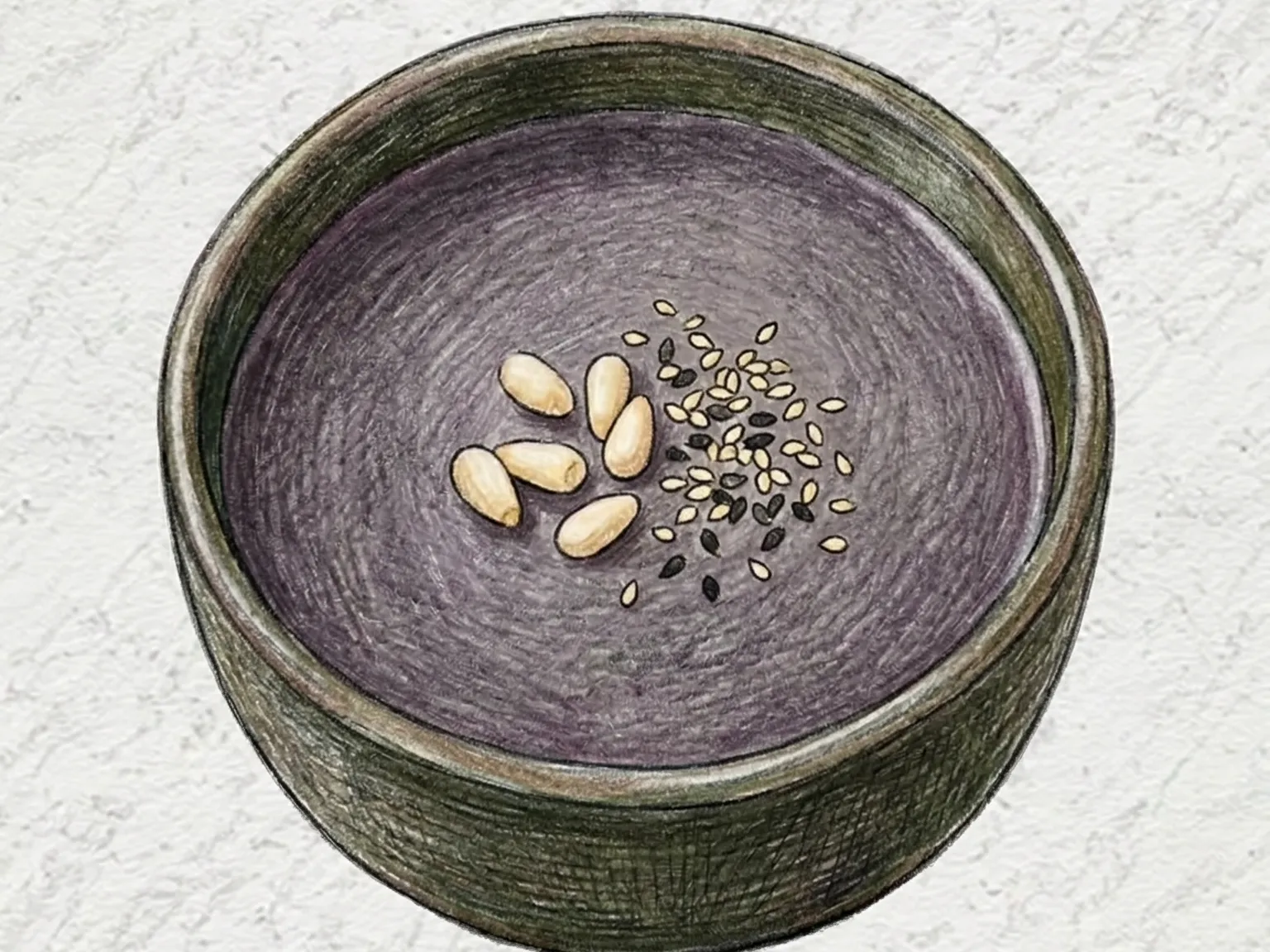
Black beans are soaked for at least four hours, then boiled until the skins wrinkle and the flesh softens through to the center. They are blended with their cooking liquid into a thick, smooth slurry that forms the base of the porridge. This bean puree is combined with separately soaked rice and the mixture is simmered over low heat, stirred regularly to prevent the starch from catching on the bottom of the pot. As the rice breaks down and the starch gelatinizes, the porridge thickens gradually into a smooth, velvety consistency. The anthocyanins in the black bean skins stain the porridge a deep purple-gray, and the flavor is earthy and distinctly nutty, unlike the lighter taste of plain rice porridge. Passing the finished porridge through a sieve removes the bean skins for a cleaner texture. Seasoned with salt alone, it reads as a savory meal; a tablespoon of sugar shifts it toward something gently sweet. Pine nuts and sesame scattered on top layer in additional nuttiness, and the porridge is frequently made as restorative food given the beans nutritional density.

🥗 Light & Healthy 🏠 Everyday
Prep 25min Cook 35min 4 servings
Swiss Chard Ssambap
Rice Easy

Swiss Chard Ssambap

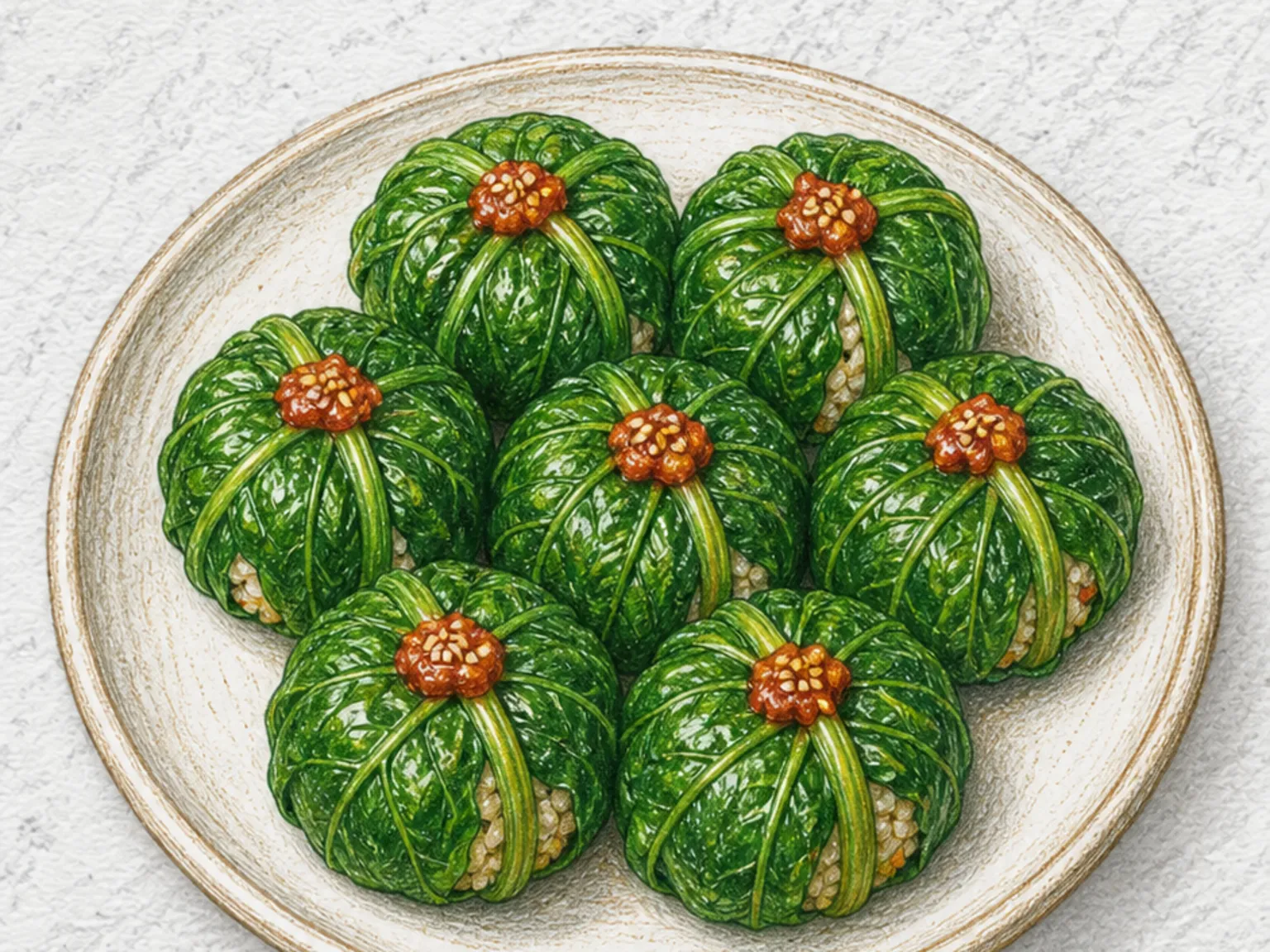
Swiss chard ssambap wraps sesame-seasoned rice and garlic ssamjang in leaves that have been blanched just long enough to fold without tearing. Wash 12 Swiss chard leaves thoroughly on both sides. On the back of each leaf, hold a knife nearly flat and shave down the thick center stem. Removing only the raised portion keeps the leaf intact while preventing the rigid stem from puncturing it during wrapping. Bring water to a boil, add 1 g salt, and blanch the leaves for 30 seconds. As soon as they become flexible and their color brightens, transfer them to cold water to stop the heat. Squeeze out moisture gently before stacking them; twisting firmly can split the softened leaves. Combine 300 g warm cooked rice with 15 ml sesame oil, 5 g sesame seeds, and the remaining 1 g salt. Fold rather than mash so the grains keep their shape, then form the rice into bite-size balls that can be divided across the 12 leaves. In a separate bowl, mix 30 g ssamjang evenly with 5 g minced garlic. Spread one blanched leaf with its underside facing up. Place a rice ball in the center and top it with half a teaspoon of the garlic ssamjang. Fold the lower section over the rice, bring both sides inward, and close the upper section so no rice remains exposed. Set the parcel seam-side down to hold its round shape. A properly shaved stem bends with little pressure, so do not pull hard on any thin or torn section of the leaf. Arrange the completed wraps in even rows on a plate and serve them at a size that can be eaten in one bite.

🏠 Everyday
Prep 15min Cook 10min 2 servings
Korean Seaweed Rice Roll
Rice Medium

Korean Seaweed Rice Roll

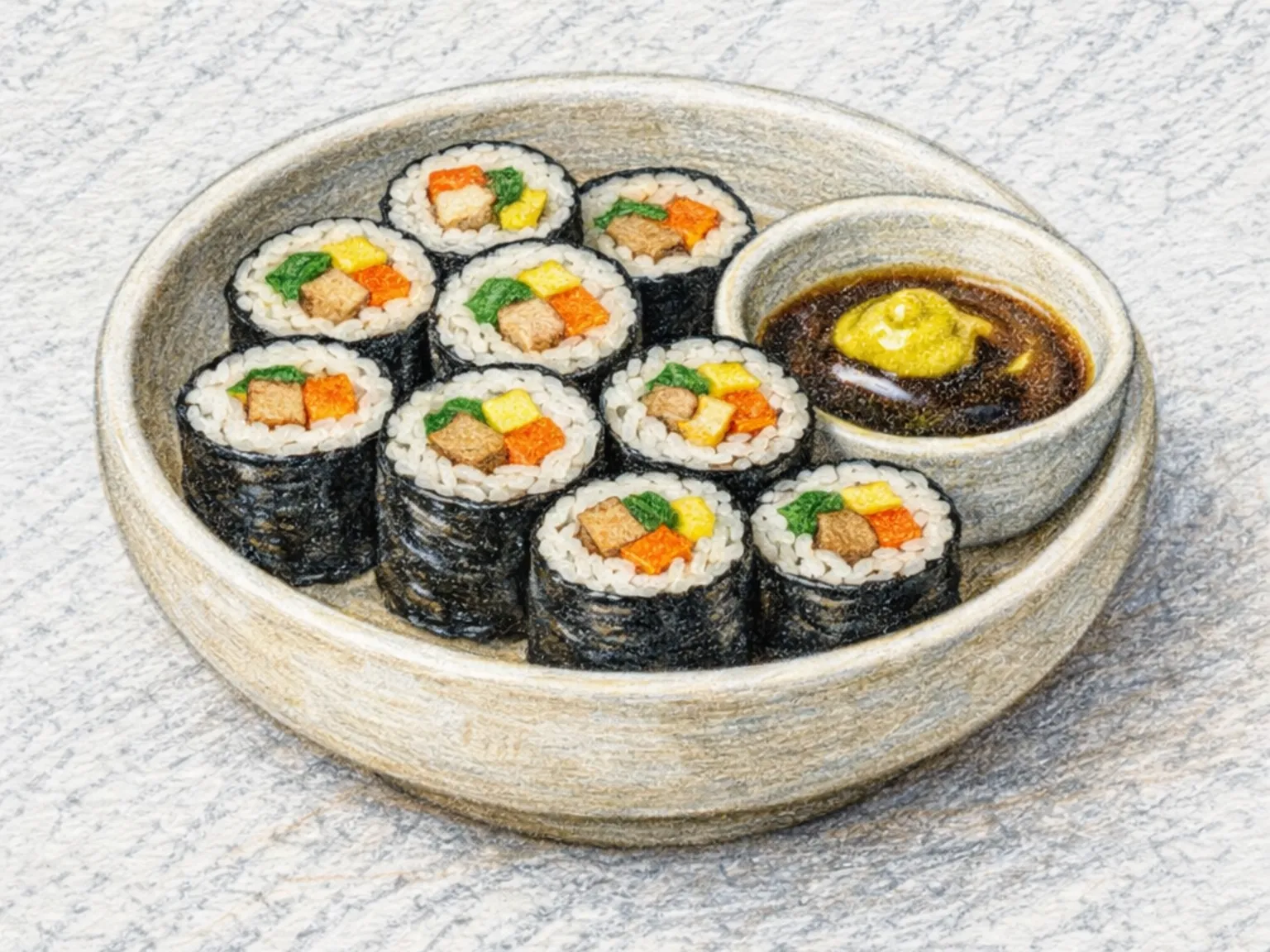
Gimbap is a Korean seaweed rice roll made by spreading sesame-oil-and-salt-seasoned rice over a sheet of gim, then lining up individually prepared fillings such as spinach namul, sauteed carrot, egg strip, ham, pickled radish, and braised burdock before rolling tightly. Each filling is cooked separately so distinct flavors and textures meet in every bite. The rice must cool before spreading, because hot rice releases steam that softens the seaweed and breaks the roll's structure. When sliced, the cross-section reveals concentric rings of color, and a final brush of sesame oil over the finished roll deepens the nuttiness of the seaweed while giving the surface a slight sheen. The combination of fillings can shift with the season or personal preference, which is part of why gimbap remains a staple from picnic lunches to neighborhood snack bars.

🍱 Lunchbox 🏠 Everyday
Prep 30min Cook 15min 2 servings
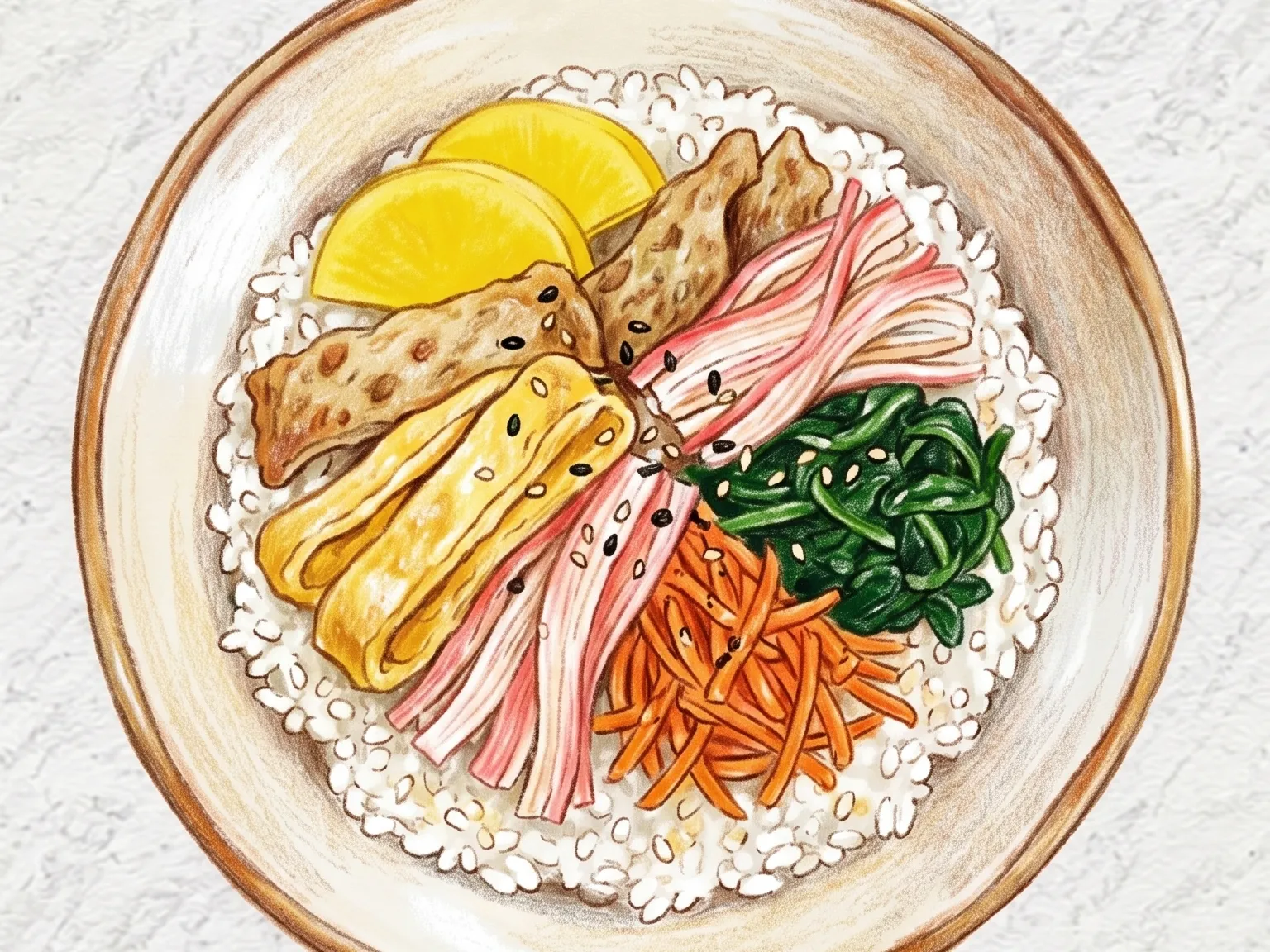
Gimbap-Style Rice Bowl
Rice Easy

Gimbap-Style Rice Bowl

This gimbap-style rice bowl arranges 1 egg, 50 g imitation crab, 50 g spinach, and 1/2 carrot over one bowl of rice. Beat the egg with a pinch of salt, cook it in a thin layer over low heat, cool it, and cut it into short strips. Cut the carrot into thin matchsticks and cook it for 1 minute at medium heat. Pull the imitation crab apart along its fibers. Blanch the spinach in salted boiling water for 30 seconds, rinse it immediately in cold water, and squeeze out the water. Mix the warm rice with 1 tsp sesame oil and a little salt, using the edge of a rice paddle rather than pressing the grains. Place the rice in a bowl and arrange the egg, carrot, spinach, and imitation crab in separate sections. Mix the toppings with the rice just before eating. Seaweed, pickled radish, and fish cake are not included in this recipe's ingredient list.

🏠 Everyday 🍱 Lunchbox
Prep 20min Cook 10min 1 servings
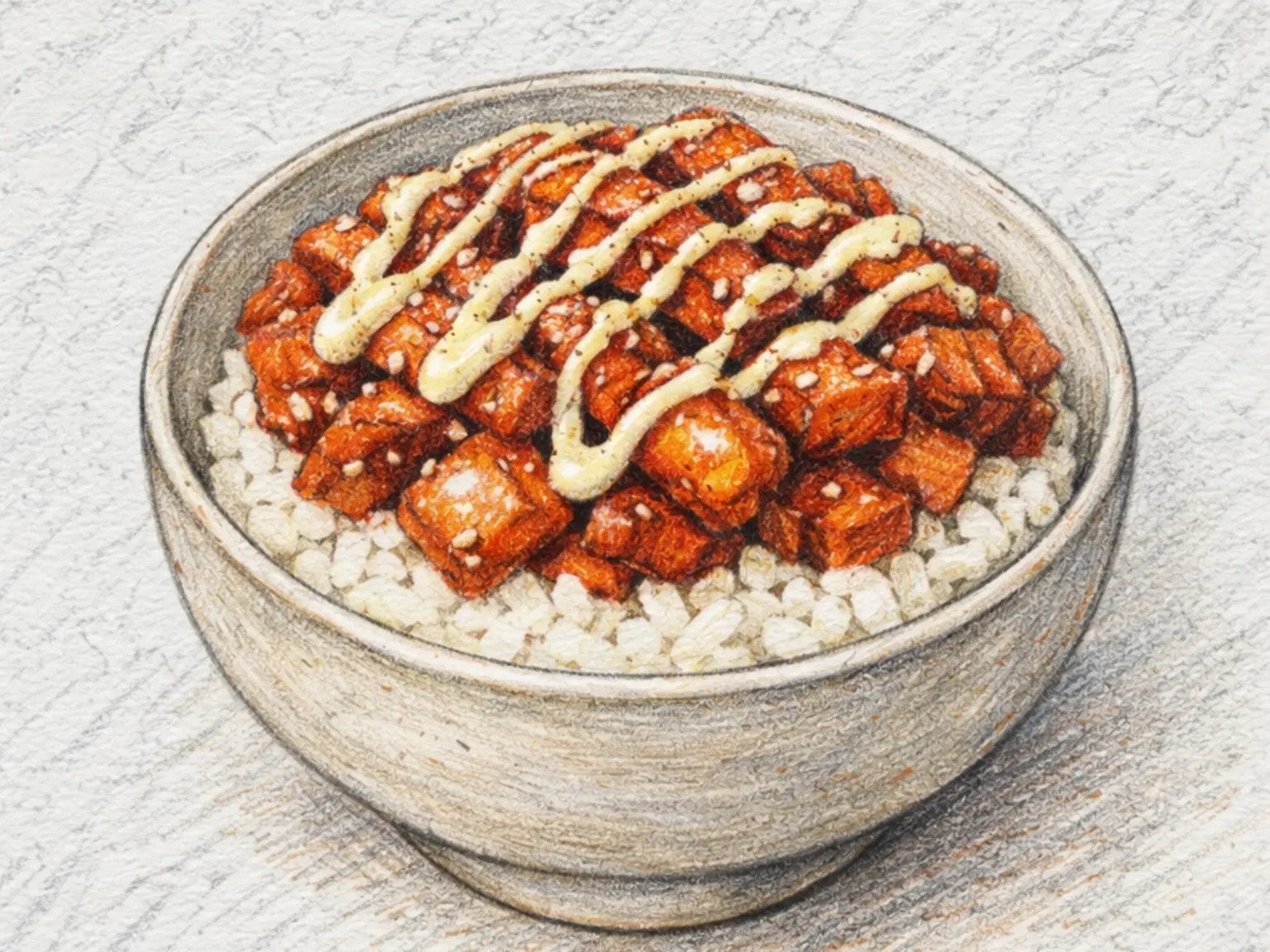
Korean Gochujang Chicken Mayo Rice Bowl
Rice Easy

Korean Gochujang Chicken Mayo Rice Bowl

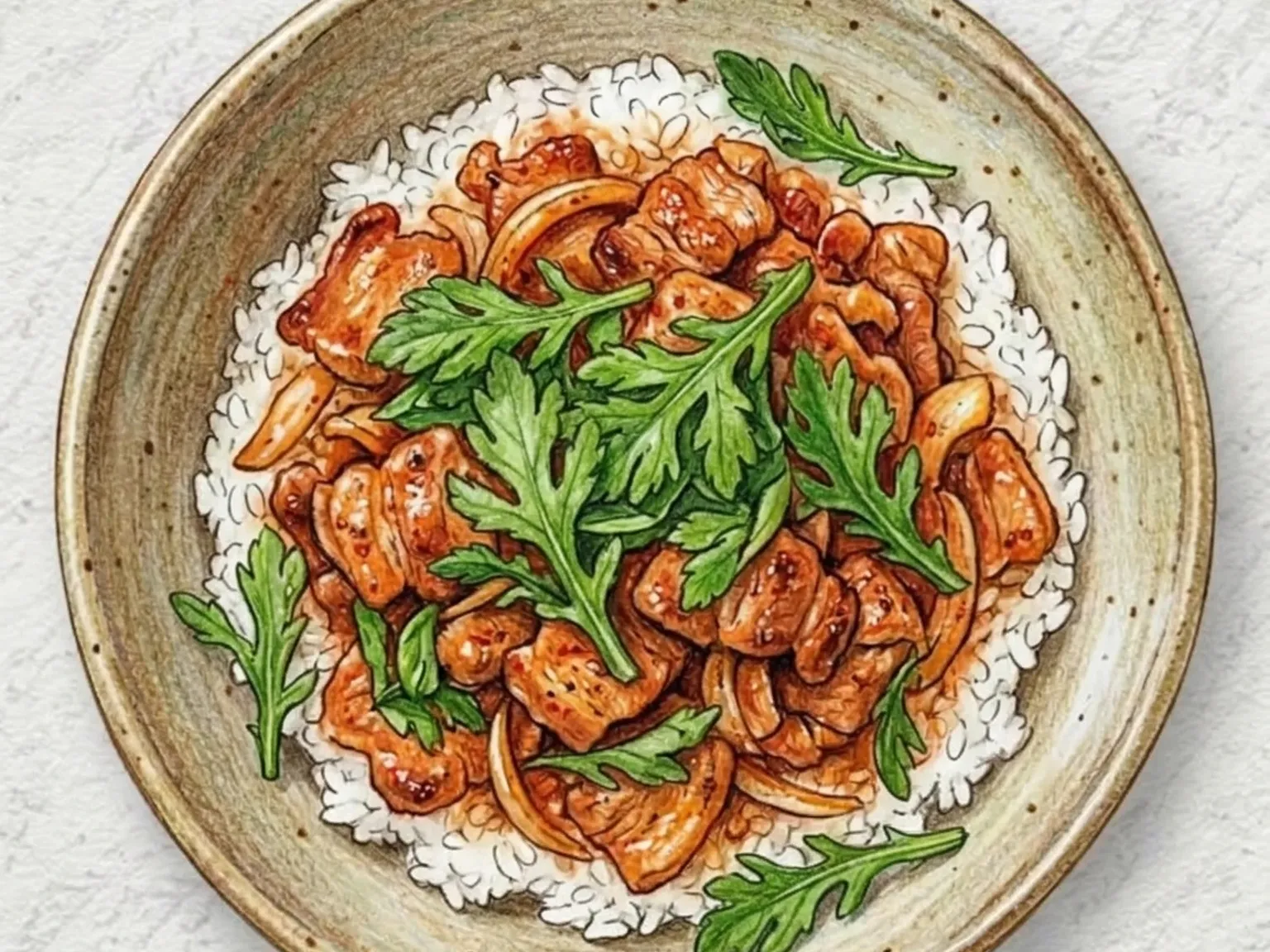
Gochujang chicken mayo deopbap pairs stir-fried chicken thigh glazed in a fermented chili sauce with a drizzle of creamy mayonnaise over warm steamed rice. Boneless chicken thigh cut into bite-sized pieces is stir-fried over high heat in a sauce built from gochujang, soy sauce, sugar, and minced garlic until a glossy, sticky glaze coats every surface and the edges of the chicken begin to caramelize. The sauced chicken goes directly onto the rice, and mayonnaise is zigzagged across the top in strips, creating alternating lines of red and white that fold together at the table. The combination works because gochujang contributes fermented, slow-building heat while the mayo provides a cool, fat-rich creaminess that extends each bite and carries the sauce deeper into the rice. Onion cooked alongside the chicken breaks down into the glaze, rounding the sauce's edges with a natural sweetness, while a scattering of sliced green onion on top adds a fresh, sharp contrast. Thigh meat is the correct choice over breast - its fat content means it retains moisture through the high-heat stir-fry rather than turning dry or stringy. A variation that has gained popularity layers a slice of processed cheese beneath the chicken, letting the residual heat melt it into a creamy middle layer between rice and glaze.

🏠 Everyday 🍺 Bar Snacks
Prep 15min Cook 20min 2 servings
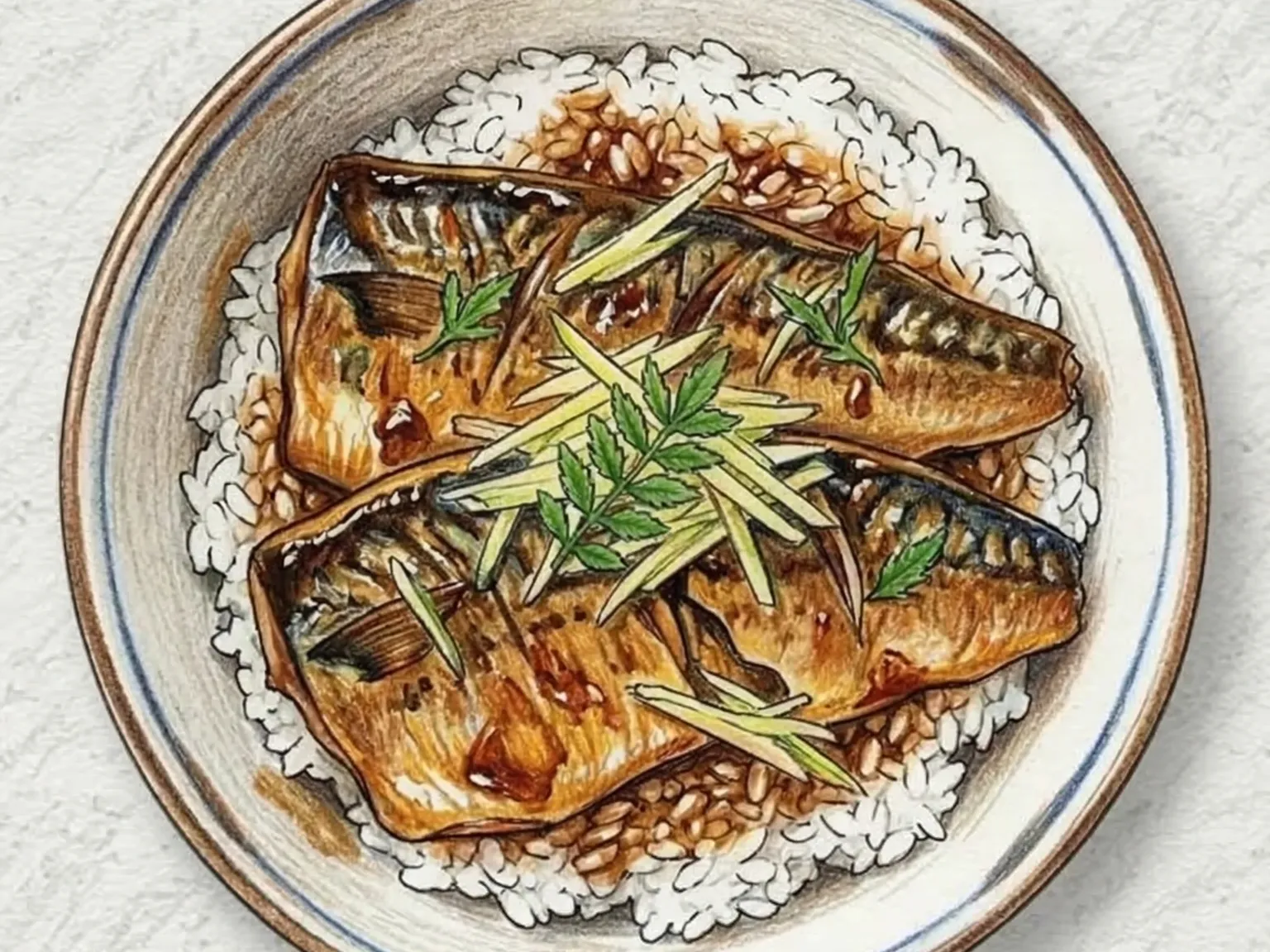
Grilled Mackerel Rice Bowl
Rice Medium

Grilled Mackerel Rice Bowl

Grilled mackerel rice bowl serves a 280 g mackerel fillet with onion soy sauce over two bowls of rice. Pat both sides of the fish dry with paper towels and remove any pin bones. Before heating the pan, combine 1.5 tbsp soy sauce, 1 tbsp cooking wine, 1 tbsp oligosaccharide syrup, and 0.5 tsp minced ginger. Heat 1 tsp cooking oil in a pan over medium heat and place the mackerel skin-side down. Cook it without pressing or moving for 4 minutes, then turn it and cook the flesh side for 3 minutes. Remove the fish from the pan. Add 70 g sliced onion to the same pan and cook it for 30 seconds. Pour in the mixed sauce and boil over medium heat until it thickens slightly. Divide two bowls of rice between serving bowls, portion the mackerel over the rice, and spoon the onion sauce over the fish. Finish with 20 g chopped scallion.

🏠 Everyday 🍺 Bar Snacks
Prep 15min Cook 20min 2 servings
Korean Sweet Potato Rice (Steamed Grain Bowl with Natural Sweetness)
Rice Easy

Korean Sweet Potato Rice (Steamed Grain Bowl with Natural Sweetness)

Cubed sweet potato is placed on top of washed rice and cooked together in a single pot. As the rice steams, the sweet potato's natural sugars seep into the grains, lending a gentle sweetness without any added seasoning, and the orange chunks against white rice create an inviting visual contrast. Cutting the sweet potato to roughly 2 cm ensures it cooks through at the same rate as the rice. A small pinch of salt sharpens the sweetness, and pairing the finished bowl with doenjang soup or kimchi provides a satisfying salty counterpoint. The choice of sweet potato variety matters: milbam-goguma, the chestnut-type, gives a denser and more restrained sweetness, while hobak-goguma, the butternut type, produces a softer, moister result with a more pronounced sugary flavor. Either way, goguma-bap requires minimal technique and is a reliable first recipe for anyone learning to cook Korean rice dishes.

🏠 Everyday 🍱 Lunchbox
Prep 10min Cook 25min 2 servings

About Rice

A bowl of freshly steamed rice with a drizzle of sesame oil and a fried egg makes a satisfying meal on its own. Leftover rice transforms into fried rice or crispy nurungji (scorched rice), both beloved staples.