Rice
Rice

Rice Recipes

174 recipes. Page 4 of 8

Rice is the foundation of Korean cuisine, appearing not only as steamed white rice but also as fried rice, bibimbap, clay-pot rice (sotbap), and gimbap rolls. Porridge (juk) - made by slow-cooking rice into a silky consistency - is comfort food for cold days or when you need something gentle on the stomach. Abalone porridge, pumpkin porridge, and chicken porridge are all classics.

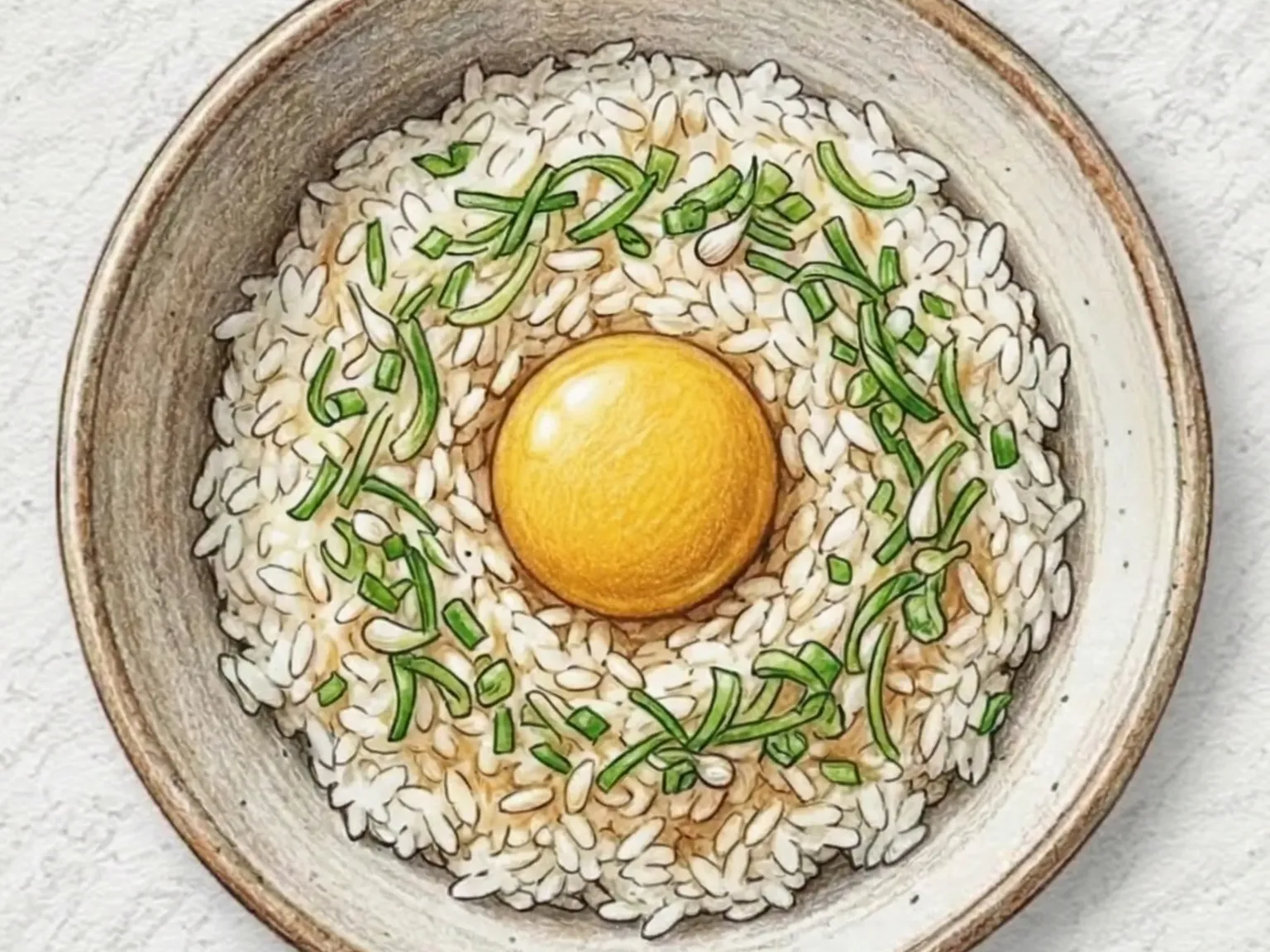
A bowl of freshly steamed rice with a drizzle of sesame oil and a fried egg makes a satisfying meal on its own. Leftover rice transforms into fried rice or crispy nurungji (scorched rice), both beloved staples.

Korean Black Rice (Purple Anthocyanin-Rich Grain Bowl)
Rice Easy

Korean Black Rice (Purple Anthocyanin-Rich Grain Bowl)

Black rice mixed with white rice and cooked together turns the entire pot a deep, vivid purple from the anthocyanin pigments concentrated in the black grain's outer bran layer. Because black rice absorbs water significantly more slowly than white rice, it must be soaked for at least one hour before cooking so that both types finish at the same time. Skipping the soak reliably leaves hard, undercooked black kernels scattered through otherwise done white rice, and no amount of additional cooking fully corrects the problem once it happens. When properly cooked, the black grains contribute a glutinous chewiness similar to sweet rice and a roasted, nutty grain aroma that white rice alone does not produce. The standard ratio is roughly twenty percent black to eighty percent white, which produces clear color without making the overall texture too dense. Increasing the black rice proportion makes the color darker and the flavor more assertive, but the rice becomes noticeably heavier on the palate. The purple-tinted soaking water should be added directly to the pot rather than discarded, as it deepens the final color of the finished rice.

🥗 Light & Healthy 🏠 Everyday
Prep 30min Cook 25min 2 servings
Korean Ginger Pumpkin Porridge
Rice Easy

Korean Ginger Pumpkin Porridge

Kabocha pumpkin is steamed for 15 minutes and pureed until velvety, then thickened with sweet rice flour dissolved in cold water to prevent lumps. A teaspoon of fresh ginger juice adds a warm, peppery undercurrent beneath the pumpkin's natural sweetness, sharpening the finish without overpowering the squash. The porridge is stirred continuously over medium-low heat as the rice flour gradually builds body, and pine nuts scattered on top contribute an oily, resinous richness that complements the sweetness. This recipe yields four servings, making it well suited for sharing.

🥗 Light & Healthy 🏠 Everyday
Prep 15min Cook 30min 4 servings
Korean Sashimi Rice Bowl (Flounder Sashimi with Cho-Gochujang)
Rice Medium

Korean Sashimi Rice Bowl (Flounder Sashimi with Cho-Gochujang)

Sliced flounder sashimi sits atop julienned cucumber, lettuce, and perilla leaves over slightly cooled rice, dressed with cho-gochujang just before eating. The rice must not be piping hot because residual heat softens the sashimi and dulls its clean texture, so resting it until just warm is essential. The vinegar tang and chili warmth in cho-gochujang lift the mild fish flavor, while sesame oil and seeds leave a nutty finish on the palate. Keeping the vegetables well chilled before assembly creates a temperature contrast against the warm rice that sharpens every bite. Adding the cho-gochujang right before eating rather than in advance prevents the vegetables from weeping moisture and going limp.

🎉 Special Occasion 🏠 Everyday
Prep 20min Cook 5min 2 servings
Korean Ssamjang Hwe Deopbap
Rice Medium

Korean Ssamjang Hwe Deopbap

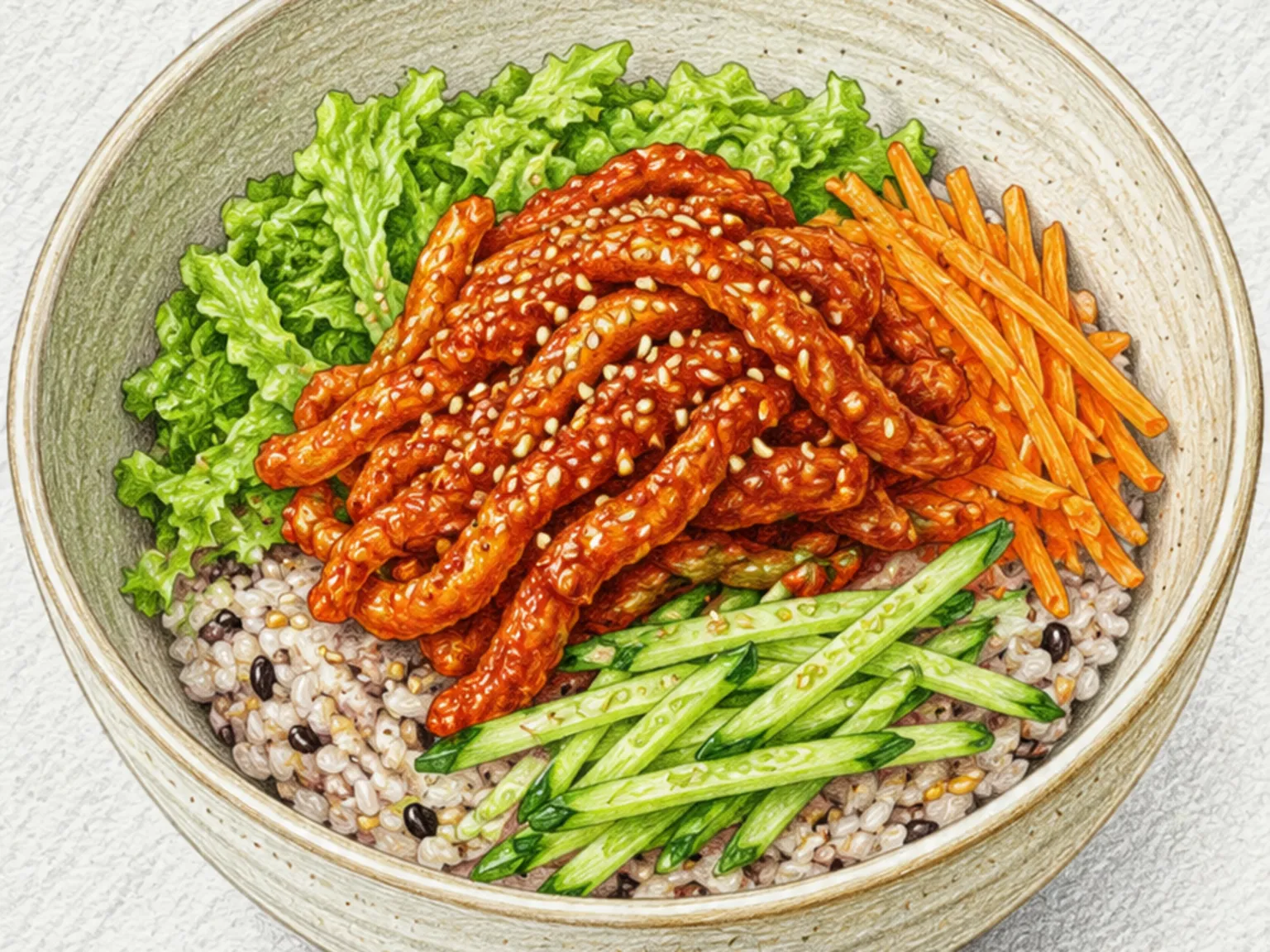
This variation on hoe-deopbap replaces the standard cho-gochujang with a dressing of ssamjang mixed with vinegar and sesame oil, shifting the dominant flavor away from sweet heat and toward fermented bean depth. The doenjang component in ssamjang works against the rawness of the fish rather than masking it with chili, producing a rounded, earthy complexity that deepens with each bite. Vinegar cuts through ssamjang's thick, pungent weight and introduces a clean acidity that keeps the overall flavor from feeling heavy. Flounder sashimi is cut into bite-sized pieces and kept refrigerated, while the rice is served at room temperature so the two elements neither clash nor blend into an indistinct warmth. Julienned carrot and perilla leaves provide a crisp, juicy resistance that contrasts directly with the chewy elasticity of the fish. Dressing the vegetables in advance draws out moisture that would soften the rice, so all the components are placed in the bowl separately and tossed together only at the moment of eating to preserve every texture.

🎉 Special Occasion 🏠 Everyday
Prep 20min Cook 5min 2 servings
Korean Mussel Rice (Winter Pot Rice in Mussel Broth)
Rice Medium

Korean Mussel Rice (Winter Pot Rice in Mussel Broth)

Cooking rice in a pot using the concentrated liquid from boiled mussels allows each grain to absorb the essence of the sea directly. Instead of simply serving seafood on top of plain white rice, this method uses the broth as the primary cooking medium to build a layered taste from the inside out. A thick layer of julienned radish lines the bottom of the pot, creating a physical barrier that prevents the rice from sticking while releasing a natural sweetness that balances the salty character of the shellfish. To maintain a tender texture, the mussel meat goes into the pot only after the heat is turned off, letting the remaining steam warm the protein without making it tough or rubbery. At the table, a mixture of soy sauce, sesame oil, and red chili flakes provides a sharp contrast to the savory base, allowing for personal adjustment of heat and saltiness. A handful of fresh water parsley added as a final touch introduces a bright, herbal quality that cleanses the palate. The resulting meal is satisfying enough to stand alone without additional soups, offering a high concentration of iron and omega 3 fatty acids in a single bowl.

🏠 Everyday
Prep 20min Cook 25min 2 servings
Korean Dried Pollock Bean Sprout Soup Rice
Rice Easy

Korean Dried Pollock Bean Sprout Soup Rice

Hwangtae kongnamul gukbap is a hangover-recovery rice soup built on a broth of stir-fried dried pollock strips, bean sprouts, and radish. The dried pollock is soaked briefly in water to restore some moisture, then stir-fried in sesame oil. The frying step drives off any fishiness and releases a deep, toasted aroma that becomes the flavor backbone of the entire broth. Without this step, the soup tastes thin and vaguely fishy; with it, the broth has a satisfying nuttiness even before any other ingredients are added. Sliced radish goes into the water next and simmers until it softens and releases its natural sweetness into the liquid. Bean sprouts go in after the radish, and here a small detail matters: the lid stays on throughout the bean sprout cooking. If the lid is removed while the sprouts cook, their distinctive raw smell rises with the steam and lingers in the broth. Keeping the lid sealed lets the sprouts cook in their own steam and the smell dissipates harmlessly. Soup soy sauce seasons the broth with a clean saltiness that does not darken the liquid as much as regular soy sauce would, keeping the broth pale and clear-looking. Sliced green onion goes in at the very end for a fresh accent. The soup is poured over a bowl of rice to serve.

🏠 Everyday 🌙 Late Night
Prep 10min Cook 25min 2 servings
Korean Grilled Eel Rice Bowl
Rice Medium

Korean Grilled Eel Rice Bowl

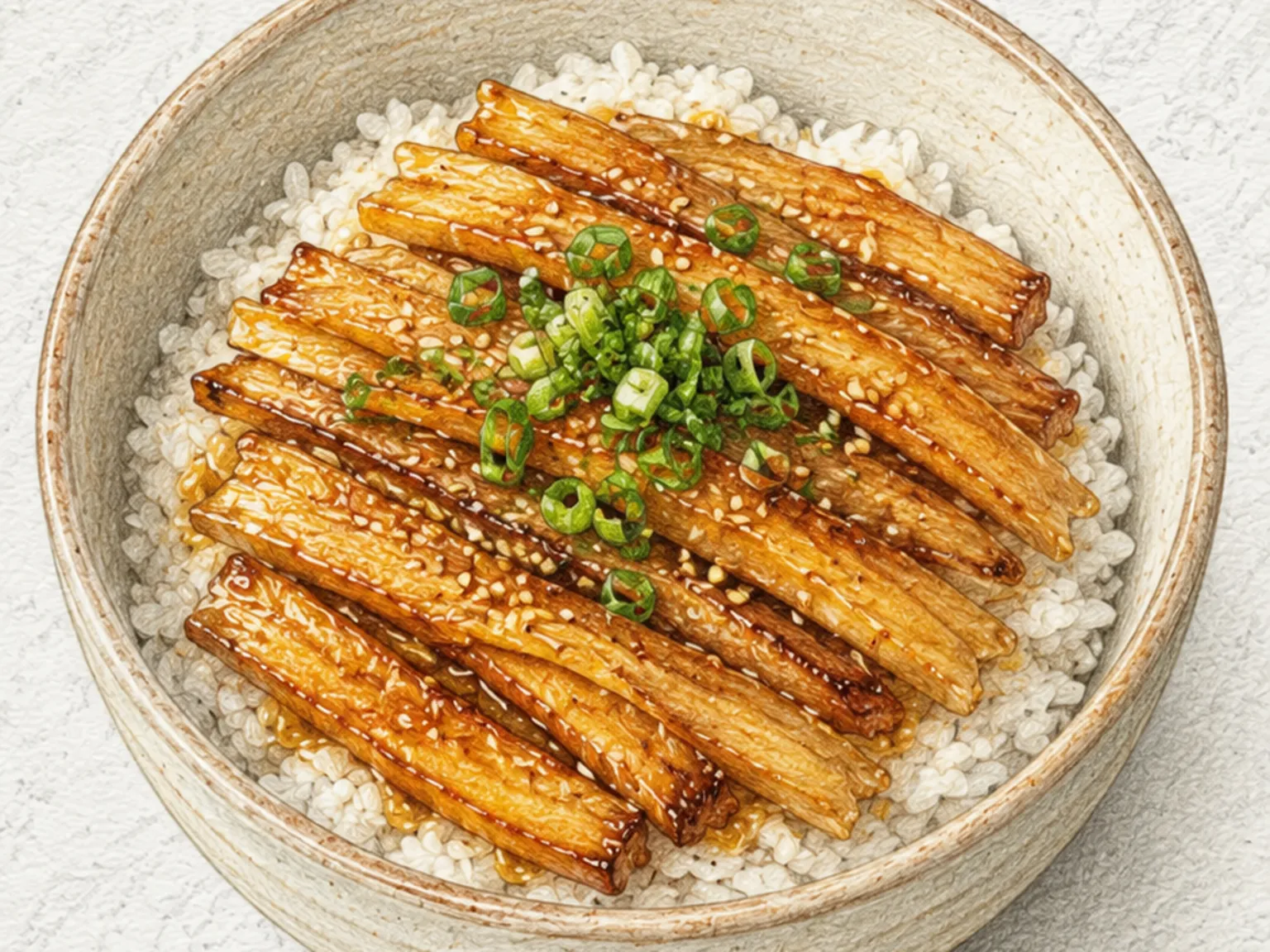
Jangeeo deopbap is a bowl of grilled freshwater eel over steamed rice, where the key technique is building up a thick, lacquered glaze through multiple applications of a sweet-salty sauce reduced from soy sauce, mirin, sugar, and ginger juice. The eel starts skin-side down on the grill over medium heat for around five minutes to crisp the skin, then is flipped and basted repeatedly with the sauce as it finishes cooking. A single coat of sauce produces a pale, thin color, so at least two applications and ideally three or more are needed to build the characteristic glossy surface. With each additional coat, the sugars in the sauce react with heat through both Maillard browning and caramelization, layering flavor with every pass. Because freshwater eel is naturally fatty, fat drips during grilling can cause flare-ups, so heat control is important throughout the process. Sansho pepper dusted on at the end cuts through the eel's inherent richness with a sharp, numbing fragrance that balances the sweet glaze and keeps the dish from feeling heavy.

🎉 Special Occasion 🏠 Everyday
Prep 10min Cook 15min 1 servings
Korean Jangjorim Butter Rice
Rice Easy

Korean Jangjorim Butter Rice

The preparation of this dish starts by placing a portion of unsalted butter directly onto a bowl of steaming, freshly cooked white rice. As the residual heat from the grains begins to melt the fat, the butter flows over the rice to coat each individual grain in a thin, smooth layer, which creates a rich and nutty foundation before any other components are introduced. Following the butter, a serving of shredded soy-braised beef is added to the bowl along with a generous amount of its dark and concentrated braising liquid. This liquid is infused with both salt and sweetness from the long cooking process of the beef, meaning that there is no need to include any extra seasonings or sauces to achieve a balanced flavor. A single raw egg yolk is then dropped into the center of the bowl and stirred through the mixture. This addition changes the overall texture of the dish, making it significantly more creamy while simultaneously intensifying the savory profile of the seasoned meat. To provide a necessary contrast to the heavy richness of the egg and butter, crushed roasted seaweed flakes are sprinkled over the surface. These flakes offer a brittle, crunchy texture and a distinct marine element that cuts through the fat. Finally, the dish is finished with a garnish of thinly sliced green onions and toasted sesame seeds for a clean and aromatic end. If the soy-braised beef is already available in the refrigerator, the entire meal can be put together in under fifteen minutes, making it an efficient option for a filling single-bowl meal in the routine of Korean home cooking.

🏠 Everyday 🍱 Lunchbox
Prep 10min Cook 15min 2 servings
Korean Pine Nut Porridge (Creamy Nutty Nourishing Rice Porridge)
Rice Medium

Korean Pine Nut Porridge (Creamy Nutty Nourishing Rice Porridge)

Pine nuts are blended with water into a smooth milk, then stirred into soaked rice that has been sauteed in sesame oil to bring out its starch aroma. The pine nut milk is added after the rice has already simmered for ten minutes, because prolonged boiling diminishes the nuts' volatile fragrance. The finished porridge has a pale cream hue and leaves a lingering resinous pine-nut note on the palate. Thinly sliced jujube garnish adds a pop of red color and gentle natural sweetness that complements the nuttiness.

🎉 Special Occasion 🏠 Everyday
Prep 15min Cook 20min 2 servings
Korean Abalone Porridge (Jeonbok Juk)
Rice Medium

Korean Abalone Porridge (Jeonbok Juk)

Abalone innards are sauteed in sesame oil until they release a green tint and briny aroma, then simmered with soaked rice on low heat for over 30 minutes into a nourishing porridge. The freshness of the innards dictates both the porridge's color and depth of flavor, with vivid green being the sign of quality. Thinly sliced abalone meat goes in near the end so it stays chewy rather than turning rubbery, and frequent stirring throughout prevents the bottom from scorching. An egg yolk placed on top creates a visual contrast against the greenish porridge and, once broken and mixed in, adds a layer of richness.

🎉 Special Occasion
Prep 20min Cook 40min 2 servings
Korean Abalone Mung Bean Porridge
Rice Medium

Korean Abalone Mung Bean Porridge

Jeonbok nokdu juk is a Korean restorative porridge that soaks and simmers mung beans alongside rice to build a thickened base, then incorporates abalone for a combination of nutty creaminess and ocean flavor. Mung beans break down considerably during cooking, giving the finished porridge a noticeably denser and more velvety consistency than standard abalone porridge made with rice alone. Abalone innards are sauteed with garlic in sesame oil before joining the porridge, a step that draws out a deep, toasty aroma and forms the flavor backbone of the dish. Replacing plain water with kelp stock adds a layer of clean umami to the liquid base and enriches the overall taste. The abalone flesh is added during the final five minutes only to prevent overcooking, which would tighten the muscle and make it tough rather than springy. Throughout the long cooking, the porridge must be stirred regularly over low heat so the mung beans and rice dissolve completely into a smooth, uniform texture without catching on the bottom of the pot. Chopped scallion scattered over the finished bowl introduces a pop of green color and a fresh, bright fragrance that lightens the rich porridge.

🎉 Special Occasion
Prep 20min Cook 35min 2 servings
Korean Sesame Oil Abalone Porridge
Rice Medium

Korean Sesame Oil Abalone Porridge

Both abalone flesh and innards are used together with a generous two tablespoons of sesame oil to maximize nuttiness in this porridge. The innards carry a concentrated brininess unique to abalone, and sauteing them with minced garlic in sesame oil infuses the fat with both marine and roasted flavors simultaneously, forming the aromatic foundation for the entire pot. Soaked rice is stirred into that same seasoned oil and cooked until each grain turns translucent, a step that coats the starch in fat and gives the porridge a fuller, rounder flavor. Water is then added and the mixture simmers for 25 minutes while the grains slowly dissolve their starch into a naturally thick consistency. Stirring regularly throughout this stage prevents the rice from settling and scorching on the pot floor. Soup soy sauce and salt are added at the finish, their saltiness anchoring the nuttiness of the sesame oil rather than competing with it. Chopped chives provide both color and a light onion fragrance. An extra drizzle of sesame oil just before serving deepens the aroma and gives the surface a subtle sheen.

🎉 Special Occasion
Prep 20min Cook 35min 2 servings
Korean Abalone Pot Rice (Ocean-Scented Sesame Base Grain Pot)
Rice Medium

Korean Abalone Pot Rice (Ocean-Scented Sesame Base Grain Pot)

Jeonbok sotbap is an abalone and rice dish cooked in a heavy-bottomed pot, where the process of building flavor begins before the rice itself goes in. Abalone innards are sauteed directly in the cooking vessel with sesame oil, and their distinctive green pigment dissolves into the fat and spreads a deep, marine-tinged aroma throughout the pot. Soaked rice and water are added to this scented base and the rice is cooked in the usual way, absorbing the briny fragrance into each grain. Sliced abalone meat is placed on top of the rice only when it is nearly done, then the lid is replaced for a five-minute steam that gently cooks the abalone without toughening it. Extending this resting time by two or three minutes generates a layer of nurungji, scorched rice at the bottom of the pot, that adds a crisp textural counterpoint. A sauce of soy sauce, sliced chives, minced garlic, and sesame seeds is mixed into each bowl at the table, bringing a savory, nutty accent that complements the abalone's subtle flavor.

🎉 Special Occasion
Prep 20min Cook 25min 2 servings
Korean Abalone Mugwort Porridge
Rice Medium

Korean Abalone Mugwort Porridge

This seasonal porridge combines the mineral essence of abalone with the herbal freshness of young mugwort. The preparation starts by sautéing abalone innards in sesame oil, creating a concentrated base that anchors the entire dish. Soaked rice is then added and stirred continuously until the starch releases, resulting in a smooth and consistent texture. Using kelp stock instead of plain water adds another layer of oceanic character to the broth. Precise timing is essential when adding the mugwort to the pot. Incorporating the herb only during the final sixty seconds prevents the release of harsh bitter compounds that could otherwise dominate the flavor. This brief cooking period ensures only a subtle, clean bitterness remains to complement the heavy richness of the abalone. A light dusting of ground black pepper at the end provides a warm aromatic finish that highlights the greenery of the herb. Early spring is the ideal time for this dish, as that is when mugwort leaves are at their most tender and fragrant. With iron and taurine from the abalone alongside vitamins and folate from the mugwort, this meal offers significant nutritional value. Its gentle nature makes it an appropriate choice for those needing a restorative meal that is easy on the digestive system. If kept in the refrigerator, the porridge will thicken significantly; reheating it over low heat with a splash of water restores its original silkiness.

🎉 Special Occasion
Prep 20min Cook 30min 2 servings
Korean Spicy Pork Rice Bowl
Rice Easy

Korean Spicy Pork Rice Bowl

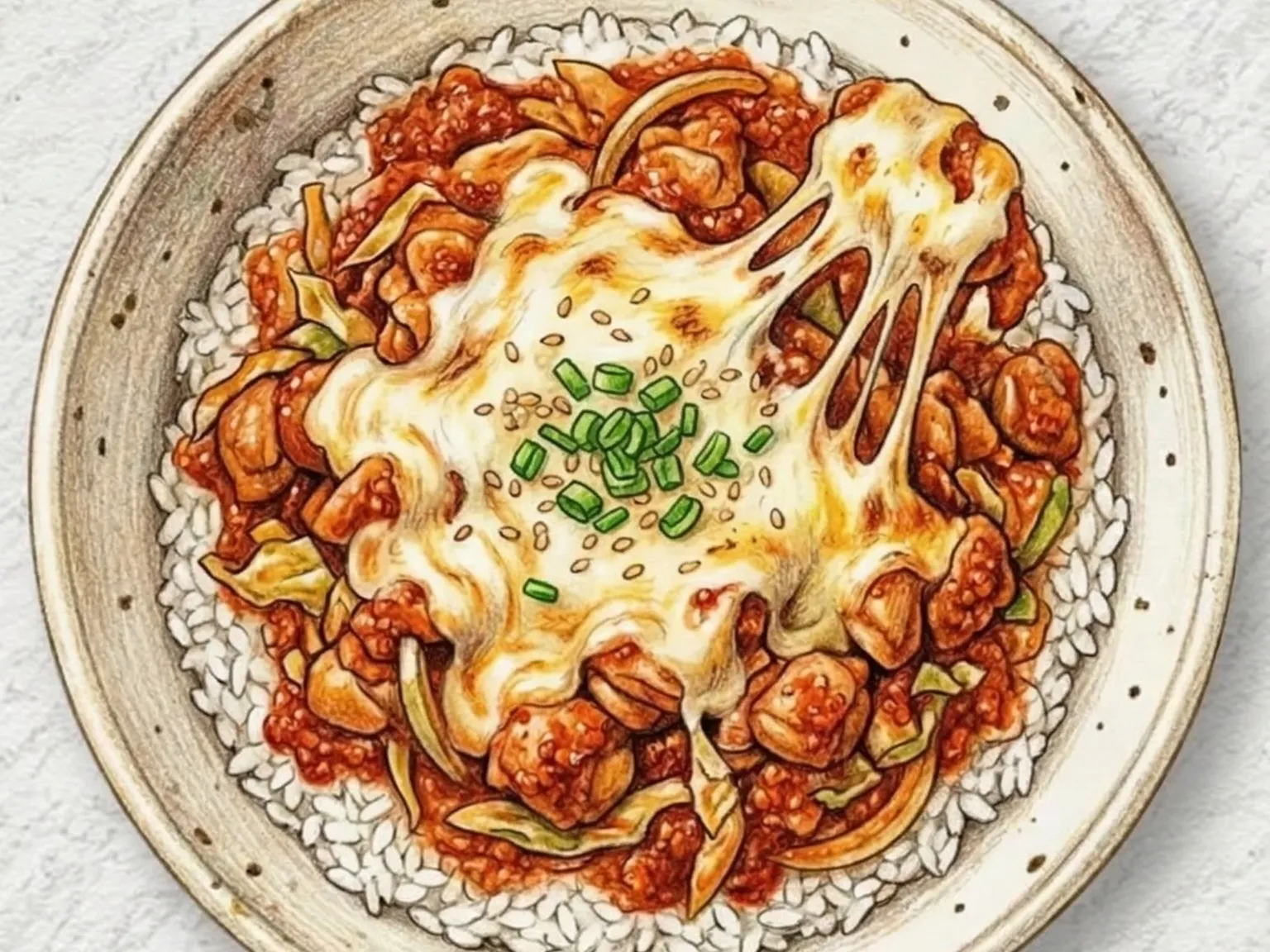
Pork shoulder is sliced into strips, marinated in gochujang, chili flakes, soy sauce, garlic, and sugar for ten minutes, then stir-fried over high heat until the edges caramelize. Onion goes in first to build sweetness, and green onion added at the end brings a sharp, fresh bite that cuts through the spicy-sweet glaze. A final drizzle of sesame oil rounds out the aroma. Served over steamed rice, the bold sauce coats every grain, making this a satisfying single-bowl meal that comes together in under thirty minutes.

🏠 Everyday 🍱 Lunchbox
Prep 20min Cook 15min 2 servings
Korean Black Bean Sauce Rice
Rice Easy

Korean Black Bean Sauce Rice

The key to jjajangbap lies in pre-frying chunjang (Korean black bean paste) in oil to strip its raw bitterness and unlock a toasty, earthy aroma. Ground pork, diced onion, zucchini, and cabbage are stir-fried until just softened, then folded into the fried paste so the dark sauce coats every piece. A potato starch slurry thickens the mixture after a brief simmer, giving it enough body to cling to rice without pooling. The finished bowl delivers a mellow sweetness mostly from the caramelized onion, layered with fermented soybean depth - a homestyle take on Chinese-Korean comfort food.

🏠 Everyday
Prep 20min Cook 20min 2 servings
Korean Spicy Baby Octopus Fried Rice
Rice Medium

Korean Spicy Baby Octopus Fried Rice

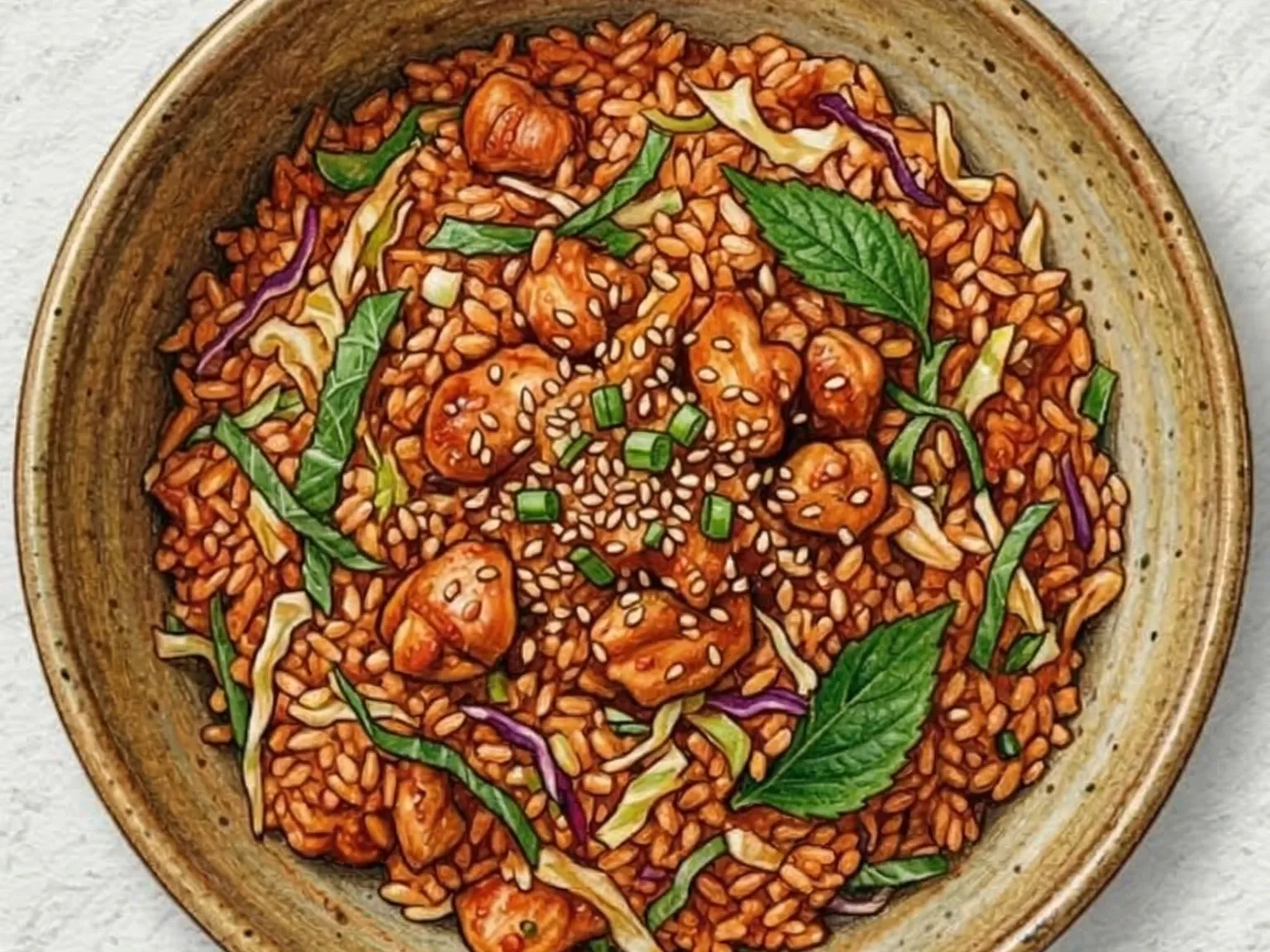
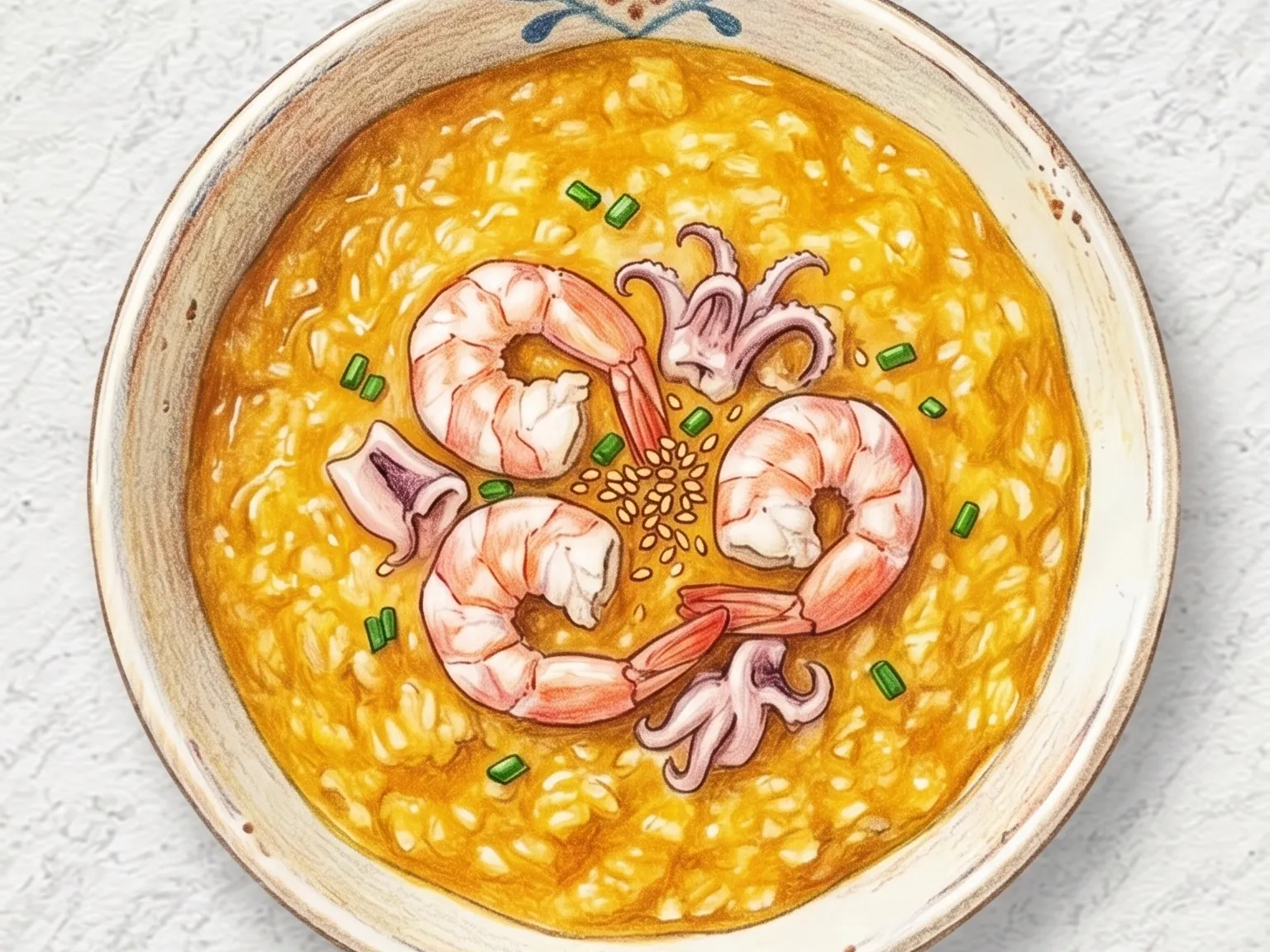
Jjukkumi bokkeumbap is a spicy fried rice built around webfoot octopus, where every element of the technique exists to preserve the squid's signature springy chew. The octopus is first rubbed with salt to strip off the surface slime, then cut to bite-size and seared over high heat for no more than three minutes. The gochujang-based sauce, bolstered with chili flakes, soy sauce, sugar, and garlic, concentrates spice and umami before the rice enters the pan and soaks up the red seasoning grain by grain. A drizzle of sesame oil at the end adds a nutty fragrance that lifts the dish slightly, and melted cheese is a popular addition for softening the heat without dulling the flavor. The oceanic character of the octopus - its brininess and elasticity - gives this fried rice a depth that ground pork or vegetables simply do not replicate. Not overcooking the octopus is the single most important decision in the recipe.

🏠 Everyday 🍱 Lunchbox
Prep 15min Cook 12min 2 servings
Korean Butterfish Porridge
Rice Easy

Korean Butterfish Porridge

Byeongeo (butterfish) is cut into pieces and placed in a pot with rice and water, then cooked slowly over low heat until the fish flesh breaks apart and dissolves into the porridge. This lean white fish carries minimal fat, and as it simmers, it gradually releases a gentle sweetness and clean savoriness that enriches the rice without making it heavy. Thorough bone removal before cooking is essential because the soft flesh disperses through the porridge and bones become difficult to pick out later. Seasoning is kept to a minimum: salt only, with a drop of sesame oil stirred in at the end. With so few ingredients, the freshness of the fish determines the quality of the finished bowl. This is a traditional Korean restorative dish, long favored when the stomach needs something soothing, when recovering from illness, or whenever something nourishing but easy to digest is called for. Stirring occasionally as the rice swells and thickens keeps the porridge from catching on the bottom.

🏠 Everyday
Prep 10min Cook 30min 2 servings
Korean Kimchi Fried Rice (Kimchi Bokkeumbap)
Rice Easy

Korean Kimchi Fried Rice (Kimchi Bokkeumbap)

Finely chopped aged kimchi is stir-fried together with ground pork until the fermentation tang of the kimchi and the fat rendered from the pork combine into a deep, layered umami base. Kimchi juice is added to the pan along with gochujang and a measured touch of sugar, glazing the rice in a spicy-sweet coating. High heat throughout the stir-fry is what keeps each grain separate and lightly crisp rather than soft and clumped; the pan also needs to be fully heated before the ingredients go in, or the rice will stick. A soft-fried egg placed on top lets the runny yolk temper the heat when it is broken and mixed in, and using well-fermented, deeply soured kimchi noticeably shifts the depth of the flavor. Adding spam or canned tuna are equally common household variations, and the dish adapts readily to whatever is available. A drizzle of sesame oil just before serving lifts a toasty, nutty fragrance over the finished bowl.

🏠 Everyday 🍱 Lunchbox
Prep 10min Cook 10min 2 servings
Korean Kimchi Rice Bowl (Stir-Fried Aged Kimchi over Steamed Rice)
Rice Easy

Korean Kimchi Rice Bowl (Stir-Fried Aged Kimchi over Steamed Rice)

Stir-frying aged kimchi in a hot pan drives off moisture and triggers caramelization, mellowing the sharpness into a deeper, sweeter intensity that raw kimchi cannot replicate. Cooking the kimchi over medium-high heat for five to seven minutes transforms its texture from wet and tangy to slightly charred and richly savory. A splash of soy sauce and a drizzle of sesame oil finish the seasoning with a salty, nutty note. Spooned over a bowl of steamed rice and topped with a single sunny-side-up egg, the dish is deceptively simple in construction. Using well-fermented kimchi like mukeunji introduces complex layers of lactic sourness and umami depth that more than compensate for the minimal ingredient list. Adding thin slices of pork shoulder or a can of tuna to the pan alongside the kimchi turns it into a more substantial meal with added protein. The whole dish comes together in under fifteen minutes, making it the first choice Korean rice bowl when the pantry is almost bare.

⚡ Quick 🏠 Everyday
Prep 5min Cook 10min 1 servings
Korean Kimchi Porridge (Fermented Kimchi Pork Rice Porridge)
Rice Easy

Korean Kimchi Porridge (Fermented Kimchi Pork Rice Porridge)

Well-fermented napa kimchi is chopped into small pieces and stir-fried with ground pork in sesame oil first, building a savory, aromatic base before the soaked rice and water go in for a slow, gentle simmer of thirty minutes. The extended cooking time is what fundamentally changes the character of the dish: the raw, sharp edge of the chili fades and the fermentation tang disperses through the porridge evenly, becoming deep and mellow rather than assertive, while the pork contributes a rich savory backbone that plain kimchi alone could not provide. Soup soy sauce is added toward the end to adjust the salt, and sesame seeds scattered over the finished bowl add a final nutty aroma. The more sour and deeply fermented the kimchi used, the more complex and layered the finished juk becomes -- bright red in color and bold in flavor. This is a traditional Korean porridge associated with recovery and comfort, eaten warm when the stomach is unsettled, appetite has gone quiet, or the cold calls for something deeply nourishing. Diced silken tofu added during the last few minutes of simmering introduces a new texture and adds protein without disrupting the clean, porridge-like consistency.

🏠 Everyday 🍱 Lunchbox
Prep 10min Cook 40min 2 servings
Korean Kimchi Acorn Jelly Rice Bowl
Rice Easy

Korean Kimchi Acorn Jelly Rice Bowl

Acorn jelly (dotorimuk) is sliced into strips, placed over rice, and drenched in a chilled broth made from kimchi juice, cold water, and a touch of sugar. The jelly's slippery, bouncy texture contrasts with the crunch of chopped kimchi, while the tangy broth refreshes the palate with every spoonful. A light toss of sesame oil on the rice provides a nutty base, and roasted seaweed flakes add an ocean-like finish. Adding ice cubes makes it even more bracing, a distinctly Korean way to beat summer heat with a cold, brothy rice bowl. If the kimchi is too tart, a small addition of sugar rounds the flavor into balance.

🥗 Light & Healthy 🏠 Everyday
Prep 20min Cook 10min 2 servings
Korean Pork Belly Kimchi Fried Rice
Rice Easy

Korean Pork Belly Kimchi Fried Rice

Pork belly is diced small and rendered in a hot pan until golden, producing enough fat to cook the entire dish without additional oil. Aged kimchi and onion go into that rendered fat, where the kimchi's sharp tang softens into the pork's richness. Gochujang and soy sauce season the rice as it joins the pan, and aggressive high-heat stir-frying keeps each grain distinct rather than clumpy. Day-old cold rice works best because its lower moisture content yields a drier, crispier result, and a fried egg on top provides a creamy counterpoint when the yolk breaks.

🏠 Everyday 🍱 Lunchbox
Prep 15min Cook 12min 2 servings
Korean Sesame Porridge (Toasted Sesame Silky Rice Porridge)
Rice Easy

Korean Sesame Porridge (Toasted Sesame Silky Rice Porridge)

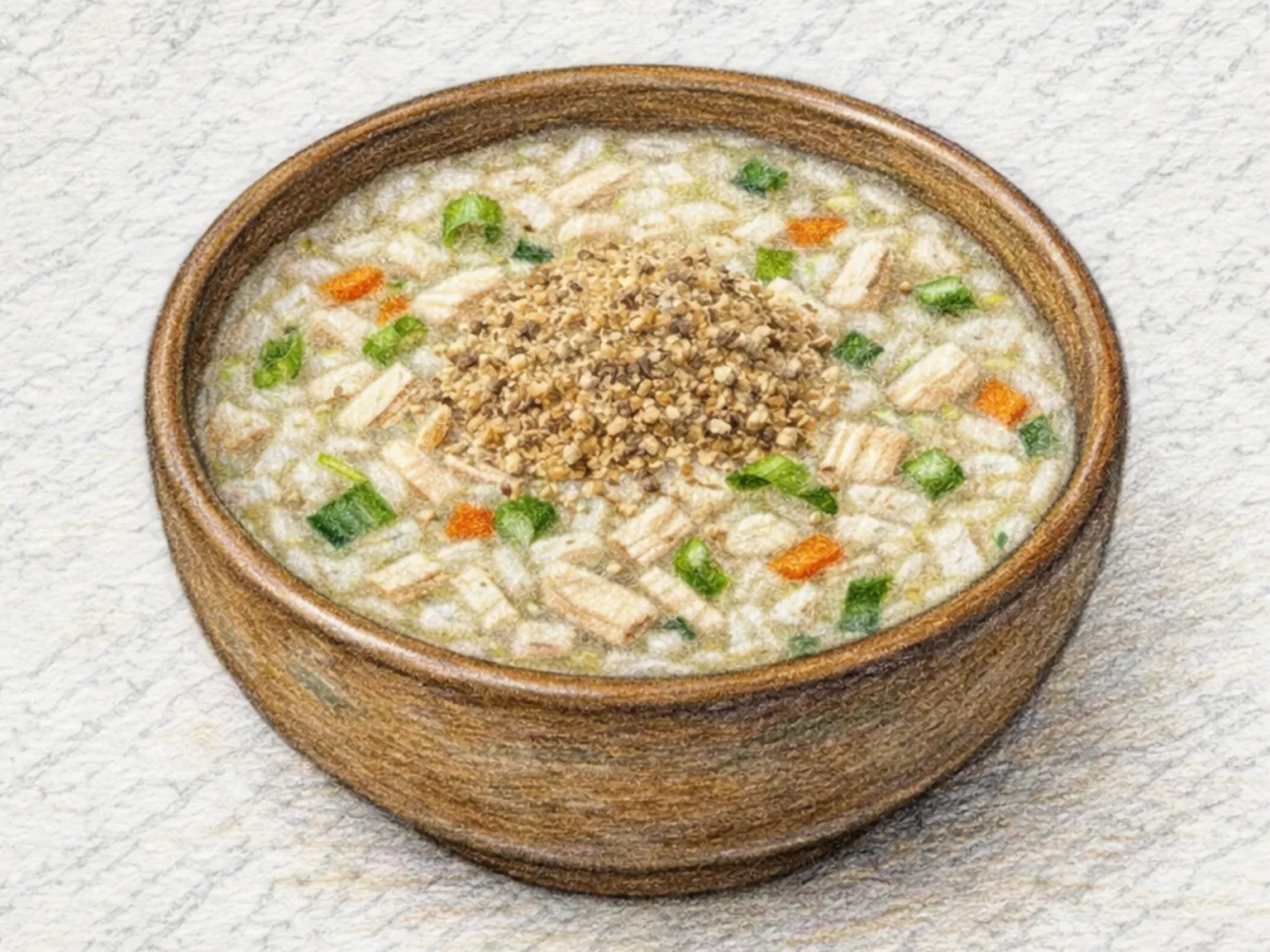
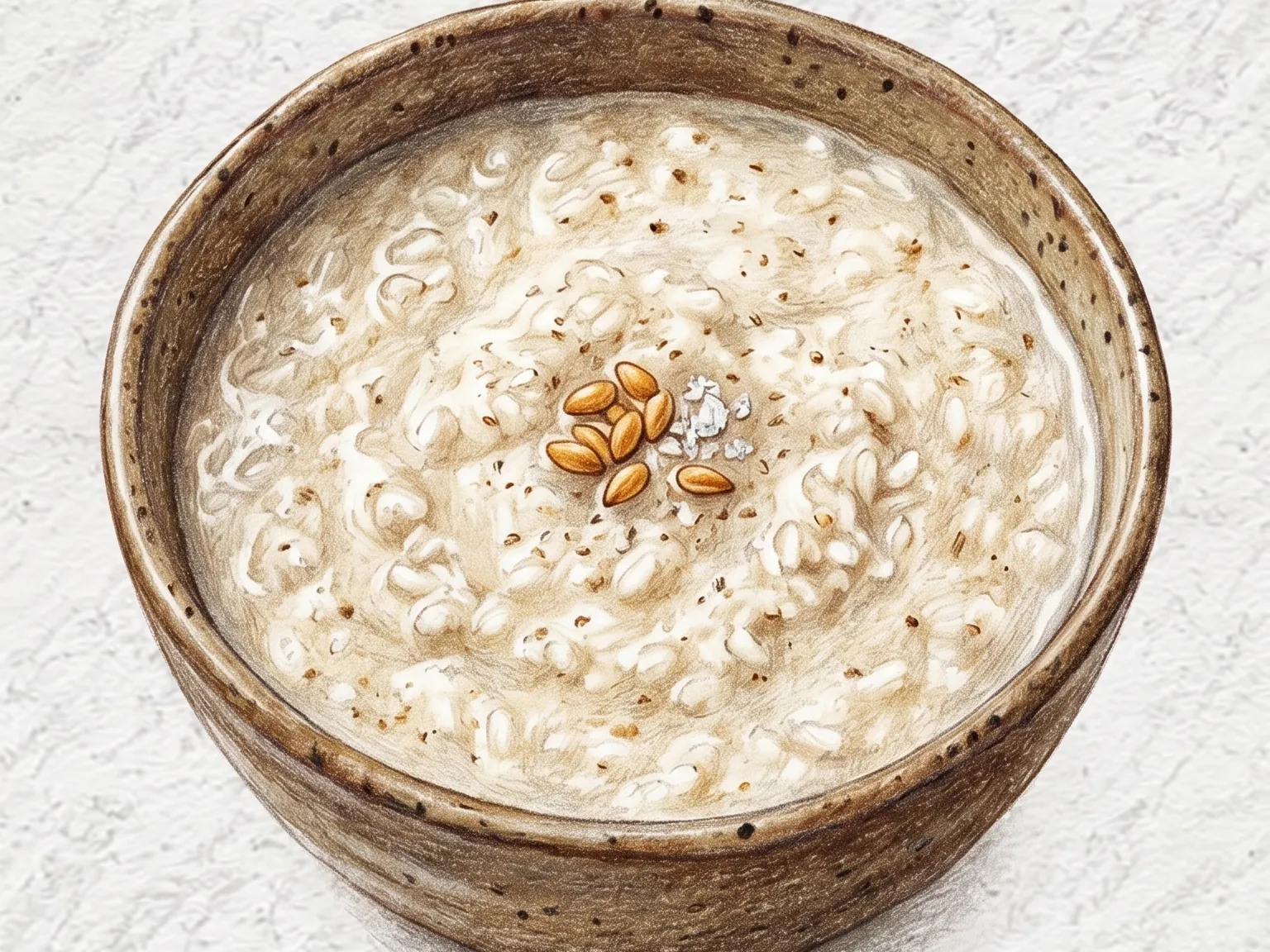
Kkaejuk is a traditional Korean porridge made by grinding toasted sesame seeds to a fine powder and simmering them with soaked rice, water, and milk until the mixture reaches a silky, cream-soup consistency. Toasting the seeds before grinding is not optional -- raw sesame lacks the deep, roasted fragrance that defines the dish, and the heat of toasting develops oils and aroma compounds that grinding alone cannot produce. Constant stirring over low heat prevents the mixture from scorching and coaxes the rice grains into breaking down completely, merging with the sesame base so no distinct texture remains. Milk enriches the body beyond what water alone provides and gives the finished porridge a warm ivory color. The simplest version is seasoned with nothing but salt and served with a drizzle of honey or rice syrup, letting the roasted sesame flavor carry the bowl without distraction. Easily digestible and gentle on the stomach, kkaejuk has a long tradition as a morning meal, a recovery food for the sick, and a postpartum nourishment dish in Korean households.

🥗 Light & Healthy 🏠 Everyday
Prep 15min Cook 30min 2 servings