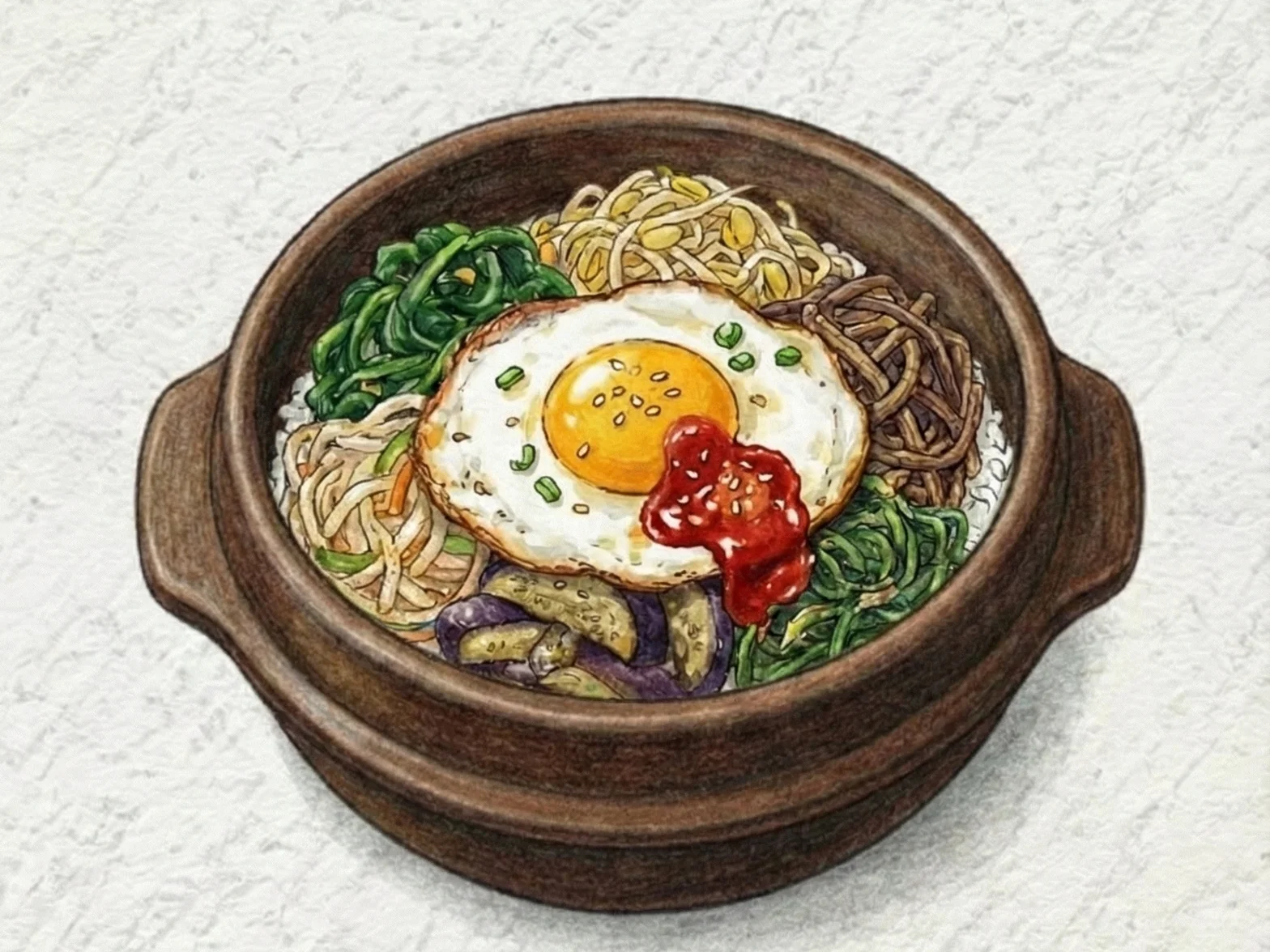
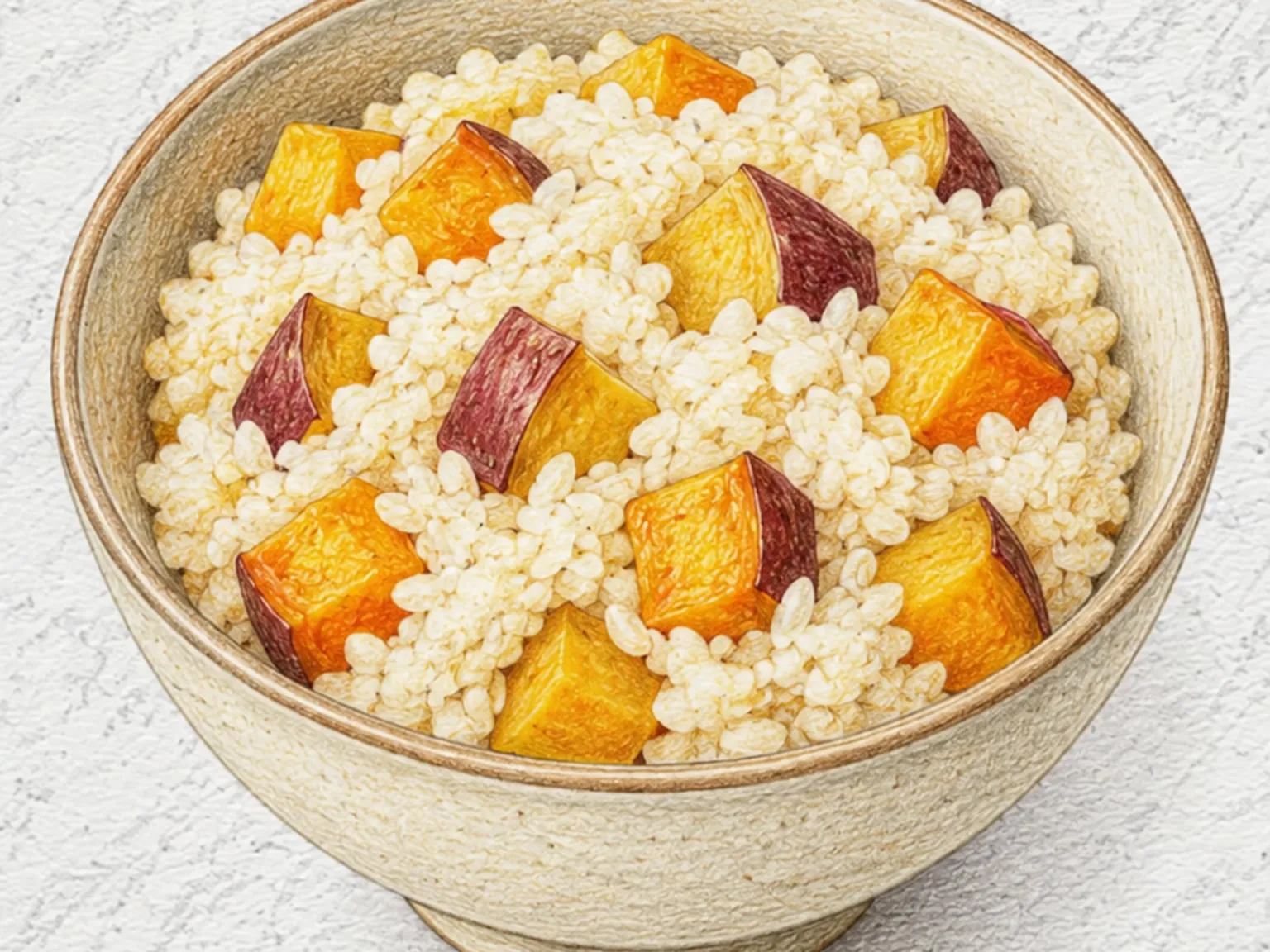
Rice

Rice Recipes

334 recipes. Page 6 of 14

Rice is the foundation of Korean cuisine, appearing not only as steamed white rice but also as fried rice, bibimbap, clay-pot rice (sotbap), and gimbap rolls. Porridge (juk) - made by slow-cooking rice into a silky consistency - is comfort food for cold days or when you need something gentle on the stomach. Abalone porridge, pumpkin porridge, and chicken porridge are all classics.

Rice
Gohei-Mochi (Grilled Rice Cake with Walnut Miso)
Rice Medium

Gohei-Mochi (Grilled Rice Cake with Walnut Miso)

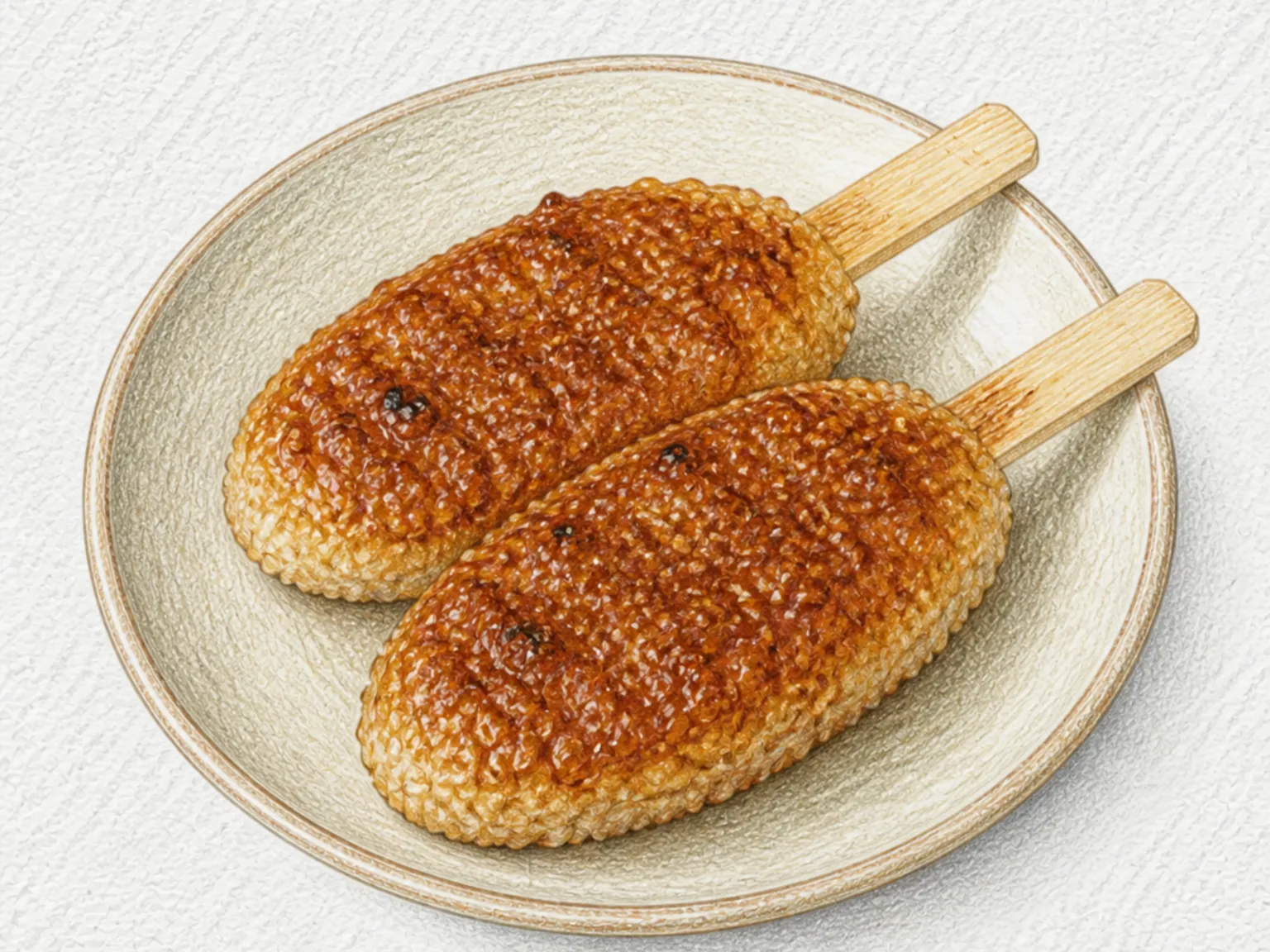
Gohei-mochi is an Aichi mountain-region rice cake made by mashing freshly cooked non-glutinous rice, molding it around a broad skewer, and grilling it with a red miso sauce ground with walnuts and sesame. The hot rice is crushed until sticky enough to hold together while some grain texture remains. Each portion is spread into a thin oval and given shallow surface ridges, then grilled without sauce first so the center heats through and the coating has places to cling. Red miso, sugar, sake, ginger, walnuts, and sesame are kneaded over low heat into a thick sauce, brushed on, and grilled again until fragrant and browned. The food is said to have been eaten in the Chubu mountains by the middle Edo period. Lumberjacks and hunters prepared it before Yama no Ko gatherings that prayed for safety in mountain work; today it is also a common travel snack.

🧒 Kid-Friendly
Prep 45min Cook 35min 4 servings
Korean Thistle and Mackerel Pot Rice
Rice Medium

Korean Thistle and Mackerel Pot Rice

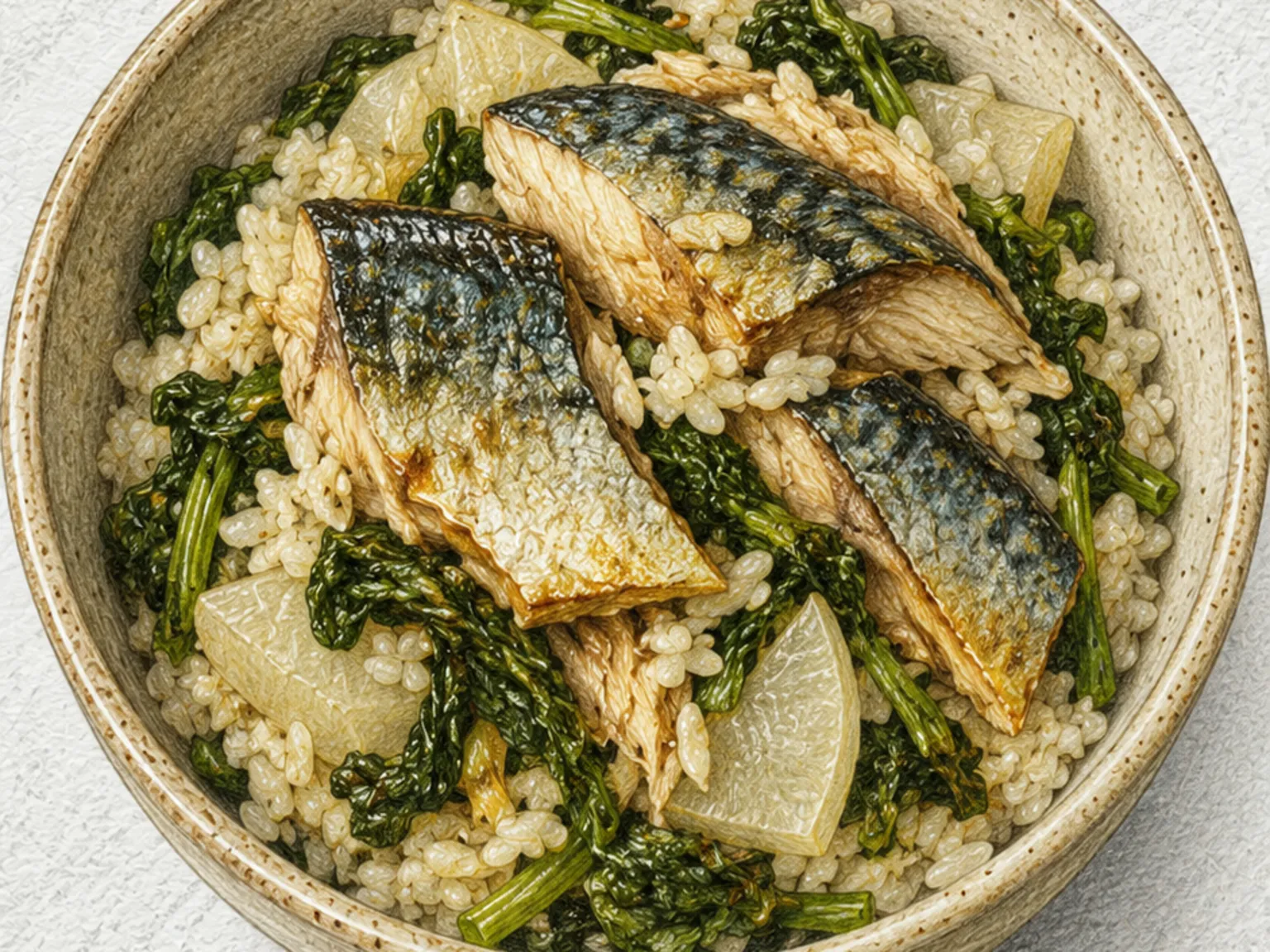
Gondre mackerel sotbap begins by stir-frying thinly sliced radish in sesame oil to build a savory base, then soaked rice and squeezed gondre thistle greens are added before a mackerel fillet marinated in cooking wine and ginger juice is placed skin-side up on top. The pot is covered and cooked over low heat for fourteen minutes, followed by five minutes of resting off the heat. During that resting period, the earthy, slightly smoky aroma of gondre and the concentrated umami of the mackerel seep into each grain of rice without further stirring. Keeping the fish skin-side up protects the flesh from breaking apart during cooking and prevents the pot from becoming cloudy with loose pieces. The radish layer at the bottom absorbs moisture and guards against sticking while contributing its own mild sweetness to the rice underneath. Before eating, a drizzle of soy sauce is poured over the opened pot and the contents are tossed together lightly, bringing the mountain-foraged greens and the sea fish into a unified, quietly complex bowl. The scorched rice crust that forms on the bottom of the pot is steeped in hot water to make nurungji tea.

🏠 Everyday
Prep 18min Cook 28min 2 servings
Gonjuu (Pork Belly and Fried Tofu Rice Ball)
Rice Medium

Gonjuu (Pork Belly and Fried Tofu Rice Ball)

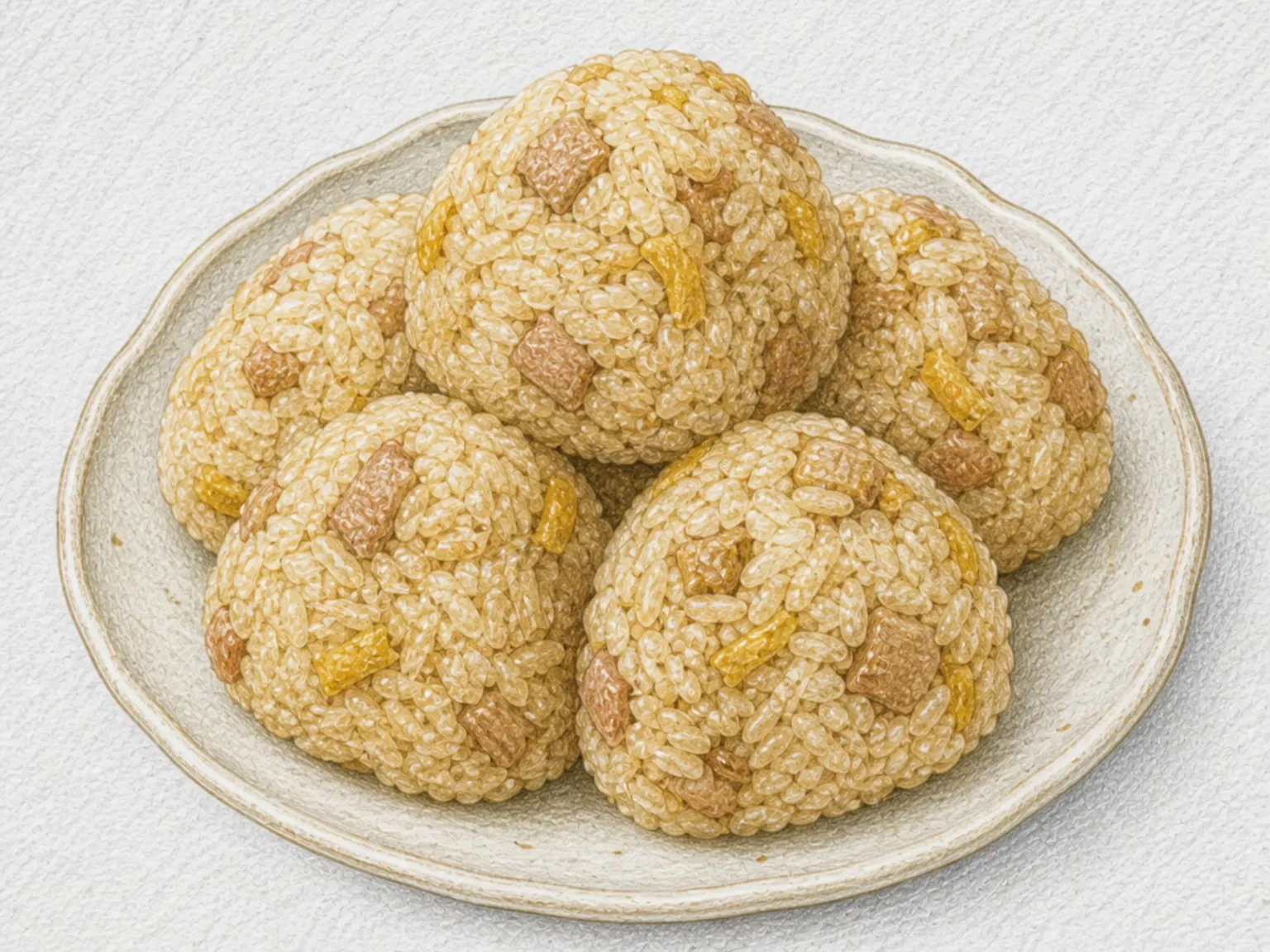
Gonjuu is a large rice ball long eaten in Tateyama City, Chiba Prefecture. Five cups of rice are cooked while pork belly is cut into 1 cm cubes and fried tofu is trimmed and chopped. Two-thirds of lightly toasted, crumbled bonito flakes are simmered with the pork, tofu, sugar, soy sauce, sake, and water. Mirin is added at the end, after the pork is fully cooked and the sweet savory liquid has soaked into the pieces. The hot rice is spread in a wide mixing tub and combined evenly with the cooked filling and its reduced liquid. The reserved bonito flakes are mixed through last, and the batch is shaped firmly into twenty generous rice balls. Their one-handed form reflects how gonjuu has been served to mikoshi carriers at Tateyama's autumn Yawatanmachi festival, though it is also eaten at home throughout the year.

🏠 Everyday 🍱 Lunchbox
Prep 30min Cook 50min 20 servings
Korean Oyster Rice (Winter Pot Rice with Plump Oysters)
Rice Medium

Korean Oyster Rice (Winter Pot Rice with Plump Oysters)

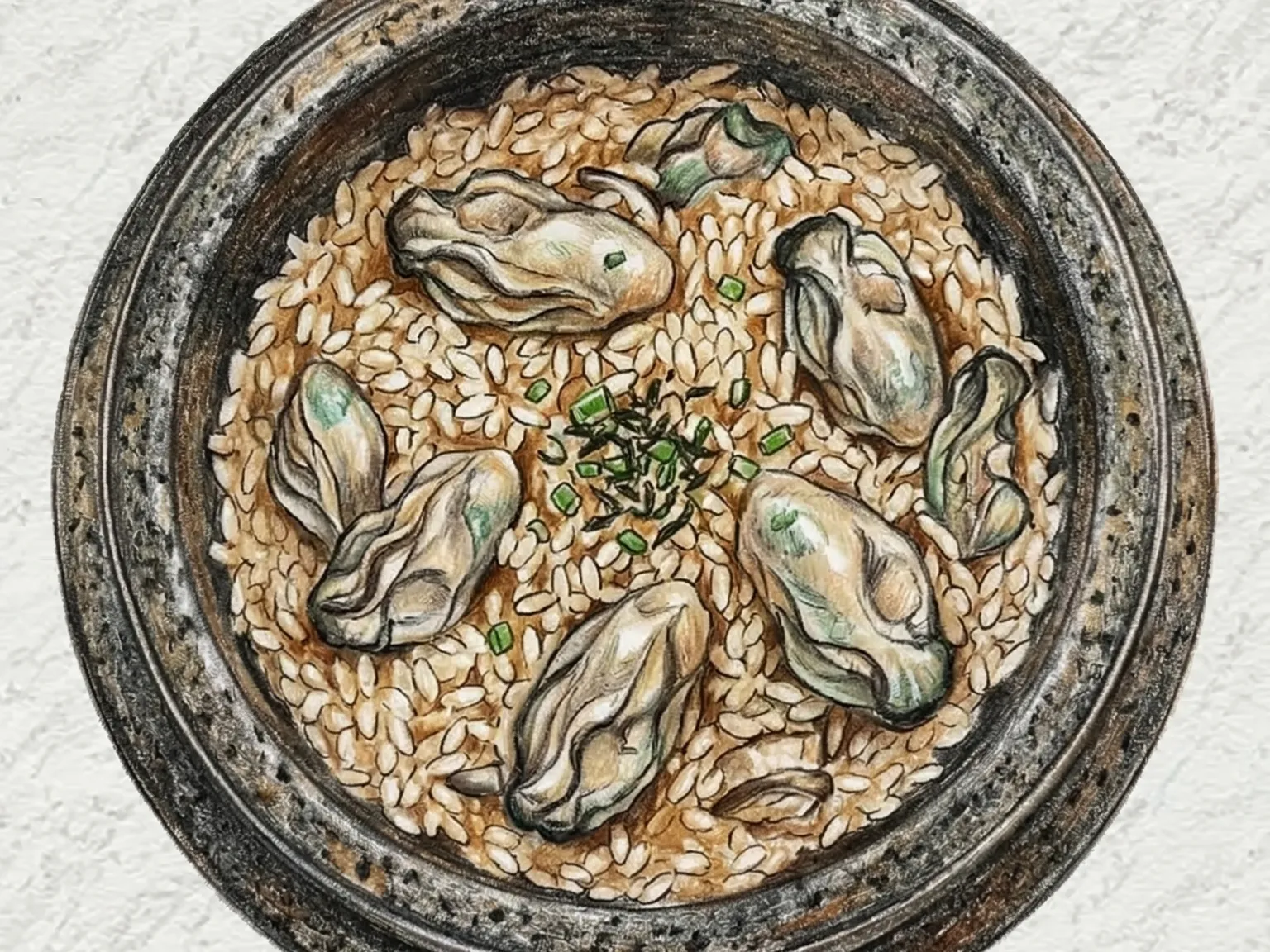
Gul-bap is a pot rice dish built around plump winter oysters, which are placed on top of the nearly-finished rice during the final resting stage rather than added at the beginning of cooking. This timing is deliberate. Oysters introduced too early shrink, toughen, and lose their sweetness to the surrounding liquid. Cooked only by residual steam, they remain tender, full-sized, and briny-sweet. Julienned Korean radish lines the bottom of the pot, serving two purposes: it keeps the rice from scorching, and it releases its own moisture and mild natural sweetness into the grains as they cook. The result is rice that is subtly enriched without any additional seasoning beyond the ingredients themselves. The dish is served alongside a dipping sauce of soy sauce, sesame oil, gochugaru, and chopped green onion. Mixed into the bowl, the sauce ties the clean oceanic flavor of the oysters to the savory, nutty dressing in a way that makes the whole thing hard to stop eating. The oysters should be cleaned gently with coarse salt and rinsed quickly to preserve their natural sweetness.

🎉 Special Occasion 🏠 Everyday
Prep 15min Cook 25min 2 servings
Oyster Rice Porridge
Rice Medium

Oyster Rice Porridge

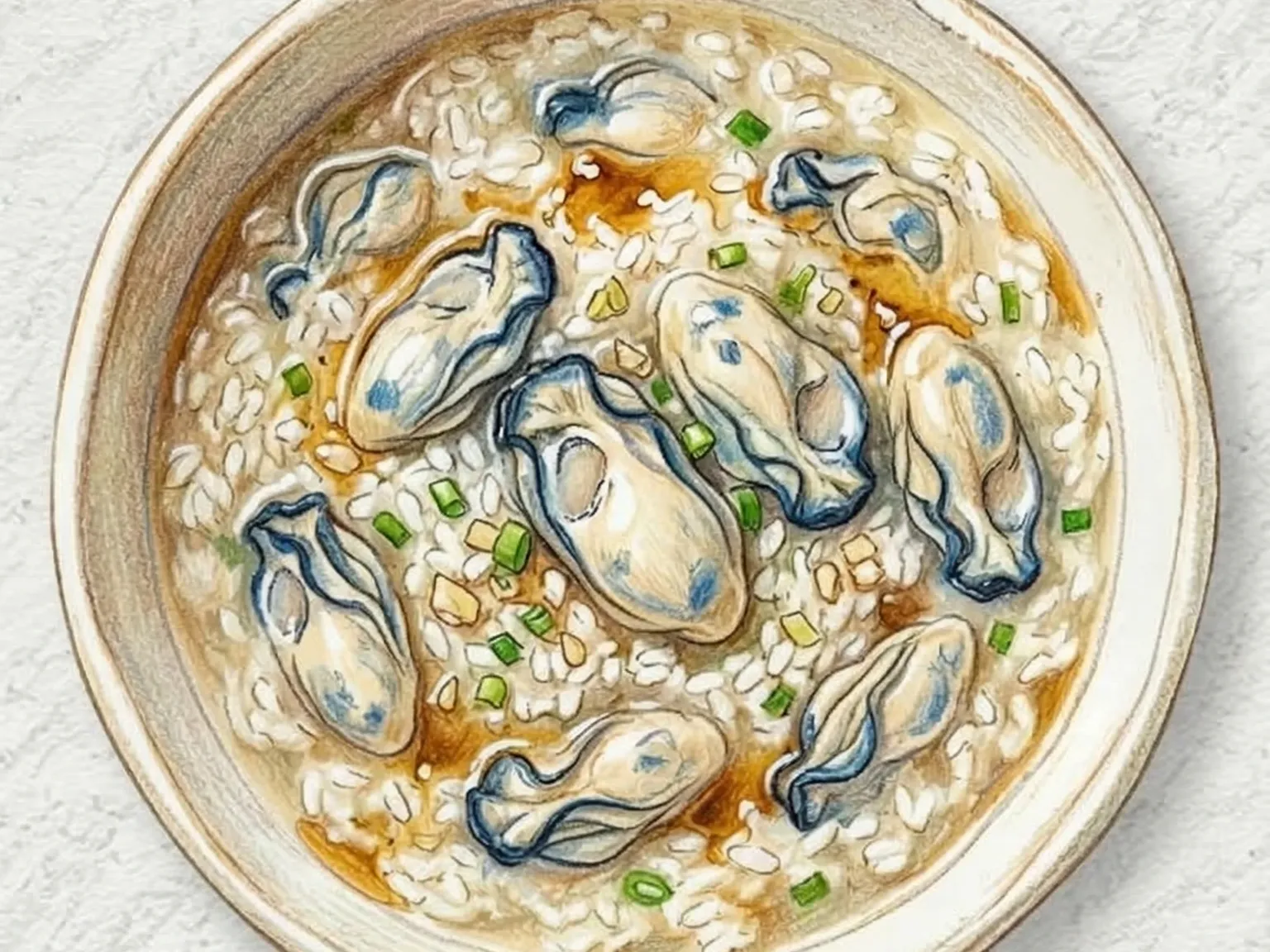
Oyster rice porridge cooks 1 cup short-grain rice, 180 g fresh oysters, and 120 g Korean radish with 1000 ml water for two servings. Rinse the rice, soak it for 30 minutes, and drain it. Dice the radish finely. Swirl the oysters gently in water with your fingertips, lift them out without crushing them, and drain them well. Heat 1 tbsp sesame oil in a pot over medium-low heat and stir-fry the rice and radish for 3 minutes. Pour in the water, bring it to a boil, and reduce the heat to low. Cook for at least 30 minutes, stirring along the bottom of the pot. When the rice has softened and the radish is tender, add the oysters and 1 tsp minced garlic. Continue cooking; after 5 to 7 minutes the oyster flesh should be opaque. Mix in 1 tbsp soup soy sauce, turn off the heat, and rest the porridge for 2 minutes before dividing it between two bowls. The oysters are added only after the rice and radish have cooked.

🎉 Special Occasion
Prep 20min Cook 35min 2 servings
Korean Egg Fried Rice (Quick Wok-Tossed Grain Bowl)
Rice Easy

Korean Egg Fried Rice (Quick Wok-Tossed Grain Bowl)

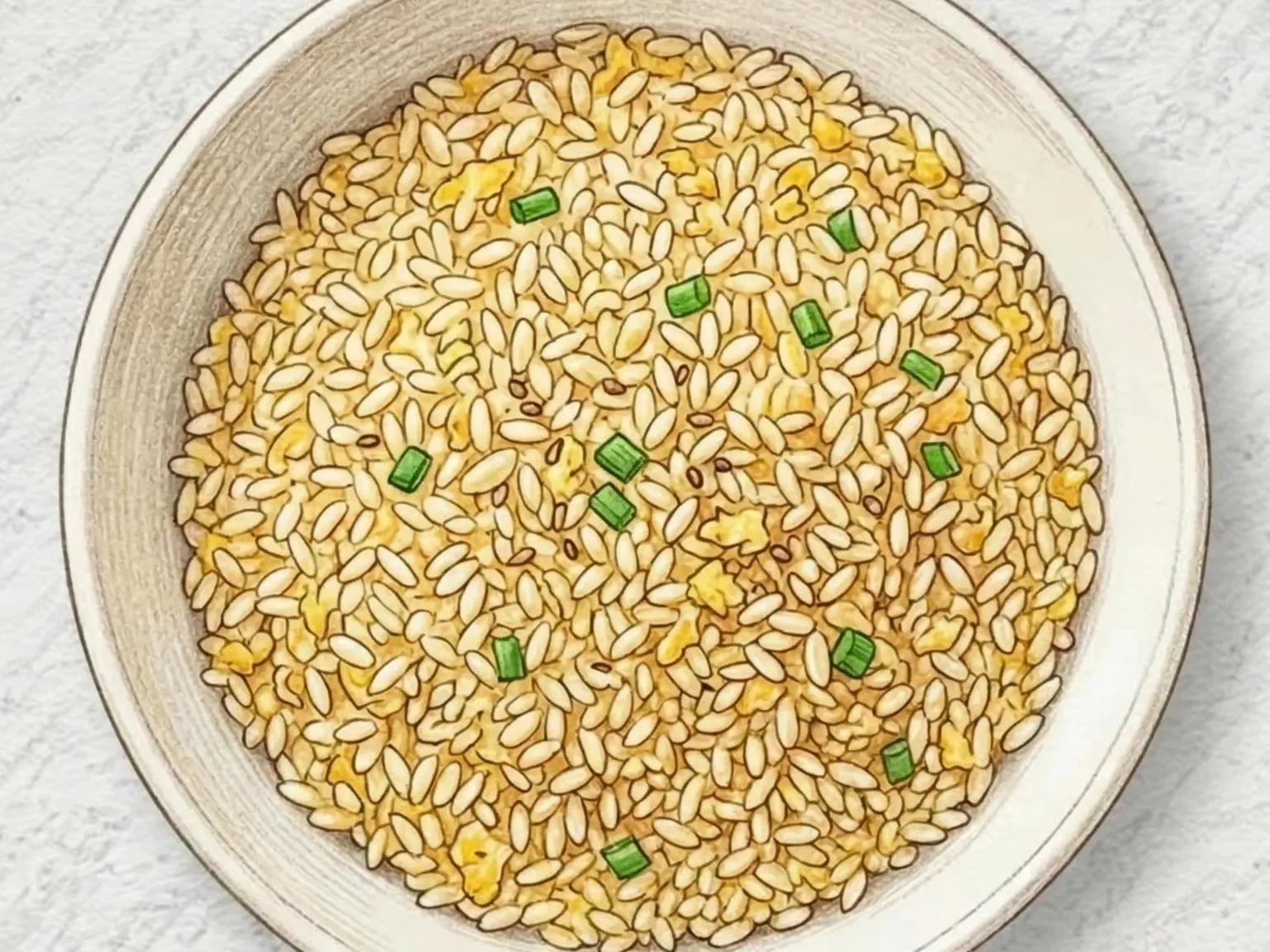
Gyeran-bokkeumbap is the most fundamental Korean fried rice, built from two beaten eggs and one bowl of cooked rice and finished in under ten minutes. The eggs go into a smoking-hot oiled pan, and the rice is added the moment they are half-set, then tossed rapidly so every grain picks up an individual egg coating that makes the rice fluffy and lightly glossy rather than clumped. Cold leftover rice performs best because its lower moisture lets the grains separate cleanly during stir-frying, but freshly cooked rice spread out and briefly cooled reduces sticking enough to be workable. A thin line of soy sauce poured along the rim of the pan caramelizes on contact and carries a trace of smokiness through the rice. A finishing drizzle of sesame oil and a scattering of sliced green onion add a toasty fragrance that completes this simple but satisfying base. The ratio of egg to rice is sturdy enough that a handful of kimchi, diced ham, or refrigerator scraps can be stirred in without changing the essential character of the dish.

⚡ Quick 🏠 Everyday
Prep 3min Cook 7min 1 servings
Korean Egg Porridge (Silky Sesame-Scented Rice Porridge)
Rice Easy

Korean Egg Porridge (Silky Sesame-Scented Rice Porridge)

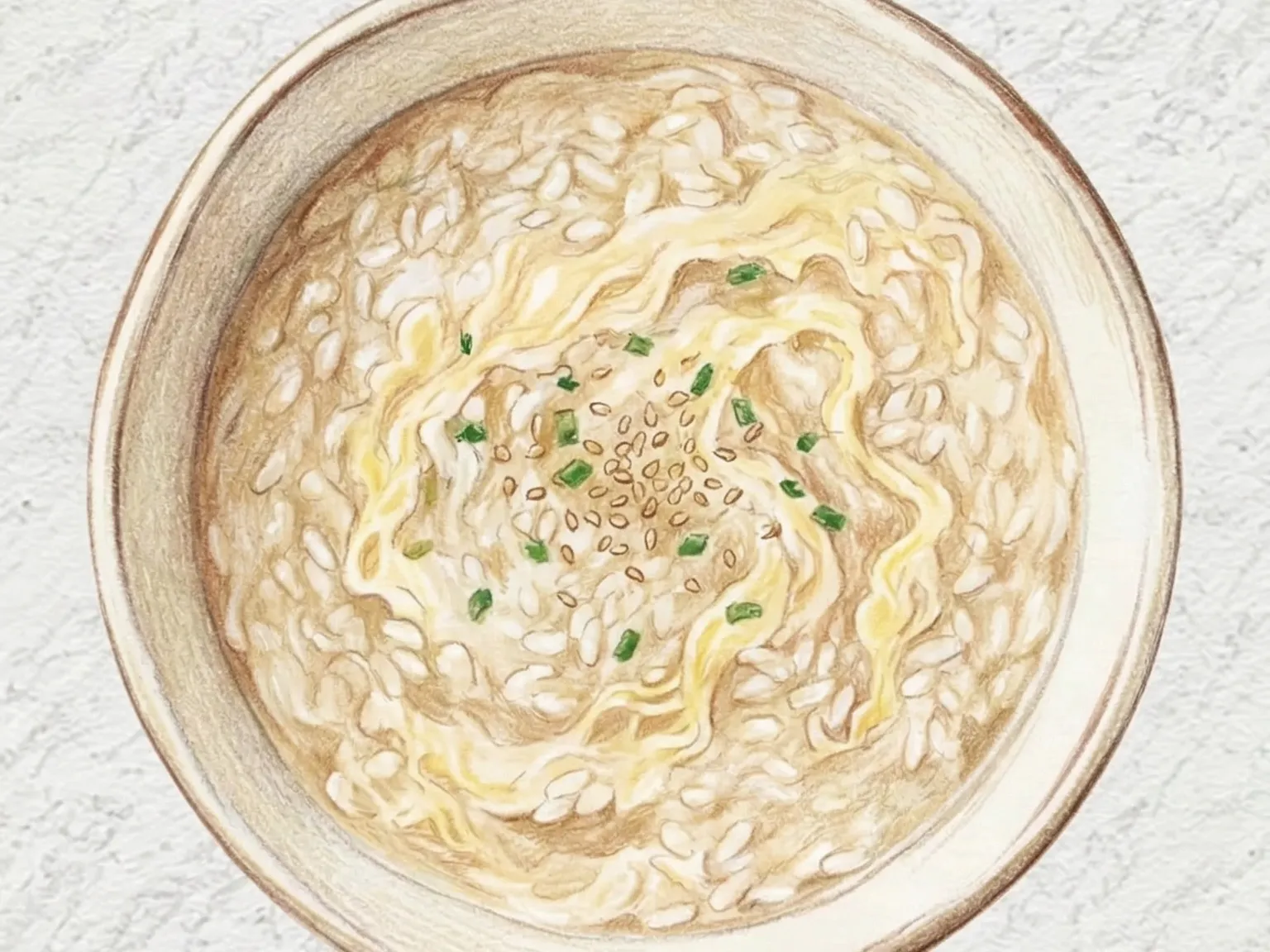
Gyeran juk is a mild, gentle rice porridge that starts by stir-frying soaked rice in sesame oil before any liquid is added, a step that coats the starch granules in oil to prevent the finished porridge from clumping and works the sesame fragrance evenly into every grain. Water is added and the pot simmers on low heat for twenty minutes with frequent stirring, breaking down the grains gradually until they dissolve into a smooth, cohesive base. Constant stirring on low heat is what prevents the rice from scorching on the bottom and what creates the uniformly silky texture that defines a well-made juk. Beaten egg is drizzled in at the very end in a thin stream and folded gently for just one minute, creating soft, ribbony layers of cooked egg throughout the porridge without allowing them to toughen. Soup soy sauce and salt provide restrained seasoning that stays behind the sesame fragrance rather than overpowering it, and sliced green onion scattered on top adds a fresh note over the warm nuttiness beneath. This is the kind of bowl that asks nothing of the stomach, which makes it the standard choice after illness, on mornings when appetite is low, or whenever a light and restorative meal is needed.

🥗 Light & Healthy 🏠 Everyday
Prep 10min Cook 30min 2 servings
Japanese Beef Bowl (Gyudon)
Rice Easy

Japanese Beef Bowl (Gyudon)

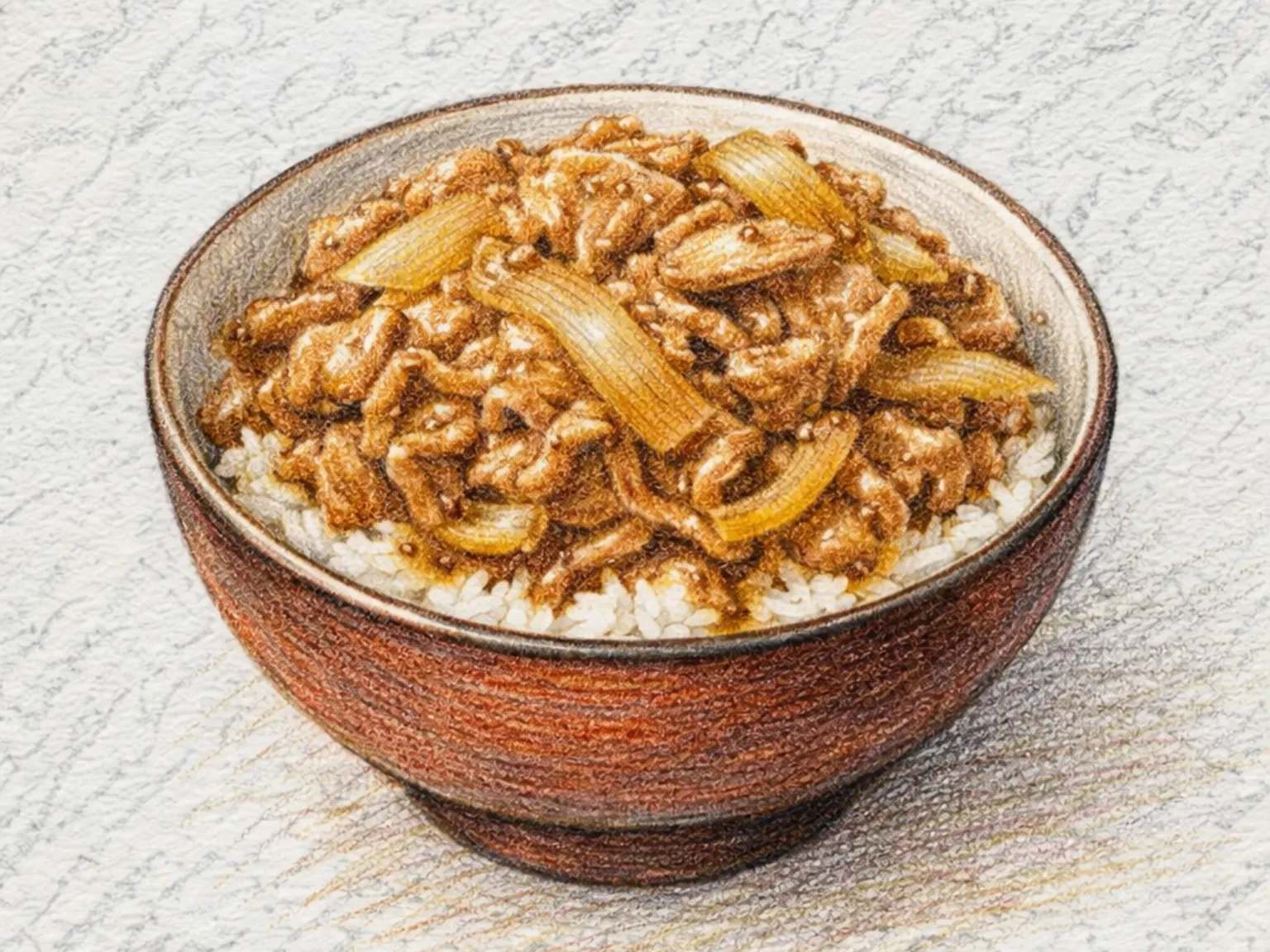
Gyudon starts with paper-thin slices of beef and thinly cut onion simmered together in a broth of soy sauce, mirin, sugar, and grated ginger. The key is keeping the heat at medium rather than high, which prevents the beef from toughening and allows the onion to break down gently, releasing sweetness into the sauce. As the liquid reduces to a glossy, concentrated state, the flavors intensify into a layered combination of salty, sweet, and faintly sharp ginger notes. A one-minute rest off the heat lets the beef absorb more of the seasoned broth before it goes over the rice. The dish differs from stir-fried beef bowls in that the meat is never seared; instead it poaches in the simmering liquid, staying notably soft. A runny egg on top is traditional and adds richness when the yolk breaks into the sauce.

🏠 Everyday ⚡ Quick
Prep 10min Cook 15min 2 servings
Shrimp and Squid Bibimbap
Rice Medium

Shrimp and Squid Bibimbap

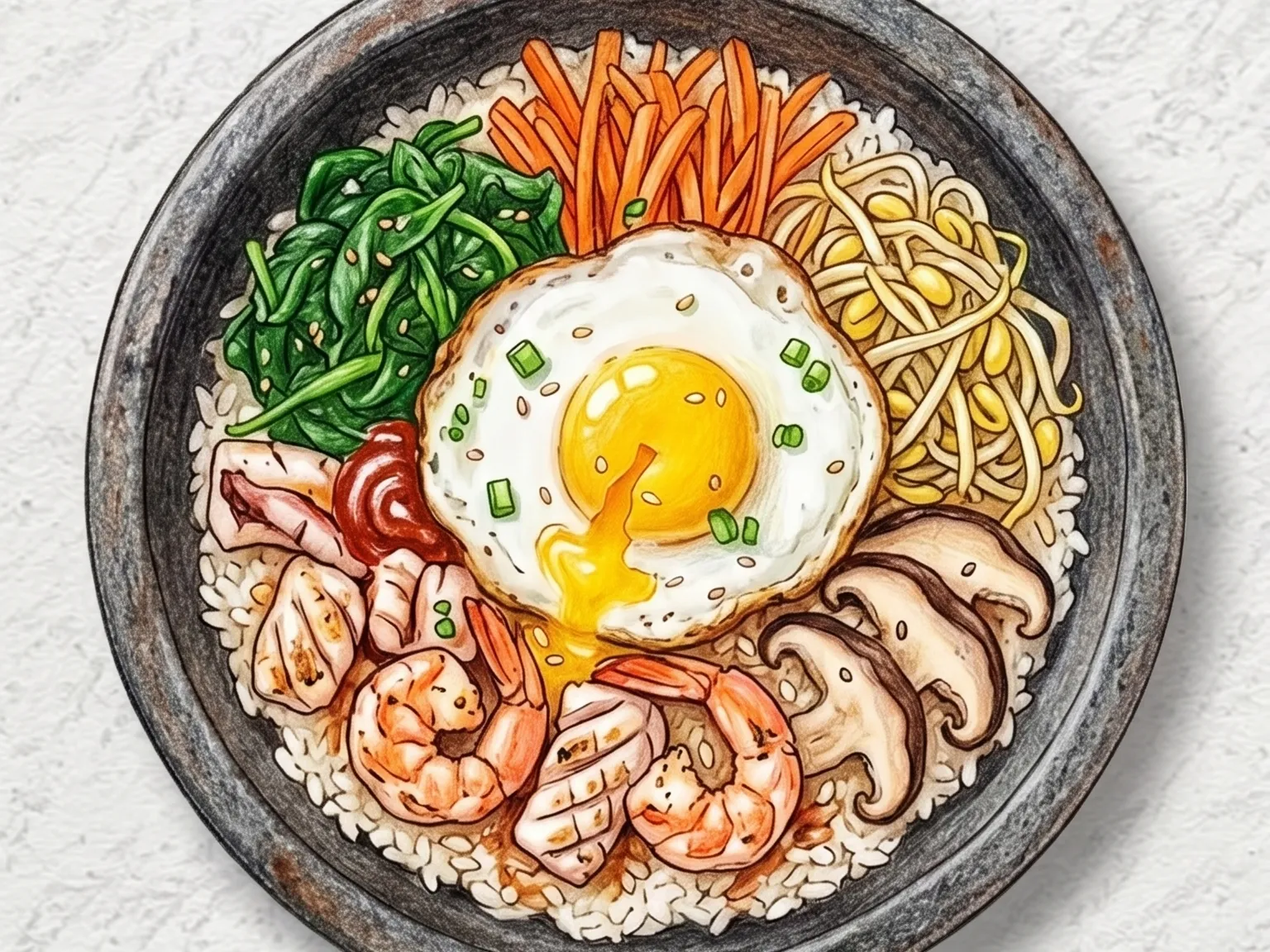
Shrimp and squid bibimbap serves 100 g shrimp, 100 g squid, 80 g seasoned spinach, and 2 fried eggs over two bowls of rice. Pat the seafood dry and cut it into bite-size pieces if needed. Cook the eggs first in a pan over medium heat. Raise the same pan to high heat, add the shrimp and squid, and stir-fry for 1 1/2 to 2 minutes. Stop cooking as soon as both turn opaque. Divide the rice between two bowls and spoon the seafood over it together with the liquid left in the pan. Add the seasoned spinach and one fried egg to each bowl. Of the measured 2 tbsp gochujang, add half first and mix it through the rice and toppings. Add the remaining portion after the first mixing. Divide all measured seafood, spinach, eggs, rice, and gochujang evenly between the two servings. This recipe uses the same pan for the eggs and seafood, with the heat raised before the seafood is added.

🎉 Special Occasion 🍱 Lunchbox
Prep 20min Cook 15min 2 servings
Seafood Fried Rice
Rice Medium

Seafood Fried Rice

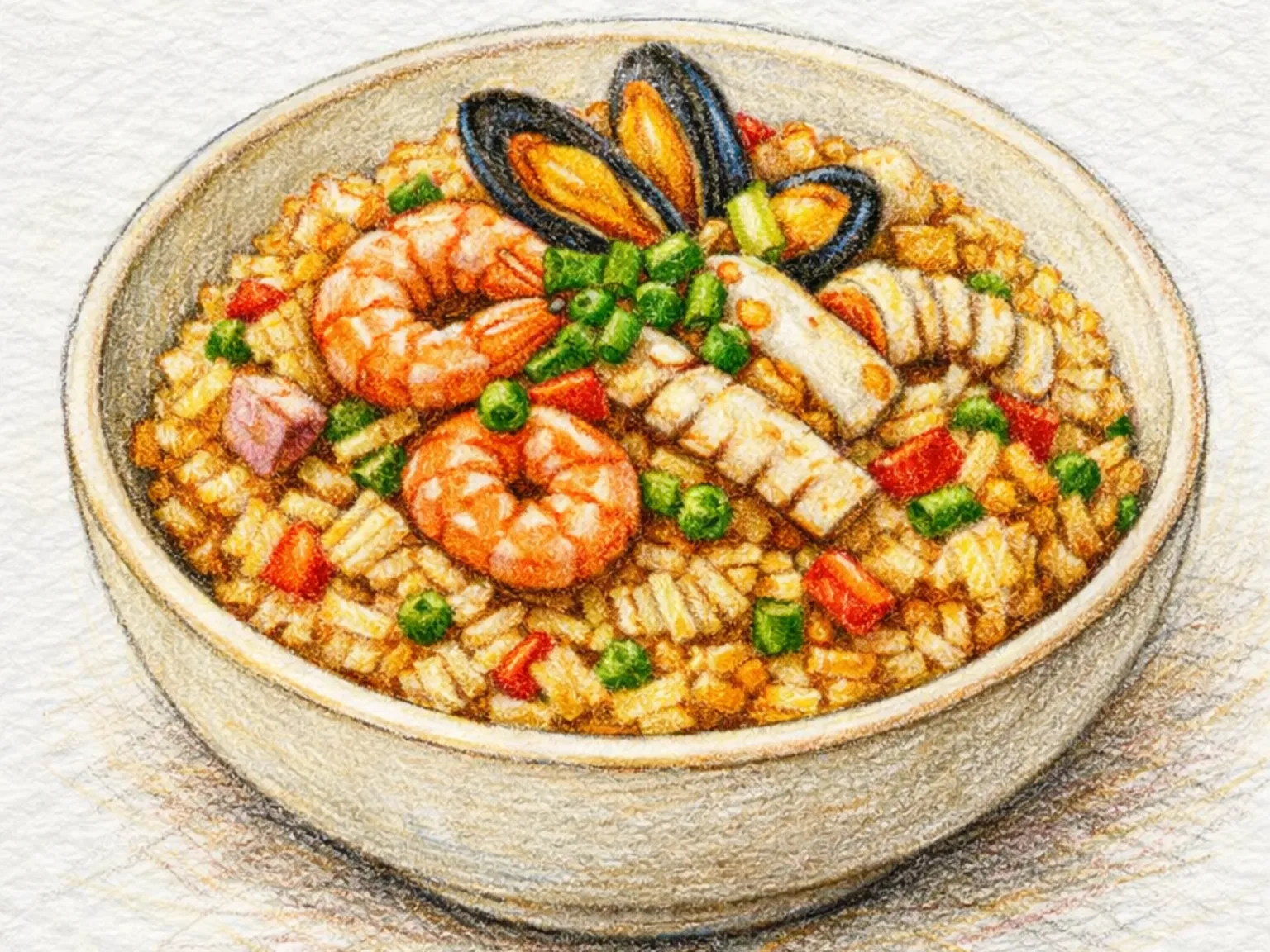
Seafood fried rice combines two bowls of cold rice with 100 g shrimp, 80 g squid, and 50 g mussel meat. Loosen any clumps in the rice before cooking and pat the seafood dry. Cut the shrimp and squid into bite-size pieces and dice 0.3 carrot. Heat a pan over high heat, add all the seafood, and stir-fry it for 1 minute. Add the carrot and cook for 30 seconds. Pour 2 beaten eggs into one side of the pan and add the rice when the eggs are half set. Press, spread, and turn the rice to mix it with the egg. Add 2 tsp soy sauce and 1 tsp oyster sauce and stir-fry for 2 minutes. Turn off the heat, mix in 1 tsp sesame oil, and divide the fried rice between two bowls. No separate cooking oil is included in this recipe's ingredient list, so the seafood is added directly to the heated pan.

🏠 Everyday 🍱 Lunchbox
Prep 15min Cook 10min 2 servings
Korean Seafood Rice Bowl (Shrimp Squid Clam Starchy Sauce Bowl)
Rice Easy

Korean Seafood Rice Bowl (Shrimp Squid Clam Starchy Sauce Bowl)

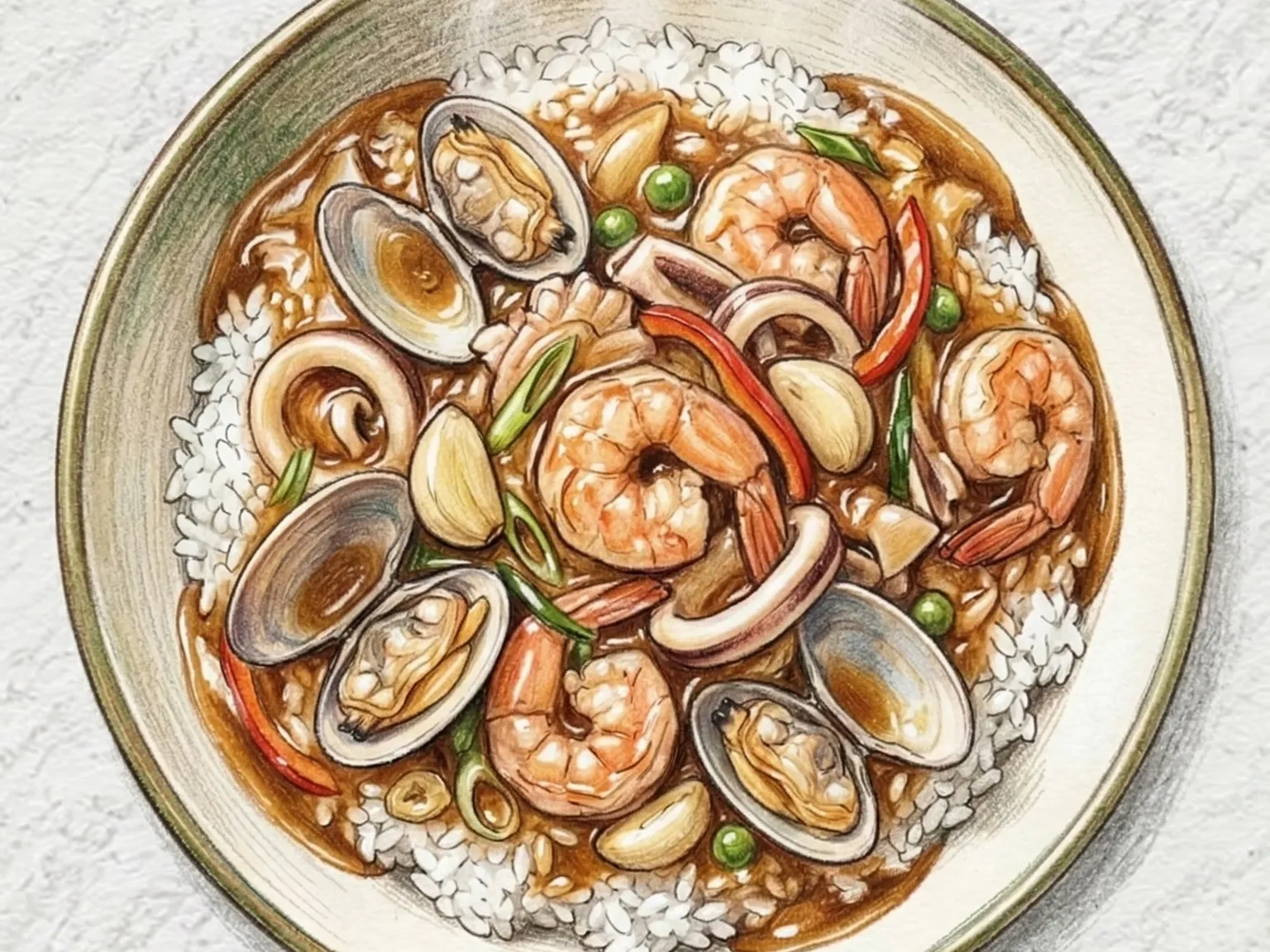
Haemul deopbap is a Korean seafood rice bowl built on a thick, glossy sauce that starts with garlic stir-fried over high heat before shrimp, squid, and clams are added and tossed together. Oyster sauce and soy sauce form the seasoning base - the oyster sauce brings a rounded, caramel-like sweetness and body, while the soy adds depth and color. A cornstarch slurry stirred in at the end transforms the thin pan juices into a glossy, clingy sauce that coats every piece of seafood and, when ladled over rice, seeps downward slowly rather than running off. The key to keeping the seafood tender is to add it last and remove the pan from heat before it overcooks - squid turns rubbery within seconds of going past done, and shrimp loses its snap if left even a moment too long. Clams contribute their natural briny-sweet liquor to the sauce, adding a layer of umami that oyster sauce alone cannot replicate. Browning the garlic first in oil before anything else goes into the pan reduces any raw edge in the flavor and lays a savory, aromatic foundation for the entire dish. The whole process takes about 25 minutes from start to finish, making this one of the more practical weeknight meals in the Korean home kitchen.

🏠 Everyday ⚡ Quick
Prep 15min Cook 10min 2 servings
Hainanese Chicken Rice (Poached Chicken on Fragrant Rice)
Rice Medium

Hainanese Chicken Rice (Poached Chicken on Fragrant Rice)

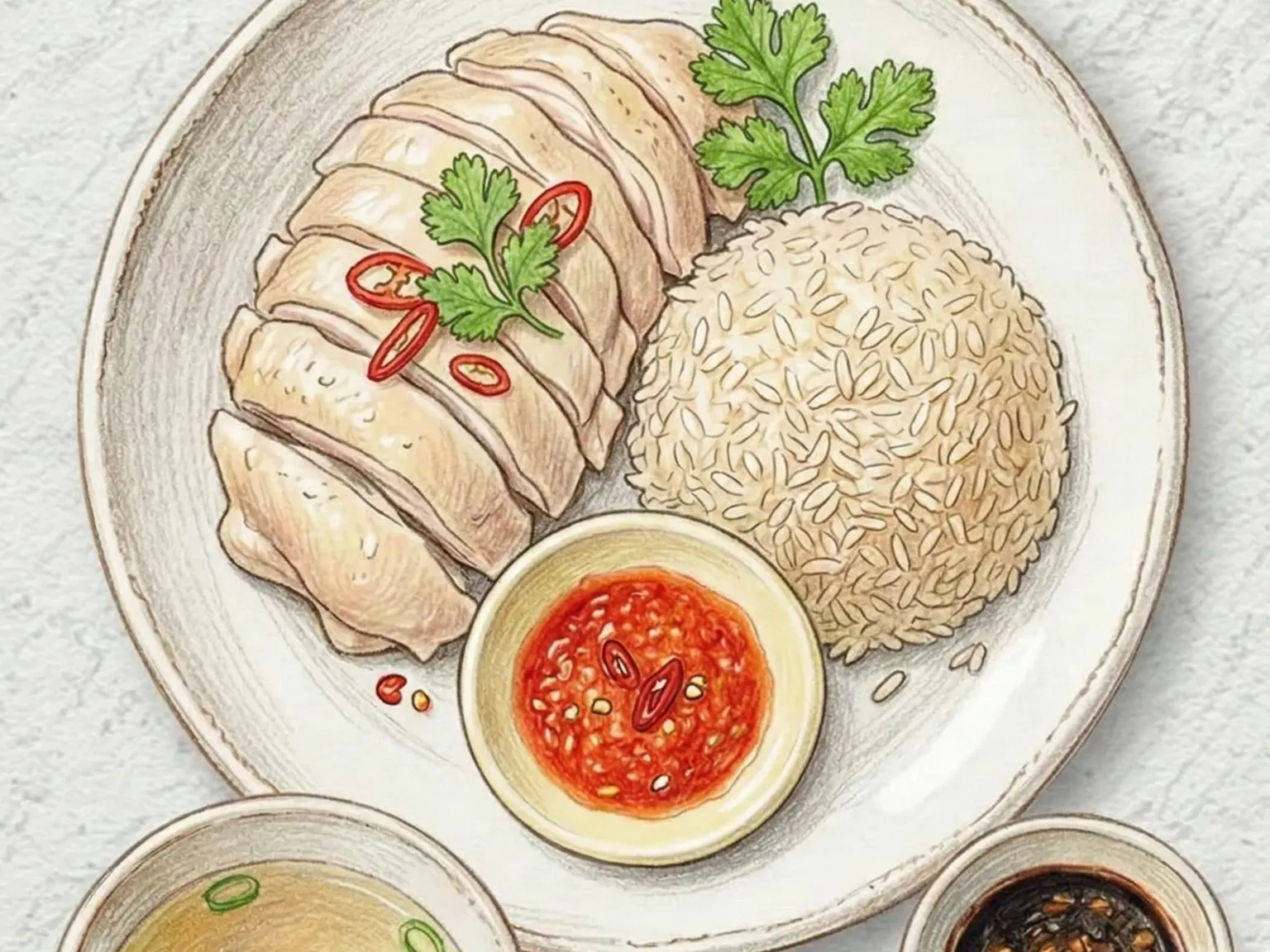
Hainanese chicken rice is the signature dish of Singapore and Malaysia, built on the deceptively simple technique of poaching bone-in chicken thighs in water seasoned with ginger and scallion at a consistently gentle temperature, then using the resulting broth to cook the rice. The temperature during poaching is the defining variable: the water must stay at a bare tremble rather than a rolling boil to keep the muscle fibers relaxed and the meat silky rather than fibrous or dry. For the rice, garlic and ginger are sauteed in oil or rendered chicken fat until fragrant, then raw jasmine rice joins the pot and the strained poaching broth replaces plain water for cooking. A spoonful of additional chicken fat stirred in before the lid goes on gives the finished rice a glossy sheen and noticeably richer aroma. The poached chicken is cooled, sliced across the grain to show a smooth, tender cross-section, and arranged alongside fresh cucumber slices that add a crisp, refreshing contrast to the soft meat. Two condiments accompany the dish and define its character: a chili-ginger sauce that provides heat and brightness, and a thick, dark soy sauce that contributes deep, caramel-like sweetness. Despite relying on few ingredients, the dish rewards careful attention to poaching temperature and broth management at every stage.

🎉 Special Occasion 🍺 Bar Snacks
Prep 20min Cook 45min 4 servings
Hainanese Curry Rice (Mixed Curry Gravy Platter)
Rice Medium

Hainanese Curry Rice (Mixed Curry Gravy Platter)

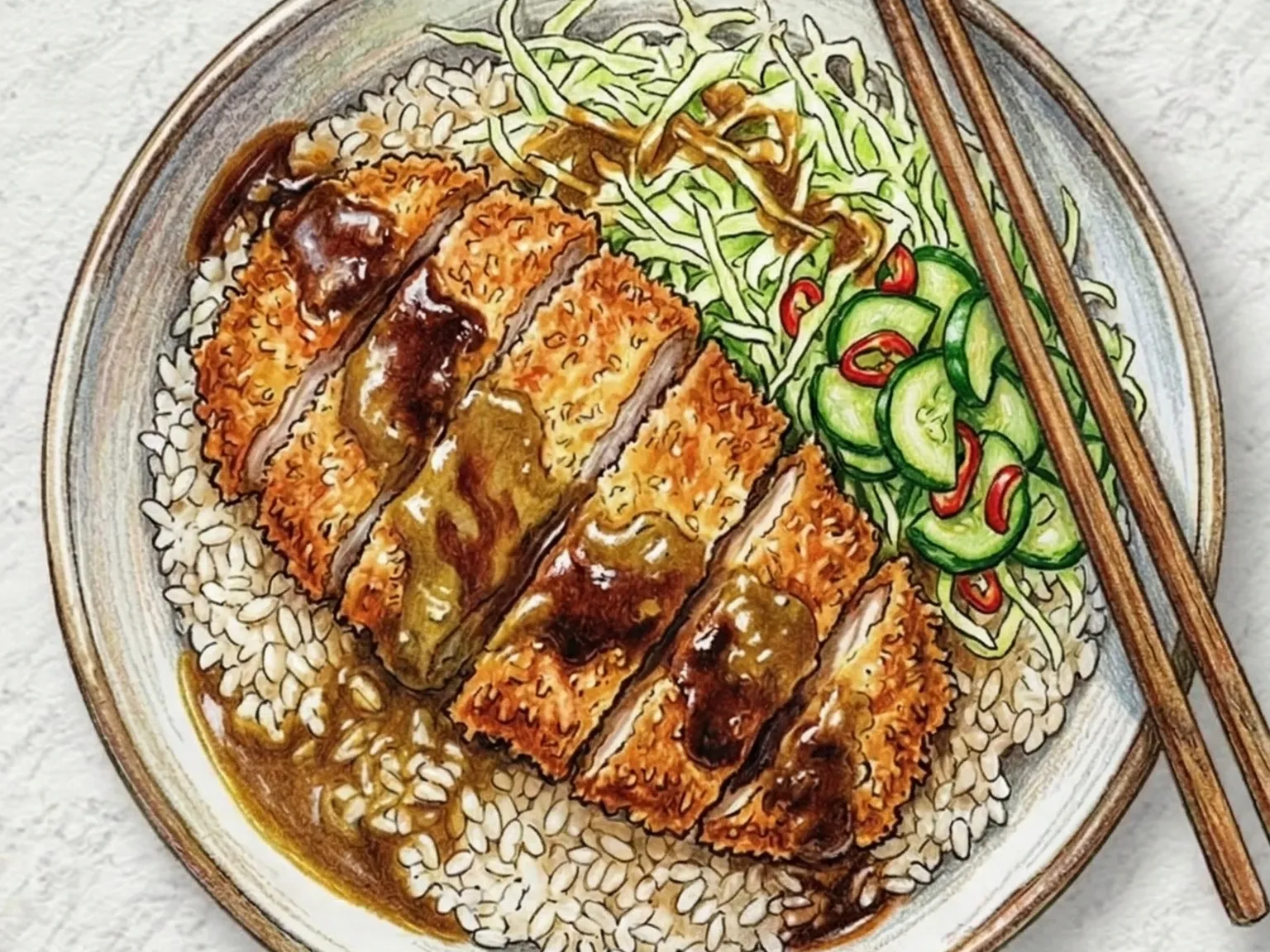
Hainanese curry rice is a Singaporean comfort plate that grew out of the island's Hainanese immigrant community, blending Japanese-style pork cutlet, Malay curry traditions, and the influence of British colonial cooking into a single unassuming dish. Crispy pork cutlet, boiled potato, and blanched cabbage are laid over steamed rice, then drenched in a combination of curry gravy and braised soy sauce that pool together on the plate. The curry begins with blooming curry powder in oil to coax out its full fragrance before coconut milk and water are added, simmering until the sauce thickens and takes on a gentle coconut sweetness alongside the layered spice. What truly distinguishes this plate is the intentional mixing of two contrasting sauces directly on the rice, where the heat and warmth of curry meets the saltier, deeper soy-braised gravy. The pork cutlet is sliced only at the moment of serving to preserve its crunch against the liquid. Soft potato pieces and slightly firm cabbage provide textural counterpoints to each bite of crunchy cutlet and saucy rice. In Singapore, this dish is served from early morning at hawker centres where each stall keeper holds their own closely guarded ratio of spices, making the quality of the gravy the true mark of each vendor.

🎉 Special Occasion
Prep 25min Cook 25min 2 servings
Handmade Scorched Rice
Rice Easy

Handmade Scorched Rice

This recipe guides you to make handmade scorched rice, called nurungji, using leftover cooked rice. The process starts by warming cold rice in the microwave to soften the grains, allowing them to spread smoothly into a thin sheet. After placing the rice on a preheated pan, a small amount of water is sprinkled over the surface to act as an adhesive, ensuring the grains bind together firmly instead of crumbling. The rice is cooked over low heat for several minutes without disturbance until the edges dry and the bottom develops a golden color. After checking the color with a spatula, the sheet is flipped to toast the other side. Once both sides are crispy and toasted, the sheet is cooled and broken into bite-size pieces. It can be eaten as a snack with sugar or boiled in water to make a traditional sungnyung beverage.

🔥 Trending Now ⚡ Quick
Prep 5min Cook 20min 2 servings
Hayashi Rice (Japanese Beef and Onion Brown Sauce Rice)
Rice Easy

Hayashi Rice (Japanese Beef and Onion Brown Sauce Rice)

Hayashi rice is a Japanese home-cooking dish in which thinly sliced onions are caramelized in butter for at least eight minutes until deeply golden, then simmered with thin-cut beef, tomato paste, Worcestershire sauce, and flour into a glossy, thick brown sauce served over warm rice. The caramelization of the onions is the single most important step in the recipe. Rushing this stage produces onions that have lost moisture but not developed sweetness, resulting in a flat sauce with no depth. Extended browning converts the onion's natural sugars into a rich, almost candy-like sweetness that forms the foundation of the entire dish and cannot be replicated by any shortcut. Tomato paste adds acidity and deepens the color, Worcestershire sauce contributes a layered spice complexity, and flour gives the sauce enough body to sit on top of the rice without running. The sauce is spooned generously over one side of the rice in the same manner as curry rice, and the complete absence of spicy heat makes it a mild, accessible dish that appeals to both children and adults.

🏠 Everyday 🧒 Kid-Friendly
Prep 15min Cook 25min 2 servings
Black Sesame Rice Porridge
Rice Easy

Black Sesame Rice Porridge

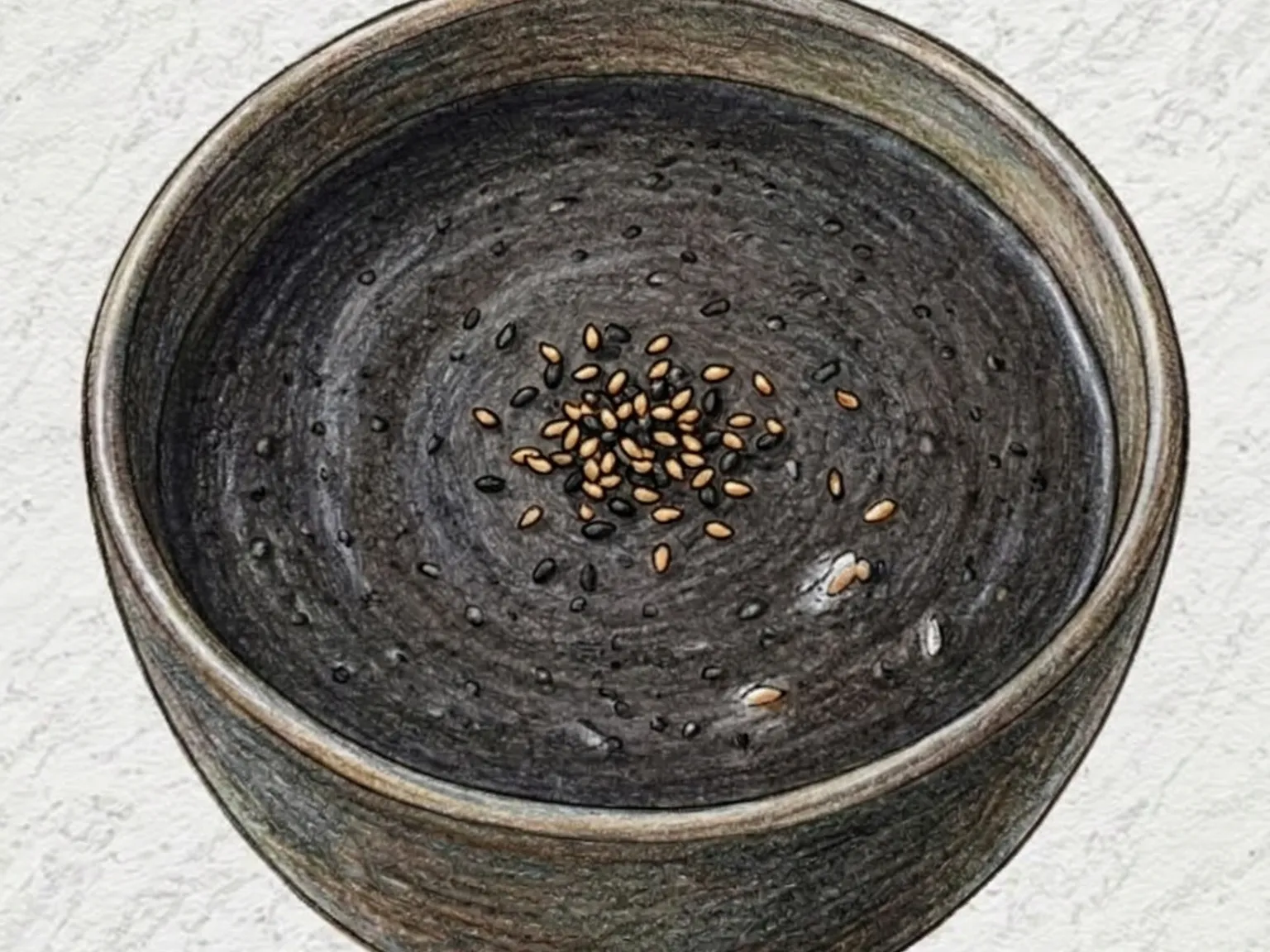
Black sesame rice porridge cooks 150 g rice and 60 g black sesame seeds with 1200 ml water for two servings. Rinse the rice, soak it for 30 minutes, and drain it in a sieve. Reserve part of the measured water for blending. Toast the black sesame seeds in a dry pan over low heat for 2 to 3 minutes and remove them from the pan to cool. Add the reserved water to the cooled seeds in portions and blend until no visible grains remain. Put the soaked rice and the rest of the water in a pot and bring it to a boil over medium heat. Reduce the heat to low and cook, stirring along the bottom, until the rice is soft and the liquid has thickened. Add the black sesame liquid and stir over low heat for 5 minutes. Mix in 0.5 tsp salt and 1 tsp sugar, then divide the porridge between two bowls. The measured water is shared between blending the seeds and cooking the rice.

🥗 Light & Healthy 🏠 Everyday
Prep 10min Cook 30min 2 servings
Korean Black Rice (Purple Anthocyanin-Rich Grain Bowl)
Rice Easy

Korean Black Rice (Purple Anthocyanin-Rich Grain Bowl)

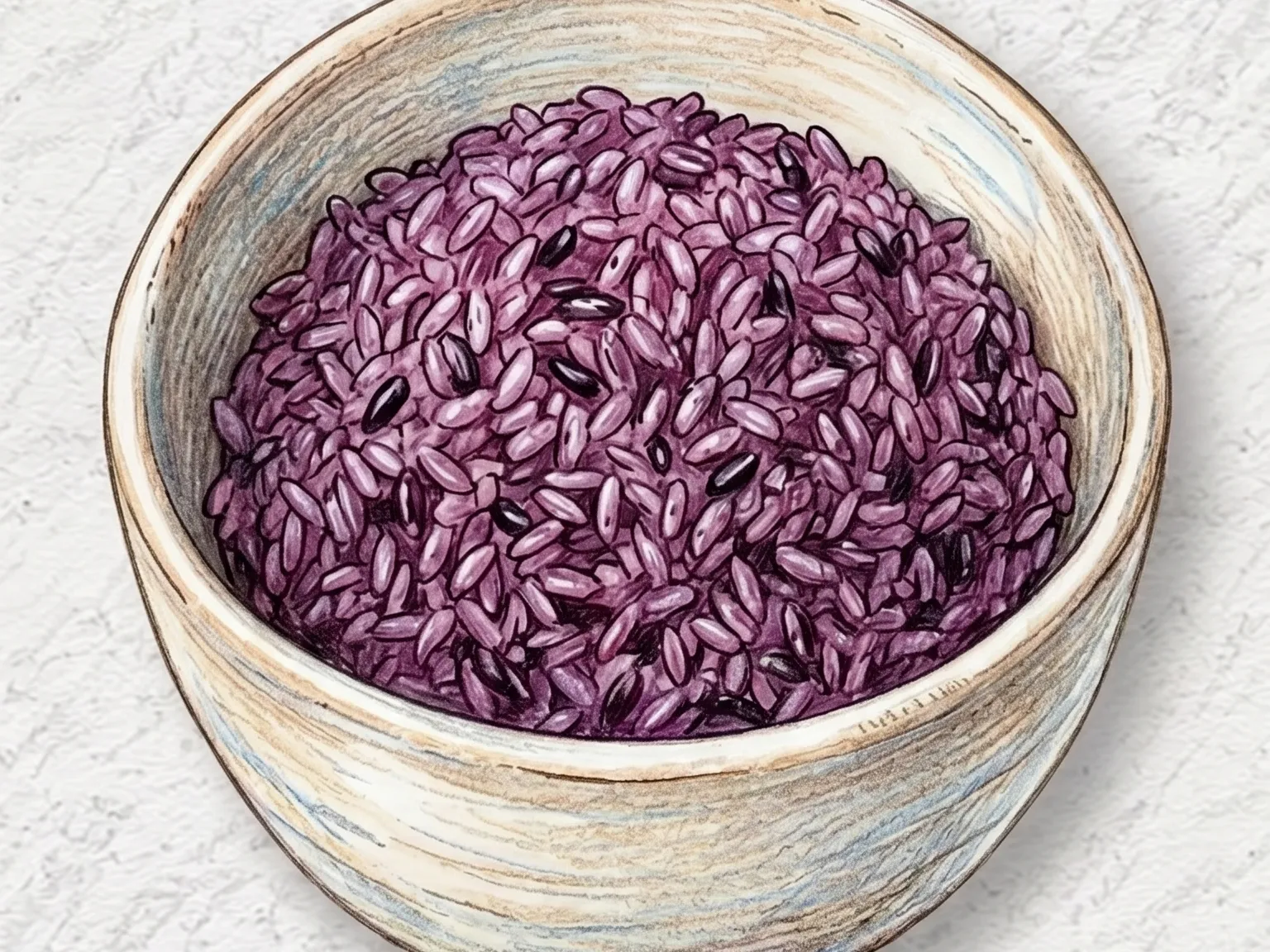
Black rice mixed with white rice and cooked together turns the entire pot a deep, vivid purple from the anthocyanin pigments concentrated in the black grain's outer bran layer. Because black rice absorbs water significantly more slowly than white rice, it must be soaked for at least one hour before cooking so that both types finish at the same time. Skipping the soak reliably leaves hard, undercooked black kernels scattered through otherwise done white rice, and no amount of additional cooking fully corrects the problem once it happens. When properly cooked, the black grains contribute a glutinous chewiness similar to sweet rice and a roasted, nutty grain aroma that white rice alone does not produce. The standard ratio is roughly twenty percent black to eighty percent white, which produces clear color without making the overall texture too dense. Increasing the black rice proportion makes the color darker and the flavor more assertive, but the rice becomes noticeably heavier on the palate. The purple-tinted soaking water should be added directly to the pot rather than discarded, as it deepens the final color of the finished rice.

🥗 Light & Healthy 🏠 Everyday
Prep 30min Cook 25min 2 servings
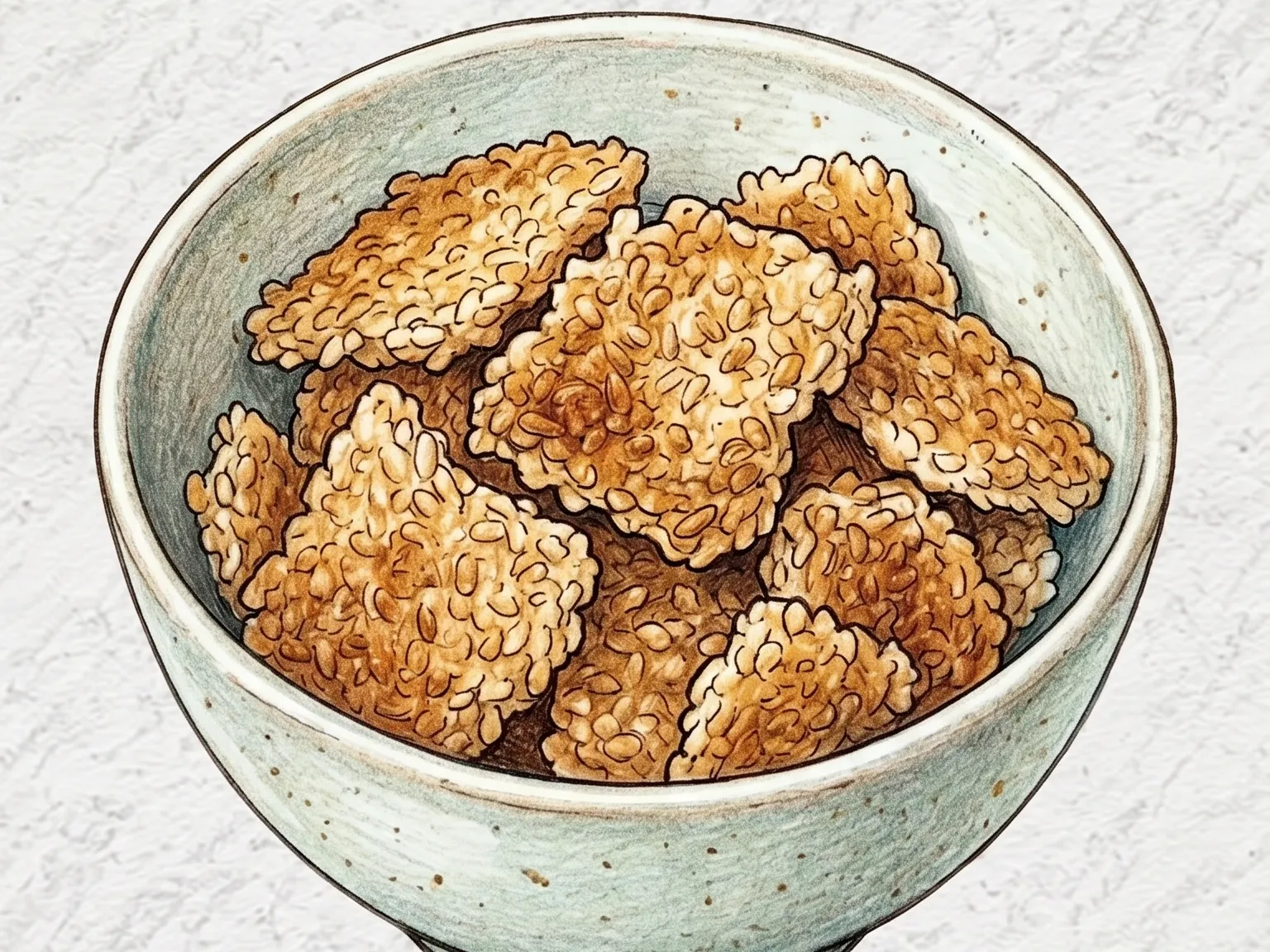
Hiyajiru (Cold Fish and Miso Soup over Barley Rice)
Rice Hard

Hiyajiru (Cold Fish and Miso Soup over Barley Rice)

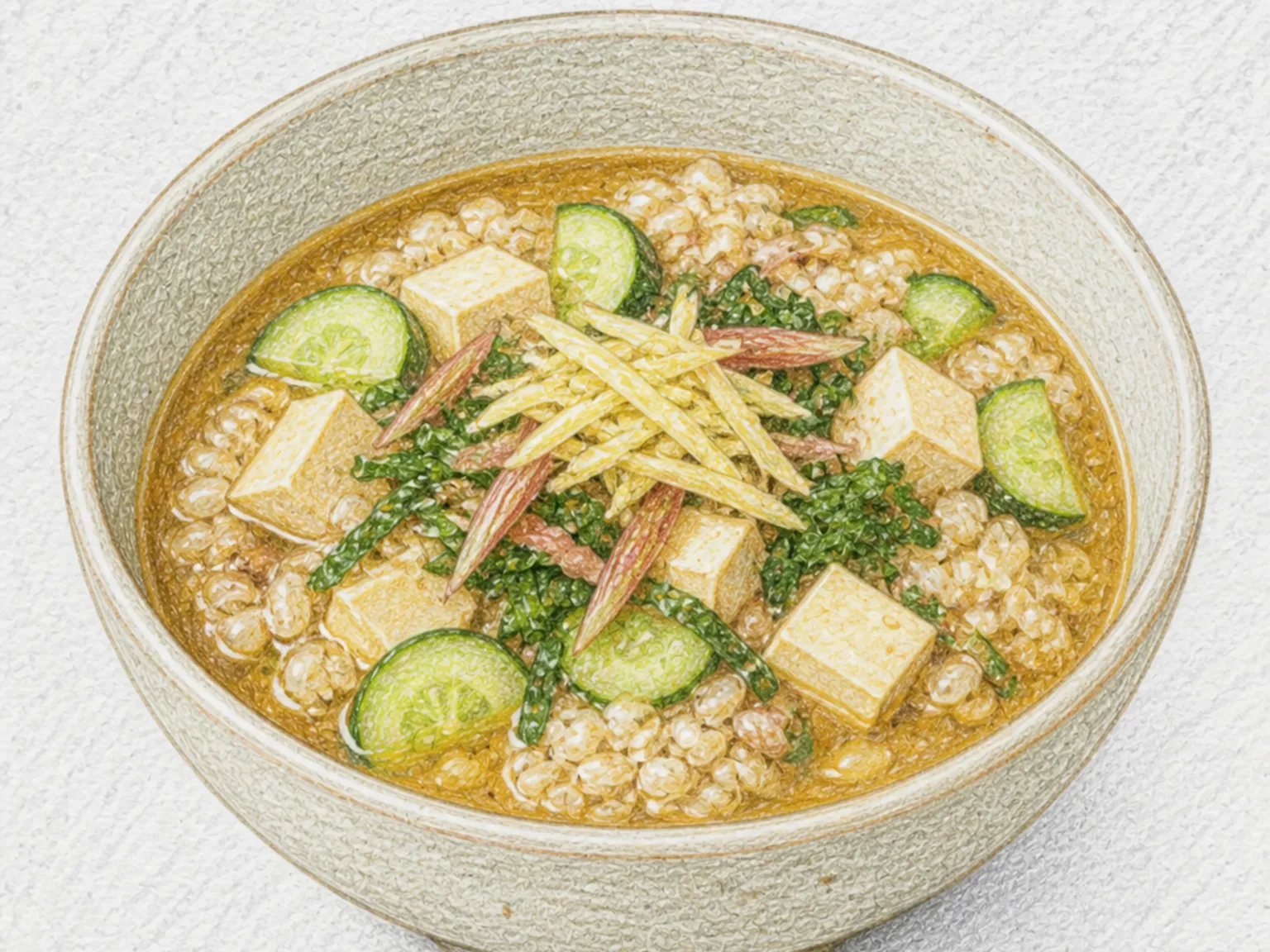
Hiyajiru is a Miyazaki summer meal made by grinding toasted dried sardines, sesame, peanuts, and miso, browning the paste until fragrant, loosening it with cold stock, and adding tofu, cucumber, shiso, myoga, and ginger. The concentrated soup is chilled thoroughly and poured over freshly cooked hot barley rice for a sharp temperature contrast. It is said to have developed from farmers' quick hot-weather meal of raw miso and water over barley rice. Celebratory versions use grilled sea bream or horse mackerel with every bone removed, while everyday bowls often rely on toasted iriko dried sardines. Nutty richness and fish savor support the cool broth, and crisp cucumber with aromatic herbs keeps the rice refreshing in Miyazaki's humid heat.

🏠 Everyday
Prep 30min Cook 15min 6 servings
Ginger Kabocha Porridge
Rice Easy

Ginger Kabocha Porridge

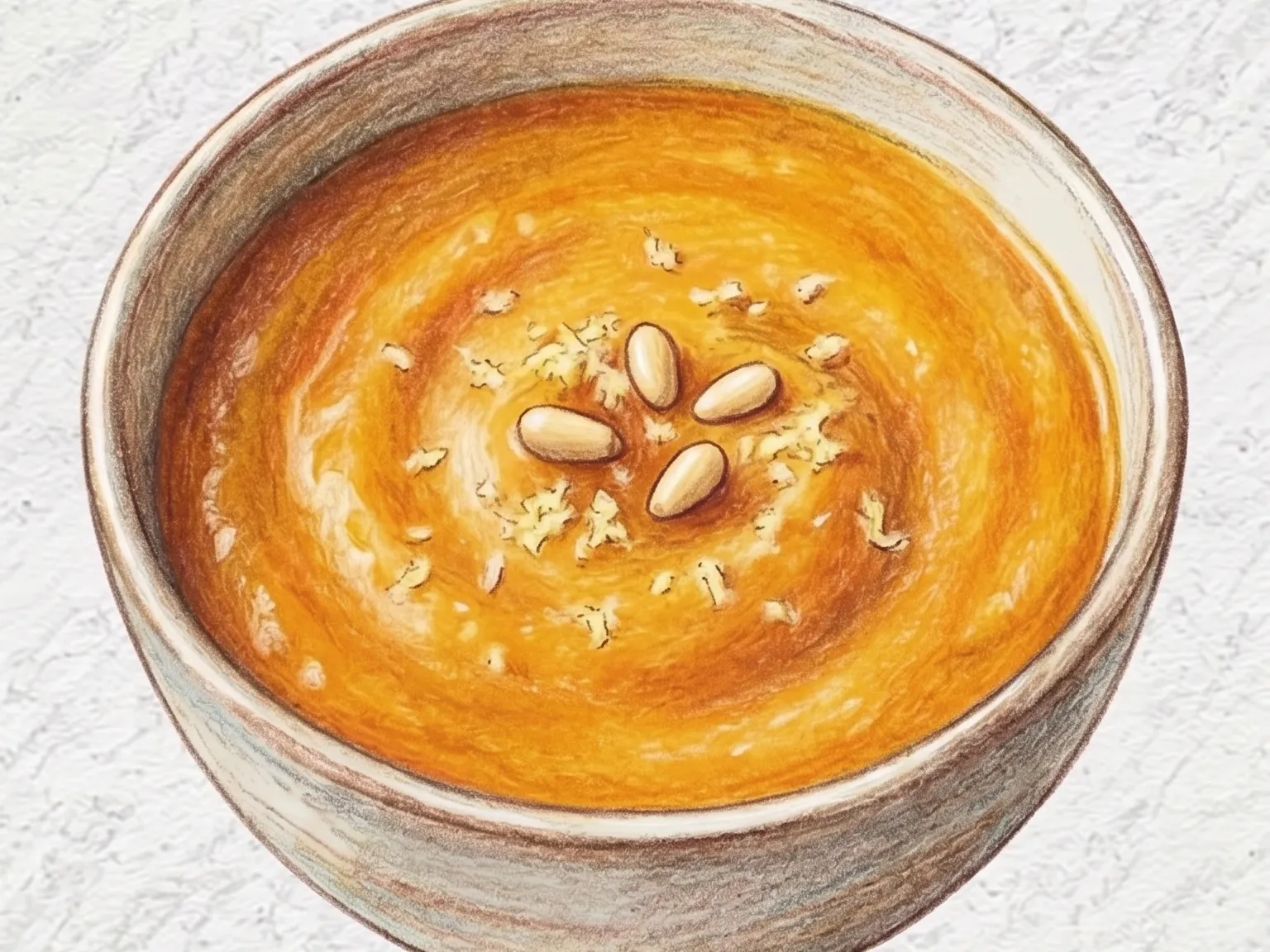
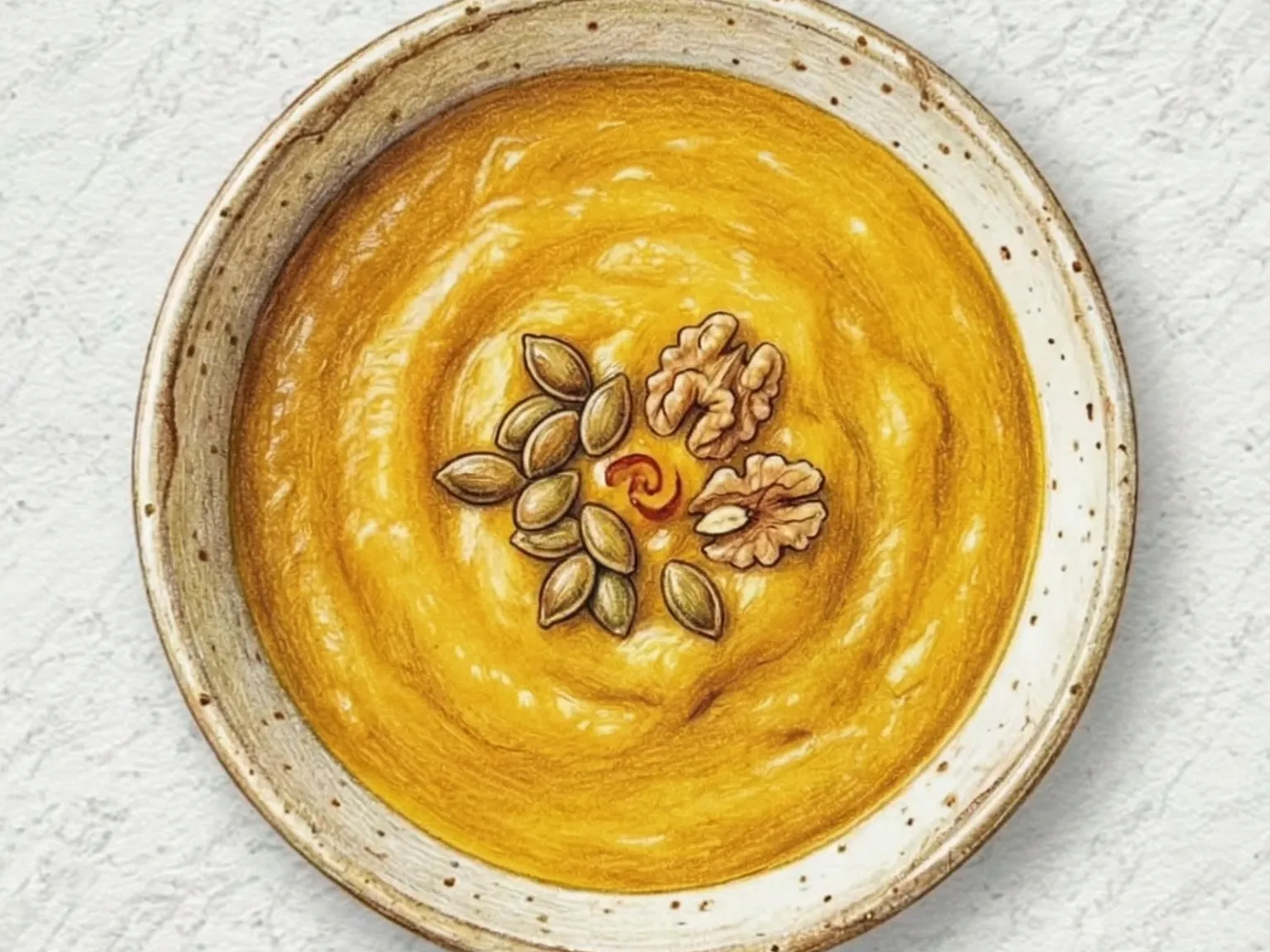
Ginger kabocha porridge uses 700 g pumpkin, 70 g sweet rice flour, and 950 ml water to make four servings. Remove the pumpkin seeds, cut the flesh into large pieces, and steam it for 15 minutes. Let it cool briefly, peel it, and mash or blend it with part of the measured water until no large pieces remain. Use another cold portion of the measured water to dissolve the sweet rice flour before it reaches the pot. Warm the pumpkin puree and remaining water over medium heat. When the edges begin to bubble, pour in the rice flour mixture and stir from the bottom. Continue over medium-low heat until the porridge thickens. Mix in 1 tsp ginger juice, 0.5 tsp salt, and 2 tbsp sugar. Divide the porridge among four bowls and distribute 20 g pine nuts over the servings. The 950 ml water is shared between loosening the puree, dissolving the rice flour, and heating the porridge in the pot.

🥗 Light & Healthy 🏠 Everyday
Prep 15min Cook 30min 4 servings
Sweet Pumpkin Porridge (Korean Kabocha Glutinous Rice Porridge)
Rice Easy

Sweet Pumpkin Porridge (Korean Kabocha Glutinous Rice Porridge)

Hobakjuk is a Korean sweet pumpkin porridge made by steaming kabocha squash, blending it smooth with water, and simmering the puree with a glutinous rice flour slurry over medium-low heat until thick and velvety. Steaming the squash with the skin on concentrates its natural sugars, and blending with 300 ml of water creates a uniform, smooth base. The rice flour slurry gelatinizes as it heats, giving the porridge its characteristic viscosity, while a pour of milk rounds out the texture with a creamy richness. Pine nuts scattered on top add a fatty, resinous aroma over the squash, and sweetness is best adjusted at the very end to account for natural variation in pumpkin sugar content.

🧒 Kid-Friendly
Prep 15min Cook 25min 2 servings
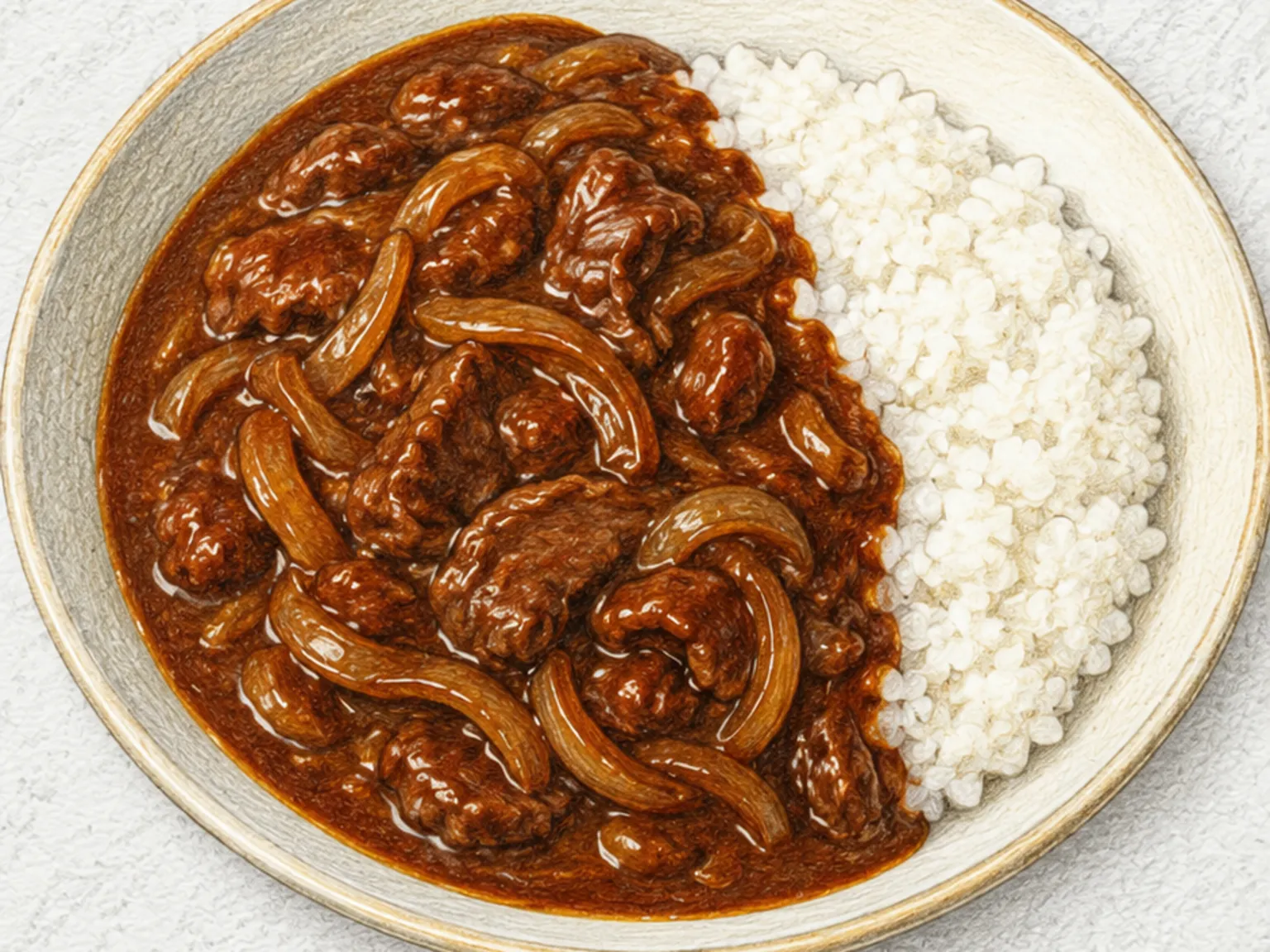
Flounder Sashimi Rice Bowl
Rice Medium

Flounder Sashimi Rice Bowl

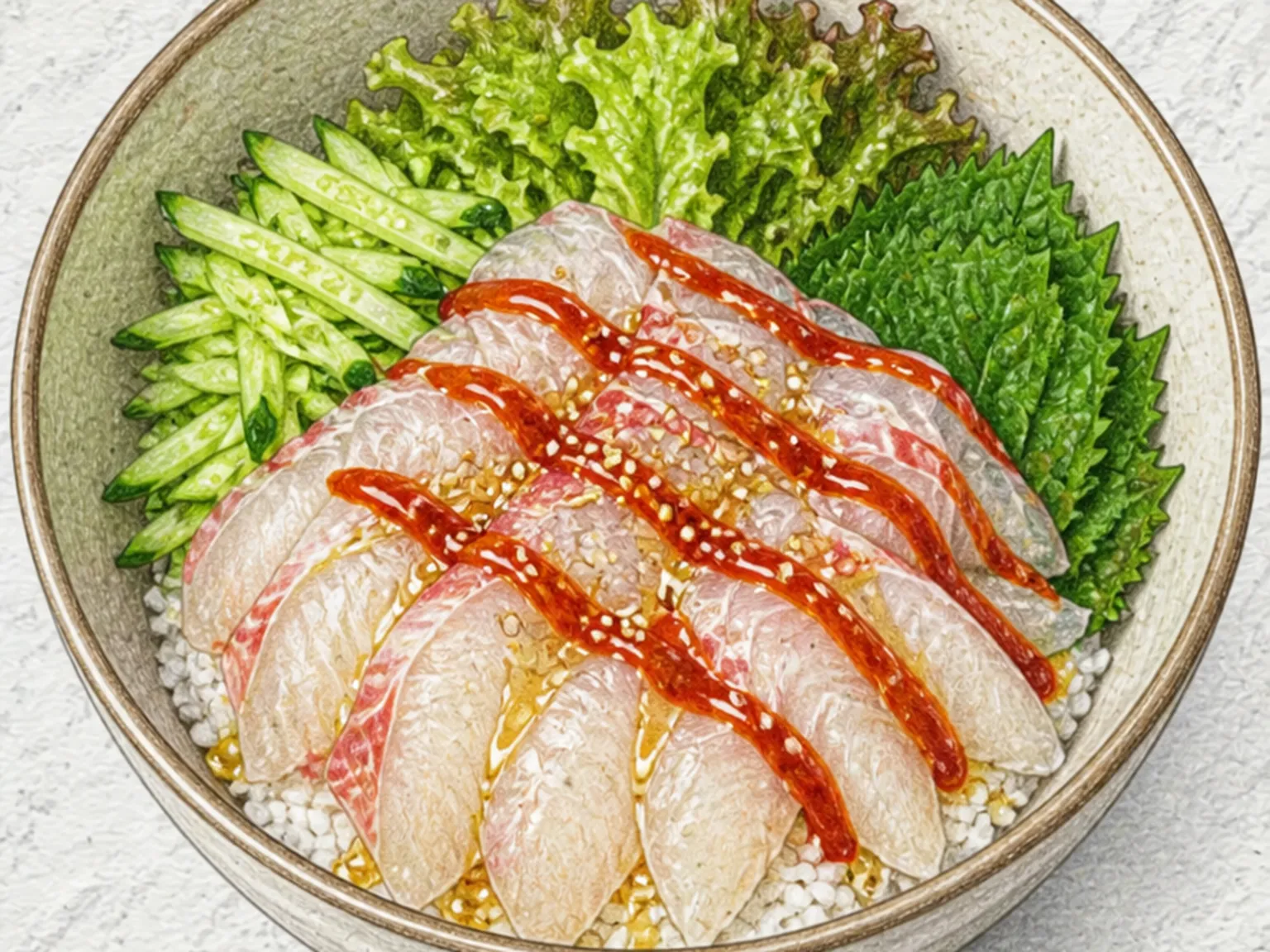
Flounder sashimi rice bowl divides 220 g flounder sashimi, 80 g cucumber, 70 g lettuce, and 8 perilla leaves over 2 cups cooked rice. Cut the cucumber into thin julienne. Stack and slice the lettuce and perilla leaves, shake off their surface moisture, and keep them chilled. Pat only the surface of the sashimi with a paper towel and cut it into bite-size pieces. Spread the rice between two serving bowls and let steam escape for about 3 minutes, until it is warm rather than hot. Place the vegetables over the rice first, then arrange the sashimi without heavy overlap. Of the measured 4 tbsp cho-gochujang, divide 2 tbsp between the bowls first. Divide 1 tbsp sesame oil and 1 tsp sesame seeds between the bowls as well. Mix the rice and toppings just before eating, then add the remaining 2 tbsp cho-gochujang. The sauce is added in two measured stages rather than all at once.

🎉 Special Occasion 🏠 Everyday
Prep 20min Cook 5min 2 servings
Korean Ssamjang Hwe Deopbap
Rice Medium

Korean Ssamjang Hwe Deopbap

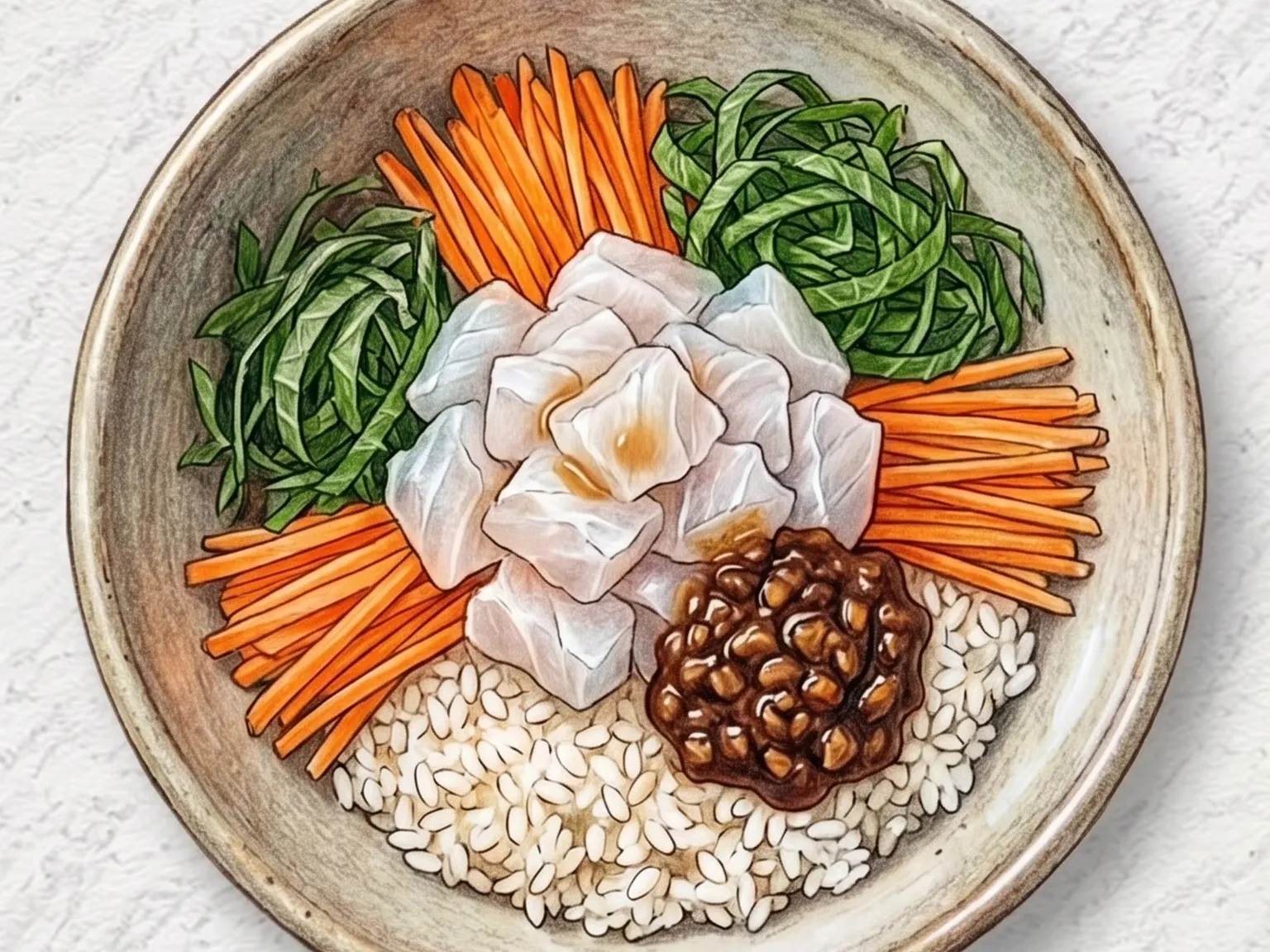
This variation on hoe-deopbap replaces the standard cho-gochujang with a dressing of ssamjang mixed with vinegar and sesame oil, shifting the dominant flavor away from sweet heat and toward fermented bean depth. The doenjang component in ssamjang works against the rawness of the fish rather than masking it with chili, producing a rounded, earthy complexity that deepens with each bite. Vinegar cuts through ssamjang's thick, pungent weight and introduces a clean acidity that keeps the overall flavor from feeling heavy. Flounder sashimi is cut into bite-sized pieces and kept refrigerated, while the rice is served at room temperature so the two elements neither clash nor blend into an indistinct warmth. Julienned carrot and perilla leaves provide a crisp, juicy resistance that contrasts directly with the chewy elasticity of the fish. Dressing the vegetables in advance draws out moisture that would soften the rice, so all the components are placed in the bowl separately and tossed together only at the moment of eating to preserve every texture.

🎉 Special Occasion 🏠 Everyday
Prep 20min Cook 5min 2 servings
Korean Mussel Rice (Winter Pot Rice in Mussel Broth)
Rice Medium

Korean Mussel Rice (Winter Pot Rice in Mussel Broth)

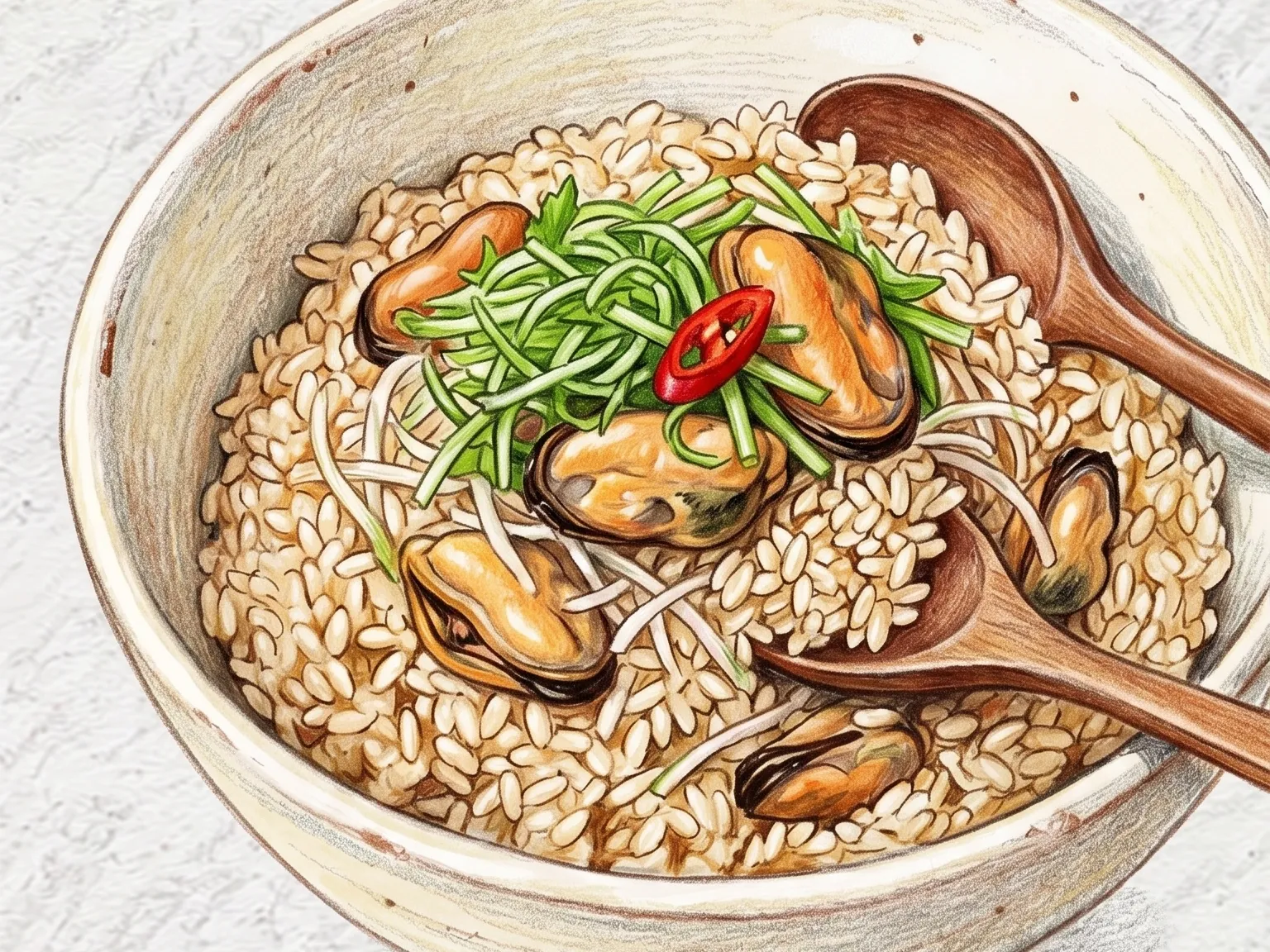
Cooking rice in a pot using the concentrated liquid from boiled mussels allows each grain to absorb the essence of the sea directly. Instead of simply serving seafood on top of plain white rice, this method uses the broth as the primary cooking medium to build a layered taste from the inside out. A thick layer of julienned radish lines the bottom of the pot, creating a physical barrier that prevents the rice from sticking while releasing a natural sweetness that balances the salty character of the shellfish. To maintain a tender texture, the mussel meat goes into the pot only after the heat is turned off, letting the remaining steam warm the protein without making it tough or rubbery. At the table, a mixture of soy sauce, sesame oil, and red chili flakes provides a sharp contrast to the savory base, allowing for personal adjustment of heat and saltiness. A handful of fresh water parsley added as a final touch introduces a bright, herbal quality that cleanses the palate. The resulting meal is satisfying enough to stand alone without additional soups, offering a high concentration of iron and omega 3 fatty acids in a single bowl.

🏠 Everyday
Prep 20min Cook 25min 2 servings
Honghap Juk (Korean Mussel Rice Porridge)
Rice Easy

Honghap Juk (Korean Mussel Rice Porridge)

Honghap-juk uses the strained liquid from cooking mussels as the base for rice porridge, while the mussel meat returns only near the end so it does not become rubbery. Rinse 150 g rice until the water runs mostly clear, soak it for 1 hour, and drain it in a sieve. Remove the beards from 300 g mussels and scrub their shells. Discard any with cracked shells and any open mussel that does not close when tapped before cooking. Boil the remaining mussels in water, then discard any shell that stays closed after cooking. Remove the meat from the opened shells and chop it coarsely. Pass the cooking liquid through a fine sieve or cheesecloth to remove sand and small shell fragments, and reserve the strained broth separately. Heat 2 tablespoons sesame oil in a pot and add 1 teaspoon minced garlic with the soaked rice. Stir over medium heat until the outer edges of the grains look translucent. Pour in the reserved mussel broth and bring it to a boil over high heat, scraping the bottom occasionally so settled rice does not stick. Reduce to low and simmer until the grains are almost fully softened and the liquid has thickened into porridge. Add the chopped cooked mussel meat only at this point and simmer for 2 to 3 minutes more. Since the meat was already cooked when the shells opened, adding it at the beginning would expose it to unnecessary heat. Taste the broth before using the full 1 teaspoon salt because mussels can contribute their own salinity. Adjust the seasoning, divide the porridge into bowls, and finish with 20 g finely sliced green onion just before serving hot.

🏠 Everyday
Prep 15min Cook 35min 2 servings

About Rice

A bowl of freshly steamed rice with a drizzle of sesame oil and a fried egg makes a satisfying meal on its own. Leftover rice transforms into fried rice or crispy nurungji (scorched rice), both beloved staples.