Soups Recipes
169 recipes. Page 7 of 8
Soups and broths are the backbone of a Korean meal, served alongside rice at nearly every table. From clear seaweed soup (miyeokguk) to rich ox-bone broth (gomtang) and spicy beef soup (yukgaejang), the variety is enormous. Each season brings its own favorites - chilled soups in summer and piping-hot stews in winter.
The secret to a great Korean soup lies in building a flavorful stock from anchovies, kelp, or beef bones. This collection covers classic and modern soup recipes you can recreate at home.
Korean Beef Bean Sprout Soup
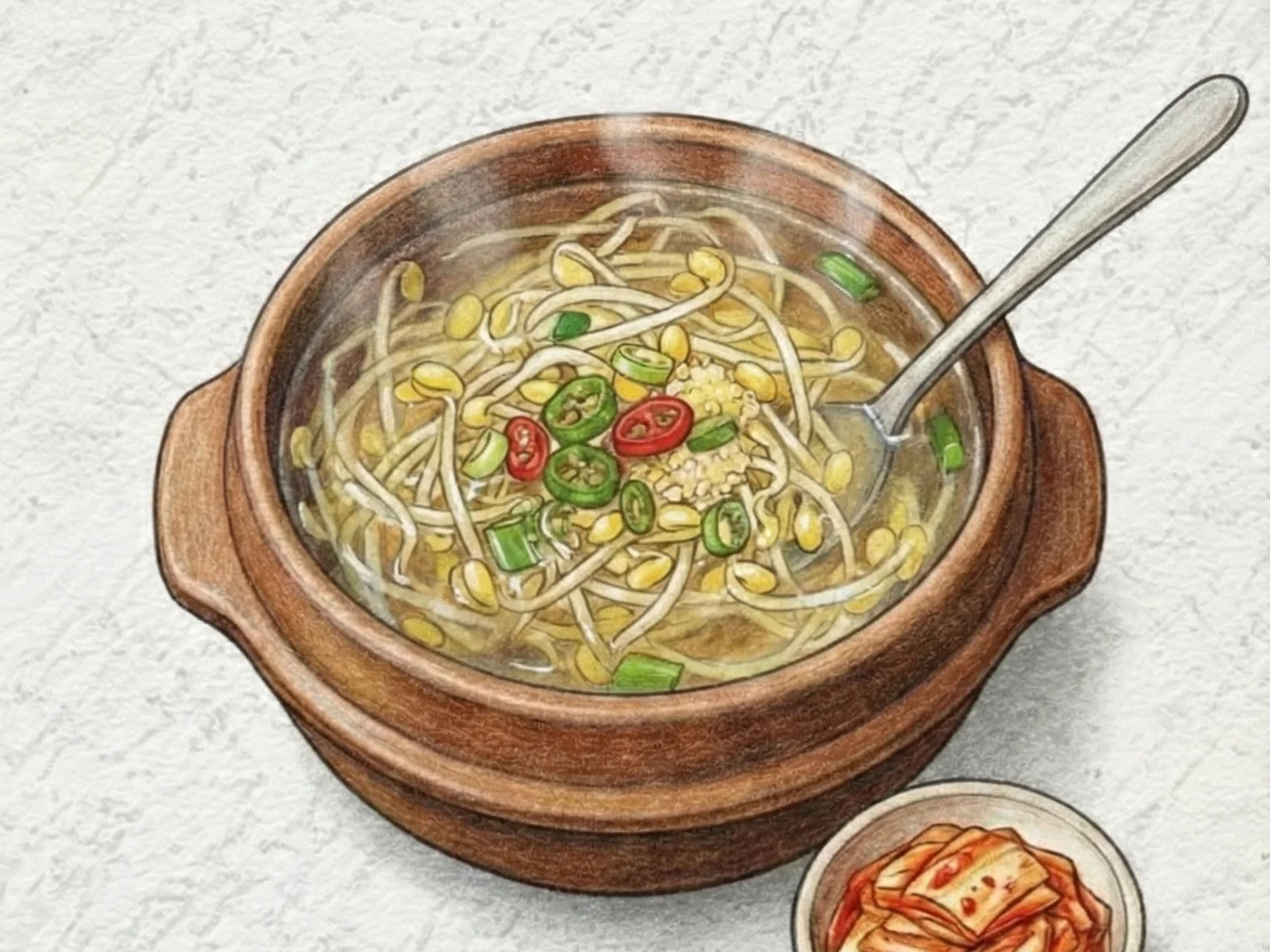
Sogogi sukju-guk is a quick Korean soup where seared beef and crisp mung bean sprouts come together in a clear, invigorating broth. The beef brisket is first stir-fried in sesame oil to render its fat and deepen its flavor, then water is added and brought to a rolling boil. Bean sprouts enter the pot only in the final minutes so they retain their signature crunch - the plump heads snap between the teeth while the slender tails wilt just enough to release moisture that lightens and clarifies the broth. The contrast between the beefy richness and the sprouts' clean, almost grassy freshness keeps the soup feeling bright rather than heavy. Soup soy sauce and a spoonful of minced garlic round out the seasoning without masking the main ingredients. Because bean sprouts lose their texture quickly once overcooked, the soup is best ladled into bowls the moment it is done. Koreans often spoon it over steamed rice for a fast, satisfying meal that feels both nourishing and easy on the stomach.
Korean Oxtail Soup
Sokori-guk demands patience - oxtail pieces are soaked in cold water to draw out blood, then placed in a heavy pot with enough water to cover and simmered for at least three to four hours. During that long, slow cook, collagen buried in the joints and connective tissue dissolves into the liquid, producing a broth so rich in gelatin that it sets into a solid block when refrigerated. Skimming fat and foam at regular intervals keeps the final broth a clean, milky white with no greasy residue. The meat, once it slides easily off the bone, is torn along the grain into shreds that are impossibly soft, while the tendon segments offer a pleasantly bouncy chew. Seasoning is deliberately minimal - coarse salt, black pepper, and sliced scallion - because the bones themselves have already contributed all the depth the soup needs. Served with a bowl of steamed rice and a side of kkakdugi, the cubed radish kimchi's sharp tang provides the only counterpoint this quietly powerful broth requires.
Korean Beef Head Soup with Rice
Somori-gukbap is a bowl of rice submerged in a milky, collagen-heavy broth extracted from a beef head that has been simmered for the better part of a day. The process begins by boiling the head in several changes of water to purge impurities, then committing it to a long, uninterrupted simmer until the connective tissue breaks down and enriches the liquid with natural gelatin. The finished broth is opaque white, clean-tasting despite its richness, and coats the mouth with a silky weight that plain beef stock cannot match. Sliced meat, pulled from the head after cooking, is lean yet intensely beefy, having surrendered its fat to the broth during the hours of simmering. Served in a stone pot with a mound of rice and a generous ladle of broth, the dish is typically accompanied by a saucer of seasoned soy sauce with chili flakes and a handful of chopped chives. Specialty restaurants start their pots before dawn and keep them rolling until the lunch rush, because in this dish, time is the irreplaceable ingredient.
Korean Mugwort Soup (Spring Mugwort in Savory Doenjang Broth)
Ssuk-guk is a seasonal doenjang soup that appears on Korean tables during early spring, when young mugwort shoots are tender enough to eat. The base is an anchovy-kelp stock into which soybean paste is strained, creating a mellow, savory foundation. Fresh mugwort is added only at the very end of cooking - just long enough for the leaves to wilt - because extended heat dulls their vivid green color and drives off the fragrance that makes this soup worth making. When timed correctly, each spoonful delivers the herb's distinctive bittersweet aroma, somewhere between sage and chrysanthemum, layered over the fermented depth of the doenjang. Cubed tofu softens in the hot broth and provides a neutral, creamy texture that balances the herbal intensity. A scattering of sliced scallion on top adds a mild sharpness. The soup is deliberately simple, designed to let mugwort take center stage as a reminder that the long winter is finally over.
Korean Blood Sausage Soup
Sundae-guk is a hearty soup built on a long-simmered pork bone broth that turns milky white from hours of boiling. Thick slices of Korean blood sausage - pork intestine casing stuffed with glass noodles, barley, and pig's blood - sit in the center of the bowl, their chewy casing absorbing the hot broth while the dense filling inside stays warm and soft. Alongside the sundae, slices of boiled pork shoulder and, in more traditional versions, offal like liver or lung add variety in texture and a faint mineral note. The broth itself is rich yet surprisingly clean, seasoned at the table with either salted shrimp paste or coarse salt depending on the diner's preference. Stirring in a spoonful of dadaegi, a thick chili paste condiment, transforms the bowl entirely, cutting through the richness with a sharp heat. Some shops finish the soup with ground perilla seeds for added nuttiness. Rice is spooned directly into the bowl and eaten together with the broth, making sundae-guk one of the most satisfying cold-weather meals in the Korean street-food tradition.
Korean Soft Tofu Soup (Mild Clear Broth with Silken Tofu)
Sundubu-guk is the gentler sibling of the more widely known sundubu-jjigae, trading the latter's fiery red broth for a clear, mild soup that puts silken tofu front and center. The base is a simple anchovy and kelp stock, seasoned with soup soy sauce and nothing more assertive, so the broth stays transparent and clean on the palate. Blocks of unpressed soft tofu are slipped into the simmering liquid and heated just until they are warmed through - overcooked sundubu loses the trembling, custard-like texture that defines the dish. Each spoonful collapses gently on the tongue, releasing a faint, sweet soybean flavor that pairs effortlessly with the umami-rich stock. A small addition of salted shrimp paste can be stirred in at the table to introduce a subtle marine depth without disrupting the soup's calm character. This is the soup Koreans turn to when appetite is low, digestion needs rest, or the body simply craves something warm and uncomplicated. It is equally suitable for young children and elderly diners, and its quiet simplicity is precisely its strength.
Korean Turnip Soybean Paste Soup
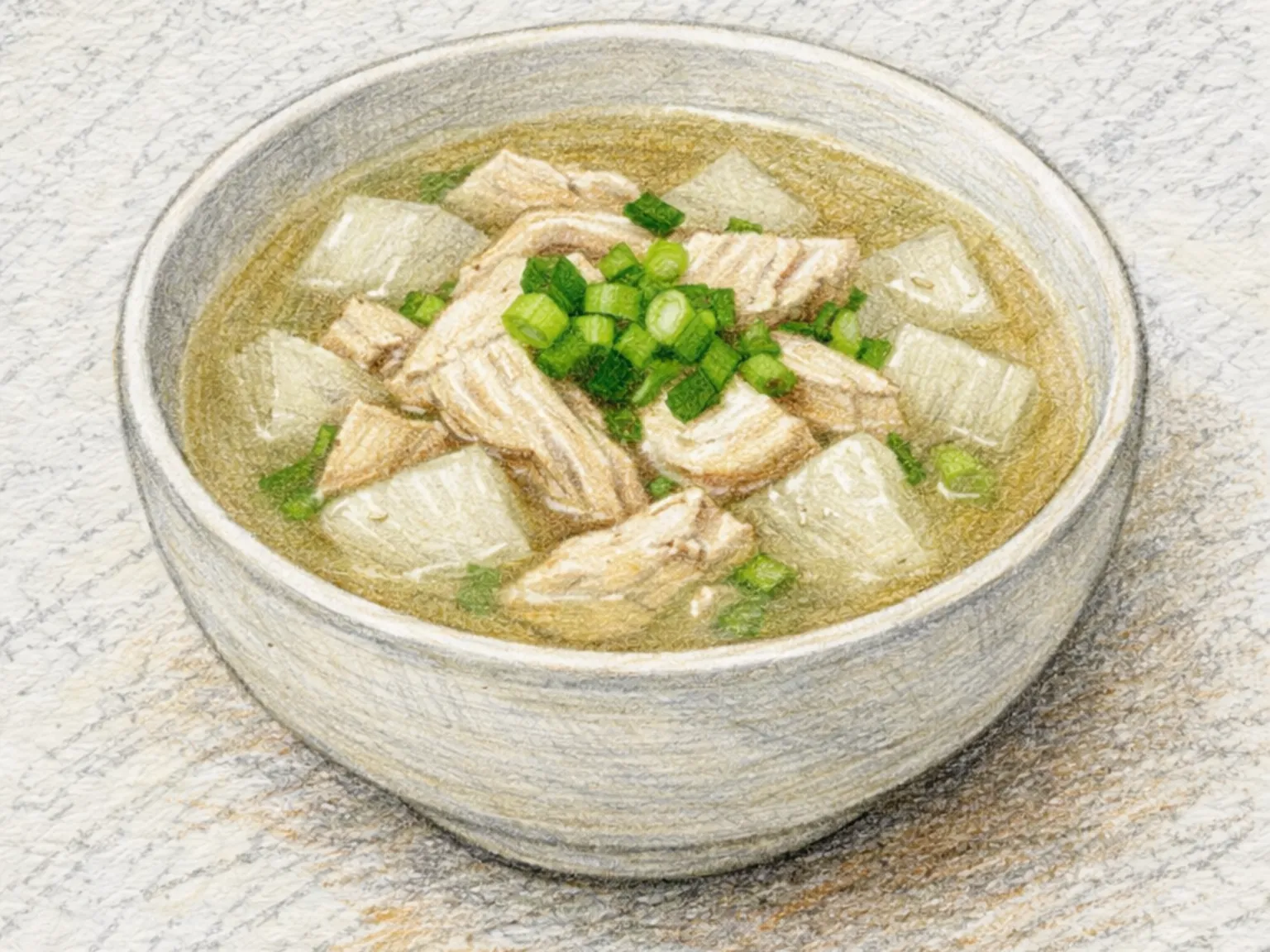
Sunmu doenjang-guk is a homestyle soybean paste soup that uses turnip as its starring vegetable and rice-rinsing water as its liquid base. The starchy water softens the doenjang's salinity, giving the broth a rounded, almost creamy quality that straight water cannot achieve. Turnips cook faster than daikon and yield a more delicate sweetness, along with a faint peppery edge that adds quiet complexity. As the turnip pieces simmer, a subtle purple blush from the skin tints the broth, making it a shade more elegant than an ordinary doenjang-guk. Cubed tofu is a natural companion, its neutral creaminess absorbing the fermented broth, while sliced scallion adds a final aromatic layer. The soup is at its best between autumn and early winter when turnips are in season, their sugars concentrated by cooler soil temperatures. Because the ingredient list is short, the quality of the doenjang matters more here than in busier soups - a well-aged paste with deep fermentation will carry the bowl, while a mediocre one will leave it flat.
Korean Taro Soup (Autumn Taro in Nutty Perilla Seed Broth)
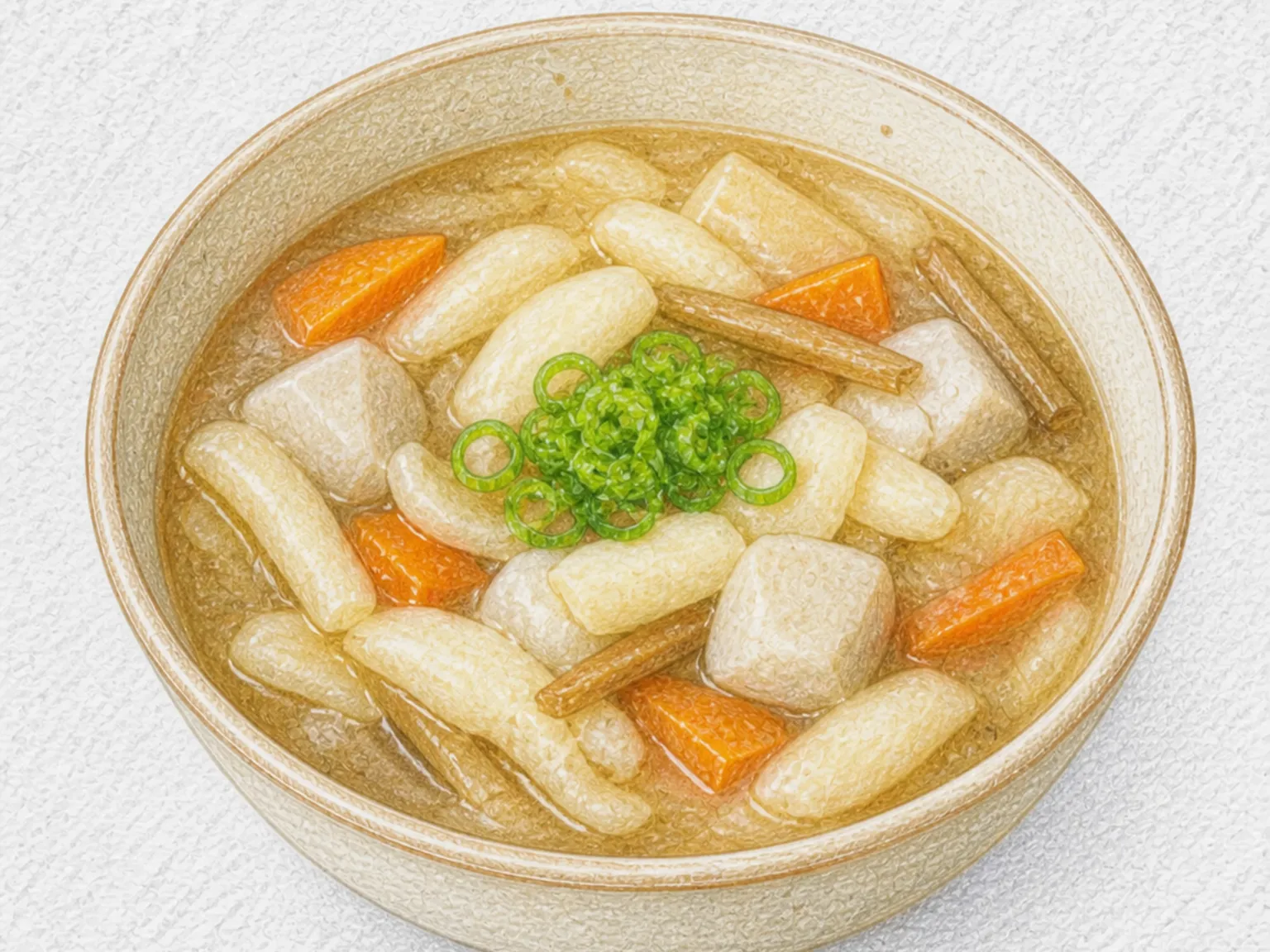
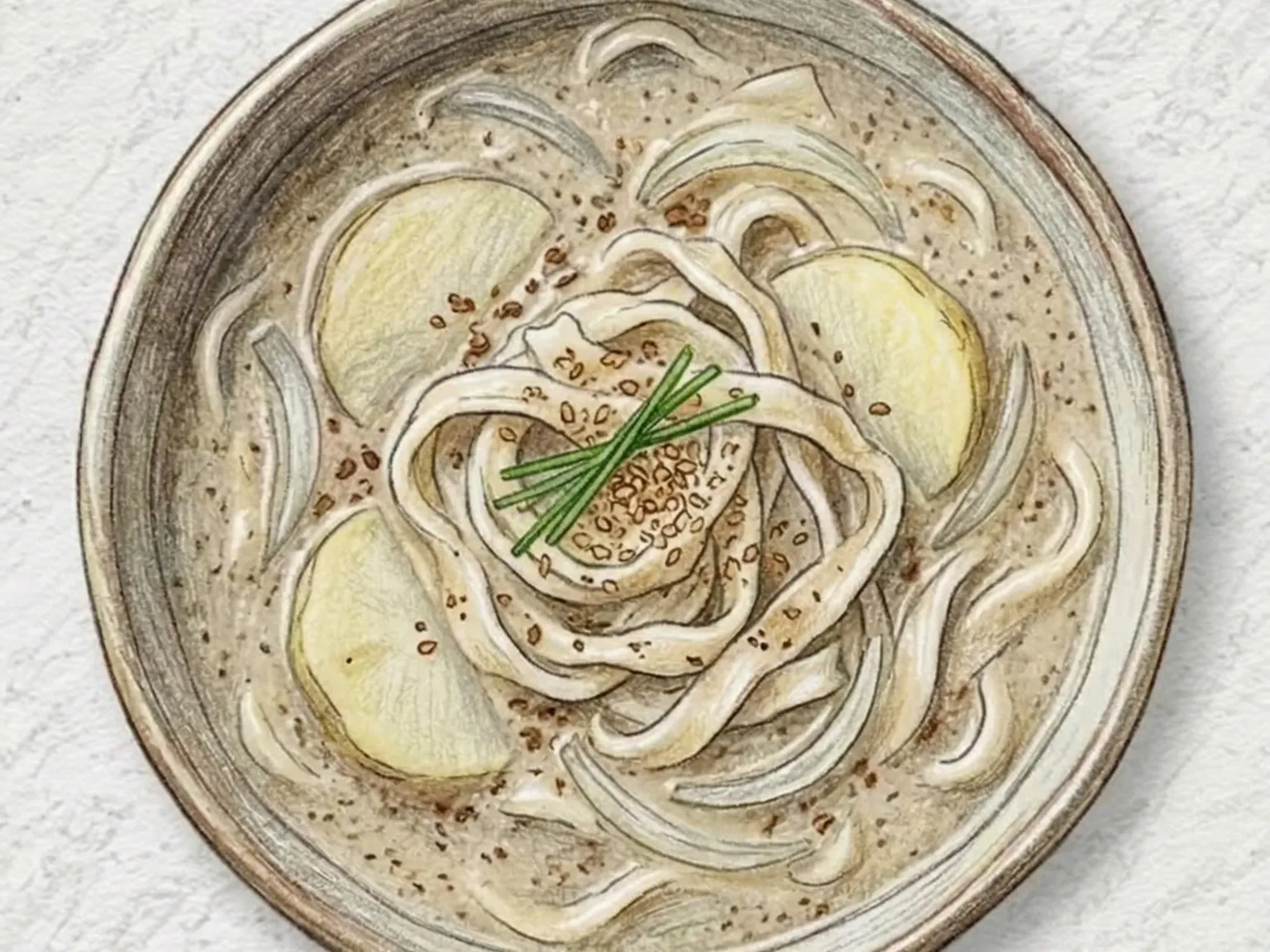
Toran-guk is an autumn soup centered on taro root, which is first parboiled to remove its slippery mucilage, then simmered in a broth thickened with ground perilla seeds. The taro pieces cook to a texture that falls somewhere between potato and chestnut - they crumble softly on the tongue yet retain a subtle stickiness that gives each bite a gentle cling. Ground perilla dissolves into the liquid and turns it opaque and creamy, layering a nutty richness over the taro's mild, earthy flavor. Beef is often added for depth, its rendered fat and juices rounding out the broth, while an anchovy-kelp base underneath sharpens the umami. The soup is closely associated with Chuseok, the Korean harvest festival, when taro is freshly dug and at its peak sweetness. Cooking the taro just long enough to soften without disintegrating is the key challenge - underdone pieces are chalky and irritate the throat, while overcooked ones dissolve into the broth and lose their identity. Served hot with steamed rice, toran-guk is one of those seasonal dishes that Koreans anticipate all year and miss the moment autumn ends.
Korean Taro Stem Perilla Soup
Torandae deulkkae-tang is built around dried taro stems - the stalks of the taro plant, sun-dried for preservation and rehydrated before cooking. Once soaked, the stems become spongy enough to absorb broth while retaining a fibrous chew that provides the soup's defining texture. They are first stir-fried in perilla oil to tame any grassy rawness and coat the fibers with a toasty fragrance. Ground perilla seeds are then stirred into the simmering stock, turning the liquid an opaque cream color and filling it with a deep, nutty richness that carries every spoonful. Adding beef brisket to the pot contributes body and a meaty undertone, while a small amount of doenjang blended into the broth introduces a fermented complexity that deepens the perilla's already layered flavor. The soup is a staple of the colder months, when its warming richness is most welcome. Spooned over rice, the thick perilla broth clings to each grain, making this one of the most comforting bowls in the Korean autumn and winter table.
Korean Beef and Taro Stem Soup
Torandae soegogi-guk pairs rehydrated taro stems with beef brisket in a clear, soy-seasoned broth. The brisket is simmered until it yields a clean yet deeply flavored stock, with surface fat skimmed periodically to keep the liquid transparent. Taro stems, soaked until pliable, are added to the broth and cooked until they drink in the beefy liquid - each bite releases a rush of savory juice, while the stems' stubborn fibers maintain a chewy resistance that contrasts with the fork-tender meat. Soup soy sauce tints the broth a light amber and adds umami without heaviness, and minced garlic provides a quiet warmth in the background. Sliced scallion goes in at the end for freshness. The shredded brisket is typically arranged on top as a garnish, so each bowl delivers a balanced combination of tender meat, textured stems, and aromatic broth. It is a homestyle soup that benefits from simplicity, letting the interplay between the two main ingredients speak for itself.
Korean Rice Cake Dumpling Soup
Tteok-mandu-guk combines two of Korea's most beloved New Year foods - sliced rice cakes and handmade dumplings - in a single bowl of clear beef broth. The broth, typically drawn from simmered brisket or bone stock, serves as a clean canvas for the two main ingredients. Rice cake ovals absorb the hot liquid and swell into a pleasantly chewy mass, while the dumplings, stuffed with a mixture of ground pork, tofu, scallion, and garlic, release their savory filling into the soup as they cook. Starch from the dumpling wrappers lends the broth a slight silkiness that binds everything together. Julienned egg garnish and a pinch of crushed dried seaweed are scattered over the top, adding color and a whisper of ocean fragrance. The soup is seasoned simply with soup soy sauce, letting the stock and fillings carry the flavor. While practically it extends a pot of tteokguk to feed more people, the real appeal lies in the textural variety - sticky rice cakes and soft, yielding dumplings in the same spoonful create a satisfaction that neither achieves alone.
Korean Rice Cake Soup (New Year Sliced Rice Cake Beef Broth)
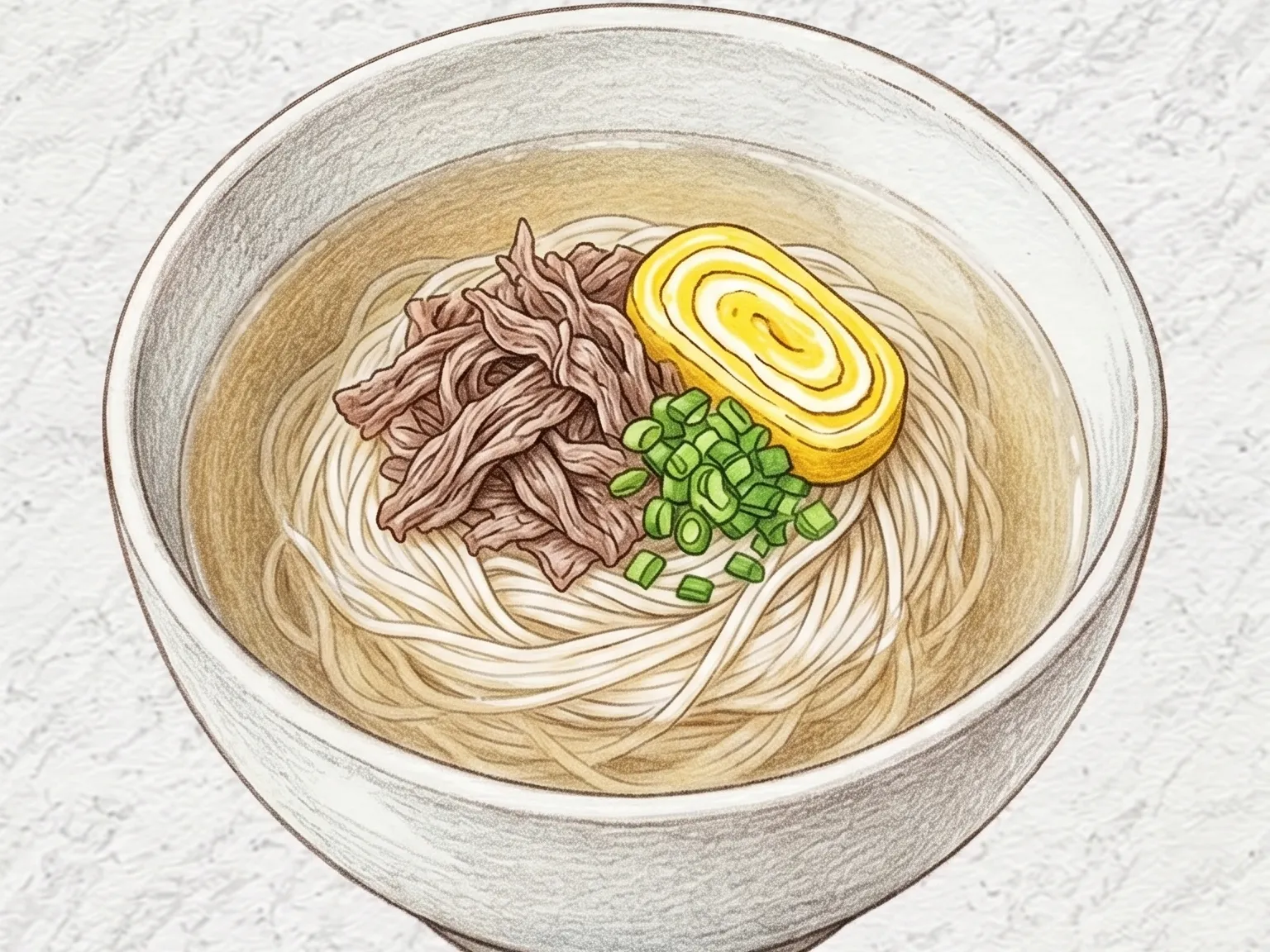
Tteokguk is the soup that marks the Korean New Year - eating a bowl is said to add one year to your age, and no Lunar New Year table is complete without it. Thinly sliced oval rice cakes made from garaetteok, a long cylindrical rice cake, are dropped into a clear beef broth that has been carefully skimmed of fat until it gleams. In the hot liquid, the rice cake surfaces soften just enough to release a faint starch that gives the broth the barest hint of body, while the interiors hold a dense, satisfying chew. The broth itself is kept deliberately simple - brisket simmered low and slow, seasoned only with soup soy sauce and salt - so that the rice cakes and their subtle sweetness remain the focus. Beaten egg swirled into the boiling soup forms wispy threads that add a delicate texture, and strips of egg garnish, crushed seaweed, and sometimes sliced scallion complete the bowl. Despite its apparent simplicity, tteokguk carries deep cultural weight: the white color of the rice cakes symbolizes purity and a fresh start, and the round shape of the slices represents coins and wishes for prosperity.
Korean Burdock Root Soup (Earthy Burdock and Beef Clear Broth)
Ueong-guk is a clear Korean soup that highlights the earthy, almost nutty character of burdock root. Julienned burdock is first stir-fried in sesame oil with thinly sliced beef until the root's raw edge mellows and a toasted aroma rises from the pan. Water is then added and the pot brought to a simmer, during which the burdock's tough fibers gradually soften while maintaining enough structure to provide a pleasant chew. The broth takes on a light brown tint from the initial stir-fry, carrying the sesame and caramelized burdock flavors through to the last spoonful. Soup soy sauce seasons the liquid with umami rather than straight salt, and minced garlic stirred in near the end adds a quiet warmth. Burdock is naturally high in dietary fiber, giving this soup a reputation as a digestive-friendly choice. The root is at its best from autumn through winter, when its sugars concentrate underground, and the soup's understated flavor makes it an easy complement to a multi-dish Korean meal.
Korean Napa Outer Leaf Soybean Soup
Ugeoji doenjang-guk is a deeply comforting soybean paste soup made with the tough outer leaves of napa cabbage that might otherwise be discarded. The leaves are first massaged with doenjang, perilla oil, and garlic, a step that drives the fermented paste deep into the cabbage's thick veins so that when the soup simmers, the flavor releases gradually into the broth. Rice-rinsing water replaces plain stock as the cooking liquid, adding a gentle starchiness that rounds the doenjang's salt into something softer and more enveloping. As the ugeoji cooks down, it turns from a leathery sheet into a silky, almost melting tangle that drapes over the spoon and floods the mouth with concentrated vegetable-and-miso flavor. The broth itself becomes a murky, golden-brown pool of umami, tasting of earth, fermentation, and the quiet bitterness that only well-cooked greens provide. Cubed tofu gives textural relief, and thin rings of cheongyang chili pepper, if added, introduce a sharp heat that cuts the richness. It is a soup that transforms humble ingredients into something far greater than their parts.
Korean Napa Leaf Hangover Soup
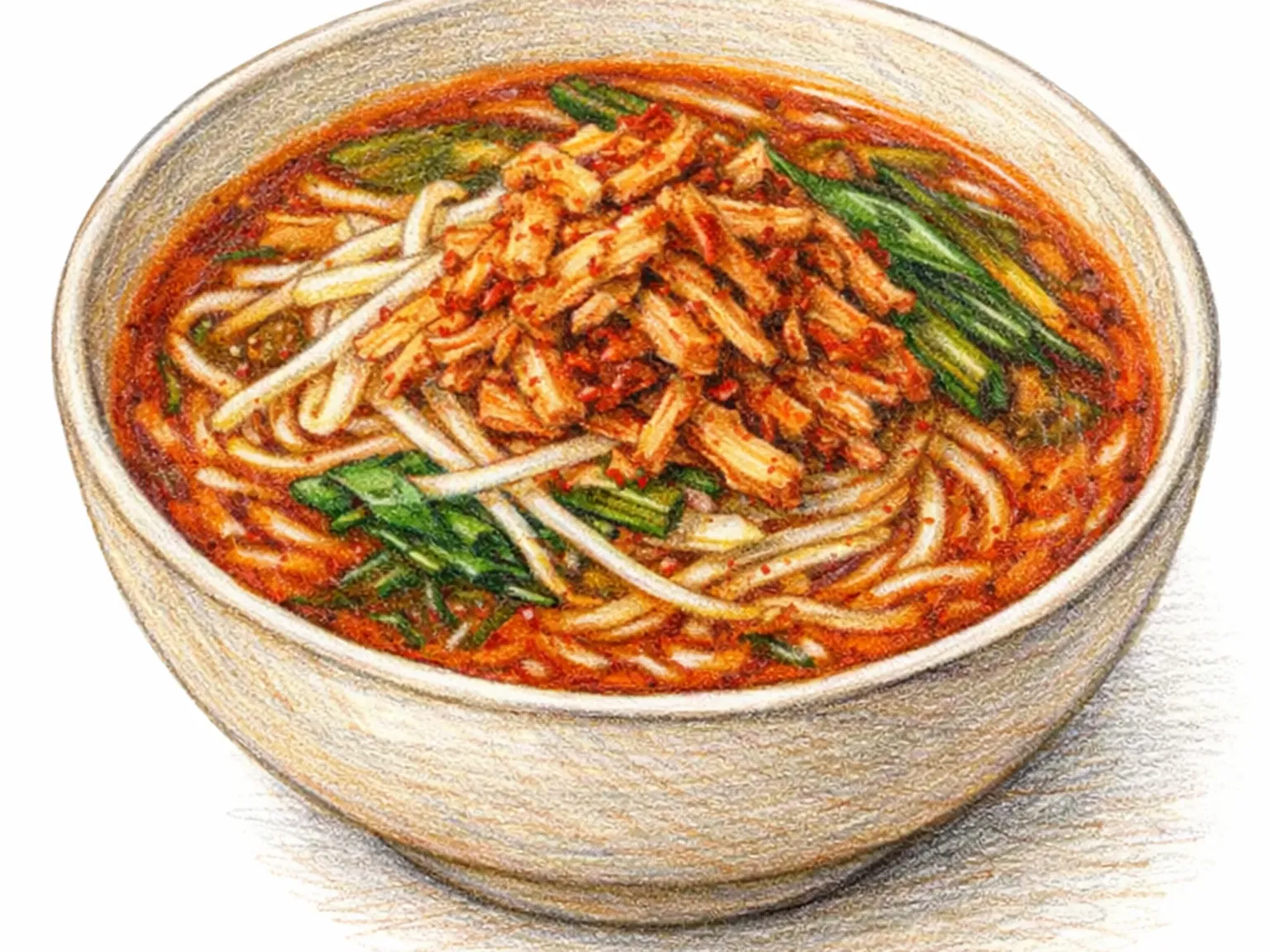
Ugeoji haejang-guk is Korea's answer to the morning after - a hangover soup built on a foundation of long-simmered beef brisket broth with napa cabbage outer leaves and soybean sprouts. The brisket provides a clean, meaty depth to the broth, while the ugeoji, pre-seasoned with doenjang, breaks down during the simmer and infuses the liquid with a savory, fermented richness. Soybean sprouts, added later so they keep their crunch, contribute a refreshing brightness that lightens what would otherwise be a heavy bowl. The seasoning balances doenjang and a touch of gochugaru, producing a broth that is spicy enough to wake the palate but not so aggressive that a sensitive stomach rebels. Minced garlic and sliced scallion layer in additional aromatics. Shredded brisket arranged on top provides protein and substance, making each bowl a complete meal. The combination of warm broth, fermented depth, and crunchy sprouts works on the body like a reset, which is exactly why haejang-guk shops across Korea fill up every morning with bleary-eyed customers seeking exactly this bowl.
Korean Beef Cabbage Leaf Soup
Ugeoji soegogi-guk is a spicy, savory Korean beef soup that draws its character from pre-seasoned napa cabbage outer leaves and a brisket-based broth. The ugeoji is rubbed with doenjang and gochugaru before it enters the pot, so when it meets the simmering beef stock, it releases both fermented soybean depth and a steady chili warmth that stains the broth a ruddy brown. The brisket, simmered until the fibers separate easily, is shredded and returned to the pot, adding lean, clean beef flavor throughout. As the ugeoji softens over extended cooking, it absorbs the surrounding liquid like a sponge, so each bite delivers a concentrated burst of the combined seasoning. Daikon radish, if included, tempers the heat with its natural sweetness, while generous amounts of sliced scallion perfume the entire bowl. The overall effect is a soup that is warming and substantial without being aggressive - the spice level is calibrated to soothe rather than overwhelm, which makes it a go-to choice on cold days when the body needs both heat and substance.
Korean Beef Trotter Soup (Silky Collagen-Rich Slow-Cooked Broth)
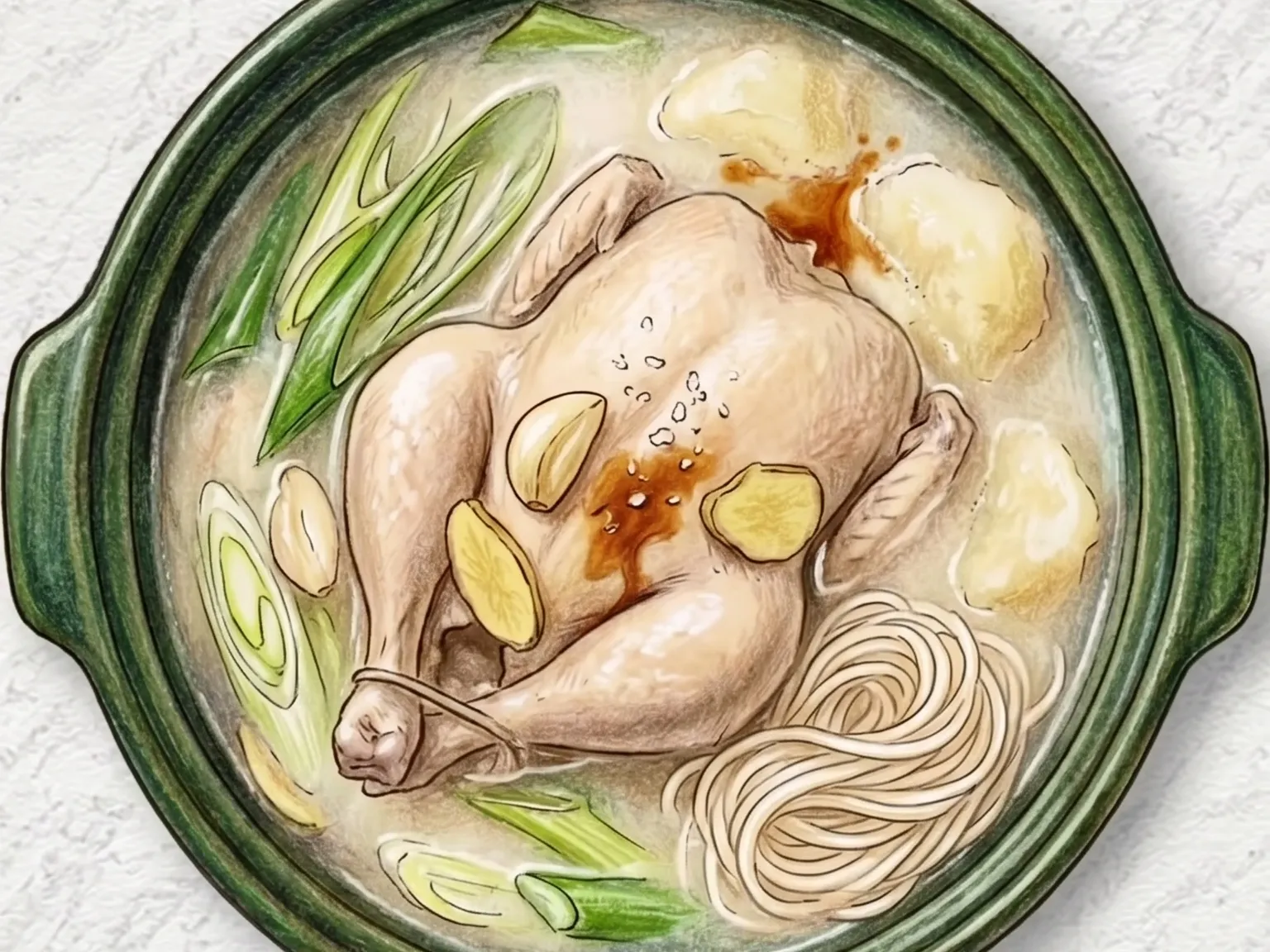
Ujok-tang is a slow-cooked Korean soup made from beef trotters, prized for the extraordinary amount of collagen packed into the bones, tendons, and skin of the cut. The trotters are first soaked for hours in cold water to purge blood and any off-flavors, then placed in a deep pot and simmered at a gentle roll for four to six hours. During that time, the collagen gradually dissolves into the cooking liquid, transforming it from plain water into a milky, opaque broth with a viscous body that coats the spoon and sets firm when chilled. Regular skimming of fat and foam throughout the process ensures the final broth tastes clean rather than greasy. The trotter meat itself falls into two distinct textures: the skin and tendons turn gelatinous and springy, offering a bouncy chew, while the small pockets of muscle between the bones are meltingly soft. Traditional seasoning is limited to coarse salt and freshly ground pepper, allowing the broth's natural richness to speak. A dab of hot mustard or a spoonful of salted shrimp paste on the side provides a sharp contrast that keeps each mouthful interesting. Ujok-tang has long been regarded as a restorative food, particularly valued for its supposed benefits to joints and skin.
Korean Rockfish Soup (Whole Rockfish in Spicy Radish Broth)
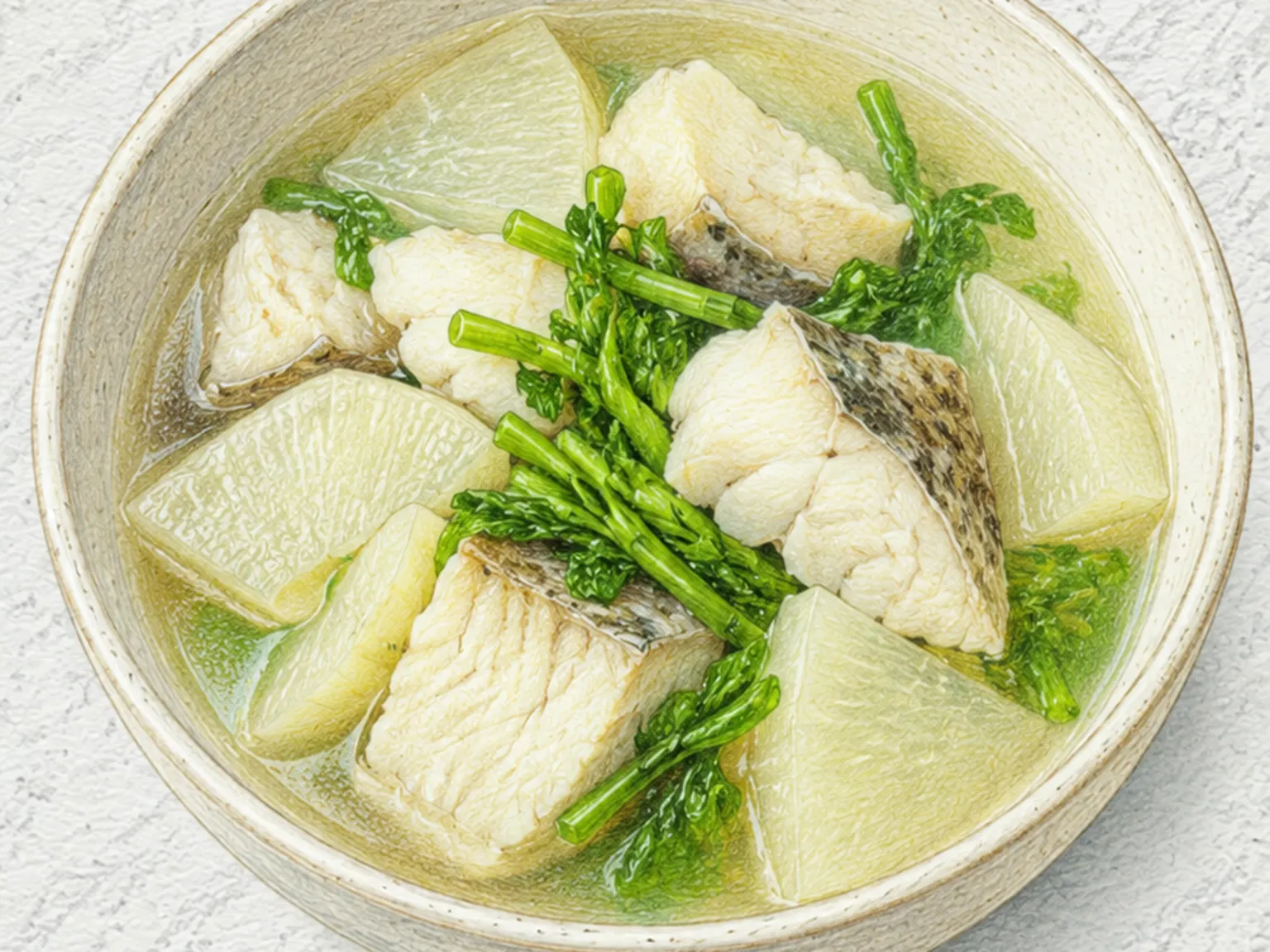
Starting with a base of boiled radish to sweeten the water, this rockfish soup relies on using the entire fish to build a complex broth. Red pepper flakes, garlic, and soup soy sauce provide the seasoning before the fish and tofu go into the pot for a fifteen-minute simmer. The collagen and juices released from the rockfish bones create a physical thickness in the liquid that cannot be replicated with fillets alone. Just before the heat is turned off, a handful of water parsley adds a fresh contrast to the spicy, ocean-heavy profile of the soup. While the small bones of the rockfish require slow and careful eating, they are exactly what gives this dish its characteristic intensity. A slice of ginger added early in the process works to neutralize fishy scents. For extra heat, some sliced cheongyang chilies can be added, or a spoonful of ground perilla seeds can be stirred in at the end to introduce a nutty, creamy layer to the texture. This soup pairs naturally with a bowl of steamed rice, where the process of picking meat from the bones becomes a central part of the eating experience.
Korean Meatball Soup
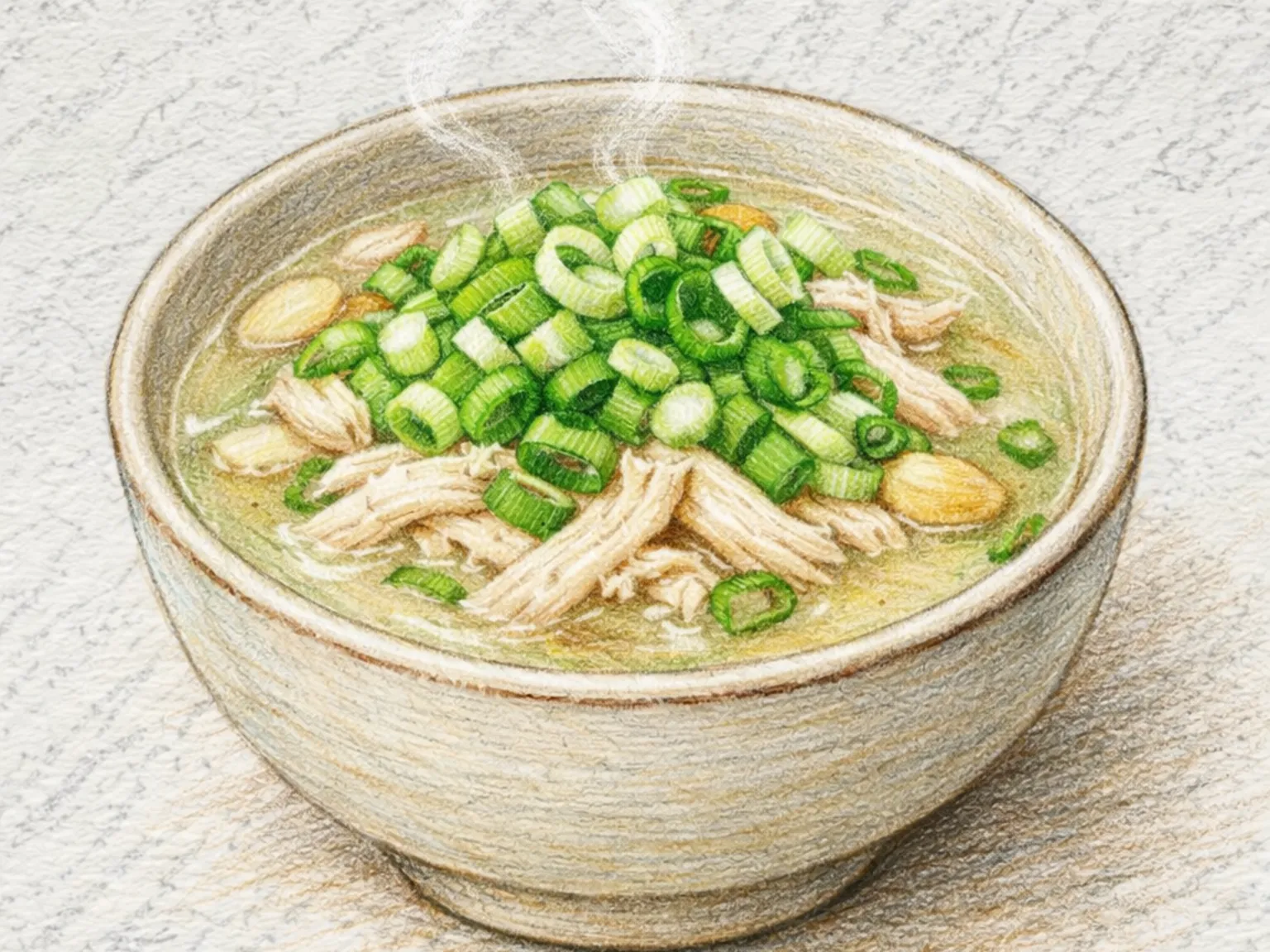
Wanja-tang is a clear Korean soup featuring handmade meatballs of ground beef, crumbled tofu, egg, garlic, and green onion. Each meatball is dropped into simmering anchovy broth, where it floats to the surface as it firms up and then cooks for eight more minutes until done through. Soup soy sauce is the main seasoning, keeping the broth transparent and letting the meaty flavor of the wanja come forward. Kneading the mixture thoroughly before shaping is essential, as it binds the tofu and beef into a cohesive ball that holds together during boiling.
Korean Young Radish Clam Soup
Yeolmu-bajirak-guk is a clear soup that draws its flavor from manila clams purged in salt water and simmered with thinly sliced radish. As the clam shells open, they release a briny, mineral-rich liquid that forms the broth's backbone. Young radish greens and a cheongyang chili are added in the final three minutes to keep the greens fresh and slightly crunchy. Soup soy sauce and salt adjust the seasoning, though the clams provide enough natural salinity that only a light hand is needed.
Korean Young Radish Doenjang Soup
Yeolmu doenjang-guk is a summer soybean paste soup that uses rice-rinse water as its base, giving the broth a smoother texture than plain water would. Young radish greens are cut into five-centimeter lengths and simmered for eight minutes until they soften and lose their raw grassy edge. Diced tofu, garlic, and a half tablespoon of chili flakes go in next, cooking for six more minutes so the tofu absorbs the fermented soybean flavor. Soup soy sauce and green onion finish the pot, resulting in a mellow, earthy soup that complements a simple rice-and-banchan meal.
Korean Soft Tofu Shrimp Soup
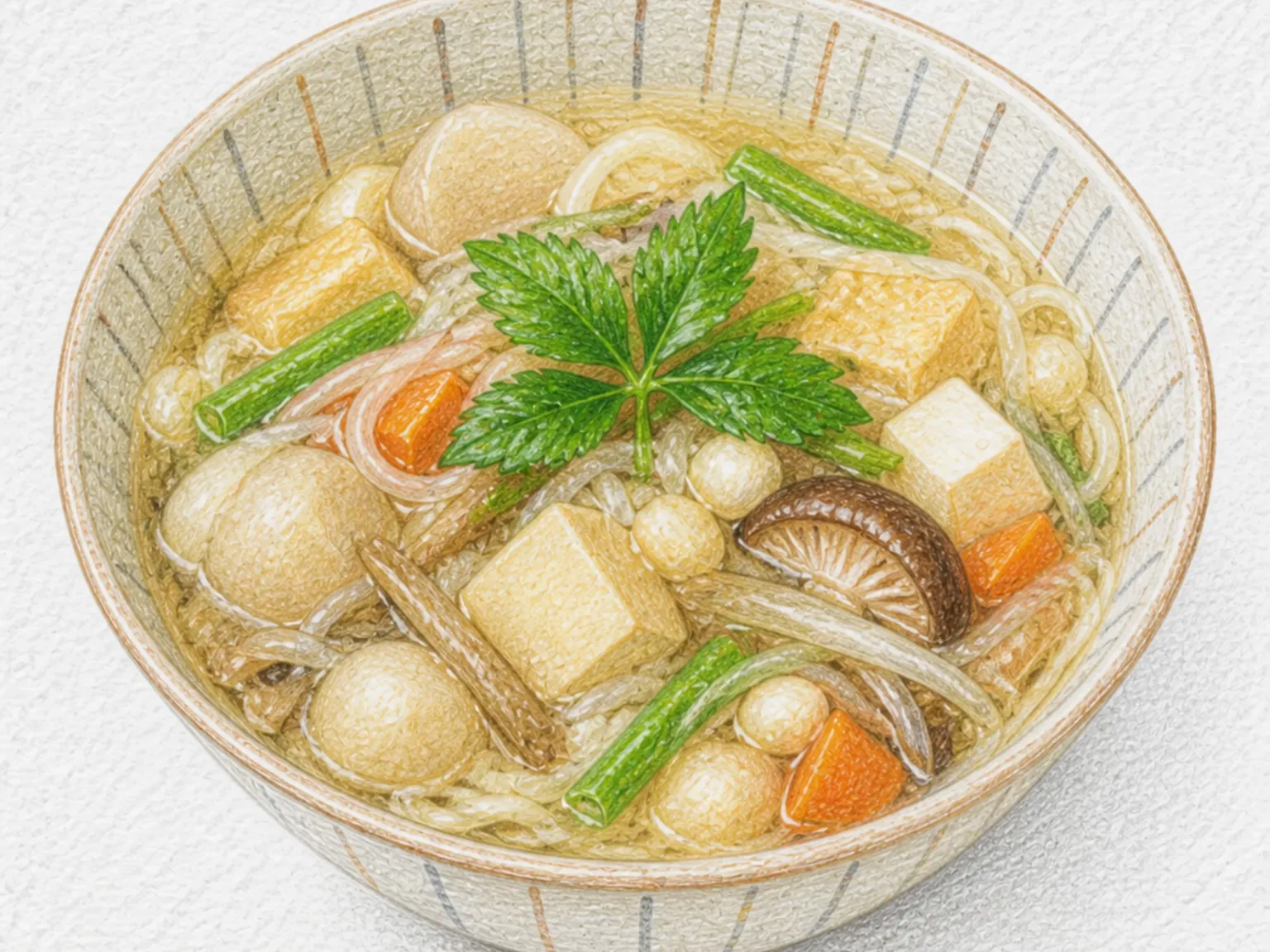
Yeondubu-saeu-guk is a clear Korean soup where anchovy-kelp stock, radish, and shrimp provide the flavor, and soft tofu adds a creamy contrast. Radish simmers for eight minutes to release its natural sweetness, then peeled and deveined shrimp cook for three minutes, contributing a clean seafood taste without heaviness. Soft tofu is spooned in at the very end and heated for just two minutes so it stays intact and silky. Green onion and a touch of salt close out the seasoning, leaving a gentle, soothing bowl that works well as a light meal or alongside heavier dishes.
Korean Lotus Root Soup (Sliced Lotus Root in Anchovy Broth)
Yeongeun-guk is a clear soup built around thinly sliced lotus root simmered in anchovy broth. The lotus root is peeled and soaked in cold water immediately to prevent browning, then cooked for twelve minutes, which softens it slightly while preserving the characteristic crunch. As the starch leaches out, the broth takes on a subtle thickness. Garlic, soup soy sauce, salt, and a dusting of black pepper are the only seasonings, letting the lotus root's gentle sweetness remain the focal point. Low in calories and high in dietary fiber, this soup fits comfortably into a lighter meal.
Korean Octopus Clear Soup
Yeonpo-tang is a clear Korean octopus soup that keeps seasoning to a minimum and lets the seafood speak for itself. The octopus is cleaned by rubbing with coarse salt, then cut into manageable pieces. Radish simmers in anchovy stock for ten minutes to build a sweet, clean base before the octopus and garlic go in for only three minutes of cooking, which is enough to cook the tentacles through without making them rubbery. Water dropwort is added right before serving, contributing a bright, herbal fragrance that contrasts with the briny depth of the broth.