Western Easy
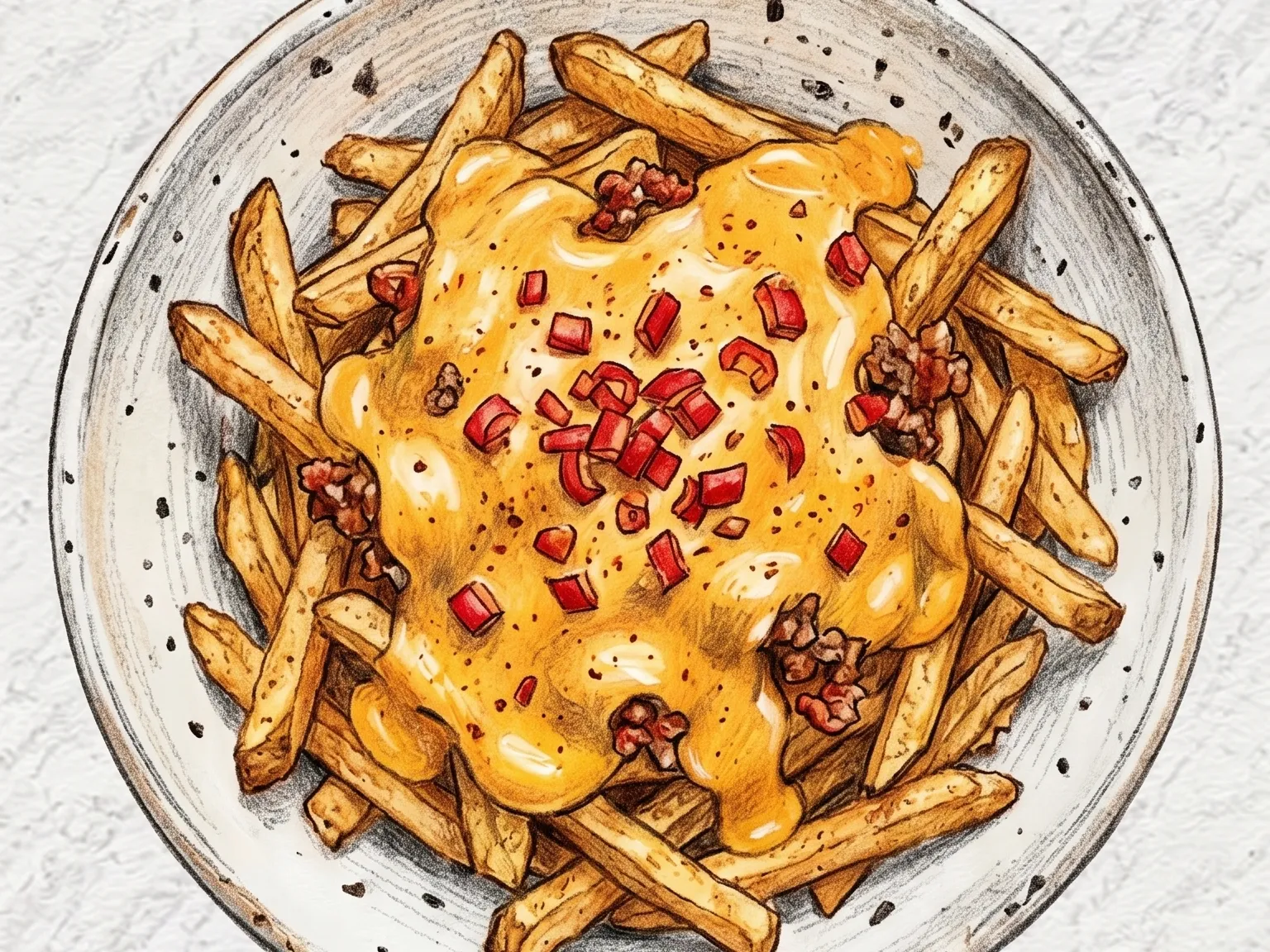
Chili Cheese Fries
With hot meat chili underneath and cheese sauce poured over it, every fry picks up both spice and creaminess. Chopped jalapeno adds a sharp, fresh heat that cuts the richness.
Prep 10min Cook 15min 2 servings
253 American recipes. Page 6 of 11. Compare ingredients and cooking times. Chili Cheese Fries, Brownie Cookie Bars (Layered Brownie and Cookie Bar).
With hot meat chili underneath and cheese sauce poured over it, every fry picks up both spice and creaminess. Chopped jalapeno adds a sharp, fresh heat that cuts the richness.
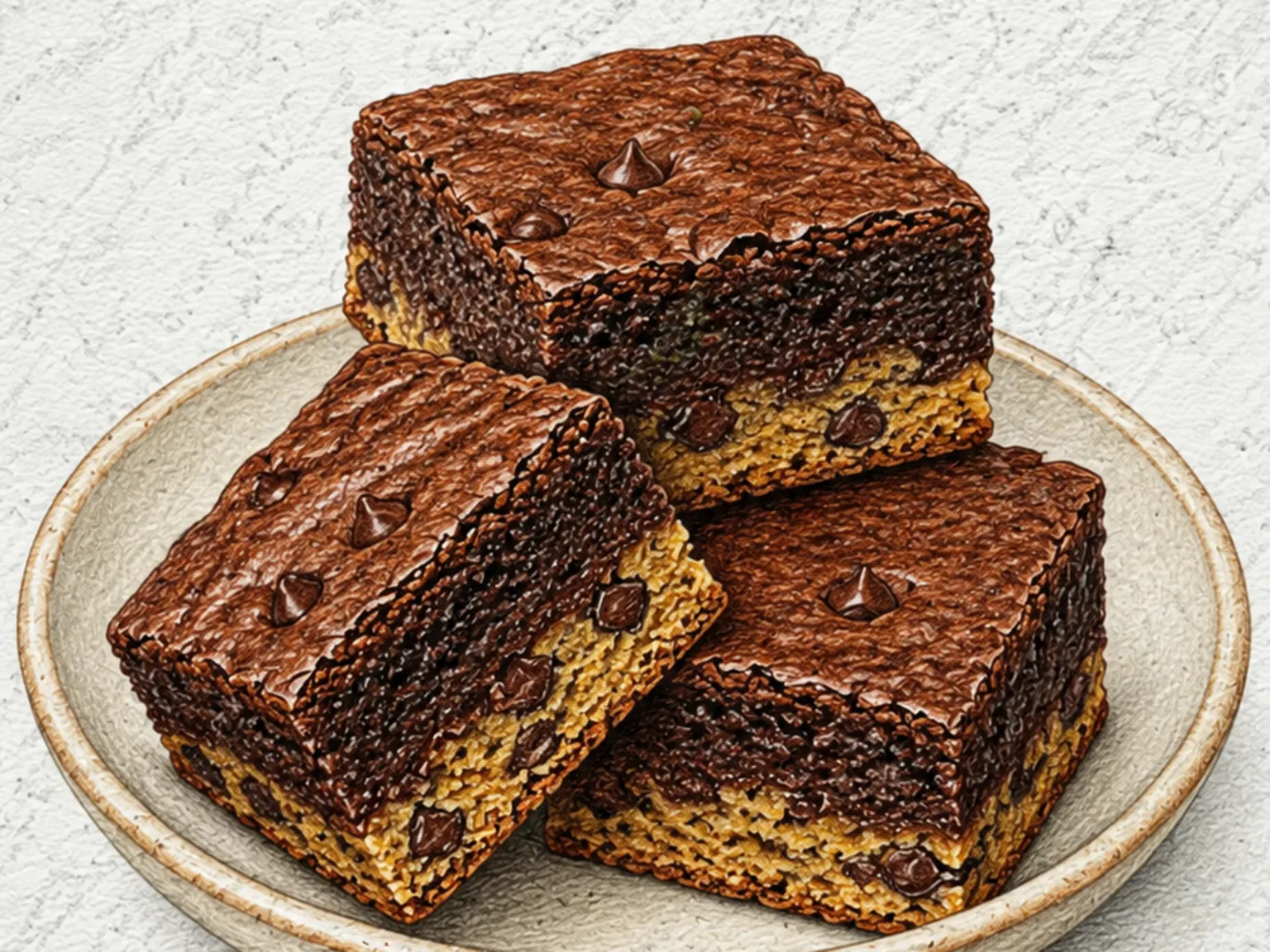
Brownie batter goes down first, then lumps of brown sugar cookie dough are dotted over it and swirled just enough to marble the two. Cocoa and dark chocolate chips make the bottom layer bitter and intensely chocolatey, while the brown sugar gives the cookie patches a caramel note. Where the two meet they blur together, and one square ends up with both a chewy cookie bite and a fudgy brownie bite.
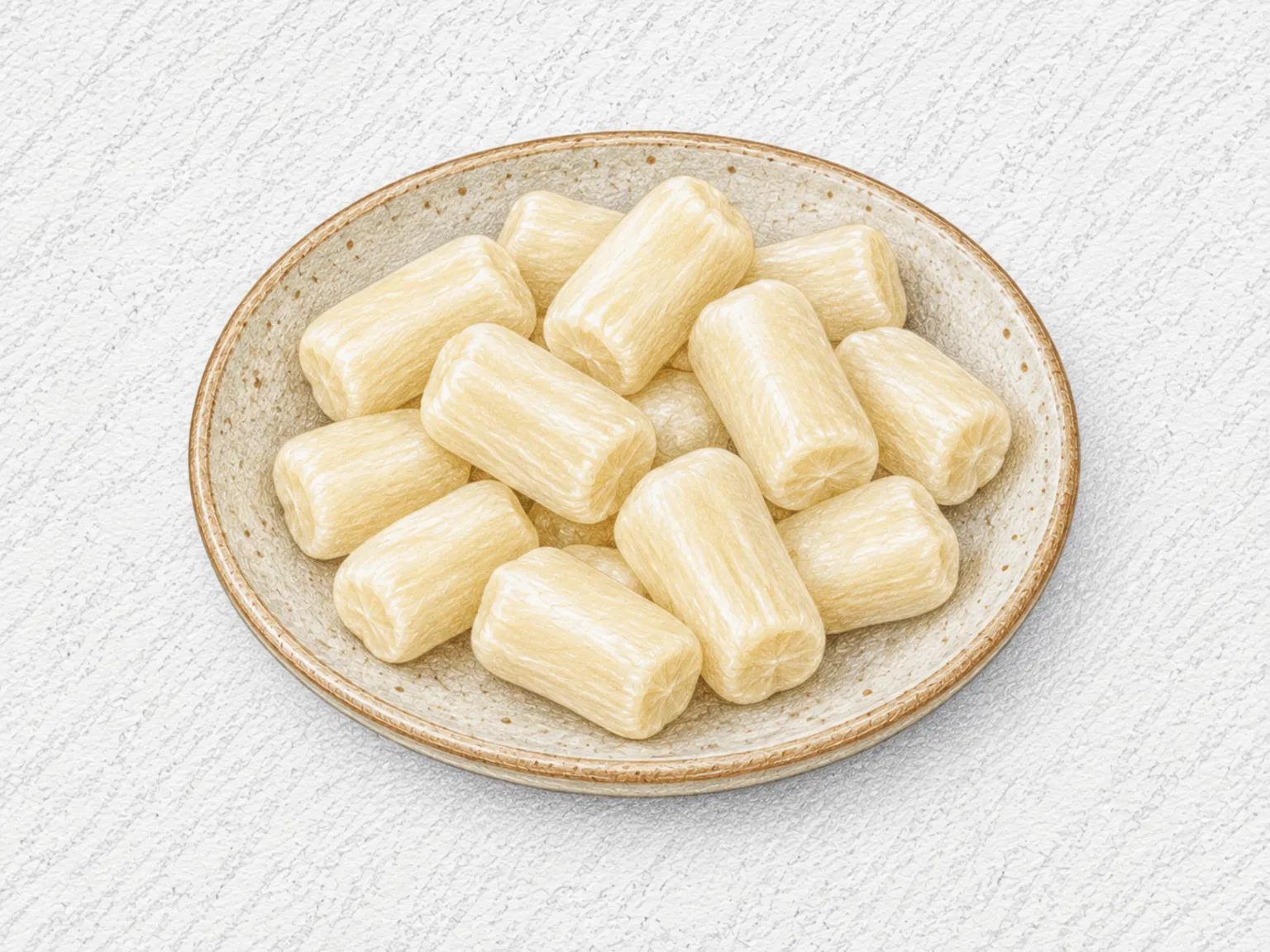
Despite the name, no seawater goes in: drinking water and salt season a sugar and corn syrup boil that is cooled, then pulled and folded until pale and satiny. Pulling, not whipping or molding, builds the chewy texture that separates taffy from divinity or fudge. The syrup reaches 119°C, and a mass that feels cool on the outside can stay hot inside, which makes the long wait before handling the hardest part of the whole job.
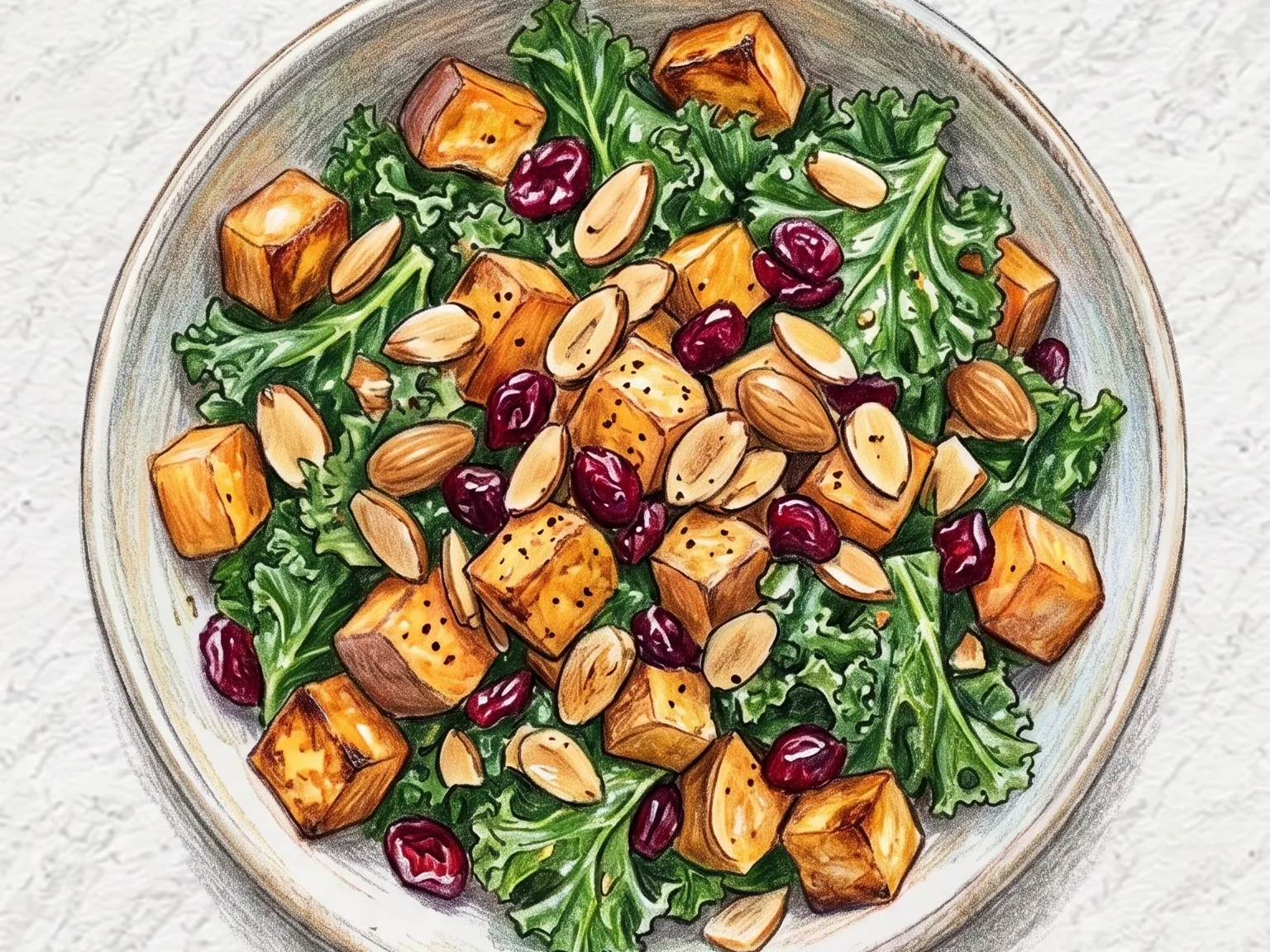
Sweet potato roasted until its edges caramelize gives sturdy, bitter kale a sweet counterweight, enough to make this a filling bowl on its own. Almonds add crunch and dried cranberries a sour note, while a Dijon, lemon, and honey dressing keeps it bright. Cool the roasted cubes completely before they meet the kale, since leftover heat softens the leaves too far, and lift gently from underneath when mixing so the cubes stay intact.
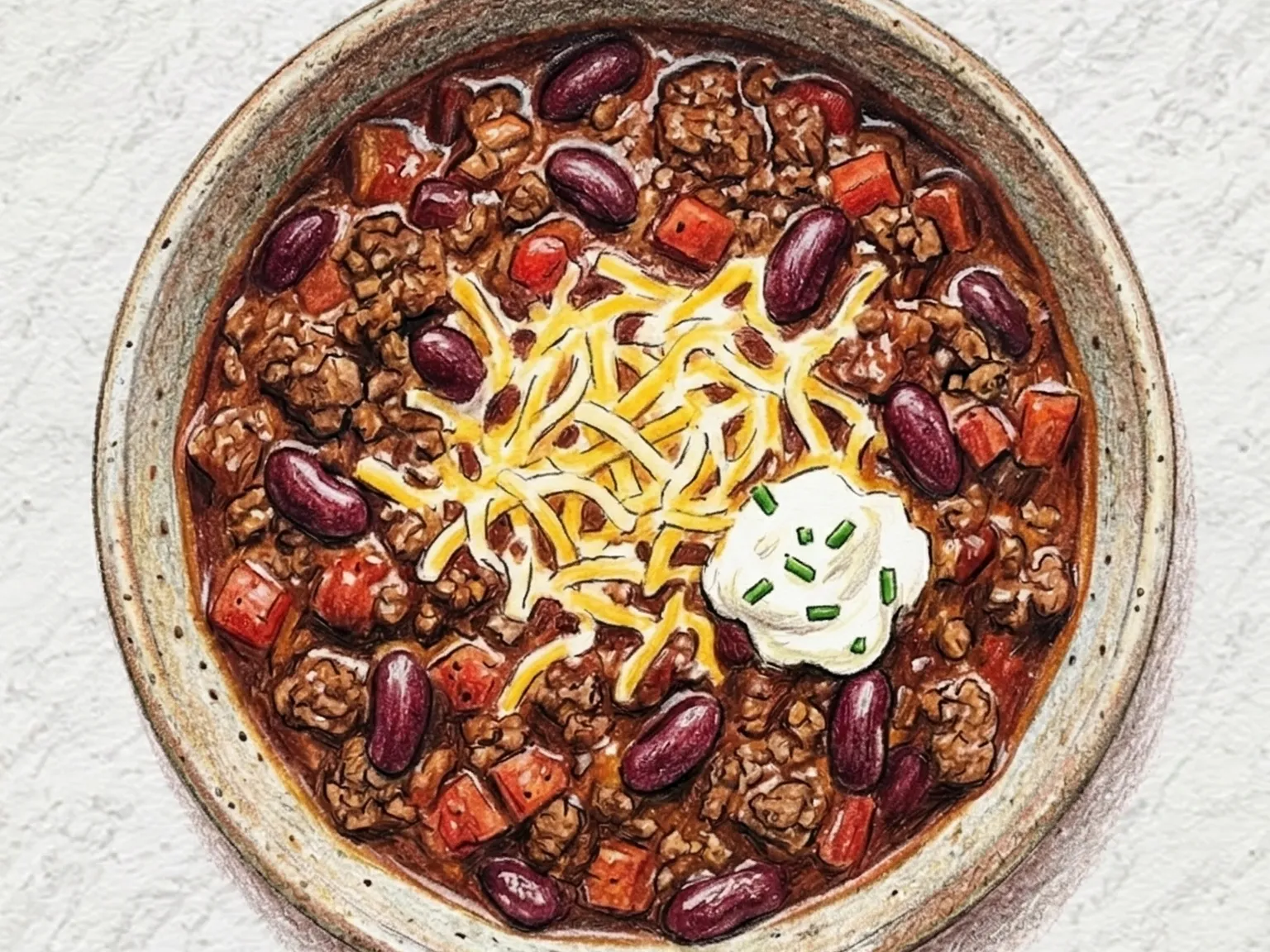
One ingredient sets the heat level of this pot: chili powder. In this recipe that means a blend of ground chiles with cumin, oregano, and garlic, not pure chile flakes or cayenne, and swapping in straight cayenne at the same amount changes the dish completely. Canned cooked kidney beans keep it to one pot, with no soaking or boiling dried beans. When it is done, the liquid clings to the beef and beans instead of running off the spoon, thick enough to serve over rice or tortilla chips.
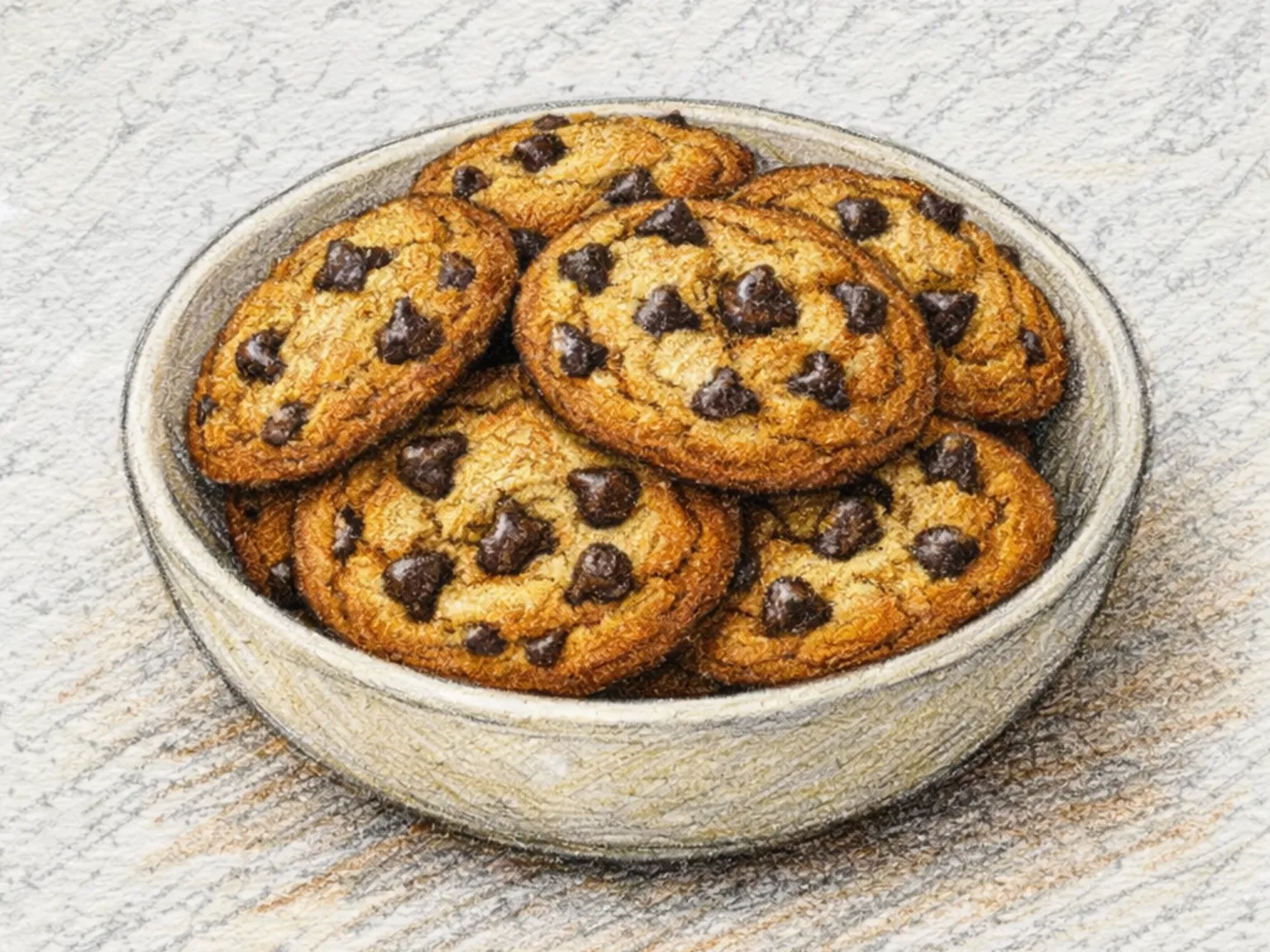
Browning the butter until the milk solids turn golden gives these cookies a toasty smell of hazelnut and toffee that plain melted butter lacks. The one real risk is the pan of butter itself: the brown specks at the bottom go from golden to burnt quickly, so stay with it once it starts foaming.
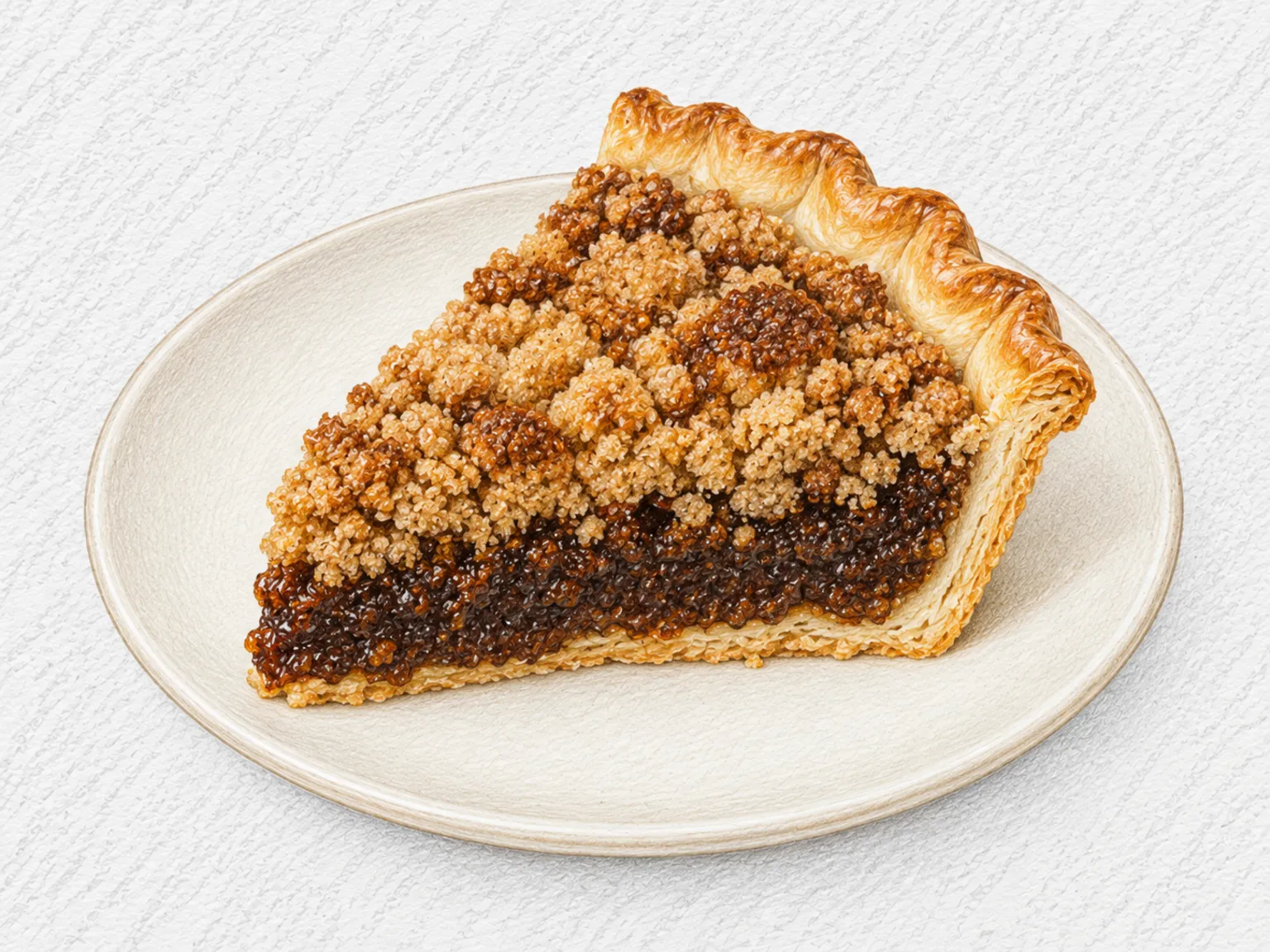
Molasses soaks into the lower half while the buttery crumb on top stays loose and dry. Liquid and crumb go into the shell in alternating halves; some of the crumb drinks up the molasses, the rest stays on the surface, and in the oven the two separate into layers. The molasses is unsulfured baking molasses, not the bitter blackstrap.
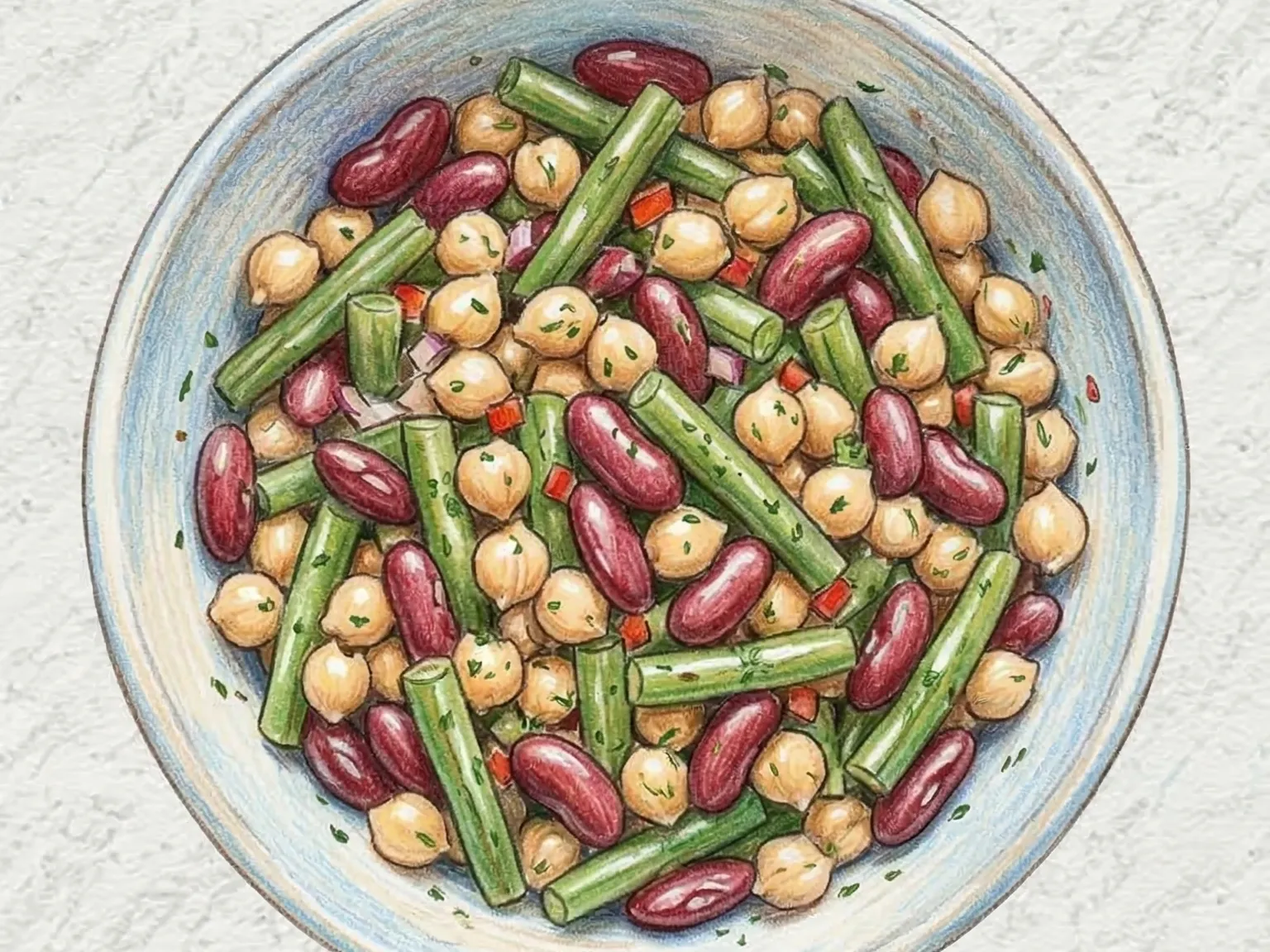
Canned kidney beans and chickpeas get blanched green beans for crunch and a dressing of cider vinegar and Dijon mustard. A night in the fridge lets the dressing work into the beans, and it tastes better the next day.
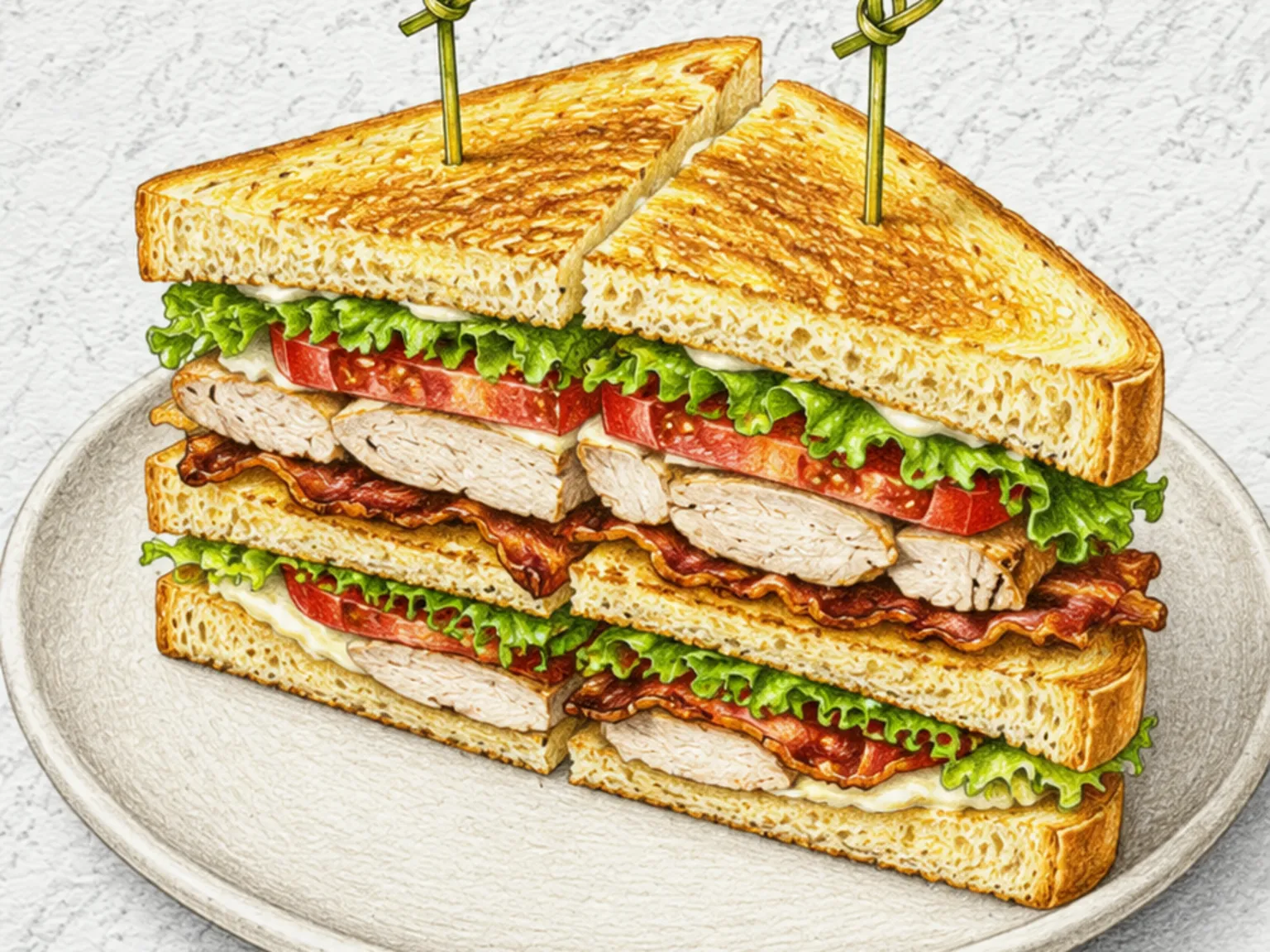
Three slices of buttered toast hold two layers of sliced chicken, crisp bacon, lettuce, and tomato, with mayonnaise as the glue between them. A skewer through each stack lets you cut it on the diagonal without the layers sliding apart.
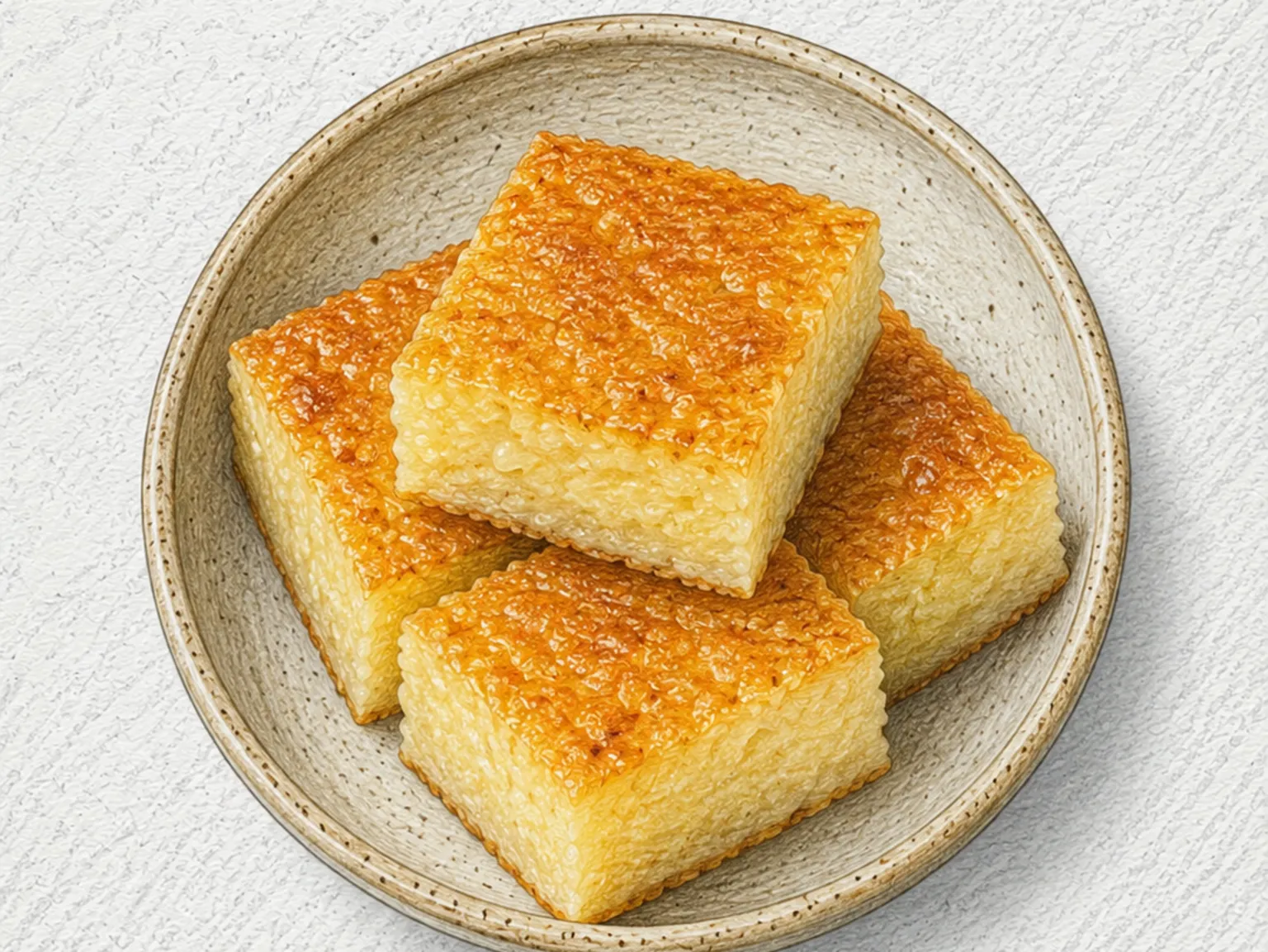
Sweet rice flour mixed with milk, coconut milk, eggs and melted butter makes a batter thin enough to pour like liquid. A long bake turns the bottom dense and chewy like mochi, with only a thin golden-brown crust on top. The cake comes from Hawaii, and a short reheat crisps that top again.
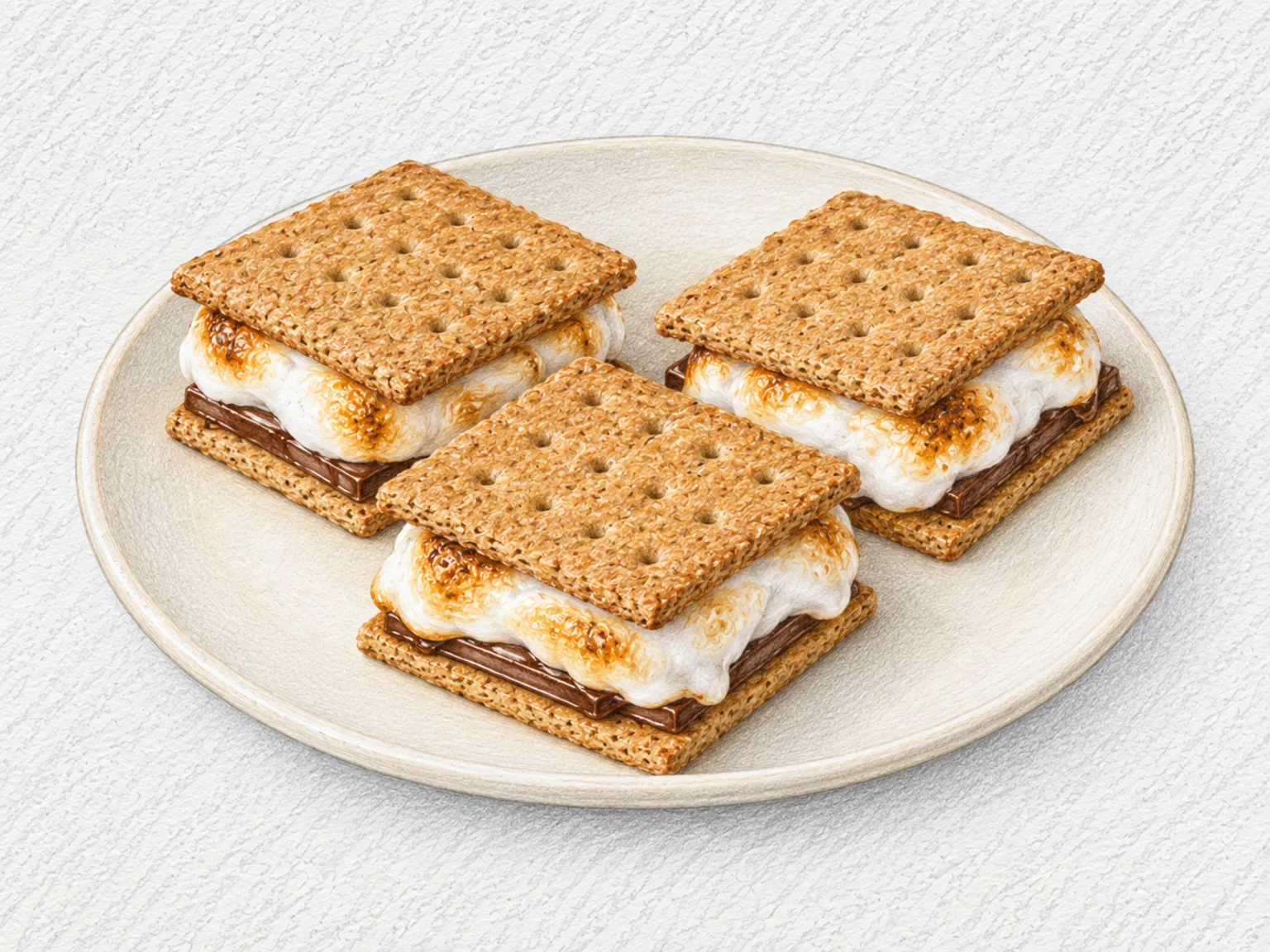
Thin pieces of chocolate soften under the heat of a just-browned marshmallow, while a thick bar stays hard. Because the overhead broiler browns the surface in seconds rather than minutes, stay at the oven door and pull the tray at pale gold, before any black crust forms.
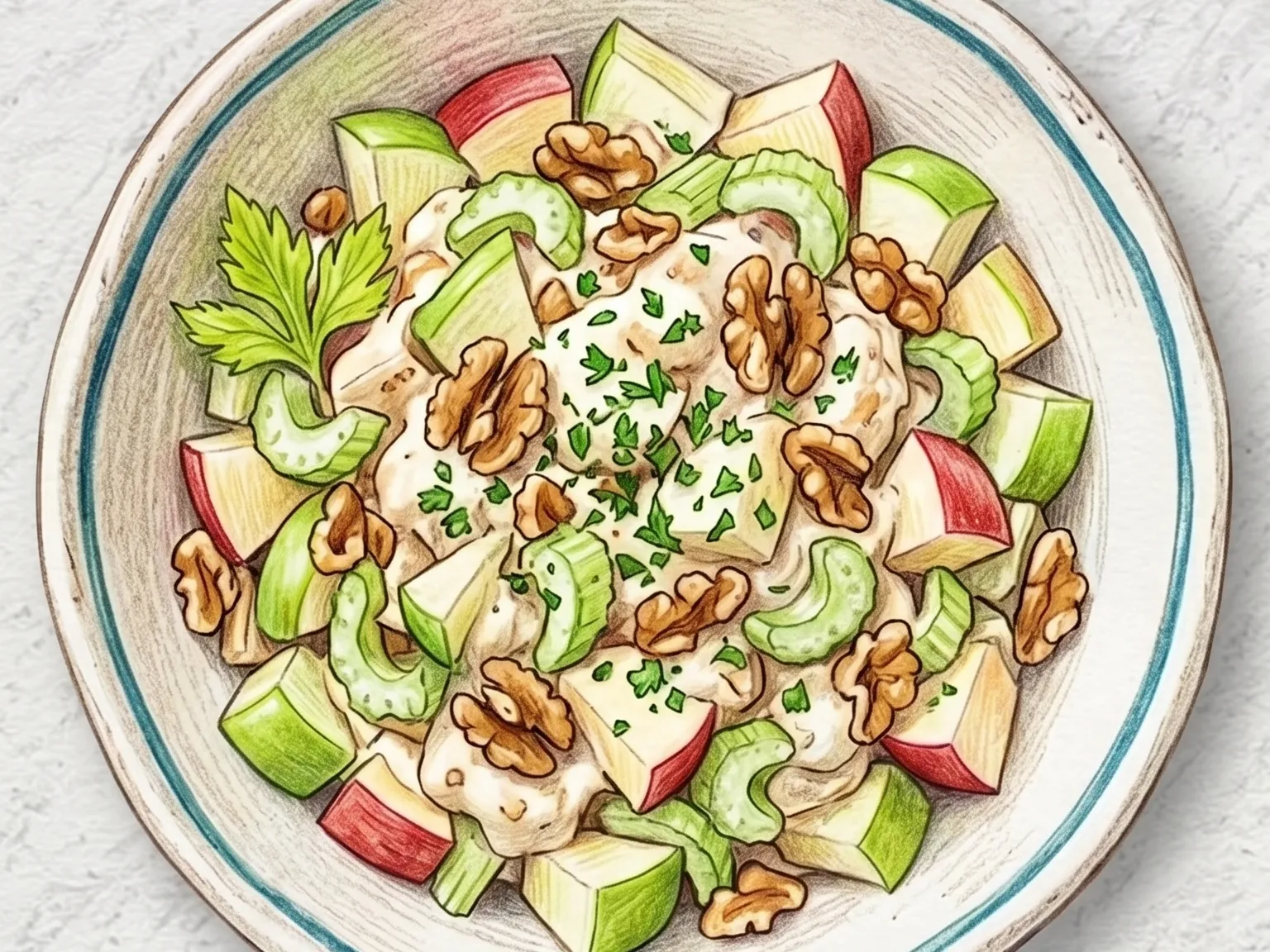
Crisp apple cubes, thin celery, juicy grapes and lightly toasted walnuts are held together by a light mayonnaise dressing. With only a few teaspoons of mayonnaise and a little sugar and lemon, the dressing should coat thinly, and pressing on the fruit releases juice that turns it runny. The walnuts are warmed in a dry pan over low heat until fragrant, then cooled completely so they match the temperature of everything else. Tossing the apple with lemon juice right after cutting keeps it from browning, and that same juice ends up in the dressing. Swapping half the mayonnaise for Greek yogurt makes a lighter version.
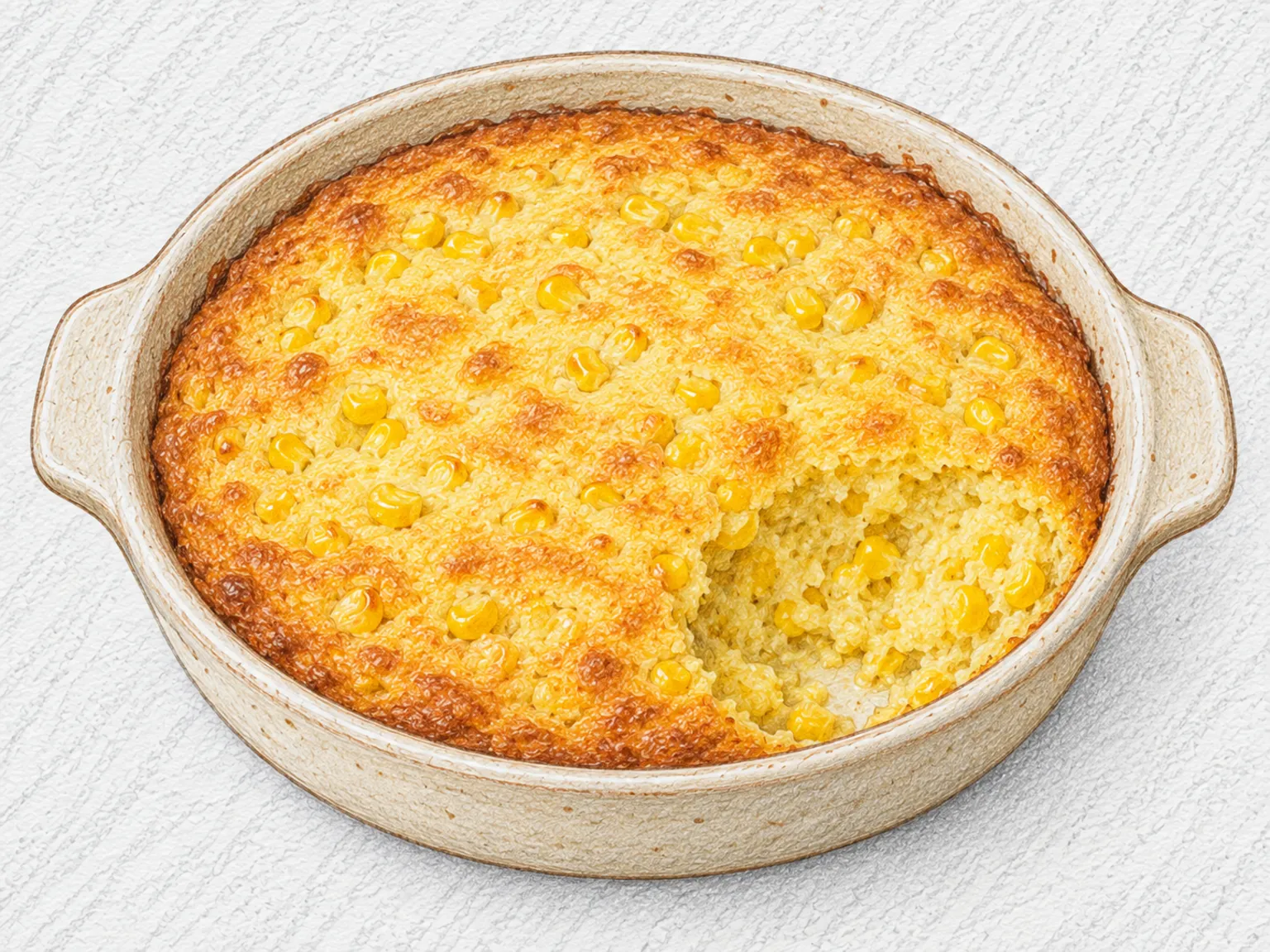
Whole kernels and cream-style corn bake together into a soft casserole that is served with a spoon rather than sliced. Plain cornmeal cannot stand in for the JIFFY Corn Muffin Mix base, which already holds flour, sugar and leavening, and the milk and egg printed on the box for muffins stay out. Only the whole-kernel can is drained, while the cream-style corn goes in whole as the main liquid. The edges color first, but the center decides when it comes out.
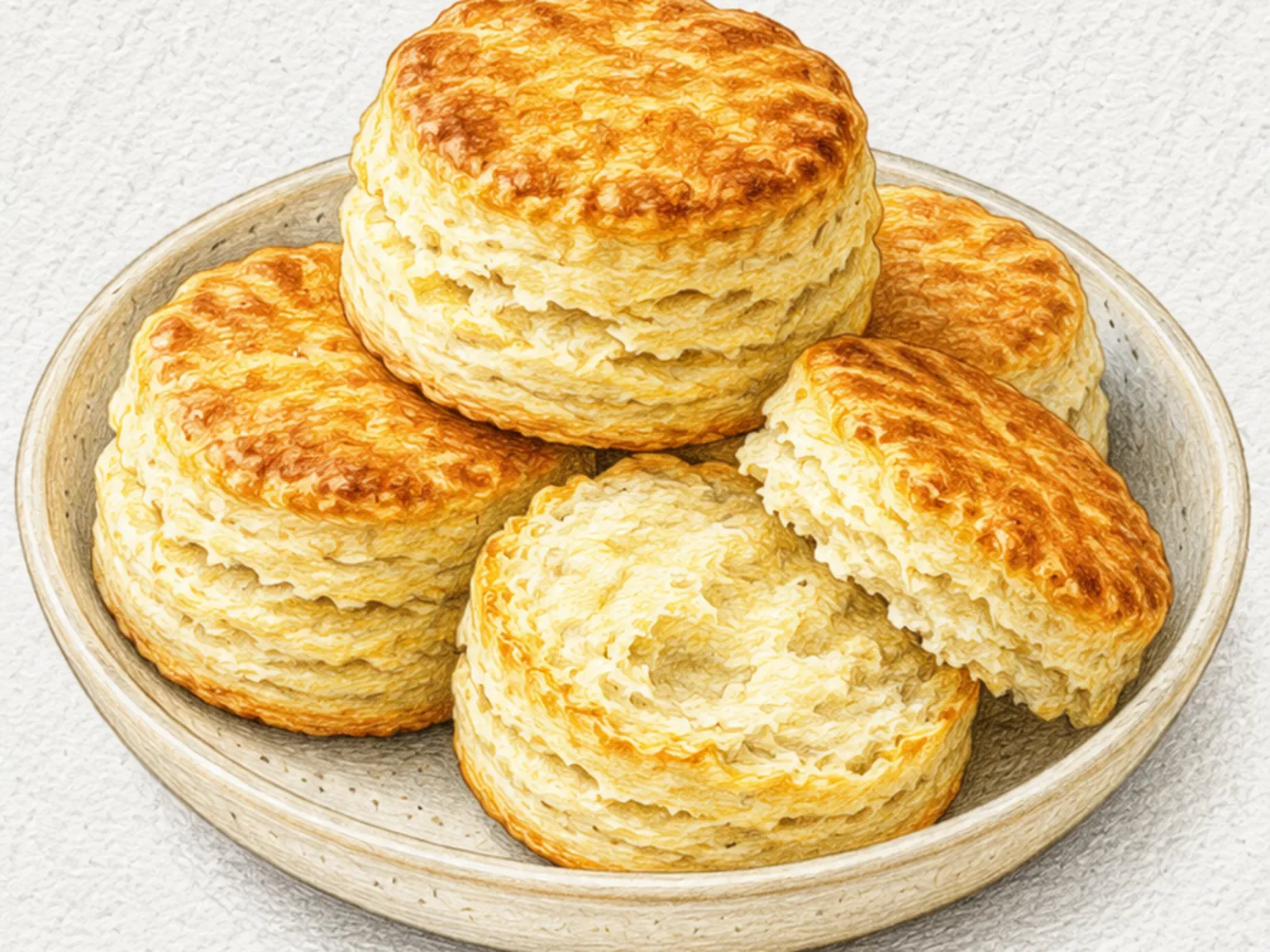
Cold butter cubes turn to steam in a very hot oven and push the dough apart, so the sides split into visible flaky layers. In the United States they are split while fresh for butter and jam, or served the Southern way alongside fried chicken and gravy.
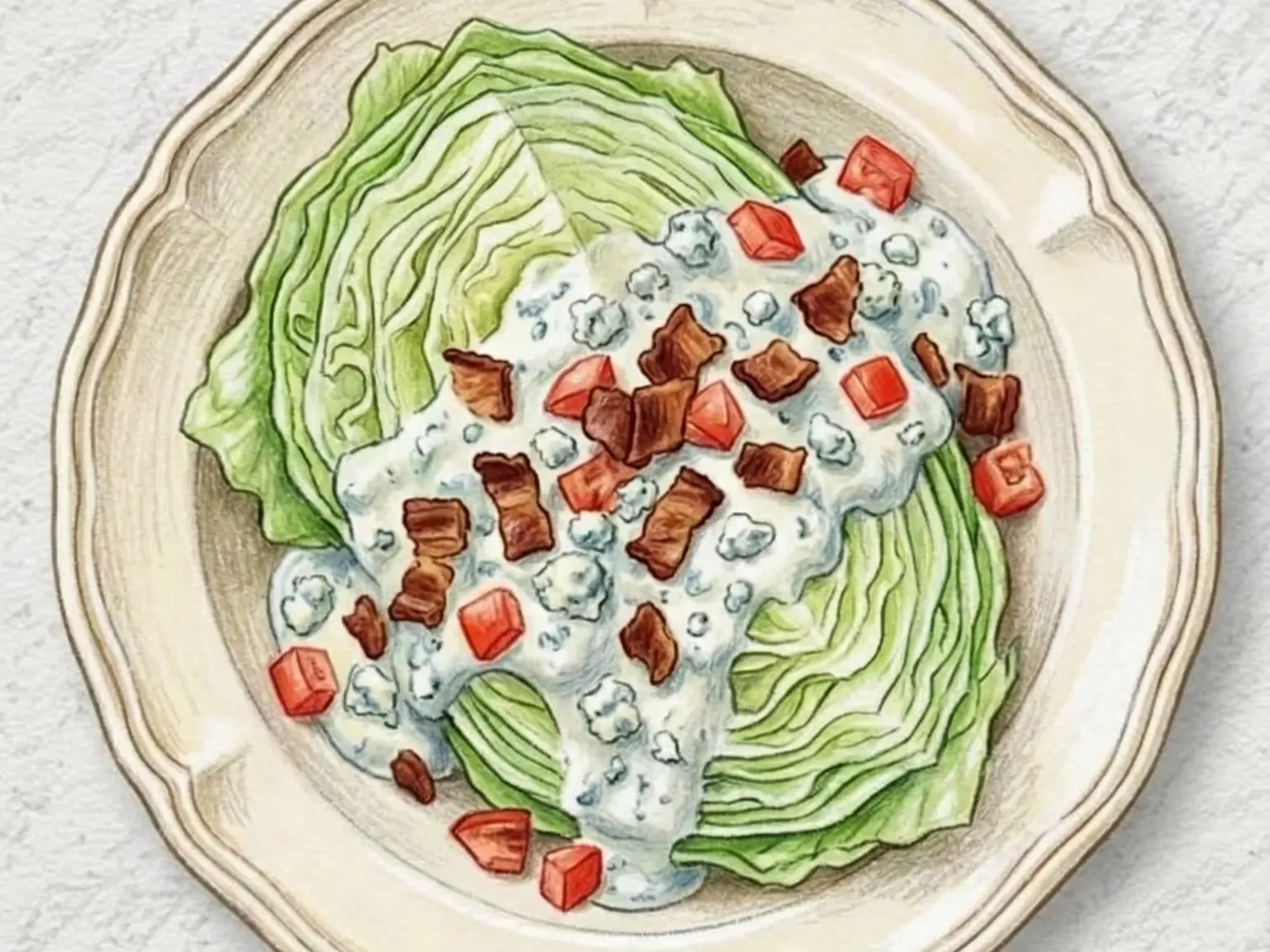
Iceberg lettuce is cut into quarters with the core left on, so each wedge stays cold, firm and whole while blue cheese dressing runs down between the layers. Because the leaves are never separated, water trapped between them and in the cut face is what thins the dressing. Only part of the blue cheese is mashed into the sour cream base, leaving small lumps; the rest is scattered on top with crisp bacon, tomatoes and chives. If the blue cheese tastes too strong, part of it can be replaced with Parmesan without changing the method. Assemble it right before serving, as dressed lettuce softens fast.
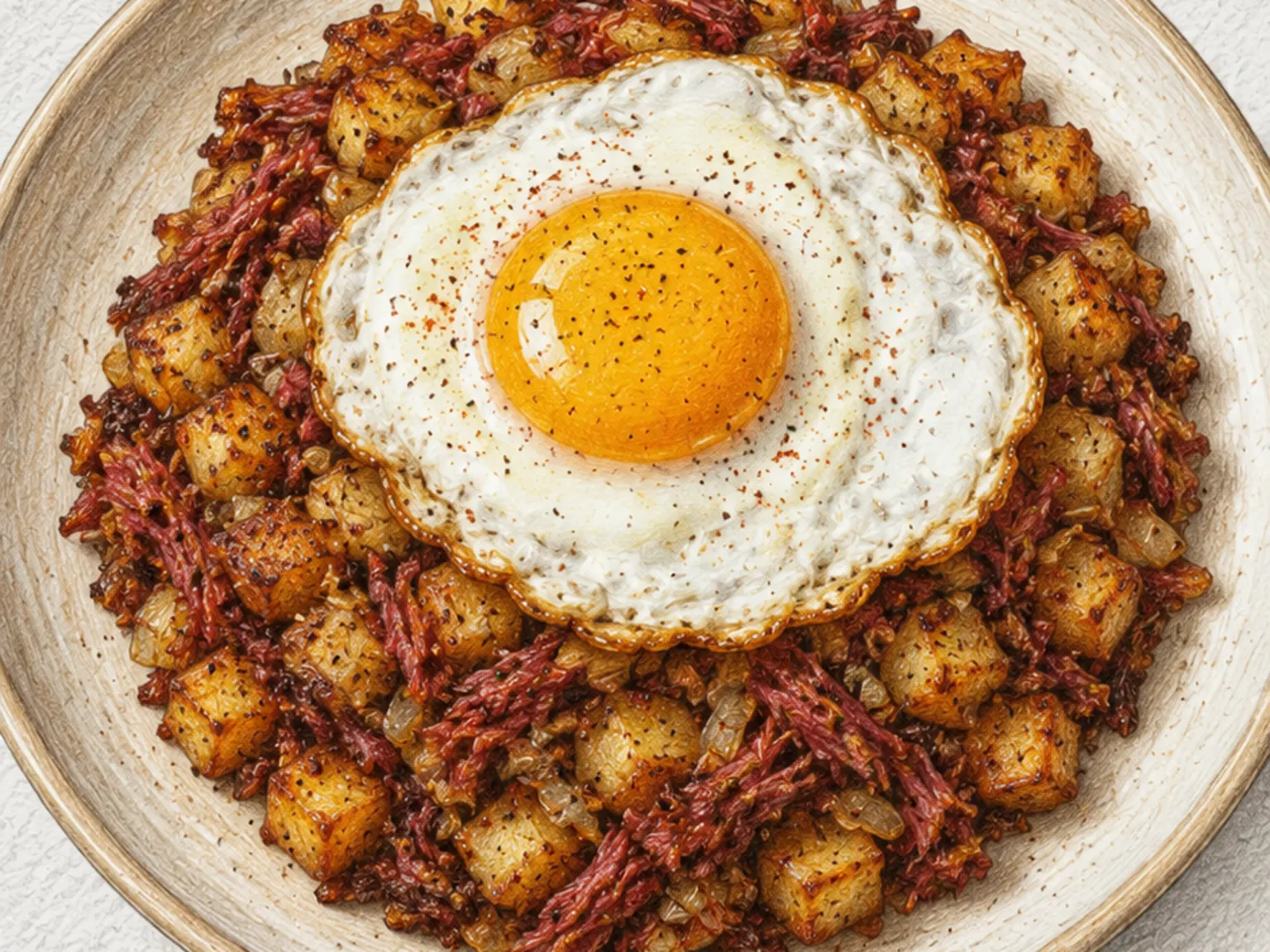
Parboiling the diced potatoes for 5 minutes means the skillet only has one job left: crisping the outside. Wet potatoes steam rather than brown, so the steam has to escape fully before they hit the pan. Corned beef pulled apart along the grain seasons the potatoes as they fry together, and a pinch of paprika adds color. Once the onion and beef are in, the hash is pressed flat and left mostly unturned, which is what builds the firm crust on the bottom. A fried egg on top, yolk broken over the hash, finishes this brunch plate.
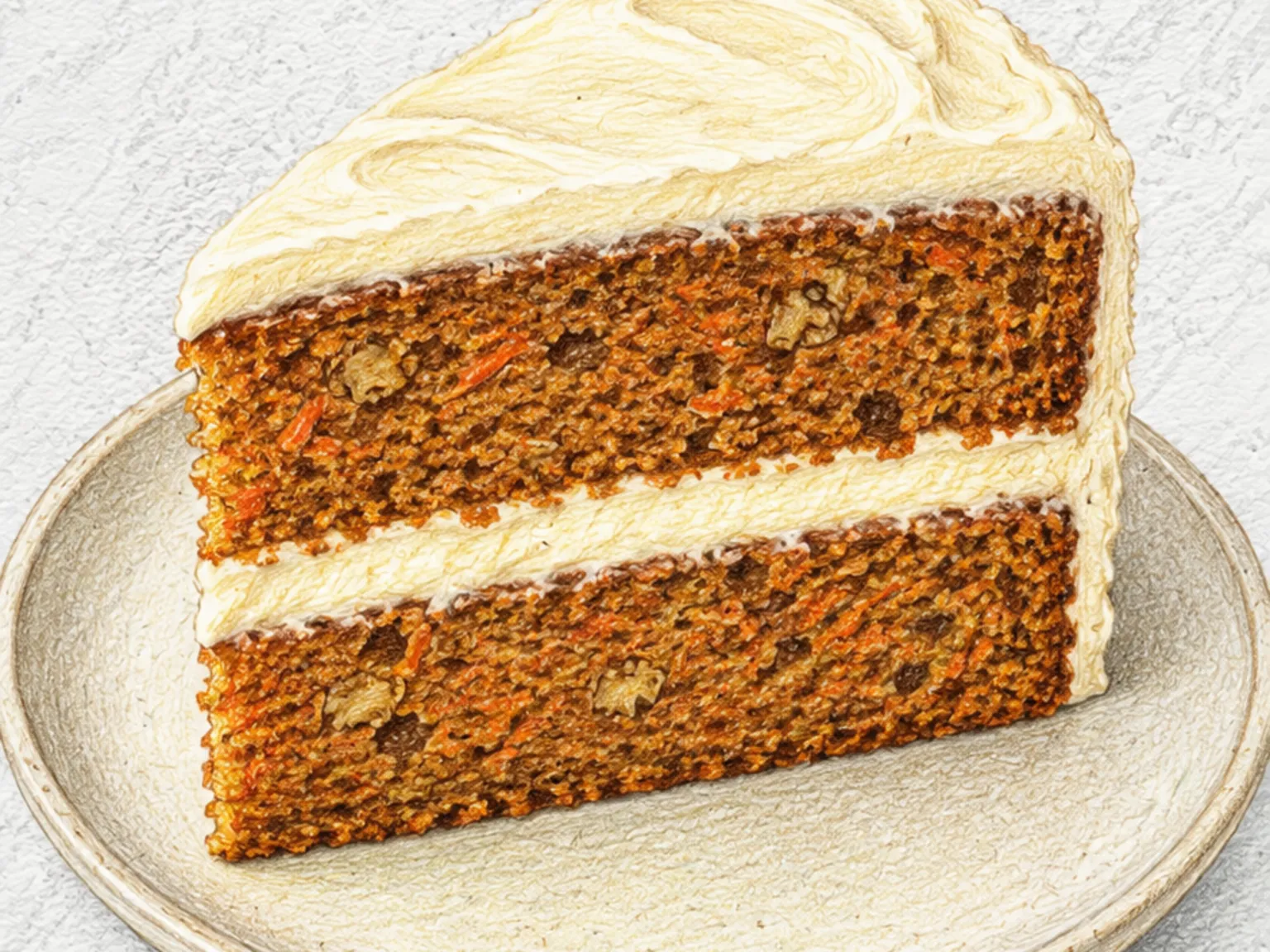
Made with vegetable oil rather than butter, this cake stays soft even straight out of the fridge. Finely grated carrot gives off moisture as it bakes and keeps the crumb moist, alongside cinnamon, nutmeg and coarsely chopped walnuts. A tangy cream cheese frosting goes on top.
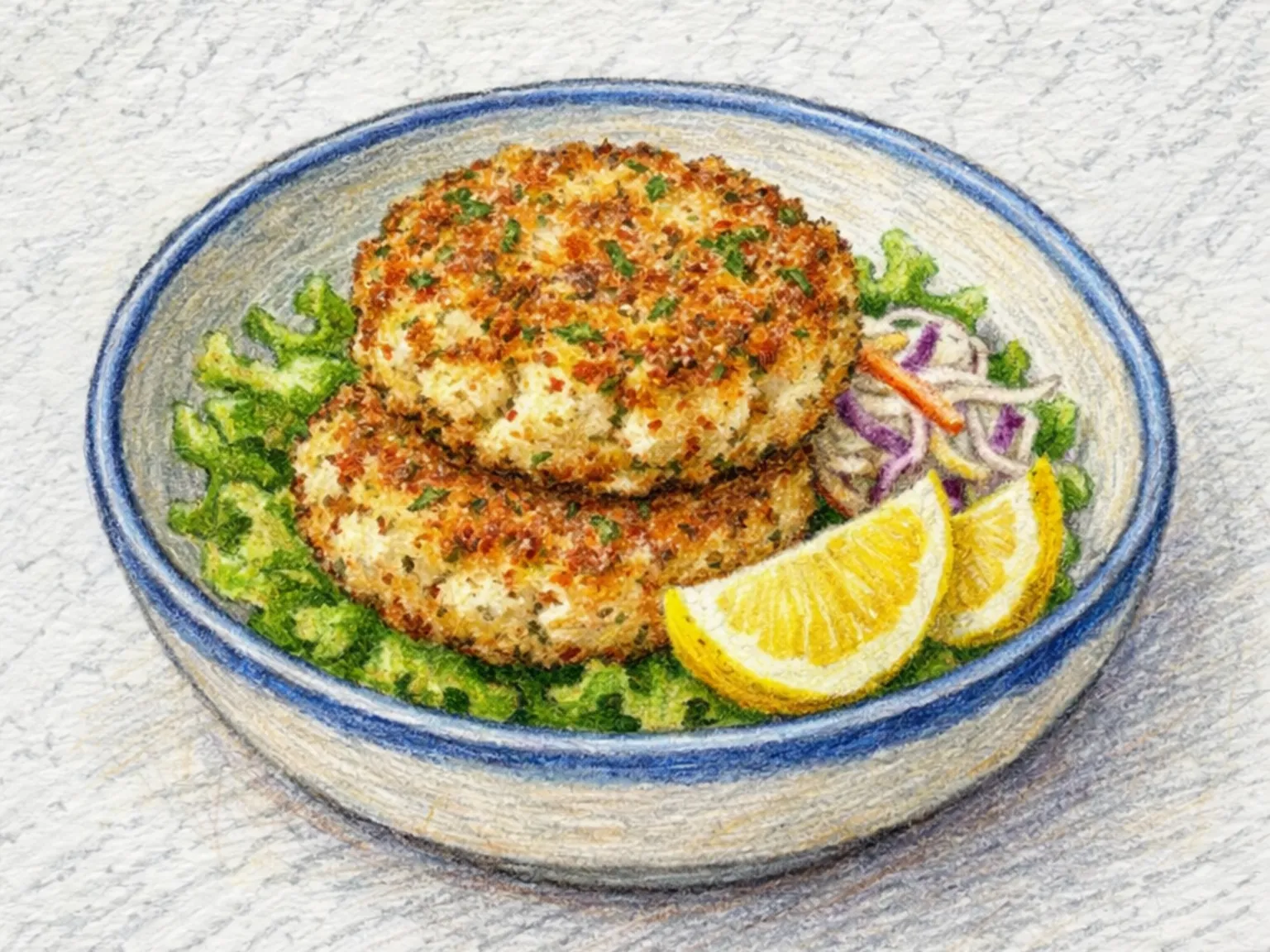
The binder of mayonnaise, Dijon mustard, egg, and breadcrumbs is kept just strong enough to hold the crab together, so big lumps of meat still show in every bite. Lemon juice and parsley add freshness next to the sweet crabmeat. Every extra stir breaks down the crab, so the mixing stops with a few folds, the moment the mixture barely holds. Chilling the shaped patties for 30 minutes firms them up so they survive the flip. Fried in butter, they come out with a crisp shell and a warm, tender center.
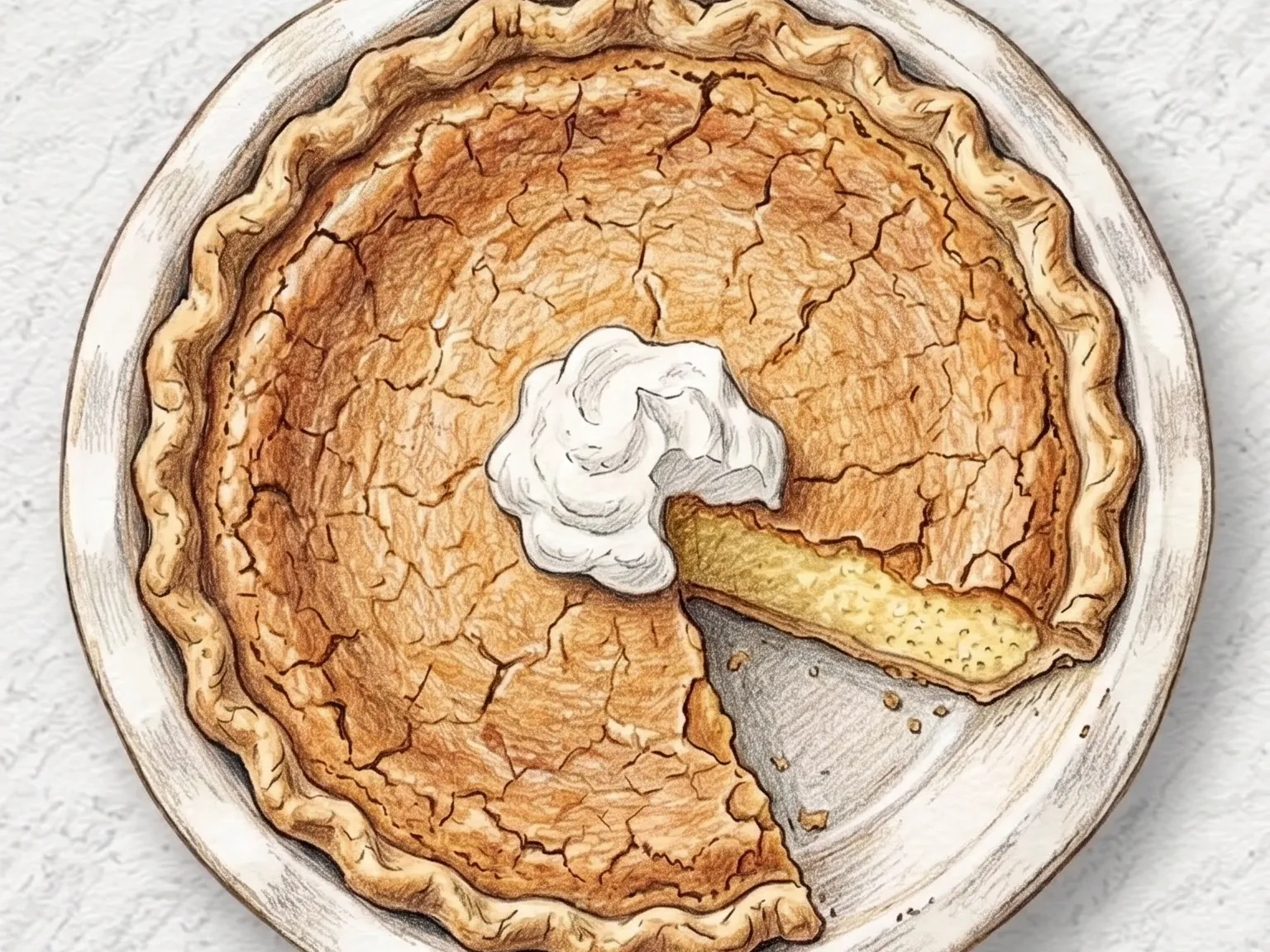
Sugar, butter and eggs make up nearly all of the filling in this Southern pie, yet the oven turns them into two textures: a thin, crackly top over a dense, caramel-tasting custard. As it cools the center firms to an almost fudge-like density, and it comes to the table at room temperature with a little unsweetened whipped cream.
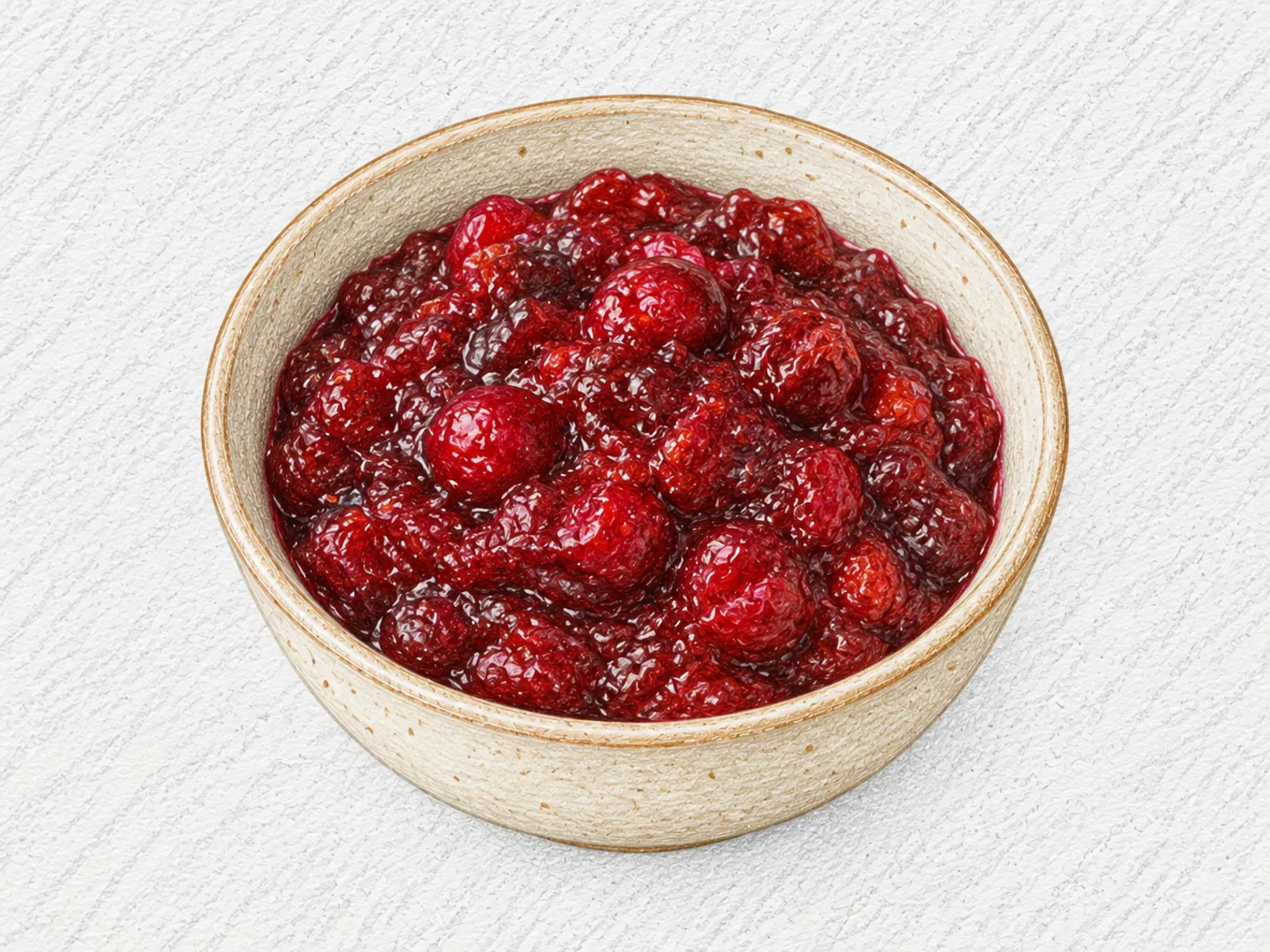
Fresh or frozen cranberries simmer briefly in sugar syrup and are then chilled, giving a tart, cold relish served in its own bowl beside roast turkey. Being a stovetop sauce, it never competes with the turkey for oven space. Sweetened dried cranberries are a different ingredient and will not work in this ratio. The sauce looks loose while hot, but its texture is judged after cooling, and a longer boil does not help. Cooling and refrigeration add time beyond the 20 minutes of active work, which pushes the start well ahead of the meal. Kept in a separate bowl, it lets each person decide how much sharpness and sweetness to add to the plate.
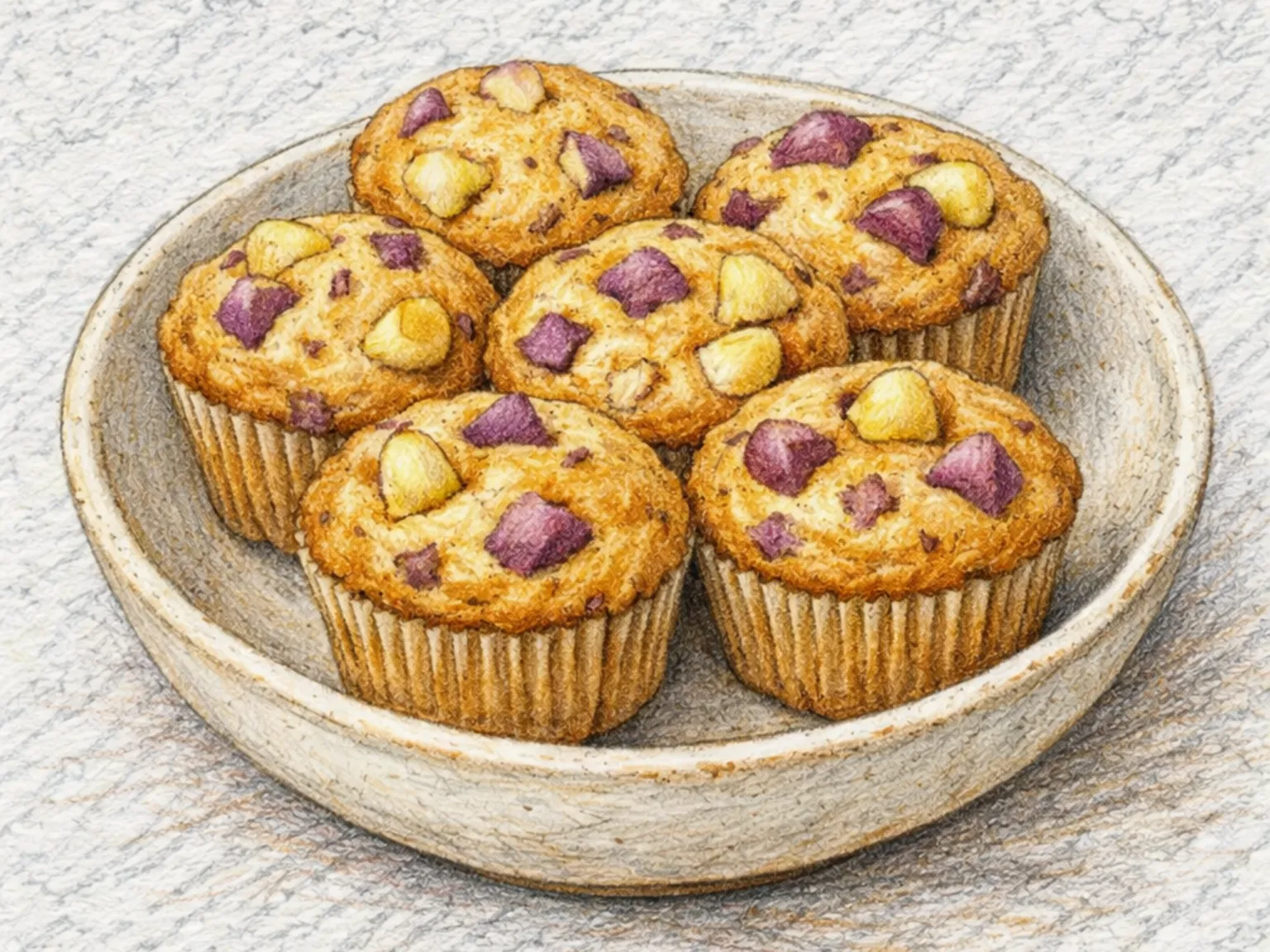
Two Korean autumn staples go in, each with its own job. The sweet potato is mashed smooth and loosened with milk so it spreads through the whole batter, while the chestnuts are chopped coarsely and folded in last, leaving starchy, nutty pieces to bite into. The sweet potato's moisture keeps the muffins from drying out once cool.
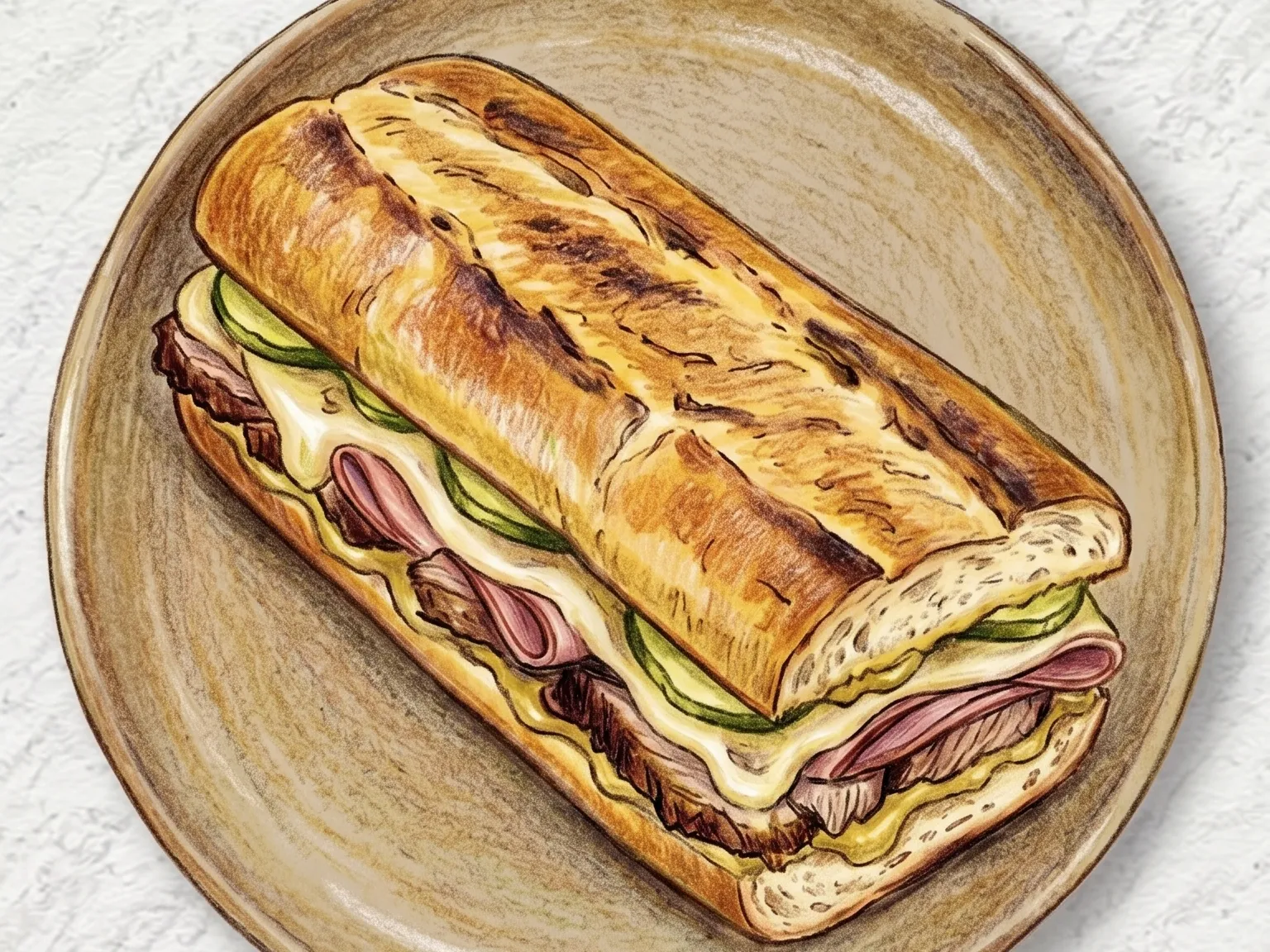
Pressed flat in a hot pan, a baguette stuffed with roast pork, ham, Swiss cheese, and pickles turns crisp outside while the melting cheese holds everything together. No sandwich press is needed; a heavy cast-iron pan set on top does the same job. Pickles and Dijon mustard add sour and sharp notes that keep two kinds of pork from feeling heavy. Slicing the pickles thin and patting them dry keeps the bread from going soggy and stops them from overpowering a bite. The traditional pork is Cuban-style roast seasoned with garlic, cumin, and orange juice, and the sandwich took shape among Cuban Americans in Tampa and Miami.
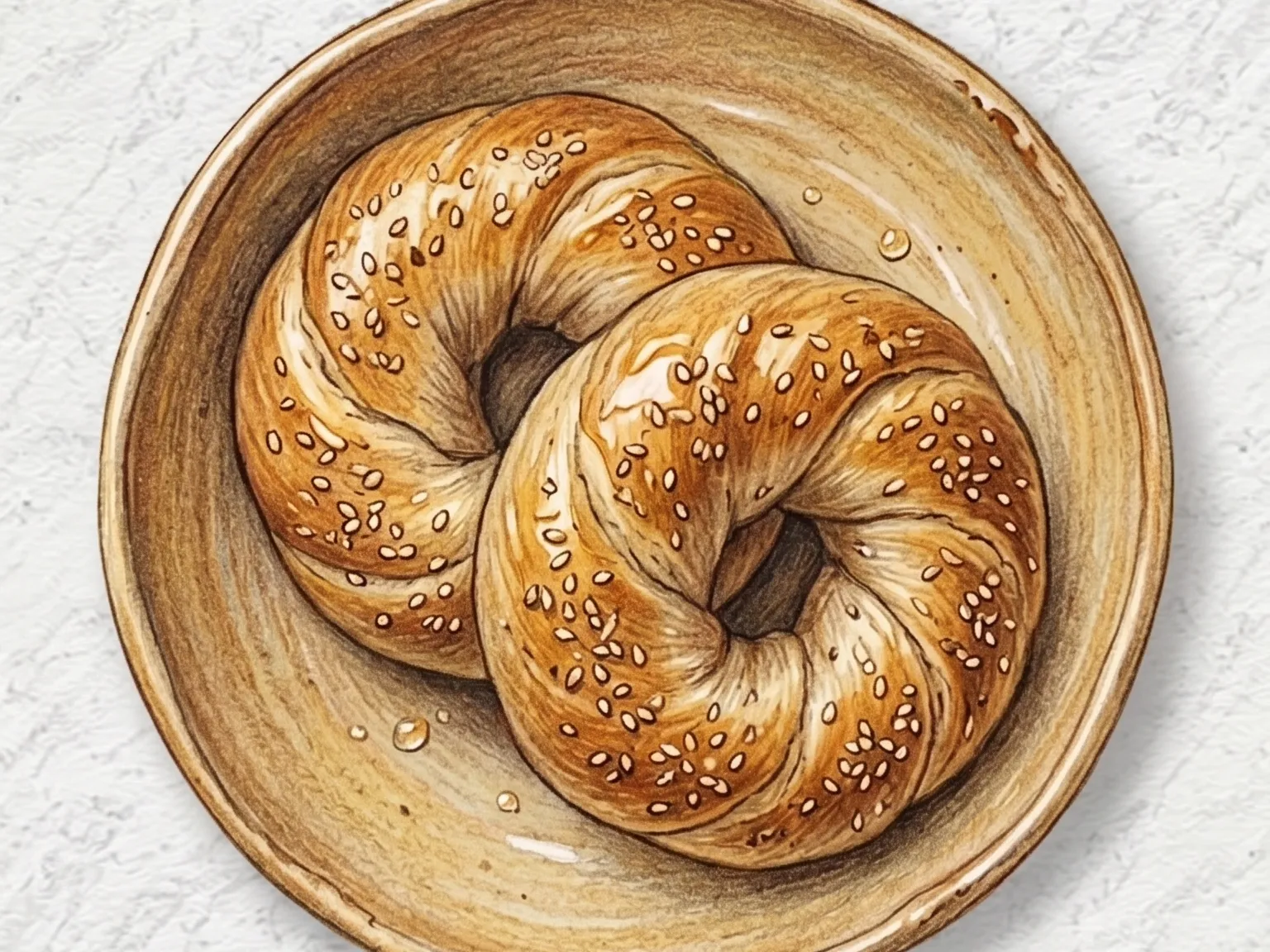
Honey goes in twice, once in the dough and once in the boiling water for the dip, which keeps the sweetness faint and gives the crust its shine. Whole wheat flour, one part to seven of bread flour, adds a slight nutty edge.
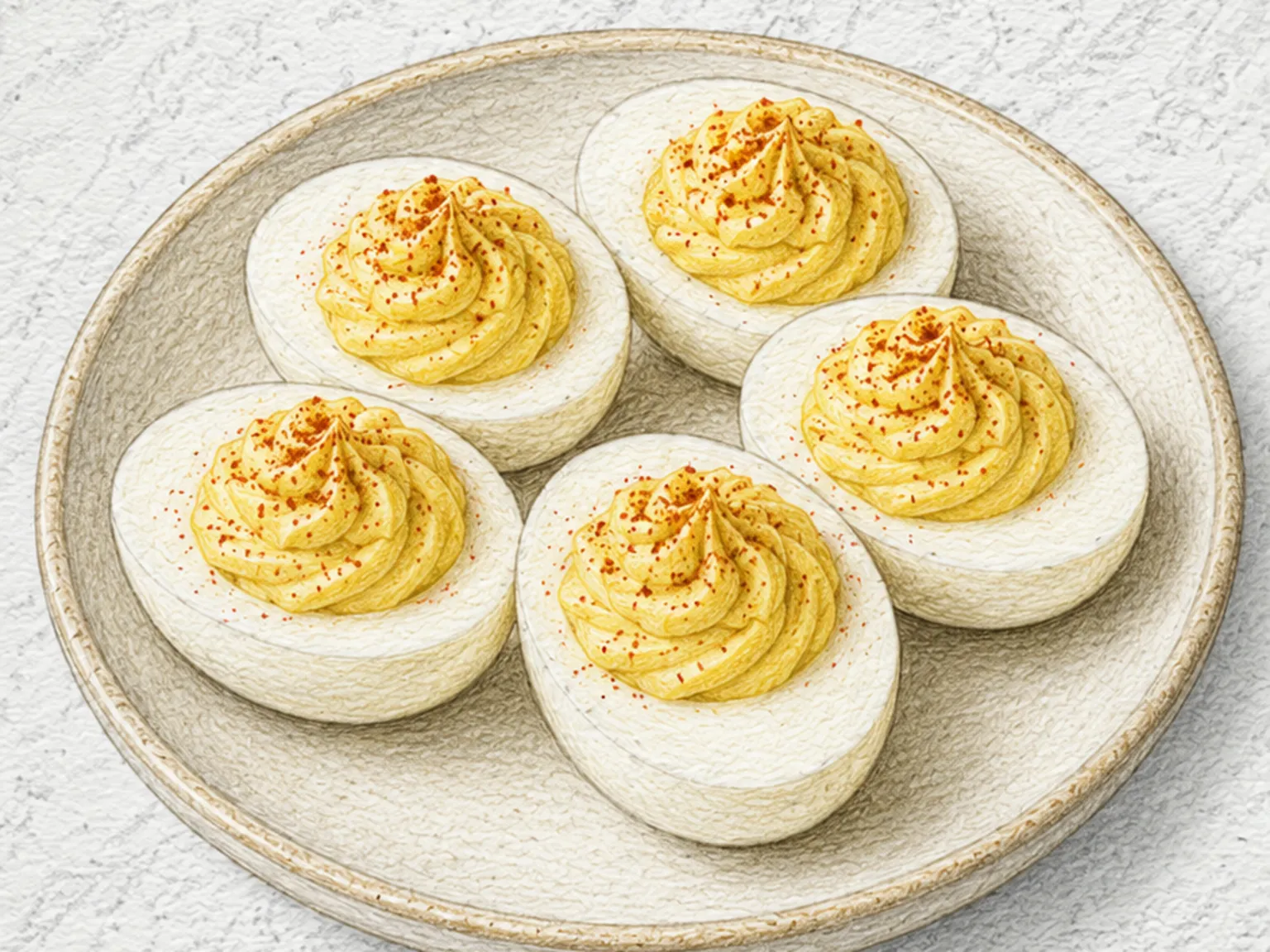
Mustard and lemon juice keep the mashed yolk filling from tasting heavy, giving each halved white a sharp, creamy center. The white works as the container, and eggs cooled all the way through before cutting give clean, unbroken edges. A pinch of paprika on top is mostly about color against the pale filling. Serve them cold, before the surface starts to dry.