Bibimbap
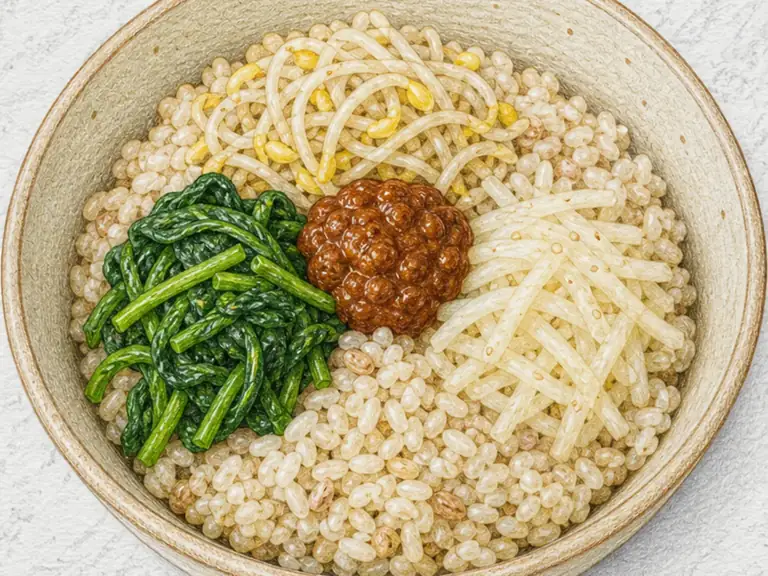
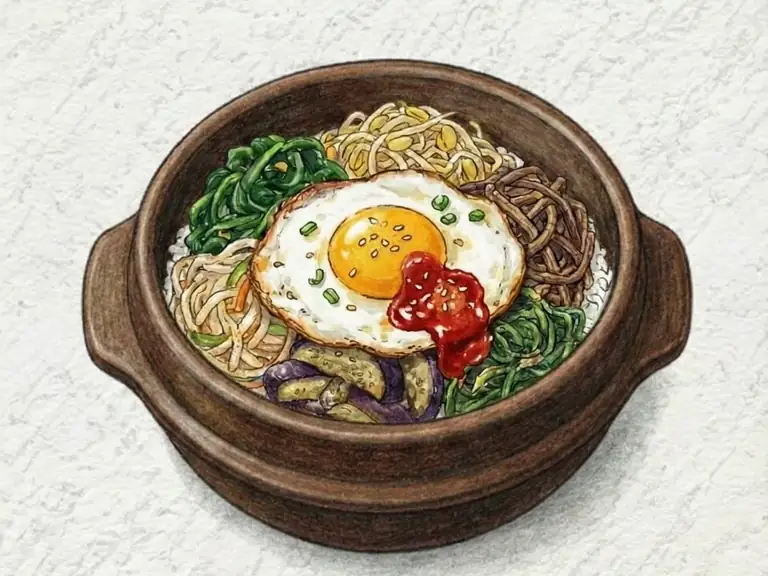
Spinach, bean sprouts, carrot and zucchini are each cooked on their own rather than tossed together, which keeps their textures distinct even after everything is mixed. Blanched greens that are not squeezed dry leave the rice soggy.
1910 Korean recipes. Page 10 of 80. Compare ingredients and cooking times. Bibimbap, Korean Soy Sauce Stir-Fried Mushrooms.
Spinach, bean sprouts, carrot and zucchini are each cooked on their own rather than tossed together, which keeps their textures distinct even after everything is mixed. Blanched greens that are not squeezed dry leave the rice soggy.
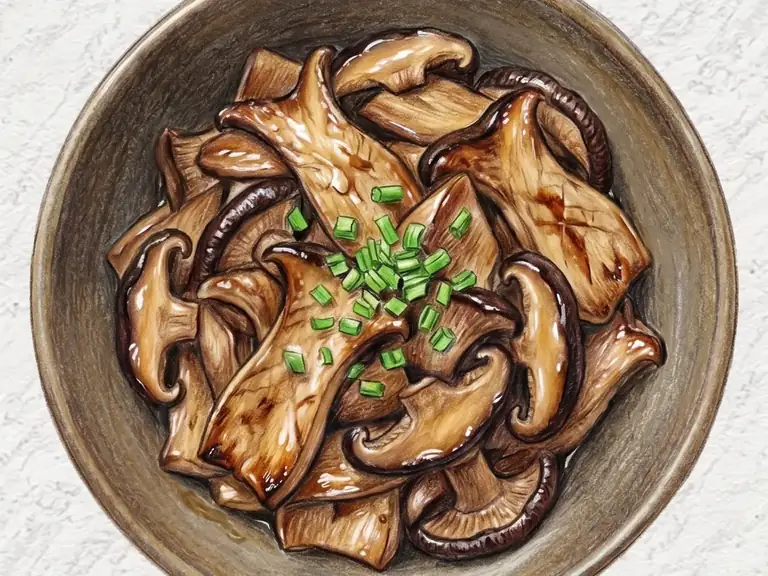
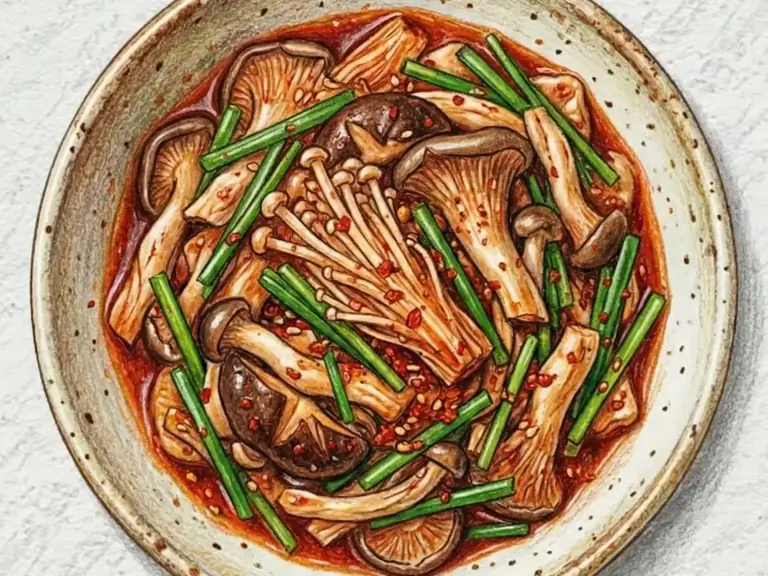
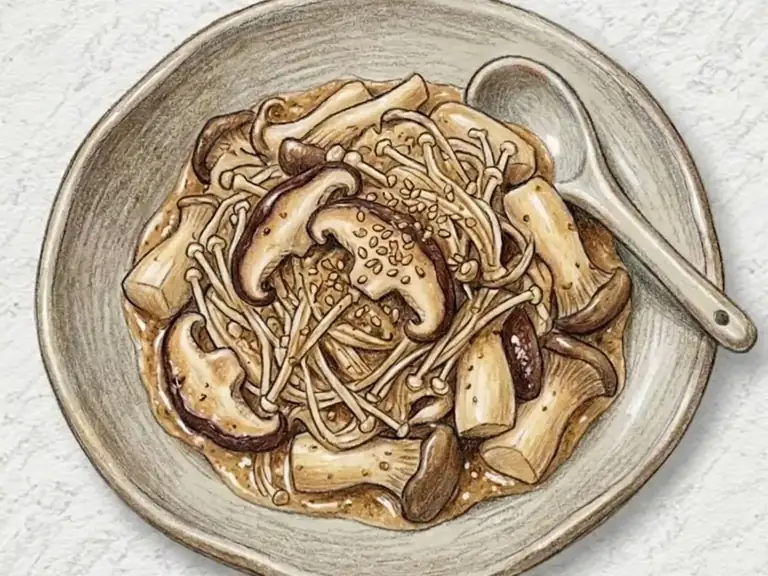
King oyster mushrooms are torn lengthwise by hand, so their fibrous grain stays intact. They are seared in a dry pan first to drive off moisture, which is why the soy sauce clings as a dark glaze instead of turning watery.
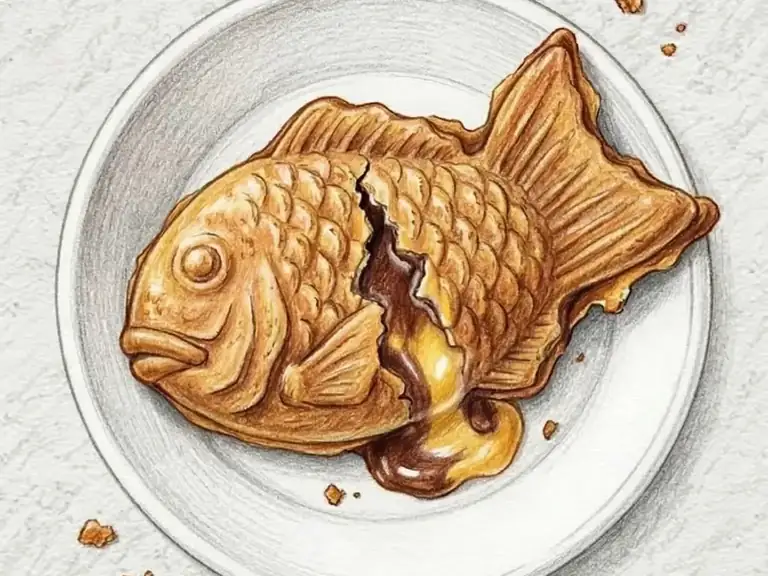
Cocoa turns the batter dark brown in the mold, and a chocolate custard sits inside. Since the shell is dark from the start, its color says little about whether it is done. A skewer poked into the shell, away from the custard, settles it: no raw batter means it is ready.
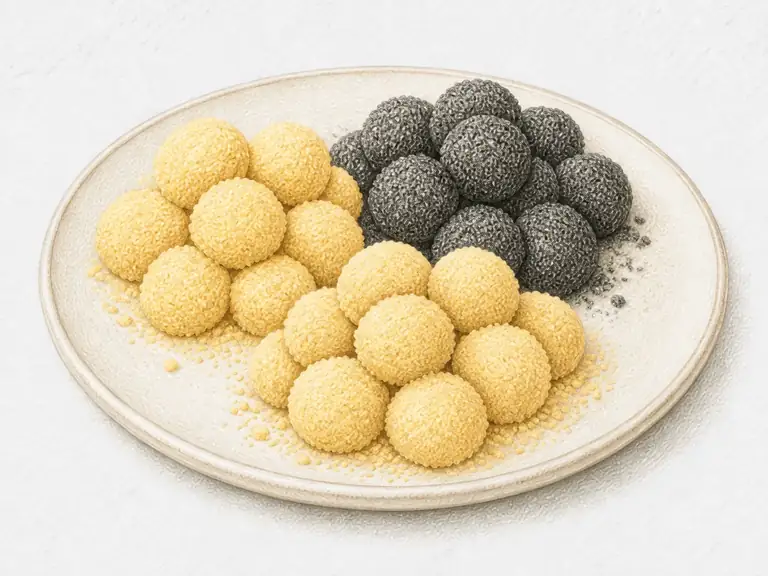
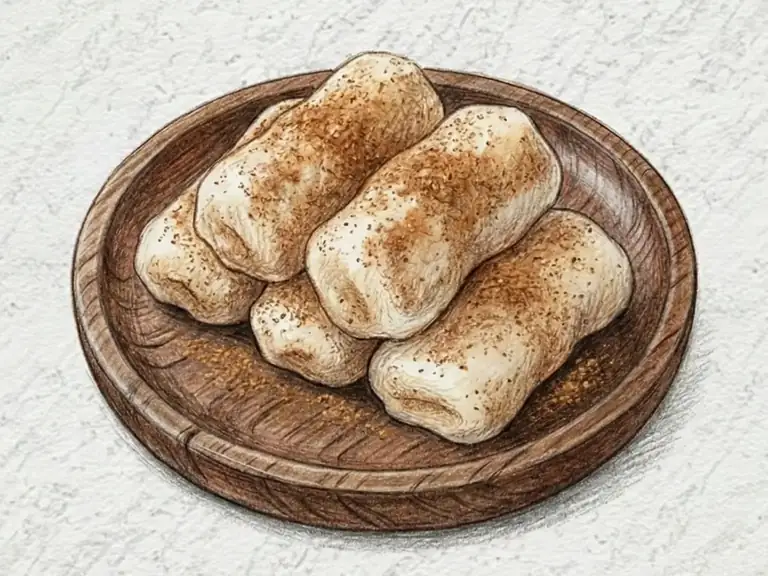
These plain glutinous rice balls have no filling: half are rolled in pale roasted soybean powder and half in black sesame powder, with honey on the side for dipping. The dough calls for dry-milled glutinous rice flour. Wet-milled flour or regular rice flour will not take the same amount of water, and the chew changes too.
Picked in late summer before they ripen, cheonggyul (green Jeju tangerines) taste sharper and smell more strongly of peel than regular mandarins. The syrup in this ade is made from the fruit sliced skin and all and cured in sugar. Mint leaves are only pressed with the palm, since crushing them turns them bitter.
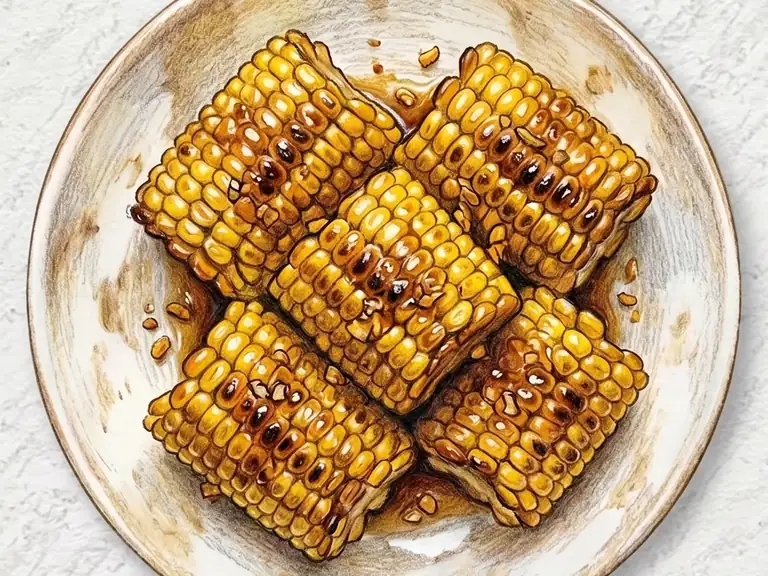
Because the corn is boiled or microwaved first, the grill is only there for color: a butter, soy and sugar sauce brushed on as the cob turns, until the kernels catch caramelized brown spots.
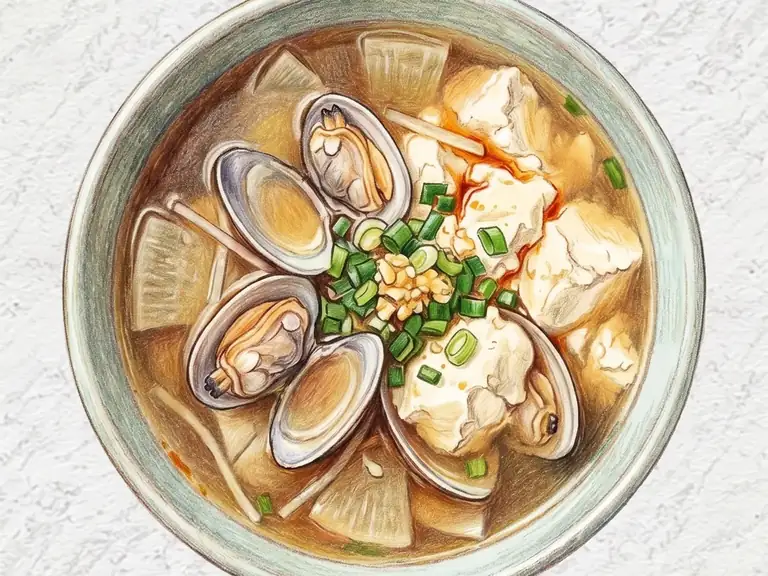
As soon as the clams open, soft tofu is spooned in with a large spoon and left alone. The curds soak up the clam broth in soft lumps; stirring hard breaks them down and clouds the soup white. Seasoned with soup soy sauce and no chili, it is not spicy at all.
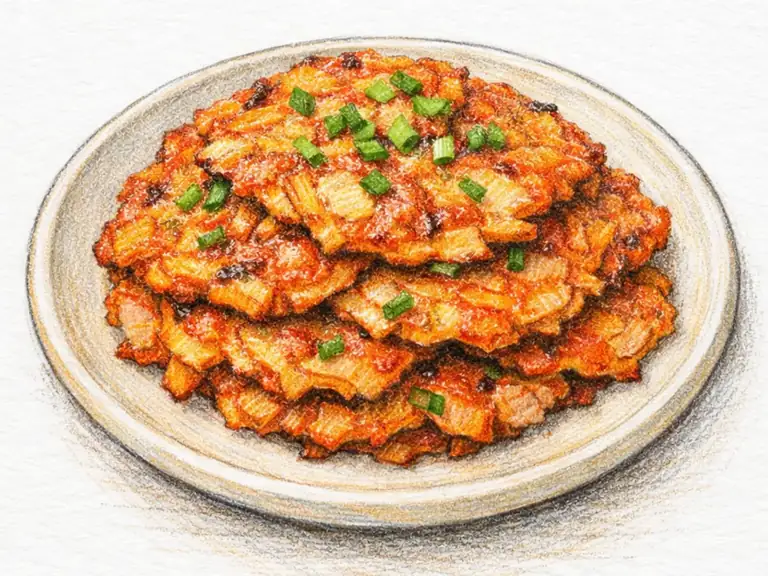
Canned tuna and aged kimchi go in by equal weight with only a small amount of pancake batter, and the filling, not the flour, is what comes through first. The tuna is pressed in a strainer right after the can is opened to get the oil out.
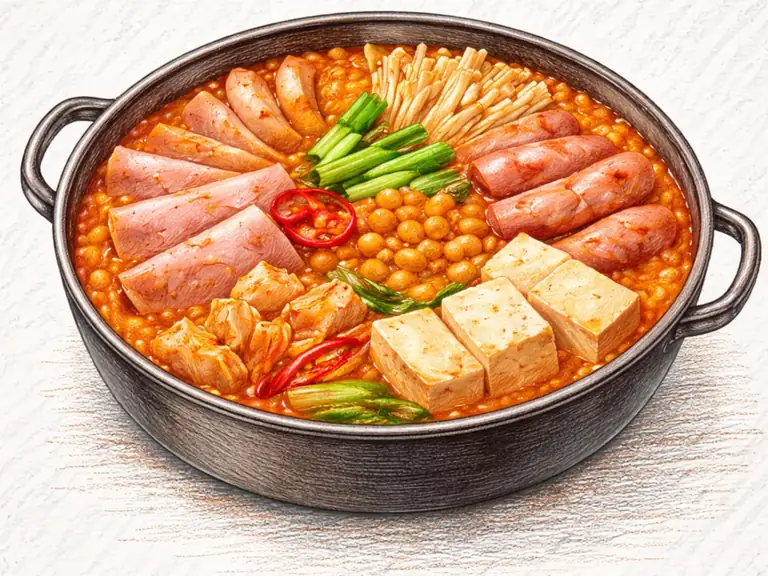
In this budae jjigae, a spoonful of baked beans sits in the middle of the pot with the gochujang paste on top. As it boils the beans break down, thickening the broth a little and leaving a faint sweetness. The liquid underneath is anchovy stock, not plain water.
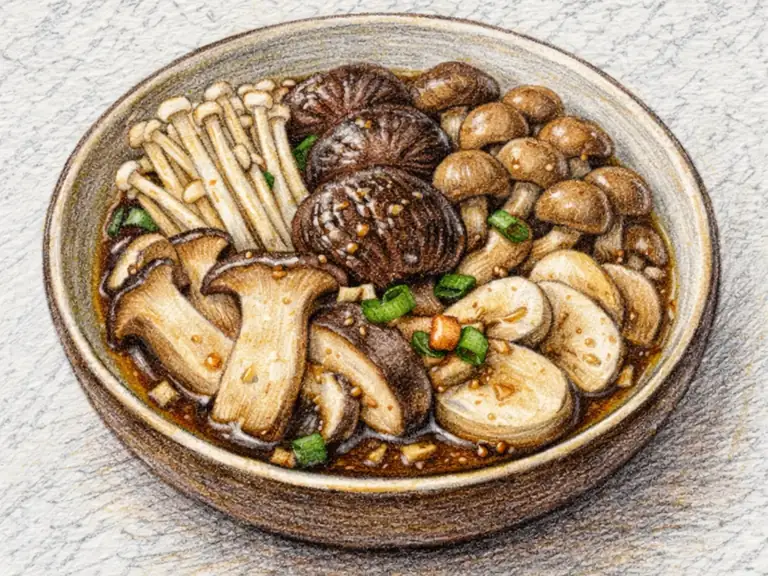
Oyster, shiitake and enoki mushrooms differ in thickness and density and cook at different speeds even under the same steam. The firmer shiitake and oyster mushrooms go underneath, the quick-wilting enoki on top, and the dish comes off the heat before the enoki go limp.
This kimchi is eaten the day it is made rather than aged: oyster and shiitake mushrooms get a one-minute blanch and a dressing of gochugaru and anchovy fish sauce. Tearing the oyster mushrooms along the grain into thick strips keeps them from collapsing, and the thick shiitake caps stay chewy throughout. Mushrooms that are not squeezed hard thin the paste and soften further in storage. Even chilled, it is best within 2 days.
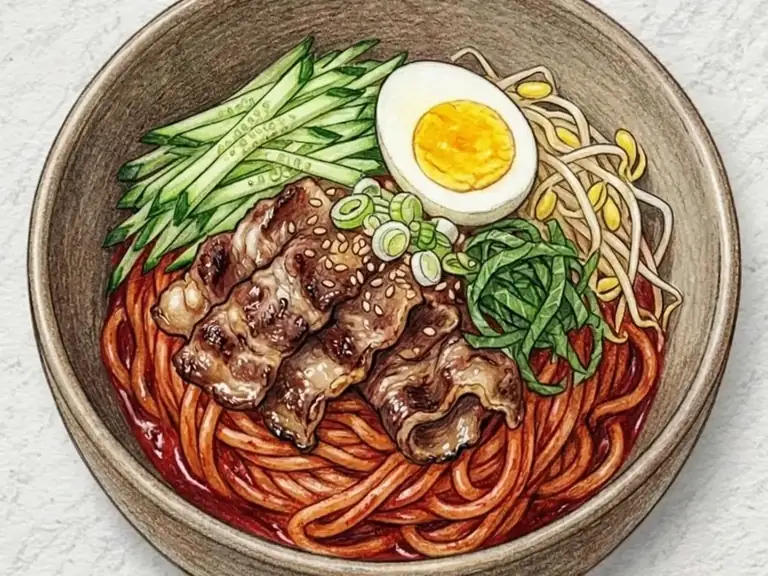
Hot, just-seared brisket lands on cold, chewy jjolmyeon, and every bite mixes warm beef fat with a tangy gochujang dressing. The brisket goes into a dry pan and only browns at the edges, which keeps the marbling in the slices instead of rendering it away. Jjolmyeon are dense, elastic wheat noodles that hold a sticky sauce well, but any water left on them or on the soaked cabbage and cucumber thins that coating fast.
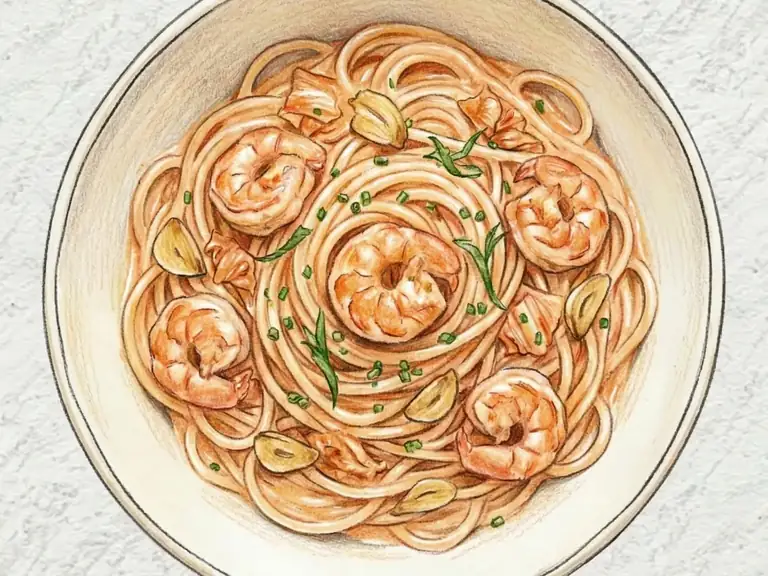
The sauce has no cream, just butter and starchy pasta water tossed hard until they come together, and the sourness of kimchi plus a squeeze of lemon keeps it lighter than most garlic butter pastas. Sliced garlic fries alongside the kimchi so both flavors spread through the fat, and chopped scallion is scattered over after the heat is off.
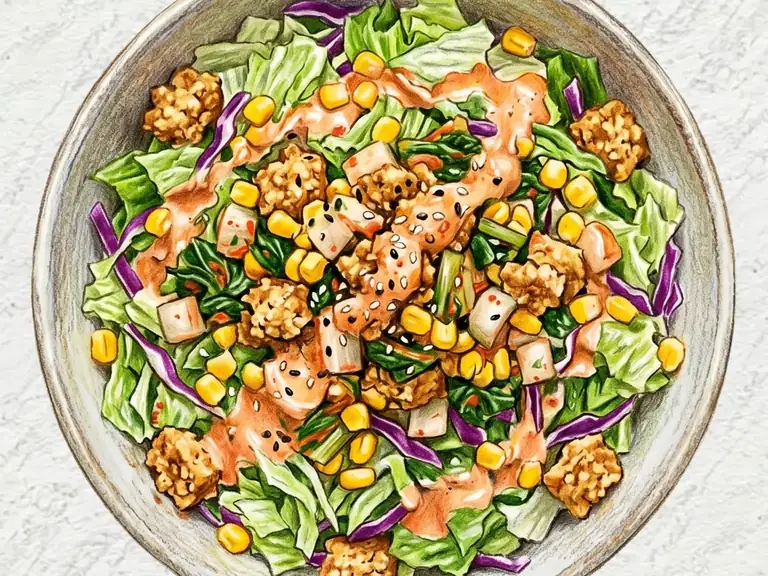
Firm tofu, crumbled by hand and fried in olive oil until its moisture cooks off, turns into dry, nutty granules that sit on the greens like a savory topping. Chopped chonggak (young radish) kimchi brings sour, fermented crunch, and the gochujang-yogurt dressing delivers its heat wrapped in a creamy tang.
Split one open and you get orange kabocha crumb with white ribbons of cream cheese running through it. The cream cheese goes on unsweetened and stays tangy against the sweet, cinnamon-spiced batter.
Pollock innards are salted for 30 minutes, then mixed with gochugaru, garlic, ginger and fish sauce and left in the fridge for at least three days to become jeotgal, a Korean salted relish. Most of the work is in the first wash: the innards are rubbed in cold water again and again until the rinse water runs clearer and the surface is less slick.
Pearled glutinous barley and white rice are cooked in equal amounts, so each spoonful is soft like plain rice but punctuated by springy barley grains. The sauce decides the bowl's character: garlicky gang-doenjang, a thick simmered soybean paste, makes it savory and salty, while gochujang leans sweeter and spicier.
Shiitake, enoki and oyster mushrooms share one pan, and each keeps its own texture: chewy, threadlike and thick. The first wave of liquid they release has to evaporate over high heat, and the ground perilla seed waits until the mushroom edges look slightly dry. Added any sooner, it turns into a damp paste instead of clinging.
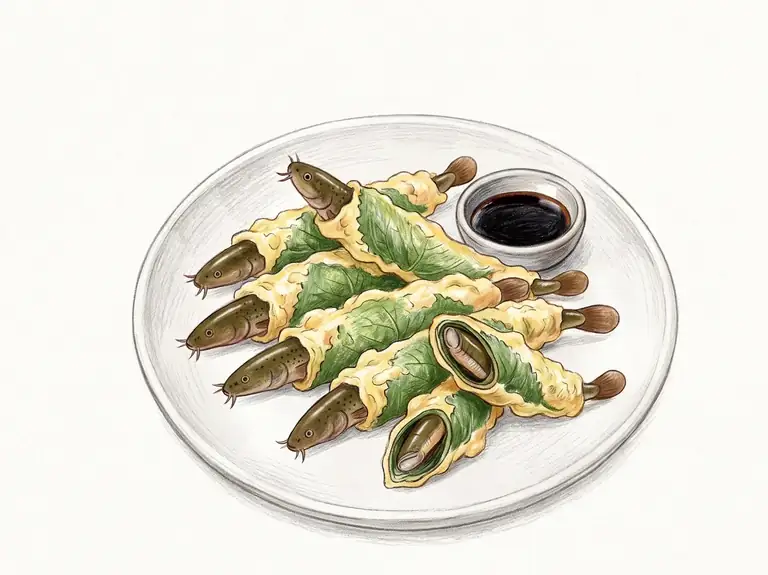
Each loach is rolled in half a perilla leaf before frying, with a thin dusting of starch holding leaf and fish together. Most of the work is in the cleaning: salt draws out the slime, several rubs under cold water wash it away, and every bit of water has to be wiped off or the batter peels away.
A little glutinous rice flour mixed into the plain rice flour gives this mild steamed cake a slight chew. Cinnamon goes into only half the flour, and the white and brown layers are spread alternately and never pressed down. Cut, the side shows stripe after stripe.
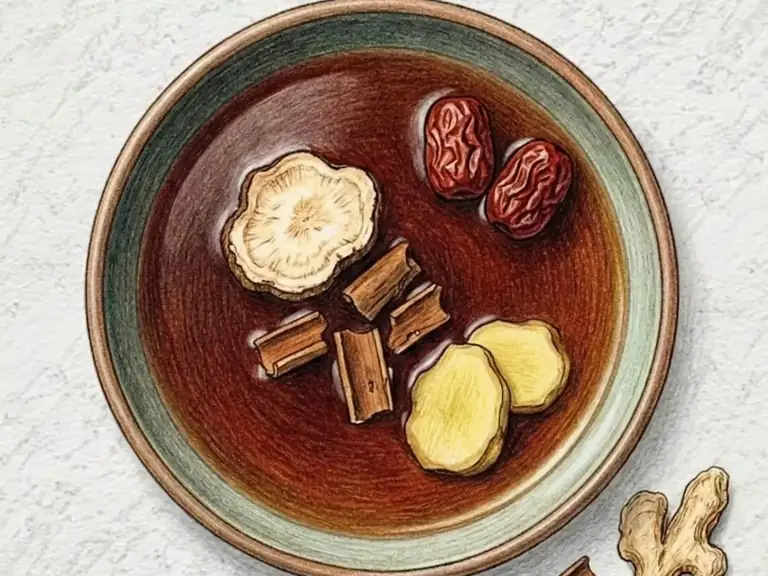
Dried kudzu root gives this tea an earthy, nutty base, with ginger bringing heat and cinnamon a warm spice on top. The jujubes are scored deeply so their sweetness actually reaches the water during the long, low simmer. Strained into a thermos, it stays warm for sipping through the day.
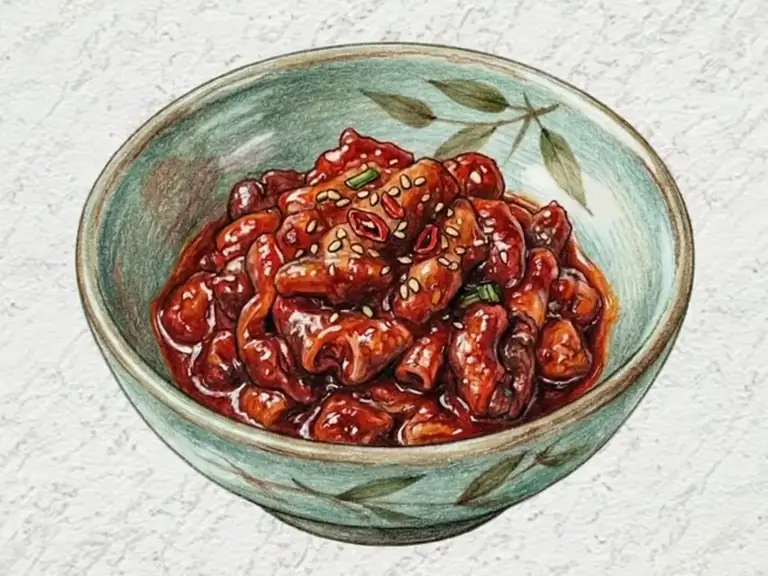
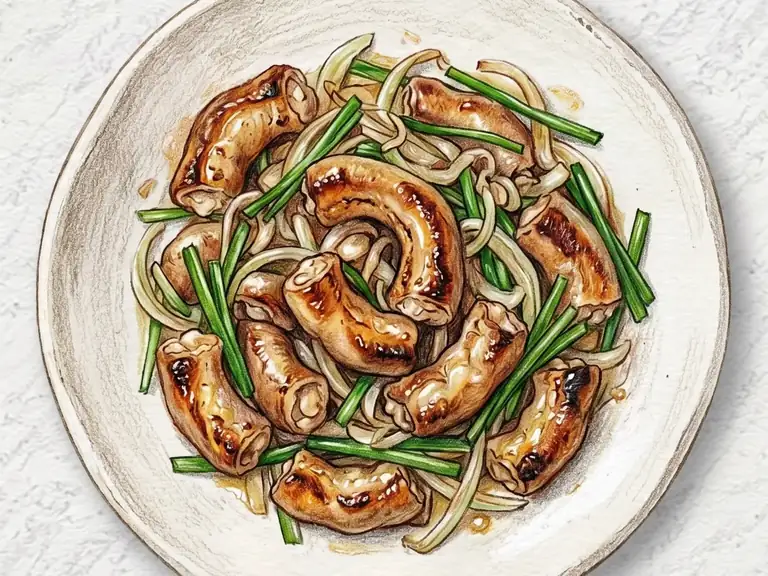
Daechang gets its rich, savory taste from the thick fat lining the inside of the intestine. Over high heat that fat renders out, and the outside browns and crisps. It firms up and toughens as it cools, which is why it is eaten straight from the pan, often with soju or cold beer.
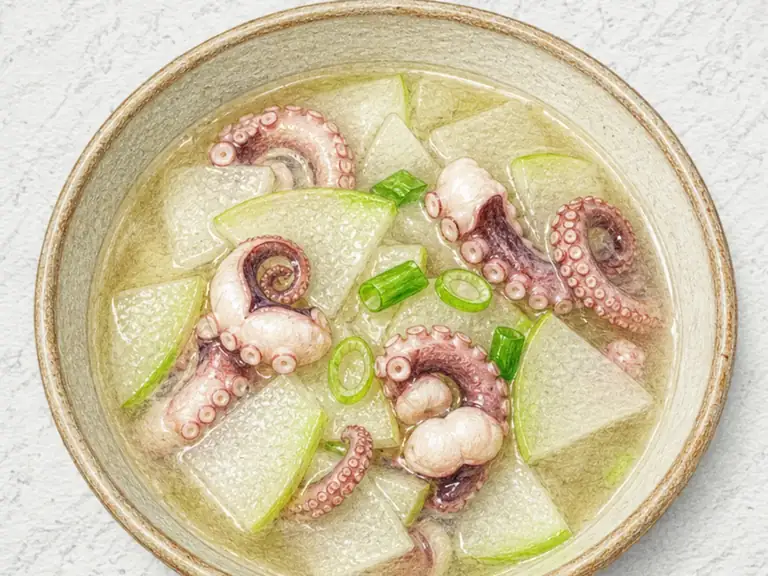
The broth of this soup gets its flavor from the gourd. Thin squares of white bottle gourd flesh simmer for ten minutes until translucent, giving a mild, clean taste, and only then is the small octopus added; once cooked, it is cut with scissors and shared among the bowls.
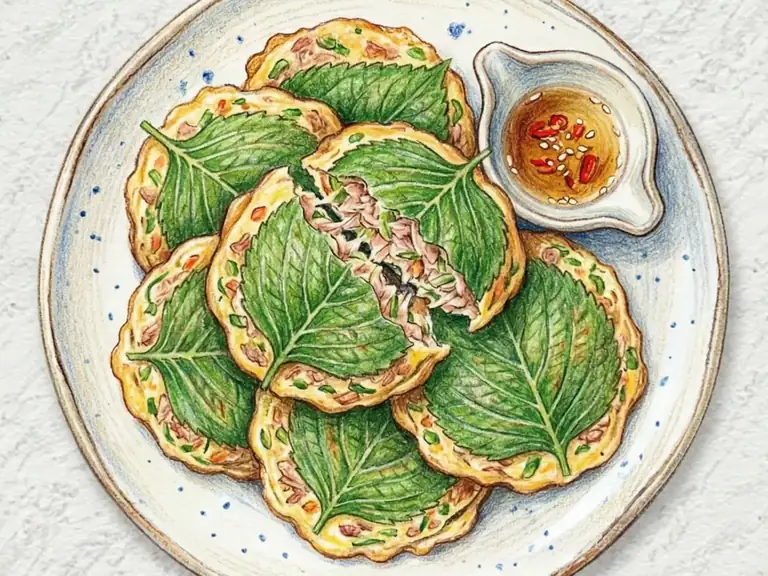
Drained canned tuna and perilla leaves give these fritters more heft than a vegetable jeon but less than a fish one. The egg in the batter binds the tuna and gives a smooth surface, and the fritters hold up well cold in a lunchbox.