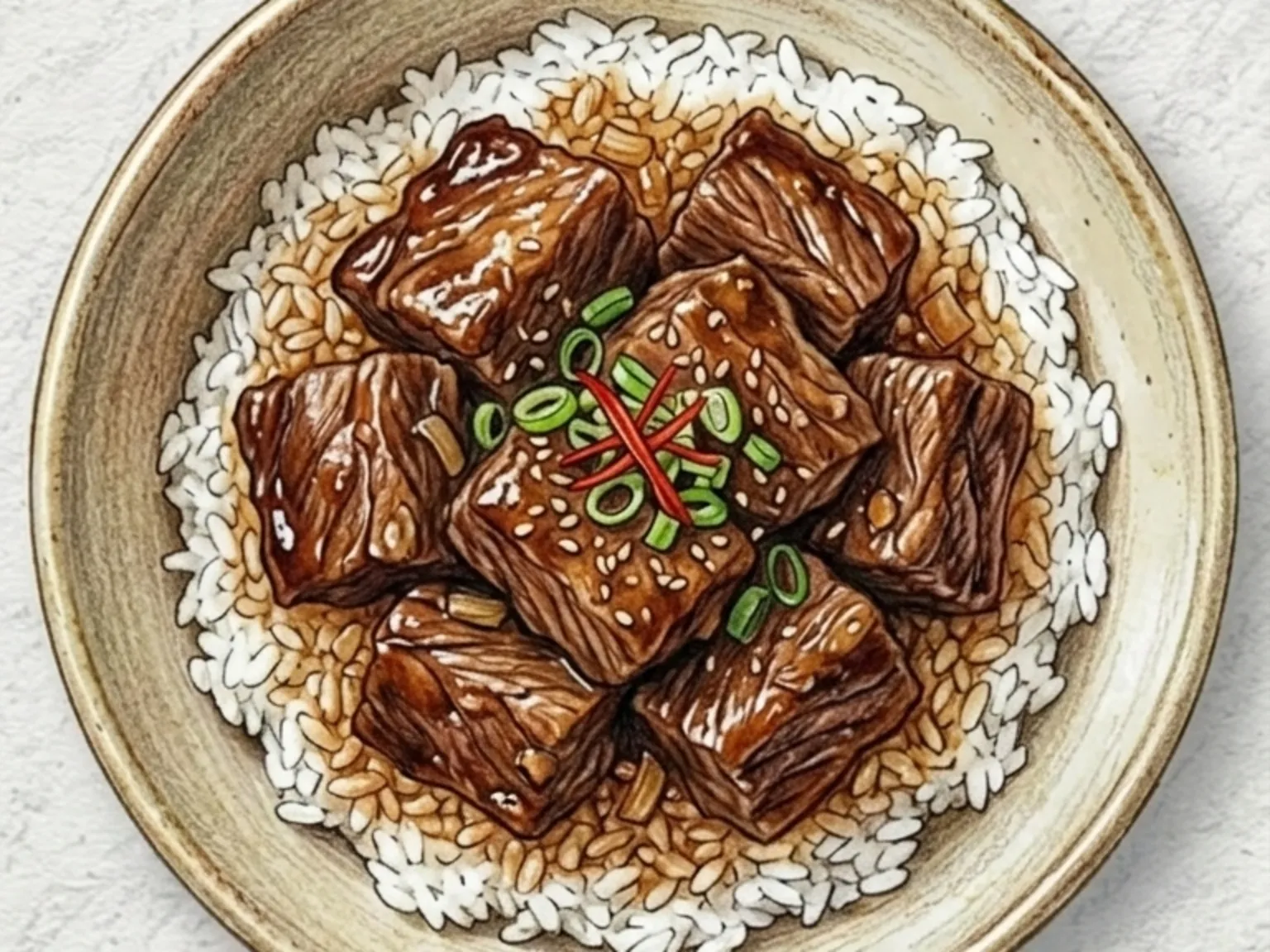
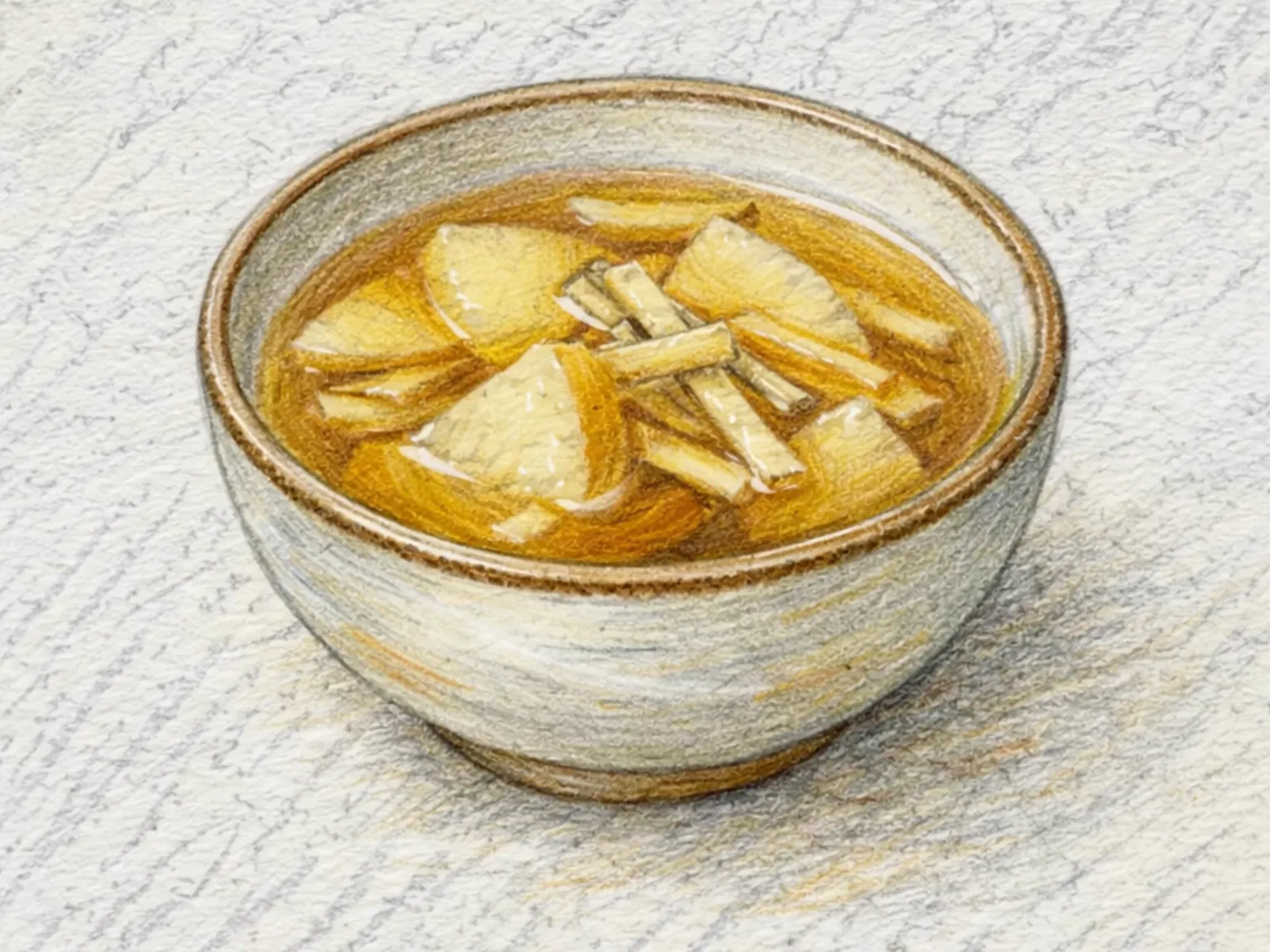
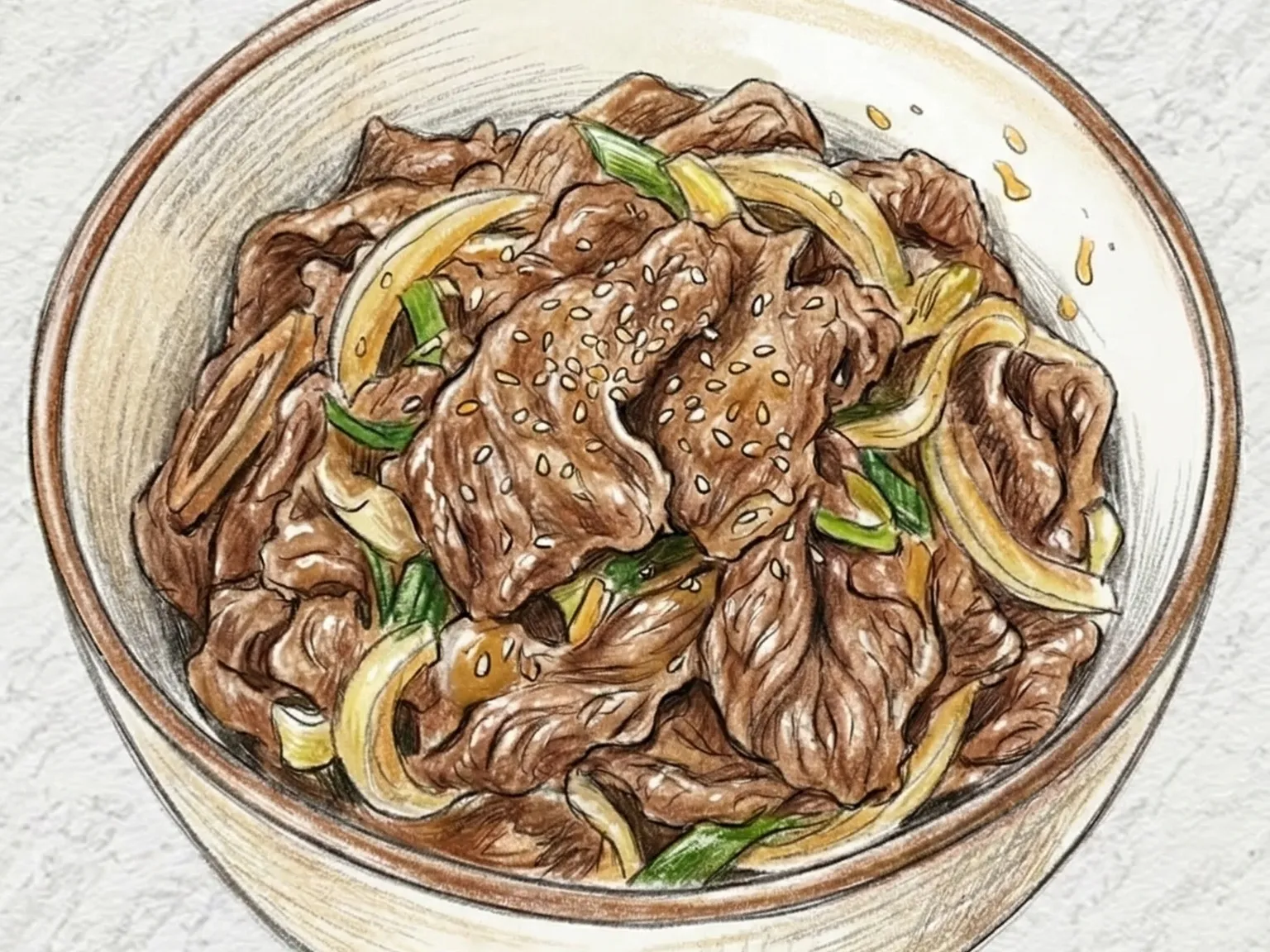
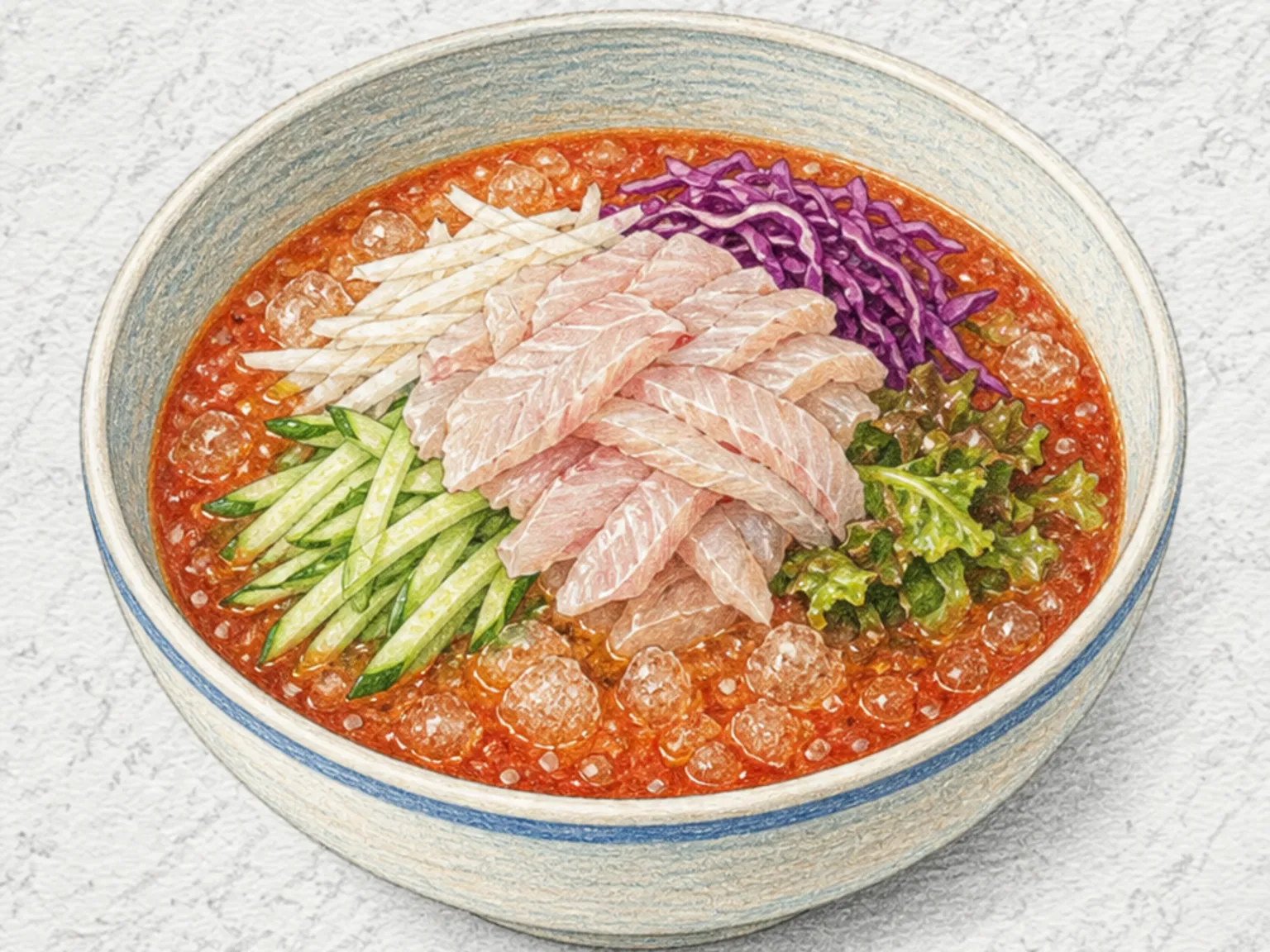
Recipes with Asian pear

43 recipes. Page 1 of 2

Buy Asian pear

As an Amazon Associate, we may earn from qualifying purchases.

Korean Pear Bellflower Root Tea
Drinks Easy

Korean Pear Bellflower Root Tea

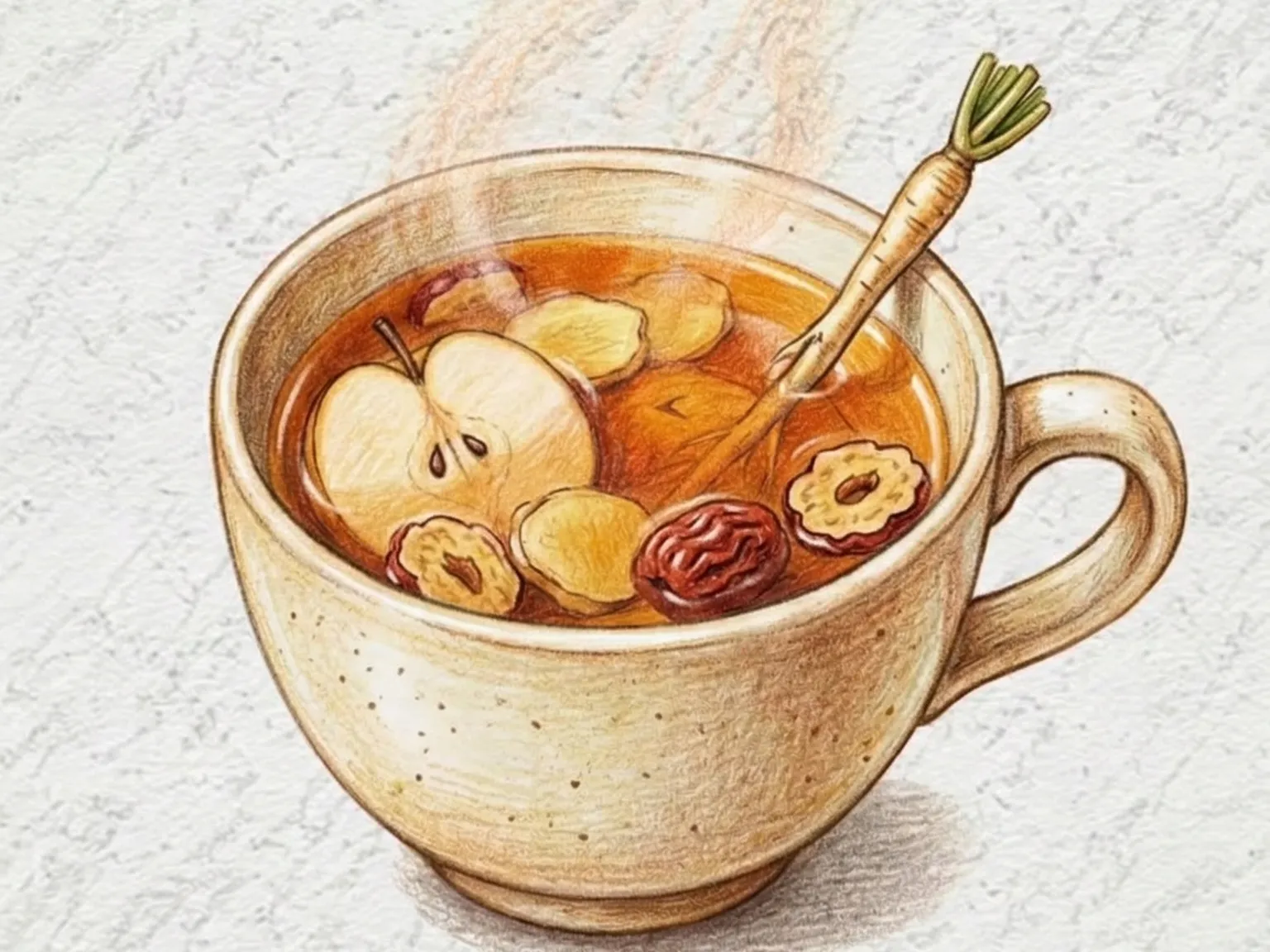
Chunks of Asian pear simmer for a long time over low heat with bellflower root (doraji), ginger and jujubes, and the pear juice sweetens the tea with no sugar. The fresh doraji is peeled, then rubbed hard with salt and rinsed two or three times, which keeps a medicinal smell out of the tea. It is a warm drink for the season when the wind turns cold and the air dry, and leftovers can be chilled and poured over ice.

At least 30 min 2 servings
Korean BBQ Beef
Grilled Medium

Korean BBQ Beef

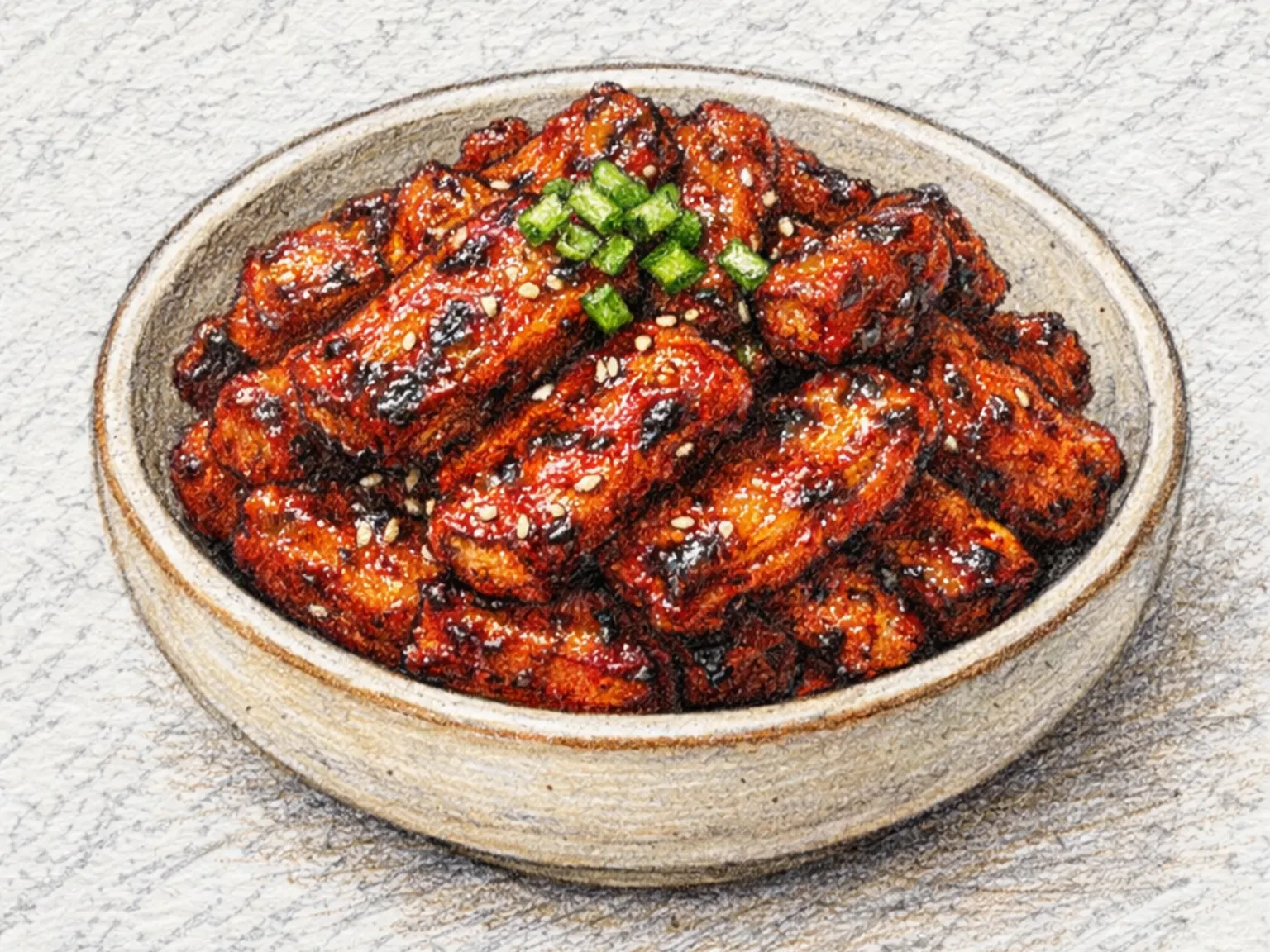
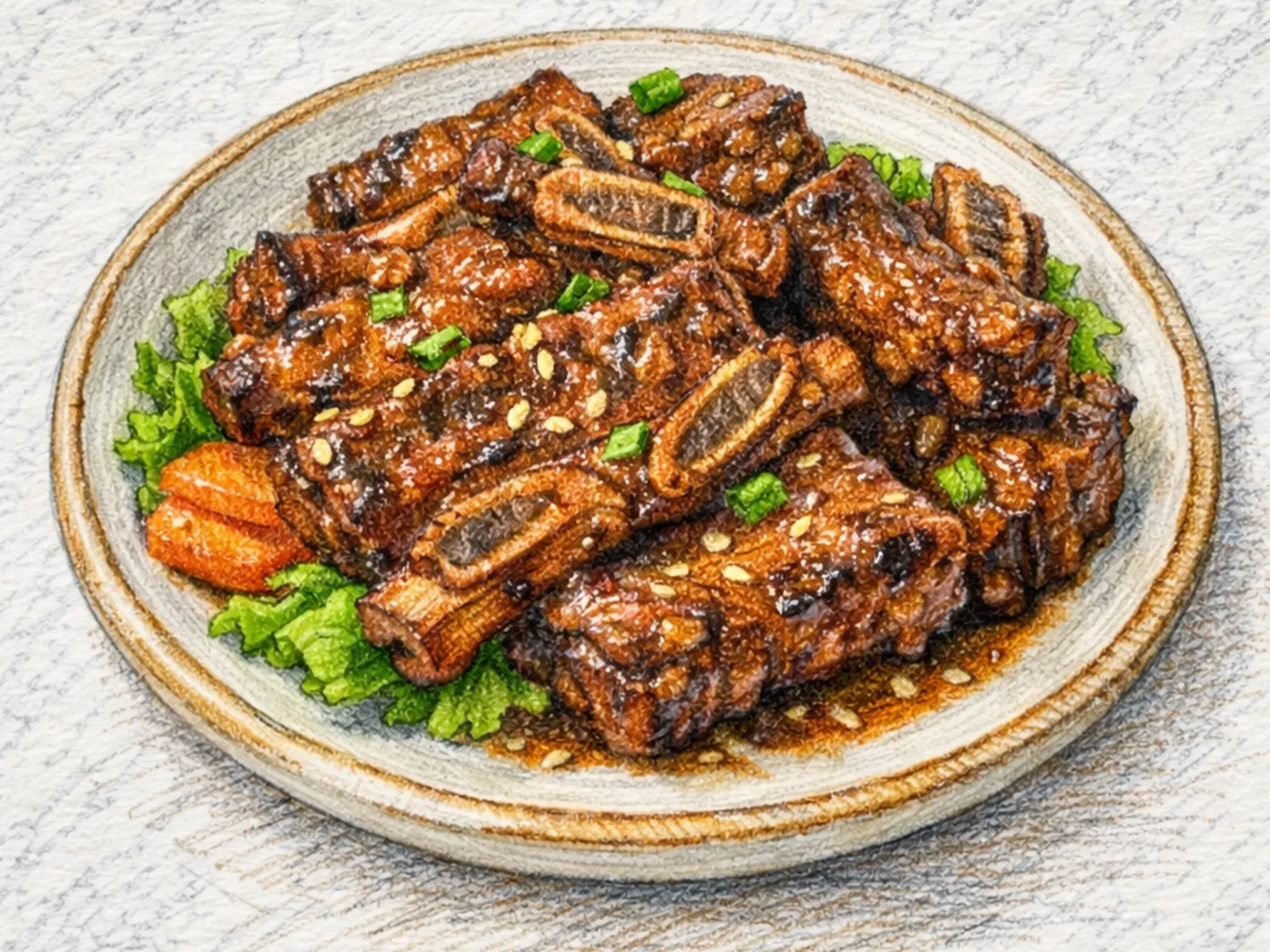
Grated Korean pear does two jobs in this marinade: its enzymes soften the thin slices of sirloin, and its sugars meet the soy sauce to form the sweet, salty gloss that bulgogi is recognized by. Whether that gloss forms depends on the pan. When all the beef goes into the pan at once, the temperature drops and the meat stews in its own liquid, turning gray and chewy instead of browning at the edges. Onion and scallion marinate alongside the beef and soak up the same seasoning. Spoon it over rice or wrap it in lettuce.

Prep 20min Cook 15min 4 servings
Mulhoe (Korean Spicy Chilled Raw Fish Soup)
Soups Easy

Mulhoe (Korean Spicy Chilled Raw Fish Soup)

The gochujang and vinegar broth goes into the freezer for about an hour and is poured over the bowl while still slushy. That keeps everything cold to the last spoonful without a pile of ice cubes thinning the seasoning. Raw flatfish sits on shredded pear, cucumber and cabbage, and with nothing here touching heat, the fish should be sold for raw eating, kept cold, and served the moment the bowl is put together.

🏠 Everyday
Prep 20min 0 2 servings
Korean White Kimchi (Non-Spicy Napa Pear Fermented)
Kimchi Medium

Korean White Kimchi (Non-Spicy Napa Pear Fermented)

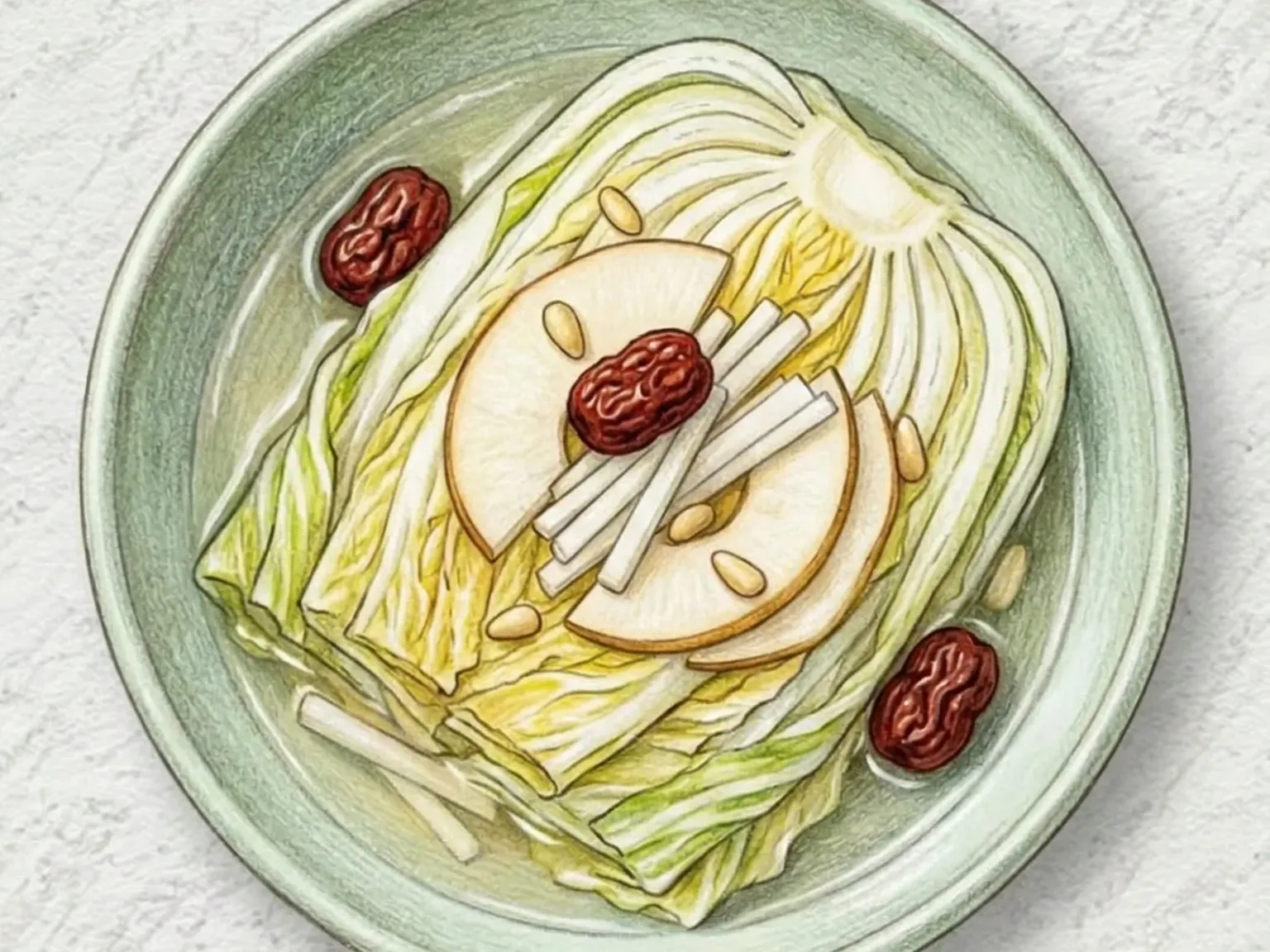
With no gochugaru at all, this white kimchi is mild, and its clear brine is eaten along with the cabbage. Pear, radish, garlic and ginger carry the flavor instead, and the pear adds sweetness while softening the fermented smell. The filling is tossed lightly with fingertips, because rough handling bruises the radish and pear strips, and everything is drained well to keep the brine from clouding. After half a day at room temperature it ferments slowly in the fridge for 2 to 3 weeks, until the liquid tastes clean, cool and gently sour, a good foil for fatty meat.

Prep 50min Cook 20min 4 servings
Korean Spicy Mixed Cold Noodles
Noodles Easy

Korean Spicy Mixed Cold Noodles

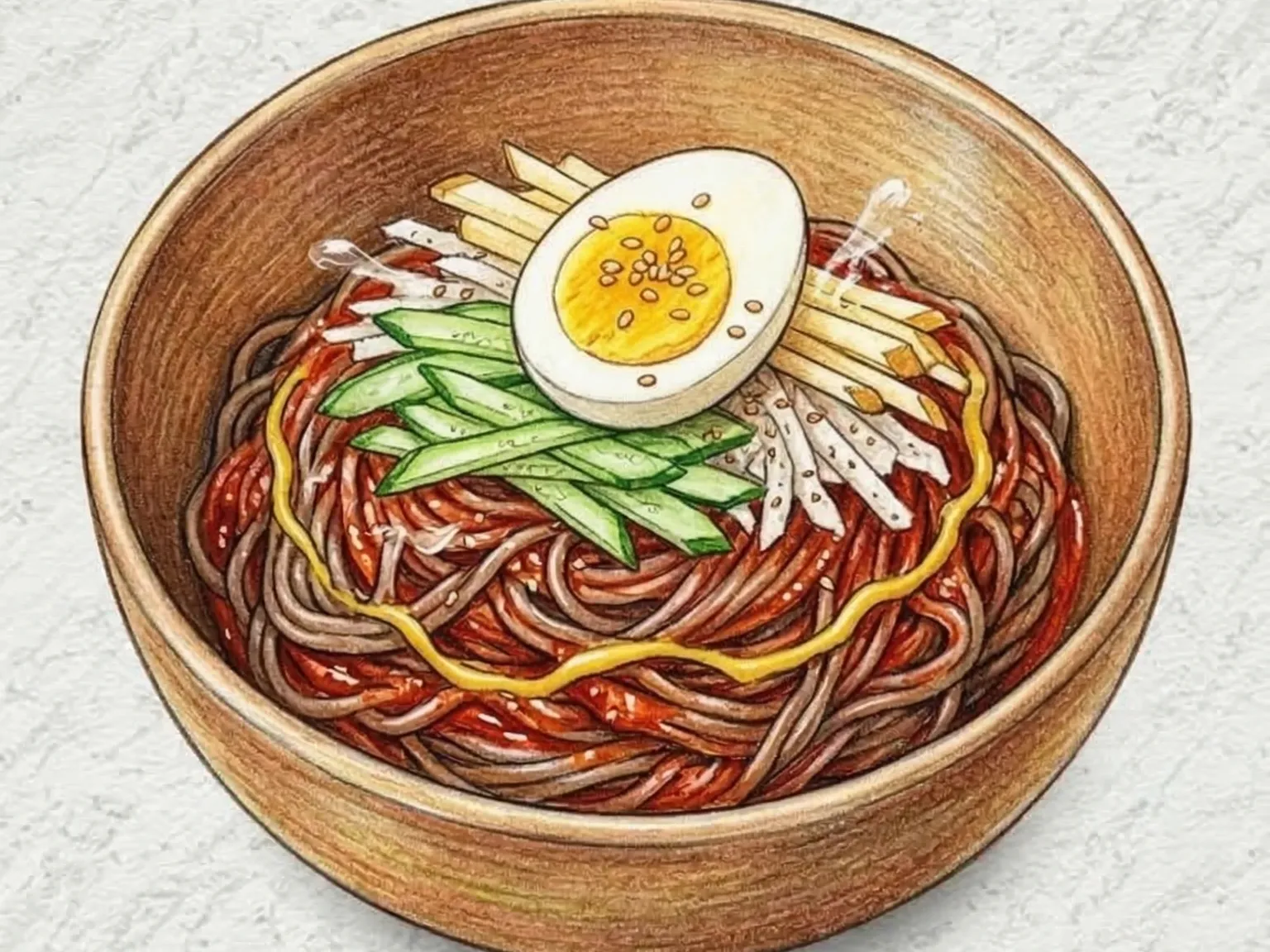
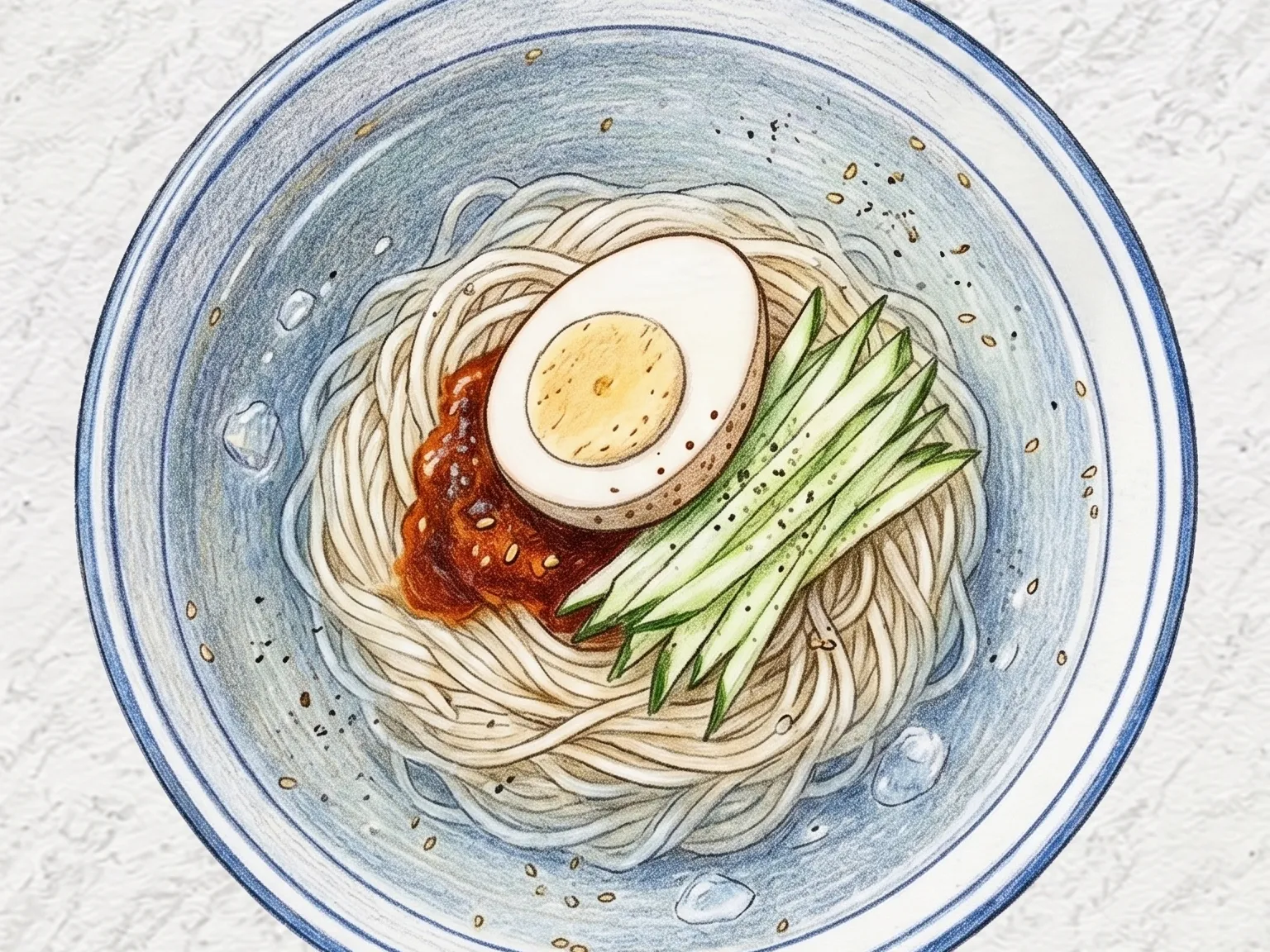
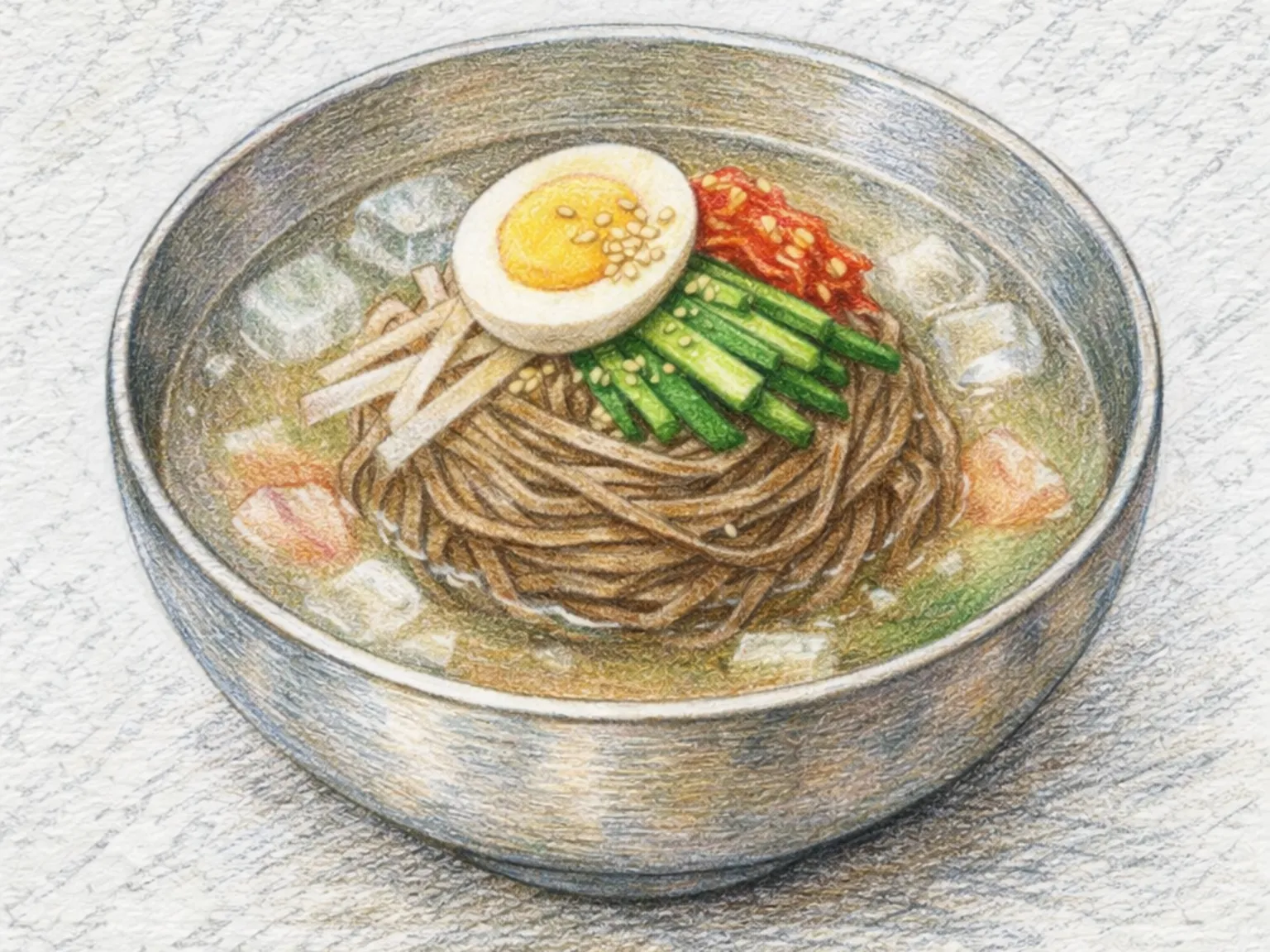
The gochujang sauce grips tough, springy naengmyeon noodles rather than sliding off, and every strand carries the spicy-sour coating. Mixing the sauce 10 minutes ahead gives the sugar time to dissolve and the flavors time to even out. The noodles cook in well under a minute over high heat, and lifting them out the moment the strands separate keeps them from going soft. Rubbing them under cold water to strip the starch, then squeezing them hard, stops leftover water from thinning the sauce. Cucumber and Korean pear, crisped in ice water, cool the heat with crunch and light fruitiness, and half a boiled egg softens the chili's edge.

Prep 20min Cook 10min 2 servings
Gorgonzola Pear Walnut Gnocchi
Pasta Medium

Gorgonzola Pear Walnut Gnocchi

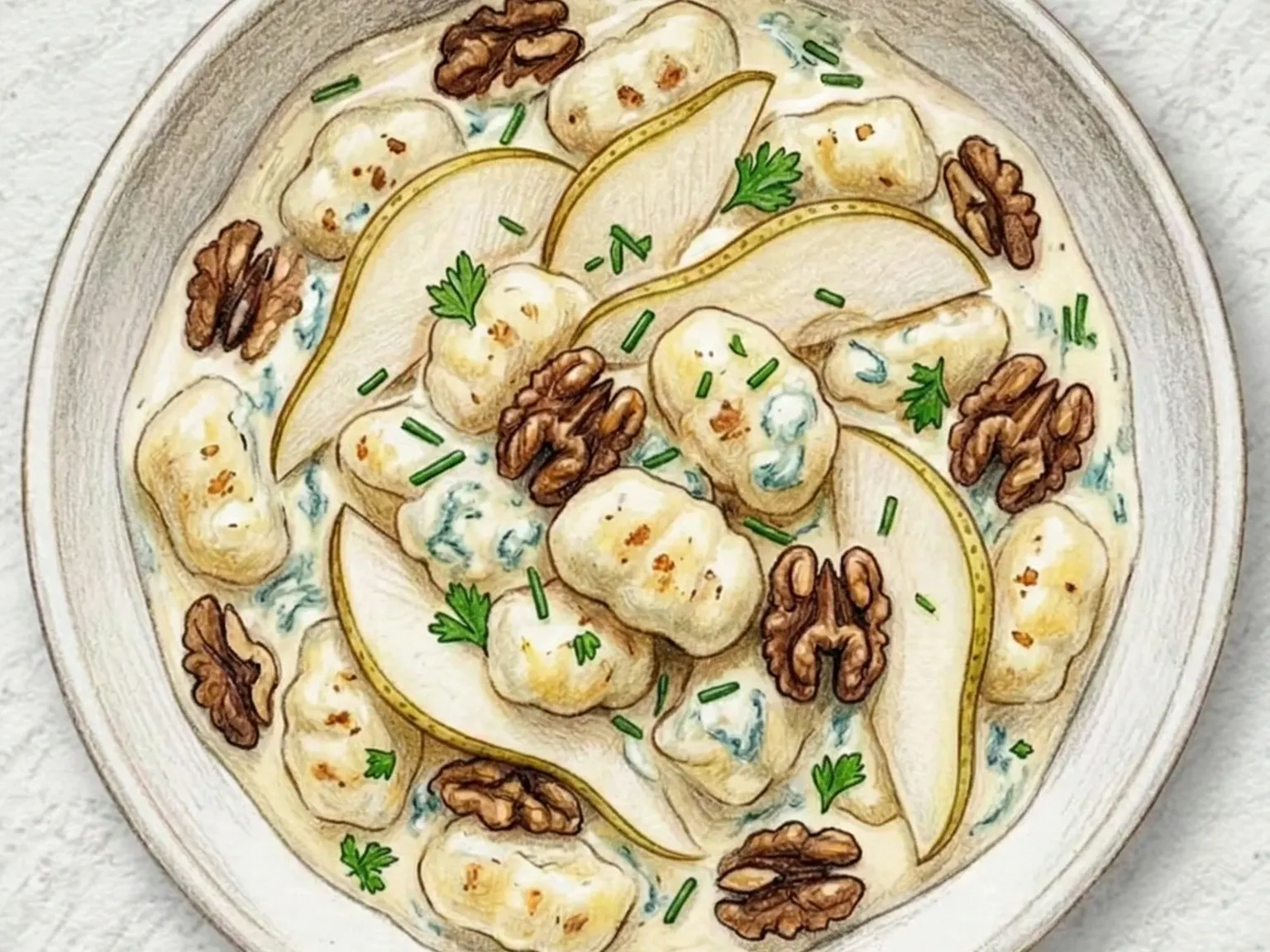
Pear slices warmed in butter meet sharp, salty Gorgonzola melted into cream, with sweet and salty trading places from bite to bite. The pear gets just 1 minute over medium-low heat, enough to turn its edges slightly translucent while the center stays crisp. Boiling would split the cheese sauce, so the Gorgonzola melts slowly over low heat. Walnuts toasted in a dry pan add crunch against soft potato gnocchi, and a little lemon juice and black pepper cut the weight of the blue cheese. The gnocchi come out as soon as they float, before they turn soft, and start to finish the dish takes about 15 minutes.

Prep 15min Cook 15min 2 servings
Buchu Beef Mustard Salad (Seared Beef & Chive Mustard Salad)
Salads Medium

Buchu Beef Mustard Salad (Seared Beef & Chive Mustard Salad)

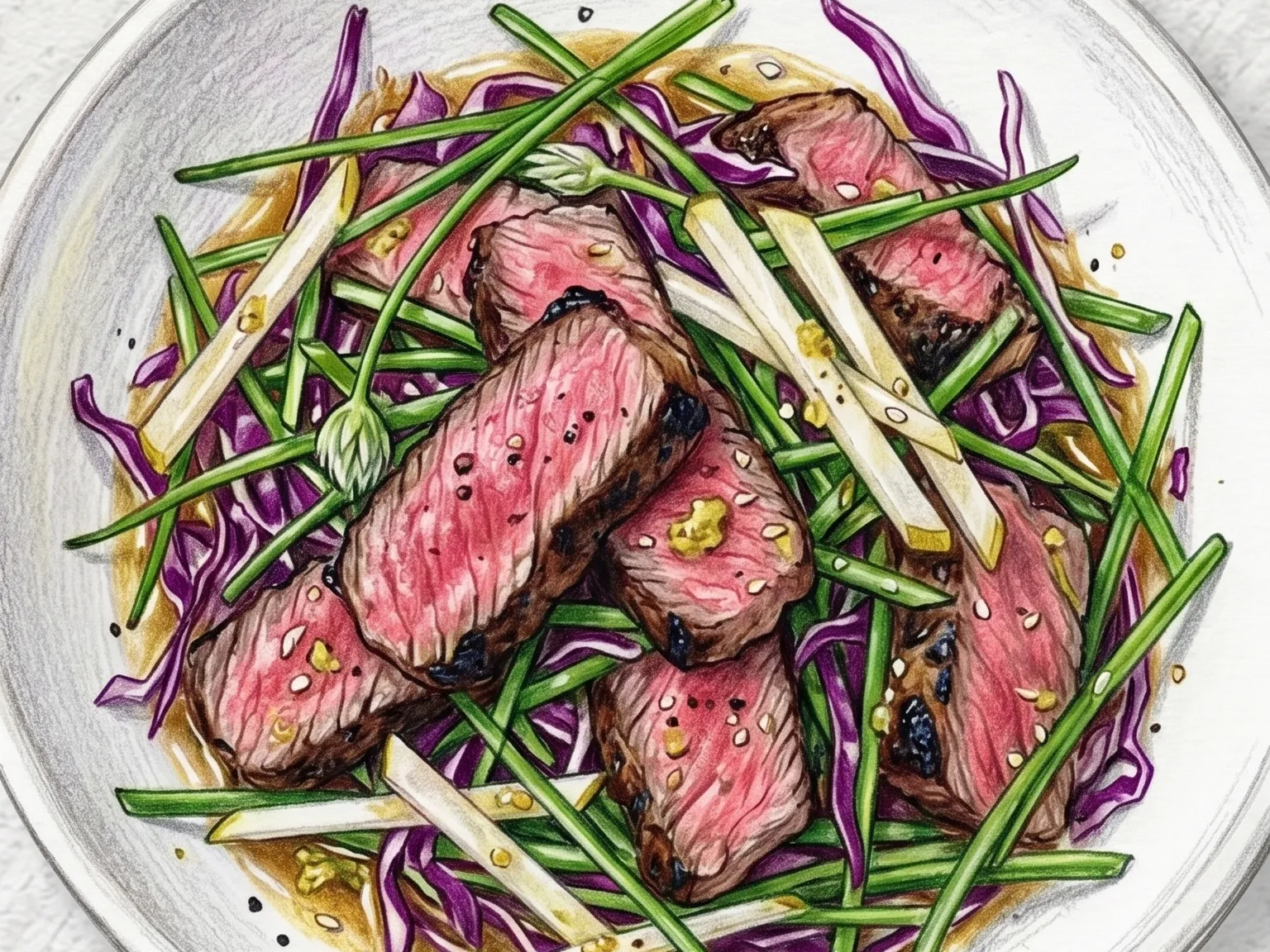
Hot mustard whisked into a soy-vinegar dressing gives this salad a sinus-clearing kick, and julienned Korean pear cools it down with crisp sweetness. With seared beef round set on garlic chives and red cabbage, the plate eats lighter than most beef dishes. Round is a lean cut, seared hard over high heat so the outside darkens while the center stays pink. After a 5-minute rest, the beef is cut against the grain about 1 cm thick; sliced and left to cool, it toughens. The chives wilt the longer they sit in dressing, which makes the resting time the moment to prep the vegetables and dressing, with everything tossed just before serving.

🥗 Lighter Meals
Prep 15min Cook 7min 2 servings
Korean Beef Tartare Bibimbap
Rice Medium

Korean Beef Tartare Bibimbap

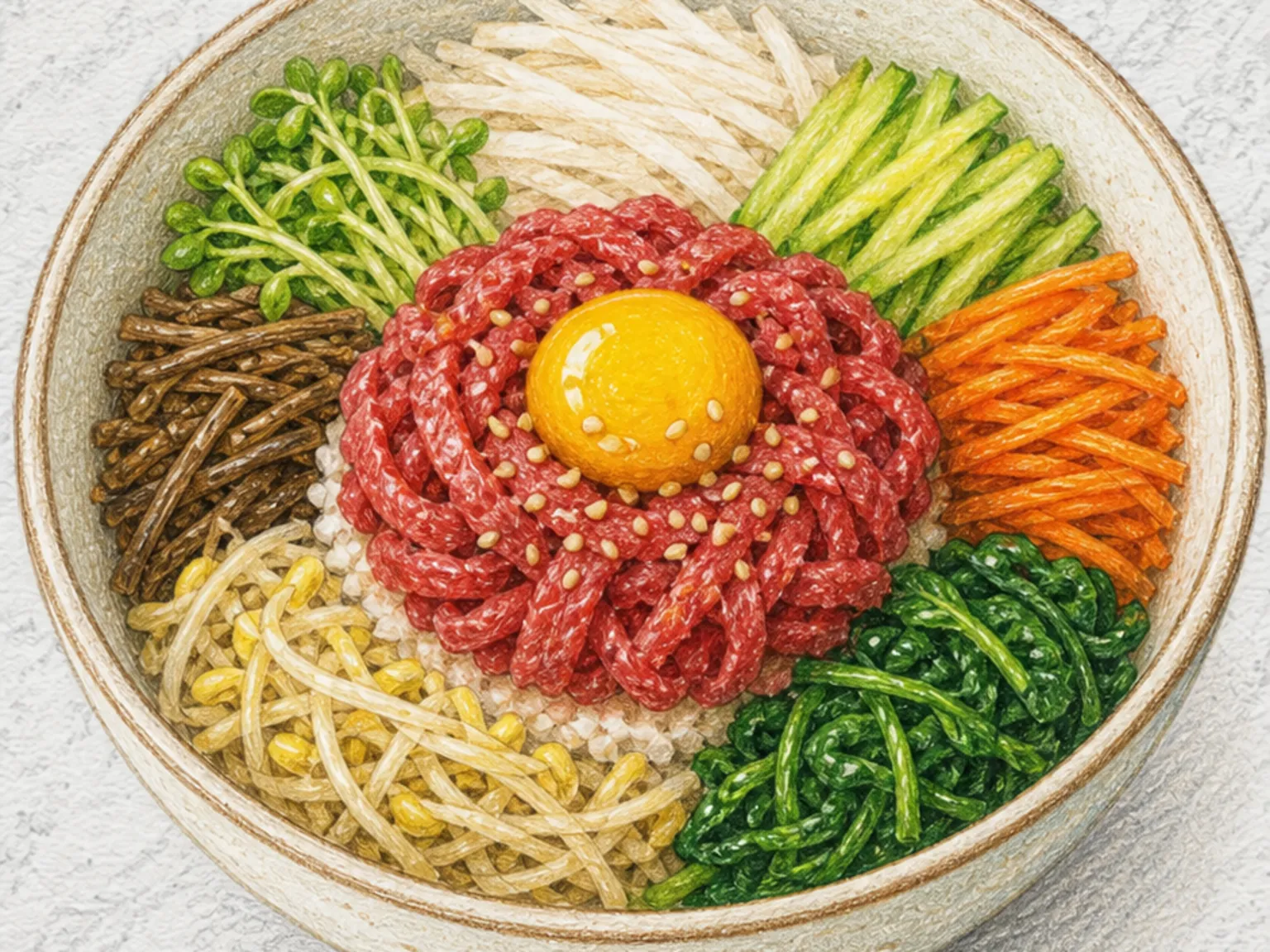
Raw beef sold for raw consumption, dressed with soup soy sauce, garlic, and sesame oil, sits over cooled rice with julienned Korean pear, shredded lettuce, and a pasteurized egg yolk. The pear adds sweet crunch against the soft beef. The beef is sliced thin against the grain on a sanitized board and knife kept apart from the produce, then mixed gently so the strands stay intact. The rice is cooled until it stops steaming, the beef goes on only right before eating, and nothing is kept as leftovers. A raw-consumption label and refrigeration lower the risk of food poisoning but do not remove it, so this bowl is not suitable for pregnant people, young children, older adults, or anyone with a weakened immune system; fully cooked beef is the safest choice.

Prep 15min Cook 10min 2 servings
Baesuk (Korean Poached Pear Punch)
Drinks Easy

Baesuk (Korean Poached Pear Punch)

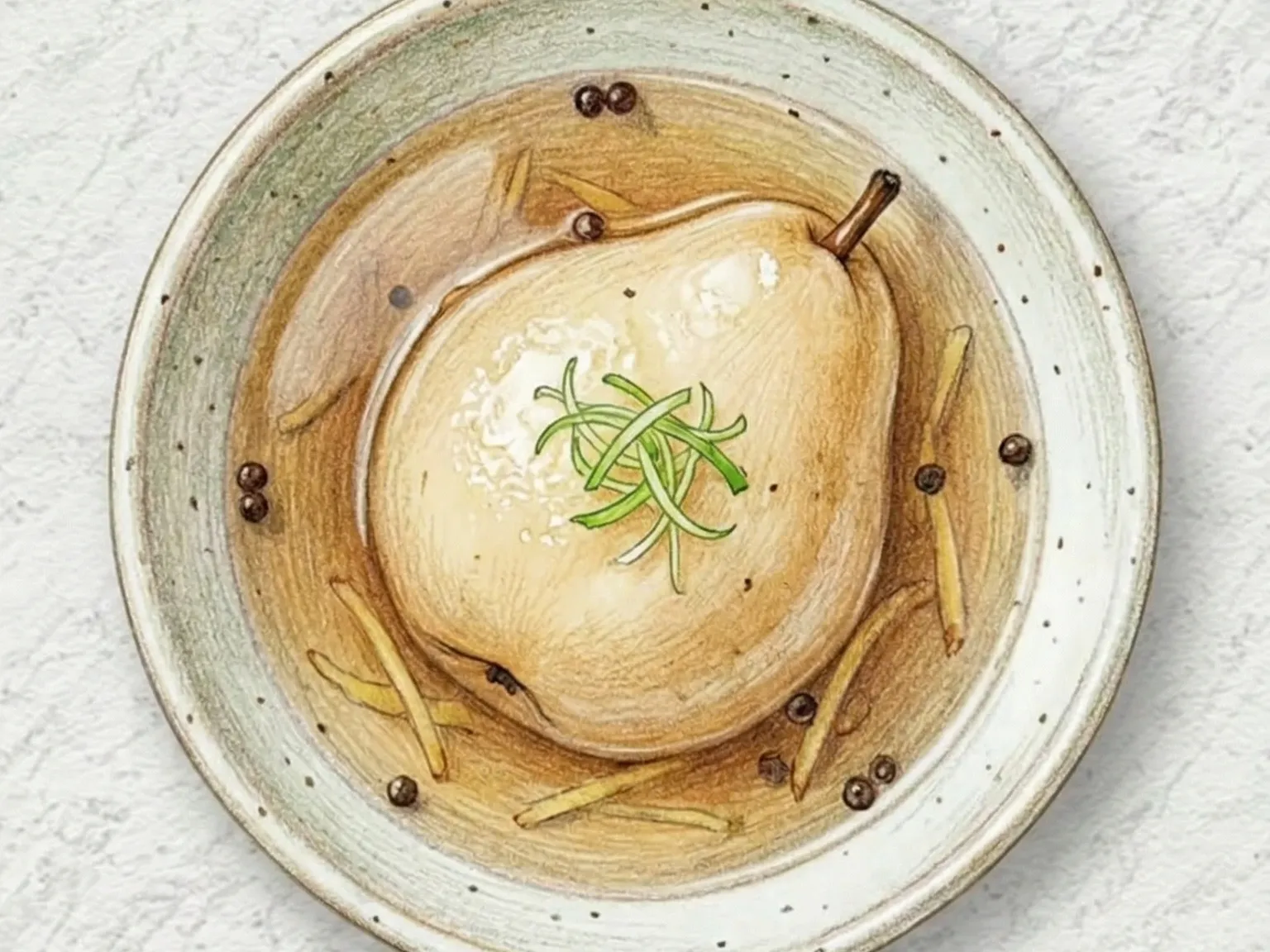
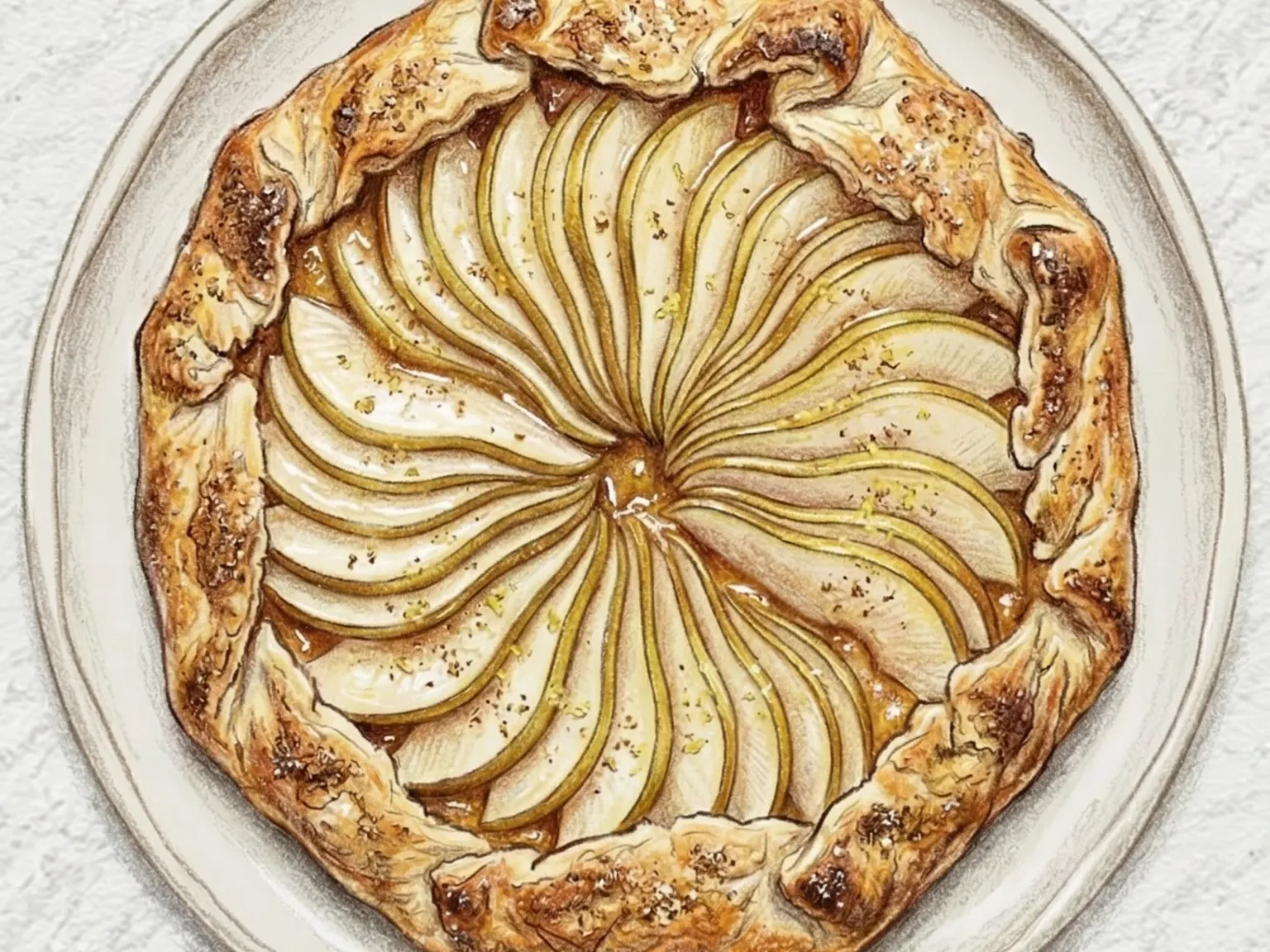
Ginger and black peppercorns steep first and are strained out, and the pear poaches in that liquid, so the punch carries their warmth without a single peppercorn in the cup. Before any honey goes in, the sweetness comes from the pear itself. It can be drunk warm right away, but for a chilled holiday table it is made the day before and rested overnight in the fridge, with pine nuts floated on just before serving.

Prep 15min Cook 35min 4 servings
Beet Water Kimchi
Kimchi Medium

Beet Water Kimchi

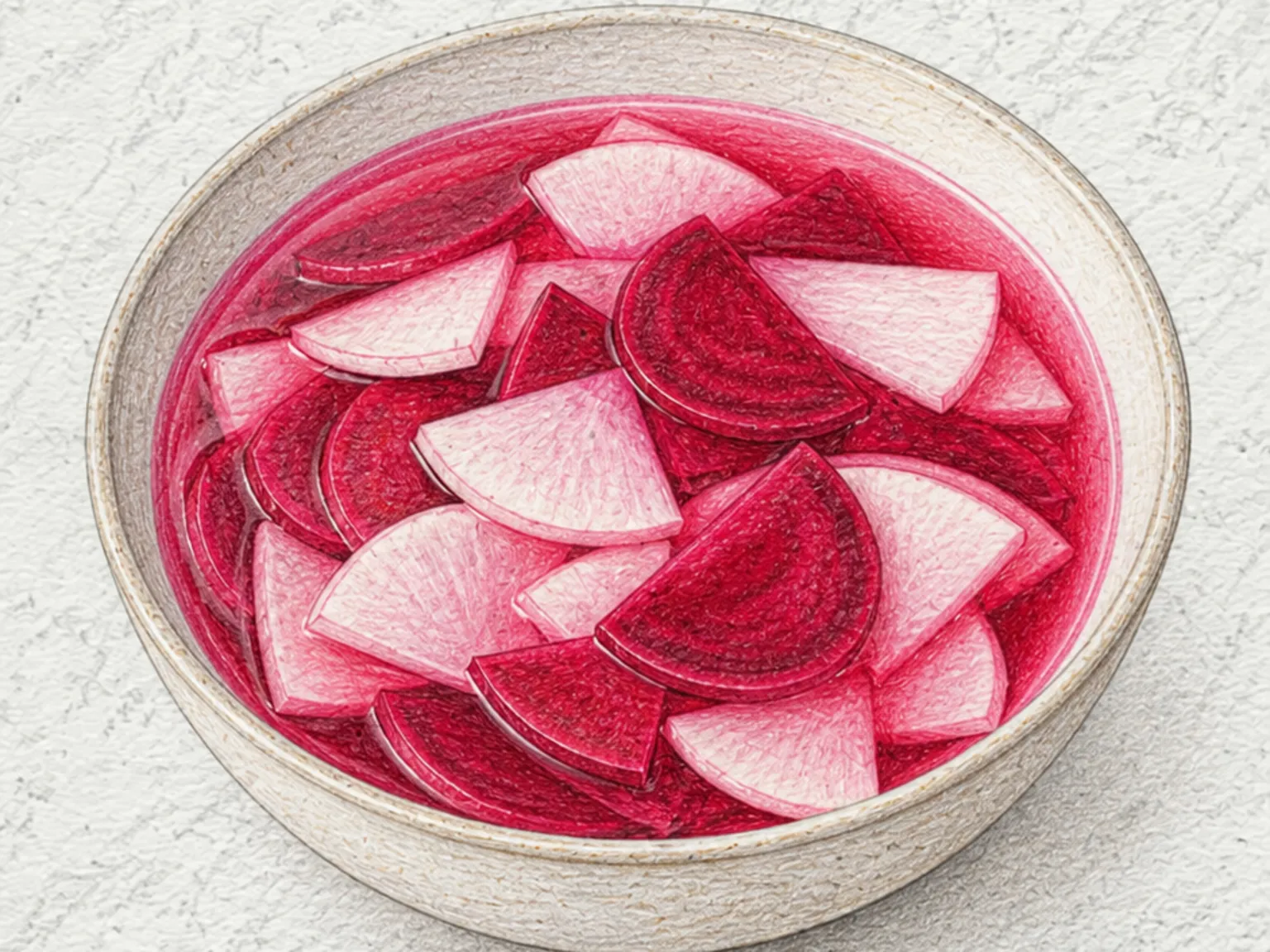
Even a small amount of beet stains the broth red. The radish portion is kept the larger one, since a jar where beet outweighs radish turns muddy and dark. Both are cut into the same thin, flat pieces so a spoonful picks up some of each. The liquid drawn out during salting is added to the jar rather than poured away. Pear juice brings sweetness, sliced garlic and ginger bring aroma, and a cooled rice-flour porridge gives the broth body. A good stir after adding the salt water keeps that porridge from settling on the bottom. It sits out for a day before moving to the fridge.

At least 1 day 30 min 4 servings
Busan Milmyeon (Korean Cold Wheat Noodles)
Noodles Medium

Busan Milmyeon (Korean Cold Wheat Noodles)

Refugees who reached Busan during the Korean War began making these noodles from wheat flour in place of naengmyeon, and milmyeon became the city's summer noodle. The noodles are softer than naengmyeon, with a moderate chew; the usual way is to sip the ice-edged beef broth first, then cut the noodles with scissors. That chew comes from plunging them into cold water the moment they are drained and rubbing off the starch. The gochujang is loosened with a little cold broth beforehand so it spreads without lumps. Spooned into the center, it melts a spicy kick into the cold broth, and cucumber and Korean pear add crunch and sweetness.

Prep 25min Cook 15min 2 servings
Chamnamul Pear Tofu Salad
Salads Easy

Chamnamul Pear Tofu Salad

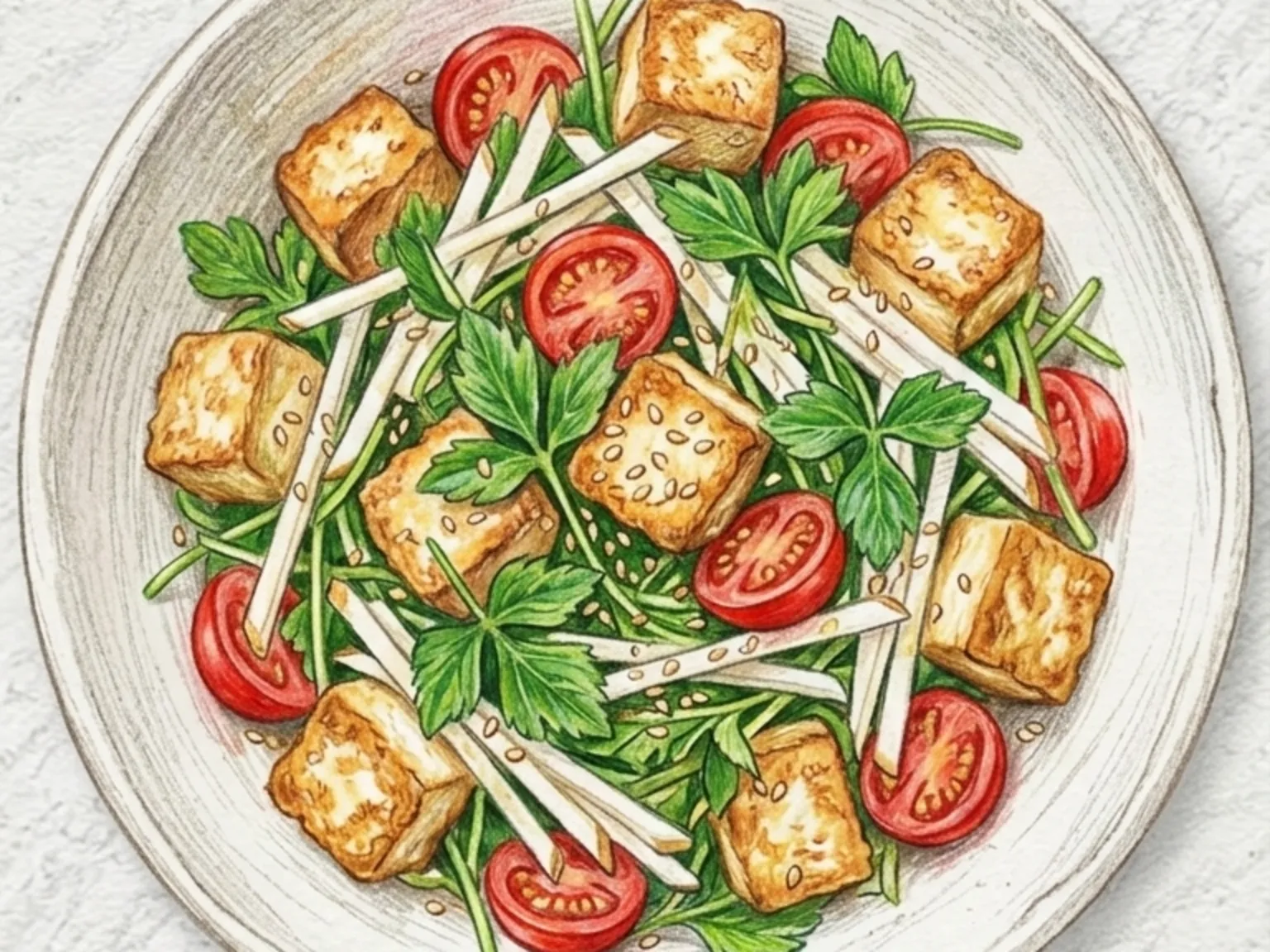
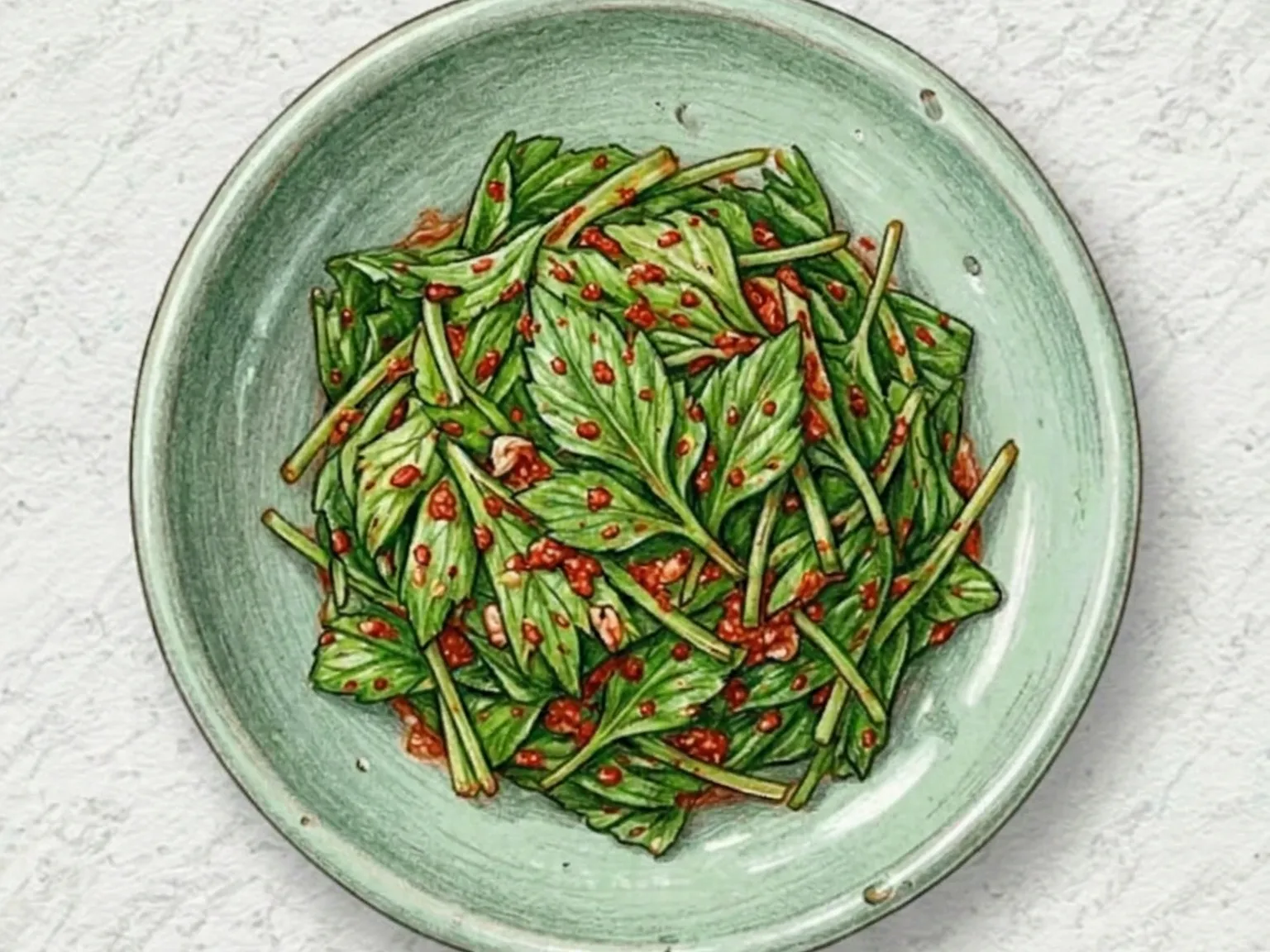
Eaten raw, chamnamul (a Korean mountain herb) gives off a fresh aroma somewhere between parsley and celery. Pan-fried cubes of firm tofu, golden and crisp outside, give it something to chew on, julienned Asian pear adds cool sweetness, and halved cherry tomatoes bring a little acidity. Whether the tofu forms a firm crust depends on moisture: pressed poorly, it sticks to the pan and never firms up. The cubes are folded in last, after the greens are dressed, once they have cooled completely and can hold their shape. The pear is cut right before assembly to limit browning, and the dressing is just perilla oil, lemon juice, and soup soy sauce, kept simple so the nutty perilla oil leads.

🥗 Lighter Meals
Prep 15min Cook 8min 2 servings
Hokkaido Jingisukan Lamb Grill
Grilled Medium

Hokkaido Jingisukan Lamb Grill

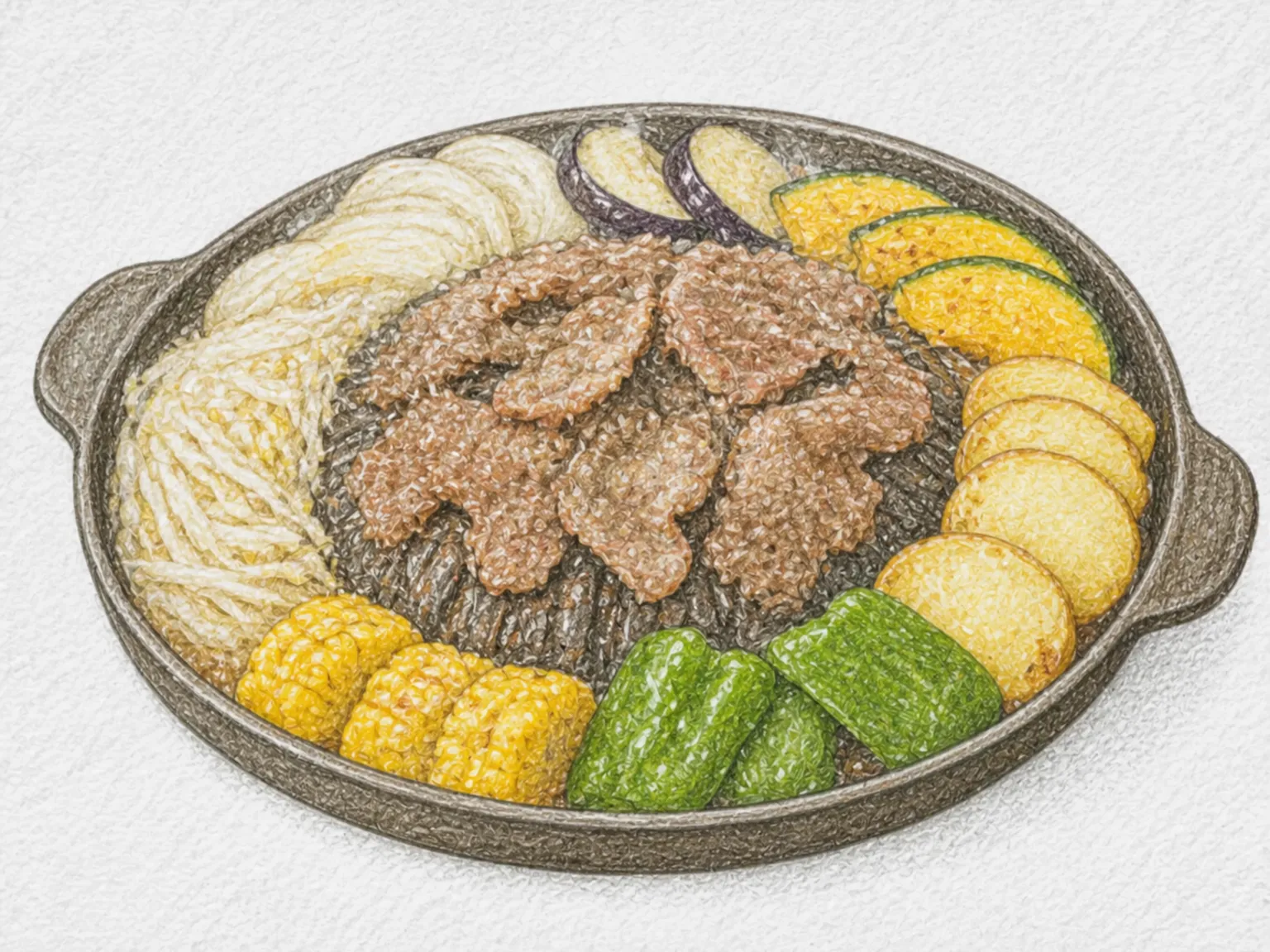
On the domed jingisukan pan, lamb fat and juices run down the grooves into the bean sprouts, onions and squash ringing the edge. This Hokkaido style skips the marinade and dips the lamb after cooking in a soy-vinegar sauce made with grated apple, pear, garlic and ginger. The fattiest pieces cook first in the center, and their rendered fat coats the grooves so nothing sticks without added oil. Everyone eats as things cook, lifting off meat and vegetables as they are ready, with potatoes and squash taking the longest. Hokkaido began eating lamb when sheep were raised for wool in the Taisho era, and the dish is now cooked at home year-round and outdoors at spring blossom parties and summer barbecues.

Prep 30min Cook 20min 4 servings
Korean Stuffed Bossam Kimchi
Kimchi Hard

Korean Stuffed Bossam Kimchi

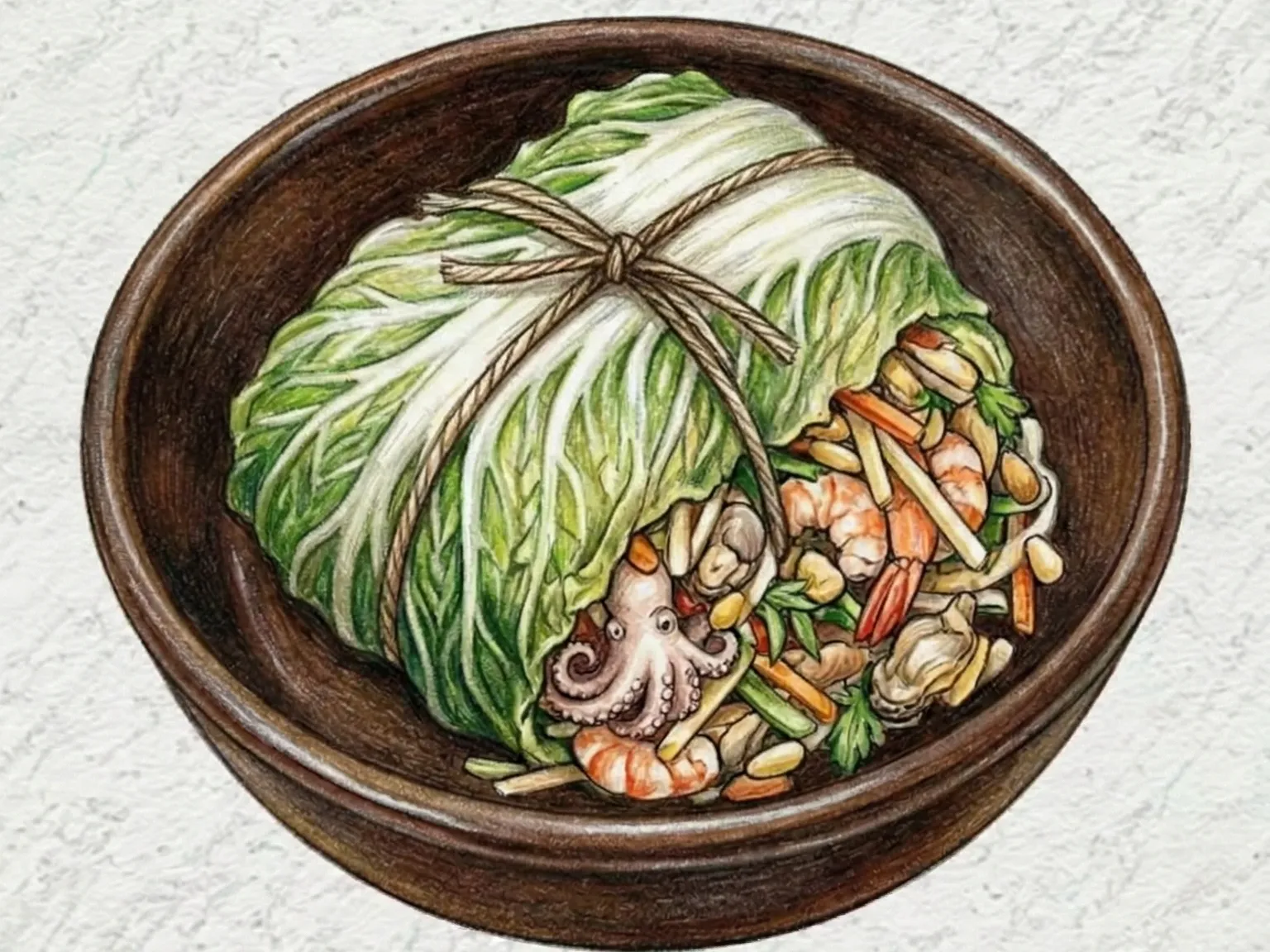
Bo-kimchi wraps a filling of julienned radish, Korean pear, chestnuts, and blanched octopus in brined napa cabbage leaves, then ferments the bundles. After brining, check that the thick cabbage stems bend without snapping, and drain the rinsed leaves well, because wet leaves leave a watery pool inside each parcel. Overlap two large leaves so the filling is enclosed without gaps, and pack the bundles seam side down so they stay closed while they ferment. Blanch the octopus only briefly, since longer cooking makes it tough.

At least 3 days 17 hr 4 servings
Bellflower Root and Pear Salad
Salads Medium

Bellflower Root and Pear Salad

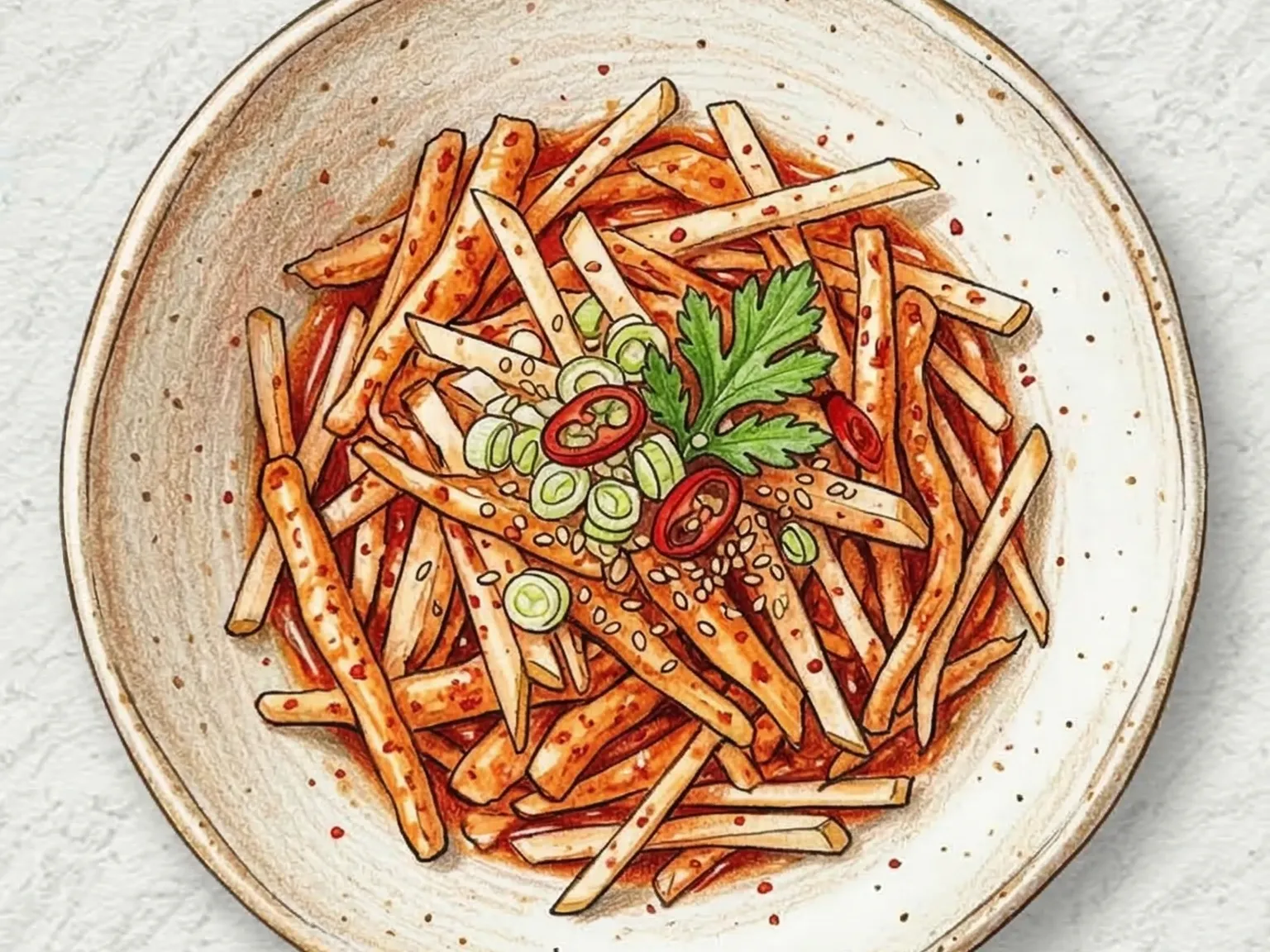
Rubbing bellflower root with salt, rinsing it, then blanching it for just 3 minutes takes away bitterness while keeping a firm crunch. Julienned Korean pear brings cool sweetness to a sharp, spicy dressing of gochugaru (Korean chili flakes) and vinegar. A teaspoon of fish sauce gives the seasoning depth, and sesame oil goes in last so its aroma stays on top. The pear loses juice and softens the earlier it goes in, so the root is seasoned first and the pear folded in at the very end. It is best eaten while both are still crisp, when bitter root, sweet pear and sharp dressing shift from one to the next in each bite.

🥗 Lighter Meals
Prep 20min Cook 3min 2 servings
Korean Chamnamul Kimchi (Pimpinella Kimchi)
Kimchi Medium

Korean Chamnamul Kimchi (Pimpinella Kimchi)

Chamnamul greens are salted for just 10 minutes and dressed without rinsing, letting the leftover salt season them. A gentle squeeze is enough, since wringing bruises the tender leaves and makes them slump during fermentation. Blended Korean pear and onion in the sweet rice paste round off the chili heat. With so much moisture in the greens, fermentation moves fast and the kimchi softens if kept too long. Small batches eaten within a few days work best.

Prep 30min Cook 5min 4 servings
Korean Dongchimi Cold Naengmyeon
Noodles Medium

Korean Dongchimi Cold Naengmyeon

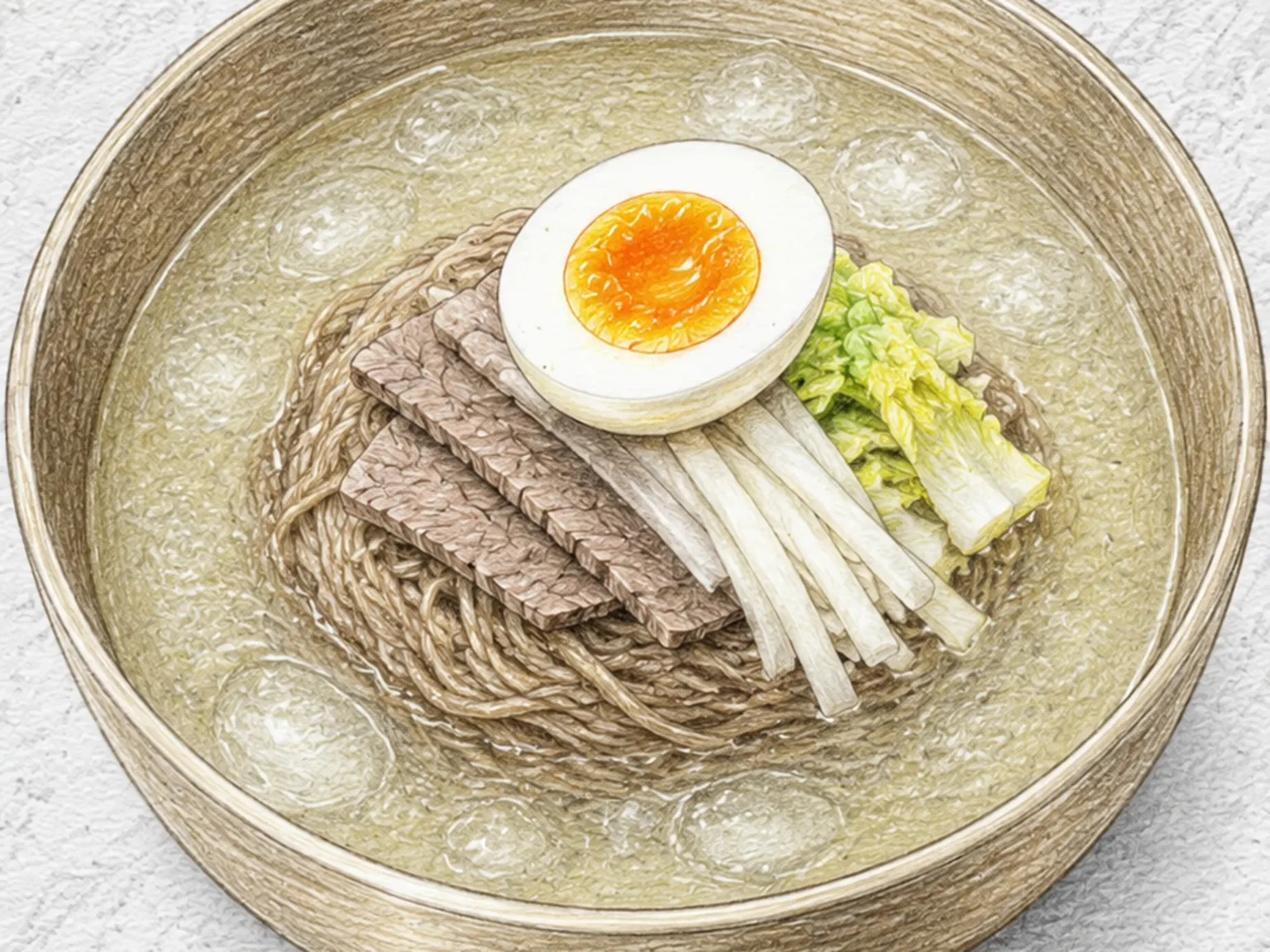
Naengmyeon noodles cook for well under a minute, get scrubbed in cold water, and are snipped a few times with scissors so the icy broth reaches every strand instead of a tangled knot. Draining them well after rinsing keeps the clear dongchimi broth from turning cloudy. The broth, seasoned with vinegar and sugar, is chilled until it is close to slushy, the point where the cool radish fragrance is most vivid. Boiled beef lays a lean, meaty base under the tang, pear and cucumber add sweet crunch, and half a boiled egg rounds out the bowl.

Prep 20min Cook 10min 2 servings