Pasta al Limone (Italian Lemon Butter Cream Pasta)
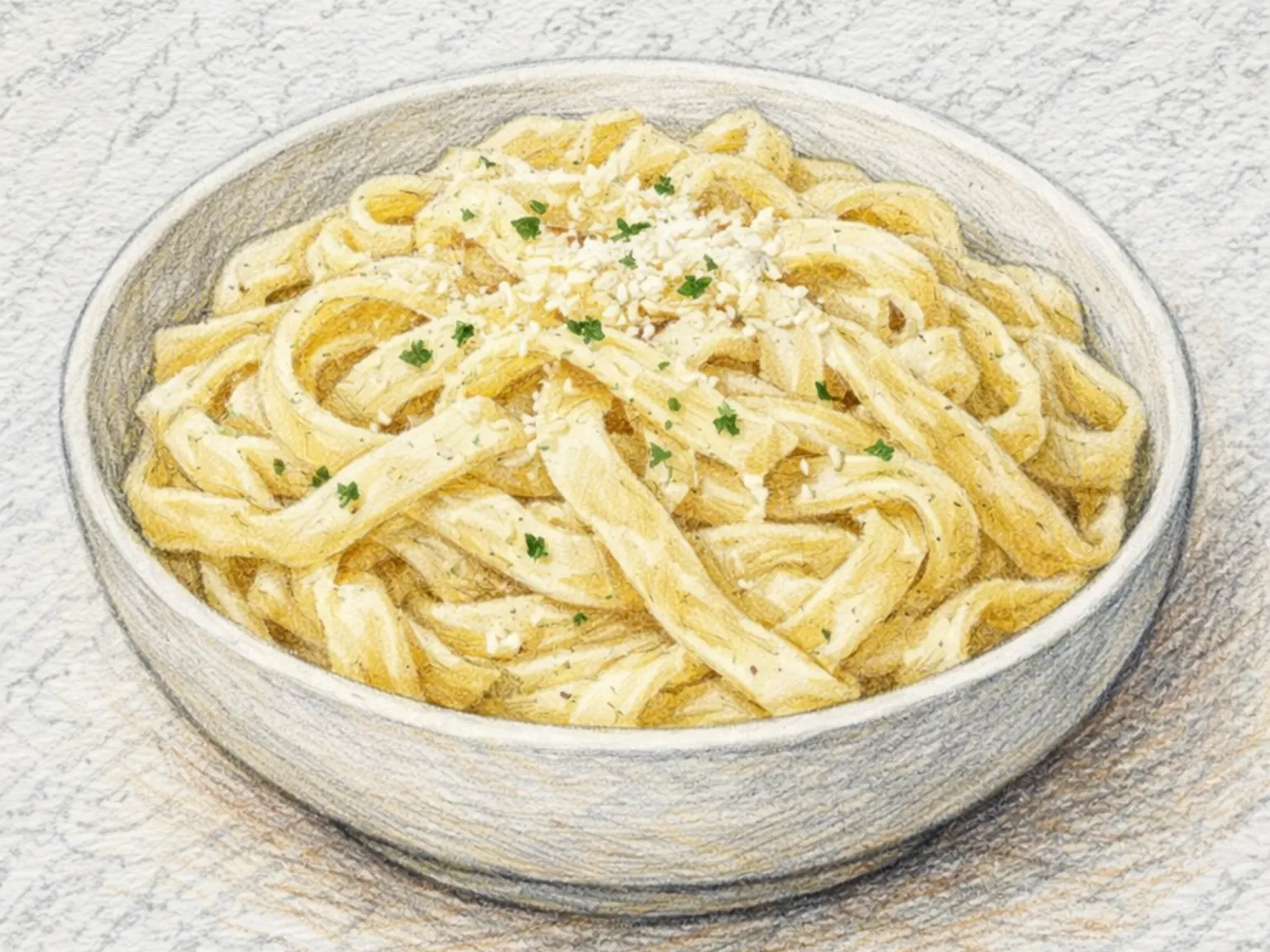
Pasta al limone is a pasta from southern Italy that relies entirely on lemon zest, lemon juice, butter, cream, and Parmesan for its sauce, with no tomato and no meat to complicate the flavor. The citrus oils drawn from the zest dissolve into warm butter and spread their aroma evenly through the fat before any liquid is added, which is what gives the finished sauce its rounded, lingering lemon character rather than a sharp acidic bite. A ladleful of starchy pasta water is then added to emulsify everything into a glossy, clingy coating that holds to each strand of linguine without pooling at the bottom of the plate. Cooking the sauce over low heat throughout is critical: cream added to high heat separates and loses its silky texture. Linguine cooked al dente provides enough resistance to stand up to the light sauce without the combination feeling heavy or cloying. Total preparation from filling a pot with water to plating takes roughly twenty minutes, making it a realistic weeknight option despite its refined result.
Kimchi Garlic Butter Shrimp Spaghetti
Kimchi garlic butter shrimp spaghetti cooks the shrimp first in butter and olive oil, then builds an emulsified sauce with garlic, kimchi, and pasta water in the same pan. Pat the shrimp dry and cook only until both sides turn pink before removing them. Cook off moisture from the garlic and kimchi, briefly bloom the gochugaru, then toss the pasta with reserved water and the remaining butter. Return the shrimp at the end and finish with lemon juice and scallion.
Broccoli Cheddar Soup
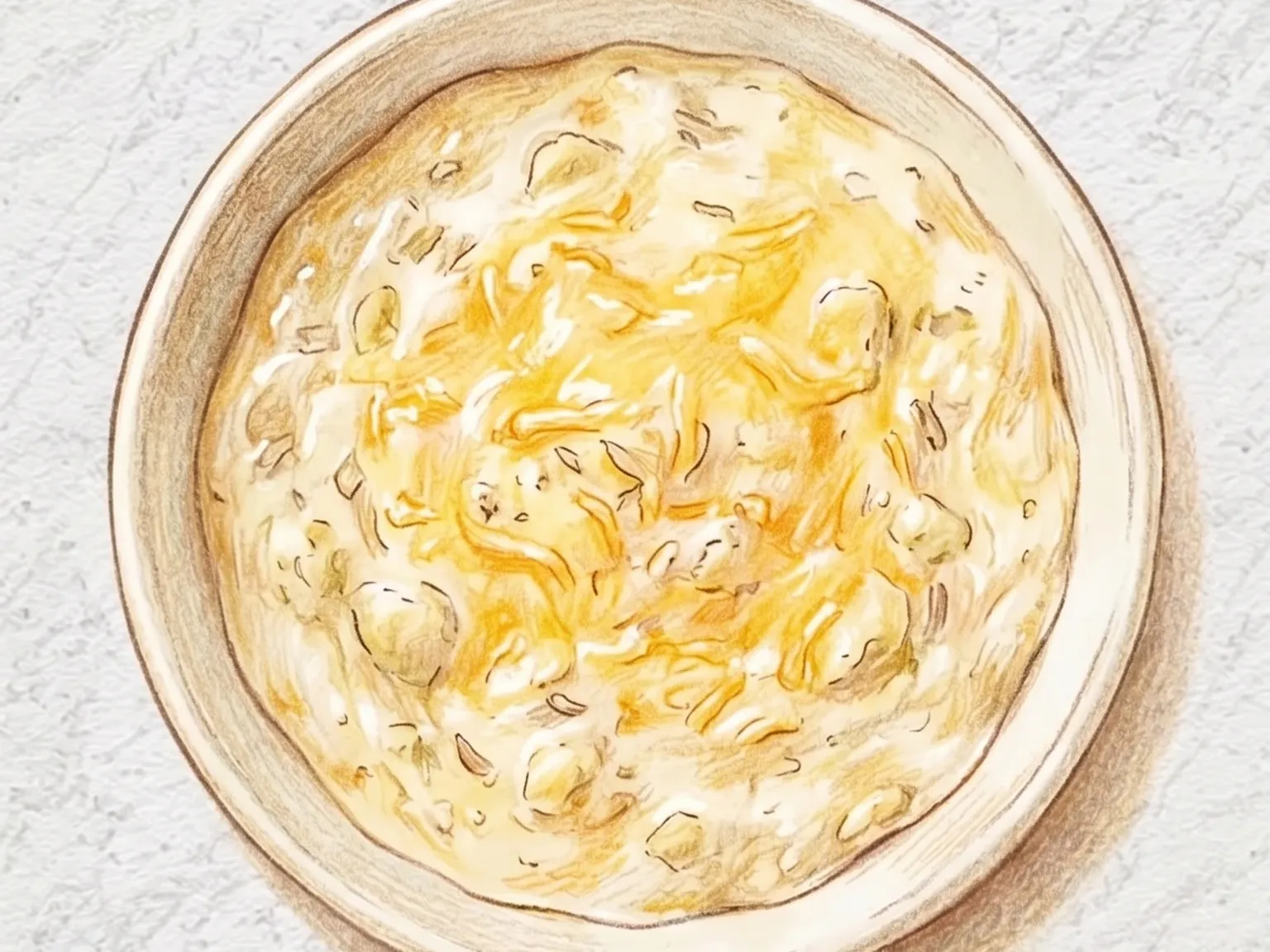
Broccoli cheddar soup builds from a roux - butter and flour cooked together until the raw flour smell cooks out - which gives the soup its body and prevents the dairy from separating when added. Chicken stock and whole milk are whisked in gradually to keep lumps from forming, then broccoli florets go in and cook until fork-tender. The critical moment is adding the cheddar: heat must be reduced to low first, because the proteins in cheese seize and become grainy when exposed to high temperatures, rather than melting smoothly into the liquid. Sharp cheddar is the standard choice because its strong, salty punch holds up against the mild broccoli. Blending only half the soup while leaving florets intact creates a contrast between the velvety liquid and the chunks of green vegetable. A small addition of mustard or Worcestershire sauce deepens the savory complexity. Served inside a hollowed sourdough bread bowl, the crust absorbs the soup from the inside out, turning it into a satisfying complete meal rather than a starter.
Banana Bread
Banana bread is a quick bread leavened with baking soda rather than yeast, which means no rising time and a straightforward one-bowl process. The most important variable is the banana: heavily blackened, overripe fruit is essential because the starches have converted to sugar, the flesh mashes effortlessly, and the concentrated banana aroma permeates every part of the crumb. Melted butter adds richness without creaming, a single egg provides structure, and vanilla extract amplifies the banana's fragrance. The batter mixes in one bowl and goes directly into the oven at 170 degrees Celsius for roughly sixty minutes. A toothpick inserted into the center should come out clean. The bread is good warm from the oven, but the flavor is measurably deeper the following day as banana sugars continue to penetrate the interior. Walnuts or chocolate chips folded into the batter add textural contrast without changing the essential character of the loaf.
Hayashi Rice (Japanese Beef and Onion Brown Sauce Rice)
Hayashi rice is a Japanese home-cooking dish in which thinly sliced onions are caramelized in butter for at least eight minutes until deeply golden, then simmered with thin-cut beef, tomato paste, Worcestershire sauce, and flour into a glossy, thick brown sauce served over warm rice. The caramelization of the onions is the single most important step in the recipe. Rushing this stage produces onions that have lost moisture but not developed sweetness, resulting in a flat sauce with no depth. Extended browning converts the onion's natural sugars into a rich, almost candy-like sweetness that forms the foundation of the entire dish and cannot be replicated by any shortcut. Tomato paste adds acidity and deepens the color, Worcestershire sauce contributes a layered spice complexity, and flour gives the sauce enough body to sit on top of the rice without running. The sauce is spooned generously over one side of the rice in the same manner as curry rice, and the complete absence of spicy heat makes it a mild, accessible dish that appeals to both children and adults.
Korean Street Ham & Cheese Toast
Gilgeori ham cheese toast is a variation on the classic Korean street toast that adds a slice of processed cheese to the standard layered sandwich. The base formula is the same: butter-toasted bread, a pan-fried egg-cabbage-carrot omelet, and sliced ham, finished with ketchup and a pinch of sugar. The cheese sits between the ham and the top slice of bread, where the trapped heat from the just-toasted bread and the warm fillings slowly melts it from the edges inward. As it melts, the cheese does two things. It binds the fillings together, preventing the layers from sliding apart when the sandwich is picked up and bitten. And it introduces a creamy, milky fat layer between the saltiness of the ham below and the sweet-tangy ketchup above, softening the contrast between those two flavors rather than letting them clash. The cabbage and carrot in the omelet stay slightly crunchy even after cooking, contributing a fresh texture that contrasts with the softness of the melted cheese and the tenderness of the egg. The combination of bread, egg, cheese, and ham provides a meaningful amount of protein and carbohydrate in a single compact package, which is why this style of street toast remains a popular breakfast and quick meal option in Korea.
Korean Grilled Clams (Butter Garlic Mixed Shellfish Grill)
Mixed clams are submerged in salt water for at least one hour so they expel any sand and grit naturally, then placed shell-side down on a hot grill or pan. As the shells gradually crack open from the heat, a knob of butter, minced garlic, and a splash of rice wine are dropped into each opened shell for one to two more minutes of cooking. The briny liquid that the clams release mingles with the melting butter, building a concentrated natural sauce inside every shell without any additional stock or seasoning needed. Because clams vary in size, they open at different times, so pulling each one as soon as it opens rather than waiting for the whole batch prevents overcooking. Any clam that stays firmly shut after the others have opened should be discarded as unsafe. Chopped fresh parsley scattered over the finished clams cuts through any residual fishiness with a clean herbal note.
Penne alla Vodka
Penne alla vodka combines tomato puree, heavy cream, and a splash of vodka into a smooth, coral-colored sauce. The vodka helps release flavor compounds in the tomato that are not soluble in water or fat alone, then cooks off to leave only a subtle warmth. Butter-softened onions and a pinch of chili flakes round out the base before cream is stirred in on low heat. The tubular shape of penne catches the thick sauce inside each piece. Controlling noodle texture and sauce coating helps the ingredients cook evenly while keeping the final seasoning balanced.
Kimchi Tofu Alfredo Farfalle (Creamy Kimchi Bow-Tie Pasta)
Kimchi tofu Alfredo farfalle is a fusion pasta that counters the richness of a cream-and-Parmesan Alfredo sauce with the lactic acidity of well-fermented kimchi. Garlic bloomed in butter forms the aromatic base, then cream, milk, and Parmigiano are combined into the classic Alfredo sauce, after which chopped kimchi is folded in to introduce fermented tang and a layer of umami that a standard Alfredo lacks. Firm tofu cut into cubes and pan-fried until each side is golden provides a mild, neutral protein element with direct textural contrast against the smooth sauce.
Bubble and Squeak (Pan-Fried Mashed Potato and Cabbage Cake)
Bubble and squeak is a traditional British household dish made by combining mashed boiled potatoes with blanched, chopped cabbage, pressing the mixture flat in a well-oiled hot pan, and frying each side until a deep golden-brown crust forms across the entire surface. The name refers to the noise the dish makes during cooking - moisture from the cabbage hits the hot fat and sends up bubbles and a squeaking hiss. Frying diced onion in butter until soft and lightly caramelized before folding it into the potato-cabbage mixture adds a quiet sweetness that elevates the otherwise modest base ingredients considerably. Pressing the mixture firmly and evenly with a spatula throughout cooking is what creates the crust, and holding back the urge to move or flip it prematurely is the main technique. If the potatoes are particularly wet, a tablespoon or two of plain flour helps the mixture bind and hold its shape in the pan. The dish has been a fixture of British home cooking for generations, rooted in the tradition of using leftover Sunday roast vegetables the following day, and is commonly topped with a fried egg to make a complete one-plate meal.
Banana Walnut Bread
As a quick bread, this loaf relies on baking soda instead of yeast for its structure. The process begins by mashing bananas that have developed dark spots or turned entirely black on the outside. This level of ripeness indicates that the starches have shifted into sugars, providing a natural sweetness to the batter. Combining these bananas with melted butter, eggs, and brown sugar creates the base. When adding the flour and baking soda, it is important to fold the mixture gently. Overworking the dough leads to gluten development, which results in a tough, dense crumb instead of the intended soft texture. Ground cinnamon provides a warm aromatic layer that complements the fruit. Roughly chopped walnuts are stirred in last; their irregular sizes ensure that every bite offers a different level of crunch. During the fifty-minute bake in a 9 by 5 inch pan, the walnuts toast within the crumb and release their natural oils. Slicing the bread while warm can cause a sticky interior, so the loaf should reach room temperature before being cut. It yields roughly eight slices and stays fresh for two to three days when wrapped. Reheating a slice in a toaster helps the exterior regain its crisp texture and brings out the scent of the toasted nuts.
Korean Jangjorim Butter Rice
The preparation of this dish starts by placing a portion of unsalted butter directly onto a bowl of steaming, freshly cooked white rice. As the residual heat from the grains begins to melt the fat, the butter flows over the rice to coat each individual grain in a thin, smooth layer, which creates a rich and nutty foundation before any other components are introduced. Following the butter, a serving of shredded soy-braised beef is added to the bowl along with a generous amount of its dark and concentrated braising liquid. This liquid is infused with both salt and sweetness from the long cooking process of the beef, meaning that there is no need to include any extra seasonings or sauces to achieve a balanced flavor. A single raw egg yolk is then dropped into the center of the bowl and stirred through the mixture. This addition changes the overall texture of the dish, making it significantly more creamy while simultaneously intensifying the savory profile of the seasoned meat. To provide a necessary contrast to the heavy richness of the egg and butter, crushed roasted seaweed flakes are sprinkled over the surface. These flakes offer a brittle, crunchy texture and a distinct marine element that cuts through the fat. Finally, the dish is finished with a garnish of thinly sliced green onions and toasted sesame seeds for a clean and aromatic end. If the soy-braised beef is already available in the refrigerator, the entire meal can be put together in under fifteen minutes, making it an efficient option for a filling single-bowl meal in the routine of Korean home cooking.
Korean Street Ham & Egg Toast
Gilgeori ham egg toast is the foundational version of Korean street toast, the style found at early-morning carts across Seoul and other cities where vendors cook to order on flat griddles. The core is a pan-fried patty of beaten egg mixed with finely shredded cabbage and carrot, cooked flat and golden on both sides. Ham slices are seared on each side for about thirty seconds so the edges caramelize slightly and the surface color deepens without drying out. The bread is pressed onto a buttered pan until the exterior crisps while the crumb stays soft. Ketchup and sugar together form the sauce, and this combination is what separates the Korean street toast from any generic egg sandwich. Sugar in the sauce creates a sweet-salty pull that plays against the savory ham and egg, and omitting it produces something noticeably different in character. Without cheese, this version is lighter and less rich than variations that add a slice, making it more approachable as an early meal. The contrast between the crunchy toasted bread and the soft, yielding egg layer is the defining textural quality.
Kijogae Gwanja Butter-Grilled Scallops
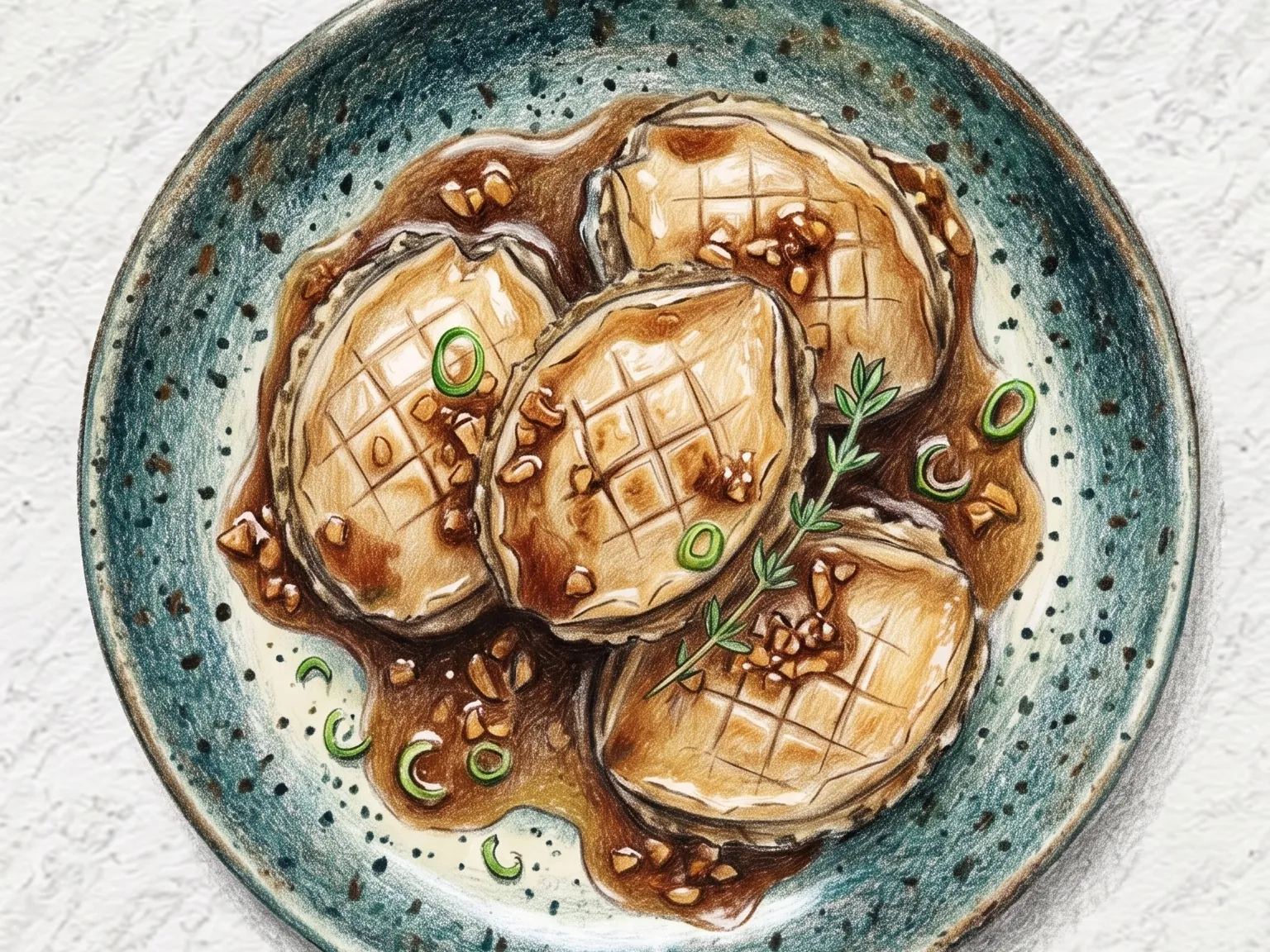
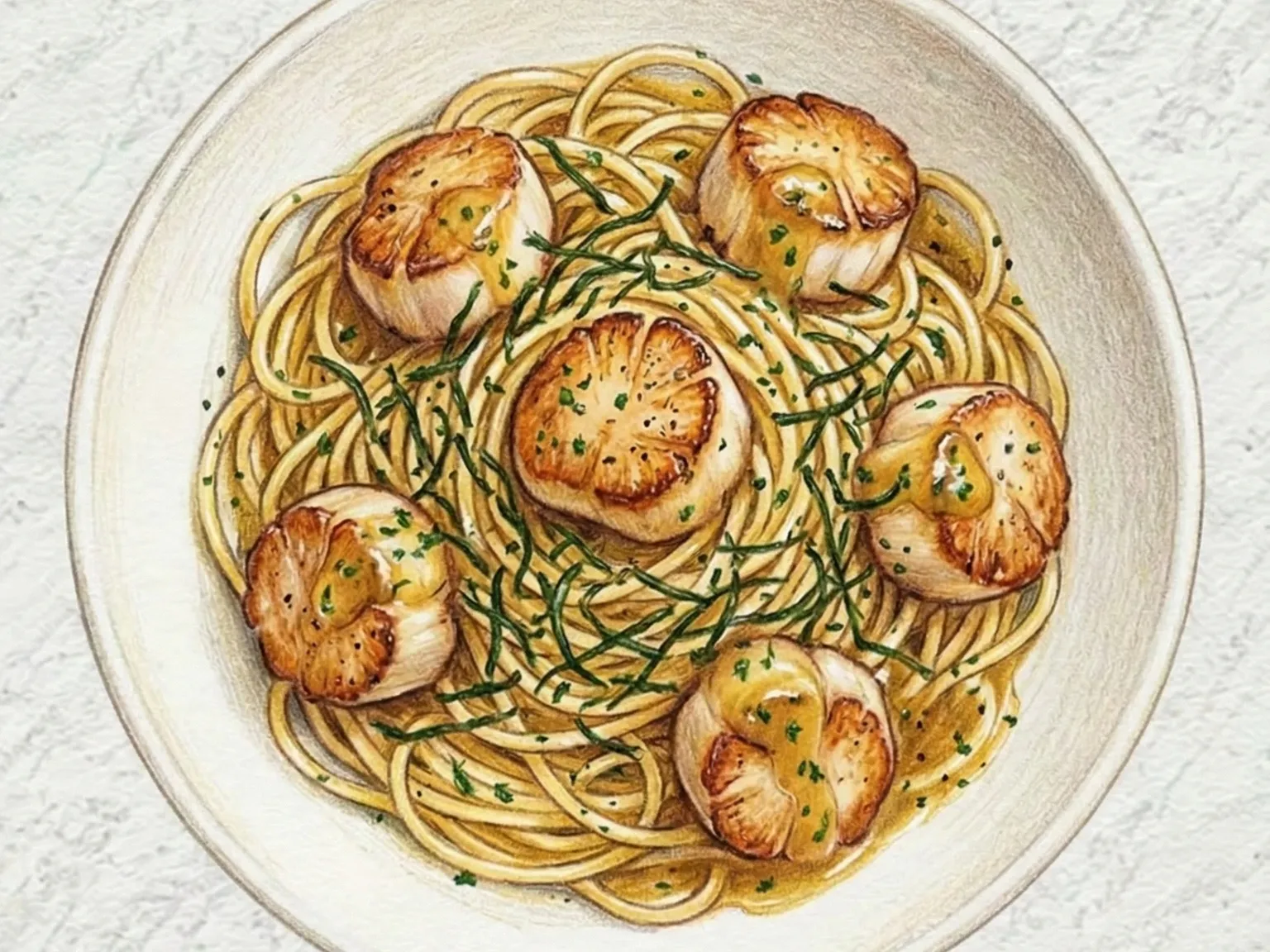
Kijogae gwanja-beoteo-gui is a Korean dish of pen shell scallops seared quickly on a hot skillet and glazed with a garlic-lemon butter sauce. The scallops are patted dry, and thick pieces are halved. A sauce is prepared by melting unsalted butter with minced garlic, lemon juice, salt, and pepper. The scallops are coated in olive oil and seared on a preheated pan over medium-high heat. A hot pan is critical, as insufficient heat causes them to lose moisture and turn soggy. They are seared for ninety seconds on the first side, flipped for another minute, and brushed with the butter sauce. The total cooking time must stay under four minutes to preserve a springy, tender texture. Chopped parsley is added at the finish, and the scallops are served immediately.
Shoyu Butter Corn Ramen
Shoyu butter corn ramen is a Japanese noodle soup built on chicken broth seasoned with soy sauce and mirin. The broth simmers for ten minutes to marry the salty-sweet flavors before being ladled over separately boiled ramen noodles. A pat of butter placed on top melts slowly into the hot liquid, spreading richness across the bowl. Sweet corn kernels, crisp bean sprouts, nori, and sliced scallion complete the toppings. Serving it soon after cooking keeps the intended texture clearer, while brief resting lets the sauce or broth settle into the dish.
Mala Chicken Alfredo Fusilli
Mala chicken Alfredo fusilli is a fusion pasta that brings Sichuan mala sauce -- built on the numbing tingle of Sichuan peppercorn and the heat of dried chili -- into a cream-and-Parmesan Alfredo base. Chicken thigh is cut into bite-sized pieces and pan-seared to build a browned crust, then garlic and onion are sautéed in the residual fat to form the aromatic foundation. The Alfredo sauce is assembled from heavy cream, milk, and Parmigiano-Reggiano, with mala sauce stirred in to layer the peppercorn numbness against the dairy's richness.
Buffalo Wings
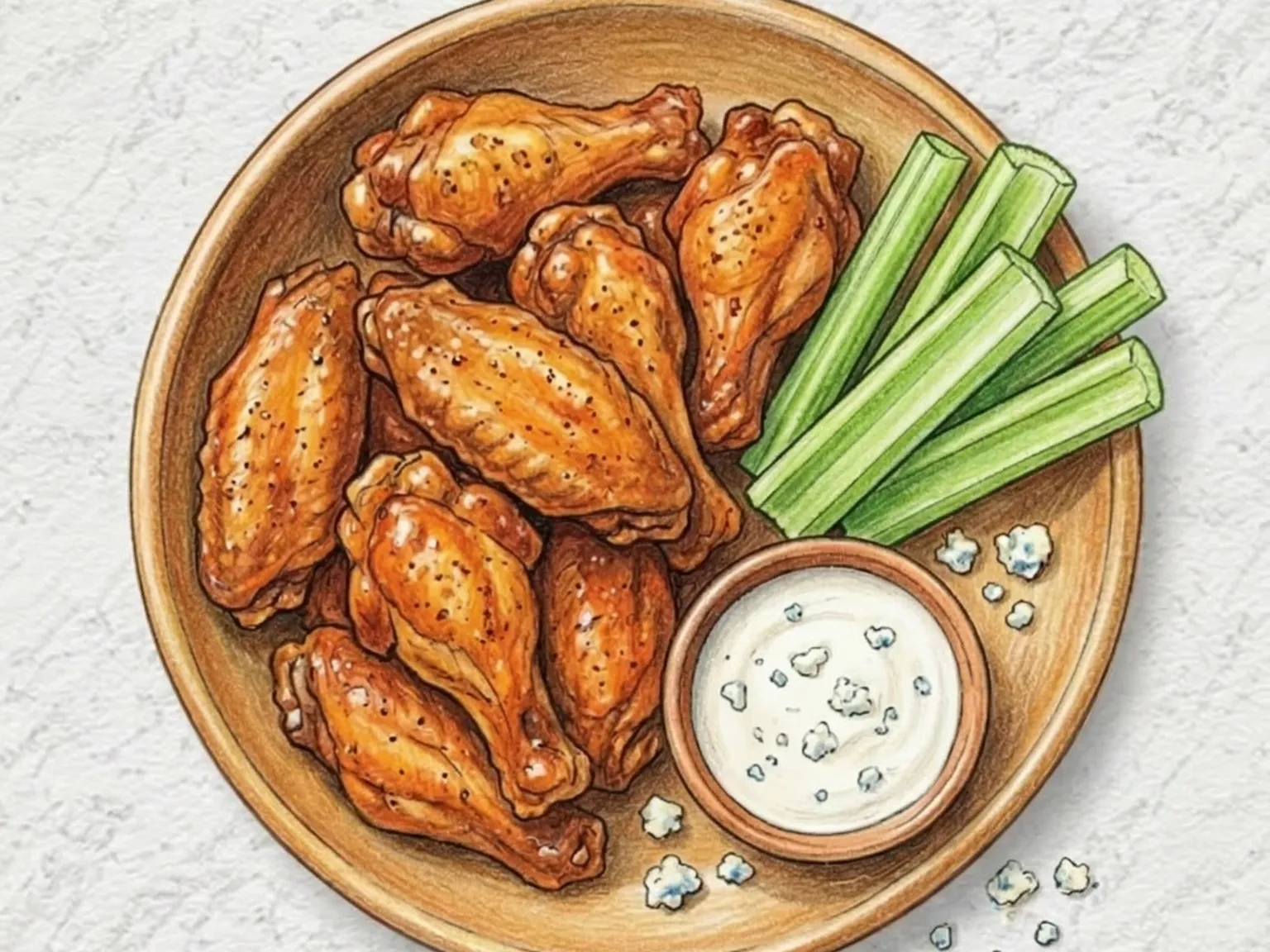
Buffalo wings coat chicken wings in baking powder and roast them at high heat for forty-five minutes, producing a crisp skin without deep-frying. The baking powder raises the skin's pH to accelerate the Maillard reaction and drives out moisture faster, yielding a crunch that rivals the fryer. Straight from the oven, the wings are tossed in a sauce of melted butter and hot sauce - the butter tempers the vinegar-based heat into something that coats the tongue rather than burning it, and a touch of white vinegar at the end sharpens the finish. Blue cheese dipping sauce and celery sticks served alongside provide a cooling, creamy contrast and a crisp palate cleanser between bites.
Banoffee Pie
Banoffee pie is a British no-bake dessert whose name compresses banana and toffee, the two ingredients that define its character. A base of crushed digestive biscuits bound with melted butter is pressed firmly into a pan and chilled until set. Sweetened condensed milk is heated slowly over low heat, stirring constantly, until it darkens into a thick, amber-colored toffee that spreads over the biscuit base in a dense layer. Ripe bananas are sliced thickly and layered on top of the toffee, then the whole assembly is finished with a generous dome of softly whipped cream and a dusting of cocoa powder or grated dark chocolate. Each forkful delivers four textures in sequence: the sandy crunch of the biscuit base, the dense caramel pull of the toffee, the soft sweetness of banana, and the cool, airy lightness of cream.
Korean Kkaennip Deulgireum Gyeran Bap (Perilla Egg Rice)
Kkaennip-deulgireum-gyeran-bap is a simple one-bowl rice dish built on three main flavors: the deep roasted-nut aroma of perilla oil, the herb-like fragrance of fresh perilla leaves, and the richness of soft scrambled eggs. The eggs are cooked low and slow in butter, set aside, and then rice is stir-fried briefly in perilla oil over moderate heat. Perilla oil has a low smoke point, so high heat rapidly destroys its distinctive aroma. Soy sauce drizzled along the hot rim of the pan picks up a faint caramel char as it hits the surface, adding depth beyond straightforward saltiness. The scrambled eggs and the rice are folded together with thinly sliced perilla leaves off the heat, because the leaves lose their volatile oils quickly when exposed to sustained warmth. Finishing with a generous amount of whole sesame seeds adds a repeated crunch and further layers of nuttiness through every bite. With ingredients this minimal, the quality of the perilla oil and the freshness of the leaves determine the final result.
Korean Roasted Sweet Potato
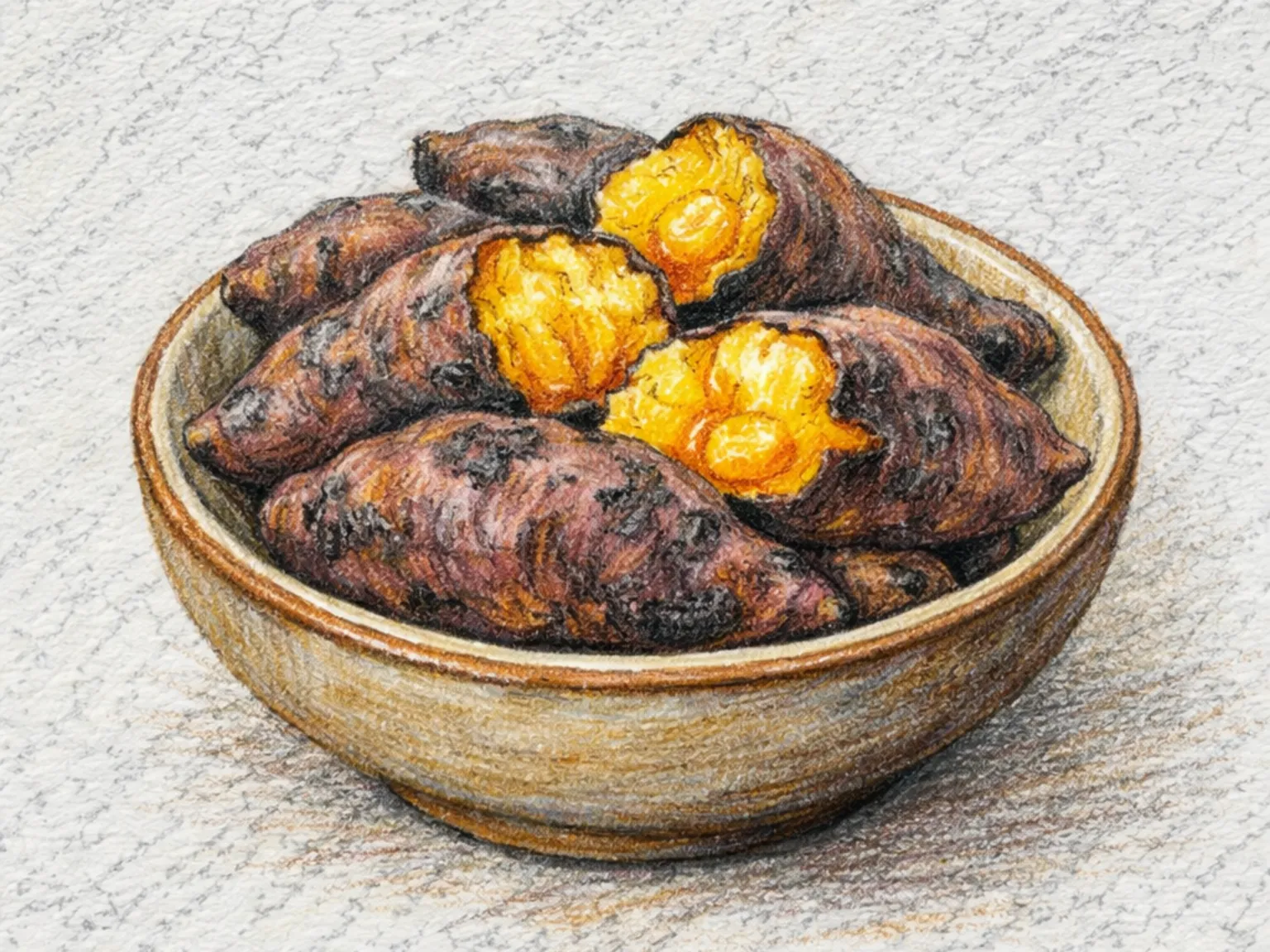
Gun-goguma is a Korean winter snack made by roasting whole sweet potatoes in their skins at 200 degrees Celsius for 35 to 40 minutes. The slow heat converts the starches inside the potato into maltose, concentrating the sweetness and producing a sticky, honey-like layer just beneath the skin. Lower-temperature roasting is preferred over high heat because it extends the window of enzyme activity, allowing sugars to accumulate gradually rather than burning off at the surface. Korean pumpkin sweet potatoes, called hobak-goguma, have a higher moisture content and more pronounced natural sweetness, so they turn creamy and almost runny when fully roasted. Resting the potatoes at room temperature for a day or two before roasting further boosts sugar levels, since starch conversion continues during storage. The potato is satisfying on its own, but adding a pat of butter or a dusting of cinnamon layers in a rich, aromatic contrast. Eating the skin along with the flesh adds fiber and a slightly earthy counterpoint to the pure sweetness of the interior.
Korean Butter-Grilled Crab
Kkotge-beoteo-gui refers to a Korean preparation of blue crab that is grilled with a butter glaze. To prepare this dish, the crabs are first sliced into halves and then placed on a grill set to medium-high heat. Throughout the cooking process, a mixture consisting of melted unsalted butter, finely minced garlic, soy sauce, and fresh lemon juice is applied repeatedly as a baste to ensure the flavors permeate the meat thoroughly. As the heat is applied, the butter mixture flows into the various gaps and crevices within the crab shell. This action allows the nutty flavor of the butter to coat each individual fiber of the crab meat. This richness is intended to enhance the natural sweetness inherent in blue crab without masking its original profile. The inclusion of soy sauce introduces necessary saltiness, while the lemon juice adds a sharp acidity that functions to balance the heavy fats and keep the overall profile of the dish clear. Before any grilling takes place, the cleaned crab pieces are treated with a small amount of rice wine. This liquid is rubbed directly onto the surface of the crab to neutralize the strong, briny scent that can often remain on raw seafood, preparing the meat for the application of the butter and seasonings. The grilling starts with the crabs placed shell-side down on the grate for an initial duration of four minutes. This orientation allows the heat to conduct through the hard shell, which effectively steams the meat inside in a gentle manner. After this period, the crabs are flipped over. Basting the now-exposed flesh directly is a critical step to ensure that the delicate proteins do not lose moisture or become dry under the direct heat of the grill. The total time spent on the grill should not exceed ten minutes in aggregate. If blue crab is cooked beyond this threshold, the texture of the meat undergoes a negative transformation, becoming rubbery and losing the natural juices that contribute to its tenderness. Selecting larger crabs with a higher volume of flesh is recommended, as thicker pieces of meat are capable of absorbing the butter-based basting liquid more effectively. For additional aromatic complexity, fresh herbs like rosemary or thyme can be added into the liquid mixture. These herbs introduce a subtle herbal quality that helps to further soften any lingering fishy characteristics in the finished dish.
Myeongran Lemon Cream Fettuccine
Myeongran lemon cream fettuccine wraps wide pasta ribbons in a sauce made from salted pollock roe, heavy cream, butter, and lemon zest. The small eggs of the roe are left intact and stirred into the sauce off the heat so they stay soft and burst with briny flavor when bitten rather than turning granular or hard. Garlic bloomed in butter forms the aromatic base, and a mixture of heavy cream with milk tempers the roe's saltiness into a smooth, balanced coating. Using lemon zest rather than juice adds a bright citrus fragrance without diluting the sauce or introducing acidity that would curdle the cream. Parmigiano-Reggiano deepens the savory foundation, and fettuccine's broad, flat surface holds the thick cream more effectively than thinner pasta shapes. The entire dish takes about twenty minutes from start to plate, making it a practical weeknight option that does not sacrifice depth of flavor for speed. The critical technique -- incorporating the roe off the heat -- keeps the texture creamy throughout and prevents the eggs from cooking into tough, unpleasant morsels.
Butter Chicken
Butter chicken - murgh makhani - starts by marinating chicken thighs in yogurt, garam masala, and cumin, then roasting or grilling them at high heat to develop a slightly charred, smoky exterior. That surface char is a defining element; plain poaching cannot replicate it. The tomato sauce base requires long, patient reduction - the raw acidity must cook off and round into sweetness before any dairy is added. Butter and heavy cream then go in, wrapping the spice blend sharp heat in a velvety richness that carries through to the last bite. Cumin and garam masala provide the earthy, layered warmth that anchors this curry's identity, and together they produce the mild, creamy character that sets murgh makhani apart from hotter Indian preparations.
Basbousa (Middle Eastern Semolina Syrup-Soaked Cake)
Basbousa is a Middle Eastern semolina cake soaked in fragrant syrup, producing a texture nothing like a Western flour-based cake. Semolina is combined with yogurt, sugar, and melted butter to form a dense, grainy batter that bakes into a golden slab with a coarse, sandy crumb. The moment it comes out of the oven, hot sugar syrup sharpened with lemon juice is poured over the surface. The porous semolina pulls it in rapidly - the top retains a faint crispness while the interior becomes moist all the way through. Before baking, the batter is scored into diamond portions and a blanched almond is pressed into each one for a nutty accent. Across the Arab world, basbousa is among the most common desserts served during Ramadan, made in large trays and shared among families.