Brown Butter Chocolate Chip Cookies
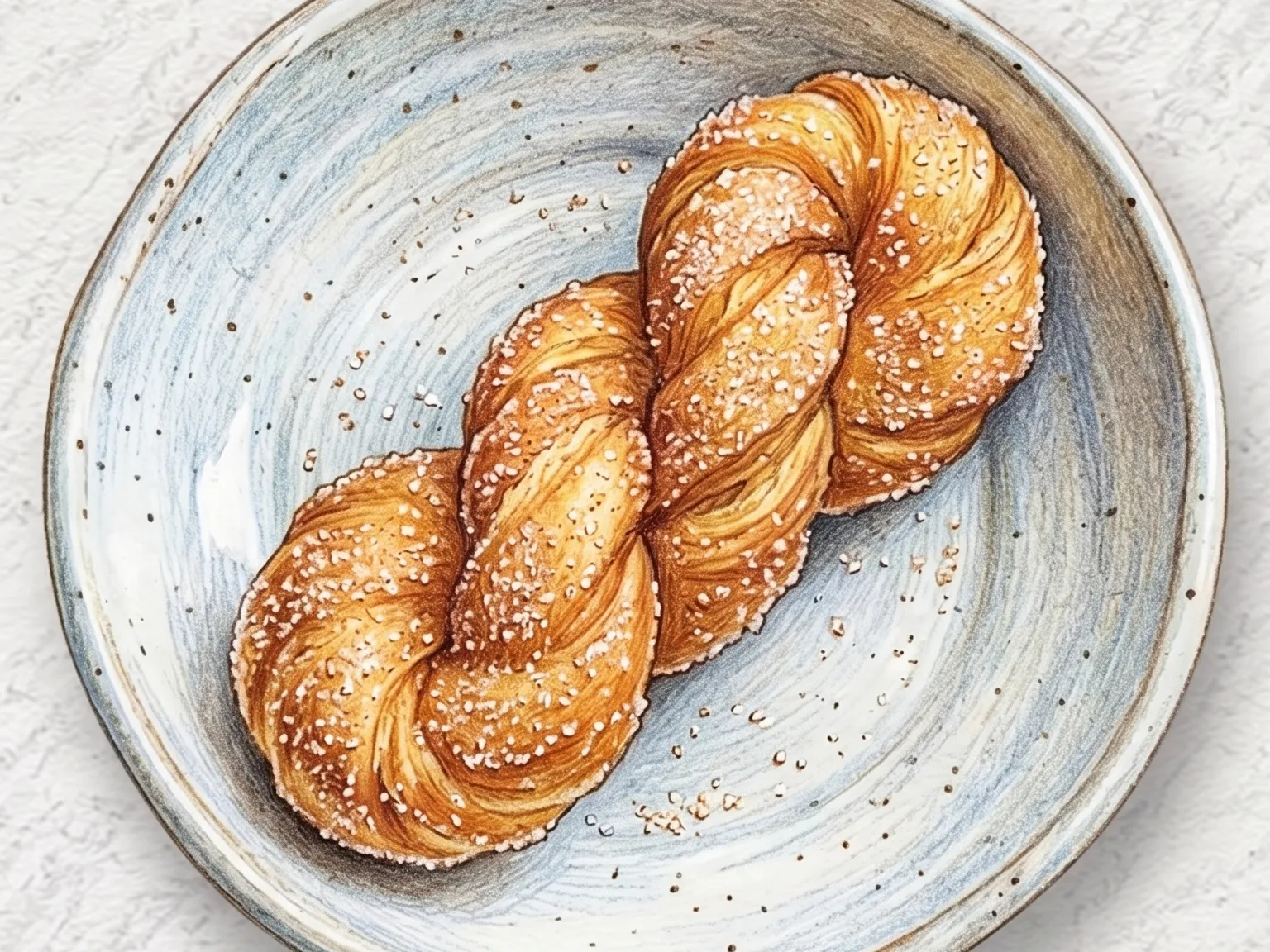
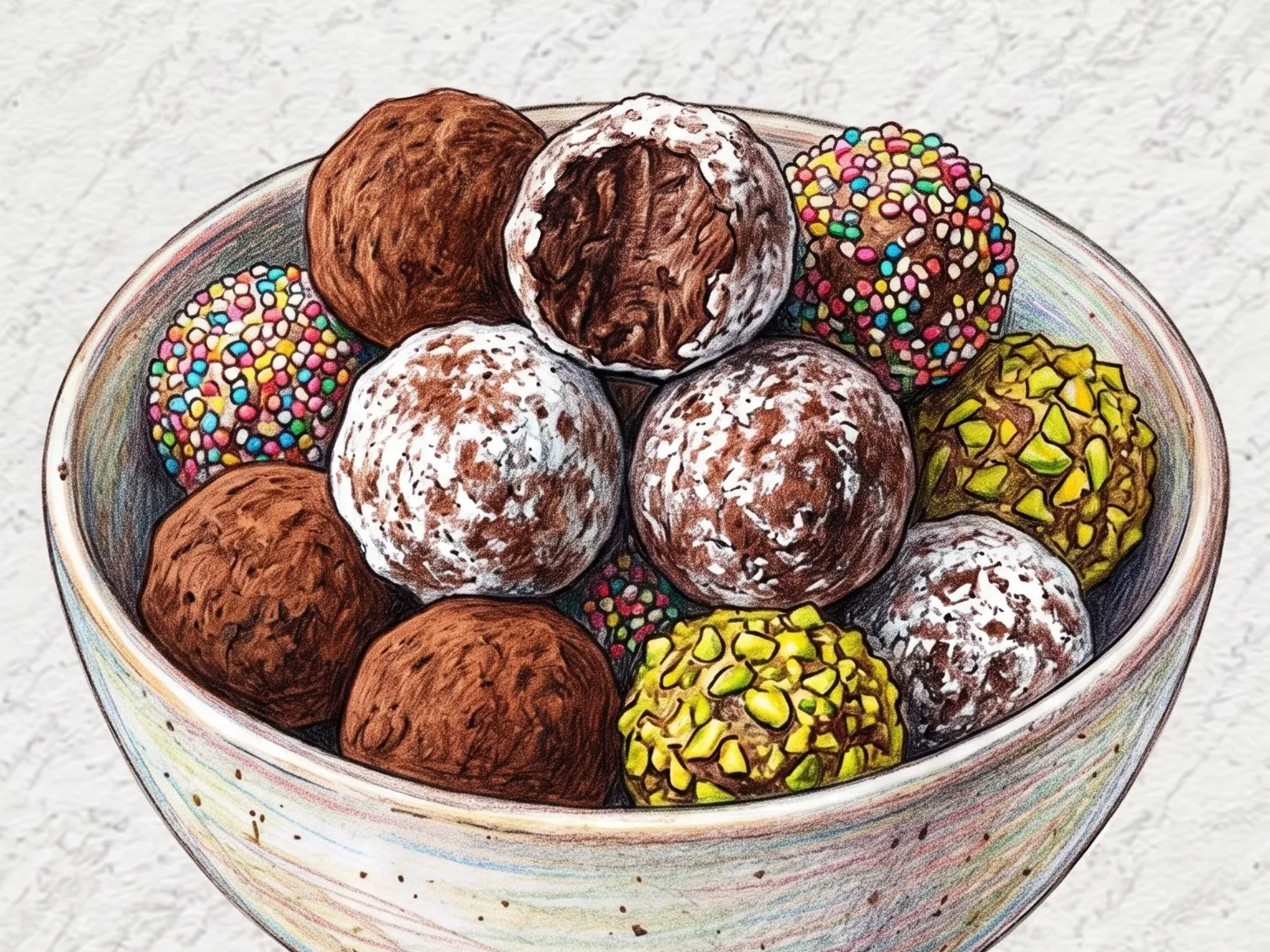
Brown butter chocolate chip cookies build on the familiar template by introducing browned butter, which is cooked over medium heat until the milk solids caramelize and turn golden, releasing an aroma of toasted hazelnuts and toffee that standard melted or creamed butter cannot produce. The browned butter is combined directly with brown sugar while still warm, which helps it dissolve completely and speeds up the mixing process. A high ratio of brown sugar relative to white sugar produces cookies with thin, crisp edges and a dense, chewy center that sinks slightly when pressed. Dark chocolate cut into rough chunks melts unevenly during baking, leaving some pockets fully liquid and others still partially solid, creating texture variation in each bite. Flaky sea salt pressed lightly onto the tops of the cookies before baking sharpens the sweetness and amplifies the chocolate flavor in a way that fine salt mixed into the dough cannot replicate. Fresh from the oven the cookies look underdone and collapse slightly when touched, but ten minutes of resting on the pan allows the structure to set: the edges firm up to a gentle snap while the center stays yielding and fudgy.

Soy Butter Steak Garlic Spaghetti
Thick-cut sirloin seared at high heat, then glazed in soy sauce and butter, forms the base of this steak pasta. The fond left in the pan gets deglazed with soy sauce and butter, then emulsified with pasta water into a thin, shiny coating that clings to each strand without turning greasy. Generous garlic browned in olive oil beforehand builds a deep, roasted-garlic base that runs through the entire sauce, and tsuyu -- a Japanese seasoning concentrate made from kombu and bonito -- adds the round umami depth of dashi without any extra steps. The steak is best cooked to medium-rare and sliced against the grain before laying over the pasta; resting the meat first keeps the juices from running out when cut. Black pepper and sliced scallions cut through the richness at the end. The full cook time is about 20 minutes, and pasta water volume controls the final sauce consistency.

Chicken Tikka Masala
Chicken tikka masala marinates chicken overnight in yogurt, curry powder, garlic, and ginger, then grills or broils it at high heat to develop char on the surface before finishing in a sauce of tomato puree, garam masala, and heavy cream. The lactic acid in yogurt gently breaks down surface proteins while acting as a vehicle to drive the spices deeper into the meat. Browning diced onion in butter, then cooking tomato puree with garam masala for at least fifteen minutes allows the sharp, raw edges of the spices to mellow and integrate fully, building a sauce base with genuine depth. Heavy cream added just before serving wraps the tomato acidity and chili heat in a smooth, rich body that unifies the dish. Overnight marination makes a substantial difference compared to a short soak, as the spices have time to penetrate to the center of each piece. Basmati rice or naan bread served alongside is standard, and dragging the bread through the sauce captures the full range of flavor in a single bite.

Canelé (Bordeaux Caramelized Rum Vanilla Custard Cake)
Canele is a small French pastry from Bordeaux with a caramelized, deeply browned exterior and a soft, custardy interior perfumed with vanilla and rum. The batter combines milk, eggs, flour, sugar, vanilla bean, and dark rum into a simple mixture, but the technique demands patience. The batter must rest overnight in the refrigerator to relax the gluten and allow the flavors to integrate fully. Traditional copper molds are coated with beeswax before each bake, and this coating is what produces the distinctive lacquered, almost brittle crust during high-temperature baking. When you bite through the shell, it splinters and crackles to reveal the yielding, moist custard beneath, and this dramatic contrast in texture is what makes the pastry remarkable. The vanilla and rum deepen as the surface caramelizes over the long bake, producing a complexity of flavor that far exceeds the simplicity of the ingredient list. Caneles are best eaten within one to two hours of leaving the oven, after which moisture migrating outward from the center gradually softens the crust.

Spicy Octopus Rose Penne (Octopus Penne in Rose Sauce)
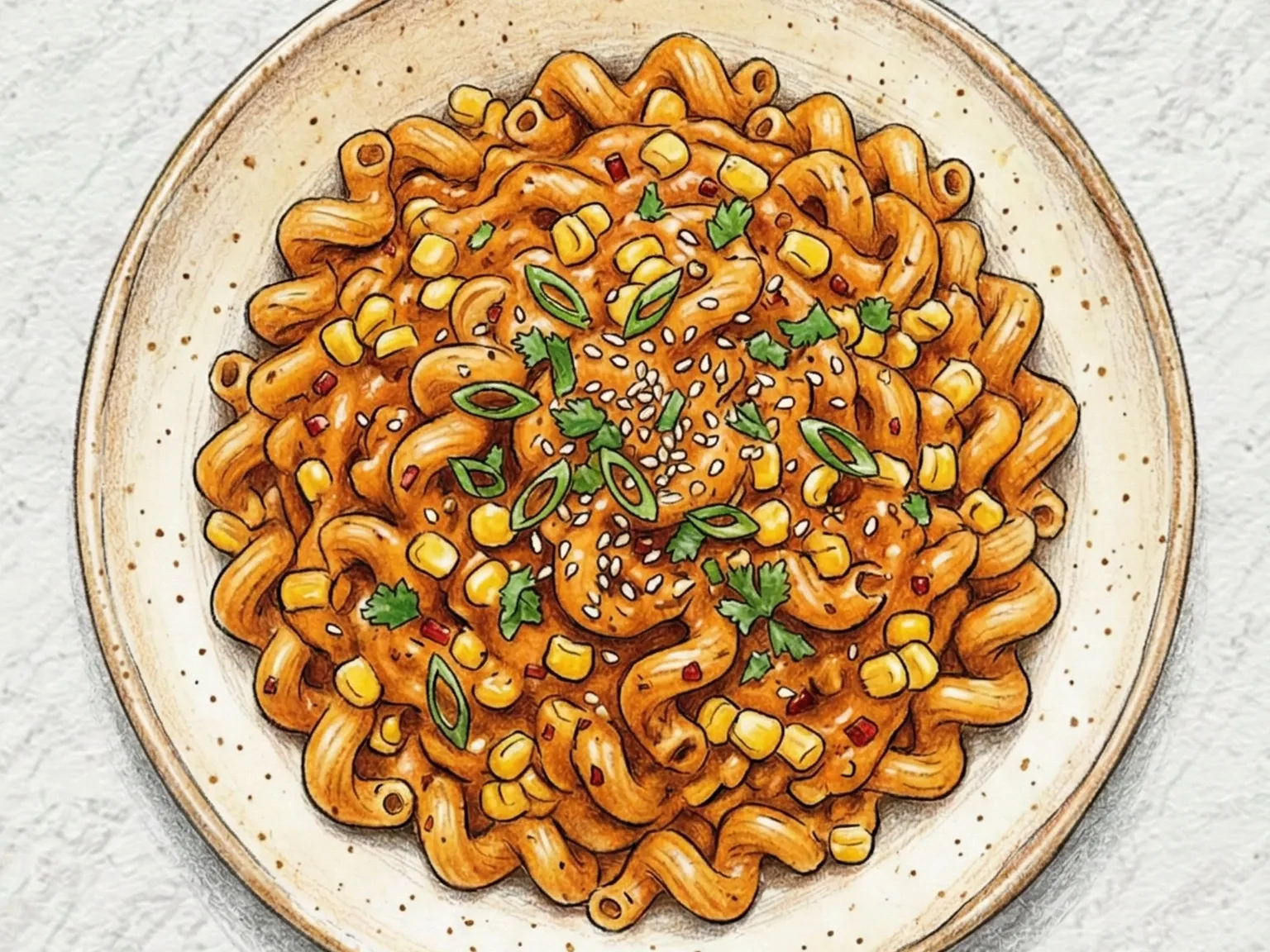
Spicy octopus rose penne starts with pre-cooked octopus that is seared in a very hot, dry pan to burn off surface moisture and trigger a Maillard crust on the skin. This step does more than remove water - it eliminates any residual fishiness and builds a firm outer layer that contrasts with the tender interior when you bite through. The rose sauce is built from tomato passata and heavy cream spiked with Korean gochugaru. The chili flakes are bloomed in oil for no more than 20 seconds, enough to coax out heat and color but not long enough to develop bitterness. Butter is added to the finished sauce to encourage emulsification, keeping the cream and tomato components cohesive and allowing the mixture to coat each piece of pasta evenly rather than pooling at the bottom of the pan. Penne holds this sauce particularly well because its tubular shape captures the thick liquid inside each piece, delivering cream and spice simultaneously with every bite. Fresh basil is stirred in off the heat at the very end, its volatile aromatics intact, providing an herbal lift that cuts the heaviness of the cream base. The natural salinity and sweetness of octopus from the sea add a briny depth that cream-only sauces cannot replicate on their own.

Clafoutis (French Baked Cherry Custard Dessert)
Clafoutis is a traditional French dessert from the Limousin region made by arranging fresh cherries in a buttered baking dish, then pouring over a thin batter of eggs, sugar, milk, and flour and baking at 180 degrees Celsius for thirty to thirty-five minutes. The batter is considerably thinner than pancake batter, and the result when baked is a texture that sits between a creamy custard and a light sponge -- the edges puff and turn golden while the center around the cherries stays moist and yielding. Using unpitted cherries is the traditional method: the pits release a faint almond scent during baking that perfumes the surrounding batter in a way that pitted fruit cannot replicate. The cherries also hold their shape better with the pits in. Vanilla extract deepens the egg-and-milk base, and the cherries' own tart juice seeps into the batter during baking, creating concentrated pockets of fruit flavor that balance the overall sweetness. Clafoutis is served directly from the baking dish, typically dusted with powdered sugar and brought to the table while still warm, because the custard texture softens and loosens slightly as it cools, making the warm version noticeably more appealing. Made with blueberries, plums, or apricots instead of cherries, the dessert takes a different name -- flaugnarde -- though the technique remains identical.

Cannoli
Cannoli are Sicilian pastries built around a crisp, tube-shaped shell and a sweetened ricotta filling. The shell dough is enriched with lard, rolled very thin, and wrapped tightly around narrow metal tubes before being lowered into hot oil, where the fat in the dough creates multiple flaky layers that shatter with a clear snap on first bite. The ricotta filling is sweetened but left slightly grainy rather than smooth, a deliberate texture that gives the pastry a lighter, less dense quality than a conventional cream filling. Chopped pistachios, candied orange peel, or chocolate chips are pressed into the exposed ends to provide color and a contrasting flavor note. Filling the shells more than a few minutes before serving is a mistake, because moisture migrates from the ricotta into the fried dough and turns the crisp shell soft. In Sicily, cannoli were historically associated with Carnival celebrations, though today they appear year-round in pasticcerie across the island and throughout the Sicilian diaspora.

Sweet Potato Gnocchi with Sage Butter
Sweet potato gnocchi with sage butter begins with steamed sweet potato that has been rested uncovered to drive off excess steam, then mashed while still warm and folded gently with potato starch, all-purpose flour, and egg yolk into a soft, cohesive dough. The critical rule is minimal kneading - once the ingredients combine, the dough should be handled as little as possible to prevent gluten from developing, which would make the finished pieces dense and rubbery instead of fluffy and tender. The gnocchi are shaped by rolling ropes of dough, cutting them into small pillows, and pressing each one against a fork to create ridges that catch the sauce. Once boiled until they float, they go directly into browned butter: unsalted butter melted with fresh sage leaves over medium heat until the milk solids turn hazelnut-brown and the sage releases a dry, herbal aroma that complements the sweet potato's natural caramel notes. Toasted, chopped walnuts scattered over the top add a crunchy contrast to the pillowy gnocchi, and a generous grating of Parmigiano Reggiano provides the sharp, crystalline saltiness that pulls the whole dish together.

Keullaem Chaudeo (Clam Chowder)
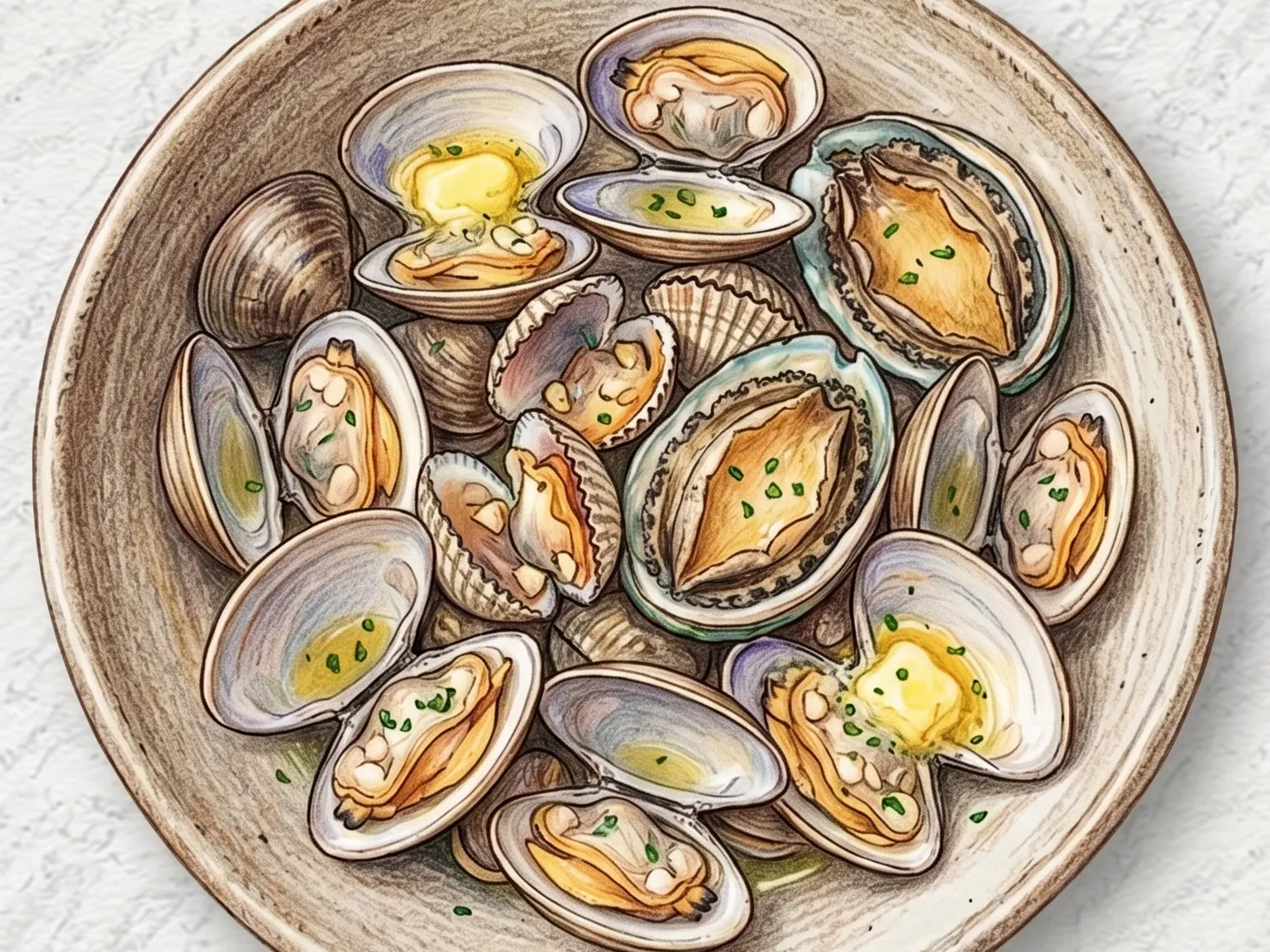
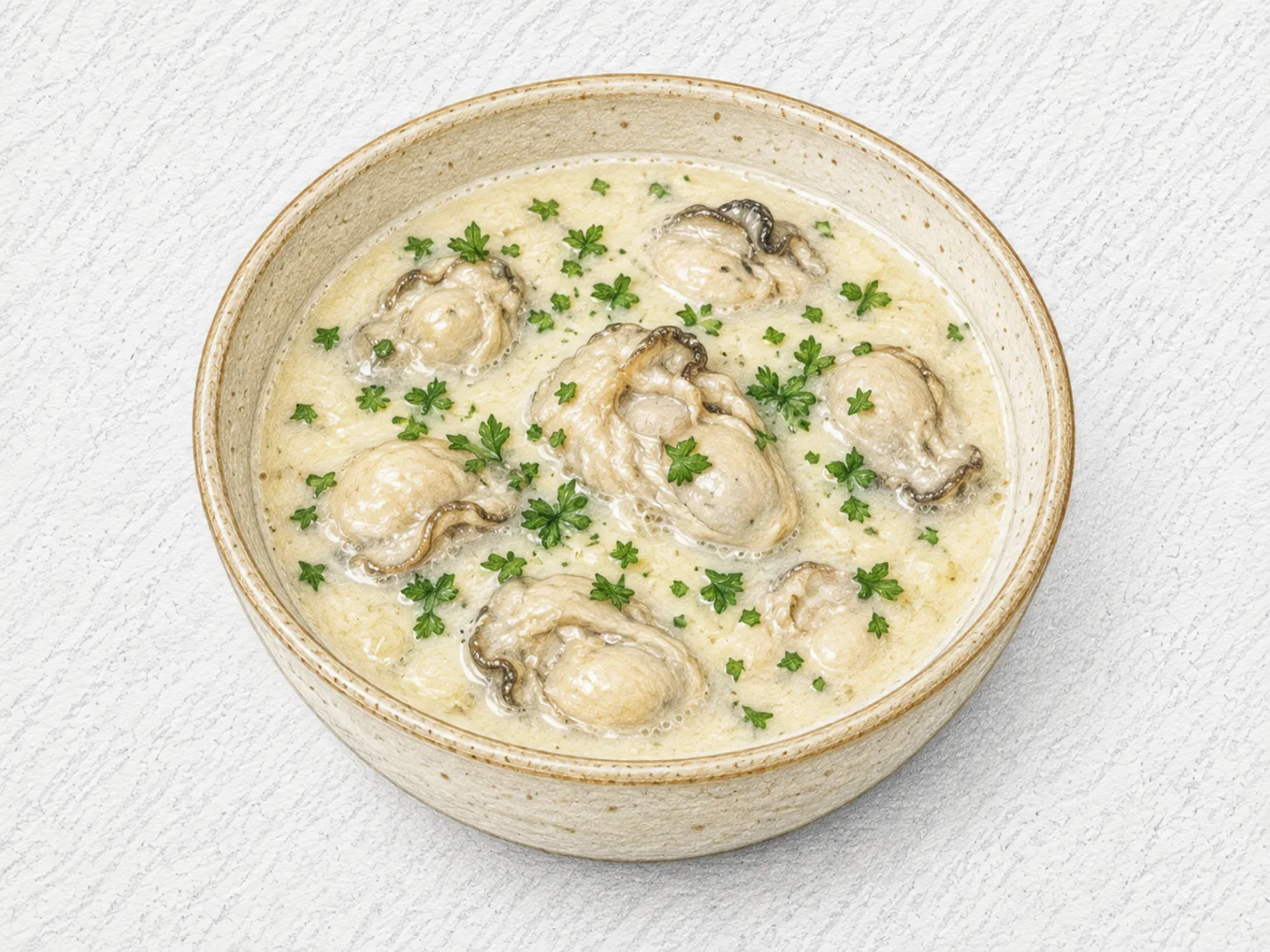
Clam chowder is a thick American soup that combines clams, diced potatoes, onion, and celery in a milk-based broth thickened with a butter-and-flour roux. Sauteing the onion and celery in butter for three minutes draws out their natural sweetness before the flour goes in. Adding milk gradually while whisking prevents lumps and builds a smooth, creamy consistency. The potatoes simmer for twelve minutes until tender, and the clams are added only in the final three minutes to keep them from turning rubbery. Each spoonful delivers a balance of briny, oceanic depth from the clams and mild richness from the milk base.

Chess Pie
Chess pie is a custard pie from the American South made from the shortest possible list of pantry ingredients: butter, sugar, eggs, a small amount of flour, and cornmeal. The simplicity of the ingredients does not predict the complexity of what happens in the oven. As the pie bakes, the top surface splits and forms a thin, crackled crust that shatters underfoot of a fork, while beneath it sits a dense, moisture-heavy custard carrying a deep caramel note. Cornmeal introduces a subtle grittiness and the faint sweetness specific to corn, while a splash of vinegar or buttermilk adds just enough acidity to prevent the sugar from going flat. The filling should be pulled from the oven when the edges have set but the center still trembles slightly; it continues to firm as it cools, eventually reaching a texture close to fudge. Served at room temperature, the custard softens into a smooth, yielding consistency. A spoonful of unsweetened whipped cream alongside cuts the richness without dulling the flavor.

Tofu Ricotta Spinach Ravioli
Tofu ricotta spinach ravioli is a pasta dish featuring a filling made from firm tofu that has been thoroughly pressed, combined with ricotta cheese, blanched spinach, Parmigiano Reggiano, and a measured amount of nutmeg, all of which are enclosed within sheets of fresh pasta. The inclusion of tofu serves to diminish the heavy richness often associated with ricotta, although it ensures that the internal mixture maintains a consistency that is both smooth and creamy. The nutmeg provides a warm spice element that functions to bridge the flavor gap between the earthy qualities of the spinach and the various dairy ingredients. It is essential to press the tofu until the vast majority of its liquid content has been removed. Failure to eliminate this excess water will result in a filling that is too thin, which subsequently makes it difficult to achieve a clean and effective seal on the pasta sheets. To prevent the ravioli from opening or splitting during the boiling process, the edges of the pasta must be crimped firmly using a fork. This technique establishes a tight seal capable of withstanding the three to four minutes of cooking time required for the dish. Once the ravioli has been drained, it should be immediately transferred into brown butter infused with sage and tossed for approximately thirty seconds. This specific step prevents the exterior surface of the pasta from becoming dry and ensures that every piece is evenly coated in a layer of herb-scented fat. Since the boiling period is quite short, the subtle and delicate flavors contained within the filling are successfully preserved. This recipe is designed to yield four servings, which makes the dish a suitable option for a dinner event where the visual presentation of the food is a priority.

Colcannon (Irish Mashed Potatoes with Cabbage and Butter)
Colcannon is a traditional Irish dish of hot mashed potatoes folded together with blanched shredded cabbage and chopped green onion, then brought to a creamy, pillowy consistency with warmed milk and butter. Mashing the potatoes while they are still steaming hot is essential, because the starch granules release cleanly and evenly only at high temperature. Both the milk and butter must be heated before they go in, because cold dairy causes the starch to seize and turn the mash dense and gluey instead of light and smooth. Blanching the cabbage for three minutes in salted water leaves just enough resistance in each shred to contrast with the yielding potato. Green onion disperses a mild, fresh allium fragrance throughout the dish without overpowering it. A knob of butter placed on top just before serving melts into a shallow pool that deepens the richness of every spoonful. In Ireland, colcannon was traditionally eaten on Halloween, sometimes with a coin hidden inside the mash to bring good luck. Kale or spring onion can stand in for cabbage, and using a floury variety of potato produces the dish's characteristic light yet dense texture.

Chestnut Madeleine (French Shell Cake with Chestnut Butter Batter)
Chestnut madeleine is a small French cake baked in shell-shaped molds with chestnut paste folded directly into the batter. The chestnut brings a warm, starchy sweetness that layers with butter and honey, producing a flavor that is understated but noticeably complex. The signature dome, known as the hump, rises properly only when the batter is rested in the refrigerator for at least an hour before baking, then transferred directly into a hot oven. This temperature shock is what drives the rapid rise in the center. The crumb is light and moist, and the chestnut flavor comes through clearly rather than being absorbed by the butter. Warm milk or a latte amplifies the roasted chestnut notes, and the compact size makes these ideal for packaging as gifts.

Yuja Chicken Piccata Linguine
Yuja chicken piccata linguine pounds chicken breast thin, dusts it with flour, and pan-sears each side for 3 minutes until a golden crust forms on the outside while the interior stays moist. The same pan is deglazed with chicken stock, lemon juice, yuja marmalade, and capers, then simmered for 3 minutes to concentrate the sauce and lift every bit of fond from the pan bottom. Whisking in cold butter at the end emulsifies the liquid into a glossy, coating consistency that clings to each strand. The capers contribute a briny, bursting texture that plays off yuja's bittersweet citrus notes, building a layered acidity that neither ingredient produces on its own. The flat, wide surface of linguine picks up the sauce broadly so each forkful carries both the herb fragrance of scattered parsley and the bright citrus glaze. Because yuja marmalade varies in sweetness, the lemon juice quantity should be adjusted at the end to balance the final acidity.

Cottage Pie
Cottage pie is a British comfort dish that layers a rich ground-beef filling under buttery mashed potatoes and bakes the whole thing until the top is golden and the interior is bubbling. The filling starts with beef browned alongside diced onion and carrot, then simmers with tomato paste, Worcestershire sauce, beef stock, and green peas until the liquid reduces to a thick, concentrated sauce that holds its shape in the dish. Adding beef stock to the simmer deepens the flavor considerably compared to water alone. The potatoes must be mashed immediately after draining while still steaming hot: mashing cool potatoes produces a gluey texture instead of a smooth, creamy layer. Scoring the surface with a fork before the dish goes into the oven creates ridges that catch the heat and brown in the oven at 200 degrees Celsius over twenty minutes, adding a lightly crisp layer over the soft interior. During baking, the heat from the filling rises through the potato crust, allowing the two layers to exchange aromas. The defining characteristic of the dish is the contrast between the deeply savory, umami-packed meat layer below and the soft, golden, buttery potato crust above.

Chestnut Mont Blanc Cupcakes
Chestnut Mont Blanc cupcakes stack three distinct layers into a single handheld dessert: a moist sponge base, a dome of whipped cream, and a tangle of piped chestnut cream on top. The sponge is whisked to a fine, airy crumb that stays soft without being fragile. Whipped cream is mounded over each cupcake, then chestnut paste made from boiled chestnuts blended with butter and sugar is piped through a Mont Blanc nozzle into thin vermicelli-like strands that pile up into a peak. The chestnut cream has a powdery, almost sandy texture on the tongue that dissolves into the cream underneath, creating a flavor shift from dense, nutty richness to light dairy. Each bite moves through all three layers in sequence. A single marron glace placed at the summit serves as both garnish and concentrated flavor accent. These cupcakes are a bakery staple in Japan, where the Mont Blanc has been embraced as a seasonal autumn specialty. The individual cupcake format makes them practical for home bakers and cafes alike, since each portion is self-contained and does not require slicing or plating beyond the initial decoration.

Crab Cake
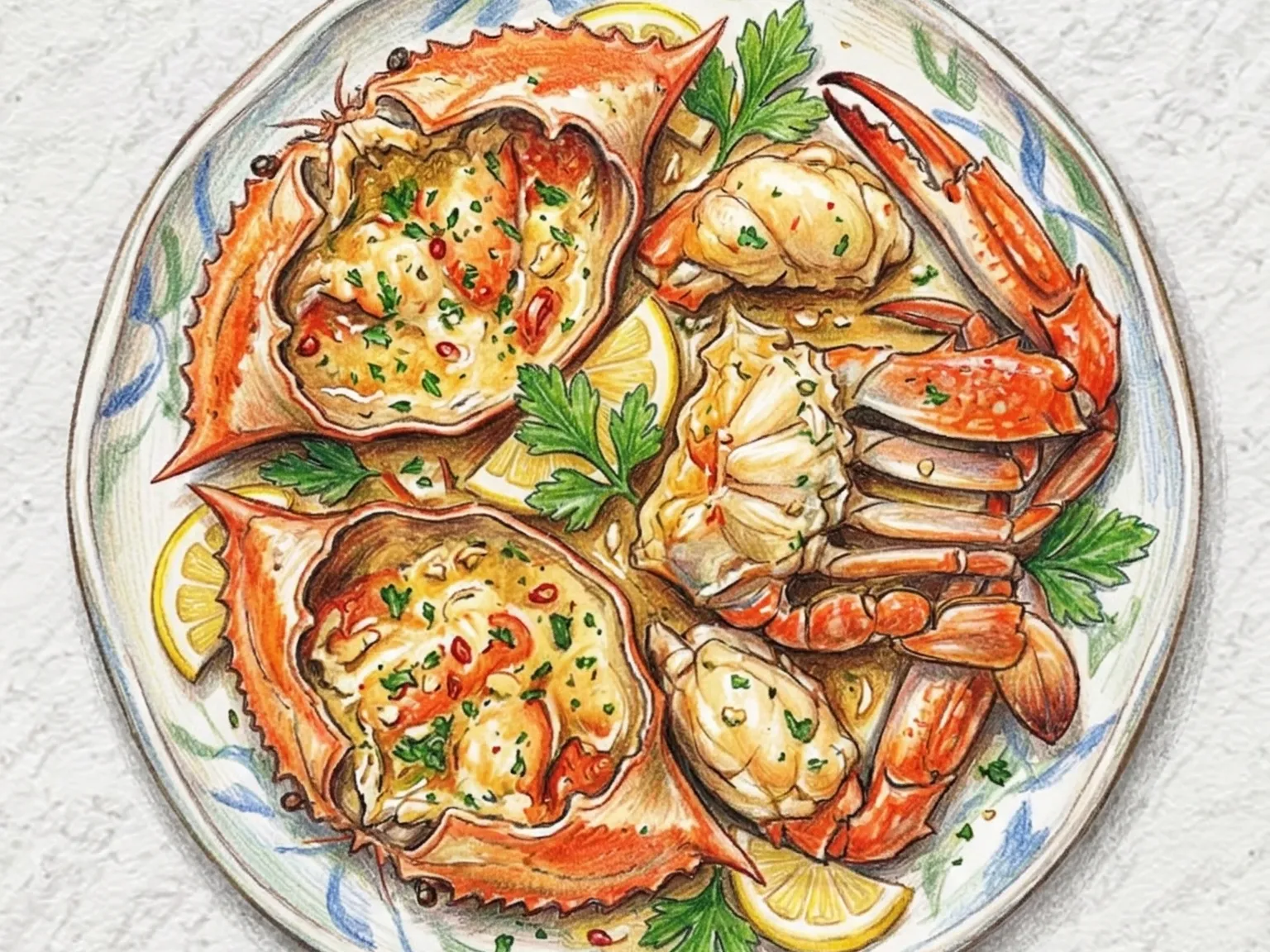
Crab cakes are a signature seafood dish of the American East Coast, made by gently folding crab meat with mayonnaise, Dijon mustard, egg, breadcrumbs, parsley, and lemon juice, then shaping the mixture into patties and pan-frying in butter until golden on each side. Mixing the crab meat with a light touch preserves the large flakes that give each bite its distinctive texture. Lemon juice brightens the flavor and tempers any fishiness. Chilling the formed patties for thirty minutes firms them enough to flip in the pan without breaking apart. The finished crab cake has a crisp, buttery exterior enclosing moist, sweet crab.

Chestnut Sweet Potato Muffins
Chestnut sweet potato muffins draw on two staple Korean autumn ingredients, combining them in a baked format that highlights the natural sweetness of both. Steamed and mashed sweet potato is worked directly into the batter, contributing moisture and a gentle, earthy sweetness that keeps the crumb soft for days after baking. The sweet potato also acts as a built-in humectant, preventing the common muffin problem of drying out once cooled. Diced roasted chestnuts are folded throughout the batter to provide a starchy, crumbly counterpoint to the tender surrounding crumb. Their slightly grainy texture creates contrast with every bite. A small amount of cinnamon sharpens the perception of the sweet potato's warmth without masking it. The streusel topping baked onto each muffin provides a layer of buttery crunch that gives way to the soft interior when pressed. When made with freshly harvested autumn ingredients, the natural sugars in both the sweet potato and chestnuts are concentrated enough that the amount of added sweetener in the batter can be reduced. The muffins work well as a snack or a breakfast substitute.

Cream of Mushroom Soup
The preparation of cream of mushroom soup begins by sautéing chopped onion and minced garlic to establish a fragrant aromatic foundation for the dish. Once these aromatics have softened, sliced button mushrooms are added to a mixture of butter and olive oil. These mushrooms are cooked for a duration of eight to ten minutes, a process that continues until their internal moisture has fully evaporated and the slices have taken on a deep brown color. Dried thyme is incorporated during the cooking process to provide an earthy herb quality that works in conjunction with the savory profile of the mushrooms. To build the body of the soup, flour is stirred into the fat and cooked for approximately one minute. This step is essential for creating a roux that will thicken the liquid effectively while ensuring the base remains smooth. Chicken stock is then introduced by whisking it in gradually, which prevents the formation of lumps. Heavy cream is added at the final stage of cooking, followed by a brief period of simmering to allow the flavors to combine and the texture to gain its characteristic richness. To achieve the final consistency, only half of the soup is processed in a blender. This technique produces a result that is simultaneously velvety and full of chunky mushroom pieces.

Chocolate Chip Cookies
Chocolate chip cookies are the most commonly baked cookie in American home kitchens, and despite a seemingly simple ingredient list the recipe conceals a precise set of variables that separate a good cookie from a great one. The ratio of brown sugar to granulated white sugar is the single most important decision: more brown sugar introduces molasses, which is hygroscopic and holds moisture in the finished cookie, producing a chewy, dense texture; more white sugar encourages the dough to spread in the oven and crisps the edges. Creaming softened butter with the sugars until the mixture turns pale and fluffy incorporates air into the dough, which gives the baked cookie lift and a slightly cakey interior. Chocolate chips, whether semi-sweet, dark, or a mixture, melt during baking and spread into the surrounding dough before re-solidifying as the cookie cools, forming pockets of concentrated chocolate distributed unevenly through each cookie. The moment to pull the tray from the oven is when the edges have set and turned golden while the center still appears underdone and almost raw-looking, because the residual heat of the pan continues to cook the interior as the cookies rest and cool. Pressing flaky sea salt into the surface of each cookie just before baking sharpens all the flavors, making the chocolate taste more chocolatey and the butter taste more buttery. Eaten warm, within minutes of coming out of the oven, a good chocolate chip cookie barely holds together and melts at the edges with the slightest pressure. That fragile, yielding moment is the whole point.

Croque Monsieur (Béchamel Ham and Cheese Melt)
Croque monsieur is a Parisian café classic built on a smooth béchamel sauce made from a butter-flour roux whisked with warm milk. One slice of white bread is spread with Dijon mustard before being layered with sliced ham and grated Gruyère cheese. The second slice tops the sandwich, which then gets a generous coat of béchamel and more cheese on the upper surface. Baking at 200 degrees Celsius for ten minutes melts the interior filling, and a brief three-minute broil creates a golden, bubbling crust on top. The mustard's pungent sharpness balances the salty richness of ham and cheese, keeping the overall flavor clean.

Churros
Churros are fried dough sticks made from a simple paste of water, flour, salt, and sometimes a touch of sugar. The dough is piped through a star-shaped tip, which creates ridges along the length. These ridges increase the surface area exposed to hot oil, producing maximum crunch across every inch while the interior stays soft and pillowy. Straight from the fryer, they are rolled in cinnamon sugar, which clings to the warm, oily surface and creates a sweet, spiced crust. The traditional pairing is thick Spanish hot chocolate -- closer to a warm ganache than a drink -- into which the churros are dipped. The bitterness of the chocolate and the sweetness of the cinnamon sugar play off each other, and the contrast between the crisp dough and the dense liquid makes each dip satisfying. Churros wait for no one: they are at their best within ten minutes of frying, after which the crispness fades as residual oil migrates inward.

Croquetas de Jamon (Crispy Ham Béchamel Bites)
Croquetas de jamon begin with a roux of butter and flour cooked together for two minutes, followed by milk added in stages while whisking continuously to build a thick, smooth bechamel. Finely chopped jamon serrano is folded into the sauce along with seasoning, and the mixture is spread into a shallow dish and refrigerated until firm enough to shape without collapsing. Thorough chilling is the most critical step because soft filling cannot hold its oval form during breading and frying. Each croqueta is coated in beaten egg and rolled in fine breadcrumbs, then coated a second time to reduce the risk of splitting in hot oil. Fried at medium heat until deeply golden on all sides, the exterior shatters crisply while the interior releases a stream of hot, creamy, ham-laced bechamel. The salt and smoke of the jamon permeate the filling completely, making every bite rich and savory. These croquetas are one of the most beloved items in Spanish tapas culture, typically served two or three to a plate alongside a cold drink.

Cinnamon Rolls
Cinnamon rolls are yeasted enriched dough baked into spirals of butter, cinnamon, and brown sugar, with roots in both Scandinavian and North American baking traditions. The dough, enriched with milk, butter, and eggs, rises into a crumb soft enough to pull apart in layers by hand. A thick layer of softened butter and cinnamon-sugar is spread on the rolled dough before it is coiled tightly and sliced into rounds. During baking, the sugar melts and caramelizes between the coiled layers, and the cinnamon aroma filling the space is one of the most recognizable in all of baking. A cream cheese glaze poured over the hot rolls melts into a tangy coating that balances the sweetness. In Sweden the same concept appears as kanelbulle with less sugar and added cardamom; in the United States the rolls are rolled thicker and buried under a generous glaze.