Korean Napa Outer Leaf Soybean Soup
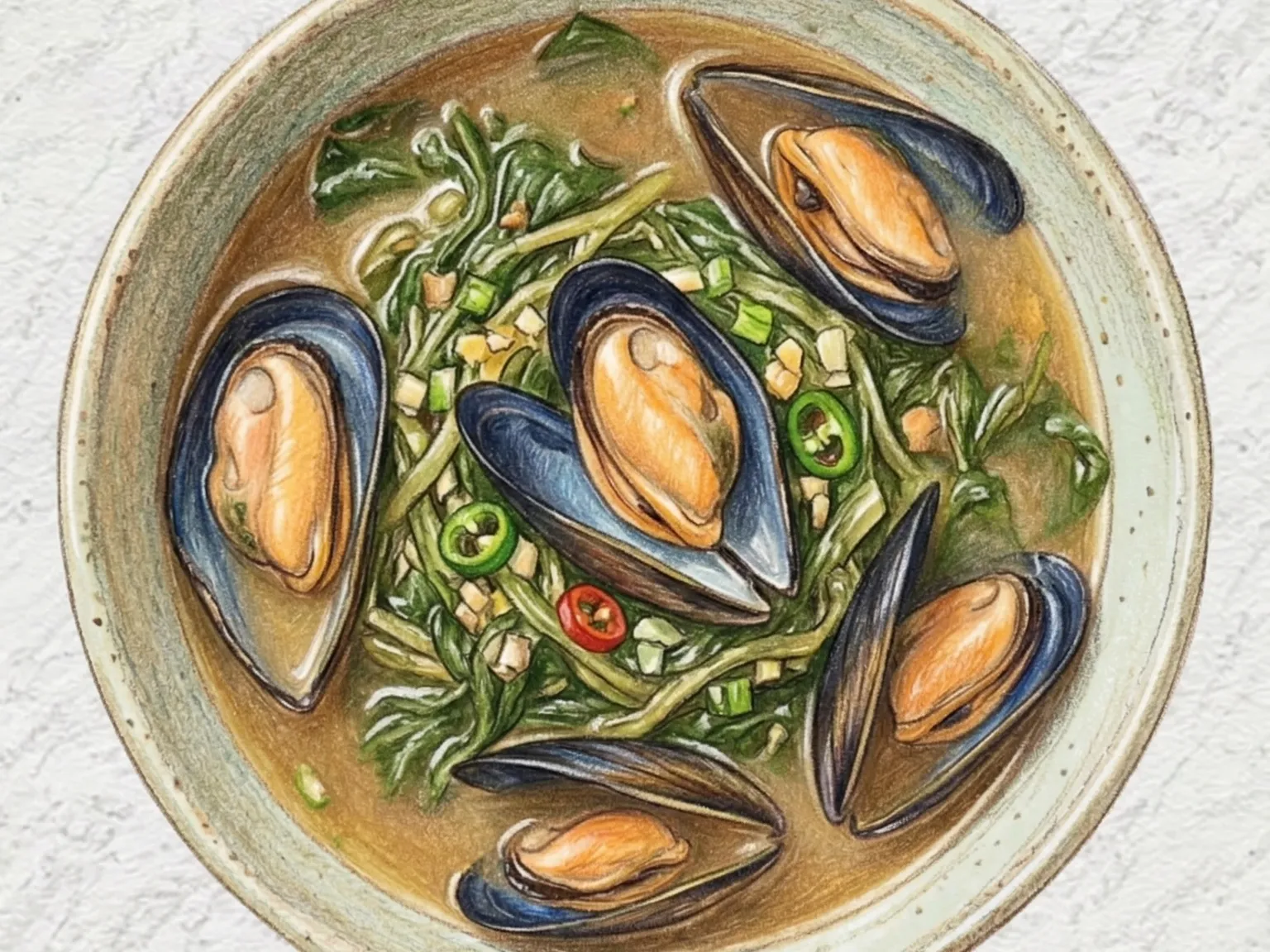
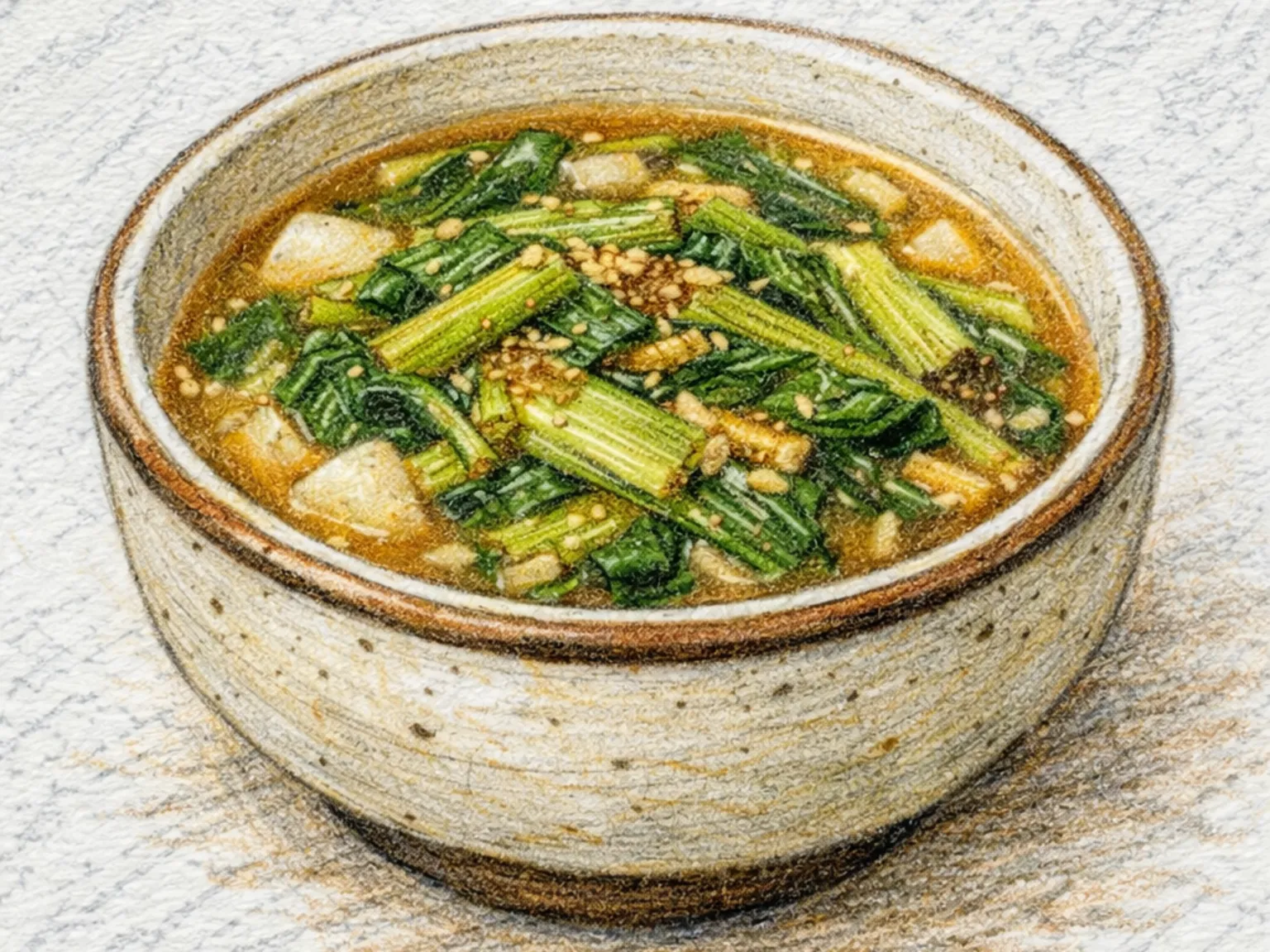
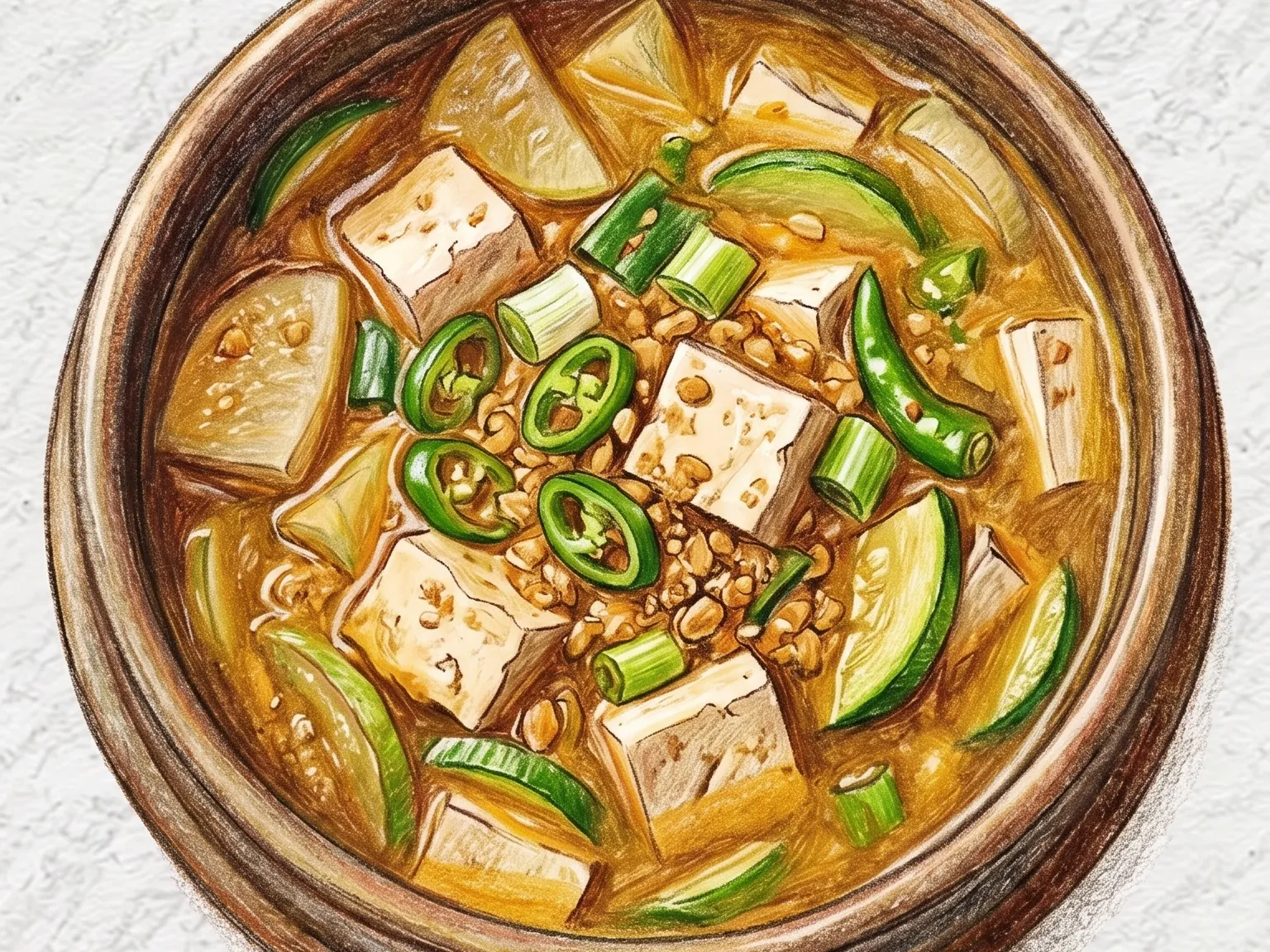
Ugeoji doenjang-guk is a deeply comforting soybean paste soup made with the tough outer leaves of napa cabbage that might otherwise be discarded. The leaves are first massaged with doenjang, perilla oil, and garlic, a step that drives the fermented paste deep into the cabbage's thick veins so that when the soup simmers, the flavor releases gradually into the broth. Rice-rinsing water replaces plain stock as the cooking liquid, adding a gentle starchiness that rounds the doenjang's salt into something softer and more enveloping. As the ugeoji cooks down, it turns from a leathery sheet into a silky, almost melting tangle that drapes over the spoon and floods the mouth with concentrated vegetable-and-miso flavor. The broth itself becomes a murky, golden-brown pool of umami, tasting of earth, fermentation, and the quiet bitterness that only well-cooked greens provide. Cubed tofu gives textural relief, and thin rings of cheongyang chili pepper, if added, introduce a sharp heat that cuts the richness. It is a soup that transforms humble ingredients into something far greater than their parts.
Korean Seafood Stew (Shrimp, Squid & Clam Spicy Pot)
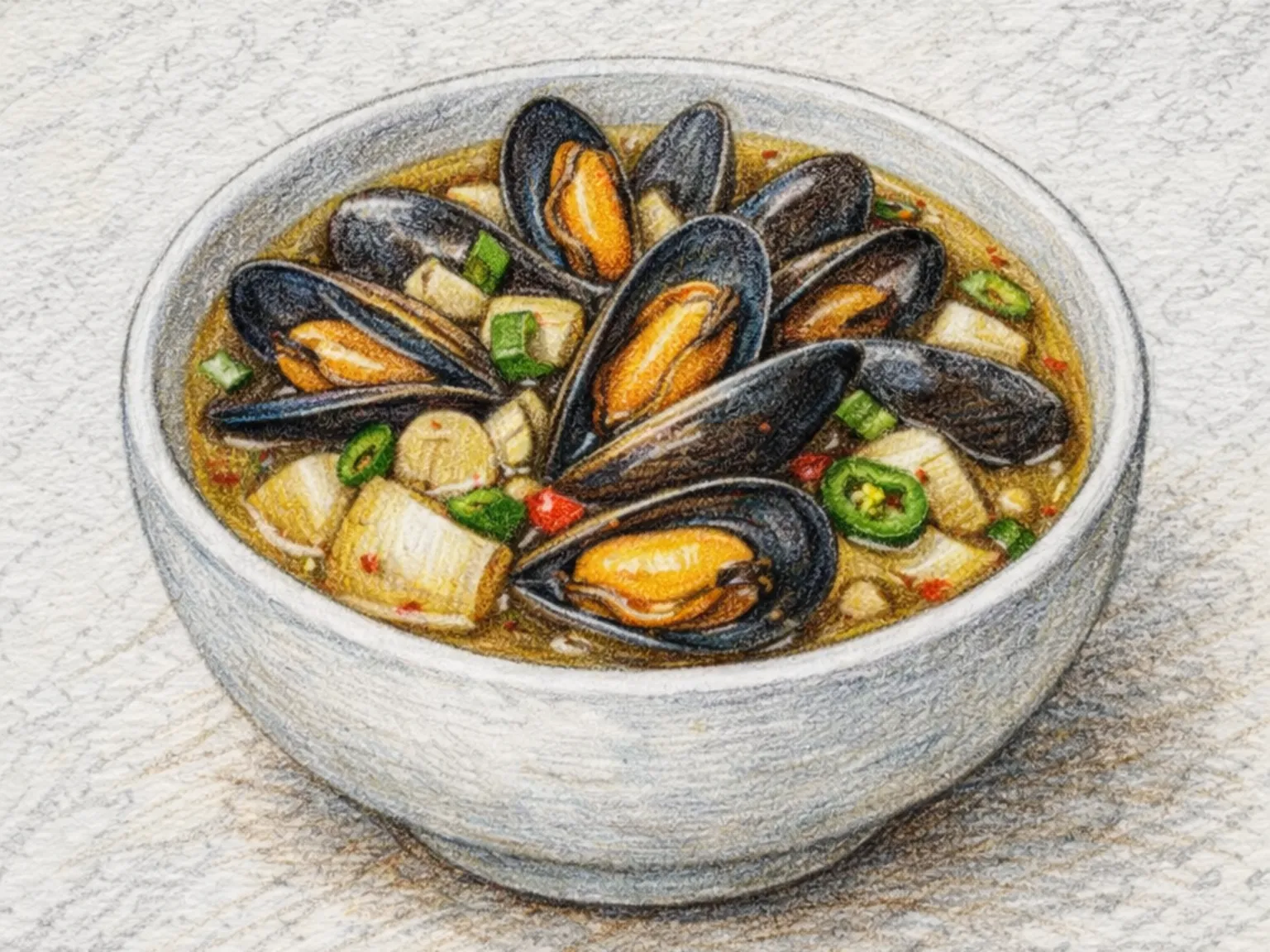
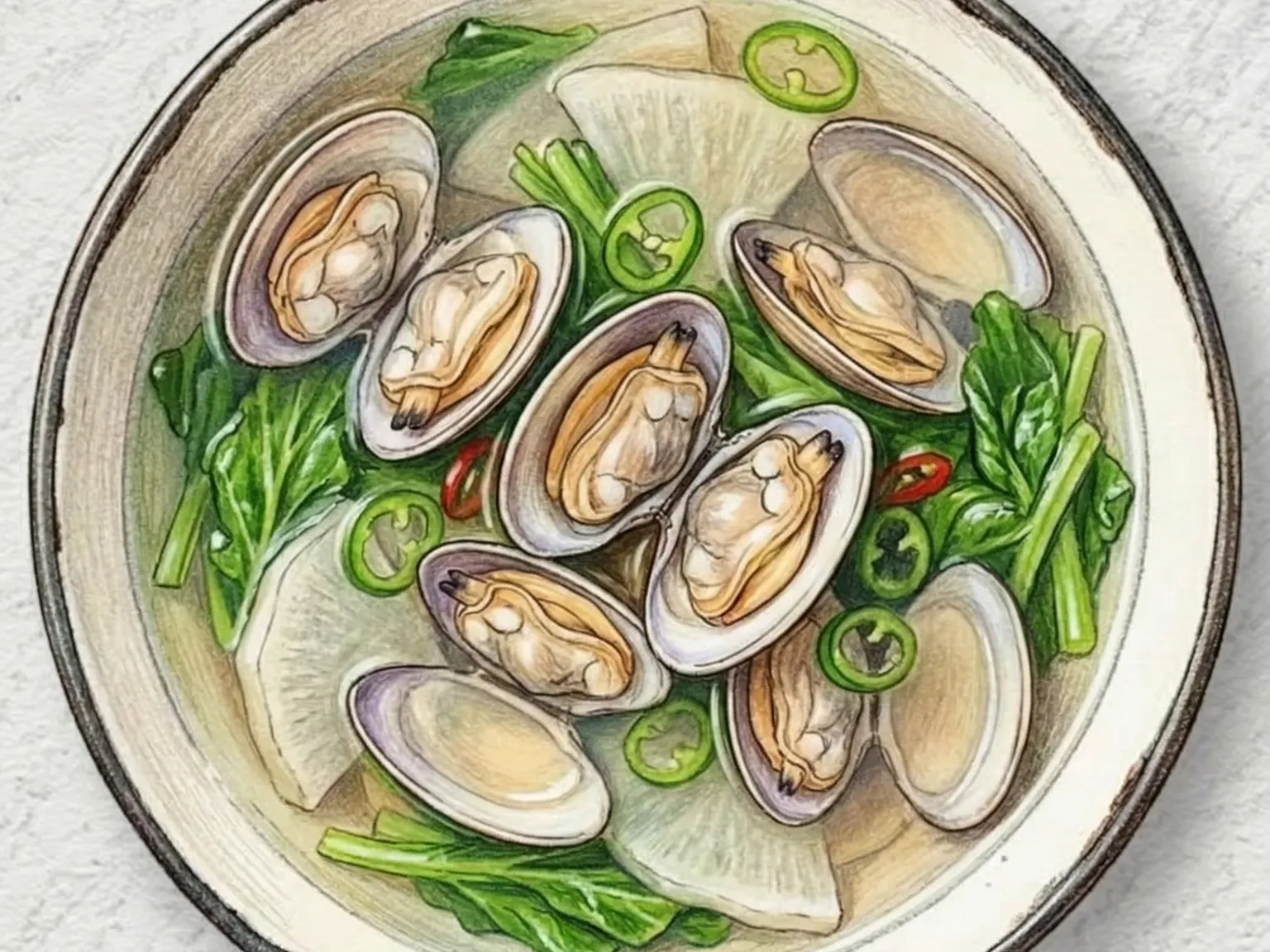
Haemul jjigae is a fiery Korean seafood stew that loads shrimp, squid, and clams into a broth fired with gochugaru and gochujang. As the clams open during cooking, they release a clean, saline sweetness that forms the backbone of the broth, and the chili paste and flakes layer in a deep red heat that amplifies rather than masks the flavor of the sea. Large pieces of tofu and sliced zucchini cook alongside the seafood, soaking up the spiced shellfish stock and adding substance to every spoonful. Green onion and cheongyang chili added at the end contribute color and a fresh aromatic sharpness. Serving directly in the stone pot keeps the stew bubbling at the table throughout the meal, and the steady heat means the last spoonful tastes as vivid as the first. A bowl of steamed white rice alongside absorbs the broth between bites and makes the meal complete.
Korean Lotus Root & Duck Chili Stir-fry
Yeongeun-ori-gochu-bokkeum stir-fries lotus root separately first to lock in its crunch, then combines it with rendered smoked duck and cheongyang chili in a spicy-sweet finish. The duck is cooked on medium-high heat to draw out excess fat, and a sauce of soy sauce, gochujang, and oligosaccharide syrup is built in the pan. The cheongyang chili's direct heat cuts through the smokiness and richness of the duck, while the returned lotus root absorbs the sauce and retains its firm bite. Three distinct flavors - smoky duck, sharp chili heat, and nutty lotus root - remain clearly defined in each bite.
Korean Young Radish Clam Soup
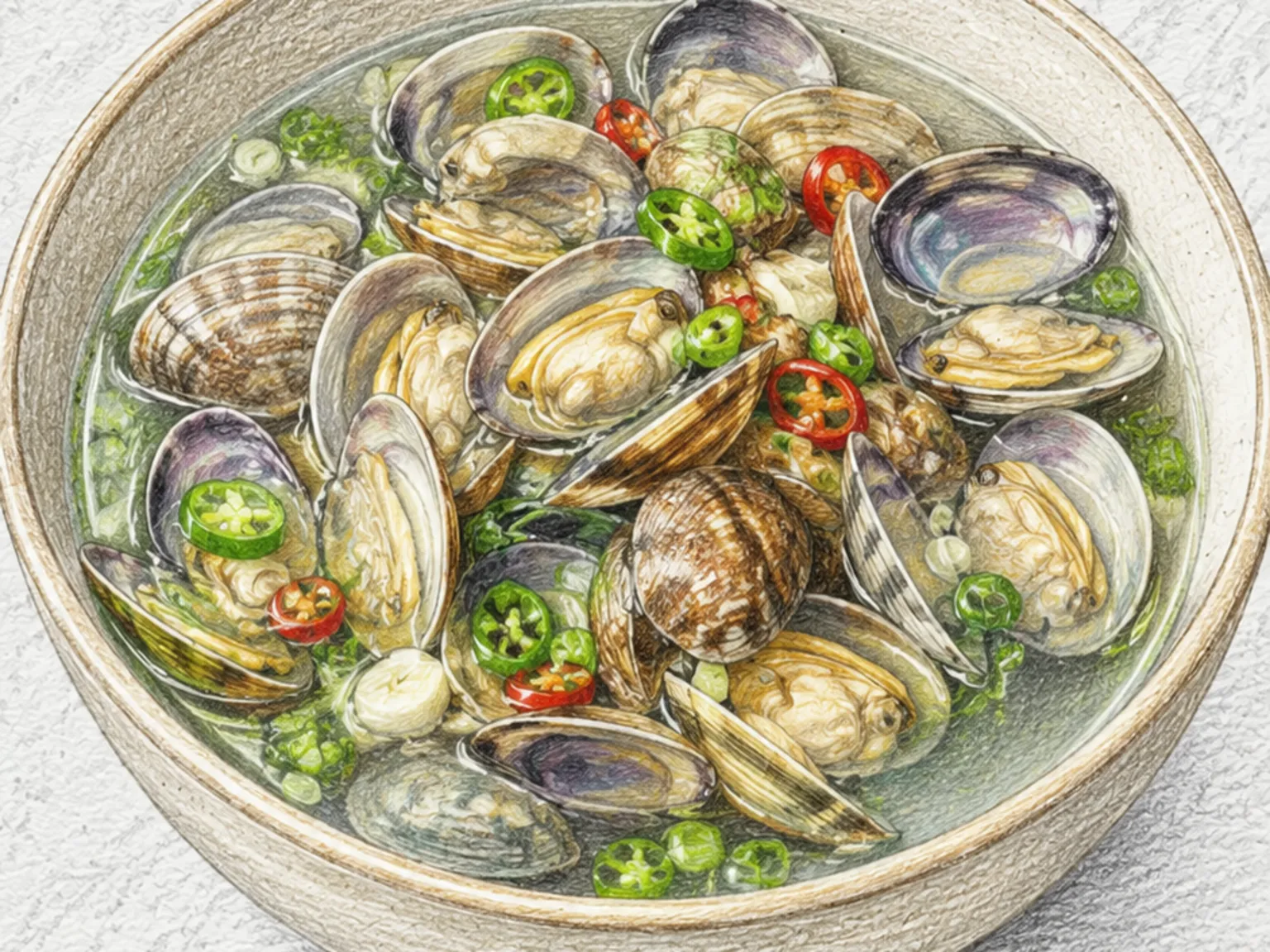
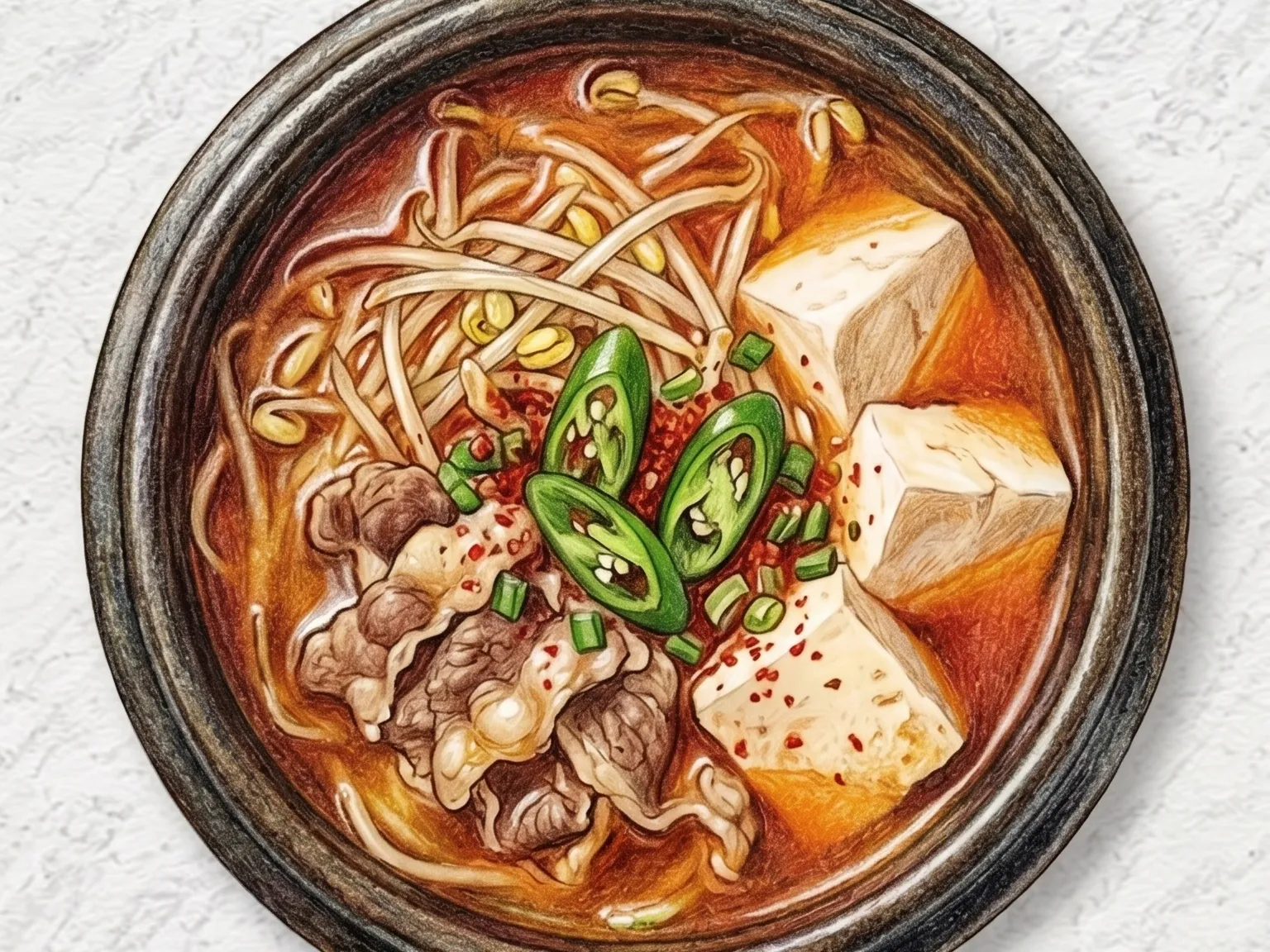
Yeolmu-bajirak-guk is a clear soup that draws its flavor from manila clams purged in salt water and simmered with thinly sliced radish. As the clam shells open, they release a briny, mineral-rich liquid that forms the broth's backbone. Young radish greens and a cheongyang chili are added in the final three minutes to keep the greens fresh and slightly crunchy. Soup soy sauce and salt adjust the seasoning, though the clams provide enough natural salinity that only a light hand is needed. It can be served as a soup served with rice, with simple accompaniments chosen to match the sauce, broth, or topping.
Korean Mussel Stew
Honghap jjigae uses a generous 900g of mussels to build an intensely briny, clean-tasting broth that defines this stew. Thick-cut Korean radish simmers alongside the shellfish, soaking up the ocean-flavored liquid and contributing a quiet natural sweetness. Cheongyang chili and gochugaru deliver a moderate, lingering heat, while soup soy sauce and cooking wine round out the seasoning without drowning the seafood flavor. Using the liquid the mussels release during cooking as the base of the broth provides depth without requiring a separate stock. Sliced green onion added at the end lifts the aroma without adding any fishy note. Selecting only mussels whose shells are tightly closed before cooking reduces the chance of grit or off-flavors in the finished stew.
Korean Spicy Blue Crab Seafood Stew
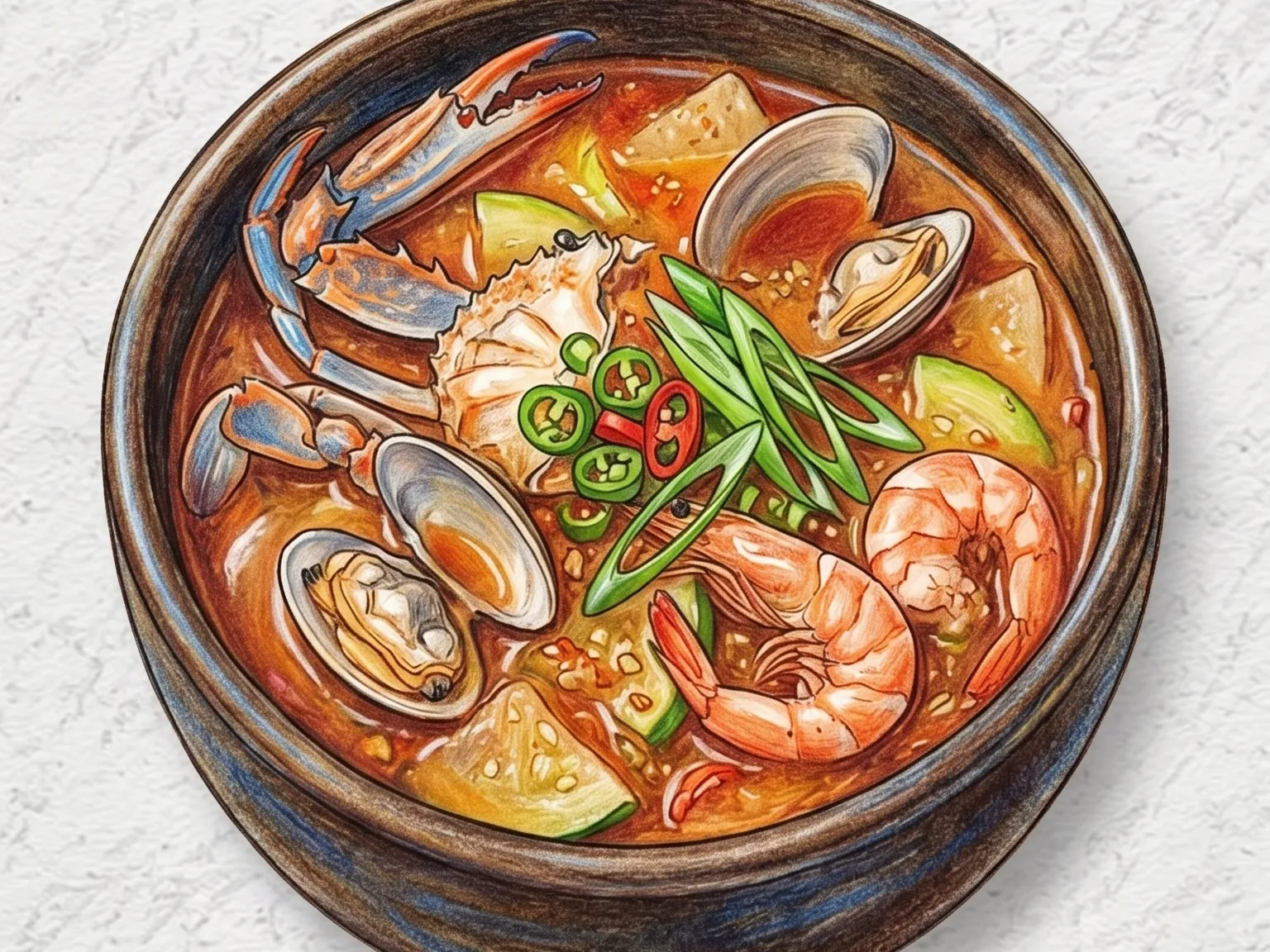
Kkotge haemul jjigae is a Korean seafood stew that combines blue crab, Manila clams, and shrimp in 1.2 liters of anchovy-kelp stock to build the most layered possible ocean flavor. Each shellfish contributes a distinct profile to the broth: blue crab adds a sweet, nutty richness from the body and roe, clams release a clean briny depth, and shrimp fold in their characteristic sweetness and concentrated umami. Together they create a broth with complexity that no single ingredient could produce on its own. Radish and zucchini absorb the seafood-infused liquid as they cook, becoming tender and carrying the flavor deep into their flesh. Doenjang and gochugaru form the seasoning backbone, layering fermented savoriness and spice into what would otherwise be a straightforward clear broth. Cheongyang chili and sliced green onion go on last, brightening the surface and extending the clean, cool finish that is the hallmark of well-made Korean seafood stew. Adding the crab first and letting it simmer before introducing the other shellfish is the key step -- it gives the stock time to take on the crab's full flavor before everything else goes in.
Korean Doenjang Kkotge Tang
Kkotge tang doenjang is a Korean blue crab stew that uses a full 800g of crab simmered in a doenjang-forward broth, where fermented soybean paste and the crab's natural essence are the two dominant flavors. As the shells cook, they release a deeply savory stock, and radish, zucchini, and onion simmer in that liquid and add layers of sweetness and body. Unlike the more common spicy gochujang-based crab stews, this version leads with doenjang's earthy depth and fermented complexity. Gochugaru and Cheongyang chili provide a secondary heat that balances the richness without taking over. Adding tofu keeps the texture varied and lightens the heaviness of the broth slightly. The crabs turn a vivid orange as they cook, a reliable visual cue that the meat is ready to pull cleanly from the shell. The fermented character of the doenjang suppresses any fishy edge from the crab, making the stew approachable even for those who do not normally gravitate toward shellfish. Served with rice to soak up the broth, it makes a satisfying complete meal.
Korean Spring Blue Crab Stew
Kkotgetang is a classic Korean spicy crab stew made with 600g of whole blue crab simmered until the shells release their full flavor into the broth. Gochugaru and a touch of doenjang season the liquid with heat and fermented depth, while radish and zucchini turn sweet as they absorb the crab-infused stock. Two Cheongyang chilies push the spice level higher, and green onion adds a fresh finish. Picking the crab meat from the shell while sipping the hot, briny broth is half the enjoyment. Spring blue crabs are prized for their fuller flesh, making that the ideal season to prepare this dish.
Korean Semi-Dried Pollock Radish Stew
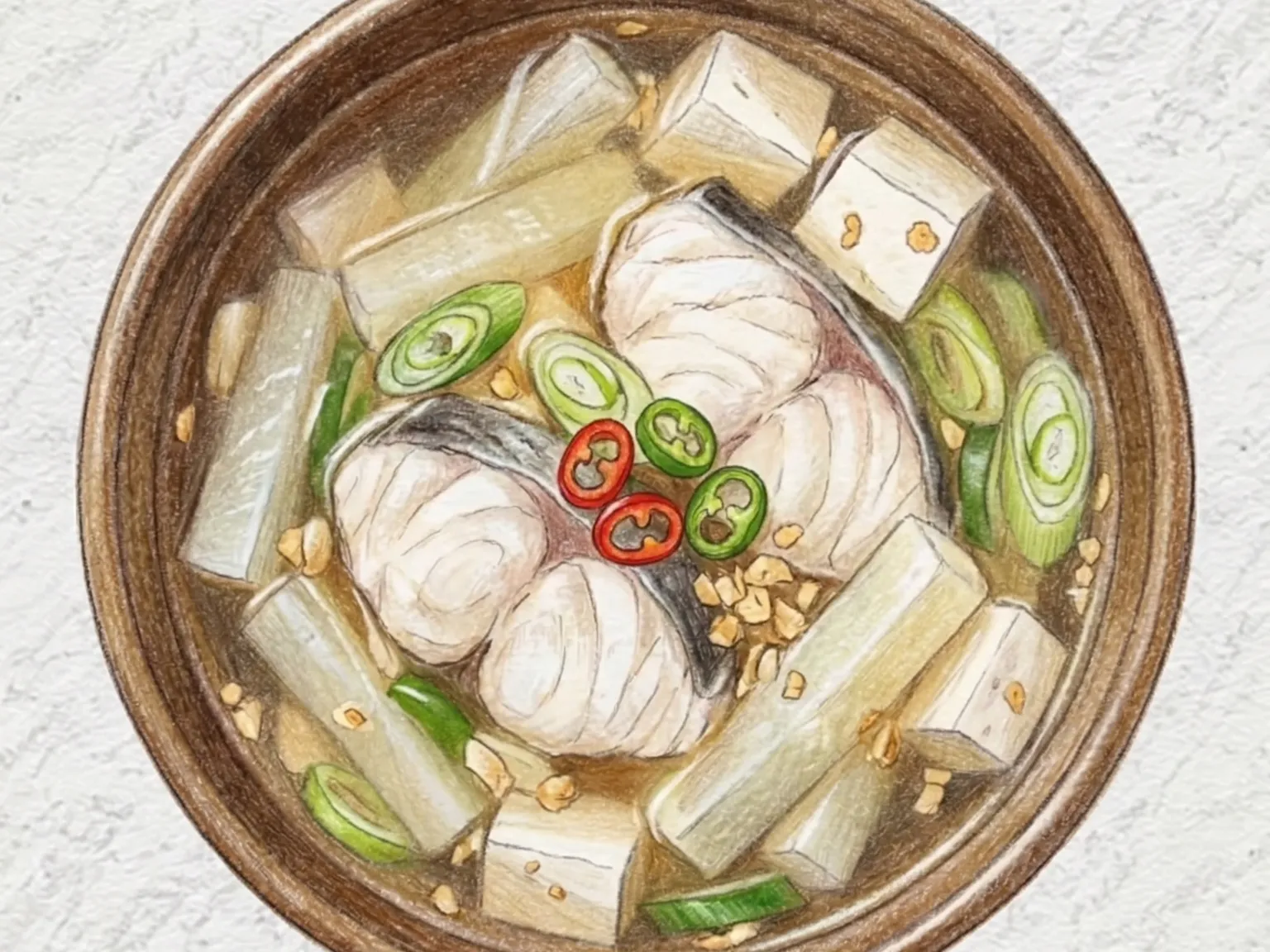
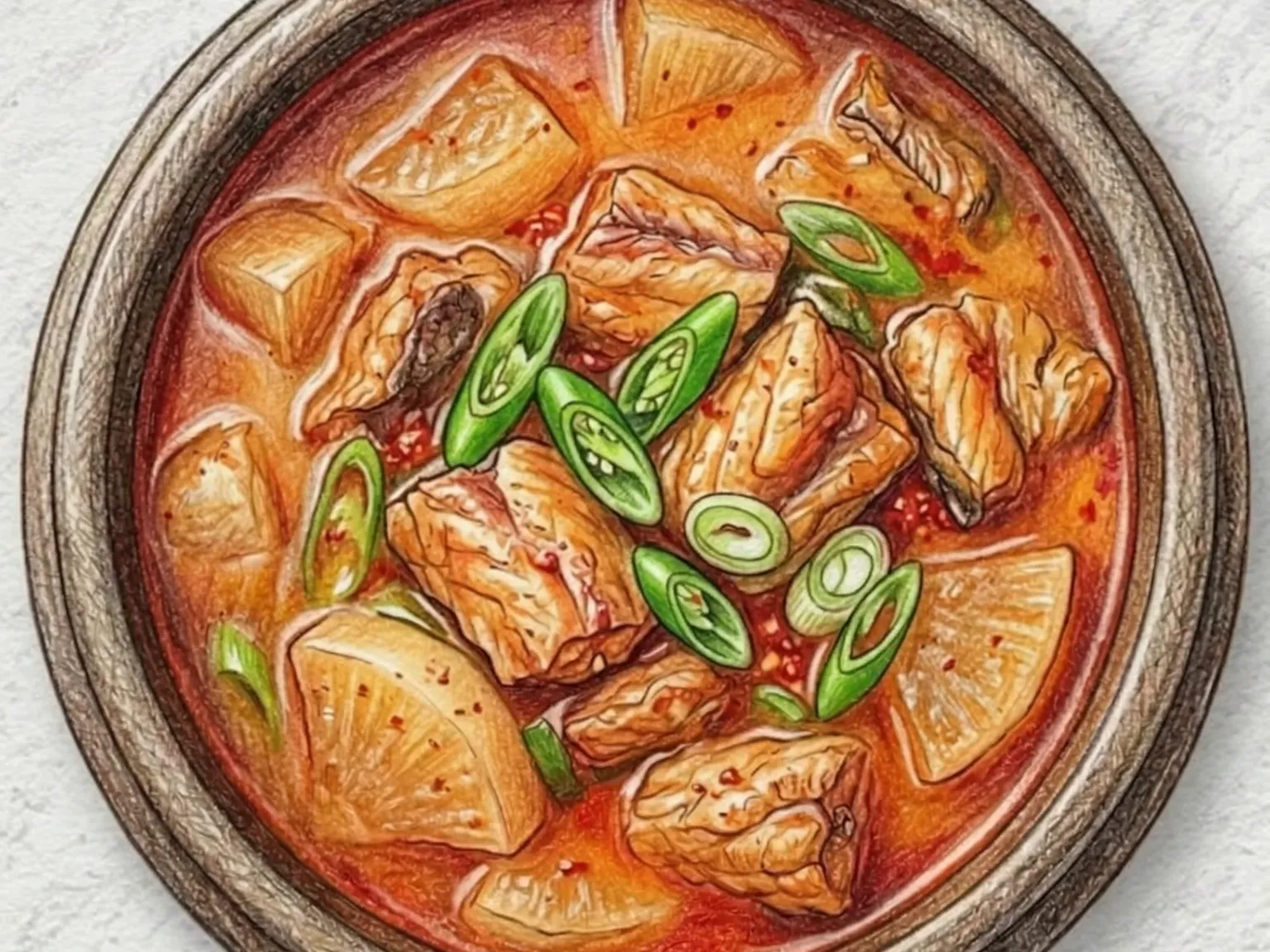
Kodari mu jjigae stews 700g of semi-dried pollock with Korean radish in rice-rinse water, a traditional technique that adds a subtle starchy richness to the broth. The pollock's firm, chewy flesh holds up well during simmering and absorbs the gochujang and gochugaru seasoning deeply. Radish balances the heat with its natural sweetness as it softens in the spicy liquid. Cheongyang chilies add a final kick, making this a warming stew that pairs exceptionally with a bowl of hot rice. The semi-drying process gives kodari a distinctly denser, chewier bite that separates it noticeably from fresh pollock.
Korean Water Parsley Clam Stew
Minari-bajirak-jjigae pairs the clean, briny broth of littleneck clams with the sharp, herbal fragrance of Korean water parsley. Korean radish and zucchini simmer in the base and contribute a gentle natural sweetness, while a whole cheongyang chili and a small measure of gochugaru add a crisp heat that does not overpower the delicate shellfish. The restrained use of chili powder keeps the broth clear and allows the clams' distinct umami to come through without interference. Clams must be thoroughly purged of sand before cooking - any residual grit will ruin the broth. Once the shells open, the clams should be eaten promptly as continued heat toughens the meat. Minari goes in only at the very end, just before the heat is turned off, to preserve its bright green color and volatile fragrance. With prep time dominated by clam purging, the active cooking takes under ten minutes.
Country-style Soybean Paste Stew
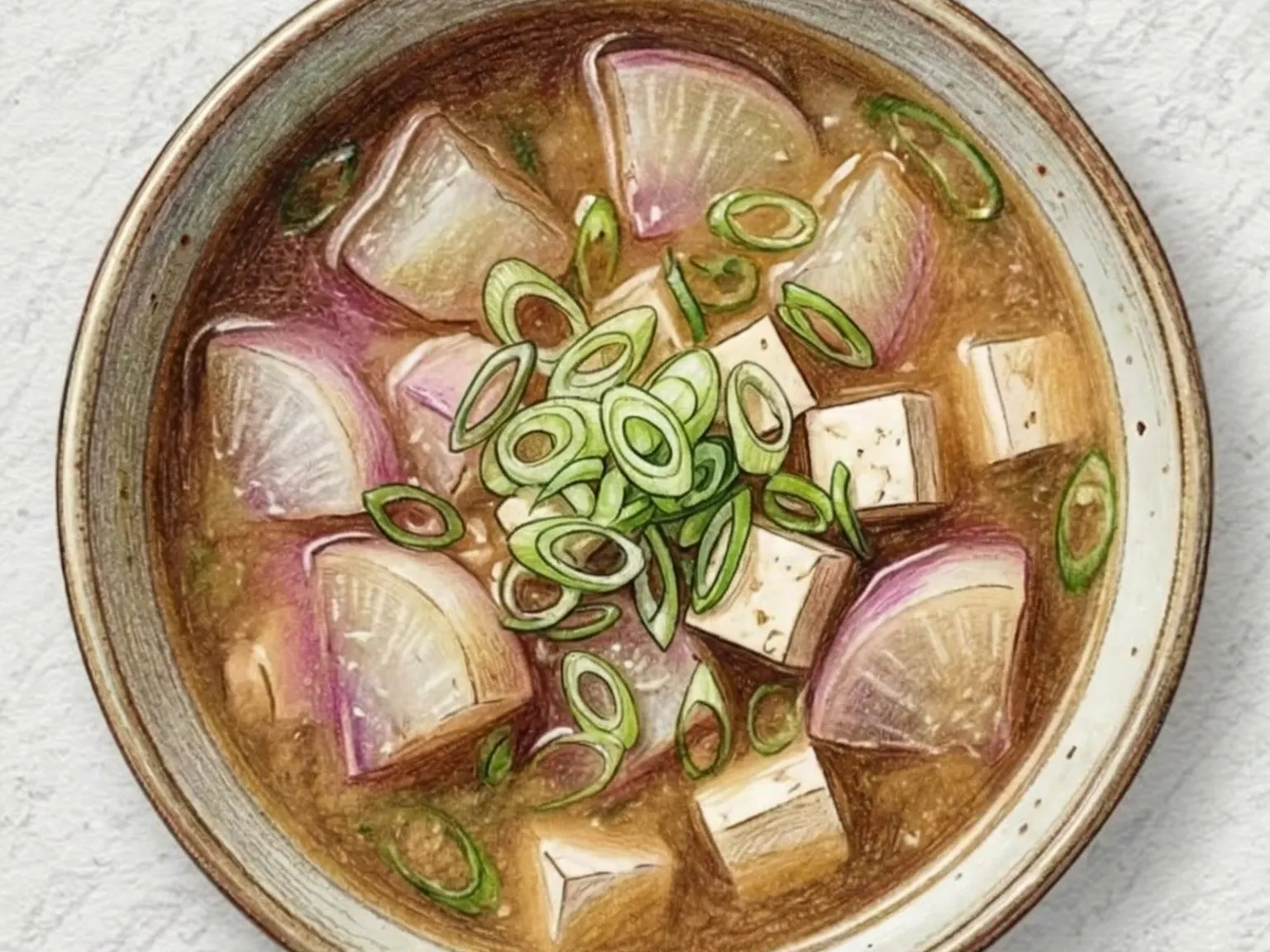
This traditional Korean stew features the deep, earthy flavor of country-style fermented soybean paste. The base is prepared with a clean anchovy and kelp broth, simmered for ten minutes with de-gutted anchovies to avoid bitterness while balancing the heavy salinity of the paste. Adding the potato cubes and country-style doenjang to the broth from the start allows the paste to develop a deeper flavor as it simmers. Zucchini, onion, and minced garlic are cooked until the potatoes soften, followed by tofu pieces torn by hand to preserve their texture. The stew is finished with diagonally sliced green onions and spicy Cheongyang chili pepper, which cuts through the dense fermented profile with a sharp heat. Adjusting the paste amount based on its saltiness ensures a well-seasoned broth that pairs well with rice.
Korean Beef Brisket & Bean Sprout Chili Stew
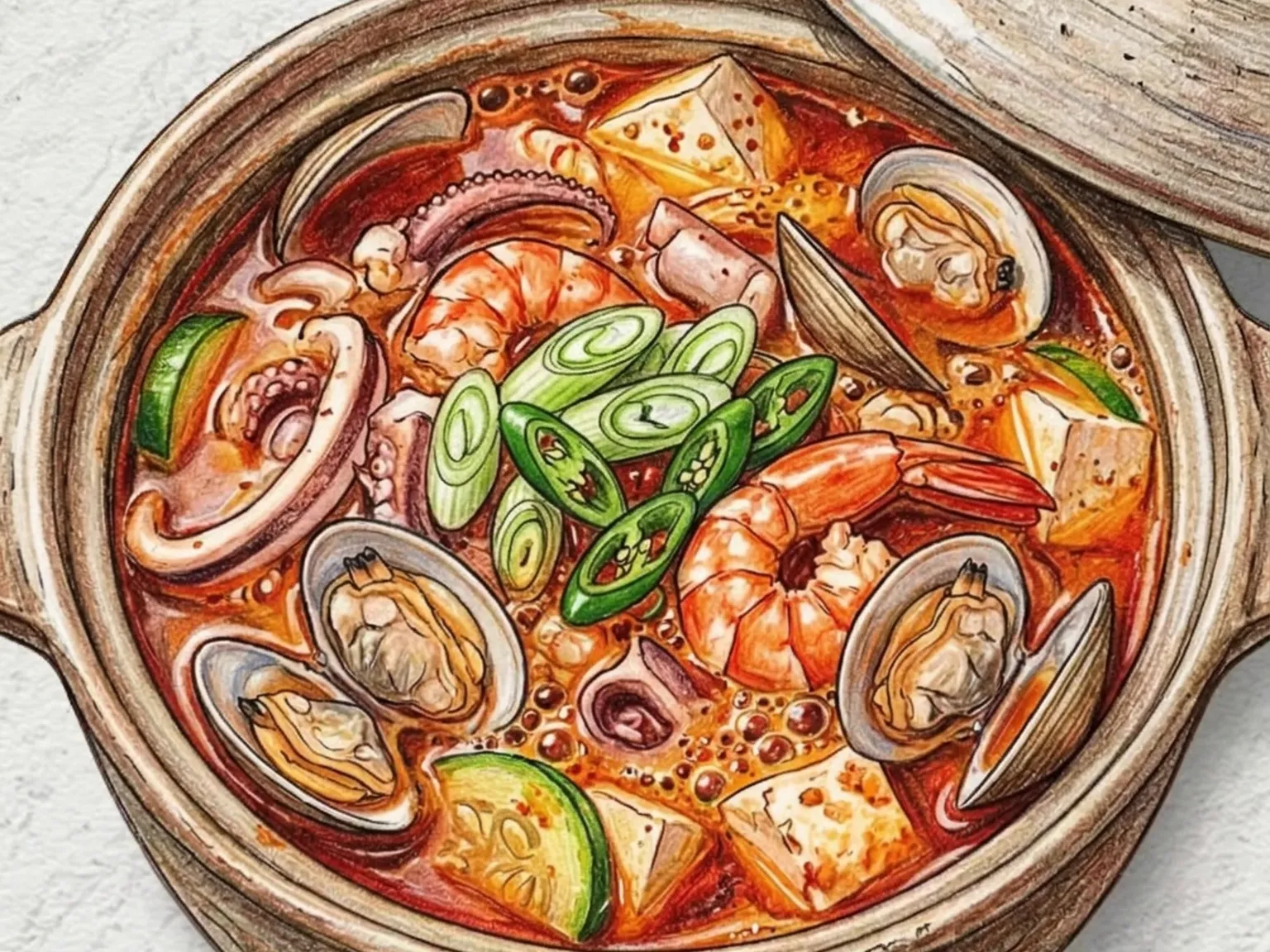
This spicy Korean stew combines thin slices of beef brisket and mung bean sprouts with Cheongyang chilies. The cooking begins by stir-frying the brisket with minced garlic to render the fat, followed by chili flakes and soup soy sauce to build a rich seasoning base. Simmering this mixture in anchovy stock along with onion and tofu creates a deep, savory broth. Mung bean sprouts and Cheongyang chilies are added during the final two minutes of cooking, preserving the crisp texture of the sprouts and keeping the heat clean and sharp. Finishing with green onions adds a subtle aroma. The richness of the beef fat balances the direct spice from the chilies, making it a satisfying choice when a meal needs a hot, spicy stew.