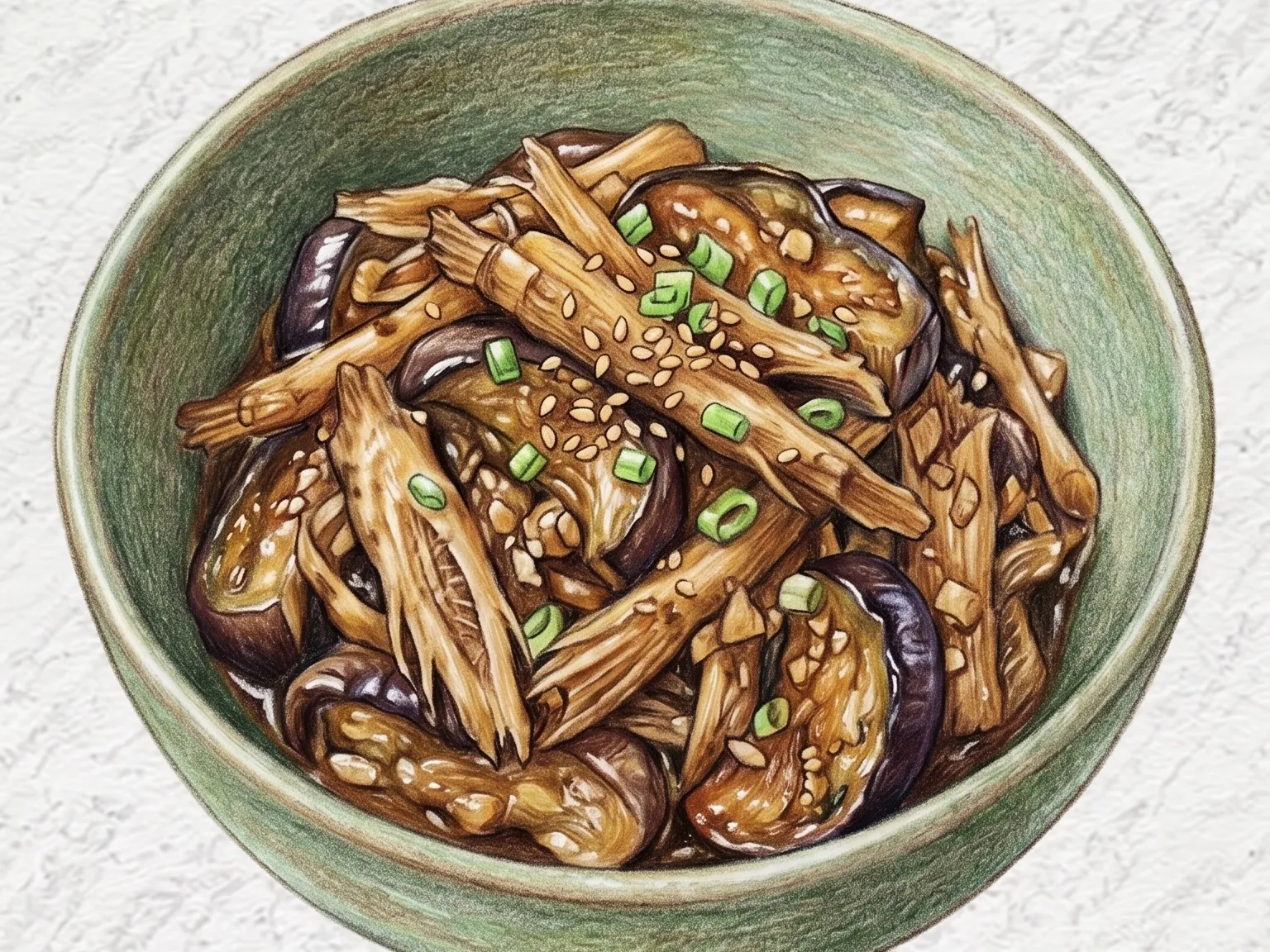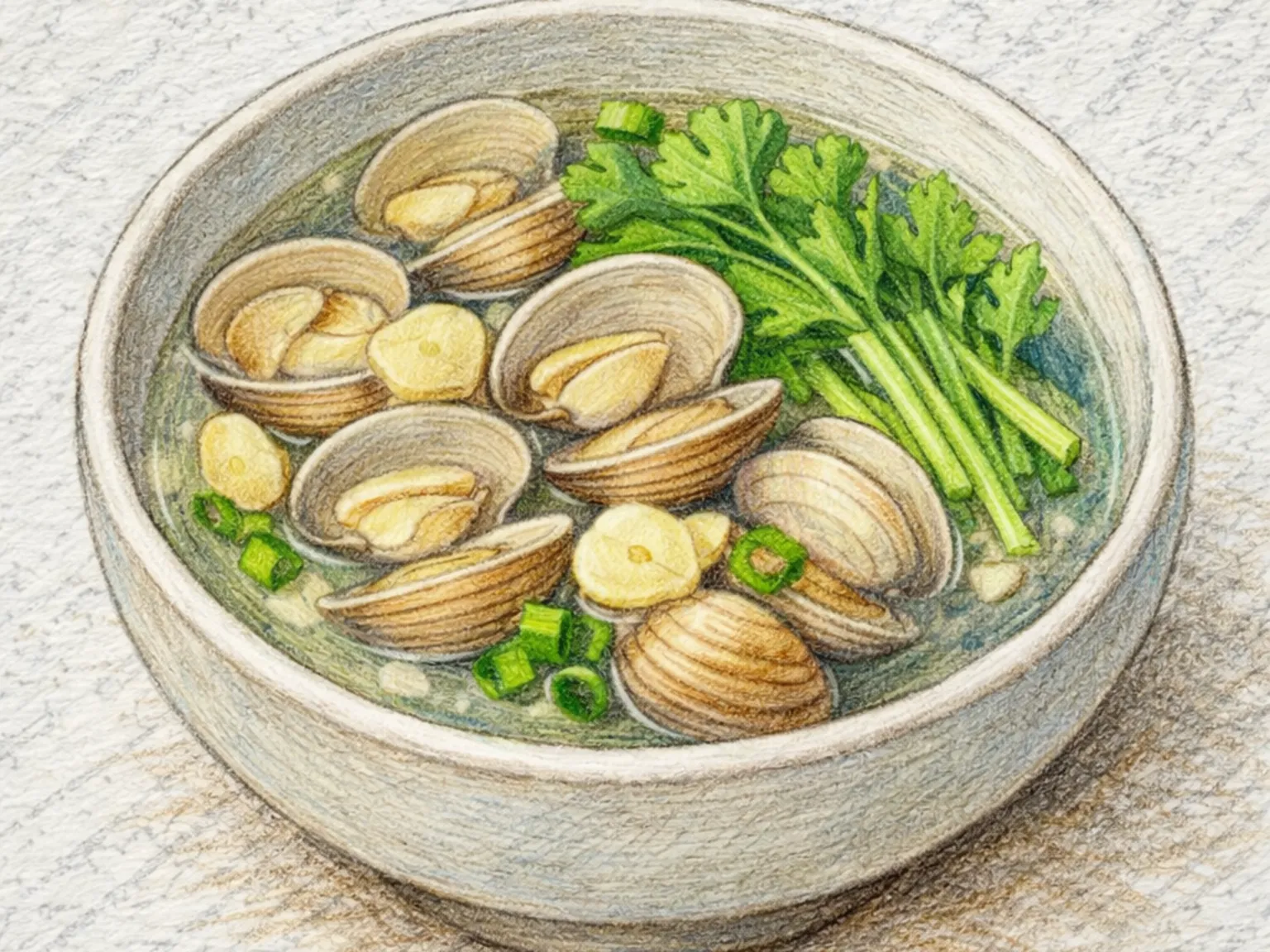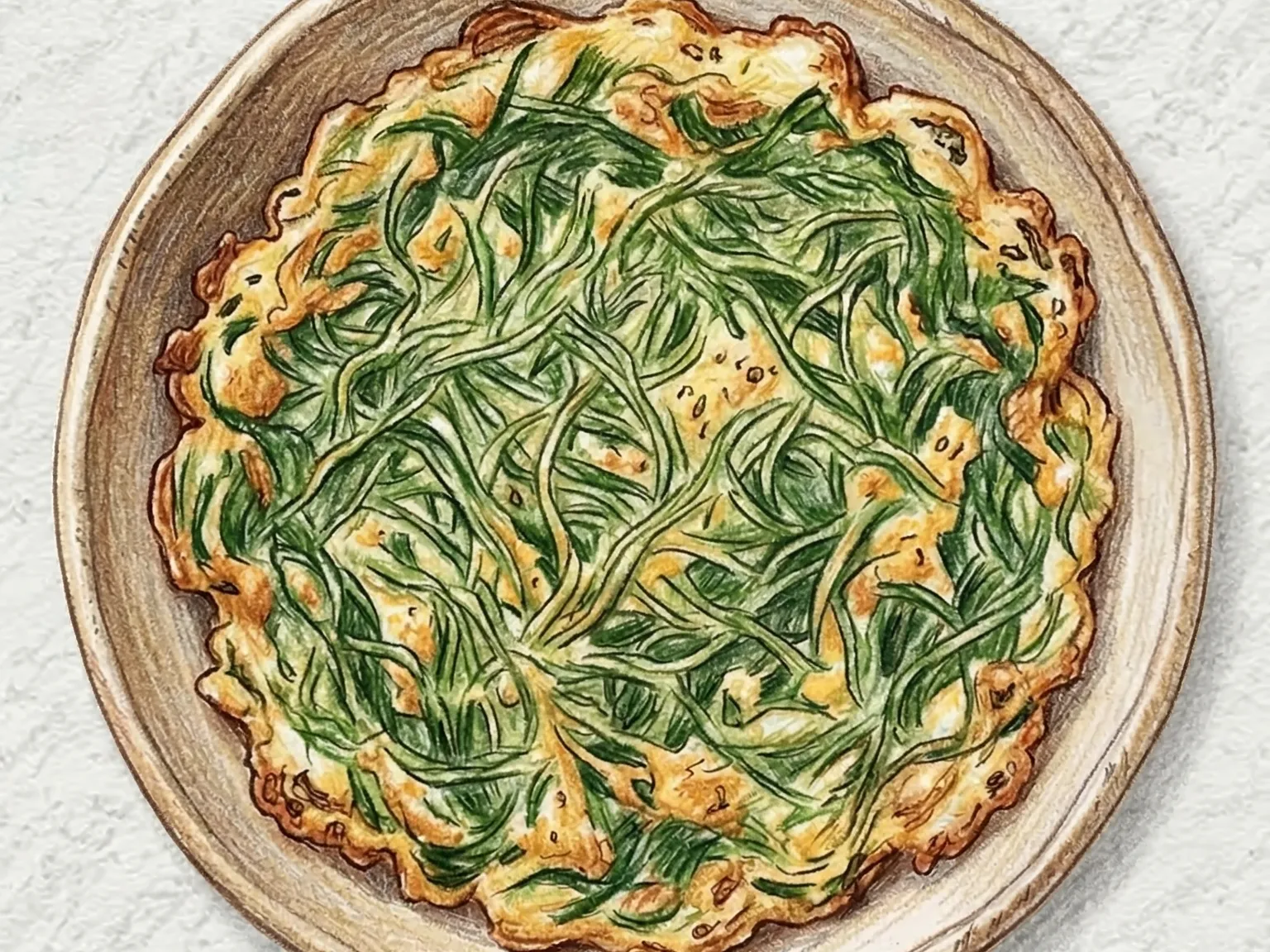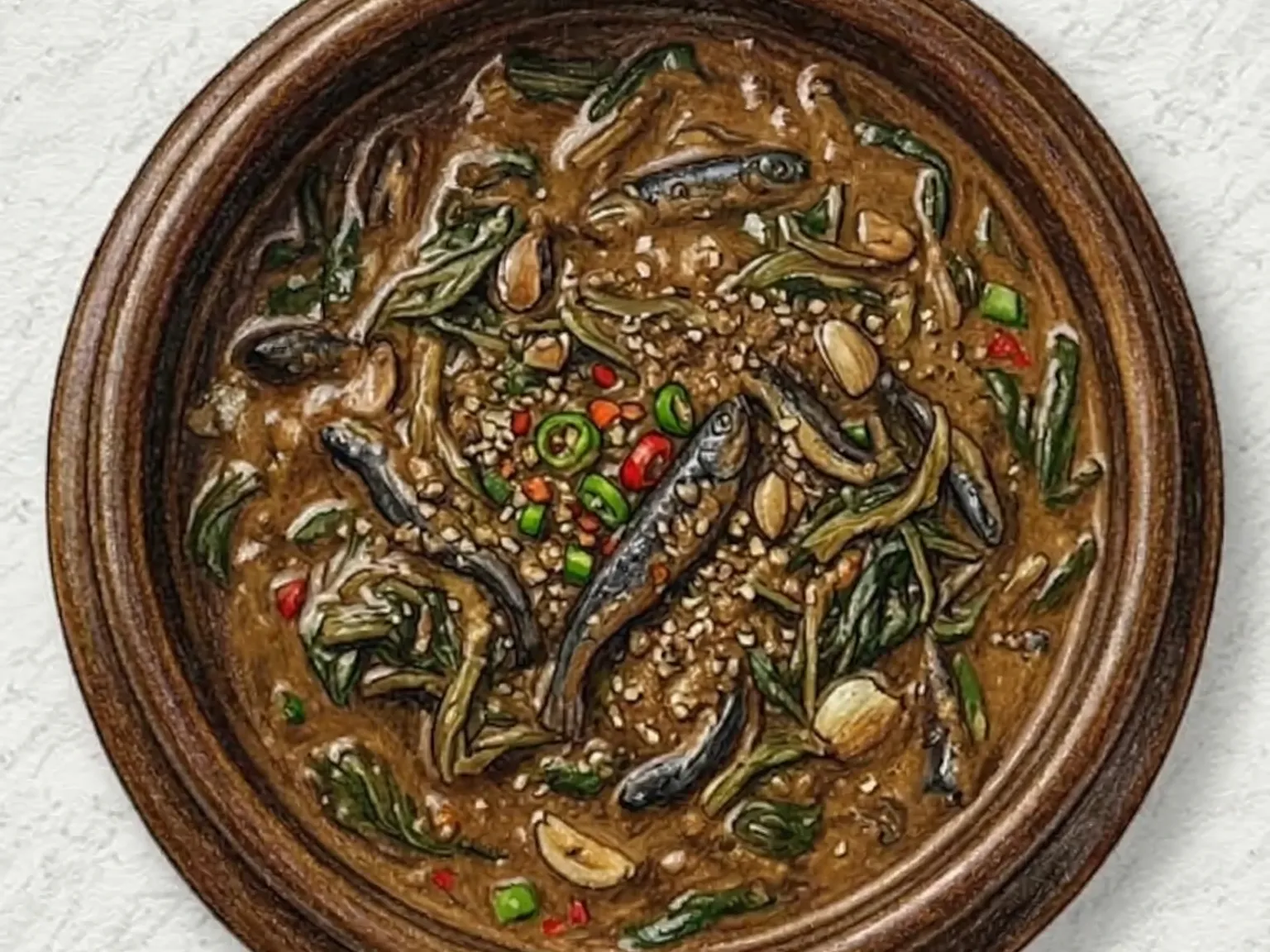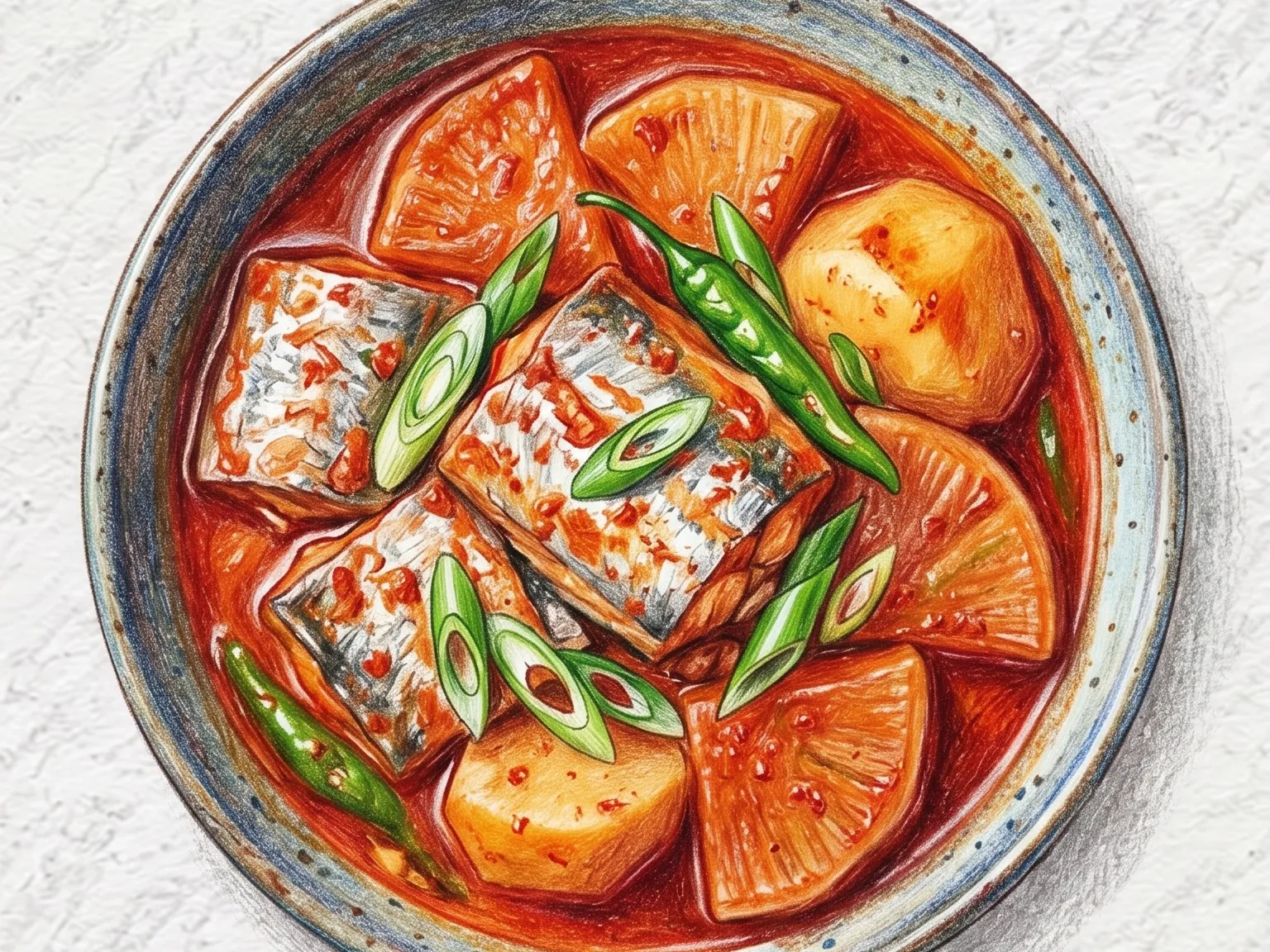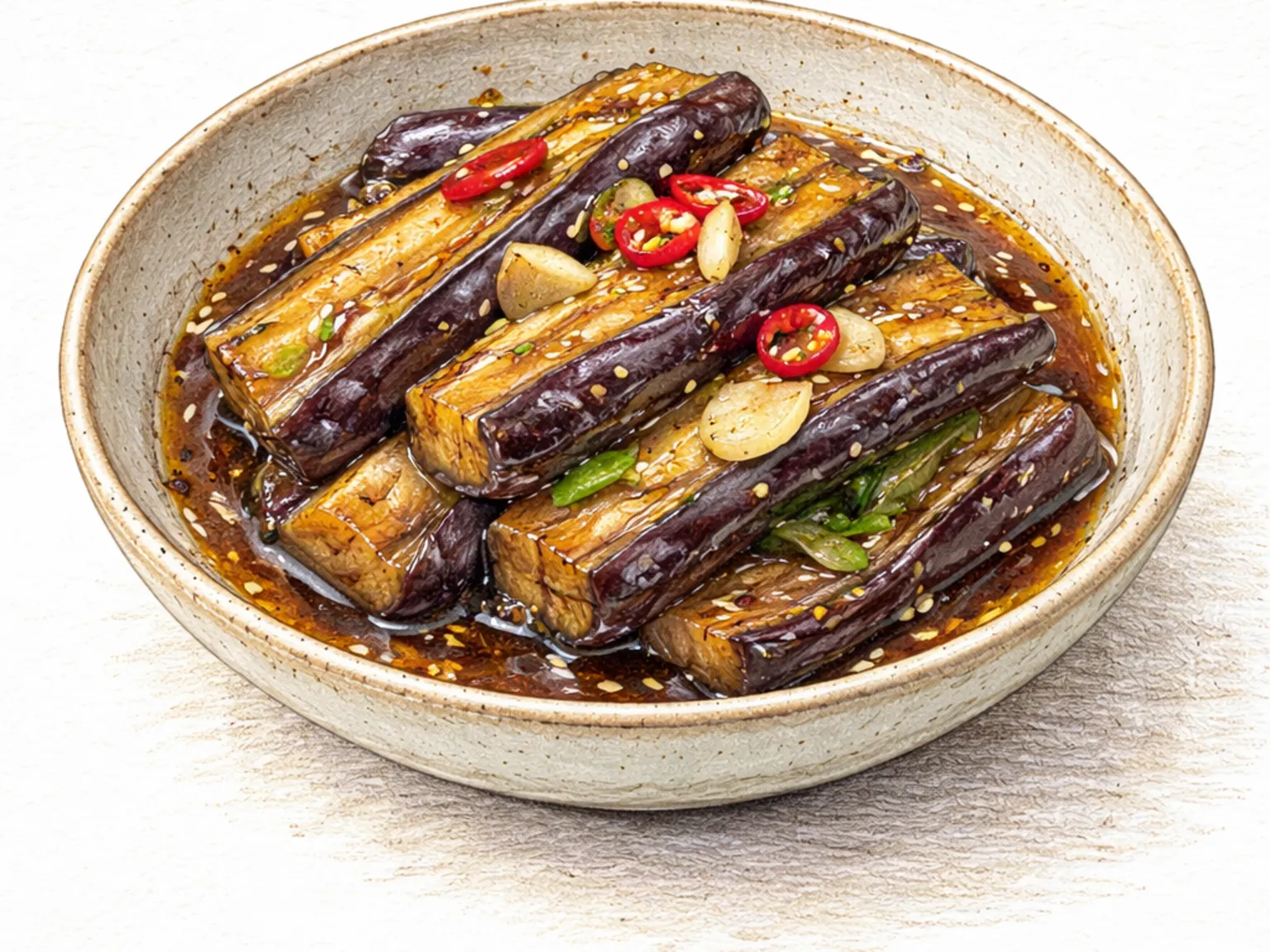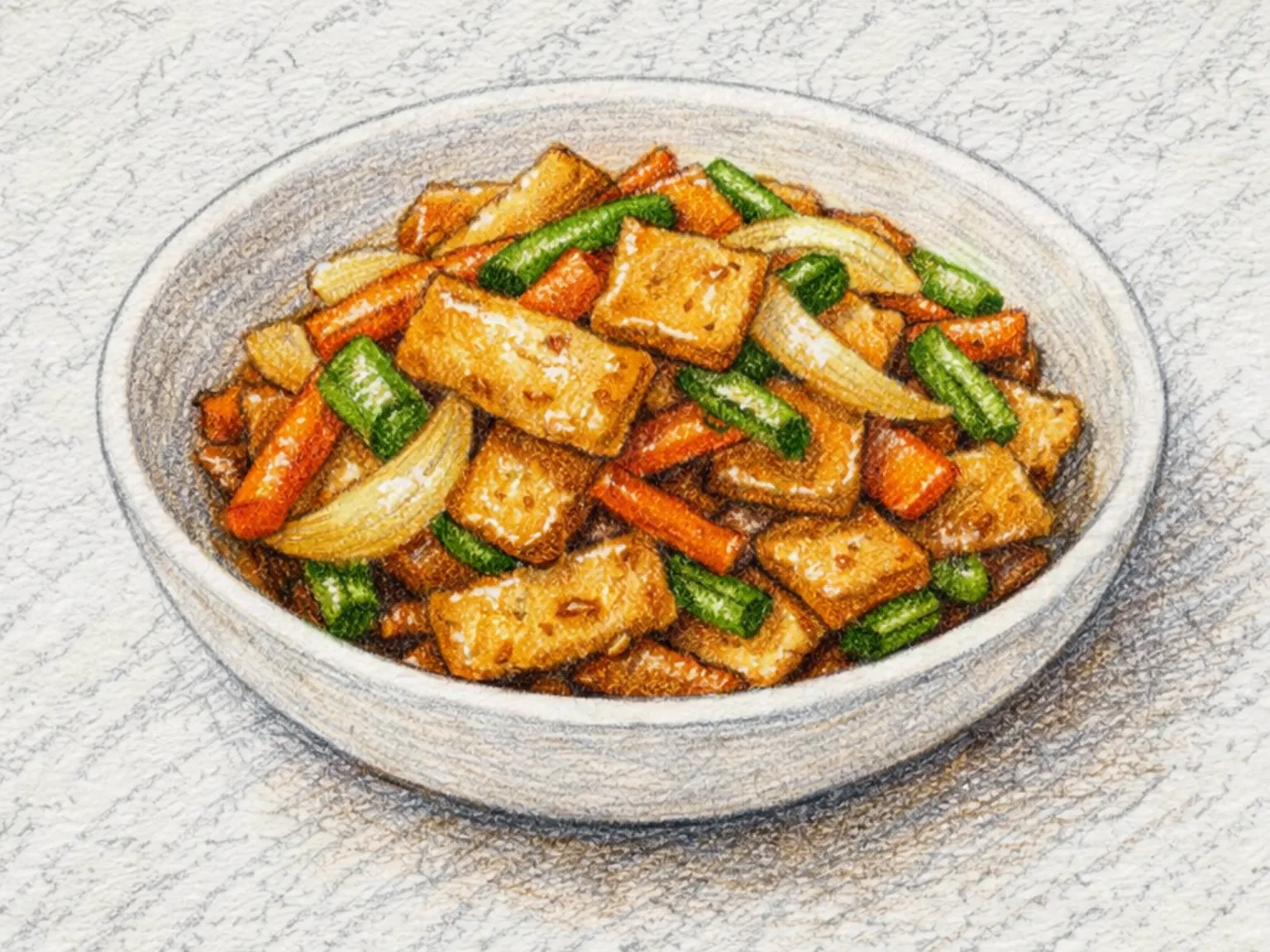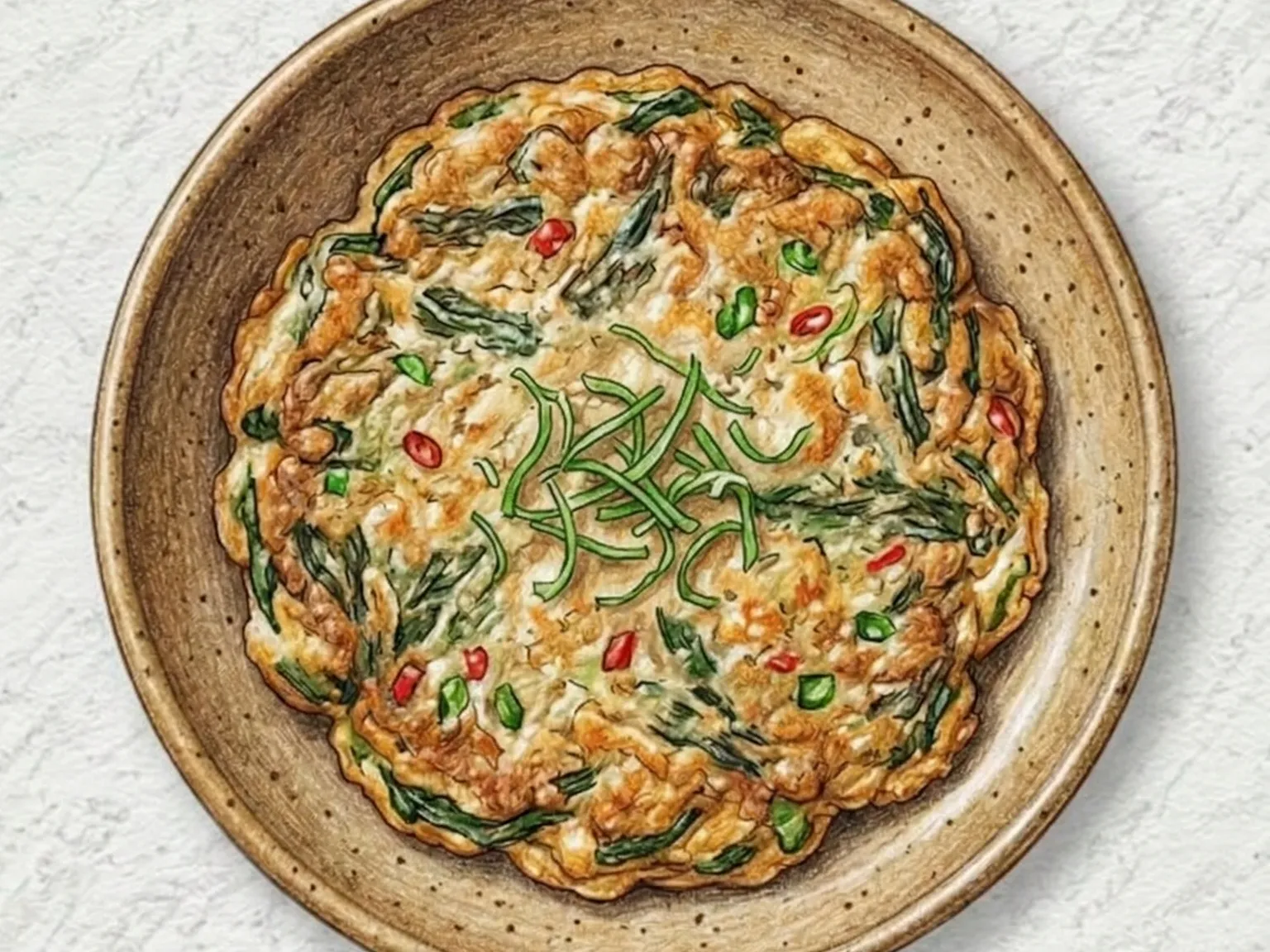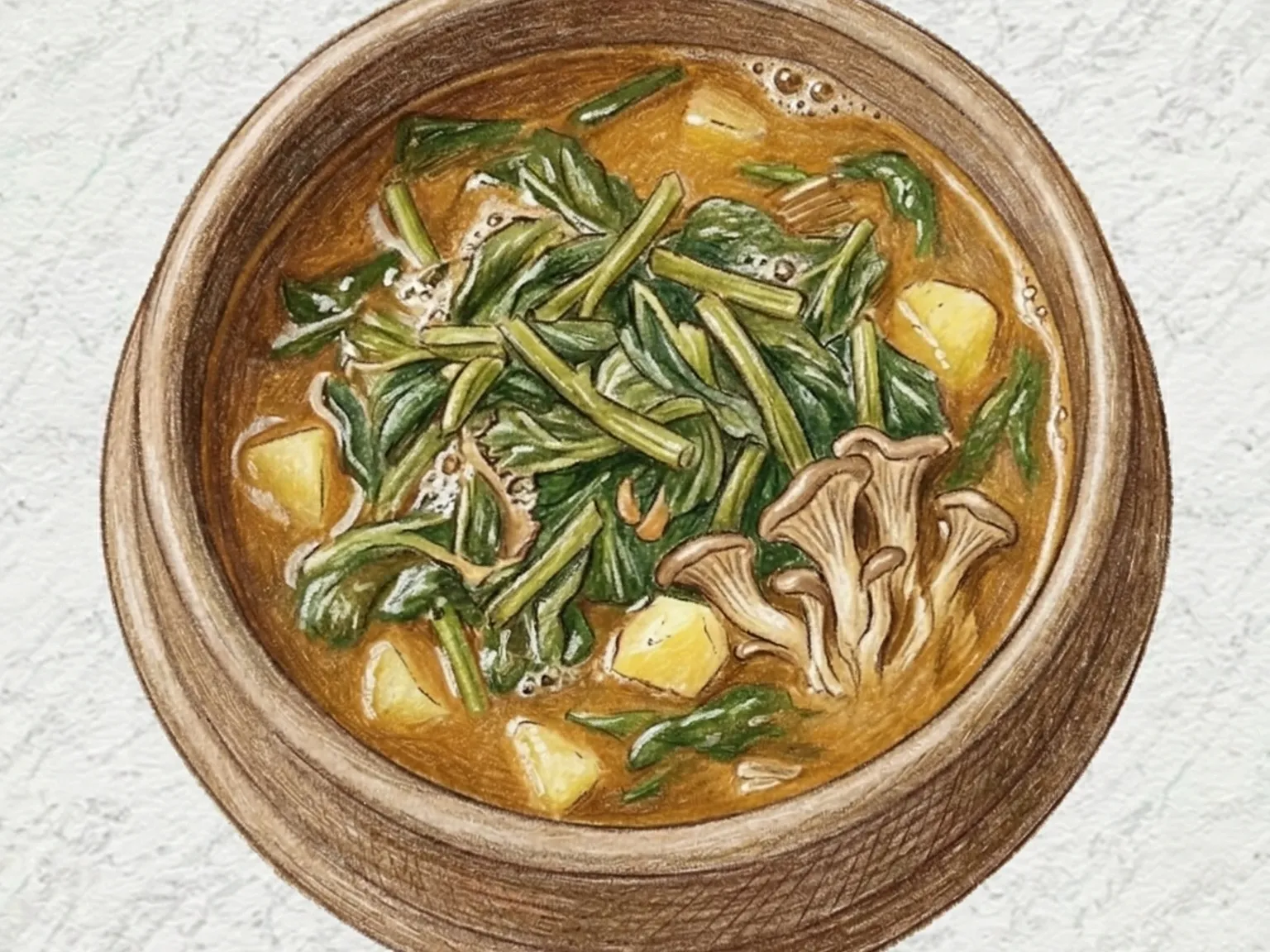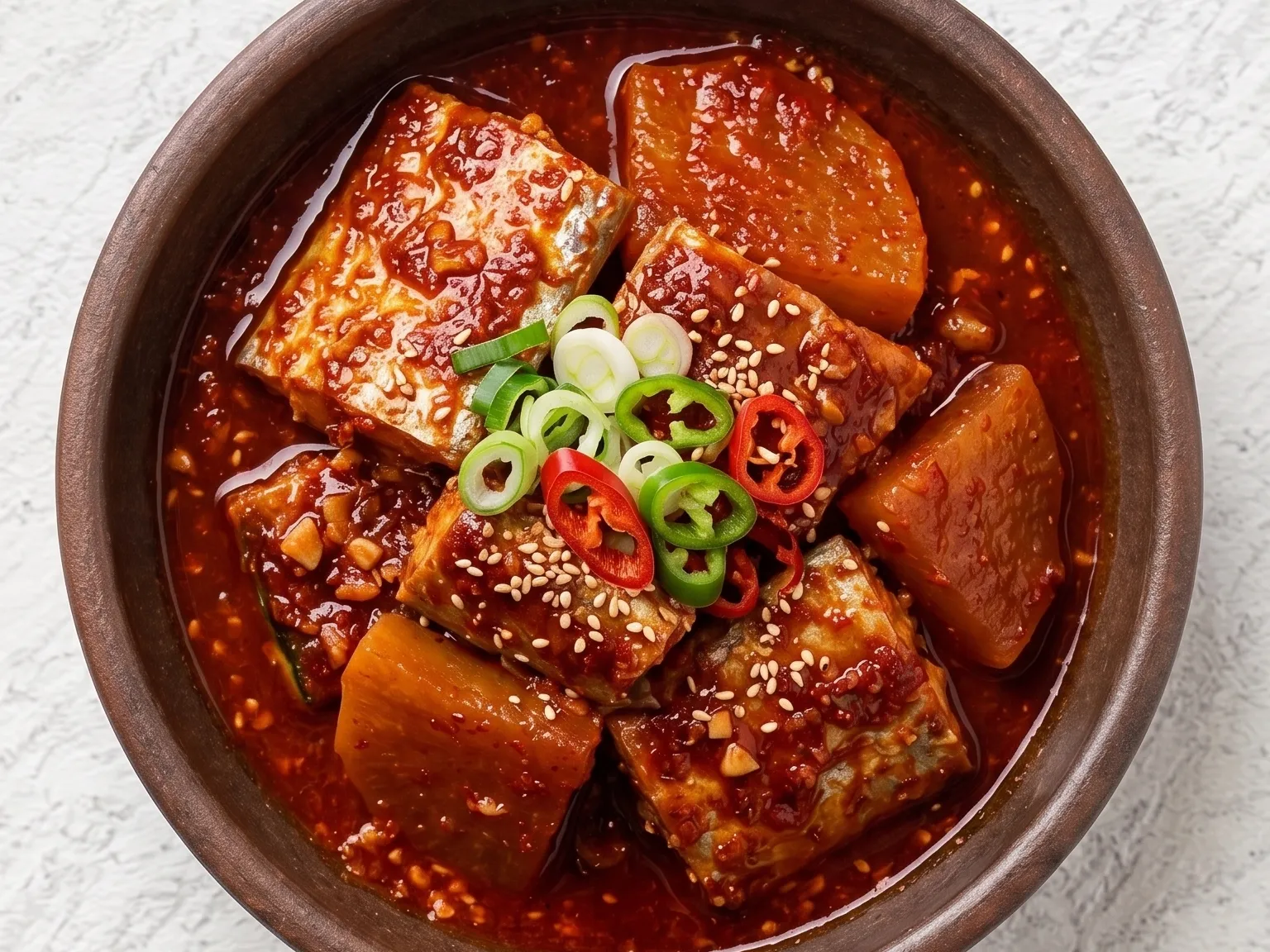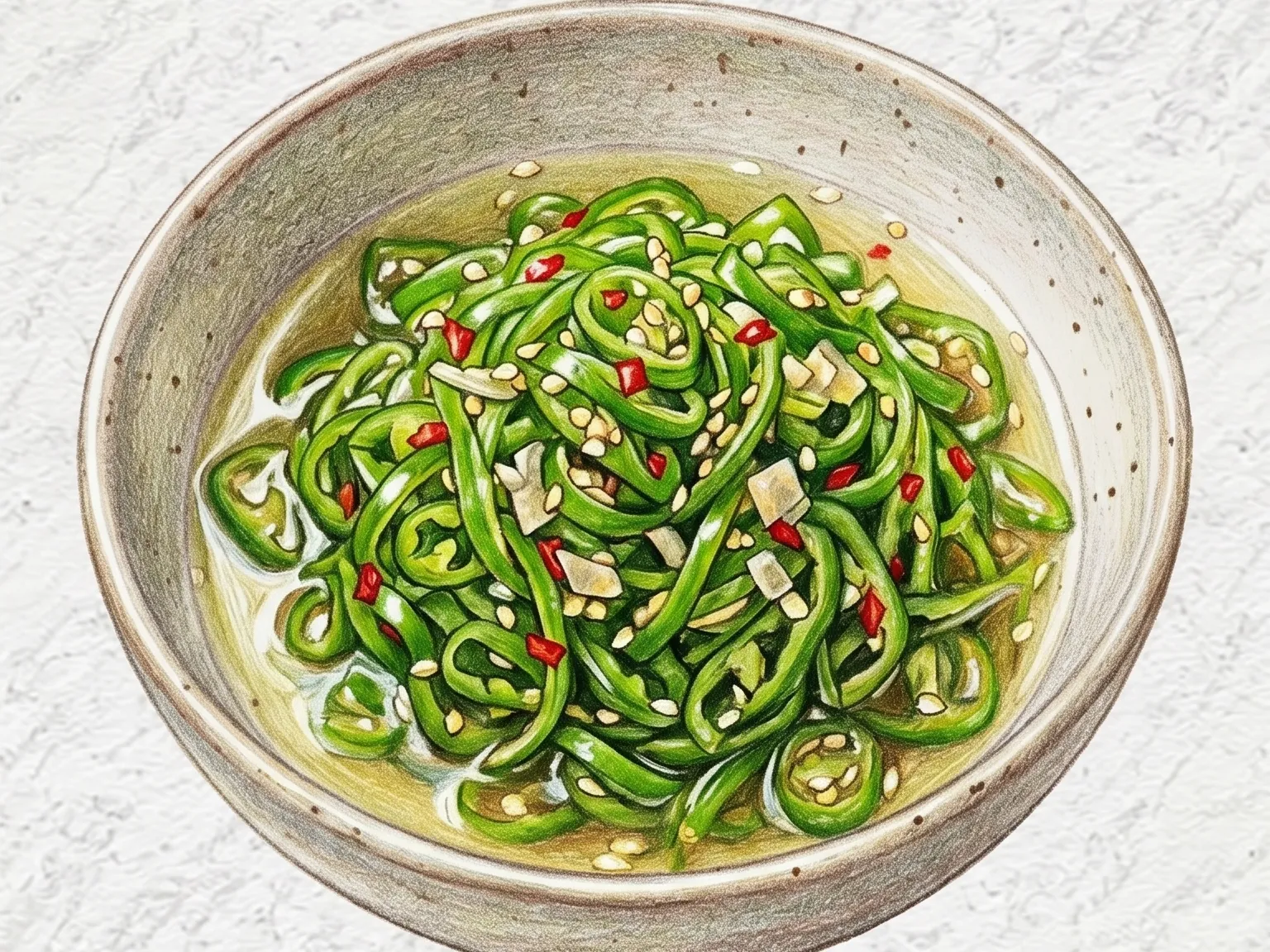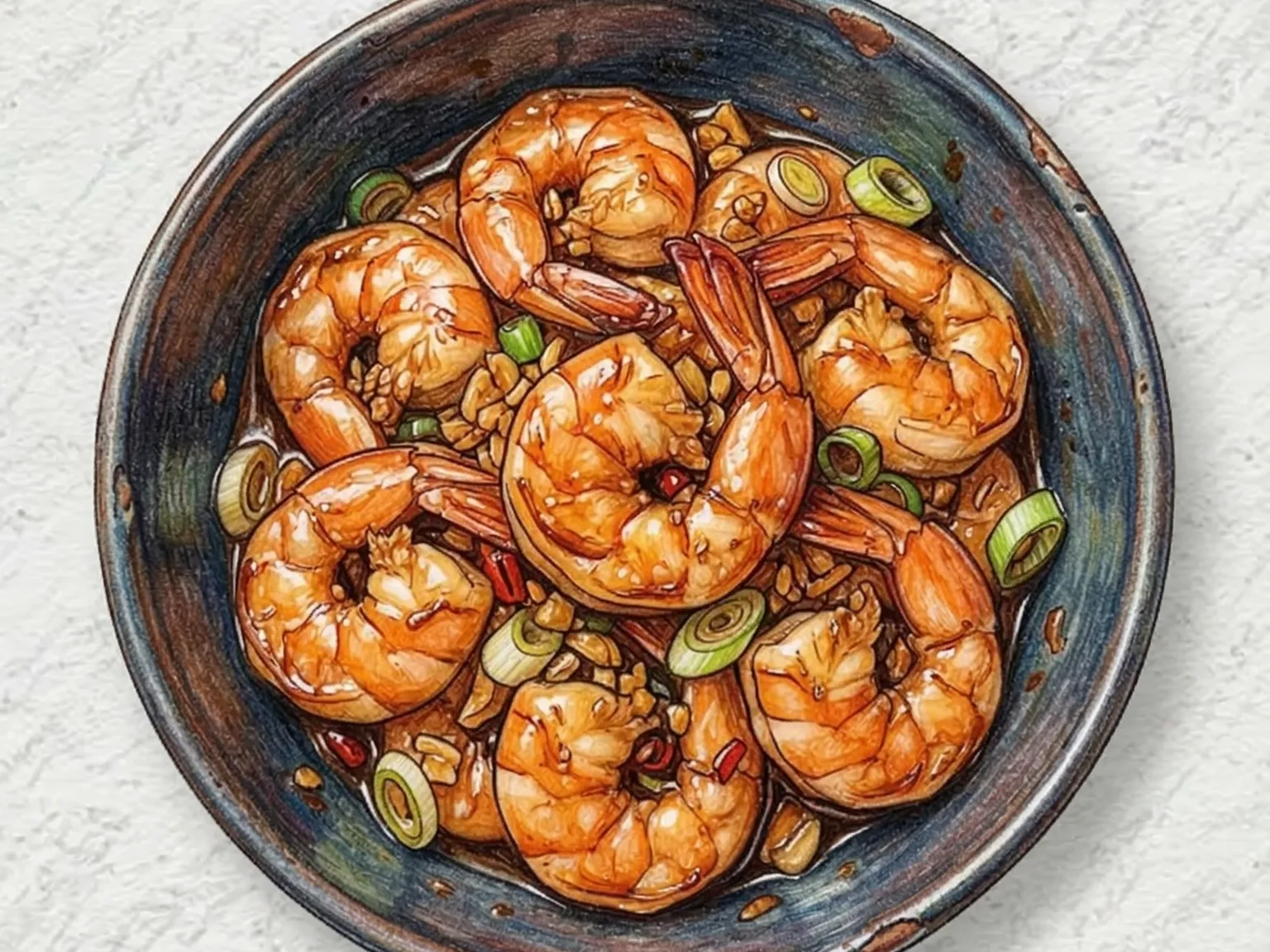
Korean Pepper Leaf Soy Pickle
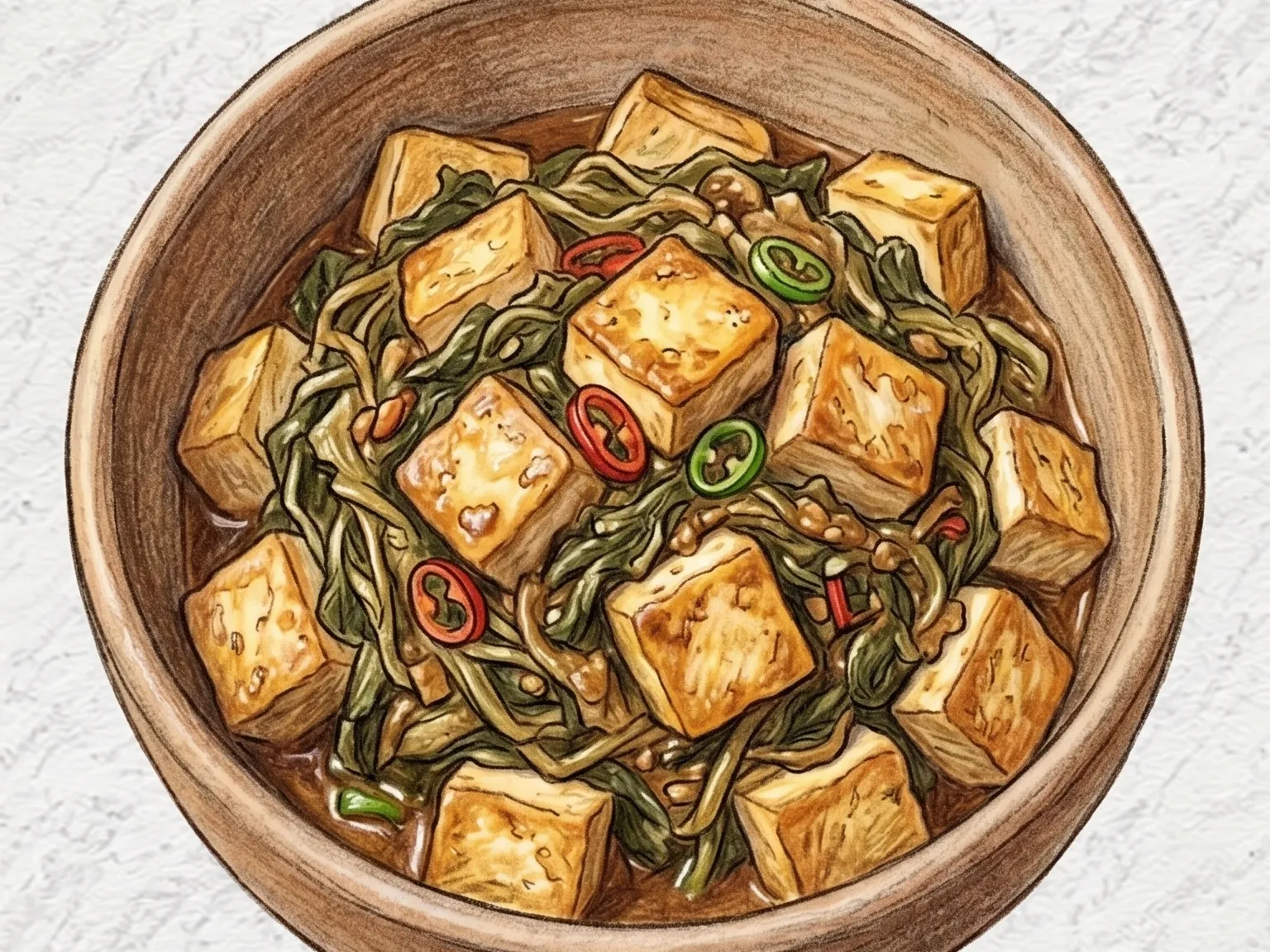
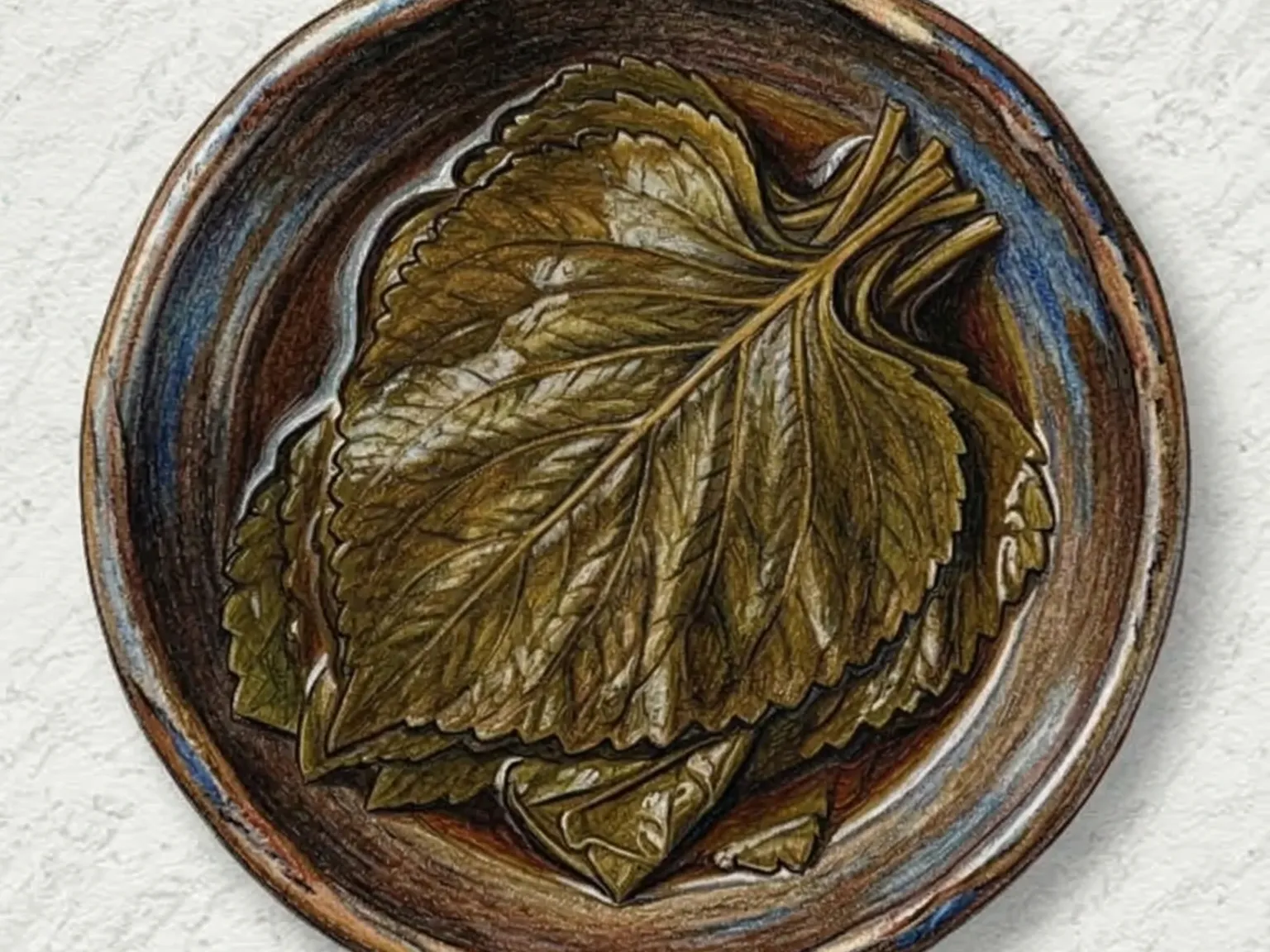
Gochuip jangajji is a Korean soy pickle made from pepper leaves, a summer byproduct of chili cultivation, washed and submerged in a boiled brine of soy sauce, vinegar, and sugar. Unlike the chili fruit, pepper leaves carry almost no heat. What they bring instead is a grassy, mildly bitter fragrance that blends naturally with the savory and sour notes of the brine. Boiling the pickling liquid first and letting it cool before pouring it over the leaves preserves some of their texture while ensuring even seasoning throughout. Garlic and cheongyang chili contribute a sharp, pungent edge to the liquid, and the thin leaves absorb the brine fully within a single day. Over time, the pickling liquid penetrates deeper and the umami grows more pronounced. Laying one leaf over rice and folding it into a small parcel combines the roles of banchan and ssam in a single, compact bite.

Korean Fish Soup (White Fish and Radish Clear Broth)
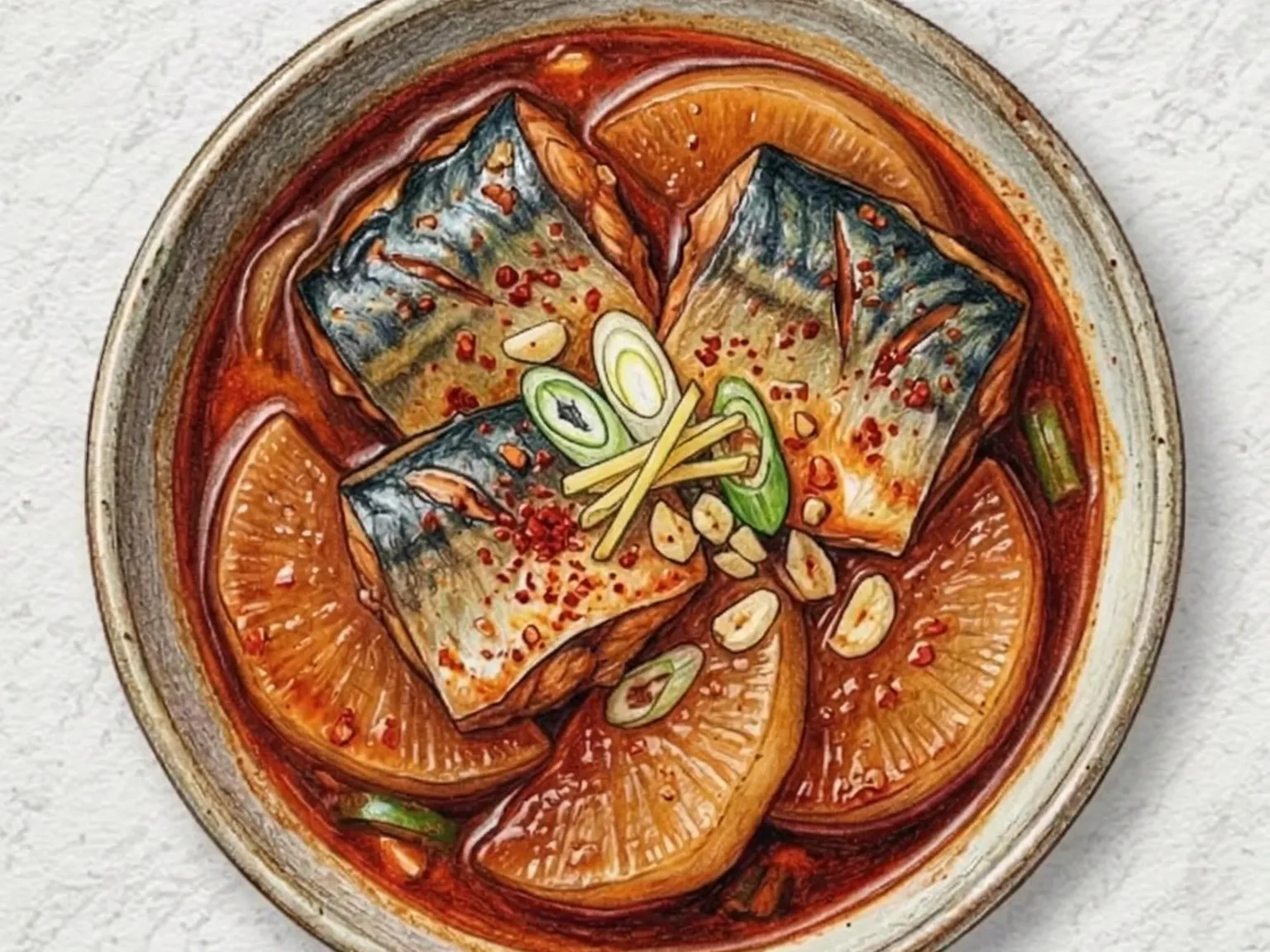
Saengseon-guk is a traditional Korean fish soup made with white-fleshed fish and radish in a clear broth. The radish simmers first, building a base of natural sweetness, before garlic and soup soy sauce are added for depth. The fish goes in once the radish is halfway cooked, and timing matters - it should cook only until the flesh turns opaque and begins to flake, as prolonged boiling would break it apart and cloud the broth. Tofu and sliced Korean chili peppers join near the end, adding soft texture and a mild kick. Green onion finishes the bowl with a fresh note. The result is a light, transparent soup where the fish's own clean, marine flavor does most of the work. It is the kind of straightforward home cooking that appears on Korean dinner tables throughout the year, requiring little more than fresh fish and basic pantry staples.

Korean Bellflower Root Tofu Stew
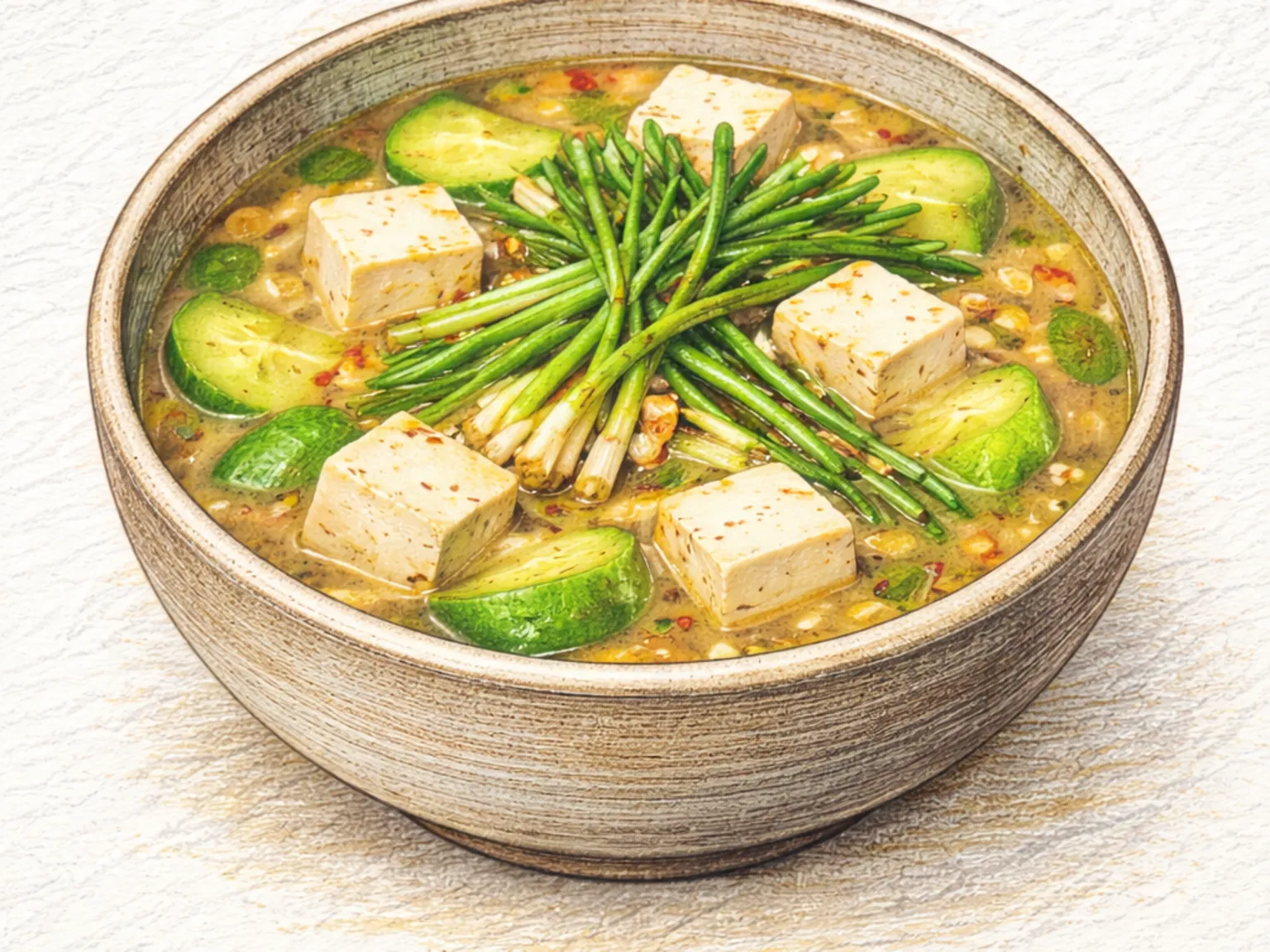
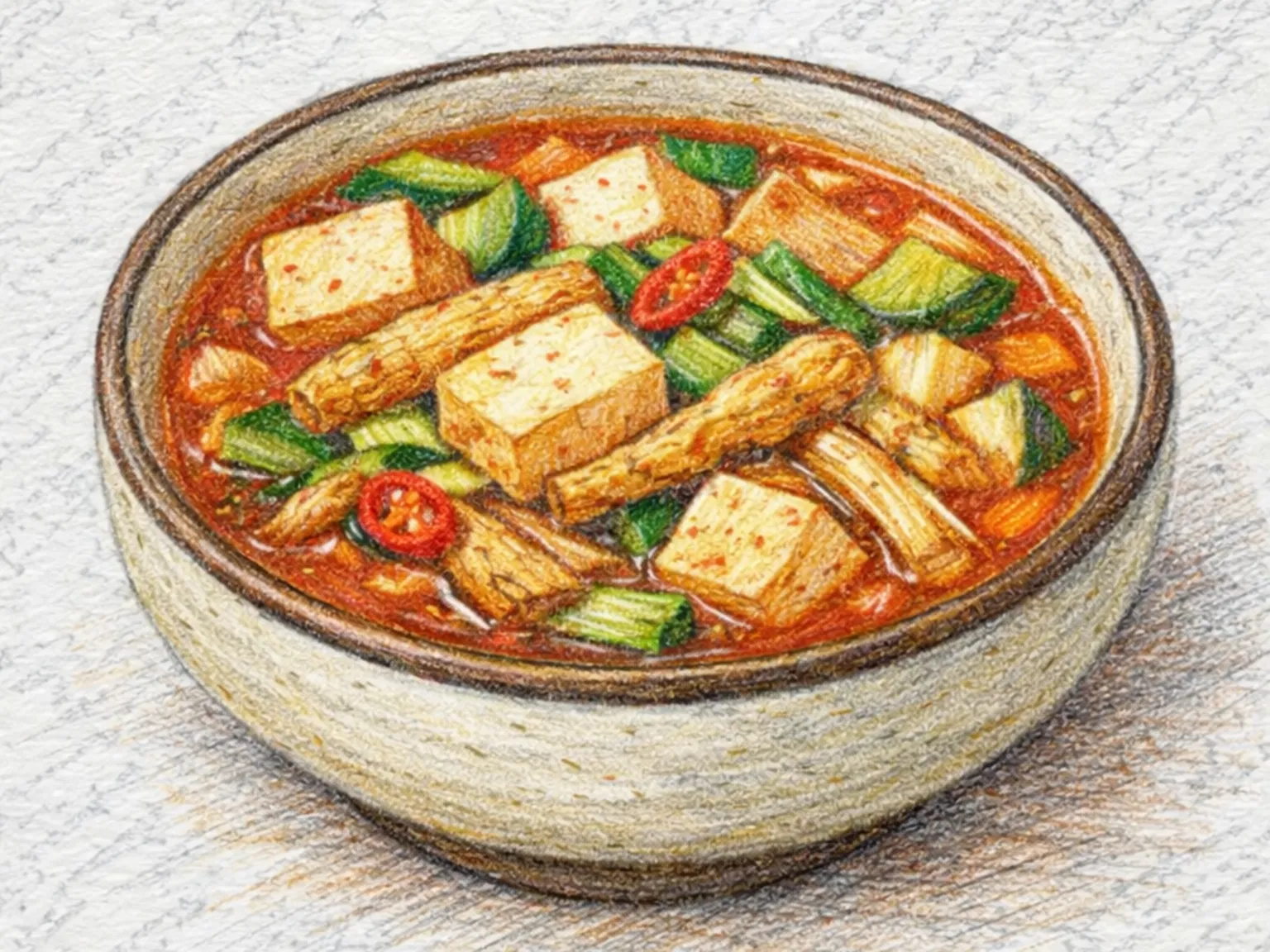
Deodeok dubu jjigae is a Korean stew that simmers bellflower root and soft tofu in a broth made from rice-rinse water. Gochujang and doenjang are dissolved together to build a base that is simultaneously spicy and deeply savory. Bellflower root contributes a signature bitter-herbal fragrance and firm bite that sets the soup apart from standard tofu jjigae. Rice-rinse water acts as a natural thickener and rounds off any residual bitterness from the root. The contrast between the chewy deodeok and the yielding tofu gives each spoonful an interesting texture. Before cooking, the bellflower root is traditionally pounded to open its fibrous grain, which allows the seasoning to penetrate more evenly.

Korean Gomchwi Leaf Jangajji
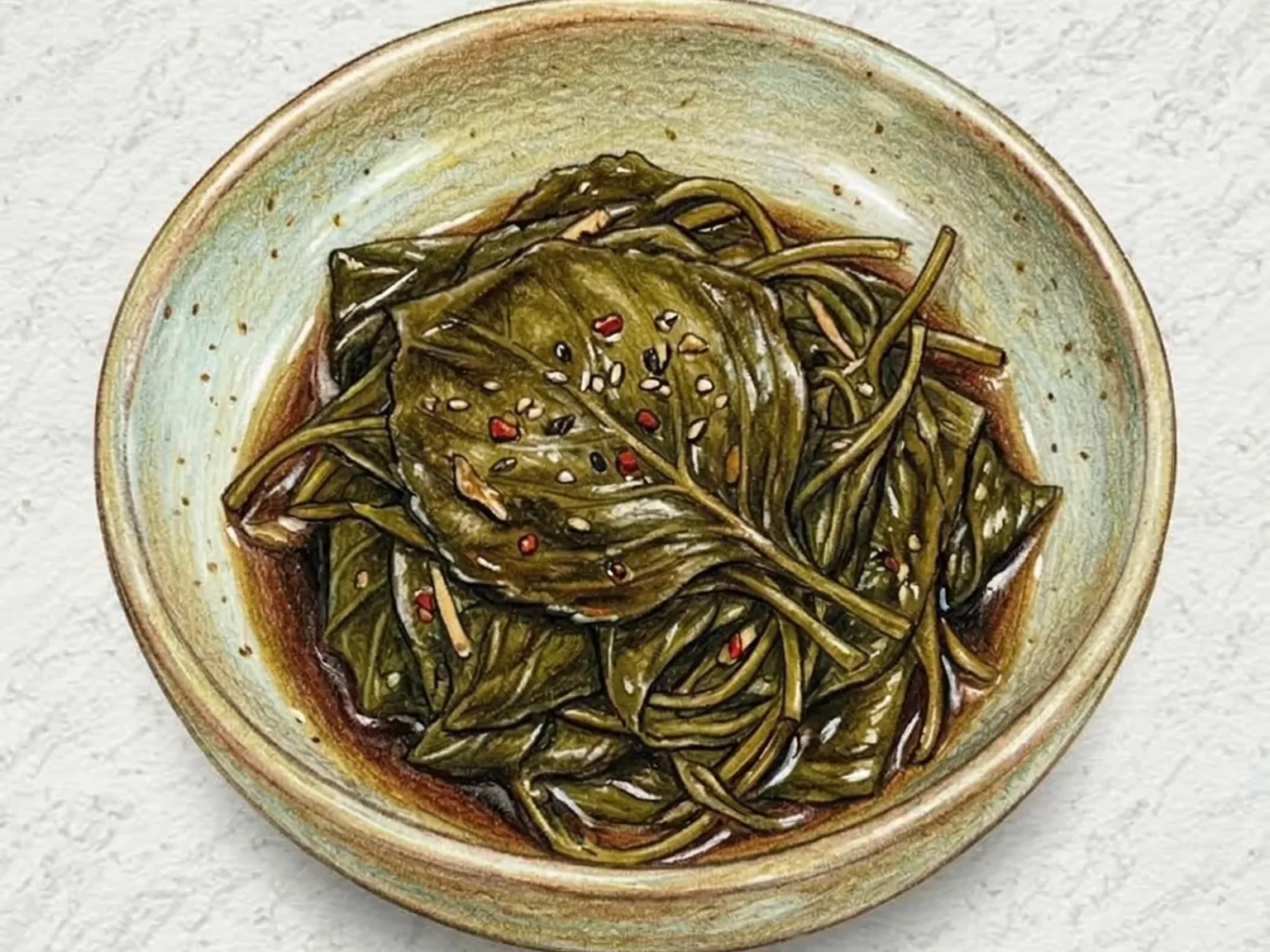
Gomchwi jangajji is a Korean mountain herb pickle made by submerging gomchwi leaves - a wild member of the ligularia family - in a prepared brine of soy sauce, vinegar, and sugar. The leaves carry a powerful, distinctly wild green fragrance that intensifies rather than fades as they cure, deepening when paired with the savory weight of fermented soy. Vinegar keeps the flavor profile from becoming too heavy, cutting through the richness of the soy with a clean, acidic finish after each bite. The leaves are notably broad and thick-fleshed compared to most pickling greens, which means they absorb the brine thoroughly and evenly over a few days of curing. When draped over a bowl of rice and folded into a wrap, the leaf's pungent aroma and salty seasoning seep directly into the grains, creating a self-contained bite that requires no additional side dishes. Garlic and cheongyang chili added to the brine contribute a sharp warmth and a mild heat that prevent the deep, earthy flavor of the mountain herb from becoming monotonous across a meal.

Korean Turnip Soybean Paste Soup
Sunmu doenjang-guk is a homestyle soybean paste soup that uses turnip as its starring vegetable and rice-rinsing water as its liquid base. The starchy water softens the doenjang's salinity, giving the broth a rounded, almost creamy quality that straight water cannot achieve. Turnips cook faster than daikon and yield a more delicate sweetness, along with a faint peppery edge that adds quiet complexity. As the turnip pieces simmer, a subtle purple blush from the skin tints the broth, making it a shade more elegant than an ordinary doenjang-guk. Cubed tofu is a natural companion, its neutral creaminess absorbing the fermented broth, while sliced scallion adds a final aromatic layer. The soup is at its best between autumn and early winter when turnips are in season, their sugars concentrated by cooler soil temperatures. Because the ingredient list is short, the quality of the doenjang matters more here than in busier soups - a well-aged paste with deep fermentation will carry the bowl, while a mediocre one will leave it flat.

Korean Soybean Paste Stew
Doenjang jjigae is one of the most iconic stews in Korean home cooking. Fermented soybean paste is dissolved into a simple broth and simmered with tofu, potato, zucchini, and onion until everything comes together. Garlic adds aromatic warmth, and a Cheongyang chili sharpens the earthy base with a clean kick. The vegetables and tofu absorb the salty, savory broth as they cook, deepening the overall flavor. This is the everyday stew that anchors a Korean meal, pairing effortlessly with rice and any combination of banchan.

Korean Thistle Greens Pickles
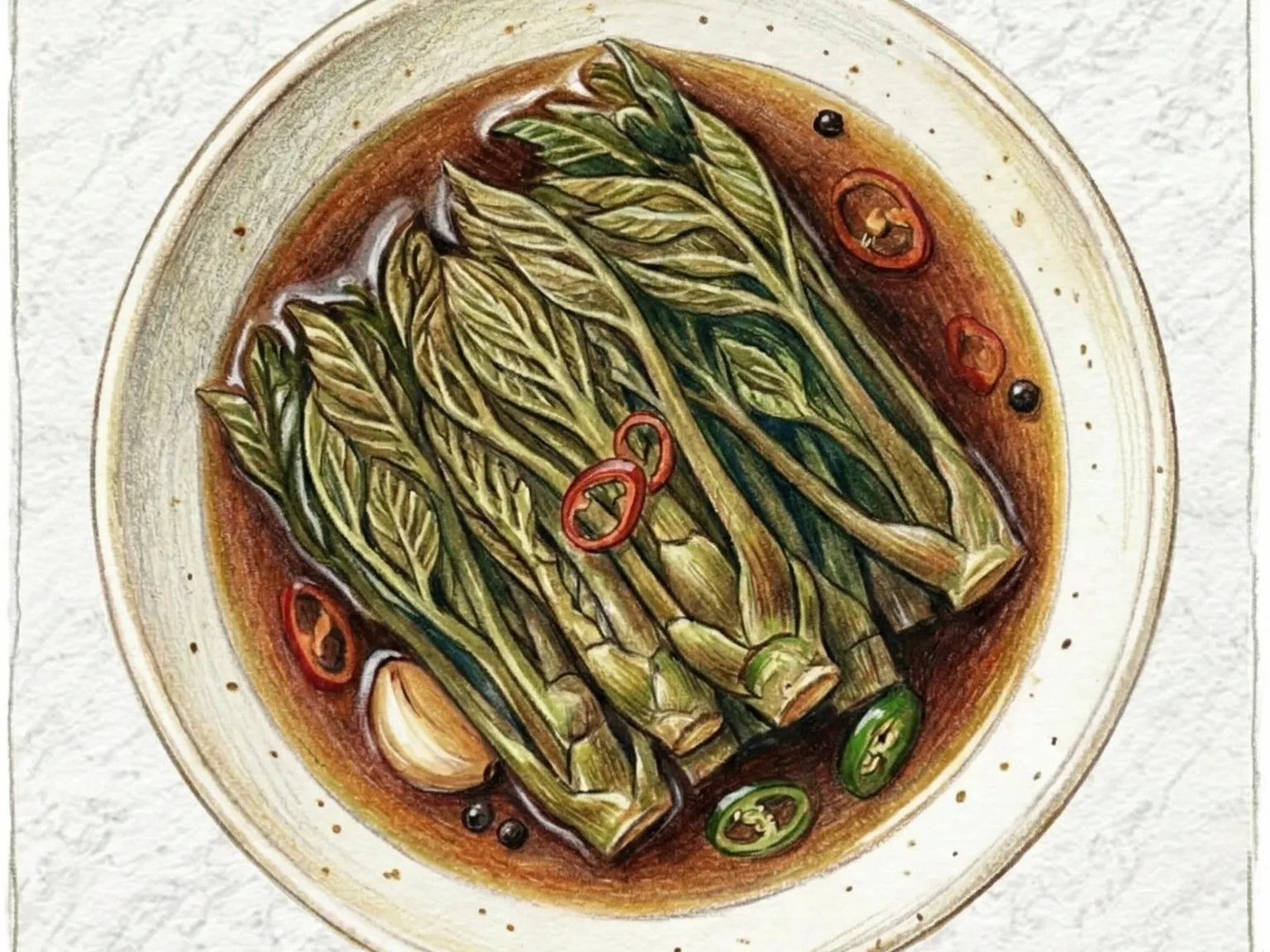
Gondre-jangajji is a pickled banchan made from gondre, a Korean mountain thistle foraged in Gangwon Province each spring. The greens are blanched briefly to soften the fibrous stems before being submerged in a curing liquid of dark soy sauce, brown rice vinegar, rice syrup, minced garlic, and ginger. The blanching step is essential: raw gondre has a toughness that pickling liquid alone cannot fully penetrate, and a short time in boiling water opens the cell structure just enough to allow the marinade to work through without turning the greens limp. Rice syrup wraps the combined salt and acid in a mild sweetness that prevents the sharpness of either from dominating. A cheongyang chili adds a gentle heat at the finish that keeps the overall flavor from reading as one-dimensional. Because the fibrous texture holds the liquid within the grain of the vegetable, the jangajji stays moist and pliable throughout a week or more of refrigerated storage.

Korean Napa Outer Leaf Soybean Soup
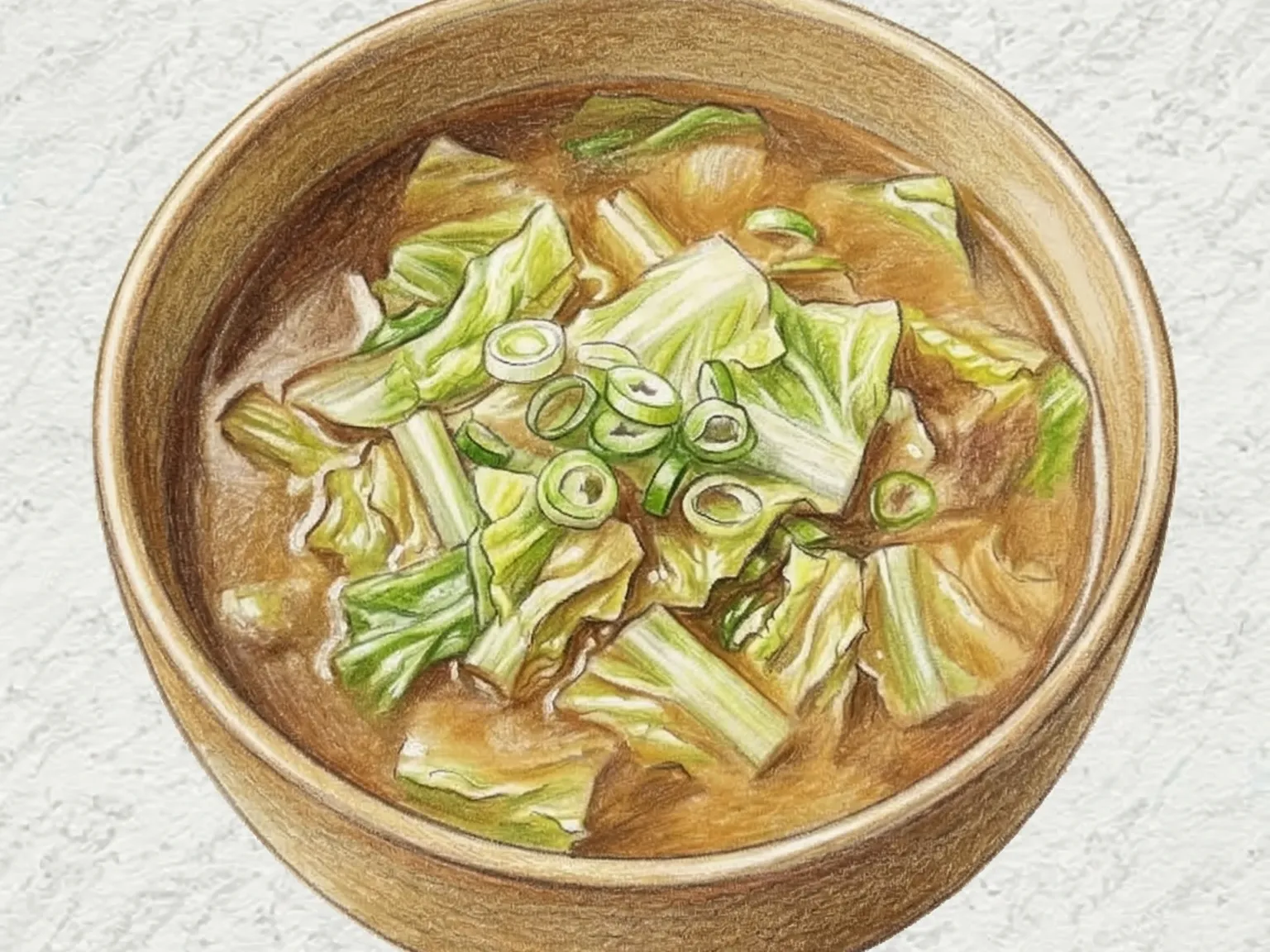
Ugeoji doenjang-guk is a deeply comforting soybean paste soup made with the tough outer leaves of napa cabbage that might otherwise be discarded. The leaves are first massaged with doenjang, perilla oil, and garlic, a step that drives the fermented paste deep into the cabbage's thick veins so that when the soup simmers, the flavor releases gradually into the broth. Rice-rinsing water replaces plain stock as the cooking liquid, adding a gentle starchiness that rounds the doenjang's salt into something softer and more enveloping. As the ugeoji cooks down, it turns from a leathery sheet into a silky, almost melting tangle that drapes over the spoon and floods the mouth with concentrated vegetable-and-miso flavor. The broth itself becomes a murky, golden-brown pool of umami, tasting of earth, fermentation, and the quiet bitterness that only well-cooked greens provide. Cubed tofu gives textural relief, and thin rings of cheongyang chili pepper, if added, introduce a sharp heat that cuts the richness. It is a soup that transforms humble ingredients into something far greater than their parts.

Korean Frozen Pollack Stew
Dongtae jjigae is a spicy Korean stew built around whole frozen pollack, which separates into flaky, delicate pieces as it cooks through. Korean radish brings a clean, sweet undertone to the broth, while tofu and zucchini fill out each bowl with mild, soft contrasts to the fish. Gochugaru combined with a spoonful of doenjang creates a broth that is at once spicy, salty, and deeply savory rather than sharp in a single direction. Generous amounts of green onion and Cheongyang chili are added toward the end to cut through any fishiness and keep the heat clear and warming.

Korean Soy Pickled Perilla Leaves
Kkaennip jangajji is a Korean soy-pickled perilla leaf side dish made by layering thoroughly dried leaves in a brine of boiled soy sauce, rice vinegar, and sugar with garlic and cheongyang chili. One of the most important steps is bringing the brine to a full boil and then allowing it to cool completely before pouring it over the leaves. Hot brine wilts the leaves immediately and collapses their structure, while a cooled brine preserves their shape and allows the seasoning to penetrate evenly over the resting period. The perilla's bold herbal fragrance becomes rounder and less sharp when it comes into contact with the salty depth of the soy sauce, and the vinegar prevents the saltiness from becoming overwhelming, keeping the finish clean and bright. Cheongyang chili leaves a quiet but definite heat at the back of each bite, and garlic threads a pungent undercurrent through the entire flavor profile. Wrapped around a spoonful of plain white rice, a single leaf delivers its full herbal, savory character in one mouthful, and the combination is one of the most satisfying pairings in Korean home cooking. Stored in the refrigerator, the pickled leaves keep for well over a month, making this one of the most practical side dishes to prepare in advance.

Korean Young Radish Clam Soup
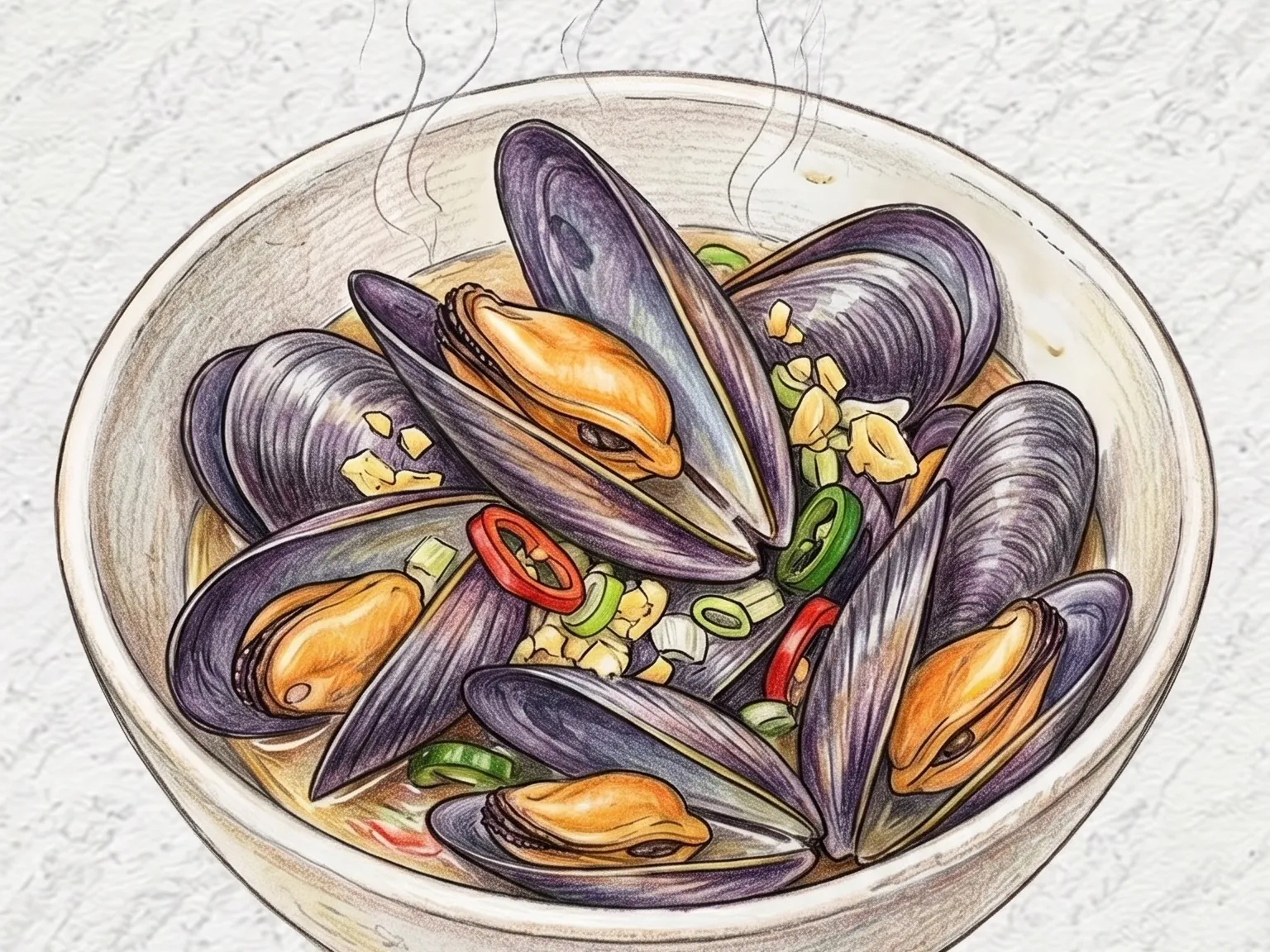
Yeolmu-bajirak-guk is a clear soup that draws its flavor from manila clams purged in salt water and simmered with thinly sliced radish. As the clam shells open, they release a briny, mineral-rich liquid that forms the broth's backbone. Young radish greens and a cheongyang chili are added in the final three minutes to keep the greens fresh and slightly crunchy. Soup soy sauce and salt adjust the seasoning, though the clams provide enough natural salinity that only a light hand is needed.

Korean Soybean Paste Stew with Clams and Zucchini
Bajirak aehobak doenjang jjigae is a Korean soybean paste stew that draws its distinctive clean depth from littleneck clams cooked alongside zucchini, potato, and tofu in rice-rinse water. As the clams open during cooking, they release their briny, slightly sweet liquor directly into the doenjang broth, deepening the fermented base with a layer of ocean salinity that soybean paste alone cannot produce. Potato breaks down gradually as the stew simmers, adding a subtle body to the broth without turning it starchy. Tofu and zucchini provide contrasting textures, the tofu soft and custardy while the zucchini retains a gentle resistance. Onion and minced garlic supply the sweet, aromatic foundation of the broth, and a Cheongyang chili introduces a clean, sharp heat that prevents the flavors from becoming too heavy. The pairing of the clams' saline, briny character with the earthy fermented depth of doenjang is what gives this particular version of the stew its reputation as one of the most satisfying everyday versions, served with a bowl of plain steamed rice.

Korean Garlic Scape Soy Pickles
Maneul jong jangajji is a Korean garlic scape pickle made by cutting fresh scapes into 5 cm lengths, packing them into a sterilized jar along with cheongyang chili peppers, and pouring over a freshly boiled brine of soy sauce, vinegar, sugar, and dried kelp. The scapes' sharp garlic bite melds gradually with the soy's salty, savory depth to produce a flavor that builds with every chew, while the kelp dissolves a subtle seaweed umami into the brine over the course of steeping. The vinegar keeps the salt in check so the overall taste stays clean rather than heavy, and the cheongyang chili adds a slow, lingering warmth at the end of each bite that prevents the pickle from tasting one-dimensional. Reboiling the brine and pouring it back over the scapes after two days is an important step for both preservation and even pickling, and repeating this process once more ensures the scapes absorb flavor uniformly throughout. Handled this way, the finished banchan keeps reliably for over a month in the refrigerator.

Korean Young Napa Soybean Paste Stew
Young napa cabbage (eolgari) takes center stage in this doenjang jjigae, wilting into the broth and releasing a mild sweetness. The stock is built from dried anchovies and kelp, then seasoned with fermented soybean paste for a full-bodied base. Firm tofu and onion add substance, while a green chili provides a sharp finish. Eolgari is a tender spring-harvested young cabbage with soft fibers and a pronounced natural sweetness, so when combined with the savory doenjang broth it contributes a mellow, round flavor without any bitterness. Adding a generous amount of tofu helps the cubes absorb the saltiness of the paste and brings the entire soup into a well-balanced, smooth finish that pairs naturally with steamed rice.

Korean Water Parsley Soy Pickle
Preparing this dish starts with cutting water parsley stems into 5-centimeter segments and ensuring they are thoroughly dried. The pickling process involves a mixture of soy sauce, rice vinegar, and sugar that is boiled and then completely cooled before being poured over the prepared stems, garlic, and cheongyang chili peppers. As the herbs submerge in the savory liquid, the fresh scent of the water parsley evolves into a complex aromatic profile that is absent in its raw state. Rice vinegar provides a crisp finish to the palate, while the sharp heat from the chili peppers prevents the flavor from becoming flat or one-dimensional. Garlic acts as a stabilizing element for the entire seasoning base. The pickle reaches its optimal state around the second or third day of refrigeration when the initial sharpness of the vinegar mellows out while the stems maintain their firm crunch. Since the texture tends to soften over time, making frequent small batches is a practical approach to enjoy this preserve. This side dish functions well alongside grilled pork belly or other main courses with high fat content by clearing the palate between bites. The remaining brine can be reused for subsequent batches of vegetables, often resulting in a more developed and layered taste than the first round. Adding a small amount of lemon or yuzu juice introduces a citrus scent that complements the natural herbal characteristics of the water parsley.

Korean Young Napa Cabbage & Salted Shrimp Stew
Eolgari saeujeot jjigae is a jjigae seasoned with salted fermented shrimp rather than the more common doenjang or gochujang. Young napa cabbage, potato, and zucchini simmer together in rice-rinse water, absorbing the fermented shrimp's concentrated brininess as they cook. Gochugaru adds color and a measured heat, while cheongyang chili and green onion bring additional sharpness to the broth. The timing of the salted shrimp matters: adding it too early causes the salt to concentrate and the delicate umami to dissipate, so it should go in just before the heat is reduced. The result is a broth that is intensely savory and clean-tasting without feeling heavy -- an everyday jjigae that pairs naturally with plain steamed rice.

Korean Miyeok Julgi Jangajji (Seaweed Stem Pickles)
Miyeok julgi jangajji is a Korean seaweed stem pickle made by soaking salted seaweed stems long enough to remove the excess salt, blanching them briefly, and submerging them with sliced onion and cheongyang chili in a brine of dark soy sauce, vinegar, and sugar brought to a boil. The stems' characteristic crunchy-chewy bite holds up even as they absorb the brine, and a faint oceanic quality lingers beneath the soy sauce's savory depth and the sharp brightness of the vinegar. Onion adds natural sweetness to the pickling liquid, and the chili delivers a clean, piercing heat at the finish. Reboiling the brine, cooling it fully, and pouring it over a second time significantly extends shelf life, keeping the banchan in good condition in the refrigerator for three to four weeks or longer. After the first pour, allowing twenty-four hours before eating gives the stems enough time to fully absorb the brine and develop their proper flavor.

Korean Fish Cake Hot Pot (Skewered Fish Cakes in Clear Broth)
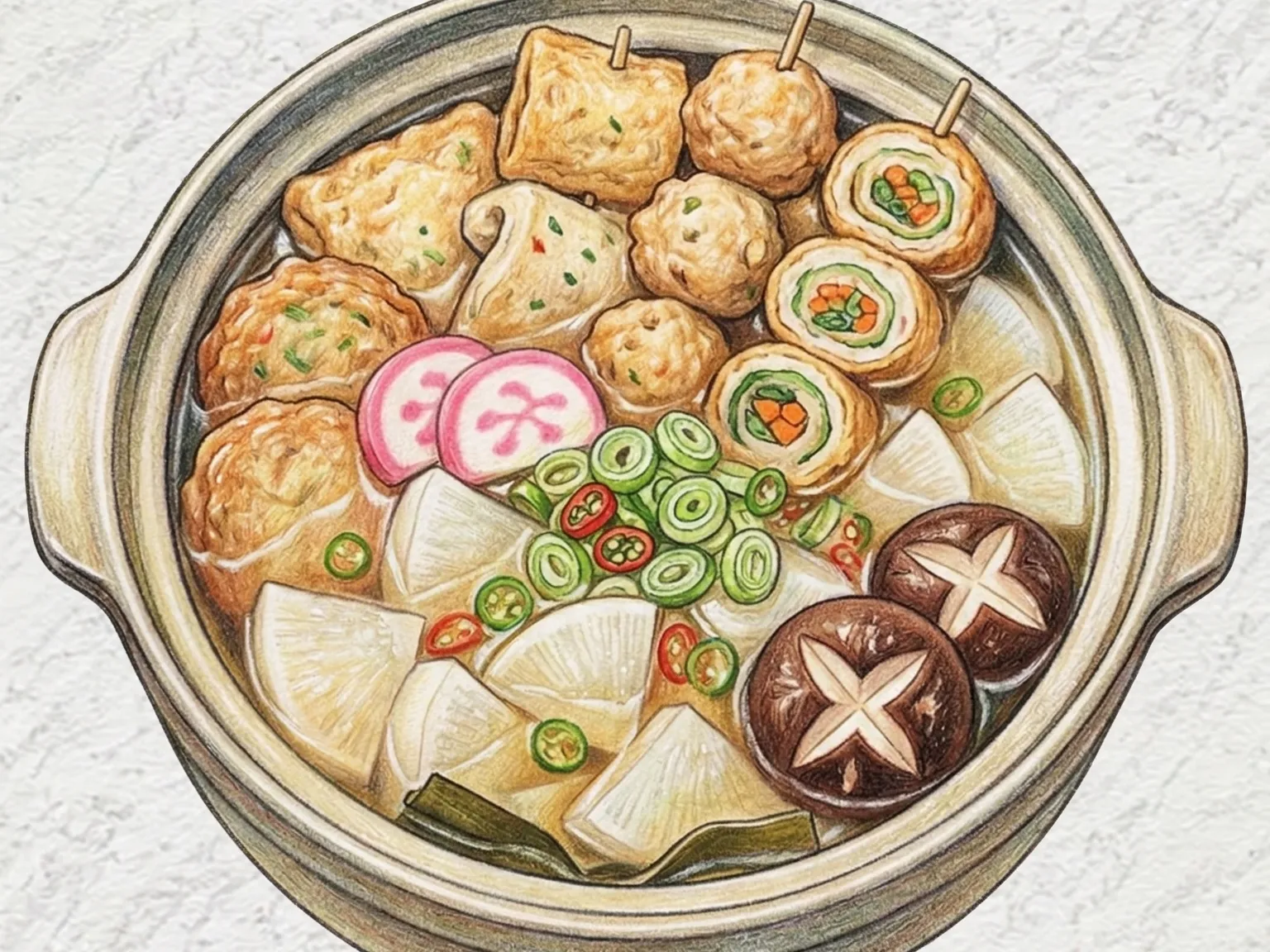
Eomuk jeongol is a Korean fish cake hot pot simmered in a clear broth built on dried kelp and anchovy stock. Large pieces of Korean radish cook alongside the fish cakes, releasing their natural sweetness into the liquid and keeping the broth light and refreshing as it reduces. Shiitake mushrooms add earthy umami depth, and using soup soy sauce alone for seasoning keeps the understated savory character of the fish cakes front and center. Cheongyang chili brings a sharp heat, and sliced green onion layers in a gentle sweetness as it softens in the bubbling pot. Fish cakes that spend more time in the broth turn silky and absorb the surrounding flavors, growing more flavorful with each passing minute. Using several shapes and thicknesses of fish cake side by side gives the pot different textures that makes eating it more interesting. The hot pot captures the warmth of street-stall eomuk-tang and brings it to the dinner table as a shared dish on cold days.

Korean Pickled Alpine Leek Leaves
Myeongi jangajji is a Korean soy-pickled preserve made from alpine leek leaves, a wild mountain herb harvested in early spring. The leaves are rolled into a sterilized jar with sliced green chili, then covered with a boiling brine of soy sauce, vinegar, water, and sugar. Pouring the hot liquid partially blanches the leaf surface, locking in a vivid green color while the interior stays raw and pungent. After two to three days of refrigeration the brine penetrates fully, tempering the raw garlic intensity into a mellow, fragrant heat balanced by soy saltiness and vinegar tang. These pickled leaves are traditionally wrapped around grilled pork belly or bulgogi, where their aromatic acidity cuts through the rendered fat.

Korean Gul Dubu Jjigae (Oyster Tofu Stew)
Gul dubu jjigae pairs 180 grams of fresh oysters with generous cubes of firm tofu in a clean anchovy-kelp stock. The oysters release their briny, mineral-rich juices the moment they hit the simmering broth, giving the soup an immediate oceanic depth that no other seafood replicates in quite the same way. Korean radish adds mild sweetness and keeps the stock clear rather than murky, while gochugaru and a whole Cheongyang chili suppress any fishiness and build a persistent background heat. The 300 grams of tofu make this a genuinely filling stew rather than a light soup course. Timing the oysters correctly is the most important step: added just before the pot returns to a boil, they need only thirty seconds to one minute before they are cooked through. Leaving them longer shrinks them and toughens their texture. Rinsing the oysters gently in lightly salted water before cooking removes sand and impurities without stripping their natural fragrance. This is a distinctly seasonal stew, best made in winter when the cold-water oysters are plump, briny, and at full flavor.

Korean Soy Pickled Cucumber
Oi jangajji is a Korean soy-pickled cucumber made by slicing cucumbers into one-centimeter rounds, lightly salting them to draw out surface moisture, then packing them into a sterilized jar with whole garlic cloves and green chilies before pouring over a boiling brine of soy sauce, water, vinegar, and sugar. The hot liquid partially cooks the cucumber surface while leaving the center firmly crisp, and two days of cold fermentation allows the sweet, salty, sour brine to penetrate all the way through. The green chilies leave a faint heat at the back of each bite, and the whole garlic cloves release their aroma gradually into the brine as they soften over the resting period, adding a layer of complexity beyond a straightforward soy pickle. Reboiling the spent brine and pouring it back over the cucumbers once extends the crunch considerably, turning this into a practical side dish that holds up well for more than a week in the refrigerator. It works alongside a bowl of rice, next to a hearty soup, or as a sharp palate-waker on a hot summer day when appetite runs low.

Korean Oyster Kimchi Stew
This stew pairs fresh oysters with aged kimchi, two ingredients that reach their peak simultaneously during the Korean winter, making this a dish with a narrow but rewarding season. The oysters contribute a deep briny sweetness while the well-fermented kimchi provides a sour, umami-laden backbone that would be impossible to replicate with fresh or lightly fermented leaves. A tablespoon of perilla oil distinguishes this from a standard pork kimchi jjigae: its nutty, slightly green aroma adds an earthy roundness that ties the seafood and kimchi together without competing with either. Radish is added to keep the broth clean and refreshing despite the concentration of flavors, and a base of anchovy stock reinforces the savory depth that the oysters and kimchi alone begin to build. Gochugaru and minced garlic provide heat and sharpness. The oysters go in only once the pot reaches a full boil and are cooked for no more than two to three minutes, just long enough to firm up without shrinking into small, rubbery pieces.

Korean Soy Pickled Onions
Yangpa jangajji is a soy-pickled onion made by immersing large-cut onion chunks in a boiled brine of soy sauce, vinegar, and sugar. The hot brine tempers the raw onion's sharp, pungent bite on contact, and as the pickle matures in the refrigerator the sweet-salty seasoning penetrates evenly through each piece. Cutting the onion along its fiber rather than against it keeps the texture firm and crisp after pickling, whereas thin cross-cut slices tend to soften quickly in the acidic brine. Sliced cheongyang chili peppers added to the jar gradually release their heat into the liquid, lending a gentle, lingering spiciness that offsets the sweetness and keeps the flavors from becoming one-dimensional. The pickle is ready after one day of refrigeration but improves noticeably at three days or more as the seasoning continues to deepen. It is a staple accompaniment to grilled meats like samgyeopsal, where its acidity and crunch cut through richness and refresh the palate between bites. It also works well over bibimbap or cold noodles. The brine can be brought back to a boil and reused for a second batch of onions, making this an economical pantry item.

Korean Seafood Stew (Shrimp, Squid & Clam Spicy Pot)
Haemul jjigae is a fiery Korean seafood stew that loads shrimp, squid, and clams into a broth fired with gochugaru and gochujang. As the clams open during cooking, they release a clean, saline sweetness that forms the backbone of the broth, and the chili paste and flakes layer in a deep red heat that amplifies rather than masks the flavor of the sea. Large pieces of tofu and sliced zucchini cook alongside the seafood, soaking up the spiced shellfish stock and adding substance to every spoonful. Green onion and cheongyang chili added at the end contribute color and a fresh aromatic sharpness. Serving directly in the stone pot keeps the stew bubbling at the table throughout the meal, and the steady heat means the last spoonful tastes as vivid as the first. A bowl of steamed white rice alongside absorbs the broth between bites and makes the meal complete.