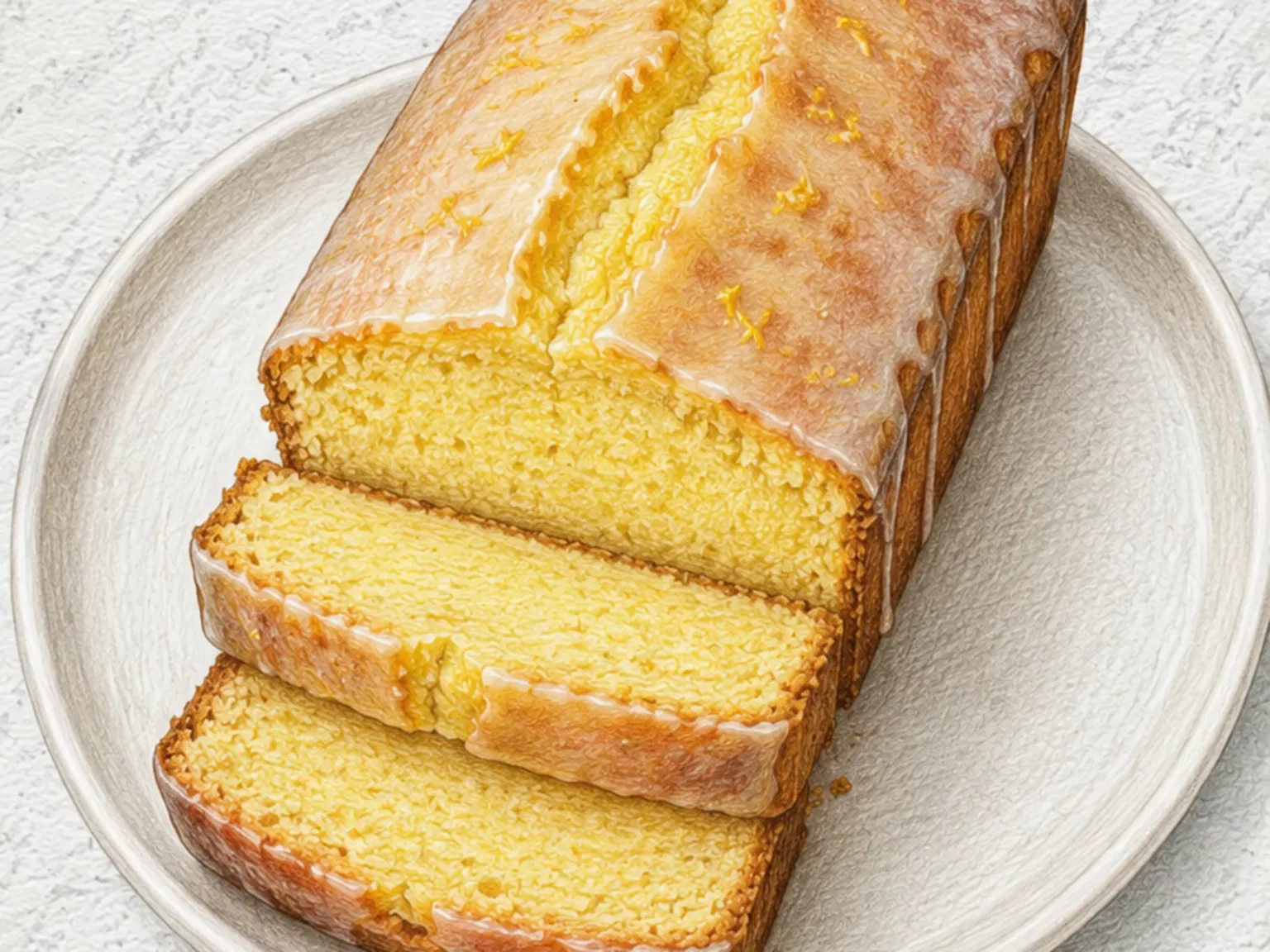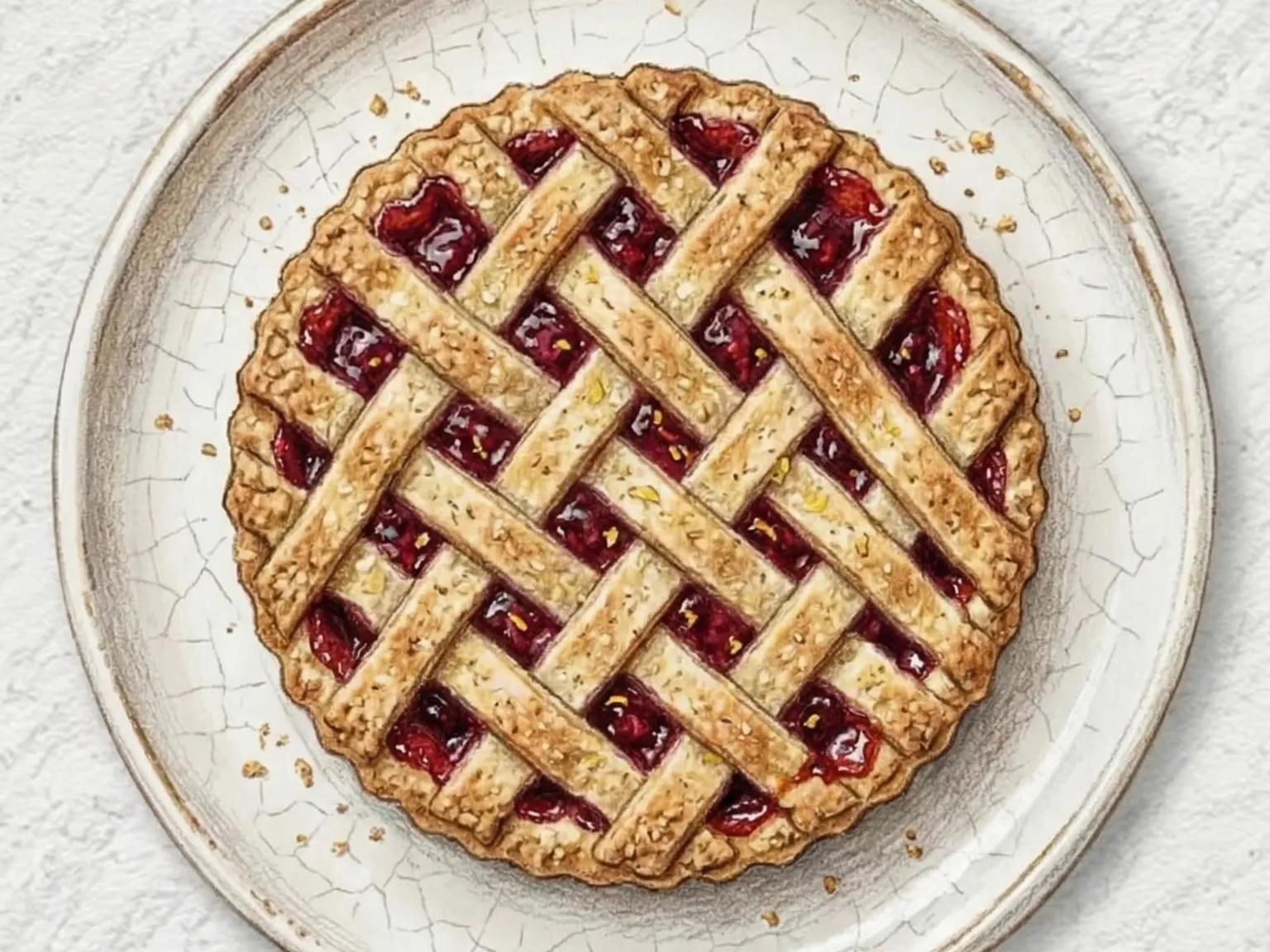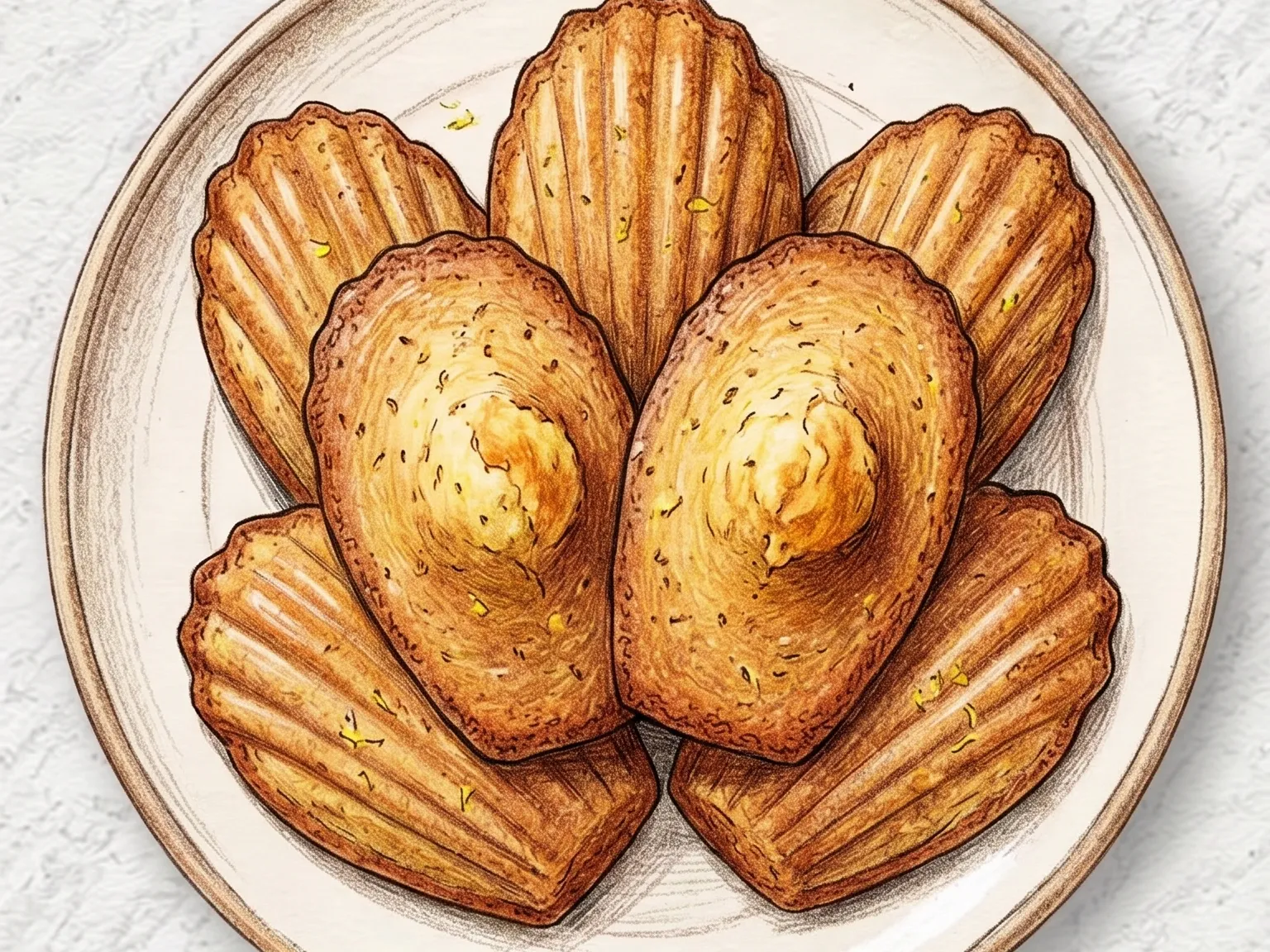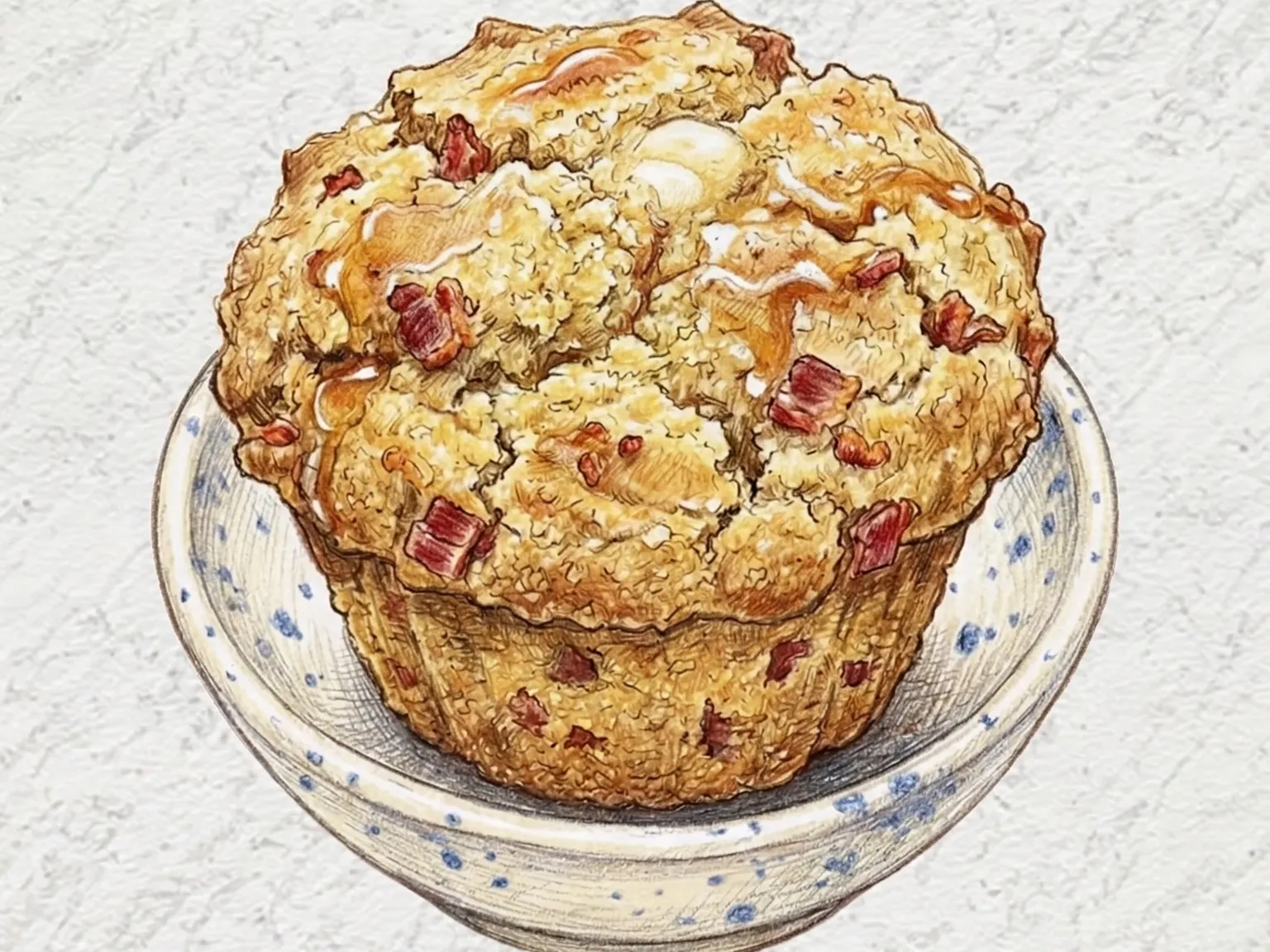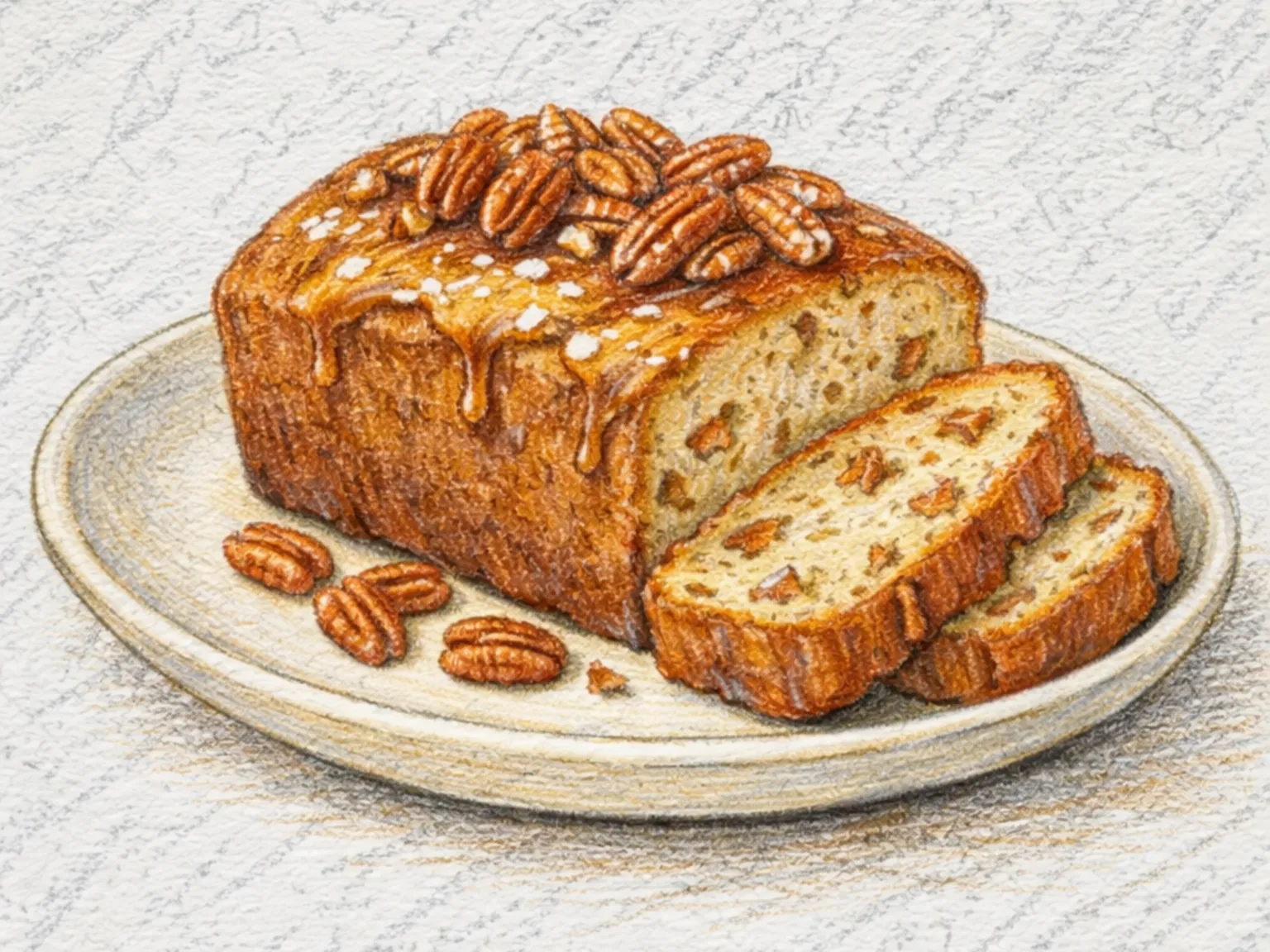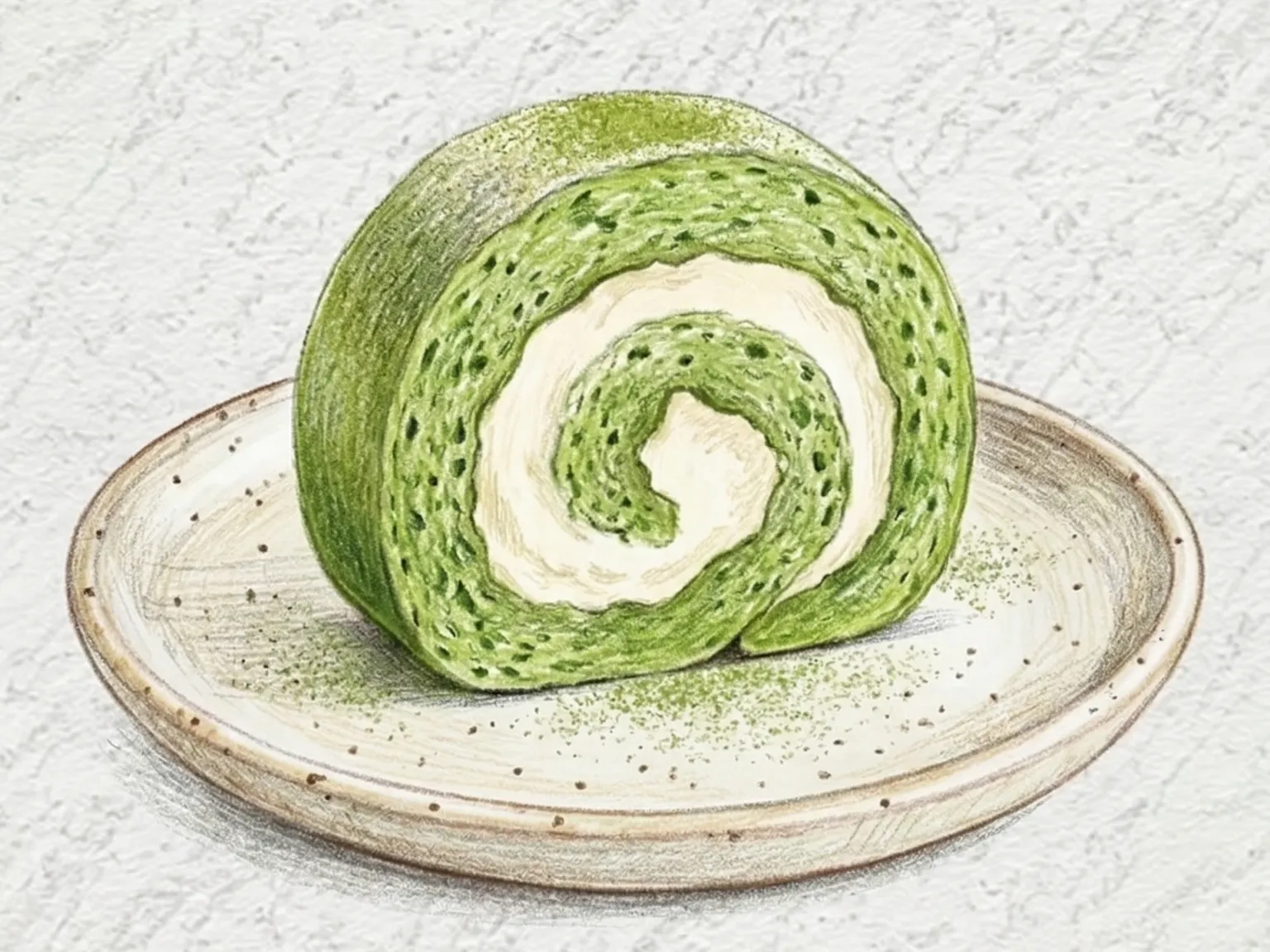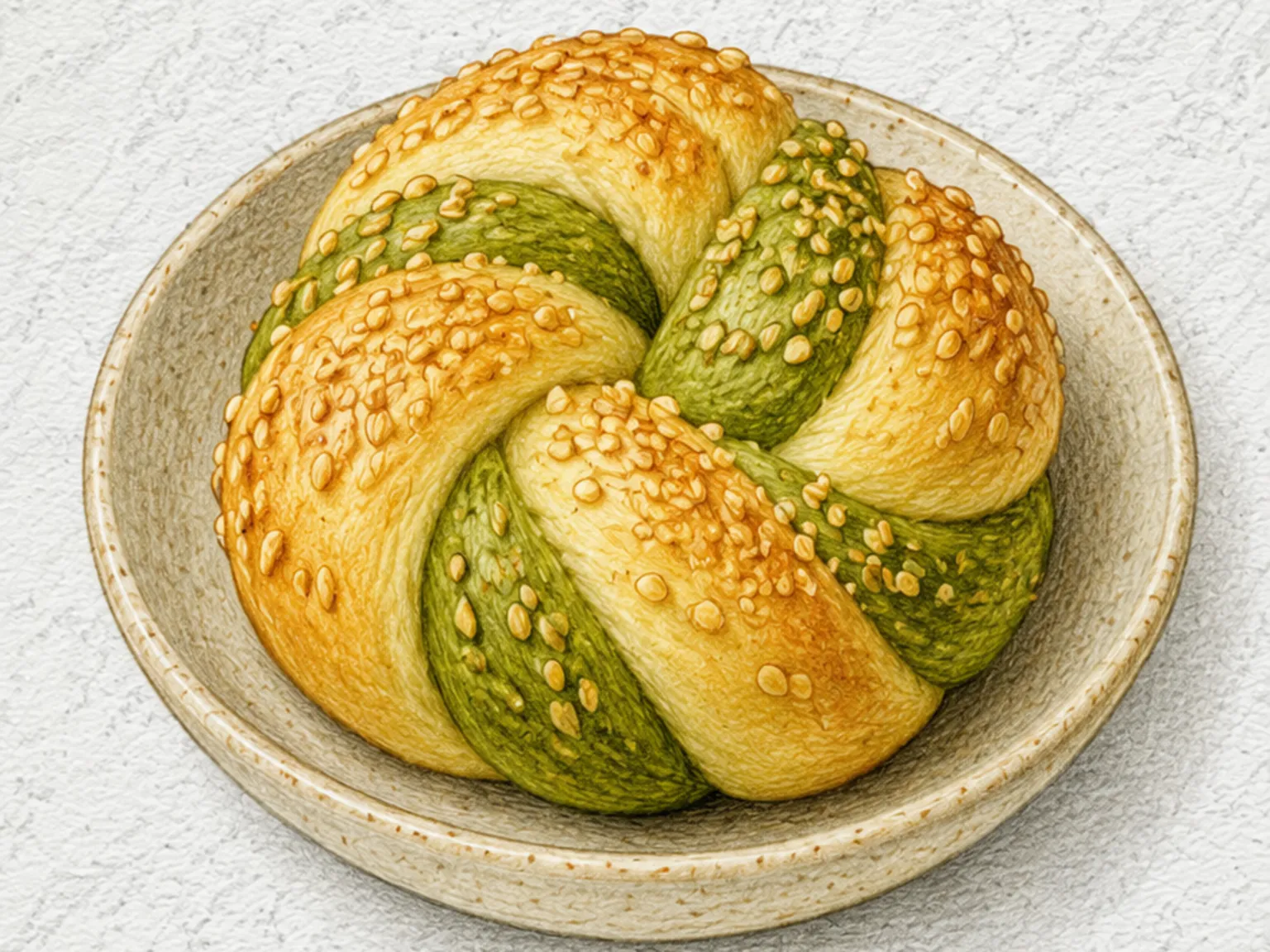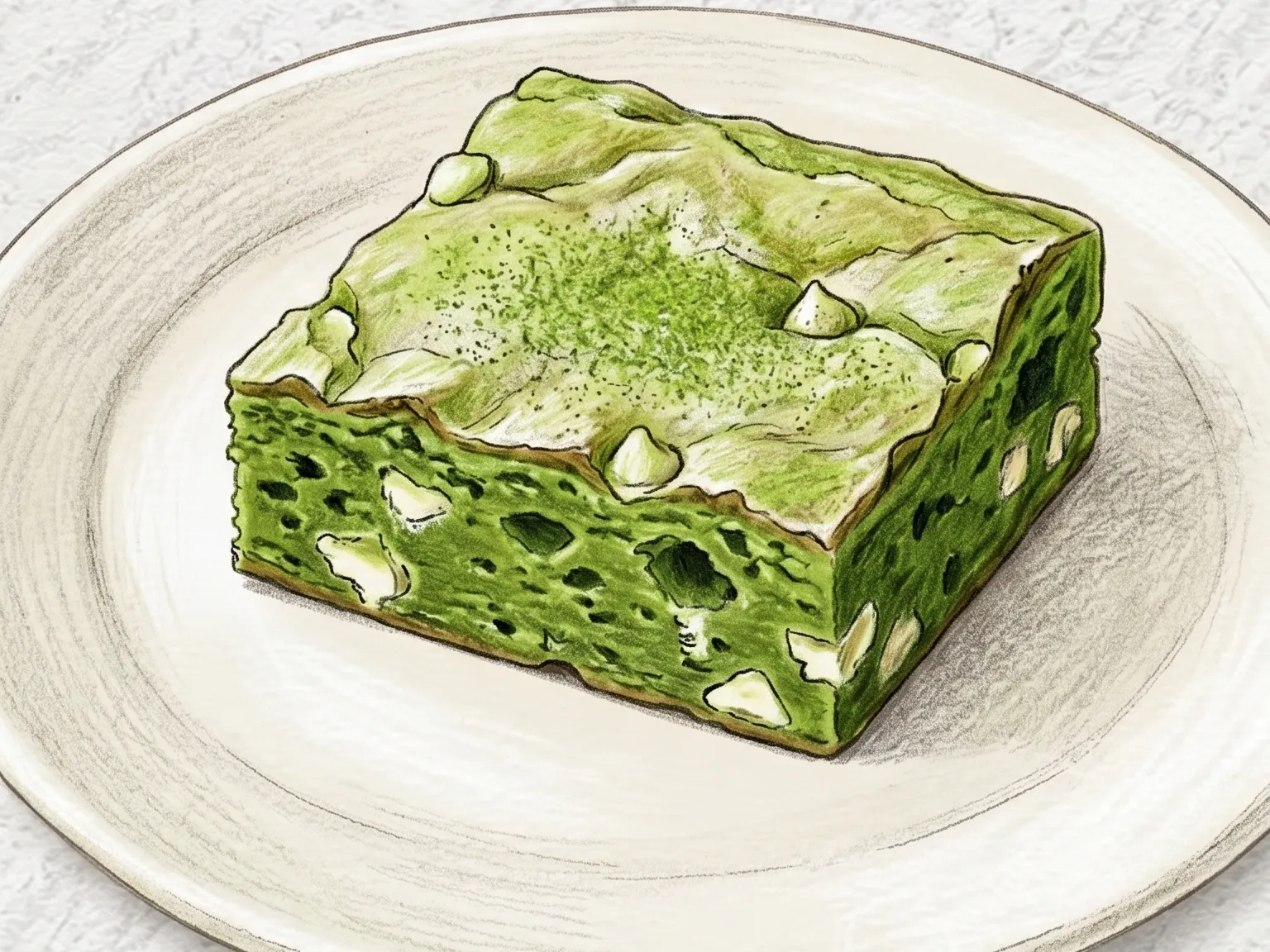
Snickerdoodle Cookies (American Cinnamon-Sugar Baked Cookies)
Snickerdoodles are rolled in cinnamon sugar before baking, which creates a crackled, patterned surface and perfumes each cookie with warm spice from edge to center. Cream of tartar in the dough gives snickerdoodles their signature tanginess - a faint, pleasant acidity that distinguishes them from ordinary sugar cookies - and contributes to the soft, pillowy interior that stays chewy even after cooling. The exterior develops a thin, lightly crisp shell where the cinnamon sugar caramelizes, but the center remains dense and yielding. A high butter-to-flour ratio keeps the cookies tender for days. The cinnamon coating also darkens attractively in the oven, producing the distinctive web of cracks across the top. Paired with a glass of cold milk, the warm spice and cool dairy play off each other in a combination that has made snickerdoodles a staple of American home baking.
Soboro Bread (Korean Sweet Streusel-Topped Bun)
Soboro bread is a Korean bakery staple that tops a soft, milk-enriched yeast bun with a layer of sweet cookie crumble. The bun interior is pillowy and slightly sweet, with a fine crumb that tears in gentle strands, while the streusel cap - mixed from butter, sugar, egg, and flour - bakes into a crunchy, golden shell that cracks into irregular pieces. The appeal lies in the contrast: each bite delivers both the airy softness of enriched bread and the sandy crunch of a cookie. Applying the crumble after the second proof, rather than before, prevents the rising dough from being weighed down and allows the surface to fracture naturally in the oven's heat. The crumble stays crisp even after the bread cools completely, which is why soboro bread remains satisfying the next day when many other bakery items have gone stale.
Salt Bread (Sogeum-ppang - Korean Bakery Butter Roll)
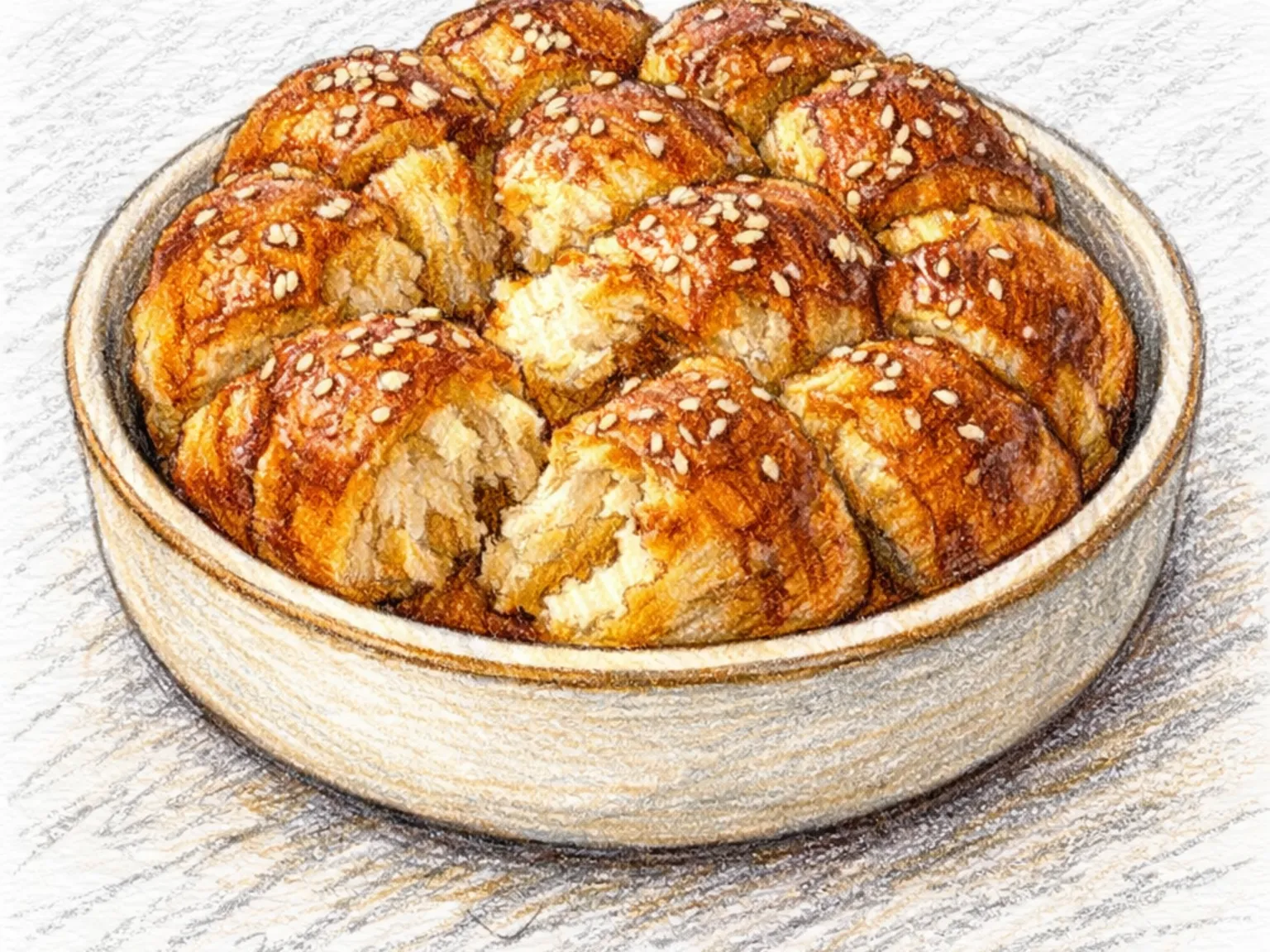
Salt bread is a Korean bakery favorite built on a simple premise: yeasted dough enriched with milk is wrapped around a plug of cold butter, shaped into a tapered roll, and baked at high heat. The butter melts during baking and saturates the crumb from the inside out, while the exterior develops a thin, crackling crust. Coarse salt sprinkled on top before the oven amplifies the butter's richness and adds sharp, crystalline bites that punctuate each mouthful. A full second proof is essential - underproofed dough bakes dense and heavy - and a hot oven ensures the outside crisps before the interior dries out. Eaten warm, when the melted butter is still pooled inside the crumb, the bread delivers its full impact: salty, buttery, and gone in four bites.
Rice Flour Walnut Biscuit Bars
These biscuit bars are built on rice flour and almond flour rather than wheat, producing a crumb that is tender and crumbly with minimal gluten development. Chopped walnuts folded into the dough contribute a firm, nutty crunch that punctuates the otherwise delicate texture. Brown sugar provides a caramel-like depth of sweetness, and vanilla extract ties the flavors together with a gentle warmth. Toasting the walnuts before adding them to the batter intensifies their flavor significantly - the roasted oils become more fragrant and the nuts take on a slightly bitter edge that balances the sugar. Pressing the dough evenly into the pan is important for uniform baking; uneven thickness means burnt corners and pale centers. The bars must cool completely in the pan before slicing, or they will crumble apart at the cut. Stored in an airtight container, they maintain their snap for several days. The near-absence of gluten makes these bars lighter than a traditional shortbread while still delivering the satisfying richness that butter and nuts provide.
Mugwort Red Bean Muffin (Korean Herbal Sweet Bean Muffin)
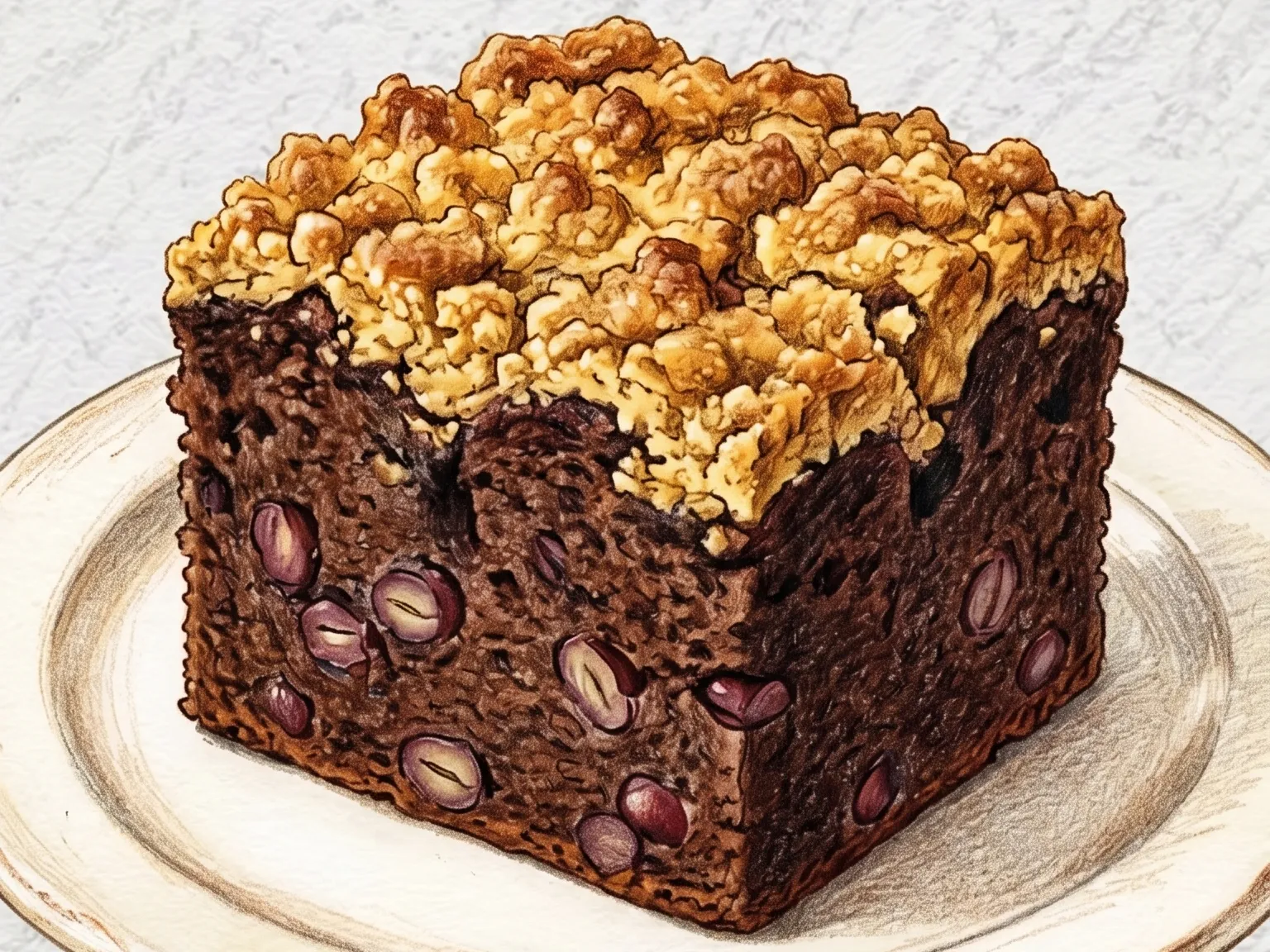
This muffin combines mugwort powder and cooked sweet red beans in a soft, fluffy batter that bridges Korean traditional flavors with Western baking technique. Mugwort contributes a distinctive herbal fragrance - faintly bitter, grassy, and deeply aromatic - that permeates the entire crumb and gives it a muted green hue. The red beans, folded in whole, add pockets of grainy sweetness that burst with each bite. Cake flour and baking powder keep the rise gentle and the texture light, while melted butter adds moisture without heaviness. The combination of mugwort and red bean is deeply familiar from Korean rice cakes, but baking it as a muffin introduces a crisp top and a pillowy interior that the steamed rice cake format cannot offer. Mixing the batter in no more than ten to twelve strokes prevents toughness - visible streaks of flour are acceptable and even preferred over a smooth, overworked batter. The beans should be folded in last with a gentle spatula motion to preserve their shape. These muffins pair naturally with grain-based lattes, where the roasted notes in the drink echo the earthy quality of the mugwort.
Sticky Toffee Pudding
Sticky toffee pudding is a British dessert consisting of a moist date sponge cake drenched in a warm, buttery toffee sauce. Chopped dates are soaked in hot water with baking soda, which softens the fruit into a near-puree that distributes through the batter, providing natural sweetness and exceptional moisture. Brown sugar in the batter deepens the caramel character, and eggs give the sponge just enough structure to hold together under the weight of the sauce. The toffee sauce is made by simmering heavy cream with additional brown sugar and butter until it thickens to a pourable consistency that coats a spoon. Poured over the warm cake, the sauce seeps into the crumb and pools around the edges, creating a sticky, glossy finish. Reheating the sauce just before serving ensures it flows freely and releases its full butterscotch aroma. A scoop of vanilla ice cream on the side provides a cold, clean contrast that prevents the richness from becoming overwhelming. The dates must be thoroughly soaked - under-softened pieces leave gritty pockets in an otherwise uniformly tender cake.
Strawberry Shortcake
Three layers of airy chiffon sponge are stacked with generous swirls of whipped cream and halved fresh strawberries in the style of Japanese patisseries. The sponge is made by warming eggs and sugar over a water bath before whipping to ribbon stage, which traps enough air to give each slice a pillowy, cloud-like texture. Cream is whipped to roughly eighty percent - firm enough to hold its shape between layers yet soft enough to feel silky on the tongue. Strawberry acidity cuts through the fat in the cream, keeping every bite bright rather than cloying. A light brush of simple syrup on each sponge layer before assembly adds moisture that sustains the cake through refrigeration overnight. The whole cake is then coated in cream and decorated with berries on top. This is the default birthday cake in many Japanese and Korean households, and its clean, fruit-forward flavor makes it adaptable to any seasonal fruit.
Sweet Potato Cinnamon Muffins
Steamed sweet potato is mashed smooth and folded into a quick-mix muffin batter scented with ground cinnamon. The potato provides natural sweetness that reduces the need for refined sugar, while its moisture keeps the crumb soft and tender for days. Cinnamon amplifies the warm character of the sweet potato rather than competing with it, and a neutral oil base makes the muffins lighter than their butter-based counterparts. The mixing technique is critical: stirring beyond the point where dry flour disappears overdevelops gluten and produces a tough result. Because sweet potatoes vary in water content, the milk should be adjusted in ten-milliliter increments - wetter puree needs less liquid. Once baked, the muffins are best cooled on a wire rack so residual heat dries the surface into a faintly crisp shell that contrasts with the pillowy interior.
Sweet Potato Cream Cheese Galette
The success of a rustic galette depends on maintaining cold temperatures during the pastry preparation. By rubbing cold butter into flour to create coarse crumbs, the dough bakes into a crisp, laminated shell with distinct layers. This flat pastry base holds a filling of mashed sweet potato combined with cream cheese, honey, and ground cinnamon. The sweet potato offers a mellow sweetness, while the cream cheese introduces a sharp acidity that balances the overall profile. Honey serves as the binding agent that pulls these components into a unified mixture. Cinnamon provides a warm aromatic element that enhances the autumnal quality of the bake. It is essential to handle the dough quickly; if the butter begins to soften, returning the pastry to the refrigerator immediately preserves the flaky texture. When assembling, leaving a clear four-centimeter border around the filling ensures a clean folding process and prevents leakage in the oven. Using a drier variety of sweet potato, such as the chestnut-type, is effective in preventing a soggy bottom as it contains less moisture. For the best experience, the galette should be served while still warm to enjoy the contrast between the brittle crust and the soft, creamy center. Small amounts of ginger or cardamom can be substituted for cinnamon to create different aromatic profiles.
Sweet Potato Mochi Bread Rings
Tapioca starch is scalded in hot milk and butter, then kneaded with mashed sweet potato, egg, and grated parmesan to form a chewy dough that is shaped into rings and baked. This is a Korean riff on Brazilian cheese bread, where the tapioca creates a springy, stretchy crumb entirely unlike wheat-based baking. Sweet potato lends mild sweetness and a golden hue, while the cheese contributes a salty, savory edge that prevents the bread from tasting like dessert. The ring shape ensures even heat distribution, so the exterior turns golden and crisp while the interior stays elastic and stretchy. These are best eaten within minutes of leaving the oven, when the mochi-like pull is at its peak - once cooled, the chew diminishes noticeably. If the dough feels too wet during mixing, adding tapioca starch in five-gram increments brings it to the right consistency.
Goguma Streusel Loaf Bread (Sweet Potato Streusel Loaf)
Sweet potato puree is whisked into a batter enriched with brown sugar, eggs, and neutral oil, then baked in a loaf pan with a generous layer of butter streusel on top. The puree keeps the crumb remarkably moist and dense, while the streusel bakes into crunchy, crumbly clusters that shatter against the soft interior. Cinnamon reinforces the sweet potato's warmth, and brown sugar deepens the flavor with a faint molasses note. The streusel must be prepared with cold butter rubbed by hand into flour and sugar - the coarse, irregular texture is what creates the satisfying crunch after baking. If the puree is particularly wet, reducing the milk by ten milliliters prevents a batter that is too loose. Should the top brown too quickly during the long bake, a loose tent of foil protects the streusel without trapping steam. The loaf slices most neatly after cooling completely on a rack.
Tarte Bourdaloue (French Pear Almond Frangipane Tart)
A crisp tart shell is lined with frangipane - a mixture of almond flour, butter, egg, and sugar - then topped with halved or sliced pears and baked until the almond cream rises around the fruit and turns golden. The frangipane puffs gently in the oven, enveloping the pear in a dense, moist almond layer, while juice from the fruit seeps into the cream and lightens its richness. Poached pears produce the most tender result and cook evenly, but raw pears work if sliced thin enough to soften during baking. Overmixing the frangipane compacts the crumb and eliminates the delicate rise, so the batter should be combined only until the ingredients are incorporated. Scattered sliced almonds on top before baking add visual appeal and an extra layer of nutty crunch. This tart originated on Rue Bourdaloue in Paris and remains one of the essential recipes in French patisserie.
Tiramisu
Tiramisu is assembled by alternating layers of savoiardi biscuits that have been soaked in espresso with a prepared mascarpone cream, after which the dish is placed in the refrigerator to allow the individual elements to integrate into a unified dessert. The cream layer is produced by whisking egg yolks with sugar until the base reaches a pale color and a thick volume, followed by the folding in of mascarpone cheese. This method ensures the mixture remains airy while retaining enough density to support its own weight and the layers of biscuits. Each savoiardi biscuit is dipped into strong espresso for approximately one to two seconds on each side. If the biscuits are held in the liquid for any additional time, they will dissolve into a soft mush that lacks the strength to hold the cream. A minimum of six hours in the refrigerator is necessary to complete the transformation of the dessert. During this resting phase, the biscuits absorb moisture from the surrounding cream and soften until they reach a consistency similar to cake, while the cream itself firms up and the flavors of the different components begin to merge. The final step involves applying a generous coating of unsweetened cocoa powder through a fine mesh sieve. This layer provides a bitter profile that frames the sweetness of the mascarpone and the roasted intensity of the espresso. In more traditional preparations, a splash of Marsala wine or a coffee-flavored liqueur is often mixed into the espresso soaking liquid to add a sense of warmth and a more complex flavor profile to the finished product.
Tofu Chocolate Loaf Cake (Light Cocoa Loaf with Silken Tofu)
Soft tofu is blended smooth and folded into a cocoa batter, replacing some of the butter and egg to produce a loaf cake that is moist, dense, and noticeably lighter in fat than a conventional chocolate cake. The cocoa provides deep, bittersweet flavor while the tofu contributes a clean, neutral backdrop - any bean taste is completely masked by the intensity of the cocoa. Neutral oil in the batter maintains moisture over several days, so the cake stays soft well after baking. The crumb is compact yet tender, somewhere between a brownie and a pound cake in density. Smoothing the surface of the batter before it enters the oven ensures an even rise and a flat top suitable for dusting with powdered sugar or glazing with dark chocolate ganache. Because the tofu adds water content, the baking time may run slightly longer than a standard loaf; a skewer inserted into the center should come out with only a few moist crumbs, not wet batter.
Tourte aux Blettes (Niçoise Swiss Chard Pie)
A unique sweet pie from Nice, France, filled with Swiss chard, raisins, pine nuts, and apples, baked inside a golden pastry crust.
Tres Leches Cake (Latin Three-Milk Soaked Sponge Cake)
A light sponge cake is baked, perforated with a fork, and then drenched in a mixture of three milks - whole milk, sweetened condensed milk, and evaporated milk - until the crumb absorbs the liquid and transforms into something closer to custard than cake. Each milk contributes a distinct quality: whole milk provides clean dairy flavor, condensed milk adds concentrated sweetness and body, and evaporated milk brings a faintly caramelized undertone. The soaking liquid must be poured in stages so the sponge absorbs evenly rather than pooling at the bottom. After at least two hours of refrigeration - overnight is better - the cake reaches its signature ultra-moist state, wet enough to spoon yet firm enough to slice. Whipped cream spread over the top provides a cool, airy contrast to the dense, sweet base, and the combination of the cold cream with the soaked cake is what gives tres leches its distinctive character across Latin American celebrations.
Vanilla Cupcakes
Butter and sugar are creamed until pale and fluffy, then eggs, vanilla extract, cake flour, and milk are incorporated to produce the most versatile cupcake in home baking. The creaming step is where the texture is decided: enough air beaten into the butter creates a light, tender crumb, while under-creaming yields a dense, flat result. Each egg is added individually to maintain a stable emulsion, and the low protein content of cake flour keeps the finished cupcake soft rather than chewy. Filling each liner to seventy percent capacity allows a domed rise without overflow, and the oven door should remain closed for the first fifteen minutes to prevent collapse. Once cooled, these cupcakes accept virtually any frosting - buttercream, cream cheese, ganache - without the base flavor competing. The vanilla is warm and present but never dominant, which is exactly what makes this recipe a dependable foundation for countless variations.
Vanilla Honey Madeleines (French Shell Cakes with Honey)
Eggs, sugar, and honey are whisked together, then combined with melted butter, cake flour, and vanilla to form a batter that bakes into small, shell-shaped French cakes with a characteristic bump on the back. The honey works alongside sugar to sweeten the madeleine while contributing a floral undertone that plain sugar cannot provide. Melted butter saturates the batter with richness, and vanilla bridges the honey and butter flavors into a cohesive aroma. Chilling the batter for at least thirty minutes is the key to the signature hump - the cold batter hitting the hot oven creates a rapid rise in the center while the edges have already begun to set. Each mold cavity should be well-buttered and filled to eighty percent to ensure clean edges and consistent shape. Baking time is brief, ten to twelve minutes, and the madeleines must be removed as soon as the rims turn golden to preserve the moist, spongy interior. They are best eaten within hours of baking, when the crust is still faintly crisp and the center yields softly.
Victoria Sponge Cake (British Jam and Cream Layered Cake)
Equal weights of butter and sugar are creamed together, then eggs and cake flour are added to produce two round sponge layers that are sandwiched with strawberry jam and whipped cream - the defining structure of this classic British cake. Named after Queen Victoria, the cake is deliberately simple in presentation: no elaborate frosting or tiered decoration, just a dusting of powdered sugar on top. Thorough creaming is essential to a light rise, and room-temperature eggs integrate into the batter without curdling. The jam provides a bright, tart contrast to the buttery sponge, while the whipped cream softens each bite with cool richness. Both layers must cool completely before assembly, as warm sponge melts the cream and causes the filling to slide. Refrigerated, the cake stays moist through the next day, and the jam and cream flavors deepen as they settle into the sponge overnight. It is the standard cake served at British afternoon teas and garden parties.
Whoopie Pie
Two dome-shaped cocoa cake cookies sandwich a generous swirl of marshmallow cream, creating an American classic that straddles the line between cookie and cake. The cookies are thicker and softer than standard drop cookies, with a moist, cakey crumb that yields gently when bitten. Cocoa provides a mild bitterness that grounds the filling, while the marshmallow cream is airy, sweet, and slightly sticky. Spacing the batter mounds well apart on the baking sheet is important, as they spread during baking into the flat, round shape that defines a whoopie pie. Filling must wait until the cookies are completely cool; warm cookies melt the cream and create a messy result. Matching pairs by size before assembly produces a uniform, professional look. Stored in the refrigerator, the cream firms and seeps into the cookies overnight, producing a denser, fudgier texture that many prefer to the freshly assembled version.
Yuja Basque Cheesecake (Korean Citrus Burnt Cheesecake)
Cream cheese batter is infused with yuja marmalade and zest, then baked at very high heat until the surface blisters into a dark, almost burnt crust while the interior remains a barely set, spoonable cream. The yuja - a Korean citrus prized for its intense fragrance - lifts the dense richness of the cream cheese with a bright, floral acidity that lingers on the palate. This citrus note distinguishes the cake from standard Basque cheesecake, which relies solely on dairy richness. Oven temperature must reach at least 230 degrees Celsius to achieve the rapid caramelization on the outside before the center has time to firm. Crumpled parchment lining the pan creates the characteristic wrinkled edges. After baking, the cake is cooled and then refrigerated, which gradually thickens the center from a flowing custard to a dense, mousse-like consistency. Served cold, each slice holds its shape on the plate while still feeling creamy and yielding on the fork.
Yuja Cream Cheese Tart (Korean Citron Cream Cheese No-Bake Tart)
Yuja Cream Cheese Tart features a crunchy biscuit crust filled with a smooth, oven-baked cream cheese filling sweetened with yuja marmalade. The crust is made from crushed digestive biscuits and melted butter, pressed into a pan and baked until fragrant. For the filling, softened cream cheese is whipped with sugar, eggs, heavy cream, and Korean citron marmalade. A splash of lemon juice is added to elevate the acidity and brighten the citrus notes. This filling is poured over the pre-baked base and baked until the edges set while the center remains slightly soft. After cooling, the tart is chilled in the refrigerator for at least two hours to achieve a dense, mousse-like consistency. Resting the tart overnight allows the citrus peel to infuse the creamy filling, creating a balance of sweet and tangy flavors.
Yuja Saenggang Baked Donuts (Yuja Ginger Baked Donuts)
The preparation of these doughnuts involves folding yuja marmalade and finely grated fresh ginger into a light batter base. The mixture is then transferred to a doughnut pan and baked in the oven rather than being fried in oil. This specific cooking method produces an oil-free doughnut characterized by a soft and fluffy crumb that is highly fragrant with citrus notes. The yuja component contributes a floral and complex citrus profile that offers a perfumed quality more intricate than the flavor of a standard lemon or orange. Complementing this, the ginger provides a mild and warm spiciness that persists quietly in the background of each bite. Because the doughnuts are baked, the internal structure stays light, which ensures that the specific flavor of the yuja is not masked by the presence of frying oil. While the doughnuts are still warm from the oven, a thin honey glaze is brushed over the surface. This application creates a glossy appearance and adds a layer of sweetness that functions to seal in the moisture of the crumb. During the preparation of the batter, the ingredients should be combined only until the dry components are just incorporated. Mixing the batter too much will lead to a finished product that is tough and dense. Filling the pan cavities to eighty percent of their capacity allows for an even rise and prevents the batter from spilling over the edges during baking. Finally, the doughnuts require a five-minute rest period within the pan after they are removed from the oven. This time allows the structure to firm up, ensuring that each doughnut can be removed cleanly from the mold.
Yuja Saenggang Scone (Yuja Ginger Scone)
Cold butter is rubbed into flour to form coarse crumbs, then yuja marmalade and ginger juice are mixed in to create a dough that bakes into scones with a crumbly, flaky exterior and a moist, tender center. The yuja contributes a bright citrus fragrance that is more aromatic and floral than lemon, pairing naturally with the buttery richness of the scone. Ginger adds a subtle warmth that tempers the sweetness and leaves a clean finish. Minimal handling of the dough preserves the cold butter pockets that generate flaky layers during baking - if the dough warms, it should be returned to the refrigerator immediately. Shaping into rounds and brushing the tops with egg wash produces a golden, glossy crust. These scones are at their best served warm with clotted cream or yuja curd, where the citrus notes in the spread echo those baked into the scone itself. The combination of Korean citrus and British baking tradition makes this a distinctive cross-cultural pastry.