Recipes with ginger

237 recipes. Page 10 of 10

Buy ginger
Boiled Beef Head Slices
Steamed Hard

Boiled Beef Head Slices

Beef head meat is soaked and parboiled before a long simmer with scallion, garlic, ginger, peppercorns, and soju. Once a chopstick enters easily, cool the meat slightly and cut it into thin slices.

🍺 Bar Snacks 🎉 Special Occasion
Prep 30min Cook 120min 3 servings
Korean Spicy Fermented Squid Jeotgal
Kimchi Medium

Korean Spicy Fermented Squid Jeotgal

Ojingeo jeotgal is a Korean fermented squid preserve made by salting cleaned, finely chopped squid for one hour to firm the flesh and extract moisture, then dressing it in a paste of gochugaru, minced garlic, ginger, fish sauce, and corn syrup. The salt cure intensifies the squid's natural chewiness, and cutting the pieces small accelerates seasoning absorption during the two-to-three-day cold fermentation. Chili flakes coat every surface in a deep red layer that delivers steady heat, while corn syrup adds gloss and a mild sweetness that prevents the salt from dominating. Spooned over steamed rice, each piece offers a firm, springy chew followed by a wave of fermented umami. Mixing in a touch of sesame oil before serving softens the saltiness and adds a nutty fragrance that rounds out each mouthful.

🍱 Lunchbox 🏠 Everyday
Prep 30min 4 servings
Saba Misoni (Japanese Miso Mackerel Recipe)
Asian Medium

Saba Misoni (Japanese Miso Mackerel Recipe)

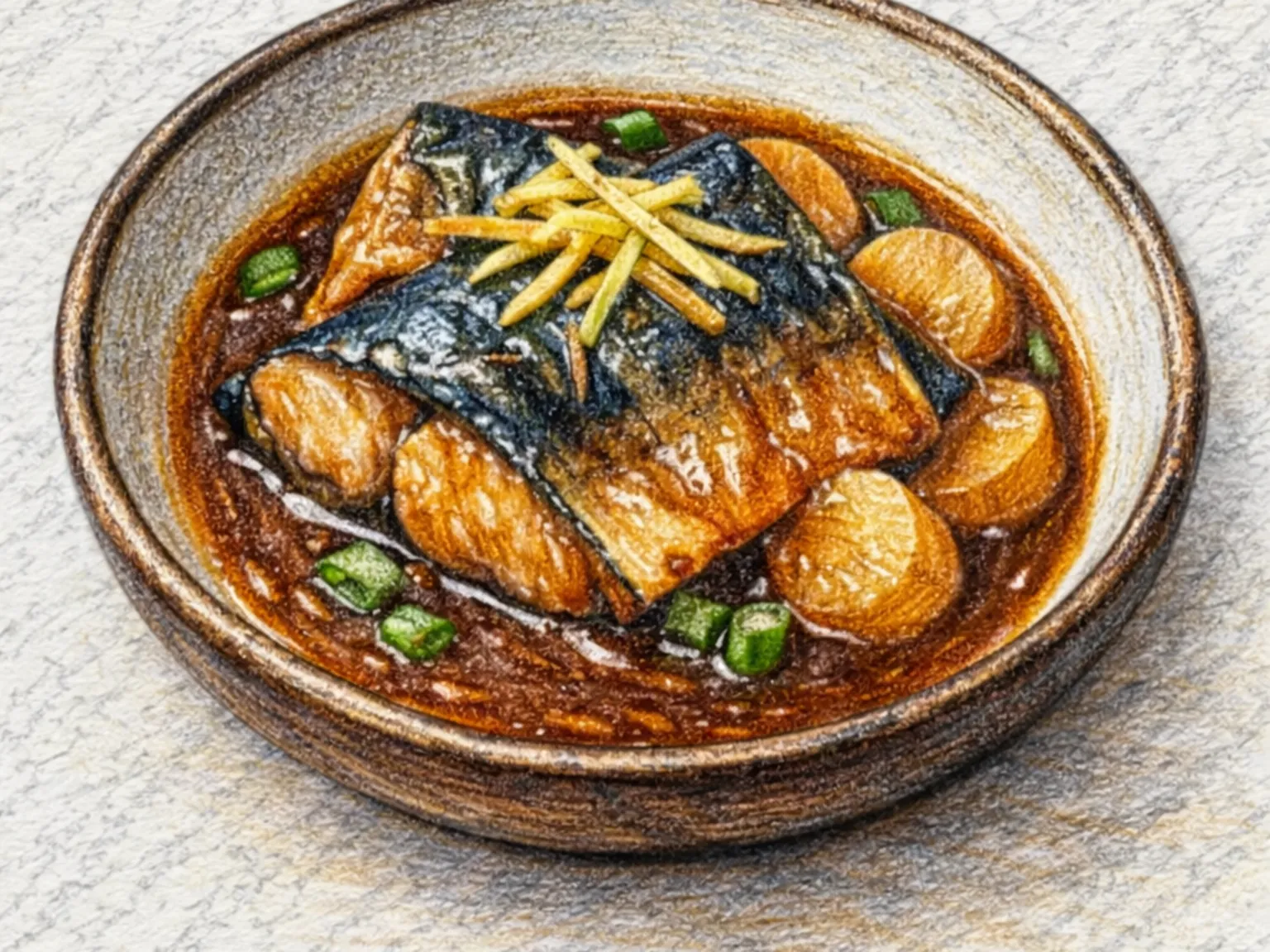
Saba miso-ni is a cornerstone of Japanese home cooking, a dish most cooks can make from memory. Mackerel fillets are first doused with boiling water to remove surface proteins and odor, then placed skin-side up in a shallow pan with a sauce of white or red miso, soy sauce, mirin, sake, and sugar. Thick slices of ginger go in alongside the fish, neutralizing any remaining fishiness and lending a clean, sharp note to the broth. The pan is covered with a drop lid so the simmering liquid bastes the fillets continuously, building a glossy, caramelized miso coating on the surface. The finished fish is so tender it flakes at the touch of chopsticks, and the reduced sauce has concentrated into a thick glaze that clings to each piece. Served over steamed rice, a single fillet and a spoonful of sauce make a complete meal.

🏠 Everyday 🍱 Lunchbox
Prep 8min Cook 18min 2 servings
Korean Soy-Braised Chicken Wings
Steamed Easy

Korean Soy-Braised Chicken Wings

Korean soy-braised chicken wings are simmered in a glaze of soy sauce, sugar, garlic, and ginger until the sauce reduces to a thick, shiny coating. Scoring the wings beforehand allows the seasoning to reach the meat, and twenty minutes of covered braising followed by ten minutes of uncovered reduction concentrates the liquid into a sticky lacquer. Ginger keeps the flavor clean by neutralizing any gamey notes, and a finishing drizzle of sesame oil adds warmth. The wings come out so tender that the meat slides off the bone easily, making this a crowd-pleasing dish for children and adults alike.

🧒 Kid-Friendly 🍱 Lunchbox
Prep 15min Cook 35min 3 servings
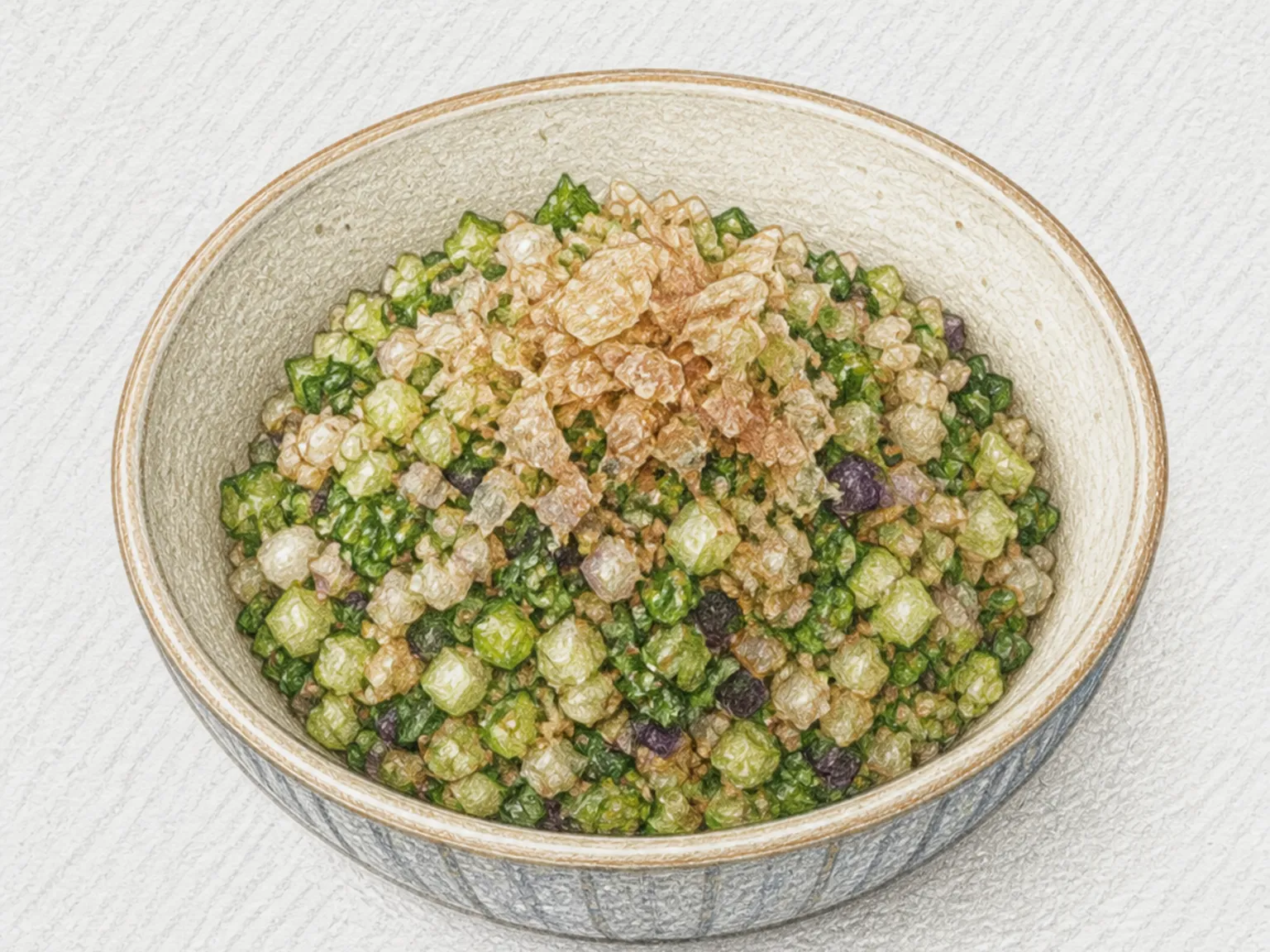
Omizuke (Yamagata Chopped Mustard Green Pickle)
Kimchi Medium

Omizuke (Yamagata Chopped Mustard Green Pickle)

Omizuke is a chopped vegetable pickle from the Murayama, Mogami, and Okitama areas of Yamagata Prefecture. Yamagata seisai mustard greens, daikon, carrot, and Jerusalem artichoke are cut into small pieces, salted, and pressed overnight under a weight about twice as heavy as the vegetables. The released green liquid is discarded, and the vegetables are rinsed and squeezed well. Salted perilla seeds, edible chrysanthemum petals, and ginger are mixed in before a boiled and fully cooled dressing of soy sauce, coarse sugar, and mirin is added. A light weight keeps everything beneath the liquid during refrigerated pickling. It is ready after 2 to 3 days and may be served with rice or used in rice balls, ochazuke, and fried rice. Because the salt level is mild, keep it refrigerated and finish it within about two weeks.

🏠 Everyday 🍱 Lunchbox
Prep 35min Cook 15min 20 servings
Three Cup Chicken (Taiwanese Soy Sesame Oil Rice Wine Braised Chicken)
Asian Medium

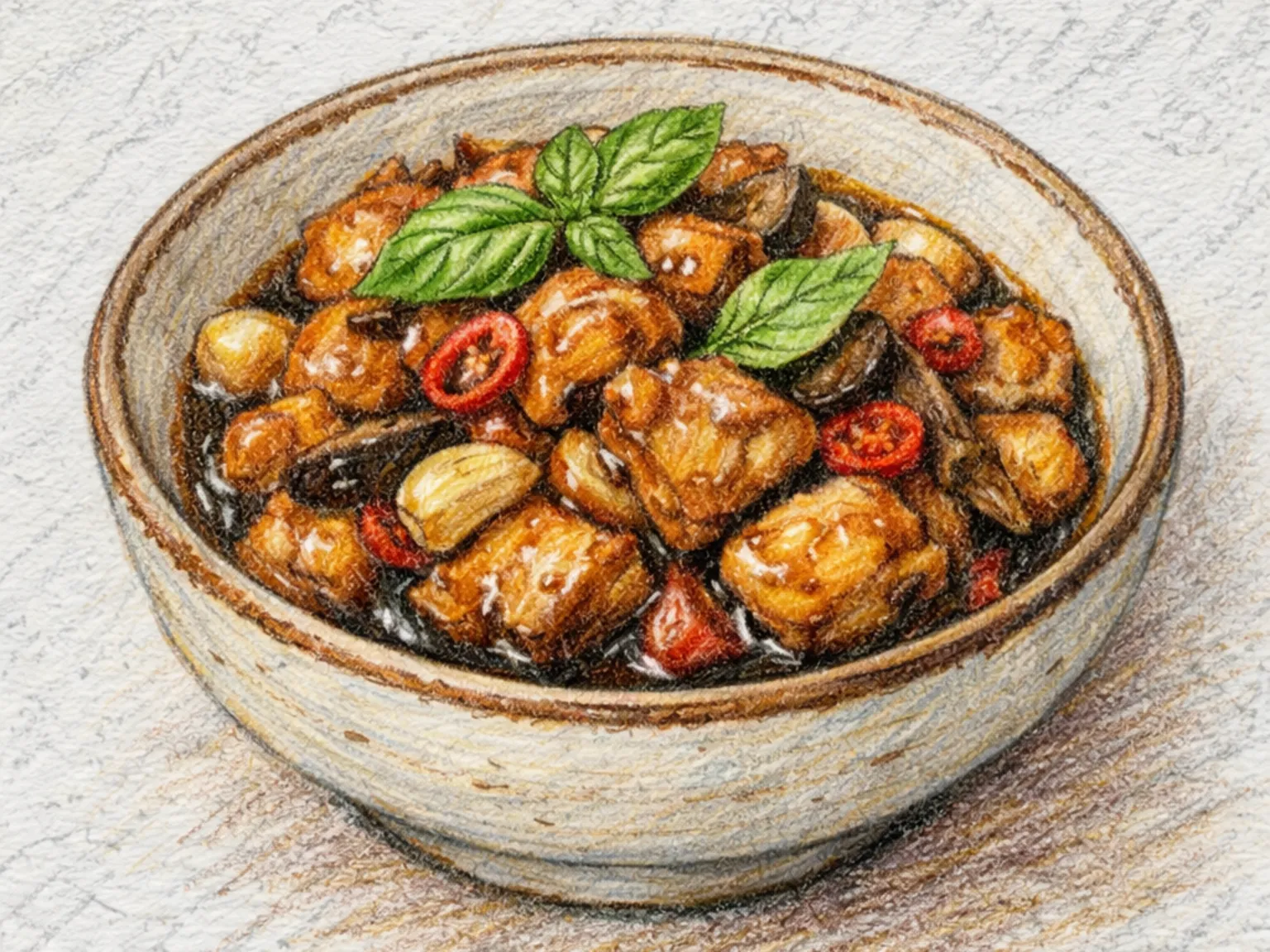
Three Cup Chicken (Taiwanese Soy Sesame Oil Rice Wine Braised Chicken)

San bei ji, or Three Cup Chicken, is a Taiwanese braise named for the equal measures of soy sauce, sesame oil, and rice wine that form its sauce. The cooking begins with toasted sesame oil in a clay pot, followed by thin slices of garlic and ginger fried until golden. Bone-in chicken pieces, seared to a light crust, join the pot along with the soy sauce and rice wine. As the liquid reduces over moderate heat, it thickens into a dark, glossy glaze that coats every piece of chicken. The final and defining step is a generous handful of Thai basil leaves stirred in just before serving - the residual heat wilts the leaves and releases a sharp, peppery aroma that lifts the rich sauce. The dish is served directly in the clay pot, still bubbling, and paired with plain steamed rice to soak up the concentrated sauce.

🍺 Bar Snacks 🎉 Special Occasion
Prep 15min Cook 25min 3 servings
Korean Braised Beef Trotter
Steamed Hard

Korean Braised Beef Trotter

Ujok-jjim is Korean braised beef trotter simmered for over two hours with soy sauce, garlic, ginger, and green onion until the collagen-rich joints turn soft and gelatinous. The long, low braise dissolves the connective tissue into the cooking liquid, making it so concentrated that it sets into a firm jelly when cooled. Sugar and soy sauce create a sweet-savory seasoning that penetrates deep into the layered skin and tendons. Traditionally regarded as a nourishing food for joint health, this is a slow-cooked comfort dish especially popular among older generations in Korea.

🎉 Special Occasion
Prep 25min Cook 120min 4 servings
Fresh Whole Cabbage Kimchi
Kimchi Medium

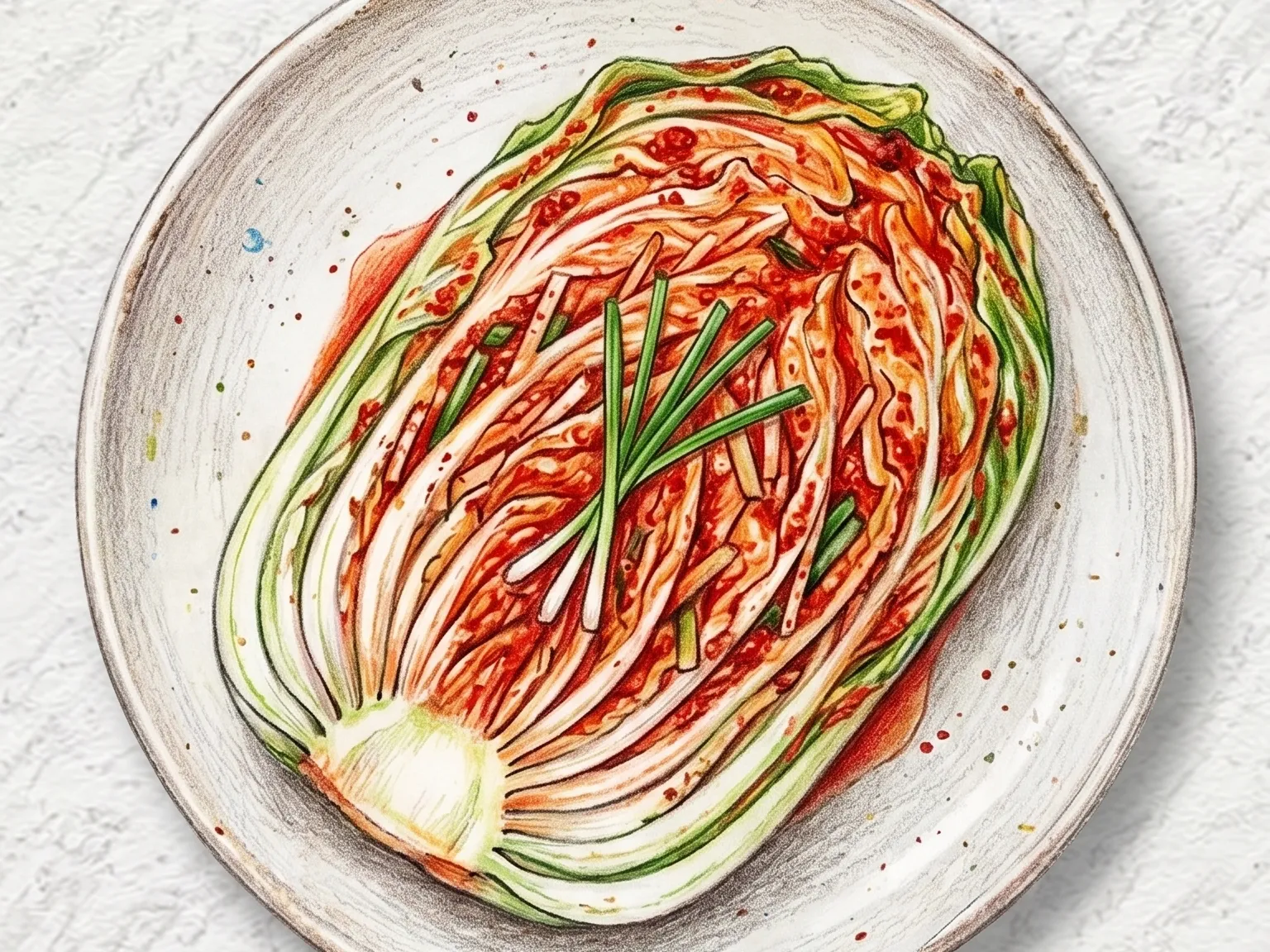
Fresh Whole Cabbage Kimchi

Fresh whole cabbage kimchi is a side dish prepared by mixing fresh, unsalted napa cabbage directly with spicy seasoning to deliver a sharper and crisper texture than fermented versions. Cleaned napa cabbage leaves are torn lengthwise and combined with a seasoning paste made of chili flakes, anchovy fish sauce, minced garlic, ginger, and plum extract. The addition of plum extract provides an enzymatic sweetness and deep flavor without requiring any fermentation time. Green onions cut into four to five centimeters and sesame seeds are folded in gently at the end. To enjoy the firm texture without the dish becoming watery, it should be consumed immediately after mixing when the cabbage cells are still intact. This salad-like kimchi offers a refreshing, spicy, and immediate taste.

🔥 Trending Now 🥗 Light & Healthy
Prep 40min Cook 15min 4 servings
Singapore Chili Crab (Singaporean Whole Mud Crab in Sweet Spicy Sauce)
Asian Hard

Singapore Chili Crab (Singaporean Whole Mud Crab in Sweet Spicy Sauce)

Singapore chili crab is a national dish built around whole mud crabs wok-fried in a thick, glossy sauce that balances sweet, sour, and spicy in every spoonful. The sauce is a mixture of ketchup, sambal, garlic, and sugar, brightened with rice vinegar and thickened at the end with beaten egg, which curdles into soft ribbons throughout the gravy. The crabs are cracked but not fully shelled, so diners must work for each piece of meat - prying open claws, sucking sauce from joints, and using the back of a spoon to scoop gravy-coated flesh from the body. Deep-fried mantou buns served alongside are the essential mop for the remaining sauce; no self-respecting plate leaves any behind. The eating is loud, messy, and communal, with stacks of napkins and finger bowls as standard table settings.

🎉 Special Occasion 🍱 Lunchbox
Prep 25min Cook 25min 4 servings
Korean Pickled Ginger in Soy-Vinegar Brine
Kimchi Easy

Korean Pickled Ginger in Soy-Vinegar Brine

Saenggang jangajji is a traditional Korean soy-and-vinegar pickled ginger built on one precise technique: peeling fresh ginger, slicing it as thin as possible, blanching the slices for exactly thirty seconds to blunt their raw bite without stripping fragrance, then submerging them in a hot brine of soy sauce, vinegar, water, and sugar. The brief blanch relaxes the tough fibers enough for the brine to penetrate while keeping the aromatic compounds intact. After three days of cold fermentation the sweet, salty, and sour brine soaks through every thin slice, and the sharp initial heat softens into a mellow, rounded warmth. One slice eaten alongside rice cleanses the palate between mouthfuls, and placed next to fatty cuts like pork belly or boiled pork, the pickle's acidity cuts through the grease with clarity. Blanching beyond thirty seconds dissolves the essential oils that give ginger its fragrance, which is why the timing is non-negotiable. Cutting the ginger thinner accelerates brine penetration and shortens the required aging time, and adding a single cheongyang pepper to the brine layers a clean, bright heat over the ginger's natural warmth.

🍱 Lunchbox 🏠 Everyday
Prep 20min Cook 8min 4 servings
Soto Betawi (Jakarta Creamy Coconut Milk Beef Soup)
Asian Hard

Soto Betawi (Jakarta Creamy Coconut Milk Beef Soup)

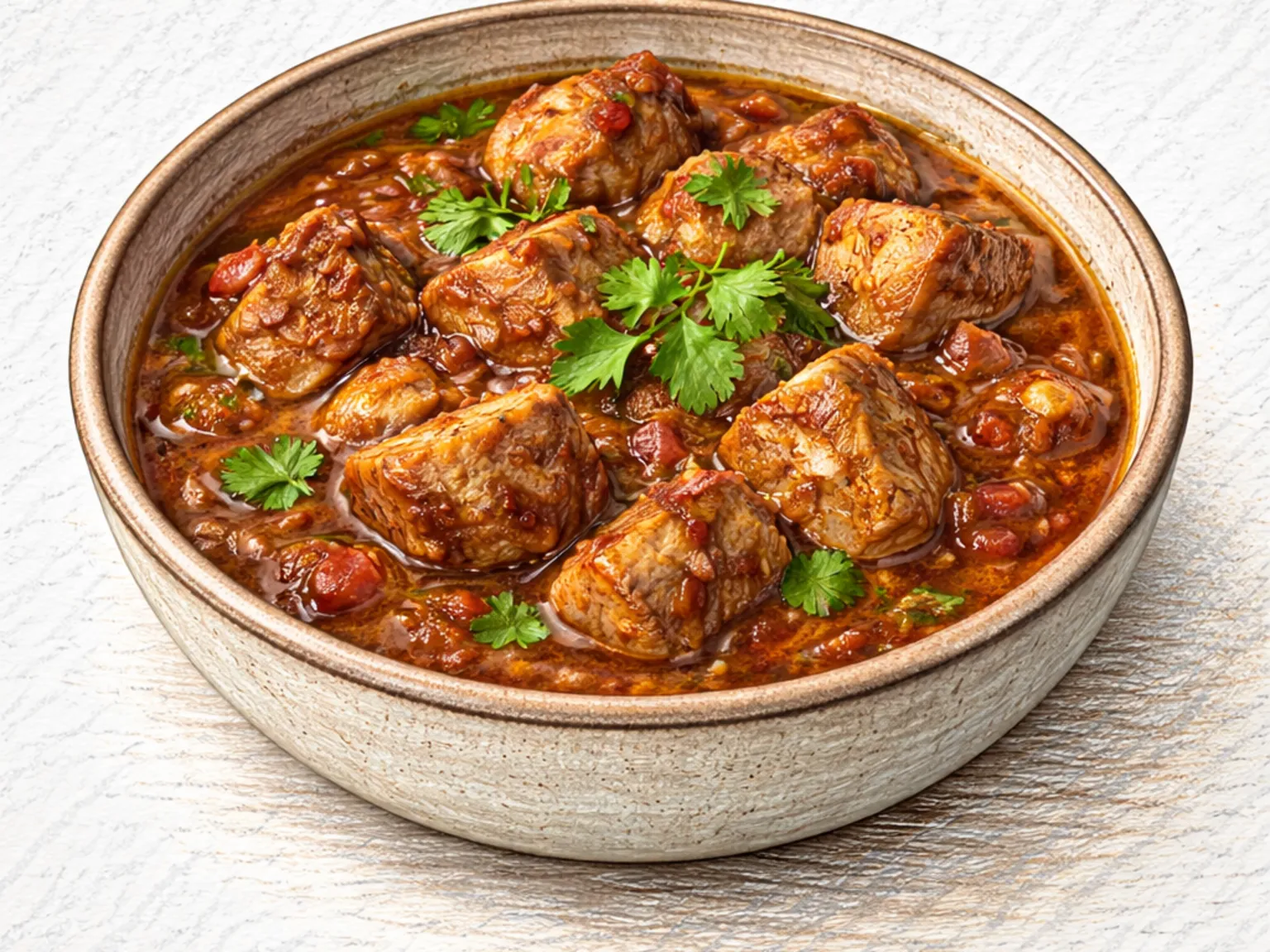
Soto Betawi is a Jakarta-born beef soup distinguished by its creamy, coconut-enriched broth and a layered spice profile. The aromatics begin with a paste of onion, garlic, and ginger, bloomed in oil alongside ground coriander and a cinnamon stick to build a warm, complex base. Beef brisket simmers in this fragrant liquid for forty minutes or more until it yields to the touch, its collagen enriching the stock. Coconut milk and fish sauce are stirred in toward the end, transforming the broth into something rich and velvety while rounding off the sharper spice edges. The finished soup is neither thin nor heavy-it sits in a satisfying middle ground, substantial enough to serve as a main course with steamed rice or crusty bread on the side. Soto Betawi is a point of pride for Jakarta's Betawi community and a fixture of the city's street-food landscape.

🎉 Special Occasion
Prep 20min Cook 55min 4 servings
Korean Bitter Herb Kimchi
Kimchi Hard

Korean Bitter Herb Kimchi

Sseumbagwi kimchi is a traditional spring fermented side dish made from sseumbagwi, a wild bitter herb that grows in Korea during early spring. The herb is soaked in cold water for at least twenty minutes to pull back its pronounced bitterness before being salted to soften the stalks. It is then dressed in a seasoning paste built from gochugaru, sand lance fish sauce, minced garlic, ginger, sweet rice paste, and plum syrup, mixed together with cut scallions. The rice paste adds body to the seasoning so it clings to the herb's thin stems and narrow leaves rather than sliding off. Plum syrup works on both the bitterness and the salt's edge at once, smoothing the overall profile without masking the herb's character. Sand lance fish sauce is preferred over anchovy sauce here because its gentler aroma does not compete with the plant's natural flavor. Five hours of room-temperature fermentation followed by refrigeration sets off lactic acid development, layering tangy depth over the bitter-green base. The flavor peaks around day three when bitterness, acidity, and umami reach the best balance. If the raw herb tastes too sharp, one additional soak in fresh cold water brings it within range before seasoning.

🎉 Special Occasion 🍱 Lunchbox
Prep 45min Cook 5min 4 servings
Suan Cai Yu (Sichuan Pickled Mustard Greens Fish Stew)
Asian Medium

Suan Cai Yu (Sichuan Pickled Mustard Greens Fish Stew)

Suan cai yu is a Sichuan fish stew that draws its defining character from pickled mustard greens-fermented vegetables whose sharp acidity provides the tangy backbone of the dish. The cooking starts with chili oil, garlic, ginger, and dried chilies sizzled together to create a pungent, aromatic base. The rinsed pickled greens go in next, their sour bite mellowing slightly as they simmer in stock for ten minutes, releasing a complex fermented depth into the broth. Thin slices of white fish, lightly dusted with starch to protect their delicate texture, are added at the very end and cooked for only a few minutes so they remain silky and intact. The finished bowl is a study in contrasts: the broth is simultaneously sour from the pickled greens, spicy from the chili oil, and savory from the stock, while the fish offers a clean, mild counterpoint. It is a deeply satisfying dish that showcases Sichuan cuisine's mastery of bold, layered flavors.

🎉 Special Occasion
Prep 20min Cook 25min 4 servings
Zuiki Sweet Vinegar Pickle
Kimchi Easy

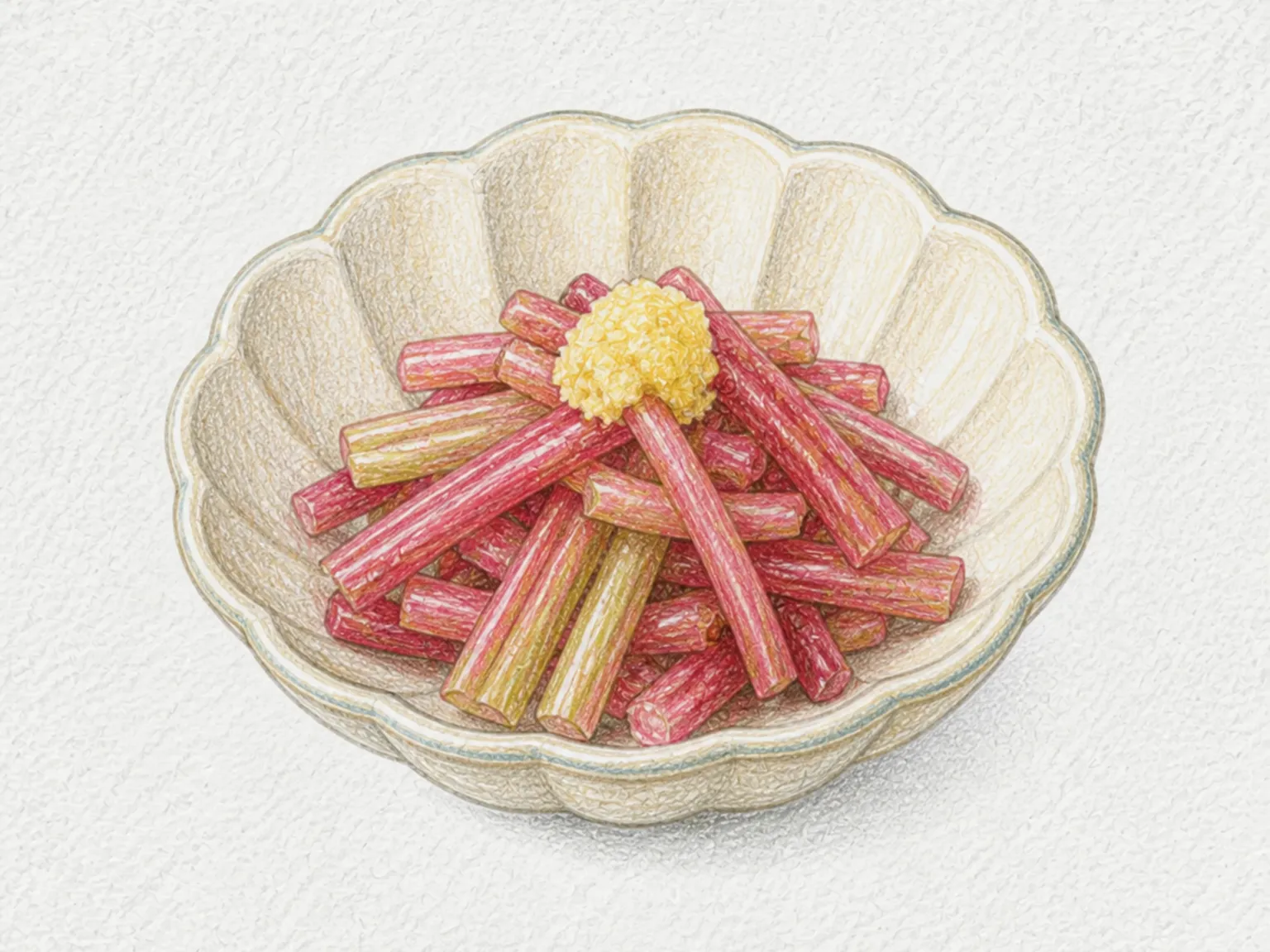
Zuiki Sweet Vinegar Pickle

Zuiki sweet vinegar pickle is a Niigata summer side dish made from the fresh leaf stalks of Yatsugashira taro. The peeled stalks are soaked to draw out harshness, briefly boiled, and placed while hot into a cooled brine of vinegar, sugar, and salt. Zuiki is harvested from June through September, and the vinegar sharpens its natural red color while preserving a lightly crisp, fibrous bite. Boiling the brine first dissolves the sugar and salt evenly; cooling it before adding the hot stalks prevents unnecessary softening. The finished pickle is chilled thoroughly and served with freshly grated ginger for a clean, spicy finish.

🏠 Everyday ⚡ Quick
Prep 45min Cook 8min 4 servings
Sesame Spicy Tantanmen (Chinese Creamy Sesame Chili Oil Noodle Soup)
Asian Medium

Sesame Spicy Tantanmen (Chinese Creamy Sesame Chili Oil Noodle Soup)

Tantanmen is a noodle soup of Chinese origin that is defined by the combination of a creamy sesame-based broth and the sharp heat of chili oil. This pairing creates a bowl of noodles that features nutty, spicy, and savory characteristics all at once. The preparation of the broth starts with a base of chicken stock. To this base, sesame paste is added and whisked thoroughly until it has fully dissolved into the liquid. The result of this process is a thick, tan-colored soup base that emits a prominent fragrance of roasted nuts. The meat topping for the dish is prepared separately by frying ground pork with minced garlic and fresh ginger. During this cooking process, doubanjiang, which is a paste made from fermented chili beans, is stirred into the pork to add saltiness and depth. The meat is cooked until it is well-browned and has a crumbly consistency, after which it is spooned over the noodles to provide a rich component to the final assembly. To balance the density of the broth, bok choy is blanched and added to the bowl, offering a crisp and vegetal element that provides a contrast to the liquid. Just before serving, a final drizzle of chili oil is applied to the surface of the soup, where it gathers in small pools and releases its aroma with the heat. The noodles are generally cooked until they are just short of being fully done, which allows them to maintain a firm and chewy texture while they remain submerged in the hot liquid. Each individual ingredient, from the sesame and chili to the fermented beans and pork, contributes its own specific layer of flavor. As these different elements gradually merge together in the bowl, the taste of the soup continues to develop and change while the meal is consumed slowly.

🍺 Bar Snacks 🎉 Special Occasion
Prep 15min Cook 15min 2 servings
Korean Young Radish Water Kimchi
Kimchi Medium

Korean Young Radish Water Kimchi

Yeolmu mul-kimchi is a water kimchi in which young radish greens are salted to reduce their raw grassy sharpness, then submerged in a clear, aromatic brine infused with sliced radish, scallions, garlic, and ginger. The garlic and ginger are wrapped in cloth and squeezed rather than added directly to the liquid, which keeps the brine transparent and clean-tasting rather than murky. Plum syrup blended into the brine provides a measured sweetness and contributes to a lively acidity as fermentation develops. Leaving the jar at room temperature for eight hours and then refrigerating for another twelve allows the brine to become gently effervescent and pleasantly tart without turning sour. The finished liquid doubles as a broth for cold noodles in summer or can be ladled over cooked rice for a refreshing light meal. Filtered cold water makes a noticeable difference in the cleanliness of the final flavor, and keeping close watch on the salting time prevents the greens from softening past their ideal crisp texture.

🥗 Light & Healthy 🍱 Lunchbox
Prep 30min 4 servings
Teriyaki Chicken
Asian Easy

Teriyaki Chicken

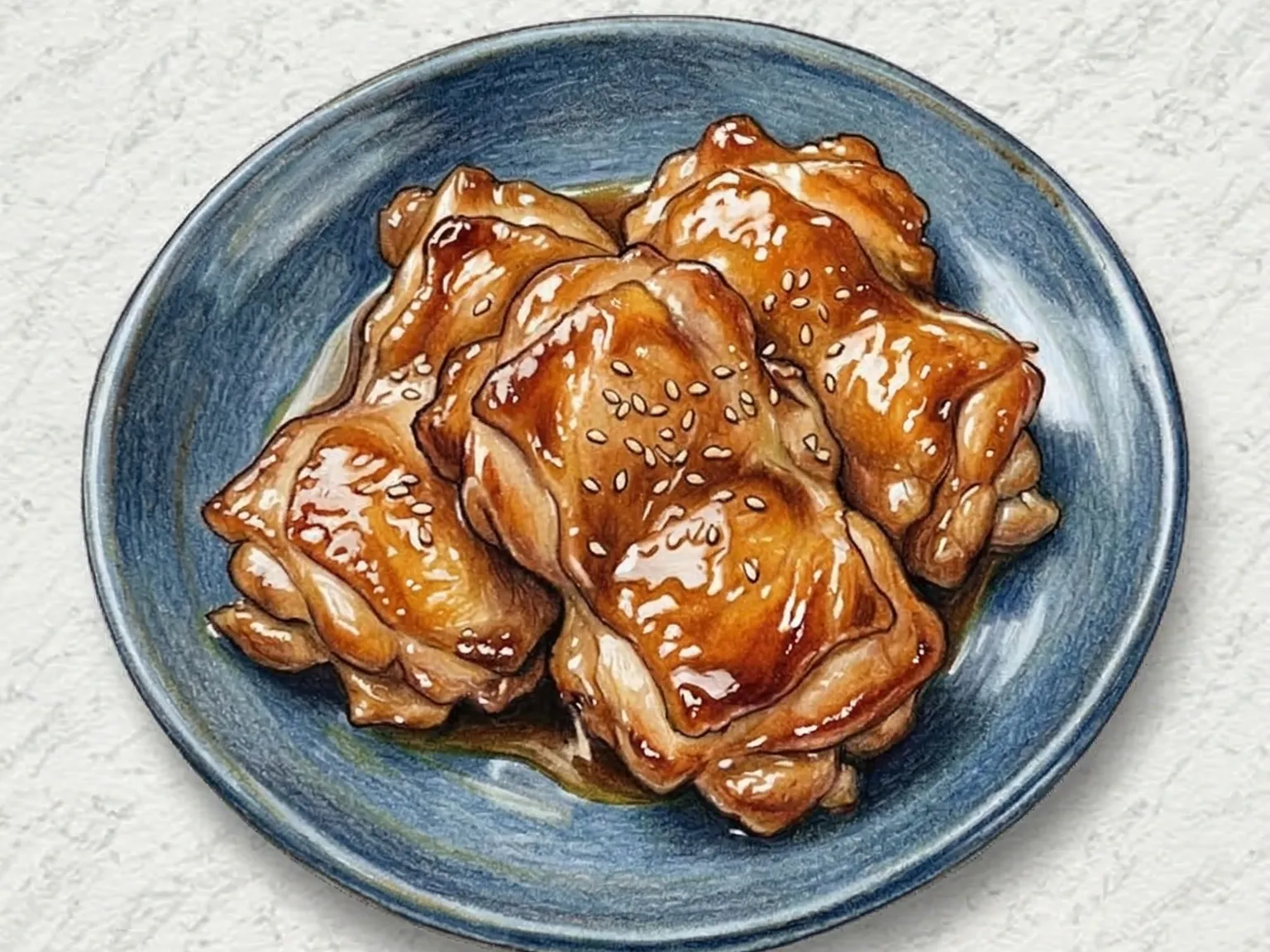
Teriyaki chicken is a Japanese dish of pan-seared chicken thighs glazed in a sweet-savory sauce made from soy sauce, mirin, sugar, and sake. The cooking begins skin-side down, pressing the chicken firmly against the pan to render the fat and crisp the skin to a deep golden color. Once flipped, the teriyaki sauce is poured in and the heat is lowered so the liquid reduces slowly, coating the chicken in a glossy, caramelized lacquer. Garlic and ginger, minced and added to the sauce, contribute a warm aromatic undercurrent that prevents the sweetness from becoming one-dimensional. As the sauce thickens, it clings to every surface of the chicken, creating a sticky, burnished exterior that contrasts with the moist meat beneath. The dish comes together in under thirty minutes and pairs equally well over steamed rice, alongside a green salad, or sliced into a bento box.

🏠 Everyday 🍱 Lunchbox
Prep 15min Cook 15min 2 servings
Tinola (Filipino Ginger Chicken Soup with Green Papaya)
Asian Easy

Tinola (Filipino Ginger Chicken Soup with Green Papaya)

Tinola is a Filipino home-style chicken soup defined by its prominent ginger character and its clear, light broth. The aromatic base is built by sauteing julienned ginger, sliced garlic, and onion in a little oil until fragrant, then adding chicken pieces and cooking them until the surfaces turn opaque. Fish sauce goes in next, providing a salty depth that anchors the broth, followed by a generous pour of water. The chicken simmers until fully tender, at which point wedges of green papaya are added-their mild sweetness and yielding texture complementing the peppery warmth of the ginger. Spinach or other leafy greens are stirred in at the very end, wilting in the residual heat and adding a fresh, verdant note to the bowl. The finished soup is remarkably clean in flavor despite its depth, with the ginger threading through every spoonful as a persistent, warming presence. In Filipino households, tinola occupies the same comforting role that chicken noodle soup holds elsewhere-it is the first dish prepared when someone is unwell or in need of nourishment.

🏠 Everyday 🎉 Special Occasion
Prep 15min Cook 35min 4 servings
Classic Tonkotsu Ramen (Pork Bone Milky Broth Noodles)
Asian Hard

Classic Tonkotsu Ramen (Pork Bone Milky Broth Noodles)

Classic Tonkotsu Ramen is a Japanese noodle dish defined by its deep, creamy pork bone broth. The foundation of this soup requires boiling pork back bones and pig trotters with garlic and ginger at a continuous, vigorous roll for seven to eight hours. This sustained high heat emulsifies the fat and breaks down the collagen, producing a milky, gelatinous broth that coats the palate. It is served with thin, firm noodles that retain a springy bite without becoming soggy in the heavy soup. Top the bowl with pork belly chashu braised in soy sauce and mirin, soft-boiled eggs marinated in the braising liquid, and sliced green onions. Maintaining a strong boil without reducing the heat is critical to achieving the characteristic white color and rich texture. Prepare the chashu a day in advance and chill it for easier thin slicing.

🎉 Special Occasion 🌙 Late Night
Prep 30min Cook 480min 2 servings
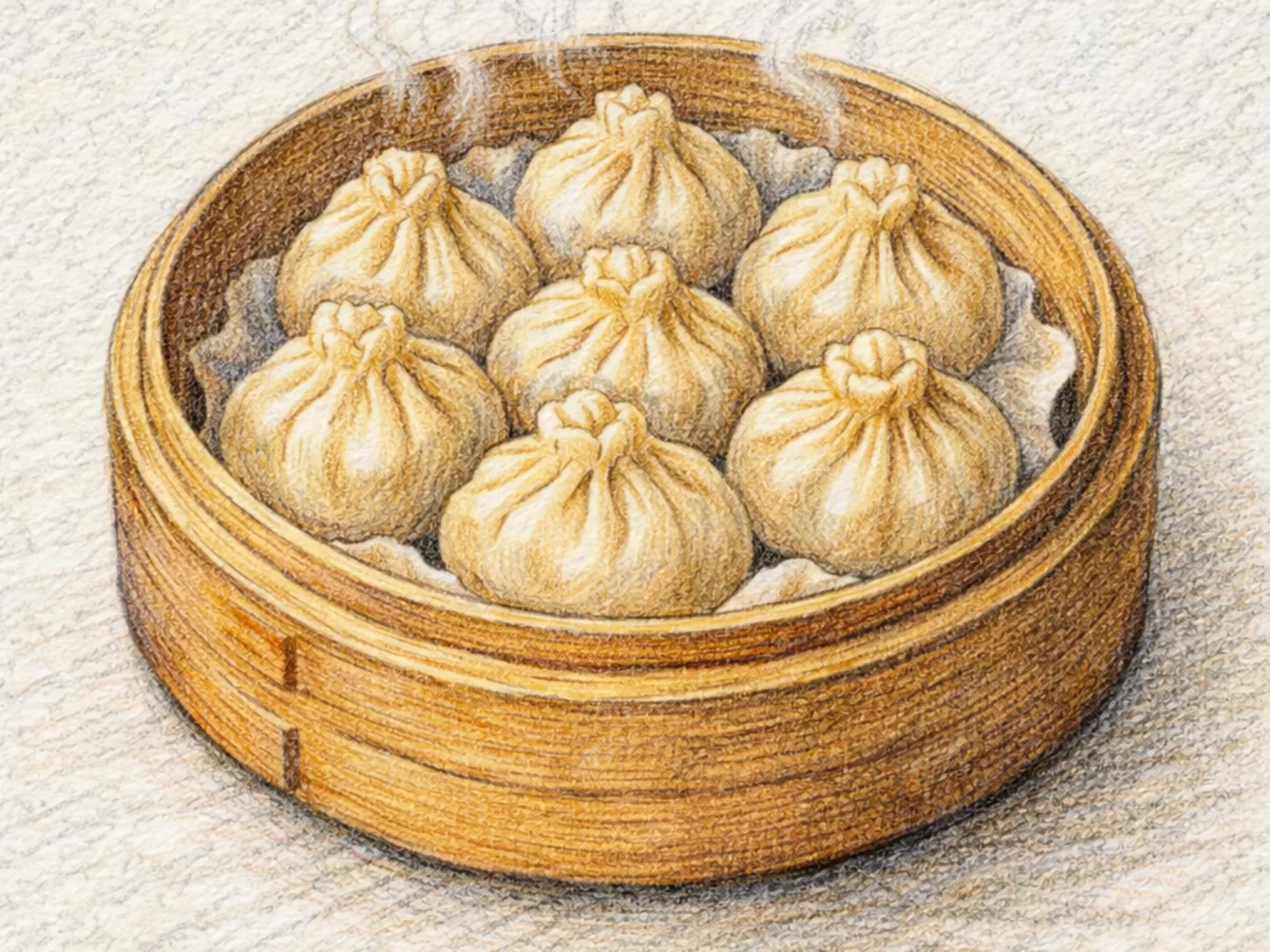
Xiaolongbao (Shanghai Pork Soup Dumplings)
Asian Hard

Xiaolongbao (Shanghai Pork Soup Dumplings)

Xiaolongbao is a classic Shanghai-style soup dumpling characterized by its thin wrapper enclosing a pork filling and hot broth. The dough is prepared by mixing bread flour with hot water and resting it for thirty minutes, allowing the gluten to develop so the wrappers can be rolled thin without tearing during steaming. The filling combines ground pork, soy sauce, sesame oil, minced ginger, and scallions, which is mixed until sticky before folding in small pieces of pork broth gelatin. When steamed over medium-high heat, the gelatin melts to fill the dumpling with hot soup. To eat, place a dumpling on a spoon, pierce the wrapper to release and sip the hot broth, then season the remaining dumpling with black vinegar and shredded ginger, which balances the rich meat flavor.

🎉 Special Occasion 🌙 Late Night
Prep 120min Cook 15min 4 servings
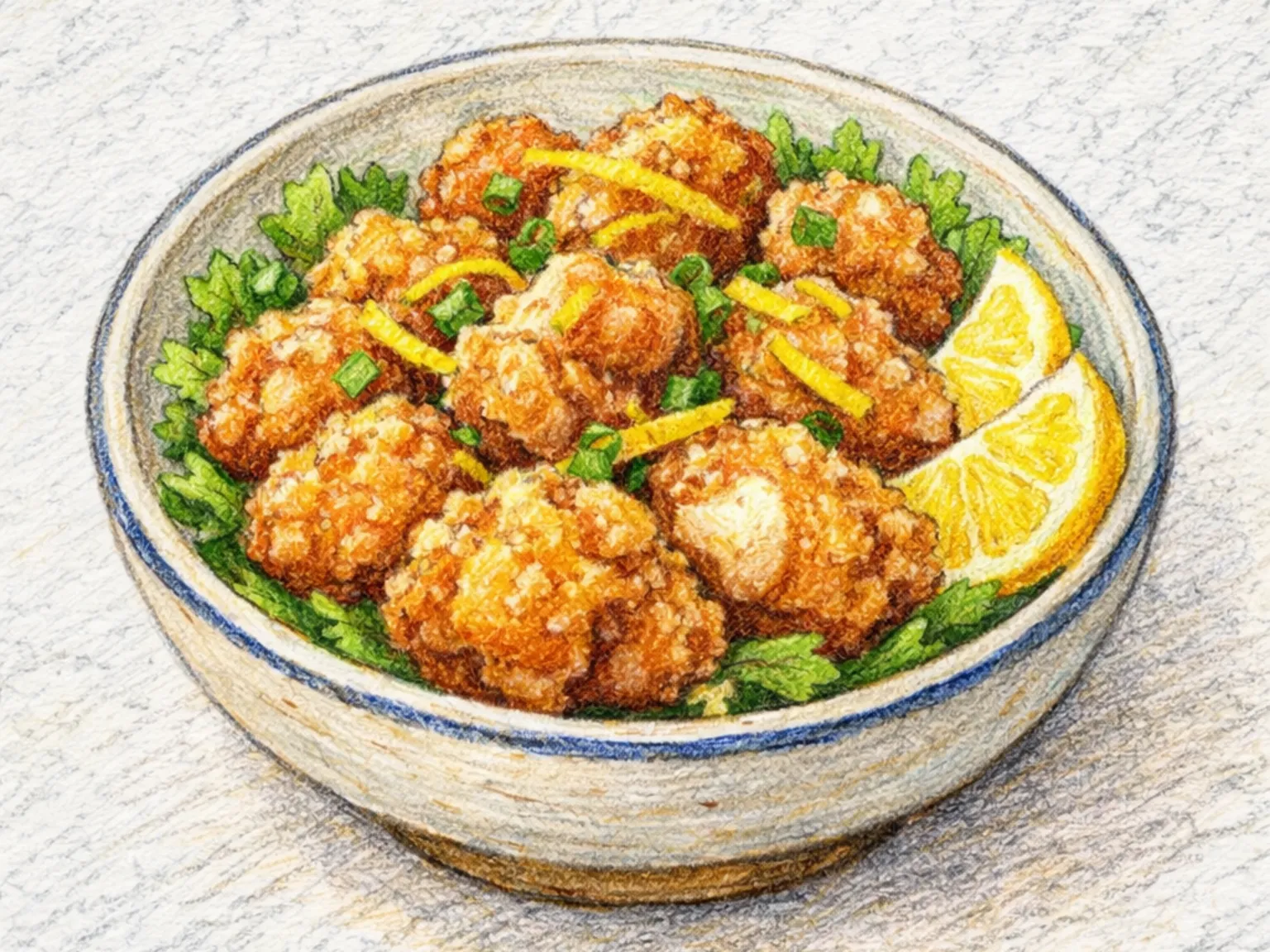
Yuzu Karaage (Japanese Citrus-Marinated Fried Chicken)
Asian Medium

Yuzu Karaage (Japanese Citrus-Marinated Fried Chicken)

Yuzu karaage is a citrus-accented variation of Japanese fried chicken that incorporates yuzu into the traditional soy-ginger marinade. Boneless chicken thighs are marinated in soy sauce, cooking sake, garlic, ginger, and yuzu marmalade, which infuses the meat with a floral citrus fragrance distinct from lemon or lime. After marinating, the pieces are coated in potato starch and deep-fried until the exterior turns shatteringly crisp while the inside stays moist and well-seasoned. The yuzu adds a bright, aromatic acidity that lifts the richness of the fried coating and dark soy marinade, giving each bite a clean finish rather than a heavy aftertaste.

🍺 Bar Snacks 🎉 Special Occasion
Prep 20min Cook 18min 2 servings