Recipes with ginger

237 recipes. Page 9 of 10

Buy ginger
Sichuan Spicy Tofu (Mapo Tofu)
Asian Medium

Sichuan Spicy Tofu (Mapo Tofu)

Mapo tofu is the dish that defines Sichuan cooking for much of the world, and it earns that reputation through an uncompromising combination of heat and numbing spice. Blocks of silken tofu are slid carefully into a wok with ground pork, doubanjiang (fermented chili bean paste), and a generous measure of ground Sichuan pepper, then cooked at high heat until the sauce tightens and coats every cube completely. The doubanjiang provides fermented depth and an unmistakable rusty-red color that signals its flavor before the first bite, while the Sichuan pepper delivers the numbing, tingling sensation known as ma that separates this dish from any other spicy food. Each cube of tofu absorbs the sauce at its edges while remaining silken at the center, creating a contrast between the spiced exterior and the cool, neutral interior that makes each bite dynamic. Spooned generously over steamed rice, the thick sauce penetrates between every grain, pulling together the entire bowl into a single cohesive experience. The interplay of ma (numbing) and la (spicy heat) is the defining characteristic of Sichuan cuisine, and mapo tofu demonstrates that pairing with more clarity and intensity than almost any other dish in the repertoire.

🍺 Bar Snacks 🏠 Everyday
Prep 12min Cook 15min 2 servings
Korean Burdock Root Tea
Drinks Medium

Korean Burdock Root Tea

Ueong-cha is a Korean burdock root tea made by dry-roasting thinly sliced unpeeled burdock in a pan for six minutes, then steeping it with ginger and jujube in boiling water for 15 minutes. The roasting caramelizes the root's starches, creating a deep, nutty aroma without any raw earthiness. Ginger contributes a subtle heat to the finish, while jujubes provide natural sweetness that softens the drink. A spoonful of rice syrup thickens the body, and a few drops of lemon juice at the end clean up the palate, making this caffeine-free tea suitable for any time of day.

🍺 Bar Snacks 🥗 Light & Healthy
Prep 12min Cook 22min 2 servings
Korean Boiled Beef Offal Platter
Steamed Hard

Korean Boiled Beef Offal Platter

An assortment of boiled beef offal, including tripe and intestines, thoroughly cleaned and simmered. It offers diverse textures and rich flavors, making it a great accompaniment to drinks.

🍺 Bar Snacks 🎉 Special Occasion
Prep 40min Cook 90min 3 servings
Madaka-zuke (Dried Daikon, Soybean, and Squid Pickle)
Kimchi Easy

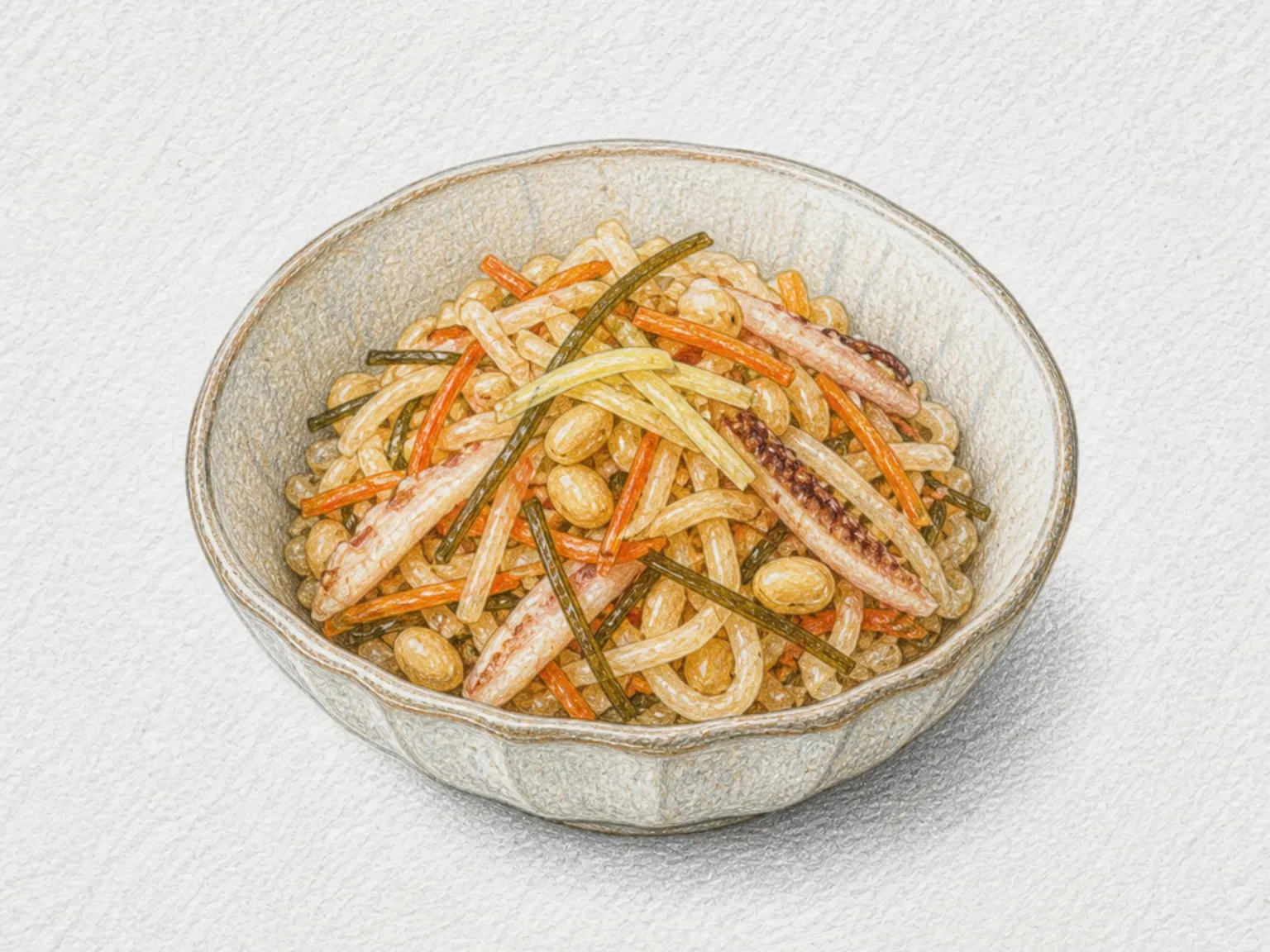
Madaka-zuke (Dried Daikon, Soybean, and Squid Pickle)

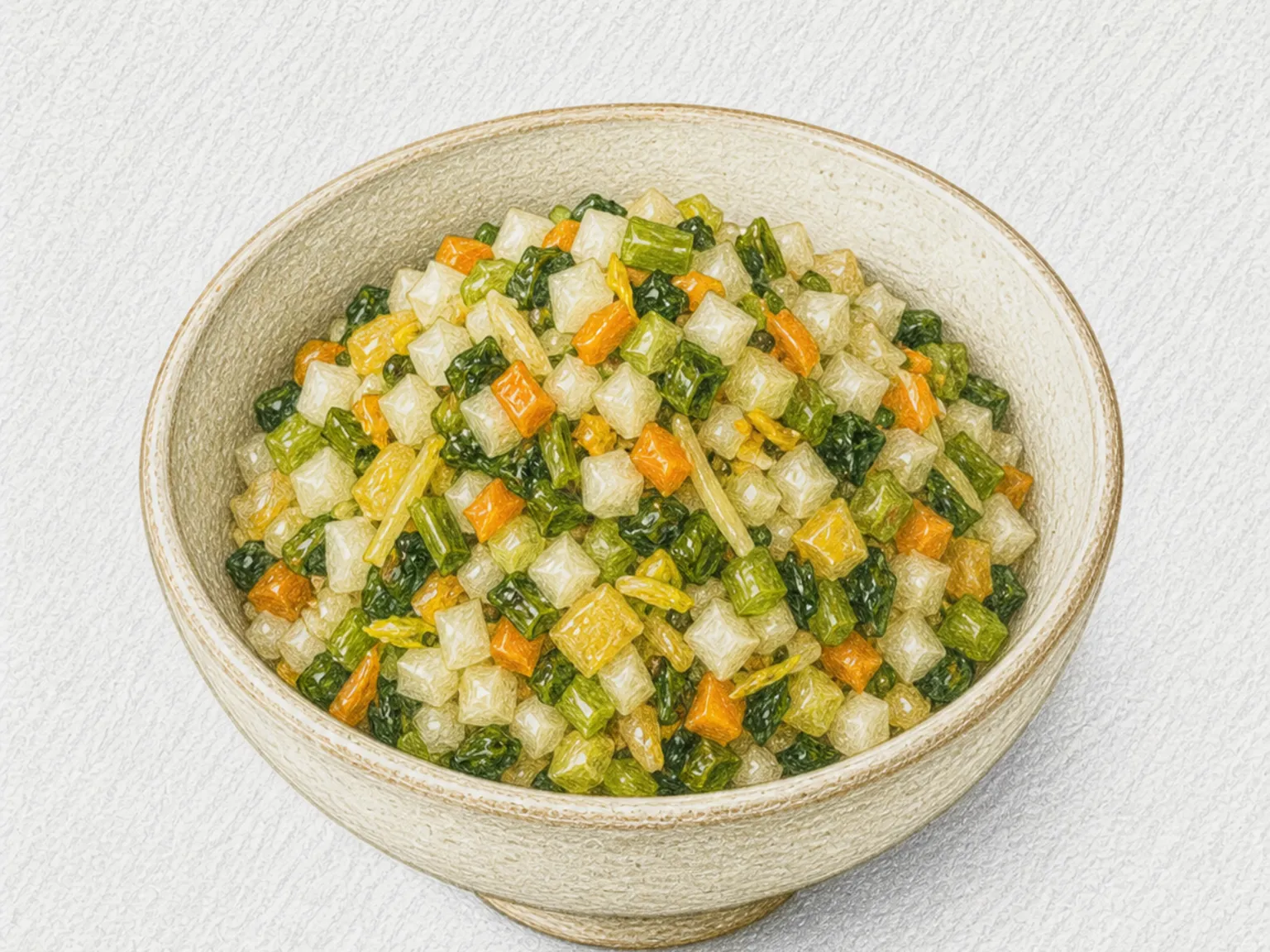
Madaka-zuke is a Miyazaki pickle of quickly rinsed dried daikon mixed with carrot, ginger, kombu, toasted dried squid, and roasted soybeans, then soaked in a sweet soy and vinegar dressing. Its name is said to echo impatient calls asking whether it is ready yet. Miyazaki is a major dried-daikon region, where winter wind and strong southern sunlight turn fresh strips into a concentrated pantry ingredient. The finished pickle brings crisp vegetables, chewy seafood, and nutty beans together and is served chilled after refrigerated resting.

🏠 Everyday 🍺 Bar Snacks
Prep 35min Cook 10min 10 servings
Sapporo Miso Ramen (Hokkaido-Style Rich Miso Broth Ramen with Pork)
Asian Medium

Sapporo Miso Ramen (Hokkaido-Style Rich Miso Broth Ramen with Pork)

Sapporo miso ramen is a Hokkaido specialty featuring a thick broth designed to provide warmth during cold winters. The cooking process begins by sautéing minced garlic and ginger, followed by ground pork to render its fat. Cabbage and bean sprouts are then stir-fried briefly over high heat to maintain their crisp texture. The base uses a chicken broth mixed with miso paste. The miso is dissolved into the hot liquid after turning off the heat, as boiling would disperse its aroma. The dish is assembled by pouring this rich broth over separately cooked thick, curly ramen noodles that trap the savory soup in their curves. It is finished with sweet corn kernels and a pat of butter placed in the center. As the butter melts into the hot broth, it adds a smooth texture and rich flavor.

🎉 Special Occasion
Prep 15min Cook 30min 2 servings
Clear Korean Rice Wine (Traditional Fermented Yakju)
Drinks Hard

Clear Korean Rice Wine (Traditional Fermented Yakju)

Yakju is a traditional Korean clear rice wine produced by steaming soaked glutinous rice for 35 minutes, then fermenting it with crushed nuruk starter, dry yeast, and water for seven to ten days at room temperature. Daily stirring distributes the yeast culture evenly, and sliced ginger and jujube are added during fermentation to suppress off-flavors and contribute subtle aromatics. After fermentation, the solids are allowed to settle completely so only the clear upper liquid is carefully decanted, giving yakju its transparent appearance and refined taste distinct from cloudy makgeolli. Two days of cold aging in the refrigerator rounds off the sharp alcohol edge, bringing forward a smooth, grain-forward character.

🍺 Bar Snacks 🎉 Special Occasion
Prep 25min Cook 35min 4 servings
Korean Pressed Boiled Pork Slices
Steamed Medium

Korean Pressed Boiled Pork Slices

Pyeonyuk is a Korean chilled pork dish made by boiling pork shank with garlic, ginger, green onion, whole peppercorns, and salt for nearly an hour, then wrapping the meat tightly and refrigerating it until firm. The aromatics in the cooking water neutralize off-flavors from the pork, and the salt seasons the meat evenly throughout during the long simmer. Slicing after thorough chilling produces neat, thin pieces with a uniform grain, and the cold temperature sharpens the meat's clean, lean flavor in a way that serving it warm cannot replicate. Traditionally served with salted shrimp or anchovy paste for dipping, pyeonyuk is a staple on Korean holiday tables and a common appetizer when hosting guests. Wrapping the pork tightly while it is still hot is essential so that the shape sets as it cools, and refrigerating for at least two hours before slicing prevents the meat from crumbling under the knife.

🎉 Special Occasion
Prep 20min Cook 70min 4 servings
Butterbur Stem Kimchi
Kimchi Medium

Butterbur Stem Kimchi

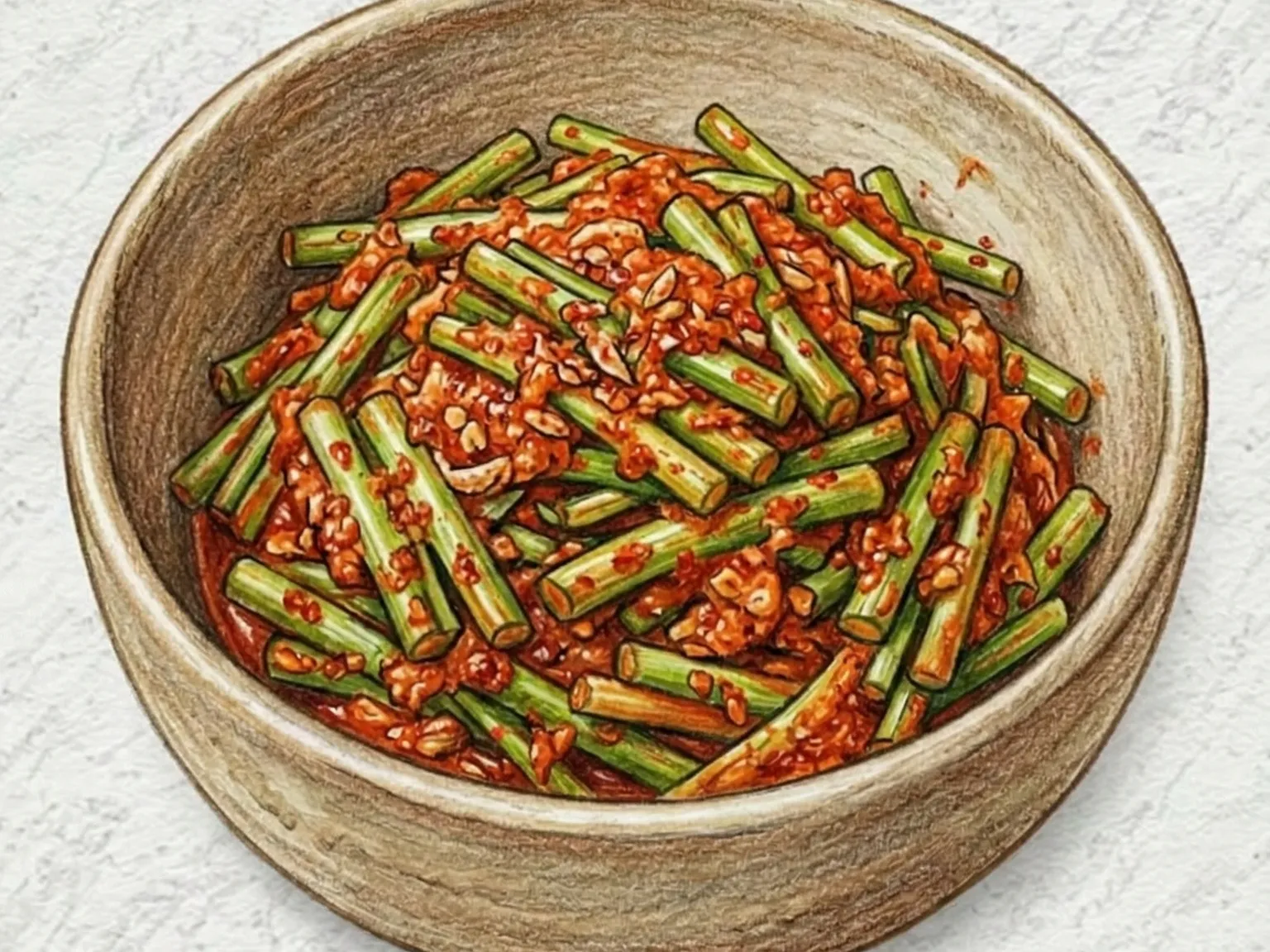
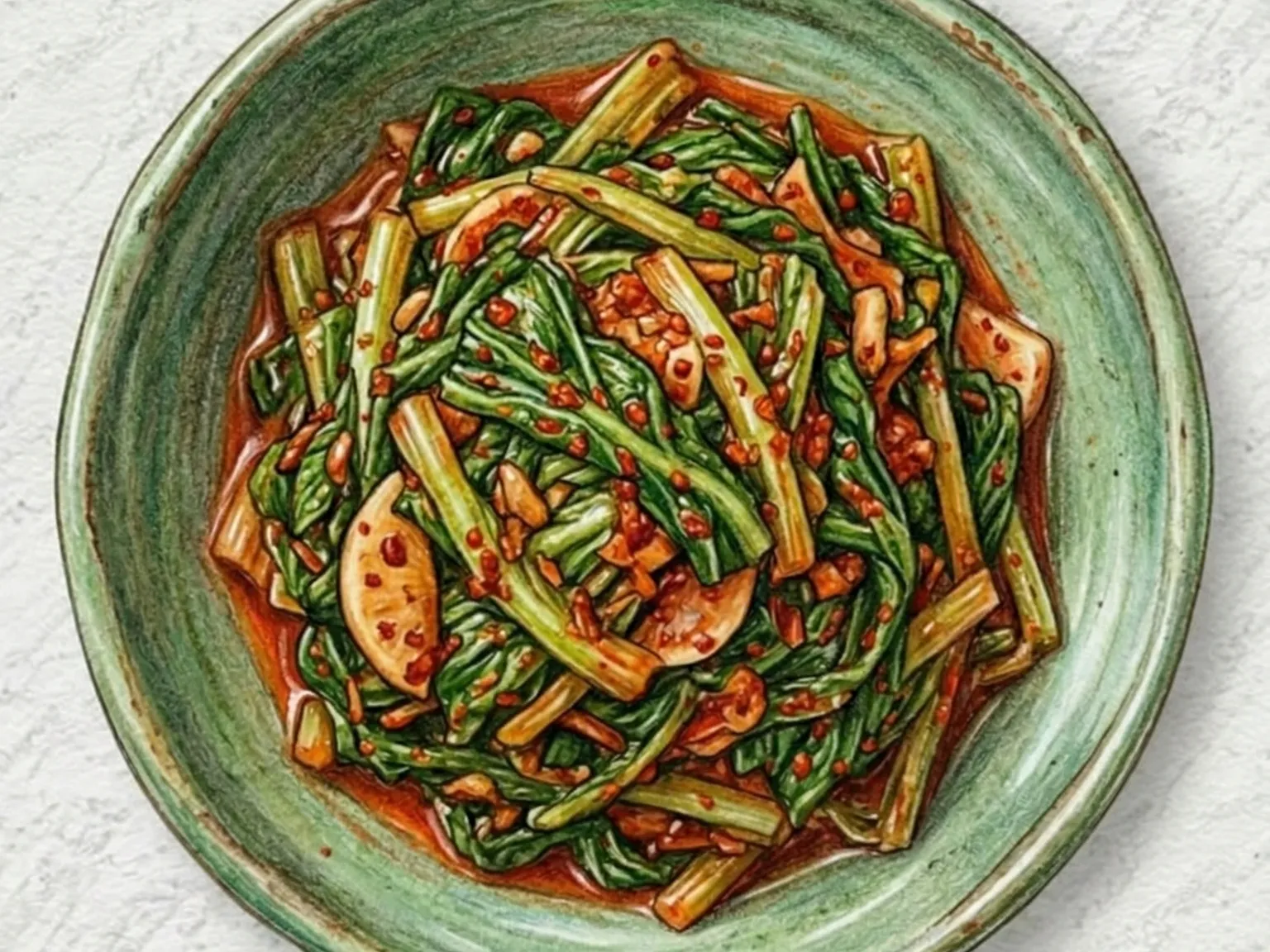
A kimchi of prepared butterbur stems coated with red chili powder and anchovy fish sauce seasoning. The stems' mild bitterness remains alongside the savory fermented seasoning.

🏠 Everyday
Prep 55min Cook 10min 4 servings
Steamed Pork Buns
Asian Hard

Steamed Pork Buns

Nikuman is a Japanese steamed pork bun descended from Chinese baozi but adapted to local tastes over generations. Yeasted wheat dough is kneaded, left to rise, then filled with a mixture of ground pork seasoned with soy sauce, ginger, and sesame oil, along with finely chopped cabbage. After pleating and steaming, the bun emerges snow-white and pillowy, with a moist, savory filling inside. Opening the steamer releases a cloud of fragrant steam carrying notes of ginger and soy. In Japan, nikuman is the defining winter convenience-store snack -- warming your hands around the bun before biting into the hot, juicy filling.

🎉 Special Occasion
Prep 40min Cook 20min 4 servings
Korean Bitter Melon Jujube Tea
Drinks Medium

Korean Bitter Melon Jujube Tea

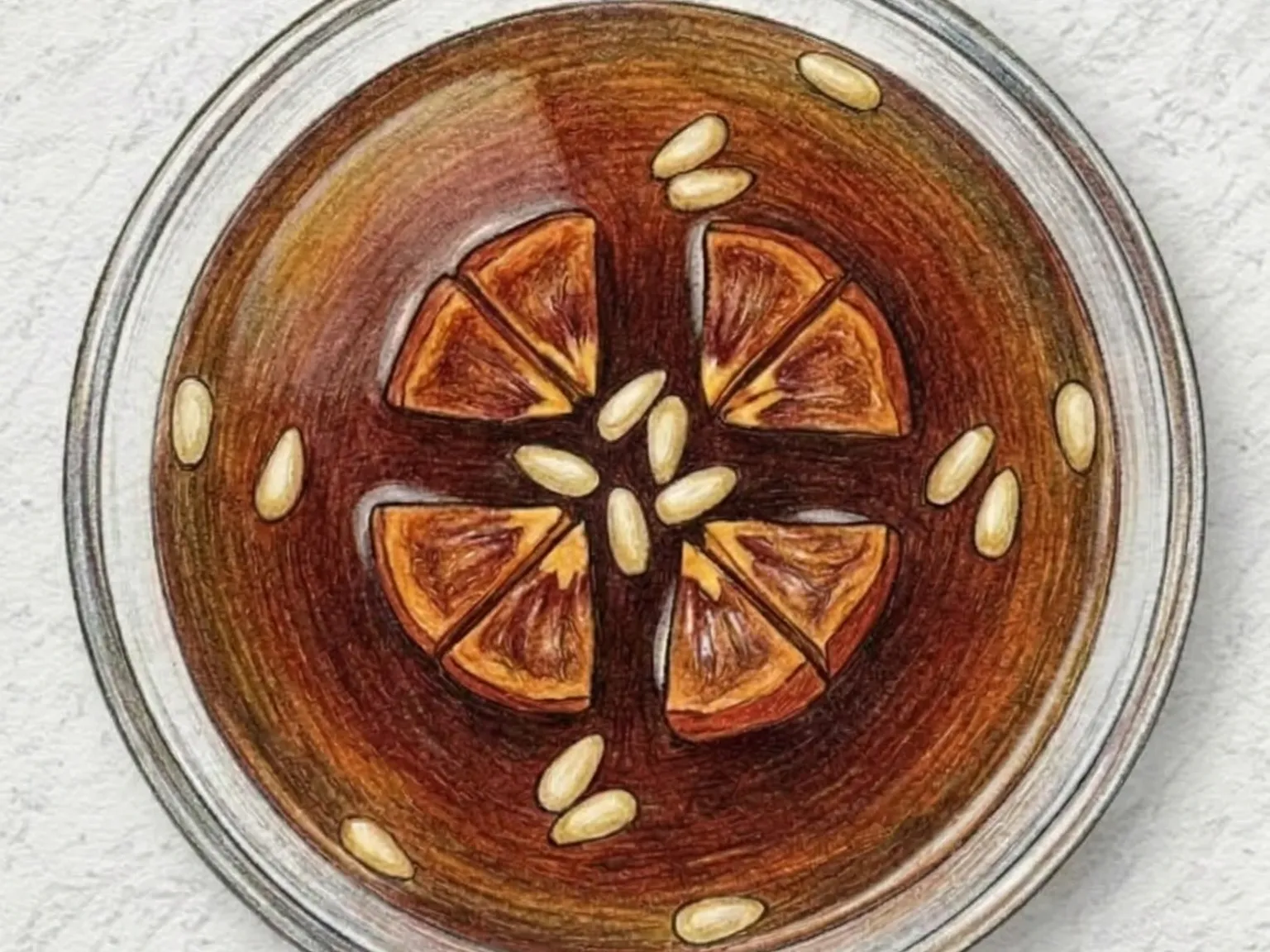
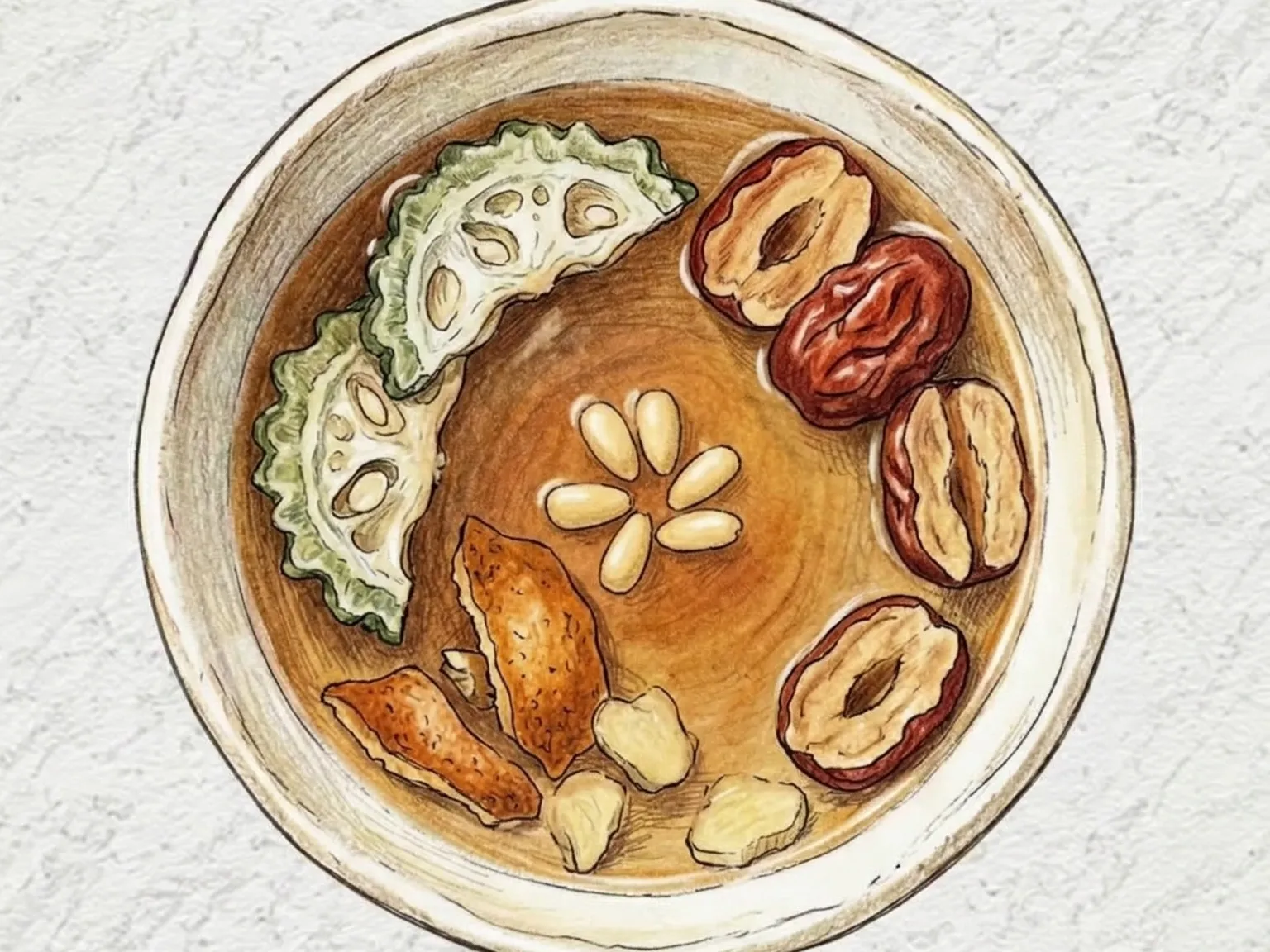
Yeoju-daechu-cha is a Korean herbal tea that steeps dried bitter melon, pitted jujubes, dried tangerine peel, and fresh ginger together for 25 minutes. The bitter melon provides a gentle, lingering bitterness that the jujubes counter with their natural sweetness, while the tangerine peel adds a citrus top note and ginger delivers a warm, peppery finish. Honey is dissolved after the heat is turned off to preserve its delicate fragrance, and a few pine nuts floated on the surface contribute a mild nuttiness. The tea is caffeine-free, and the bitter melon quantity can be reduced for those sensitive to its flavor.

🍺 Bar Snacks 🥗 Light & Healthy
Prep 12min Cook 28min 4 servings
Cantonese Steamed Seabass
Steamed Medium

Cantonese Steamed Seabass

Qingzheng seabass is a Cantonese steamed fish preparation in which a whole seabass is scored, rubbed with julienned ginger and rice wine, then cooked over high heat in a steamer for ten to twelve minutes. Once the fish comes off the steam, a restrained dressing of soy sauce and sugar is poured evenly over the flesh, a generous pile of shredded scallions is laid on top, and smoking-hot oil is drizzled over everything. The oil hits the cold scallions with an audible sizzle and instantly volatilizes their aromatic compounds, filling the kitchen with a concentrated burst of allium fragrance that coats the entire dish. The steamed flesh stays moist with its natural flake intact, and the light soy dressing is calibrated so that the seabass's own clean, delicate flavor remains the centerpiece rather than being buried under seasoning. The finishing pour of hot oil simultaneously cooks the scallions and disperses their fragrance, a technique central to Cantonese cooking. The dish embodies the Cantonese philosophy that the quality of the ingredient, not the intensity of the seasoning, defines the outcome.

🎉 Special Occasion 🏠 Everyday
Prep 20min Cook 15min 2 servings
Korean Water Parsley Kimchi
Kimchi Easy

Korean Water Parsley Kimchi

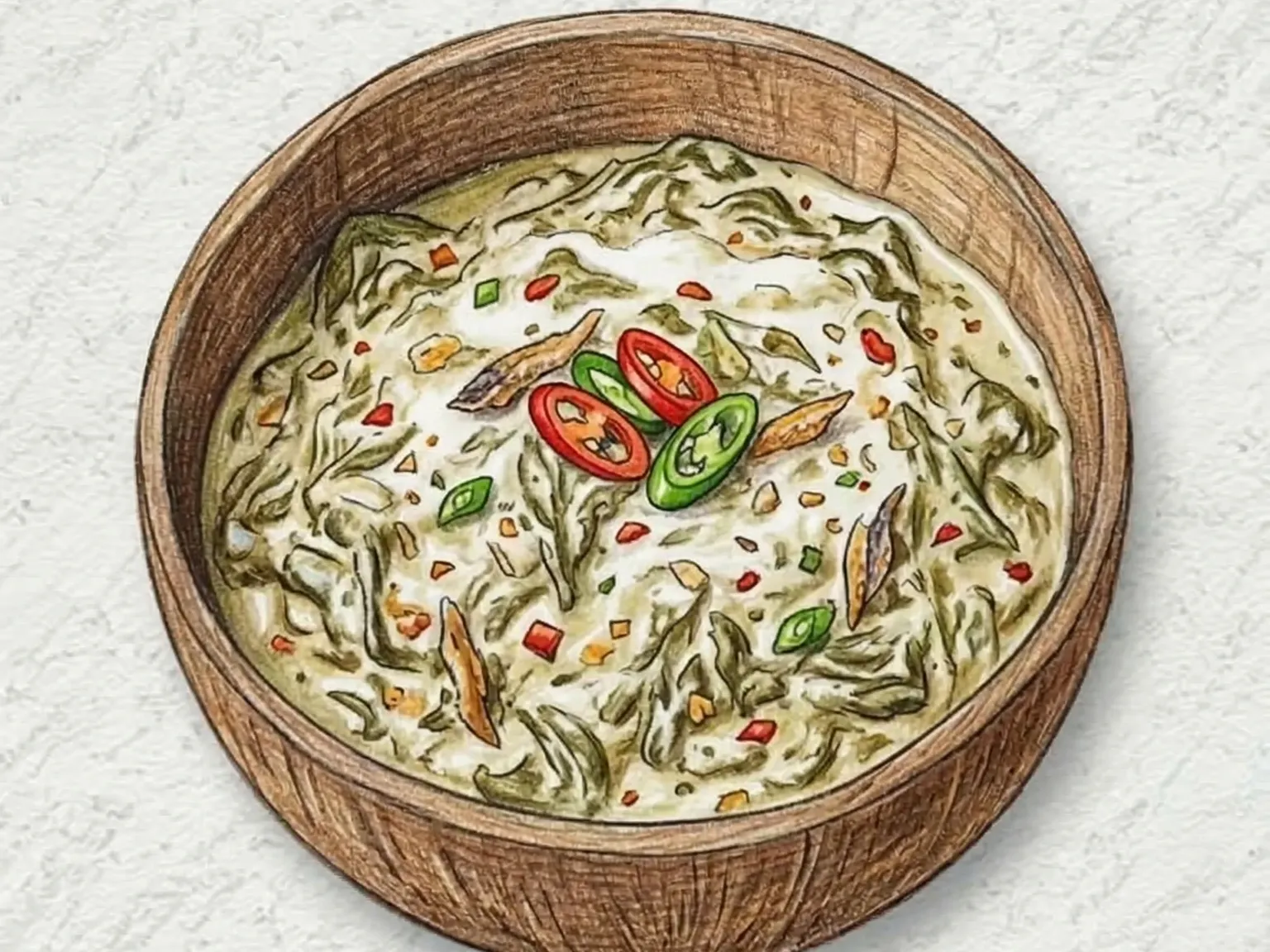
Minari kimchi is a quick, no-fermentation Korean water parsley kimchi that is ready to eat the moment it is made. The stems are salted for just ten minutes to barely wilt them, preserving their characteristic crunch and cool, clean herbal fragrance. Blended onion is worked into the seasoning paste alongside gochugaru, anchovy fish sauce, and plum syrup, giving the dressing body and a gentle sweetness. Anchovy fish sauce lays a seafood umami foundation under the light vegetable, while plum syrup's fruit acidity softens the chili heat rather than letting it dominate, so the finish is bright and refreshing rather than sharp. Paired with samgyeopsal or boiled pork, the water parsley's aromatics cut directly through the fat, cleansing the palate between bites in a way that heavier banchan cannot. The kimchi is best eaten on the day it is made while the stems still have their full snap.

🏠 Everyday 🍱 Lunchbox
Prep 20min Cook 5min 2 servings
Palak Paneer (Indian Spinach Curry with Paneer Cheese)
Asian Medium

Palak Paneer (Indian Spinach Curry with Paneer Cheese)

Palak paneer is one of North India's most beloved vegetarian curries, pairing a bright spinach puree with cubes of mild, milky paneer cheese. Fresh spinach is blanched briefly and blended into a green sauce, combined with a base of sauteed onions, garlic, ginger, and tomatoes seasoned with garam masala. The paneer cubes are typically pan-seared first to form a light skin that holds their shape in the sauce while the interior stays soft and creamy. A swirl of heavy cream at the end rounds out the flavors, blending the earthy depth of spinach with warm spice and dairy richness.

🎉 Special Occasion
Prep 20min Cook 25min 2 servings
Korean Lotus Root Tea (Warm Herbal Root Brew)
Drinks Easy

Korean Lotus Root Tea (Warm Herbal Root Brew)

Yeongeun-cha is a Korean lotus root tea prepared by simmering peeled, thinly sliced lotus root with jujube, ginger, and a cinnamon stick over low heat for twenty-five minutes. As the root cooks, its natural starch gradually dissolves into the water, producing a tea that is clear but carries a subtle, silky body unlike most herbal brews. Jujubes contribute the primary sweetness; adding a small spoonful of honey and a single pinch of salt develops the flavor further without making it sugary. Cinnamon and ginger stay in the background, leaving a gentle warmth that lingers in the finish and makes the tea feel comforting without being sharp or medicinal. Soaking the lotus root slices in lightly acidulated water for ten minutes before cooking prevents oxidative browning and keeps the finished tea pale and clear. The flavor holds up equally well served hot in a ceramic cup or cooled down and poured over ice as a refreshing cold drink.

🍺 Bar Snacks 🥗 Light & Healthy
Prep 10min Cook 30min 2 servings
Korean Samgyeopsal Ganjang Jorim (Soy-Braised Pork Belly)
Steamed Medium

Korean Samgyeopsal Ganjang Jorim (Soy-Braised Pork Belly)

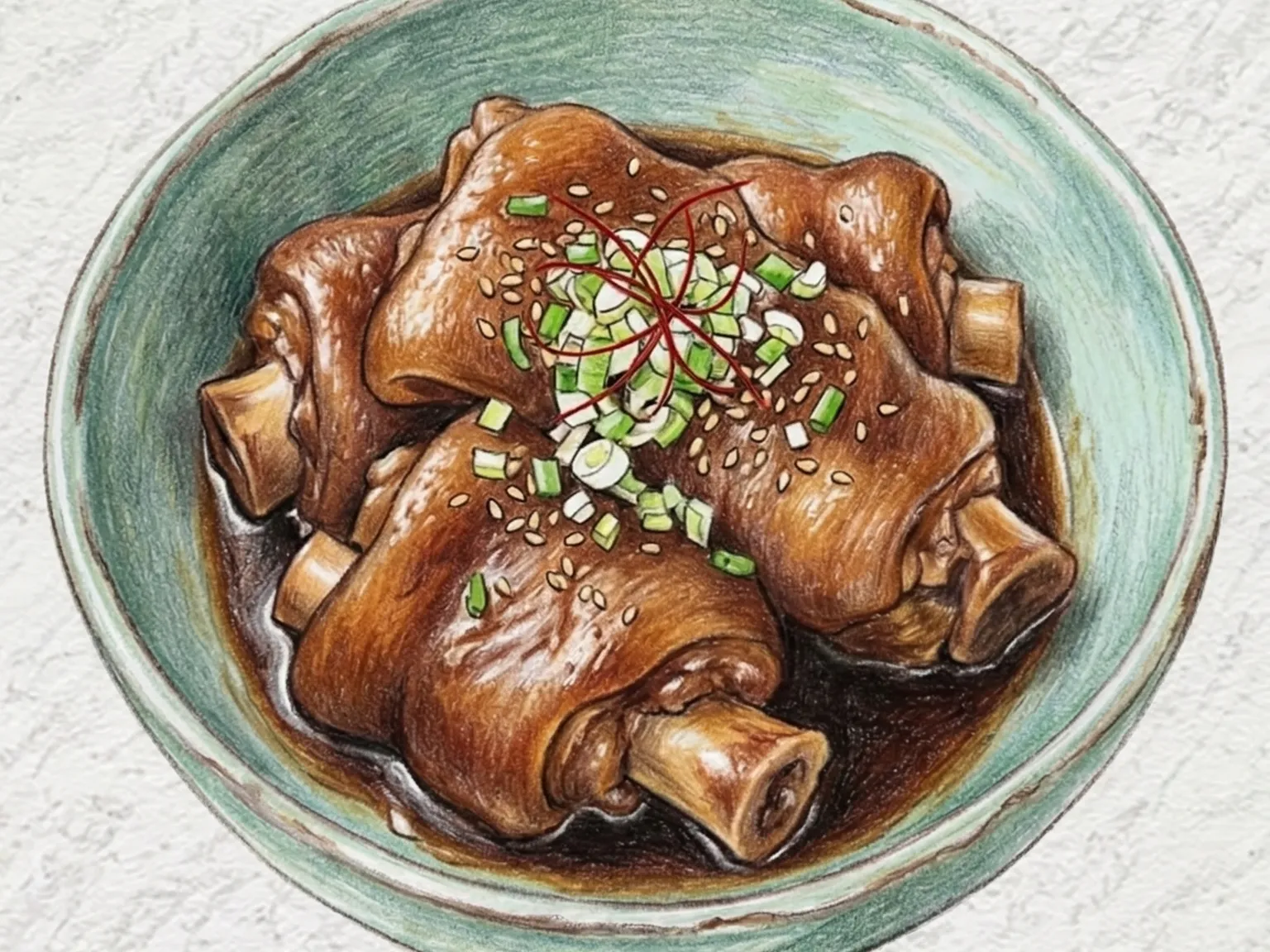
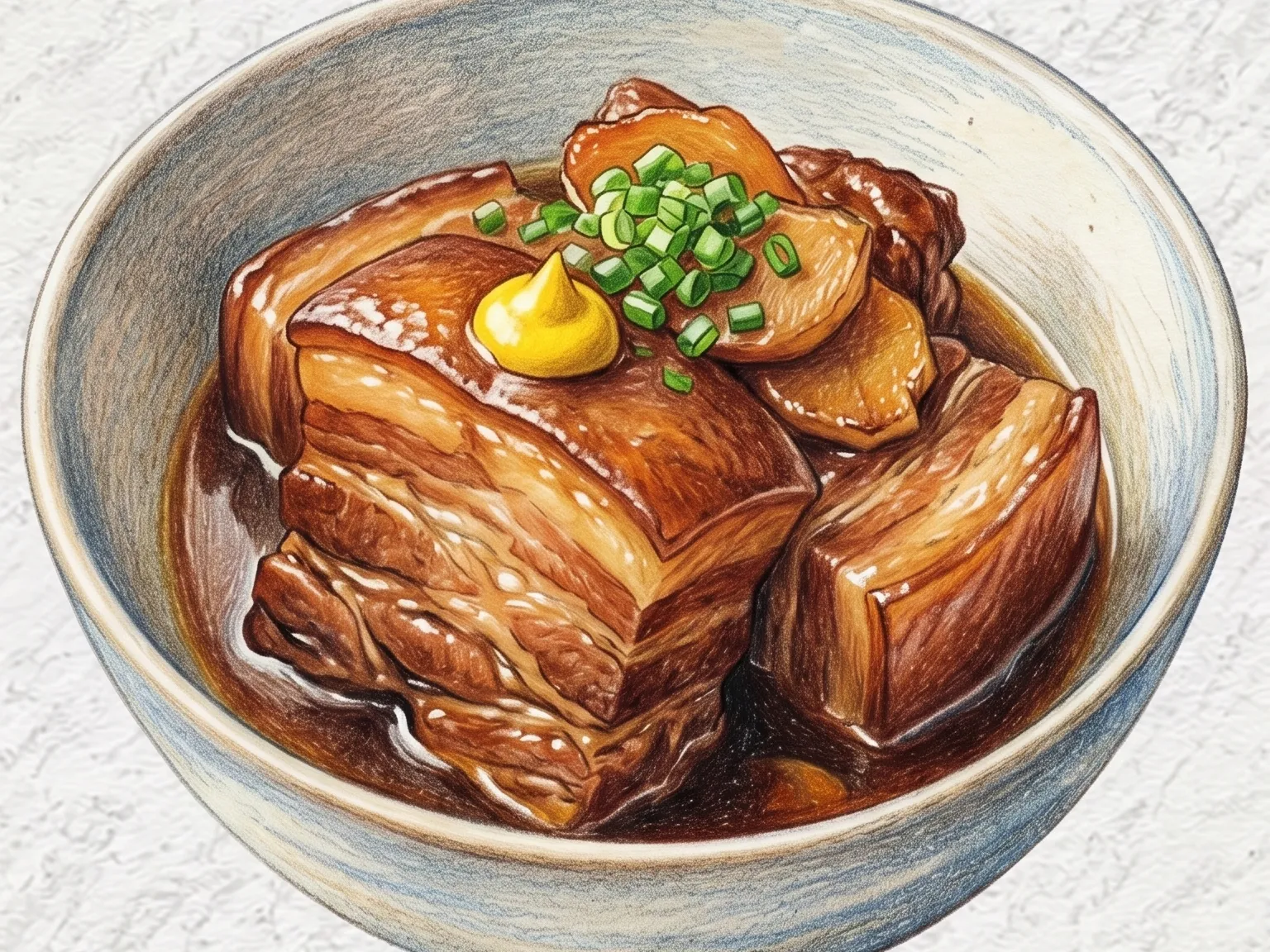
Samgyeopsal ganjang jorim is a Korean soy-braised pork belly dish where blanched pork belly is simmered with radish and onion in a soy sauce base for over forty-five minutes. Blanching first removes impurities and excess fat, leaving a clean-tasting braise. The long simmer allows soy sauce to penetrate the layered pork, building a deep flavor that is savory without being greasy. Radish chunks absorb the pork-enriched liquid and develop a richness of their own, while oligosaccharide syrup lends a natural sheen. Cooling and reheating concentrates the seasoning further, making this a strong choice for gatherings or holiday meals.

🏠 Everyday 🎉 Special Occasion
Prep 20min Cook 55min 4 servings
Korean Radish Greens Kimchi
Kimchi Easy

Korean Radish Greens Kimchi

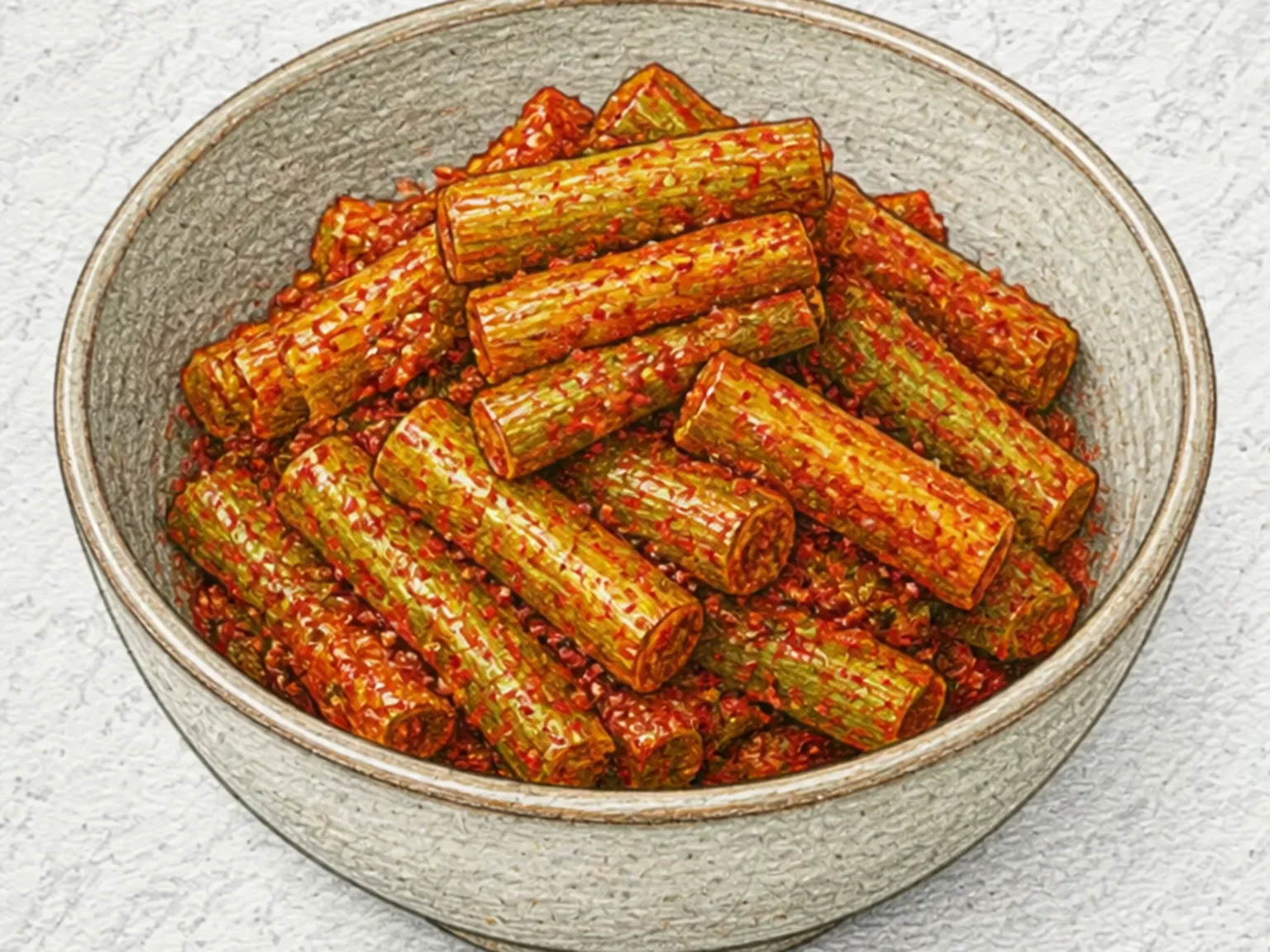
Mucheong kimchi is made from the leafy greens and stems of Korean radish, cut into 5 cm lengths, salted in coarse brine, then coated in a paste of sweet rice flour, gochugaru, anchovy fish sauce, minced garlic, ginger, and onion. The thick, fibrous stems grip the seasoning and hold up through fermentation without turning mushy, keeping a firm chew even after weeks in the refrigerator. Sweet rice flour acts as a glue that prevents the coating from sliding off the stems as the kimchi ages. Anchovy fish sauce lays down a deep seafood umami as the base layer, while onion moderates the chili heat with natural sweetness. The greens are a practical use of the entire radish rather than just the root, and the finished kimchi works beyond the banchan role: torn into pieces and added to siraegi soup, it enriches the broth; stirred into doenjang jjigae, it deepens the fermented soybean flavor with another layer of fermented complexity.

🍱 Lunchbox 🏠 Everyday
Prep 35min Cook 5min 4 servings
Hanoi-Style Pho Bo (Vietnamese Northern Clear Beef Noodle Soup)
Asian Medium

Hanoi-Style Pho Bo (Vietnamese Northern Clear Beef Noodle Soup)

Hanoi-style pho bo is the original northern Vietnamese beef noodle soup, distinguished from its southern counterpart by a leaner, clearer broth and restrained garnishing. Beef bones and brisket simmer for hours with a modest hand of spices - star anise, cinnamon bark, and a few cloves - so the beef flavor leads rather than the aromatics. The broth is repeatedly skimmed until it runs nearly transparent, with no trace of grease on the surface. Paper-thin slices of raw beef placed in the bowl cook to a pale pink the moment the scalding broth is ladled over them. In Hanoi, the bowl arrives with only chopped scallion and cilantro; bean sprouts, hoisin sauce, and sriracha - common in southern and overseas versions - are absent by tradition.

🎉 Special Occasion 🌙 Late Night
Prep 25min Cook 55min 4 servings
Korean Lotus Leaf Tea (Roasted Rice and Lotus Brew)
Drinks Easy

Korean Lotus Leaf Tea (Roasted Rice and Lotus Brew)

Yeonnip-cha is a Korean traditional tea brewed by simmering dried lotus leaf together with roasted brown rice, jujube, and ginger for fifteen minutes, then steeping covered for three more minutes to lock in the aroma. The fragrance of lotus leaf is understated and grassy, very different from the assertive herbal notes of Western tisanes, which makes it one of the more approachable traditional Korean teas for first-time drinkers. Roasted brown rice added to the pot contributes a toasty, nutty character that fills in the quiet gaps left by the lotus leaf and turns what might otherwise be a flat cup into something layered and satisfying. Jujube and ginger work together to sand down any rough vegetal edges and add a faint warmth and sweetness that carries through to the finish. Rice syrup can be stirred in to adjust sweetness, but only in small amounts, as too much drowns the delicate lotus fragrance that gives the tea its identity. Brewing time should be watched carefully; going beyond twenty minutes pulls out astringent tannins that make the tea bitter rather than clean. The tea contains no caffeine whatsoever, making it suitable before sleep or during pregnancy, and served cold over ice in summer it becomes a light, refreshing drink.

🍺 Bar Snacks ⚡ Quick
Prep 6min Cook 20min 4 servings
Korean Braised Beef Shank
Steamed Hard

Korean Braised Beef Shank

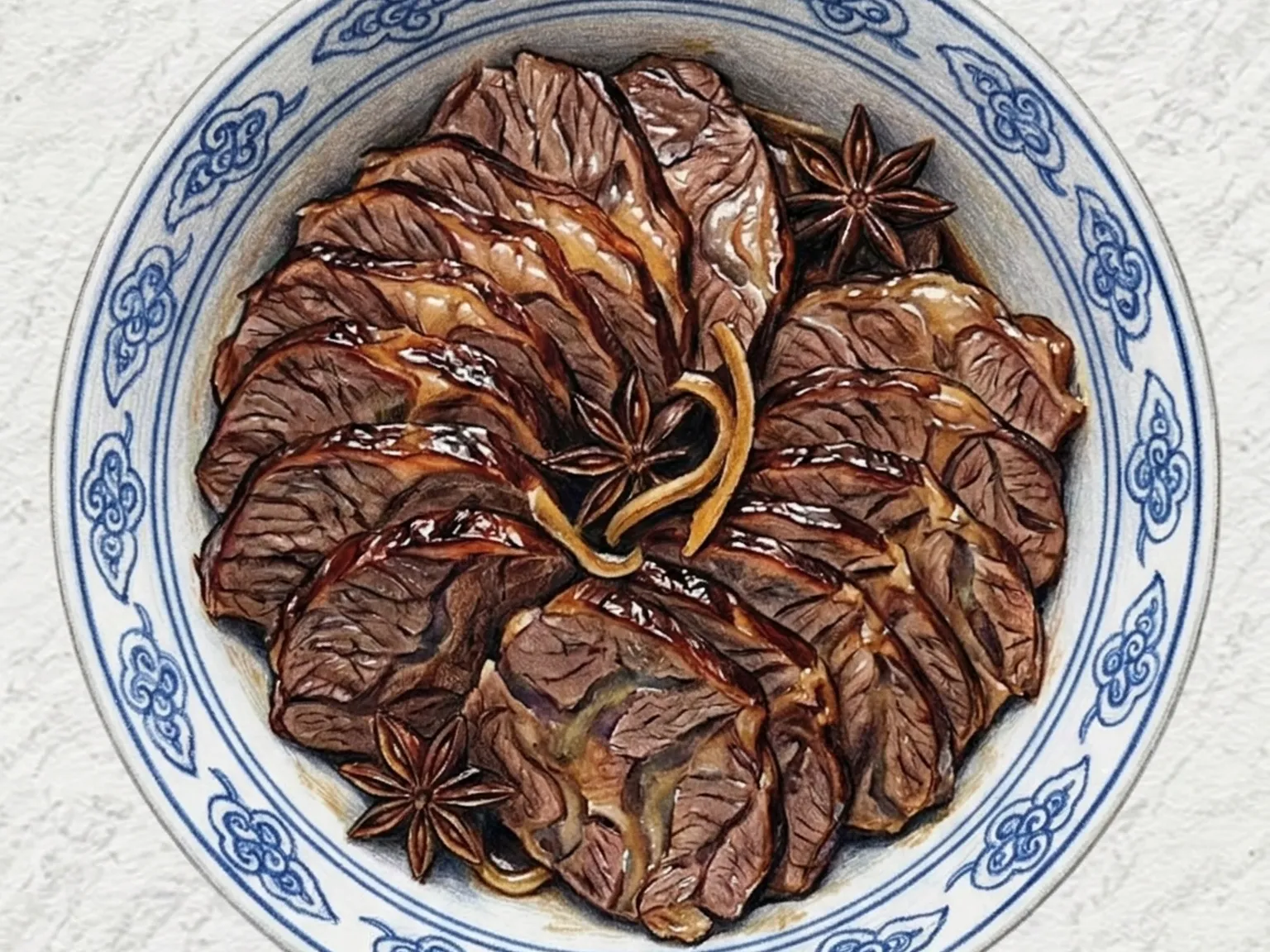
Satae jjim is a Korean braised beef shank dish that begins with soaking the meat in cold water to draw out blood before any heat is applied. The shank is then simmered slowly with aromatics for well over two hours, a duration that is not optional but essential. Shank is dense with connective tissue that turns unpleasantly tough under short, high heat, but extended low heat dissolves that tissue entirely, leaving the beef soft enough to pull apart along its grain with minimal effort. Soy sauce and sugar build a deeply savory-sweet braising liquid that penetrates the meat as it cooks, glazing the exterior with a dark, lacquered sheen. Radish is added in the later stages so it can absorb the concentrated broth without completely losing its texture, contributing a clean, refreshing contrast to the richness of the meat. The finished braise tastes noticeably better after a night in the refrigerator, when the seasoning has fully permeated every fiber and the chilled gelatin, once reheated, naturally thickens the sauce.

🎉 Special Occasion
Prep 25min Cook 120min 4 servings
Korean Salted Anchovy Jeotgal
Kimchi Medium

Korean Salted Anchovy Jeotgal

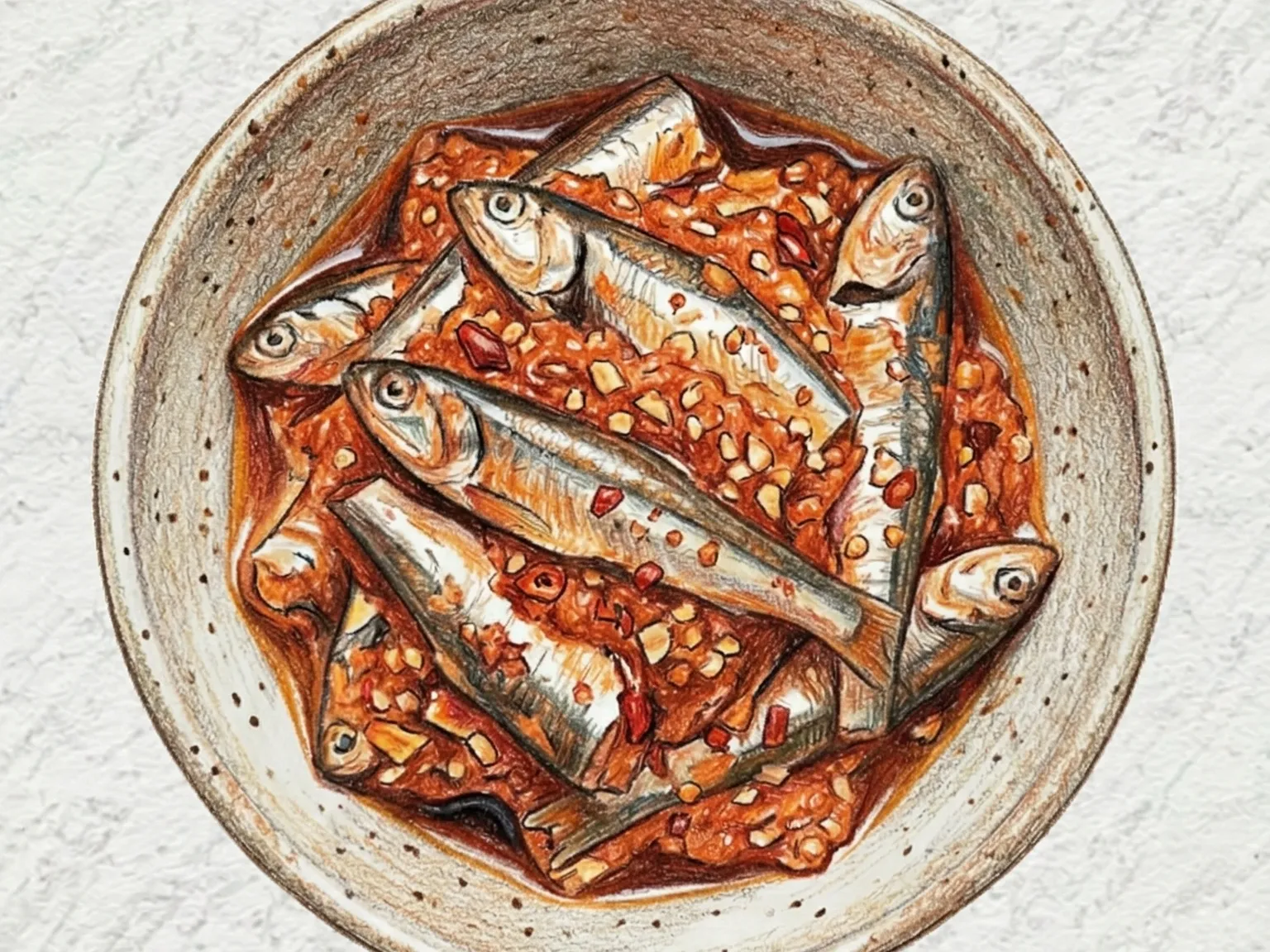
Myeolchi jeotgal is a traditional Korean fermented anchovy preserve made by layering cleaned small anchovies with coarse sea salt in a sterilized container, pressing firmly to eliminate air pockets, then refrigerating for extended aging. As salt draws moisture from the fish, it begins breaking down proteins into concentrated umami compounds, stripping away the raw fishiness and building the deep, complex flavor that defines this preserve. On the fifth day of fermentation, minced garlic, grated ginger, chili flakes, and rice wine are folded in to add aromatic layers on top of the developing fermented base. The salt ratio must stay at or above twenty percent of the anchovy weight throughout the process, as dropping below this threshold allows harmful bacteria to take hold and risks spoilage. The finished jeotgal has two primary uses in Korean cooking: stirred in small amounts into kimchi seasoning paste as an umami backbone, or spooned directly over hot rice as a pungent, savory side dish. It can also substitute for fish sauce in doenjang jjigae or seasoned vegetables, adding a more pronounced fermented character.

🍱 Lunchbox ⚡ Quick
Prep 20min 4 servings
Hanoi-Style Chicken Pho (Pho Ga)
Asian Medium

Hanoi-Style Chicken Pho (Pho Ga)

Hanoi-style pho ga is a chicken noodle soup that trades the beefy richness of pho bo for a lighter, cleaner bowl. Chicken bones and thighs simmer together until the broth turns golden and fragrant, then the meat is pulled into long shreds and piled over flat rice noodles. The spice profile is gentle - a knob of charred ginger and a single star anise - keeping the chicken flavor at the forefront. The broth has a silky quality from the natural gelatin in the bones, giving each spoonful a body that belies its clarity. Scallion, cilantro, and a squeeze of lime are the standard accompaniments. Some vendors add a torn fried dough stick for crunch. Pho ga is widely considered the everyday breakfast pho in Hanoi, less ceremonial than its beef counterpart but no less satisfying.

🎉 Special Occasion 🌙 Late Night
Prep 20min Cook 55min 4 servings
Korean Braised Beef and Radish
Steamed Medium

Korean Braised Beef and Radish

Sogogi mu jorim is a Korean braised beef and radish dish where brisket and thick-cut Korean radish are slowly simmered in soy sauce with garlic, ginger, and a touch of sugar. Boiling the beef first and skimming the foam produces a clean broth base for braising. The radish goes in later so it cooks until semi-translucent, absorbing the beef-enriched liquid and developing a natural sweetness that balances the soy. Green onion added at the end contributes a fresh note. Cutting the radish thick is important so it holds its shape through the braise, and resting the dish overnight before reheating deepens the flavor noticeably.

🏠 Everyday 🎉 Special Occasion
Prep 20min Cook 45min 4 servings
Korean Spicy Salted Octopus Jeotgal
Kimchi Medium

Korean Spicy Salted Octopus Jeotgal

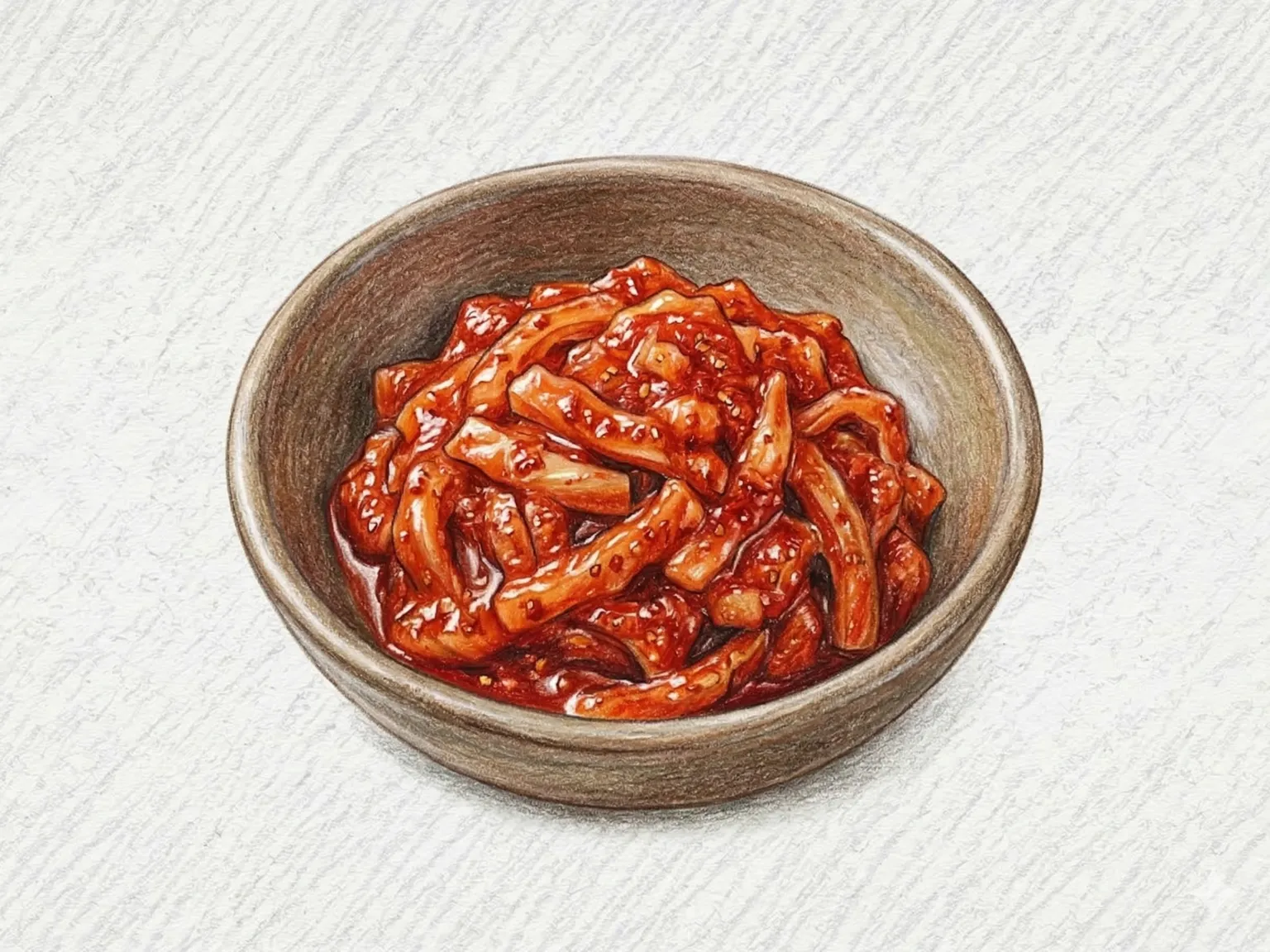
Nakji jeotgal is a Korean fermented octopus side dish made by packing cleaned octopus in coarse salt for at least forty minutes to draw out moisture and firm the flesh, then coating it thoroughly in a paste of gochugaru, minced garlic, minced ginger, anchovy fish sauce, and plum syrup before cold-aging in the refrigerator. The initial salt cure tightens the octopus's already springy muscle fibers, intensifying the chew, and the gochugaru paste forms a dense crimson coating that forces spicy, salty heat into every layer of flesh as the dish sits. Anchovy fish sauce builds the umami foundation while plum syrup counteracts any lingering marine smell and introduces a subtle fruit sweetness that rounds out the salt and chili. Ginger leaves a sharp, clean note at the back of the palate that keeps the overall flavor from becoming heavy. After two to three days of refrigeration, a slow fermentation sets in and the separate components fuse into a cohesive, deeply savory whole. Served over warm rice, each piece of octopus delivers a firm, elastic chew followed by a concentrated rush of ocean flavor, and a drop of sesame oil stirred in at serving adds a toasted, nutty finish.

🍱 Lunchbox 🏠 Everyday
Prep 45min 4 servings
Pork Vindaloo (Goan Vinegar-Marinated Fiery Pork Curry)
Asian Hard

Pork Vindaloo (Goan Vinegar-Marinated Fiery Pork Curry)

Pork vindaloo is a Goan curry shaped by centuries of Portuguese colonial influence on India's western coast. The name descends from the Portuguese carne de vinha d'alhos -- meat marinated in wine and garlic -- though the Goan version swaps wine for palm or cane vinegar and adds a punchy chili paste. Pork shoulder is marinated overnight in a mixture of vinegar, garlic, ginger, and Kashmiri chilies, then braised slowly until the meat yields to a fork. The sauce reduces into a thick, rust-colored gravy where acidity, heat, and garlic merge into a single bold flavor. Vindaloo is one of the few Indian curries where sourness leads rather than supports, and the dish tastes even better the next day after the flavors have had time to settle.

🎉 Special Occasion 🍺 Bar Snacks
Prep 20min Cook 60min 4 servings