Recipes with green onion

689 recipes. Page 27 of 29

Buy green onion
Korean Beef Brisket & Bean Sprout Chili Stew
Stews Easy

Korean Beef Brisket & Bean Sprout Chili Stew

This spicy Korean stew combines thin slices of beef brisket and mung bean sprouts with Cheongyang chilies. The cooking begins by stir-frying the brisket with minced garlic to render the fat, followed by chili flakes and soup soy sauce to build a rich seasoning base. Simmering this mixture in anchovy stock along with onion and tofu creates a deep, savory broth. Mung bean sprouts and Cheongyang chilies are added during the final two minutes of cooking, preserving the crisp texture of the sprouts and keeping the heat clean and sharp. Finishing with green onions adds a subtle aroma. The richness of the beef fat balances the direct spice from the chilies, making it a satisfying choice when a meal needs a hot, spicy stew.

🏠 Everyday
Prep 15min Cook 20min 2 servings
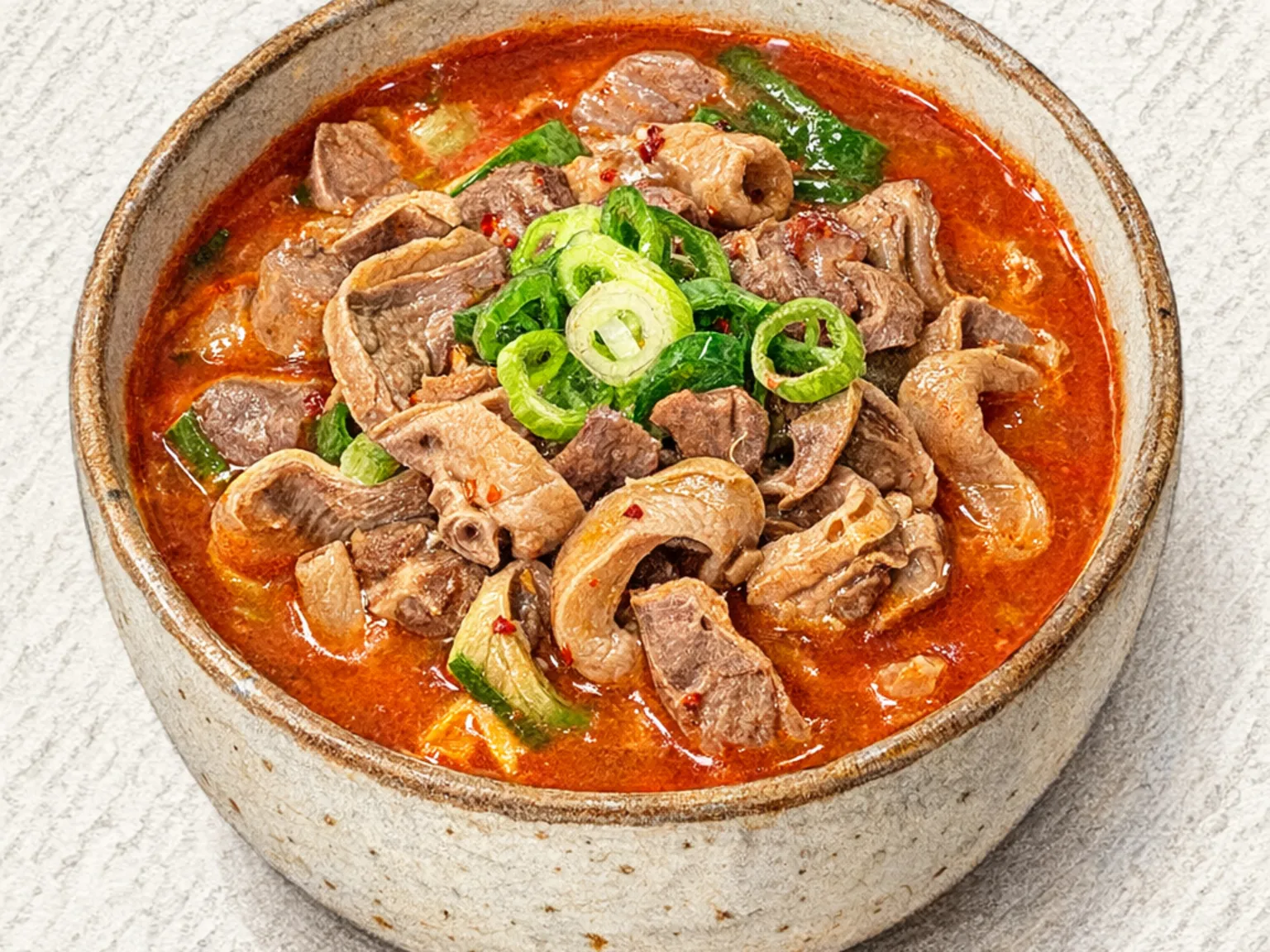
Naejang-tang (Spicy Mixed Beef Tripe Soup)
Soups Hard

Naejang-tang (Spicy Mixed Beef Tripe Soup)

Naejang-tang is a Korean offal soup that simmers a combination of beef innards including large intestine, tripe, abomasum, and omasum together with gochugaru, gochujang or doenjang, generous amounts of garlic, and green onion into a thick, aggressively seasoned broth. Each organ contributes a distinct texture to the bowl: the small intestine is chewy and springy, the large intestine is fatty and yielding, and the stomach linings are firm with a near-crunchy resistance that gradually releases umami as it is chewed. Long cooking renders the intramuscular fat and collagen from the innards directly into the broth, producing a body and richness that cannot be replicated by shorter-cooked, leaner soups. Some versions incorporate seonji, coagulated ox blood, cooked alongside the other organs; it darkens the broth significantly and introduces a mineral, iron-forward depth that distinguishes the blood-enriched variant as a richer, more fortifying bowl. Abundant green onion and garlic form the aromatic backbone, and gochugaru raises the heat to a level that is meant to be felt as much as tasted. The soup is traditionally served in a stone pot or a heavy ceramic vessel that retains heat and keeps the broth at a bubbling simmer through the meal. In Korea, naejang-tang is closely tied to early-morning hangover recovery: restaurants specializing in the dish, often located near traditional markets or late-night drinking districts, begin service well before dawn to catch customers emerging from long nights. The combination of fat, protein, intense heat, and restorative minerals is widely understood to ease alcohol-related discomfort and replenish the body.

🏠 Everyday 🎉 Special Occasion
Prep 30min Cook 90min 2 servings
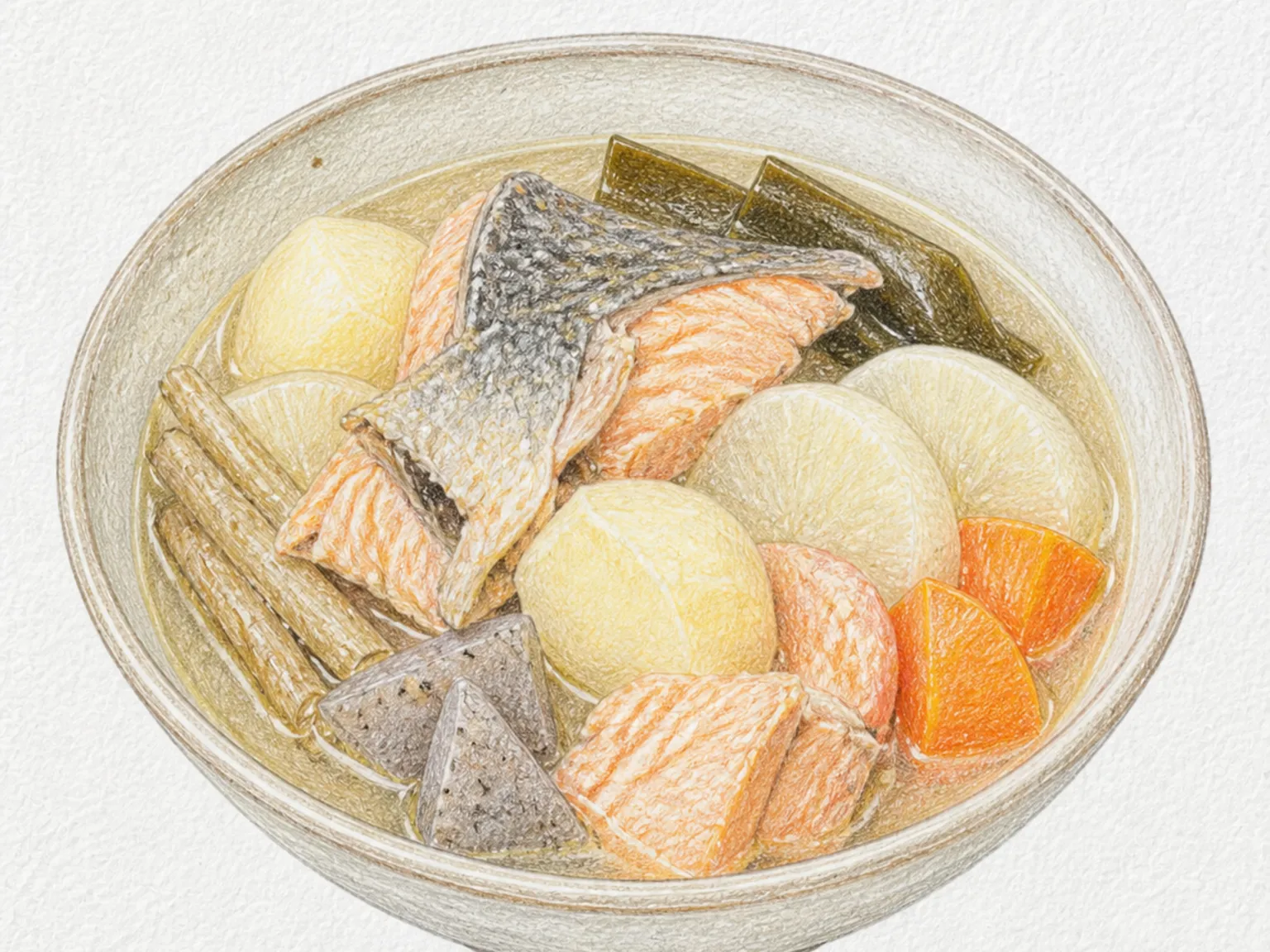
Yanagawa Nabe (Loach, Burdock, and Egg Hot Pot)
Stews Medium

Yanagawa Nabe (Loach, Burdock, and Egg Hot Pot)

Yanagawa nabe is a shallow Tokyo hot pot of cleaned, boned loach and shaved burdock simmered in dashi seasoned with soy sauce, mirin, and sugar, then bound with beaten egg. Unlike marunabe, which cooks whole loach, Yanagawa uses opened fish and gains a gentler finish from the egg. This version avoids handling live loach and begins with fish professionally gutted, boned, and kept refrigerated. The loach is cooked through in the simmering broth before the egg is poured in two stages.

🎉 Special Occasion 🍺 Bar Snacks
Prep 20min Cook 20min 4 servings
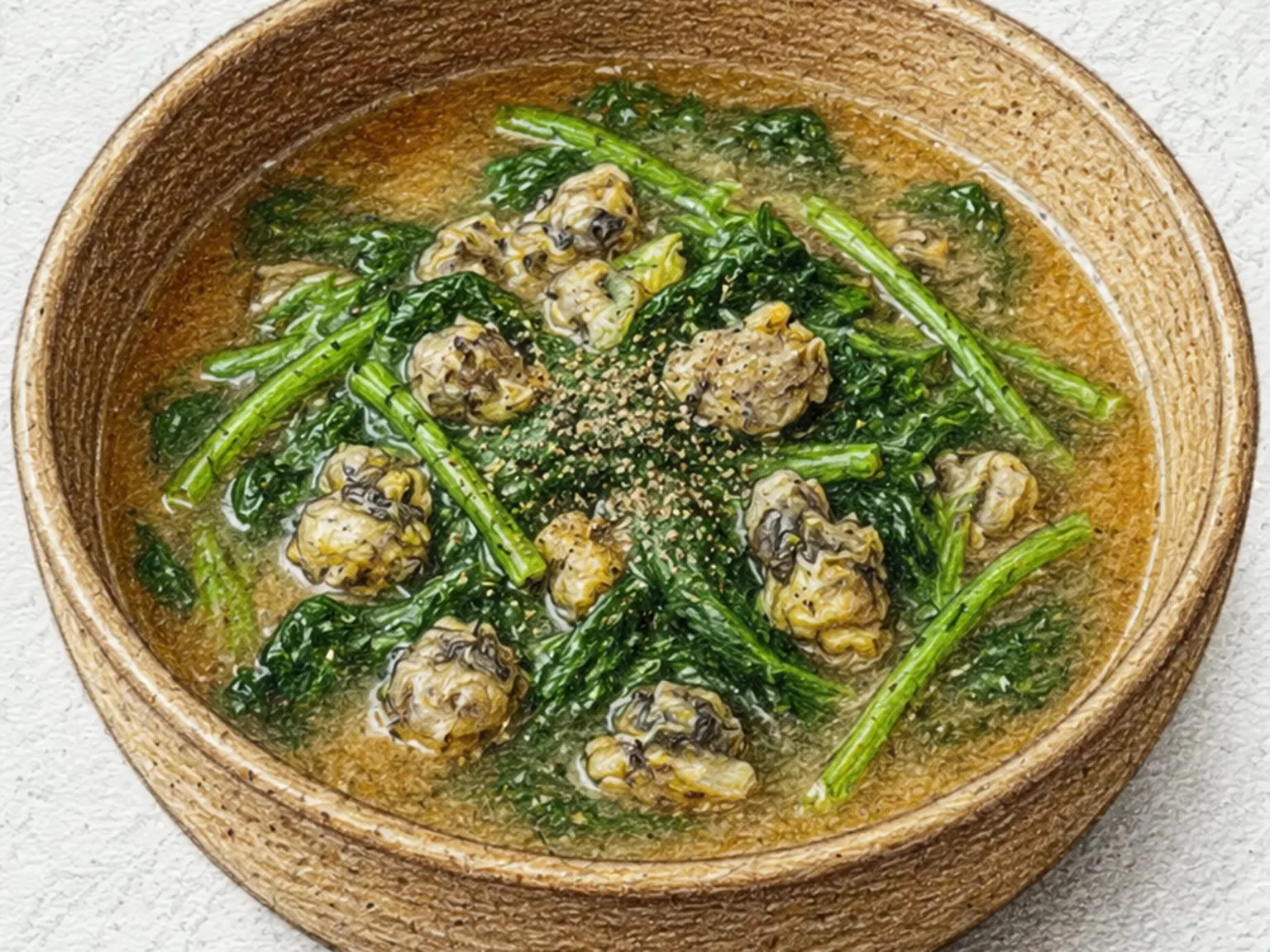
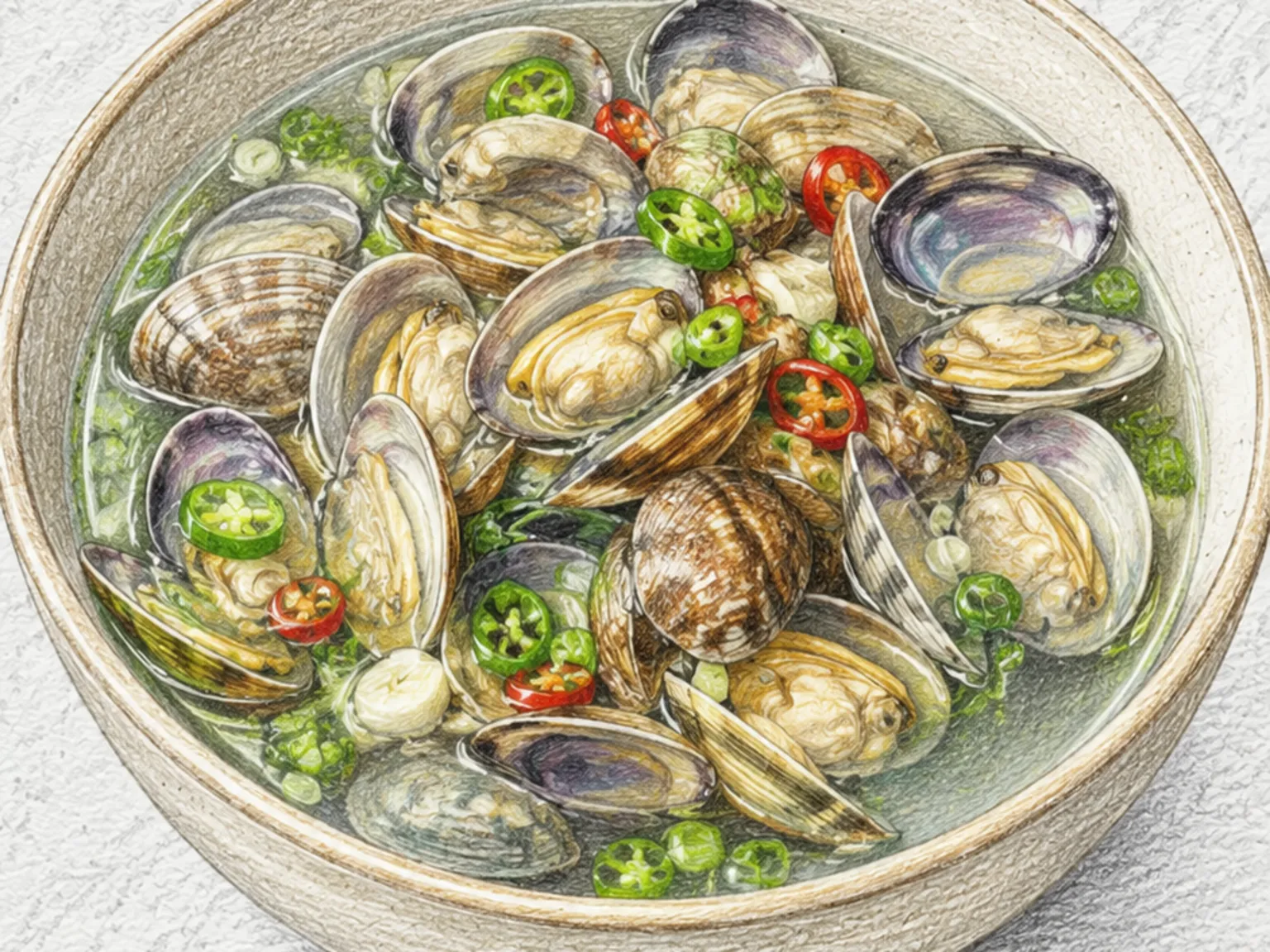
Korean Shepherd's Purse Clam Soup
Soups Easy

Korean Shepherd's Purse Clam Soup

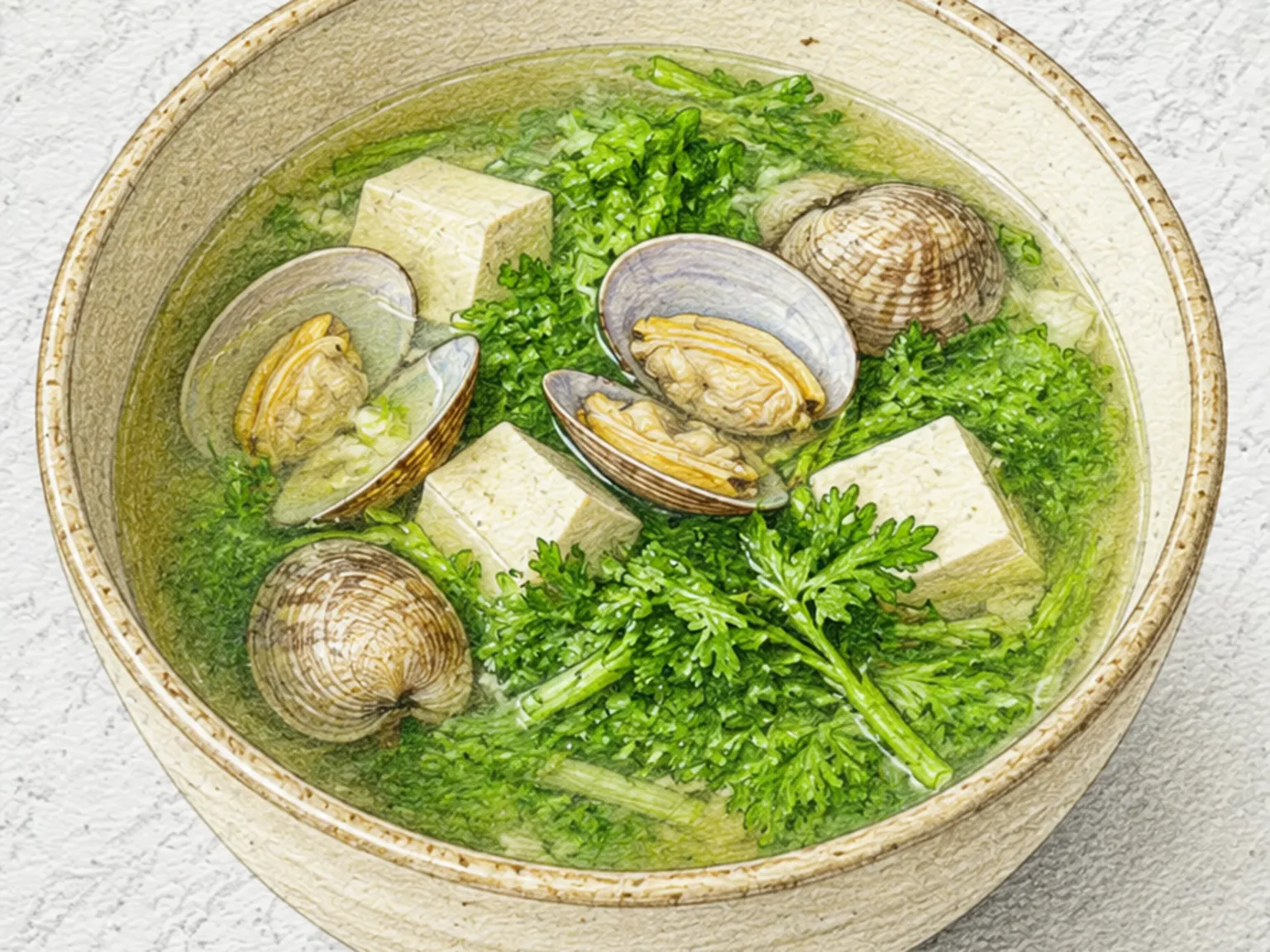
Naengi-bajirak-guk is a Korean spring soup that brings together shepherd's purse and clams in a clear broth. The clams go in first, opening their shells and releasing a briny, savory liquor that forms the backbone of the soup. Cubed tofu simmers alongside, absorbing the surrounding flavor while contributing a soft texture. Shepherd's purse is added only in the final minutes to preserve its distinctive earthy fragrance; overcooking flattens the aroma that defines the herb's character. Soup soy sauce and garlic provide restrained seasoning, letting the natural salinity of the clams and the grassy scent of the naengi carry through. Before cooking, the shepherd's purse requires thorough rinsing since its roots hold grit, and the clams need to be purged in salted water so the broth stays clear and clean. On Korean spring tables, this soup is one of the first signs that the cold season has passed and the mountain greens have returned.

🏠 Everyday 🥗 Light & Healthy
Prep 18min Cook 15min 4 servings
Korean Octopus and Tofu Hot Pot
Stews Medium

Korean Octopus and Tofu Hot Pot

This Korean hot pot features fresh octopus and soft tofu cooked in a clear, savory anchovy broth. The preparation starts by simmering thinly sliced Korean radish in the broth for eight minutes to extract a natural sweetness and refreshing depth. After seasoning the base lightly with soup soy sauce and minced garlic, the sliced tofu and cleaned octopus are added to cook for five minutes. Precise timing is essential, as the octopus must only simmer until its legs curl and turn opaque to prevent the flesh from becoming tough. To finish, fresh water dropwort and green onion are placed on top and simmered for another three minutes. The water dropwort adds a bright herbal aroma that neutralizes any seafood odor while providing a crisp texture. This dish is served hot at the table, allowing diners to enjoy the tender octopus and clean broth together.

🎉 Special Occasion 🥗 Light & Healthy
Prep 25min Cook 18min 4 servings
Korean Shepherd's Purse Pollack Soup
Soups Easy

Korean Shepherd's Purse Pollack Soup

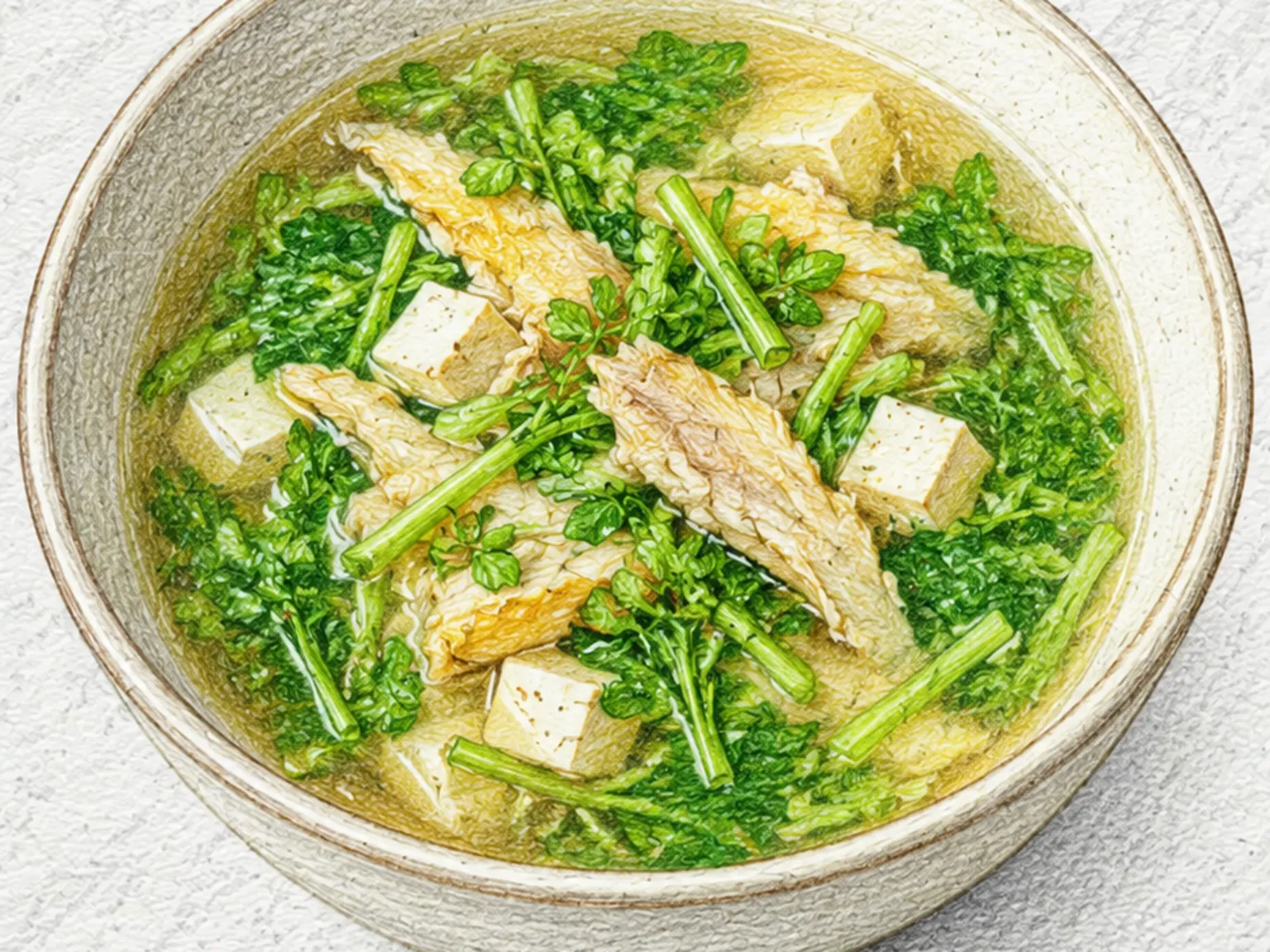
Naengi-bugeo-guk is a clear Korean soup that brings together dried pollack strips and fresh shepherd's purse, pairing the hearty depth of a winter pantry staple with the clean, herbaceous fragrance of early spring. Sautéing the pollack strips in sesame oil before adding water is the foundational step, as the dry heat coaxes a toasty, nutty aroma out of the surface proteins and primes the broth to carry deep flavor from the first minute of simmering. As the soup cooks, the concentrated umami locked inside the dried fish slowly dissolves into the liquid, building a broth that feels rich without being heavy. Cubed tofu goes in mid-cook, softening into a silky texture while keeping the overall flavor clean and mild. The shepherd's purse is added at the very end, just long enough to wilt, so that its faintly bitter, earthy spring perfume remains in the finished bowl rather than cooking off. Soup soy sauce and minced garlic season without clouding the broth. This soup is a fixture of Korean spring cooking, prized for being gentle on the stomach while delivering genuine depth.

🏠 Everyday 🥗 Light & Healthy
Prep 15min Cook 20min 2 servings
Korean Clear Broth Tofu Stew
Stews Easy

Korean Clear Broth Tofu Stew

This clear Korean tofu stew is prepared by simmering tofu cubes, shiitake mushrooms, and zucchini in seasoned beef stock. The base relies on a rich beef broth, enhanced by the earthy umami of sliced shiitake mushrooms. Zucchini slices add a mild sweetness as they cook to a tender, translucent state. Seasoned simply with Korean soup soy sauce, salt, and minced garlic, the broth maintains a clean, savory taste without chili heat. To prevent the tofu from breaking, the cubes are gently settled into the pot and simmered over medium-low heat. Sliced green onions are added at the end of cooking to infuse a mild herbal note. Serving the stew hot after letting it rest briefly highlights the natural flavors of the ingredients. The tofu can be lightly pan-seared beforehand to add a nutty flavor and firmer texture.

🏠 Everyday ⚡ Quick
Prep 10min Cook 15min 2 servings
Korean Shepherd's Purse Soup
Soups Easy

Korean Shepherd's Purse Soup

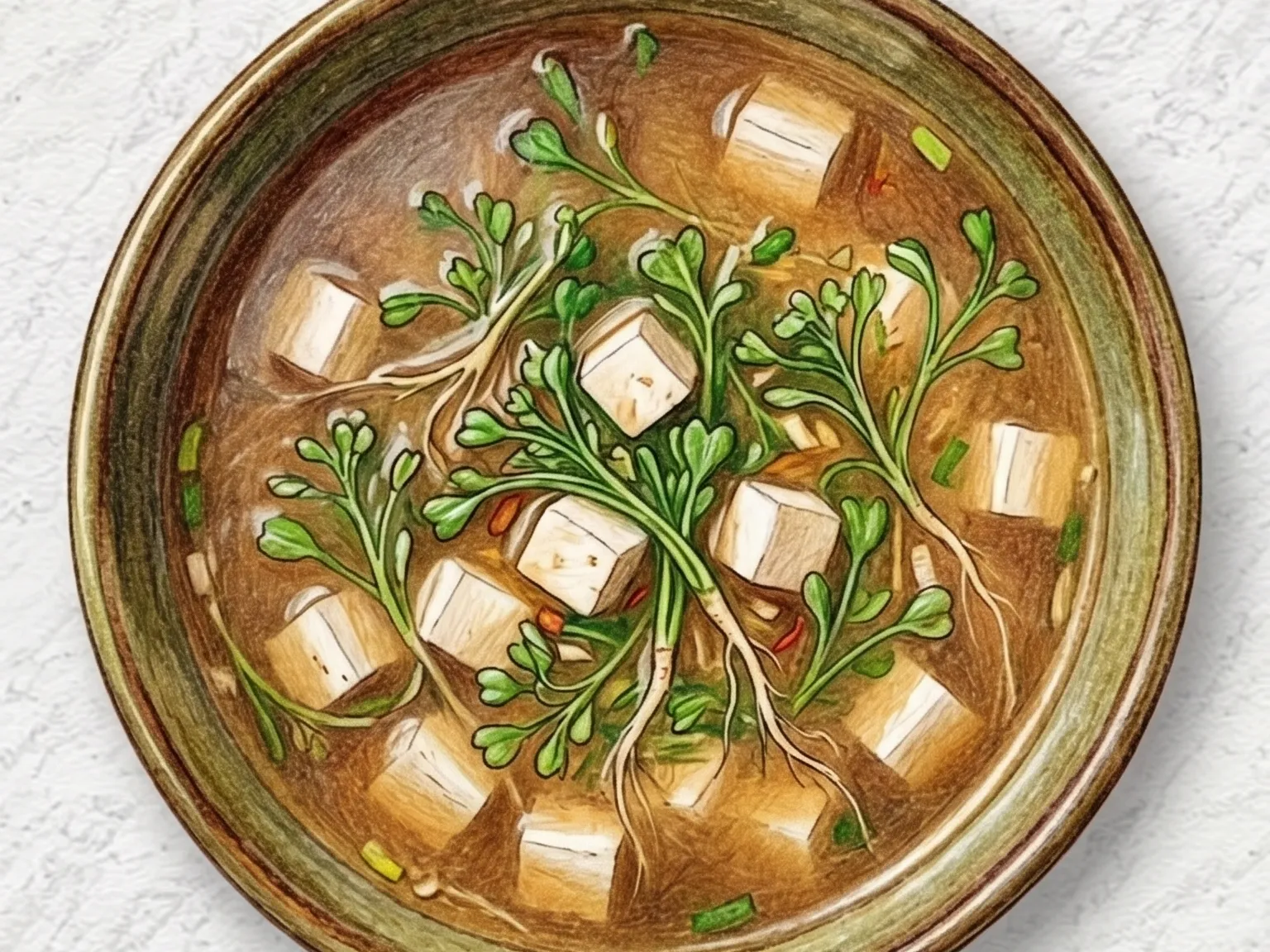
Naengi-guk is a Korean spring soup made with anchovy-kelp stock, doenjang, and fresh shepherd's purse (naengi). Naengi is a cruciferous plant gathered from paddies, field edges, and roadsides in early spring, and both the root and the leaves are used. The root contributes an earthy, mineral fragrance and the leaves carry a slightly bitter green quality that together define the soup's character. The stock is made from dried anchovies and kelp simmered and strained, providing a clean umami base. Doenjang is dissolved through a mesh strainer rather than stirred directly into the pot, which keeps the broth clear rather than murky while still delivering the fermented soybean depth. Diced tofu simmers in the seasoned broth until warmed through. Naengi goes in during the final two to three minutes of cooking: longer exposure to heat breaks down the aromatic compounds in the herb and erases the spring fragrance that makes the soup worth making in the first place. The pairing of naengi's earthy bitterness with the fermented depth of the doenjang and the clean mineral tone of the anchovy stock produces a flavor that is distinctly seasonal and difficult to replicate outside of spring. Soup soy sauce, salt, and a small amount of garlic complete the seasoning. In Korean food culture, naengi-guk on the table is understood as one of the clearest signs that winter is finished.

🏠 Everyday 🥗 Light & Healthy
Prep 15min Cook 20min 4 servings
Korean Shepherd's Purse Beef Soup
Soups Easy

Korean Shepherd's Purse Beef Soup

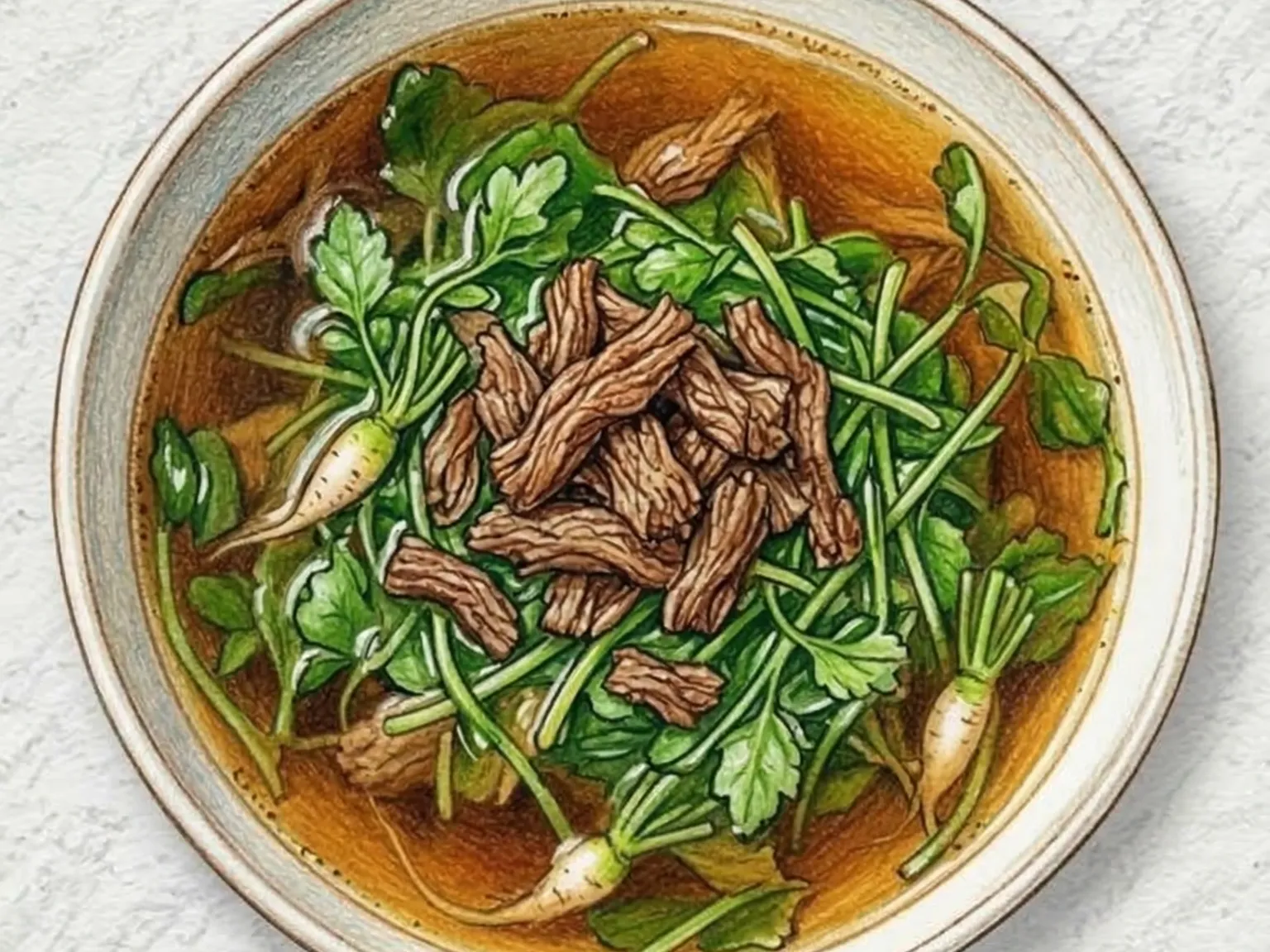
Naengi-soegogi-guk brings together sesame-oil-seared beef and shepherd's purse in a clear, deeply flavored broth. Thinly sliced brisket is stir-fried in sesame oil first, building a savory, aromatic base before water and a small amount of doenjang are added. The soup simmers until the beef releases its full flavor into the broth, then soup soy sauce and garlic round out the seasoning. Shepherd's purse goes in near the end and cooks for just five minutes so its characteristic earthy bitterness and wild green scent stay vivid rather than cooking out. The result is a bowl that feels both substantial and distinctly seasonal, with rich beef broth anchoring the delicate, slightly bitter quality of the spring herb. Adding the herb too early dulls its aroma, so timing is the most critical step in the preparation.

🏠 Everyday 🥗 Light & Healthy
Prep 18min Cook 25min 4 servings
Naju Gomtang (Naju Clear Brisket Beef Soup)
Soups Medium

Naju Gomtang (Naju Clear Brisket Beef Soup)

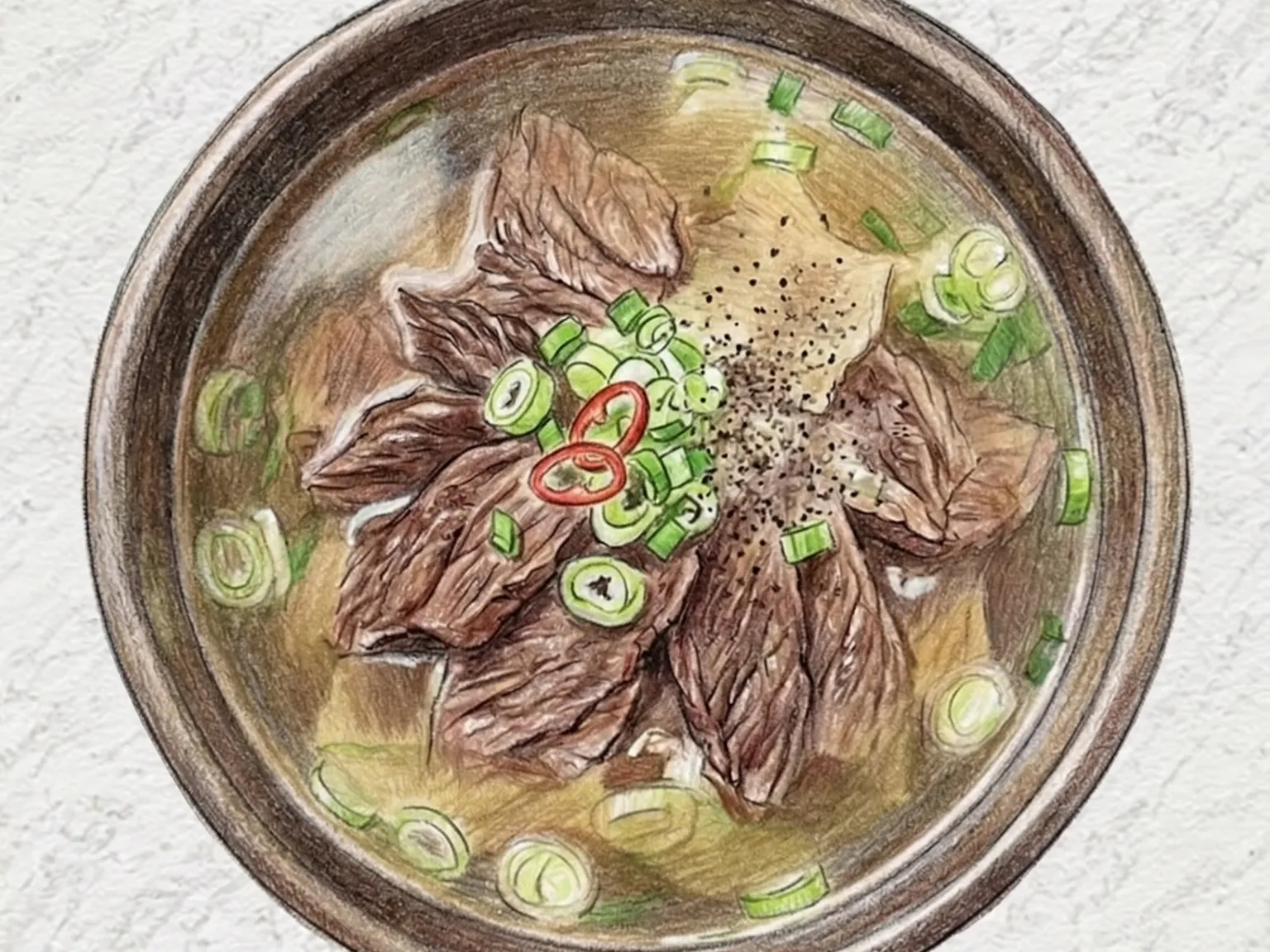
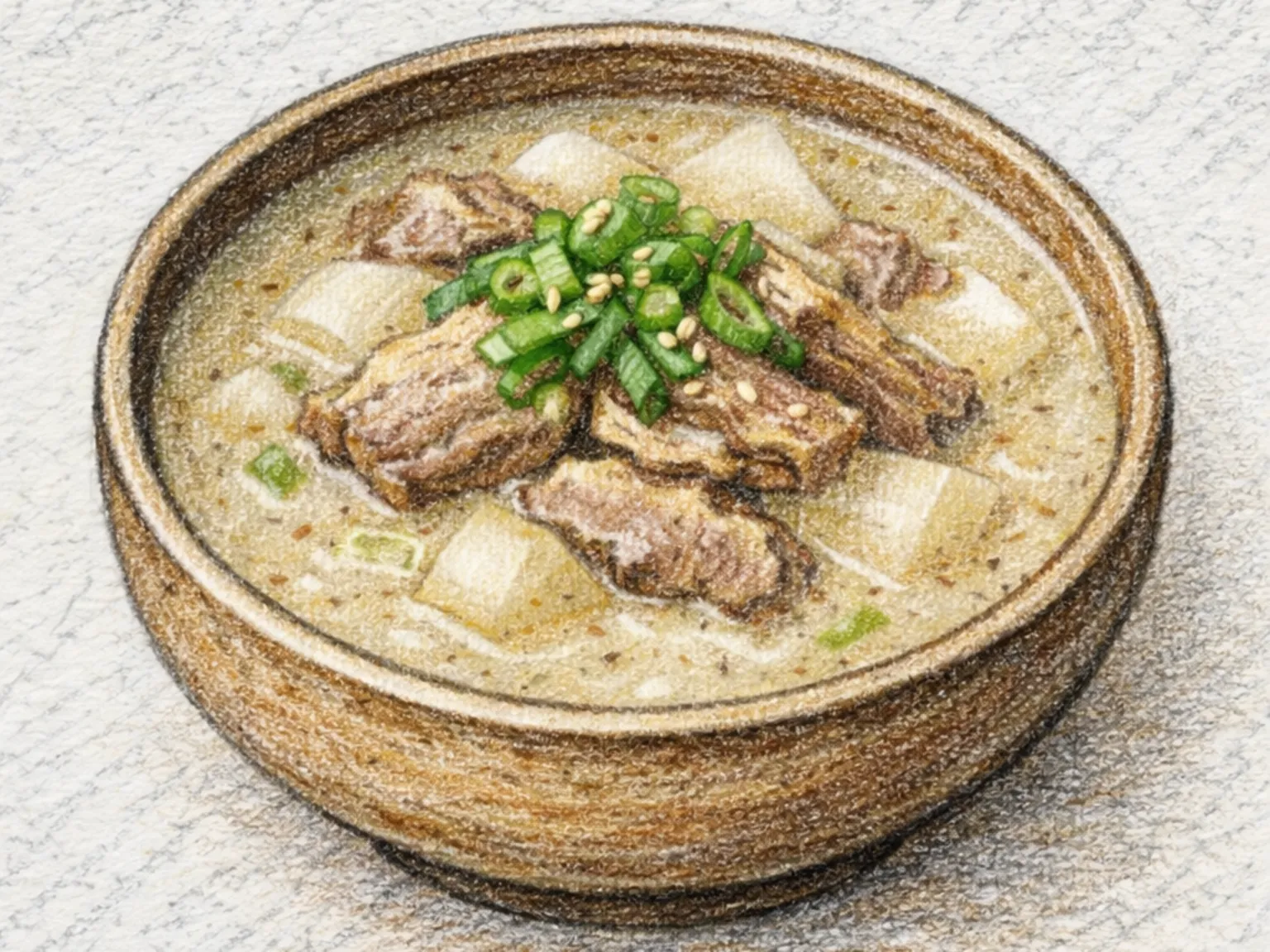
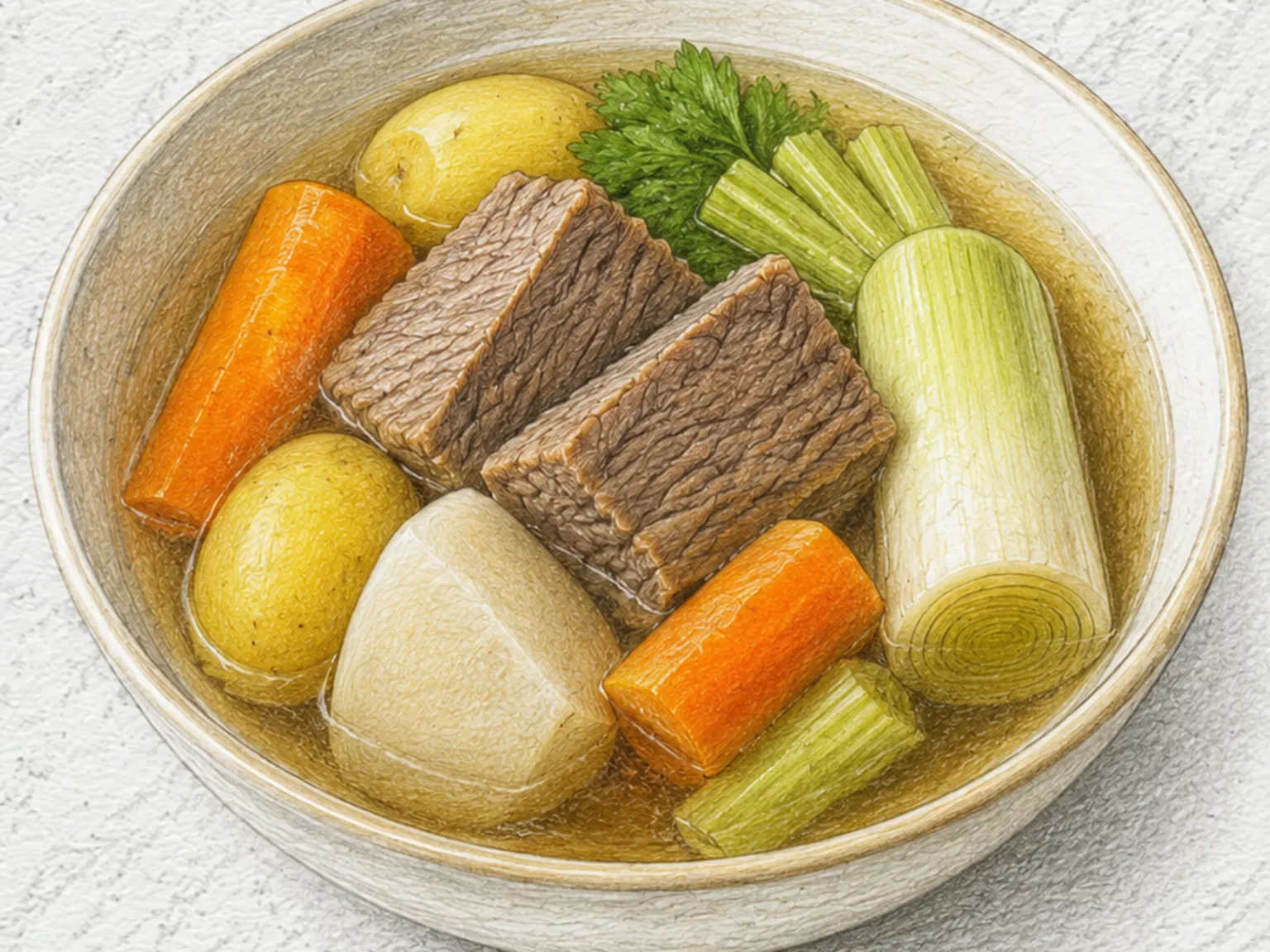
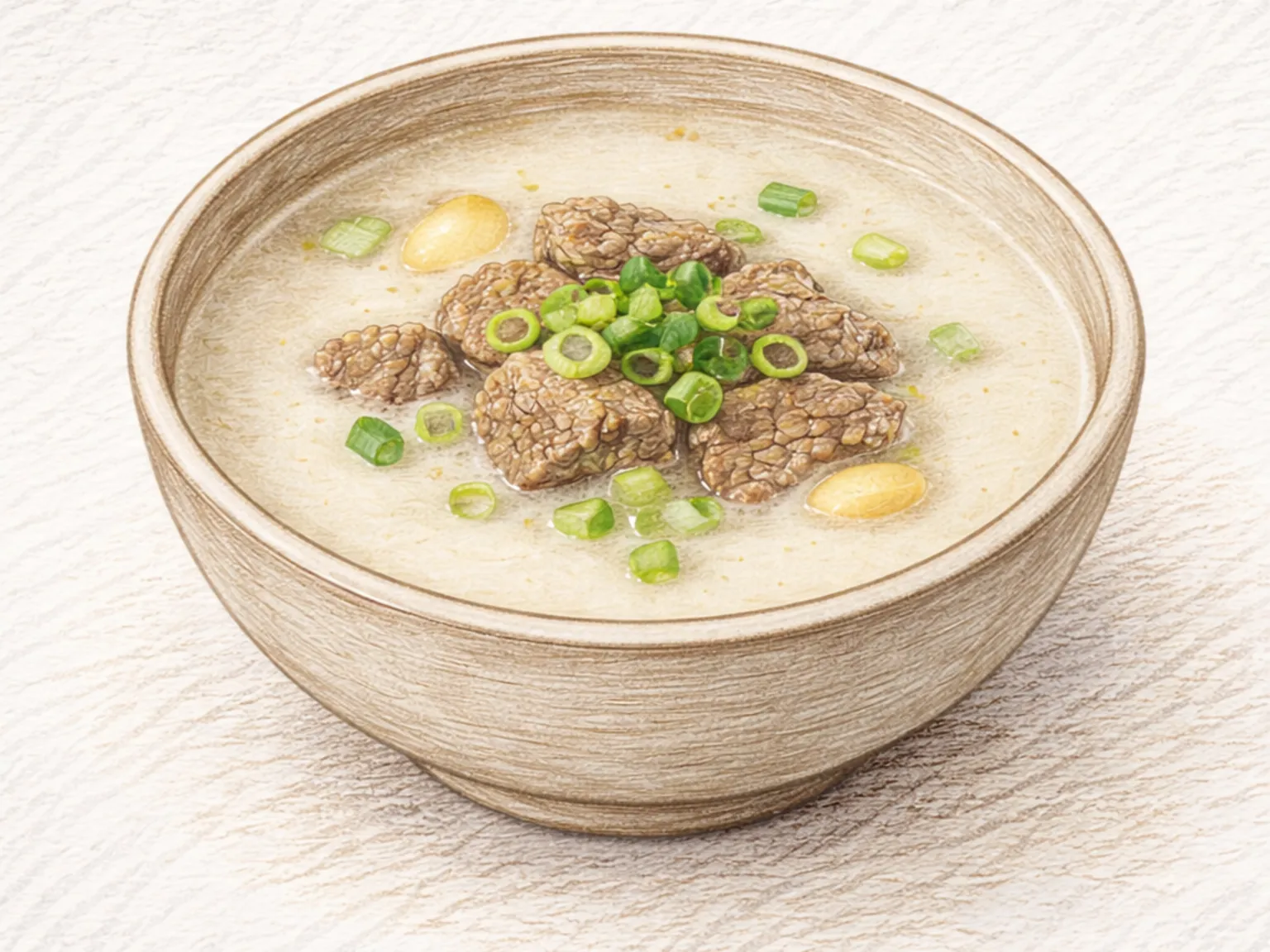
Naju-gomtang is a traditional beef soup from Naju in Korea's South Jeolla Province, distinguished by its clear broth and its reliance entirely on lean cuts rather than bones or offal. While Seoul-style gomtang often includes bone marrow and internal organs for a richer, cloudier result, Naju gomtang uses only brisket and shank, producing a broth that looks light but carries a deep, clean beef flavor. The entire technique depends on low, patient heat. A hard boil clouds the liquid, so the pot must stay at a gentle simmer for at least two hours, with foam skimmed off as it rises. This extended cooking draws collagen from the connective tissue into the broth, giving it a coating quality that lingers on the palate despite the clear appearance. The meat is lifted out, shredded along the grain or sliced thin, then returned to the strained broth. Seasoning is intentionally minimal, just soup soy sauce and salt, because the point is to let the flavor of long-simmered beef stand on its own. Sliced green onion and white pepper are added at the table just before eating, the traditional finishing touch.

🏠 Everyday
Prep 20min Cook 140min 4 servings
Korean Namdo-Style Loach Soup
Soups Hard

Korean Namdo-Style Loach Soup

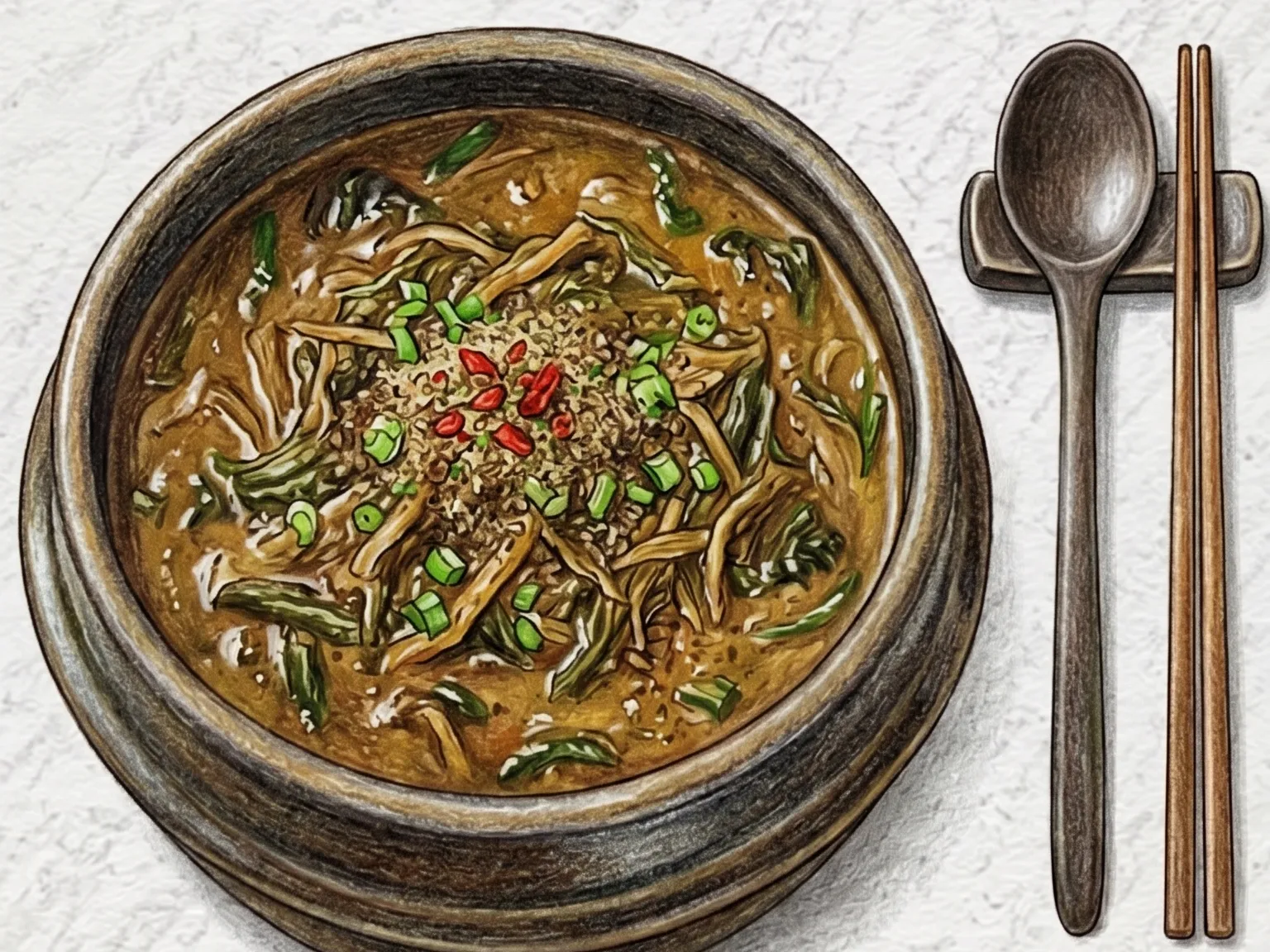
Namdo-chueotang is the southern Korean take on loach soup, distinguished from other regional versions by grinding the entire loach - bones and all - into a thick, porridge-like broth. The loaches are first boiled until completely soft, then blended and strained to produce a dense, opaque base packed with protein and calcium. Dried radish greens simmer in this liquid, contributing a rustic, earthy backbone. Doenjang and gochujang season the soup with fermented depth and moderate heat, while a generous addition of perilla seed powder lends a nutty richness that rounds out the heavy flavors. A final dusting of sancho pepper tames any lingering fishiness and adds a tingling, aromatic kick. This is restorative cooking at its most direct - a thick, warming bowl meant to rebuild energy during the colder months.

🏠 Everyday 🎉 Special Occasion
Prep 30min Cook 45min 4 servings
Korean Namhae-Style Clam Broth
Soups Medium

Korean Namhae-Style Clam Broth

Namhae-jogae-tang is a southern coastal Korean clam soup that relies on an abundance of clams and minimal interference to produce a broth of startling clarity and depth. The clams are purged in salted water, then cooked in water spiked with rice wine, which tempers any raw ocean smell. As the shells pop open, they release their natural liquor - briny, faintly sweet, and concentrated - which becomes the soup's defining flavor. Sliced green and red chilies add gentle heat and color without overwhelming the shellfish, while garlic and green onion contribute a quiet aromatic layer. Salt is added cautiously, since the clams themselves bring significant salinity. The result is a transparent, intensely flavored bowl that tastes like the sea distilled into its purest form, and it is traditionally enjoyed as both a drinking companion and a light meal.

🍺 Bar Snacks 🏠 Everyday
Prep 35min Cook 18min 2 servings
Natto Jiru Ground Natto Miso Soup
Soups Medium

Natto Jiru Ground Natto Miso Soup

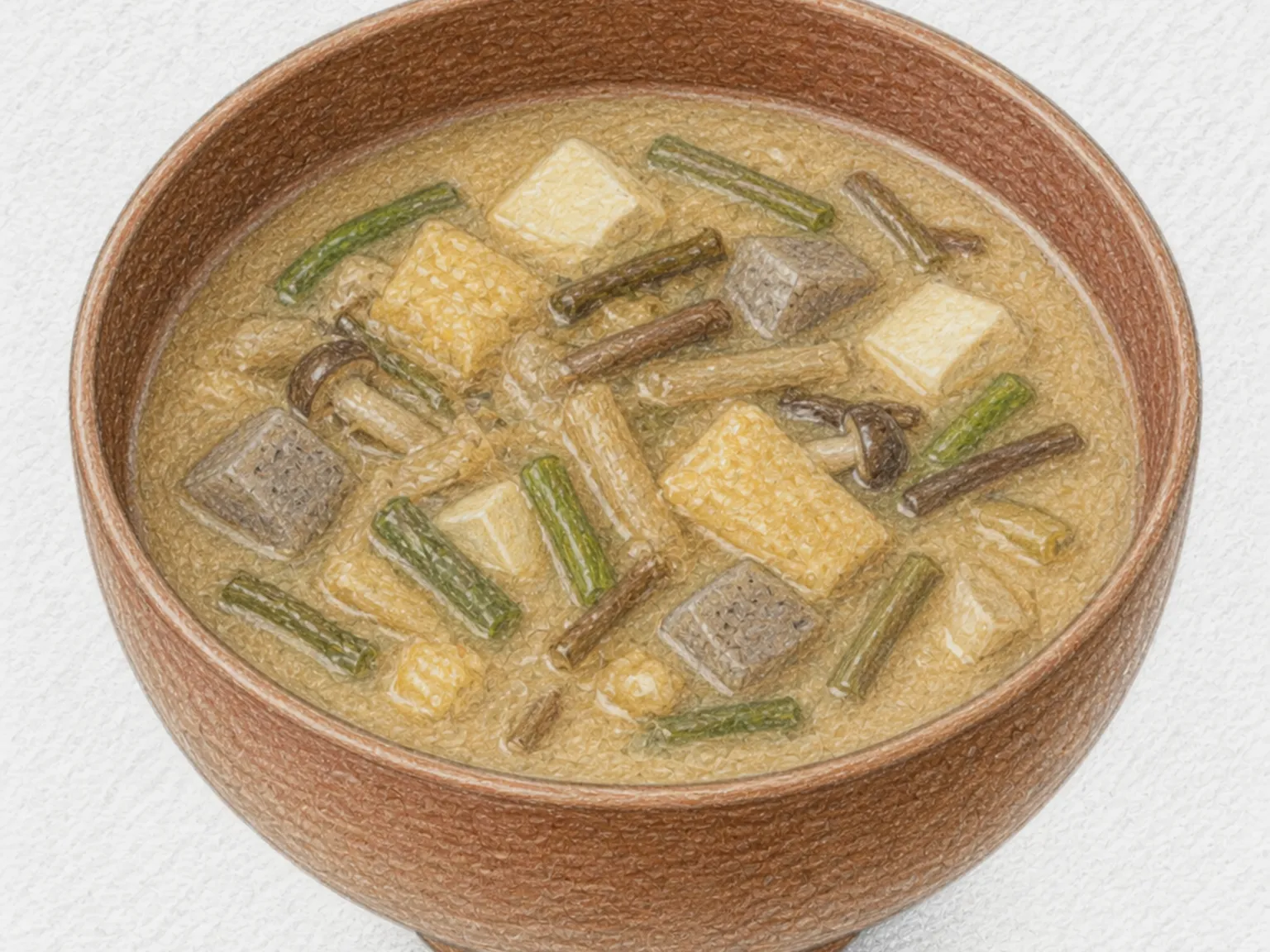
Natto jiru is a Yamagata winter home soup that grinds natto until the beans nearly disappear, then dissolves it into miso broth filled with dried taro stems, tofu, fried tofu, konnyaku, mushrooms, and mountain vegetables. The dish drew on preserved foods such as homemade natto, dried imogara stems, and salted greens to endure winters with limited fresh ingredients. Depending on the area, it also appeared at New Year, Nanakusa, and Daikokusama observances. Natto is pressed bean by bean in a mortar rather than whipped into long strings, producing a smoother paste that disperses through the soup. Imogara is soaked in warm water and rinsed, while fried tofu and konnyaku are separately blanched before all the ingredients are cut to similar dice. Once the solids are tender, miso seasons the broth slightly strongly. Heat is turned off before the ground natto enters, and reheating stops just short of a boil to preserve fermented aroma and gentle viscosity.

🏠 Everyday
Prep 35min Cook 30min 5 servings
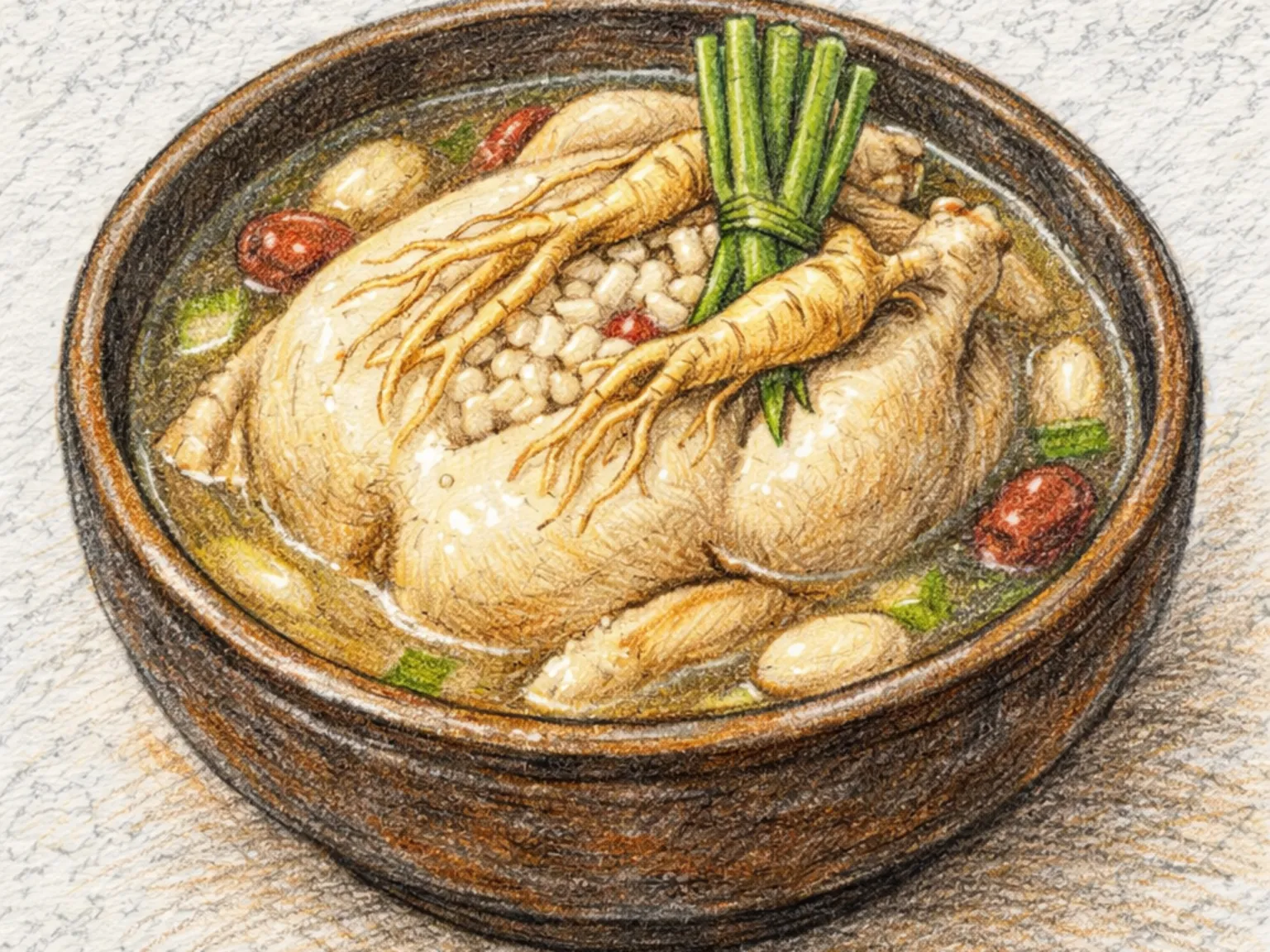
Korean Chicken and Neungi Mushroom Soup
Soups Medium

Korean Chicken and Neungi Mushroom Soup

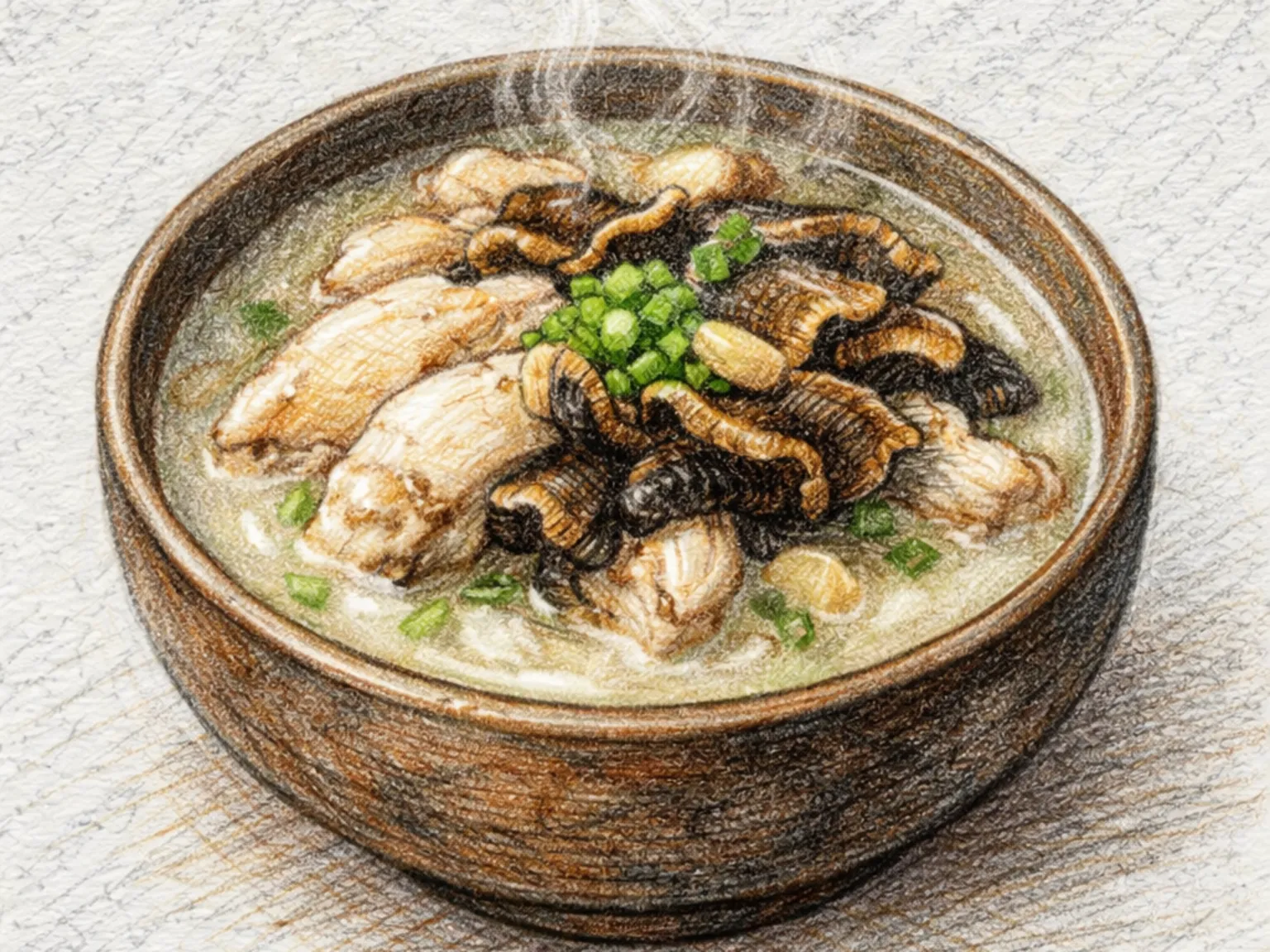
Neungi-dak-gomtang is a Korean chicken soup elevated by neungi mushrooms, a wild variety prized for their intense, almost truffle-like fragrance. The chicken is blanched first to remove impurities, then simmered for fifty minutes with onion, garlic, and ginger to build a clear, rich stock. After straining, the torn chicken meat is returned to the pot along with the neungi mushrooms, which steep in the hot broth for fifteen minutes - long enough to release their deep, earthy perfume without losing its complexity. The mushroom's aroma permeates the entire liquid, transforming an already satisfying chicken soup into something far more layered and aromatic. Seasoning is kept to soup soy sauce and salt, ensuring nothing competes with the interplay between poultry richness and mushroom fragrance. In Korea, this soup is considered both nourishing and luxurious, often served during autumn when neungi mushrooms are freshly foraged.

🏠 Everyday
Prep 20min Cook 70min 4 servings
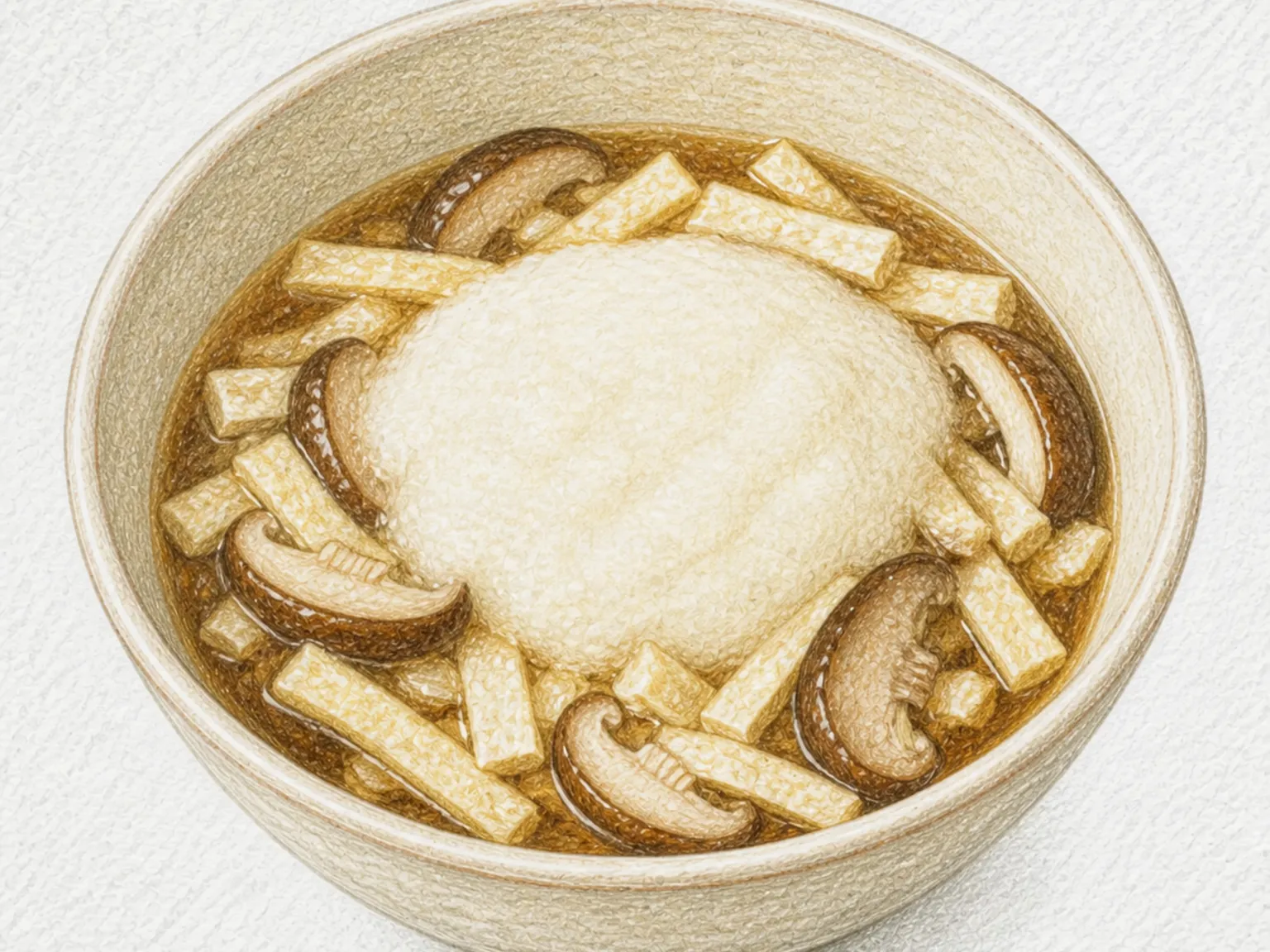
Nuppei-jiru or Hachihai-jiru (Tofu Soup with Grated Yam)
Soups Medium

Nuppei-jiru or Hachihai-jiru (Tofu Soup with Grated Yam)

Nuppei-jiru, also called hachihai-jiru, is an Iwate Buddhist-style soup. Matchstick-cut tofu simmers in soy-seasoned broth made from kombu and dried shiitake, then each bowl receives a ladle of raw grated nagaimo mixed with daikon juice. This formal version is the nuppei style in which yam spreads softly over the hot soup, rather than the hachihai variation that thickens the whole pot with potato starch. The name hachihai is linked either to making eight bowls from one tofu block or to wanting many refills. Nagaimo can irritate skin when grated, so wear gloves and serve it immediately under piping-hot broth.

🏠 Everyday 🥗 Light & Healthy
Prep 35min Cook 20min 4 servings
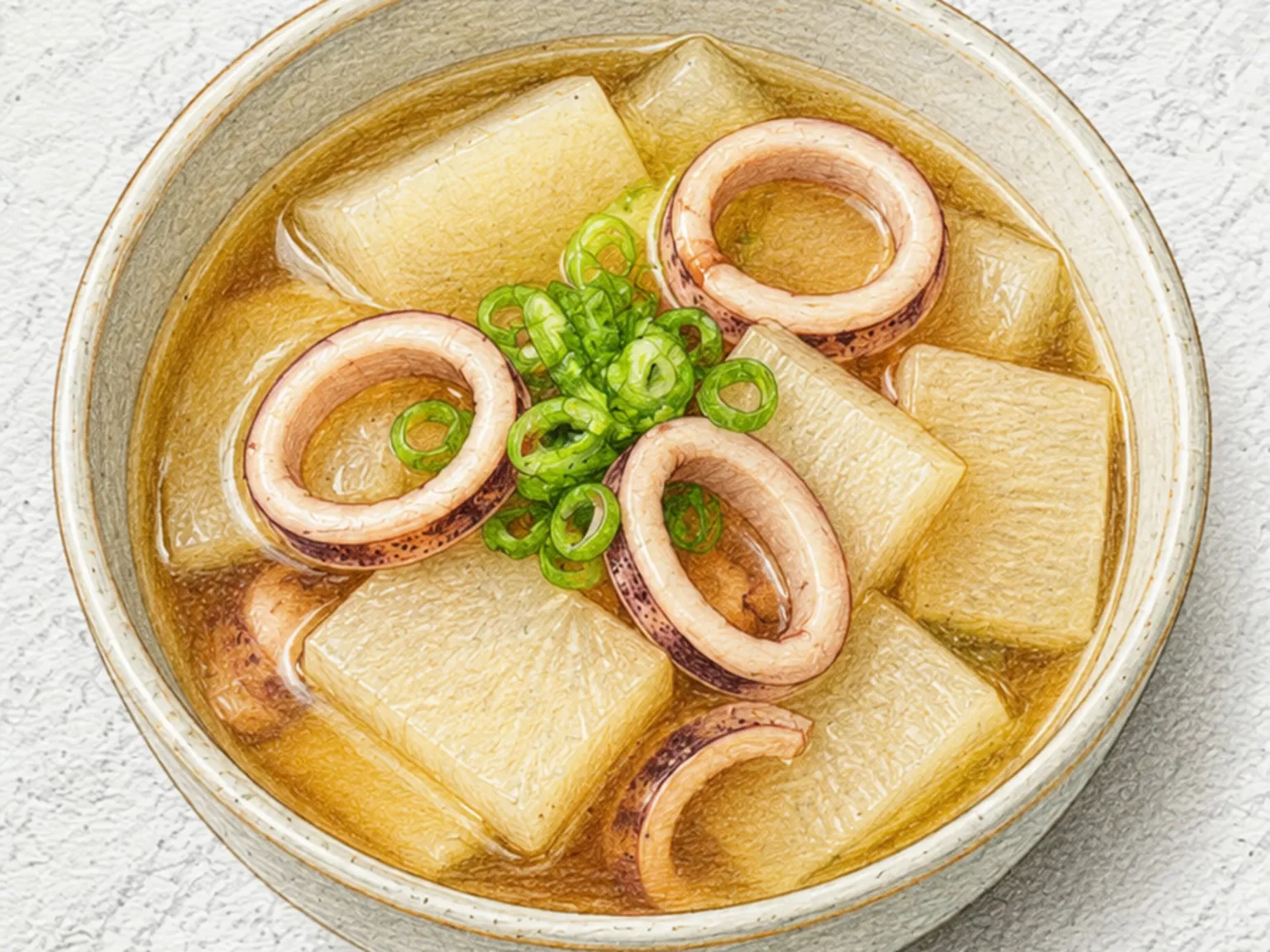
Ojingeo-muguk (Korean Squid Radish Soup)
Soups Easy

Ojingeo-muguk (Korean Squid Radish Soup)

Ojingeo-muguk is a clear Korean soup that pairs squid and radish in a gently sweet, clean-tasting broth built without any chili or strong seasoning. Radish is added to cold water from the start and simmered for at least eight minutes, during which the vegetable slowly releases a natural sweetness that forms the flavor foundation of the soup. Squid is cleaned, sliced into rings, and added only after the radish has softened, and the timing here is critical: five minutes in the hot broth is enough for the flesh to turn fully opaque and pleasantly firm, but even a minute or two beyond that causes the proteins to tighten and the rings to turn rubbery and tough. Soup soy sauce seasons the broth without darkening it, and minced garlic provides depth without heat. Sliced green onion stirred in at the end neutralizes any residual seafood aroma and leaves the broth tasting bright and clean. The simplicity of the combination is the point: the radish's sweetness and the squid's umami reinforce each other in a broth that is light in body but surprisingly satisfying.

🏠 Everyday 🍺 Bar Snacks
Prep 15min Cook 20min 4 servings
Korean Freshwater Snail Soup
Soups Medium

Korean Freshwater Snail Soup

Olgaengi-guk is a defining dish of the Chungcheong region, a rustic and deeply flavored Korean soup made with freshwater snails called daseugi and mallow leaves simmered in a doenjang-based broth. Pressing the soybean paste through a fine strainer before adding it to the pot keeps the broth smooth and free of lumps, which gives the finished soup a cleaner appearance than versions made by simply dropping a spoonful into the water. Mallow leaves go in first and simmer for eight minutes, gradually releasing a soft, vegetal flavor that works its way through every corner of the broth. The snail meat follows, adding a delicate freshwater umami that is noticeably lighter and cleaner than the brine-forward taste of ocean shellfish. Ground perilla seed stirred in at the very end coats the liquid in a nutty richness and acts as a binding element that pulls the doenjang, the snail, and the mallow into a single coherent whole. The result is a bowl that is simple in its list of ingredients but quietly complex in flavor, a soup that reflects the rivers, fields, and fermentation culture of central Korea. It rarely appears on menus outside its home territory, making it one of those genuinely regional dishes that most people encounter only when they find themselves in Chungcheong.

🏠 Everyday 🥗 Light & Healthy
Prep 30min Cook 35min 4 servings
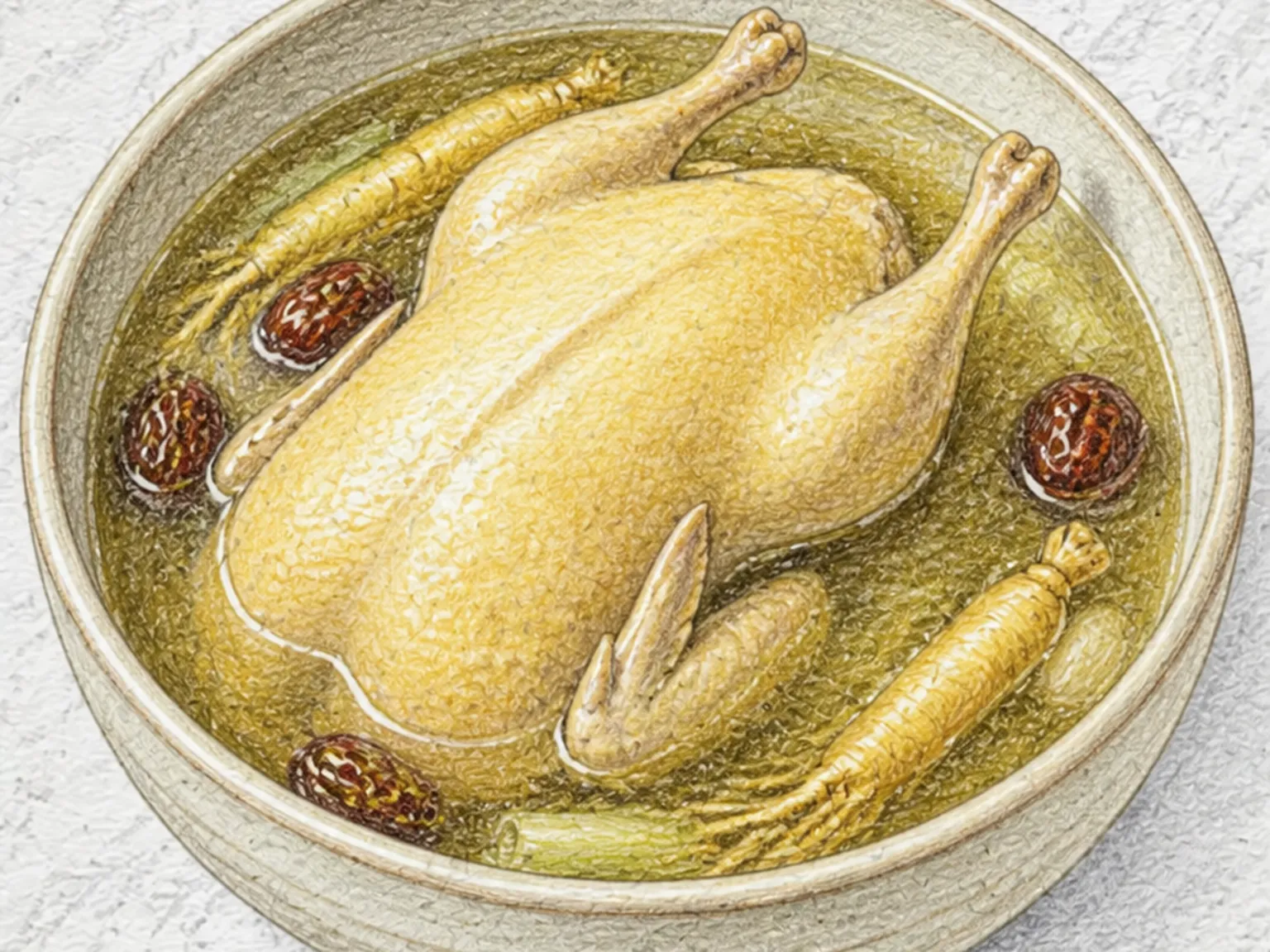
Korean Whole Duck Baeksuk
Soups Medium

Korean Whole Duck Baeksuk

A whole duck is slow-simmered with milkvetch root, kalopanax, garlic, and jujubes until the meat is tender. Skimming the fat keeps the broth clean-tasting.

🏠 Everyday 🎉 Special Occasion
Prep 20min Cook 90min 4 servings
Korean Duck Perilla Seed Soup
Soups Medium

Korean Duck Perilla Seed Soup

Ori-deulkkae-tang is a Korean duck soup thickened with ground perilla seeds, producing a broth that is rich, nutty, and deeply warming. Duck fat provides a substantial body that distinguishes this soup from lighter poultry broths, and the perilla powder transforms the cooking liquid into something creamy and opaque, with an aroma reminiscent of toasted sesame but distinctly earthier. Radish starts in cold water and simmers for ten minutes, laying a foundation of clean, faintly sweet flavor before the duck is added. The pot then cooks for at least twenty minutes, during which foam and excess rendered fat must be skimmed from the surface to keep the broth clear and free of off-flavors. Perilla powder is added in the final ten minutes only: introduced too early, it turns bitter and chalky; added at the right moment, it blooms into a smooth, nutty finish. Soup soy sauce and salt bring the seasoning into balance, and a scattering of sliced green onion with black pepper completes the bowl. The result is a soup that coats the palate with a layer of fat and grain richness, eaten as a stamina-building meal during the colder months or whenever the body needs warming.

🏠 Everyday
Prep 25min Cook 50min 4 servings
Korean Green Laver Soup (Seaweed Tofu Anchovy Broth)
Soups Easy

Korean Green Laver Soup (Seaweed Tofu Anchovy Broth)

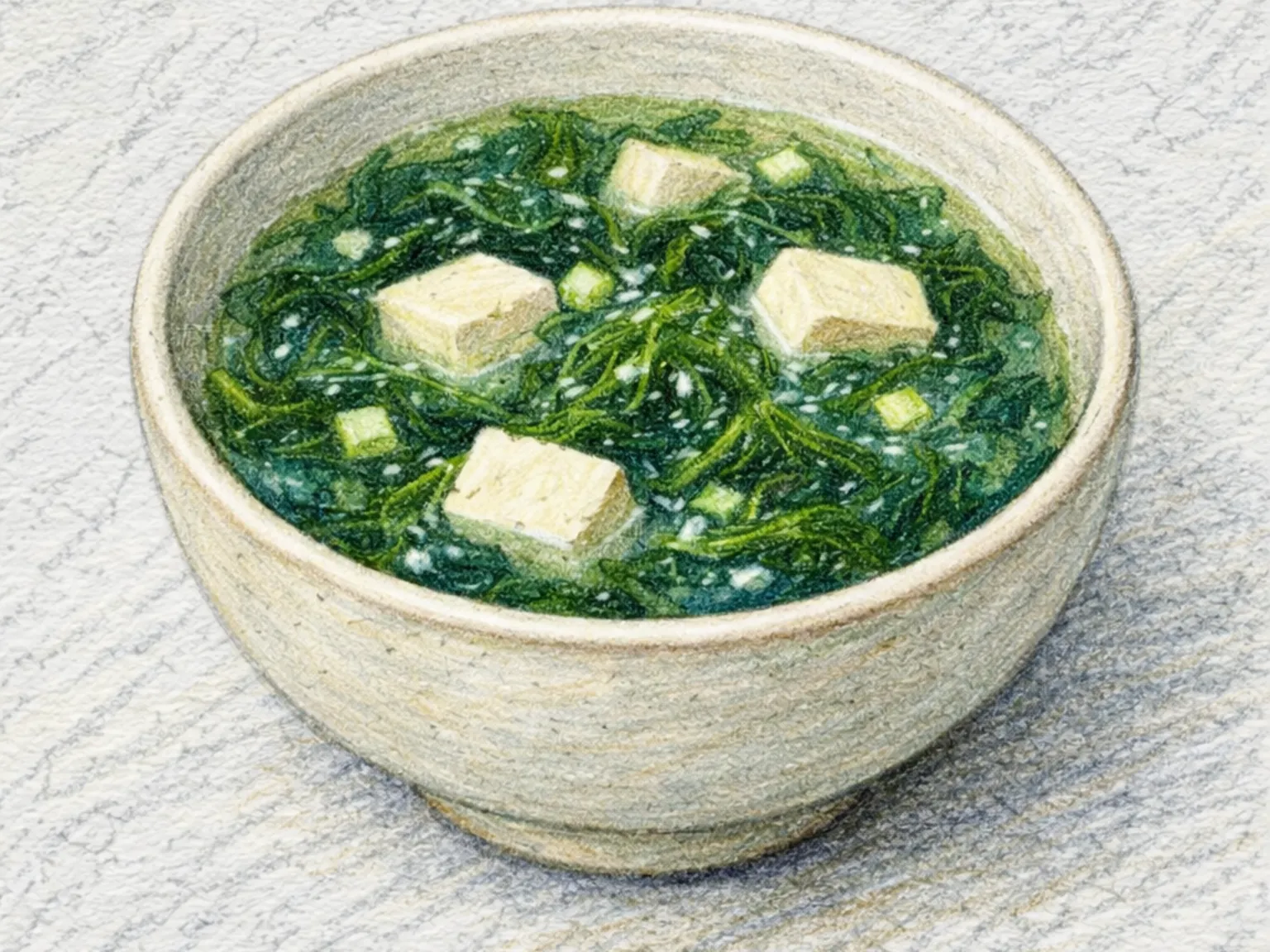
Parae-guk is a Korean seaweed soup made with green laver and tofu simmered in a clear anchovy broth. The broth is brought to a gentle boil and seasoned with garlic and soup soy sauce before diced tofu is added and warmed through for three minutes. The green laver goes in at the very end, cooking for no more than 30 to 60 seconds, because extended heat strips away its vivid color and fresh ocean fragrance entirely. Since the recipe relies on so few ingredients, the quality of the anchovy stock determines the overall depth of flavor, so using dried anchovies with heads and innards removed, simmered for at least ten minutes, produces a noticeably cleaner and more savory base. The mineral-rich, briny character of the green laver contrasts well with the mild tofu, and the whole soup comes together in about fifteen minutes. Because green laver carries its own saltiness, it is best to add the soup soy sauce gradually and taste as the seasoning develops.

🏠 Everyday 🥗 Light & Healthy
Prep 10min Cook 15min 4 servings
Korean Pork Bone Hangover Soup
Soups Hard

Korean Pork Bone Hangover Soup

Ppyeo-haejang-guk is a Korean hangover soup built on a foundation of pork neck bones simmered for well over an hour until their collagen dissolves into a heavy, full-bodied stock. The bones are soaked and blanched beforehand to eliminate any off-flavors, and the resulting broth is clean despite its richness. Blanched napa cabbage outer leaves are pre-seasoned with doenjang, gochugaru, garlic, and soup soy sauce before being added to the pot, where they absorb the meaty broth and release their own earthy flavors in return. Perilla seed powder is stirred in at the end, thickening the liquid to a creamy consistency and adding a nutty finish. The completed soup is spicy, deeply savory, and thick enough to feel restorative after a long night. In Korea, this style of haejang-guk is a morning-after institution, served steaming in dedicated restaurants that open before dawn.

🏠 Everyday 🎉 Special Occasion
Prep 30min Cook 120min 4 servings
Korean Pyongyang Onban (Rice in Clear Chicken Broth)
Soups Medium

Korean Pyongyang Onban (Rice in Clear Chicken Broth)

Pyeongyang-onban is a North Korean-style warm rice soup in which steamed rice is submerged in clear chicken broth and topped with shredded chicken and sliced shiitake mushrooms. The chicken simmers with garlic and green onion for forty-five minutes, producing a clean, golden stock that is strained for clarity before use. The cooked meat is pulled into strips and set aside, while shiitake slices steep in the broth for five minutes to add an earthy dimension without muddying the liquid. Rice goes into the bowl first, followed by the hot broth and the chicken garnish, with salt as the sole seasoning. No fermented pastes, chili, or bold spices are used, which means the dish stands entirely on the quality of the stock itself. Onban was traditionally served as a breakfast dish in Pyongyang, and the deliberate restraint in seasoning makes it one of the gentler, more stomach-friendly preparations in the Korean rice soup tradition. A long, unhurried simmer is what separates a flat broth from one with real depth.

🏠 Everyday
Prep 20min Cook 55min 2 servings
Korean Fish Soup (White Fish and Radish Clear Broth)
Soups Easy

Korean Fish Soup (White Fish and Radish Clear Broth)

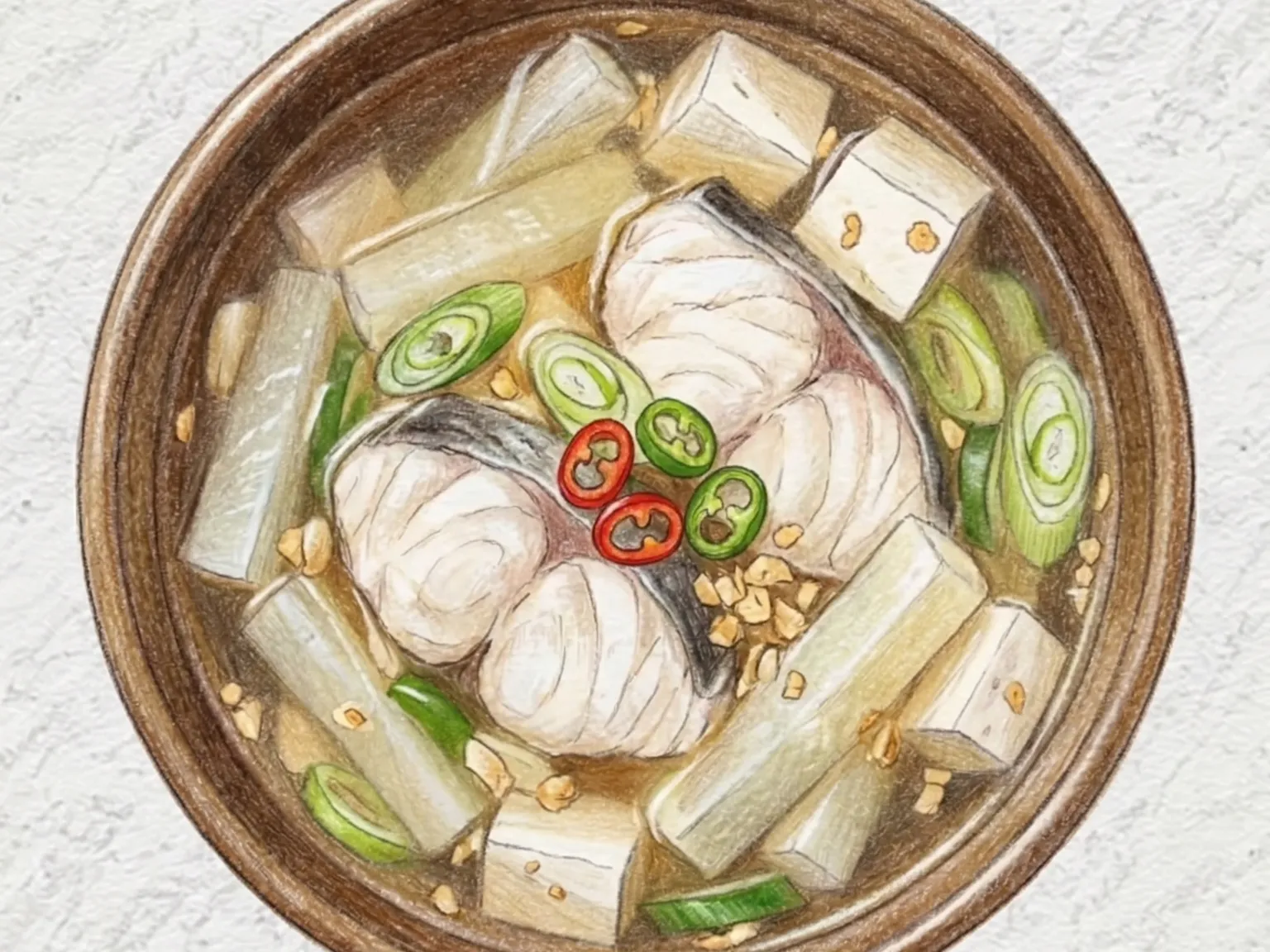
Saengseon-guk is a traditional Korean fish soup made with white-fleshed fish and radish in a clear broth. The radish simmers first, building a base of natural sweetness, before garlic and soup soy sauce are added for depth. The fish goes in once the radish is halfway cooked, and timing matters - it should cook only until the flesh turns opaque and begins to flake, as prolonged boiling would break it apart and cloud the broth. Tofu and sliced Korean chili peppers join near the end, adding soft texture and a mild kick. Green onion finishes the bowl with a fresh note. The result is a light, transparent soup where the fish's own clean, marine flavor does most of the work. It is the kind of straightforward home cooking that appears on Korean dinner tables throughout the year, requiring little more than fresh fish and basic pantry staples.

🏠 Everyday 🥗 Light & Healthy
Prep 15min Cook 20min 4 servings
Korean Ox Bone Broth with Napa Outer Leaves
Soups Medium

Korean Ox Bone Broth with Napa Outer Leaves

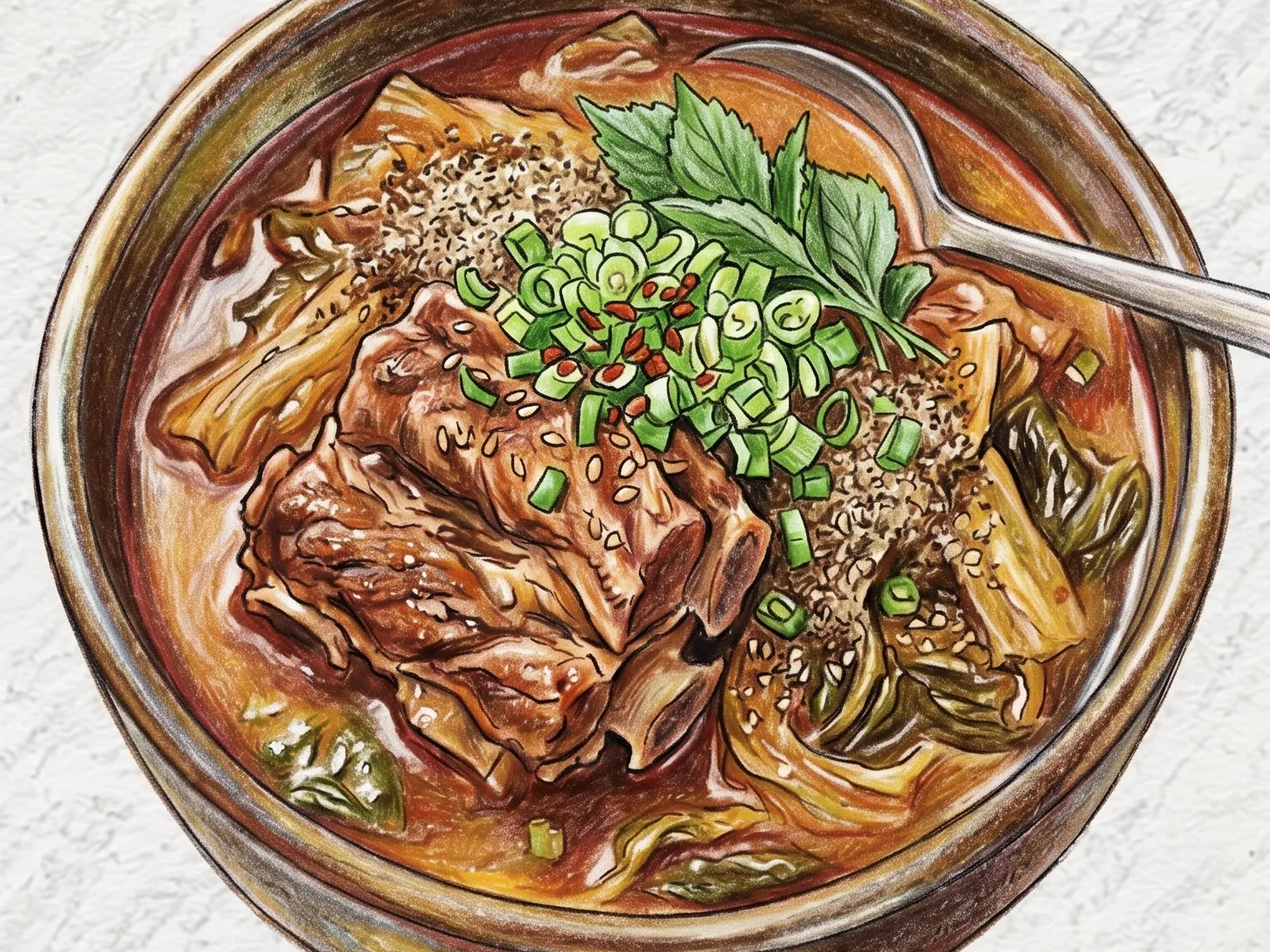
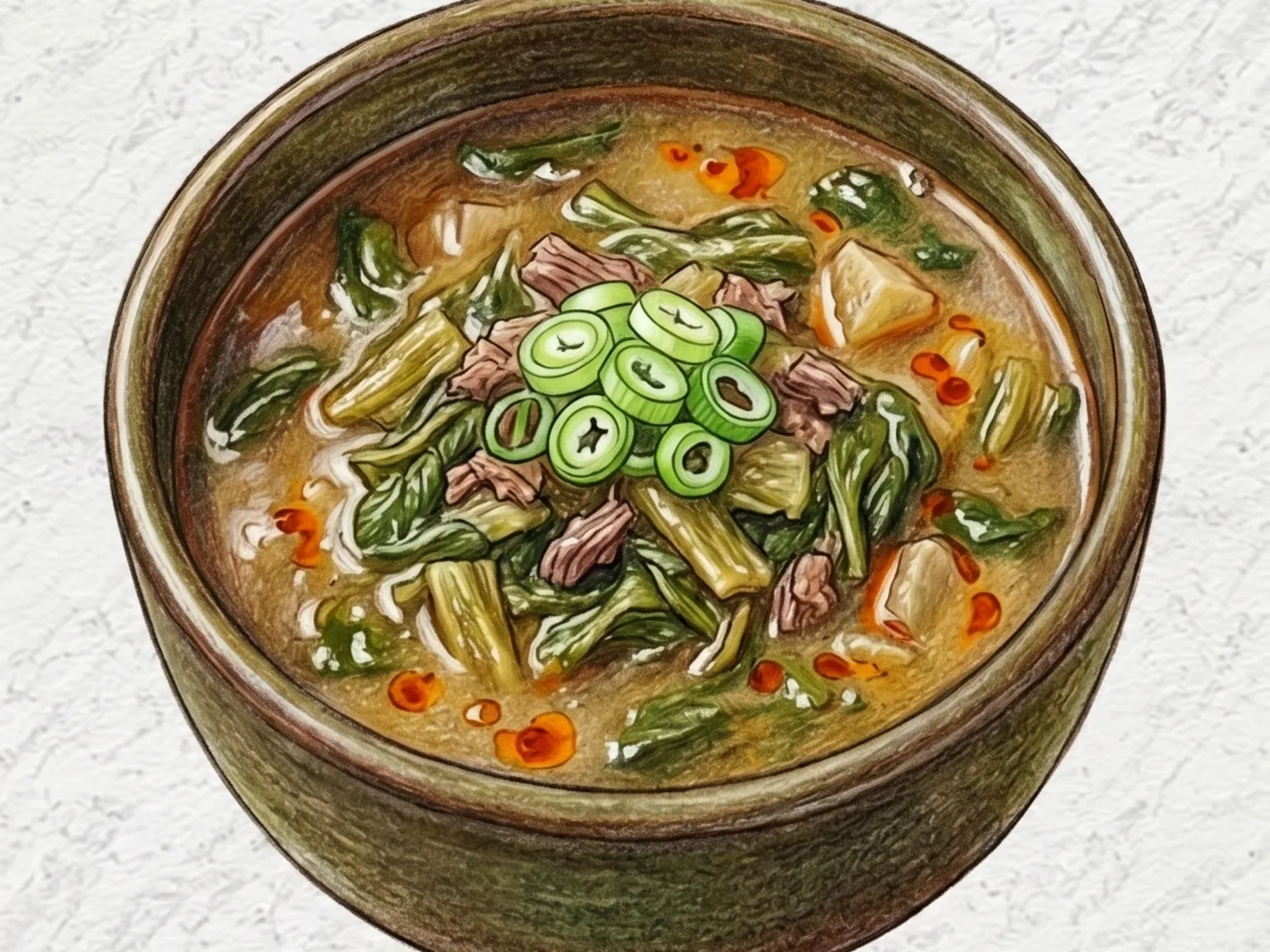
Sagol-ugeoji-guk is a hearty Korean soup that combines milky ox bone broth with seasoned outer napa cabbage leaves. The ugeoji is pre-mixed with doenjang, gochugaru, garlic, and perilla oil, then stir-fried in the pot for three minutes to develop its aroma before the bone broth is poured in. Simmering over medium heat for thirty-five minutes softens the fibrous greens completely while the doenjang seasoning dissolves into the broth, building layers of fermented depth. The collagen-rich, white bone stock provides a heavy, lingering richness, and the fermented doenjang character of the greens layers on top of that foundation, so each spoonful coats the palate with something dense and warming. Soup soy sauce adjusts the final salt level, and sliced green onion goes in just before serving. Blanching the ugeoji before seasoning it removes any bitterness and off-odors, which keeps the finished broth cleaner and more balanced. This soup belongs to the restorative end of the Korean soup tradition, substantial enough to anchor a cold-weather meal on its own.

🏠 Everyday
Prep 20min Cook 50min 4 servings