Recipes with green onion

689 recipes. Page 29 of 29

Buy green onion
Korean Beef and Taro Stem Soup
Soups Medium

Korean Beef and Taro Stem Soup

Torandae soegogi-guk pairs rehydrated taro stems with beef brisket in a clear, soy-seasoned broth. The brisket is simmered until it yields a clean yet deeply flavored stock, with surface fat skimmed periodically to keep the liquid transparent. Taro stems, soaked until pliable, are added to the broth and cooked until they drink in the beefy liquid - each bite releases a rush of savory juice, while the stems' stubborn fibers maintain a chewy resistance that contrasts with the fork-tender meat. Soup soy sauce tints the broth a light amber and adds umami without heaviness, and minced garlic provides a quiet warmth in the background. Sliced scallion goes in at the end for freshness. The shredded brisket is typically arranged on top as a garnish, so each bowl delivers a balanced combination of tender meat, textured stems, and aromatic broth. It is a homestyle soup that benefits from simplicity, letting the interplay between the two main ingredients speak for itself.

🏠 Everyday 🥗 Light & Healthy
Prep 20min Cook 35min 4 servings
Korean Rice Cake Dumpling Soup
Soups Easy

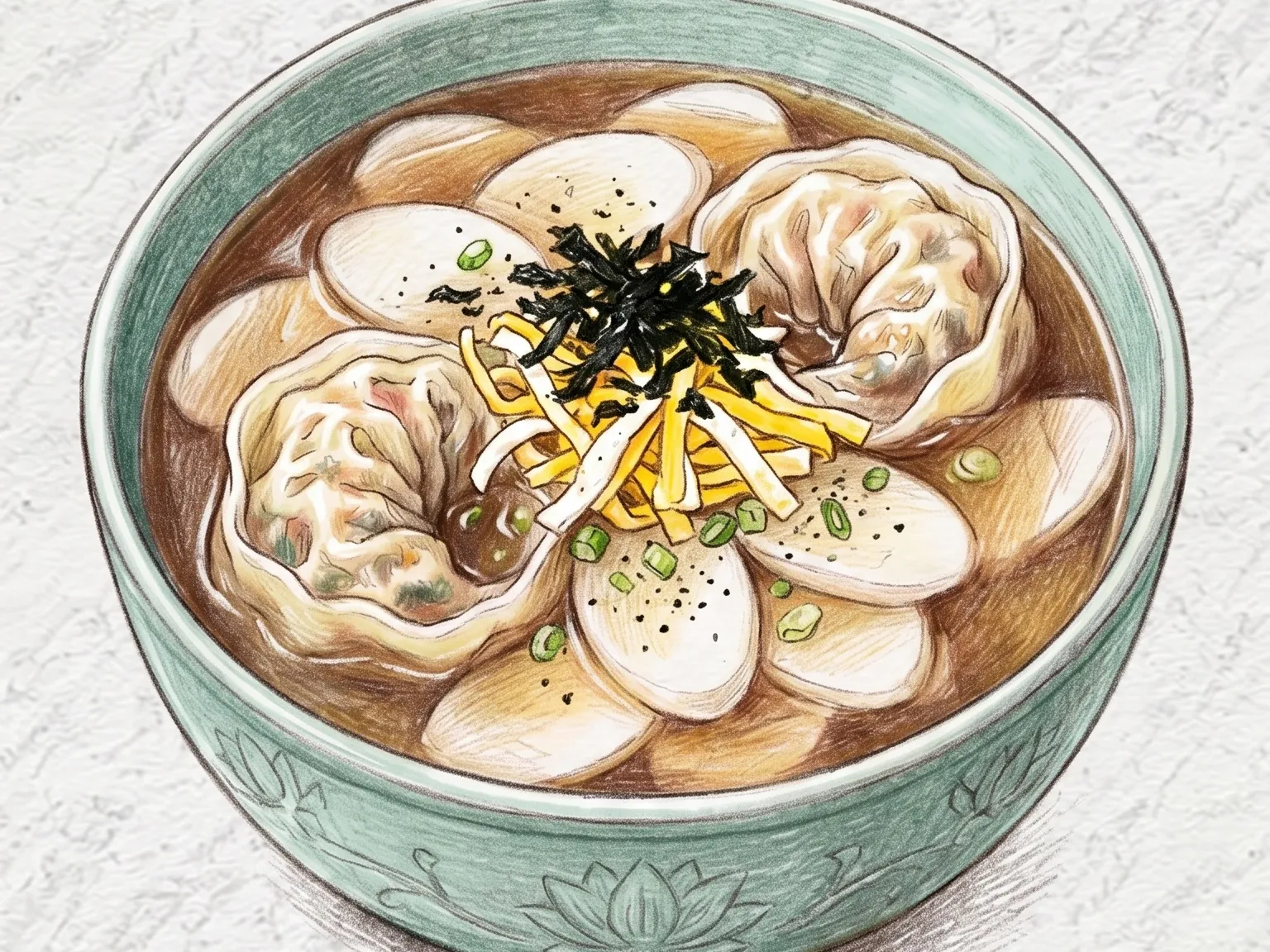
Korean Rice Cake Dumpling Soup

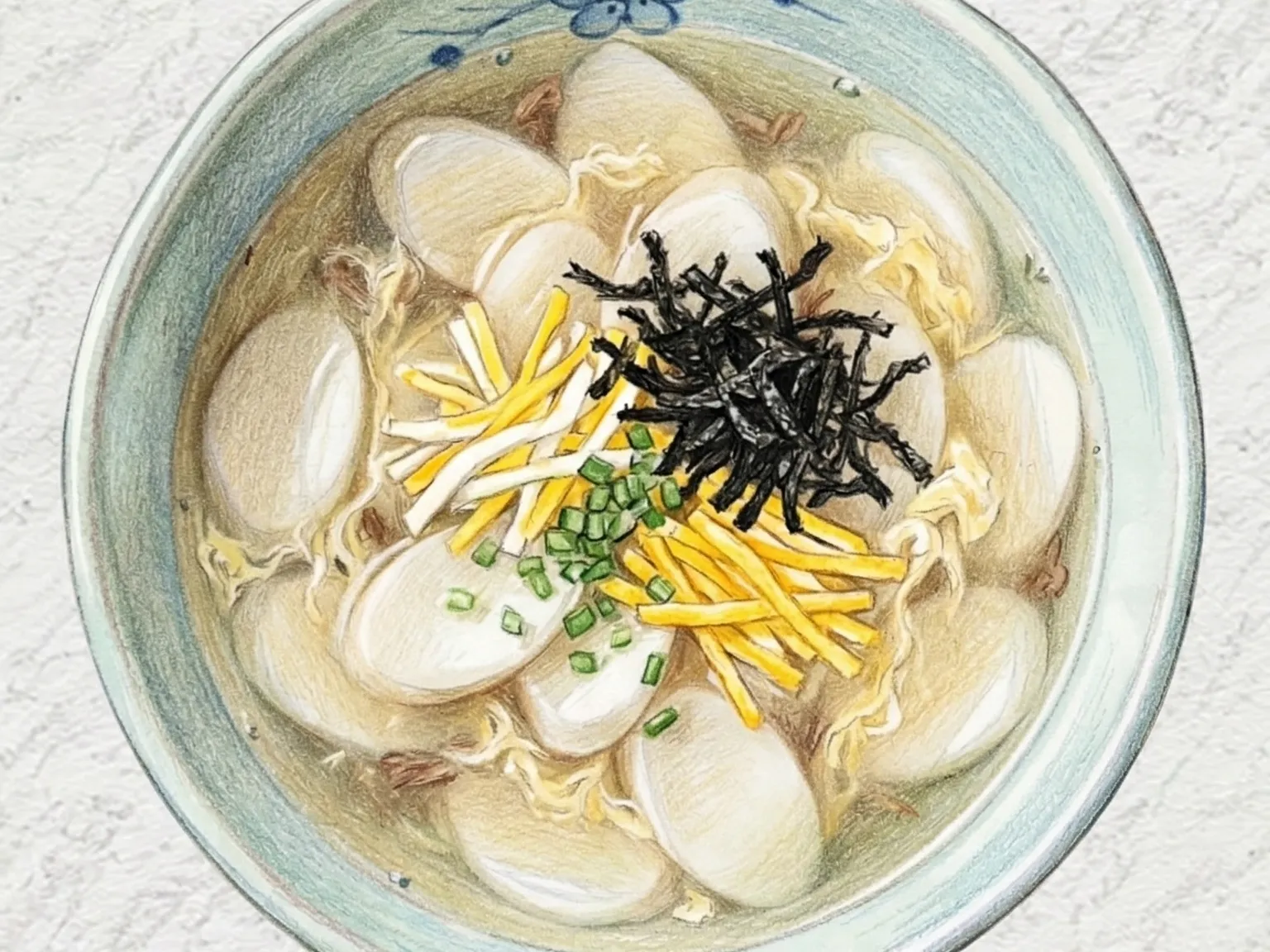
Tteok-mandu-guk combines two of Korea's most beloved New Year foods - sliced rice cakes and handmade dumplings - in a single bowl of clear beef broth. The broth, typically drawn from simmered brisket or bone stock, serves as a clean canvas for the two main ingredients. Rice cake ovals absorb the hot liquid and swell into a pleasantly chewy mass, while the dumplings, stuffed with a mixture of ground pork, tofu, scallion, and garlic, release their savory filling into the soup as they cook. Starch from the dumpling wrappers lends the broth a slight silkiness that binds everything together. Julienned egg garnish and a pinch of crushed dried seaweed are scattered over the top, adding color and a whisper of ocean fragrance. The soup is seasoned simply with soup soy sauce, letting the stock and fillings carry the flavor. While practically it extends a pot of tteokguk to feed more people, the real appeal lies in the textural variety - sticky rice cakes and soft, yielding dumplings in the same spoonful create a satisfaction that neither achieves alone.

🏠 Everyday 🎉 Special Occasion
Prep 15min Cook 25min 4 servings
Korean Rice Cake Soup (New Year Sliced Rice Cake Beef Broth)
Soups Easy

Korean Rice Cake Soup (New Year Sliced Rice Cake Beef Broth)

Tteokguk is the soup that marks the Korean New Year - eating a bowl is said to add one year to your age, and no Lunar New Year table is complete without it. Thinly sliced oval rice cakes made from garaetteok, a long cylindrical rice cake, are dropped into a clear beef broth that has been carefully skimmed of fat until it gleams. In the hot liquid, the rice cake surfaces soften just enough to release a faint starch that gives the broth the barest hint of body, while the interiors hold a dense, satisfying chew. The broth itself is kept deliberately simple - brisket simmered low and slow, seasoned only with soup soy sauce and salt - so that the rice cakes and their subtle sweetness remain the focus. Beaten egg swirled into the boiling soup forms wispy threads that add a delicate texture, and strips of egg garnish, crushed seaweed, and sometimes sliced scallion complete the bowl. Despite its apparent simplicity, tteokguk carries deep cultural weight: the white color of the rice cakes symbolizes purity and a fresh start, and the round shape of the slices represents coins and wishes for prosperity.

🏠 Everyday 🎉 Special Occasion
Prep 20min Cook 20min 2 servings
Uchimame-jiru (Flattened Soybean Miso Soup)
Soups Hard

Uchimame-jiru (Flattened Soybean Miso Soup)

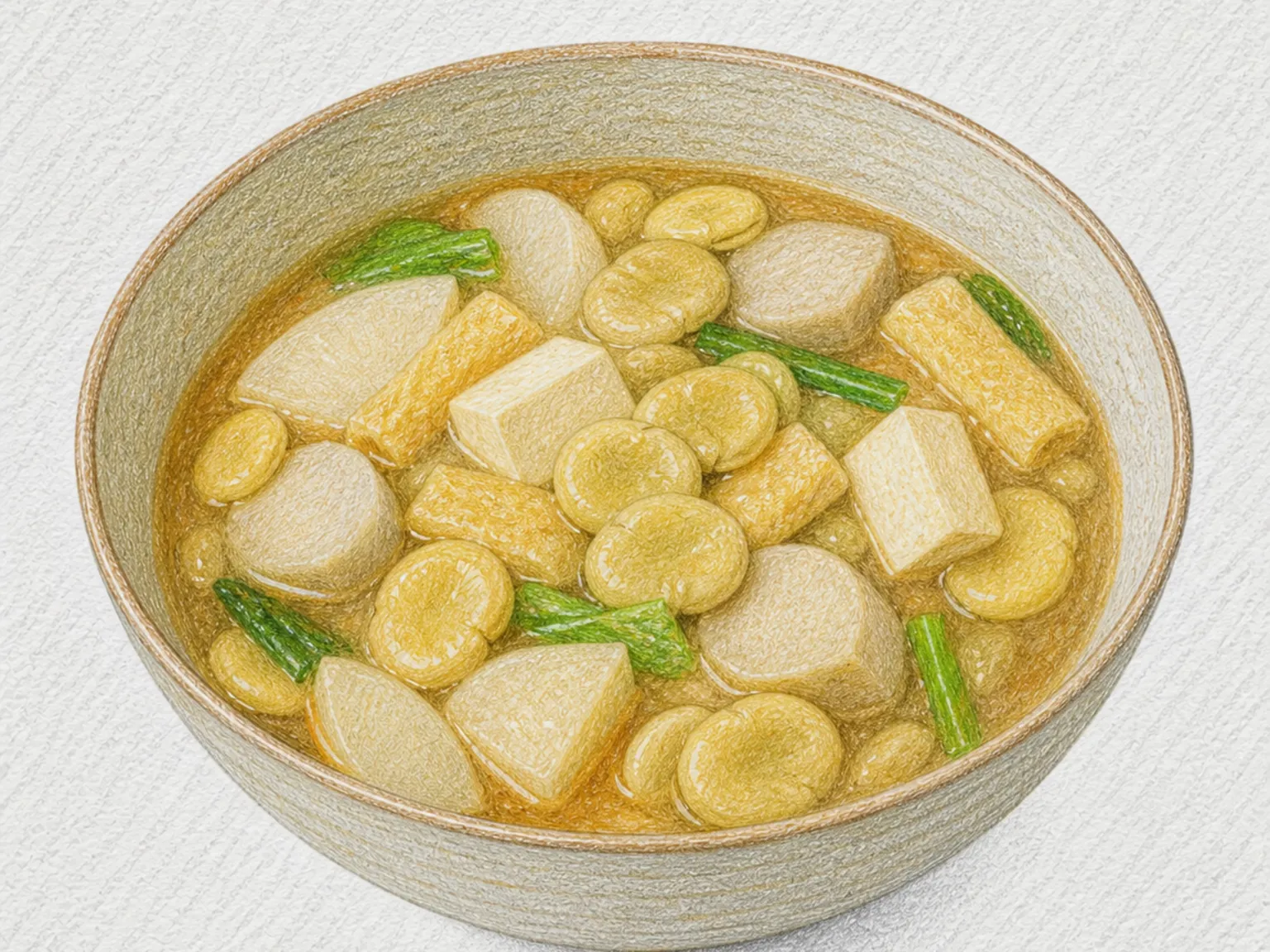
Uchimame-jiru is a Shiga winter soup built around uchimame, soybeans soaked, briefly boiled, rested hot, and flattened one by one with a wooden mallet into flower-like discs. The beans first simmer in dashi with one quarter of the miso, then taro, turnip, aburaage, tofu, and the remaining miso complete the pot. Flattening lets soybeans cook faster than whole beans, absorb seasoning through the center, and release nutty body into the broth. The method developed as a way to preserve winter protein in snowy northern Shiga and the soup is often served as oko-jiru during Buddhist Hoonko gatherings. Sweet turnip and taro, soft tofu and fried tofu, and tender flattened beans create several gentle textures in one bowl. Even thickness and early seasoning of the beans define the result.

🏠 Everyday
Prep 40min Cook 45min 4 servings
Korean Burdock Root Soup (Earthy Burdock and Beef Clear Broth)
Soups Medium

Korean Burdock Root Soup (Earthy Burdock and Beef Clear Broth)

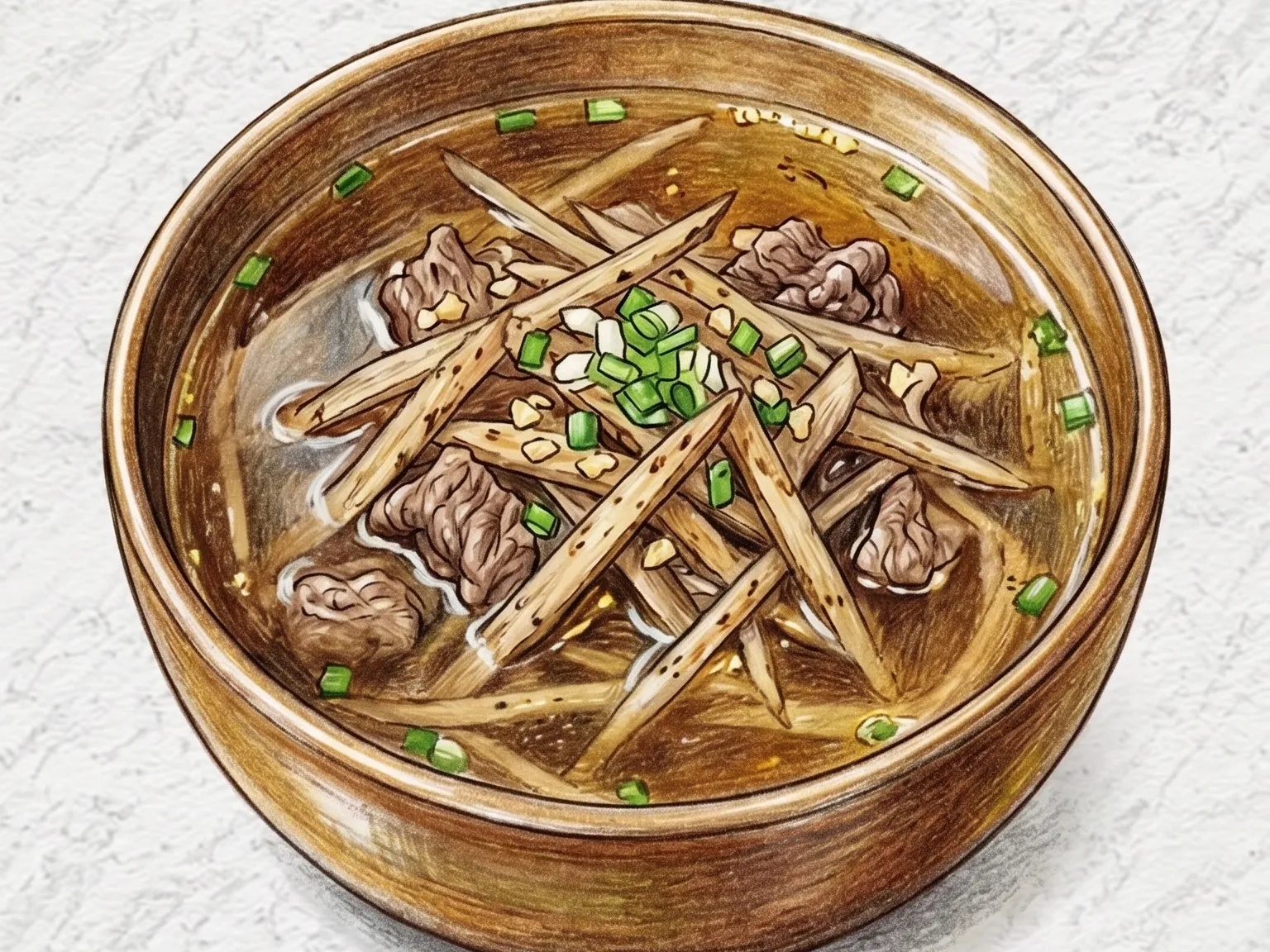
Ueong-guk is a clear Korean soup that highlights the earthy, almost nutty character of burdock root. Julienned burdock is first stir-fried in sesame oil with thinly sliced beef until the root's raw edge mellows and a toasted aroma rises from the pan. Water is then added and the pot brought to a simmer, during which the burdock's tough fibers gradually soften while maintaining enough structure to provide a pleasant chew. The broth takes on a light brown tint from the initial stir-fry, carrying the sesame and caramelized burdock flavors through to the last spoonful. Soup soy sauce seasons the liquid with umami rather than straight salt, and minced garlic stirred in near the end adds a quiet warmth. Burdock is naturally high in dietary fiber, giving this soup a reputation as a digestive-friendly choice. The root is at its best from autumn through winter, when its sugars concentrate underground, and the soup's understated flavor makes it an easy complement to a multi-dish Korean meal.

🏠 Everyday 🥗 Light & Healthy
Prep 20min Cook 35min 4 servings
Korean Napa Outer Leaf Soybean Soup
Soups Easy

Korean Napa Outer Leaf Soybean Soup

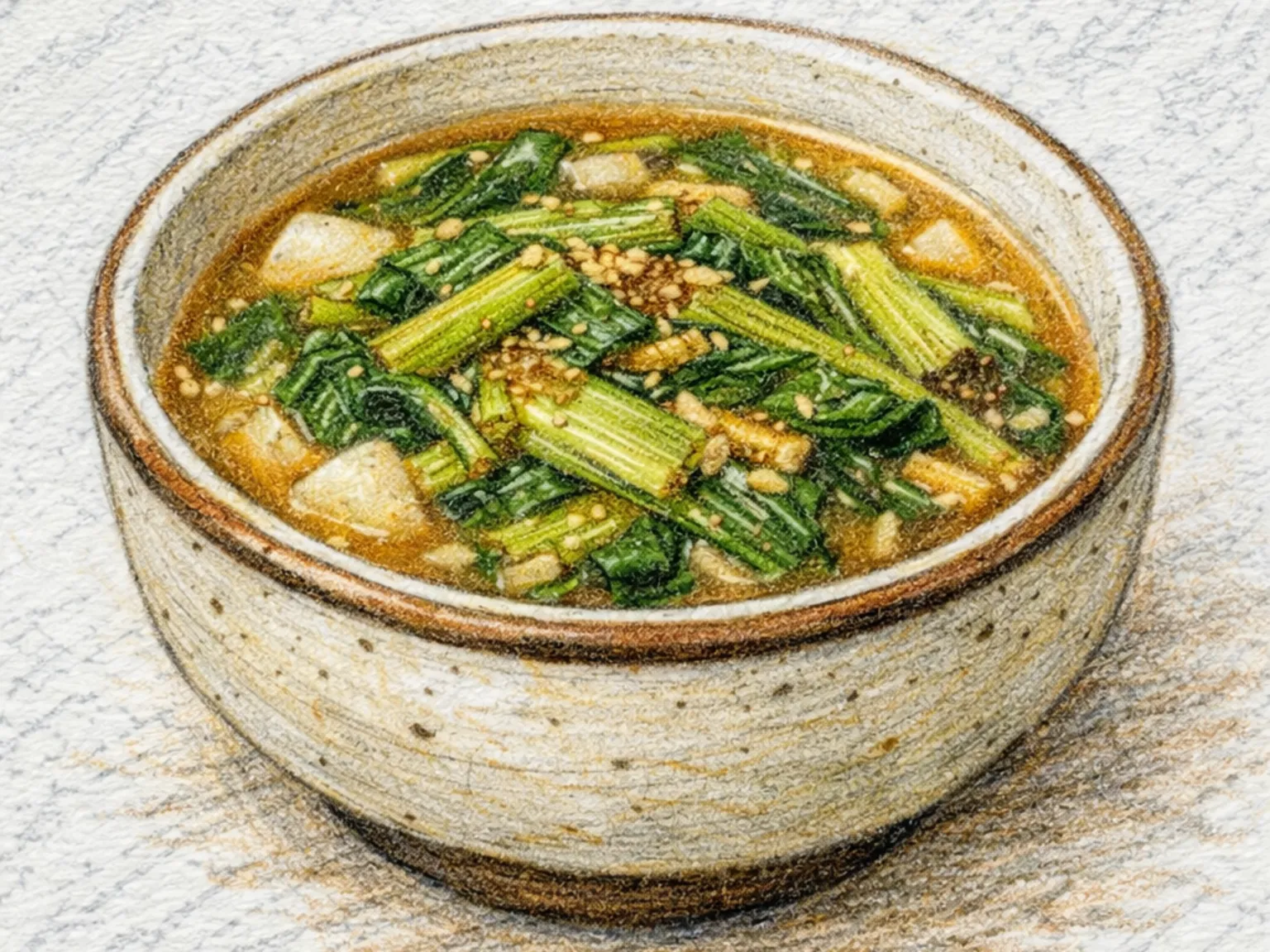
Ugeoji doenjang-guk is a deeply comforting soybean paste soup made with the tough outer leaves of napa cabbage that might otherwise be discarded. The leaves are first massaged with doenjang, perilla oil, and garlic, a step that drives the fermented paste deep into the cabbage's thick veins so that when the soup simmers, the flavor releases gradually into the broth. Rice-rinsing water replaces plain stock as the cooking liquid, adding a gentle starchiness that rounds the doenjang's salt into something softer and more enveloping. As the ugeoji cooks down, it turns from a leathery sheet into a silky, almost melting tangle that drapes over the spoon and floods the mouth with concentrated vegetable-and-miso flavor. The broth itself becomes a murky, golden-brown pool of umami, tasting of earth, fermentation, and the quiet bitterness that only well-cooked greens provide. Cubed tofu gives textural relief, and thin rings of cheongyang chili pepper, if added, introduce a sharp heat that cuts the richness. It is a soup that transforms humble ingredients into something far greater than their parts.

🏠 Everyday 🥗 Light & Healthy
Prep 15min Cook 25min 4 servings
Korean Napa Leaf Hangover Soup
Soups Medium

Korean Napa Leaf Hangover Soup

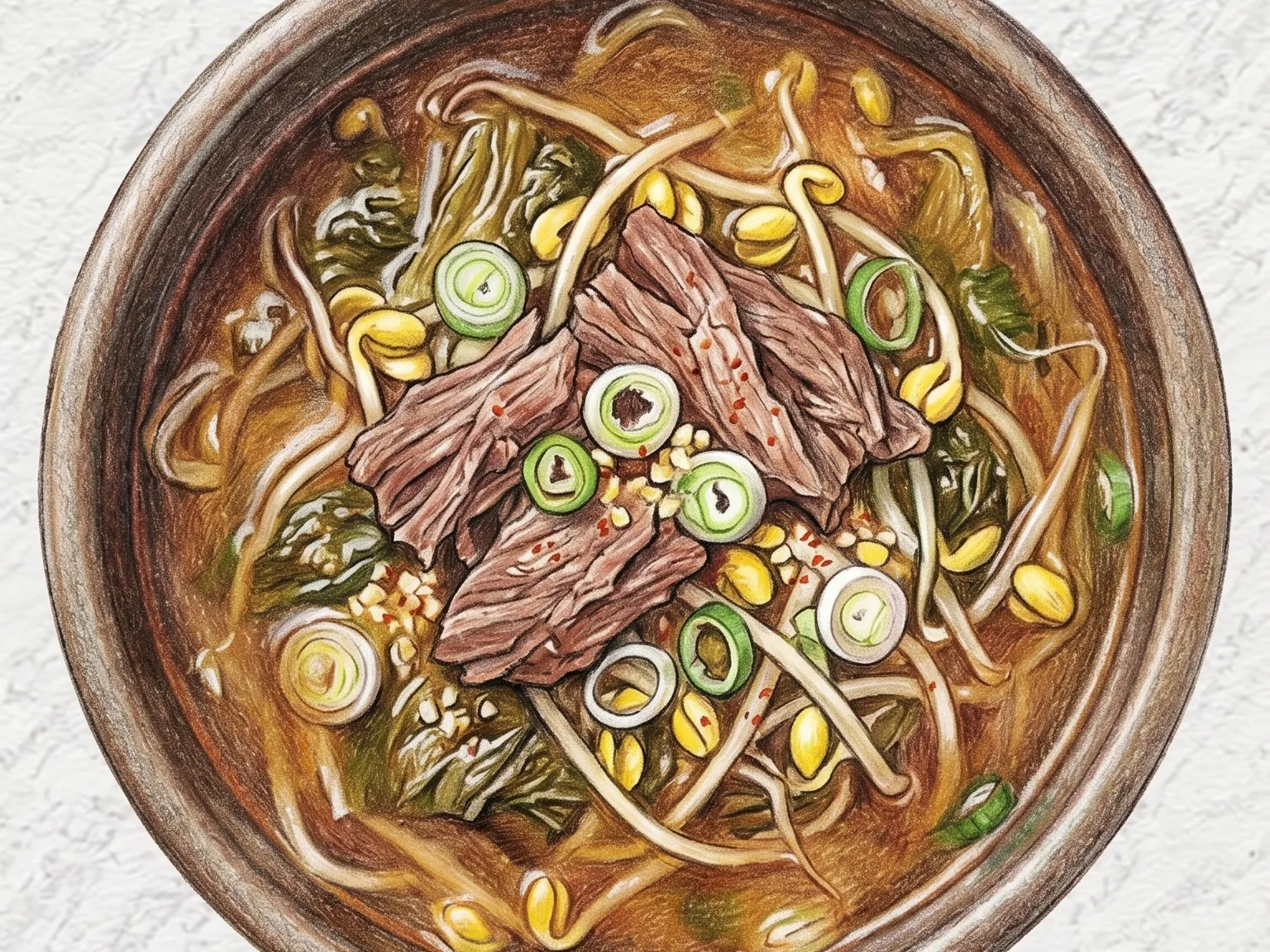
Ugeoji haejang-guk is Korea's answer to the morning after - a hangover soup built on a foundation of long-simmered beef brisket broth with napa cabbage outer leaves and soybean sprouts. The brisket provides a clean, meaty depth to the broth, while the ugeoji, pre-seasoned with doenjang, breaks down during the simmer and infuses the liquid with a savory, fermented richness. Soybean sprouts, added later so they keep their crunch, contribute a refreshing brightness that lightens what would otherwise be a heavy bowl. The seasoning balances doenjang and a touch of gochugaru, producing a broth that is spicy enough to wake the palate but not so aggressive that a sensitive stomach rebels. Minced garlic and sliced scallion layer in additional aromatics. Shredded brisket arranged on top provides protein and substance, making each bowl a complete meal. The combination of warm broth, fermented depth, and crunchy sprouts works on the body like a reset, which is exactly why haejang-guk shops across Korea fill up every morning with bleary-eyed customers seeking exactly this bowl.

🏠 Everyday
Prep 25min Cook 50min 4 servings
Korean Beef Cabbage Leaf Soup
Soups Medium

Korean Beef Cabbage Leaf Soup

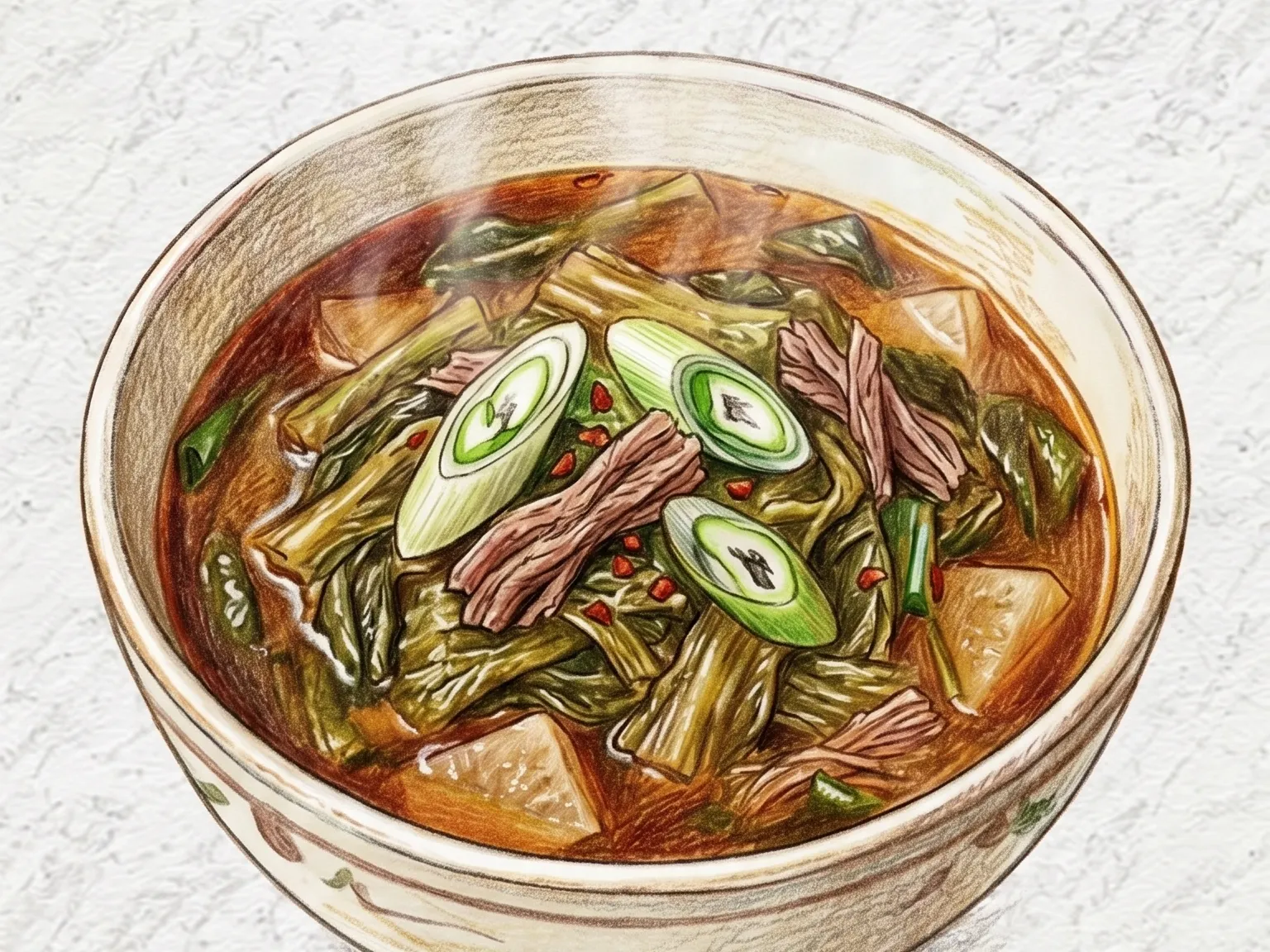
Ugeoji soegogi-guk is a spicy, savory Korean beef soup that draws its character from pre-seasoned napa cabbage outer leaves and a brisket-based broth. The ugeoji is rubbed with doenjang and gochugaru before it enters the pot, so when it meets the simmering beef stock, it releases both fermented soybean depth and a steady chili warmth that stains the broth a ruddy brown. The brisket, simmered until the fibers separate easily, is shredded and returned to the pot, adding lean, clean beef flavor throughout. As the ugeoji softens over extended cooking, it absorbs the surrounding liquid like a sponge, so each bite delivers a concentrated burst of the combined seasoning. Daikon radish, if included, tempers the heat with its natural sweetness, while generous amounts of sliced scallion perfume the entire bowl. The overall effect is a soup that is warming and substantial without being aggressive - the spice level is calibrated to soothe rather than overwhelm, which makes it a go-to choice on cold days when the body needs both heat and substance.

🏠 Everyday 🥗 Light & Healthy
Prep 20min Cook 35min 4 servings
Korean Beef Trotter Soup (Silky Collagen-Rich Slow-Cooked Broth)
Soups Hard

Korean Beef Trotter Soup (Silky Collagen-Rich Slow-Cooked Broth)

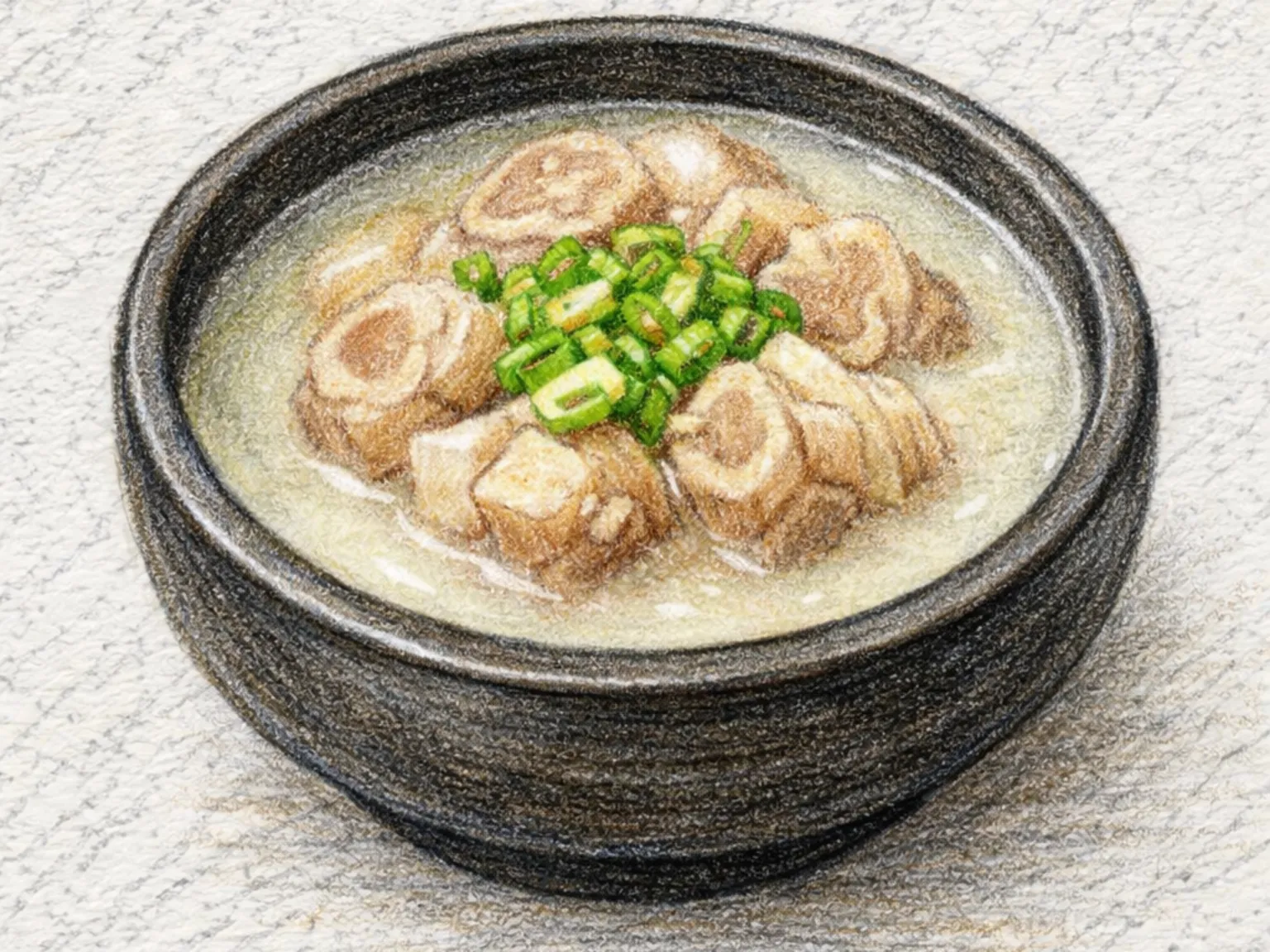
Ujok-tang is a slow-cooked Korean soup made from beef trotters, prized for the extraordinary amount of collagen packed into the bones, tendons, and skin of the cut. The trotters are first soaked for hours in cold water to purge blood and any off-flavors, then placed in a deep pot and simmered at a gentle roll for four to six hours. During that time, the collagen gradually dissolves into the cooking liquid, transforming it from plain water into a milky, opaque broth with a viscous body that coats the spoon and sets firm when chilled. Regular skimming of fat and foam throughout the process ensures the final broth tastes clean rather than greasy. The trotter meat itself falls into two distinct textures: the skin and tendons turn gelatinous and springy, offering a bouncy chew, while the small pockets of muscle between the bones are meltingly soft. Traditional seasoning is limited to coarse salt and freshly ground pepper, allowing the broth's natural richness to speak. A dab of hot mustard or a spoonful of salted shrimp paste on the side provides a sharp contrast that keeps each mouthful interesting. Ujok-tang has long been regarded as a restorative food, particularly valued for its supposed benefits to joints and skin.

🏠 Everyday 🎉 Special Occasion
Prep 30min Cook 240min 4 servings
Korean Meatball Soup
Soups Medium

Korean Meatball Soup

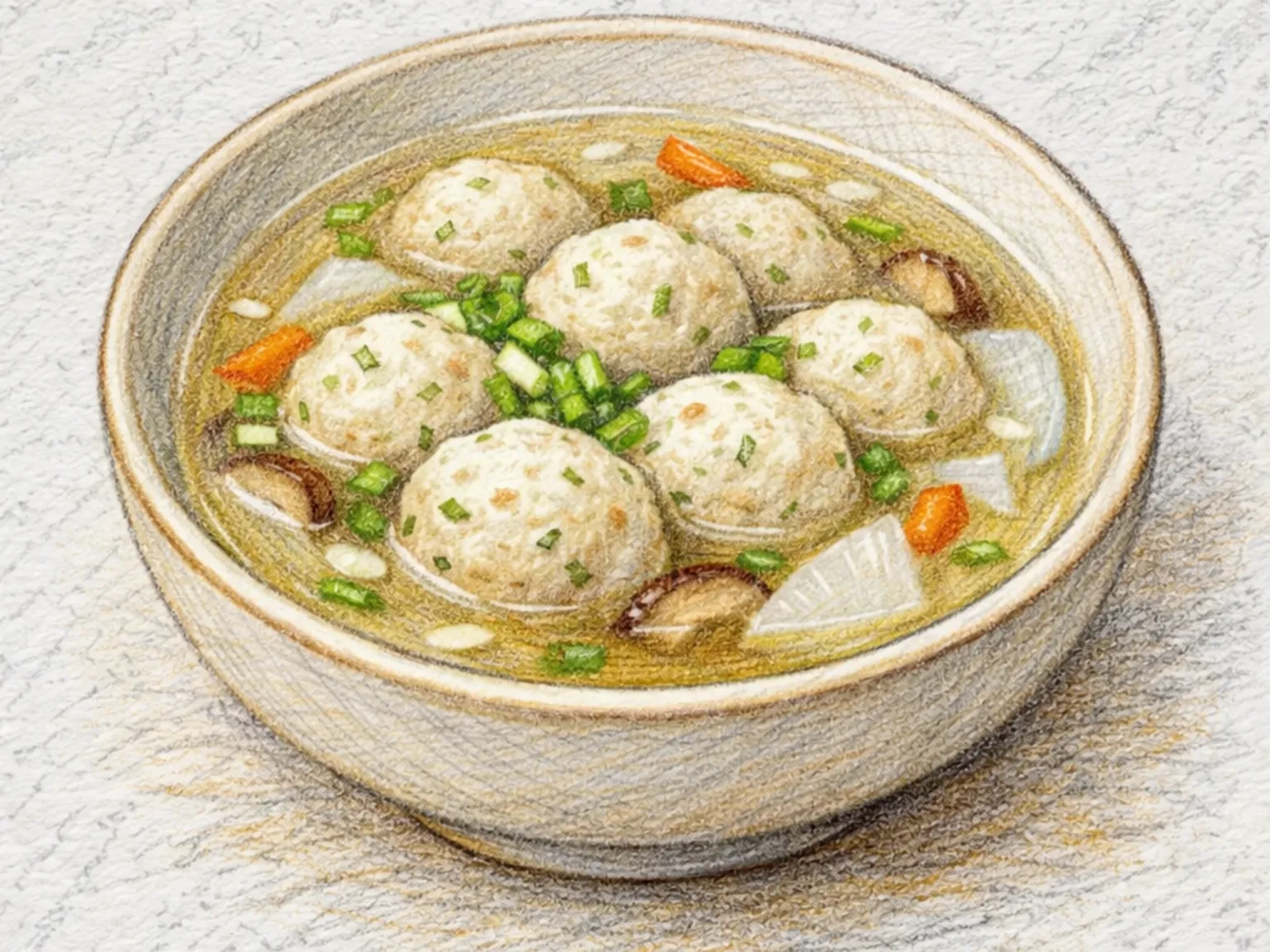
Wanja-tang is a clear Korean soup featuring handmade meatballs of ground beef, crumbled tofu, egg, garlic, and green onion. Each meatball is dropped into simmering anchovy broth, where it floats to the surface as it firms up and then cooks for eight more minutes until done through. Soup soy sauce is the main seasoning, keeping the broth transparent and letting the meaty flavor of the wanja come forward. Kneading the mixture thoroughly before shaping is essential, as it binds the tofu and beef into a cohesive ball that holds together during boiling.

🏠 Everyday
Prep 25min Cook 30min 4 servings
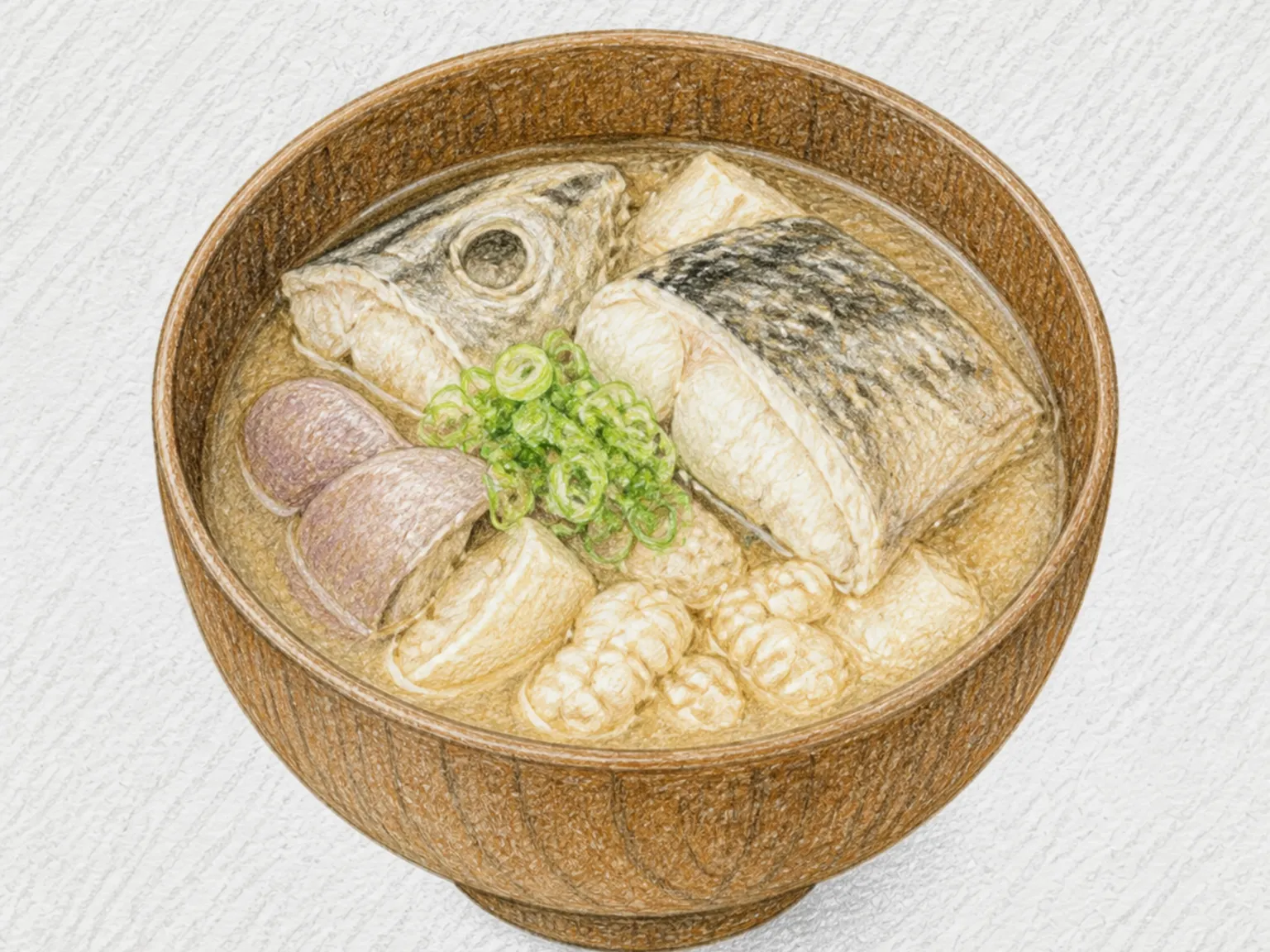
Dongara-jiru (Whole Cod and Offal Miso Soup)
Soups Hard

Dongara-jiru (Whole Cod and Offal Miso Soup)

Dongara-jiru is a fisherman's winter soup from the Shonai area of Yamagata. Pieces of cod flesh, head, bones, liver, and milt or roe are simmered in water with sake, then seasoned with miso. Dongara refers to the bony head and trimmings, reflecting the practice of using winter spawning cod from head to tail. Liver enriches the broth with fat and depth, while milt or roe adds a soft texture. For a conservative home method, use a professionally cleaned cod hot-pot set that contains only identified edible parts and excludes gallbladder, gills, and intestines. Cook the flesh and every edible organ to at least 74°C before serving.

🎉 Special Occasion
Prep 20min Cook 35min 4 servings
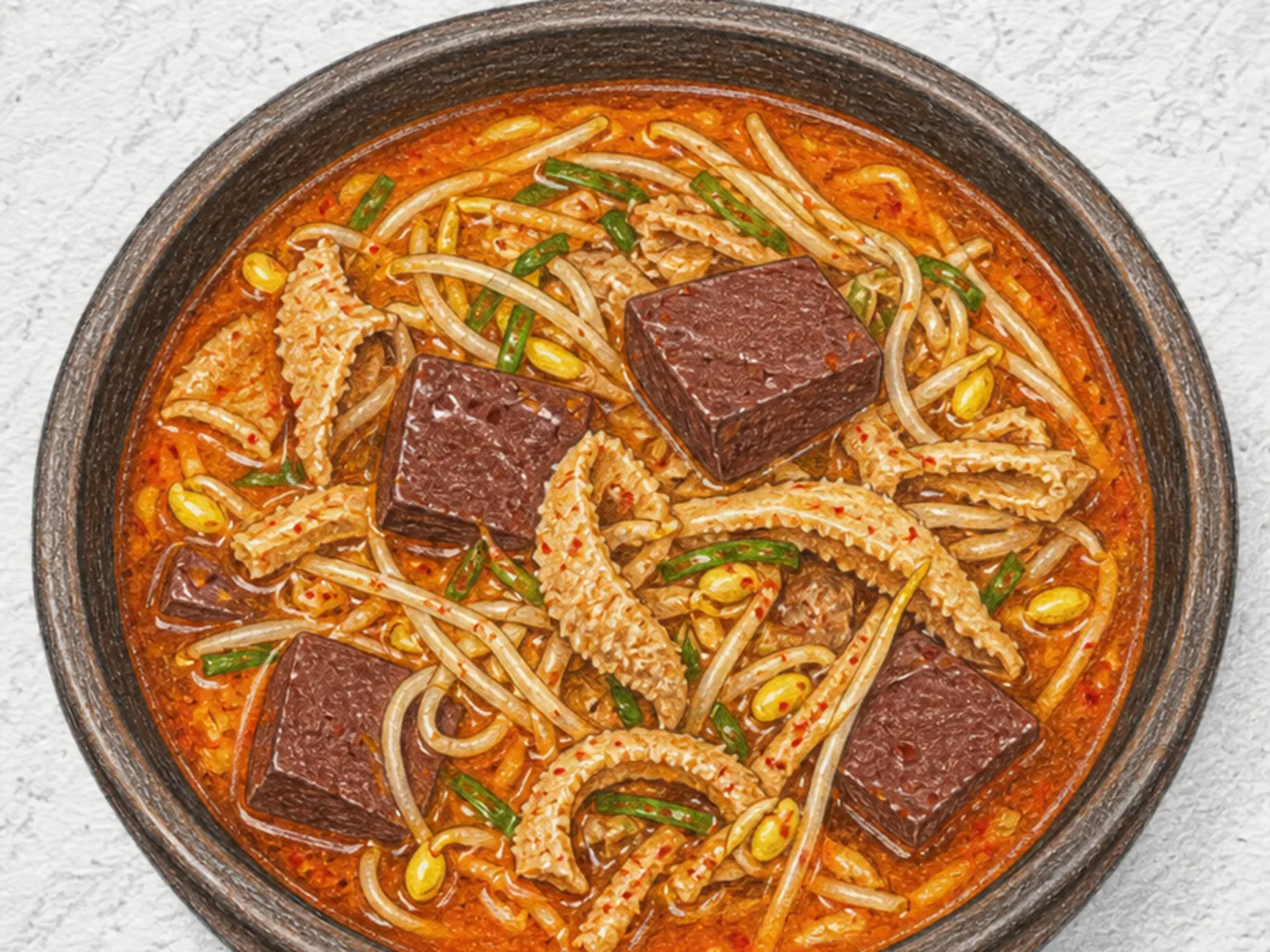
Yangpyeong-style Hangover Soup
Soups Hard

Yangpyeong-style Hangover Soup

This Yangpyeong-style soup combines prepared cooked beef tripe, blanched blood curd, and bean sprouts in ox-bone broth seasoned with doenjang, garlic, and chili flakes. Green onion and chili oil are added before the measured salt adjusts the final seasoning.

🏠 Everyday 🍺 Bar Snacks
Prep 30min Cook 60min 2 servings
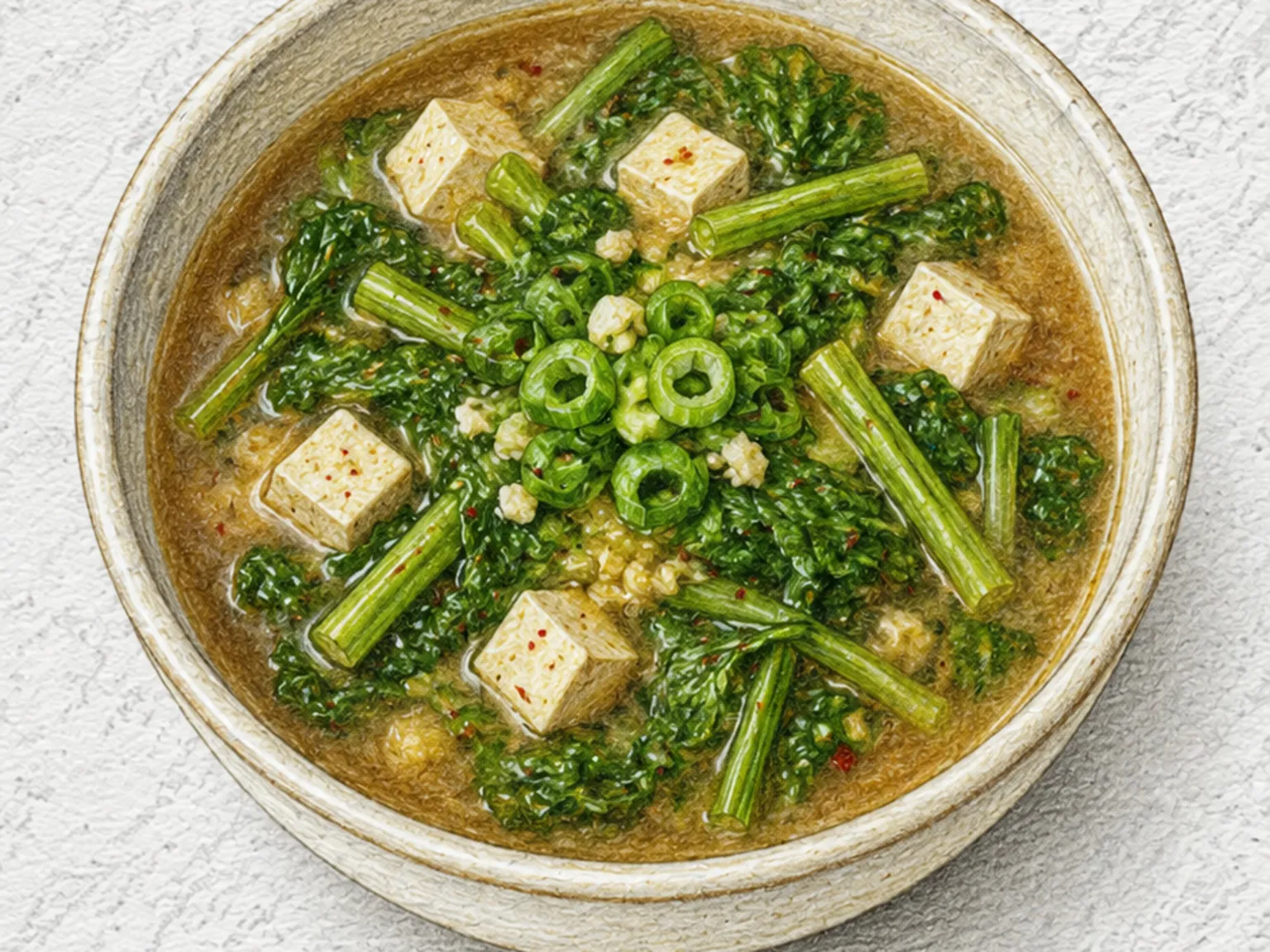
Korean Young Radish Doenjang Soup
Soups Easy

Korean Young Radish Doenjang Soup

Yeolmu doenjang-guk is a summer soybean paste soup that uses rice-rinse water as its base, giving the broth a smoother texture than plain water would. Young radish greens are cut into five-centimeter lengths and simmered for eight minutes until they soften and lose their raw grassy edge. Diced tofu, garlic, and a half tablespoon of chili flakes go in next, cooking for six more minutes so the tofu absorbs the fermented soybean flavor. Soup soy sauce and green onion finish the pot, resulting in a mellow, earthy soup that complements a simple rice-and-banchan meal.

🏠 Everyday 🥗 Light & Healthy
Prep 10min Cook 20min 4 servings
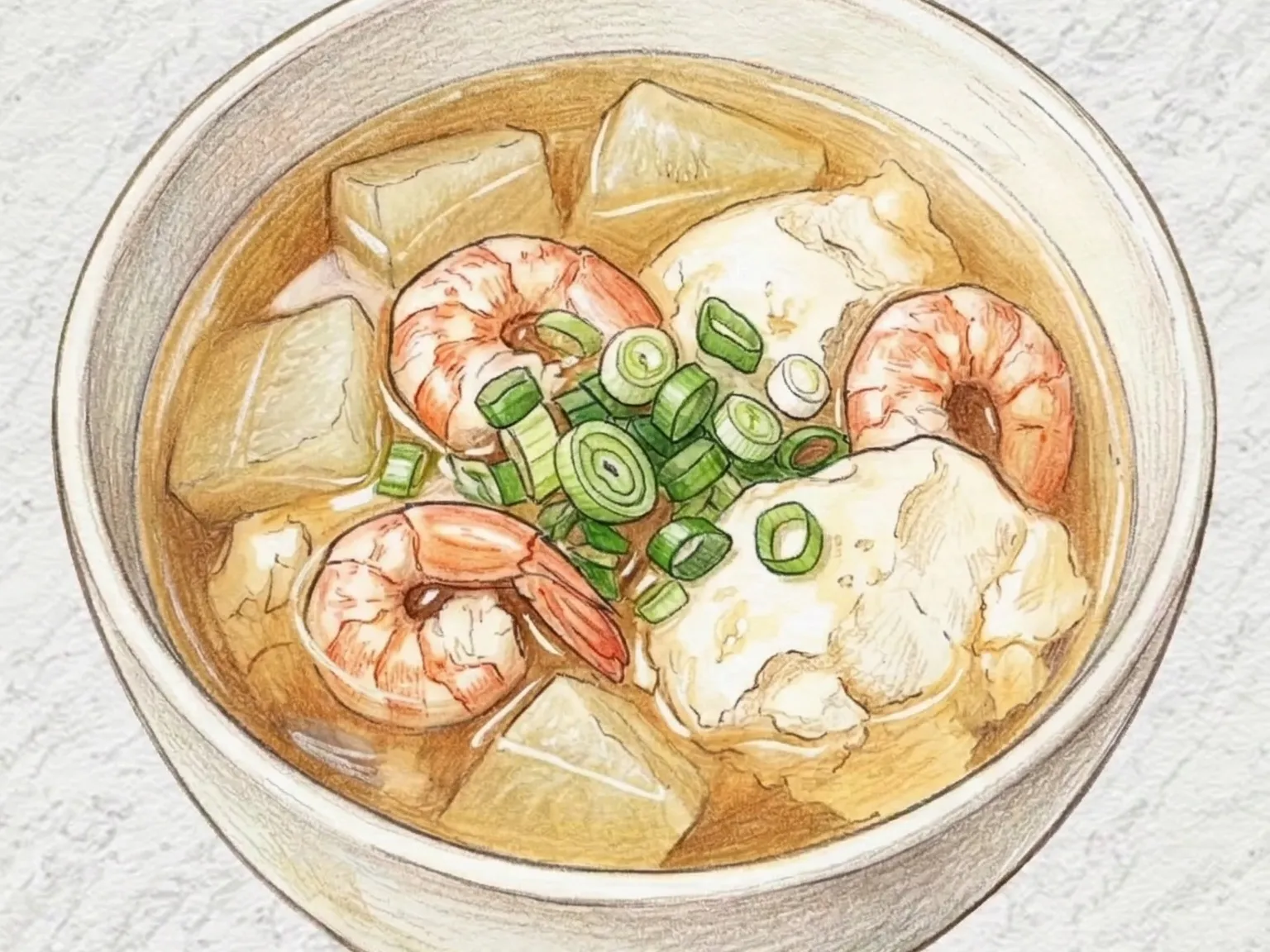
Korean Soft Tofu Shrimp Soup
Soups Easy

Korean Soft Tofu Shrimp Soup

Yeondubu-saeu-guk is a clear Korean soup where anchovy-kelp stock, radish, and shrimp provide the flavor, and soft tofu adds a creamy contrast. Radish simmers for eight minutes to release its natural sweetness, then peeled and deveined shrimp cook for three minutes, contributing a clean seafood taste without heaviness. Soft tofu is spooned in at the very end and heated for just two minutes so it stays intact and silky. Green onion and a touch of salt close out the seasoning, leaving a gentle, soothing bowl that works well as a light meal or alongside heavier dishes.

🏠 Everyday 🥗 Light & Healthy
Prep 15min Cook 20min 4 servings
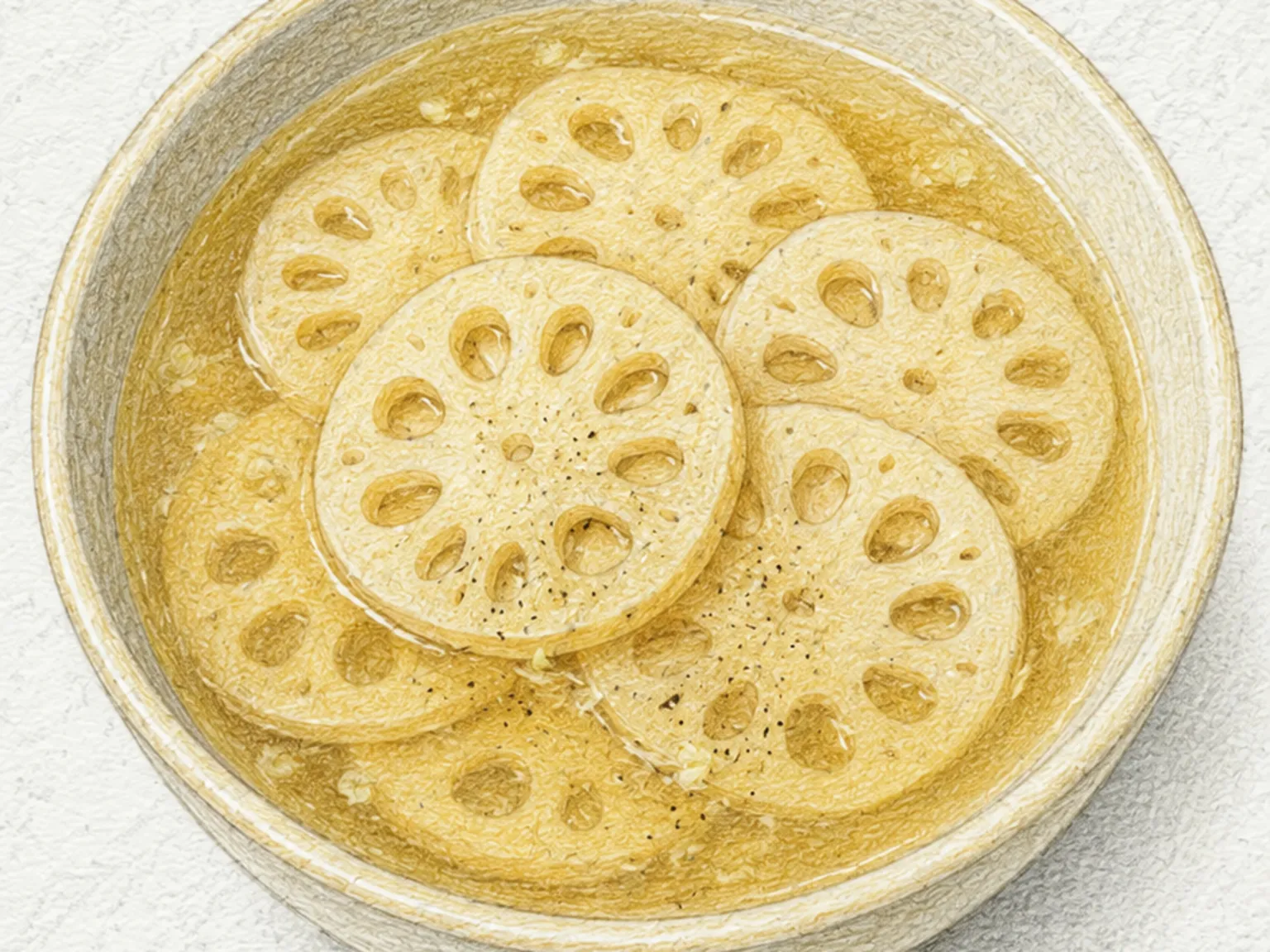
Korean Lotus Root Soup (Sliced Lotus Root in Anchovy Broth)
Soups Easy

Korean Lotus Root Soup (Sliced Lotus Root in Anchovy Broth)

Yeongeun-guk is a clear soup built around thinly sliced lotus root simmered in anchovy broth. The lotus root is peeled and soaked in cold water immediately to prevent browning, then cooked for twelve minutes, which softens it slightly while preserving the characteristic crunch. As the starch leaches out, the broth takes on a subtle thickness. Garlic, soup soy sauce, salt, and a dusting of black pepper are the only seasonings, letting the lotus root's gentle sweetness remain the focal point. Low in calories and high in dietary fiber, this soup fits comfortably into a lighter meal.

🥗 Light & Healthy 🏠 Everyday
Prep 15min Cook 22min 4 servings
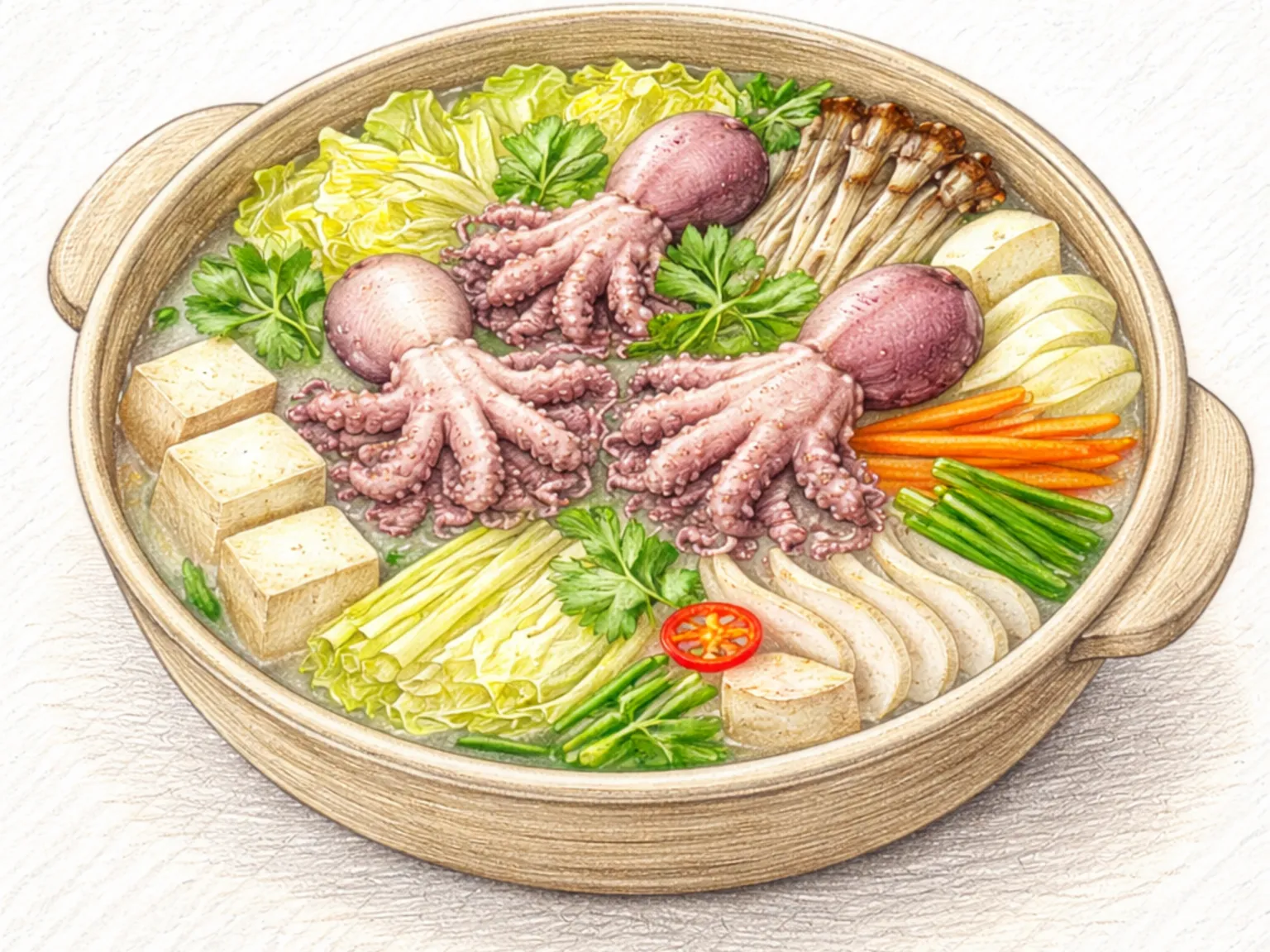
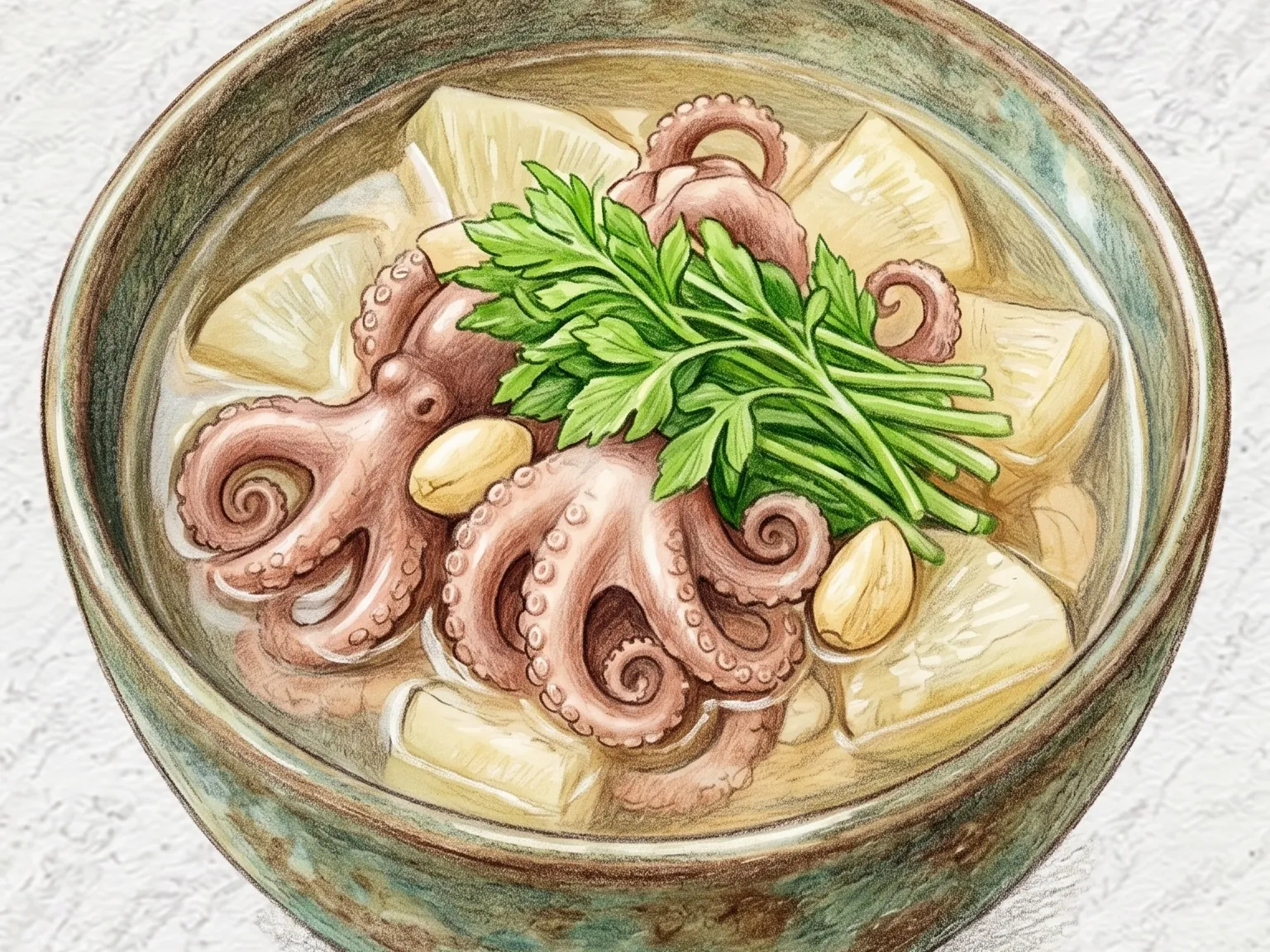
Korean Octopus Clear Soup
Soups Medium

Korean Octopus Clear Soup

Yeonpo-tang is a Korean clear octopus soup cooked with minimal seasonings to highlight the natural qualities of its ingredients. The cooking process starts by simmering sliced Korean radish in anchovy stock for ten minutes to establish a clear and sweet vegetable base. Cleaned octopus pieces and minced garlic are then added to the boiling broth and cooked for only three minutes to prevent the seafood from turning rubbery. After adding green onions and skimming off any foam to keep the broth clear, the soup is seasoned with salt. Right before turning off the heat, water dropwort is added for twenty seconds to wilt. This introduces a fresh herbal aroma that complements the ocean flavor of the tender octopus.

🏠 Everyday 🥗 Light & Healthy
Prep 20min Cook 25min 2 servings
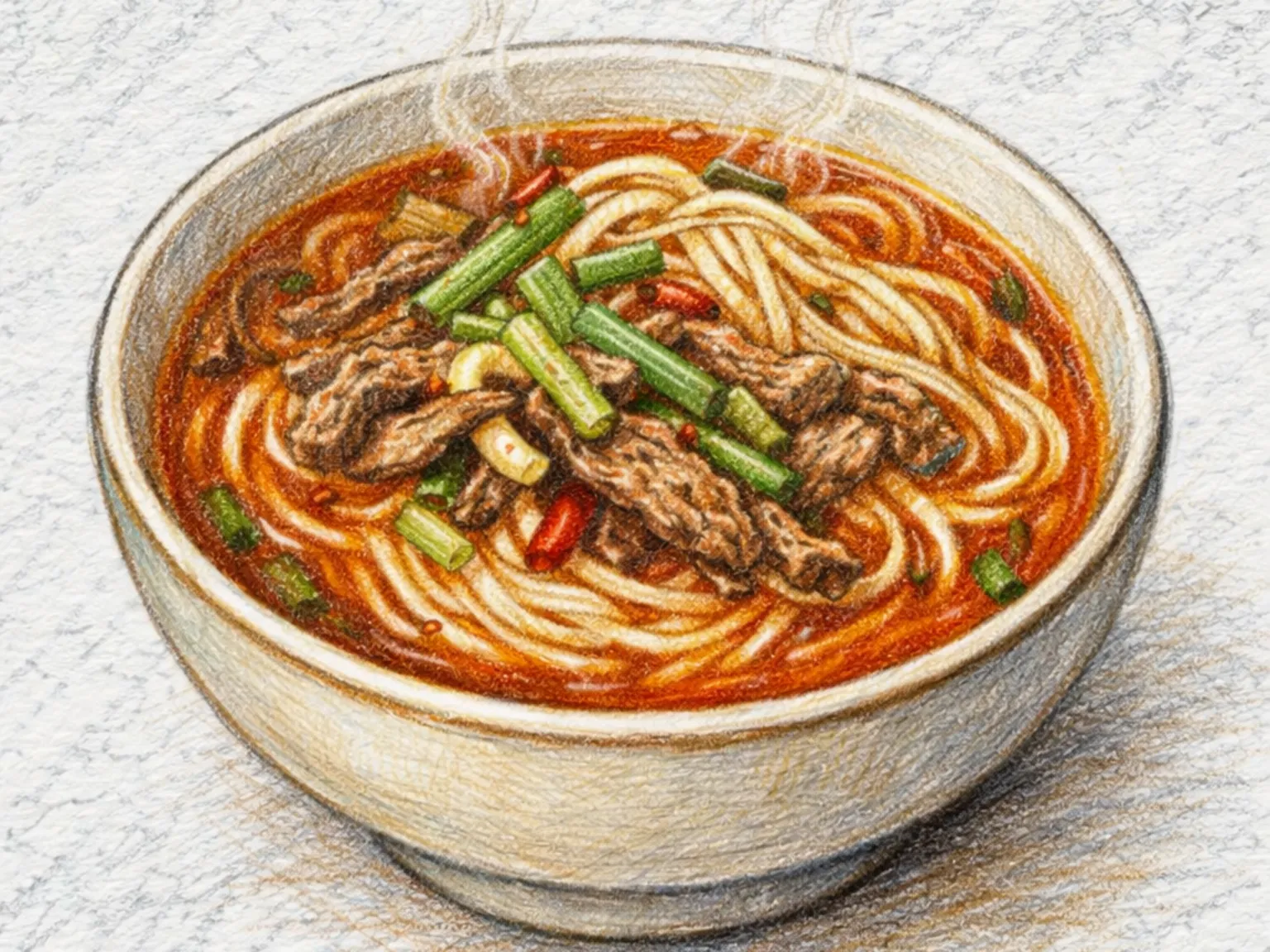
Yukgaejang (Fiery Shredded Beef and Vegetable Soup)
Soups Medium

Yukgaejang (Fiery Shredded Beef and Vegetable Soup)

Yukgaejang is a fiery Korean beef soup that starts with brisket simmered until it can be pulled apart along the grain into long, thin shreds. The shredded meat is then hand-mixed with red pepper flakes, soup soy sauce, sesame oil, and minced garlic so the seasoning penetrates each strand before the final cook. Bracken fern, bean sprouts, and generous lengths of green onion join the pot, and everything boils together for thirty minutes in the brisket stock, which turns a deep red from the chili. The fern contributes an earthy chew, the sprouts add a clean crunch, and the green onion breaks down into the broth, lending natural sweetness that tempers the heat.

🏠 Everyday
Prep 20min Cook 90min 4 servings