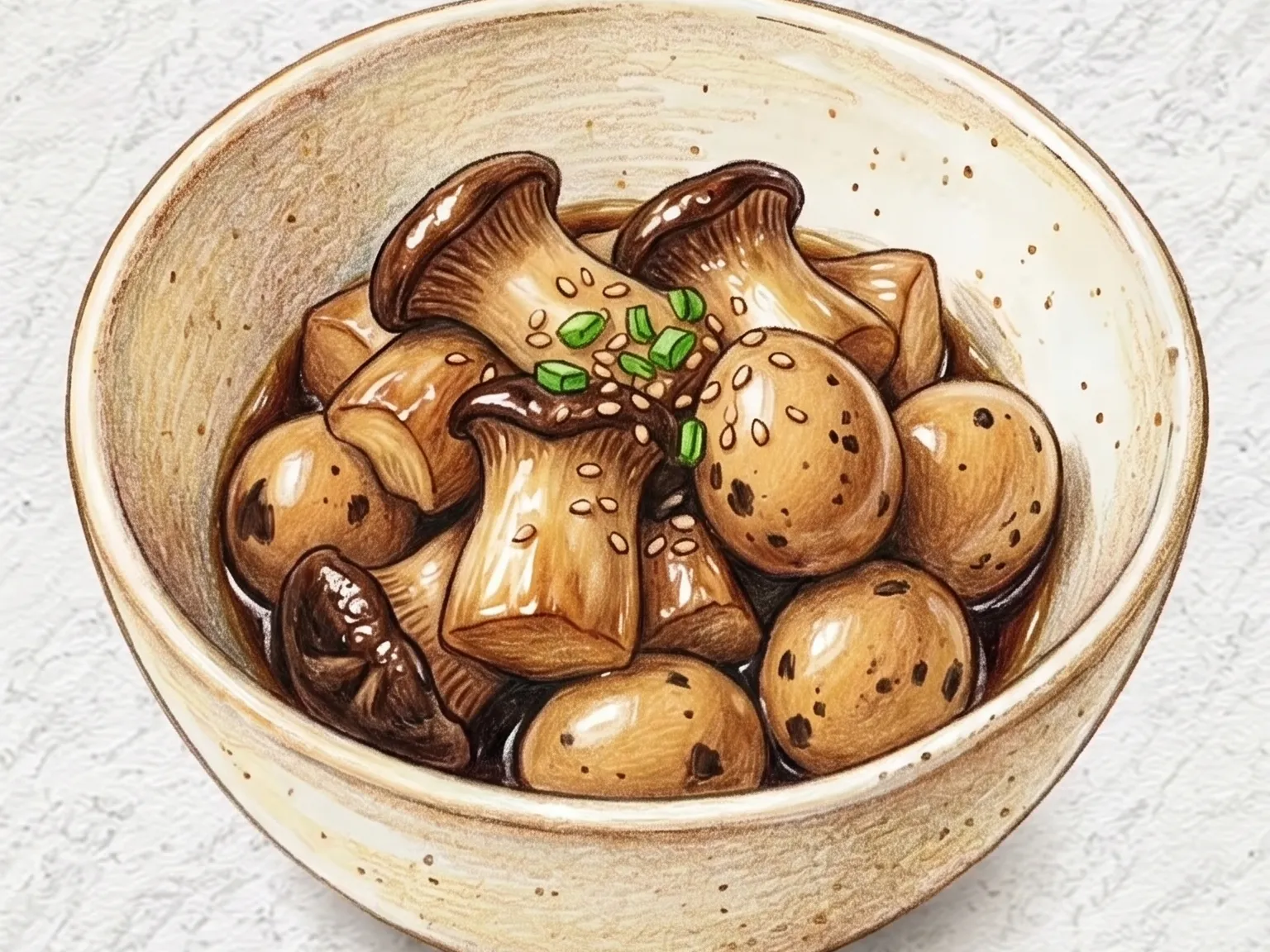
Korean Soy-Braised King Oyster Mushrooms
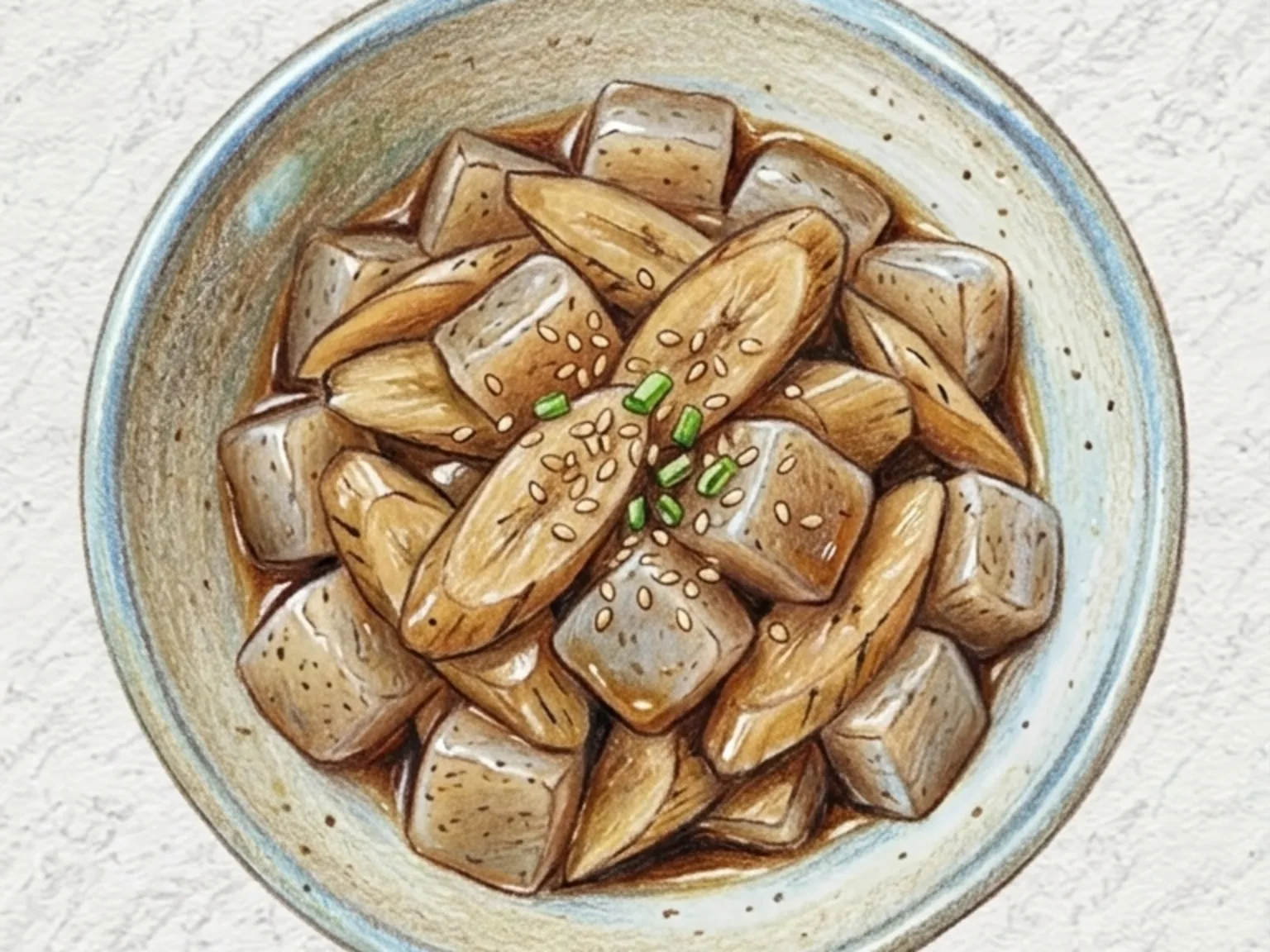
Saesongi-beoseot-jorim braises 300 grams of king oyster mushrooms in a soy-based sauce after an initial sear that drives off moisture and firms up the texture. The mushrooms are halved lengthwise, cut into bite-size pieces, and pan-fried in oil for about two minutes until lightly golden before the braising liquid - soy sauce, water, oligosaccharide syrup, and garlic - is poured in. Five minutes of simmering over medium heat reduces the liquid to a sticky glaze that clings to every surface. Sesame oil is drizzled in just before removing from heat, and chopped scallion adds a fresh green contrast. The finished dish stores well, making it a reliable make-ahead side for weekday meals.
Korean Stir-fried Sausage
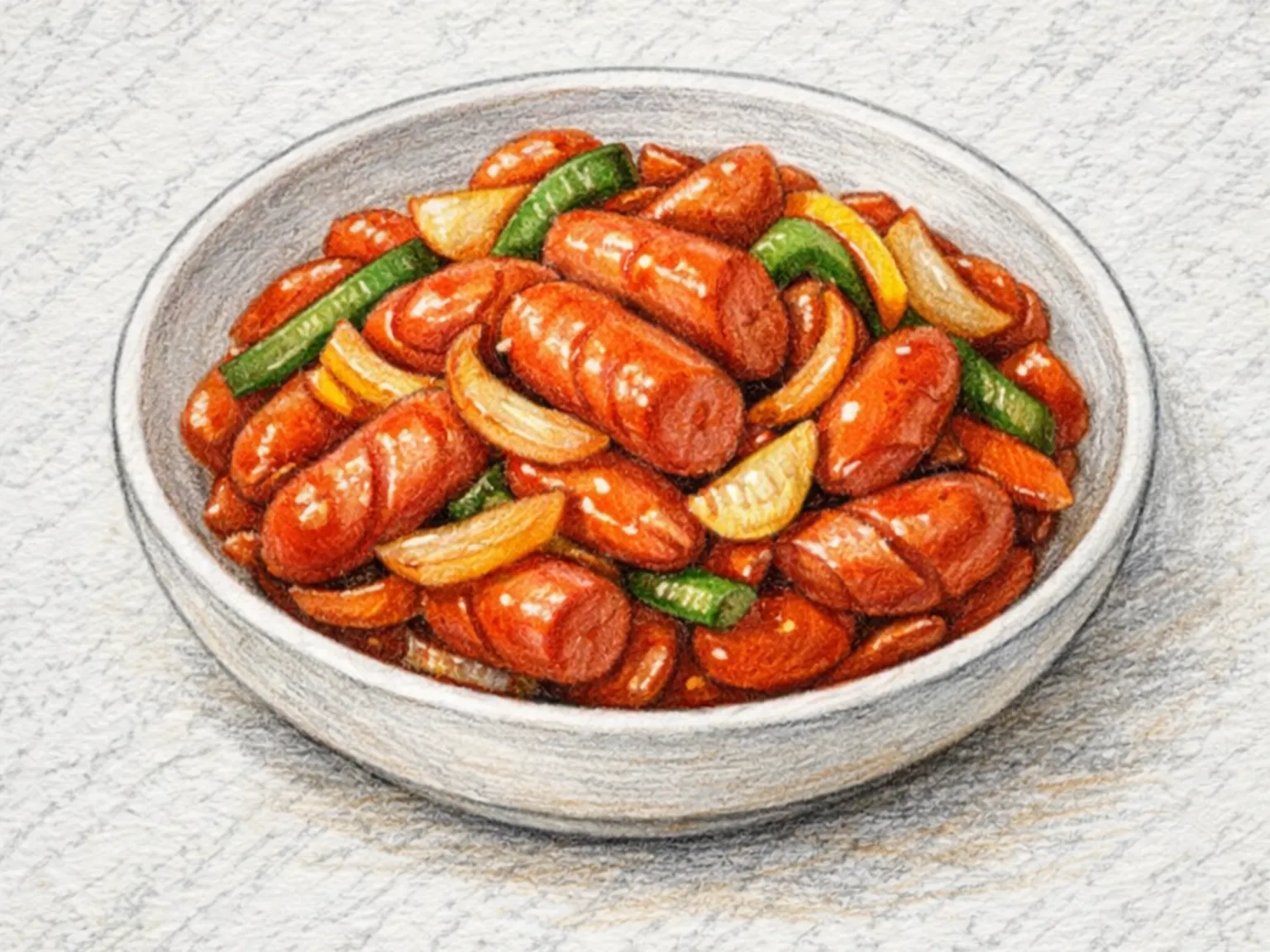
Sosegi-bokkeum is a Korean sausage stir-fry where scored Vienna sausages are dry-fried until golden, then tossed with onion in a sauce of ketchup, gochujang, oligosaccharide syrup, and soy sauce. Scoring the sausages lets the sweet-spicy glaze seep into every cut, so the flavor is consistent from edge to center. The sauce caramelizes quickly -- just two minutes of tossing coats the sausages in a glossy, clingy layer. Finished with sesame seeds and sliced green onion, it is a staple banchan that packs well in lunchboxes.
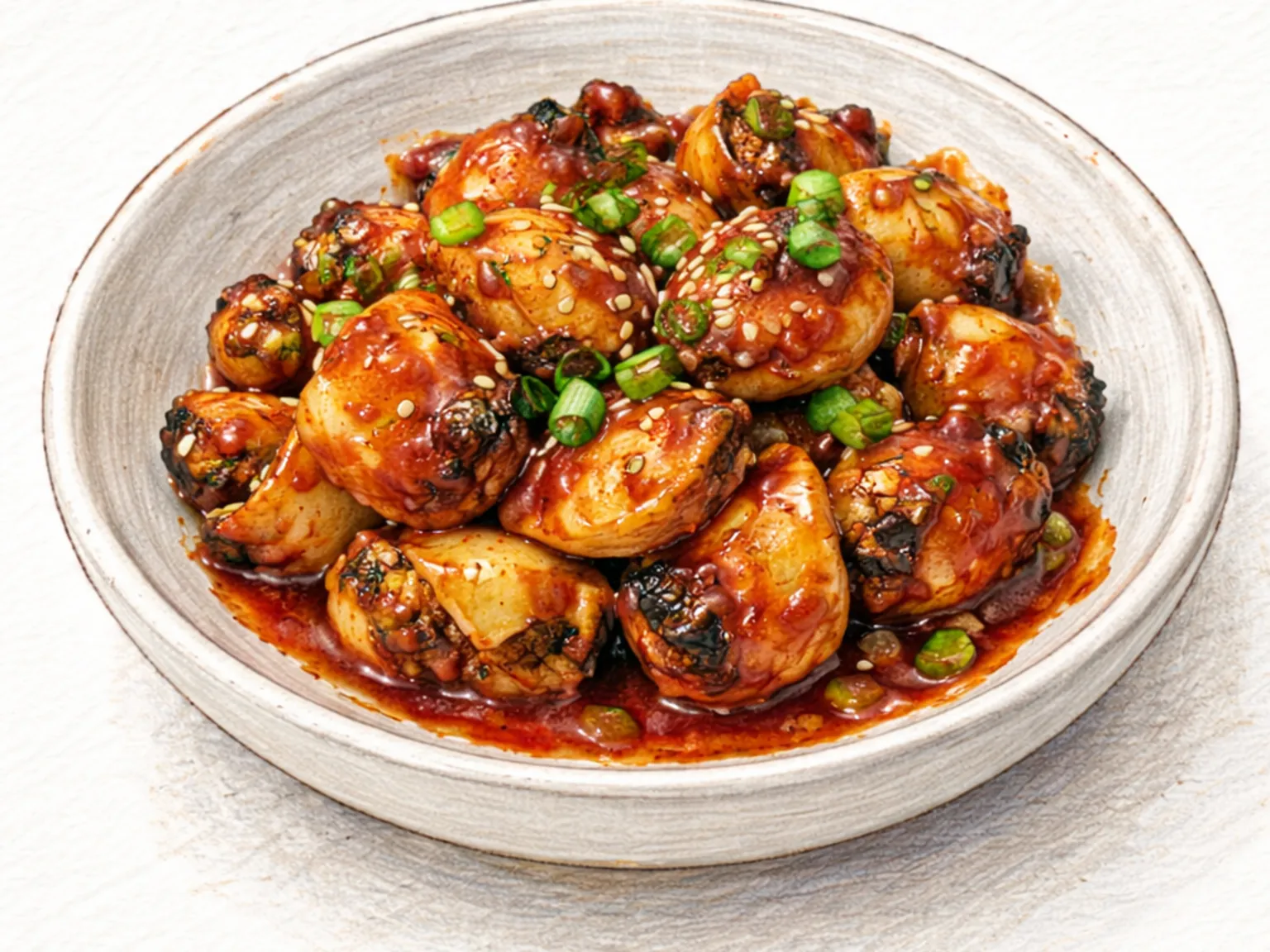
Korean Grilled Sea Snail with Gochujang
Pre-boiled sea snail meat is sliced thin, trimmed of tough visceral parts, and marinated for fifteen minutes with sliced onion in a sauce built on gochujang, gochugaru, soy sauce, oligosaccharide syrup, and minced garlic. A screaming-hot pan sears the marinated snail in three to four minutes, concentrating the spicy-sweet sauce onto the surface while preserving the snail's signature firm chew. Green onion goes in for the final minute, followed by a drizzle of sesame oil. The briny depth of the sea snail meets the fermented heat of gochujang in every bite.
Korean Yeongeun Ganjang Jorim (Soy-Braised Lotus Root)
Yeongeun ganjang jorim is a Korean soy-braised lotus root side dish simmered in soy sauce, oligosaccharide syrup, vinegar, and cooking wine. The starchy surface of the lotus root develops a glossy glaze from the reduced sauce while the interior stays distinctly crunchy. Vinegar brightens the soy's salinity, and the syrup contributes a gentle sweetness and visible sheen. This banchan improves overnight in the refrigerator as the seasoning continues to penetrate, making it one of the most practical make-ahead side dishes in Korean home cooking.
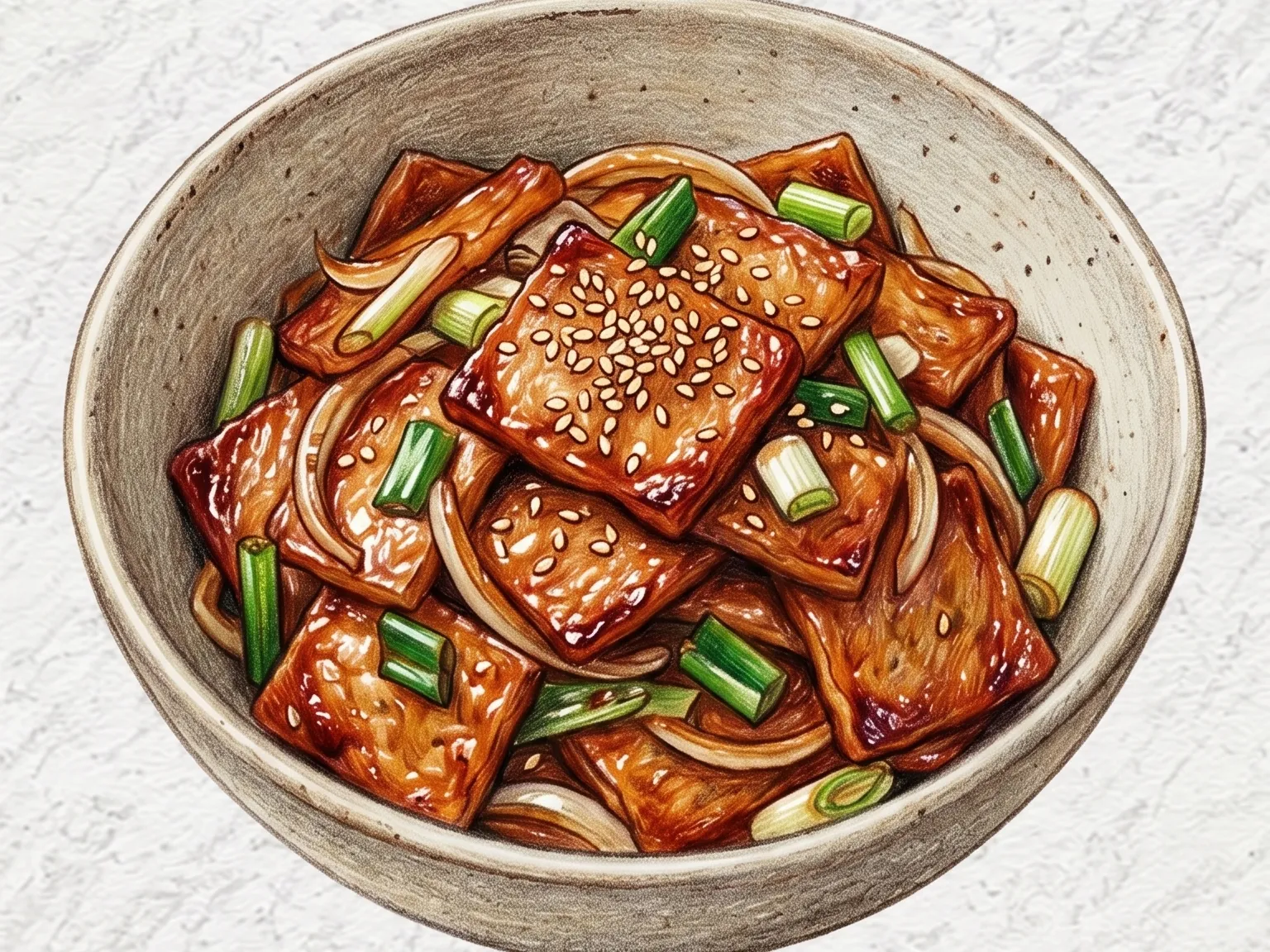
Korean Spicy Stir-Fried Fish Cake
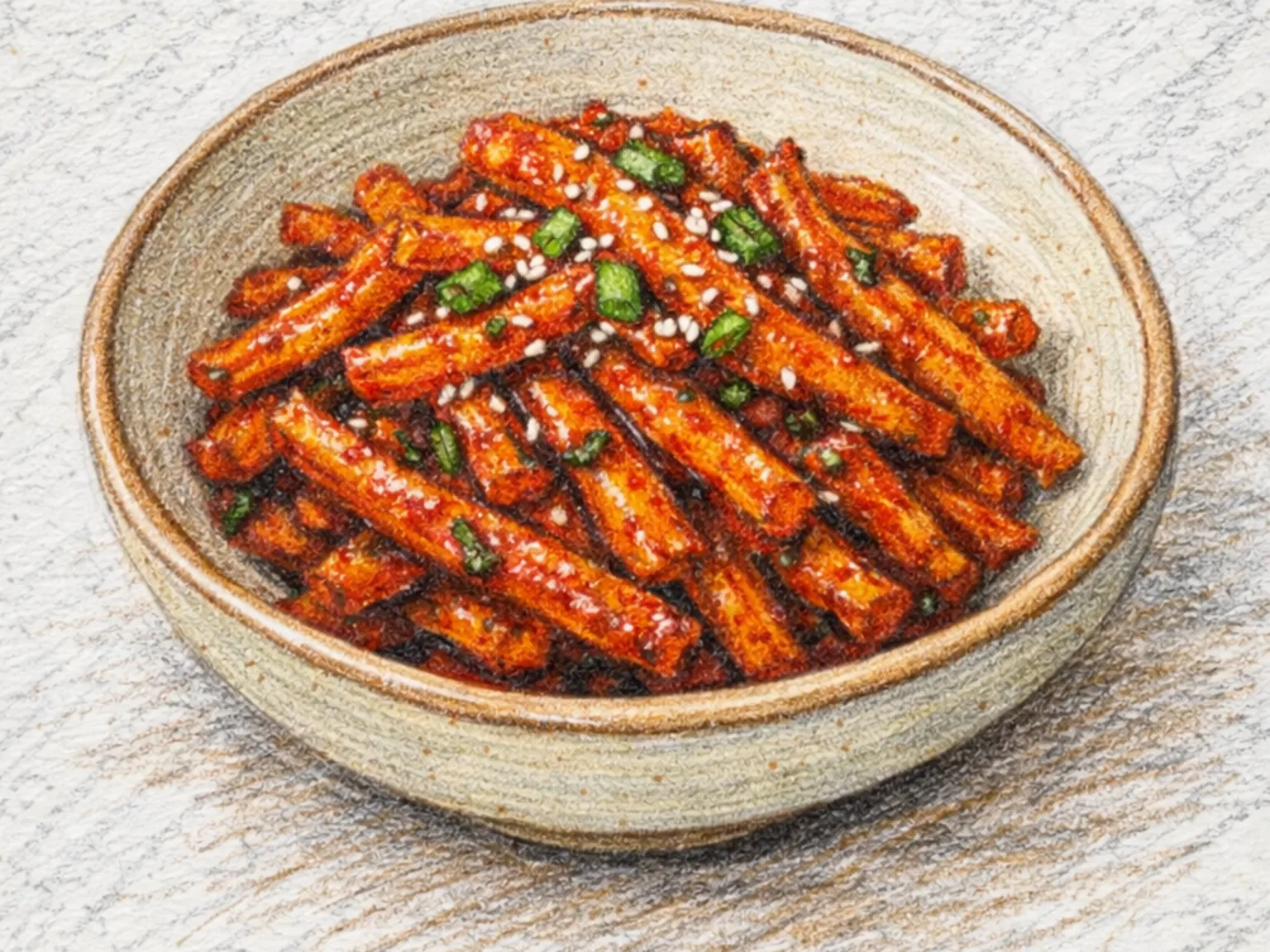
Square sheets of fish cake are sliced into uniform, bite-size pieces before being stir-fried in a seasoned glaze that balances spicy heat with a clear sweetness. One specific technique used in this recipe involves blanching the fish cake pieces in boiling water for a very short period before they enter the pan. This process serves two functions: it removes the excess oil from the manufacturing process and causes the surface of the fish cake to open up. This allows the sauce to adhere more consistently to each piece during the cooking process. When stir-fried over high heat, the edges of the fish cake undergo a light caramelization. This results in a subtle smoky flavor that adds a layer of complexity to the overall dish. The base of the sauce consists of gochujang, soy sauce, and oligodang. Oligodang is a Korean corn syrup that is used to give the dish a shiny, glossy finish while simultaneously tempering the sharp intensity of the fermented chili paste. During the cooking process, sliced onions are added and allowed to soften. The moisture released by the onions helps to deglaze the pan, which reintegrates concentrated flavors into the sauce and contributes a natural sweetness. Green onions are added just before the heat is turned off so they retain their fresh aroma and provide a crisp texture that contrasts with the rich sauce. To finish the dish, toasted sesame seeds are scattered over the top to provide a mild nutty flavor. This side dish is frequently included in packed lunches because the glaze maintains its integrity and the flavors become more concentrated as the dish cools.
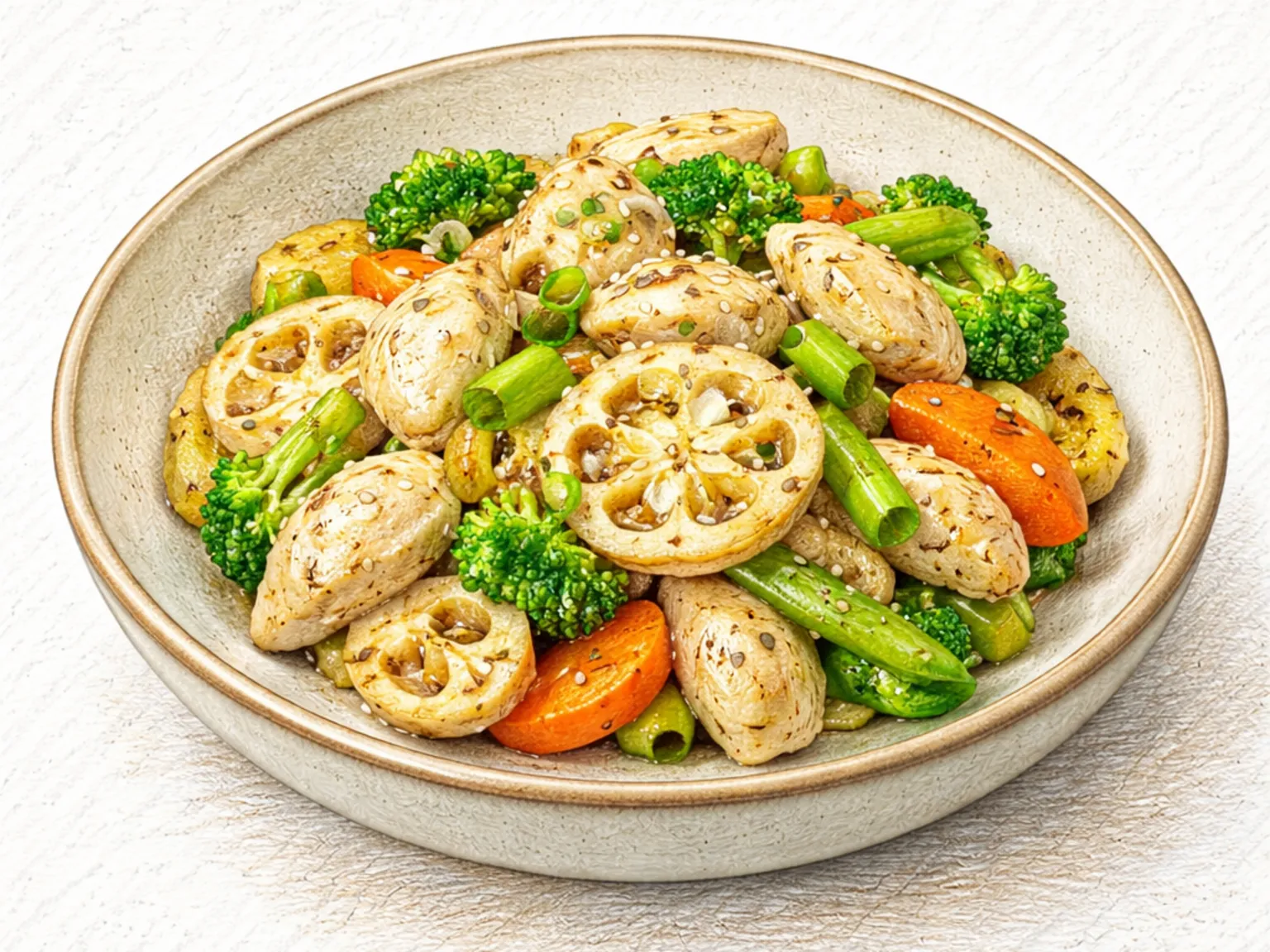
Korean Lotus Root Chicken Breast Stir-fry
Yeongeun-dakgaseumsal-bokkeum stir-fries soy-and-wine-marinated chicken breast with lotus root, bell pepper, and onion. The lotus root is sliced 3mm thick and soaked in vinegar water to prevent browning and keep its crunch, while the chicken is cooked quickly over medium-high heat to avoid drying out. Oligosaccharide syrup mixed with soy sauce creates a glossy glaze that coats the ingredients, and bell pepper adds color and sweetness. The crisp, starchy bite of the lotus root paired with the lean chicken makes this a protein-rich banchan that stays grease-free and packs well for lunches.
Korean Sotteok-Sotteok Skewers
Cylinder-shaped rice cakes and mini sausages are skewered in alternating order, then pan-grilled for six to seven minutes until the surfaces turn golden. A glaze made from gochujang, ketchup, soy sauce, oligosaccharide syrup, and minced garlic is brushed on and cooked for two to three more minutes until glossy and sticky. Each skewer delivers a contrast between the dense chew of rice cake and the snappy bite of sausage, unified by the sweet-spicy coating. Originally a Korean street-food staple, sotteok-sotteok is also popular for camping trips and can be made quickly in an air fryer.
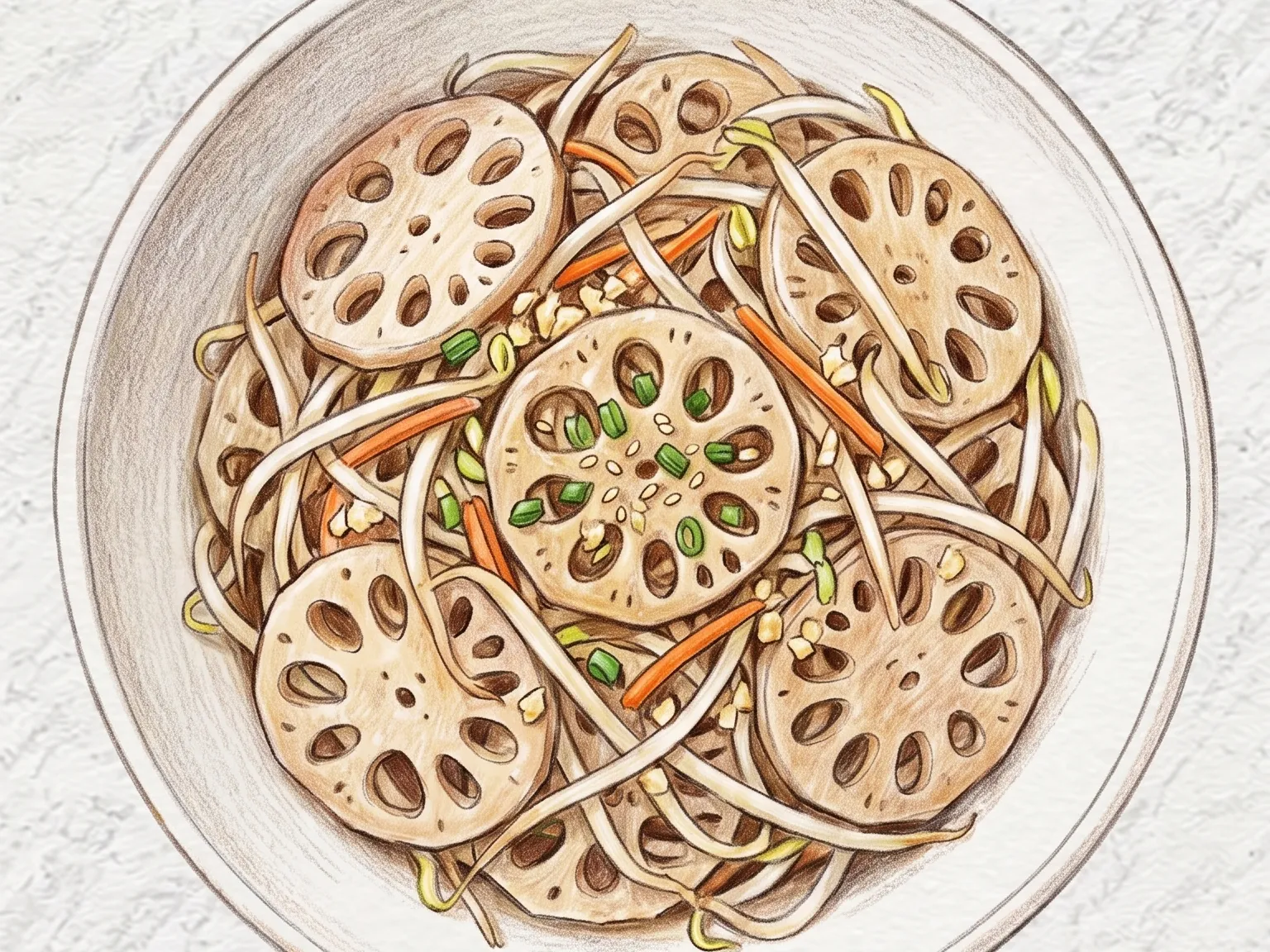
Korean Soy Sauce Stir-Fried Lotus Root and Bean Sprouts
Yeongeun-kongnamul-ganjang-bokkeum stir-fries sliced lotus root and bean sprouts in a soy sauce and oligosaccharide glaze. The lotus root goes in first over medium heat for three minutes until slightly translucent, then carrot and garlic are added before the soy seasoning. Bean sprouts join last and cook on high heat for just two minutes to drive off moisture while staying crunchy. The starchy snap of the lotus root contrasts with the watery crispness of the bean sprouts, tied together by a light sweet-salty soy coating.
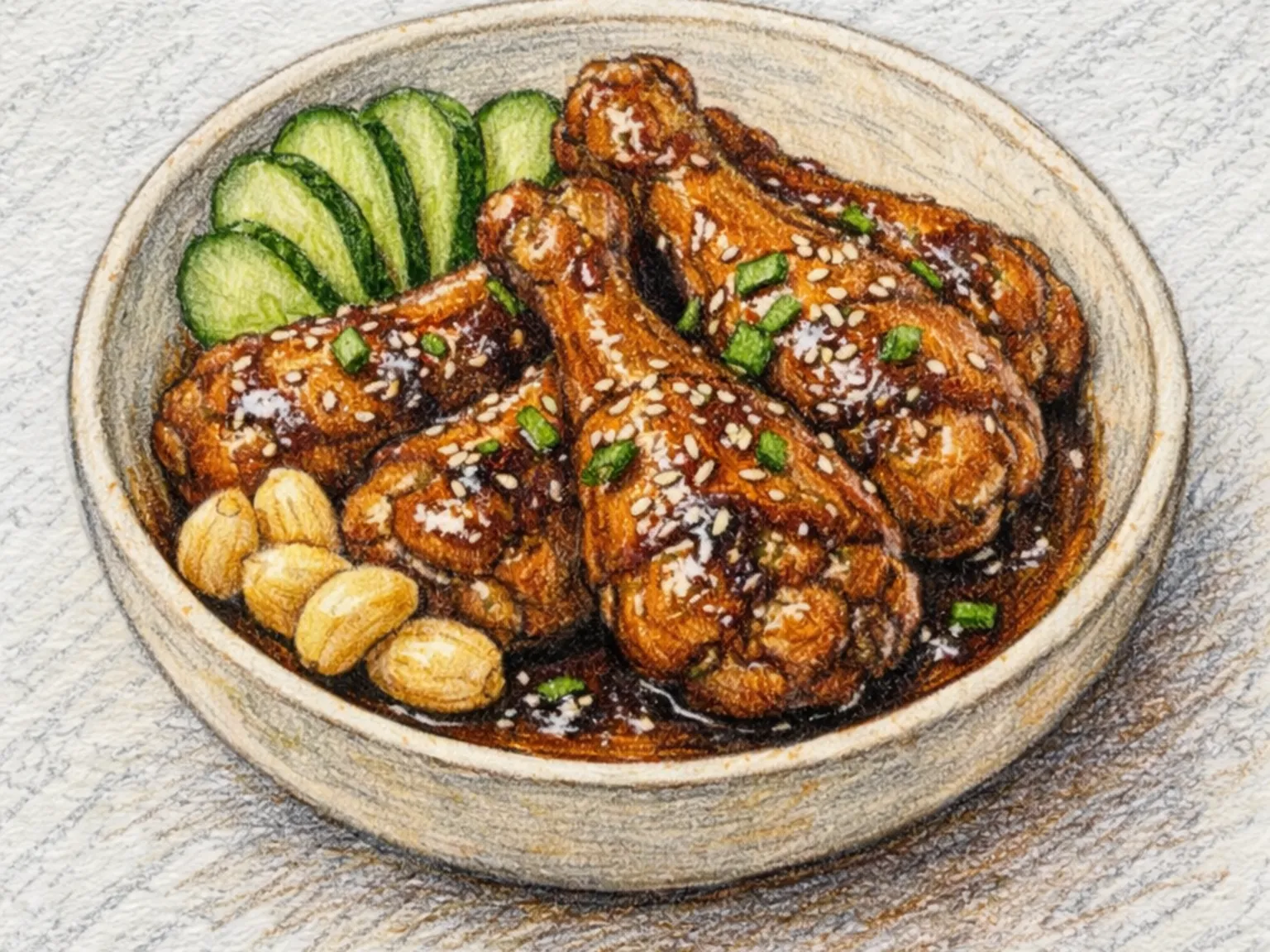
Korean Soy-Garlic Grilled Chicken Legs
Chicken leg meat is scored at the thickest points for even cooking, then marinated in soy sauce, oligosaccharide syrup, minced garlic, cooking wine, sesame oil, and black pepper. Starting skin-side down in a covered pan for ten minutes, then flipping for another eight to ten minutes, the skin renders its fat and crisps up while the interior cooks through. A final brush of the remaining marinade reduces into a dark, glossy glaze that carries concentrated garlic and soy flavor. Finished with a sprinkle of sesame seeds, this dish yields four generous servings as a main course alongside rice.
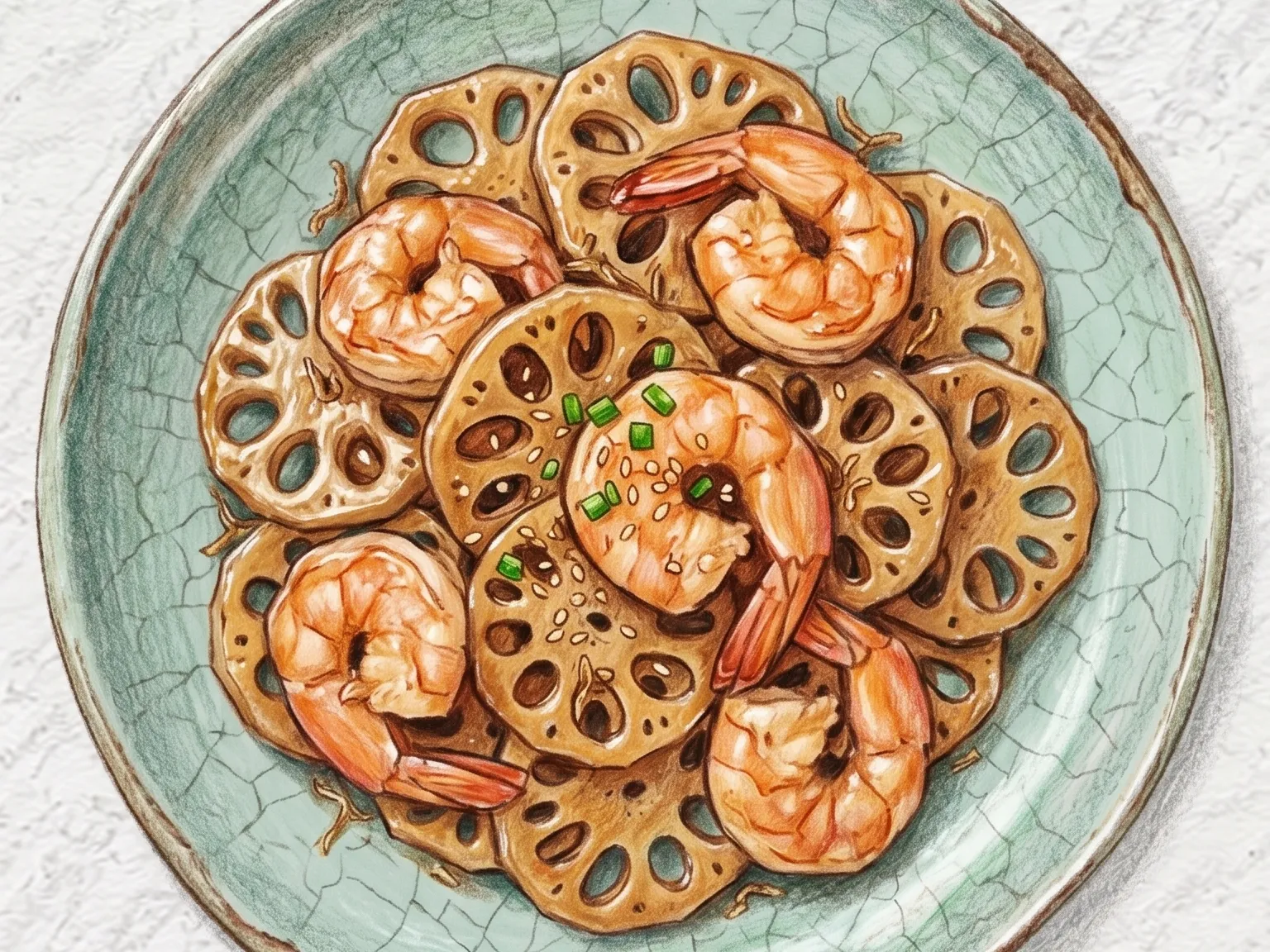
Korean Lotus Root and Shrimp Stir-fry
Yeongeun-saeu-bokkeum stir-fries vinegar-soaked lotus root and cleaned shrimp in a soy sauce and oligosaccharide glaze. The lotus root goes in the pan first for two minutes to start cooking, then shrimp are added and the soy-syrup seasoning goes in over high heat to build a glossy coating. The crunchy, starchy bite of the lotus root contrasts with the bouncy firmness of the shrimp in each mouthful, while the soy and syrup provide a simple salty-sweet balance. Finished with sesame oil, the dish holds its texture well even after cooling, making it well-suited for packed lunches.
Korean Grilled Bellflower Root
Bellflower root is shredded lengthwise, soaked in salted water, and blanched for one minute to draw out its characteristic bitterness without eliminating it entirely. A ten-minute soak in a sauce of gochujang, gochugaru, soy sauce, oligosaccharide syrup, garlic, and sesame oil seasons the root before it hits a medium-heat pan for three to four minutes per side. The result has a crisp, crunchy bite - distinct from any other vegetable - with a red-glazed surface that carries moderate heat. Open-flame grilling adds a smoky dimension that pairs well with the spicy coating, and sesame seeds provide a finishing touch.
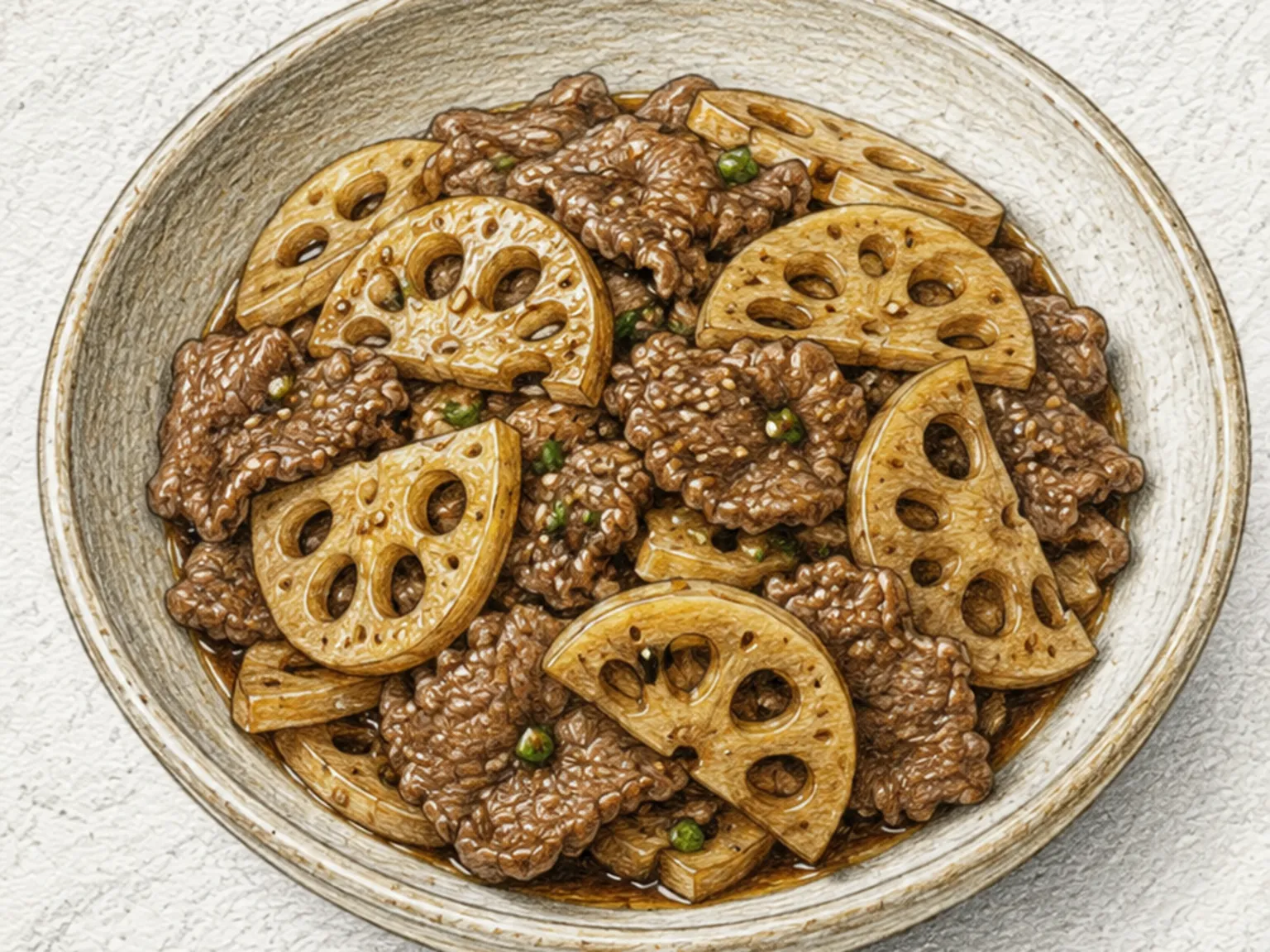
Korean Lotus Root and Beef Stir-fry
Yeongeun-soegogi-bokkeum is a Korean stir-fry of thinly sliced lotus root and beef in a soy sauce and oligosaccharide syrup glaze. The lotus root is soaked in vinegar water to prevent browning, then stir-fried briefly to keep its distinctive crunch, while the beef is pre-seasoned in soy sauce for deeper flavor. The syrup creates a thin, glossy coating that carries the sweet-salty seasoning evenly across every piece. A finishing drizzle of sesame oil rounds out the dish with a nutty fragrance, making it a versatile side for everyday rice meals and packed lunches.
Korean Tteok Kkochi Yangnyeom Gui (Grilled Rice Cake Skewers)
Cylinder rice cakes are threaded onto skewers, lightly brushed with oil, and rolled on a grill pan over medium heat for six to seven minutes until the exterior turns golden. A sauce of gochujang, ketchup, oligosaccharide syrup, soy sauce, and minced garlic is applied in two rounds, building a glossy red glaze that clings to the surface. The outer layer develops a slight crispness while the inside remains stretchy and dense - that textural duality is the hallmark of this dish. A light dusting of cheese powder turns it into a kid-friendly snack, and it stands as one of the most iconic items in Korean street-food culture.
Grilled Chicken Heart Skewers
A recipe for chewy and nostalgic street-style grilled chicken heart skewers.
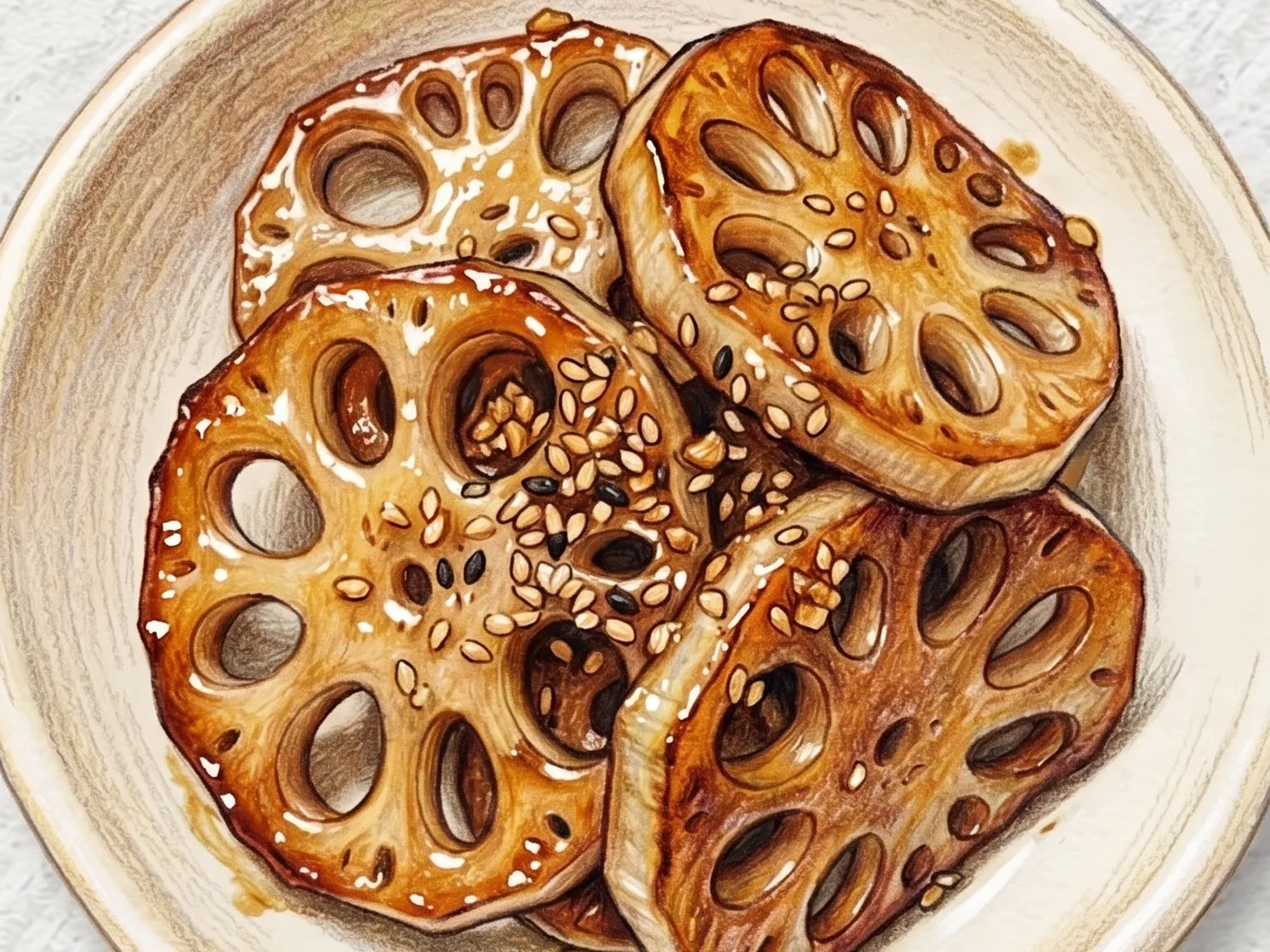
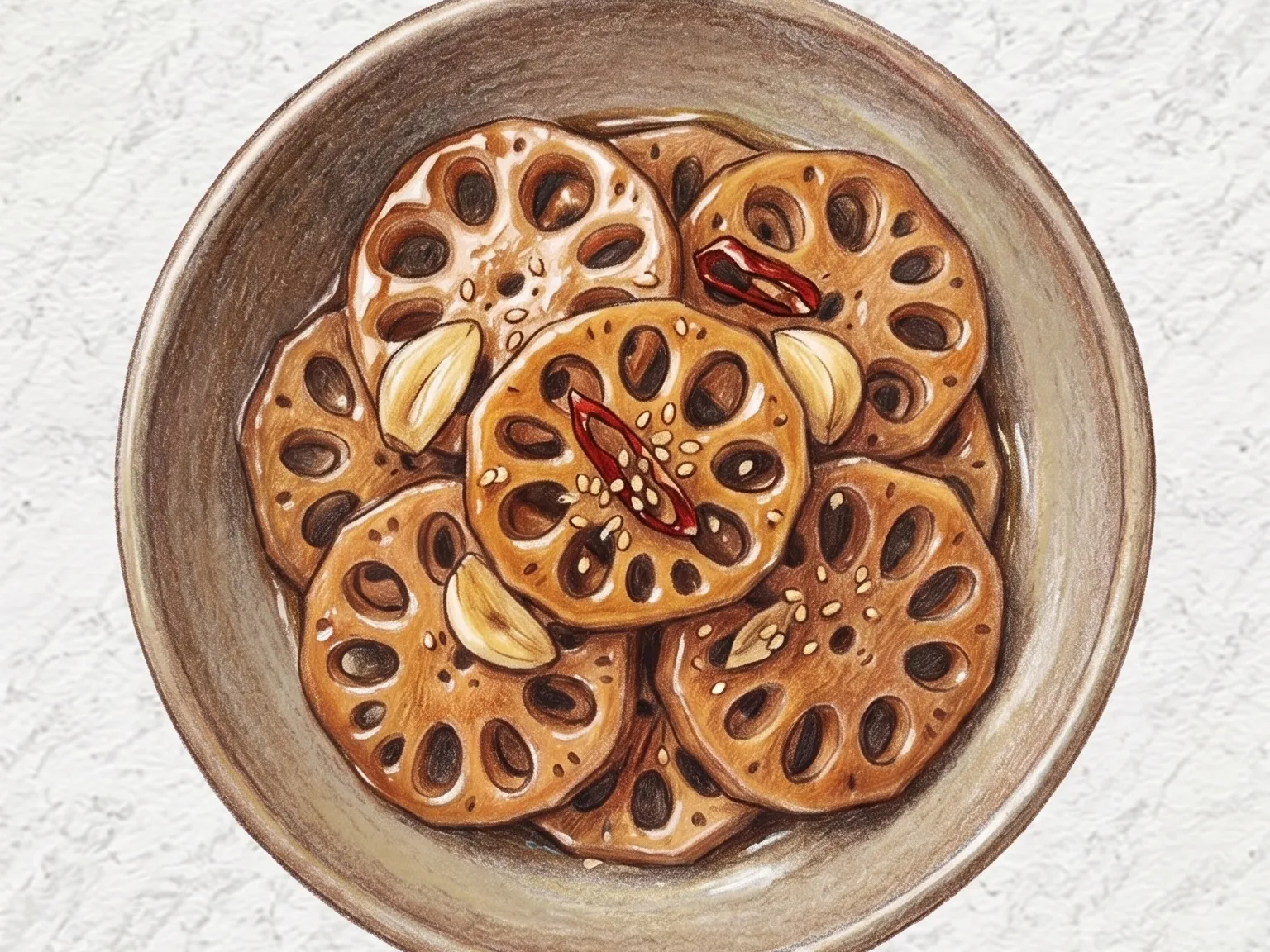
Korean Soy-Glazed Grilled Lotus Root
Lotus root slices are soaked in vinegar water to reduce astringency, blanched briefly, then pan-grilled with a soy sauce, oligosaccharide syrup, and garlic glaze. The coating turns glossy as it reduces, giving each slice a balanced salty-sweet finish while the interior stays crisp and clean-tasting. Topped with sesame seeds, this vegetable side holds up well in packed lunches and as an everyday banchan.
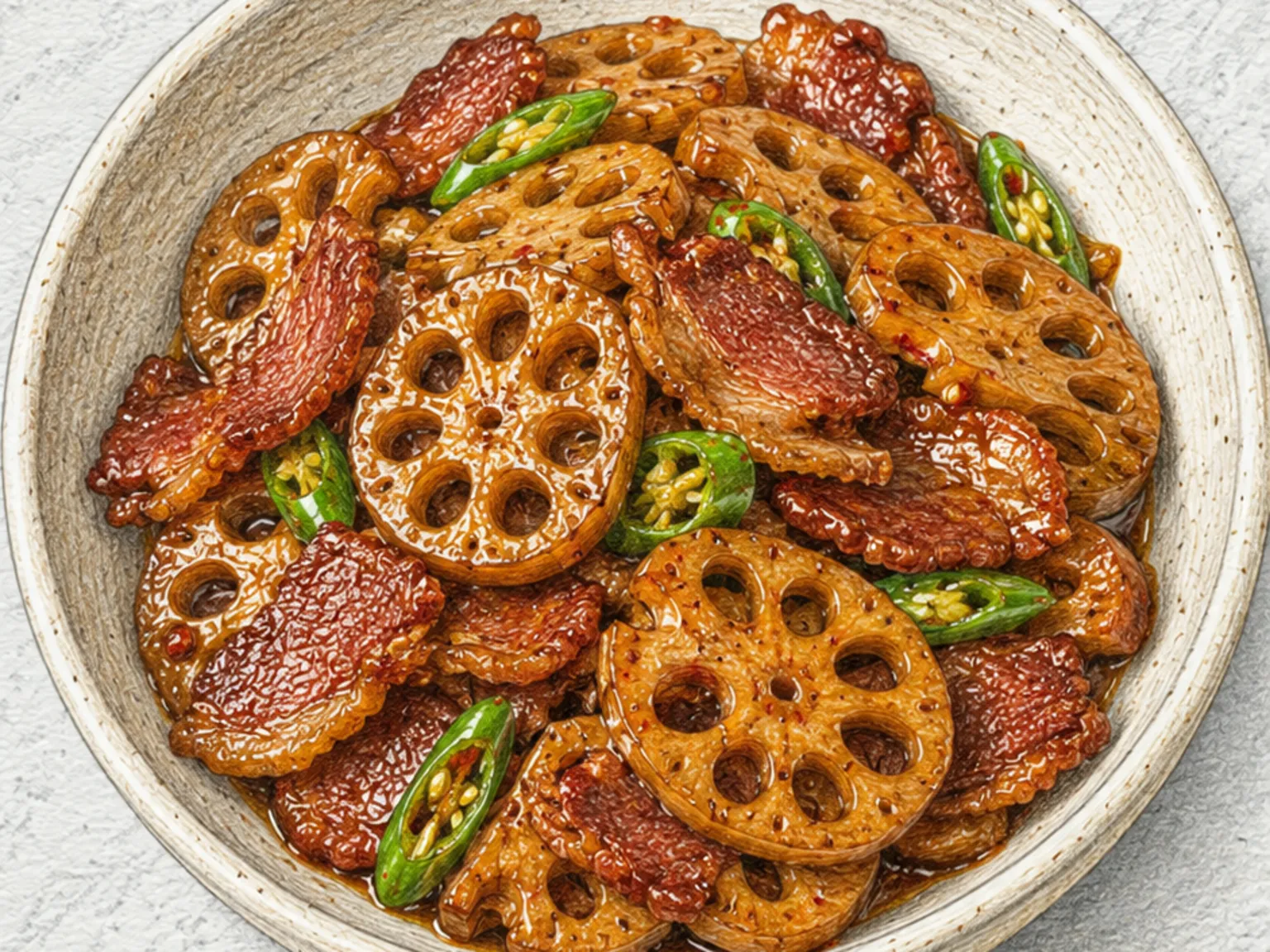
Korean Lotus Root & Duck Chili Stir-fry
Yeongeun-ori-gochu-bokkeum stir-fries lotus root separately first to lock in its crunch, then combines it with rendered smoked duck and cheongyang chili in a spicy-sweet finish. The duck is cooked on medium-high heat to draw out excess fat, and a sauce of soy sauce, gochujang, and oligosaccharide syrup is built in the pan. The cheongyang chili's direct heat cuts through the smokiness and richness of the duck, while the returned lotus root absorbs the sauce and retains its firm bite. Three distinct flavors - smoky duck, sharp chili heat, and nutty lotus root - remain clearly defined in each bite.
Korean Chili Grilled Wings
Daknalgae-gochugaru-gui is a Korean chili-crusted chicken wing dish tossed in a coarse mixture of gochugaru, soy sauce, cooking wine, oligosaccharide syrup, minced garlic, and ginger powder, then grilled or pan-fried until the surface crisps. Unlike smooth gochujang, the coarse gochugaru particles cling to the chicken skin and crisp up during cooking, forming a textured, spicy crust on the surface, while the oligosaccharide syrup melts and binds those flakes firmly to the skin. The cooking wine neutralizes any gamey odor from the chicken and, as the alcohol evaporates, carries the garlic and ginger aromatics across the surface. A final blast of high heat lightly singes the chili flakes, adding a smoky dimension to the heat. Black pepper scattered over the top introduces another layer of sharpness that makes the overall heat more complex. Marinating the wings for at least thirty minutes before cooking allows the seasoning to penetrate the meat, yielding a deeper flavor once grilled. An air fryer at 200 degrees Celsius for 18 to 20 minutes produces an even crispier result than pan grilling.