2741 Korean & World Recipes

2741+ Korean recipes, clean and organized. Ingredients to instructions, all at a glance.

Recipes with oligosaccharide

113 recipes. Page 2 of 5

Buy oligosaccharide
Korean Spicy Grilled Gizzard Shad
Grilled Medium

Korean Spicy Grilled Gizzard Shad

Baendaengi yangnyeom gui is a Korean grilled fish dish in which scored gizzard shad are coated in a gochujang-based glaze and cooked over medium heat until caramelized. Scoring the fish achieves two things simultaneously: it lets the seasoning penetrate into the flesh rather than sitting only on the surface, and it severs the fine pin bones that run through the small fish so they become less noticeable when eating. The marinade combines gochujang, soy sauce, oligosaccharide syrup, gochugaru, and ginger juice. The ginger juice specifically targets the fishiness of the shad, neutralizing it while adding a warm, sharp note to the overall flavor. Sugar content in the glaze is high enough that high heat will char the coating before the fish cooks through, so medium heat is maintained throughout, with three to four minutes per side giving an even result. As the oligosaccharide heats, it caramelizes into a glossy amber coating that makes the finished fish look as good as it tastes. A scattering of toasted sesame seeds adds a nutty fragrance in the final step. Gizzard shad are small enough to be eaten whole, bones included, and the bold spicy-sweet glaze makes them as suitable alongside a bowl of rice as they are paired with soju at the table.

🍺 Bar Snacks 🏠 Everyday
Prep 20min Cook 12min 2 servings
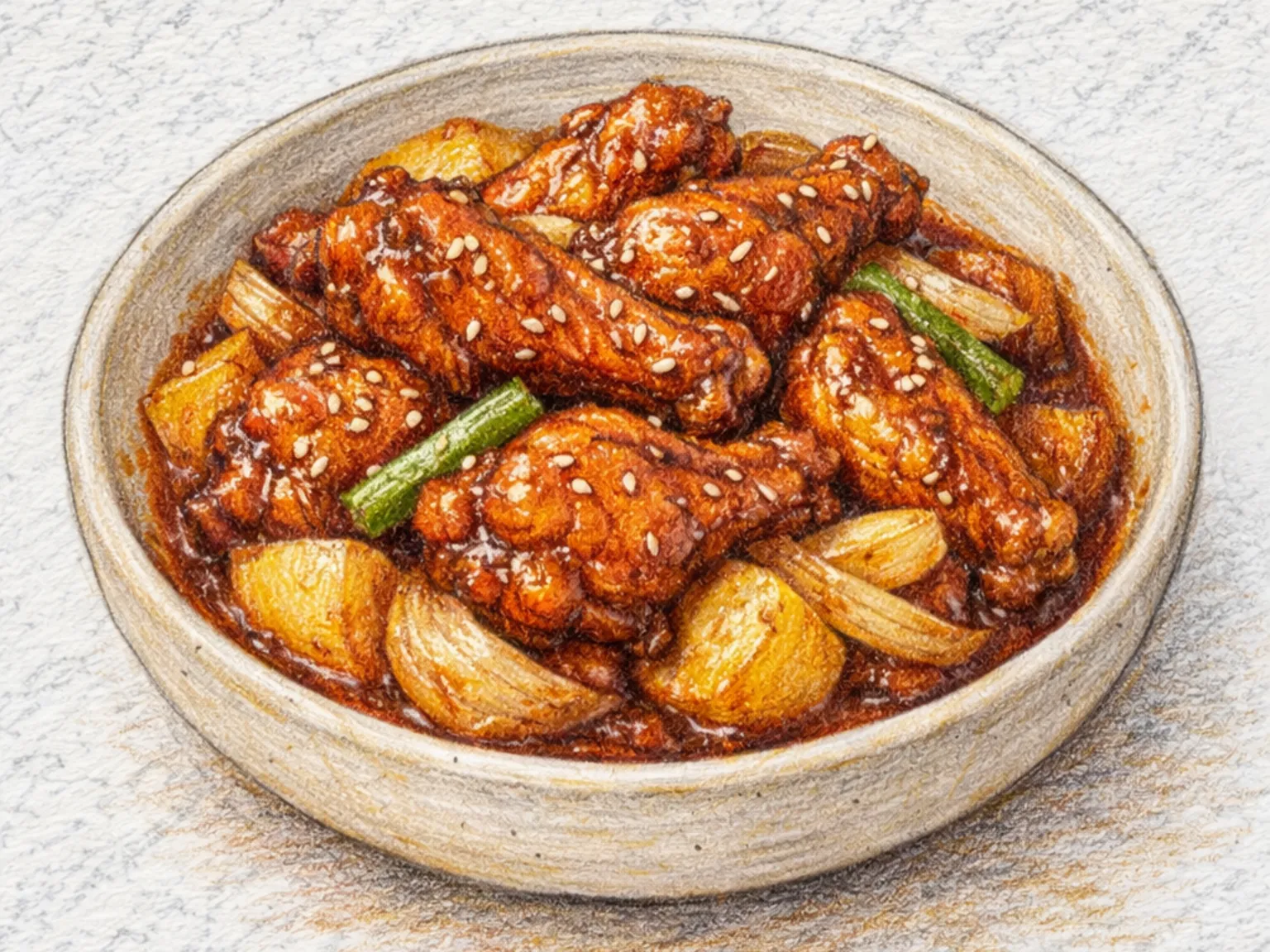
Korean Dak Ganjang Jorim (Soy Braised Chicken)
Steamed Medium

Korean Dak Ganjang Jorim (Soy Braised Chicken)

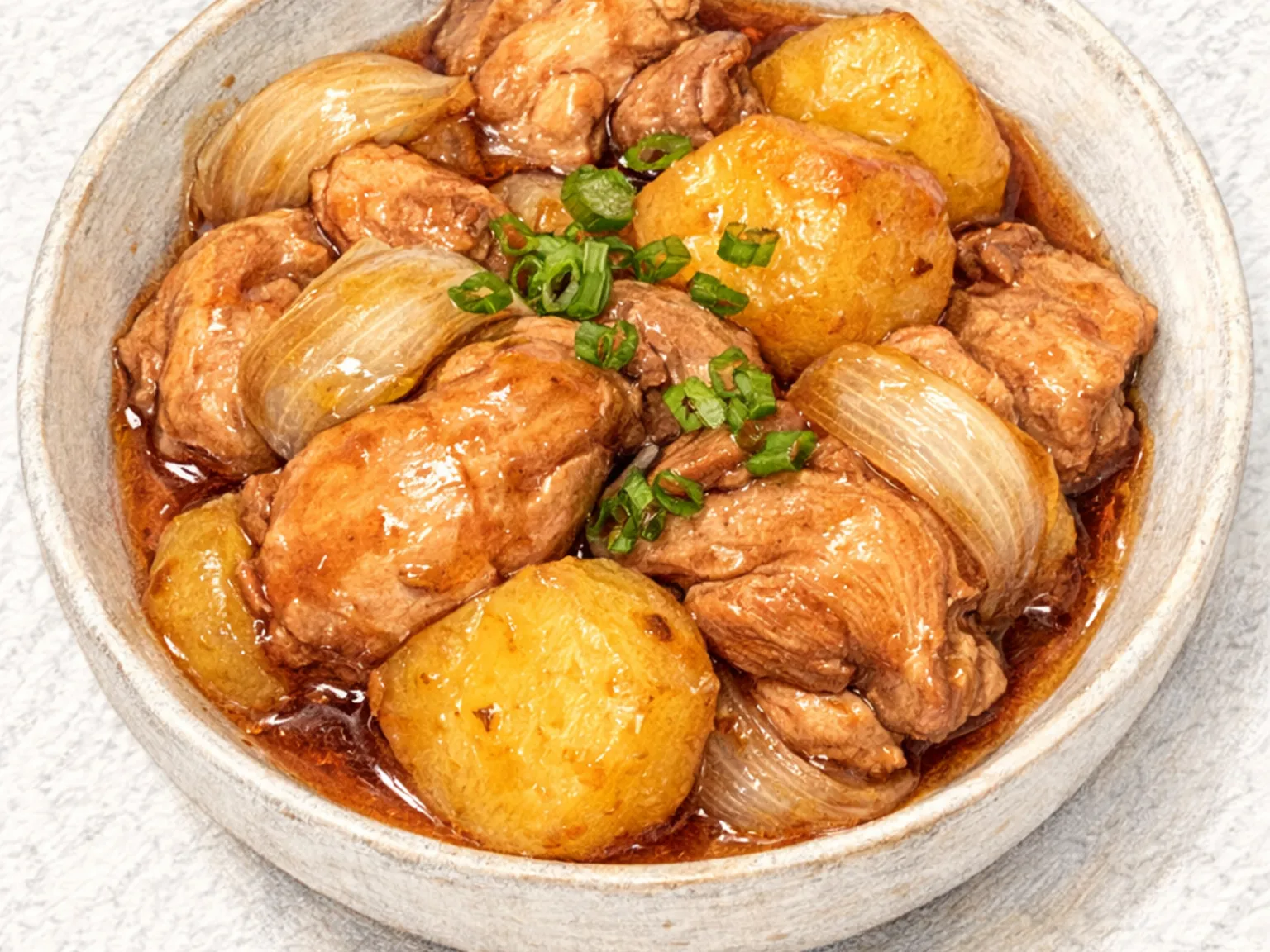
Dak ganjang-jorim is chicken thigh braised with potato in a soy sauce glaze enriched with oligosaccharide syrup, garlic, and ginger juice. As the thighs simmer, the soy base works its way between the muscle fibers, leaving the meat deeply seasoned with a glossy brown finish. Potato chunks break down slightly at the edges and soak up the braising liquid, turning starchy and satisfying. A single cheongyang chili added to the pot gives a mild, lingering kick that keeps the sweet-salty profile from becoming one-note. Patting the chicken thighs thoroughly dry before searing them in the pan builds a Maillard-browned surface that adds another layer of savory depth, and removing the lid for the final five minutes lets the sauce reduce into a thick, clingy glaze.

🎉 Special Occasion 🍱 Lunchbox
Prep 18min Cook 35min 4 servings
Korean Minari Bulgogi Bibim Udon
Noodles Medium

Korean Minari Bulgogi Bibim Udon

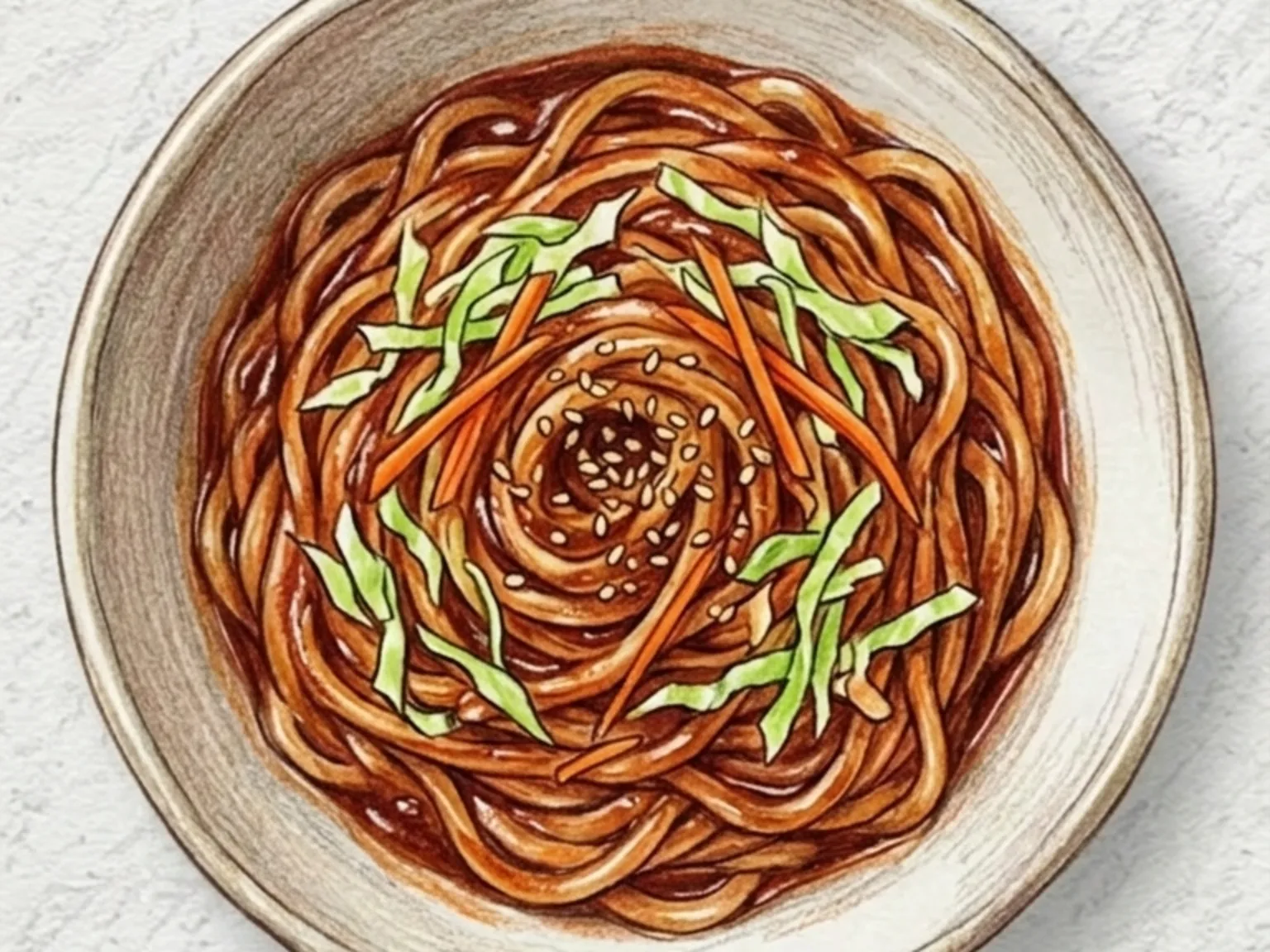
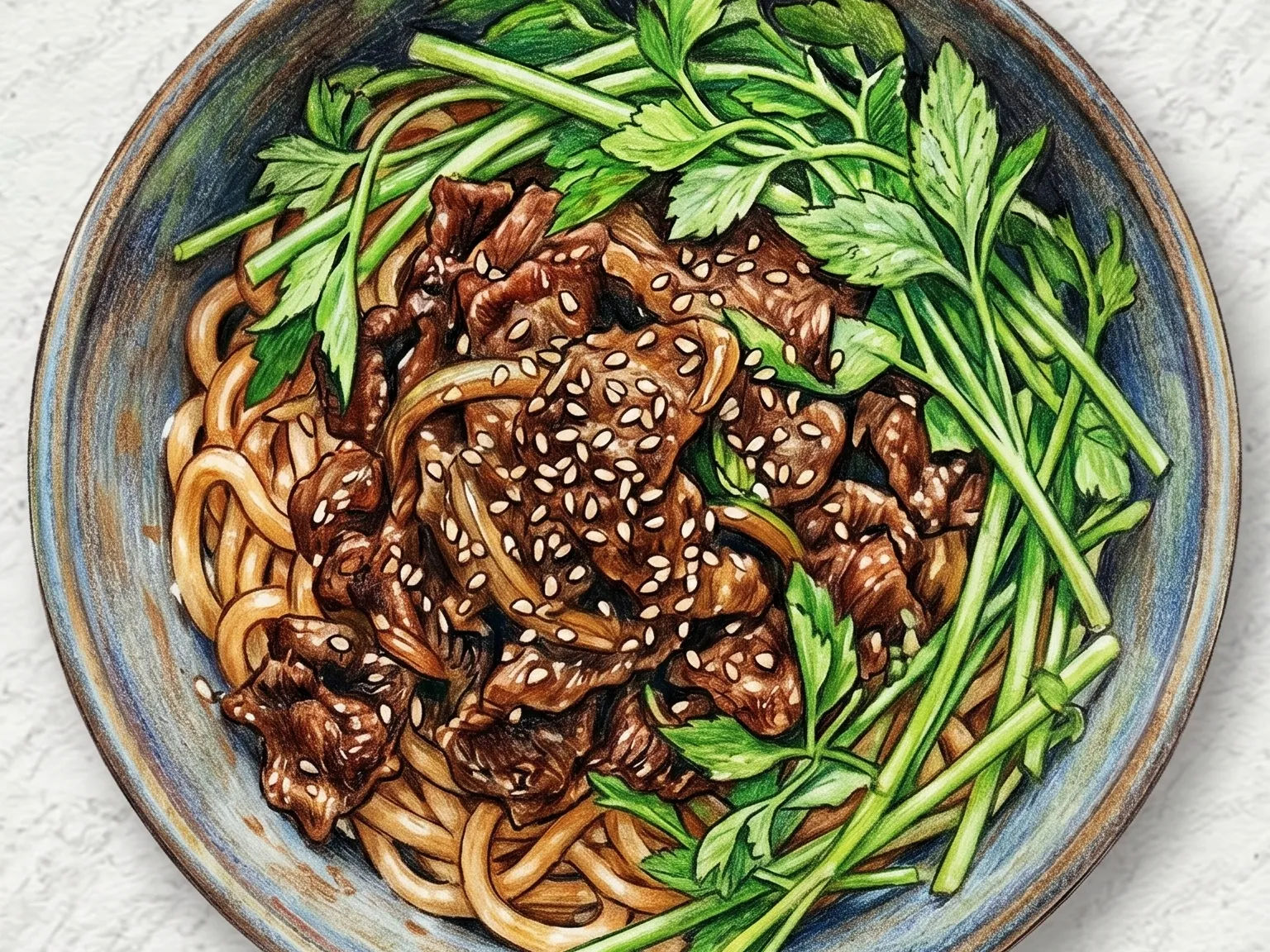
Minari bulgogi bibim udon is a Korean mixed noodle dish combining soy-marinated beef bulgogi with fragrant water dropwort over chewy udon noodles. The beef is marinated for ten minutes in soy sauce, garlic, and syrup, then stir-fried quickly with onion over high heat to develop caramelized edges while keeping the interior moist. Udon is blanched for two minutes and rinsed in cold water to restore its springy chew. A gochujang, soy sauce, and sesame oil dressing coats the noodles first, then the bulgogi and minari are folded in gently at the end so the herb's distinctive aroma stays intact rather than wilting away. Sesame seeds scattered on top add a final nutty accent that bridges the savory meat and the fresh, grassy minari. Adding a small amount of pear juice or kiwi juice to the marinade tenderizes the beef noticeably, which sharpens the contrast between the silky meat and the firm noodle.

🍺 Bar Snacks
Prep 25min Cook 12min 2 servings
Grilled King Oyster and Perilla Salad
Salads Easy

Grilled King Oyster and Perilla Salad

Grilled king oyster and perilla salad dry-sears thick-sliced king oyster mushrooms in an oil-free pan until golden, then tosses them with chiffonaded perilla leaves, bite-sized lettuce, and cucumber in a perilla oil and soy dressing. Cutting the mushrooms into 0.8 cm planks and spacing them apart in the pan is critical: overcrowding traps steam and turns a sear into a braise, losing the golden crust and chewy interior. Patting the mushroom surfaces dry with a paper towel before placing them in the pan helps the Maillard reaction start faster and produces a more even color without the sputtering caused by surface moisture. The dressing blends perilla oil, soy sauce, lemon juice, and oligosaccharide syrup, pairing the deep nuttiness of perilla oil with a light citrus acidity that supports the mushroom's umami. Grinding extra sesame seeds into the dressing amplifies the nutty character, and a small pinch of gochugaru adds a mild heat that lingers at the back of the palate. Perilla leaves lose their fragrance quickly once dressed, so the salad should be served immediately after tossing.

🥗 Light & Healthy
Prep 15min Cook 12min 2 servings
Korean Braised Dried Pollack
Side dishes Easy

Korean Braised Dried Pollack

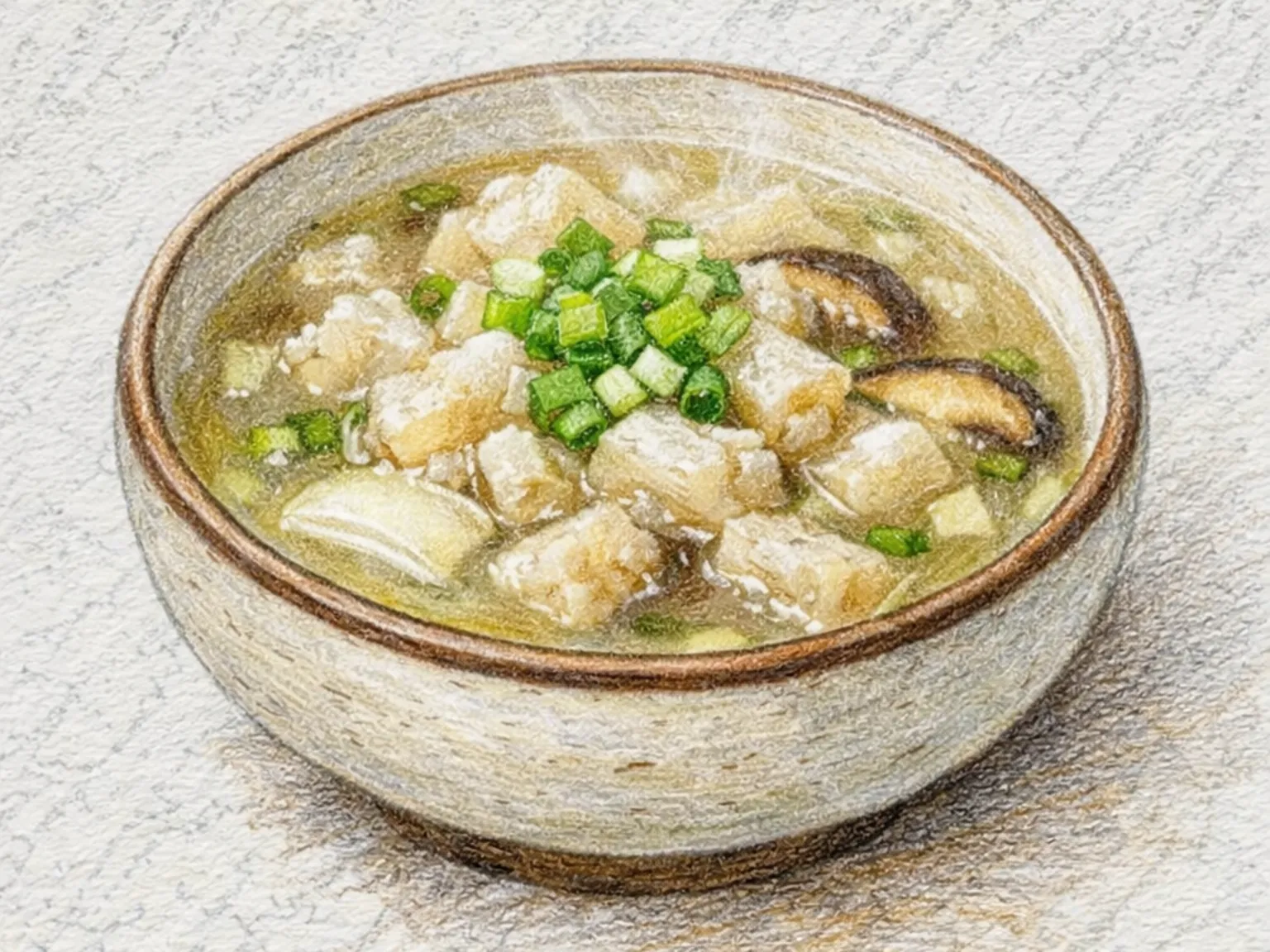
Dried pollack - bugeo - is traditionally hung on racks in Gangwon-do's frigid mountain air through freeze-thaw cycles all winter. The strips rehydrate in cold water, then braise in soy sauce, gochujang, sugar, and garlic. As liquid reduces, the pollack's spongy texture absorbs the sweet-salty-spicy sauce deeply, taking on a layered seasoning throughout. Finished with sesame oil, bugeo jorim tastes better after a day and keeps nearly a week - a classic fridge banchan.

🏠 Everyday 🍱 Lunchbox
Prep 30min Cook 20min 4 servings
Korean Grilled Mackerel Rice Bowl
Rice Medium

Korean Grilled Mackerel Rice Bowl

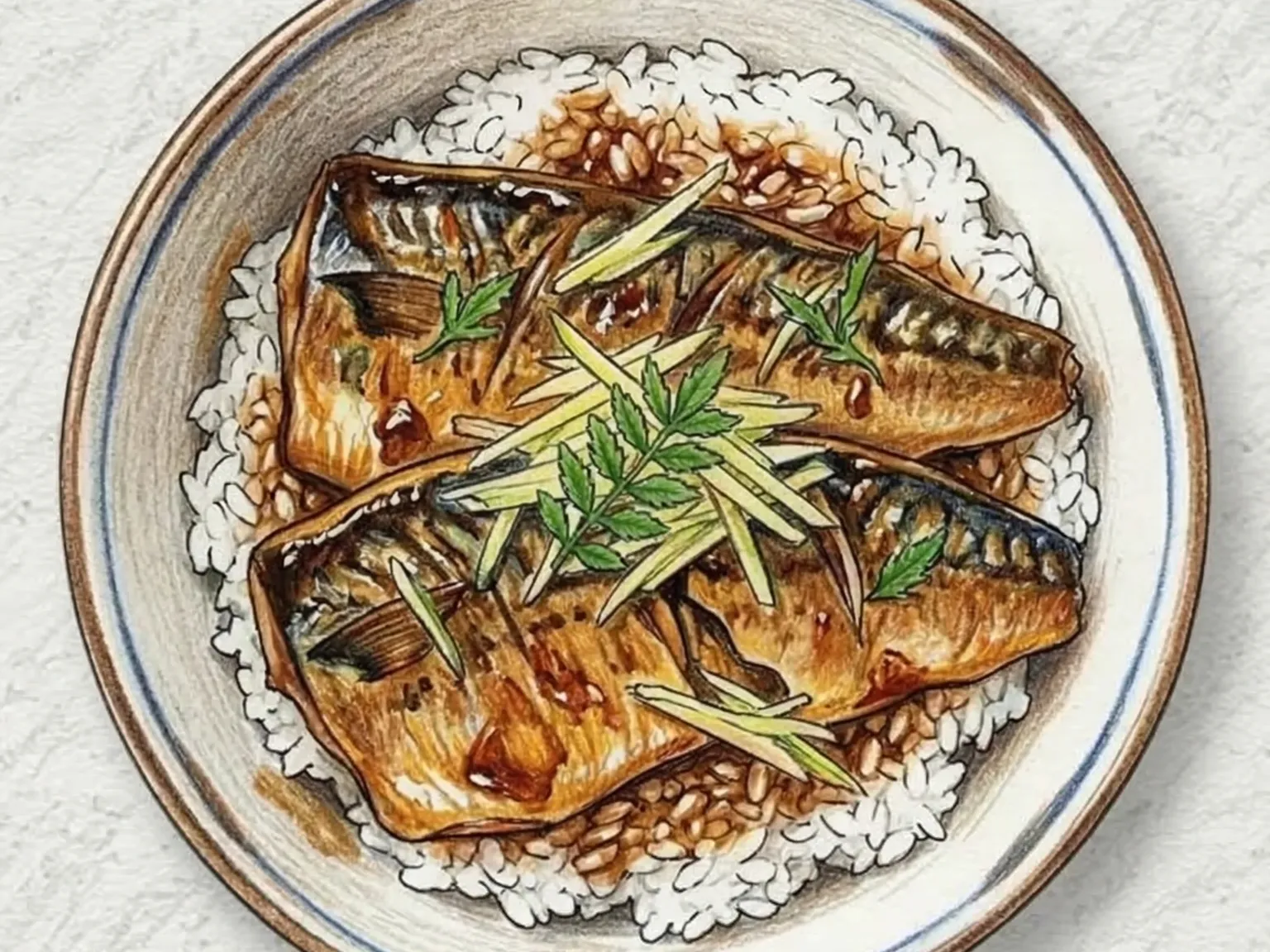
Mackerel fillet is pan-seared skin-side down until the skin turns crisp and golden, then served over rice with a quick sauce of soy sauce, cooking wine, oligosaccharide syrup, minced ginger, and softened onion. The oily flesh of the mackerel absorbs the soy-ginger glaze, producing a clean, salty-sweet finish without fishiness. Keeping the pan still for the first minute of searing is the key technique for achieving skin that crisps evenly rather than steaming in its own moisture. Brushing the fillet with a little cooking wine before cooking further neutralizes any residual odor. Chopped chives scattered on top complete the bowl with color and a mild onion bite. Cooking the sauce in the same pan using the rendered mackerel fat deepens the umami and ties the two components together.

🏠 Everyday
Prep 15min Cook 20min 2 servings
Korean Busan-Style Stir-fried Fish Cake
Stir-fry Easy

Korean Busan-Style Stir-fried Fish Cake

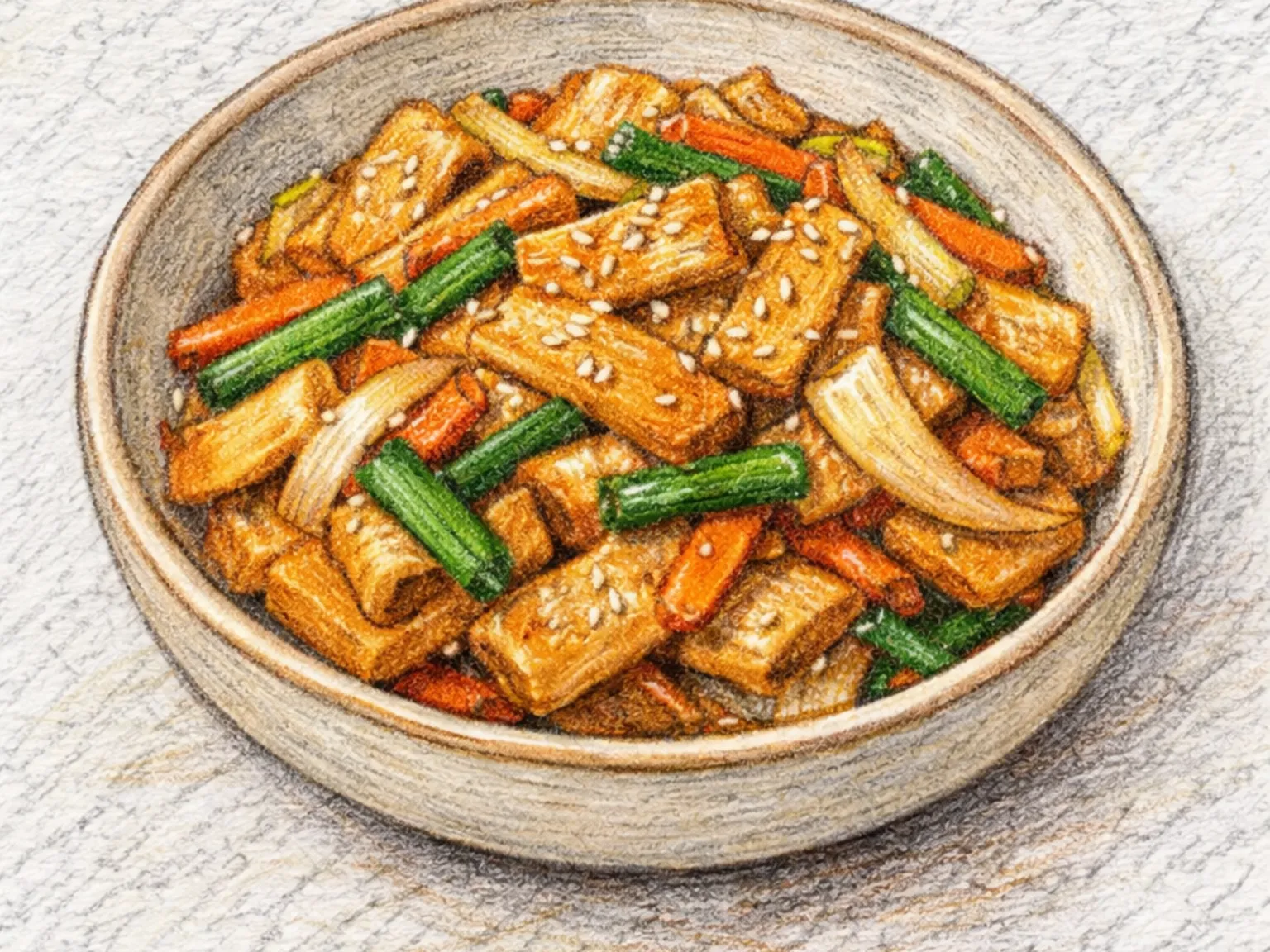
Busan-style stir-fried fish cake begins with a step that separates it from rushed versions: square fish cake sheets are blanched for twenty seconds in boiling water to remove the residual processing oil from manufacturing. Skipping this produces a flat, industrial greasiness in the finished dish that no amount of seasoning corrects. Oil goes into a hot pan, minced garlic is fried briefly until fragrant, and julienned onion and carrot are added next and cooked for two minutes until their natural sugars begin to release. The blanched fish cake strips go in, followed by soy sauce and oligosaccharide syrup. As the soy sauce hits the hot pan surface, it reduces almost instantly into a thin, glossy glaze that coats every surface; the oligosaccharide syrup caramelizes in the residual heat, building a sweet-salty layer underneath. High heat and a total cook time of three minutes or less is essential - fish cake left on the stove beyond that loses its moisture and turns rubbery. Diagonally sliced green onion goes in at the very end, added off the heat to preserve its fresh bite. A scatter of sesame seeds finishes the dish. Because the flavors are stable at room temperature and do not deteriorate as the dish cools, it is a reliable and practical side dish for packed lunches.

🏠 Everyday 🍱 Lunchbox
Prep 12min Cook 10min 4 servings
Korean Grilled Jjondeugi (Sweet Spicy Glazed Wheat Cracker Snack)
Street food Easy

Korean Grilled Jjondeugi (Sweet Spicy Glazed Wheat Cracker Snack)

Jjondeugi-gui is a nostalgic Korean street snack made by gently heating thin pressed-wheat sheets over low heat until they become pliable, then applying a sauce of gochujang, soy sauce, sugar, oligosaccharide syrup, minced garlic, and sesame oil before returning them to the heat. The warming process shifts the sheets from rigid to genuinely chewy, and the sugars in the sauce caramelize slowly against the surface, building a sticky, sweet-spicy glaze that concentrates with each pass. Because the marinade has a high sugar content, applying it in a single thick coat scorches the outside before the heat can work evenly through the sheet. The correct technique is to brush on a thin layer, grill briefly, then repeat two or three times until the glaze has depth and the interior is fully softened. The finished pieces are cut into bite-size sections with kitchen scissors and served immediately while still warm.

🧒 Kid-Friendly 🌙 Late Night
Prep 5min Cook 8min 2 servings
Korean Grilled Broccoli with Soybean Paste
Grilled Easy

Korean Grilled Broccoli with Soybean Paste

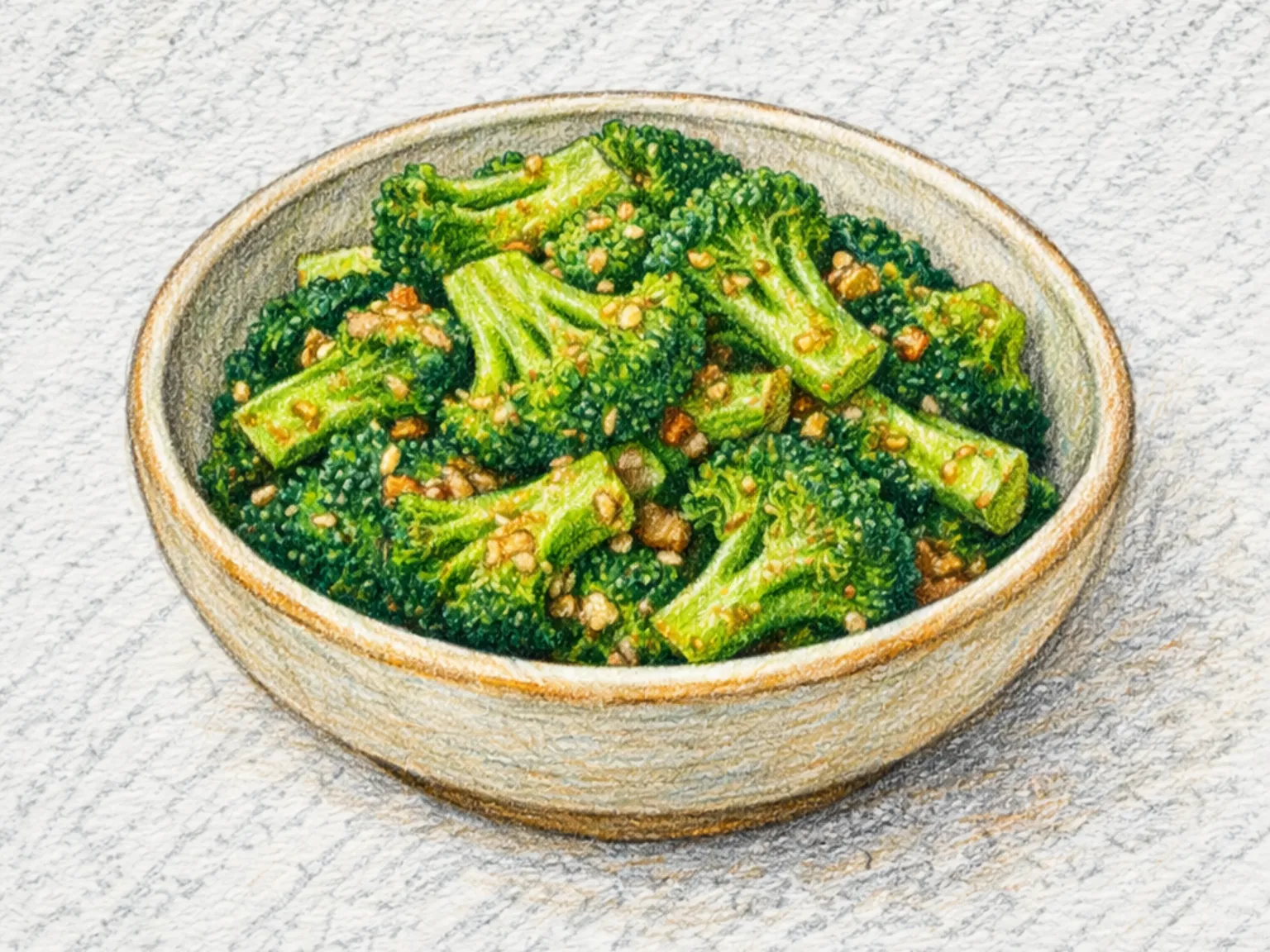
Broccoli doenjang-gui is a Korean oven-roasted broccoli dish where bite-sized florets are blanched for exactly one minute to preserve their crunch, then tossed thoroughly in olive oil before being coated with a thick paste made from doenjang, gochujang, minced garlic, and oligosaccharide syrup, and roasted at 200 degrees Celsius for about twelve minutes. Coating the florets in oil first is the key step that ensures the paste adheres uniformly rather than clumping in spots, so every piece caramelizes evenly in the heat. At high oven temperatures the outer edges of the florets char slightly, and that controlled browning concentrates the fermented soybean paste into a deeply savory crust with a faint smokiness that raw doenjang cannot replicate. Keeping the blanching time to one minute is equally important: the stems stay crisp enough to hold their texture through roasting, so the finished dish has a satisfying snap rather than softening entirely. If the paste feels too stiff to spread, a tablespoon of water loosens it without diluting the flavor. A generous scatter of sesame seeds before serving adds a toasted nuttiness that layers over the salty-spicy profile and completes the dish.

🍺 Bar Snacks 🍱 Lunchbox
Prep 12min Cook 14min 2 servings
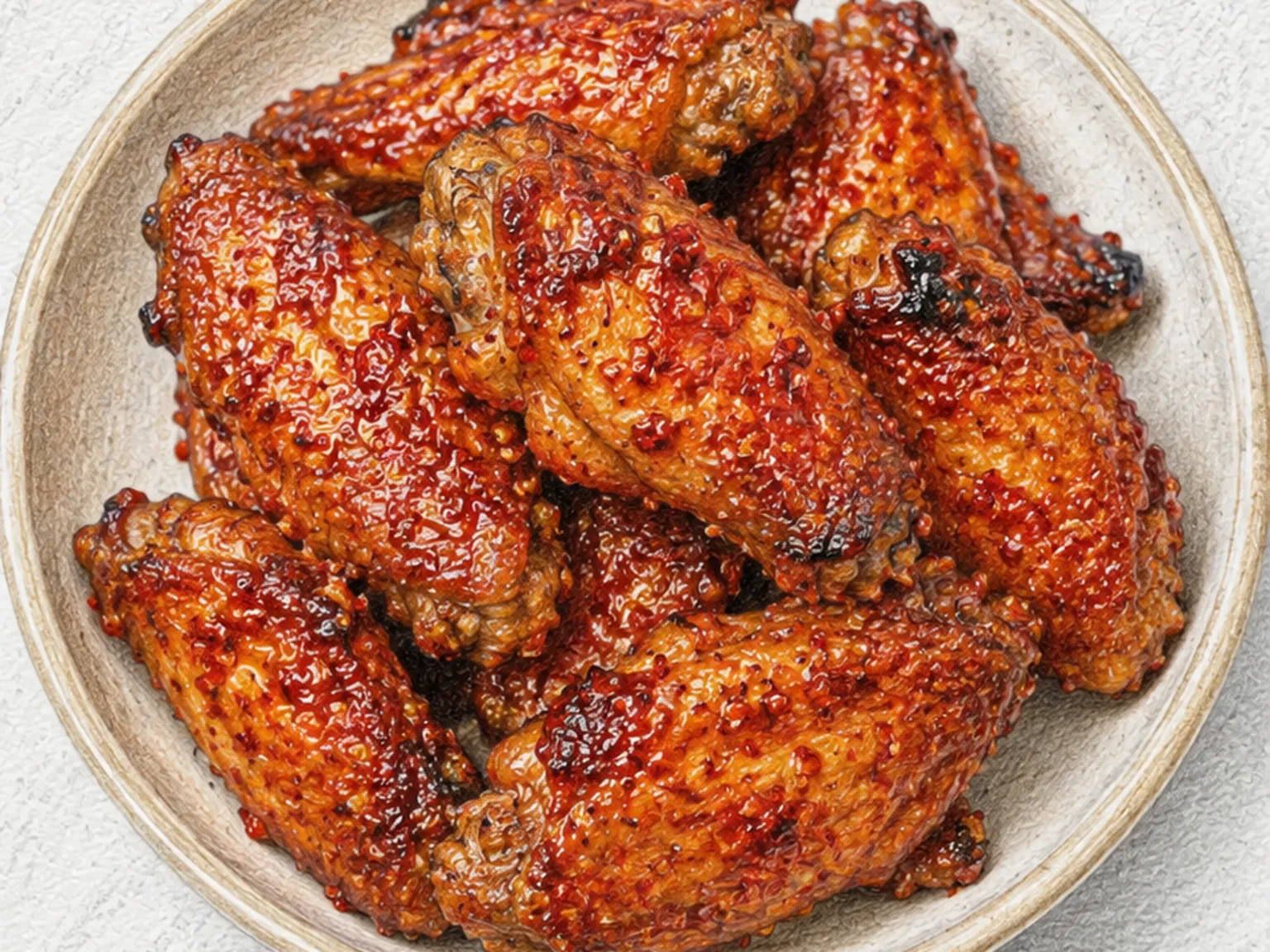
Korean Dakbong Gochujang Jorim (Gochujang-Braised Chicken Drumettes)
Steamed Medium

Korean Dakbong Gochujang Jorim (Gochujang-Braised Chicken Drumettes)

Dakbong gochujang jorim is chicken drumettes braised with potato in a sauce made from gochujang, soy sauce, chili flakes, and oligosaccharide syrup. The meat surrounding the small bones turns dense and pleasantly chewy as it simmers, holding onto the thick, reduced sauce at every surface. Potato pieces soften in the braising liquid until starchy and tender throughout, absorbing the chili-soy base from the outside in. The oligosaccharide syrup wraps the gochujang heat in a shiny glaze that keeps you reaching for another piece. A stalk of green onion stirred in at the very end adds a sharp, pungent aroma that lifts the finished dish.

🎉 Special Occasion 🍱 Lunchbox
Prep 15min Cook 35min 4 servings
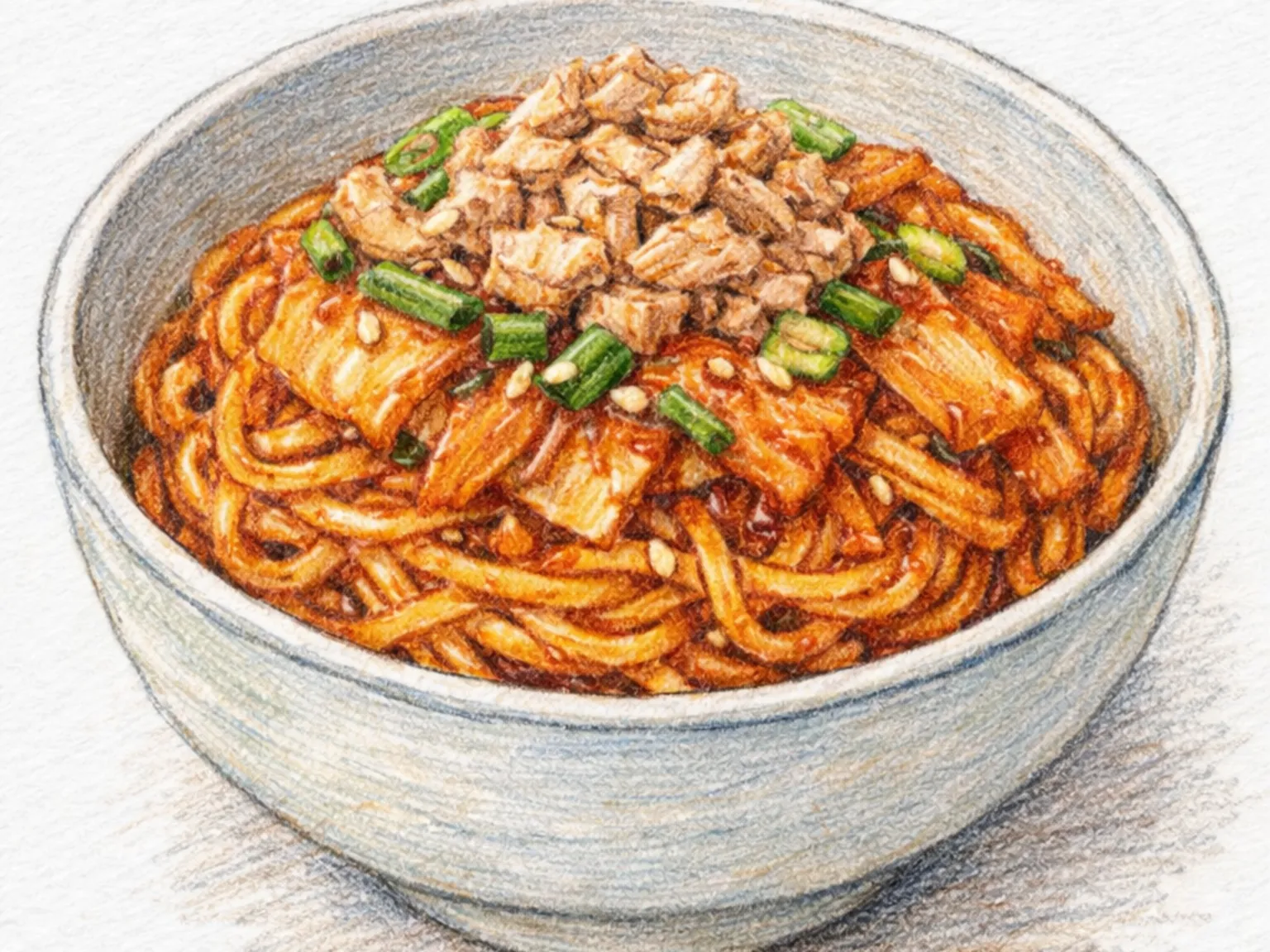
Korean Aged Kimchi Tuna Mixed Noodles
Noodles Easy

Korean Aged Kimchi Tuna Mixed Noodles

Mukeunji tuna bibim myeon is a quick Korean mixed noodle dish that combines the deep, fermented sourness of aged kimchi with the savory richness of canned tuna, all tossed together in a gochujang-based sauce. Scraping the filling out of the aged kimchi and chopping it finely keeps the sourness from overwhelming the dish, while draining the tuna oil thoroughly prevents the dressing from turning watery. The sauce is built from gochujang, rice vinegar, oligosaccharide syrup, and sesame oil, which together create a balance of spicy, sour, and sweet that works well with both the kimchi and the fish. Boiling the wheat noodles for five to six minutes and rinsing them under cold water gives them a firm, springy bite, and shaking off all excess moisture before tossing ensures the sauce clings to every strand rather than pooling at the bottom of the bowl. Sliced scallion and ground sesame seeds scattered on top add freshness and nuttiness, and a small adjustment of vinegar or syrup at the table lets each person dial in their preferred balance. The whole dish comes together in under fifteen minutes with pantry ingredients, making it a reliable option for a quick lunch.

🏠 Everyday 🌙 Late Night
Prep 15min Cook 7min 2 servings
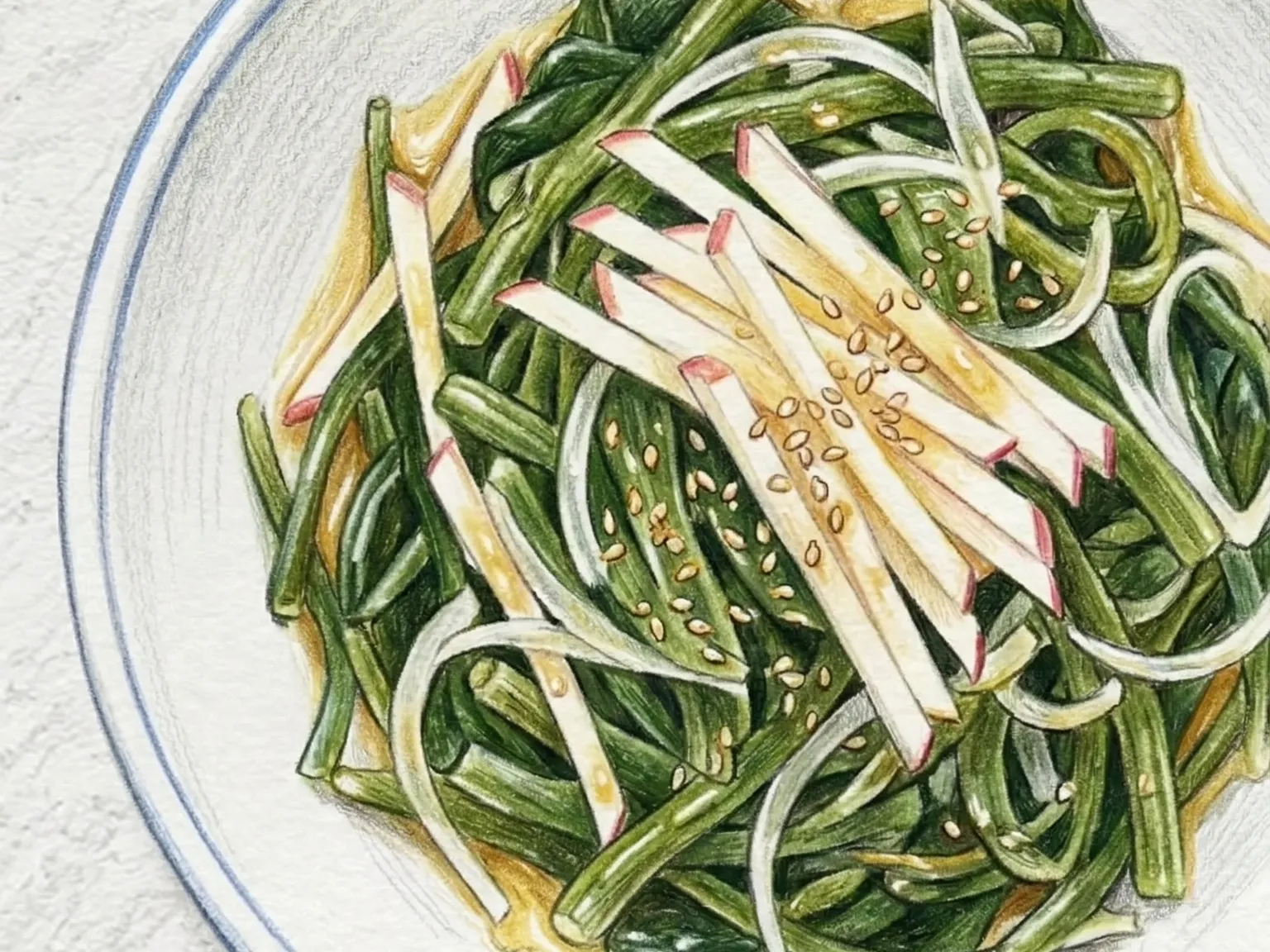
Seaweed Stem and Apple Mustard Salad
Salads Easy

Seaweed Stem and Apple Mustard Salad

Salted seaweed stems are soaked to remove excess brine, then blanched briefly to achieve a firm, slightly chewy bite that defines this Korean salad's texture. Julienned apple adds crisp sweetness that contrasts with the seaweed's oceanic mineral flavor. Thinly sliced onion, soaked to mellow its sting, contributes a subtle sharpness. The dressing mixes Korean mustard paste with vinegar and oligosaccharide syrup - the mustard delivers a sharp nasal heat, while the syrup smooths the vinegar's acidity into something rounder. Tossing the apple with lemon juice first prevents browning, and a three-minute rest after dressing lets the flavors meld without overdressing the delicate stems.

🥗 Light & Healthy 🍱 Lunchbox
Prep 14min Cook 2min 2 servings
Korean Stir-fried Balloon Flower Root
Side dishes Medium

Korean Stir-fried Balloon Flower Root

Doraji -- balloon flower root -- has been cultivated in Korea for centuries, valued in cooking and herbal medicine alike. The raw root carries a pronounced bitterness from saponins, so it must be shredded into thin strips, rubbed vigorously with salt, left for ten minutes, then rinsed twice in cold water. The salt scrub draws out the saponins while preserving the root's firm, snappy bite. A base of green onion goes into the pan first to build a fragrant oil, then the prepared doraji stir-fries for two minutes before gochujang, soy sauce, and oligosaccharide syrup go in for another three minutes. The heat is raised at the end to drive off moisture, so the sauce tightens and clings to each strip rather than pooling in the pan. The result is a glossy, sweet-spicy banchan with a distinctly chewy pull.

🏠 Everyday 🍱 Lunchbox
Prep 20min Cook 10min 2 servings
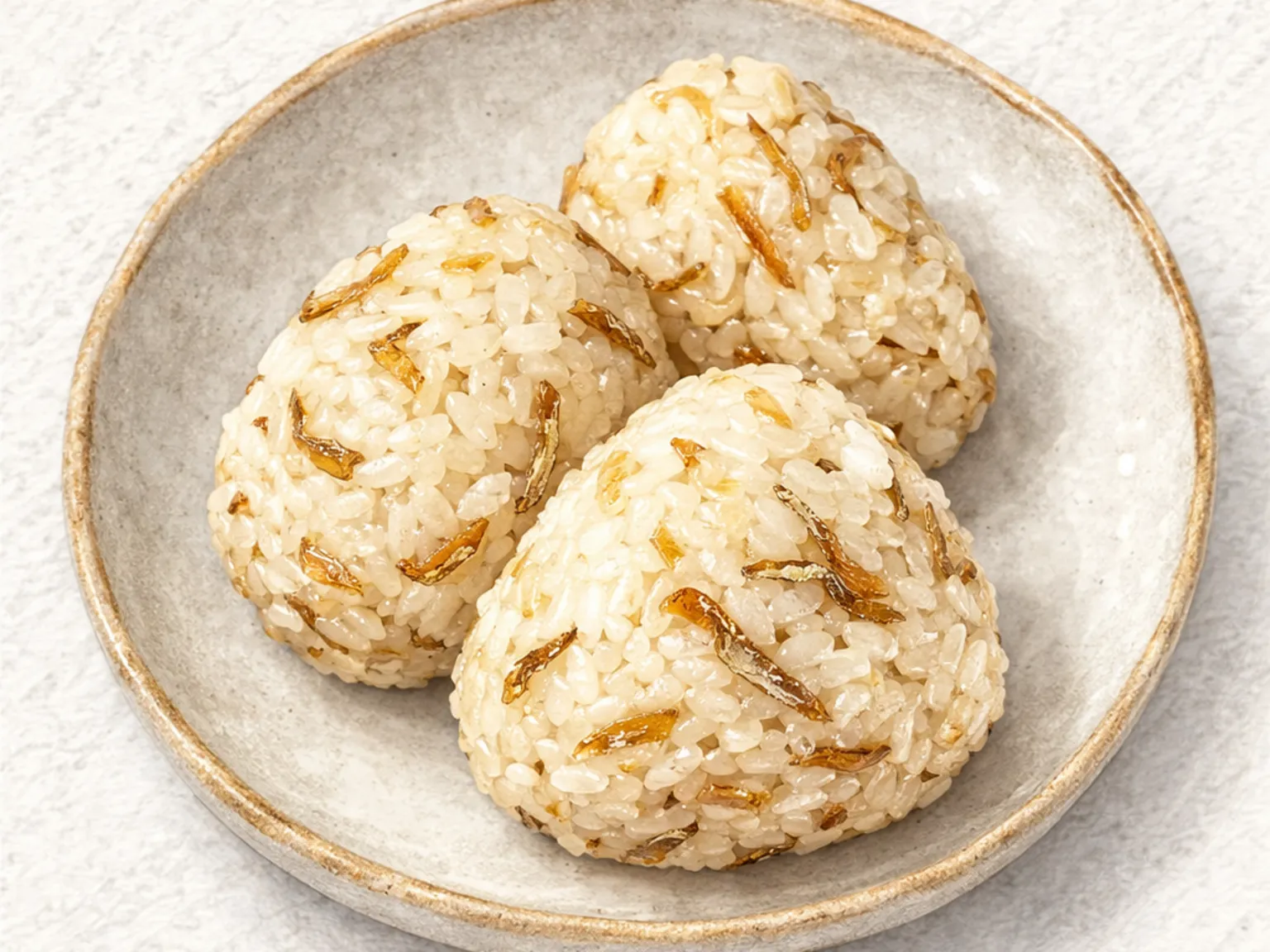
Korean Anchovy Rice Balls
Rice Easy

Korean Anchovy Rice Balls

Myeolchi jumeokbap is a rice ball made by mixing sweet-salty glazed dried anchovies into warm rice and shaping it by hand. The anchovies are dry-toasted first in a pan over medium heat to drive off moisture and reduce fishiness, then a small amount of oil is added along with soy sauce and oligosaccharide syrup and the mixture is stirred over heat until the anchovies are coated in a glossy, caramelized glaze. The syrup scorches quickly, so the heat must be managed carefully and the pan watched throughout. Once the glazed anchovies are folded into warm rice, sesame oil, roasted seaweed flakes, and sesame seeds are added before everything is mixed together. Hands dampened with water or brushed with sesame oil are used to compress the mixture into compact balls. Working while the rice is still warm is important: the starch is pliable at temperature and the balls hold their shape firmly, whereas cold rice does not compact well and the finished balls tend to fall apart. Anchovy saltiness varies considerably between brands and batches, so the amount of soy sauce should be adjusted accordingly to avoid over-seasoning. The finished rice balls hold their flavor well after cooling, which makes them a reliable choice for packed lunches and outdoor eating.

🍱 Lunchbox
Prep 15min Cook 10min 2 servings
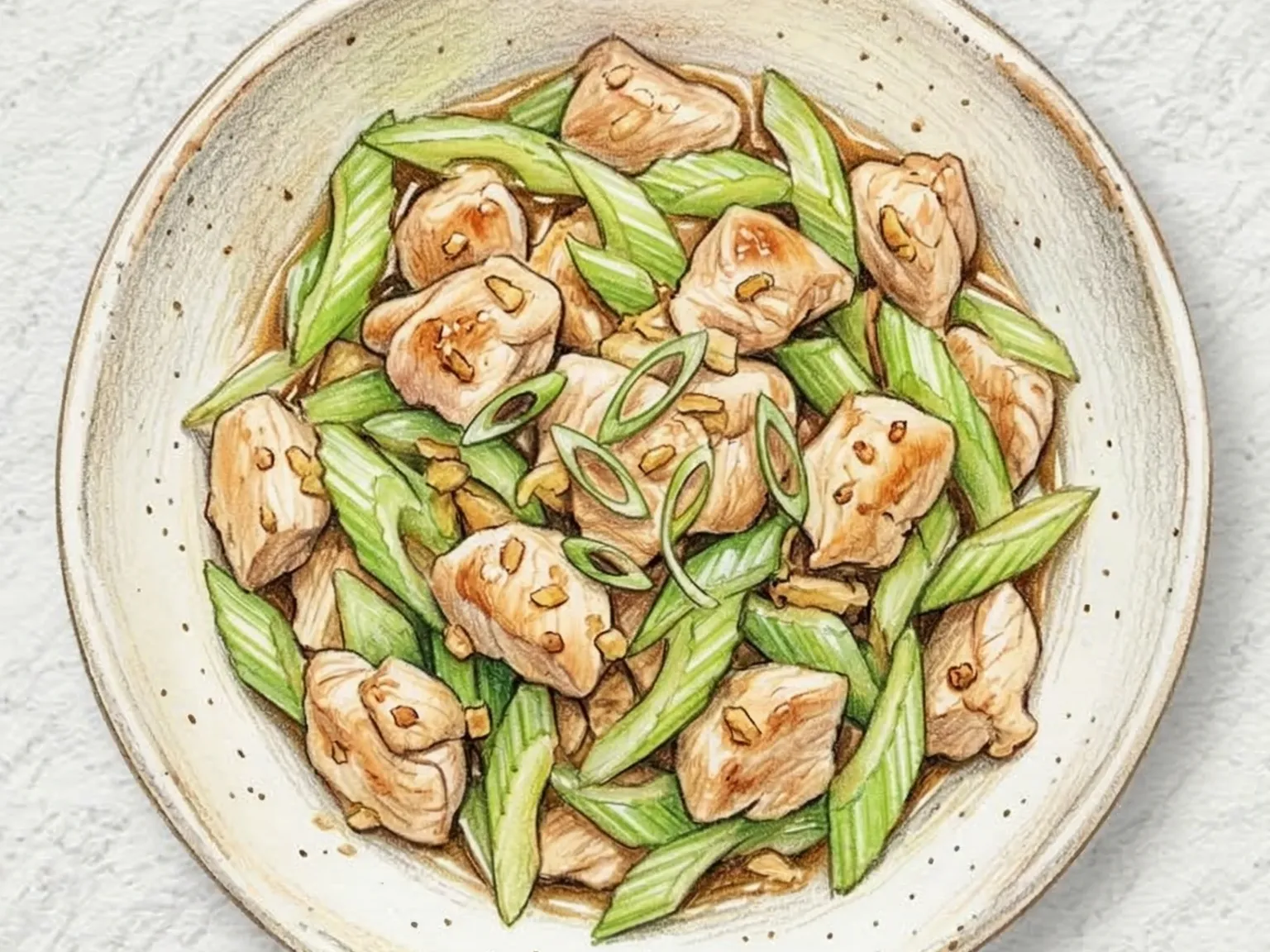
Korean Chicken Breast and Celery Stir-fry
Stir-fry Easy

Korean Chicken Breast and Celery Stir-fry

Bite-sized chicken breast pieces are marinated in soy sauce and minced ginger for ten minutes, then stir-fried over high heat with diagonally cut celery and thinly sliced onion. The ginger penetrates the meat during the brief rest, suppressing any bland poultry odor while leaving a bright, peppery note in the background. Soy sauce hitting the hot pan triggers a Maillard reaction on the chicken surface, building a thin layer of caramelized flavor that keeps the interior moist. Celery goes in only during the last two minutes so its stalks retain their crunch; including the leaves adds a noticeably herbal finish that sets this apart from standard chicken stir-fries. A teaspoon of oligosaccharide syrup gives the sauce just enough body to cling to each piece evenly rather than pooling at the bottom of the pan, and sliced red chili scattered in at the end contributes visual brightness more than significant heat. At 295 calories and 36 grams of protein per serving, this dish fits naturally into a post-workout meal or a calorie-conscious lunchbox without any sense of compromise.

🥗 Light & Healthy 🏠 Everyday
Prep 14min Cook 9min 2 servings
Korean Blood Sausage Skewers
Street food Easy

Korean Blood Sausage Skewers

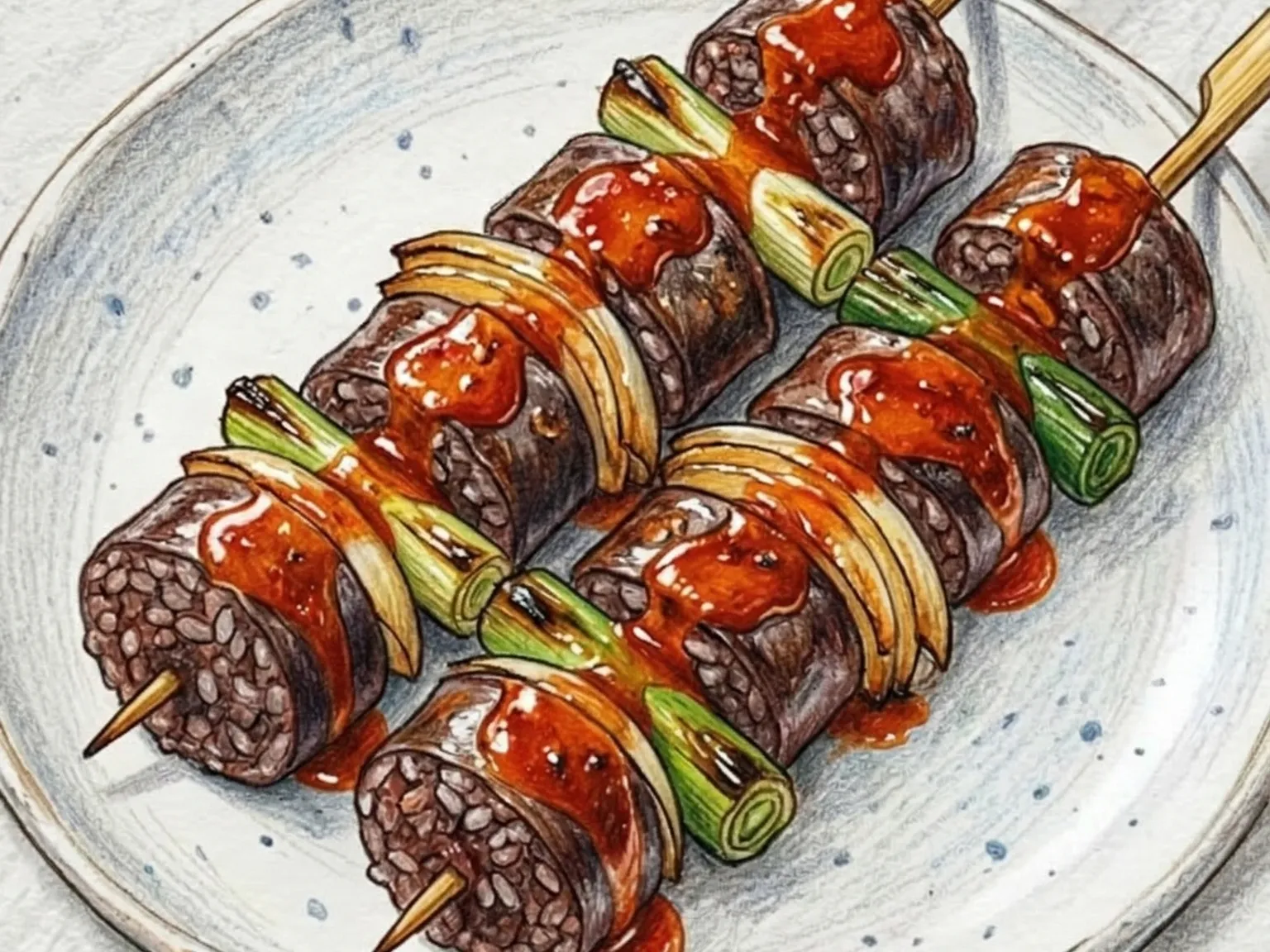
Soondae-kkochi are Korean blood sausage skewers threaded alternately with onion and green onion pieces, pan-grilled and glazed with a sauce made from gochujang, ketchup, oligosaccharide syrup, and soy sauce. Applying the glaze in two separate rounds rather than all at once is critical: the first coat caramelizes and sets, then a second layer is brushed on over low heat to build a glossy, deeply lacquered finish without burning. The sundae must be cooked slowly over low heat, rolling it gently so the casing does not split while the interior stays chewy throughout. Onion and scallion segments release their moisture on the grill, concentrating into a natural sweetness that balances the bold, iron-rich flavor of the sausage and provides a textural shift between bites. A scatter of toasted sesame seeds over the finished skewers adds a final layer of nutty fragrance.

🧒 Kid-Friendly
Prep 15min Cook 12min 2 servings
Korean Daegu Doenjang Gui (Doenjang-Grilled Cod)
Grilled Medium

Korean Daegu Doenjang Gui (Doenjang-Grilled Cod)

Daegu doenjang gui is a Korean grilled cod dish where fillets are coated with a paste of doenjang, minced garlic, and sesame oil, then cooked until the paste forms a thin, concentrated crust over the fish. Cod is mild-flavored white fish that accepts the deep, fermented soybean character of doenjang without conflict -- the seasoning defines the fish rather than overpowering it. As the paste dries slightly against the heat, a dark crust seals the surface while the flesh underneath stays moist and flakes cleanly. Controlling the amount of doenjang is critical because the paste can easily oversalt the delicate fish if applied too heavily. Serving with sliced green onion or perilla leaves provides a fresh, herbal counterpoint to the earthy, savory paste.

🍺 Bar Snacks 🥗 Light & Healthy
Prep 25min Cook 12min 4 servings
Korean Braised Potato and Fish Cake
Steamed Easy

Korean Braised Potato and Fish Cake

Gamja eomuk jorim is a Korean home-style braised side dish of potato chunks and fish cake sheets, simmered together in a sauce of soy sauce and oligosaccharide syrup. The starchy potato cubes slowly absorb the seasoning as they cook, turning soft and floury in texture while carrying the full depth of the soy glaze. Fish cake sheets provide a springy, chewy counterpoint that holds its shape throughout braising. Minced garlic is stirred in early to mellow into the sauce, and a finishing drizzle of sesame oil adds a roasted, nutty fragrance that ties the dish together. The recipe requires minimal preparation and cooks in under twenty minutes, making it a practical choice for weekday meals. It is one of the most frequently packed Korean lunchbox items and a staple side dish on everyday home tables.

🏠 Everyday 🍱 Lunchbox
Prep 10min Cook 25min 2 servings
Korean Ojingeo Ssamjang Bibim Myeon (Squid Ssamjang Mixed Noodles)
Noodles Medium

Korean Ojingeo Ssamjang Bibim Myeon (Squid Ssamjang Mixed Noodles)

Ojingeo ssamjang bibim myeon is a Korean mixed noodle dish combining blanched squid rings with medium wheat noodles in a ssamjang-based sauce spiked with chili flakes, vinegar, and syrup. The squid is blanched for only forty seconds to keep it springy rather than chewy, and the noodles are rinsed under cold water while gently rubbing to remove surface starch. The dressing merges the fermented depth of ssamjang with the heat of gochugaru and the brightness of vinegar, creating a layered flavor that is salty, spicy, and tangy at once. Resting the sauce for about ten minutes before tossing softens the heavy note of ssamjang. Julienned perilla leaves on top add an herbal fragrance, and sesame seeds finish the dish with nuttiness. The recipe yields four generous servings.

🍺 Bar Snacks 🌙 Late Night
Prep 20min Cook 15min 4 servings
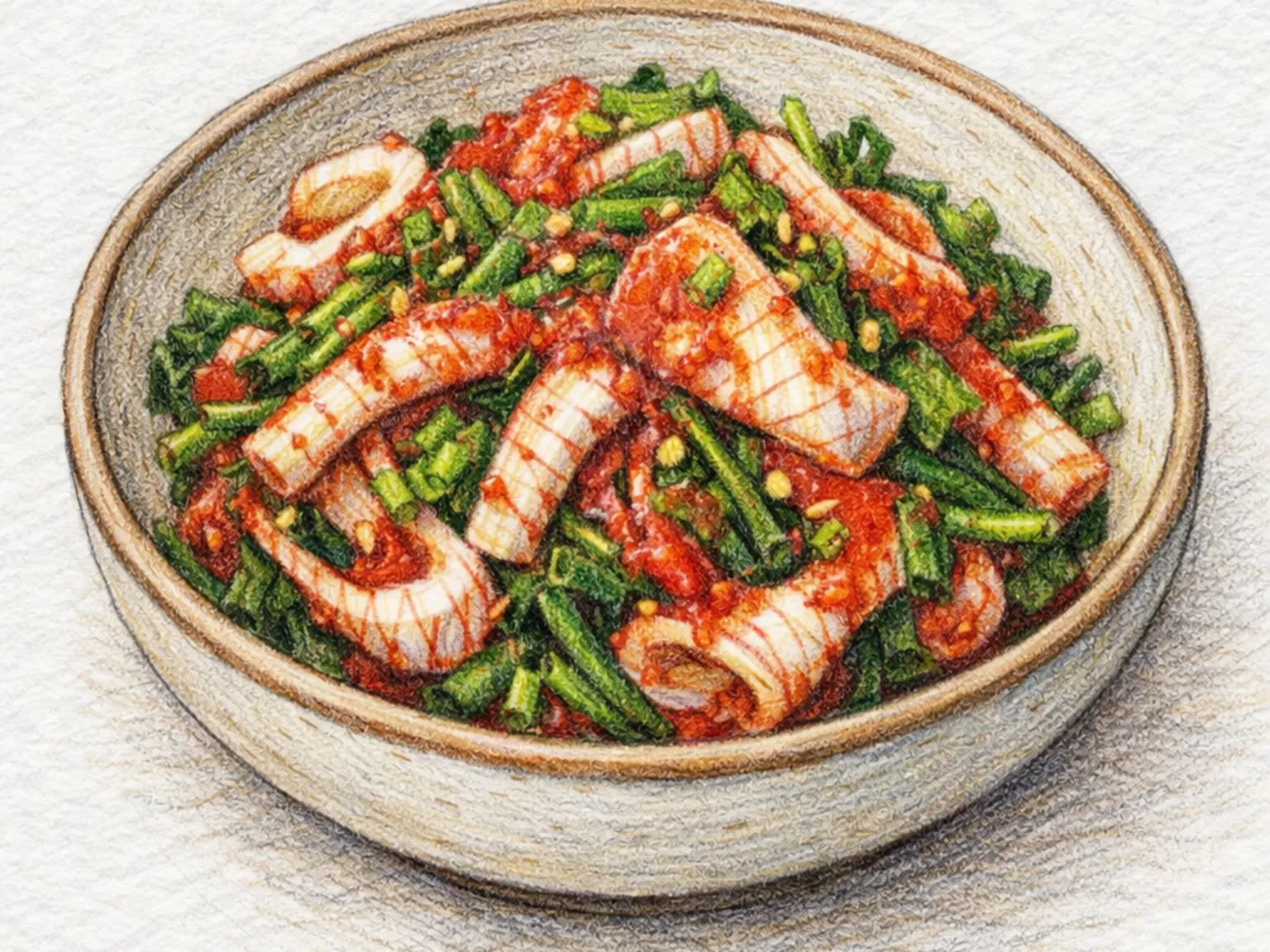
Squid Naengi Chojang Salad
Salads Medium

Squid Naengi Chojang Salad

Preparing squid for a seasonal salad involves a quick blanching process in boiling water for less than thirty seconds. This precise timing keeps the seafood tender and prevents it from turning rubbery or tough. Shepherd's purse, or naengi, contributes an earthy aroma characteristic of early spring that complements the oceanic profile of the squid. Crisp lettuce and fresh cucumber provide a crunchy texture that contrasts with the soft seafood pieces. The dressing relies on a combination of gochujang, rice vinegar, and oligosaccharide syrup to create a spicy, tangy, and mildly sweet foundation for the ingredients. To finish the sauce, sesame oil contributes a nutty scent while minced garlic adds a sharp, aromatic quality that integrates the different components. Careful cleaning of the naengi to remove soil and fine roots is necessary before briefly blanching it in salted water to eliminate bitterness and preserve its fragrance. Serving this dish cold during the early spring months highlights the specific seasonal qualities of the ingredients. For variations, scallops or shrimp can replace the squid, as they both pair well with the spicy dressing. Similarly, spring cabbage or wild chives can substitute for the shepherd's purse to maintain the seasonal character of the salad.

🥗 Light & Healthy
Prep 20min Cook 4min 2 servings
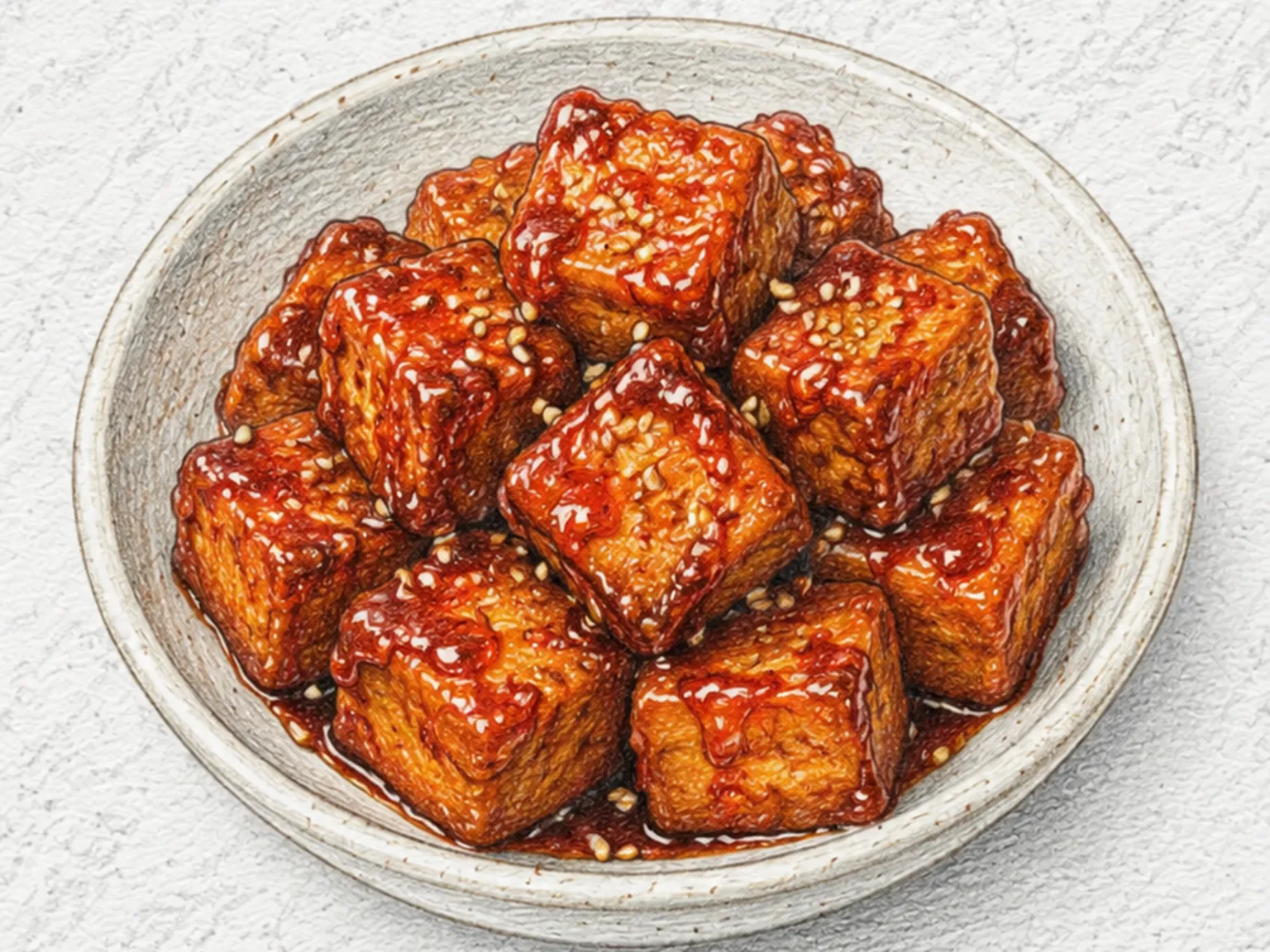
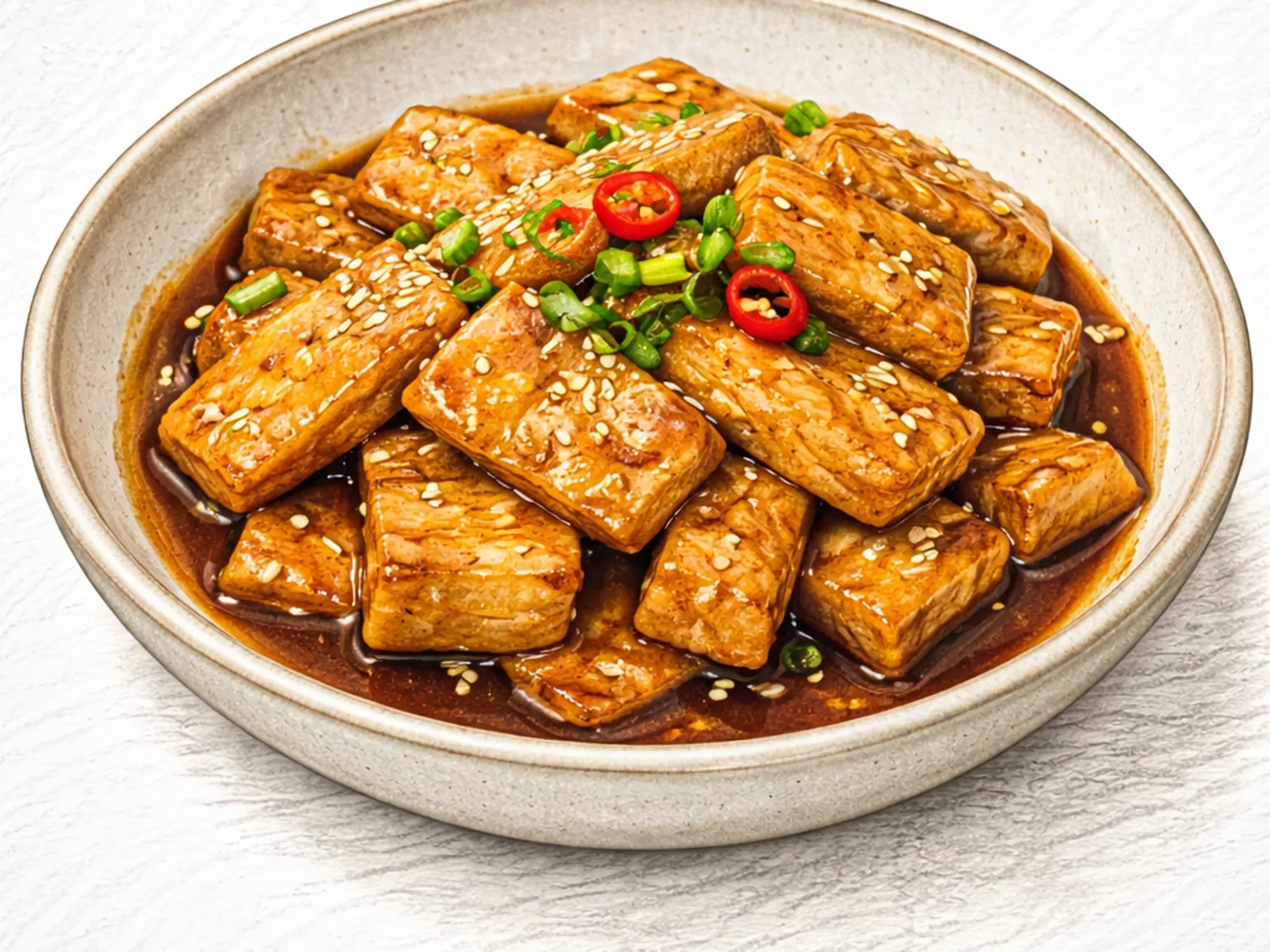
Korean Crispy Glazed Tofu Bites
Side dishes Medium

Korean Crispy Glazed Tofu Bites

Dubu gangjeong applies the double-coating logic of Korean fried chicken to tofu, pressing each cube dry before dredging in potato starch, frying until the shell turns shattering crisp, then tossing in a concentrated sticky glaze. The dish originated in temple cuisine as a meatless adaptation of gangjeong and has since become a staple anju in Korean bars. Pressing the tofu is non-negotiable: at least twenty minutes under a heavy weight wrapped in paper towels removes enough moisture to prevent oil from splattering and allows the starch coating to adhere evenly. Potato starch produces a noticeably thinner and more translucent crust than wheat flour, which cracks cleanly rather than bending when bitten. The glaze is made by boiling gochujang, soy sauce, sugar, and rice syrup together until large bubbles break on the surface, signaling that the mixture has concentrated and will cling rather than pool. Pouring the hot glaze over the fried tofu and tossing quickly coats every surface in an even, lacquer-like finish. The defining quality of a well-made dubu gangjeong is the contrast between the caramelized shell with its slight chew and the soft, almost custard-like interior. Once made, it must be eaten within ten minutes before the coating absorbs moisture and goes soft.

🏠 Everyday 🧒 Kid-Friendly
Prep 18min Cook 15min 2 servings
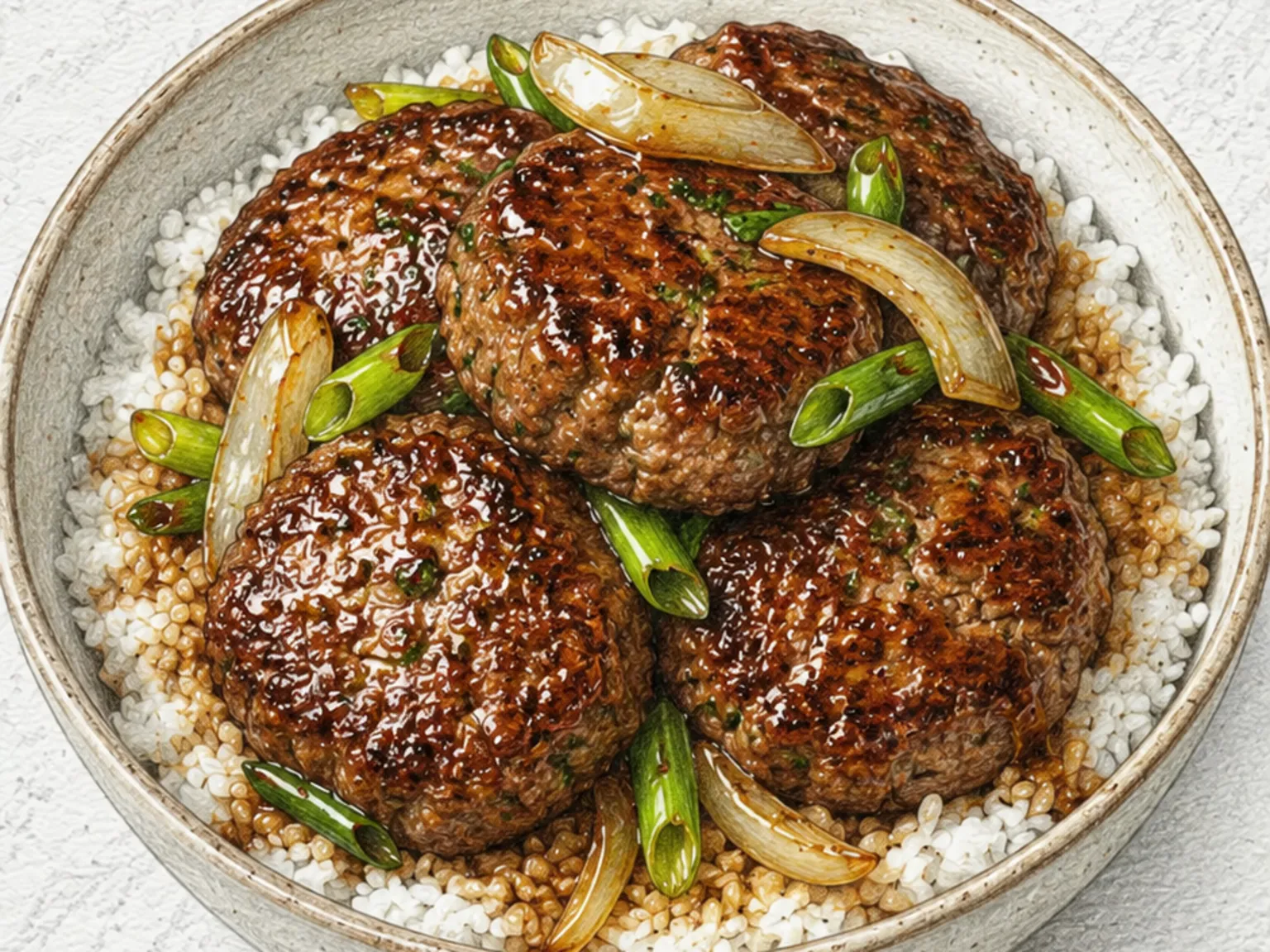
Korean Grilled Short Rib Patty Rice Bowl
Rice Medium

Korean Grilled Short Rib Patty Rice Bowl

Minced short-rib meat is seasoned with soy sauce, pear juice, and sesame oil, shaped into flat patties, and pan-seared until a caramelized crust forms on both sides. The exterior turns sweet and slightly charred while the interior stays moist and full of juice. Sauteed onion and green onion are added to sharpen the meat's savory depth and bring a fragrant note. Placed over hot rice with a spoonful of the pan sauce, the patty's sweetness melds with the warm grains for a quickly disappearing bowl.

🏠 Everyday
Prep 20min Cook 18min 2 servings
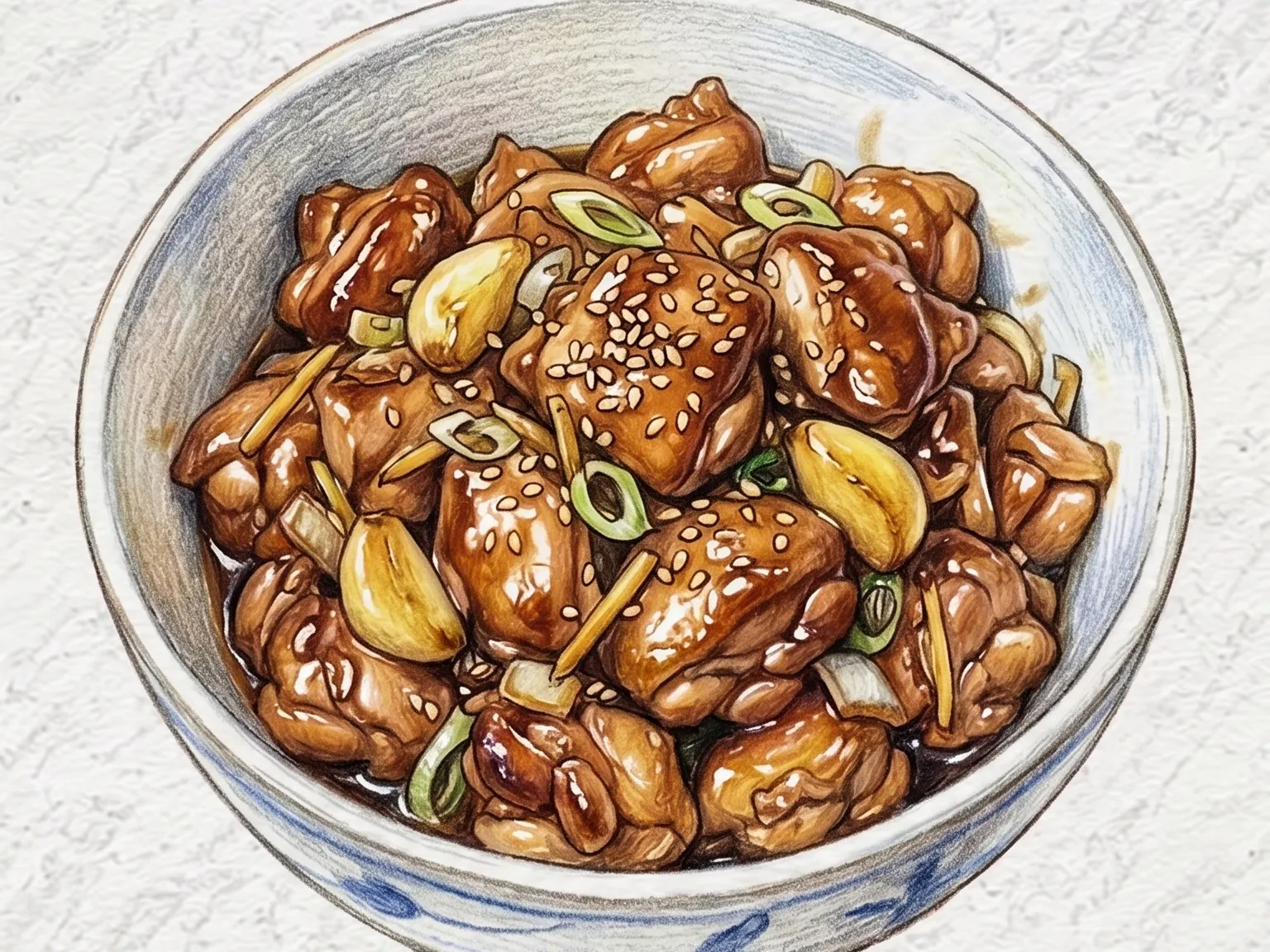
Korean Soy-Glazed Chicken Stir-Fry
Stir-fry Easy

Korean Soy-Glazed Chicken Stir-Fry

Chicken thigh meat stir-fries in soy sauce, sugar, and oligosaccharide syrup for a sweet-salty glaze. Garlic and ginger go into the oil first to infuse the fat with fragrance before the chicken is added, letting the aromatics penetrate deep into the meat as it cooks. The oligosaccharide heats into a tacky gloss that coats each piece evenly as the liquid reduces. Sesame oil and whole sesame seeds scattered over the top at the end bring a nutty, aromatic finish. The flavor profile runs close to Japanese teriyaki, but the heavier use of garlic and ginger pushes it toward the more direct, punchy spice character typical of Korean cooking. Boneless thighs cut into bite-sized pieces cook more evenly than larger pieces, and keeping the heat high through most of the cook ensures the surface caramelizes without turning rubbery.

🏠 Everyday 🌙 Late Night
Prep 15min Cook 15min 2 servings
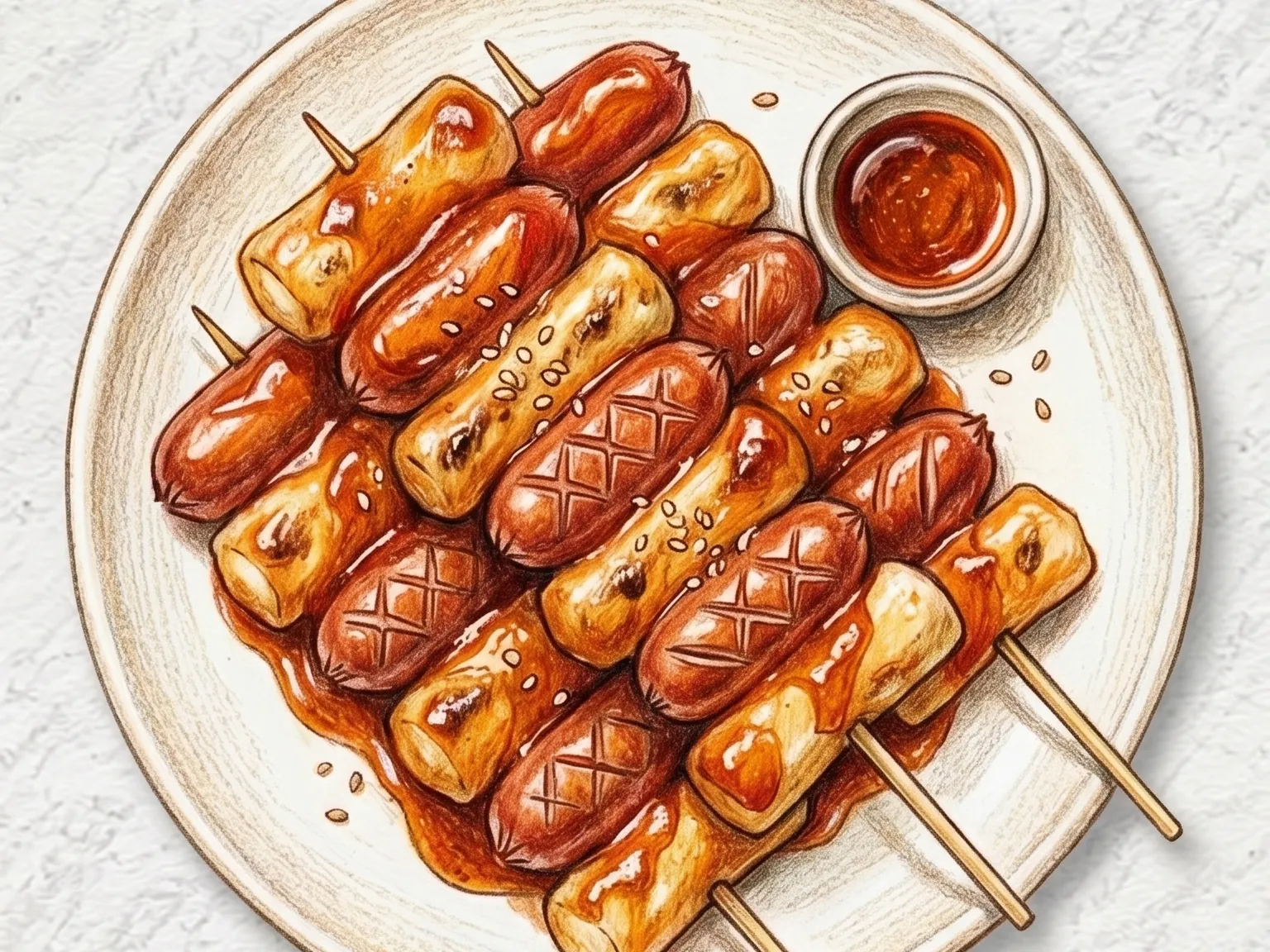
Korean Sotteok Sotteok Skewers
Street food Easy

Korean Sotteok Sotteok Skewers

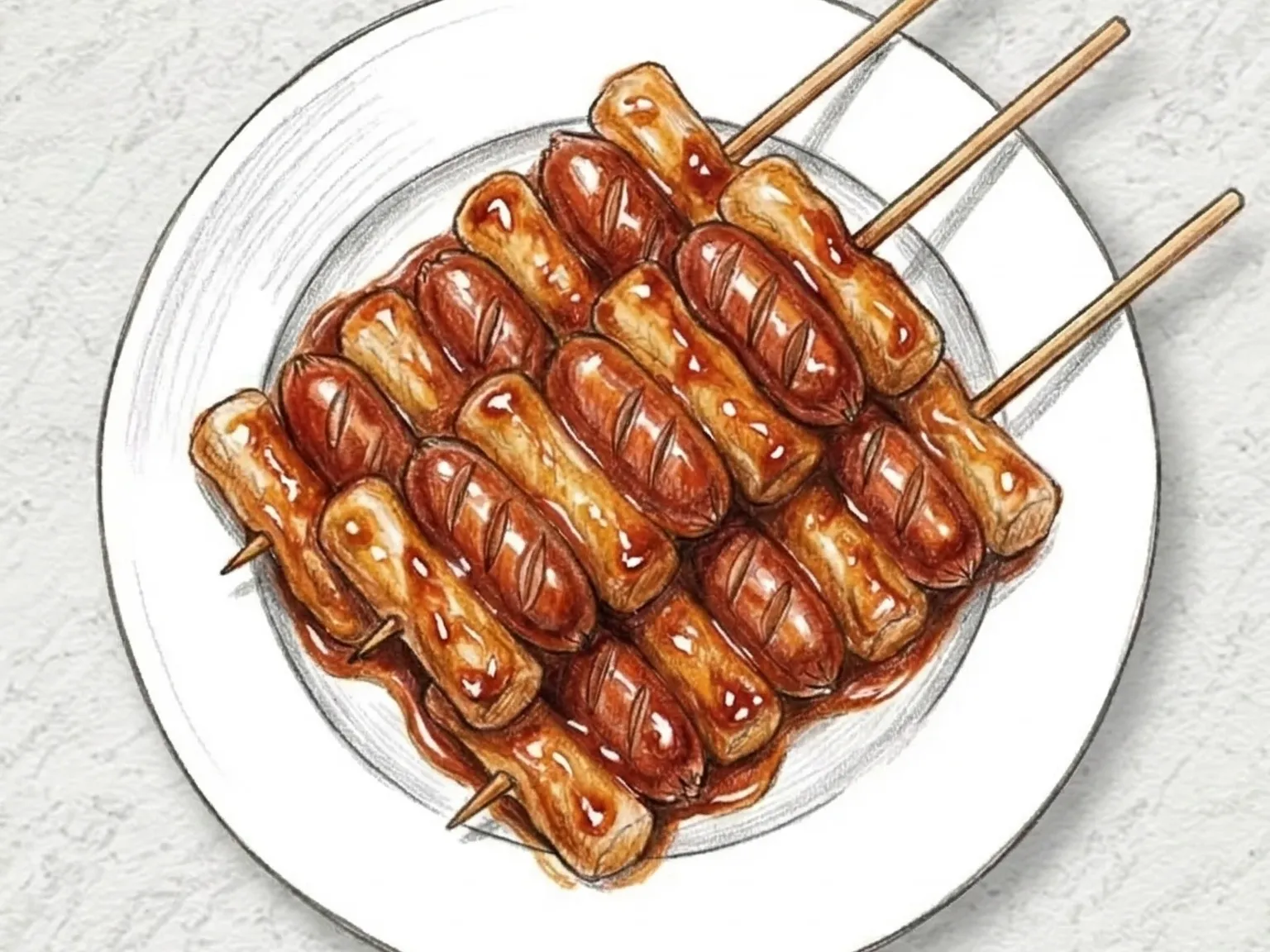
Sotteok-sotteok is a Korean street snack of alternating mini sausages and cylinder rice cakes on a skewer, pan-grilled and coated in a sweet-spicy glaze of gochujang, ketchup, and oligosaccharide syrup. The rice cakes are soaked in warm water beforehand to soften them, ensuring they cook through on the pan and achieve maximum chewiness. Sausages are lightly scored to prevent splitting, and the skewers are rolled over medium heat until evenly browned. The glaze is tossed on quickly over low heat so it clings in a glossy layer, and the sauce gradually seeps into the rice cakes with each bite.

🧒 Kid-Friendly
Prep 15min Cook 12min 2 servings