2741 Korean & World Recipes

2741+ Korean recipes, clean and organized. Ingredients to instructions, all at a glance.

Recipes with oligosaccharide

113 recipes. Page 3 of 5

Buy oligosaccharide
Korean Soy-Glazed Chicken Wings
Grilled Easy

Korean Soy-Glazed Chicken Wings

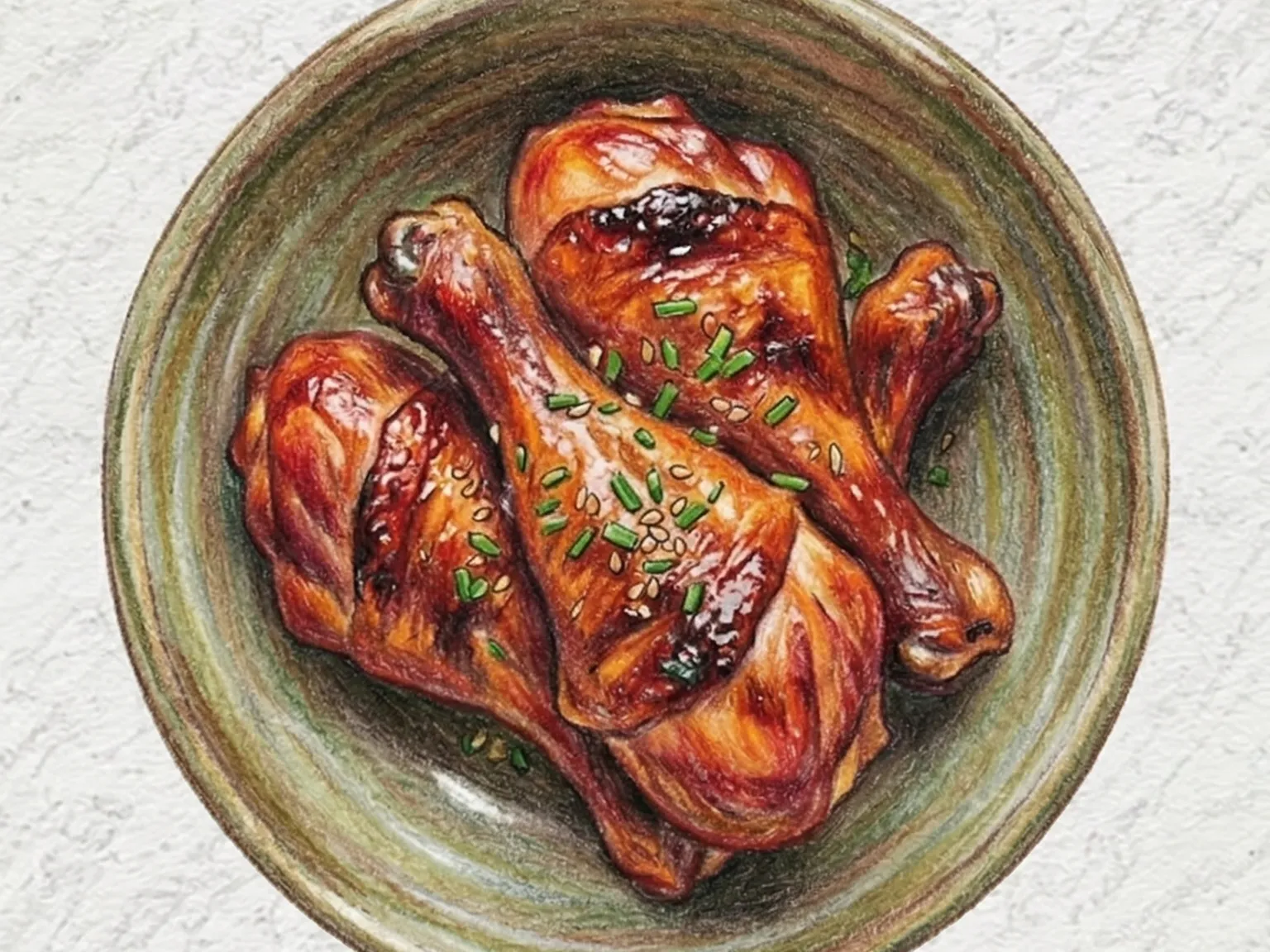
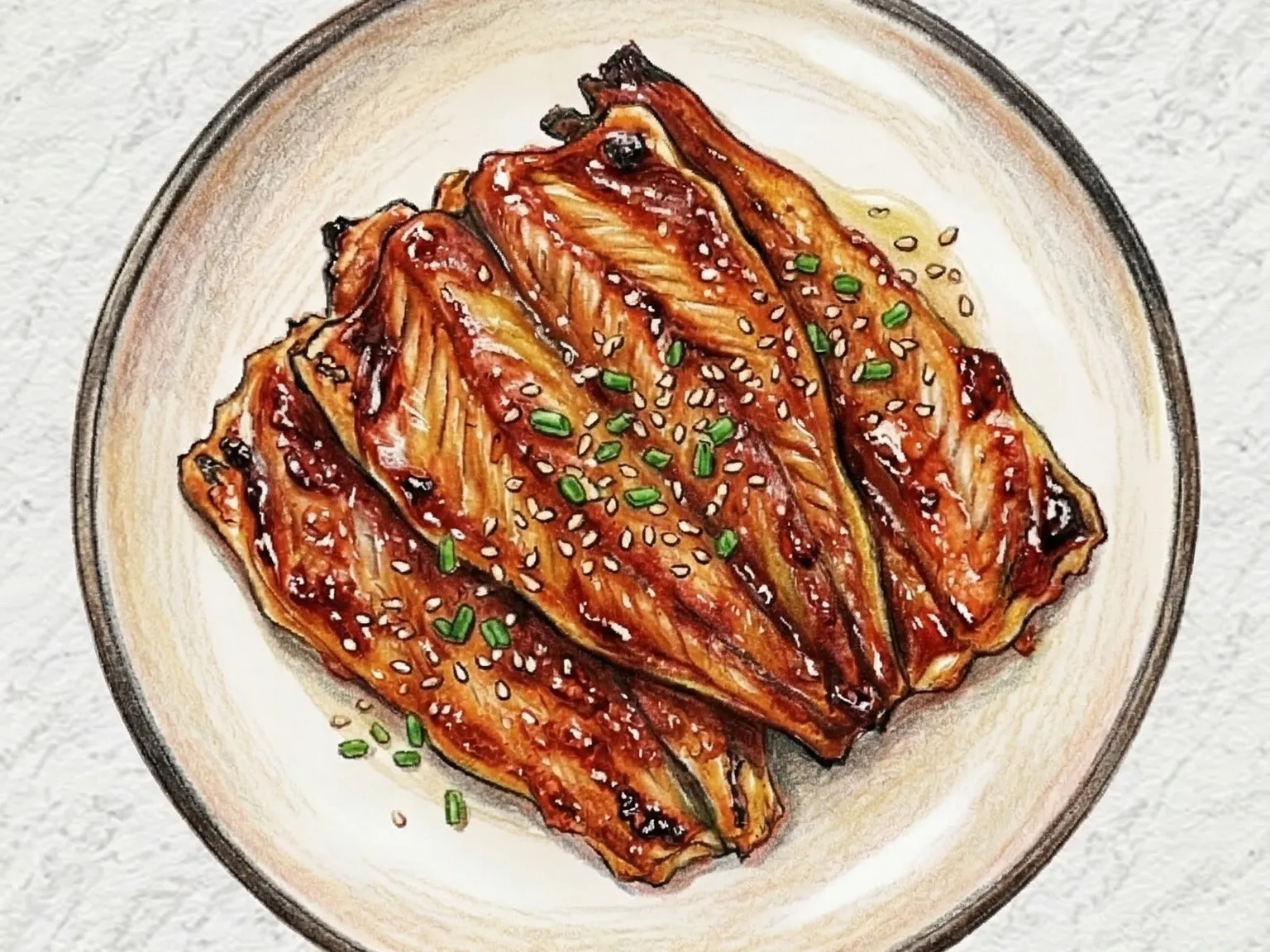
Daknalgae-ganjang-gui is a Korean soy-glazed chicken wing dish coated in a sauce of soy sauce, oligosaccharide syrup, minced garlic, ginger powder, and a splash of vinegar, then baked in an oven or air fryer. The vinegar softens the saltiness of the soy while cutting through the richness of the chicken skin. The oligosaccharide syrup thickens under heat into a glossy, clinging glaze that coats each wing evenly. Scoring the joints before cooking allows the marinade to seep into the inner crevices and promotes even heat distribution so the meat near the bone cooks through completely. A finish of sesame oil and toasted sesame seeds rounds out the savory soy glaze with a warm, nutty aroma. When using an air fryer, baking at 180 degrees Celsius for twenty minutes and then flipping for five more produces a satisfyingly crisp skin without drying out the meat.

🍺 Bar Snacks
Prep 20min Cook 30min 4 servings
Korean Braised Potatoes and Quail Eggs
Steamed Easy

Korean Braised Potatoes and Quail Eggs

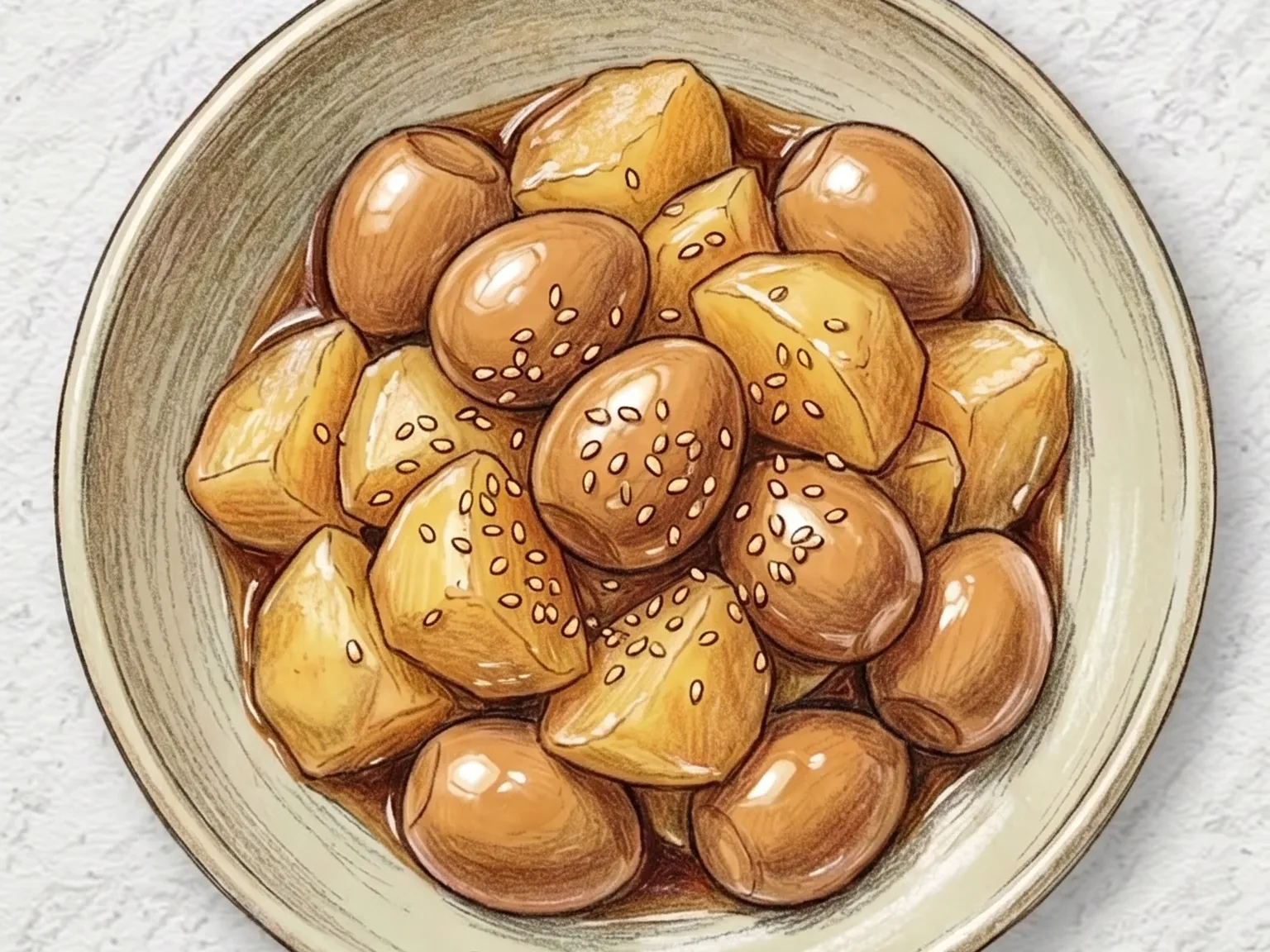
Gamja-mechu-rial-jorim is a Korean braised side dish of potatoes and hard-boiled quail eggs cooked together in a soy-based seasoning. What makes this banchan interesting is the way the two main ingredients absorb flavor differently: quail eggs, with their smooth, porous surface, drink in the soy liquid and turn a deep brown throughout the long simmer, while potato pieces soak up the sauce while simultaneously releasing starch that thickens the glaze. Oligosaccharide syrup adds natural shine and a gentle sweetness, and the combination of sesame seeds and sesame oil provides a nutty finish that rounds out the savory, sticky sauce. The result is a banchan that hits several textural notes at once -- firm quail eggs, yielding potato, and a reduced sauce that coats every surface. It has been a mainstay of Korean children's lunchboxes for decades, practical to prepare in large batches and flavorful enough to eat with plain white rice day after day.

🎉 Special Occasion 🧒 Kid-Friendly
Prep 15min Cook 25min 4 servings
Korean Soy-Braised Fish Cake
Side dishes Easy

Korean Soy-Braised Fish Cake

Eomuk-jorim is a braised Korean fish cake banchan in which triangles or rectangles of eomuk are simmered in a mixture of soy sauce, rice syrup, garlic, and water. Korean eomuk is a processed fish product made by grinding white fish flesh with starch and shaping the paste into flat sheets or molded forms -- denser and chewier than Japanese kamaboko, with a texture that holds its structure through the long braise without turning soft. As the liquid reduces by roughly half over ten minutes of steady simmering, the sauce concentrates into a thick, sticky glaze that adheres to each piece. Adding a sliced cheongyang chili near the end of cooking introduces a subtle heat that cuts through the sweetness of the rice syrup and gives the banchan a sharper edge that pairs well with plain rice. One of the most practical side dishes in the Korean repertoire, eomuk-jorim keeps in the refrigerator for up to a week and, like many braised preparations, deepens in flavor as the soy seasoning continues to penetrate the fish cake over subsequent days. Its low cost and the ease of making large batches in a single pan explain its decades-long presence in school cafeterias, packed lunchboxes, and the everyday home kitchen.

🏠 Everyday 🍱 Lunchbox
Prep 8min Cook 12min 4 servings
Korean Bellflower Root & Eggplant Soy Stir-fry
Stir-fry Medium

Korean Bellflower Root & Eggplant Soy Stir-fry

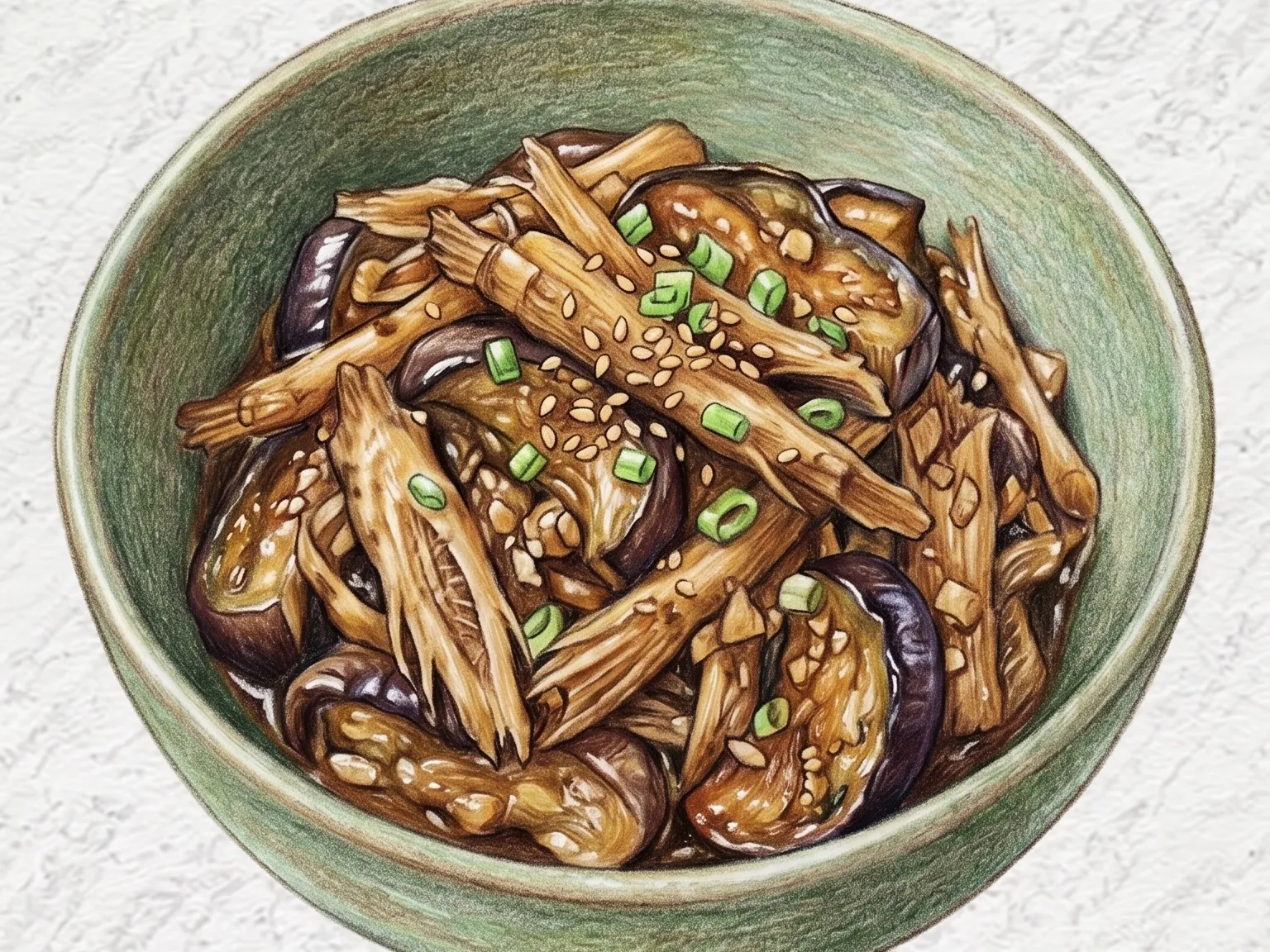
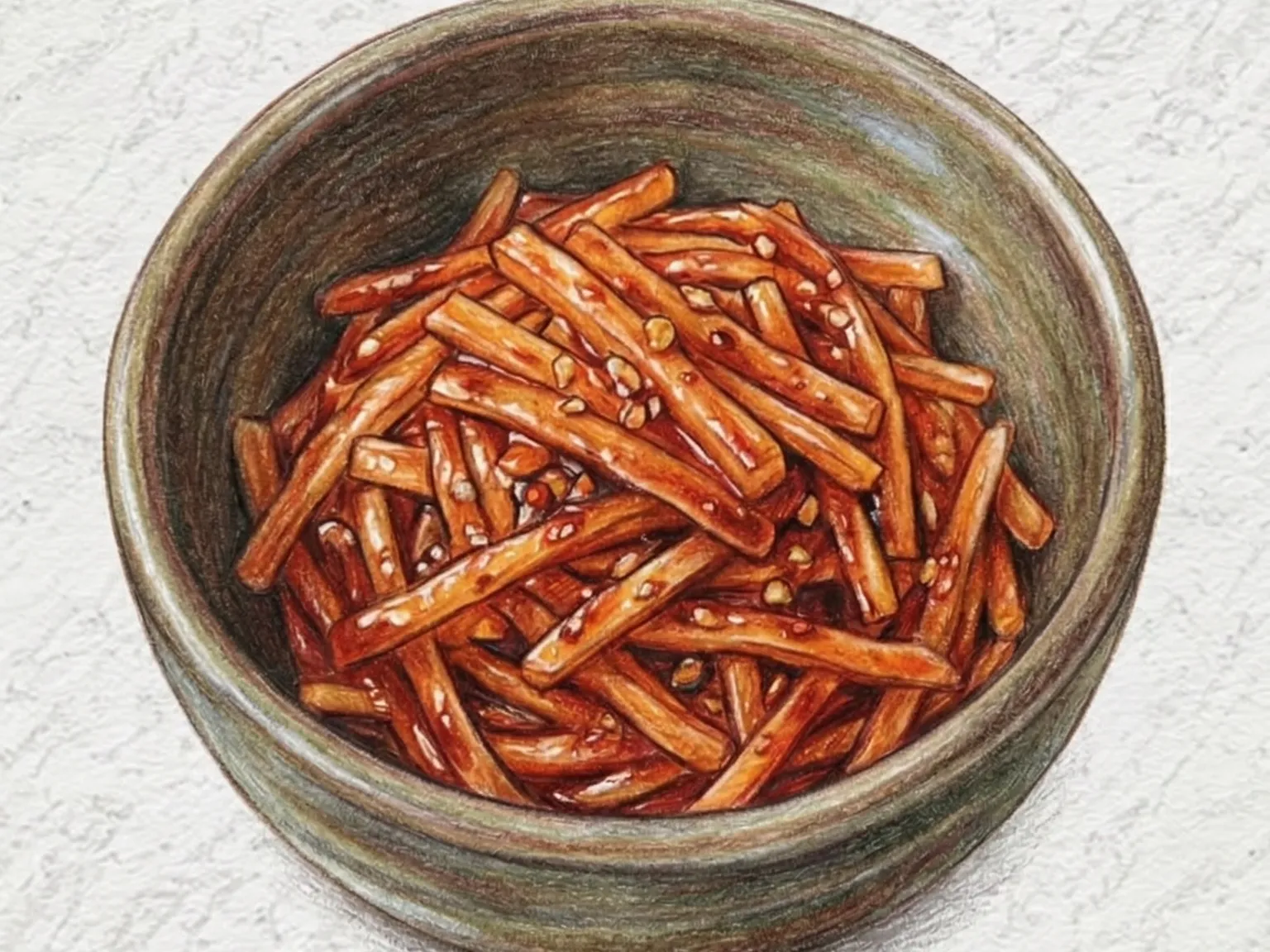
Deodeok gaji ganjang bokkeum is a Korean vegetable stir-fry that brings together deodeok root and eggplant in a soy-based seasoning sauce. The two main ingredients offer a clear textural contrast: deodeok has a firm, fibrous chew that resists the heat and holds its structure throughout cooking, while eggplant softens and collapses into a silky, yielding mass as it cooks. A dressing of soy sauce, sesame oil, and minced garlic ties the two together, tempering the slightly earthy, mildly bitter quality of the deodeok while drawing out the natural sweetness latent in both vegetables. The order in which the ingredients go into the pan matters. Eggplant absorbs oil readily and needs more time to soften properly, so it goes in first. Adding deodeok too early would leave it overdone by the time the eggplant reaches the right texture. The fermented umami of soy sauce and the glutamates naturally present in both vegetables layer together to produce depth in the finished dish without any meat. If the deodeok tastes particularly bitter, soaking the peeled pieces in lightly salted water for ten minutes before cooking draws out a significant portion of the bitterness. Salting the eggplant and letting it sit briefly before cooking removes excess moisture, reducing the amount of oil it absorbs and producing a cleaner, firmer texture in the finished stir-fry. The dish can be served directly over hot rice or presented as a standalone banchan. Like most soy-seasoned vegetable preparations, the flavors deepen and mellow overnight in the refrigerator, making leftovers worth keeping.

🏠 Everyday 🍱 Lunchbox
Prep 20min Cook 14min 4 servings
Korean Soy Garlic Dakgangjeong
Street food Medium

Korean Soy Garlic Dakgangjeong

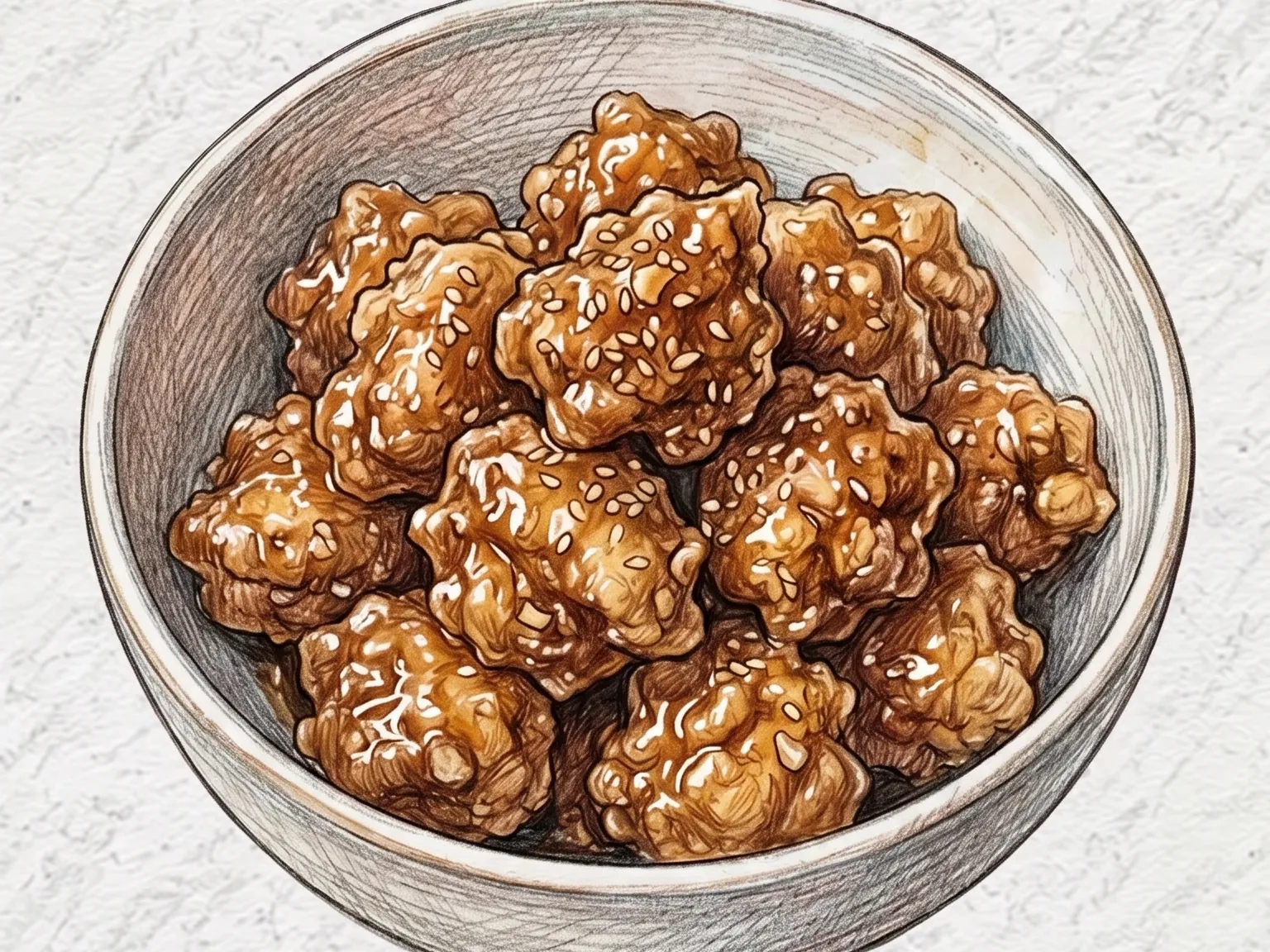
Soy-garlic dakgangjeong is Korean fried chicken made from boneless thigh pieces coated in potato starch and fried twice before being tossed in a soy-garlic glaze. The first fry runs at 170 degrees Celsius for five minutes to cook the meat through to the center. The second fry raises the temperature to 190 degrees and runs for two minutes to push residual moisture out of the crust and harden the surface. Both fries are necessary to achieve a crust firm enough to stay crisp under the wet glaze. Using only potato starch rather than a wheat-starch blend produces a thinner, more transparent coating that crisps harder and absorbs less oil. The sauce is reduced for no more than thirty seconds to one minute so the saltiness does not concentrate excessively. Vinegar is a key component: it cuts through the grease and leaves the palate clean after each bite. The fried chicken must go into the sauce while it is still loose, then be tossed over high heat quickly so the coating never has time to steam and soften. Sesame seeds scattered on top add a nutty fragrance and a textural contrast against the lacquered surface.

🌙 Late Night
Prep 20min Cook 25min 4 servings
Korean Gapojingeo Yangnyeom Gui (Spicy Grilled Cuttlefish)
Grilled Medium

Korean Gapojingeo Yangnyeom Gui (Spicy Grilled Cuttlefish)

Gapojingeo-yangnyeom-gui is spicy grilled cuttlefish prepared by scoring the body in a deep crosshatch pattern and coating it with a glaze of gochujang, Korean chili flakes, soy sauce, oligosaccharide syrup, and garlic. The deep scoring is critical for the thick cuttlefish body: it allows the marinade to penetrate the flesh fully and causes the scored sections to curl open under high heat, creating a flower-like shape that maximizes surface contact with the glaze. When gochujang's heat and the syrup's sticky sweetness hit high heat together, they caramelize into a glossy, deep-red coating that clings to the cuttlefish, while sesame oil folded into the marinade adds a toasted undertone beneath the spice. Chunky-cut onion and green onion grilled alongside release moisture that evaporates into sweetness, naturally tempering the intensity of the chili glaze without diluting the marinade's savory depth. Patting the cuttlefish completely dry before marinating ensures the glaze adheres evenly rather than sliding off, and keeping the cooking time short over high heat prevents the flesh from turning tough and rubbery.

🍺 Bar Snacks
Prep 20min Cook 10min 2 servings
Korean Braised Dried Pollock and Potatoes
Steamed Easy

Korean Braised Dried Pollock and Potatoes

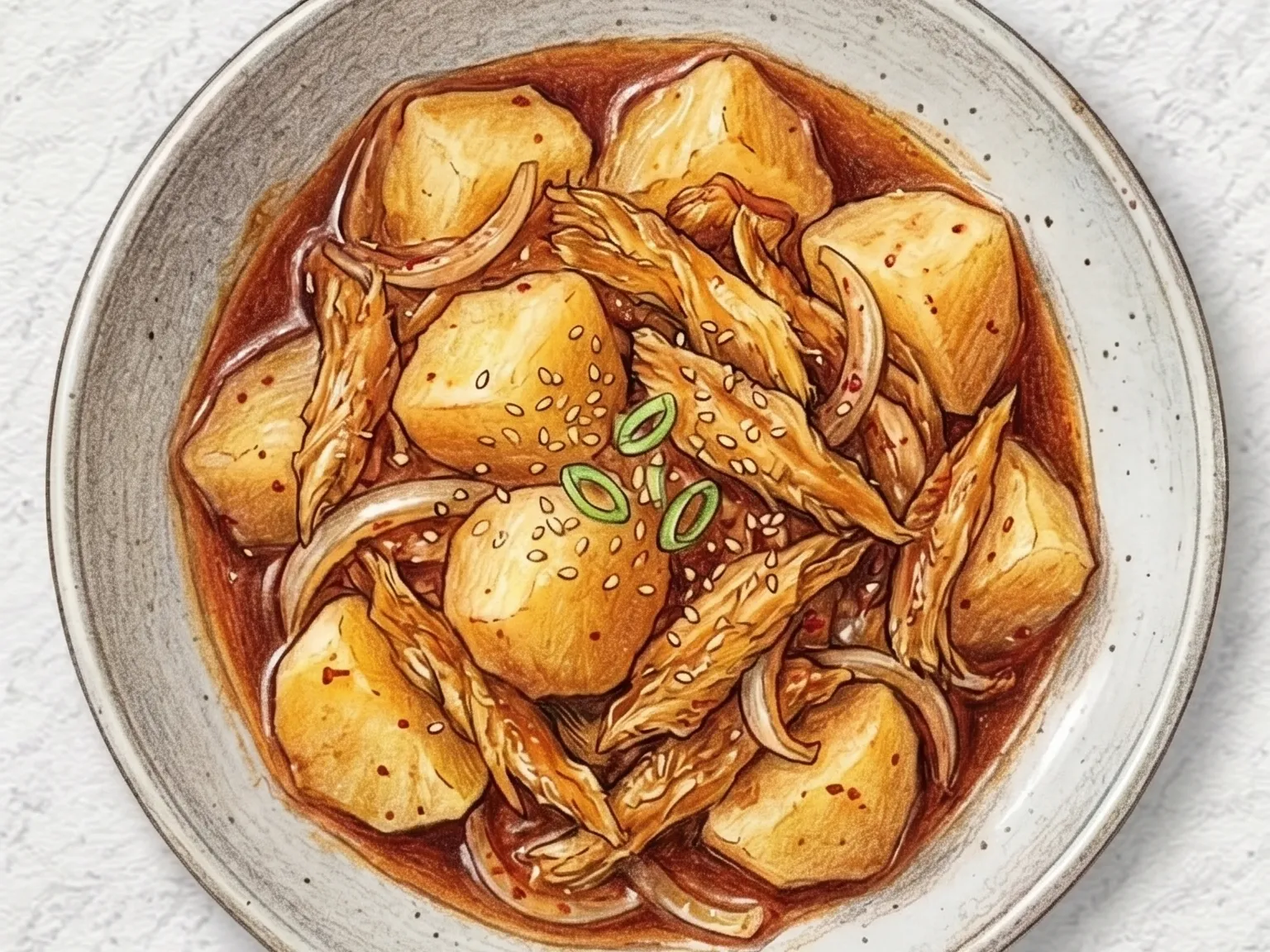
Hwangtae gamja jorim is a Korean braised dish of dried pollock strips and potato in a soy sauce seasoning with gochugaru and oligosaccharide syrup. The potatoes are cooked first until partially tender, then briefly soaked pollock strips and sliced onion are added to braise together in the same pan. The pollock absorbs the seasoned braising liquid and turns pleasantly chewy while the potato softens into a floury, starchy texture. Oligosaccharide syrup rounds out the saltiness of the soy sauce with a gentle sweetness, and sesame oil added off the heat finishes everything with a nutty fragrance. Keeping the pollock soak time short is the single most important step for preserving its characteristic texture, and the dish holds well overnight so it works as a packed lunchbox side.

🍱 Lunchbox
Prep 15min Cook 28min 2 servings
Korean Stir-fried Dried Shrimp
Side dishes Easy

Korean Stir-fried Dried Shrimp

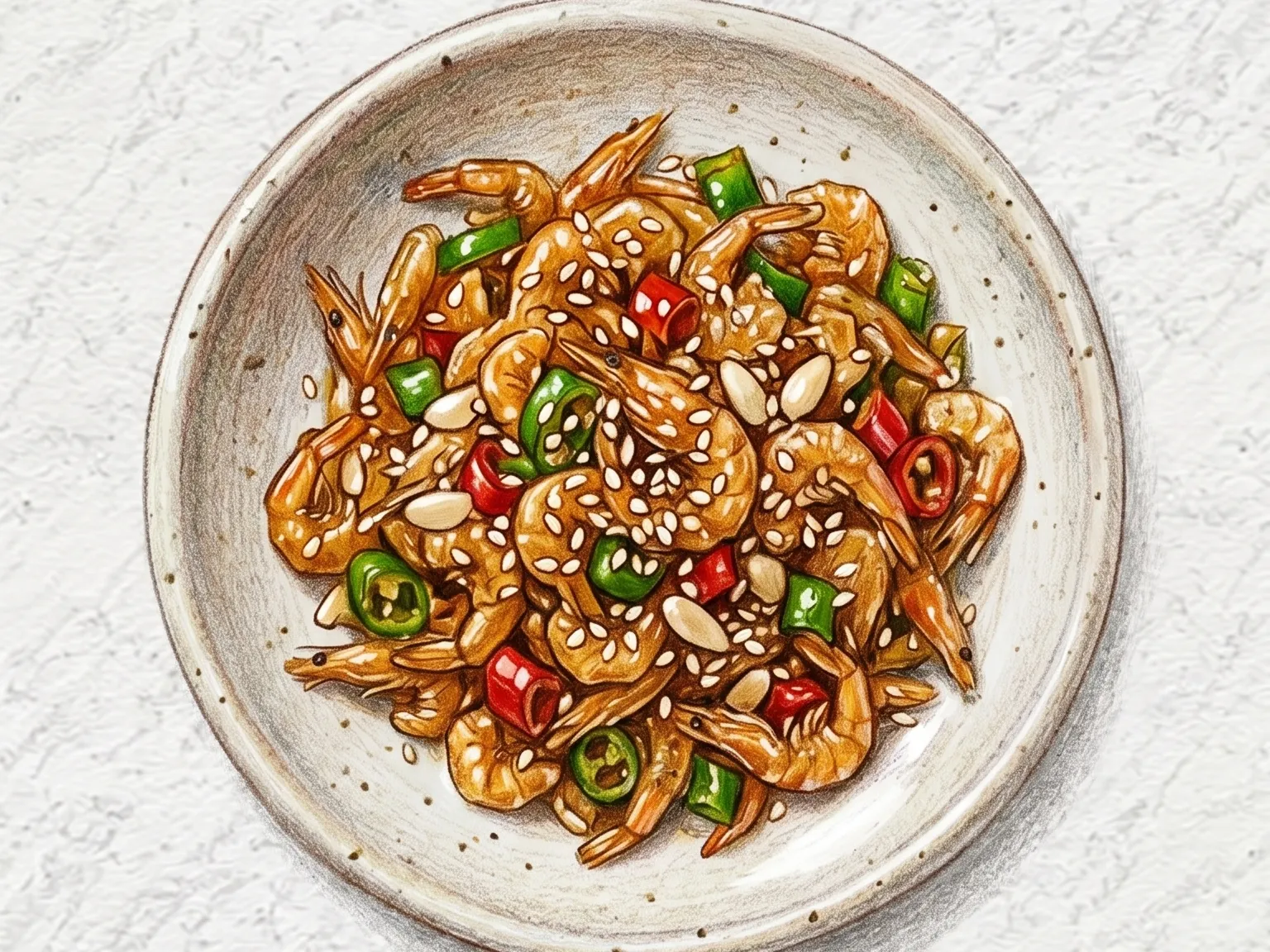
Geon-saeu-bokkeum transforms a handful of dried shrimp, a Korean pantry staple, into a quick, crunchy banchan that earns its reputation as a rice thief. The shrimp are dry-toasted in a pan first to drive off residual moisture, intensifying their briny aroma and building the foundation for a crisp final texture. Soy sauce, rice syrup or oligosaccharide, and garlic are added and reduced over low heat until the shrimp are wrapped in a thin, glossy sweet-salty glaze. The timing matters: the moment the syrup bubbles once, the heat must drop immediately, because leaving it even slightly too long hardens the coating into a tooth-testing shell rather than a pliable lacquer. A finish of sesame oil and whole sesame seeds adds a nutty warmth that rounds out this compact side dish. Finely sliced Cheongyang chili mixed in during the last minute produces a spicier variation, and a small handful of almonds or peanuts stirred in enriches the chew. The finished banchan keeps well in a sealed container at room temperature for several days, making it as practical as it is flavorful.

🏠 Everyday 🍱 Lunchbox
Prep 5min Cook 8min 4 servings
Korean Bellflower Root & Beef Stir-fry
Stir-fry Medium

Korean Bellflower Root & Beef Stir-fry

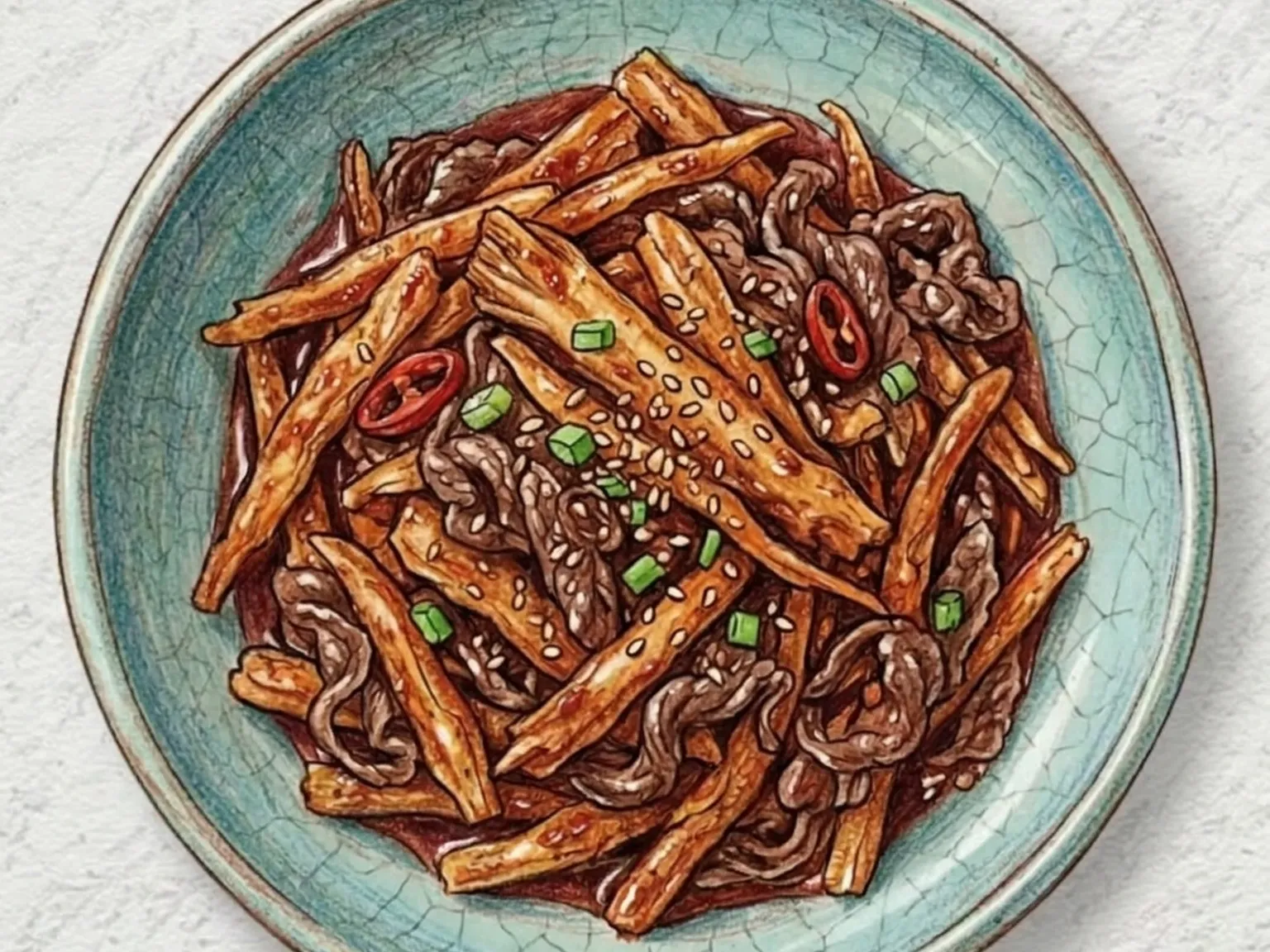
Deodeok-sogogi-gochujang-bokkeum is a Korean stir-fried side dish of pounded bellflower root and thinly sliced bulgogi-cut beef cooked together in a bold gochujang sauce. Beating the root with a mallet breaks up its dense fibers, increases its surface area, and allows the spicy paste to penetrate deeply, resulting in a texture that is simultaneously crisp and chewy after cooking. The fermented heat of gochujang and the saltiness of soy sauce work together to amplify the meaty richness of the beef, and the thick sauce binds the root and meat into a cohesive whole. Adding sesame oil and toasted sesame seeds at the end layers in a nutty, aromatic finish. Deodeok's faint natural bitterness and herbal fragrance survive the cooking process and create a complexity that distinguishes this dish from standard gochujang stir-fries. It is a boldly flavored side dish that pairs insistently with plain steamed rice.

🏠 Everyday 🌙 Late Night
Prep 20min Cook 12min 2 servings
Korean Grilled Rice Cake Skewers
Street food Easy

Korean Grilled Rice Cake Skewers

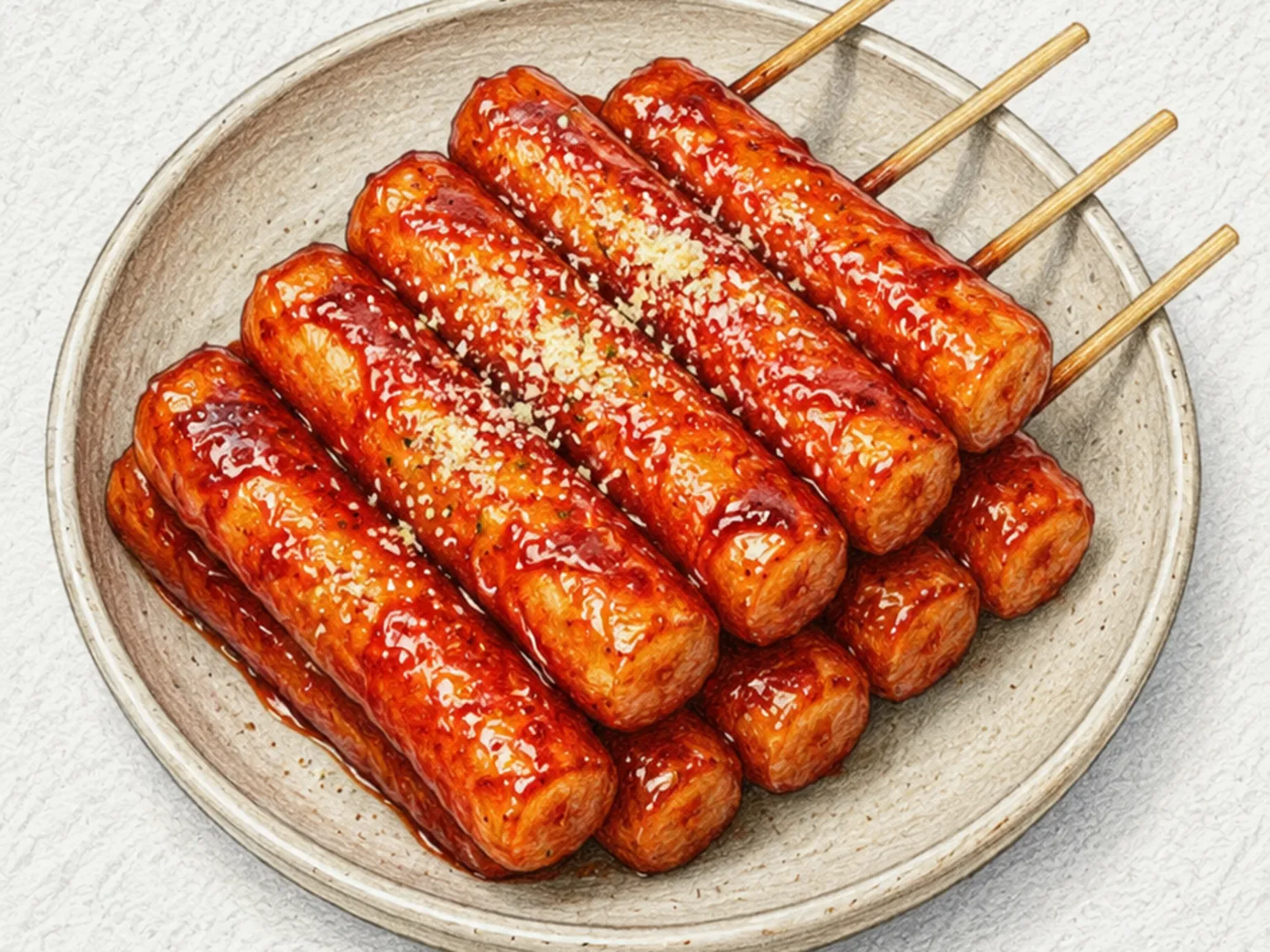
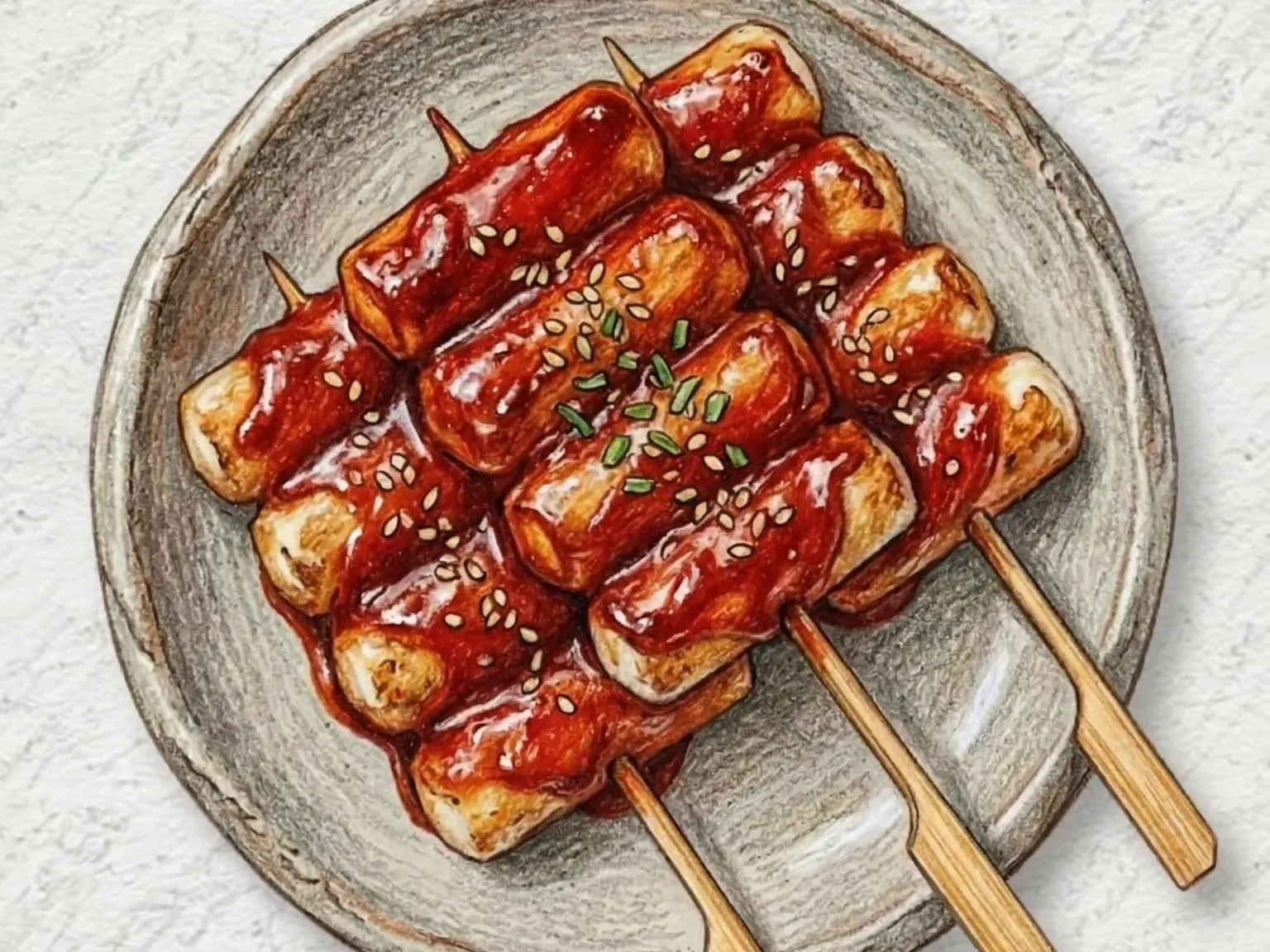
Tteokkochi are pan-seared rice cake skewers glazed in a thick gochujang-based sauce that builds depth through a combination of ketchup, oligosaccharide syrup, soy sauce, and minced garlic simmered down until the sauce reduces and concentrates. The rice cakes are first seared in a thin layer of oil until a lightly crisp shell forms across the surface before any sauce is applied, creating a textural contrast between the outer crust and the soft, chewy interior that defines what a good tteokkochi should feel like. The ketchup introduces a mild tomato acidity that tempers and rounds the raw heat of the gochujang, while the syrup adds sweetness without the grainy texture of sugar. After the sauce is brushed on, rolling the skewers over low heat for another minute fuses the glaze to the rice cake surface so it adheres firmly and does not peel off as the skewers cool. Adjusting the ratio of ketchup to syrup shifts the balance between sweetness and acidity, making it straightforward to tailor the sauce to individual preference. Making the sauce in a larger batch and storing it separately saves time on repeat preparations.

🧒 Kid-Friendly 🌙 Late Night
Prep 10min Cook 10min 2 servings
Korean Gochujang Grilled Chicken Legs
Grilled Medium

Korean Gochujang Grilled Chicken Legs

Gochujang dak-dari-gui is a Korean pan-grilled chicken dish in which bone-in leg quarters are marinated in a sauce of gochujang, soy sauce, oligosaccharide syrup, minced garlic, mirin, and sesame oil before being cooked in a skillet. The use of oligosaccharide syrup rather than plain sugar is deliberate - it has a lower sweetness level but higher viscosity, which helps the marinade adhere to the chicken's surface and caramelizes more slowly without burning, making it easier to develop a proper glaze. Starting the chicken skin-side down over medium heat is the foundation of the dish: pressing the skin gently against the pan renders the subcutaneous fat gradually, producing a crisp surface layer. Without sufficient rendering time, the skin stays soft and slick even when coated with the sauce later. Flipping and covering with a lid traps steam inside the pan, which drives heat into the thickest part of the meat and ensures it cooks through evenly without the outside drying out. When the lid comes off and the sauce reduces, the evaporating water concentrates the marinade's flavors and causes it to begin clinging to the meat in a thick, glossy layer. The final two minutes on high heat are the transformation point of the dish: the residual sugars in the marinade caramelize rapidly in the intense heat, and the spicy fermented depth of the gochujang, the sweetness of the syrup, and the salinity of the soy compress into a lacquered, shining glaze. Marinating in the refrigerator for at least one hour, and ideally overnight, reduces any gamey odor from the chicken and allows the seasoning to work its way deep into the muscle fibers, so that when the meat is cooked it tastes seasoned from the inside.

🍺 Bar Snacks
Prep 20min Cook 30min 4 servings
Korean Braised Potatoes with Shishito Peppers
Steamed Easy

Korean Braised Potatoes with Shishito Peppers

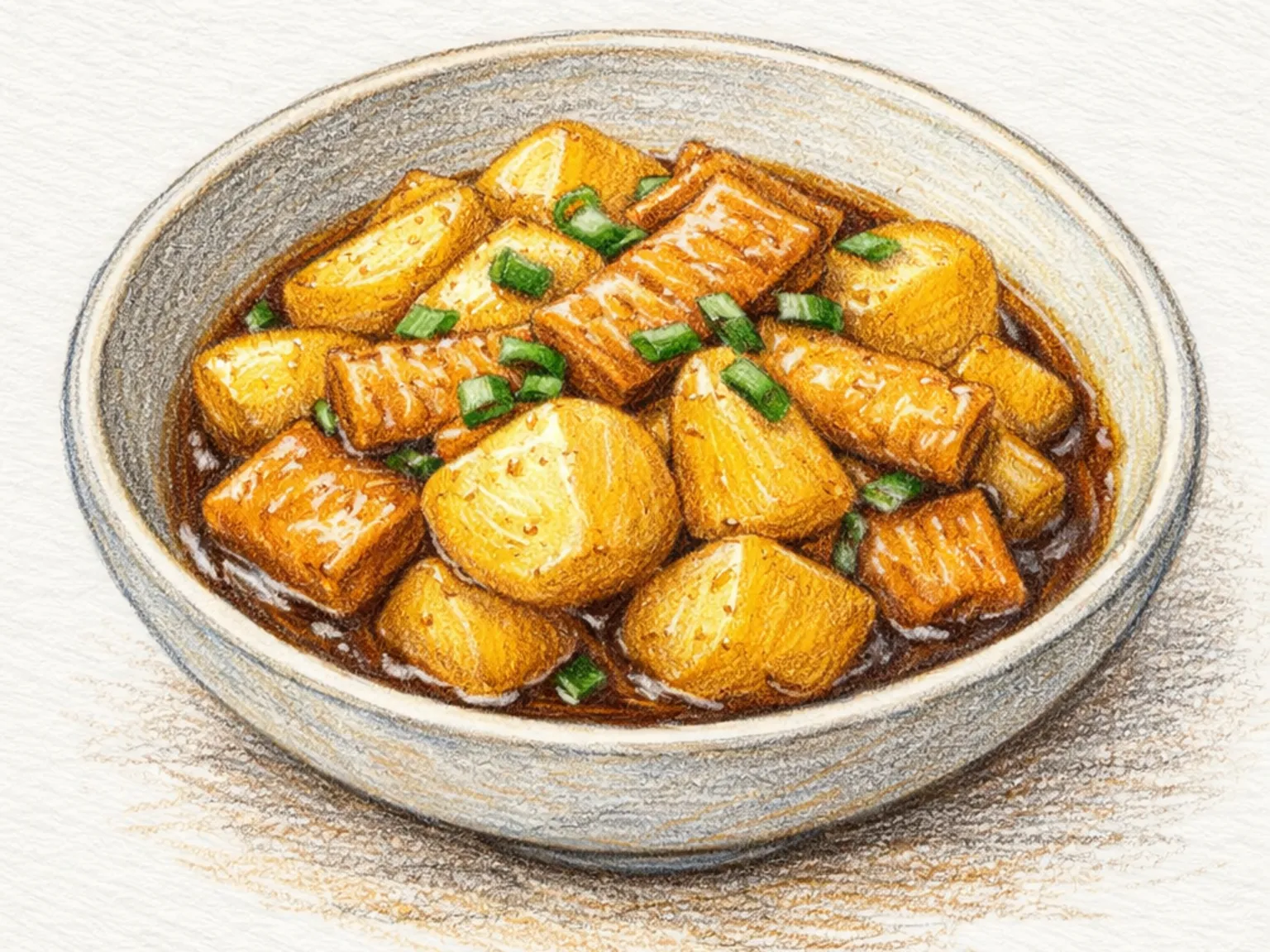
Kkwari-gamja-jorim is a Korean braised side dish of cubed potatoes and shishito peppers cooked down in soy sauce, oligosaccharide syrup, and minced garlic. The potatoes start in a sauce with enough moisture to cook through, and as the liquid reduces, the seasoning thickens into a glossy coating. By the time the pan is nearly dry, the outside of each potato piece has taken on a sweet-salty glaze while the inside stays floury and soft. Shishito peppers, with their wrinkled skins, hold the sauce well and require only brief cooking to stay crisp. A final drizzle of sesame oil and a scatter of sesame seeds add a nutty aroma and a visual finish that signals the dish is done. The heat level stays mild, suitable for children, and the glaze sets firmly enough that the dish travels well in a packed lunch without losing flavor at room temperature.

🏠 Everyday 🍱 Lunchbox
Prep 15min Cook 25min 2 servings
Korean Spicy Gochujang Dried Squid Stir-Fry
Side dishes Easy

Korean Spicy Gochujang Dried Squid Stir-Fry

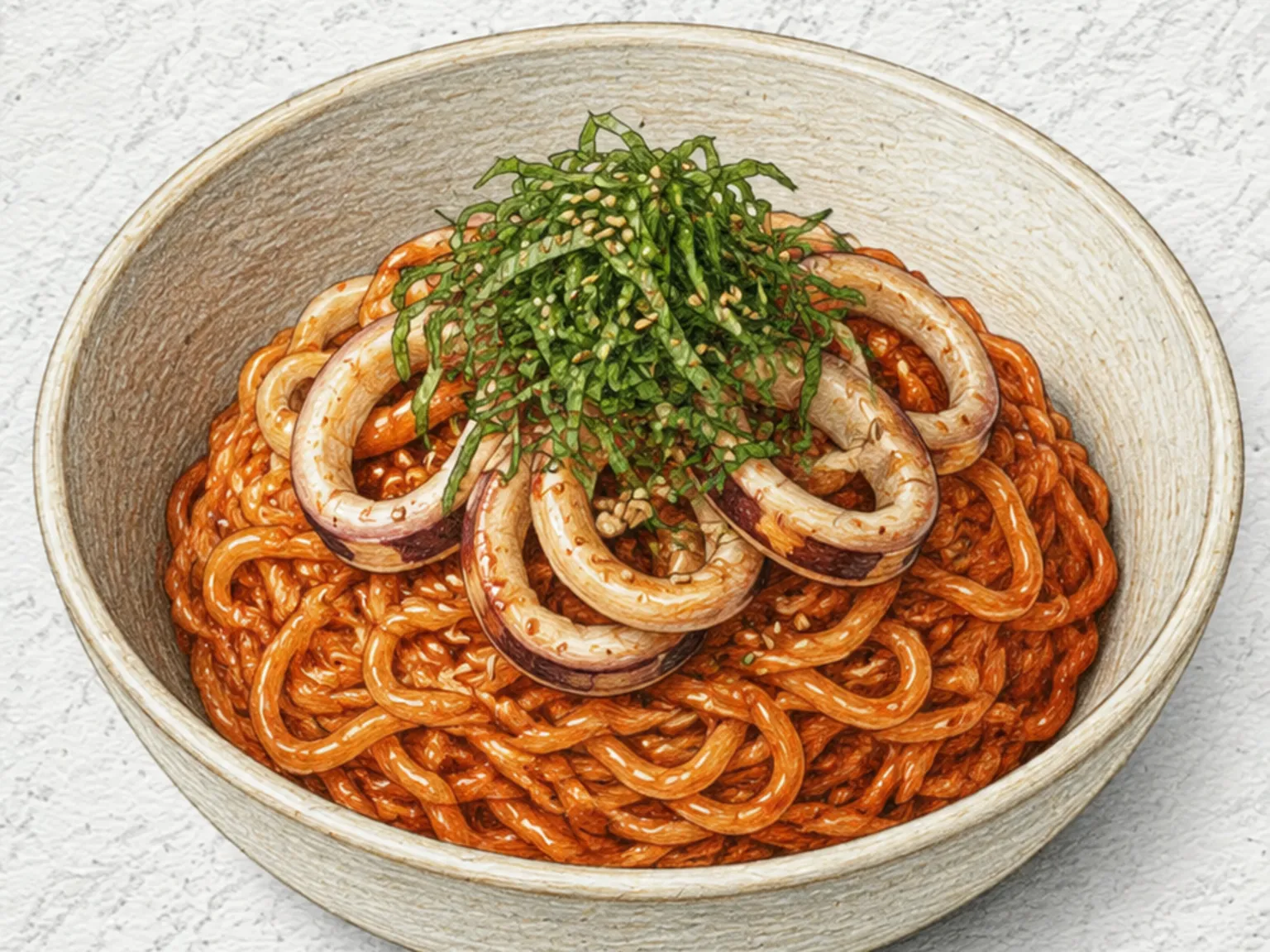
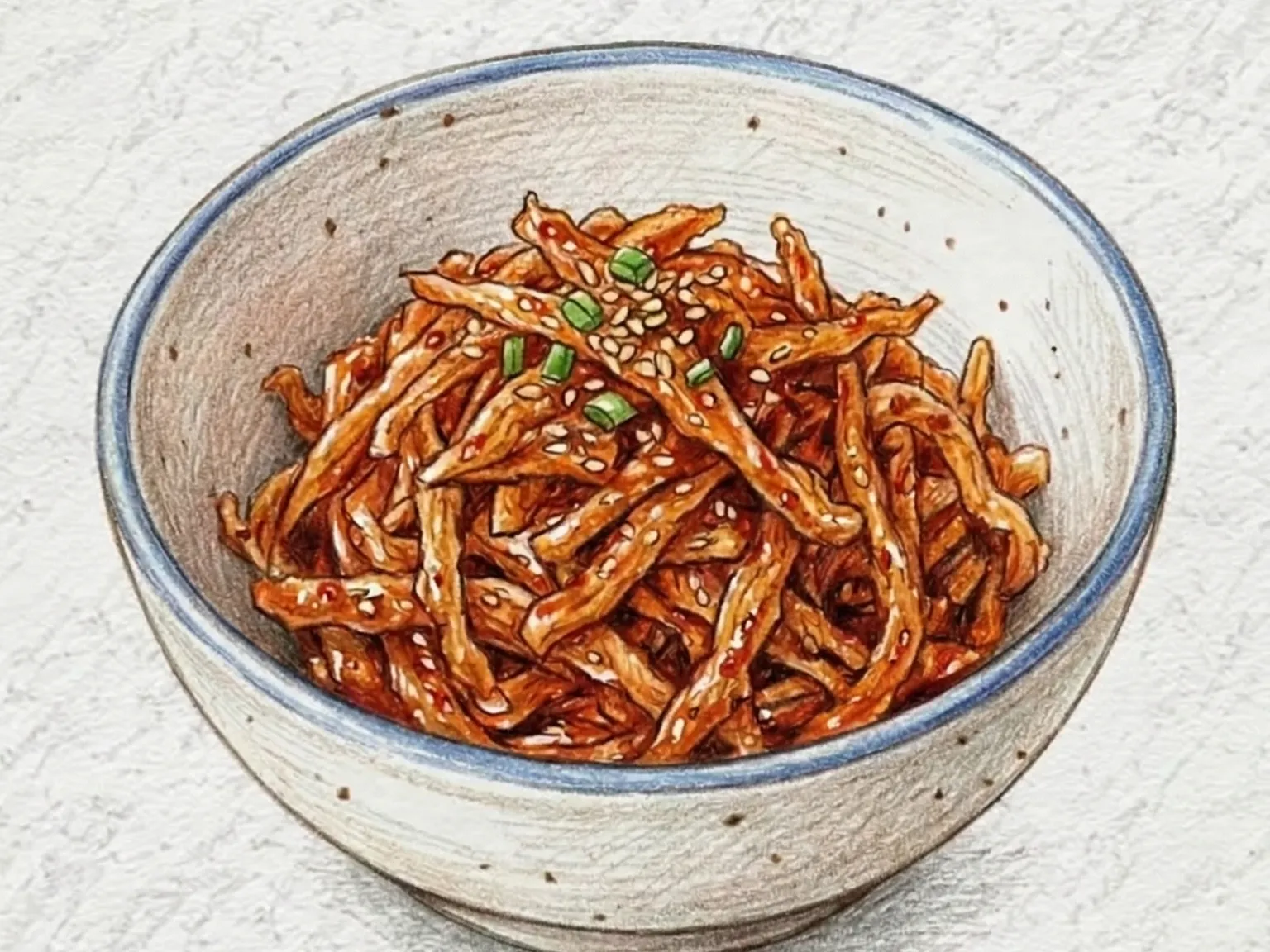
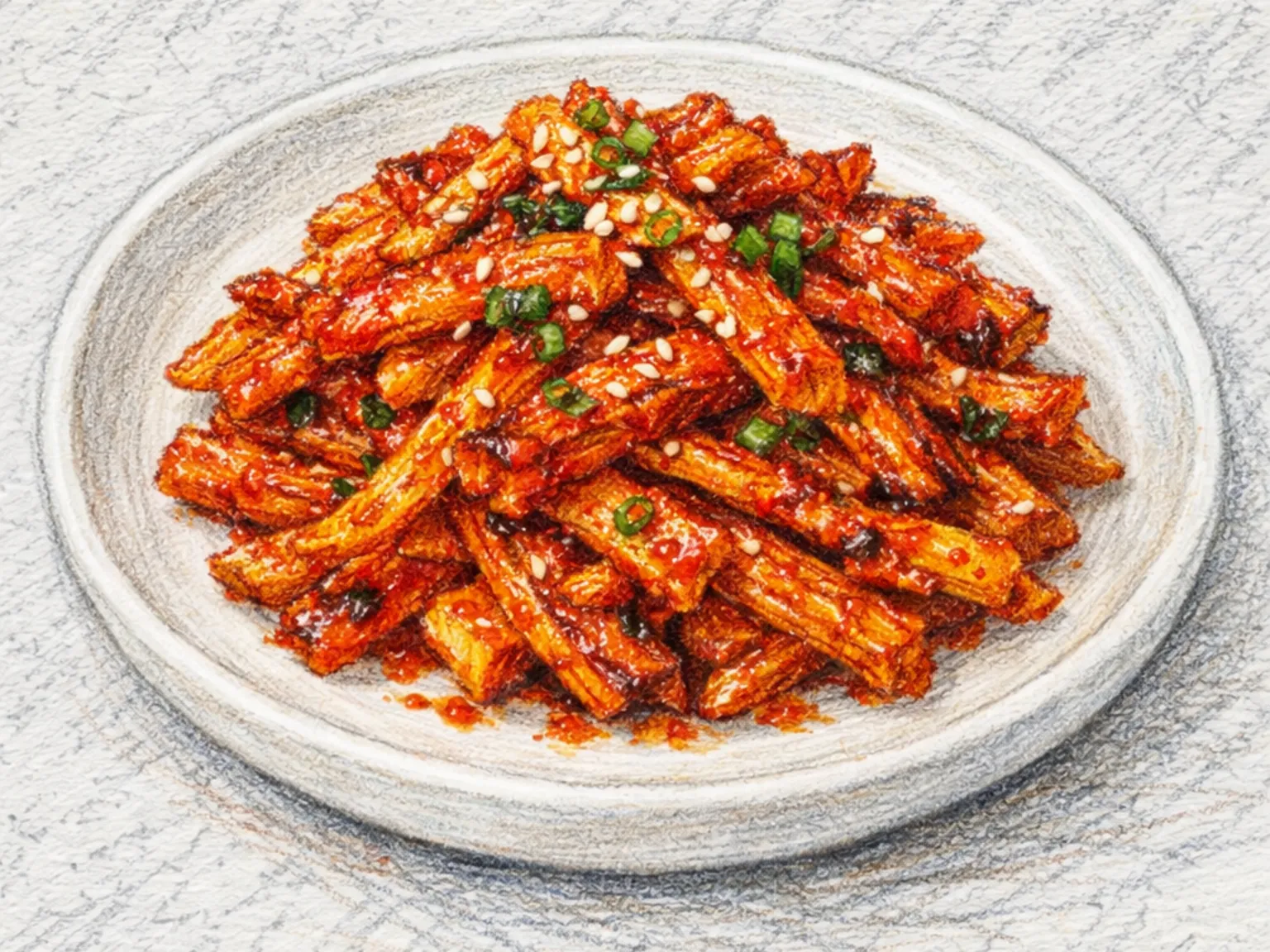
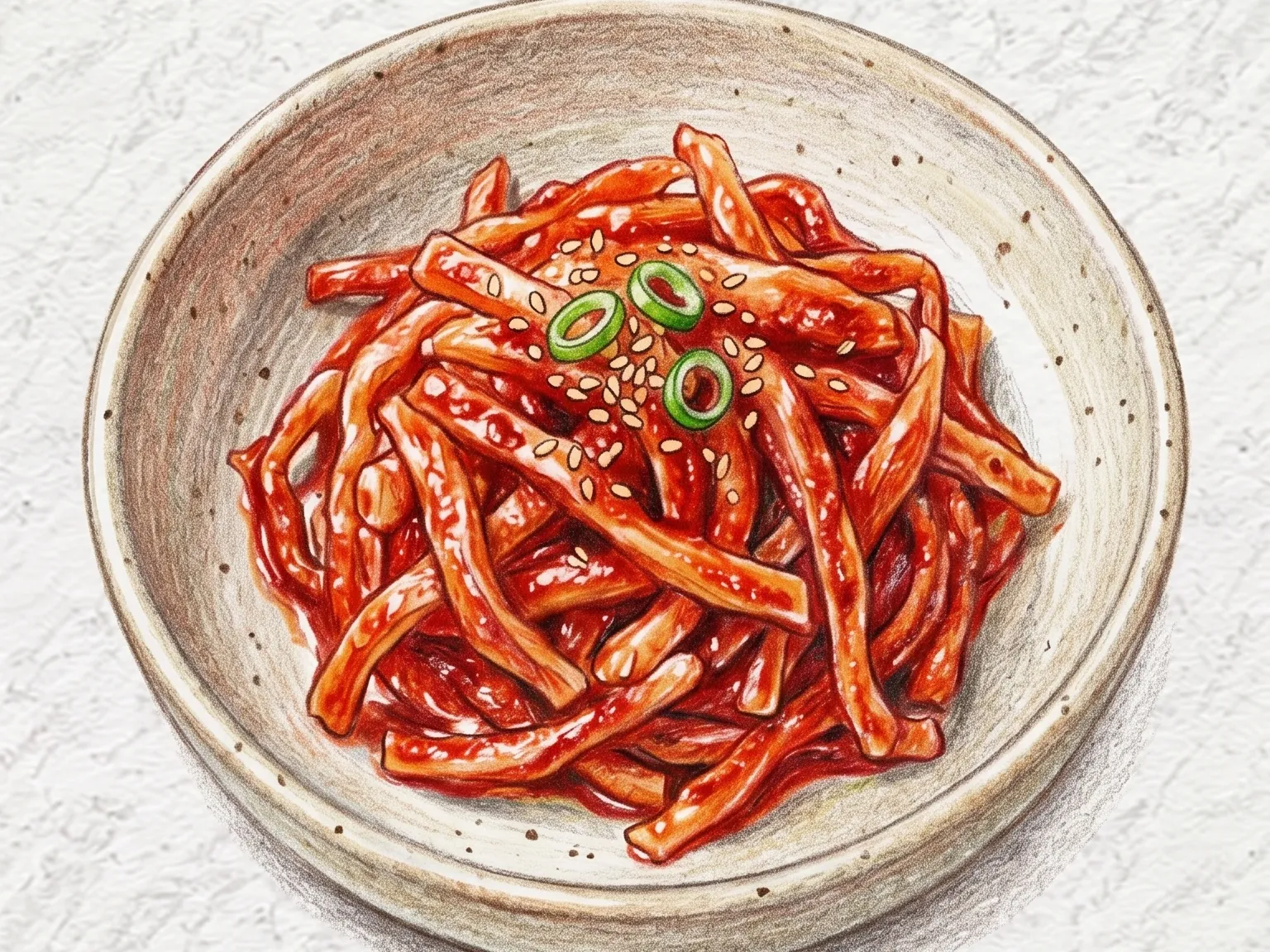
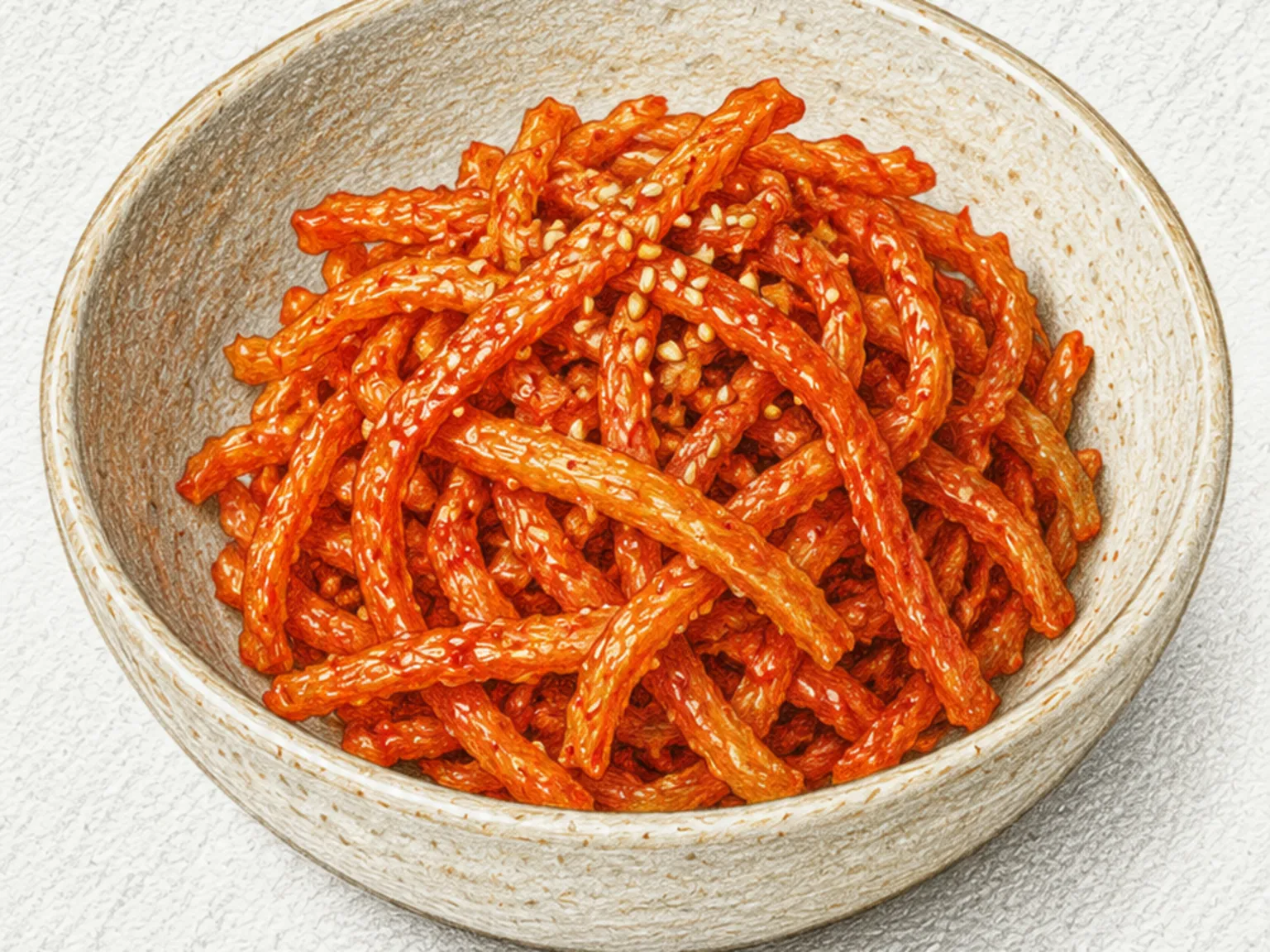
Jinmichae, shredded dried squid, is a Korean pantry staple valued for its chewy texture and the umami that builds and intensifies the longer you chew. This preparation coats the strands in a gochujang glaze, making it one of the most reliably present banchan in Korean households. Briefly soaking the dried squid in water before squeezing it dry softens the tough fibers and opens them to absorb the sauce more evenly. The sauce of gochujang, gochugaru, rice syrup, soy sauce, and garlic is stir-fried first over low heat to mellow the raw chili sharpness, then the squid is tossed through quickly over the same heat. Sesame oil and toasted sesame seeds are added off the heat, coating the strands in a sweet, spicy glaze that keeps well at room temperature for several days.

🏠 Everyday 🍱 Lunchbox
Prep 8min Cook 7min 4 servings
Korean Stir-fried Fish Cake with Vegetables
Stir-fry Easy

Korean Stir-fried Fish Cake with Vegetables

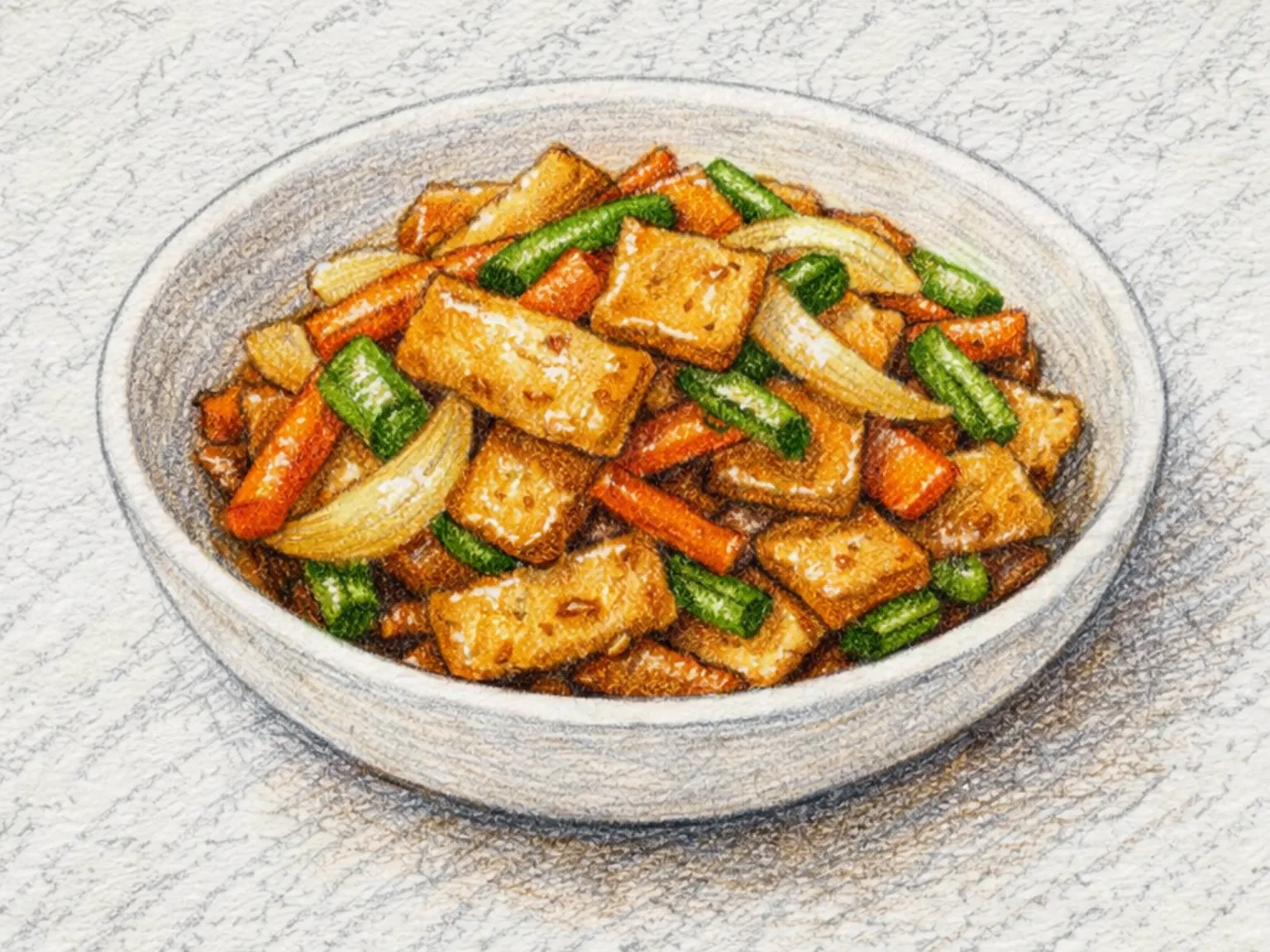
Eomuk-yachae-bokkeum is a Korean stir-fry that brings together fish cake sheets with onion, carrot, and green bell pepper in a soy-based glaze. Square eomuk is cut into bite-sized rectangles without any further preparation, and the vegetables are sliced to roughly matching dimensions so everything cooks through at the same rate. The textural contrast between the chewy fish cake and the crisp-tender vegetables is the defining quality of this dish - both elements are present in each chopstickful, preventing either from becoming monotonous. Soy sauce and oligosaccharide syrup form the base glaze, producing a glossy, lightly sweet and salty coating that clings evenly to each piece. Sesame oil and toasted sesame seeds stirred in at the end add a nutty finish. Adding a sliced cheongyang chili during the stir-fry introduces a sharp heat that prevents the overall flavor from reading as too sweet. The entire dish comes together in under ten minutes from prep to plate, making it a reliable candidate for packed lunches and weeknight tables that need a quick, universally liked side dish.

🏠 Everyday 🍱 Lunchbox
Prep 10min Cook 8min 2 servings
Korean Grilled Dried Pollack
Grilled Medium

Korean Grilled Dried Pollack

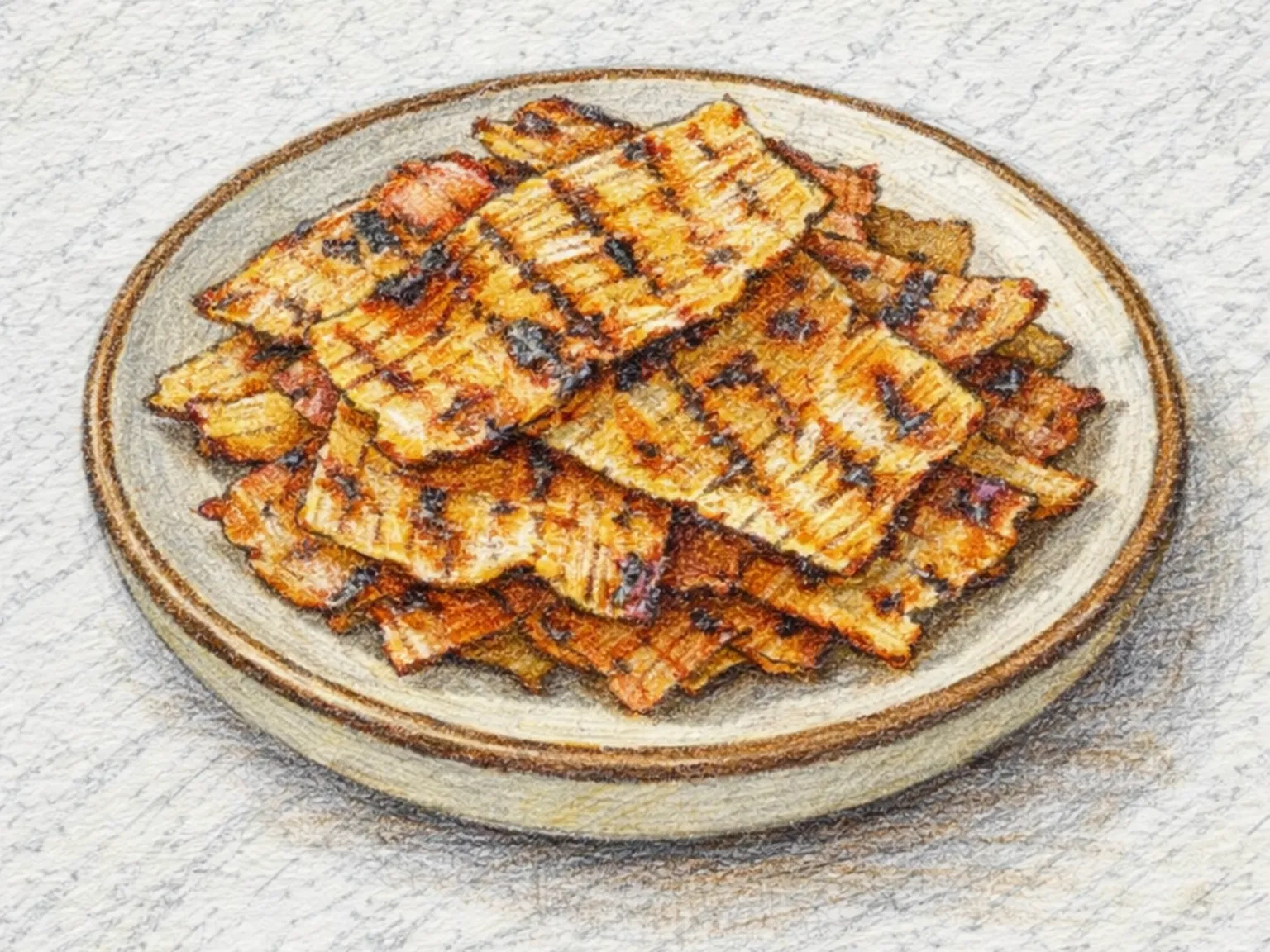
Dried pollack strips are briefly moistened, coated in a paste of gochujang, soy sauce, and oligosaccharide syrup, then grilled low and slow. The slow heat lets the glaze seep into the chewy dried fish without charring, building layers of spicy-sweet flavor. A touch of sesame oil applied at the finish adds a toasted aroma that rounds out the dish. The sweet-spicy glaze filling the kitchen with fragrance as the fish grills is part of what makes this a beloved home-cooked snack.

🍺 Bar Snacks
Prep 15min Cook 8min 2 servings
Korean Spicy Braised Semi-Dried Pollock
Steamed Medium

Korean Spicy Braised Semi-Dried Pollock

Kodari-jjim is a Korean braised dish of semi-dried pollock slow-cooked with radish and onion in a gochugaru and soy sauce seasoning. The drying stage removes moisture from the pollock, firming the flesh so it absorbs the seasoning deeply while holding its shape throughout cooking. Radish tempers the chili heat and contributes a natural sweetness, and a small addition of doenjang adds a savory depth that rounds out the sauce. As the liquid reduces to a thick, clinging glaze, the pollock takes on an intensely spiced quality that makes it a natural companion to steamed rice. Mixing the reduced sauce into hot rice is a well-known Korean habit, since every drop carries concentrated spice and brine.

🏠 Everyday 🎉 Special Occasion
Prep 15min Cook 30min 4 servings
Korean Soy Braised Konjac
Side dishes Easy

Korean Soy Braised Konjac

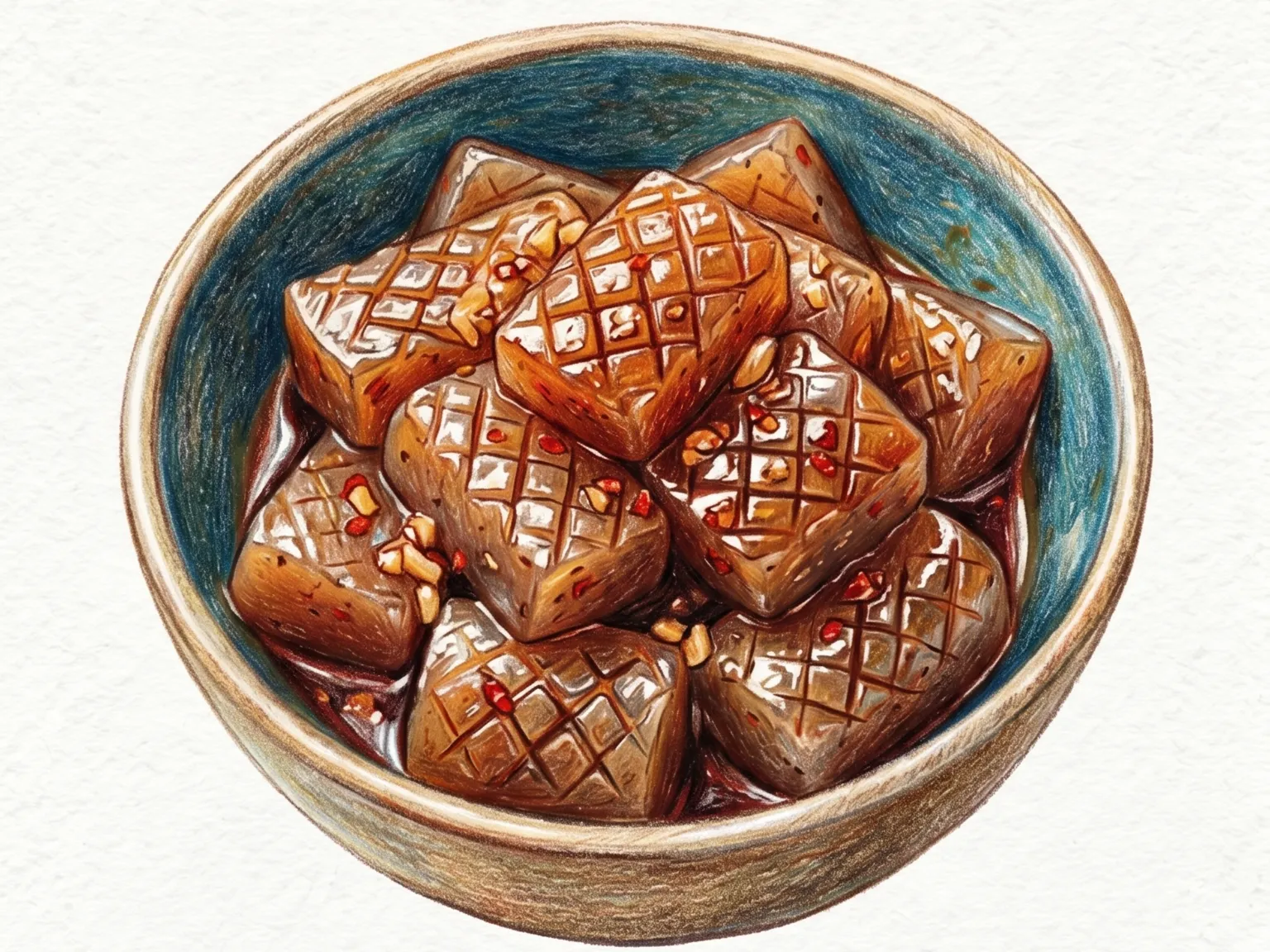
Gonnyak-jorim is a braised konjac banchan seasoned with soy sauce, rice syrup, gochugaru, and garlic, valued mainly for its satisfying chew and near-zero calorie count. Konjac carries a faint lime-water odor from its processing, and blanching it in boiling water for two minutes removes that smell before any seasoning is applied. Draining thoroughly and then dry-toasting the pieces in a pan without oil evaporates residual moisture from the surface, creating a drier exterior that the sauce can actually grip. Scoring the konjac in a crosshatch pattern before cooking solves its fundamental flavor problem: the dense, non-porous texture resists absorption, but the scored grooves pool the sauce and hold it in place so the coating sticks. Rice syrup in the sauce builds a glossy, slightly sticky finish as the liquid reduces. The finished pieces are sweet, salty, and faintly spicy with a firm, springy bite that makes them one of the more filling low-calorie side dishes in Korean cuisine.

🥗 Light & Healthy 🏠 Everyday
Prep 10min Cook 20min 4 servings
Korean Stir-fried Seaweed and Anchovies
Stir-fry Easy

Korean Stir-fried Seaweed and Anchovies

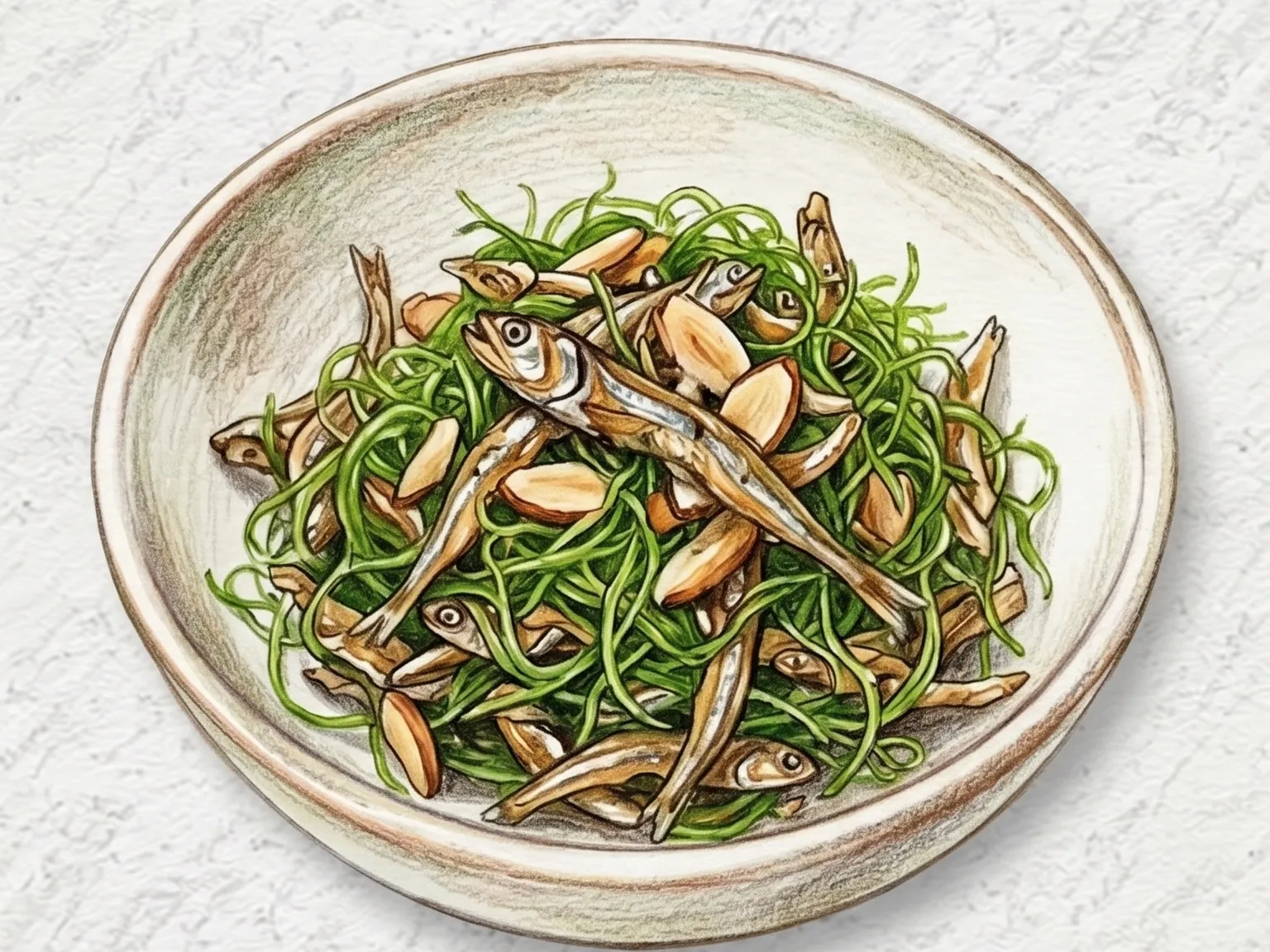
Gamtae myeolchi bokkeum is a crispy Korean banchan that combines small dried anchovies with gamtae seaweed and sliced almonds in a soy-syrup glaze. Gamtae is a green seaweed harvested along parts of Korea's southern coast, milder and less bitter than common sea lettuce, with a gentle oceanic fragrance that complements rather than overpowers the anchovies. The first step is toasting the anchovies in a dry pan without oil until they turn slightly golden and fragrant; this drives off moisture and mellows their fishy edge. The soy and oligosaccharide syrup glaze is added next, coating each anchovy in a glossy, lightly sweet-savory layer. Oligosaccharide syrup is preferred over honey or corn syrup because it is less viscous, which keeps the anchovies separated rather than clumped. Almond slices are stirred in to provide a larger, firmer crunch that contrasts with the tiny anchovies and adds a mild nutty sweetness. Gamtae is added only in the final seconds - ten seconds over heat is enough to warm it and release its aroma, and longer exposure will turn it yellow and dull. Once everything is cooled completely before sealing in an airtight container, the banchan holds its crunch for one to two weeks, making it an ideal make-ahead dish for weekly meal prep. The anchovies provide calcium and the gamtae contributes marine minerals, giving the dish a nutritional balance that matches its flavor.

🏠 Everyday 🍱 Lunchbox
Prep 8min Cook 7min 4 servings
Korean Kkotge Gochujang Gui (Spicy Grilled Crab)
Grilled Hard

Korean Kkotge Gochujang Gui (Spicy Grilled Crab)

Kkotge-gochujang-gui is a Korean spicy grilled crab where halved blue crabs are thoroughly coated in a thick paste of gochujang, gochugaru, soy sauce, oligosaccharide syrup, and garlic, then marinated for fifteen minutes before going onto a medium-heat grill. The sugar in the syrup and the fermented compounds in the gochujang caramelize over direct flame, forming a glossy, dark-red lacquer on the shell while the crab meat underneath is steam-cooked by the insulating shell, keeping it moist and sweet. Controlled medium heat is essential because the sauce scorches quickly: four minutes shell-side down first, then a flip for five to six more minutes ensures even cooking without burning. When the crab is turned, the sauce drips into the interior cavity and coats the exposed meat directly, intensifying the spice penetration on the flesh side. A final drizzle of sesame oil and a scatter of toasted sesame seeds layer a nutty, smoky fragrance over the lacquered coating.

🎉 Special Occasion
Prep 25min Cook 12min 2 servings
Korean Steamed Whole Garlic
Steamed Easy

Korean Steamed Whole Garlic

Maneul-jjim is a Korean steamed whole garlic dish where cloves are slowly braised in soy sauce, oligosaccharide syrup, and sesame oil until completely tender. The raw garlic's sharp bite disappears entirely with heat, transforming into a mellow sweetness with a creamy, almost buttery texture. The syrup creates a glossy coating on each clove, and the sesame oil wraps everything in a nutty fragrance. This banchan works as a side to grilled meats or as a drinking snack, offering all of garlic's depth without any of its usual pungency. Placing a softened clove on a spoonful of rice is the simplest and most satisfying way to enjoy it.

🍱 Lunchbox
Prep 10min Cook 20min 2 servings
Braised Dried Pollock (Hwangtae-po Jorim)
Side dishes Easy

Braised Dried Pollock (Hwangtae-po Jorim)

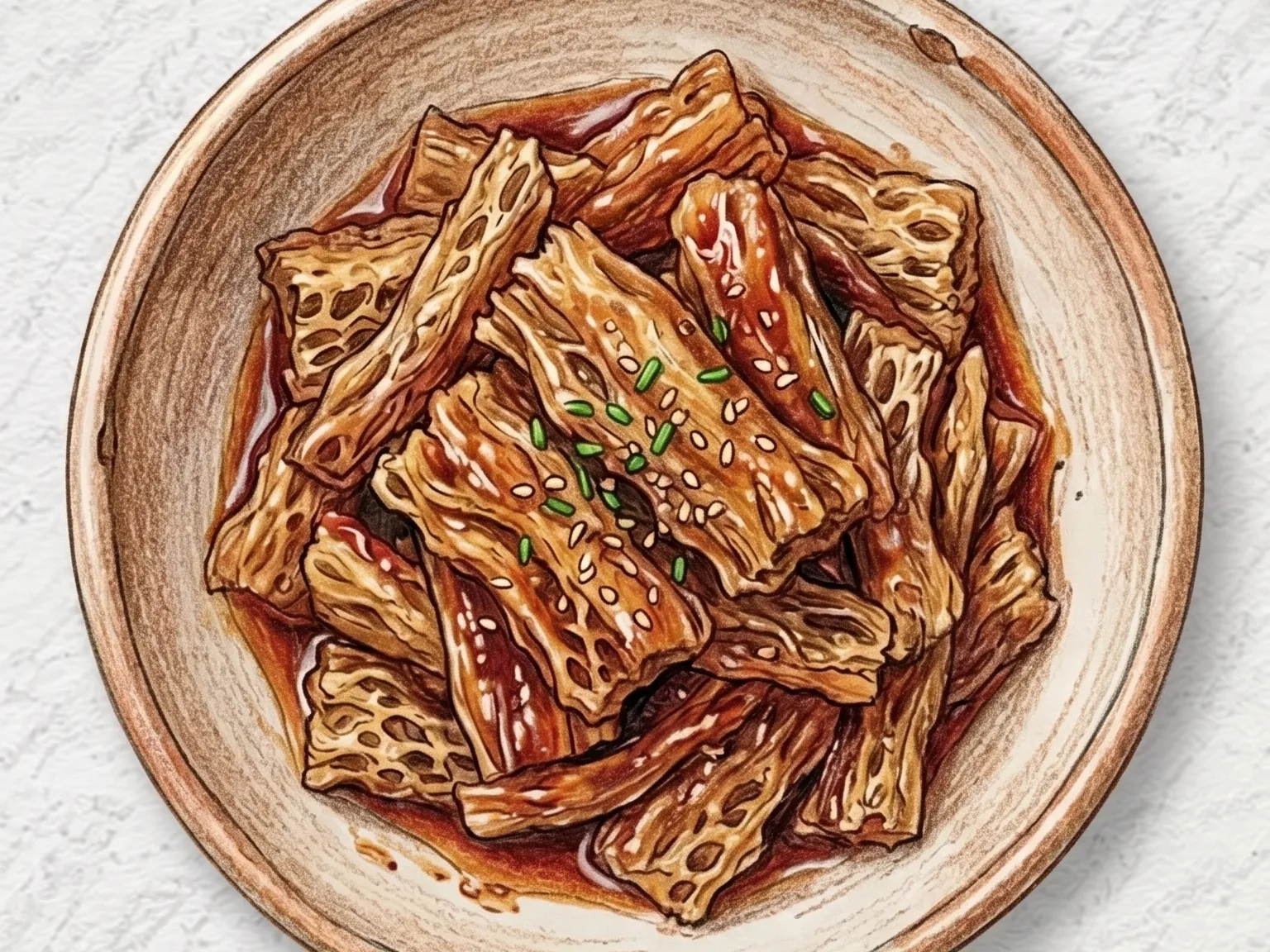
Hwangtae-po jorim is a Korean braised side dish made from hwangtae, the air-dried pollock produced in the Gangwon-do mountains where bitter winter cold freezes and thaws the fish dozens of times across the season. Each freeze-thaw cycle breaks down the protein structure and opens up a sponge-like network of pores throughout the flesh. When braised in a ganjang-gochujang sauce, those pores draw the seasoning deep inside, so every bite carries the savory-sweet glaze all the way through rather than just coating the surface. Rehydrating the dried pollock for no more than three minutes preserves the chewy, springy bite; soaking it longer collapses the structure and leaves it soft and crumbly. Oligosaccharide syrup reduces into a glossy finish that coats each piece, and sesame oil goes in only after the heat is off to keep its fragrance intact. Refrigerated, the dish holds for more than a week, making it a practical addition to meal-prep banchan rotations.

🏠 Everyday 🍱 Lunchbox
Prep 10min Cook 12min 4 servings
Korean Gochujang Fish Cake Stir-fry
Stir-fry Easy

Korean Gochujang Fish Cake Stir-fry

Gochujang eomuk bokkeum stir-fries chewy fish cake sheets in a glossy sauce of gochujang, soy sauce, oligosaccharide syrup, and minced garlic. Briefly blanching the fish cakes before they go into the pan removes excess grease, producing a cleaner-tasting dish where the spicy-sweet glaze clings evenly to each surface without any slipperiness. Onion lends natural sweetness that rounds out the chili heat, while diagonally sliced green onion adds a fresh, sharp finish. Sesame oil and toasted sesame seeds complete the dish with a nutty layer. Adding a small splash of water to the sauce keeps things moist if a softer finish is preferred. This is one of Korea's most reliable everyday banchan, equally suited to a weekday dinner and a packed lunchbox.

🏠 Everyday 🍱 Lunchbox
Prep 12min Cook 10min 2 servings
Korean Grilled Shishito with Doenjang
Grilled Easy

Korean Grilled Shishito with Doenjang

Kkwarigochu-doenjang-gui is a Korean grilled shishito pepper dish where the peppers are first dry-blistered in a hot pan until their skins wrinkle and char, then quickly tossed with a sauce of doenjang, gochujang, oligosaccharide syrup, and minced garlic. Blistering the peppers without oil first drives off moisture, removes the raw grassy taste, and concentrates their natural sweetness before any sauce is introduced. Pricking each pepper with a fork before cooking lets the seasoning penetrate the interior and prevents them from ballooning and bursting from steam. The sauce goes in only for the final two minutes so the fermented soybean paste keeps its full aroma, and a drizzle of sesame oil with toasted seeds at the end adds a roasted nuttiness.

🍺 Bar Snacks 🏠 Everyday
Prep 10min Cook 8min 2 servings
Korean Garlic Scape Anchovy Braise
Steamed Easy

Korean Garlic Scape Anchovy Braise

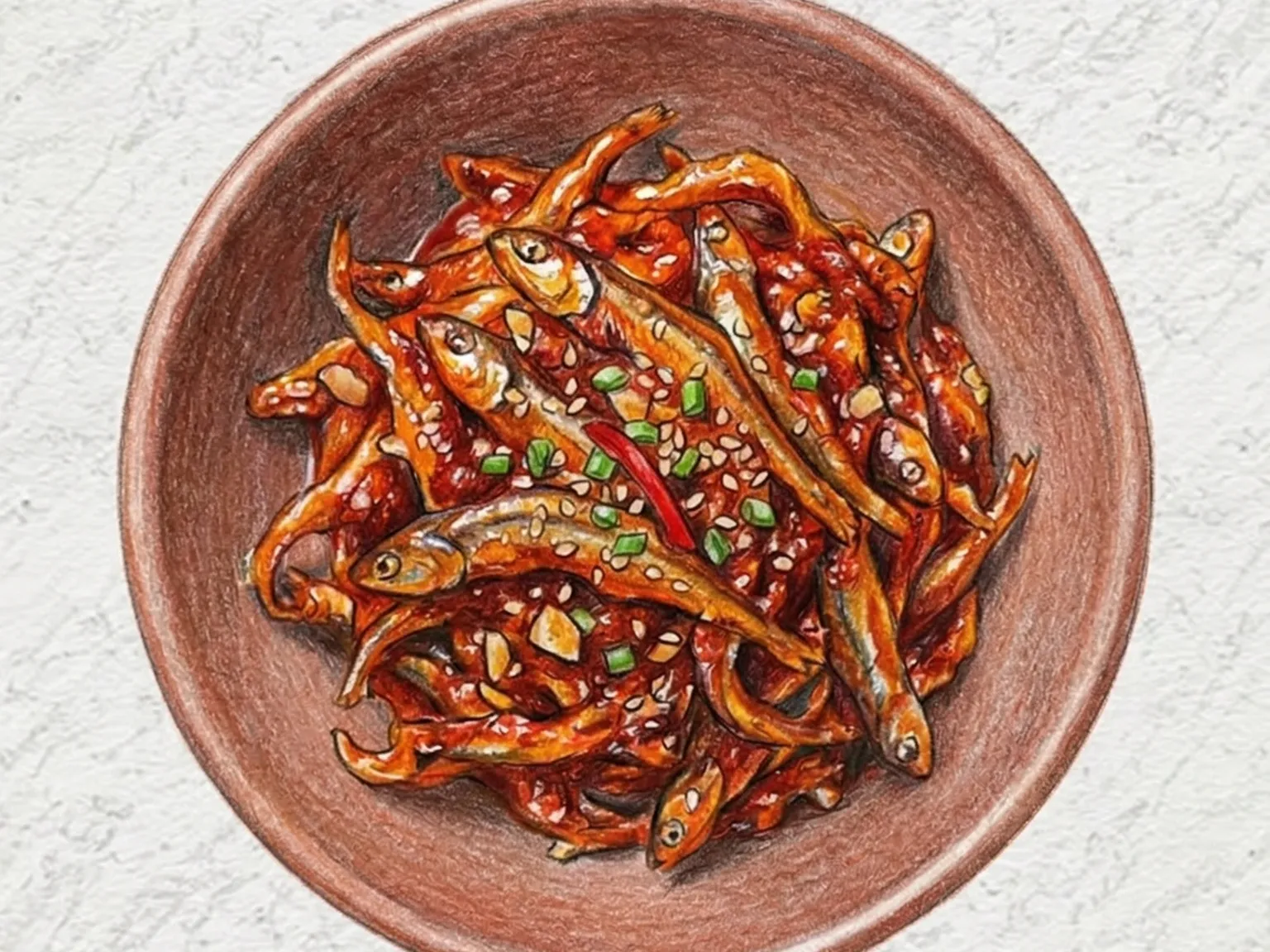
Maneuljjong-myeolchi-jorim is a Korean pantry side dish of garlic scapes and small dried anchovies glazed in soy sauce, oligosaccharide syrup, and sesame oil. The anchovies are coated evenly as the seasoning heats around them, building a sweet-salty shell that deepens into nuttiness with each bite. Garlic scapes are cut into short pieces and stir-fried directly in the sauce without blanching, which keeps them snappy rather than soft. Oligosaccharide syrup holds its shine and moisture longer than plain sugar, and sesame oil is added only at the very end to preserve its aroma. The finished dish keeps for well over a week under refrigeration, making it a reliable weekly batch cook. It travels well in lunchboxes, and spooned over hot white rice the glaze soaks into the grains and brings the whole bowl together.

🏠 Everyday 🎉 Special Occasion
Prep 15min Cook 18min 4 servings