Spinach Salad
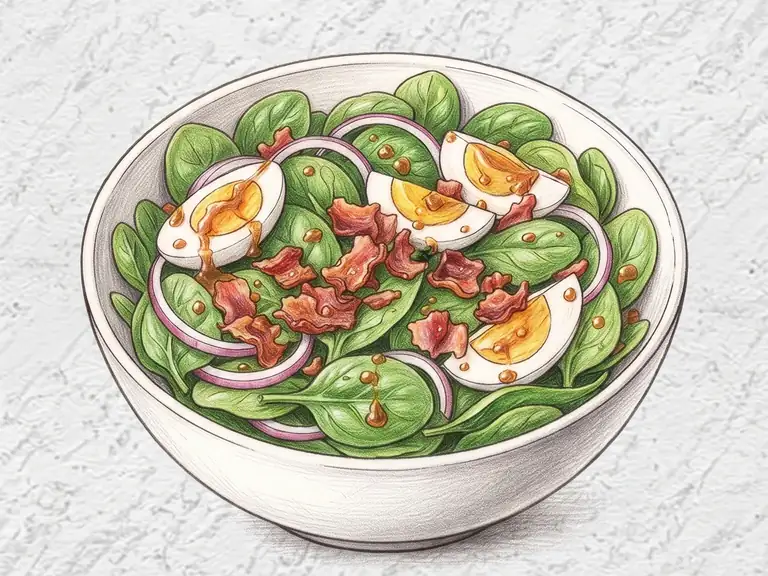
The bacon and the dressing can be made ahead; when it is time to eat, rewarm the dressing briefly if you like and toss. The dressing, made with the bacon fat, is tangy from red wine vinegar and tastes of Dijon mustard.
341 recipes. Page 14 of 15
As an Amazon Associate, we may earn from qualifying purchases.
The bacon and the dressing can be made ahead; when it is time to eat, rewarm the dressing briefly if you like and toss. The dressing, made with the bacon fat, is tangy from red wine vinegar and tastes of Dijon mustard.
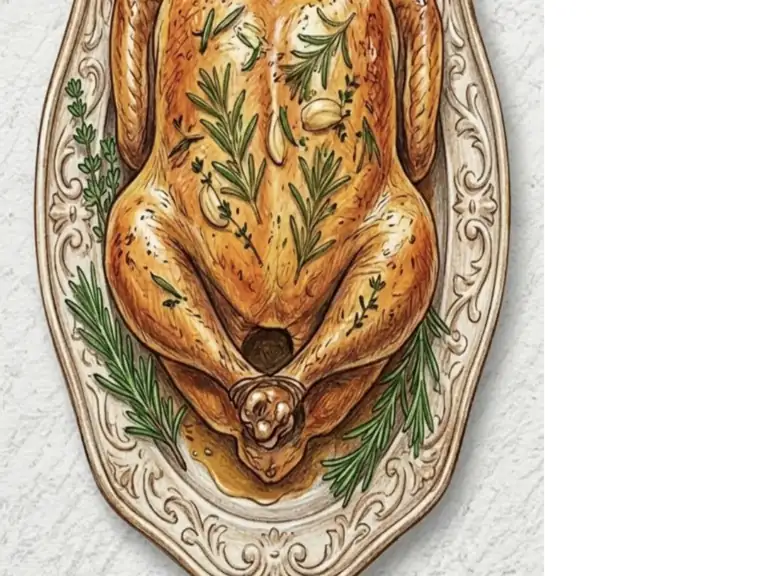
Butter mixed with rosemary, thyme, and garlic is pushed under the breast skin, where it melts during roasting and coats the leanest part of the bird. A lemon and the remaining herbs go into the cavity. The oven starts hot to color the skin, then drops lower to cook the meat through, and the drippings left in the pan become the base for a gravy. Letting the bird rest before carving keeps the juices in the meat rather than on the board.
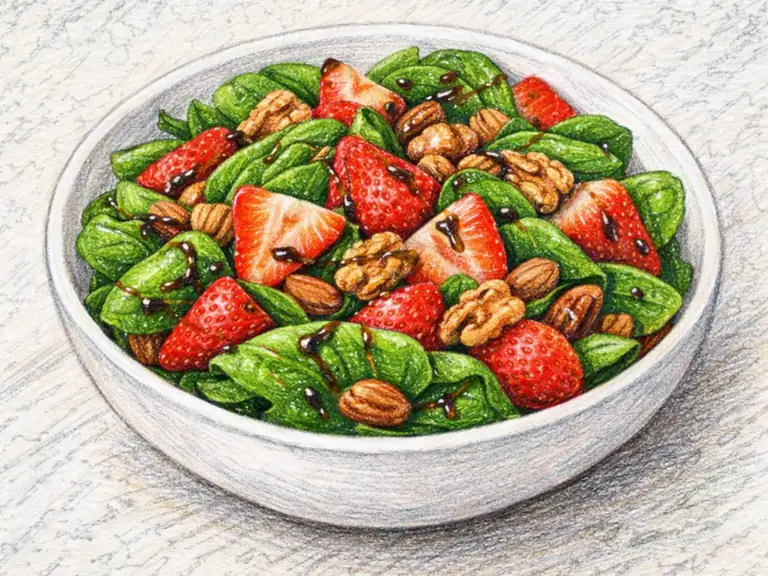
Thin slices of strawberry and a honey-balsamic dressing lay sweet and tart notes over tender baby spinach. Toasted walnuts and very thin red onion keep the salad from tipping into dessert, one with crunch and the other with a sharp bite.
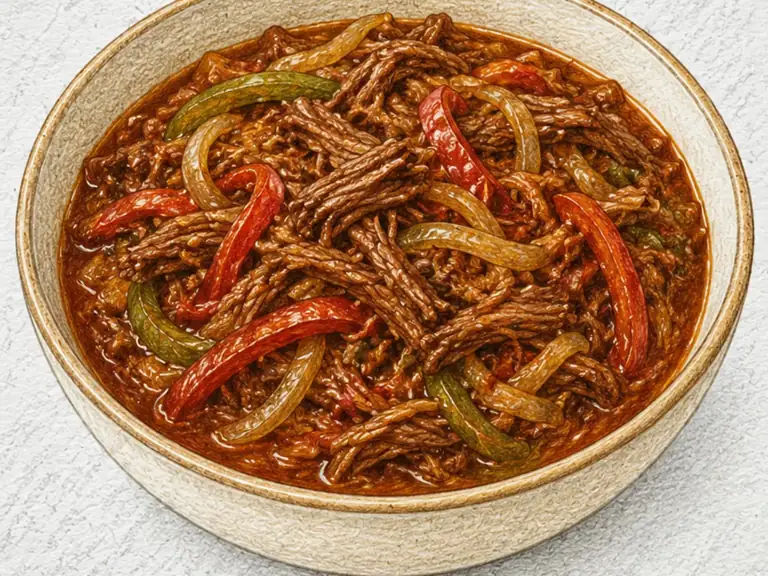
The name means 'old clothes' in Spanish, a nod to the beef pulled into thin shreds that look like rags. Chuck is simmered whole in water until it gives easily, then shredded along the grain and cooked again in a sauce of onion, green pepper, tomato, and paprika that every strand soaks up. The simmering liquid is kept rather than discarded and added as needed to loosen the sauce.
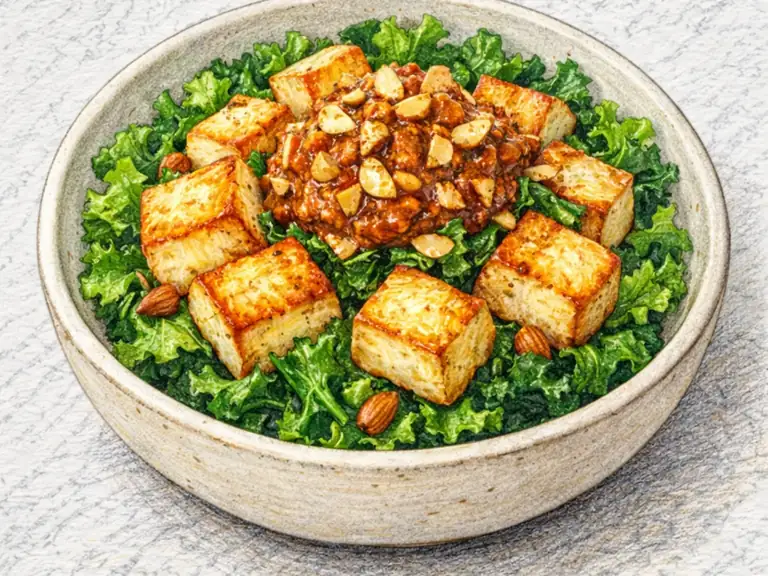
Thinned with lemon juice, ssamjang (the soybean and chili dipping paste used for Korean lettuce wraps) becomes a savory dressing sturdy enough for raw kale. The kale's slight bitterness suits that nutty, salty depth, and red cabbage and cucumber add juicy crunch. Golden pan-seared tofu edges and sliced almonds supply the crunch in the name; scatter the almonds at the last minute so they stay crisp.
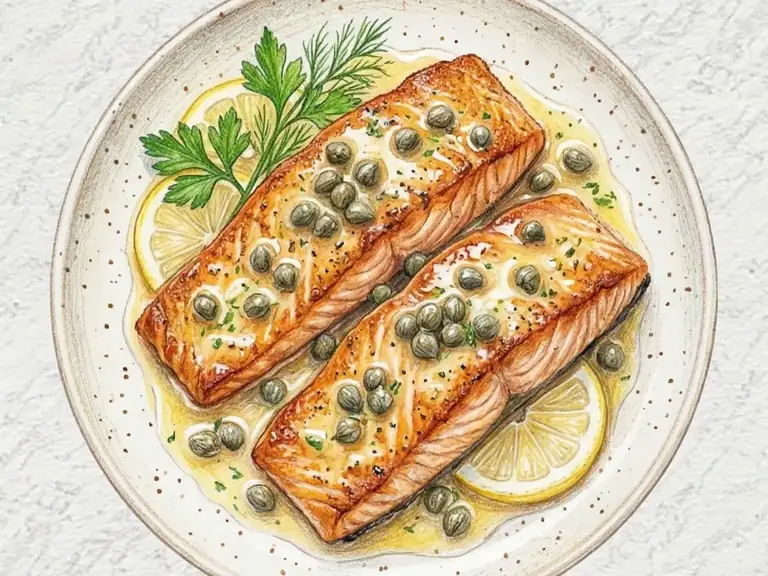
Lemon juice and capers give a sharp, salty edge to a butter pan sauce that cuts through the richness of salmon. A light dusting of flour gives the fillet a thin crust, and the browned bits left in the pan dissolve into chicken stock to start the sauce. The fish is only partly cooked in the first sear and goes back into the sauce for the last couple of minutes, so it stays moist instead of drying out.
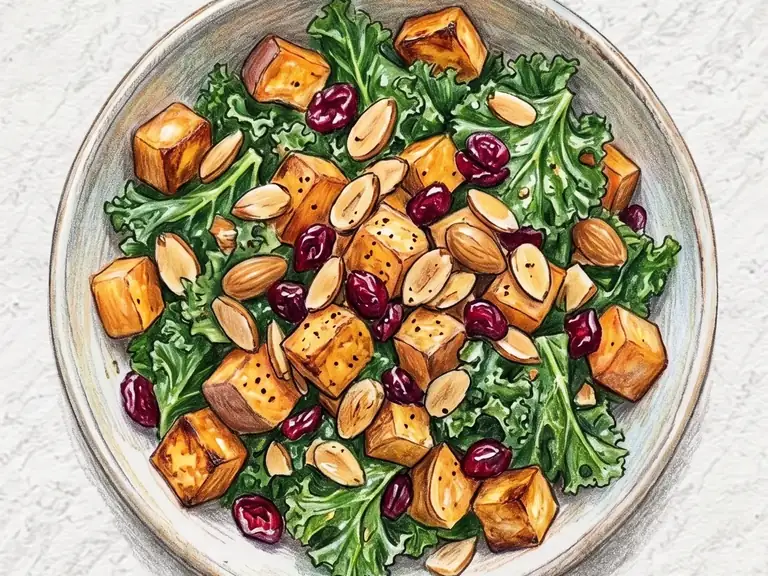
Sweet potato roasted until its edges caramelize gives sturdy, bitter kale a sweet counterweight, enough to make this a filling bowl on its own. Almonds add crunch and dried cranberries a sour note, while a Dijon, lemon, and honey dressing keeps it bright. Cool the roasted cubes completely before they meet the kale, since leftover heat softens the leaves too far, and lift gently from underneath when mixing so the cubes stay intact.
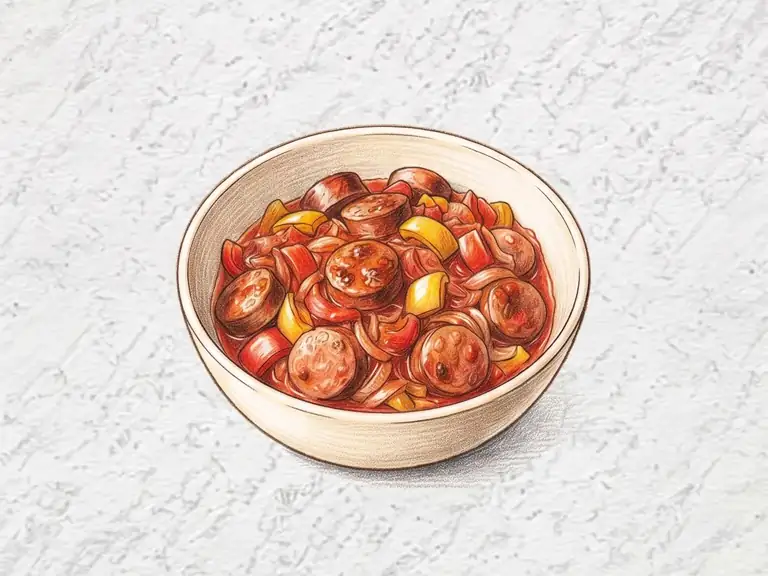
Use raw Italian sausage links. They are only browned at first, then cut up and returned to the pan, and the 20-minute simmer that finishes cooking them also reduces the tomatoes until the sauce clings to the peppers and onions.
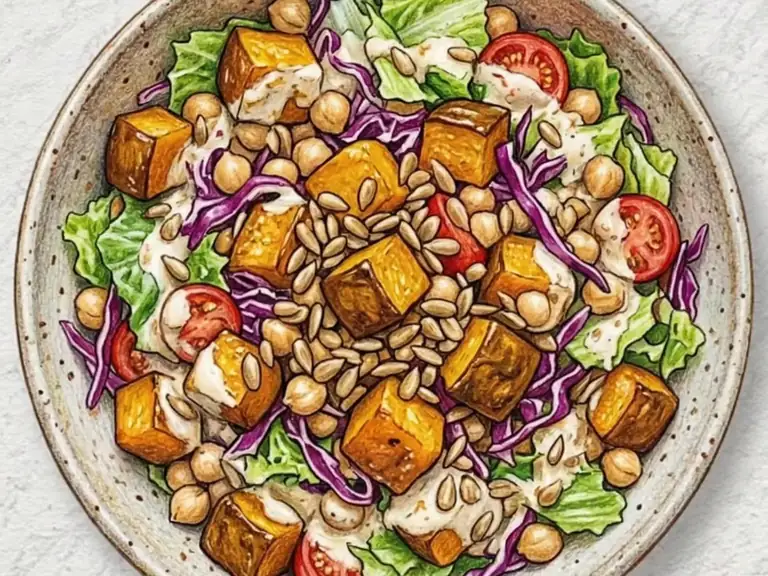
Whisking doenjang (Korean fermented soybean paste) into plain yogurt gives a dressing that starts tangy and finishes savory and salty, a lighter alternative to the usual mayonnaise. Roasted kabocha and chickpeas make the bowl filling, while lettuce, red cabbage, and grape tomatoes keep it crisp and juicy. Sunflower seeds go on at the very end so they keep their crunch.
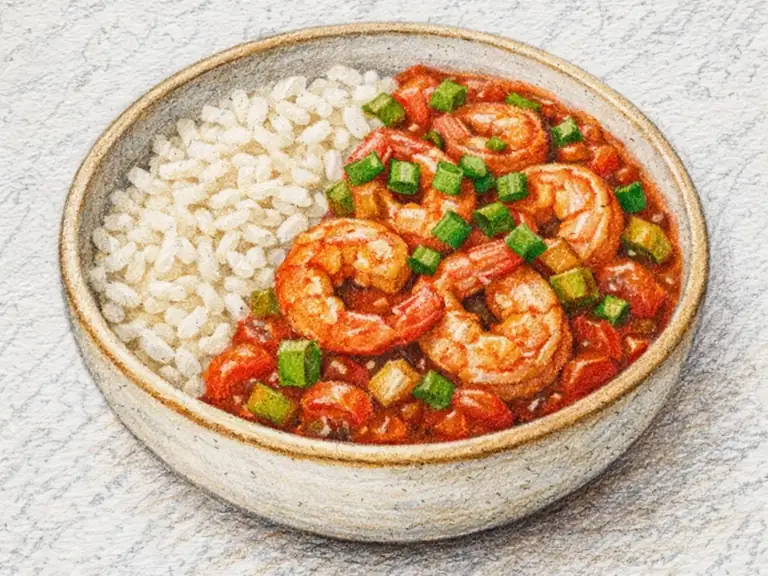
Shrimp creole leans on tomato rather than roux: whole tomatoes are crushed and reduced with onion, celery, and bell pepper until the sauce thickens on its own. That trio of vegetables, the classic Louisiana base, gives the sauce its savory depth, with paprika adding color. The shrimp go in at the end and come out as soon as they turn pink, then everything is spooned generously over warm rice.
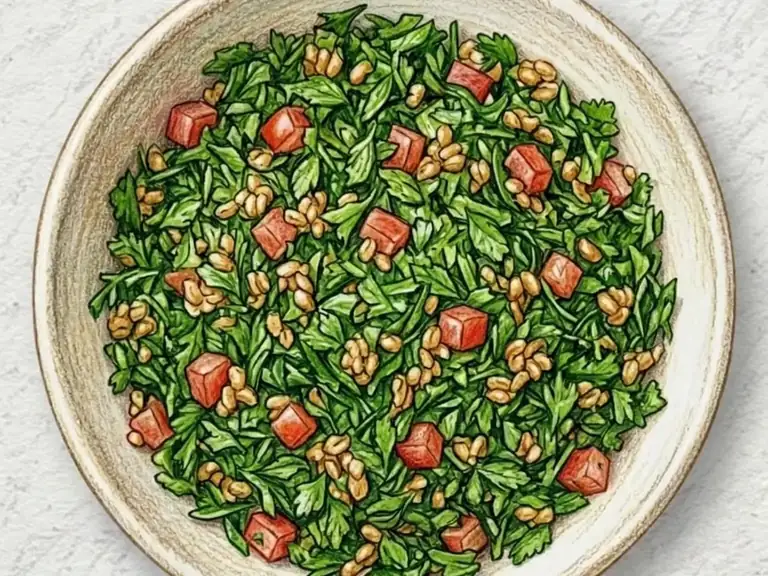
Parsley makes up most of the bowl, with grains of bulgur scattered through the chopped green rather than the other way round. Mint and lemon juice bring a cool, sour lift, and thinly sliced green onion adds a sharp edge. The herbs are chopped with a sharp, upright knife so the leaves are cut, not crushed, and keep their aroma. Mushy bulgur blurs into the herbs, and the soak stops while the grains are tender with a little chew left. Water from any of three places, the soaked bulgur, the washed herbs, or the tomato's seedy center, ends up as thin dressing pooled in the bowl. The cooled bulgur takes the dressing first and is seasoned on its own before the vegetables join it.
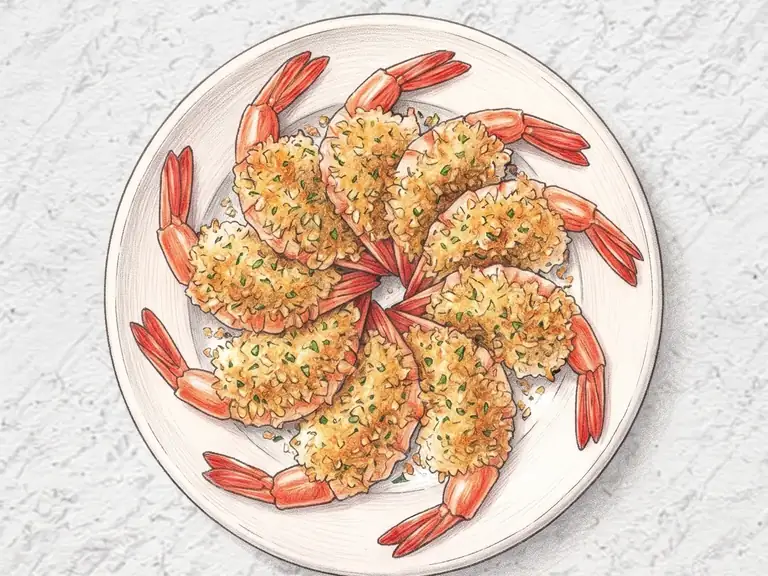
True to its name, the dish is flavored with dried oregano, which is split, along with the lemon zest, between the wine marinade and the crumb topping. Laid on their sides in a pinwheel with the tails pointing out, the shrimp each end up evenly covered with the garlic butter crumbs.
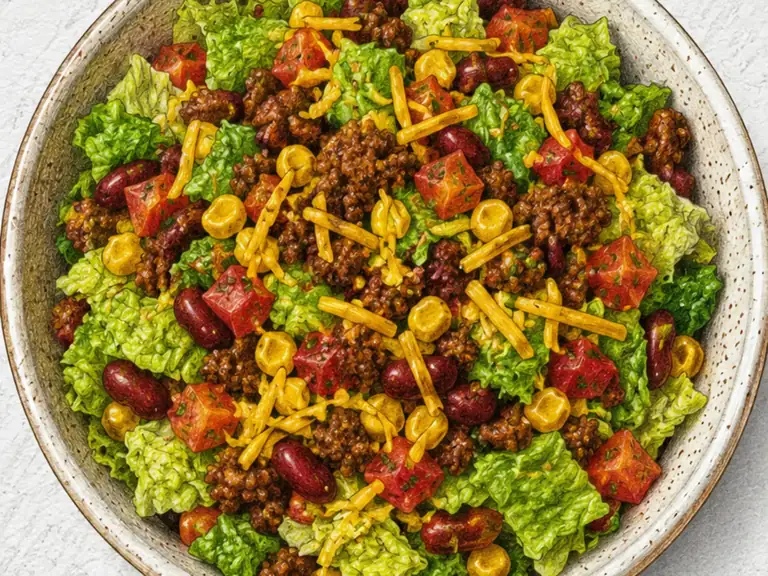
All the fillings of a taco, minus the tortilla: browned ground beef, kidney beans, corn, cheddar, and salsa piled over crisp romaine and finished with lime. Any water left on the romaine, beans, or corn joins the liquid from the salsa and lime and ends up pooled at the bottom of the bowl. Assemble just before eating, since the warm beef starts wilting the lettuce as soon as it lands.
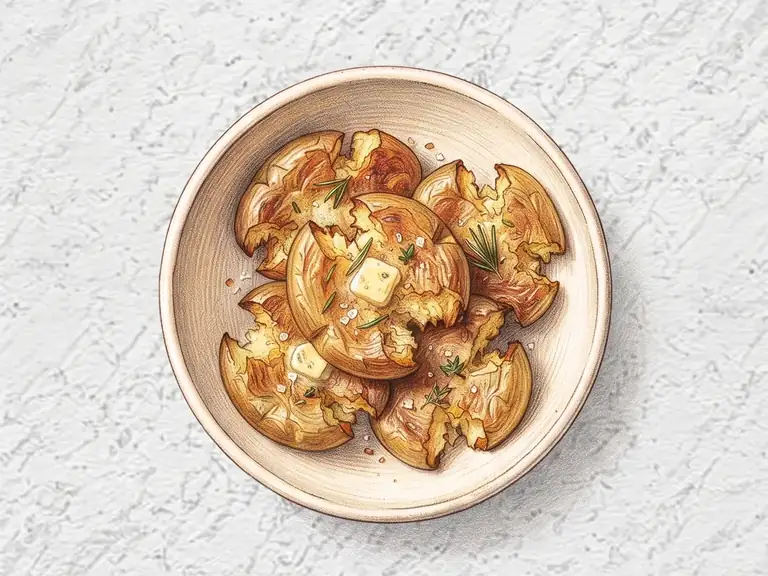
The boiling and flattening can be done up to a day ahead: refrigerate the flattened potatoes, then brush them with butter and roast them just before serving. A few minutes in the hot, empty pot after draining lets the surface moisture steam away, and drier potatoes roast up crisper.
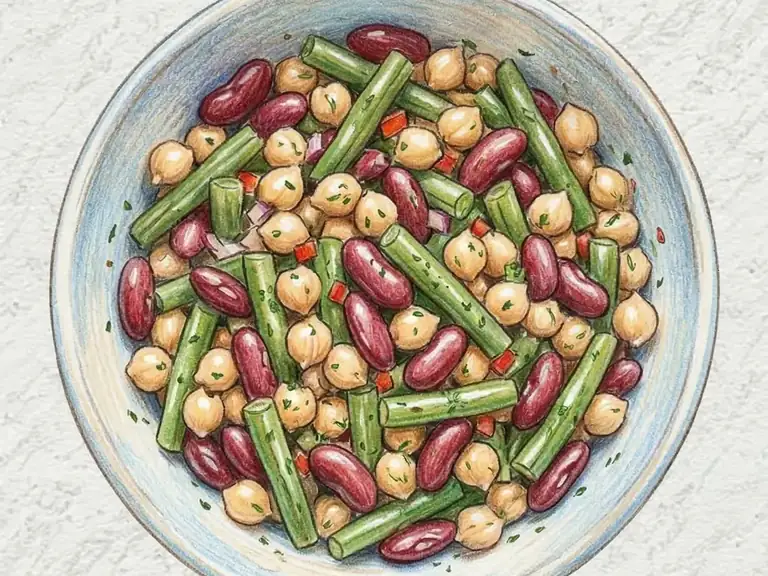
Canned kidney beans and chickpeas get blanched green beans for crunch and a dressing of cider vinegar and Dijon mustard. A night in the fridge lets the dressing work into the beans, and it tastes better the next day.
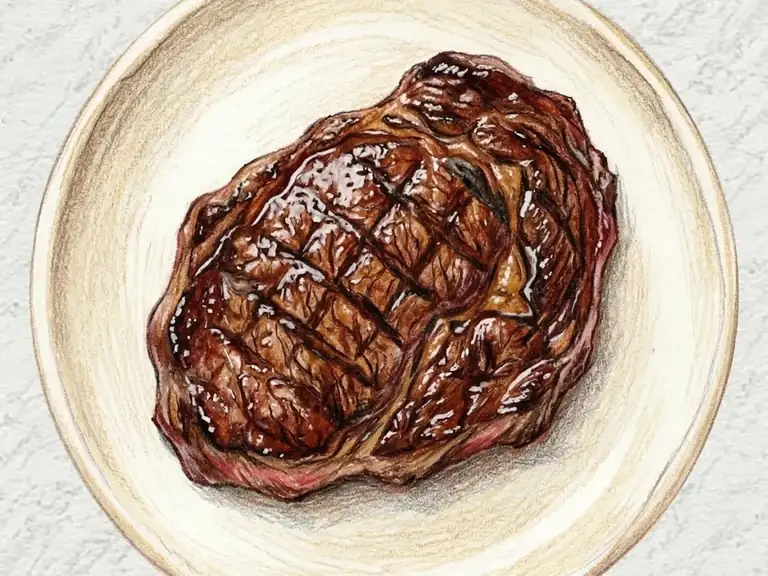
A dark, crisp crust and a pink, juicy center come from heat and a dry surface rather than from seasoning, which stops at salt and pepper. A damp steak in a pan that is not hot enough turns gray instead of brown. Butter melted with garlic and rosemary near the end gets spooned over the meat, adding a nutty, herbal layer to the crust. Potatoes on the side turn it into a full plate.
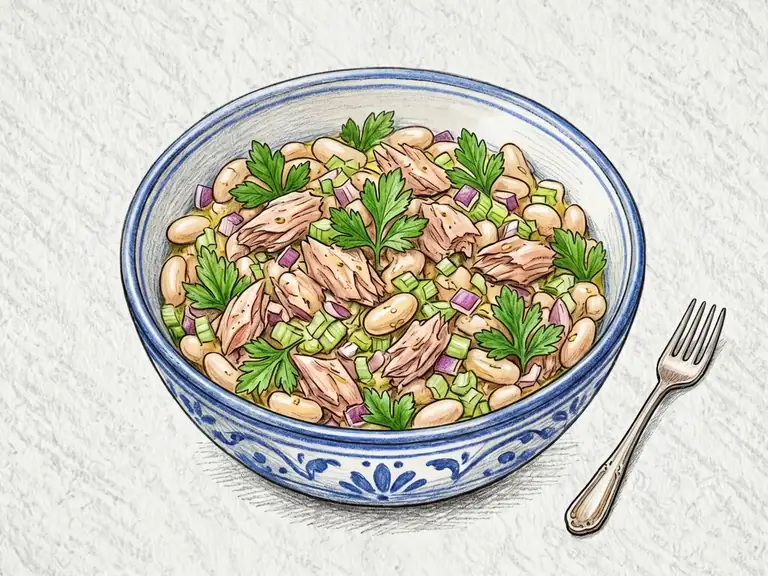
With olive oil and lemon doing the binding instead of mayonnaise, the canned tuna and white beans stay bright and sharp rather than heavy. Both sit in a sieve for at least 5 minutes first, since leftover liquid would thin the measured dressing. Celery and red onion bring crunch and bite against the soft beans, and parsley leaves finish it with a grassy note. The beans meet the dressing first, and the tuna, added afterward, stays in large flakes instead of turning into paste. Folding rather than stirring keeps the beans whole as well, and if dressing pools at the bottom after chilling, one gentle turn brings it back up.
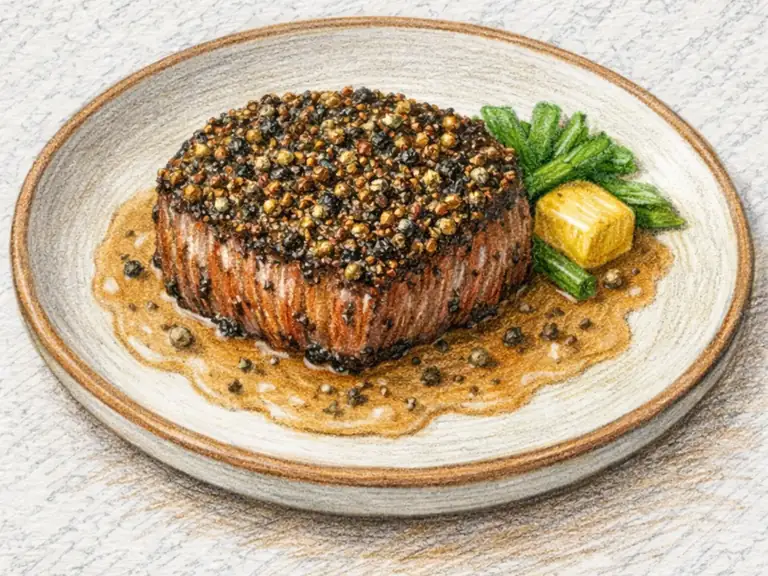
Coarsely crushed peppercorns pressed into the sirloin give every bite a sharp, aromatic crackle, while finely ground pepper would add heat but lose that fragrance. The sauce comes from the same pan, where the browned bits left by the steak meet shallot, brandy, cream, and Dijon. Cream rounds off the pepper's bite and the mustard adds a quiet acidity that keeps the sauce bright rather than heavy.
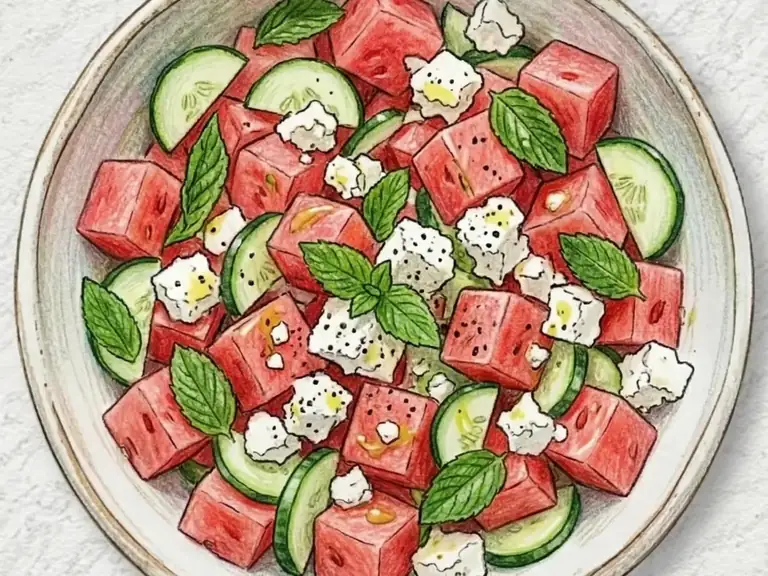
Cold, juicy watermelon against salty crumbled feta gives the sweet-salty contrast this salad is built on. Lime juice and mint keep the finish cool, while thin half-moons of cucumber add a different, firmer crunch. Because watermelon softens and leaks quickly, the salad suits eating right away on a hot day rather than making ahead.
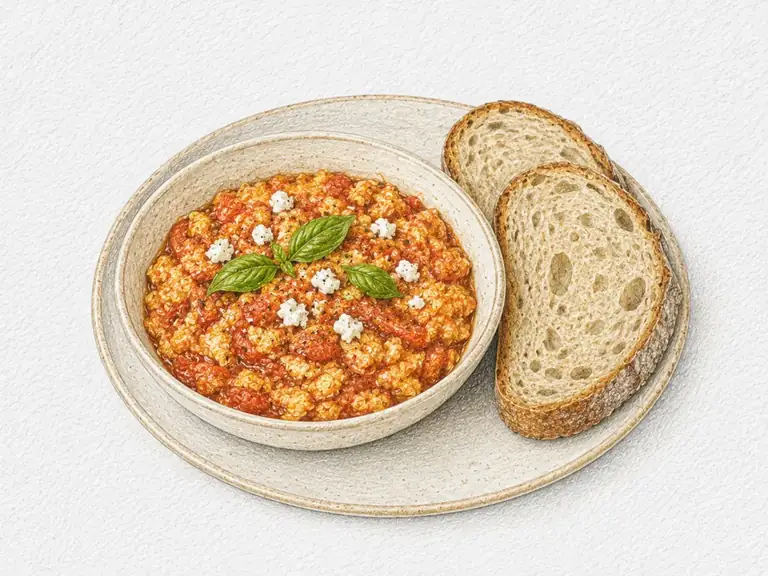
With so much tomato in the pan, the eggs end up as small soft curds scattered through red pulp instead of big scrambled pieces. The clear juice tomatoes release at first would water everything down. The tomatoes cook until the flesh collapses and no liquid pools when pushed aside, with a little tomato paste adding body in that short time. Cherry tomatoes counted one for one are not the same amount as small tomatoes. With feta bringing salt, a pinch is enough, and it goes to the table right away with bread before the eggs dry out in the leftover heat.
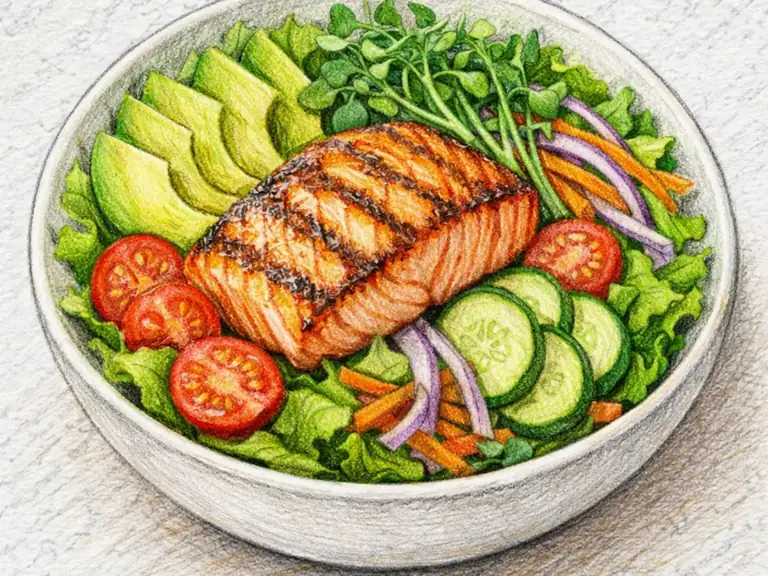
Salmon seared skin side down and broken into large flakes makes the plate eat more like a warm piece of fish with greens than a tossed salad. Searing time depends on thickness and heat, so doneness is judged by the thickest part reaching at least 63°C rather than by the color of the flesh. A soy, vinegar and garlic dressing cuts the oiliness, avocado adds creaminess, and red cabbage with radish sprouts brings crunch and a peppery edge.
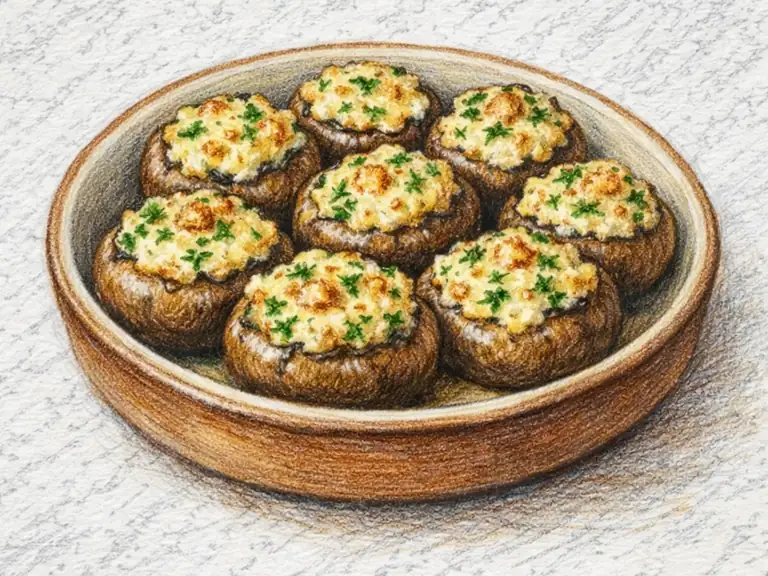
The mushroom stems are not thrown away: they are chopped, cooked with garlic and mixed into a filling of cream cheese, Parmesan and breadcrumbs that goes back into the caps. In the oven the top of the filling turns golden and the melted cream cheese mingles with the mushroom juices.
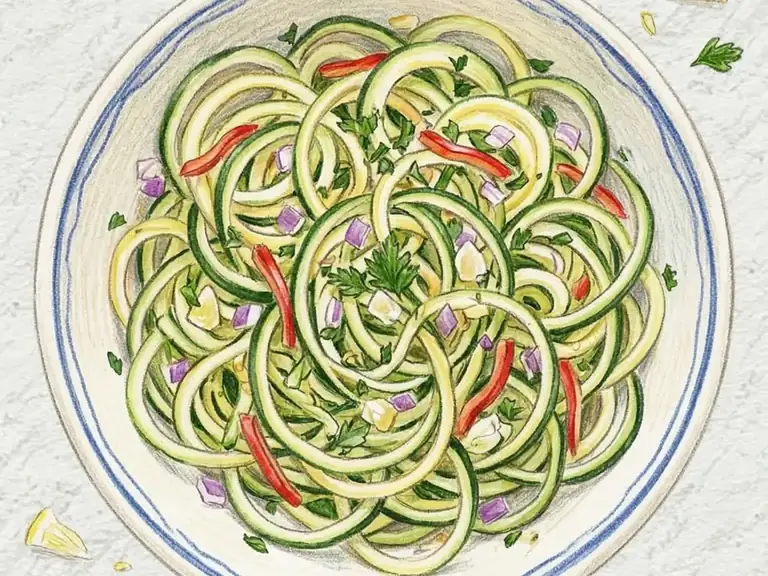
Raw zucchini shaved into long ribbons looks like pasta but bites crisp and juicy, since it never sees heat. Lemon juice and olive oil with finely minced garlic make a light, tart dressing, and Parmesan and basil add salt and fragrance on top. The watery, seedy core is left behind when shaving, and without it the strands stay firm longer. Zucchini releases water the moment it touches the dressing, and the ribbons are tossed only right before eating, once the dressing and toppings are ready. Lift the strands with tongs instead of pressing them, and move everything to the plate as soon as water begins to pool in the bowl.
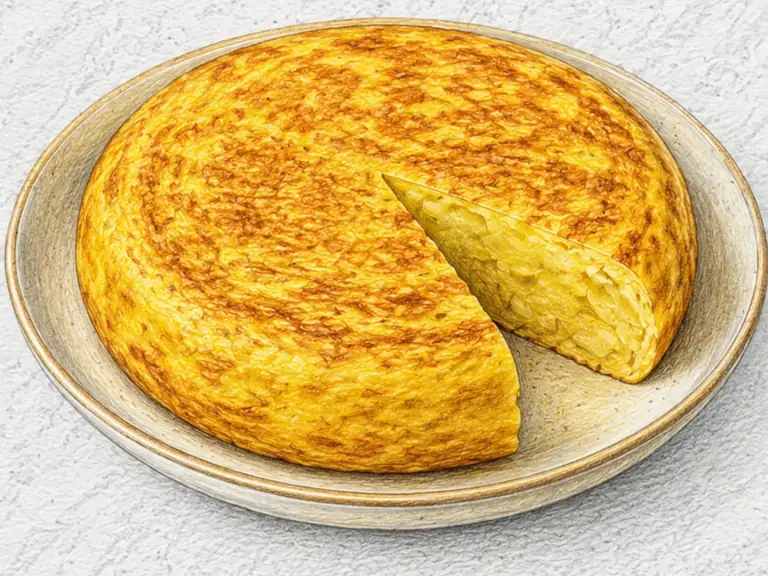
Potatoes cooked slowly in plenty of olive oil turn creamy and soft, while the same slices fried over high heat scorch outside and stay hard in the middle. That gentle start gives a Spanish tortilla its thick, tender layers once the eggs are added. The nerve-racking part is the flip: a plate goes over the pan and the half-set omelette turns out in one motion before sliding back in. Both sides end up golden, with a moist center.