Braised Squid Sundae in Spicy Sauce
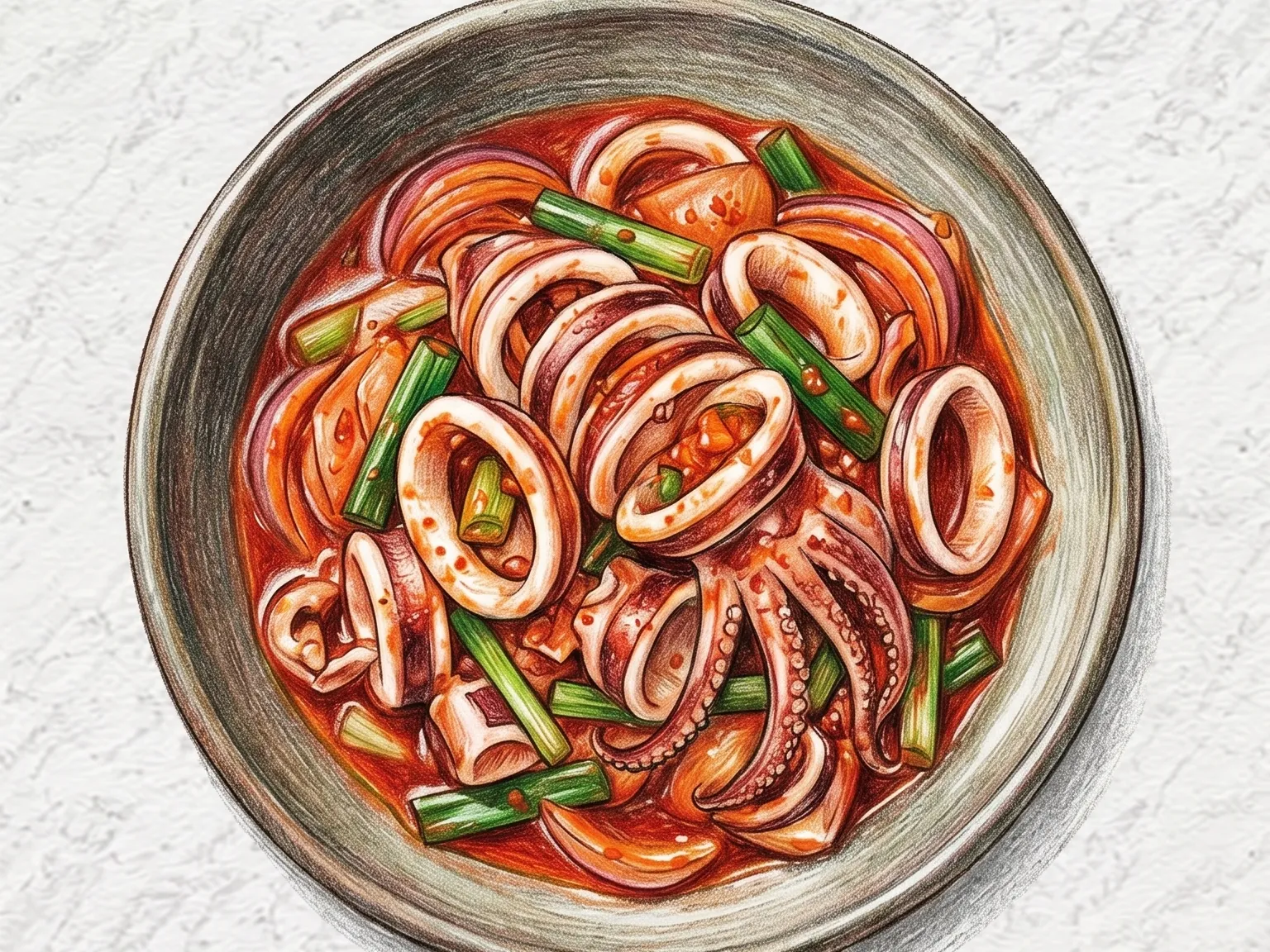
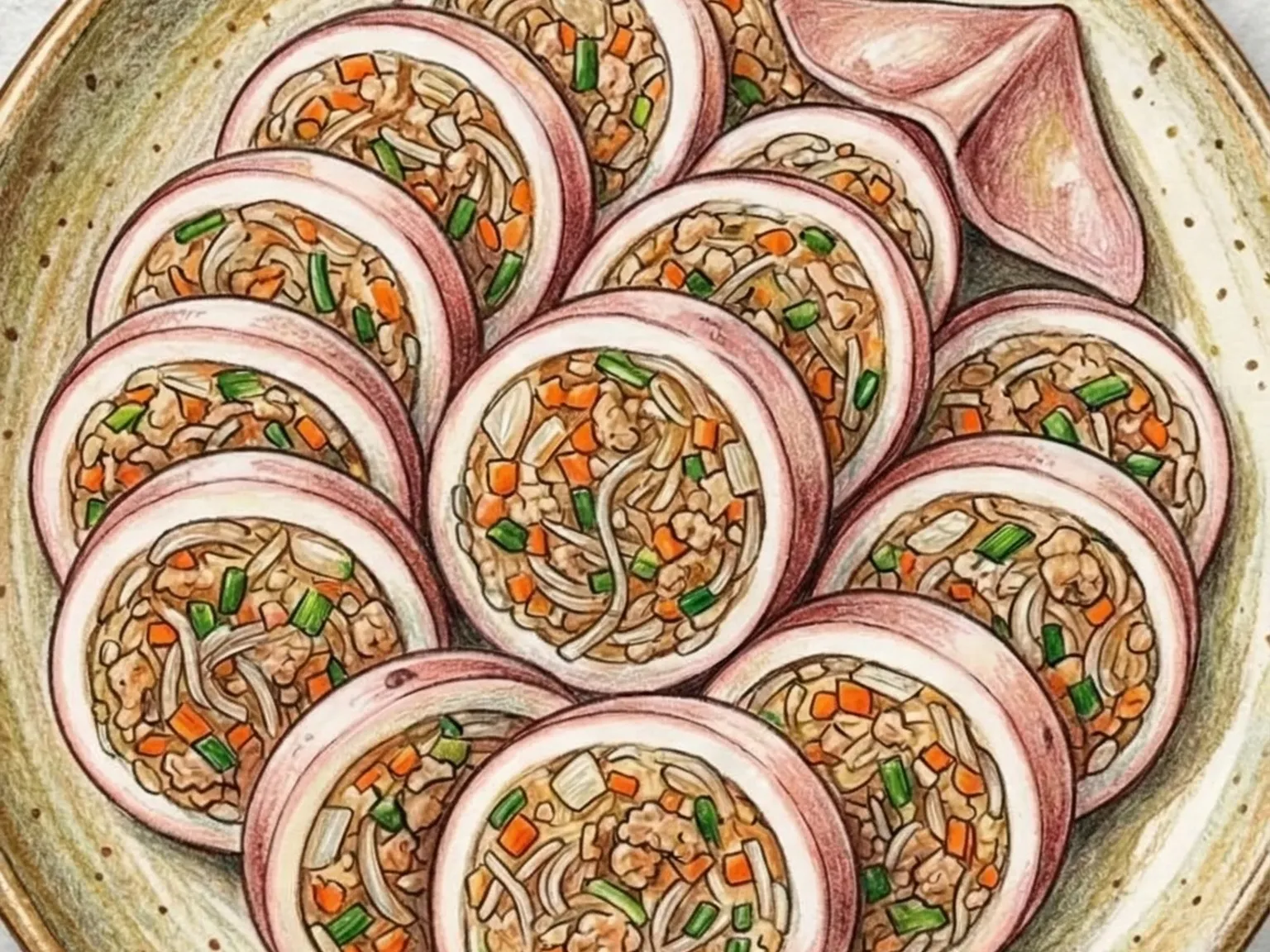
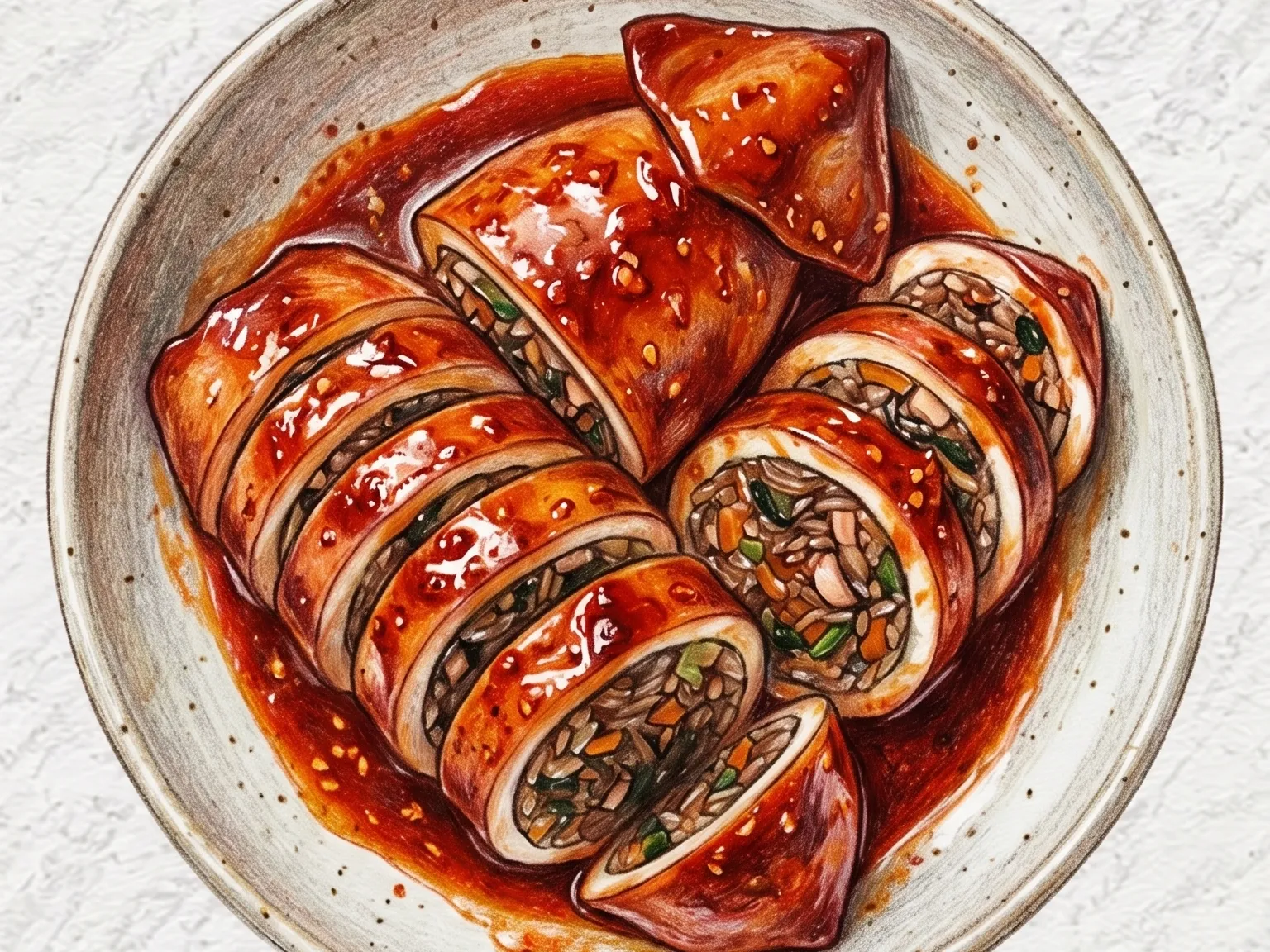
This dish features sliced squid sundae simmered in a sweet and spicy red chili paste sauce. The squid sundae is cut into thick 1.5 cm rounds before cooking, which helps prevent the seasoned stuffing from spilling out during the braising process. The sauce is prepared by mixing water, gochujang, red chili powder, soy sauce, minced garlic, and rice syrup in a wide pan. After boiling the sauce, the squid pieces are arranged in a single layer and simmered over low heat. Basting the slices with the sauce rather than flipping them frequently helps preserve their shape and keeps the cross-section intact. The rice syrup thickens the chili paste base into a glossy, sticky glaze that coats the squid. A drizzle of sesame oil at the end adds a savory finish.
Korean Braised Spanish Mackerel with Radish
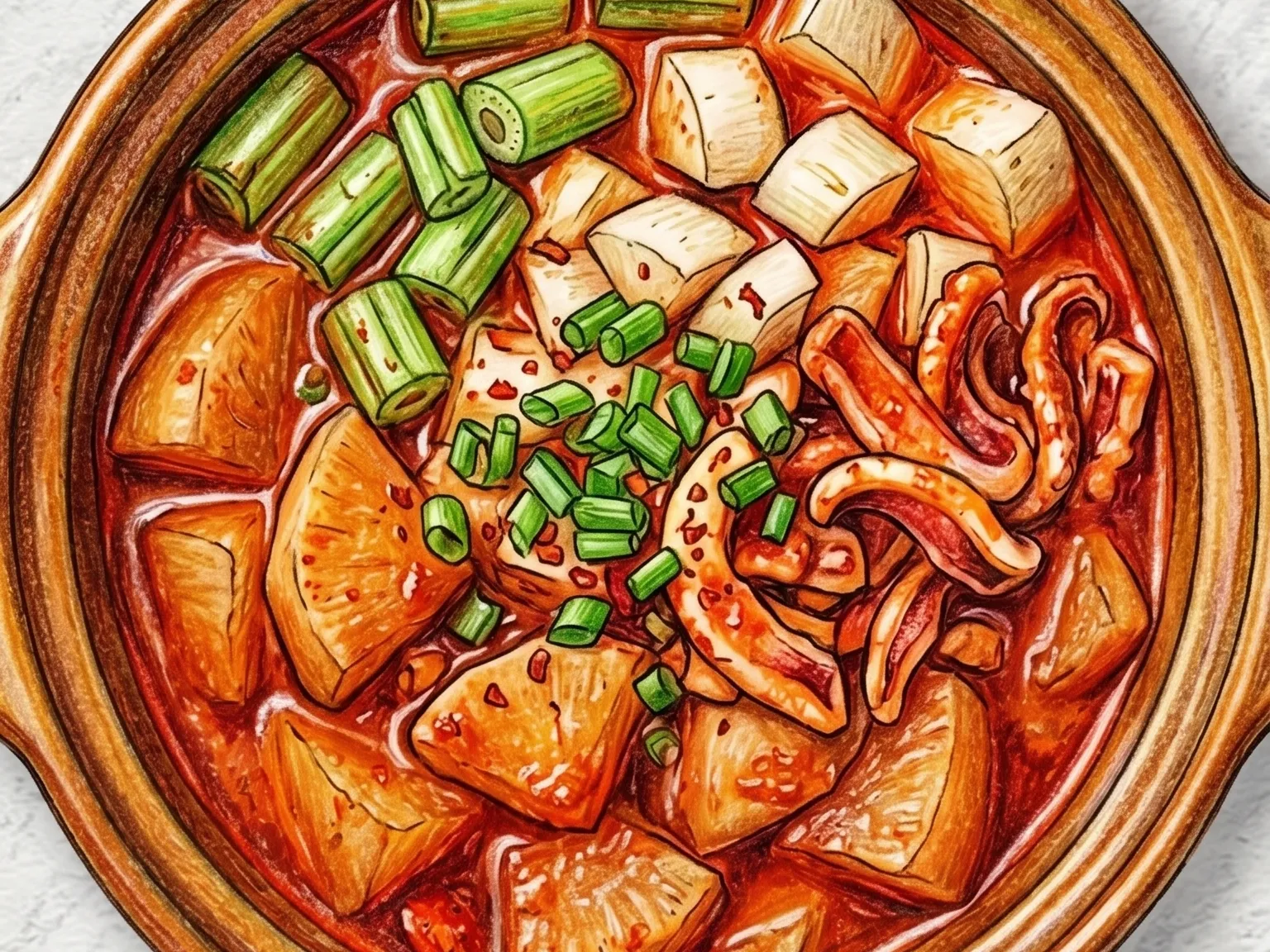
Samchi mu-jorim layers sliced Korean radish on the bottom of a pot, topped with Spanish mackerel steaks and onion, then braised in a sauce of gochujang, soy sauce, gochugaru, and garlic. The radish prevents the fish from sticking, absorbs the braising liquid, and turns translucent-soft as it cooks. Rather than flipping the fish, the sauce is spooned over the top repeatedly so the flesh stays intact. After about fifteen minutes of simmering on medium heat, the liquid reduces to a concentrated, mildly spicy broth with the radish's subtle sweetness woven through it.
Mushidai (Whole Sea Bream Steamed with Okara Stuffing)
Mushidai is a Kochi celebration dish built around a whole sea bream of about 1 kg. The fish is opened from the back while its fins and overall form remain intact, salted lightly overnight, filled with 500 g okara seasoned with burdock, carrot, shiitake, leaf garlic, eggs, and sugar, then steamed whole for about 45 minutes. A sweet potato steams beside it as a traditional doneness indicator; when a skewer passes through the potato, the fish is checked. Sieved hard-boiled egg yolk finishes the surface. Presented whole on a large sawachi platter, it belongs at weddings, New Year gatherings, and Kochi banquets called okyaku. The center bones are traditionally retained for flavor, so diners must remove bones carefully.
Koobuirichii (Stir-Simmered Kelp and Pork)
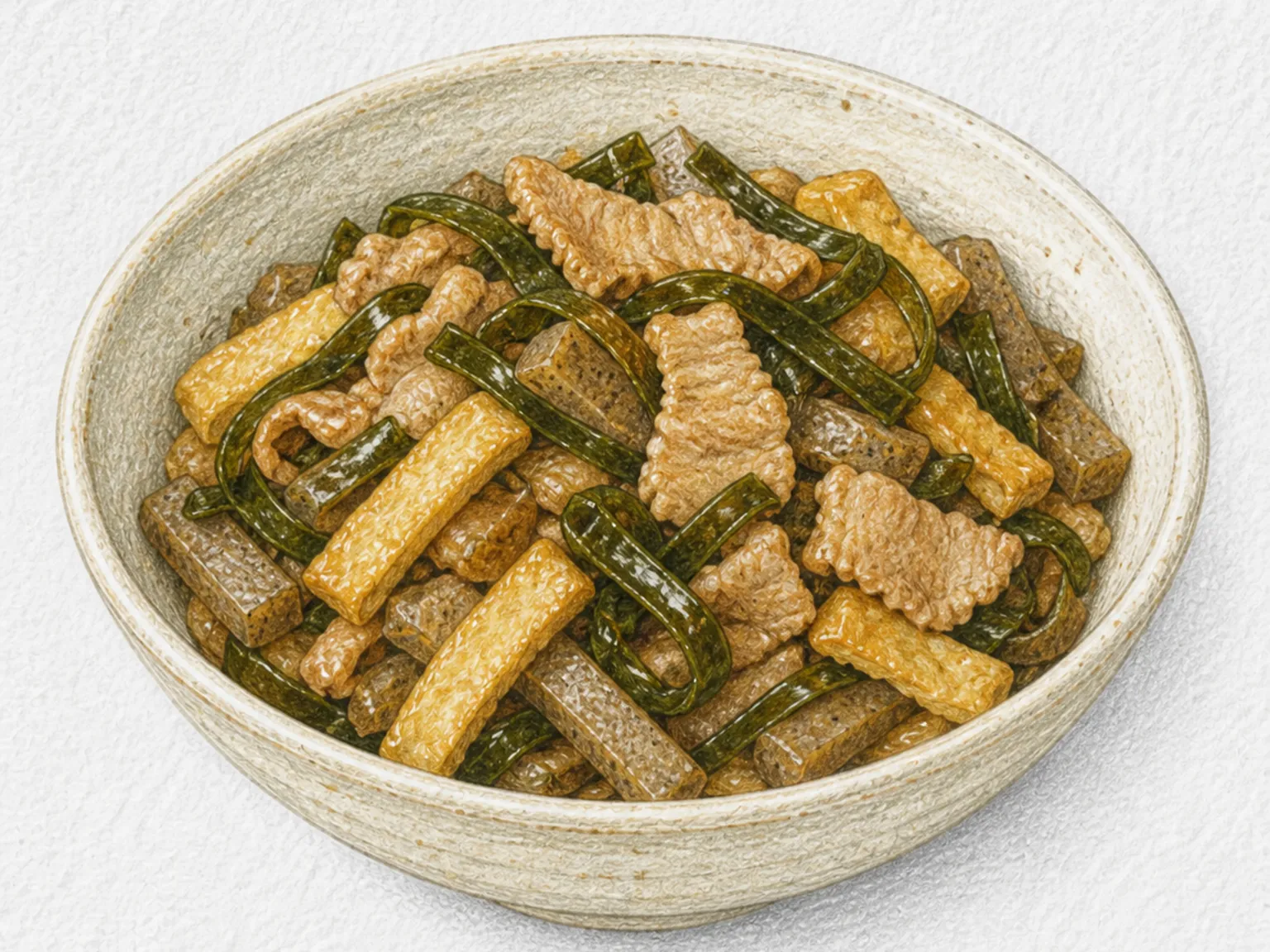
Koobuirichii is an Okinawan stir-simmered dish in which rehydrated kelp is first coated thoroughly with oil, then slowly cooked with pork stock and seasoning until tender. Kubu means kelp, while irichi refers to frying dried foods or root vegetables before simmering them so they absorb flavor. Boiled pork belly and konnyaku are seasoned separately with sugar, mirin, sake, and soy sauce, then added with their cooking liquid once the kelp begins to soften. Kamaboko and fried tofu go in only when very little broth remains, preserving their shape in the rich sweet-savory glaze. A word association between kombu and yorokobu, meaning to rejoice, made the dish important at weddings and other celebrations. It is now also prepared regularly as home cooking across Okinawa.
Korean Steamed Duck with Chives
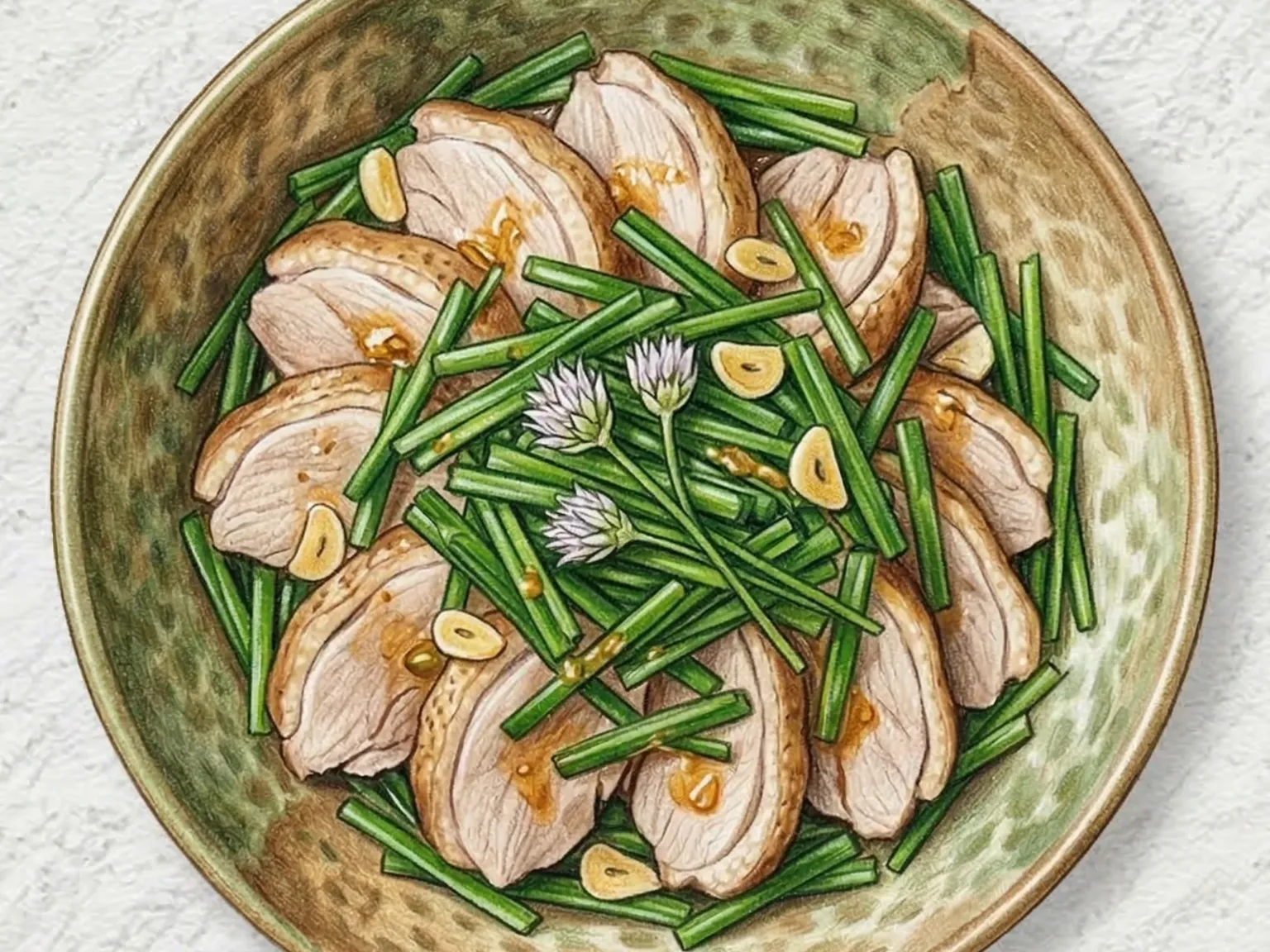
Ori-buchu-jjim is a Korean braised duck dish where duck meat is marinated in soy sauce, cooking wine, garlic, and black pepper, then placed over a layer of sliced onion with water added and the lid on. Over thirty minutes of steady heat, the fat rendered from the duck is skimmed away periodically, which removes the gamey heaviness and keeps the final result clean on the palate. Fresh garlic chives go in only at the end, wilting just enough to soften while releasing their sharp, green fragrance into the pot. That herbal sharpness is precisely what balances the deep, fatty richness of duck. As the liquid reduces near the end of cooking, the soy-based marinade thickens and clings to the surface of each piece, glazing the meat with concentrated seasoning. Duck has long been regarded in Korean food culture as a restorative ingredient, and this preparation honors that reputation by delivering full flavor while skimming away the excess fat. It is a main course suited to summer tables when the body needs replenishment.
Korean Selleri Sogogi Bokkeum (Celery Beef Stir-fry)
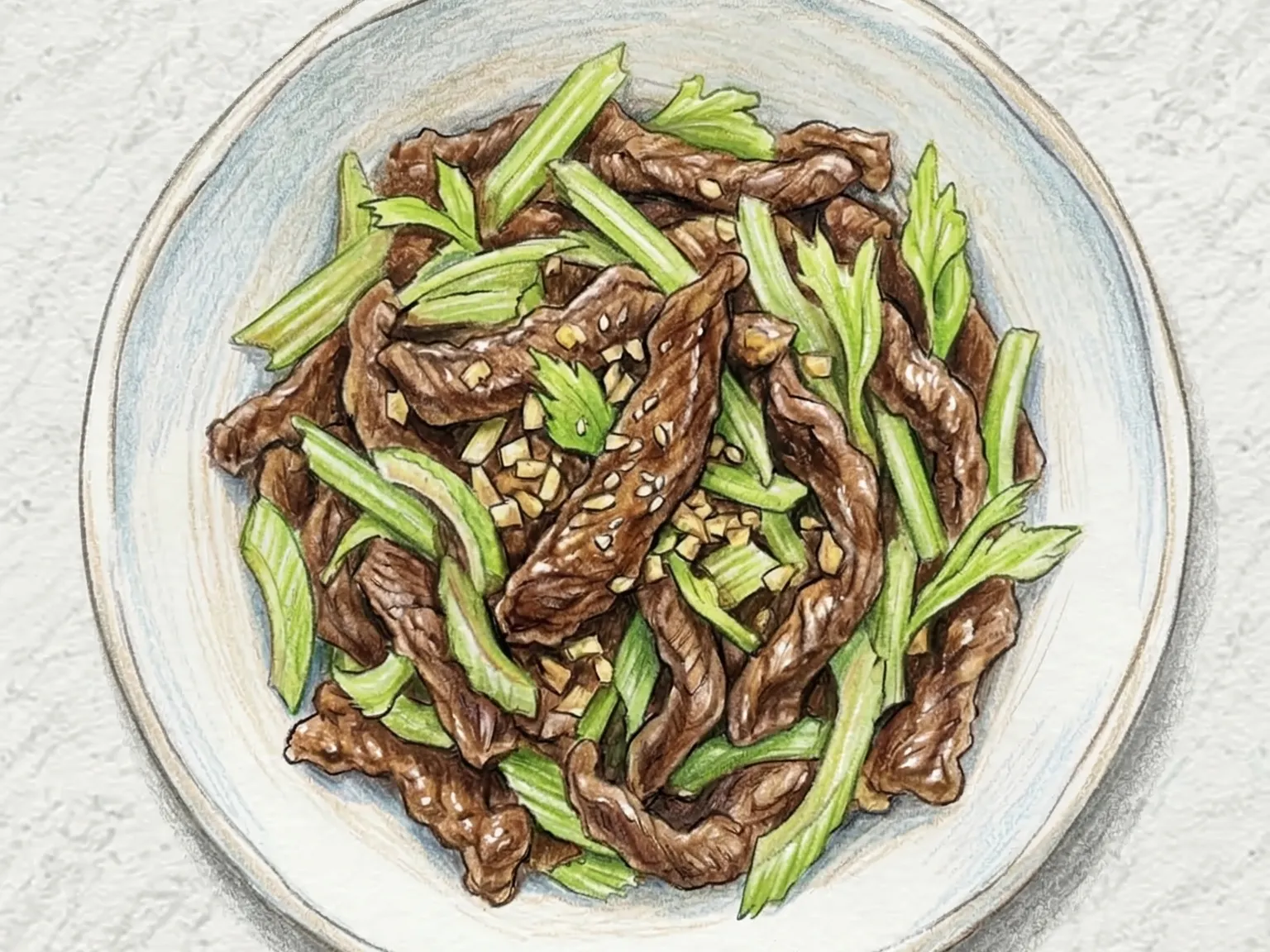
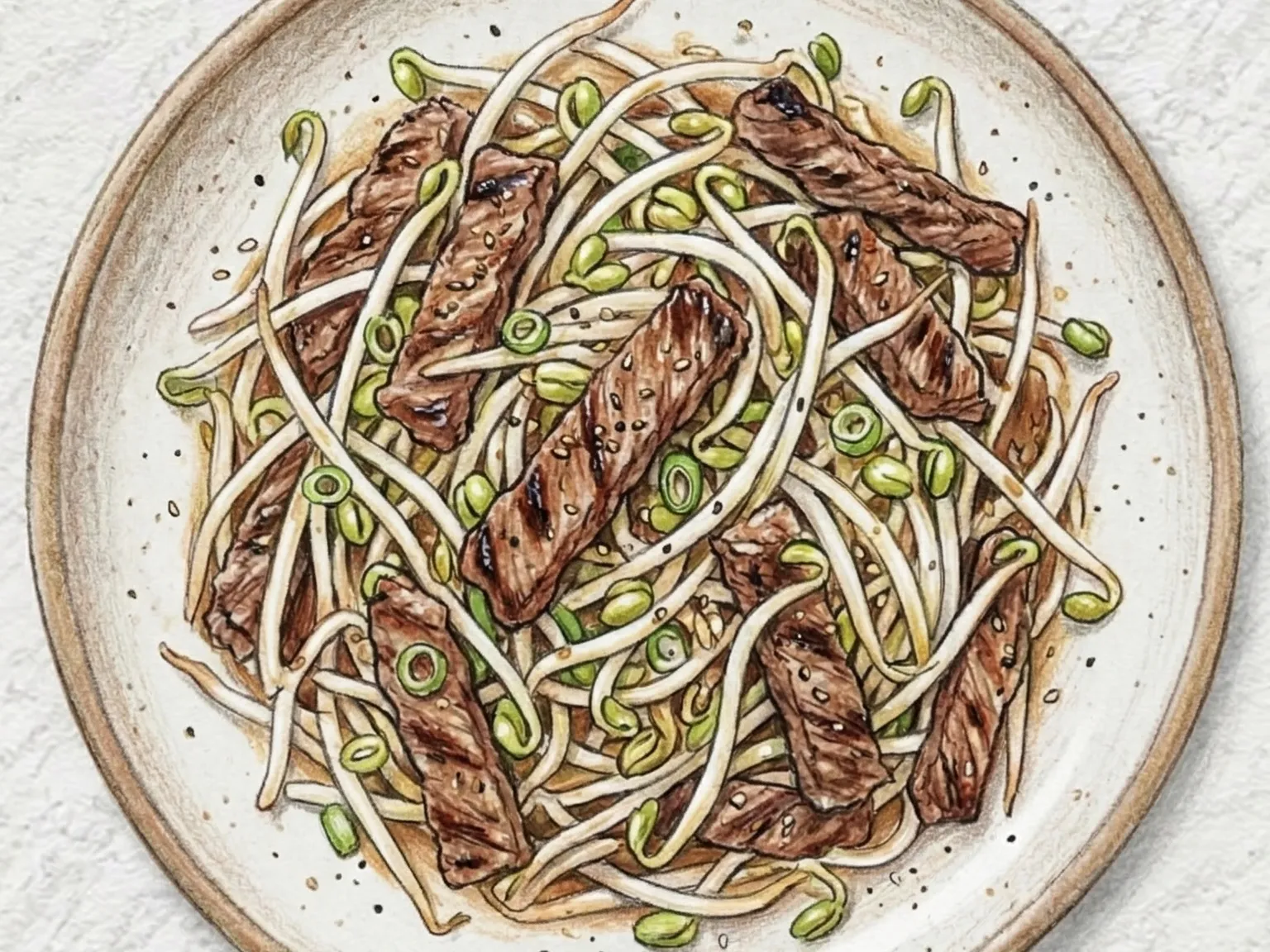
Selleri sogogi-bokkeum stir-fries soy-marinated lean beef round with celery, onion, and bell pepper over high heat. The beef is seared first for about two and a half minutes then set aside, and the vegetables are cooked separately in the same pan to keep them crisp before everything is combined. Oyster sauce and soy sauce give the beef a deep umami character, while celery's herbal freshness and firm crunch lighten the overall dish. Adding celery leaves at the very end intensifies the aromatic, almost grassy fragrance.
Cantonese Steamed Seabass
Qingzheng seabass is a Cantonese steamed fish preparation in which a whole seabass is scored, rubbed with julienned ginger and rice wine, then cooked over high heat in a steamer for ten to twelve minutes. Once the fish comes off the steam, a restrained dressing of soy sauce and sugar is poured evenly over the flesh, a generous pile of shredded scallions is laid on top, and smoking-hot oil is drizzled over everything. The oil hits the cold scallions with an audible sizzle and instantly volatilizes their aromatic compounds, filling the kitchen with a concentrated burst of allium fragrance that coats the entire dish. The steamed flesh stays moist with its natural flake intact, and the light soy dressing is calibrated so that the seabass's own clean, delicate flavor remains the centerpiece rather than being buried under seasoning. The finishing pour of hot oil simultaneously cooks the scallions and disperses their fragrance, a technique central to Cantonese cooking. The dish embodies the Cantonese philosophy that the quality of the ingredient, not the intensity of the seasoning, defines the outcome.
Korean Sautéed Spinach (Garlic Soy Sesame Spinach Side)
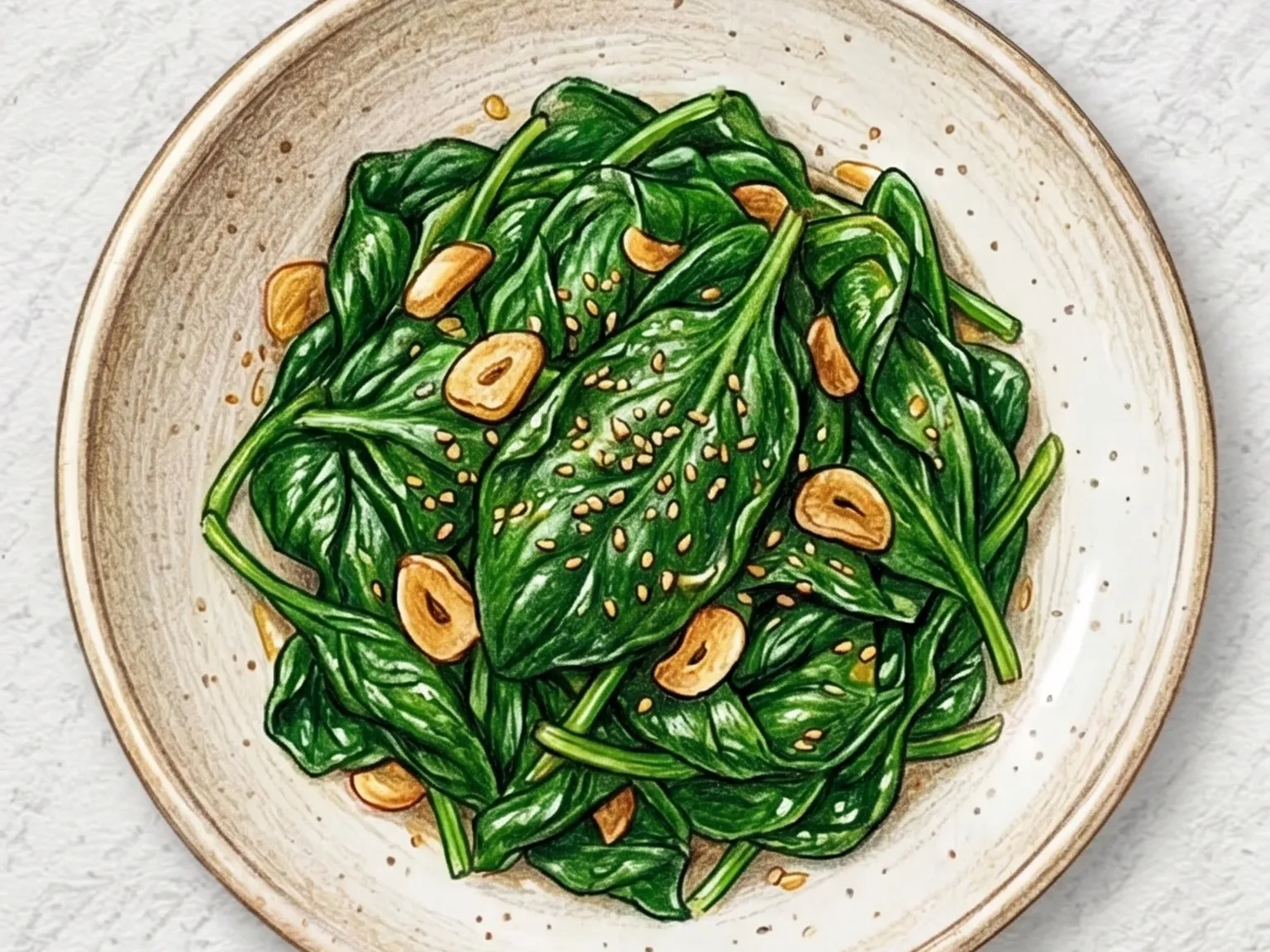
Sigeumchi-bokkeum is a Korean sauteed spinach side dish cooked in under five minutes -- spinach is stir-fried with sliced garlic in a hot pan with cooking oil for just two minutes, then seasoned with soy sauce. Draining the spinach thoroughly before cooking is essential; otherwise excess water pools in the pan and steams the leaves instead of searing them. Sesame oil and toasted sesame seeds added at the end provide a nutty finish that tempers spinach's mild grassiness. The brief cooking preserves the leaves' deep green color and most of their nutrients.
Korean Braised Tofu and King Oyster Mushrooms
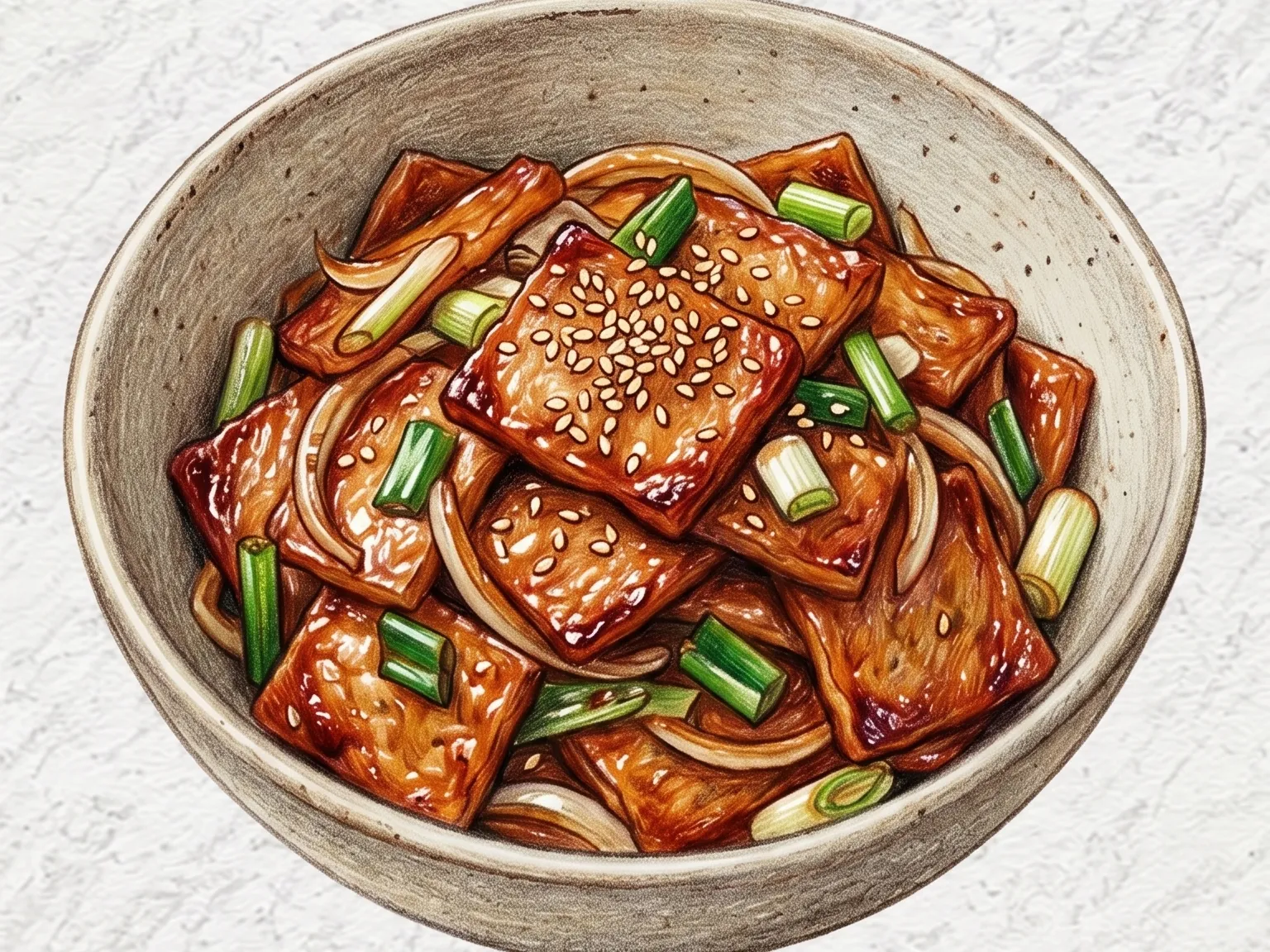
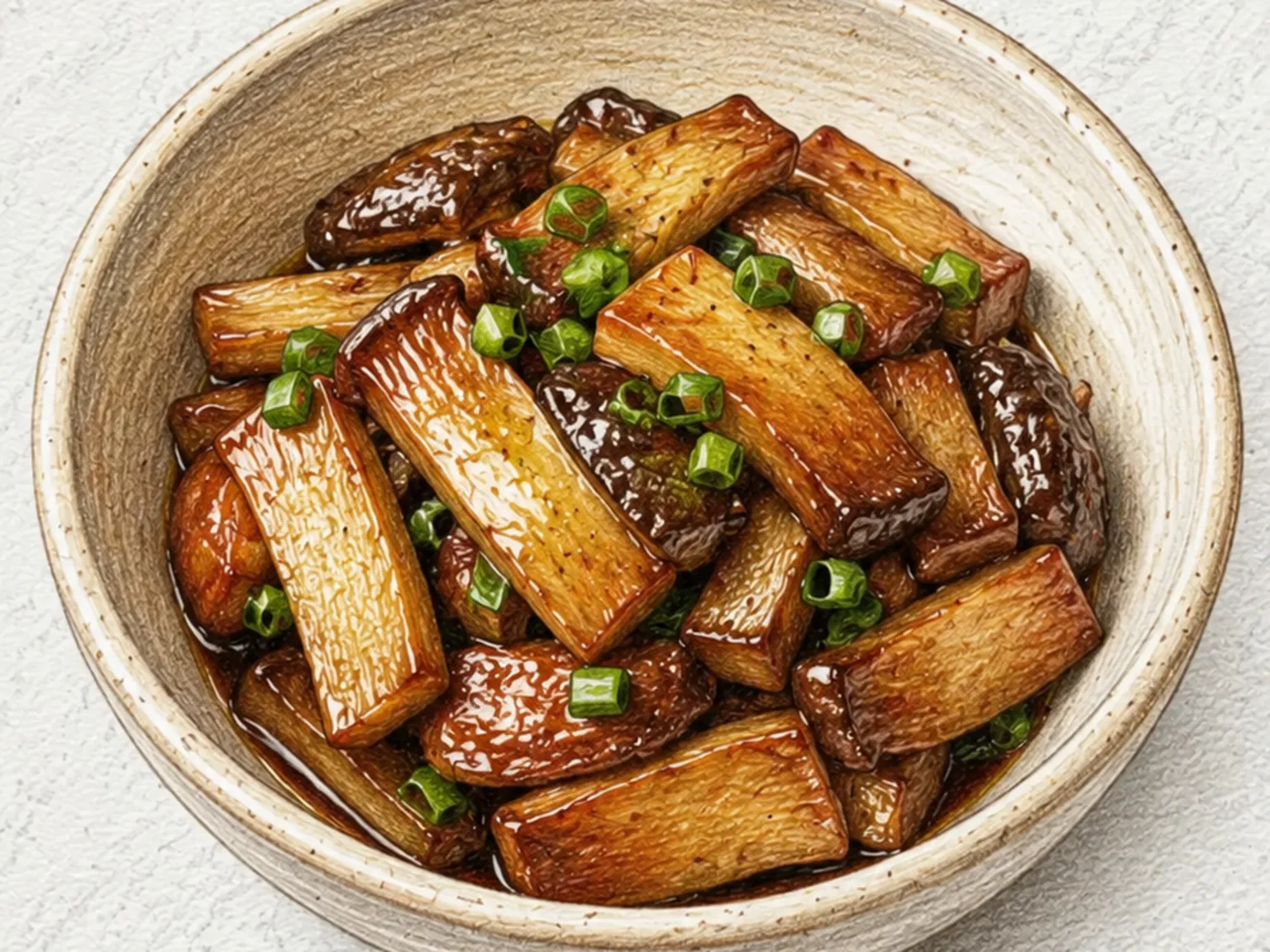
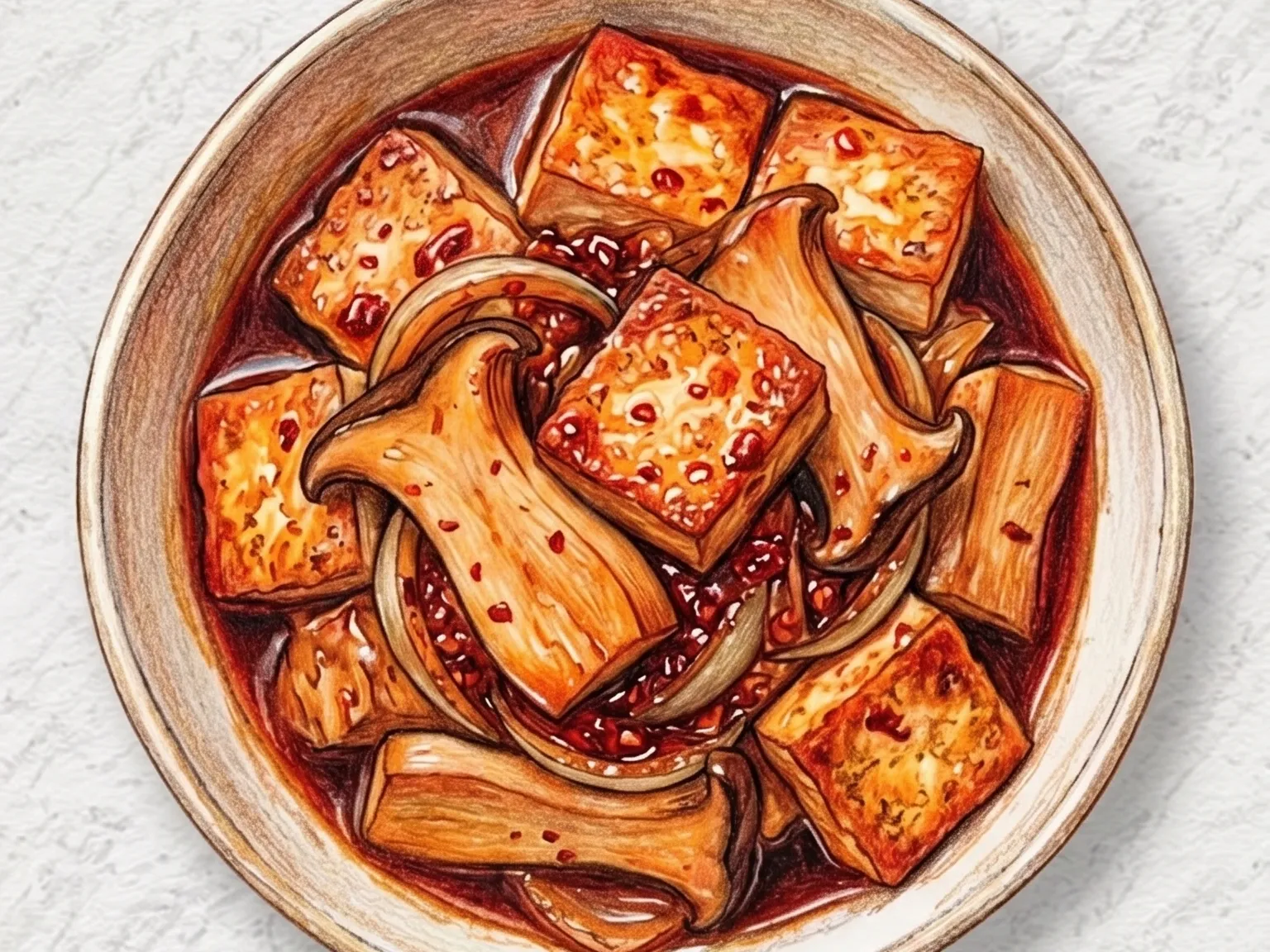
Saesongi dubu yangnyeom jorim is a braised side dish of firm tofu and king oyster mushrooms cooked down in a sauce of soy sauce, gochujang, and Korean chili flakes until the liquid is nearly gone and every surface is glazed. Pan-searing the tofu first over low heat until golden builds a crust that keeps it intact through braising and gives the seasoning somewhere to grip. Thick-cut king oyster mushrooms stay springy even after the long braise, while onion woven through the pot contributes a sweetness that softens the heat of the gochujang. Sesame oil stirred in at the end draws all the aromatics together into a cohesive finish. The result is a banchan with layers, gochujang spice, deep soy saltiness, and a savory earthiness from the mushrooms, that holds its flavor cold, making it a natural fit for packed lunches.
Korean Beef and Broccoli Stir-Fry
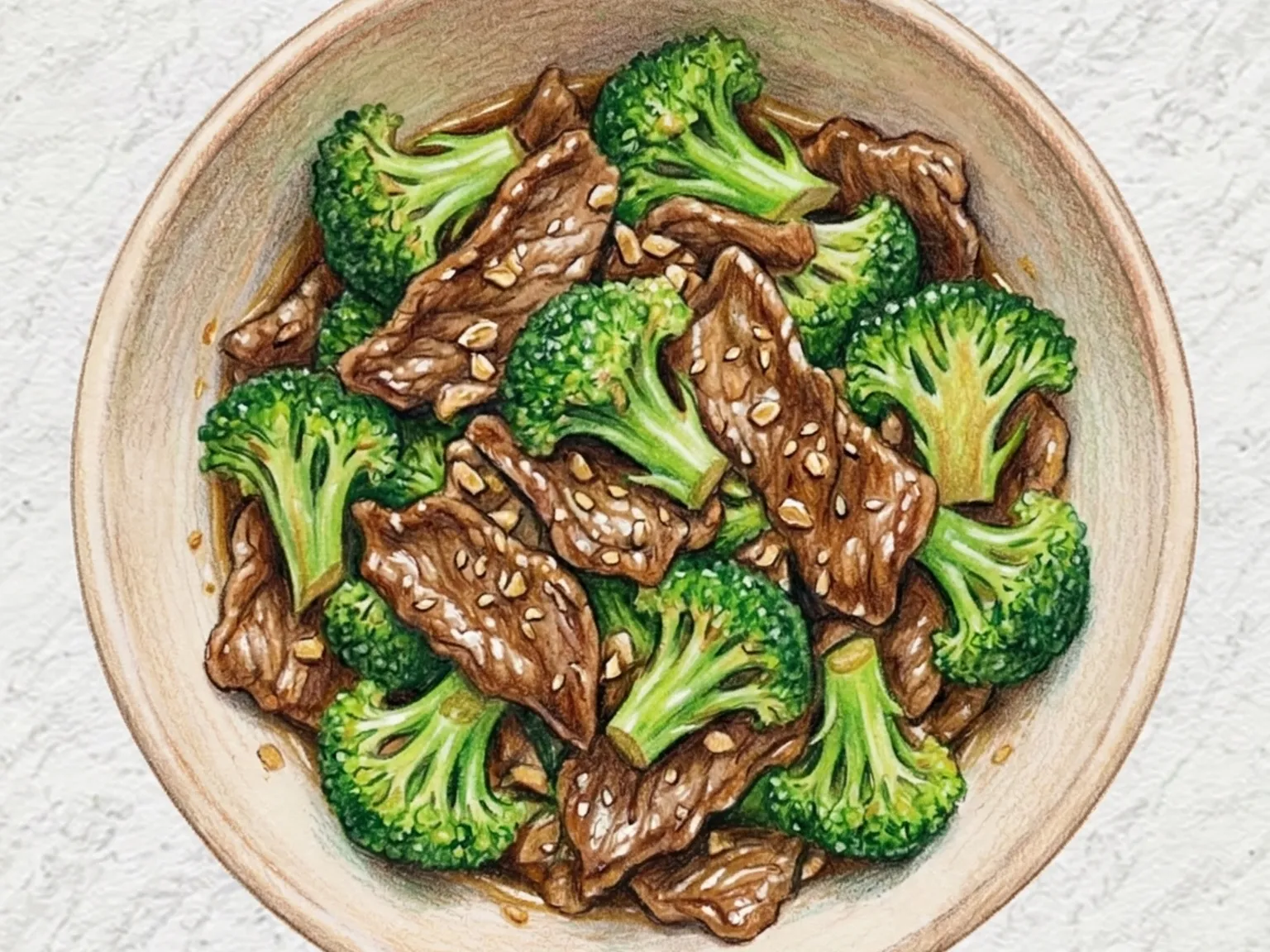
Sogogi broccoli-bokkeum stir-fries thinly sliced beef with broccoli florets in a glaze of oyster sauce and soy sauce. The beef is seared first over high heat to lock in its juices, then the broccoli -- blanched just enough to keep its bite -- joins the pan. Oyster sauce binds the two main ingredients with concentrated savory depth, and garlic plus a final drizzle of sesame oil layer on fragrance. The sauce coats every surface with a glossy sheen, making this a complete main dish that needs nothing beyond steamed rice.
Korean King Oyster & Quail Egg Braise
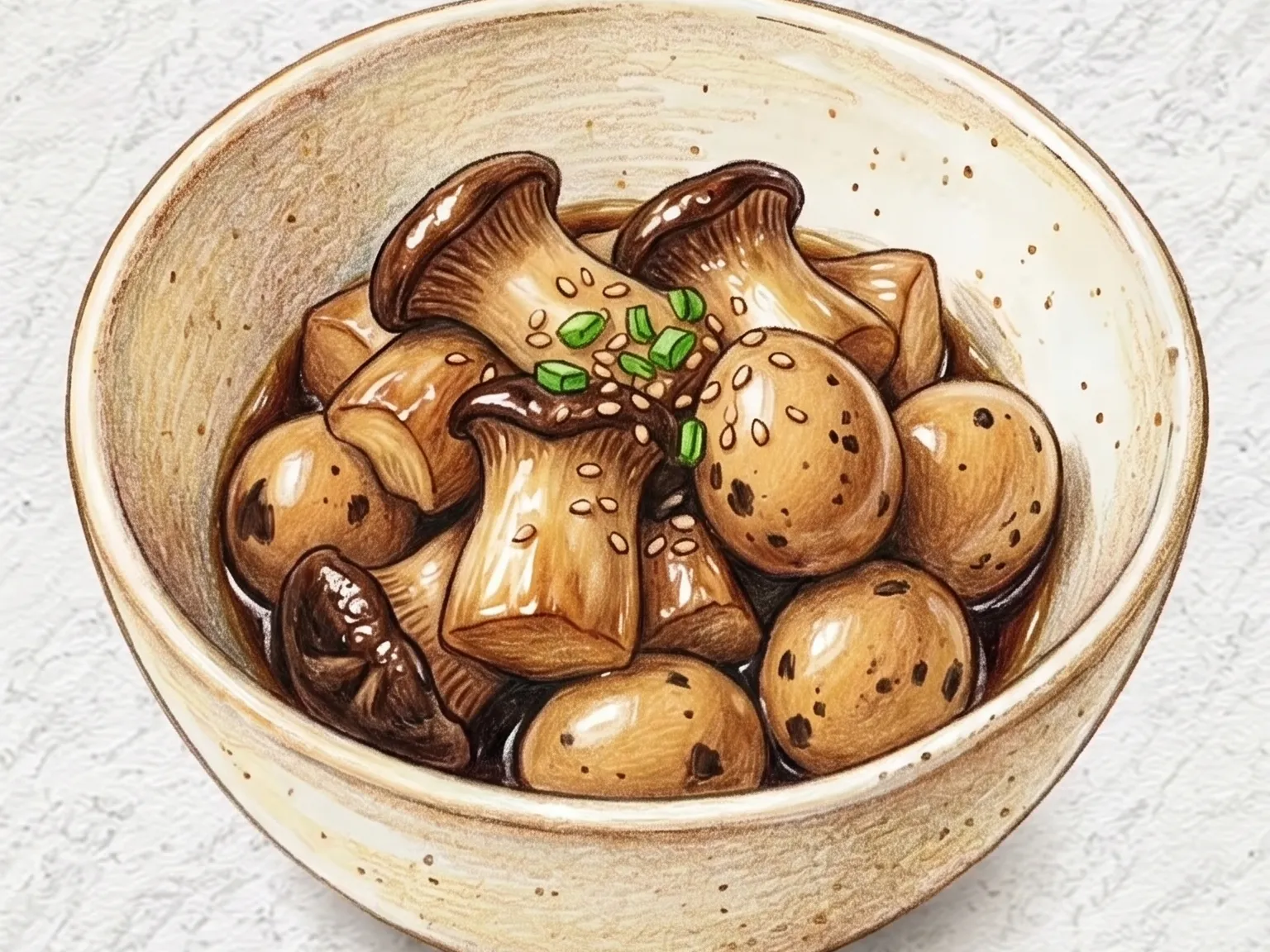
Saesongi quail egg jorim is a soy-braised Korean banchan featuring king oyster mushrooms and quail eggs with a balance of savory and gently sweet flavors. The mushrooms are braised first to let them absorb moisture and seasoning thoroughly before the eggs are added, giving the eggs time to soak up the liquid without becoming tough. A spoonful of oligosaccharide syrup added near the end gives the surface a glossy sheen and softens the saltiness of the soy base. The dish calls for only a handful of pantry staples and comes together in under thirty minutes, making it easy to prepare on a busy day. It also keeps well in the refrigerator, improving in flavor over two days as the braising liquid penetrates deeper, which makes it a reliable choice for packed lunches.
Korean Spicy Beef Stir-Fry
Sogogi gochujang-bokkeum marinates thin-sliced beef in a paste of gochujang, soy sauce, sugar, and minced garlic, then stir-fries it over high heat. The chili paste's spiciness and the sugar caramelize together on the meat's surface, building a dark, sticky glaze with layered heat. Onion cooked alongside the beef releases moisture that helps the seasoning distribute evenly across every slice. A finish of sesame oil adds a roasted nuttiness on top of the bold, spicy-sweet profile -- intensely flavored enough that a small portion carries a full bowl of rice.
Braised Boneless Jokbal
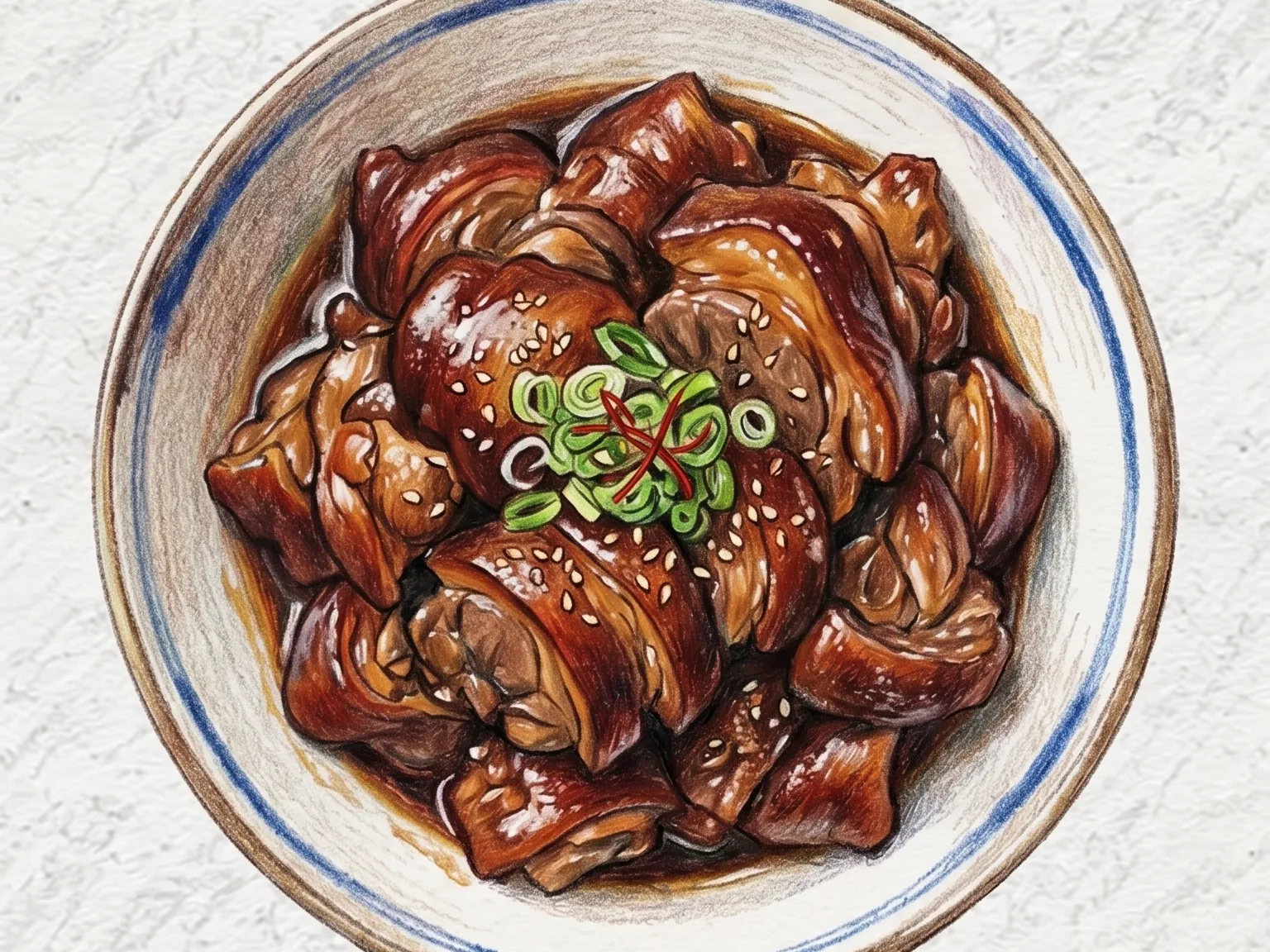
Braised Boneless Jokbal is a dish made by simmering pre-cooked boneless pork trotter in a sweet and savory soy-based sauce. Since the pork trotter is already cooked, the entire process takes less than thirty minutes. The cut pieces of jokbal are simmered with green onions in a mixture of water, soy sauce, sugar, cooking wine, and ginger juice. Once the liquid reduces and coats the pork glaze-like, minced garlic is added during the final two minutes of cooking. Adding the garlic at the end preserves its fresh aroma without risk of burning or turning bitter. Over-braising should be avoided as the collagen can become tough. When served warm, the meat remains tender, while cooling the dish allows the collagen to bind with the sauce and set into a firm, chewy texture.
Korean Beef and Paprika Stir-Fry
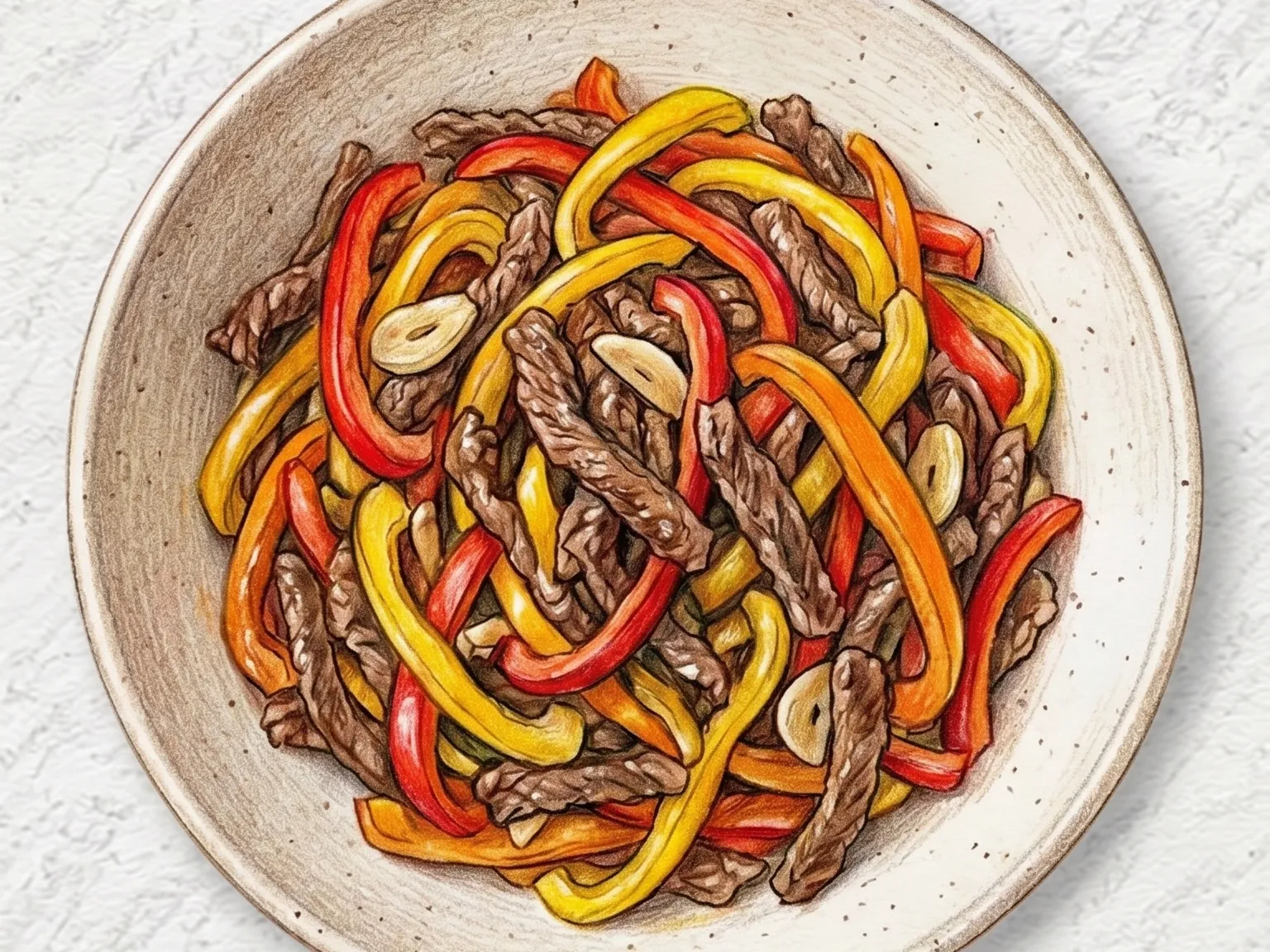
Sogogi paprika-bokkeum stir-fries soy-and-sesame-marinated beef strips with julienned bell peppers of mixed colors. The peppers lose just enough moisture over heat to concentrate their natural sweetness, which balances the salty soy marinade on the beef. Two cloves of garlic provide background aroma, but the seasoning is intentionally spare so the ingredients themselves lead the flavor. The dish's vivid reds, yellows, and greens make it as visually striking on the plate as it is straightforward to cook.
Samchi Jjim (Korean Steamed Spanish Mackerel)
Samchi jjim is a Korean steamed-braised Spanish mackerel dish cooked over radish slices with soy sauce, garlic, and cooking wine. The radish cushions the fish from direct heat while releasing a clean sweetness into the braising liquid, and soy sauce seasons the delicate flesh evenly. Because the mackerel is soft and flaky, it is never flipped; instead the sauce is spooned over it repeatedly. Green onion and fresh chili are added at the end for a pop of color and gentle heat. Paired with rice and a ladle of the reduced sauce, it highlights the clean flavor of the fish alongside soy-based umami.
Korean Stir-fried Sausage
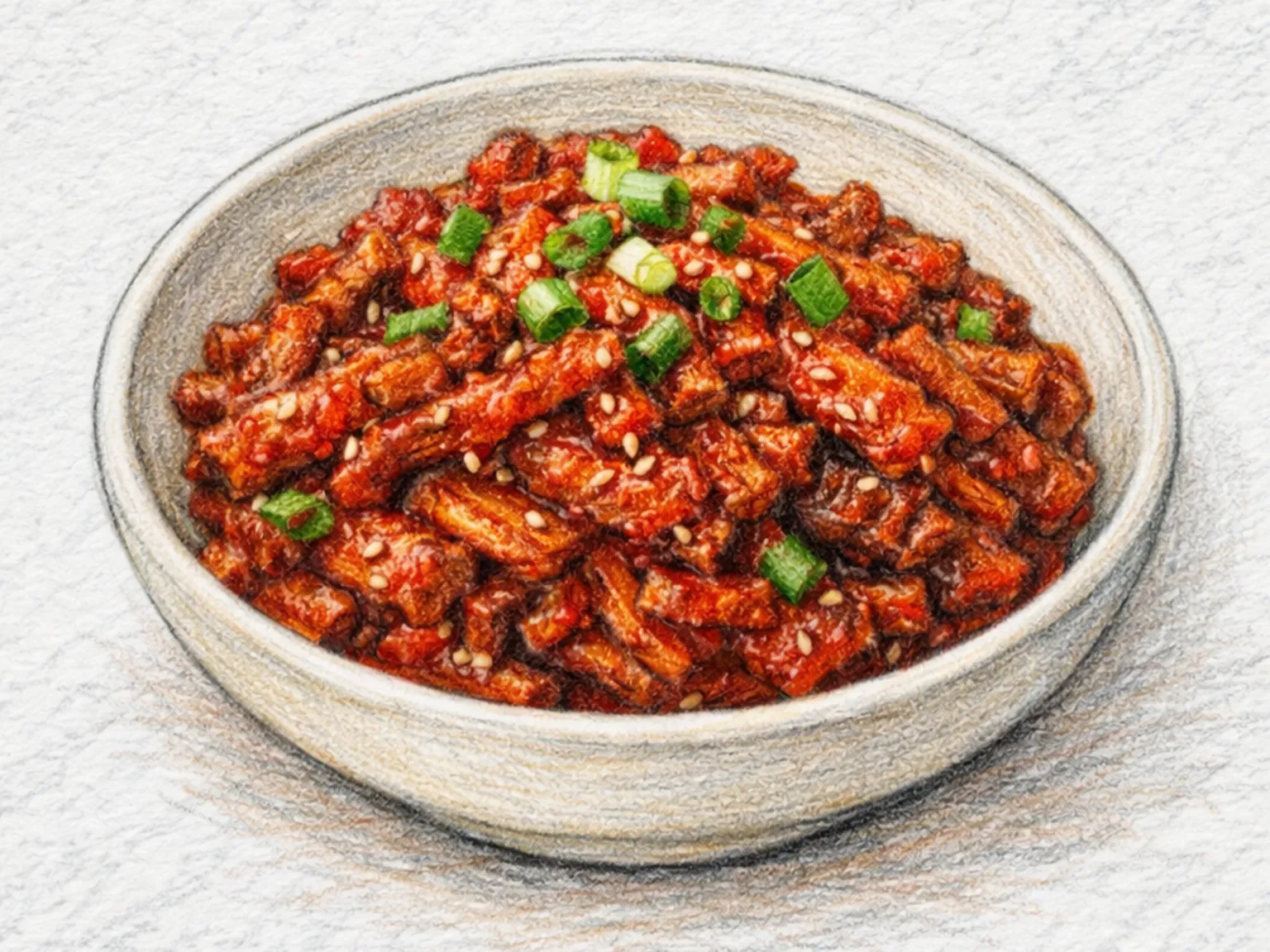
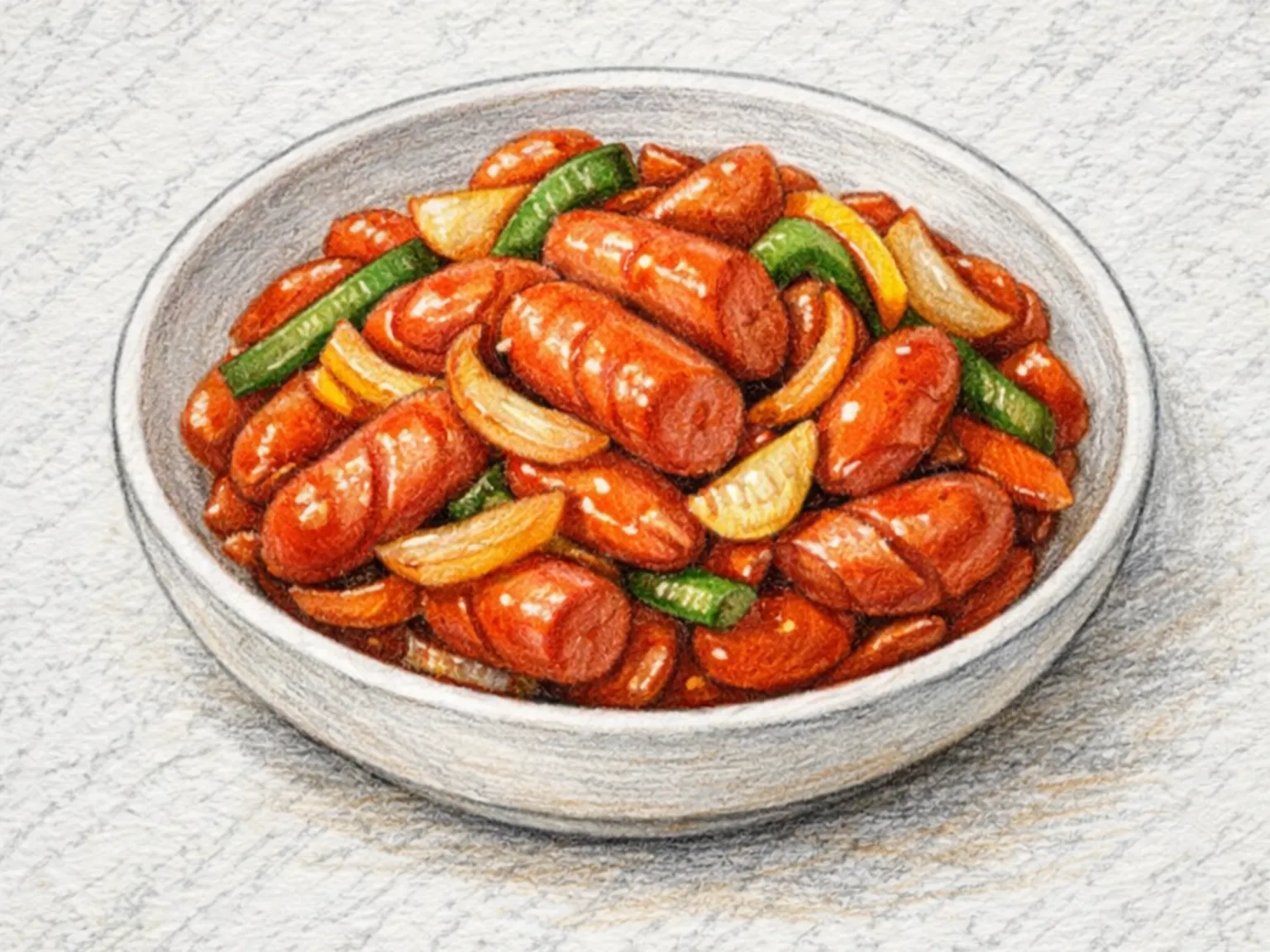
Sosegi-bokkeum is a Korean sausage stir-fry where scored Vienna sausages are dry-fried until golden, then tossed with onion in a sauce of ketchup, gochujang, oligosaccharide syrup, and soy sauce. Scoring the sausages lets the sweet-spicy glaze seep into every cut, so the flavor is consistent from edge to center. The sauce caramelizes quickly -- just two minutes of tossing coats the sausages in a glossy, clingy layer. Finished with sesame seeds and sliced green onion, it is a staple banchan that packs well in lunchboxes.
Korean Samgyeopsal Ganjang Jorim (Soy-Braised Pork Belly)
Samgyeopsal ganjang jorim is a Korean soy-braised pork belly dish where blanched pork belly is simmered with radish and onion in a soy sauce base for over forty-five minutes. Blanching first removes impurities and excess fat, leaving a clean-tasting braise. The long simmer allows soy sauce to penetrate the layered pork, building a deep flavor that is savory without being greasy. Radish chunks absorb the pork-enriched liquid and develop a richness of their own, while oligosaccharide syrup lends a natural sheen. Cooling and reheating concentrates the seasoning further, making this a strong choice for gatherings or holiday meals.
Korean Spicy Braised Tofu
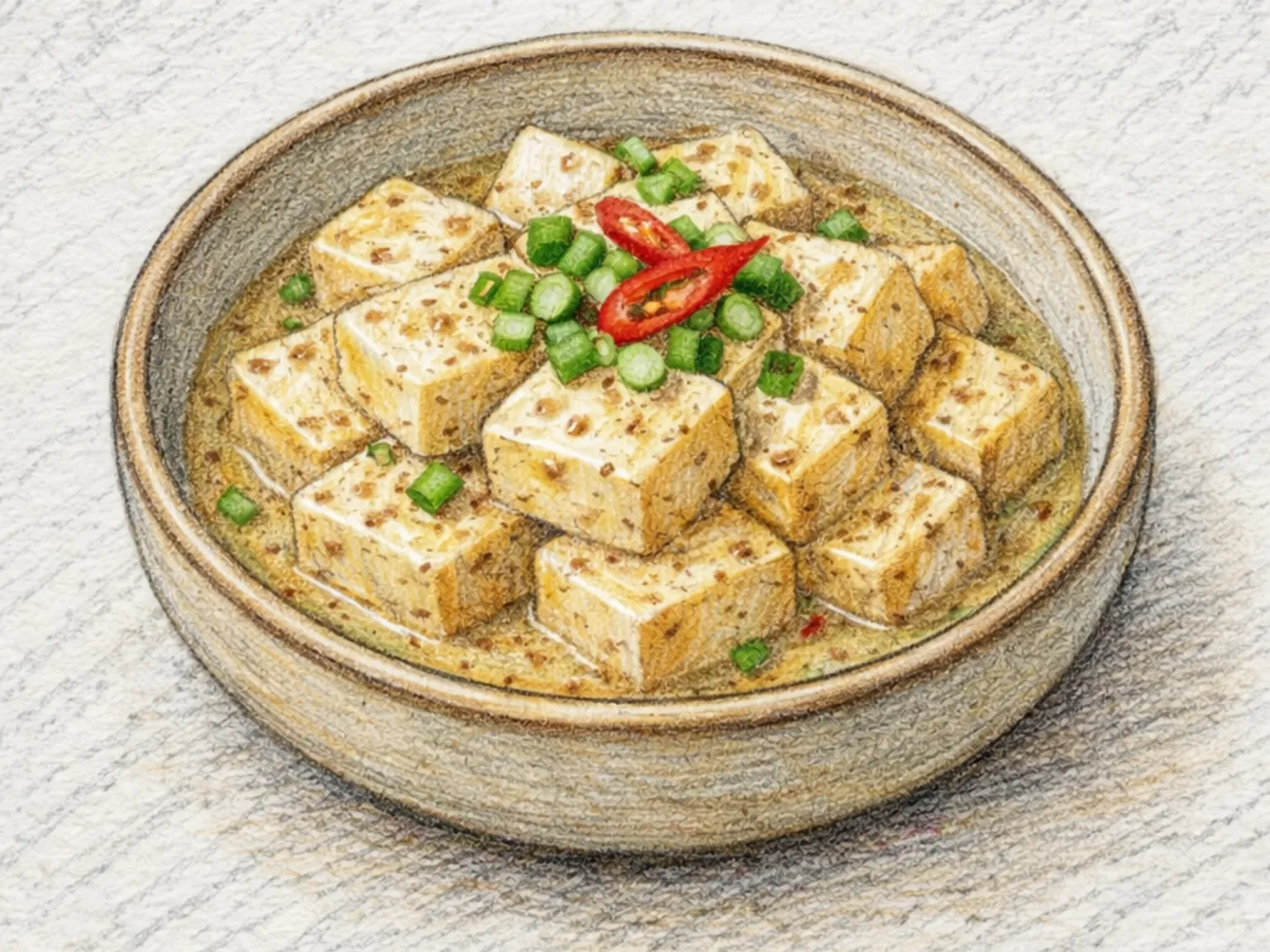
Spicy dubu-jorim pan-sears firm tofu slabs cut 1.5 centimeters thick until golden on both sides, then braises them in a sauce of soy sauce, gochugaru, garlic, and sugar. Searing first firms the tofu so it holds its shape through the eight-minute simmer, during which onion and green onion cook alongside in the reducing liquid. The chili flakes deliver a direct, persistent heat that penetrates the tofu as the sauce thickens, balanced by the sugar's sweetness. A final circle of sesame oil ties the flavors together with a roasted, nutty aroma.
Korean Braised Beef Shank
Satae jjim is a Korean braised beef shank dish that begins with soaking the meat in cold water to draw out blood before any heat is applied. The shank is then simmered slowly with aromatics for well over two hours, a duration that is not optional but essential. Shank is dense with connective tissue that turns unpleasantly tough under short, high heat, but extended low heat dissolves that tissue entirely, leaving the beef soft enough to pull apart along its grain with minimal effort. Soy sauce and sugar build a deeply savory-sweet braising liquid that penetrates the meat as it cooks, glazing the exterior with a dark, lacquered sheen. Radish is added in the later stages so it can absorb the concentrated broth without completely losing its texture, contributing a clean, refreshing contrast to the richness of the meat. The finished braise tastes noticeably better after a night in the refrigerator, when the seasoning has fully permeated every fiber and the chilled gelatin, once reheated, naturally thickens the sauce.
Imogara Stir-fry and Simmer
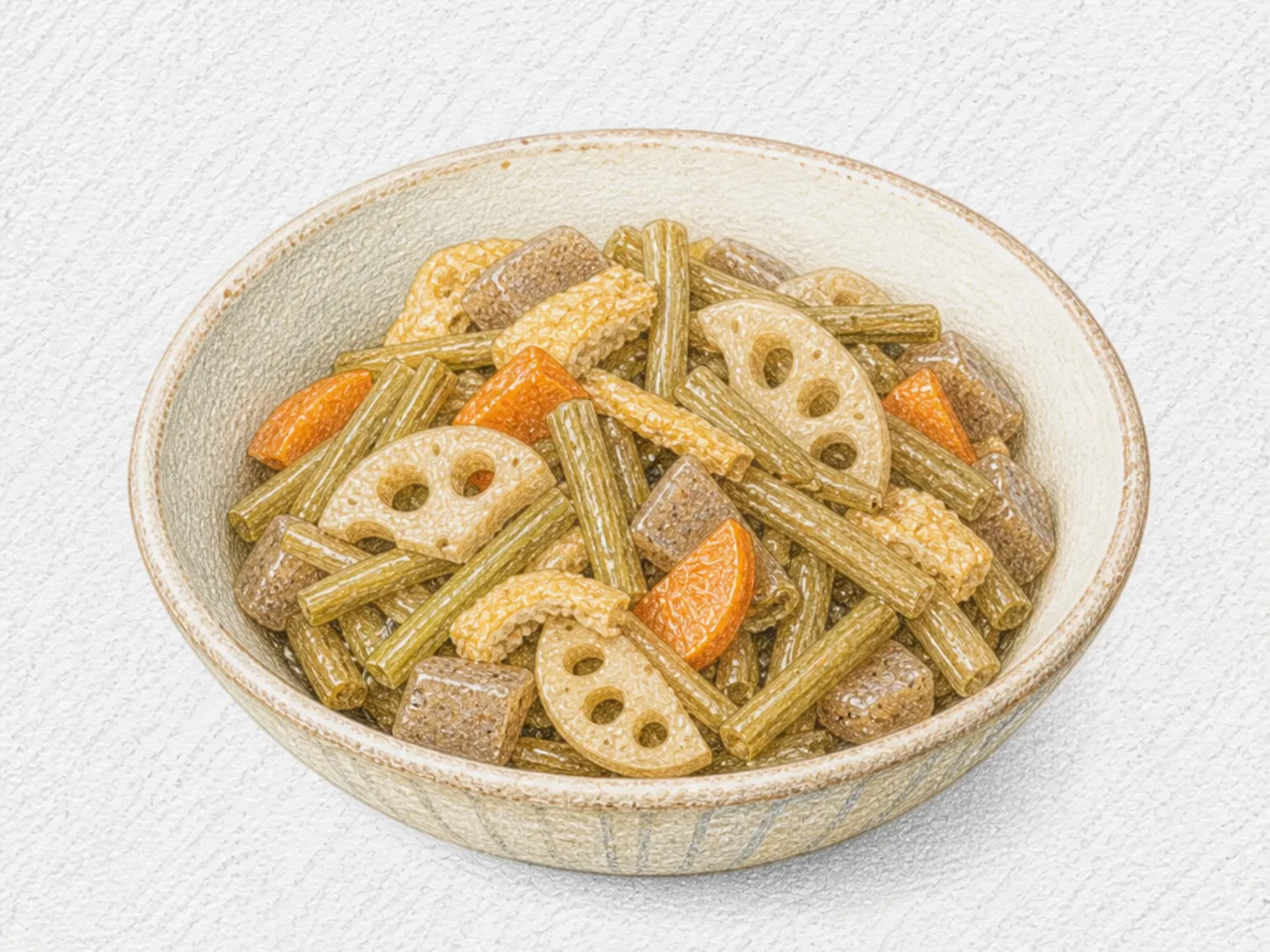
Imogara no itame-ni is an Ibaraki side dish of rehydrated dried taro stalk stir-fried with lotus root, carrot, fried tofu, and konjac, then simmered until a sweet soy broth is absorbed. Dried taro stalk was kept as a year-round preserved ingredient; once soaked, its porous fibers take in seasoning while retaining a noticeable bite. The pot stays uncovered during simmering so the lotus root remains crisp, and the dish is finished when almost no liquid remains. It appears both as an everyday prepared side and at New Year or celebratory gatherings.
Chiba Sumitsukare
Chiba sumitsukare is a Tokatsu-area dish made by coarsely grating daikon and carrot, cooking them without added water until their own liquid emerges, and then slowly simmering roasted soybeans, aburaage, tofu, and sake lees for three to four hours. Unlike regional versions that include a salmon head, this Chiba transmission is based on vegetables, soybeans, and tofu. It was offered to Inari together with red bean rice on Hatsu-uma, the first Day of the Horse in February, and made practical use of roasted beans left from Setsubun. Names vary across the region, including sumitsukare, shimotsukare, and somotsukare. Long, low cooking breaks down the daikon into a thick mixture bound by mellow sake lees.
Okomoji no Aburaitame (Stir-Fried Aged Takana Pickle)
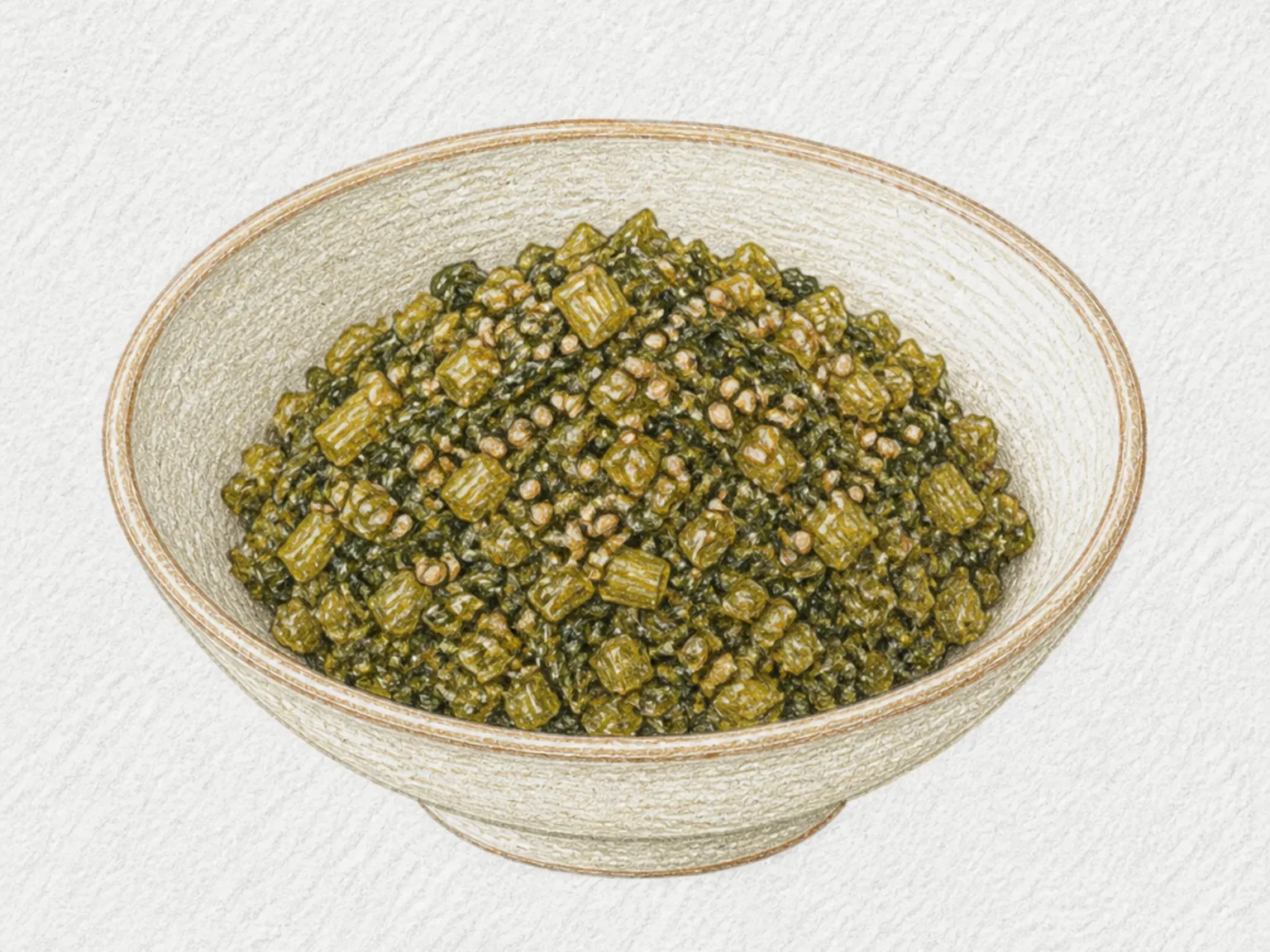
Okomoji no aburaitame is a Saga side dish that turns sour, salty aged takana pickle into a savory stir-fry. The pickle is soaked overnight to draw out excess salt, chopped finely, and cooked in sesame oil until loose moisture evaporates. Sugar rounds the fermented acidity, soy sauce restores controlled seasoning, and sesame adds a nutty finish. Because the salinity of old pickles varies considerably, taste after soaking and add the soy sauce gradually rather than committing the full amount at once.
Korean Steamed Tofu with Spinach
Sigeumchi dubu jjim is a Korean steamed side dish of firm tofu, spinach, and shiitake mushrooms seasoned with soy sauce and soup soy sauce, then covered and cooked over gentle heat until everything is just done. Pressing the tofu firmly between layers of kitchen paper to remove excess moisture is a necessary first step; water left in the tofu dilutes the seasoning and turns the cooking liquid murky. When the spinach and mushrooms are arranged alongside the tofu and the seasoning is spooned over everything before the lid goes on, the steam released by the vegetables cooks the dish evenly without any added water. Shiitake mushrooms bring a concentrated umami that gives unexpected depth to what is otherwise a very simple soy-based seasoning. A drizzle of perilla oil and a scattering of sesame seeds at the end add a distinctly nutty, aromatic finish that lifts the entire dish. Low in calories and rich in plant protein, it fits naturally into a light weeknight dinner as a side dish that is as nourishing as it is unfussy.
Tara no Ko Iri (Akita Cod Roe with Shirataki)
Tara no ko iri is a winter dish from Akita's Sea of Japan coast. Shirataki simmers in water seasoned with soy sauce, sake, mirin, and sugar before raw Pacific cod roe is squeezed from its sac into the bubbling liquid and reduced. The roe separates into coarse grains that cling to the noodles; the sac may also be cut up and included for a firmer accent. Fine white strips of long onion finish the dish. In Akita, tarako in this context means the roe of Pacific cod rather than the pollock roe commonly sold under that name elsewhere. It is served as a winter make-ahead side dish, with rice, or alongside sake, and its many eggs made it an auspicious New Year food associated with hopes for children.