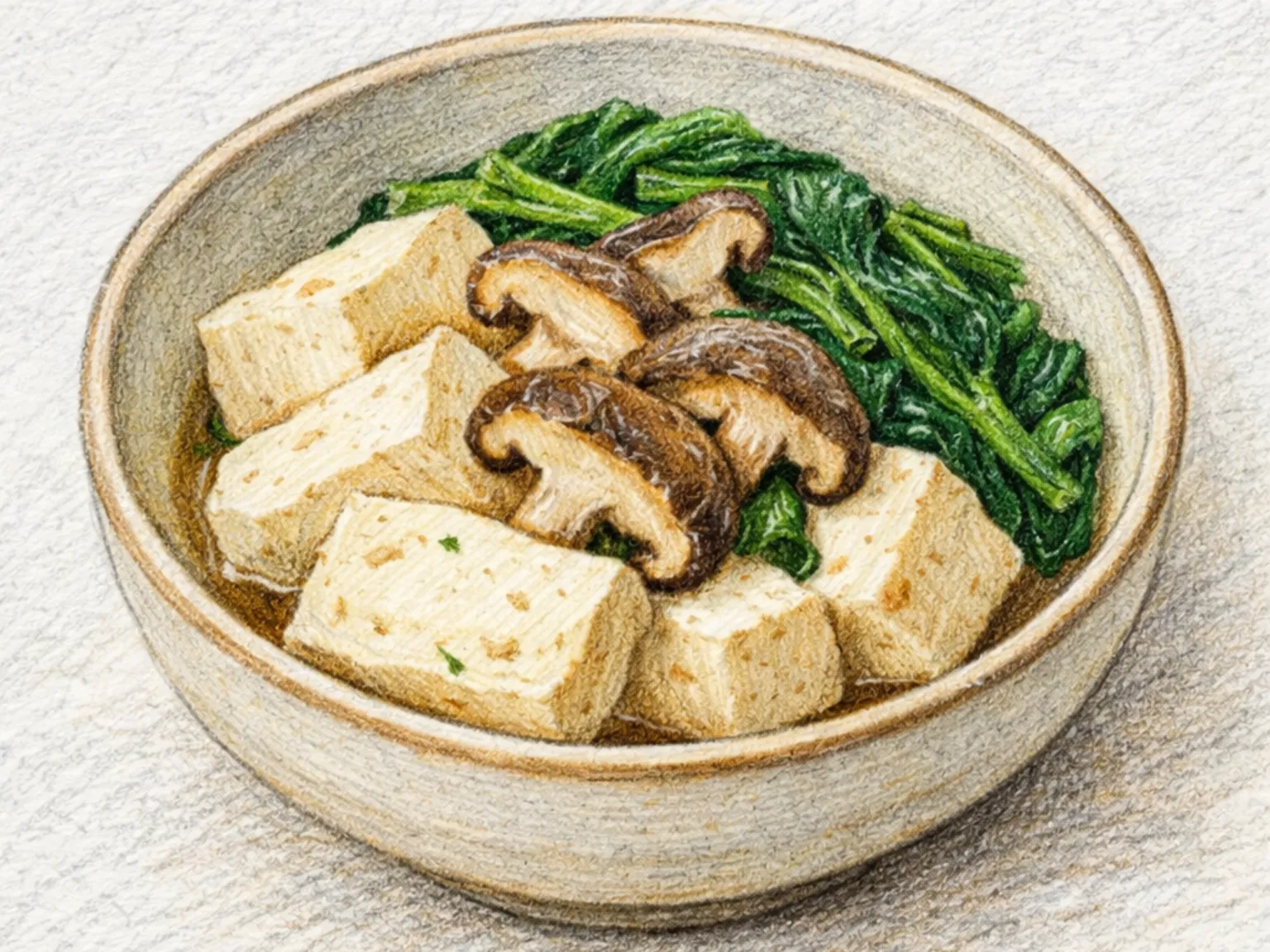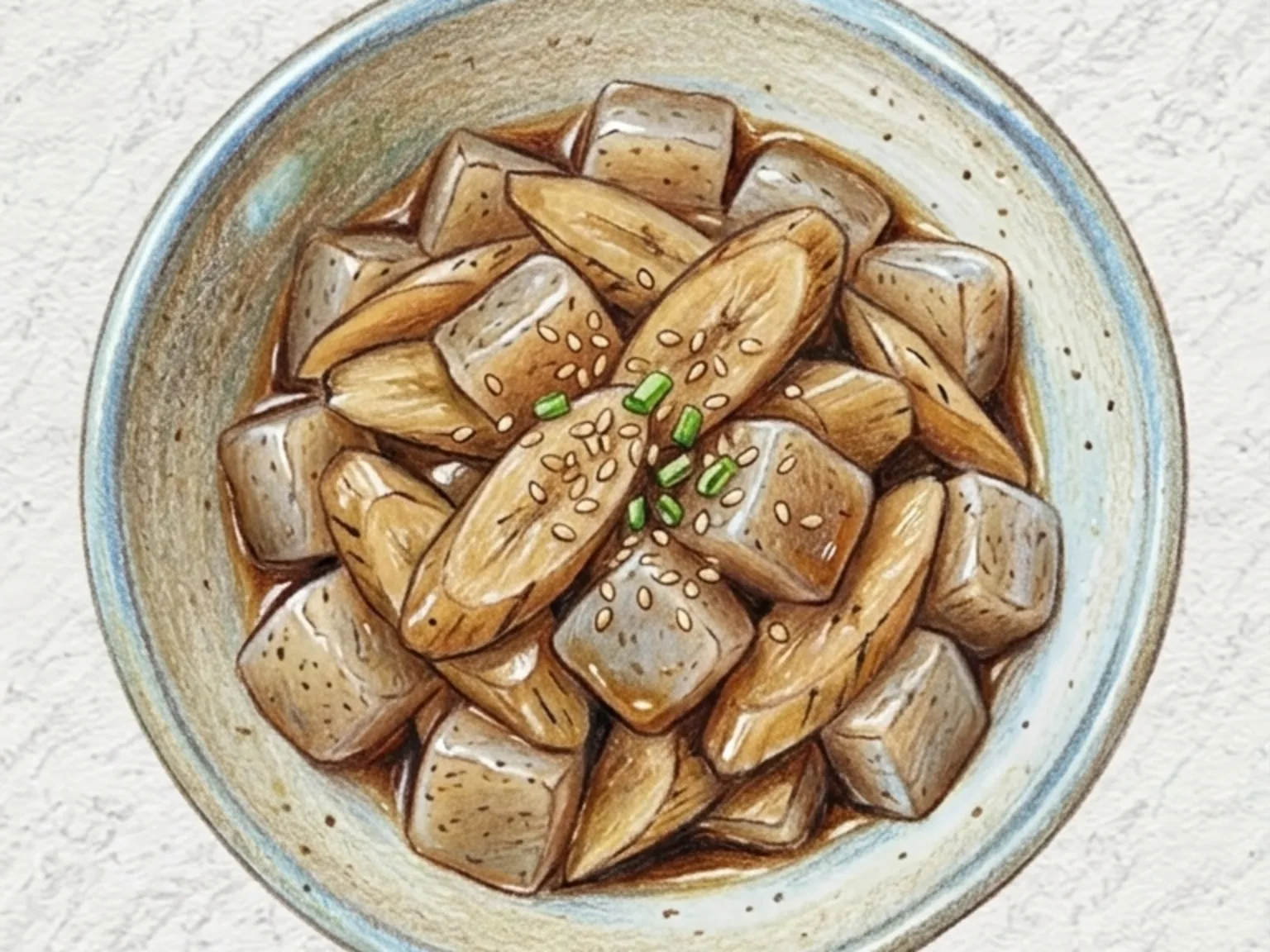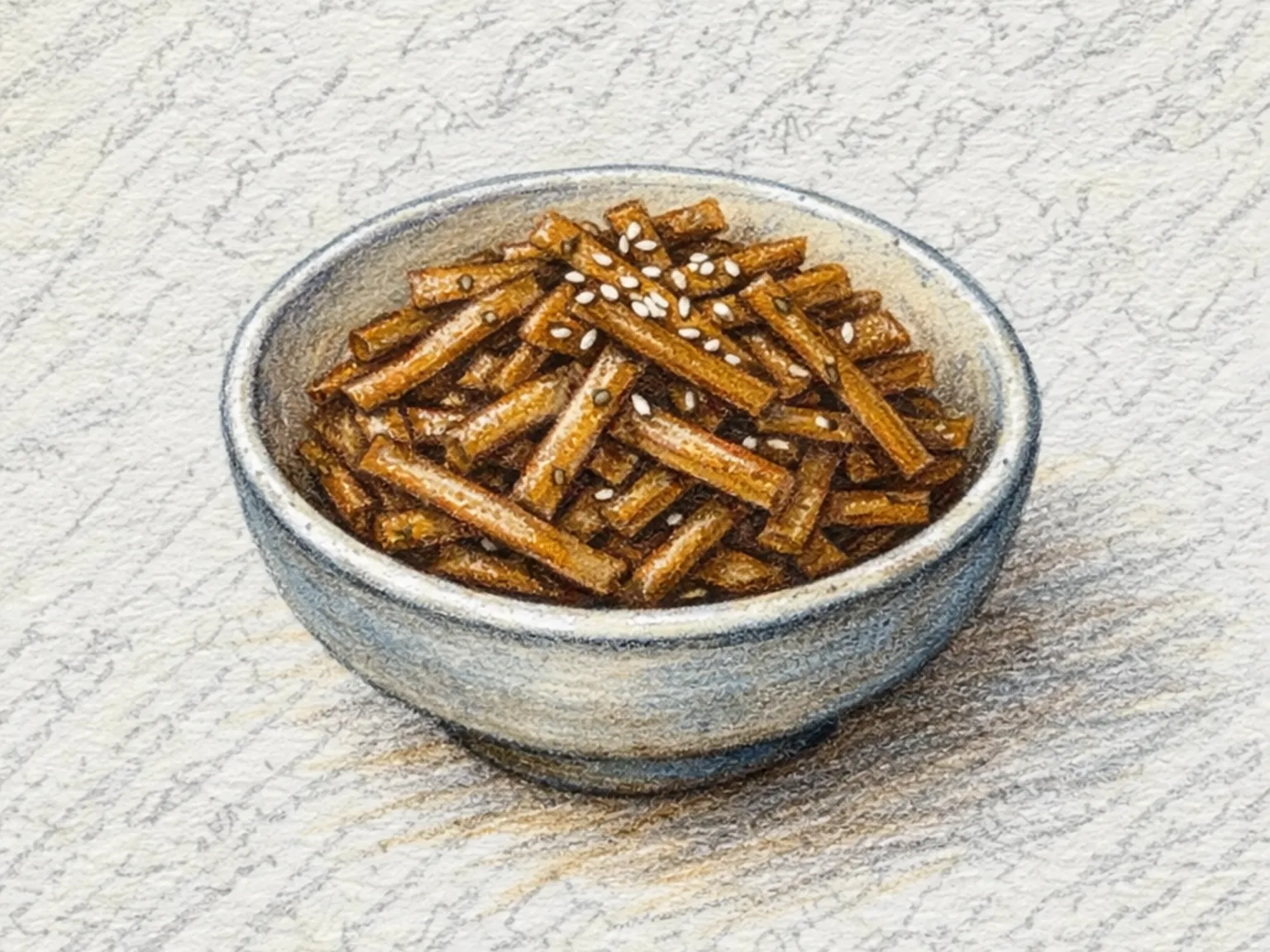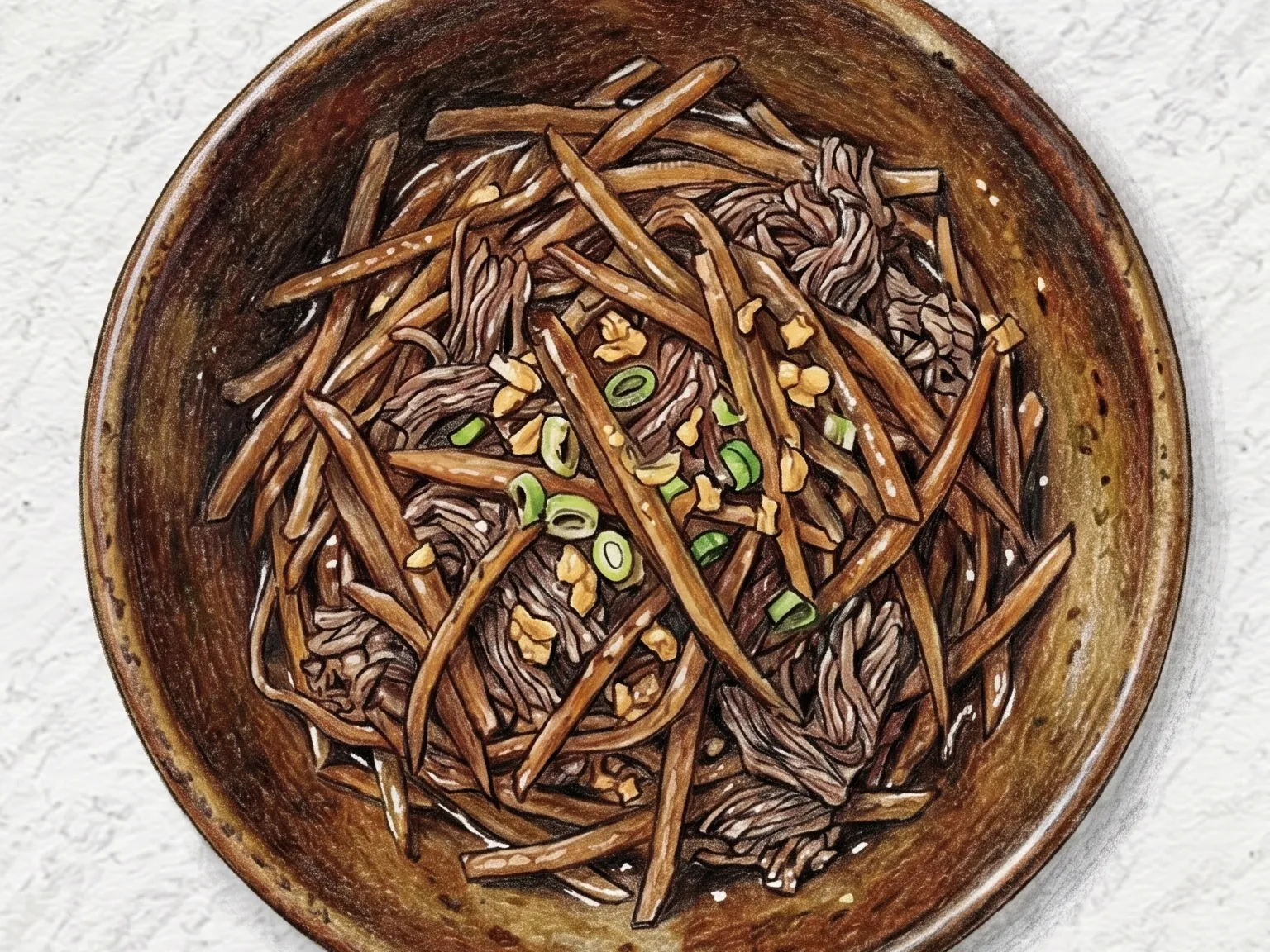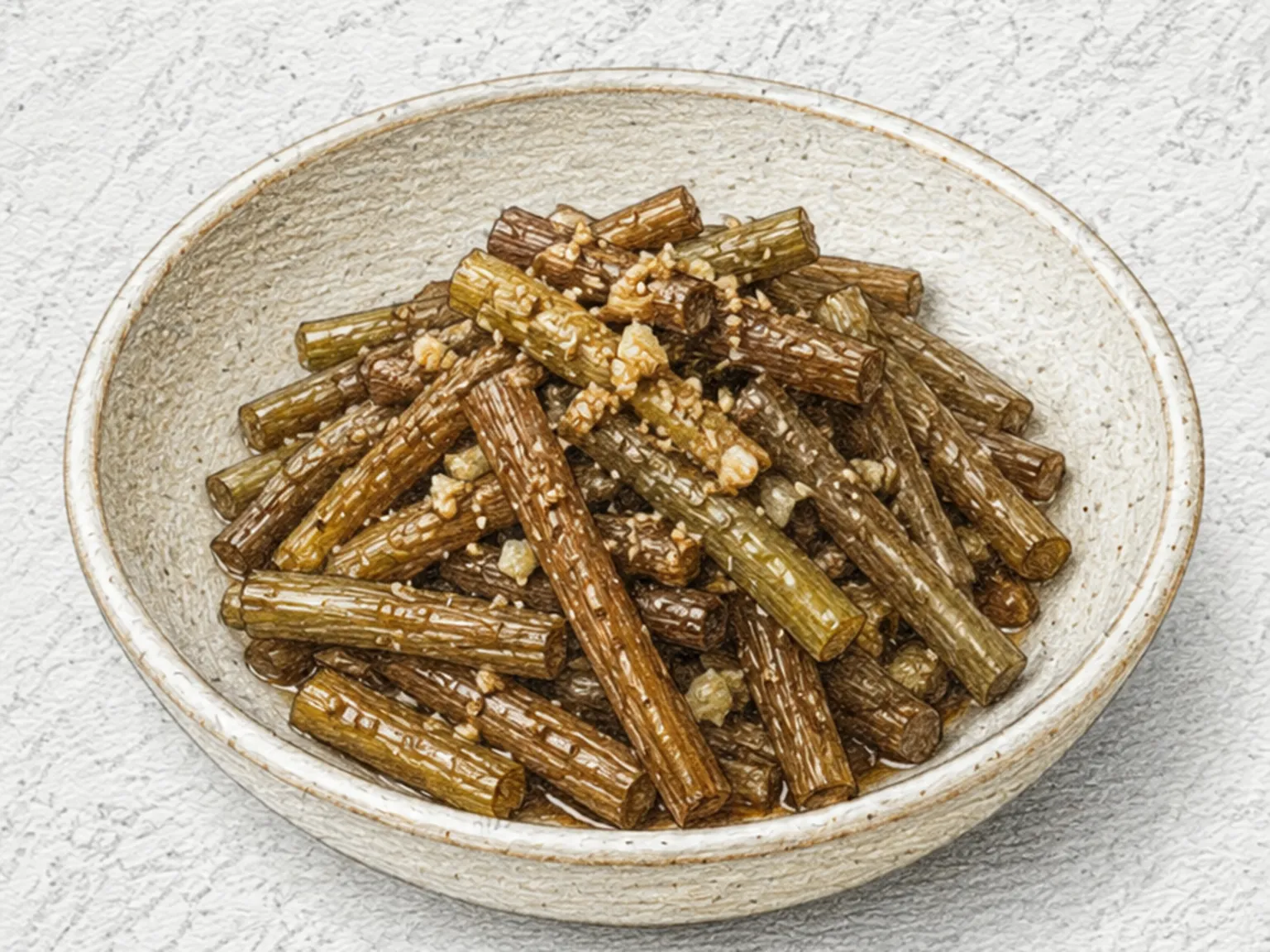
Nita-kumoji (Simmered Aged Turnip-Green Pickles)
Nita-kumoji is a side dish from the Hida area of Gifu that gives a second life to turnip greens salted in winter and turned sour by spring. The aged pickle is rinsed and soaked with several water changes until moderately salty, stir-fried in oil, then simmered with soy sauce, mirin, sake, niboshi, and dried chili until the liquid disappears. Kumoji is said to derive from an old courtly word for pickles, and the dish reflects the practical habit of wasting none of the winter stores. Leaving a little salt in the greens balances the strong braising liquid. Sesame oil and toasted sesame added over high heat at the end create a glossy, nutty finish.
Korean Beef and Bean Sprout Stir-fry
Sukju-sogogi-bokkeum stir-fries thinly sliced lean beef and mung bean sprouts in soy sauce over high heat. The beef goes into a well-heated pan first to develop wok hei, then the sprouts are added for just one to two minutes to keep their crunch and moisture. Seasoning stays minimal with soy sauce, black pepper, and a finish of sesame oil, letting the ingredients speak for themselves. The result is a light stir-fry where the smoky sear of the beef meets the cool, watery snap of the sprouts. Serving it soon after cooking keeps the intended texture clearer, while brief resting lets the sauce or broth settle into the dish.
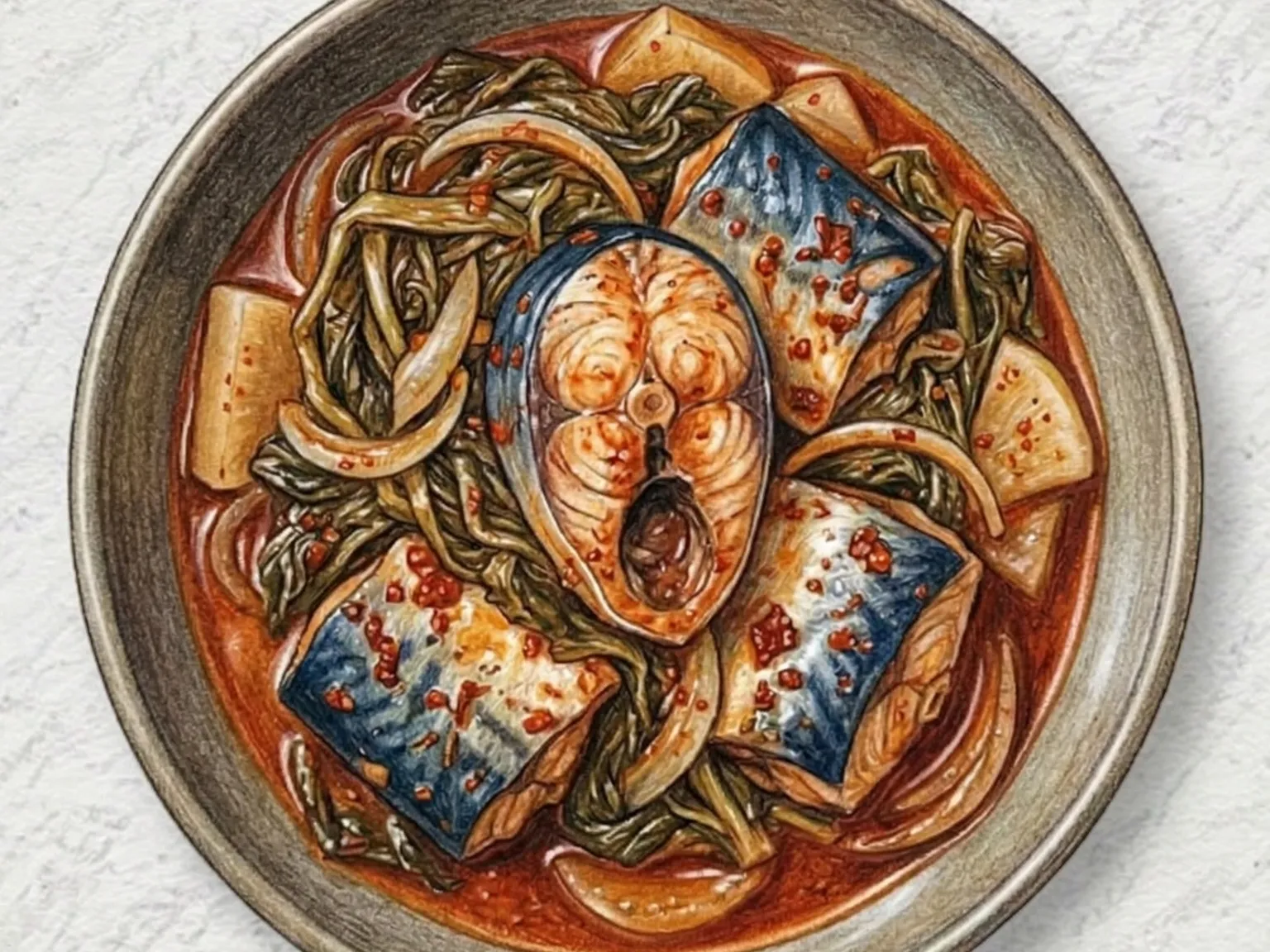
Korean Braised Mackerel with Dried Radish Greens
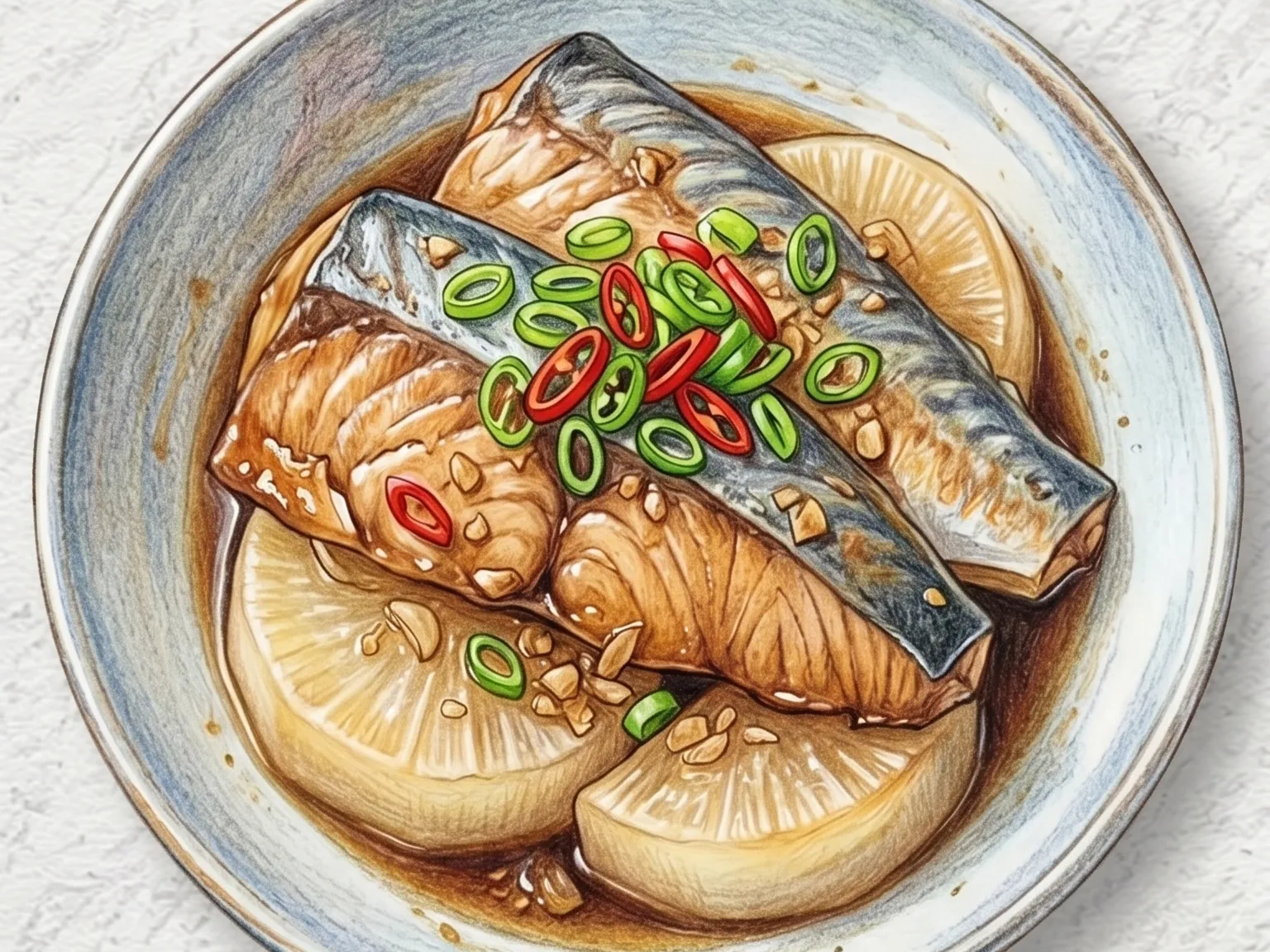
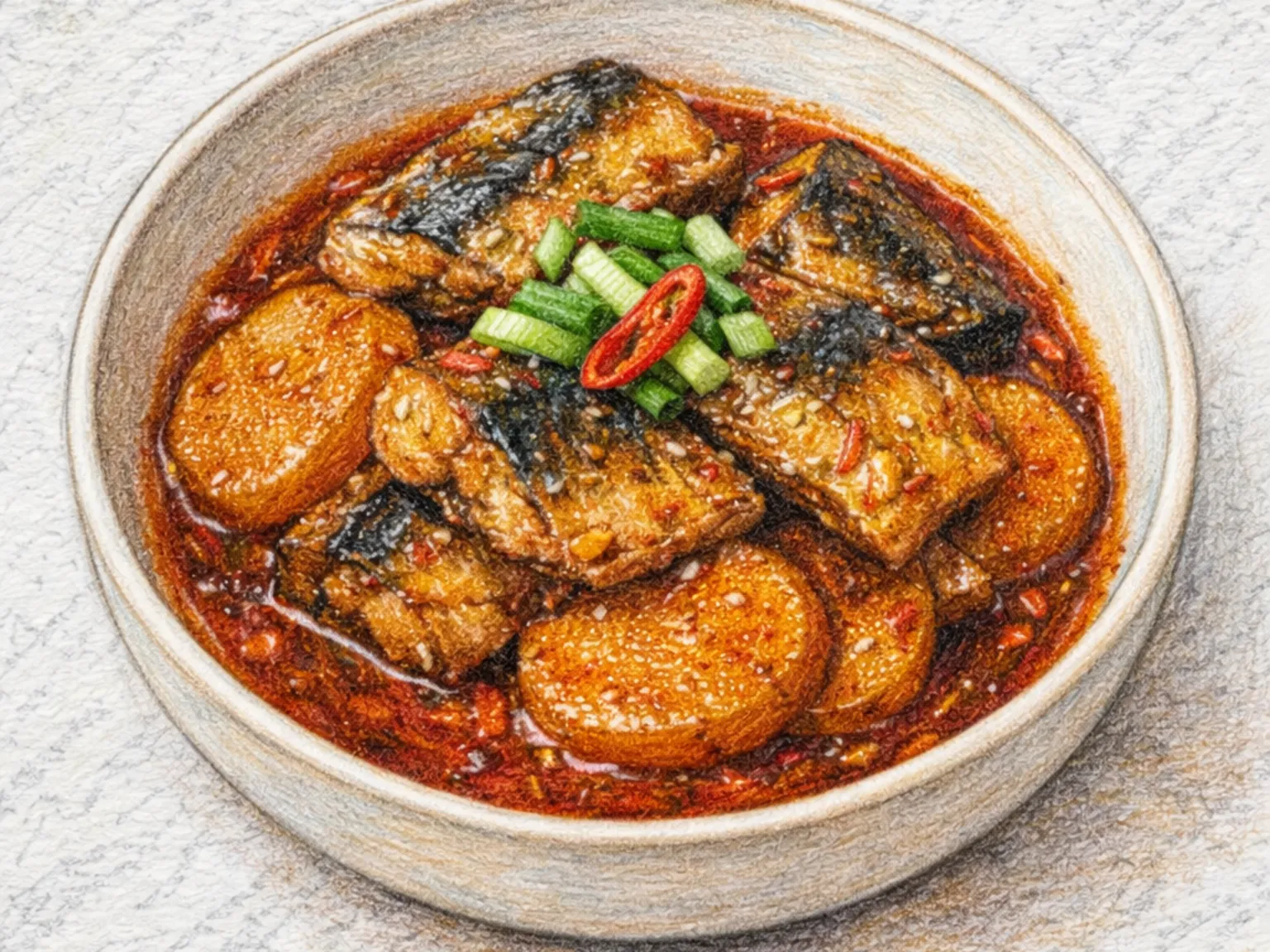
Siraegi godeungeo jorim is a Korean braised mackerel dish in which the fish and pre-boiled dried radish greens are cooked down with radish and onion in a chili-soy seasoning. The richness of mackerel fat and the earthy, fibrous character of dried radish greens share the same braising liquid, each amplifying what the other brings to the pot. The radish greens must be boiled thoroughly before braising to soften their tough fibers and leach out any residual bitterness, which is then washed away with a cold rinse. Mackerel seasoned lightly with cooking wine is placed over the greens and vegetables, and the pot braises over medium-low heat for more than twenty minutes so the seasoning penetrates the flesh all the way through. Spooning the braising liquid over the fish two or three times during cooking ensures an even coating on the upper surface. Radish becomes sweeter and more concentrated as it reduces, neutralizing any fishiness from the mackerel. The finished dish, spooned generously over steamed rice with its spicy braising sauce, delivers a layered depth of flavor that is unmistakably Korean.
Korean Stir-fried Sundae with Vegetables
Sundae yachae bokkeum stir-fries Korean blood sausage with cabbage, onion, and scallion in a sauce of gochujang, soy sauce, and gochugaru. The vegetables go into the pan first to drive off excess water so the sauce clings better, while the sundae is added later to keep its casing intact and its filling dense and chewy. The combined seasoning creates a spicy-salty glaze that coats the sundae slices evenly. Compared to sundae-gopchang-bokkeum, this version skips the tripe and leans heavier on vegetables, making it a lighter take on the same street food flavor.
Korean Soy-Braised Beef with Mushrooms
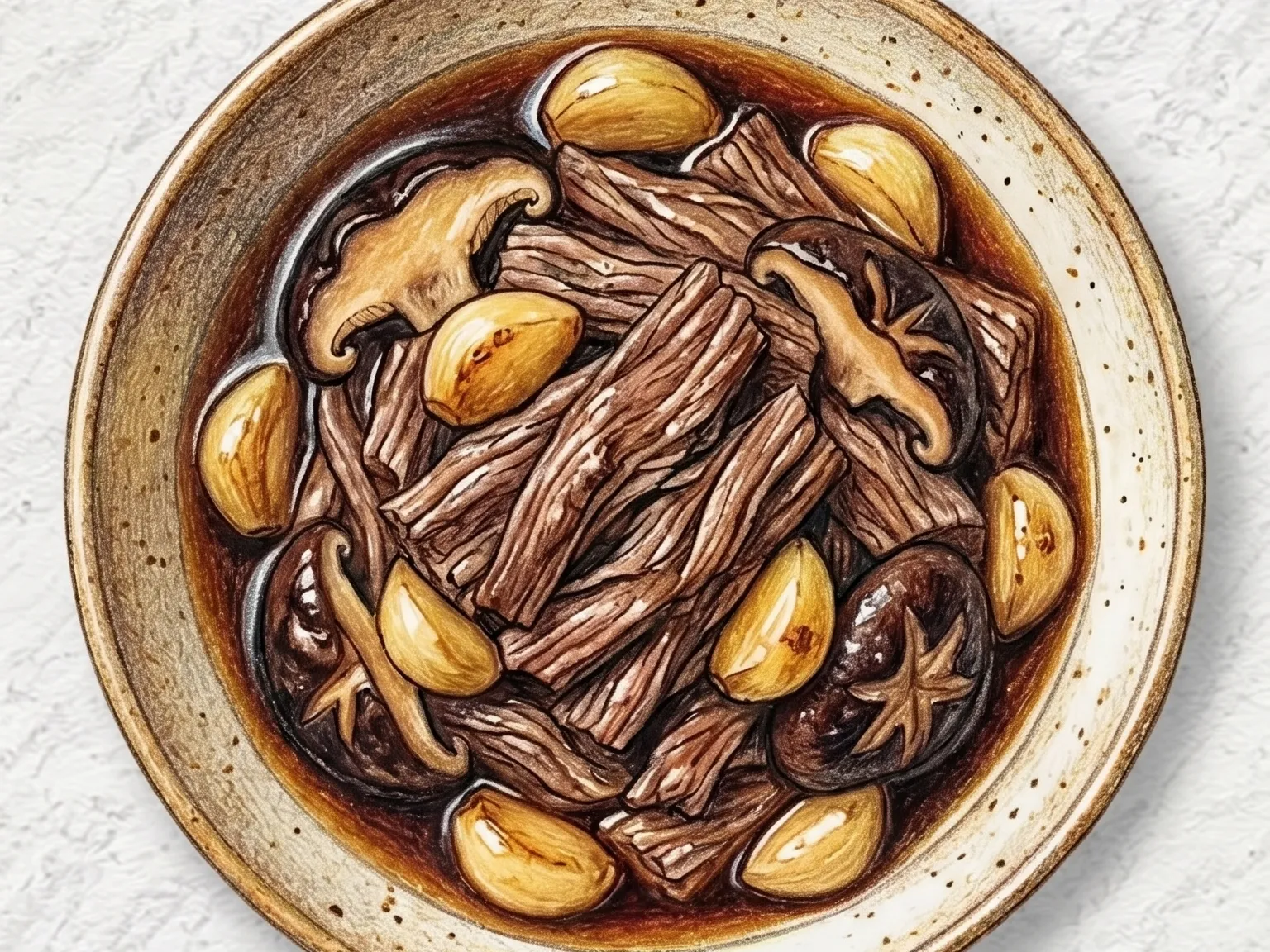
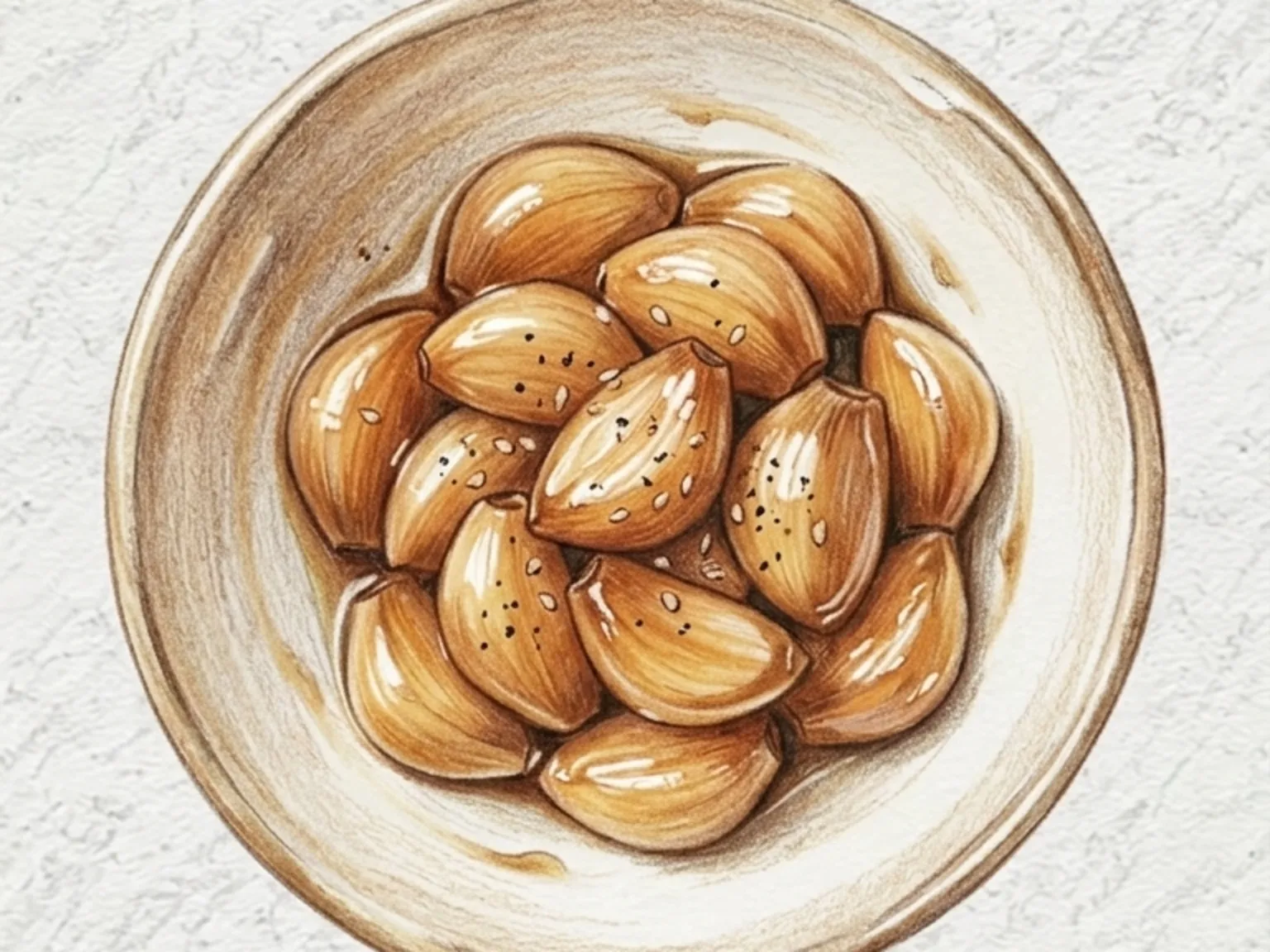
Sogogi beoseot jangjorim is a Korean soy-braised banchan of beef eye round, shiitake mushrooms, and whole garlic cloves, simmered down in soy sauce and soup soy sauce. The beef is boiled first and the resulting clear stock becomes the braising liquid, so the soy sauce carries a deep meat flavor from the very beginning. Shiitake mushrooms contribute their own aromatic umami on top of that base, and whole garlic cloves lose their sharp bite during the long simmer, turning mellow and lightly sweet. Shredding the beef along the grain exposes more surface area to the sauce and makes it easier to portion out. An overnight rest in the refrigerator lets every component absorb the seasoning more fully, and the flavor is noticeably richer the next day. It keeps well for over a week refrigerated, making it a practical and reliable make-ahead banchan.
Japanese Ginger Soy Braised Chicken
Toriniku shigureni is a Japanese-style simmered dish of ground chicken cooked down with julienned ginger, soy sauce, mirin, and sugar until most of the liquid evaporates. The chicken is browned first over medium heat, then ginger is added for its sharp bite before the braising liquid goes in. As the sauce reduces over six minutes, it concentrates into a sweet-salty glaze that clings to the meat. The ginger tames any gamey notes while adding warmth, making this a versatile topping for rice bowls or a compact side dish for packed lunches.
Korean Braised Beef and Radish
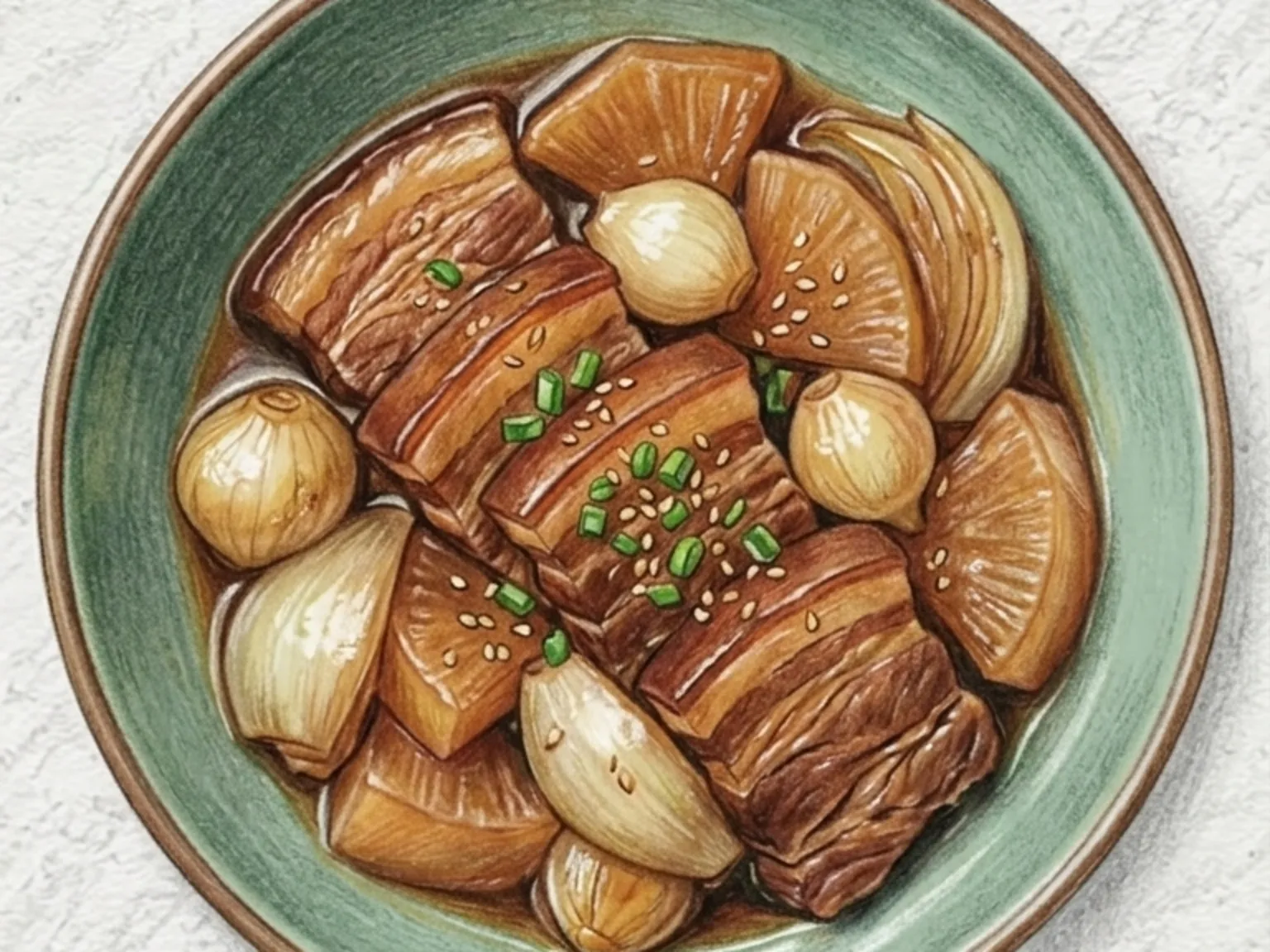
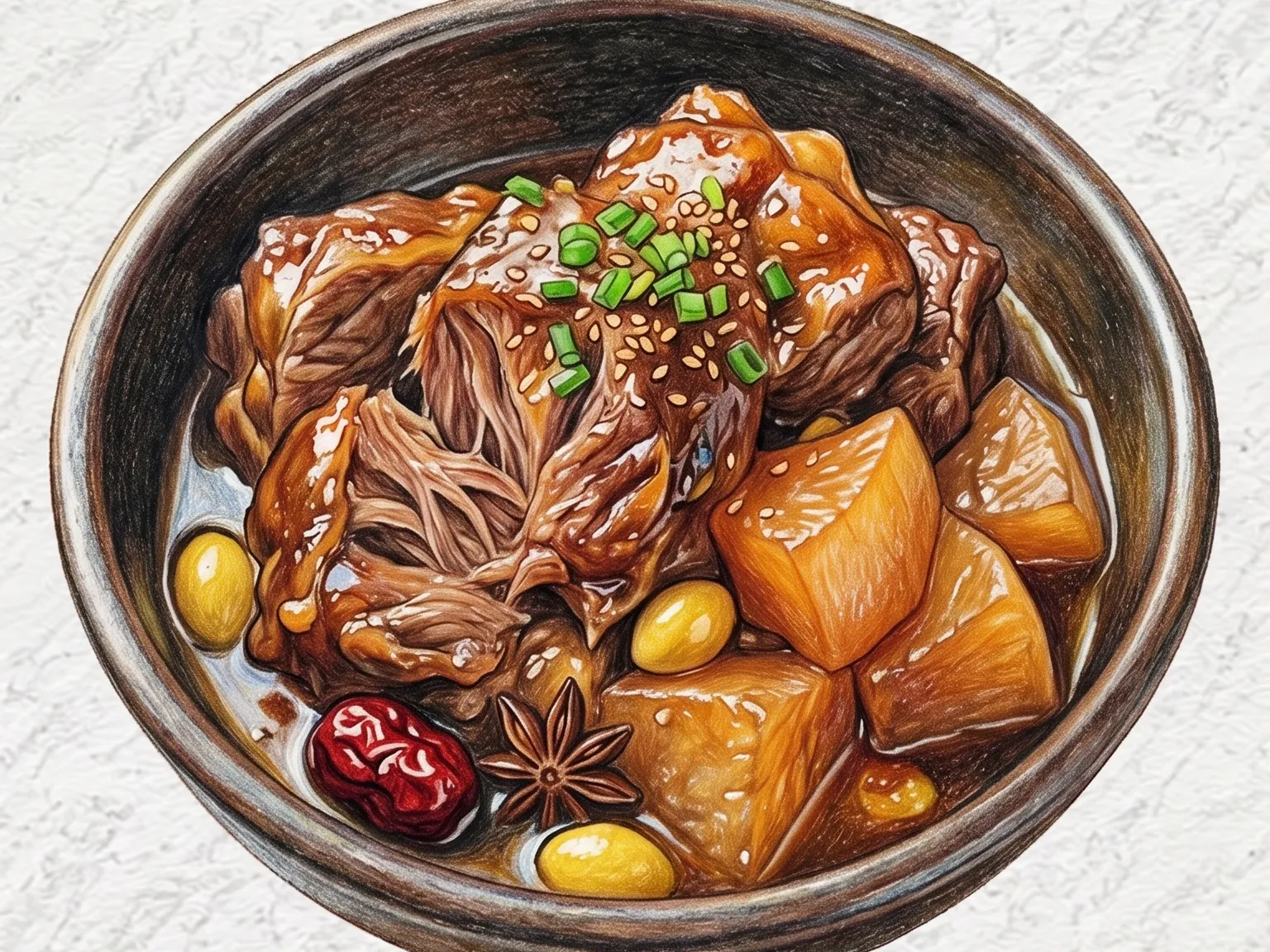
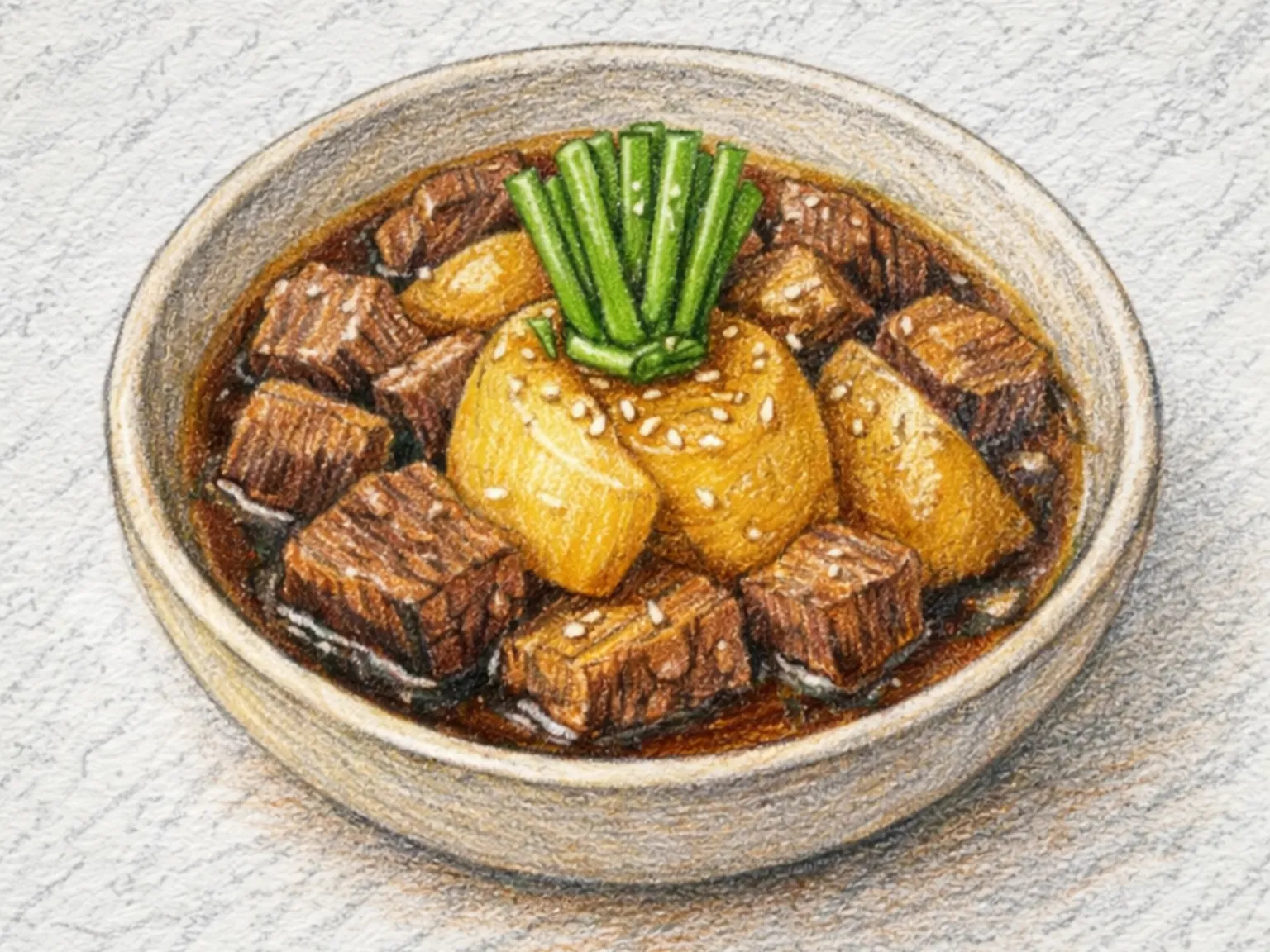
Sogogi mu jorim is a Korean braised beef and radish dish where brisket and thick-cut Korean radish are slowly simmered in soy sauce with garlic, ginger, and a touch of sugar. Boiling the beef first and skimming the foam produces a clean broth base for braising. The radish goes in later so it cooks until semi-translucent, absorbing the beef-enriched liquid and developing a natural sweetness that balances the soy. Green onion added at the end contributes a fresh note. Cutting the radish thick is important so it holds its shape through the braise, and resting the dish overnight before reheating deepens the flavor noticeably.
Tsuwabuki no Abura-itame (Stir-Fried Leopard Plant Stems)
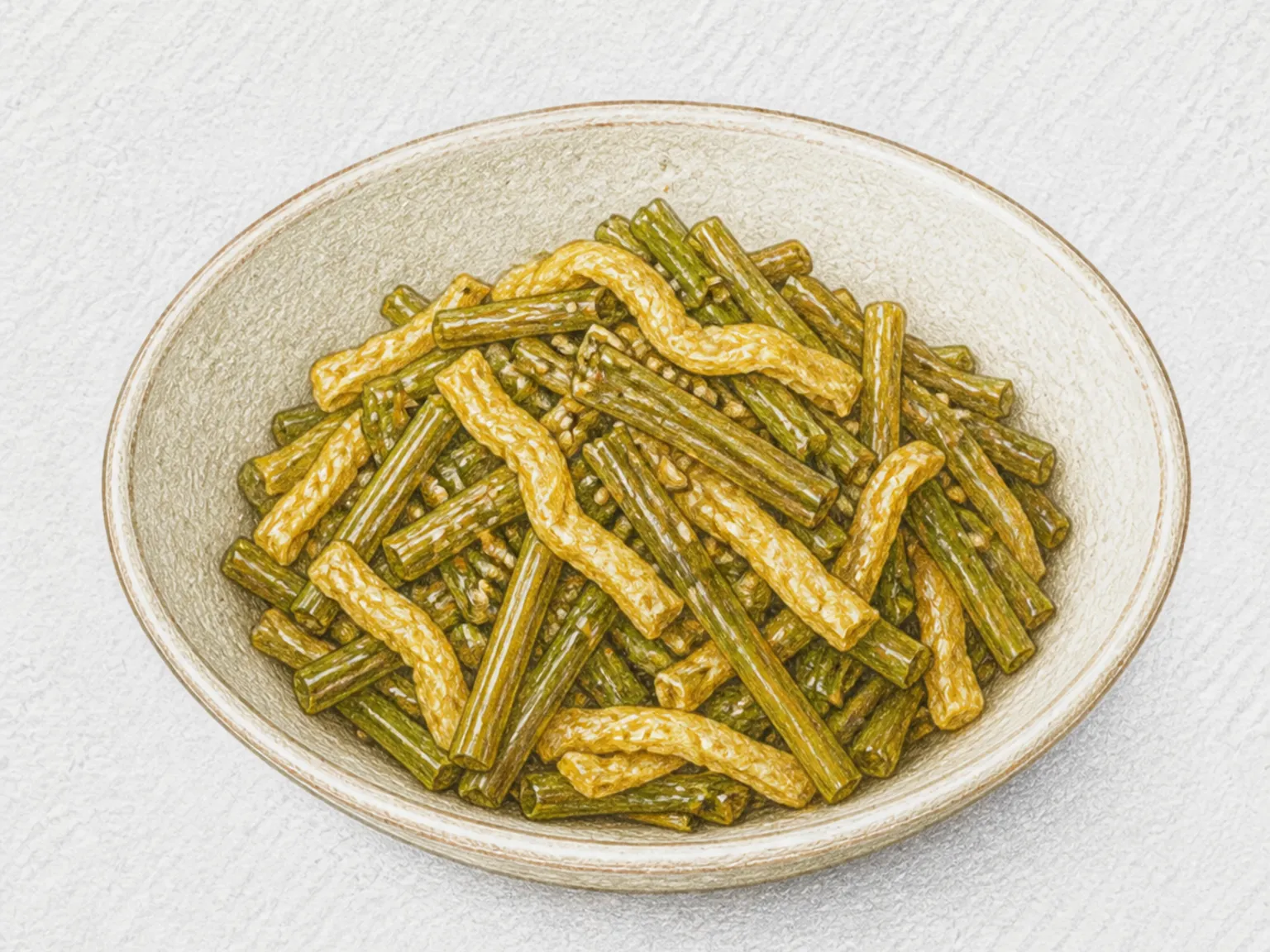
Tsuwabuki no abura-itame is a spring side dish from Miyazaki, Miyakonojo, and Nichinan, using the young stems of the evergreen leopard plant. The fibrous outer skin is peeled away and the stems are soaked to draw out their harshness before being boiled in salted water until pliable. They are then fried thoroughly in a generous amount of oil, joined by strips of fried tofu, and seasoned with sugar and soy sauce until little liquid remains. Toasted sesame is scattered on only after the heat is turned off. The rich oil and sweet-savory seasoning soften the wild vegetable character of stems harvested mainly in March and April.
Korean Soy-Braised Chicken Wings
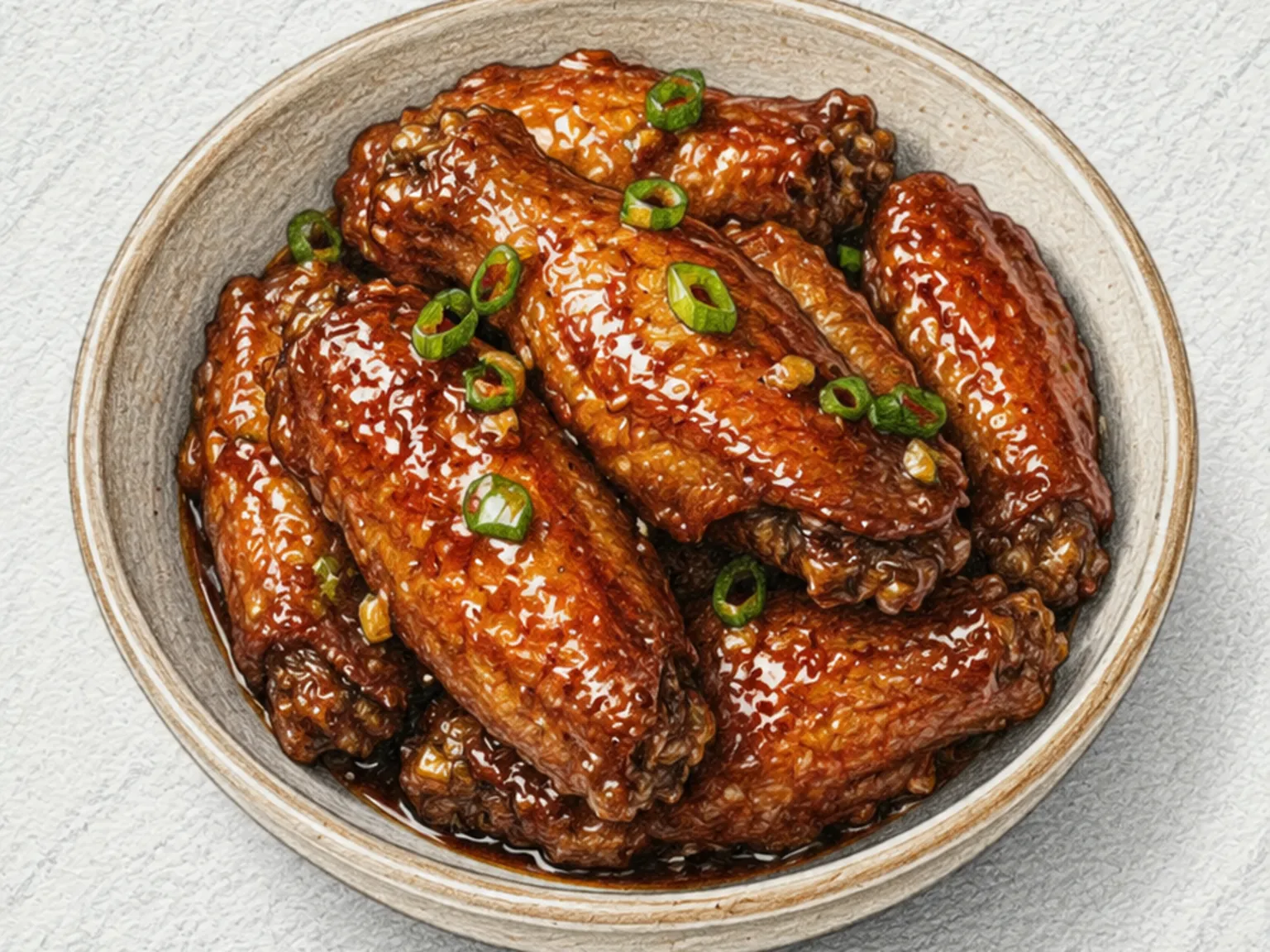
Korean soy-braised chicken wings are simmered in a glaze of soy sauce, sugar, garlic, and ginger until the sauce reduces to a thick, shiny coating. Scoring the wings beforehand allows the seasoning to reach the meat, and twenty minutes of covered braising followed by ten minutes of uncovered reduction concentrates the liquid into a sticky lacquer. Ginger keeps the flavor clean by neutralizing any gamey notes, and a finishing drizzle of sesame oil adds warmth. The wings come out so tender that the meat slides off the bone easily, making this a crowd-pleasing dish for children and adults alike.
Korean Spicy Tteok and Sundae Stir-Fry
Tteokbokki-sundae-bokkeum combines chewy rice cakes and Korean blood sausage in a spicy-sweet gochujang, soy sauce, and sugar sauce. The rice cakes are soaked first and then simmered in the sauce so the seasoning penetrates their dense, glutinous interior. Sundae is added near the end and stirred briefly to prevent the casing from bursting. Each bite alternates between the elastic pull of the rice cakes coated in red sauce and the heavier, starchy chew of the sundae filling - a recreation of the classic Korean street food pairing of tteokbokki and sundae in a single pan.
Tai no Karamushi (Steamed Sea Bream Stuffed with Okara)
Tai no karamushi is a celebratory Kaga dish from Ishikawa. Two whole sea bream are opened along the back and packed with okara cooked with bamboo shoot, burdock, carrot, wood ear mushrooms, ginkgo nuts, dashi, sugar, sake, and soy sauce. The fish are traditionally presented with their bellies facing each other, a substantial arrangement served at weddings and other festive tables. The vegetable and okara filling must be cooked until moist rather than wet, then cooled completely before it touches the raw fish. Steaming time changes with the size of the bream, so the thickest flesh and center of the stuffing determine when it is done. Each portion combines tender fish with savory-sweet okara that has absorbed the sea bream juices.
Korean Braised Burdock and Beef
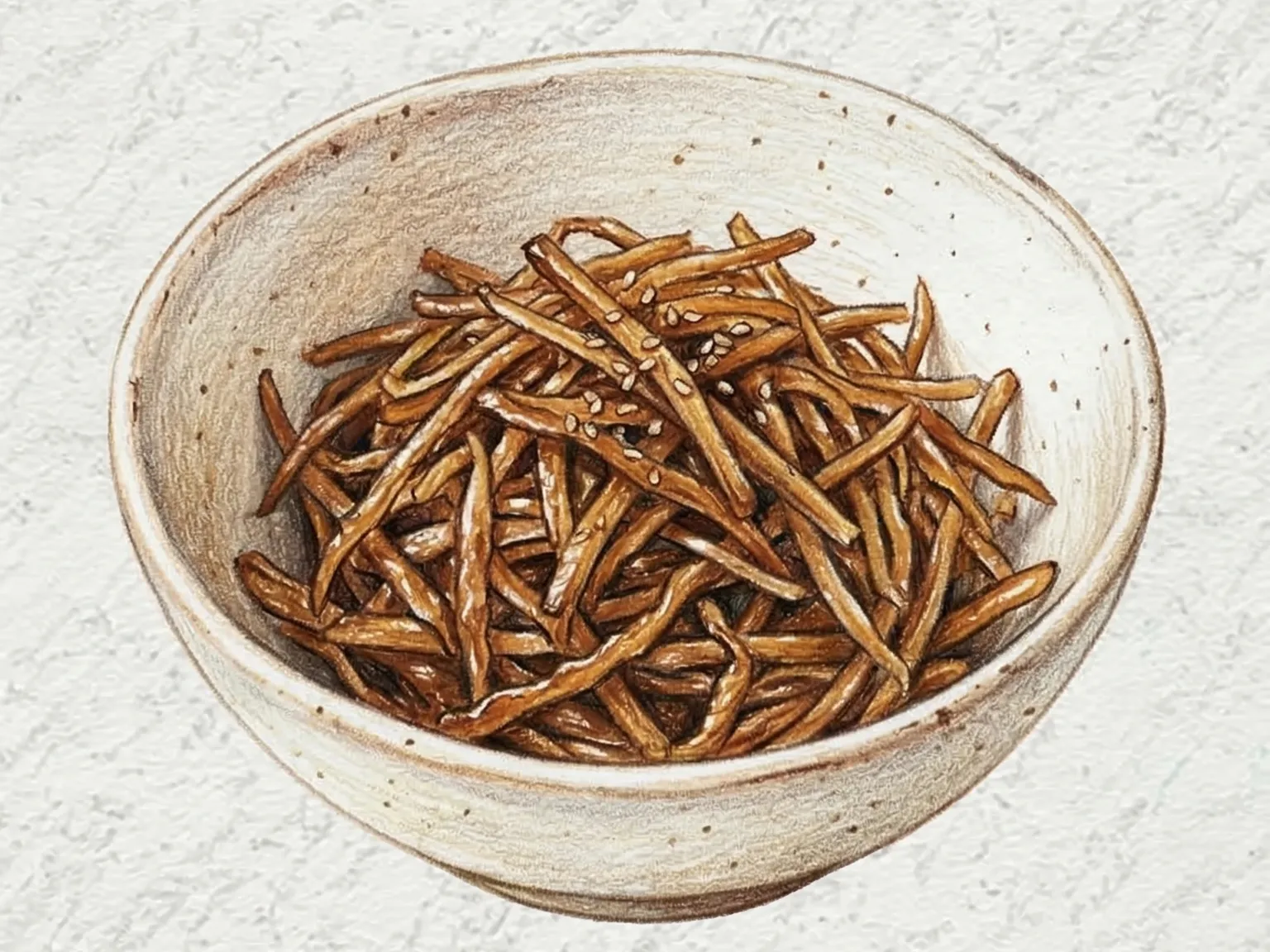
Ueong-soegogi-jorim is a Korean braised side dish of julienned burdock root and beef simmered in soy sauce, sugar, cooking wine, and garlic until the liquid nearly evaporates. The burdock is soaked in vinegar water beforehand to prevent browning, then cooked with beef and water before the braising seasonings are added. As the dish reduces, the burdock absorbs the soy sauce and develops its characteristic earthy sweetness, while thin beef strips distribute meaty flavor throughout. Finished with sesame oil and stored well under refrigeration, it serves as a make-ahead banchan that lasts several days.
Tori Motsu-ni (Glossy Sweet-Soy Chicken Offal)
Tori motsu-ni is a Kofu dish from Yamanashi. Chicken liver, gizzard, heart, unlaid egg yolks called kinkan, and oviduct called himo are trimmed, dropped together into boiling sugar-soy sauce, and quickly glazed over high heat. Unlike a brothy offal stew, its small amount of concentrated sauce reduces until a shiny film clings to the edge of the pan. The dish is said to have begun around 1950 at a Kofu soba shop seeking a use for chicken parts that were being discarded. Because each organ has a different thickness, cut them evenly and do not remove the pan from heat until the thickest gizzard and yolk centers reach at least 74C.
Korean Soy-Braised Rockfish
Ureok-jorim is a Korean soy-braised rockfish simmered with Korean radish, gochugaru, garlic, and rice wine. The radish goes in first and softens in the braising liquid before the cleaned whole fish is placed on top and basted with sauce over medium heat for ten minutes. Rice wine neutralizes any fishiness, while the radish absorbs the salty braising liquid and releases its own sweetness to balance the seasoning naturally. The rockfish flesh stays mild and flakes in soft layers, with gochugaru lending a gentle warmth to the overall dish.
Korean Braised Chicken with Burdock
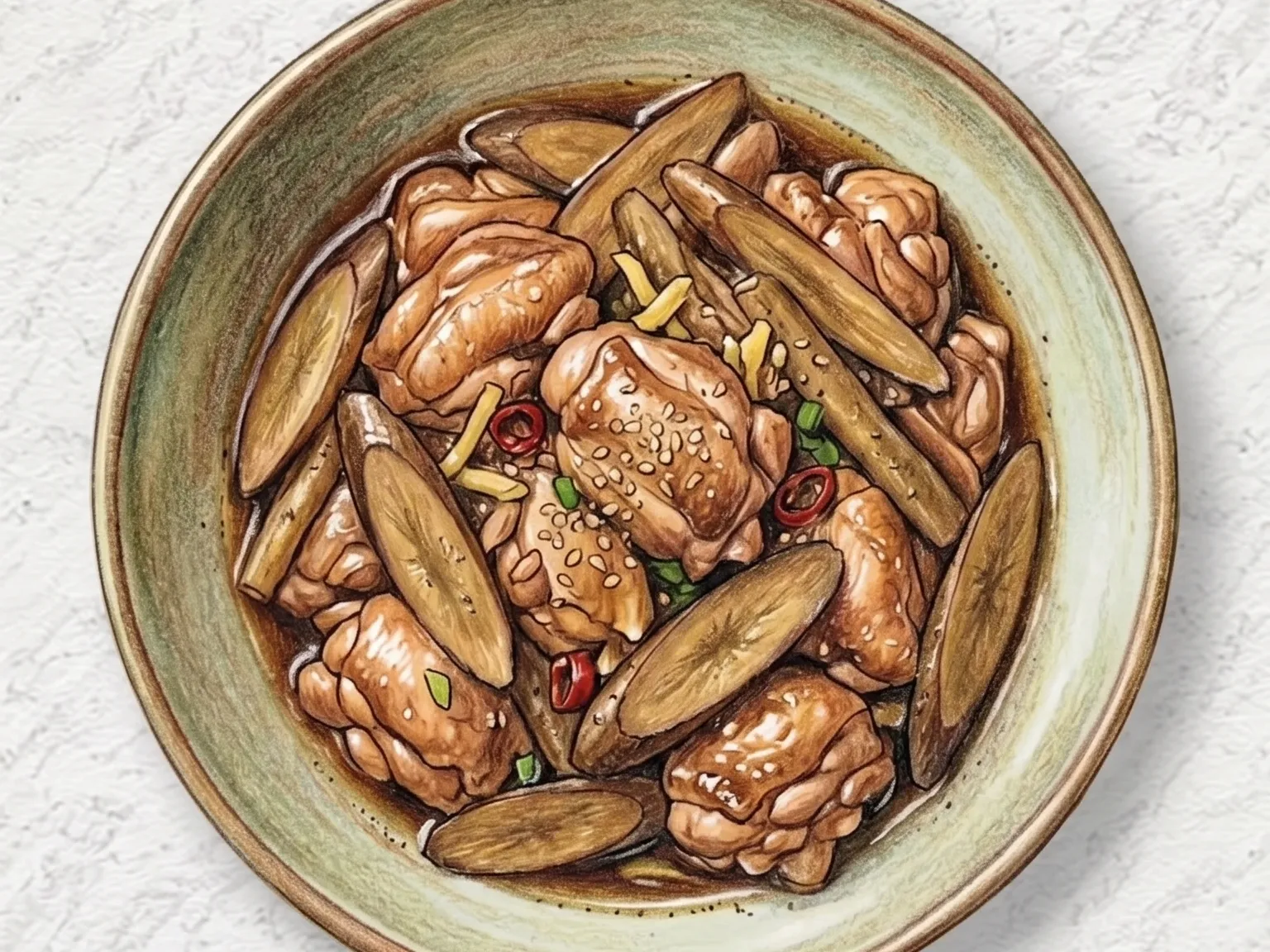
Ueong dak jorim is a Korean braised dish that simmers boneless chicken thigh and burdock root together in soy sauce, sugar, and ginger juice until the liquid reduces and the glaze thickens around each piece. Soaking the burdock in vinegar water draws out the astringent bitterness that raw burdock carries, and marinating the chicken in cooking wine and ginger beforehand removes any lingering gamey odor. Once both are added to the pot, low heat does the work over at least eighteen minutes, bringing the braising liquid down by half and building a glossy, clinging sauce. A final drizzle of sesame oil at the end ties the aroma together and rounds out the flavor. The finished dish sets the crisp yet slightly chewy texture of burdock against the moist tenderness of chicken thigh, with a sweet-savory profile that makes it a reliable companion to steamed rice.
Korean Vegetable Japchae (Glass Noodle Mixed Vegetable Stir-Fry)
Yachae japchae is a vegetarian version of the classic Korean glass noodle dish, made entirely with sweet potato noodles and mixed vegetables - spinach, carrot, shiitake mushrooms, bell pepper, and onion. Each vegetable is stir-fried separately to maintain its color and distinct texture, then combined with pre-seasoned noodles dressed in soy sauce and sesame oil. The varied sweetness and crunch of each vegetable layer together under the soy-sugar seasoning, while the noodles absorb the sauce and turn glossy and chewy. Without meat, the vegetables take center stage, making this equally suitable for everyday meals and celebration spreads.
Korean Braised Burdock and Konjac
Ueong gonyak jorim is a low-calorie Korean braised side dish of diagonally sliced burdock root and bite-size konjac in soy sauce with oligosaccharide syrup. The burdock is soaked in vinegar water to remove astringency, and the konjac is blanched then dry-toasted briefly to minimize its neutral odor. Adding the syrup once the liquid has reduced by half creates a gentle gloss and softens the salt. Sesame oil and sesame seeds finish the dish with a toasted note. Despite using just a handful of inexpensive ingredients, the contrasting textures of crunchy burdock and bouncy konjac make this banchan more interesting than the short ingredient list suggests.
Korean Young Radish Pork Stir-fry
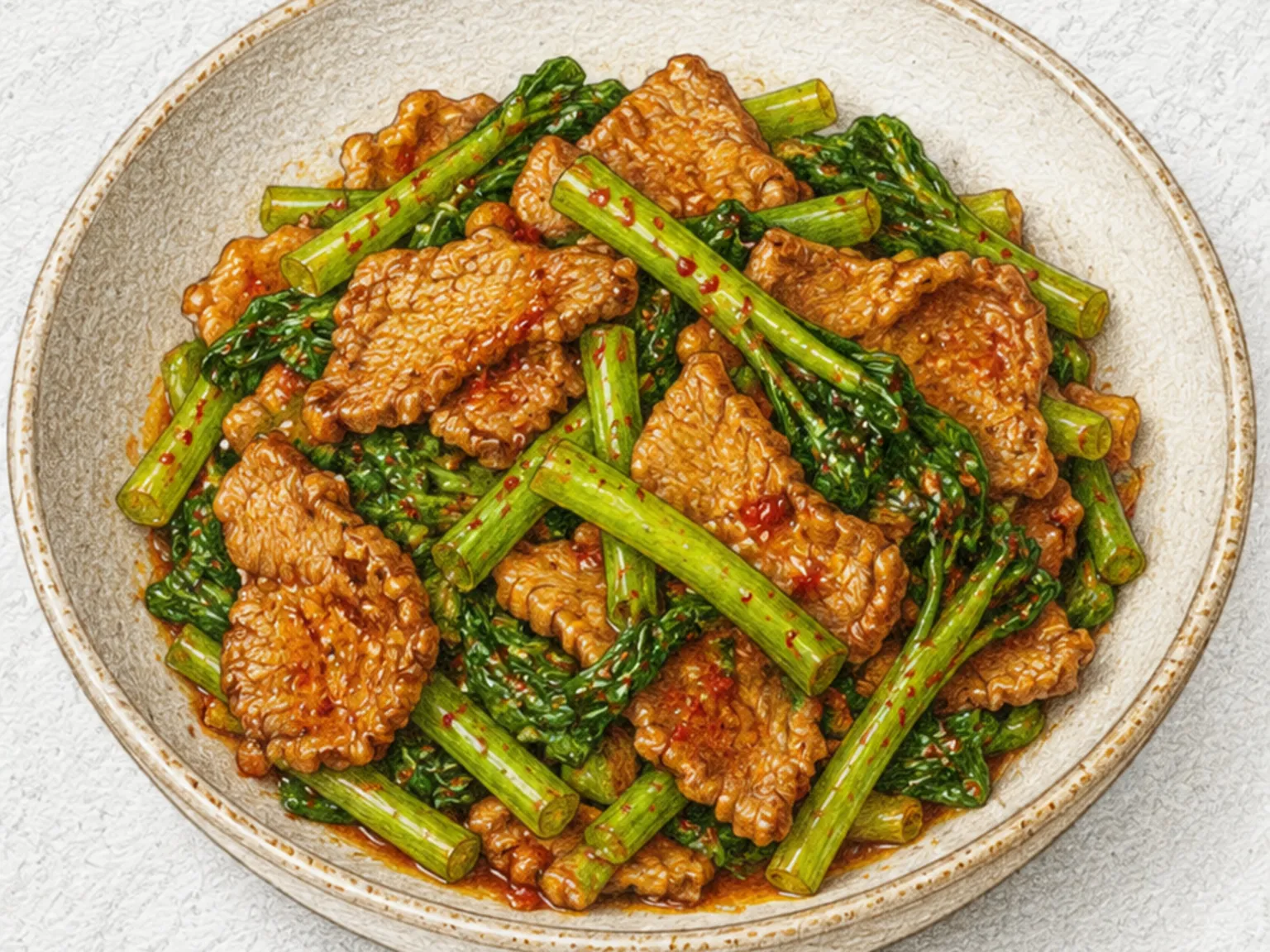
Yeolmu-dwaejigogi-bokkeum is a spicy Korean stir-fry of pork shoulder marinated in gochujang, gochugaru, and soy sauce, cooked together with young radish greens (yeolmu). The pork is seared first over high heat for four minutes, then the greens are added on medium heat for another four minutes - just long enough to wilt without losing their fresh bite. The gochujang heat contrasts with the crisp, slightly grassy stems of the yeolmu, and sesame oil ties the flavors together at the end. It is a seasonal dish best made when young radish greens are in peak supply during summer.
Korean Braised Beef and Burdock Steam
Ueong sogogi jjim is a Korean braised-and-steamed dish of beef shank and burdock root cooked together in a soy sauce, garlic, and sugar base with just enough liquid to surround the ingredients without submerging them. The shank is first simmered in plain water and skimmed of foam, which produces a clean, clear broth free of the off-flavors that surface during the initial boil. Soy seasoning is added to that broth, the beef cooks for another twenty minutes, and then burdock slices go in with the lid on for fifteen minutes of gentle steaming, during which the root vegetable draws in the beef-enriched liquid through its fibrous structure. Cutting the burdock at a bias to a thickness of roughly 0.5 centimeters keeps its characteristic snap while ensuring the interior cooks through within the target time. The dish is finished when the braising liquid reduces to about half its volume, at which point sesame oil and whole sesame seeds are added to round out the flavor with a nutty finish. The final dish balances the deep, heavy richness of slow-cooked beef shank against the clean, aromatic earthiness that burdock root brings to the plate.
Korean Soy Sauce Stir-Fried Lotus Root and Bean Sprouts
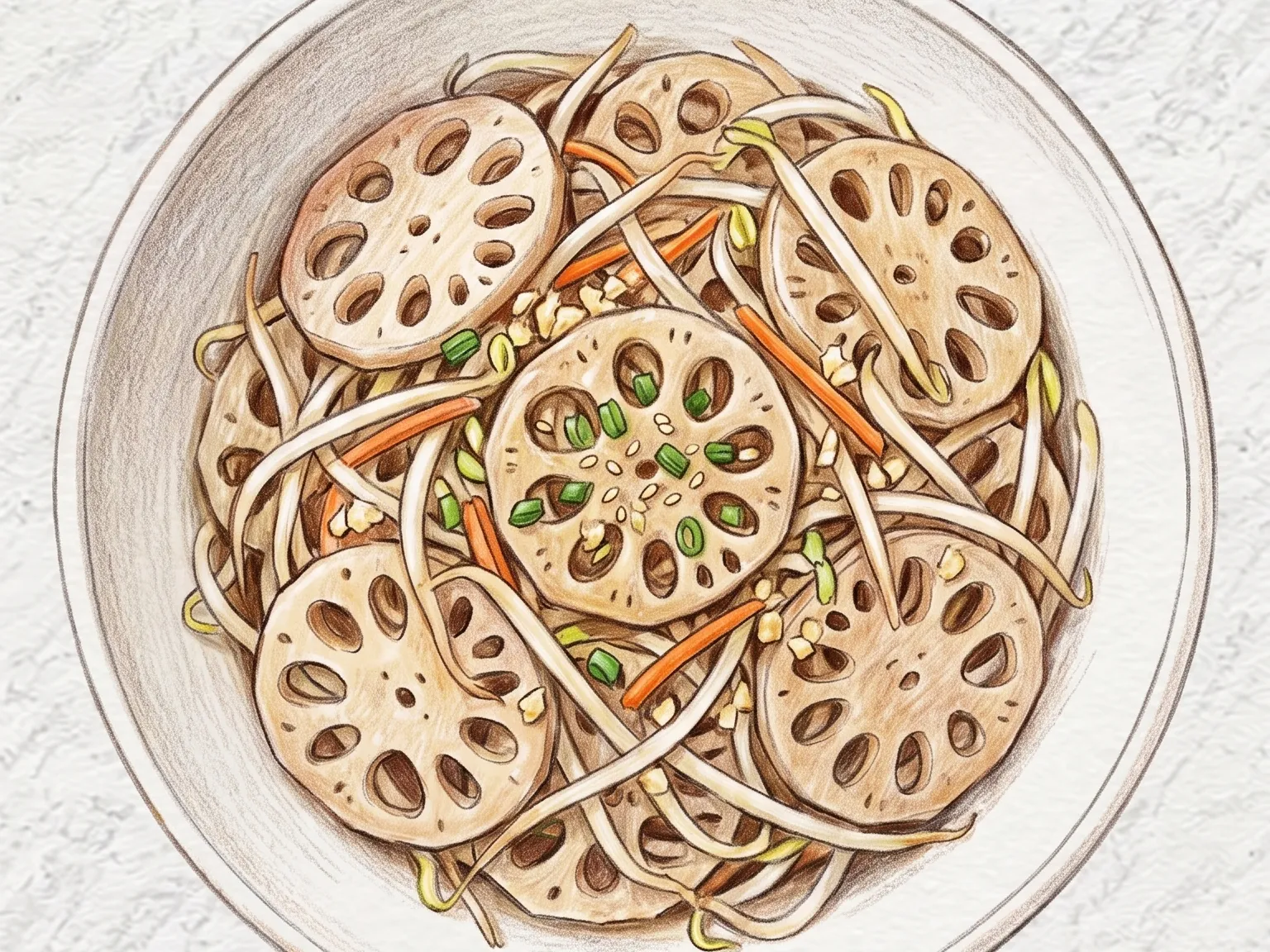
Yeongeun-kongnamul-ganjang-bokkeum stir-fries sliced lotus root and bean sprouts in a soy sauce and oligosaccharide glaze. The lotus root goes in first over medium heat for three minutes until slightly translucent, then carrot and garlic are added before the soy seasoning. Bean sprouts join last and cook on high heat for just two minutes to drive off moisture while staying crunchy. The starchy snap of the lotus root contrasts with the watery crispness of the bean sprouts, tied together by a light sweet-salty soy coating.
Korean Braised Beef Trotter
Ujok-jjim is Korean braised beef trotter simmered for over two hours with soy sauce, garlic, ginger, and green onion until the collagen-rich joints turn soft and gelatinous. The long, low braise dissolves the connective tissue into the cooking liquid, making it so concentrated that it sets into a firm jelly when cooled. Sugar and soy sauce create a sweet-savory seasoning that penetrates deep into the layered skin and tendons. Traditionally regarded as a nourishing food for joint health, this is a slow-cooked comfort dish especially popular among older generations in Korea.
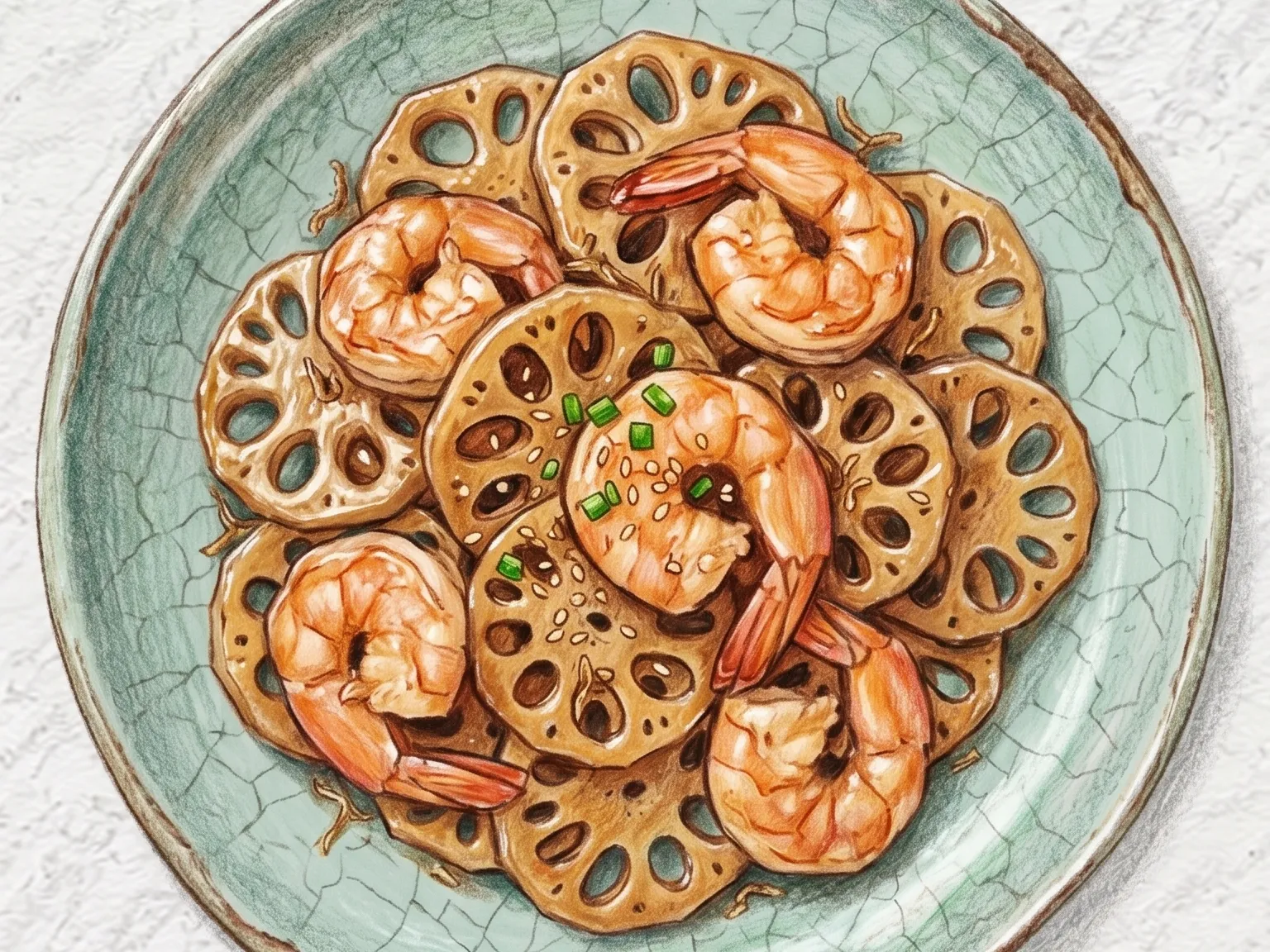
Korean Lotus Root and Shrimp Stir-fry
Yeongeun-saeu-bokkeum stir-fries vinegar-soaked lotus root and cleaned shrimp in a soy sauce and oligosaccharide glaze. The lotus root goes in the pan first for two minutes to start cooking, then shrimp are added and the soy-syrup seasoning goes in over high heat to build a glossy coating. The crunchy, starchy bite of the lotus root contrasts with the bouncy firmness of the shrimp in each mouthful, while the soy and syrup provide a simple salty-sweet balance. Finished with sesame oil, the dish holds its texture well even after cooling, making it well-suited for packed lunches.
Korean Steamed Rockfish (Spicy Gochugaru Radish Braise)
Ureok-jjim is a Korean spicy steamed rockfish cooked with Korean radish, onion, and green onion in a gochugaru and soy sauce broth. Rockfish has firm, well-defined flesh that holds its shape through the cooking process, and scoring the skin lets the bold seasoning reach deep into the meat. Radish softens in the braising liquid and absorbs the chili heat while contributing natural sweetness, and ginger keeps the fish tasting clean. The remaining sauce is concentrated enough to spoon over rice, delivering a hit of spicy, salty flavor with every bite.
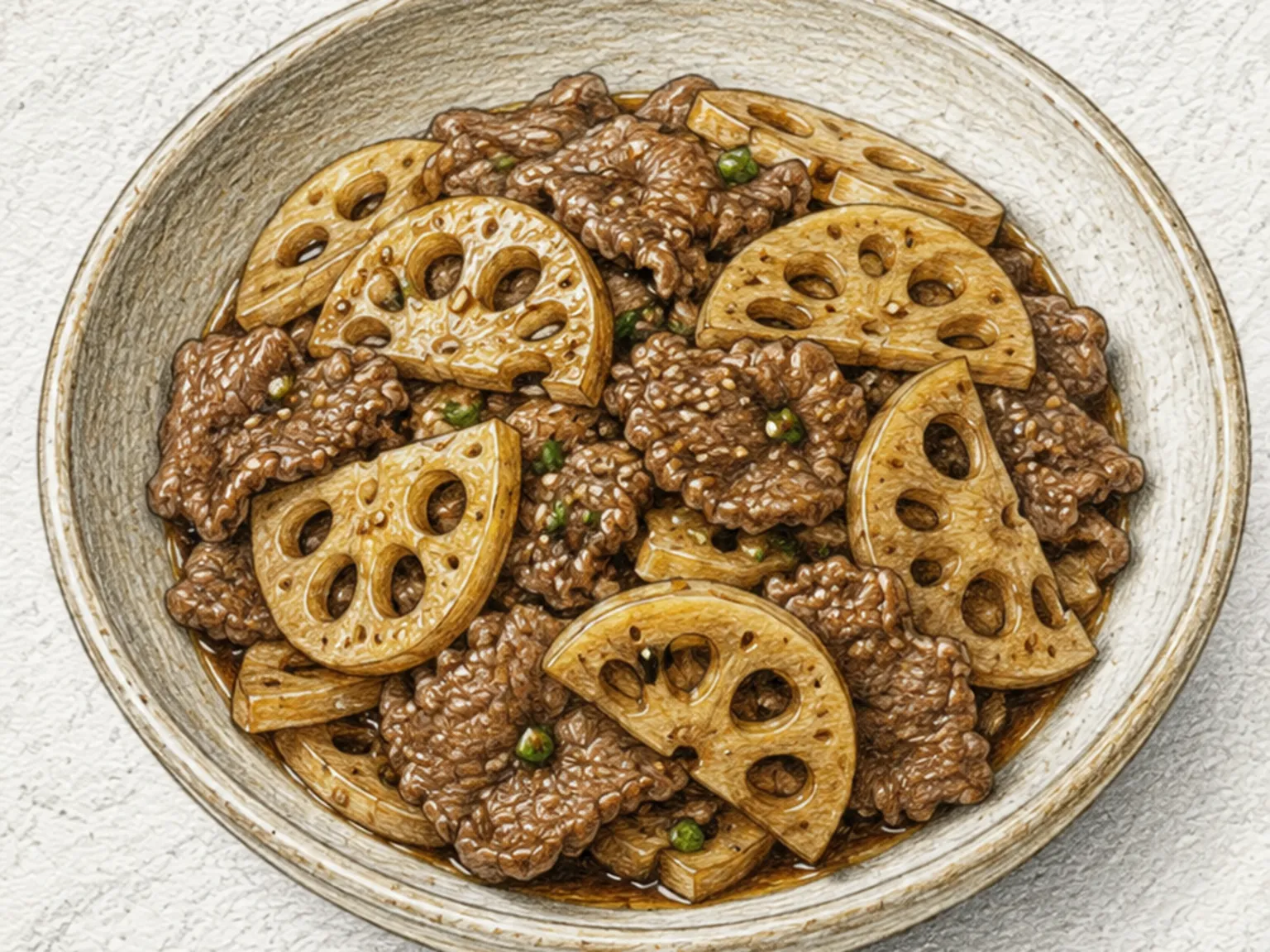
Korean Lotus Root and Beef Stir-fry
Yeongeun-soegogi-bokkeum is a Korean stir-fry of thinly sliced lotus root and beef in a soy sauce and oligosaccharide syrup glaze. The lotus root is soaked in vinegar water to prevent browning, then stir-fried briefly to keep its distinctive crunch, while the beef is pre-seasoned in soy sauce for deeper flavor. The syrup creates a thin, glossy coating that carries the sweet-salty seasoning evenly across every piece. A finishing drizzle of sesame oil rounds out the dish with a nutty fragrance, making it a versatile side for everyday rice meals and packed lunches.