🍺 Bar Snacks Recipes
Perfect pairings for beer, soju & wine
705 recipes. Page 14 of 30
In Korean drinking culture, anju (drinking snacks) are just as important as the drink itself. Beer goes with fried chicken, soju pairs with grilled pork belly and dubu-kimchi, and makgeolli calls for pajeon and bindaetteok. This tag gathers recipes designed to accompany a drink.
Great anju complements the beverage without overwhelming it. Salty, savory, and spicy options - prepare a few and you will be ready for any gathering.
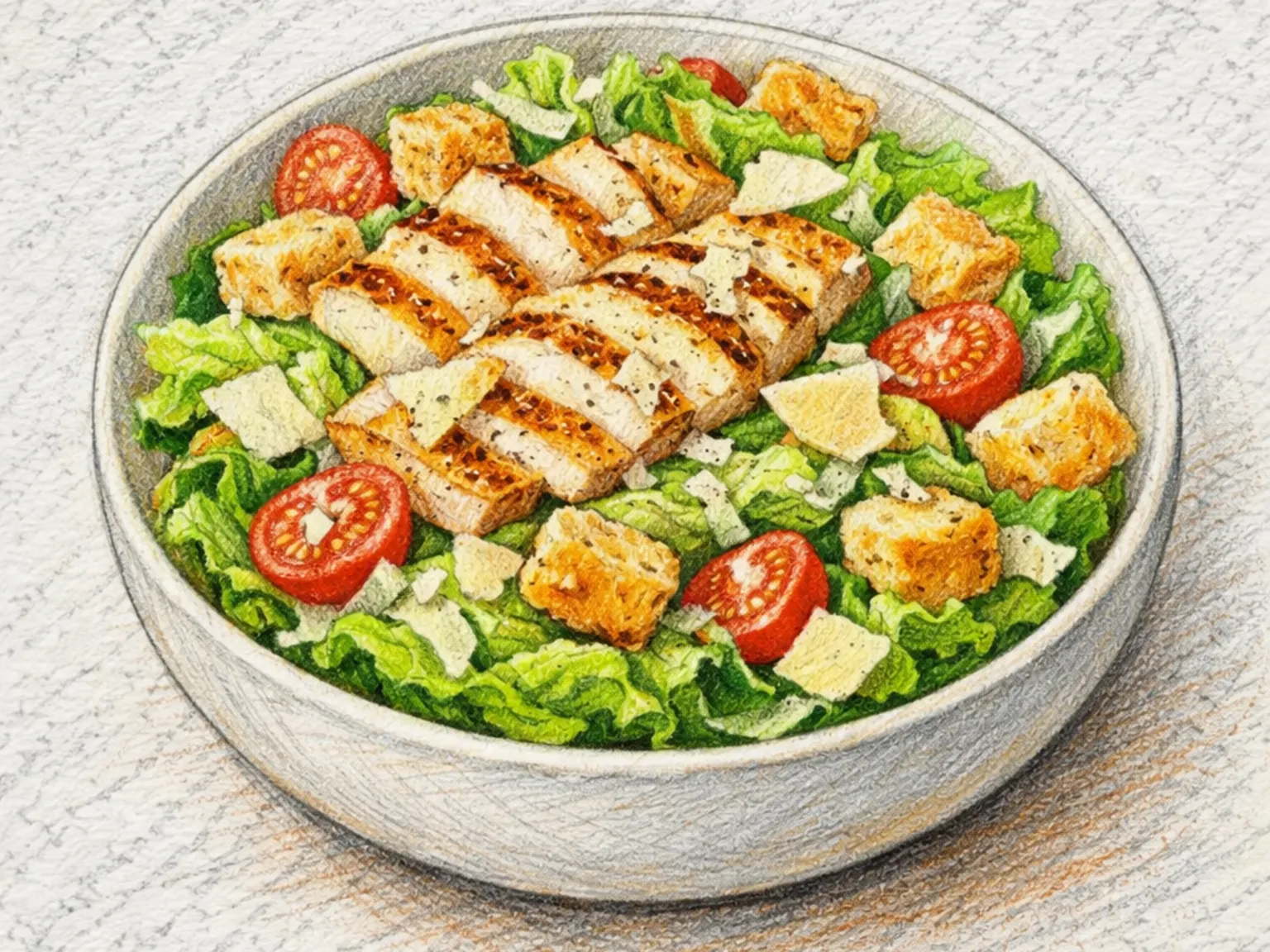
Grilled Chicken Caesar Salad
Grilled chicken Caesar salad is a classic constructed salad built on pan-seared chicken breast, crisp romaine lettuce, house-made Caesar dressing, croutons, and shaved Parmesan. The chicken breast is seasoned simply with salt and pepper and cooked over medium-high heat until golden on both sides, then left to rest for five minutes before slicing. Resting allows the muscle fibers to relax and the internal juices to redistribute, so each slice stays moist at the center rather than releasing liquid when cut. Slicing too thinly also causes rapid heat loss and results in a dry, mealy texture, so cutting into thicker pieces is preferable. The dressing is made by whisking together mayonnaise, fresh lemon juice, minced garlic, and a small amount of Worcestershire sauce. That combination produces a coating that is creamy and rich but balanced by the sharpness of citrus and the depth of the fermented condiment. Romaine is torn into bite-sized pieces and tossed lightly with dressing before the chicken and croutons are added on top, which prevents the weight of the toppings from bruising the leaves and accelerating wilting. Croutons go on last and should not be tossed through the greens, as contact with dressing causes them to absorb moisture and lose crunch quickly. Parmesan provides the concentrated salty umami of aged hard cheese that ties the neutral lettuce, mild chicken, and tangy dressing into a unified plate. The salad must be assembled immediately before serving to preserve the distinct textures that make it satisfying.
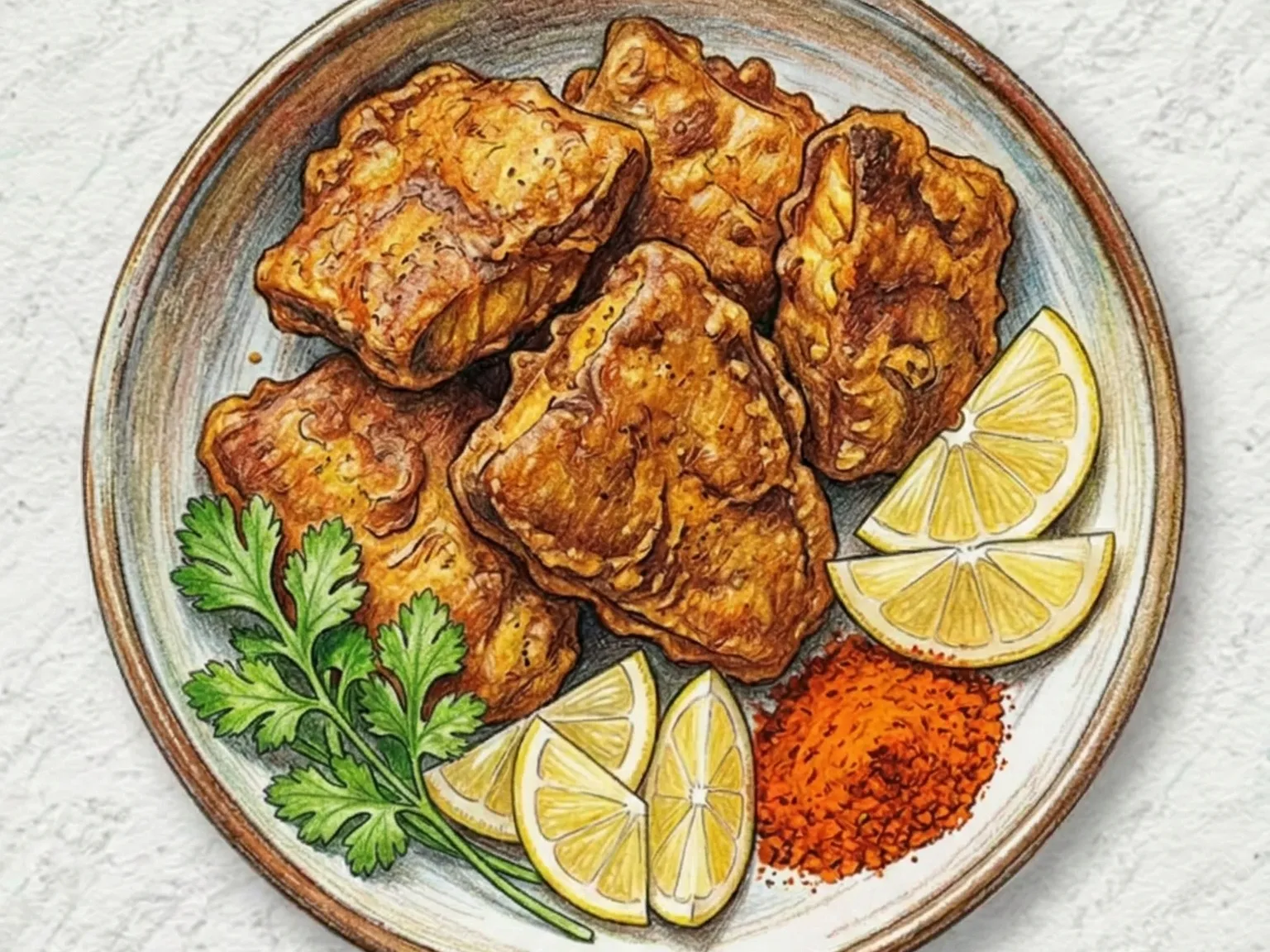
Amritsari Fish Fry (Spiced Chickpea-Batter Fish)
Amritsari fish fry originated in Amritsar, the Punjabi city of the Golden Temple, where the narrow lanes surrounding Harmandir Sahib are still packed with fish fry stalls whose frying kadhai fill the air with spice-scented smoke. The dish moved from street corner to pub counter and became one of the most-ordered bar snacks across North India. Freshwater fish varieties such as singara, sole, or pangasius are typical; the fish is marinated in ajwain (carom seeds), chili powder, amchur (dried mango powder), and ginger-garlic paste before being dipped in a besan (gram flour) batter and fried in hot oil. Ajwain suppresses the muddy, fishy notes characteristic of freshwater varieties while depositing a herbal, thyme-adjacent aroma that is unlike any other spice in the marinade. Amchur introduces a dry tartness that cuts through the richness of the fried batter and keeps the overall flavor from becoming heavy. Besan batter adheres in a thinner, more delicate layer than wheat flour and retains its crunch for longer, allowing the fish inside to steam gently and stay moist. Squeezing lemon over the fish and dipping it into mint-coriander chutney before each bite stacks heat, sourness, and herb freshness in a single mouthful. Visiting Amritsar and stopping at one of these stalls after the Golden Temple is a ritual that has remained part of local daily life for generations.
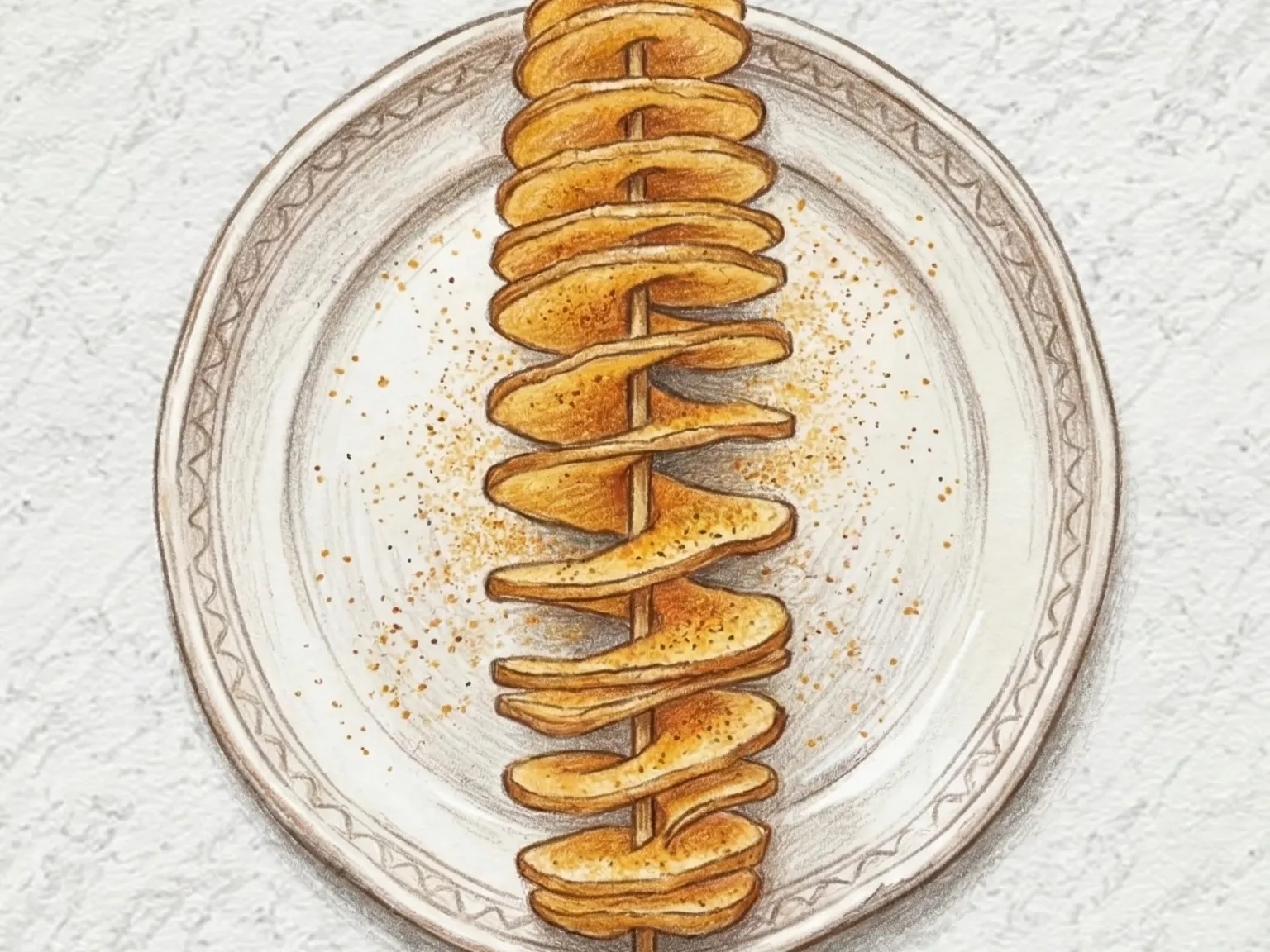
Korean Tornado Potato (Spiral-Cut Deep-Fried Whole Potato Skewer)
Tornado potato is a Korean street snack made by spiral-cutting a whole potato on a skewer, stretching it into a continuous helix, and deep-frying at 170 degrees Celsius until golden. The key to an unbroken spiral is rotating the potato slowly and evenly while cutting so each pass of the knife connects to the last. Soaking the cut potato in salted water for five minutes pulls out surface starch, which results in a noticeably crispier exterior after frying. The thin outer edges of the stretched spiral fry up chip-like and crunchy, while the thicker central section retains a fluffy, starchy interior. This contrast of textures on a single skewer is what makes the format appealing beyond the novelty. Seasoning should be applied immediately after frying while the surface is still hot and slightly oily, since the coating adheres poorly once the potato cools. Cheese powder, paprika, and salt are the standard options, but buldak seasoning or herb blends are popular variations. Keeping the potato firmly secured on the skewer and working flat on a cutting board makes the spiral-cutting step significantly easier for first-timers.

Korean Sweet Pumpkin Latte
Danhobak latte begins with seeded kabocha pumpkin steamed skin-on, then blended with water into a smooth puree. Milk is whisked in gradually over low heat until the drink reaches a rich, velvety consistency. The pumpkin contributes natural sweetness that anchors the flavor, supported by honey, a half teaspoon of ground cinnamon, and a pinch of salt that defines the sweetness without adding noticeable saltiness. Keeping the milk below a boil -- around 80 degrees Celsius -- preserves its creamy character, and a spoonful of lightly whipped cream on top adds a soft, layered texture to each sip.
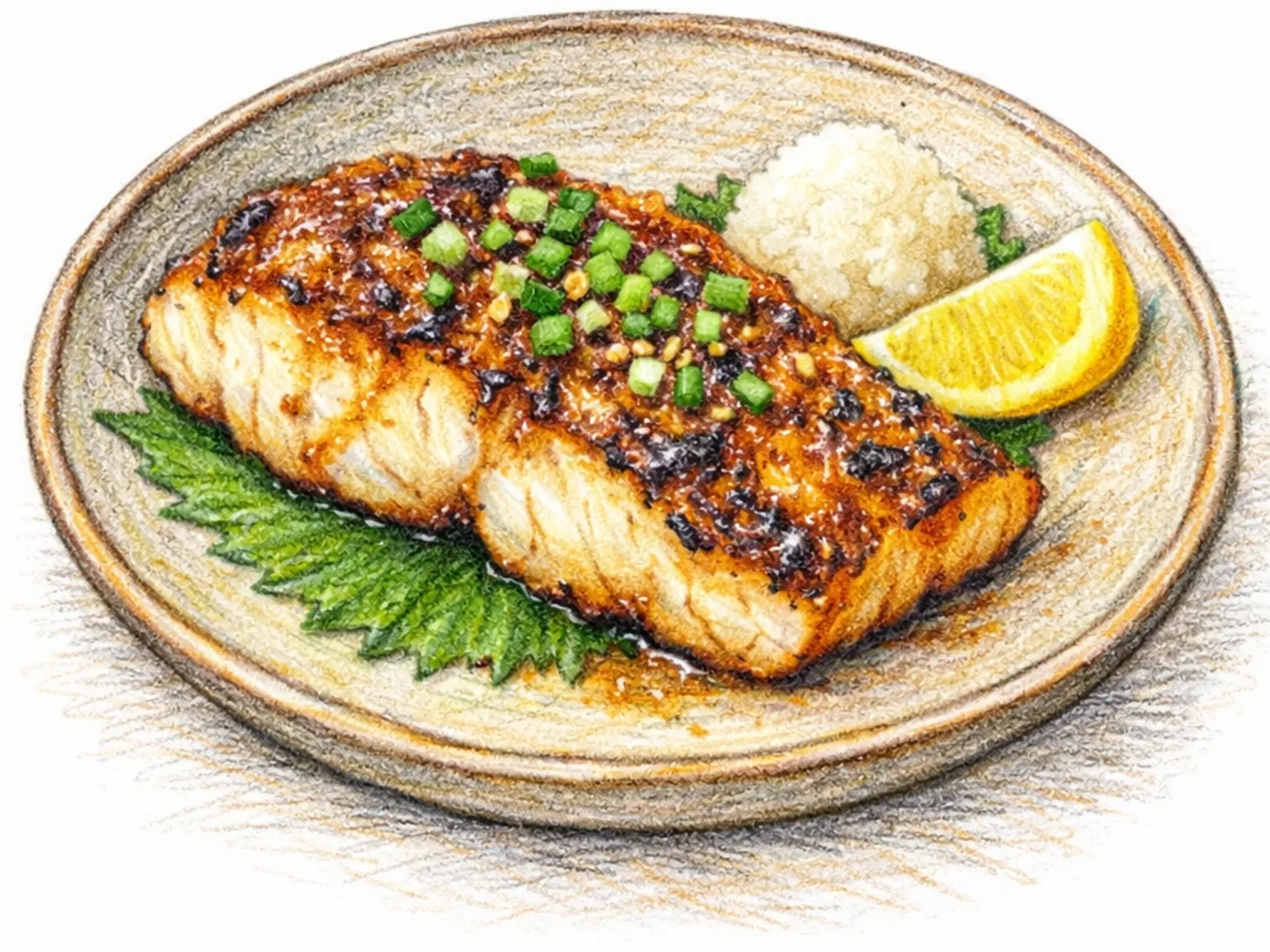
Korean Daegu Doenjang Gui (Doenjang-Grilled Cod)
Daegu doenjang gui is a Korean grilled cod dish where fillets are coated with a paste of doenjang, minced garlic, and sesame oil, then cooked until the paste forms a thin, concentrated crust over the fish. Cod is mild-flavored white fish that accepts the deep, fermented soybean character of doenjang without conflict -- the seasoning defines the fish rather than overpowering it. As the paste dries slightly against the heat, a dark crust seals the surface while the flesh underneath stays moist and flakes cleanly. Controlling the amount of doenjang is critical because the paste can easily oversalt the delicate fish if applied too heavily. Serving with sliced green onion or perilla leaves provides a fresh, herbal counterpoint to the earthy, savory paste.
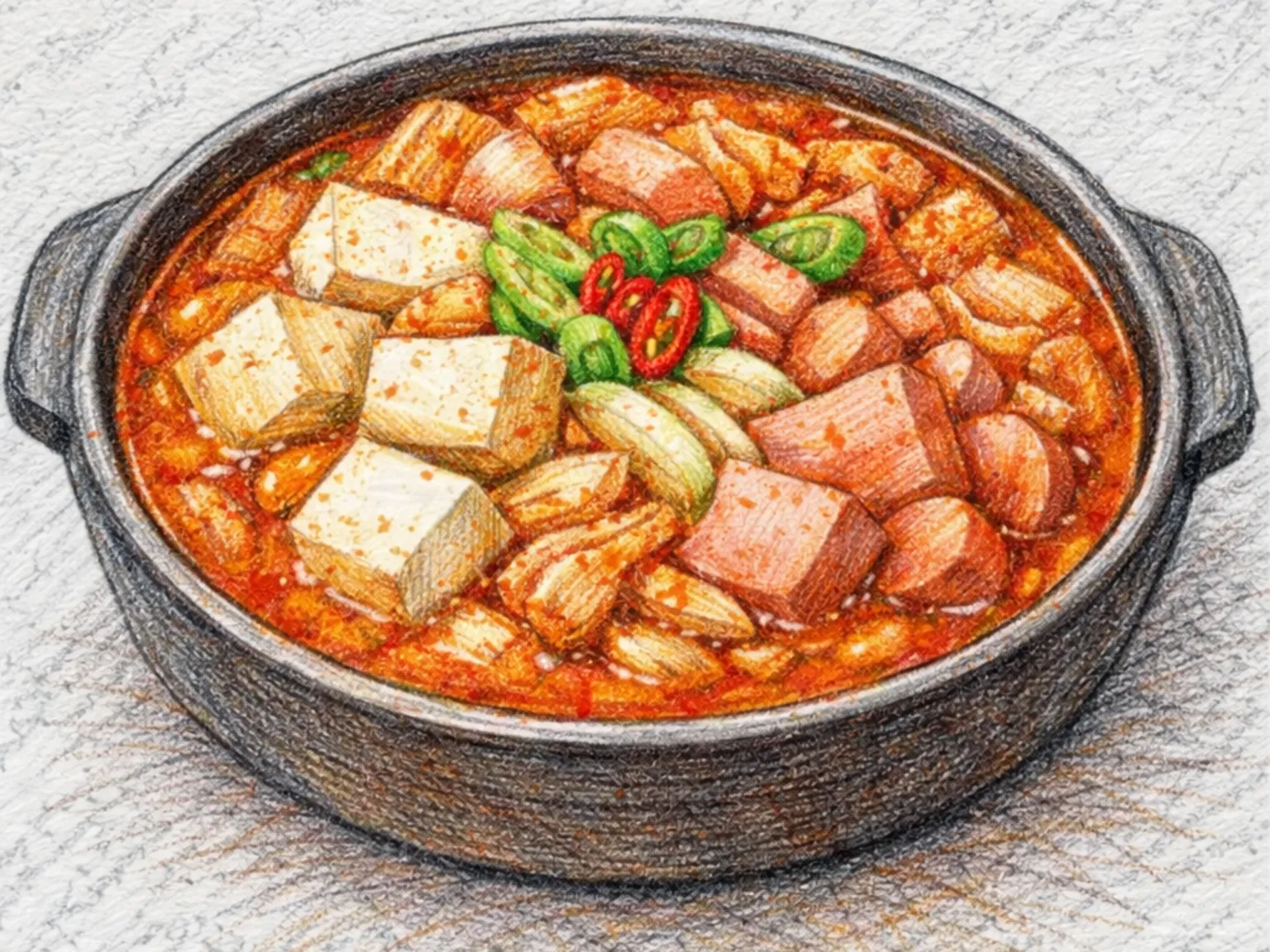
Korean Uijeongbu-Style Budae Jjigae
Uijeongbu-style budae-jjigae is a spicy communal stew that combines luncheon meat, cocktail sausages, well-fermented kimchi, and baked beans in an anchovy broth seasoned with gochujang and gochugaru. The fermented kimchi is a key flavoring element here, contributing acidity and deep umami that balance out the salt-heavy processed meats. Tofu and onion mellow the aggressive flavors by absorbing into the broth and adding softness. A block of instant noodles is added at the end to soak up the heavily seasoned liquid. Uijeongbu, a city north of Seoul, is recognized as the origin of this dish, where it developed near a US military base after the Korean War and took on its distinctly hybrid character from the military surplus ingredients available at the time.
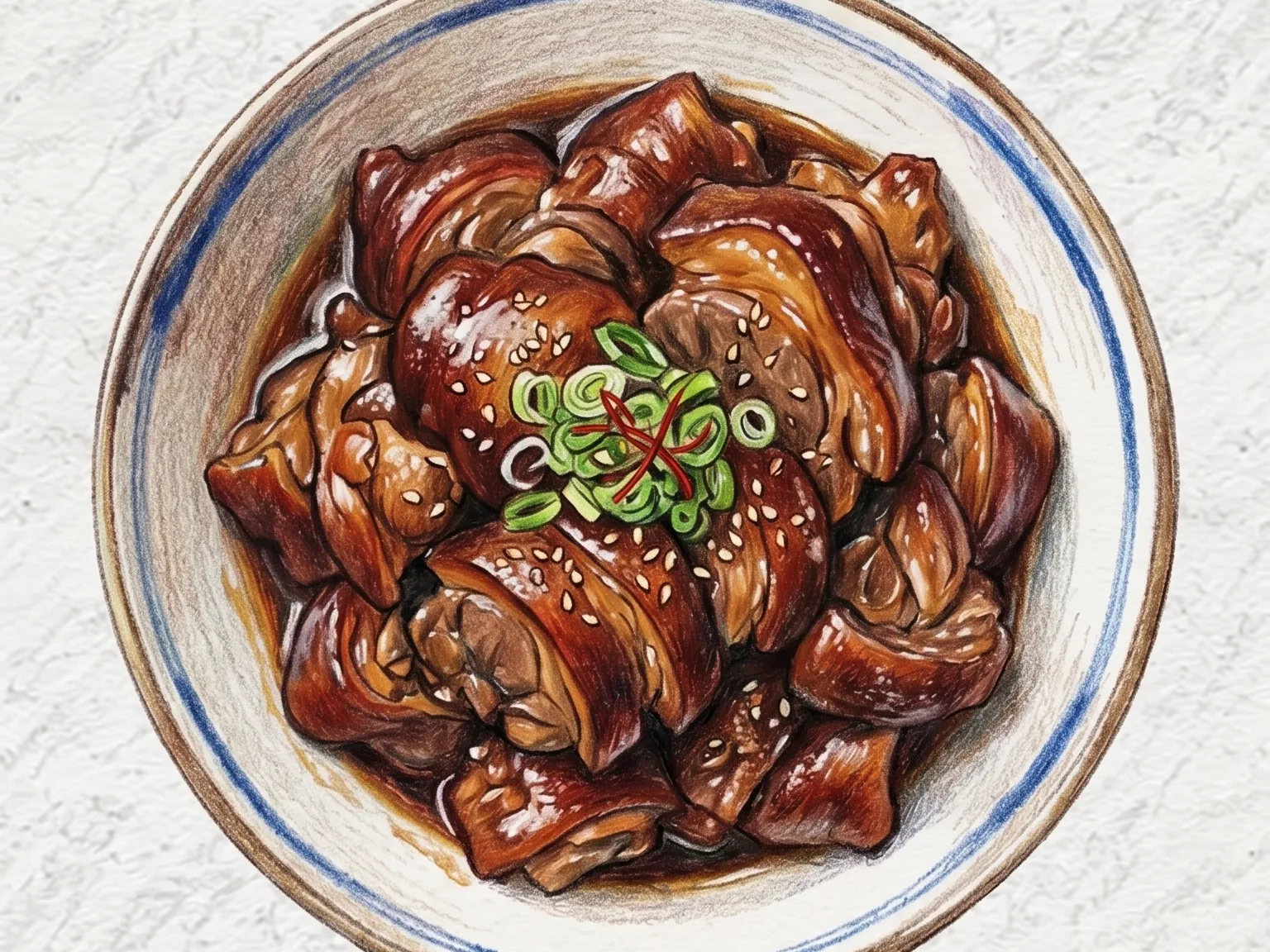
Braised Boneless Jokbal
Braised Boneless Jokbal is a dish made by simmering pre-cooked boneless pork trotter in a sweet and savory soy-based sauce. Since the pork trotter is already cooked, the entire process takes less than thirty minutes. The cut pieces of jokbal are simmered with green onions in a mixture of water, soy sauce, sugar, cooking wine, and ginger juice. Once the liquid reduces and coats the pork glaze-like, minced garlic is added during the final two minutes of cooking. Adding the garlic at the end preserves its fresh aroma without risk of burning or turning bitter. Over-braising should be avoided as the collagen can become tough. When served warm, the meat remains tender, while cooling the dish allows the collagen to bind with the sauce and set into a firm, chewy texture.
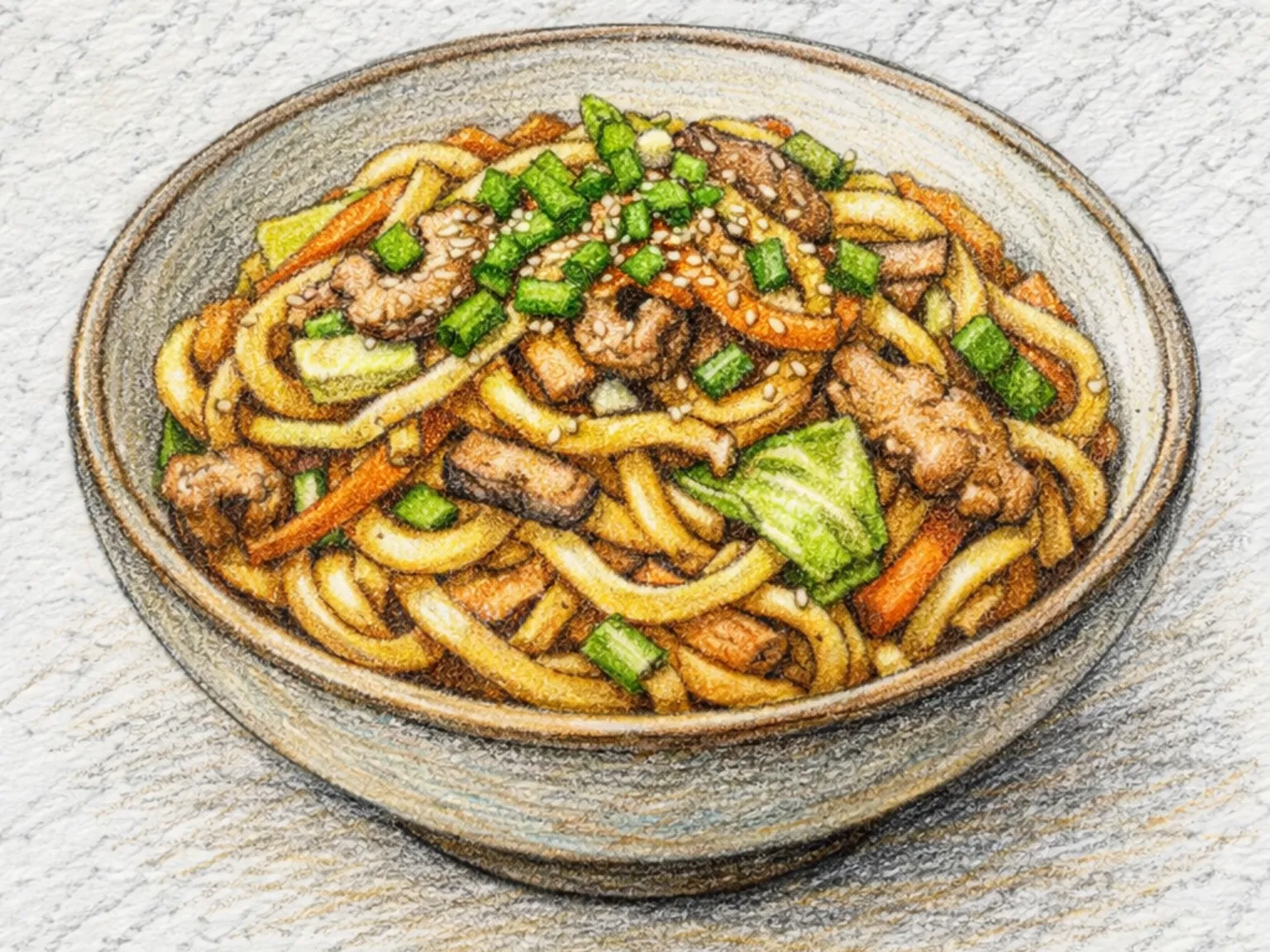
Japanese Stir-Fried Udon
Yaki udon is a Japanese stir-fried noodle dish where thick udon noodles are tossed in a soy-based sauce over high heat with sliced pork or seafood and vegetables such as cabbage, carrot, and scallion. The high heat gives the noodles lightly charred edges while keeping their chewy center intact. Bonito flakes (katsuobushi) are often scattered on top just before serving, where they wave from the residual heat. The recipe takes about 25 minutes and depends on maintaining strong heat throughout the stir-fry to avoid steaming the noodles.
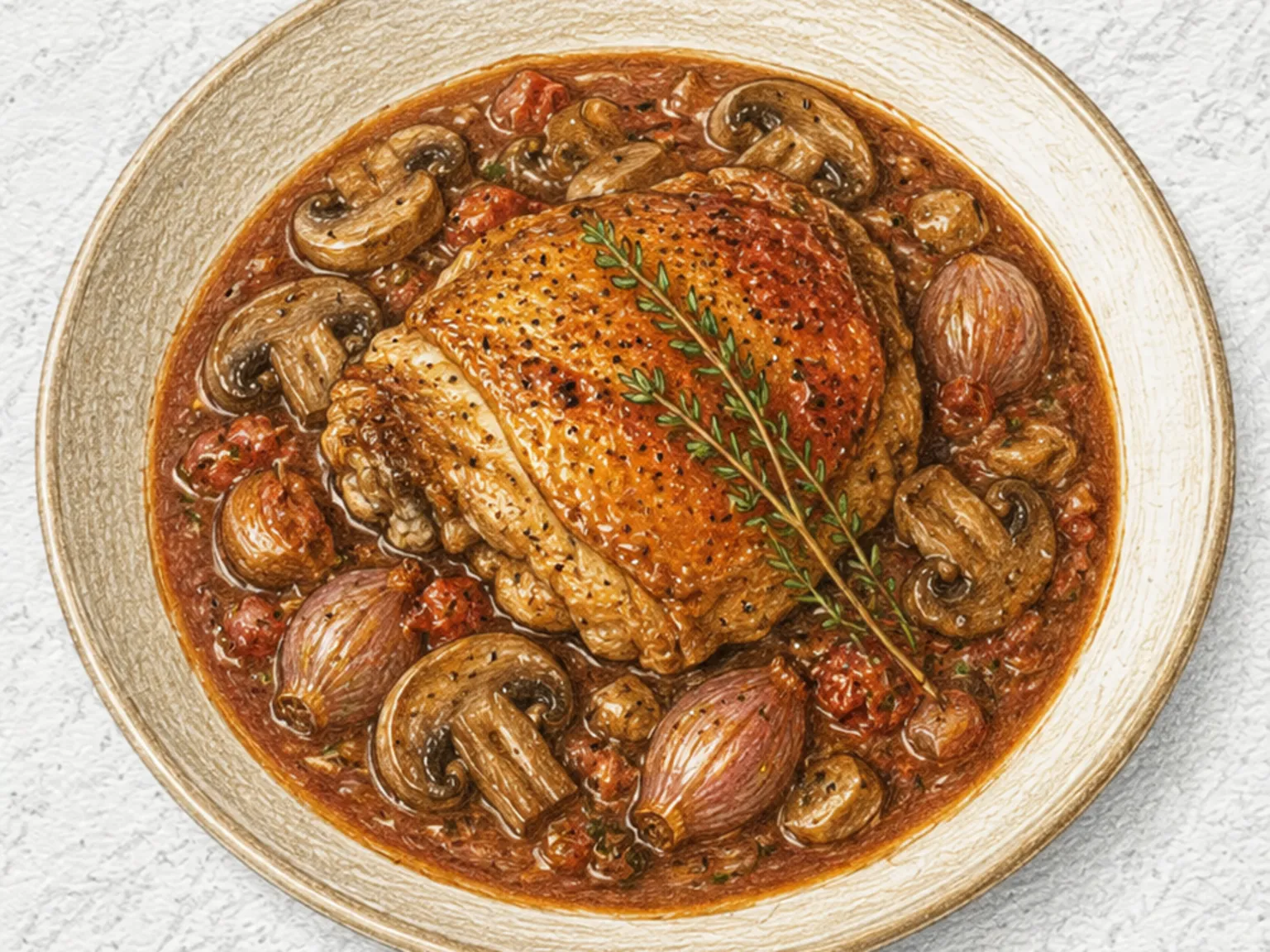
Chicken Chasseur
Chicken chasseur is a French braised chicken dish where thighs are seared skin-side down until the skin renders crispy and golden, then set aside while button mushrooms, shallots, and garlic are sauteed in the same pan with butter. White wine goes in next to deglaze the fond left on the bottom of the pan, and after the wine reduces by half, tomato puree, chicken stock, and fresh thyme sprigs go in before the seared chicken returns to the pot for a covered braise of twenty-five minutes. The initial searing step is not optional from a flavor standpoint, because the caramelized residue left on the pan, the fond, is the primary source of the sauce's roasted depth. Rushing the sear causes the skin to stick and tear, and results in a paler, thinner-tasting sauce. Mushrooms need to be spread out in a single layer in a hot, wide pan so they brown before their moisture escapes, since crowding them generates steam that leaves them pale and soft rather than giving them the earthy intensity the dish depends on. As the wine reduces, its acidity concentrates and sharpens, which is what makes the sauce bright enough to balance the richness of the braised chicken. Tomato puree adds a quiet, rounded sweetness and deepens the red color of the sauce, while thyme brings an herbal warmth that accumulates slowly over the course of the braise. Removing the lid for the final five minutes allows the sauce to thicken to the right consistency. Mashed potatoes or crusty bread served alongside catch every bit of the sauce.
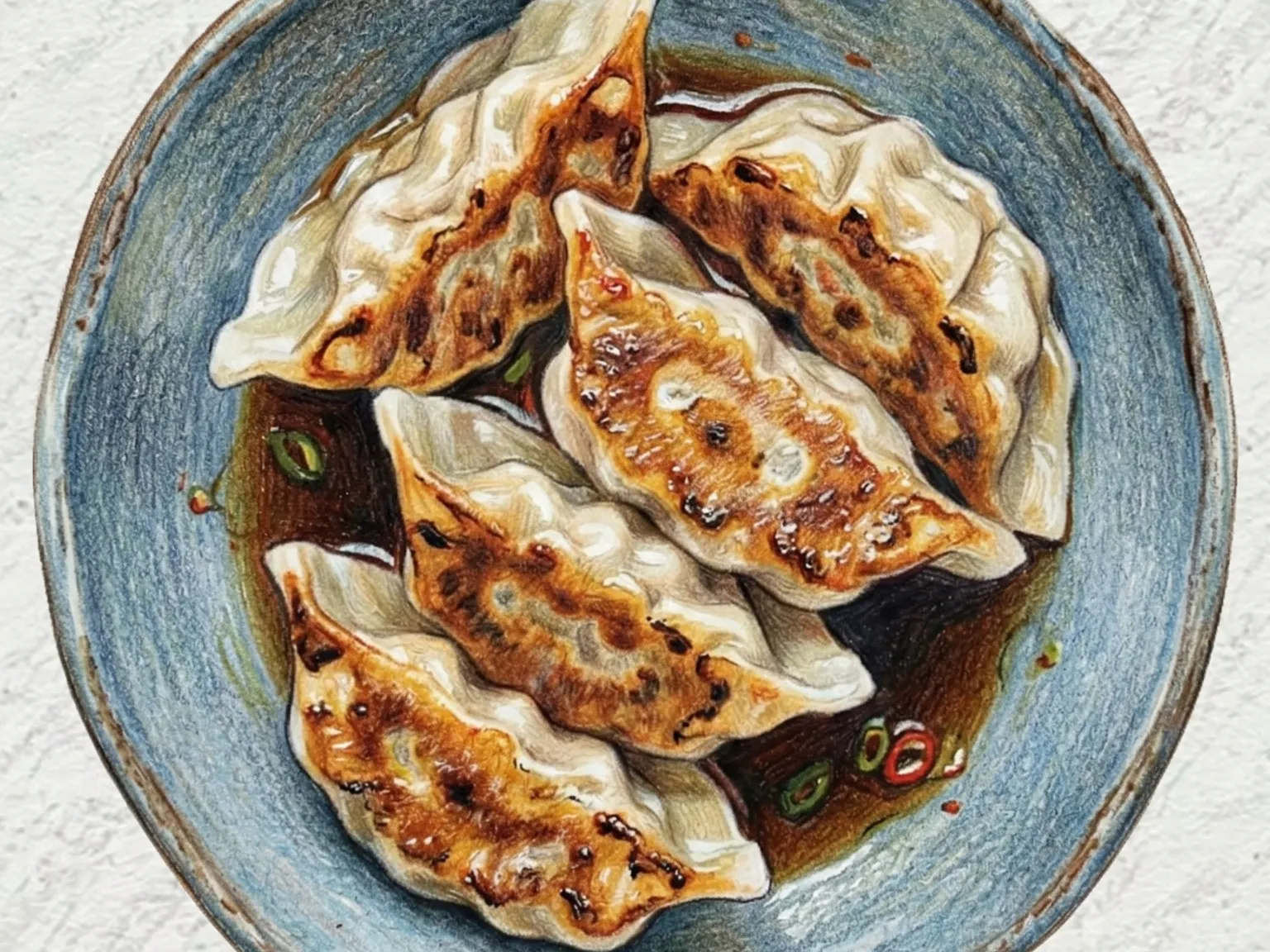
Gyoza
Gyoza are Japanese pan-fried dumplings that evolved from Chinese jiaozi, brought back to Japan by soldiers and civilians returning from Manchuria after World War II, who recreated the dumplings they had eaten abroad. A thin wheat-flour wrapper encloses a filling of ground pork, napa cabbage (or regular cabbage), garlic chives, garlic, and ginger, pleated into a crescent shape. The dumplings are placed flat-side down in an oiled skillet, seared until golden, then water - sometimes mixed with a touch of flour - is added and the lid goes on to steam them through; as the water evaporates, the bottoms re-crisp and form the thin, lacy skirt called hanetsuki that connects all the dumplings in the pan. Each piece delivers three textures in one bite: the chewy steamed top, the crackling golden base, and the juicy meat filling inside. A dipping sauce of soy sauce, rice vinegar, and la-yu (chili oil) adds sharpness, salt, and heat atop the dumpling's savory richness. Gyoza are served as a ramen-shop side dish, an izakaya beer snack, and a weekend home-cooking staple - one of the most versatile foods in the Japanese repertoire.
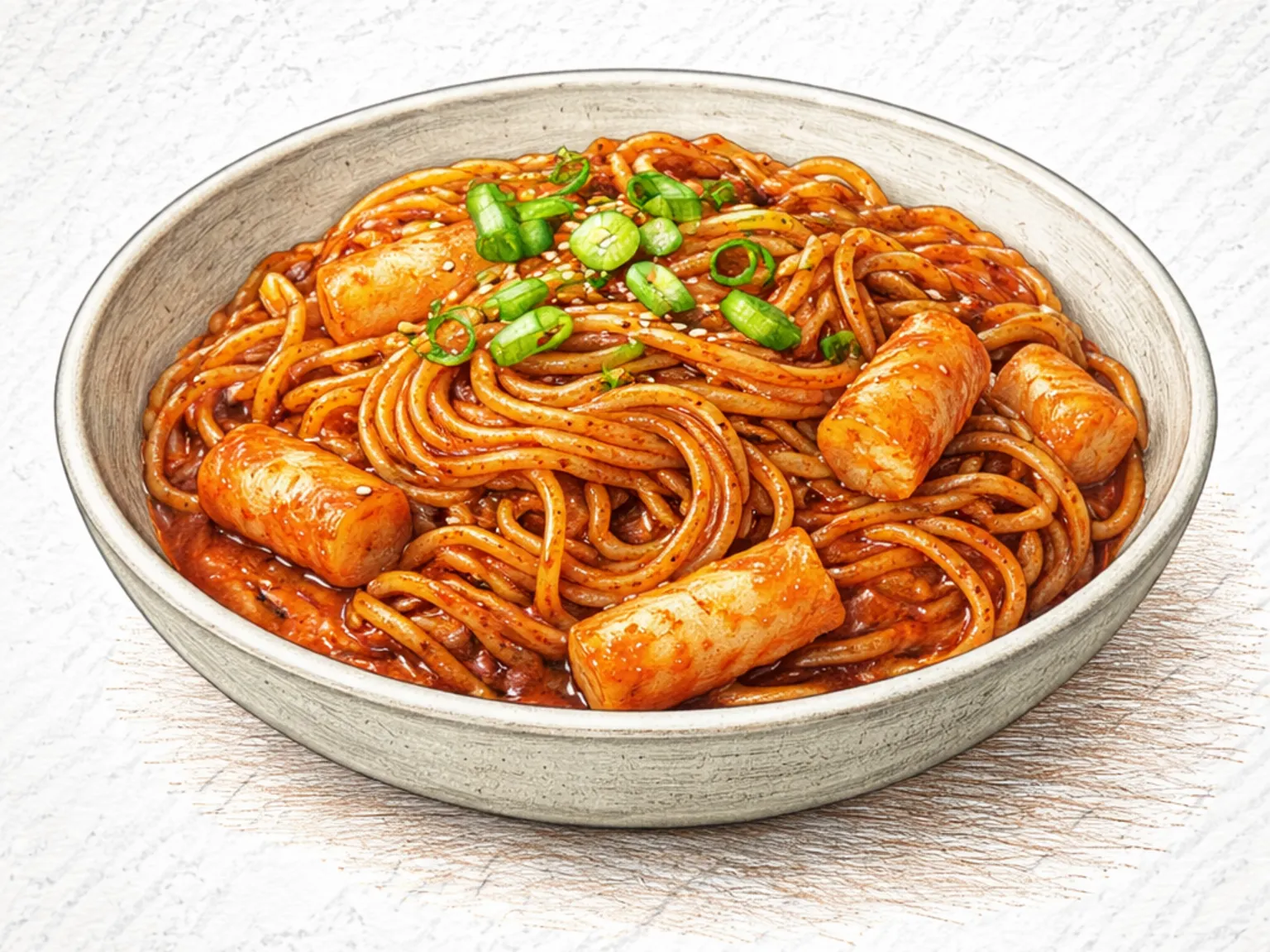
Korean Spicy Rice Cakes (Gochujang Braised Chewy Tteok with Fish Cake)
Simmering cylindrical rice cakes and thin fish cake sheets in a spicy base of gochujang, red chili flakes, sugar, and soy sauce creates a sticky, glossy coating. The starch released from the rice cakes as the liquid reduces acts as a natural thickener, ensuring the sauce clings tightly to each ingredient. While the fish cakes soak up the heat from the surrounding liquid, they release a subtle seafood essence into the pan, and the addition of green onions at the final stage provides a crisp contrast to the underlying sweetness. Preparing a stock from dried anchovies and kelp rather than using plain water establishes a solid savory foundation for the entire dish. It helps to start with only half the seasoning paste, adding the remainder gradually to manage the final intensity and texture as the volume decreases. If the liquid evaporates too quickly, adding small amounts of water prevents the sugars in the sauce from scorching before the rice cakes reach the desired softness. For rice cakes that have been chilled or feel exceptionally firm, a short soak in cool water or a quick blanch in boiling water helps them cook through evenly. Serving the finished dish with boiled eggs, blood sausage, or assorted fried items replicates the setup found at traditional street stalls. This recipe scales easily into different versions by incorporating heavy cream or tomato-based sauces, resulting in the rose and cream variations often found in modern snack shops.
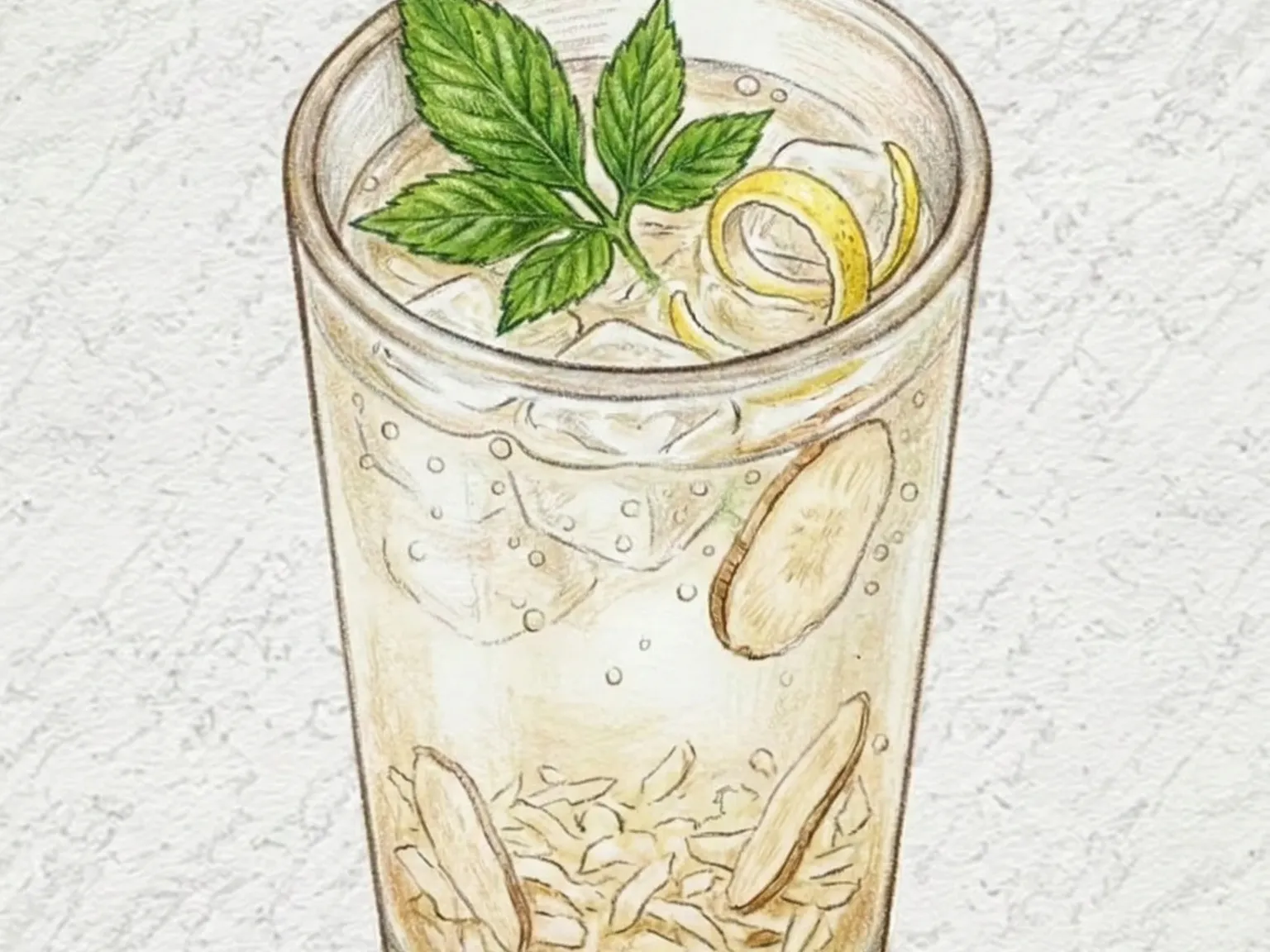
Korean Bellflower Root Pear Cooler
Deodeok-bae cooler uses a base built by simmering peeled and gently pounded deodeok root with fresh ginger over low heat for ten minutes, then straining and cooling the infusion completely. Clear pear juice pressed from freshly grated Korean pear, honey, lemon juice, and a pinch of salt are stirred into this base to form a concentrate. Poured over ice and topped slowly with sparkling water, the drink balances the herbal bitterness of deodeok against the clean, bright sweetness of pear. Carbonation carries the aromatics upward so each sip delivers the herbal note first, then the fruit. Adjusting the ratio of honey to lemon juice lets the drink lean sweeter or more tart depending on preference.
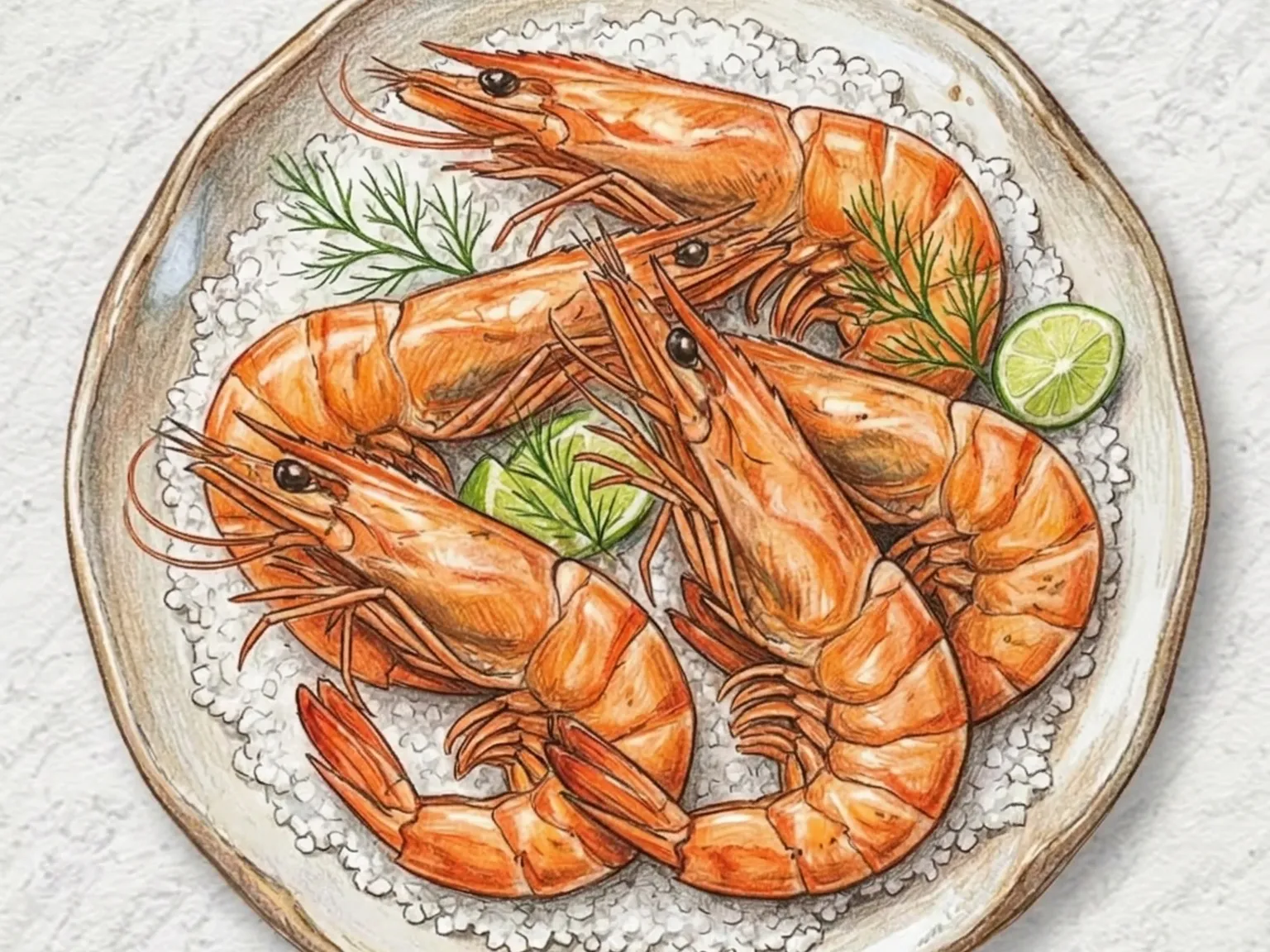
Korean Salt-Grilled King Prawns
Daeha-sogeum-gui is a Korean salt-grilled king prawn preparation where whole shell-on prawns are placed directly on a bed of coarse sea salt and cooked over indirect heat. The salt draws out surface moisture while conducting steady, even heat beneath the shells, so the prawns essentially steam inside their own carapace and keep their flesh springy rather than contracted. Scoring the back with kitchen scissors and removing the intestinal tract before cooking eliminates any off-note from the gut, leaving only the clean, natural sweetness of the prawn. The precise moment to pull them from the heat is when the shells turn a solid bright orange, as any longer drives off the moisture that keeps the flesh tender. A squeeze of fresh lemon adds acidity that sharpens the natural umami without masking it, and the dish works well with no additional seasoning at all.
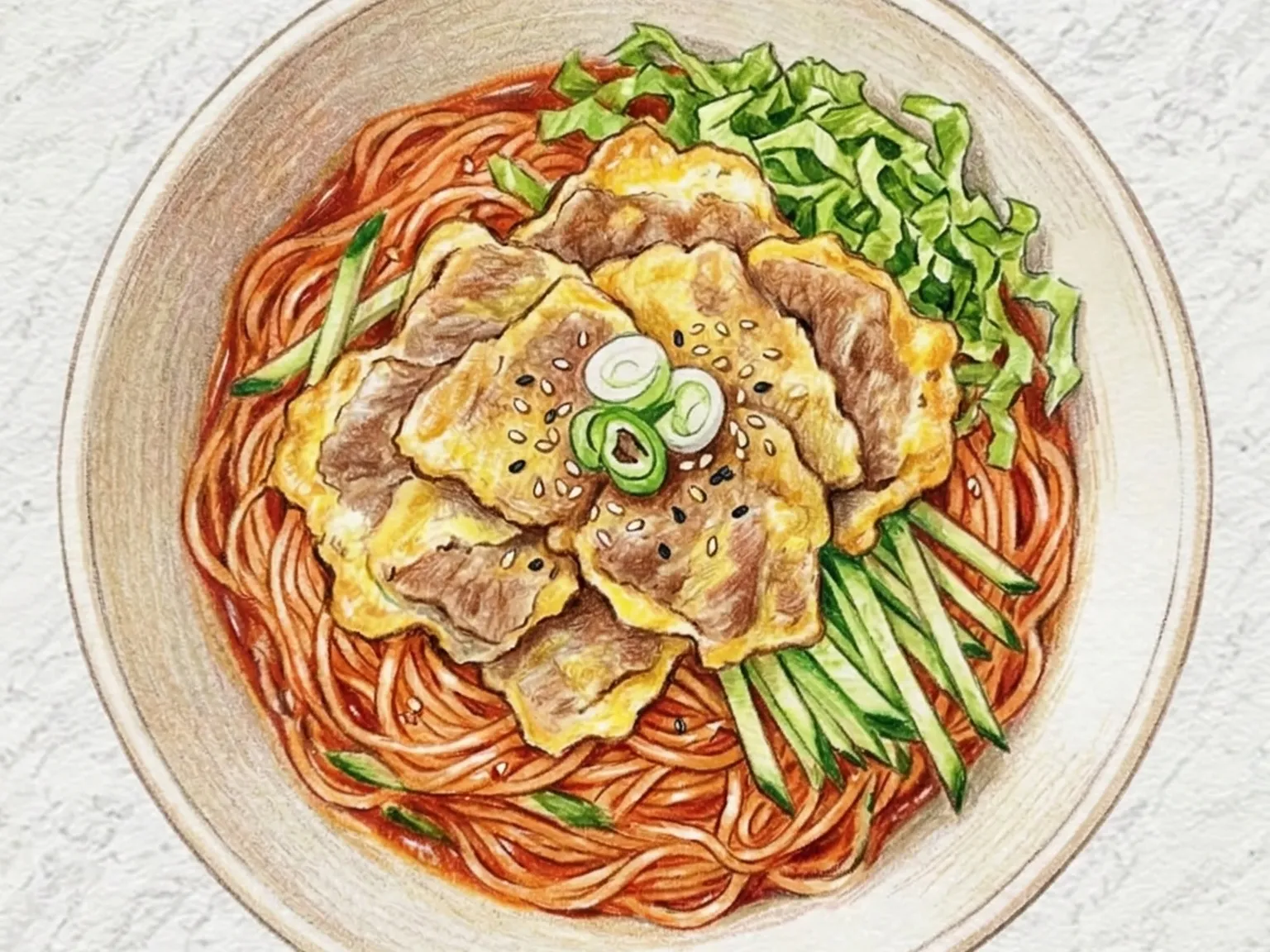
Korean Spicy Noodles with Beef Pancake
Yukjeon bibim guksu pairs pan-fried beef pancakes with spicy-tangy dressed wheat noodles. Thin slices of lean beef round are patted dry, dusted with flour, dipped in beaten egg, and fried until golden on both sides. Removing moisture before coating is what gives the yukjeon its crisp exterior and keeps the egg layer from sliding off. The dressing combines gochujang, soy sauce, vinegar, sugar, and sesame oil into a sauce that balances heat with sweet-sour brightness. Somyeon noodles are boiled and rinsed multiple times in cold water to wash off excess starch, which keeps them springy and helps the dressing cling evenly. Shredded cucumber and lettuce add freshness and crunch against the warm, savory beef.
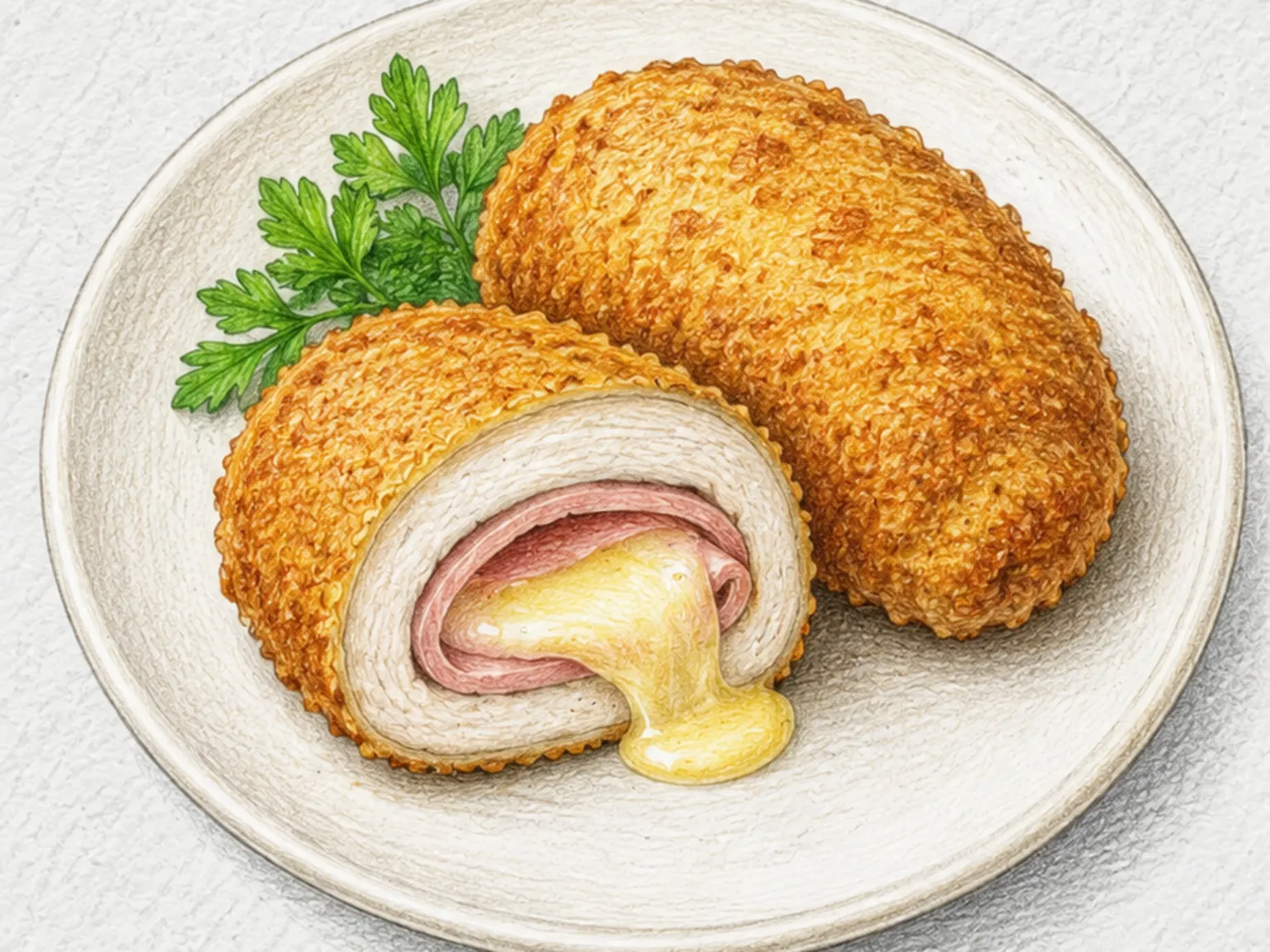
Chicken Cordon Bleu
Chicken cordon bleu is a Swiss-French dish where chicken breast is pounded flat to five-millimeter thickness, layered with ham and Emmental cheese, rolled tightly, and secured with toothpicks before being coated in flour, beaten egg, and breadcrumbs. The thin, even pounding is critical: uneven thickness causes the outer sections to overcook while the thicker center remains undercooked. Pan-frying in a mixture of butter and oil over medium heat for four to five minutes per side allows the breadcrumb crust to turn golden and crisp while conducting enough heat inward to melt the cheese completely. Cutting into the finished roll reveals a cross-section of molten cheese oozing between layers of ham and chicken. The ham provides a salty counterpoint to the mild breast meat, and the melted Emmental adds a nutty, stretchy richness that holds the interior layers together. Resting the roll for two minutes after removing from the pan prevents the cheese from spilling out all at once when cut.
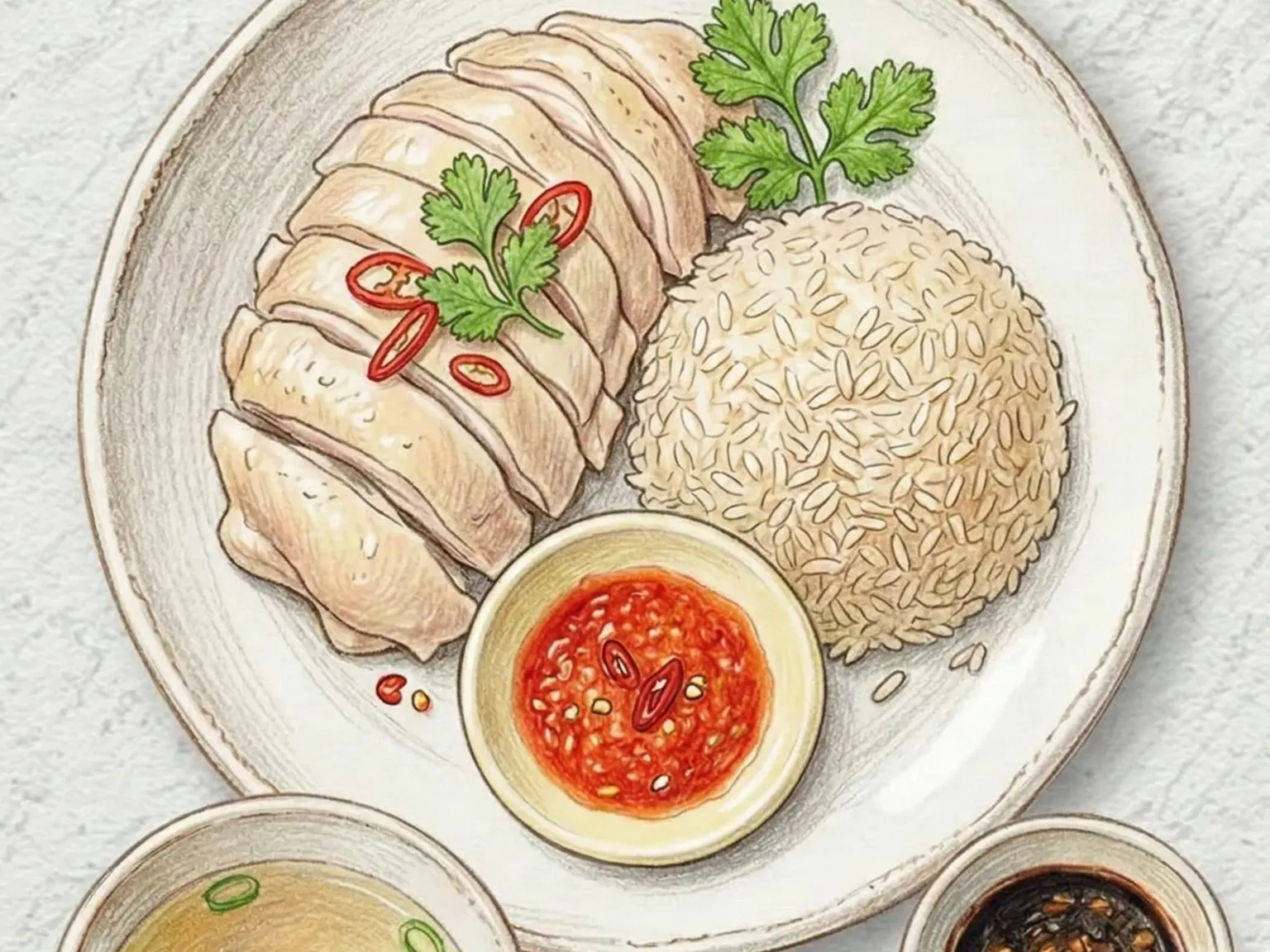
Hainanese Chicken Rice (Poached Chicken on Fragrant Rice)
Hainanese chicken rice is the signature dish of Singapore and Malaysia, built on the deceptively simple technique of poaching bone-in chicken thighs in water seasoned with ginger and scallion at a consistently gentle temperature, then using the resulting broth to cook the rice. The temperature during poaching is the defining variable: the water must stay at a bare tremble rather than a rolling boil to keep the muscle fibers relaxed and the meat silky rather than fibrous or dry. For the rice, garlic and ginger are sauteed in oil or rendered chicken fat until fragrant, then raw jasmine rice joins the pot and the strained poaching broth replaces plain water for cooking. A spoonful of additional chicken fat stirred in before the lid goes on gives the finished rice a glossy sheen and noticeably richer aroma. The poached chicken is cooled, sliced across the grain to show a smooth, tender cross-section, and arranged alongside fresh cucumber slices that add a crisp, refreshing contrast to the soft meat. Two condiments accompany the dish and define its character: a chili-ginger sauce that provides heat and brightness, and a thick, dark soy sauce that contributes deep, caramel-like sweetness. Despite relying on few ingredients, the dish rewards careful attention to poaching temperature and broth management at every stage.
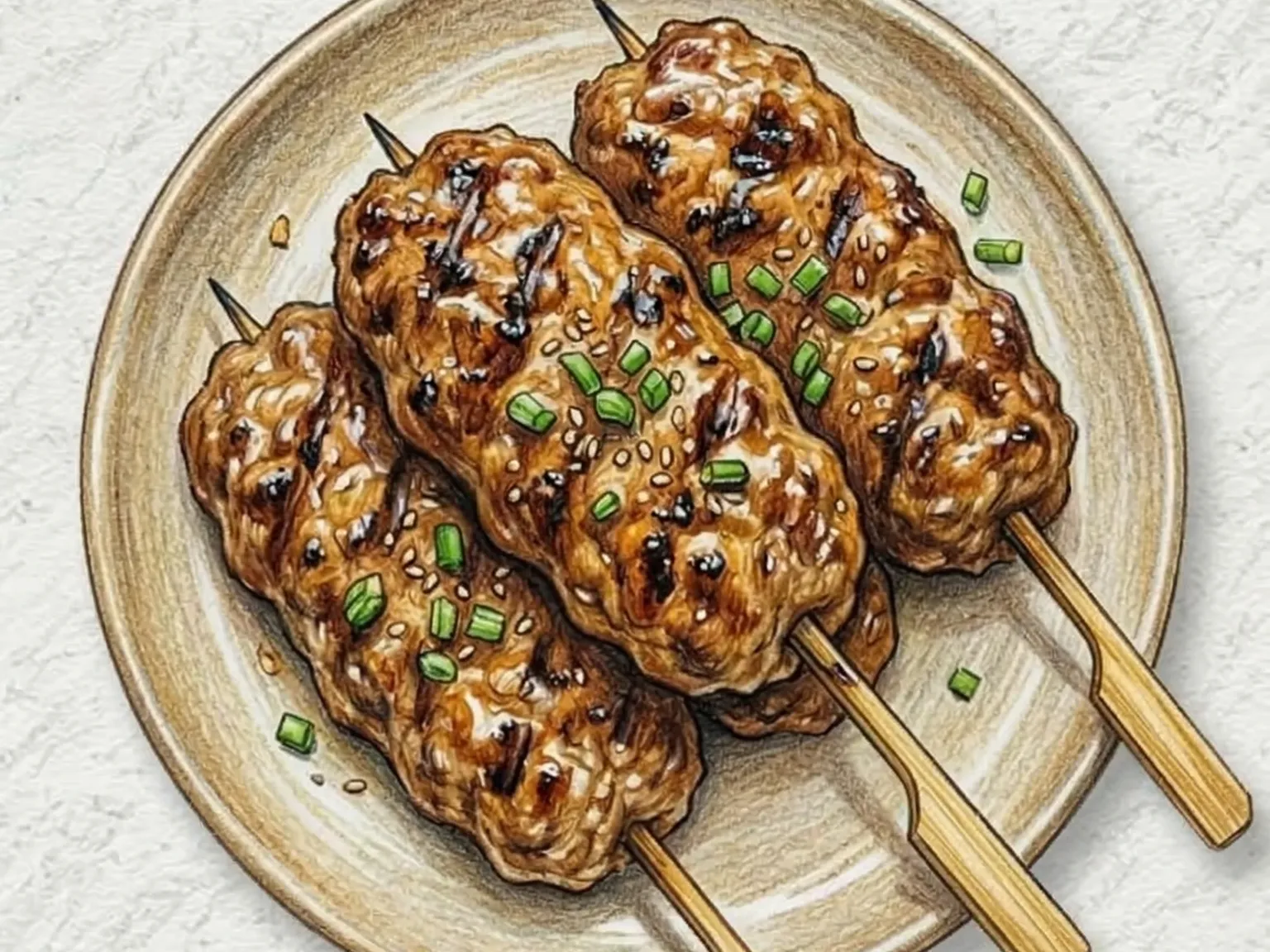
Korean Grilled Patty Skewers
Tteokgalbi-kkochi are skewered patties made from a thoroughly kneaded mixture of ground beef, ground pork, soy sauce, sugar, garlic, and sesame oil, shaped into ovals and threaded onto wooden skewers before grilling. A small amount of starch mixed into the meat and at least three full minutes of kneading are what give the mixture enough tackiness to stay firmly anchored to the skewer throughout cooking; skip either step and the patties slide or crack apart on the grill. Moistening your hands with water while shaping prevents the mixture from sticking and helps produce smooth, even ovals. Grilling over medium heat first develops a golden Maillard crust on both sides, then lowering the heat and continuing to cook allows the interior to reach the center without the outside drying out, concentrating the meaty flavor at the core. A thin brushing of soy-and-corn-syrup glaze applied just before flipping and again right before removing from the heat builds a glossy, sweet-salty lacquer on the exterior. Served alongside tteokbokki sauce or ketchup, the skewers carry the unmistakable energy of Korean street food stalls.

Korean Deodeok Honey Latte (Bellflower Root Latte)
Deodeok honey latte is made by peeling and chopping bellflower root, blanching it for two minutes to soften its natural bitterness, then blending it smooth with a portion of milk and honey to form the base. The base is combined with the remaining milk and warmed gently over low heat, then finished with condensed milk, vanilla extract, and a pinch of salt to build a rich, creamy body. The deodeok's earthy character, a faintly medicinal and mineral quality, persists just beneath the layers of sweetness, giving this latte an herbal depth that sets it apart from standard cafe drinks. A light dusting of cinnamon over the surface ties the flavors together on the finish. It represents a category of Korean yakseon beverages that draw on mountain ingredients traditionally valued for their nutritional properties.
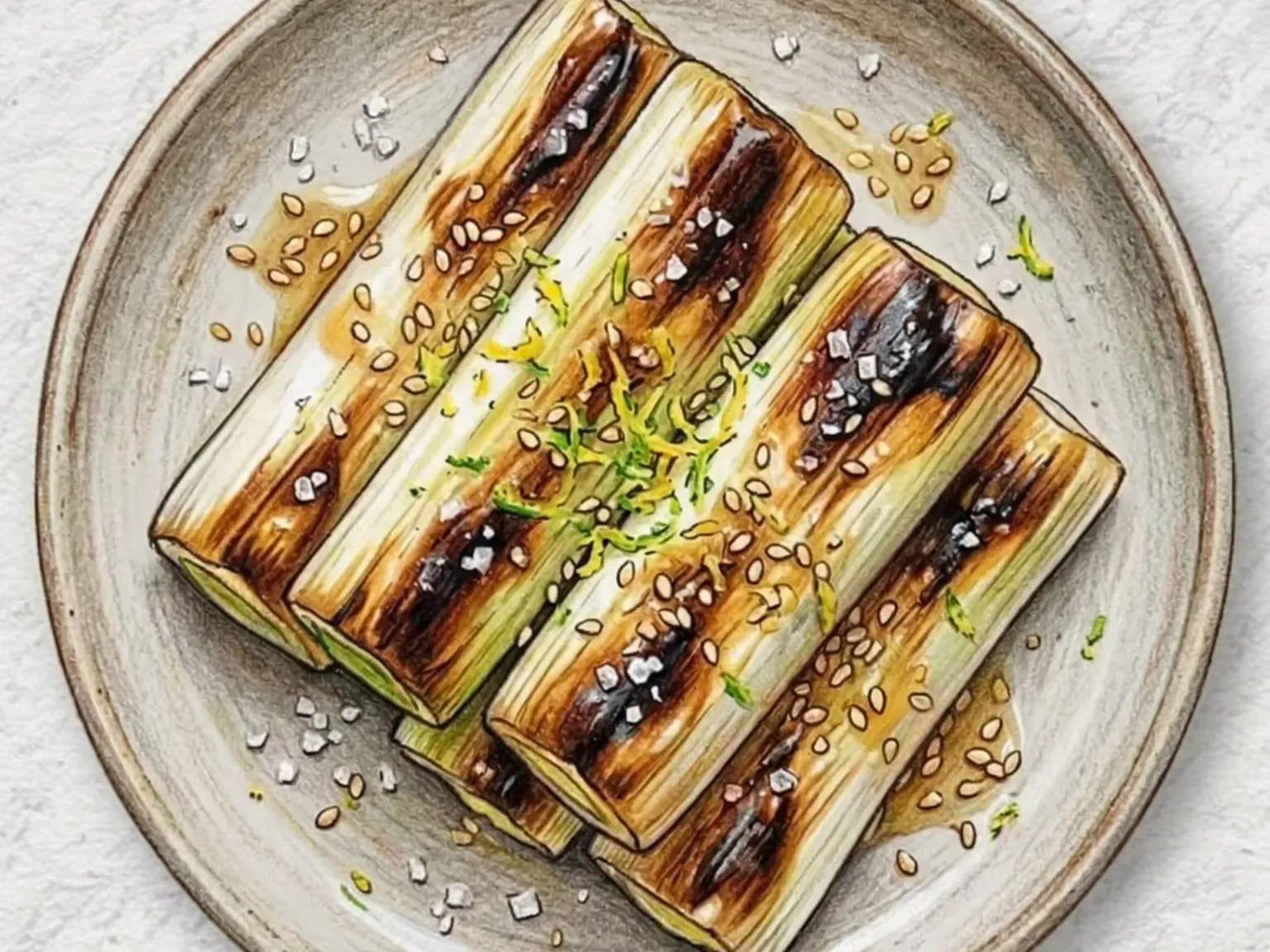
Korean Salt-Grilled Green Onion
Daepa-sogeum-gui is a Korean grilled vegetable dish made from the white sections of large green onions cut into 7-8 cm lengths, brushed with olive oil, dusted with coarse salt, and seared over high heat. The outer layers take on a slight char that produces a light smokiness, while the dense interior converts starch to sugar under the intense heat, turning remarkably sweet. Only the white parts are used because the green tops burn before they cook through, and holding each piece flat against the grill for two to three minutes per side ensures the center reaches the right texture. After grilling, a drizzle of sesame oil, a scattering of sesame seeds, and a small grating of lemon zest layer nuttiness and citrus brightness over the caramelized base. The result demonstrates how a single vegetable, treated simply and grilled hot, can produce a layered, deeply satisfying flavor.
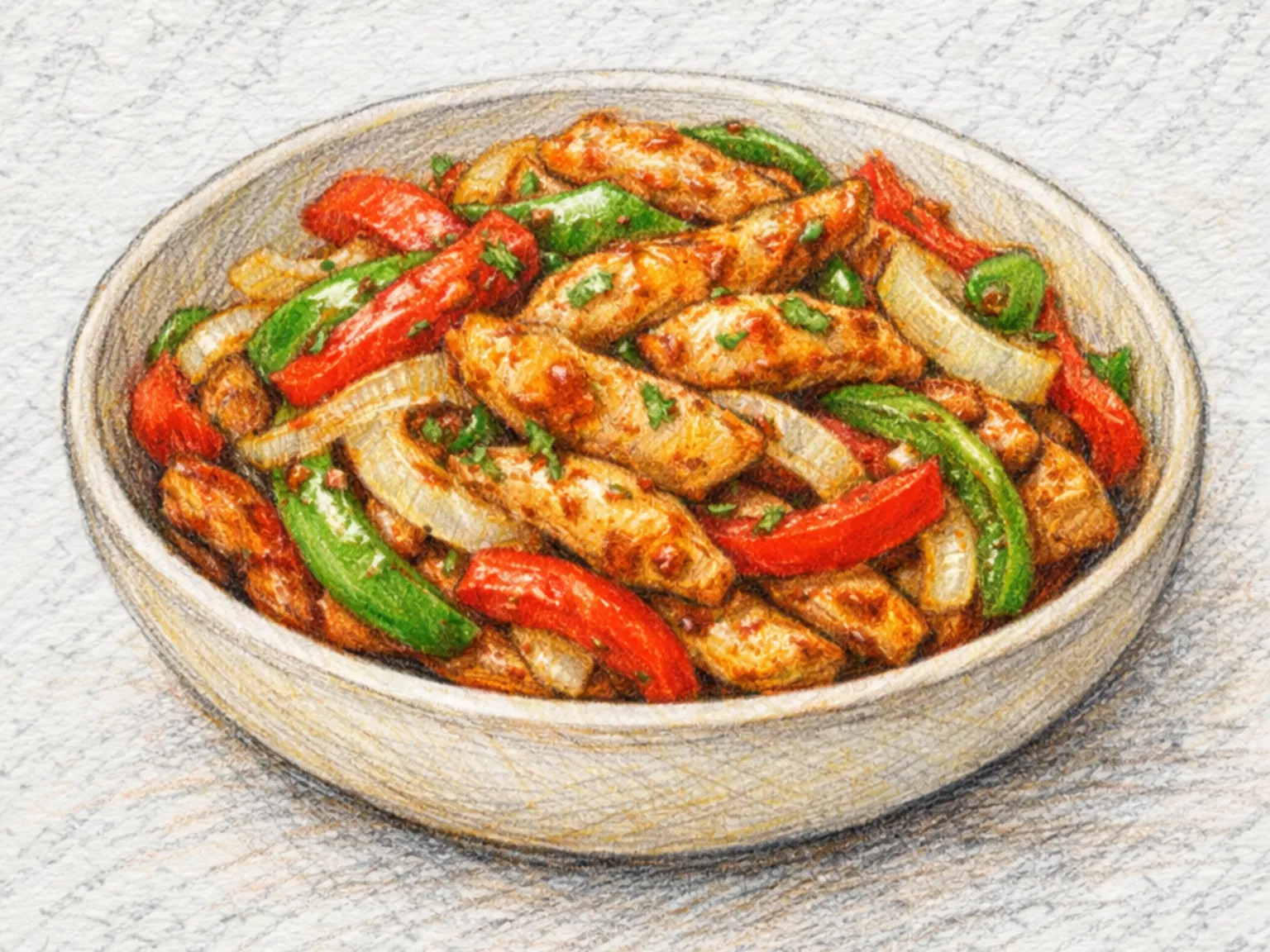
Chicken Fajitas
Chicken fajitas are a Mexican dish built around thinly sliced chicken thigh marinated for ten minutes in lime juice, paprika powder, and olive oil, then seared at high heat before being wrapped in warm flour tortillas with strips of bell pepper and onion. The lime marinade breaks down surface proteins in the meat, making it more tender and allowing the smoky, sweet paprika to penetrate rather than just coat the exterior. A hot pan is not optional. When the surface temperature is high enough, the chicken makes immediate contact with the metal, seals in its moisture, and develops a charred crust in the first two minutes. A pan that is only moderately warm causes the meat to release liquid instead, turning the cook into a braise rather than a sear and stripping out the flavor that high heat is meant to produce. The vegetables are added to the same pan after the chicken comes out and cooked only until the edges soften and a hint of caramelization appears, because extended cooking pulls out too much moisture and leaves the strips limp. Tortillas need thirty to forty seconds in a dry pan, flipped once, to become pliable enough to fold without cracking down the center. Sour cream or guacamole served on the side provides a cool, rich contrast to the spiced, charred filling, and the temperature difference between the two makes each bite more dynamic.
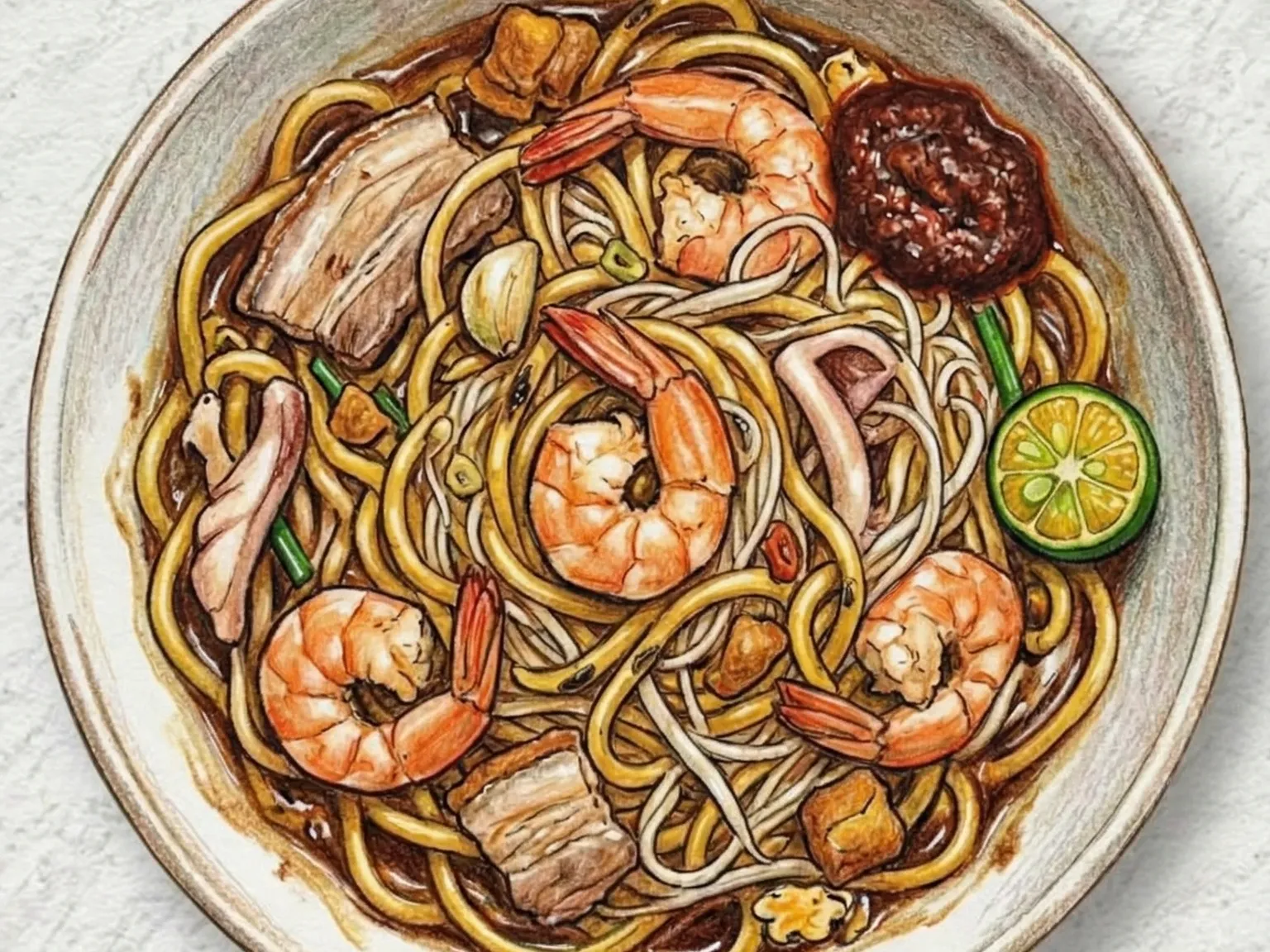
Hokkien Mee (Prawn Broth Stir-Fried Noodles)
Hokkien mee is a Singaporean stir-fried noodle dish that uses two types of noodles, yellow egg noodles and thin rice vermicelli, cooked together in rich prawn stock. The stock, made by roasting shrimp heads and shells until deeply fragrant, is what separates this dish from ordinary stir-fried noodles. High wok heat is non-negotiable; insufficient heat leaves excess moisture and mutes the flavors. Shrimp and squid are seared quickly over maximum flame to avoid overcooking, then both noodle types are tossed in and drenched with the prawn stock and soy sauce, cooking until the liquid is nearly absorbed into the strands. Bean sprouts go in for the final thirty seconds to preserve their snap. A squeeze of lime just before eating brings acidity that lifts the rich, marine-heavy flavors.
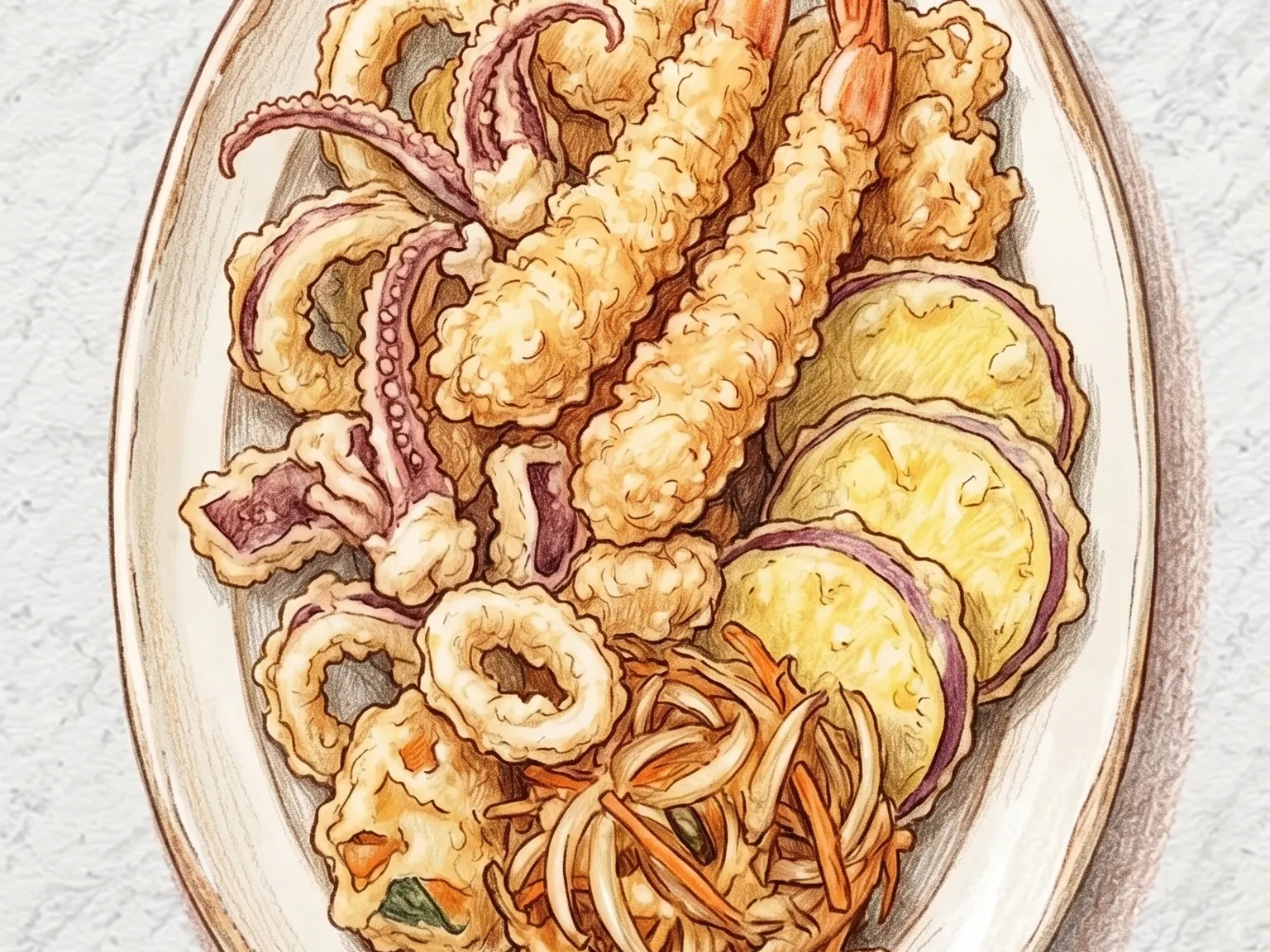
Mixed Korean Tempura
Modeum twigim is an assorted Korean tempura platter featuring sweet potato, squid, shrimp, onion, and carrot dipped in a light batter of frying powder mixed with cold water, then deep-fried at 170 degrees Celsius until crisp. Keeping the water cold and mixing minimally prevents gluten development, yielding a thin, shattering crust rather than a heavy coating. Each ingredient brings its own character: sweet potato offers starchy sweetness, squid and shrimp contribute oceanic umami, and onion and carrot release their natural moisture and fragrance as they fry. Because each ingredient has a different density and water content, maintaining a steady oil temperature is essential so every piece cooks through at the center while staying crisp at the surface. Served with a small bowl of soy sauce, the platter lets the clean frying flavor and the individual taste of each ingredient come through without any additional seasoning.

Korean Perilla Seed Latte
Deulkkae latte is a Korean warm drink made by whisking ground perilla seed powder into water first to dissolve any lumps, then heating the mixture together with milk over medium-low heat until hot throughout. Sifting the perilla powder before mixing it into water is a small step that makes a measurable difference in texture: fine particles disperse evenly and the finished latte pours with a silky smoothness, with no gritty residue settling at the bottom of the cup. Honey and dark brown sugar are added together, building a layered sweetness that sits on top of the deep, nutty perilla base without overwhelming it. A pinch of salt stirred in alongside the sweeteners keeps the flavor from going flat by grounding the sweetness with a subtle mineral edge. Cinnamon dusted lightly over the surface at the end melds with the perilla aroma into a warm, spiced finish that lingers after each sip. To serve cold, the finished drink can be chilled and poured over ice.
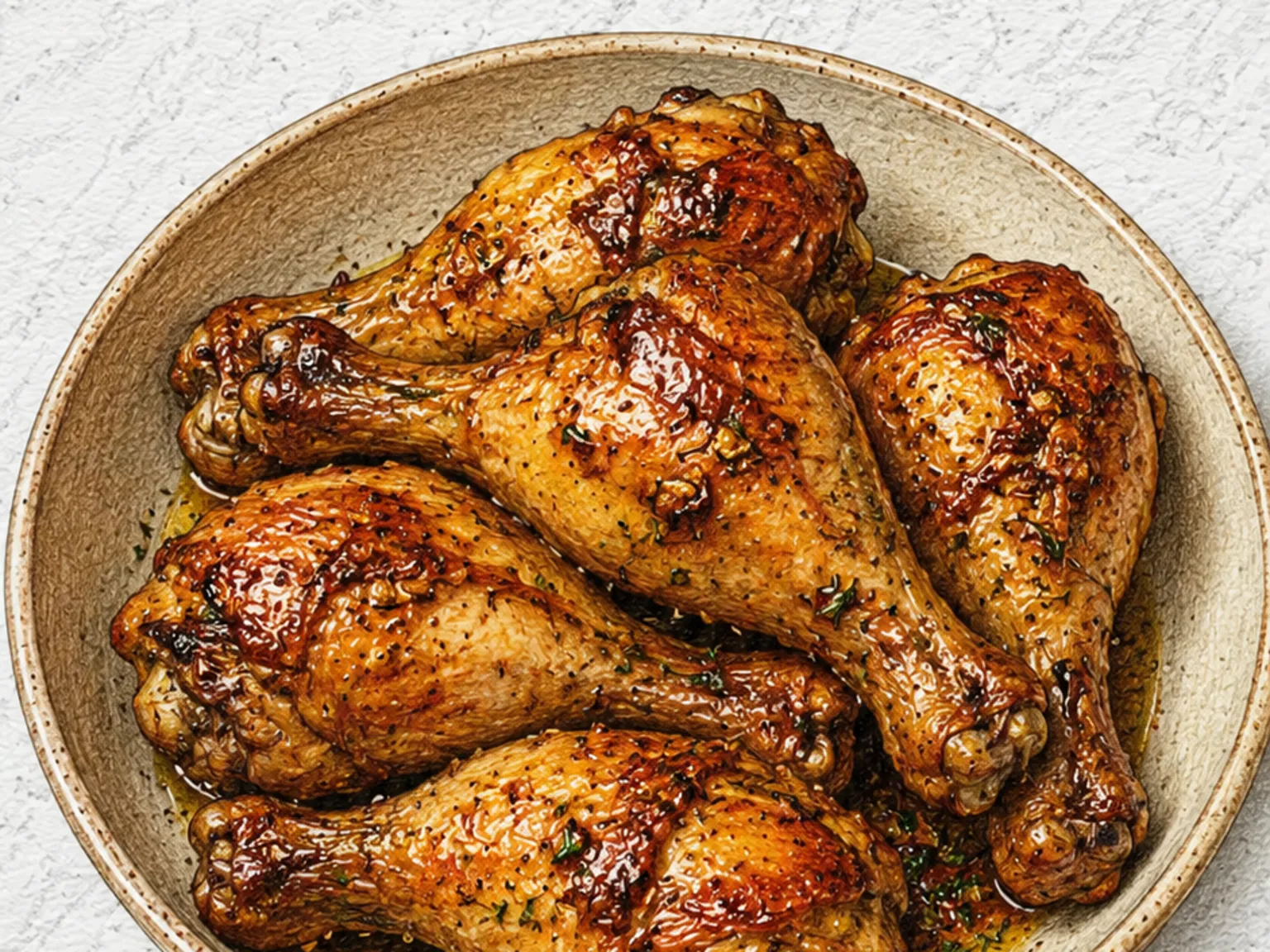
Oven-Roasted Chicken Drumsticks
Dak-dari oven-gui is a Korean oven-roasted chicken drumstick dish where the legs marinate for at least thirty minutes in a mixture of soy sauce, minced garlic, olive oil, and a dried herb blend before going into a 200-degree-Celsius oven. Bringing the drumsticks to room temperature before roasting closes the temperature gap between the surface and the bone, ensuring the meat cooks through evenly rather than having a cooked exterior with an underdone center. Flipping the pieces once at the halfway point promotes uniform browning on both sides and prevents the exposed skin from drying out. Raising the oven temperature to 220 degrees for the final ten minutes drives caramelization in the sugar-containing soy marinade, which produces a thin, lacquered crust on the skin. The salty depth of soy sauce, the mild fat of olive oil, and the fragrance of the herb blend combine with the rendered chicken fat to form a coating that is both deeply savory and aromatic. Marinating overnight in the refrigerator allows the soy and garlic to penetrate further into the meat, resulting in more pronounced flavor all the way to the bone.