🍺 Bar Snacks Recipes
Perfect pairings for beer, soju & wine
705 recipes. Page 15 of 30
In Korean drinking culture, anju (drinking snacks) are just as important as the drink itself. Beer goes with fried chicken, soju pairs with grilled pork belly and dubu-kimchi, and makgeolli calls for pajeon and bindaetteok. This tag gathers recipes designed to accompany a drink.
Great anju complements the beverage without overwhelming it. Salty, savory, and spicy options - prepare a few and you will be ready for any gathering.
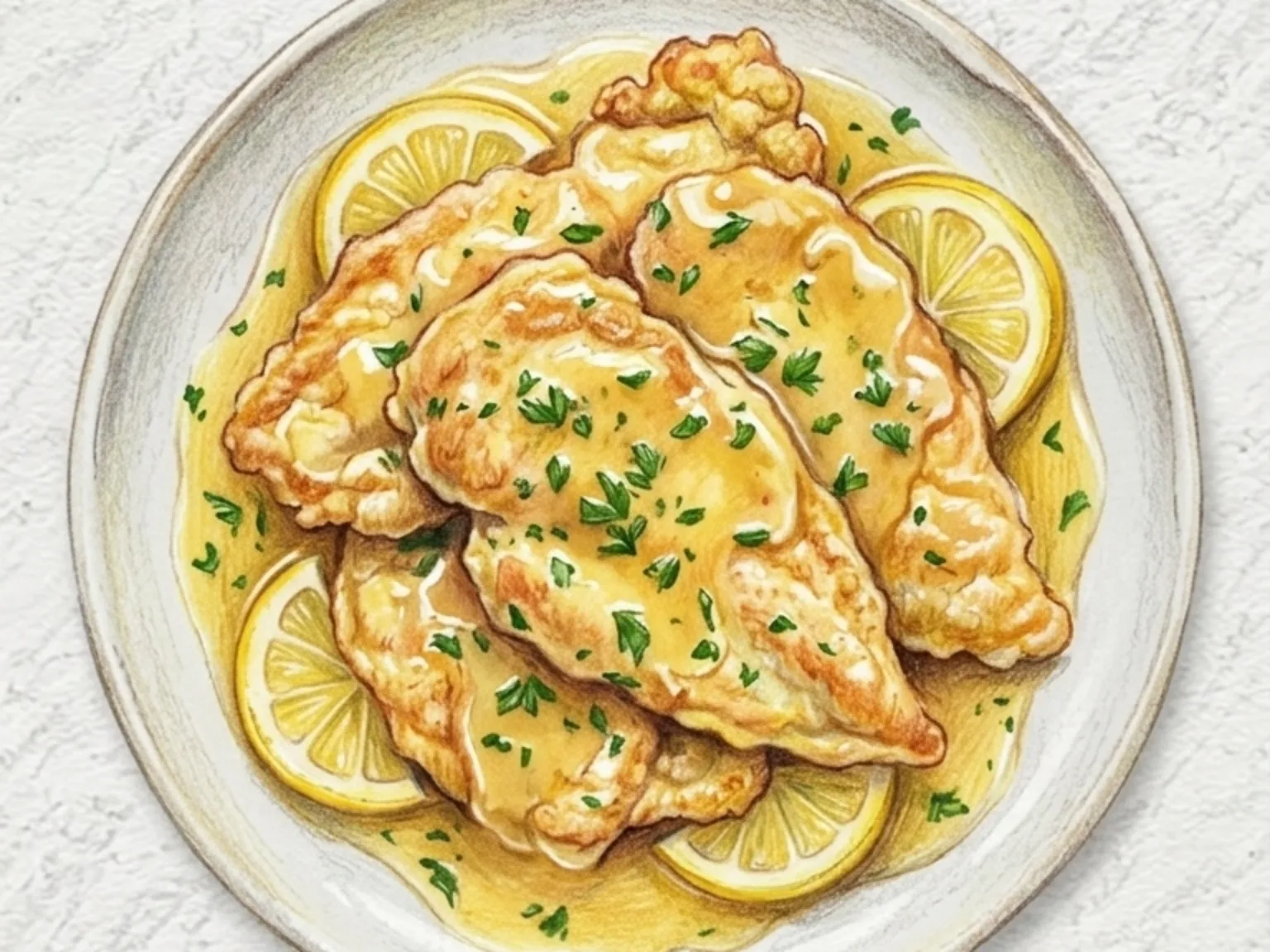
Chicken Francese (Egg-Battered Chicken in Lemon Butter Sauce)
Chicken Francese originated within the Italian-American culinary tradition and focuses on preparing butterflied chicken breast cutlets through a specific sequence of coating and frying. Each piece of meat is first lightly dredged in a layer of flour and then thoroughly dipped into beaten eggs before being placed into a hot pan. This cooking method results in a surface that is golden in color. The presence of the egg coating acts as a barrier that keeps the natural moisture of the poultry trapped inside during the frying process. Meanwhile, the thin interaction between the flour and the heat of the pan creates a texture that is light and somewhat crisp, intentionally avoiding the formation of a heavy or thick crust. Once the chicken has been cooked and removed from the heat, the same pan is used to build the sauce. A portion of butter is melted down, after which chicken stock and fresh lemon juice are poured in to simmer for approximately three minutes. As the liquid boils, it loosens the small browned particles that adhered to the metal surface during the initial frying. These bits incorporate into the liquid to provide a specific roasted complexity that simple fresh ingredients cannot produce on their own. The prepared chicken is then placed back into the simmering sauce for an additional two minutes. During this time, the cook spoons the lemon-butter liquid over the cutlets, allowing the egg coating to fully soak up the flavors. This step ensures that the final dish offers a combination of sharp citrus acidity and the concentrated richness of the butter in every mouthful. A final dusting of finely chopped parsley is added across the surface to introduce a clean herbal quality that helps mitigate the density of the butter sauce. Because the recipe results in a significant amount of liquid, it is common to serve the chicken with pasta or slices of crusty bread so that no part of the lemon-butter sauce is left behind.
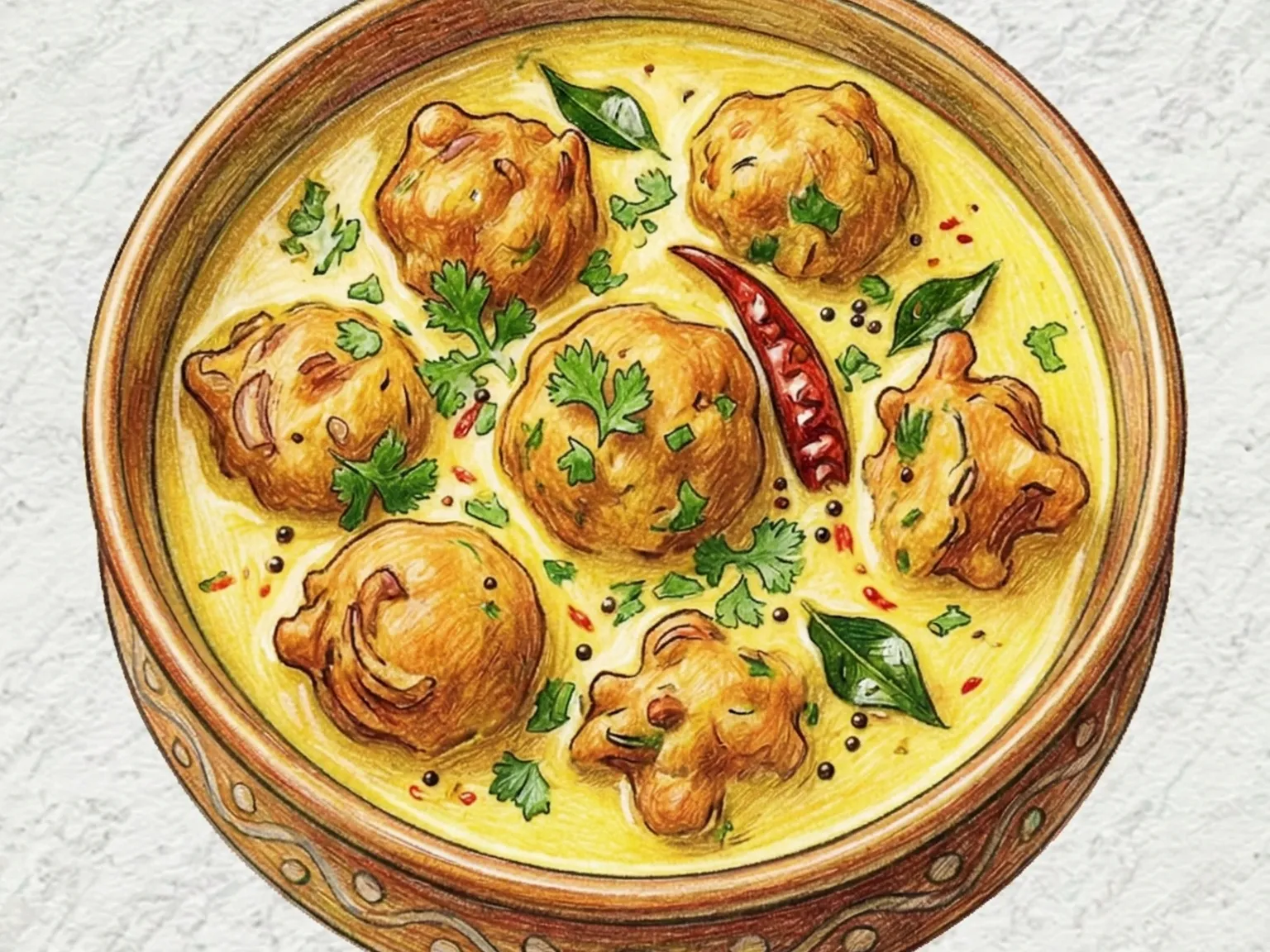
Kadhi Pakora (Yogurt Curry with Fritters)
Kadhi pakora is a yogurt-based curry from North India, especially popular in Punjabi home cooking, where gram flour fritters are simmered in a tangy, spiced yogurt gravy. The pakoras are made by mixing a portion of gram flour with sliced onion, salt, and water into a thick batter, then deep-frying spoonfuls until golden. The remaining gram flour is whisked with yogurt, water, turmeric, and red chili powder to form the kadhi base, which must be stirred constantly in the early stages to prevent the yogurt from splitting. Cumin seeds are bloomed in oil to release their aroma before the kadhi mixture is poured in and simmered gently for twenty minutes, allowing the raw flour taste to cook out completely. Adding the fried pakoras near serving time preserves some of their texture, while longer simmering lets them absorb the gravy and turn soft throughout.
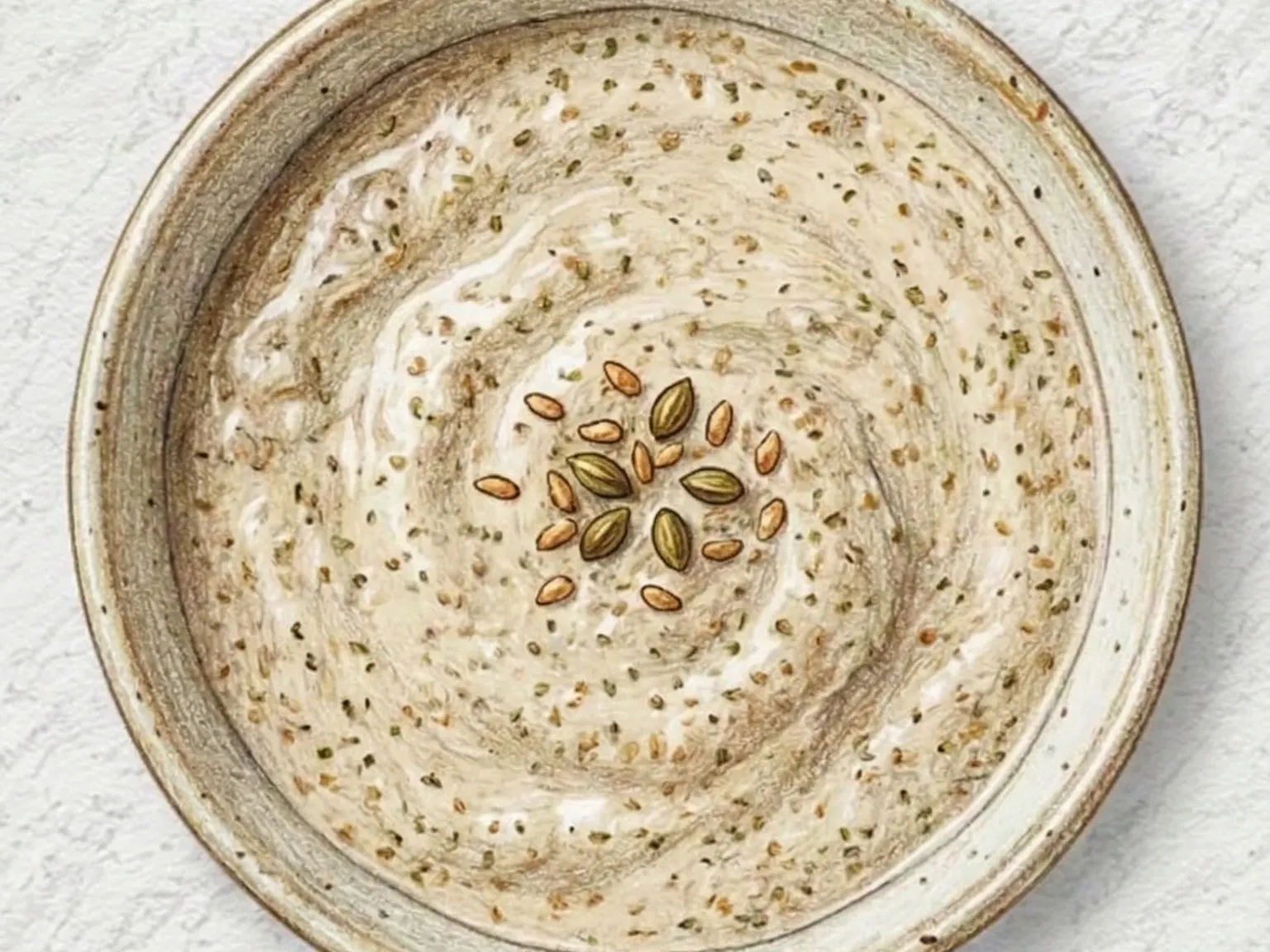
Korean Wild Soy Grain Smoothie
Deulkkong misut smoothie is a Korean grain-based drink made by blending wild soybean powder and roasted brown rice powder with milk, plain yogurt, and banana. Mixing the dry powders into the liquid first prevents clumps from forming, and briefly freezing the banana beforehand creates a thick, shake-like consistency without any added thickeners. Wild soybean powder contributes a deep, nutty soybean flavor, and roasted brown rice powder adds a toasted, grainy undertone on the finish; the two powders have distinct characters that reinforce each other. Honey adjusts the sweetness, and a pinch of salt sharpens the grain flavors noticeably. Wild soybeans are higher in protein and isoflavones than common cultivated soybeans, making this smoothie substantial enough to serve as a full breakfast.
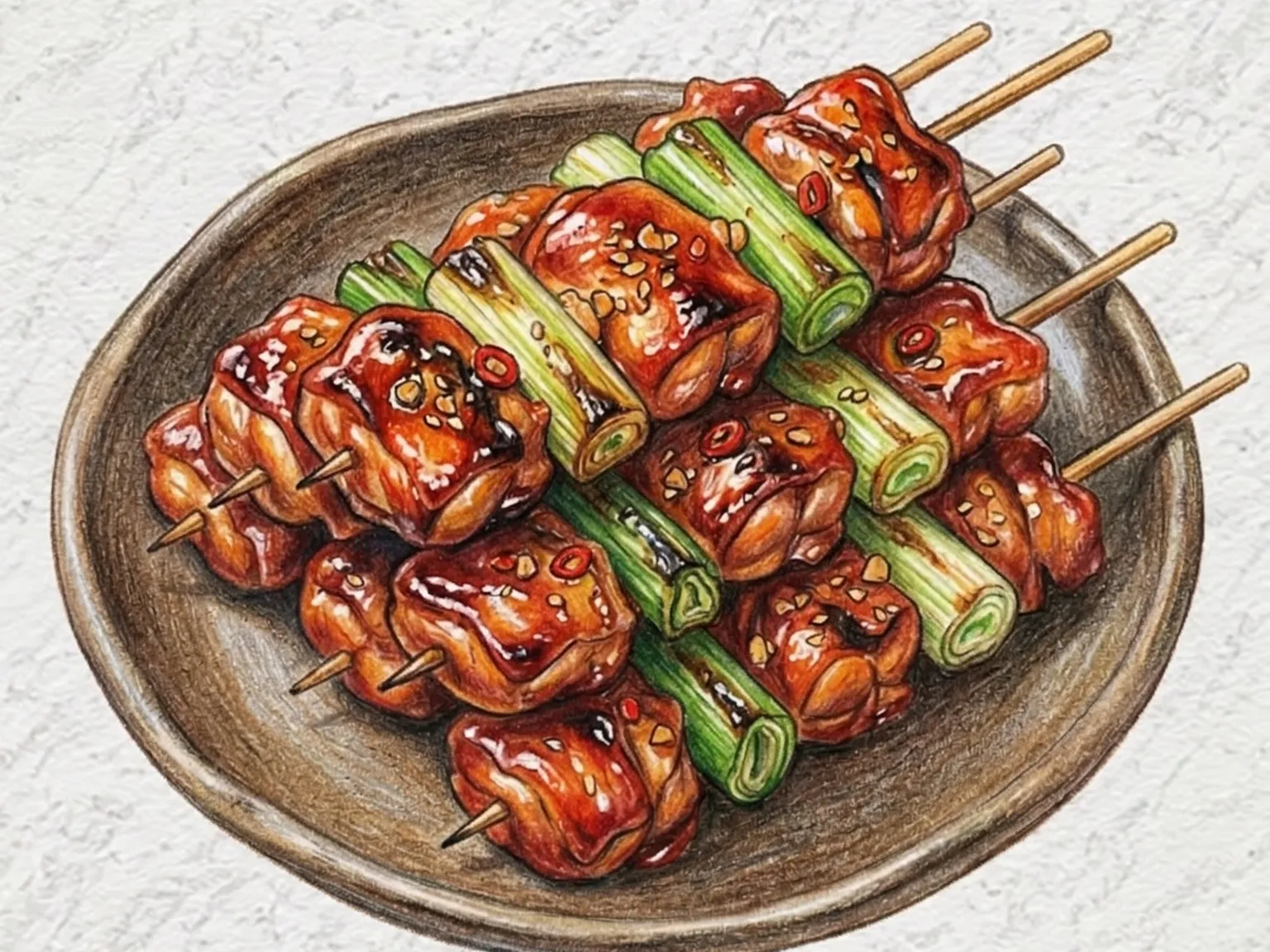
Korean Grilled Chicken Skewers
Dak-kkochi-gui is a Korean grilled chicken skewer built on the flavors of street-stall cooking, made by threading bite-sized chicken breast or thigh onto bamboo sticks and painting them with a sauce of gochujang, soy sauce, honey, and minced garlic. Thigh meat is the better choice because its higher fat content keeps each piece juicy over direct heat, while breast will dry out quickly. Applying the glaze in two or three separate coats rather than all at once builds a thick, sticky, caramelized surface. Cutting the chicken into uniform cubes ensures even cooking, and alternating pieces with slices of green onion or bell pepper adds moisture and prevents the meat from tightening up. Turning the skewers frequently over medium heat keeps the sugars in the sauce from scorching while the surface develops an even, deep char. The same result comes out well in an air fryer at 200 degrees Celsius for twelve to fourteen minutes. Gochujang's fermented heat against the sweetness of honey and the smell of searing meat is the unmistakable signature of Korean pojangmacha.
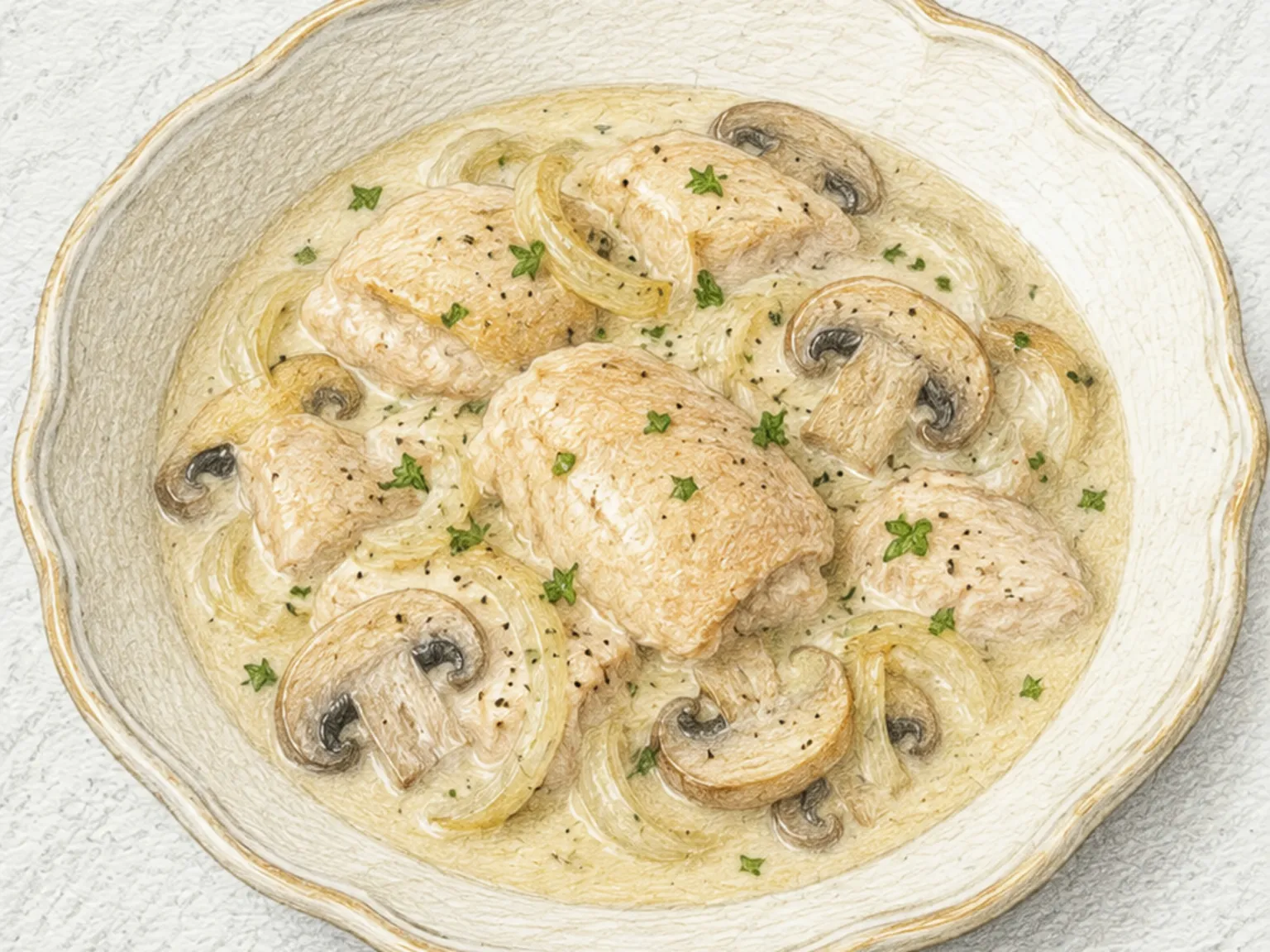
Chicken Fricassee (French White Wine Cream Braised Chicken)
Chicken fricassee is a French white braise where chicken thighs are lightly seared, just enough to firm the surface without deep browning, then set aside while mushrooms, onion, and garlic are sauteed in butter and dusted with flour to form a roux. Chicken stock is whisked in to dissolve the roux into a smooth base, the chicken returns for a twenty-five-minute covered simmer, and heavy cream is added for a final ten minutes of gentle reduction. The deliberately light sear is what distinguishes fricassee from darker braises; heavy browning would muddy the pale, delicate sauce. Drying the chicken thoroughly before it touches the pan is important: surface moisture causes the pan temperature to drop sharply, making it harder to develop even the modest color the dish calls for. When building the roux, the flour should cook in the butter for an extra minute or two after it is fully absorbed so the raw starch taste cooks out and the roux disperses smoothly when the stock is added. The roux provides body without heaviness, and the cream transforms the broth into a silky coating that clings to the meat. Mushroom earthiness and onion sweetness emerge quietly within the cream. Bread or boiled potatoes are the traditional side, used to soak up the sauce completely.
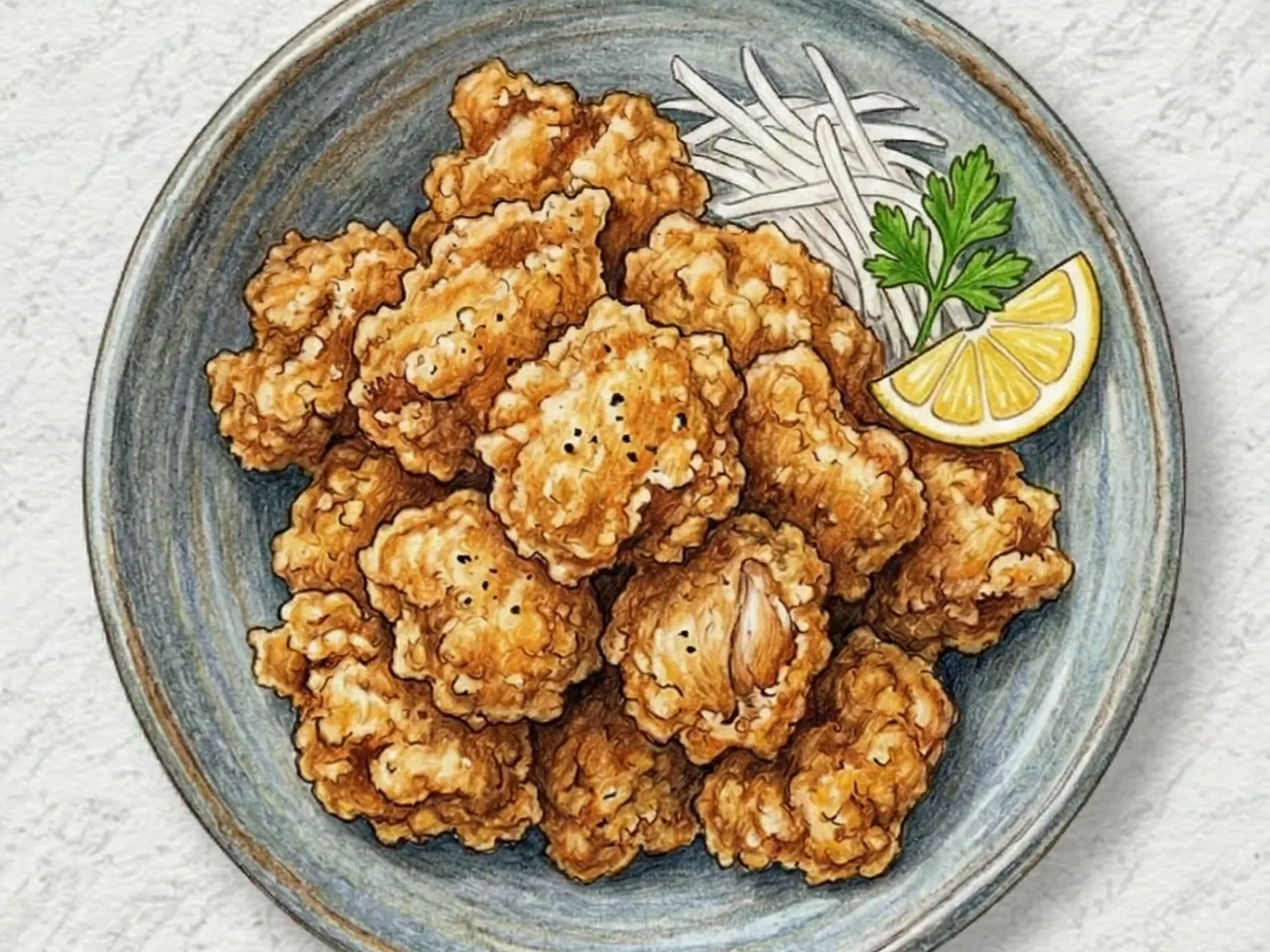
Japanese Karaage (Soy-Ginger Fried Chicken)
Karaage is Japanese fried chicken where boneless thigh pieces are marinated in soy sauce, mirin, grated ginger, and minced garlic for at least fifteen minutes before being coated in potato starch and double-fried. Ginger in the marinade counters the stronger gaminess of dark meat, and mirin contributes a mild sweetness and sheen to the finished crust. Potato starch produces a lighter and crispier shell than wheat flour or cornstarch, but any excess coating must be shaken off before frying or the surface sets unevenly. The first fry at 170 degrees Celsius runs for three to four minutes, cooking the chicken fully through. Pulled from the oil and rested for two minutes, residual heat equalizes the interior temperature. The second fry at 180 degrees for one to two minutes drives off remaining surface moisture, leaving a thin, shattering crust that holds its texture far longer than a single fry would. This is the central technique that keeps karaage crisp even as it cools. Squeezing lemon juice over the pieces just before eating cuts through the richness and sharpens the contrast between the crust and the juicy interior.
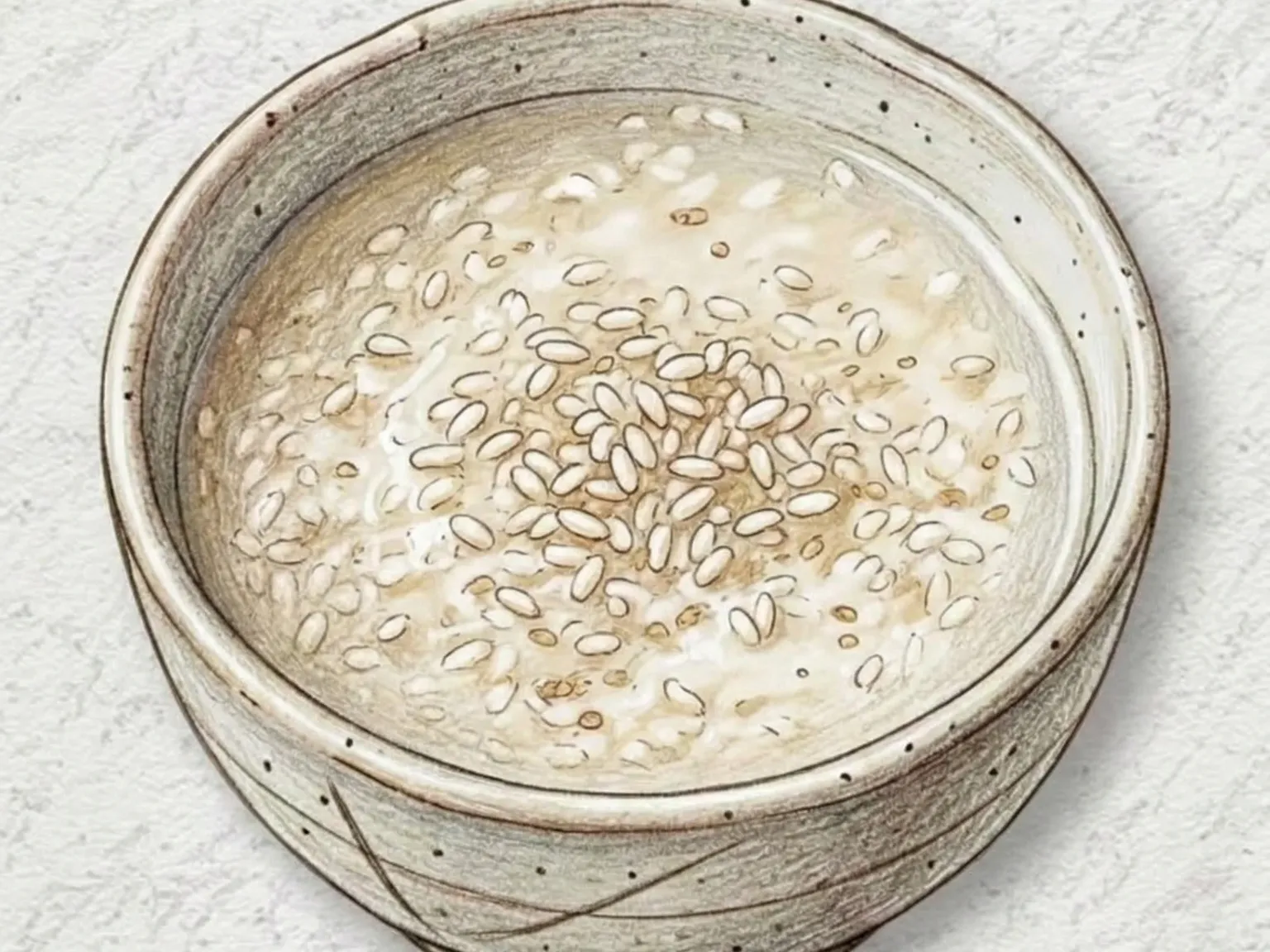
Dongdongju (Korean Unfiltered Fermented Rice Wine)
Dongdongju is a traditional Korean unfiltered rice wine made by steaming short-grain and sweet rice together, then fermenting the cooked grain with nuruk starter and a small amount of dry yeast for seven days. Unlike makgeolli, it passes through a coarse sieve only once, leaving rice grains floating on the surface -- a trait that gives the drink its name and provides a distinctly chewy grain texture with each sip. Stirring the mash twice daily ensures the nuruk breaks down the starches evenly throughout fermentation, and keeping the temperature low after day three prevents the batch from over-fermenting. A pinch of salt added at the finish tempers residual sweetness without flattening the fermented grain character. Home-brewed dongdongju tends to carry a more pronounced rice fragrance and a heavier body than commercial makgeolli, and its flavor shifts noticeably day by day as fermentation continues.
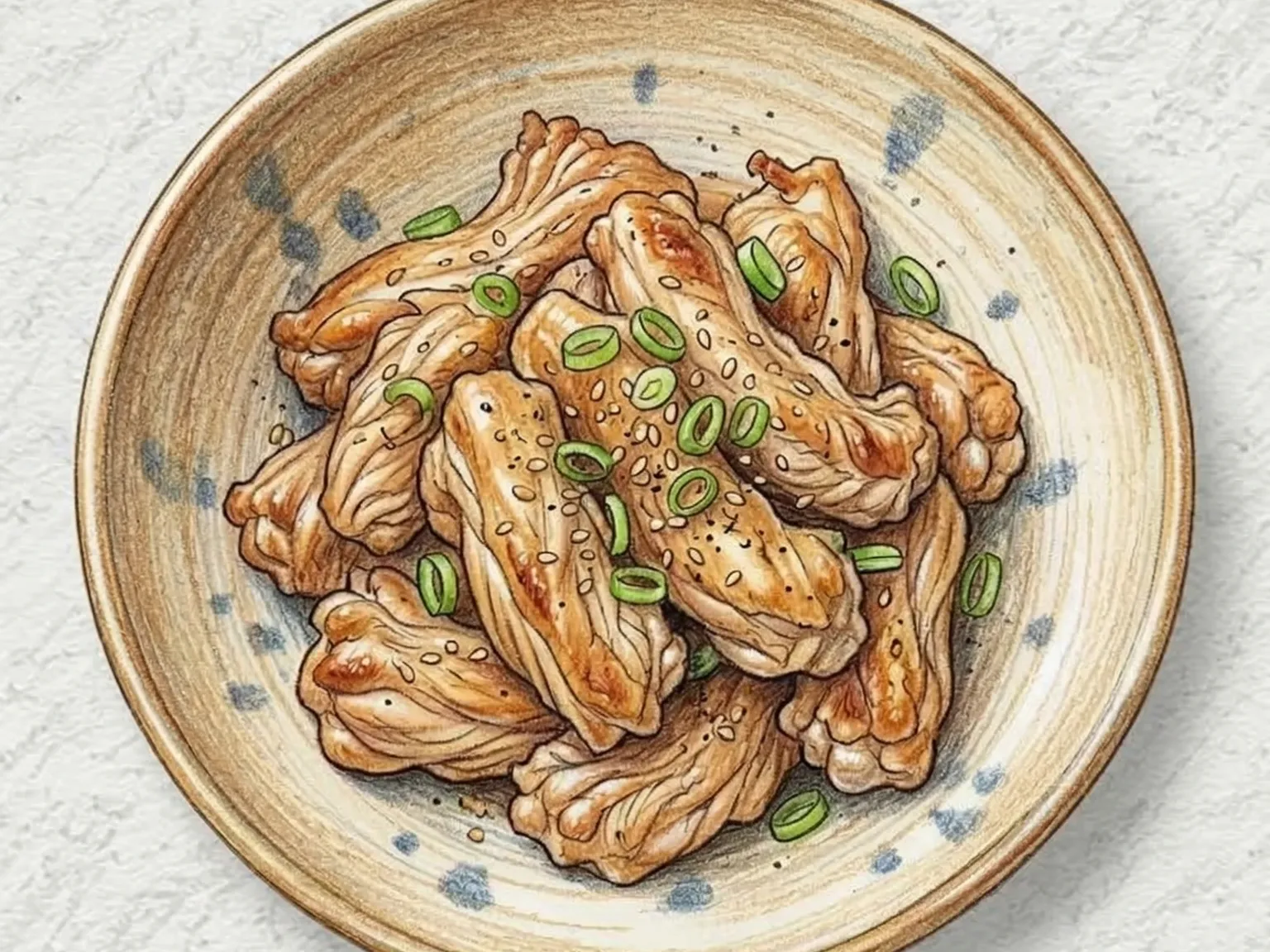
Korean Grilled Chicken Neck Meat
Dak-moksal-gui is a grilled Korean chicken neck dish seasoned with soy sauce, cooking wine, minced garlic, and sesame oil, then seared quickly over high heat. Chicken neck contains streaks of intramuscular fat that give it a chewy, savory richness unlike the lean dryness of breast meat -- a quality prized among those who know the cut. Spreading the pieces flat on the pan surface creates maximum contact and promotes rapid browning through the Maillard reaction, and flipping within two minutes per side preserves the juices that would otherwise be lost with extended heat. Sliced green onion scattered at the finish adds a fresh, pungent layer on top of the sweet-salty soy base, and coarsely cracked black pepper sharpens the aftertaste. The dish works equally well as a rice side or a beer accompaniment.
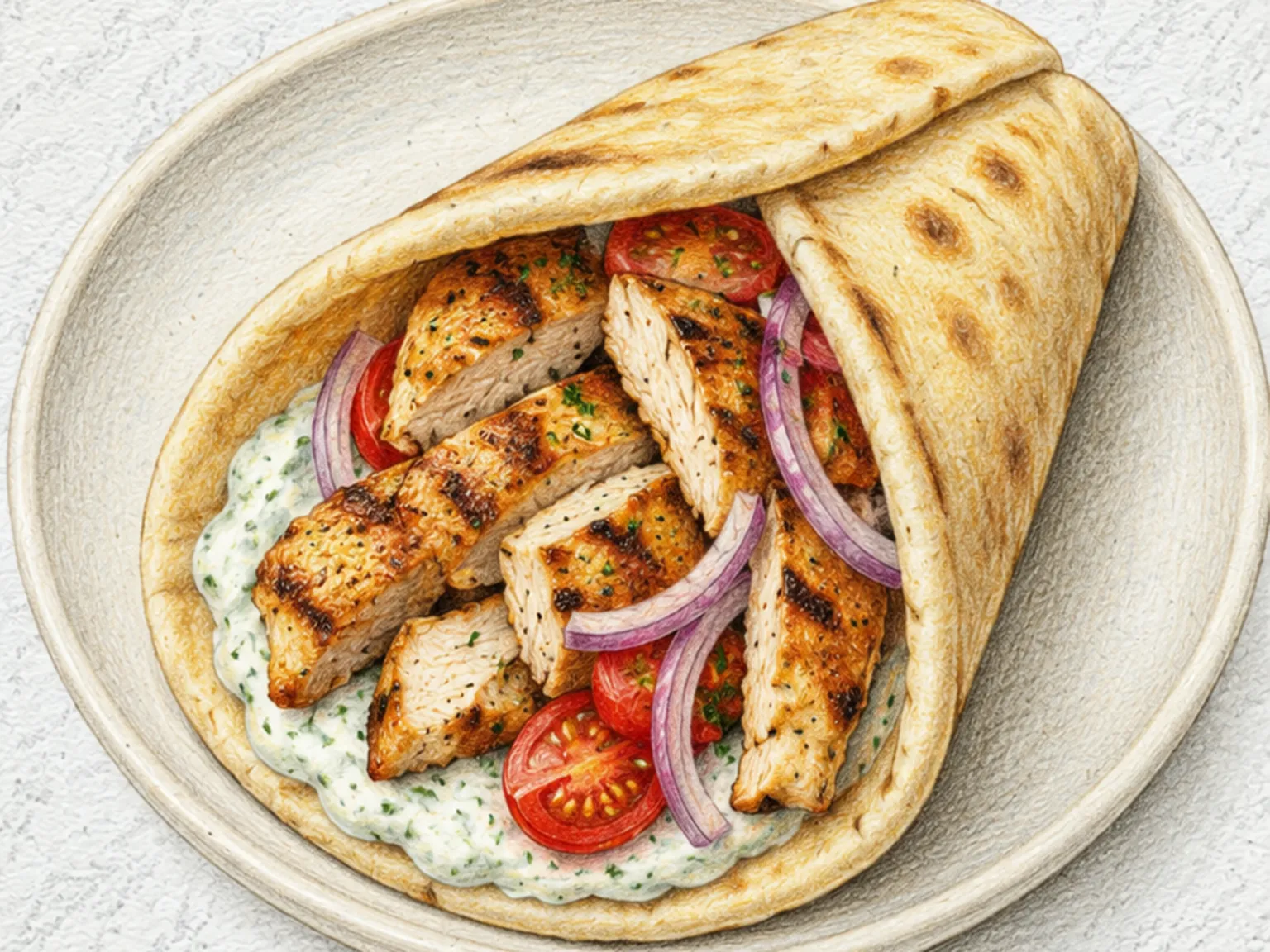
Chicken Gyro
Chicken gyro is a Greek pita wrap in which chicken thigh is marinated in olive oil, lemon juice, salt, pepper, and dried oregano before being grilled or pan-seared until the skin side develops a golden, crisp char. Chicken thigh withstands high-heat cooking far better than breast because its higher fat content keeps the meat moist and tender even when the exterior is well caramelized. Tzatziki is made by squeezing excess water out of grated cucumber and mixing it into plain Greek yogurt with minced garlic, fresh dill, a small pour of olive oil, and a pinch of salt. Its cold, sharp acidity is the necessary counterweight to the richness of the grilled meat, cooling every bite. Thinly sliced red onion adds a pungent crunch while halved cherry tomatoes or diced tomato bring bright juiciness inside the wrap. The pita should be warmed on a dry pan or grill for about thirty seconds per side immediately before assembling so it stays soft and pliable enough to wrap without cracking under the filling. Assembled and eaten immediately, the contrast between the hot, charred chicken and the cold sauce defines the dish.
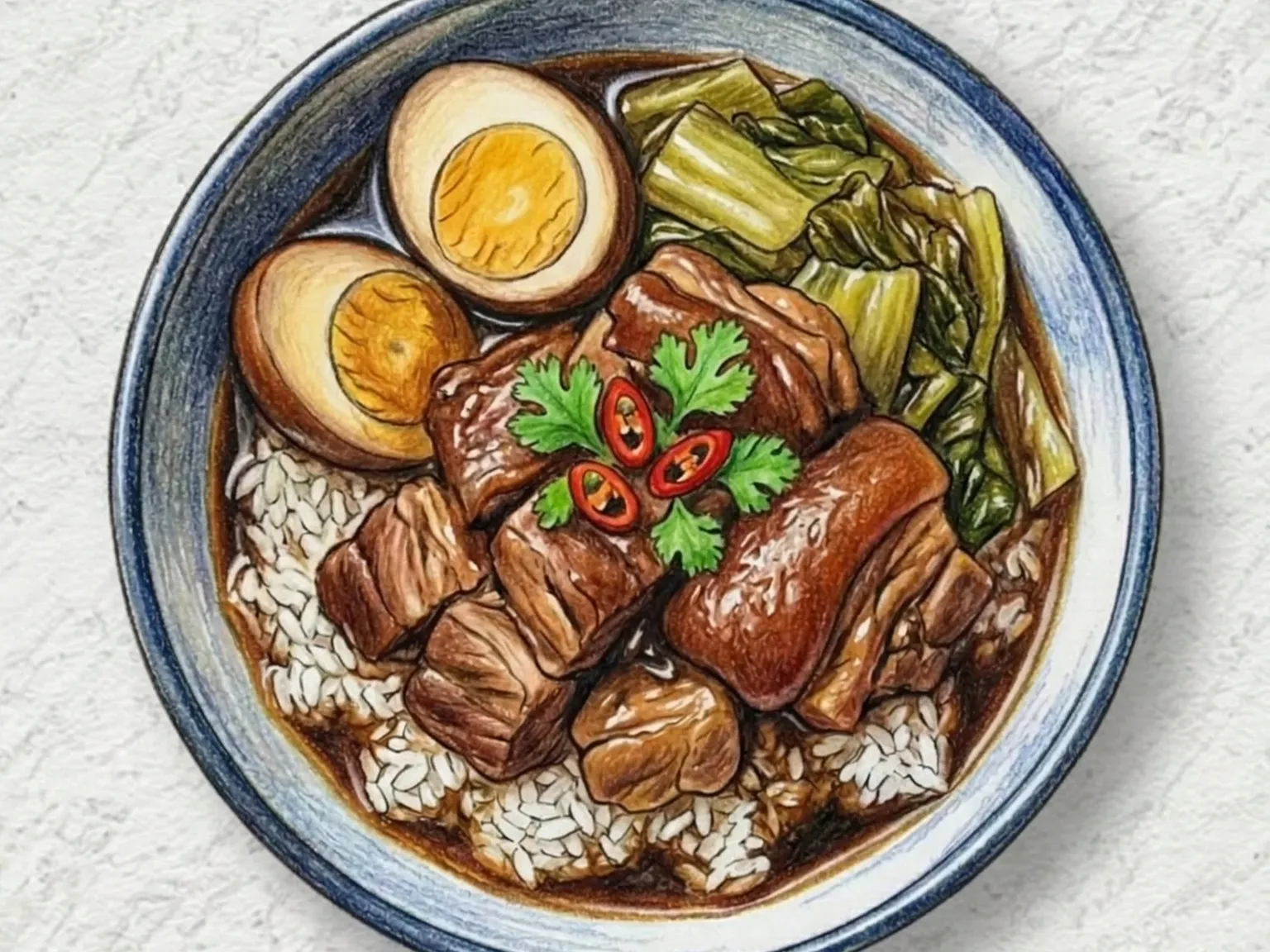
Khao Kha Moo (Thai Braised Pork Leg Rice Bowl)
Khao kha moo is a Thai braised pork leg rice bowl built on a simple premise: the longer the pork simmers, the better it becomes. A whole pork hock or front leg is submerged in a soy-based braising liquid seasoned with palm sugar, dark soy sauce, star anise, cinnamon sticks, and whole garlic cloves, then cooked at a low, steady simmer for two hours or more. Sustained heat breaks down connective tissue and collagen until the meat yields at the slightest touch, pulling away from the bone in glossy, quivering strips. As the liquid reduces, palm sugar and soy caramelize into a thick, mahogany-tinted sauce that balances deeply savory and gently sweet notes in equal measure. Thick slices of the pork are arranged over fragrant jasmine rice, and several spoonfuls of the braising sauce are ladled over so the grains soak up the flavor. Traditional accompaniments include a hard-boiled egg steeped overnight in the braising liquid until it turns brown throughout, pickled mustard greens to cut through the richness with sharp brine, and a small cup of chili-vinegar sauce for those who want heat. The dish is among the most beloved items at night markets across Thailand and demonstrates how patience and a handful of pantry aromatics transform inexpensive pork into something extraordinary.
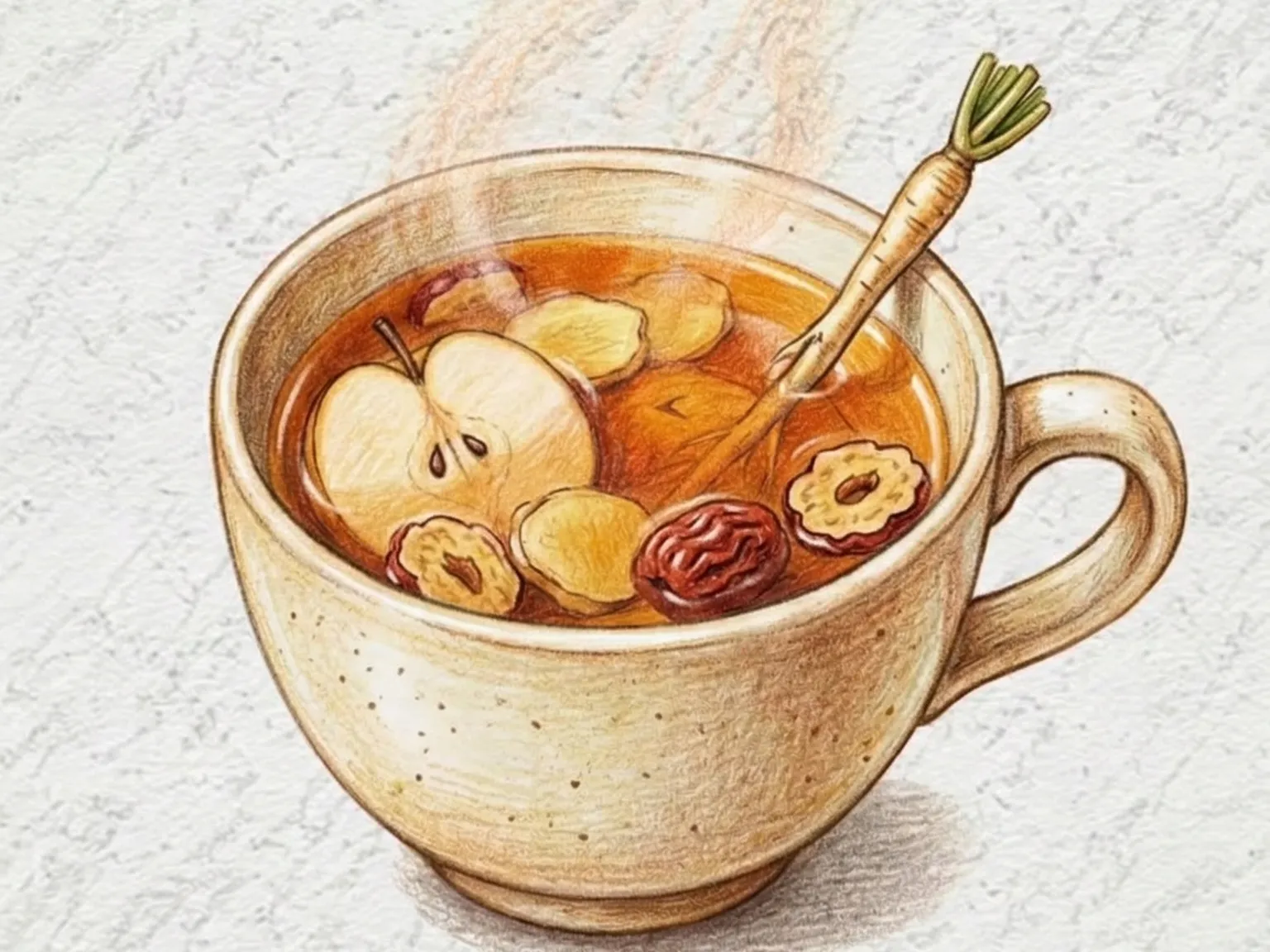
Korean Balloon Flower Ginger Tea
Doraji-saenggang-cha is a Korean herbal infusion that layers the gentle bitterness of balloon flower root, the sharp warmth of ginger, and the natural sweetness of pear and jujube into a single simmered drink. Preparing the balloon flower root correctly is essential before anything else: rubbing it in salted water removes the harsh bitterness that would otherwise dominate the entire cup and make it taste medicinal rather than balanced. Ginger and jujube go into the pot first and simmer for twenty minutes to build the structural base of the broth, developing a warm, slightly spiced backbone. Pear is added for the final five minutes so its juice dissolves into the liquid and lifts the sweetness naturally without added sugar needing to do that work. Honey is stirred in only after the heat is completely off, which preserves its floral fragrance in the finished cup instead of burning it off during cooking. Traditionally drunk when the throat feels irritated or during seasonal transitions when immunity tends to dip, this tea is considered both comforting and restorative in Korean households.
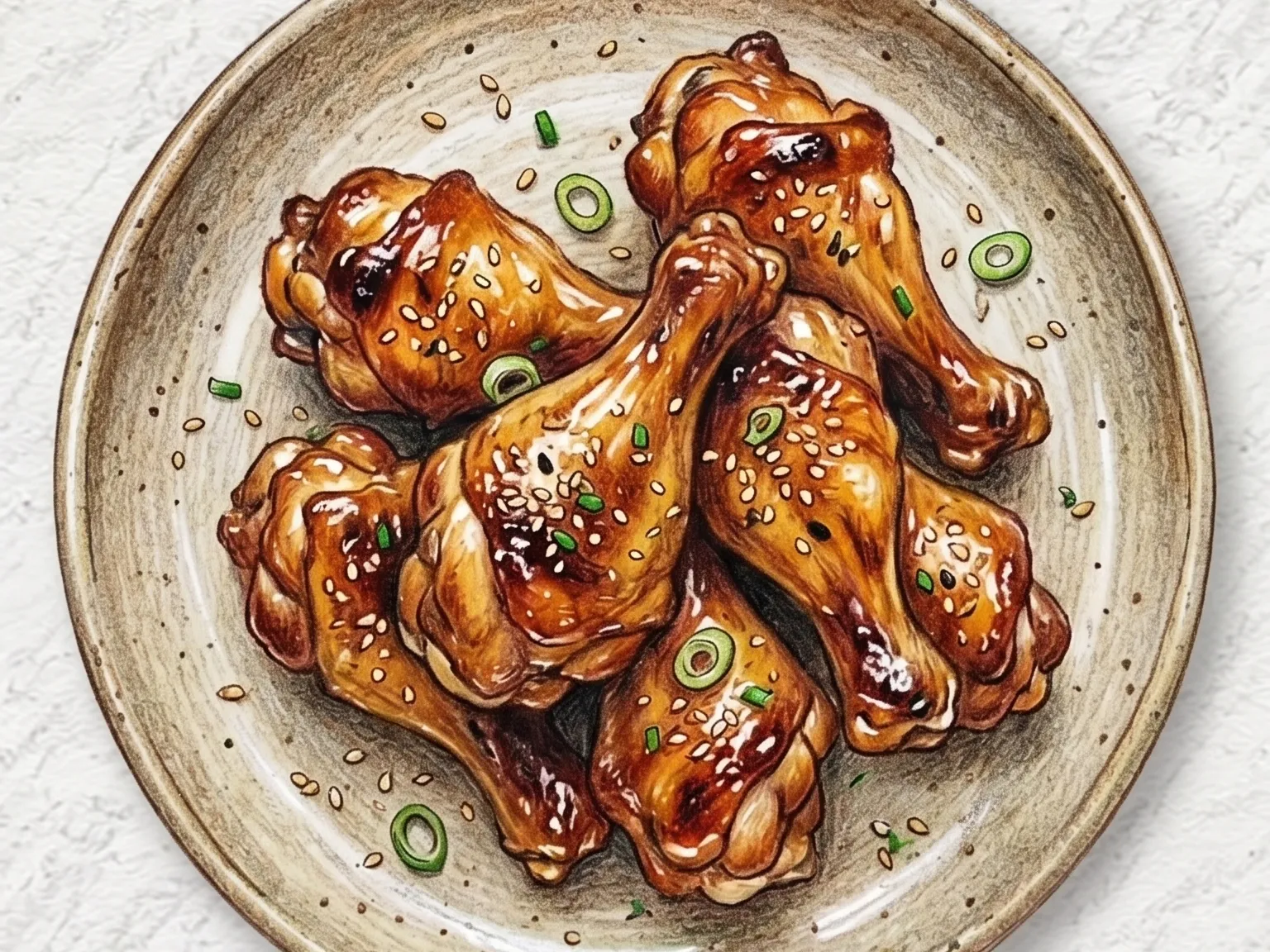
Korean Soy Glazed Chicken Wings
Dakbong-ganjang-gui is a Korean soy-glazed chicken wings dish where the wings marinate in a mixture of dark soy sauce, cooking wine, honey, minced garlic, and ginger for at least an hour so the seasoning works its way to the bone. The collagen concentrated around the wing bones melts during the long cook, creating a sticky, gelatinous quality beneath the skin that gives these smaller cuts a more satisfying chew than larger pieces. The sugars in the soy-honey glaze caramelize under heat and build a glossy, dark-brown coating that thickens with each basting. Basting once or twice mid-cook layers the glaze, and finishing at higher heat for the last few minutes crisps the surface while leaving the interior moist and tender. The contrast between the glazed exterior and the yielding meat beneath is the defining quality of the dish. A drizzle of sesame oil and a scatter of toasted sesame seeds over the finished wings add a roasted nuttiness that deepens the savory-sweet profile and signal that the dish is complete.
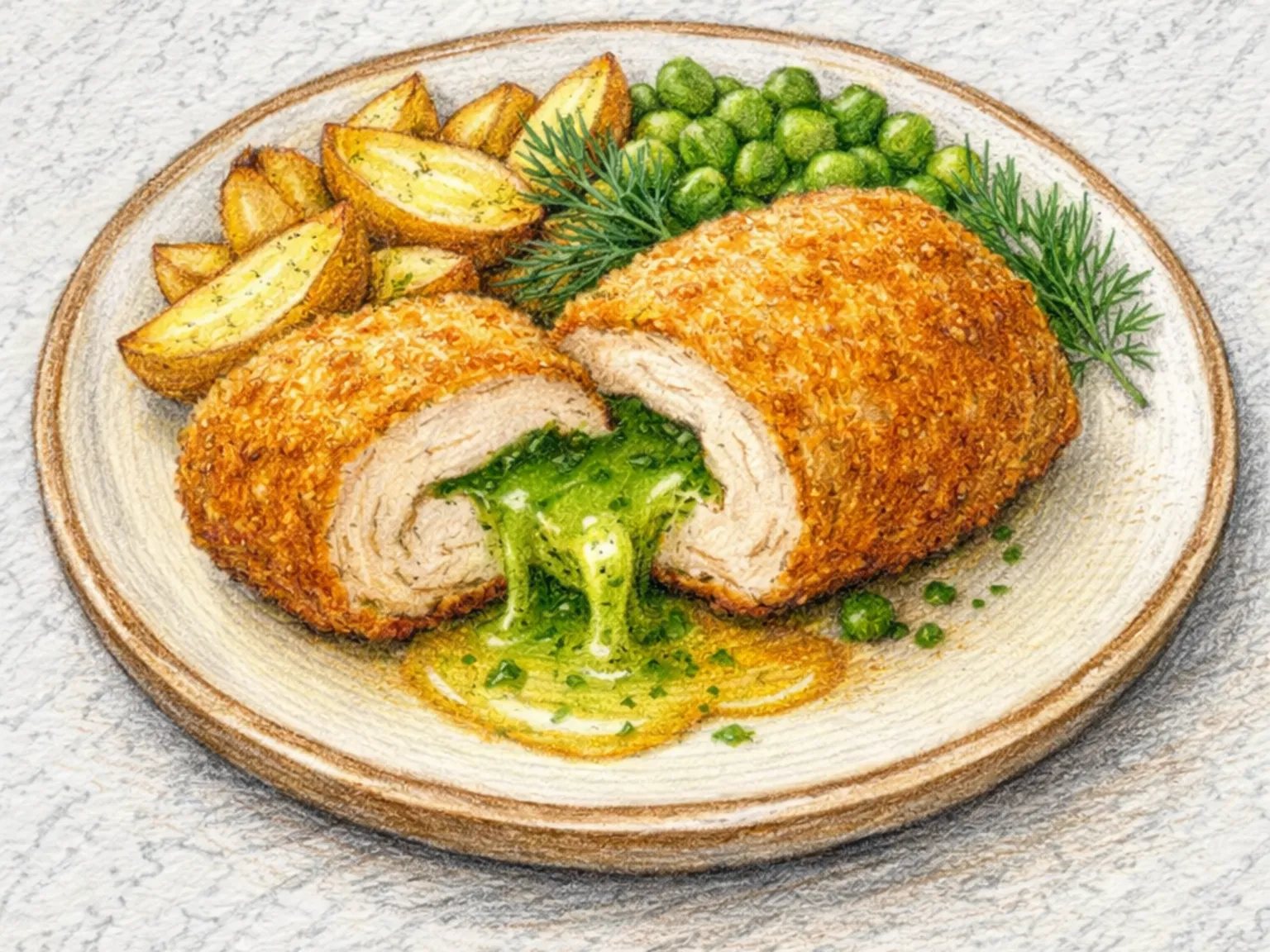
Chicken Kyiv
Chicken Kyiv is an Eastern European preparation of pounded chicken breast wrapped tightly around a log of compound butter mixed with parsley and garlic, triple-breaded in flour, egg wash, and breadcrumbs, pan-seared to set the crust, then finished in the oven. The butter must be frozen firm before assembly so it holds its shape during pan-searing and the early stage of oven cooking, melting only gradually inside the chicken where it functions as an internal basting sauce. The triple breading creates a crisp outer shell that also seals the butter inside, and repeating the breadcrumb coating a second time improves both the seal and the crunch of the finished piece. The defining moment of the dish is cutting in and releasing a flow of melted herb butter; a three-minute rest after removing from the oven stabilizes the interior temperature so the butter flows cleanly rather than all at once. Chilling the breaded rolls in the refrigerator for at least thirty minutes before cooking keeps the breadcrumbs firmly attached through the high-heat sear, and the two-stage cooking method of pan-searing followed by oven finishing achieves a crisp exterior and fully cooked, juicy interior at the same time.
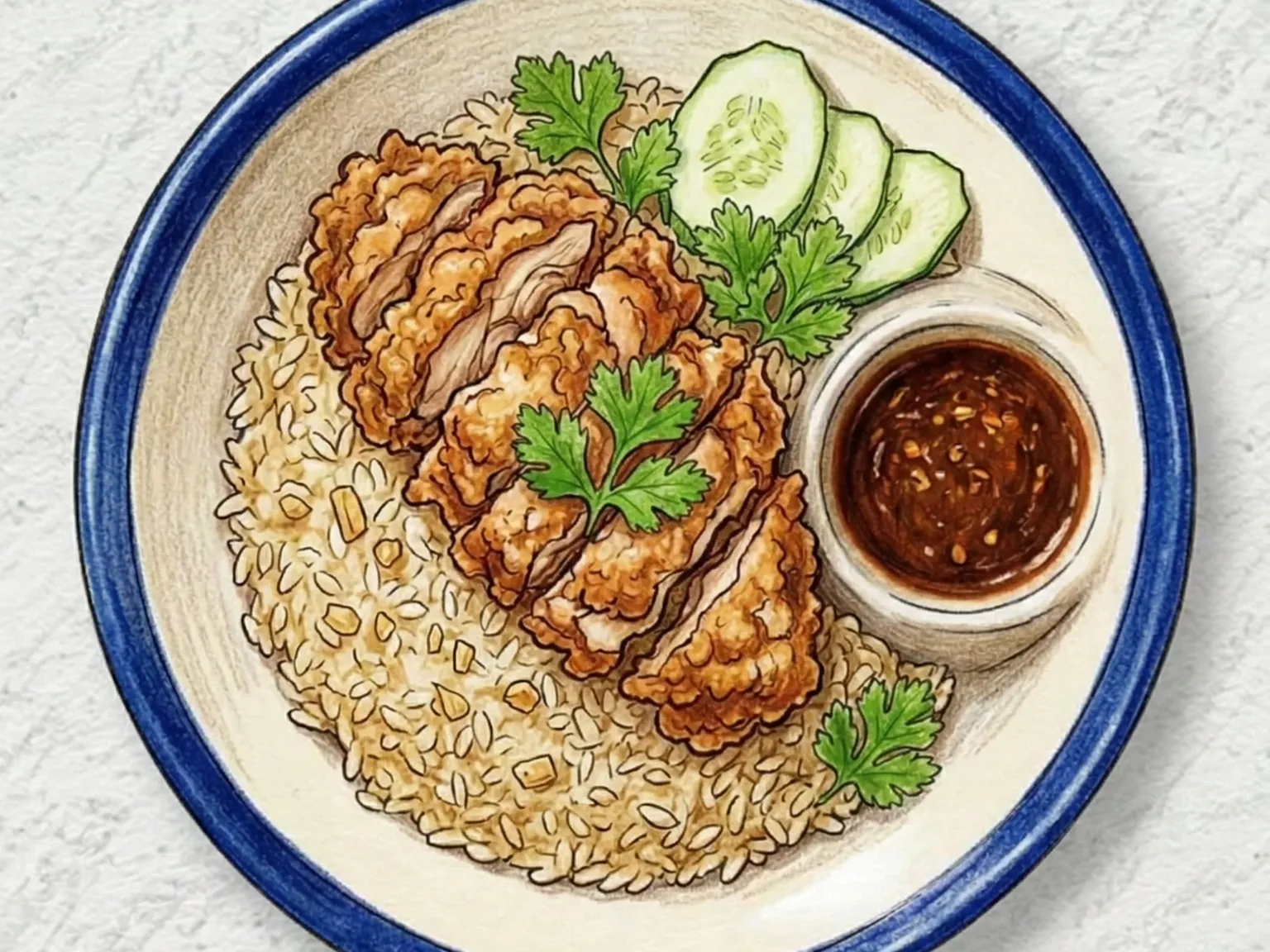
Khao Man Gai Tod (Thai Fried Chicken Rice Bowl)
Khao man gai tod is the fried variation of Thailand's beloved chicken rice, replacing the poached bird with a crispy deep-fried version that adds texture and caramelized flavor to an already satisfying dish. Chicken pieces are marinated in garlic, white pepper, and fish sauce, then dusted in seasoned flour and fried until the crust turns deep golden and audibly crunchy. The rice is cooked in chicken broth with garlic and ginger, absorbing the fat and aroma of the stock into each grain so that it tastes rich on its own before any sauce is added. What ties the plate together is the sweet chili dipping sauce, a mix of fermented soybean, vinegar, chili, and sugar that delivers a sharp, funky counterpoint to the rich fried chicken and oily rice. Sliced cucumber and a small bowl of clear broth with winter melon round out the standard serving and provide relief between bites. Street vendors across Bangkok keep vats of oil at the ready for this dish throughout the day, and the crackling sound of chicken hitting hot oil is a reliable signal to stop and eat.
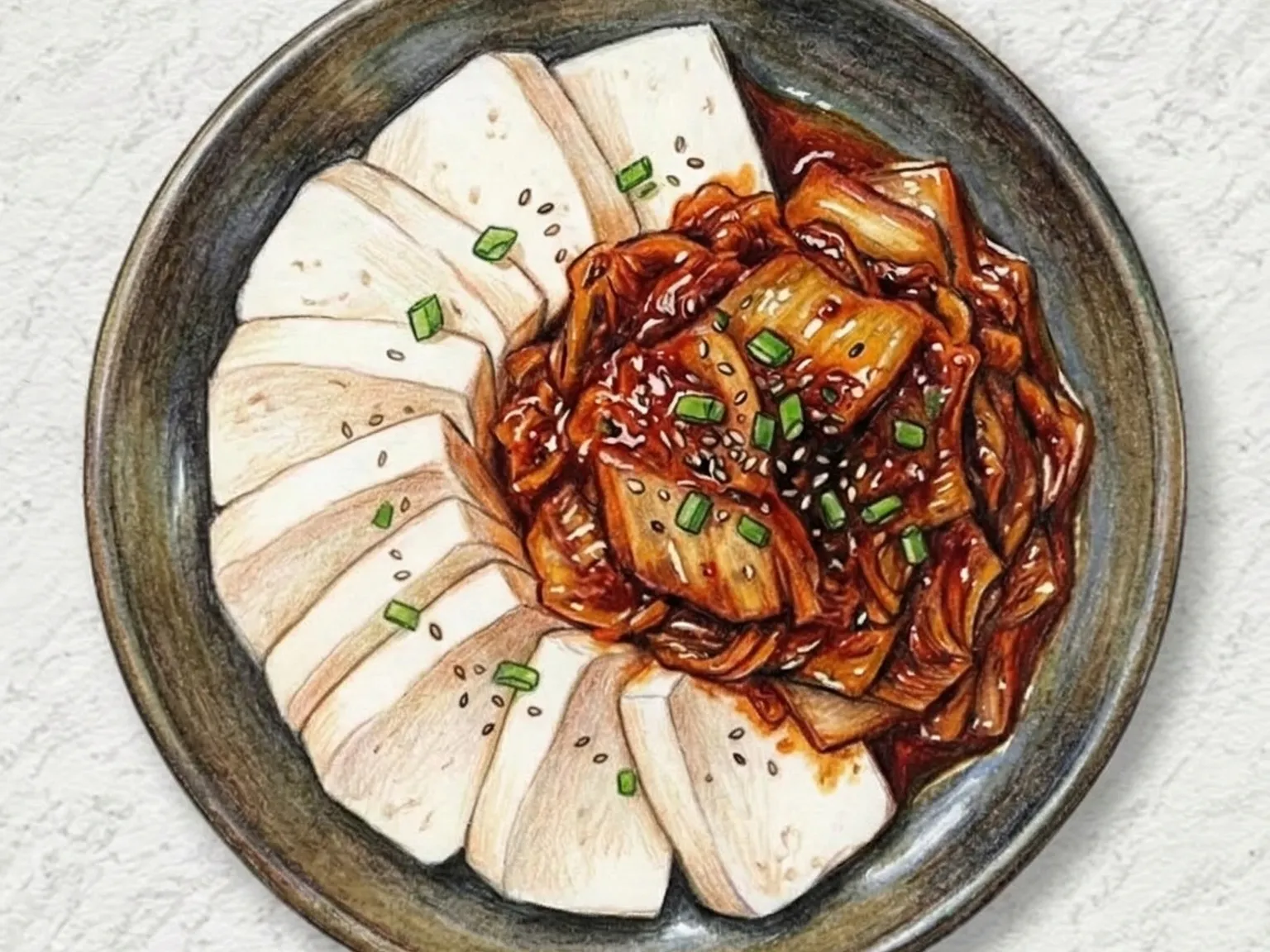
Korean Tofu with Stir-fried Kimchi
Dubu-kimchi pairs thick slabs of blanched tofu with aged kimchi stir-fried alongside pork shoulder and onion, and stands as one of the most recognized drinking accompaniments in Korean food culture. Blanching the tofu in salted water for roughly three minutes draws out any raw bean flavor and firms the surface so the slices hold their shape on the plate. The deep fermentation sourness of the aged kimchi concentrates as it cooks in oil with gochugaru, and a small amount of sugar bridges the gap between the sour and spicy notes. Using only the fat rendered from the pork keeps the stir-fry clean-tasting; maintaining medium heat throughout prevents the kimchi from scorching. Placing the tofu under the hot kimchi stir-fry lets the surface absorb the seasoning so the tofu is not bland on its own. A finish of sesame oil adds a nutty aroma, and sliced green onion on top provides a fresh contrast. When serving alongside soju or makgeolli, plate the tofu separately and spoon the stir-fry over it at the table to keep the slices intact.
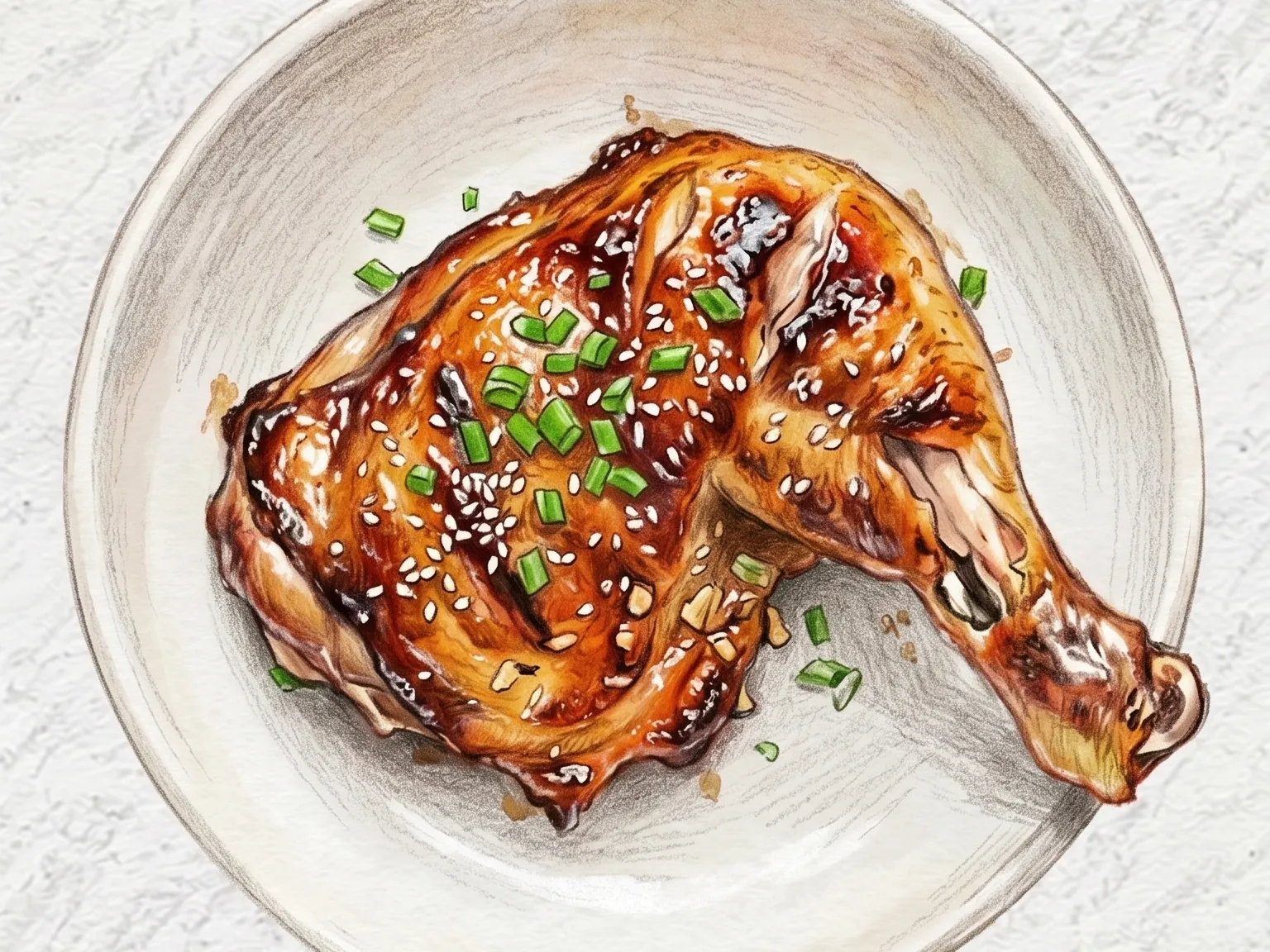
Korean Grilled Chicken Drumsticks
Dakdari-gui is a Korean grilled chicken drumstick marinated for at least two hours in soy sauce, gochujang, honey, garlic, and ginger juice, then cooked on a pan or grill until the skin is deeply browned and the meat pulls from the bone. Starting skin-side down over medium heat renders the subcutaneous fat slowly, producing a crackling-crisp skin; too high a flame chars the sugar in the marinade before the fat has time to melt. Once the skin turns golden and rigid, flip the drumstick and cover the pan to let steam finish the interior quickly without drying the meat. Drumsticks tolerate longer cooking times better than breast meat because of their higher fat and connective tissue content, and the flavor peaks when the leg bone separates cleanly from the muscle. The layered marinade -- gochujang's fermented heat, honey's sweetness, and ginger's sharp warmth -- balances the richness of the rendered chicken fat rather than fighting it. A scatter of sesame seeds over the finished drumsticks adds a final nutty note on top of the caramelized crust.
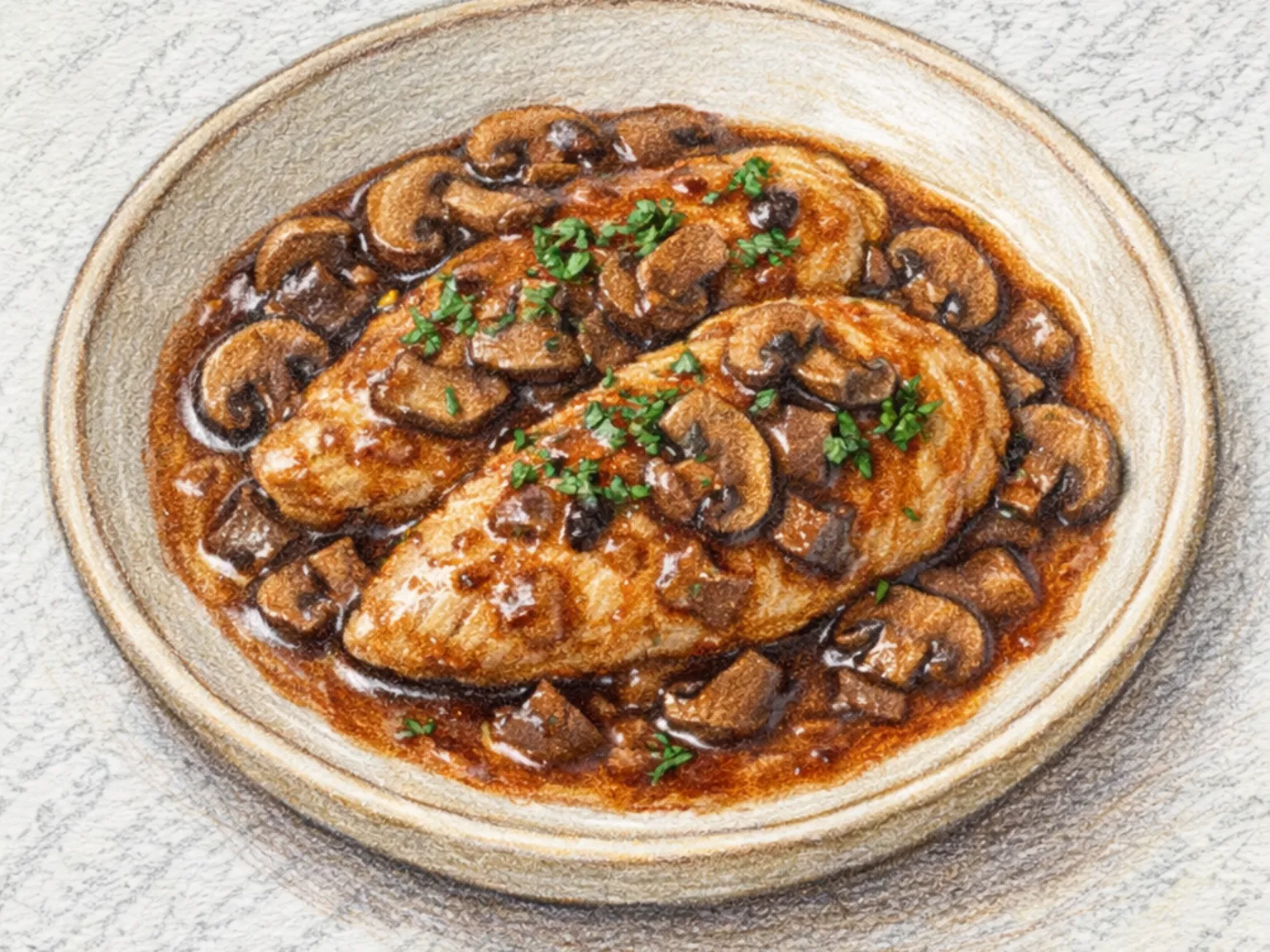
Chicken Marsala
Chicken Marsala pounds chicken breast thin, dredges it in flour, and pan-sears it to a golden crust before building a sauce from Marsala wine, sliced cremini mushrooms, chicken stock, and heavy cream. Pounding the breast to an even thickness ensures uniform heat transfer so the interior stays moist while the exterior browns quickly, and the flour coating creates the browned fond on the pan surface that becomes the sauce's flavor base. Deglazing with Marsala wine lifts that fond while the wine reduces, concentrating its sweetness, acidity, and characteristic walnut-like nuance into a deeply layered sauce. Mushrooms must be spread in a single layer and cooked until their moisture fully evaporates, otherwise they release liquid into the sauce and dilute its intensity. Heavy cream goes in at the end to give the sauce a velvety body, but the heat should be reduced before adding it to prevent the cream from breaking. Dry Marsala is essential here because sweet Marsala produces an excessively sugary sauce that masks the wine's complexity, turning a nuanced pan sauce into something that tastes more like a dessert glaze. Serve with mashed potatoes, pasta, or steamed rice and spoon the sauce generously over everything.
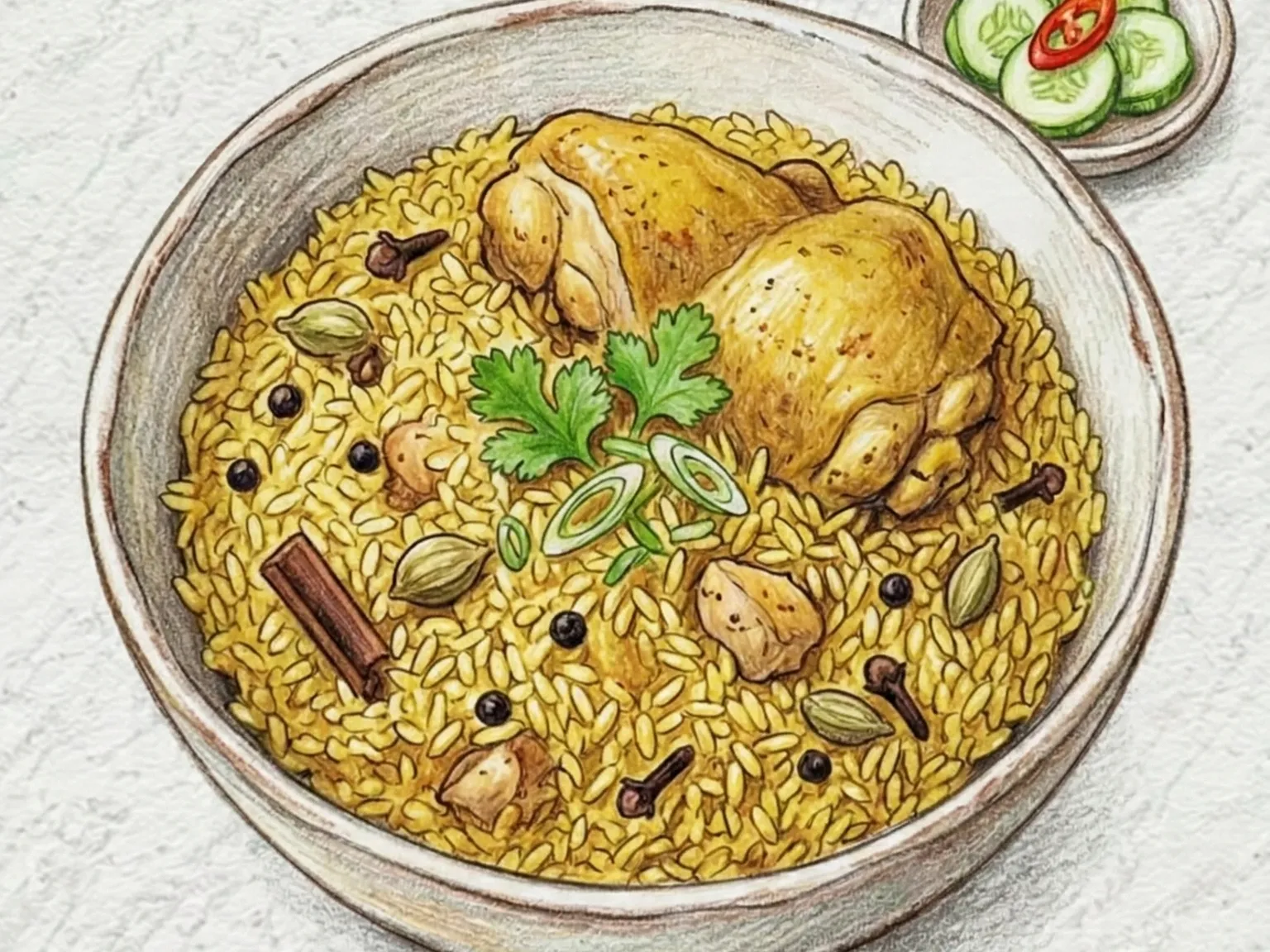
Khao Mok Gai (Thai-Muslim Spiced Chicken Biryani)
Khao mok gai is a Thai-Muslim take on biryani, in which spice-marinated chicken is cooked together with turmeric-tinted rice until the grains absorb the meat's juices. The chicken is rubbed with yogurt, cumin, coriander, and cinnamon, then briefly seared before being buried in parboiled rice seasoned with cardamom, cloves, and bay leaves. The pot is sealed and left on low heat so steam circulates through the layers, infusing every grain with aromatic depth. Turmeric gives the rice its signature golden hue. The dish originated in the Muslim communities of southern Thailand and reflects the culinary crossroads of Indian, Middle Eastern, and Southeast Asian cooking traditions. It is served with a sweet chili sauce for dipping, a bowl of clear chicken broth on the side, and a scattering of crispy fried shallots on top.

Korean Solomon's Seal Tea
Dunggeulle-cha is a Korean caffeine-free tea brewed by simmering dried Solomon's seal root in water to draw out a toasty, mellow sweetness. Adding a small amount of licorice root alongside the root delivers a natural sweetness that rounds and softens the overall flavor without any added sugar. Sliced Korean pear goes into the pot once the water reaches a boil, and as the juice dissolves into the liquid it contributes a light, refreshing fruit layer. The broth is strained clear, finished with a pinch of salt to sharpen the taste, then sweetened with honey and served either warm in winter or chilled over ice in summer.
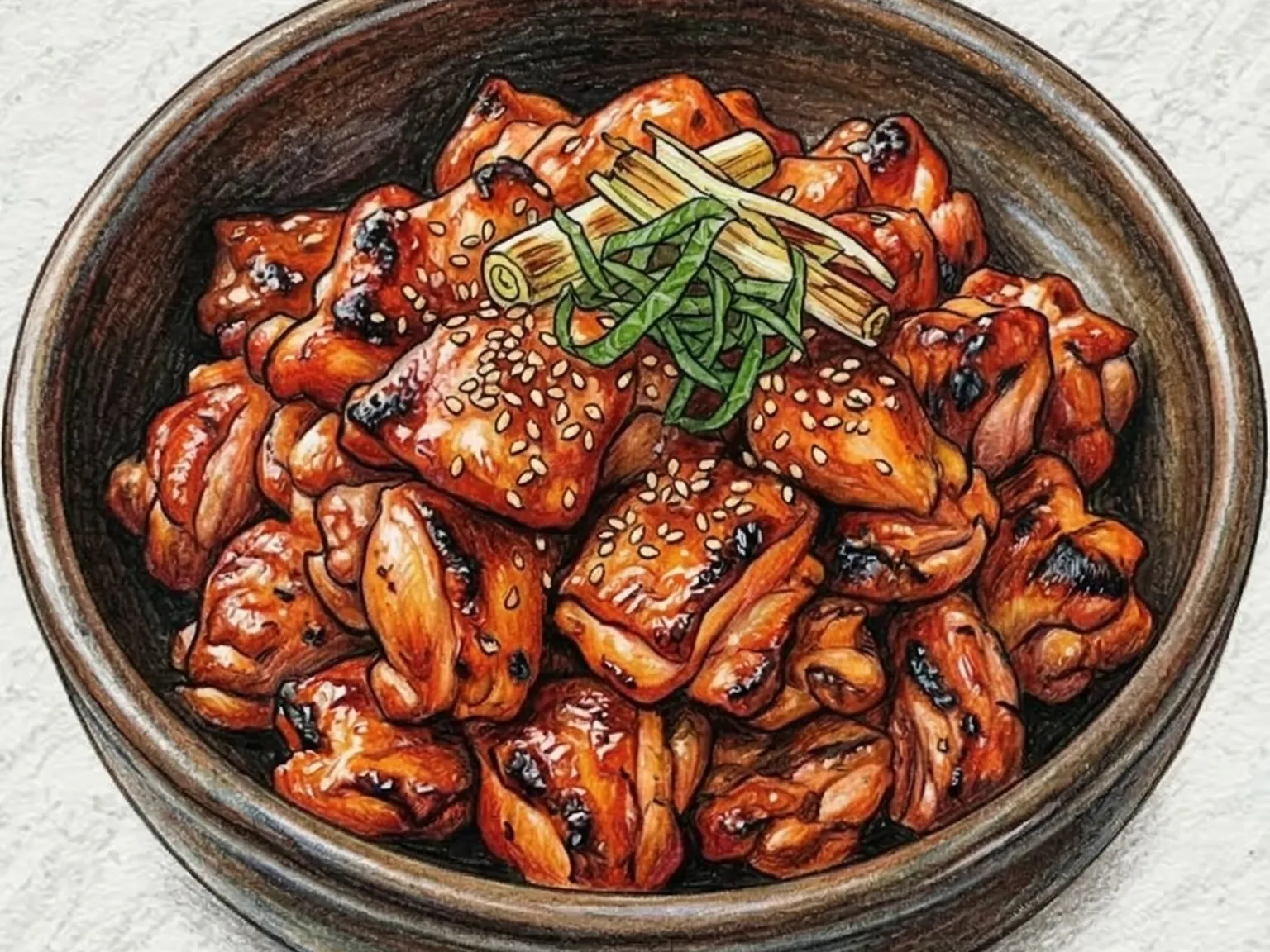
Korean Grilled Spicy Chicken Ribs
Dakgalbi-gui is the original Chuncheon-style grilled chicken dish, where bone-in thigh and leg pieces marinate in a crimson paste of gochujang, soy sauce, sugar, garlic, sesame oil, and ginger before cooking directly over an open flame or on a very hot pan. Unlike the more widely known iron-plate dakgalbi stir-fried with vegetables, this grilled version focuses solely on the meat to maximize char and smoky flavor on the surface. Deboned thigh meat spread flat exposes more surface area to both the marinade and the heat, concentrating flavor throughout, and a minimum two-hour rest in the marinade ensures the spice penetrates deep into the flesh. The gochujang caramelizes at high temperatures, forming edges that are simultaneously spicy, sweet, and faintly bitter from the char.
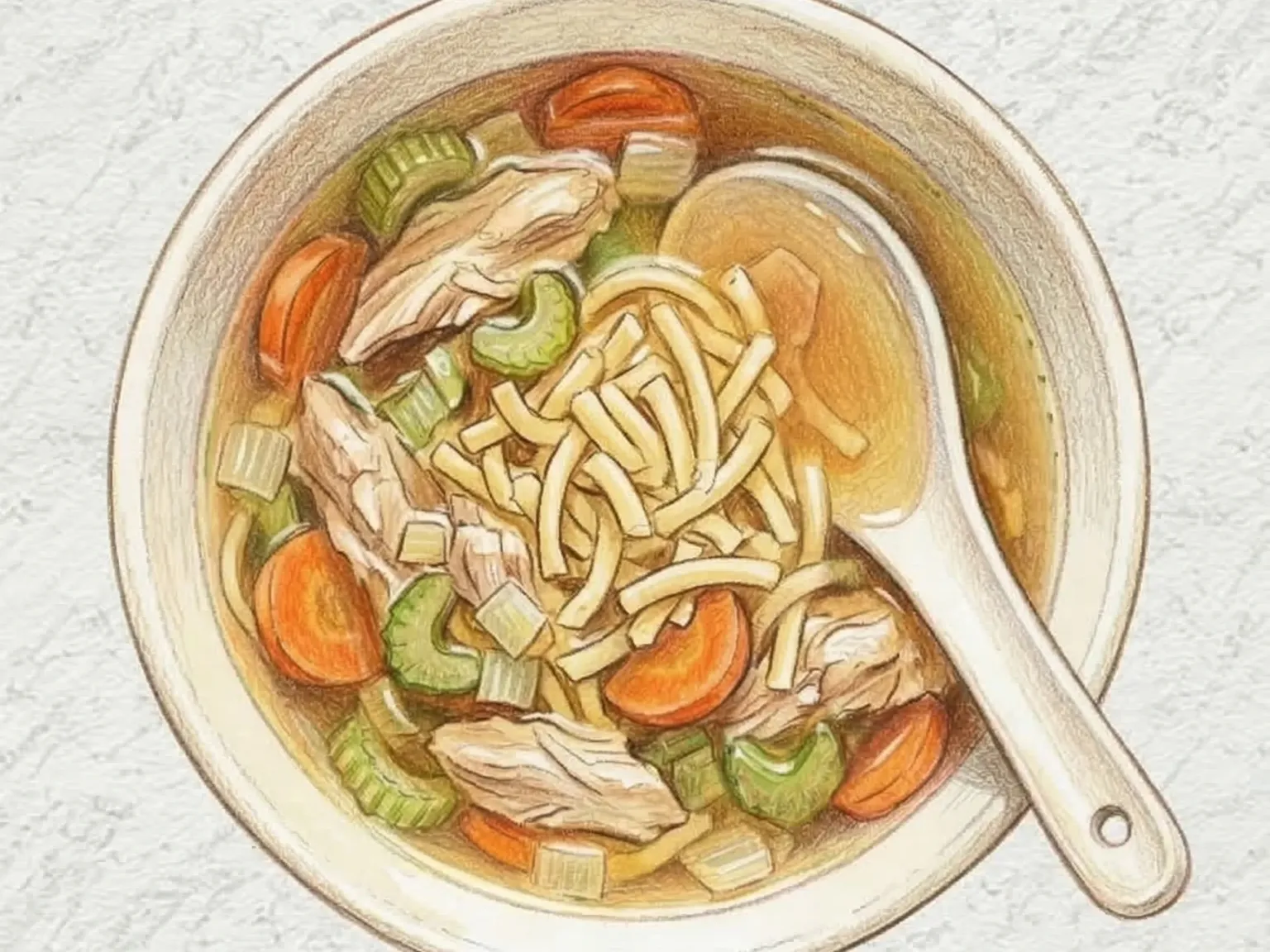
Chicken Noodle Soup
Chicken noodle soup simmers chicken breast with onion, carrot, and celery in chicken stock, then finishes with egg noodles for a classic American home-cooked meal. Sauteing the vegetables in olive oil before adding the stock draws out their natural sweetness and infuses the broth with their flavor from the start. Poaching the chicken breast whole and shredding it along the grain produces long strands that mix naturally with the noodles on the spoon. Adding the noodles at the very end and cooking them only for the time listed on the package keeps them from turning soft and mushy. For leftovers, storing noodles separately and combining them when reheating preserves their texture.
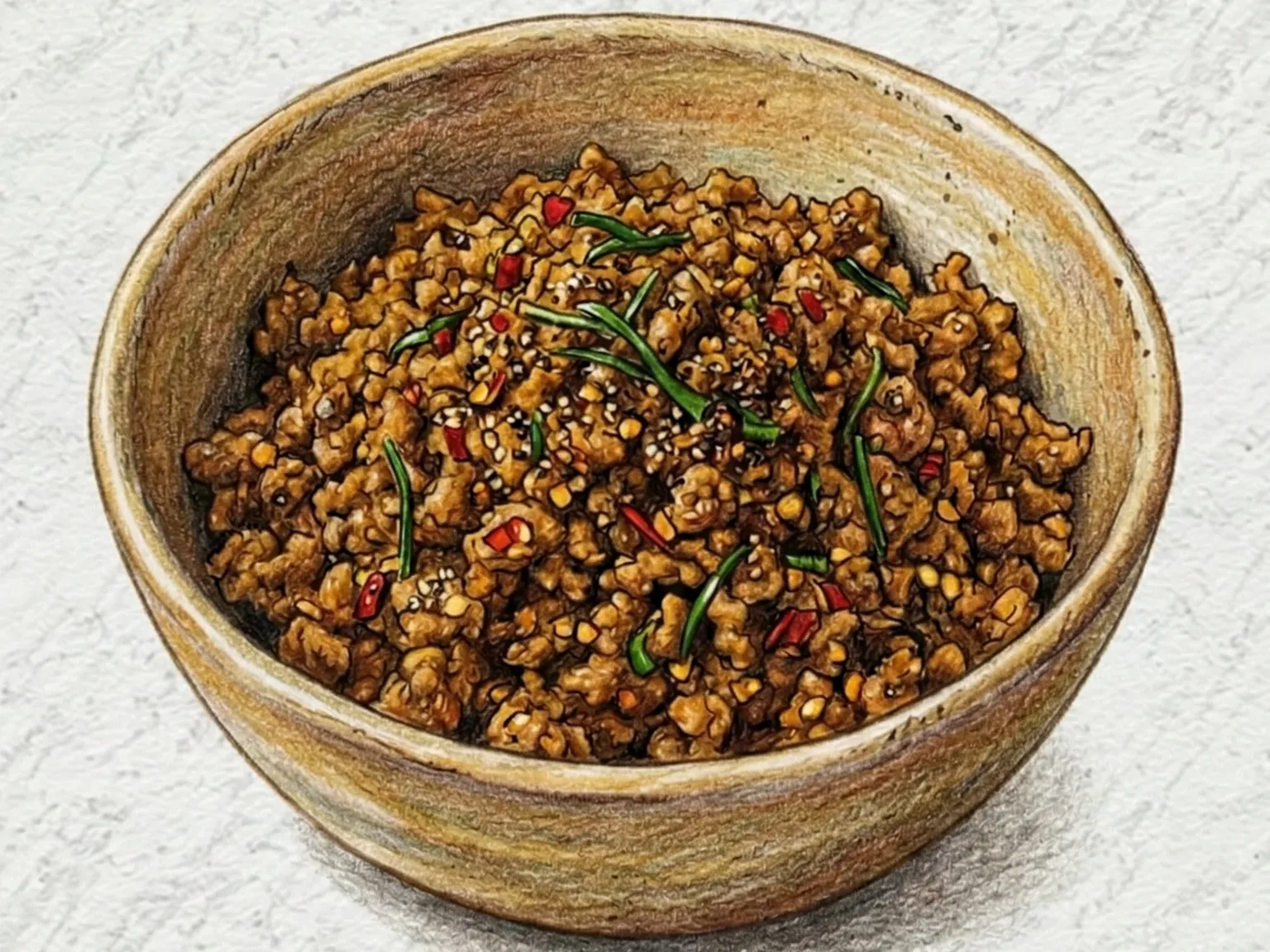
Khua Kling (Southern Thai Dry-Fried Spiced Minced Pork Curry)
Khua kling is the dry-fried curry that defines the cooking of southern Thailand, built around minced meat stir-fried with an intense red curry paste until every trace of liquid has been cooked away. The paste goes into a dry, preheated pan first, and it fries in its own aromatic oils until the raw edge is gone and the kitchen fills with its fragrance. Ground pork is then added and the cook stirs without pause, working the meat against the hot surface and driving off all moisture until each grain of meat is separate, dry, and coated in a concentrated layer of spice. Fish sauce brings salt, a small measure of sugar tempers the raw heat, and finely shredded kaffir lime leaves push a bright citrus fragrance through the heavy chili and shrimp paste base. Extra sliced red chilies are standard in the southern version, and the heat level here far exceeds what most central Thai dishes offer. There is no sauce at all in the finished dish: the texture is crumbly and almost granular, which is precisely the point. A single spoonful carries enough concentrated flavor to carry several bites of plain steamed rice. The dish is best served immediately off the heat, while the aromatics are still vivid and the meat still steaming.

Einspanner (Espresso with Vanilla Whipped Cream)
The Einspanner is a coffee beverage originating from Austria that features a distinct layered structure consisting of espresso at the bottom and a dense portion of whipped cream on top. This cream is typically seasoned with a small amount of sugar and vanilla extract to provide a subtle sweetness that complements the coffee. A primary characteristic of this drink is the sharp visual and textural contrast between the dark espresso base and the thick, pale cream that rests on the surface. Proper preparation of the cream is essential for the beverage to function as intended. It must be whipped until it reaches a specific consistency of approximately seventy percent stiffness, which allows it to remain fluid enough to float and spread evenly across the entire surface of the espresso. If the cream is over-whipped and becomes too firm, it will form clumps and fail to integrate naturally with the coffee as the person drinks it. The assembly process involves cooling the espresso for a short period before pouring it into a glass containing ice. The whipped cream is then added slowly by using the back of a spoon to guide it onto the surface of the coffee. This specific technique is used to ensure that the two layers remain separate and do not mix prematurely. To finish the preparation, a fine layer of cocoa powder is dusted over the top of the cream. This addition provides a light chocolate flavor that serves as a bridge between the bitter notes of the espresso and the sweet taste of the whipped cream. Customarily, an Einspanner is consumed without the use of a straw. The standard method is to sip the coffee directly through the layer of cream so that both components reach the palate at the same time. This allows for the simultaneous experience of the concentrated coffee and the flavored cream in every mouthful.
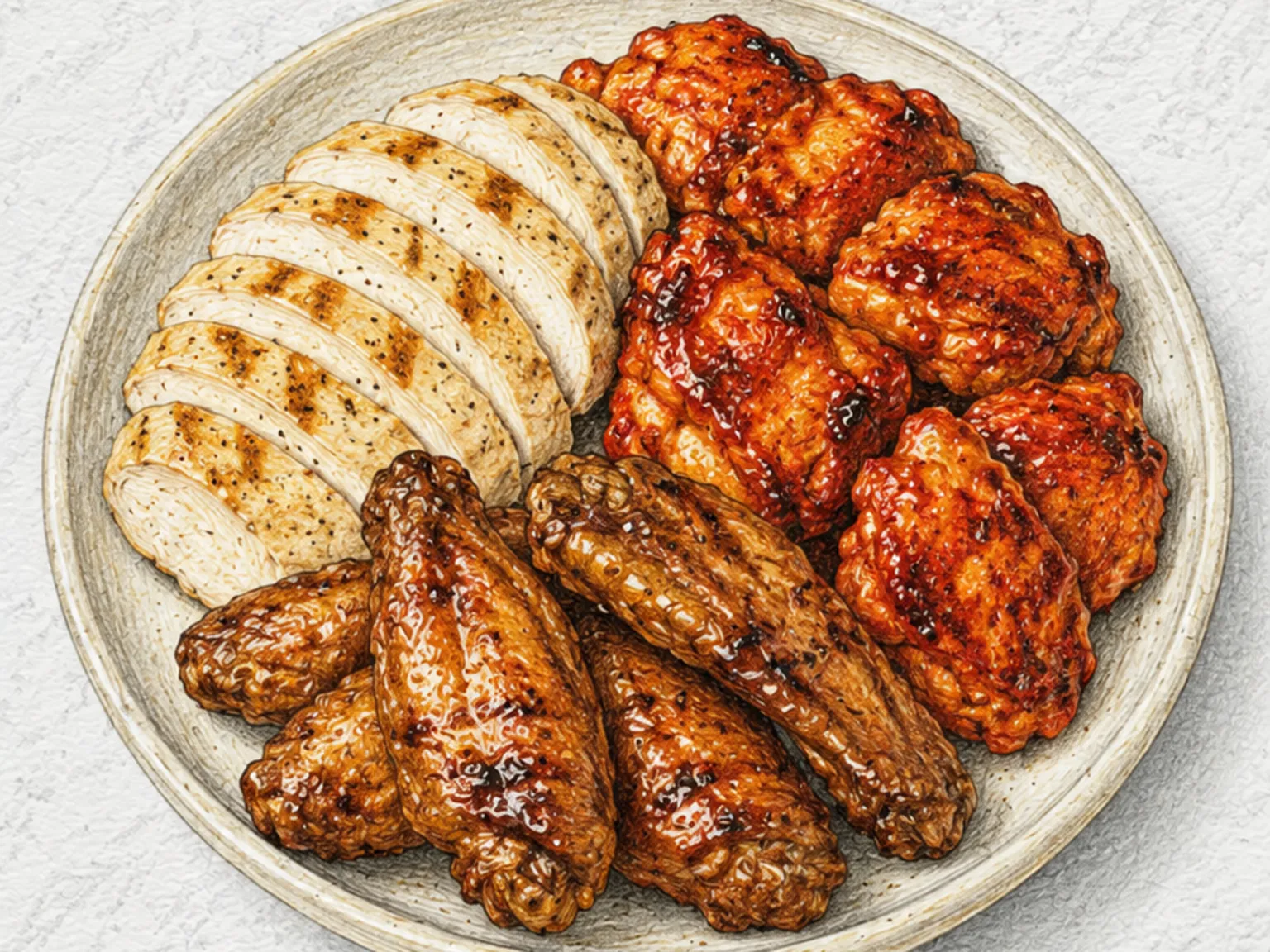
Korean Assorted Grilled Chicken
Dakgogi-gui-modeum is a Korean assorted chicken grill that brings breast, thigh, and wing pieces together on a single plate, each cut seasoned differently: salt for the breast, gochujang paste for the thigh, and soy-based glaze for the wings. Because each cut carries a different ratio of fat to muscle, cooking times must be calibrated individually rather than treating all three the same. Breast meat loses moisture quickly and needs the shortest time over heat, while wings benefit from longer cooking to render the fat under the skin. The salt-seasoned breast keeps its clean, mild flavor front and center; the gochujang thigh delivers fermented heat and a char at the edges; the soy-glazed wing balances sweet against salty in each sticky bite. Serving all three together lets diners compare three distinct outcomes from the same bird, making the role of seasoning and cut easy to taste side by side rather than just understand in theory.