🥗 Light & Healthy Recipes
Light, healthy, low-calorie dishes
712 recipes. Page 23 of 30
These low-calorie recipes prove that healthy eating does not have to be boring. High-protein meals, vegetable-forward dishes, and low-carb options - all designed to support weight management and better eating habits.
Diet-friendly does not mean small portions or bland flavors. Chicken breast, tofu, konjac, and eggs provide lasting satiety, while smart seasoning and cooking methods keep the taste appealing. Build a sustainable, healthy routine with these recipes.
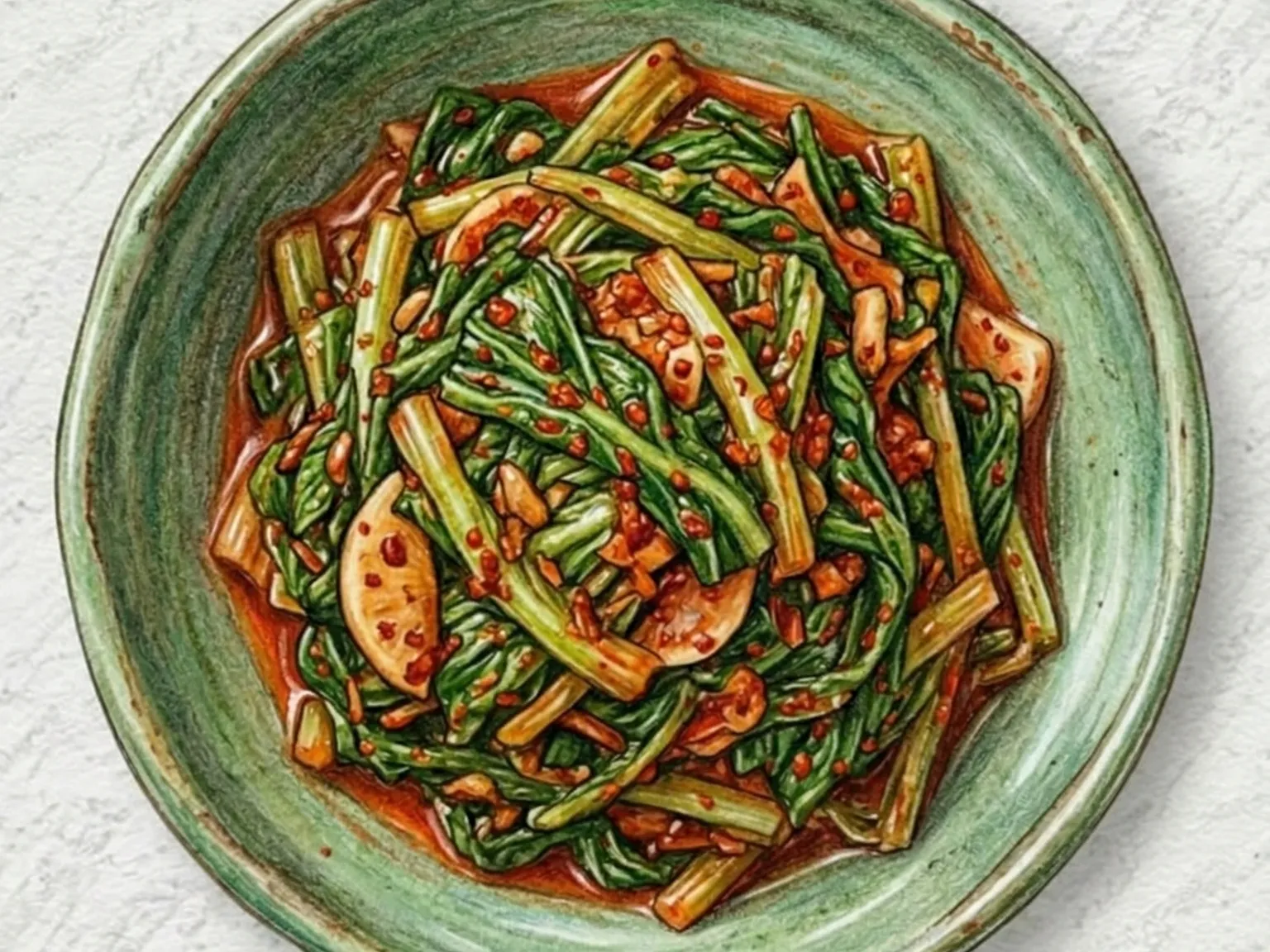
Korean Radish Greens Kimchi
Mucheong kimchi is made from the leafy greens and stems of Korean radish, cut into 5 cm lengths, salted in coarse brine, then coated in a paste of sweet rice flour, gochugaru, anchovy fish sauce, minced garlic, ginger, and onion. The thick, fibrous stems grip the seasoning and hold up through fermentation without turning mushy, keeping a firm chew even after weeks in the refrigerator. Sweet rice flour acts as a glue that prevents the coating from sliding off the stems as the kimchi ages. Anchovy fish sauce lays down a deep seafood umami as the base layer, while onion moderates the chili heat with natural sweetness. The greens are a practical use of the entire radish rather than just the root, and the finished kimchi works beyond the banchan role: torn into pieces and added to siraegi soup, it enriches the broth; stirred into doenjang jjigae, it deepens the fermented soybean flavor with another layer of fermented complexity.
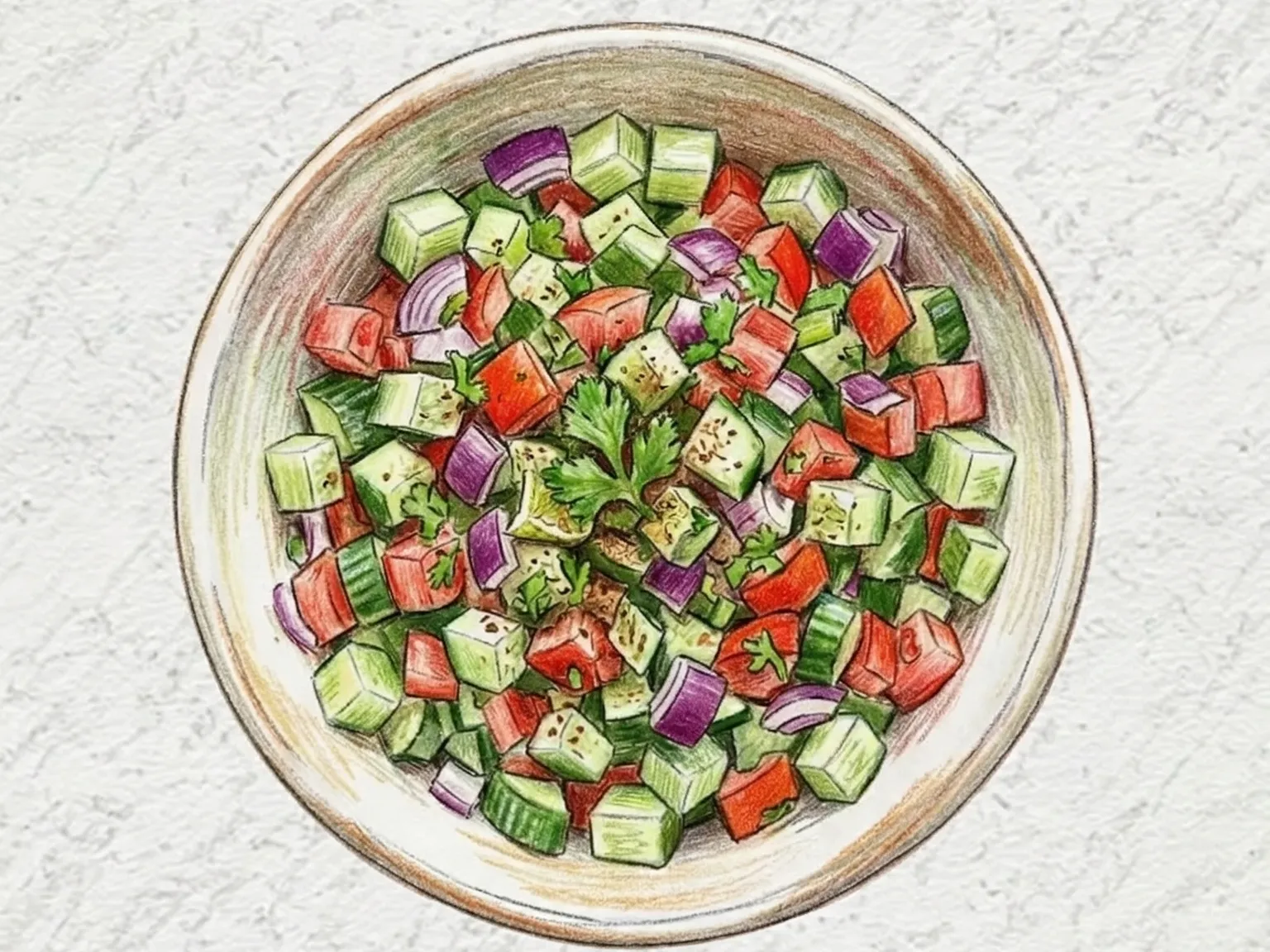
Kachumber Salad (Indian Kachumber salad)
Kachumber salad finely dices cucumber, tomato, and red onion, then tosses them with chopped cilantro, lime juice, ground cumin, chaat masala, and salt in a quick Indian raw vegetable preparation. Removing some of the seeds from the cucumber and tomato limits excess moisture so the dressing stays concentrated rather than watery. Soaking the diced red onion in cold water for three minutes draws out its harsh sharpness, letting it blend more smoothly with the other ingredients. Ground cumin lays down a warm, earthy undertone, and chaat masala layers a tangy, salty complexity over the lime acidity, lifting a simple combination of vegetables into something distinctly Indian. Chopping cilantro stems together with the leaves releases more of the herb's aromatic oils than leaves alone provide. Letting the dressed salad rest for about fifteen minutes before serving allows the flavors to meld so the final result is noticeably more cohesive.

Korean Scorched Rice Latte
Nurungji-latte is a Korean grain latte built from scorched rice that is dry-toasted an extra minute in a pan to intensify its roasted aroma before being simmered in water to extract a deeply nutty infusion, which is then blended with milk. The toasting step caramelizes residual starch on the rice crust, generating a toasty depth that persists even after milk is added. Rice syrup provides sweetness with a rounder, more subdued quality than refined sugar, and a pinch of salt sharpens the overall flavor profile and brings the grain notes into focus. A small measure of vanilla extract weaves a subtle fragrance that complements rather than competes with the base. A brief pass with an immersion blender leaves fine rice particles suspended in the drink, giving it a slightly grainy texture that sets it apart from a conventional latte; blending longer produces a smoother, creamier result. A dusting of ground cinnamon over each cup adds a warm aromatic layer on top. The latte works equally well served warm in a mug or poured over ice for a chilled version.
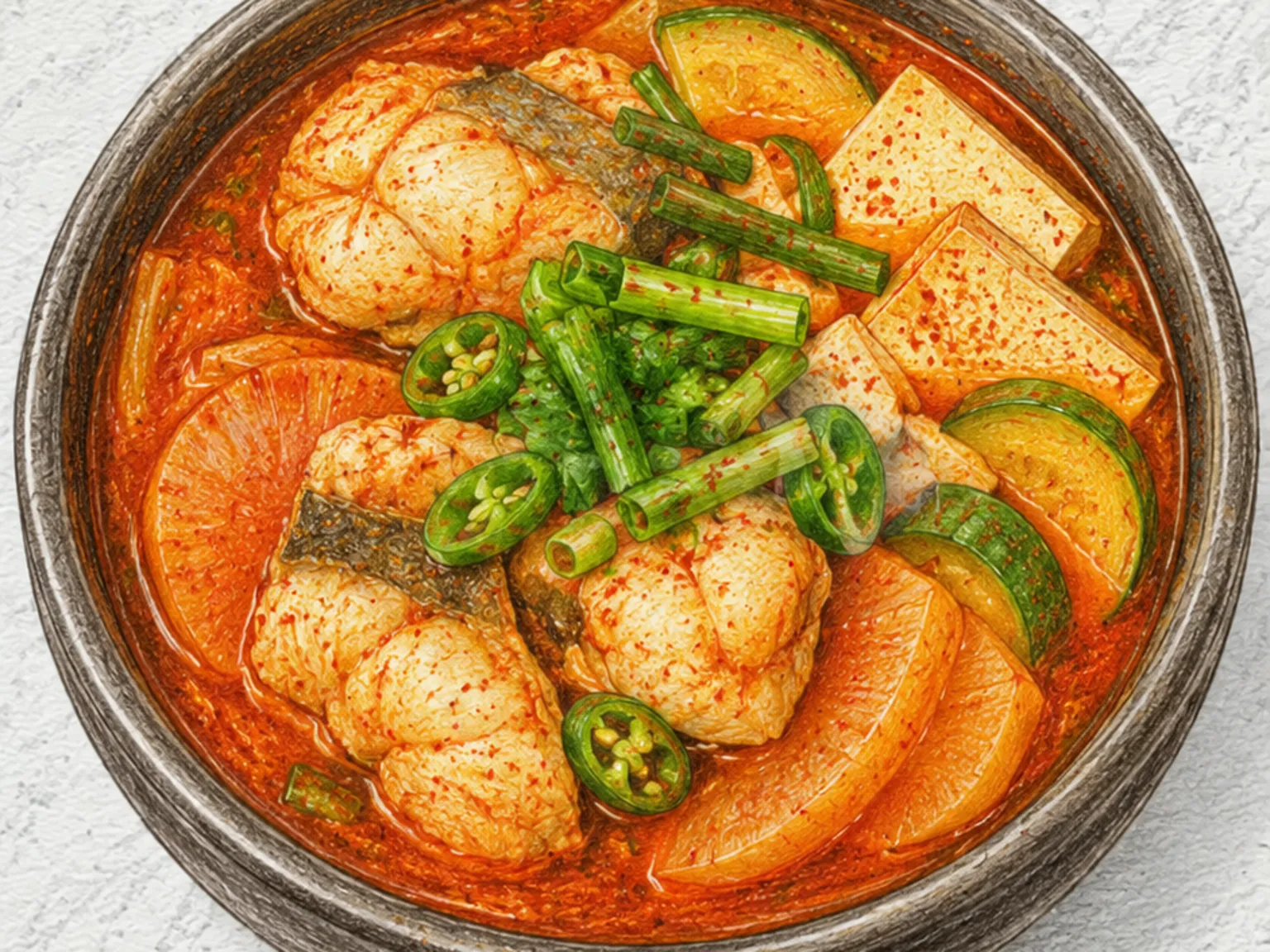
Maeuntang (Spicy White Fish Radish Stew)
Maeuntang is a traditional Korean spicy fish stew centered on white-fleshed fish such as cod or frozen pollock. The fish is salted for ten minutes before cooking, which draws out excess moisture and the compounds responsible for fishiness, resulting in a cleaner-tasting broth. Radish goes into the pot first and simmers until its clean, mild sweetness dissolves into the water, forming the base. Gochujang, gochugaru, soup soy sauce, and minced garlic are then stirred in to build the spiced, savory broth. The fish and tofu are added together and cooked for ten minutes without being turned over. Instead, hot broth is repeatedly ladled over the top surface so the fish cooks evenly without the flesh breaking apart. Zucchini, green onion, and cheongyang chili are added in the final three minutes to preserve their color and slight crunch. A half tablespoon of doenjang stirred in at the end adds a secondary layer of umami that deepens and rounds out the broth considerably.
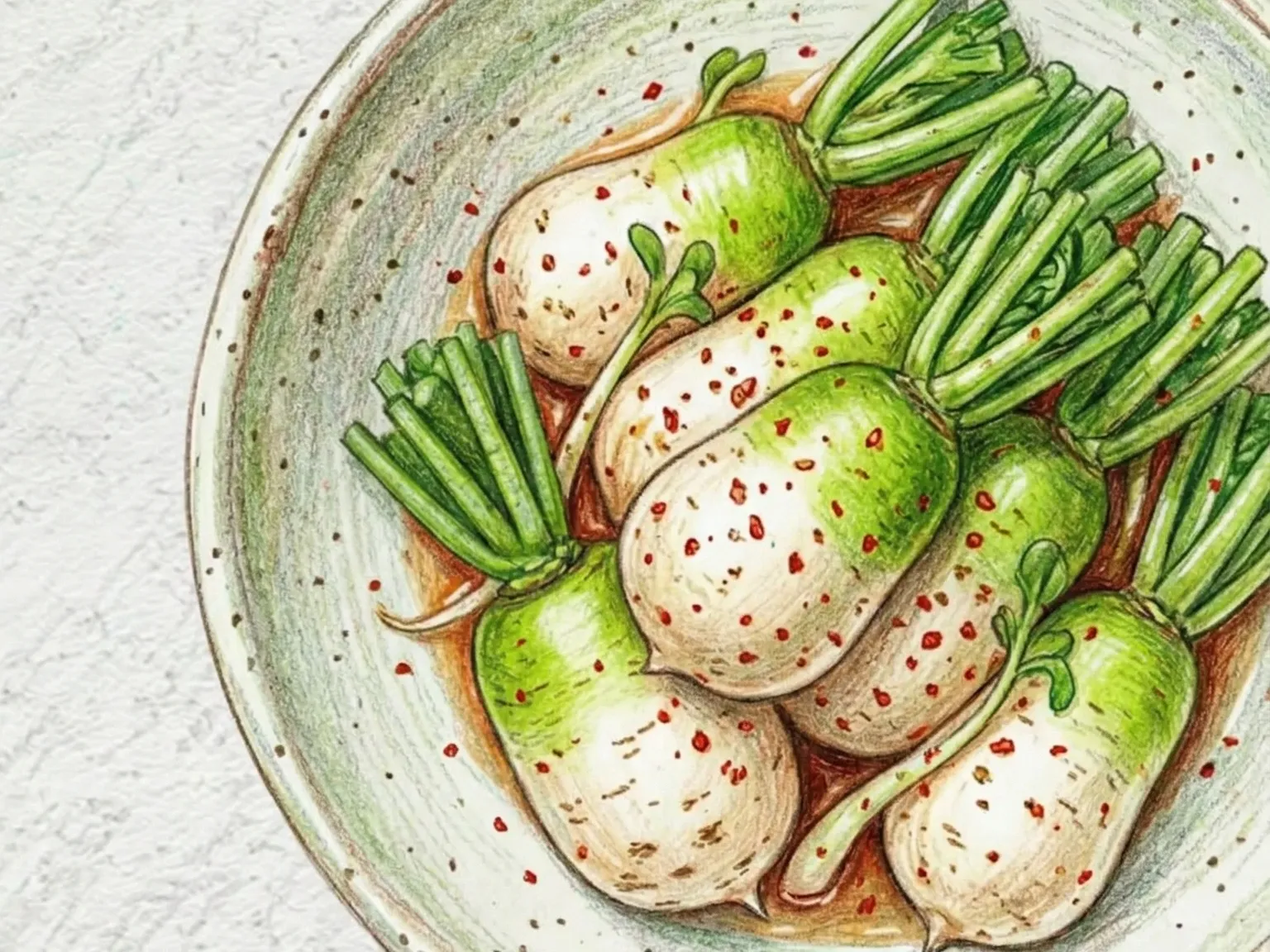
Korean Radish Sprout Kimchi
Musun kimchi is an instant Korean side dish made by tossing thin radish sprouts in a seasoning of gochugaru, sand lance fish sauce, minced garlic, and a splash of vinegar. The sprouts carry a sharp, peppery bite that stacks naturally with the chili heat and the fish sauce's fermented depth. Mixing must stay under thirty seconds - overworking the delicate stems releases a grassy off-note instead of the clean radish sharpness. Vinegar sharpens the finish with bright acidity, and a final drizzle of sesame oil ties the bowl together with a toasted richness. This kimchi is at its best eaten the same day, while the sprouts still hold their crisp snap.
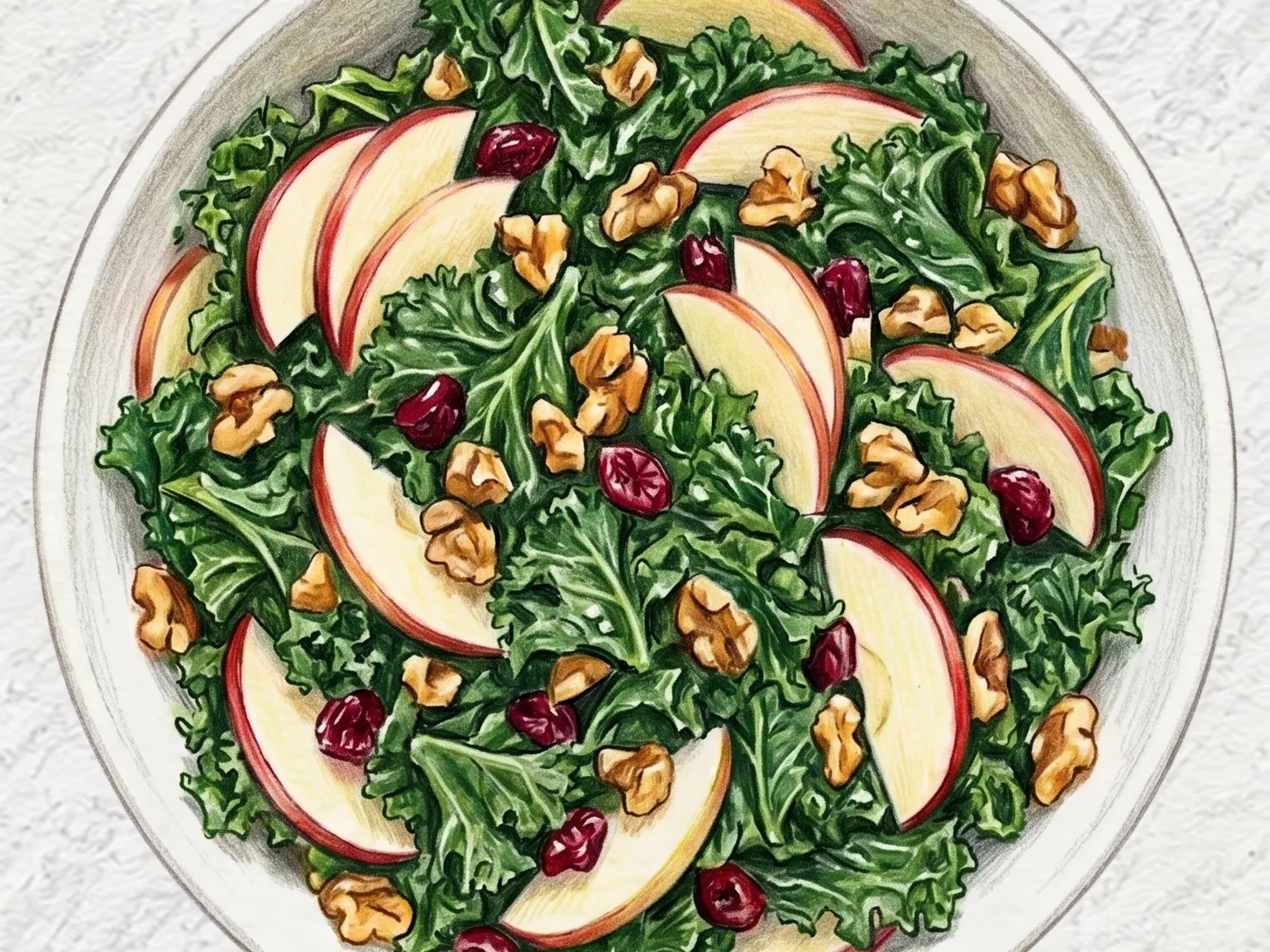
Kale Apple Walnut Salad
Kale apple walnut salad strips kale leaves from their stems, tears them small, and massages them with part of a lemon-honey dressing to soften the tough fibers before adding thinly sliced apple, roughly chopped walnuts, and dried cranberries with the remaining dressing. Raw kale has a coarse, chewy texture that can feel rough on the palate, but massaging it with the acidic dressing breaks down the cell walls, reducing volume and turning the leaves tender. The lemon juice pulls double duty - it tempers the kale's bitterness and prevents the apple slices from browning. Olive oil and honey round out the acid with a smooth richness and gentle sweetness. Toasting the walnuts in a dry pan for just one minute brings their oils to the surface, roughly doubling the nutty aroma, while pockets of dried cranberries add tart-sweet bursts throughout.

Korean Mulberry Sparkling Ade
Preparing a concentrated syrup from frozen mulberries involves simmering the fruit with sugar and water over low heat for six minutes. As the berries break down during this process, they release a dark purple liquid filled with natural sweetness. Adding fresh lemon juice immediately after removing the mixture from the heat provides a sharp acidity that balances the sugar and improves the overall profile. Passing the cooled syrup through a fine-mesh sieve removes small seeds and pulp, leaving a smooth liquid. To serve, pour this base into a glass filled with ice and slowly add chilled sparkling water down the side. This technique keeps the carbonation intact and creates a clear visual contrast between the heavy purple syrup at the bottom and the clear bubbles on top. Clapping apple mint leaves between the palms before placing them on the rim releases essential oils, providing an aromatic herbal scent before the first sip. This mulberry syrup stays fresh for up to one week when stored in a sealed container in the refrigerator. Using tonic water instead of regular sparkling water introduces a slight bitterness, resulting in a finish similar to a non-alcoholic cocktail. Since mulberries reach their peak in May and June, purchasing a large amount during this window and freezing them allows for year-round preparation.
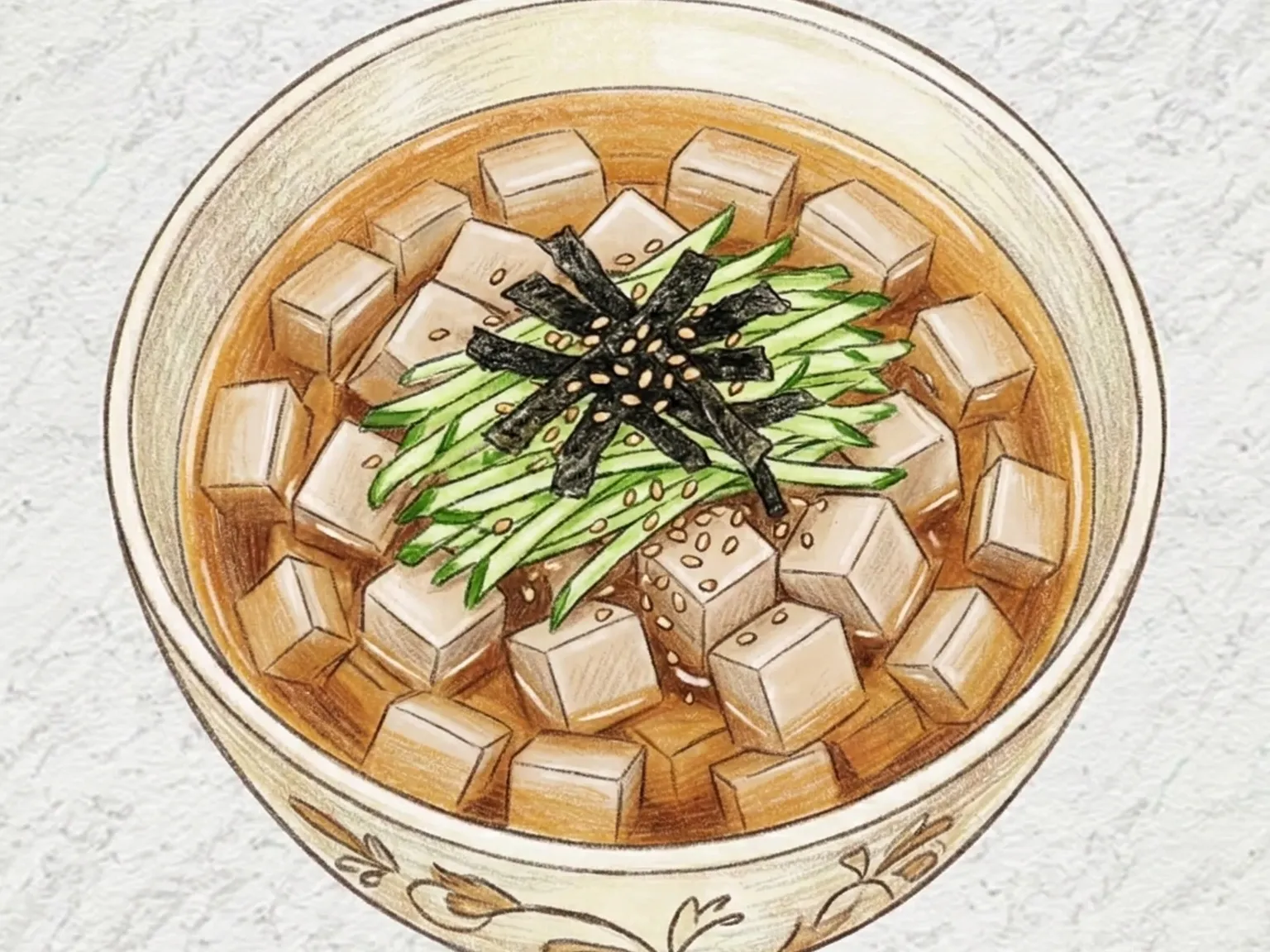
Korean Buckwheat Jelly Cold Broth Bowl
Memil-muksabal is a chilled Korean dish in which firm blocks of buckwheat jelly sit submerged in cold, seasoned broth. The broth is typically made from anchovy or beef stock, cooled to refrigerator temperature, and sharpened with soy sauce, rice vinegar, and a touch of sugar that balances the acidity. Buckwheat jelly has a neutral, slightly earthy flavor and a slippery, springy texture that absorbs the surrounding seasonings with each bite. Julienned cucumber adds crunch, crushed roasted sesame seeds contribute nuttiness, and shredded dried seaweed brings a gentle oceanic accent. The dish is almost calorie-free compared to noodle soups and digests easily, which is why it appears on Korean tables most frequently during the hottest weeks of summer. Making the jelly from scratch involves boiling buckwheat starch until thick and letting it set, but store-bought blocks simplify the process to little more than slicing and assembling. The cold broth hits the palate first, followed by the yielding texture of the jelly - a sequence that feels instantly cooling.
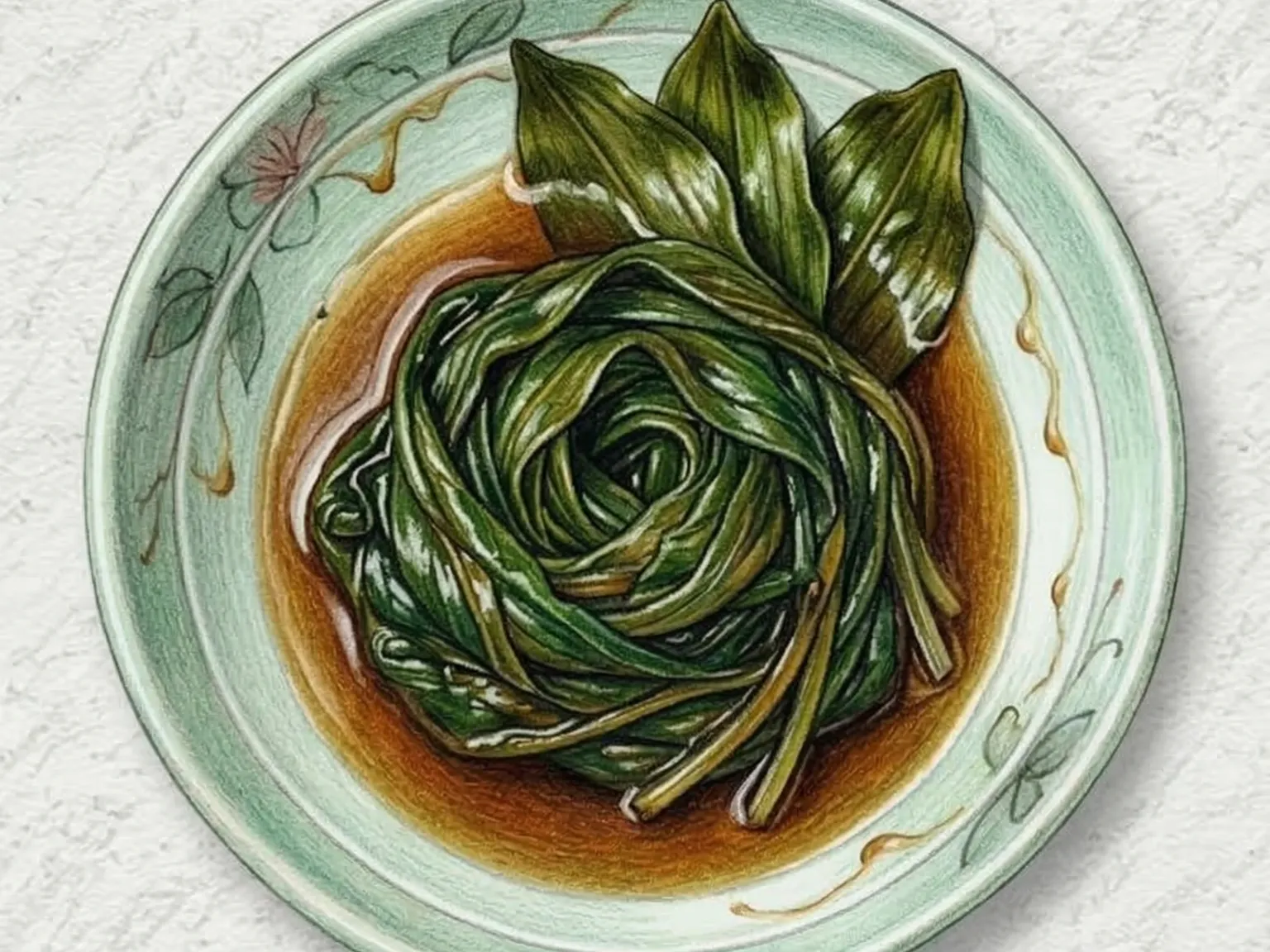
Korean Pickled Alpine Leek Leaves
Myeongi jangajji is a Korean soy-pickled preserve made from alpine leek leaves, a wild mountain herb harvested in early spring. The leaves are rolled into a sterilized jar with sliced green chili, then covered with a boiling brine of soy sauce, vinegar, water, and sugar. Pouring the hot liquid partially blanches the leaf surface, locking in a vivid green color while the interior stays raw and pungent. After two to three days of refrigeration the brine penetrates fully, tempering the raw garlic intensity into a mellow, fragrant heat balanced by soy saltiness and vinegar tang. These pickled leaves are traditionally wrapped around grilled pork belly or bulgogi, where their aromatic acidity cuts through the rendered fat.
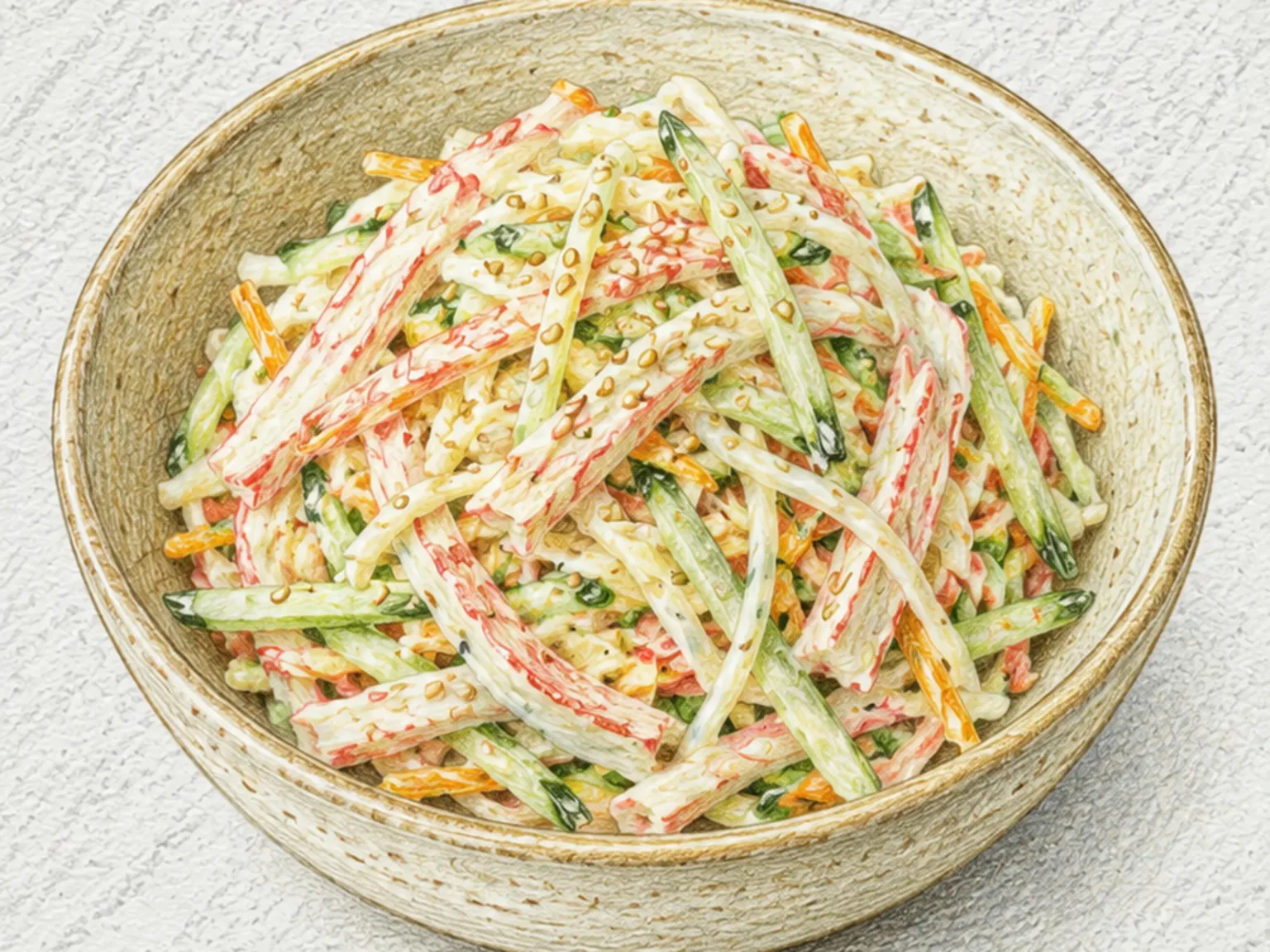
Japanese Kani Salad
Kani salad is a Japanese-inspired dish centered on imitation crab meat that is prepared using a specific shredding technique. Instead of chopping the crab, the sticks are pulled apart along their natural grain to create a soft and fibrous texture. This particular structure allows the crab to absorb the dressing thoroughly while preventing the pieces from becoming saturated with excess liquid. These shreds are combined with cucumbers and carrots that have been julienned into thin strips to add a crisp and refreshing crunch to the overall composition. The dressing for the salad is a mixture of mayonnaise, rice vinegar, and fresh lemon juice. This specific blend results in a creamy coating that provides a smooth mouthfeel without leaving a heavy or oily sensation after eating. Toasted sesame seeds are incorporated into the mixture to provide a warm and nutty element that complements the gentle sweetness of the imitation crab. The most significant requirement for a successful salad is ensuring that the vegetables are patted completely dry before they are tossed with the other ingredients. If there is any moisture left on the cucumber or carrots, it will dilute the mayonnaise base and cause the salad to become thin and watery within a short amount of time. Because the recipe requires no cooking or heat, the entire bowl can be assembled in approximately ten minutes, which provides an efficient solution for a quick and refreshing lunch or dinner side. This salad is versatile in its application, serving as a popular topping for sushi rolls or as a light starter when paired with slices of fresh avocado.
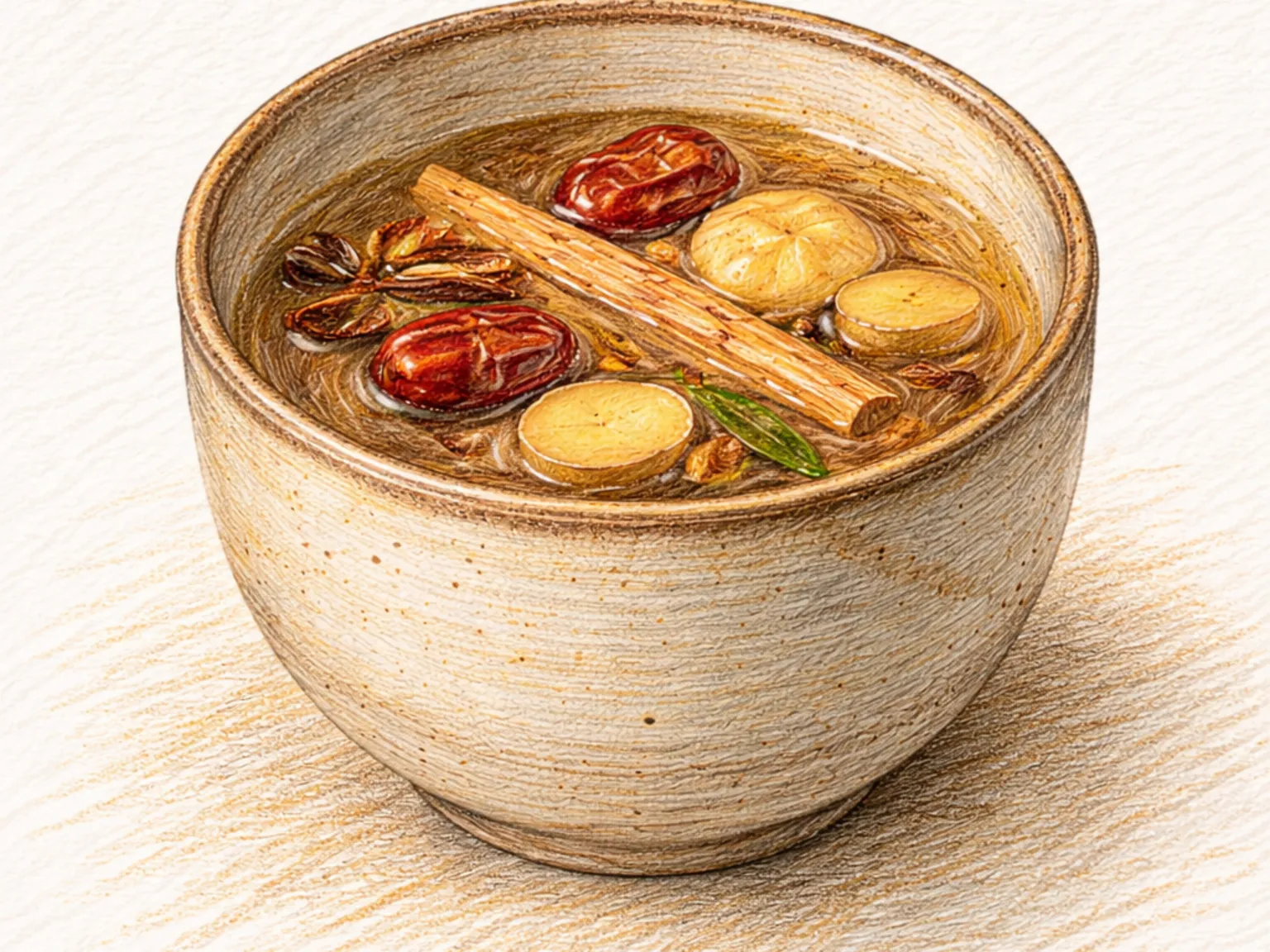
Korean Acanthopanax Herbal Tea
Ogapi-cha is a Korean herbal tea made by slow-decocting dried acanthopanax bark, astragalus root, jujubes, and fresh ginger in water for over 30 minutes on low heat. The bark and astragalus are briefly soaked in cold water to loosen surface dust, the jujubes are scored with a knife to release their sweetness more readily, and the ginger is thinly sliced to maximize surface area. After an initial boil, the heat drops to a gentle simmer that coaxes a woody, slightly earthy aroma from the bark while the astragalus contributes a mellow root-like depth and the jujubes round out the flavor with quiet sweetness. The strained tea receives a tiny pinch of salt to anchor the flavor, and honey stirred in just before drinking softens the herbal bitterness into a smooth, warming finish.
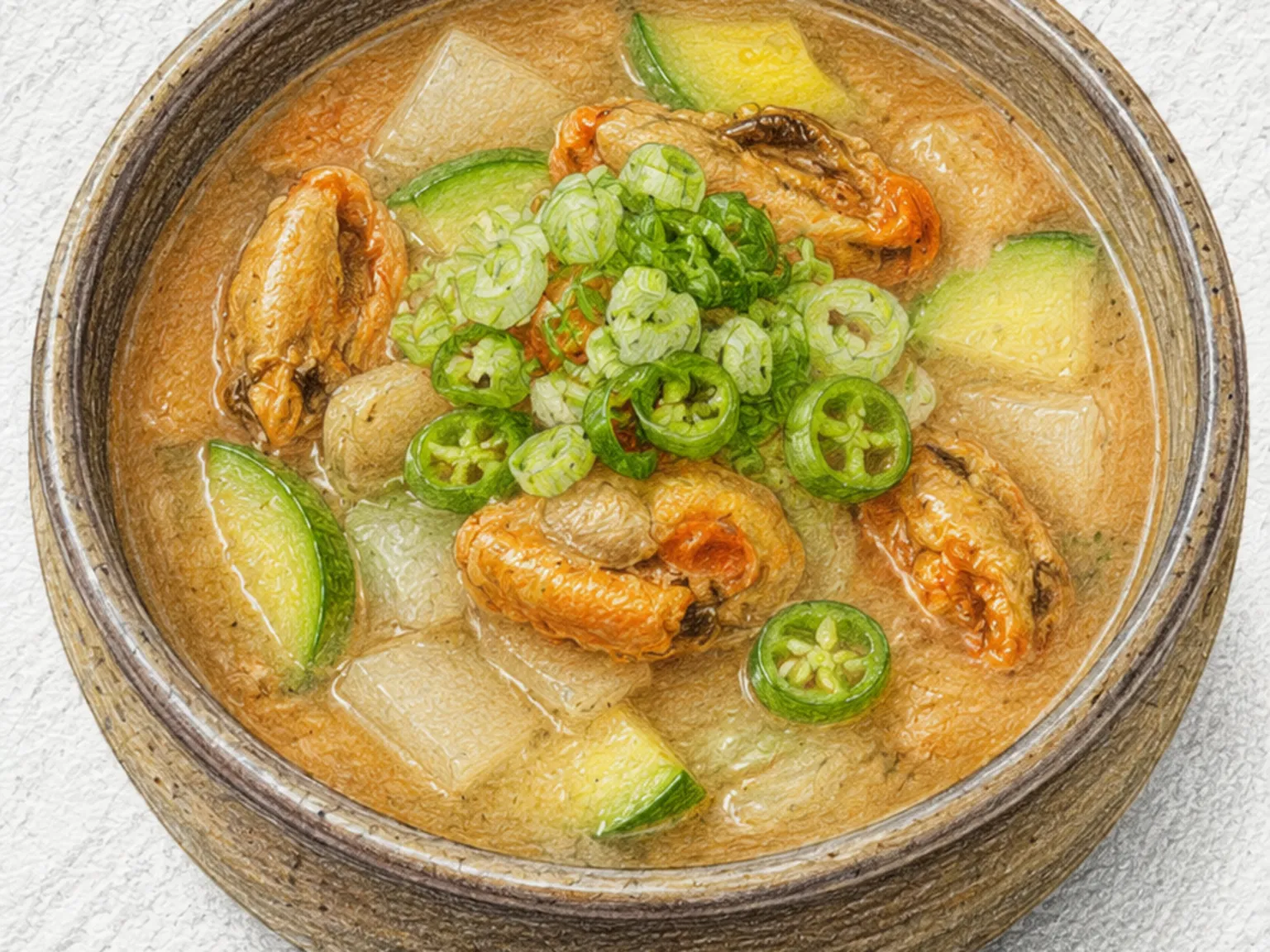
Korean Sea Squirt Soybean Paste Soup
Mideodeok-doenjang-guk is a Korean soybean paste soup made with sea squirt, one of the more unusual and intensely flavored combinations in everyday Korean cooking. Sea squirt, called mideodeok in Korean, belongs to the same class of sea creatures as the better-known meongge. What sets it apart is the small pocket of brine inside its leathery outer skin. When bitten, the skin pops and releases a burst of concentrated ocean liquid that spreads through the surrounding broth. Combined with the fermented earthiness of doenjang, this creates a double layer of umami that lingers well past the last spoonful. The soup is built on anchovy-kelp stock, which reinforces the seafood character and keeps the base clean. Doenjang is stirred in once the stock is fully boiling so it dissolves evenly without losing its fermented depth. Radish and zucchini are added to balance the intensity: both vegetables absorb the strong flavors of the broth while contributing a quiet sweetness. One or two Cheongyang chili peppers provide a clean, building heat that cuts through any richness. Generous sliced green onion added just before serving keeps the finish bright and aromatic. Sea squirt should not be scored or cut before the soup is finished, as breaking the skin early causes the inner liquid to drain away into the pot rather than releasing inside the mouth. Along the southern coast of South Korea, particularly in Tongyeong and Geoje where mideodeok is harvested in large quantities, this soup is ordinary home cooking. Elsewhere it is a deliberate seasonal choice, best in late spring and early summer.

Korean Salted Pollock Roe Jeotgal
Myeongran jeotgal is a Korean salted and fermented pollock roe where fresh roe sacs are meticulously cleaned of blood spots and membranes, brushed with rice wine to suppress fishiness, then packed in a curing blend of coarse sea salt, gochugaru, and minced garlic alongside a piece of kelp. Over three to five days in cold storage, salt draws moisture out of each tiny egg, concentrating their pop-and-burst texture while enzymatic breakdown generates a deep, layered umami that raw roe cannot produce on its own. The chili flakes introduce a gentle warmth that sits behind rather than over the roe's natural salinity. Sliced thin and arranged over hot steamed rice, each piece releases a salty, oceanic intensity with every bite - a condiment that disappears faster than any dish it accompanies.
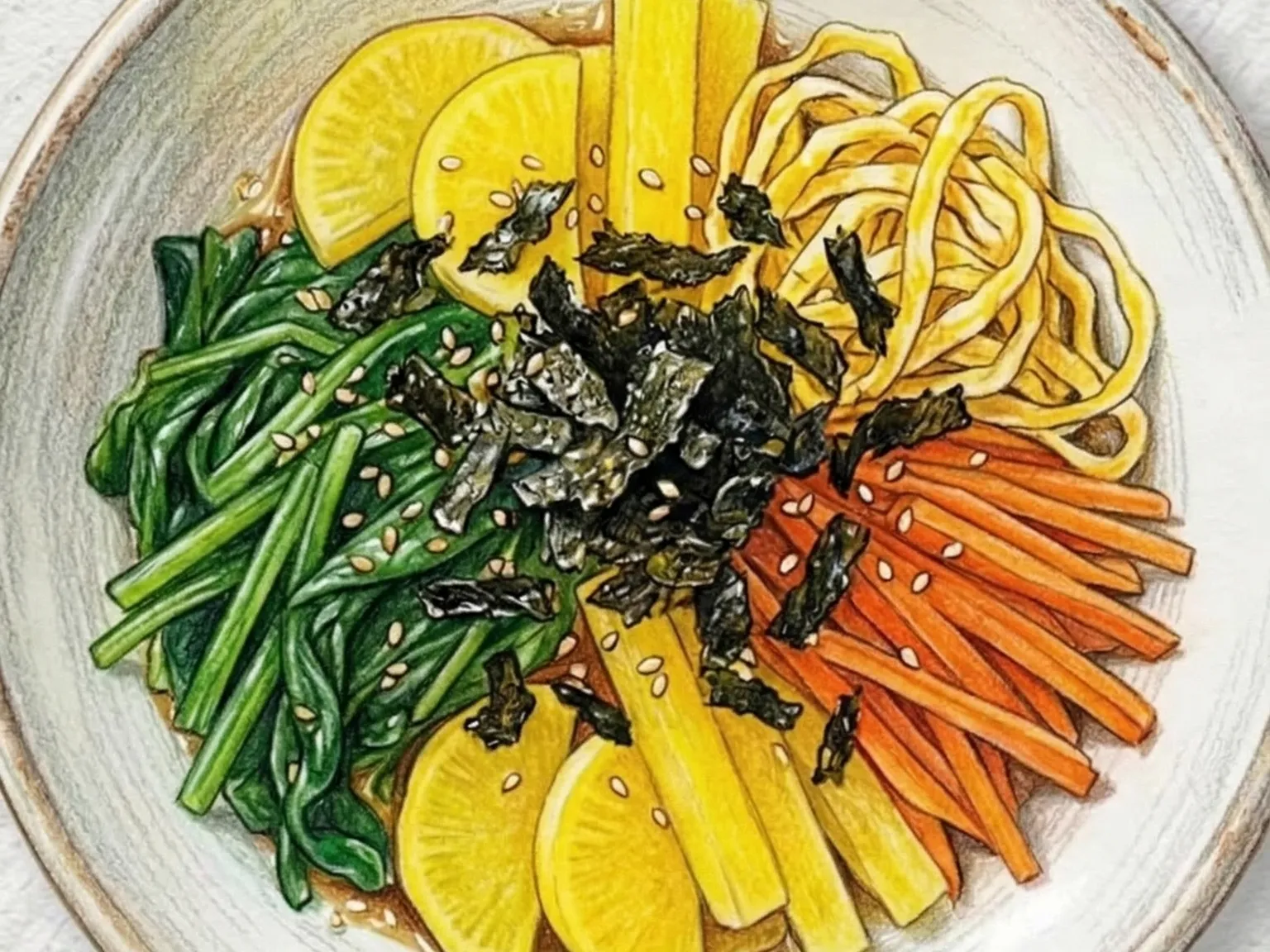
Kimbap Salad Bowl (Without the rice)
Kimbap salad bowl strips away the rice and seaweed wrapper from a traditional kimbap roll and presents its core fillings as a deconstructed salad. Blanched spinach, julienned carrot, pickled radish, and thin egg strips are arranged in a bowl and dressed with soy sauce and sesame oil, the same combination that seasons a finished roll. The dressing replicates the savory, nutty quality of kimbap without the rice bulk, and pickled radish brings enough acidity and salt to balance the entire bowl without additional seasoning. Dried seaweed flakes must be added at the last moment before eating; any earlier and they absorb moisture and lose their snap and sea aroma. The bowl delivers a recognizable kimbap experience for anyone managing carbohydrate intake, and its components can be assembled from ingredients prepared in advance, making it a practical weekday lunchbox option.
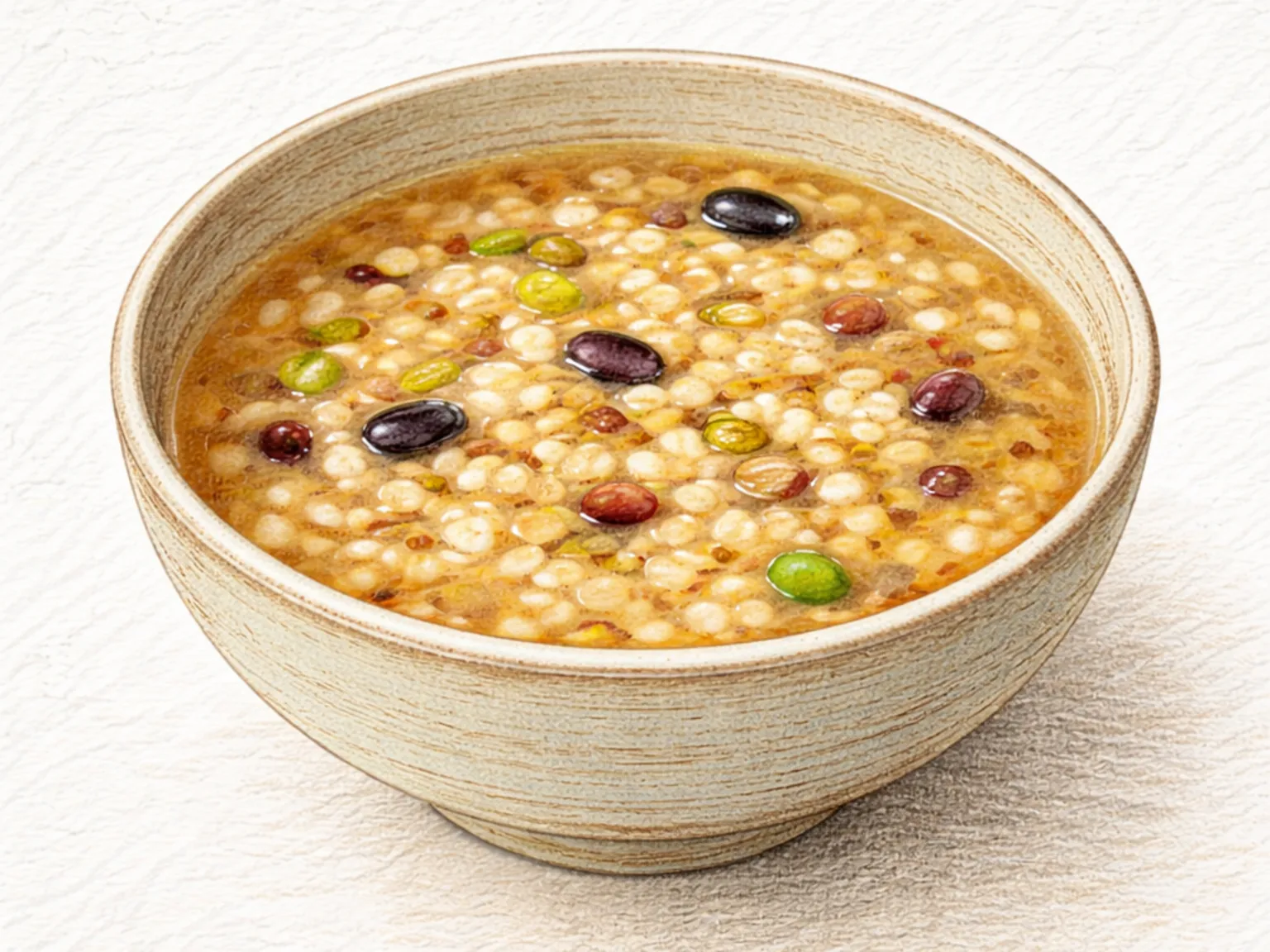
Korean Five-Grain Sweet Rice Punch
Ogok-sikhye is a traditional Korean grain punch made by saccharifying a mix of cooked sweet rice, barley, millet, and foxtail millet in barley malt extract at 60 to 65 degrees Celsius for one hour. The malt powder is soaked in lukewarm water for 20 minutes, kneaded by hand, and strained through a cloth to yield a clear, enzyme-rich liquid -- this is the working ingredient that converts the grain starches into natural sugars during the slow saccharification. Temperature control is central to the process: below 60 degrees the enzymes slow down, and above 70 degrees they denature and die, so maintaining the right range throughout the hour-long rest determines whether the conversion succeeds. As saccharification progresses, the rice grains hollow out and float to the surface; these are skimmed off, rinsed separately, and later floated back into the finished punch to add a soft, chewable element to each cup. After sweetening with sugar and chilling completely in the refrigerator, the drink is served cold with pine nuts floating on top. The combination of multiple grains produces a more layered, complex sweetness than single-grain sikhye, and the overnight rest in the refrigerator smooths the flavor into something more cohesive.
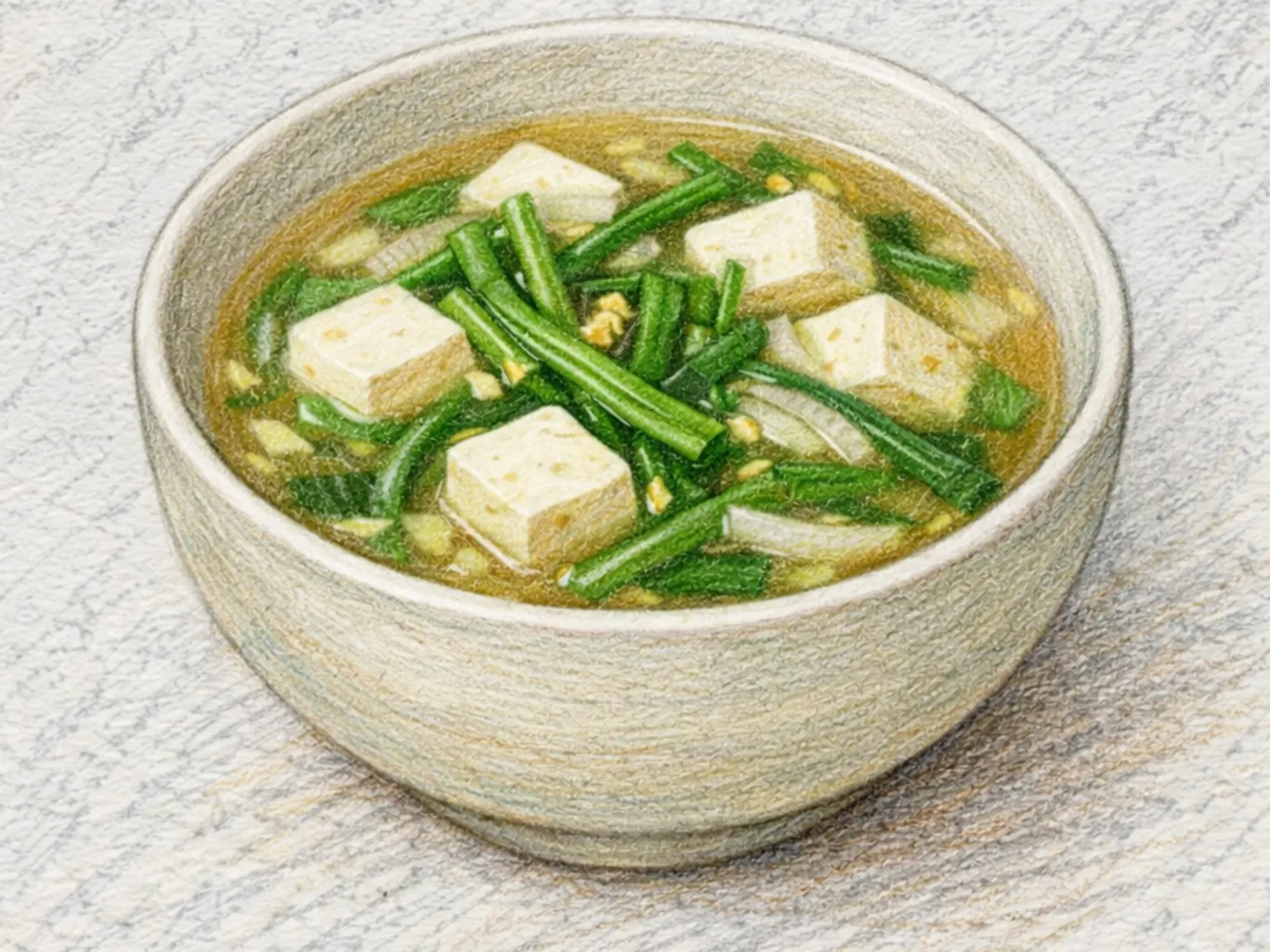
Korean Water Dropwort Tofu Soup
Minari-dubu-guk is a mild, clear Korean soup pairing soft tofu with water dropwort, an herb prized for its bright, celery-like fragrance. The broth is built on a simple anchovy-kelp stock, into which the tofu goes first and simmers gently until warmed through. Water dropwort is added only in the final moments before the heat is turned off, a deliberate timing choice that preserves the herb's volatile aromatic compounds and keeps the hollow stems slightly crisp rather than wilted. Adding it too early strips away the fragrance that makes this soup worth making. Seasoning stays minimal, soup soy sauce, garlic, and perhaps a pinch of salt, because restraint is the entire point: the clean stock, the herb's green perfume, and the pillowy tofu are meant to carry the bowl quietly. Firm tofu holds its shape through simmering and absorbs the broth more evenly than silken varieties, making it the better choice here. Spring is the ideal season, when water dropwort grows most tender and aromatic. Korean cooks often place this soup alongside richer, heavier dishes because the light broth cuts through fat and resets the palate between bites. It rarely draws attention at the table yet is reliably missed when absent.
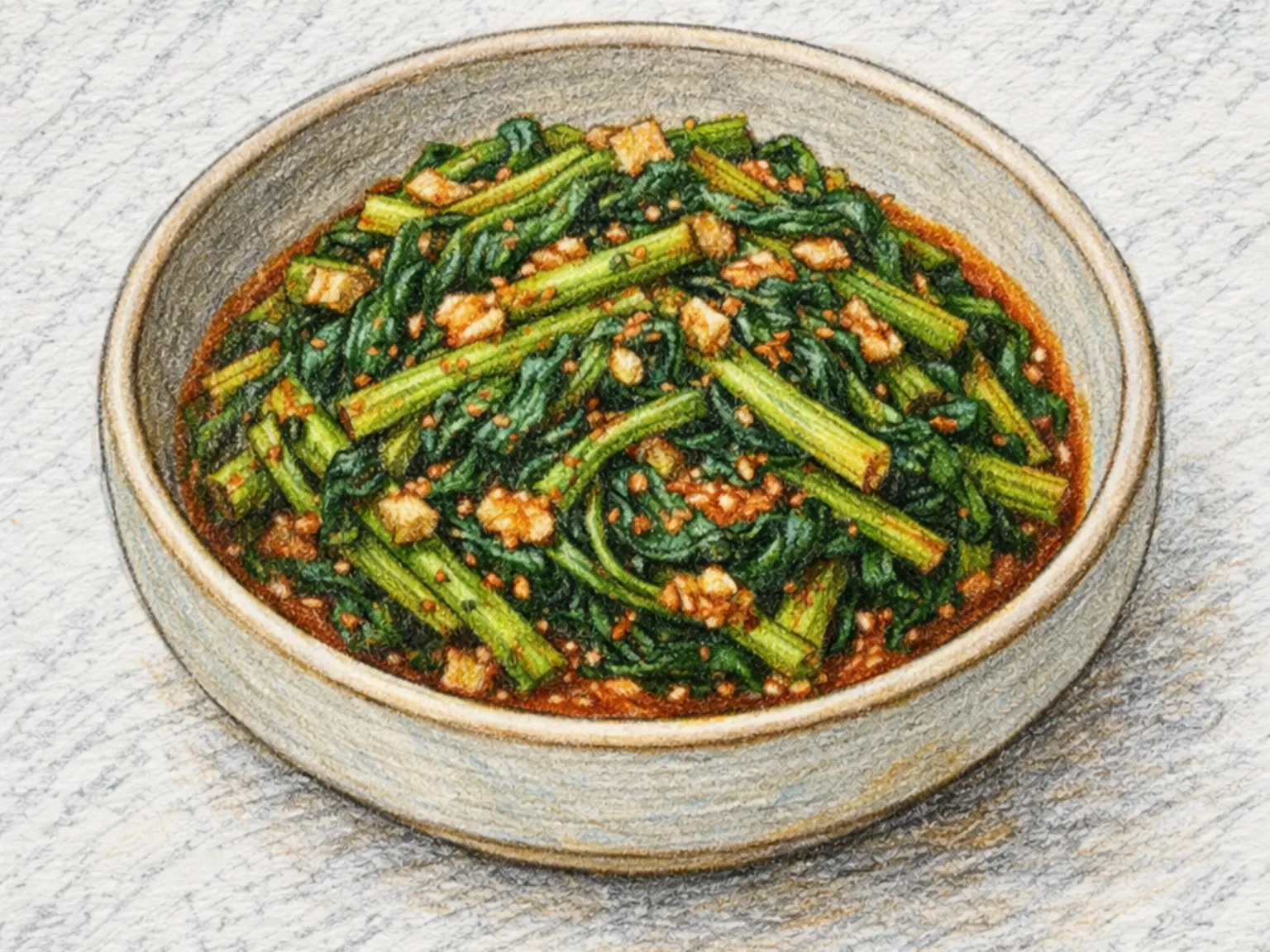
Korean Shepherd's Purse Kimchi
Naengi kimchi is a seasonal Korean side dish where shepherd's purse, an early-spring wild herb with a distinctive earthy fragrance, is blanched for just twenty seconds in boiling salted water. This brief blanching is the defining technique - long enough to strip away the raw bitterness and any soil odor, yet short enough to preserve the herb's own clean, spring-like aroma. The cooled and thoroughly squeezed greens are then dressed in a paste of gochugaru, anchovy fish sauce, minced garlic, and sweet rice paste, which provides enough body and viscosity to coat each slender stem evenly. The fish sauce's fermented depth meets the herb's green, earthy character, producing a layered flavor that neither ingredient achieves on its own. Sesame seeds scattered on top add a quiet toasted crunch. At least two hours of refrigeration allows the seasoning to settle and deepen before the kimchi is at its best.

Seaweed Chip Avocado Corn Salad
Gimbugak - deep-fried seaweed chips coated in glutinous rice paste - is crushed over the finished salad to deliver a savory crunch distinct from ordinary croutons. Ripe avocado provides a creamy fat base, while blanched sweet corn adds a gentle grain sweetness that balances the richness. Cherry tomatoes and shredded red cabbage bring color and bright acidity, and a light dressing of lime juice with fine chili powder leaves a gentle heat on the finish. The chips soften quickly once they touch moisture, so they must be added at the very last moment.
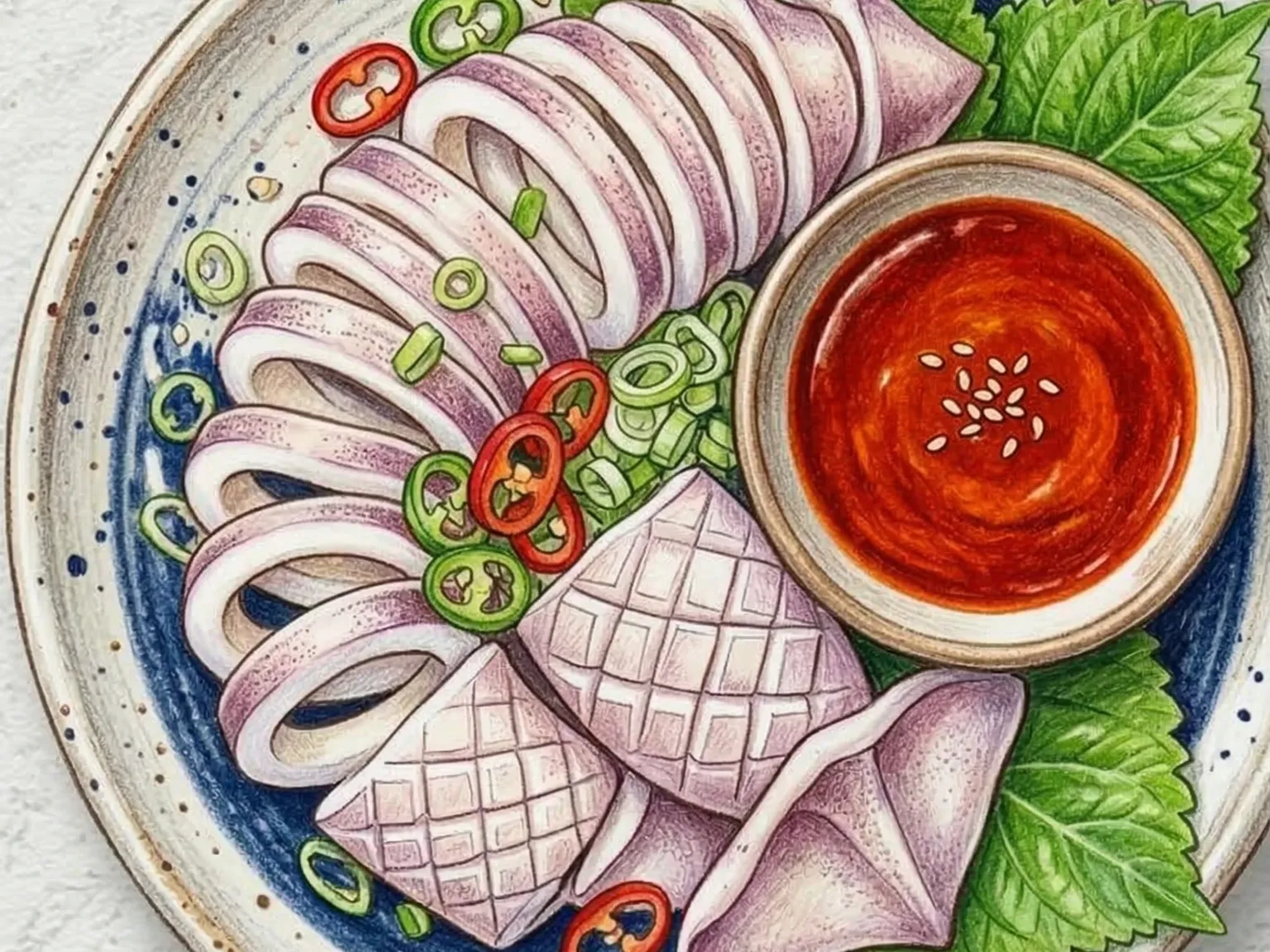
Korean Poached Squid Slices
Ojingeo-sukhoe is a Korean poached squid dish where cleaned whole squid is blanched for two to three minutes in boiling water seasoned with salt, cooking wine, and green onion, then sliced into pieces and served alongside vinegared gochujang. The most important step is thorough preparation: the innards are removed completely, the skin is peeled away, and the body is rinsed under cold running water until there is no trace of sliminess or off-odor remaining. Cooking wine in the blanching water neutralizes any residual fishiness, and the green onion infuses a mild aromatic note into the flesh. The squid goes into water that is already at a full boil so the surface seizes immediately and the interior moisture stays locked in rather than leaching out into the pot. Pulling the squid out the moment the flesh turns opaque and letting it rest briefly prevents carryover heat from tightening the protein any further, preserving the elastic, springy bite that defines good sukhoe. Slicing after cooling also produces a cleaner cut than slicing while still hot. The dipping sauce of gochujang, vinegar, garlic, and sugar provides a sharp, tangy contrast that cuts through the mild squid and makes the dish far more dynamic than its simple method would suggest.
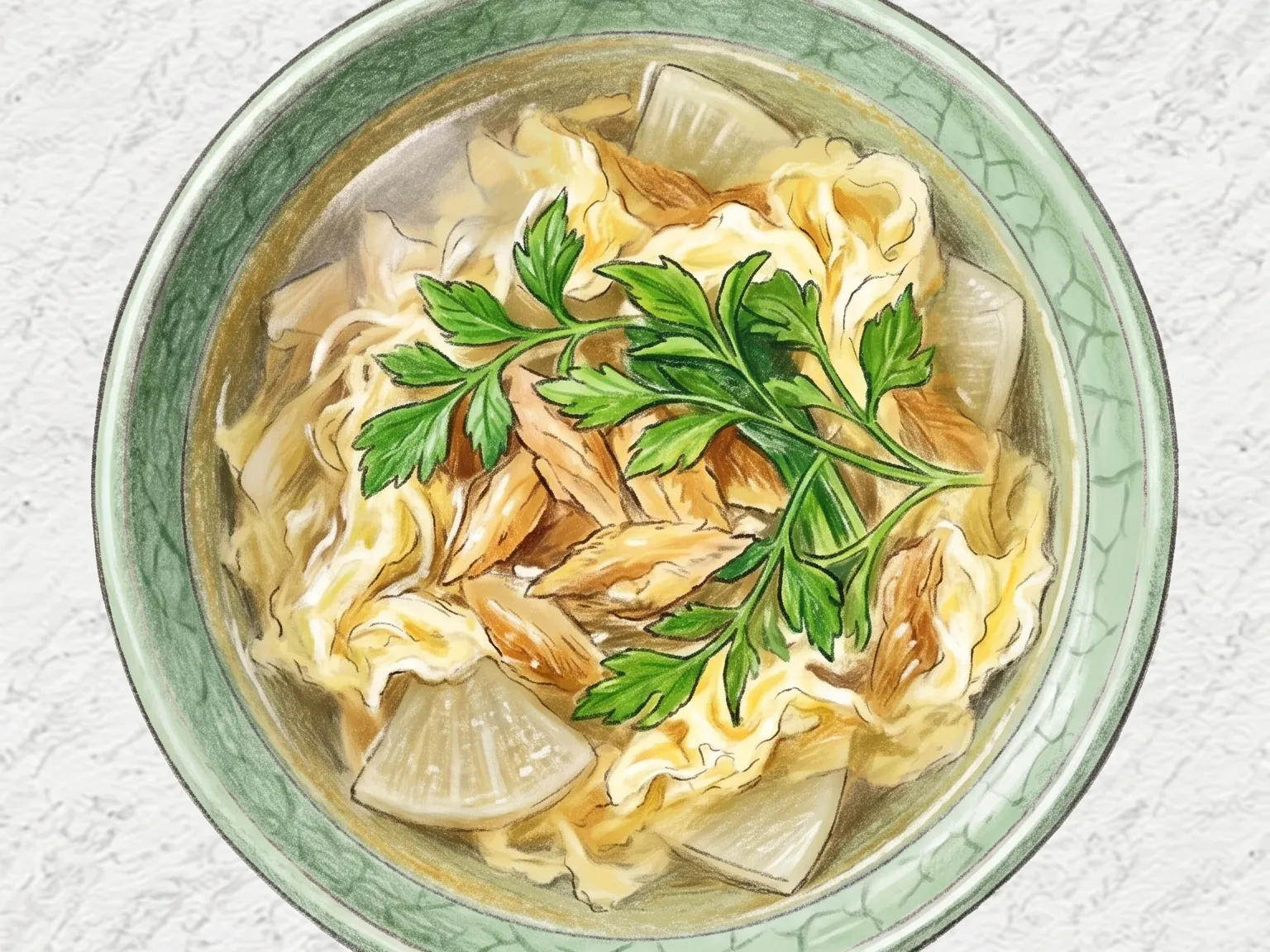
Korean Dried Pollock & Water Parsley Soup
This soup begins with dried pollock strips - stir-fried in sesame oil until golden and deeply fragrant - then simmered in water to draw out a clear, nutty broth that carries the unmistakable aroma of toasted sesame and cured fish. Water dropwort goes in at the very end, contributing a fresh green lift that counterbalances the richness of the pollock. A beaten egg is swirled into the simmering liquid, forming delicate ribbons that soften the broth's texture. Radish slices, added early, sweeten the stock gently in the background. The seasoning stays simple: soup soy sauce, garlic, and salt if needed, keeping the flavor profile clean and digestible. In Korea, this style of pollock soup is regarded as one of the best remedies for a hangover because the amino acids in dried pollock and the hydrating broth are believed to support liver recovery. Morning vendors near traditional markets sell bowls of it to customers who arrive before the sun is fully up. The addition of minari elevates what is already a restorative soup into something that smells and tastes distinctly of spring.
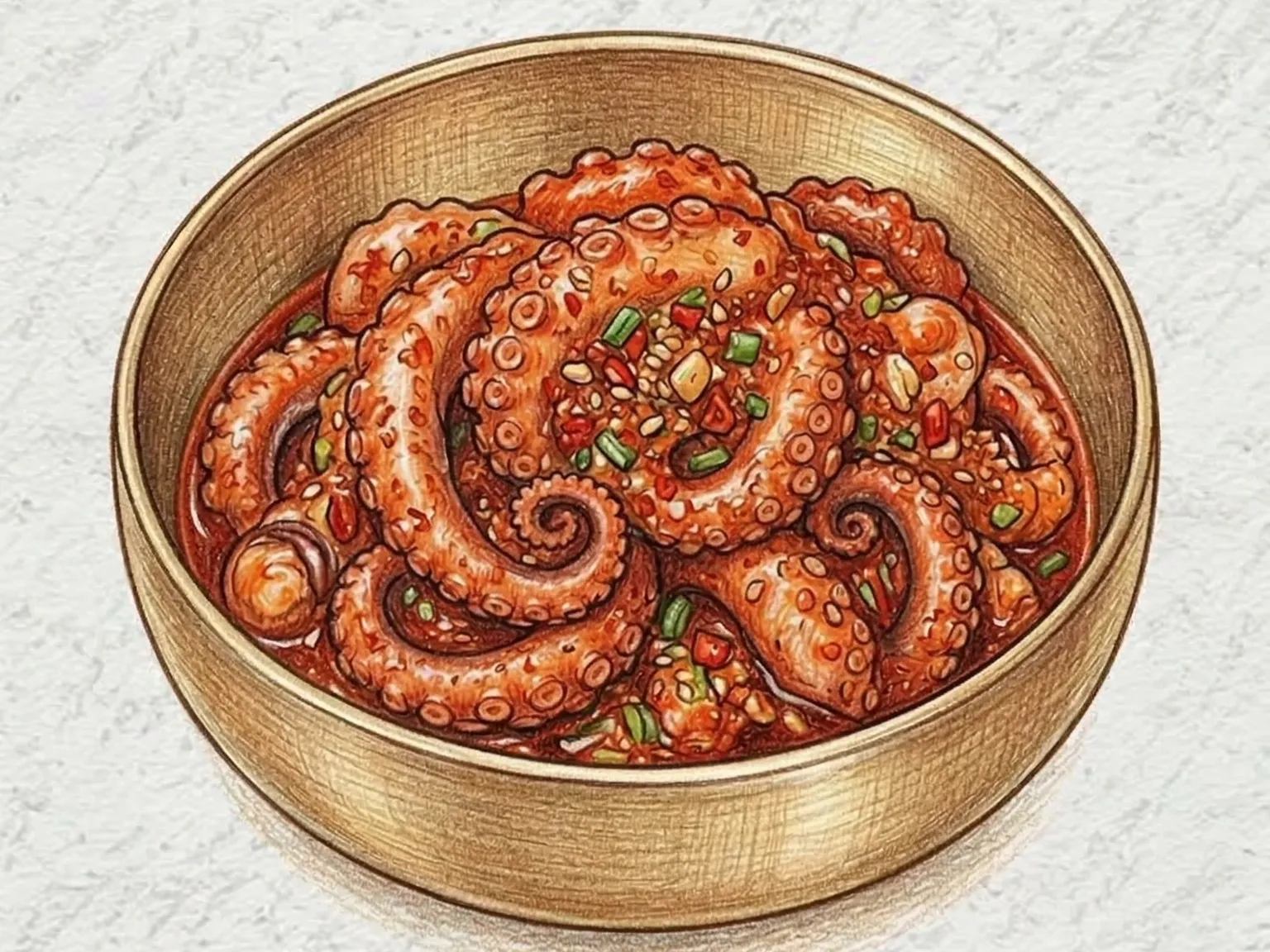
Korean Spicy Salted Octopus Jeotgal
Nakji jeotgal is a Korean fermented octopus side dish made by packing cleaned octopus in coarse salt for at least forty minutes to draw out moisture and firm the flesh, then coating it thoroughly in a paste of gochugaru, minced garlic, minced ginger, anchovy fish sauce, and plum syrup before cold-aging in the refrigerator. The initial salt cure tightens the octopus's already springy muscle fibers, intensifying the chew, and the gochugaru paste forms a dense crimson coating that forces spicy, salty heat into every layer of flesh as the dish sits. Anchovy fish sauce builds the umami foundation while plum syrup counteracts any lingering marine smell and introduces a subtle fruit sweetness that rounds out the salt and chili. Ginger leaves a sharp, clean note at the back of the palate that keeps the overall flavor from becoming heavy. After two to three days of refrigeration, a slow fermentation sets in and the separate components fuse into a cohesive, deeply savory whole. Served over warm rice, each piece of octopus delivers a firm, elastic chew followed by a concentrated rush of ocean flavor, and a drop of sesame oil stirred in at serving adds a toasted, nutty finish.
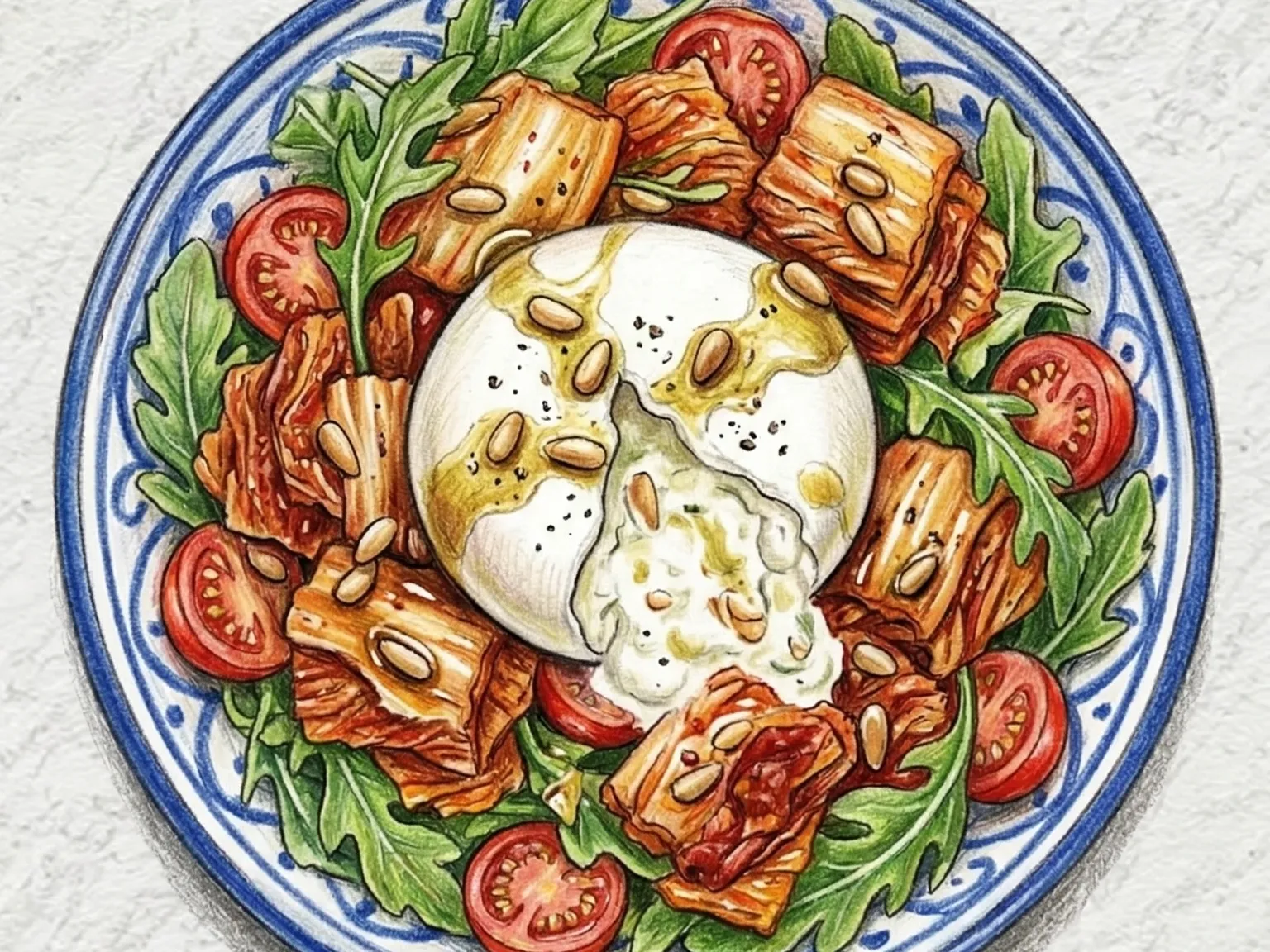
Kimchi Burrata Salad
Aged napa kimchi brings fermented tang and concentrated umami that meets the mild, milky richness of fresh burrata in a pairing that achieves harmony rather than conflict. Peppery arugula adds a bitter counterpoint that lifts the overall weight of the dish, and halved cherry tomatoes scatter bright fruit acidity across the plate. The dressing blends perilla oil with olive oil, combining the nutty depth of Korean cuisine with the fruity character of Mediterranean cooking in a single drizzle. Pine nuts add a buttery, creamy crunch between bites that reinforces the richness of the cheese. The defining moment of this salad comes at the table, when the burrata is torn open with both hands and the soft stracciatella center spills into the surrounding ingredients. The creamy interior of the cheese mixes into the kimchi brine and perilla oil dressing, and that combination is what makes this salad more than a simple fusion exercise.
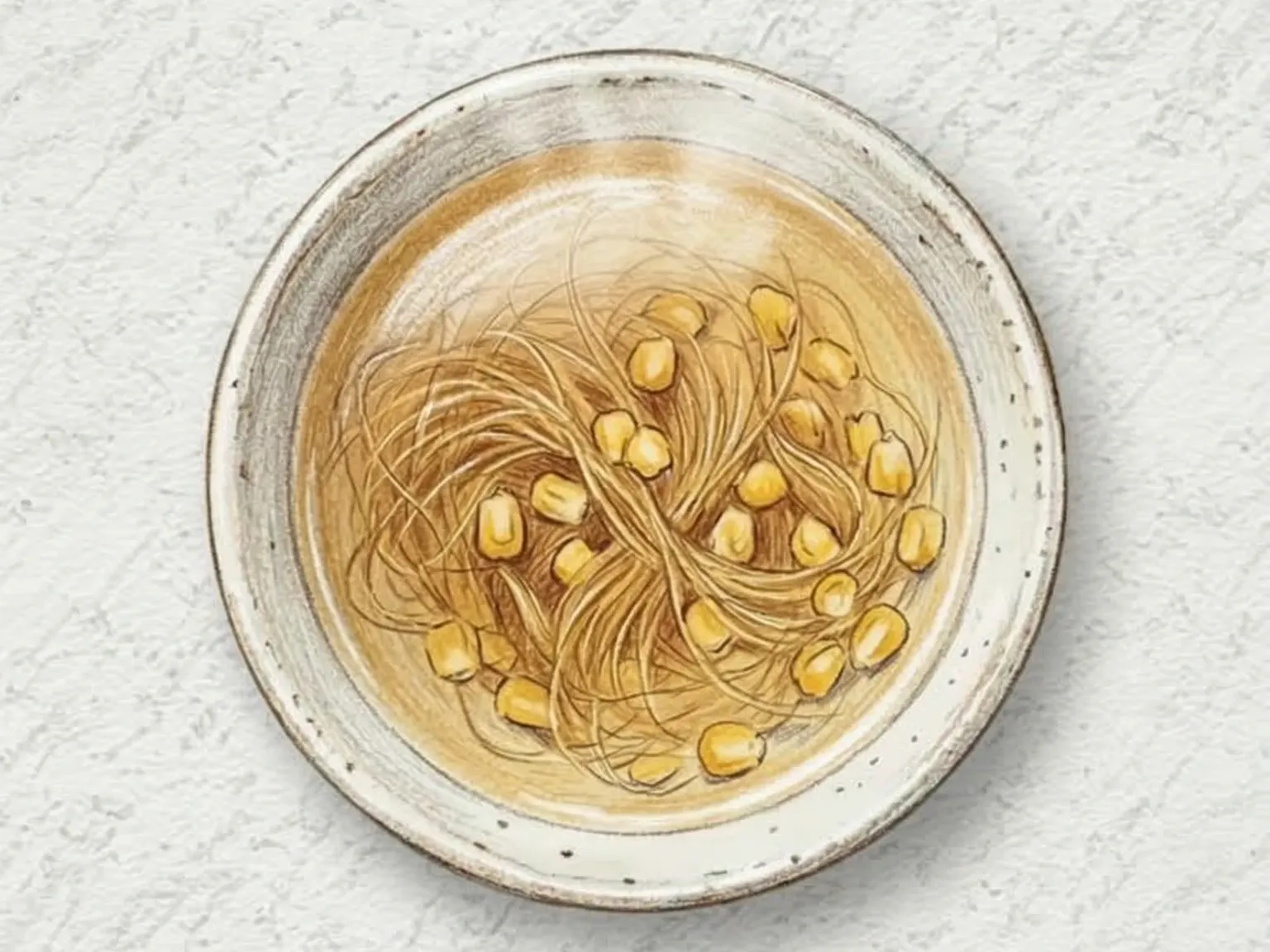
Korean Corn Silk Tea (Roasted Corn Jujube Grain Brew)
Oksusu-suyeom-cha is a Korean tea brewed by simmering dried corn silk and corn kernels in water on low heat for 25 minutes. The corn silk is rinsed briefly in cold water to remove dust, then combined with kernels and jujubes in a pot where the silk releases a subtle, naturally sweet flavor and the kernels contribute a toasted grain-like nuttiness. Keeping the simmer time under control is important because over-boiling draws out an unpleasant astringency, so the tea is strained promptly at the 25-minute mark. A spoonful of honey adjusts the sweetness and a tiny pinch of salt sharpens the flavor profile; the tea works well served warm, but chilling it overnight makes the natural sweetness more pronounced and refreshing.
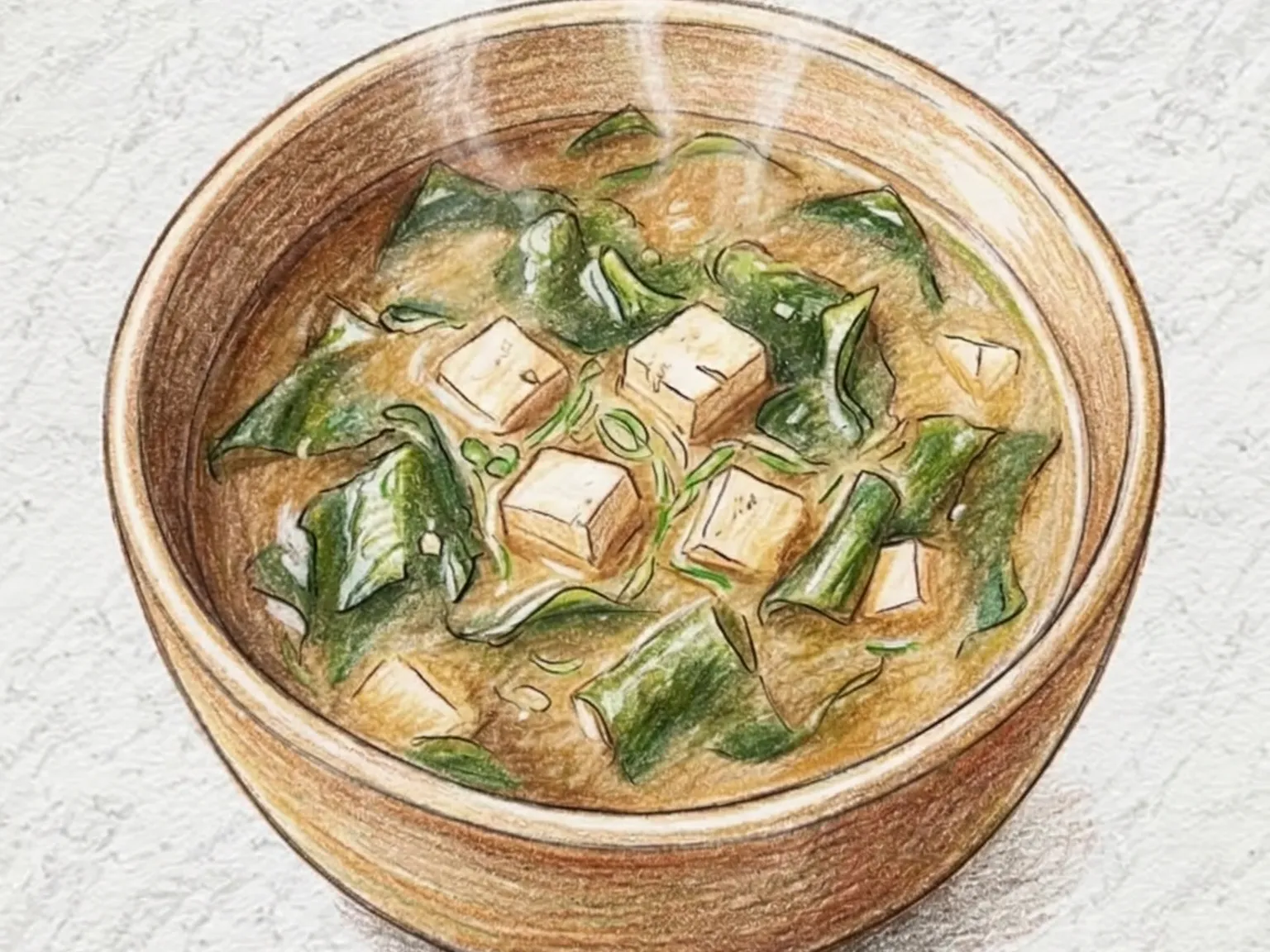
Korean Sea Mustard Soybean Soup
Miyeok-doenjang-guk merges two foundations of Korean home cooking, seaweed soup and fermented soybean paste soup, into a single bowl that is earthier and more savory than either alone. Dried sea mustard is soaked, drained, and stir-fried briefly in sesame oil to develop a silky texture, then doenjang is dissolved directly into the pot rather than added at the end, which gives the fermented paste time to mellow and integrate with the seaweed's oceanic character. The result is something deeper and more complex than standard beef miyeok-guk, with a slightly funky, umami-saturated broth that reads as distinctly Korean even without meat. Anchovy-kelp stock used as the base amplifies the depth of the umami even further, while garlic and soup soy sauce keep the seasoning anchored. Because the protein and richness come from doenjang rather than beef, the soup leans naturally toward vegetarian territory and pairs well with a cube of soft tofu for added body. The broth thickens slightly from dissolved paste, which makes it cling to rice in a way that clear broths cannot match. Doenjang varies significantly in saltiness from brand to brand, so the final seasoning with soy sauce should be added gradually and tasted throughout.