🥗 Light & Healthy Recipes
Light, healthy, low-calorie dishes
712 recipes. Page 24 of 30
These low-calorie recipes prove that healthy eating does not have to be boring. High-protein meals, vegetable-forward dishes, and low-carb options - all designed to support weight management and better eating habits.
Diet-friendly does not mean small portions or bland flavors. Chicken breast, tofu, konjac, and eggs provide lasting satiety, while smart seasoning and cooking methods keep the taste appealing. Build a sustainable, healthy routine with these recipes.
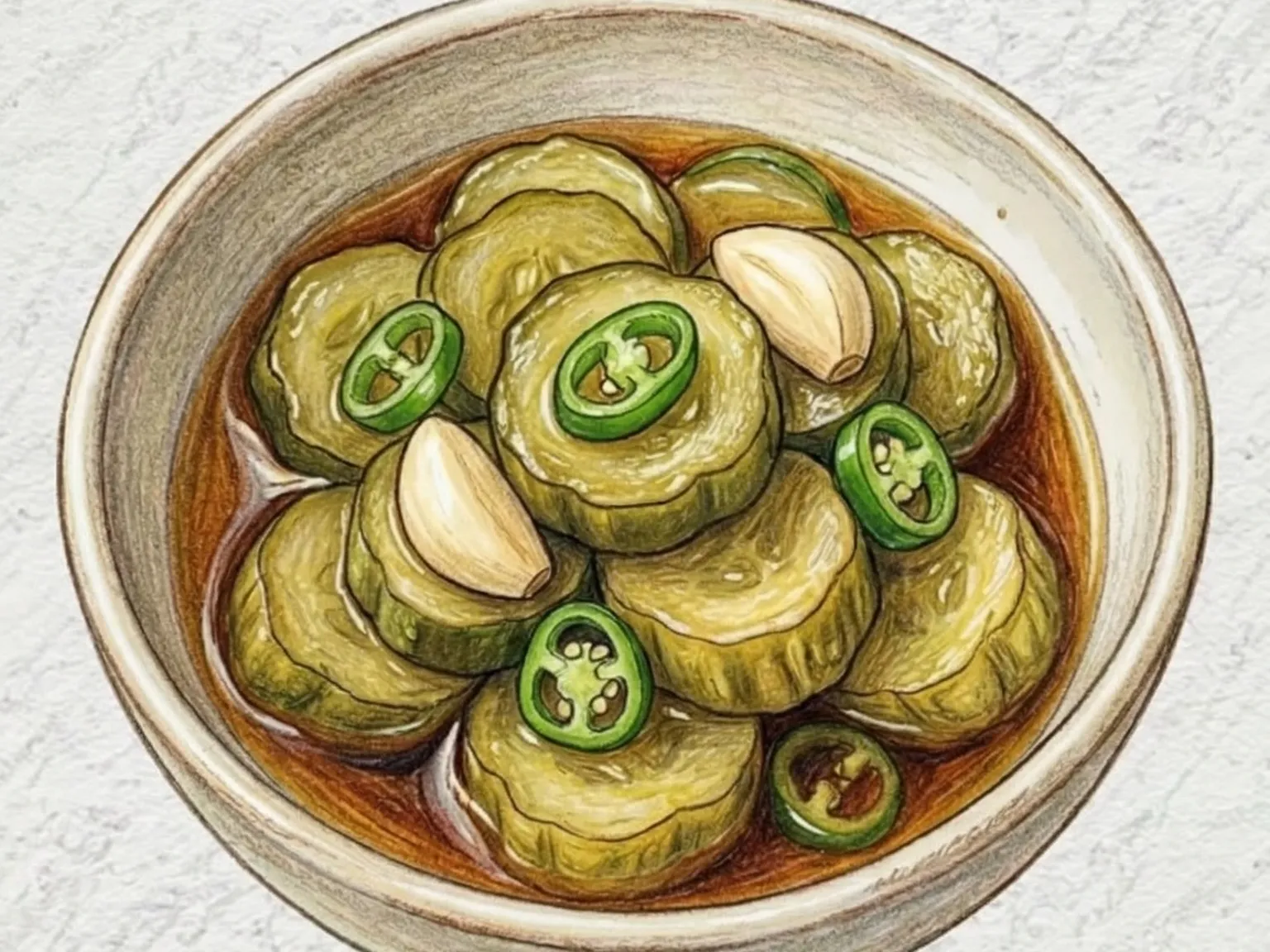
Korean Soy Pickled Cucumber
Oi jangajji is a Korean soy-pickled cucumber made by slicing cucumbers into one-centimeter rounds, lightly salting them to draw out surface moisture, then packing them into a sterilized jar with whole garlic cloves and green chilies before pouring over a boiling brine of soy sauce, water, vinegar, and sugar. The hot liquid partially cooks the cucumber surface while leaving the center firmly crisp, and two days of cold fermentation allows the sweet, salty, sour brine to penetrate all the way through. The green chilies leave a faint heat at the back of each bite, and the whole garlic cloves release their aroma gradually into the brine as they soften over the resting period, adding a layer of complexity beyond a straightforward soy pickle. Reboiling the spent brine and pouring it back over the cucumbers once extends the crunch considerably, turning this into a practical side dish that holds up well for more than a week in the refrigerator. It works alongside a bowl of rice, next to a hearty soup, or as a sharp palate-waker on a hot summer day when appetite runs low.

Kimchi Tofu Caesar Salad
Sautéing the kimchi drives off moisture and concentrates its umami into an intense, savory punch that replaces anchovies in a traditional Caesar. Pan-browned tofu cubes develop a crisp shell around their soft interior, standing in for crouton-like protein. The dressing mixes mayonnaise with plain yogurt for a lighter body than classic Caesar, sharpened with lemon juice and garlic. Grated parmesan adds the expected salty depth, and crisp romaine provides the essential crunch that holds the heavy flavors in check. Homemade bread croutons round out the textural contrast.

Korean Schisandra Berry Tea
Omijacha is a traditional Korean cold-steeped tea made by soaking dried schisandra berries in cold water for at least eight hours to draw out their vivid crimson color and layered flavor. Hot water amplifies the astringent notes, making cold steeping in the refrigerator overnight the only correct method. By morning the liquid holds the interplay of sourness, sweetness, and subtle bitterness that gives schisandra its Korean name meaning five flavors, a reference to the full five tastes said to exist within a single berry. Traditional Korean medicine has long used the berry to replenish energy and support lung function, and the tea carries that heritage alongside its visual appeal. Once strained, honey and sugar are dissolved into the clear ruby liquid to soften the acidity without masking it. Thin pear slices and pine nuts floated in each cup add crisp fruit fragrance and a nutty counterpoint that complements the tartness. The tea is best consumed the same day it finishes steeping, when both the deep red color and the fragrance are at their peak. Oxidation clouds the color and dulls the aroma within a day.
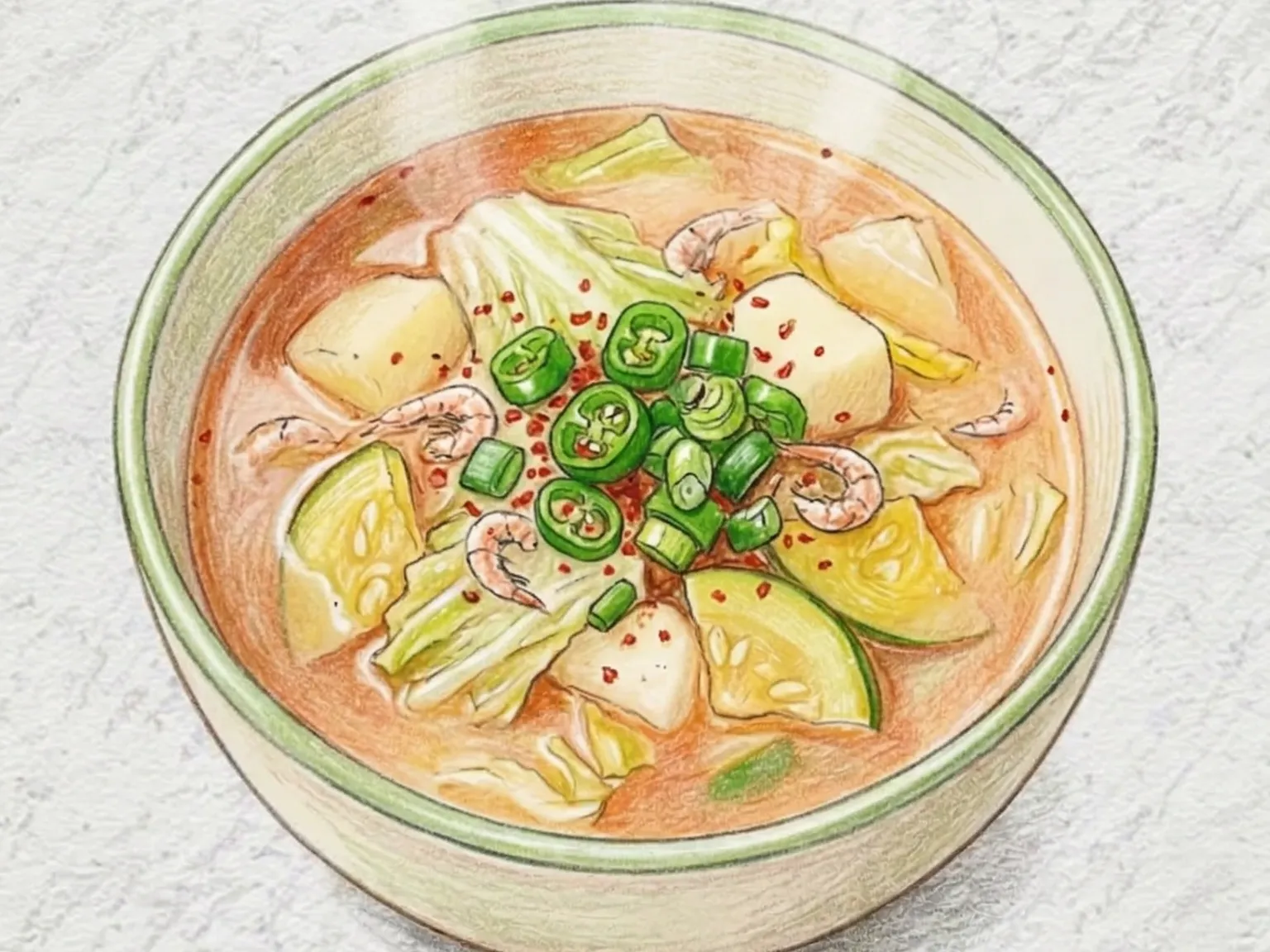
Miyeok-guk (Seaweed Beef Sesame Soup)
Miyeok-guk is one of the most culturally meaningful soups in Korean cuisine. Dried sea mustard is first rehydrated, then stir-fried in sesame oil until the strands glisten and deepen in color, and finally simmered with thinly sliced beef and water until the broth turns savory and lightly viscous from the seaweed's released gelatin. Seasoning is deliberately sparse: soup soy sauce, minced garlic, and a final touch of sesame oil are almost always sufficient, because the seaweed and beef provide the foundational umami. The soup is traditionally prepared for new mothers during the postpartum recovery period, as miyeok is rich in iodine, calcium, and iron. It also appears on every Korean birthday table as an act of remembrance toward the mother who endured childbirth on that day, making the bowl carry a weight of gratitude that goes far beyond nutrition. Beyond its symbolism, miyeok-guk is practical everyday cooking: it calls for few ingredients, comes together in under thirty minutes, and produces a broth that nourishes without heaviness. Substituting the beef with mussels, clams, or dried shrimp creates a lighter, more oceanic version that is equally rooted in tradition. The soup reheats well and frequently tastes even better the next day, once the seaweed has softened further and the flavors have had time to merge fully.
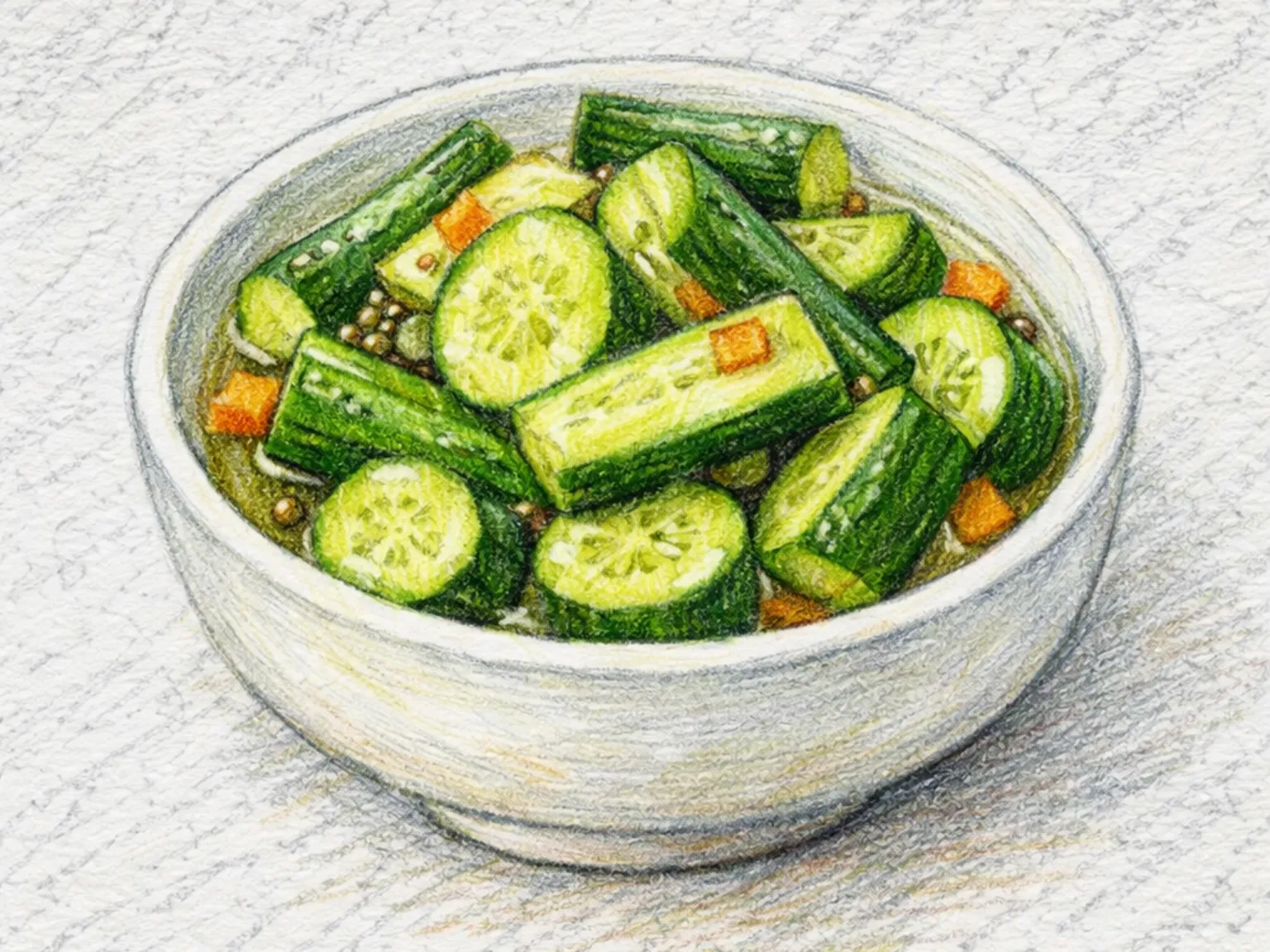
Korean-Style Cucumber Pickle
Oi pickle is a vinegar-brined cucumber pickle where one-centimeter-thick rounds are briefly salted to draw out surface moisture, then submerged in a hot brine of vinegar, water, sugar, salt, bay leaf, and whole black peppercorns. Pouring the hot brine directly over the salted cucumbers contracts their cell structure on contact, locking in a crunch that persists through multiple days of refrigeration. As the pickles rest, the sharp acidity of the vinegar softens and blends with the sugar into a balanced sweet-sour profile rather than a single piercing note. Bay leaf contributes a low, herbal background, and the peppercorns leave a faint heat at the finish that gives depth beyond plain vinegar sourness. The pickles are ready after twelve hours of chilling and keep well in a sealed container in the refrigerator for up to two weeks. Served alongside fried or fatty dishes, the clean acidity cuts through richness and refreshes the palate between bites.
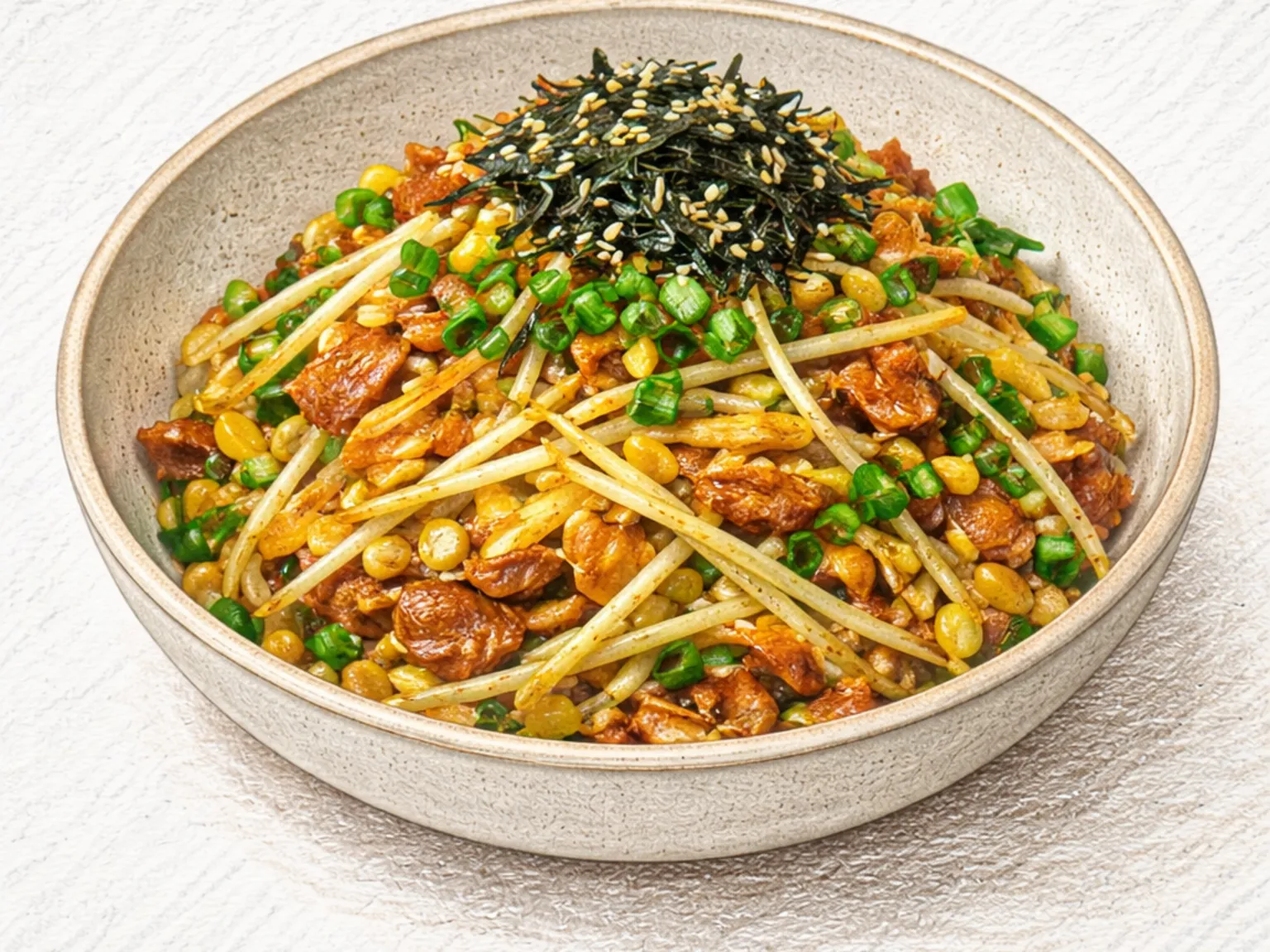
Bean Sprout Bulgur Seaweed Salad
Bulgur wheat brings a plump, nutty chew that pairs naturally with briefly blanched bean sprouts, building a hearty Korean grain salad with satisfying texture and substance. The dressing - soy sauce, apple cider vinegar, sesame oil, and minced garlic - mirrors the classic Korean namul seasoning profile exactly, tying grain and vegetable together without anything feeling out of place. Julienned carrot contributes sweetness and color, while thinly sliced scallion sharpens the finish with a mild, lingering onion bite. Roasted seaweed flakes are folded in just before serving to preserve their crunch and the oceanic salinity plays off the earthy grain in a pairing that reads as distinctly Korean. Bean sprouts should be rinsed in cold water immediately after blanching to keep their snap intact.
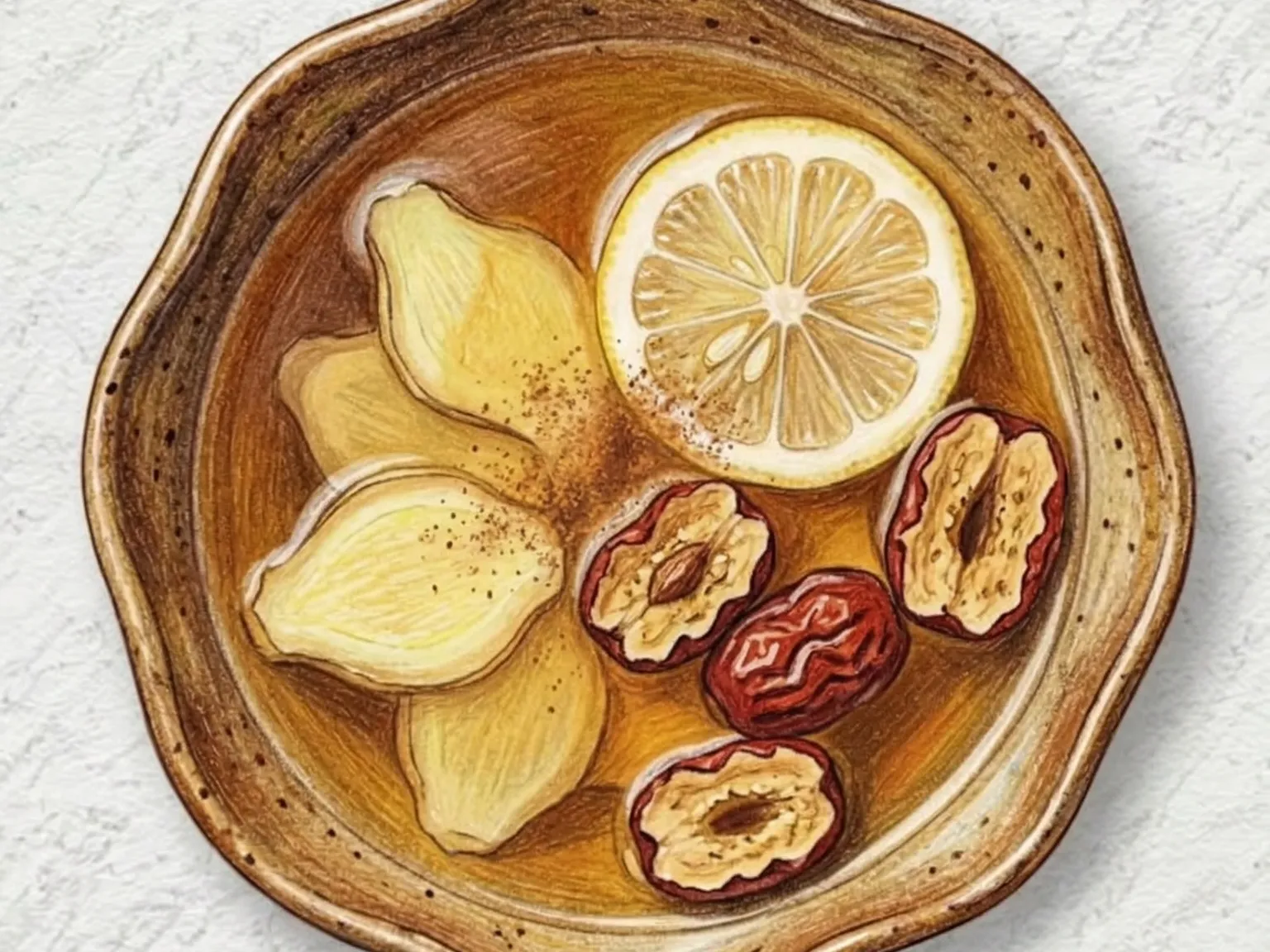
Korean Ginger Tea (Spiced Jujube Honey Ginger Brew)
Saenggangcha is a Korean ginger tea made by simmering thinly sliced fresh ginger and halved, pitted jujubes in water for 15 minutes on medium heat followed by 5 more minutes on low. The two-stage simmering extracts both the sharp warmth of ginger and the quiet, honeyed fruitiness of jujubes without letting either dominate. Peeling the ginger before slicing removes any earthy or bitter notes from the skin and produces a cleaner cup. Slicing it thin rather than thick maximizes the surface area, allowing gingerol, the compound responsible for the tea's peppery bite, to dissolve into the water more rapidly within the same simmering time. Splitting and pitting the jujubes exposes the flesh, which gives up its fruit aroma far more readily than whole dried fruit. After straining, the pot should be removed from the heat and allowed to cool slightly before the honey goes in, because dissolving honey into near-boiling liquid destroys the delicate floral compounds that distinguish quality honey from plain sugar. A small pinch of ground cinnamon deepens the spice profile by adding warmth that complements rather than competes with the ginger. Floating lemon slices on the surface adds a citrus brightness that lifts the body of the tea. The drink is especially associated with the transitional seasons in Korea, when the weather shifts and sore throats become more common.
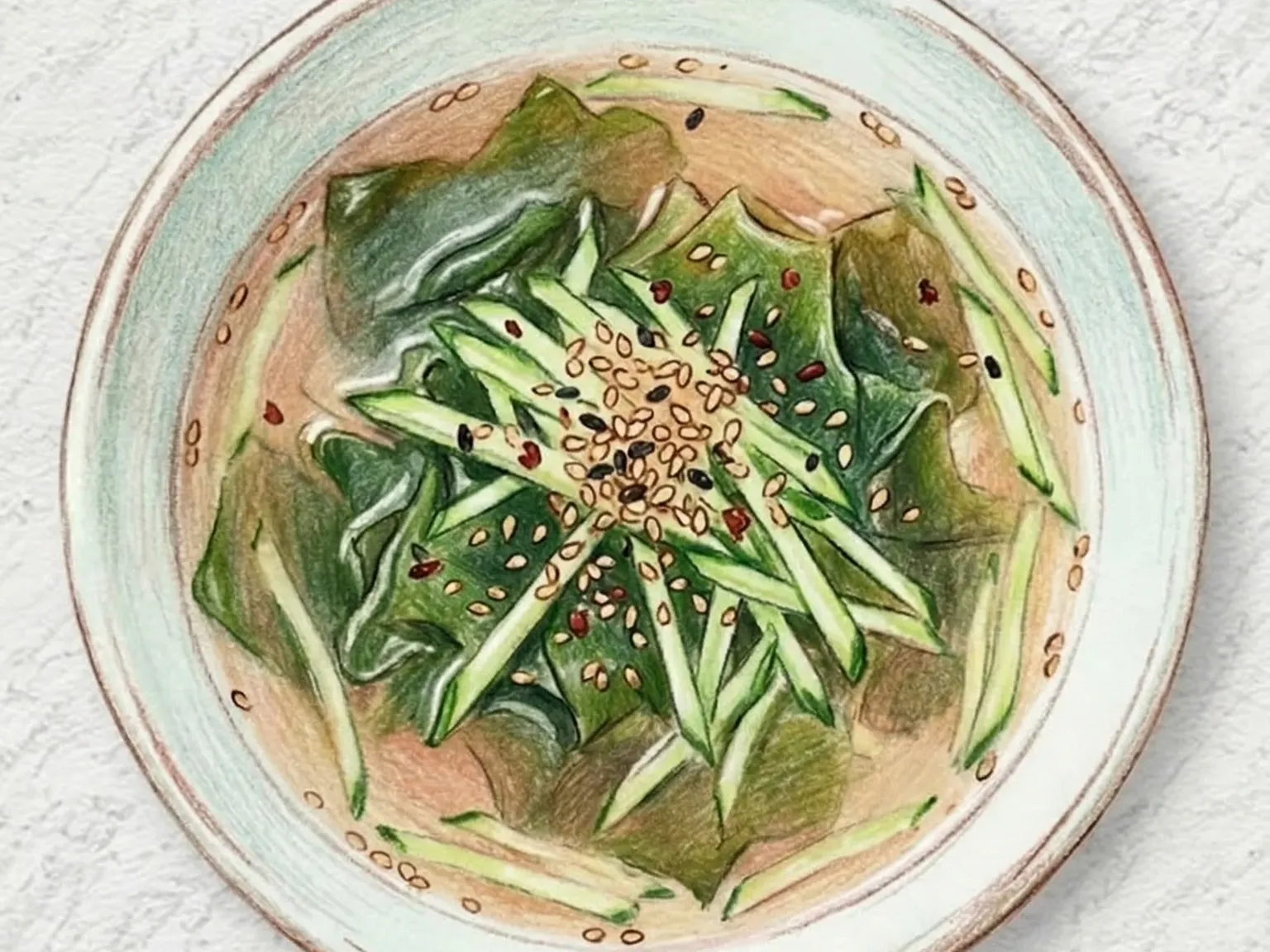
Korean Chilled Seaweed Soup
Miyeok-naengguk is a Korean chilled seaweed soup designed for the hottest days of summer, when the idea of a boiling pot feels intolerable. Rehydrated sea mustard and thinly sliced cucumber are bathed in a cold broth made from soy sauce, rice vinegar, sugar, and iced water, producing a tangy, lightly sweet liquid that hits the palate with immediate refreshment. The seaweed contributes a slippery, marine texture while the cucumber provides a sharp crunch, and together they give the soup a satisfying range of mouthfeel in each spoonful. Preparation requires no cooking at all - the ingredients are simply mixed, seasoned, and chilled - making it one of the fastest dishes in the Korean repertoire. A generous sprinkle of toasted sesame seeds adds nuttiness on top, and an optional pinch of gochugaru turns the broth a vivid red while contributing gentle heat. The soup pairs naturally with cold noodle dishes like naengmyeon or bibim-guksu, and it improves after an hour in the refrigerator as the seasoning penetrates the seaweed. In many Korean homes, a bowl of miyeok-naengguk is the unofficial signal that summer has arrived.
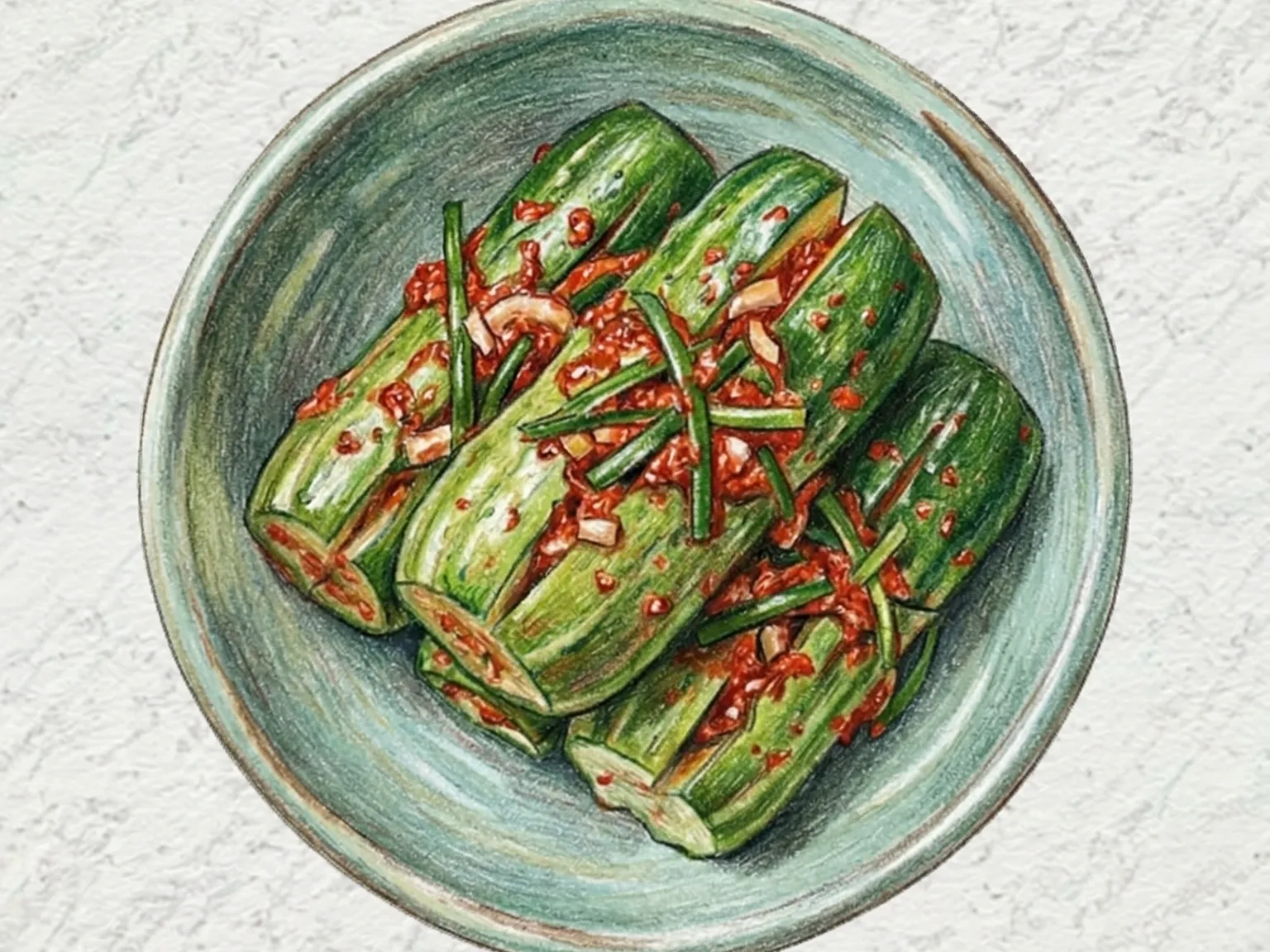
Korean Stuffed Cucumber Kimchi
Oi sobagi is a Korean stuffed cucumber kimchi made by salting whole cucumbers, cutting them crosswise to within a centimeter of the base to create four attached wedges, and packing the cavity with a filling of garlic chives, onion, gochugaru, anchovy fish sauce, and plum syrup. When bitten, the cucumber's cool moisture meets the spicy, fragrant stuffing inside, releasing a burst of layered juice, and the firm crunch of the flesh contrasts cleanly with the softer chive filling. Salting for exactly thirty minutes is the critical window -- less time leaves the cucumber too firm to absorb the seasoning properly, while longer breaks down the cell structure and causes the flesh to go limp, which makes the stuffed pieces fall apart when cut. The filling ingredients should be mixed quickly without over-handling, because overworking the chives releases water and dilutes the seasoning. After stuffing, the cucumbers sit at room temperature for four hours to begin fermentation, then move to the refrigerator, where lactic acid development continues slowly overnight. By the second day the flavor is brighter and more complex with a distinct tangy edge. Cutting the portions just before serving, rather than in advance, keeps the flavorful interior juices from running out. Cucumbers of uniform thickness salt most evenly, and if substituting sugar for plum syrup, use a smaller quantity to keep the sweetness in check.
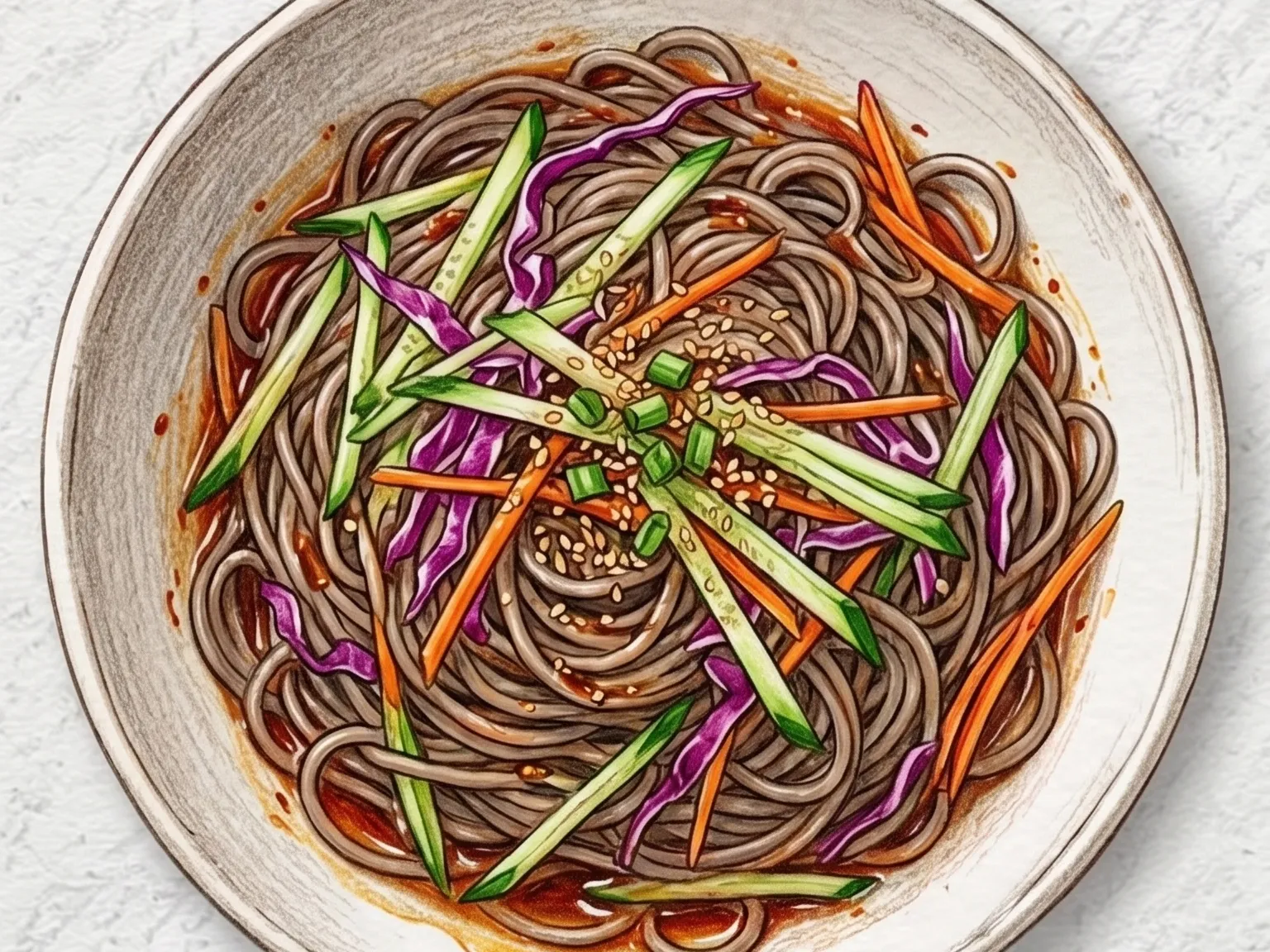
Korean Buckwheat Noodle Salad
Buckwheat noodles boiled and rinsed in cold water retain both their earthy, slightly nutty flavor and a satisfying springy bite, then get tossed with julienned cucumber, red cabbage, and carrot for color and crunch. A dressing of gochujang and vinegar provides a spicy-sour backbone, while soy sauce and sesame oil layer in savory depth and aromatic nuttiness underneath. Thorough rinsing to remove surface starch is critical - it keeps the noodles from clumping and ensures the dressing coats each strand evenly rather than pooling at the bottom of the bowl. Served chilled in warm weather, the salad functions well as a standalone light meal, refreshing enough to restore appetite without leaving you heavy. Toss the dressing in just before eating to prevent the noodles from softening.
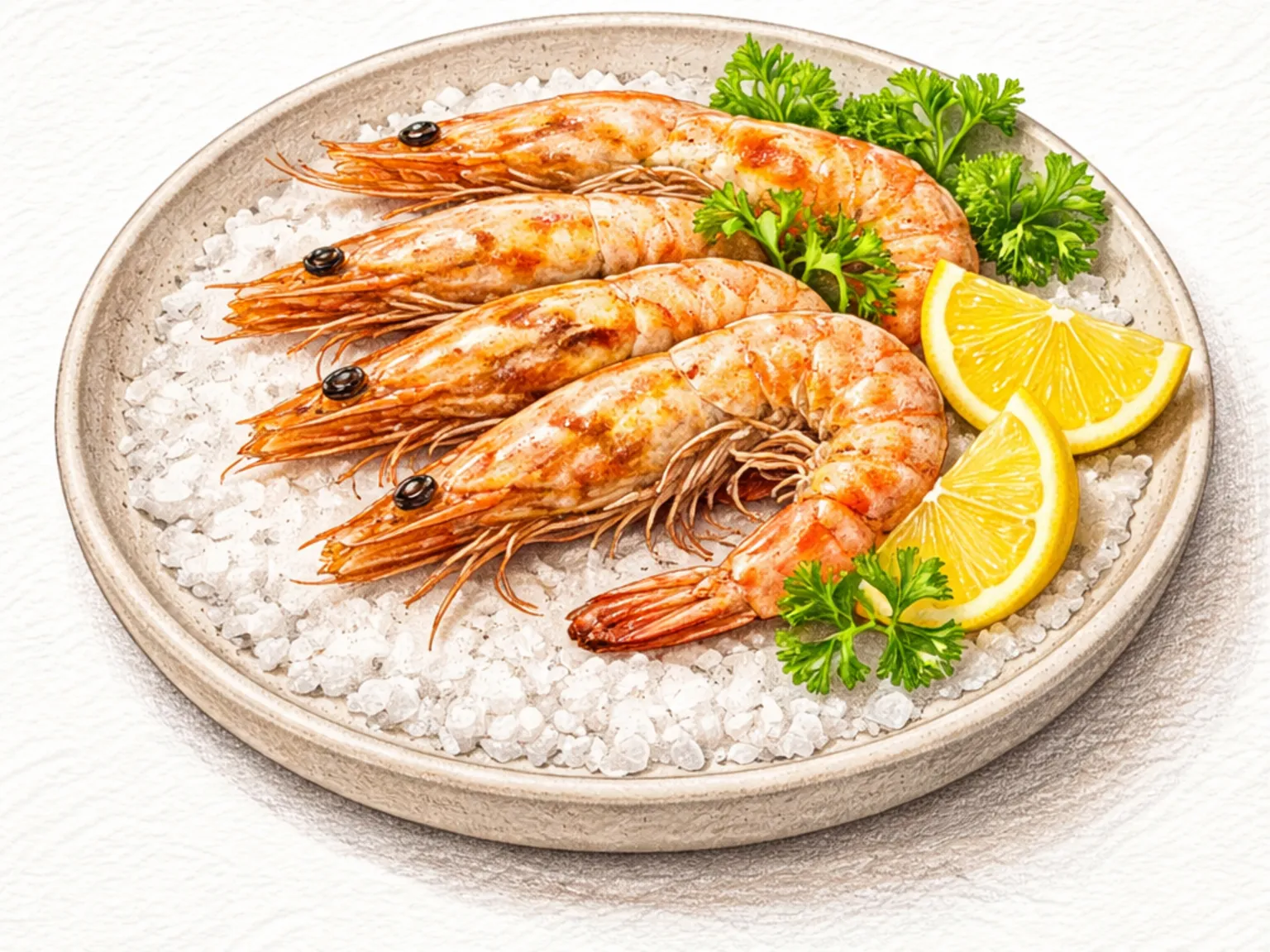
Korean Salt-Grilled Shrimp
Saeu-sogeum-gui is a Korean salt-bed grilled shrimp prepared by spreading coarse salt in a heavy pan, laying whole shell-on shrimp over it, and covering with a lid to cook. The thick layer of heated salt acts as an indirect heat source that traps moisture inside the shells, so the shrimp flesh steams from within and retains its natural sweetness. After four minutes covered, the shrimp are flipped for three more minutes, then finished with a light coat of melted butter that adds richness on top of the salt's seasoning. Black pepper, chopped parsley, and a wedge of lemon complete the dish, proving that minimal ingredients and a simple technique can concentrate shrimp flavor more effectively than elaborate sauces.
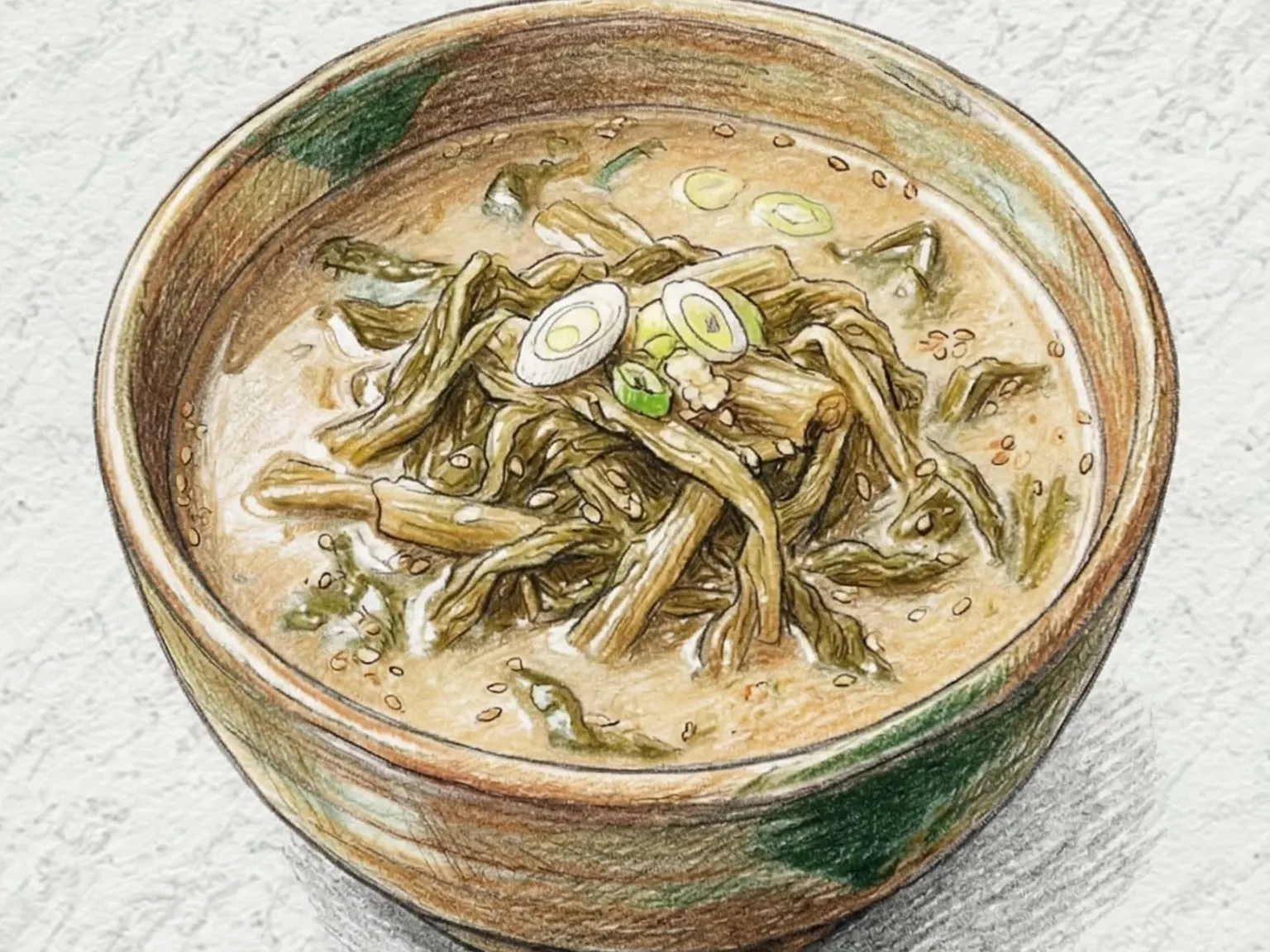
Korean Radish Greens Perilla Soup
Mucheong-deulkkae-guk is a Korean soup that brings together two of the cuisine's most deeply comforting flavors - fermented soybean paste and ground perilla seeds - building them over a base of dried radish greens. The greens are boiled until fully tender, then worked with doenjang until the paste clings to every fiber, allowing the fermented soy flavor to penetrate thoroughly before the soup is even assembled. Simmered in a stock made from dried anchovies and kelp and enriched with a generous scoop of perilla seed powder, the broth shifts from translucent to an opaque, creamy white as the powder disperses. That transformation signals the moment when the soup reaches its characteristic nutty density - a flavor that sits somewhere between roasted sesame and warm earth. Garlic and green onion establish the aromatic structure, while the chewy resistance of the radish greens provides a textural contrast that distinguishes this soup from smoother versions made with tofu or mushrooms. The broth is substantial enough to pour directly over steamed rice, where the perilla richness coats each grain and becomes a natural base for mixing. This is a dish rooted in the practical food culture of Korean rural households, where radish greens harvested in autumn were dried and kept through winter as a pantry staple. The combination of doenjang and perilla creates an umami depth that is quietly compelling - the kind of soup that rarely appears on restaurant menus but occupies a permanent place in the memory of anyone who grew up eating it.
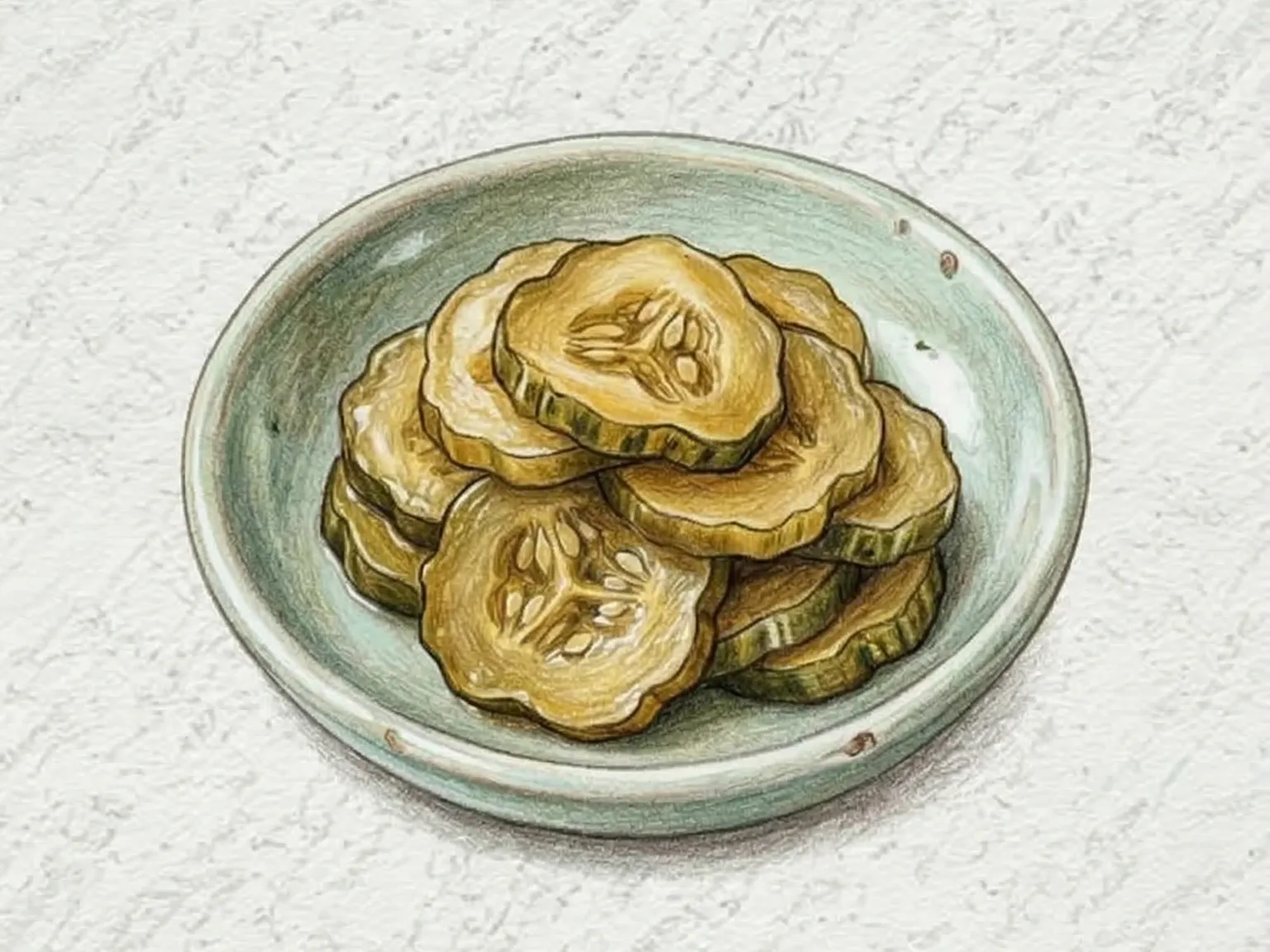
Salt-Brined Korean Cucumber Pickles
Oiji is a traditional Korean long-fermented cucumber pickle made by submerging whole cucumbers in a boiled brine of water, coarse salt, sugar, and a touch of vinegar, then weighting them down so they stay fully immersed during at least five days of cold storage. Whole garlic cloves added to the jar release their aroma gradually into the brine. As the days pass, osmotic pressure draws moisture from the cucumbers while salt penetrates inward, producing a uniformly salty, firm pickle that retains its crunch far longer than quick-pickled varieties. Before serving, the oiji is sliced thin and soaked briefly in cold water to temper its saltiness, then dressed with sesame oil and gochugaru as a side dish, or dropped into a chilled broth for a refreshing summer soup.
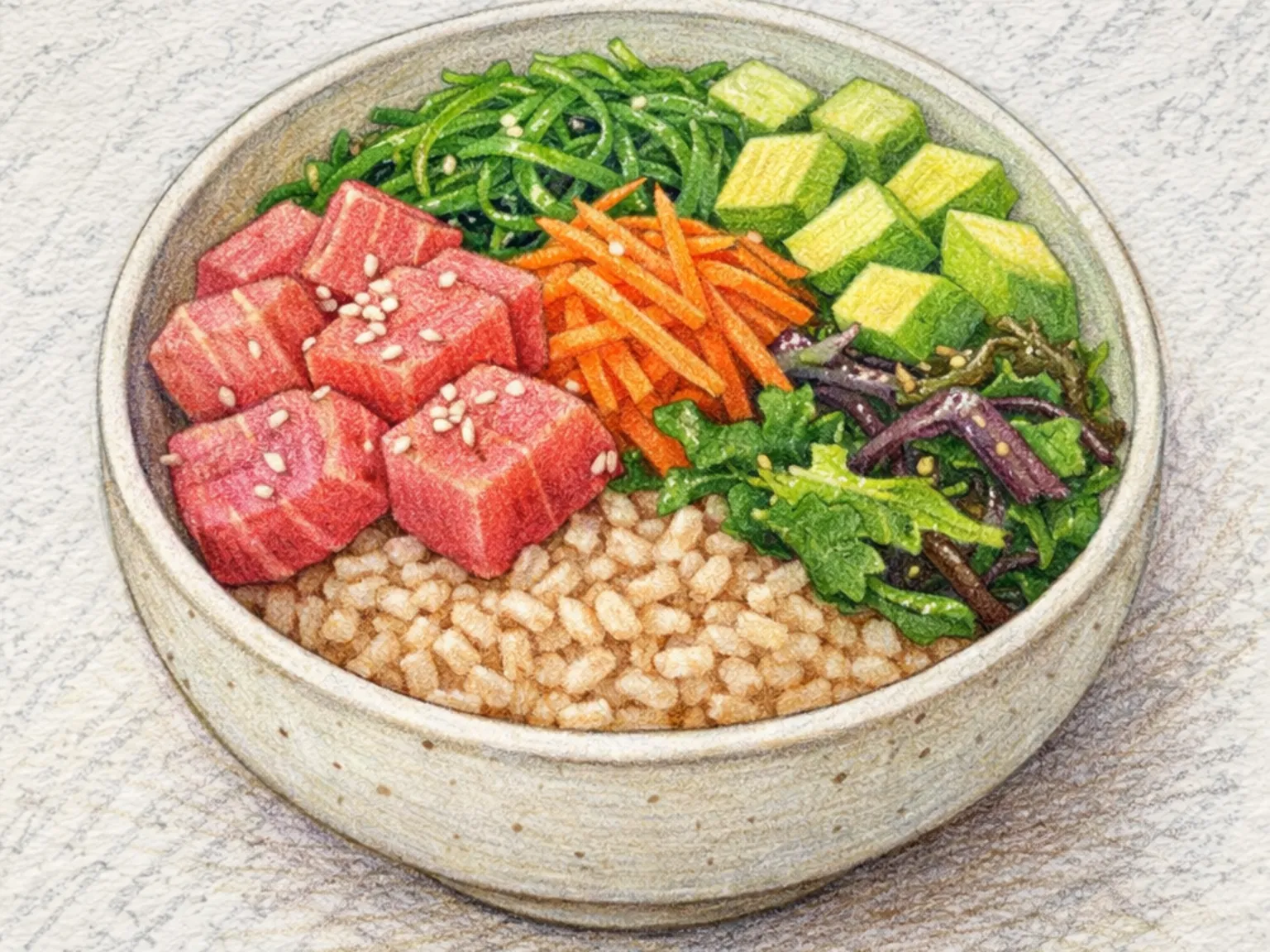
Korean Poke Bowl Salad
Sashimi-grade tuna is cut into 1.5-centimeter cubes and kept well chilled before being arranged over brown rice in a Korean-inflected poke bowl. A sauce of soy sauce, sesame oil, and gochujang coats the tuna's clean, fatty flesh with the spicy and nutty character that defines Korean seasoning. Avocado provides a creamy, lush texture that envelops the lean fish, while seaweed salad contributes a slippery, chewy marine layer with a pronounced oceanic aroma. Thinly sliced cucumber adds a cool, crisp contrast, creating textural variety across every spoonful. Brown rice serves as the dense, slightly nutty foundation that anchors the toppings and transforms the bowl into a complete meal containing protein, healthy fats, and complex carbohydrates in a single serving. Salmon or flounder can substitute for tuna without changing the method, and adjusting the amount of gochujang in the sauce lets you dial the heat to your preferred level.
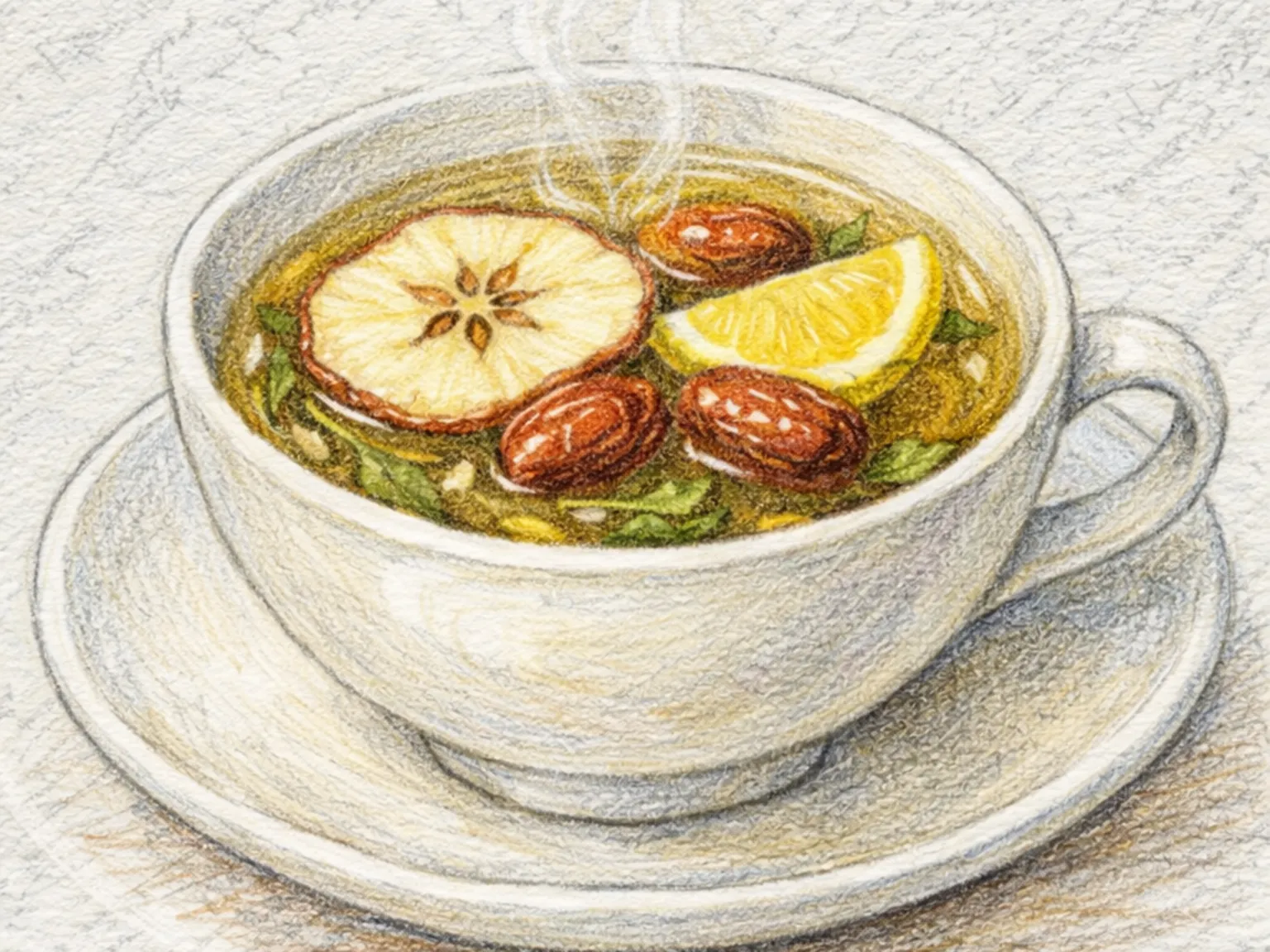
Korean Houttuynia Herbal Tea
Preparing a pot of caffeine-free Korean herbal tea starts with gathering dried Saururus chinensis, apple slices, and jujubes. Before simmering, the dried herbs require a quick rinse under running water to clear away any dust. Making small cuts into the jujubes helps their internal sugars move into the liquid during the 15-minute simmering period over low heat. The Saururus chinensis provides a grassy and clean foundation, which the apple slices brighten with a soft fruity character. The scored jujubes contribute a rounded, earthy quality to the liquid. Once the heat is turned off, adding fresh lemon slices for exactly two minutes infuses the water with a clear citrus aroma. Steeping the lemon any longer might release bitterness from the peel. Straining the solids leaves a clear tea that takes agave syrup well for sweetness. A hot cup suits a quiet evening, while a chilled version mixed with sparkling water in a equal ratio creates a light herbal soda. This herb has long been associated with circulation and detoxifying properties in Korean tradition. Since the flavor remains mild, it remains accessible to individuals new to herbal infusions. The recipe stays practical as the main components are dried and shelf-stable, taking less than twenty minutes to complete. Some variations include mixing in dried chrysanthemum or lotus leaves to shift the aromatic profile.
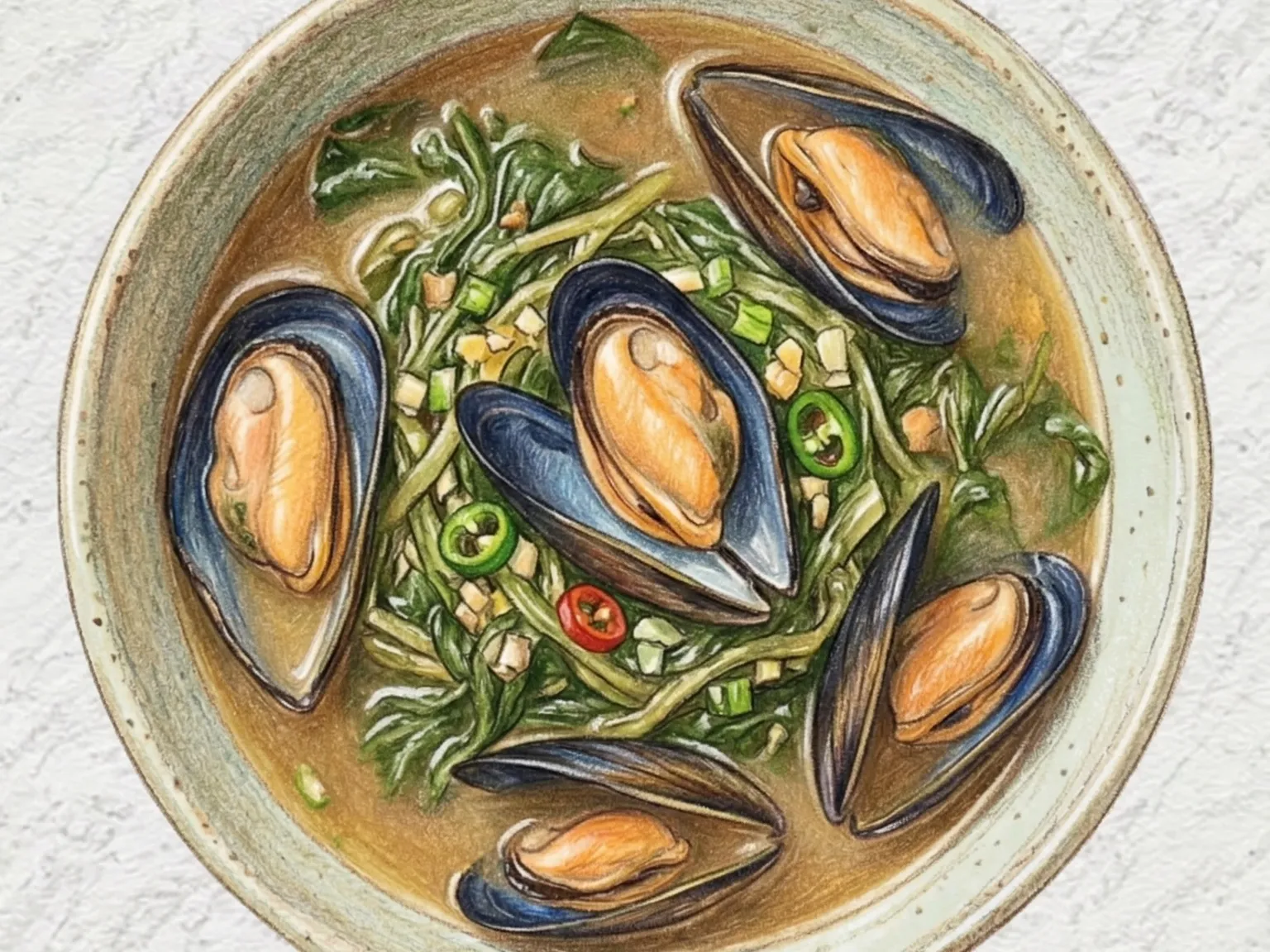
Korean Radish Greens Mussel Soup
Mucheong-honghap-guk is a Korean home-style soup that draws its broth from fresh mussels and its body from doenjang-seasoned dried radish greens. The mussels open during simmering and release a briny, mineral-rich liquor that serves as the soup's stock, eliminating the need for a separate anchovy or beef base. Dried radish greens, previously boiled until tender and dressed with doenjang, are added to the mussel broth, where they absorb the seafood flavor while contributing their own earthy, fermented depth. The textural contrast is a quiet pleasure: chewy mussel meat against the fibrous, slightly toothy greens. Garlic and green onion anchor the aromatics, and an optional Cheongyang chili adds a thread of heat that sharpens the overall flavor without overpowering the shellfish. The soup comes together quickly once the greens are pre-prepared, making it a weeknight-friendly dish in coastal regions where mussels are plentiful. Despite its simplicity, the layering of seafood brine and fermented soybean paste gives the broth a surprising complexity that rewards slow, attentive sipping.
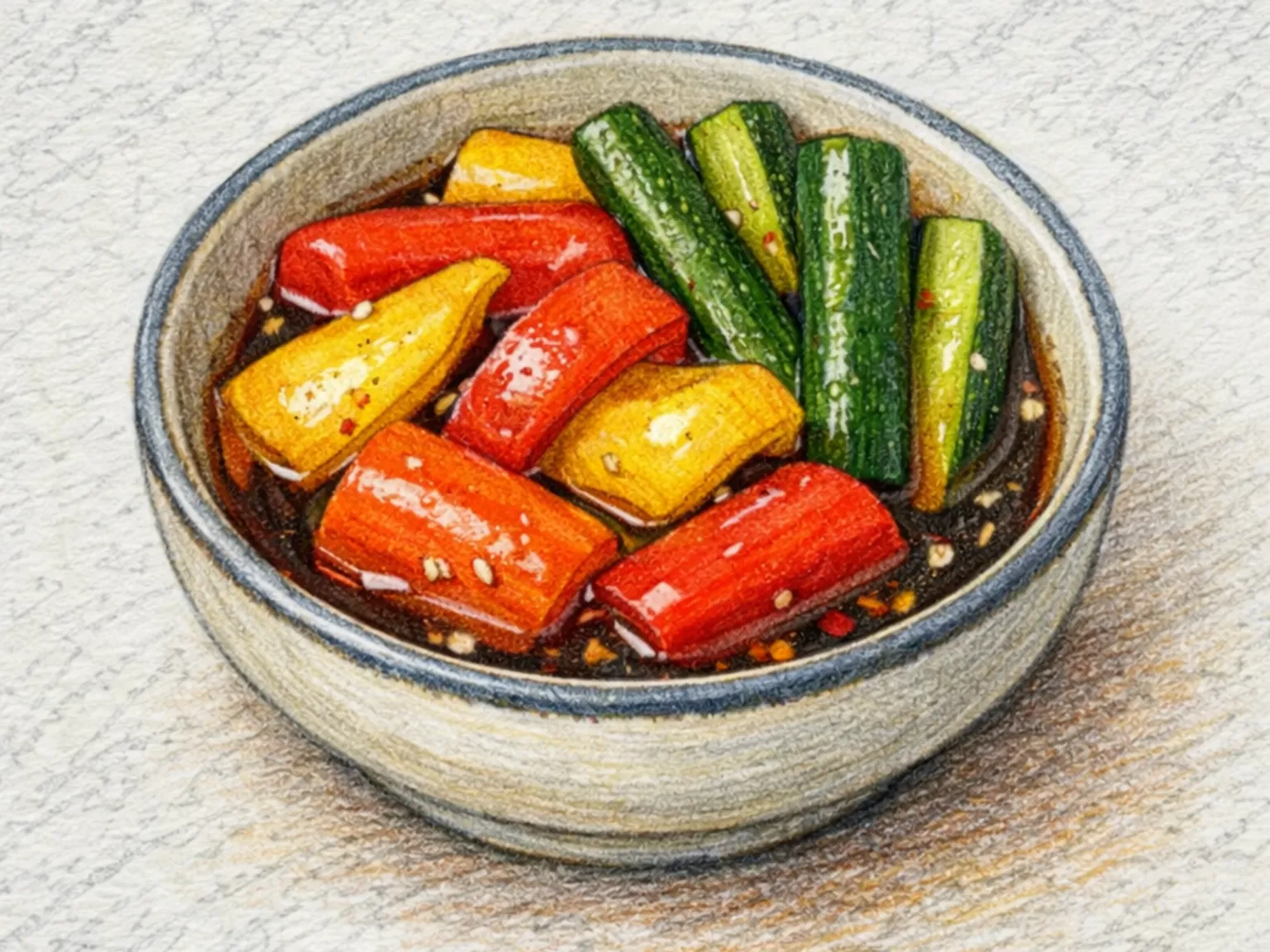
Korean Bell Pepper Pickles
Papeurika jangajji is a Korean soy-vinegar pickle made by cutting red and yellow bell peppers and cucumber into two-centimeter strips, layering them in a sterilized glass jar, and pouring over a hot brine of soy sauce, vinegar, water, sugar, and whole peppercorns. The peppers' thick flesh absorbs the brine gradually while holding a firm, satisfying crunch throughout, and their natural vegetable sweetness forms a precise three-way balance with the salty soy and tart vinegar. Whole peppercorns leave a faint, lingering spice at the finish that keeps each bite interesting, and the vivid red-and-yellow colors make these pickles a clear visual accent on the table. The pickles are edible from the next day, but the flavor is at its best after two to three days once the brine has fully penetrated to the center. Leaving out the cucumber reduces moisture release and extends refrigerator life to more than two weeks. Any leftover brine works well as a salad dressing, so nothing goes to waste.
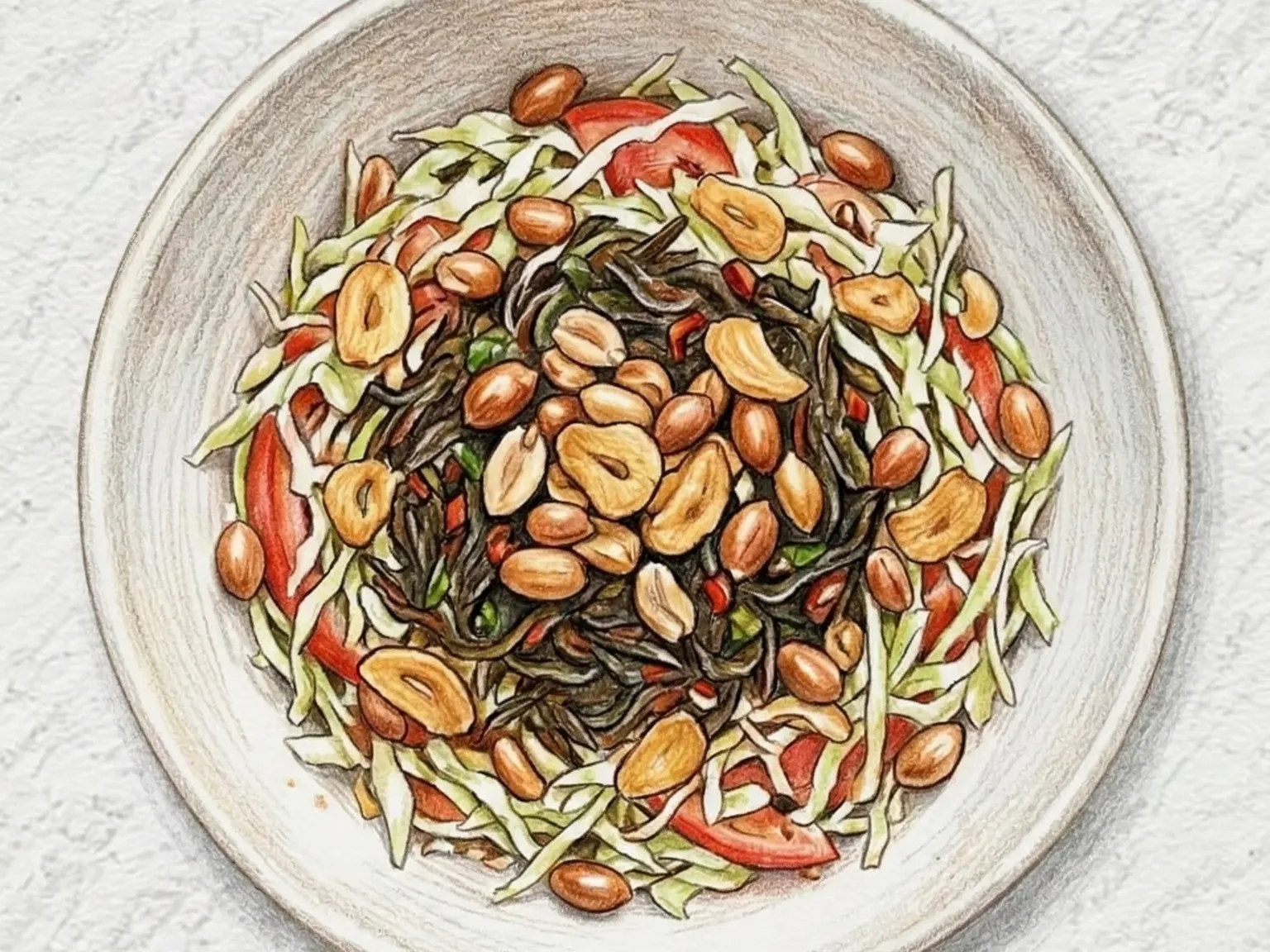
Laphet Thoke (Burmese s signature salad)
Laphet thoke is Myanmar's signature salad, built entirely around fermented tea leaves whose tannic bitterness and concentrated umami form the flavor foundation from which everything else is assembled. The leaves undergo a long fermentation that softens their rawness, coaxing out a layered sourness and complex savory depth that explains why laphet holds a ceremonial significance in Burmese food culture beyond its role as an everyday dish. Shredded cabbage provides a neutral, crunchy base, while chopped tomato adds juicy acidity that lightens the tea leaves' intensity and keeps the salad from feeling heavy. Roasted peanuts contribute a nutty richness, and fried garlic chips deliver a salty, crispy element that introduces textural contrast in every bite. The essential technique is dressing the tea leaves first with lime juice, sesame oil, and chili flakes, allowing the seasoning to soak fully into the leaves before the vegetables and nuts are folded in, so the bold flavors distribute evenly throughout the bowl rather than pooling at the bottom.
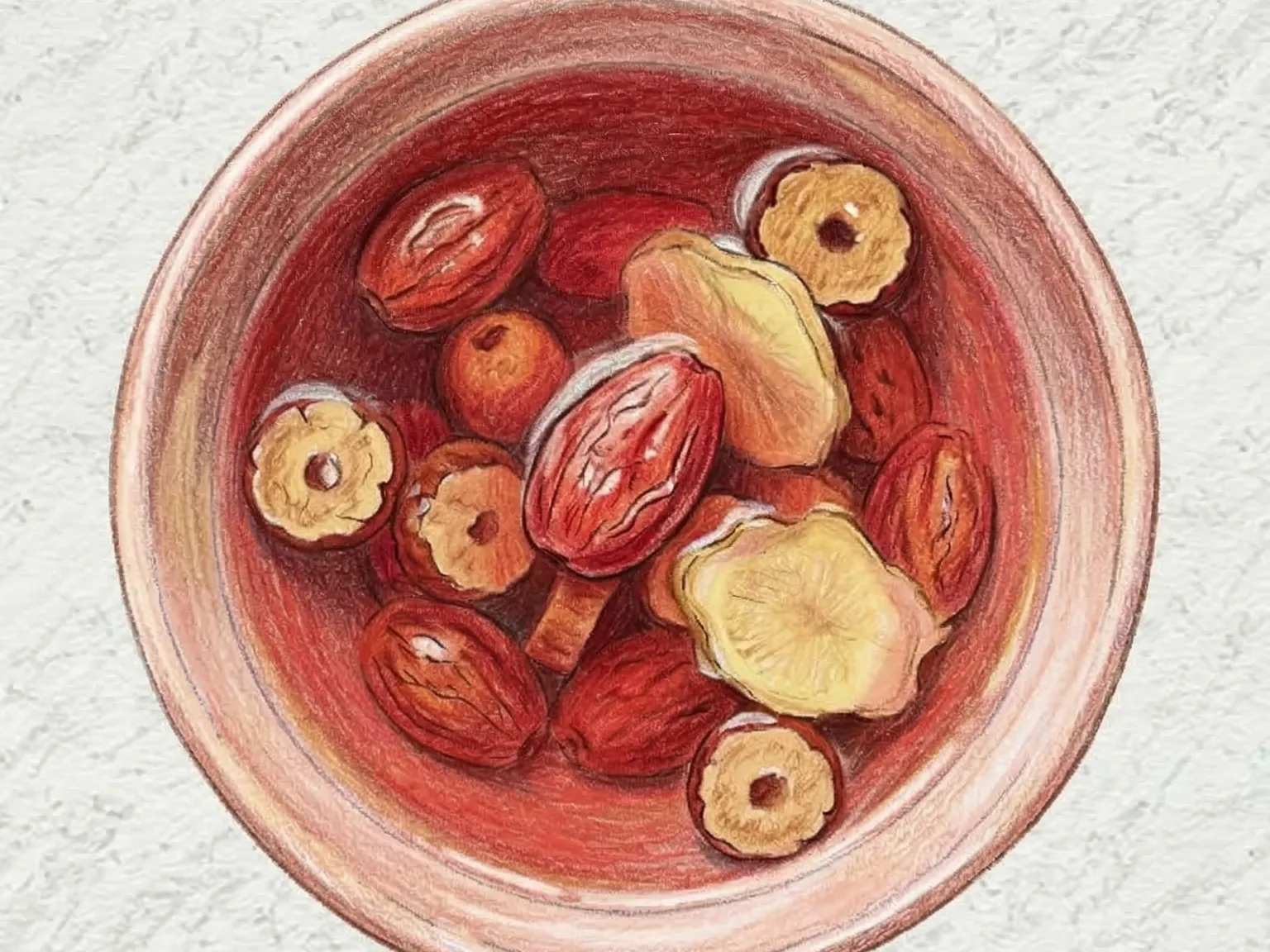
Sansuyu-cha (Korean Cornelian Cherry Tea)
Sansuyu-cha is a traditional Korean tea made by simmering dried cornelian cherry fruits with halved jujubes and sliced ginger in water, first bringing it to a boil over medium heat then reducing to low for fifteen minutes. Cornelian cherry, known in Korean as sansuyu, is a small red fruit with a pronounced tartness that forms the backbone of this tea. The jujubes are split to expose their flesh and soften the brew with mellow sweetness, while ginger threads a warm spiciness through the entire pot. Keeping the total simmer time under twenty minutes matters because the berries contain tannins that leach into the liquid when overcooked, adding an unpleasant bitterness that overshadows the bright fruity notes. Once done, the tea is strained through a fine sieve and honey is stirred in off the heat, rounding out the acidity without flattening it. Pine nuts floated on top slowly release a subtle nuttiness that ties the tart, sweet, and spicy notes into a cohesive cup. In Korean traditional medicine, cornelian cherry has long been used to support kidney health and combat fatigue, and this tea has been consumed as a tonic during seasonal changes and periods of physical exhaustion for generations.
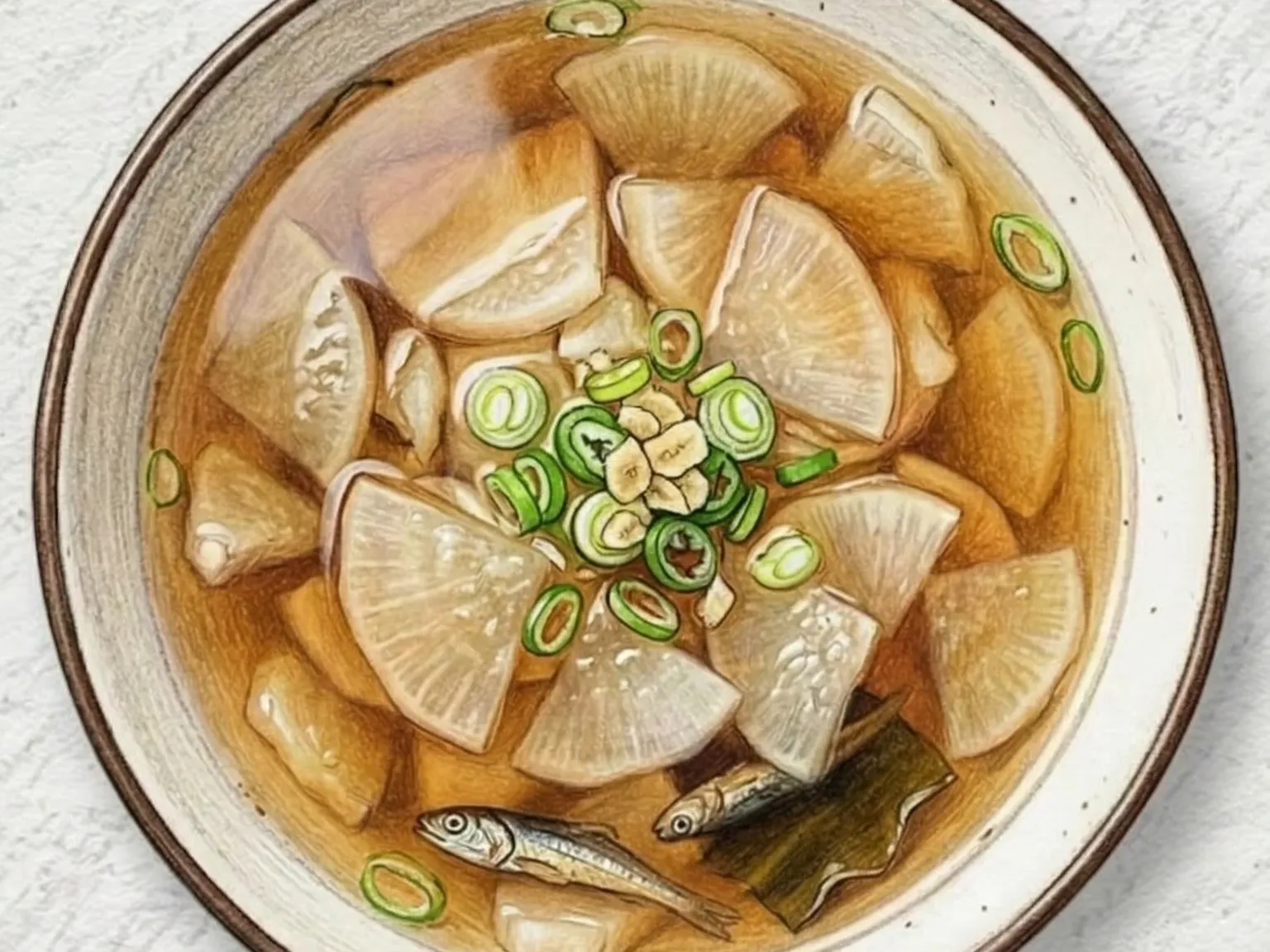
Muguk (Korean Radish Anchovy Broth Soup)
Muguk is the most elemental expression of Korean soup: radish cut generously and simmered in anchovy-kelp stock until the broth runs clear, sweet, and gently savory. The simplicity of the ingredient list is deceptive. As the radish cooks, its starch and natural sugars dissolve into the water, building a broth that tastes mild on the surface but carries real depth underneath. Cutting the radish in thick cubes or wide slabs preserves its shape through the long simmer while allowing the interior to soften completely. Slicing too thin causes the radish to disintegrate and the broth to turn cloudy. Seasoned with nothing more than soup soy sauce, garlic, and sliced green onion, muguk is versatile enough to sit beside any banchan without competing. It serves equally well as a framework: add beef strips and it becomes sogogi-muguk, add dried pollock and it becomes hwangtae-muguk, swap the soup soy for salted shrimp and the character shifts toward briny and refreshing. All that is needed to start a pot are a single radish, a handful of dried anchovies, and a strip of dried kelp, which is why Korean households return to this soup more frequently than almost any other. Reheated the next day, the radish softens further and the broth deepens, making leftovers better than the original.
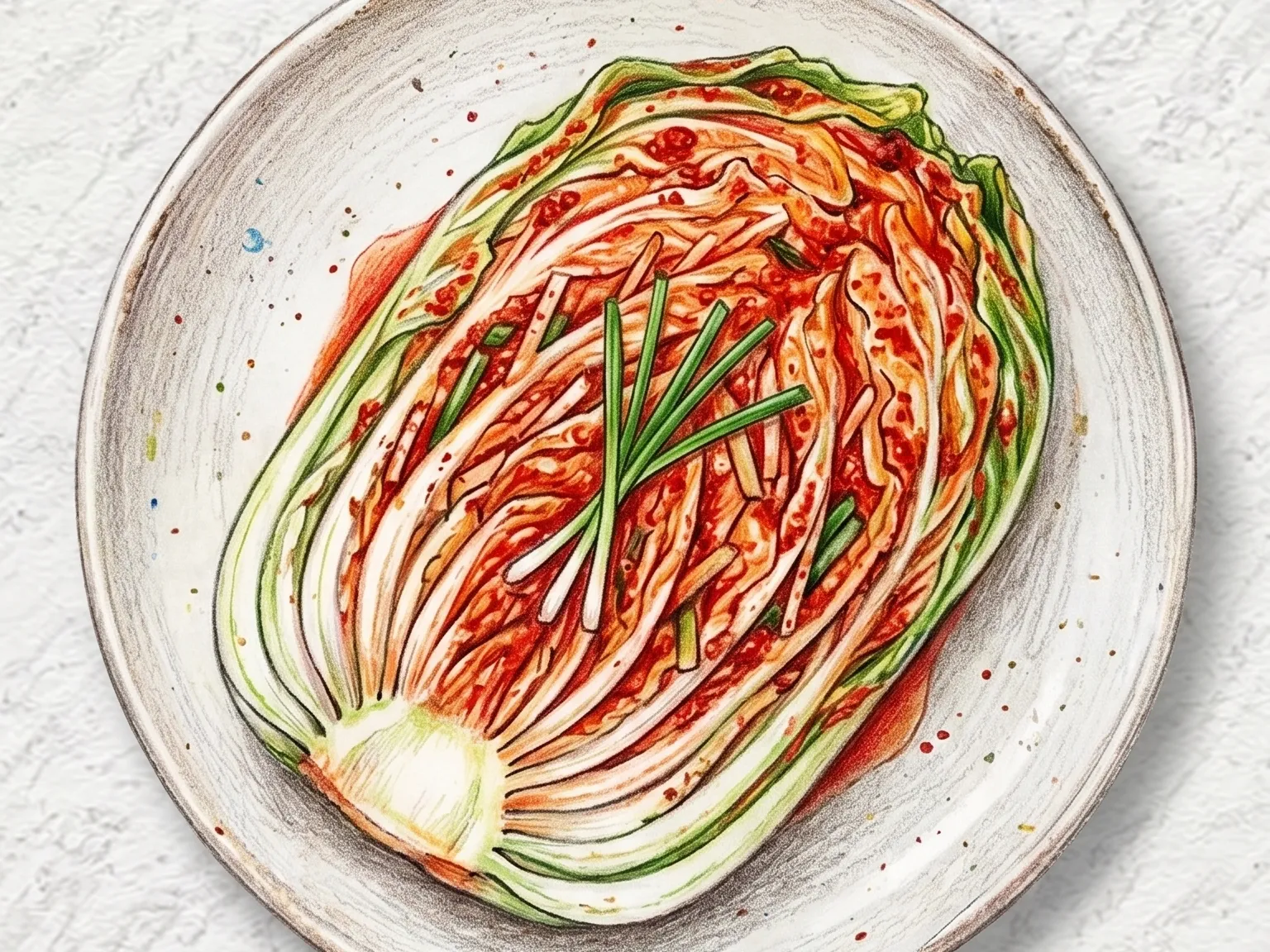
Fresh Whole Cabbage Kimchi
Fresh whole cabbage kimchi is a side dish prepared by mixing fresh, unsalted napa cabbage directly with spicy seasoning to deliver a sharper and crisper texture than fermented versions. Cleaned napa cabbage leaves are torn lengthwise and combined with a seasoning paste made of chili flakes, anchovy fish sauce, minced garlic, ginger, and plum extract. The addition of plum extract provides an enzymatic sweetness and deep flavor without requiring any fermentation time. Green onions cut into four to five centimeters and sesame seeds are folded in gently at the end. To enjoy the firm texture without the dish becoming watery, it should be consumed immediately after mixing when the cabbage cells are still intact. This salad-like kimchi offers a refreshing, spicy, and immediate taste.
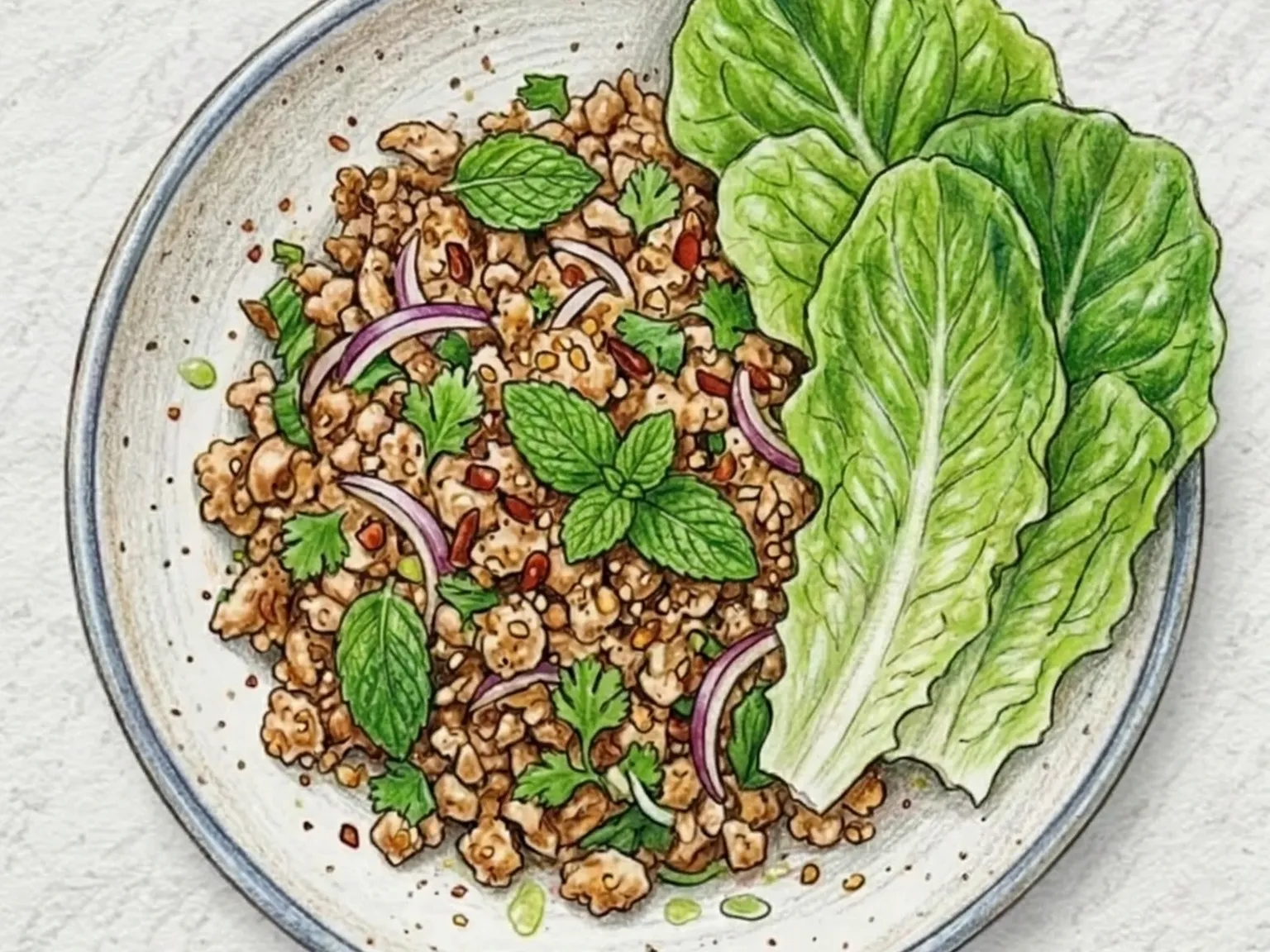
Thai Larb Gai
Larb gai is a traditional salad preparation originating from the Isan region of Thailand that uses ground chicken as its primary protein component. During the cooking process, the minced meat is simmered with a small volume of water to ensure that it remains soft and retains its natural moisture throughout the preparation. The chicken is then seasoned using a combination of fish sauce and the juice squeezed from fresh limes. A specific ingredient that gives this dish its unique character is khao khua, which is rice that has been dry-toasted and subsequently processed into a coarse powder. To create this, plain white rice is heated in a dry pan without the addition of any oil until the grains develop a golden brown color and release a toasted aroma. When this ground rice is added to the salad, it introduces a nutty and slightly smoky flavor profile that distinguishes larb from other types of minced meat preparations found in the region. The dish also incorporates thin slices of raw red onion, which provide a sharp flavor and a crisp texture. Additionally, fresh mint leaves are mixed in to provide a cooling herbal quality that balances the savory notes of the seasoned chicken. After the salad has been placed on a plate, the amount of lime juice can be adjusted according to individual preferences for acidity. The standard method for consuming larb gai involves placing a portion of the mixture into a fresh, crisp lettuce leaf, which provides an extra layer of crunch while helping to moderate the intensity of the spices.

Korean Soju Tonic (Soju Lime Cucumber Highball)
Soju tonic is a Korean highball-style drink that pairs soju with tonic water and lime, layering the spirit's clean, neutral body with the bitter quinine edge of tonic and the bright acidity of fresh citrus. Lime juice goes in first along with soju and a touch of simple syrup, and the tonic water is poured last and slowly to keep the carbonation intact as long as possible. Cucumber slices over ice add a vegetal freshness that makes the drink especially cooling in hot weather, and omitting the syrup produces a drier version with more pronounced bitterness. The lightweight character of soju makes this highball less heavy than gin or vodka equivalents, pairing well with rich, oily bar food.
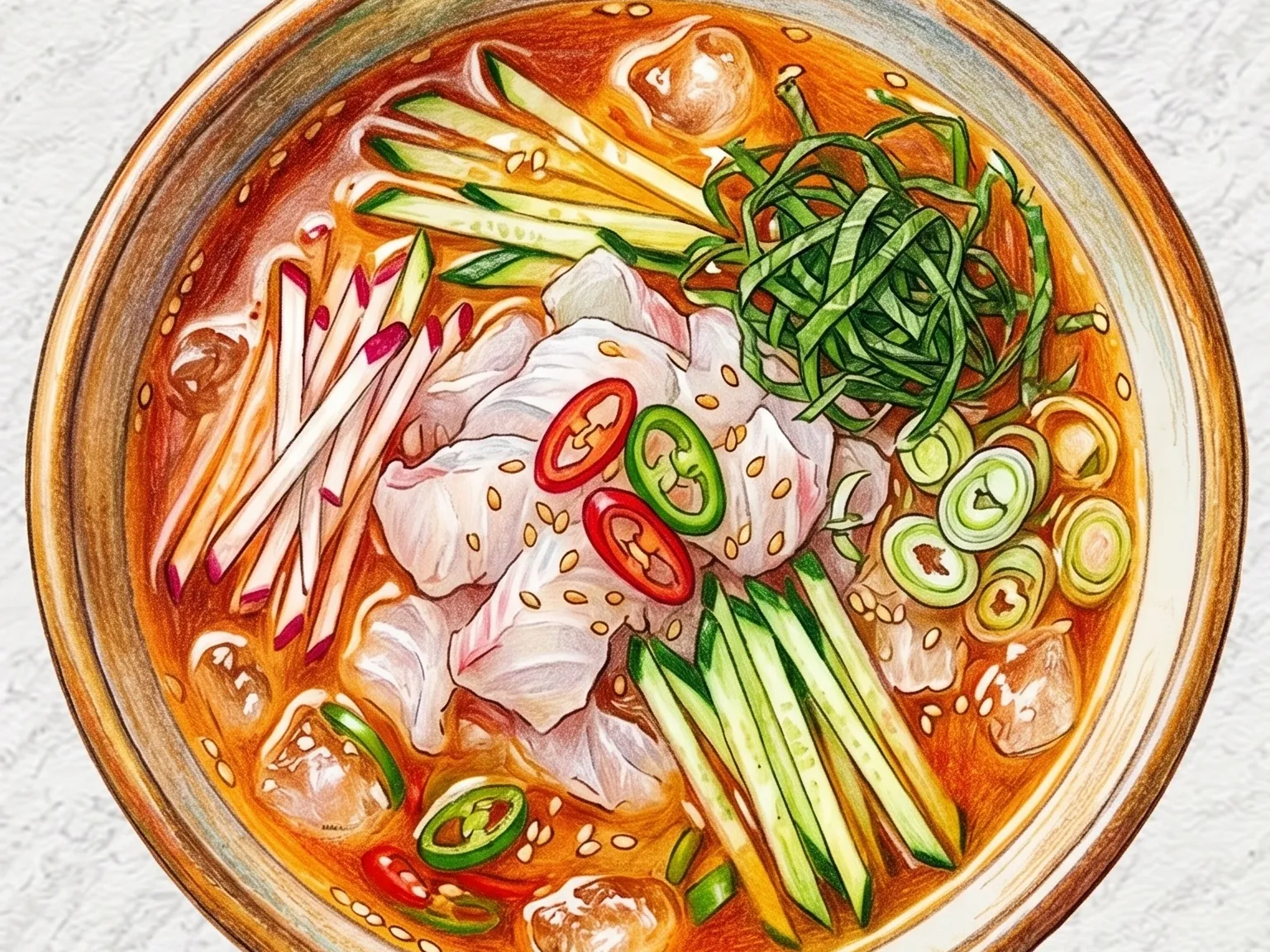
Refreshing Spicy Mulhoe Broth
Refreshing Spicy Mulhoe Broth is a Korean cold soup base for raw fish dishes. This recipe combines red pepper paste, red pepper powder, vinegar, sugar, plum syrup, and minced garlic. The mixture of six tablespoons of vinegar and two of plum syrup provides a double acidity that blocks fishy notes from seafood. Adding one hundred milliliters of lemon-lime soda introduces carbonation that lifts a bright, airy note in the broth. Alternatively, using pear juice instead of soda offers a sophisticated sweetness. To prepare, mix the paste first to remove dry pockets, stir in water, and add the soda last to preserve carbonation. Chill the broth for at least two hours or ferment it for a day to deepen the flavor. Serving it semi-frozen as a slushy lets the ice dilute the seasoning gradually as sashimi thaws.