🧒 Kid-Friendly Recipes
Sweet and fun snacks kids will love
516 recipes. Page 13 of 22
Kid-friendly snacks should be tasty and nutritionally balanced. This tag includes sweet treats children love alongside healthier options with hidden vegetables - potato cheese balls, sweet potato sticks, fruit skewers, and more.
Making snacks at home means full control over ingredients, with no additives or preservatives. Cooking together can also be a fun activity for the family. Browse these simple recipes designed to please young palates.
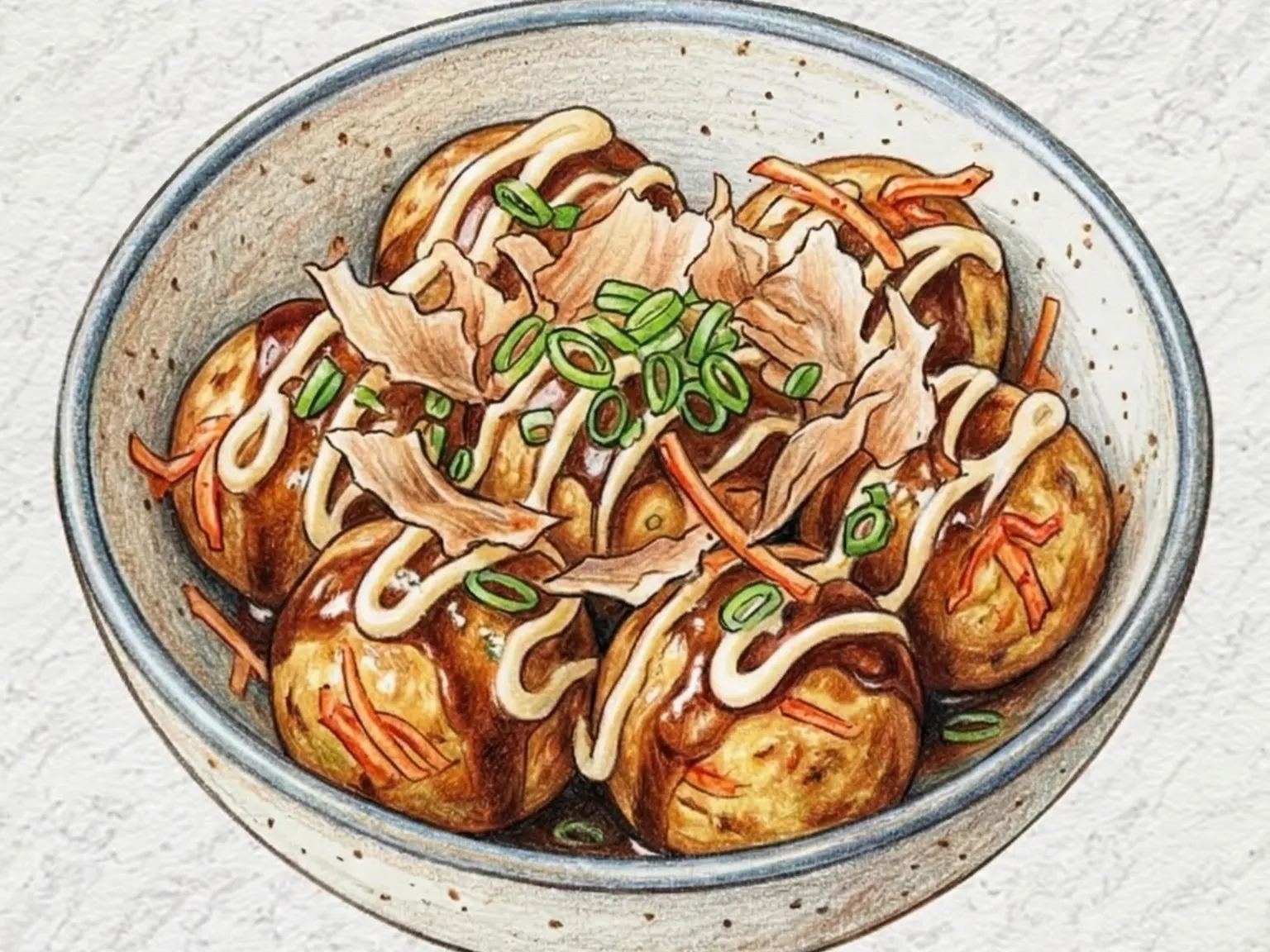
Kimchi Octopus Balls (Korean-Style Takoyaki with Fermented Kimchi)
Kimchi takoyaki fills a takoyaki pan with a thin batter of takoyaki flour, water, and egg, then drops boiled octopus, drained kimchi, and chopped scallion into each well before rotating the rounds with a skewer as they set. The exterior crisps into a thin, golden shell while the inside stays loose and creamy, and the octopus's springy resistance meets the kimchi's tangy heat within the mild, savory batter. Squeezing the kimchi thoroughly dry before adding it is essential - residual liquid thins the batter and prevents clean browning. Leaving the balls untouched for a full minute allows the bottom to set before any turning begins. Finished with takoyaki sauce, mayonnaise, and a flutter of bonito flakes on top, each piece delivers a layered combination of salty, rich, and umami.
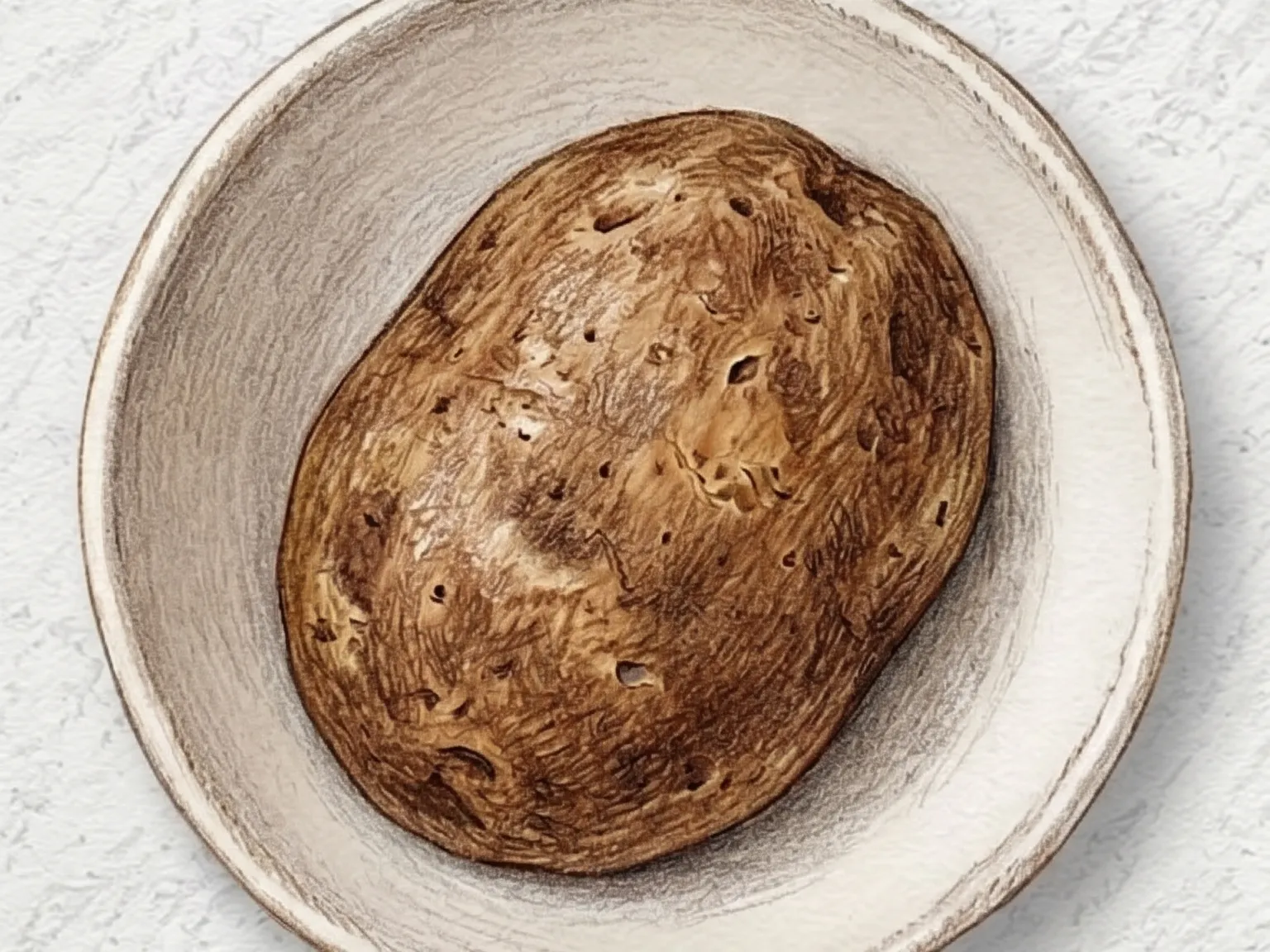
Chewy Potato Bread
This recipe creates potato-shaped bread rolls filled with a sweet and savory mashed potato filling enclosed in a chewy dough. The filling is made by mashing hot boiled potatoes with sugar, salt, and mayonnaise. For the dough, tapioca starch and glutinous rice flour are kneaded with egg, melted butter, and corn syrup, which ensures the bread retains its signature chewy texture even after cooling. Each portion of dough is flattened to wrap the potato filling, then shaped by hand to mimic the irregular form of a real potato. Rolling the shaped dough in roasted soybean powder or black sesame powder replicates the color and texture of dirty potato skin. Indentations are poked with a chopstick to resemble potato eyes before baking at 170 degrees Celsius for twenty minutes. The result is a crisp exterior with a moist filling.
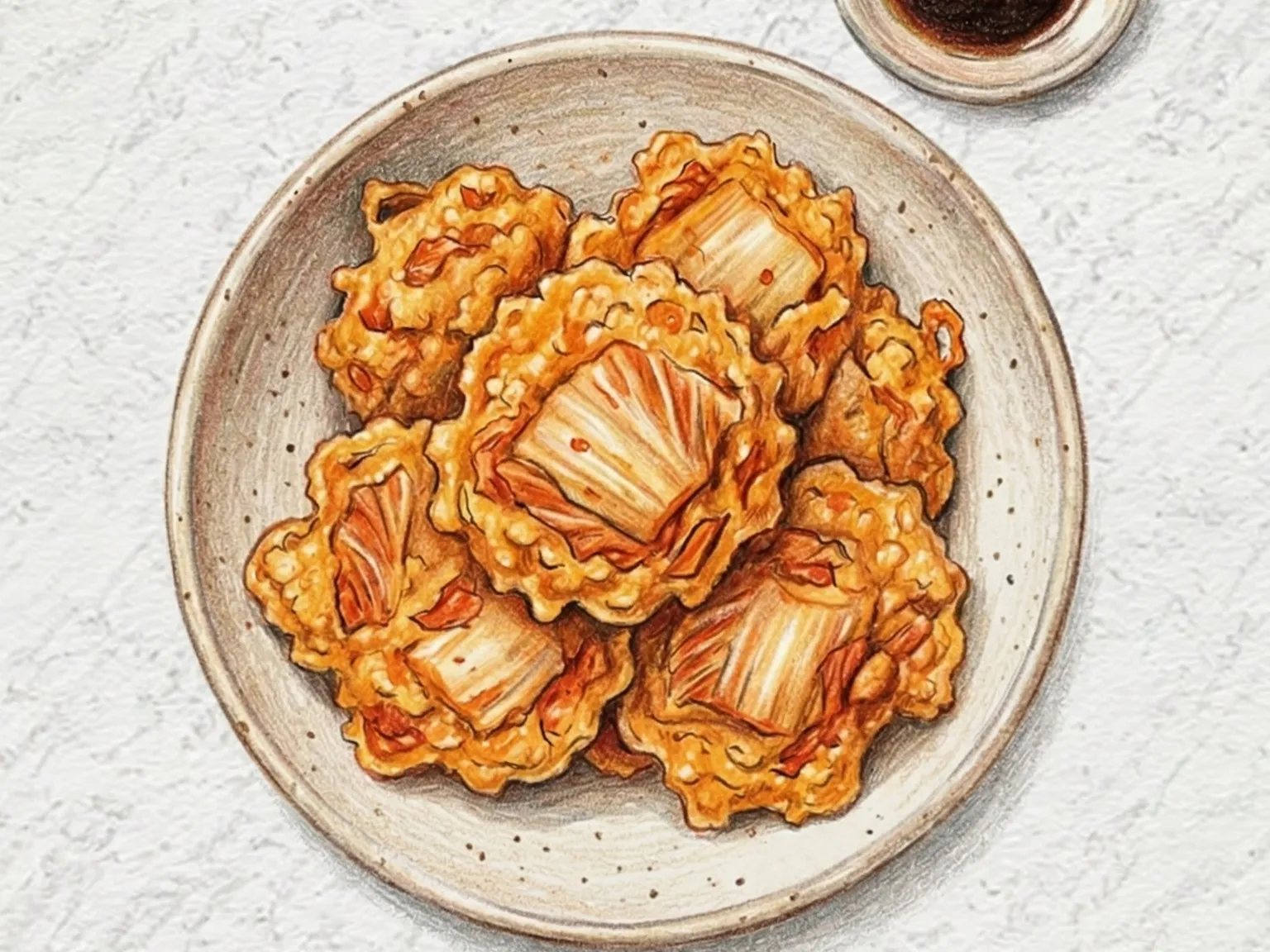
Korean Kimchi Tempura (Crispy Battered Deep-Fried Fermented Kimchi)
Kimchi twigim is made by cutting well-fermented napa kimchi into large pieces, lightly squeezing out moisture, dipping in a batter of frying mix and cold water, and deep-frying at 170C until crispy. Cold water in the batter creates a sharper temperature differential in the hot oil, producing a crunchier coating. The kimchi's fermented acidity and spice layer against the batter's mild savoriness, and using deeply aged kimchi intensifies the tang that counterbalances the frying oil. Squeezing the kimchi too dry removes its umami-rich juices, so moderate draining is the key.
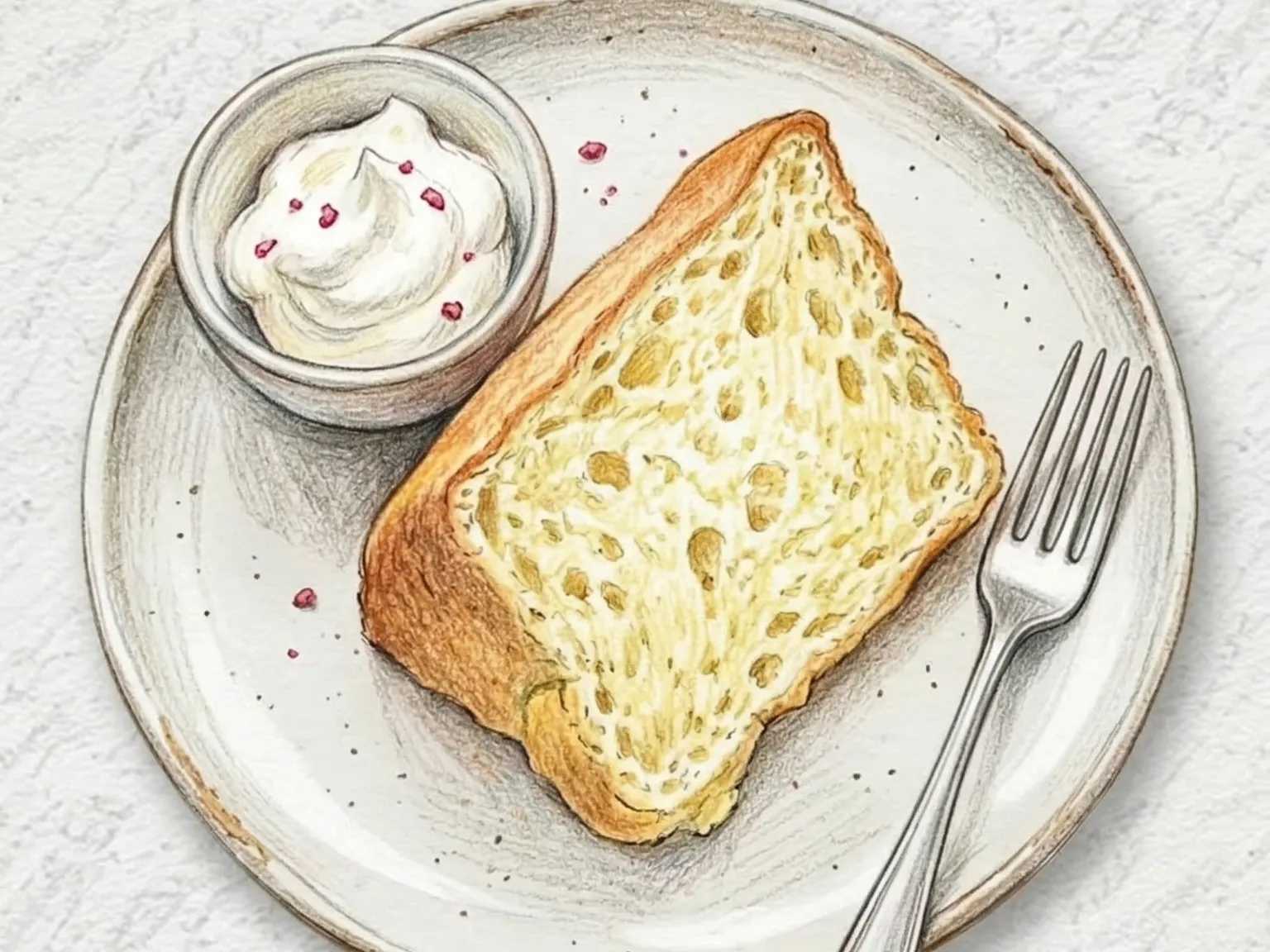
Chiffon Cake (Oil Meringue Airy American Tube Cake)
Chiffon cake sits between the density of a butter cake and the airy fragility of an angel food cake, and the difference comes down to one substitution: vegetable oil instead of butter. Oil stays liquid at room temperature, which means the crumb never firms up as it cools. The result is a cake that remains just as tender straight from the refrigerator as it is warm from the oven. The batter is built in two stages. A smooth base of egg yolks, oil, flour, and liquid comes together first, then a stiff meringue of whipped egg whites is folded in carefully to preserve as much trapped air as possible. That air is what makes the finished cake so light. After baking, the pan is immediately inverted and left to cool upside down; if the cake rests right-side up while still hot, its own weight will compress the tender crumb before it sets. Once fully cooled, the cake springs back cleanly when pressed, with a texture that is simultaneously light and moist. The neutral flavor of the base makes chiffon a versatile foundation: vanilla, matcha, yuzu, lemon, and black sesame are all common variations. It is typically served with whipped cream and fresh fruit, though a simple dusting of powdered sugar is enough when the cake itself is made well.
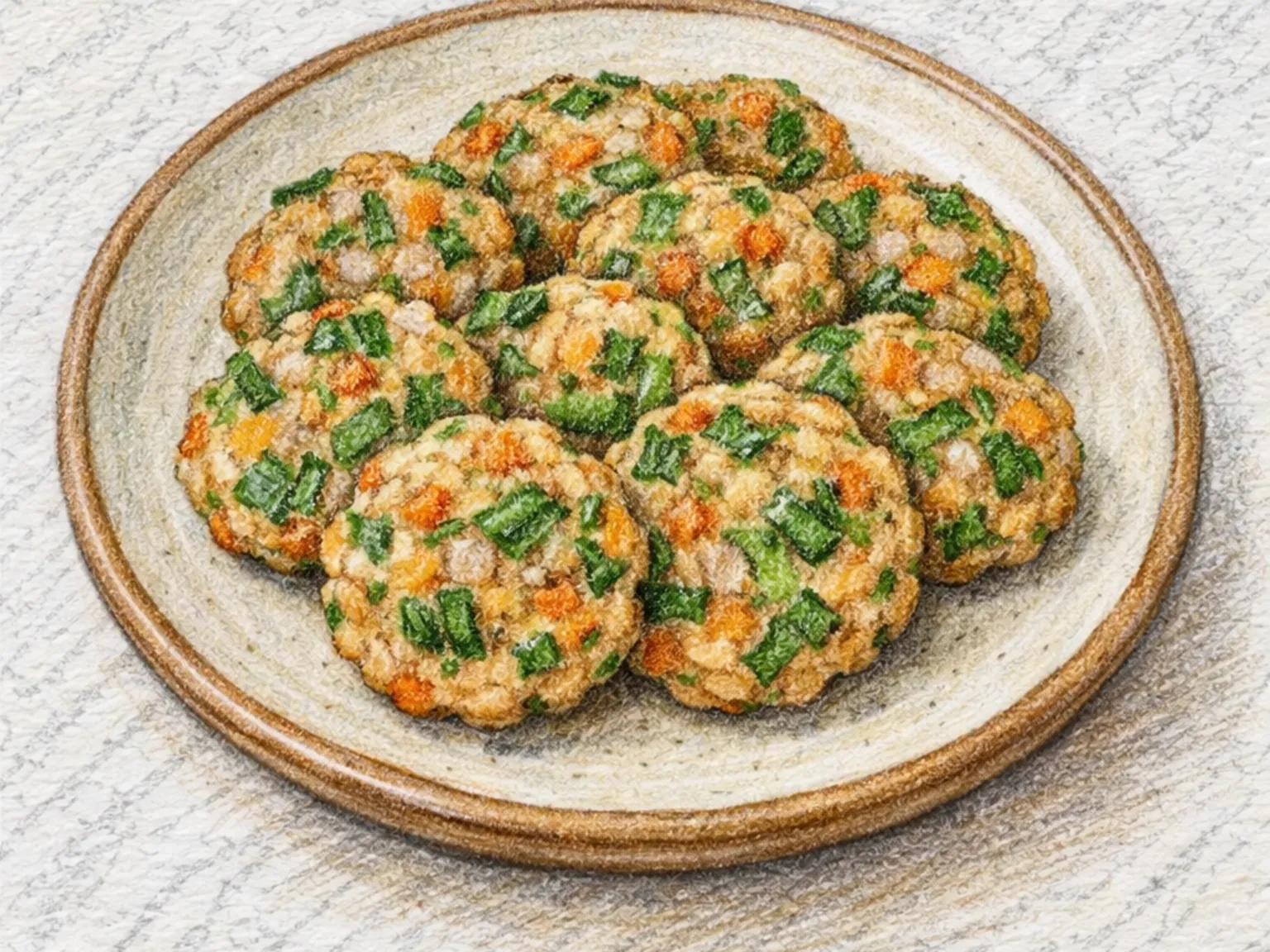
Korean Kkaennip Chamchi Jeon (Perilla Tuna Pancakes)
Kkaennip tuna jeon is made by mixing drained canned tuna with finely chopped onion, carrot, and perilla leaves, coating the mixture in pancake batter, then spooning it onto individual perilla leaves and pan-frying over medium-low heat. Each leaf wraps around the underside of the patty, acting as a natural mold that keeps the shape intact when flipping. Slow frying over moderate heat creates a crisp, golden exterior while locking enough moisture inside to keep the filling tender. The herbal, faintly minty character of the perilla leaf layers over the tuna's saltiness and cuts through any heaviness, leaving a clean finish. The combination works as a drinking snack or a packed lunch side equally well, and the bite-sized format makes it easy to serve at the table.
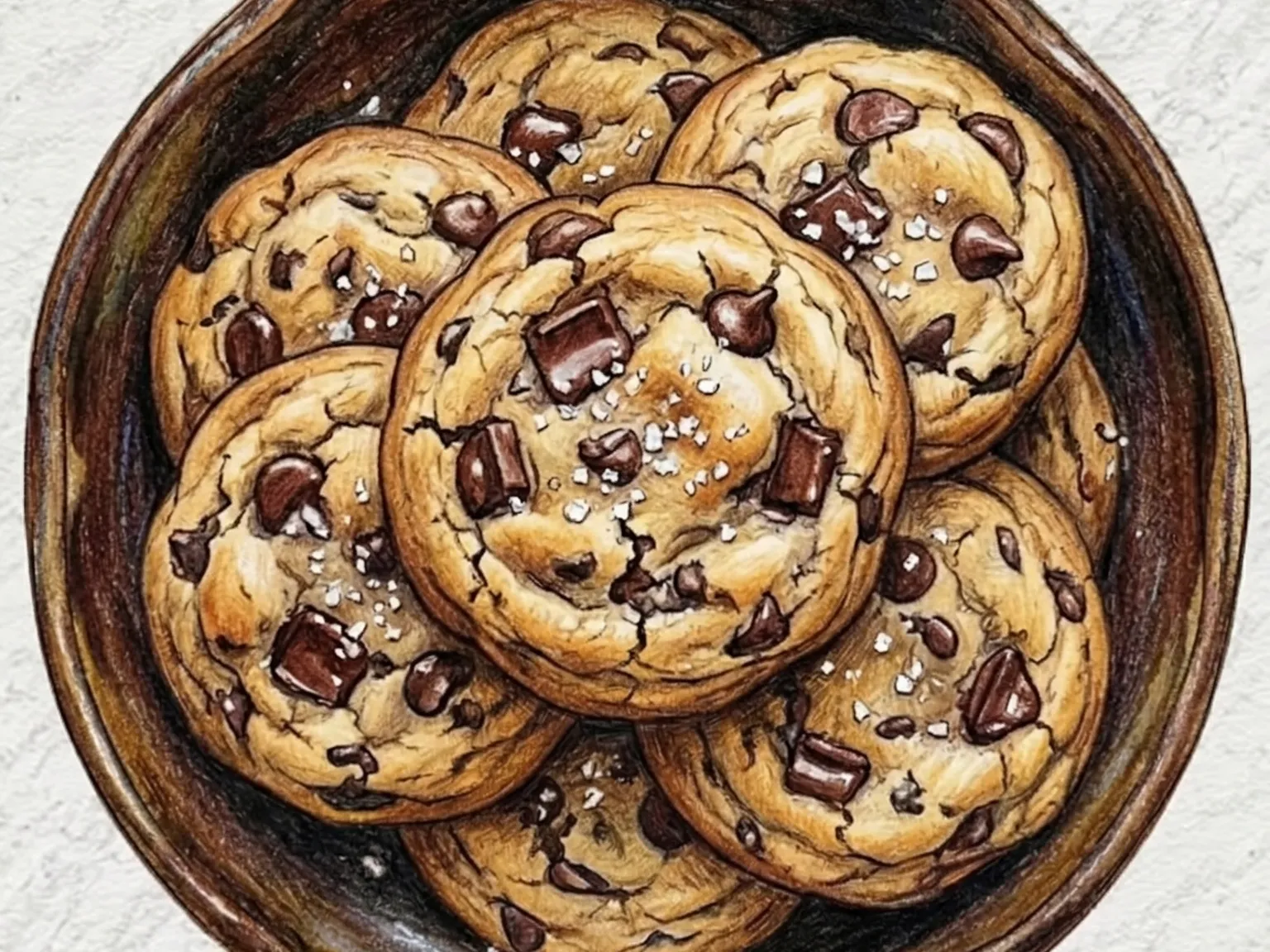
Chocolate Chip Cookies
Chocolate chip cookies are the most commonly baked cookie in American home kitchens, and despite a seemingly simple ingredient list the recipe conceals a precise set of variables that separate a good cookie from a great one. The ratio of brown sugar to granulated white sugar is the single most important decision: more brown sugar introduces molasses, which is hygroscopic and holds moisture in the finished cookie, producing a chewy, dense texture; more white sugar encourages the dough to spread in the oven and crisps the edges. Creaming softened butter with the sugars until the mixture turns pale and fluffy incorporates air into the dough, which gives the baked cookie lift and a slightly cakey interior. Chocolate chips, whether semi-sweet, dark, or a mixture, melt during baking and spread into the surrounding dough before re-solidifying as the cookie cools, forming pockets of concentrated chocolate distributed unevenly through each cookie. The moment to pull the tray from the oven is when the edges have set and turned golden while the center still appears underdone and almost raw-looking, because the residual heat of the pan continues to cook the interior as the cookies rest and cool. Pressing flaky sea salt into the surface of each cookie just before baking sharpens all the flavors, making the chocolate taste more chocolatey and the butter taste more buttery. Eaten warm, within minutes of coming out of the oven, a good chocolate chip cookie barely holds together and melts at the edges with the slightest pressure. That fragile, yielding moment is the whole point.
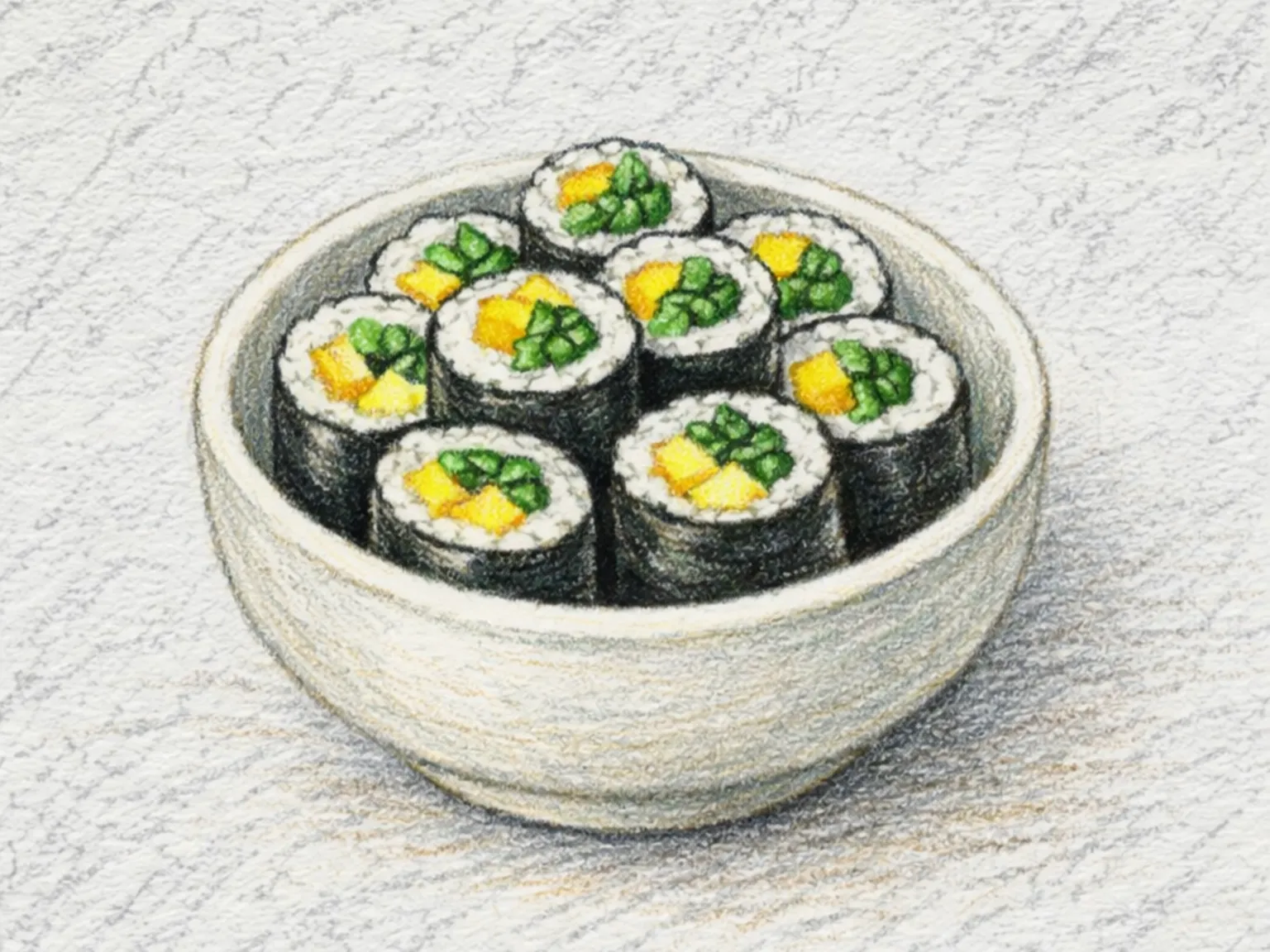
Korean Mini Gimbap
Half-sheet seaweed is lined with a thin layer of rice seasoned with sesame oil, salt, and sesame seeds, then filled with just three ingredients: pickled radish for crunch, blanched spinach for softness, and sauteed carrot for a touch of natural sweetness. The roll is made about half the diameter of standard gimbap and cut at 2 cm intervals, producing pieces small enough to eat in a single bite. The simplicity of the seasoning means no dipping sauce is needed, and the combination of textures from the firm pickled radish, tender spinach, and lightly sweet carrot keeps each piece balanced. The small size and straightforward construction make this a popular choice for children's packed lunches or picnic spreads, and with only a few ingredients to prepare, the whole batch can be ready in under 10 minutes.
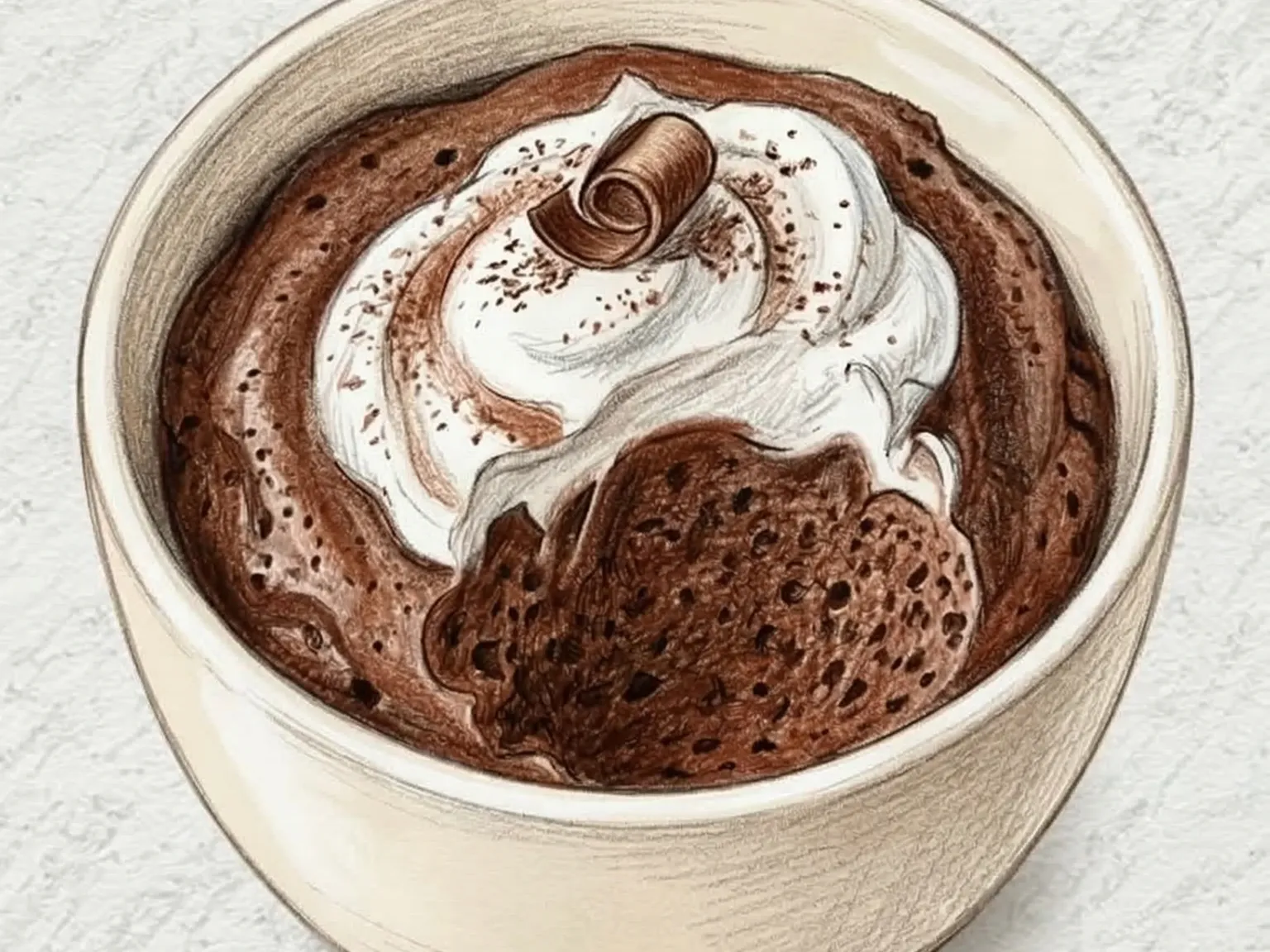
Chocolate Mousse
Chocolate mousse achieves a fundamental paradox: it tastes intensely of chocolate yet feels almost weightless on the tongue. Dark chocolate is melted gently over a bain-marie and cooled until warm but no longer hot enough to deflate the cream. Whipped cream is then folded in three separate additions: the first loosens the chocolate mass, the second begins to lighten its density, and the third introduces the full airy volume that defines mousse. Some recipes add egg yolks for richness and a custard-like body, while beaten egg whites lift the texture even further. Chilling for at least two hours allows the mousse to set to a consistency that holds its shape on a spoon yet dissolves on contact with the palate. The cacao percentage governs both the bitterness and the intensity of the finished dessert, and chocolate above seventy percent produces a mousse that reads as unmistakably adult in its depth. A small measure of vanilla extract rounds the sharper edges of the cocoa without competing for attention. Mousse can be served directly in individual cups, spread into a tart shell to firm overnight, or piped into layers with cream for a more composed plated dessert. A dusting of unsweetened cocoa through a fine sieve over the top surface is the minimal finishing touch.
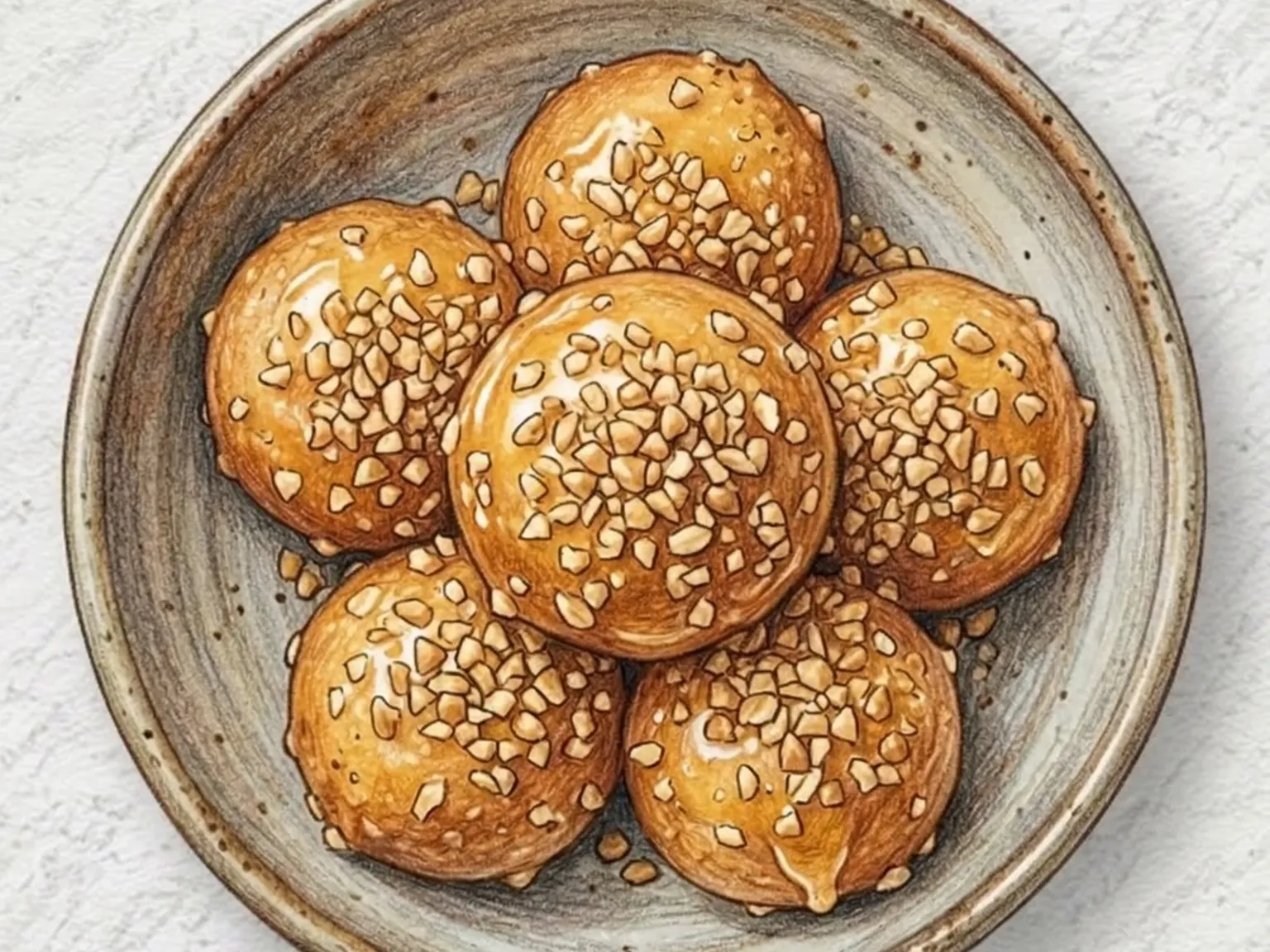
Korean Honey Bread Balls (Fried Yeast Dough Balls Glazed with Honey and Peanut)
Kkul-ppang is a regional street snack from Tongyeong made by deep-frying yeast-leavened dough balls at 170 degrees Celsius until the outside firms into a thin, crisp shell. The fermentation process fills the interior with air pockets, producing a soft, bread-like crumb rather than the dense texture of unbaked dough. Whole dough is fried without any batter coating, which is what keeps the shell thin and crackly rather than puffy or thick. Immediately after frying, while still hot, the balls are brushed generously with warm honey so it soaks into the crust, then rolled in finely chopped peanuts for a layer of roasted nuttiness. Using rice syrup instead of honey softens the sweetness and brings the flavor closer to traditional Korean confectionery. Once cooled the shell stiffens and loses some of its snap, so these are best eaten fresh from the oil.
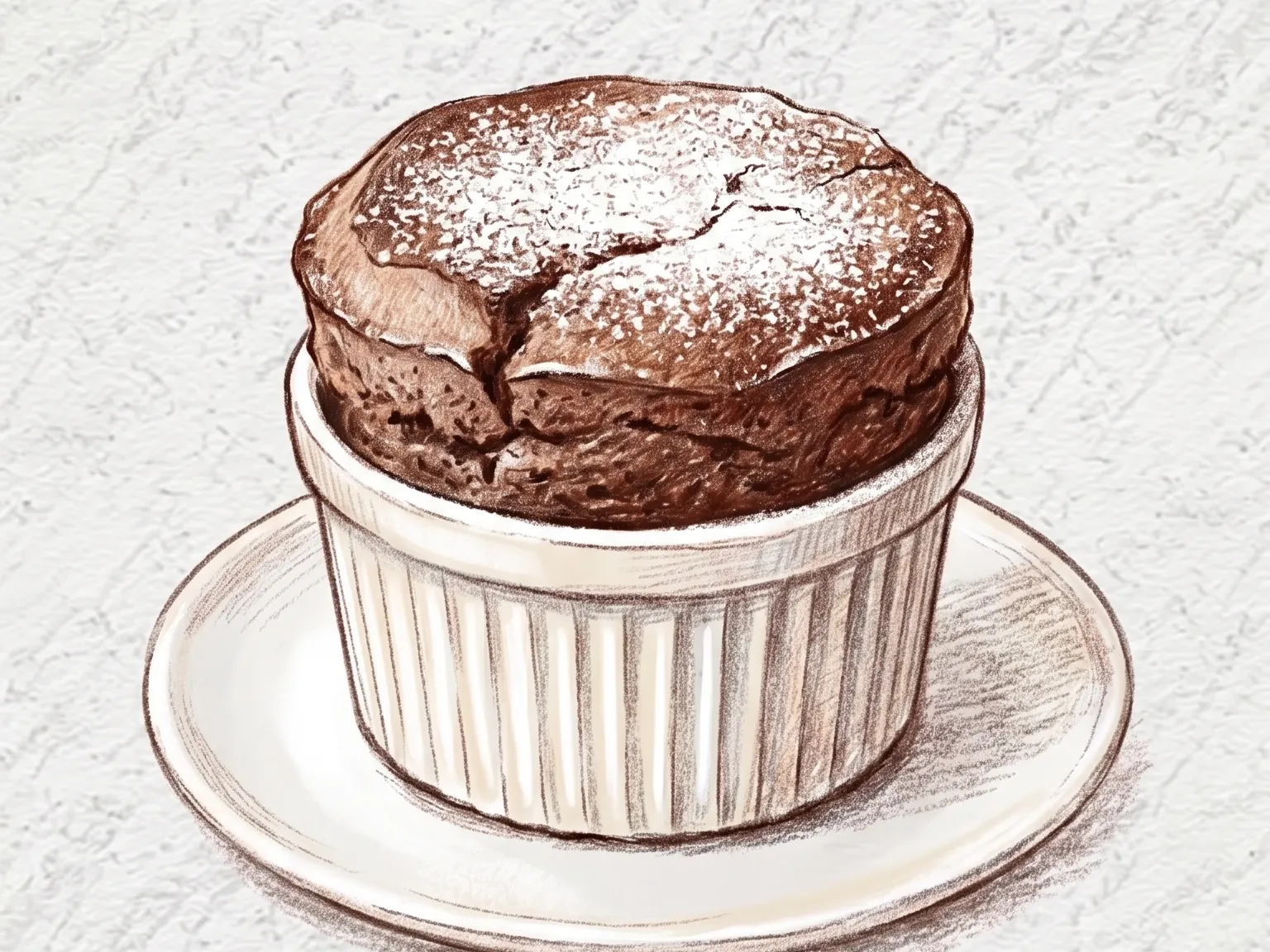
Chocolate Souffle
Chocolate souffle folds stiffly beaten egg white meringue into a base of melted dark chocolate and egg yolks, then bakes it in a buttered ramekin at high heat until it rises dramatically above the rim. The intense oven heat expands the air trapped within the meringue, pushing the souffle upward while the exterior sets into a thin, delicate crust and the interior remains a molten, near-liquid chocolate cream. Breaking through the top with a spoon releases a rush of hot, intensely flavored chocolate from inside, and that moment of opening is the point of the entire dessert. The souffle begins to deflate within a minute or two of leaving the oven, so it must go directly to the table without delay. Coating the inside of the ramekin with butter followed by sugar is not optional: this surface preparation gives the batter traction to climb straight upward rather than sticking to the sides and collapsing unevenly. Using chocolate with a high cocoa content produces a deeper, more defined contrast between bitterness and sweetness. The most critical technical step is folding the meringue into the chocolate base using broad, circular motions with a spatula and a minimum number of strokes, because overmixing deflates the air bubbles that are responsible for the rise. Serve dusted with powdered sugar or alongside a scoop of vanilla ice cream.
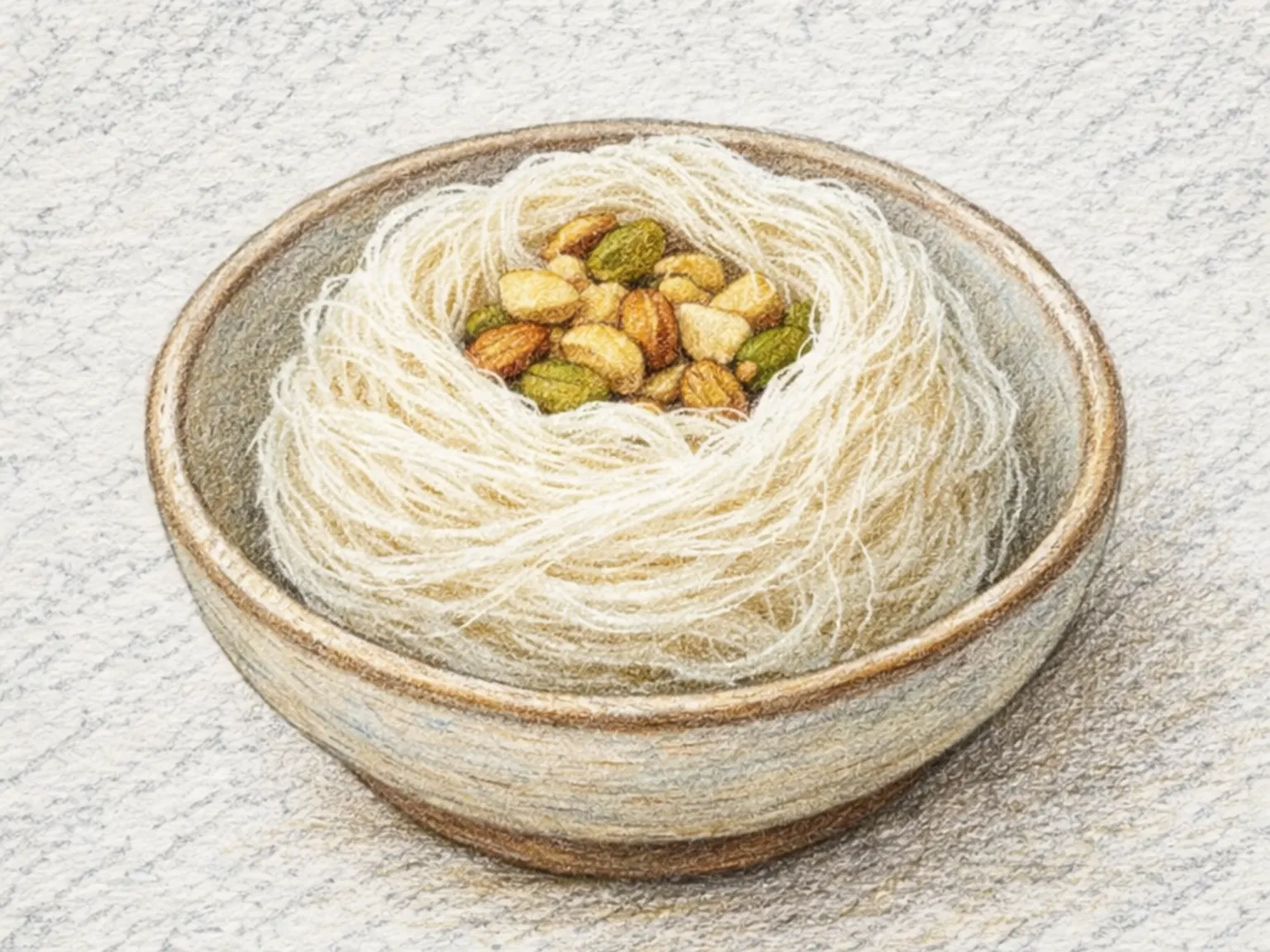
Korean Kkul Tarae Honey Threads
Kkul tarae is a traditional Korean confection made by boiling rice syrup, corn syrup, and sugar to between 115 and 125 degrees Celsius, cooling the candy ring, then repeatedly stretching and folding it with dustings of glutinous rice flour until thousands of hair-thin strands form. The finished thread bundle is filled with roasted peanut, almond, and black sesame powders mixed together, rolled up, and cut into bite-sized pieces. Temperature control during candy cooking is critical: below 115 degrees the syrup stays too pliable to hold shape, above 125 it hardens before you can work it. Each stretch-and-fold cycle doubles the strand count and makes the bundle progressively lighter and more cloud-like, so the final texture in the mouth is a slow, silky dissolve rather than a chew. High humidity causes the delicate strands to stick to one another, making rapid work in a dry environment essential. Near Gyeongbokgung Palace and other tourist areas in Seoul, vendors often demonstrate the stretching process live as part of the sale.
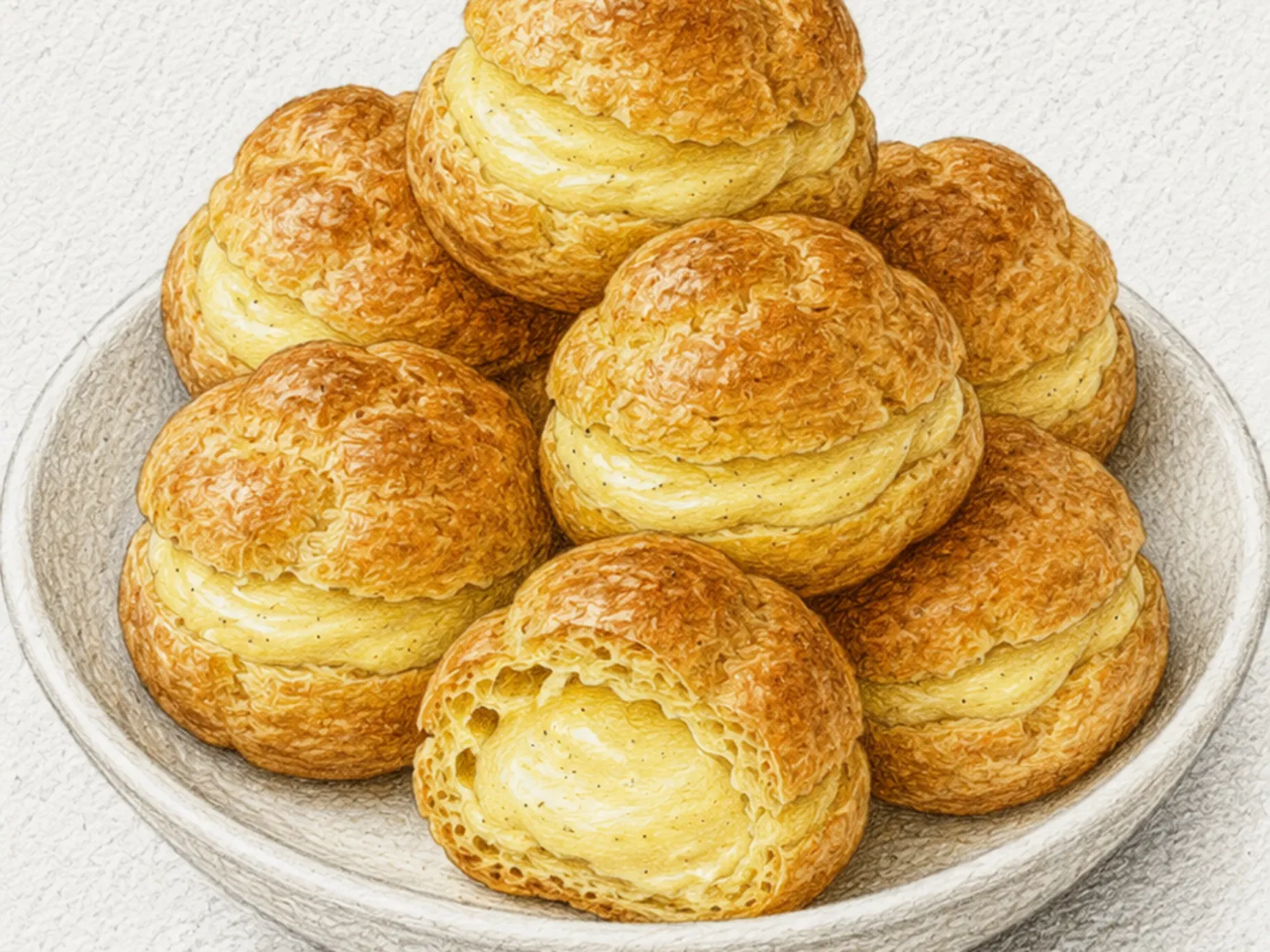
Choux Cream Puffs (French Hollow Pastry with Vanilla Custard)
Choux cream puffs are built around pate a choux, a paste cooked directly on the stovetop by combining water, butter, and flour over heat, then beating in eggs one at a time until the dough is smooth, glossy, and just thick enough to hold a piped shape. Once mounds are piped onto a baking sheet and slid into a hot oven, the water content in the dough converts rapidly to steam, inflating each piece into a hollow shell while the exterior sets into a crisp, deep-golden crust. The key to a reliably hollow interior is patience with the eggs: adding them too quickly or all at once produces uneven expansion, while a gradual approach allows the structure to develop properly. Once completely cooled - cooling fully is not optional, as residual heat will melt the filling - a small hole is pierced in the bottom of each shell and pastry cream is piped inside. The contrast upon biting is what makes the pastry compelling: the thin, shattering shell breaks to release cool, silky custard against the palate. The pastry cream itself is made by simmering milk with a split vanilla bean, then whisking the infused milk into egg yolks, sugar, and cornstarch, cooking until thick, and chilling until cold and set. Filled puffs should be consumed within two to three hours, as moisture from the cream migrates into the pastry over time, softening the crust and eliminating the textural contrast that defines the experience.
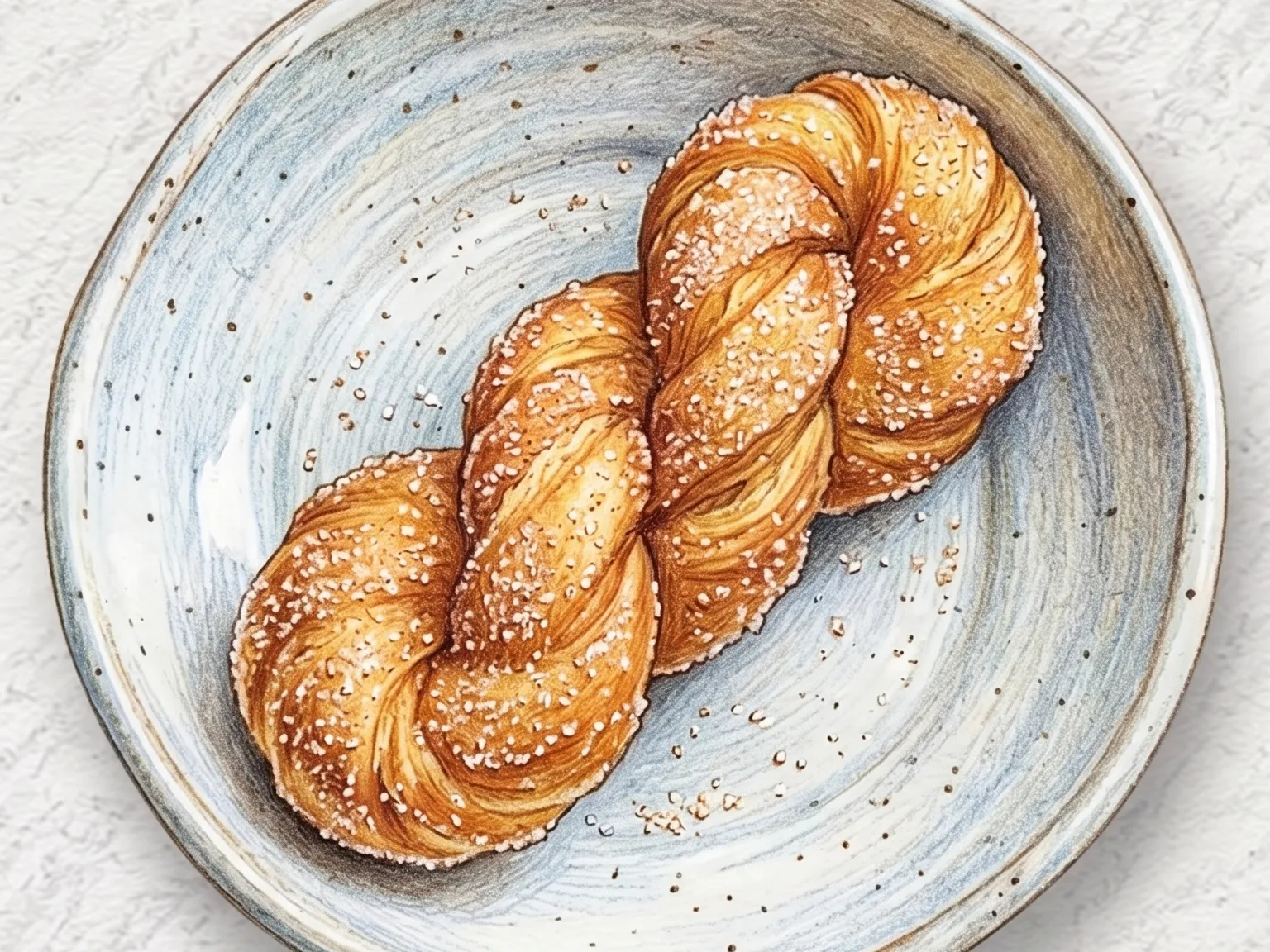
Korean Twisted Doughnuts (Chewy Double-Proofed Spiral Fried Doughnuts)
Flour dough enriched with egg, milk, and butter is kneaded, proofed for one hour, twisted into spiral shapes, proofed again for 30 minutes, then deep-fried at 170 degrees Celsius. The double proofing creates a chewy interior with enough air pockets to keep the texture light, and the sugar coating must be applied immediately after frying while the surface is still hot so it adheres firmly. The addition of butter gives these twisted doughnuts a richer, more fragrant taste compared to plain flour fritters. Fresh from the oil, the contrast between the thin, crisp exterior and the springy inside is what makes kkwabaegi worth eating on the spot.
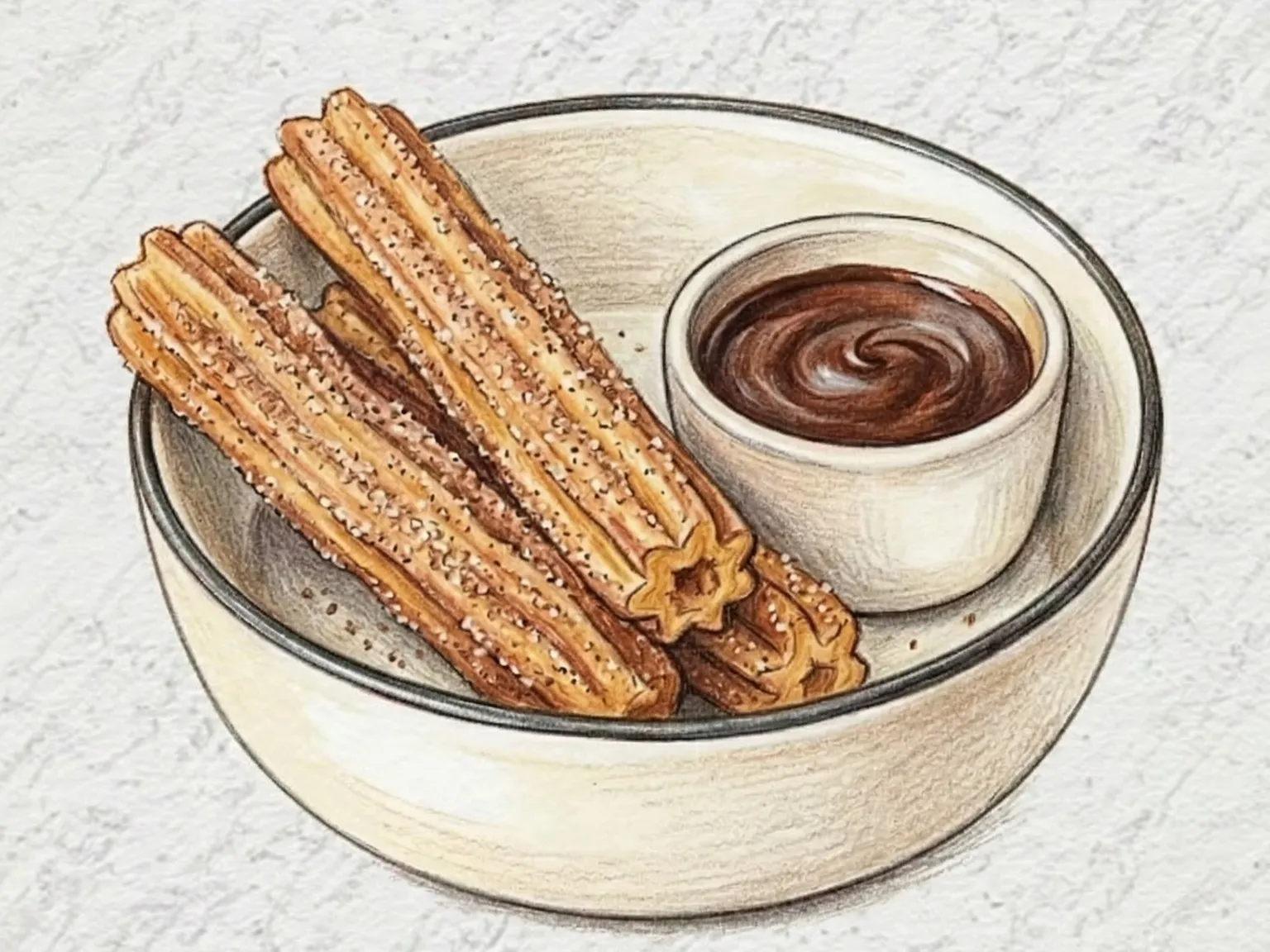
Churros
Churros are fried dough sticks made from a simple paste of water, flour, salt, and sometimes a touch of sugar. The dough is piped through a star-shaped tip, which creates ridges along the length. These ridges increase the surface area exposed to hot oil, producing maximum crunch across every inch while the interior stays soft and pillowy. Straight from the fryer, they are rolled in cinnamon sugar, which clings to the warm, oily surface and creates a sweet, spiced crust. The traditional pairing is thick Spanish hot chocolate -- closer to a warm ganache than a drink -- into which the churros are dipped. The bitterness of the chocolate and the sweetness of the cinnamon sugar play off each other, and the contrast between the crisp dough and the dense liquid makes each dip satisfying. Churros wait for no one: they are at their best within ten minutes of frying, after which the crispness fades as residual oil migrates inward.
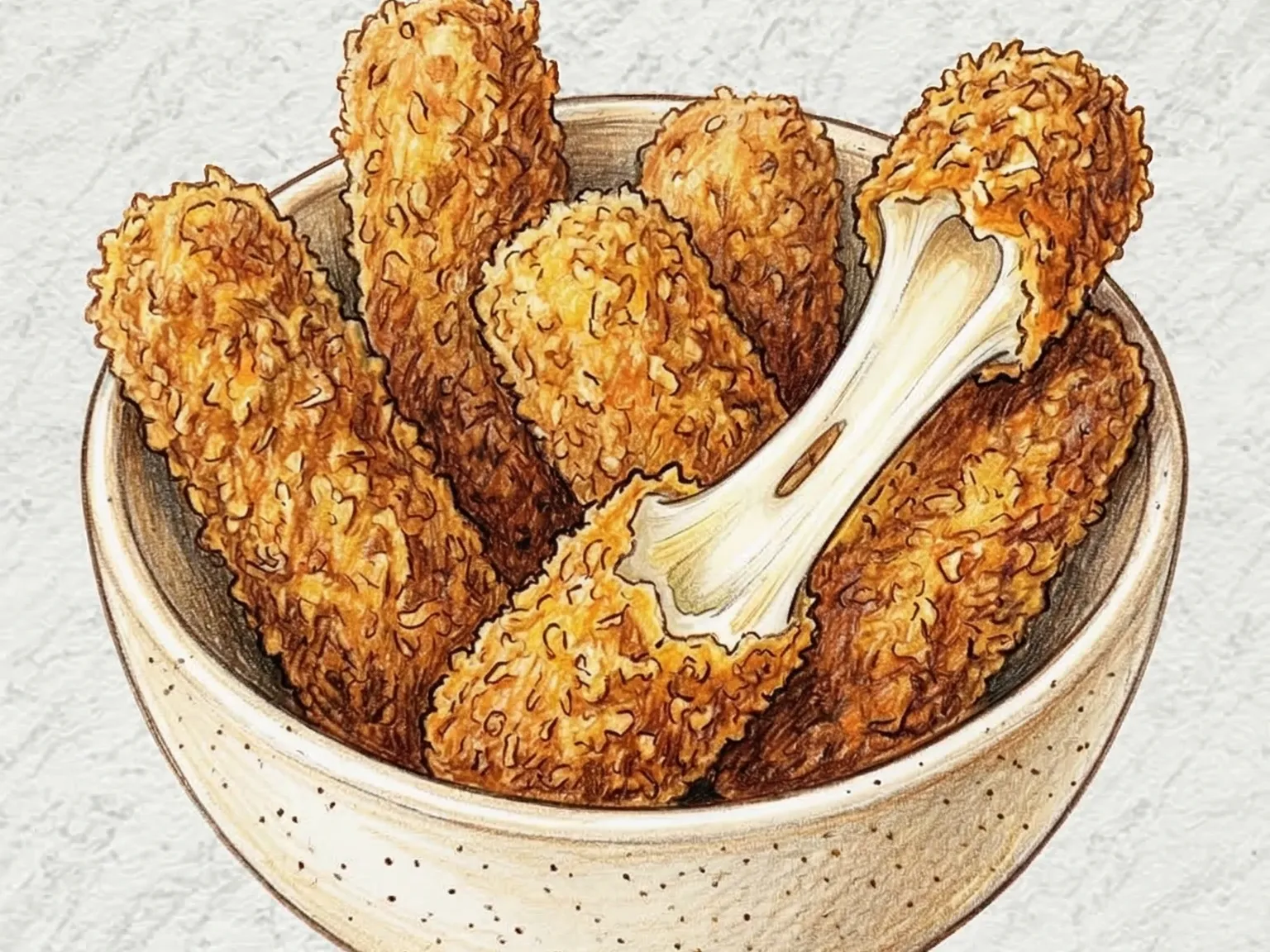
Korean Mozzarella Cheese Sticks
Mozzarella blocks are cut into sticks, double-coated in flour, beaten egg, and parsley-seasoned breadcrumbs, then frozen for 20 minutes before a brief deep-fry at 170 degrees Celsius. The double coating and freezing step prevent the cheese from bursting out during frying, and pulling the sticks from the oil within one and a half to two minutes keeps the shell crunchy while the cheese inside remains stretchy rather than fully melted out. A touch of dried parsley in the breadcrumbs adds a mild herbal note, and dipping into tomato sauce or sweet chili sauce provides a pleasant contrast to the salty, crispy coating.
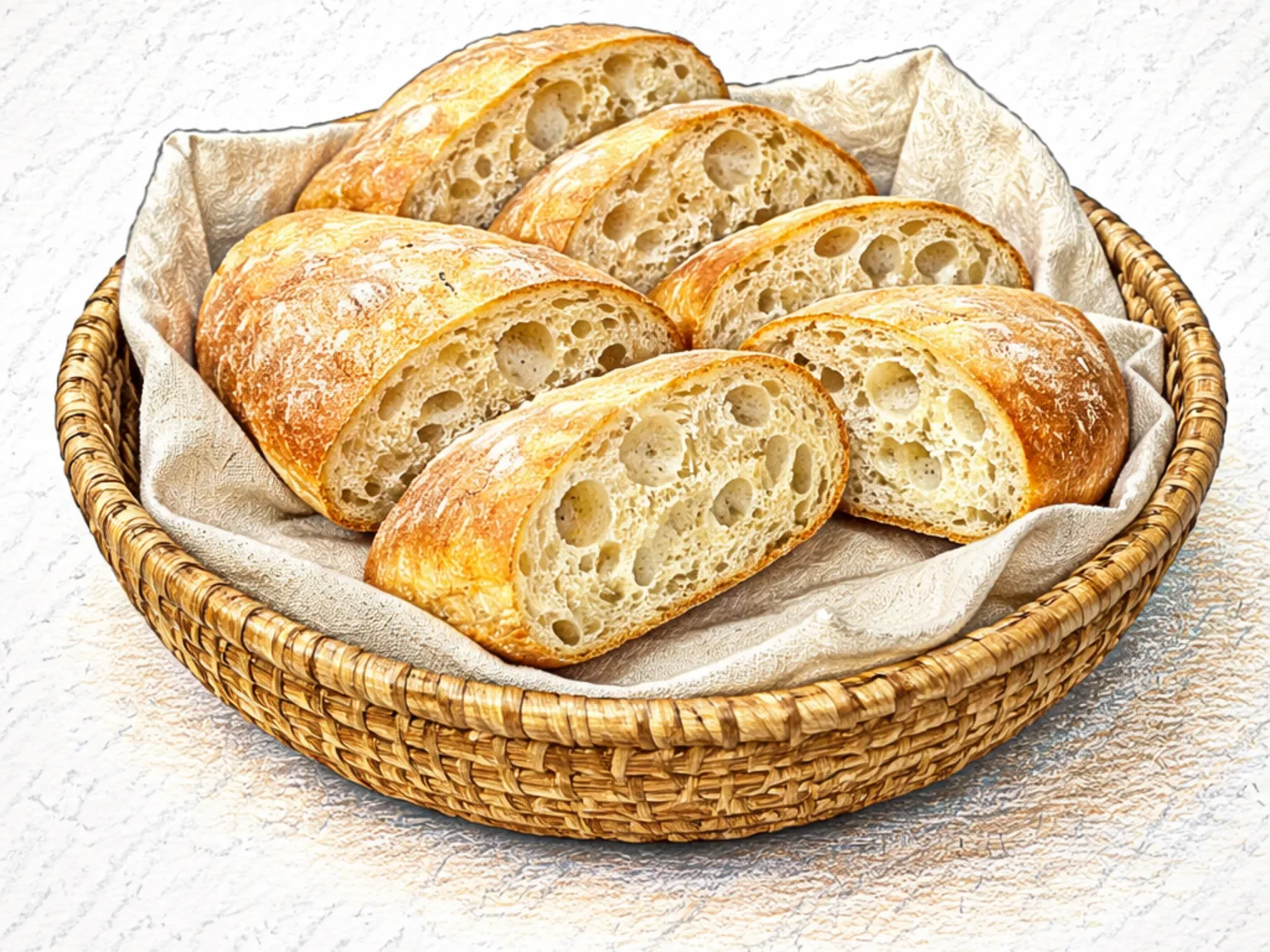
Ciabatta Bread
Ciabatta is a flat Italian bread developed in Veneto in 1982 by baker Arnaldo Cavallari, whose name translates to slipper in Italian - a nod to the bread's wide, flat shape. Its defining characteristic is an exceptionally high hydration level, with water making up 70 to 80 percent of the flour's weight. The dough is too slack and sticky to knead by hand in the traditional sense and instead requires a folding technique or stand mixer to develop structure, but this excess moisture is precisely what creates the bread's signature open crumb: large, irregular holes distributed throughout the interior that give the crumb a lacey, almost Swiss-cheese quality. The crust is thin and crackly, shattering lightly when pressed, while the interior crumb is chewy and moist with a mild wheaty sweetness that develops as you chew. A long cold bulk fermentation in the refrigerator builds mild acidity and a more complex flavor than a quick room-temperature proof can produce. Because of its high moisture content, ciabatta stales faster than denser breads and is best eaten the same day it is baked. The contrast between its crackly exterior and open, absorbent interior makes it ideal for panini sandwiches, where the crust crisps further under heat, and for dipping in good olive oil, which pools in the holes of the crumb. It is also an excellent companion to soups, where the open crumb soaks up broth without falling apart.
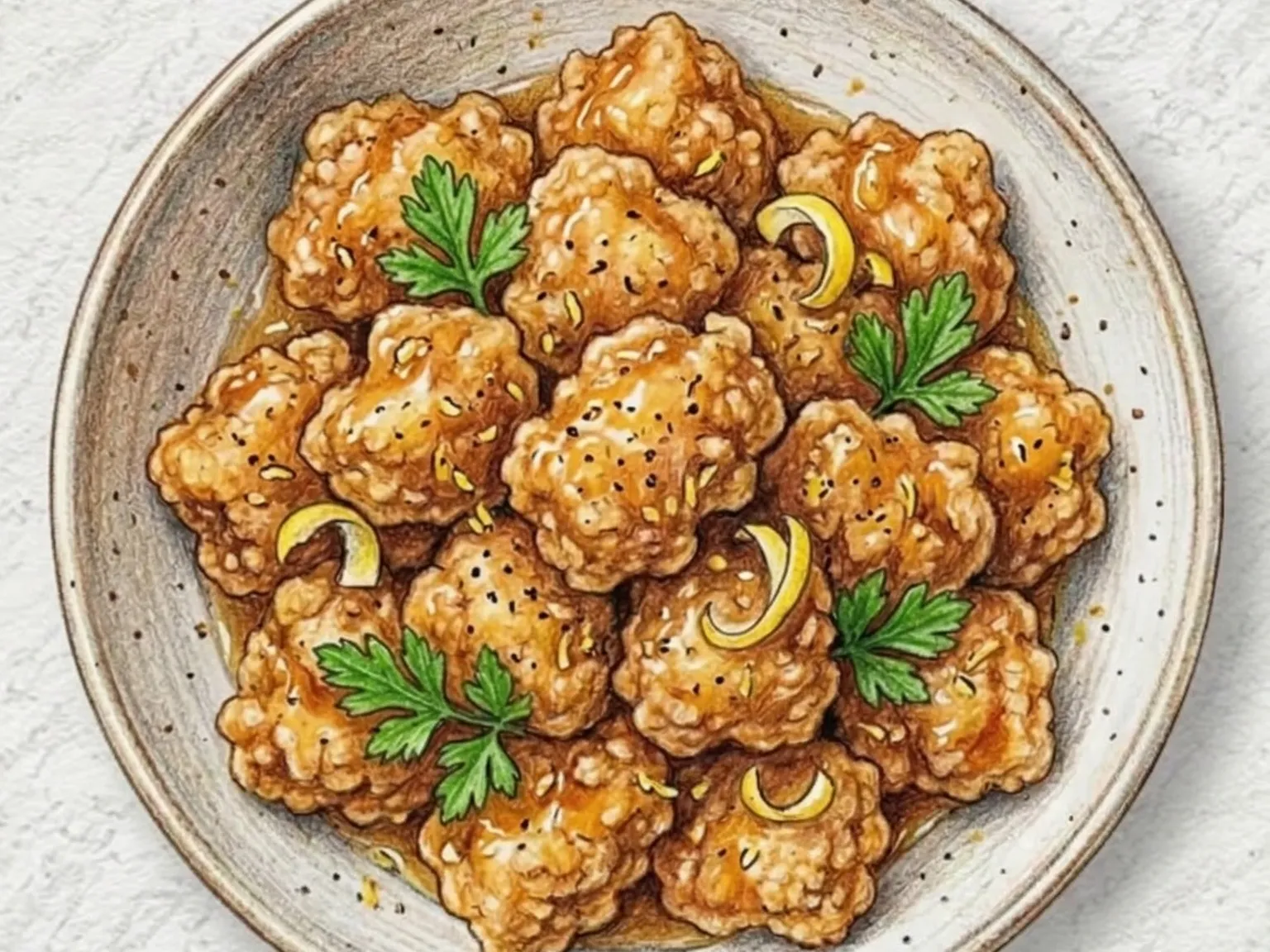
Korean Lemon Pepper Dakgangjeong
Boneless chicken thigh pieces are cut bite-size, coated thoroughly in potato starch, and double-fried at 170 then 180 degrees Celsius to build a shell that stays crunchy through the glazing step. The fried chicken goes straight into a reduction of lemon juice, honey, soy sauce, and butter, where the bright citrus acidity cuts cleanly through the rendered fat and cracked black pepper settles in as a slow, lingering finish. The entire tossing step must be completed in under twenty seconds before the steam softens the crust. Adding lemon zest directly into the glaze intensifies the citrus note considerably, and finished slices of lemon on the side make for a clean, vivid presentation.
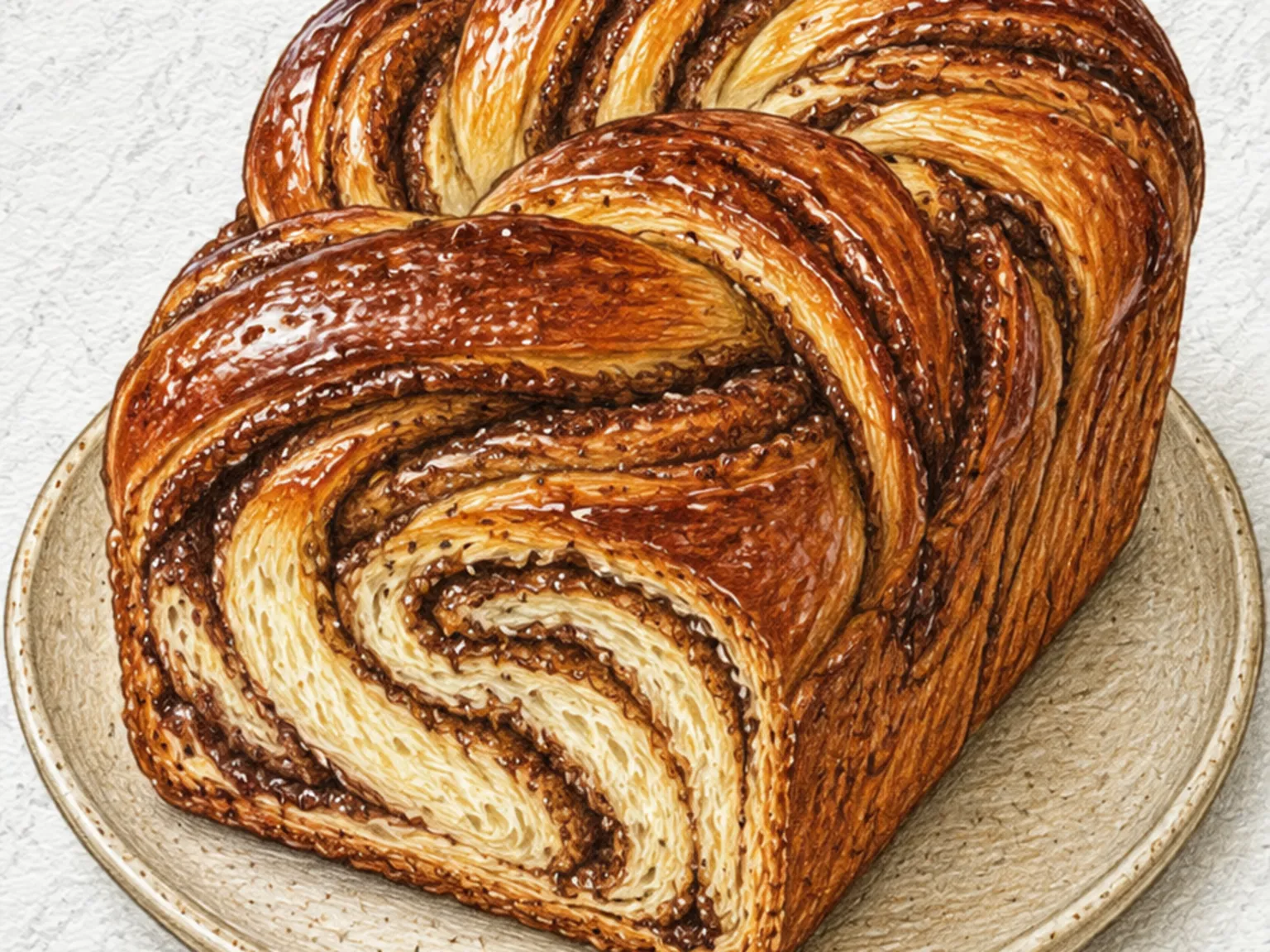
Cinnamon Babka (Jewish Twisted Enriched Bread with Cinnamon Swirl)
Cinnamon babka is a twisted, enriched yeast bread from the Eastern European Jewish baking tradition, built from a dough loaded with butter and eggs that gives it a crumb closer to brioche than ordinary bread. The dough is rolled into a wide rectangle, spread edge to edge with a thick mixture of cinnamon and brown sugar, then rolled tightly into a log. The log is split lengthwise down the center, exposing the spiral filling on both cut surfaces, and the two halves are twisted around each other before being lowered into the loaf pan. This shaping step is what creates the characteristic layered swirl visible in every slice. During baking, the cinnamon sugar melts into sticky, caramelized threads that run through the crumb and saturate the bread with a warm spice aroma. The soft, pull-apart texture of the enriched dough carries the richness of the butter and eggs in every bite, and the contrast between the pale dough and dark cinnamon filling becomes more defined after the loaf cools. Brushing the surface with simple syrup immediately out of the oven seals in moisture and gives the top a glossy, bakery-counter sheen that holds into the next day. The loaf is sweet enough to serve as dessert yet substantial enough to anchor a breakfast table.
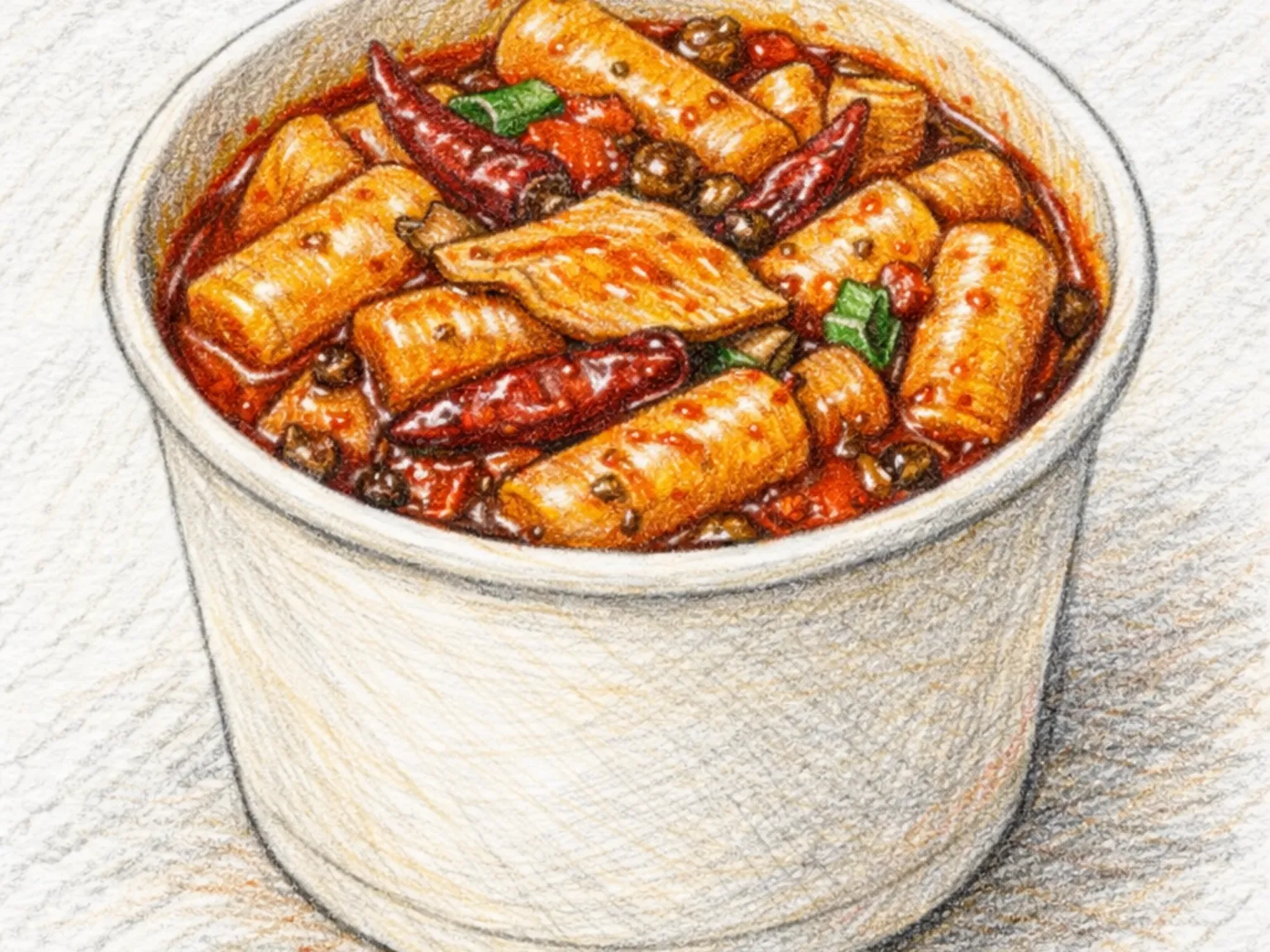
Korean Mala Cup Tteokbokki
This cup-style tteokbokki blends gochujang with mala sauce to combine Korean chili heat and the numbing tingle of Sichuan peppercorn in a single dish. Rice cakes and fish cake go into the pot with the sauce, then cook over medium heat for six to seven minutes with constant stirring as the liquid reduces into a thick, clinging glaze that coats each piece heavily. Stopping to stir is not optional: the rice cakes stick and scorch on the bottom without continuous movement. Sliced green onion goes in at the end for fragrance. Because mala sauce saltiness varies considerably between brands, beginning with one tablespoon and tasting as you add more prevents overseasoning. Additional gochugaru raises the chili heat independently of the numbing sensation, while increasing the mala sauce proportion amplifies the tingle. The format mirrors the convenience-store cup tteokbokki experience and requires minimal equipment, making it a fast option when few tools are available.
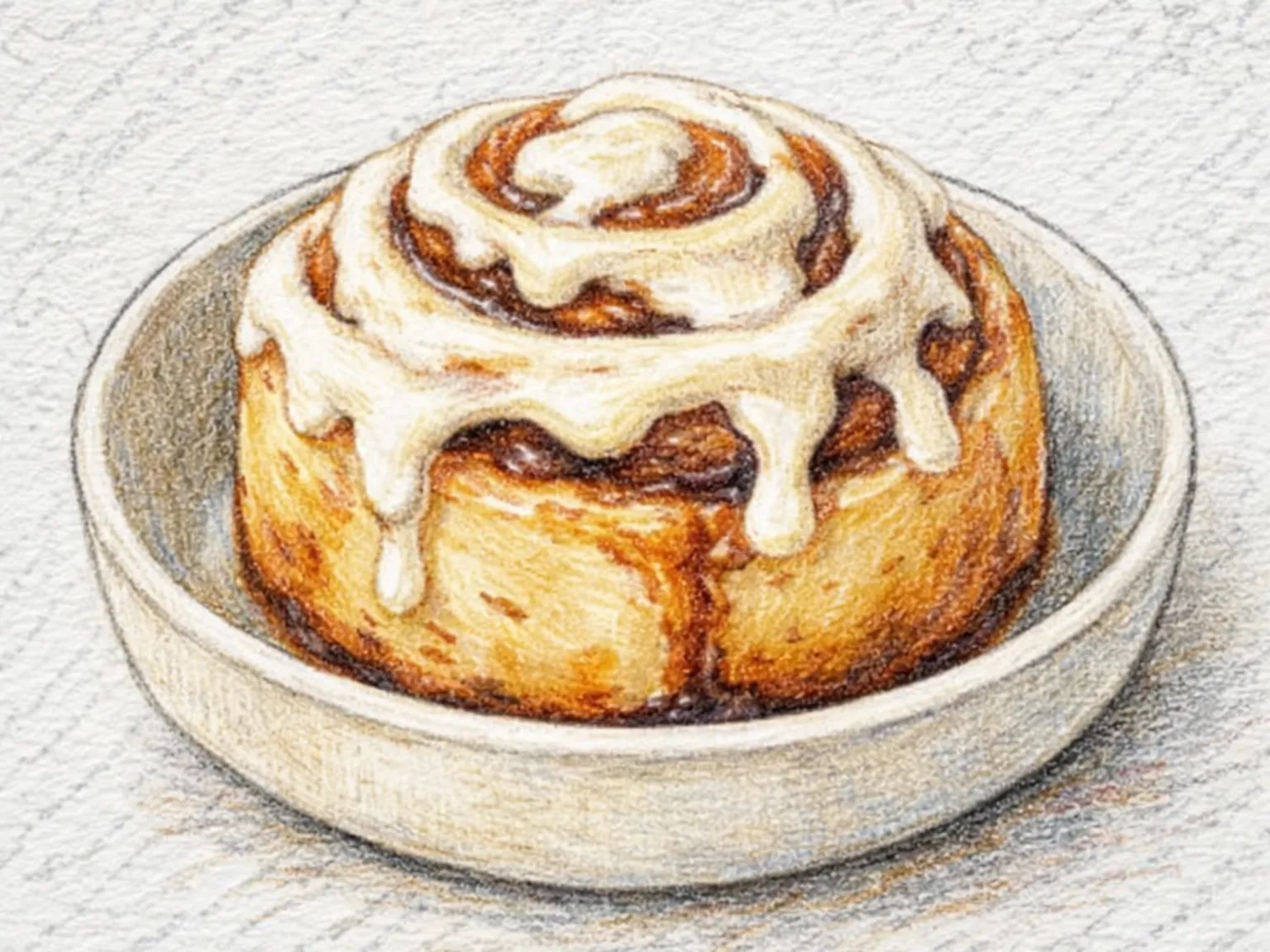
Cinnamon Rolls
Cinnamon rolls are yeasted enriched dough baked into spirals of butter, cinnamon, and brown sugar, with roots in both Scandinavian and North American baking traditions. The dough, enriched with milk, butter, and eggs, rises into a crumb soft enough to pull apart in layers by hand. A thick layer of softened butter and cinnamon-sugar is spread on the rolled dough before it is coiled tightly and sliced into rounds. During baking, the sugar melts and caramelizes between the coiled layers, and the cinnamon aroma filling the space is one of the most recognizable in all of baking. A cream cheese glaze poured over the hot rolls melts into a tangy coating that balances the sweetness. In Sweden the same concept appears as kanelbulle with less sugar and added cardamom; in the United States the rolls are rolled thicker and buried under a generous glaze.
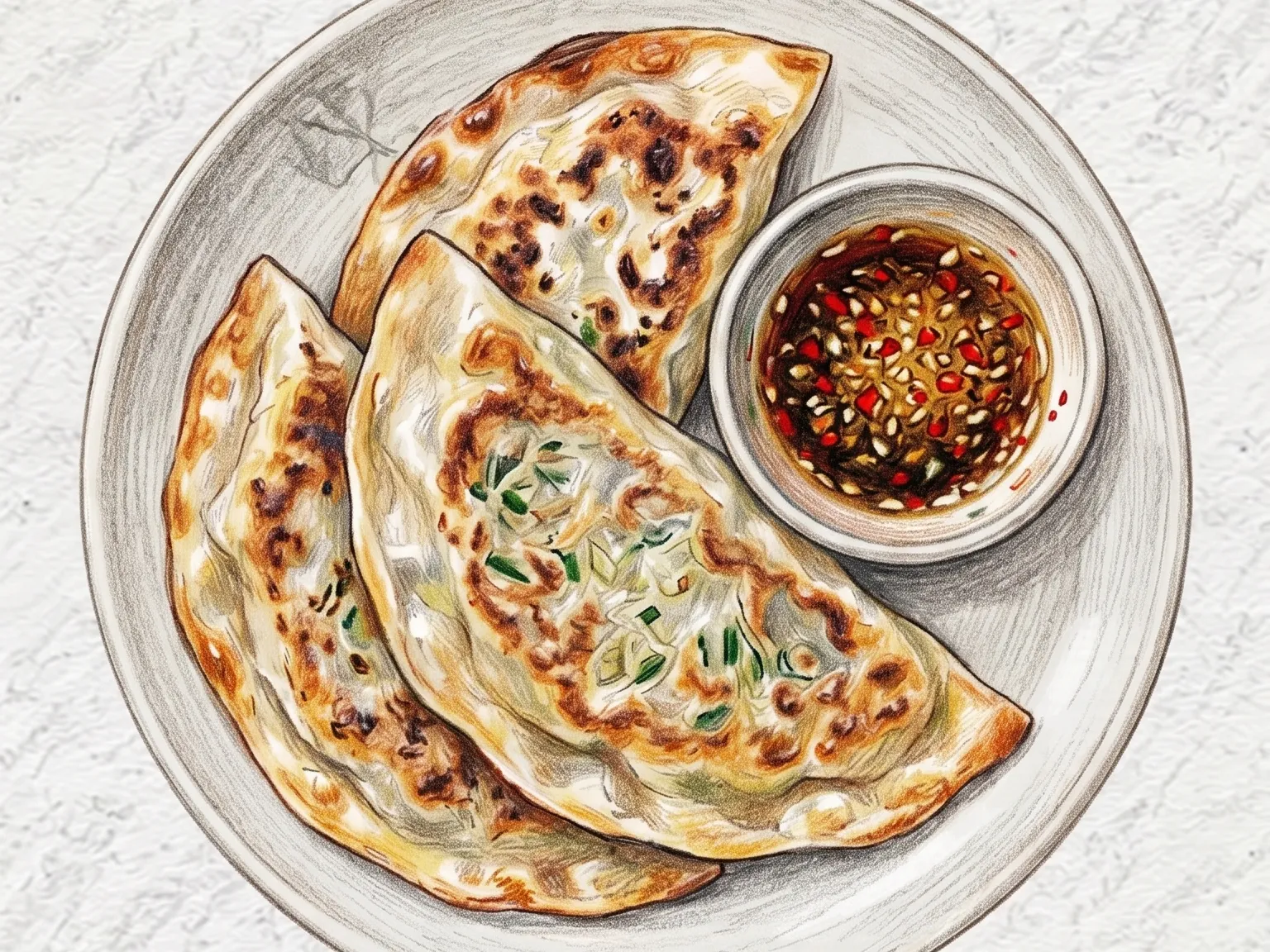
Korean Crispy Flat Mandu (Daegu-Style Thin Pan-Fried Dumplings)
Boiled sweet potato noodles, minced chives, and chopped cabbage are spread thinly inside dumpling wrappers, folded in half, and pan-fried flat until both sides are evenly crisp, in the style of Daegu street food. Using minimal filling is key to achieving the characteristic thin, flat shape that defines this dumpling, and a properly preheated pan ensures uniform crispness on both sides. The standard accompaniment is a tangy-spicy dipping sauce of soy sauce, vinegar, red pepper flakes, and sesame oil. Simple in construction but sharp in flavor balance, this is the dumpling that put Daegu's street food culture on the map.
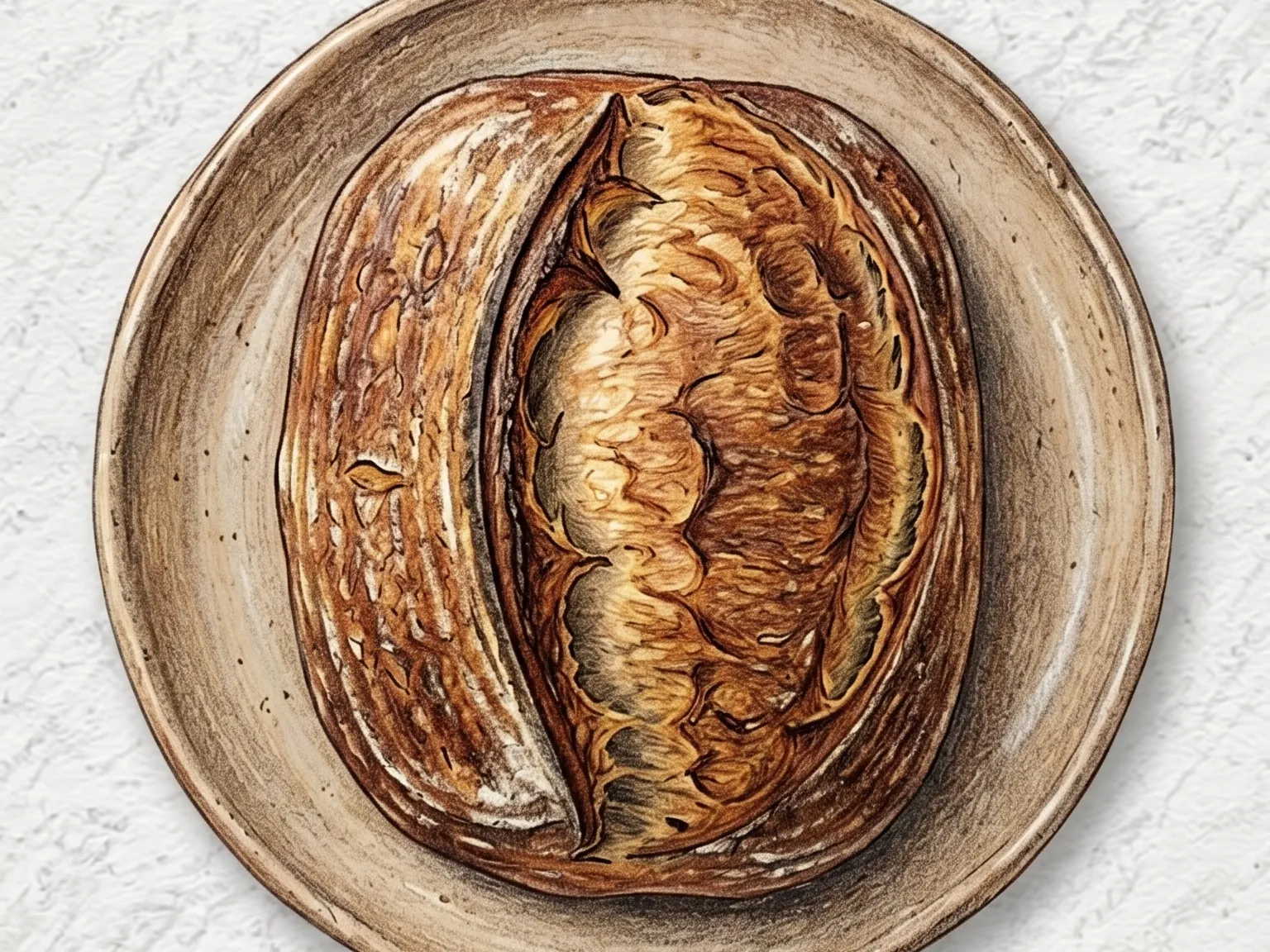
Classic Artisan White Sourdough
This artisan bread is prepared using a traditional fermentation process to develop a deep, tangy flavor. The recipe begins with a one-hour autolyse step, mixing bread flour, whole wheat flour, and water to hydrate the flour and build the dough structure. Active sourdough starter and salt are then incorporated. The gluten structure is developed through four rounds of stretching and folding at intervals of thirty to forty-five minutes. After a room-temperature bulk fermentation, the dough undergo a cold fermentation in the refrigerator for twelve to fifteen hours to build its complex acidity. Once shaped and proofed in a floured banneton basket, the loaf is baked in a preheated Dutch oven. Baking covered for twenty minutes traps the steam to yield a soft interior, while another twenty minutes uncovered creates a browned, crispy crust.
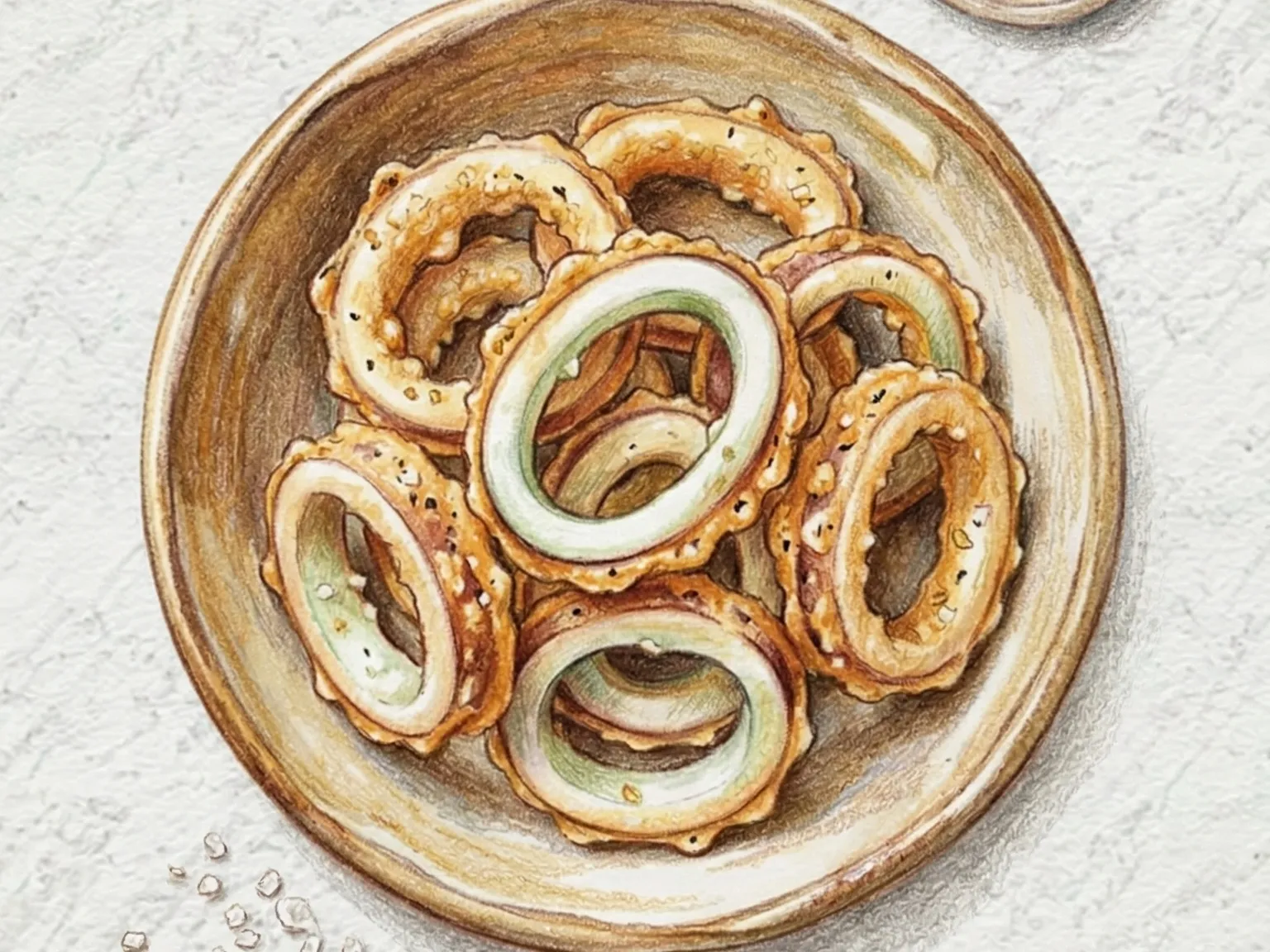
Korean Fried Squid
Cleaned squid is cut into 1 cm rings, dipped in a light batter of frying mix, cold water, and egg, then deep-fried at 170 degrees Celsius for three to four minutes until golden and crisp. Cold water is essential for the batter -- warm water activates the gluten in the flour and produces a thick, doughy coating instead of the thin, shatter-crisp shell this dish depends on. The batter should be mixed just enough to combine, leaving a few lumps intact, because those uneven patches fry up with irregular texture that adds to the crunch. Scoring the squid rings lightly with a knife or pounding them briefly helps them stay flat and allows the batter to adhere without sliding off. Frying in small batches matters, since crowding the pan drops the oil temperature and causes the rings to absorb fat rather than fry. The defining quality of this dish is the contrast between the springy, chewy squid and the airy, crisp coating that surrounds it, a contrast that only exists in the first few minutes after frying. Served with a pinch of salt or a soy-vinegar dipping sauce, these rings are a fixture at street food stalls and snack shops across Korea.
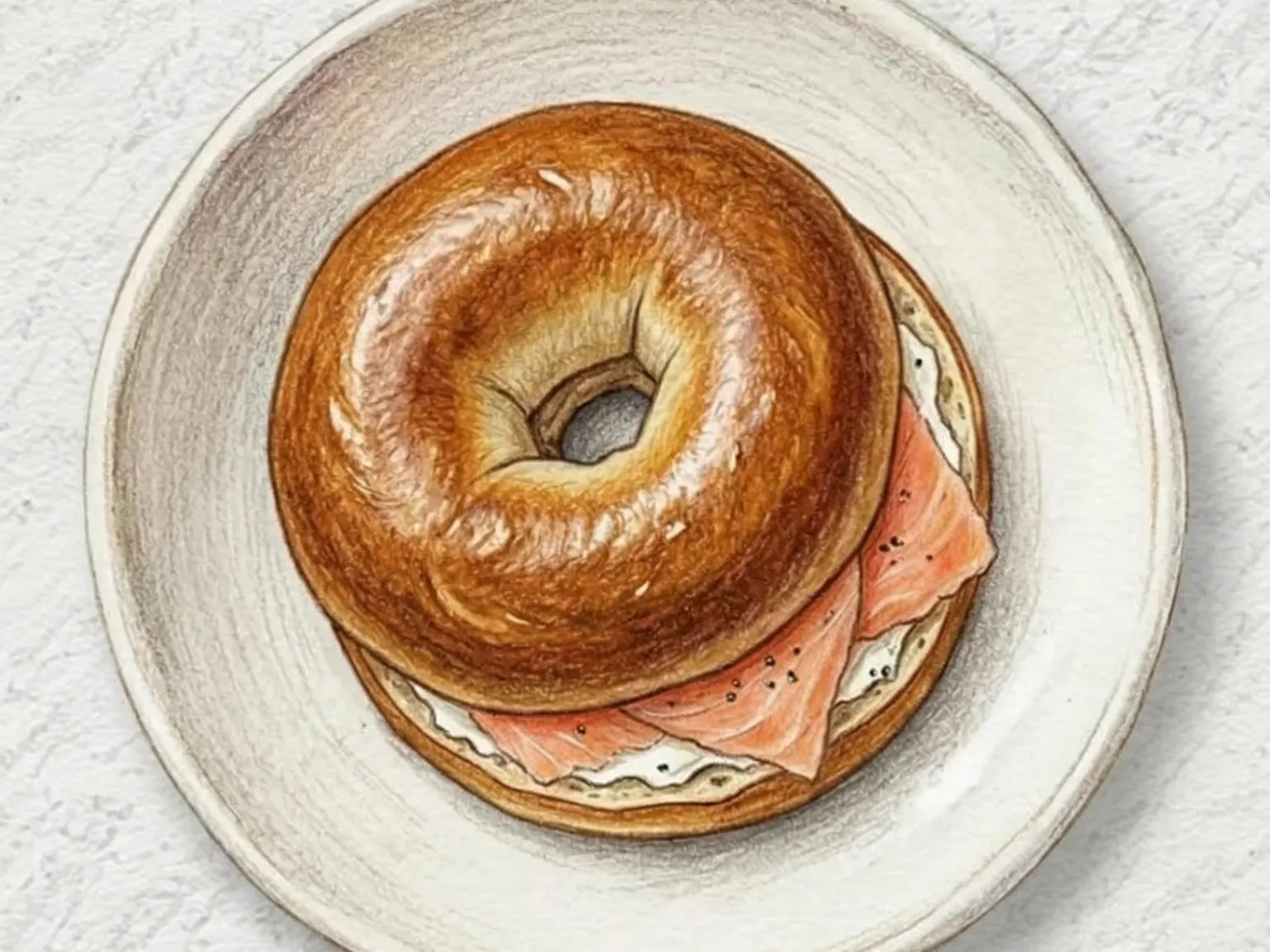
Classic Bagel
Classic bagels are defined by a two-stage cooking process that no other mainstream bread undergoes: the shaped rings are boiled before they are baked, and it is that boiling step that creates everything distinctive about the finished product. The dough is made with high-gluten bread flour and deliberately low hydration, then kneaded extensively to build a dense gluten network strong enough to resist expansion in the oven. After shaping into rings and a brief second proof, the bagels are lowered into boiling water -- often sweetened with honey or malt syrup -- and held there for about a minute per side. The heat gelatinizes the starch on the outer surface, forming a thin, tight skin that acts as a physical barrier against the gas trying to expand inside. When the boiled rings go into a hot oven, that skin constrains the rise so the interior stays compressed and dense rather than open and airy. The result is a crust that is firm, slightly shiny, and resilient under pressure, surrounding an interior with a chewiness measured in seconds of resistance rather than the instant softness of most bread. Adding honey or malt to the boiling water contributes a faint sweetness and a deeper color to the finished crust. In New York tradition the bagel is split, toasted, and loaded with cream cheese and smoked salmon, but sliced in half and toasted with butter alone, the structure of a well-made bagel carries the eating experience entirely on its own.