Western Recipes
662 recipes. Page 25 of 28
This category brings Western-style dishes - pasta, steak, risotto, gratin, and more - into the home kitchen. In Korea, "Western food" (yangsik) includes not only authentic European recipes but also Korean-adapted classics like donkatsu (pork cutlet) and hambak steak (Hamburg steak).
Spinach Artichoke Dip
Spinach artichoke dip combines blanched and thoroughly squeezed spinach with chopped artichoke hearts, cream cheese, sour cream, grated Parmesan, and shredded mozzarella, then bakes in a 190-degree oven for eighteen to twenty minutes until the surface turns golden and the edges bubble. Squeezing every drop of water from the blanched spinach is the most important prep step - leftover moisture makes the dip runny and prevents it from clinging to chips or bread. Cream cheese provides the smooth, spreadable base; sour cream adds a slight tang that keeps the richness from feeling flat; Parmesan contributes salty, aged depth; and mozzarella melts into stretchy strands that give each scoop visual and textural appeal. The dip is best served immediately out of the oven while still bubbling, alongside sliced baguette or tortilla chips.
Omija Cream Cheese Muffins
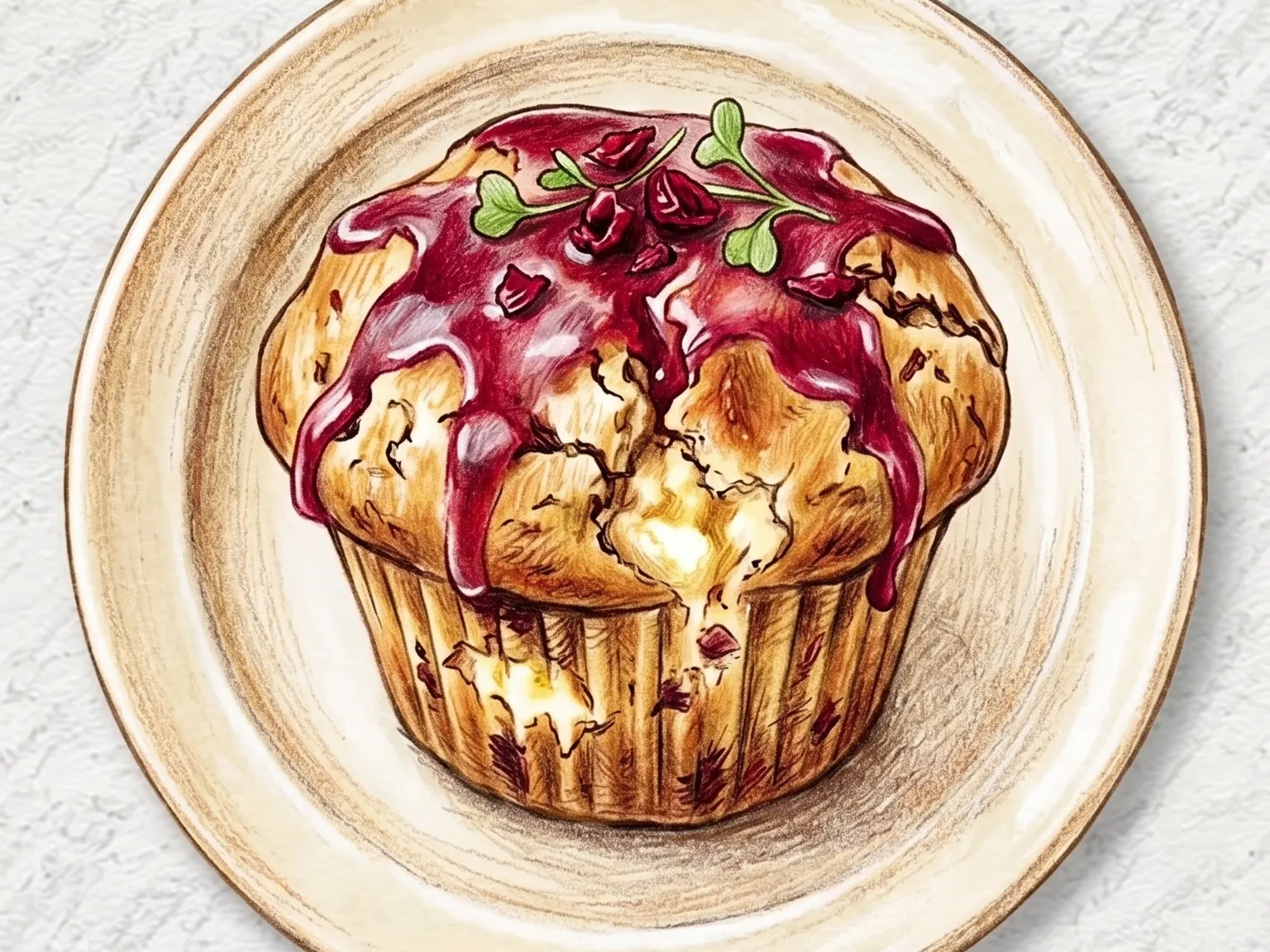
Omija cream cheese muffins mix omija syrup into an oil-based batter and distribute small cream cheese cubes through the crumb. Prepare the hot oven and lined pan before combining the batter so the baking powder does not sit activated in the bowl. Let the cream cheese soften only enough to cut cleanly, then make small cubes. If the pieces turn sticky, chill them briefly so they remain distinct during folding. Whisk the flour, sugar, baking powder, and salt together until no concentrated lumps remain. In a separate bowl, loosen the egg with the milk, grapeseed oil, and omija syrup, reserving a small spoonful of syrup for the finished tops. Pour the wet mixture into the dry ingredients and fold only until a few flour streaks remain. Add the cream cheese and give the batter just a few more turns, which finishes the mixing without making the muffins dense. Fill the paper cups to a similar level and bake until the tops rise into domes, split, and look set. Brush the reserved syrup lightly over the warm surfaces. It adds another layer of color and sweet-tart omija flavor, while the interior retains moist pockets of cream cheese.
Pan-Seared Steak
Pan-seared steak starts with bringing the beef to room temperature for 30 minutes and patting the surface completely dry with paper towels - residual moisture prevents the Maillard reaction that builds the deep brown crust responsible for both flavor and juice retention. Seasoning is kept to salt and pepper so the beef's own character leads. The pan must be heated until it smokes before the oiled steak goes in, and each side sears for two to three minutes without moving the meat. Reducing the heat and adding butter, garlic, and rosemary creates an aromatic basting liquid that infuses the surface as it cooks to the target doneness. Resting the steak off heat for a full five minutes lets the muscle fibers relax and reabsorb their juices - skipping this step means the liquid pools on the plate instead of staying inside the meat.
Opera Cake
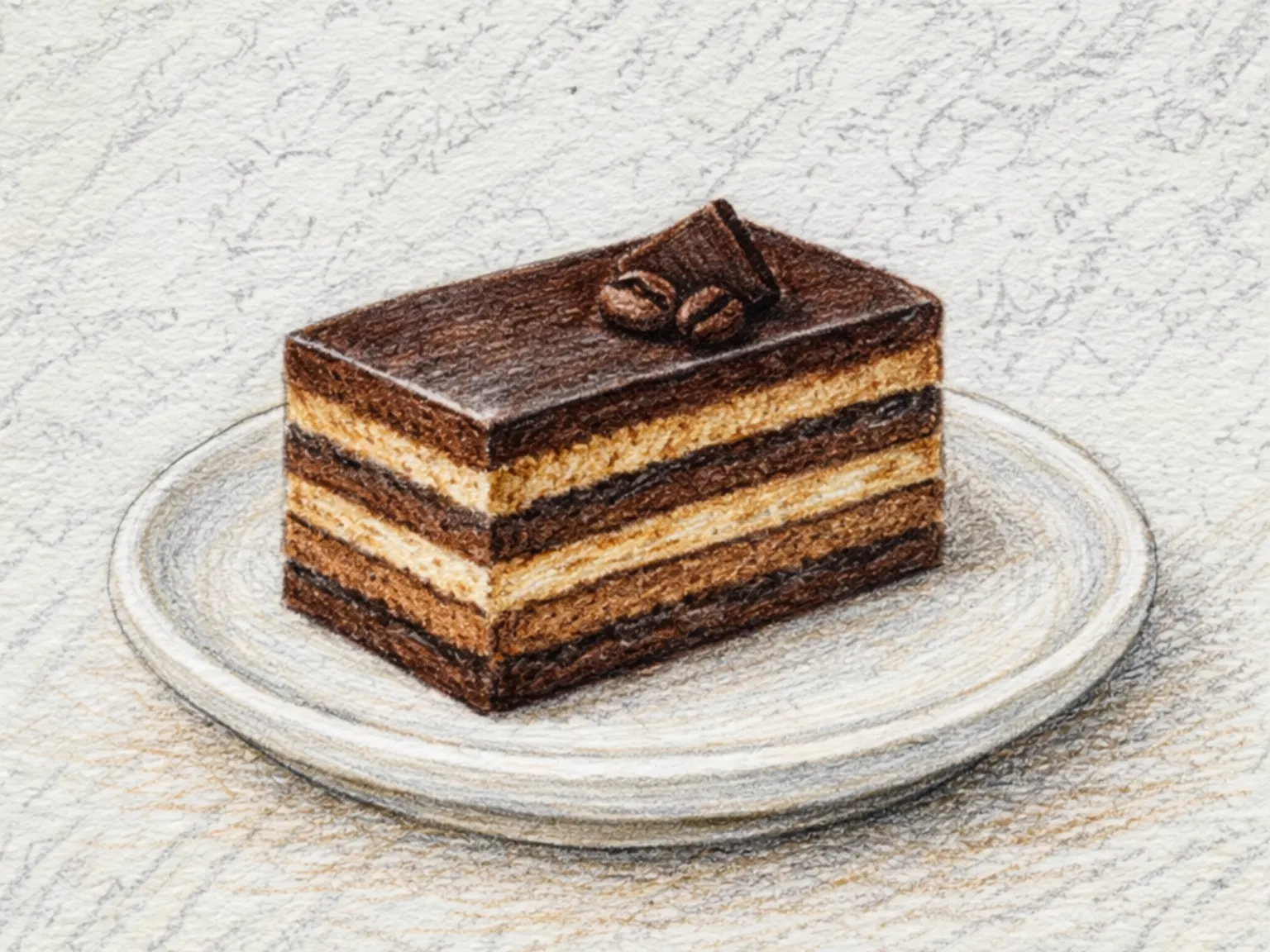
Opera cake repeats thin sheets of almond-and-egg sponge with espresso buttercream and dark chocolate. Sift the almond flour and powdered sugar together so no dry lumps remain, then mix in the eggs until the batter becomes pale, thick, and even. Spread it into a very thin sheet of consistent depth; an uneven sponge creates a tilted stack once several pieces are layered. Bake until the edges look dry and the surface springs back lightly, then cool the sheet flat before cutting equal sections. For the coffee layer, soften the butter first and add the espresso gradually, mixing after each addition so the liquid is absorbed without separating the cream. Chop the dark chocolate finely and melt it over gentle heat, then let it cool until it can be spread without running through the stack. Build the cake by repeating sponge, a thin level layer of coffee buttercream, and a thin chocolate layer. Smooth more chocolate across the top. Refrigeration for the stated minimum time firms the butter and chocolate enough to stabilize the assembly. Slice it while cold to reveal clean horizontal bands of almond sponge, espresso cream, and dark chocolate.
Steak au Poivre (Peppercorn Sirloin with Brandy Cream Sauce)
Steak au poivre presses coarsely crushed peppercorns into the surface of sirloin steaks before searing in a smoking-hot pan, then builds a sauce in the same pan using brandy, shallot, heavy cream, and Dijon mustard. Crushing the peppercorns rather than grinding them fine is essential - coarse pieces embed into the seared crust and release their sharp, aromatic bite when chewed, rather than just adding uniform heat. When brandy hits the hot pan, the alcohol ignites and burns off in seconds, leaving behind concentrated fruit sweetness and caramel notes that deepen the sauce. The cream tempers the pepper's aggressive heat into something rich and rounded, while the mustard adds a subtle acidic edge that keeps the sauce from feeling heavy. Bringing the steaks to room temperature for 20 minutes before cooking ensures even doneness from edge to center.
Pain au Chocolat
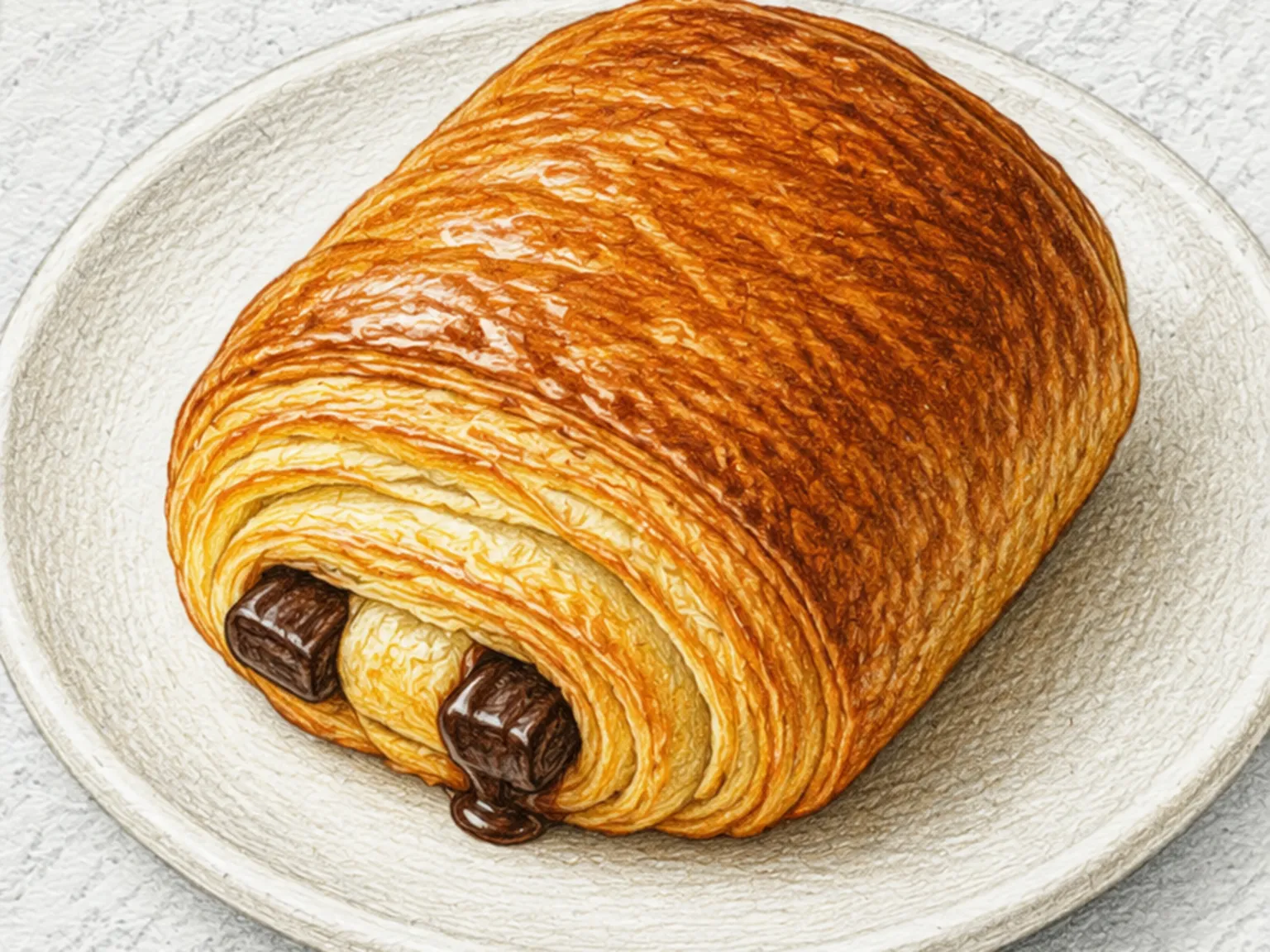
Pain au chocolat encloses two dark chocolate batons in a yeasted dough laminated with a sheet of cold butter. Mix the flour, sugar, salt, and yeast evenly, then knead in the milk and dough butter until the surface becomes smooth and elastic. Flatten and refrigerate the dough until firm, while shaping the lamination butter into a thin, even sheet. Enclose the butter completely in the cold dough and perform the repeated single folds, refrigerating after each one. These rests keep the butter from melting into the dough and preserve separate layers. Roll the finished dough into an even rectangle and divide it into equal pieces. Place two chocolate batons at the end of each section and roll firmly without pressing hard enough to compress the lamination. Set the seam underneath on the tray. During the final proof, the pastries should become puffy, wobble slightly, and show visible layers. Brush them with egg wash and bake until the exterior is deep golden and crisp. A short rest on the rack allows the hot chocolate inside to thicken slightly. When opened, the pastry separates along its thin butter layers around two softened lines of dark chocolate.
Steak Frites
Steak frites pairs a butter-basted sirloin steak with double-fried potatoes, a combination that defines the French bistro experience. The potatoes are cut into sticks, soaked in cold water for 15 minutes to wash off surface starch - this prevents them from sticking together during frying and gives a cleaner fry. The first fry at 160 degrees Celsius cooks the interior until tender, and after cooling, a second fry at 190 degrees turns the outside crisp and golden while the inside stays fluffy. The steak is seasoned only with salt and pepper, seared hard in a hot pan, then basted with butter, garlic, and thyme for a final minute before resting for five minutes off heat. Despite the short ingredient list, the dish demands precise heat control - the sear must be aggressive enough to crust the meat, and the oil temperatures for double-frying must be accurate.
Palmiers
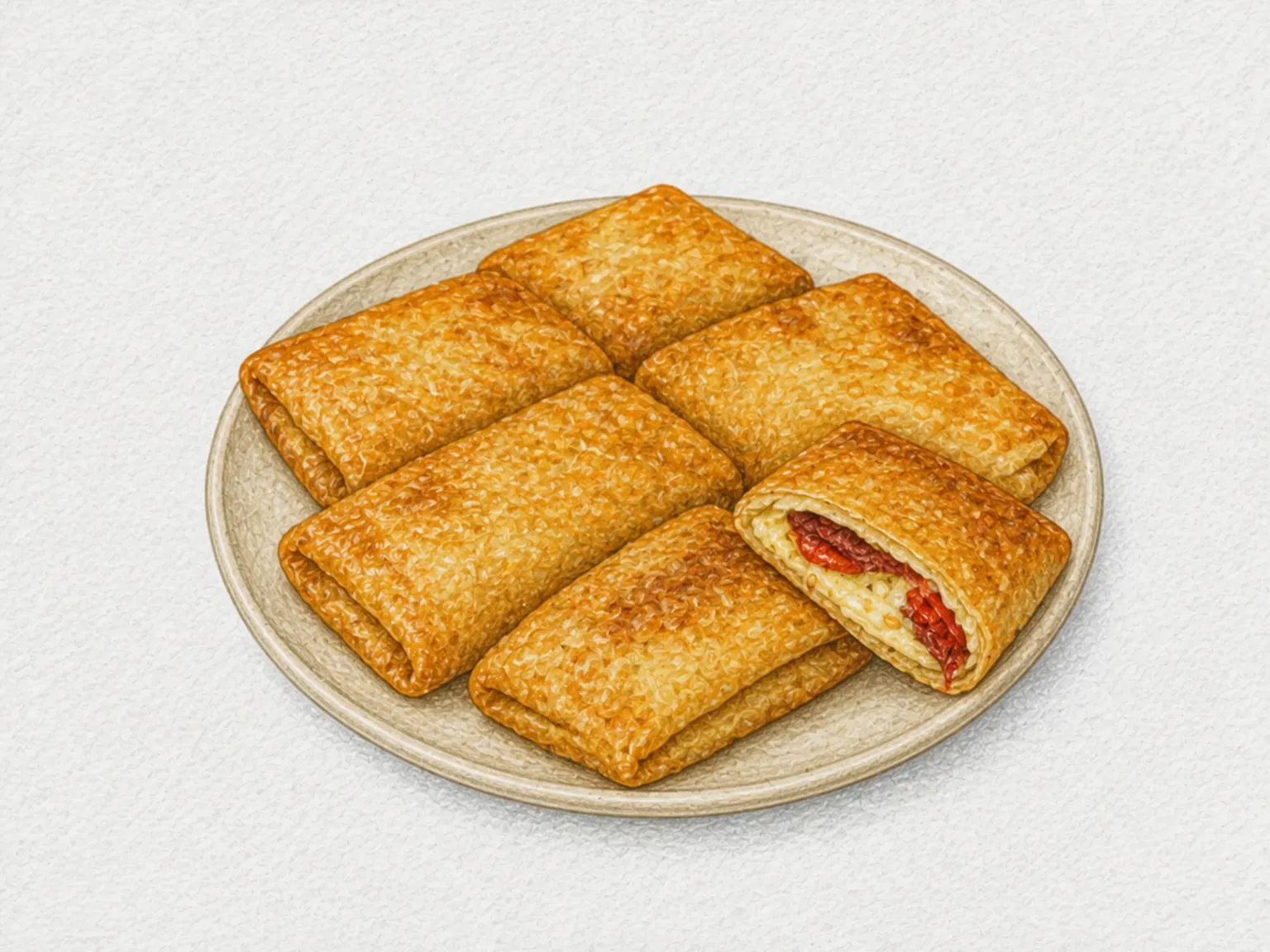
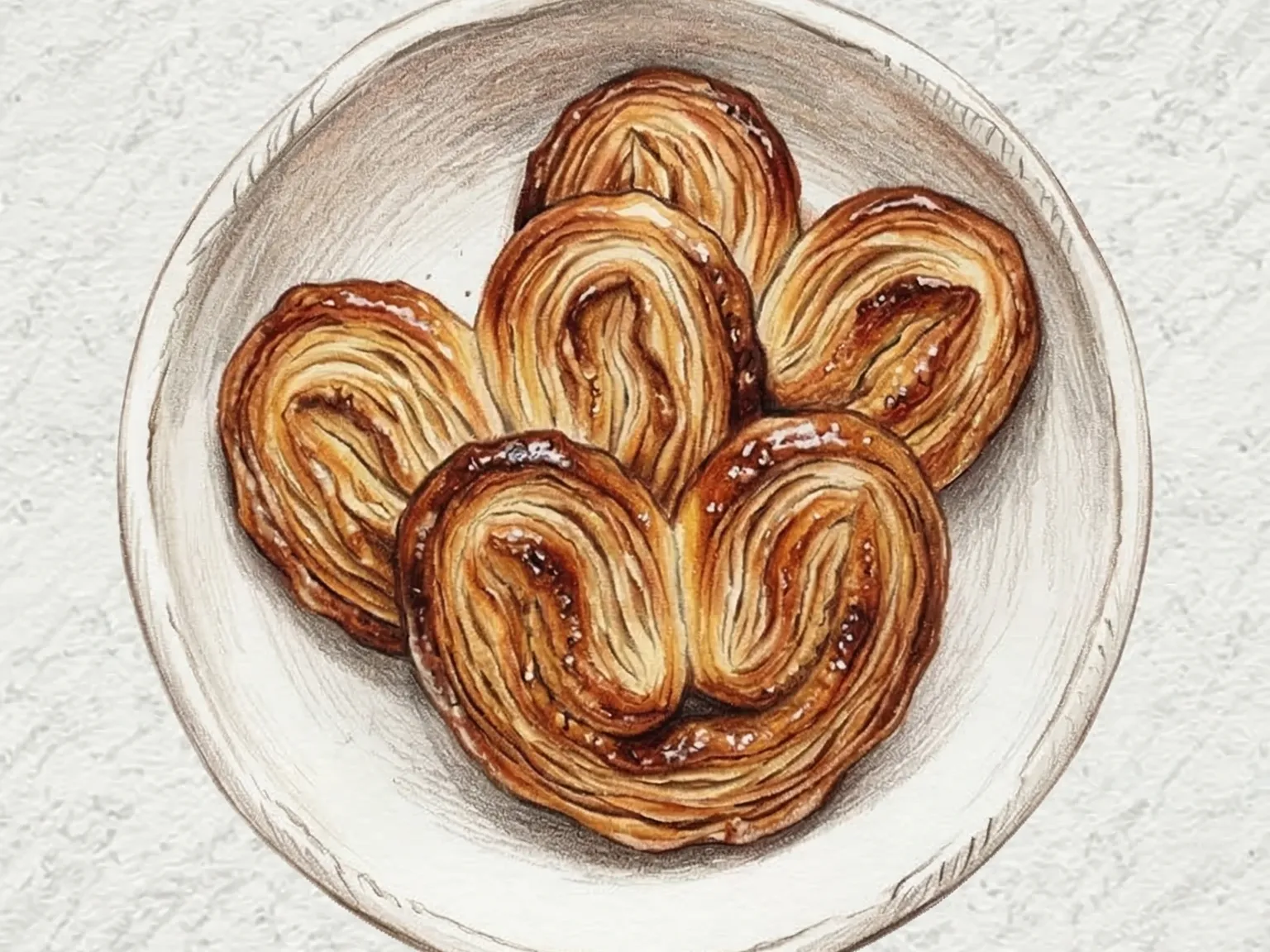
Puff pastry is coated with a mixture of sugar, cinnamon, salt, and vanilla sugar, rolled inward from both long edges, chilled, and sliced into butterfly-shaped palmiers. Scatter the sugar mixture across the work surface, set the cold pastry on top, and roll only hard enough to attach the coating without flattening the laminated layers. Cover the top with the remaining mixture and roll both sides to an even thickness until they meet at the center. A gentle press joins the two coils, while a short chill firms the log so its cross-section does not collapse under the knife. Cut pieces of equal thickness and leave generous space between them on the tray because the butter and sugar cause the pastry to spread. Bake until the first side looks glossy and the edges have opened, then turn each piece carefully and brown the other face. The sugar remains soft while hot but sets into a crisp amber layer as the cookies cool completely on a rack. Inside that coating, the folded puff pastry separates into light layers and the paired coils retain their symmetrical shape.
Stuffed Mushrooms
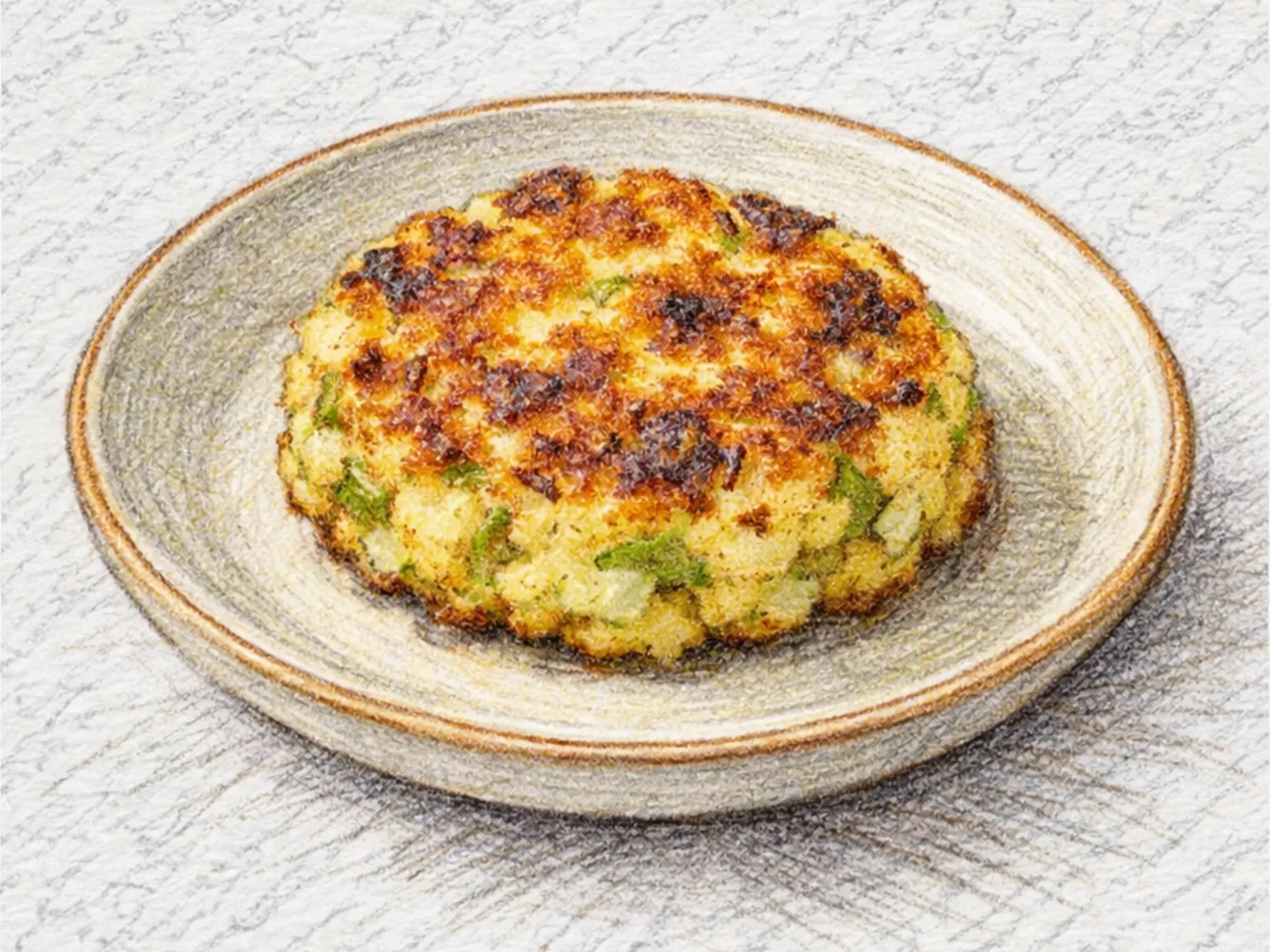
Stuffed mushrooms remove the stems from large mushroom caps, chop and sauté them with garlic, then mix the cooked stems with cream cheese, breadcrumbs, Parmesan, and parsley to create a savory filling that goes back into the caps before baking. Wiping the mushrooms with a paper towel rather than rinsing them is important - mushrooms act like sponges, and absorbed water releases during baking, preventing the caps from crisping. Using the chopped stems in the filling doubles the mushroom flavor and means nothing is wasted. The breadcrumbs serve a structural role, absorbing excess moisture from the cream cheese so the filling holds its shape rather than melting into a puddle. At 190 degrees Celsius for 18 to 20 minutes, the filling turns golden on top while the cream cheese inside becomes molten and savory.
Pan de Elote
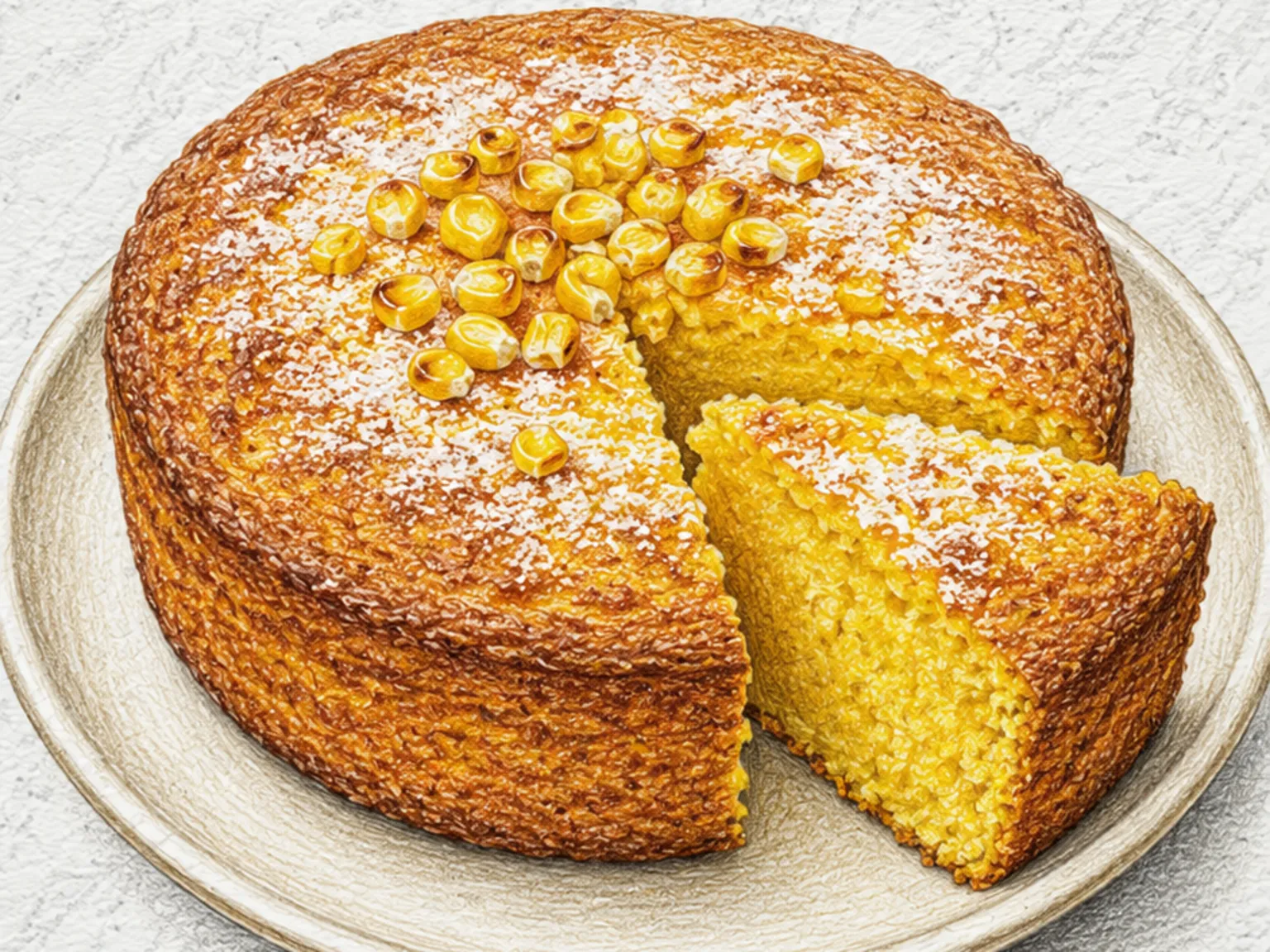
Pan de elote blends corn kernels with heavy cream and eggs, then folds that mixture into a butter cake batter baked in a loaf pan. If frozen corn is used, thaw it completely, press out excess liquid, and measure it after draining so the batter ratio does not change. Pulse the corn, cream, and eggs only until large kernels are nearly gone, avoiding enough blending to make the mixture warm or foamy. In a separate bowl, beat softened butter and sugar until lighter, then add the corn mixture in several portions and scrape the bowl between additions. Sift in the flour, baking powder, and salt, folding from the bottom only until no dry streaks remain. Pour the batter into the parchment-lined pan and level the surface so the center and edges bake at a consistent depth. Keep the oven closed while the middle is setting. The cake is ready when the top is golden and a skewer comes out without wet batter. Let it cool briefly in the pan before lifting it out. Corn blended directly into the batter distributes its color and flavor through the slice, while the butter and cream produce a dense, tender crumb rather than an airy sponge.
Swedish Meatballs
Swedish meatballs mix ground beef with sautéed onion, breadcrumbs, egg, and milk, shape the mixture into bite-size balls, brown them in butter, then simmer in a creamy gravy built in the same pan. The key to tender meatballs is minimal handling - overworking the mixture tightens the protein network and produces a tough, dense texture. Browning the meatballs leaves behind caramelized drippings on the pan floor, and these fond bits become the flavor base of the gravy when flour is whisked in to form a roux. Adding milk gradually while stirring prevents lumps, and a splash of Worcestershire sauce introduces a savory depth that rounds out the cream. The gravy's thickness is adjustable at the end - more milk loosens it, less keeps it rich - and serving over mashed potatoes lets nothing go to waste.
Pandoro
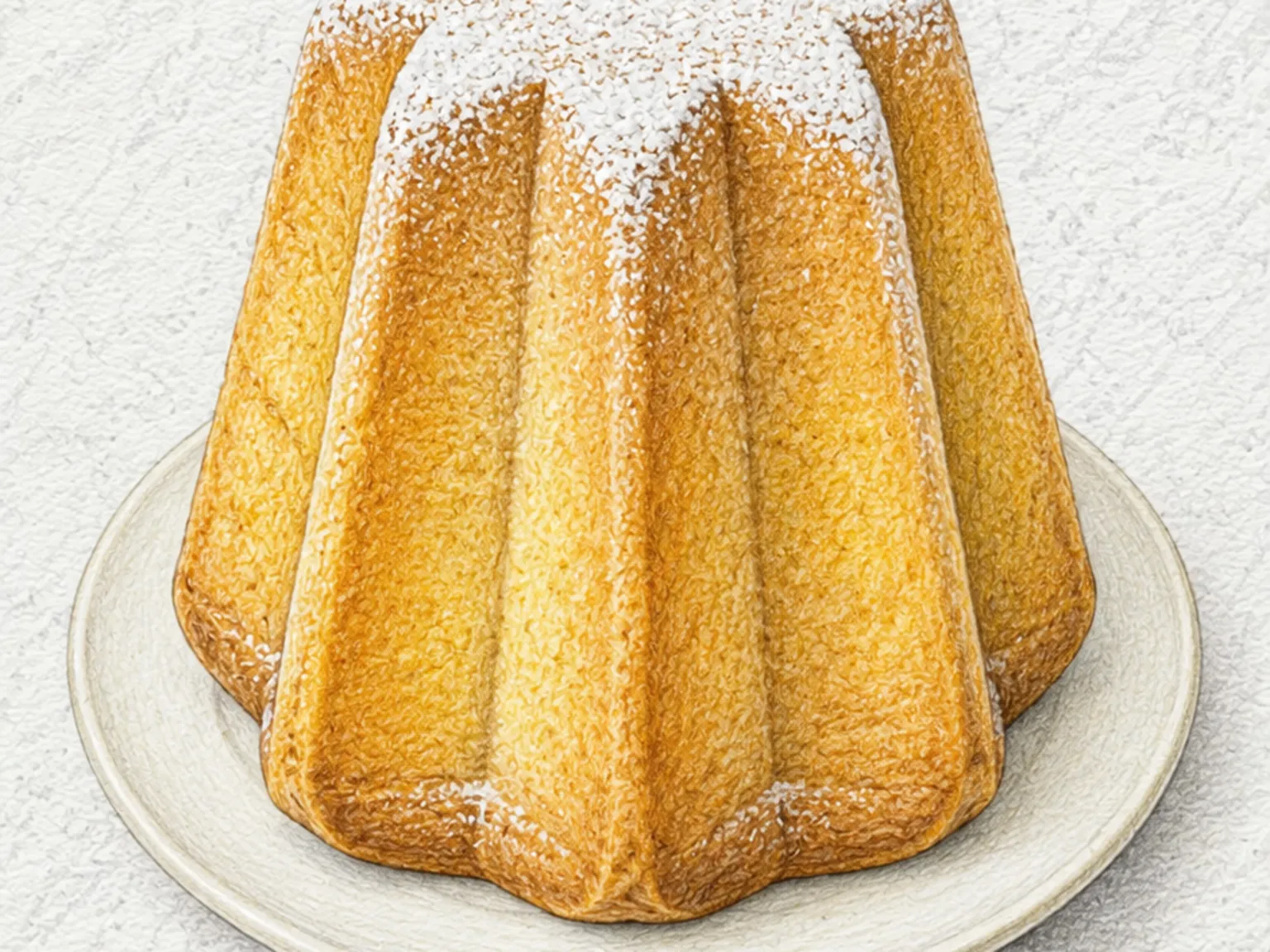
Pandoro is an enriched yeast bread made with milk, egg yolks, sugar, vanilla, and a substantial amount of butter. The dough begins with a small sponge of yeast, milk, and 100 g of the bread flour. After 20 minutes, the remaining flour, sugar, salt, yolks, and vanilla are kneaded into that sponge until the mixture develops enough strength to pull away from the bowl. The 130 g of softened butter is then incorporated in three additions. Waiting until each portion disappears into the dough before adding the next keeps loose butter from coating the surface and allows the finished dough to stretch thinly without tearing immediately. The first proof takes place at 26-28°C until the dough is nearly doubled. A fold and a 30-minute chill make the rich, soft dough easier to round tightly before it goes into the star-shaped mold. During the second proof, the dough should rise to about 80 percent of the mold height, leaving room for it to expand in the oven. Baking at 175°C for 35-40 minutes gives the top a deep golden color and sets the tall loaf. Brief cooling in the mold supports the shape, while complete cooling after unmolding prevents the warm crumb from being compressed during slicing.
Tacos al Pastor Recipe (Achiote Pork and Pineapple Tacos)
Tacos al pastor are achiote-marinated pork and pineapple tacos, one of Mexico's best-known street foods. Thinly sliced pork shoulder marinates in a paste of achiote, rehydrated guajillo chilies, and fresh orange juice for at least an hour, then cooks on a hot grill or pan until the edges caramelize and char. The achiote paste provides an earthy, brick-red color and a subtle annatto flavor, while the guajillo chilies add moderate heat and a dried-fruit sweetness that orange juice amplifies with its citric acidity. Grilled pineapple creates a sweet-tart counterpoint to the spiced meat, and raw onion, cilantro, and lime finish the tacos with brightness.
Panettone
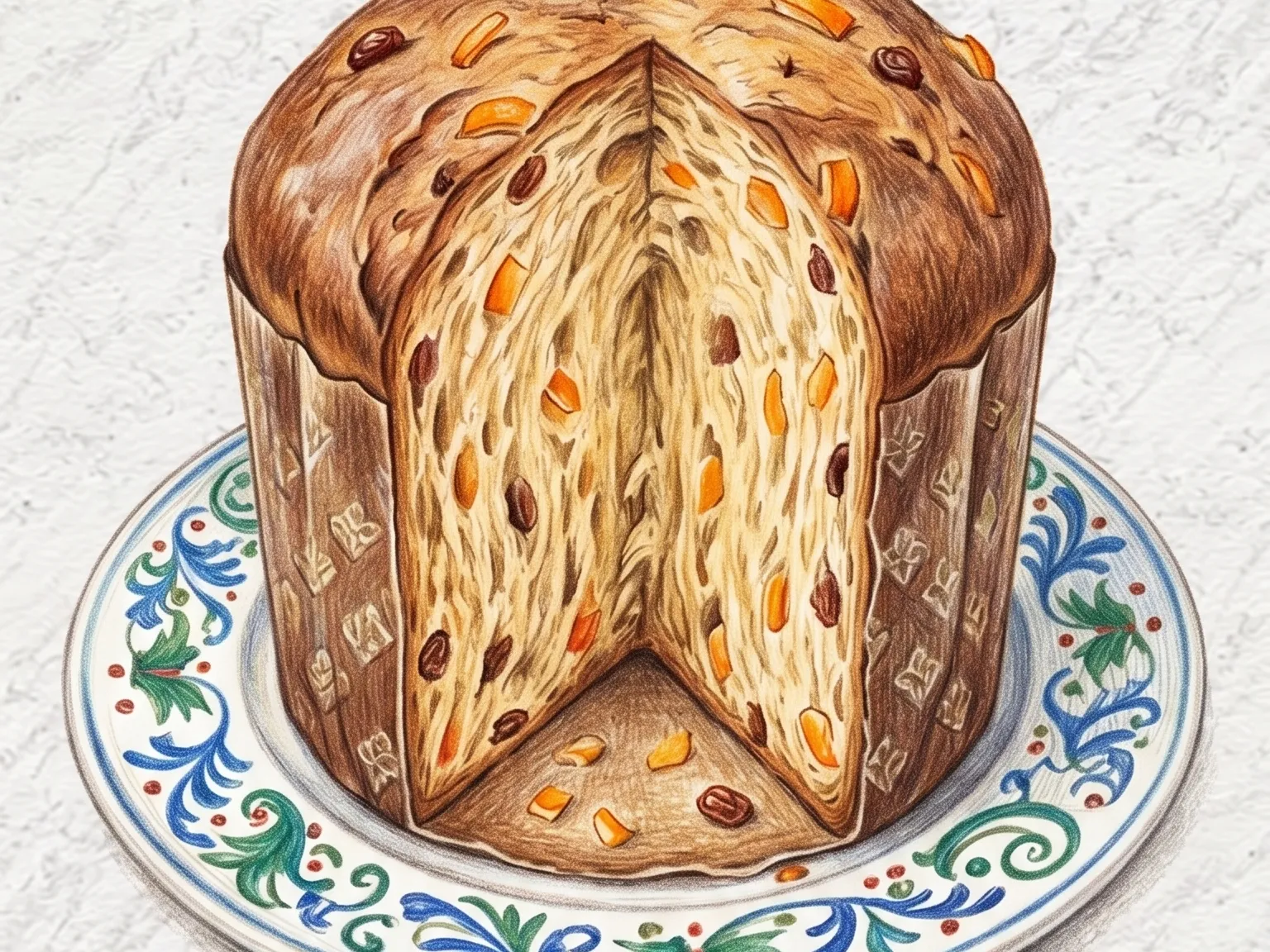
Panettone is a tall enriched bread made by folding 120 g of raisins and 60 g of candied orange peel into a dough containing eggs and butter. The process starts by stirring the dry yeast into the milk and waiting 10 minutes for light foam to appear. That check takes place before the flour is mixed, so weak yeast can be identified before the enriched dough is assembled. Bread flour, sugar, and eggs are combined with the yeast milk until no dry patches remain. The 100 g of softened butter is then added in small portions and kneaded in thoroughly. Once the surface is no longer coated with loose butter and the dough can stretch without tearing easily, the fruit is folded through it without being crushed. Even distribution matters because the raisins and orange peel should remain present across the baked slices rather than collecting in one section. The first proof is judged by increased volume and an indentation that returns slowly after the dough is pressed. After the rounded dough goes into a tall cylindrical mold, it proofs again until the top has risen noticeably. A shallow cross is cut into the surface before the loaf bakes at 175°C for 35-40 minutes. The browned loaf is supported with skewers and suspended upside down until completely cool. Cooling in that position helps the tall, butter-rich bread retain its shape instead of settling at the dome.
Tartiflette (French Potato Bacon Reblochon Gratin)
Tartiflette layers parboiled potato slices with sautéed smoked bacon and onion, pours heavy cream over the top, and finishes with halved reblochon cheese placed cut-side down before baking at 190 degrees Celsius until golden and bubbling. Parboiling the potatoes only halfway is deliberate - fully cooked potatoes fall apart in the oven, while half-cooked ones absorb cream and finish with a firm yet tender bite. The smoky bacon and caramelized onion create a savory foundation, and the cream seeps between the potato layers to bind everything together. Placing the cheese cut-side down is the traditional technique - as it melts, the creamy interior flows over the potatoes while the rind holds its shape on top. If reblochon is hard to find, brie makes a reasonable substitute with a similar creamy melt and mild, mushroomy flavor.
Paris-Brest
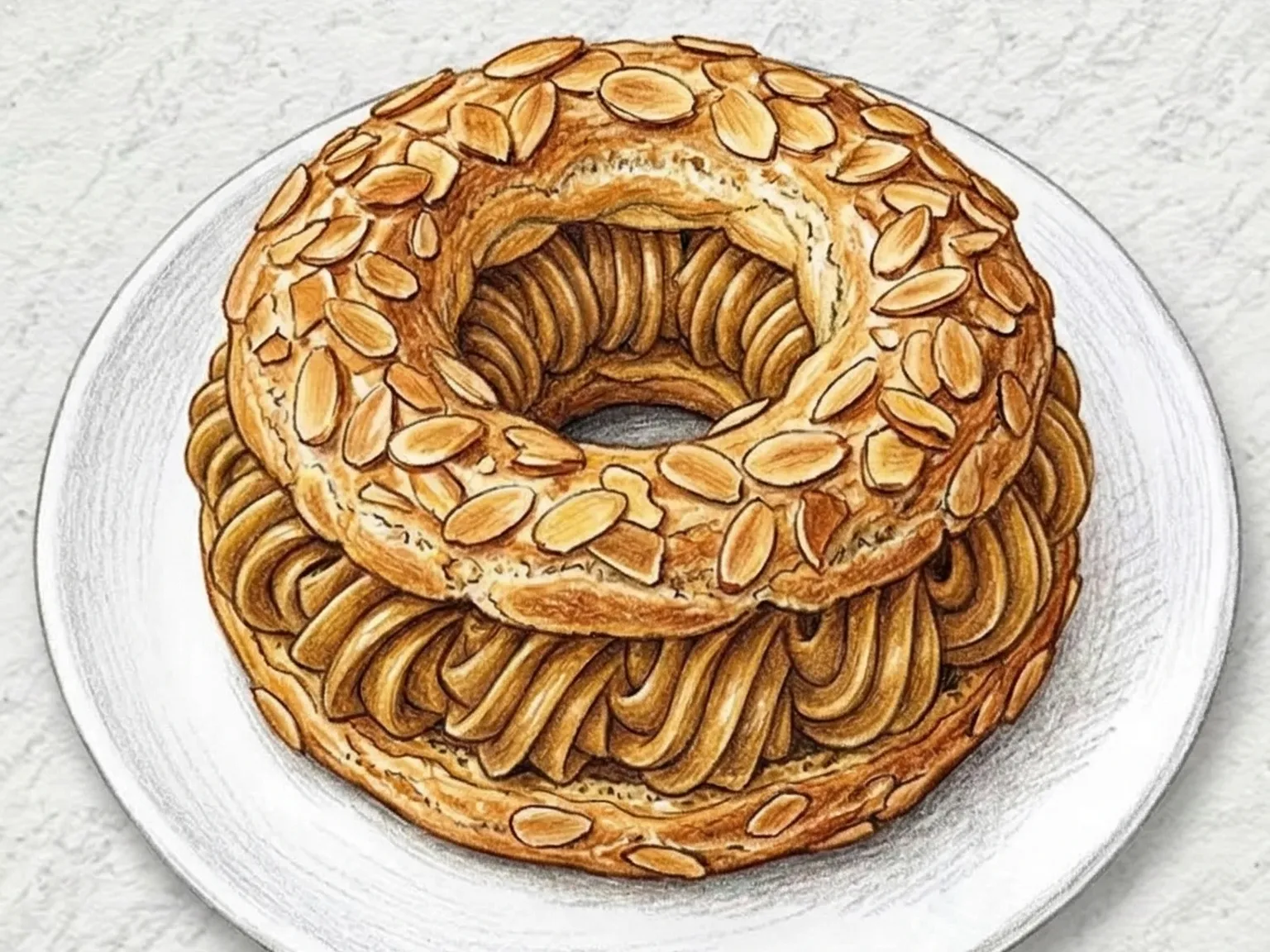
Paris-Brest is made by piping choux pastry into a ring, baking it with sliced almonds, and filling the cooled shell with hazelnut praline whipped cream. This recipe uses heavy cream and praline paste for the filling rather than a butter-based mousseline. The choux begins when the water and butter reach a full boil and the butter has melted completely. Cake flour is added all at once, then the paste is stirred over low heat for about 2 minutes. A thin film on the bottom of the pan shows that enough moisture has cooked away. The paste is moved to a bowl and allowed to release steam before the eggs are incorporated, since adding them while it is too hot can cook them. The four beaten eggs are added in three or four portions, with the consistency checked after every addition. When the paste falls slowly from the spatula in a V shape, no more egg is needed even if some remains. That stopping point allows the piped ring to hold its outline while still expanding in the oven. Sliced almonds are pressed lightly onto the surface. The ring first bakes at 190°C to puff, then at 170°C until the shell is dry and deeply golden. Only after it has cooled completely is it split and filled with cream whipped to firm peaks, sugar, and hazelnut praline paste. A short chill firms the assembled filling before the pastry is cut.
Tortilla Espanola (Spanish Potato and Onion Omelette)
Tortilla Espanola cooks thinly sliced potatoes and onions slowly in generous olive oil over low heat until completely tender, then combines them with beaten eggs seasoned with salt and pepper, and pan-fries the mixture into a thick, golden omelette. The low-and-slow approach to cooking the potatoes is essential - high heat browns the outside while leaving the center hard, but gentle heat lets the potato slices absorb oil and turn creamy throughout. Once the potato-egg mixture goes back into the pan, low heat again ensures the bottom sets gradually without burning, while the interior stays moist. Flipping the tortilla using a plate placed over the pan is the most critical moment - confidence and a quick wrist motion prevent the half-set omelette from breaking apart. Letting it rest at room temperature for a few minutes before cutting firms the egg just enough to produce clean slices.
Pavlova
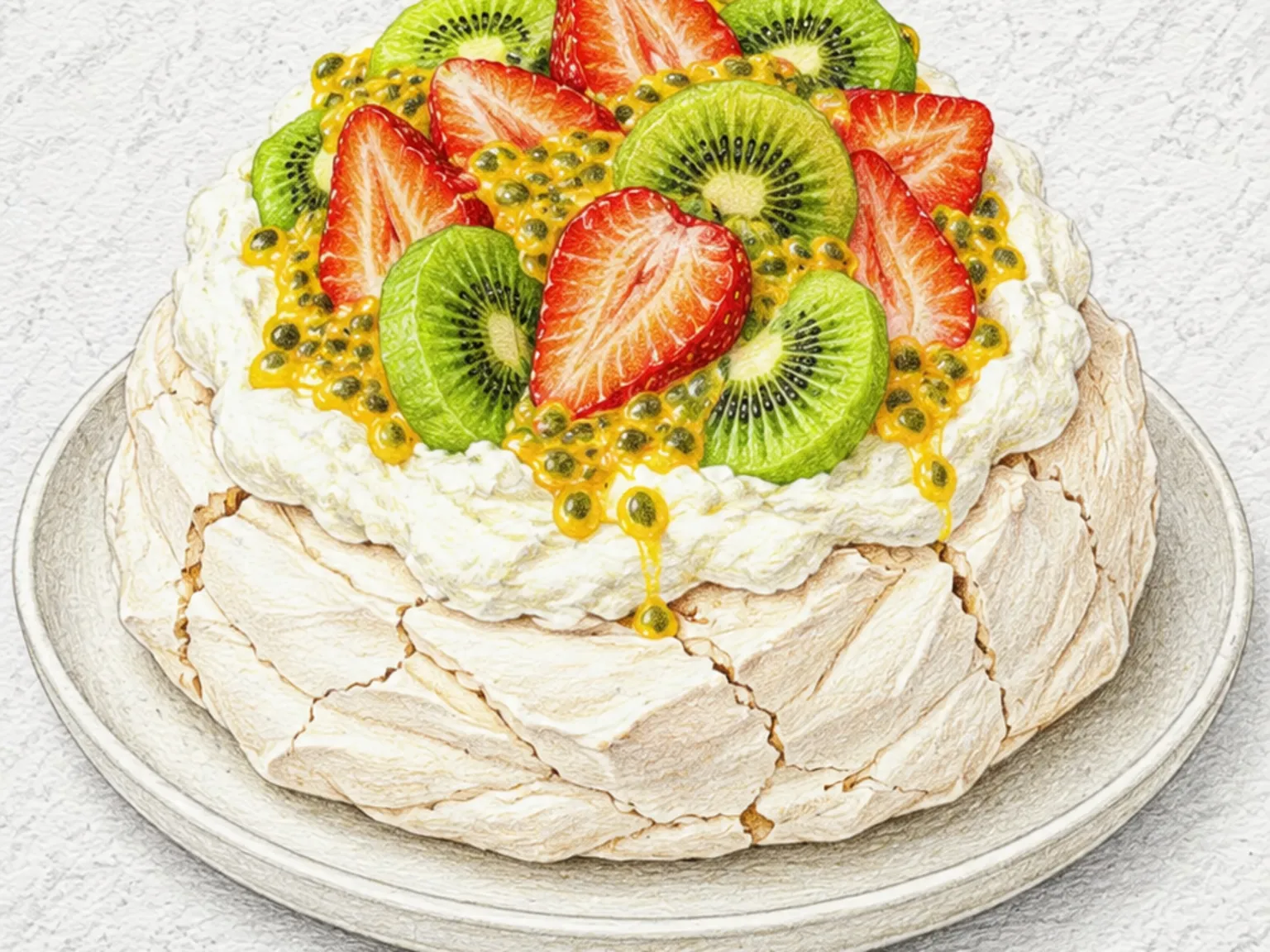
Pavlova is assembled from a low-baked meringue base, softly whipped cream, strawberries, and kiwi. The four egg whites go into a clean, dry bowl with no yolk, water, or grease present. They are beaten on medium speed until white and foamy before the 220 g of sugar is added gradually. The meringue is ready for the remaining ingredients when it looks glossy, feels thick, and holds peaks that do not fold over. One teaspoon each of white vinegar, cornstarch, and vanilla is folded through with broad strokes from the bottom of the bowl. Mixing stops as soon as no streaks remain so the air already incorporated into the whites is retained. The meringue is spread into a round with a shallow depression in the center, which creates a place for the cream and fruit after baking. It spends 1 hour 30 minutes at 100°C, a temperature intended to leave the shell pale while drying the outside. Keeping the oven door closed limits abrupt temperature changes during baking. At the end, the oven is turned off and the base cools completely inside before it is moved or topped. Cold heavy cream is whipped only to soft peaks so it can be spread without pressing hard on the shell. The 200 g of strawberries and two sliced kiwis are added just before serving, limiting the time their juice sits on the meringue.
Tuna Melt
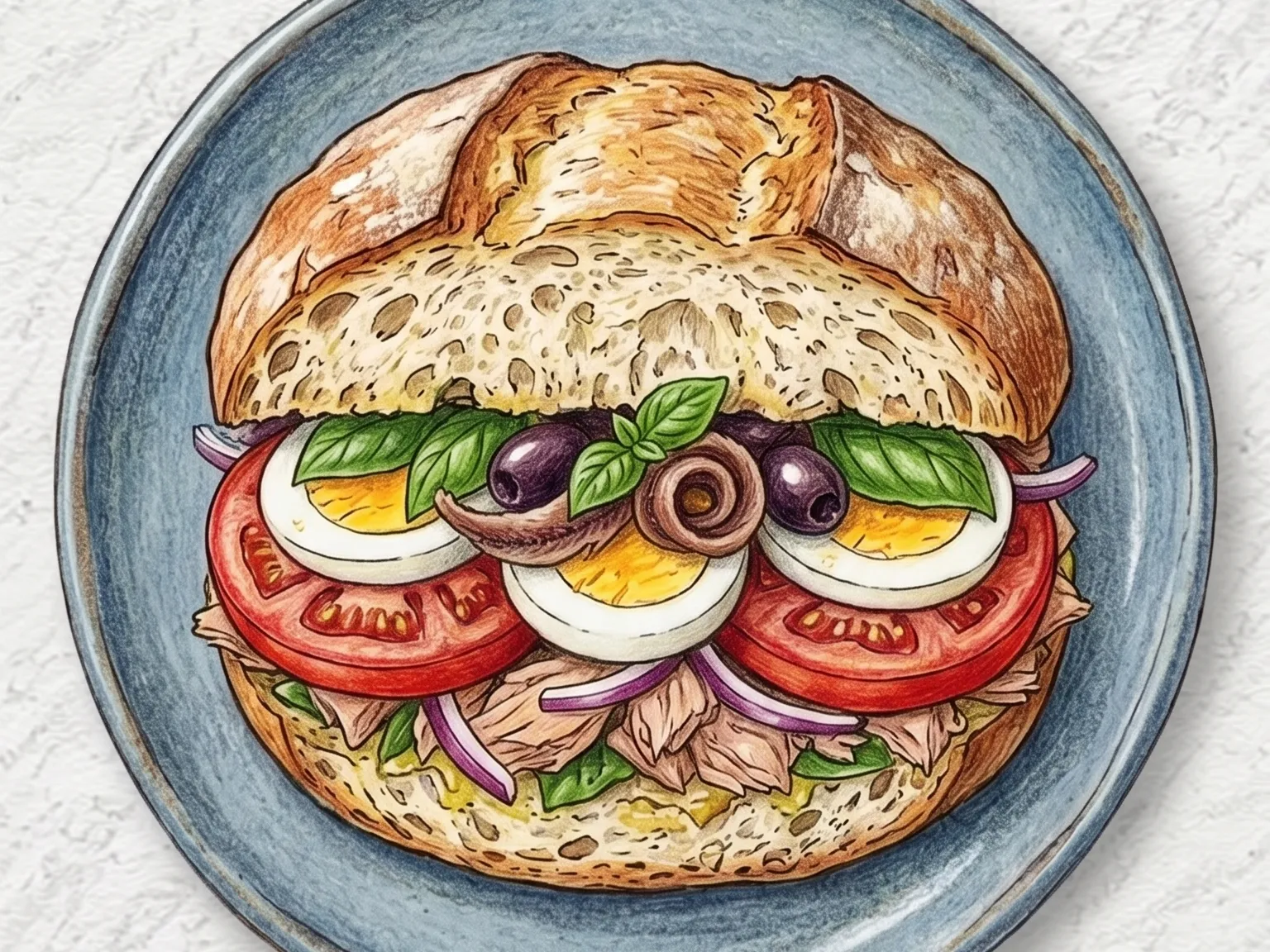
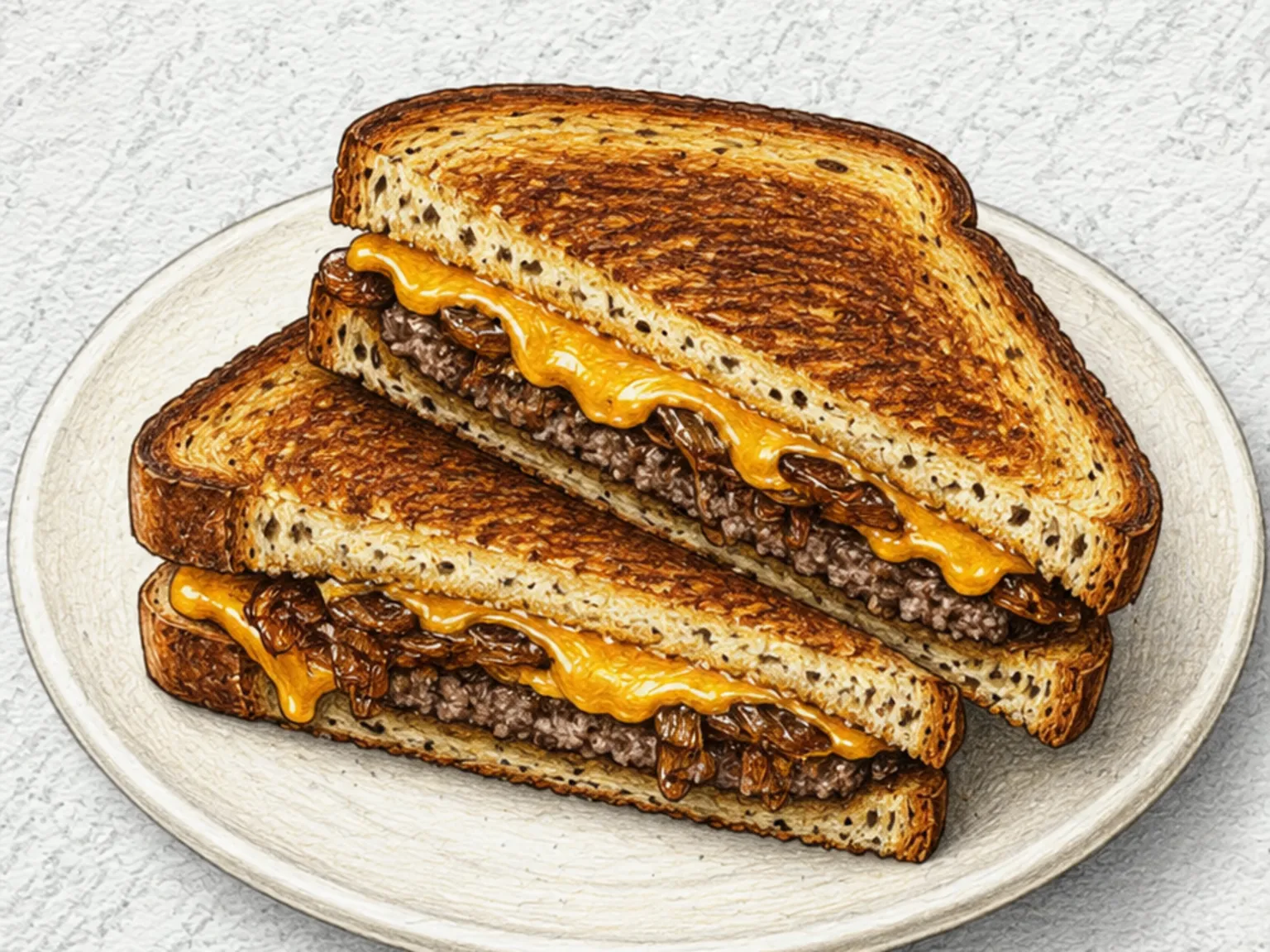
Tuna melt mixes drained canned tuna with finely diced celery and mayonnaise, spreads the mixture on sandwich bread, tops it with cheddar cheese, butters the outside, and grills in a pan until both sides are crisp and golden. Draining the tuna thoroughly is the first priority - excess moisture soaks into the bread and prevents it from crisping no matter how long it cooks. The celery adds a textural crunch that contrasts with the soft, creamy tuna filling. Using several thin slices of cheese rather than one thick piece ensures more even melting and full coverage across the bread. Medium-low heat is essential: it gives the cheese enough time to melt completely before the bread burns, which high heat makes nearly impossible. The sandwich is best served immediately after cutting in half, while the cheese is still stretchy and warm.
Peach Cobbler
Peach cobbler is built from a layer of sliced peaches and a spooned topping made with flour, milk, and melted butter. The 500 g of peaches are cut into pieces that are not too thin, then mixed with part of the sugar and one tablespoon of lemon juice. A 5-minute rest draws out enough juice to taste the fruit before it goes into the baking dish. If the peaches remain notably tart, the instructions allow one additional tablespoon of sugar at this stage. The topping starts with 160 g of cake flour, baking powder, and the remaining sugar. Visible lumps are broken up before the milk and 70 g of melted butter are added. Mixing stops as soon as the dry flour disappears, which avoids repeatedly working the batter after it has come together. Spoonfuls are placed over the fruit with small spaces between them instead of being spread into one sealed layer. Those openings give the peach juices a route to bubble between the portions while the exposed tops brown. The cobbler bakes at 180°C for 35-40 minutes. A golden surface and juices visibly bubbling around the edges are the two doneness cues in this recipe. After removal from the oven, a 10-minute rest lets the hot fruit layer settle before portions are lifted from the dish.
Tuna Noodle Casserole
Tuna noodle casserole boils egg noodles one minute short of the package time, sautés onion and mushrooms in butter, builds a cream sauce with flour and milk, folds in drained tuna and half the cheddar cheese, then bakes the mixture topped with the remaining cheese at 190 degrees Celsius for 20 minutes. Undercooking the noodles is intentional - they continue absorbing sauce and softening in the oven, so fully cooked noodles turn mushy by the time the casserole is done. Toasting the flour in butter before adding milk eliminates the raw flour taste and produces a smooth sauce when the milk is poured in gradually. Draining the tuna well keeps the sauce from becoming greasy. Splitting the cheese between the sauce and the topping gives the casserole depth throughout while creating a golden, bubbling gratin crust on the surface.
Bae Saenggang Galette (Pear Ginger Galette)
The construction of this pear and ginger galette involves a roughly shaped circle of buttery pastry dough. Thinly sliced pears are distributed across the surface, after which the outer edges are folded inward to create a rustic, free-form tart. Fresh ginger juice is used to introduce a warm and slightly spicy element that emphasizes the clean sweetness of the fruit without becoming the primary flavor. The addition of brown sugar and ground cinnamon serves to add depth to the fruit filling. To prevent the pastry base from becoming soggy, cornstarch is used to soak up any excess liquid released by the fruit during baking. Throughout the baking process, the visible sections of the crust turn a deep golden brown while the pear slices soften into translucent and jammy layers. If the pears appear to be releasing too much moisture during the preparation phase, the slices can be patted dry before they are arranged on the dough to keep the crust from losing its structure. Maintaining the cold temperature of the butter within the dough is necessary for achieving a flaky texture, so the pastry should be returned to the refrigerator whenever it begins to soften during handling.
Tzatziki Salmon Bowl
This fresh grain bowl combines pan-seared salmon with a thick Greek tzatziki sauce. To prepare the dish, fresh cucumber is finely chopped, salted, and squeezed firmly to remove excess water, ensuring the yogurt sauce remains thick rather than watery. The strained cucumber is then mixed with Greek yogurt, minced garlic, chopped dill, and lemon juice. Fresh salmon is cut into bite-size pieces, seasoned, and seared in olive oil on medium heat until golden. The bowl is assembled with a warm base of either brown rice or quinoa, which allows control over carbohydrate density. It is topped with halved cherry tomatoes, the warm seared salmon, and a generous dollop of chilled tzatziki sauce. The herbal notes of dill help cut through the rich fat of the seared fish, providing a balanced flavor.
Pecan Pie
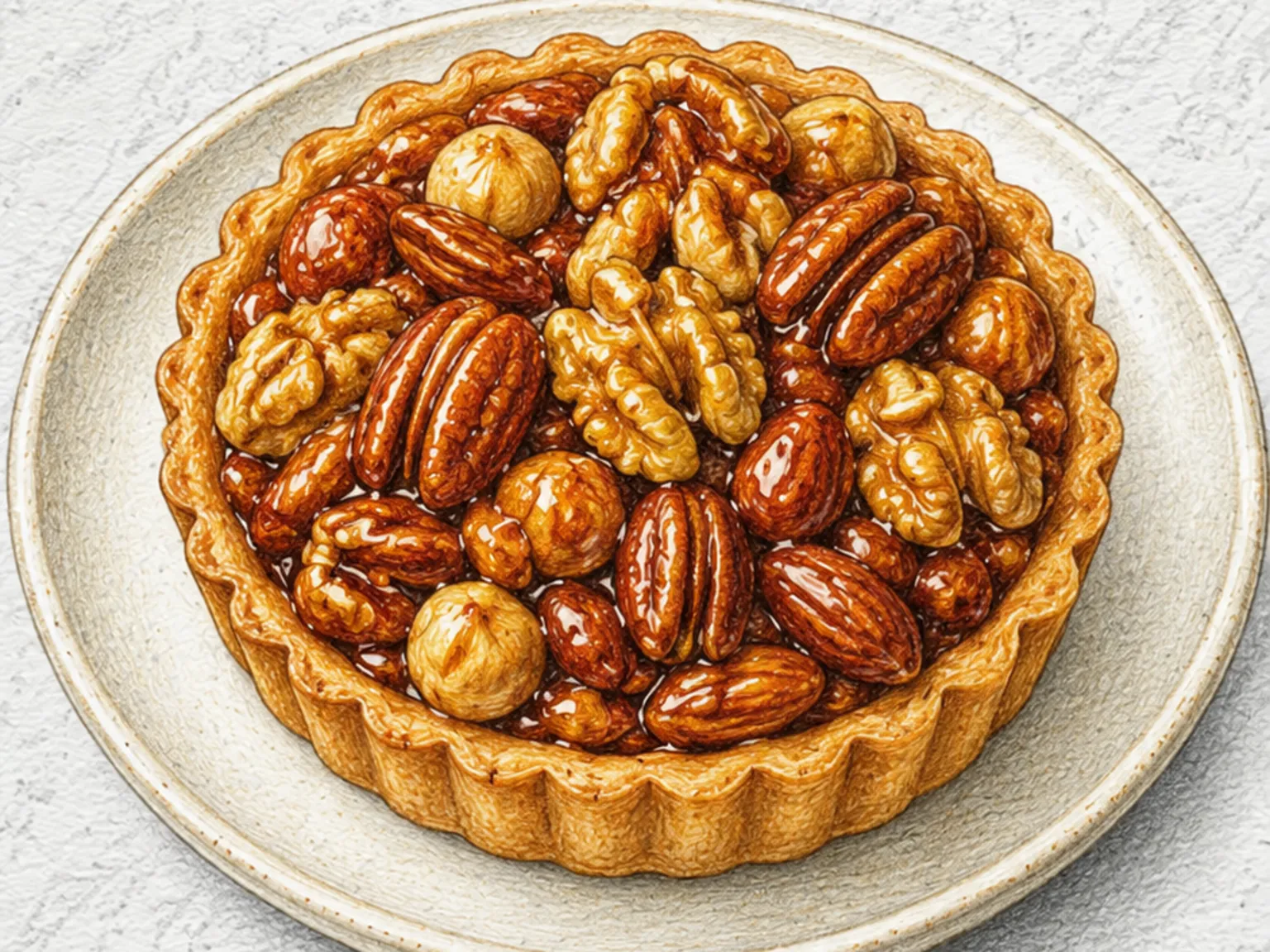
Pecan pie is assembled by spreading pecans in an unbaked pie crust and covering them with a filling of eggs, brown sugar, corn syrup, melted butter, and vanilla. The crust is first pressed firmly against the bottom and sides of the pan so the base lies flat beneath the liquid filling. Three eggs are loosened before 120 g of brown sugar is mixed in until most visible grains have diminished. The 150 ml of corn syrup, 40 g of melted unsalted butter, and one teaspoon of vanilla are then stirred through. The mixture should look even, with no streaks of butter floating across the surface. Mixing without whipping in excessive air also keeps the top from becoming needlessly foamy. The 180 g of pecans are distributed across the crust before the filling is poured slowly, preventing the nuts from being pushed into one side of the pan. Some pecans are nudged back toward the surface after pouring. The pie bakes at 175°C for 45-50 minutes. Its edges should be set while only the center still moves slightly when the pan is disturbed. If the nuts or filling darken too quickly, a loose foil cover protects the surface for the remainder of the bake. The center continues to firm as the pie cools, so complete cooling at room temperature is part of the setting process. Wiping the knife between cuts keeps the syrupy residue from dragging across subsequent slices.
About Western
Olive oil, butter, cream, and cheese create the rich flavors these dishes are known for. From special-occasion dinners to quick weeknight meals, these recipes make Western cooking approachable.