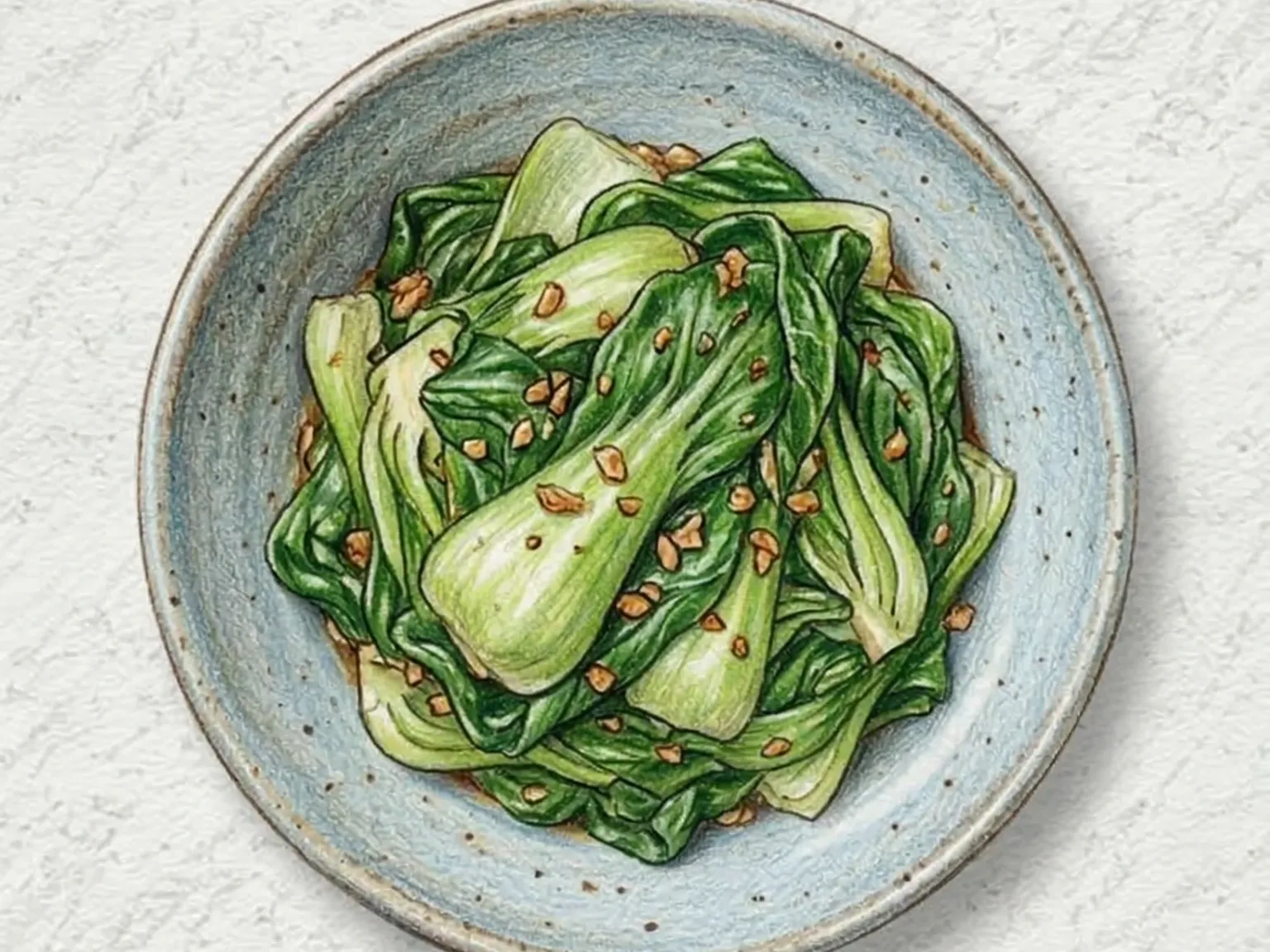
Korean Stir-Fried Leafy Greens
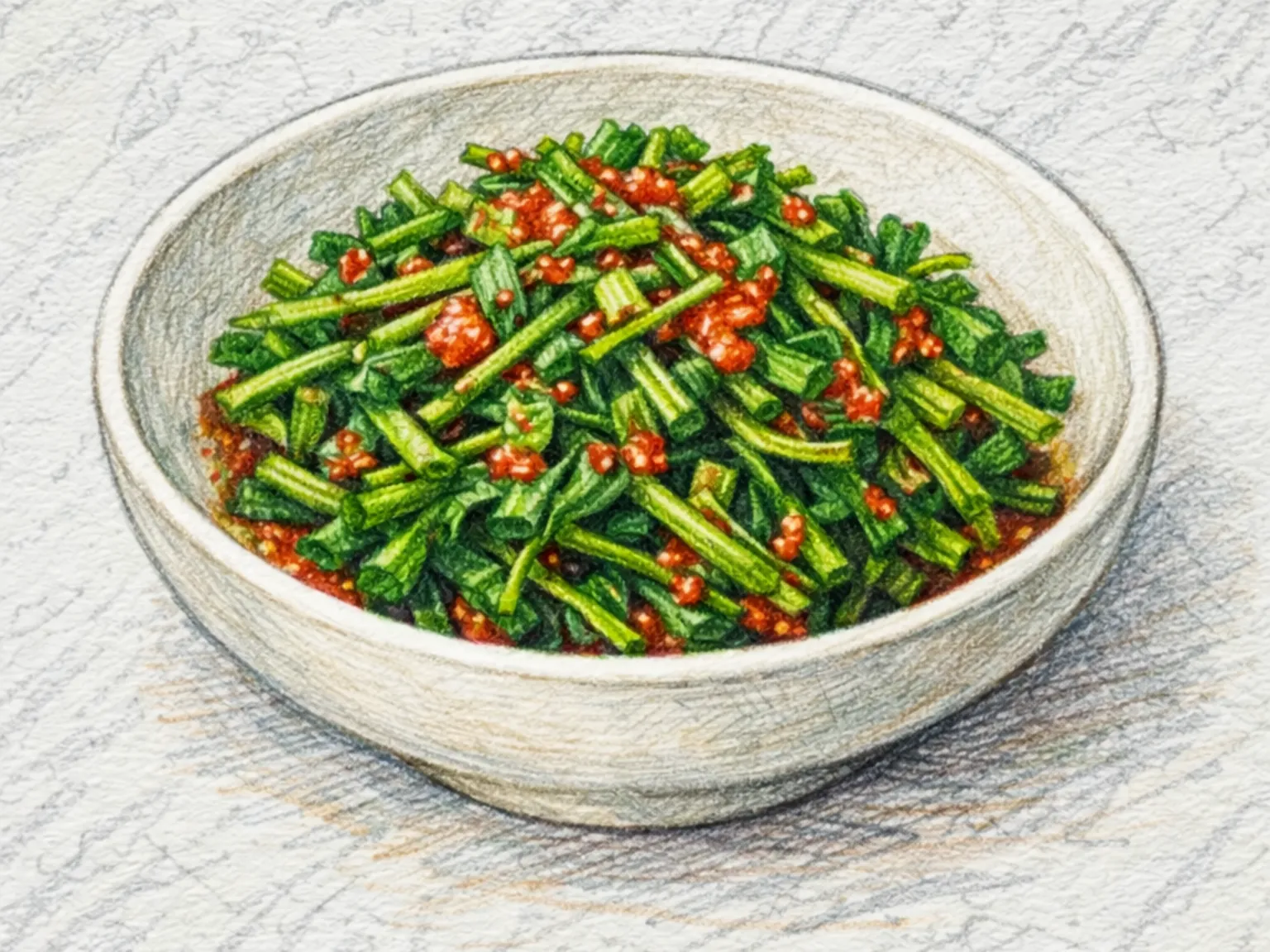
Young bok choy leaves spend just over a minute on high heat, enough to char the tips lightly. The garlic goes in first over low heat to scent the oil, and the flame jumps up the moment the greens hit the pan.
1880 Korean recipes. Page 20 of 79. Compare ingredients and cooking times. Korean Stir-Fried Leafy Greens, Korean Skewered Fish Cake Soup.
Young bok choy leaves spend just over a minute on high heat, enough to char the tips lightly. The garlic goes in first over low heat to scent the oil, and the flame jumps up the moment the greens hit the pan.
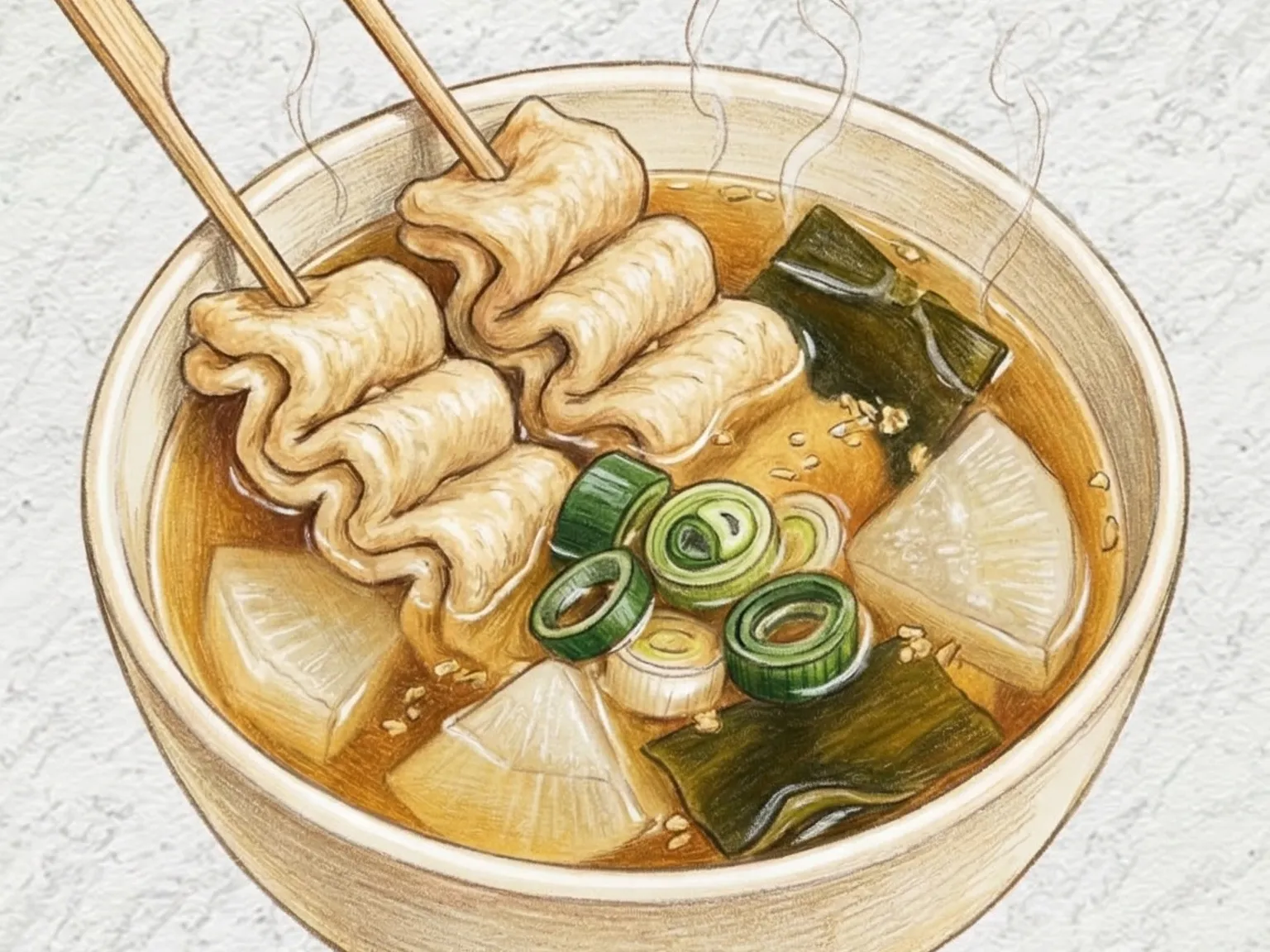
Zigzag-folded fish cake skewers simmer in a clear broth of radish, dried anchovy and kelp, and the hot broth served alongside matters as much as the skewers. Radish sweetness and anchovy savoriness carry the flavor, with only a light seasoning of soy sauce and garlic.
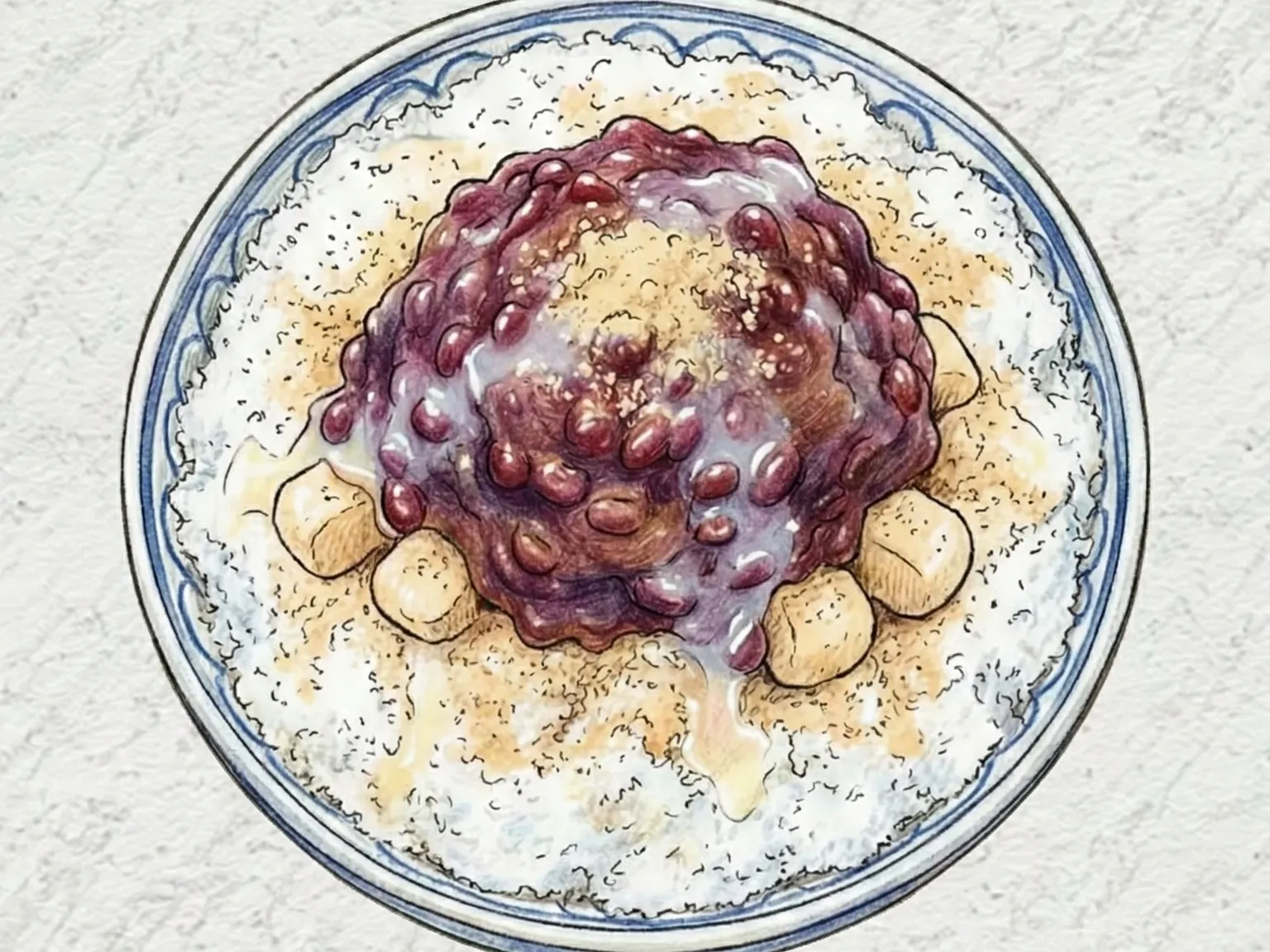
Frozen milk shaved into snow-fine flakes melts creamier and more opaque than plain water ice, which is what sets this bingsu apart. One spoonful can pick up sweet red beans, chewy rice cake, sliced strawberries, nutty multigrain and soybean powders, and crunchy almonds from the mound at once. The beans are tasted before any sugar goes in and cooled fully so they do not melt the ice on contact.
Persimmon vinegar has a deeper, fermented-fruit aroma than ordinary vinegar, and orange and lemon juice layer citrus over that tang. The honey has to dissolve fully into the vinegar and juice before the sparkling water is added, or the sweetness ends up uneven between glasses.
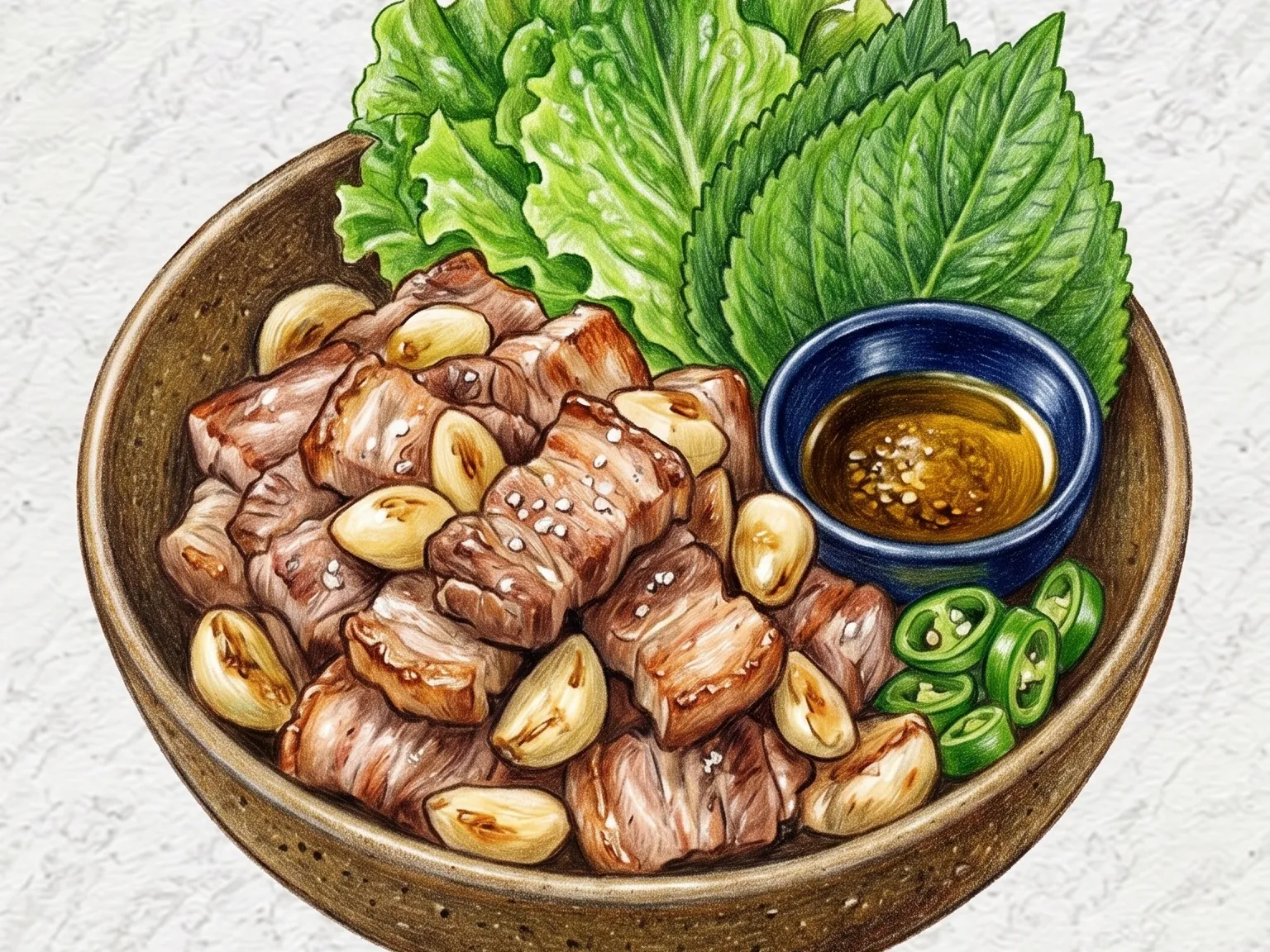
With nothing but coarse salt on the pork, the meat itself carries almost all the flavor, and the quality of the belly or neck shows in every bite. Garlic roasted at the edge of the same pan, a sesame oil and salt dip and lettuce leaves turn each piece into a wrap.
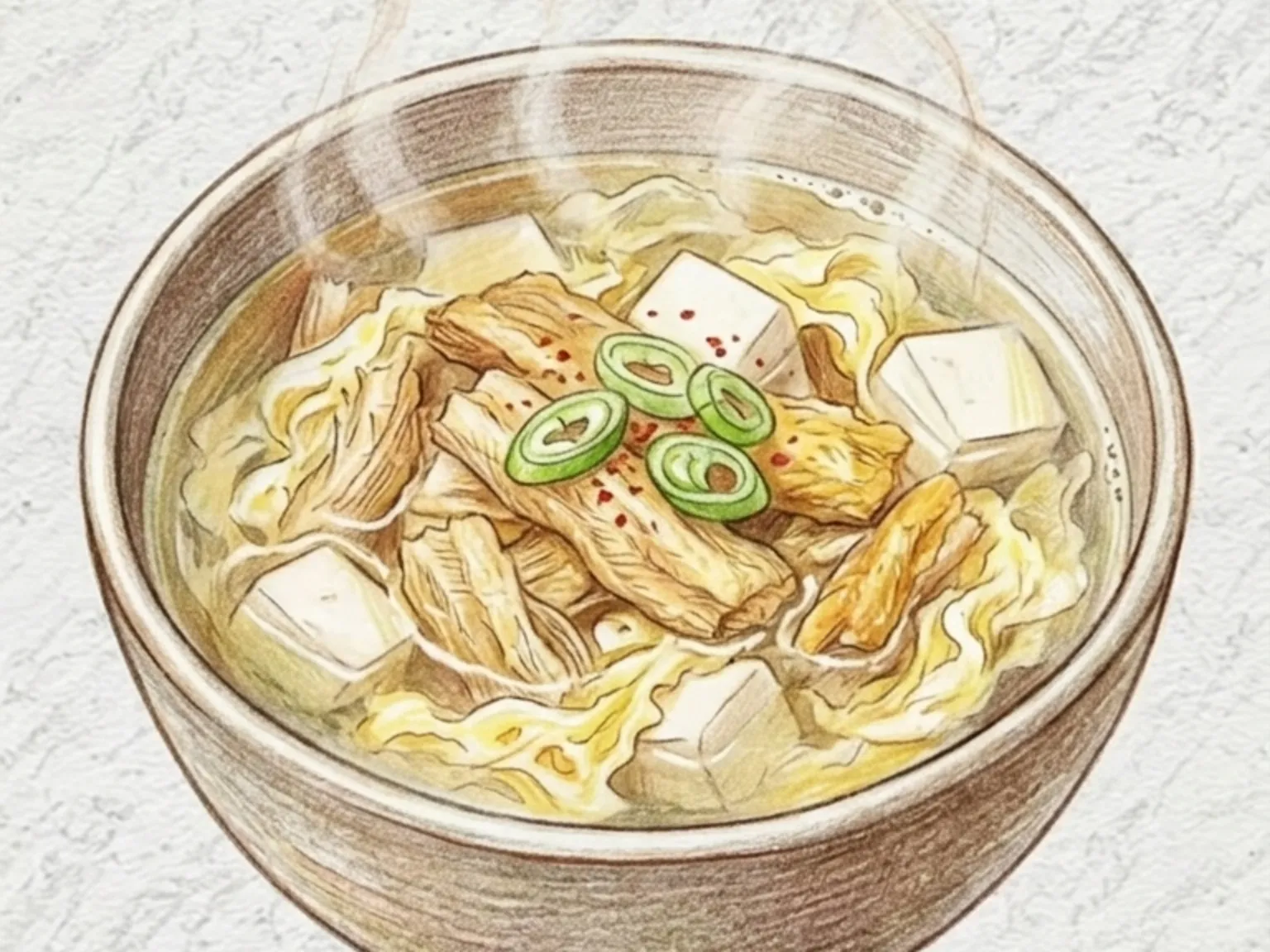
After soaking, the dried pollack strips are picked over for thick bones, torn by hand, and toasted in sesame oil until their edges curl before any water goes in. Tofu and egg poured in a circle keep the broth clear and mild, and in Korea it is a common pot the morning after a night of drinking.
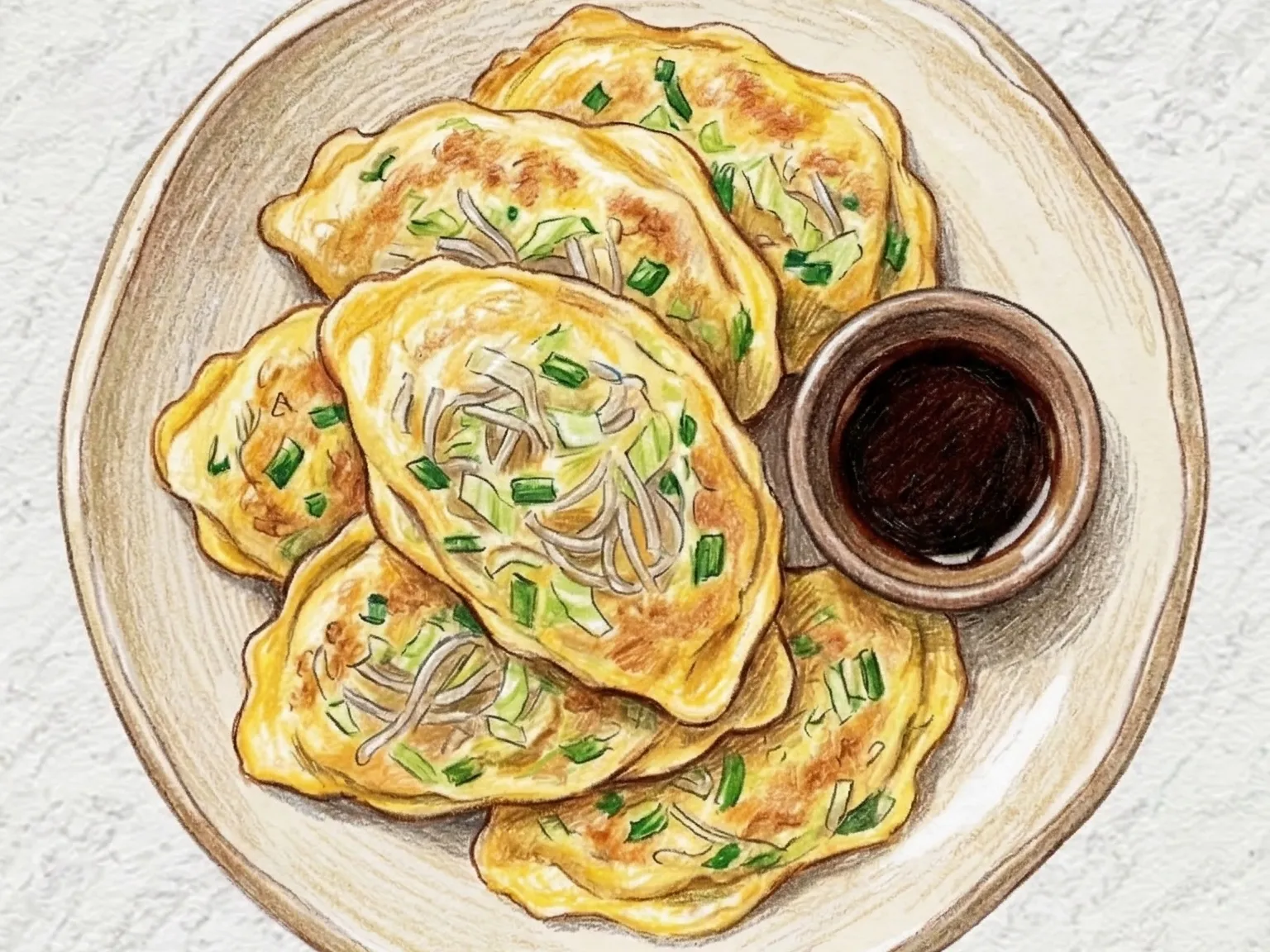
The egg itself replaces the dumpling wrapper, setting around a filling of cabbage, scallion and glass noodles in palm-sized rounds. It follows the flat egg mandu sold as a market snack, and no flour goes into it at all. The noodles are cut short to make flipping easier.
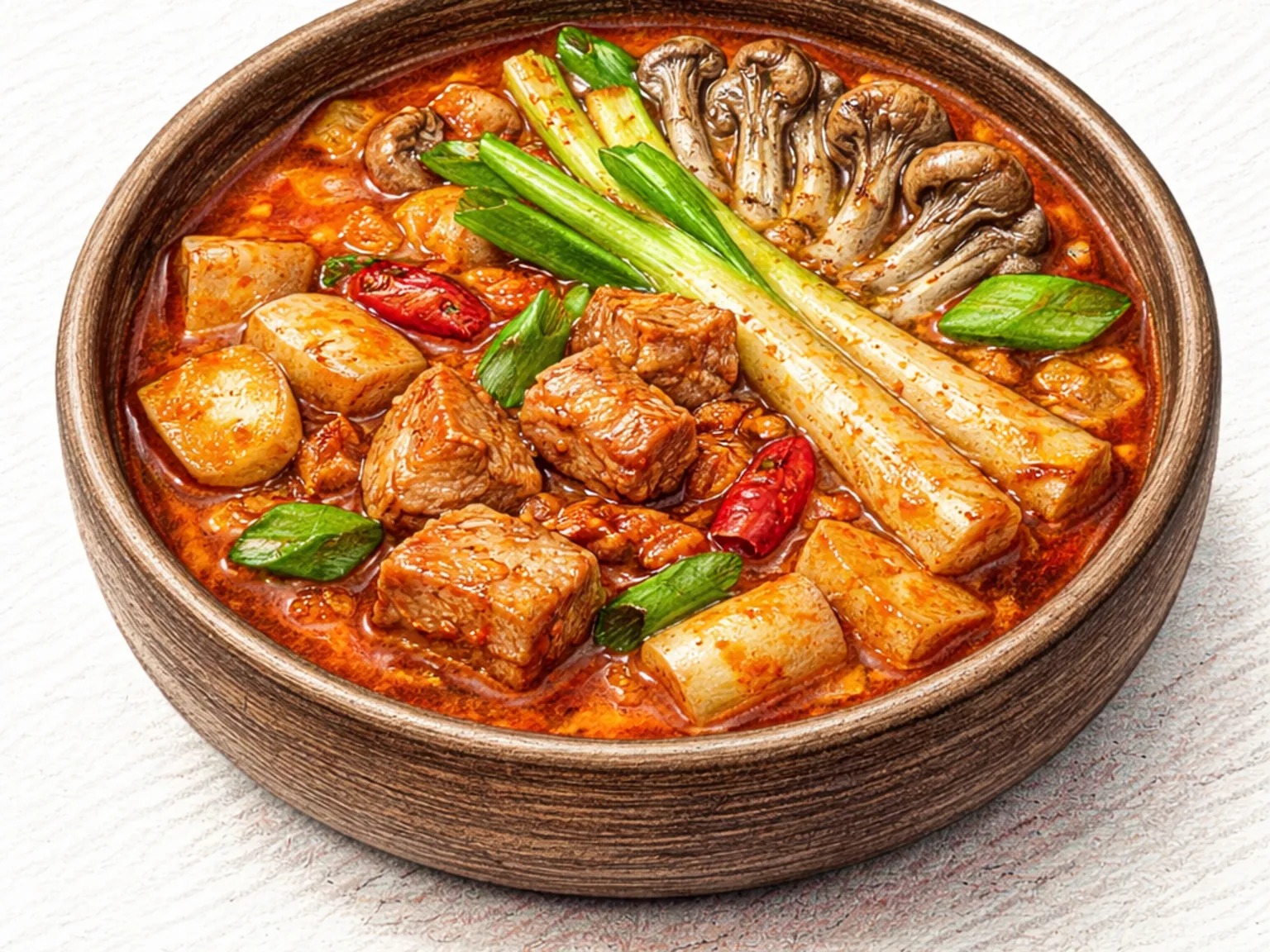
Pork shoulder is marinated in gochujang, stir-fried with onion and simmered in rice-rinsing water for ten minutes before the deodeok and oyster mushrooms go in, because the root's aroma fades the longer it boils. Leftovers thicken overnight; add a splash of water or rice water when reheating.
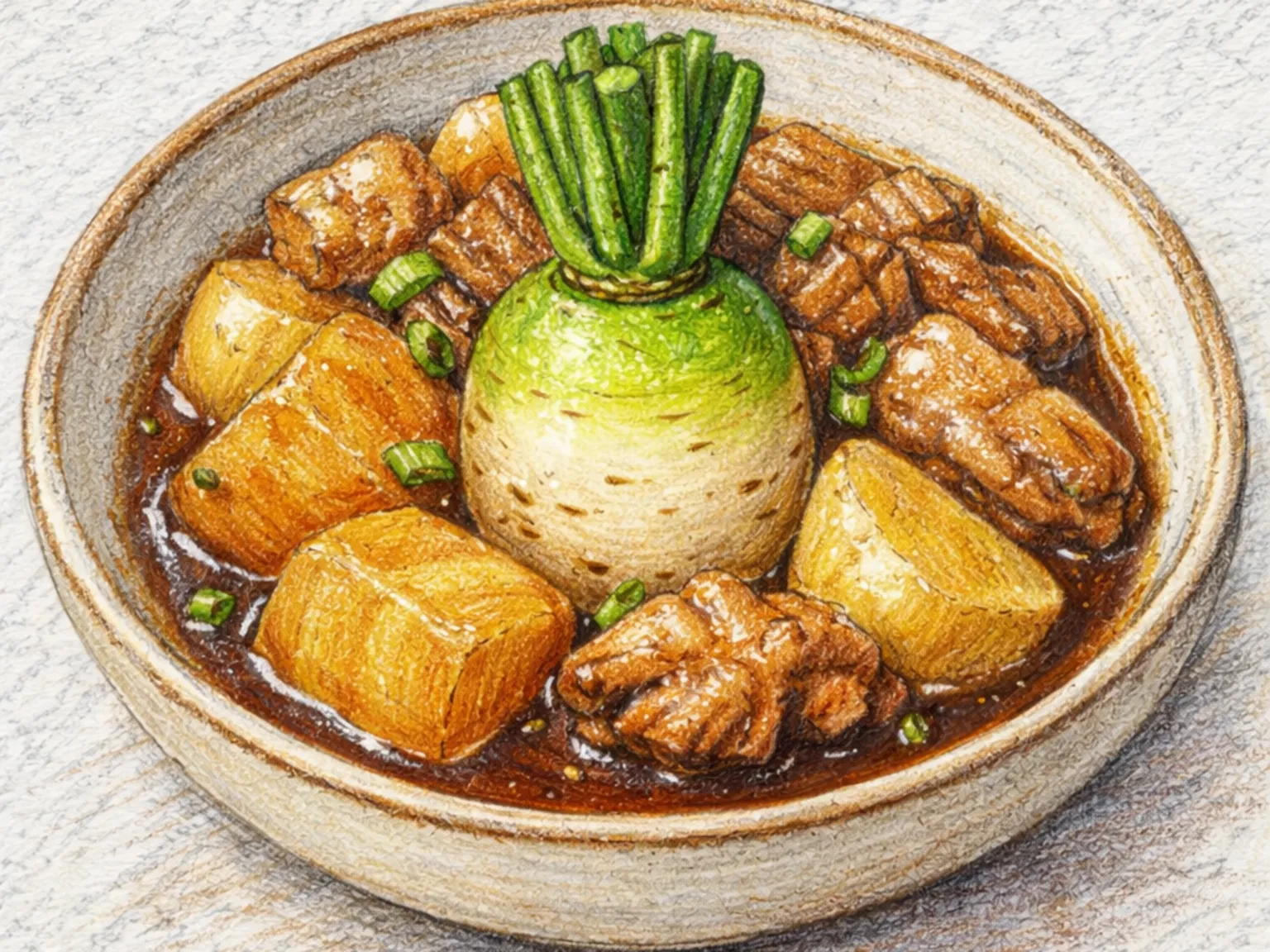
Braised a long time with bone-in chicken, the radish turns brown from all the chicken stock and chili sauce it takes in. The potatoes crumble at the edges and thicken the sauce.
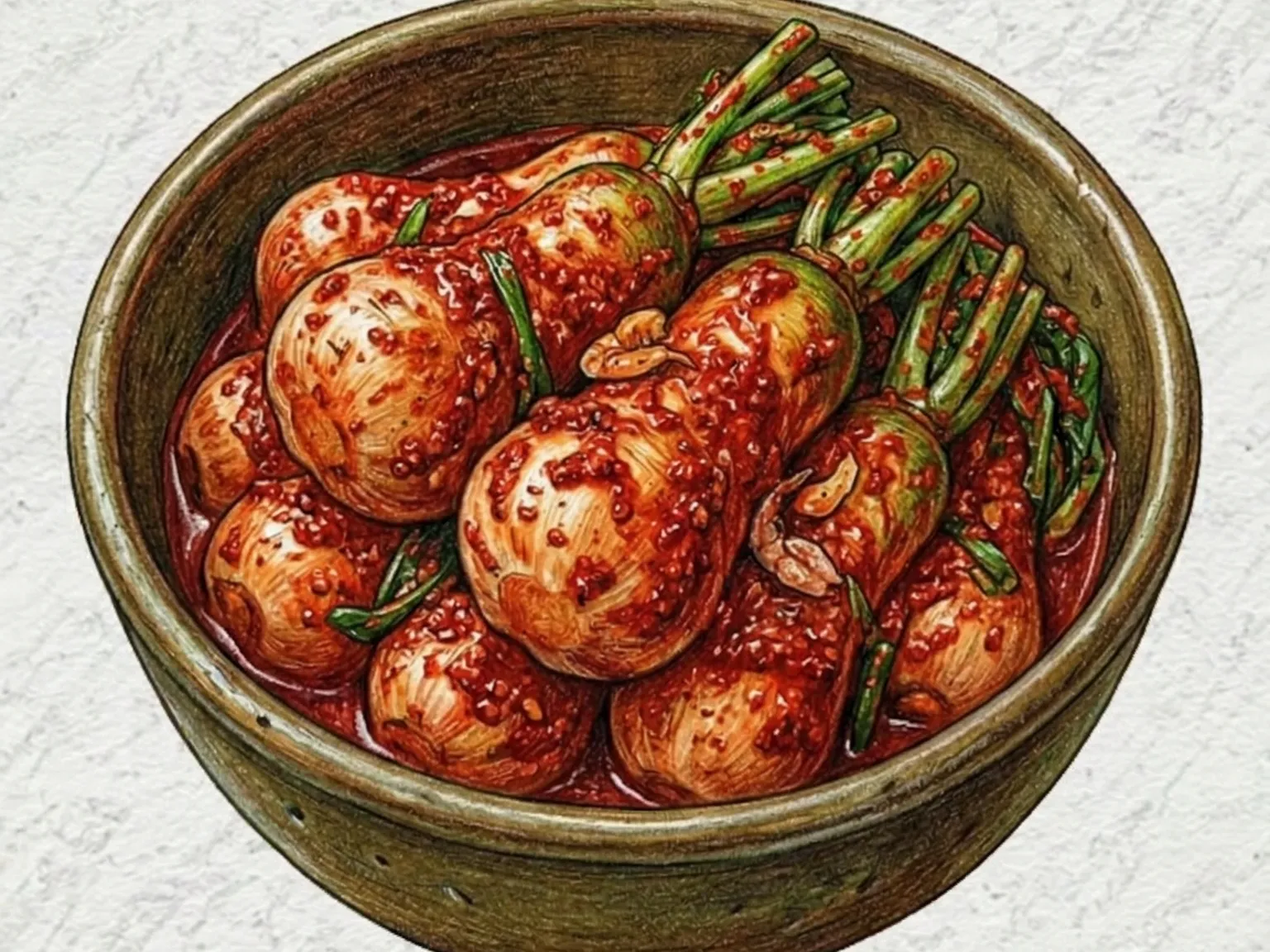
Ponytail radishes go into the kimchi whole, greens and all, and after a day at room temperature they bite back with a fizzy tang. Long greens turn tough, so they are trimmed short first.
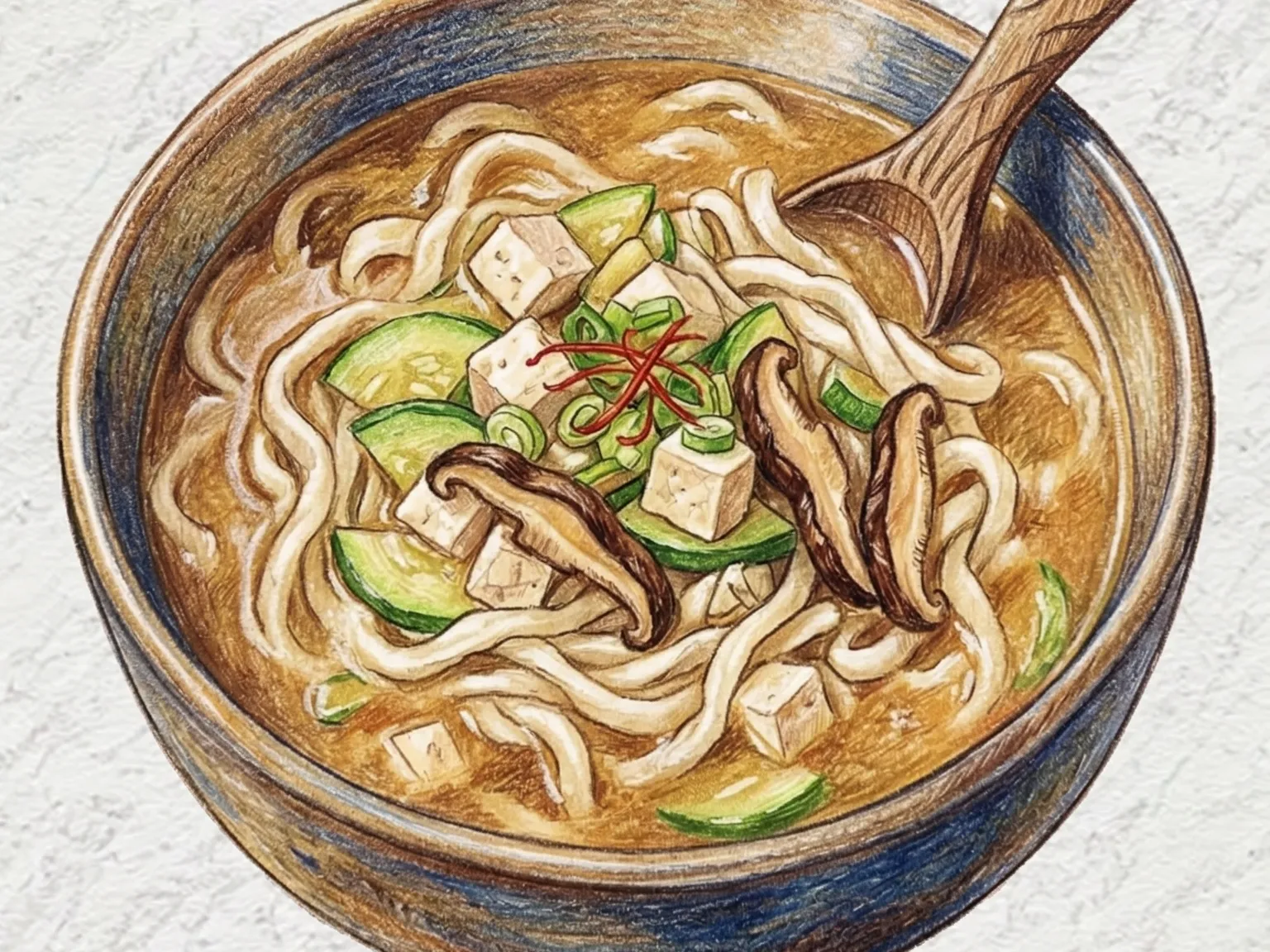
Pushing the doenjang through a fine sieve before it meets the broth keeps lumps out, and lumps are where bitterness concentrates. Anchovy stock and fermented soybean paste reinforce each other, so the soup tastes complete without extra seasoning.
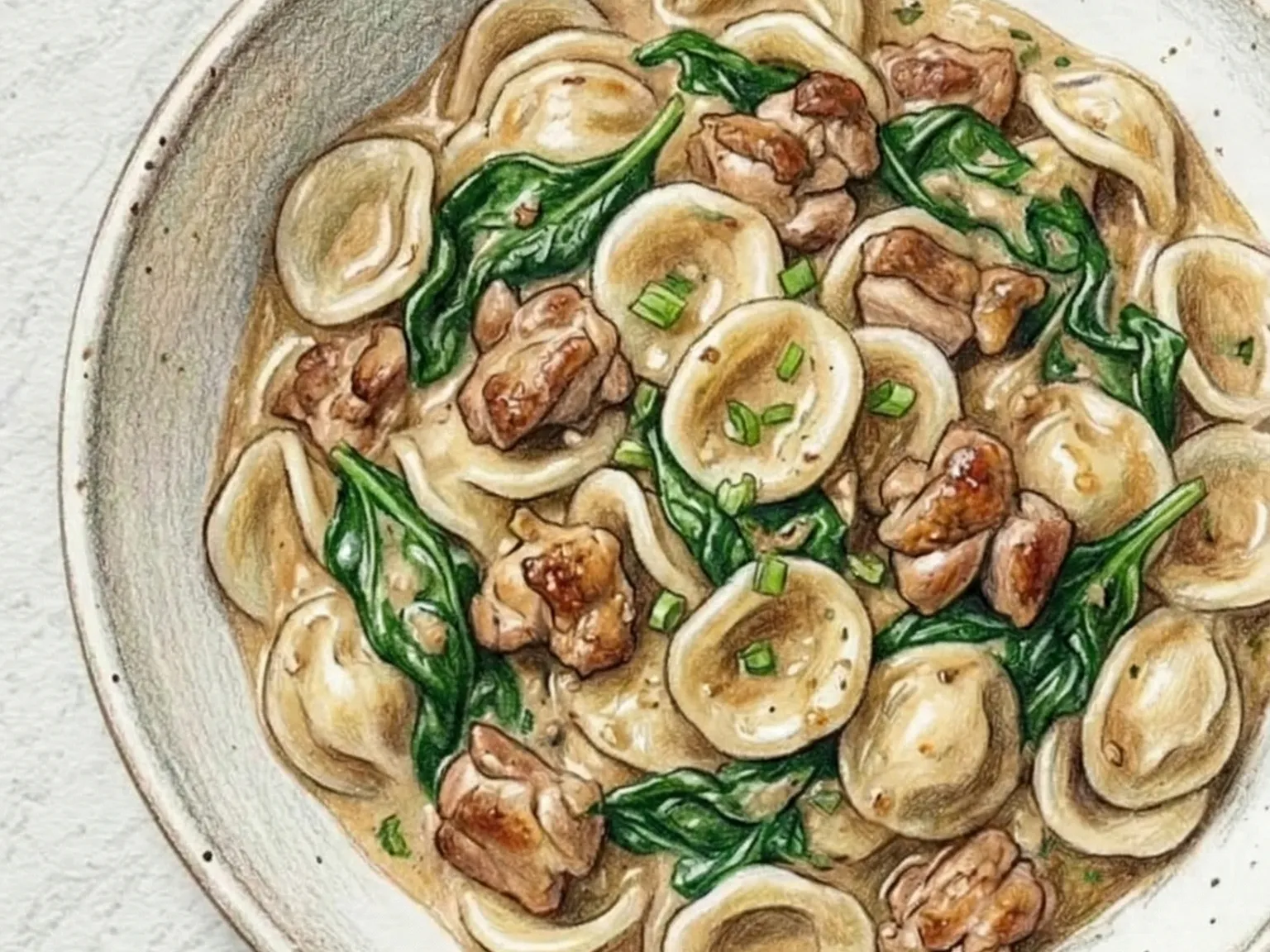
Ssamjang, the thick soybean-and-chili paste served with Korean lettuce wraps, gets whisked into milk instead of fried, which keeps its savory fermented flavor while softening its pasty edge. Browned chicken thigh, onion, and garlic give the sauce some sweetness underneath. Each ear-shaped orecchiette cups a little sauce, and spinach goes in only during the final minute or two so it stays green. Parmesan melts in once the burner is off.
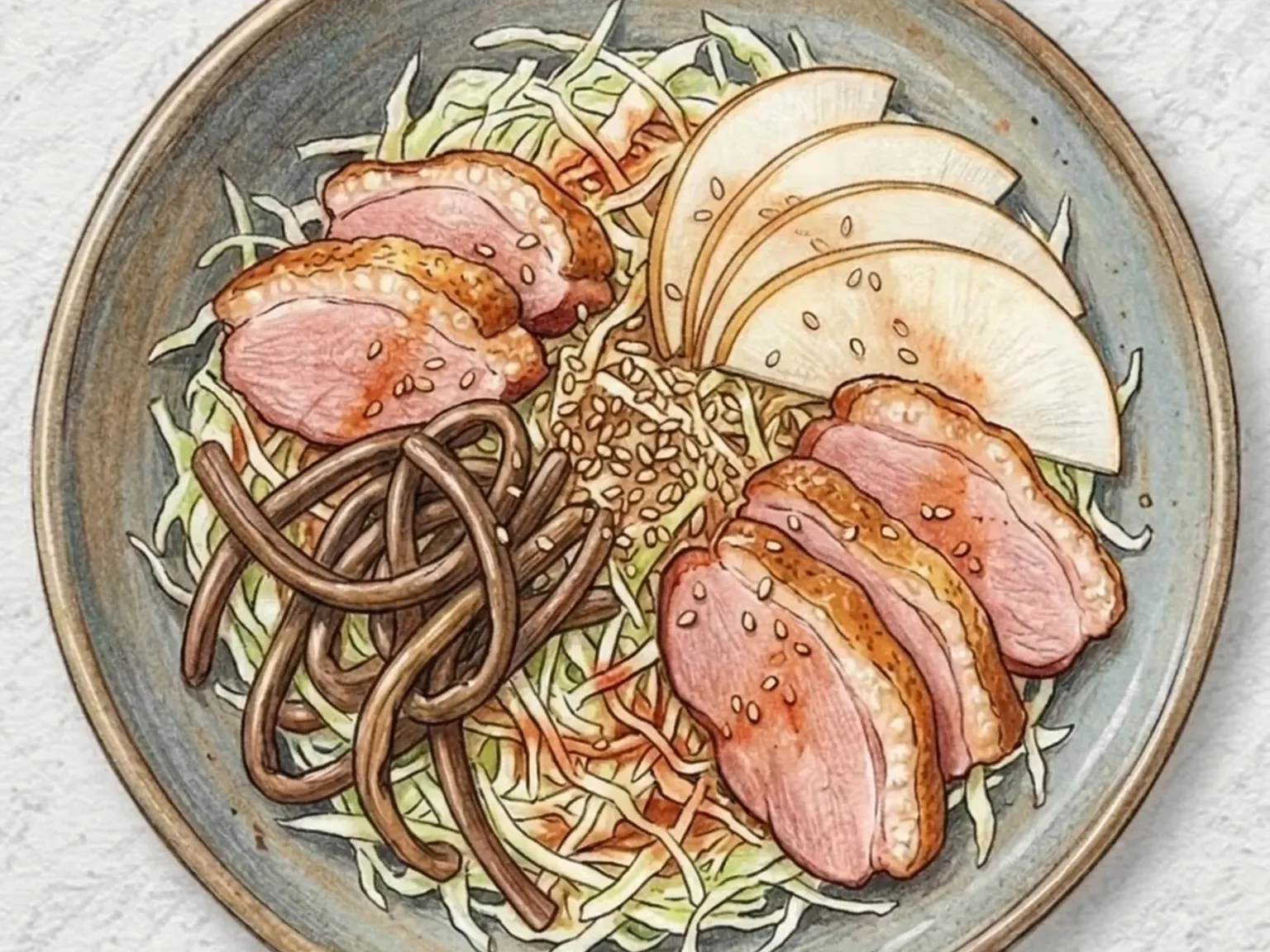
Smoked duck brings fat and smoke, and this salad answers with a sharp soy-vinegar dressing spiked with chili oil plus thin slices of Korean pear that burst with juice. The duck gets only 3 minutes over medium heat, skin side down, to render its fat without drying out the meat. Gosari, the bracken fern Koreans usually eat as a seasoned side dish, is blanched for just 1 minute so it loses any off flavor but keeps its chewy bite. The pear is tossed with a little dressing as soon as it is sliced, which slows browning, and meets the greens only at serving time. Red chard and finely shredded cabbage give the plate a crisp base.
Omija, the Korean five-flavor berry, goes in as a syrup stirred into the frangipane, tinting the almond cream a faint red and giving it a tart edge. The mixed berries on top sink halfway into the almond filling as it puffs in the oven, and a cut slice shows fruit set into the cream.
Bite into a plump, jade-green stonecrop leaf and a grassy, faintly tart juice bursts out. Heat ruins the leaves, and so does sitting in the dressing too long, which is why they are never blanched and get tossed only just before eating.
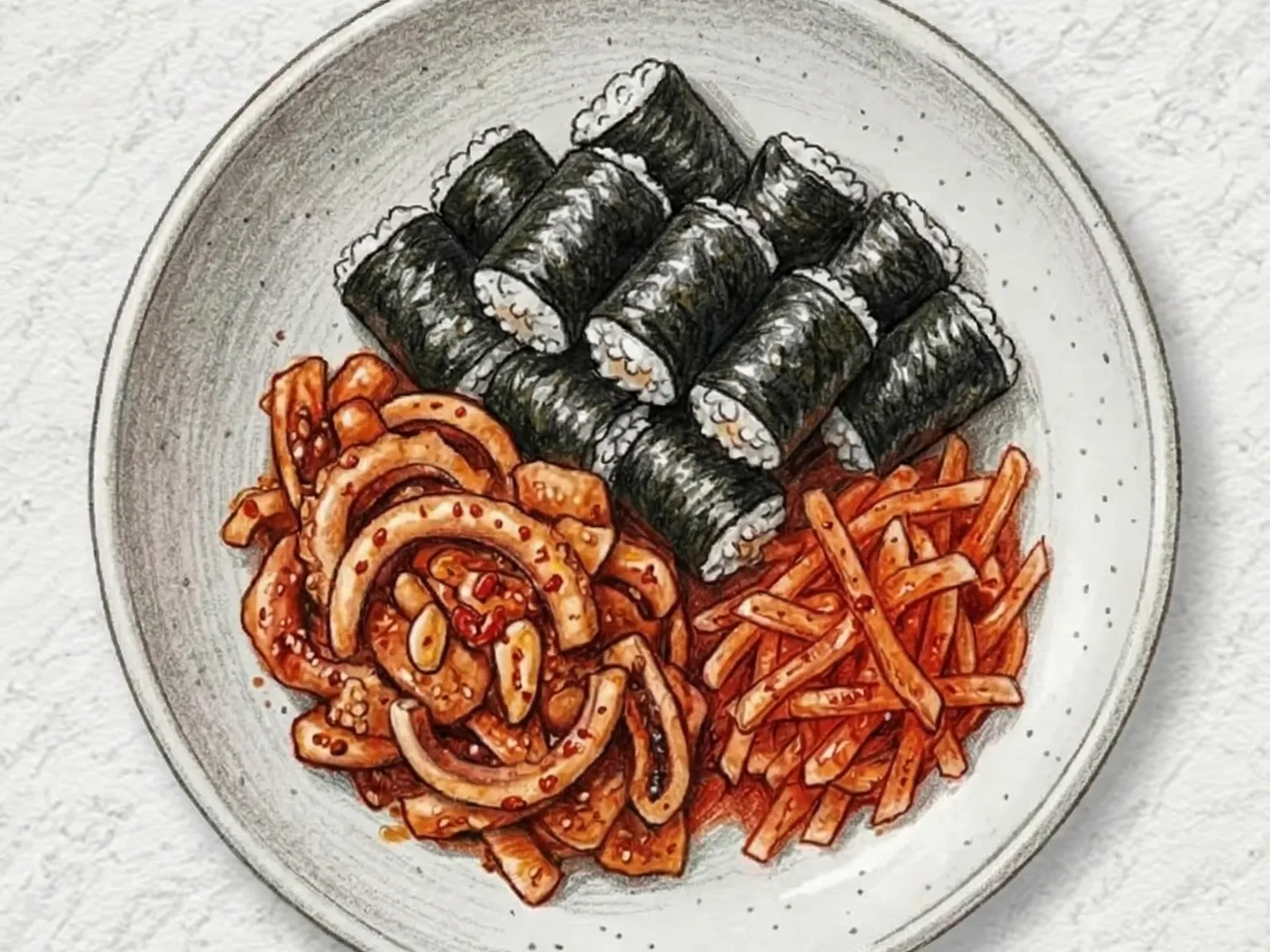
Small rolls of plain seasoned rice with no filling sit beside spicy squid and seasoned radish, and you take a bite of one, then the other. It is the Tongyeong way: salt and sesame oil for the rice, and all the heat in the side dishes.
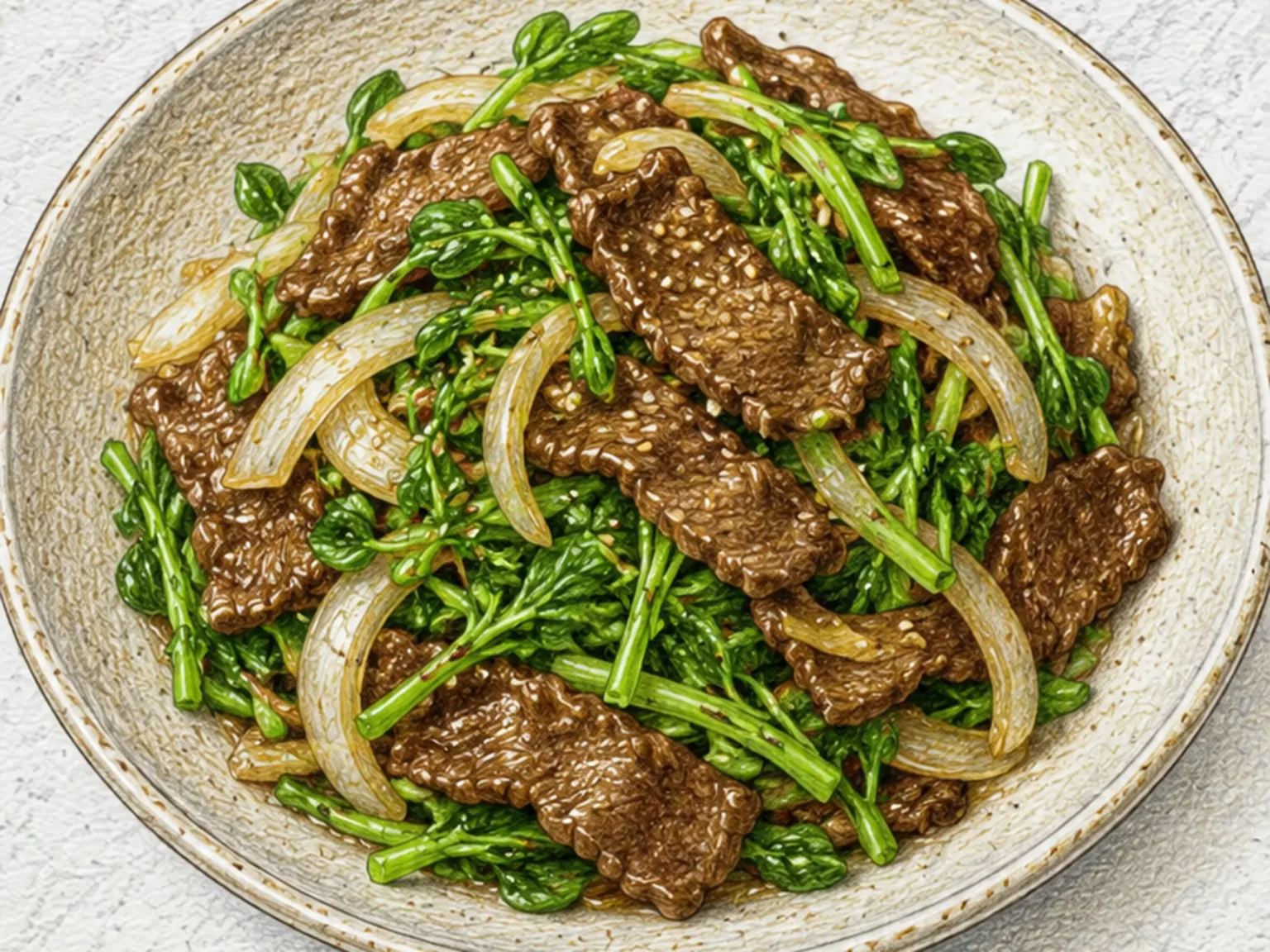
Chamnamul, a Korean mountain green, smells a little like parsley or celery leaves, only cleaner and stronger. Stir-fried with soy-marinated beef, its fresh scent sits clearly on top of the heavier meat.
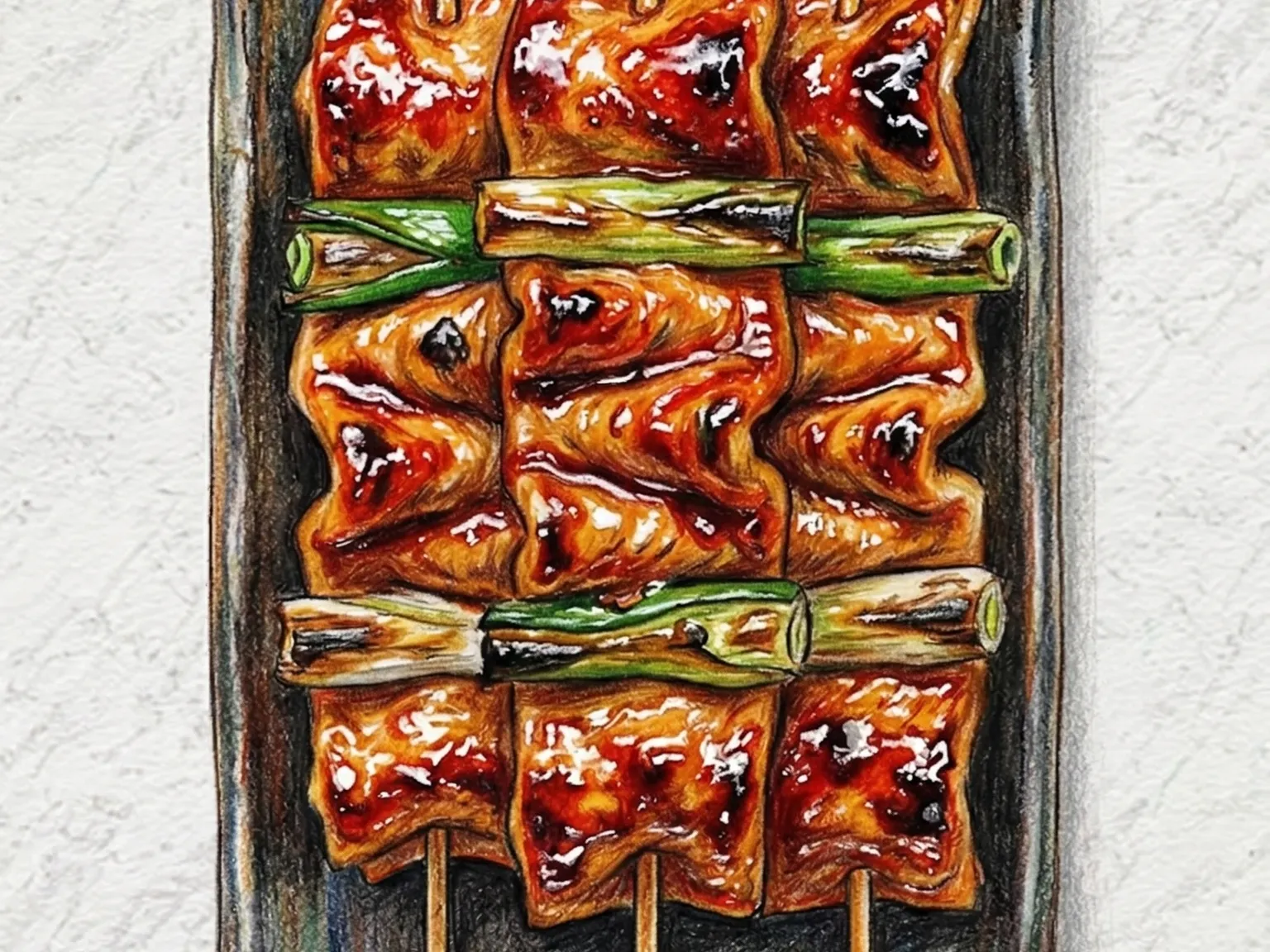
The skewered fish cakes start in a dry pan with no oil. Driving off their surface moisture is what lets the soy and gochujang glaze stay put instead of running off. After brushing, a short second spell over the heat melts the sugar into a shine, and sliced green onion and sesame seeds go on top.
Melted sugar caught at pale amber foams up to two or three times its volume within seconds of adding baking soda, then cools into a thin disc that snaps cleanly when tapped. It has to come off the heat right at that color; one shade darker and it turns bitter. The shape cutter only presses an outline, and the disc is left alone until it has cooled hard.
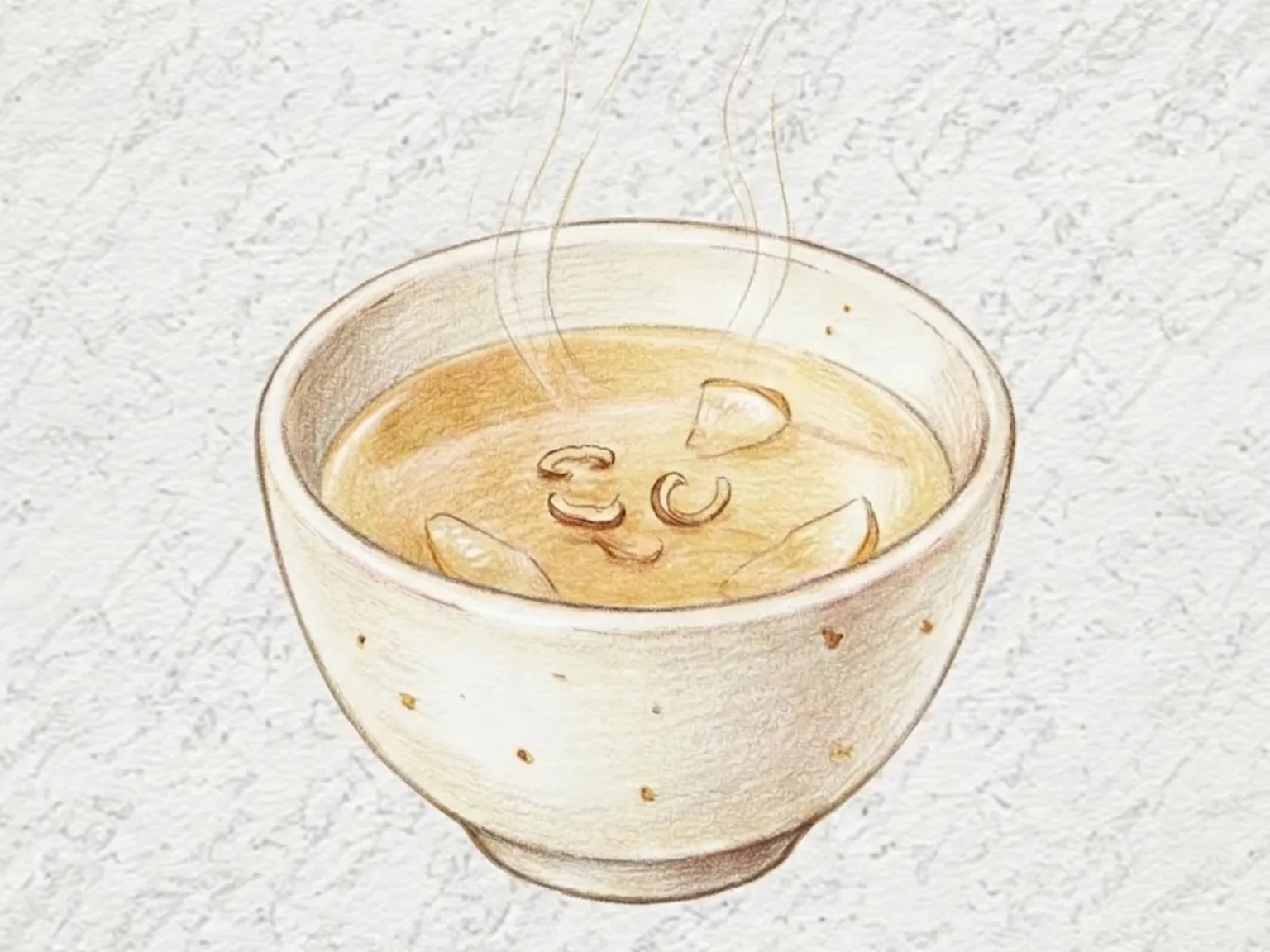
Licorice root and pear do most of the sweetening in this simmered tea, and only a little honey is stirred in at the end. Licorice turns cloying in larger amounts; about 3g per person is enough. The pear goes in late and cooks only until it turns translucent.
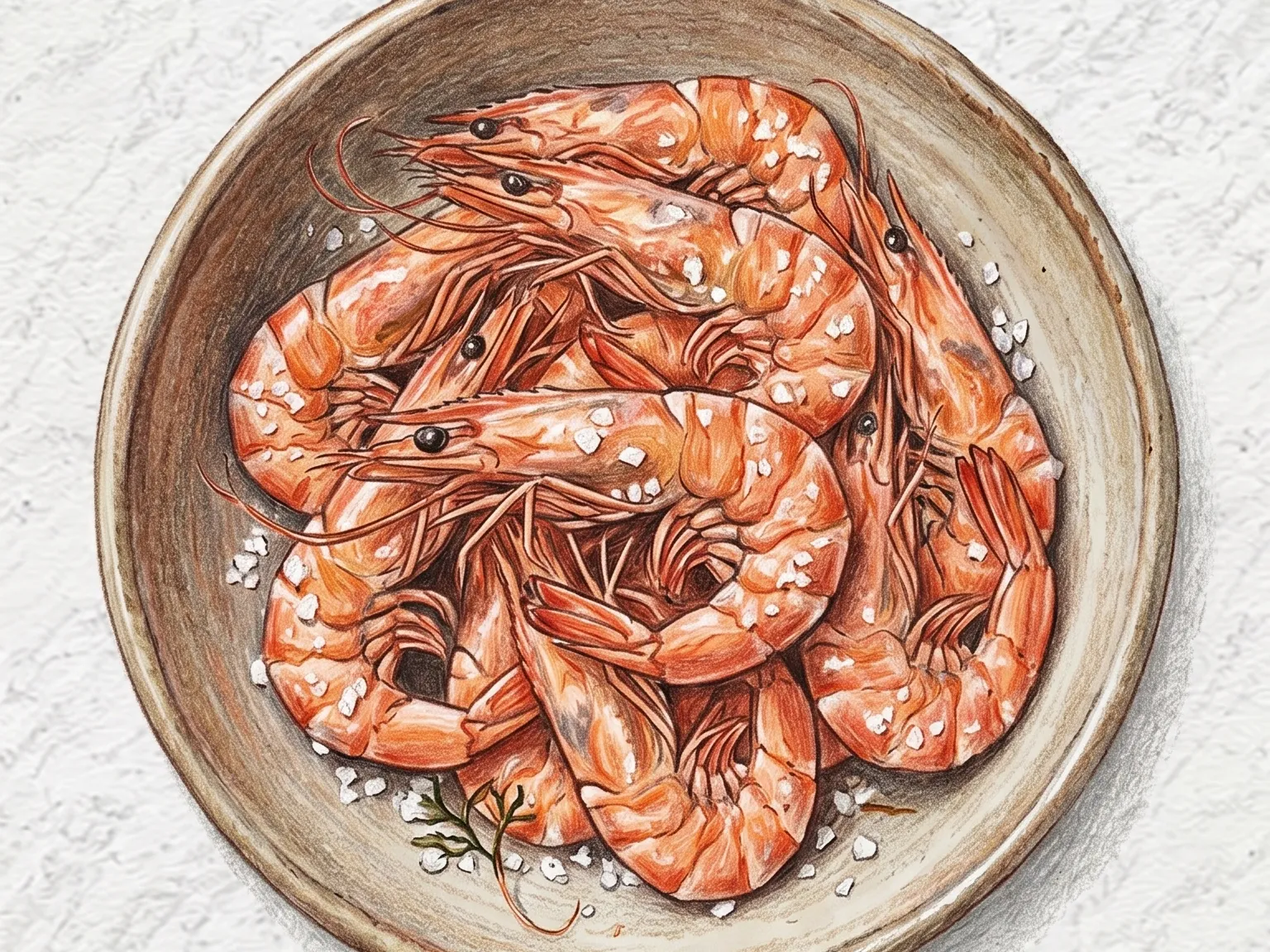
Dokdo shrimp are sweet enough that a splash of rice wine to take off any off odor is the only seasoning they get. They cook briefly on a bed of coarse salt under a lid, and the heads, pulled off, are stir-fried in butter as a second small dish.
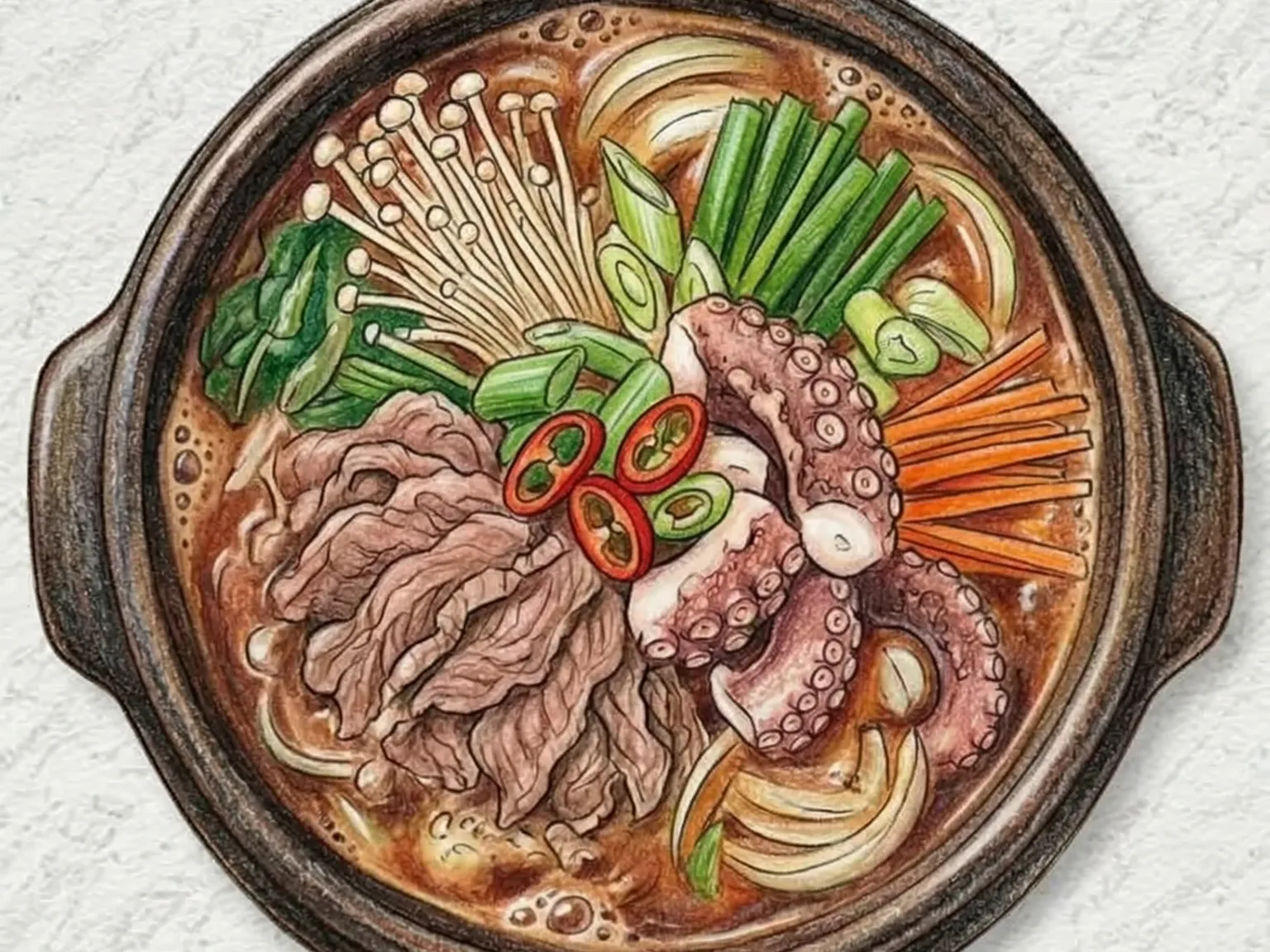
Napa cabbage and onion line the bottom of the pot, beef goes on top, minari (Korean water parsley) rings the edge, and the octopus sits highest of all. When its legs curl up and turn bright red, the heat goes off at once and everything is ladled out with the broth.
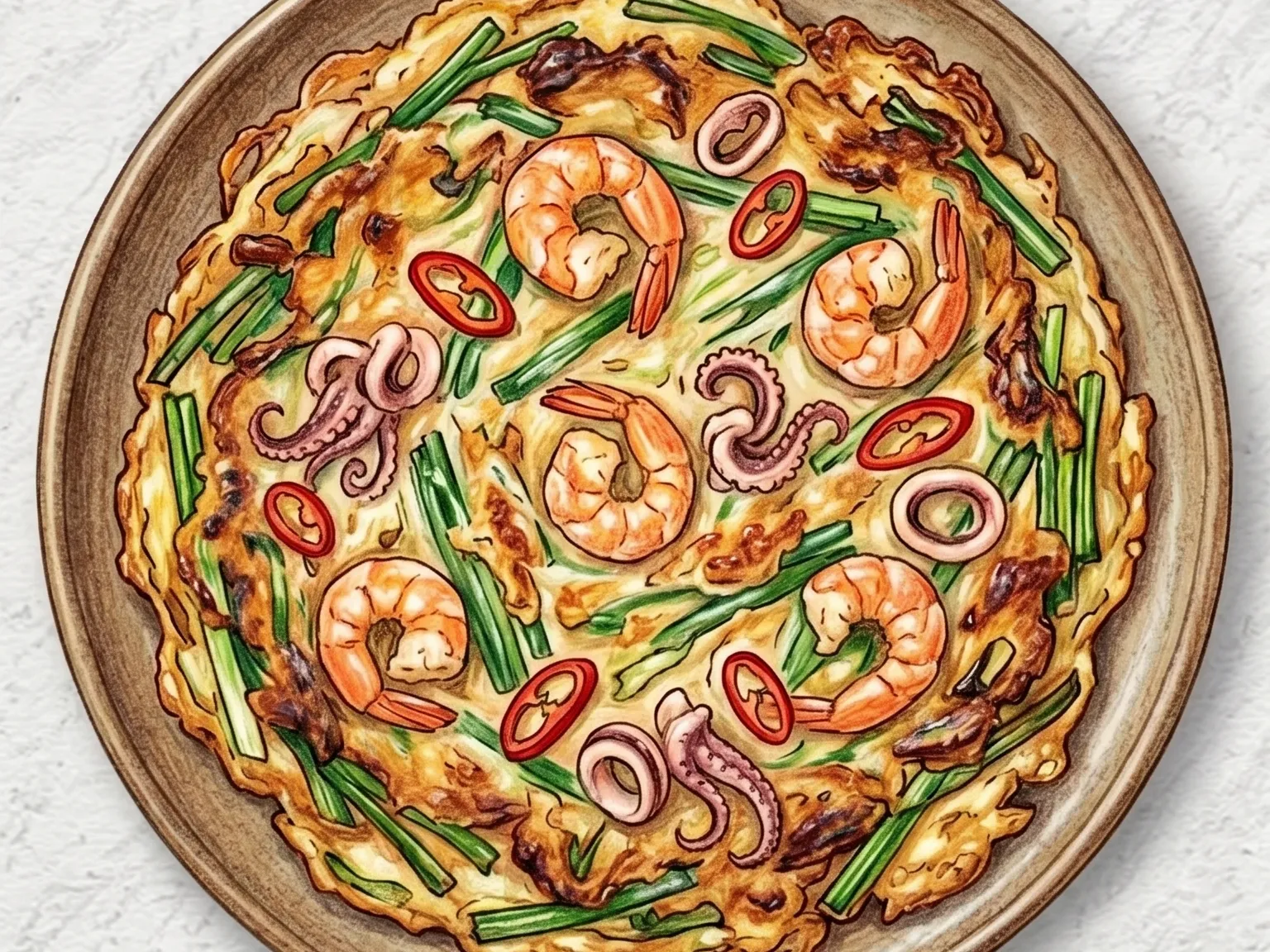
The batter is pancake mix stirred loosely with cold water. Scallions go into the pan first, then squid, shrimp and thin slices of red chili, and the batter is poured over; the scallions touching the oil turn sweet and give off the smell that makes pajeon what it is. It comes to the table with makgeolli.
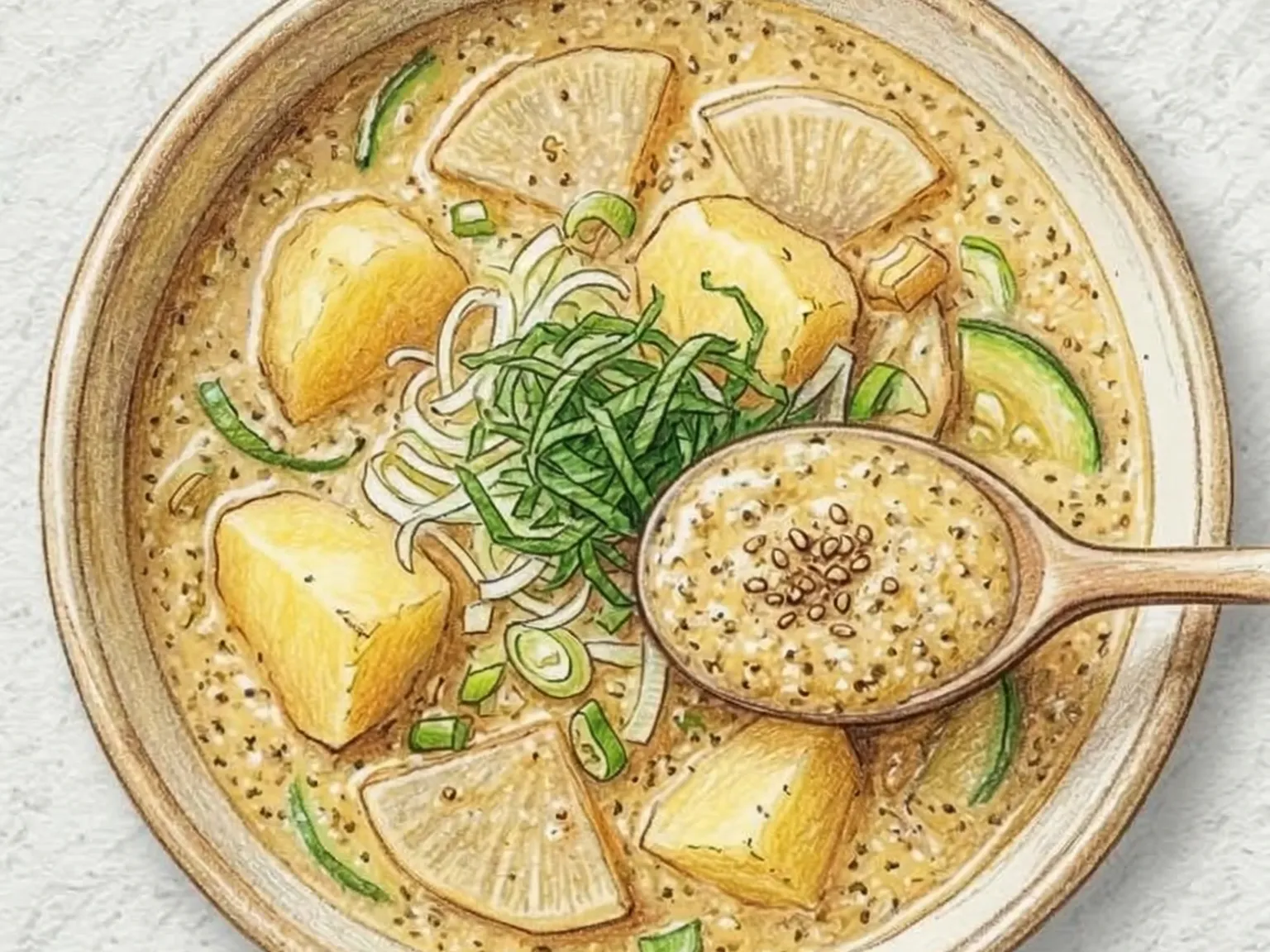
Ground perilla seed and the starch from potatoes thicken this stew on their own, leaving a broth that coats a spoon with no extra thickener. Dumping all the perilla powder at once is the usual mistake, since it clumps and scorches on the bottom. Stirring it in a little at a time avoids both.