Charim

2686 Korean & World Recipes

2686+ Korean recipes, clean and organized. Ingredients to instructions, all at a glance.

Recipes with garlic

24 recipes

Buy garlic
Steamed Mussels Mariniere
SteamedEasy

Steamed Mussels Mariniere

Moules mariniere is a classic dish from northern France in which mussels are steamed open in a base of white wine, butter, garlic, and shallot over high heat. As the mussels open, they release their briny cooking liquid into the wine-butter base, and within roughly five minutes that mixture becomes a deeply aromatic broth that is far more complex than the sum of its parts. The brevity of the cooking time is not incidental but essential. Mussels cooked just until they open remain plump and firm, while those left on the heat any longer shrink and turn chewy. The moment the last mussel opens, the heat comes off. Fresh flat-leaf parsley is scattered over the top before serving, adding a clean green note against the richness of the broth. A dry white wine is preferable to one with residual sweetness, because its acidity balances the butter and amplifies the oceanic flavor of the mussels. Finishing with a small knob of cold butter stirred in at the end gives the sauce a glossy sheen and a rounded, velvety finish. The broth that collects at the bottom of the pot is often considered the best part of the dish, traditionally mopped up with torn pieces of crusty baguette.

🍺 Bar Snacks🎉 Special Occasion
Prep 15minCook 10min2 servings
Korean Salted Pollock Roe Jeotgal
KimchiHard

Korean Salted Pollock Roe Jeotgal

Myeongran jeotgal is a Korean salted and fermented pollock roe where fresh roe sacs are meticulously cleaned of blood spots and membranes, brushed with rice wine to suppress fishiness, then packed in a curing blend of coarse sea salt, gochugaru, and minced garlic alongside a piece of kelp. Over three to five days in cold storage, salt draws moisture out of each tiny egg, concentrating their pop-and-burst texture while enzymatic breakdown generates a deep, layered umami that raw roe cannot produce on its own. The chili flakes introduce a gentle warmth that sits behind rather than over the roe's natural salinity. Sliced thin and arranged over hot steamed rice, each piece releases a salty, oceanic intensity with every bite - a condiment that disappears faster than any dish it accompanies.

🎉 Special Occasion🍱 Lunchbox
Prep 30min4 servings
Sapporo Miso Ramen (Hokkaido-Style Rich Miso Broth Ramen with Pork)
AsianMedium

Sapporo Miso Ramen (Hokkaido-Style Rich Miso Broth Ramen with Pork)

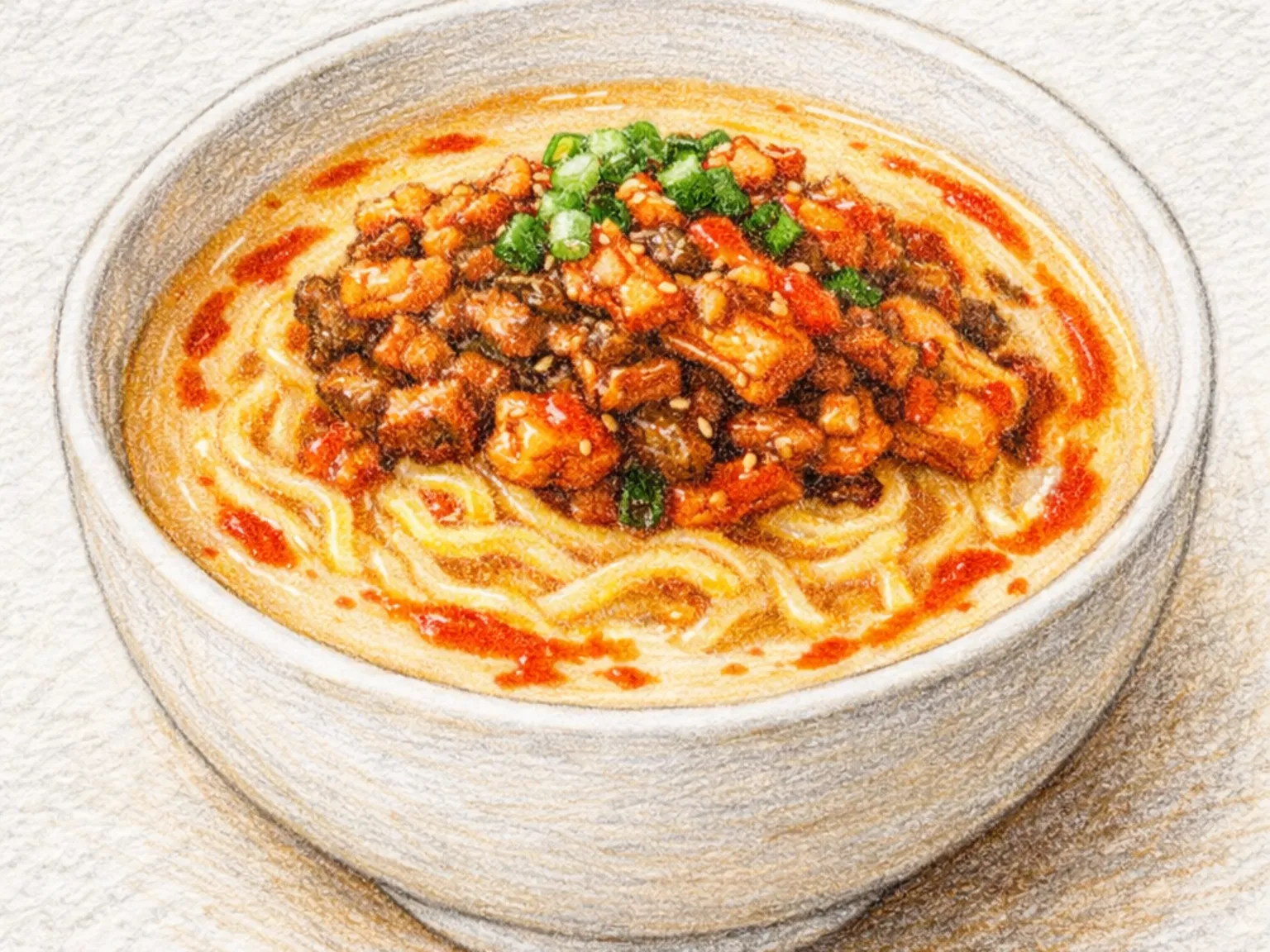
Sapporo miso ramen was born in Hokkaido's capital as a way to warm up against brutal northern winters, and everything about the bowl reflects that purpose. The broth starts with chicken stock fortified with a generous amount of miso paste, giving it a thick, opaque body and a deep fermented savoriness. Ground pork, cabbage, and bean sprouts are stir-fried in a wok before being added to the broth, which picks up smoky wok flavor in the process. Sweet corn kernels and a pat of butter melt into the surface, adding richness that feels earned rather than excessive. The noodles are thick and curly, engineered to trap the heavy broth in every coil. Garlic and chili oil variations are common in Sapporo's ramen shops.

🎉 Special Occasion
Prep 15minCook 30min2 servings
Korean Stir-fried Zucchini
Side dishesEasy

Korean Stir-fried Zucchini

Hobak-bokkeum is one of the quickest and most fundamental banchan in the Korean home-cooking repertoire. Thinly sliced Korean zucchini, known as aehobak, is salted for five minutes to draw out moisture before cooking. Skipping this step floods the pan during stir-frying and produces a steamed rather than properly stir-fried result. Seasoning with saeujeot, fermented salted shrimp paste, instead of plain salt brings a deeper marine umami that cannot be replicated by sodium alone, and the high salinity of the paste means additional salt is rarely needed. High heat and a short cooking time allow the surface of each slice to lightly caramelize, building a toasty, nutty aroma while the interior cooks through without turning watery or soft. Garlic goes into the oil first to bloom its fragrance before the zucchini follows, layering flavor from the base. Green onion added in the final seconds of cooking preserves its aromatic edge rather than wilting away. A drizzle of sesame oil and a scatter of toasted sesame seeds at the end produces a clean, simply flavored side dish with a lasting nutty finish. When aehobak is already in the refrigerator, the whole dish can be on the table within five minutes.

🏠 Everyday🍱 Lunchbox
Prep 5minCook 8min4 servings
Korean Blue Crab Soy Stir-Fry
Stir-fryMedium

Korean Blue Crab Soy Stir-Fry

Kkotge ganjang bokkeum is a Korean blue crab stir-fry where halved crabs are lightly dusted with flour, pan-seared until the shells turn deep red, then braised briefly under a lid in a sauce of soy sauce, sugar, garlic, ginger, and gochugaru. The flour coating seals in moisture and helps the sweet-salty sauce cling to the shell surface, leaving a sticky, aromatic glaze that is meant to be licked off the fingers. Ginger neutralizes the briny smell that crabs can carry, while scallion and sesame oil are stirred in at the end to build the final aromatic layer. Using live crabs and cooking them immediately after cleaning ensures the meat stays firm and sweet; frozen crabs lose moisture during thawing and produce a noticeably softer result. Scoring the claws before cooking allows the sauce to penetrate the thicker sections of shell.

🏠 Everyday🌙 Late Night
Prep 20minCook 15min2 servings
Korean Grilled Octopus
GrilledMedium

Korean Grilled Octopus

Nakji-gui is a traditional Korean preparation of grilled small octopus that requires specific cleaning techniques and precise timing. The preparation begins by cleaning the small octopus through a process of vigorous rubbing with salt to remove impurities from the skin. Once cleaned, the octopus is coated in a marinade that includes gochujang, soy sauce, sesame oil, minced garlic, and corn syrup. This small octopus possesses significantly finer muscle fibers compared to a full-sized octopus, a physical trait that results in a very narrow window between a desirable springy texture and an undesirable rubbery one. A cooking time of only two minutes is frequently sufficient to push the protein past the point of no return, so the person cooking must stay attentive and remove the tentacles from the heat as soon as they firm up and take on color. The gochujang and corn syrup within the marinade undergo rapid caramelization when they come into contact with the hot surface of the pan or grill. This reaction forms a red, lacquered shell around each tentacle that provides a combination of fermented heat and sweetness in every bite. Using a direct flame for cooking introduces smoky and charred notes that increase the complexity of the flavor profile. If the dish is prepared in a pan rather than on a grill, the octopus must be dried thoroughly first. Any moisture remaining on the surface will generate steam and cause the octopus to braise instead of grill, which prevents the formation of the caramelized exterior. After the cooking process is complete, the octopus is usually snipped into bite-sized pieces with kitchen scissors. It can be served as a wrap with perilla or lettuce leaves, or it can be laid over a bowl of steamed rice.

🍺 Bar Snacks
Prep 20minCook 10min2 servings
Kimchi Dwaejigogi-guk (Kimchi Pork Tofu Soup)
SoupsEasy

Kimchi Dwaejigogi-guk (Kimchi Pork Tofu Soup)

Kimchi-dwaejigogi-guk starts by stir-frying pork shoulder and well-fermented sour kimchi together in perilla oil. The pork is cooked first until its fat renders fully, then chili flakes join the pan for three more minutes of cooking alongside the kimchi. This initial stir-fry step is what gives the soup its depth - the caramelized kimchi acidity and rendered pork fat fuse into a base that a plain simmered broth cannot replicate. Water and sliced onion are added and simmered for fifteen minutes, then blocks of firm tofu go in near the end, soaking up the spicy, ruddy broth and providing a soft contrast to the chewy pork. The soup has considerably more liquid than a jjigae, making it well suited for pouring over rice in a bowl. Kimchi that has fermented longer delivers more lactic tang and a more complex broth. Pork belly can replace shoulder for a richer, fattier result.

🏠 Everyday
Prep 12minCook 25min2 servings
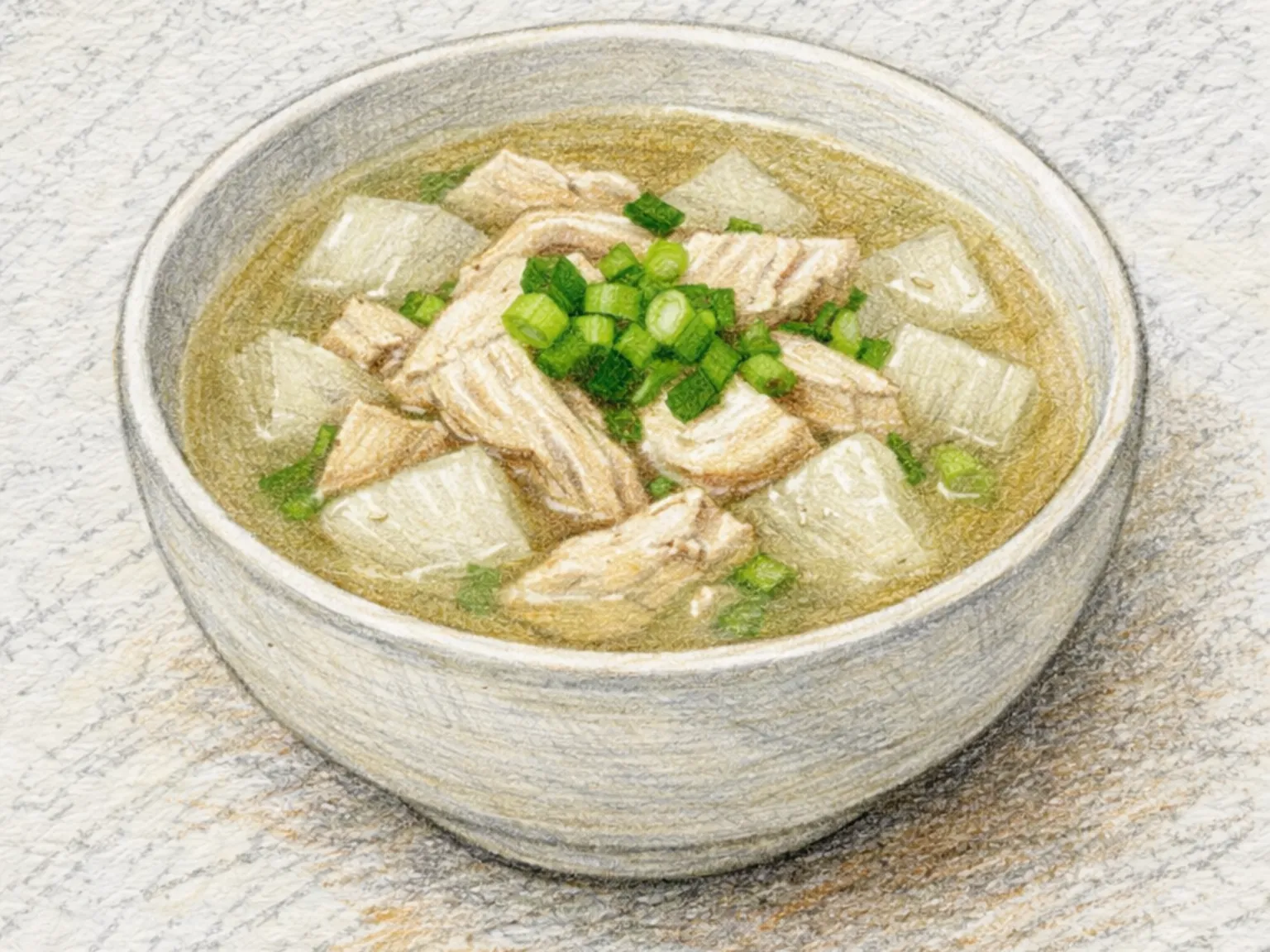
Korean Semi-Dried Pollock Radish Stew
StewsEasy

Korean Semi-Dried Pollock Radish Stew

Kodari mu jjigae stews 700g of semi-dried pollock with Korean radish in rice-rinse water, a traditional technique that adds a subtle starchy richness to the broth. The pollock's firm, chewy flesh holds up well during simmering and absorbs the gochujang and gochugaru seasoning deeply. Radish balances the heat with its natural sweetness as it softens in the spicy liquid. Cheongyang chilies add a final kick, making this a warming stew that pairs exceptionally with a bowl of hot rice. The semi-drying process gives kodari a distinctly denser, chewier bite that separates it noticeably from fresh pollock.

🏠 Everyday
Prep 15minCook 30min4 servings
Braised Korean Radish (Soy Garlic Slow-Cooked Side)
SteamedEasy

Braised Korean Radish (Soy Garlic Slow-Cooked Side)

Mu-jjim is a Korean braised radish dish where thick-cut Korean radish is simmered slowly in a covered pot with soy sauce, sugar, and garlic. The radish absorbs the seasoned liquid as it cooks, turning translucent from edge to center and developing a natural sweetness that balances the saltiness of the soy base. A drizzle of sesame oil at the end adds a nutty fragrance, and a single sliced green chili contributes a mild kick to the finish. Despite the short ingredient list, this banchan pairs naturally with rice at any meal and holds up well as a make-ahead side throughout all seasons. Keeping the heat at medium or below for at least twenty minutes allows the radish to soften fully and take in the seasoning without becoming mushy.

🏠 Everyday🍱 Lunchbox
Prep 12minCook 30min2 servings
Korean Shepherd's Purse Kimchi
KimchiMedium

Korean Shepherd's Purse Kimchi

Naengi kimchi is a seasonal Korean side dish where shepherd's purse, an early-spring wild herb with a distinctive earthy fragrance, is blanched for just twenty seconds in boiling salted water. This brief blanching is the defining technique - long enough to strip away the raw bitterness and any soil odor, yet short enough to preserve the herb's own clean, spring-like aroma. The cooled and thoroughly squeezed greens are then dressed in a paste of gochugaru, anchovy fish sauce, minced garlic, and sweet rice paste, which provides enough body and viscosity to coat each slender stem evenly. The fish sauce's fermented depth meets the herb's green, earthy character, producing a layered flavor that neither ingredient achieves on its own. Sesame seeds scattered on top add a quiet toasted crunch. At least two hours of refrigeration allows the seasoning to settle and deepen before the kimchi is at its best.

🍱 Lunchbox
Prep 25minCook 1min2 servings
Mohinga (Burmese Fish Broth Rice Noodle Soup)
AsianMedium

Mohinga (Burmese Fish Broth Rice Noodle Soup)

Mohinga is widely regarded as Myanmar's national dish - a fish noodle soup eaten most often at breakfast but available throughout the day from street vendors and restaurants alike. The broth is built from freshwater fish, typically catfish, simmered until the flesh falls apart, then strained and enriched with turmeric, lemongrass, ginger, and a slurry of toasted rice flour that gives the soup its signature thick, almost porridge-like consistency. Thin rice noodles are ladled into the broth and topped with crispy chickpea fritters, a halved boiled egg, fresh cilantro, and sliced banana stem. Fish sauce and a squeeze of lime at the table pull everything into focus. The broth is deeply savory with a golden color from the turmeric, and the fritters add crunch against the soft noodles.

🎉 Special Occasion
Prep 25minCook 40min4 servings
Korean Zucchini Namul (Sesame-Dressed Bibimbap Topping)
Side dishesEasy

Korean Zucchini Namul (Sesame-Dressed Bibimbap Topping)

Hobak namul is julienned zucchini stir-fried with sesame oil and garlic, a foundational Korean side dish that appears as one of the five-color toppings essential to bibimbap. Though it resembles hobak-bokkeum at a glance, the difference comes down to how the vegetable is cut: namul requires thin julienne strips rather than half-moons, which allows the strands to nestle between rice grains when the bowl is mixed rather than sitting on top in clumps. Salting the raw zucchini and squeezing out moisture thoroughly is the most important step in the process; any water left behind causes the vegetable to release steam in the pan and turn soggy, and will make the rice in a bibimbap bowl gummy. Seasoning is intentionally minimal, relying on salt and sesame oil alone, with garlic gently cooked first to build an aromatic base without burning. Three minutes over medium heat is all the cooking time needed, and the finished strands hold their shape without releasing additional liquid even after they cool, which makes this namul a reliable choice for packed lunches where texture must survive time away from the stove. Because it is stir-fried rather than dressed raw, it also stays dry at room temperature, making it a common fixture on ceremonial tables set for ancestral rites or holiday meals. The light green color of the cooked zucchini provides visual contrast on a plate.

🏠 Everyday🍱 Lunchbox
Prep 10minCook 10min4 servings
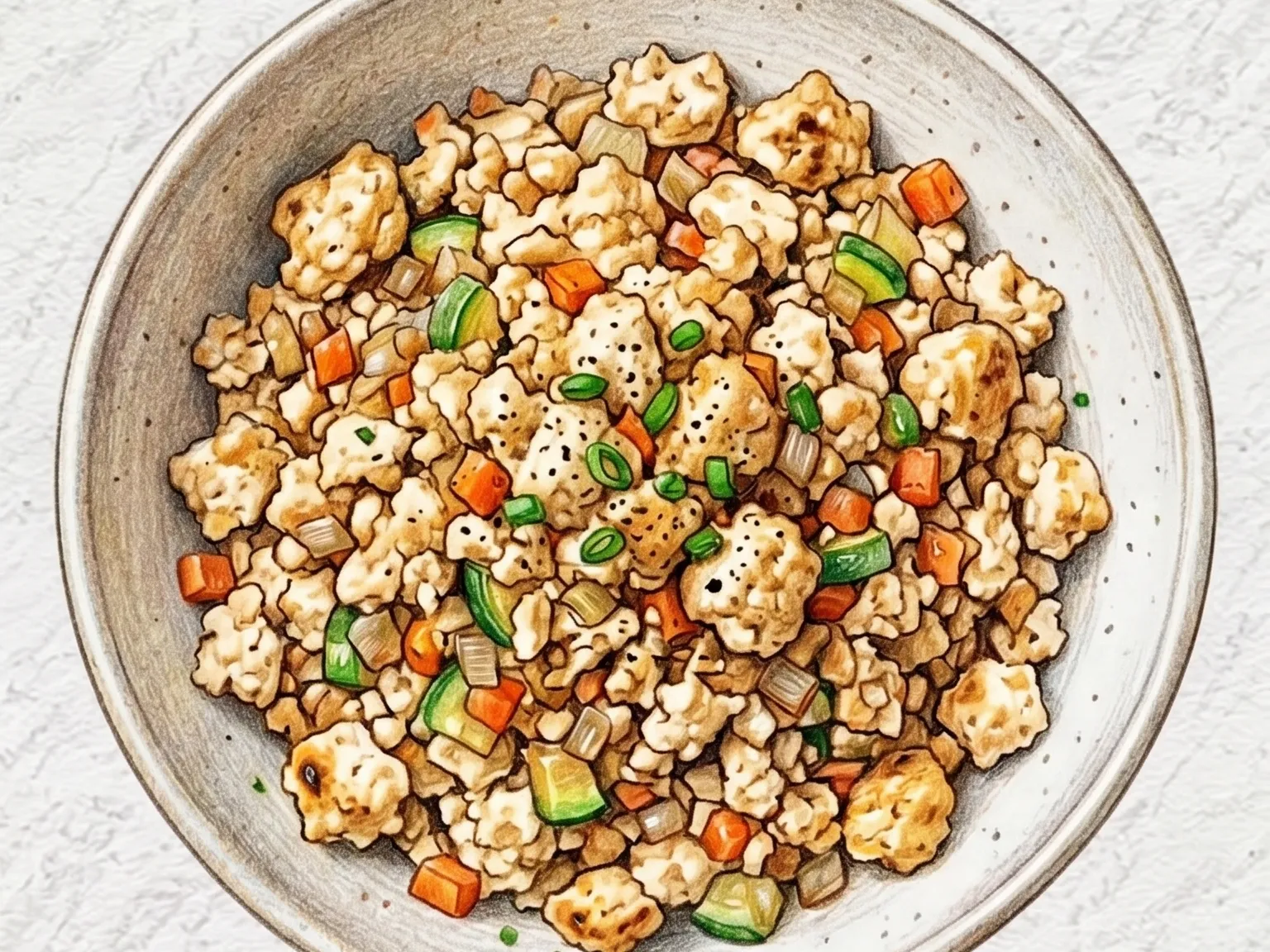
Korean Stir-Fried Shishito Peppers and Chicken Tenderloin
Stir-fryEasy

Korean Stir-Fried Shishito Peppers and Chicken Tenderloin

Kkwarigochu dak ansim bokkeum is a stir-fry of chicken tenderloin that has been marinated in soy sauce and cooking wine, cooked through first, then combined with shishito peppers and onion in a finishing sauce of soy sauce and oyster sauce. The tenderloin is prized for its low fat content and mild taste, and oyster sauce compensates by introducing fermented bivalve umami that keeps the seasoning from feeling thin. Scoring the shishito peppers lightly before they go into the pan lets the sauce penetrate the flesh while the skin stays intact, so each pepper holds its shape rather than splitting open. Chicken tenderloin firms up quickly when overcooked, so moving on to the next step the moment the exterior whitens and the center loses its translucency is the key to keeping the meat tender rather than dry. Finished with sesame oil and sesame seeds, the high protein density makes this a practical and satisfying lunchbox side dish.

🏠 Everyday🍱 Lunchbox
Prep 15minCook 12min2 servings
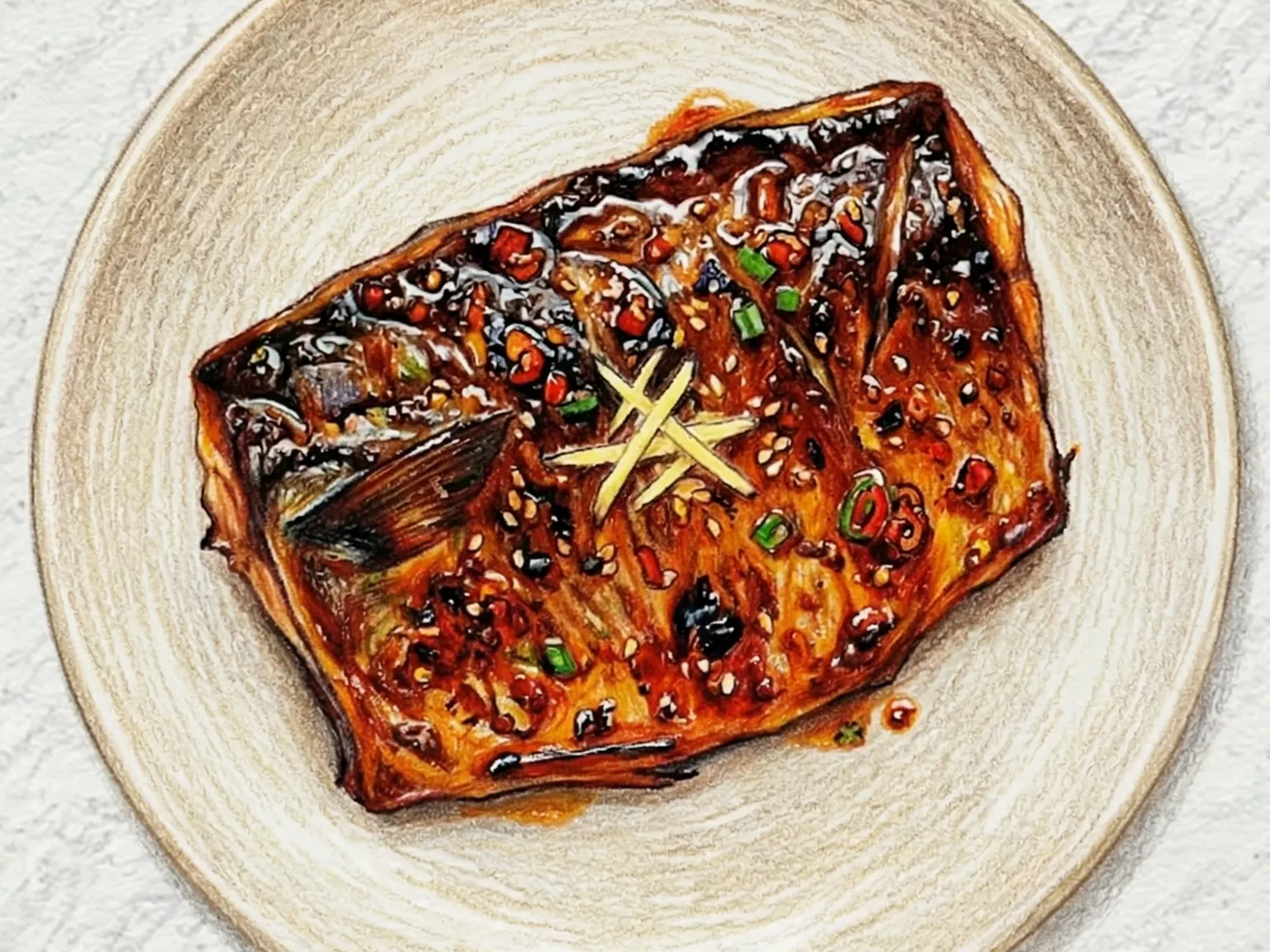
Korean Salt-Grilled Sea Bass
GrilledEasy

Korean Salt-Grilled Sea Bass

Nongeo sogeum-gui is a Korean salt-grilled sea bass where scored fillets are seasoned only with coarse salt and black pepper, then seared skin-side down in olive oil infused with garlic and fresh thyme. Sea bass has firm, low-odor white flesh that takes well to minimal seasoning, and pressing the skin against the hot pan for a full five minutes drives out moisture and renders the thin fat layer underneath into a crisp, shattering crust. After flipping, the aromatic oil pooled in the pan is spooned over the flesh for three to four minutes-the fish is done when the center shifts from translucent to opaque white. A squeeze of lemon at the table adds brightness that cleans up any residual richness from the oil-basted cooking.

🍺 Bar Snacks🥗 Light & Healthy
Prep 12minCook 14min2 servings
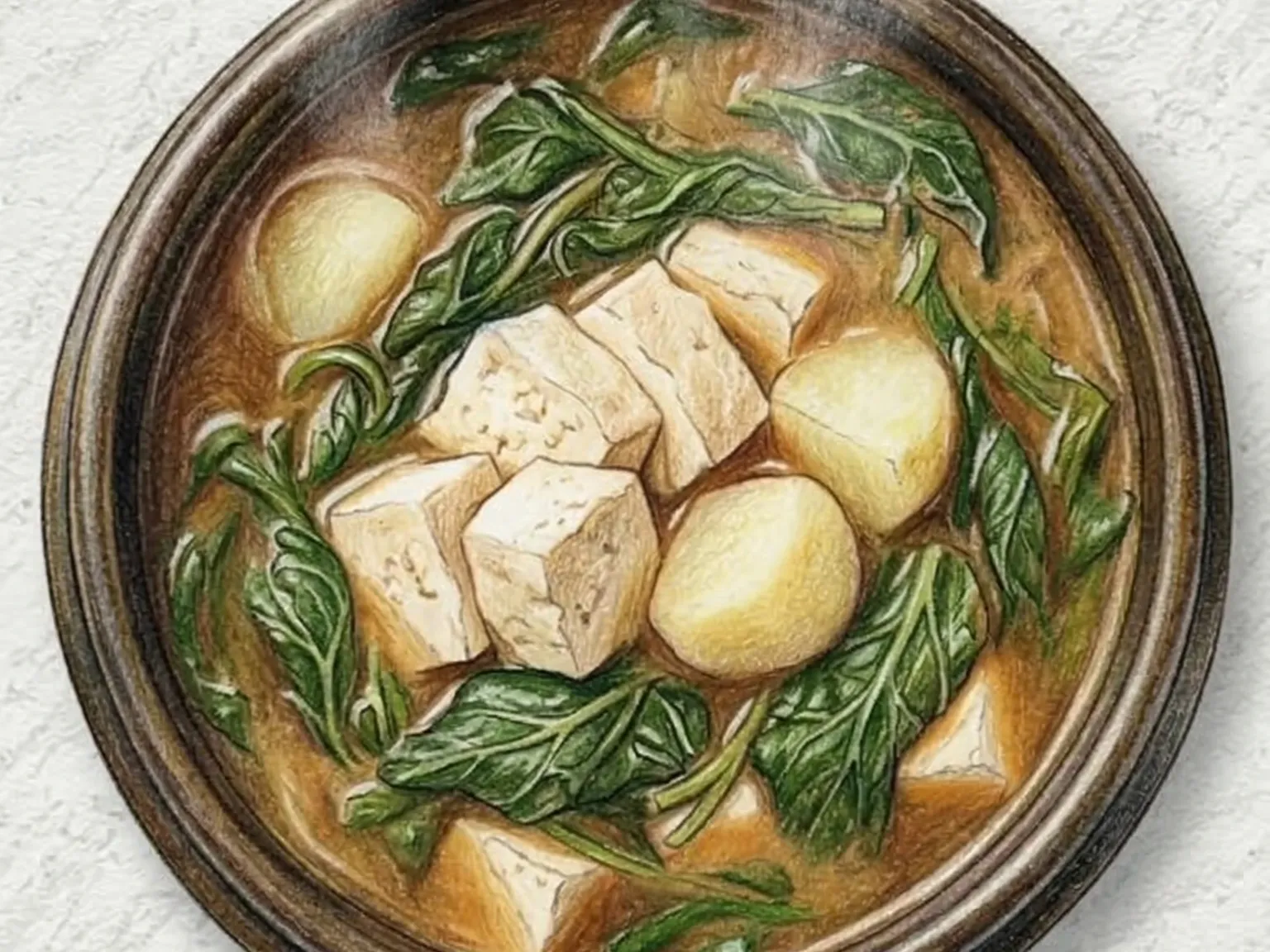
Kongbiji-tang (Soybean Pulp Kimchi Pork Soup)
SoupsEasy

Kongbiji-tang (Soybean Pulp Kimchi Pork Soup)

Kongbiji-tang is a thick, porridge-like Korean soup made from ground soybean pulp-the byproduct of tofu production-simmered with pork and aged kimchi. The soy pulp gives the broth a creamy, almost grainy body and a pronounced nuttiness that coats the palate. Minced pork renders its fat into the liquid, adding a meaty richness, while the kimchi contributes a sharp acidity that cuts through the heaviness and keeps the flavor lively. Anchovy stock serves as the liquid base, layering an additional umami dimension beneath the soy and pork. The soup is seasoned with soup soy sauce, garlic, and finished with a swirl of sesame oil. It is a winter staple in Korean households, prized for its warmth and substance. The thick texture means it clings to rice rather than flowing around it, making each bite dense with flavor.

🏠 Everyday
Prep 15minCook 35min4 servings
Korean Spicy Blue Crab Hot Pot
StewsMedium

Korean Spicy Blue Crab Hot Pot

Maeun kkotge jeongol is a fiery blue crab hot pot made with two whole crabs broken down and simmered in a gochujang and gochugaru-laced broth. The crab shells and innards gradually release a deep, concentrated shellfish essence into the pot, which layers with the fermented chili paste to produce a broth that is bold and complex rather than simply hot. Daikon radish and tofu absorb the spicy liquid as they cook, becoming flavorful in their own right, while thick green onion stalks add fragrance near the end. This is a communal dish meant to be placed in the center of the table over a portable burner and shared as it simmers, with a little water added as the broth reduces to keep it going through the meal. Stirring the crab innards directly into the broth deepens the umami considerably.

🍺 Bar Snacks🎉 Special Occasion
Prep 20minCook 20min2 servings
Korean Steamed Beef with Radish Greens
SteamedHard

Korean Steamed Beef with Radish Greens

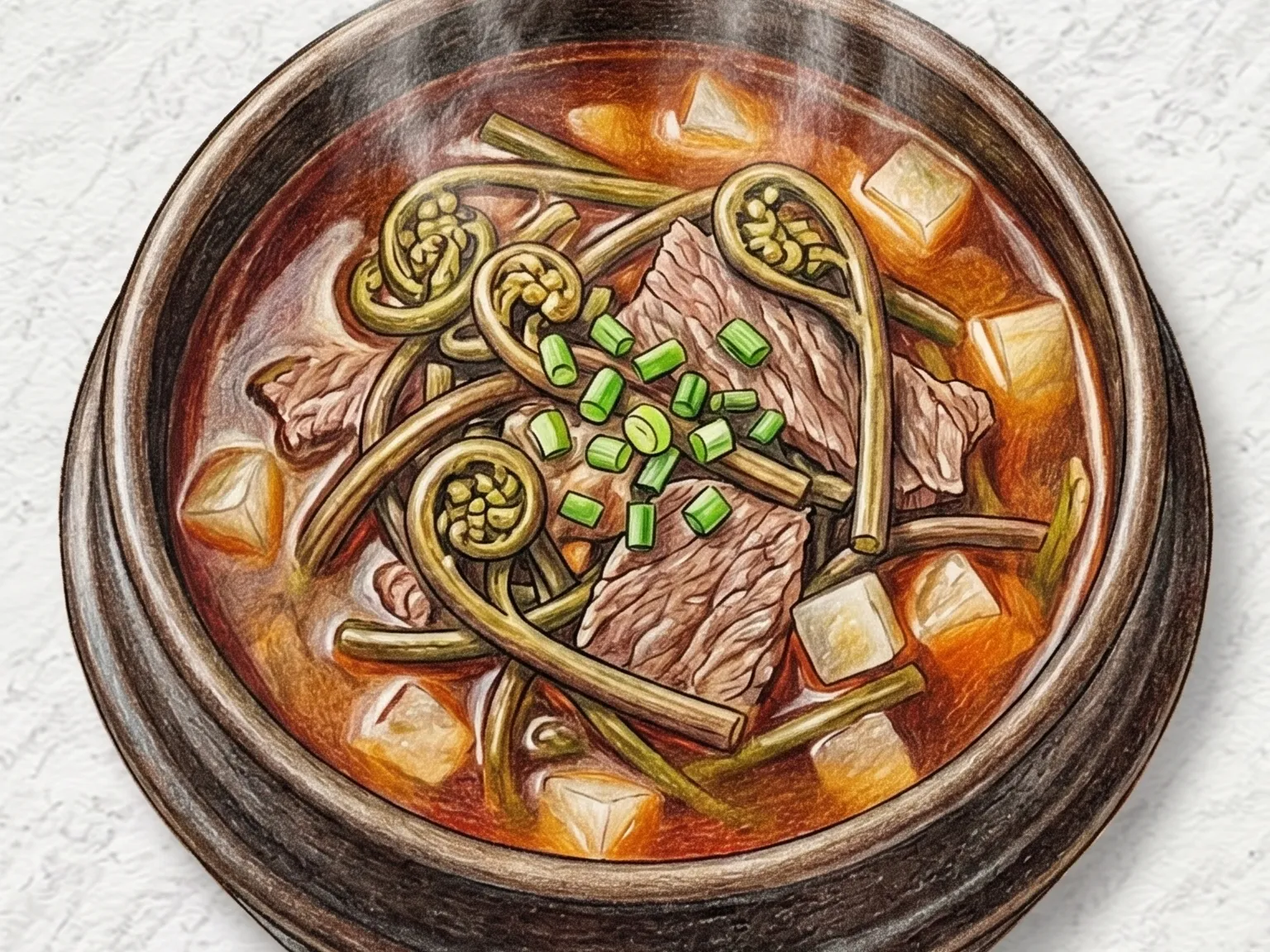
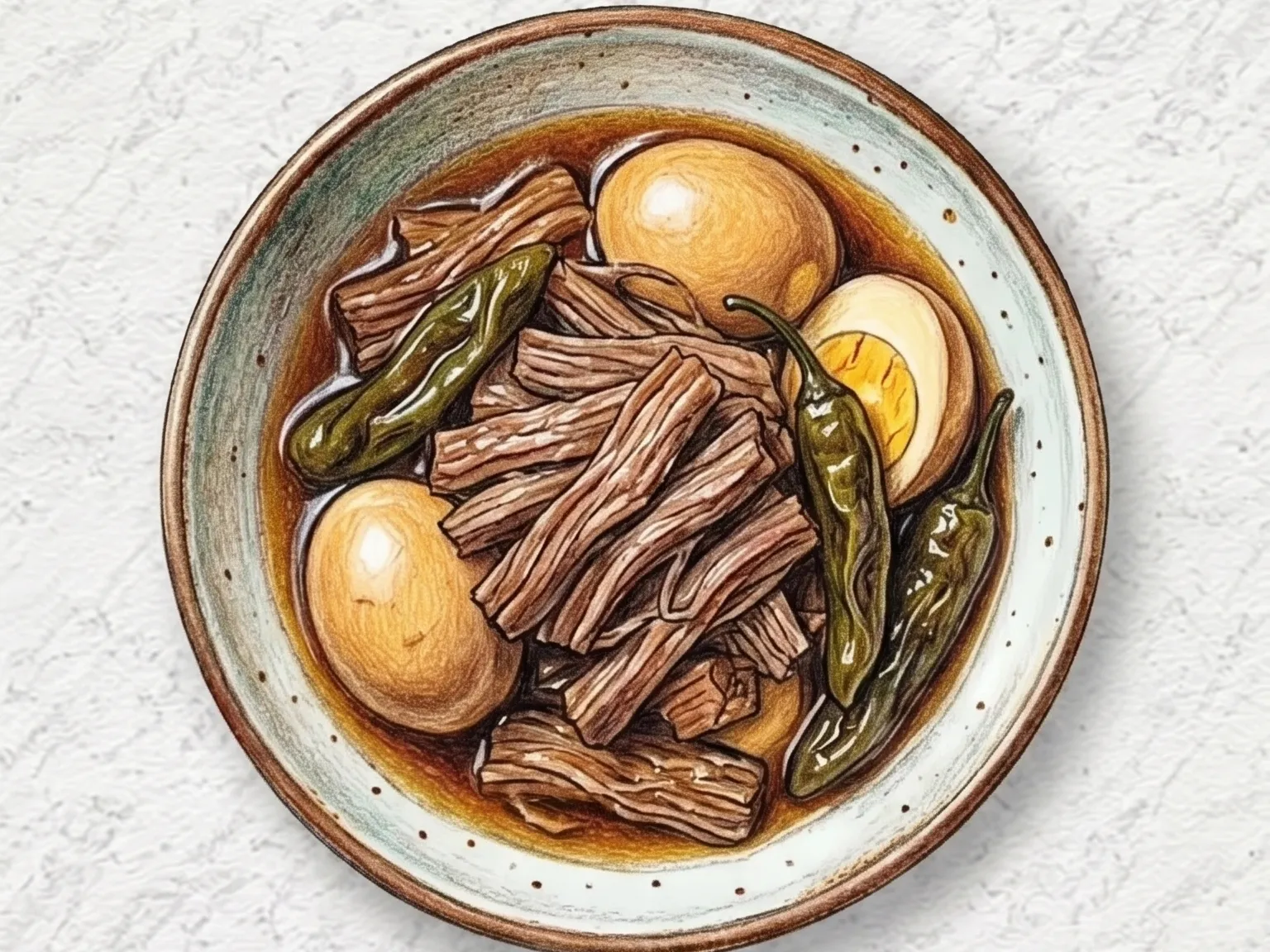
Mucheong sogogi jjim is a Korean braised beef dish where short rib meat is marinated in Korean pear juice and soy sauce, then slow-cooked with blanched radish greens and onion. The pear juice tenderizes the beef and lends a subtle fruit sweetness that deepens over the long braise. Radish greens are added near the end to preserve their earthy aroma and slight chew, bringing a rustic contrast to the soft meat. Ginger juice keeps the flavor clean, and sesame oil ties everything together with a toasted finish. The sauce reduces to a concentrated glaze meant to be spooned over rice.

🎉 Special Occasion
Prep 25minCook 70min4 servings
Korean Spicy Salted Octopus Jeotgal
KimchiMedium

Korean Spicy Salted Octopus Jeotgal

Nakji jeotgal is a Korean fermented octopus side dish made by packing cleaned octopus in coarse salt for at least forty minutes to draw out moisture and firm the flesh, then coating it thoroughly in a paste of gochugaru, minced garlic, minced ginger, anchovy fish sauce, and plum syrup before cold-aging in the refrigerator. The initial salt cure tightens the octopus's already springy muscle fibers, intensifying the chew, and the gochugaru paste forms a dense crimson coating that forces spicy, salty heat into every layer of flesh as the dish sits. Anchovy fish sauce builds the umami foundation while plum syrup counteracts any lingering marine smell and introduces a subtle fruit sweetness that rounds out the salt and chili. Ginger leaves a sharp, clean note at the back of the palate that keeps the overall flavor from becoming heavy. After two to three days of refrigeration, a slow fermentation sets in and the separate components fuse into a cohesive, deeply savory whole. Served over warm rice, each piece of octopus delivers a firm, elastic chew followed by a concentrated rush of ocean flavor, and a drop of sesame oil stirred in at serving adds a toasted, nutty finish.

🍱 Lunchbox
Prep 45min4 servings
Moo Ping (Thai Grilled Pork Skewers)
AsianEasy

Moo Ping (Thai Grilled Pork Skewers)

Moo ping are Thai grilled pork skewers marinated in a mixture of coconut milk, palm sugar, soy sauce, garlic, and white pepper, then charred over glowing coals until the marinade caramelizes into a sticky, darkened glaze. The pork neck meat - chosen for its marbling - stays moist inside while the surface picks up an unmistakable smoky sweetness. Coconut milk in the marinade adds a rounded richness, and the palm sugar provides a deeper, less sharp sweetness than white sugar would. They are sold from morning onward at street carts across Thailand, almost always alongside small bags of sticky rice and a plastic bag of jaew dipping sauce. Wrapping a piece of charred pork in a pinch of sticky rice is the standard way to eat them, and few street foods match the simplicity and satisfaction of that combination.

🍺 Bar Snacks🎉 Special Occasion
Prep 25minCook 12min2 servings
Korean Seasoned Dried Pollock Strips
Side dishesEasy

Korean Seasoned Dried Pollock Strips

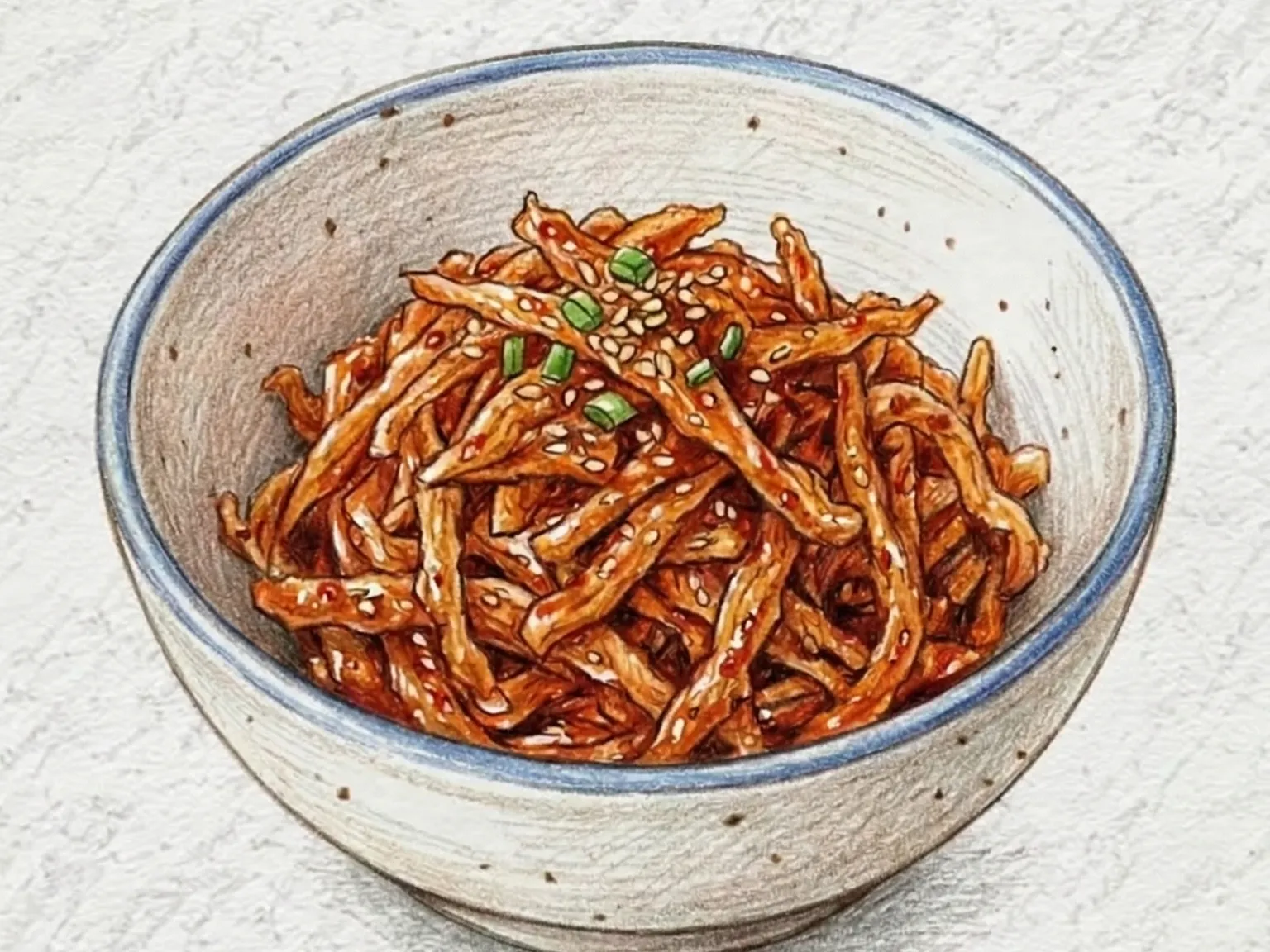
Hwangtaechae-muchim dresses shredded dried pollock strips in a no-cook gochujang sauce - sharing the same core ingredient as hwangtae-po jorim but taking a completely different approach. While the braised version simmers the strips in liquid for a moist finish, this muchim keeps them closer to their original dry state, preserving a chewy, almost jerky-like bite. If the strips are too stiff, a light mist of water followed by a two-minute rest softens them just enough without losing that chew. The dressing combines gochujang, gochugaru, oligosaccharide syrup, and vinegar into a sweet-sour-spicy trio that earns this dish its bap-doduk (rice thief) reputation. A small addition of mayonnaise coats the surfaces with a thin fat layer, preventing the rough texture that dried fish can have. Start to finish, this banchan takes under fifteen minutes.

🏠 Everyday🍱 Lunchbox
Prep 10minCook 3min4 servings
Korean Stir-fried Anchovies with Shishito Peppers
Stir-fryEasy

Korean Stir-fried Anchovies with Shishito Peppers

Kkwarigochu myeolchi bokkeum is a Korean banchan of dried anchovies and shishito-style peppers cooked together and glazed with soy sauce and oligosaccharide syrup. The anchovies are dry-toasted first in an unoiled pan over medium heat until their moisture evaporates and the fishiness reduces, then set aside. Oil goes into the pan next and the kkwarigochu peppers are fried over medium-high heat until blistered and darkened in spots, which develops a slightly bitter, charred edge that adds character to the finished dish. The anchovies return to the pan along with the peppers, soy sauce is added for the base seasoning, and then the heat is reduced before the oligosaccharide syrup goes in. Adding the syrup over reduced heat is the step that most often goes wrong: high heat scorches the syrup almost immediately, preventing the glaze from forming and leaving a bitter residue instead. Over low heat, the syrup coats the anchovies and peppers in a thin, shiny layer as it slowly reduces. Sesame oil and whole sesame seeds are stirred in at the end for fragrance and texture. The finished dish layers the crunchy, salty anchovies against the syrup's gentle sweetness, with the peppers providing mild heat that prevents the flavor from becoming cloying. Stored in a sealed container in the refrigerator, the banchan keeps well for several days.

🏠 Everyday🍱 Lunchbox
Prep 10minCook 9min4 servings
Korean Herb Grilled Duck Breast
GrilledMedium

Korean Herb Grilled Duck Breast

Ori-gaseumsal herb-gui is Korean herb-grilled duck breast, scored at one-centimeter intervals across the skin and fat layer without cutting into the flesh, then rubbed all over with a mixture of salt, pepper, minced garlic, rosemary, thyme, and olive oil. Starting the breast skin-side down in a cold pan over medium-low heat is what allows the thick fat layer to render gradually rather than seizing up against sudden heat. After eight minutes the fat has largely melted out and the skin is golden and crisp; flipping for four more minutes finishes the flesh. Soy sauce and pear juice added at the end reduce within a minute on the residual heat, building a glossy, fruit-tinged glaze that coats the surface. Resting the breast on a cutting board for five full minutes before slicing against the grain is what keeps the juices in the meat rather than running onto the board. Each slice shows a cross-section of crackling, herb-scented skin over a rosy, medium-cooked interior.

🍺 Bar Snacks
Prep 25minCook 16min2 servings
Kongnamul-guk (Bean Sprout Anchovy Soup)
SoupsEasy

Kongnamul-guk (Bean Sprout Anchovy Soup)

Kongnamul-guk is a clear Korean soup built on bean sprouts, water, soup soy sauce, and garlic, and its central technique is boiling the sprouts with the lid firmly closed for seven minutes. The reason behind the closed lid is a long-standing Korean kitchen belief: the compounds responsible for the raw, beany smell in soybean sprouts are volatile, and if the lid is left open, they do not escape with the steam but instead condense back into the pot. Whether the chemistry fully supports this, keeping the lid closed has been the standard method for generations and consistently produces a clean-tasting broth. Green onion goes in at the very end to keep its bright, mild bite without overcooking. Trimming the fine root tails from each sprout improves the texture and presentation, though it does not change the flavor and is often skipped on weekdays. Adding chili flakes and a cracked egg transforms the soup into a spicy, restorative hangover version, and a handful of clams deepens the broth with extra umami. From start to finish the soup takes about fifteen minutes, which makes it one of the fastest soups in the Korean repertoire, and the directness of its flavor -- clean, cool, and vegetal -- is exactly what makes it worth returning to.

🏠 Everyday Quick
Prep 5minCook 15min2 servings
Korean Mushroom Dumpling Hot Pot
StewsEasy

Korean Mushroom Dumpling Hot Pot

Mandu jeongol is a generous hot pot of twelve large dumplings simmered with napa cabbage, shiitake mushrooms, oyster mushrooms, and bok choy in anchovy-kelp stock. The two varieties of mushroom add layers of umami to the clear broth, while the cabbage and bok choy soften and release their natural sweetness as they cook. The dumplings cook directly in the simmering stock, their wrappers gradually turning chewy as the filling flavors seep into the surrounding liquid. Soup soy sauce and garlic provide a clean, understated seasoning that keeps the broth from overshadowing any single ingredient. The right moment to eat is when the vegetables have wilted and the dumplings float to the surface, signaling they are cooked through. The absence of any spice or strong seasoning makes this one of the more universally approachable hot pots, suited for all ages. Leftover broth absorbs cooked rice or soaked glass noodles easily, turning what remains into a satisfying finish to the meal.

🏠 Everyday🎉 Special Occasion
Prep 15minCook 20min4 servings