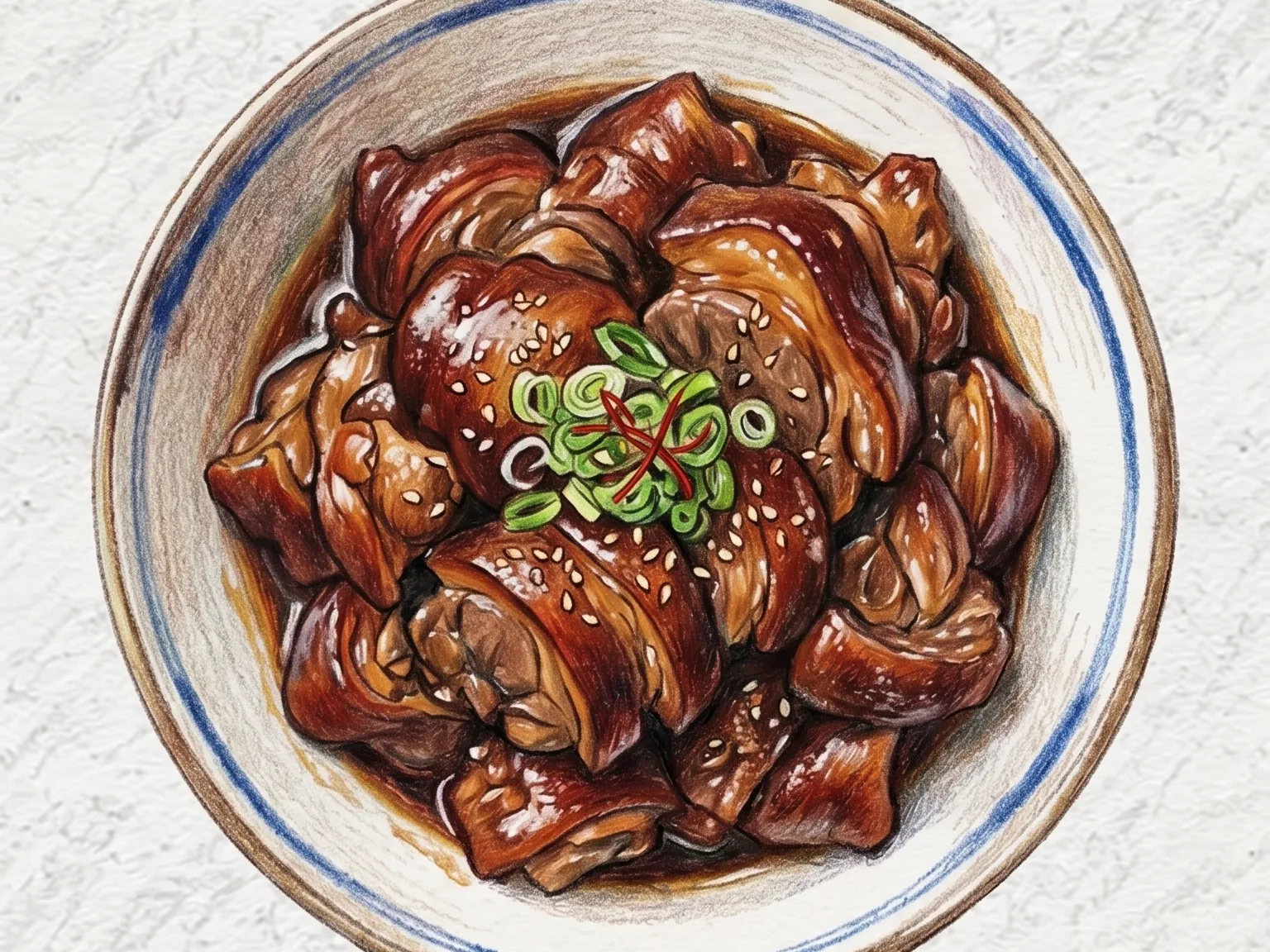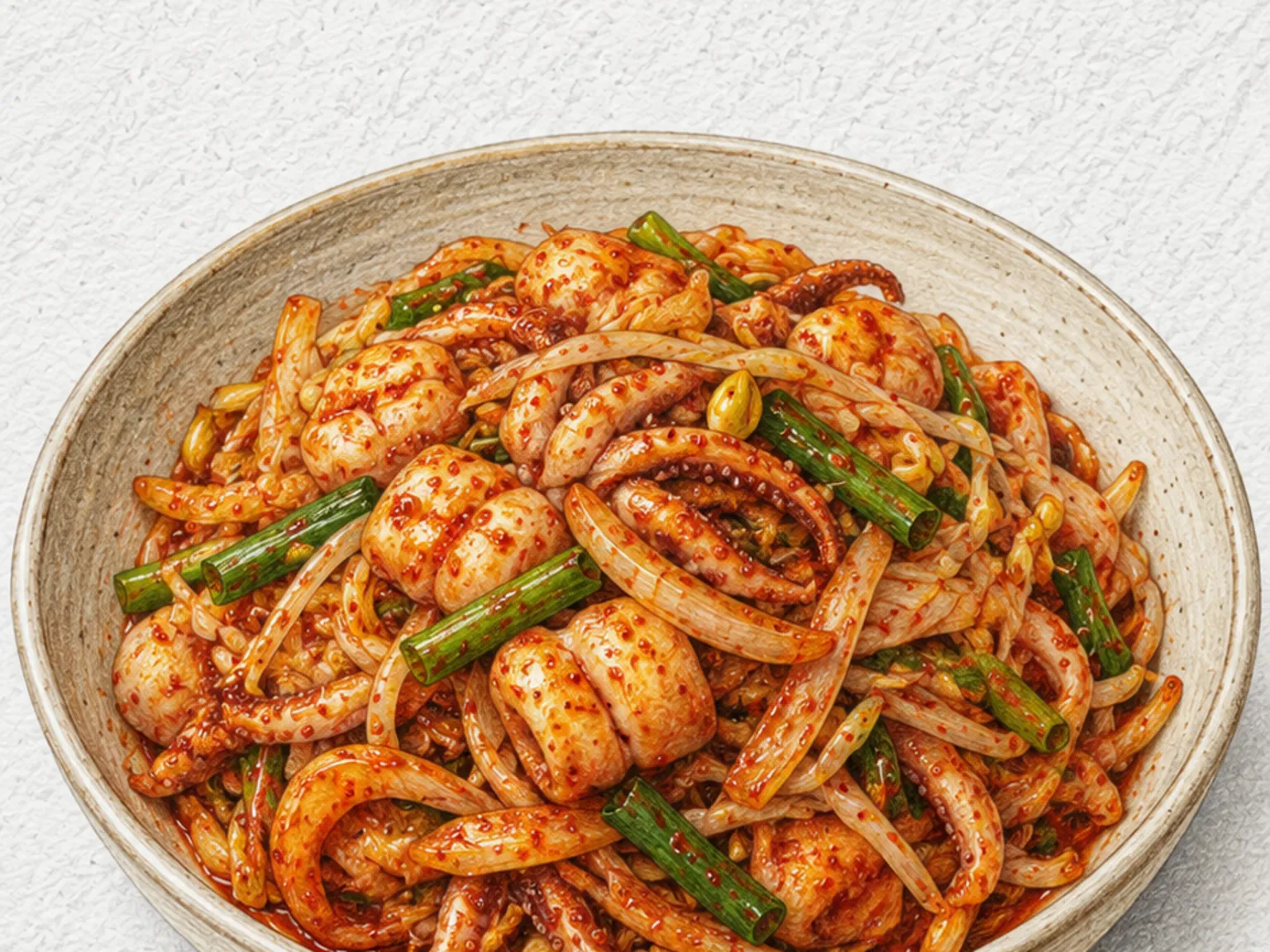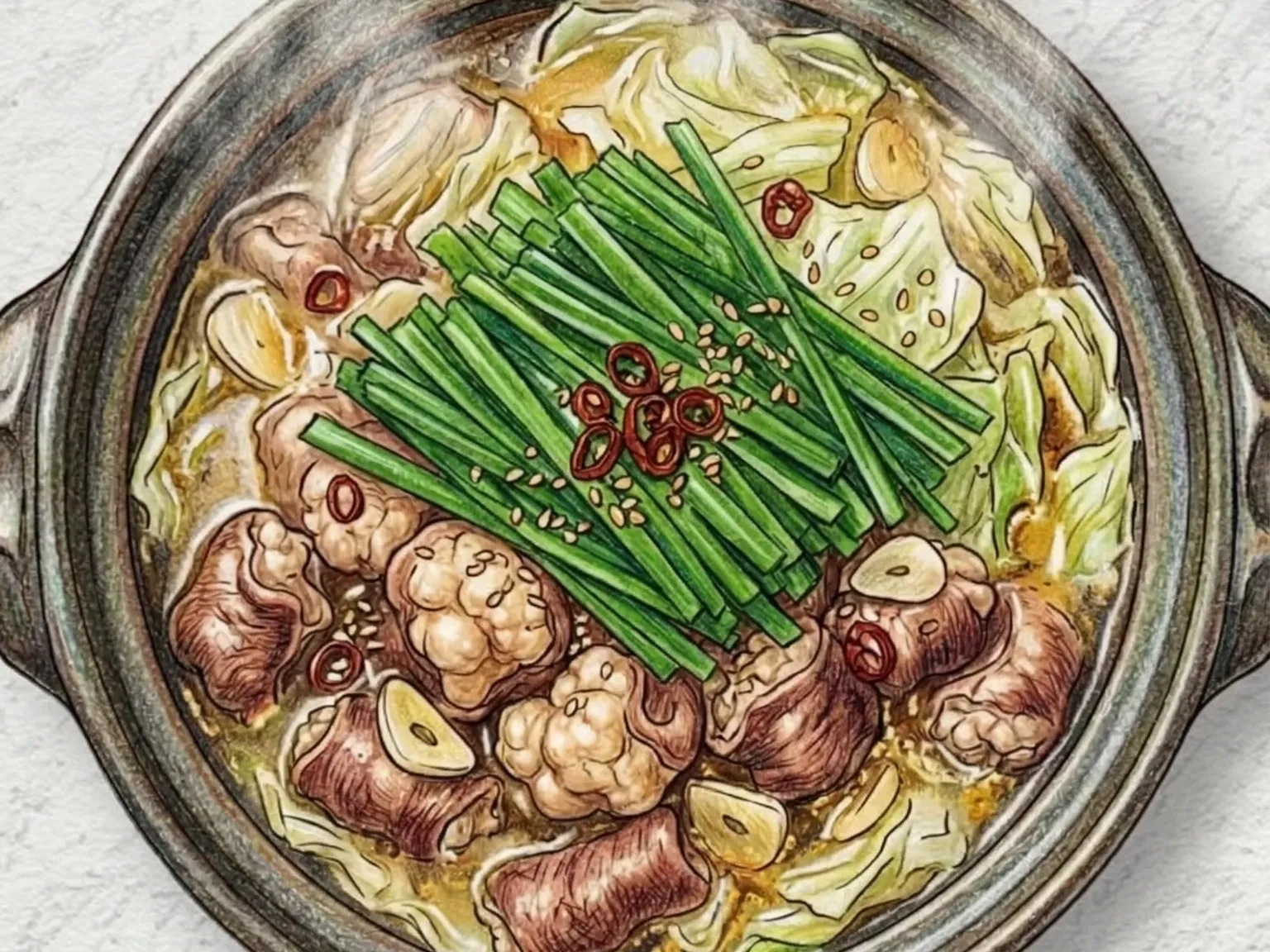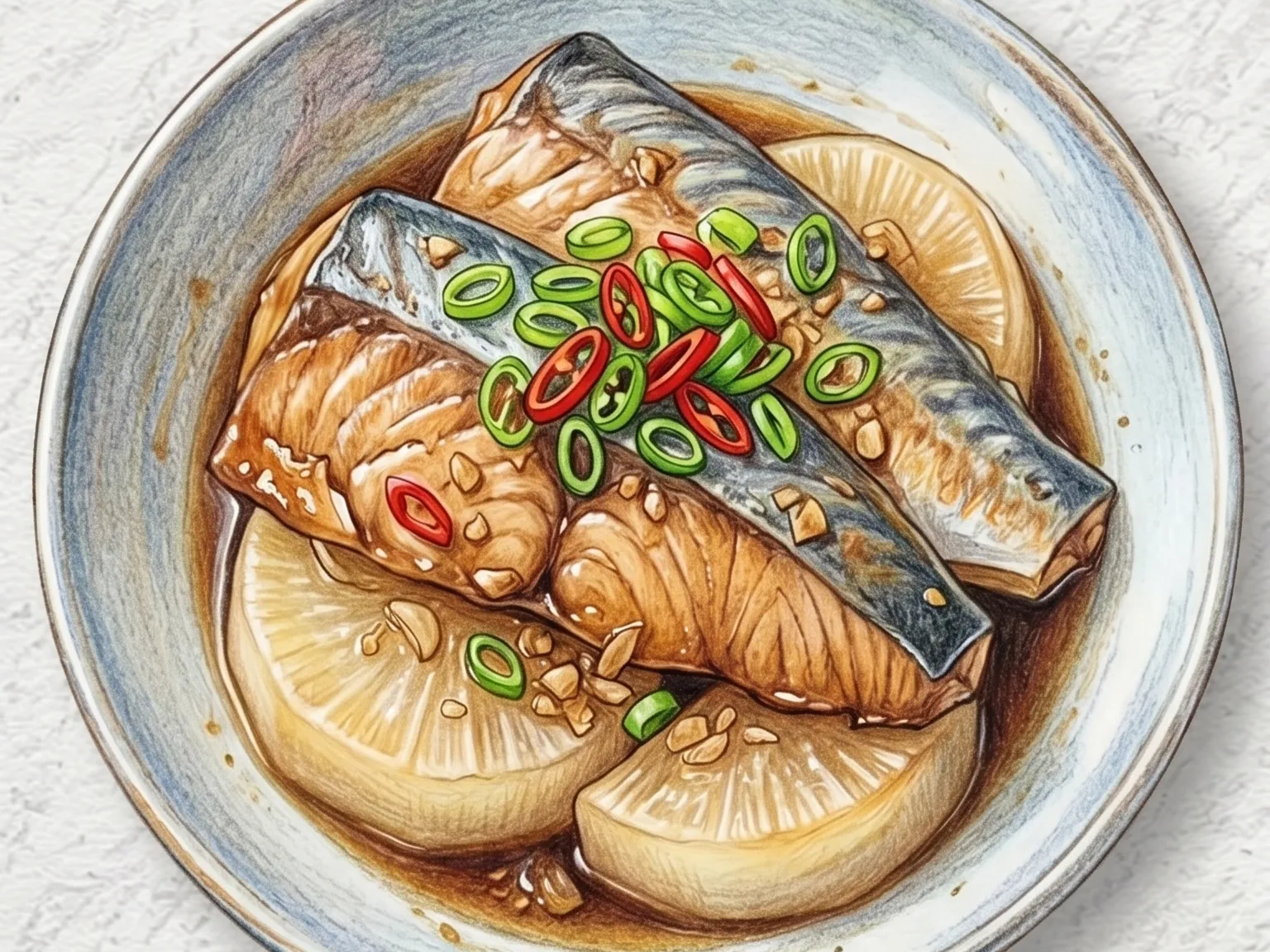
Korean Napa Leaf & Tuna Stew
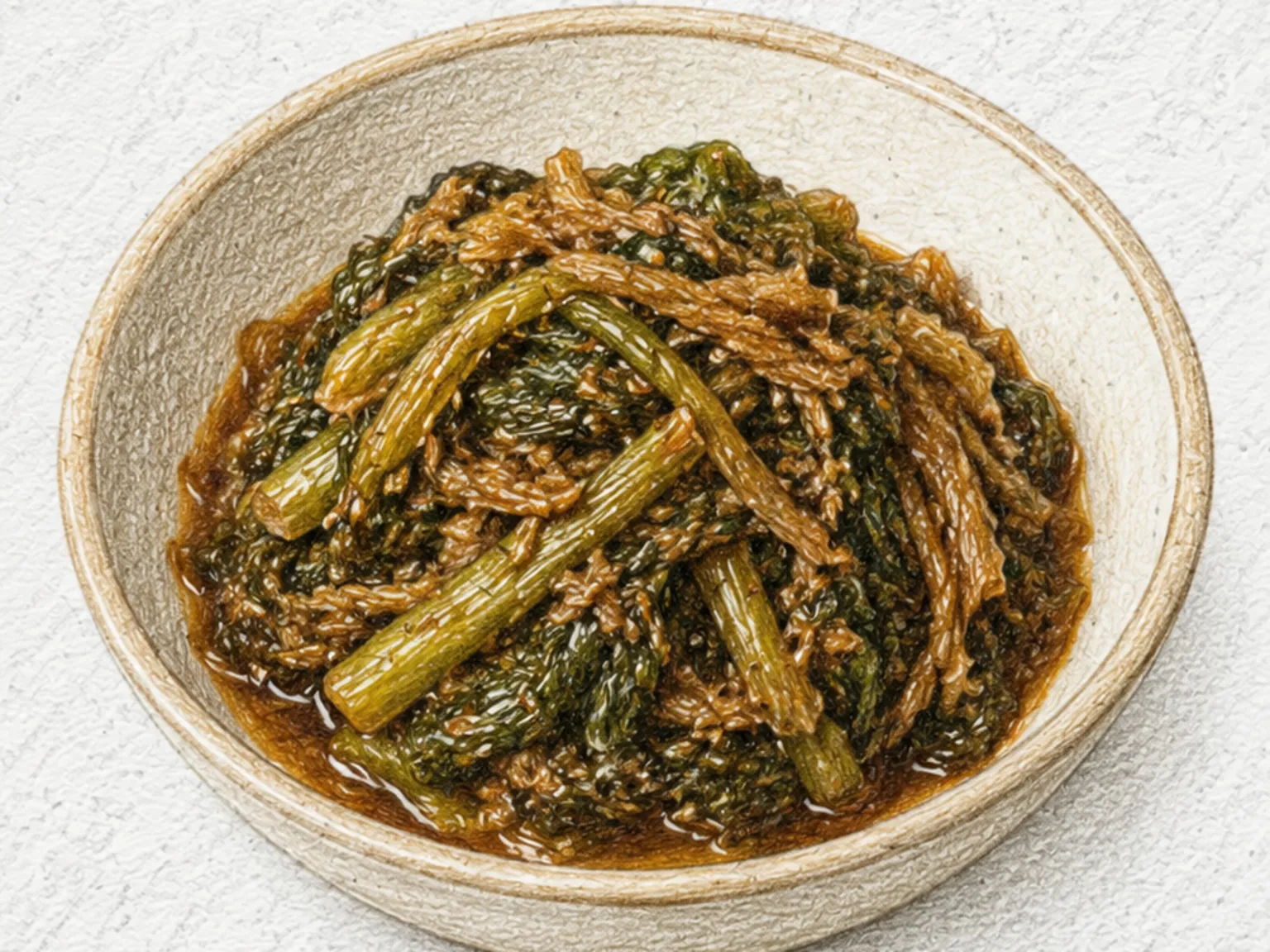
Blanched napa cabbage outer leaves and canned tuna come together in this doenjang-based stew. The ugeoji leaves have a rough, hearty texture that soaks up the salty richness of the tuna and fermented soybean paste. Tofu and onion round out the stew with mild sweetness, while gochugaru adds a gentle kick. Built on anchovy stock with garlic and green onion, this is a quick, home-style stew meant to be eaten over a bowl of steamed rice.

Korean Minari Bulgogi Bibim Udon
Minari bulgogi bibim udon is a Korean mixed noodle dish combining soy-marinated beef bulgogi with fragrant water dropwort over chewy udon noodles. The beef is marinated for ten minutes in soy sauce, garlic, and syrup, then stir-fried quickly with onion over high heat to develop caramelized edges while keeping the interior moist. Udon is blanched for two minutes and rinsed in cold water to restore its springy chew. A gochujang, soy sauce, and sesame oil dressing coats the noodles first, then the bulgogi and minari are folded in gently at the end so the herb's distinctive aroma stays intact rather than wilting away. Sesame seeds scattered on top add a final nutty accent that bridges the savory meat and the fresh, grassy minari. Adding a small amount of pear juice or kiwi juice to the marinade tenderizes the beef noticeably, which sharpens the contrast between the silky meat and the firm noodle.

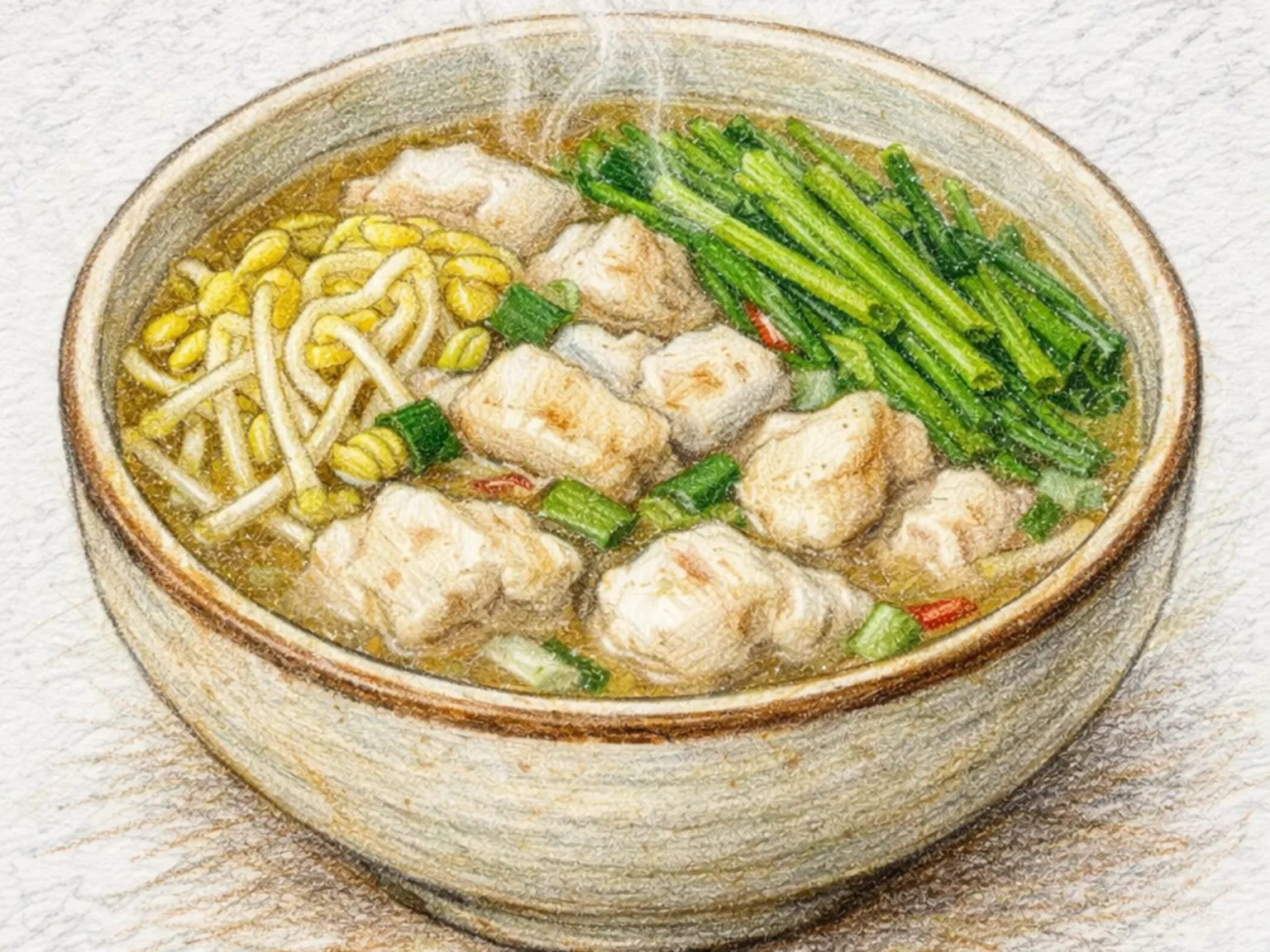
Gamjaguk (Potato Doenjang Anchovy Soup)
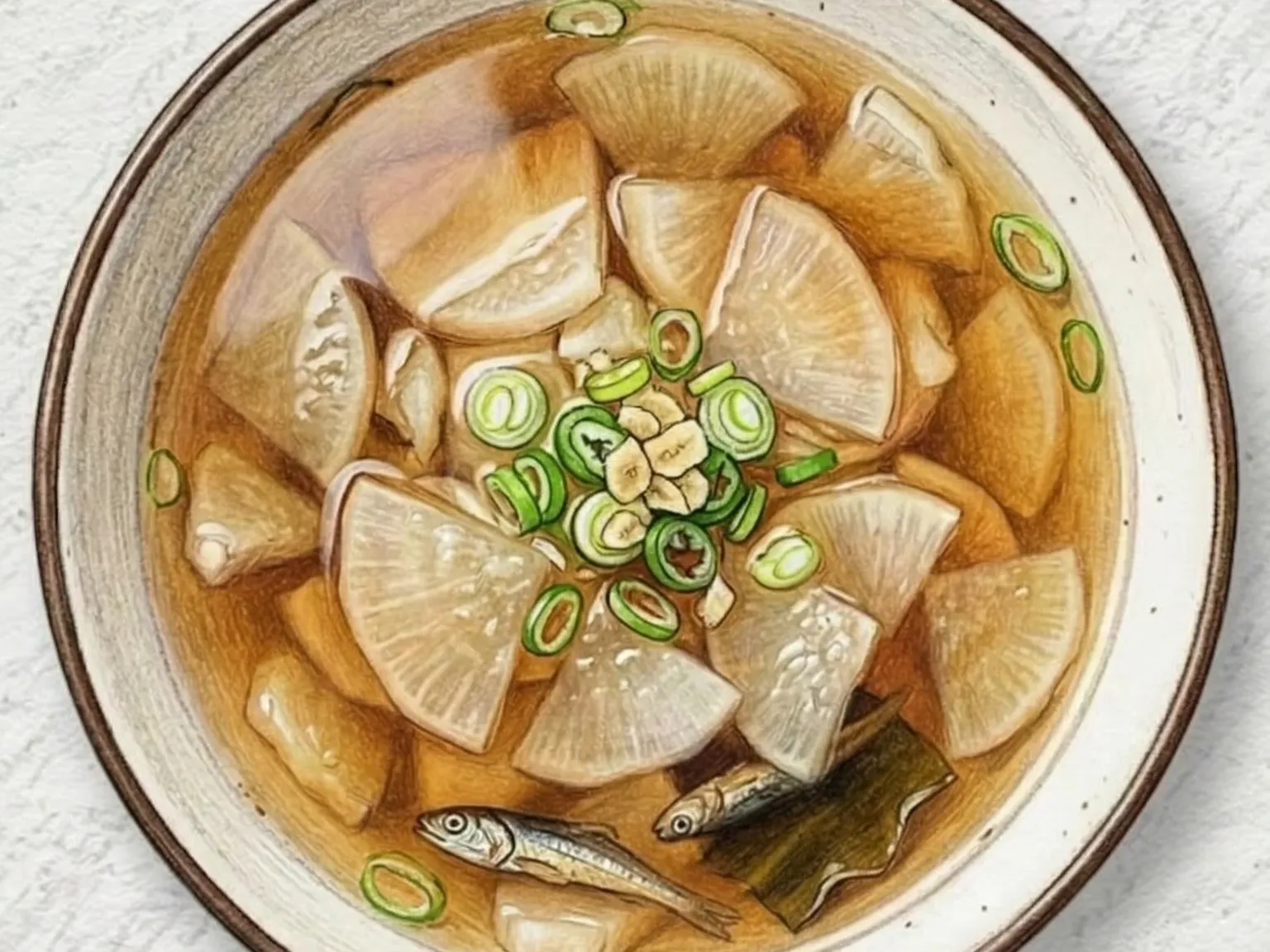
Gamjaguk is a clear, mild Korean soup built on a foundation of anchovy stock with potatoes as the main ingredient, seasoned with either doenjang or plain salt. As the potatoes cook through, they release starch gradually into the broth, giving it a subtle body that makes each spoonful feel substantial without turning the liquid cloudy. When doenjang is used, the fermented paste contributes a layered, earthy savoriness that wraps around the gentle sweetness of the potato. Seasoning with salt alone lets the potato's natural, unadorned flavor stand at the center without competition. Garlic and green onion are added as the aromatic base, providing a mild, savory fragrance that keeps the broth from tasting flat. A handful of zucchini slices added midway through cooking introduces a soft, yielding texture and a touch of pale green color. The potatoes need to be pulled from heat at the point when a chopstick slides through without resistance, because overcooking breaks them apart and muddies the broth. With only a few ingredients required, this soup comes together quickly even when the refrigerator is nearly empty, which is part of why it appears on Korean tables more consistently than almost any other soup.

Korean Zucchini Shrimp Stir-fry
Hobak-saeu-bokkeum is a light Korean stir-fry of thinly sliced zucchini and shrimp seasoned with soy sauce, cooking wine, and garlic. The dish relies on the inherent flavors of its ingredients rather than heavy seasoning, keeping the final result mild, clean, and free of excess grease. Zucchini softens as it cooks and releases its natural sweetness, but the heat must be managed carefully. Overcooking draws out too much moisture and turns the slices limp and watery, eliminating the slight crispness at the center that defines the ideal texture. A well-preheated pan and high heat are needed to sear the surface quickly before the interior softens all the way through. Shrimp are cooked only until they turn pink and curl into a gentle arc. At that moment the proteins have set just enough to give a plump, springy bite; cooking beyond that point tightens the muscle fibers further and makes them rubbery. Using soup soy sauce rather than dark soy sauce keeps the color light and the seasoning clean. A sliced green chili adds a sharp kick without changing the fundamental character of the dish. The entire stir-fry comes together in around ten minutes, making it one of the more practical banchan options when time is limited. It holds its flavor and texture at room temperature without deteriorating, which makes it a reliable choice for a packed lunchbox as well as a fresh dinner side. Lightly salting the shrimp and splashing on a small amount of cooking wine before cooking helps draw out any residual fishiness. Yellow squash or zucchini varieties can substitute freely for the Korean hobak, and adding squid alongside the shrimp introduces an additional layer of oceanic character to the finished dish.

Korean Stir-Fried Chicken
Dak-bokkeum is a Korean stir-fried chicken dish seasoned with a soy sauce-based marinade. Soy sauce, sugar, and minced garlic coat the chicken evenly before it hits the pan, producing a salty, umami-forward crust as it sears. Onion and carrot are added partway through, and the moisture they release as they soften blends into the seasoning to form a natural pan sauce without any added liquid. Sesame oil goes in at the end, its nutty aroma lifting through the dish as it finishes. Breast meat produces a leaner, cleaner-tasting result, while thigh meat stays more moist and springy throughout cooking. The dish pairs well with steamed rice and comes together quickly enough for weeknight cooking.

Korean Ugeoji Doenjang Stew
Ugeoji-doenjang-jjigae simmers the tough outer leaves of napa cabbage in rice-rinse water with doenjang and a spoonful of gochujang into a deeply savory, comforting stew. The outer leaves are blanched in salted water, rinsed in cold water, and squeezed out firmly before use, a step that removes bitterness and opens the fibrous leaves to absorb the seasoning. The starchy rice-rinse water gives the broth a naturally smooth and slightly thickened body without any added starch, and adjusting the amount of rice water controls the final consistency. Korean radish, zucchini, and tofu contribute natural sweetness that balances the saltiness of the fermented paste, while garlic and cheongyang green chili add heat and depth. A tablespoon of perilla oil added just before the pot comes off the heat releases a distinctive nutty fragrance that permeates the entire stew and deepens its character. Served in a dolsot earthenware pot that keeps the stew bubbling at the table, every spoonful stays hot to the last. The longer the ugeoji simmers, the more it softens and melds with the doenjang broth, producing the layered, slow-cooked depth that defines this classic Korean home-cooked stew.

Moules-Frites (Belgian Steamed Mussels with Fries)
Moules-frites steams mussels with shallots, garlic, white wine, and butter, then serves them alongside twice-fried potatoes for a Belgian classic. The mussels are scrubbed clean, debearded, and steamed covered on high heat for just three to four minutes - long enough for the shells to open while the flesh stays plump and tender. Any mussels that remain closed after cooking must be discarded. The fries are cut into thick sticks, soaked in cold water to remove surface starch, dried thoroughly, then fried first at 170 degrees Celsius to cook the interior and again at 190 degrees to crisp the exterior. Removing all moisture from the potatoes before frying reduces splatter and improves crunch. The mussel broth, rich with wine and butter, is traditionally sopped up with bread or poured over the fries.

Korean Salt-Grilled Duck (Crispy Skin Duck Breast with Ginger)
Ori-sogeum-gui is Korean salt-grilled duck breast where shallow score marks cut into the skin at one-centimeter intervals expose the fat layer without piercing through to the flesh, allowing the subcutaneous fat to render fully while the meat juices stay contained. A ten-minute pre-treatment with cooking wine, ginger juice, and minced garlic neutralizes the gamey odor that duck skin can carry. After marinating, the surface must be patted completely dry with kitchen paper so the salt stays granular on the skin rather than dissolving into moisture that would cause steaming instead of crisping. The scored breast goes into a cold pan skin side down, then the heat is raised gradually to medium-low, coaxing the thick subcutaneous fat to melt slowly and render clear while the skin crisps in its own fat over eight minutes. The pan never needs additional oil. Flipping for four to five minutes on the flesh side finishes the interior, and a three-minute rest off the heat redistributes the juices so the sliced surface stays clean and the meat is uniformly cooked from edge to center. Sliced on a bias and wrapped in perilla leaves with ssamjang, the fermented bean paste adds depth and complexity to the salt-forward duck flavor. A side of fresh garlic chive salad cuts through any richness and lifts the overall plate.

Korean Octopus Chogochujang Buckwheat Noodles
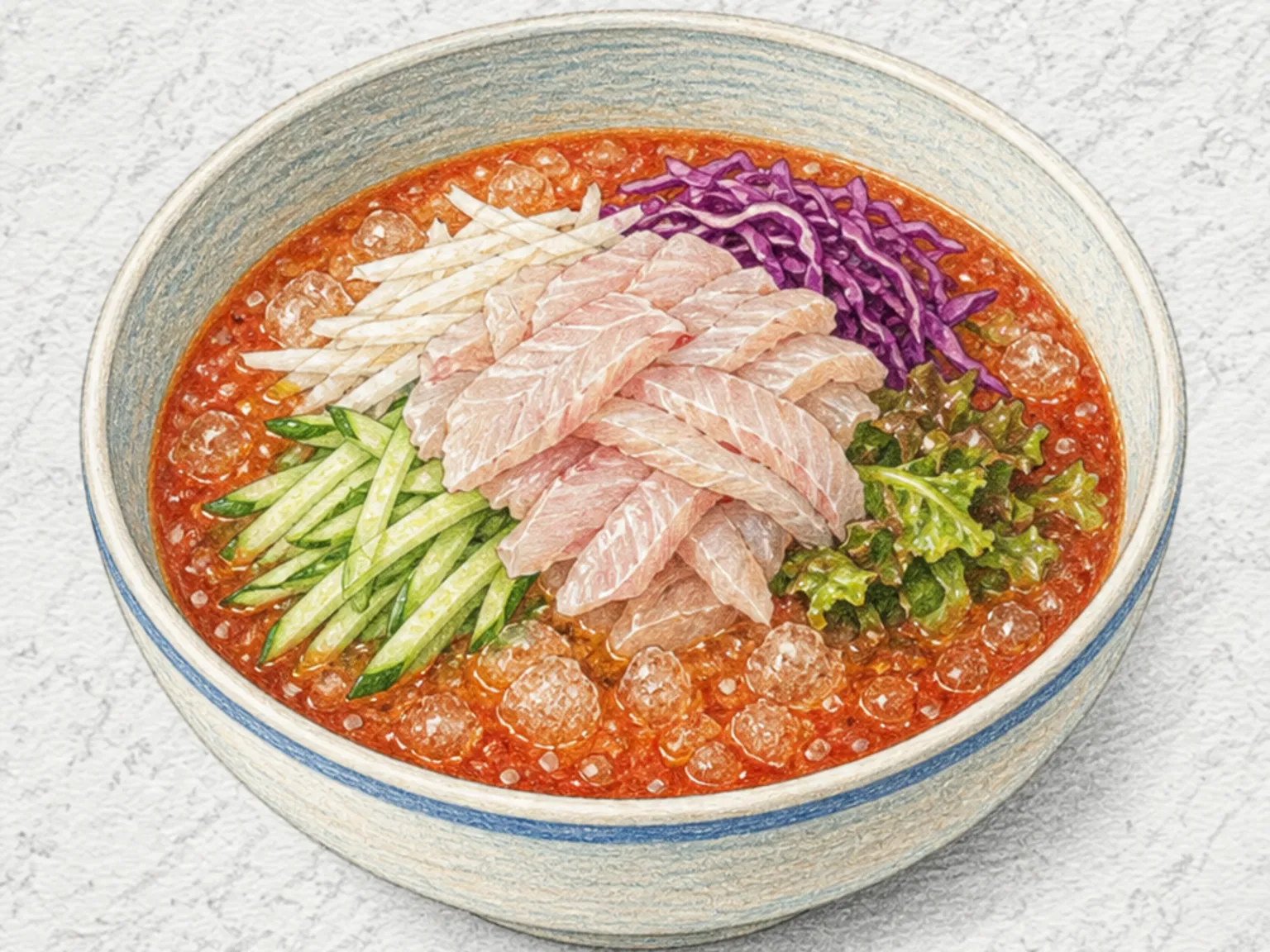
Muneo chogochujang memilmyeon is a Korean cold noodle dish featuring thinly sliced boiled octopus on chilled buckwheat noodles, dressed in chogochujang - a sauce made by combining gochujang with vinegar, sugar, garlic, and sesame oil. Patting the octopus dry after boiling helps the sauce adhere to each slice, and cooking the buckwheat noodles thirty seconds under the package time prevents them from breaking during the cold water rinse. The sweet-sour tang of the chogochujang complements the mild, clean flavor of the octopus without overpowering it. Shredded cabbage and perilla leaves contribute crunch and herbal fragrance, while a finishing sprinkle of sesame seeds adds nuttiness that ties the cold noodles and seafood together.

Pancit Palabok (Filipino Rice Noodles with Annatto Shrimp Sauce)
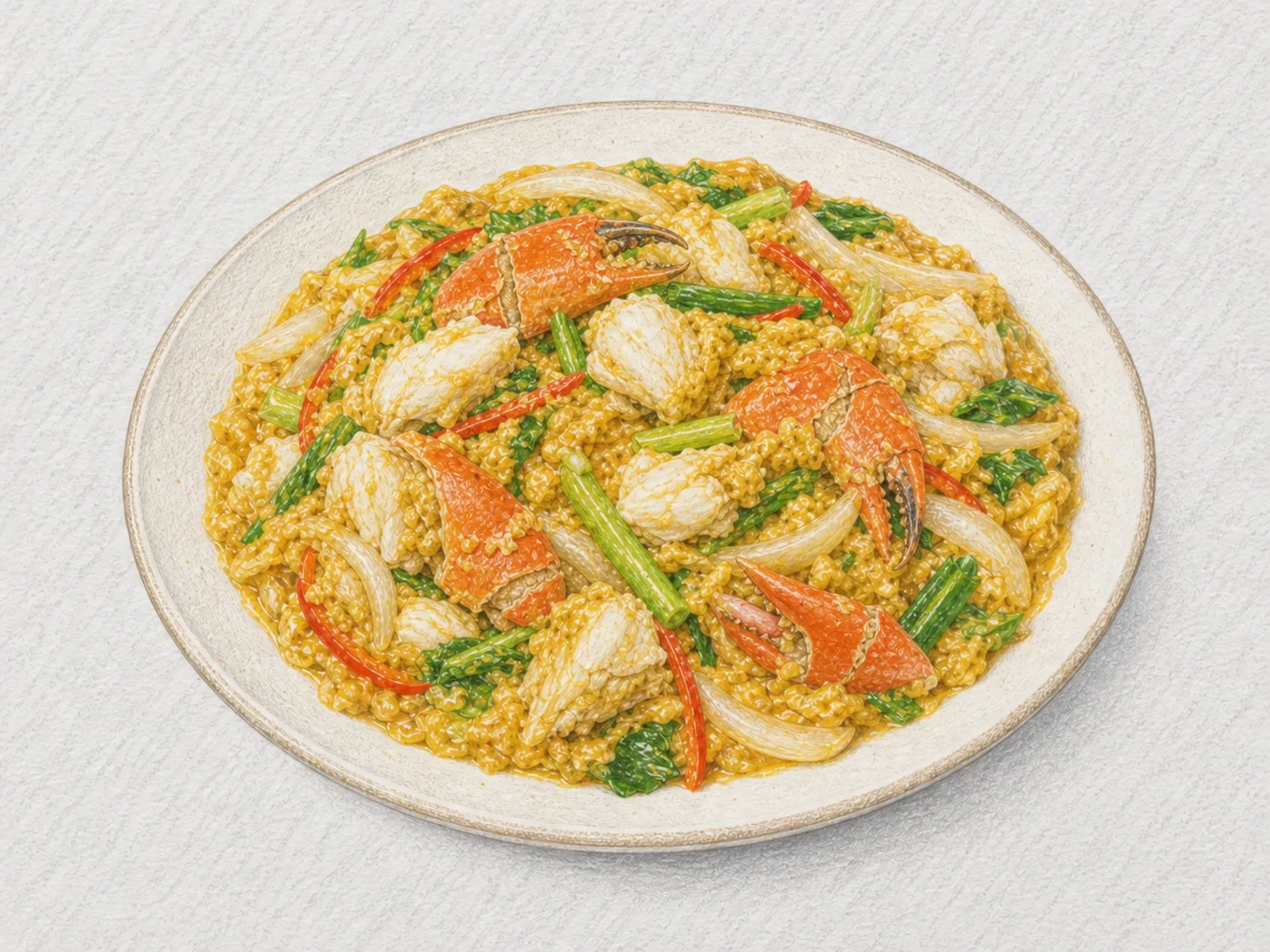
Pancit palabok is a Filipino celebratory noodle dish built on thin rice noodles blanketed in an orange-hued shrimp sauce. The sauce draws its color from annatto powder, which also contributes a faint earthy sweetness, and its savory backbone from shrimp-shell stock simmered with fish sauce. Boiled egg halves and a squeeze of lime are the traditional garnish, cutting through the richness with acidity. Fried garlic, sliced scallions, and crushed chicharron scattered on top add texture contrast and bring multiple layers of flavor to a single serving. At Filipino birthday parties and holiday gatherings, palabok is presented on a large platter and shared family-style, making it one of the most recognizable celebration dishes in the cuisine.

Korean Grilled Pork Neck (Salt-Seasoned Fatty Neck Cut BBQ)
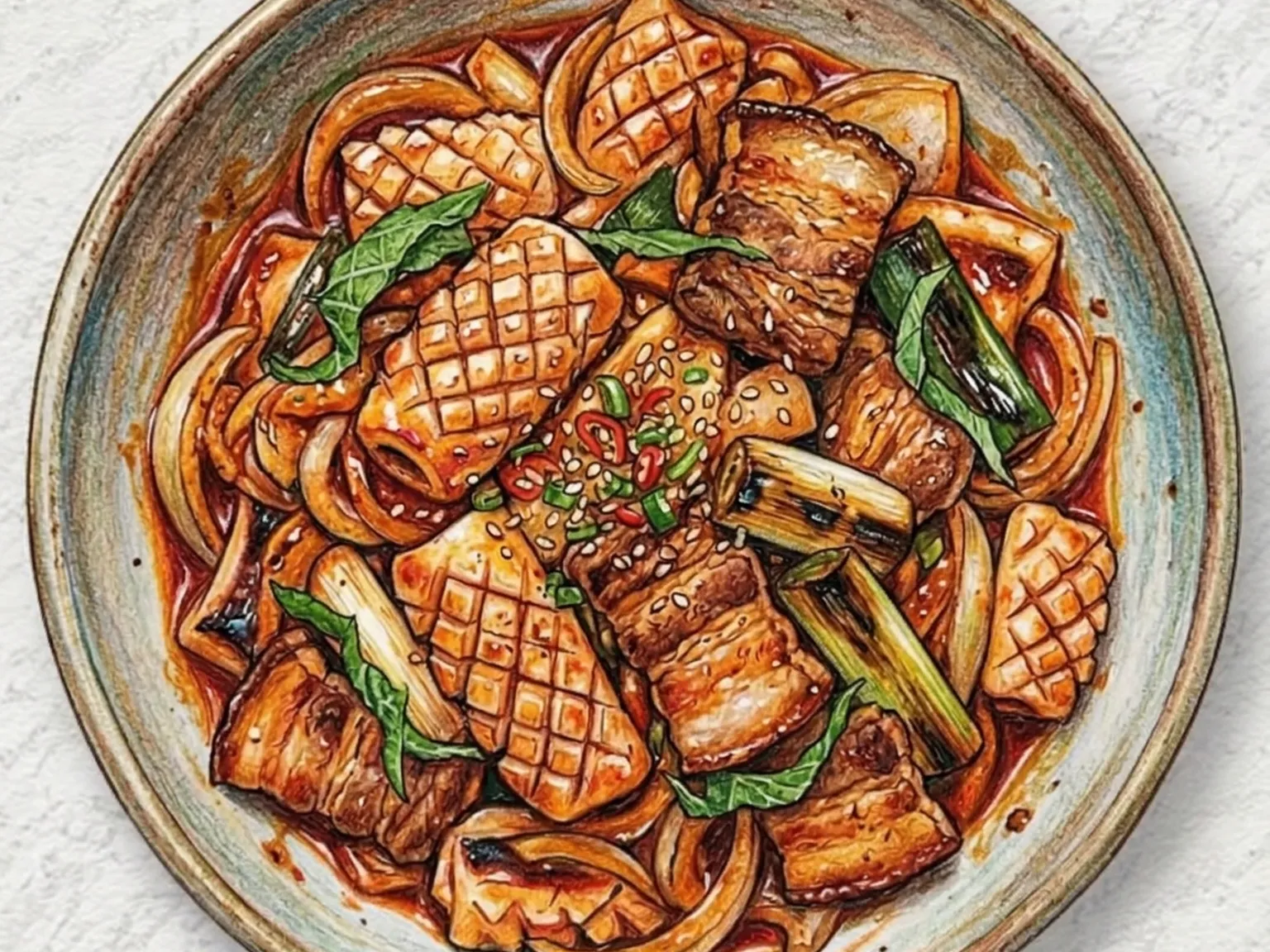
Dwaeji-moksal-gui is Korean salt-grilled pork neck sliced one centimeter thick and seasoned with nothing more than coarse salt and black pepper before being laid on a blazing grill. The neck cut is laced with fine intramuscular fat that renders quickly over high heat, basting the meat from within and producing a rich, clean pork flavor that needs no marinade to taste complete. Cuts with roughly a seven-to-three fat-to-lean ratio give the best results, where fat and juice remain in balance through the cooking. Each side must sear for under two minutes over maximum heat to build a dark, caramelized crust while the center stays moist. Flipping repeatedly drops the surface temperature and produces a gray, steamed result rather than the charred exterior that defines the dish. The standard way to eat moksal-gui is in a ssam: a leaf of lettuce loaded with a roasted garlic clove, a smear of ssamjang, and a slice of the grilled meat, folded and eaten in a single bite.

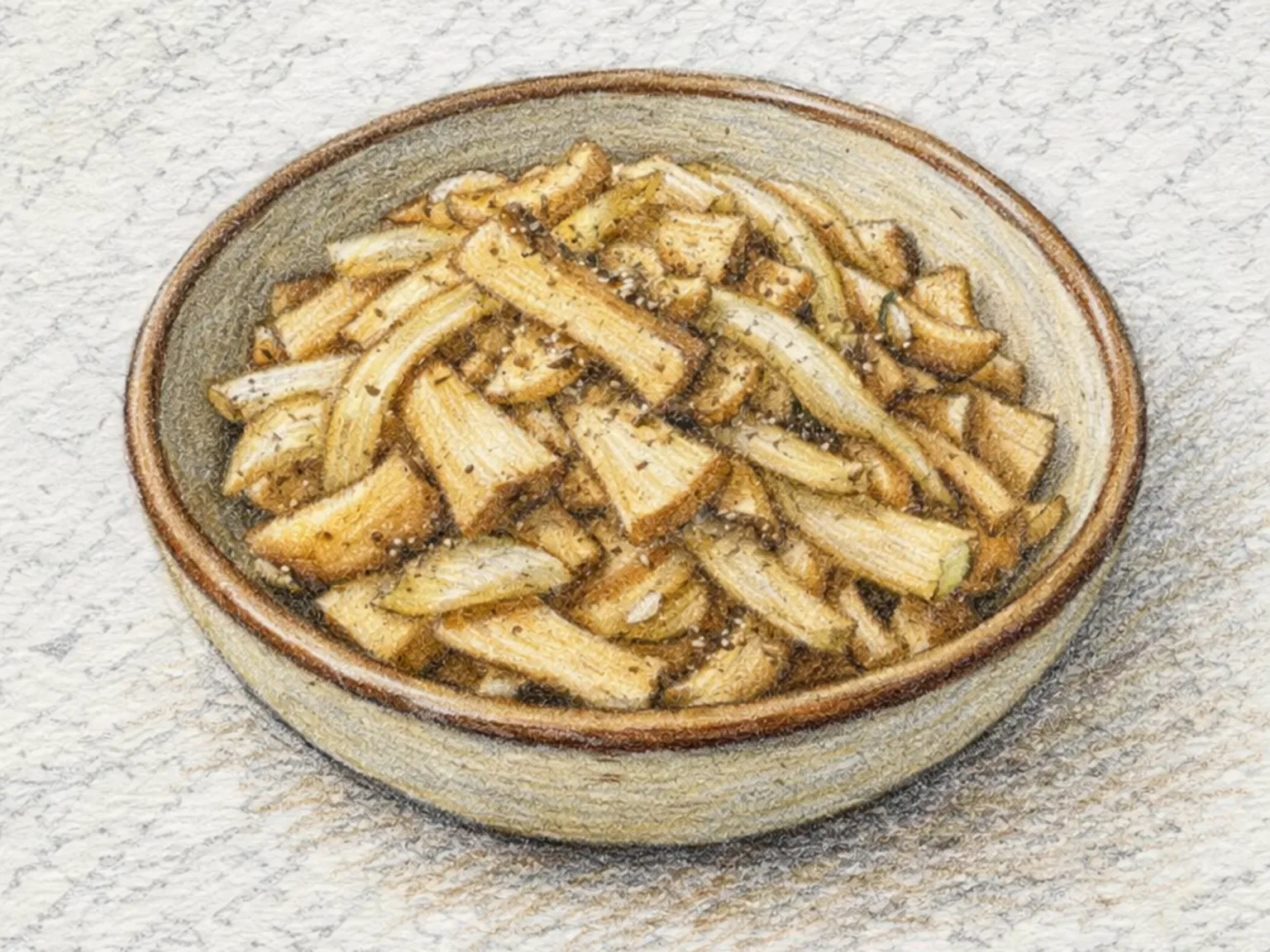
Naengi Doenjang Mushroom Salad
Naengi is blanched for about thirty seconds in boiling water to remove its raw grassy edge while keeping the earthy, faintly sweet spring aroma that makes it distinctive. Oyster mushrooms go onto a dry, well-heated pan with no oil, pressed gently as they cook, so the moisture evaporates and the surfaces caramelize to a light golden color, concentrating their savory depth. The dressing is made by dissolving doenjang in yuja marmalade, rice vinegar, and sesame oil, producing a layered flavor that is nutty and fermented at the base with a bright citrus lift. Baby greens spread across the plate as a soft, neutral bed, and halved cherry tomatoes add bursts of juice that cut through the weight of the fermented paste. A few drops of sesame oil and toasted sesame seeds add a roasted, nutty finish, and minced garlic folded into the dressing contributes a quiet warmth that ties the individual flavors together without dominating. Using freshly foraged naengi in early spring gives the salad a vivid seasonal character that dried or stored greens cannot replicate.

Spaghetti Aglio e Olio (Garlic and Olive Oil Pasta)
Spaghetti aglio e olio appears in Italian cookbooks as far back as the 19th century, making it one of the oldest documented pasta preparations in the canon. The restraint is the point: five ingredients, no sauce made separately, and the whole dish done in under twenty minutes. Thinly sliced garlic goes into extra virgin olive oil over low heat, slowly transferring its flavor into the fat - the temperature must stay low enough that the garlic turns golden but never brown, since browning brings bitterness. Dried chili flakes follow, infusing a second layer of heat into the oil. The technical turning point is adding starchy pasta water and tossing the pan hard over high heat: the starch links the oil and water into an emulsion that clings to every strand rather than pooling at the bottom. Skip this step and the dish separates on the plate. Parmigiano is not traditional but has become near-universal; shaved over the top, it adds a salty, crystalline crunch. The finished pasta should look barely coated, each strand glistening rather than swimming in sauce. Getting that result consistently is what separates people who understand the dish from people who have simply followed the ingredient list.

Shakshuka (Eggs Poached in Spiced Tomato Sauce)
Shakshuka starts with onion and bell pepper softened in olive oil, followed by cumin, smoked paprika, and chili flakes bloomed briefly in the hot fat to unlock their oil-soluble aromas. Crushed whole tomatoes are added and simmered until the sauce thickens enough to hold its shape when a spoon is dragged through it. Eggs are cracked directly into wells made in the sauce, then the pan is covered and cooked for six to eight minutes so the whites set while the yolks stay runny. The spice profile delivers warm earthiness from the cumin, gentle smokiness from the paprika, and a low heat from the chili that builds gradually. Tearing bread and dragging it through a broken yolk and the surrounding sauce is the traditional way to eat it.

Cheese Fondue
Cheese fondue melts grated Gruyere and Emmental into warmed white wine to create a thick, glossy cheese dip served with cubed baguette. Rubbing the inside of the pot with a halved garlic clove lays down a gentle garlic base before the wine goes in. Tossing the grated cheese with cornstarch before adding it gradually to the warm wine is what prevents the proteins from clumping and keeps the texture smooth and flowing. A small amount of lemon juice cuts through the richness of the cheese, and the wine's acidity balances the salt from the aged cheeses. The heat must stay low throughout - high flame causes the fat to separate from the protein almost immediately, turning the fondue grainy and unappetizing. If the sauce thickens too much, a small addition of warm wine brings it back. Originating in the Alpine regions of Switzerland and France as a winter method for using hardened cheese, fondue has become a communal dish shared around the table and is now enjoyed worldwide.

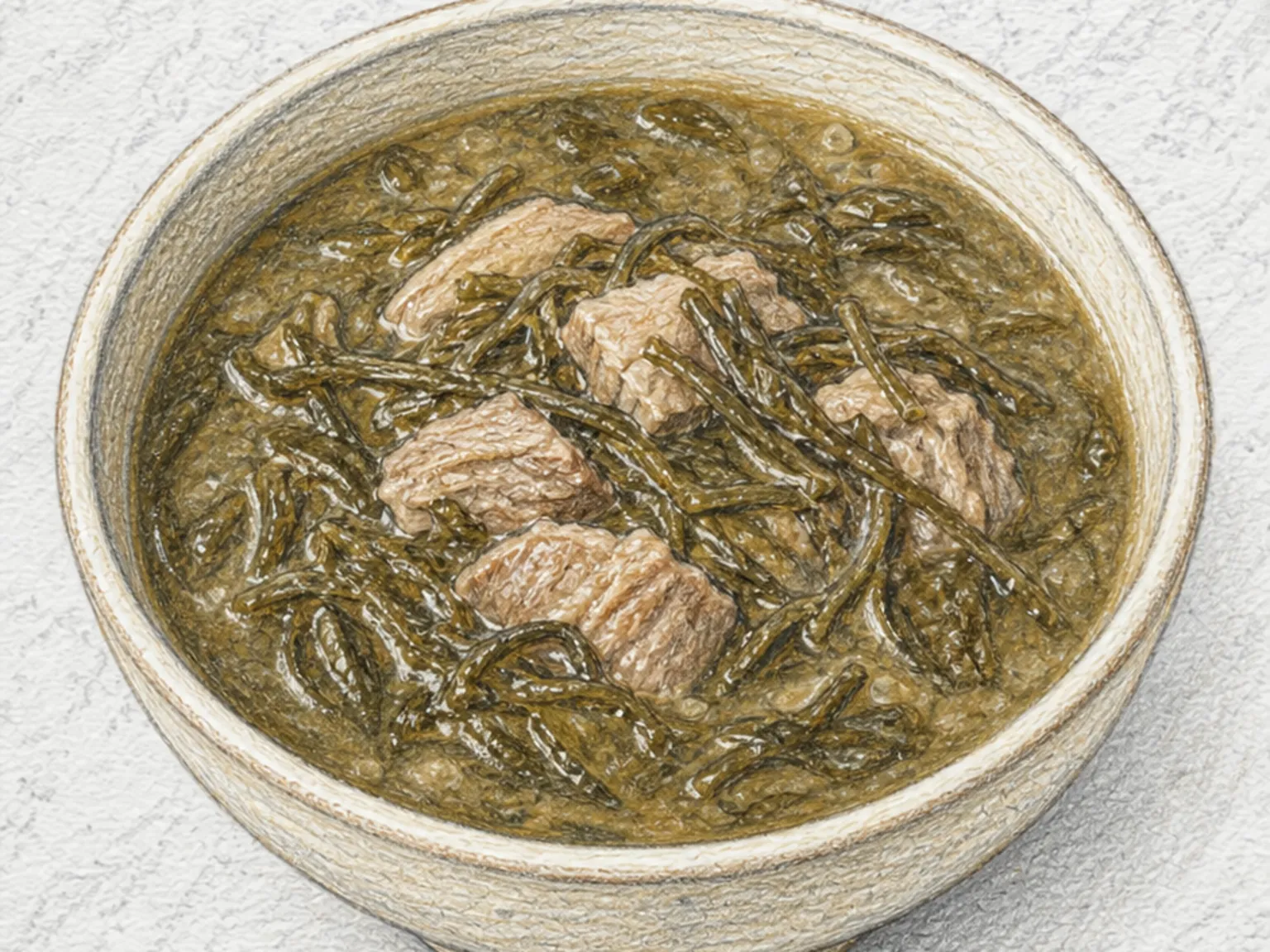
Kimchi Soegogi-guk (Fermented Kimchi Beef Soup)
Kimchi-soegogi-guk is a Korean soup that unites two powerhouse ingredients, well-fermented kimchi and beef, in a ruddy, aromatic broth. The beef is stir-fried in sesame oil first, building a savory foundation, then chopped kimchi joins the pan and cooks until its acidity mellows and merges with the rendered fat. Water is added, and as the pot simmers, the kimchi continues to break down, thickening the liquid and staining it a deep red. Soup soy sauce and garlic adjust the seasoning, while blocks of tofu absorb the surrounding flavors and provide a soft counterpoint to the chewy beef. The finished soup is hearty and warming, with the tangy complexity of aged kimchi meeting the clean savoriness of beef in every spoonful. It pairs inseparably with a bowl of steamed rice, which soaks up the broth and balances the heat.

Korean Mussel Stir-Fry (Plump Mussels with Butter, Garlic and Chili)
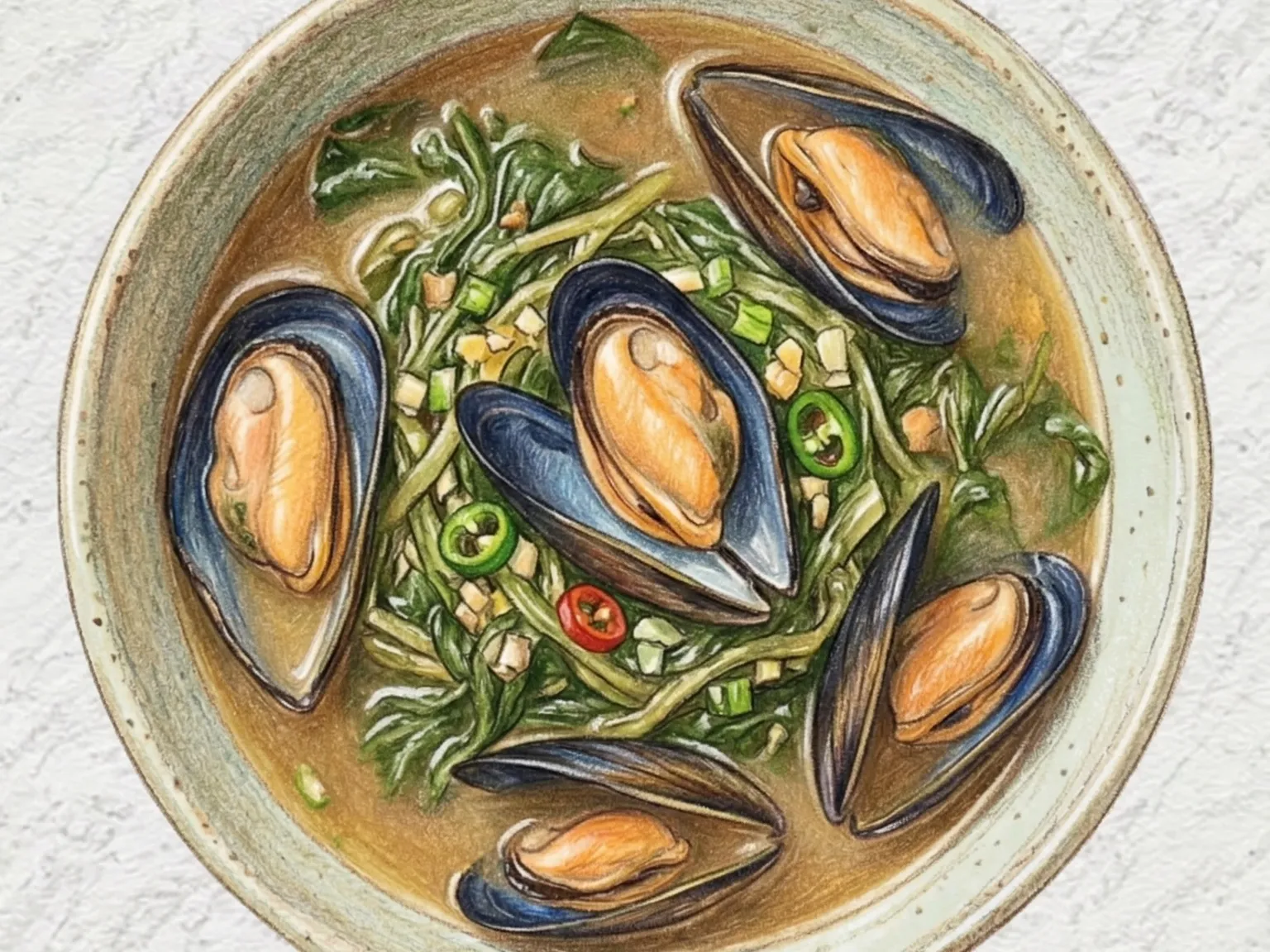
Honghap-bokkeum is a Korean mussel stir-fry where plump mussels are tossed in butter with sliced garlic, cheongyang chili, and scallion. The butter melts into the mussels' briny juice, forming a concentrated, aromatic sauce, while garlic adds a sharp fragrance that elevates the whole dish. Chili peppers cut through the richness so the dish never feels heavy. A splash of soy sauce deepens the umami, and many diners finish by mixing rice into the leftover sauce.

Korean Dried Radish Greens Perilla Stew
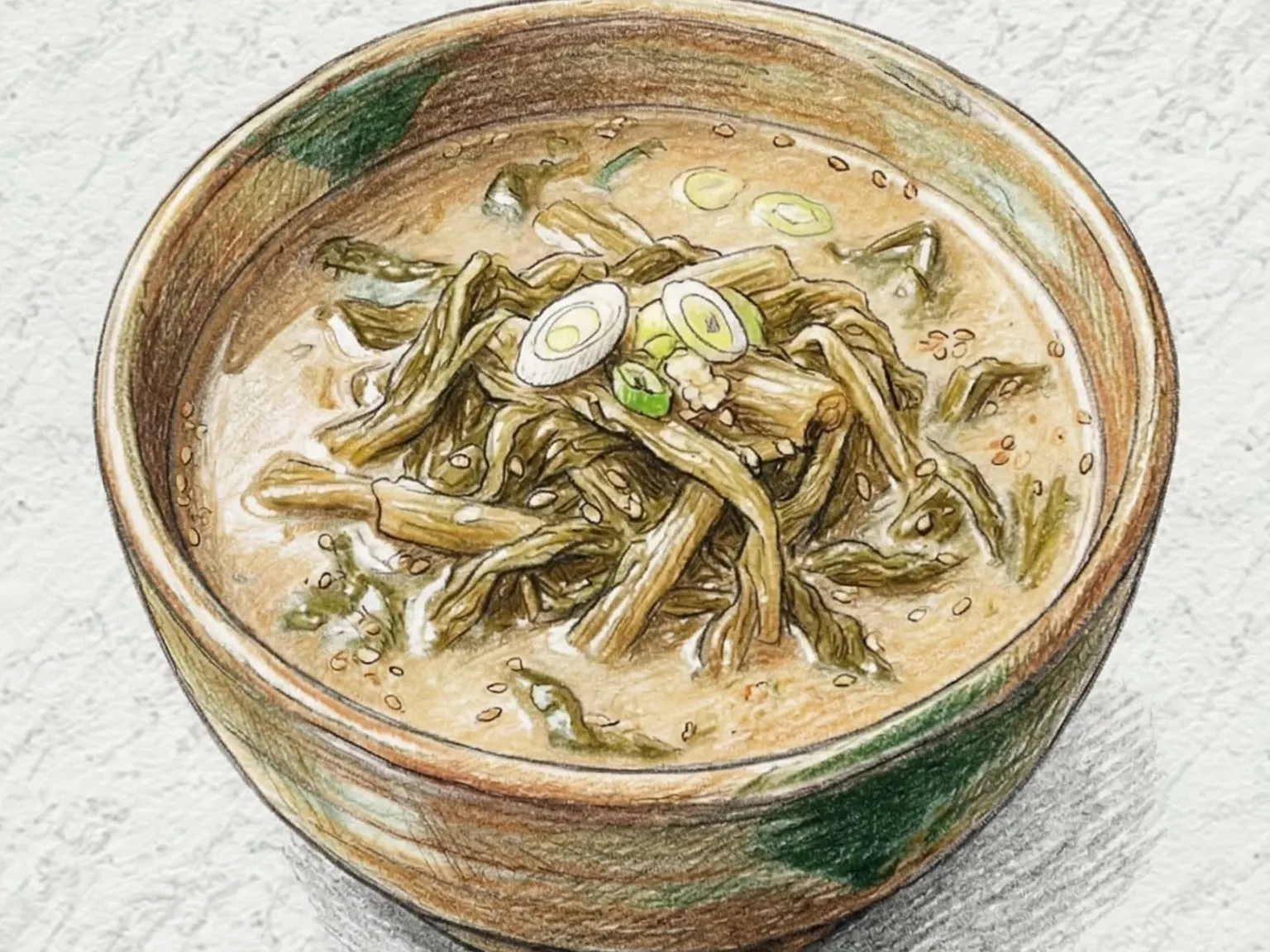
This stew simmers rehydrated dried radish greens in rice-rinse water thickened with a generous four tablespoons of perilla seed powder. A small amount of doenjang and gochujang provides savory depth, and using rice-rinse water instead of plain water adds a natural starchiness that helps the perilla powder integrate into the broth more smoothly. The perilla powder creates a creamy, nutty soup with a pale beige hue, and the chewy, fibrous texture of the radish greens contrasts with the richness of the liquid. The radish greens need to be fully rehydrated and pre-boiled so they absorb the broth evenly during cooking rather than remaining tough. Onion and green onion add layers of sweetness and fragrance, and seasoning gradually while the stew cooks produces a more balanced result than adding everything upfront. Served bubbling in an earthenware pot on cold days, this is one of the most comforting staples in Korean winter home cooking.

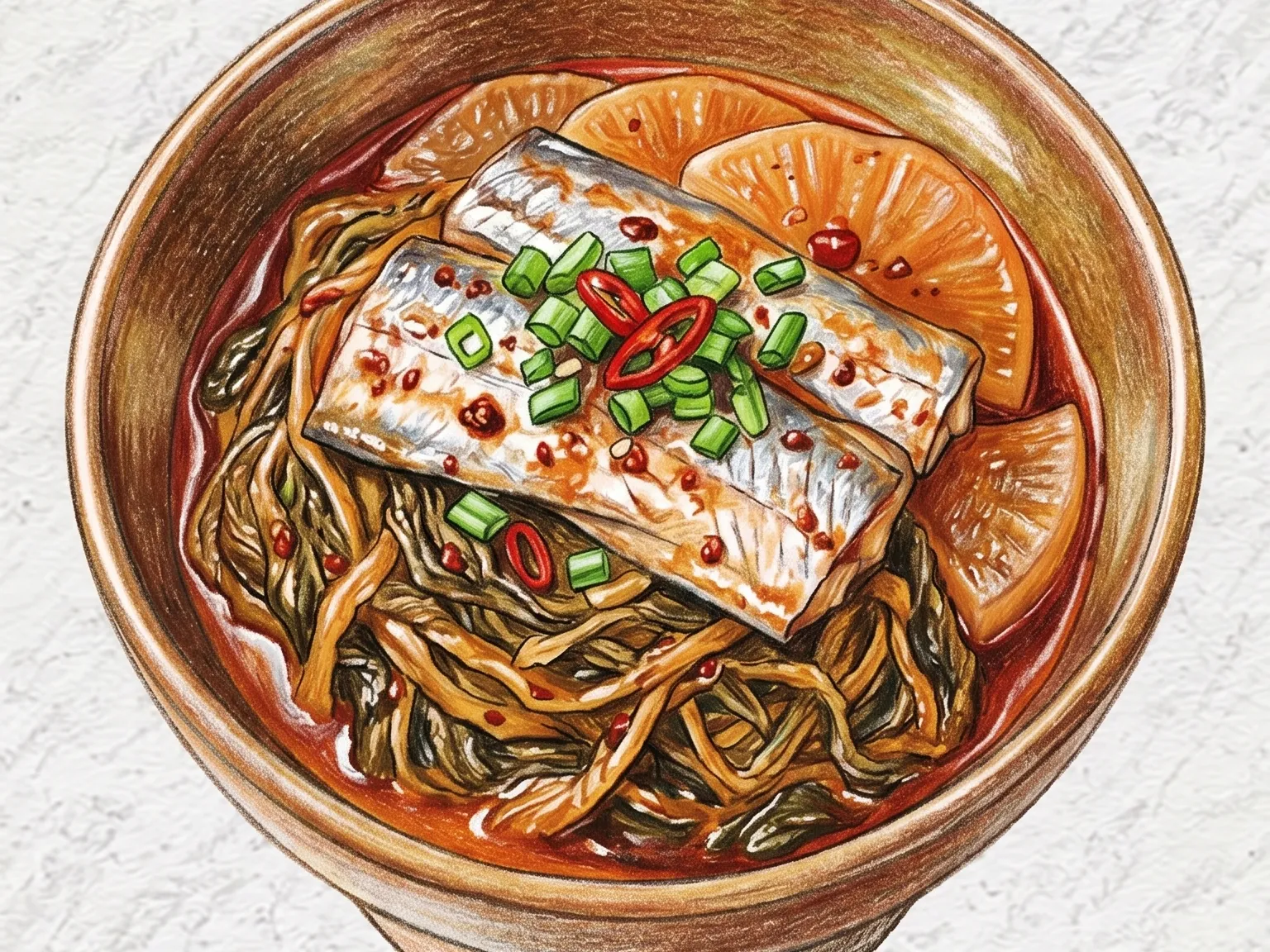
Korean Braised Mackerel with Aged Kimchi
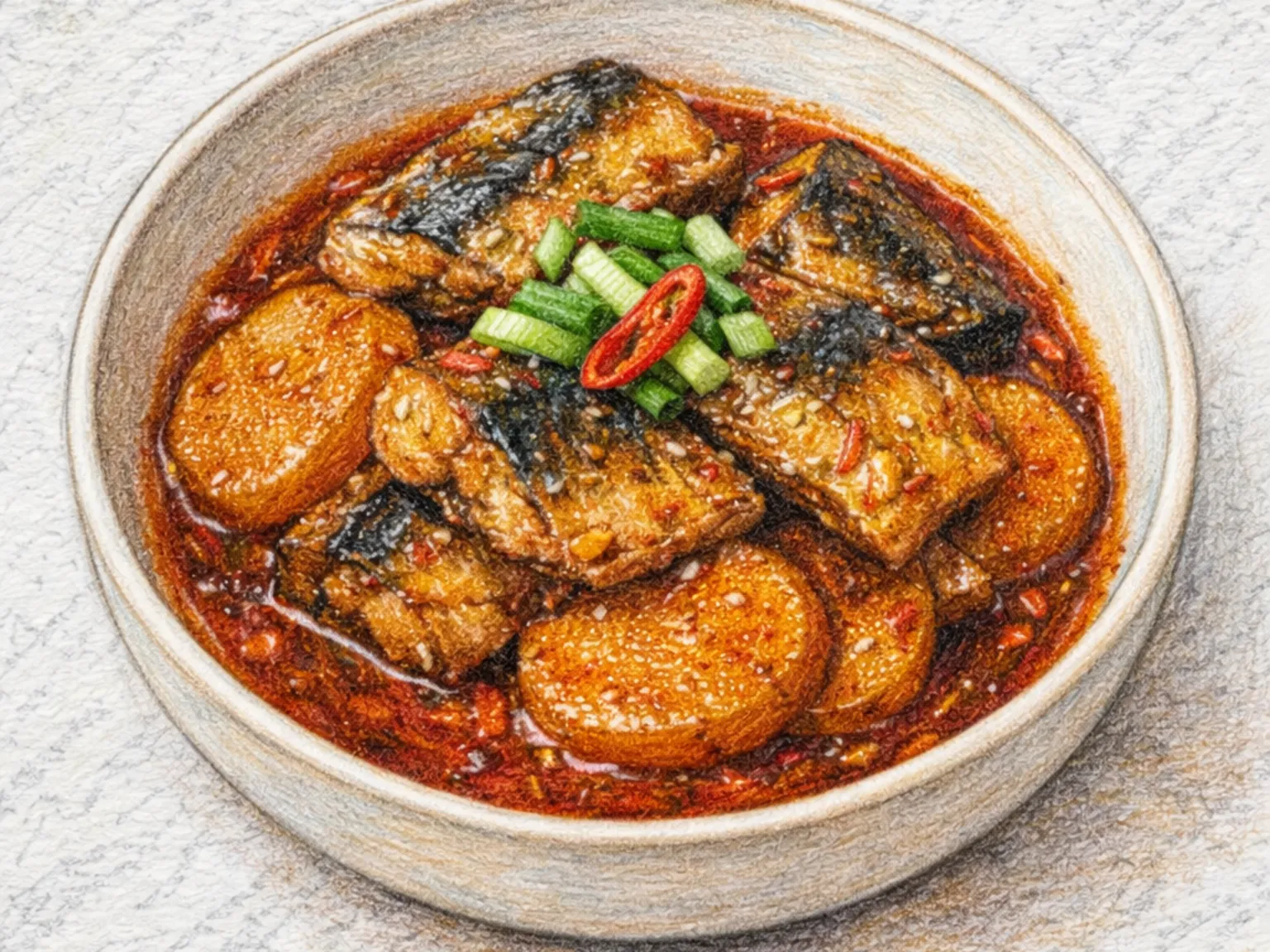
Godeungeo kimchi jjim is mackerel braised together with well-fermented aged kimchi in a soy sauce and gochugaru broth. The deep, sharp acidity of the aged kimchi cuts through the fatty mackerel flesh without leaving any heaviness, drawing out a concentrated savory taste instead. The key step is removing the lid partway through cooking and letting the braising liquid reduce and absorb into the fish, which also drives off any residual fishiness. Onion softens into a gentle sweetness that rounds out the broth, while a pinch of sugar tempers the sourness of the kimchi so the seasoning stays in clear balance. The sauce reduces to a small pool of intensely flavored liquid that is meant to be mixed directly into a bowl of steamed rice.

Korean Beef & Lettuce Cabbage Stir-fry
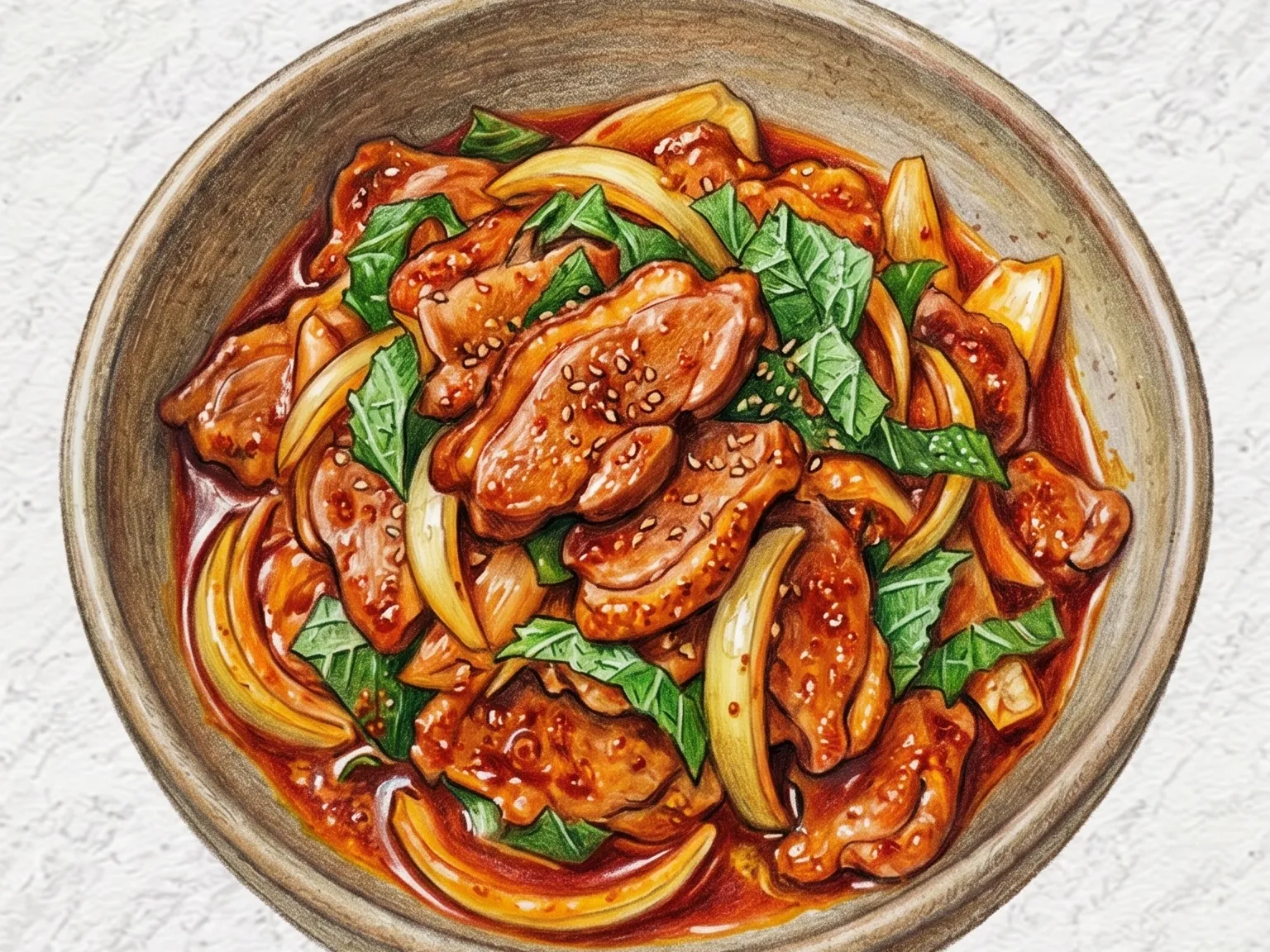
Ssamchu soegogi-bokkeum stir-fries soy-and-pear-juice-marinated beef over high heat, then folds in ssamchu (Korean leafy cabbage) just long enough to barely wilt. Pear juice tenderizes the beef and lends a subtle sweetness, while soy sauce, garlic, and sesame oil form a glossy glaze as they hit the hot pan. The ssamchu stems go in a minute before the leaves and Cheongyang chili, preserving a mix of crunchy and soft textures in the finished dish. A final drizzle of sesame oil off the heat locks in the fragrance, making this a lightly spicy beef-and-greens stir-fry with clear, clean flavors.