Charim

2686 Korean & World Recipes

2686+ Korean recipes, clean and organized. Ingredients to instructions, all at a glance.

Recipes with garlic

24 recipes

Buy garlic
Thai Steamed Lime Fish (Whole Fish Chili Fish Sauce)
SteamedMedium

Thai Steamed Lime Fish (Whole Fish Chili Fish Sauce)

Pla neung manao is a Thai steamed fish dish where a whole white fish is steamed until just cooked through, then drenched in a raw sauce of fresh lime juice, fish sauce, crushed garlic, and minced Thai chili. The sharp acidity of the lime and the salty depth of fish sauce meet directly, producing a dressing that is simultaneously bright and savory without either element overwhelming the other. The minced chili brings a direct, stinging heat that cuts through the mild fish flesh. Because the sauce is poured over raw rather than cooked, the lime and garlic aromas remain fully intact and undiminished by heat. Steaming the fish for a couple of minutes after the sauce is added allows the flavors to penetrate through the scored skin and into the flesh. A generous heap of fresh cilantro on top delivers the final aromatic layer that defines the dish. Served alongside jasmine rice or glutinous rice, the sauce soaks into the grains and ties everything together into a cohesive plate.

🎉 Special Occasion
Prep 20minCook 18min2 servings
Korean Lettuce Kimchi (Quick Leaf Gochugaru Dressed)
KimchiEasy

Korean Lettuce Kimchi (Quick Leaf Gochugaru Dressed)

Sangchu kimchi is a quick Korean lettuce kimchi that starts with leaf lettuce torn into bite-sized pieces, salted lightly for ten minutes to relax the leaves without fully collapsing them, then tossed in a seasoning of gochugaru, sand lance fish sauce, minced garlic, vinegar, and sugar. As the lettuce absorbs the dressing it softens, but eating it before it fully wilts keeps a faint crispness at the leaf edges along with the lettuce's characteristic mild bitterness. The fermented depth of the fish sauce adds weight to the lettuce's grassy, clean flavor, while vinegar contributes a bright, tangy finish that cuts through the richness. Sesame seeds scattered through the mix give a faintly toasted crunch with each bite. Drying the leaves thoroughly after salting is the step that most directly controls flavor: any residual water dilutes the seasoning rapidly and turns the kimchi watery and dull within an hour or two. This kimchi is best made moments before serving and eaten immediately while the textures are still distinct. A small amount of ssamjang folded in adds a deeper, earthy fermented note for variation.

🍱 Lunchbox Quick
Prep 20min2 servings
Salt and Pepper Shrimp
AsianEasy

Salt and Pepper Shrimp

Salt and pepper shrimp is a Cantonese wok dish where shell-on shrimp are deep-fried twice - once to cook through and once at higher heat to crisp the shells until they shatter on the teeth. The fried shrimp are then tossed in a dry wok with minced garlic, sliced fresh chili, and a heavy dusting of sea salt and ground white pepper. The garlic chars slightly at the edges, releasing a nutty aroma that coats the shrimp. No sauce is involved; the seasoning sticks to the hot shells through residual oil alone. Eating the shrimp whole, shell and all, is the intended method - the shells provide a papery crunch that contrasts with the sweet, snappy meat inside. The dish lands on the table in minutes and disappears just as fast, especially when cold beer is within reach.

🍺 Bar Snacks
Prep 15minCook 15min2 servings
Korean Braised Saury in Spicy Sauce
Side dishesMedium

Korean Braised Saury in Spicy Sauce

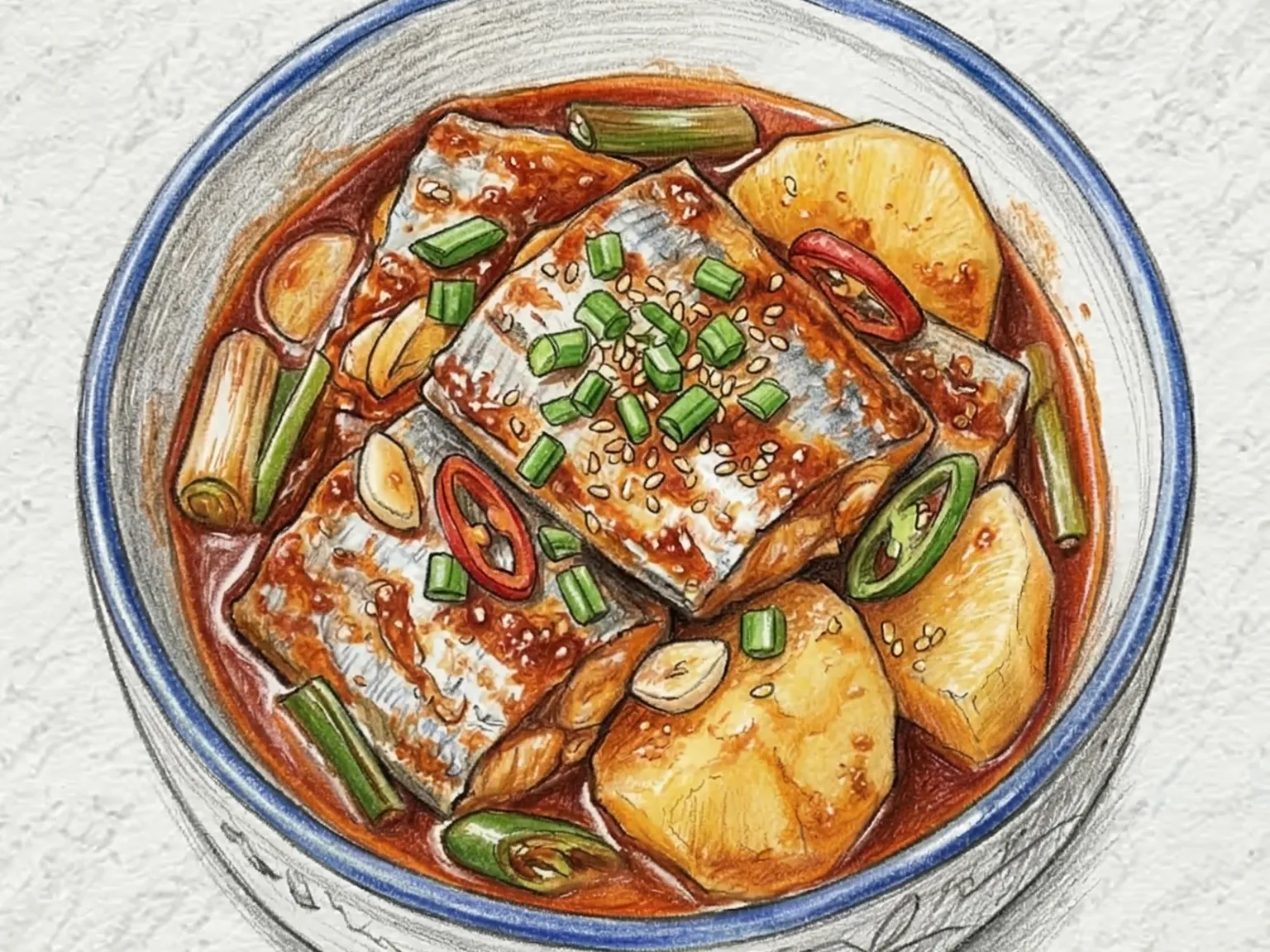
Kkongchi-jorim simmers Pacific saury with daikon radish in a soy-gochujang sauce until the bones soften enough to eat whole - a thrifty Korean fish braise built on one of autumn's most affordable catches. The radish lines the pot bottom, cushioning the fish from direct heat to prevent breakage while absorbing the braising liquid into sweet, flavor-soaked wedges. After bringing the sauce to a boil, twenty-five minutes of medium-low simmering renders the fine bones edible without adding vinegar. Canned saury, with bones already softened during processing, halves the cooking time for weeknight shortcuts. Green onion placed on top in the final two minutes tempers the fish's natural oiliness and adds a visual accent. Like most jorim-style banchan, this dish improves over several days in the refrigerator as the seasoning continues to penetrate.

🏠 Everyday🍱 Lunchbox
Prep 10minCook 30min4 servings
Korean Garlic Scape Clam Stir-fry
Stir-fryMedium

Korean Garlic Scape Clam Stir-fry

Maneuljjong-jogae-bokkeum is a Korean stir-fry of clam meat and garlic scapes tossed quickly over high heat with soy sauce, oyster sauce, and minced garlic. The clams contribute a briny, oceanic depth that merges with the salty-sweet seasoning, while the garlic scapes, cut into 4 cm pieces and barely cooked, retain their firm, snappy crunch. Diagonally sliced red chili added partway through builds a gentle warmth without overwhelming the seafood flavor. Since clams toughen with prolonged heat, they go in last and cook for no more than 30 to 60 seconds. Finishing with a few drops of sesame oil rounds out the dish with a nutty fragrance, and a scattering of shredded green onion adds freshness to each serving.

🏠 Everyday🍱 Lunchbox
Prep 14minCook 9min2 servings
Korean Spicy Glazed Tongue Sole
GrilledMedium

Korean Spicy Glazed Tongue Sole

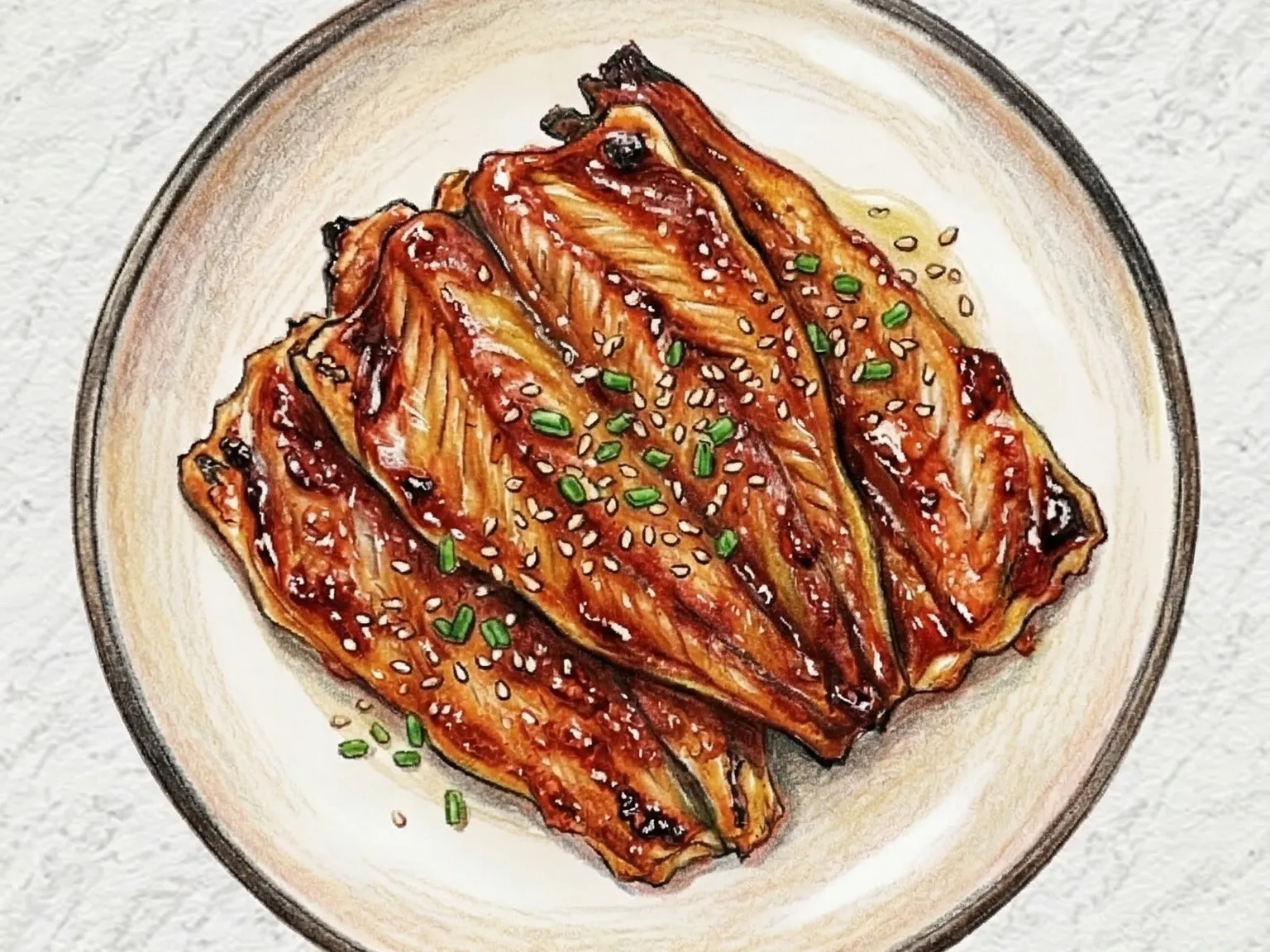
Seodae-yangnyeom-gui is a Korean spicy-glazed tongue sole dish where cleaned sole is coated with two-thirds of a sauce blending gochujang, soy sauce, Korean chili flakes, plum syrup, sugar, minced garlic, and ginger, marinated for ten minutes, then pan-fried over medium heat for four minutes per side. The flat body shape of tongue sole allows the marinade to adhere evenly across the entire surface, and because the flesh is thin, the salty-sweet seasoning penetrates all the way through quickly. Plum syrup in the sauce contributes a fruit-forward acidity that lifts the heaviness of gochujang, and together with sugar it caramelizes at pan temperature into a glossy brown coating. Brushing the remaining sauce on during the final two minutes builds a double-layered glaze, and finishing with sesame oil and chopped green onion releases a fragrant aroma from the residual heat.

🍺 Bar Snacks🏠 Everyday
Prep 20minCook 14min2 servings
Korean Chilled Seaweed Soup
SoupsEasy

Korean Chilled Seaweed Soup

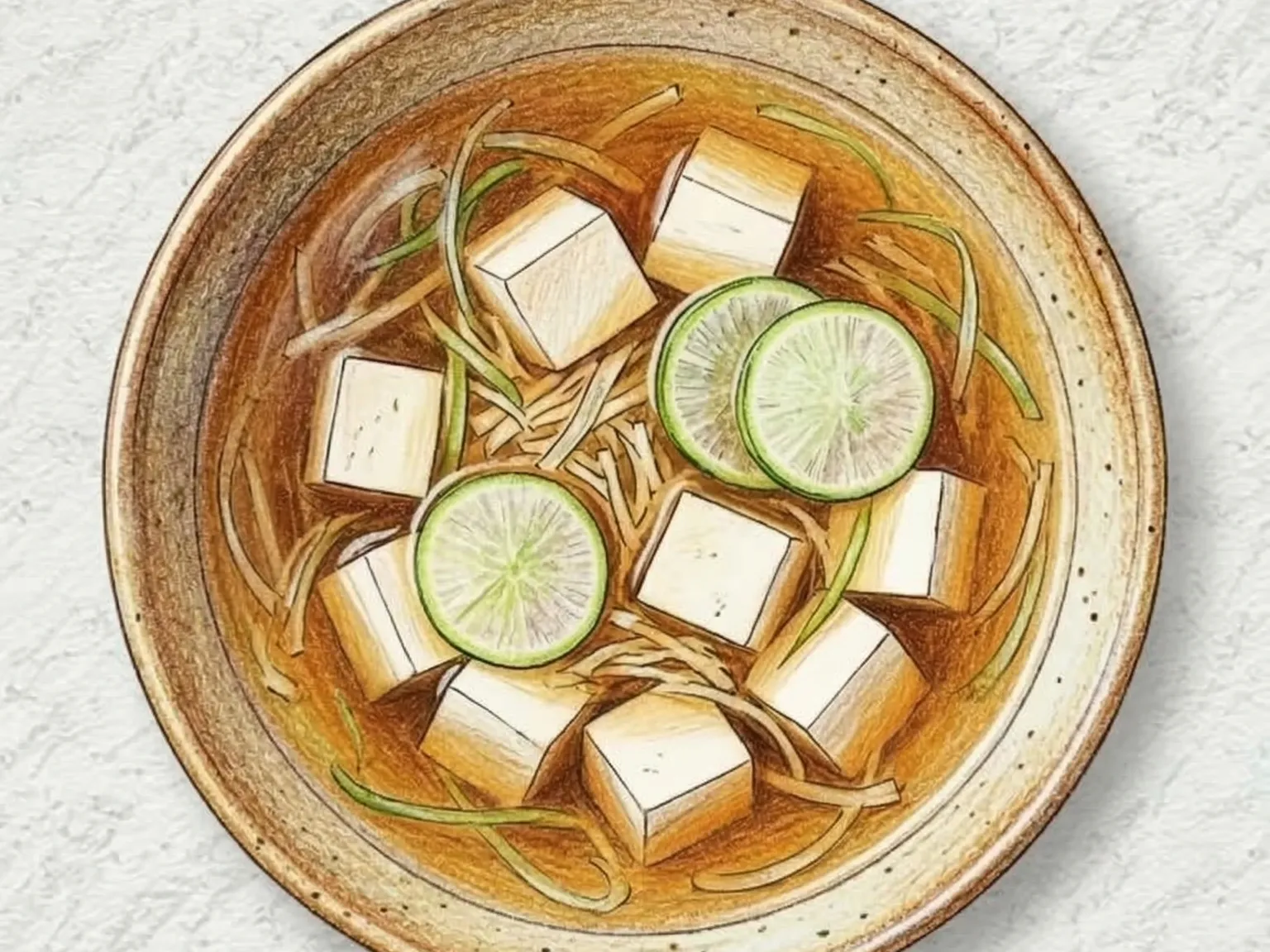
Miyeok-naengguk is a Korean chilled seaweed soup designed for the hottest days of summer, when the idea of a boiling pot feels intolerable. Rehydrated sea mustard and thinly sliced cucumber are bathed in a cold broth made from soy sauce, rice vinegar, sugar, and iced water, producing a tangy, lightly sweet liquid that hits the palate with immediate refreshment. The seaweed contributes a slippery, marine texture while the cucumber provides a sharp crunch, and together they give the soup a satisfying range of mouthfeel in each spoonful. Preparation requires no cooking at all - the ingredients are simply mixed, seasoned, and chilled - making it one of the fastest dishes in the Korean repertoire. A generous sprinkle of toasted sesame seeds adds nuttiness on top, and an optional pinch of gochugaru turns the broth a vivid red while contributing gentle heat. The soup pairs naturally with cold noodle dishes like naengmyeon or bibim-guksu, and it improves after an hour in the refrigerator as the seasoning penetrates the seaweed. In many Korean homes, a bowl of miyeok-naengguk is the unofficial signal that summer has arrived.

🏠 Everyday
Prep 15minCook 10min4 servings
Korean Octopus Hot Pot (Spicy Gochujang Broth with Herbs)
StewsMedium

Korean Octopus Hot Pot (Spicy Gochujang Broth with Herbs)

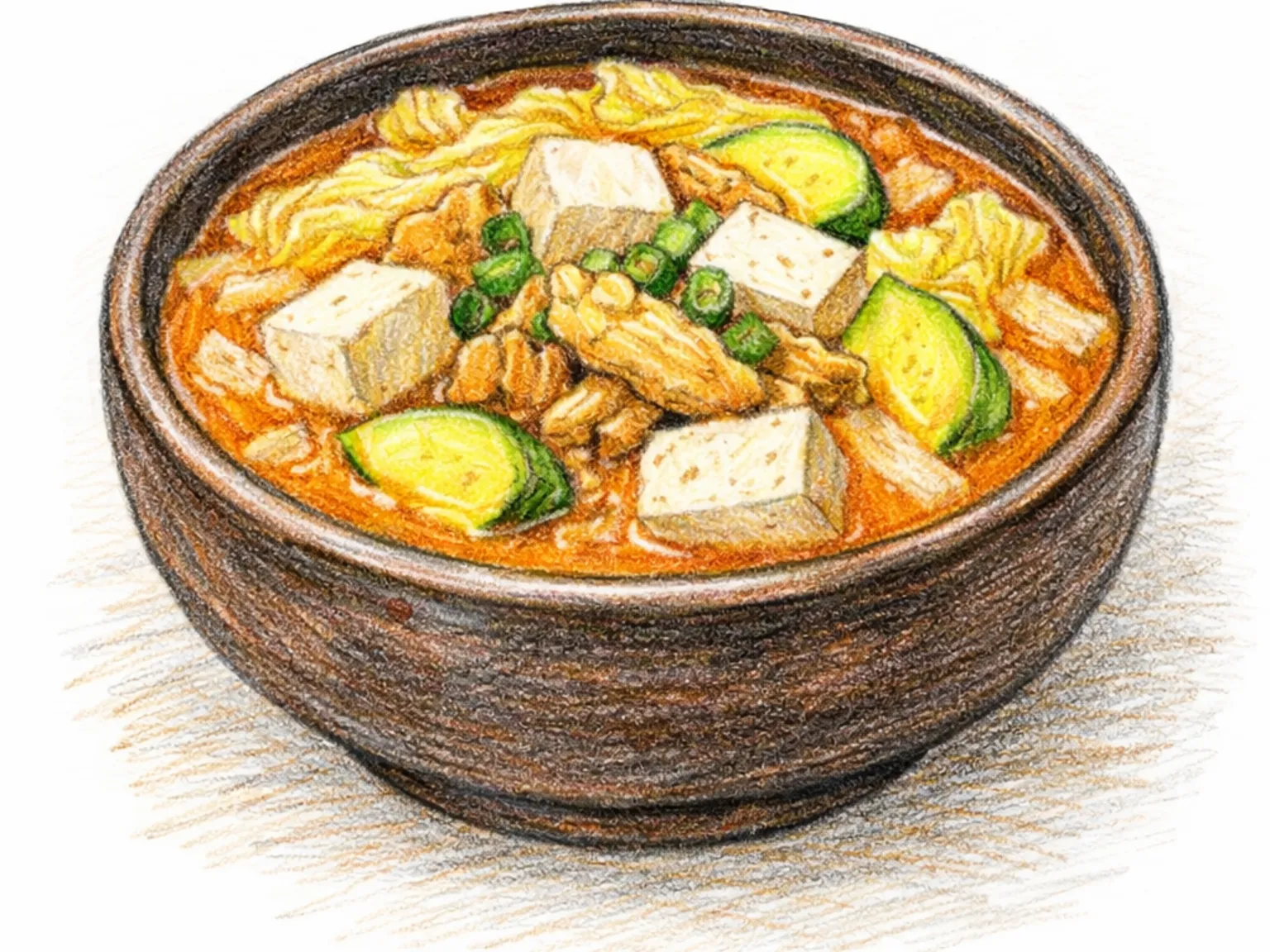
Nakji jeongol is a spicy Korean hot pot built around small octopus simmered in anchovy stock seasoned with gochujang and gochugaru, together with napa cabbage, water parsley, onion, and tofu. Anchovy stock works particularly well here because it has a clean, salty depth that amplifies rather than competes with the oceanic flavor of the octopus. The gochujang contributes a fermented sweetness to the broth while the gochugaru layer on top provides the sharp, direct heat, producing a multi-dimensional spicy broth that is more complex than either ingredient alone. Octopus is highly sensitive to overcooking. Cooked within two minutes, it stays springy and pleasantly chewy. Beyond that, the protein fibers contract and the texture becomes tough and rubbery. Water parsley loses its fresh herbal fragrance quickly under heat, so it is best added about one minute before serving to keep that clean, slightly grassy brightness intact. Cooking the hot pot at the table allows diners to add octopus in small batches at their own pace, which is the most reliable way to keep every piece at the ideal doneness.

🍺 Bar Snacks🎉 Special Occasion
Prep 25minCook 18min2 servings
Korean Steamed Shrimp
SteamedEasy

Korean Steamed Shrimp

Saeu jjim is a traditional Korean method for preparing steamed shrimp by utilizing a specific layering technique within a steamer. The process begins by creating a foundation of sliced onions, green onions, and garlic cloves across the steamer basket. Whole shrimp are then carefully arranged directly on top of this bed of aromatic vegetables. As the water boils below, the rising steam carries the volatile oils and scents of the onion and garlic upward, allowing these fragrances to penetrate the shrimp through their shells. A small amount of rice wine is applied to the shrimp before the lid is closed to neutralize any strong briny odors that may be present. Leaving the shells intact during the steaming process is a deliberate step to minimize the loss of internal moisture. This protective layer ensures the meat remains firm and juicy while preserving the natural sugars found in the seafood. Precision regarding the cooking duration is a critical factor for success. The shrimp typically require only eight to nine minutes of exposure to the steam once the water has reached a steady boil. If the cooking time exceeds this window, the proteins in the flesh will contract and cause the texture to become noticeably tough and dry. When the time is up and the lid is lifted, it should be tilted to the side rather than pulled straight up. This prevents the heavy condensation collected on the underside of the lid from dripping back down onto the shrimp, which would otherwise dilute the seasoning on the surface of the shells. Just before the dish is served, a light squeeze of fresh lemon juice is applied to provide a bright acidity that complements the inherent sweetness of the shrimp. While the dish is sufficiently flavorful to be eaten without any dipping sauce, it is often accompanied by cho-ganjang, which is a mixture of soy sauce and vinegar. Alternatively, a sweet chili sauce can be provided as a condiment for individuals who prefer an additional flavor profile alongside the seafood.

🥗 Light & Healthy
Prep 15minCook 12min2 servings
Korean Sigeumchi Kimchi (Spinach Kimchi)
KimchiEasy

Korean Sigeumchi Kimchi (Spinach Kimchi)

Sigeumchi kimchi is a Korean spinach kimchi made by salting the greens for exactly twelve minutes to wilt the leaves while keeping the stems crisp, rinsing in cold water, squeezing dry, then tossing with gochugaru, sand lance fish sauce, minced garlic, plum extract, and scallion pieces. Strict timing on the salt is what creates the dual texture - tender leaves and crunchy stems - that defines this kimchi; over-salting collapses everything into softness. The fish sauce's fermented depth layers onto the spinach's mild, grassy base, and plum extract rounds out the seasoning's sharp edges with a gentle sweetness. Six hours of refrigeration settles the flavors into a cohesive whole. The vivid green color makes this a visually appealing banchan on any Korean table.

🏠 Everyday🍱 Lunchbox
Prep 20minCook 5min4 servings
Three Cup Chicken (Taiwanese Soy Sesame Oil Rice Wine Braised Chicken)
AsianMedium

Three Cup Chicken (Taiwanese Soy Sesame Oil Rice Wine Braised Chicken)

San bei ji, or Three Cup Chicken, is a Taiwanese braise named for the equal measures of soy sauce, sesame oil, and rice wine that form its sauce. The cooking begins with toasted sesame oil in a clay pot, followed by thin slices of garlic and ginger fried until golden. Bone-in chicken pieces, seared to a light crust, join the pot along with the soy sauce and rice wine. As the liquid reduces over moderate heat, it thickens into a dark, glossy glaze that coats every piece of chicken. The final and defining step is a generous handful of Thai basil leaves stirred in just before serving - the residual heat wilts the leaves and releases a sharp, peppery aroma that lifts the rich sauce. The dish is served directly in the clay pot, still bubbling, and paired with plain steamed rice to soak up the concentrated sauce.

🍺 Bar Snacks🎉 Special Occasion
Prep 15minCook 25min3 servings
Korean Steamed Shishito Pepper Banchan
Side dishesEasy

Korean Steamed Shishito Pepper Banchan

Kkwarigochu-jjim is a banchan made by coating shishito peppers with a thin dusting of flour and steaming them before tossing them in a seasoning sauce, which means no oil is used in the cooking process and the result is lighter than stir-fried or pan-fried versions. The wrinkled, bumpy surface of shishito peppers catches flour naturally. The right technique is to place the peppers in a sieve, scatter the flour over them, and shake gently to distribute an even, minimal coating. Too much flour causes the peppers to stick together into a clump during steaming. Five to six minutes of steaming wilts the peppers completely and turns the flour coat from white to translucent, while the moisture released from inside the peppers keeps the flesh tender and juicy. A quick toss in a sauce of soy sauce, gochugaru, minced garlic, and sesame oil lays a savory, mildly spicy layer over the pepper's own gentle sweetness. Because no cooking oil is involved, the calorie count is significantly lower than pan-fried shishito banchan, and steaming retains more of the pepper's vitamin C than high-heat stir-frying. Placed alongside richer, oil-based side dishes, kkwarigochu-jjim provides a clean, refreshing contrast on the table.

🏠 Everyday🍱 Lunchbox
Prep 12minCook 7min4 servings
Korean Seaweed Stem & Shrimp Stir-fry
Stir-fryEasy

Korean Seaweed Stem & Shrimp Stir-fry

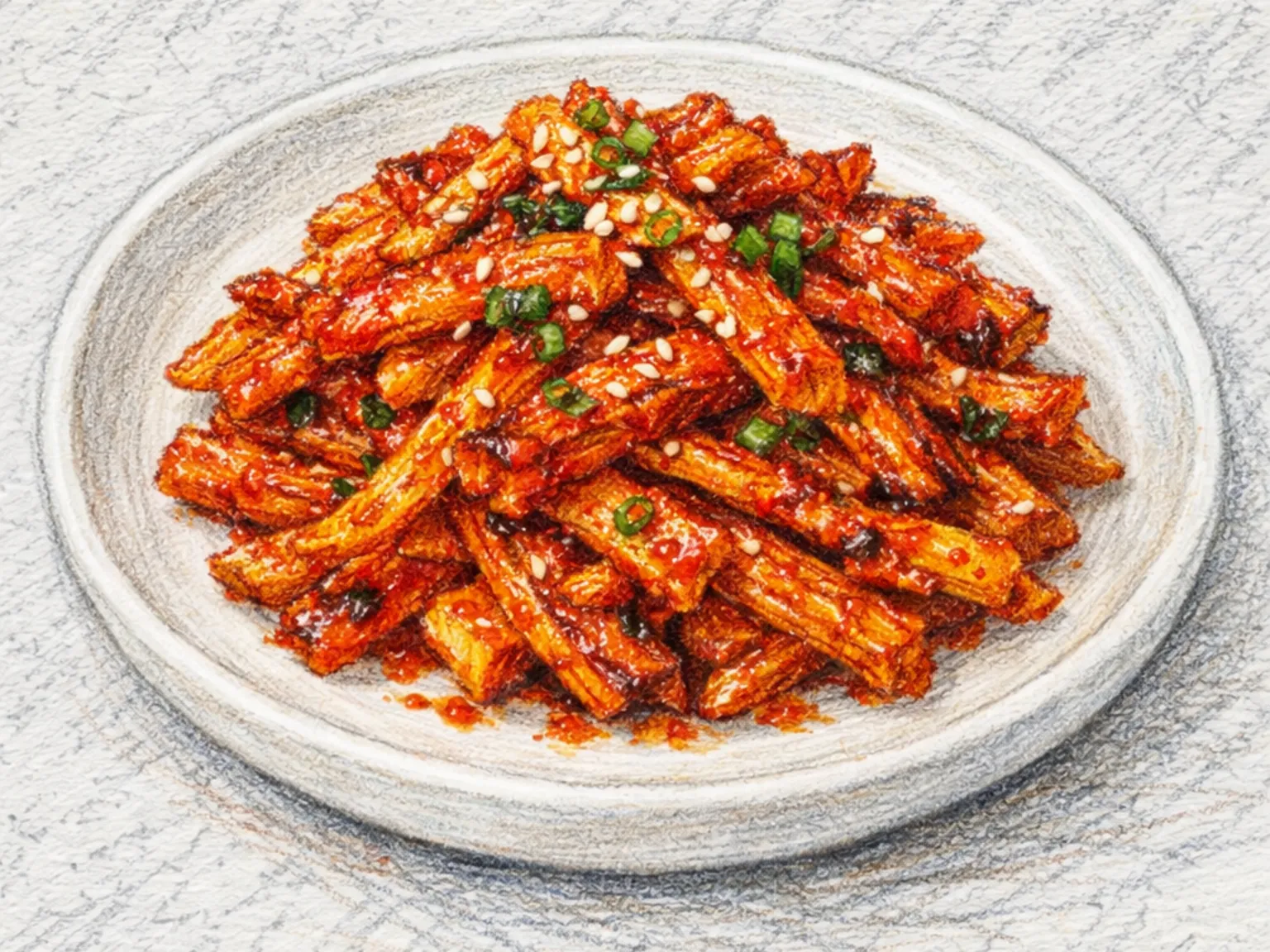
Miyeokjulgi-deulkkae-saeu-bokkeum combines desalted seaweed stems and medium shrimp, stir-fried in perilla oil and finished with a generous coating of perilla seed powder. The seaweed stems are soaked in cold water for ten minutes to draw out excess salt, then cut into five-centimeter pieces that retain a distinctive chewy-crunchy bite throughout cooking - a textural contrast that keeps each forkful interesting against the springy shrimp. Onion and garlic are sauteed first to establish a sweet aromatic base, the shrimp are added until they turn pink, and then the seaweed stems join the pan for a quick toss over high heat. Soup soy sauce provides the only seasoning, keeping the flavor profile clean and allowing the two main ingredients to come forward. Perilla powder goes in immediately after the heat is off so its nutty, slightly grassy aroma stays fully intact through serving. The combination of perilla's earthy nuttiness and the seaweed's oceanic minerality gives this simple banchan a layered depth that reads distinctly Korean.

🥗 Light & Healthy🏠 Everyday
Prep 18minCook 10min4 servings
Korean Salt-Grilled Beef Tenderloin
GrilledEasy

Korean Salt-Grilled Beef Tenderloin

Beef tenderloin - the leanest, finest-grained cut from the inner loin - is seared in a smoking-hot pan after seasoning with nothing more than coarse salt, black pepper, and a thin coat of olive oil. The high heat locks a dark brown crust onto the surface while the interior stays pink. Butter, crushed garlic cloves, and a sprig of rosemary go into the pan for basting during the final minutes, layering herbal richness across the meat's surface. A squeeze of lemon at the end cuts through the residual fat, and a three-minute rest allows the juices to redistribute so each slice runs clear.

🍺 Bar Snacks
Prep 15minCook 8min2 servings
Korean Radish Greens Perilla Soup
SoupsMedium

Korean Radish Greens Perilla Soup

Mucheong-deulkkae-guk is a Korean soup that brings together two of the cuisine's most deeply comforting flavors - fermented soybean paste and ground perilla seeds - building them over a base of dried radish greens. The greens are boiled until fully tender, then worked with doenjang until the paste clings to every fiber, allowing the fermented soy flavor to penetrate thoroughly before the soup is even assembled. Simmered in a stock made from dried anchovies and kelp and enriched with a generous scoop of perilla seed powder, the broth shifts from translucent to an opaque, creamy white as the powder disperses. That transformation signals the moment when the soup reaches its characteristic nutty density - a flavor that sits somewhere between roasted sesame and warm earth. Garlic and green onion establish the aromatic structure, while the chewy resistance of the radish greens provides a textural contrast that distinguishes this soup from smoother versions made with tofu or mushrooms. The broth is substantial enough to pour directly over steamed rice, where the perilla richness coats each grain and becomes a natural base for mixing. This is a dish rooted in the practical food culture of Korean rural households, where radish greens harvested in autumn were dried and kept through winter as a pantry staple. The combination of doenjang and perilla creates an umami depth that is quietly compelling - the kind of soup that rarely appears on restaurant menus but occupies a permanent place in the memory of anyone who grew up eating it.

🏠 Everyday
Prep 20minCook 30min4 servings
Korean Wild Mushroom Hot Pot
StewsMedium

Korean Wild Mushroom Hot Pot

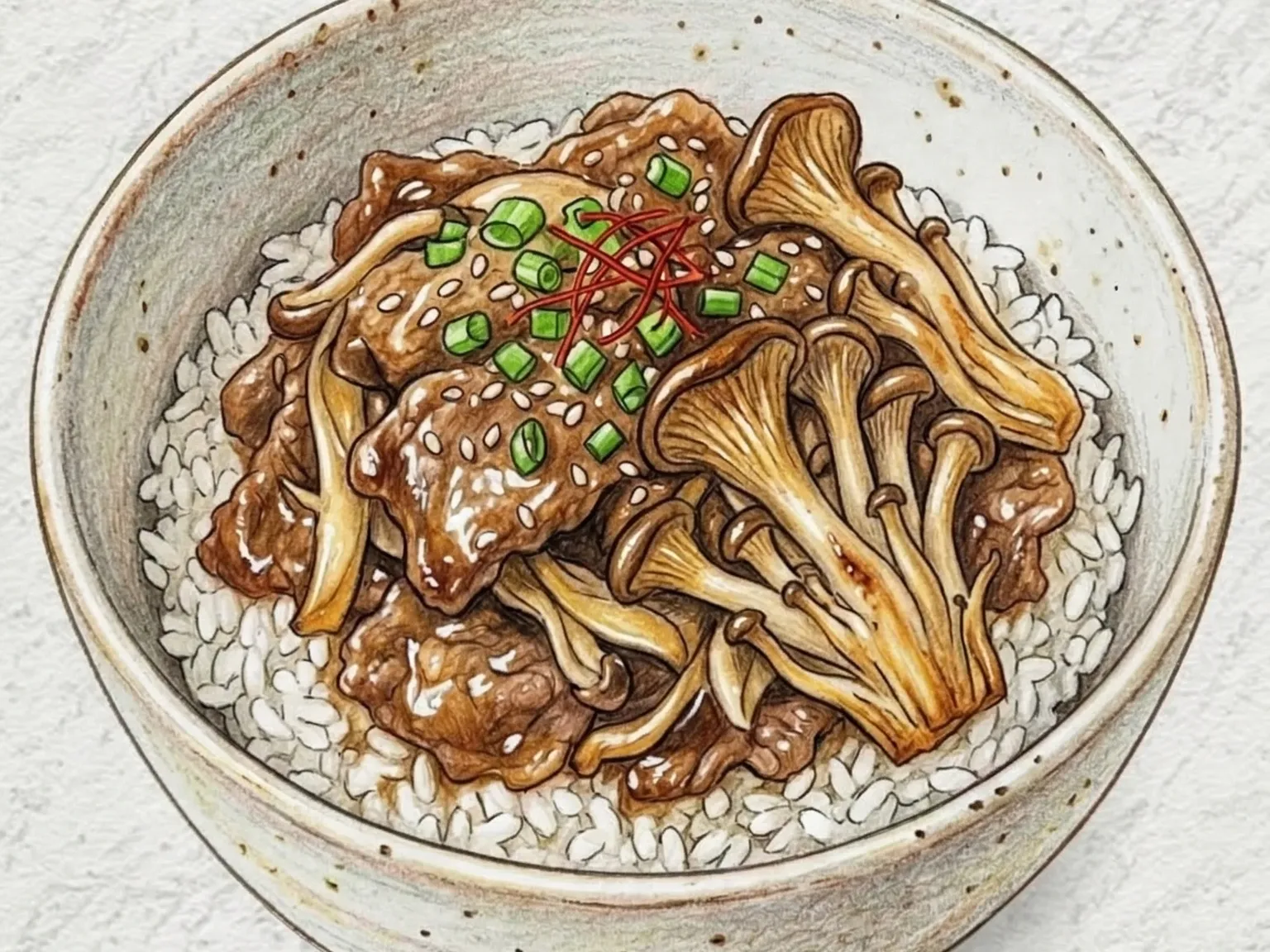
This mushroom hot pot showcases neungi mushrooms alongside shiitake and oyster mushrooms, simmered with napa cabbage and tofu in a simple broth seasoned with soup soy sauce and black pepper. Neungi mushrooms are prized for their intense, almost meaty aroma that permeates the entire pot. The trio of mushroom varieties creates layered earthy flavors, making this a satisfying meat-free dish with remarkable depth.

🎉 Special Occasion
Prep 25minCook 25min4 servings
Korean Samgyeopsal Ganjang Jorim (Soy-Braised Pork Belly)
SteamedMedium

Korean Samgyeopsal Ganjang Jorim (Soy-Braised Pork Belly)

Samgyeopsal ganjang jorim is a Korean soy-braised pork belly dish where blanched pork belly is simmered with radish and onion in a soy sauce base for over forty-five minutes. Blanching first removes impurities and excess fat, leaving a clean-tasting braise. The long simmer allows soy sauce to penetrate the layered pork, building a deep flavor that is savory without being greasy. Radish chunks absorb the pork-enriched liquid and develop a richness of their own, while oligosaccharide syrup lends a natural sheen. Cooling and reheating concentrates the seasoning further, making this a strong choice for gatherings or holiday meals.

🏠 Everyday🎉 Special Occasion
Prep 20minCook 55min4 servings
Korean Bitter Herb Kimchi
KimchiHard

Korean Bitter Herb Kimchi

Sseumbagwi kimchi is a traditional spring fermented side dish made from sseumbagwi, a wild bitter herb that grows in Korea during early spring. The herb is soaked in cold water for at least twenty minutes to pull back its pronounced bitterness before being salted to soften the stalks. It is then dressed in a seasoning paste built from gochugaru, sand lance fish sauce, minced garlic, ginger, sweet rice paste, and plum syrup, mixed together with cut scallions. The rice paste adds body to the seasoning so it clings to the herb's thin stems and narrow leaves rather than sliding off. Plum syrup works on both the bitterness and the salt's edge at once, smoothing the overall profile without masking the herb's character. Sand lance fish sauce is preferred over anchovy sauce here because its gentler aroma does not compete with the plant's natural flavor. Five hours of room-temperature fermentation followed by refrigeration sets off lactic acid development, layering tangy depth over the bitter-green base. The flavor peaks around day three when bitterness, acidity, and umami reach the best balance. If the raw herb tastes too sharp, one additional soak in fresh cold water brings it within range before seasoning.

🎉 Special Occasion🍱 Lunchbox
Prep 45minCook 5min4 servings
Shan Noodles (Burmese Flat Rice Noodles with Turmeric Meat Sauce)
AsianMedium

Shan Noodles (Burmese Flat Rice Noodles with Turmeric Meat Sauce)

Shan noodles are the everyday noodle of Myanmar's Shan State, found at nearly every market stall and tea shop in the region. Thin, flat rice noodles are topped with a sauce of minced chicken or pork cooked with turmeric, tomato, and a touch of chili. The dish is finished with a generous pour of fried garlic oil - golden-brown garlic chips sizzling in their own rendered fat - which gives the bowl its signature aroma. Pickled mustard greens add a sour crunch on the side, and toasted chickpea flour is sprinkled over for a nutty, grainy texture. The noodles come in two styles: a dry version tossed with the sauce, and a soup version swimming in a light broth. Both are eaten with a spoon and fork rather than chopsticks, in keeping with Burmese custom.

🎉 Special Occasion
Prep 20minCook 20min2 servings
Korean Seasoned Shishito Pepper Banchan
Side dishesEasy

Korean Seasoned Shishito Pepper Banchan

Kkwarigochu-muchim is a Korean banchan made by briefly blanching shishito peppers and dressing them in a doenjang-based seasoning. It is a distinct dish from kkwarigochu-jjim, the braised version of the same pepper, even though the ingredients overlap significantly. The braised version simmers the peppers until they soften and absorb the sauce, while muchim relies on a very short blanch, no longer than forty seconds, to preserve the pepper's snap. Shocking the peppers in cold water the moment they come out of the boiling water locks in the vivid green color, and squeezing out excess moisture prevents the doenjang dressing from thinning into something flat and watery. The irregular wrinkled surface of shishito peppers acts as a natural trap for the doenjang, soy sauce, and sesame oil dressing, which means a modest amount of seasoning spreads evenly across every piece. Tossing rather than kneading keeps the skins intact and the texture consistent. Tearing one end slightly before dressing allows the seasoning to reach the hollow interior. Among regular eaters, part of the appeal is the mild unpredictability: most shishito peppers are gentle, but one in every handful delivers unexpected heat. Because the dish releases very little liquid after seasoning, it travels well in packed lunches and is a regular fixture on summer dinner tables in Korean households.

🏠 Everyday🍱 Lunchbox
Prep 8minCook 3min4 servings
Korean Stir-fried Radish with Perilla Powder
Stir-fryEasy

Korean Stir-fried Radish with Perilla Powder

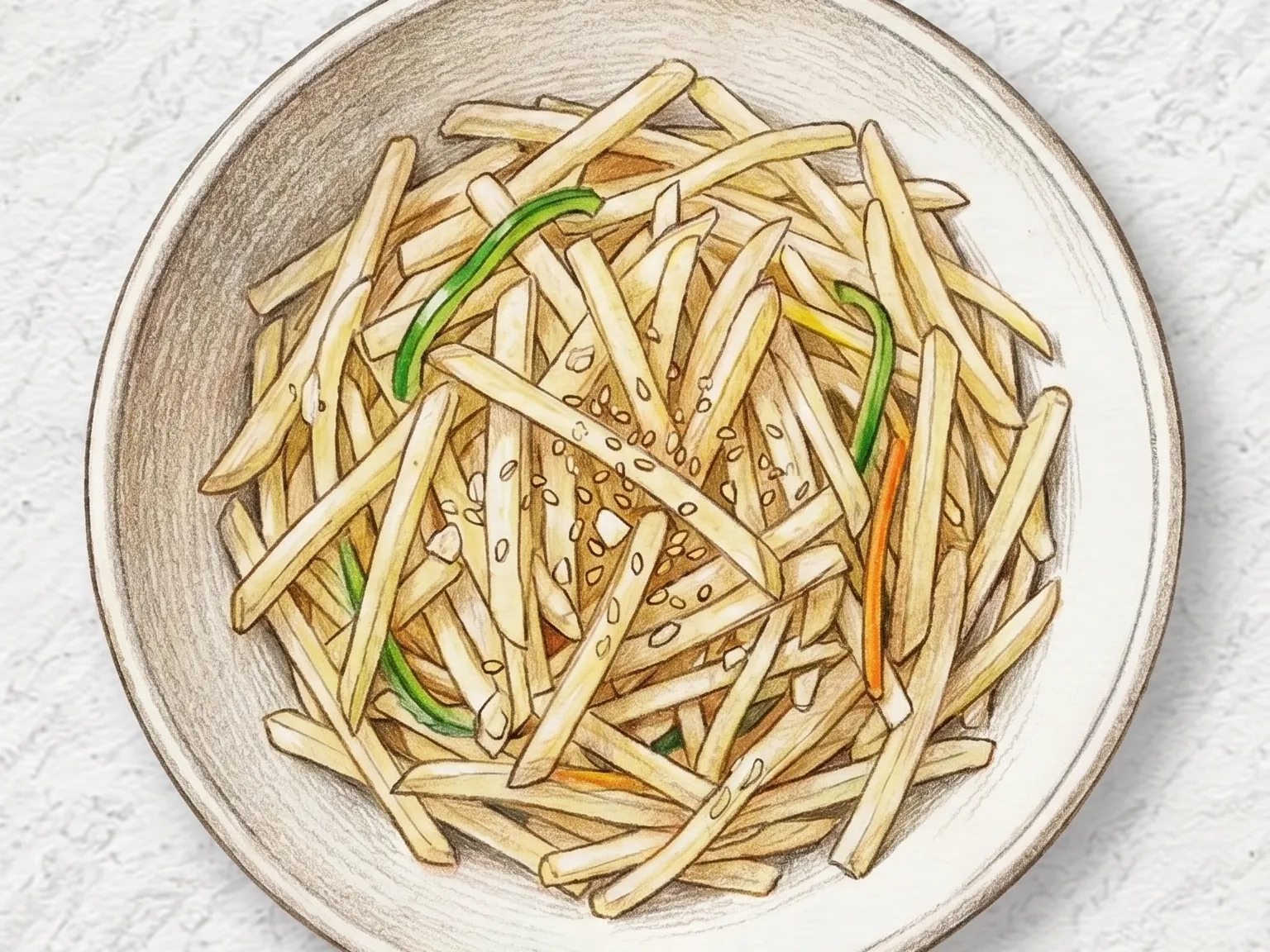
Mu-deulkkae-bokkeum is a mild Korean side dish of finely julienned radish stir-fried and then simmered with perilla seed powder. Garlic and scallion are sauteed first for aroma, then the radish goes in and cooks under a lid with water and soup soy sauce until translucent and soft. Perilla powder is stirred in at the end, melting into the radish's released moisture to form a creamy, nutty coating. The dish has no heat at all, making it a versatile banchan; winter radish yields a noticeably sweeter result.

🏠 Everyday🍱 Lunchbox
Prep 10minCook 12min2 servings
Korean Beef Skewers (Soy-Glazed Grilled Beef)
GrilledEasy

Korean Beef Skewers (Soy-Glazed Grilled Beef)

Bite-sized beef cubes and chunks of bell pepper and onion are threaded onto wooden skewers in an alternating pattern. The beef marinates for twenty minutes in soy sauce, oligosaccharide syrup, minced garlic, sesame oil, and black pepper before assembly. Grilling over medium-high heat while rotating the skewers lets the marinade reduce into a sticky glaze on the meat, while the vegetables soften and pick up faint char. The result is a hand-held format where each bite delivers soy-seasoned beef alongside lightly smoky, still-crisp vegetables.

🍺 Bar Snacks
Prep 30minCook 12min4 servings
Korean Radish Greens Mussel Soup
SoupsMedium

Korean Radish Greens Mussel Soup

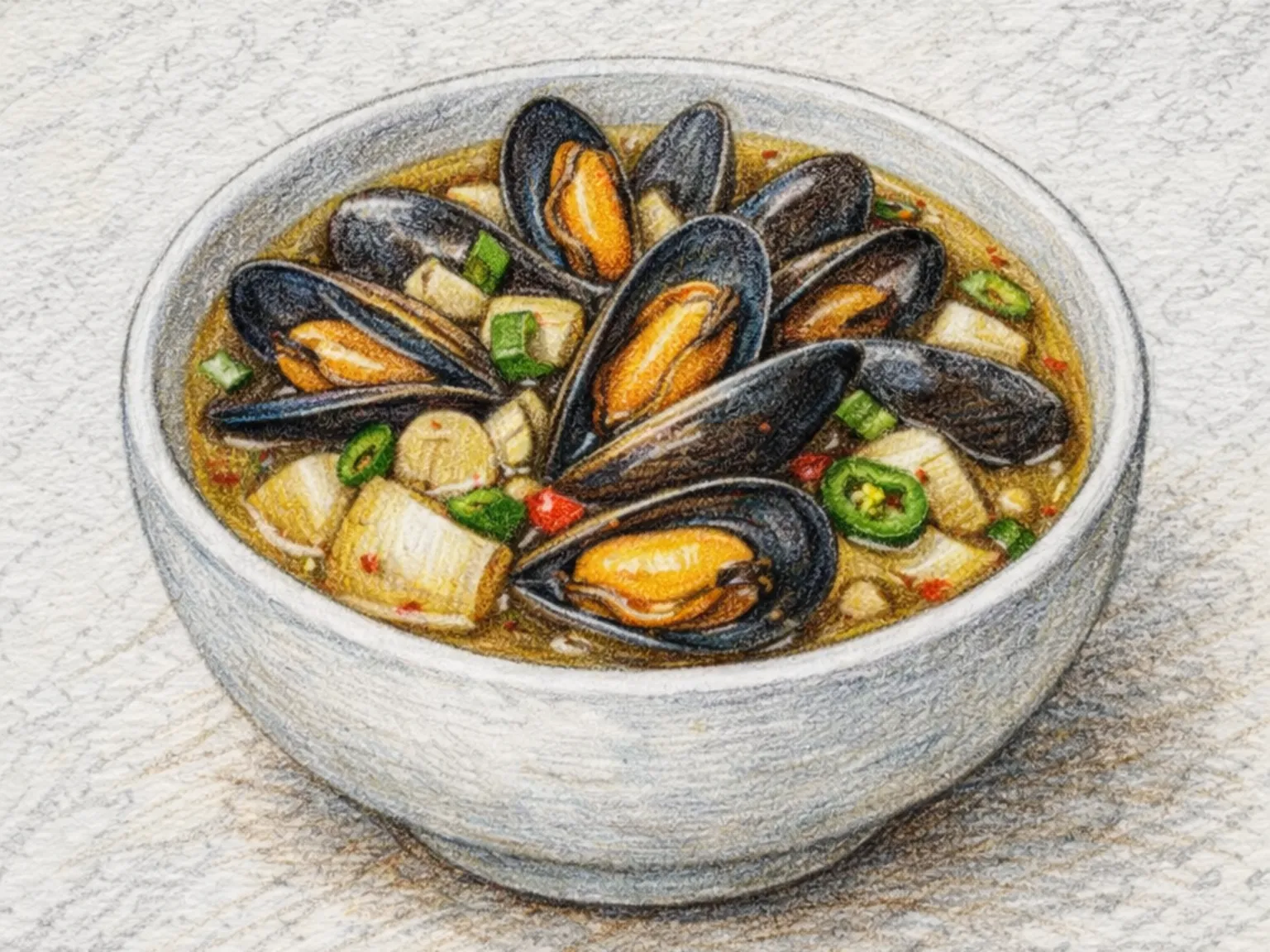
Mucheong-honghap-guk is a Korean home-style soup that draws its broth from fresh mussels and its body from doenjang-seasoned dried radish greens. The mussels open during simmering and release a briny, mineral-rich liquor that serves as the soup's stock, eliminating the need for a separate anchovy or beef base. Dried radish greens, previously boiled until tender and dressed with doenjang, are added to the mussel broth, where they absorb the seafood flavor while contributing their own earthy, fermented depth. The textural contrast is a quiet pleasure: chewy mussel meat against the fibrous, slightly toothy greens. Garlic and green onion anchor the aromatics, and an optional Cheongyang chili adds a thread of heat that sharpens the overall flavor without overpowering the shellfish. The soup comes together quickly once the greens are pre-prepared, making it a weeknight-friendly dish in coastal regions where mussels are plentiful. Despite its simplicity, the layering of seafood brine and fermented soybean paste gives the broth a surprising complexity that rewards slow, attentive sipping.

🏠 Everyday
Prep 20minCook 25min4 servings
Korean Scorched Rice Seafood Stew
StewsMedium

Korean Scorched Rice Seafood Stew

Nurungji haemul jjigae is a seafood stew built around scorched rice, anchovy-kelp stock, squid, shrimp, and clams. The nurungji starts out as a hard, dried slab and enters the broth intact. As the stew heats and the seafood begins to release its juices, the scorched rice gradually softens and expands, thickening the broth and contributing a toasty, nutty quality that plain rice or noodles cannot replicate. Squid holds its springy texture best when not overcooked, so it goes in later. Shrimp turns opaque and firm in a matter of minutes. Clams are added while still closed and are done when the shells open and the meat loosens from its hinge. The combined liquid from all three seafood forms a broth that is briny, sweet, and clean in the way that multiple shellfish together often produce. Zucchini and onion add mild sweetness and soften the overall character of the stew. Gochugaru brings moderate heat and the red color typical of many Korean jjigae. The stew reaches its best texture when the nurungji has fully softened at the edges but still retains some chew at the center. At that point the broth is thick and the flavors are fully integrated. Served in a single bowl with the nurungji, seafood, and vegetables together, it functions as a complete meal without needing additional rice.

🏠 Everyday🎉 Special Occasion
Prep 18minCook 20min4 servings