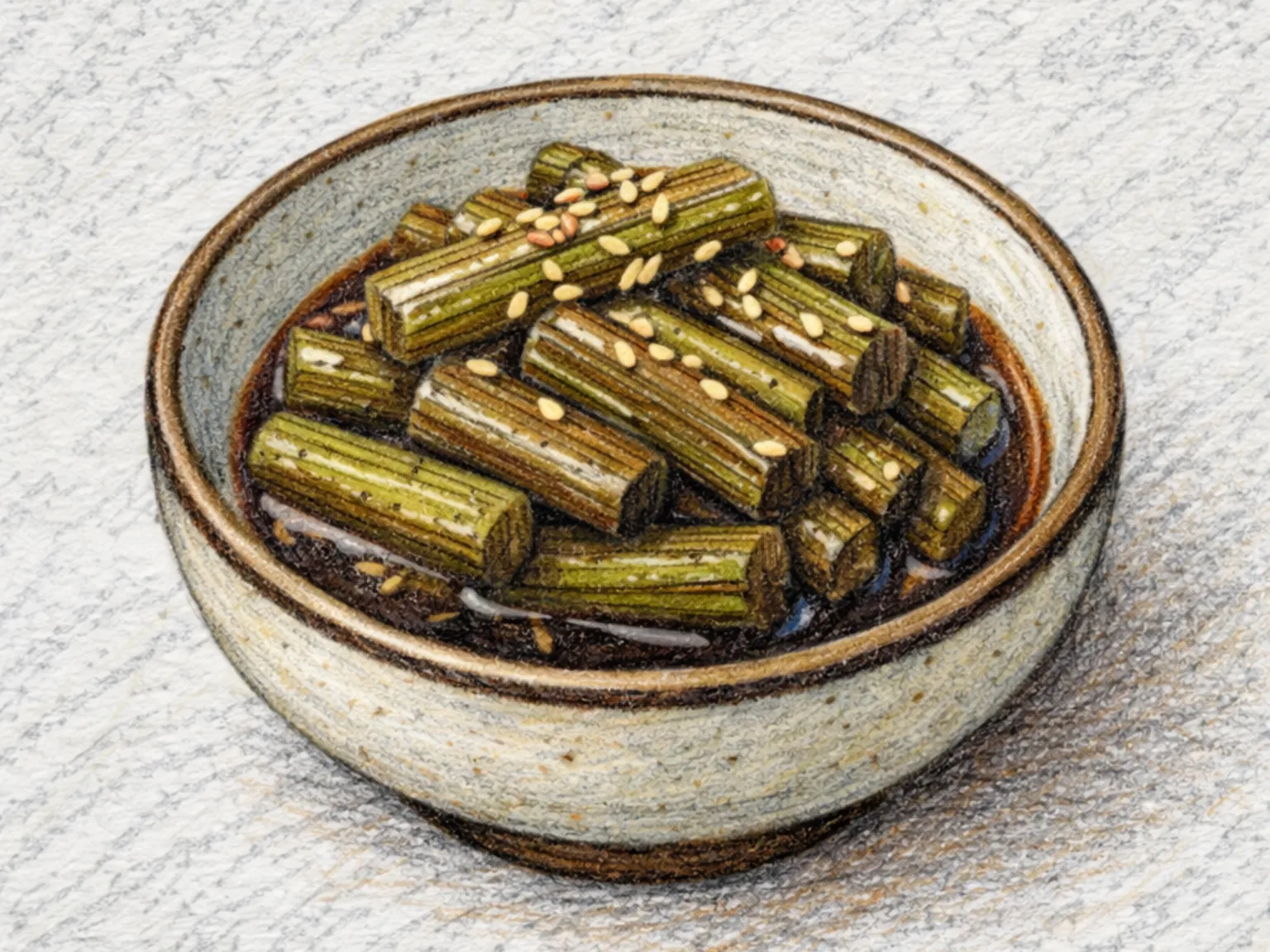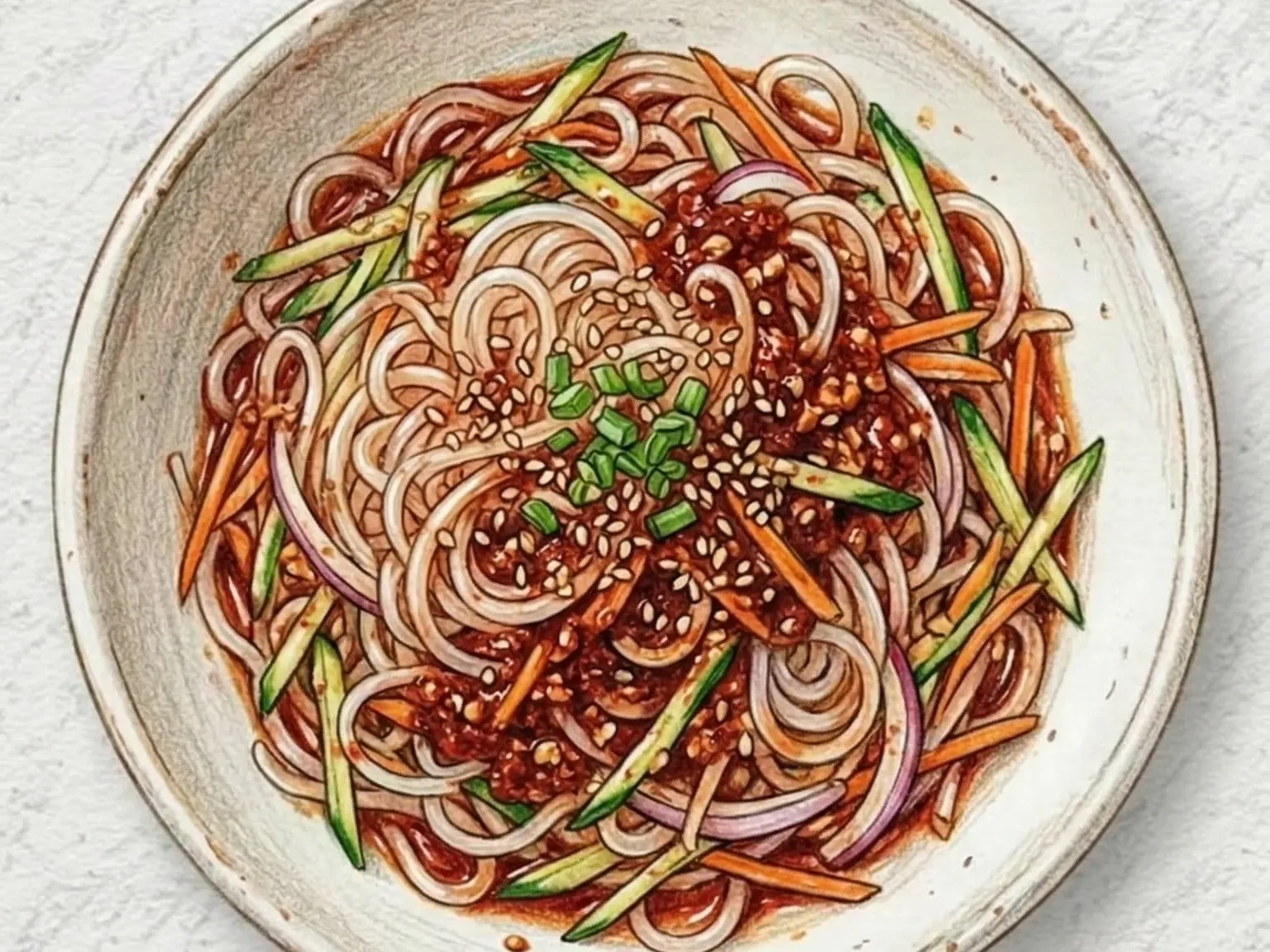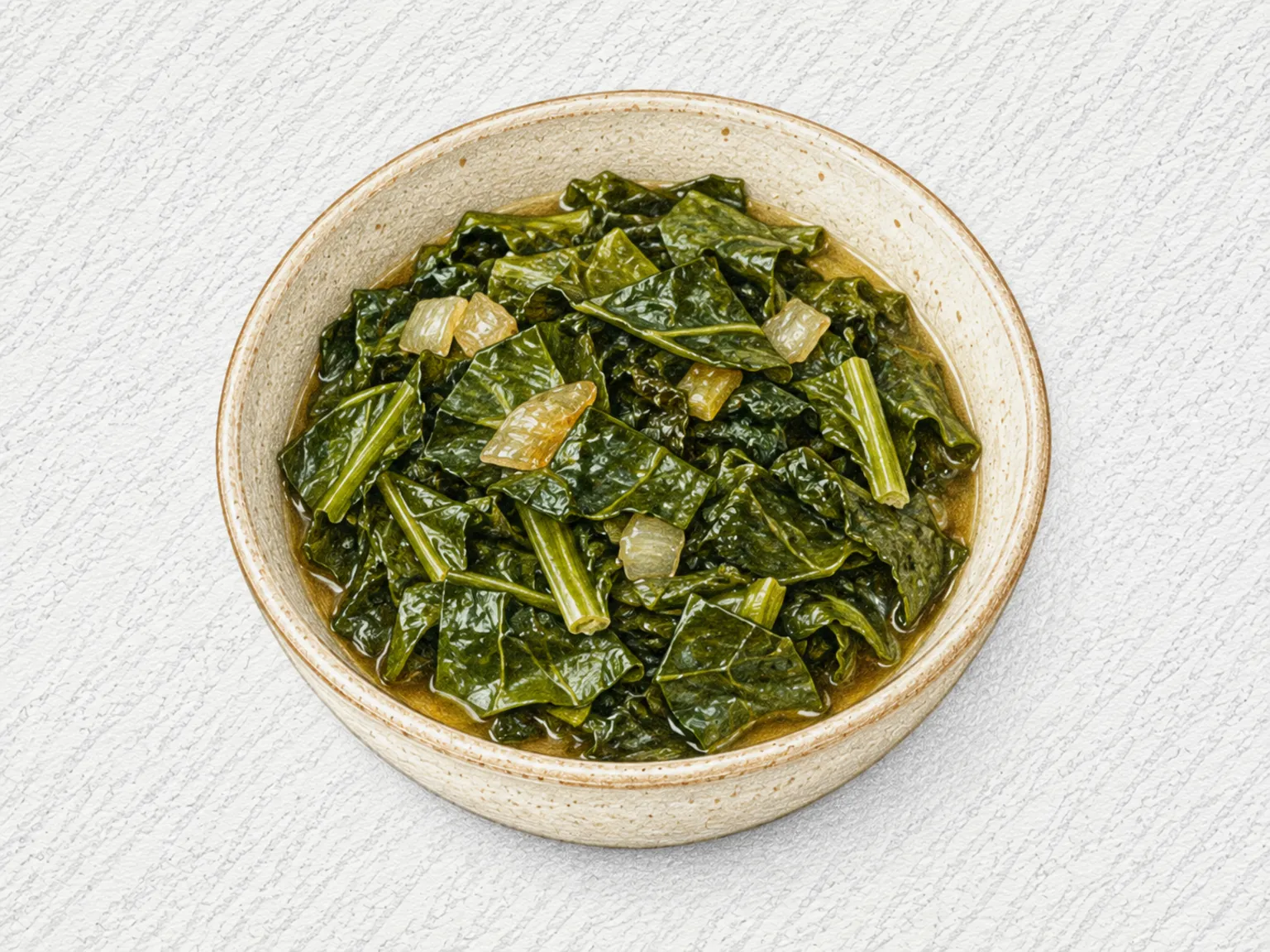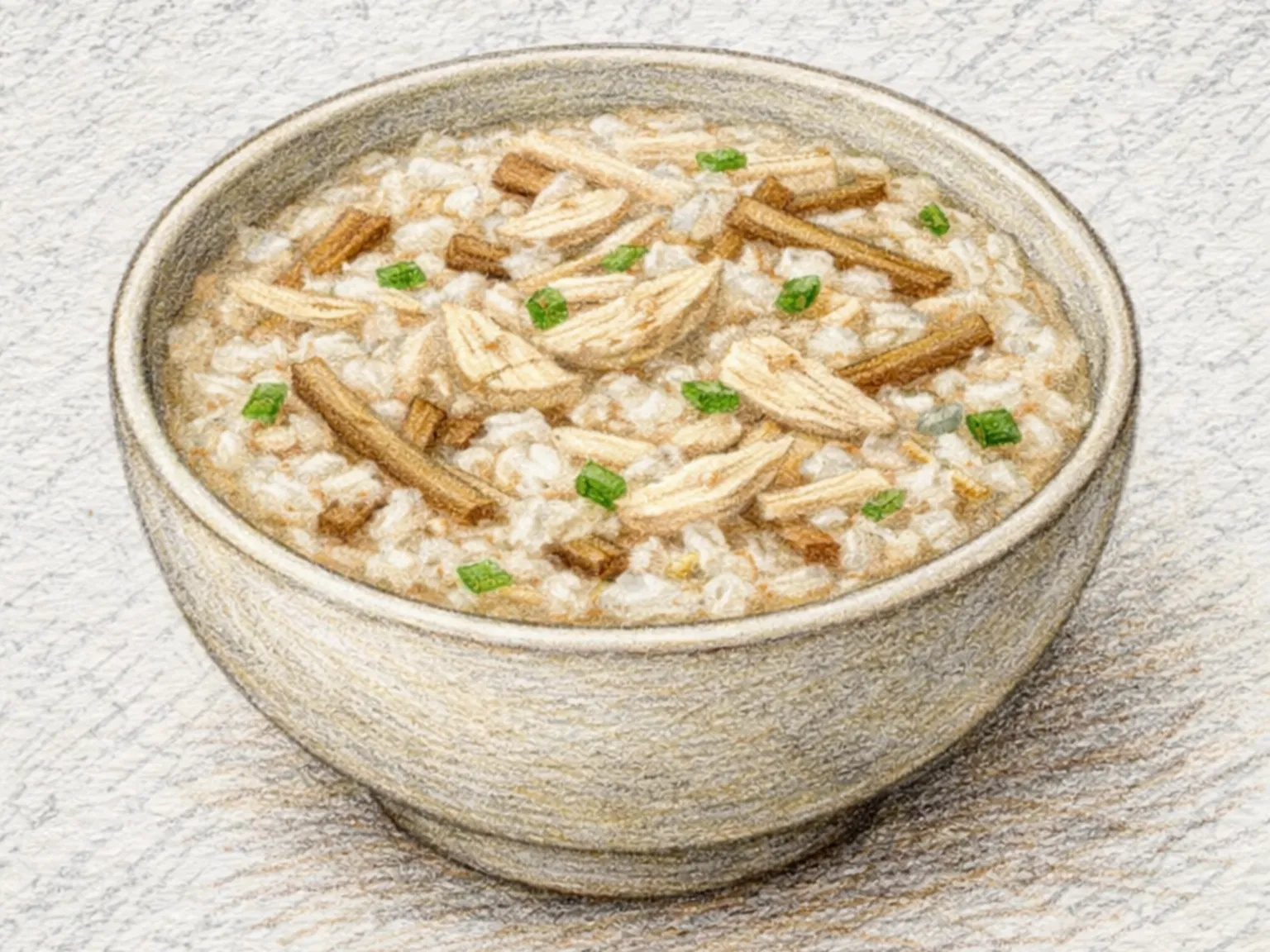
Korean Stir-fried Potato Strips
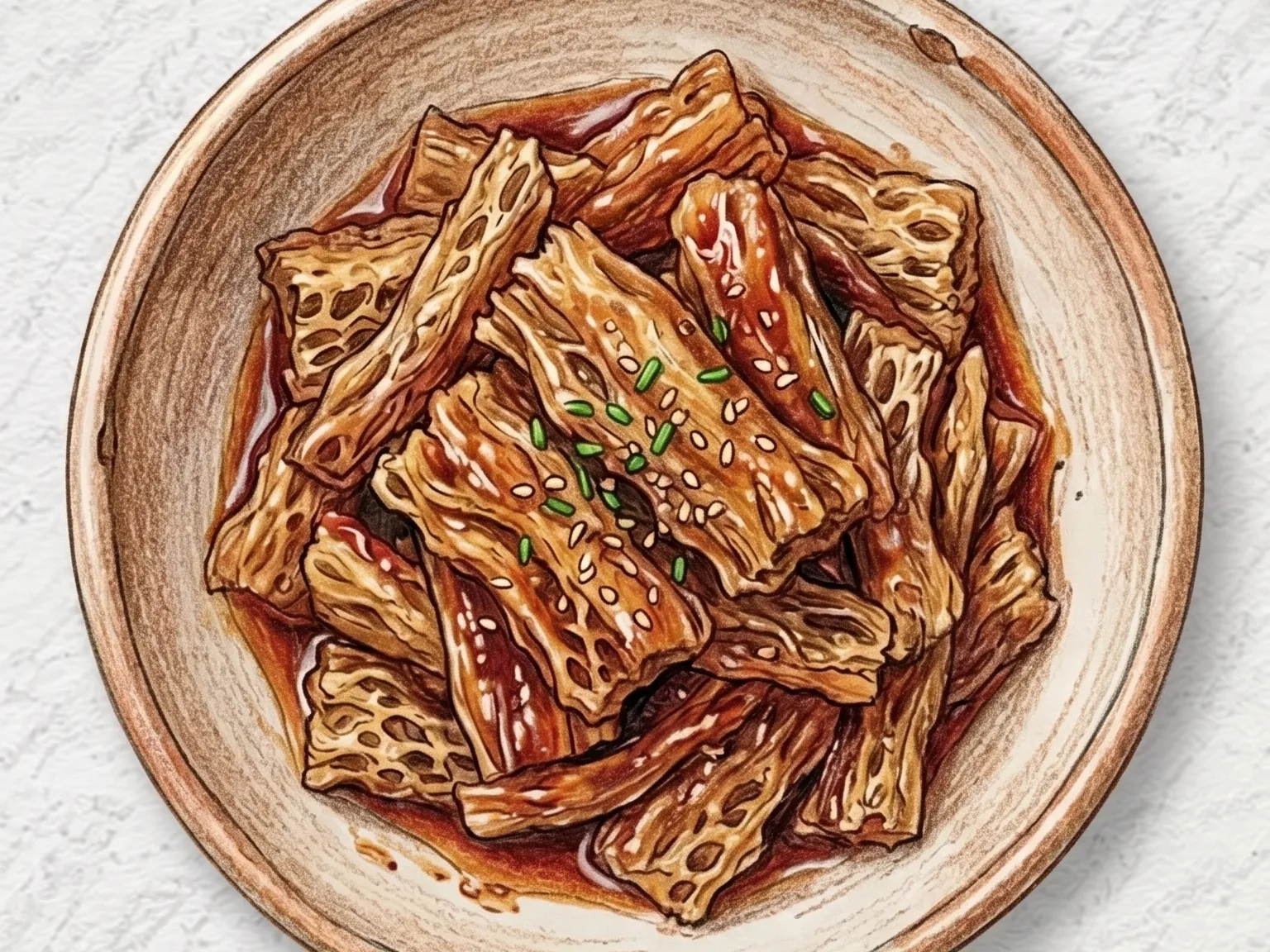
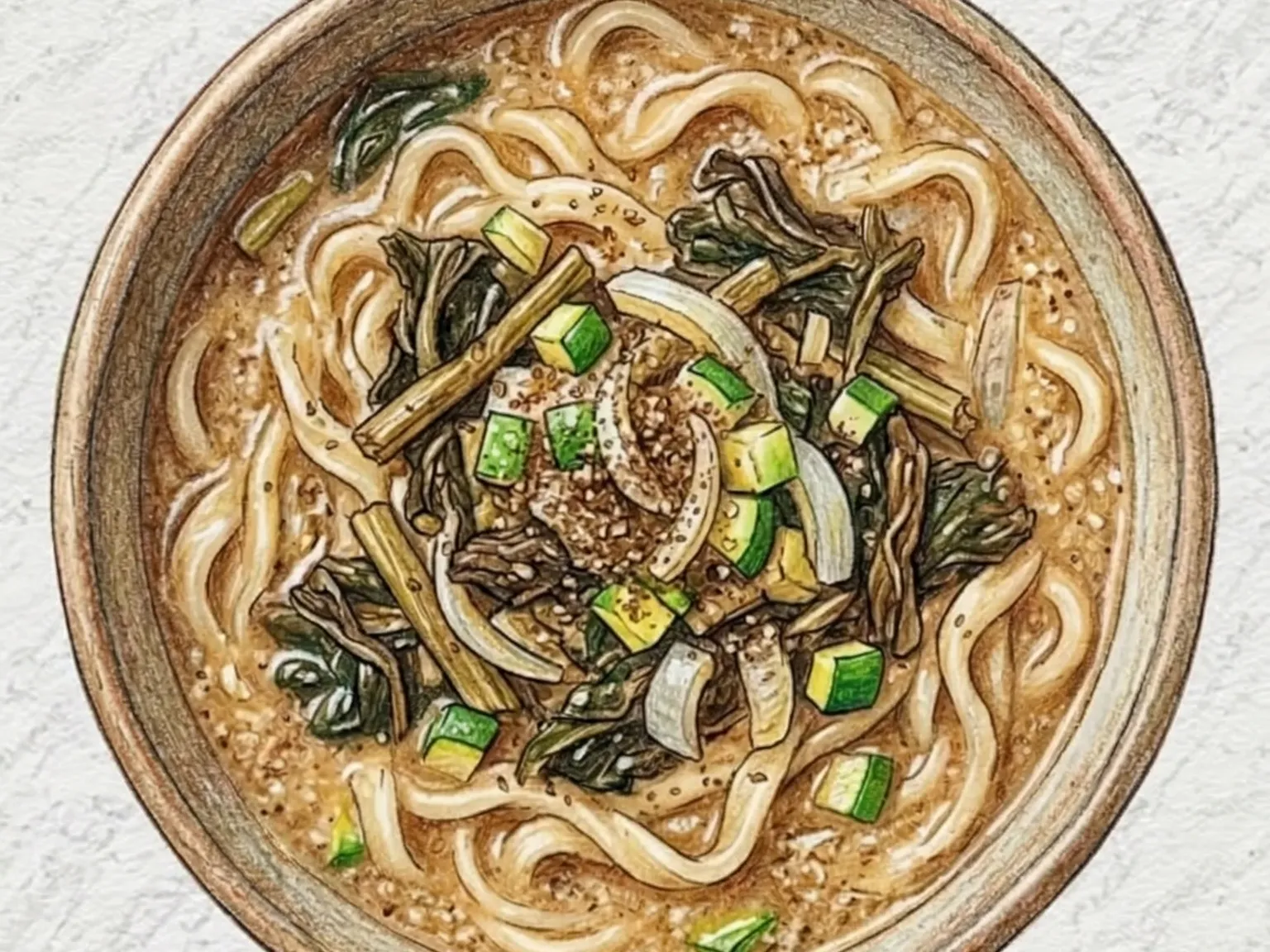
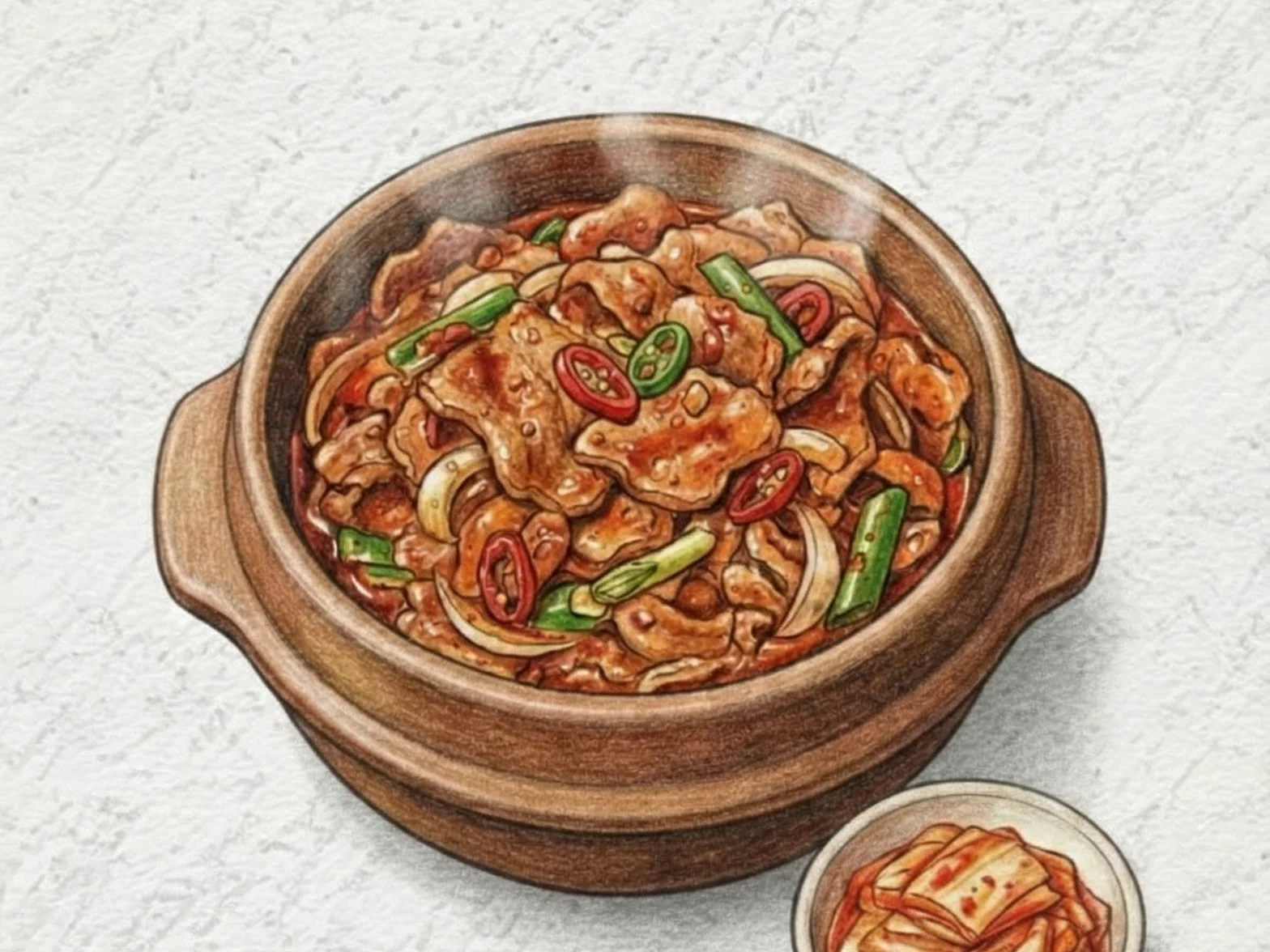
Gamja-bokkeum is a fundamental Korean side dish made by stir-frying julienned potatoes until they are just tender with a remaining crunch, and it belongs on almost any Korean table regardless of what else is being served. Soaking the julienned potatoes in cold water for five to ten minutes removes the surface starch that would otherwise cause the pieces to stick together in the pan and clump into a mass. The drained potatoes go into an oiled pan over medium heat with garlic, which provides a gentle aromatic backdrop without competing with the potato's mild natural flavor, and salt is the only seasoning needed to let that flavor come through. The key to the right texture is restraint: the potatoes are ready when they have turned translucent and the edges have picked up a faint golden color, and cooking past that point makes them soft rather than crisp. A finishing drizzle of sesame oil and a scattering of sesame seeds add a warm nuttiness that elevates the simple seasoning into a complete flavor. Thinly sliced cheongyang chili added during cooking produces a spicier variation, and a small amount of bell pepper or carrot adds color without changing the character of the dish. It is the kind of banchan that disappears from the table quickly despite its simplicity.

Korean Perilla Sprout & Tofu Soybean Paste Stir-fry
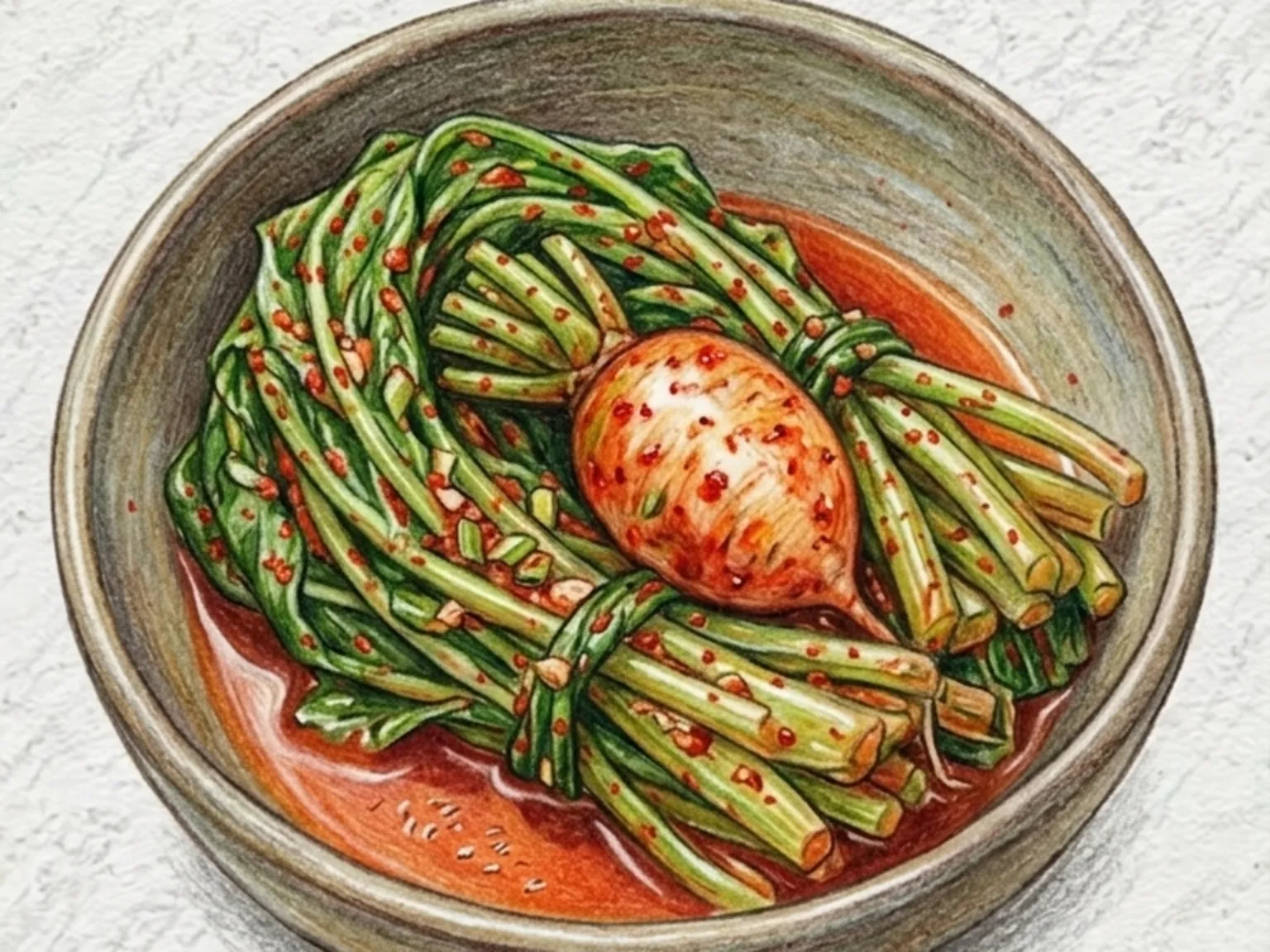
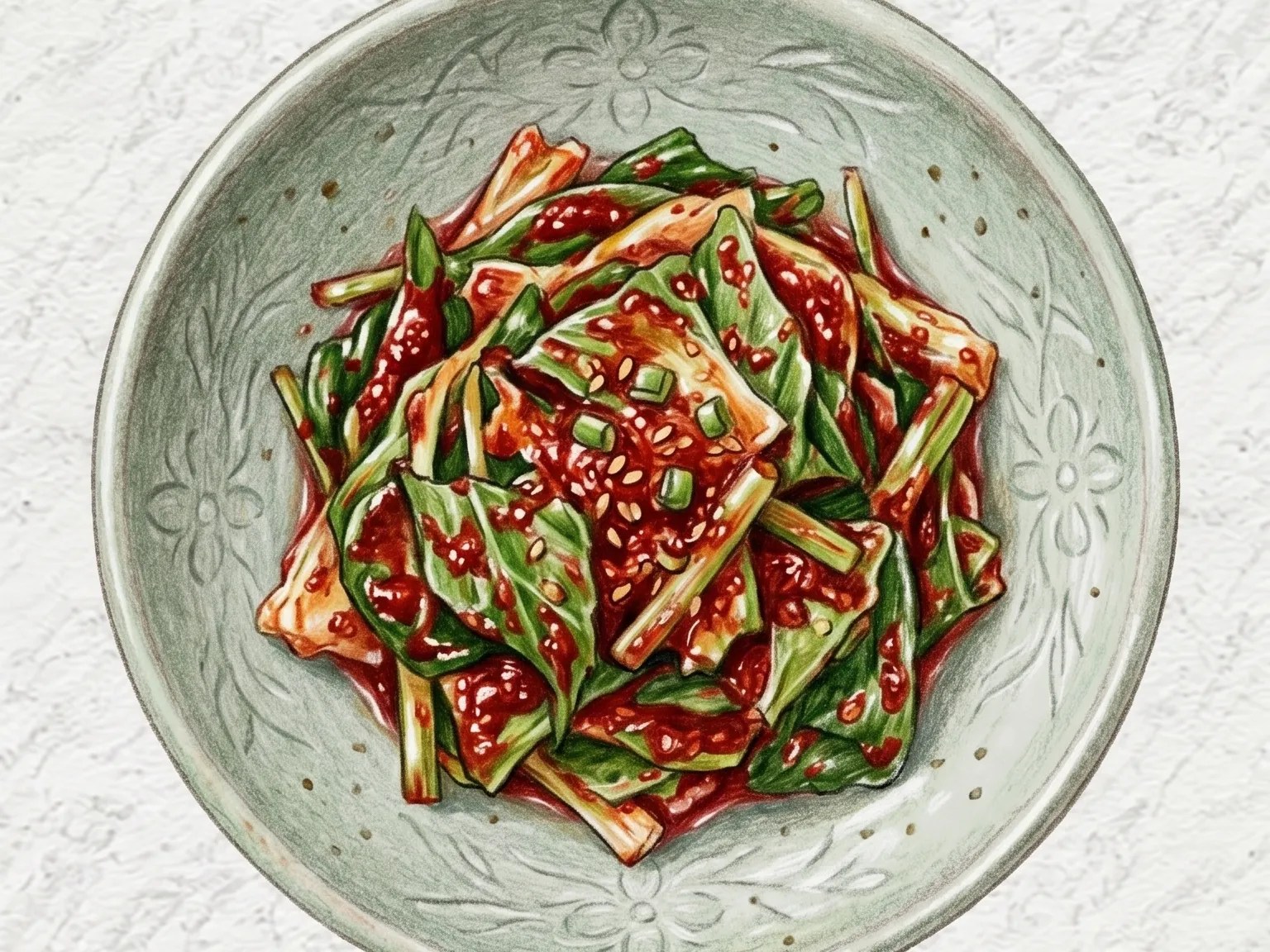
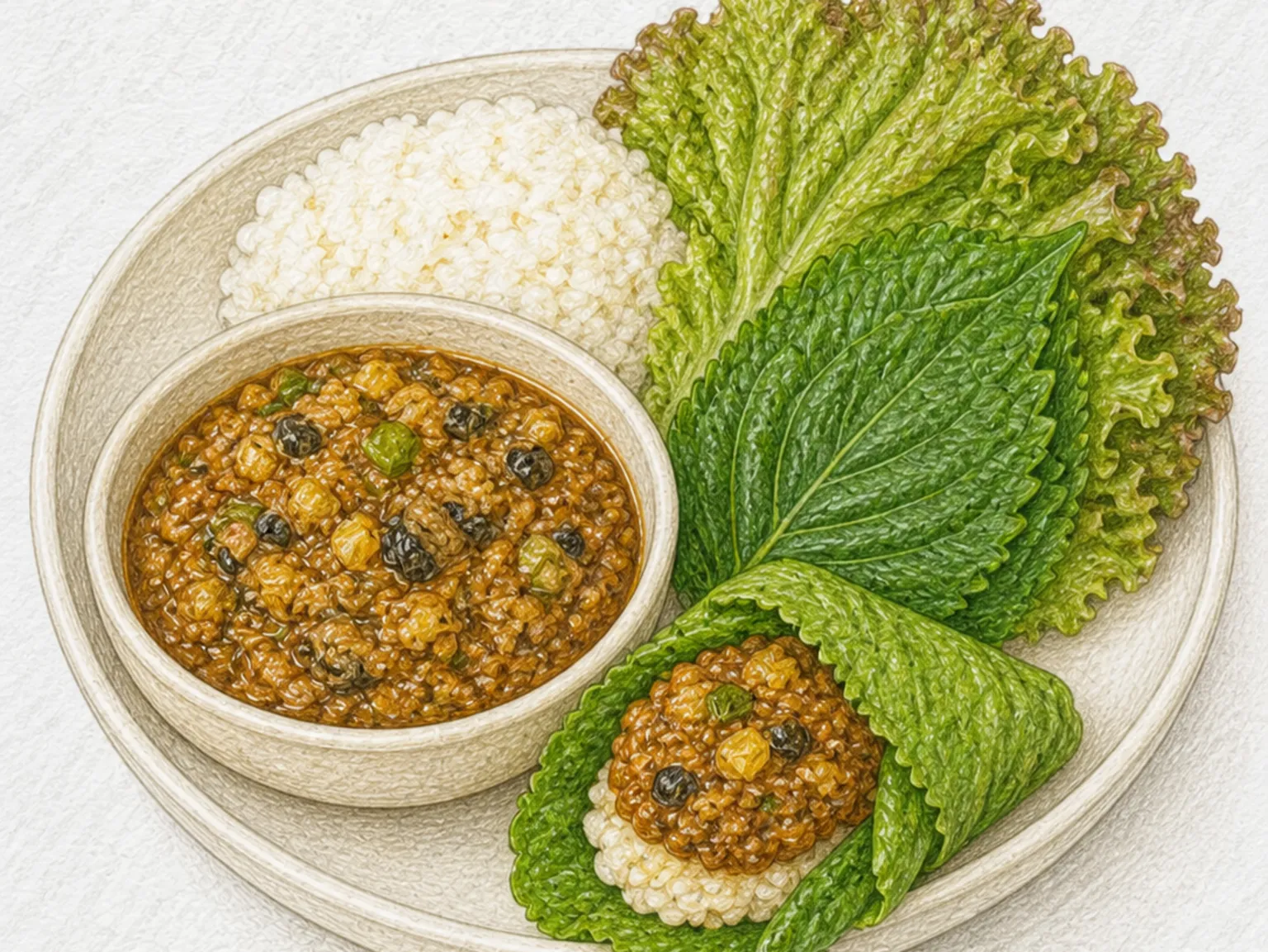
Kkaetsun dubu doenjang bokkeum pairs pan-seared firm tofu with perilla sprouts in a doenjang sauce. The tofu must be pressed dry with paper towels before it goes into the pan; residual moisture causes the oil to spit and prevents the surface from crisping. Dissolving the doenjang in water before adding it to the pan distributes the saltiness evenly and stops the paste from scorching against the hot surface. The doenjang coats the golden tofu pieces with a salty, earthy glaze, while perilla sprouts, far softer than mature perilla leaves, release a delicate perilla-sesame fragrance as they wilt into the sauce. The contrast between the crisp tofu edges and the just-wilted greens gives the dish its defining texture. Cheongyang chili cuts through the fermented weight of the doenjang with a clean, sharp heat that brightens the aftertaste. A final drizzle of perilla oil added off the heat brings the fragrance back to the surface before serving. When perilla sprouts are not available, mature perilla leaves cut into thick strips work as a direct substitute.

Patatas Bravas (Spanish Crispy Potatoes with Spicy Tomato Sauce)
Patatas Bravas is one of Spain's most iconic tapas, served in nearly every bar alongside beer or wine. Potatoes are cut into rough chunks, parboiled in salted water to activate surface starch, then fried twice at high temperature to achieve a crispy shell encasing a fluffy interior. The bravas sauce is built by blooming garlic and smoked paprika in olive oil before adding tomato puree and simmering until reduced - the smokiness of the paprika and the direct heat of chili flakes create a layered spiciness. Some regions serve a garlic aioli alongside the bravas sauce, allowing diners to alternate between the sharp tomato heat and the cooling richness of the emulsified garlic cream.

Korean Soy-Braised Chicken Wings
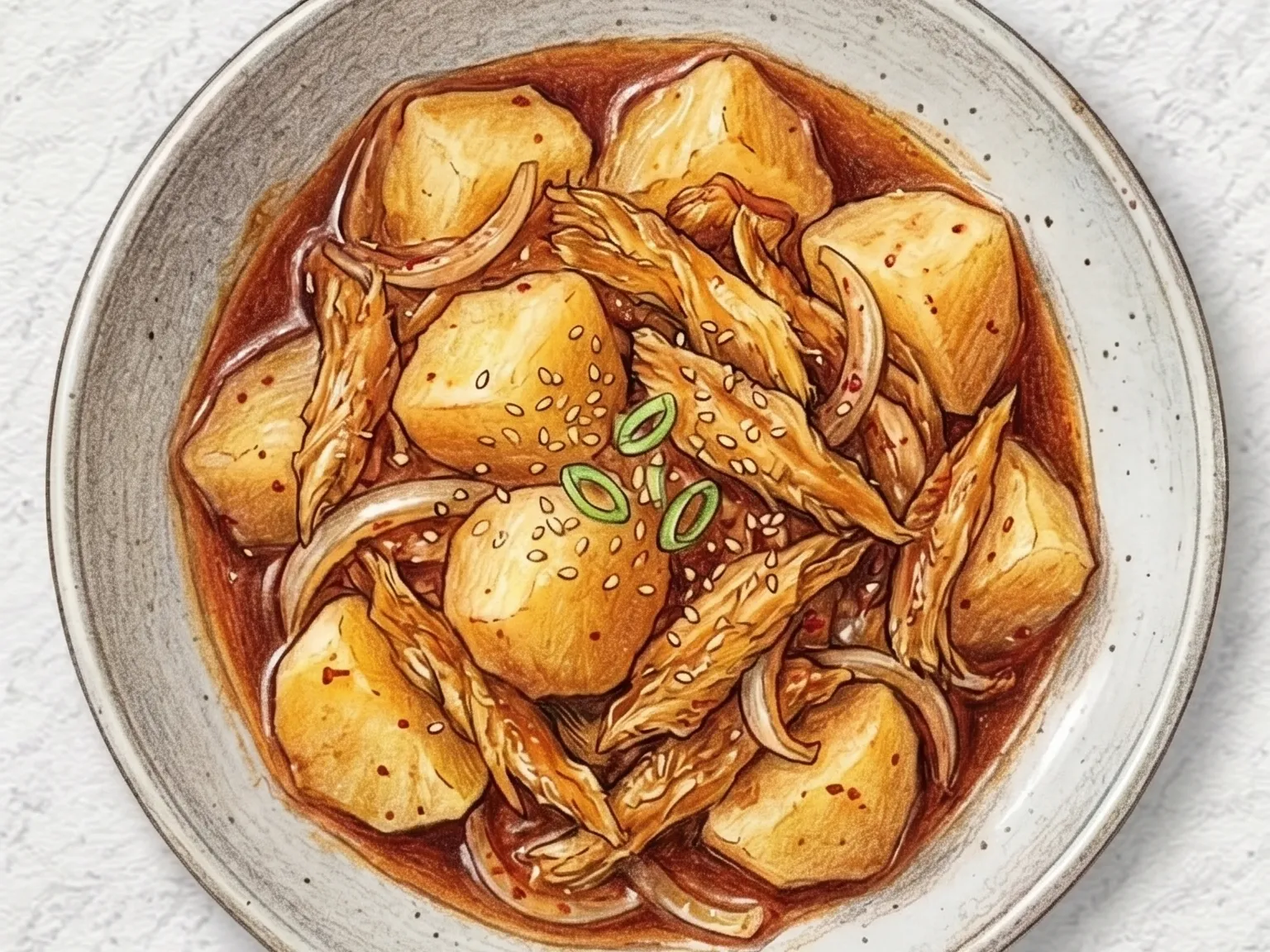
Korean soy-braised chicken wings are simmered in a glaze of soy sauce, sugar, garlic, and ginger until the sauce reduces to a thick, shiny coating. Scoring the wings beforehand allows the seasoning to reach the meat, and twenty minutes of covered braising followed by ten minutes of uncovered reduction concentrates the liquid into a sticky lacquer. Ginger keeps the flavor clean by neutralizing any gamey notes, and a finishing drizzle of sesame oil adds warmth. The wings come out so tender that the meat slides off the bone easily, making this a crowd-pleasing dish for children and adults alike.

Korean Monkfish Spicy Stew
Agwi tang jjigae is a monkfish-based dish that occupies the middle ground between a clear soup and a more concentrated, heavily seasoned stew. It features a broth that is noticeably cloudier and carries a more intense flavor profile than what is typically found in either of those two distinct categories. The cooking process starts by simmering sliced radish in plain water for about ten minutes to establish a sweet and clear liquid base. After this time has passed, Korean red chili flakes and a small amount of fermented soybean paste are mixed into the pot. The soybean paste serves a specific purpose in this recipe, as it helps to neutralize any fishy smells from the monkfish while adding a foundational fermented taste to the overall broth. The monkfish is prepared over medium heat, which allows its gelatinous flesh to stay together in large, firm pieces rather than separating into flakes. To add both texture and bulk, bean sprouts are stirred into the pot to provide a crunch that balances the soft consistency of the fish. Water dropwort, which is called minari in Korean, is the final ingredient to be added. It is left to wilt in the remaining heat of the pot after the heat is reduced so that its unique herbal fragrance is infused into the liquid. Although the monkfish has a somewhat strange appearance, its flesh is thick and very sturdy, meaning it does not disintegrate even when cooked for a long period. Furthermore, the substantial layer of gelatin found under the skin melts into the soup as it simmers, providing a natural thickness to the broth without the use of any starch. When served with a bowl of hot steamed rice on a cold evening, this dish functions as a complete and satisfying meal.

Mushroom Stroganoff
Mushroom stroganoff slices button mushrooms thickly and browns them in a wide pan over high heat until their moisture evaporates and they develop a deep caramelized color - crowding the pan causes them to steam rather than sear. Onion and garlic are sauteed until soft, then paprika, Dijon mustard, and Worcestershire sauce are stirred in briefly to bloom their flavors. Vegetable stock is added and simmered for five minutes to reduce and concentrate. The sour cream goes in last, off the heat or on very low flame, since high temperatures cause it to curdle and separate. The paprika's smoky warmth and the mustard's sharpness amplify the mushrooms' natural umami, while the sour cream wraps everything in a tangy richness. Served over pasta or rice, it makes a hearty vegetarian main course.

Korean Wild Chive Soybean Paste Soup
Dallae doenjang-guk is a springtime Korean soybean paste soup that showcases wild chives, a seasonal ingredient valued for its sharp, garlicky bite and short availability window. The anchovy-kelp stock is first simmered with potato and onion to build body and sweetness, then doenjang is dissolved in and tofu added for a soft, tender contrast against the broth. Wild chives go in only during the final minute of cooking, because their pungent aroma dissipates rapidly under sustained heat; cooking them too long makes them indistinguishable from ordinary green onion in both flavor and appearance. The bulb end of each chive stalk carries a stronger bite than the leaves, so mincing the bulbs finely distributes their flavor more evenly through the broth. A half teaspoon of gochugaru tints the soup a faint red that visually matches the chive's natural heat. Because dallae is in season for only a brief window, setting a few raw stalks aside to place at the table as a garnish amplifies the fresh spring character of the dish.

Korean Seasoned Amaranth Greens
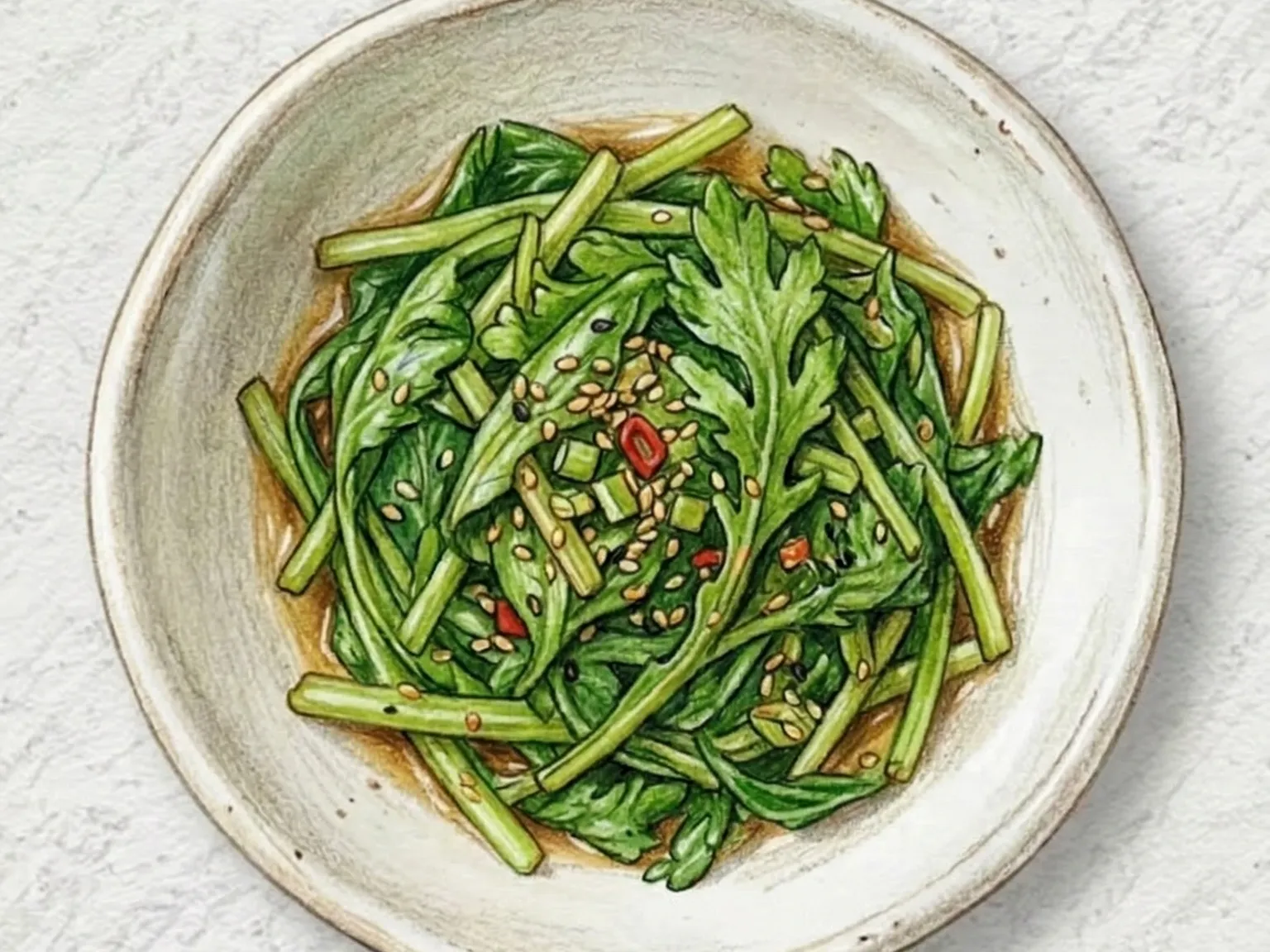
Amaranth greens, biryeom in Korean, are a short-season summer vegetable with deep green, purple-tinged leaves that bleed red into the blanching water. They need to come out in under a minute or the leaves lose their structure. After squeezing out the water, the greens are dressed with doenjang, soup soy sauce, garlic, and scallion. Perilla oil stands in for sesame oil, lending a herbal, grass-edged nuttiness that matches the mineral character of amaranth. The leaves are firmer than spinach or mallow, so the dressing clings without the greens collapsing into a wet mass. The unsaturated fats in perilla oil also increase the nutritional density of the dish. A countryside banchan available only during its brief summer window.

Stuffed Bell Peppers
Stuffed bell peppers are hollowed out, filled with a sautéed mixture of ground beef, onion, garlic, tomato sauce, and cooked rice, then baked until the peppers soften and the filling is heated through. Trimming the tiniest slice from the bottom of each pepper creates a flat base so they stand upright in the baking dish without tipping over, but cutting too deep will open a hole and leak filling. The filling should be seasoned a touch saltier than seems right on its own, because the pepper's natural sweetness will balance it out during baking. After 30 minutes at 190 degrees Celsius, mozzarella goes on top for a final 10-minute bake that melts the cheese into a seal over the filling, keeping it moist. The interplay of the pepper's sweetness, the tomato sauce's acidity, and the beef's savory depth makes this a nutritionally balanced one-dish meal.

Korean Spicy Grilled Gizzard Shad
Baendaengi yangnyeom gui is a Korean grilled fish dish in which scored gizzard shad are coated in a gochujang-based glaze and cooked over medium heat until caramelized. Scoring the fish achieves two things simultaneously: it lets the seasoning penetrate into the flesh rather than sitting only on the surface, and it severs the fine pin bones that run through the small fish so they become less noticeable when eating. The marinade combines gochujang, soy sauce, oligosaccharide syrup, gochugaru, and ginger juice. The ginger juice specifically targets the fishiness of the shad, neutralizing it while adding a warm, sharp note to the overall flavor. Sugar content in the glaze is high enough that high heat will char the coating before the fish cooks through, so medium heat is maintained throughout, with three to four minutes per side giving an even result. As the oligosaccharide heats, it caramelizes into a glossy amber coating that makes the finished fish look as good as it tastes. A scattering of toasted sesame seeds adds a nutty fragrance in the final step. Gizzard shad are small enough to be eaten whole, bones included, and the bold spicy-sweet glaze makes them as suitable alongside a bowl of rice as they are paired with soju at the table.

Korean Braised Gizzard Shad
Jeoneo-jjim is a braised gizzard shad dish in which the fish and Korean radish are slowly cooked together in a soy sauce and gochugaru seasoning, making it a dish best suited to autumn when the fish carries its peak fat. Radish slices line the bottom of the pot and serve a dual purpose: they act as a natural buffer that absorbs fishiness rising from the heat, and they soak up the braising liquid as they soften, turning sweet and deeply flavored by the end of cooking. The gizzard shad's characteristic fatty richness pairs well with the bold chili and garlic seasoning, and ginger threads through the entire preparation to neutralize any remaining off-notes and leave the flavor clean. Autumn-caught fish are fattier and remain moist even after extended braising, which makes them far preferable to fish taken at other times of year. Green onion is scattered on top at the finish for fragrance, and the intensified, reduced braising sauce left in the pot is traditionally ladled over steamed rice as a condiment in its own right.

Korean Shepherd's Purse Soup
Naengi-guk is a Korean spring soup made with anchovy-kelp stock, doenjang, and fresh shepherd's purse (naengi). Naengi is a cruciferous plant gathered from paddies, field edges, and roadsides in early spring, and both the root and the leaves are used. The root contributes an earthy, mineral fragrance and the leaves carry a slightly bitter green quality that together define the soup's character. The stock is made from dried anchovies and kelp simmered and strained, providing a clean umami base. Doenjang is dissolved through a mesh strainer rather than stirred directly into the pot, which keeps the broth clear rather than murky while still delivering the fermented soybean depth. Diced tofu simmers in the seasoned broth until warmed through. Naengi goes in during the final two to three minutes of cooking: longer exposure to heat breaks down the aromatic compounds in the herb and erases the spring fragrance that makes the soup worth making in the first place. The pairing of naengi's earthy bitterness with the fermented depth of the doenjang and the clean mineral tone of the anchovy stock produces a flavor that is distinctly seasonal and difficult to replicate outside of spring. Soup soy sauce, salt, and a small amount of garlic complete the seasoning. In Korean food culture, naengi-guk on the table is understood as one of the clearest signs that winter is finished.

Pasta Puttanesca (Neapolitan Anchovy Olive Caper Tomato Sauce)
Pasta puttanesca is a Neapolitan pasta sauce built from anchovies melted into olive oil, crushed whole tomatoes, black olives, capers, and peperoncino. The anchovies dissolve completely during cooking, leaving behind a deep umami foundation rather than a fishy taste. Olives and capers provide enough salt that additional seasoning is rarely needed. The entire sauce comes together in under twenty minutes using shelf-stable pantry ingredients.

Dauphinoise Potatoes (Creamy Garlic Potato Gratin)
Dauphinoise potatoes are a French gratin made by layering uniformly thin potato slices - cut to two millimeters - in a buttered baking dish, with a warm mixture of heavy cream, milk, minced garlic, and salt poured between each layer. Rinsing and drying the sliced potatoes removes excess surface starch for a cleaner result. Grated Gruyère cheese goes on top before the dish bakes at 170 degrees Celsius for fifty-five to sixty minutes, during which the potatoes absorb the cream and turn meltingly tender beneath a golden crust. Resting the gratin for ten minutes after baking lets the layers firm up enough to hold their shape when sliced. Keeping the potato thickness consistent ensures every slice cooks at the same rate.

Korean Grilled Scallops (Butter Garlic Shell-On Scallop Grill)
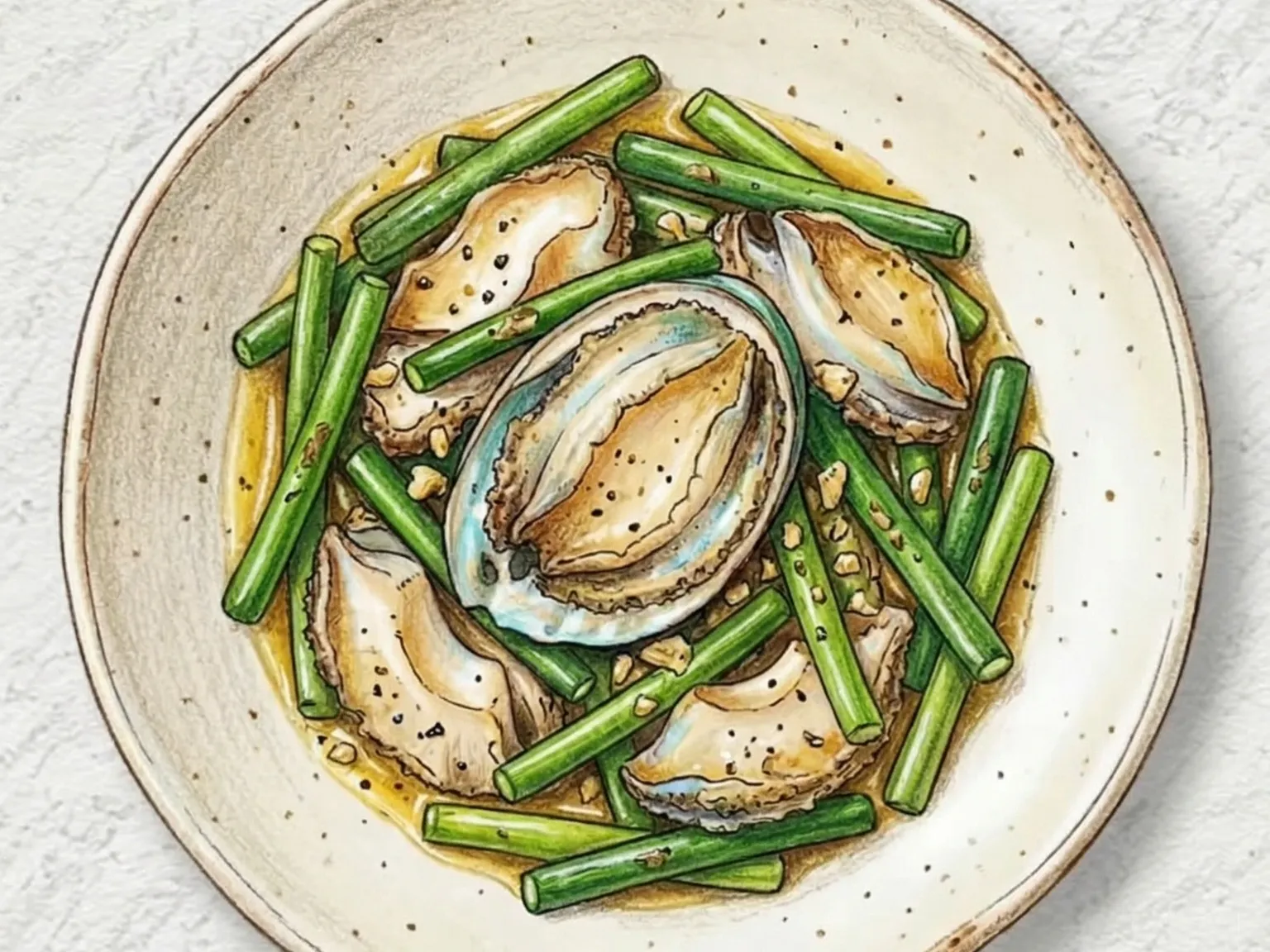
Garibi-gui is a Korean grilled scallop dish where shell-on scallops are placed directly on the grill until they pop open, then topped with butter and minced garlic that sizzle and melt into the adductor muscle. The scallop's deep natural sweetness melds with the richness of melted butter and the sharp warmth of garlic, a combination that produces a layered flavor far more compelling than the ingredient count suggests. A cap of mozzarella cheese added for the final two to three minutes creates a stretchy, golden layer over the plump flesh, but restraint is key: covering only about half the scallop prevents the cheese from overwhelming the clean marine sweetness beneath it. Over charcoal, the shell acts as a natural vessel that channels smoky heat directly into the meat, adding a dimension that a gas burner or stovetop simply cannot replicate. A squeeze of fresh lemon juice just before serving cuts through the butter's richness and lifts the brine. Placing a single prawn alongside the scallop for the final minutes of cooking doubles the seafood sweetness and makes the dish even more compelling as an anju, the Korean term for food eaten alongside alcohol.

Korean Dried Pollock Hangover Soup
Buk-eo Haejang-guk is a traditional Korean soup frequently consumed in the morning to soothe the digestive system. It relies on dried pollock strips as the primary ingredient. Before beginning the cooking process, the dried pollock requires a brief soaking period in cold water lasting approximately five minutes. This step is necessary to soften the texture while ensuring that the inherent flavors of the fish are not washed away. Keeping the soaking time to a strict minimum prevents the fish from becoming overly soft or weakening the resulting broth. The prepared fish is first stir-fried in sesame oil. This initial sautéing step functions to neutralize any lingering fishy aromas and establishes a toasted, nutty foundation for the liquid. Once the fish is fragrant, soybean sprouts and minced garlic are added to the pot to simmer for fifteen minutes. The addition of soybean sprouts introduces a clean and refreshing quality to the soup. For seasoning, soup soy sauce is used to achieve a clear and balanced flavor profile. Just before the pot is removed from the heat, a thin stream of whisked egg is poured into the simmering liquid along with sliced green onions. People preferring a more intense savory profile can mix a small spoonful of fermented soybean paste, known as doenjang, into the base to deepen the flavor. The final result is a mild soup that has long been used as a restorative morning-after remedy in Korea.

Korean Braised Squid with Radish
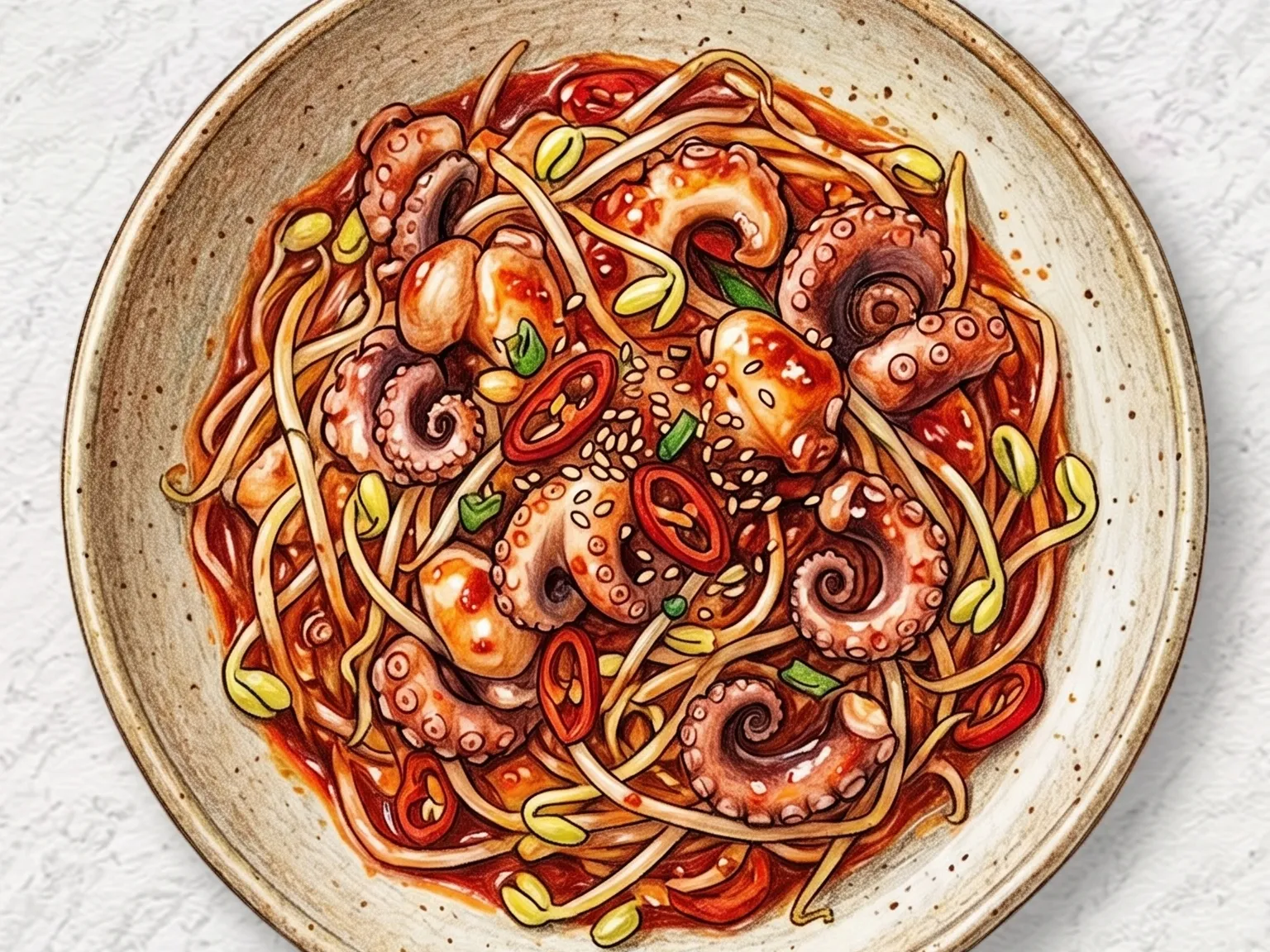
Ojingeo mu jorim is a Korean braised dish where radish is cooked first in a soy-based liquid until fully softened, then squid is added and the whole pot is reduced in a spiced sauce of gochugaru and gochujang. Giving the radish time to cook alone is the structural key to this dish: as it slowly absorbs the liquid and breaks down, it releases its natural sweetness into the broth, which merges with the salt and gentle umami of soy sauce to build the braising liquid into something more complex than its ingredients suggest. When the spice paste goes in, the resulting flavor sits at the intersection of heat and coolness - the particular sensation of Korean chili that stings without overwhelming. The single most important technique in this recipe is the timing of the squid. Squid turns rubbery when overcooked, and the window between tender and tough is narrow, so it is added only in the last five minutes of cooking. That brief time is enough for the squid to absorb the surrounding flavors while holding the springy, snapping bite that makes the dish texturally rewarding. Green onion stirred in at the finish adds a sharp herbal lift. The reduced sauce left in the pan is deliberately left shallow rather than thick, concentrated with the flavors of both the squid and the radish, and it is best used by spooning it over rice and eating everything together.

Korean Water Parsley Clam Stew
Minari-bajirak-jjigae pairs the clean, briny broth of littleneck clams with the sharp, herbal fragrance of Korean water parsley. Korean radish and zucchini simmer in the base and contribute a gentle natural sweetness, while a whole cheongyang chili and a small measure of gochugaru add a crisp heat that does not overpower the delicate shellfish. The restrained use of chili powder keeps the broth clear and allows the clams' distinct umami to come through without interference. Clams must be thoroughly purged of sand before cooking - any residual grit will ruin the broth. Once the shells open, the clams should be eaten promptly as continued heat toughens the meat. Minari goes in only at the very end, just before the heat is turned off, to preserve its bright green color and volatile fragrance. With prep time dominated by clam purging, the active cooking takes under ten minutes.

Gochujang Cream Pasta (Spicy Fermented Chili Cream Sauce)
Gochujang cream pasta is a fusion dish that incorporates the fermented heat of Korean red chili paste into an Italian-style cream sauce. Heavy cream forms the base and parmesan provides the sharp, aged umami, while gochujang contributes a slow-building spice and the complex fermented sweetness that sets it apart from using raw chili pepper. Bacon is rendered first to extract enough fat for sauteing the onion and garlic, and that combination of cured pork fat, aromatic vegetables, and fermented paste forms the flavor core of the sauce before any liquid is added. Gochujang should be added at a reduced heat and stirred in gradually rather than dropped in all at once, since the paste can scorch quickly when exposed to a high-temperature pan. A ladleful of starchy pasta water adjusts the consistency and acts as an emulsifier, helping the fat from the cream and bacon stay bound with the aqueous components rather than separating. The result is a glossy, clinging sauce that coats each strand of pasta evenly. The balance between the richness of the cream and the acidity and heat of the fermented paste is what has made this combination popular in Korean home kitchens and casual restaurants alike.

Korean Mushroom Doenjang Stew
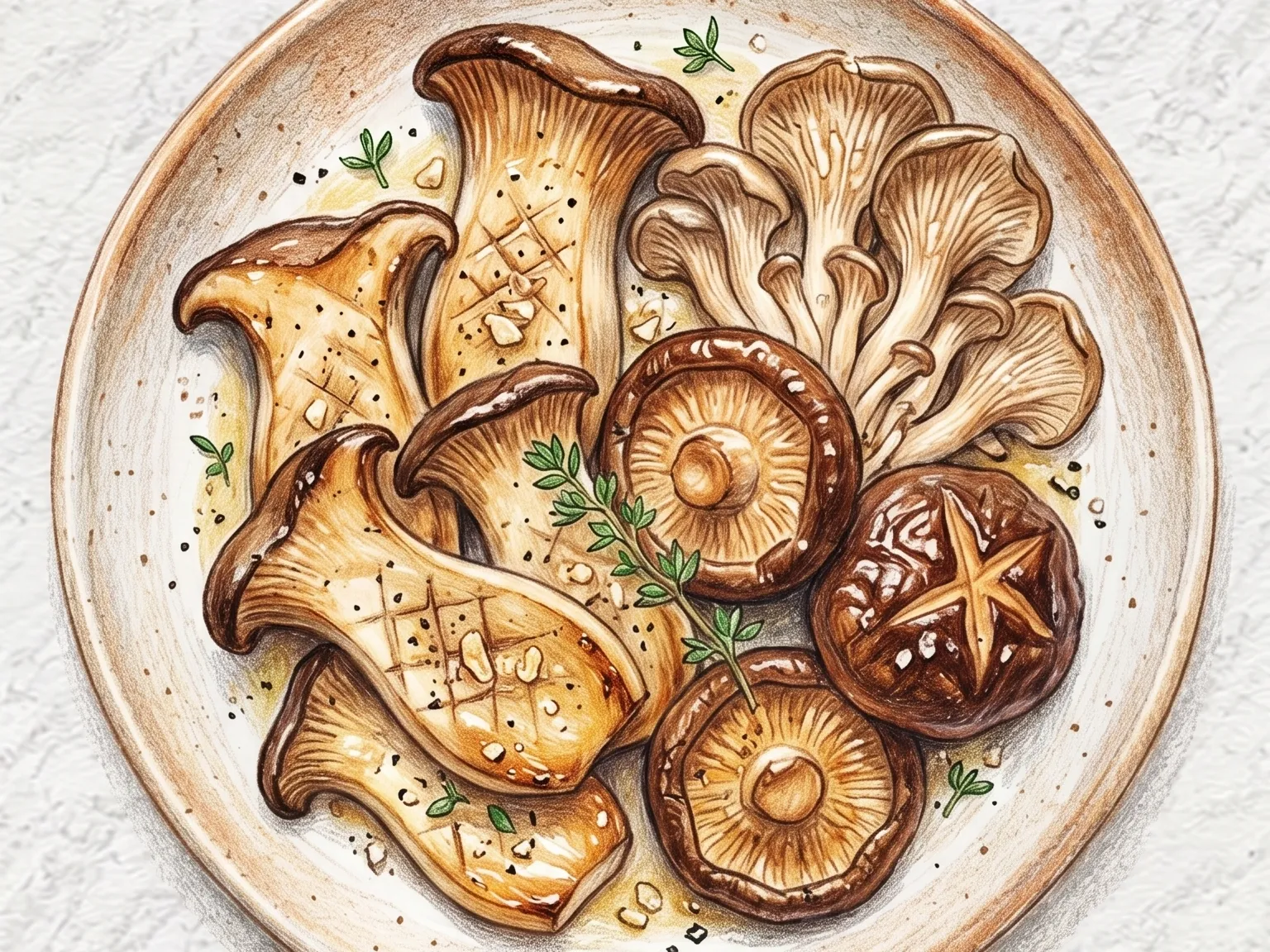
Three types of mushrooms - shiitake, oyster, and enoki - are simmered together in doenjang-seasoned anchovy broth. The anchovy stock lays the foundational depth of umami, and each mushroom type adds its own compounds to the broth as they cook, building flavor in distinct layers. Shiitake holds its meaty chew, oyster mushroom separates into silky strands along its grain, and enoki stays crisp, so the bowl delivers varied textures from a single pot. Soft tofu absorbs the broth all the way through, carrying the fermented soybean flavor to the center of each cube. The stew is satisfying as a full meal without any meat. A sliced cheongyang chili sharpens the finish if extra heat is wanted.

Korean Fermented Soybean Soup
Cheonggukjang-guk is a soup where cheonggukjang -- a short-fermented soybean paste with an assertive, pungent aroma that distinguishes it from the milder doenjang -- is dissolved into anchovy-kelp stock and simmered with zucchini, onion, and tofu. The paste infuses the broth with a deep, earthy fermented quality that forms the core character of the soup. Zucchini and onion contribute natural sweetness that tempers the intensity of the fermented base, keeping the overall flavor approachable rather than overwhelming. Tofu is added partway through to absorb the broth without breaking apart, adding a soft textural contrast. Red chili flakes and sliced green onion go in at the end, lifting the finish with a gentle heat. Because cheonggukjang ferments faster and more aggressively than doenjang, its flavor is noticeably stronger -- starting with a smaller quantity and adjusting to taste is advised for first-time cooks.

Korean Perilla Leaf Beef Stew
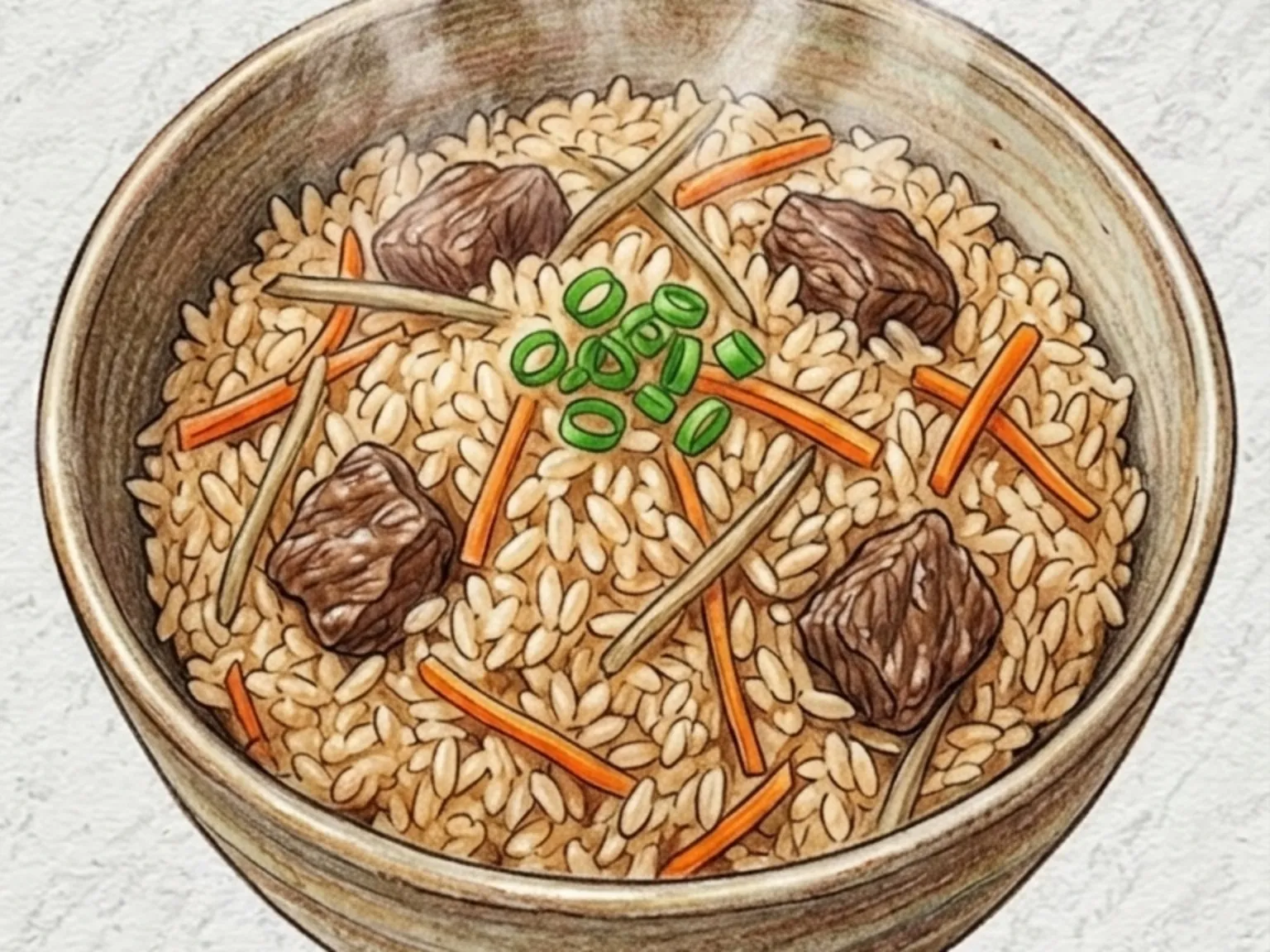
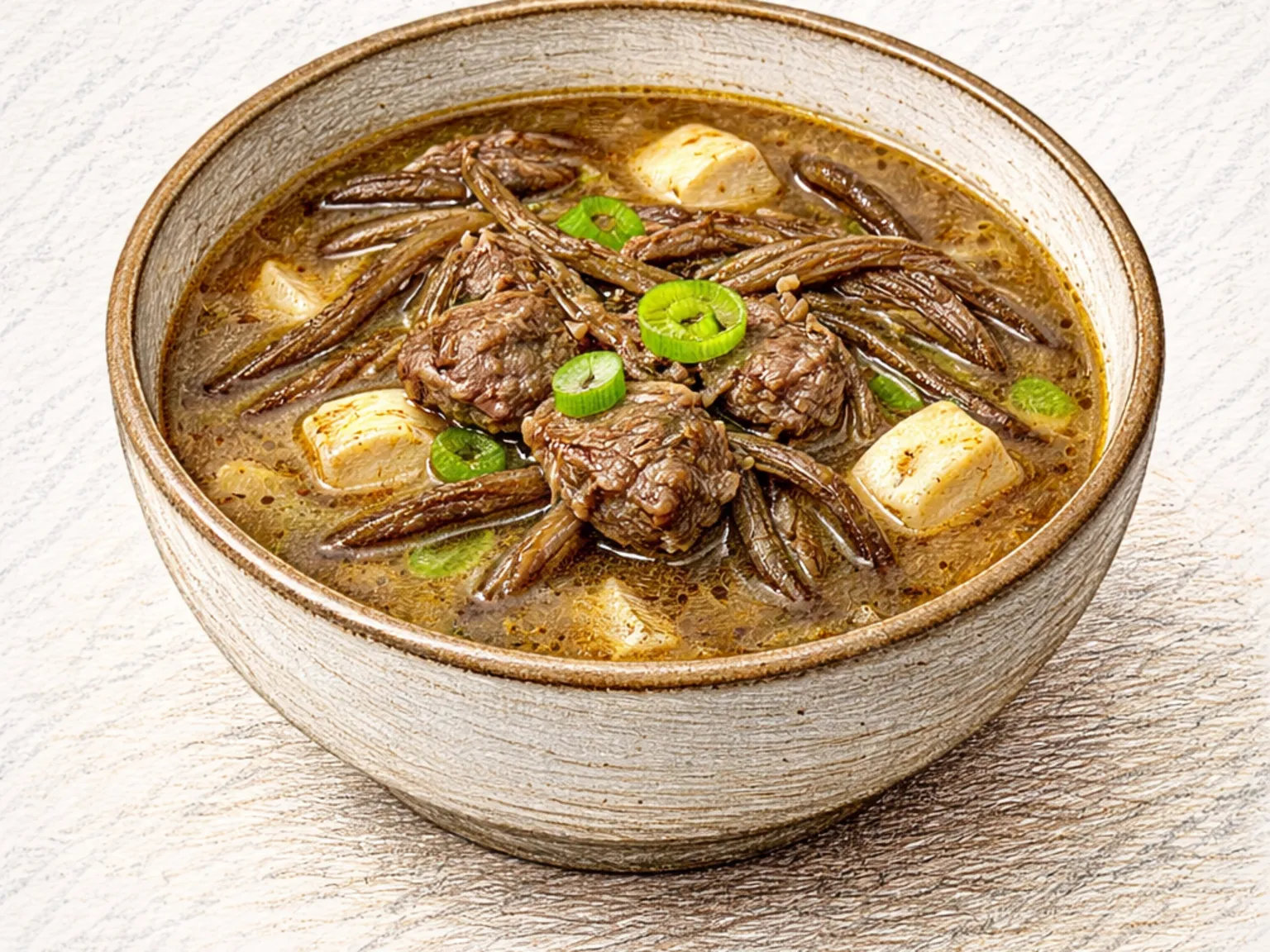
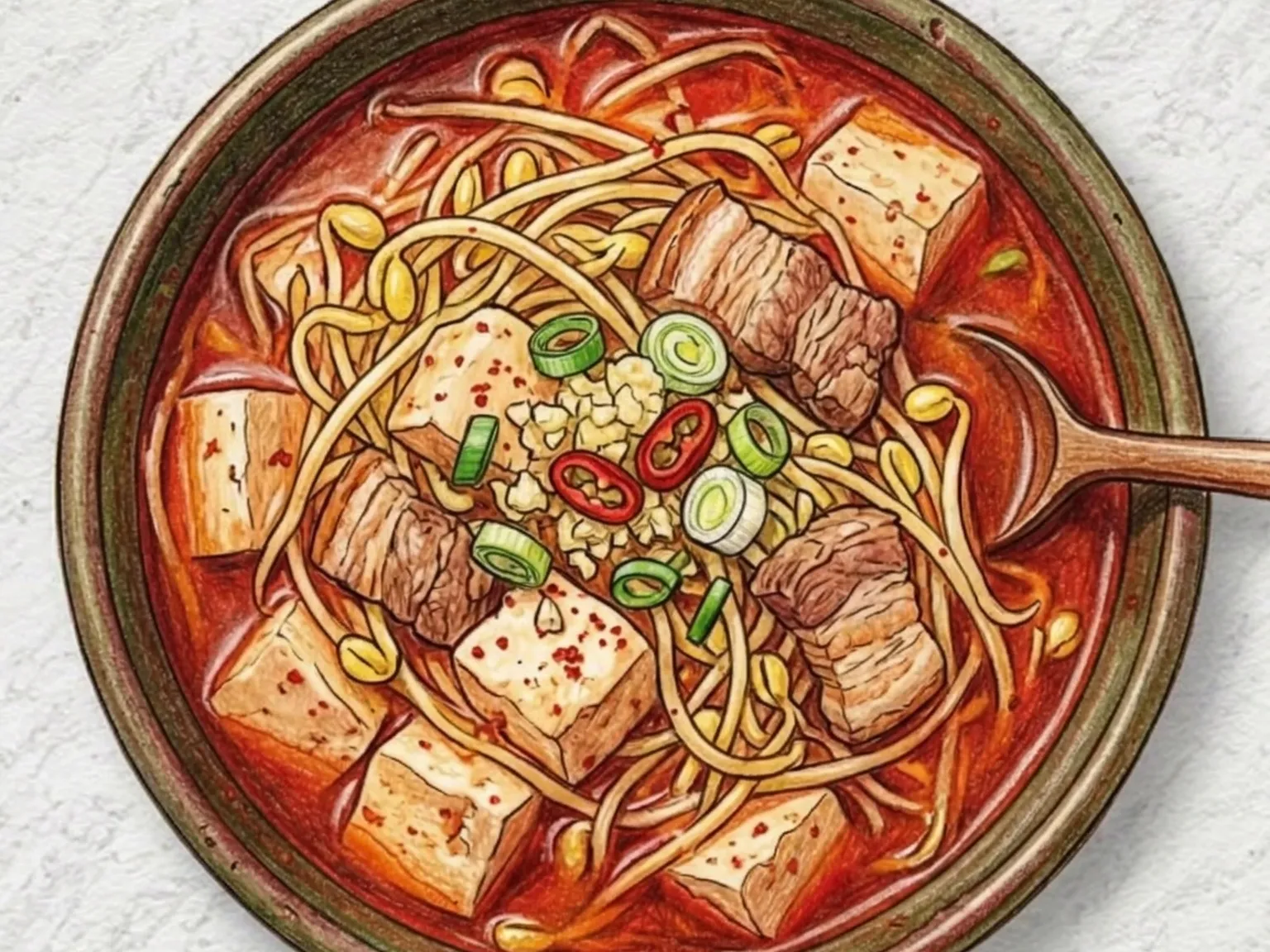
This stew features thinly sliced beef and a generous handful of perilla leaves simmered in anchovy stock. Twelve perilla leaves infuse the entire broth with their distinctive herbaceous, slightly minty aroma, while the beef releases its umami into the liquid. Firm tofu cubes absorb the gochugaru-seasoned broth, and onion adds a sweet undertone. Seasoned primarily with soup soy sauce, the stew lets the perilla and beef flavors stay in the foreground.

Korean Seasoned Radish Greens Namul
Dried radish greens are soaked, boiled until pliable, and dressed in a seasoning anchored by doenjang and ground perilla seeds. The drying process concentrates the fiber in the greens, giving them a satisfying chew that persists even after boiling: the outer layer turns silky while the inner stem retains a springy resistance. Doenjang supplies the salty, fermented backbone, and ground perilla seeds melt into a creamy coating that softens the roughness of the greens on the palate. A generous pour of perilla oil ties the dressing together, adding a glossy sheen and a rich, nutty fragrance. Minced garlic and chopped green onion introduce a sharp aromatic layer that cuts through the heaviness. Each bite releases more of the siraegi's own deep, vegetal flavor, a taste that builds rather than fades. Paired with steamed rice, the doenjang's salinity and the perilla's richness draw out the natural sweetness of the grain.

Korean Braised Cod with Vegetables
Daegu-jjim braises thick cod fillets with Korean radish, onion, and green onion in a sauce built from gochugaru, soy sauce, garlic, and cooking wine. Cod holds up well to braising: its firm, flaky flesh absorbs the spiced cooking liquid without breaking apart, even after extended time in the pot. The radish soaks up the braising sauce and turns sweet against the backdrop of chili heat. Garlic and cooking wine together neutralize any fishiness from the cod. The dish is done when just enough glossy sauce remains at the bottom of the pan to spoon over steamed rice for a satisfying one-bowl meal. The same method works with pollock or monkfish in place of cod.