Recipes with napa cabbage

42 recipes. Page 1 of 2

Buy napa cabbage

As an Amazon Associate, we may earn from qualifying purchases.

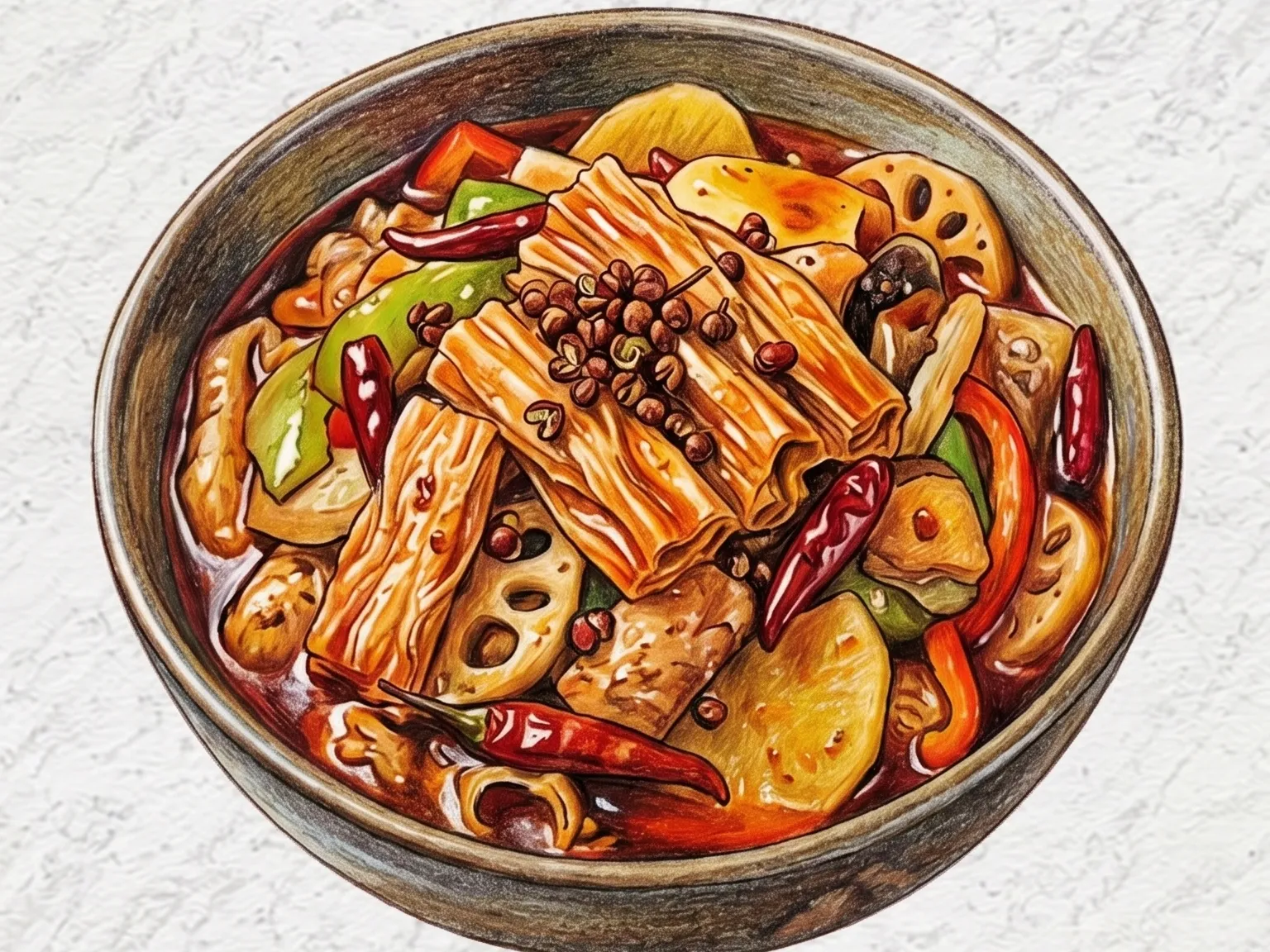
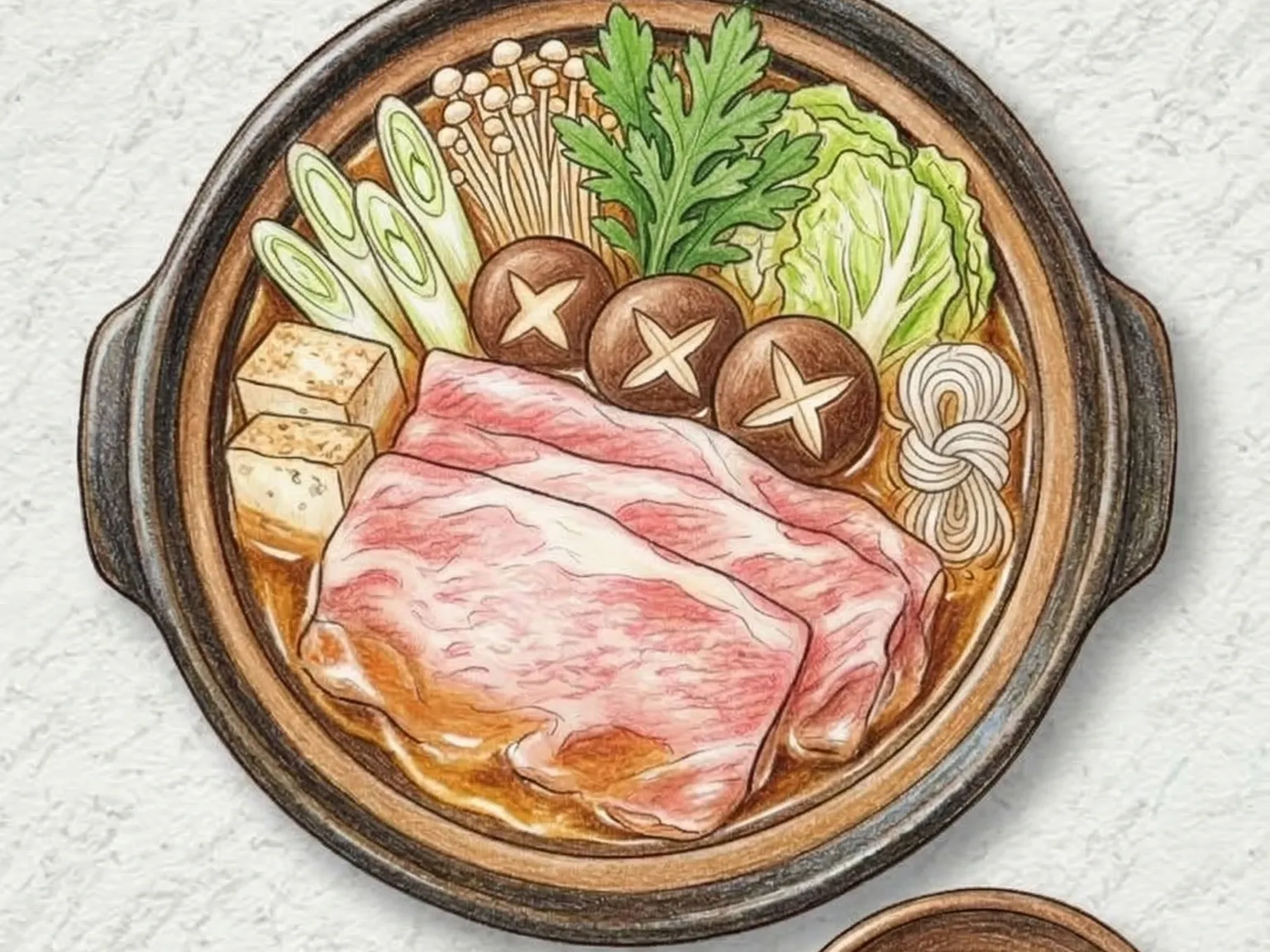
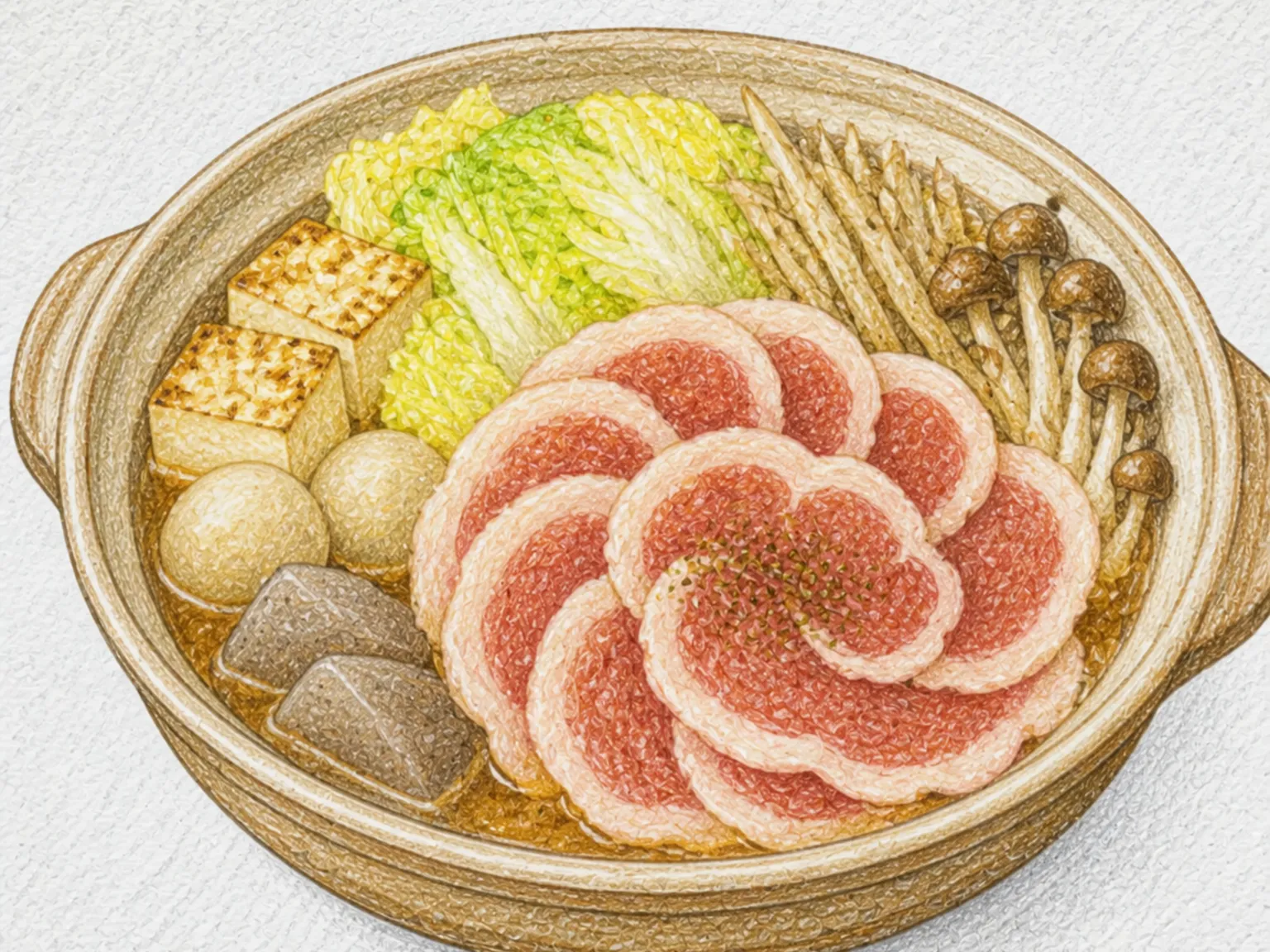
Bishu Nabe (Sake-Cooked Meat and Vegetable Hot Pot)
Asian Medium

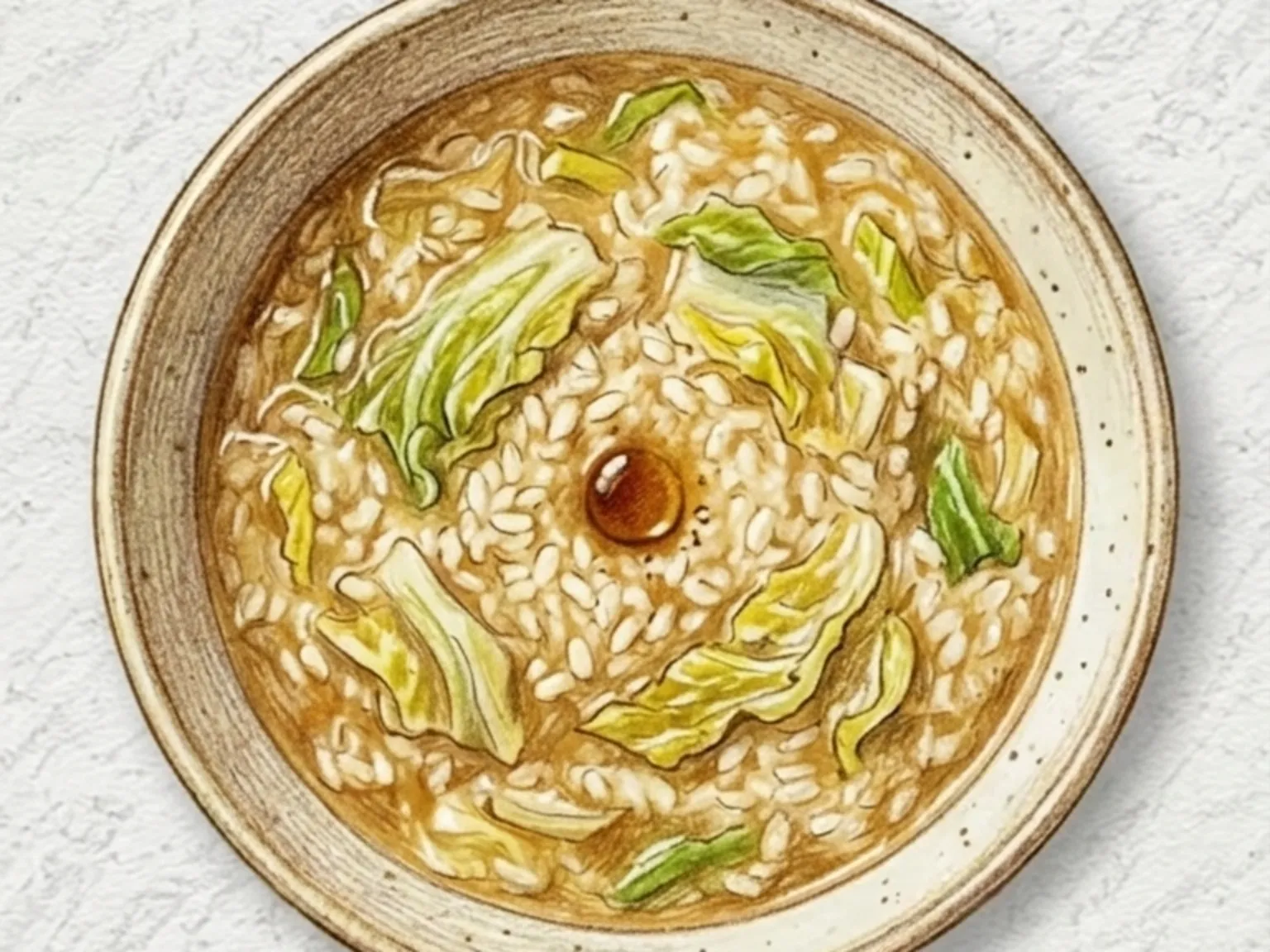
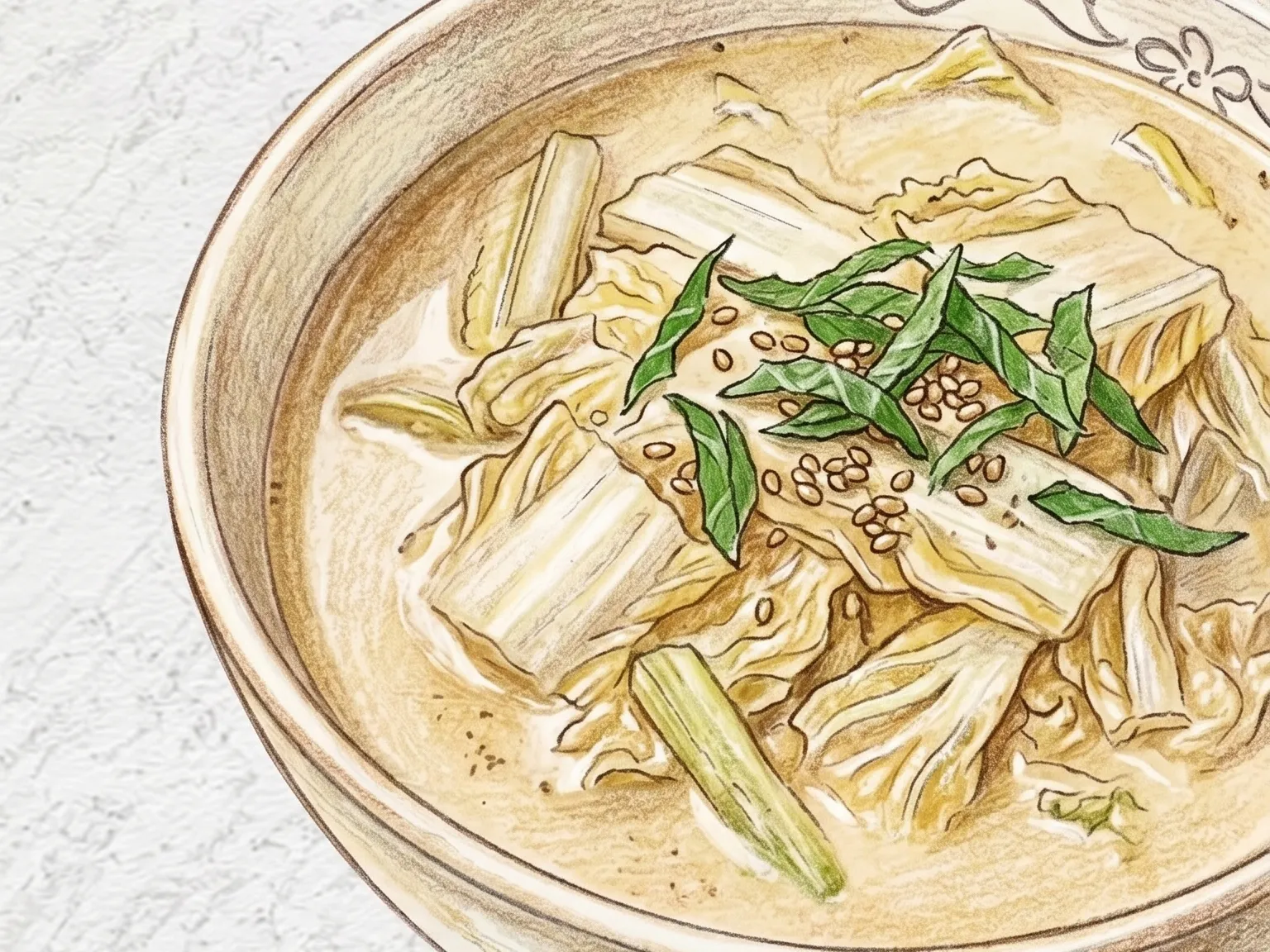
Bishu Nabe (Sake-Cooked Meat and Vegetable Hot Pot)

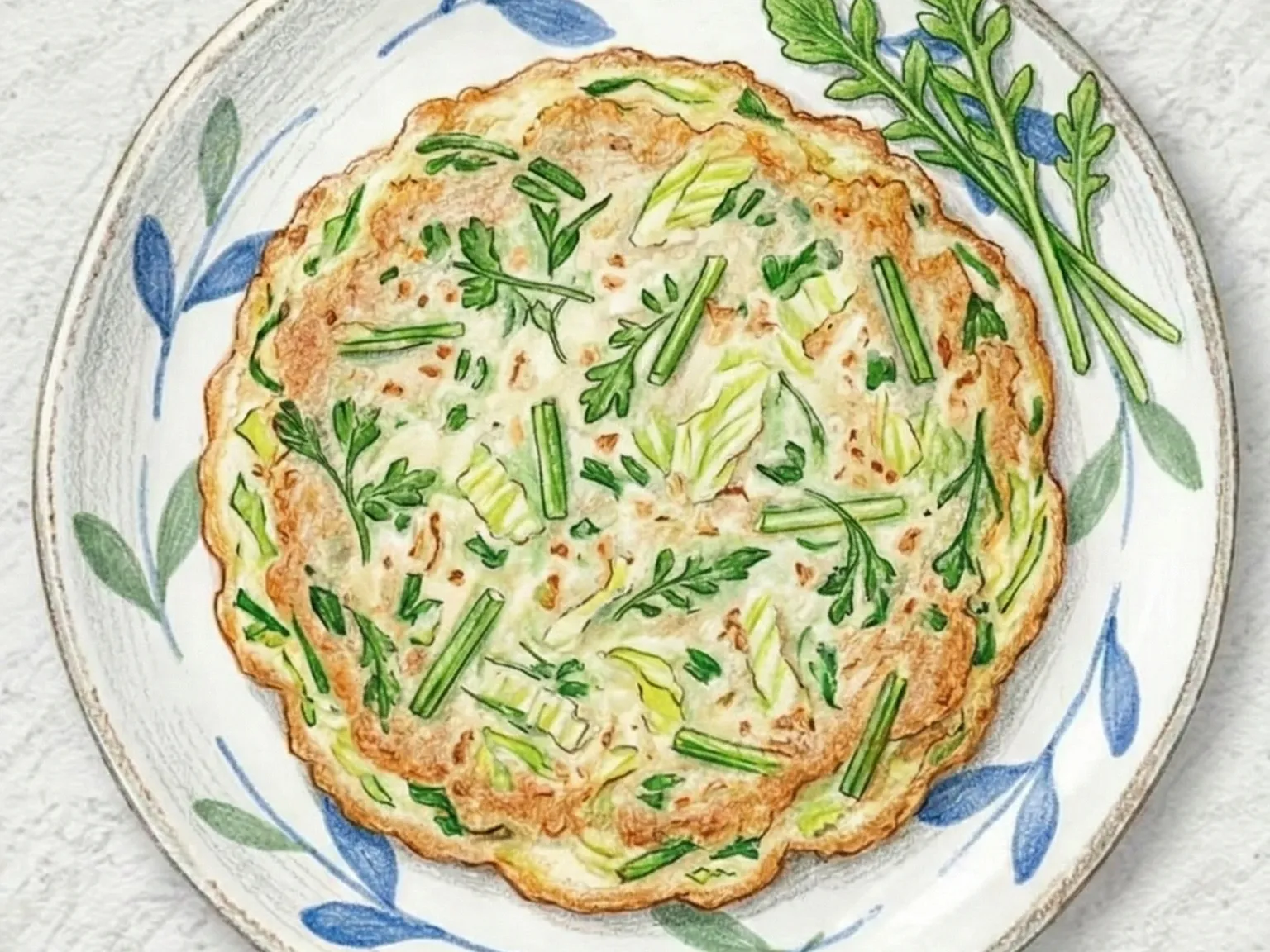
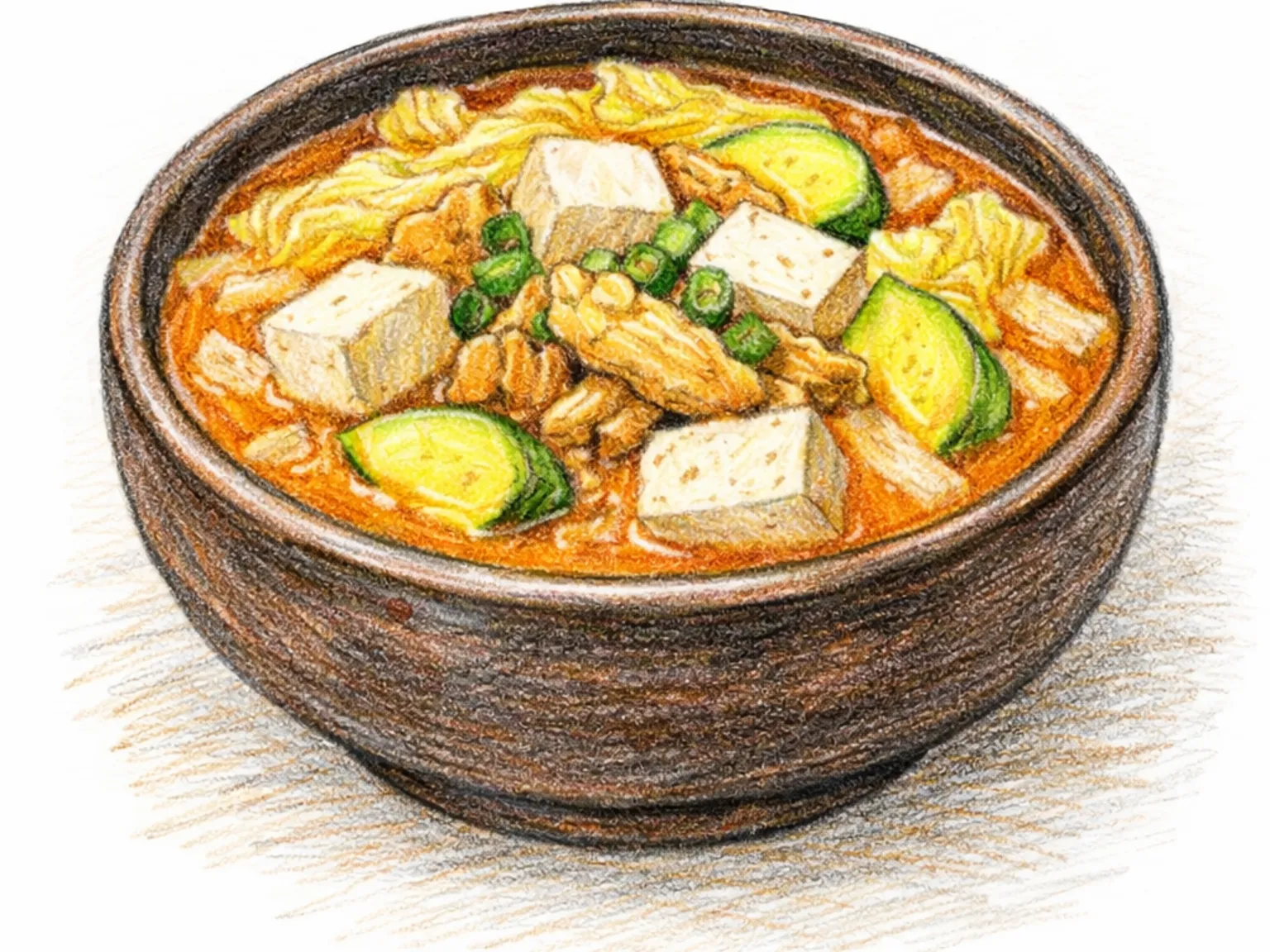
No water or dashi goes into this pot: chicken, gizzards, pork and vegetables cook in sake and whatever moisture the vegetables release. The dish comes from Saijo in Higashihiroshima, Hiroshima Prefecture, where sake brewery workers ate it during breaks in brewing. With so little liquid, each ingredient keeps its own flavor, and diners season their portion with salt and pepper. Cooking it in two rounds, half the ingredients at a time, keeps the napa cabbage and garlic chives from going limp.

Prep 30min Cook 35min 4 servings
Korean Grilled Cabbage Leaf Wraps
Grilled Easy

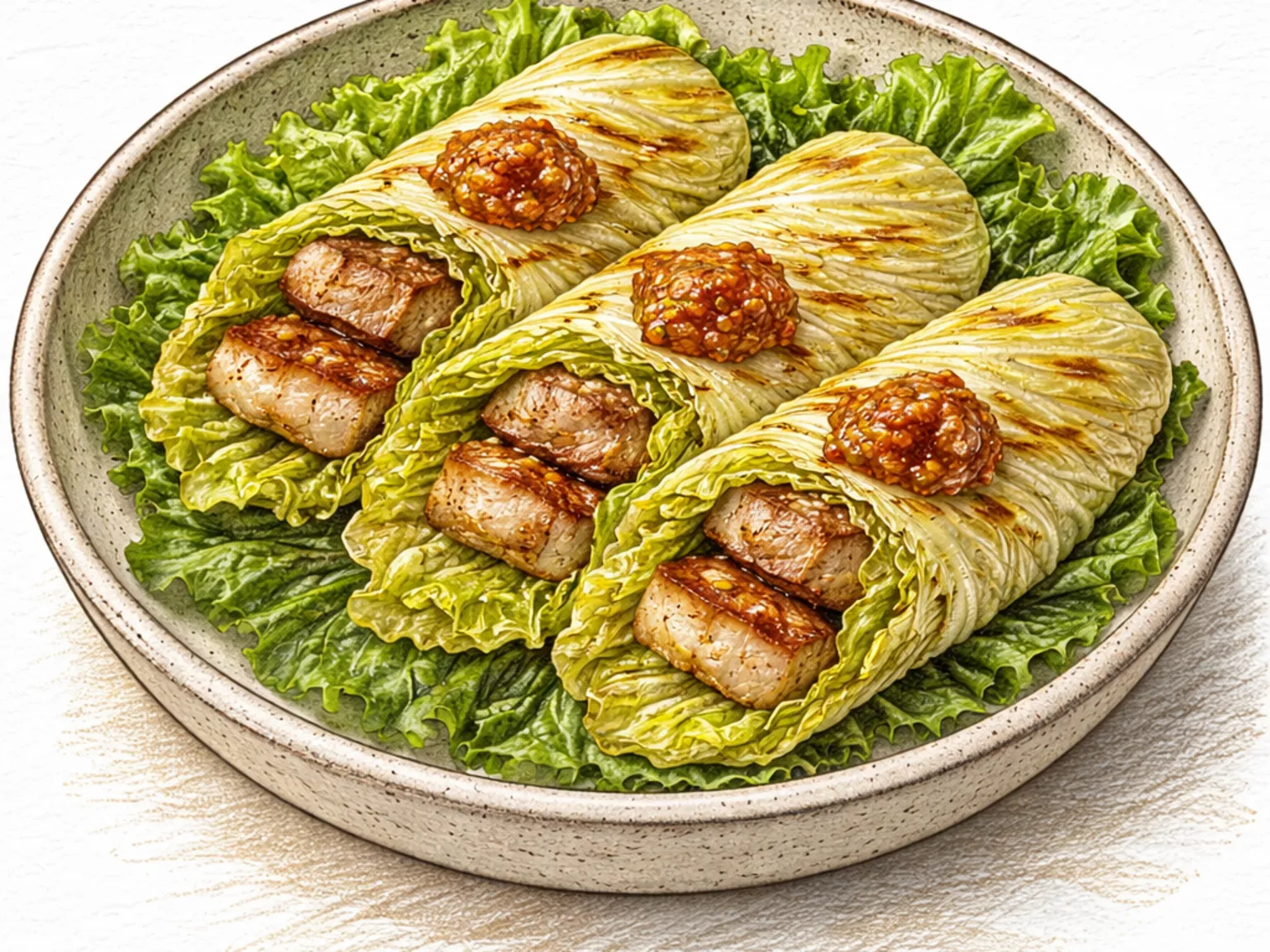
Korean Grilled Cabbage Leaf Wraps

Instead of lettuce or perilla, this ssam uses napa cabbage leaves charred briefly on a grill, which pick up smoke and sweetness while the inner ribs keep their crunch. That crunch is what lets a leaf wrap around grilled pork belly without tearing. A doenjang-based ssamjang adds salty, fermented depth to the pork fat and cabbage sweetness, and a lightly grilled chili tucked in brings heat.

⚡ 20-Minute Recipes
Prep 10min Cook 10min 2 servings
Korean Steamed Beef Mille-Feuille Cabbage
Steamed Medium

Korean Steamed Beef Mille-Feuille Cabbage

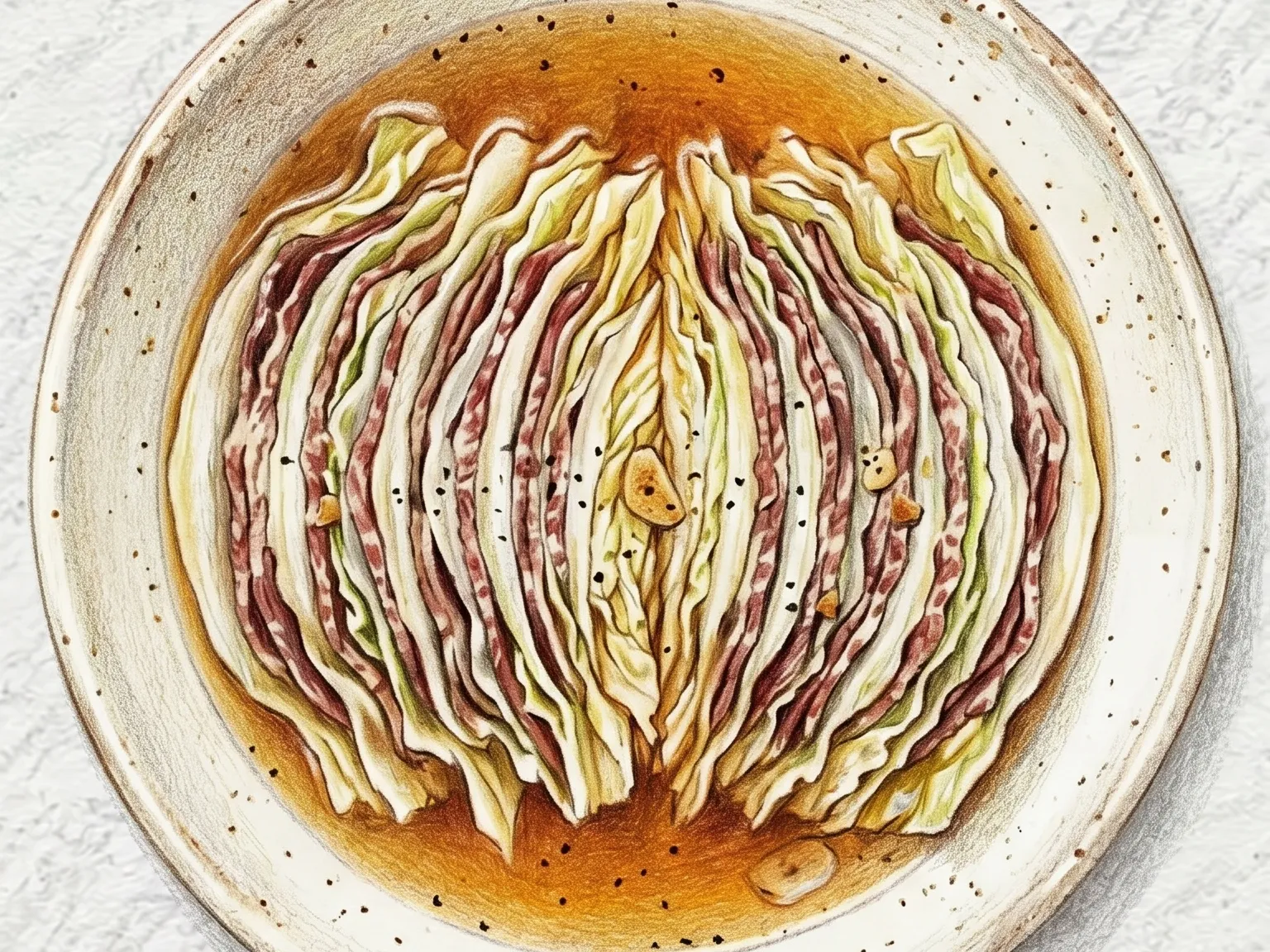
Napa cabbage and paper-thin beef brisket (usamgyeop) are stacked in layers, cut to the height of the pot and stood on end, and when the lid comes off the cross-sections line up in rows. The thick white part of the cabbage, rather than the leafy tops, is what lets the stacks hold that shape. Nothing seasons the broth itself, which is just cabbage water and beef juices, and each piece is dipped in a soy, vinegar and garlic sauce at the table. That puts the saltiness in each person's hands rather than in the pot. Packing the bundles tightly, with cabbage scraps in any gaps, stops them toppling as the pot steams.

🎉 For Guests
Prep 25min Cook 25min 4 servings
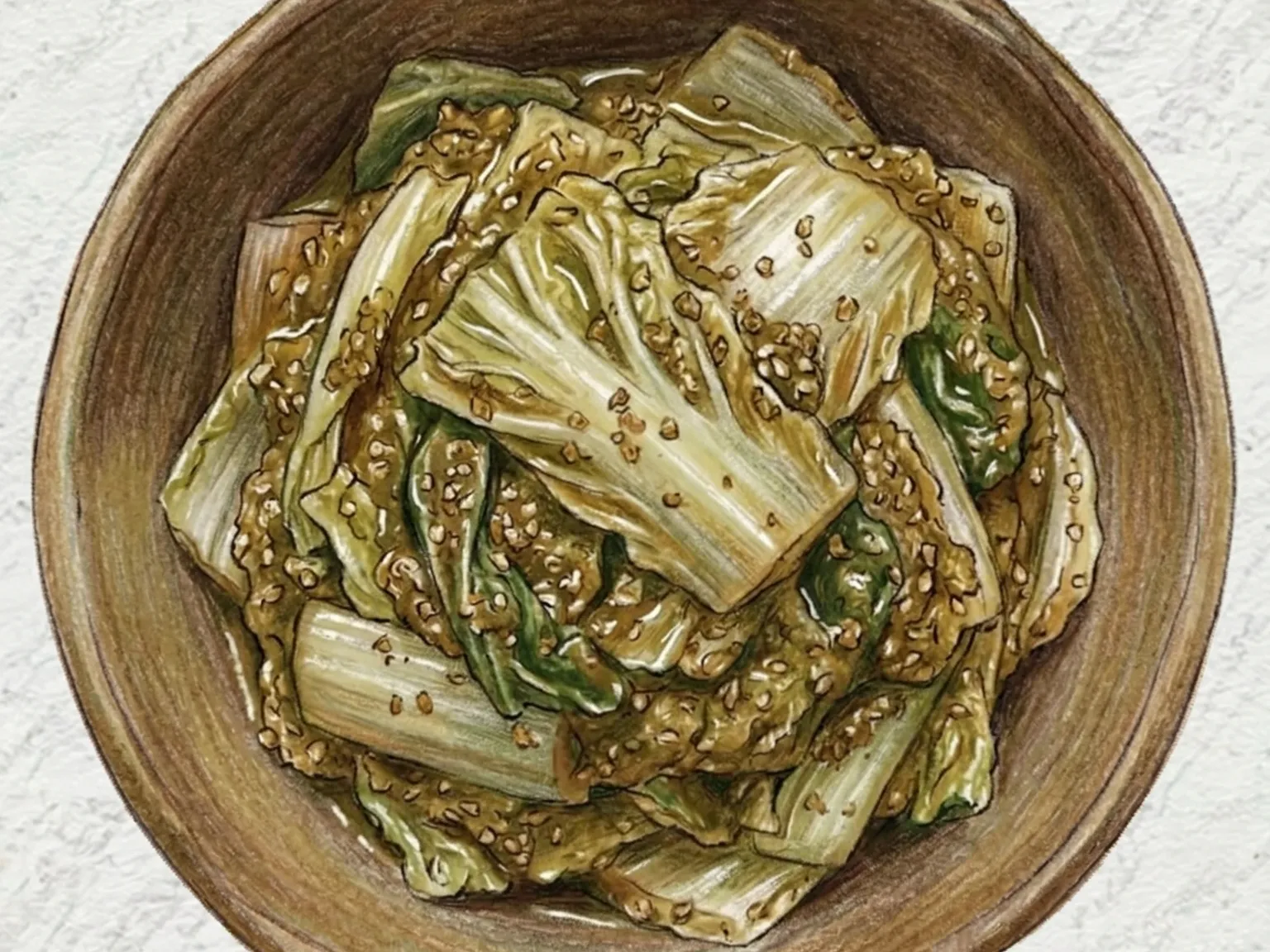
Korean Fresh Cabbage Kimchi
Kimchi Easy

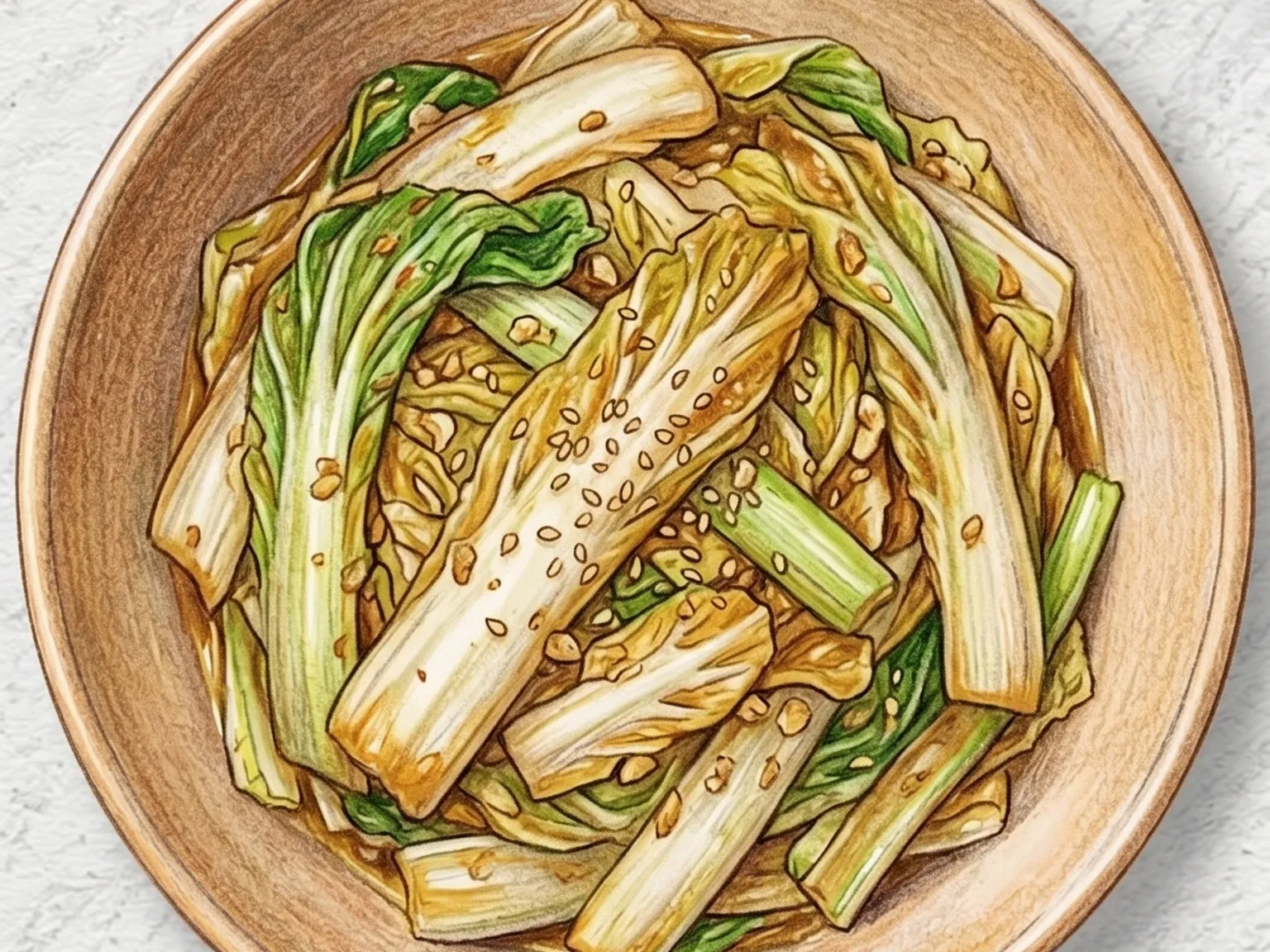
Korean Fresh Cabbage Kimchi

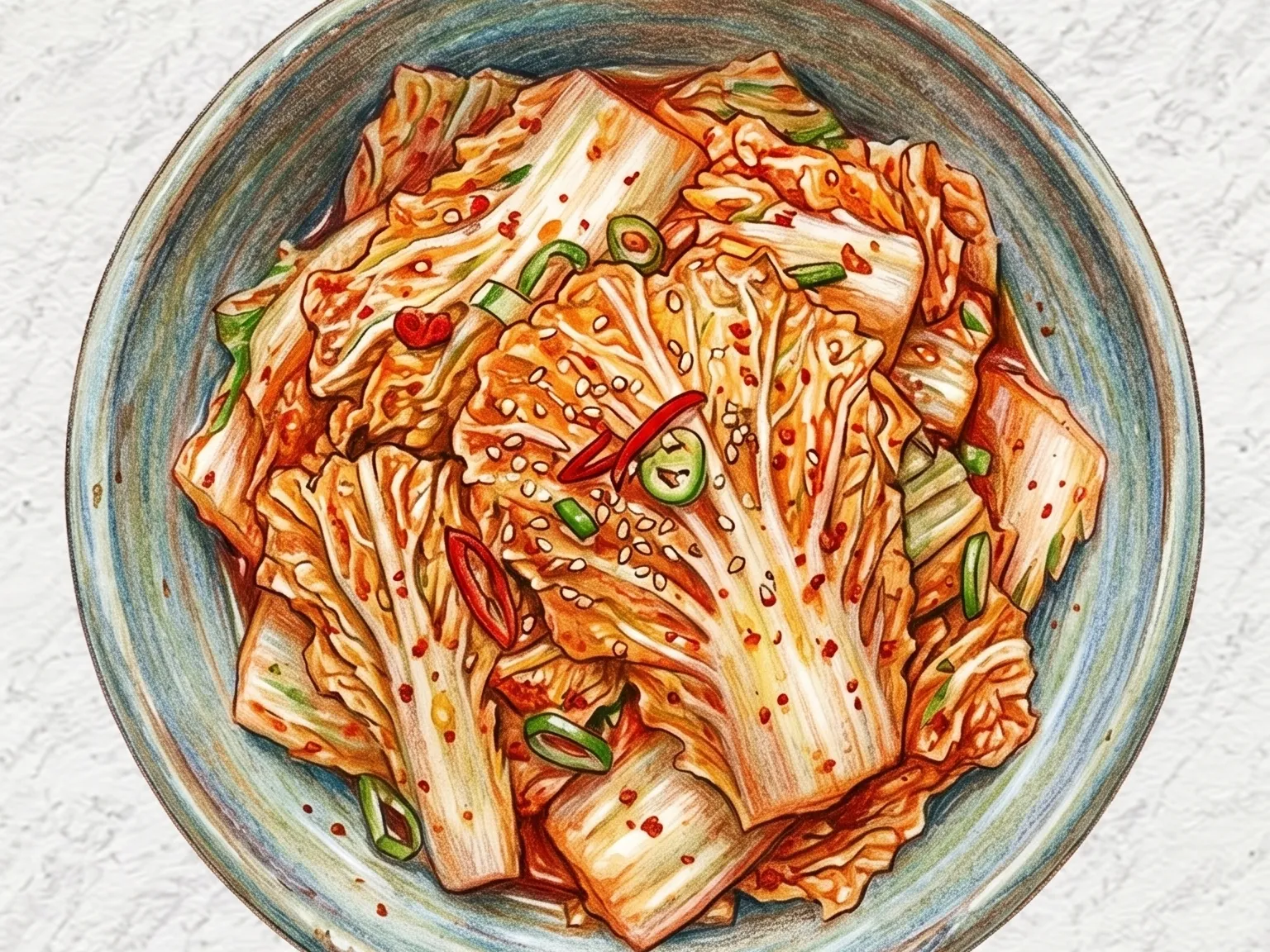
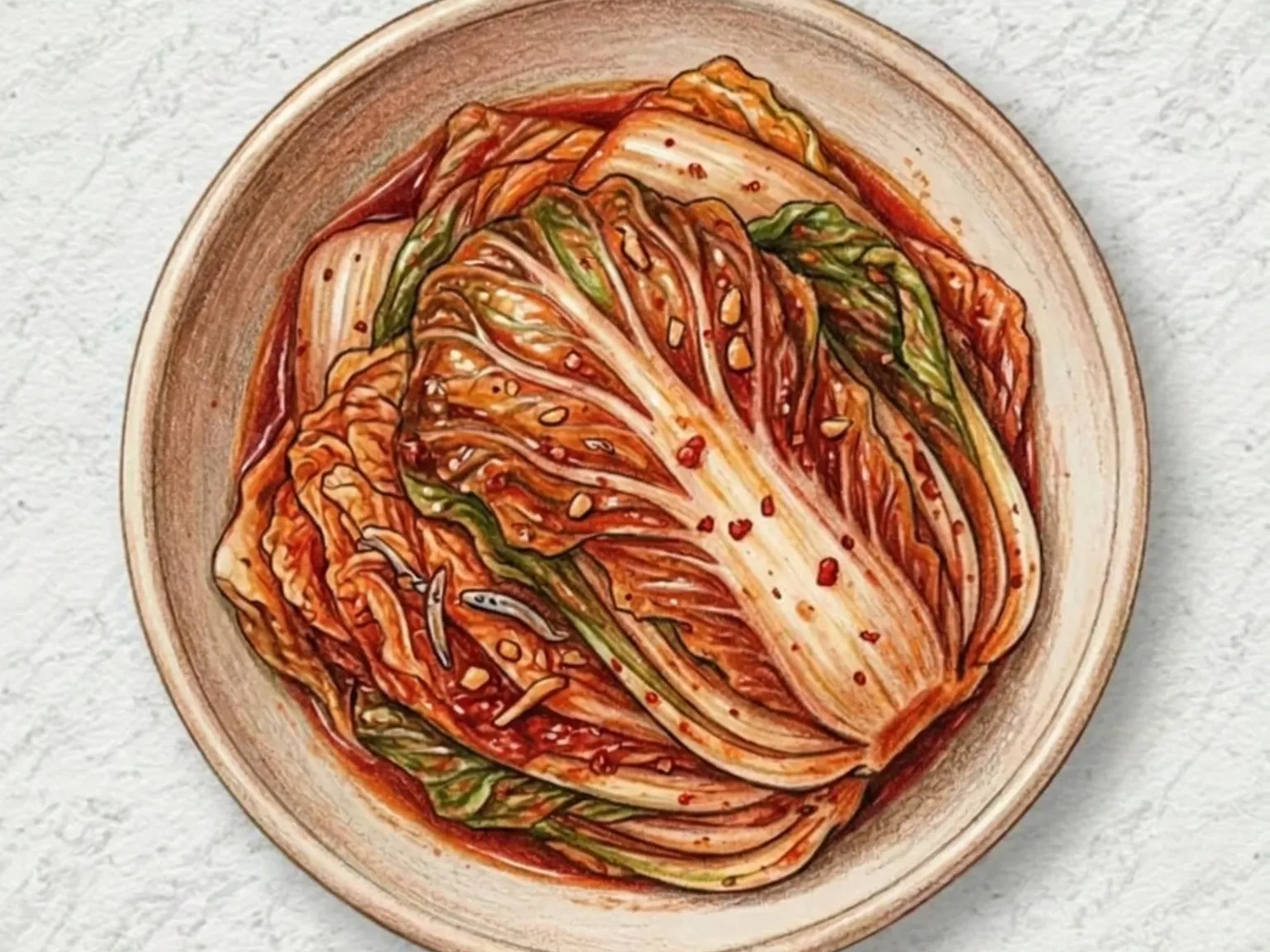
Napa cabbage salted for just 20 minutes and tossed straight into a gochugaru dressing gives kimchi with no sourness at all: the red pepper heat and the savory anchovy fish sauce come through cleanly. The short salting bends the thick ribs slightly while keeping them much crisper than fermented kimchi. Sesame oil and sesame seeds are added at the very end, so a nutty aroma sits over the chili. Geotjeori, as this fresh style is called in Korea, is served alongside grilled pork belly or doenjang-jjigae (fermented soybean paste stew), and it fills in when the jar of aged kimchi runs empty. It is best right after mixing, and leftovers keep a day or two chilled.

⚡ 20-Minute Recipes
Prep 20min 0 6 servings
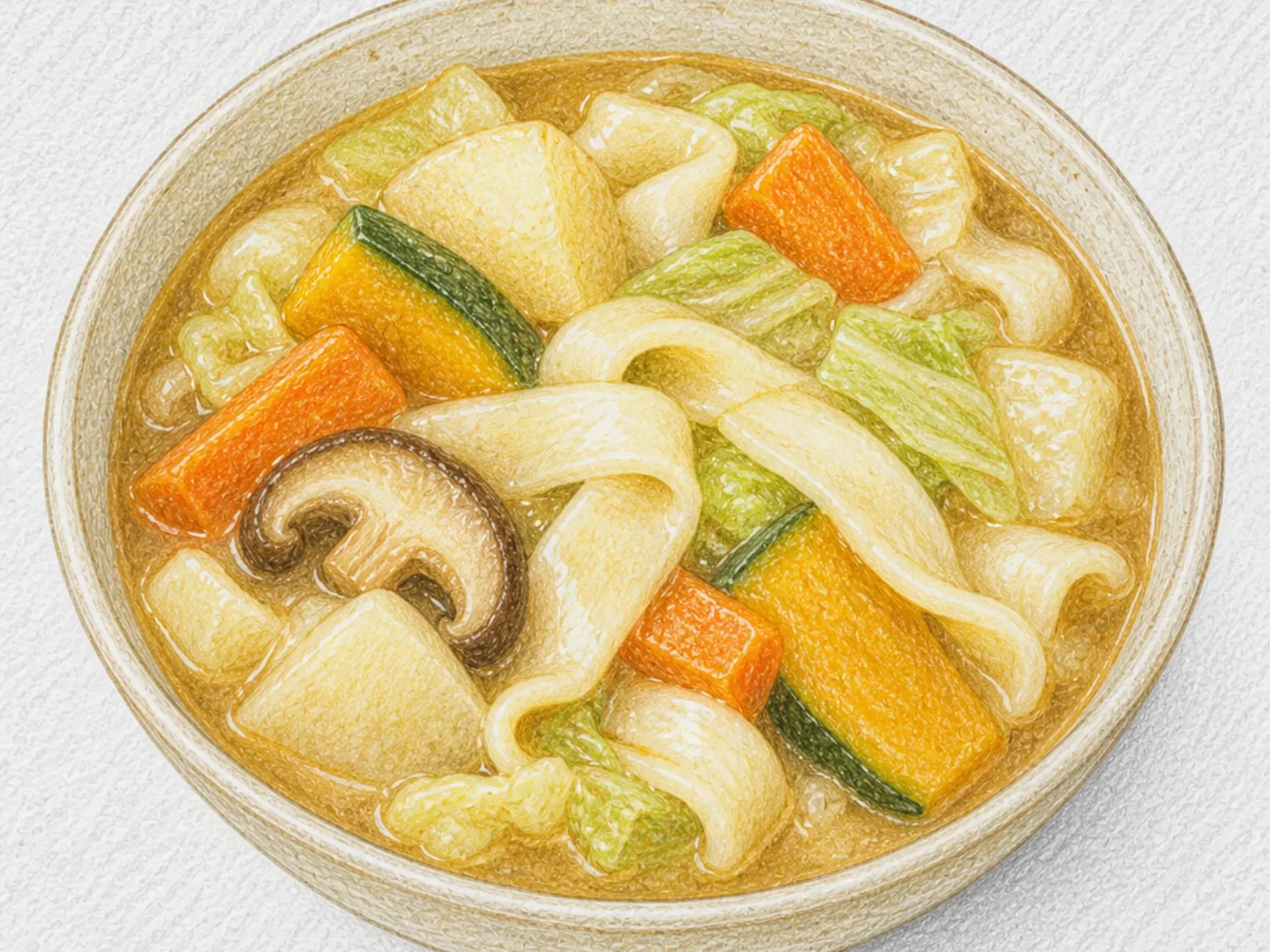
Houtou Pumpkin Miso Noodles
Noodles Medium

Houtou Pumpkin Miso Noodles

Wide flour noodles from Yamanashi simmer straight in miso broth with kabocha, potato, daikon, and napa cabbage, leaving the soup thick and slow to cool. In mountain areas poorly suited to rice, houtou long served as a staple, and its lasting warmth means it is eaten most often in winter. Unlike udon, the dough has no salt and the floured strips are never boiled on their own, which leaves their starch to thicken the pot.

Prep 50min Cook 35min 5 servings
Korean Napa Cabbage Kimchi
Kimchi Medium

Korean Napa Cabbage Kimchi

Salting decides the texture of this napa cabbage kimchi: under-salted leaves weep liquid and turn mushy during fermentation, while over-salted ones bury the seasoning. Blooming the gochugaru in sweet rice paste before the fish sauce goes in gives a heavy paste that clings to each leaf instead of sliding off. Spread it thinly between the layers, since too much filling makes the kimchi salty and soft. Fresh-tasting at first, it grows deeper and tangier after about a week, and well-soured kimchi is the one to use for kimchi-jjigae or stir-fried kimchi.

Prep 50min 0 4 servings
Taipiien (Kumamoto Glass Noodle Soup)
Noodles Medium

Taipiien (Kumamoto Glass Noodle Soup)

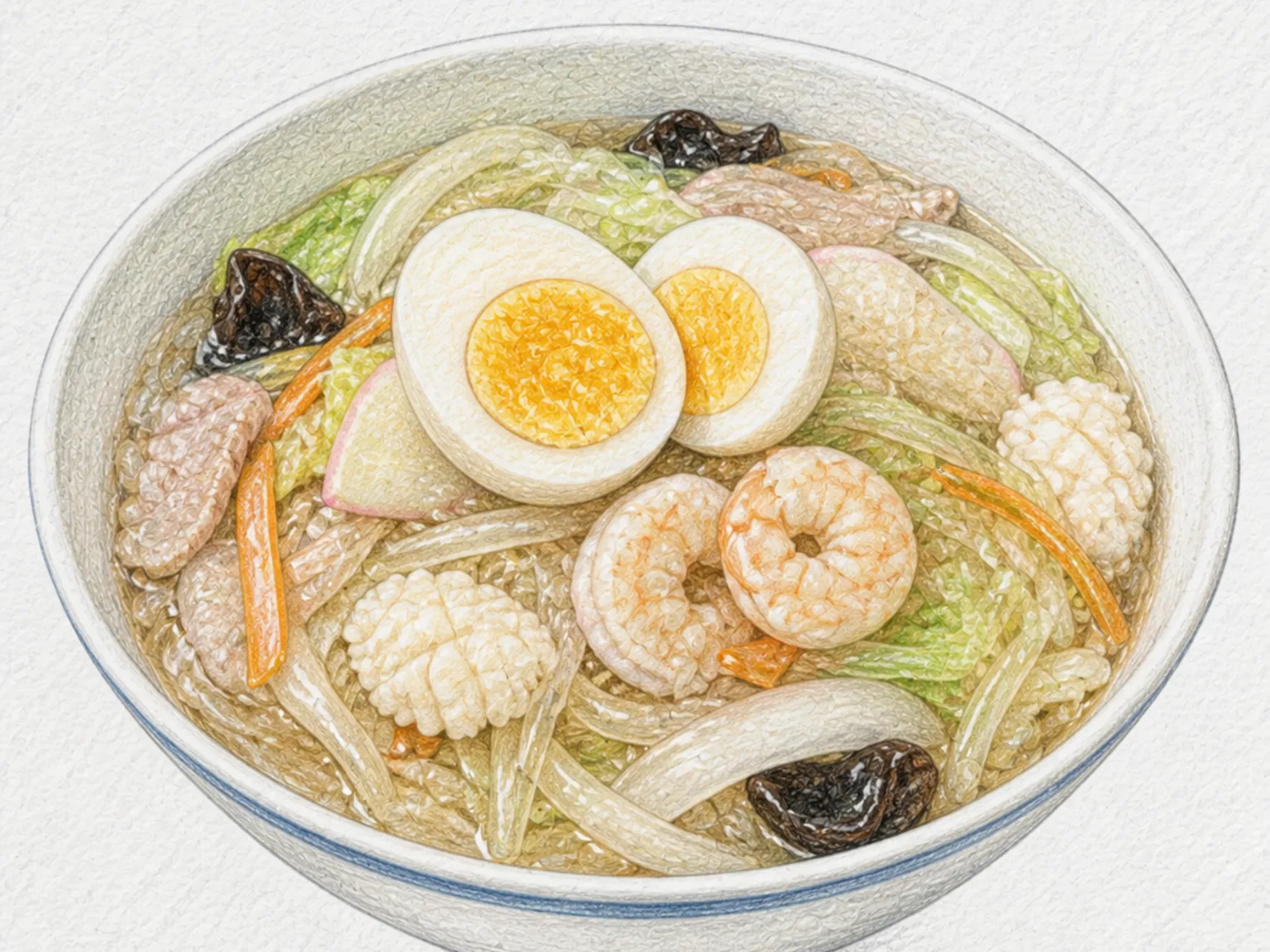
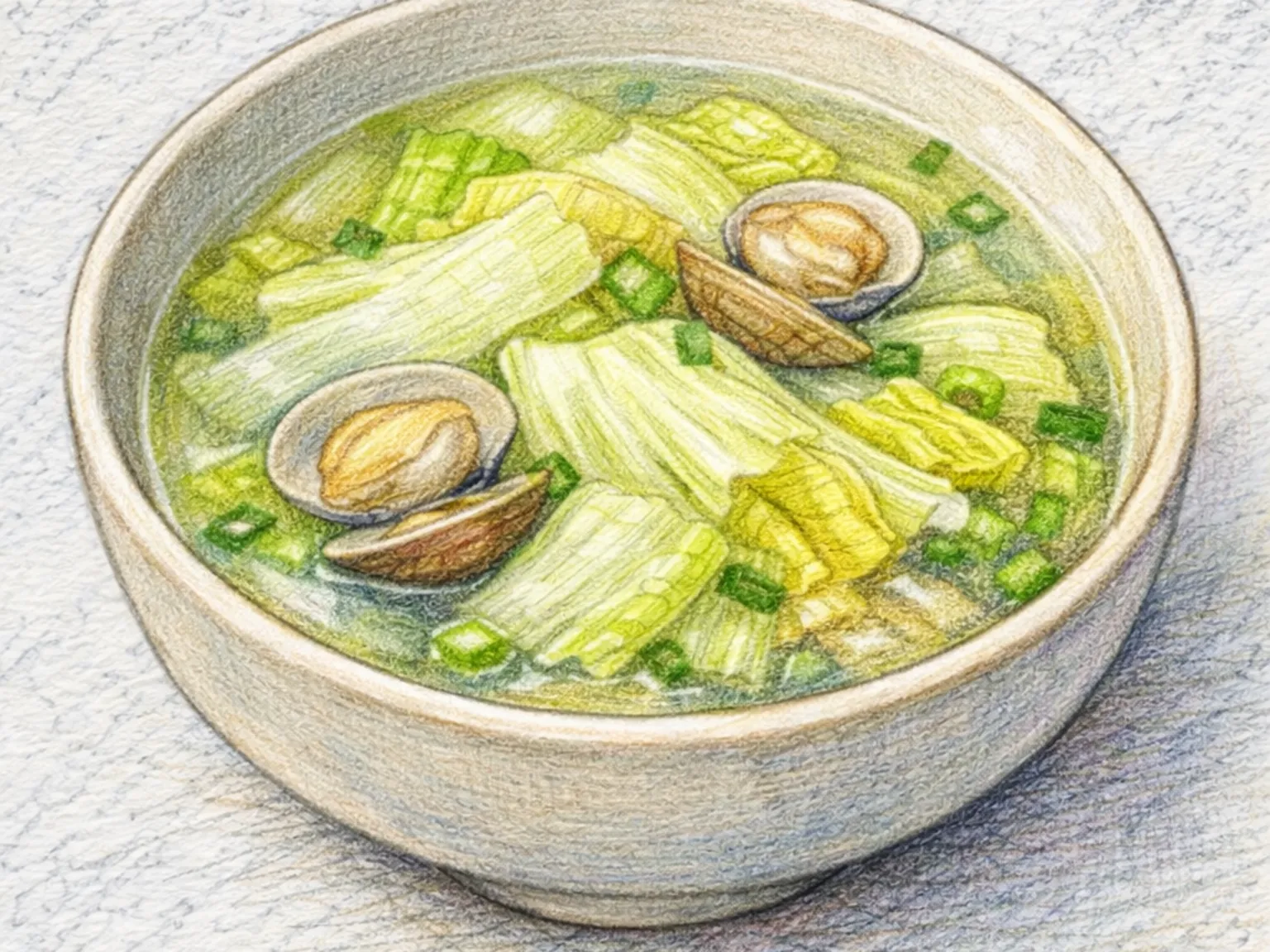
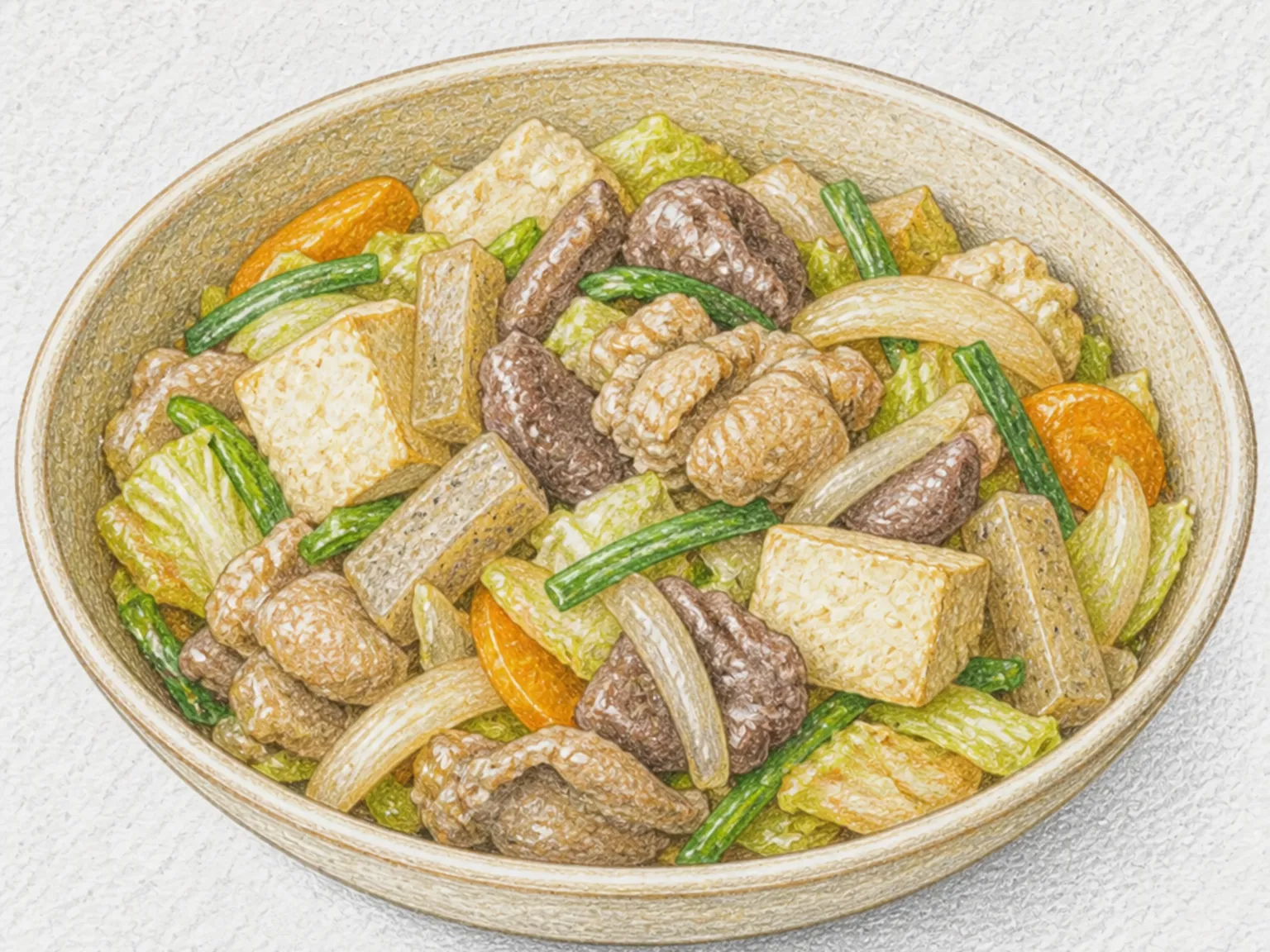
Glass noodles, shrimp, squid, pork, napa cabbage, and wood ear fill a clear chicken broth, finished with half a hard-boiled egg on top. The dish came from Fuzhou in China's Fujian province, where it was a celebration food, and reached Kumamoto by way of Nagasaki in the late Meiji era. Today it appears at Chinese restaurants and home tables in central Kumamoto as lunch, dinner, or a meal after drinking. The seafood is added only after the pork and firm vegetables have cooked, which keeps the shrimp and squid from turning rubbery. To keep the broth clear, the glass noodles are boiled and rinsed separately, warmed in the soup only at the end, and the heat is cut as soon as the sesame oil and scallion are added.

Prep 30min Cook 25min 2 servings
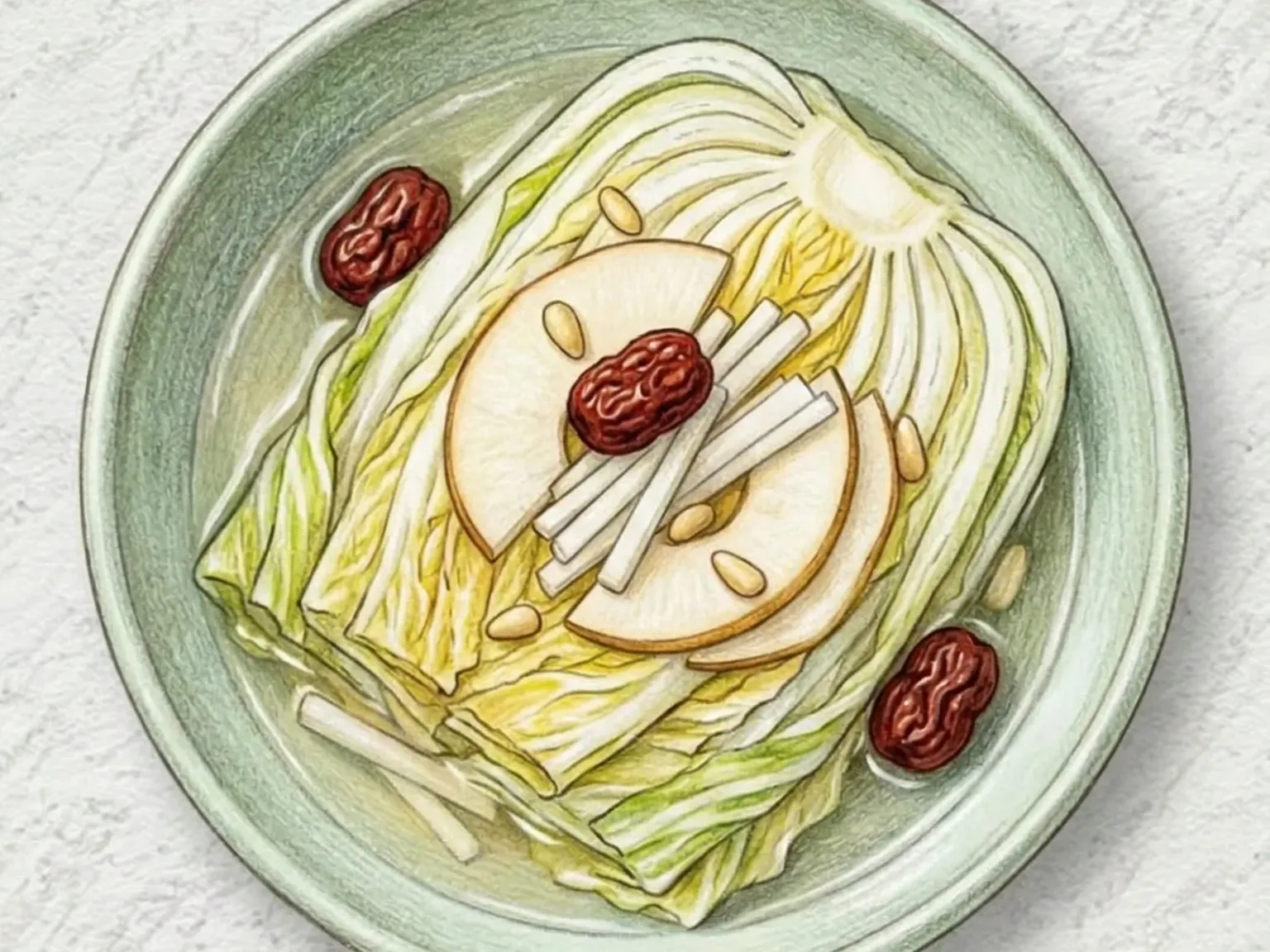
Korean White Kimchi (Non-Spicy Napa Pear Fermented)
Kimchi Medium

Korean White Kimchi (Non-Spicy Napa Pear Fermented)

With no gochugaru at all, this white kimchi is mild, and its clear brine is eaten along with the cabbage. Pear, radish, garlic and ginger carry the flavor instead, and the pear adds sweetness while softening the fermented smell. The filling is tossed lightly with fingertips, because rough handling bruises the radish and pear strips, and everything is drained well to keep the brine from clouding. After half a day at room temperature it ferments slowly in the fridge for 2 to 3 weeks, until the liquid tastes clean, cool and gently sour, a good foil for fatty meat.

Prep 50min Cook 20min 4 servings
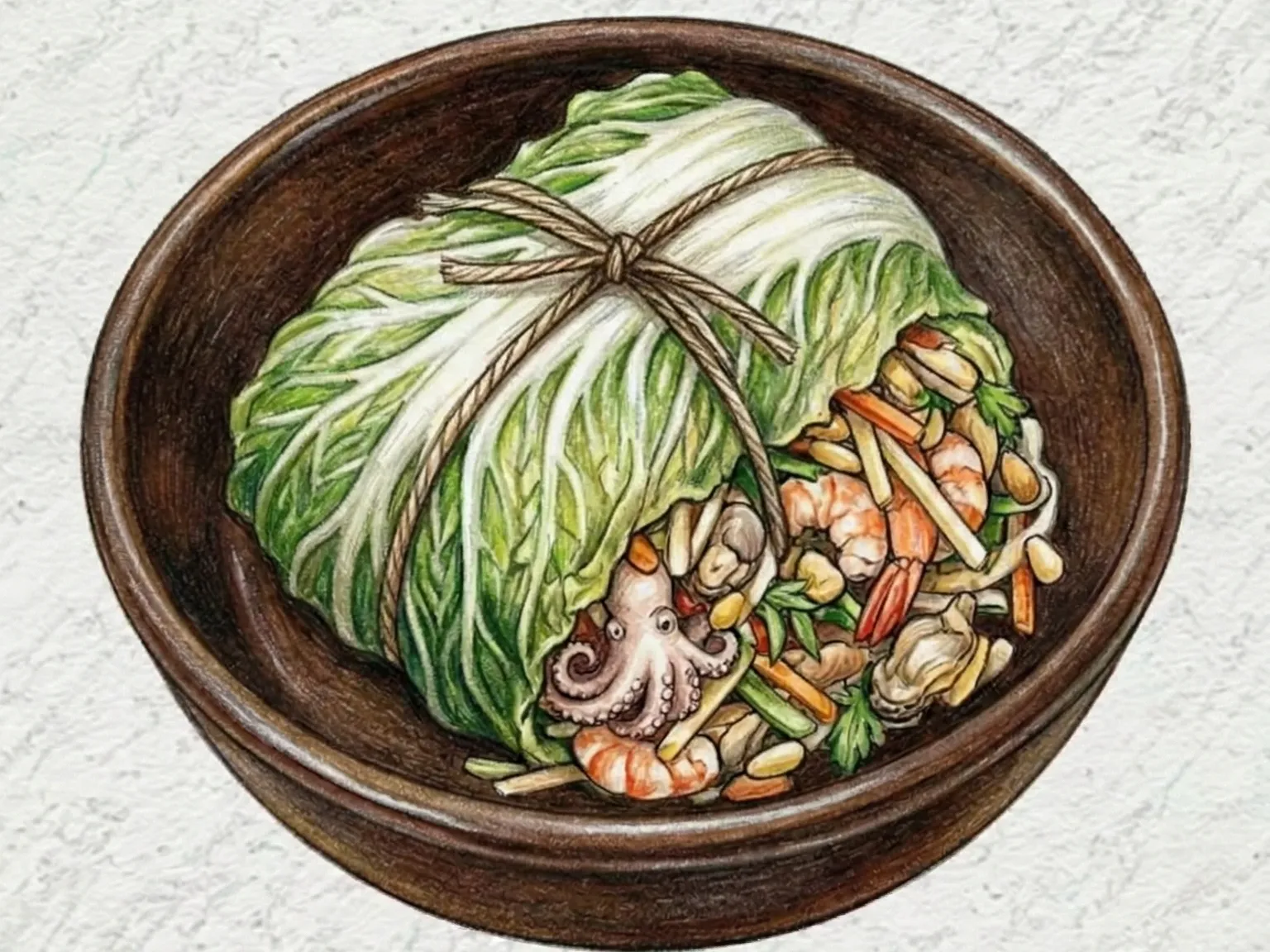
Korean Stuffed Bossam Kimchi
Kimchi Hard

Korean Stuffed Bossam Kimchi

Bo-kimchi wraps a filling of julienned radish, Korean pear, chestnuts, and blanched octopus in brined napa cabbage leaves, then ferments the bundles. After brining, check that the thick cabbage stems bend without snapping, and drain the rinsed leaves well, because wet leaves leave a watery pool inside each parcel. Overlap two large leaves so the filling is enclosed without gaps, and pack the bundles seam side down so they stay closed while they ferment. Blanch the octopus only briefly, since longer cooking makes it tough.

At least 3 days 17 hr 4 servings